

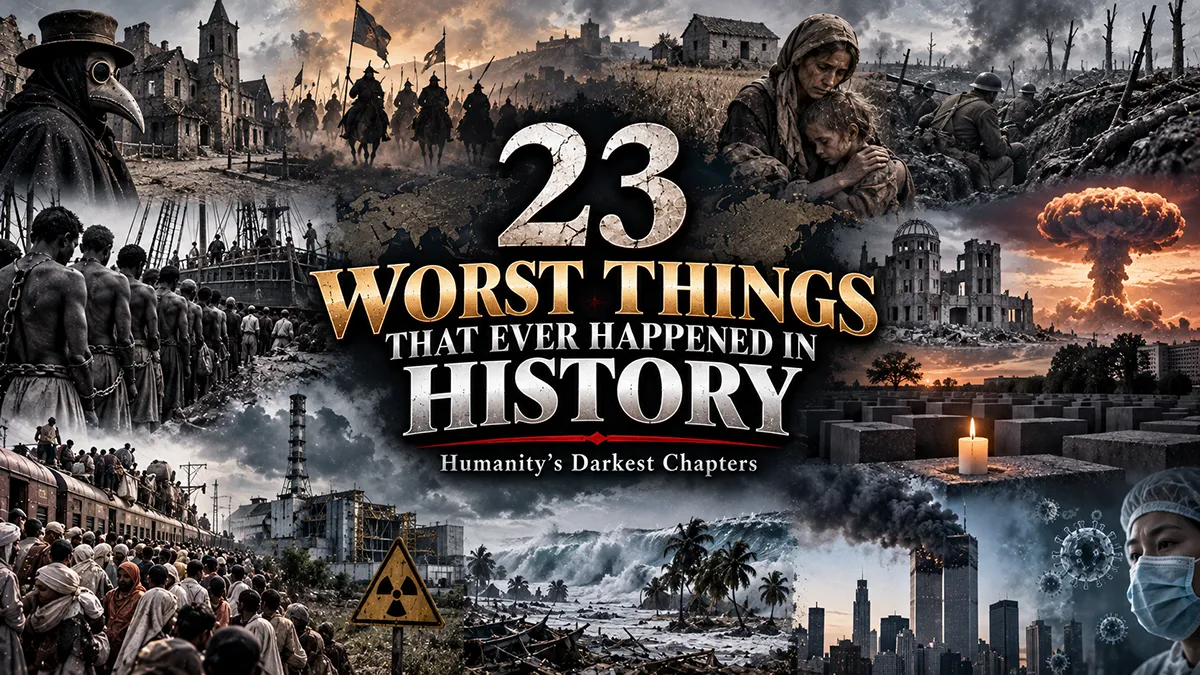
Ask ten different people what the worst things that ever happened in history are, and you’ll likely get ten different answers. That’s because history’s tragedies aren’t a neat leaderboard — they’re a sprawling, painful record of war, famine, disease, and cruelty spread across thousands of years and every inhabited continent.
This list gathers some of the deadliest events in human history — the kind of turning points explored in historical events that changed the world — the ones historians and everyday people alike point to when talking about the worst history events humanity has endured.
We’re not ranking suffering from 1 to 23 like a countdown to the single most tragic event in history — that’s an impossible and honestly disrespectful exercise. Instead, this is a chronological tour through some of the darkest tragic historical events on record, the kind that reshaped borders, economies, and entire generations.
If you’ve ever wondered what was the worst thing to happen to humanity, the honest answer is that there isn’t just one — there are dozens, and each deserves to be understood on its own terms.
TL;DR: From the Black Death to modern pandemics and genocides, history’s worst tragedies share common threads — unchecked power, ignored warnings, and immense human suffering — that still offer lessons today.
Why It’s So Hard to Rank Historical Tragedies
Death tolls from centuries ago are almost never exact numbers. Record-keeping in the medieval or ancient world was patchy at best, so historians often work with ranges rather than precise figures. That doesn’t make these events any less real — it just means responsible history writing uses words like “estimated” a lot.
There’s also the question of what counts as “worse.” A famine that kills millions slowly over years feels different from a single catastrophic day of violence, even if the numbers are comparable. With that caveat in mind, here’s a look at some of the most widely documented tragedies in history, presented roughly in chronological order.
1. The Black Death (1347–1351)
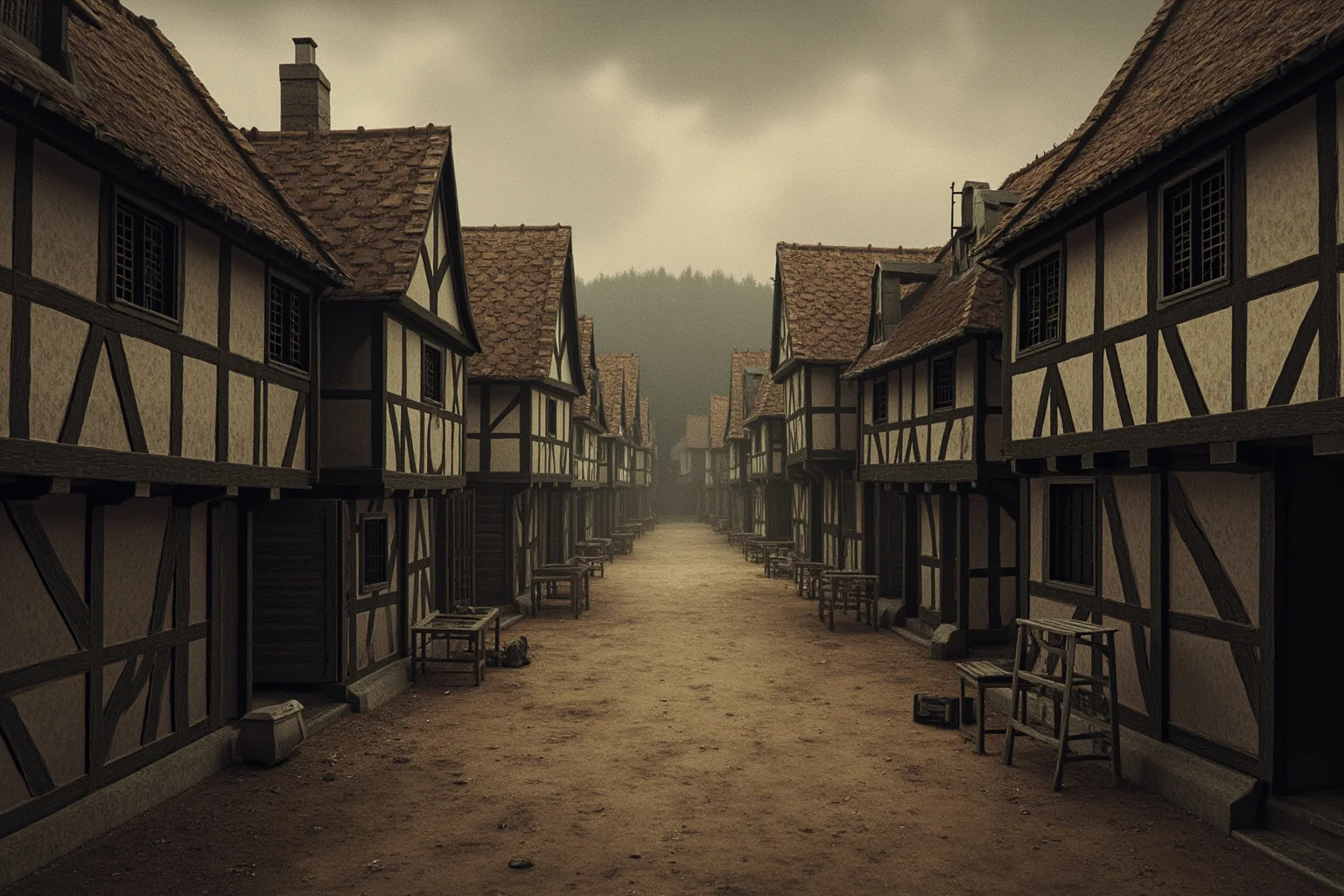
The Black Death was a bubonic plague pandemic that swept from Central Asia into Europe, carried along trade routes by fleas living on rats. It’s estimated to have killed 25 to 30 million people in Europe alone, wiping out an estimated third to half of the continent’s population in just a few years.
The plague didn’t just kill people — it upended feudal economies, since a sudden labor shortage gave surviving peasants unprecedented bargaining power. Many historians consider it one of the deadliest events in human history relative to the population of the time.
2. The An Lushan Rebellion (755–763)
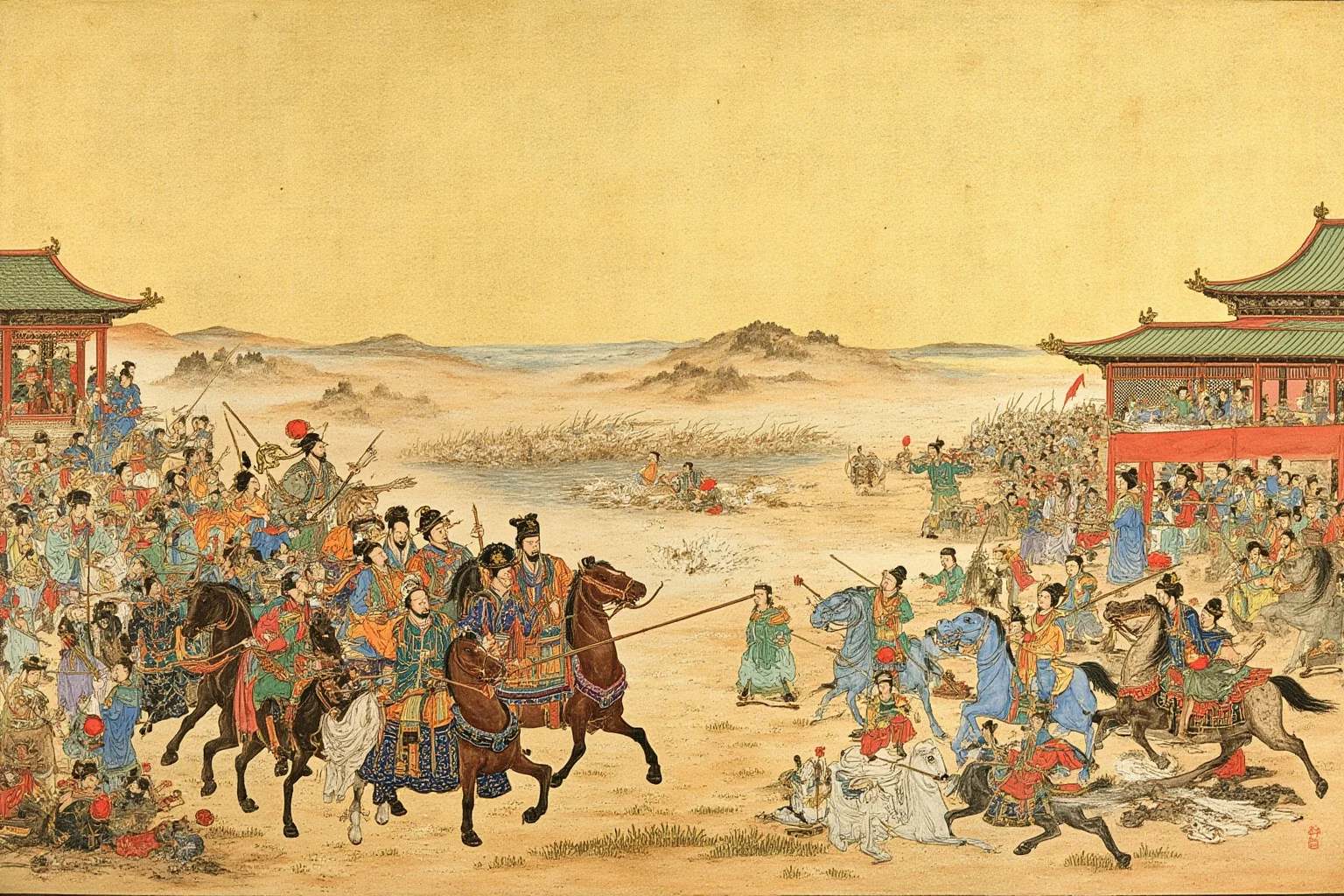
This civil war within China’s Tang Dynasty was sparked when general An Lushan revolted against the imperial court. The conflict dragged on for eight brutal years, involving massive troop movements, famine, and widespread destruction across northern China.
Some older demographic estimates suggested tens of millions of deaths, though modern historians note that census disruptions make those figures highly uncertain. Even accounting for that uncertainty, it’s remembered as one of the most devastating civil wars in pre-modern history.
3. The Mongol Conquests (1206–1368)
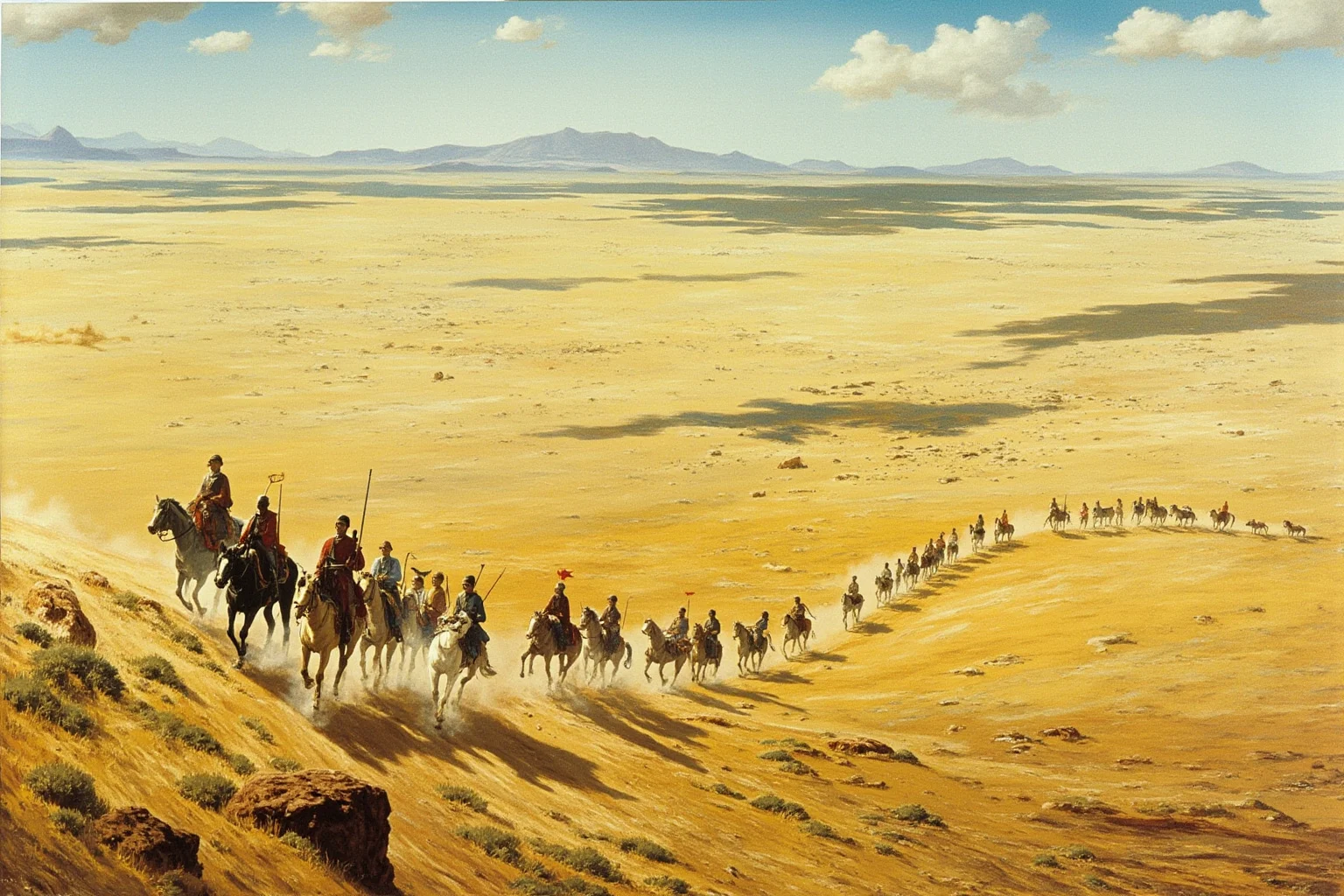
Under Genghis Khan and his successors, the Mongol Empire expanded across Asia, the Middle East, and into Europe, and historians estimate the conquests contributed to tens of millions of deaths through warfare, famine, and disease. Entire cities, like Baghdad in 1258, were destroyed in single sieges.
It’s worth noting the empire wasn’t purely destructive — it also stabilized trade along the Silk Road and connected distant cultures. Still, the human cost of the conquest itself remains one of history’s staggering tragedies.
4. The Atlantic Slave Trade (c. 1500–1866)
Over roughly three and a half centuries, an estimated 12.5 million Africans were forcibly transported across the Atlantic into slavery. Historians estimate around 2 million people died during the brutal Middle Passage crossing alone, before ever reaching the Americas.
The trade’s legacy extends far beyond the deaths it directly caused, shaping generations of forced labor, racial injustice, and inequality that persisted long after abolition. It stands as one of the longest-running and most far-reaching tragedies in history.
5. The Congo Free State Atrocities (1885–1908)
Under Belgian King Leopold II’s personal rule, the Congo Free State forced local populations into brutal labor to extract rubber and ivory. Estimates of the death toll vary widely among historians, ranging from several hundred thousand into the millions, due to disease, violence, and forced labor conditions.
Journalists and missionaries eventually exposed the abuses, leading to international pressure that ended Leopold’s personal control. It remains one of colonialism’s most documented horror stories.
6. The Great Irish Famine (1845–1852)

A potato blight destroyed Ireland’s staple crop, and roughly one million people died of starvation and related disease. Another one to two million emigrated, permanently reshaping Ireland’s population and its diaspora across the world.
Historians widely agree that British government policy worsened the crisis, including continued food exports during the worst years. It’s a frequently cited example of how policy failures can turn a natural disaster into a historical tragedy.
7. The Armenian Genocide (1915–1917)
During World War I, the Ottoman government systematically killed and deported its Armenian population, with historians estimating between 1 and 1.5 million deaths. Many died in forced marches, massacres, or from starvation and disease during deportation.
Most historians and many governments recognize this as genocide, though Turkey’s official position disputes the term and death toll. It remains one of the 20th century’s earliest and most contested tragedies in history.
8. World War I (1914–1918)
The First World War killed an estimated 20 million people, combining military and civilian deaths, and left millions more wounded. New technologies like machine guns, poison gas, and tanks made trench warfare especially horrific, as seen across the major battles of WWI.
The war also toppled empires, redrew maps, and set conditions that historians link directly to World War II two decades later. It’s often cited as one of the worst history events of the modern era precisely because of that ripple effect.
9. The 1918 Influenza Pandemic

Often called the “Spanish Flu” — a misleading name, since it likely didn’t originate in Spain and was simply first reported there due to looser wartime press restrictions — this pandemic infected roughly a third of the world’s population. Estimates put the global death toll at around 50 million, though some historians argue it could be higher.
It struck a world already exhausted by World War I, overwhelming hospitals with limited medical tools to fight a virus. It remains one of the deadliest pandemics in recorded history, ranking among the deadliest infectious diseases in human history.
10. The Holodomor (1932–1933)
The Holodomor was a devastating famine in Soviet Ukraine, caused largely by Stalin’s grain requisition policies, which killed an estimated 3.5 to 5 million people. Many historians and numerous governments now classify it as a deliberate genocide against Ukrainians.
The Soviet government denied the famine’s severity for decades, and it wasn’t widely acknowledged internationally until much later. It’s a stark example of how state policy can manufacture tragedy on a massive scale.
11. World War II (1939–1945)
World War II is widely considered the deadliest conflict in human history, with estimates ranging from 70 to 85 million deaths worldwide, including both military casualties and civilians killed by bombing, famine, and genocide. It touched nearly every continent and reshaped the entire global political order.
The war’s aftermath led to the creation of the United Nations and decades of geopolitical tension during the Cold War. Few single events better capture the scale of the worst history events than this one.
12. The Holocaust (1941–1945)
Nazi Germany’s systematic genocide murdered approximately six million Jews, along with millions of Roma people, disabled individuals, Soviet prisoners of war, and political dissidents. It was carried out through mass shootings, forced labor, starvation, and extermination camps built specifically for industrial-scale killing.
The Holocaust remains one of the most extensively documented atrocities in history, thanks to survivor testimony, Nazi records, and postwar tribunals. It’s frequently studied as a warning about how bureaucratic systems can be turned toward mass murder.
13. The Atomic Bombings of Hiroshima and Nagasaki (1945)
In August 1945, the United States dropped atomic bombs on the Japanese cities of Hiroshima and Nagasaki, killing an estimated 110,000 to 210,000 people by the end of that year, counting both immediate deaths and those from radiation sickness. It remains the only time nuclear weapons have been used in warfare.
The bombings hastened Japan’s surrender and the end of World War II, but they also launched a nuclear arms race that shaped global politics for the rest of the century. Survivors, known as hibakusha, continued to face long-term health effects for decades afterward.
14. The Bengal Famine of 1943
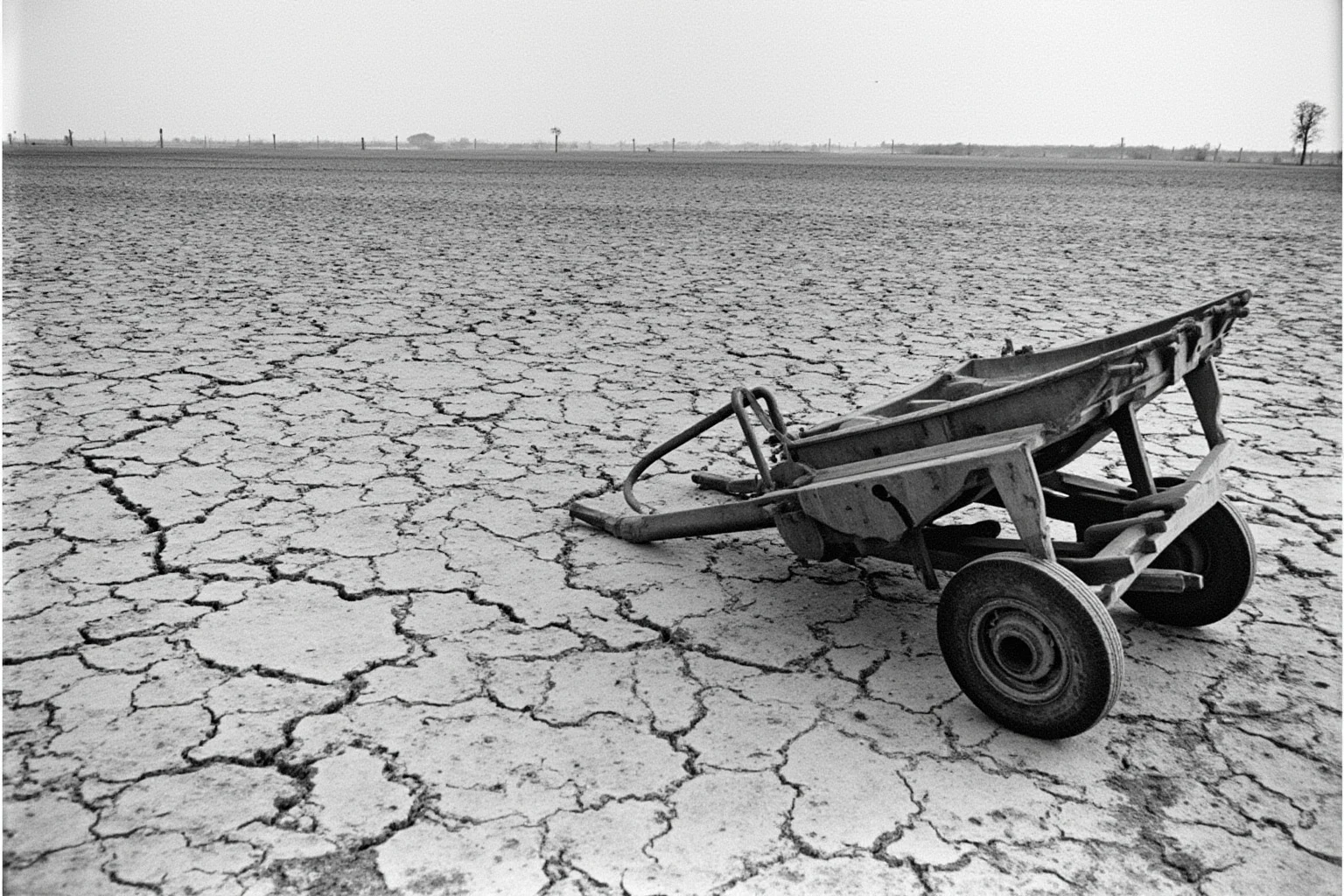
During World War II, British-controlled India experienced a famine that killed an estimated 2 to 3 million people in Bengal. Wartime grain shortages, transport disruptions, and controversial policy decisions all contributed to the crisis.
Historians continue to debate how much responsibility rests with wartime necessity versus colonial mismanagement. It’s often cited alongside other famines as proof that political decisions can be just as deadly as natural disasters.
15. The Partition of India (1947)
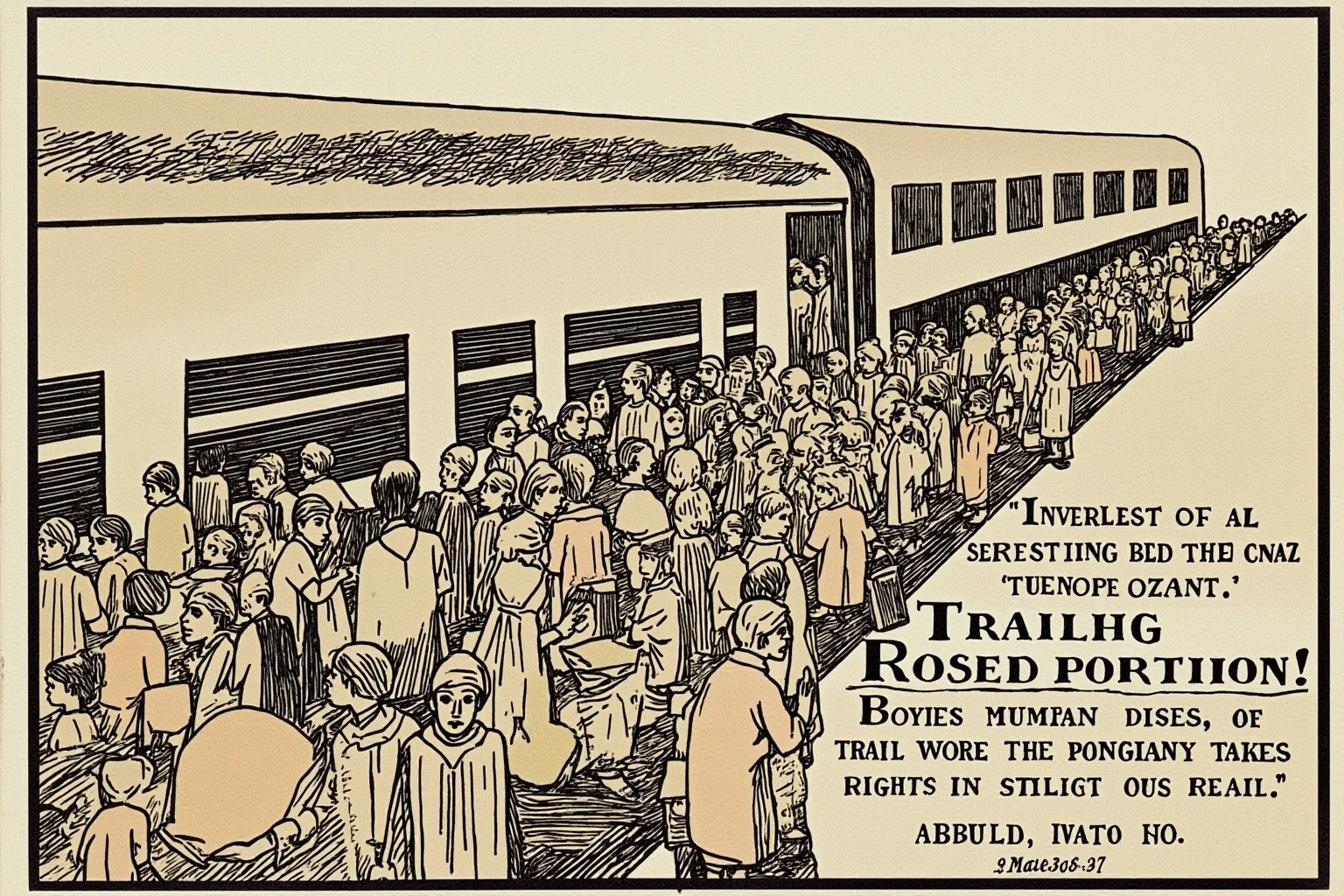
When British India was divided into the independent nations of India and Pakistan, roughly 10 to 15 million people were displaced in one of the largest migrations in human history. Communal violence between religious groups during the transition is estimated to have killed anywhere from several hundred thousand to around a million people.
Families were split, entire communities uprooted, and the border drawn through Punjab and Bengal caused lasting regional tension. It remains one of the most significant tragedies in history tied directly to the end of colonial rule.
16. The Great Chinese Famine (1959–1961)
This famine occurred during China’s Great Leap Forward, a set of agricultural and industrial policies under Mao Zedong that badly disrupted food production. Estimates of the death toll vary enormously, from around 15 million to over 45 million, largely because of suppressed or incomplete data from the period.
Whatever the precise number, it’s widely regarded by historians as one of the deadliest famines ever recorded. It stands as a sobering example of how quickly top-down policy failures can spiral into catastrophe.
17. The Cambodian Killing Fields (1975–1979)

Under the Khmer Rouge regime led by Pol Pot, an estimated 1.5 to 2 million Cambodians died from execution, forced labor, starvation, and disease. The regime targeted intellectuals, minorities, and anyone associated with the previous government or Western influence.
Mass graves later discovered across the country became known as the killing fields, and they remain a memorial to the era’s brutality today. It’s one of the clearest examples of ideology-driven mass violence in the 20th century.
18. The Rwandan Genocide (1994)
Over roughly 100 days, Hutu extremists killed an estimated 800,000 Tutsi and moderate Hutu civilians in Rwanda. The speed and intimacy of the violence — often neighbor against neighbor — makes it one of the most harrowing genocides in modern history.
International institutions, including the United Nations, were later widely criticized for failing to intervene despite early warning signs. Rwanda has since undergone extensive reconciliation efforts, though the scars of that period remain deeply felt.
19. The Chernobyl Disaster (1986)
A reactor explosion at the Chernobyl nuclear plant in Soviet Ukraine released radioactive material across large parts of Europe. Official immediate death tolls were relatively low, but long-term health effects from radiation exposure remain debated and studied by scientists today.
The surrounding area was evacuated and remains a restricted exclusion zone decades later. Chernobyl became a defining symbol of the dangers of nuclear technology mismanagement.
20. The Bhopal Gas Tragedy (1984)
A toxic gas leak at a Union Carbide pesticide plant in Bhopal, India, killed thousands of people within days and contributed to long-term health problems for hundreds of thousands more. It’s considered one of the worst man-made disasters in history.
Legal battles over compensation and corporate accountability dragged on for decades after the disaster. Bhopal is frequently cited in discussions of industrial safety regulation and corporate responsibility.
21. The 2004 Indian Ocean Tsunami
A massive undersea earthquake off the coast of Sumatra triggered tsunami waves that struck coastlines across South and Southeast Asia, killing an estimated 230,000 people across more than a dozen countries. Indonesia, Sri Lanka, India, and Thailand were among the hardest-hit nations.
The disaster exposed major gaps in early-warning systems for the Indian Ocean region, leading to significant international investment afterward. It remains one of the deadliest natural disasters ever recorded.
22. The September 11 Attacks (2001)
Coordinated terrorist attacks in the United States killed nearly 3,000 people and triggered sweeping changes in global security, travel, and foreign policy. The attacks reshaped international relations for decades, including long-running military conflicts in the Middle East and Central Asia.
Beyond the immediate loss of life, the psychological and political aftershocks are still felt in policy debates today. It’s frequently discussed as one of the biggest events in American history and one of the defining tragic historical events of the 21st century.
23. The COVID-19 Pandemic (2019–2023)
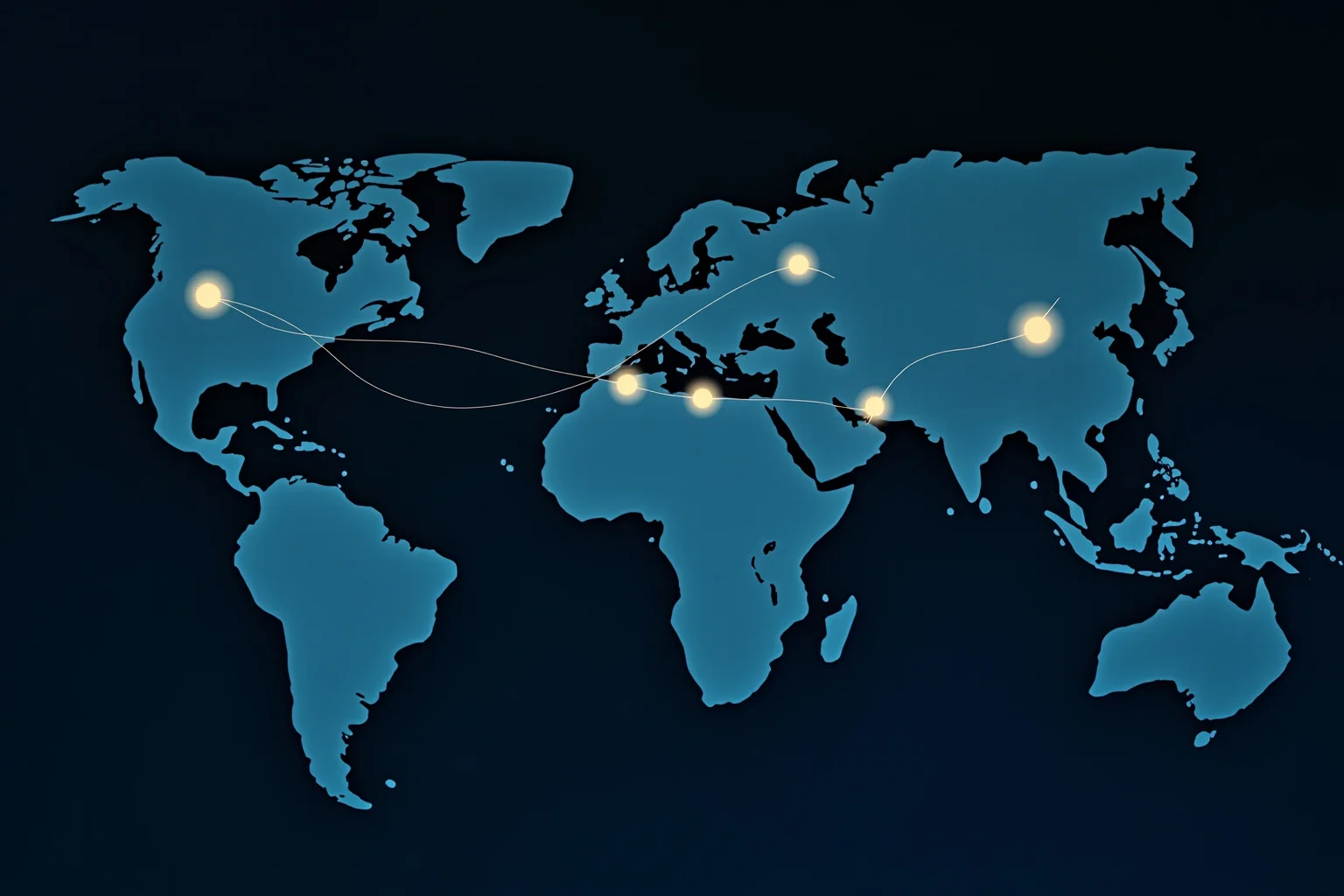
The COVID-19 pandemic spread globally starting in late 2019, and official reported deaths exceeded 7 million by the time major emergencies were declared over, though excess mortality estimates from organizations like the WHO suggest the true toll could be considerably higher. It disrupted economies, healthcare systems, and daily life on a scale not seen since the 1918 flu pandemic.
The pandemic also revealed deep inequalities in healthcare access and vaccine distribution across countries. It’s a reminder that even in a highly connected modern world, bad things happening in the world can still spiral into truly global tragedies.
What These Tragedies Have in Common
Looking across this list, a few patterns emerge. Many of the worst events in history involve either unchecked concentrated power, ignored early warnings, or both — from famines worsened by political decisions to genocides that had visible warning signs beforehand.
Disease, war, famine, and disaster often overlap rather than occurring in isolation. World War I helped fuel the 1918 flu’s spread, and wartime policy directly worsened the Bengal famine, showing how one crisis frequently multiplies another.
Why We Keep Studying History’s Darkest Moments
It might seem grim to catalog so much human suffering, but understanding these tragedies in history serves a real purpose. Recognizing the warning signs of famine, genocide, or pandemic response failures has directly influenced modern humanitarian and public health systems.
Early-warning systems for tsunamis, international genocide-recognition frameworks, and global pandemic monitoring all trace back to lessons learned from these events. Studying the worst things that ever happened isn’t about dwelling on despair — it’s about making sure history’s tragic historical events inform better decisions going forward.
Final Thoughts
There’s no single, universally agreed-upon answer to what was the worst thing to ever happen in history, and that’s probably a good thing. It means we’re forced to reckon with the full breadth of human tragedy rather than reducing it to one simplified story.
From ancient plagues to modern pandemics, the throughline across every entry on this list is the same: real people, real families, and real communities bore the cost. Remembering that is really the whole point of looking back at history’s worst chapters at all.
Frequently Asked Questions
What are some of the biggest tragedy events in history?
Some of the most widely cited tragedy events in history include the Black Death, World War I and II, the Holocaust, the Great Chinese Famine, the Rwandan Genocide, and modern events like the COVID-19 pandemic. Historians generally avoid ranking them strictly because death tolls, historical context, and available records vary enormously between events.
What is considered the worst thing that ever happened in history?
There's no single agreed-upon answer, since 'worst' can be measured by death toll, duration, cruelty, or long-term impact. World War II is often cited due to its unmatched global death toll of an estimated 70 to 85 million people, but famines, pandemics, and genocides are equally devastating by other measures.
What are the deadliest events in human history by death toll?
By raw estimated death toll, World War II, the 1918 flu pandemic, the Great Chinese Famine, and the Black Death typically rank among the deadliest events in human history. Exact figures vary because record-keeping was often incomplete, especially for events centuries in the past.
Are the worst events in fiction based on real historical tragedies?
Many worst events in fiction, such as dystopian famines, wars, or plagues in novels and films, draw loose inspiration from real historical tragedies like genocides, world wars, or pandemics. However, fictional portrayals are typically dramatized and shouldn't be treated as accurate historical accounts.
Why is it hard to say what was the worst tragedy in history?
It's hard to determine what was the worst tragedy in history because suffering isn't easily measured on one scale, and available records from centuries ago are often incomplete or disputed. Comparing a slow-moving famine to a sudden act of violence, for example, involves very different kinds of human cost.
Are bad things happening in the world today comparable to past tragedies?
Terrible things happening in the world today, including conflicts, natural disasters, and humanitarian crises, are real and serious, but historians caution against directly comparing modern events to historical ones without proper context. Every era has faced its own bad things in the world, and understanding past tragedies can help put current events into perspective rather than minimizing either.

Alex Warren
Related Articles





