

Native American history is often reduced to a handful of textbook footnotes: a helpful guide here, a tragic battle there, maybe a mention of a peace pipe. But the real story of Native American history is far richer, messier, and more inspiring than that flattened version ever suggests.
From brilliant inventors and fierce diplomats to Olympic champions and modern-day Cabinet secretaries, the accomplishments of Native peoples span centuries and touch nearly every corner of American life.
This list pulls together some of the most compelling stories of Native Americans, separates myth from documented history, and highlights the lessons each one still teaches us today.
TL;DR: Native American history is full of documented, verifiable stories of resilience, innovation, and leadership that deserve to be told accurately, not through Hollywood myth or textbook shorthand.
Why These Stories Deserve a Closer Look
Many popular versions of Native American history were shaped by 19th and 20th century writers, filmmakers, and textbook authors who weren’t Native themselves. That means a lot of what most people “know” about figures like Pocahontas or Squanto is partly or entirely fictionalized.
This list aims to separate the documented history from the legend, while still celebrating just how remarkable these real, verifiable accomplishments were. Think of it as a more honest way to explore an influential Native American story, one event and one person at a time.
1. Pocahontas and the Diplomacy Behind the Myth
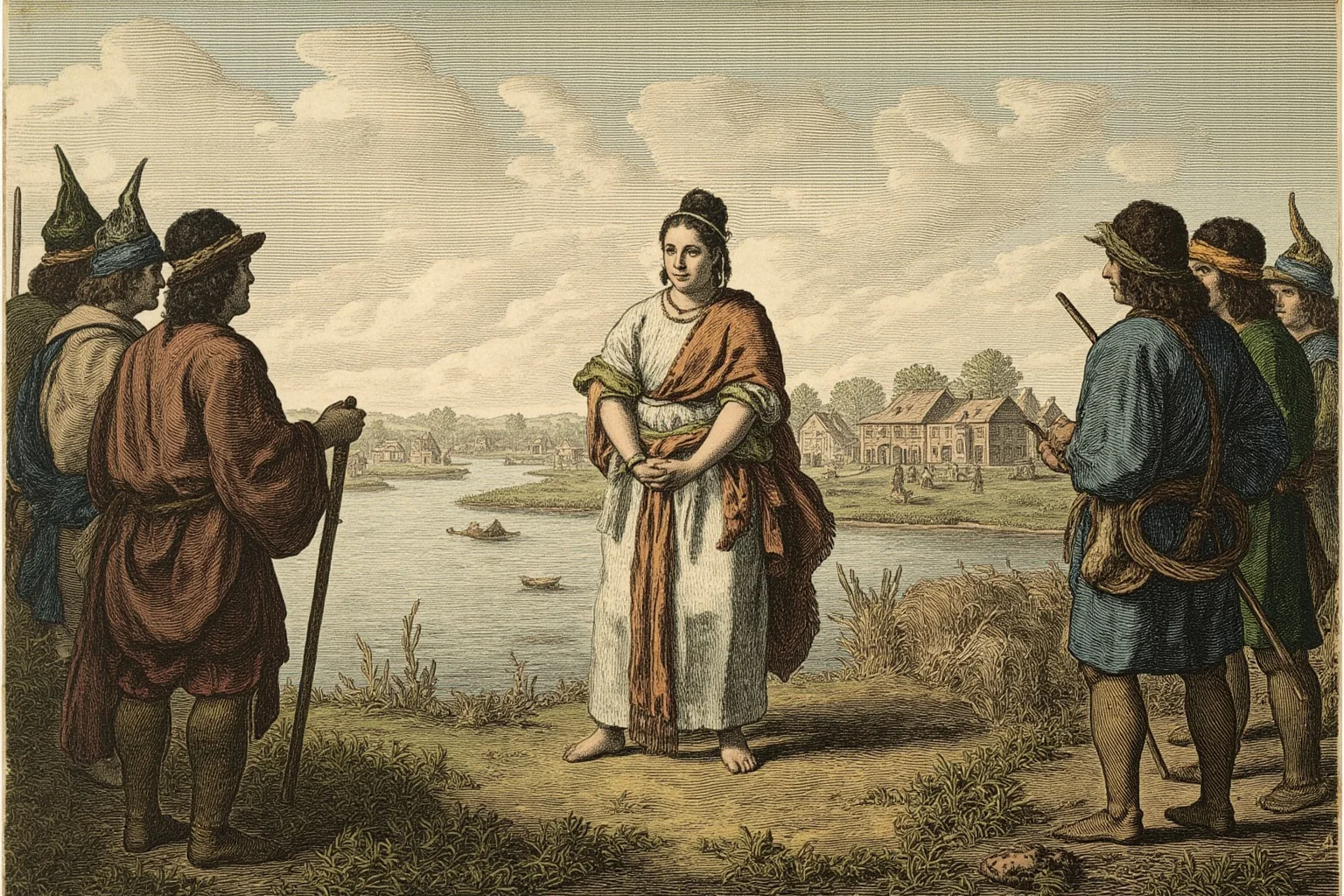
Pocahontas, born around 1596, was a Powhatan girl whose real life bore little resemblance to the romanticized tale most people know. Historical records suggest she acted as a go-between during tense encounters between the Powhatan Confederacy and English settlers at Jamestown, at a time when either side could have easily wiped out the other.
She was later kidnapped by the English, converted to Christianity, and married settler John Rolfe before dying in England around 1617. Her story is less a fairy tale and more a sobering look at the pressures Native women navigated during first contact.
2. Squanto’s Complicated Path to the First Thanksgiving
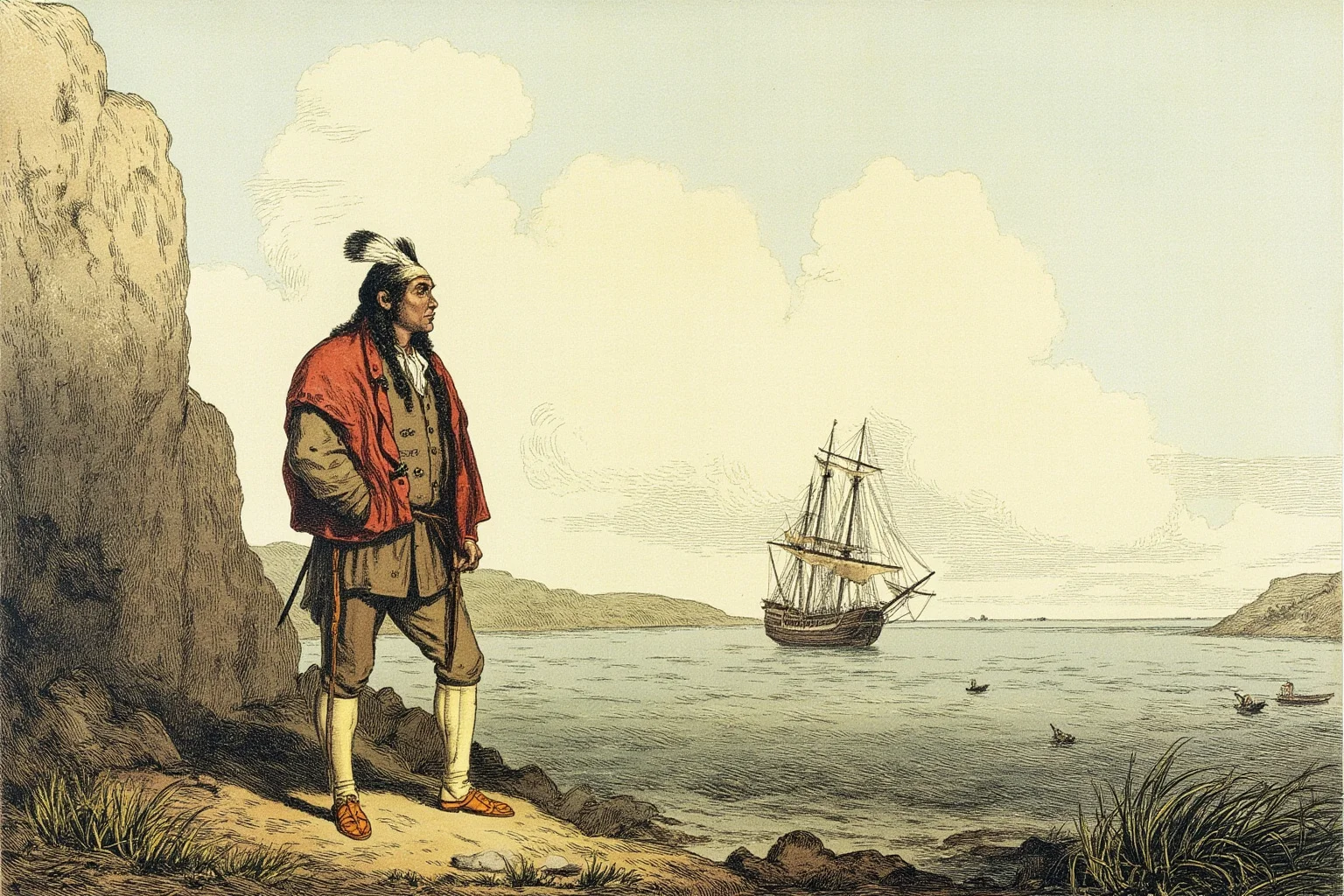
Tisquantum, known as Squanto, is often taught as simply “the Native American who helped the Pilgrims.” The fuller story is harder to hear: he was kidnapped by English sailors around 1614, sold into slavery in Spain, and eventually made his way back to New England years later.
When he returned, he found his entire Patuxet village had been wiped out by disease. His decision to help the Plymouth colonists survive, teaching them to fish and plant corn, came from a man who had already lost nearly everything to European contact.
3. Sequoyah and the Invention of the Cherokee Syllabary
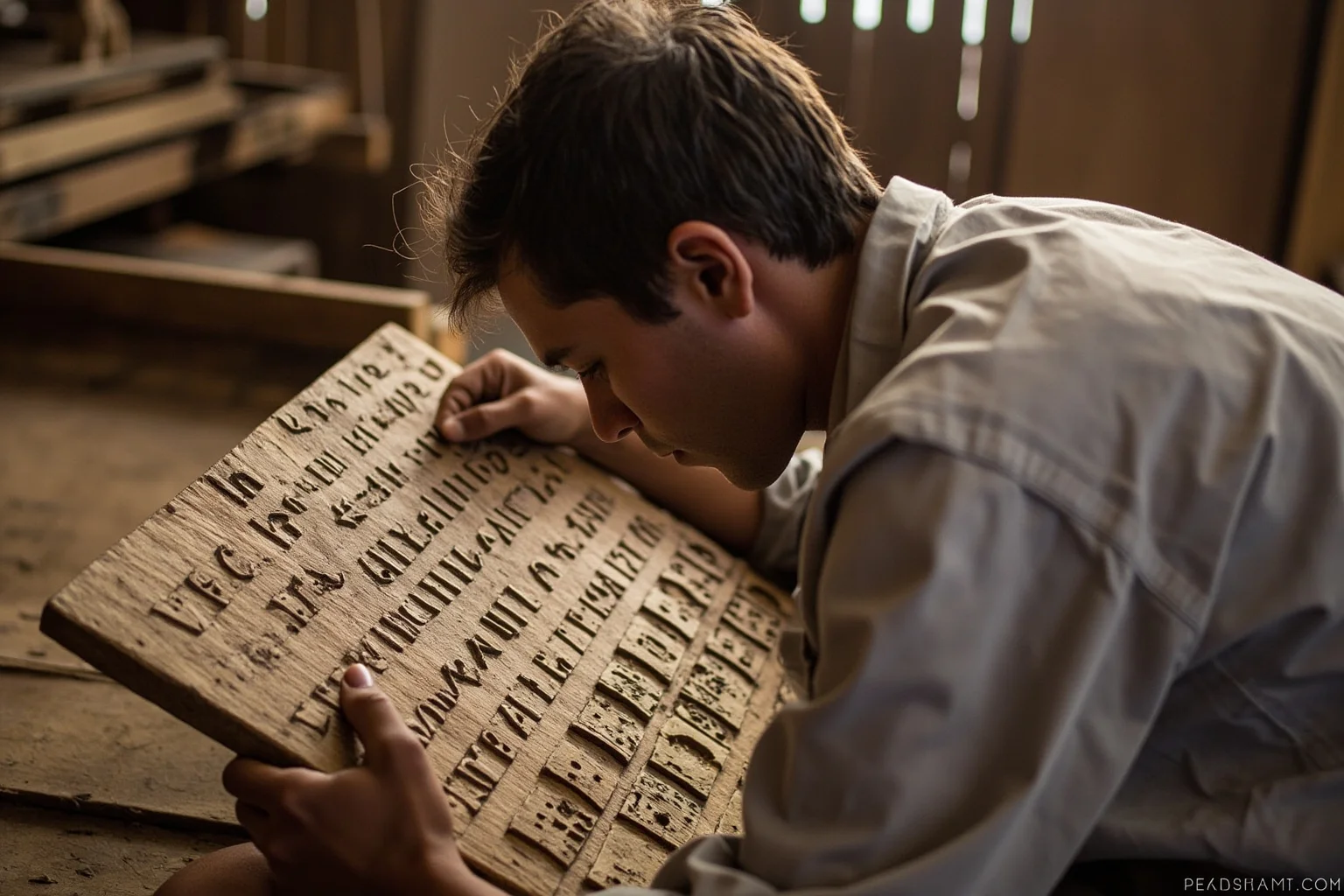
Sequoyah was a Cherokee silversmith who, without ever learning to read English, set out in the early 1800s to create a writing system for his own language. By 1821, he had completed a syllabary of 86 characters representing the sounds of spoken Cherokee.
Within just a few years, thousands of Cherokee people became literate in their own language, an astonishingly fast adoption rate for any writing system in history. His achievement stands alongside the greatest American inventors in history as one of the most remarkable feats in the history of written language.
4. Sacagawea’s Role in the Lewis and Clark Expedition
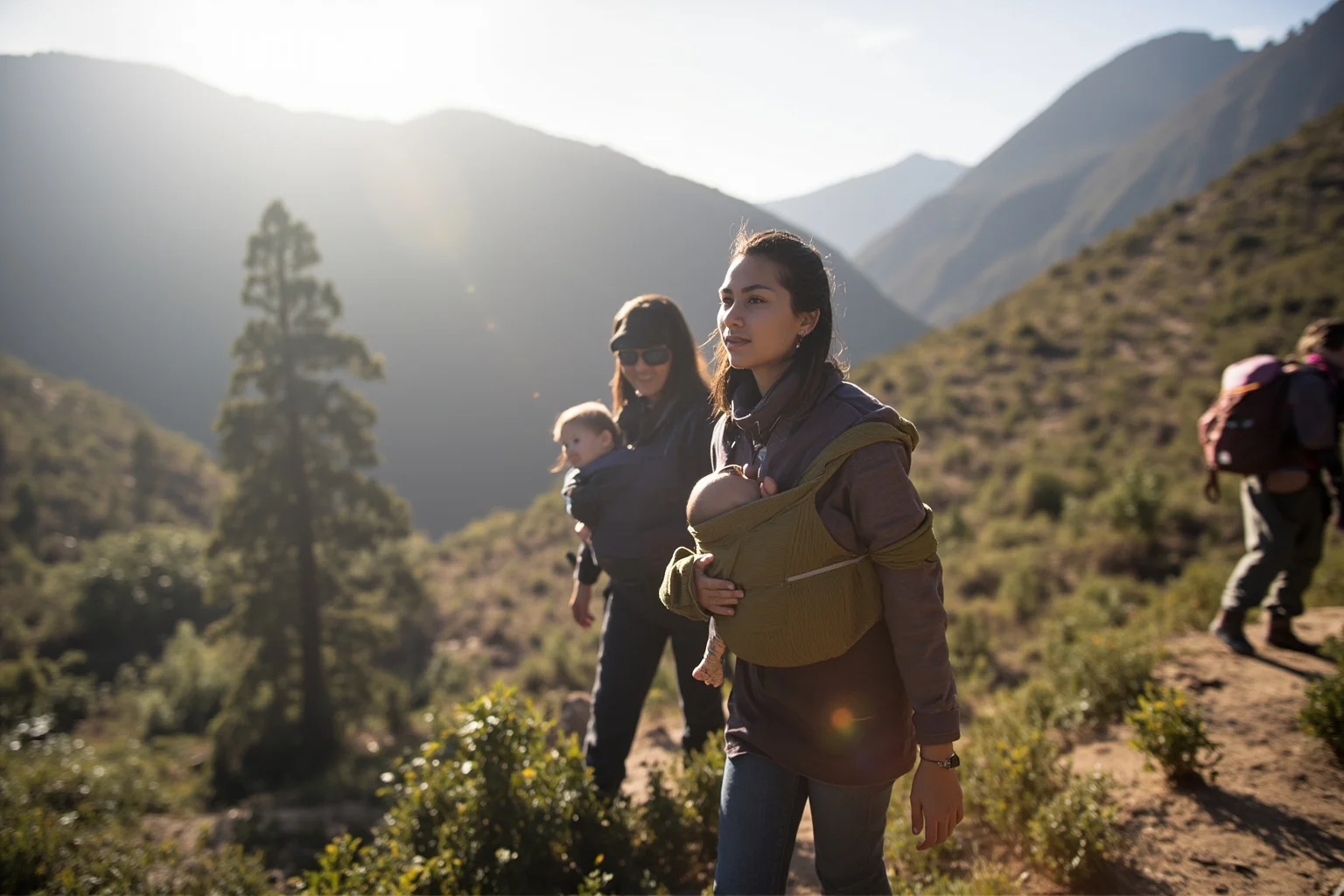
Sacagawea, a young Lemhi Shoshone woman, joined the Lewis and Clark Corps of Discovery in 1804 as an interpreter, not a wilderness guide as popular legend often claims. Her knowledge of Shoshone language and geography proved critical when the expedition needed horses to cross the Rocky Mountains.
She traveled the journey with her infant son strapped to her back, which historians note likely signaled to other tribes that the group was peaceful rather than a war party. Her documented contributions were quieter than legend suggests, but no less essential to the expedition’s survival.
5. Tecumseh’s Vision of Native Unity
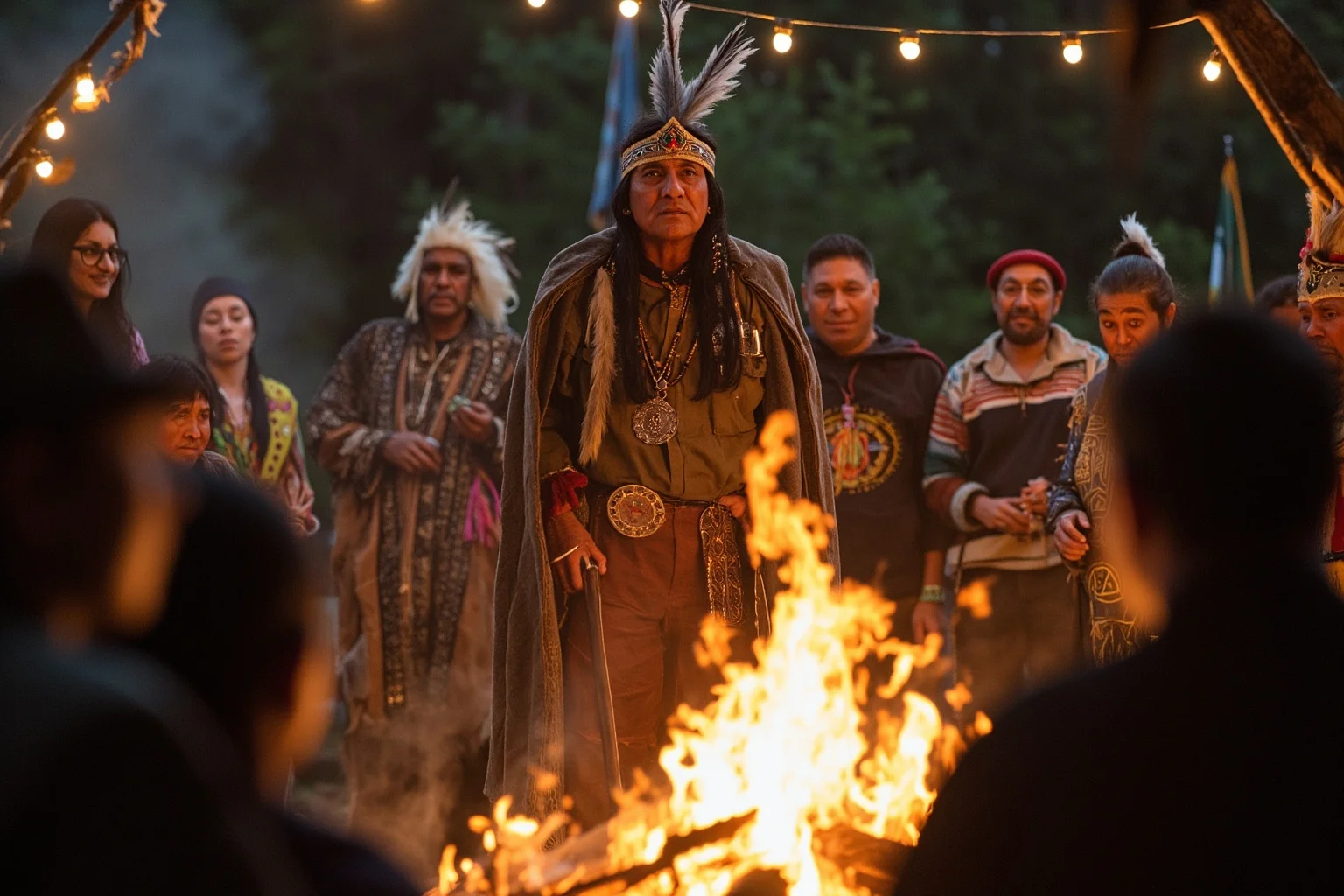
Tecumseh, a Shawnee leader born around 1768, spent years traveling across tribal nations trying to build a unified confederacy to resist U.S. expansion. He argued that no single tribe could sign away land that belonged to all Native peoples collectively, a genuinely radical political idea for its time.
His alliance fought alongside the British in the War of 1812 before he was killed at the Battle of the Thames in 1813. His vision of pan-tribal unity influenced Native political organizing for generations afterward.
6. Sitting Bull and the Battle of the Little Bighorn
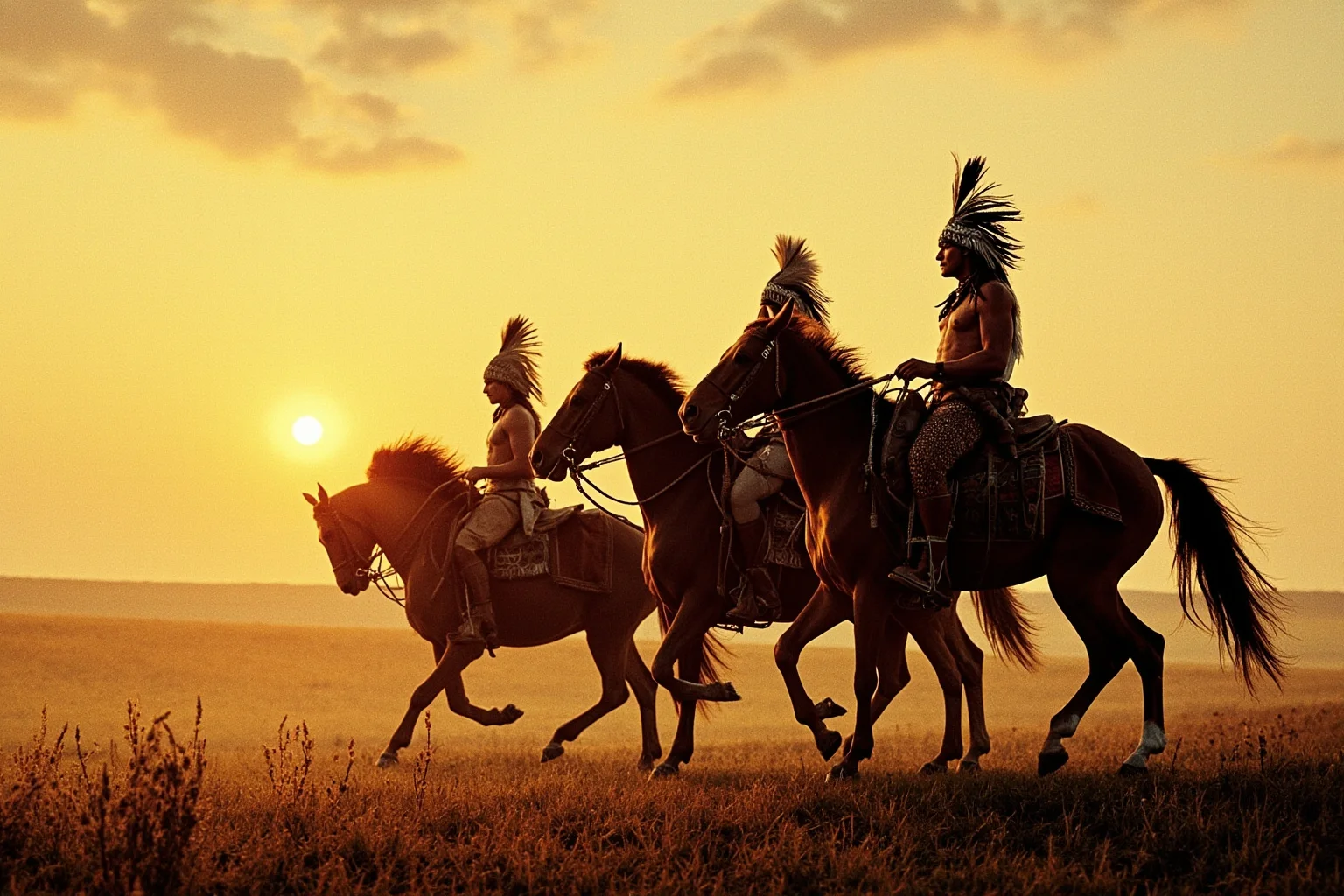
Sitting Bull was a Hunkpapa Lakota leader and spiritual figure who helped unite Lakota, Cheyenne, and Arapaho forces in 1876. That coalition delivered a decisive defeat to Lieutenant Colonel George Custer’s forces at the Battle of the Little Bighorn.
Sitting Bull later toured with Buffalo Bill’s Wild West show before being killed during a tense arrest attempt in 1890. His life reflects both the high point of armed Native resistance and the grinding pressure that eventually followed it.
7. Crazy Horse’s Legacy of Resistance
Crazy Horse, an Oglala Lakota war leader, fought alongside Sitting Bull at Little Bighorn and became legendary for his tactical skill in earlier conflicts like the Fetterman Fight. He never signed a treaty and reportedly refused to be photographed, which is why no verified image of him exists today.
He surrendered in 1877 and was killed months later under disputed circumstances at Fort Robinson. His refusal to compromise made him one of the most enduring symbols of Native resistance in American history.
8. Geronimo and the Final Years of Apache Resistance
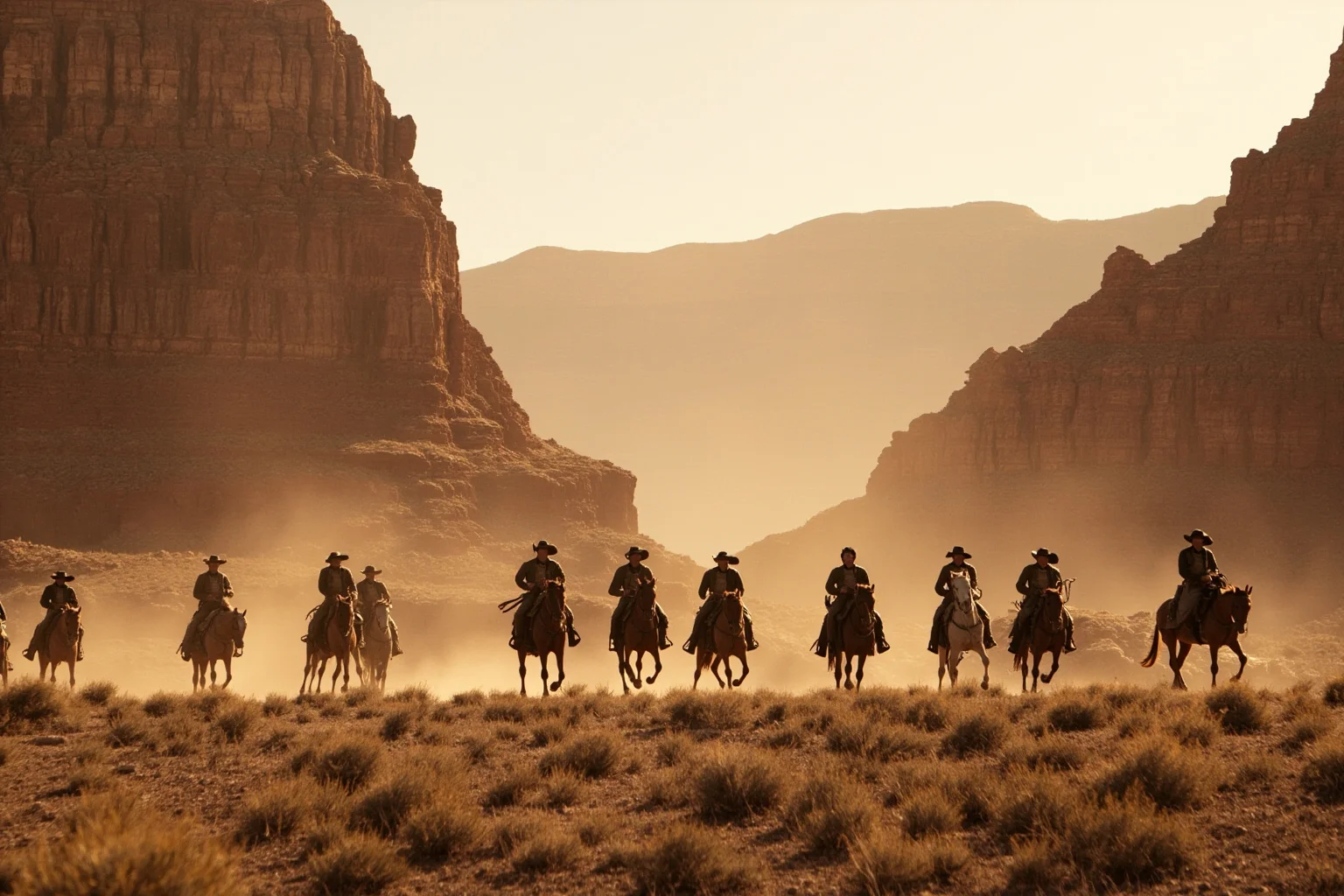
Geronimo was a Chiricahua Apache leader who fought against Mexican and American forces for over a decade before his surrender in 1886. His small band’s ability to evade thousands of U.S. troops in the Southwest desert became a source of both fear and grudging admiration among his pursuers.
He spent his later years as a prisoner of war, eventually appearing at public events including the 1904 World’s Fair. His story is frequently sensationalized, so it’s worth remembering the real context: a leader fighting to protect his people’s land and autonomy.
9. Chief Joseph’s Long Retreat
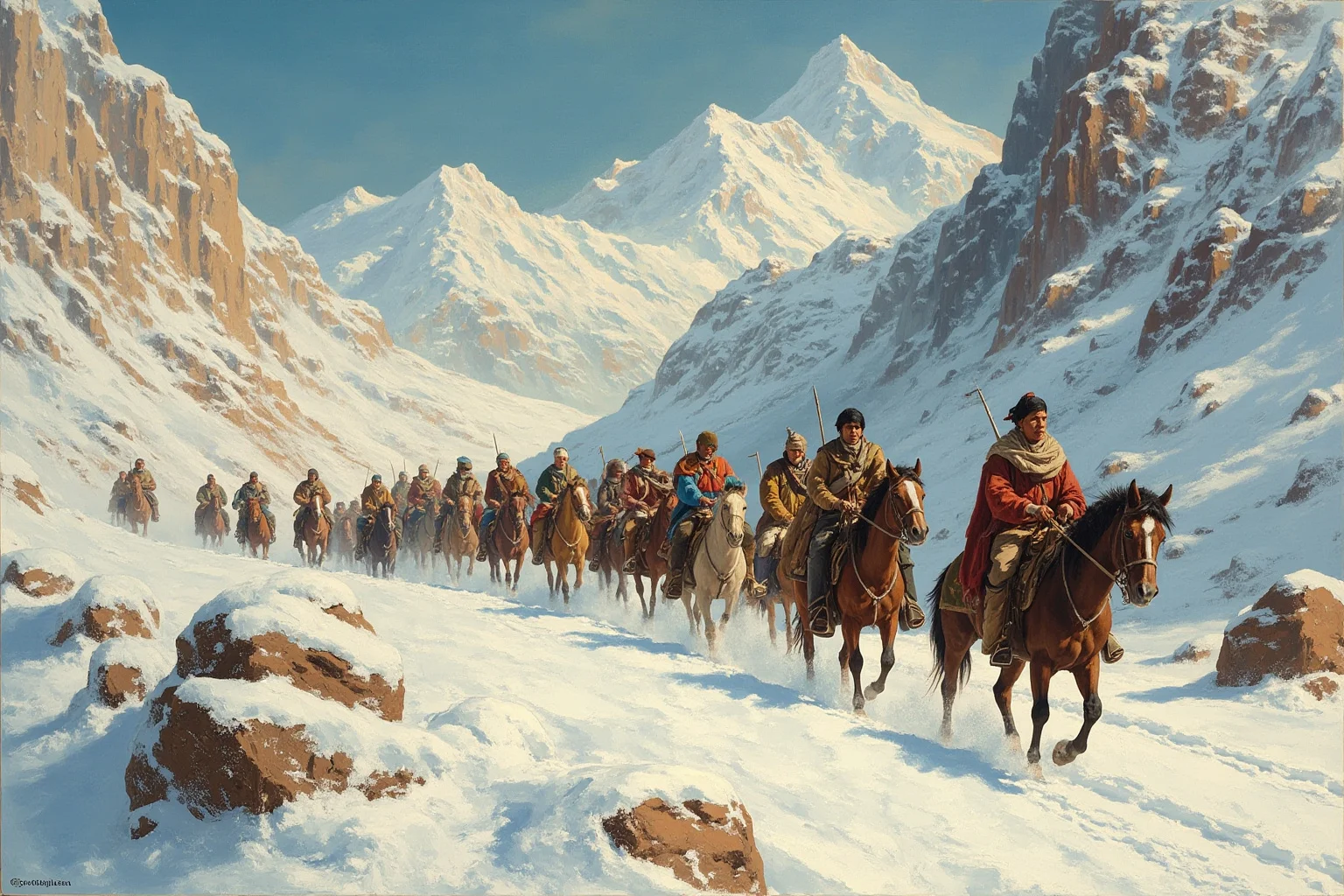
Chief Joseph led the Nez Perce during their attempt to flee to Canada in 1877 rather than be forced onto a reservation. Over roughly 1,170 miles and several months, his band evaded and fought U.S. Army units multiple times before finally being caught just short of the Canadian border.
His surrender speech, though later edited and popularized by journalists, is remembered for its raw exhaustion and grief. The Nez Perce flight remains one of the most studied native American events in history for its sheer military and logistical achievement.
10. Standing Bear and the Fight for Legal Personhood
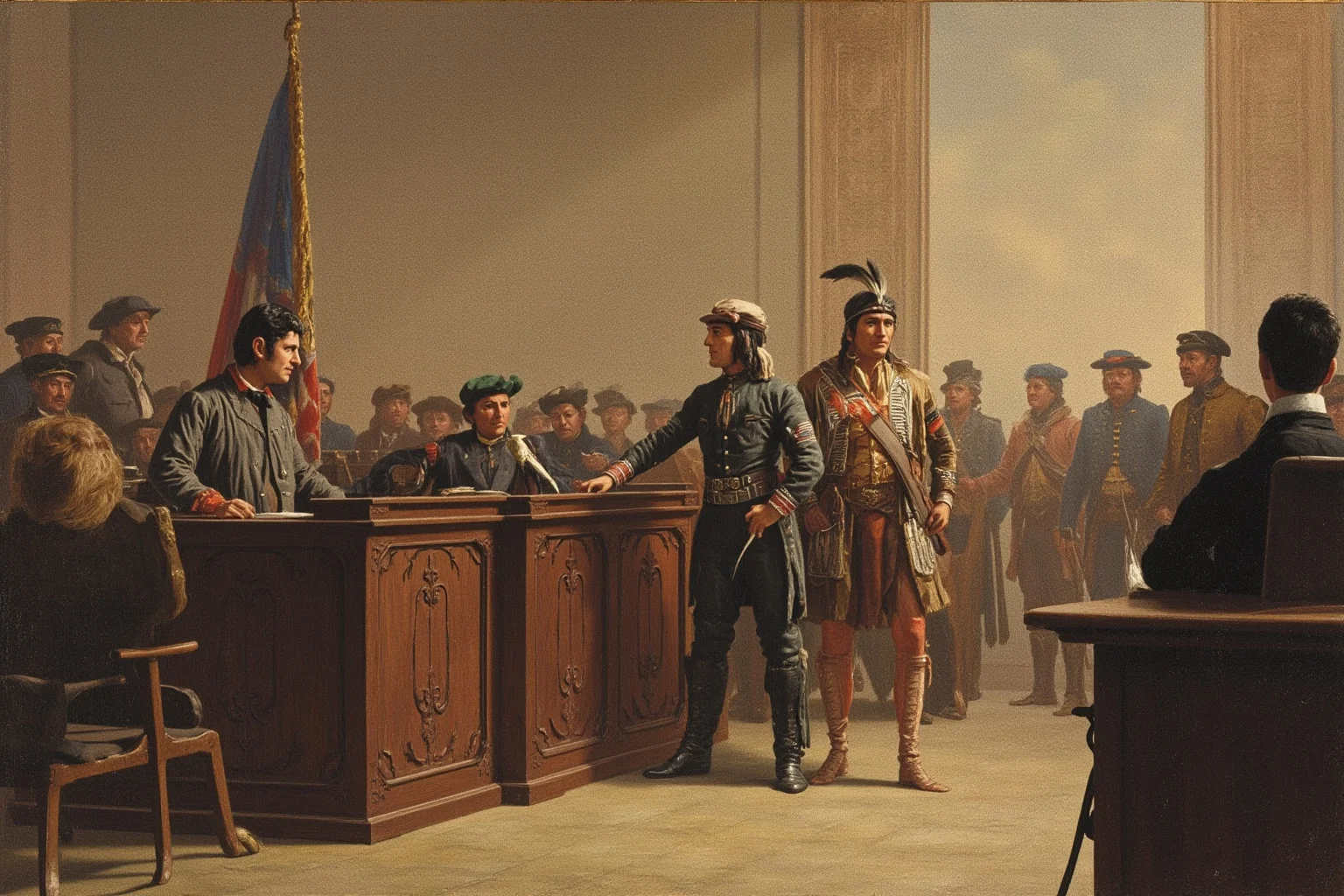
Standing Bear, a Ponca chief, sued the U.S. government in 1879 after being arrested for leaving his reservation to bury his son on ancestral land. In Standing Bear v. Crook, a federal judge ruled that Native Americans were, in fact, “persons” under the law with the right to habeas corpus.
It was the first time a U.S. court had ever formally recognized that basic legal right for a Native American. The case set an important precedent, even though full citizenship rights for Native peoples wouldn’t arrive for decades more.
11. Ely S. Parker’s Role at Appomattox
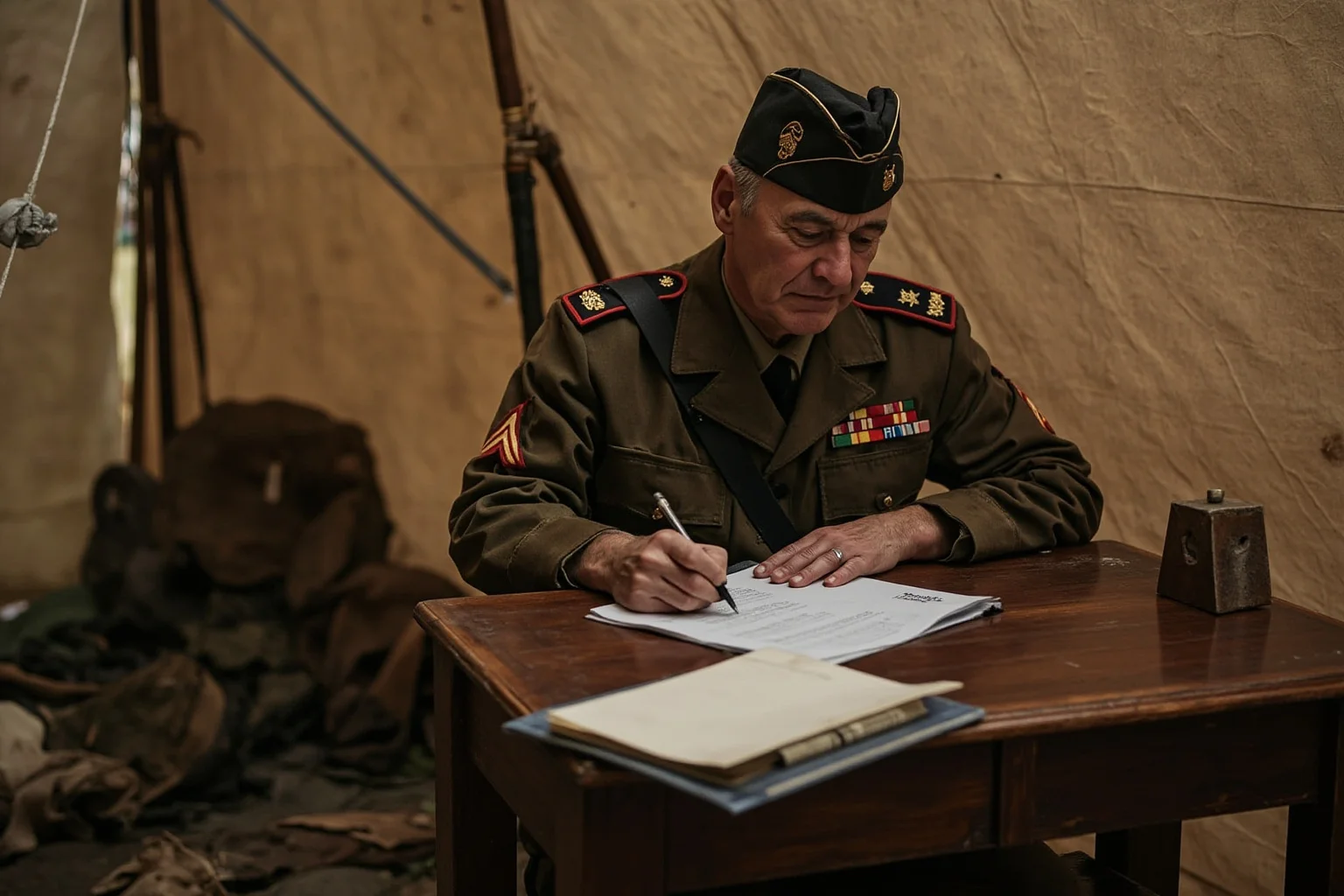
Ely S. Parker was a Seneca leader, engineer, and Union Army officer who rose to the rank of brigadier general during the Civil War. As General Grant’s military secretary, he personally wrote out the final terms of Confederate surrender at Appomattox Courthouse in 1865.
According to accounts from the time, Robert E. Lee was initially surprised to see a Native American officer present, to which Parker reportedly replied that they were all simply Americans now. He later became the first Native American to serve as U.S. Commissioner of Indian Affairs.
12. Susan La Flesche Picotte, Physician and Advocate
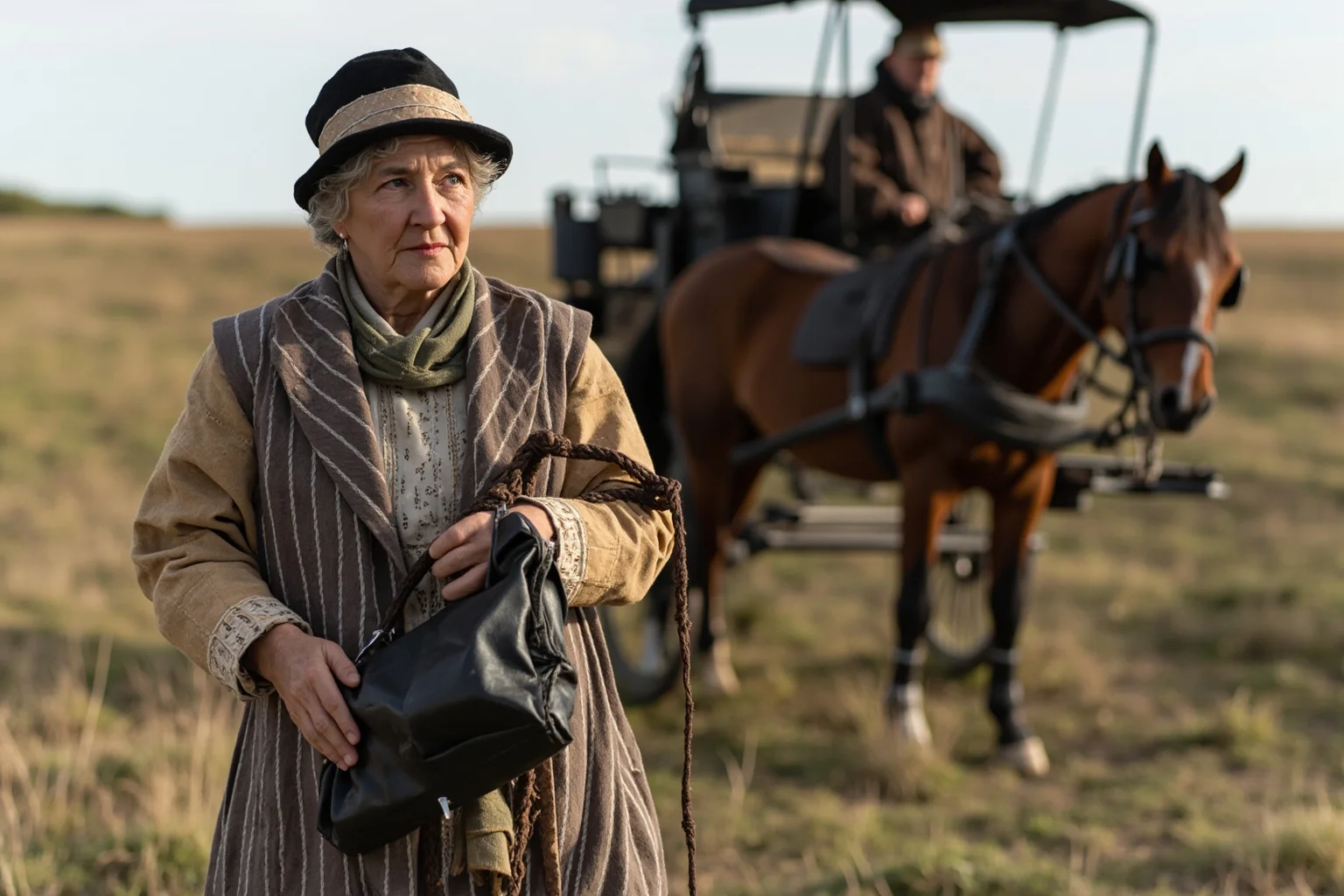
Susan La Flesche Picotte, an Omaha woman, graduated at the top of her class from the Woman’s Medical College of Pennsylvania in 1889. That made her the first Native American in the United States to earn a medical degree, a genuinely historic native American accomplishment that places her among history’s most powerful women.
She returned to serve her own community, often traveling by horse and buggy across hundreds of square miles to treat patients. She also advocated fiercely against alcohol abuse and for improved reservation health conditions throughout her career.
13. Jim Thorpe’s Olympic and Athletic Dominance
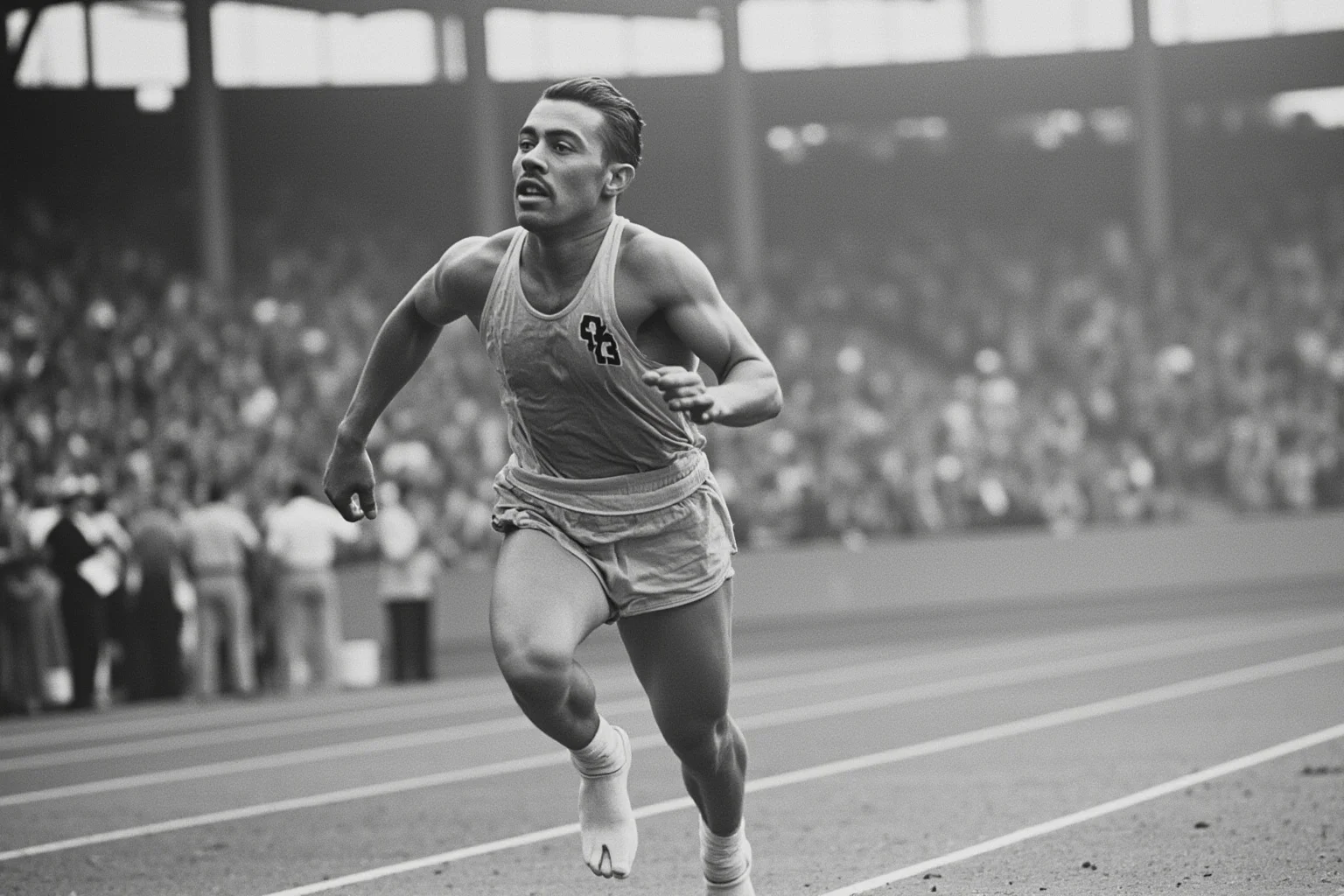
Jim Thorpe, a member of the Sac and Fox Nation, won gold medals in both the pentathlon and decathlon at the 1912 Stockholm Olympics. Sportswriters at the time called him the greatest athlete in the world, and few who saw him compete disagreed, a claim that still holds up among the most recognized historical figures of the 20th century.
His medals were controversially stripped over amateurism rules after it emerged he’d played minor league baseball for pay, a decision the IOC finally reversed in 1982, decades after his death. Thorpe also played professional football and baseball, and helped found what became the NFL.
14. Charles Curtis, the First Native American Vice President
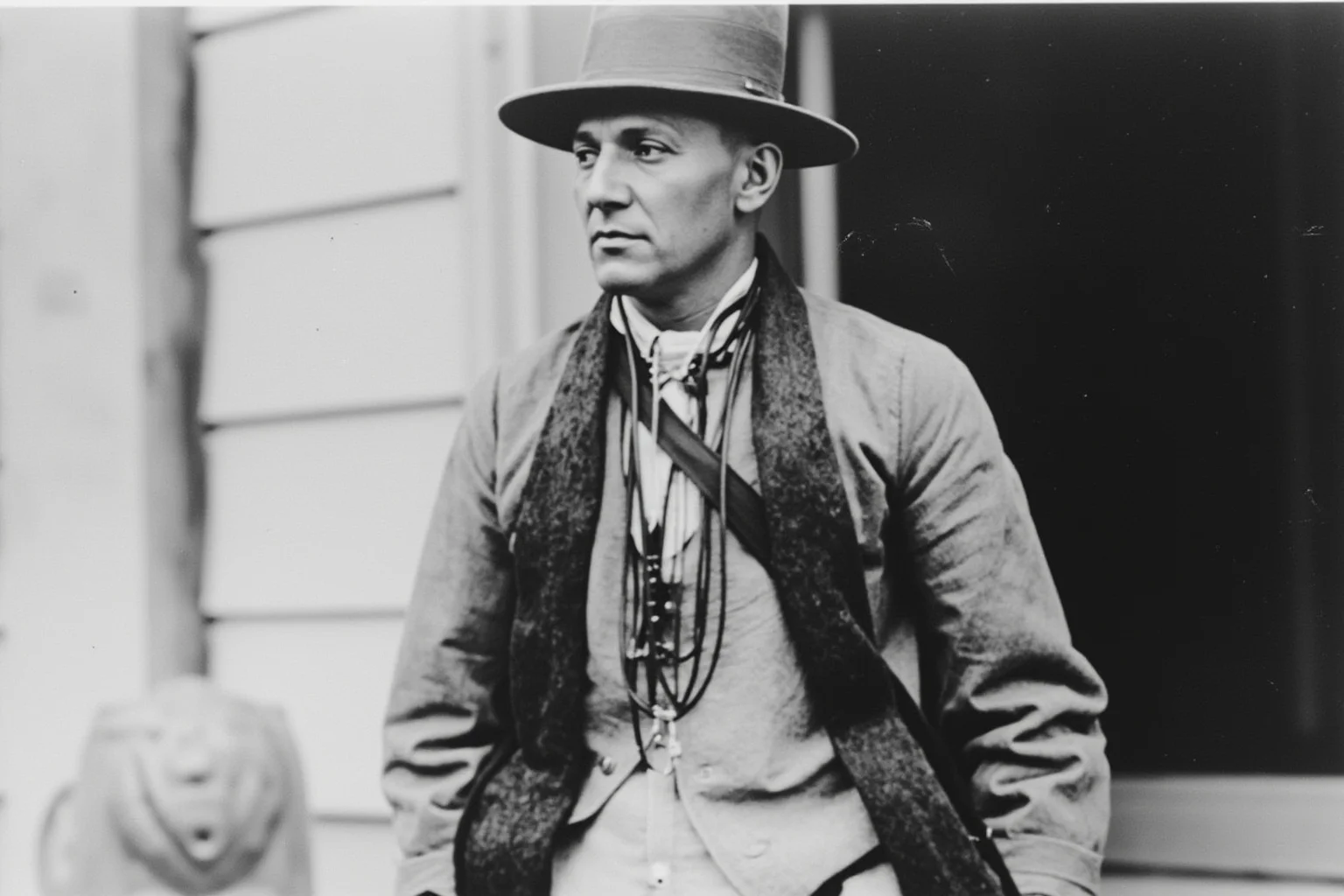
Charles Curtis, who was of Kaw Nation, Osage, and European descent, served as Vice President of the United States under Herbert Hoover from 1929 to 1933. He remains the highest-ranking Native American official in U.S. federal history to this day.
Before that role, he spent decades in Congress representing Kansas, becoming one of the most powerful Native American political figures of the early 20th century. His career shows just how far back influential Native American leadership in U.S. politics actually goes.
15. The Navajo Code Talkers of World War II
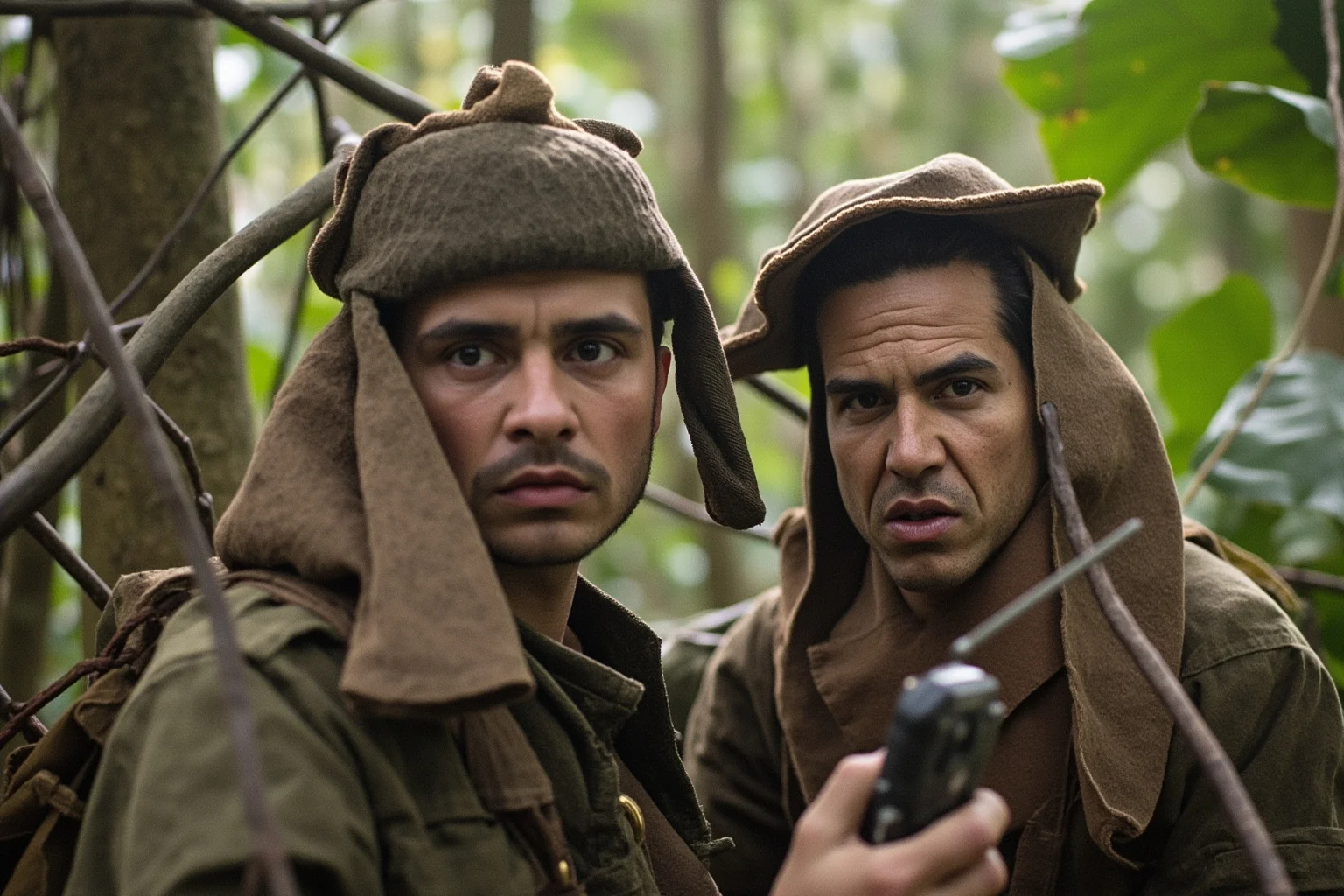
During World War II, a group of Navajo Marines developed an unbreakable code based on their native language to transmit sensitive military communications. Japanese cryptographers, who had cracked nearly every other American code, never managed to decipher it.
The program remained classified until 1968, which meant the Code Talkers received little public recognition for decades after the war ended. They were finally awarded Congressional Gold Medals in 2001, honoring one of the most important contributions in American military history.
16. Wilma Mankiller, Trailblazing Cherokee Chief
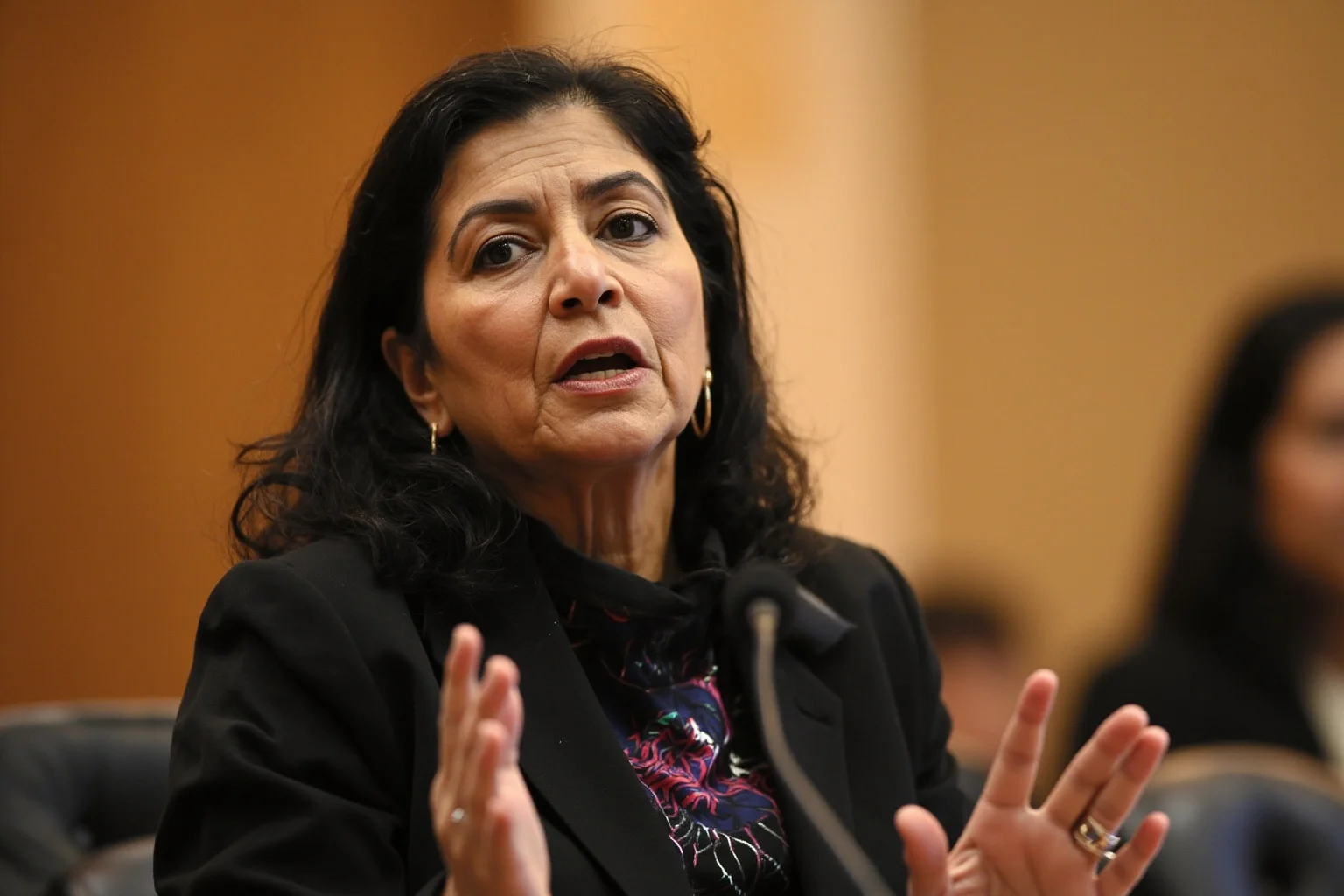
Wilma Mankiller became the first woman elected as Principal Chief of the Cherokee Nation in 1985, leading the tribe through more than a decade of expanded healthcare, education, and infrastructure programs. She faced significant resistance simply for being a woman in the role, yet won reelection twice.
She received the Presidential Medal of Freedom in 1998 for her work strengthening tribal sovereignty and community development. Her leadership remains a touchstone example of modern, influential Native American governance.
17. Maria Tallchief, America’s First Major Prima Ballerina
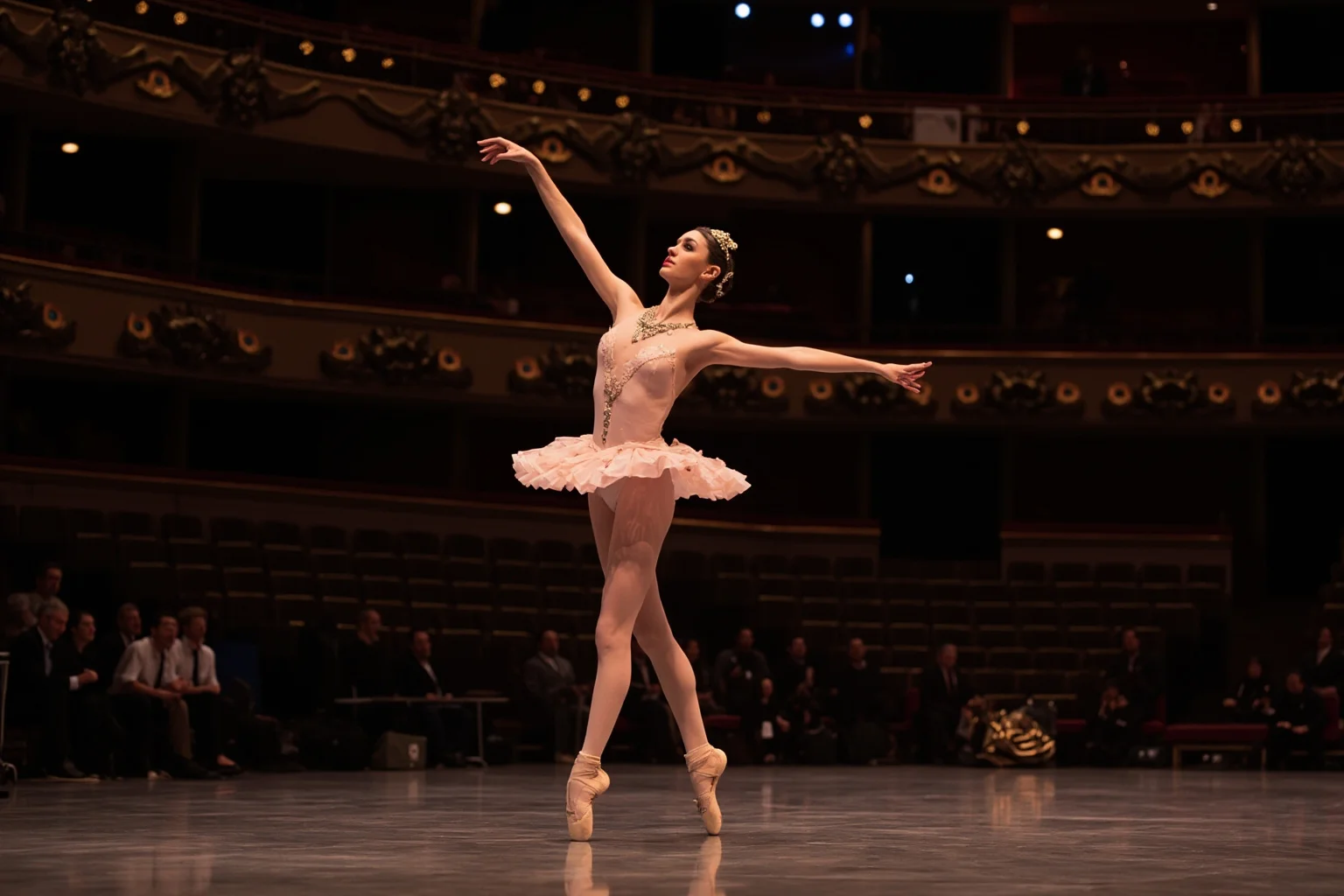
Maria Tallchief, a member of the Osage Nation, became the first Native American to hold the rank of prima ballerina in a major American company. She rose to international fame dancing with the New York City Ballet in the 1940s and 1950s, particularly in George Balanchine’s productions.
She often spoke about resisting pressure early in her career to adopt a stage name that hid her Osage heritage. Her insistence on keeping her name helped open doors for Native performers who came after her.
18. Annie Dodge Wauneka’s Public Health Legacy
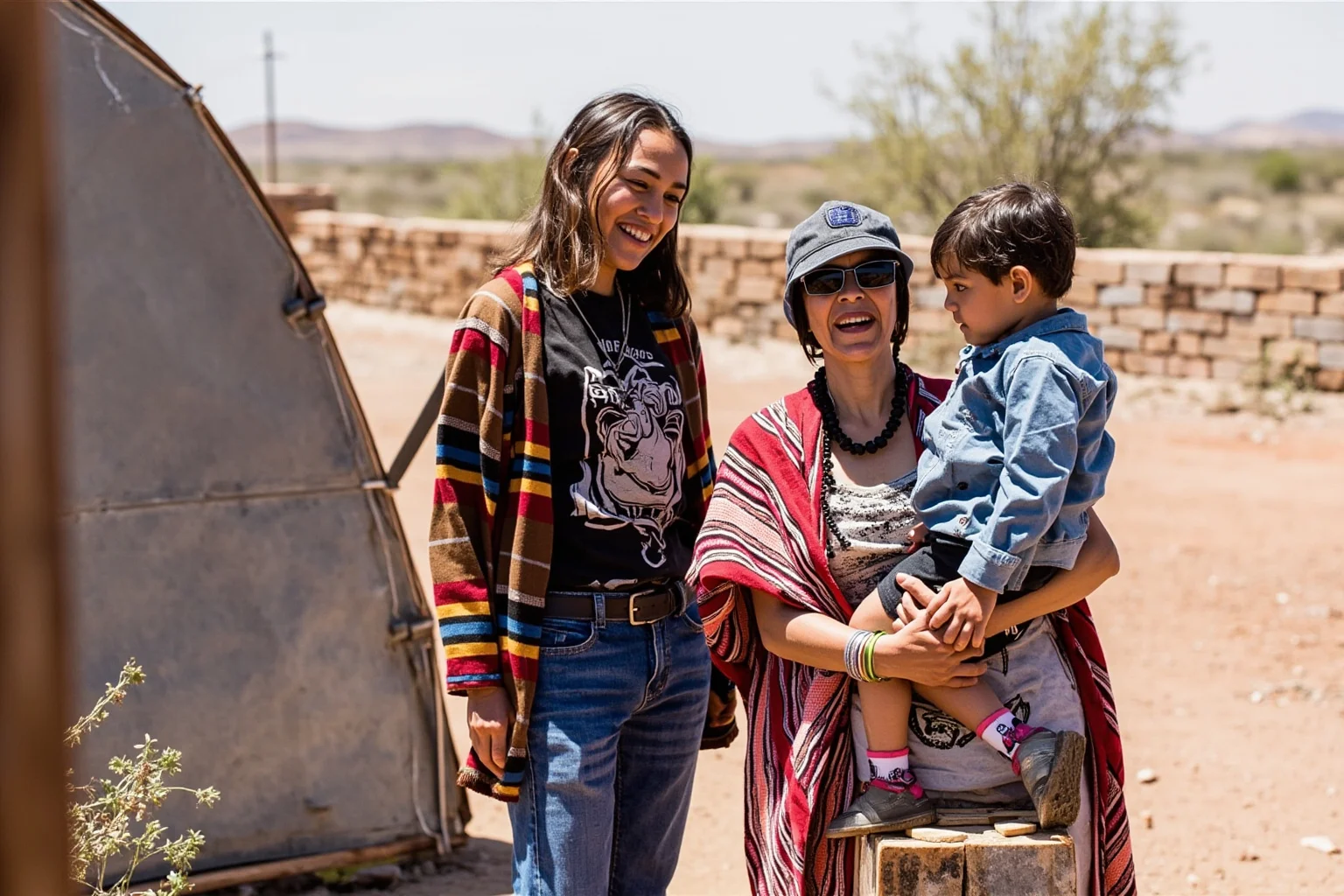
Annie Dodge Wauneka, daughter of a Navajo Nation chairman, dedicated her career to fighting tuberculosis and improving healthcare access on the Navajo Nation starting in the 1950s. She worked to translate medical concepts into Navajo terms that made modern treatment understandable and trustworthy to her community.
In 1963, she became the first Native American to receive the Presidential Medal of Freedom. Her work dramatically reduced tuberculosis rates on the reservation within just a few years.
19. The Trail of Tears and the Resilience That Followed
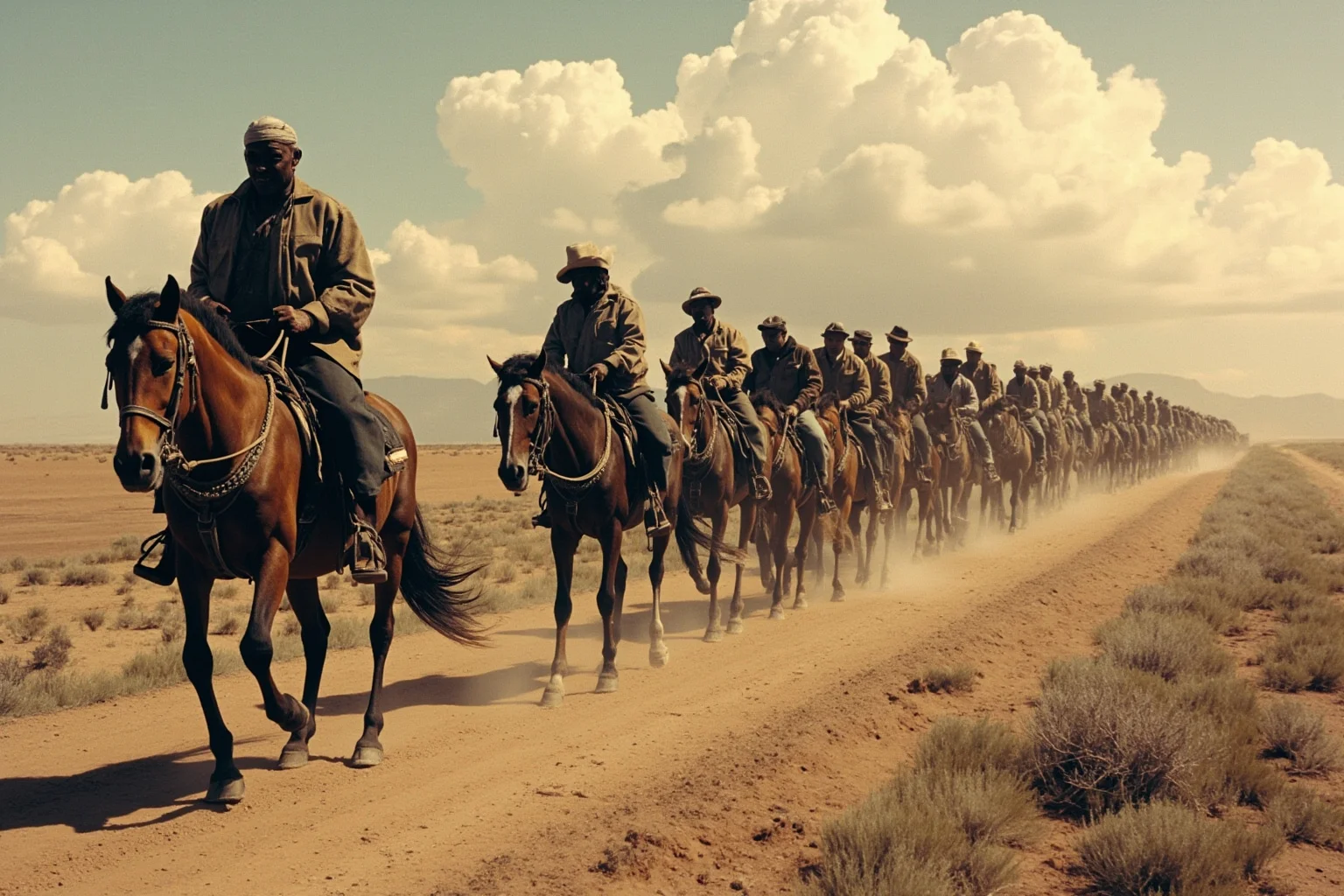
Between 1838 and 1839, the U.S. government forcibly removed roughly 16,000 Cherokee people from their homelands, marching them over 1,000 miles to present-day Oklahoma. Historians estimate that thousands died along the way from disease, exposure, and exhaustion.
This forced removal, along with similar events affecting the Choctaw, Muscogee, Chickasaw, and Seminole nations, stands as one of the darkest native American events in history. Yet the survival and later rebuilding of these nations in Oklahoma is itself a powerful, often underappreciated story of endurance.
20. The Alcatraz Occupation and the Rise of Native Activism
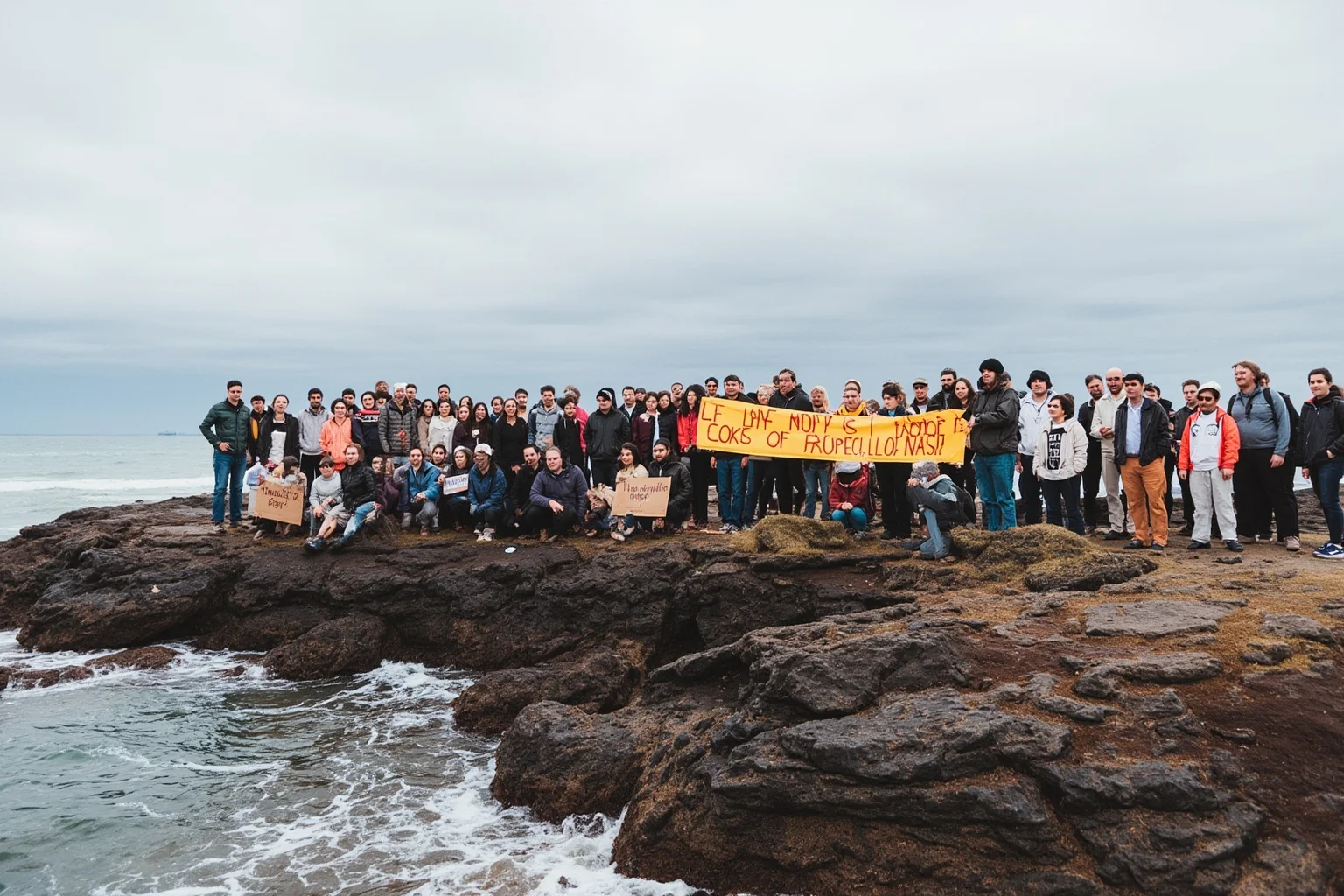
In November 1969, a coalition called Indians of All Tribes occupied Alcatraz Island, citing an old treaty clause allowing Native peoples to reclaim surplus federal land. The occupation lasted 19 months and drew national attention to issues of broken treaties, poverty, and self-determination.
It directly influenced federal policy changes in the 1970s, including the shift away from the harmful “termination era” policies that had stripped many tribes of federal recognition. The occupation is widely seen as a turning point that energized the broader Red Power movement.
21. Handsome Lake’s Religious and Social Reform
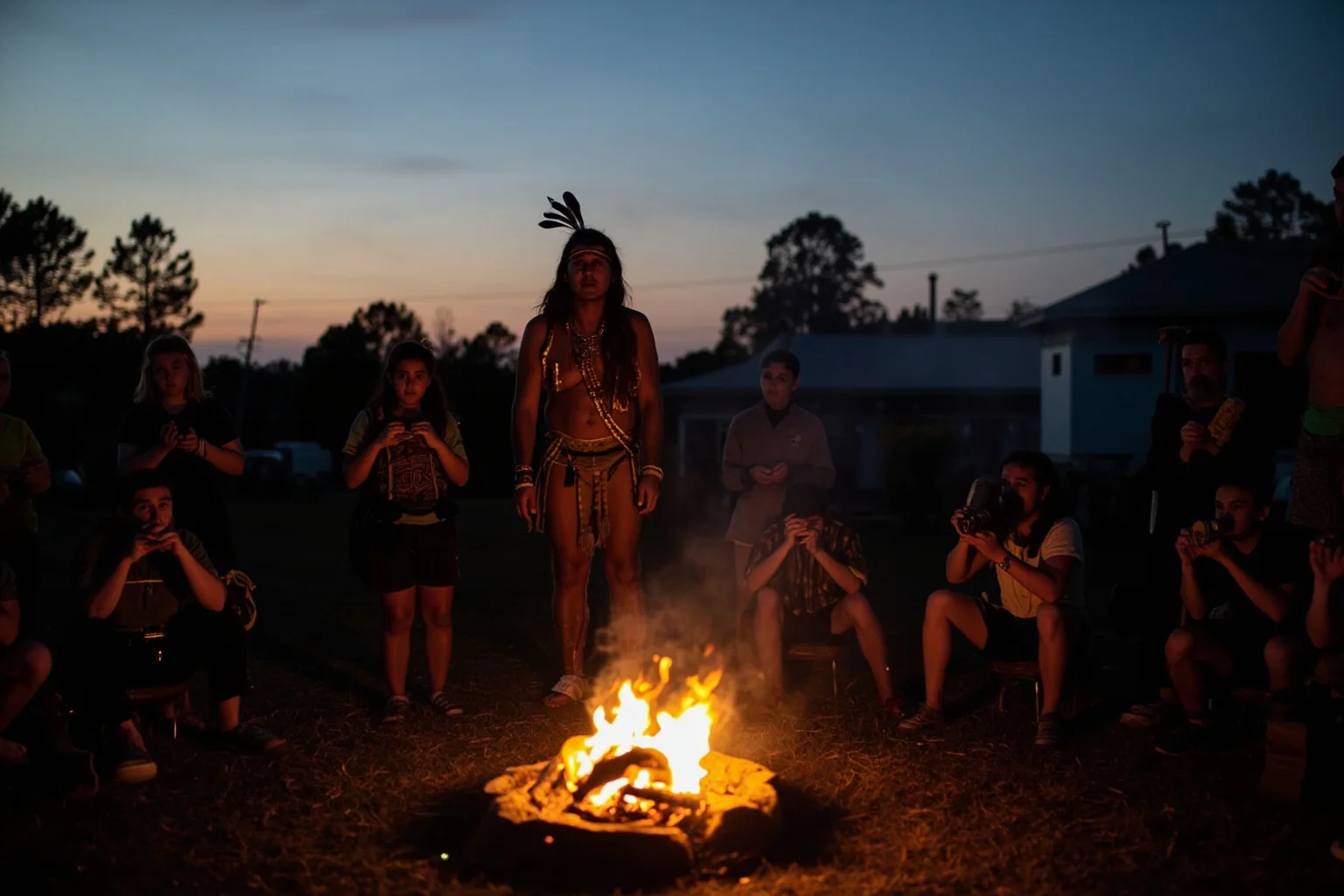
Handsome Lake was a Seneca leader who, after a period of personal crisis in the late 1700s, experienced a series of visions that led him to found what became known as the Longhouse Religion. His teachings combined traditional Haudenosaunee beliefs with new moral codes addressing alcohol abuse and community discord.
The religious movement he started is still practiced today among some Haudenosaunee communities, more than two centuries later. It stands as one of the most enduring examples of Native-led spiritual and social reform.
22. Deb Haaland and a Historic Cabinet Appointment
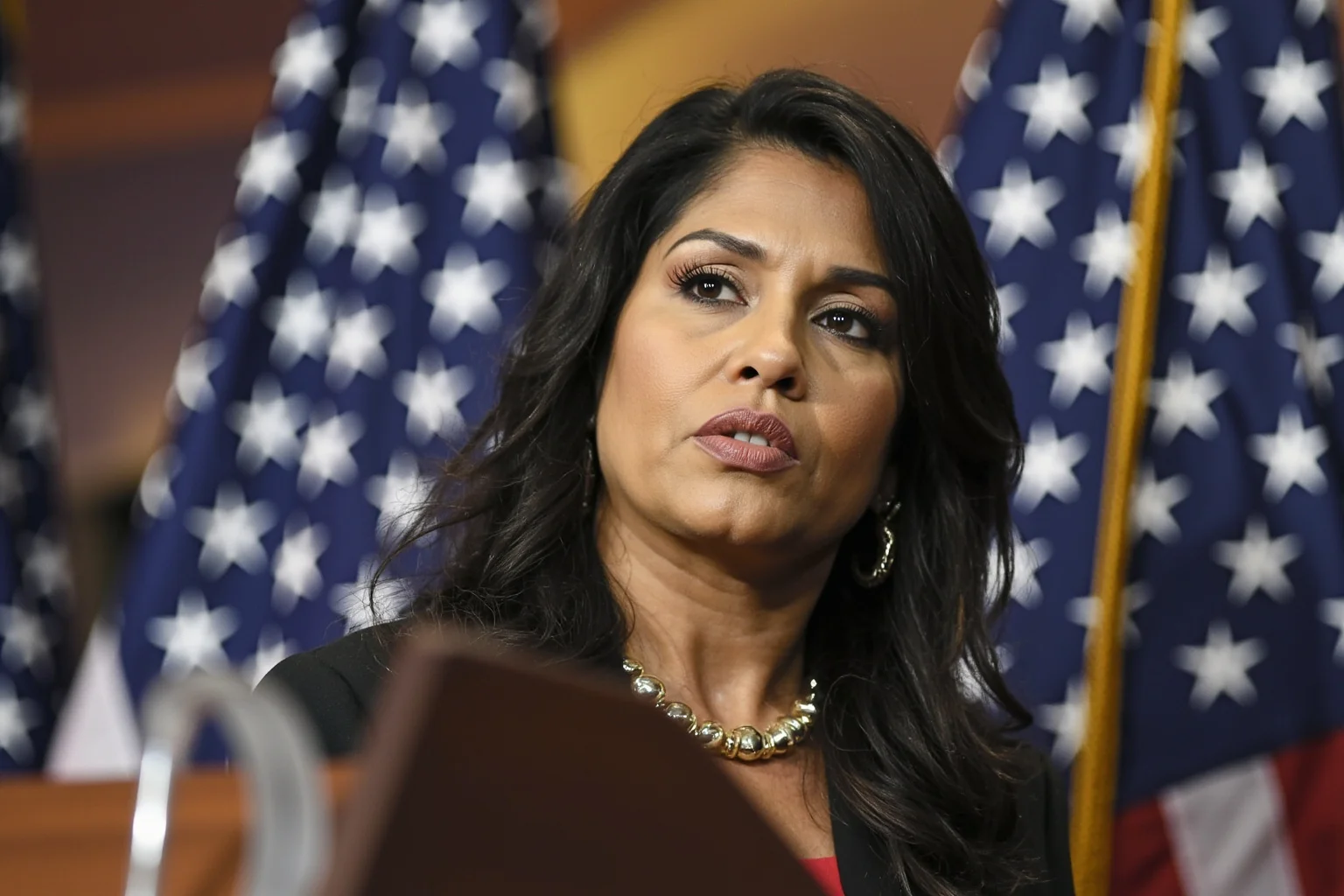
In 2021, Deb Haaland, a member of the Pueblo of Laguna, was confirmed as U.S. Secretary of the Interior, becoming the first Native American to serve in a Cabinet-level position. The appointment carried particular weight given that the Interior Department oversees the Bureau of Indian Affairs.
Haaland had already made history in 2018 as one of the first two Native American women elected to Congress, joining the ranks of historical figures who changed the world for the better. Her career reflects how the story of Native American achievement continues to unfold well into the present day.
The Common Thread Running Through These Stories
Looking across all 22 of these accounts, a pattern emerges that goes far beyond any single tribe or century. Nearly every native American story that teaches a lesson here involves adapting under enormous pressure without abandoning identity or community.
Whether it’s Sequoyah building a writing system from scratch or Deb Haaland stepping into a Cabinet role two centuries later, the throughline is resilience paired with innovation. These aren’t just stories about Native Americans surviving hardship, they’re stories about Native Americans actively shaping the course of American history.
Keeping These Stories Accurate and Alive
A lot of damage has been done over the years by textbooks and movies that flattened real people into simple, convenient myths. Telling these stories accurately, with their genuine complexity intact, is part of honoring the people who lived them.
When you read or share an influential Native American story, it’s worth digging past the popular version to find the documented history underneath. That extra effort is really the least we can offer to histories this rich and this consequential.
Frequently Asked Questions
What are some inspiring stories of Native Americans that teach a lesson?
Stories of Native Americans like Sequoyah inventing the Cherokee syllabary, Susan La Flesche Picotte becoming the first Native American physician, and the Navajo Code Talkers developing an unbreakable wartime code all teach lessons about resilience, ingenuity, and community-driven problem solving under difficult circumstances.
Who is considered the most influential Native American in history?
There's no single answer, since influence took many forms across centuries. Figures like Tecumseh, Sitting Bull, Wilma Mankiller, and Sequoyah are each widely regarded as among the most influential Native Americans for their impact on politics, resistance movements, language, and tribal governance.
What were some major Native American events in history?
Major native American events in history include the Trail of Tears (1838-1839), the Battle of the Little Bighorn (1876), the Nez Perce flight led by Chief Joseph (1877), the Alcatraz Occupation (1969-1971), and the classified use of Navajo Code Talkers during World War II.
What are some notable Native American accomplishments?
Notable native American accomplishments include Sequoyah's creation of the Cherokee writing system, Jim Thorpe's dominance at the 1912 Olympics, Charles Curtis becoming U.S. Vice President, and Deb Haaland becoming the first Native American Cabinet secretary in 2021.
Is the popular story of Pocahontas historically accurate?
No, the popular version is largely fictionalized. The real Pocahontas was a Powhatan girl involved in tense diplomatic encounters with English settlers who was later kidnapped, converted to Christianity, and married John Rolfe, a much darker and more complex story than the romanticized legend.

Alex Warren
Related Articles





