
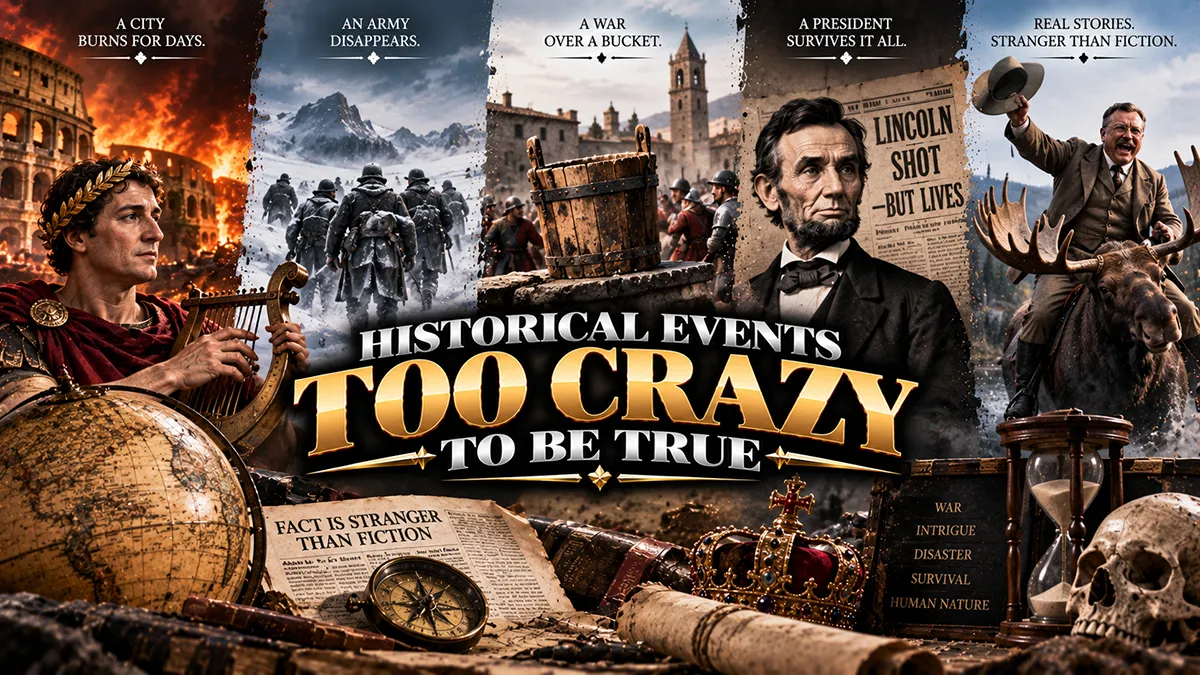
History textbooks tend to focus on the big, tidy narratives: empires rising, treaties signed, revolutions won. But tucked between those major milestones are some of the strangest, funniest, and most jaw-dropping true stories you’ll ever read.
These are the odd events in history that sound like they were invented for a trivia night, except every one of them actually happened.
This list rounds up some of the most bizarre historical events on record, from wars that ended in under an hour to a corpse put on trial in a papal court.
We’ll separate the well-documented facts from the exaggerated legends, because part of loving strange history is knowing which parts are verified and which have grown taller with retelling.
TL;DR: Real history is packed with wars fought over buckets, plagues of uncontrollable laughter, and cons involving the Eiffel Tower — proof that truth is often stranger than fiction.
A Quick Note Before We Start
A lot of “crazy history” content online repeats the same unverified claims until they sound like settled fact. We’ve tried to flag the stories that come with genuine historical debate, so you can enjoy the weirdness without mistaking legend for record.
Some of these strange incidents in history are backed by solid documentation: government records, contemporary newspapers, or court transcripts. Others survive mainly through secondhand accounts written years later, which doesn’t make them false, just worth reading with a little healthy skepticism.
1. The War That Lasted 38 Minutes
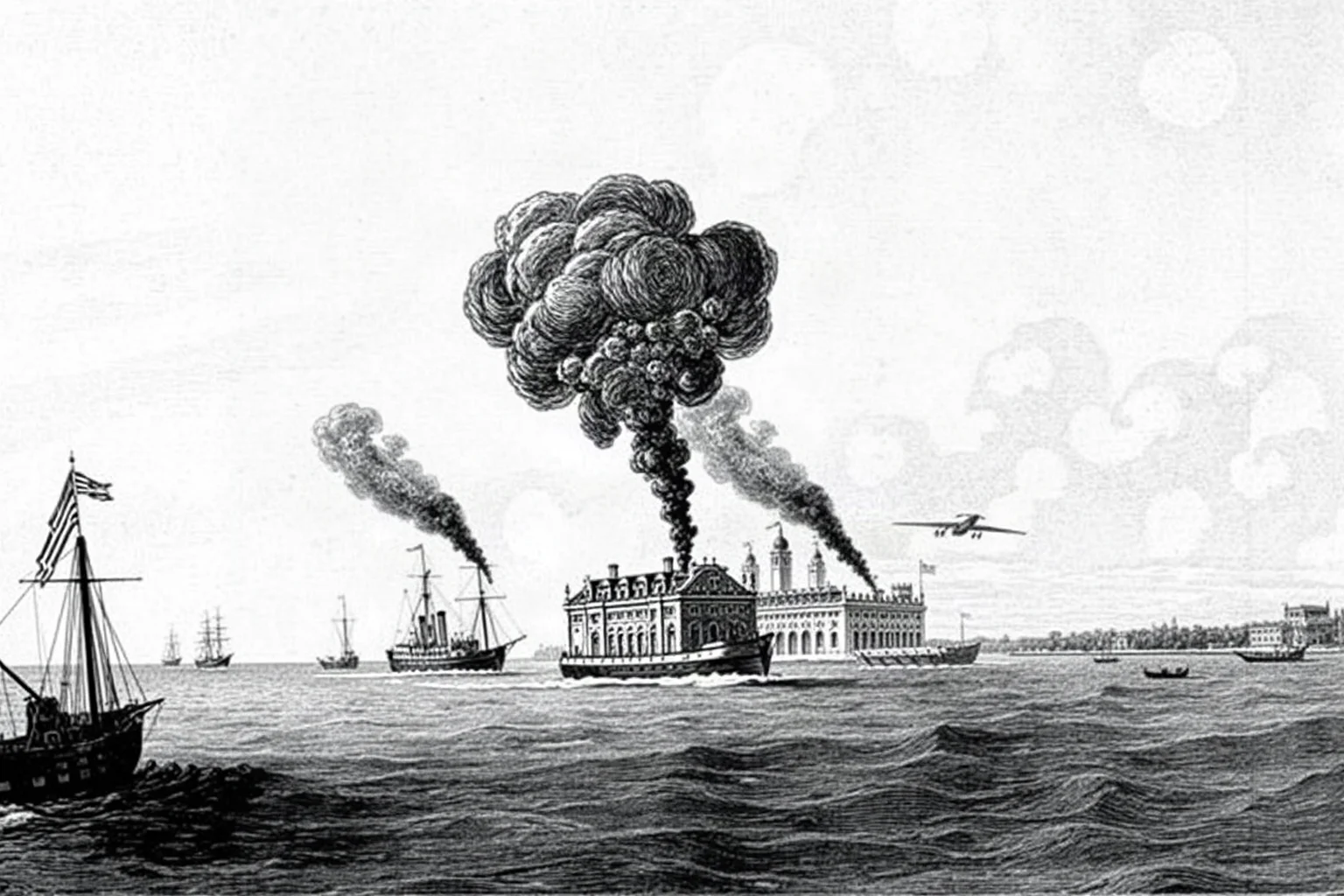
The Anglo-Zanzibar War of August 27, 1896, is widely cited as the shortest war in recorded history. After the death of a British-friendly sultan, a rival claimant seized the palace in Zanzibar, prompting the Royal Navy to issue an ultimatum.
When it wasn’t met, British ships opened fire on the palace, and the fighting was over in roughly 38 to 45 minutes. It’s one of those strange dates in history where an entire war starts and finishes before lunch.
2. The Great Emu War
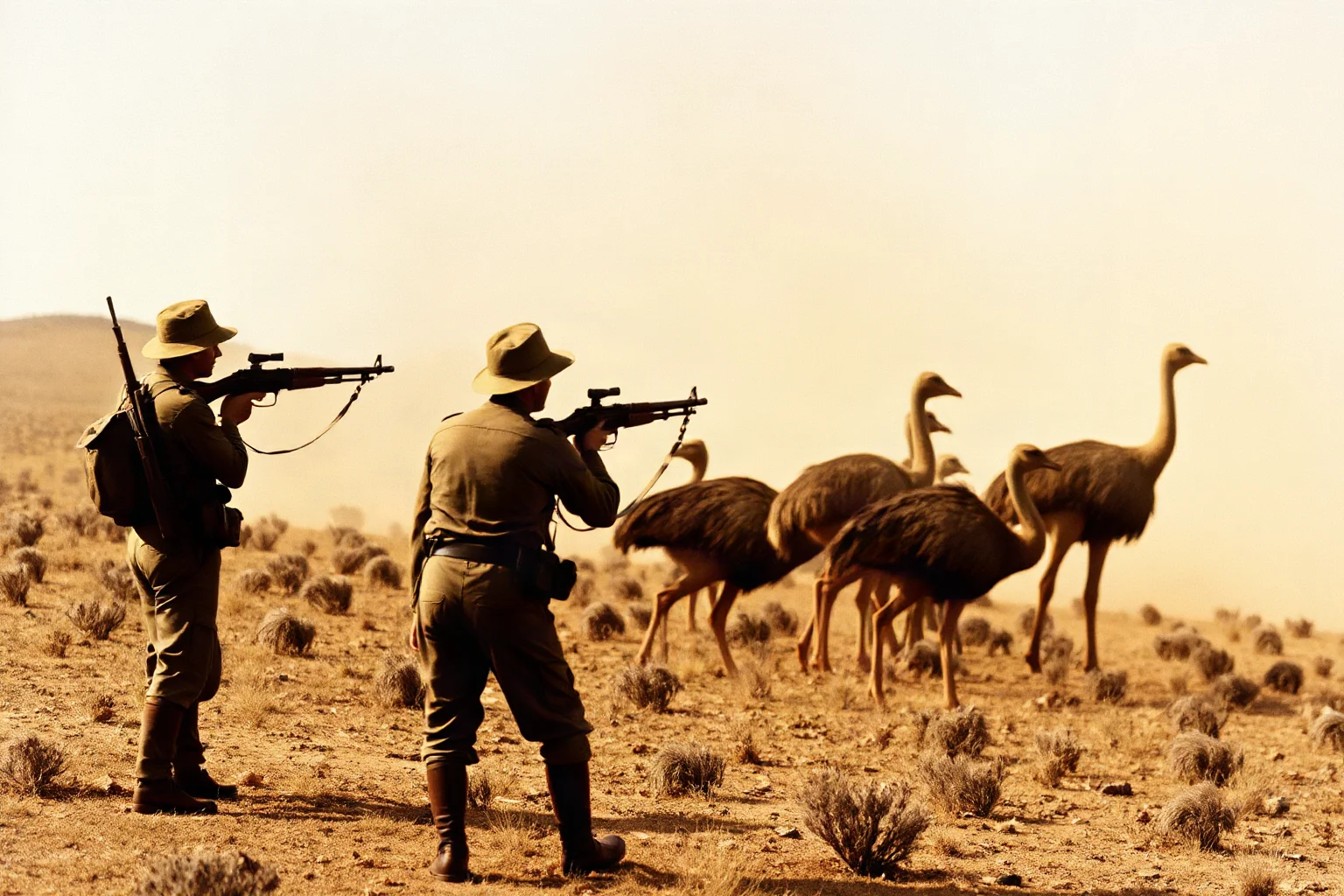
In 1932, farmers in Western Australia were struggling with tens of thousands of emus trampling crops and fences. The Australian military sent soldiers armed with machine guns to cull the birds, expecting an easy win.
The emus scattered, dodged gunfire, and proved far more resilient than anticipated. The campaign was eventually called off, and it’s remembered today as one of the more humbling and genuinely hilarious moments in history for a modern army.
3. A Pope Put a Corpse on Trial
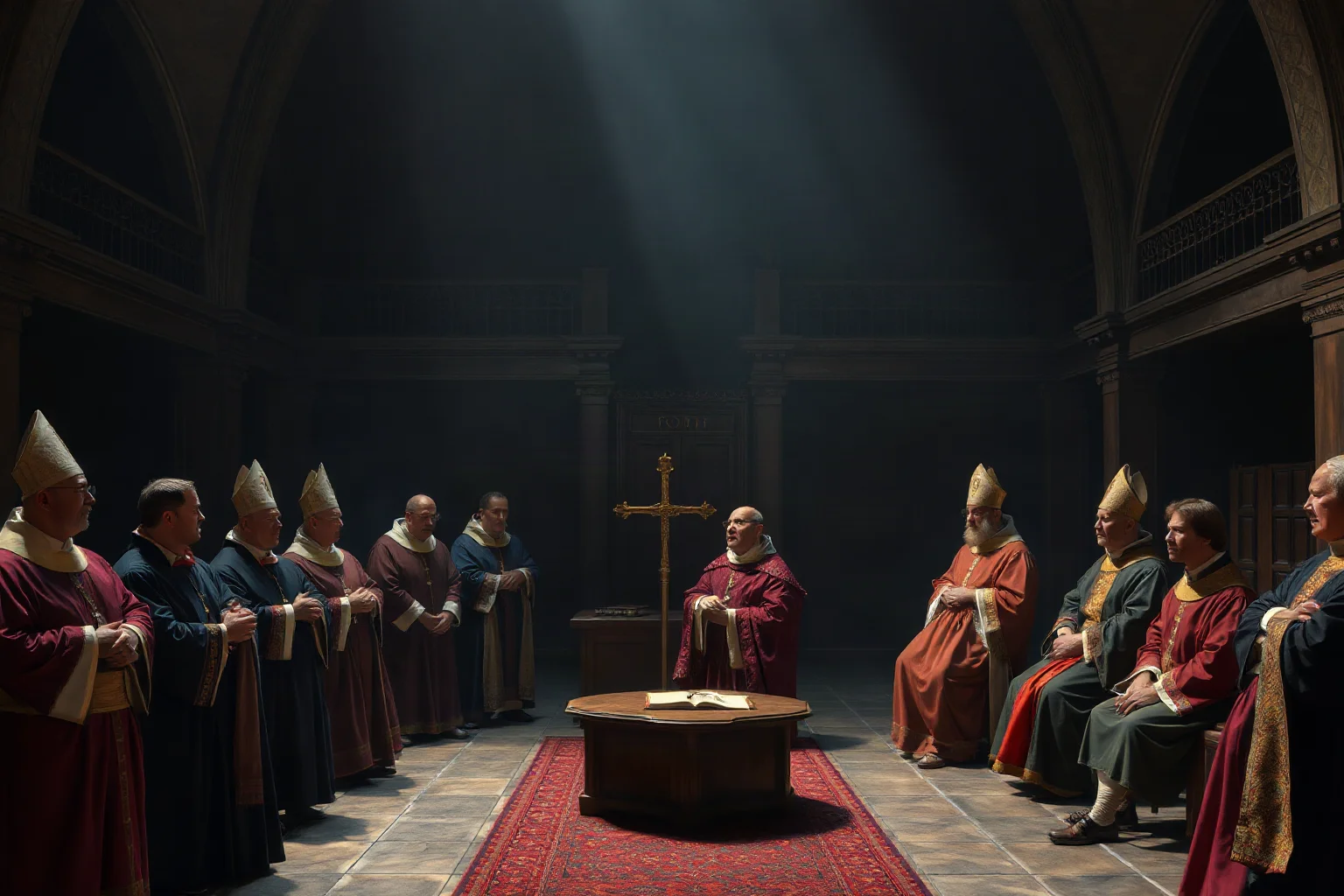
In January 897, Pope Stephen VI ordered the exhumed corpse of his predecessor, Pope Formosus, dressed in papal robes and placed on trial before a synod. The dead pope was formally “questioned,” found guilty of various offenses, stripped of his vestments, and had his blessing fingers cut off.
His body was reportedly thrown into the Tiber River. This grim spectacle, known as the Cadaver Synod, remains one of the strangest happenings in history to come out of the medieval Catholic Church.
4. The Dancing Plague of 1518
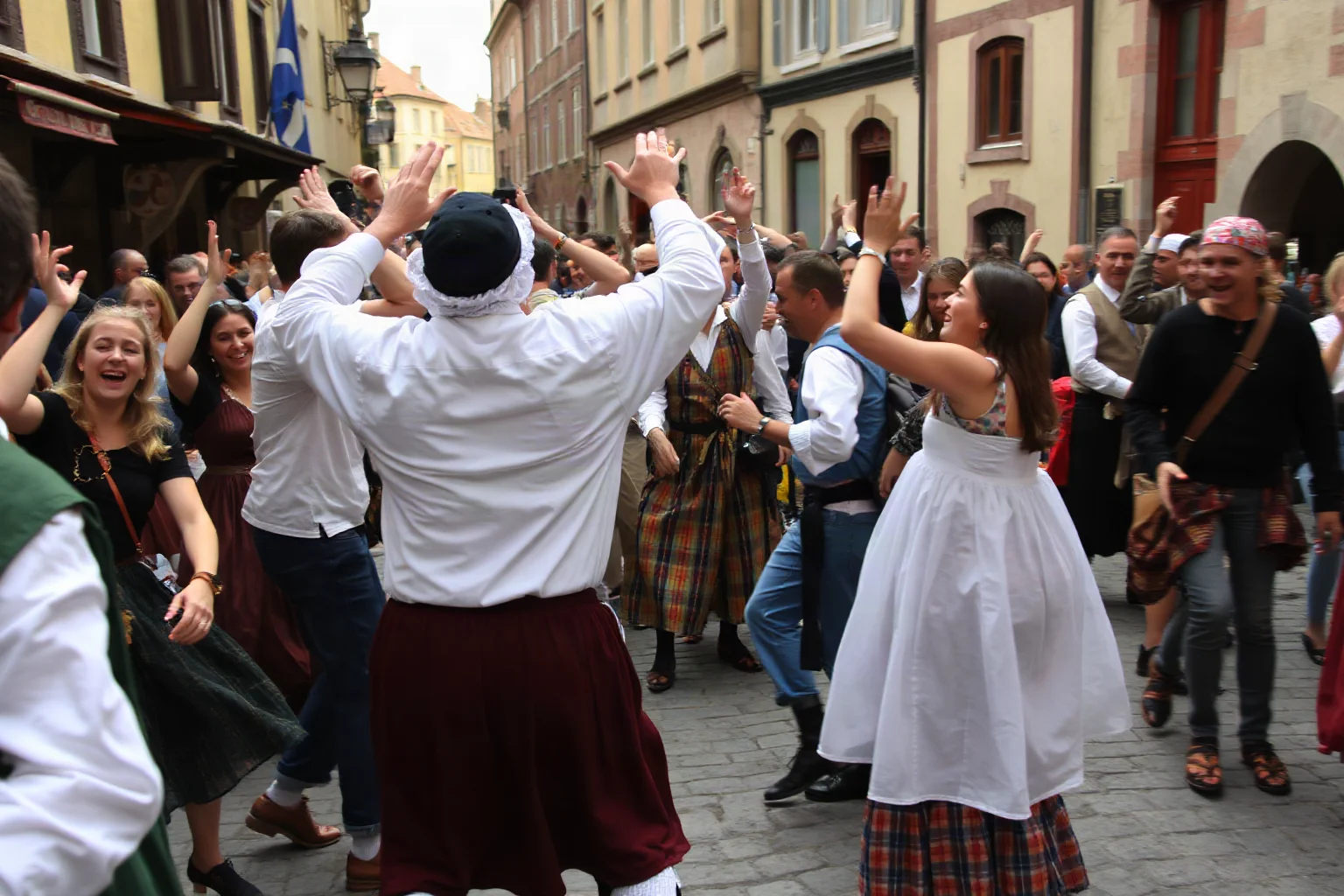
In Strasbourg in the summer of 1518, a woman began dancing in the street and reportedly couldn’t stop. Within days, dozens more joined her, dancing for what accounts describe as days on end, with some reportedly collapsing from exhaustion.
Historians still debate the cause, with ergot poisoning and stress-induced mass psychogenic illness as the leading theories. Whatever triggered it, the dancing plague remains one of the most unexplained bizarre events in history.
5. The London Beer Flood
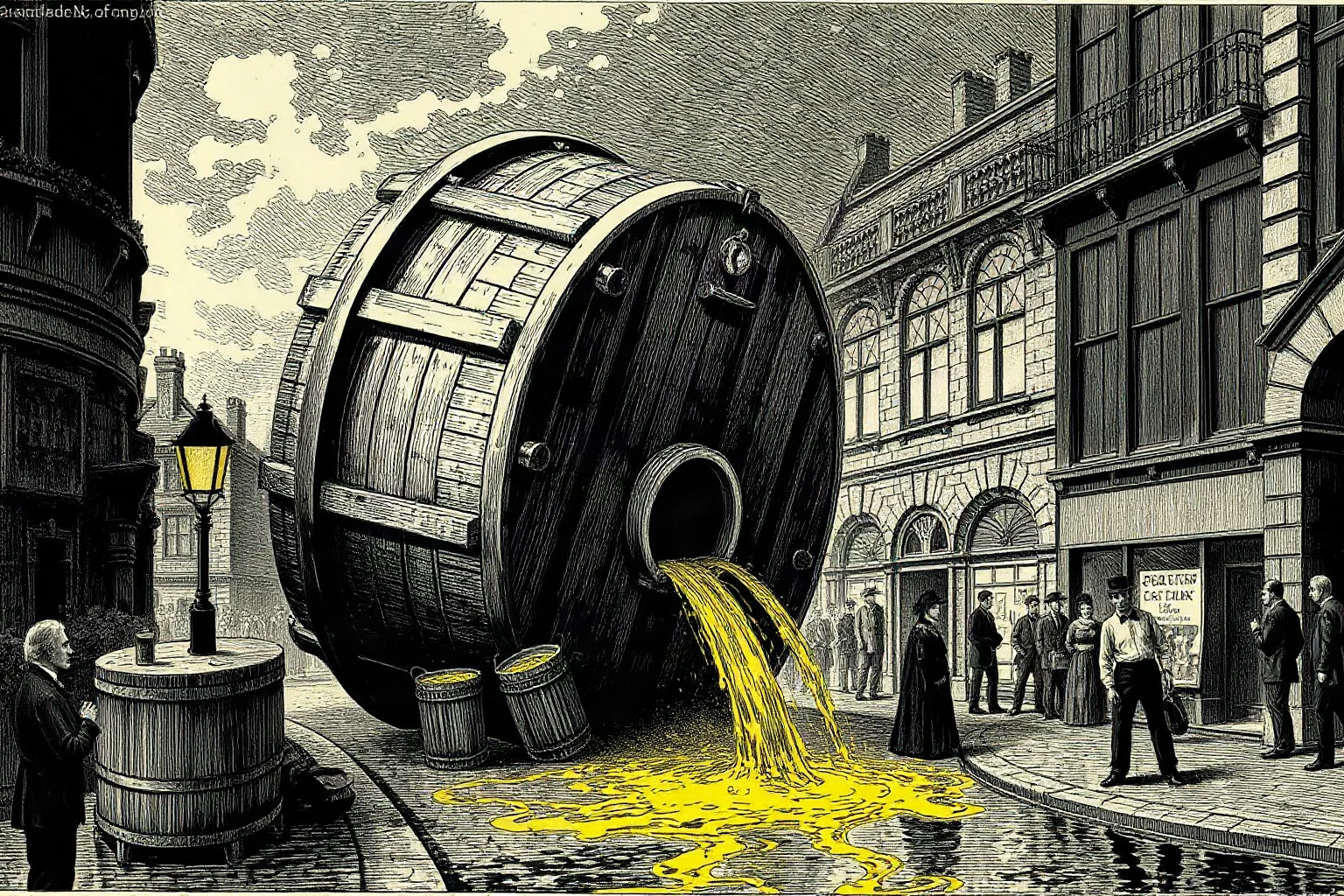
On October 17, 1814, a massive vat at the Meux and Company brewery in London burst, releasing well over 100,000 gallons of beer in a sudden wave. The flood tore through a poor neighborhood, destroying homes and killing eight people.
It sounds almost like a joke, but it was a genuine industrial disaster with real victims. It’s a sobering reminder that even the most unusual historical events often carry a serious human cost.
6. The Great Molasses Flood of Boston
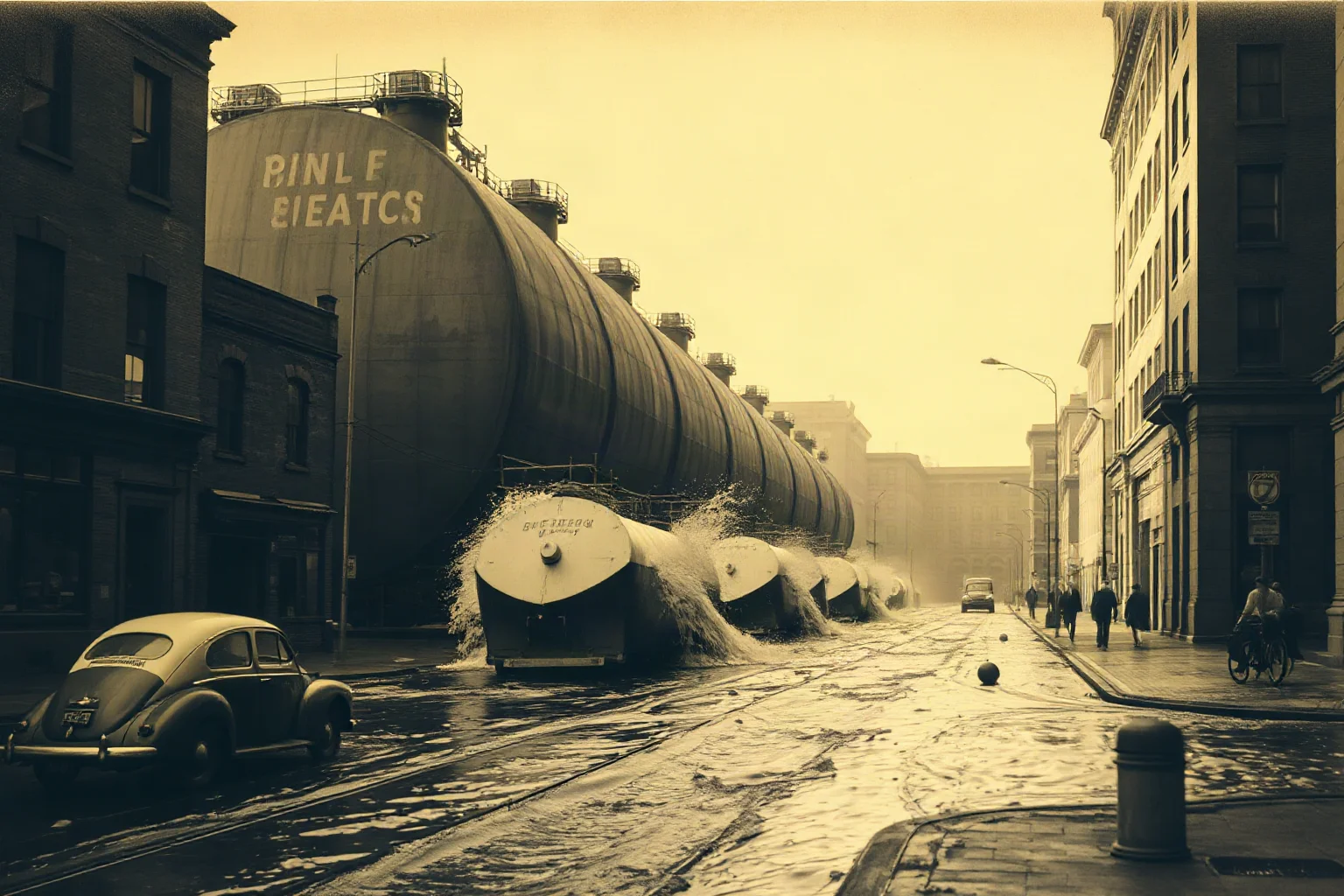
On January 15, 1919, a giant molasses storage tank in Boston’s North End ruptured, sending a wave of thick syrup through the streets at an estimated 35 miles per hour. The flood killed 21 people and injured about 150 more.
Locals claimed for decades afterward that on hot summer days, you could still smell molasses near the site. It’s one of the odder disasters in American history, and a genuinely tragic one.
7. Napoleon’s Rabbit Ambush
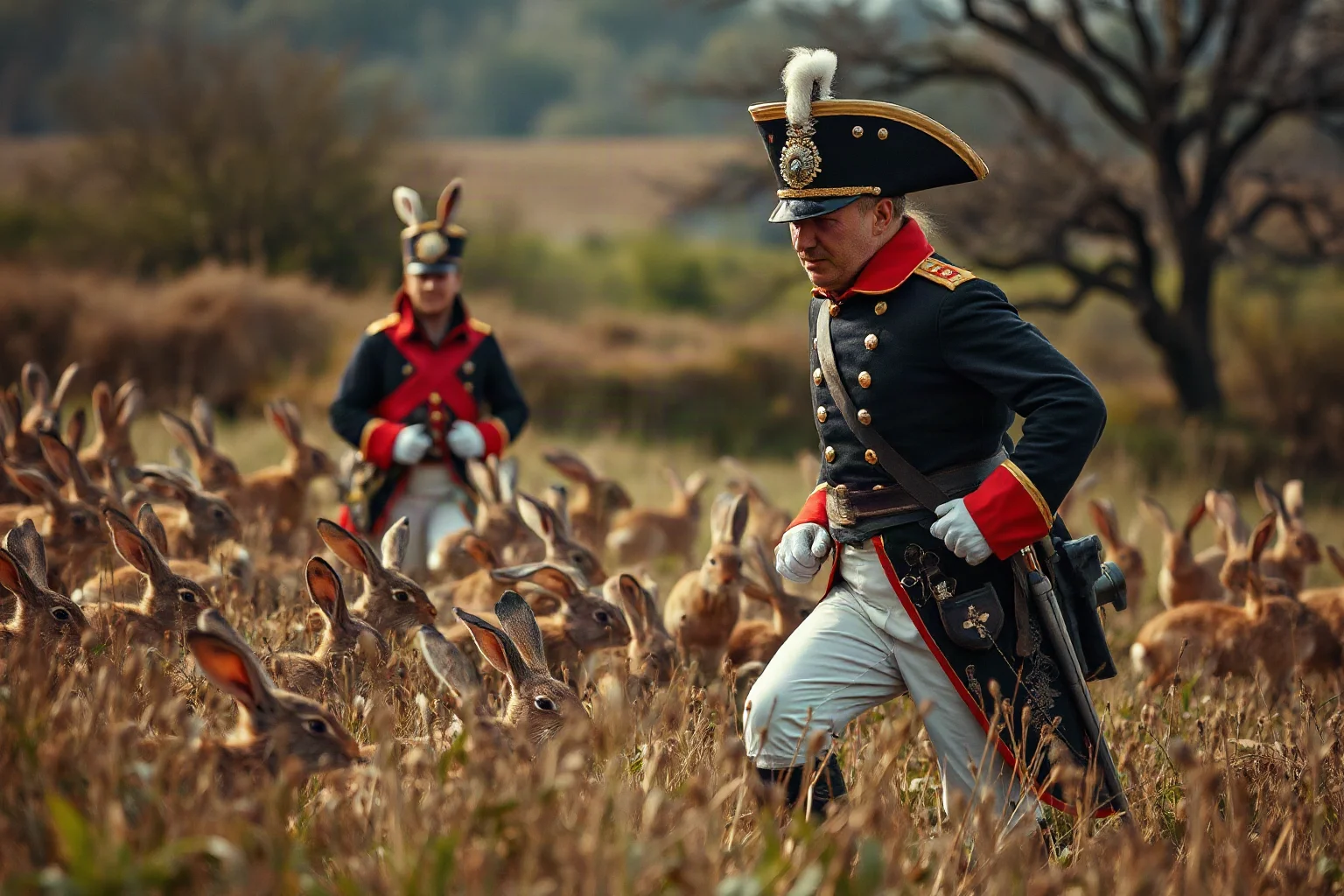
According to an account from his chief of staff, Napoleon Bonaparte once organized a rabbit hunt for his officers, only for the released rabbits to charge the group instead of fleeing. Overwhelmed, Napoleon reportedly had to retreat to his carriage.
The likely explanation is that the rabbits were farmed animals used to being fed by humans, not wild ones conditioned to flee. It’s a story historians treat as plausible but not airtight, since it rests on a single secondhand memoir.
8. The Man Who Survived Two Atomic Bombings
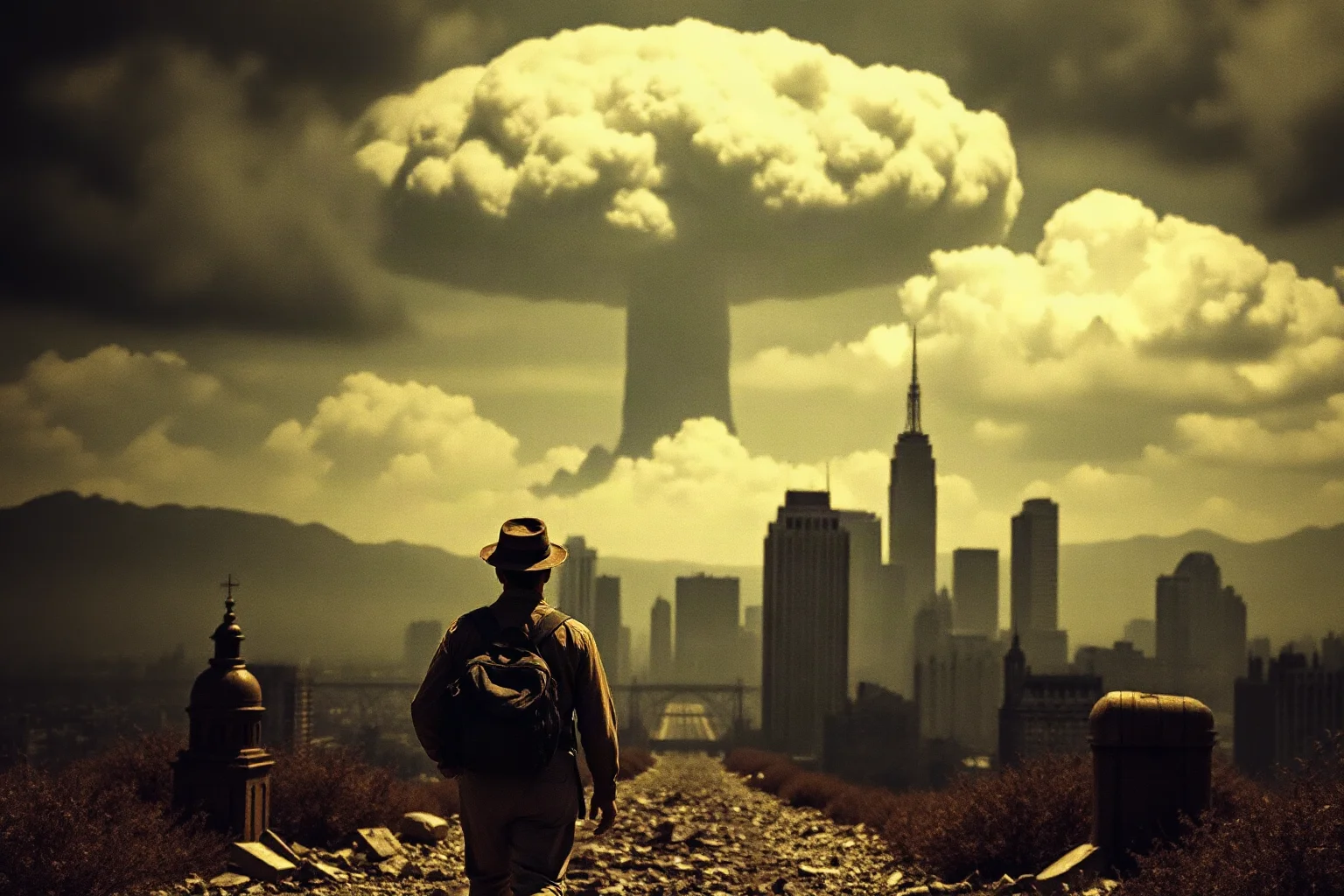
Tsutomu Yamaguchi was on a business trip in Hiroshima on August 6, 1945, and survived the atomic bombing, only to travel home to Nagasaki in time for the second bomb on August 9. He survived both blasts and lived until 2010.
Japan officially recognized him in 2009 as the only person confirmed to have survived both bombings. His story is extraordinary, but it’s also a real, documented piece of 20th-century history rather than an urban legend.
9. The Great Stink of London
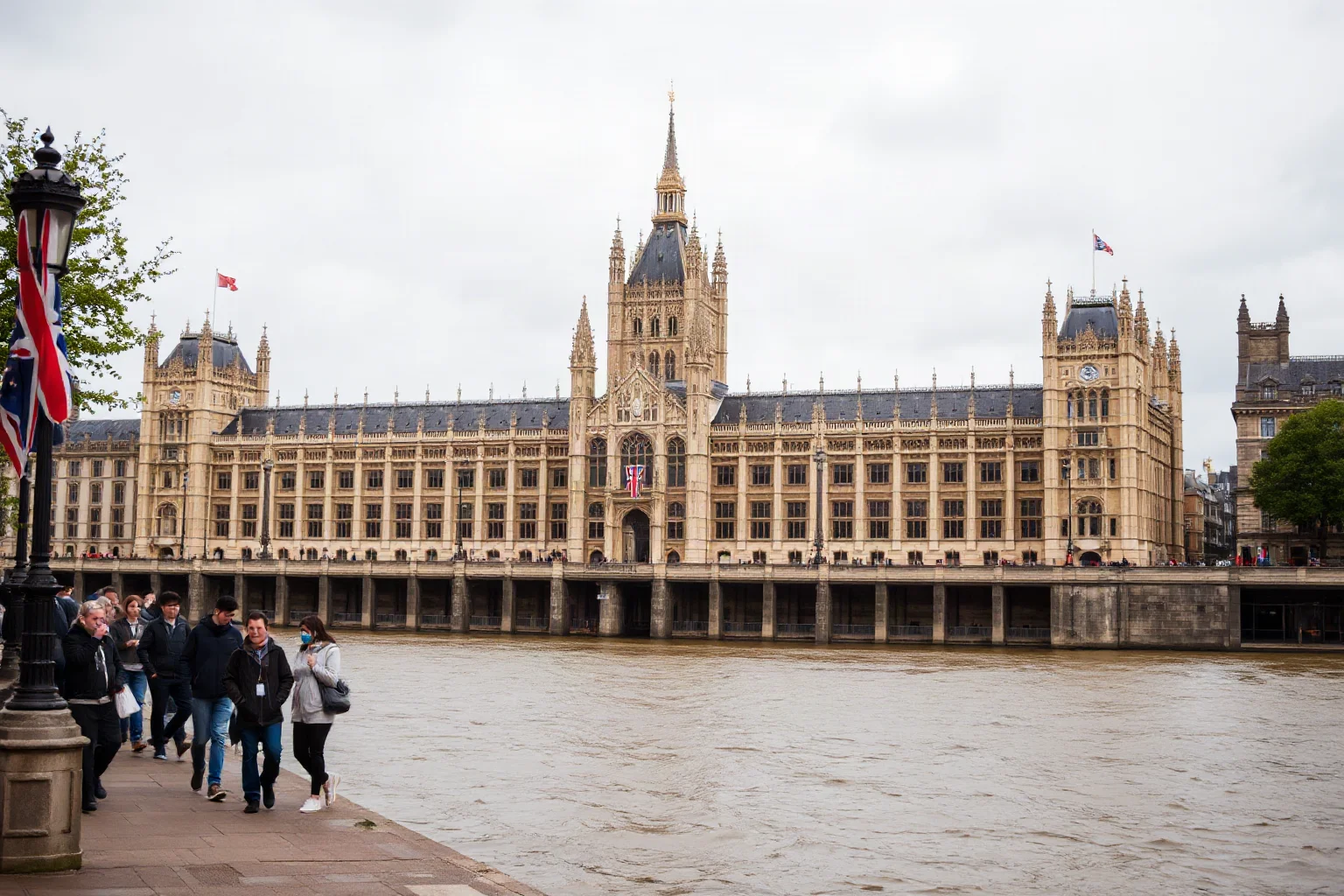
During the hot summer of 1858, the smell of raw sewage in the Thames became so overpowering that it reportedly disrupted sessions of Parliament, which sat right on the riverbank. The crisis, dubbed the Great Stink, finally pushed lawmakers to fund a massive new sewer system.
Engineer Joseph Bazalgette’s resulting network still underlies much of London’s infrastructure today. Sometimes the most interesting events in history are the ones that start with something as unglamorous as a bad smell.
10. The War of the Bucket
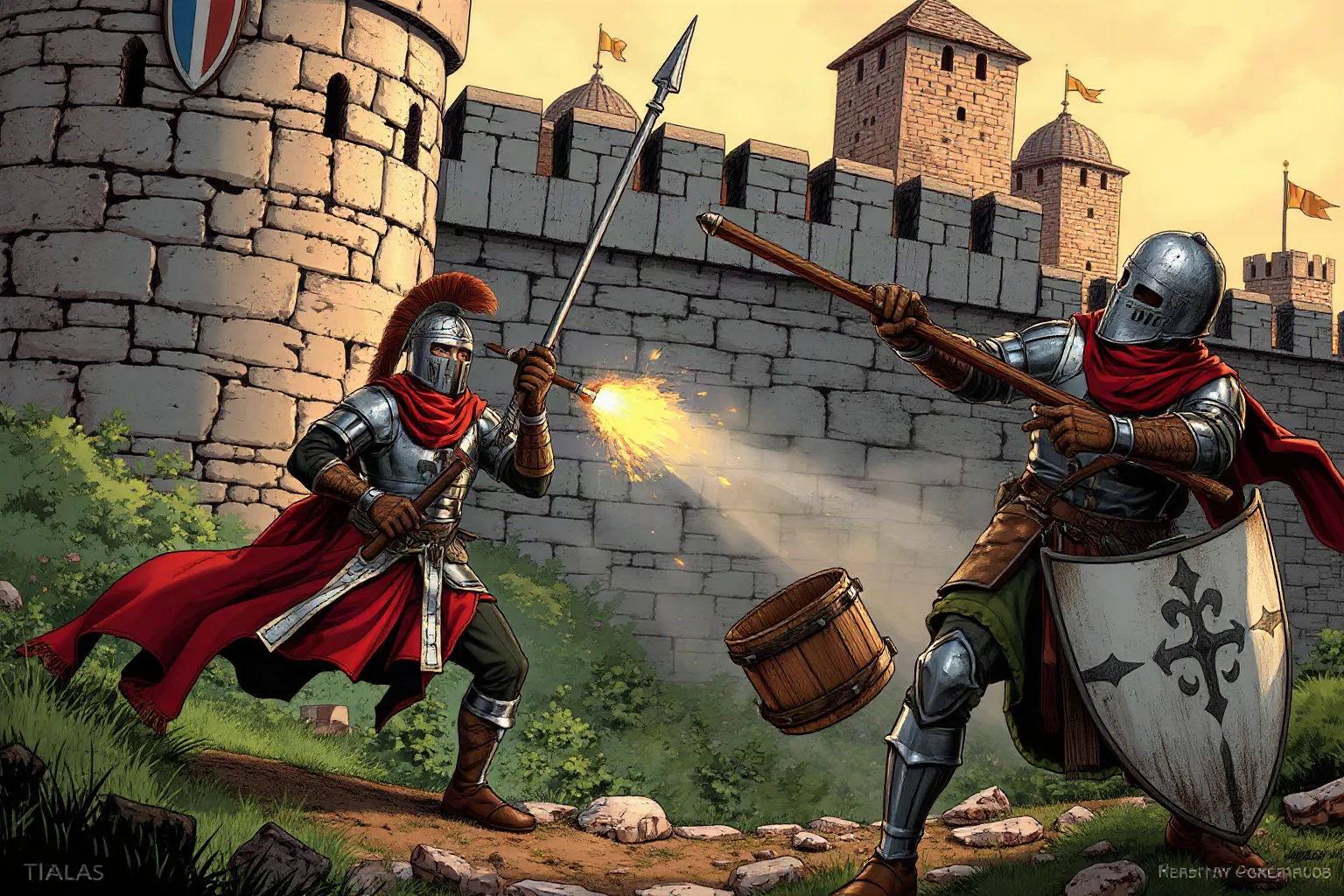
In 1325, the Italian cities of Bologna and Modena went to war as part of the larger Guelph-Ghibelline conflicts sweeping medieval Italy. Legend holds that Modenese soldiers stole an oak bucket from a Bologna well during a raid, and Bologna never got it back.
The bucket detail comes largely from a later comic poem, so historians see it as an embellishment layered onto a real war rather than the actual cause. Still, it’s a fun example of how strange stories from history often blend fact with folklore.
11. The Christmas Truce of 1914
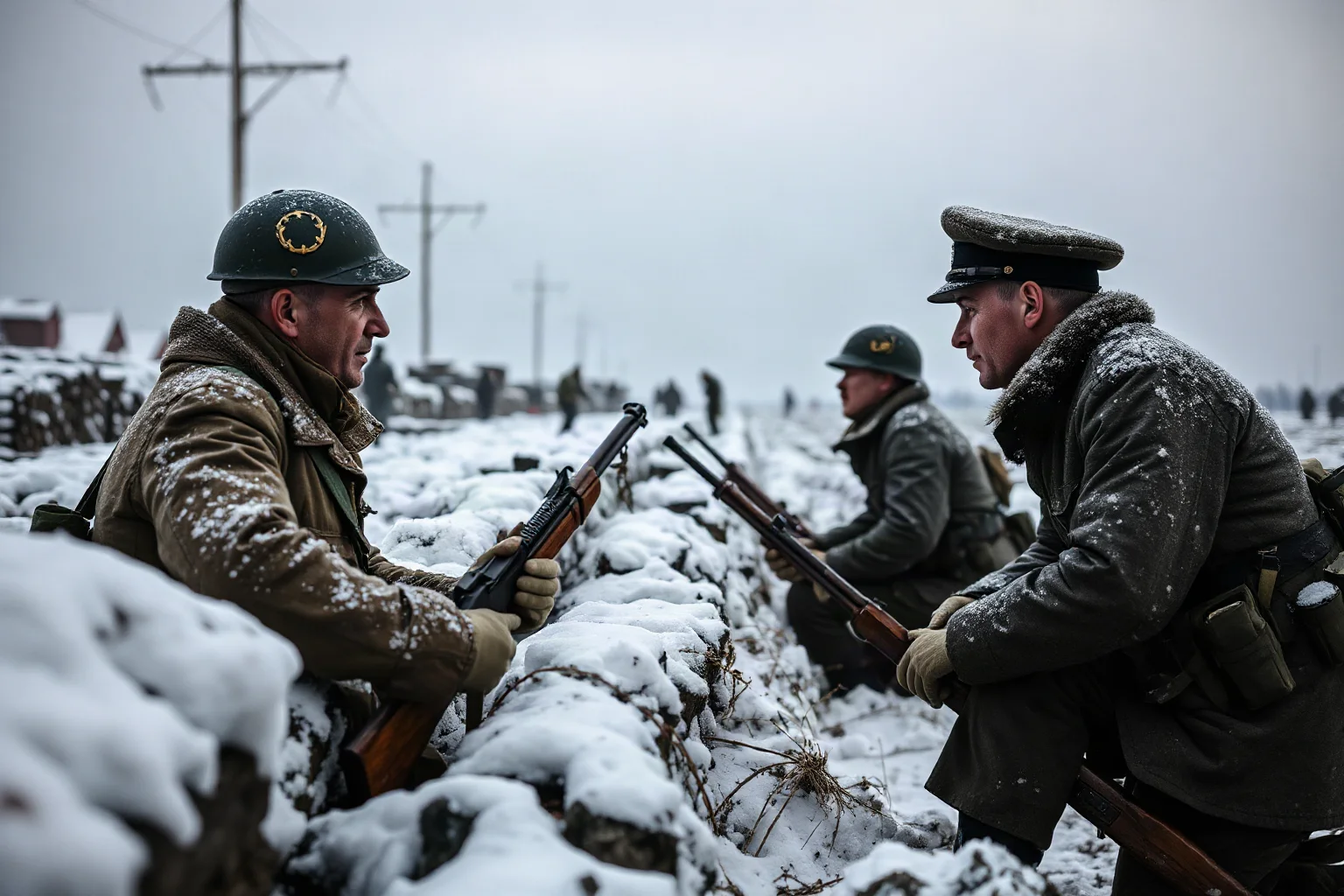
During the first winter of World War I, soldiers along parts of the Western Front spontaneously stopped fighting on Christmas Eve and Christmas Day. Troops from opposing trenches reportedly sang carols, exchanged small gifts, and in some documented spots even played informal games of football in no-man’s land.
It wasn’t universal along the front, and commanders quickly discouraged it from happening again. Even so, it stands as one of the most genuinely moving unusual events of the entire war.
12. The Cod Wars

Between the 1950s and 1970s, Iceland and the United Kingdom engaged in a series of tense standoffs known as the Cod Wars, fought over fishing rights rather than territory or ideology. Icelandic coast guard vessels cut the nets of British trawlers, and British warships were sent to protect their fishing fleet.
Despite the dramatic name, the disputes were resolved through diplomacy with very few injuries. It’s a great example of a crazy history event that sounds like an armed conflict but was really a slow-motion diplomatic squabble.
13. Operation Acoustic Kitty
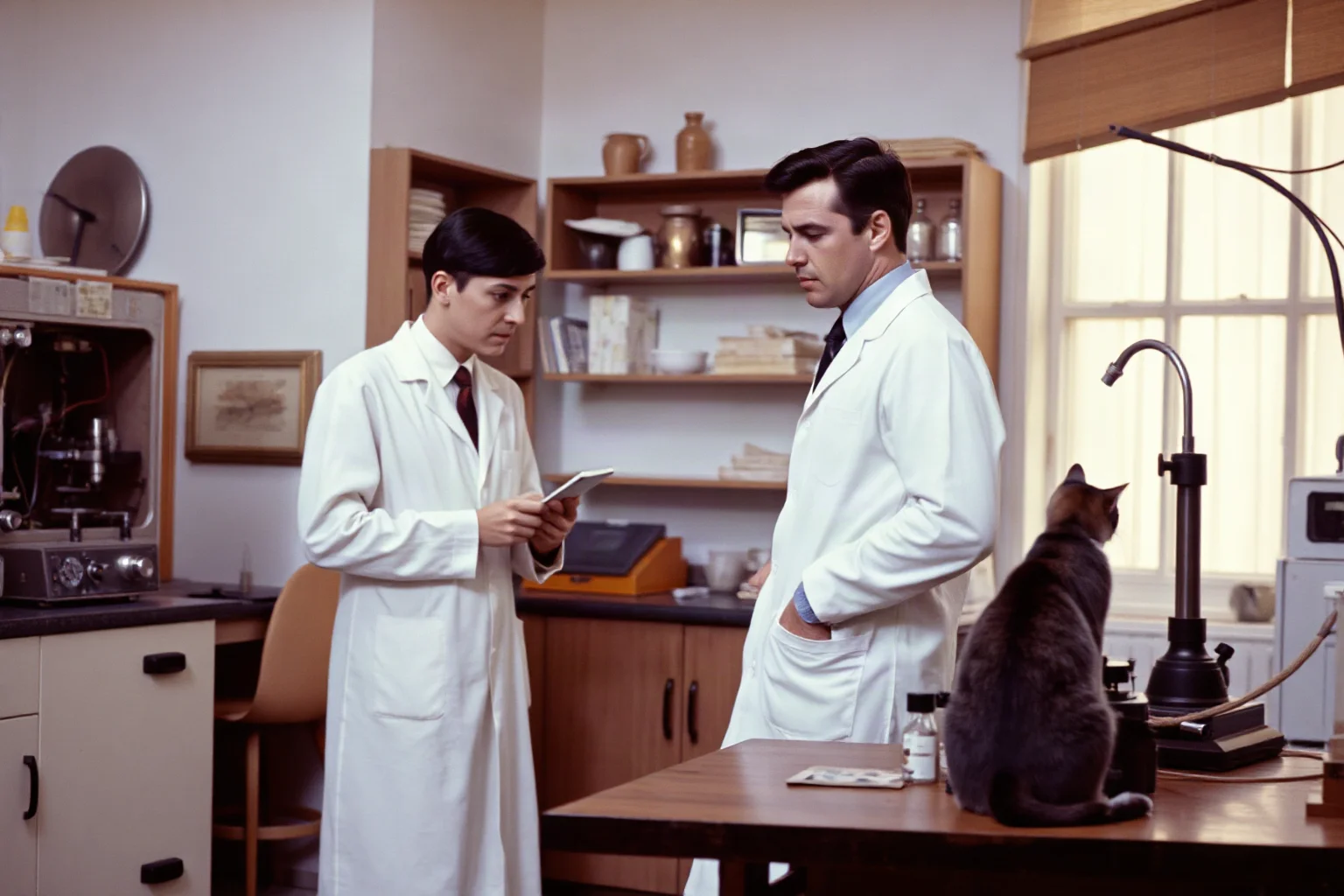
In the 1960s, the CIA reportedly funded a project to surgically implant listening equipment into a cat, hoping to use it for covert eavesdropping. Declassified accounts and later reporting suggest the program was scrapped after early tests failed to produce a reliably controllable spy animal.
Details of the program remain murky since much of it stayed classified, and some specifics are disputed. Still, it’s widely cited as one of the more bizarre moments in Cold War intelligence history.
14. The Year Without a Summer
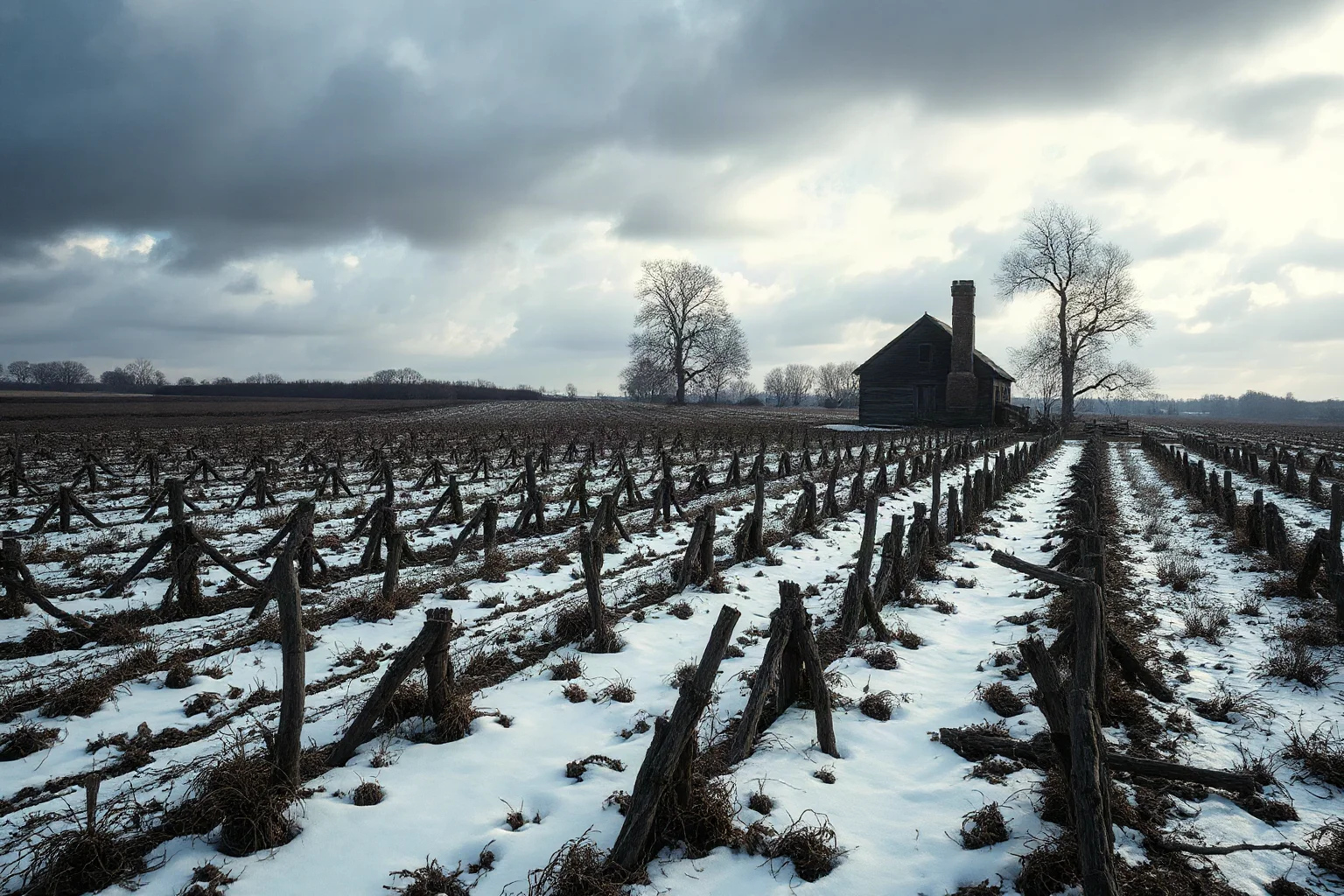
In 1816, the eruption of Mount Tambora in Indonesia the previous year sent enough ash into the atmosphere to disrupt global weather patterns. Farmers in Europe and North America saw snow in June, failed harvests, and widespread food shortages.
The gloomy, cold summer is even credited with inspiring Mary Shelley to write “Frankenstein” while stuck indoors in Switzerland. It’s a striking case of a natural disaster becoming one of the more obscure historical events with a surprisingly cultural legacy.
15. The Battle of Karánsebes
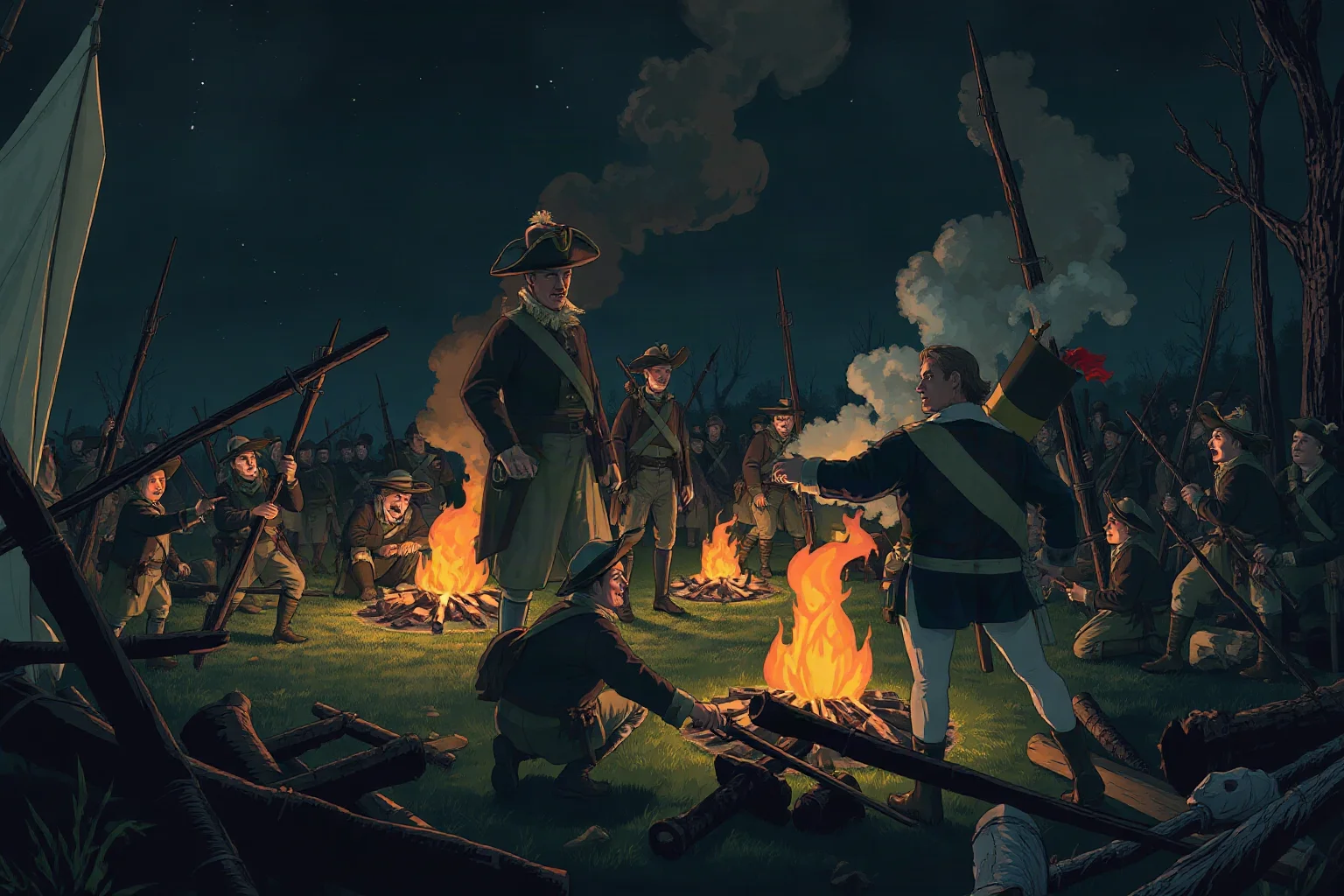
According to a story that circulated in later histories, an Austrian army during the 1788 war against the Ottoman Empire allegedly panicked in the dark and ended up fighting itself, resulting in significant casualties before the enemy even arrived. It’s a wildly entertaining tale, but historians note the primary sourcing is thin and largely secondhand.
Many researchers treat it as likely exaggerated or partly apocryphal rather than a rock-solid historical event. It’s a good reminder that not every viral “crazy history” story holds up to scrutiny, even when it’s fun to share.
16. The Tanganyika Laughter Epidemic

In 1962, an outbreak of uncontrollable laughter began among schoolgirls in a village in what is now Tanzania and spread to thousands of people across nearby communities. Schools were shut down for months as the episode continued.
Researchers generally classify it as a case of mass psychogenic illness, likely triggered by stress in a tightly knit community. It remains one of the strangest documented outbreaks in modern medical history.
17. The Pig War
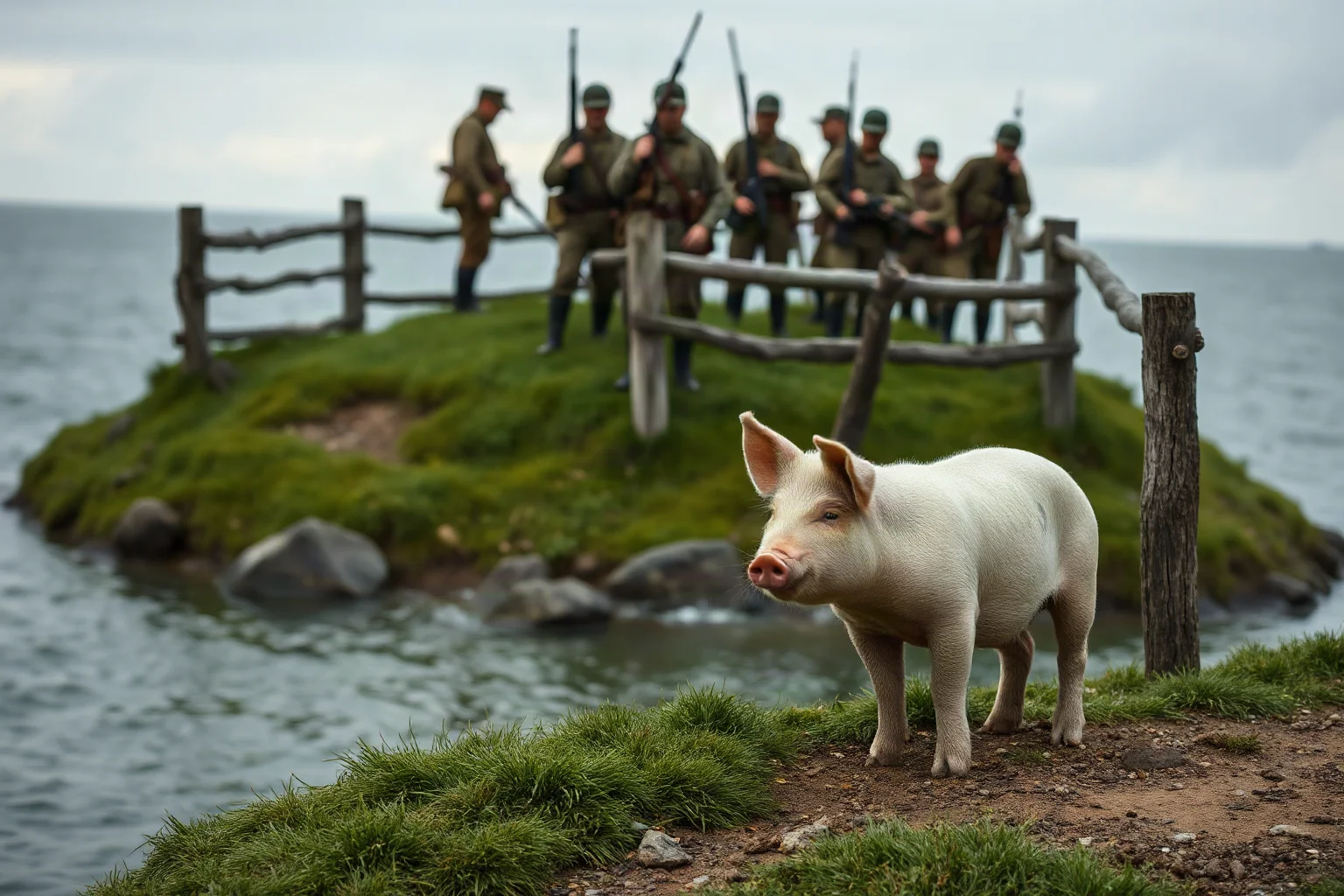
In 1859, tensions between American and British settlers on the disputed San Juan Islands boiled over after an American farmer shot a pig that belonged to a British subject. Both nations sent troops and warships to the tiny island in response.
Remarkably, the standoff was resolved through negotiation, and the pig was the only casualty of the entire affair. It’s one of those odd historical events where a border dispute nearly escalated into war over livestock.
18. The Man Who Sold the Eiffel Tower
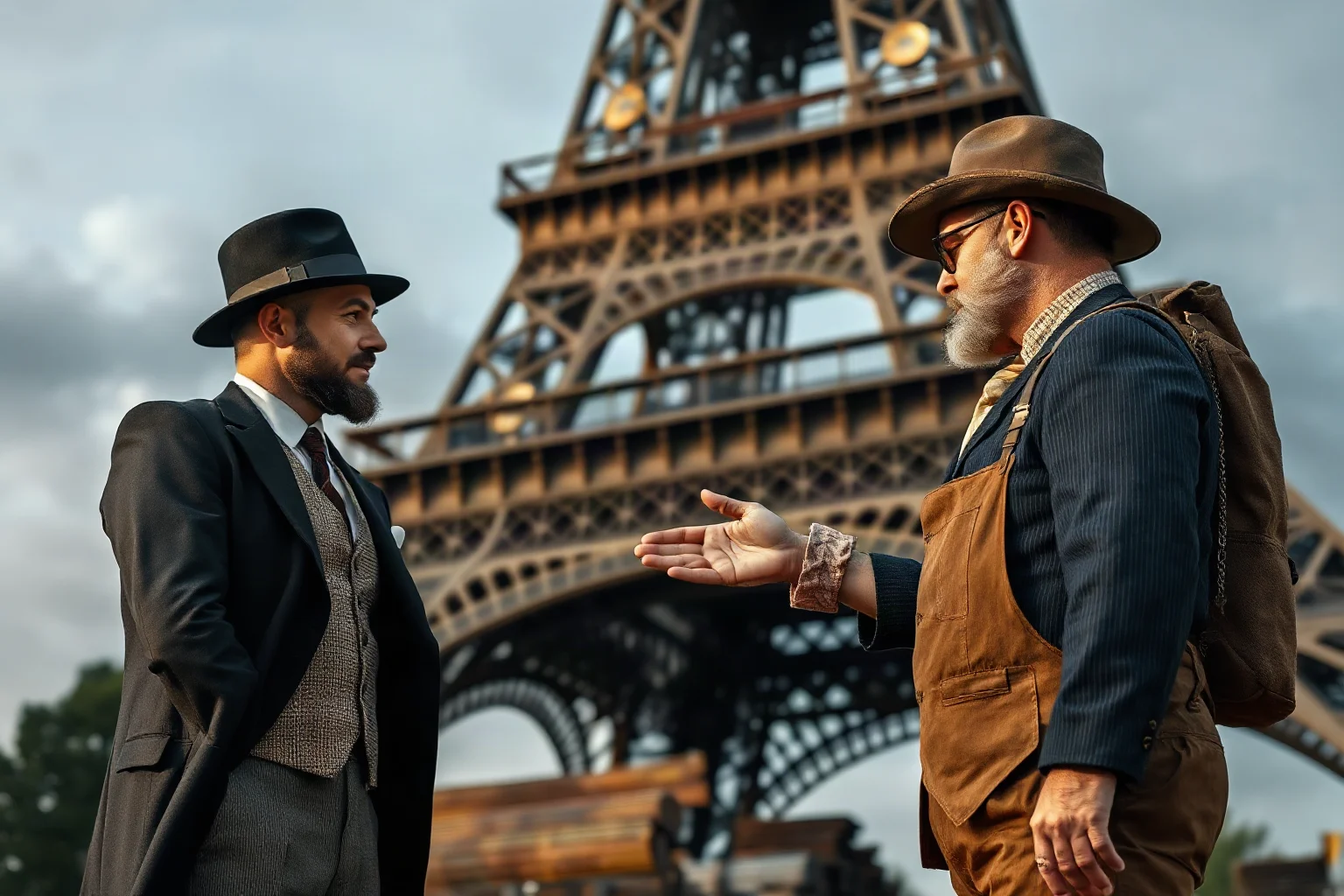
In 1925, con artist Victor Lustig posed as a French government official and convinced a scrap metal dealer that the Eiffel Tower was being sold for scrap due to high maintenance costs. He collected a hefty bribe and bonus payment before disappearing.
Remarkably, he later returned to Paris and pulled off a similar scam on a different dealer. It’s one of history’s boldest and most successful hoaxes, and a genuinely amazing turn of events for a career criminal.
19. The Exploding Whale of Oregon
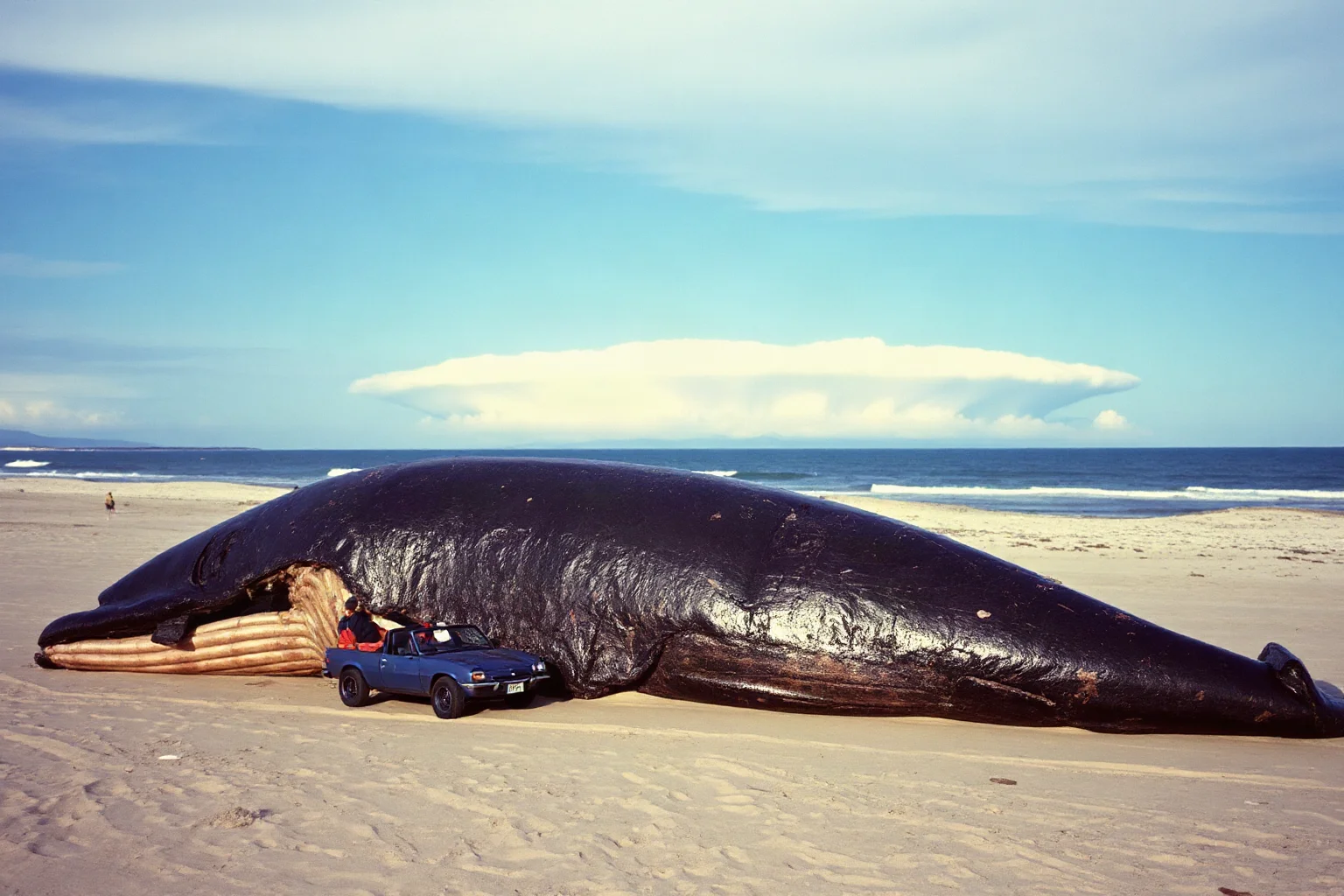
In 1970, a dead sperm whale washed ashore near Florence, Oregon, and officials decided the fastest disposal method was dynamite. The resulting explosion sent large chunks of whale flying, some landing on cars parked well away from the beach.
Footage of the event became a local news legend and later a viral internet clip decades on. It’s a strange but true story that shows government problem-solving doesn’t always go as planned.
20. Emperor Norton of the United States
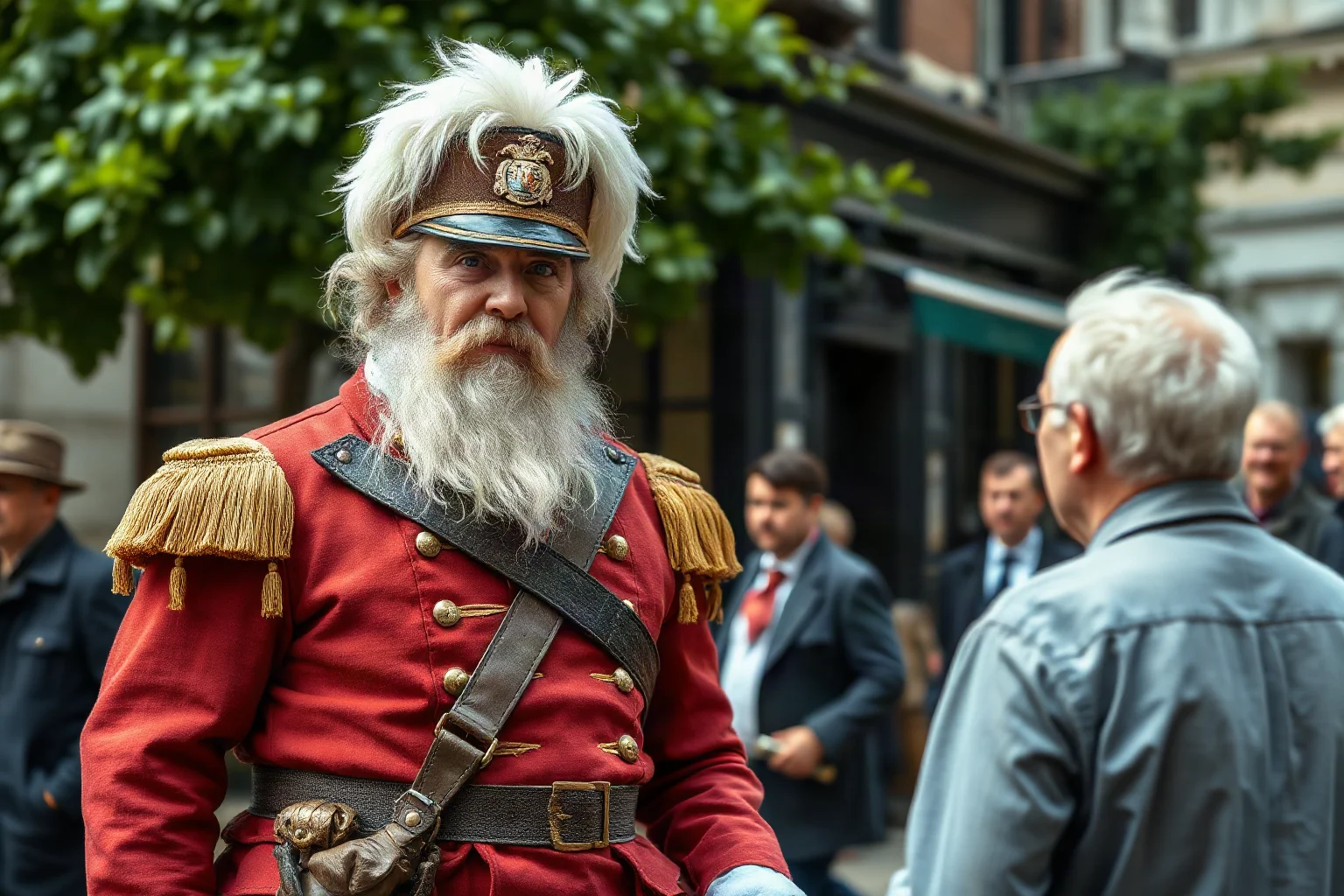
In 1859, San Francisco businessman Joshua Norton declared himself “Emperor of the United States” after losing his fortune, and the city largely humored him. Local businesses accepted his self-printed currency, and newspapers respectfully covered his proclamations for over two decades.
He never held any real political power, but his eccentric reign became a beloved piece of San Francisco folklore. It’s a strange but wonderful reminder that history sometimes rewards harmless, confident weirdness.
21. The Kentucky Meat Shower
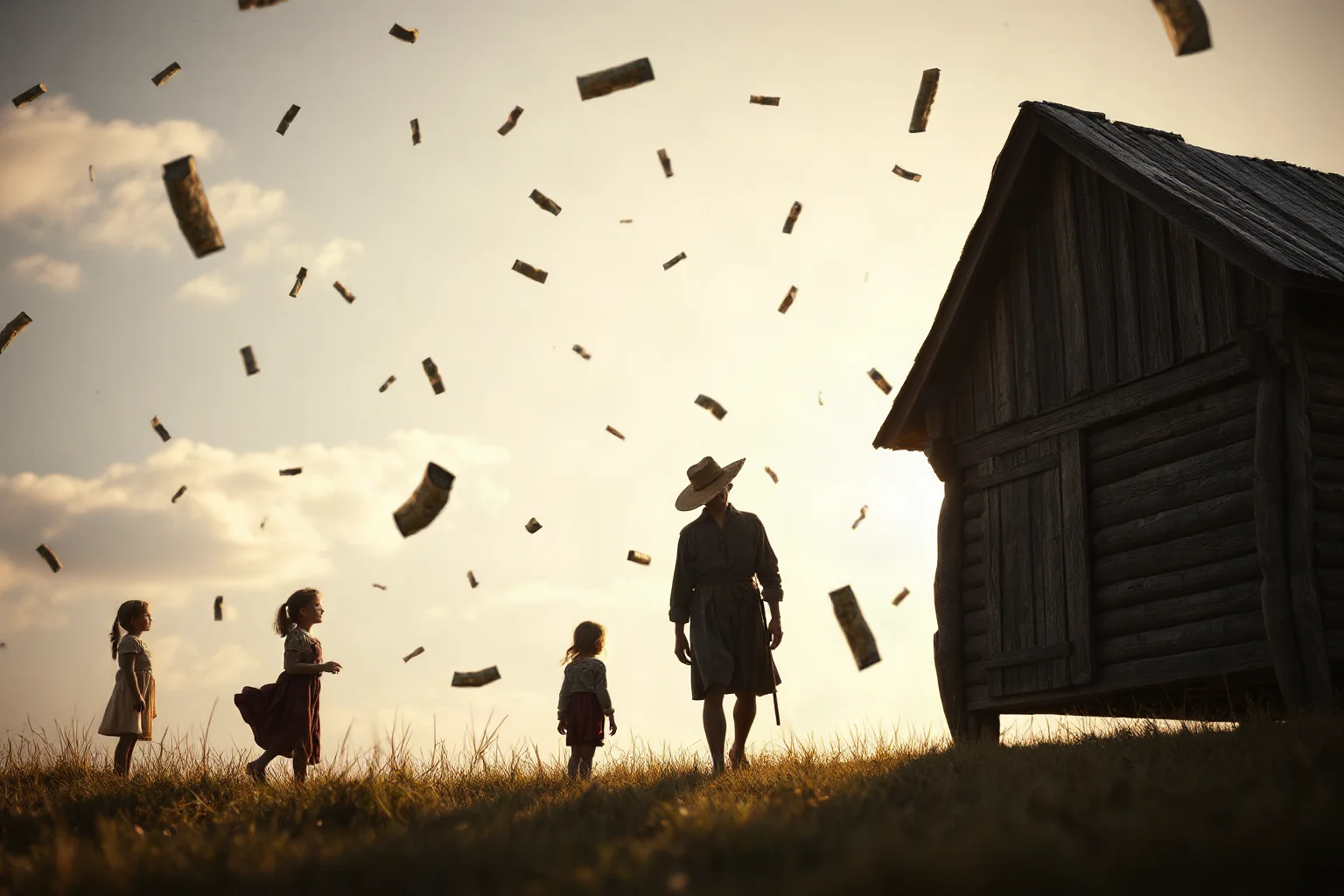
On March 3, 1876, chunks of what appeared to be fresh meat reportedly fell from a clear sky onto a farm in Bath County, Kentucky. Startled witnesses even tasted some before scientists got involved.
The most widely accepted explanation is that vultures flying overhead had regurgitated their meal, which then rained down on the property. It’s one of the more delightfully gross entries in the long list of unexplained historical circumstances that turned out to have a fairly mundane cause.
22. The Great Fire of London Didn’t Actually End the Plague
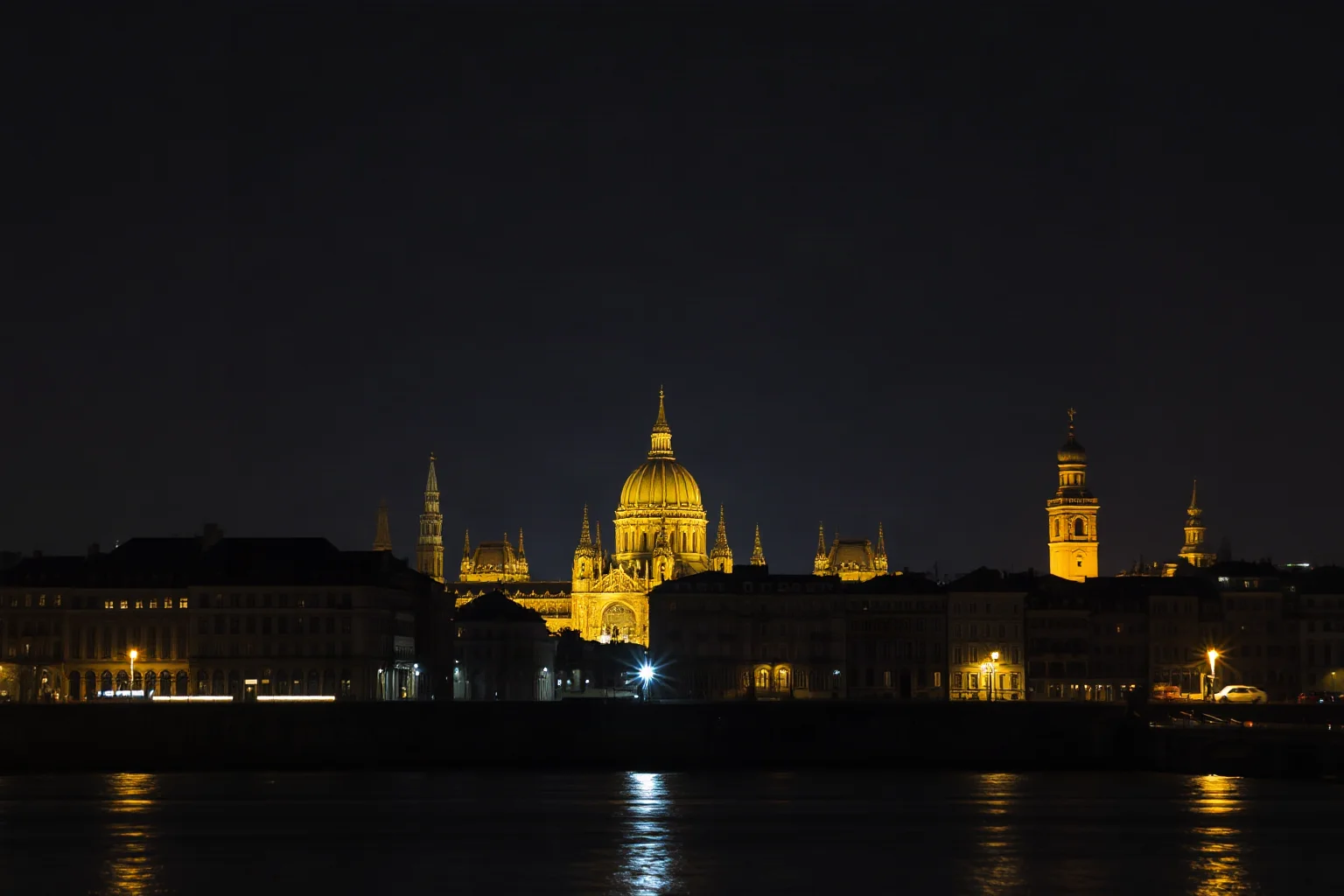
A popular legend claims the Great Fire of London in 1666 conveniently wiped out the Great Plague that had ravaged the city the year before. In reality, records show plague deaths had already declined sharply before the fire broke out.
The fire was still a monumental event, destroying most of the medieval city and leading to Christopher Wren’s rebuilding efforts, including St. Paul’s Cathedral. It’s a classic case of a real historical event getting a mythical extra chapter tacked on over time.
Why Strange History Deserves a Closer Look
What makes these events so compelling isn’t just the shock value, it’s what they reveal about how people actually reacted under pressure, boredom, ambition, or fear. A war fought over a bucket says something about medieval city rivalries, just as a spy program involving a cat says something about Cold War paranoia.
These stories also work as a gentle reminder to question viral history claims before sharing them as fact. Some of the wildest-sounding tales, like the Christmas Truce or the Anglo-Zanzibar War, are extremely well documented, while others, like the Battle of Karánsebes, are far shakier than their popularity suggests.
Good historical curiosity means holding both possibilities at once: delight in the weirdness, paired with a willingness to check the sourcing. That combination is really what separates genuine crazy history from just another internet myth.
Final Thoughts on History’s Strangest Moments
From emus outsmarting the military to a pope putting a dead man on trial, these events prove that the past is far stranger than most textbooks let on. Every generation has its own share of odd, unexplainable, and downright funny moments, and many more are still waiting to be rediscovered in old newspapers and archives.
If this list of unusual events sparked your curiosity, that’s really the whole point. History is at its best when it surprises us, and there’s always another historical event that changed the world waiting to be dug up.
Frequently Asked Questions
What are some interesting events in history that most people don’t know about?
Beyond the famous wars and revolutions covered in school, history is full of lesser-known but well-documented oddities, like the 38-minute Anglo-Zanzibar War, the 1814 London Beer Flood, and the 1962 Tanganyika Laughter Epidemic. These interesting events in history tend to get overlooked simply because they don't fit neatly into standard timelines, even though they're backed by solid historical records.
Are all viral ‘crazy history’ stories actually true?
No, and that's an important distinction to make. Some widely shared stories, like the Battle of Karánsebes, rest on thin or secondhand sourcing and are considered exaggerated or partly apocryphal by historians, while others, like the Christmas Truce of 1914, are extremely well documented in soldiers' letters and official records.
Why do so many strange historical events get exaggerated over time?
Stories tend to grow more dramatic each time they're retold, especially before the era of reliable written records or when they're passed through folklore, songs, or later poems. The War of the Bucket is a good example, since the bucket detail was popularized by a comic poem written centuries after the actual conflict.
What is considered the strangest event in recorded history?
There's no single agreed-upon answer, but the Dancing Plague of 1518 and the Cadaver Synod of 897 are frequently cited among the strangest documented events, precisely because their causes remain genuinely debated by historians and researchers today.
Where can I find more obscure or lesser-known historical events?
University archives, digitized newspaper collections, and academic history journals are great places to find obscure historical events that never made it into mainstream textbooks. Many of these stories only resurface when researchers revisit old court records, ship logs, or local newspaper archives.
Did the Great Fire of London really end the plague, as many people claim?
Not really. Historical death records show that plague deaths in London had already been declining significantly before the Great Fire of 1666 broke out, so while the fire was a massive event in its own right, it wasn't the deciding factor that ended the outbreak.

Alex Warren
Related Articles