

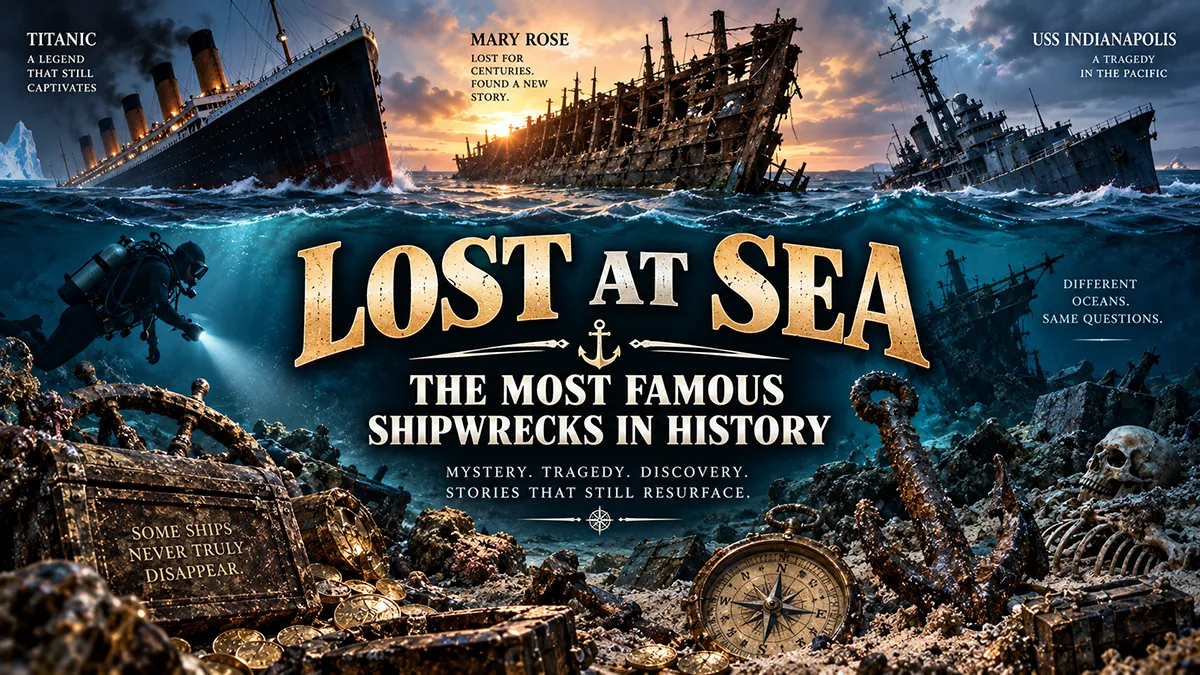
The ocean floor is essentially a museum nobody chose to build. Scattered across every sea on Earth are the remains of merchant ships, warships, pirate vessels, and passenger liners, each one a frozen moment of disaster, heroism, or just plain bad luck. Some of these ships that sunk are household names thanks to movies and documentaries, while others have faded from memory despite killing far more people than the wrecks we all know.
This list rounds up 20-plus of the most famous shipwrecks in history, along with a few that still haven't been found at all. Along the way we'll bust a few myths, because the real stories are almost always stranger and more interesting than the popular version.
TL;DR: From the Titanic to pirate ships and wrecks still missing after centuries, history's most famous shipwrecks reveal as much about human ambition and error as they do about the sea itself.
How Many Shipwrecks Are There, Really?
Before diving into the list, it helps to understand the scale of the problem. UNESCO estimates there are more than three million shipwrecks scattered across the world's oceans, though only a small fraction have ever been located or surveyed.
That number covers everything from ancient Greek trading vessels to World War II submarines, so "how many shipwrecks are there in the world" doesn't have one clean answer. What we do have is a much shorter list of wrecks that became genuinely famous, either because of the number of lives lost, the value of the cargo, or the sheer strangeness of the story.
1. RMS Titanic
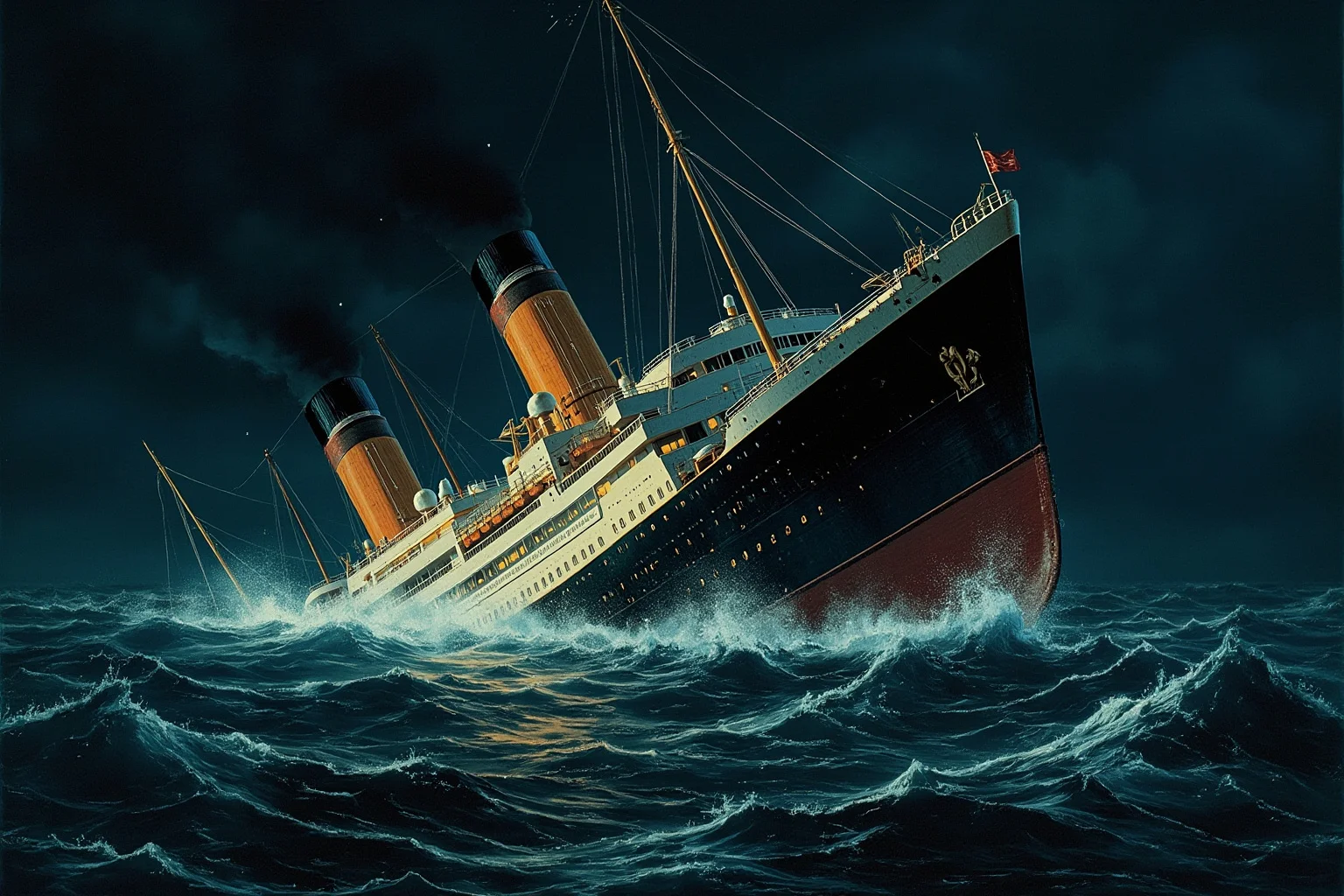
No list of famous sea wrecks can start anywhere else. The Titanic struck an iceberg in the North Atlantic on the night of April 14, 1912, and sank in the early hours of April 15, killing more than 1,500 people.
It was billed as unsinkable, though that claim came mostly from confident press coverage rather than the shipbuilders themselves. Its wreck was located in 1985 by Robert Ballard's team, and it remains the most famous shipwreck in the world, split into two main sections roughly 3,800 meters down in the North Atlantic.
2. RMS Lusitania
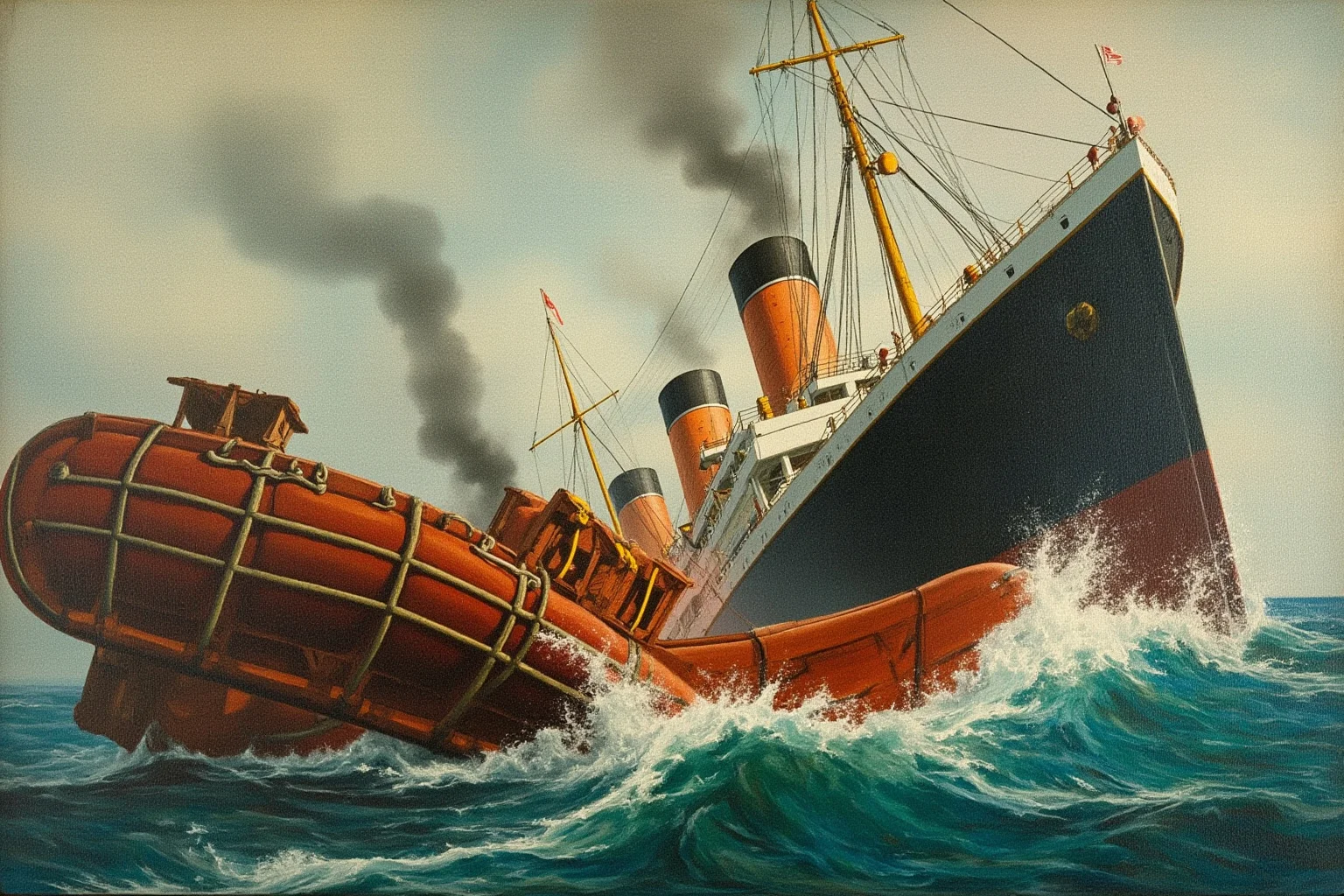
The Lusitania was a British ocean liner torpedoed by a German U-boat off the coast of Ireland on May 7, 1915, sinking in under 20 minutes. Nearly 1,200 people died, including 128 Americans, and the sinking became a major turning point in public opinion that eventually helped draw the United States into World War I.
The ship was carrying some munitions alongside passengers, a fact that fueled decades of debate over whether Germany's attack was justified under wartime law. Either way, it remains one of the most consequential famous ship sinkings of the 20th century.
3. Vasa
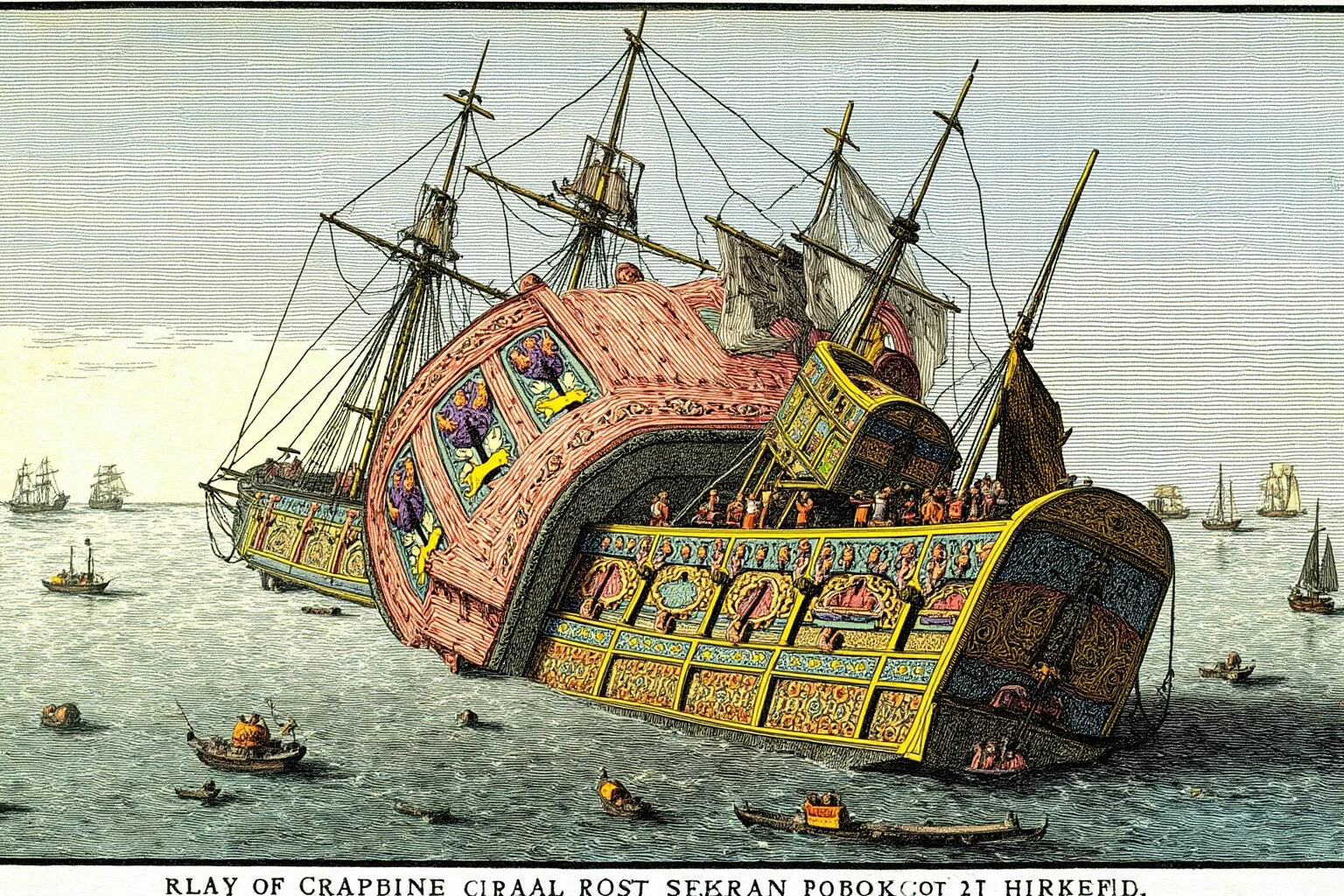
Sweden's Vasa is one of the best preserved shipwrecks on Earth, and also one of the most embarrassing. The heavily armed warship rolled over and sank on its maiden voyage in Stockholm harbor in 1628, sailing barely 1,300 meters before going down.
It sank because it was dangerously top-heavy, the result of design changes ordered mid-construction. Raised almost intact in 1961 after over 300 years underwater, it now sits in a purpose-built museum in Stockholm as one of the most complete 17th-century ships ever recovered.
4. Mary Rose
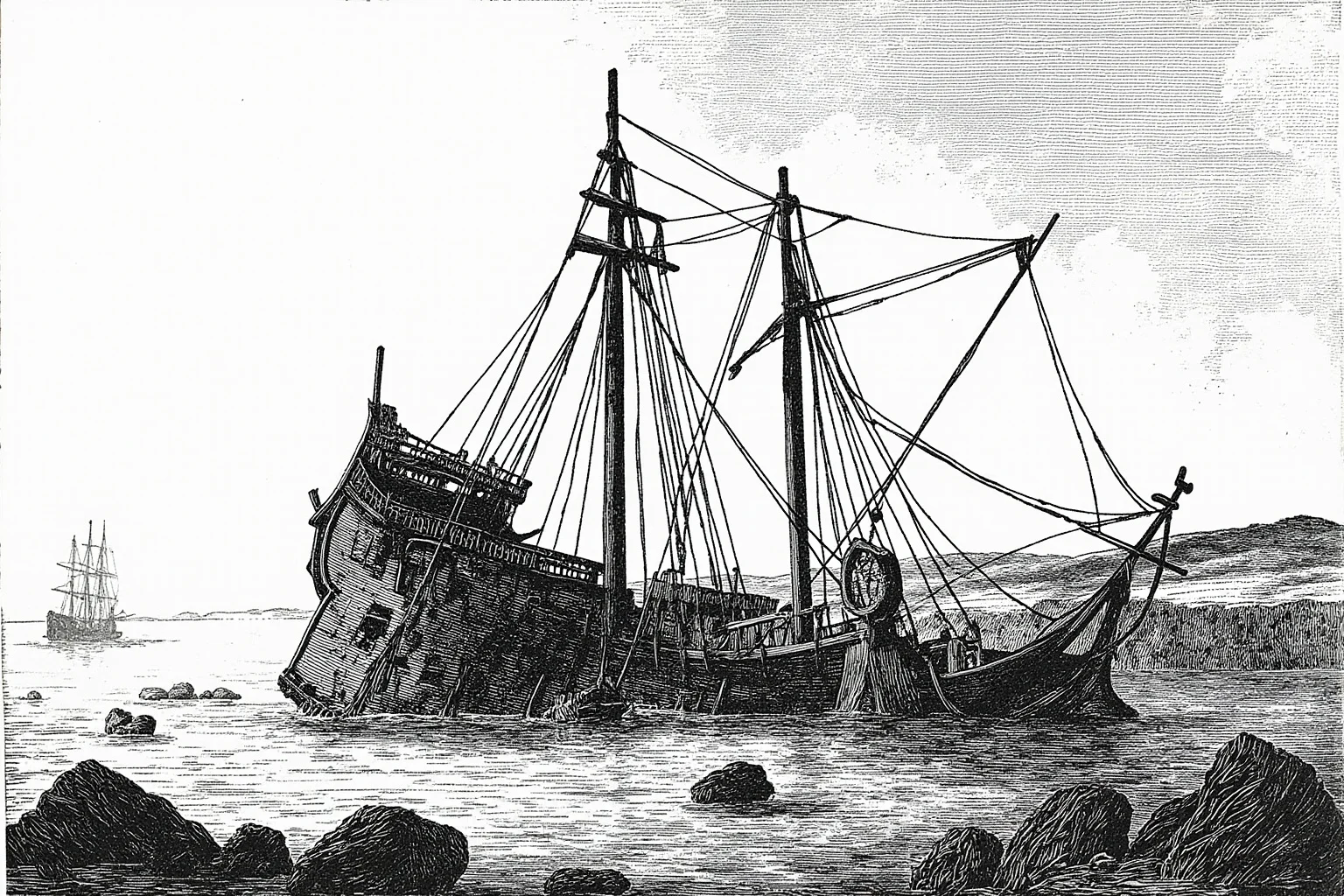
Henry VIII's flagship Mary Rose sank in the Solent in 1545 while engaging a French invasion fleet, right in front of the king, who reportedly watched from shore. Exactly why she sank is still debated, with theories ranging from an overloaded gun deck to a sudden gust catching her at the wrong angle.
Her hull was raised in 1982 in a televised recovery that captivated Britain, and she is now displayed in Portsmouth. She remains one of the most studied well preserved shipwrecks in maritime archaeology, offering an extraordinary snapshot of Tudor-era shipboard life.
5. USS Arizona
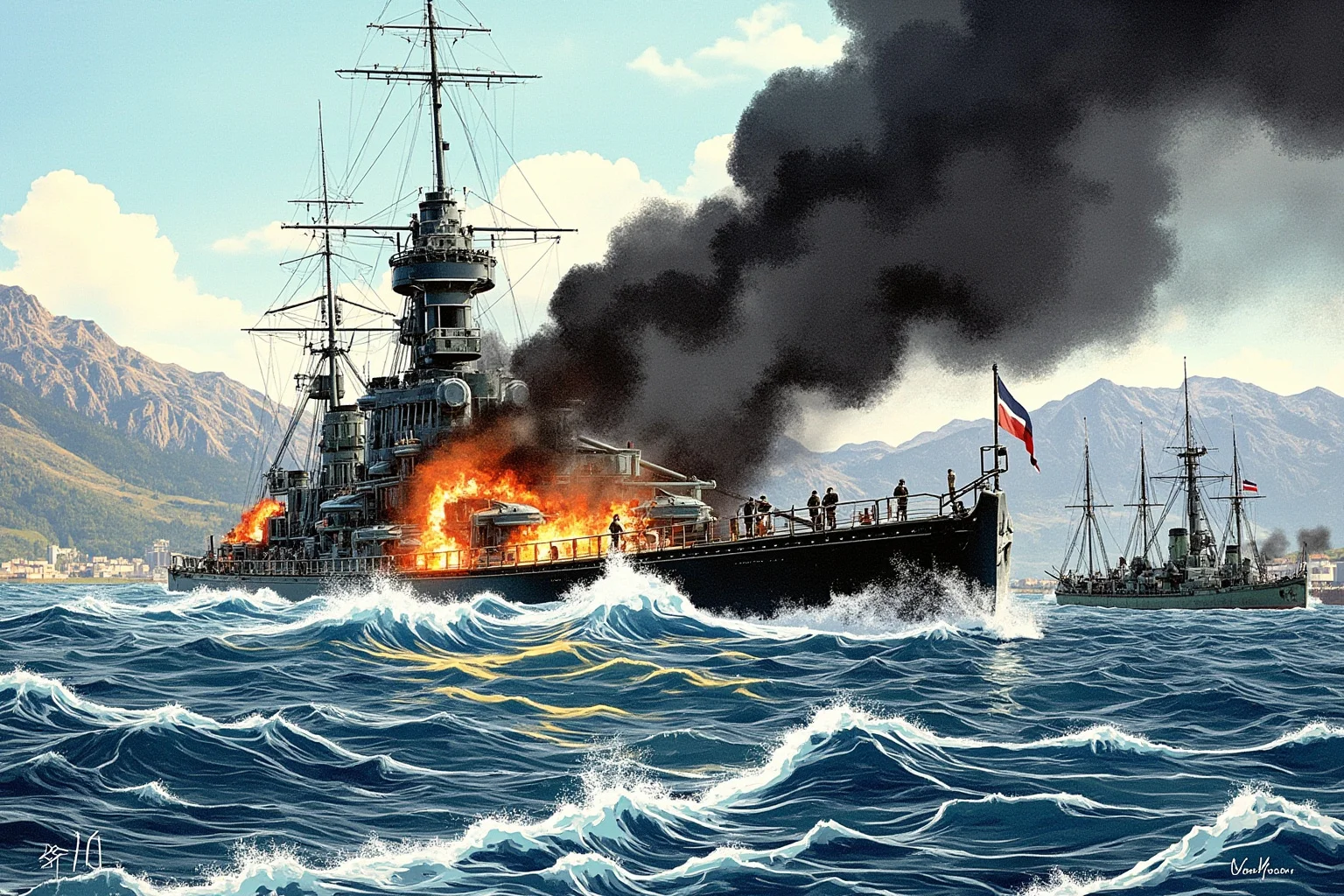
The USS Arizona was one of several battleships sunk during the Japanese attack on Pearl Harbor on December 7, 1941. A bomb detonated her forward ammunition magazine, and she sank in minutes, killing 1,177 crew members, nearly half of all the Americans who died that day.
Her wreck was never fully raised and remains in Pearl Harbor as a war grave, with the USS Arizona Memorial built directly above it. It's one of the few famous shipwrecks that most visitors experience from above rather than by diving down to it.
6. SS Edmund Fitzgerald
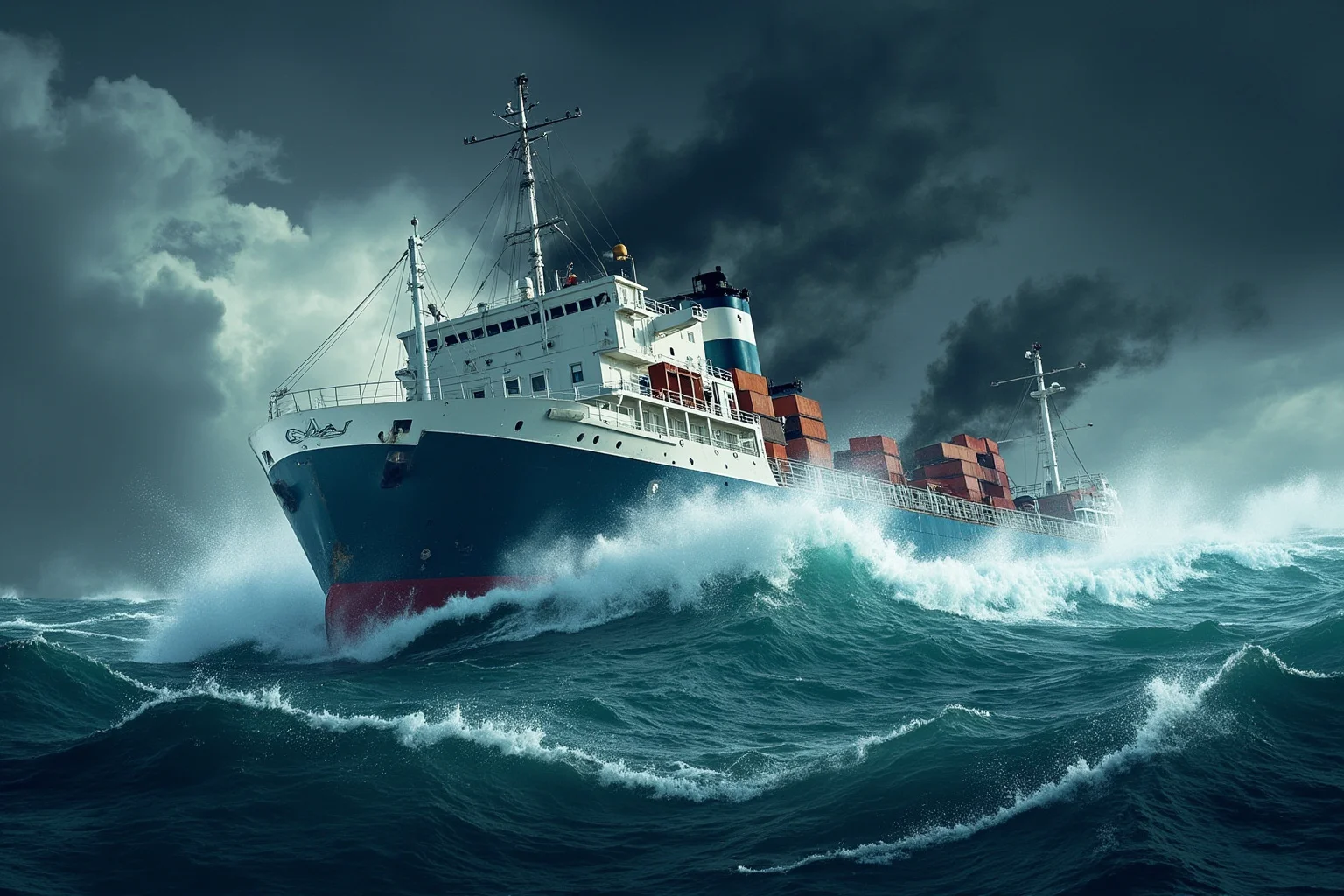
Most famous shipwrecks happened at sea, but the Edmund Fitzgerald went down on Lake Superior on November 10, 1975, during a violent storm. All 29 crew members were lost, and the wreck was found broken in two pieces on the lake floor shortly afterward.
The exact cause of the sinking is still debated among researchers, with theories including structural failure, rogue waves, and shoaling in shallow water. The disaster was immortalized in Gordon Lightfoot's 1976 song, which helped keep the story alive far beyond the Great Lakes shipping community.
7. MV Doña Paz
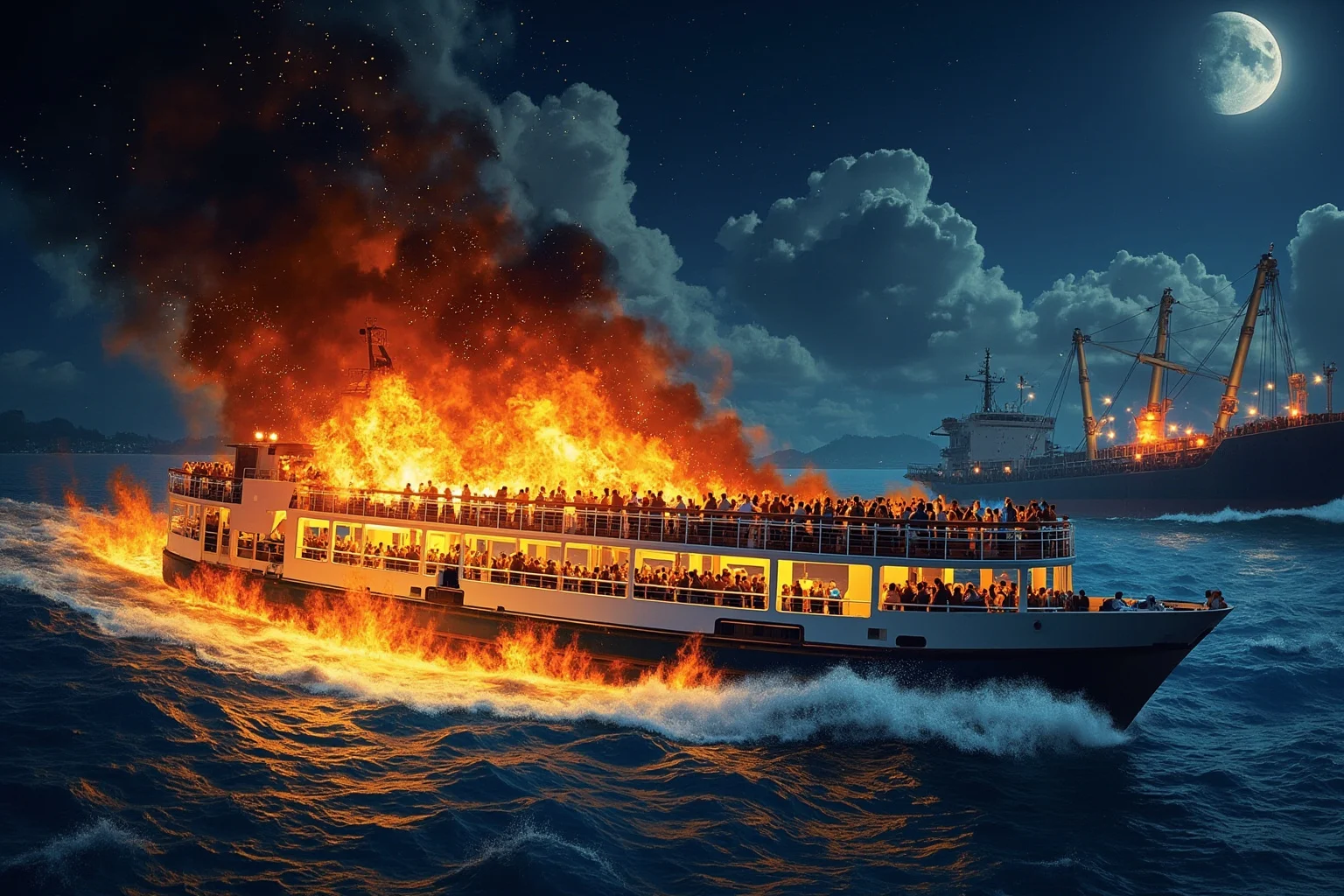
If you're looking for the deadliest shipwrecks in history, the Doña Paz belongs near the very top. This Philippine passenger ferry collided with an oil tanker, the MT Vector, on December 20, 1987, and burst into flames in the Tablas Strait.
Official counts list around 1,749 dead, though the ship was badly overcrowded and the real death toll may have exceeded 4,000 people. It's frequently cited as the deadliest peacetime maritime disaster in history, yet it remains far less known internationally than the Titanic.
8. SS Sultana
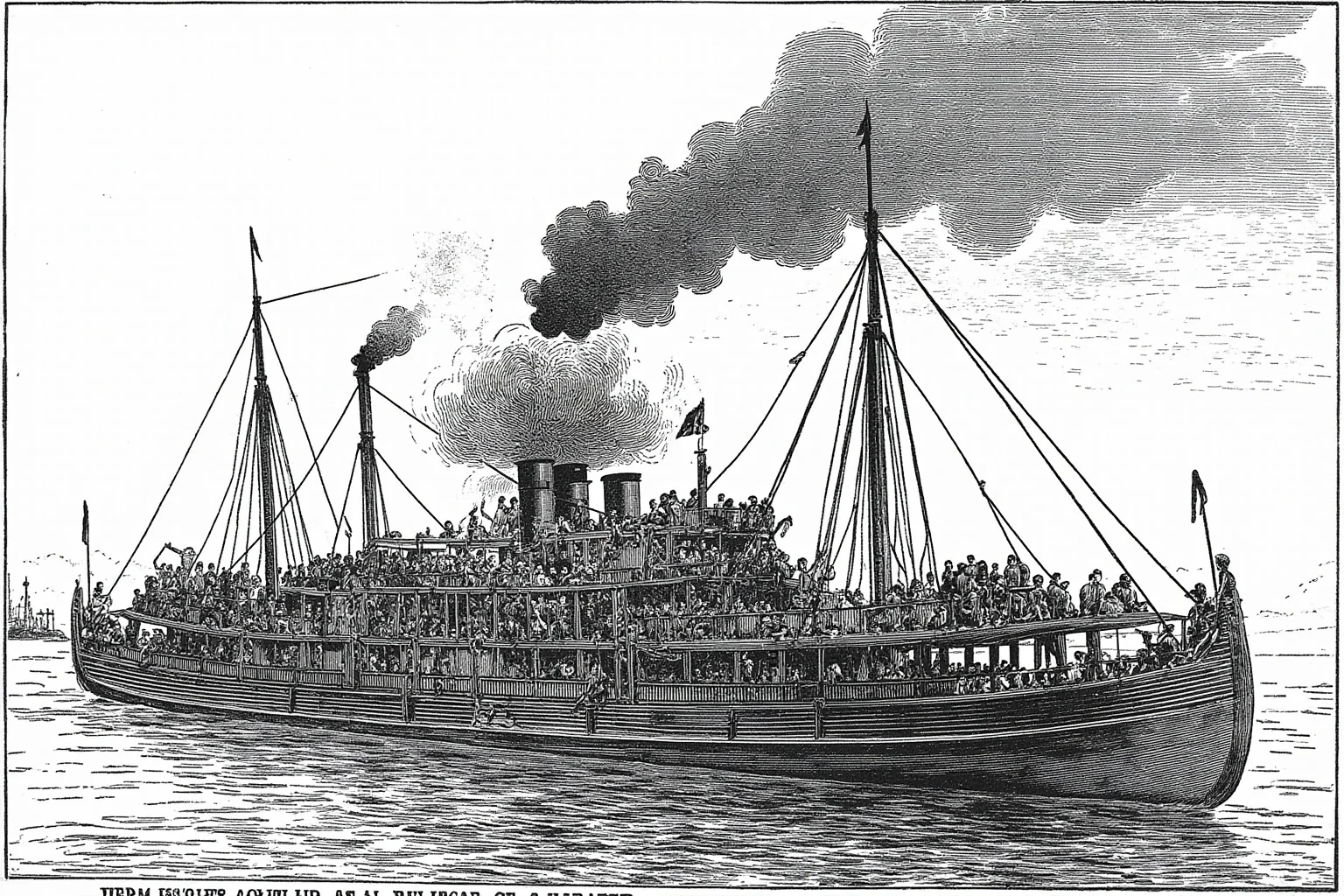
The Sultana disaster doesn't get nearly the attention its death toll deserves. The steamboat's boilers exploded on the Mississippi River on April 27, 1865, killing an estimated 1,168 people, most of them Union soldiers just released from Confederate prison camps.
The ship was legally certified to carry around 376 passengers but was carrying well over 2,000 at the time of the explosion. The disaster happened just days after President Lincoln's assassination, which likely explains why it never received comparable national attention.
9. Batavia
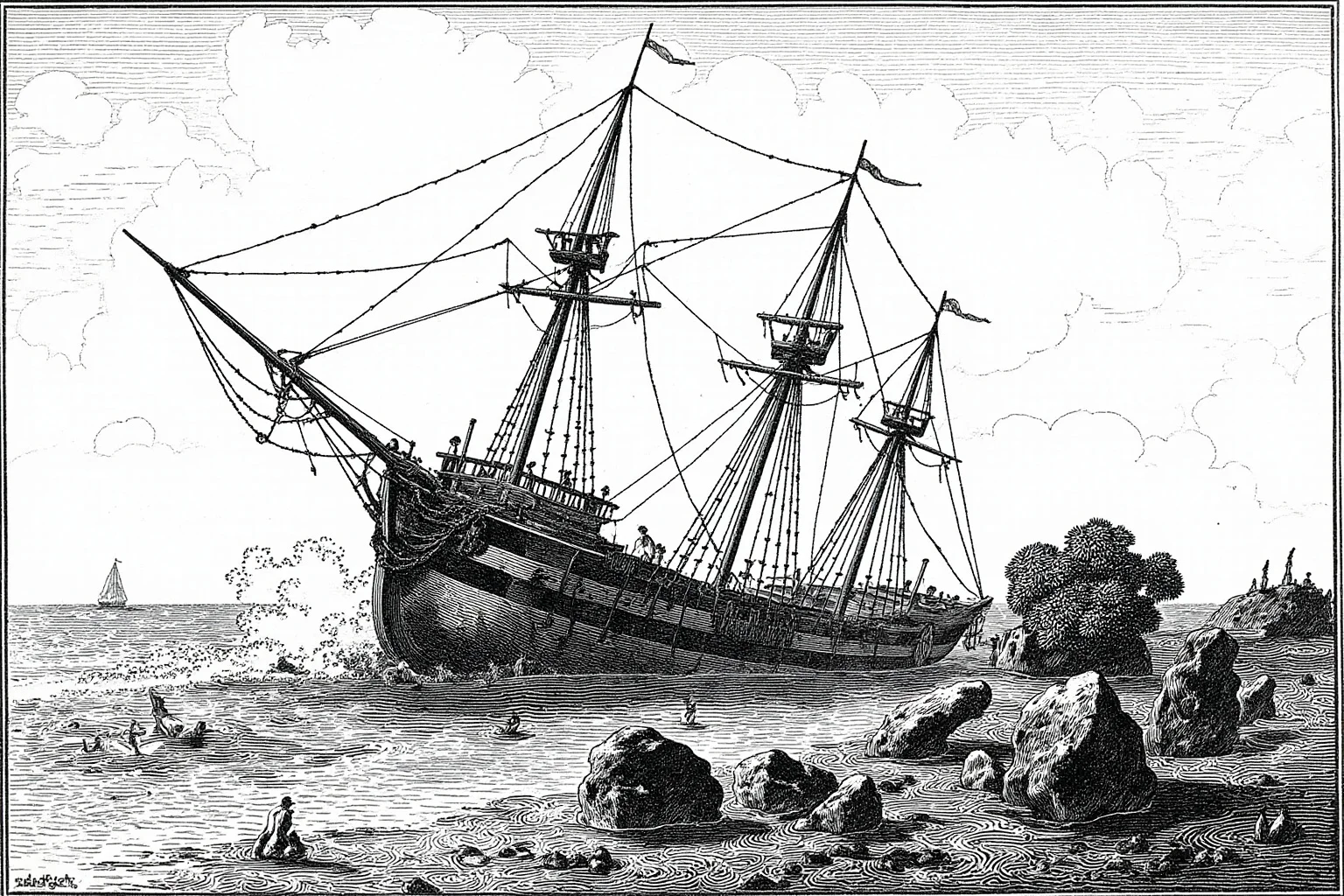
The Dutch East India Company ship Batavia wrecked on a reef off Western Australia in 1629, but the sinking was only the beginning of the horror. Survivors on nearby islands descended into a mutiny and massacre, with over a hundred people killed by their own shipmates before rescue arrived.
Parts of the wreck were excavated starting in the 1970s, and sections of the original hull are now displayed in Western Australian museums. It stands as one of history's darkest famous ship sinkings, precisely because the disaster kept getting worse after the ship actually went down.
10. Whydah Gally
Among famous pirate shipwrecks, the Whydah Gally is the gold standard for actual archaeological proof. Originally a slave ship, she was captured by pirate captain Samuel "Black Sam" Bellamy in 1717 and converted into his flagship before sinking in a storm off Cape Cod.
Her wreck was located in 1984 by explorer Barry Clifford, making her the first confirmed pirate ship wreck ever authenticated. Thousands of artifacts, including cannons and coins, have since been recovered and are displayed at a dedicated museum.
11. Queen Anne's Revenge
Blackbeard's flagship, Queen Anne's Revenge, ran aground near Beaufort Inlet, North Carolina, in 1718, not long before Blackbeard himself was killed by British forces. The wreck sat undisturbed until it was discovered in 1996, and excavation has continued for decades since.
Cannons, navigational tools, and even medical equipment have been recovered from the site. It remains one of the most tangible links historians have to the so-called Golden Age of Piracy.
12. USS Monitor
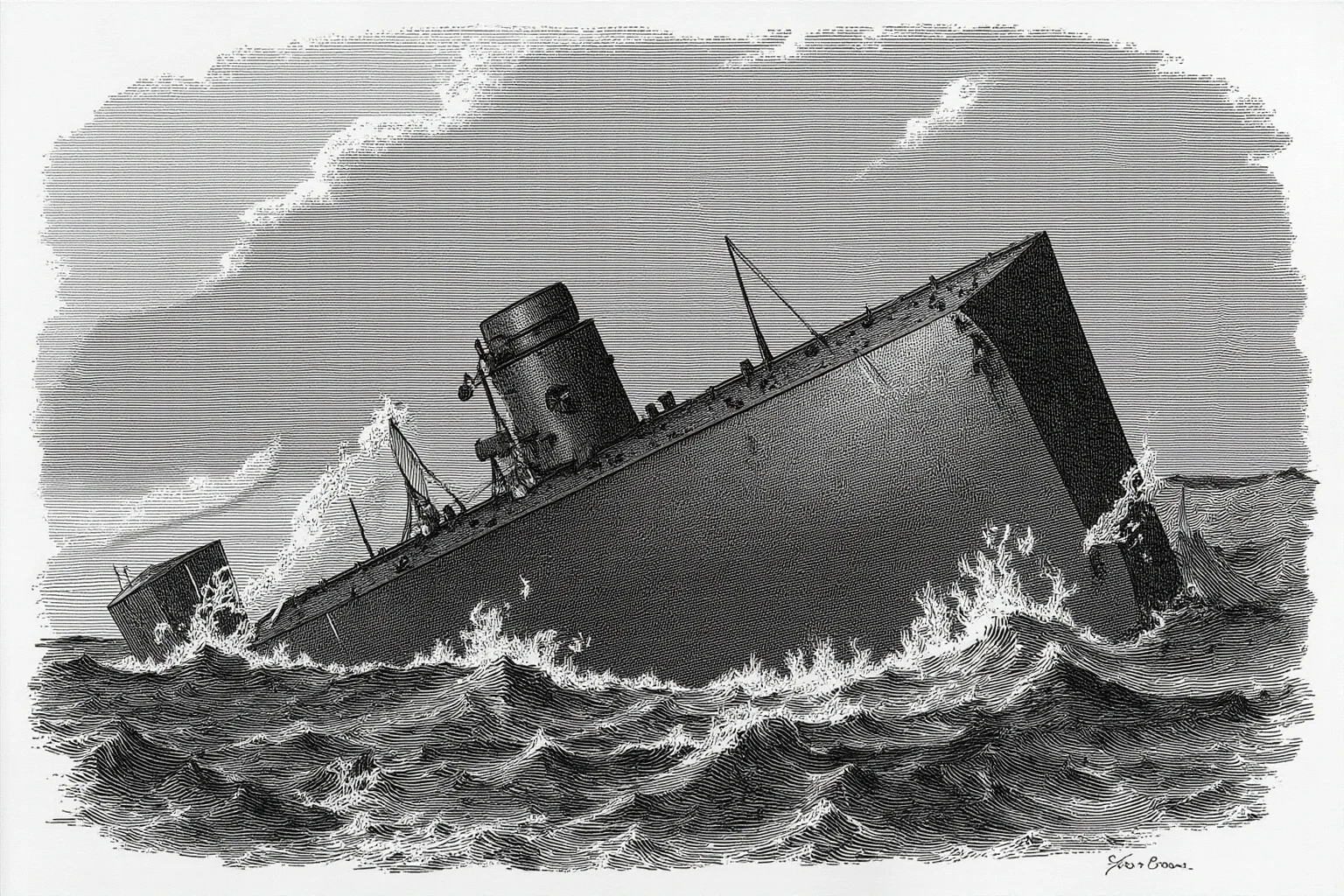
The USS Monitor made history in 1862 as one half of the first battle between ironclad warships, facing off against the CSS Virginia during the American Civil War. She survived that battle but sank later that year off Cape Hatteras in a storm, taking 16 crew members down with her.
Her wreck was discovered in 1973, and her iconic rotating gun turret was raised in 2002. Pieces of the Monitor are now preserved at The Mariners' Museum in Virginia, one of the more unusual entries among famous boats that sank in American waters.
13. Bismarck
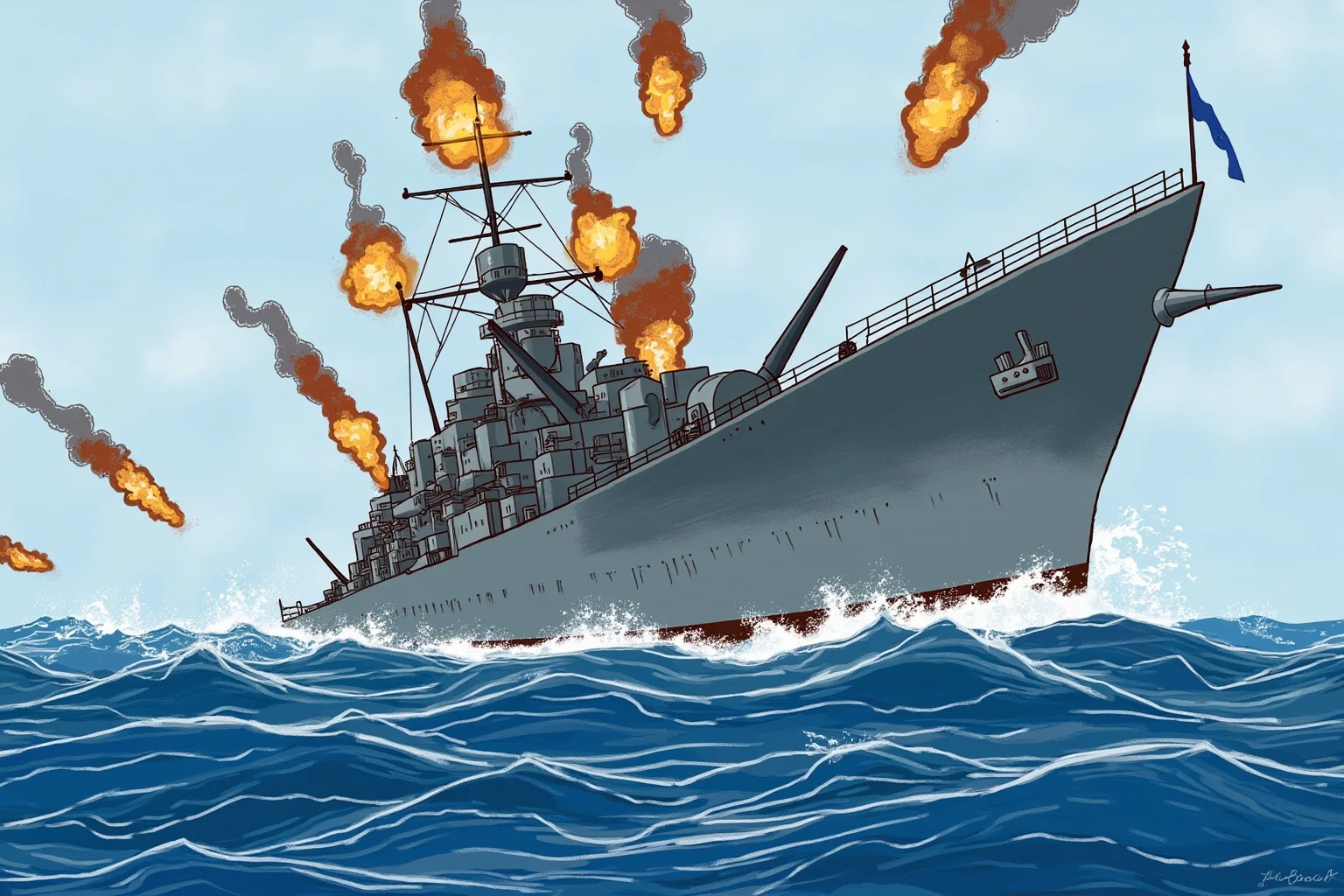
Among the largest shipwrecks in the world, Nazi Germany's battleship Bismarck stands out for both her size and the drama of her final battle. Commissioned in 1940, she was hunted down by the Royal Navy after sinking HMS Hood, and sank on May 27, 1941, after a fierce engagement, killing all but 115 of her roughly 2,200 crew.
Her wreck was found in 1989 resting over 4,700 meters deep in the North Atlantic. Whether she was finished off by British shells or scuttled by her own crew is still debated by historians.
14. HMHS Britannic
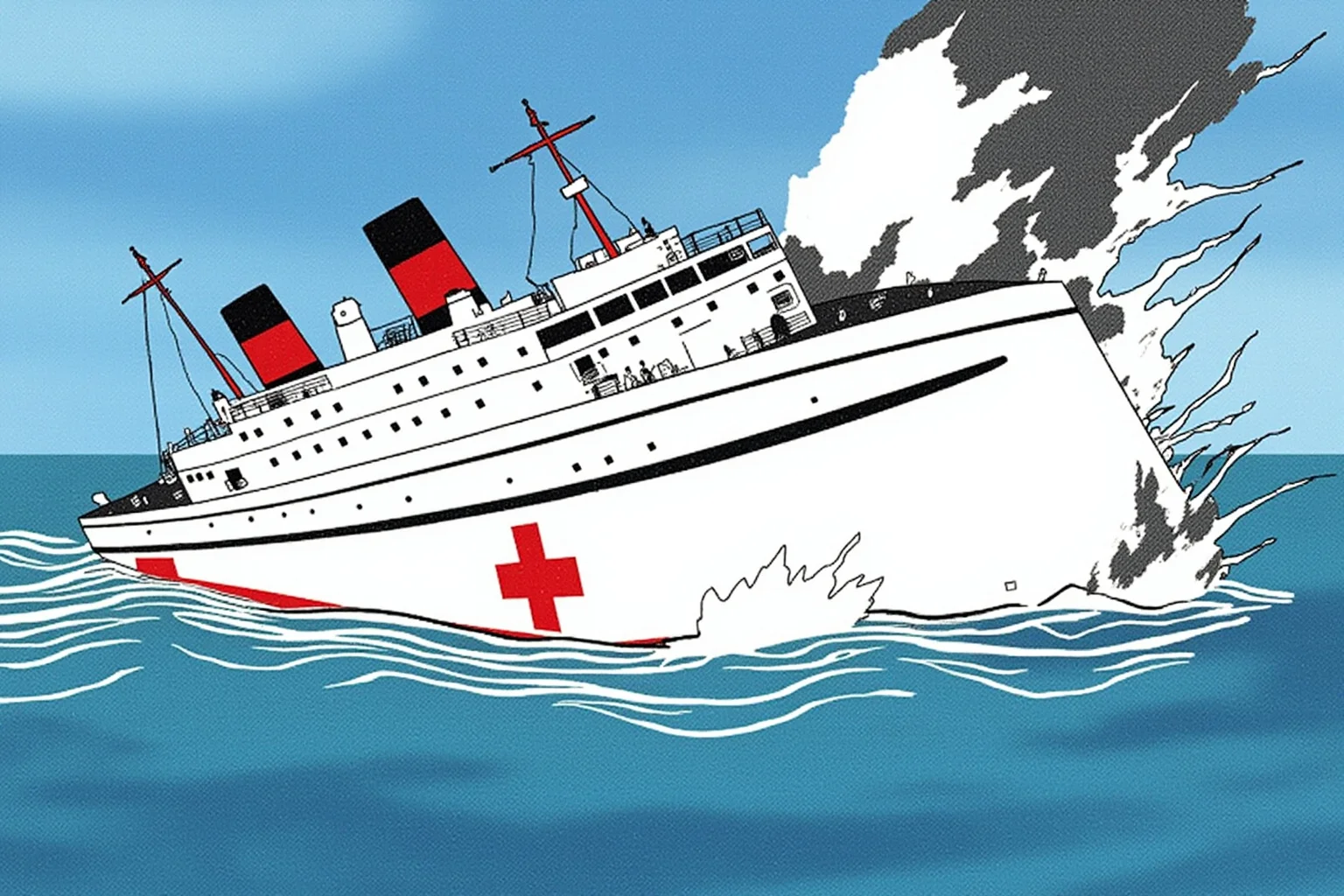
The Britannic was the Titanic's sister ship, converted into a hospital ship during World War I. She struck a mine in the Aegean Sea in 1916 and sank in under an hour, though quick action by the crew meant only 30 of over 1,000 people aboard died.
She is now the largest passenger ship wreck lying on the ocean floor, and her relatively shallow resting depth makes her a popular, if technically demanding, destination for wreck divers. It's a strange twist of fate that the safer sister ship sank faster but killed far fewer people.
15. Costa Concordia
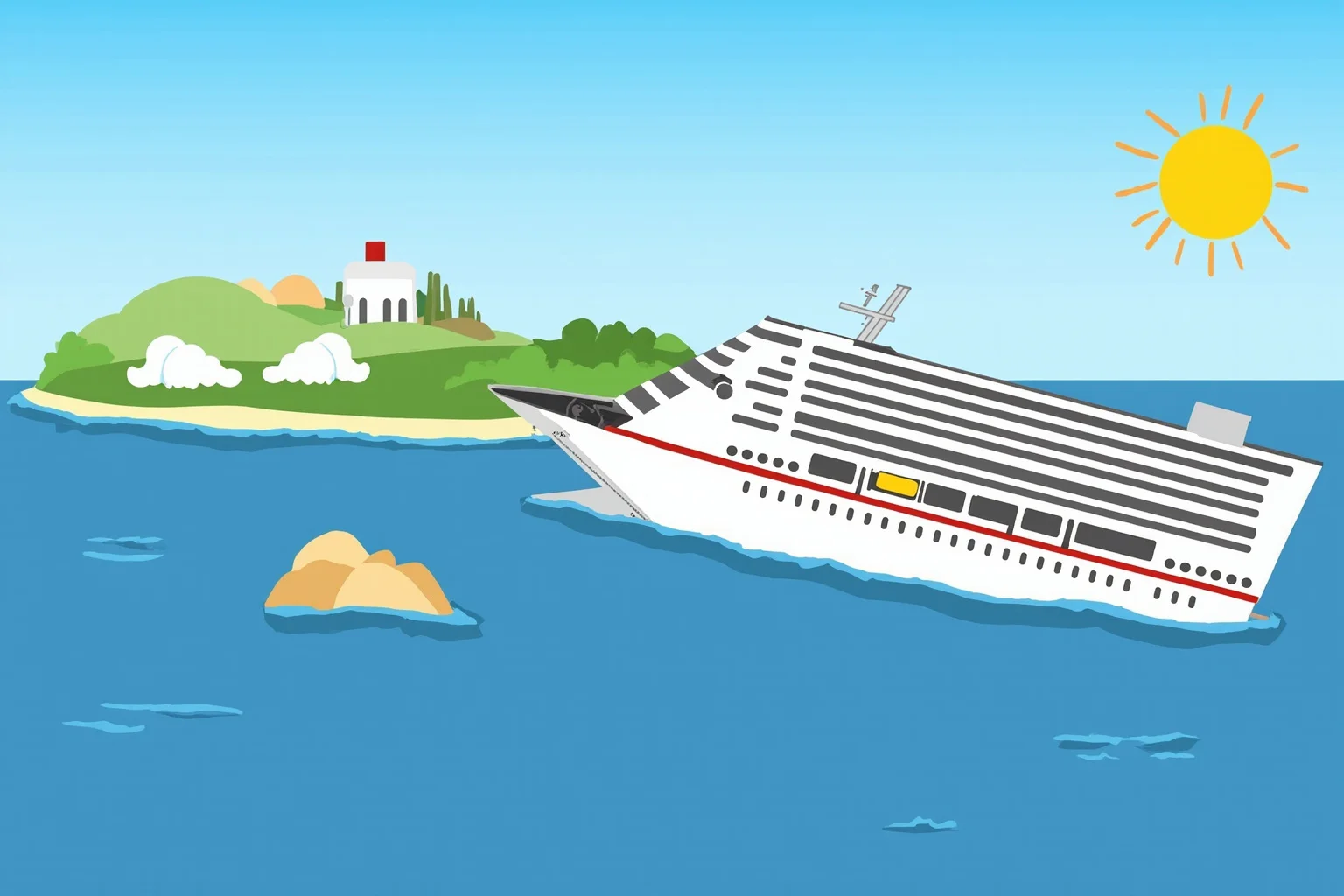
The Costa Concordia disaster showed that famous sinking ships aren't confined to the history books. The Italian cruise ship struck rocks off the island of Giglio in January 2012 after a reckless detour by the captain, capsizing partially with over 4,200 people aboard.
Thirty-two people died, and the ship's captain, Francesco Schettino, was later convicted for his role in the disaster and for abandoning ship before all passengers were evacuated. The wreck was refloated and towed away for scrapping in 2014, one of the largest maritime salvage operations ever attempted.
16. MV Estonia
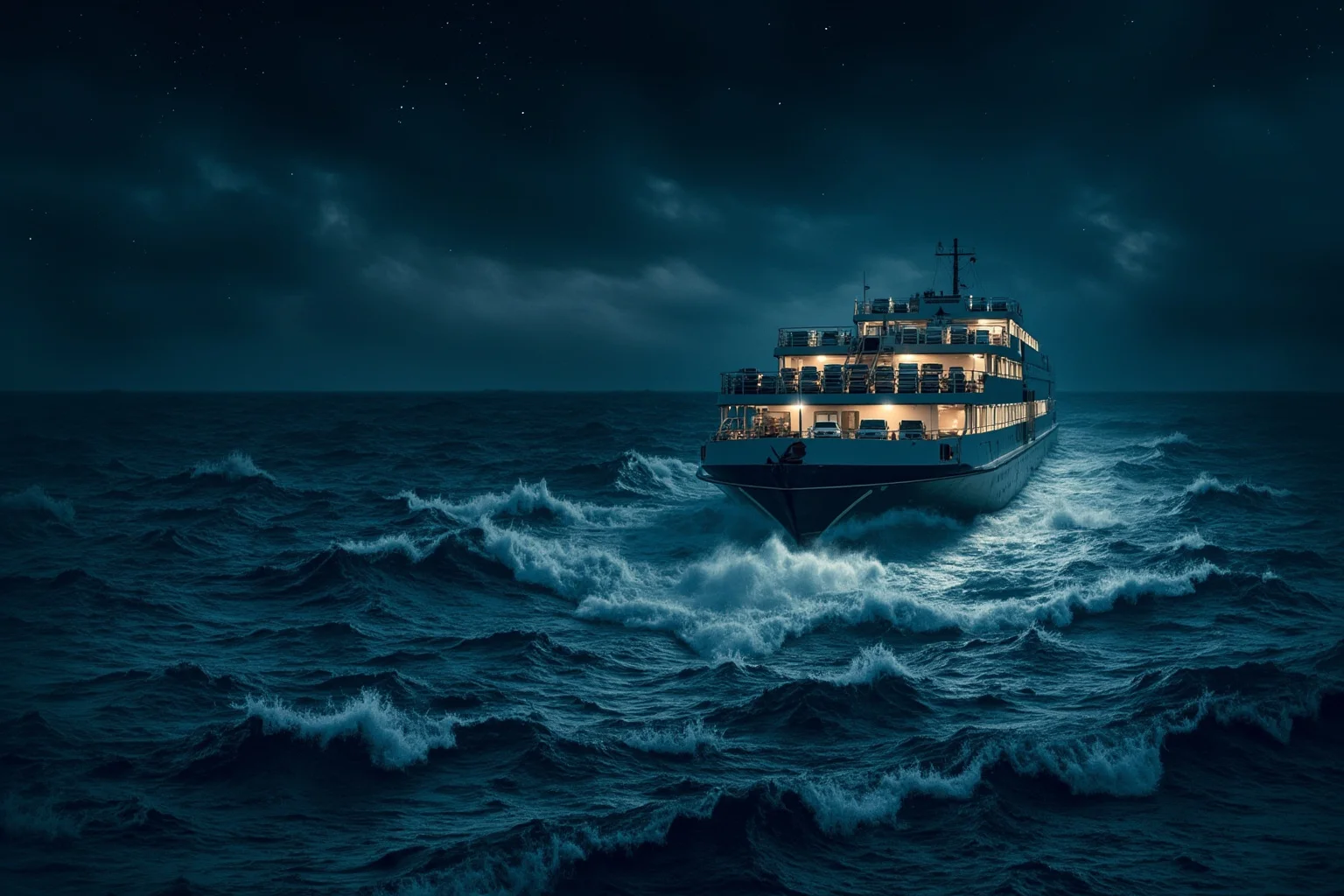
The MV Estonia sank in the Baltic Sea in September 1994 after its bow visor failed in rough seas, letting water flood the car deck within minutes. Of the 989 people aboard, 852 died, making it one of the deadliest European maritime disasters since World War II.
The wreck lies in international waters and was for years protected by treaty from diving or excavation, out of respect for it being a mass grave. It remains a painful, comparatively recent addition to the list of ships that sunk with catastrophic loss of life.
17. San José Galleon
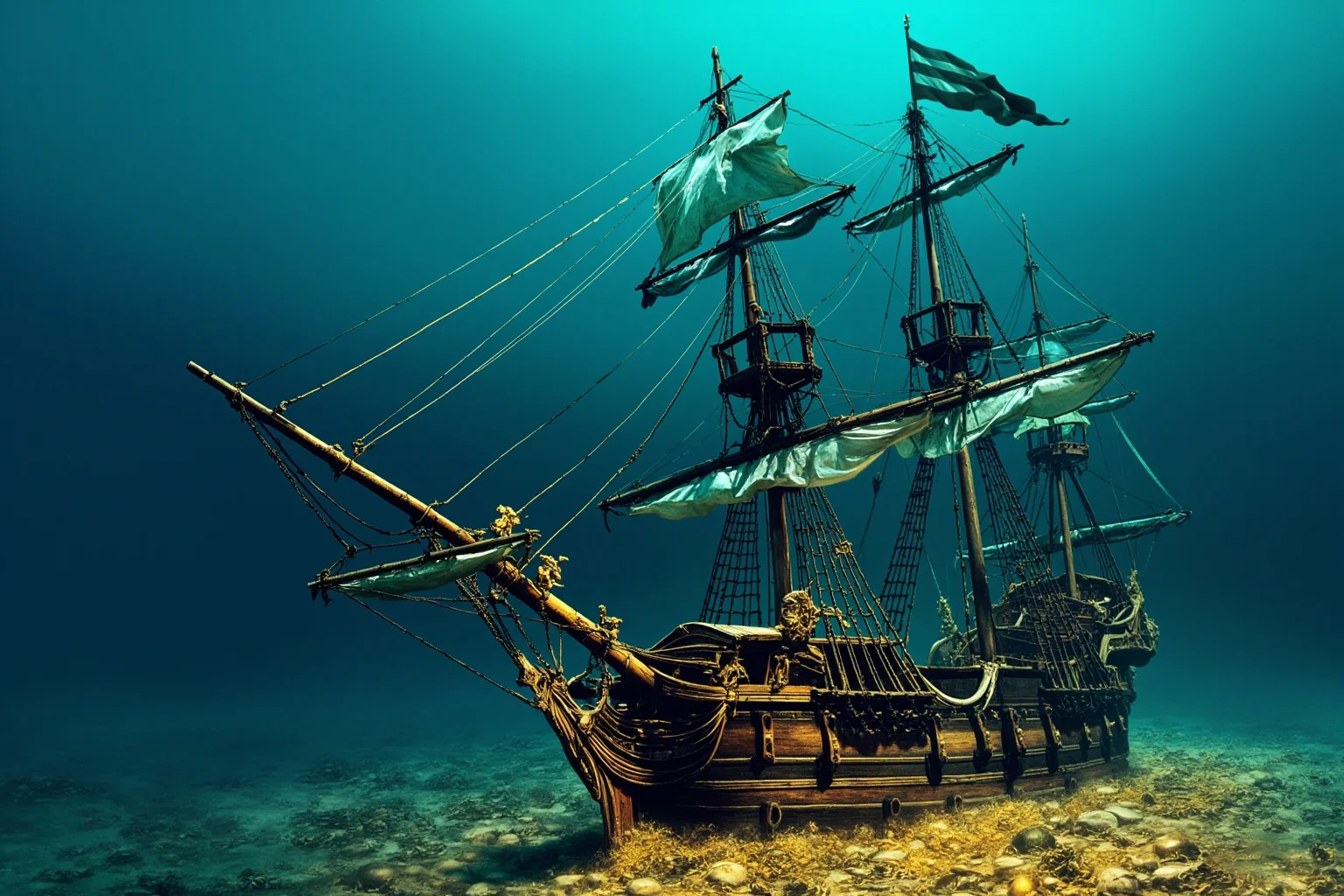
For centuries, the Spanish galleon San José was one of the famous shipwrecks never found, despite carrying a legendary fortune in gold, silver, and emeralds when she sank in 1708 during a battle off Cartagena, Colombia. Estimates of her cargo's modern value have run into the billions of dollars, sparking decades of legal disputes over ownership.
Colombian authorities announced they had located the wreck in 2015, though Spain, Colombia, and descendants of indigenous groups have all pressed competing claims to it since. As of now, the treasure remains largely unrecovered on the seabed while the legal battle continues.
18. Flor de la Mar
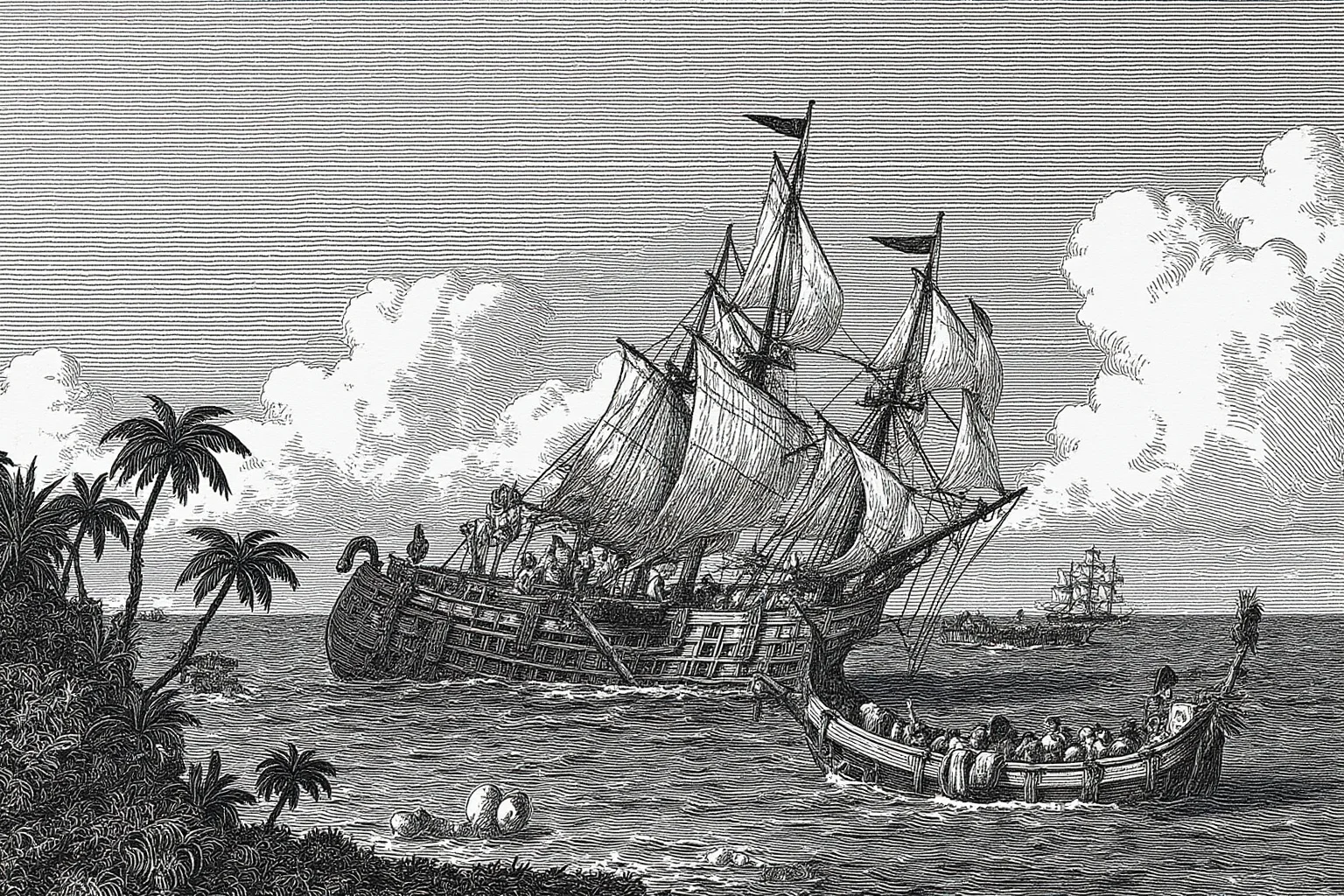
The Flor de la Mar was a Portuguese carrack that sank off the coast of Sumatra in 1511, reportedly loaded with treasure looted during the conquest of Malacca. Some historical accounts describe her as carrying one of the richest cargoes ever lost at sea, though surviving records are incomplete and often exaggerated by later retellings.
Despite several search expeditions over the decades, her exact wreck site has never been conclusively confirmed. She's frequently cited alongside the San José as one of history's great unsolved treasure-ship mysteries.
19. USS Indianapolis
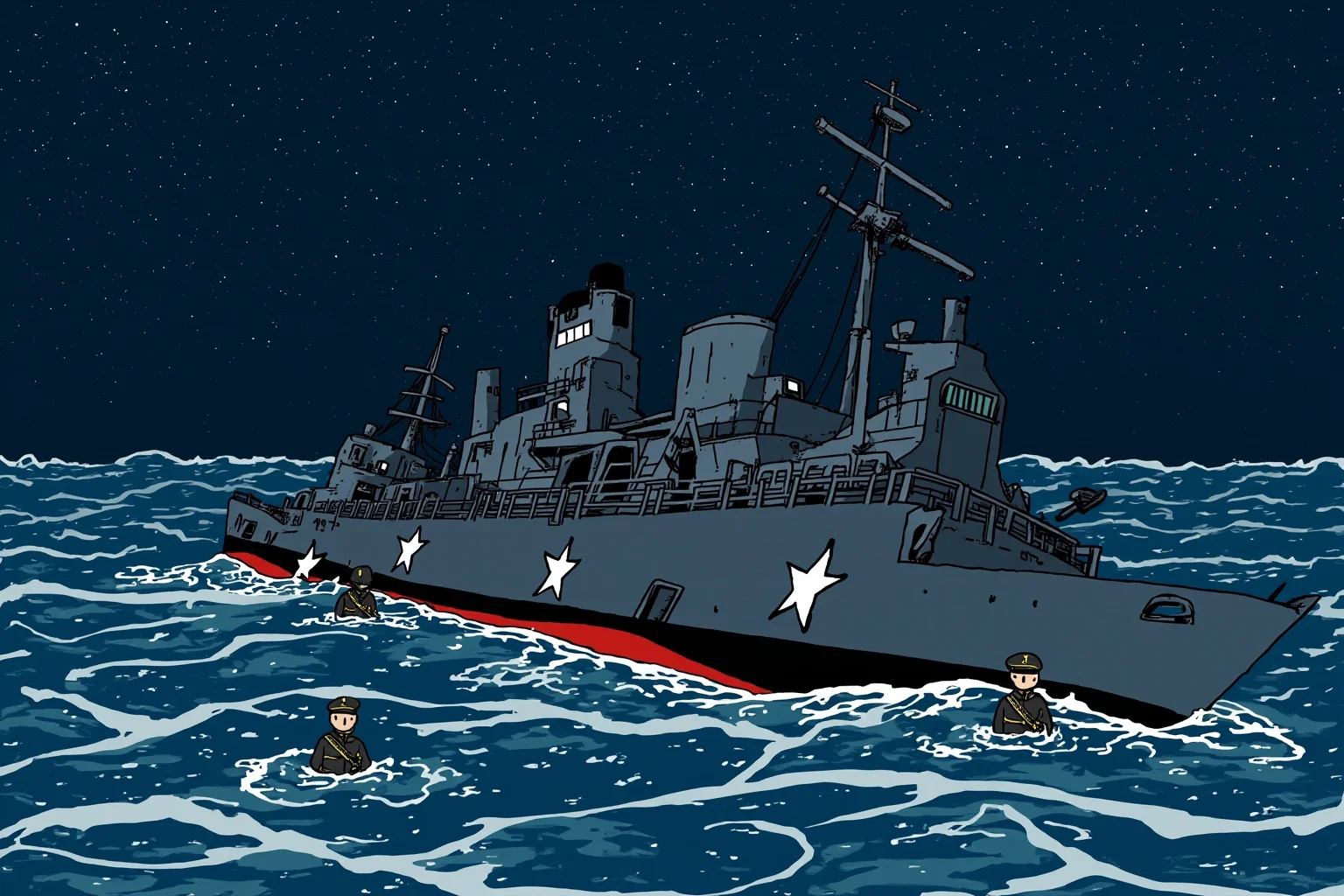
The USS Indianapolis was torpedoed by a Japanese submarine in July 1945, just days after delivering components for the atomic bombs later dropped on Japan. Around 300 sailors died in the initial sinking, but most of the roughly 880 total deaths came afterward, from exposure, dehydration, and shark attacks during four to five days adrift before rescue.
It remains one of the deadliest single-ship losses in U.S. Navy history. The wreck was finally located in 2017 by a privately funded expedition backed by Microsoft co-founder Paul Allen, more than 70 years after she went down.
20. Andrea Doria
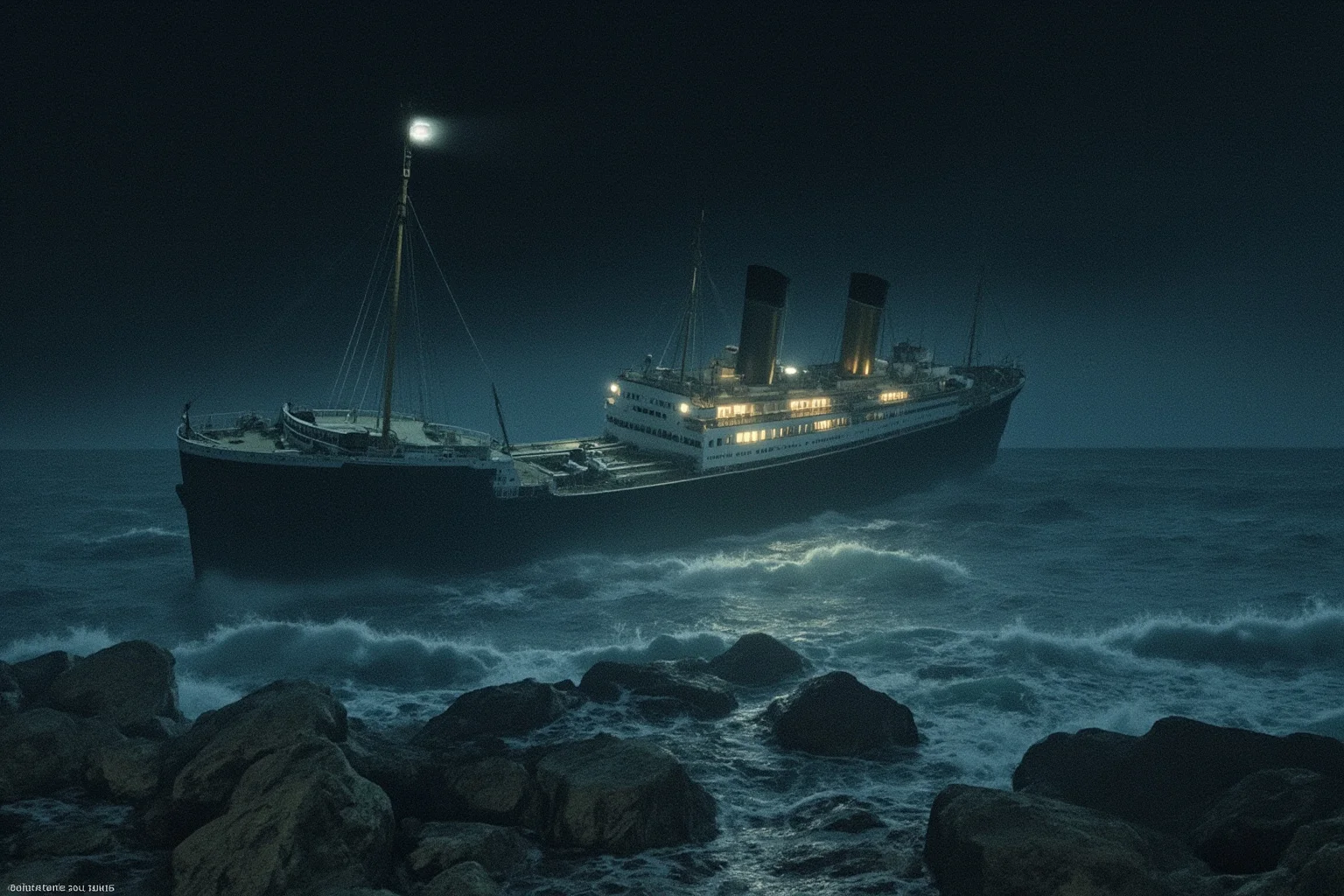
The Italian liner Andrea Doria collided with the Swedish ship Stockholm off Nantucket in July 1956, in dense fog, despite both vessels having radar. She sank roughly 11 hours later, and though 46 people died, the death toll was kept remarkably low thanks to nearby ships responding quickly to distress calls.
Her wreck has since become known among divers as the "Mount Everest of scuba diving" because of its depth and hazardous conditions. Numerous divers have died exploring her since she sank, adding a grim postscript to an already dramatic story.
21. Essex
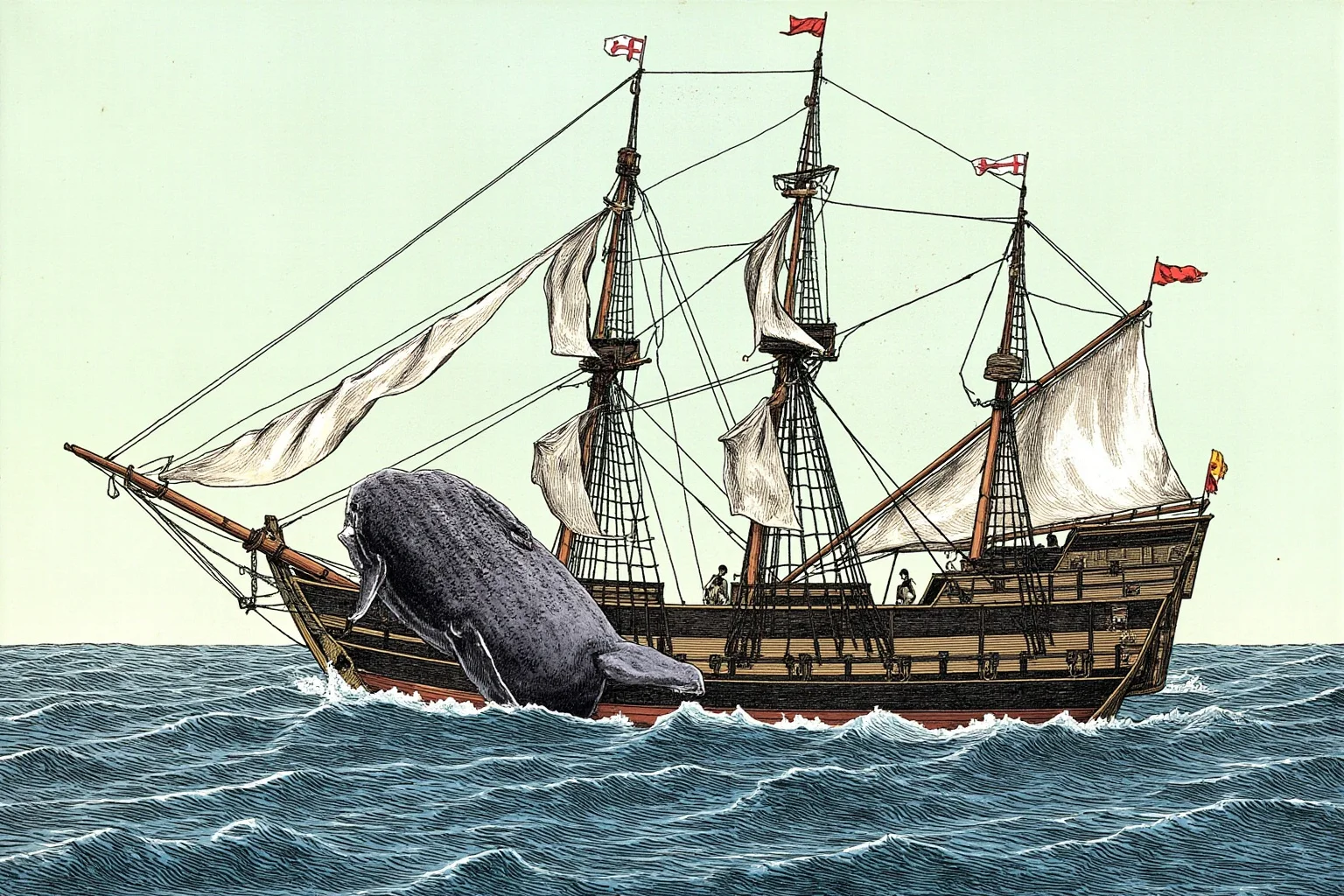
The whaleship Essex wasn't sunk by weather or war, but by a sperm whale that rammed her twice off the coast of South America in 1820. The crew survived initially in small boats, but the ordeal that followed, including starvation and cannibalism among survivors, became one of the most harrowing tales in maritime history.
The disaster directly inspired Herman Melville's novel Moby-Dick. Unlike most entries here, no confirmed wreck site exists, since the ship was lost in open ocean far from any coastline.
22. Merchant Royal
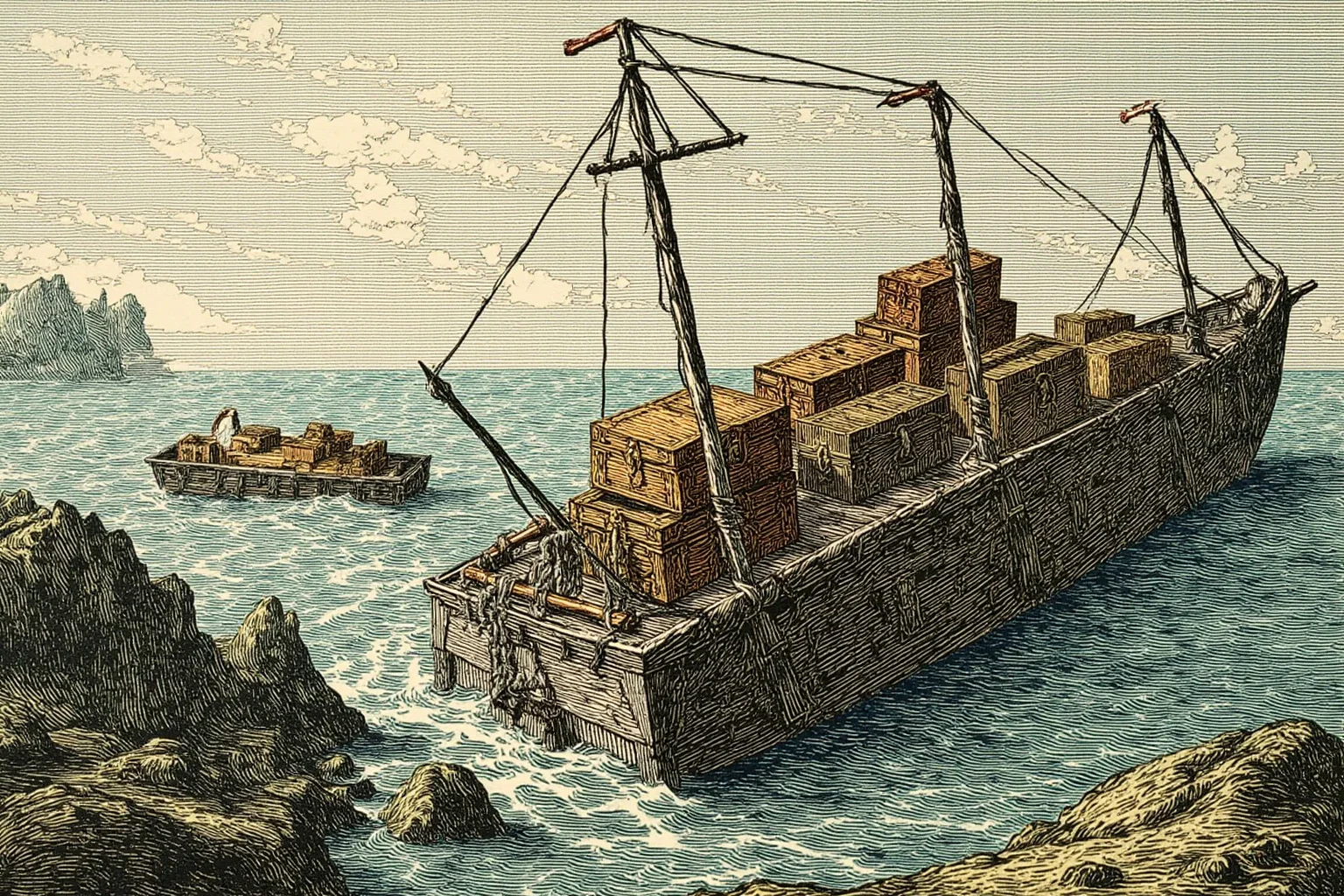
The Merchant Royal sank off the coast of Cornwall, England, in 1641, reportedly carrying a huge cargo of gold and silver bound from the Spanish colonies. Contemporary accounts describe the treasure's value as staggering even by today's standards, though, as with many 17th-century claims, the precise figures are difficult to verify.
Despite being sought after by treasure hunters for centuries, her wreck has never been definitively located. She's often mentioned in the same breath as other famous shipwrecks never found, and some historians even suspect she inspired later pirate treasure legends.
Why We Still Can't Stop Talking About Shipwrecks
Part of the fascination comes down to scale. Books like Simon Adams's approach in works exploring a history of the world in 12 shipwrecks suggest that these disasters aren't just isolated tragedies, they're windows into trade routes, wars, engineering failures, and social attitudes of their eras.
A shipwreck freezes a specific moment in time. Unlike a battlefield or a burned-down building, a wreck under the sea is often preserved in astonishing detail, protected from looting, weather, and redevelopment, at least until divers or archaeologists reach it.
That's also why the search for still-missing wrecks like the Flor de la Mar or the Merchant Royal continues to draw treasure hunters and historians alike. Every confirmed discovery, from the Vasa to the San José, rewrites a little piece of history that written records alone could never fully capture.
Final Thoughts
The ships on this list span more than 400 years, from Tudor-era warships to modern cruise liners, yet they share the same basic lesson. Human ambition, error, weather, and sometimes sheer bad luck can sink even the most advanced vessel of its time.
What keeps these wrecks famous isn't just the tragedy, but the stories layered on top of them: mutinies, treasure, wartime heroism, and mysteries that remain unsolved to this day. Somewhere beneath the waves, millions of other wrecks are still waiting for their own story to be told.
Frequently Asked Questions
What is the most famous shipwreck in history?
The RMS Titanic is widely considered the most famous shipwreck in history. Its sinking in April 1912, combined with extensive media coverage, popular films, and the discovery of its wreck in 1985, cemented it as the default answer whenever people ask what is the most famous shipwreck.
What are some famous boats that sank throughout history?
Some of the most famous boats that sank include the RMS Titanic, RMS Lusitania, USS Arizona, Bismarck, Andrea Doria, and the Swedish warship Vasa. Others, like the pirate ship Whydah Gally and the treasure-laden San José galleon, are famous as much for their cargo and stories as for the sinkings themselves.
How many shipwrecks are there in the world?
UNESCO estimates there are more than three million shipwrecks scattered across the world's oceans, though only a small fraction have been located, surveyed, or excavated. That number includes everything from ancient trading vessels to modern cargo ships, so it's constantly revised as new wrecks are discovered.
What is considered the deadliest shipwreck in history?
The 1987 sinking of the Philippine ferry MV Doña Paz is often cited as the deadliest peacetime maritime disaster, with official estimates around 1,749 dead, though the real toll may have been considerably higher due to overcrowding. The SS Sultana explosion in 1865, which killed roughly 1,168 people, is another leading contender.
What are the best preserved shipwrecks in the world?
The Vasa in Sweden and the Mary Rose in England are widely regarded as among the best preserved shipwrecks ever recovered, both raised largely intact after centuries underwater. Cold, low-oxygen, low-salinity waters like the Baltic Sea are especially good at preserving wooden hulls compared to warmer seas.
Are there famous shipwrecks that have never been found?
Yes, several famous shipwrecks remain unlocated or unconfirmed, including the treasure ship Merchant Royal, lost off Cornwall in 1641, and the Portuguese carrack Flor de la Mar, lost near Sumatra in 1511. The whaleship Essex, made famous as an inspiration for Moby-Dick, was also lost in open ocean with no confirmed wreck site.

Alex Warren
Related Articles





