

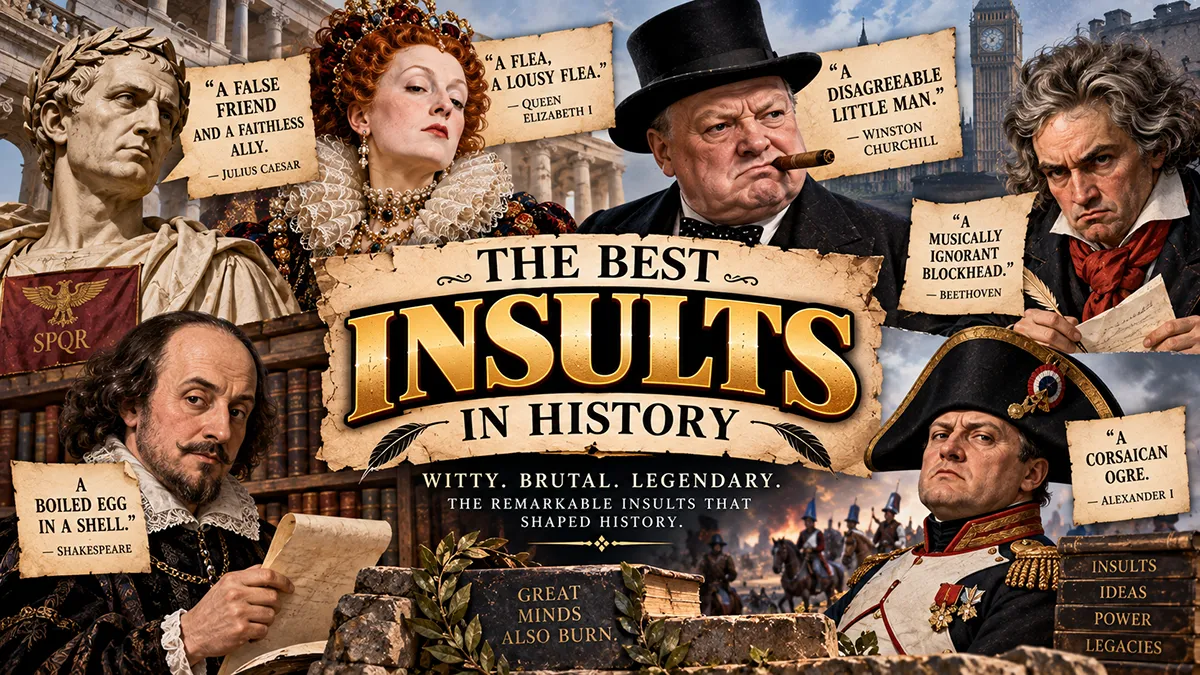
Long before social media made cutting remarks go viral, people were perfecting the art of the insult. Philosophers, poets, politicians, and playwrights all understood that a well-timed jab could do more damage than a sword, and a lot of the greatest insults ever traded have survived for centuries because they were simply too good to forget.
But not every famous insult you’ve heard repeated at dinner parties actually happened the way legend claims. Some of history’s most quoted burns are genuine, pulled straight from letters, speeches, and courtroom transcripts.
Others are almost certainly later inventions, dressed up as fact because a good story is hard to resist. This list separates the two, walking through the best insults of all time from ancient Rome to the 20th century, while being honest about which ones historians actually trust.
TL;DR: History’s greatest insults range from verified put-downs by Cicero, Samuel Johnson, and Winston Churchill to beloved legends, like the Churchill-Bessie Braddock exchange, that most historians now consider myths.
What Actually Makes an Insult Great?
Before diving into the list, it’s worth asking what separates good insults from ones that just sound rude. The best burns of all time tend to share a few traits: they’re clever rather than cruel for its own sake, they land in a single quotable line, and they often flip the target’s own words back on them.
That’s a big part of why people still ask what are good insults or what are the best insults centuries later. A great insult usually works on two levels at once, delivering a laugh and a lesson simultaneously. Keep that in mind as we go, because the difference between a forgettable insult and a legendary one is almost always craftsmanship, not just venom.
Ancient & Classical Trash Talk
1. Diogenes Tells Alexander the Great to Move
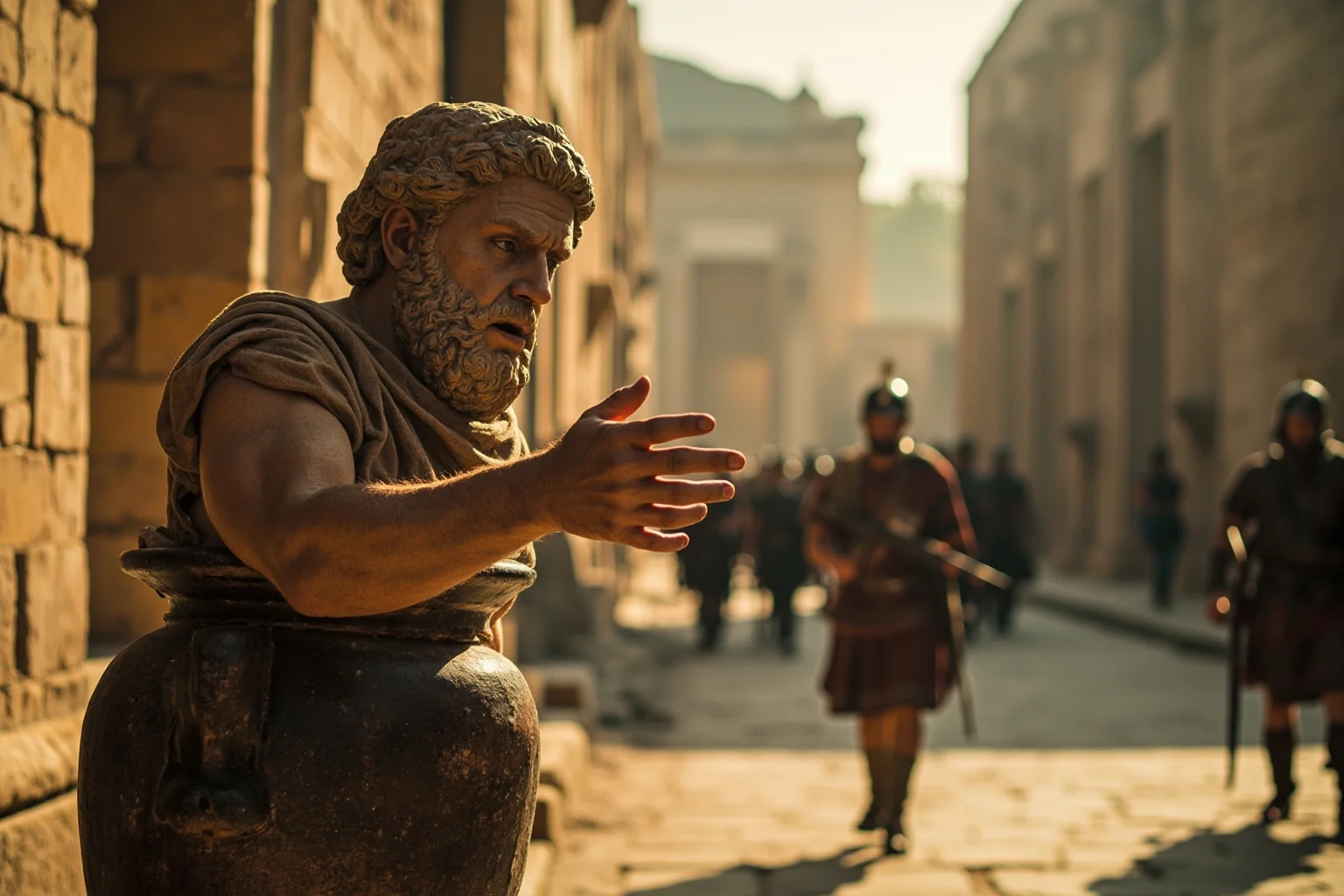
Diogenes of Sinope was a Greek philosopher famous for rejecting social convention, reportedly living in a large ceramic jar in Athens. According to the biographer Diogenes Laërtius, writing centuries after the fact, Alexander the Great once visited the philosopher and asked if he could do anything for him.
Diogenes supposedly replied, “Yes, stand a little out of my sunlight.” Because the story was written down long after Diogenes and Alexander both died, historians treat it as a beloved legend rather than a confirmed fact. Still, it captures the philosopher’s reputation for treating even the most powerful man in the known world like an ordinary nuisance.
2. Cicero’s Philippics Against Mark Antony

In 44 and 43 BC, the Roman statesman Cicero delivered a series of speeches known as the Philippics, attacking Mark Antony as a drunk, a traitor, and a disgrace to Rome. These weren’t private jabs; they were formal political orations delivered in the Senate and later published, making them some of the earliest ancient insults preserved in writing.
Cicero’s attacks were sharp enough that Antony reportedly had him killed the following year. It’s a grim reminder that in ancient Rome, a well-aimed insult could be a matter of life and death rather than just wounded pride.
3. Cicero’s “Quo Usque Tandem” Against Catiline
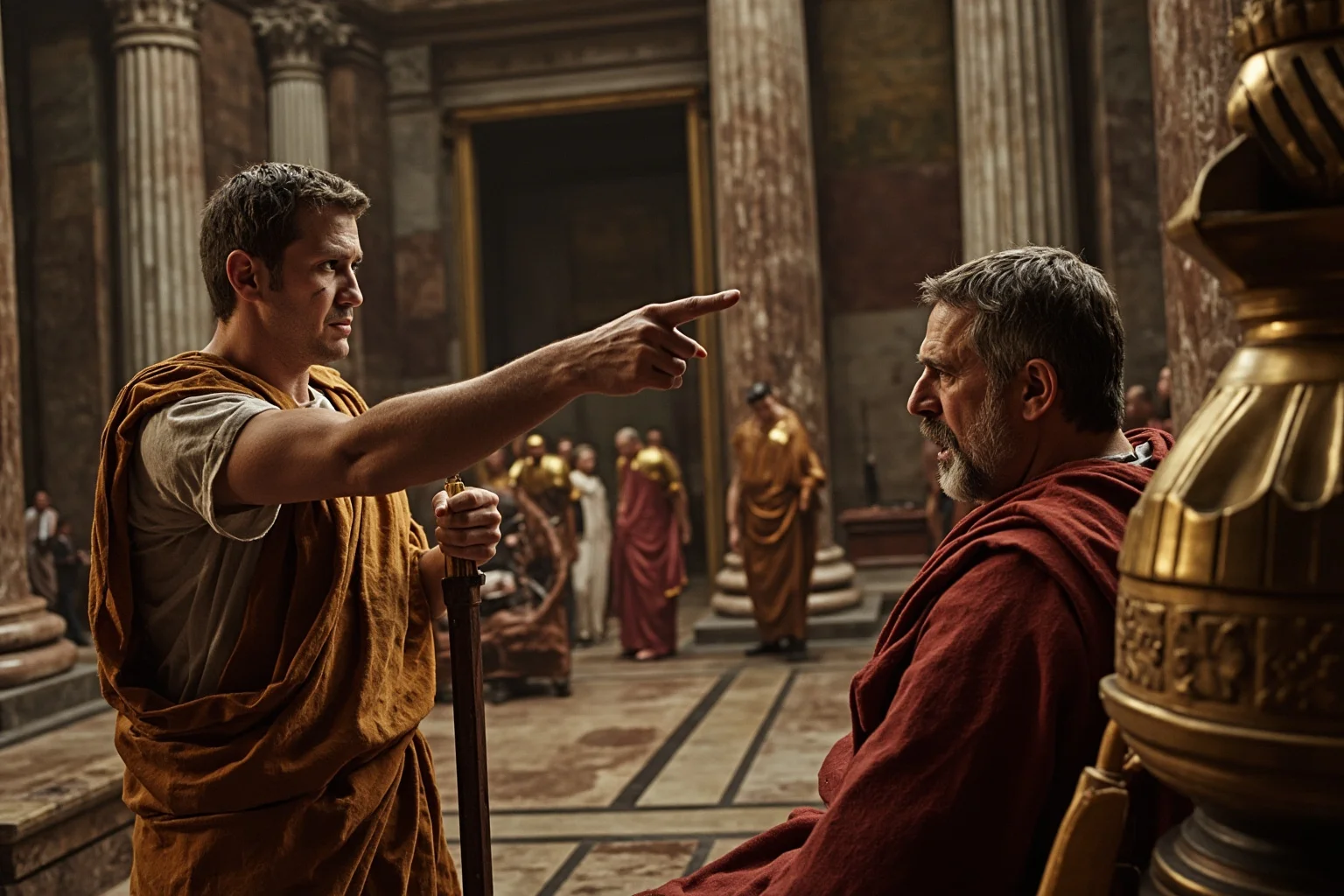
Years earlier, in 63 BC, Cicero opened his First Oration Against Catiline with the line “Quo usque tandem abutere, Catilina, patientia nostra?”—”How long, Catiline, will you abuse our patience?” It’s less a personal jab and more a public dressing-down, accusing a rival senator of plotting to overthrow the Roman Republic.
The speech is one of the most famous pieces of Latin rhetoric ever recorded, still taught in classics courses today. It shows that some of the greatest insults in history were really political demolition jobs dressed up as eloquence.
4. Aristophanes Roasts Athens’ Politicians on Stage
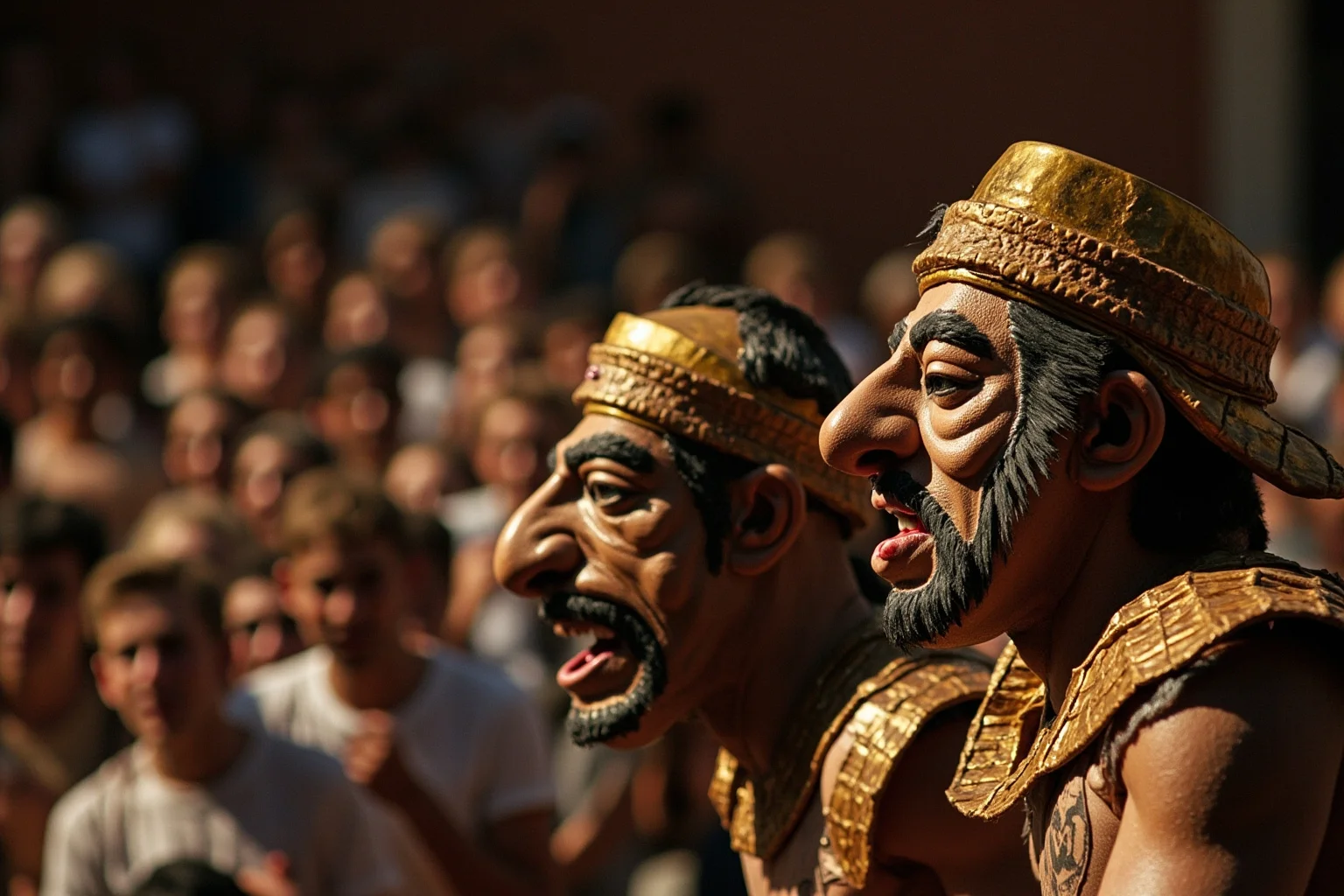
The Greek playwright Aristophanes built entire comedies around mocking real public figures. In his play “The Knights” (424 BC), he savaged the popular politician Cleon as a loud, bullying demagogue, portraying him in ways audiences would have recognized immediately.
Athenian comedy of this era leaned heavily on personal insult as entertainment, something like ancient political satire with a live audience. It’s one of the clearest pieces of evidence that old insults were often public spectacle, not just private grudges.
5. Catullus’s Obscene Verses

The Roman poet Catullus, writing in the 1st century BC, is responsible for some of the most explicit insult poetry to survive from antiquity. His poems mocked Julius Caesar’s associate Mamurra and even took swipes at Caesar himself, with Catullus 93 dismissively stating he barely cared to know Caesar at all.
These poems were preserved through medieval manuscript copying, which is honestly a small miracle given their content. They’re proof that even two thousand years ago, poets understood that a memorable insult could outlive its target by millennia.
6. Loki’s Flame War With the Gods in Lokasenna
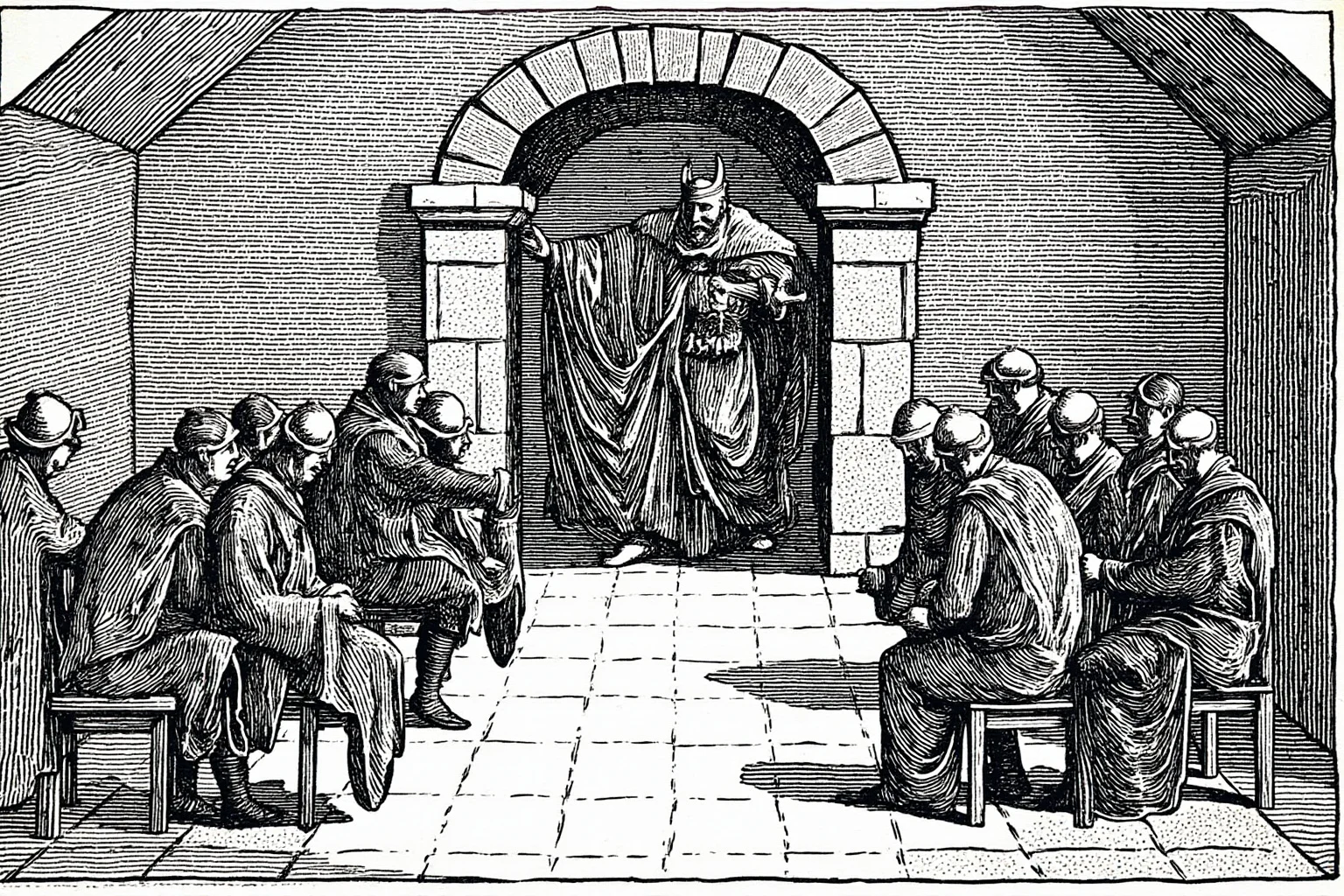
The Old Norse poem Lokasenna, preserved in the medieval Poetic Edda, features the trickster god Loki crashing a feast and insulting nearly every other god in attendance one by one. Each insult is specific, personal, and designed to expose a secret shame, essentially an ancient flame war in verse form.
Because the poem was recorded in 13th-century Iceland from older oral tradition, scholars can’t say exactly how old the insults themselves are. Even so, Lokasenna shows that structured insult contests weren’t unique to the Mediterranean world.
Medieval & Renaissance Wordplay
7. The Flyting of Dunbar and Kennedy
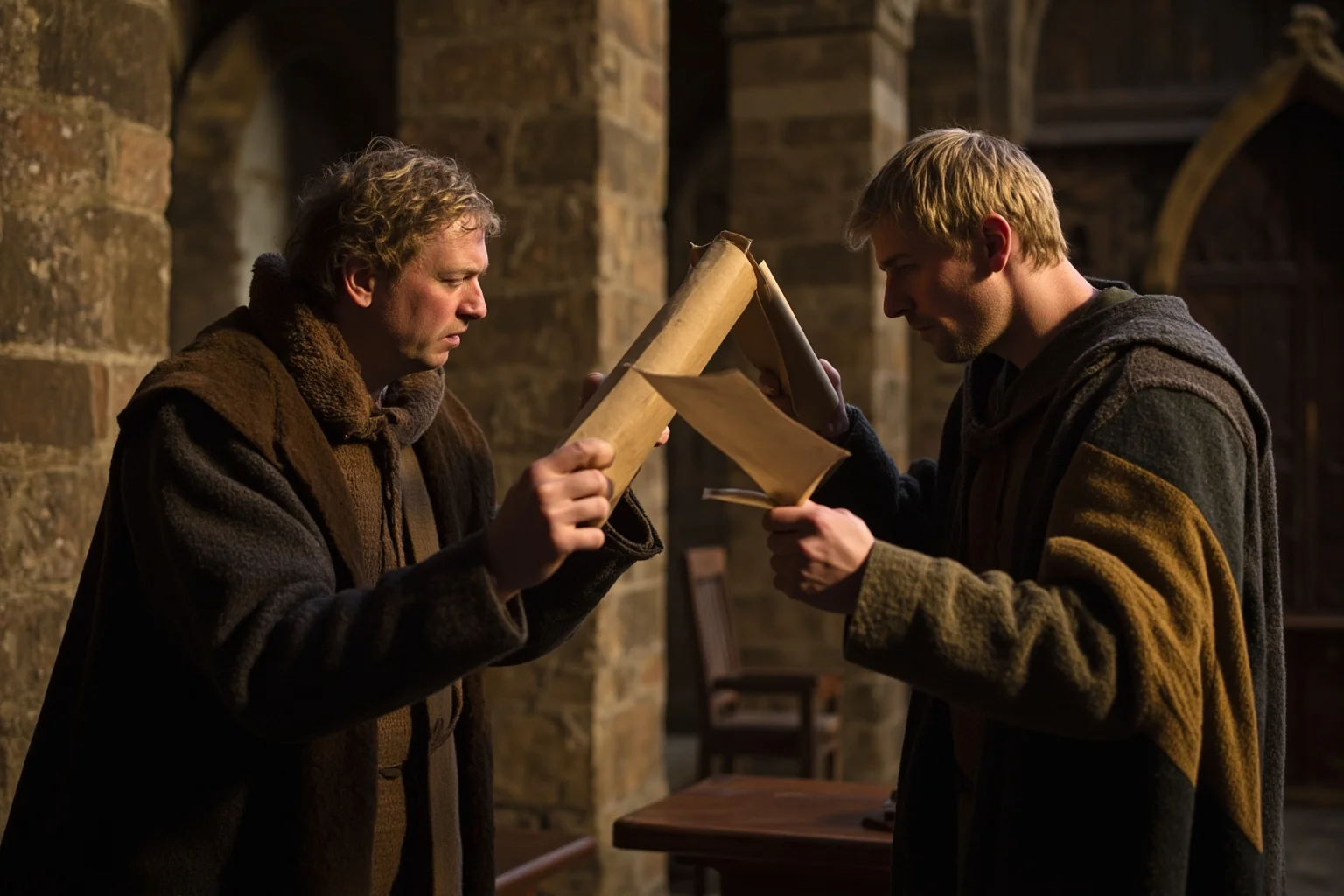
In late 15th or early 16th century Scotland, poets William Dunbar and Walter Kennedy composed “The Flyting of Dunbar and Kennedie,” a formal insult duel in verse. Flyting was an established literary tradition where two poets traded increasingly elaborate, often obscene insults back and forth.
This particular exchange runs for hundreds of lines and is frequently cited as one of the longest sustained insults ever put to paper. If you’re searching for the longest insult in recorded literature, this Scottish poem is a strong historical contender.
8. Shakespeare’s King Lear and the Longest Insult in English Drama

In “King Lear” (written around 1605-1606), the loyal servant Kent unleashes an extraordinary string of insults at the treacherous Oswald, calling him “a knave, a rascal, an eater of broken meats; a base, proud, shallow, beggarly, three-suited, hundred-pound, filthy worsted-stocking knave.” It keeps going for several more lines after that.
It’s widely regarded as one of the longest single insults in English literature, a genuine catalog of contempt rather than a single quip. Shakespeare clearly understood that sometimes the funniest insult is the one that simply refuses to stop.
9. Queen Margaret’s Curse in Richard III
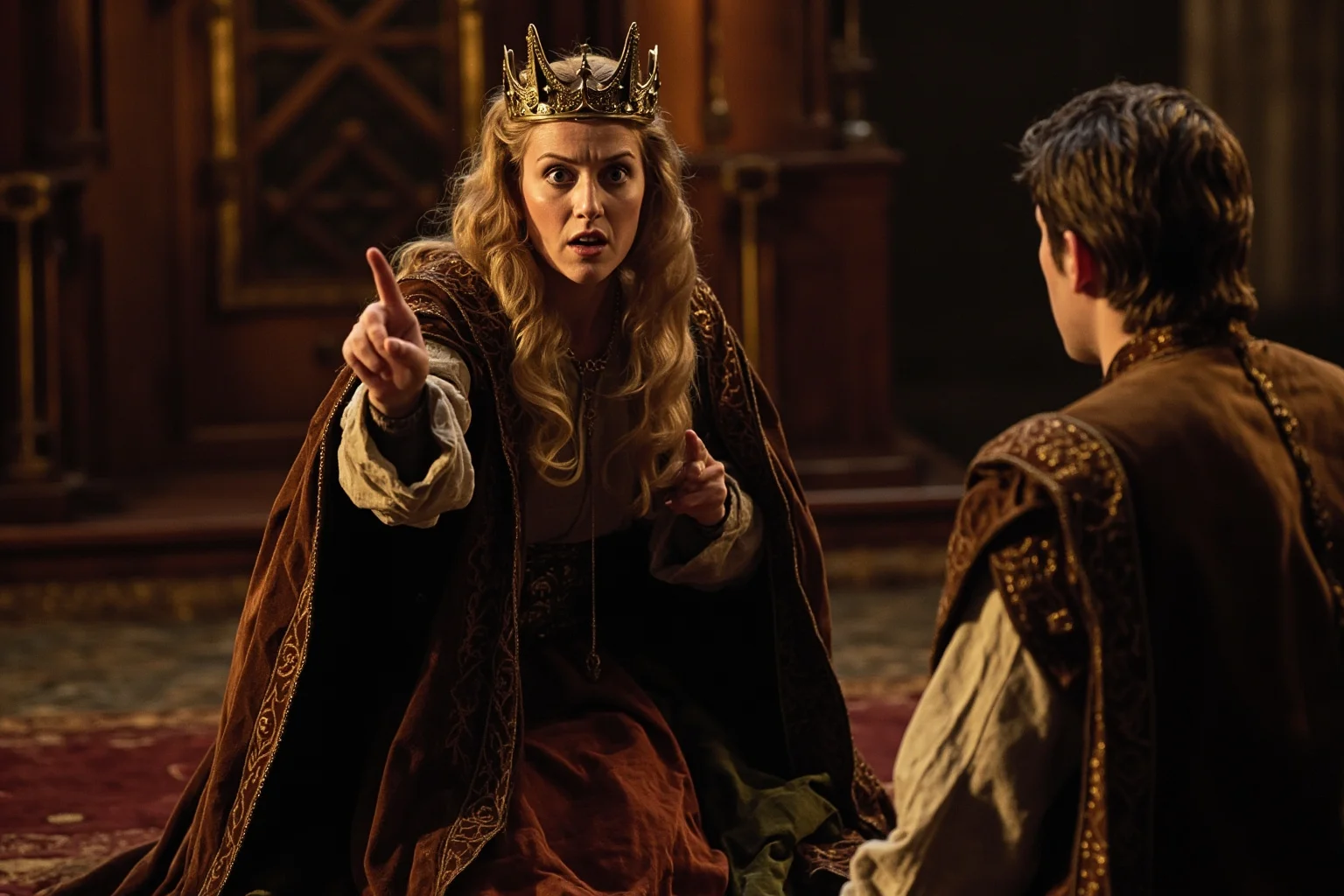
In “Richard III,” the deposed Queen Margaret calls the title character an “elvish-marked, abortive, rooting hog,” among other things, in one of Shakespeare’s most vicious put-downs. The line is part of a longer curse that essentially blames Richard for every misfortune in the play.
Shakespeare wrote dozens of insults across his plays, but this one stands out for its sheer creative cruelty. It’s a good reminder that Elizabethan audiences loved a great insult just as much as we do.
10. Samuel Johnson’s Legendary Put-Downs

The 18th-century writer Samuel Johnson was famous for his rapid-fire wit, much of it preserved by his biographer James Boswell in “The Life of Samuel Johnson” (1791). One of his most quoted lines, delivered during an argument, was: “I have found you an argument; but I am not obliged to find you an understanding.”
Johnson also reportedly said of Scotland’s scenery that it was “worth seeing, but not worth going to see,” a backhanded travel review if there ever was one. Because Boswell recorded these remarks from memory and conversation, exact wording may vary slightly, but the substance is well documented.
Enlightenment & 19th-Century Barbs
11. Voltaire’s Letter to Rousseau
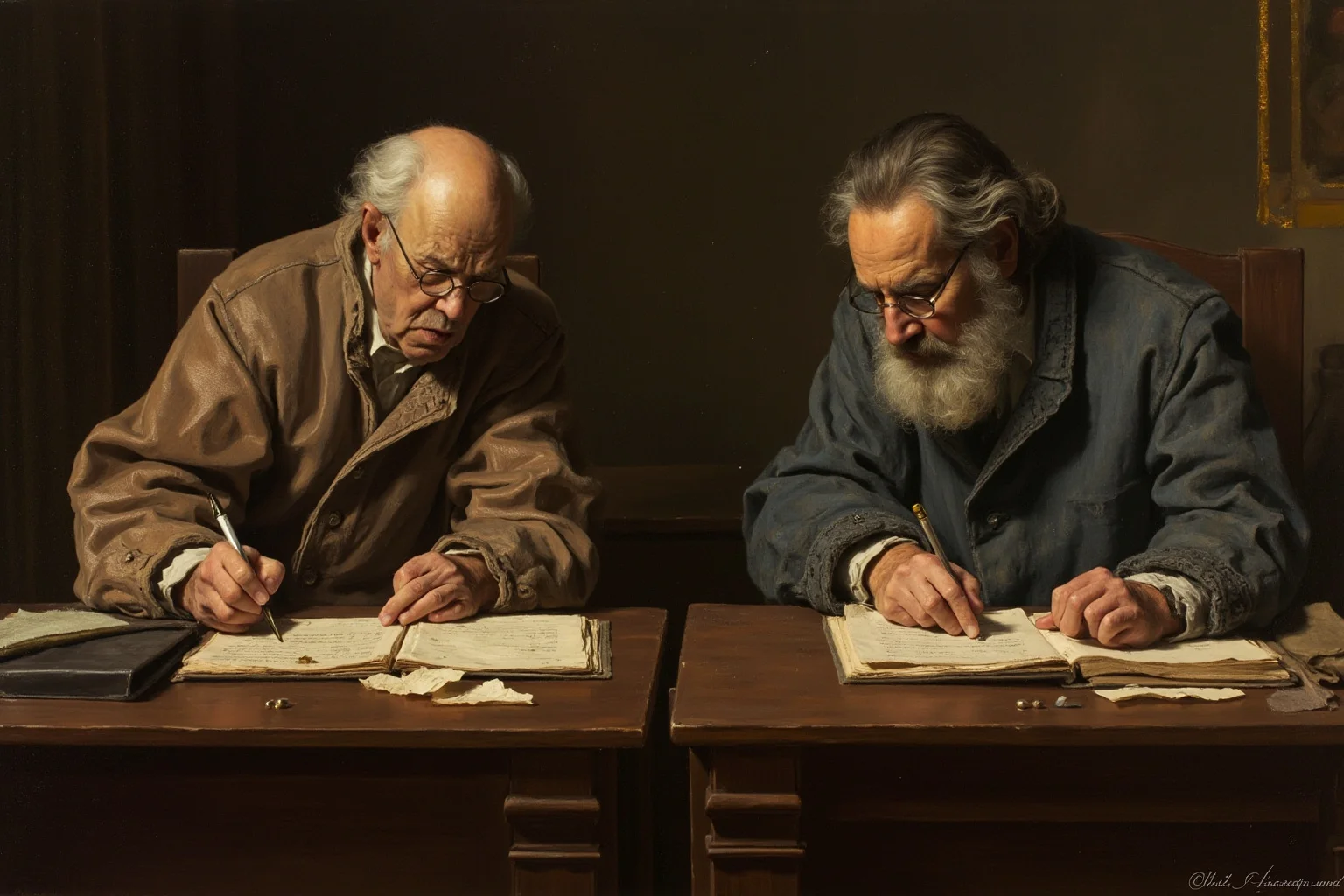
In 1755, the philosopher Voltaire wrote to fellow Enlightenment thinker Jean-Jacques Rousseau after receiving Rousseau’s “Discourse on Inequality.” Voltaire’s reply included the line that no one had ever used so much intelligence to try to persuade people to become beasts.
This wasn’t an anonymous jab; it was a documented piece of correspondence between two of the era’s biggest intellectual rivals. Their feud continued for years, proving that great insults and great ideas have always traveled together.
12. John Wilkes and the Earl of Sandwich
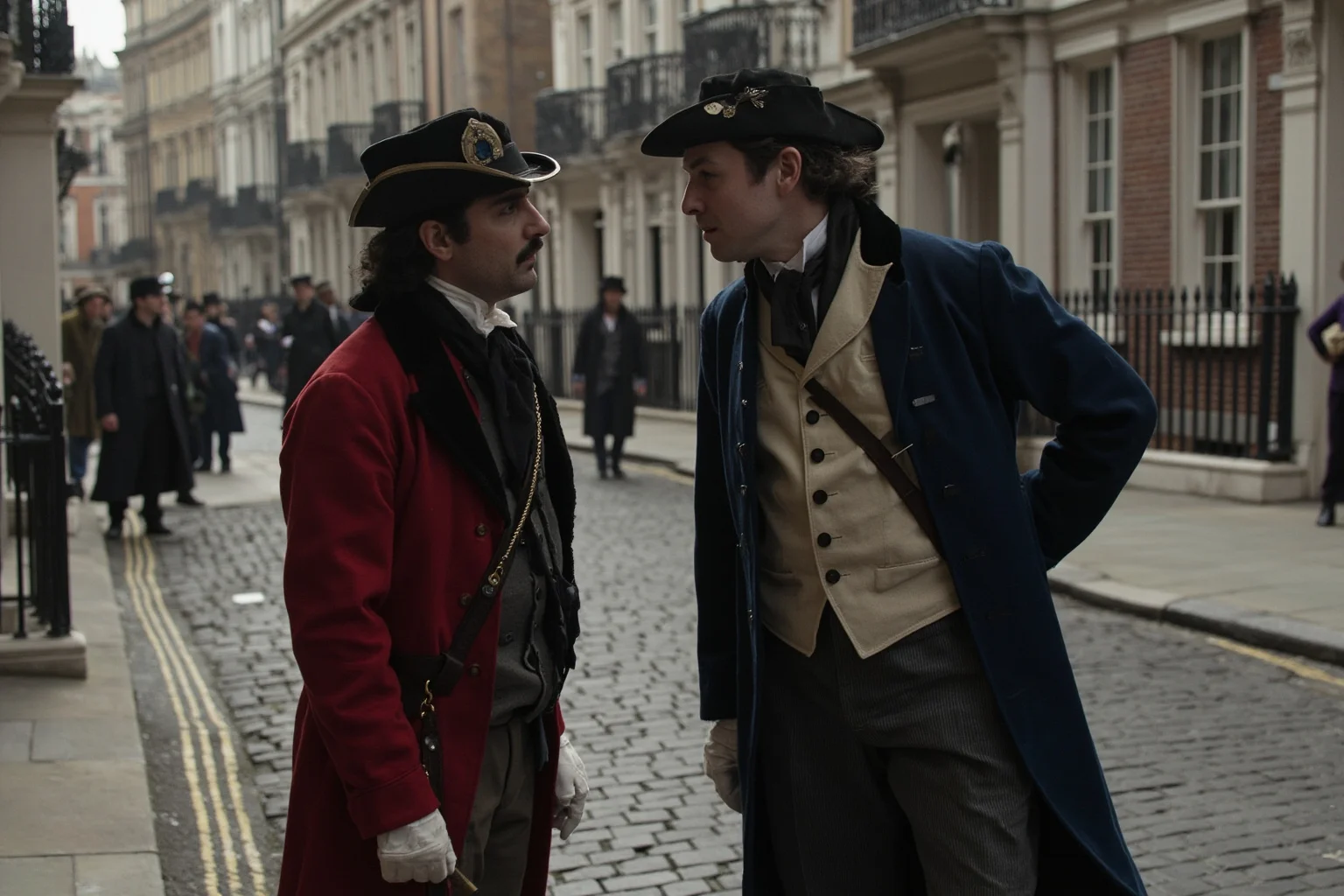
An often-repeated 18th-century British anecdote claims a nobleman told the radical politician John Wilkes he’d die either on the gallows or of a venereal disease. Wilkes supposedly shot back that it depended on whether he embraced the man’s principles or his mistresses.
The exchange is frequently attributed to Wilkes and the Earl of Sandwich, but the exact source and wording shift depending on which retelling you read. It’s a great insult either way, just one that historians can’t fully pin down.
13. Napoleon’s “Nation of Shopkeepers” Myth
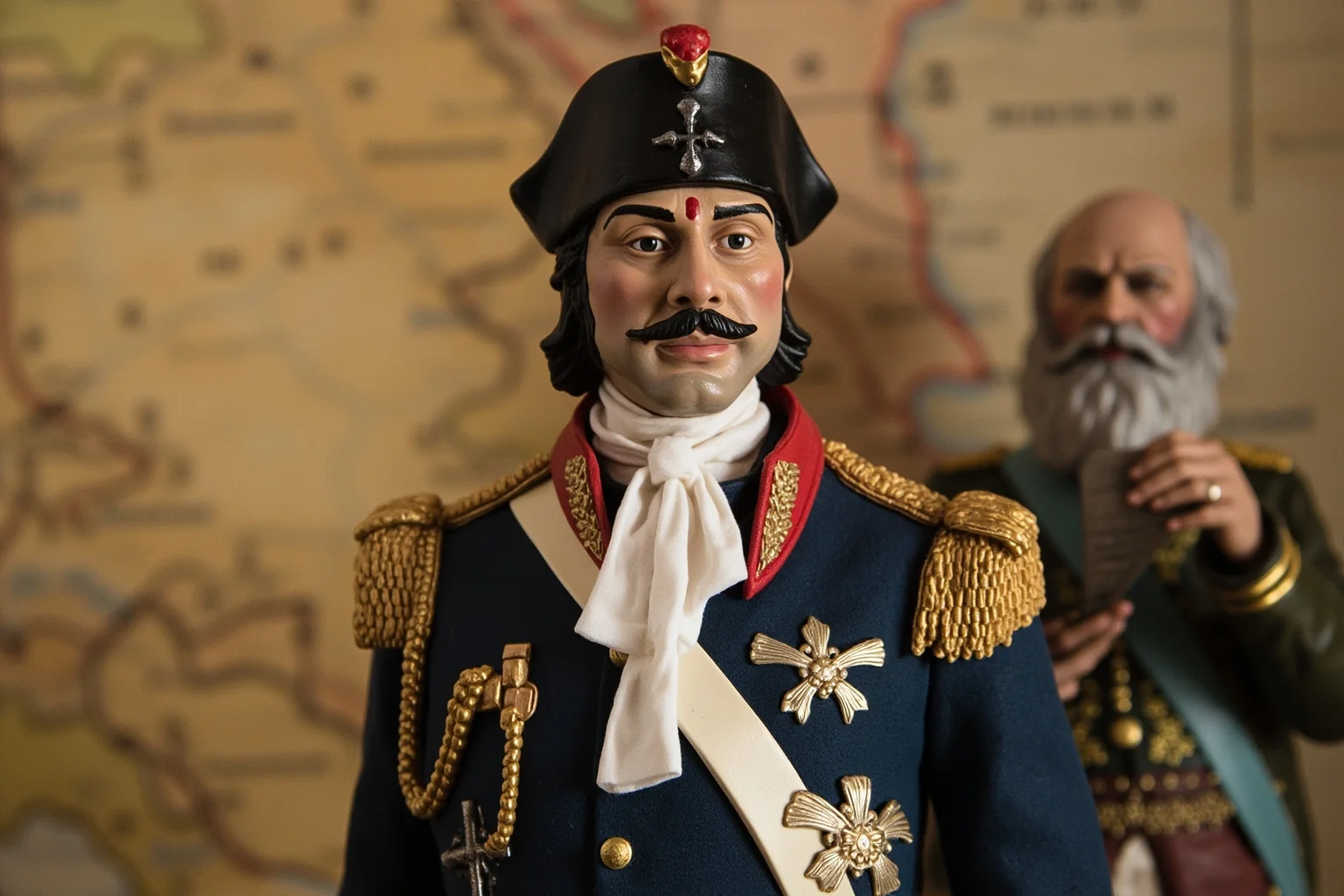
Napoleon Bonaparte is widely credited with mocking Britain as “a nation of shopkeepers.” There’s a problem with that story, though: the phrase actually traces back to Scottish economist Adam Smith, who used a very similar line in “The Wealth of Nations” back in 1776, decades before Napoleon’s rise.
Napoleon may well have repeated or adapted the phrase later, but he didn’t coin it. It’s a great example of how history quietly reassigns clever lines to whoever seems like the most dramatic source.
14. Abraham Lincoln’s Self-Deprecating Comebacks
Abraham Lincoln was famous among contemporaries for defusing insults with humor rather than anger. A frequently told story has an opponent calling him two-faced, with Lincoln replying, “If I had two faces, do you think I’d be wearing this one?”
That specific exchange is hard to verify and may be a later embellishment rather than a recorded event. What is well documented, through the accounts of people who knew him, is that Lincoln’s dry wit was a real and famous part of his public persona.
15. Mark Twain’s Timeless Zingers

Mark Twain built much of his reputation on quotable insults, many preserved in his own notebooks and essays. One enduring line reads, “Clothes make the man. Naked people have little or no influence on society,” a jab at pretension that still lands today.
Twain aimed plenty of his sharpest lines at critics, politicians, and polite society in general. Because he wrote so prolifically, most of his best insults come with a clear paper trail, unlike some other figures on this list.
20th-Century Legends of the One-Liner
16. Winston Churchill and Bessie Braddock (Probably a Myth)
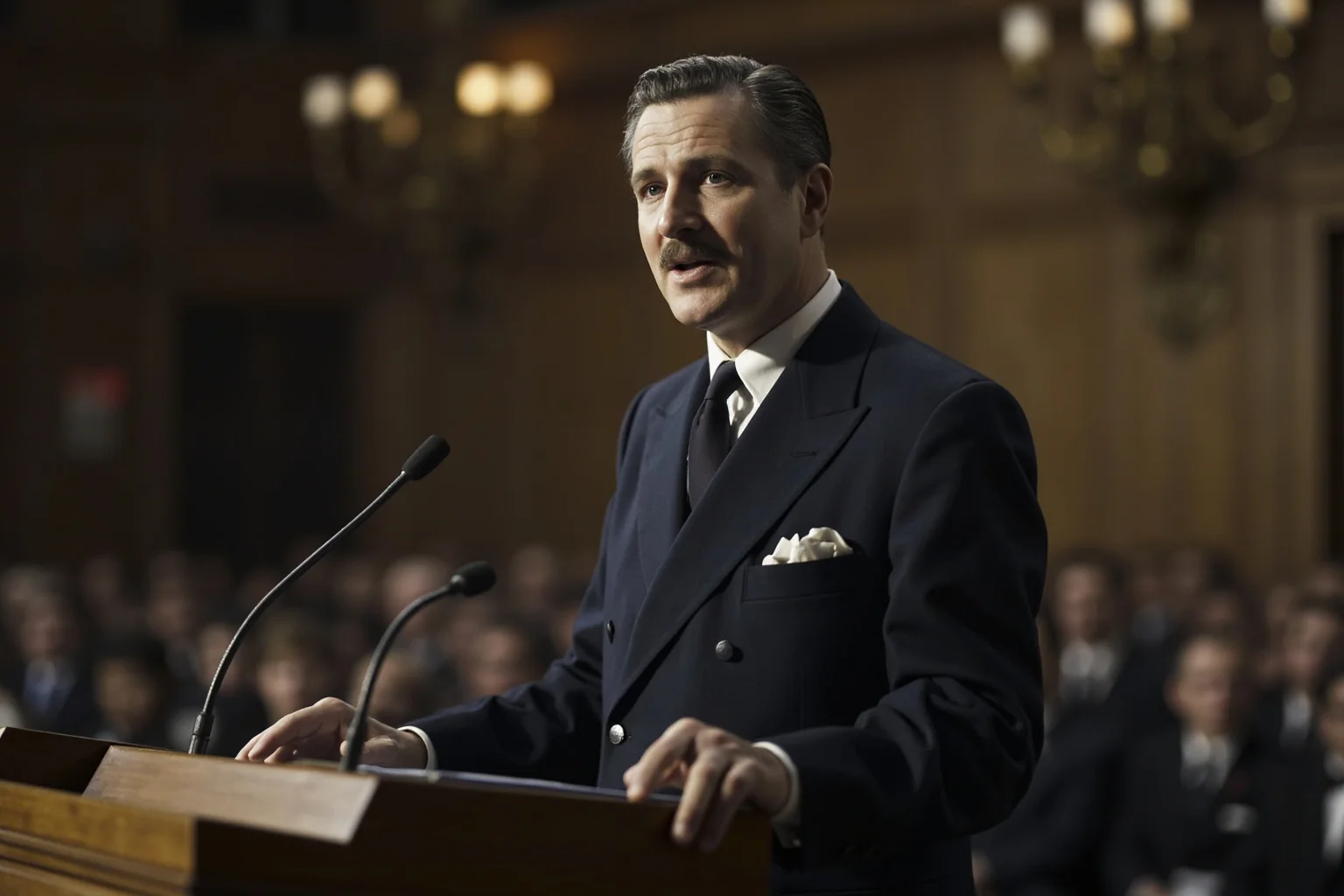
One of the most repeated stories in British political history claims that MP Bessie Braddock told Winston Churchill he was drunk, and he replied, “Bessie, you are ugly, and tomorrow I shall be sober.” It’s endlessly quoted as one of the greatest insults ever delivered in Parliament.
The problem is that Churchill historians, including researchers at the International Churchill Society, have found no contemporary source confirming the exchange ever happened. It’s a brilliant line, but it appears to be a later invention attached to Churchill’s name because he was already known for sharp wit.
17. The Churchill-Shaw Telegram Legend

Another beloved story claims playwright George Bernard Shaw sent Churchill two tickets to his play’s opening night, with a note reading, “Bring a friend, if you have one.” Churchill supposedly replied that he couldn’t attend, but would appreciate tickets to the second night, “if there is one.”
Like the Braddock story, this exchange has never been traced to an actual letter, telegram, or contemporary witness. Most Churchill scholars now classify it alongside other charming but unverified anecdotes, rather than genuine history.
18. Churchill’s Real Jab at Ramsay MacDonald
Here’s one that’s actually documented: in a 1933 House of Commons speech, recorded in Hansard, Churchill described a childhood memory of a circus advertisement for “The Boneless Wonder,” a creature his parents thought too disturbing for him to see. He then said he’d waited fifty years to finally see the Boneless Wonder sitting on the Treasury bench, a clear jab at Prime Minister Ramsay MacDonald.
Unlike the Braddock and Shaw stories, this insult exists in the official parliamentary record. It shows Churchill really did have a gift for elaborate, theatrical put-downs, even if some of his other famous lines are exaggerated.
19. Dorothy Parker’s Algonquin Round Table Wit

Writer and critic Dorothy Parker was a fixture of New York’s Algonquin Round Table in the 1920s, a group famous for trading barbed one-liners over lunch. One of her most cited lines, from a book review, declared that a particular novel “should not be tossed aside lightly. It should be thrown with great force.”
Parker’s insults were often aimed at bad writing, pretension, and hypocrisy rather than random cruelty. Her reputation for cutting wit was well known among her contemporaries, making her one of the sharpest tongues of the early 20th century.
20. Groucho Marx’s Screen-Ready Insults
Groucho Marx delivered some of cinema’s most quoted insults, many written by professional screenwriters for films like “Duck Soup” (1933). One classic line has him telling a woman he could dance with her until the cows come home, then adding, “On second thought, I’d rather dance with the cows till you come home.”
Because these lines were scripted rather than spontaneous, they sit in a slightly different category than a real-life comeback. Still, they shaped decades of comedy and remain some of the most-quoted good insults in American pop culture.
21. Muhammad Ali’s Victory Insults and Trash-Talk Poetry

Boxer Muhammad Ali turned pre-fight trash talk into performance art, famously predicting he would “float like a butterfly, sting like a bee” against opponents like Sonny Liston in the 1960s. His rhymes weren’t just entertainment; they were designed to rattle opponents before a single punch landed.
Ali also delivered plenty of victory insults after his wins, boasting about his own greatness in ways that became as legendary as the fights themselves. Boxing footage and contemporary news coverage confirm most of these lines really happened, unlike some older historical anecdotes.
Modern Political & Pop-Culture Burns
22. Lloyd Bentsen’s “You’re No Jack Kennedy”
During the 1988 U.S. vice-presidential debate, Senator Dan Quayle compared himself to John F. Kennedy. Senator Lloyd Bentsen responded on live television: “Senator, I served with Jack Kennedy. I knew Jack Kennedy. Jack Kennedy was a friend of mine. Senator, you’re no Jack Kennedy.”
Because it happened on a nationally televised broadcast, this is one of the most thoroughly documented political insults on this entire list. It’s often ranked among the best burns of all time in American political history precisely because there’s zero doubt it actually happened.
23. Vintage Slang Insults of the Early 1900s
Not every great insult is a single dramatic quote; sometimes it’s just the everyday slang of an era. The early 20th century gave us gems like “milquetoast” (a timid person, from a 1920s comic strip character named Caspar Milquetoast), “palooka” (a mediocre boxer or clumsy person), and “four-flusher” (a con artist or bluffer, borrowed from poker slang).
Other old-fashioned insults from the era include “wet blanket,” “flat tire” for a boring person, and the classic vaudeville comeback “so’s your old man.” These 1900s insults may sound quaint now, but they were once genuinely biting ways to call someone a bore, a fraud, or a coward.
Final Thoughts: What History’s Sharpest Tongues Teach Us
Looking across this list, a pattern emerges. The best insults of all time tend to survive not because they were cruel, but because they were clever enough to outlast the argument that produced them.
It’s also worth remembering that popularity doesn’t equal proof. Some of the most-shared “greatest insults ever” stories, like Churchill’s supposed exchanges with Bessie Braddock and George Bernard Shaw, are almost certainly later inventions attached to a man already famous for wit. Meanwhile, quieter but fully documented lines, like Churchill’s Boneless Wonder speech or Bentsen’s Jack Kennedy line, get repeated less often despite being the real deal.
Whether you’re drawn to ancient insults from Roman senators, old time insults from Scottish poets, or 1900s insults traded in vaudeville halls, the throughline is the same. A truly great insult says something true, says it memorably, and says it in a way that makes the target look small without the speaker looking cruel. That combination is rare, which is exactly why the ones that pull it off get remembered for centuries.
Frequently Asked Questions
What are the best insults of all time?
Historians and quote collectors often point to Cicero's Senate speeches against Catiline and Mark Antony, Samuel Johnson's recorded put-downs in Boswell's biography, and Lloyd Bentsen's televised 'You're no Jack Kennedy' line as some of the best-documented insults of all time. Many other widely shared 'greatest insults ever' stories, like Churchill's exchange with Bessie Braddock, are popular but historically unverified.
What is the longest insult ever recorded?
Two strong historical candidates are 'The Flyting of Dunbar and Kennedy,' a 15th- or 16th-century Scottish poem where two writers trade hundreds of lines of insults, and Kent's extended tirade against Oswald in Shakespeare's 'King Lear,' which strings together dozens of insulting descriptions in a single speech.
Did Winston Churchill really insult Bessie Braddock by calling her ugly?
Almost certainly not. Churchill researchers, including the International Churchill Society, have found no contemporary evidence the exchange took place, and it's now widely considered an apocryphal story attached to Churchill because of his existing reputation for wit.
What are some good old-fashioned insults from the early 1900s?
Vintage slang insults from that era include 'milquetoast' for a timid person, 'palooka' for a mediocre or clumsy fighter, 'four-flusher' for a con artist or bluffer, and 'flat tire' for someone considered boring. Many of these terms came from vaudeville, early comic strips, and poker slang.
Are ancient insults from Rome and Greece still recorded accurately?
Some are very well documented, like Cicero's published Senate speeches and Catullus's surviving poems, because they existed as written texts from the start. Others, like Diogenes' famous remark to Alexander the Great, were recorded by biographers writing centuries later, so they're treated as likely legend rather than confirmed fact.
What makes an insult a great roast instead of just being rude?
The best roasts in history tend to combine cleverness, timing, and truth rather than relying purely on cruelty. A great insult usually reframes the target's own behavior or words against them in a single memorable line, which is why lines from Cicero, Samuel Johnson, and Dorothy Parker are still quoted long after the original argument was forgotten.

Alex Warren
Related Articles





