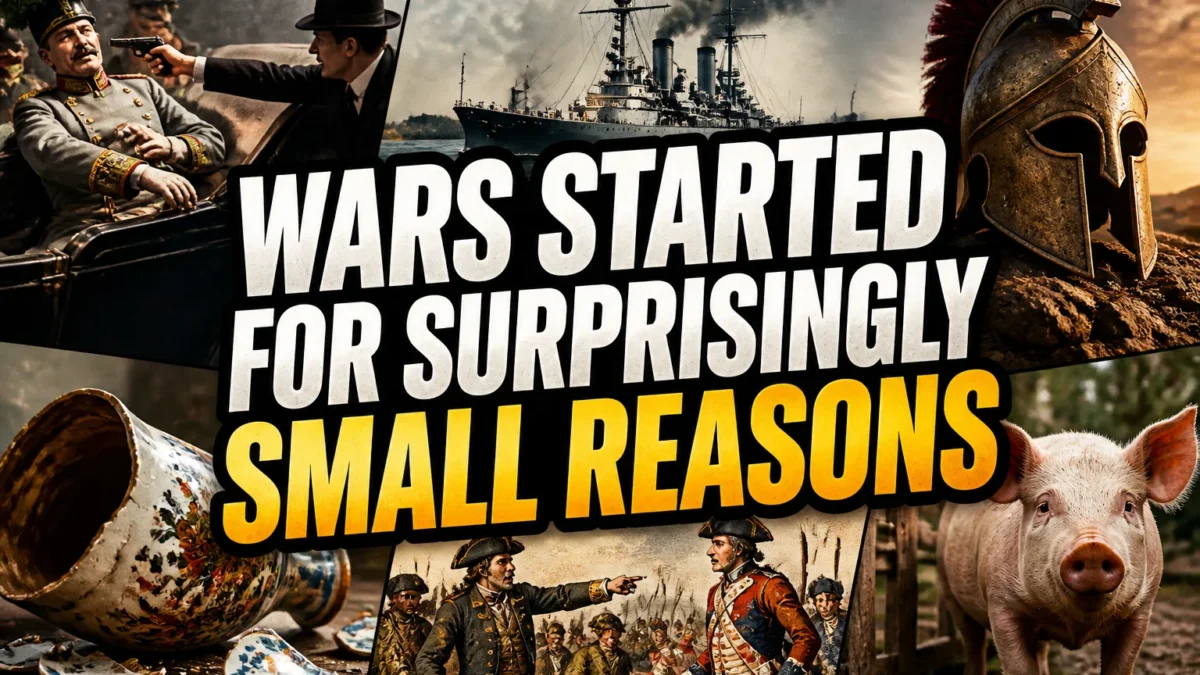
Historians love to argue about what starts wars. The obvious answer is rarely one insult, one stolen bucket, or one stray dog. Yet history is full of conflicts where the final push came from something so small it feels almost like a bad joke.
These small sparks are what historians call short term causes: immediate events that turn a crisis into open violence. They usually are not the whole story, but they are the moment when cause and effect becomes visible.
TL;DR: Big wars often have long-term causes, but the final spark can be a pig, a pastry bill, or an edited telegram—small triggers that turn existing tension into open conflict.
What Starts Wars? Why Small Triggers Get More Blame Than They Deserve
The phrase 'started war' often makes a conflict sound simple. In practice, wars usually begin because a short term trigger lands on a pile of deeper grievances.
Think of a short term cause as the match and long-term causes as the dry wood. A match alone rarely burns down a forest, but it can do exactly that when the wood is already dry.
That is why historians distinguish between immediate triggers and root causes. The stories below are dramatic, but few of them would have started a war on their own.
Historians sometimes joke that every war has a small trigger and a big cause. The trigger gets the headlines, but the cause does the work. Recognizing that difference is the key to not being fooled by stories like the ones below.
20 Conflicts With Ridiculously Small Sparks
The following list includes declared wars, limited conflicts, and a few near-wars. Each one shows how a tiny spark can interact with much larger pressures.
1. The War of Jenkins' Ear: A Severed Ear in Parliament (1739)

In 1731, the Spanish coast guard stopped the British merchant ship Rebecca in Caribbean waters. According to Captain Robert Jenkins, a Spanish officer cut off his ear and told him to carry it to King George II. The incident became a sore point for British merchants who already resented Spain's policing of trade.
Seven years later, Jenkins allegedly displayed the preserved ear before Parliament, and British public fury did the rest. Britain declared war on Spain in 1739, beginning the War of Jenkins' Ear. The ear was a dramatic short term cause, but Caribbean trade rivalry and smuggling had been building toward conflict for years.
2. The Pastry War: A Baker's Unpaid Damages (1838)
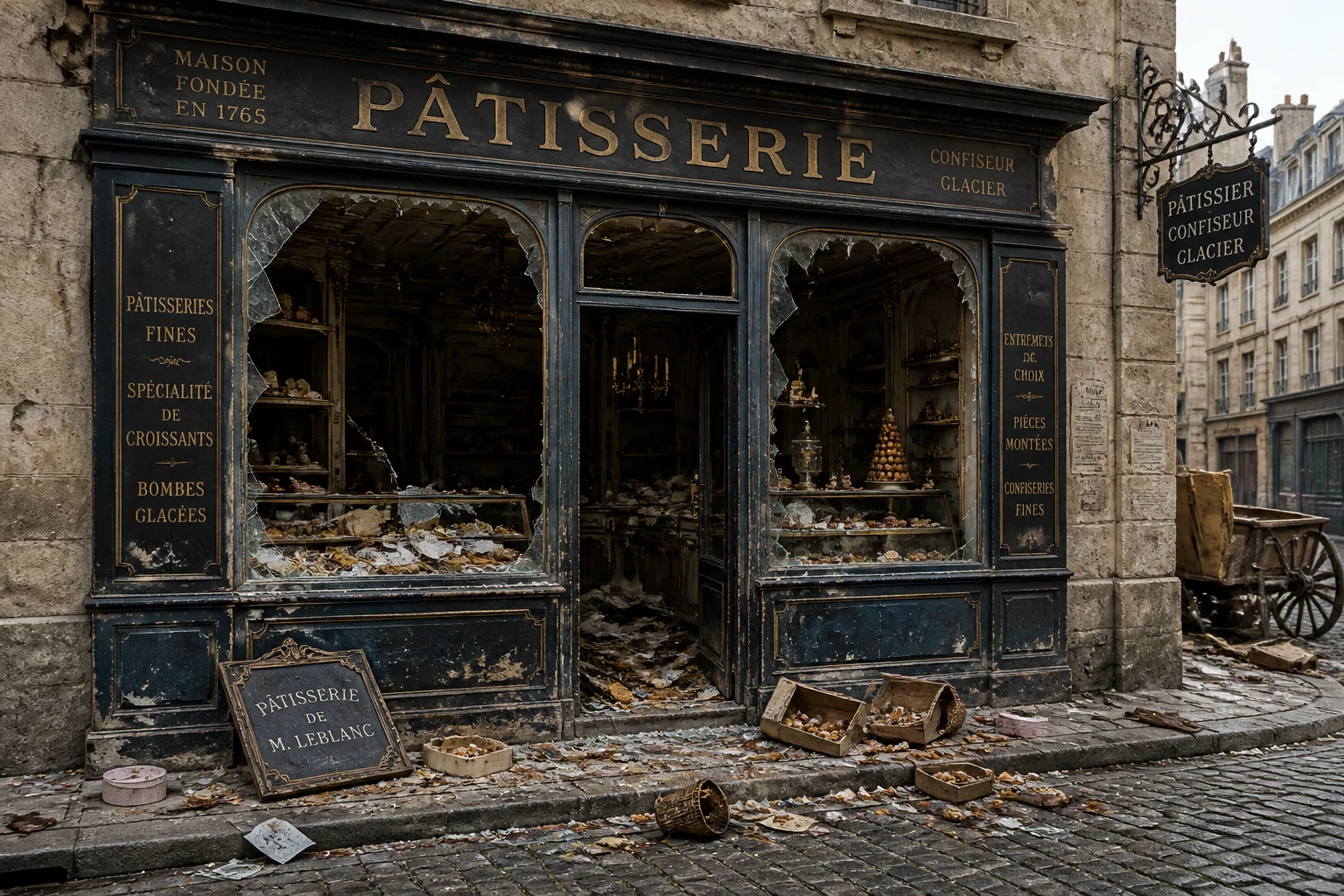
A French pastry cook named Remontel claimed that Mexican officers had looted and wrecked his shop in Tacubaya during civil unrest. He petitioned the French government for help, and France demanded 600,000 pesos from Mexico. The amount was enormous and became a point of national pride.
Mexico refused to pay, so a French fleet blockaded Veracruz and attacked the fortress of San Juan de Ulúa. The Pastry War ended through British mediation and Mexican payment. It is a classic example of a small private grievance becoming an international war.
3. The Football War: A World Cup Qualifier Turned Violent (1969)

El Salvador and Honduras met in three World Cup qualifying matches in June 1969. Riots between fans escalated into flag-burning, expulsions, and diplomatic insults. The soccer matches became a focus for grievances that had little to do with sport.
El Salvador invaded Honduras on July 14, 1969, starting a brief but violent conflict. The sporting rage was a short term cause, but Salvadoran migration into Honduras and land reform tensions had been building for years. A ceasefire took effect after about 100 hours.
4. The War of the Bucket: A Wooden Pail From a Well (1325)

In 1325, soldiers from Modena raided Bologna and carried off a wooden bucket from a city well. Bologna demanded its return, and the insult proved enough to start a war. Italian chronicles made the bucket into a convenient symbol.
The real force behind the clash was the long-running Guelph and Ghibelline rivalry between Italian city-states. Modena won the Battle of Zappolino, and the bucket remains displayed in Modena as a trophy. The object itself was never the full cause.
5. The Pig War: A British Boar in an American Garden (1859)
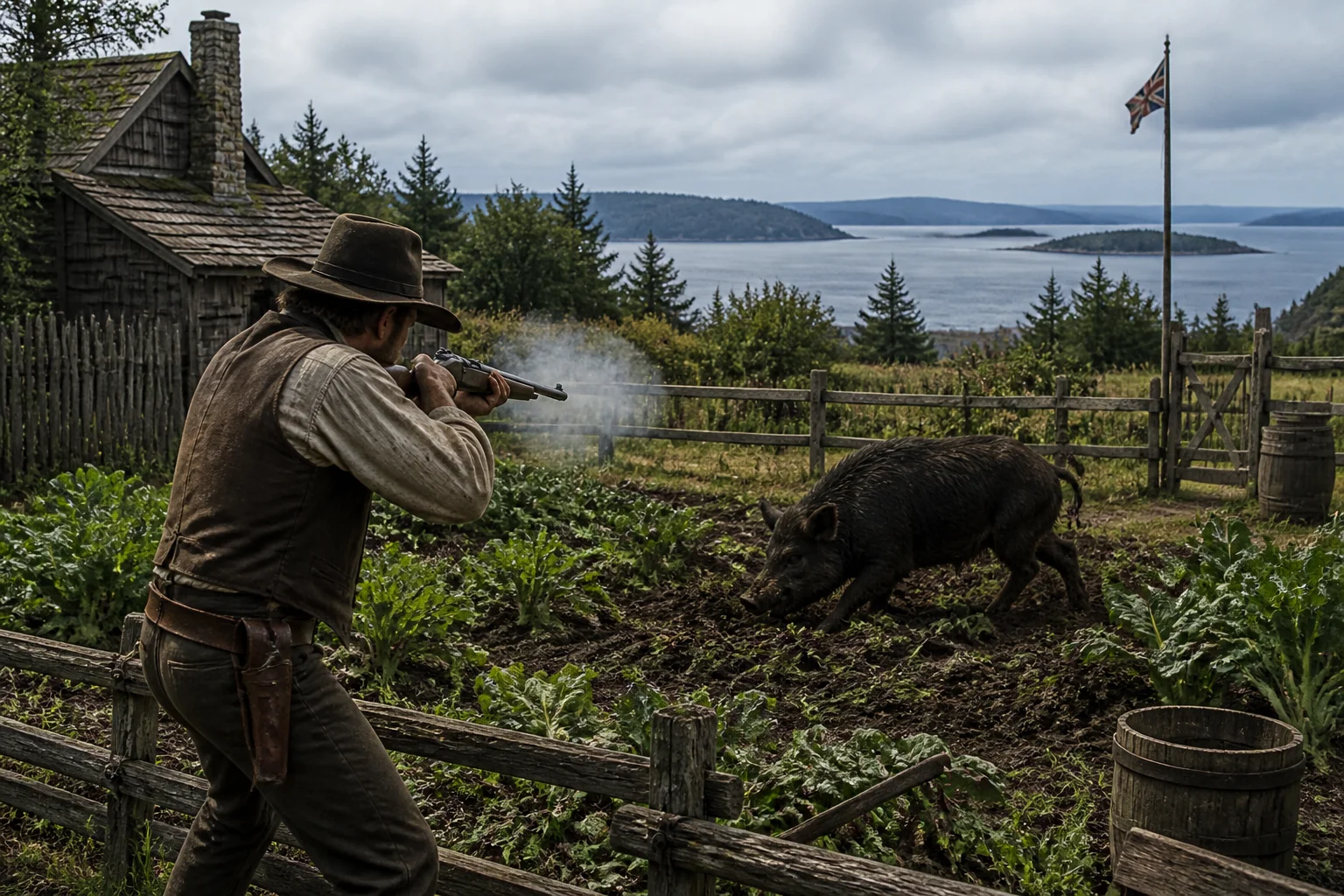
On San Juan Island, American settler Lyman Cutlar shot a pig that belonged to Britain's Hudson's Bay Company because it was rooting through his garden. The dispute over the dead pig quickly drew in US and British military forces. Both sides reinforced their positions on the island.
For years, American and British troops faced off while diplomats worked out the boundary. No one died in combat, and the only casualty of the standoff was the pig. The Pig War is a near-war, not a declared conflict, but it shows how a small local act can trigger an international crisis.
6. The Ems Dispatch: An Edited Telegram That Started a War (1870)
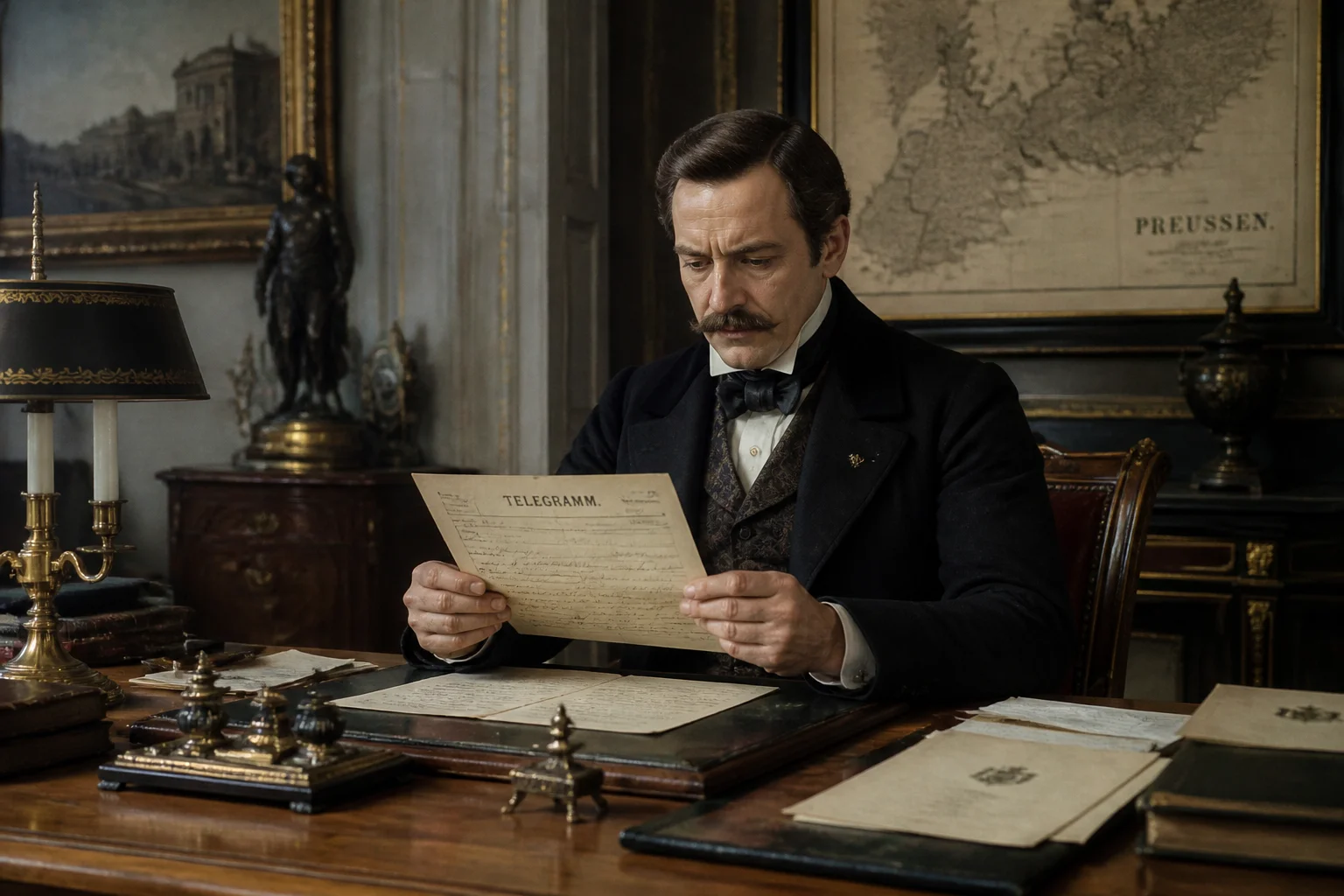
A succession dispute over the Spanish throne put Prussia and France on edge in 1870. When French diplomats pressed King Wilhelm I at Bad Ems, he politely refused to make permanent promises about the Hohenzollern candidacy. The meeting itself was not especially dramatic.
Prussian minister Otto von Bismarck released an edited version of the exchange that made both sides feel insulted. French public opinion erupted, and France declared war on Prussia. The Ems Dispatch became the short term cause of the Franco-Prussian War, though Franco-German rivalry was the deeper engine.
7. The Aroostook War: Lumberjacks, Timber, and a Boundary Dispute (1838–39)
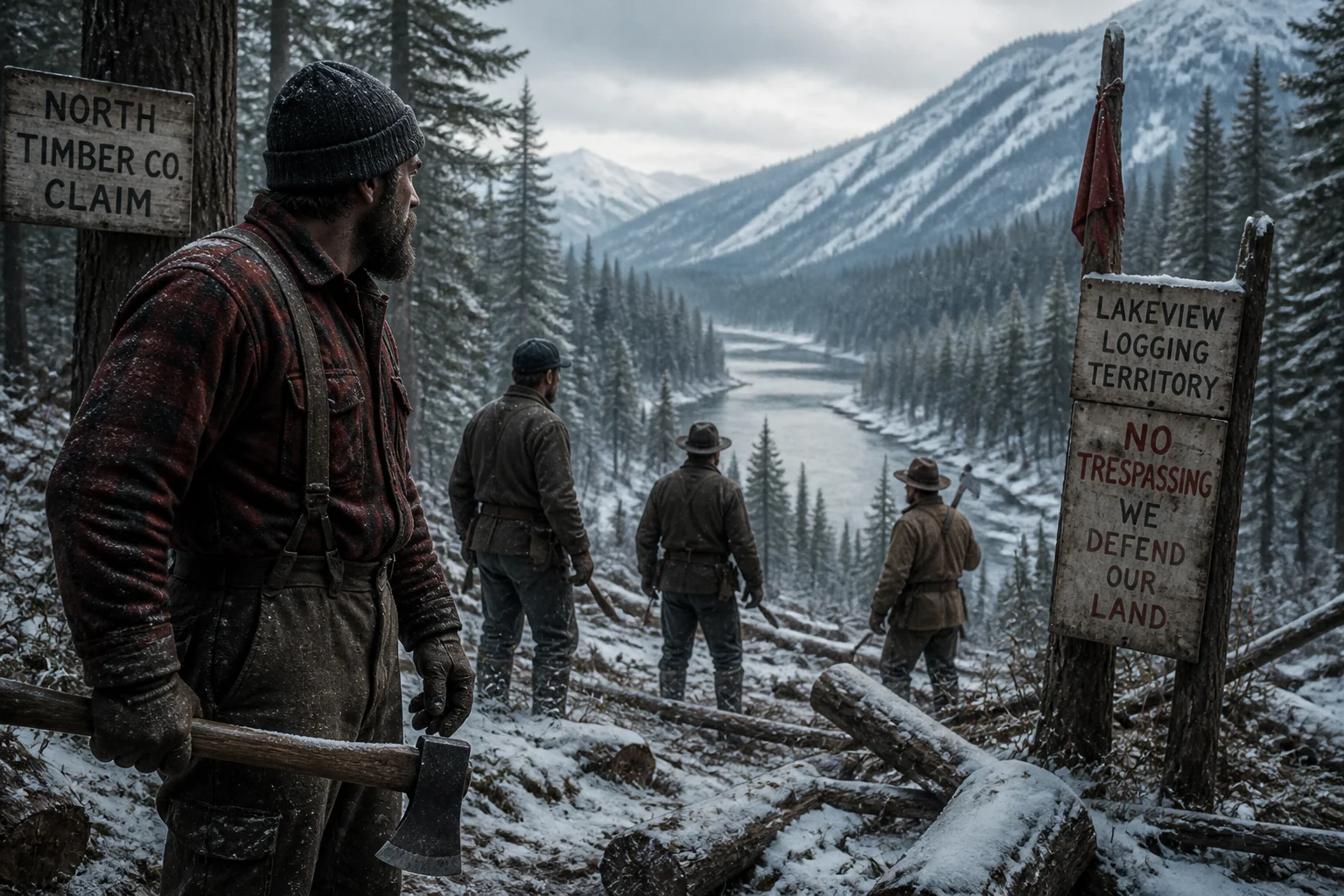
The US state of Maine and the British colony of New Brunswick both claimed the Aroostook River valley. Lumberjacks from each side entered the disputed forest to cut timber, leading to arrests, brawls, and militia call-ups. Neither side wanted a full war, but neither wanted to look weak.
No pitched battles took place, which is why the Aroostook War is often called bloodless. The Webster-Ashburton Treaty settled the boundary in 1842. The conflict illustrates how a resource dispute over trees could start a war if diplomacy failed.
8. The War of the Stray Dog: A Soldier's Pet Crossed a Border (1925)
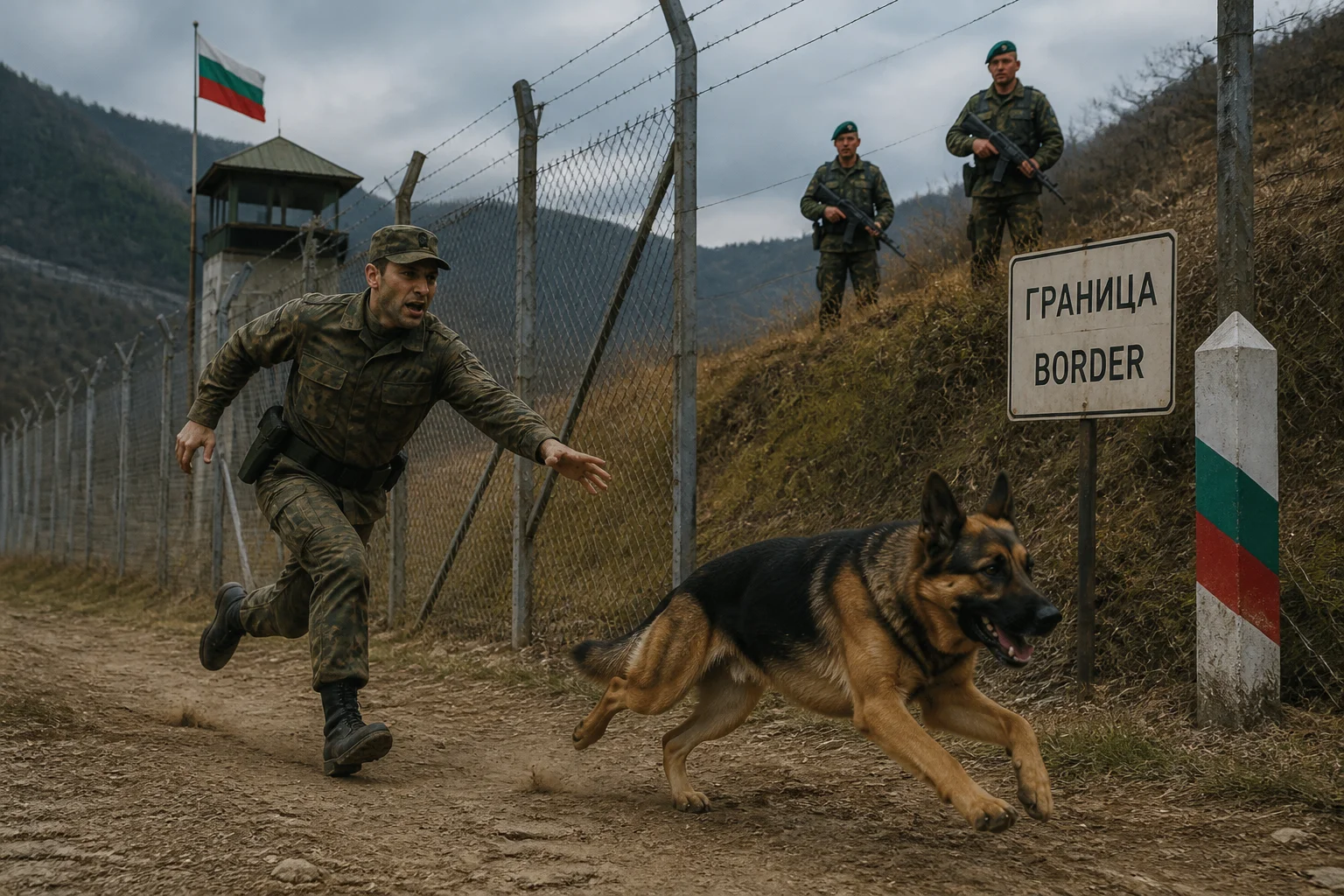
In October 1925, a Greek soldier's dog ran across the Bulgarian border near Petrich. When the soldier chased it, Bulgarian sentries shot and killed him. Greece responded with outrage and military force.
Greek troops invaded Bulgaria and occupied territory before the League of Nations demanded a ceasefire. The War of the Stray Dog lasted only days, but it nearly widened into a Balkan crisis. It is often cited as a clear example of a short term cause igniting existing border tension.
9. The Arrow Incident: A Flag, a Boat, and the Second Opium War (1856)
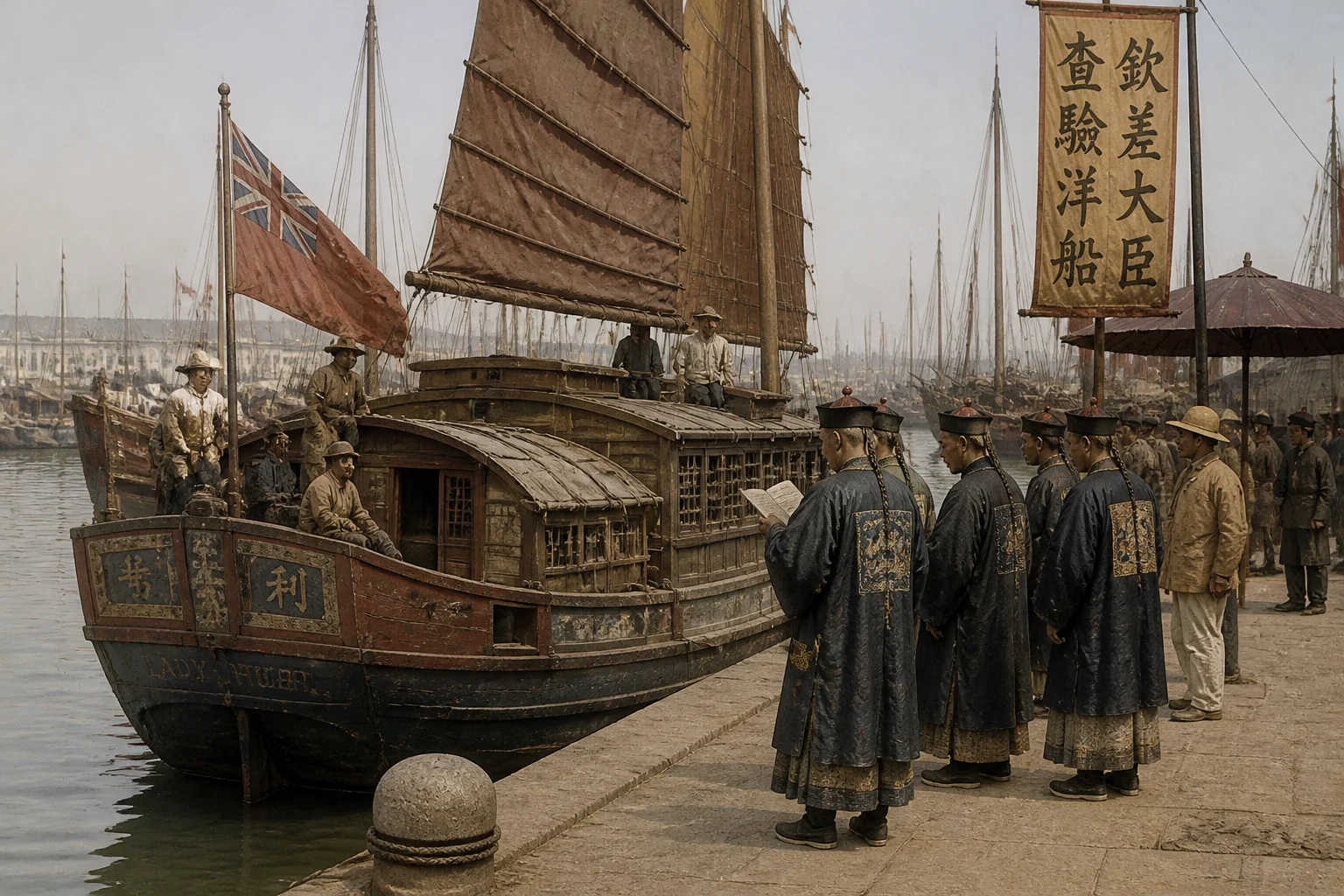
Chinese officials boarded the Arrow, a lorcha with British registration, in Canton in 1856. They arrested the crew and lowered the flag, which Britain treated as a serious insult. The vessel's ownership was legally murky, but Britain used the incident as justification for military action.
The real issues were opium, trade access, and treaty rights. The Arrow incident was the short term cause that let Britain and France launch the Second Opium War. Without deeper commercial conflict, the incident might have stayed local.
10. The Spanish-American War: The Explosion of the USS Maine (1898)
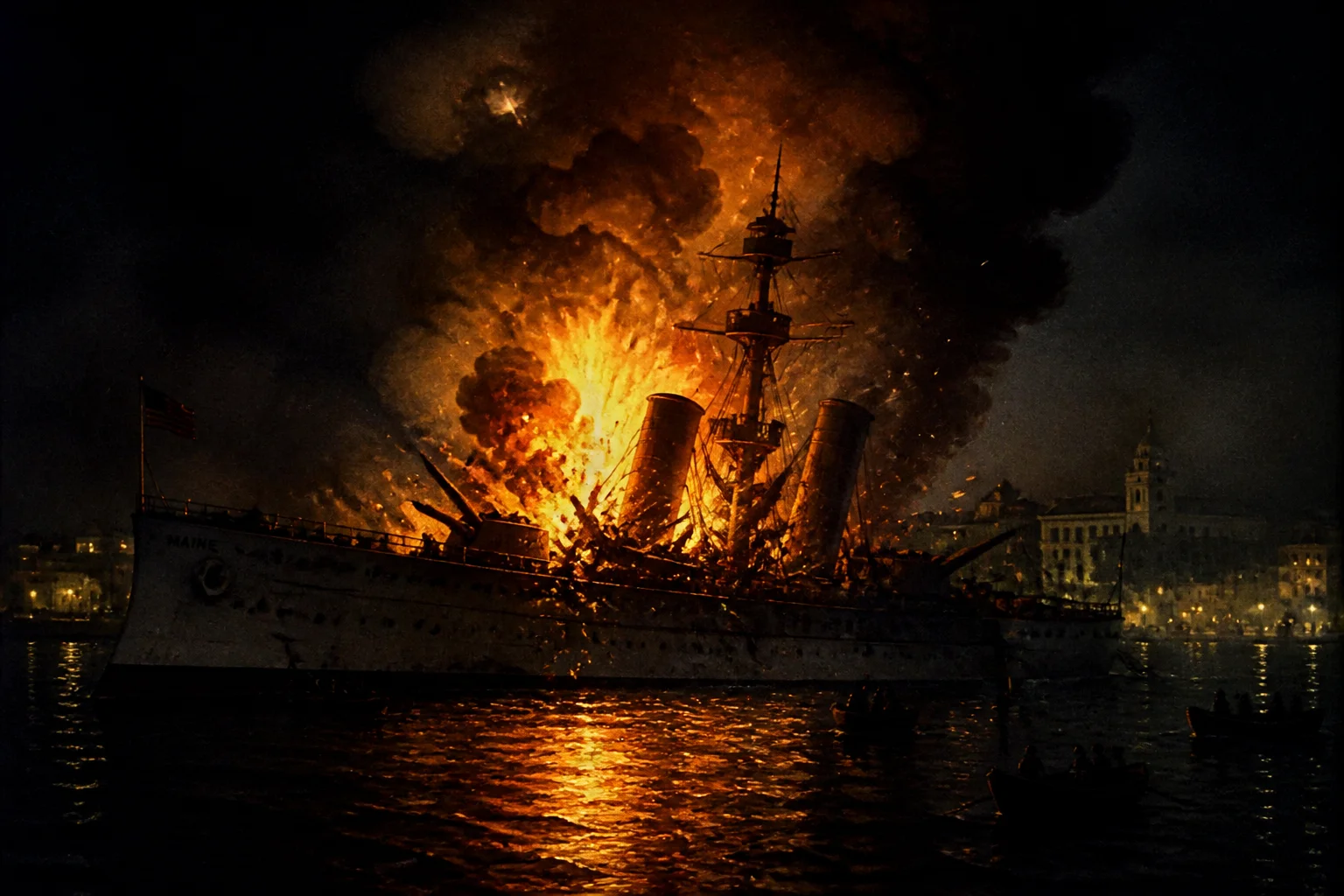
The USS Maine exploded in Havana harbor on February 15, 1898. American newspapers rushed to blame Spain, and the slogan 'Remember the Maine' pushed the country toward war. Public pressure mounted on President William McKinley.
Modern investigations suggest the explosion was likely an internal accident, not a Spanish mine. Still, the blast triggered the Spanish-American War, which ended Spain's Caribbean empire. The cause and effect here was driven more by war fever than by evidence.
11. The Kettle War: A Single Shot at a Soup Kettle (1784)
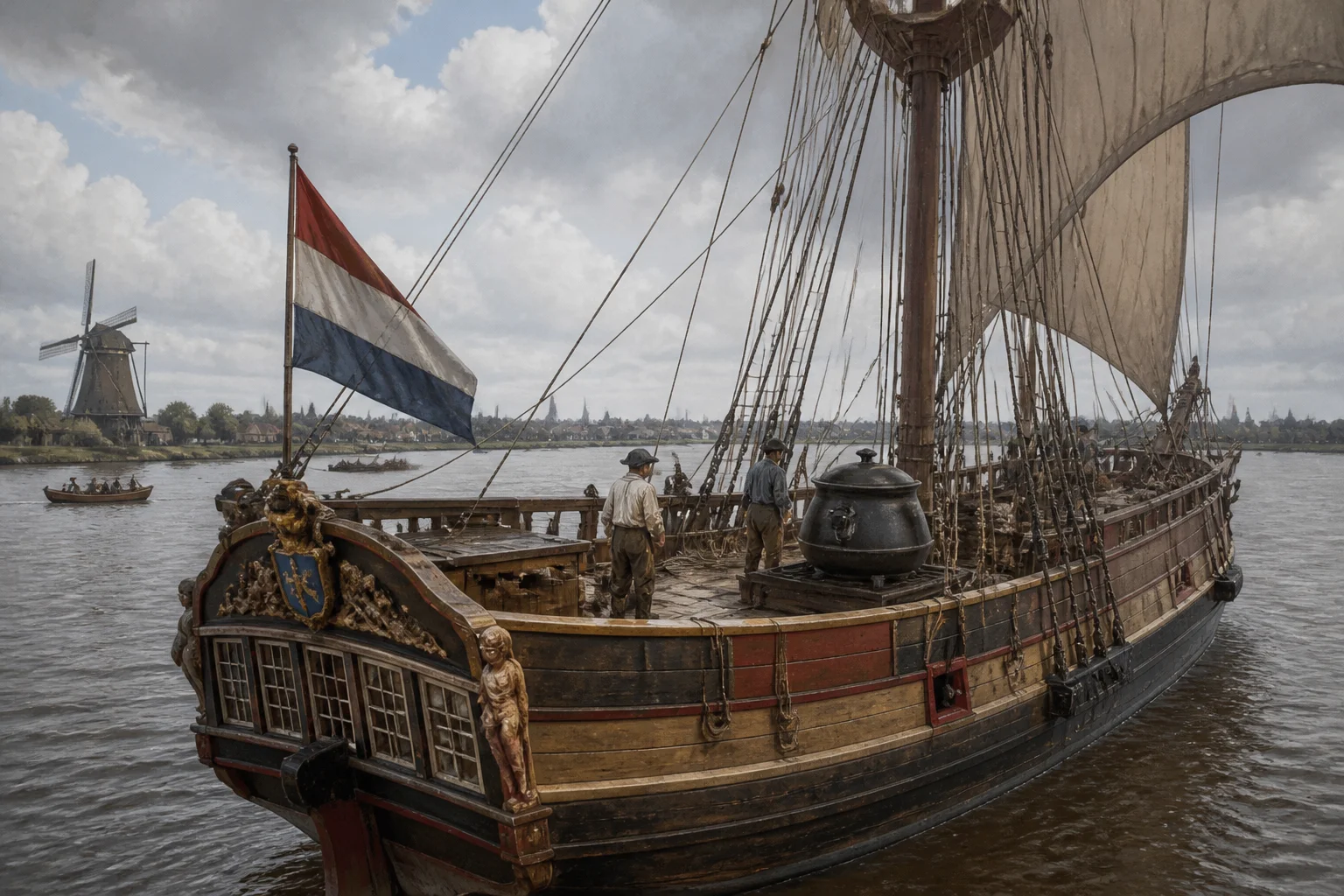
Holy Roman Emperor Joseph II wanted to reopen the Scheldt River so ships from Antwerp could reach the sea. When an imperial vessel tried to pass, a Dutch ship fired one shot. According to tradition, the shot hit a soup kettle on deck.
The Kettle War produced no real battles, but it exposed how river rights and trade access could create a dangerous standoff. The incident did not turn into a full war, which makes it a useful case in contrast to the others on this list.
12. The Crimean War: A Dispute Over a Church Key in Bethlehem (1853)
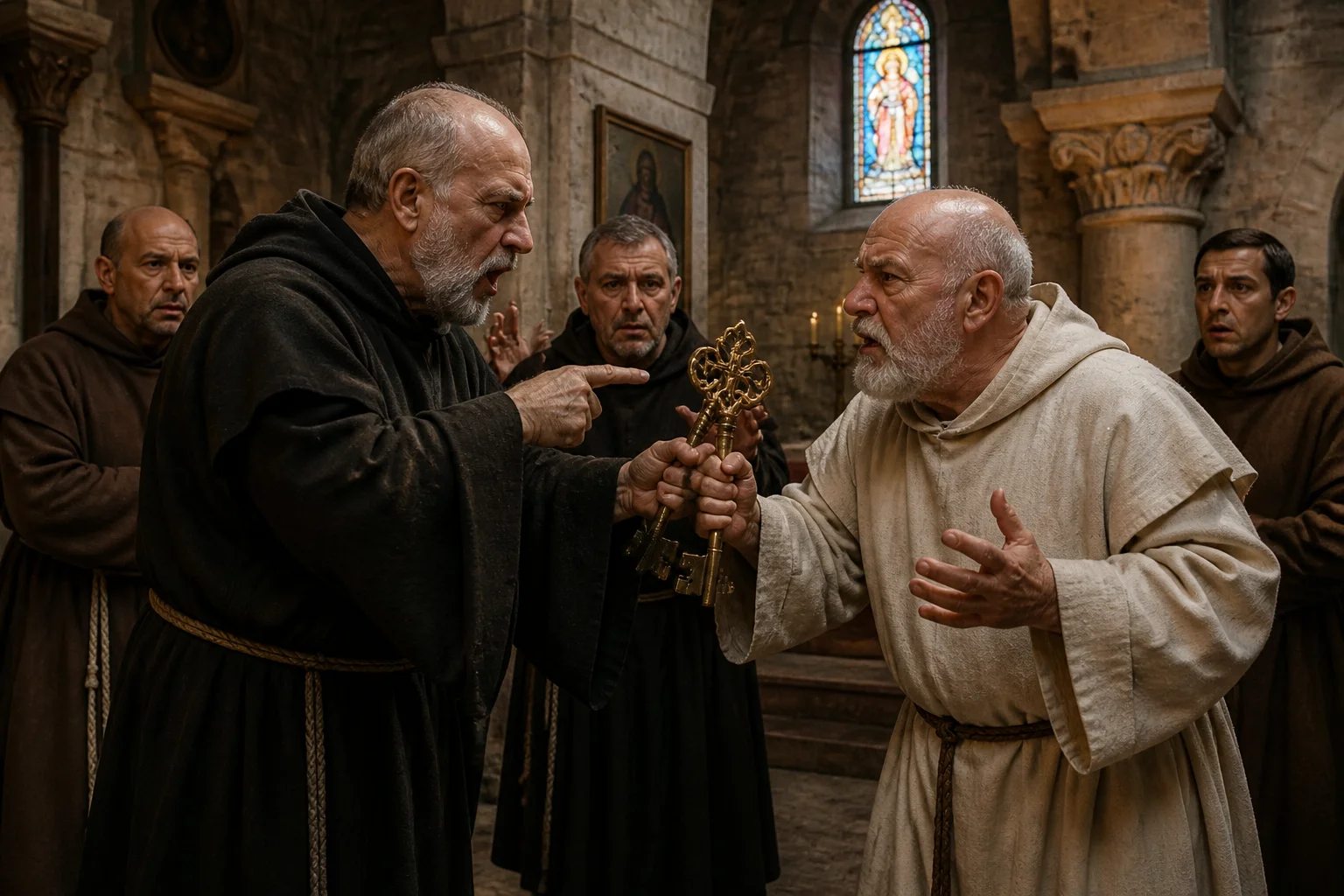
Catholic and Orthodox monks clashed over who should control the keys to the Church of the Nativity in Bethlehem. France backed the Catholics, and Russia backed the Orthodox. The dispute sounded trivial, but it became entangled with the fate of the Ottoman Empire.
That custodial squabble became one of the triggers for the Crimean War. The larger cause was Russian pressure on the declining Ottoman Empire and the balance of power in Europe. The key dispute helped tip a tense crisis into open war.
13. The War of the Golden Stool: A Sacred Object and a Colonial Demand (1900)
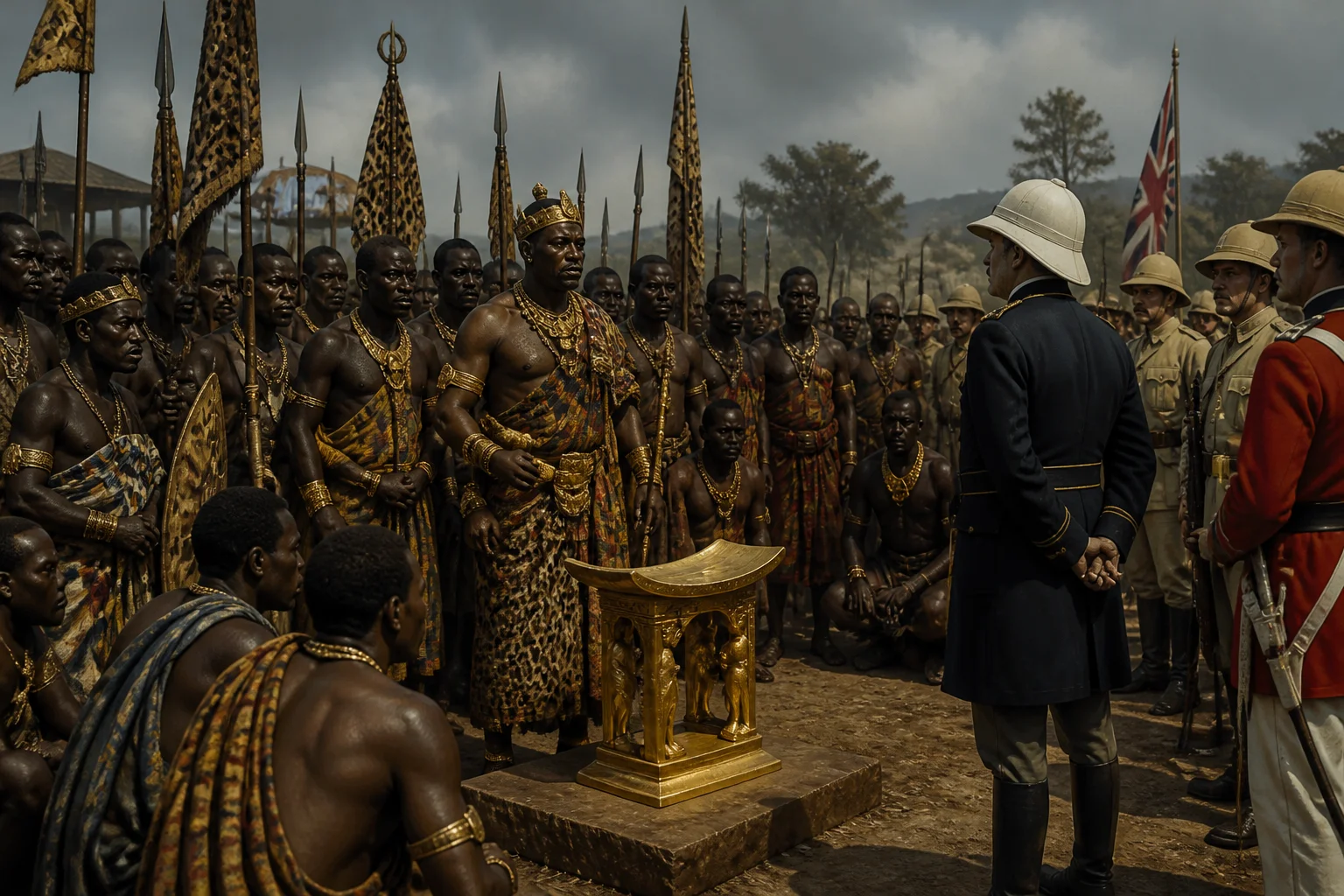
British governor Sir Frederick Hodgson demanded that the Ashanti bring him the Golden Stool, the sacred symbol of Ashanti nationhood, so he could sit on it. The demand was a profound act of disrespect. It suggested that the colonial governor did not understand or care about Ashanti sovereignty.
The Ashanti rose in rebellion led by Yaa Asantewaa. The War of the Golden Stool was rooted in British colonial control, but the demand for the stool was the immediate spark. This is a clear case of cause and effect in war: a symbolic insult turned resistance into armed conflict.
14. The Emu War: Machine Guns Against Flightless Birds (1932)
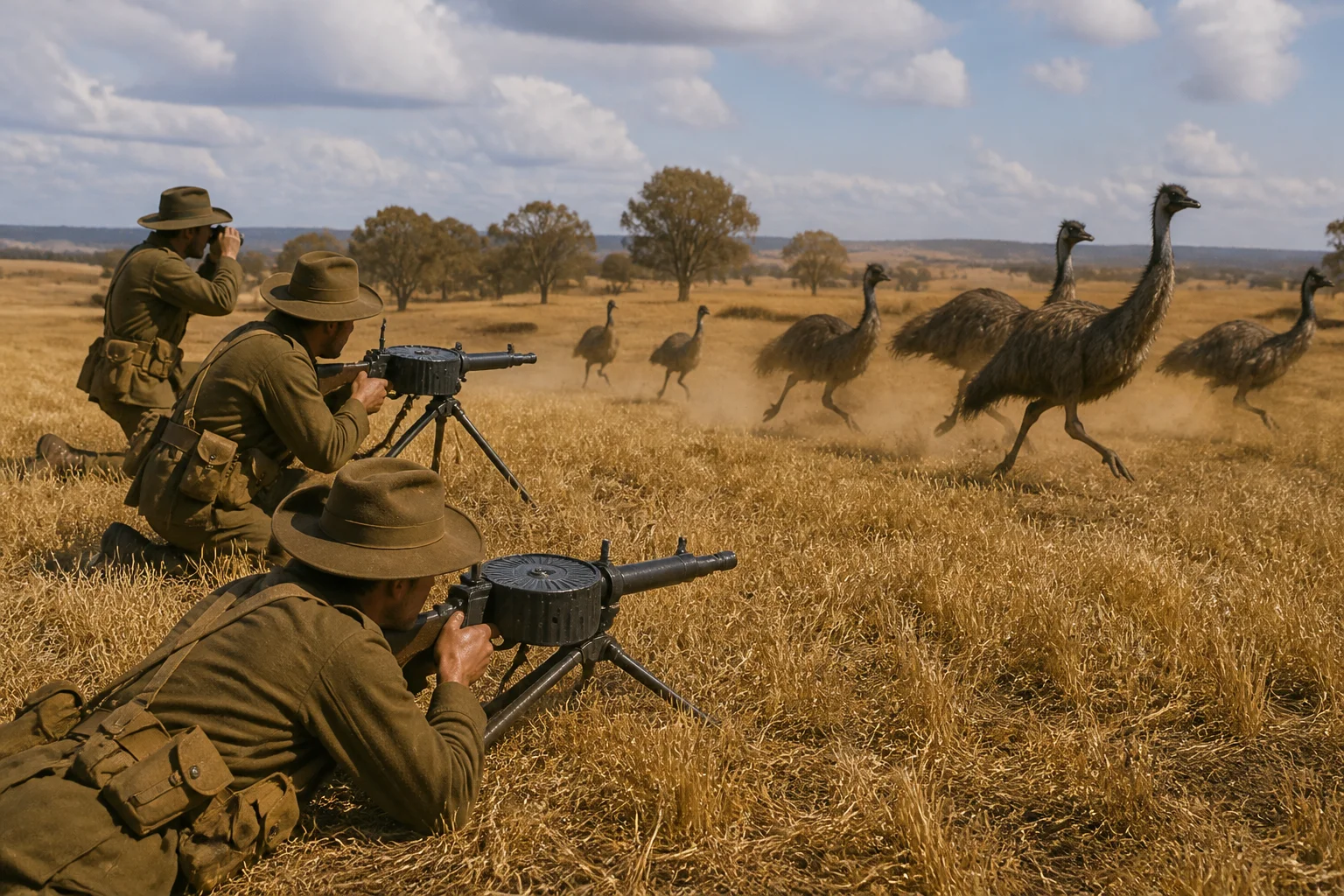
After World War I, Australian farmers in Western Australia faced waves of emus destroying wheat crops. The government sent soldiers with Lewis machine guns to reduce the emu population. The operation was partly a morale-boosting show of force.
The emus scattered, survived, and mostly outran the gunners. The 'Emu War' was a military operation, not an interstate war, but it shows how problems can quickly become armed responses. The campaign was abandoned with few emu casualties.
15. The Honey War: Beehives and a Border Quarrel (1839)
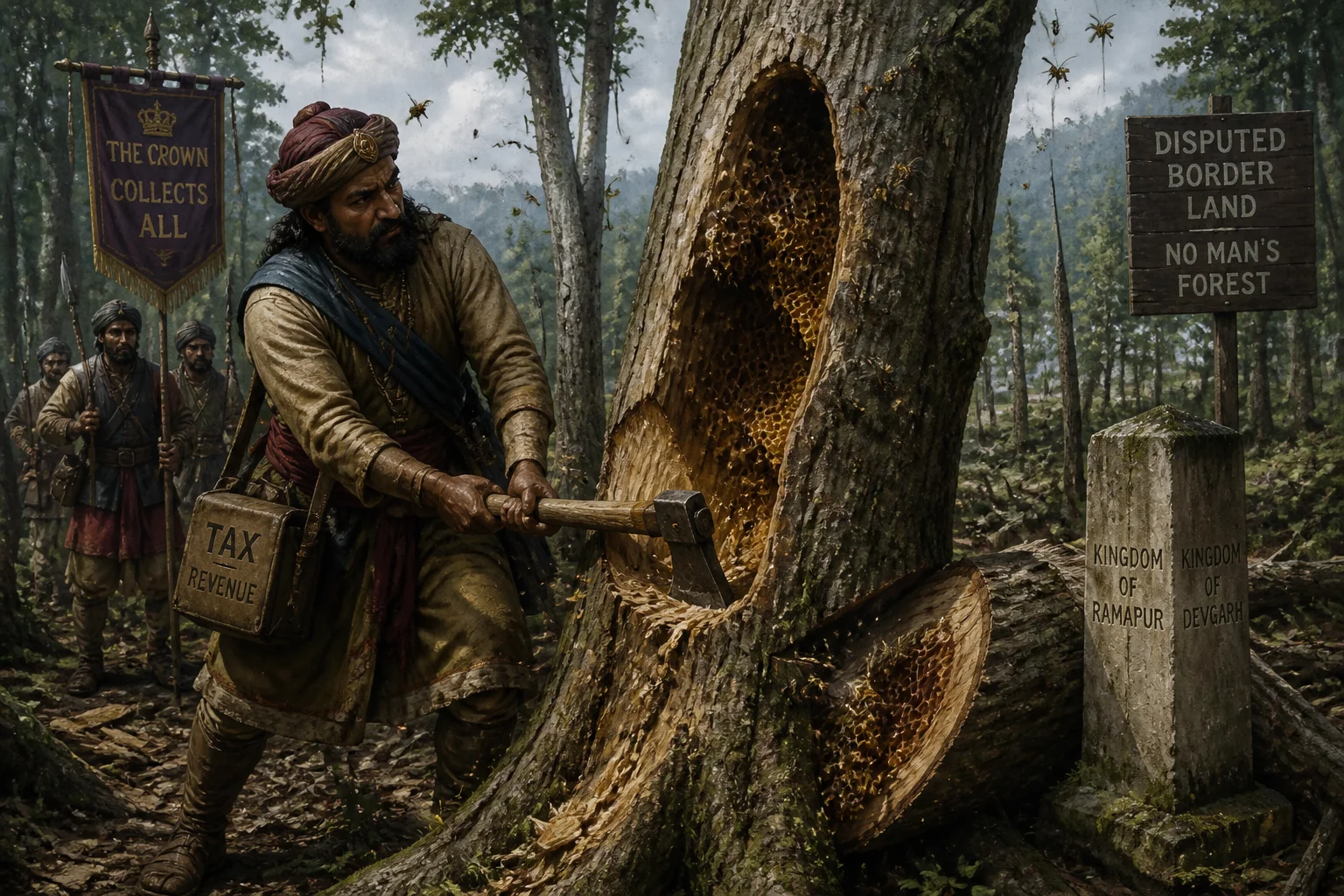
Missouri and Iowa disputed their southern boundary. A Missouri tax collector cut down three hollow trees filled with honey bee hives in contested land. Iowa officials arrested the taxmen, and both sides called out militia.
The Honey War ended without a battle, and the US Supreme Court later settled the border. It remains an example of how a small environmental and tax dispute can become a state-level military standoff. The honey was real, but the crisis was mainly about jurisdiction.
16. The Whisky War: Bottles, Not Bullets, on Hans Island (1973–2022)

Canada and Denmark both claimed tiny Hans Island between Greenland and Ellesmere Island. Instead of fighting, the two sides left bottles of Canadian whisky or Danish schnapps on the rock. The ritual became a humorous but genuinely diplomatic signal.
The Whisky War ended with a 2022 agreement that split the island between the two countries. It is a reminder that not every small territorial spark has to become a real war. The presence of alcohol instead of gunfire kept the conflict harmless.
17. The Nootka Crisis: Seized Fur-Trading Ships in the Pacific (1789)
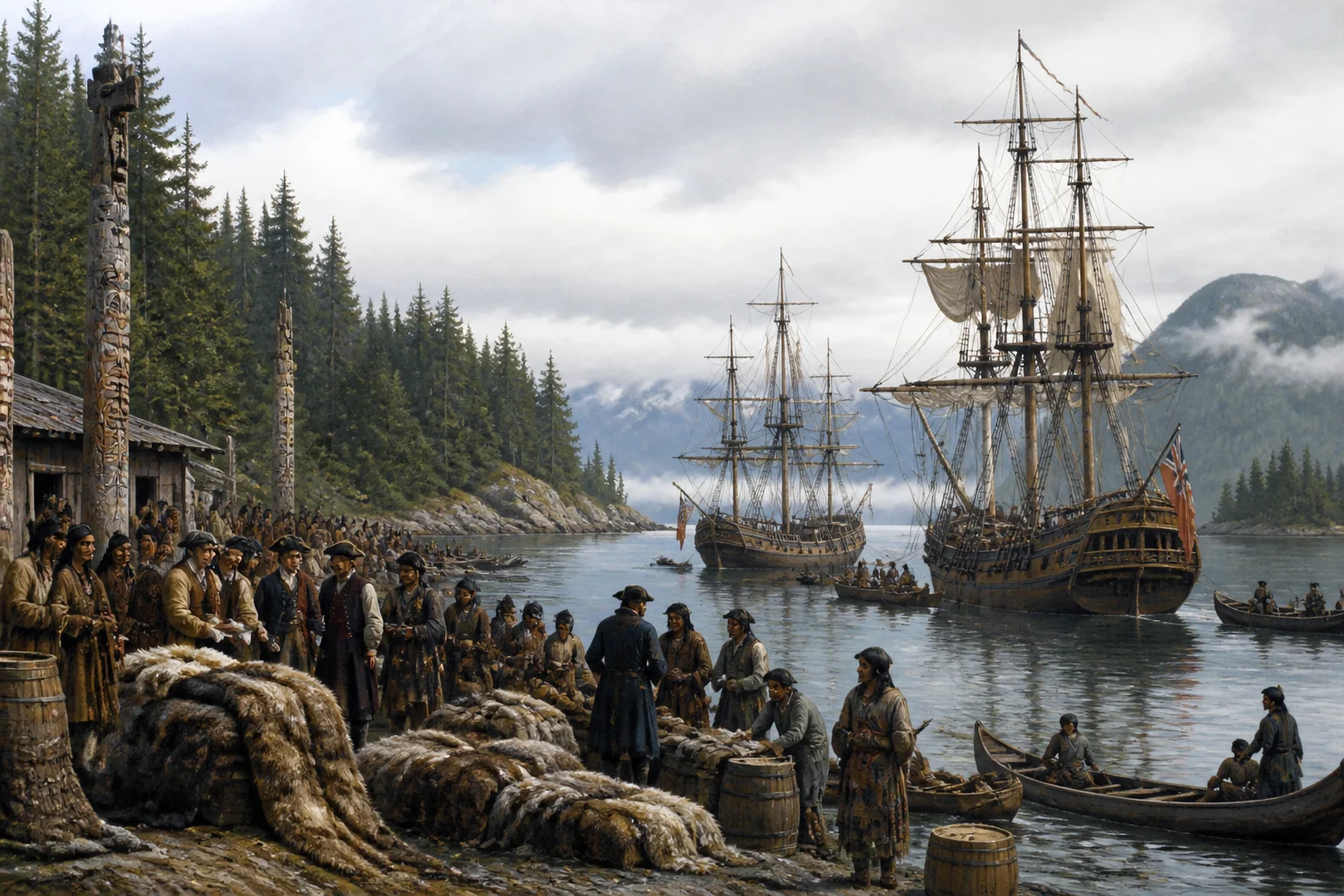
Spain seized British ships at Nootka Sound on Vancouver Island in 1789 to enforce its claim over Pacific trade. Britain threatened war, and the two empires moved toward confrontation. The remote fur-trading post suddenly became a flashpoint.
Diplomacy resolved the standoff through the Nootka Conventions. The episode shows how a distant commercial incident could nearly start a war between major powers. It also reveals the global reach of eighteenth-century trade rivalries.
18. The Cod Wars: Fishing Limits and Ramming in the North Atlantic (1950s–70s)
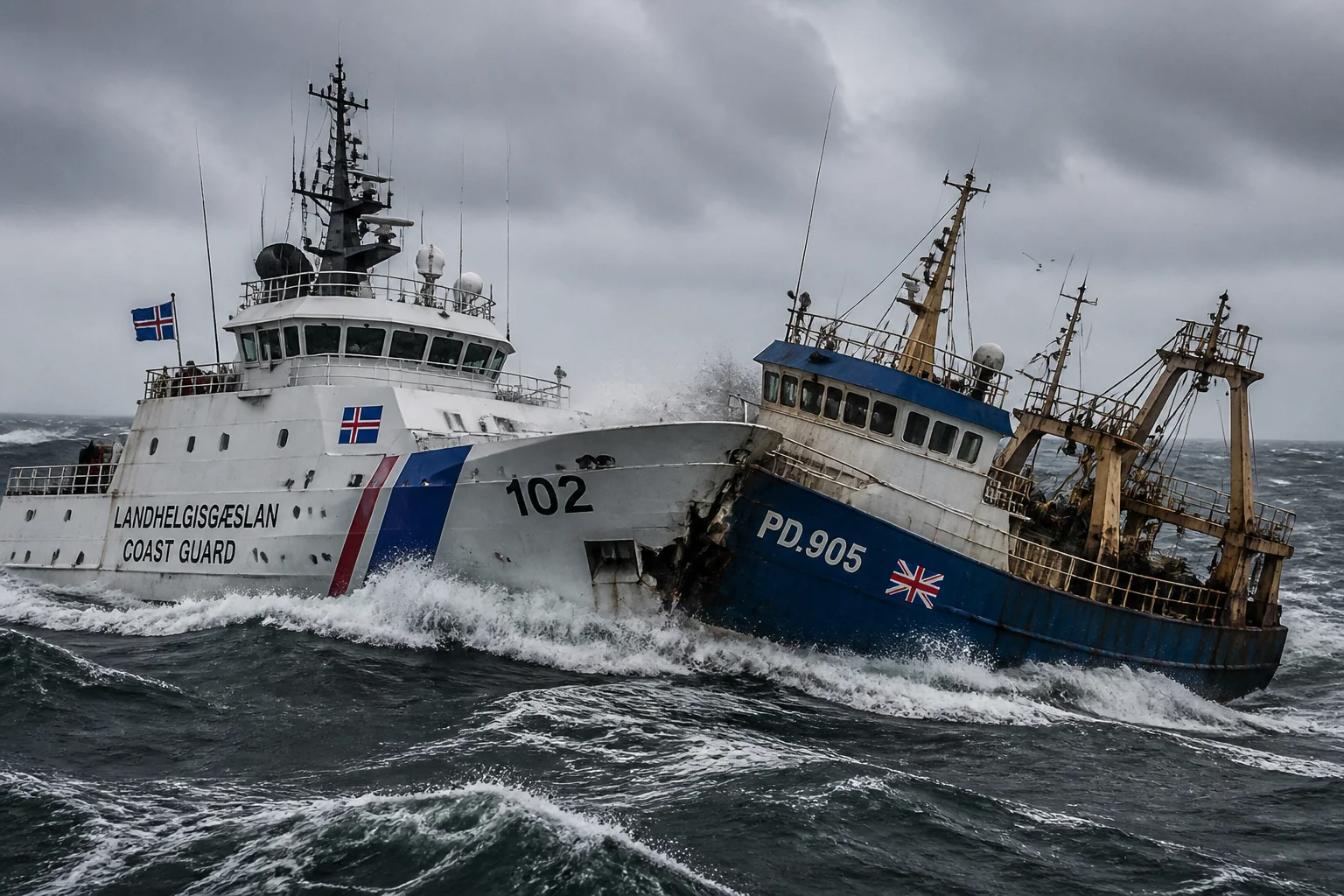
Iceland expanded its fishing limits to protect cod stocks, and British trawlers kept fishing inside the new zones. British warships arrived to protect them, while Icelandic coast guard vessels cut nets and rammed hulls. The confrontations were dangerous but carefully limited.
No one was killed, but the conflict over fish shaped maritime law and national economies. The Cod Wars were not formal wars, but they show how a small resource dispute can repeatedly bring nations to the edge. Iceland's small size did not stop it from facing down a major naval power.
19. The Fashoda Incident: A Remote Fort on the Nile (1898)
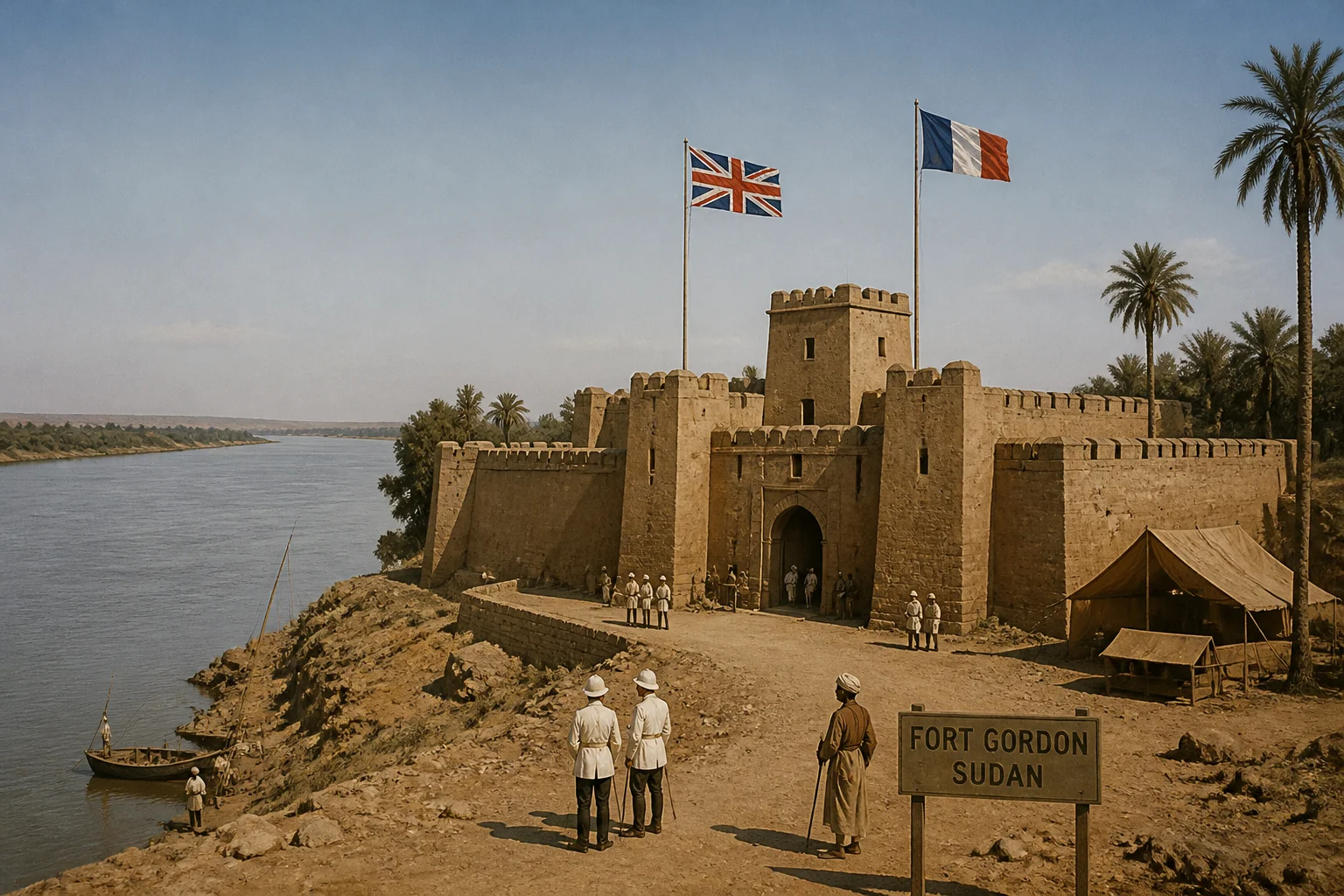
British and French expeditions met at Fashoda in Sudan in 1898. Both claimed the remote outpost, and neither would back down at first. The meeting created a face-off between two imperial powers in the middle of Africa.
The standoff nearly triggered a war between Britain and France. France eventually withdrew, but the incident showed how a tiny colonial outpost could become a short term cause of war. The root cause was European competition for African territory.
20. The Lobster War: Brazil, France, and a Crawling Argument (1961–63)
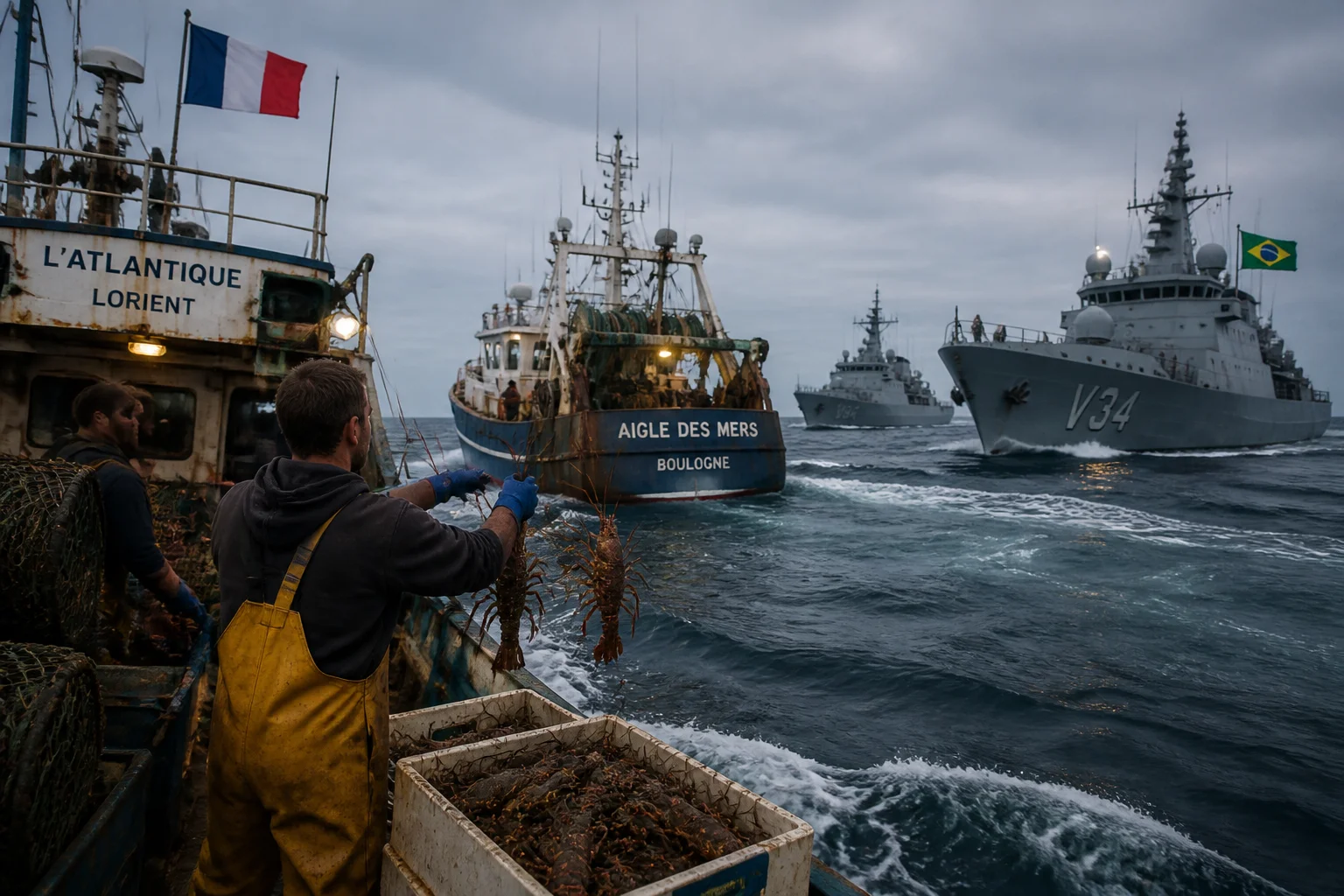
French boats began catching lobsters off the Brazilian coast in the early 1960s. Brazil argued the lobsters crawled on its continental shelf, while France said they swam freely. The scientific question became a diplomatic argument about maritime rights.
Brazil seized French vessels, France sent a warship, and Brazil mobilized. The Lobster War produced no major battle, but it showed how a biological debate could start an international dispute. It ended through negotiation over fishing zones.
The Real Lesson: Small Sparks Need Deep Tinder
The stories above make it tempting to say that a single silly event started a war. But historians often caution against reducing conflicts to their final spark.
A short term cause is remembered because it is dramatic, but the deep causes are what actually start wars. Empire, trade, nationalism, and fear usually do the heavy lifting. The spark merely reveals how much explosive material was already in place.
Understanding cause and effect in war helps us avoid simple myths. It also helps us watch for the dangerous combination of a tiny trigger and a large pile of dry grievances.
Frequently Asked Questions
What is the cause and effect war pattern in history?
A cause and effect war pattern has layers: long-term causes like nationalism or trade build pressure, while a short-term cause such as an insult or border incident provides the final spark. Neither layer alone is usually enough to start a war.
What is the difference between long-term causes and short term causes of war?
Long-term causes develop over years or decades, such as imperial rivalry, economic competition, or unresolved territorial disputes. Short term causes are immediate triggers, like a border clash or a diplomatic insult, that detonate the deeper tension.
Can a single small event truly start a war?
Rarely on its own. A small event can start a war when it lands on existing grievances, public outrage, or military readiness. The event is the trigger, not the entire explanation.
What starts wars more often: small triggers or big causes?
Historians generally credit big causes such as territory, trade, nationalism, and fear. Small triggers are more visible because they happen quickly, but they usually matter only because the bigger conditions were already in place.

Alex Warren
Related Articles