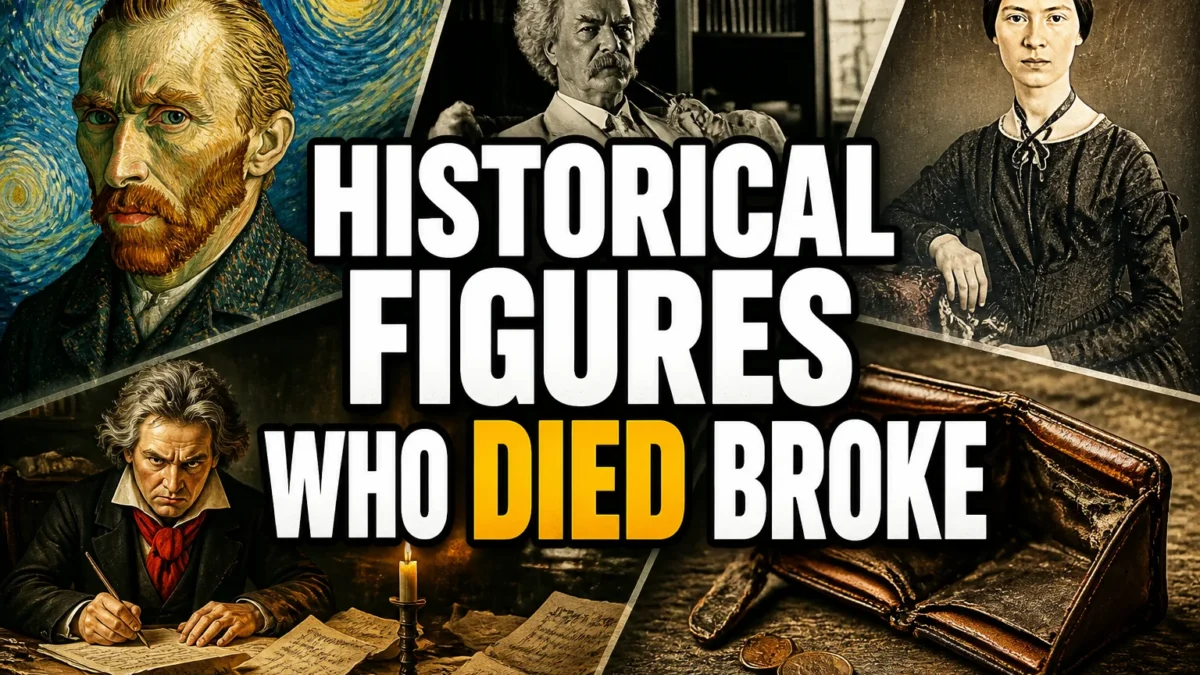
History often assumes that fame and fortune travel together, but the record tells a very different story. Many of the world's most influential writers, inventors, artists, and entertainers ended their lives with almost no money. Some died in debt, some depended on friends, and a few became wealthy only after they were gone.
This list of famous people who died broke is not a celebration of failure. It is a reminder that creative and intellectual influence is rarely measured by a bank balance. From H.P. Lovecraft to Nikola Tesla, these figures left behind work that outlived their financial struggles.
TL;DR: Many celebrated writers, inventors, artists, and entertainers—including H.P. Lovecraft, Nikola Tesla, and Judy Garland—died with little or no money, proving that fame and fortune do not always go together.
The Bigger Picture: Fame Does Not Always Mean Fortune
Some of the people on this list were famous during their lifetimes, while others were overlooked until later. Even public recognition did not guarantee steady income. Careers in art, literature, music, and invention have always carried unusual financial risk.
The term 'died broke' can mean different things in different periods. Some people had modest estates but owed more than they owned, while others were genuinely dependent on charity or friends. Historians often rely on estate records, letters, and later biographies to describe these final years.
Several patterns repeat across these stories. Legal disputes over patents, toxic contracts, exploitation by publishers, illness, and simple bad luck all played a role. Understanding those patterns helps separate myth from reality.
21 Historical Figures Who Died Broke
Below are 21 people whose stories are often reduced to the phrase 'died broke.' In each case, the financial ending is only part of a much larger life. The details matter, especially when legend has exaggerated the poverty.
1. H.P. Lovecraft: The Horror Writer Who Died Broke
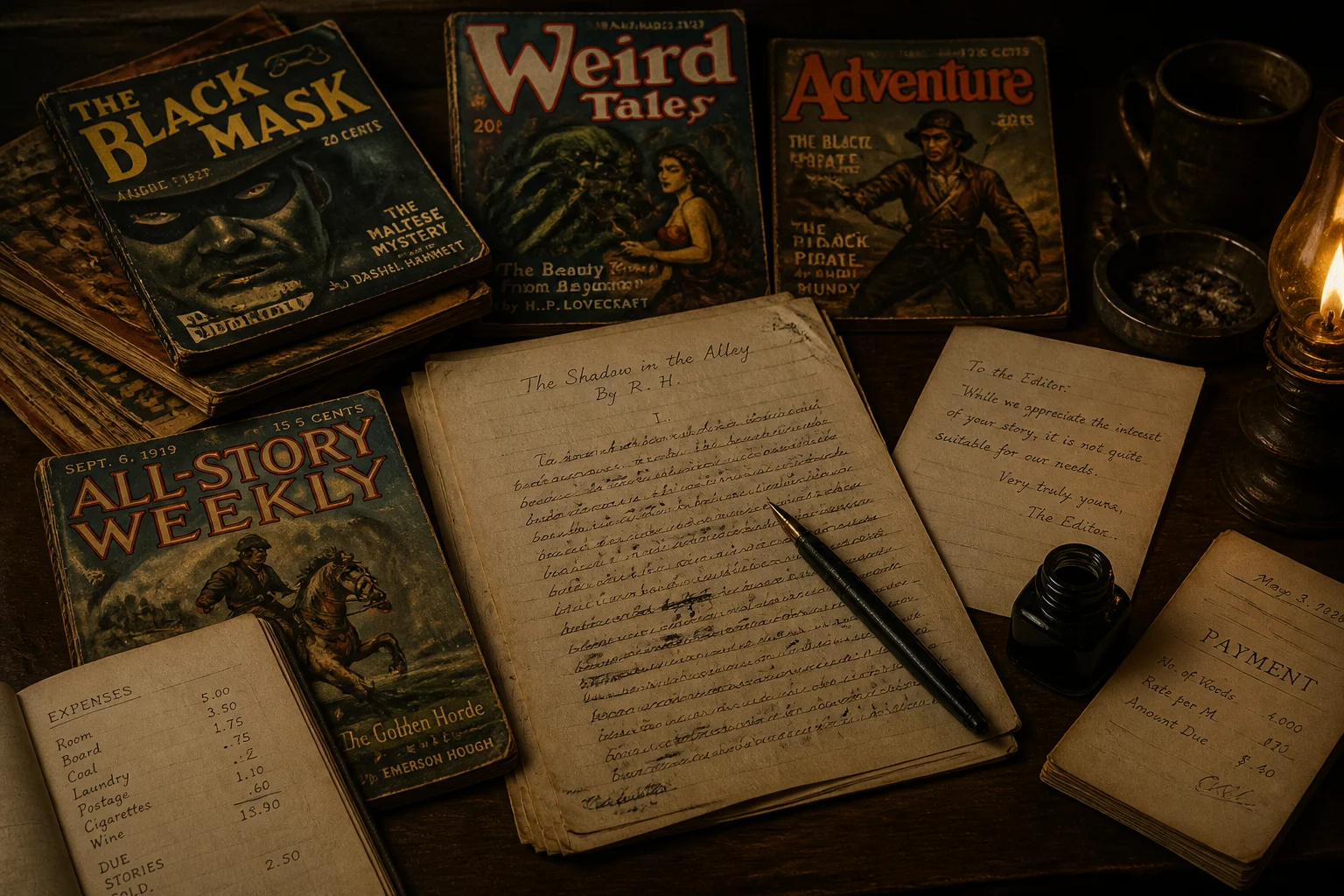
Lovecraft's stories about cosmic dread are now considered foundational to modern horror, but they earned him very little during his lifetime. He published mainly in pulp magazines, which paid poorly and sometimes not at all. He lived frugally in Providence, Rhode Island, and relied on a shrinking family inheritance.
The question 'was Lovecraft died broke' comes up constantly because his posthumous fame is so much larger than his income was. In his final years, he could afford only cheap food and basic lodging. When he died of cancer in 1937, he left no meaningful estate; his literary fortune was built by later admirers.
2. Nikola Tesla: The Inventor Who Gave Away Millions

Nikola Tesla's alternating current system helped electrify the modern world, but he was not a good businessman. He tore up a royalty contract with George Westinghouse that might have made him enormously wealthy. Instead, he spent much of his later life chasing grand projects and struggling to fund them.
Tesla, who never married, lived alone in New York hotels, often leaving unpaid bills behind. When he died in 1943, he was in debt and his belongings were seized for examination by the U.S. government. His name is now attached to a car company and a unit of magnetic induction, but he died far from rich.
3. Edgar Allan Poe: Master of the Macabre, Penniless at the End
Poe helped invent the detective story and perfected the psychological horror tale, yet he spent much of his career in financial distress. He worked as an editor and critic, but literary magazines of the 1840s paid inconsistently. Alcohol and personal instability made his money problems worse.
When Poe died in Baltimore in 1849, he was found in a state of confusion and was not carrying much money. The exact cause of his death remains disputed. What is clear is that he died in poverty, leaving behind a body of work that would influence world literature for generations.
4. Oscar Wilde: From London Fame to Penniless Exile
Oscar Wilde earned large sums from plays like 'The Importance of Being Earnest,' but his 1895 conviction for gross indecency destroyed his career and finances. He was bankrupted, forced to sell his possessions, and left prison in poor health. Friends paid for his final years in France.
Wilde died in Paris in 1900 at the Hôtel d'Alsace, reportedly joking about the wallpaper. He had little money of his own. His posthumous reputation as a genius of wit and drama now obscures just how complete his financial collapse was.
5. Vincent van Gogh: The Painter Who Sold Almost Nothing

Vincent van Gogh created more than 2,000 artworks, but during his lifetime he sold only a tiny number. His brother Theo supported him financially, sending money for paint, rent, and food. Van Gogh often spent that money on art supplies rather than his own comfort.
He died in 1890 after shooting himself, still poor and largely unknown to the broader public. Within decades, his paintings would sell for tens of millions. His story is one of the starkest examples in this list of historical figures who died broke.
6. Rembrandt van Rijn: A Dutch Master Who Lost It All
Rembrandt was successful early in his career, but his expensive tastes, art collection, and large house outpaced his income. He declared bankruptcy in 1656 and was forced to sell his home and possessions. His later personal life was marked by loss and financial strain.
Rembrandt continued to paint powerful works in his final years, but he died in 1669 in relative poverty. He was buried in a rented grave that has since been lost. Today his name is synonymous with the Dutch Golden Age, but his life ended with little material wealth.
7. Johannes Vermeer: The Painter Whose Family Was Left in Debt
Johannes Vermeer produced a small number of luminous paintings, but art alone did not support his large household. He and his wife had many children, and he also worked as an art dealer. In the economic downturn of the 1670s, his debts mounted rapidly.
After Vermeer died in 1675, his widow petitioned for bankruptcy. She had to give up much of the family property. Vermeer's reputation faded for nearly two centuries before critics rediscovered him, long after the family's financial struggles.
8. Wolfgang Amadeus Mozart: Prolific, Celebrated, and in Debt
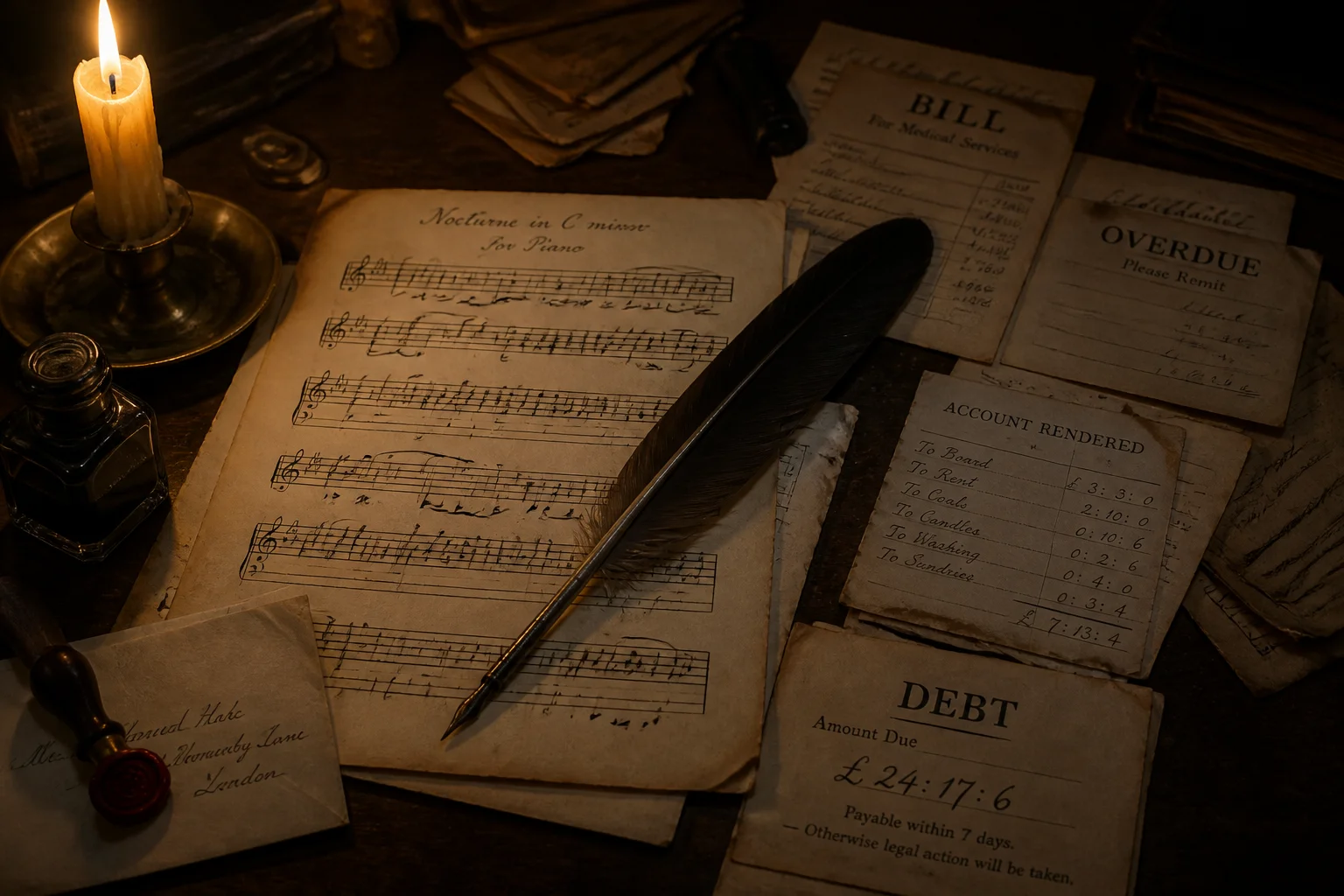
Mozart earned substantial sums as a composer and performer, but his income was highly irregular. He and his wife kept a comfortable lifestyle, and he was often forced to borrow from friends. Surviving letters show repeated pleas for loans during his final years.
Mozart died in 1791 at just 35, leaving behind debts and a family in need of support. His burial was modest, in keeping with Viennese customs of the period. His music would soon become central to the concert repertoire, but his family saw little of that later wealth.
9. Antonio Vivaldi: The Red Priest Who Died Far from Home
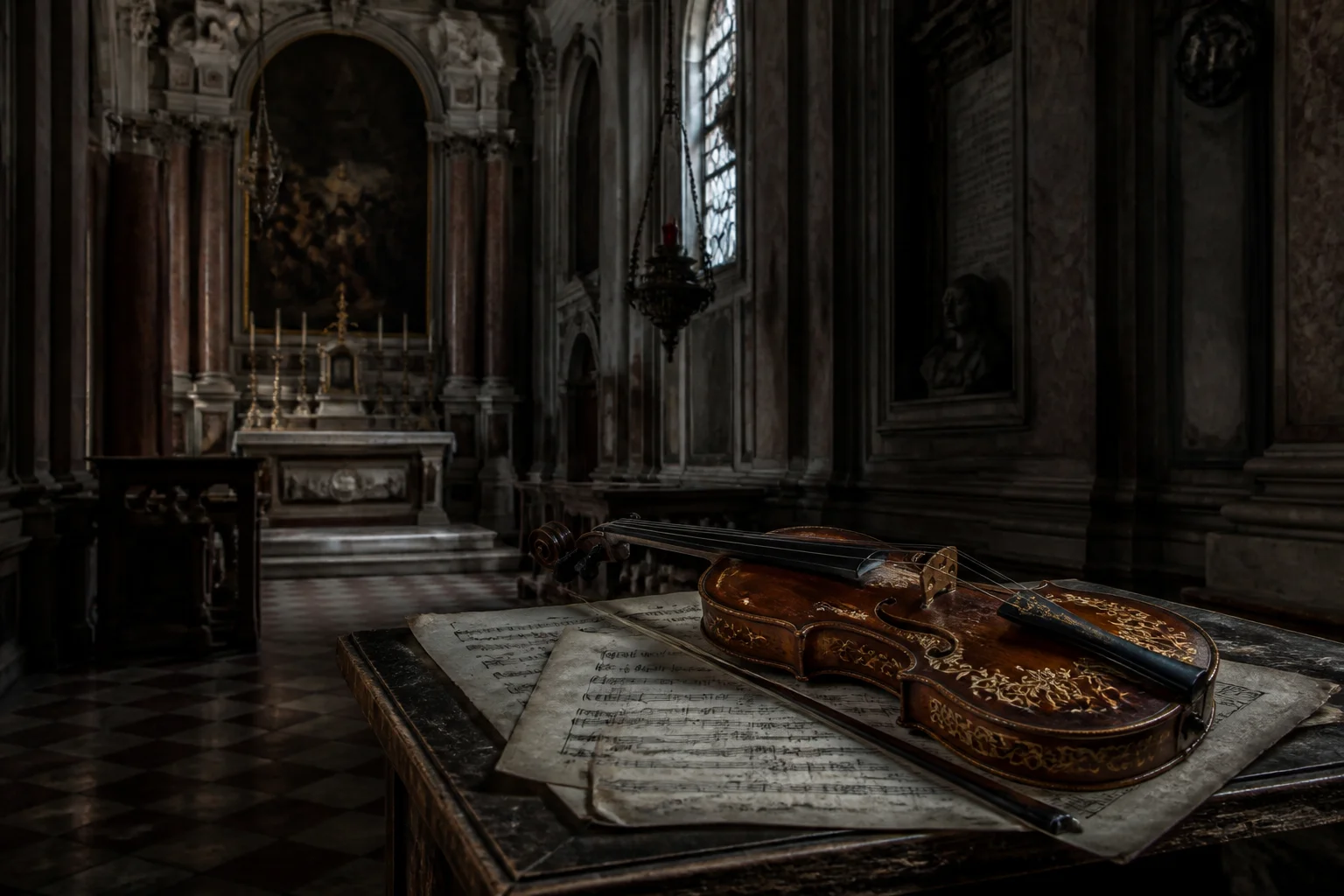
Antonio Vivaldi earned money as a composer, violinist, and teacher at a Venetian orphanage, but his career was uneven. Late in life he traveled to Vienna hoping for patronage from the imperial court. That support never fully materialized.
Vivaldi died in Vienna in 1741 with few resources, and his music fell out of favor for nearly two centuries. He was given a simple burial. Today The Four Seasons is one of the most performed pieces in classical music, but its composer died in obscurity.
10. Stephen Foster: The Father of American Music
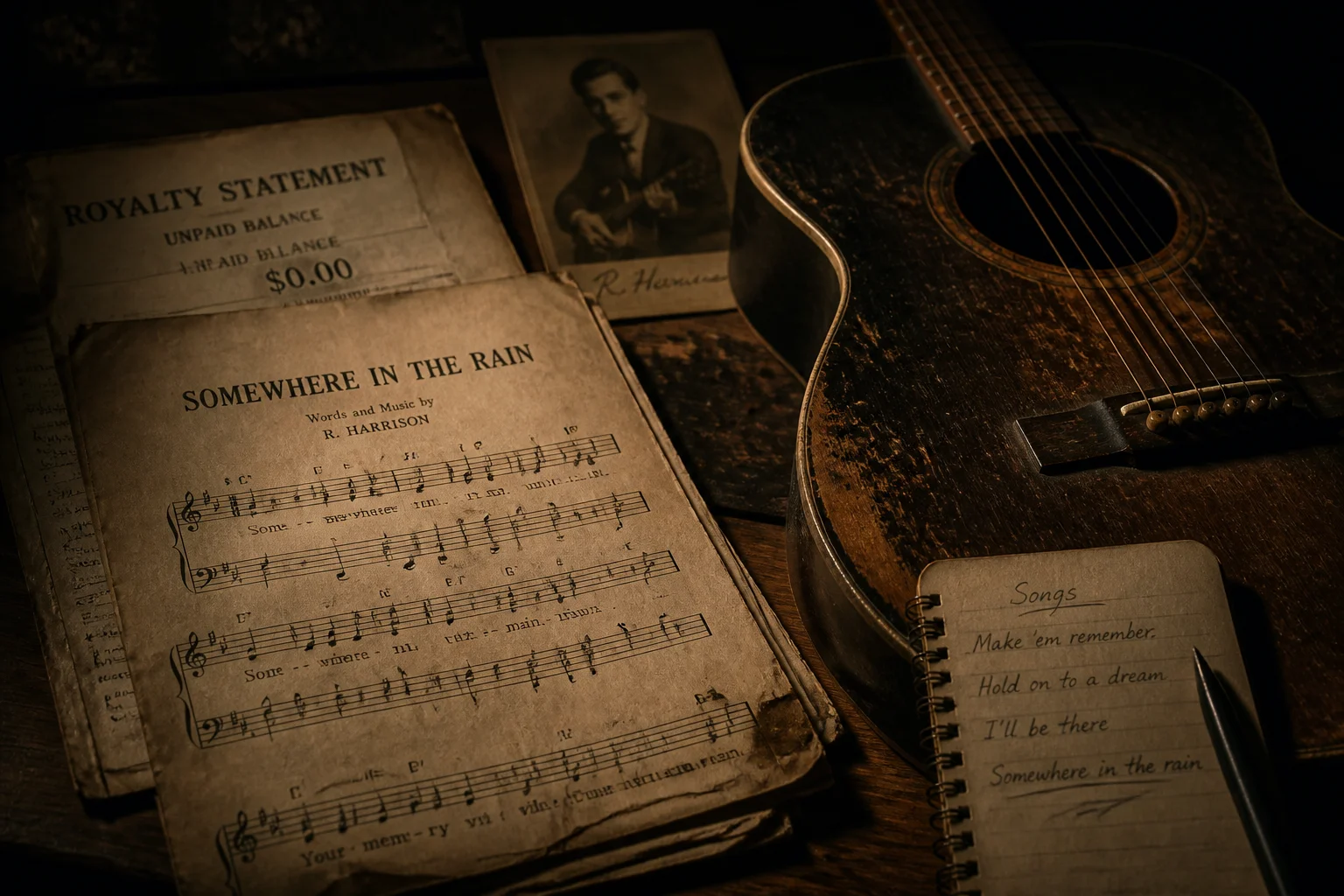
Stephen Foster wrote songs like 'Oh! Susanna' and 'Camptown Races,' but copyright law in the mid-1800s offered him little protection. Publishers made money from his sheet music while Foster received modest one-time payments. He later sank into alcoholism and financial trouble.
When Foster died in New York in 1864, accounts suggest he had almost no money on him. His songs had already become part of American popular culture, but the creator saw little reward. His story shows how the music industry could exploit talent long before the modern recording era.
11. Ulysses S. Grant: A President Ruined by a Swindler
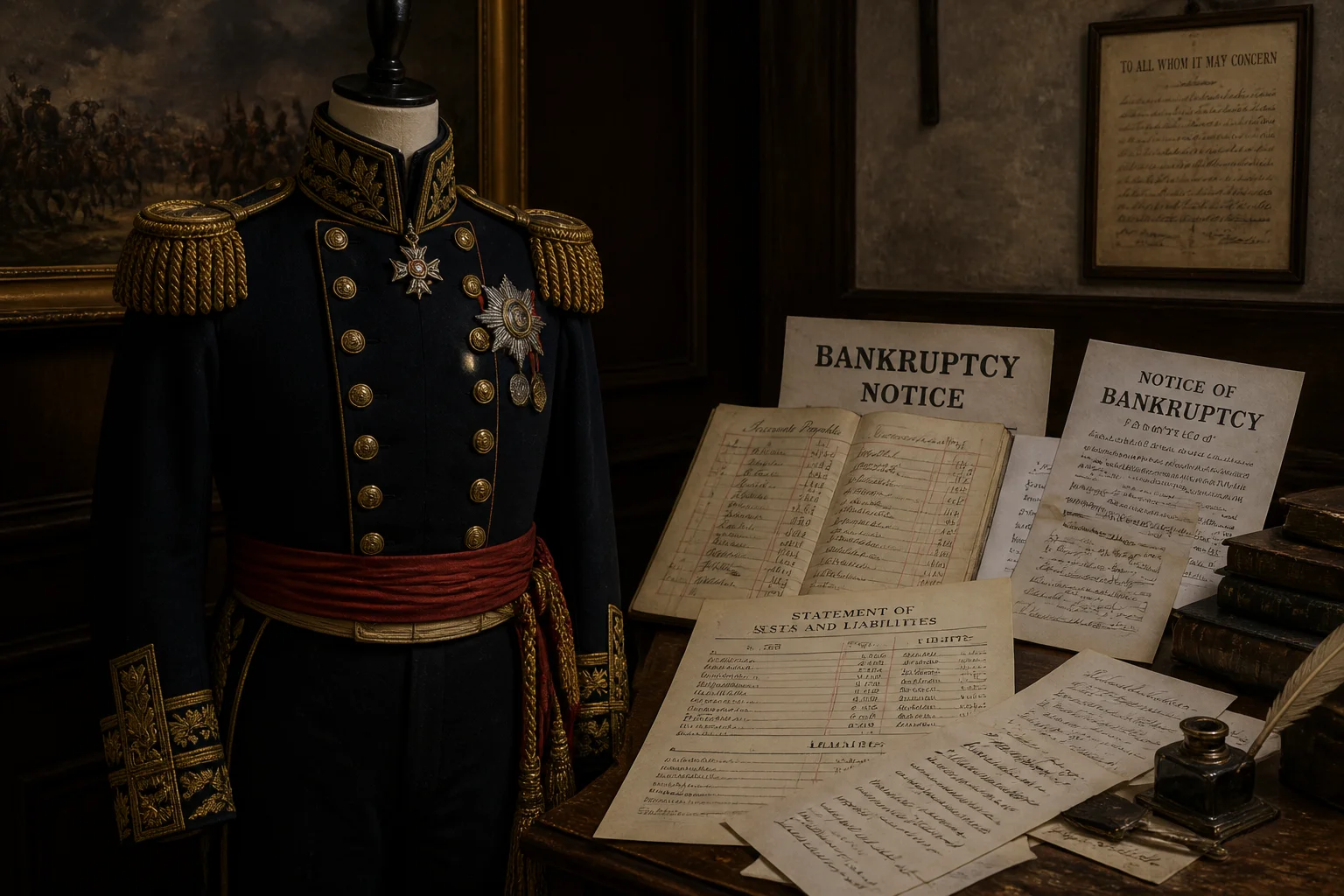
Ulysses S. Grant led Union armies to victory and served two terms as president, but his post-presidency was financially disastrous. He invested almost all his money in a Wall Street firm run by a partner who turned out to be a fraud. The collapse left Grant nearly bankrupt.
Grant spent his final months writing his memoirs while dying of throat cancer, hoping to provide for his family. He died in 1885, days after finishing the book. The memoirs became a bestseller and saved his family financially, but Grant himself died with almost nothing.
12. Thomas Paine: Revolutionary Writer, Shunned and Poor
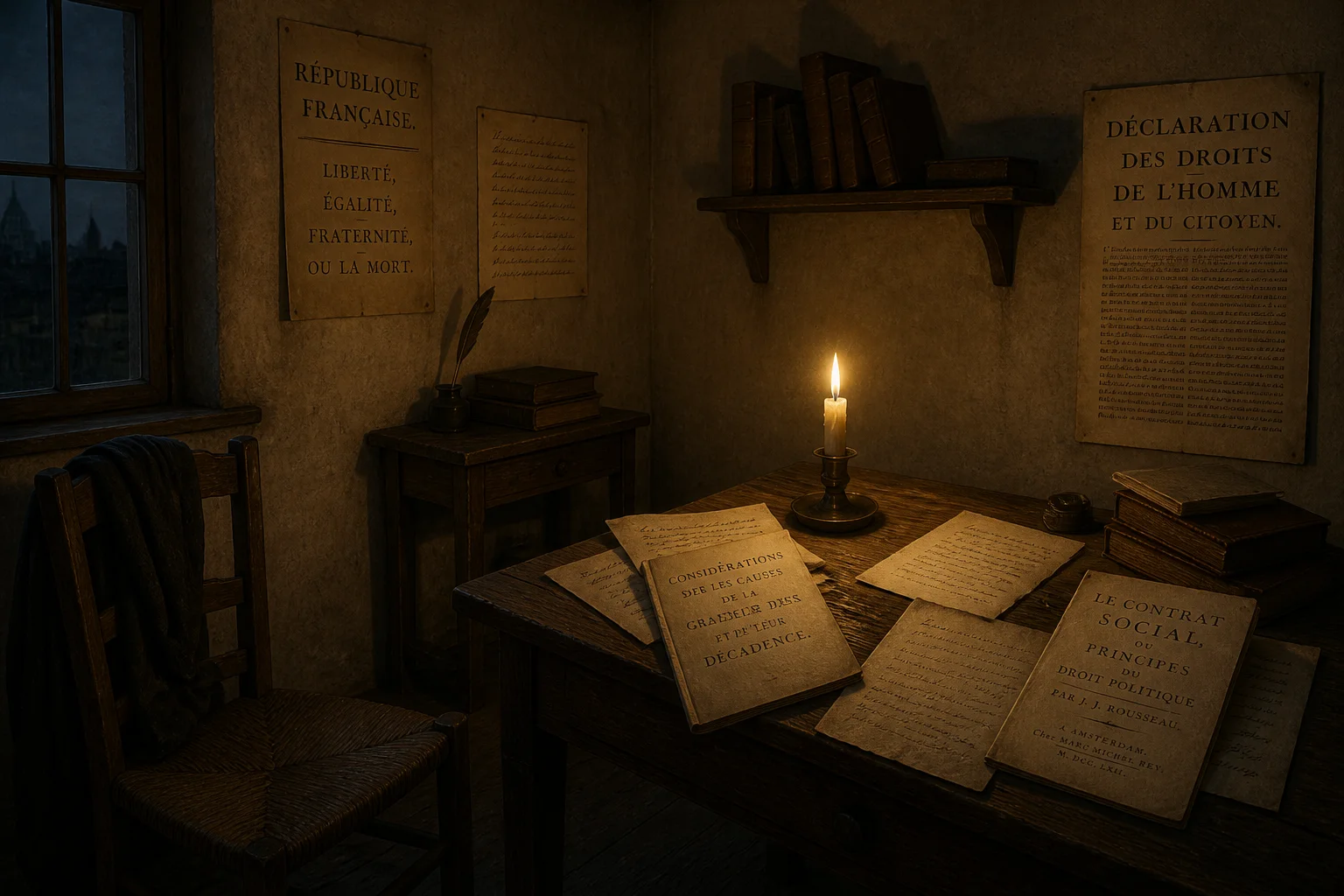
Thomas Paine's Common Sense helped inspire the American Revolution, but his later writings on religion made him deeply unpopular. In his final years, he lived in New York and struggled to get by. Some old allies stayed away because of his public attacks on organized religion.
Paine died in 1809 in relative poverty and was buried on his farm in New Rochelle. His funeral was attended by only a handful of people. Later generations would restore his reputation as one of the most influential political writers of the age.
13. Buffalo Bill Cody: A Showman Who Lost His Fortune
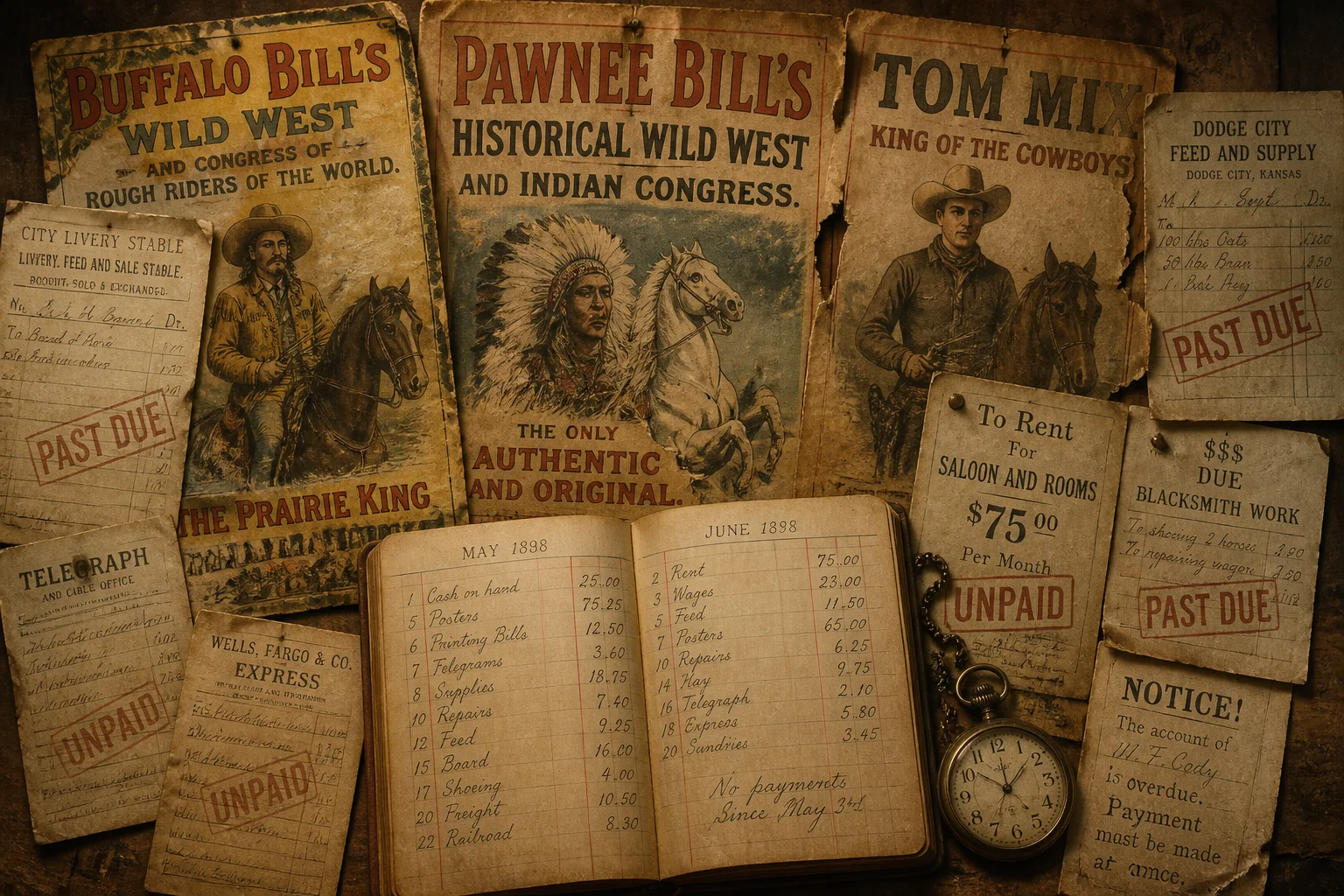
William F. 'Buffalo Bill' Cody became world-famous through his Wild West show, which toured North America and Europe. But the show was extremely expensive to run, and changing entertainment tastes reduced attendance. He also made speculative investments that did not pay off.
Cody died in 1917 with his estate deeply in debt. His fame remained enormous, but his finances never recovered. His name still evokes the American West, even though the man behind the legend ended with very little.
14. Doc Holliday: A Gambler With Nothing Left to Wager
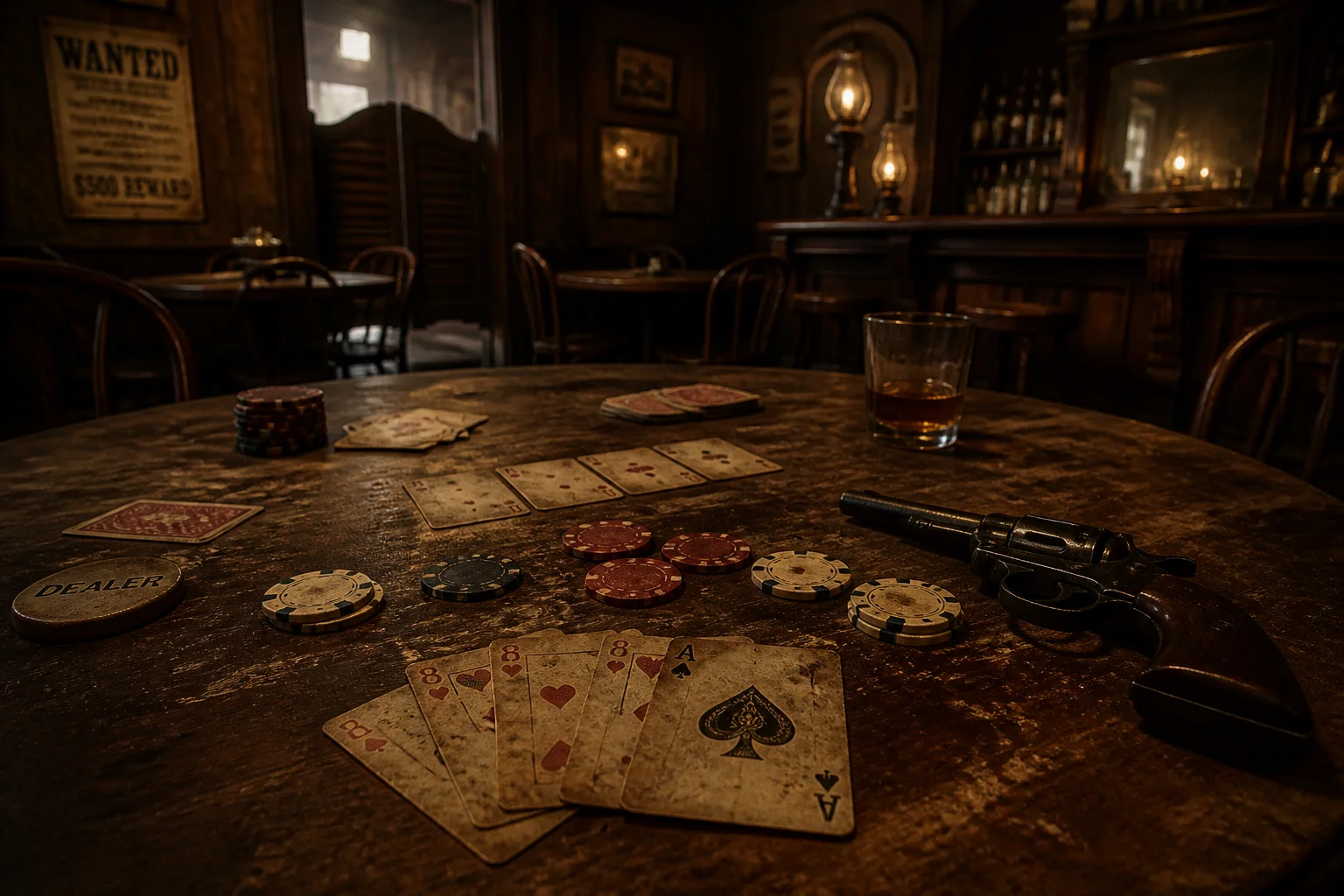
Doc Holliday is famous as a dentist-turned-gambler and gunfighter who took part in the 1881 gunfight at the O.K. Corral. But tuberculosis followed him for much of his adult life, and gambling income was never stable. He moved from town to town looking for warm, dry air.
Holliday died in a hotel in Glenwood Springs, Colorado, in 1887, reportedly in debt and with few possessions. Friends may have paid for some of his care. The legend of the deadly gambler grew after his death, but it brought him no wealth while he lived.
15. Bela Lugosi: Dracula Could Not Save Him From Money Trouble
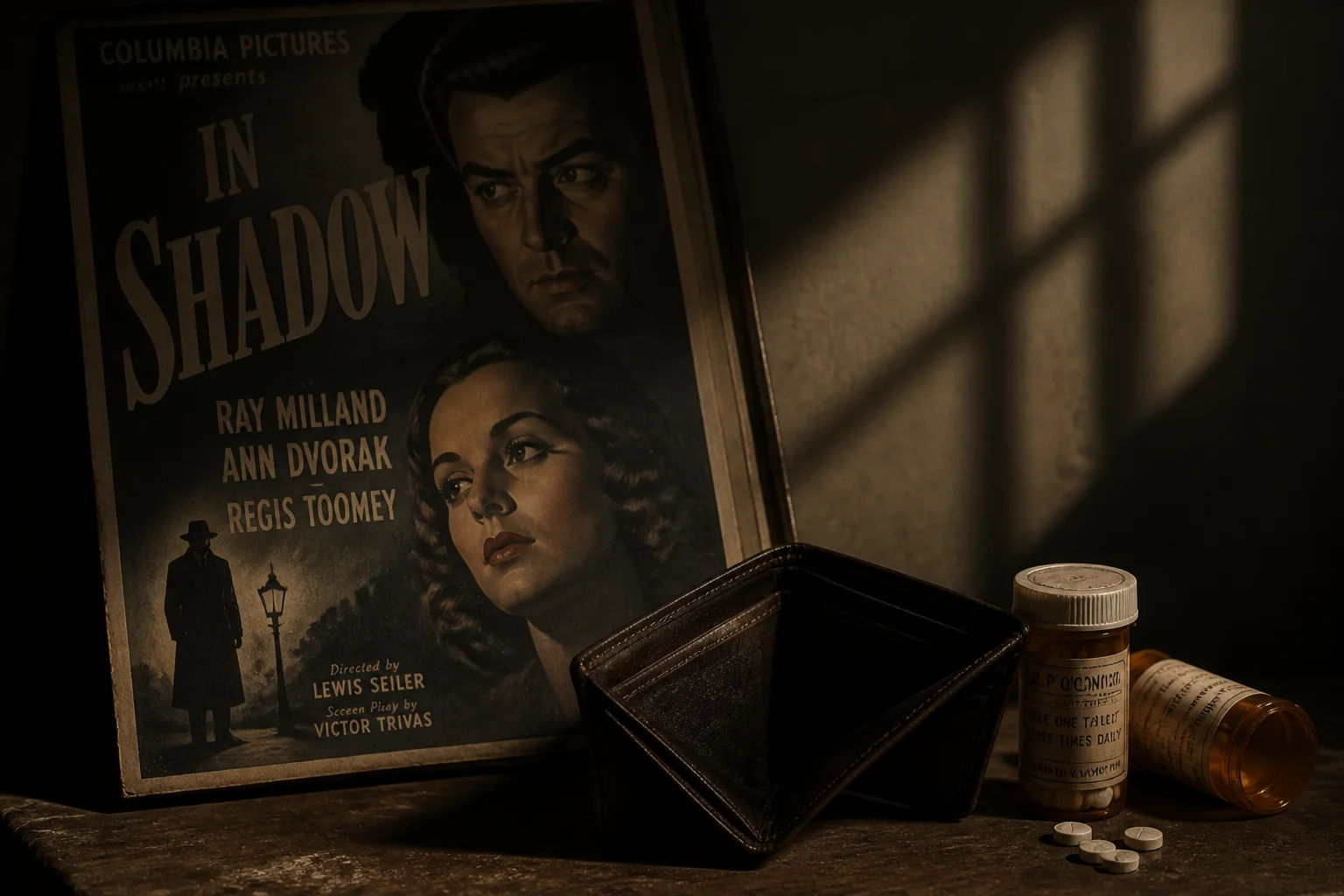
Bela Lugosi became a star after playing Dracula in 1931, but the role typecast him in ways that limited his career. He worked sporadically and often accepted low-budget roles. Later in life, his health declined and his finances frayed.
Lugosi died in 1956, and reports at the time said he left very little money. He has since become a horror icon, but fame did not translate into lasting financial security. His story is a classic example among celebrities that died broke in Hollywood's golden age.
16. Zora Neale Hurston: A Voice Rediscovered Too Late
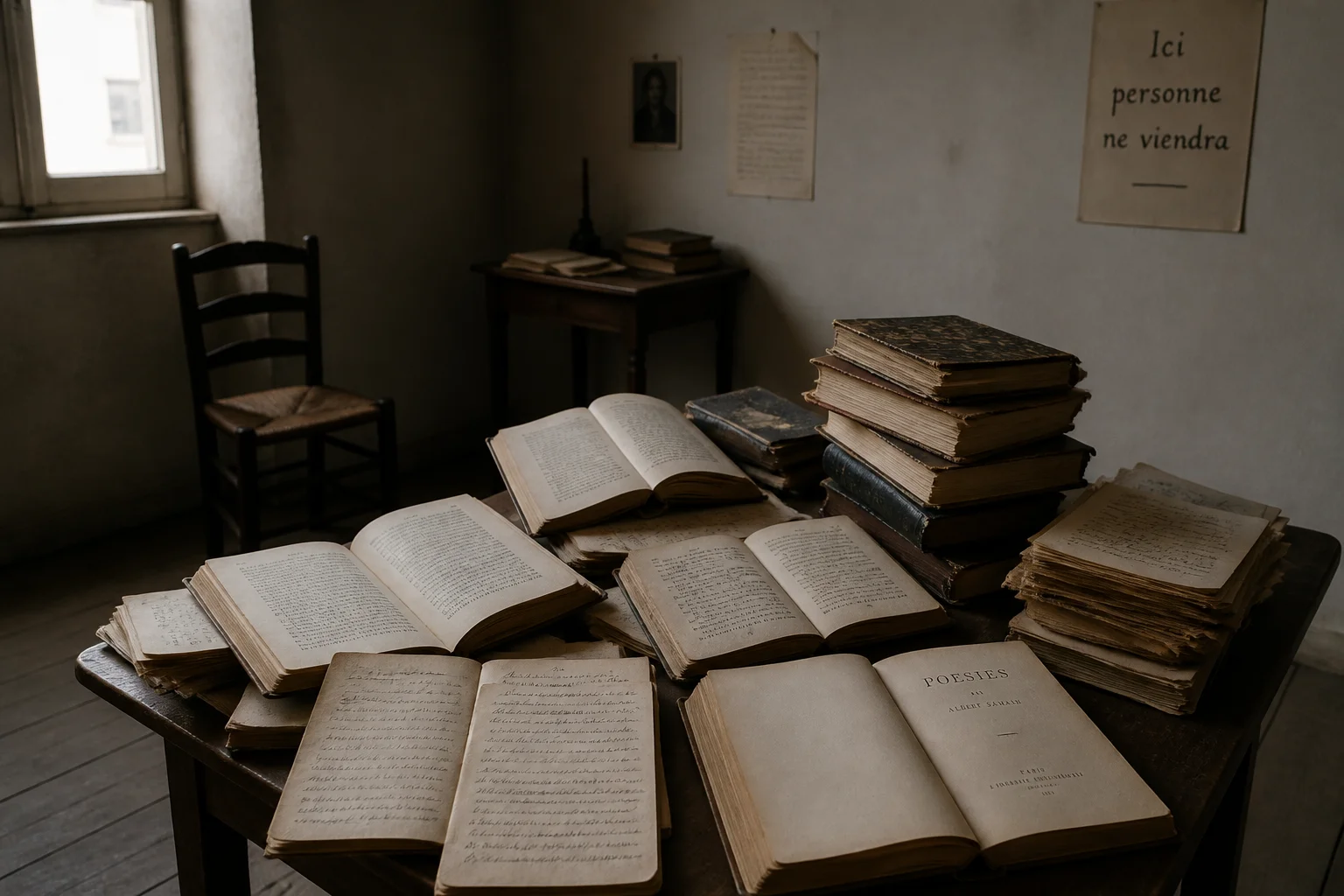
Zora Neale Hurston wrote 'Their Eyes Were Watching God' and studied anthropology, but her work fell out of print for decades. She supported herself with teaching, domestic work, and occasional journalism. By the late 1950s, she was in poor health and had little money.
Hurston died in 1960 in a Florida welfare home and was buried in an unmarked grave. Alice Walker later placed a marker at her grave, and interest in Hurston's writing surged. She is now a central figure in American literature, but she never saw financial or critical rewards on that scale.
17. Amedeo Modigliani: Destitute in Bohemian Paris
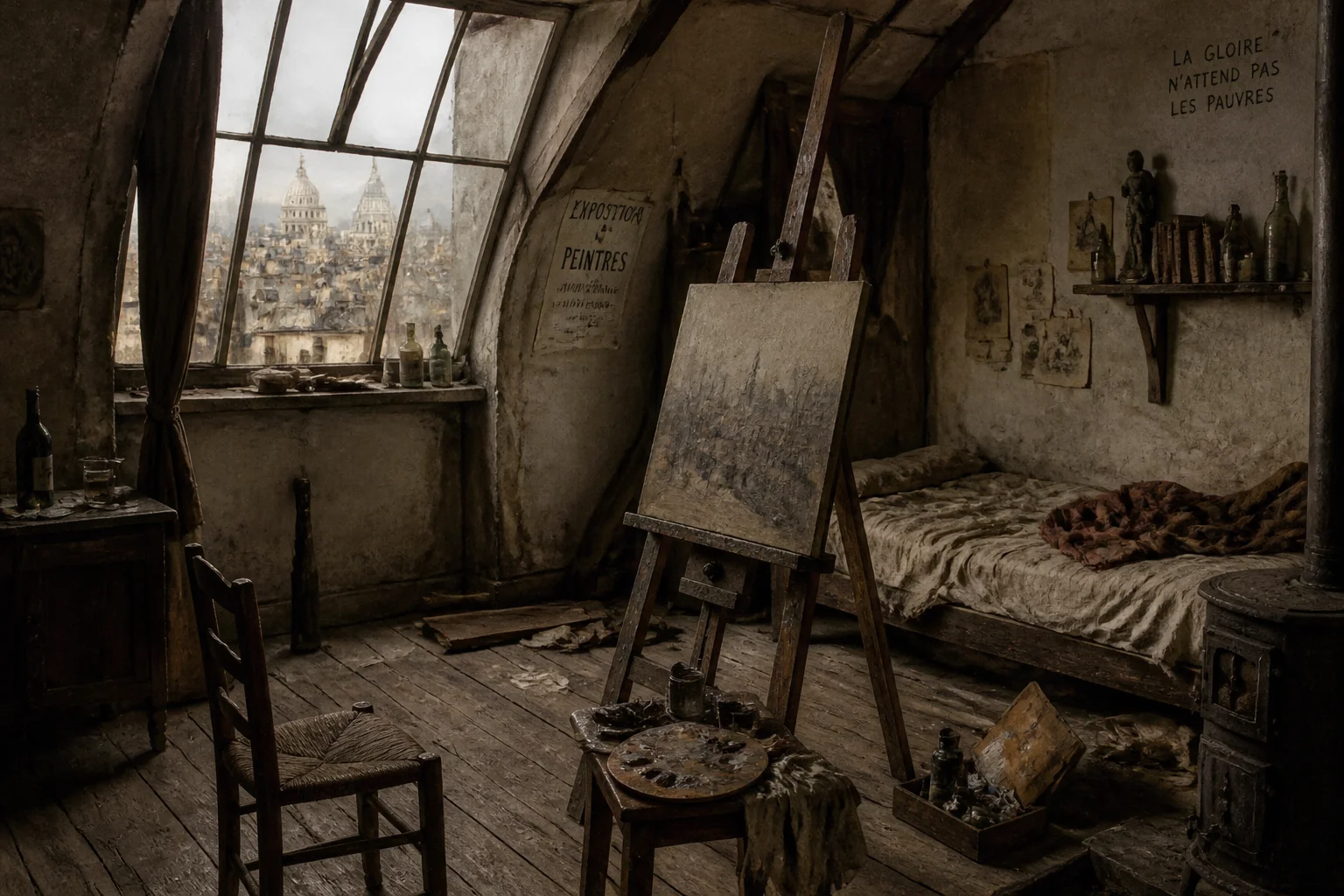
Amedeo Modigliani lived the classic bohemian artist's life in early 20th-century Paris. He sold drawings for tiny sums, often to pay for food or drink. His health was fragile, and he had no stable income.
Modigliani died of tubercular meningitis in 1920, penniless and in pain. His partner Jeanne Hébuterne died by suicide the next day. Within a few years, his portraits and nudes began to command huge prices, but that came far too late for him.
18. Franz Schubert: A Composer Who Depended on Friends
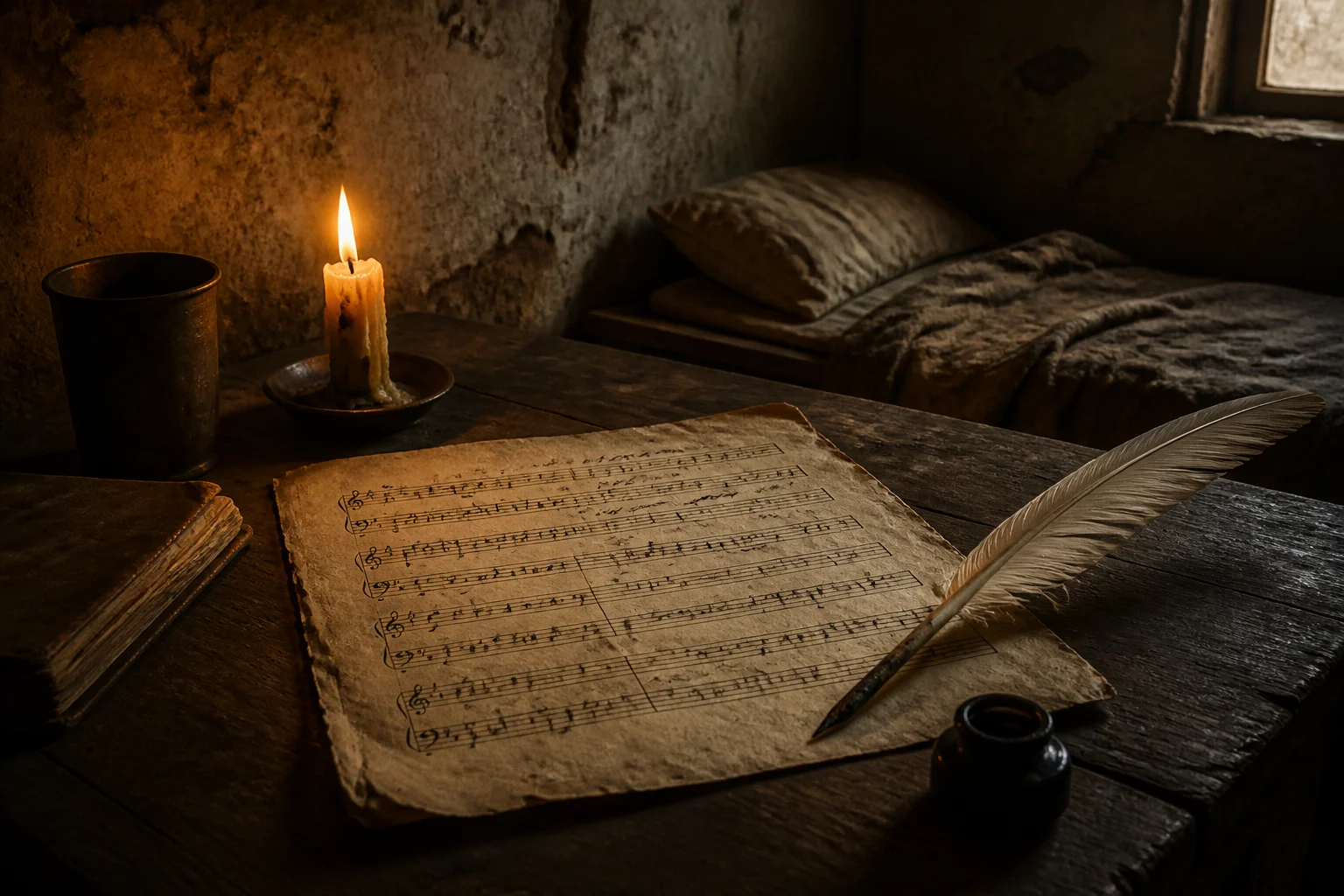
Franz Schubert composed hundreds of songs and instrumental works, but he never held a major court appointment. He earned small sums from publications and teaching, and he often relied on a circle of friends for lodging and meals. His music was admired mostly in private gatherings.
Schubert died in 1828, likely of typhoid fever or another serious illness, at just 31. He left few possessions and no completed estate. His 'Unfinished' Symphony and other works became central to classical music only after his death.
19. Charles Goodyear: The Rubber Pioneer Who Died in Debt
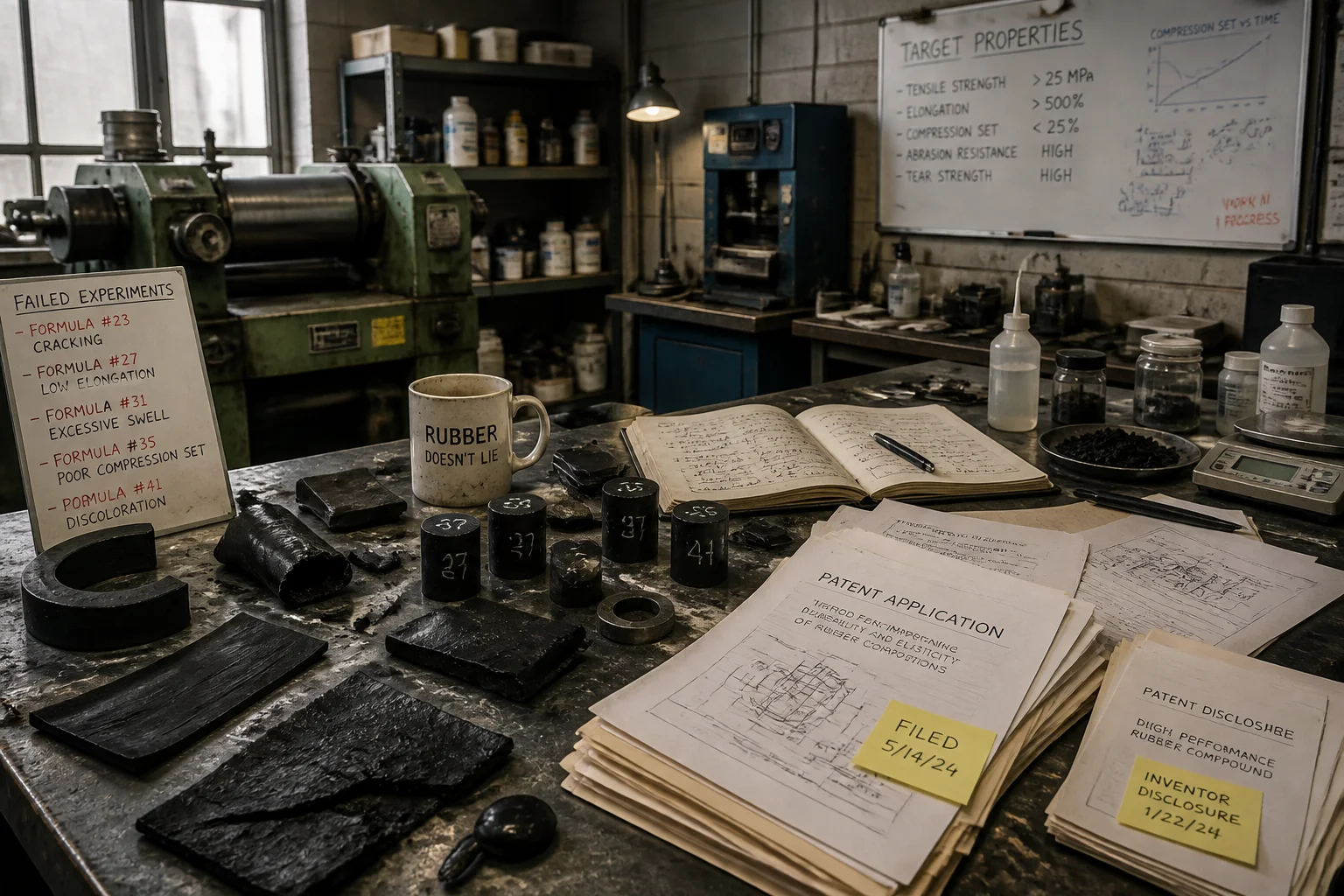
Charles Goodyear spent years trying to make rubber stable, a process he eventually called vulcanization. His discovery had enormous industrial value, but he struggled to defend his patents and often lost court battles. He also spent heavily on experiments and legal fees.
When Goodyear died in 1860, he reportedly owed hundreds of thousands of dollars. The company that later bore his name, Goodyear Tire and Rubber, was founded decades after his death. His story is a classic case of an American inventor who changed industry but died broke.
20. Antonio Meucci: The Telephone Rival Who Could Not Afford a Fight
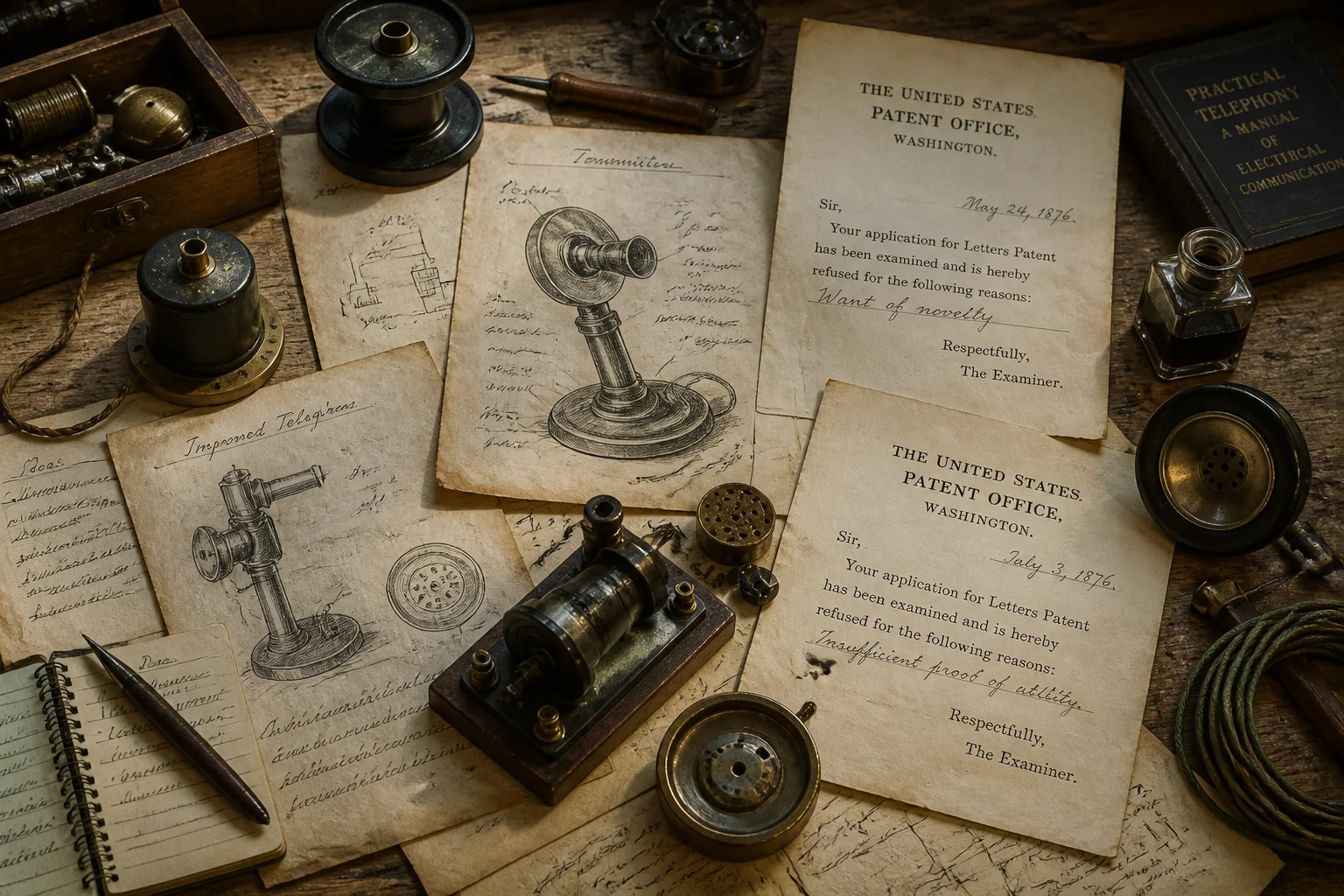
Antonio Meucci, an Italian inventor, developed an early voice-communication device long before Alexander Graham Bell's patent. But Meucci lacked the money to file and maintain patents in the United States. His legal challenge against Bell eventually failed.
He spent his last years in poor health and near poverty, supported partly by friends and a small pension. A 2002 U.S. House resolution honored his contributions to the telephone's development, though historical and legal debates continue. He is one of the famous people who died broke while others profited from the same field.
21. Judy Garland: A Star Who Owed Money at the End

Judy Garland was one of the most famous entertainers of the 20th century, yet she spent much of her adult life in financial turmoil. Mismanagement, high living costs, and tax problems followed her for decades. Despite sold-out concerts and hit films, she reportedly owed the IRS hundreds of thousands of dollars when she died.
Garland died in London in 1969 at the age of 47. Her record sales and film legacy continued to generate income after her death, but her estate was initially complicated by debt. She is often cited among celebrities who died broke, even though her earning power had been enormous.
Why the 'Died Broke' Label Deserves Nuance
Calling a historical figure 'broke' can be accurate, but it can also flatten a complicated financial picture. Some had assets that could not be easily sold, while others owed money only because of legal failures rather than personal irresponsibility. The label often depends on which debts and assets historians choose to count.
Still, the broader pattern is hard to ignore. Across centuries and professions, many of the people who enriched culture ended their lives with empty pockets. Their stories are useful reminders that creative and intellectual value is not the same as cash.
Next time you hear about a famous person who died broke, look at the circumstances. You will usually find a mix of bad contracts, bad luck, exploitative industries, and sometimes bad decisions. The money may be gone, but the work remains.
Frequently Asked Questions
Was Lovecraft died broke?
Yes, H.P. Lovecraft died in near poverty in 1937. He earned very little from his pulp magazine stories and lived frugally on a shrinking inheritance. His literary fame and financial value grew only after his death.
Which historical figure is the most famous example of someone who died broke?
Nikola Tesla and Vincent van Gogh are two of the most cited examples. Both created work that later became extremely valuable, but neither enjoyed that wealth during their lifetimes.
Did any celebrities who died broke later become famous?
Yes. H.P. Lovecraft, Zora Neale Hurston, and Amedeo Modigliani were all much more famous after death than while alive. Their posthumous success often benefited estates, publishers, or collectors rather than the artists themselves.
Why did so many artists and inventors die poor?
Many worked in fields with weak copyright, patent, or royalty protections. Exploitative contracts, legal battles, irregular income, and illness also played major roles.
Is it always true that these people were completely penniless?
Not always. Some had small assets or modest support from friends, but they still owed more than they owned or had little cash at death. Historians prefer to describe each case with that nuance.

Alex Warren
Related Articles