Napoleon Bonaparte is remembered as one of history's most brilliant battlefield commanders, but his record hides a contradiction. He won a staggering number of campaigns and made victory look inevitable during his peak years. By the end, he lost not only a battle but an empire.
The real story is less about innate genius and more about systems, timing, and a long run of enemies who kept fighting separately. His strengths were real, and so were the habits that eventually turned those strengths into fatal flaws. This post breaks down the ten reasons he kept winning and the ten reasons he lost everything.
TL;DR: Napoleon's early success came from speed, structure, and weak coalitions, while his downfall grew from overreach, economic warfare, and enemies who finally learned to copy his playbook.
Part I: The Winning Formula
The first half of Napoleon's career produced a string of victories that still shapes military education. The reasons below are not ranked, but together they explain why Napoleon was so successful when almost every European power mobilized against him.
1. He Moved Faster Than Everyone Else
Napoleon's armies routinely marched farther and faster than rivals expected. The French army's lighter baggage and reliance on local supplies let columns move without waiting for slow wagon trains. Speed became a weapon before the first shot was fired.
This pace allowed him to hit enemy forces before they could combine. He threw his full army against separated columns and defeated them in detail. Armies half a day late often arrived only in time to count their dead.
In the 1805 campaign, he marched the Grande Armée from the Channel coast to the Danube in weeks. Austrian commanders thought French troops were still far away when they were already behind them. That kind of shock made organized resistance difficult.
Forced marches exhausted his soldiers, but the operational payoff was enormous. Napoleon accepted physical strain as the price of surprise. He repeatedly won the race to the decisive point before the battle even started.
2. He Used Artillery as a Decisive Weapon
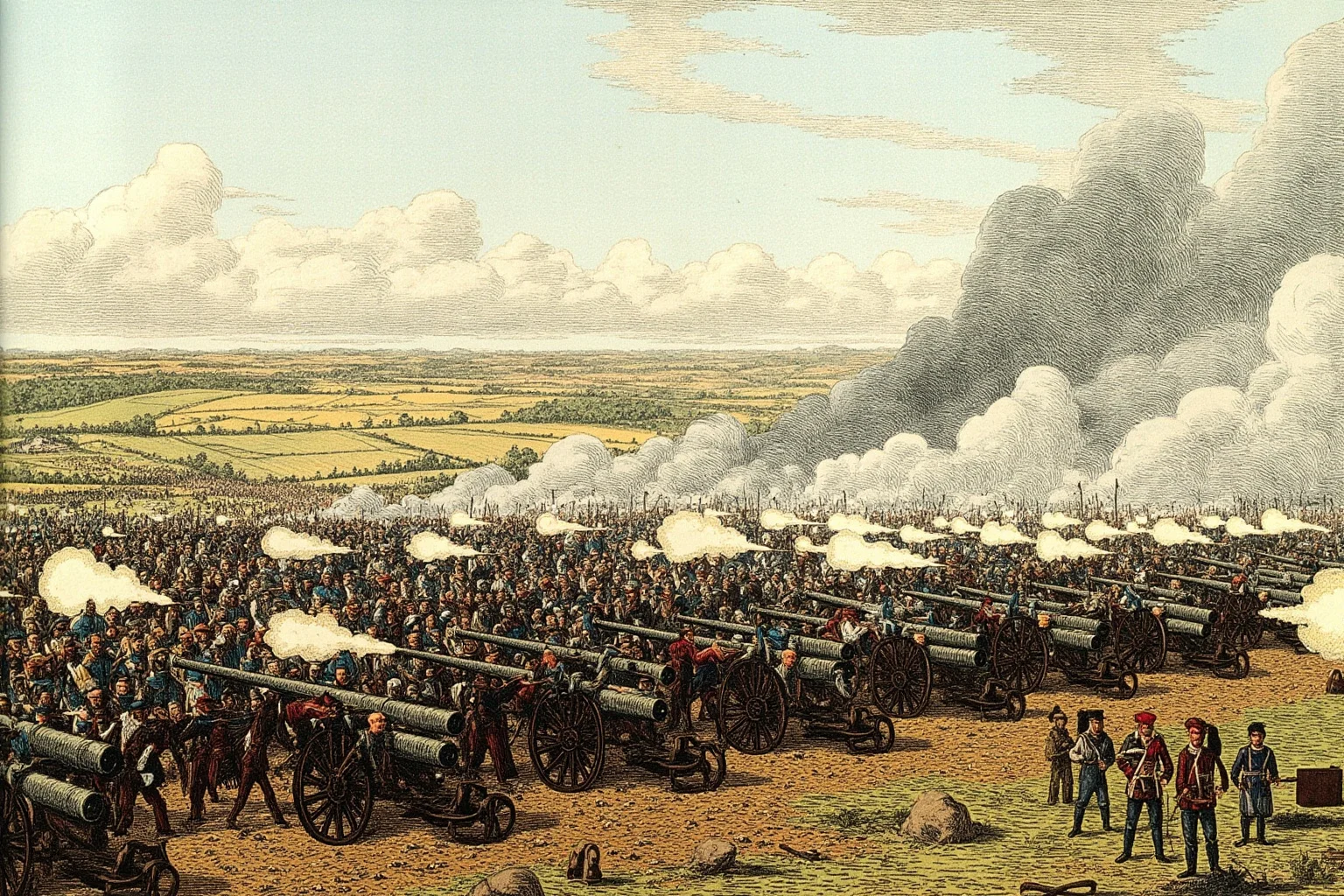
Napoleon began his military career as an artillery officer, and it shaped his battlefield thinking. He understood how to mass cannons at the exact point where an enemy line would break. This was unusual in an era when guns were often scattered along the front.
The so-called grand battery could open a gap in the center or silence defensive guns before infantry advanced. At Wagram in 1809, concentrated French fire helped hold a difficult fight together. Napoleon treated artillery as an offensive weapon, not just infantry support.
His training in mathematics and ballistics gave him a practical edge. He could calculate ranges, choose gun positions, and shift batteries faster than many rivals. That technical knowledge turned artillery from an accessory into a battle-winning arm.
Massed guns also had psychological power. Enemy troops under sustained cannon fire often wavered before a charge began. Napoleon used that moment to send his infantry into a stunned line.
3. He Built the Corps System
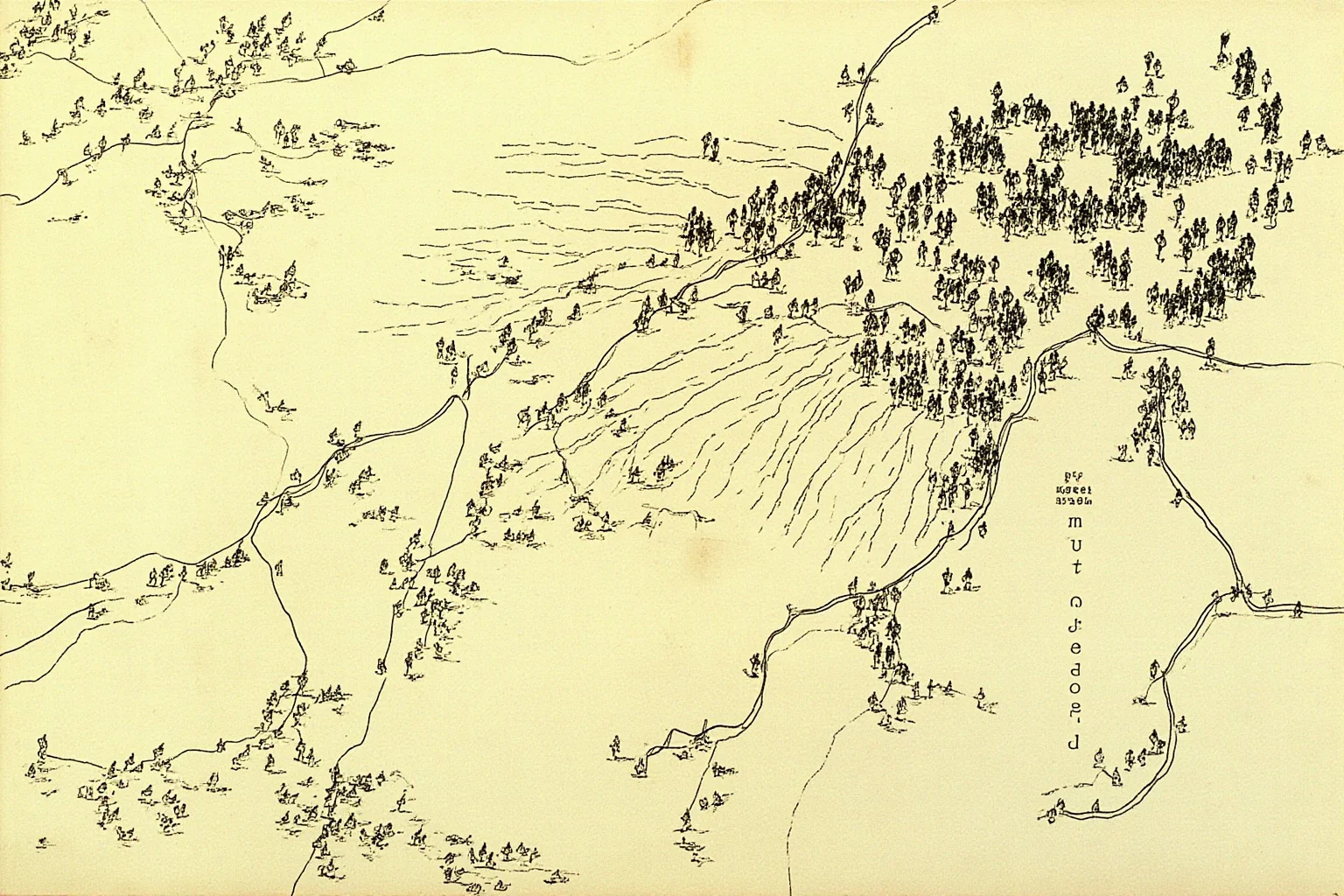
Napoleon divided his army into self-contained corps, each with infantry, cavalry, and artillery. A corps could march on its own road, fight alone for a day, and survive until reinforcements arrived. This structure made extreme speed possible.
The corps system allowed him to spread troops without making them weak. Enemy generals often could not tell where the main blow would fall because every French column looked dangerous. When the moment came, Napoleon could concentrate his corps against one target.
This was a genuine organizational revolution. Earlier armies usually moved as one clumsy mass, but the French army moved as flexible units. His marshals were not always brilliant, but the system often made them look that way.
The corps system also helped Napoleon recover from surprises. If one corps was attacked, another could march to support it quickly. That resilience made his army far harder to trap or outmaneuver.
4. He Turned Supply into a Strategic Advantage
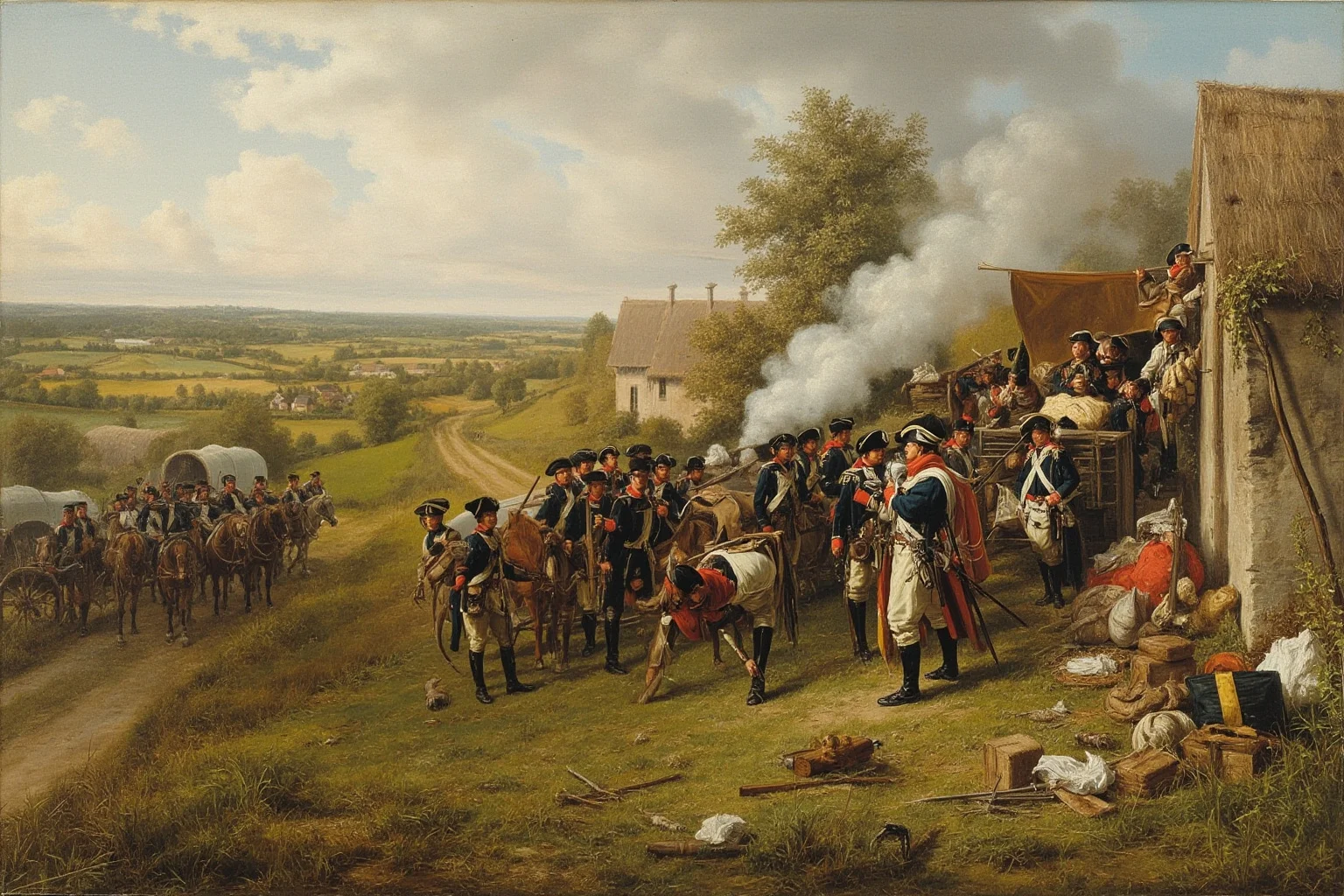
Napoleon reduced his dependence on slow supply convoys by letting troops requisition food locally. This lowered his logistics tail and gave the army a speed advantage over enemies tied to fixed magazines. It worked brilliantly in rich regions like Italy and Germany.
The method also had a hidden price, but early on it looked like pure genius. Soldiers could move quickly, live off the land, and strike before slower armies were ready. Enemies sometimes starved while waiting for supplies that arrived too late.
This approach relied on constant movement and fertile territory. When those conditions held, Napoleon's army was lean and fast. When they vanished later in Spain and Russia, the same system became a source of disaster.
The lack of heavy supply trains freed Napoleon to choose unexpected routes. He could march through terrain that conventional generals avoided because they needed wagon roads. That mobility was one of his least appreciated weapons.
5. He Created an Army of Believers
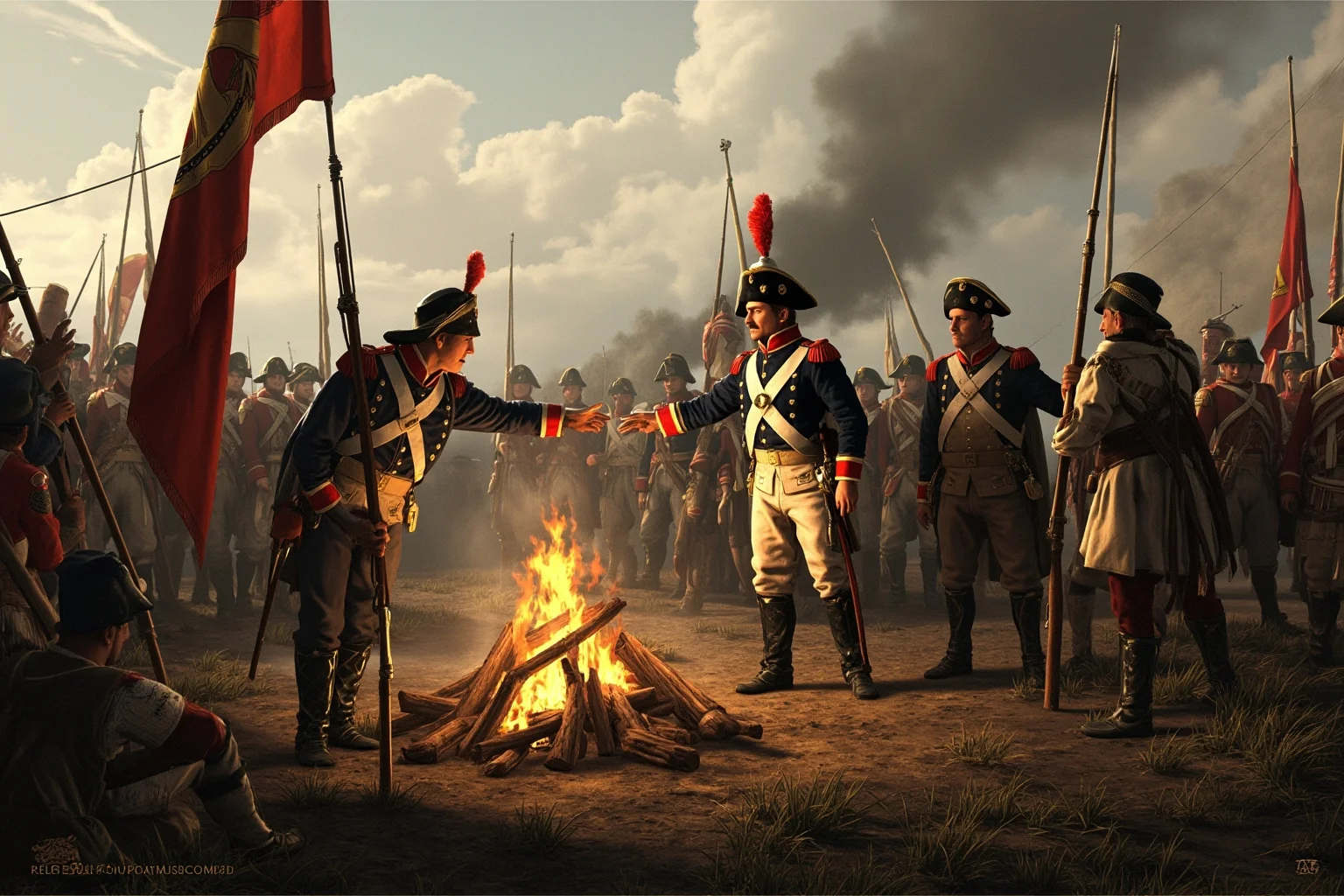
Napoleon inherited the French Revolution's mass army, but he gave it new pride and possibility. Soldiers could rise based on talent and battlefield performance rather than noble birth. That created a motivated officer corps in an age dominated by aristocrats.
He also knew how to talk to ordinary soldiers. He visited camps, remembered regiments, and cultivated the image of a commander who shared their hardships. This did not make him universally loved, but it built intense loyalty during the winning years.
That morale mattered when battles turned chaotic. Troops often kept attacking because they believed the next push would win. Victory itself reinforced the myth, making Napoleon victories feel like destiny.
Promotion by merit also improved the quality of French leadership. Talented young men could advance quickly if they proved themselves under fire. That steady infusion of ability kept the army dangerous far longer than its enemies expected.
6. He Exploited Weak and Divided Coalitions
For much of Napoleon's career, his enemies fought as jealous rivals, not true allies. They rarely synchronized their campaigns, and each coalition member had different war aims. Napoleon moved fast enough to defeat them one by one.
Austerlitz in 1805 is the classic example. He lured the Austro-Russian army into a trap partly by understanding their overconfidence. The coalition's failure to unite with Prussia before the battle handed Napoleon one of his greatest victories.
Coalitions also suffered from slow communication. Napoleon could force a decision while his enemies were still exchanging letters. That political weakness was one of his biggest strategic gifts.
When France won, Napoleon made sure to break enemy alliances quickly. Separate peace treaties rewarded some states and left others isolated. The old pattern of divided Europe made his early wars far easier.
7. He Invested in Knowledge of the Battlefield
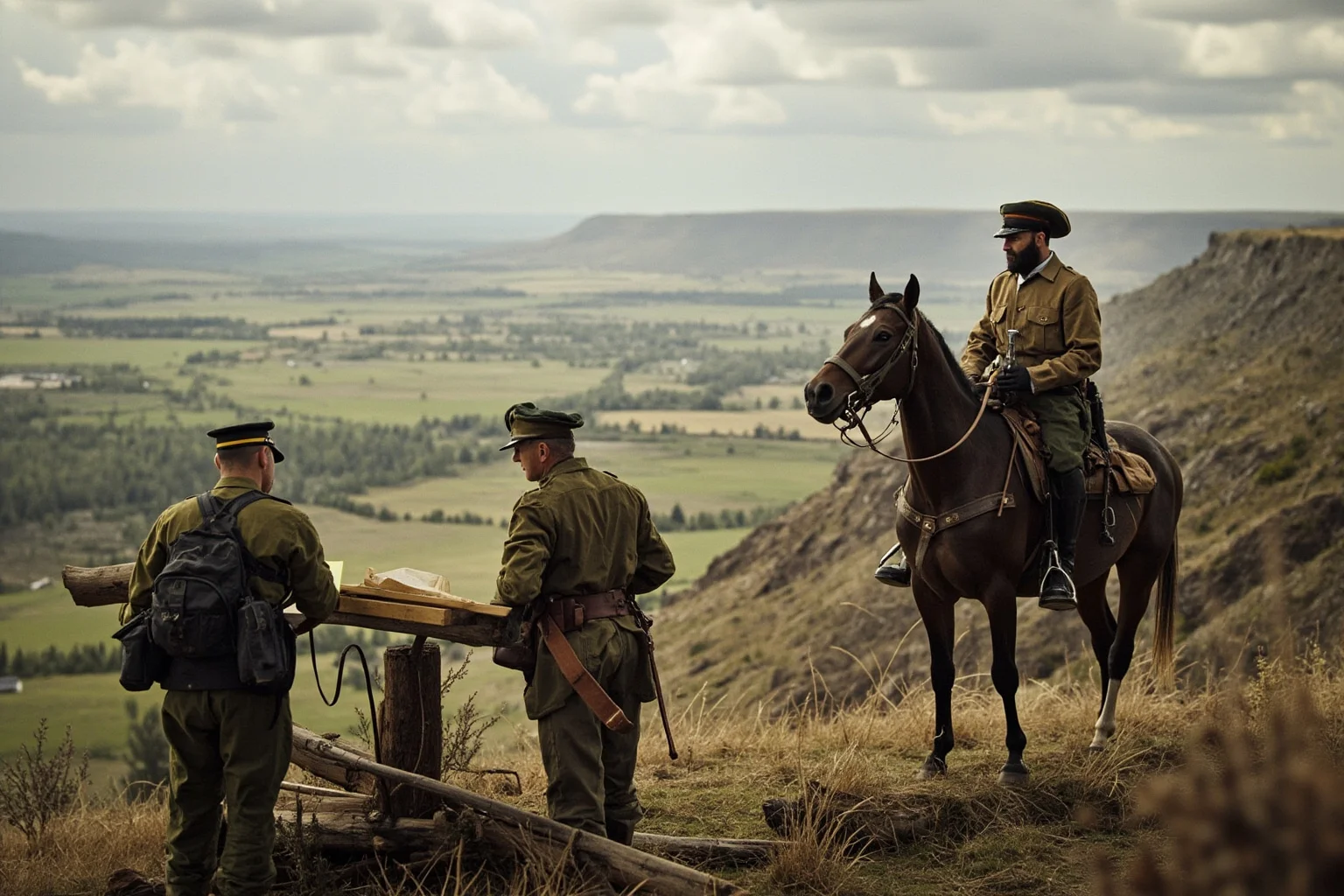
Napoleon did not rely on guesswork. Light cavalry scouted ahead, staff officers mapped roads, and he studied terrain before committing his forces. This was not glamorous, but it repeatedly gave him an edge.
He collected reports from local people and intercepted dispatches when he could. More importantly, he formed a mental picture of the enemy's position from scattered information. That allowed him to place corps where they would hurt most.
Good intelligence let him take calculated risks. He knew when the enemy was divided and when a river crossing was too dangerous. This habit of seeing the whole board is a major reason why Napoleon was so successful.
His staff system did not always work perfectly, but it gave him a faster information loop than most rivals. He could issue orders before the enemy understood what was happening. Superior battlefield knowledge often became superior battlefield speed.
8. He Aimed to Destroy Armies, Not Just Take Ground
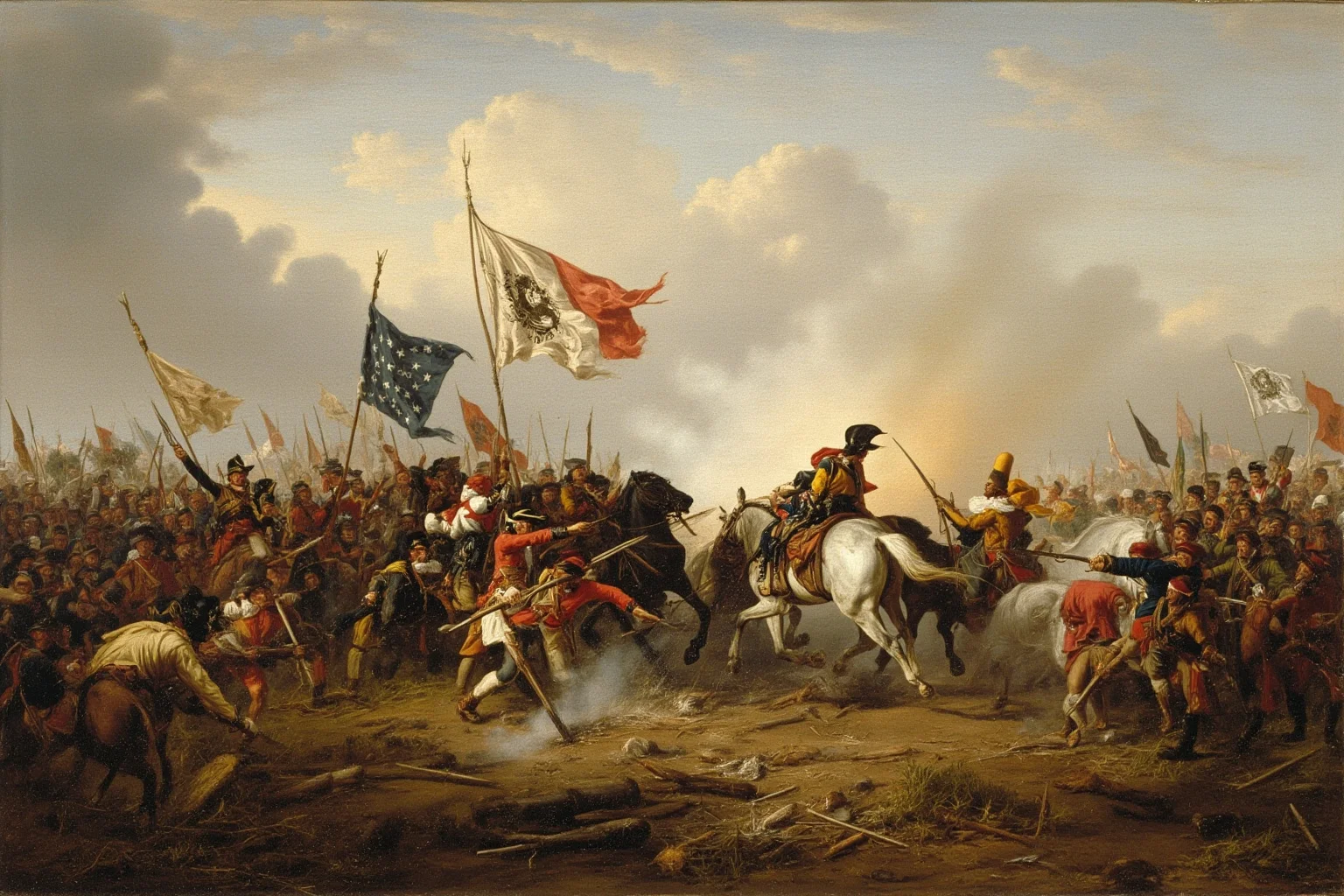
Many generals of his era maneuvered to capture fortresses or protect supply lines. Napoleon wanted to destroy the enemy army in one decisive blow. He believed a shattered army lost a campaign faster than a lost city.
This meant he often accepted temporary losses if they led to a fight under favorable conditions. After victory, he pursued broken forces aggressively to prevent recovery. That pursuit turned tactical successes into war-winning moments.
The idea is basic in military theory, but Napoleon executed it with unusual focus. Every march, feint, and probe served the goal of bringing the main enemy army to battle. That clarity made his operations hard to resist.
His enemies frequently tried to avoid such a decisive battle. But Napoleon's speed and pressure usually forced them to fight or give up important ground. The result was the same either way.
9. He Changed Plans Mid-Battle
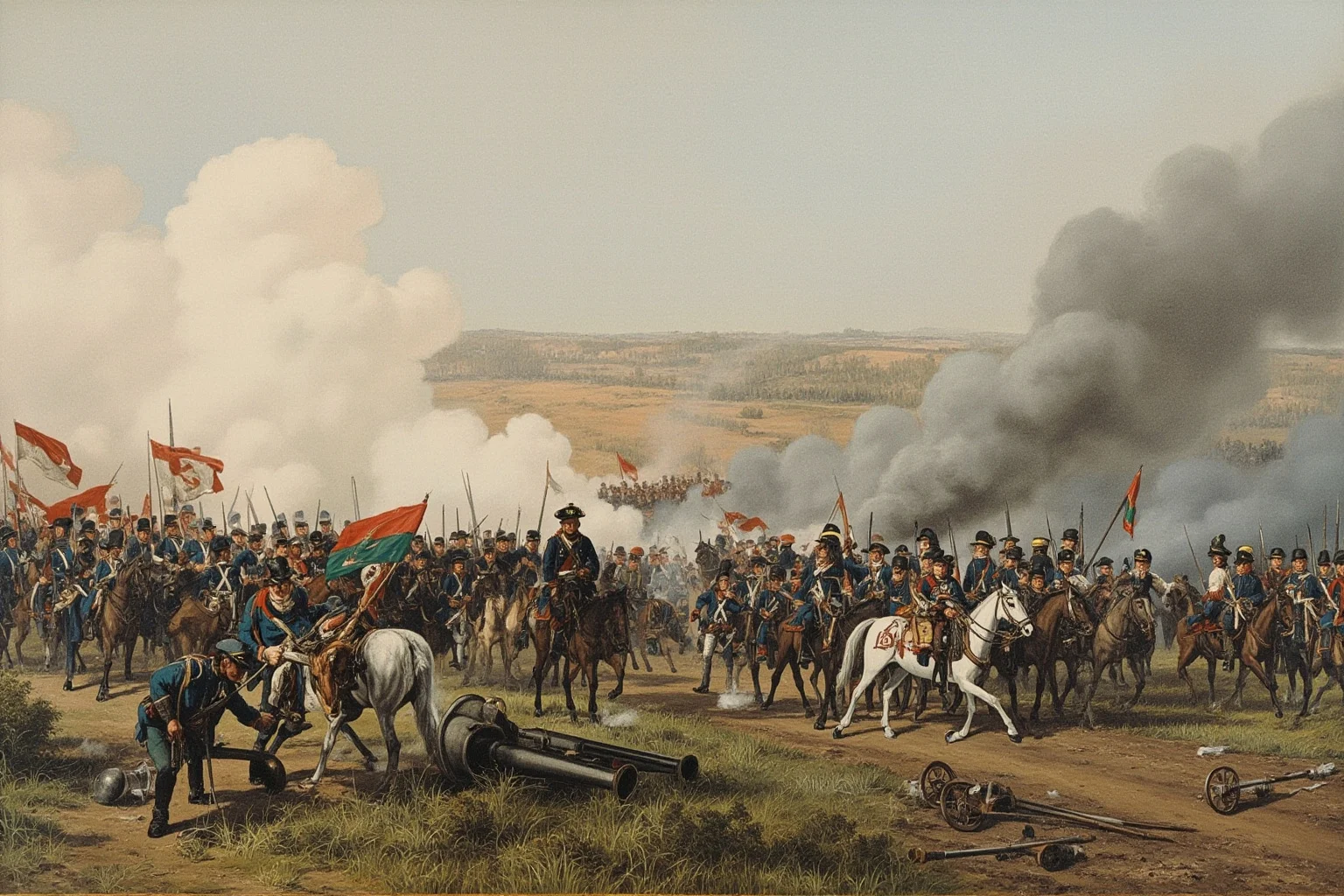
Napoleon was not married to a single method. He shifted reserves, changed the main attack, and used combined arms to respond to the enemy's moves. This made him dangerous even when his original plan failed.
He kept a powerful reserve ready to exploit a gap or plug a crisis. At battles like Austerlitz and Friedland, timing the reserve correctly decided the outcome. Enemies often committed their last troops just before Napoleon delivered the final blow.
Flexibility depended on trust in his officers. He gave clear missions but allowed local leaders to adapt to the situation. That balance between control and initiative made his tactics consistently strong.
He also understood that no plan survived contact with the enemy. When a flank attack stalled, he looked for another opening instead of wasting more men. That adaptability kept French attacks dangerous all day.
10. He Weaponized His Own Reputation
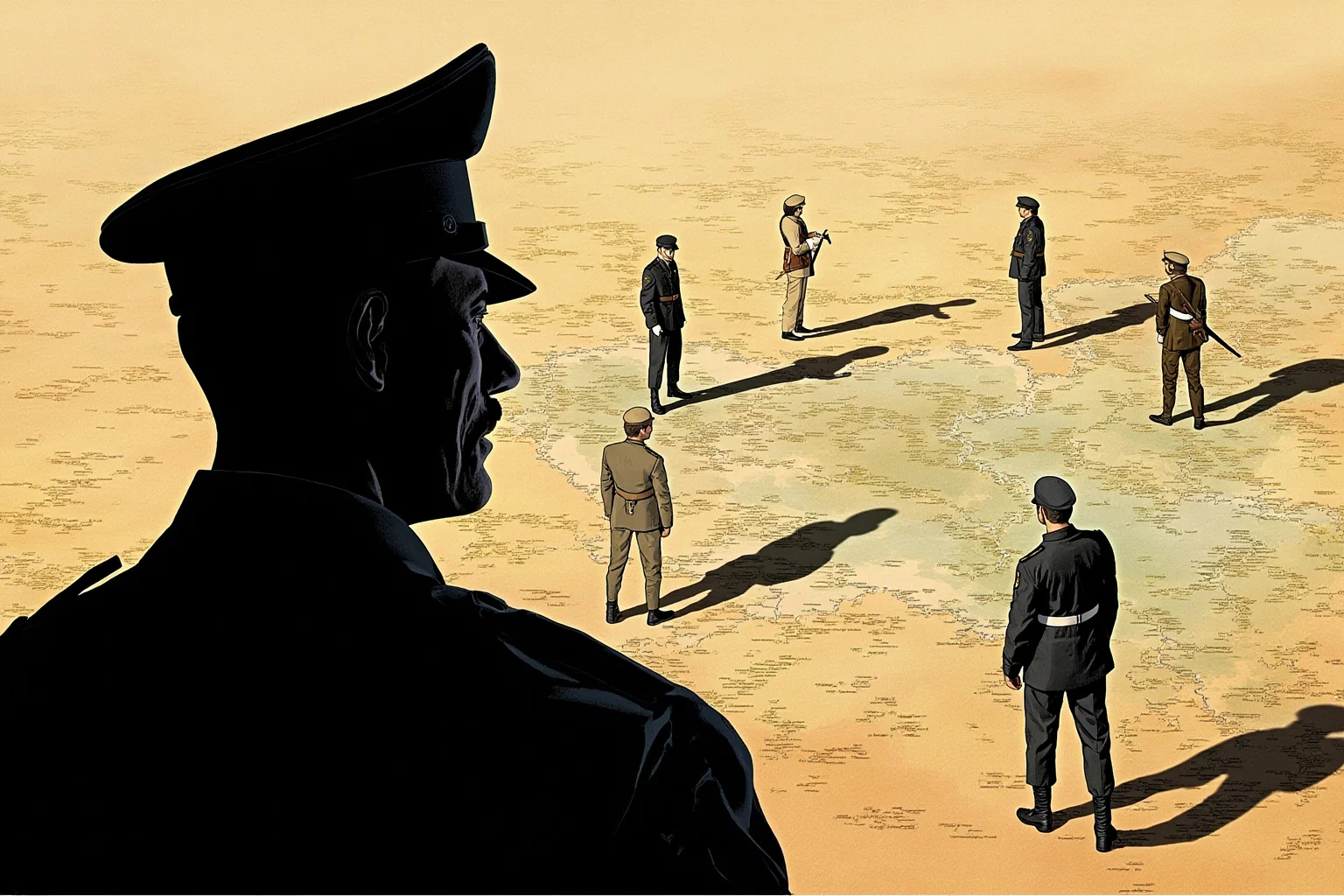
By the height of his power, Napoleon's name alone frightened enemy commanders. Young coalition officers repeated tales of his speed and ruthlessness, sometimes making them cautious when they should have been bold. That hesitation was an invisible weapon.
He actively cultivated this aura through bulletins, uniforms, and public displays. The legend grew faster than the man, though it was built on real victories. Fear of Napoleon could paralyze an enemy general before any soldier moved.
Reputation also helped France diplomatically. Smaller states sometimes chose neutrality or alliance with him because defeat seemed inevitable. This pattern fed Napoleon victories in ways that had little to do with combat.
Of course, a reputation could also be a trap. Once the aura cracked, the same belief that made enemies hesitate began to make them fight harder. That shift played out in the final campaigns.
Part II: The Collapse
Napoleon's fall was not a single event but a slow erosion of the very systems that made him great. The same speed, centralization, and aggression that won early wars gradually became liabilities. These ten factors show how a career defined by victory ended in total defeat.
11. The Continental System Turned Economic War into a Trap
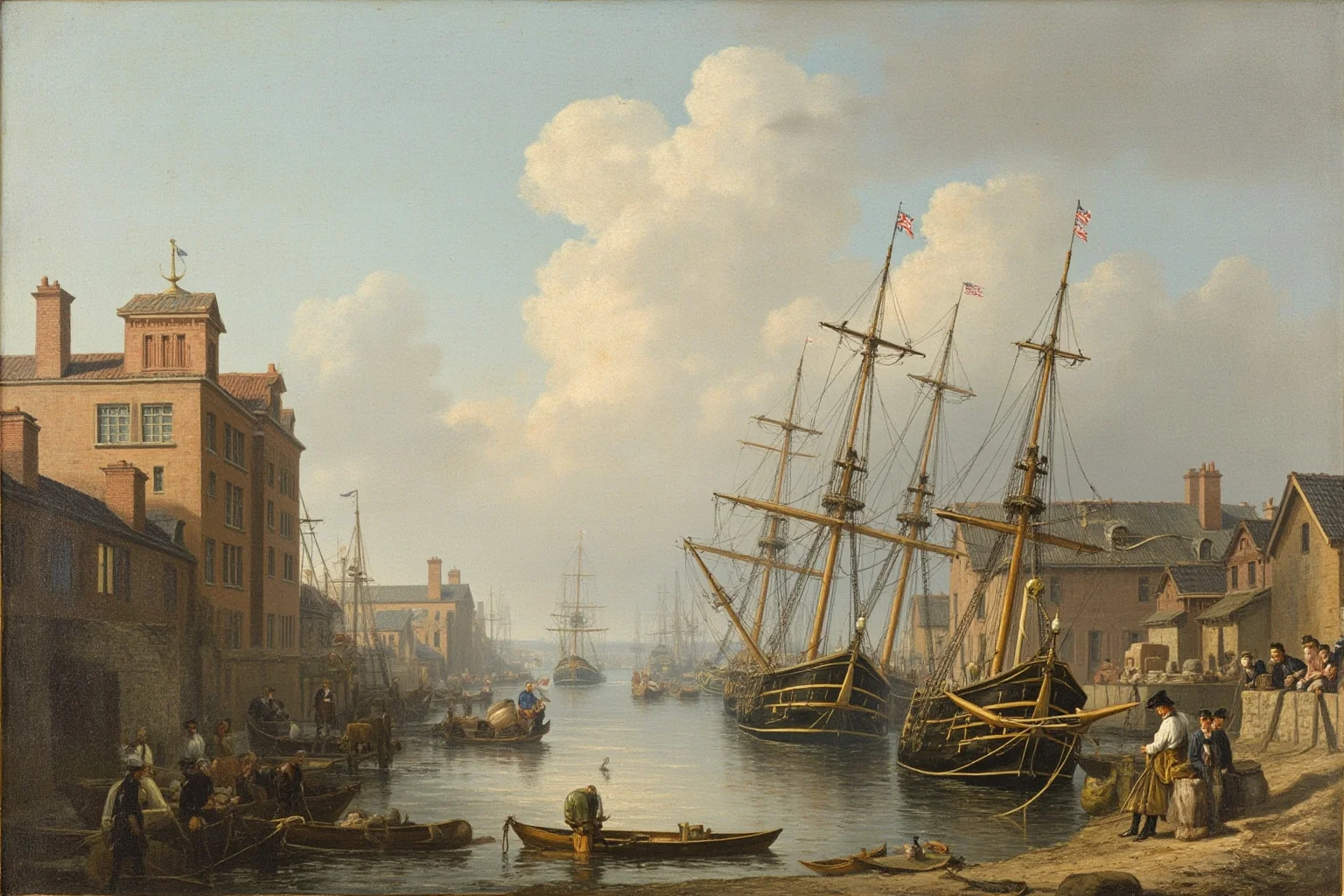
After Trafalgar, Napoleon could not invade Britain, so he tried to strangle its trade. The Continental System forbade European states from trading with Britain. It was meant to force Britain to its knees.
The policy backfired badly. Britain responded with its own naval blockade, and many European economies suffered without British goods. Smuggling boomed, corrupt officials looked away, and resentment toward France grew.
Napoleon had to enforce the system with troops and political pressure. That dragged him into conflicts he might otherwise have avoided, especially in Portugal and Spain. Economic warfare did not defeat Britain, but it weakened Napoleon's alliances.
The Continental System also pushed Russia to break away. Refusing to accept the trade ban became a major source of tension before 1812. A policy meant to isolate Britain ended up isolating France.
12. The Peninsular War Drained His Strength
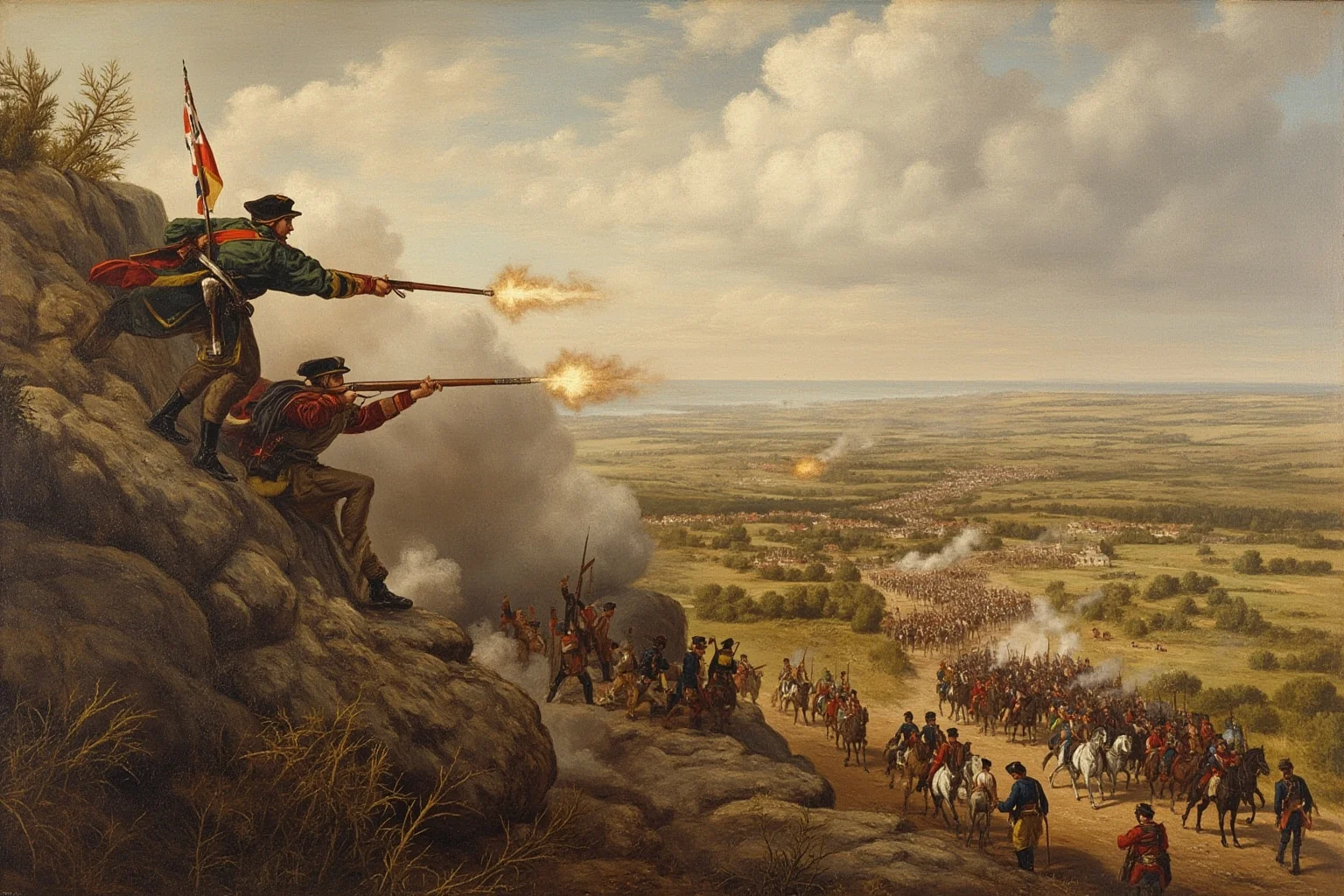
Napoleon's attempt to control Spain and Portugal created a long-running disaster. Spanish and Portuguese fighters used ambushes, raids, and local knowledge against French troops. The word guerrilla came from this war.
Britain sent an army under Wellington, and the combination of regular troops with irregular resistance proved deadly. French forces were tied down for years and suffered steady losses. Napoleon called it an ulcer, and the name stuck.
The Peninsular War drained money, men, and attention. It also showed Europe that French armies could be beaten by patience and attrition. That lesson inspired later coalitions.
The conflict pulled seasoned troops away from other fronts. Those troops might have made a difference in Russia or Germany. Instead, they were worn down in a war France could not win by occupation.
13. The Russian Invasion Was a Giant Bet
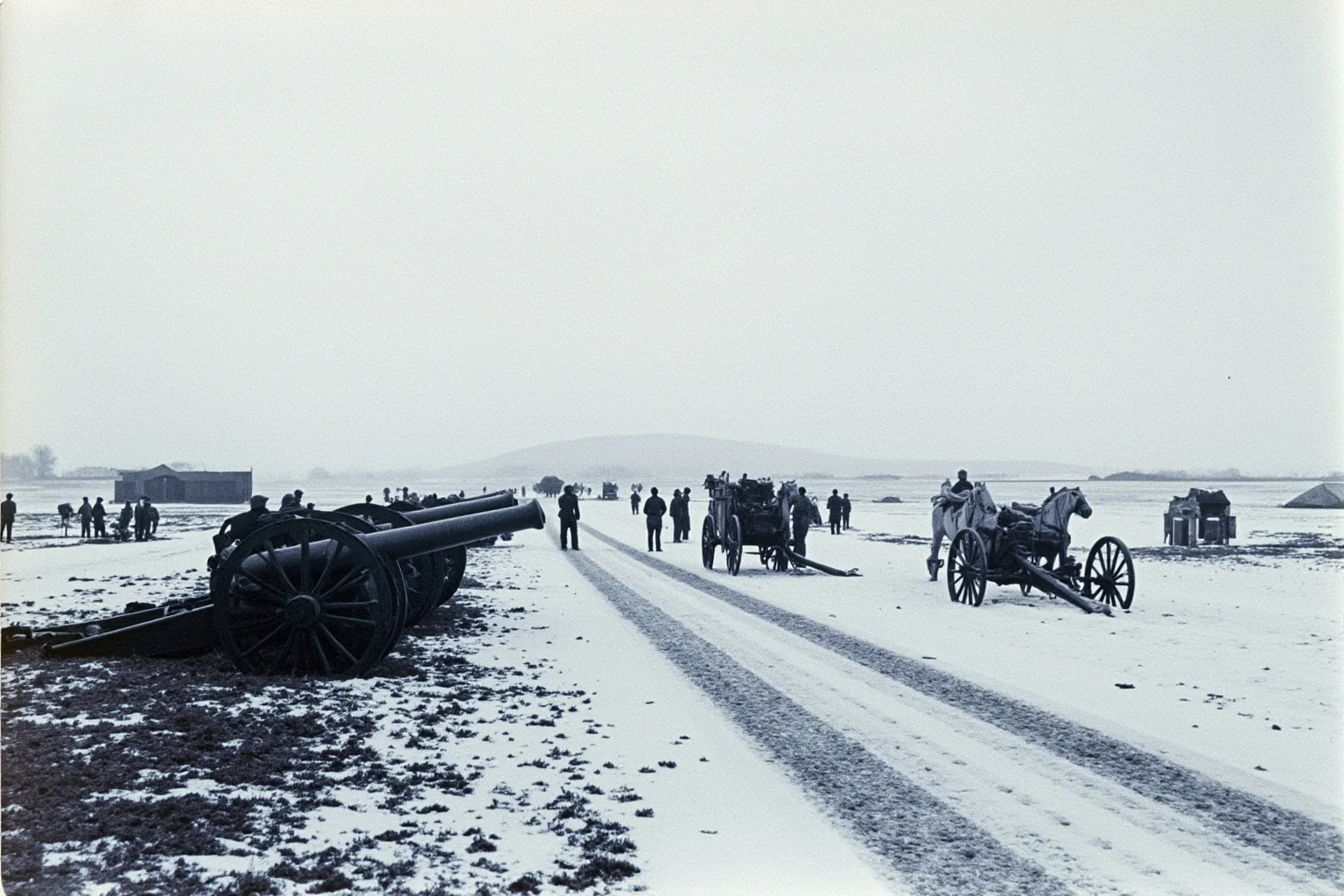
In 1812, Napoleon gathered an enormous army and invaded Russia to enforce his Continental System. He expected a quick campaign and a decisive battle near the frontier. Russian commanders instead traded space for time.
Borodino gave Napoleon a costly battlefield victory, but it did not break Russia. He entered Moscow only to find it burning and mostly empty. The decisive outcome he needed never came.
Retreat from Russia became the famous disaster. As winter set in, hunger, disease, and constant attacks destroyed the Grande Armée. A force of hundreds of thousands entered Russia, but only a fraction marched out.
The loss of so many experienced soldiers was irreversible. Napoleon could raise new men, but he could not quickly replace trained veterans. That erosion of quality haunted every later campaign.
14. His Logistics System Failed in Poor and Empty Lands
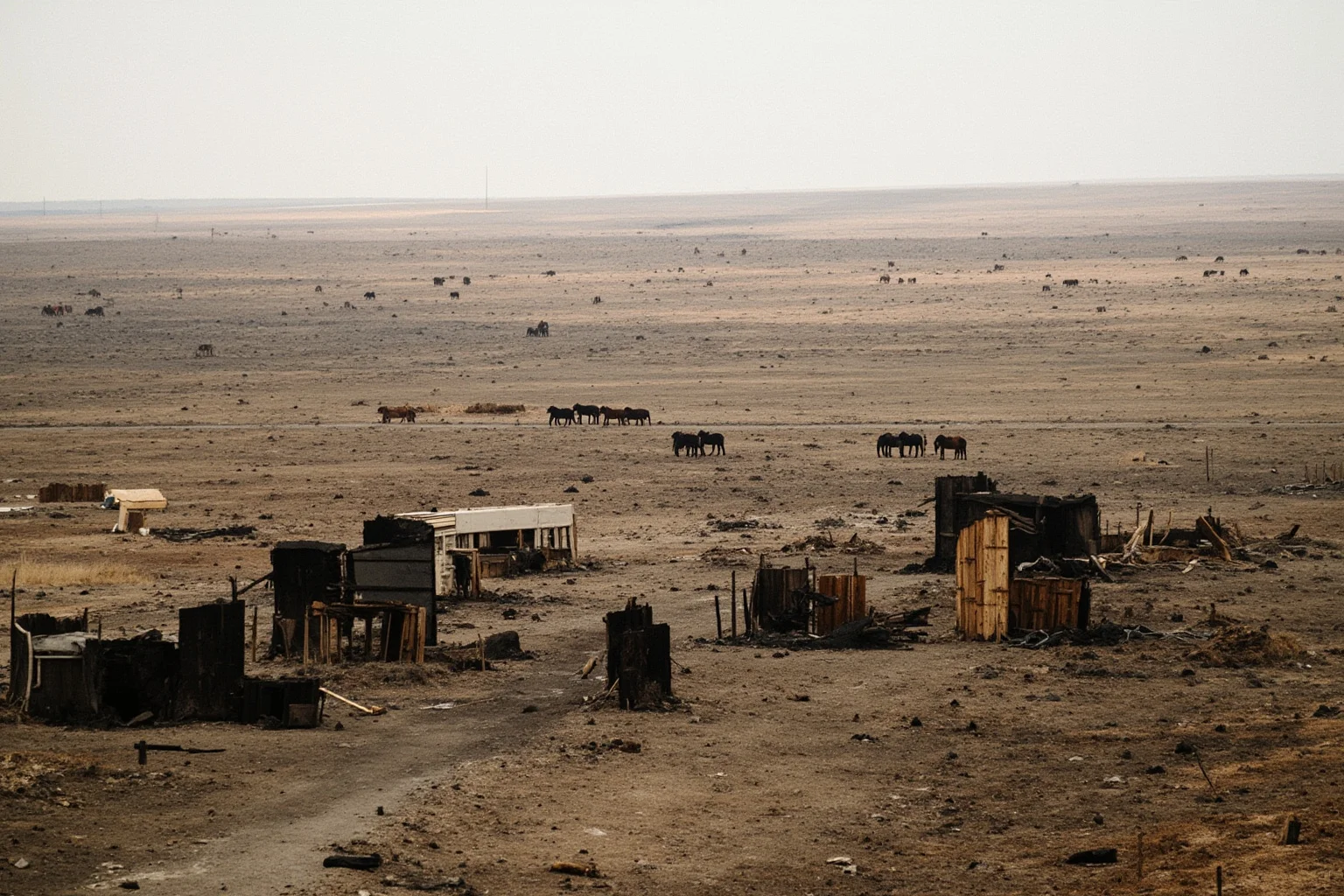
The same live-off-the-land method that sped Napoleon through Italy and Germany collapsed in Russia. Russian forces destroyed supplies and retreated, leaving little for French troops to requisition. Horses died in huge numbers because there was no fodder.
Napoleon had built his strategy around short, sharp campaigns in rich regions. That assumption did not survive Russian distances or scorched-earth tactics. Once the army could not feed itself, it could not outmarch the enemy.
This was not bad luck. It was a structural weakness in a system that traded supply security for speed. The invasion exposed that weakness on a catastrophic scale.
The failure also reinforced a lesson his enemies had already learned. Armies that depend on local food are vulnerable to empty terrain. Later coalitions used this knowledge to drag Napoleon into unforgiving ground.
15. His Enemies Studied Him and Adapted
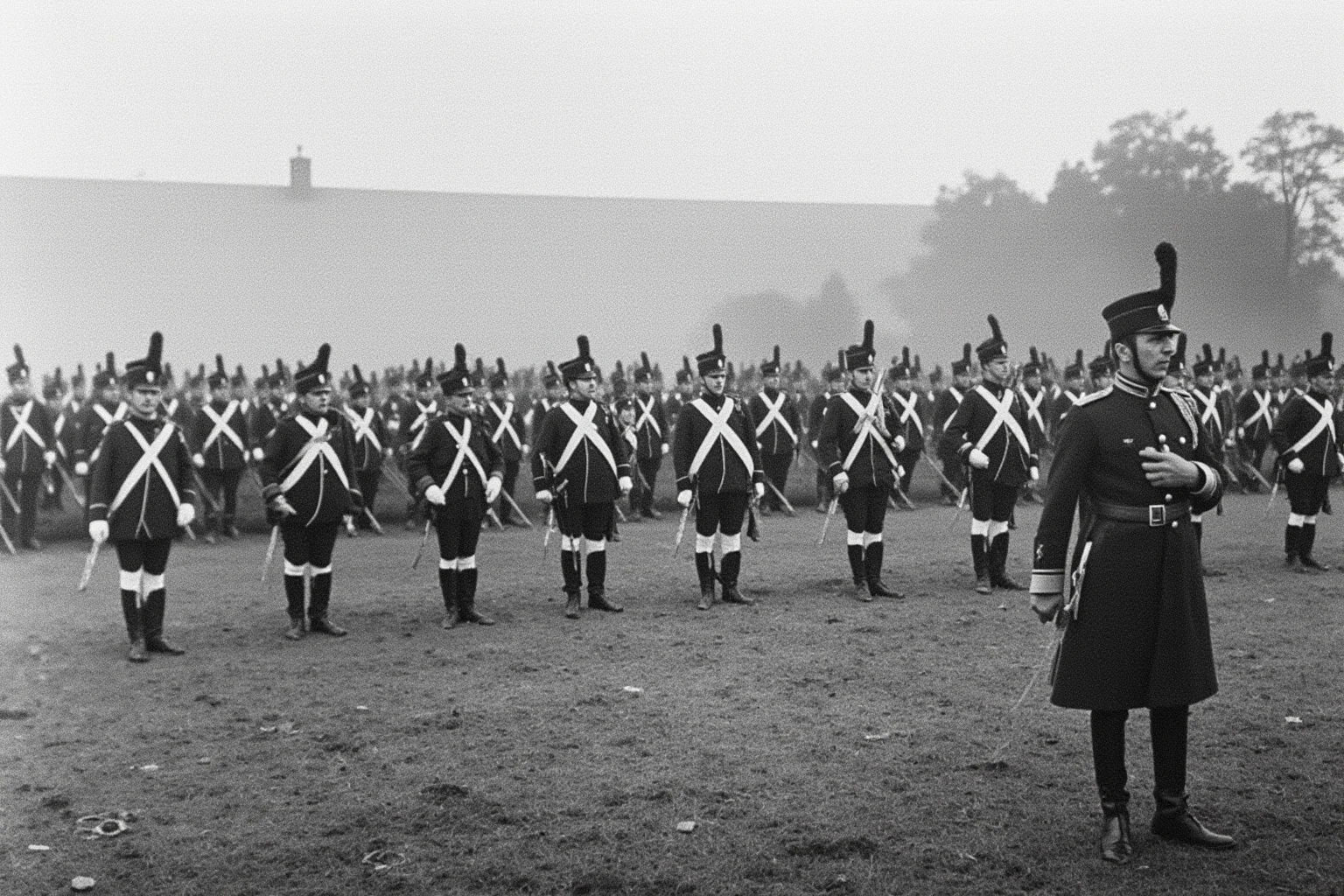
The nations Napoleon defeated did not stay defeated forever. They reformed their armies, adopted corps-like organizations, and trained professional staffs. Some of them copied the very methods that had made France dominant.
Austria, Prussia, and Russia slowly improved their command systems and battle tactics. By 1813, coalition armies could coordinate better and avoid some of the old mistakes. They also learned not to fight Napoleon on his terms unless forced.
This shrinking skill gap made every later campaign harder. Napoleon no longer faced slow and divided enemies. He faced military organizations that had learned from him.
The coalition's improved planning mattered most outside the battlefield. They moved on multiple fronts and forced Napoleon to divide his attention. That strategic pressure was more dangerous than any single tactical defeat.
16. British Sea Power Locked Europe In
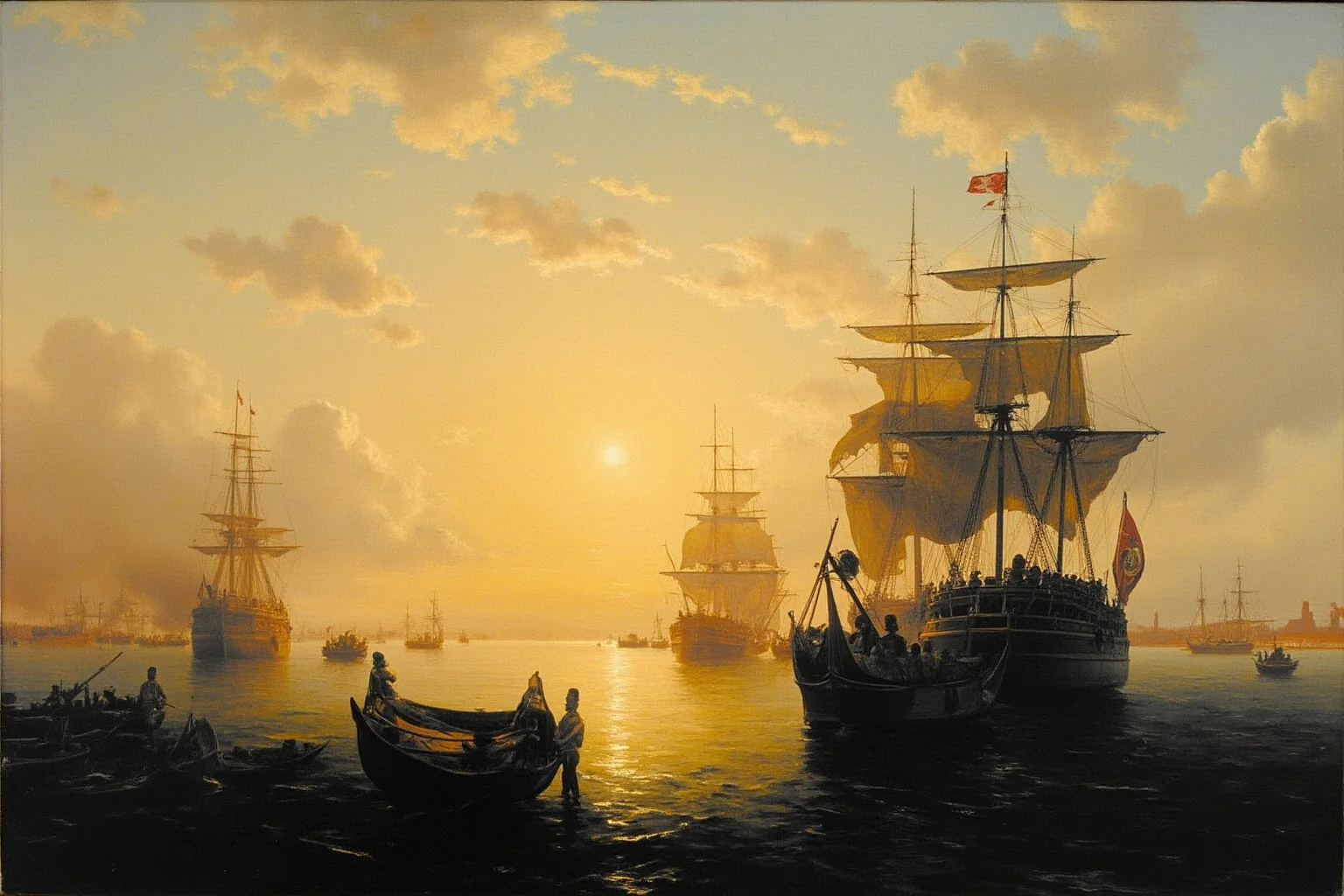
The Battle of Trafalgar in 1805 destroyed much of France's naval capacity and secured British control of the seas. Napoleon could no longer credibly threaten invasion or move troops by sea without risk. Britain could resupply its armies and finance coalitions.
Naval power also allowed Britain to strike at French colonies and disrupt trade from outside Europe. The blockade tightened the economic pressure on France while Napoleon tried to fight back with the Continental System. It was a siege in reverse.
Britain's money and stability kept the coalitions alive after battlefield defeats. As long as Britain stayed in the fight, Napoleon could not fully dominate Europe. His continental victories never solved the British problem.
This naval mismatch helps explain how many wars did Napoleon win without winning final peace. He could beat continental armies, but he could not reach the one enemy that funded the rest. That strategic limit defined his later years.
17. He Overreached Across Too Many Fronts
Napoleon's ambition often outpaced what his empire could control. He tried to manage Spain, central Europe, Italy, and eventually Russia all at once. This stretched French manpower and distracted him from smaller crises.
Multiple fronts meant he could not be everywhere, and his commanders sometimes made poor decisions without him. The Peninsular War continued while he prepared for Russia. Each new commitment made the empire more brittle.
Overreach also changed how other powers saw him. They had reason to keep fighting because Napoleon's demands did not stop. That fear of endless war united different nations against him.
The size of the empire made it hard to defend every border. A defeat in one region invited attacks in another. Napoleon's reach finally exceeded his army's grasp.
18. His Diplomacy Created Permanent Enemies
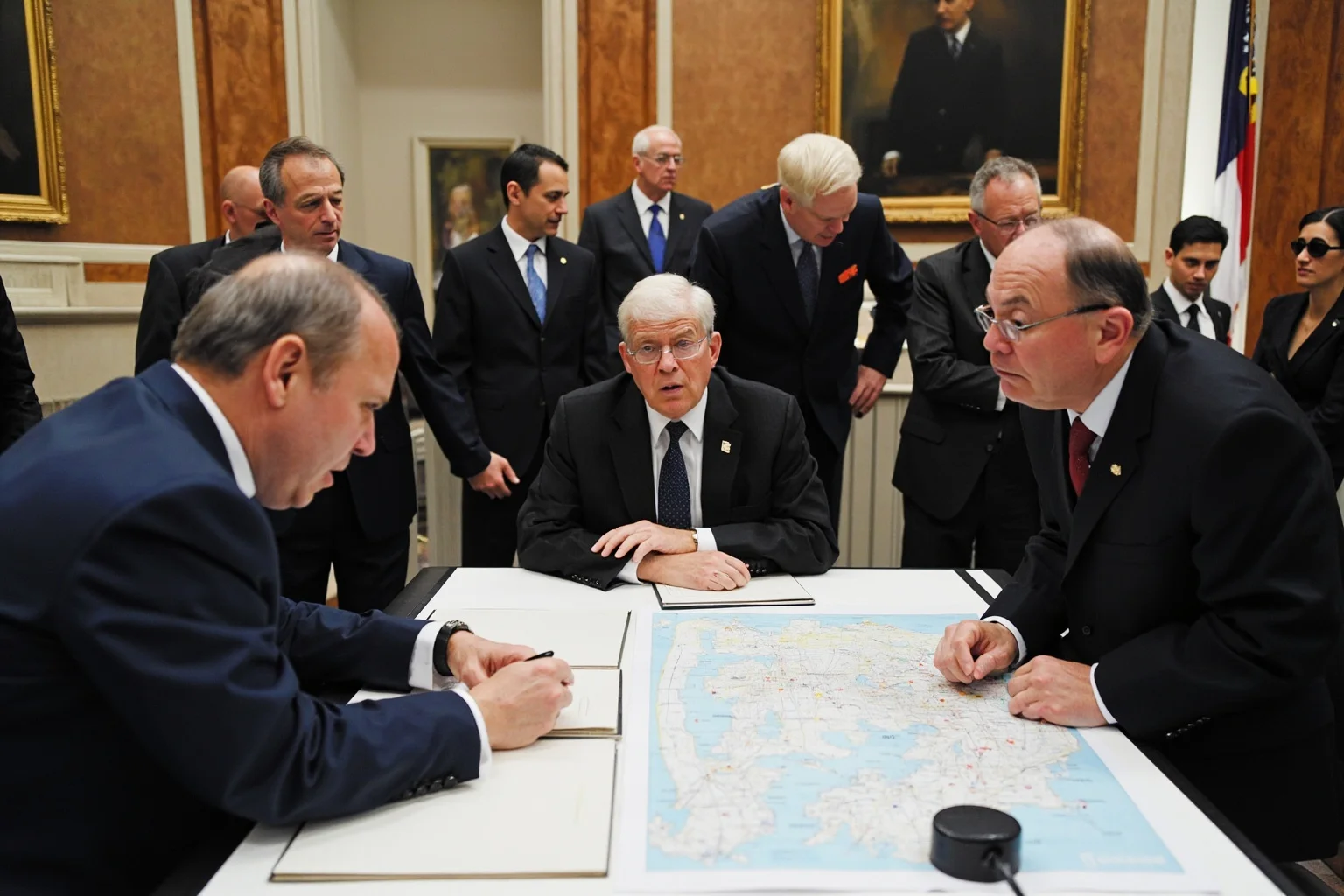
Napoleon was often brilliant at military negotiations after victory. He redrew borders, replaced rulers, and demanded favorable treaties. But those punitive terms planted the seeds of future wars.
He humiliated Prussia, occupied parts of Austria, and put relatives on European thrones. This created long-term resentment among states that might otherwise have stayed quiet. Peace settlements became pauses, not resolutions.
His refusal to make lasting compromises kept coalitions forming. Even allies like Russia eventually turned against him over trade and territory. Diplomacy became a tool of domination rather than stability.
Treaties that look like victories can still fail if they leave enemies desperate. Napoleon's settlements often removed any incentive for long-term peace. That made every war another step toward the one he could not win.
19. He Centralized Command Until It Broke
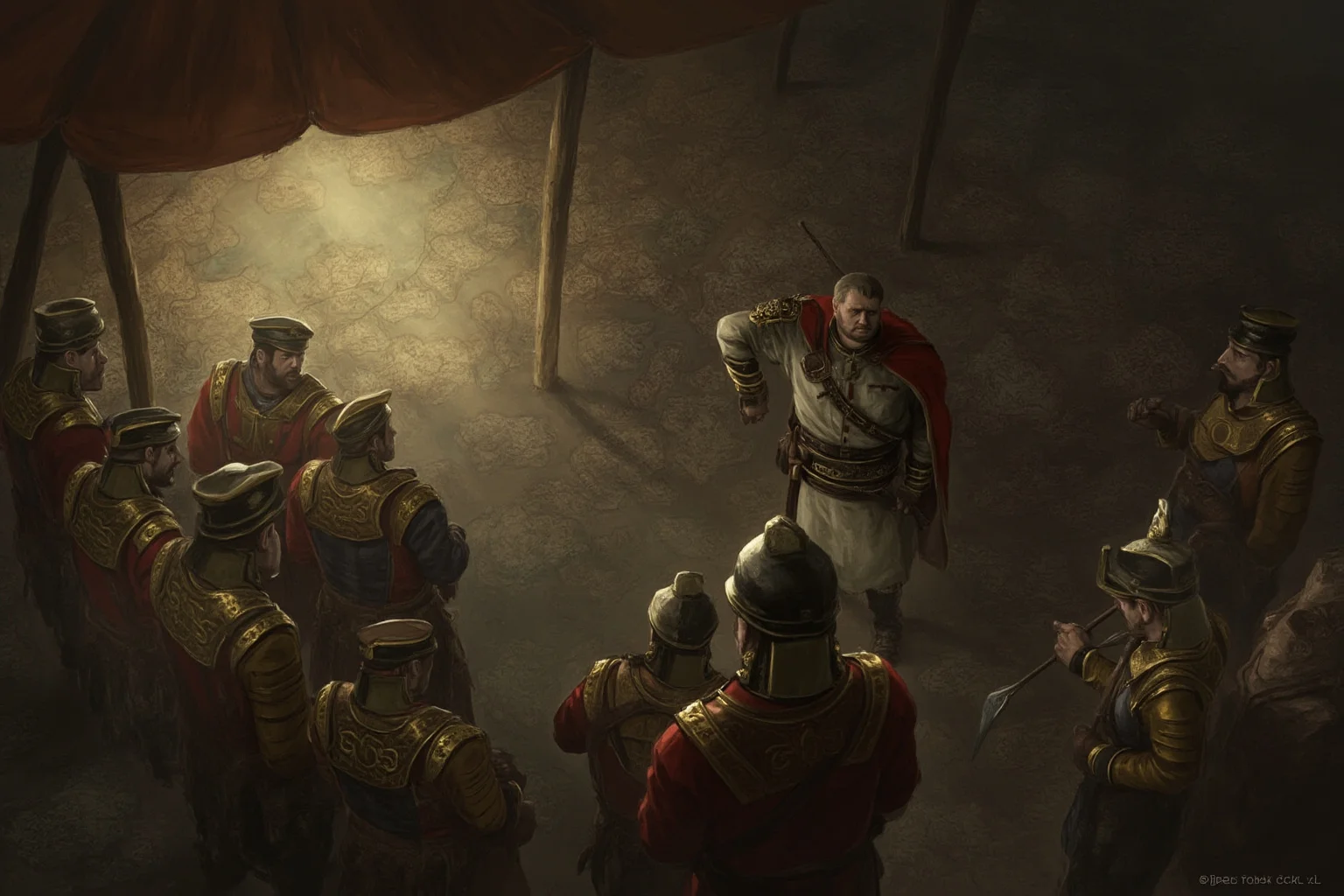
Napoleon's personal control over strategy won many battles. He made the key decisions and expected subordinates to carry them out. That system worked when he was present and healthy.
It failed when campaigns grew larger and spread across multiple regions. Marshals often hesitated without his direct orders, losing chances that Napoleon would have exploited. At Leipzig and in 1814, his absence from a sector could be fatal.
His enemies noticed this dependency. They tried to avoid decisive battle with Napoleon himself and attack his marshals instead. The army's strength was tied too tightly to one man.
A system built around one mind creates bottlenecks. Napoleon could not be everywhere at once, and his commanders rarely matched his speed. That weakness became catastrophic once the coalition forced him onto several fronts.
20. Waterloo Showed the World Could Unite
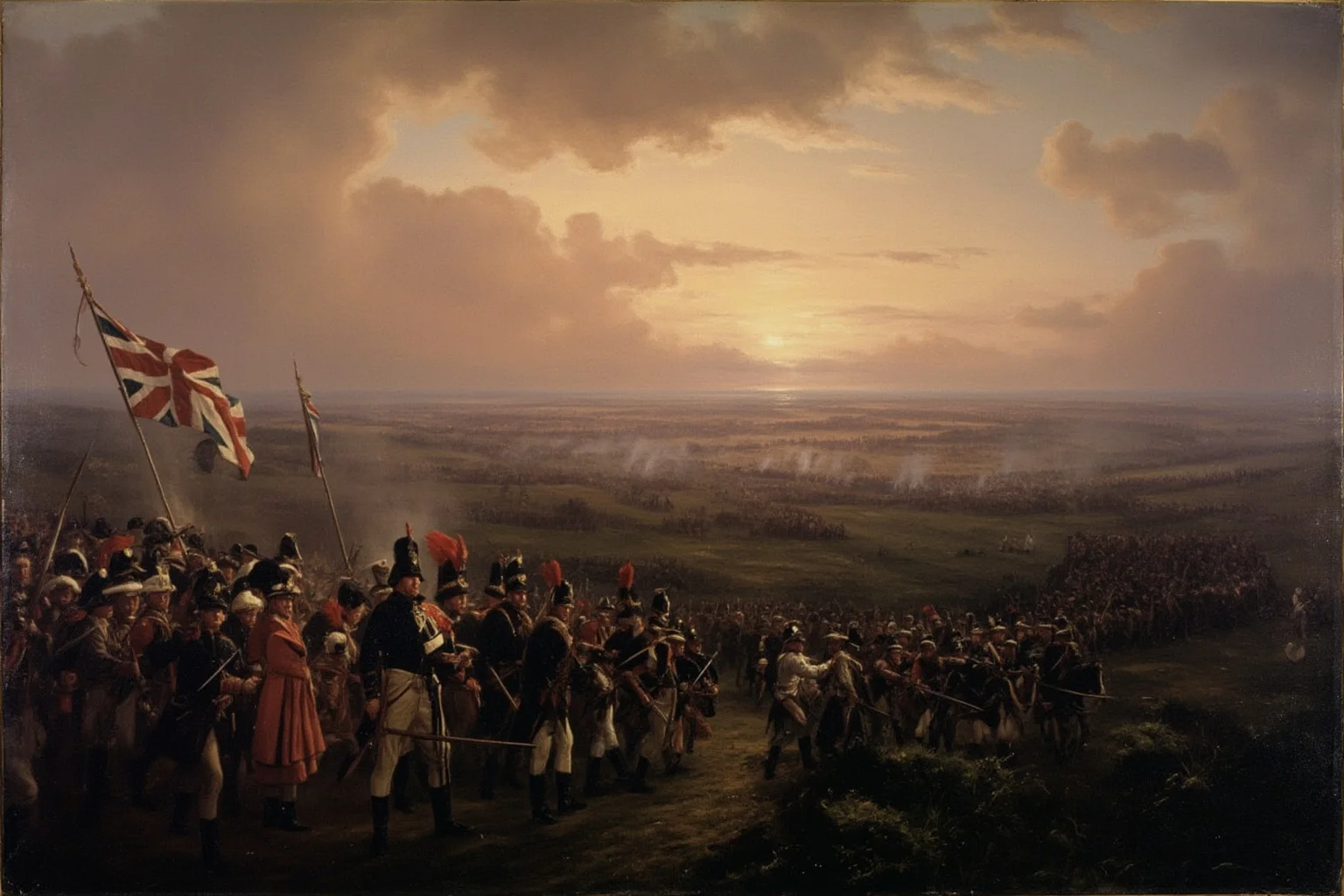
After returning from exile in 1815, Napoleon faced a coordinated coalition determined to remove him for good. He moved quickly into Belgium and tried to defeat Wellington and Blücher separately. That old playbook almost worked.
At Waterloo, Wellington held firm while Blücher marched to reinforce him. Napoleon's final attacks failed, and the French army collapsed. The campaign that began with speed ended with total defeat.
Waterloo was not just a lost battle. It showed what happened when his enemies finally coordinated and stuck together. After that, Napoleon had no path back to power.
The battle ended the Hundred Days and Napoleon's imperial career. He abdicated for the second time and was sent to Saint Helena. The man who won so many battles lost the only campaign that left no room for recovery.
Counting Napoleon Victories and Defeats
So how many battles did Napoleon win? Historians usually count roughly 60 to 80 major engagements depending on which clashes qualify, and Napoleon won the large majority of them. The most common figure credits him with around 50 to 60 victories.
How many battles did Napoleon lose is harder because some fights were bloody draws or pyrrhic victories. Clear losses include Aspern-Essling, Leipzig, La Rothière, and Waterloo. Depending on classification, the number of true defeats is often put at seven or eight.
How many wars did Napoleon win is equally difficult to pin down. He won campaigns that secured major peace settlements in 1801, 1805-1807, and 1809, but lost in Iberia and in the coalitions of 1813-1815. The final answer matters less than the trend.
Why was Napoleon so successful is not answered by a single battle. Speed, organization, morale, and weak opponents all mattered more than raw genius. The number of clear defeats shows that his system had hard limits.
The General Who Won Battles and Lost the Peace
Napoleon's record still tempts people to see him as either a perfect military mind or a reckless gambler. The truth sits between those extremes. He was an exceptional battlefield operator with a dangerous inability to stop.
What was Napoleon's greatest victory? Most historians point to Austerlitz, but even that triumph did not create lasting peace. It fed the very overconfidence and resentment that helped destroy him.
His rise and fall are one story, not two. The habits that made Napoleon victories possible also made his empire brittle. Speed became haste, confidence became arrogance, and dominance became isolation.
The final lesson is simple. Winning battles is not the same as winning wars, and winning wars is not the same as building a peace. Napoleon mastered the first and lost the last.
Frequently Asked Questions
how many battles did napoleon win
Historians typically count roughly 60 to 80 major engagements, and Napoleon won the large majority of them. The most common estimate is around 50 to 60 victories. The exact number depends on which clashes qualify as battles rather than skirmishes.
how many battles did napoleon lose
Napoleon lost only a small number of major pitched battles. Clear defeats include Aspern-Essling, Leipzig, La Rothière, and Waterloo. Depending on how draws and pyrrhic victories are classified, historians often put the figure at seven or eight.
how many wars did napoleon win
Napoleon won the campaigns behind major peace settlements in 1801, 1805-1807, and 1809. He lost in Iberia, Russia in 1812, and the coalitions of 1813-1815. Counting wars is imprecise because coalitions and peace treaties did not always align cleanly.
why was napoleon so successful
Napoleon succeeded because he moved fast, organized his army into flexible corps, massed artillery, and exploited divided enemies. He also benefited from a motivated, merit-based officer corps. These strengths worked best in short campaigns on wealthy terrain.
what was napoleon’s greatest victory
Most historians consider Austerlitz in 1805 Napoleon's greatest victory. He lured Austro-Russian forces into a trap and won a decisive battle against a larger coalition army. The victory broke the Third Coalition and gave France temporary mastery of Europe.
Why did Napoleon victories fail to secure lasting peace?
Napoleon victories were often followed by harsh treaties that created new enemies. He also kept expanding and imposing economic controls, which unified coalitions against him. Battlefield success did not translate into stable diplomacy.

Alex Warren
Related Articles