There is a persistent myth that a great idea automatically rewards the person who thought of it. History rarely works that way, and the gap between genius and money can be enormous.
Many brilliant creators watched other people grow rich from their breakthroughs. The problem was not a lack of talent, but bad timing, weak patent protection, corporate pressure, or a world that simply was not ready for the idea.
TL;DR: From the AC motor to the World Wide Web, these 20 brilliant inventors show why a world-changing idea never guarantees a fortune for the person who first had it.
The 20 Inventors Who Missed the Fortune
1. Nikola Tesla: The Prolific Inventor Who Died in Debt
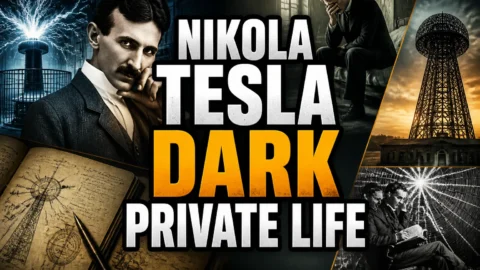
Tesla gave the world alternating current, the induction motor, and early wireless experiments, among more than 100 patents. His ideas shaped the modern electrical grid, but his business instincts did not match his technical brilliance. George Westinghouse bought many of Tesla's AC patents, yet the deal left Tesla without lasting wealth.
The inventor spent heavily on later projects such as wireless power transmission at Wardenclyffe. When he died in a New York hotel room in 1943, he was largely alone and financially depleted. Tesla's work made Westinghouse and General Electric fortunes, but the prolific inventor himself died with little to show for it.
2. Philo Farnsworth: The Farm Boy Who Invented Television
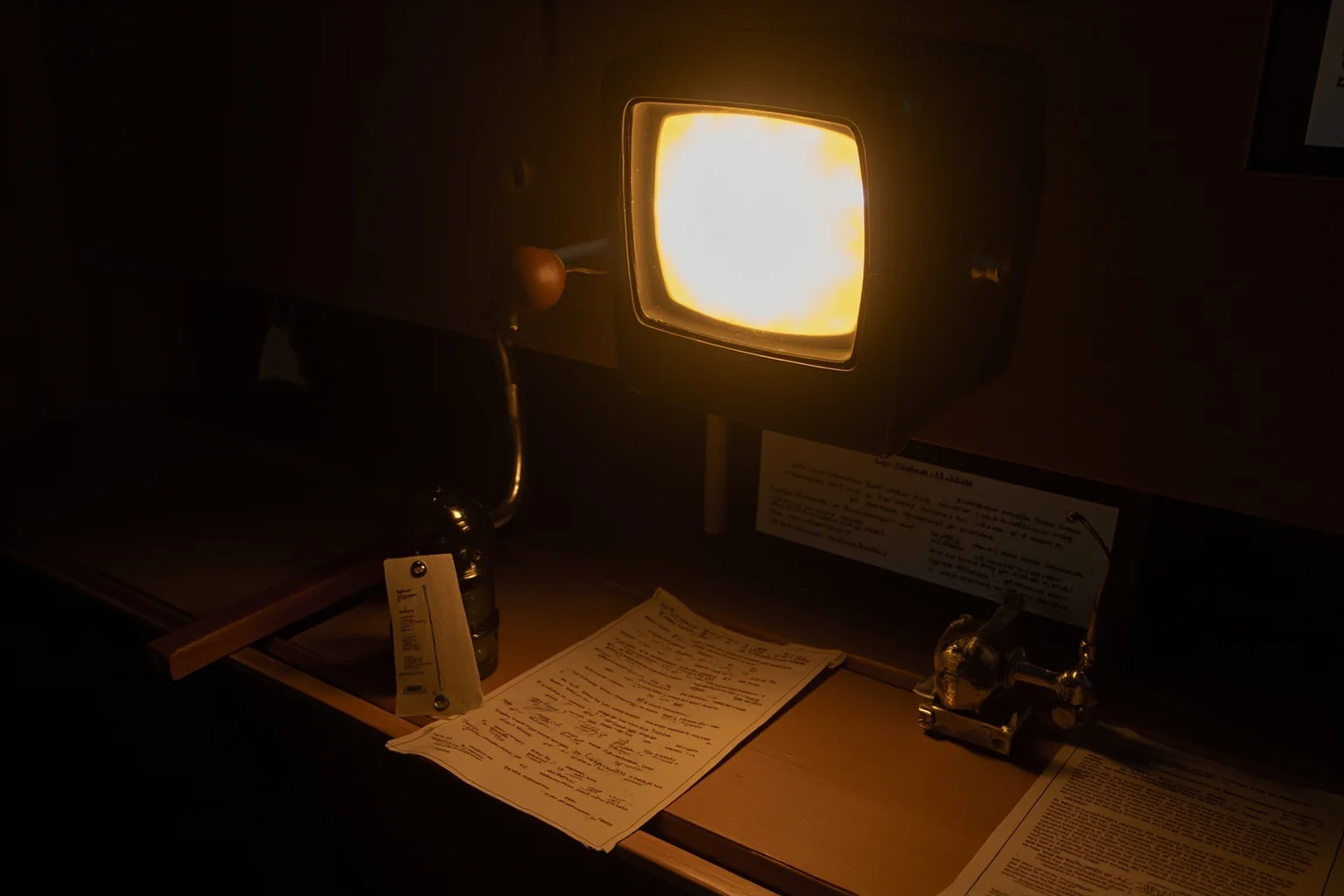
Farnsworth conceived electronic television while plowing a field in Idaho, later transmitting the first electronic image in 1927. His patents proved central to the medium, but RCA and its chief David Sarnoff fought him in court for years. Farnsworth won some legal victories, yet he never built an empire from his invention.
His company struggled, and RCA eventually secured a patent license that gave him a payment but not continuing fortune. By the time he died in 1971, television was a global business, and Farnsworth had been largely erased from public memory. His story is a classic case of an inventor who changed daily life without changing his own finances.
3. Edwin Armstrong: FM Radio's Tragic Pioneer

Armstrong invented FM radio, a frequency modulation system that delivered much clearer sound than AM. RCA saw the innovation as a threat to its AM business and waged prolonged legal battles against him. Armstrong spent much of his own money defending his patents in court.
He eventually lost much of his fortune, and his health and finances collapsed. Armstrong died by suicide in 1954, and his widow later won an infringement lawsuit against RCA. The FM dial in every car radio still owes its existence to an inventor who paid a devastating personal price.
4. Charles Goodyear: Rubber's Debt-Ridden Evangelist
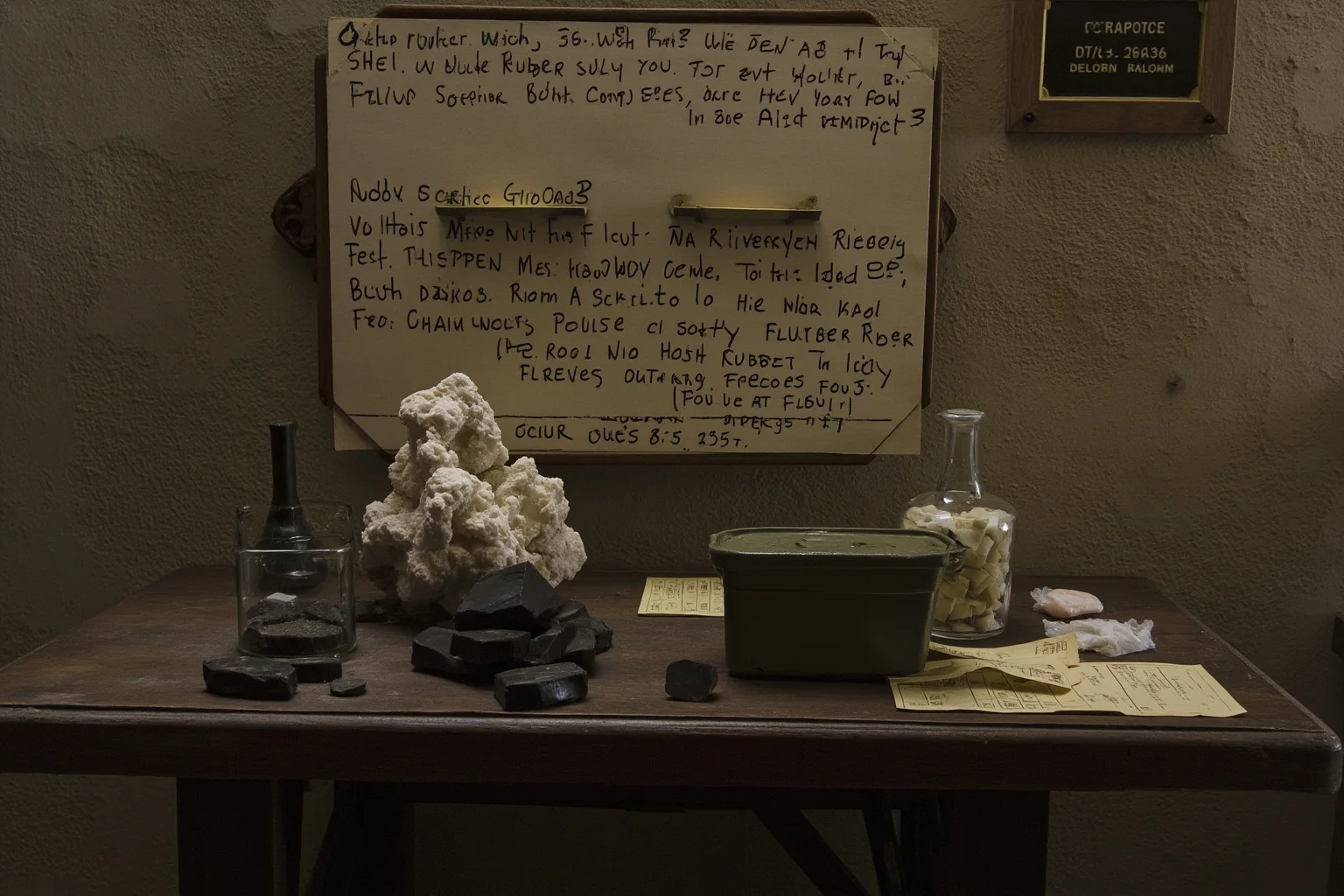
Goodyear spent years trying to make rubber usable, enduring poverty and imprisonment for debt along the way. In 1839, he discovered vulcanization, the heat-and-sulfur process that made rubber stable and durable. He patented the method, but rivals infringed freely on his work.
Goodyear spent his remaining years in court and died in 1860 leaving debts behind. The Goodyear Tire & Rubber Company was named in his honor decades later, but he had no connection to it. His discovery built an industry that made many people rich, while its creator never escaped financial trouble.
5. Hedy Lamarr: Hollywood Star and Wireless Visionary
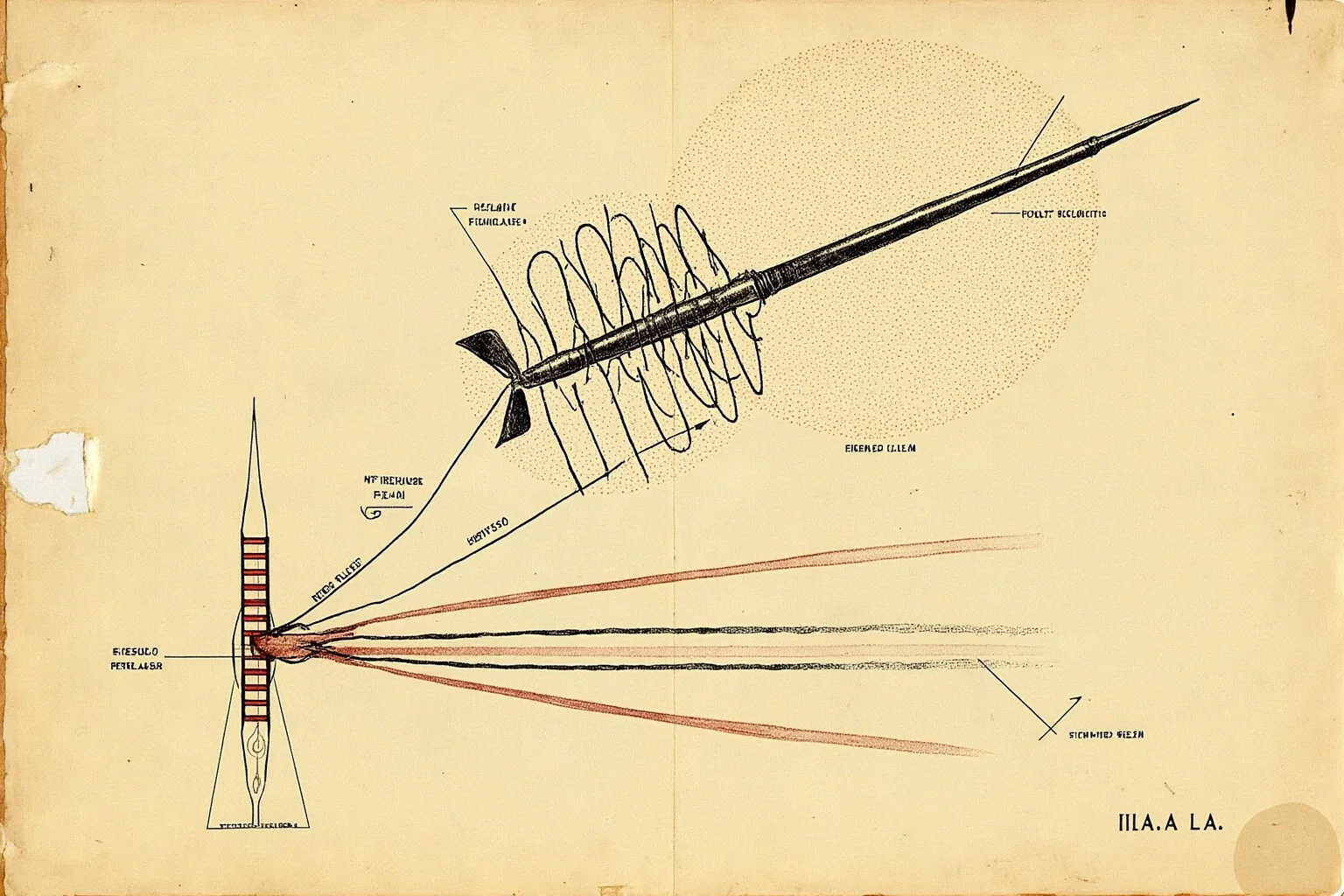
Lamarr co-invented a frequency-hopping spread-spectrum system during World War II with composer George Antheil. The patent was meant to guide torpedoes without jamming, but the U.S. Navy shelved the idea for years. She received no royalties from the invention.
Later, the same concepts became foundational to Wi-Fi, Bluetooth, and GPS. Lamarr's film career gave her fame, but not compensation for her scientific insight. Her contribution was recognized only late in life.
6. Antonio Meucci: The Telephone's Forgotten Claimant
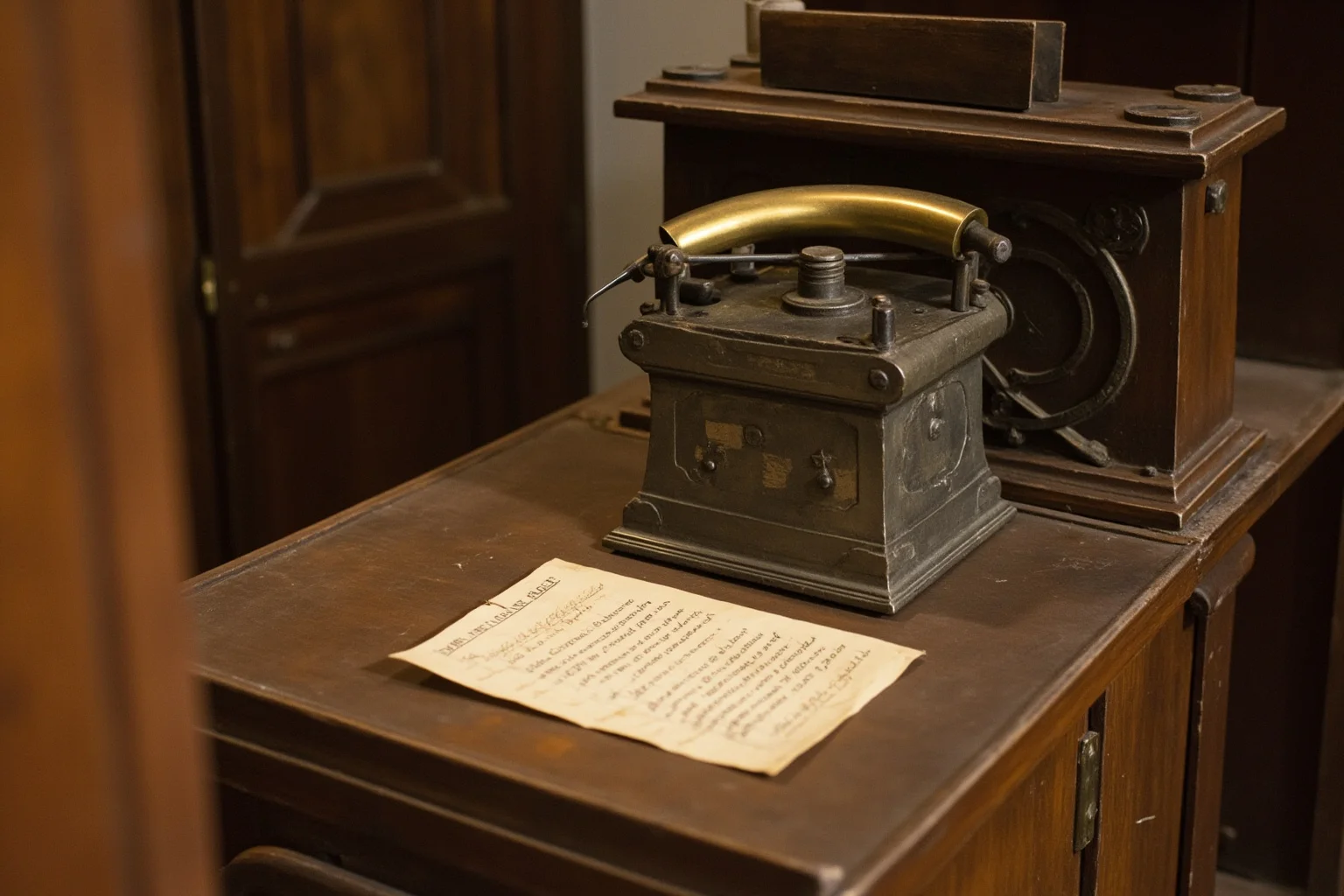
Meucci developed an early voice-communication device for his wife, but he lacked money to file a full patent and filed only a caveat. He tried to interest telegraph companies but got nowhere. In 2002, the U.S. House of Representatives passed a resolution recognizing his contributions, though Alexander Graham Bell remains the credited inventor.
Meucci died poor in 1889, never compensated for the technology that became the telephone. The battle over priority remains debated, but no one disputes that Meucci's finances kept him from defending his work. His story is a reminder that patent law often rewards those with better legal resources.
7. John Walker: The Match Inventor Who Struck Out

Walker, an English chemist, invented the friction match in 1826 by accident while scraping a chemical mixture. He made the first matches for his own use before selling small batches. Walker never patented the invention.
Competitors copied the idea and built successful match companies. Walker returned to his shop and never made a profit from his accidental discovery. Today's safety matches and strike-anywhere matches can both trace a line back to his workbench.
8. Mary Anderson: Clear Vision, No Payout
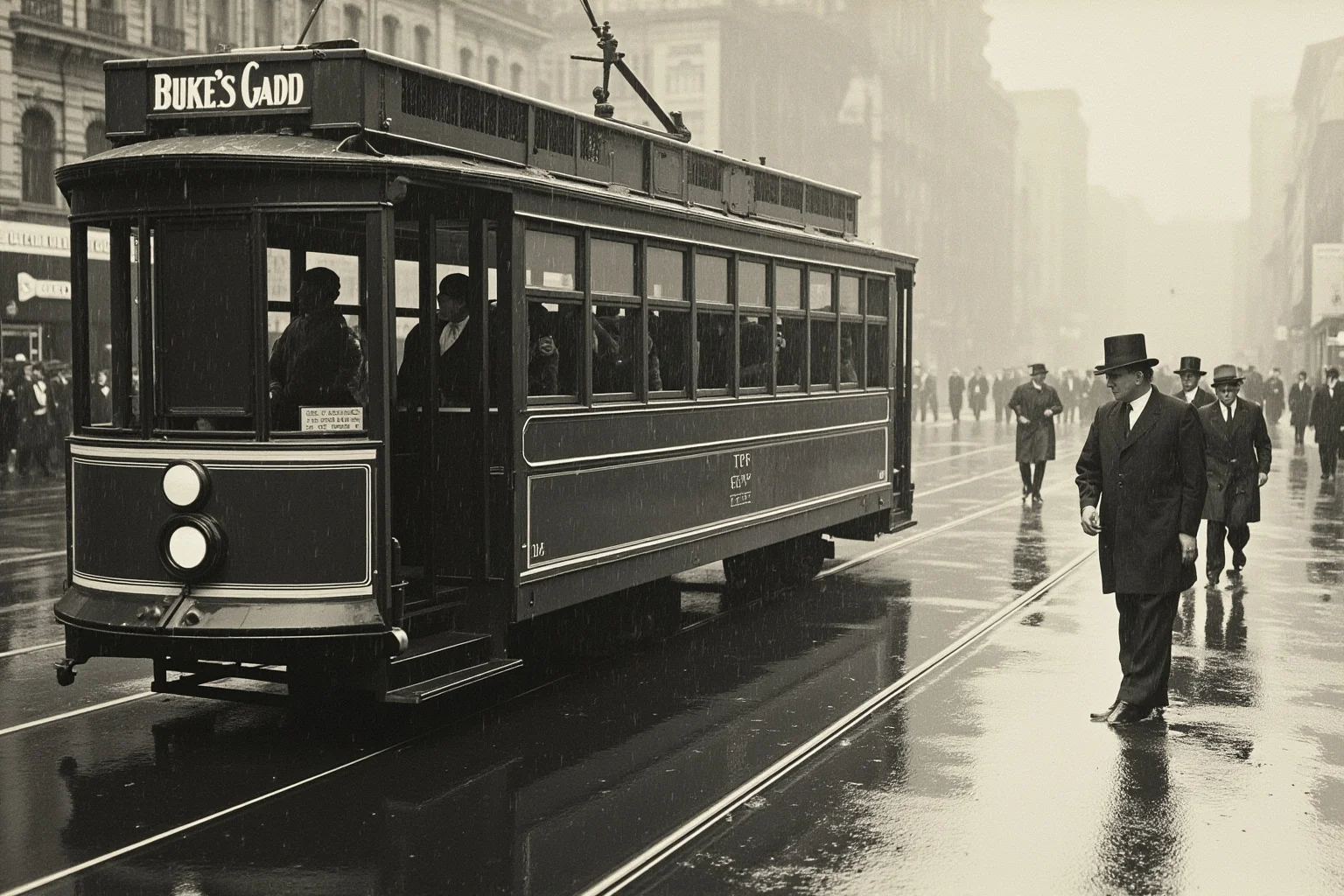
In 1903, Anderson received a patent for a hand-operated windshield wiper after watching a streetcar driver struggle in the snow. Automakers and manufacturers told her the device had no commercial value. She tried to sell the patent and failed.
By the time cars were common and windshield wipers became standard, her patent had expired. Anderson never earned royalties from a device that every driver now uses. Her invention solved a problem people did not realize they had until decades later.
9. Walter Hunt: A Prolific Inventor Who Sold Too Soon
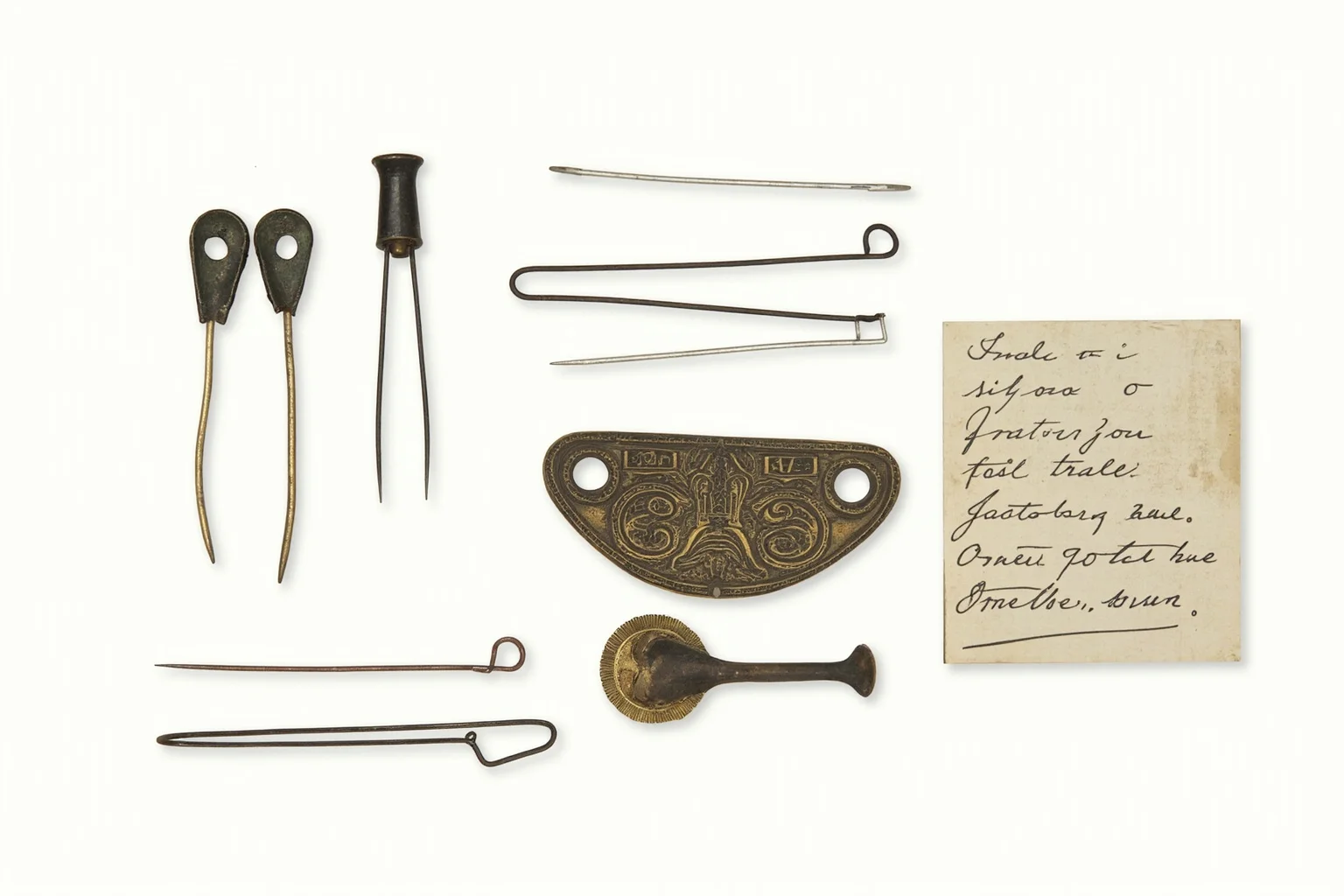
Walter Hunt was a genuine prolific inventor, credited with the safety pin, a sewing machine prototype, and a repeating rifle. He frequently sold his patents outright for small sums to pay off debts. The safety pin patent reportedly went for about $400, not nearly enough to support his family.
Hunt even delayed patenting a sewing machine because he worried it would put seamstresses out of work. Others later built fortunes from similar machines. Hunt died with little money and no lasting stake in any of his creations.
10. John Harrison: The Clockmaker Who Solved Longitude
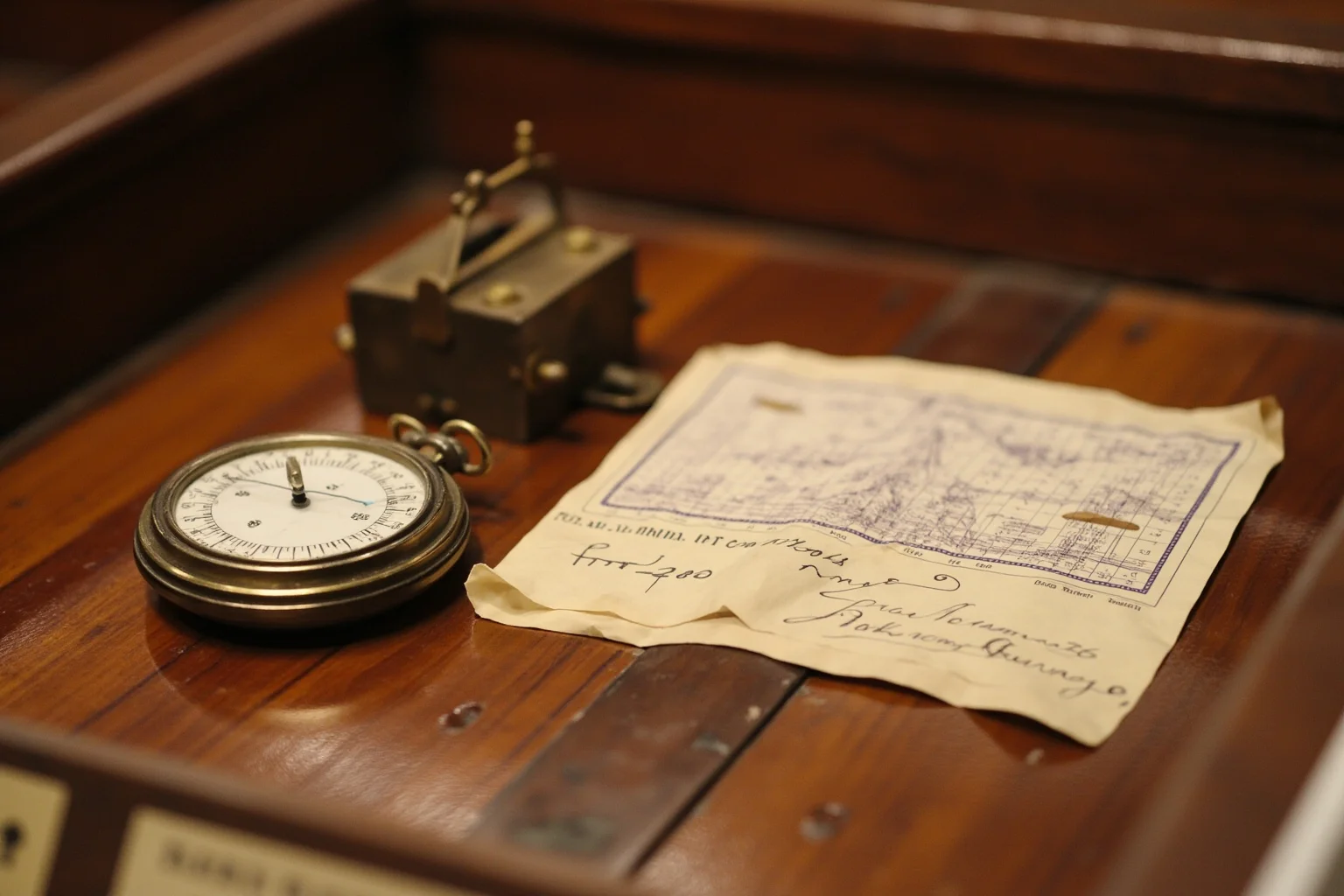
Harrison spent decades perfecting the marine chronometer, a clock precise enough to determine longitude at sea. The Board of Longitude held the prize money, but Harrison faced years of bureaucratic resistance and received only partial payments. A late appeal to Parliament brought some relief, but not full commercial reward.
His designs later became standard naval technology, and other clockmakers profited from the ideas. Harrison's story is less about a penniless death than about a system that fought him every step. He won the scientific argument and still lost the financial race.
11. Lewis Latimer: Illuminating Patents Without Wealth

Latimer, the son of formerly enslaved parents, helped refine carbon filaments for early electric lamps. He worked with Hiram Maxim and later Thomas Edison, earning patents for improvements to manufacturing methods. Most of his work was assigned to his employers, meaning companies controlled the rights.
Latimer was respected and reasonably employed, but he never became rich from his electrical innovations. His contributions helped make electric lighting cheaper and longer-lasting. The light bulb's history usually stops with Edison, leaving Latimer's financial story in the shadows.
12. Tim Berners-Lee: Gave Away the Web

Berners-Lee, one of the famous computer scientists who shaped world computing, created the World Wide Web at CERN in 1989, building the first browser, server, and HTML. He chose not to patent the web, wanting it to be open and universal. That decision made the internet a public resource but meant no royalties from the web itself.
Vast fortunes later accumulated around the platforms and services built on top of his invention. Berners-Lee has continued to advocate for an open web rather than enrich himself from it. His case is the rare one where the lack of profit was a deliberate ethical choice.
13. Jonas Salk: The Vaccine He Refused to Patent

Salk developed the first successful polio vaccine in 1955, and when asked who owned the patent, he reportedly said, 'There is no patent. Could you patent the sun?' His employer, the University of Pittsburgh, considered patenting but did not pursue a commercial monopoly. Salk became a public hero but did not profit from the vaccine.
The decision likely left billions of dollars in potential royalties on the table. Salk's name remains attached to scientific conscience rather than personal wealth. It is one of the clearest examples of an inventor choosing public good over private gain.
14. Lizzie Magie: The Game Designer Who Lost Monopoly
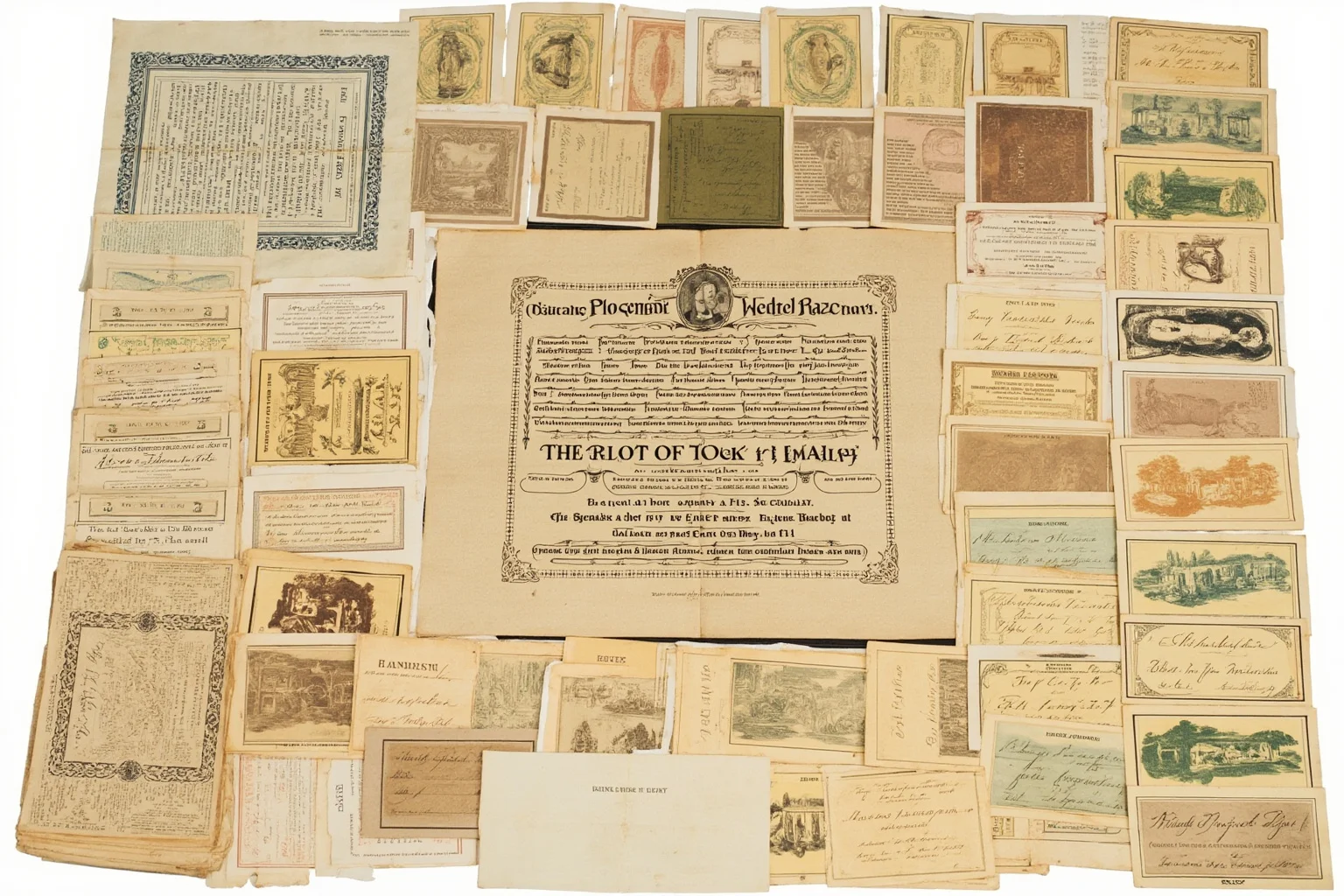
Magie patented The Landlord's Game in 1904 to teach the problems of land monopolization. Her game spread through homemade copies and eventually influenced Charles Darrow's Monopoly. Parker Brothers paid Magie a small sum for her patent, reportedly around $500, and gave her nothing when Monopoly became a global hit.
Darrow and Parker Brothers earned millions from a game built on her concept. Magie died in 1948, largely forgotten while Monopoly became one of the best-selling board games ever. Her story shows how an idea can be commercially repackaged without rewarding its originator.
15. Douglas Engelbart: The Mouse That Ran Away
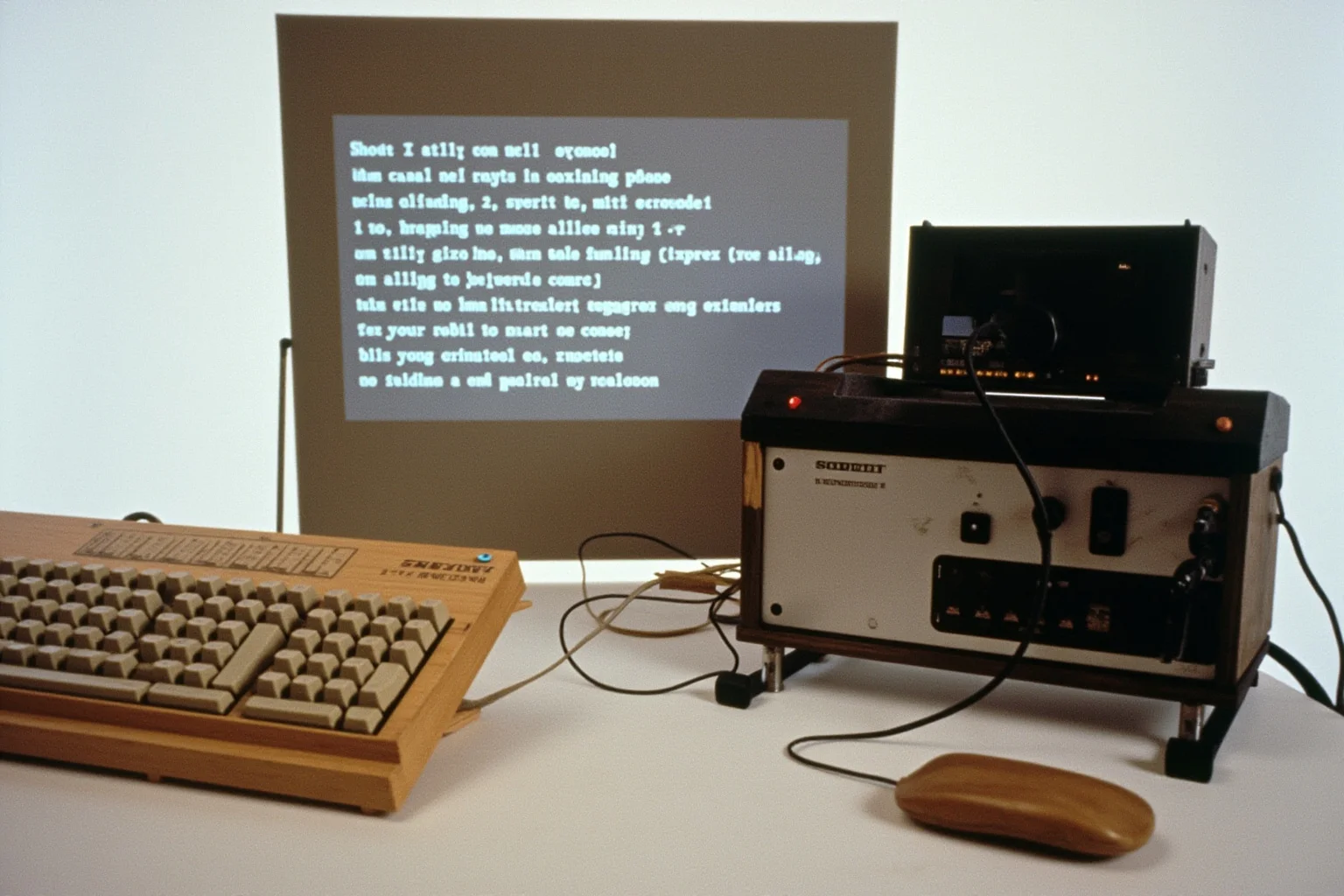
Engelbart's 1968 'Mother of All Demos' introduced the computer mouse, hypertext, and on-screen collaboration. His lab was funded by Stanford Research Institute and government grants, and patents were assigned to SRI. The mouse patent was later licensed to Apple for a modest amount, but Engelbart himself saw little of that money.
He devoted his later years to boosting collective intelligence rather than building a business. The mouse became one of the most common devices in computing, while Engelbart remained a visionary more celebrated than compensated. His ideas standardized the interface of the modern computer without standardizing a fortune for him.
16. Robert Goddard: Rocketry's Underfunded Father
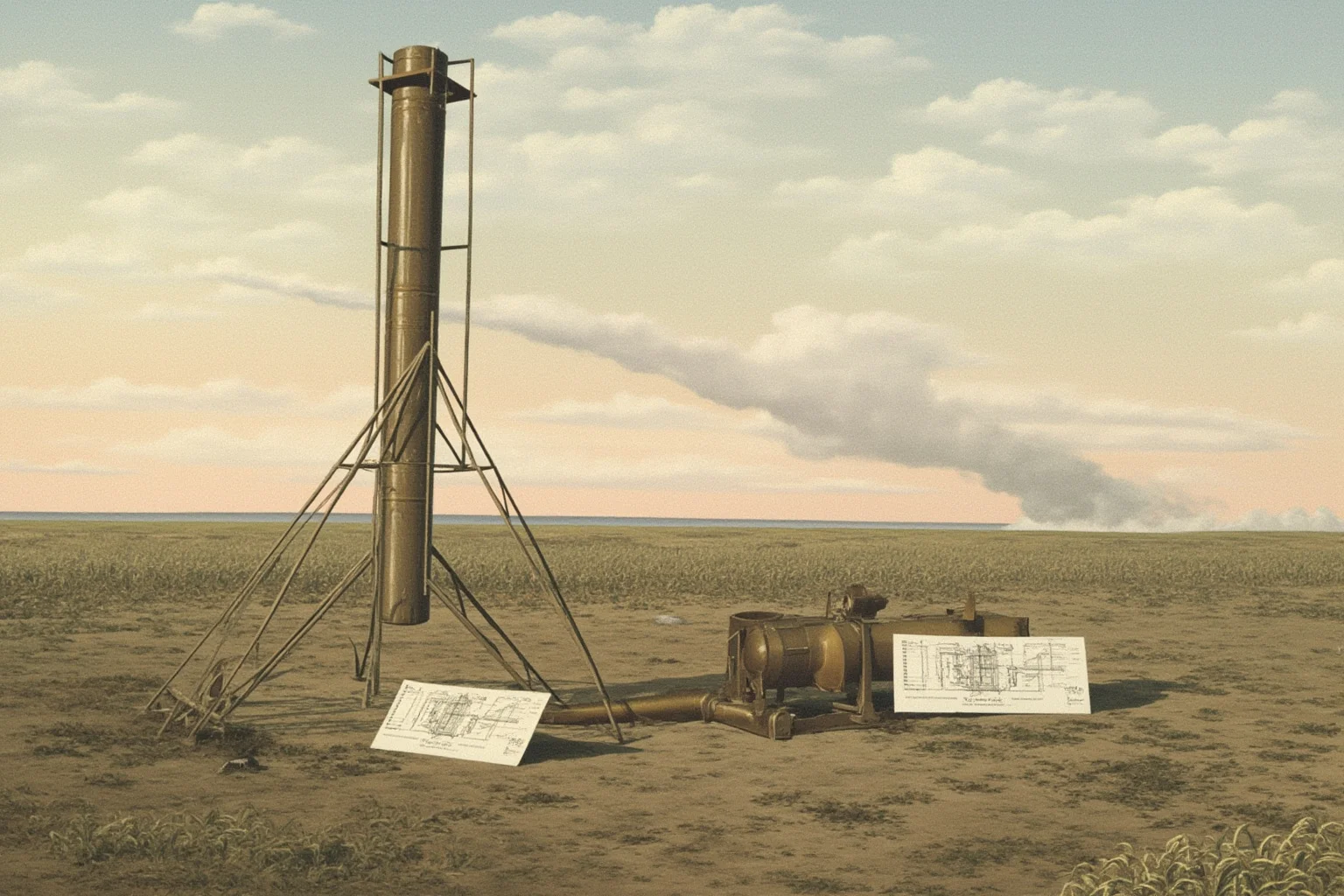
Goddard launched the first liquid-fueled rocket in 1926 and held patents on multistage rockets and guidance systems. He received some funding from the Smithsonian and Guggenheim family, but his work was often mocked and under-supported. NASA and military programs later used his concepts on a massive scale.
Goddard died in 1945 with little personal wealth from rocketry. His widow and foundation later brought patent claims against the U.S. government, settling many years after his death. The space age was built on a foundation he laid without collecting the full reward.
17. Frank Whittle: Jet Engine Visionary, Modest Rewards
Whittle patented the turbojet engine in 1930 while serving in Britain's Royal Air Force. The government and early manufacturers were slow to support his work, and his patent lapsed before the war effort fully embraced the design. Whittle received some recognition and later financial support, but not the scale of profit tied to the industry his engine created.
Jet aviation transformed travel and warfare, with companies like Rolls-Royce mass-producing versions of his concept. Whittle was eventually knighted and honored, yet his financial returns remained modest compared with the jet's global impact. The engine design is one of the inventions where it is not worth the inventor's early sacrifice and institutional neglect.
18. Whitcomb Judson: The Zipper's First Failure
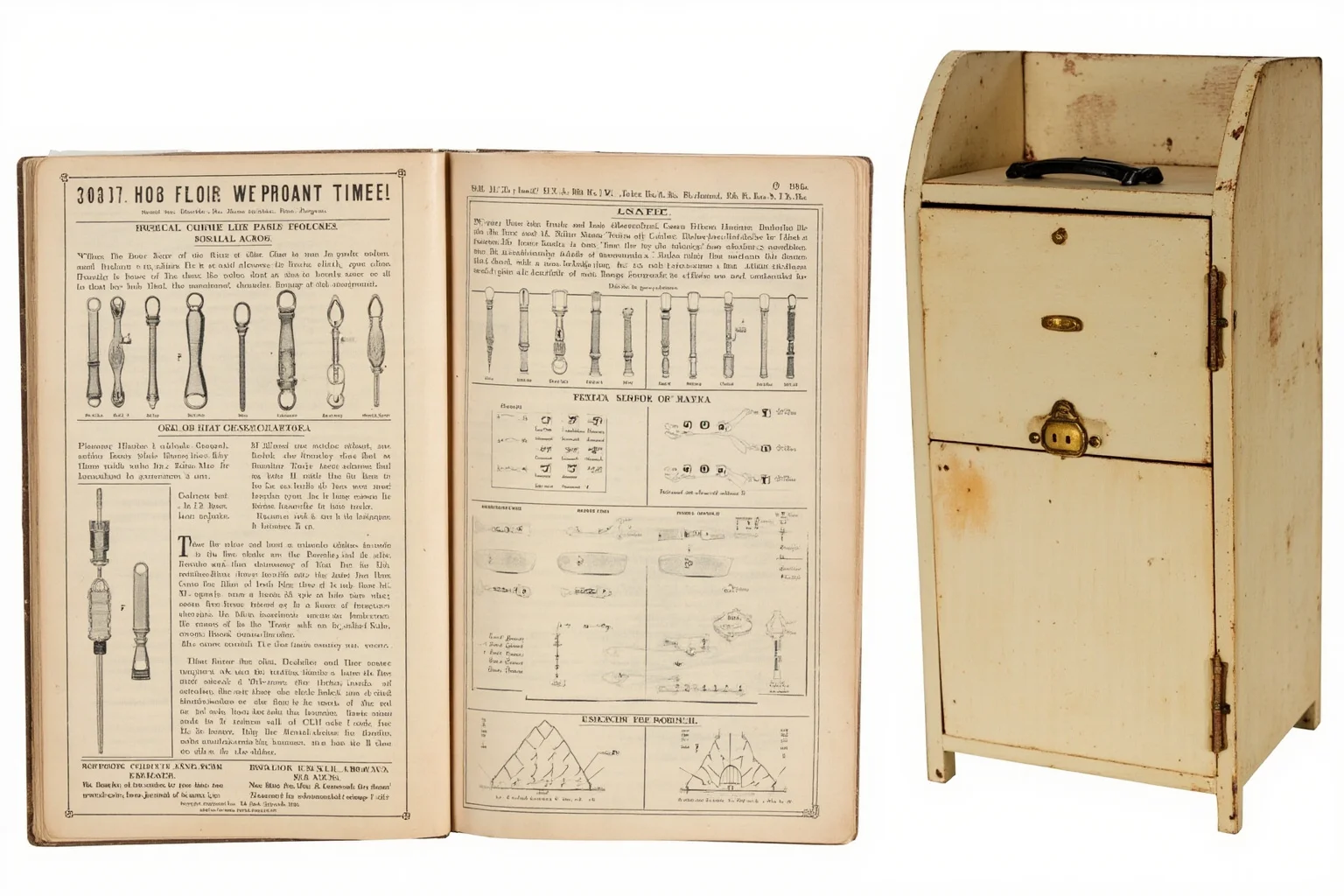
Judson patented an early 'clasp locker' shoe fastener in 1893, a clumsy predecessor of the zipper. The product worked poorly, and his Universal Fastener Company struggled to find a market. Judson died in 1909, long before the zipper became a standard clothing closure.
Later engineers, especially Gideon Sundback, improved the design and industrial manufacturing turned it into a commercial success. Judson's original patent formed the conceptual bridge, but he never saw meaningful profit from it. The zipper's journey is a reminder that being first is not the same as being paid.
19. Mikhail Kalashnikov: The AK-47's Named but Unpaid Designer
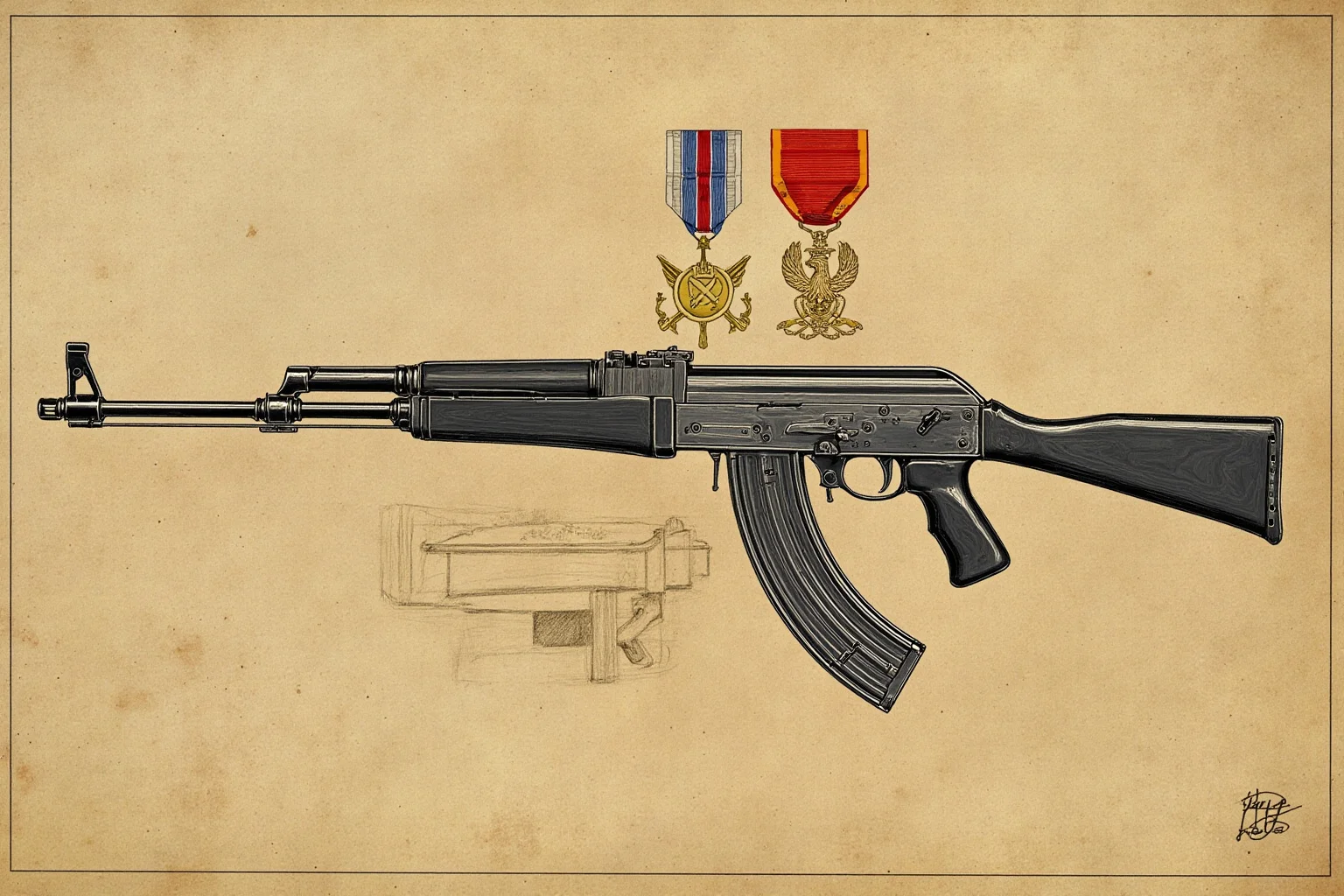
Kalashnikov designed the AK-47 assault rifle while serving in the Soviet Red Army. The design was state property, and his rewards came as honors, a pension, and official respect rather than royalties on the tens of millions produced. He lived modestly and often noted that foreign producers paid no licensing fees.
Foreign manufacturers copied the AK-47 freely, paying nothing to the designer or the Soviet state. Kalashnikov became a national symbol but not a wealthy industrialist. The weapon's worldwide footprint is enormous, while its creator's personal profit was not.
20. Harvey Ball: The Smile That Earned $45
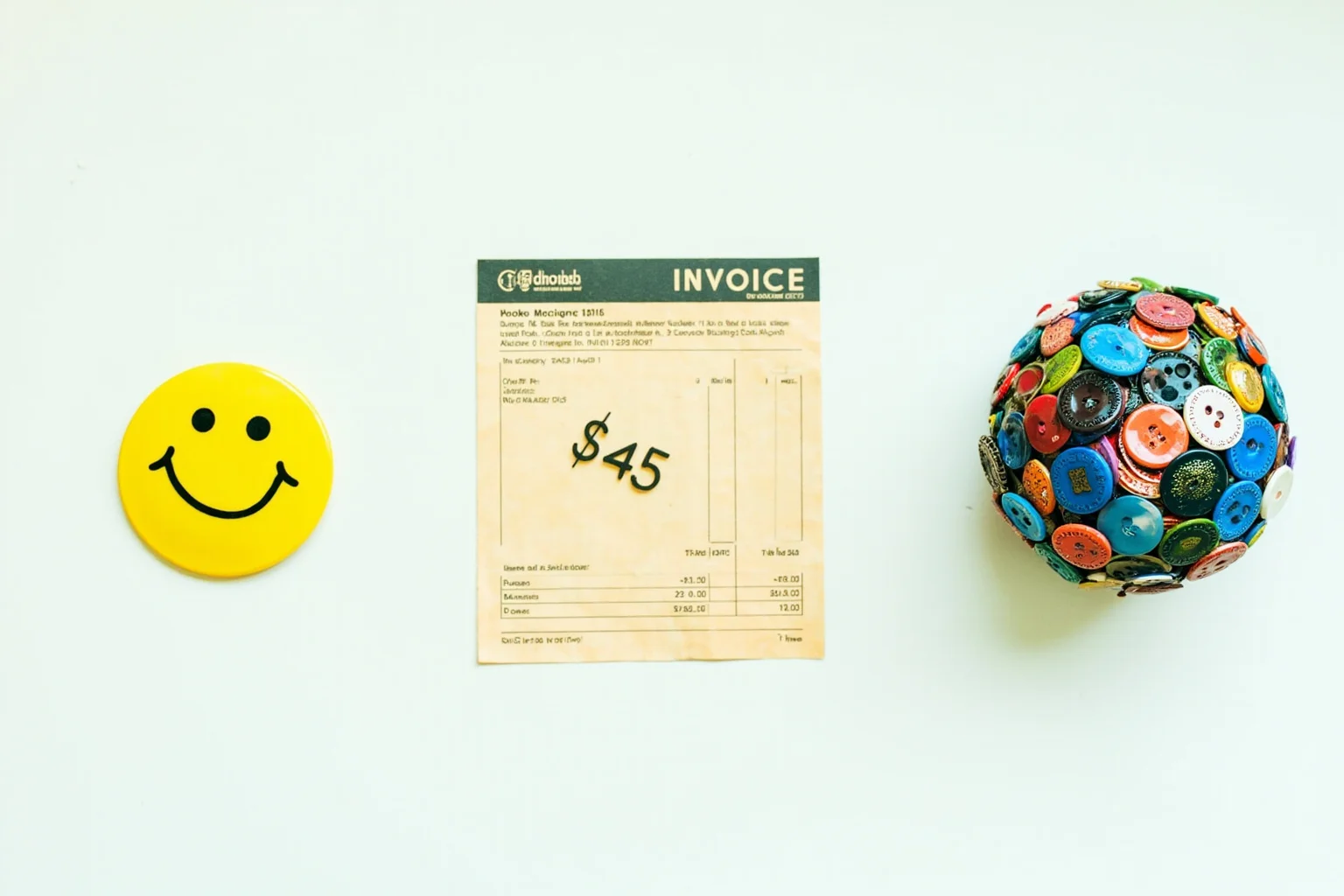
In 1963, graphic designer Harvey Ball drew the yellow smiley face for an insurance company morale campaign. He was paid about $45 for the simple design and did not copyright or trademark it. The image became a global pop-culture icon, appearing on millions of buttons, shirts, and later emoji.
Ball never collected royalties from the smiley face, though he later started World Smile Day to promote kindness. His creation may not be a machine, but its commercial reach is undeniable. Ball's story closes the list with a small but sharp example of how a tiny idea can outrun its inventor's bank account.
The Pattern Behind the Lost Fortunes
These stories share a common thread: the economic reward often lands with the person who controls manufacturing, distribution, or legal defense, not the original mind. Patents expire, rivals copy, and large companies absorb ideas before the inventor can scale them. In some cases, the creator deliberately gives the idea away for a larger public good.
History is full of inventions where it is not worth much to the person who first solved the problem, even when the world later depends on the solution. The myth of the wealthy inventor survives because a few cases, such as Edison or Bell — two of the greatest American inventors in history — were also masterful business operators. For most brilliant creators, the distance between the workbench and the boardroom was the widest gap they ever crossed.
Frequently Asked Questions
What are some inventions where it is not worth the creator’s financial investment, yet they still changed everyday life?
The windshield wiper, the safety pin, and the World Wide Web all changed daily routines without making their original inventors rich. In these cases, the roadblock was usually a lapsed patent, an outright sale for quick cash, or a deliberate choice not to claim ownership.
Why do so many brilliant inventors fail to profit from their own creations?
Inventors often lack the legal resources, marketing skill, or manufacturing scale to exploit a patent. Large companies can afford to wait out or challenge a patent, and many creators accept small lump sums simply to pay debts or fund the next experiment.
Who is the most famous prolific inventor who died poor?
Nikola Tesla is probably the most famous example. He held more than 100 patents and helped build the foundation of the modern electric grid, but he died in a hotel room with little money, while companies he powered became industrial giants.

Alex Warren
Related Articles