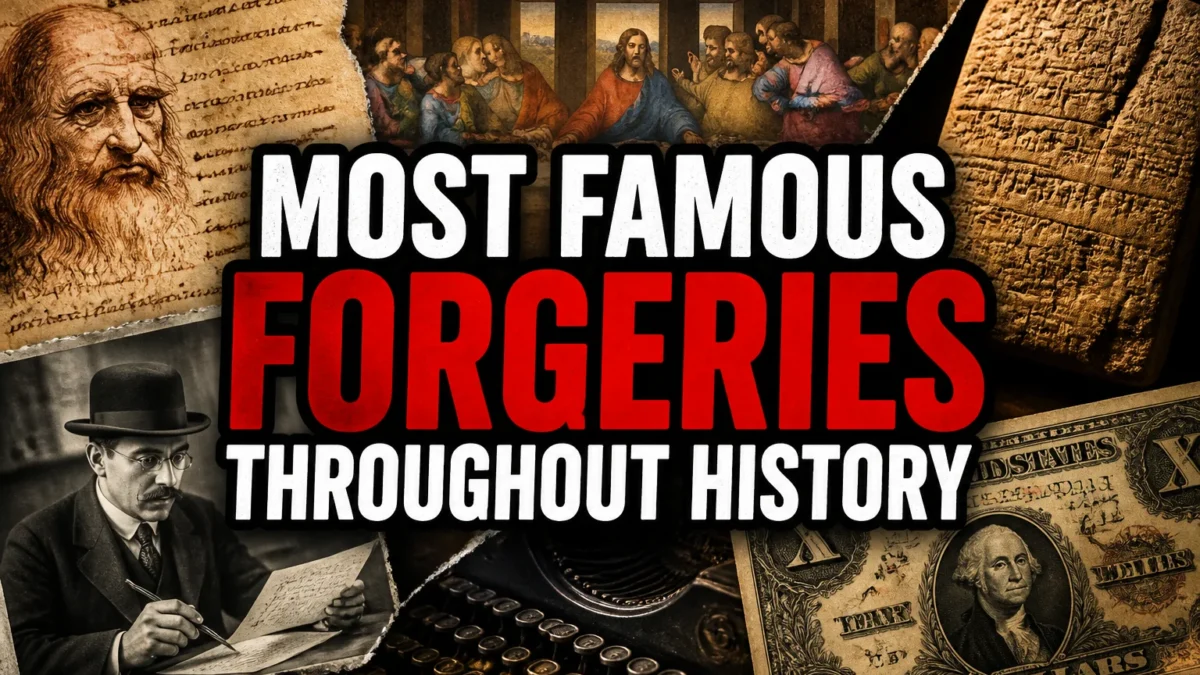
History is full of objects that were not what they seemed. A fake fossil rewrote human prehistory, a forged Vermeer hung in a major gallery, and a few altered photographs convinced respected figures that fairies existed. The most famous forgeries throughout history share one trait: they matched what experts already wanted to find.
The stories below cover fossils, paintings, documents, photographs, and even a petrified giant. Each entry includes the forger, the method, and the moment the fraud fell apart. None of these cases require myth to be interesting; they show how evidence gets made and unmade.
TL;DR: History’s most famous forgeries show that convincing fakes need more than skill—they exploit what experts already want to believe.
What Makes a Forgery Famous?
A forgery becomes famous when it fools an institution, changes a field, or exposes how easily authority can be gamed. The best-known cases are not just crimes; they are collisions between ambition and evidence. Forgers often succeed by matching a period’s style so closely that experts see what they expect.
Some forgeries are physical objects such as paintings, sculptures, fossils, and photographs. Others are documents, poems, or claims inserted into the historical record. In every case, someone presented a made thing as something else, and enough people accepted it long enough to matter.
The phrase famous forgery cases covers both the fake object and the fallout. In many episodes, the exposure was as dramatic as the original deception. These stories also introduce famous forgers whose names became shorthand for audacity and technical skill.
20 Famous Forgeries and Forgers Across History
1. The Piltdown Man (1912)

In 1912, amateur archaeologist Charles Dawson announced the discovery of a skull and jawbone in Piltdown, England. The find seemed to prove that early humans evolved large brains before other modern traits. For more than four decades, Piltdown Man shaped textbooks and puzzled scientists.
The jawbone was actually from an orangutan and the skull from a modern human. In 1953, fluorine testing and microscopic analysis exposed the forgery once and for all. The hoax’s creator has never been proven, though evidence points to Dawson and a small circle of collaborators.
Piltdown Man remains one of the most influential forgeries in paleoanthropology because it delayed acceptance of genuine African fossils. The fake was built with filed teeth and chemically stained bones to look ancient. Its exposure reminded scientists that even a convincing object must be tested against the full fossil record.
2. The Donation of Constantine (8th Century)
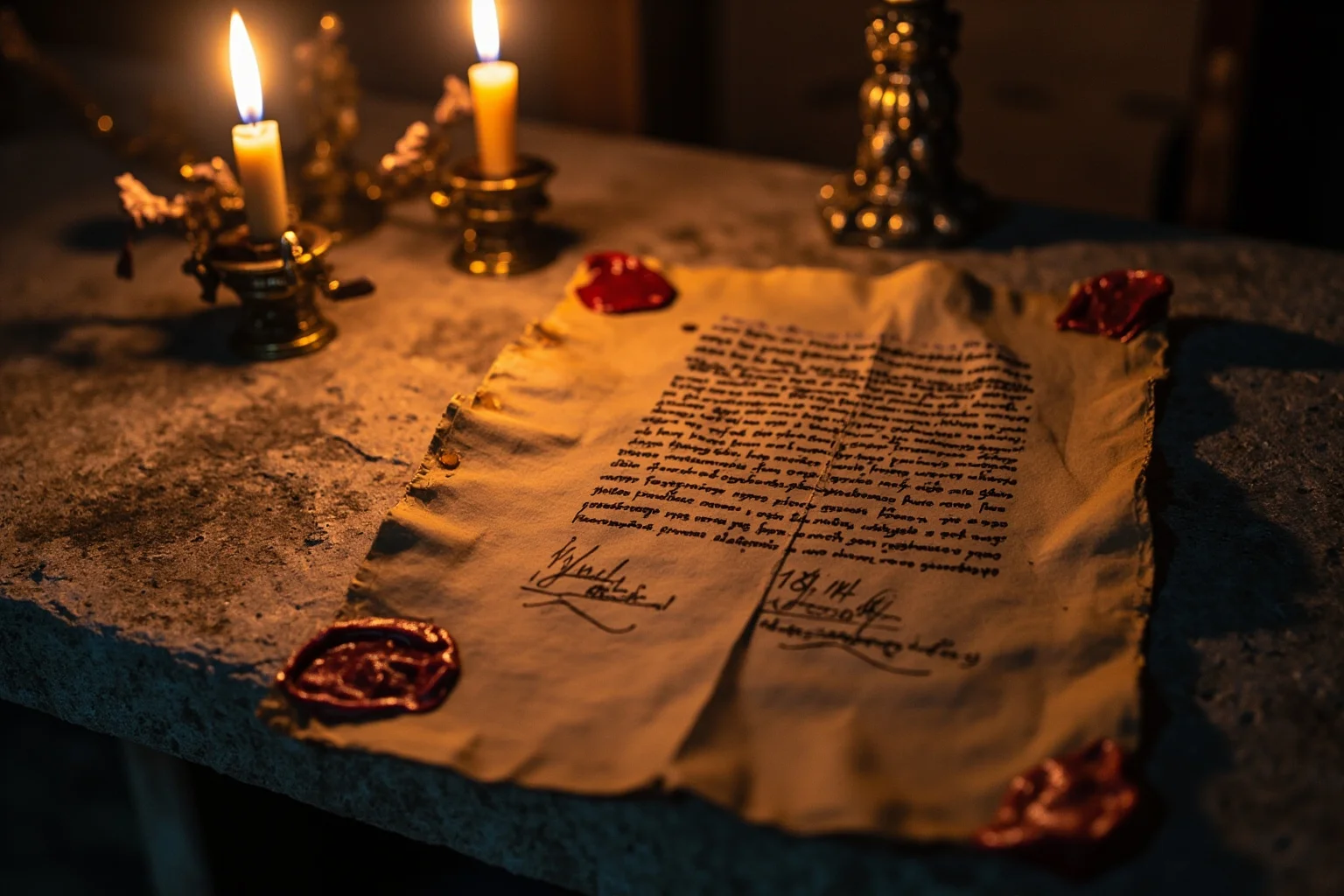
The Donation of Constantine is one of the earliest and most consequential document forgeries in European history. It claims that the Roman Emperor Constantine gave Pope Sylvester I and his successors control over Rome and the western territories. For centuries, popes used the document to justify temporal power.
The text was probably produced in the eighth century, long after Constantine’s fourth-century reign. The Italian humanist Lorenzo Valla dismantled its claims in 1440 with close linguistic and historical analysis. He showed that its Latin style and references to Constantinople did not fit the supposed date.
3. The False Decretals of Pseudo-Isidore (9th Century)
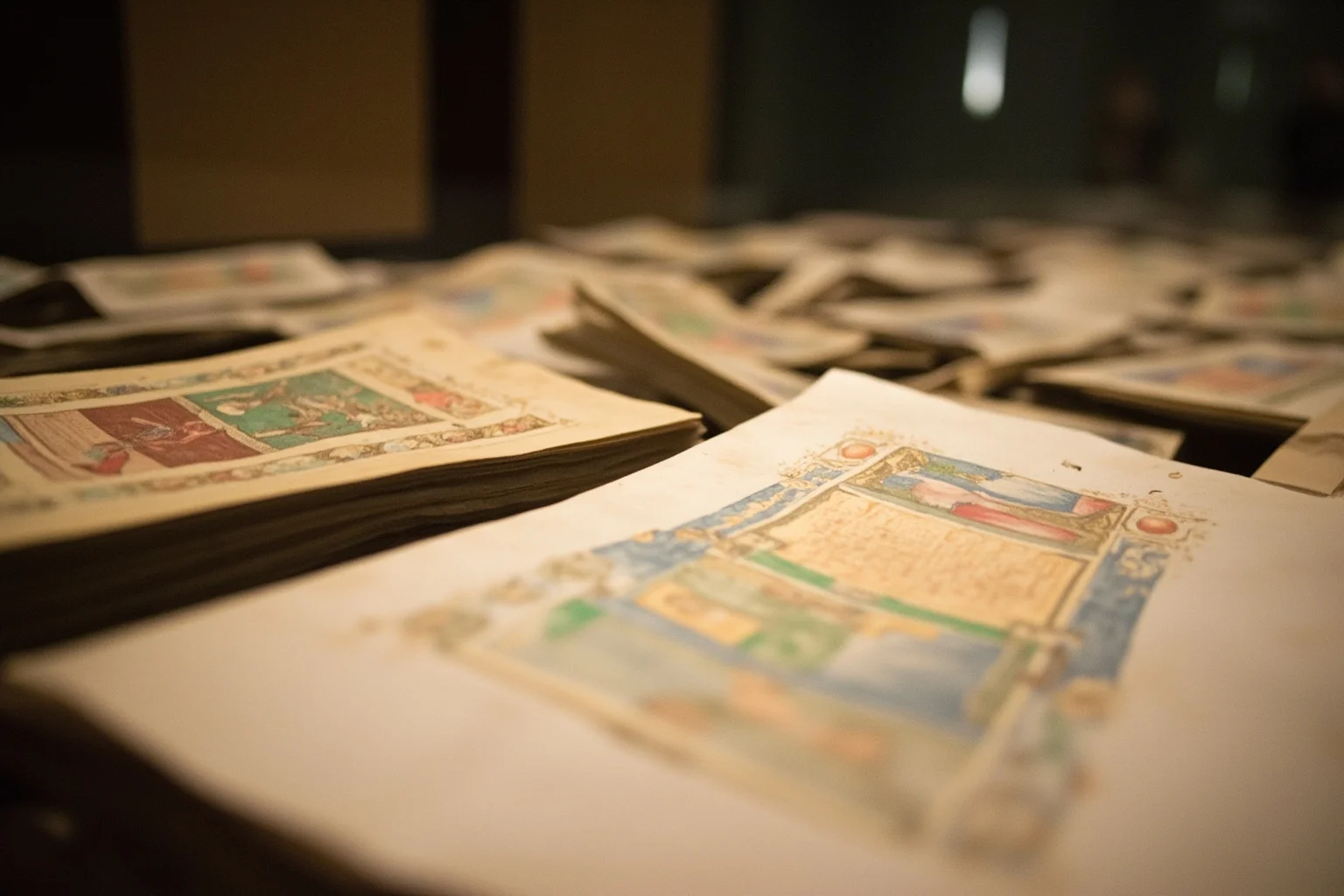
The False Decretals were a collection of forged papal letters and church laws attributed to early popes. They were assembled in the ninth century by an unknown compiler now called Pseudo-Isidore. The collection strengthened papal authority by inventing precedents for centralized control over bishops and councils.
Medieval church courts treated the decretals as genuine for hundreds of years. They influenced canon law and political disputes between popes and kings. Modern scholars agree that large portions of the collection were fabricated or heavily interpolated.
4. Thomas Chatterton’s Rowley Poems (1760s)
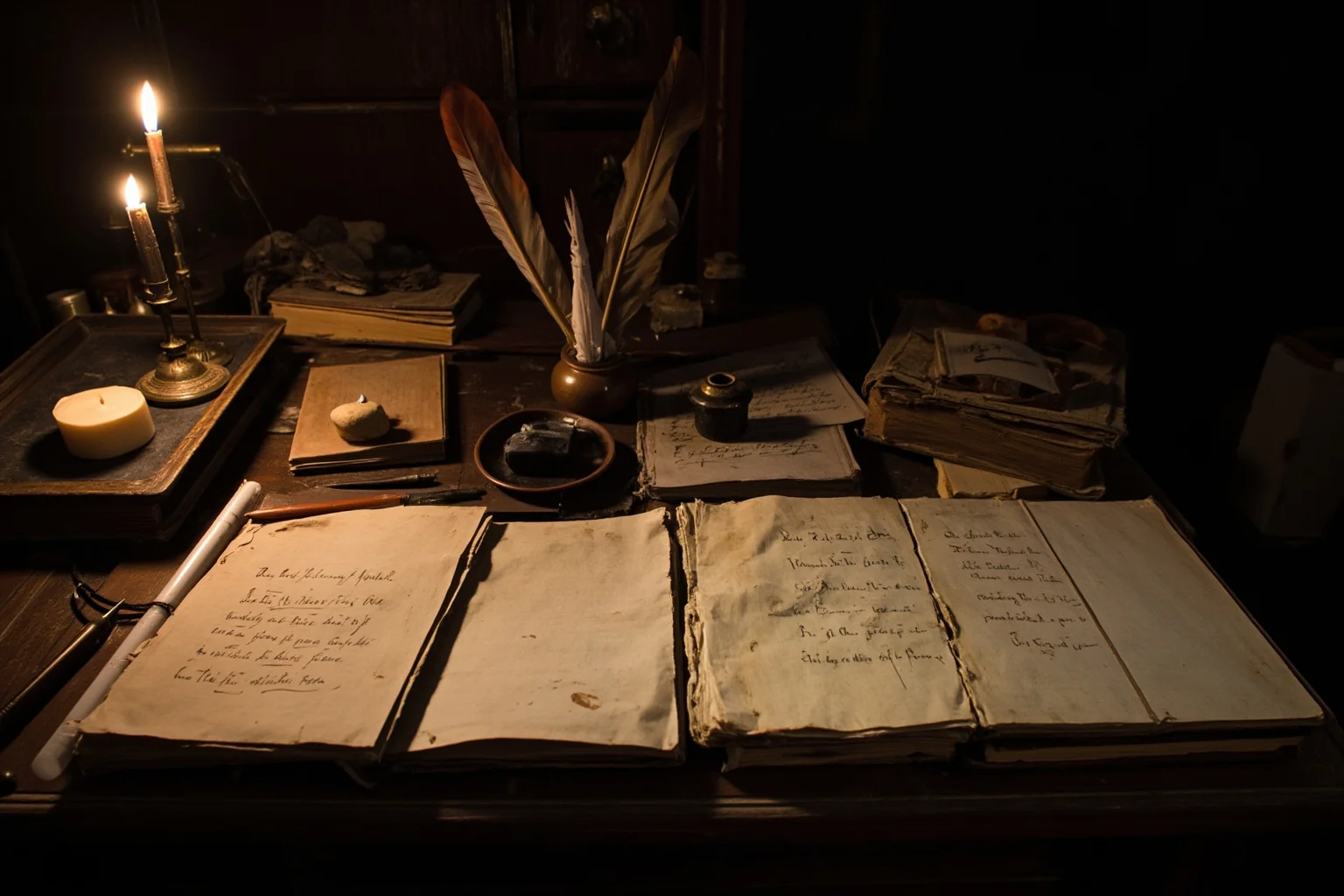
As a teenage clerk in Bristol, Thomas Chatterton wrote poems and prose in a faux-medieval style. He attributed the works to a fifteenth-century monk named Thomas Rowley. The Rowley poems dazzled literary society with their supposed antiquity.
Chatterton invented archaic spellings and even forged documents to support the Rowley persona. Some leading antiquarians accepted the manuscripts as genuine medieval literature. Others quickly recognized the style as too modern to be old.
5. James Macpherson’s Ossian Poems (1760s)

Around the same time as Chatterton, Scottish writer James Macpherson produced a cycle of epic poems supposedly translated from ancient Gaelic sources. The poems centered on a warrior-poet named Ossian and were presented as recovered fragments of a lost Scottish epic. They became enormously popular across Europe.
Macpherson claimed he had gathered the poems from oral tradition in the Scottish Highlands. He never produced the original manuscripts he said he had used. Many contemporaries, including Samuel Johnson, accused him of manufacturing the poems and passing them off as translations.
6. William Henry Ireland’s Shakespeare Forgeries (1795)
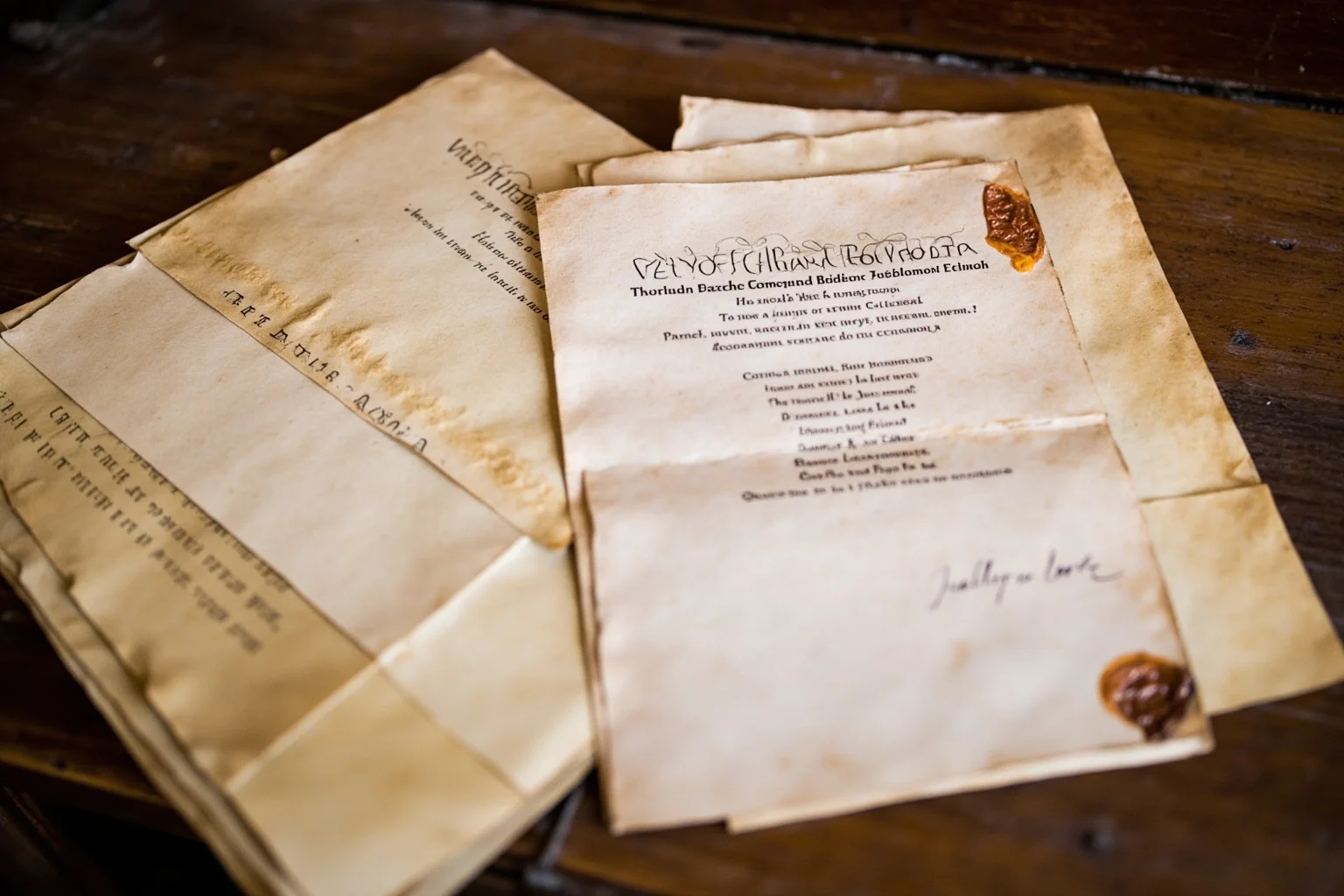
In the 1790s, Londoner William Henry Ireland forged letters, signatures, and an entire play attributed to William Shakespeare. Ireland’s father was an enthusiastic collector of Shakespeare memorabilia, and the young man wanted to impress him. The forgeries were initially accepted by several prominent literary figures.
Ireland fabricated deeds, love letters, and even a previously unknown play called Vortigern and Rowena. The play was staged in 1796, but its clumsy language and weak plot quickly drew ridicule. Ireland confessed to the forgeries shortly after the performance.
7. The Protocols of the Elders of Zion (1903)
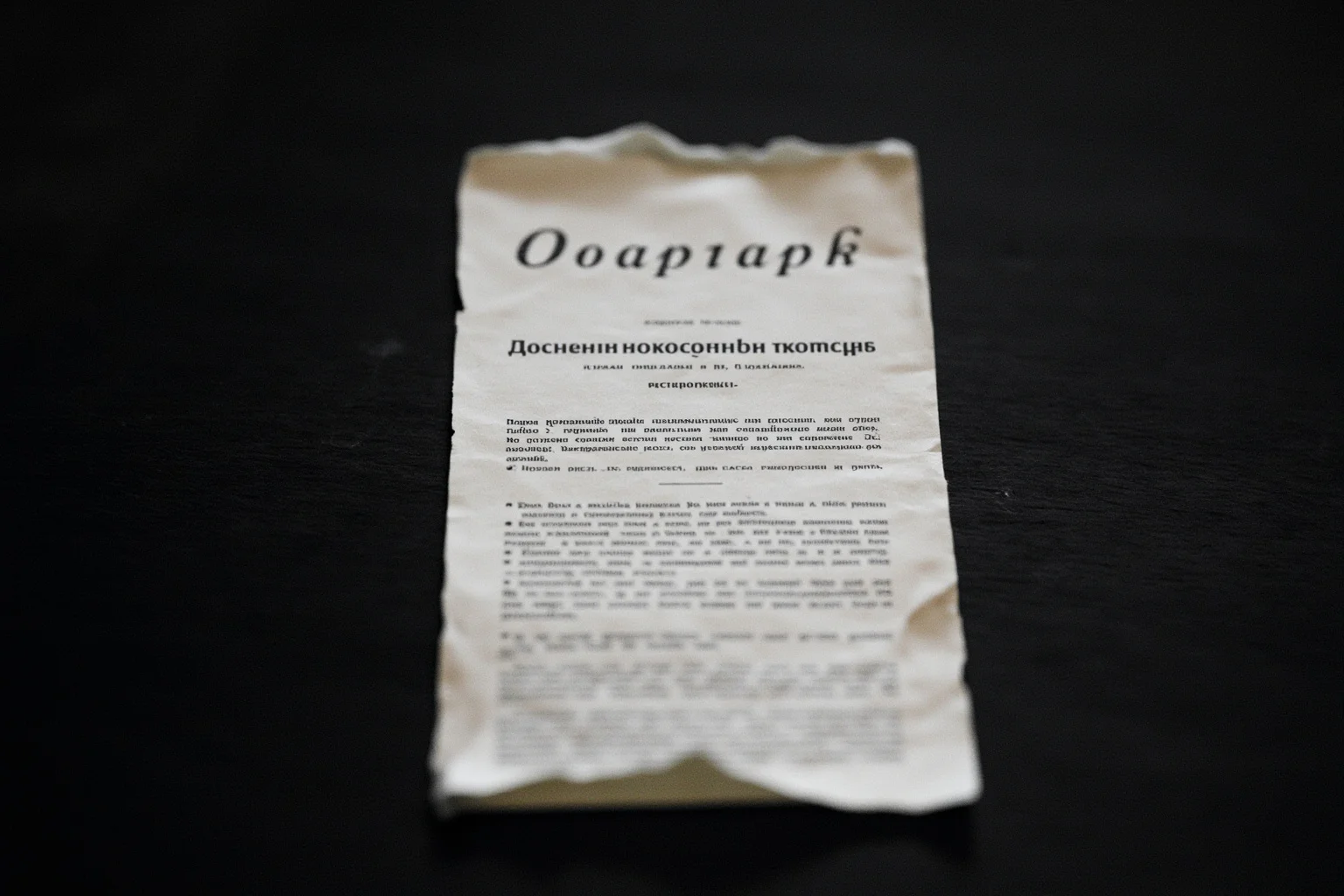
The Protocols of the Elders of Zion is an antisemitic text that claims to reveal a Jewish plan for world domination. First published in Russia around 1903, it was later exposed as a fabrication assembled from other sources. The text has been repeatedly debunked by historians and courts.
Researchers found that large sections were plagiarized from an 1864 French political satire and a novel. The Protocols did not describe a real conspiracy; they were constructed to stir hatred and fear. Despite overwhelming evidence of forgery, the text circulated widely and fueled violence.
The Protocols remains one of the deadliest forgeries in history because of its real-world consequences. It is not a piece of convincing literary imitation but a deliberate political weapon. Calling it a famous forgery case is accurate and necessary in understanding how fake documents can cause mass harm.
8. The Cardiff Giant (1869)
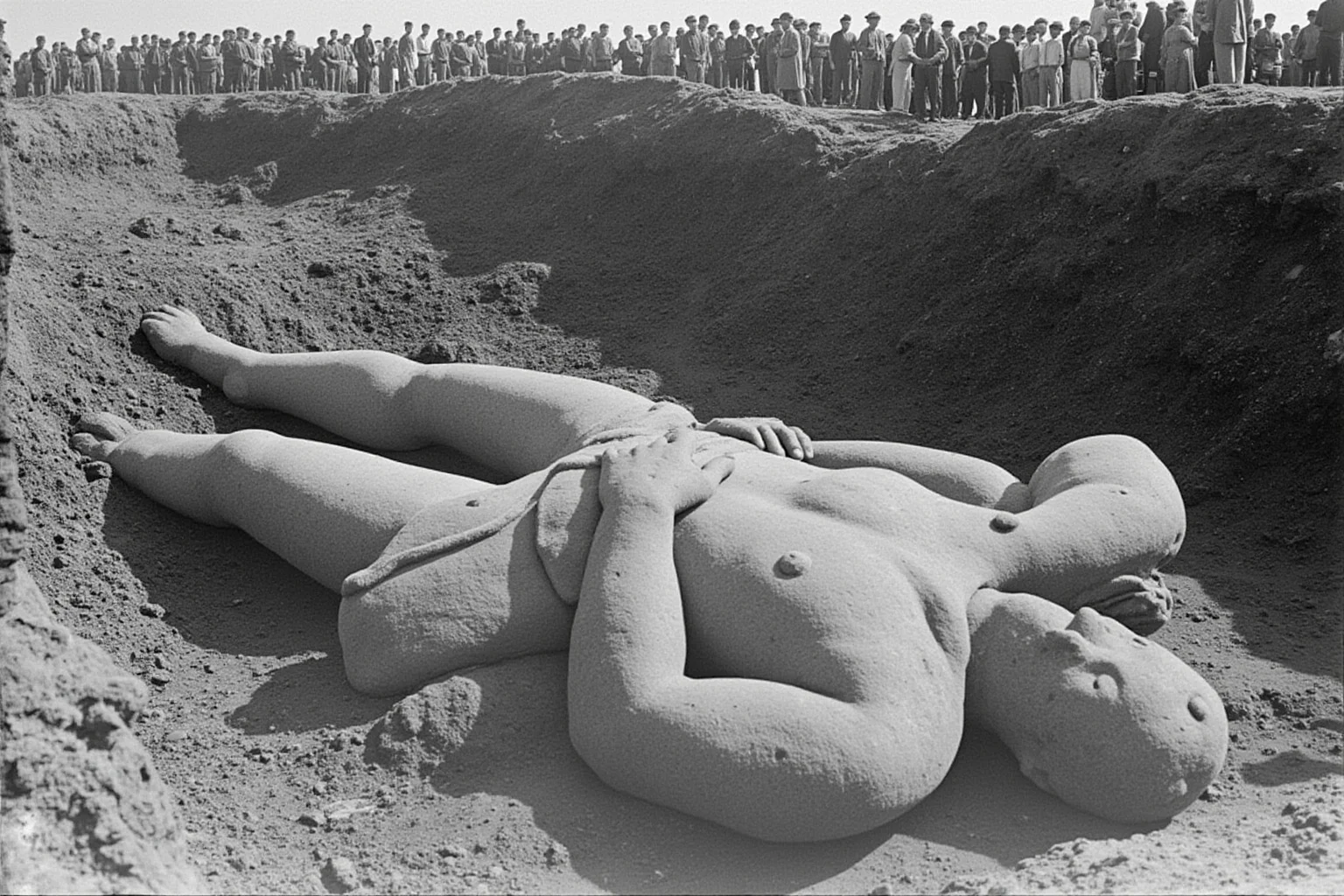
The Cardiff Giant was a ten-foot stone figure buried on a New York farm and “discovered” in 1869. George Hull, a tobacconist, had the figure carved from gypsum and aged to look like a petrified human. He then arranged for it to be dug up and exhibited to paying crowds.
The giant quickly became a sensation, with newspapers and preachers debating whether it was a biblical relic or a fossil. Scientists dismissed it as a hoax almost immediately, but that did not stop the public from paying to see it. Hull later confessed and profited from the controversy.
9. The Cottingley Fairies (1917-1920)

In 1917, two young cousins in Cottingley, England, took photographs showing what appeared to be fairies near a stream. Elsie Wright and Frances Griffiths used cardboard cutouts and hat pins to create the images. The photographs eventually reached Sir Arthur Conan Doyle, who championed them as evidence of the supernatural.
Doyle wrote articles and a book supporting the fairy photographs, even though the images were harmless pranks. The girls kept the hoax quiet for decades, partly because the attention became overwhelming. In the 1980s, they admitted that four of the five photographs were faked, though Frances maintained one faint figure was real.
10. The Etruscan Terracotta Warriors (1930s)
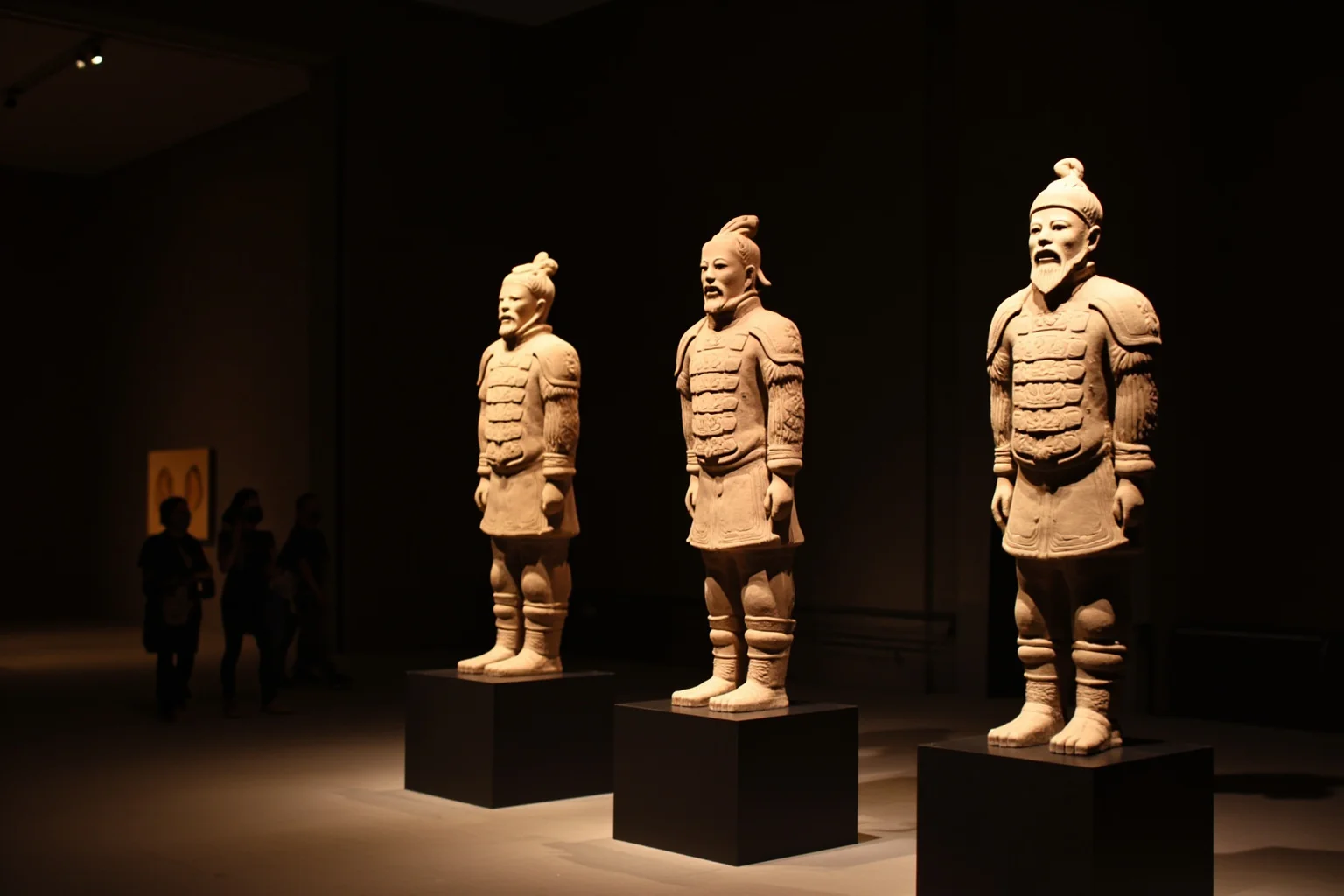
In the 1910s and 1920s, the Metropolitan Museum of Art acquired three large terracotta warriors said to be ancient Etruscan sculptures. The figures were praised as masterpieces and displayed prominently in the museum. In reality, they were made by Italian forgers in the early twentieth century.
The sculptures were created by a group of artisans led by Alfredo Fioravanti and his brothers. They used old materials and techniques to mimic the look of ancient Etruscan art. Cracks, missing thumbs, and other details were later explained by the forgers’ own accounts and photographs.
11. Han van Meegeren’s Fake Vermeers (1930s-1940s)
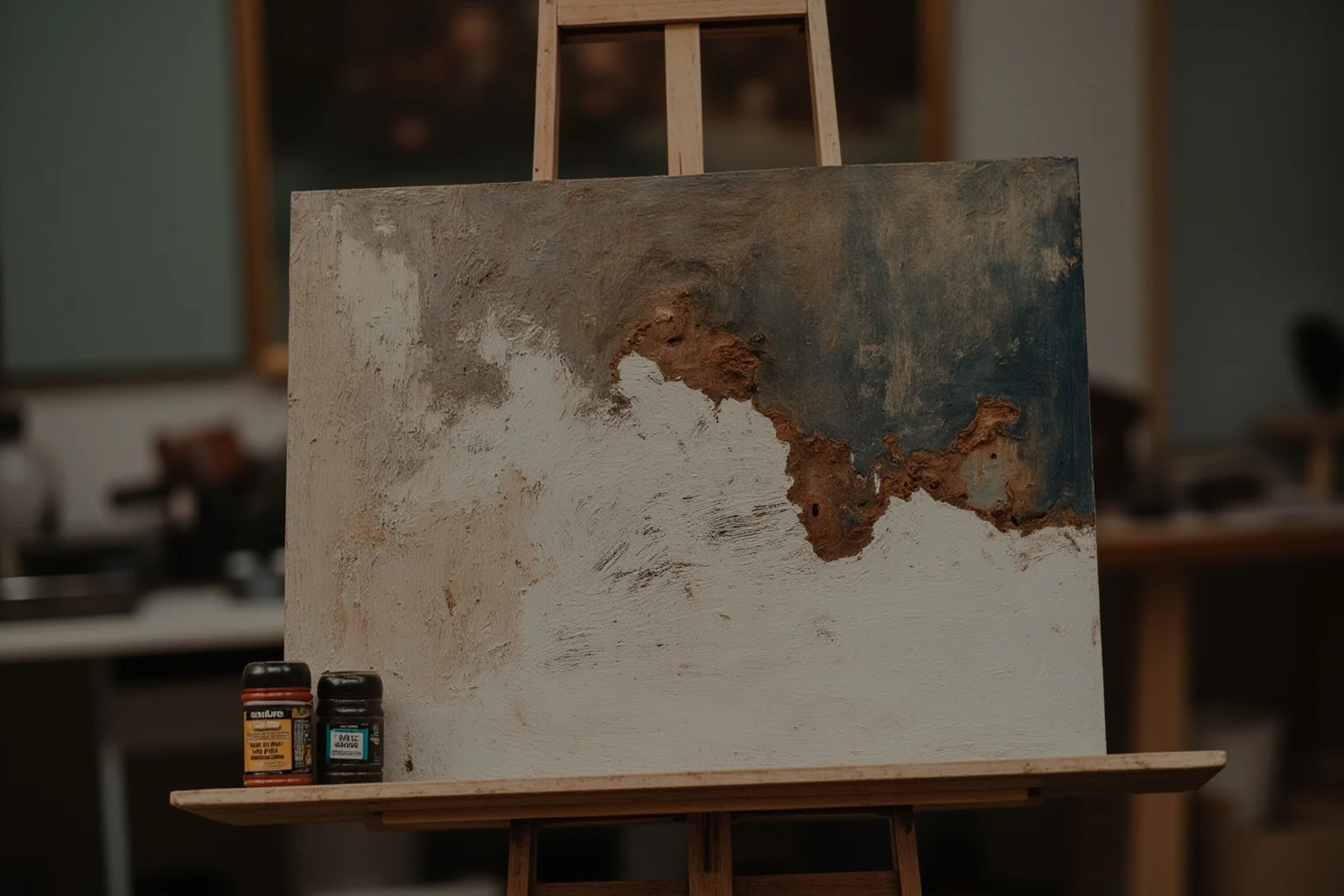
Dutch painter Han van Meegeren pulled off one of the most audacious art frauds of the twentieth century. Angry at being dismissed by critics, he forged paintings in the style of Johannes Vermeer and sold them to collectors and museums. His most famous fake, The Supper at Emmaus, was hailed as a Vermeer masterpiece.
Van Meegeren used period canvases, handmade pigments, and artificial aging to fool experts. During World War II, he sold a fake Vermeer to Nazi leader Hermann Göring. After the war, he was arrested as a collaborator for selling Dutch cultural property.
To avoid the more serious charge, van Meegeren confessed that he had painted the works himself. He even created a new painting in court to prove his skill. He was convicted of forgery and became a folk hero to some as the forger who cheated the Nazis, though he also profited from the wartime art market.
12. The Loch Ness Monster Surgeon’s Photograph (1934)
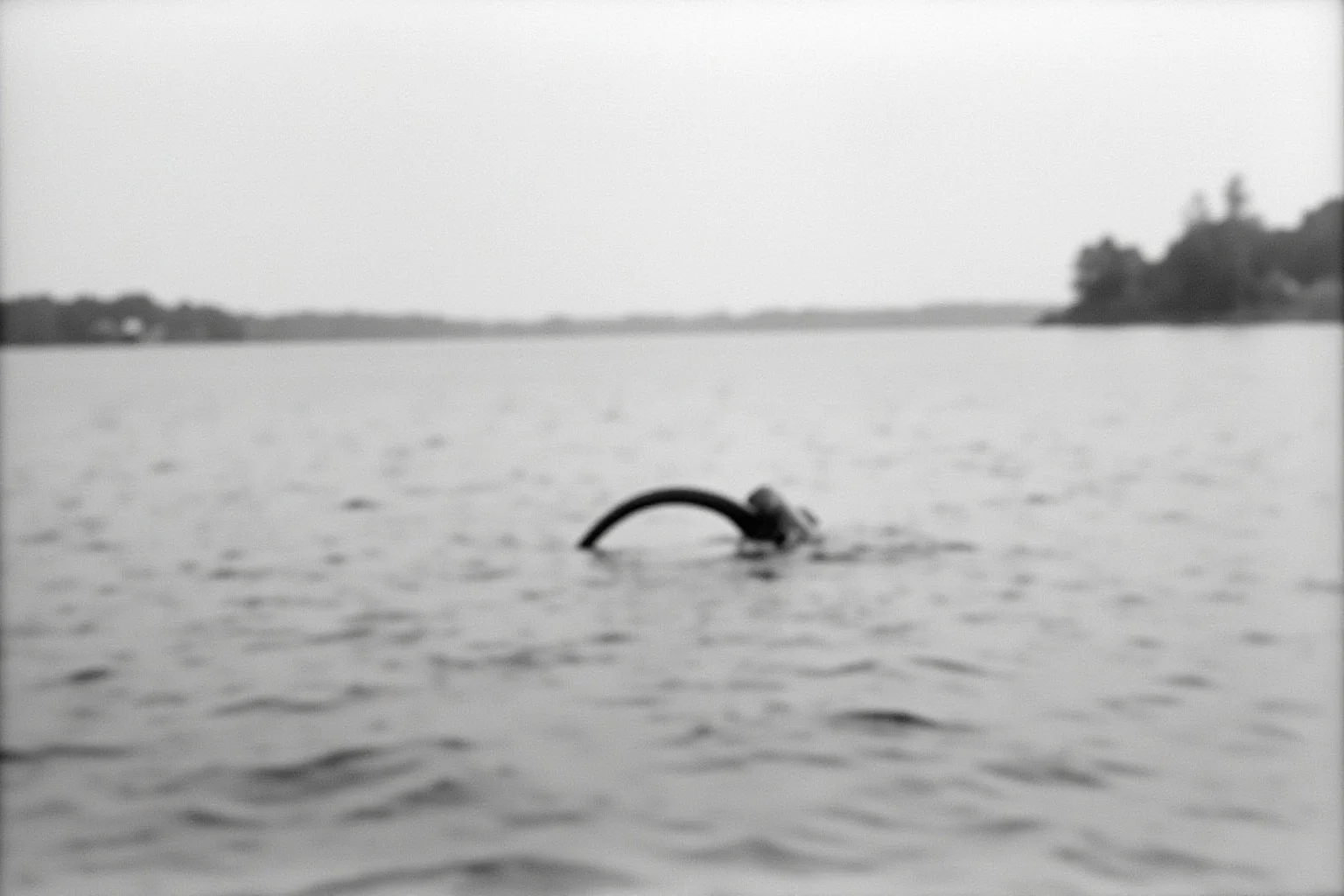
The most famous image of the Loch Ness Monster is a grainy photograph published in the Daily Mail in 1934. It appeared to show a long neck rising from the water and was attributed to London gynecologist Robert Kenneth Wilson. For decades, the image shaped the modern legend of Nessie.
In 1994, the photograph was exposed as a hoax. The object in the water was a toy submarine fitted with a sculpted neck and head. The scheme involved several men, including Marmaduke Wetherell, who had been publicly ridiculed after an earlier fake Nessie footprint.
The surgeon’s photo is a classic example of a famous forgery that became more real than the truth. Even after the confession, the image continues to circulate as an icon of cryptozoology. It illustrates how one small physical prop can generate a global myth.
13. The Hitler Diaries (1983)
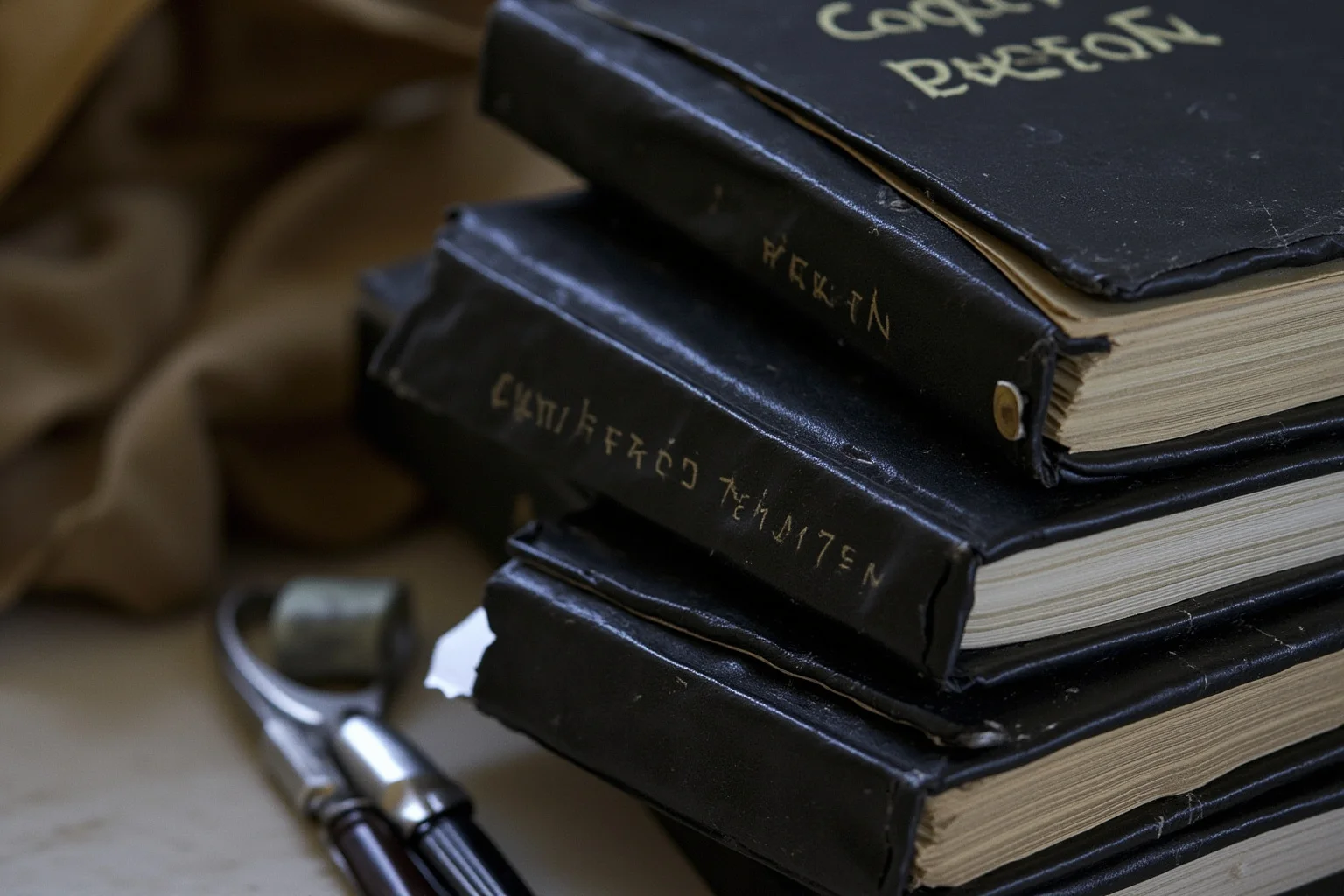
In 1983, the German magazine Stern announced the discovery of dozens of volumes of Adolf Hitler’s personal diaries. The story was syndicated worldwide for a huge sum, and journalists celebrated a historical scoop. The diaries were actually forged by Konrad Kujau, a Stuttgart dealer in Nazi memorabilia.
Kujau wrote in a laborious style and used materials that initially passed superficial checks. Forensic analysis of paper, ink, and binding soon showed that the diaries were created decades after Hitler’s death. Kujau also made simple errors, such as using anachronistic labels and including impossible details.
The scandal ruined careers and became a cautionary tale about editorial rush and the hunger for sensational history. Kujau was convicted and later became a minor celebrity, selling his own forgeries as original forgeries. The Hitler Diaries remain one of the most famous forgery cases of the media age.
14. The Salamander Letter (1984)
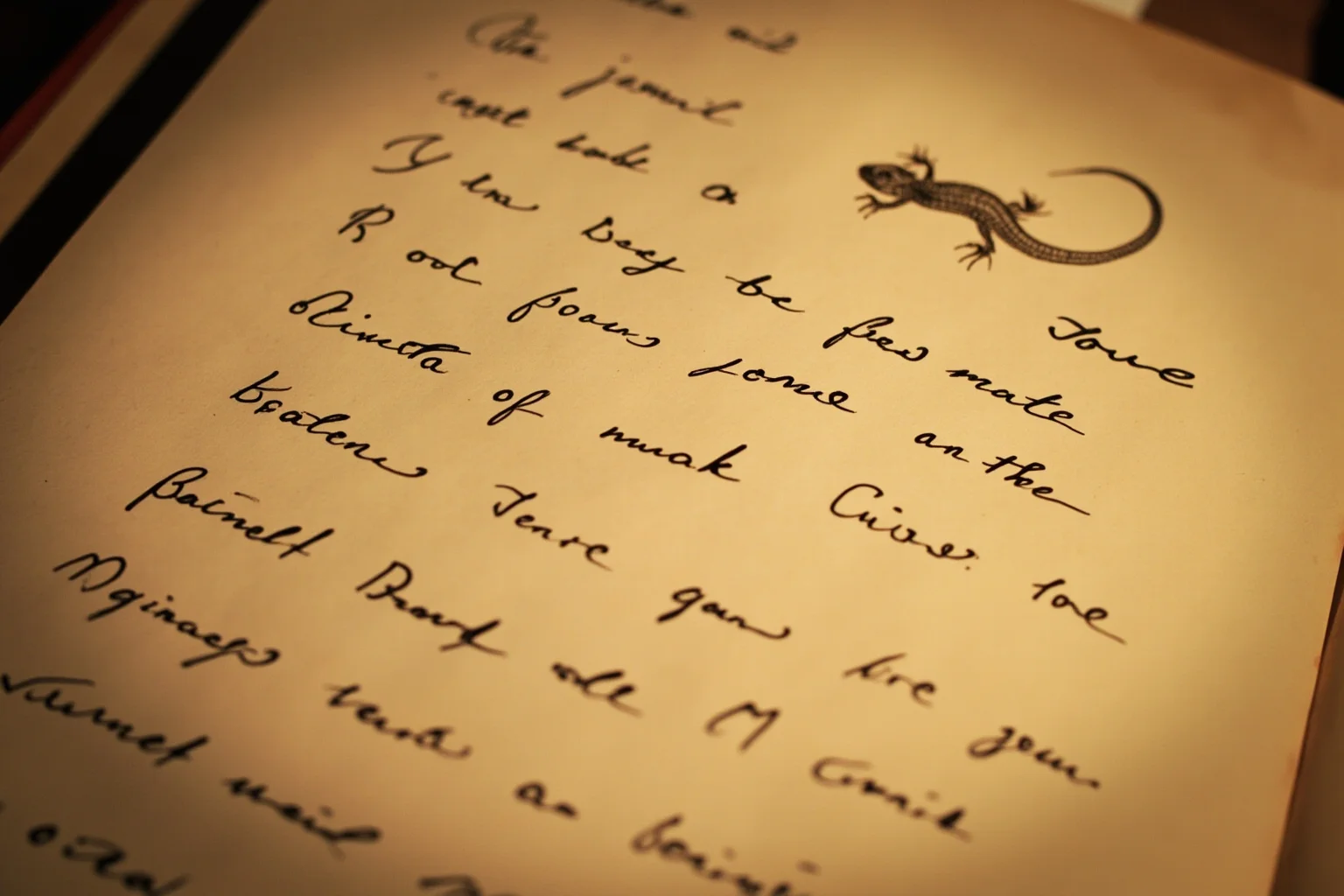
Mark Hofmann was a rare documents dealer who forged hundreds of items tied to early American and Mormon history. His most notorious creation was the Salamander Letter, which claimed that Joseph Smith’s encounter with an angel actually involved a white salamander. The letter was designed to embarrass the Church of Jesus Christ of Latter-day Saints.
Hofmann used his knowledge of paper, ink, and historical context to fool document experts and church leaders. His forgeries were so convincing that they sparked crises within the communities that accepted them. As scrutiny grew, Hofmann turned to bombings to distract investigators.
Hofmann killed two people with bombs in 1985 and was injured by a third device. His confession revealed the full scope of his forgery operation, which included the Salamander Letter and many other documents. He remains one of the most dangerous famous forgers ever convicted.
15. The Amarna Princess (2003)
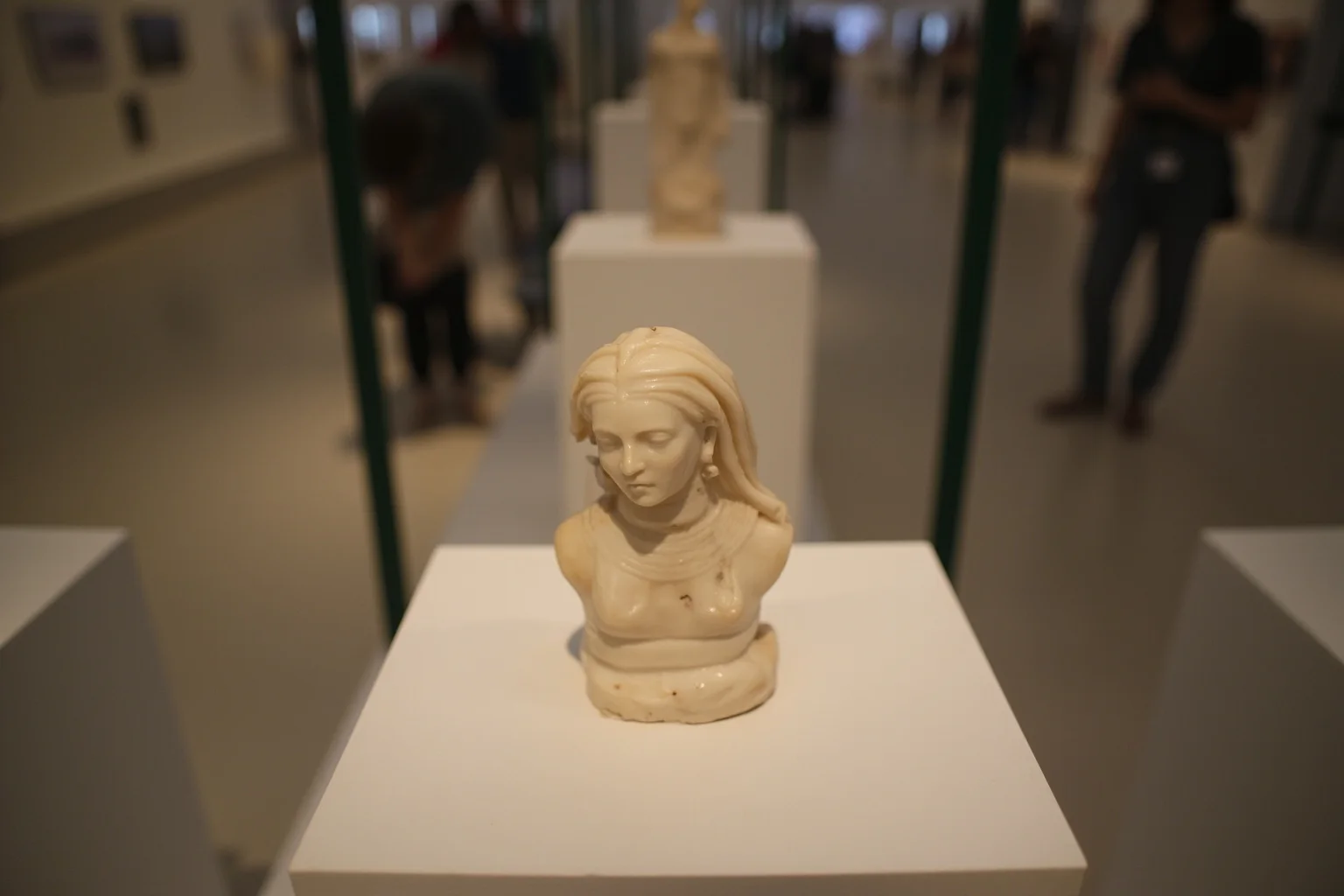
In 2003, the Bolton Museum in England purchased a small Egyptian-style alabaster statue called the Amarna Princess for £440,000. The piece was presented as a rare ancient artifact from the Amarna period. It turned out to be the work of Shaun Greenhalgh and his family, who had been forging art for years.
Greenhalgh created the statue in a shed using basic tools and careful research. His father and brother helped sell the piece with invented provenance stories. The family’s undoing came when they attempted to sell Assyrian reliefs with a spelling mistake in the cuneiform.
The Amarna Princess is a modern cautionary tale about museum acquisitions and the limits of stylistic analysis. Greenhalgh later admitted to producing dozens of forgeries across many cultures and time periods. The case shows that even small regional museums can be targets of sophisticated national forgery networks.
16. The Spanish Forger (late 19th-early 20th Century)
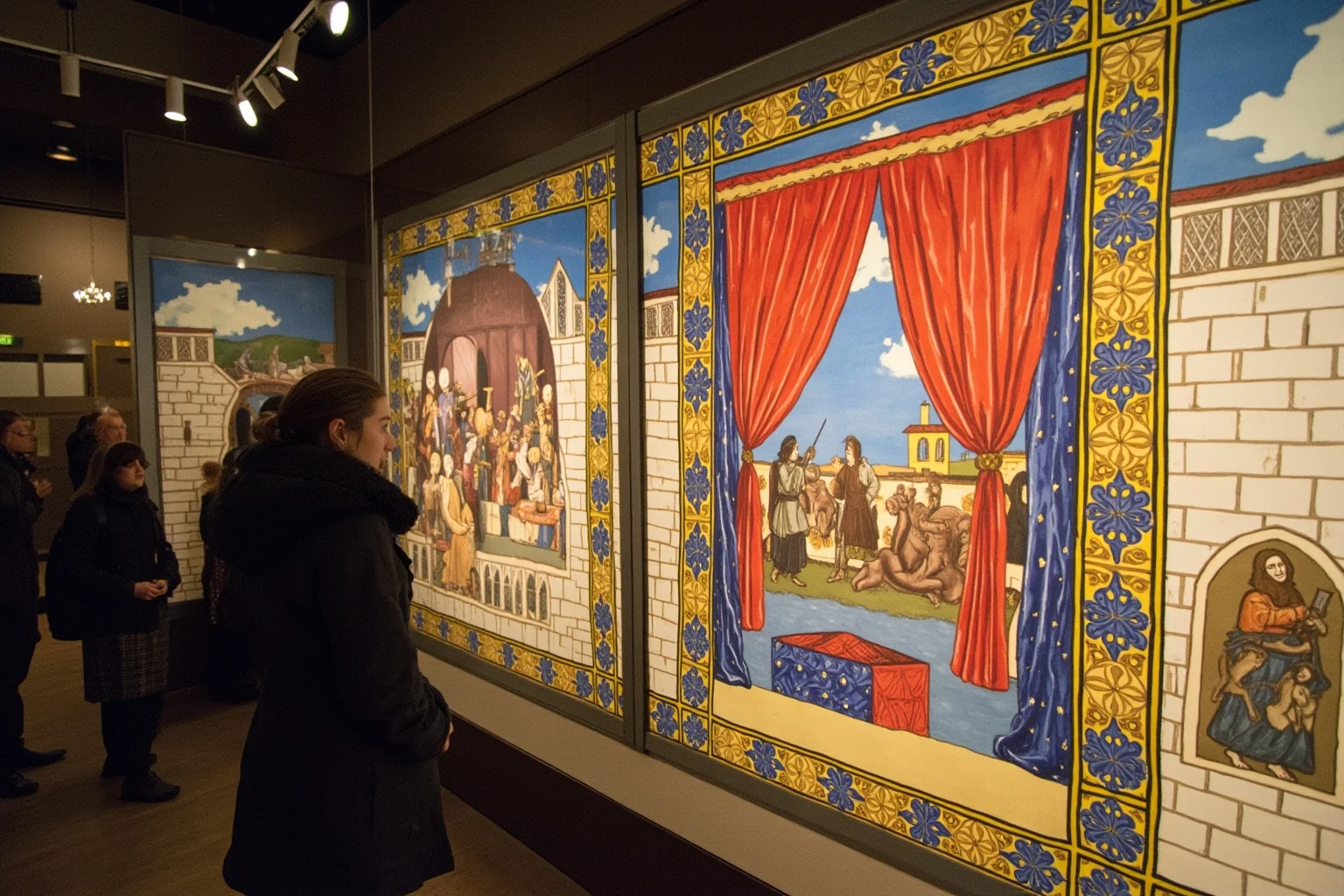
The Spanish Forger is the name given to an unidentified artist who produced illuminated manuscript pages and panel paintings in a faux-medieval style. Active around 1900, the forger sold works to collectors and institutions as genuine fifteenth-century pieces. Many of his forgeries remain in museum storage today.
The forger’s work was identified through repeated stylistic quirks and modern pigments. His compositions often have a saccharine, stage-like quality that scholars now recognize as Victorian rather than medieval. The term Spanish Forger may reflect an early false attribution or the subject matter, not the artist’s nationality.
17. Wolfgang Beltracchi (1980s-2010)
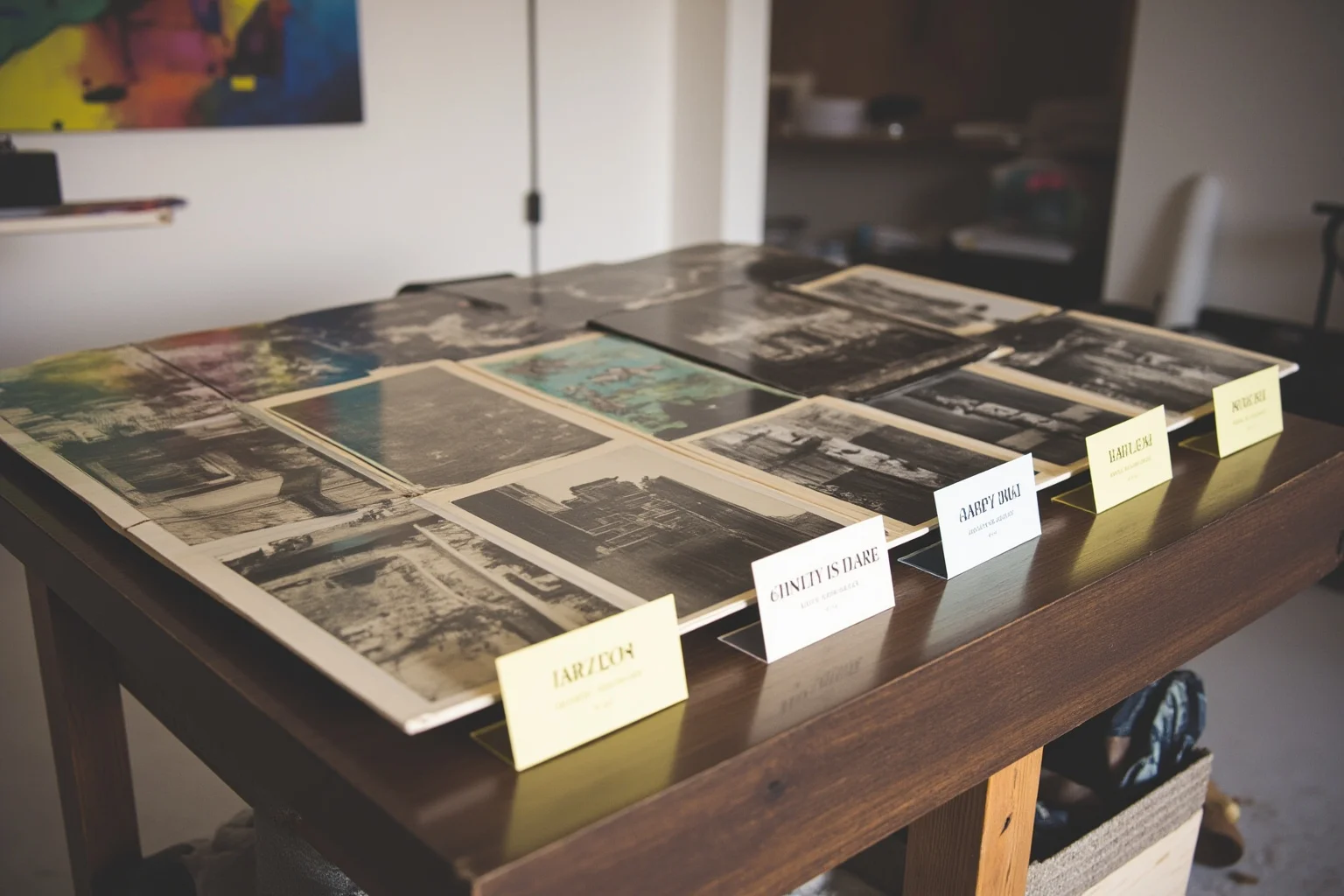
German artist Wolfgang Beltracchi and his wife Helene created and sold dozens of fake paintings attributed to modern masters such as Max Ernst, Heinrich Campendonk, and Fernand Léger. The couple invented a fictional family collection to explain the works’ provenance. Their fraud lasted for decades and earned millions of euros.
Beltracchi did not copy existing paintings; he created new works in the style of famous artists and sold them as lost originals. He used period materials and even faked gallery labels and photographs to support the histories. This method made the forgeries harder to detect because there was no original to compare.
The scheme collapsed in 2011 when a painting attributed to Campendonk was found to contain titanium white, a pigment not used in the claimed period. Beltracchi was convicted and later became something of a celebrity, publishing a memoir and appearing in documentaries. The case is a masterclass in how bold creativity can outpace authentication methods.
18. Mark Landis (1985-2010)
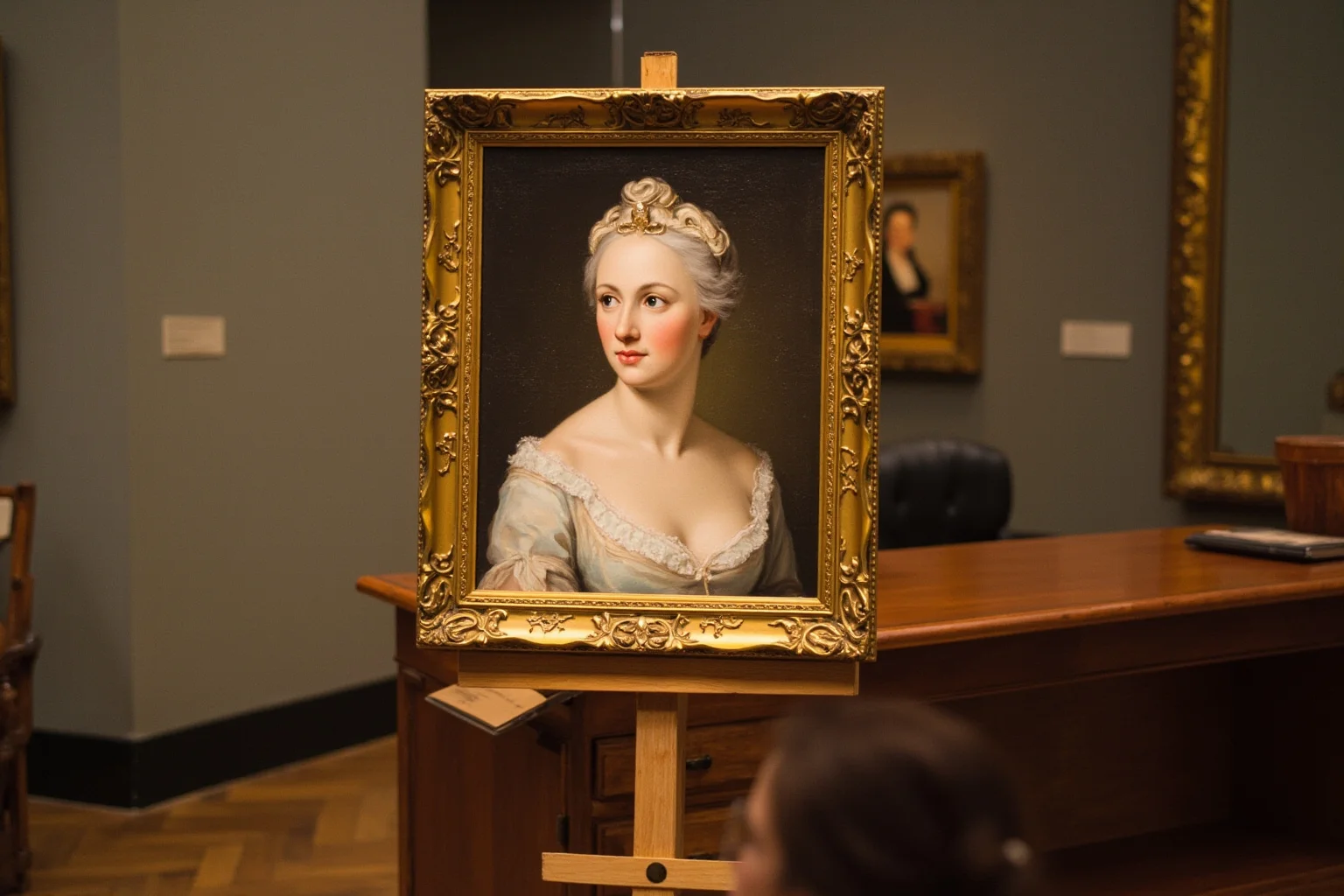
Mark Landis spent decades donating fake paintings to American museums, universities, and libraries. Unlike most famous forgers, he rarely took money for his work. Instead, he posed as a wealthy philanthropist and gifted copies in the styles of famous artists, sometimes under his own name.
Landis drew, painted, and photocopied images onto aged-looking surfaces. Many institutions accepted his gifts without closely checking their provenance. His activities came to wider attention in 2010 when a registrar in Oklahoma began tracking his unusual donation patterns.
Landis was never prosecuted for most of his activities because he did not profit financially from the gifts. His story raises questions about the line between forgery, prank, and donation. A documentary and exhibitions later explored his odd career, making him one of the most unusual famous forgers in the United States.
19. The Vinland Map (20th-Century Controversy)
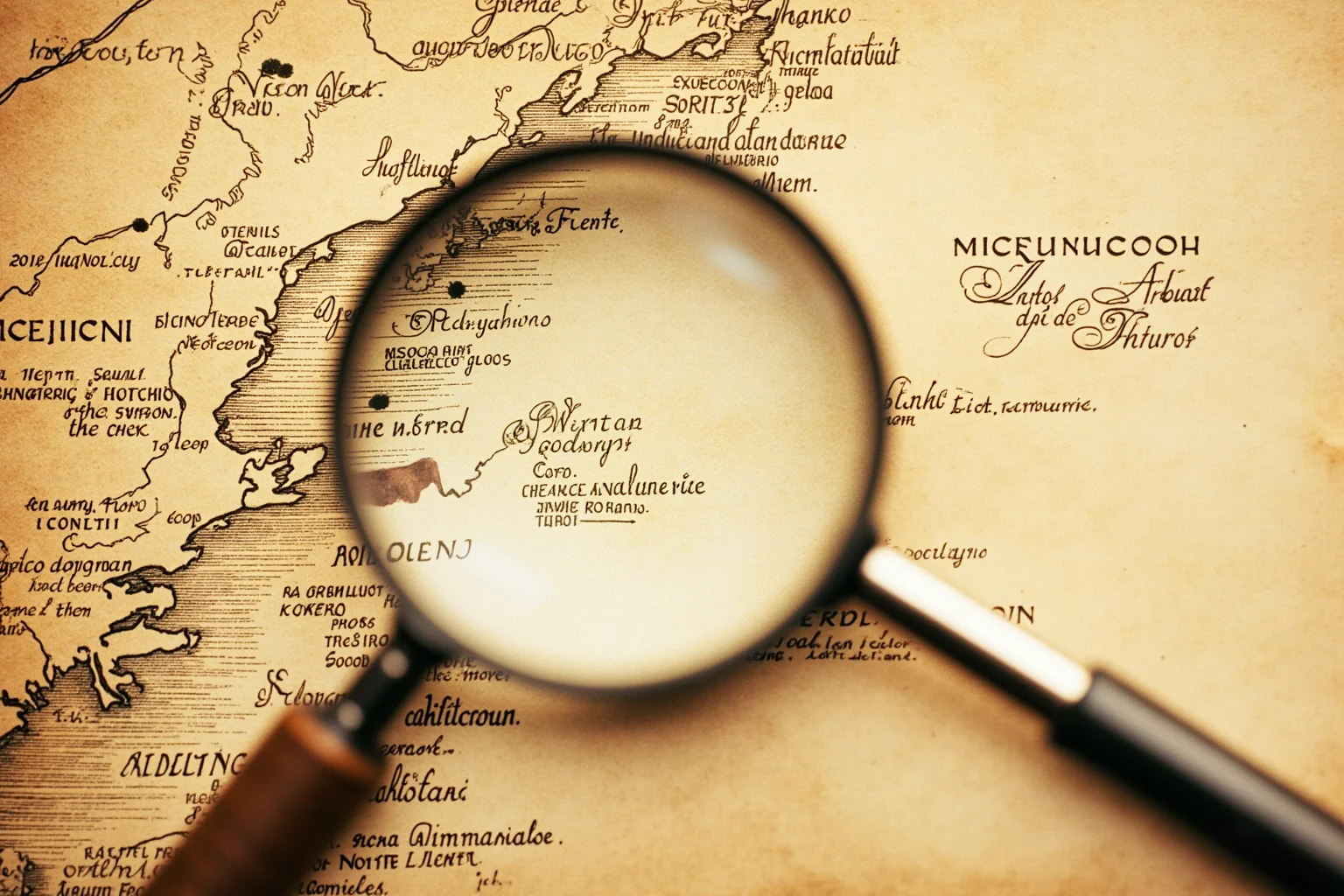
The Vinland Map was presented as a fifteenth-century world map showing part of North America, labeled Vinland, decades before Columbus. It appeared publicly in 1965, accompanied by a claim that it demonstrated pre-Columbian Norse knowledge of the continent. For years, it was cited in debates about early transatlantic contact.
Scientific examinations have repeatedly found modern materials in the map’s ink. The presence of anatase, a titanium compound, and other modern pigments convinced many institutions that the map is a twentieth-century forgery. Some researchers still argue that the tests are not conclusive, but the map’s authenticity is widely rejected.
The Vinland Map is not a simple case because the map itself may be old while the Greenland and Vinland portions are later additions. It remains one of the most contested famous forgery cases in cartographic history. The debate shows how forgeries can persist in controversy long after most experts have moved on.
20. The Kensington Runestone (1898)
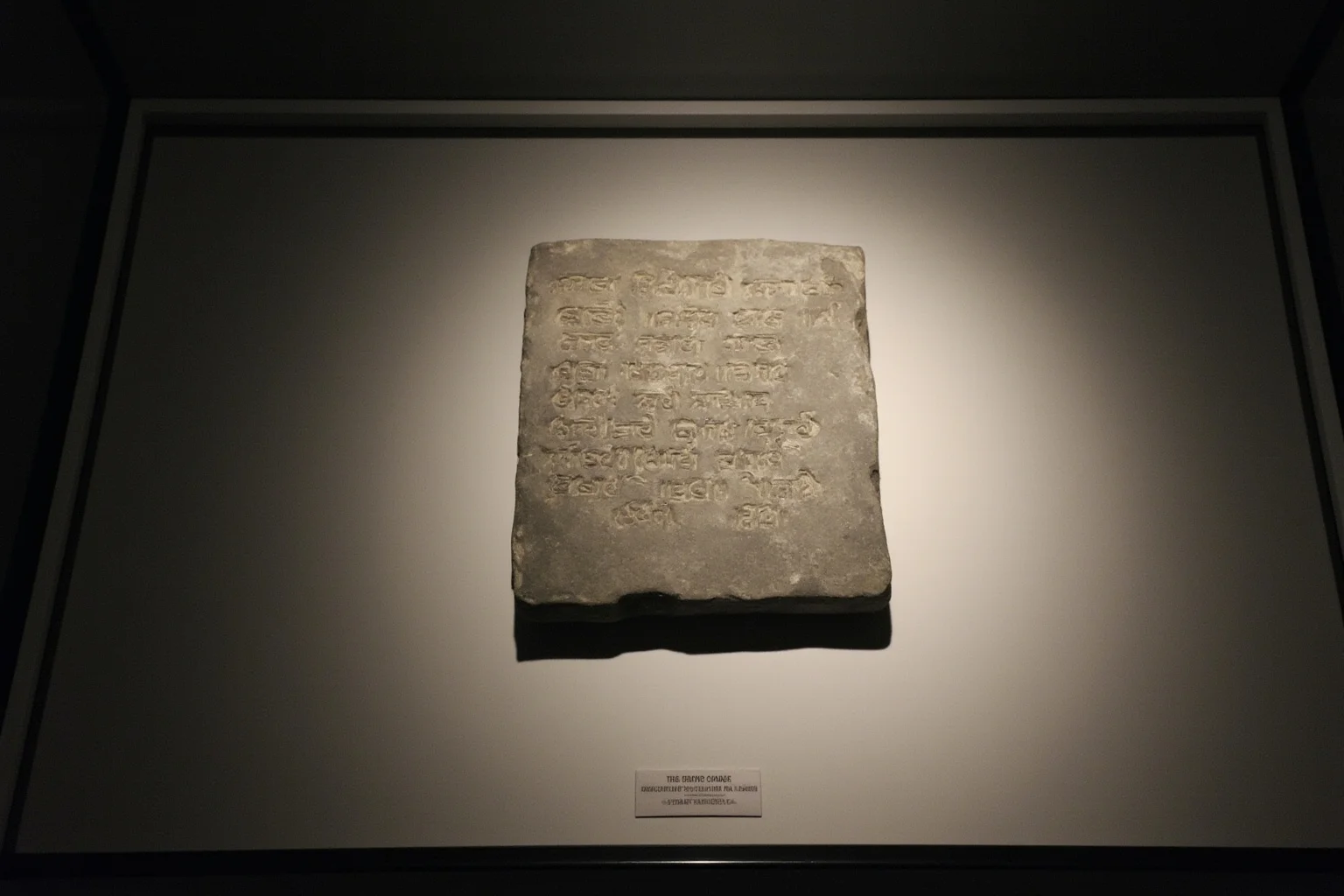
The Kensington Runestone is a slab covered in runic writing found in Minnesota in 1898 by Swedish immigrant farmer Olof Öhman. The inscription claimed to record the journey of Norse explorers in 1362. Many Scandinavian Americans welcomed the stone as proof that Vikings had traveled deep into the North American interior.
Runologists and linguists quickly identified problems with the runes and the language. The inscription mixes forms and vocabulary that do not match fourteenth-century Old Norse usage. Most scholars regard the stone as a modern forgery, though some amateur researchers and local pride keep the debate alive.
The stone remains on display in Minnesota and continues to attract visitors. It is a useful example of how a desired historical narrative can keep a forgery culturally significant. While not accepted by mainstream scholarship, the runestone is among the most famous artifact forgery cases in American history.
Why Famous Forgeries Still Matter
Famous forgeries are not just historical curiosities. They reveal how trust, expertise, and desire work together in museums, courts, and public life. Every case on this list succeeded because someone wanted the fake to be real.
Modern authentication relies on scientific testing and digital provenance, but forgeries still surface. The same patterns repeat: a skilled maker, a plausible backstory, and an eager audience. Learning from famous forgery cases makes future frauds harder to sustain.
These stories also remind us that forgeries can be dangerous, not just embarrassing. The Protocols and the Salamander Letter show how fake documents can harm real people. Studying forgeries is a way of studying how knowledge itself gets built.
Frequently Asked Questions
What is the most famous forgery in history?
The Piltdown Man and the Hitler Diaries are among the most famous, but the Donation of Constantine had the longest political impact. Each became famous because of how long experts accepted it and how dramatically it was exposed.
Who is the most successful famous forger?
Han van Meegeren and Wolfgang Beltracchi are often cited for financial and critical success. Mark Hofmann’s forgeries were also exceptionally convincing in the document world. Success can mean money, institutional acceptance, or influence.
How do experts detect forgeries today?
Experts combine provenance research, stylistic analysis, and scientific testing of materials like paper, ink, pigments, and bone. Modern tools such as carbon dating and spectroscopic analysis can reveal anachronisms that were invisible to earlier generations.
What is the difference between a hoax and a forgery?
A forgery is an object or document made or altered to deceive about its origin, often for financial or ideological gain. A hoax may be a broader deception or prank that does not necessarily involve a physical fake. Many famous cases involve both.
Are any famous forgeries still displayed as genuine?
Some disputed objects, like the Kensington Runestone, remain on display as cultural artifacts even though most scholars consider them forgeries. Institutions sometimes exhibit known fakes with labels explaining their history. The Vinland Map is also widely rejected but still debated.

Alex Warren
Related Articles