

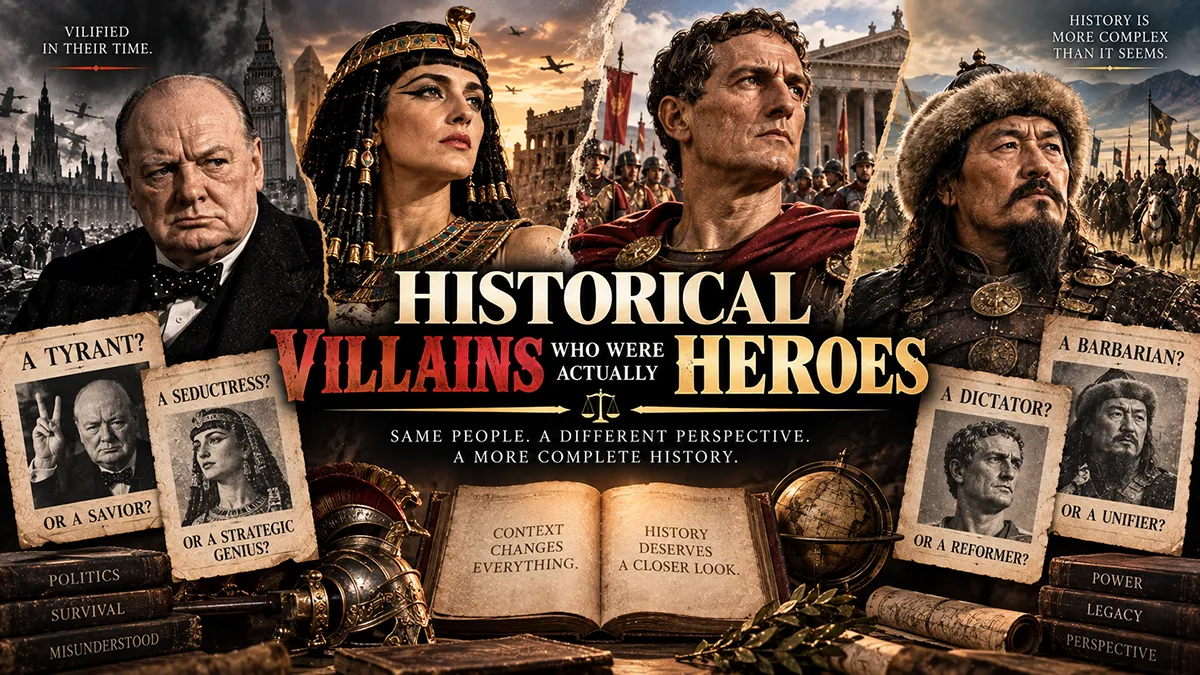
History loves a good villain. A cackling tyrant, a bloodthirsty conqueror, a scheming queen — these figures make for unforgettable stories, and storytellers from Shakespeare to Hollywood have never been shy about exaggerating them. But real history is rarely that tidy.
Many of the most infamous names in the history of villains were shaped less by their actual deeds and more by propaganda, political rivals, wartime enemies, or writers looking for a dramatic antagonist. Some so-called historical villains were genuinely brutal people who also did real good.
Others were flat-out victims of smear campaigns. This list digs into both — the classic villain reputations that don’t hold up, and the real anti-heroes whose legacies are far messier and more interesting than the caricature.
TL;DR: Many of history’s most famous villains — from Vlad the Impaler to Nelson Mandela — were shaped more by propaganda, politics, and storytelling than by the full historical record.
What Actually Makes Someone a ‘Villain’ in History?
When people search for lists of history bad guys or real life villains, they’re often thinking of pop-culture rankings like AFI’s 100 Years…100 Heroes and Villains, the American Film Institute’s famous list of the greatest movie heroes and villains of all time. That list is about fiction — Darth Vader, Nurse Ratched, the Wicked Witch of the West.
Real historical bad guys don’t come with a script. Their reputations are built from surviving letters, court records, enemy accounts, religious texts, and centuries of retelling, and every one of those sources has its own agenda. A king who loses a war often gets written up as a monster by the historians working for whoever won.
There are also fan-made catalogs online — sometimes called a “real life villains wiki” — that attempt to compile real-world figures alongside fictional ones. These can be fun starting points, but they’re crowd-edited and not always historically rigorous, so they’re best treated as pop-culture reference rather than a primary source.
With that caveat in mind, here are 21 of history’s most famous villains, outlaws, and reputed bad guys — and the more complicated, sometimes genuinely heroic, stories behind them.
Ancient & Medieval “Monsters”
1. Attila the Hun
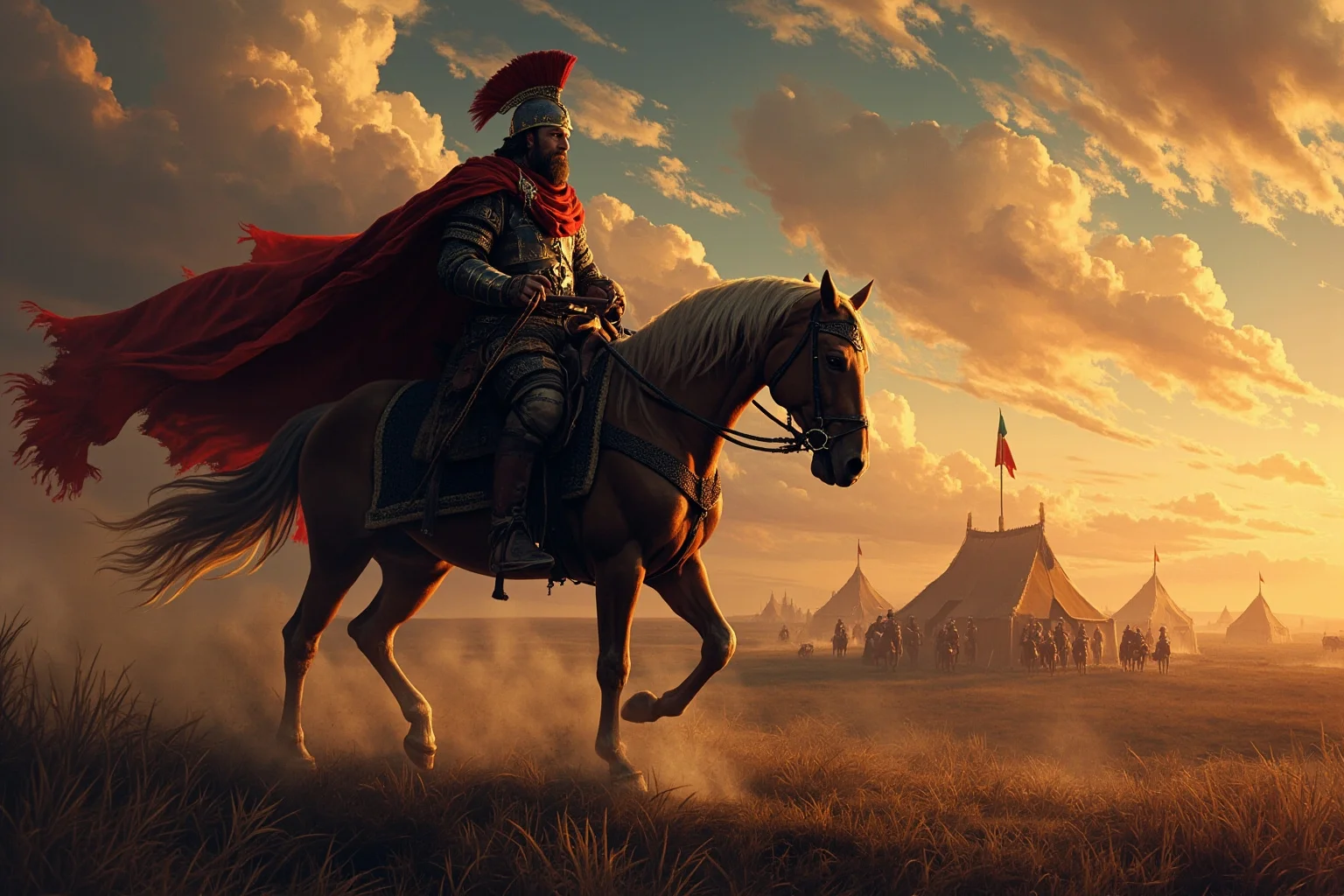
To the Romans, Attila was the “Scourge of God,” a barbarian whose armies flattened everything in their path. Almost everything we know about him comes from Roman and Greek writers who had every reason to paint their enemy as a monster.
Modern historians note that Attila was also a skilled diplomat and administrator who unified a huge, diverse confederation of tribes for decades. He negotiated as often as he raided, and much of his fearsome reputation was deliberately amplified by the empires he threatened.
2. Genghis Khan
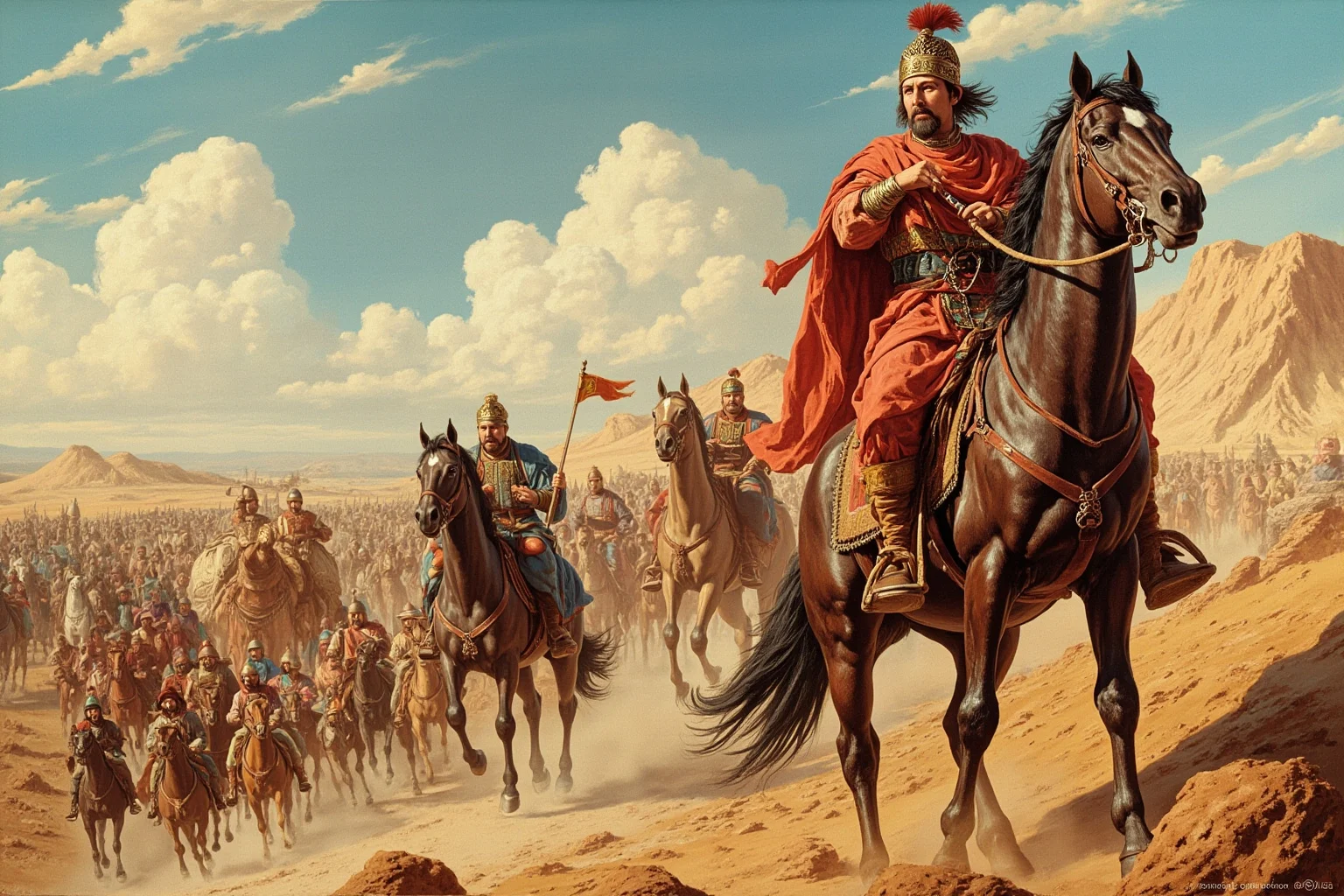
Genghis Khan’s conquests were undeniably violent, and entire cities were destroyed when they resisted the Mongol advance. That part of the record is well documented and shouldn’t be softened.
But the empire he built also created the Pax Mongolica, a period of relative stability that connected trade routes from China to Europe. He introduced a written legal code, promoted religious tolerance across his empire, and built one of history’s most effective postal and communication networks.
3. Vlad III, “the Impaler”
Vlad III of Wallachia is the historical figure behind the Dracula legend, and his methods of execution were genuinely brutal even by 15th-century standards. That reputation is not entirely propaganda.
What often gets left out is why he fought so hard: Vlad was defending a small principality against the far larger Ottoman Empire. To many Romanians, he’s remembered less as a classic villain and more as a ruthless but effective defender of his homeland.
4. Empress Wu Zetian
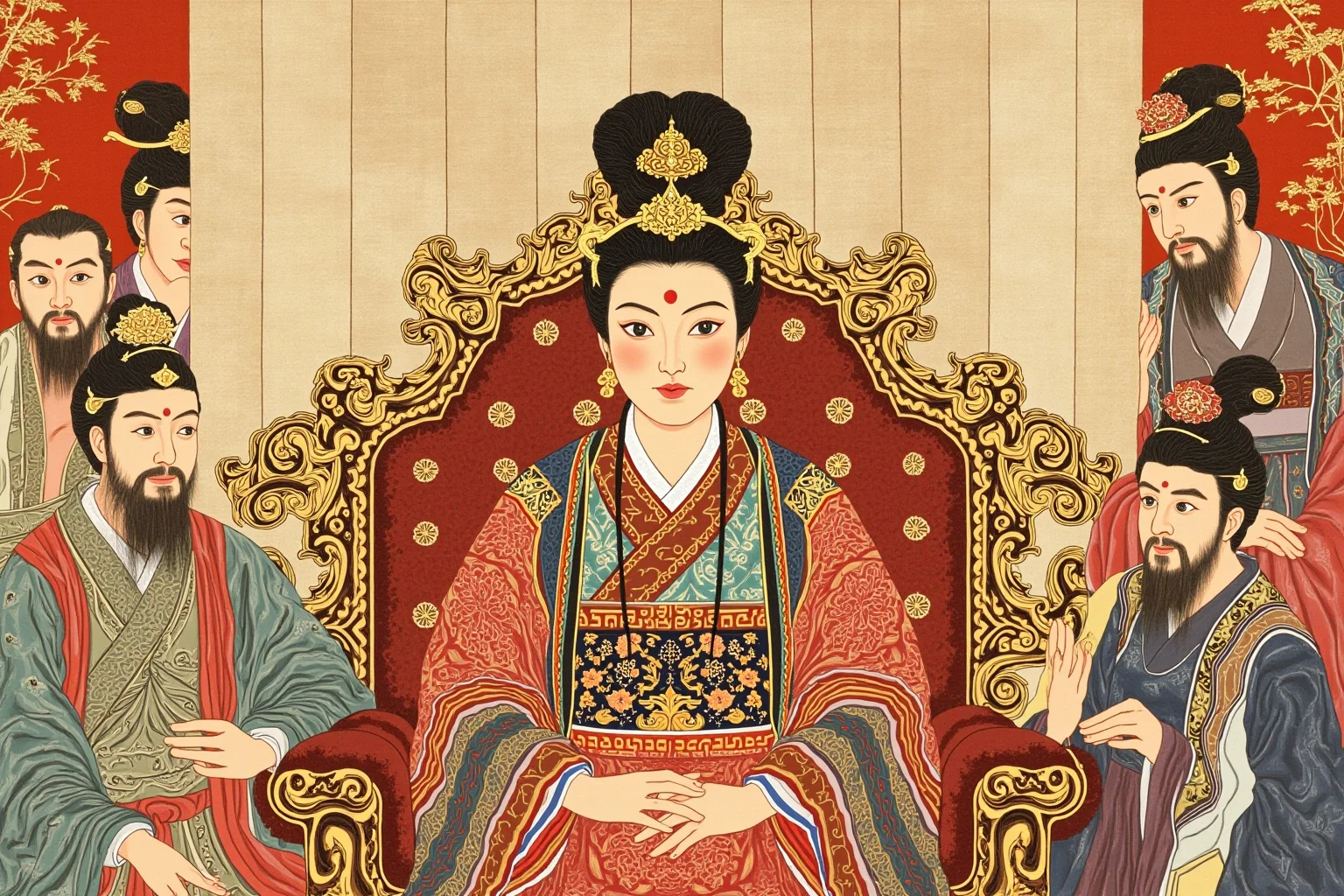
China’s only female emperor, now recognized as one of history’s most powerful women, is often described in later Confucian histories as a murderous schemer who clawed her way to power. Many of these accounts were written by male historians uncomfortable with a woman holding the throne.
During her rule, Wu Zetian expanded the civil service exam system, promoted talented officials regardless of family status, and oversaw a period of relative prosperity and territorial stability. Her real record is far more that of a competent administrator than a pantomime villain.
5. King John of England
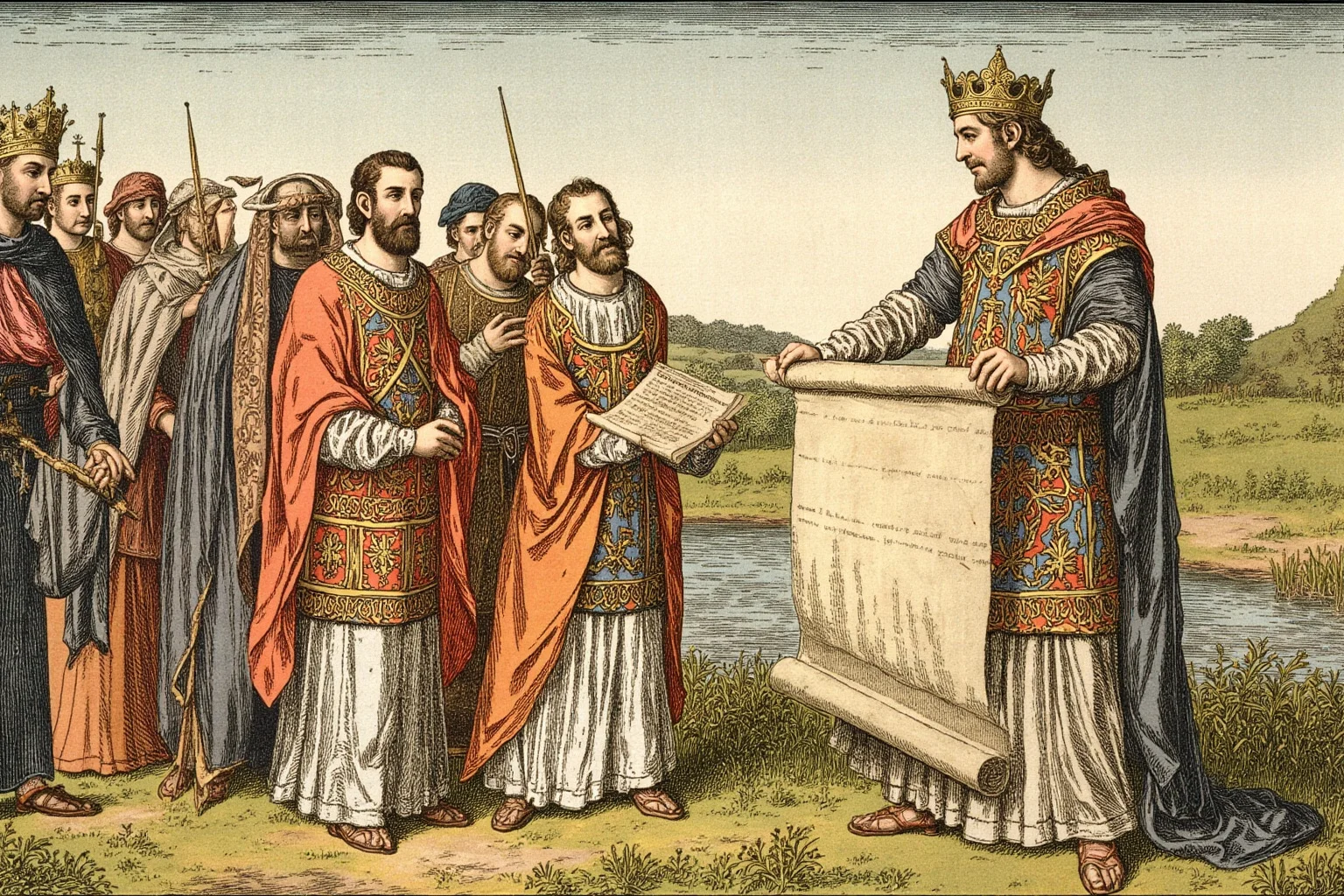
Thanks to the Robin Hood legend, King John is one of England’s most reliably villainous kings — greedy, cruel, and outwitted by a heroic outlaw. Contemporary chroniclers, many of whom disliked him personally, didn’t help his image.
Yet John’s reign also produced the Magna Carta in 1215, a document that limited royal power and laid groundwork for constitutional government. He signed it under pressure from rebellious barons, but its legacy became one of the most important steps toward the rule of law in English history.
6. Richard III
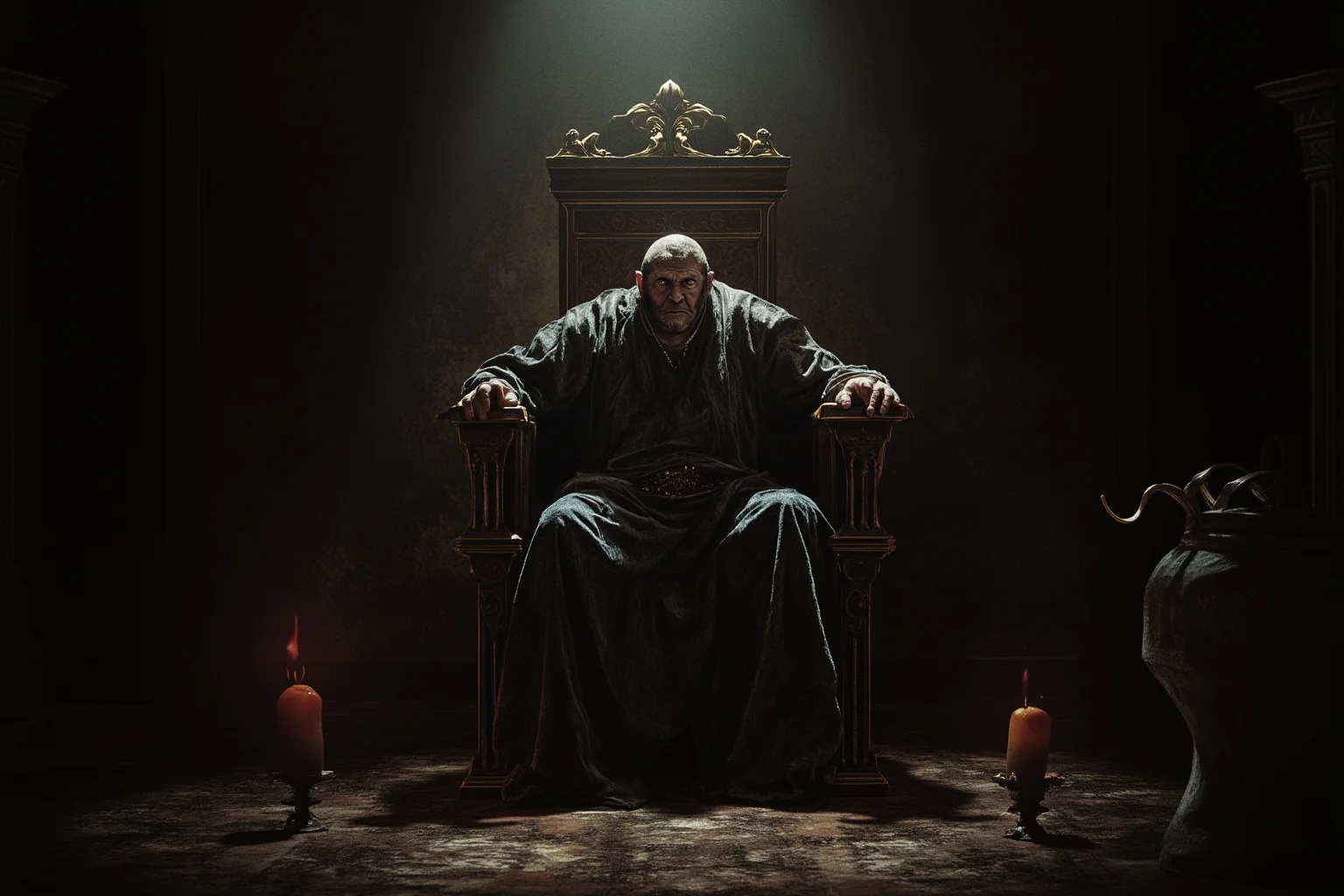
Shakespeare’s Richard III is a limping, scheming hunchback who murders his way to the throne — a classic villain if there ever was one. That portrait was written under the Tudor dynasty that had defeated and replaced Richard, and Tudor writers had strong incentive to blacken his name.
The real Richard passed sensible legal reforms, including protections against corrupt jury practices and the right to bail, during his brief two-year reign. Whether he was responsible for the disappearance of his nephews remains genuinely unresolved by historians.
Renaissance & Early Modern Reputations
7. Cesare Borgia
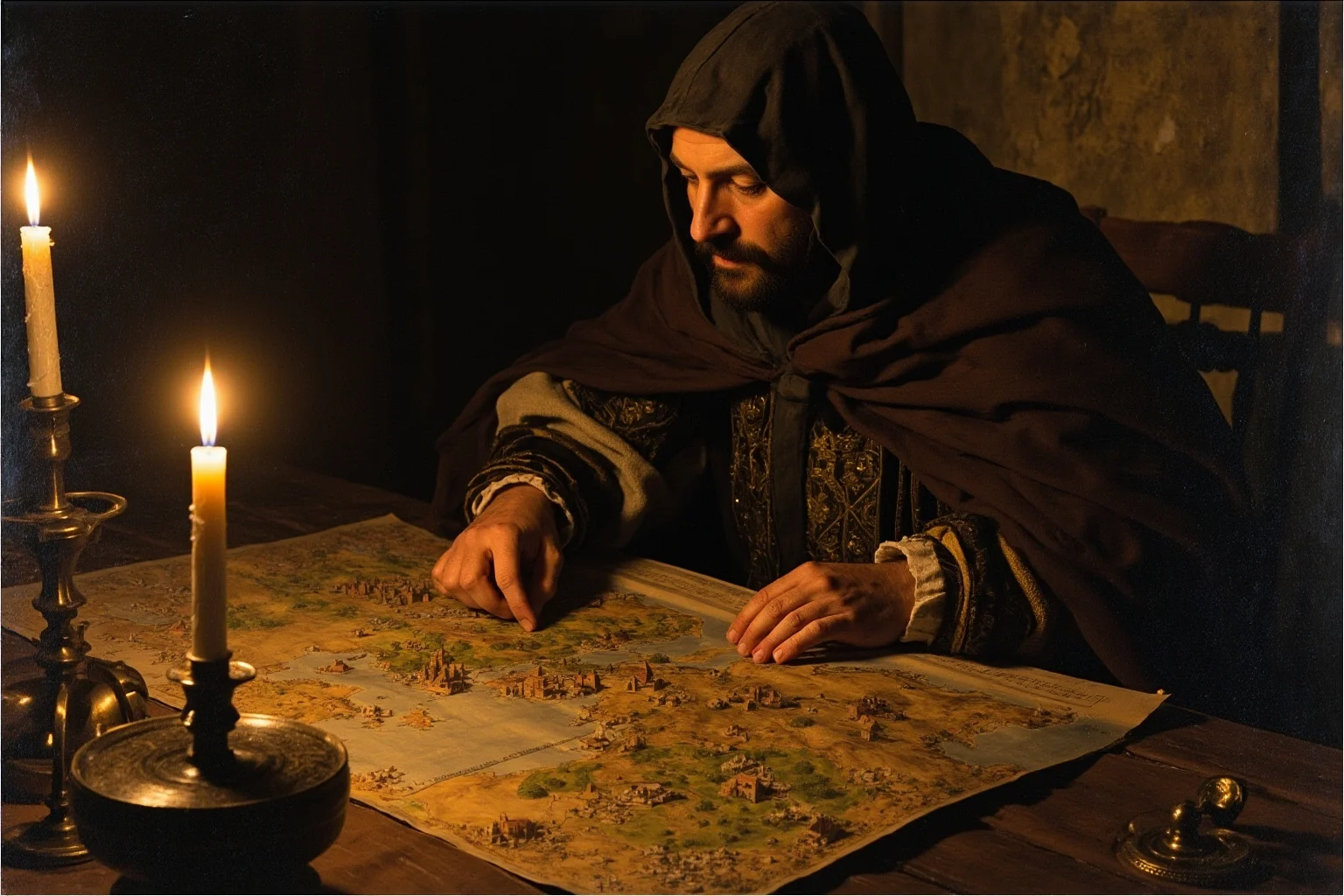
Cesare Borgia is often remembered as the ruthless son of a corrupt pope, a man who used poison and assassination to build his own Italian state. Niccolò Machiavelli famously used him as the model for the ideal ruler in “The Prince.”
Less discussed is that Borgia was also a capable military reformer and administrator who brought relative order and modernized law codes to the territories he conquered. He was ruthless, yes, but he was also effective in ways that benefited the people he governed.
8. Niccolò Machiavelli
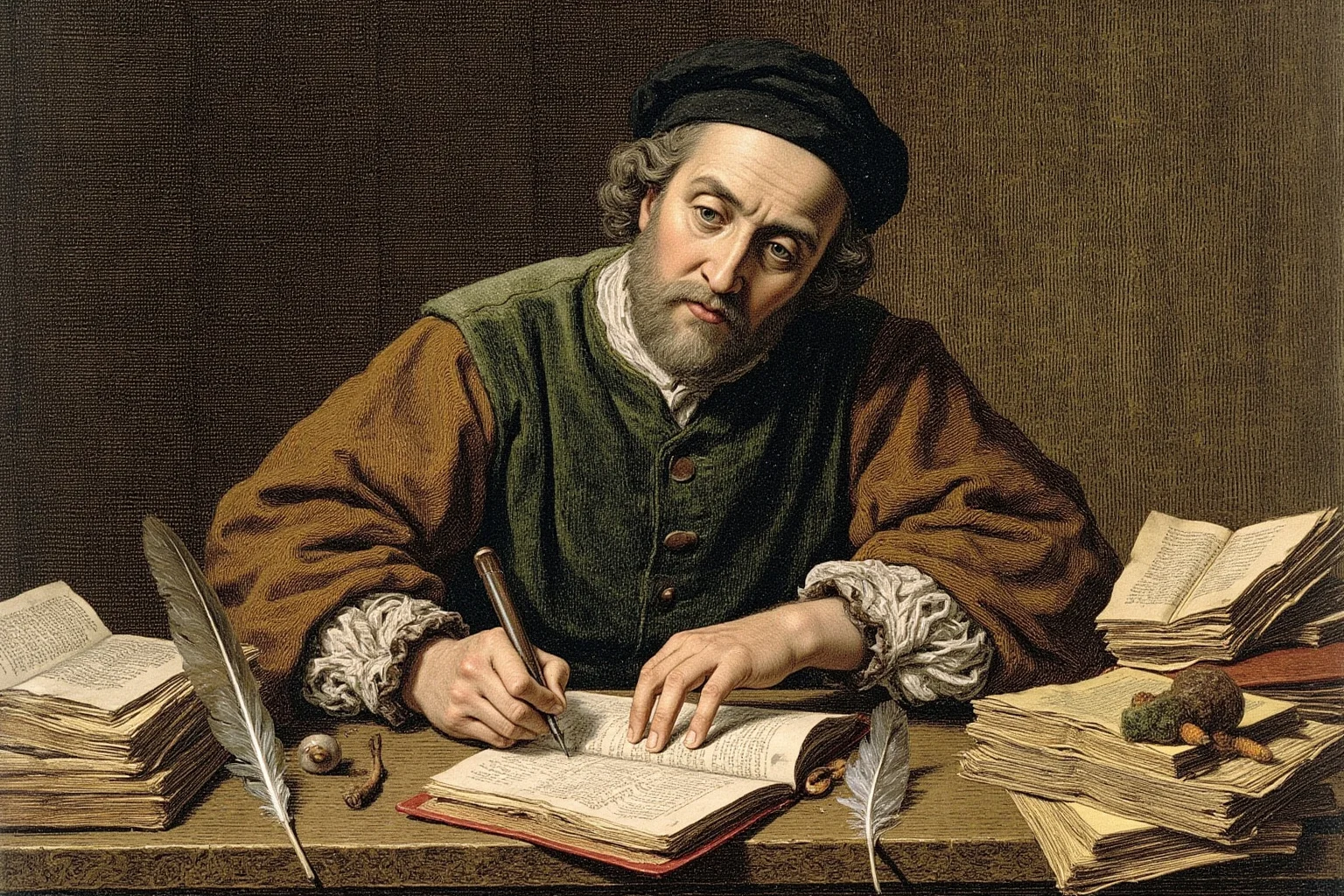
“Machiavellian” has become shorthand for cold, manipulative scheming, making Machiavelli himself feel like the patron saint of real life villains, despite his standing among history’s most renowned philosophers. Few names carry a worse reputation for pure cynicism.
In reality, Machiavelli was a passionate advocate for republican government who wrote “The Prince” partly as a job application to a ruling family and partly as clear-eyed political analysis. His other major work, “Discourses on Livy,” argues strongly in favor of civic liberty and shared power.
9. Ivan the Terrible
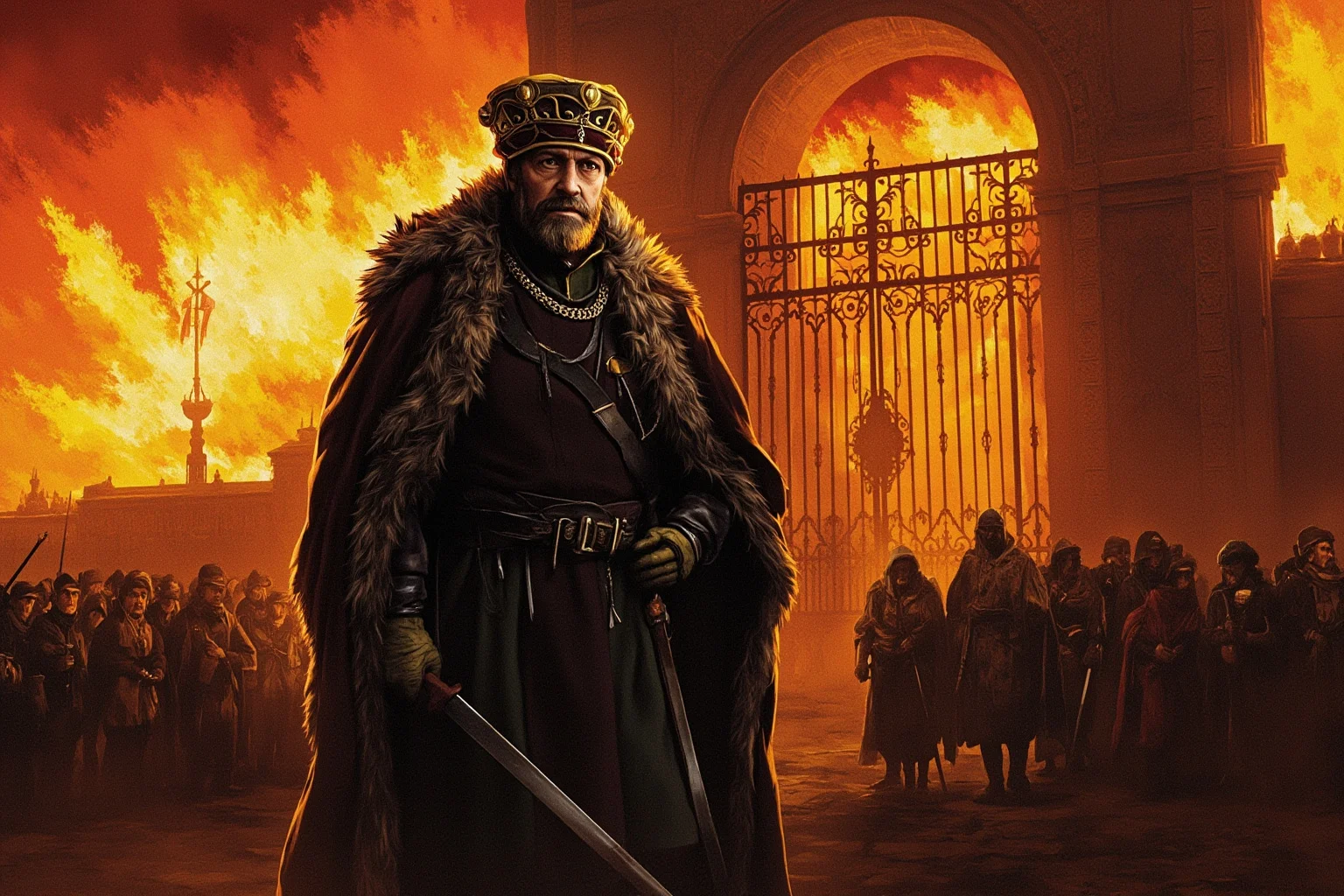
Ivan IV of Russia earned his epithet honestly during his later years, including the massacre of Novgorod and the killing of his own son in a fit of rage. Those events are well documented and genuinely dark chapters of his reign.
Earlier in his rule, though, Ivan reformed Russia’s legal code, established the country’s first national assembly, and expanded Russian territory dramatically. He’s a rare case where “villain” and “nation-building reformer” both accurately describe the same man at different points in his life.
10. Marie Antoinette
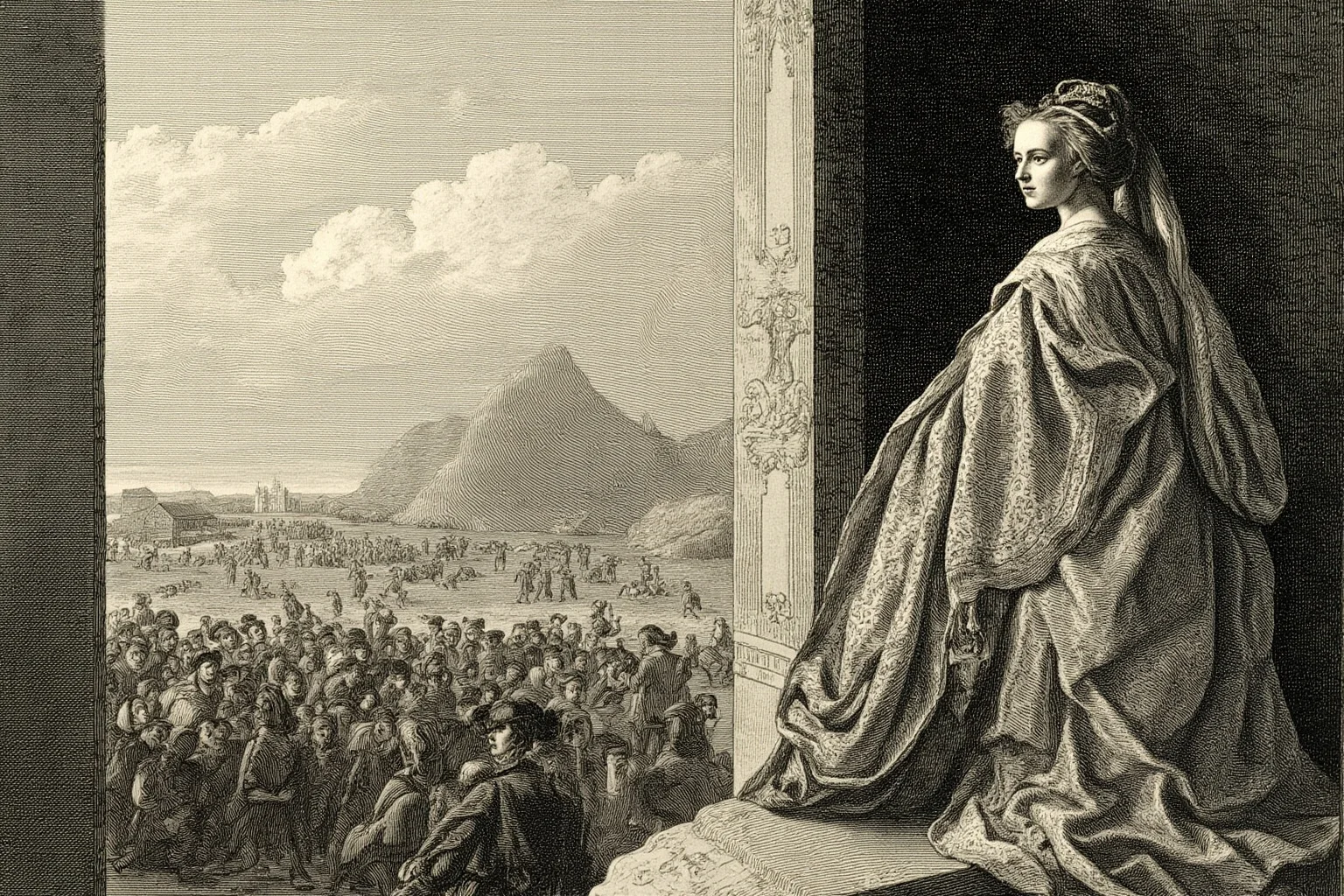
Marie Antoinette is remembered as the frivolous queen who supposedly said “let them eat cake” while French peasants starved. Historians have found no evidence she ever said this, and the phrase likely predates her entirely.
Revolutionary pamphleteers used exaggerated stories about her spending and morality as propaganda to turn public opinion against the monarchy. She was politically naive and out of touch, but the caricature of pure heartless villainy owes more to revolutionary messaging than to her actual conduct.
11. Anne Boleyn
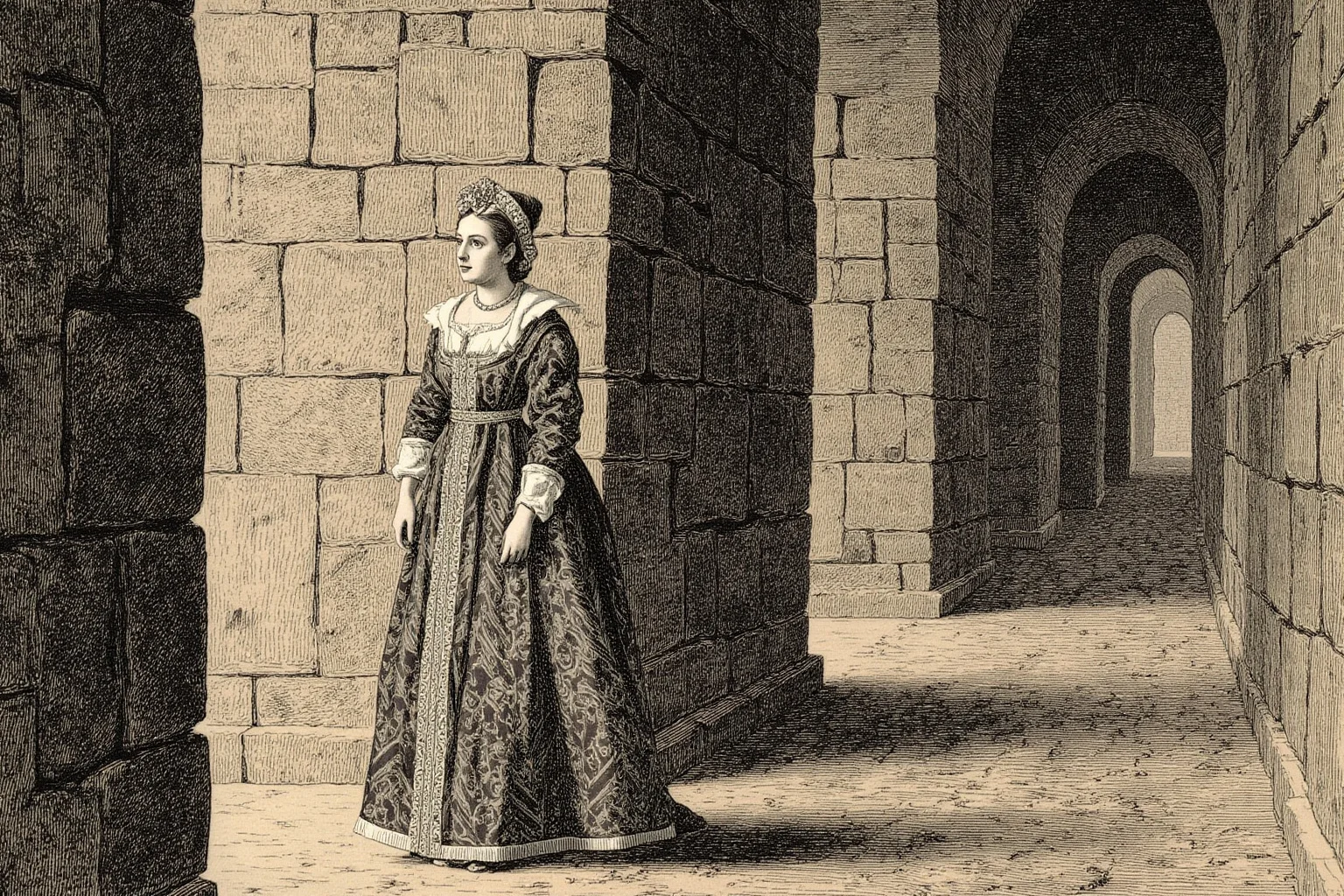
Anne Boleyn is often cast as the ambitious seductress who stole a king and destabilized a kingdom. Her fall from grace, ending in execution on charges of adultery and treason, was framed by Henry VIII’s court as her own doing.
Most historians today view the charges against her as fabricated, engineered by rivals like Thomas Cromwell once Henry wanted her removed. Far from a villain, she’s increasingly recognized as one of the era’s most politically savvy women, done in by a legal system with no real protections for her.
12. Guy Fawkes
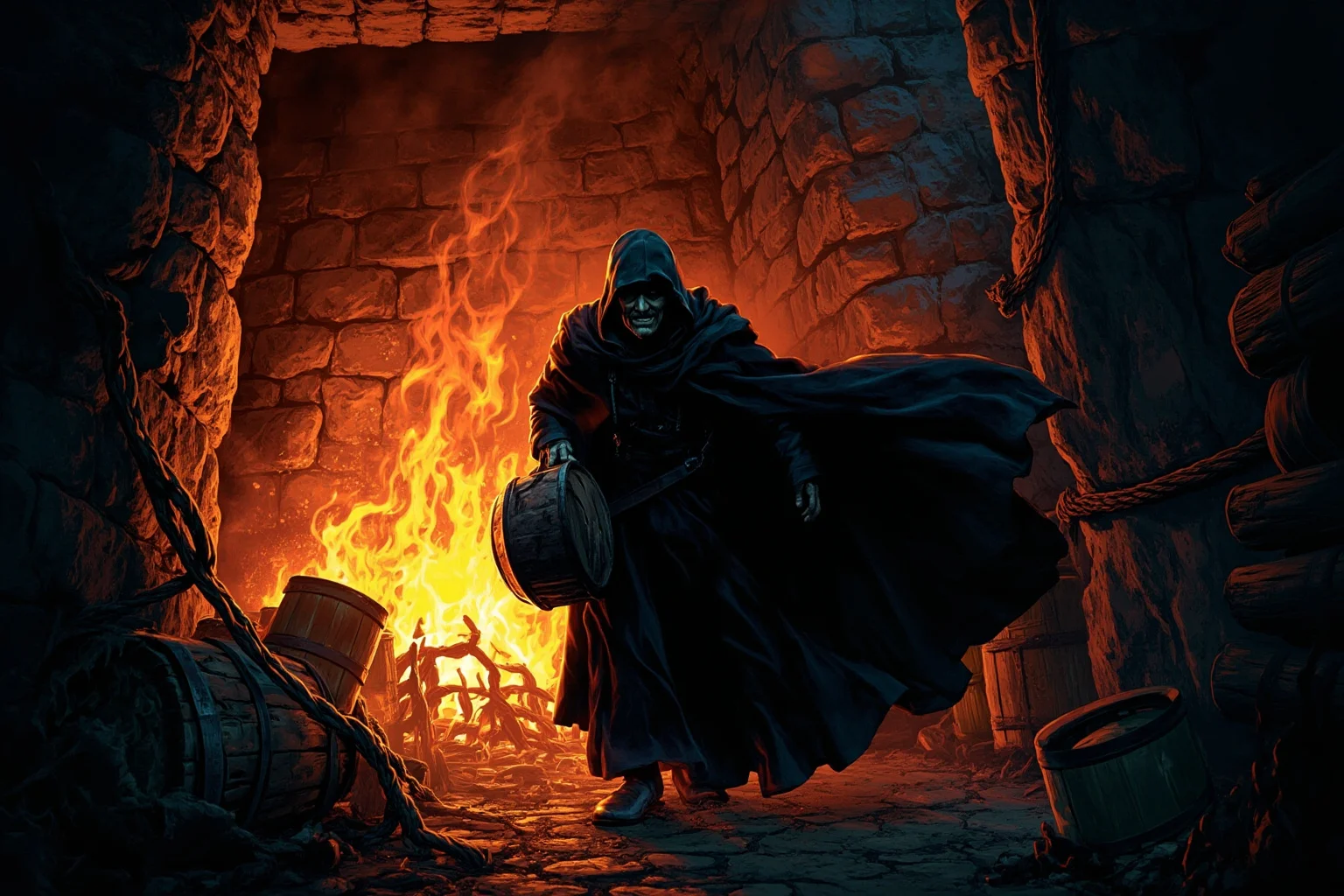
Guy Fawkes is burned in effigy across Britain every November as the face of the failed 1605 Gunpowder Plot to blow up Parliament. On its face, plotting mass assassination is hard to spin as heroic, and this entry isn’t an attempt to excuse it.
What’s often missing from the story is the context: English Catholics faced brutal legal persecution, fines, and execution for practicing their faith under a Protestant crown. Fawkes and his co-conspirators saw themselves as freedom fighters against religious oppression, even if their chosen method was extreme.
13. Oliver Cromwell
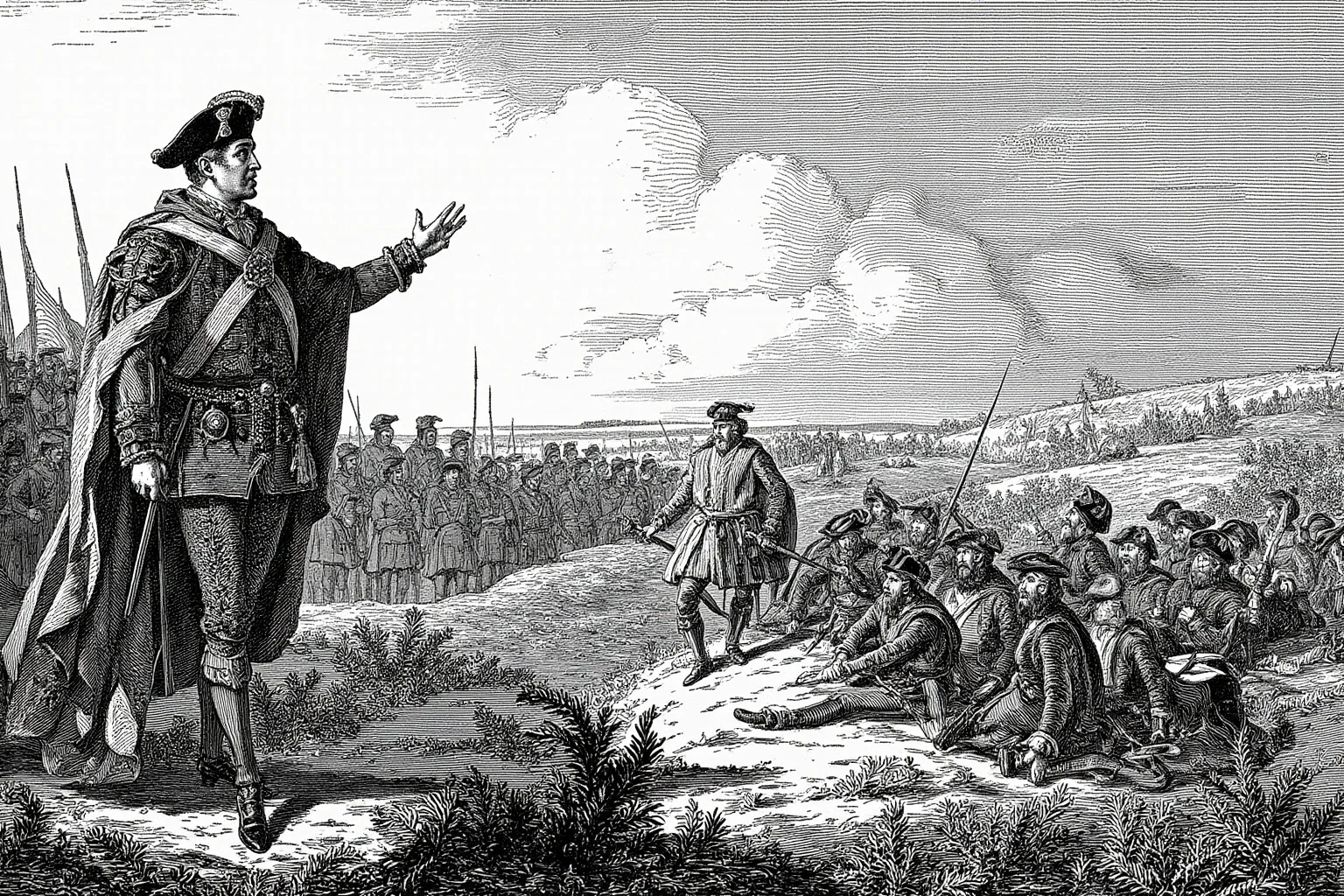
Cromwell is a genuine study in perspective: in England, he’s remembered by many as a hero of parliamentary democracy who helped end absolute monarchy. In Ireland, his military campaigns are remembered as brutal, especially the sieges of Drogheda and Wexford, where large numbers of civilians and soldiers were killed.
He championed religious toleration for some Protestant groups while harshly suppressing Catholics elsewhere. Cromwell is proof that “hero” and “villain” often depend entirely on which side of history you’re standing on.
Outlaws, Pirates & Gangsters
14. Robin Hood
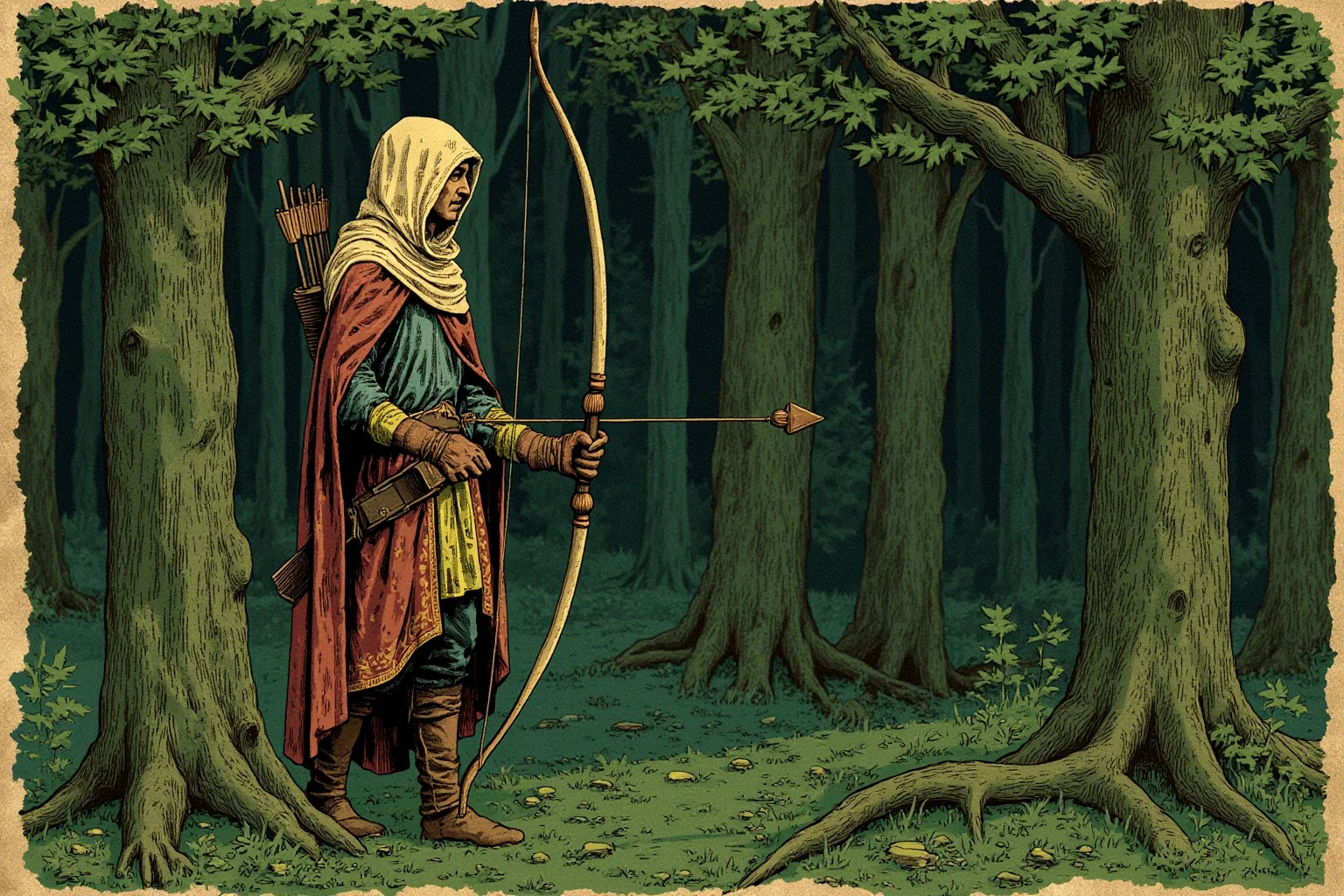
Robin Hood might be the ultimate example of a villain-turned-hero, except he probably never existed as a single real person. The legend likely blends several medieval outlaws and ballads into one composite figure.
What’s interesting is how his reputation flipped over centuries — early ballads portray a violent forest bandit, while later versions turned him into a noble champion of the poor against a corrupt aristocracy. He’s less a real historical villain and more a mirror for whatever values each era wanted to tell stories about.
15. Blackbeard
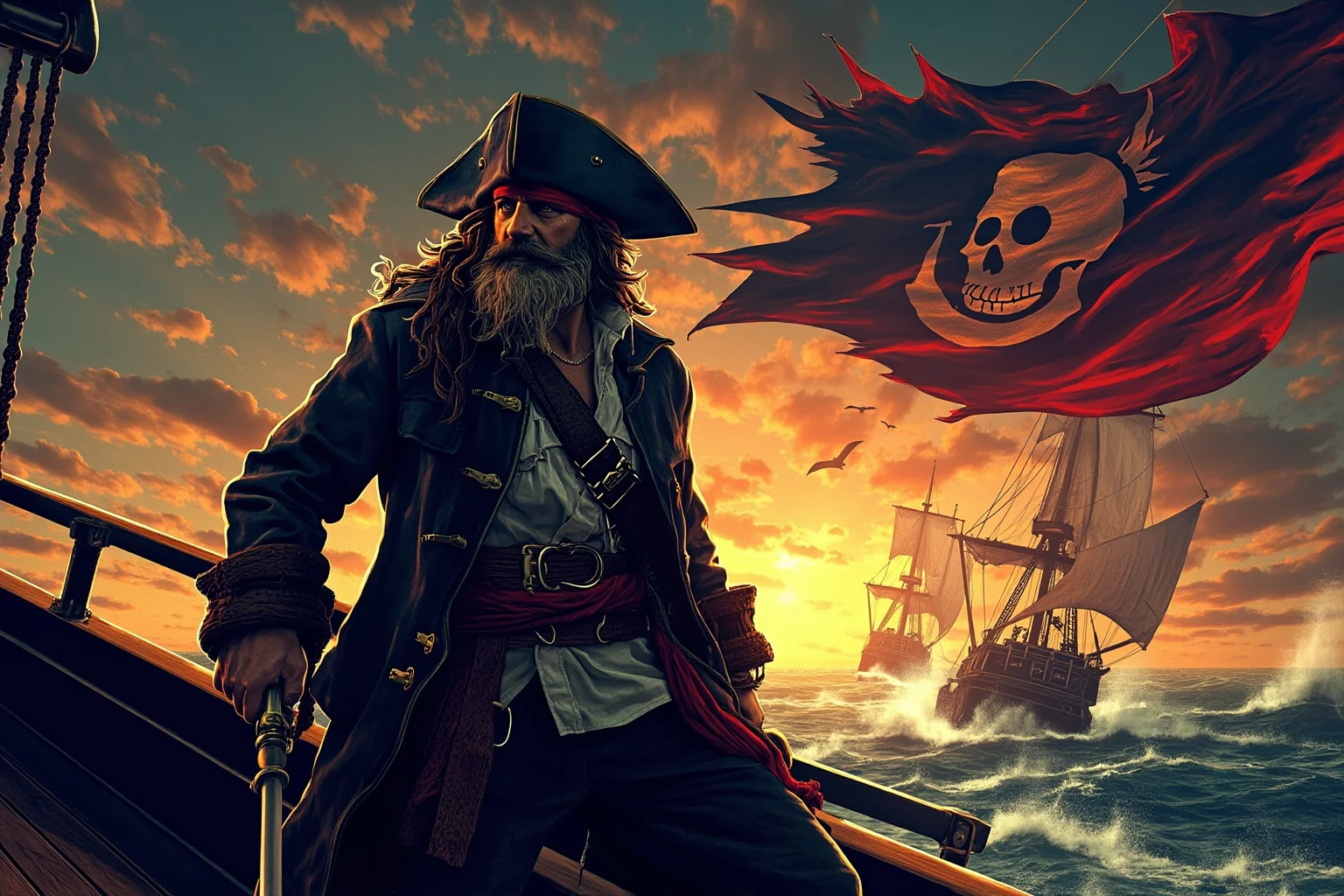
Edward “Blackbeard” Teach cultivated one of history’s most terrifying pirate reputations, lighting fuses in his beard and flying a skull flag to intimidate ships into surrender without a fight. The theatrics worked extremely well.
Historical records suggest Blackbeard’s actual body count was surprisingly low; his fearsome image let him win most encounters through intimidation alone. He was still a criminal by any legal definition, but he was arguably more showman than the bloodthirsty butcher of legend.
16. Billy the Kid
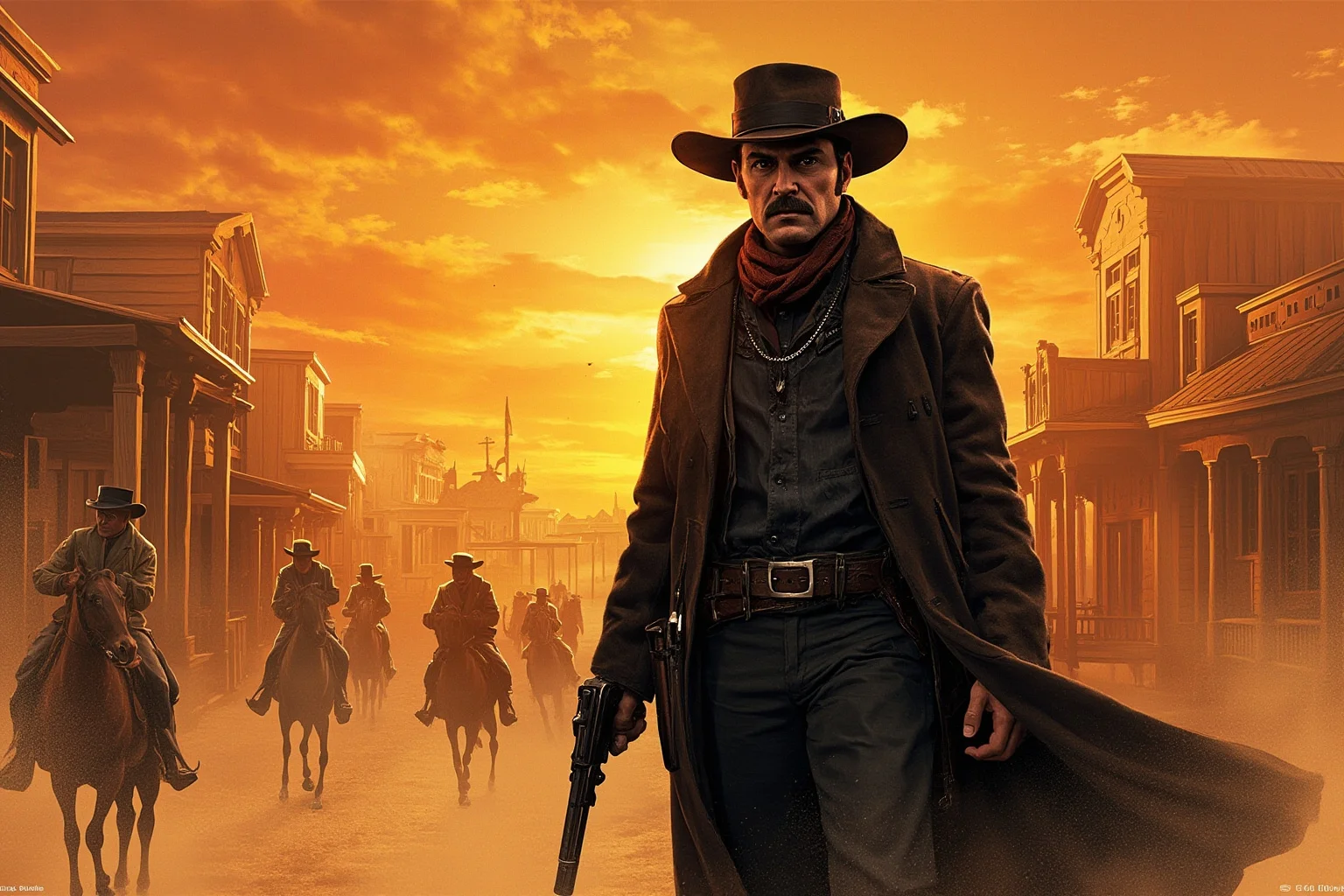
Billy the Kid is remembered as a cold-blooded gunslinger of the American West, credited in legend with killing 21 men. Historical research suggests the real number was closer to four to nine, with the rest added by dime novels and newspapers hungry for a good story.
He was a genuine outlaw and cattle rustler, so this isn’t a full redemption. But much of his “classic villain” body count is fiction stacked on top of a smaller, still-serious criminal record.
17. Al Capone
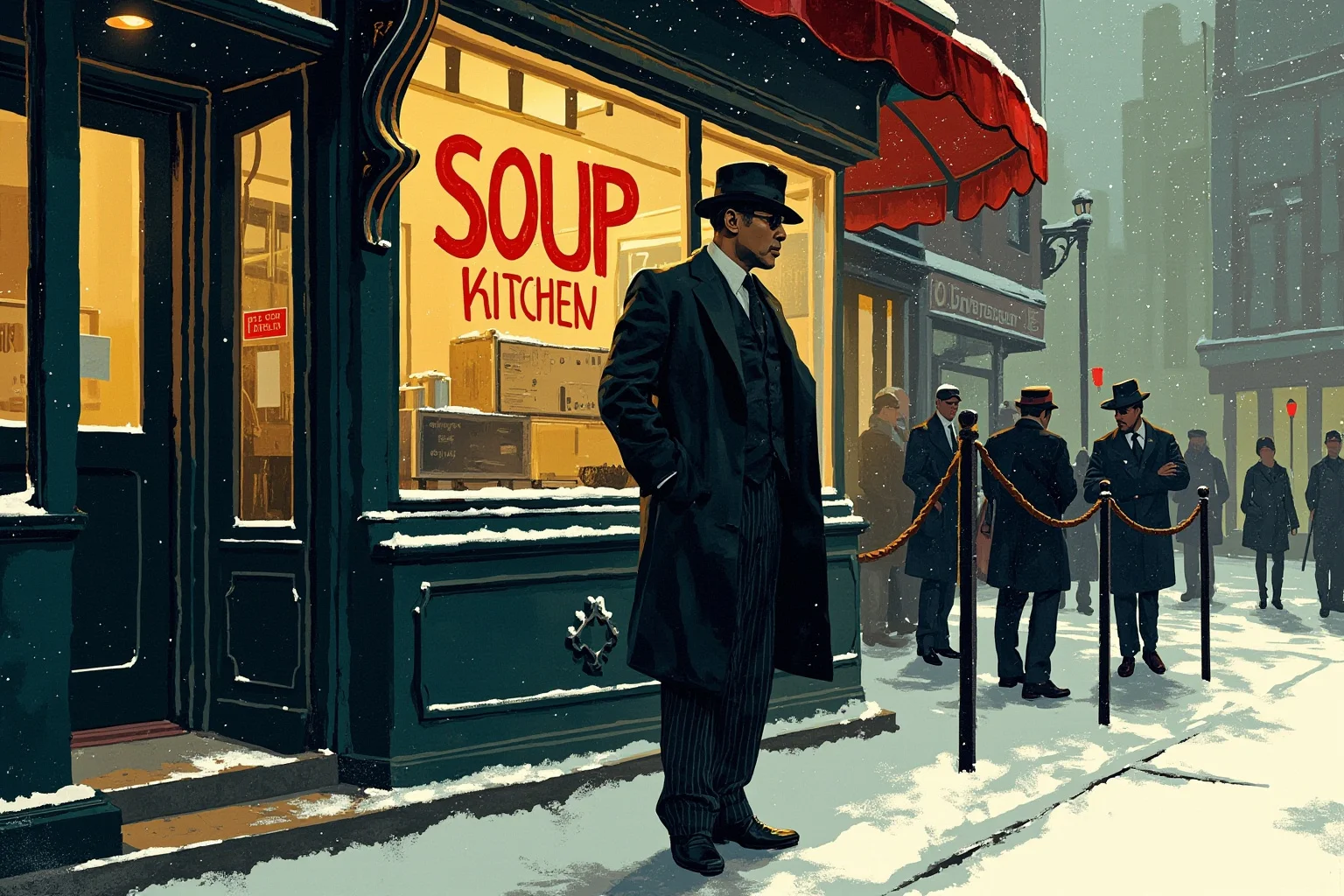
Al Capone ran one of America’s most violent organized crime operations during Prohibition, earning him a lasting place among the most notorious gangsters of the 20th century, responsible for extortion, bootlegging, and killings including the 1929 St. Valentine’s Day Massacre. That reputation is well earned and thoroughly documented.
Less remembered is that Capone also opened one of the first soup kitchens in Chicago during the early Great Depression, feeding thousands of unemployed residents. It doesn’t erase his crimes, but it complicates the idea that real life villains never do anything genuinely good for their communities.
Modern-Era Reputations
18. Grigori Rasputin
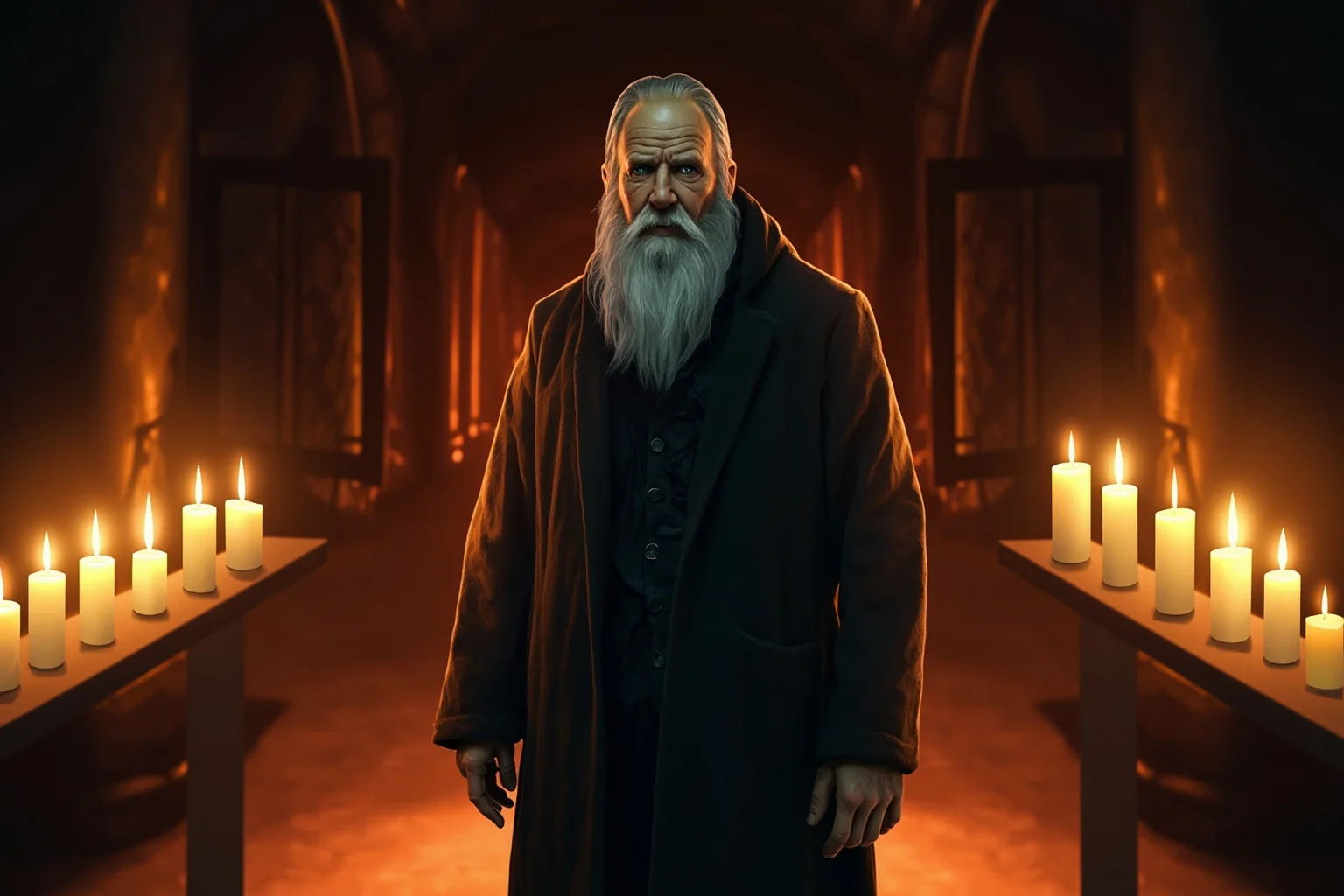
Rasputin is remembered as a sinister mystic who manipulated Russia’s royal family and hastened the fall of the Romanov dynasty. Much of his legend — including the dramatic tale of his assassination requiring poison, gunshots, and a river — comes from murky, self-serving accounts by the men who killed him.
Historians now believe Rasputin’s actual influence over state policy was more limited than legend suggests, and his personal reputation was inflated by rivals eager to blame someone for the monarchy’s failures. He was a strange and controversial figure, certainly, but the cartoonish devil-monk of pop culture is largely exaggerated.
19. Che Guevara
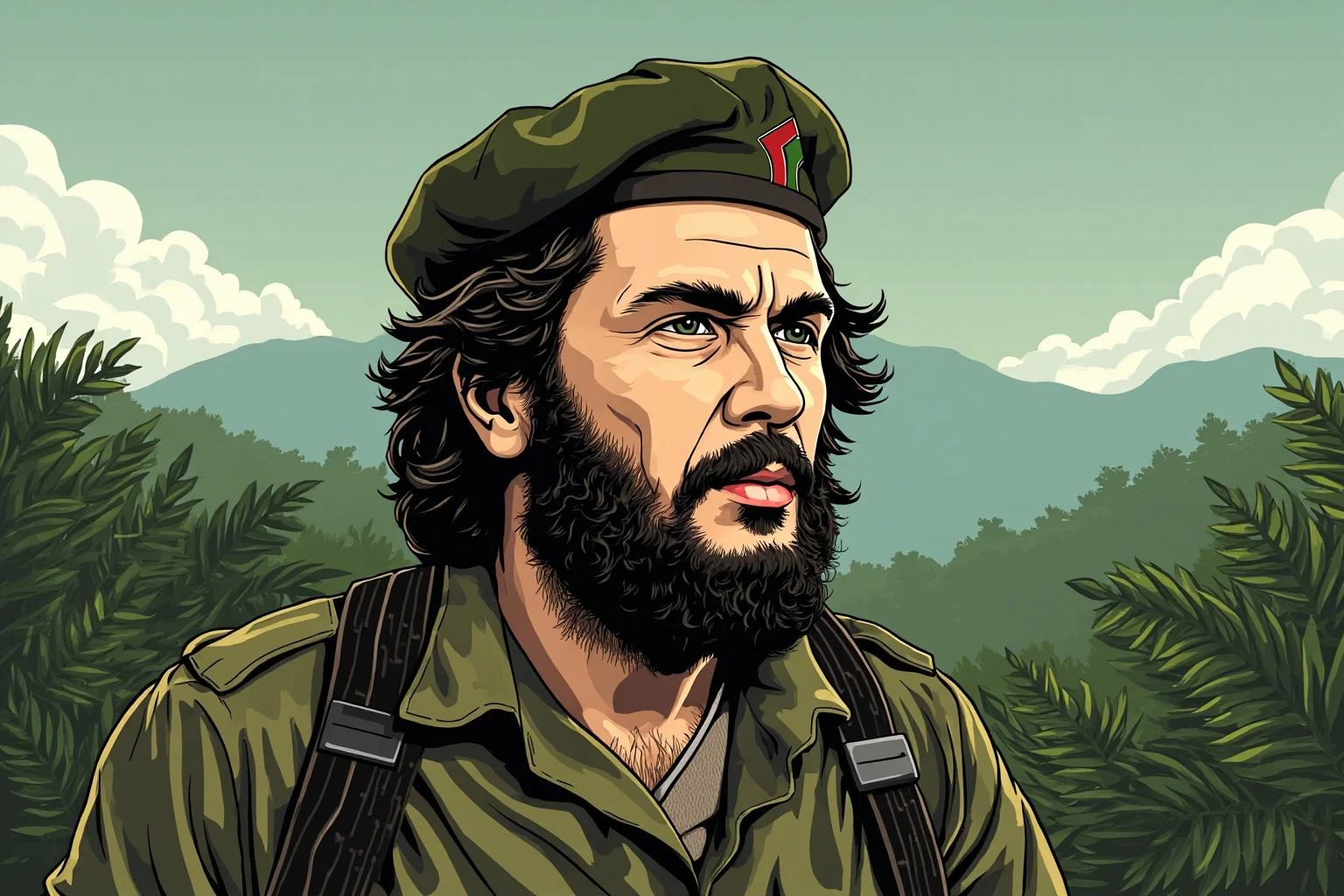
Che Guevara is one of history’s clearest real life anti heroes: a revolutionary icon on t-shirts and murals worldwide, and also a man directly responsible for the execution of political prisoners without fair trials during and after the Cuban Revolution. Both of those things are historically documented.
Supporters see a selfless fighter for anti-imperialist causes across Latin America and Africa; critics see an authoritarian enforcer willing to kill for ideology. Few figures illustrate the blurry line between revolutionary hero and real life villain as sharply as Guevara does.
20. Nelson Mandela
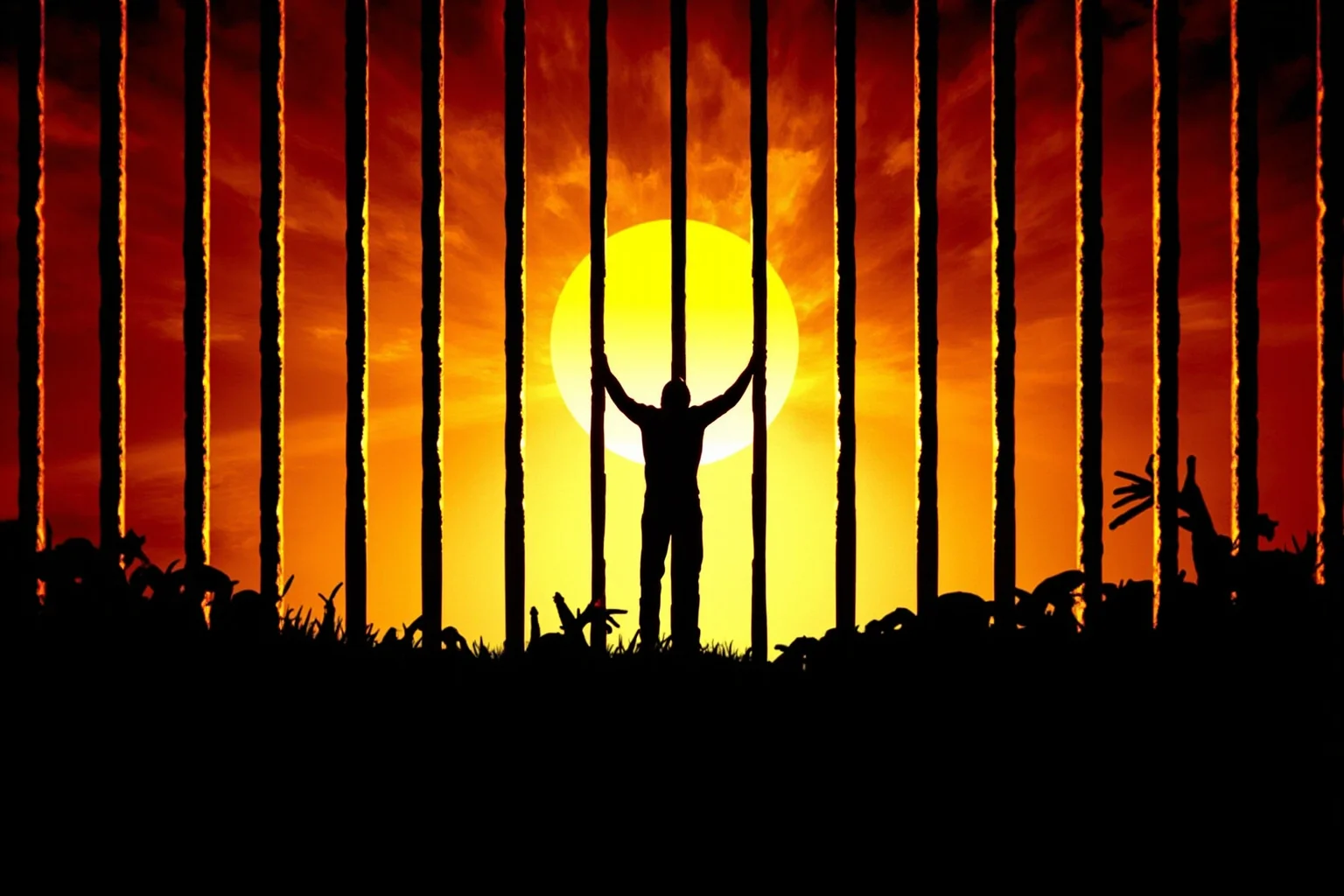
For decades, apartheid-era South Africa and several Western governments officially classified Nelson Mandela and the African National Congress as terrorists, and he spent 27 years in prison partly on charges tied to sabotage. If you’re looking for a clear-cut answer to “name a villain in history who was actually a hero,” Mandela is one of the most striking examples on record.
After his release in 1990, he led South Africa’s transition away from apartheid, became the country’s first Black president, and is remembered today as one of the historical figures who changed the world for the better, pushing a policy of reconciliation instead of retribution against his former jailers. His journey from officially designated villain to Nobel Peace Prize winner remains one of the most dramatic reputation reversals in modern history.
21. Malcolm X
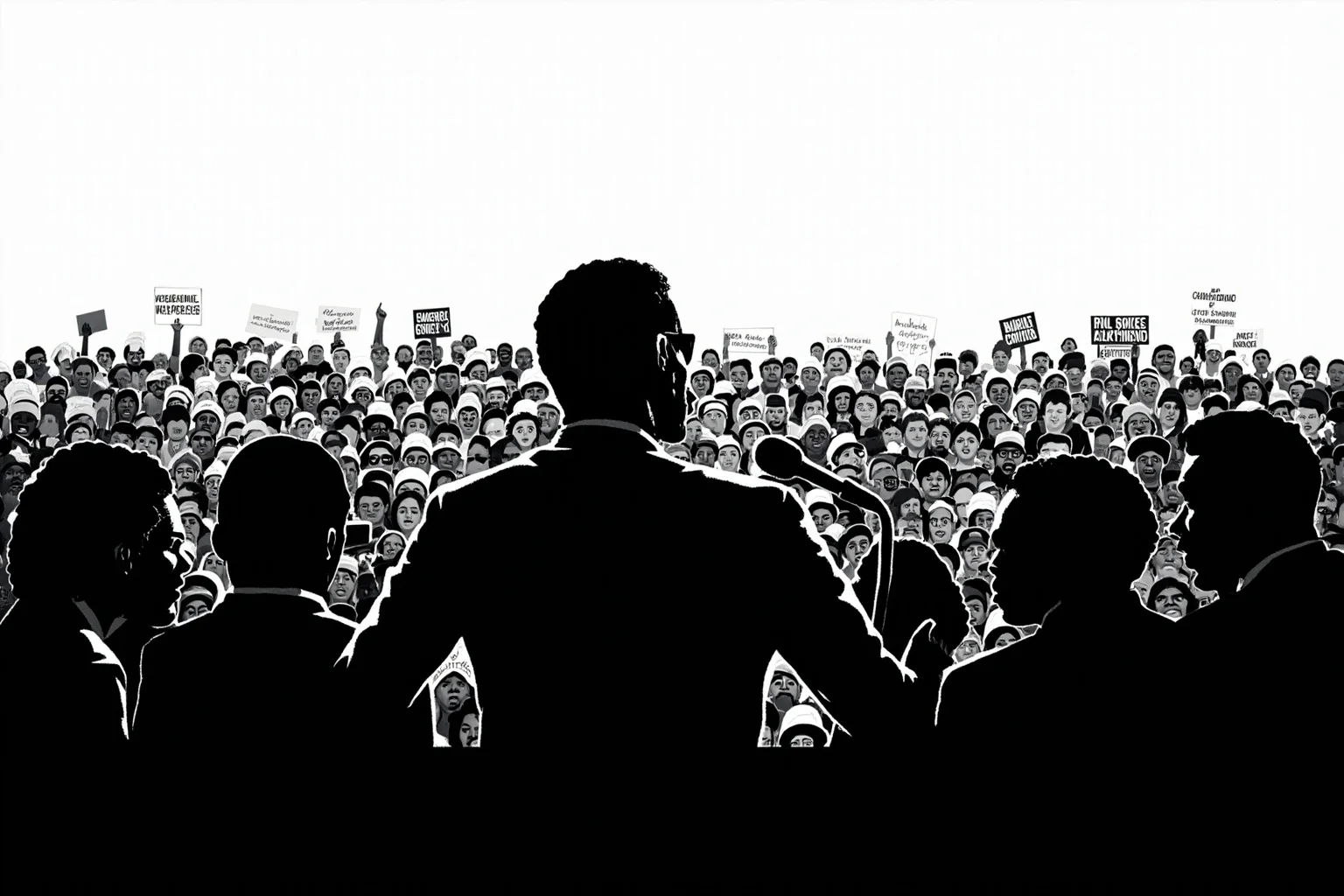
Malcolm X was widely portrayed in American media during the 1950s and 60s as a dangerous extremist, in sharp contrast to the more media-friendly image of other civil rights leaders of his time. FBI surveillance files and hostile press coverage reinforced that villainous framing for years.
Historical reassessment since his assassination in 1965 has emphasized his role as a powerful advocate for Black self-determination, his evolution toward a more inclusive philosophy after his pilgrimage to Mecca, and his lasting influence on civil rights movements worldwide. He’s now widely studied as one of the era’s most important and often misunderstood real life historical heroes.
Villains, Heroes, and Everything In Between
What ties all of these stories together is how much a reputation depends on who’s telling it. A ruler who loses a war, a rebel who threatens an empire, or a queen who becomes politically inconvenient can all end up rewritten as the villain of their own story, regardless of what they actually did.
That doesn’t mean history has no real villains — plenty of figures in this list committed genuine atrocities that shouldn’t be minimized or excused. But it does mean the label “classic villain” often tells you more about the storyteller than the subject.
The next time you come across a tidy list of famous historical villains, it’s worth asking who wrote the record, who they were writing for, and what they had to gain from the portrayal. History’s real bad guys and real heroes rarely fit into such clean categories — and that messiness is exactly what makes the past worth studying.
Frequently Asked Questions
Is there a reliable ‘real life villains wiki’ for historical figures?
Fan-run sites sometimes called a 'real life villains wiki' exist and can be entertaining starting points, but they're crowd-edited and mix historical figures with fictional characters inconsistently. For accuracy, it's best to cross-check any claim against academic histories, primary sources, or established reference works rather than relying on a single wiki entry.
Can you name a villain in history who was actually a hero?
Nelson Mandela is one of the clearest examples: he was officially labeled a terrorist by the apartheid South African government and several Western nations, imprisoned for 27 years, and later became a Nobel Peace Prize-winning president celebrated worldwide as a hero of reconciliation.
Who is generally considered history’s greatest villain?
There's no single agreed-upon answer, since 'villain' is a judgment shaped by perspective and propaganda. Figures like Adolf Hitler are near-universally condemned based on well-documented atrocities, while others on this list, like Vlad the Impaler or Genghis Khan, are viewed very differently depending on the country and century doing the judging.
What’s the difference between a historical villain and a real life anti-hero?
A villain is typically remembered as being in the wrong, while an anti-hero is a more morally mixed figure who does questionable or even harmful things in pursuit of a cause many consider justified. Che Guevara and Guy Fawkes are good examples of real life anti-heroes whose actions are still debated rather than universally condemned.
What is the AFI 100 Years…100 Heroes and Villains list?
It's a 2003 list published by the American Film Institute ranking the greatest heroes and villains in American film history, such as Atticus Finch and Darth Vader. It focuses on fictional movie characters rather than real historical figures, though it reflects the same cultural fascination with clear-cut good and evil that shapes how we talk about real historical villains.
Were most historical ‘villains’ really as evil as their reputations suggest?
Some were, and their documented actions speak for themselves, but many historical villain reputations were shaped or exaggerated by political rivals, religious opponents, or later writers with an agenda. The honest answer is usually somewhere in between: real historical figures were complicated people, not simple cartoon monsters.

Alex Warren
Related Articles





