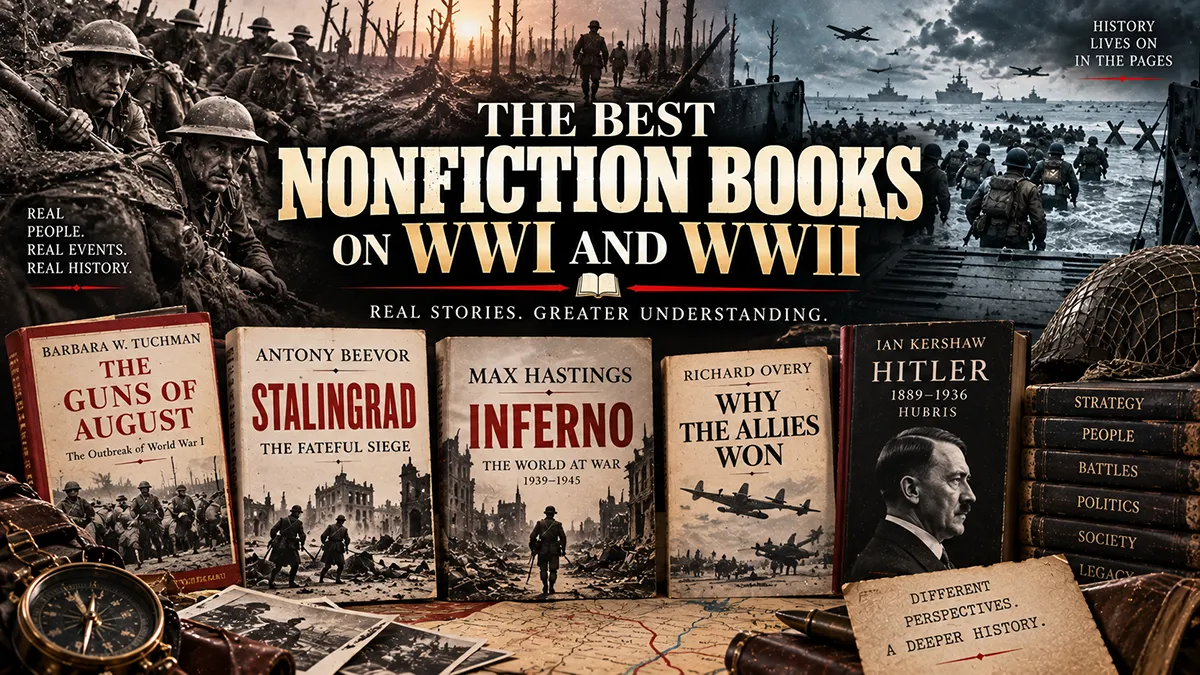
If you’ve ever fallen down a rabbit hole of documentaries about the trenches or the Eastern Front and come out the other side wanting the real story, you’re not alone.
The two World Wars produced some of the finest nonfiction ever written — sweeping histories, raw memoirs, and journalism that still holds up decades later. Sorting the essential reads from the merely decent ones, though, can be a challenge when there are thousands of titles competing for your shelf space.
This guide pulls together the best nonfiction WWI and WWII books worth your time, organized by war so you can find exactly what you’re looking for. Whether you want a single-volume overview, a gripping personal memoir, or a deep dive into one battle, there’s something here for you.
TL;DR: The best nonfiction WWI and WWII books combine rigorous research with vivid storytelling, and this list features 25 essential titles — from Barbara Tuchman’s The Guns of August to Antony Beevor’s Stalingrad — for every kind of history reader.
Why Nonfiction Is the Best Way to Understand the World Wars
Fiction can capture emotional truth, but nonfiction gives you the documented facts, the strategic context, and the firsthand voices that shaped these conflicts.
The best war nonfiction books don’t just recite dates and battles — they explain why decisions were made and what those decisions cost real people. That combination is why so many of these titles have remained in print for 50, 60, even 100 years.
It’s also worth noting that history writing evolves. Some older classics on this list, like William Shirer’s work on Nazi Germany, have been partly revised by later scholarship even though they remain hugely influential. Reading widely — including newer histories alongside the classics — gives you the fullest, most balanced picture.
How We Chose These Books
Every book on this list is a genuine work of nonfiction: a history, memoir, or journalistic account grounded in real events, documents, and testimony.
We prioritized titles that are well-regarded by historians, widely read, and still relevant to how we understand these wars today. We’ve also flagged places where a book’s interpretation has been debated or revised, because good history reading includes understanding a source’s limitations.
We split the list into two sections, since so many readers are searching specifically for the best WWI books nonfiction has to offer, or the best WWII books nonfiction has to offer, separately. Feel free to jump to the war that interests you most.
The Best Nonfiction Books About World War I
World War I nonfiction books tend to fall into two camps: sweeping political and military histories, and intimate memoirs from the trenches.
The following list of world war 1 books nonfiction readers consistently recommend covers both, and it pairs well with our guide to the major battles of WWI if you want the blow-by-blow military context behind these books.
1. The Guns of August by Barbara Tuchman
Published in 1962 and winner of the Pulitzer Prize, this remains one of the most celebrated books about WWI nonfiction has ever produced. Tuchman focuses on the diplomatic failures and military blunders of the war’s first month, showing how a regional crisis spiraled into global catastrophe.
It’s not a complete history of the war, but as an account of how the conflict began, it’s hard to beat. President John F. Kennedy reportedly cited it during the Cuban Missile Crisis, which tells you something about its lasting influence.
2. A World Undone by G.J. Meyer
If you want a single, accessible volume covering the entire war from start to finish, Meyer’s book is an excellent choice. It’s written for general readers rather than academics, without sacrificing accuracy or depth.
Meyer weaves political context with battlefield narrative, making it a strong entry point if you’re new to world war one books nonfiction shelves are full of. It’s often recommended as a first read before tackling more specialized titles.
3. The Sleepwalkers by Christopher Clark
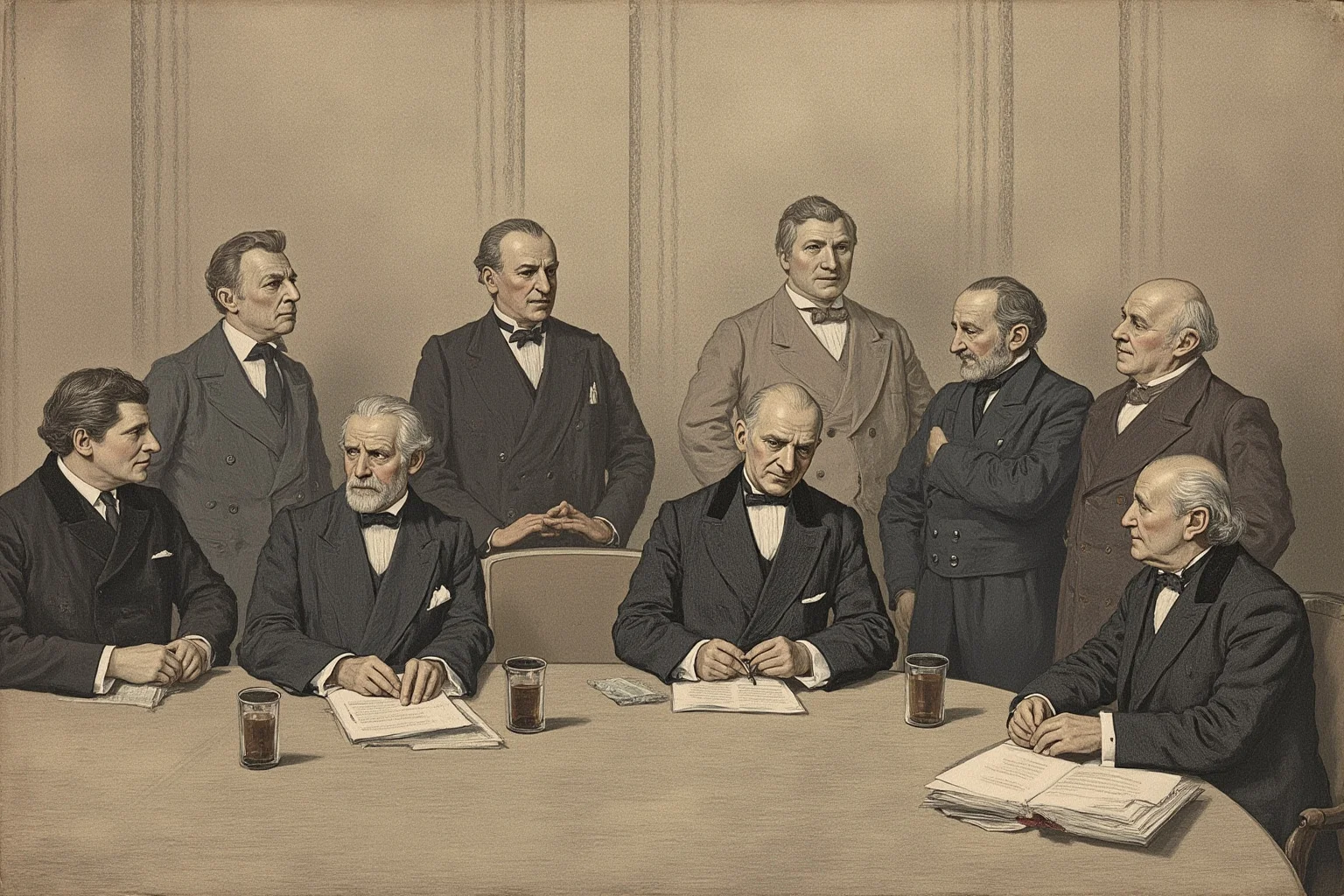
Clark’s 2012 book reshaped how historians talk about the war’s origins. Rather than pinning blame primarily on Germany, as earlier narratives often did, Clark argues that all the major European powers sleepwalked into war through a complex web of alliances, misjudgments, and miscommunication.
This is essential reading if you want a more nuanced, myth-busting take on who “started” WWI. It’s dense in places, but it rewards careful reading.
4. Storm of Steel by Ernst Jünger
Written by a German officer who served on the Western Front, this memoir is one of the most vivid firsthand accounts of trench combat ever published. Jünger’s prose is strikingly matter-of-fact about violence, which has made the book both admired and controversial over the years.
Some readers find its tone unsettling because it doesn’t moralize about the horror it describes. That’s precisely why historians value it: it’s a rare, unfiltered window into a soldier’s daily experience of combat.
5. Goodbye to All That by Robert Graves
Graves, better known as a poet and novelist, wrote this memoir of his time as a British officer in the trenches. It’s darkly funny in places and devastating in others, capturing the absurdity as well as the horror of the war, including the grim daily realities of World War 1 rations that shaped so much of trench life.
Historians have noted that Graves took some liberties with chronology and detail, so it’s best read as a literary memoir rather than a strict factual record. Even so, it remains one of the most widely read world war 1 books non fiction has produced.
6. To End All Wars by Adam Hochschild
Hochschild tells the story of WWI through the eyes of the British pacifists, socialists, and conscientious objectors who opposed it, alongside the generals and politicians who prosecuted it. It’s a compelling reminder that the war was never universally supported, even in the countries fighting it.
The book does an excellent job humanizing dissent without glossing over the complexity of wartime politics. It’s a fresh angle for readers who’ve already covered the standard military narratives.
7. The First World War by John Keegan
Keegan was one of the most respected military historians of his generation, and this single-volume history reflects that expertise. It balances strategy, tactics, and the human cost of the fighting across every major front.
It’s a denser read than some entries on this list, but it’s considered a benchmark work among best ww1 books non fiction recommendations. Keegan’s analysis of command decisions is particularly strong.
8. Paris 1919 by Margaret MacMillan
MacMillan’s book picks up where most WWI histories leave off, covering the Paris Peace Conference and the negotiations that produced the Treaty of Versailles. It’s essential for understanding how the settlement of WWI helped set the stage for WWII decades later.
The book is full of sharp character sketches of figures like Woodrow Wilson, David Lloyd George, and Georges Clemenceau. It shows how personal rivalries and competing national interests shaped a peace that satisfied almost no one.
9. The Beauty and the Sorrow by Peter Englund
Englund constructs his history entirely from the diaries and letters of ordinary people who lived through the war — soldiers, nurses, and civilians from multiple nations. The result reads almost like a novel, but every detail is drawn from real documented lives.
This approach makes it one of the more emotionally resonant entries among nonfiction WWI books, since it never loses sight of individual experience amid the grand strategic picture. It’s a great complement to more traditional political histories.
10. Undertones of War by Edmund Blunden
Blunden, another poet-turned-memoirist, wrote this account of his service on the Western Front with a lyrical, restrained style quite different from Jünger’s blunt realism. It captures the psychological toll of prolonged exposure to combat as much as the physical danger.
It’s a quieter book than some others on this list, but its subtlety is exactly what makes it endure. Many readers find it the most emotionally honest of the classic trench memoirs.
11. Testament of Youth by Vera Brittain
Brittain’s memoir follows her experience as a volunteer nurse during WWI, and the devastating losses of her brother, fiancé, and close friends to the war. It’s as much a coming-of-age story and an early feminist statement as it is a war memoir.
The book remains one of the most widely assigned best world war 1 non fiction books in university courses today. Its emotional honesty about grief has kept it relevant for nearly a century.
12. The Pity of War by Niall Ferguson
Ferguson’s book is deliberately provocative, arguing that Britain’s decision to enter the war may have been a strategic mistake, and challenging several long-held assumptions about the conflict. It’s not without controversy among historians, some of whom dispute his conclusions.
Still, it’s valuable precisely because it pushes back against comfortable narratives. Reading it alongside more consensus-driven histories like Keegan’s gives you a fuller sense of ongoing historical debate.
The Best Nonfiction Books About World War II
World War II nonfiction books span an even wider range, from continent-spanning strategic histories to intensely personal Holocaust memoirs. These are consistently ranked among the best ww2 books non fiction readers return to again and again.
13. The Rise and Fall of the Third Reich by William Shirer
Shirer, an American journalist who reported from Berlin in the 1930s, wrote this sprawling history of Nazi Germany using captured German documents after the war. It remains a landmark work, though some of its interpretations have been revised by later scholars with access to additional archives.
It’s long, but its narrative pull is remarkable for a book of its scope. Many readers consider it the definitive starting point among nonfiction world war 2 books, even decades after publication.
14. The Second World War by Antony Beevor
Beevor is one of the most respected military historians writing today, and this single-volume history covers the entire global conflict with impressive clarity. It balances the Pacific, European, and North African theaters without losing narrative momentum.
If you only read one comprehensive overview, this is frequently the answer to “what are the best world war 2 books non fiction has to offer.” Beevor’s research is meticulous, drawing on archives across multiple countries.
15. Inferno: The World at War 1939-1945 by Max Hastings
Hastings takes a genuinely global approach, giving substantial attention to the war’s impact on civilians in Asia, not just the more commonly covered European front. It’s a sobering reminder of just how many millions of non-combatants died.
The book doesn’t shy away from uncomfortable truths about all sides of the conflict, including Allied actions. That even-handedness is part of what makes it stand out among wwii books nonfiction readers often cite as underrated, and it makes a great companion to our roundup of little-known WWII facts for readers who want the lesser-told side of the war.
16. The Storm of War by Andrew Roberts
Roberts focuses heavily on strategy and high command, analyzing why the Axis powers ultimately lost the war despite early successes. It’s particularly strong on Hitler’s interference in military decision-making and how that shaped the war’s outcome.
This is a great pick if you’re specifically interested in the operational and strategic side of the conflict rather than the social history. It pairs well with more personal accounts elsewhere on this list.
17. With the Old Breed by Eugene Sledge
Sledge served with the US Marine Corps in the Pacific, and this memoir covers the brutal fighting at Peleliu and Okinawa. It’s widely regarded as one of the most unflinching combat memoirs ever written, later serving as source material for HBO’s The Pacific.
Sledge doesn’t romanticize war at all; he describes exhaustion, fear, and the psychological toll of combat in stark detail. It’s essential reading for understanding the Pacific Theater beyond the broad strategic overviews.
18. The Liberation Trilogy by Rick Atkinson
Atkinson’s three-volume series — An Army at Dawn, The Day of Battle, and The Guns at Last Light — traces the US Army’s campaign from North Africa through Italy to the liberation of Western Europe. The first and third volumes each won the Pulitzer Prize for History.
It’s a significant reading commitment, but the depth of research and narrative craft make it worthwhile. Few best ww2 books nonfiction lists are complete without at least one Atkinson title.
19. Band of Brothers by Stephen Ambrose
Ambrose tells the story of Easy Company, 506th Parachute Infantry Regiment, from training through D-Day and into Germany. It became the basis for the acclaimed HBO miniseries of the same name, which introduced the book to an even wider audience.
Ambrose’s work has faced some scrutiny over sourcing practices in his broader body of work, so it’s worth reading alongside primary veteran interviews where possible. That said, it remains one of the most popular entry points into WWII nonfiction for general readers.
20. Stalingrad by Antony Beevor

This book single-handedly brought the brutal Eastern Front battle to a wide Western readership when it was published in 1998. Beevor draws on newly opened Soviet archives to reconstruct the siege in devastating detail, from starving soldiers to civilian suffering.
It’s essential for understanding why the Eastern Front, often underrepresented in Western popular history, was the true center of gravity in Europe’s war. The scale of loss described here is staggering even by WWII standards, and if you want to go even deeper into the human cost of that front, our roundup of harrowing facts about the Siege of Leningrad covers another devastating siege from the same campaign.
21. D-Day: The Battle for Normandy by Antony Beevor
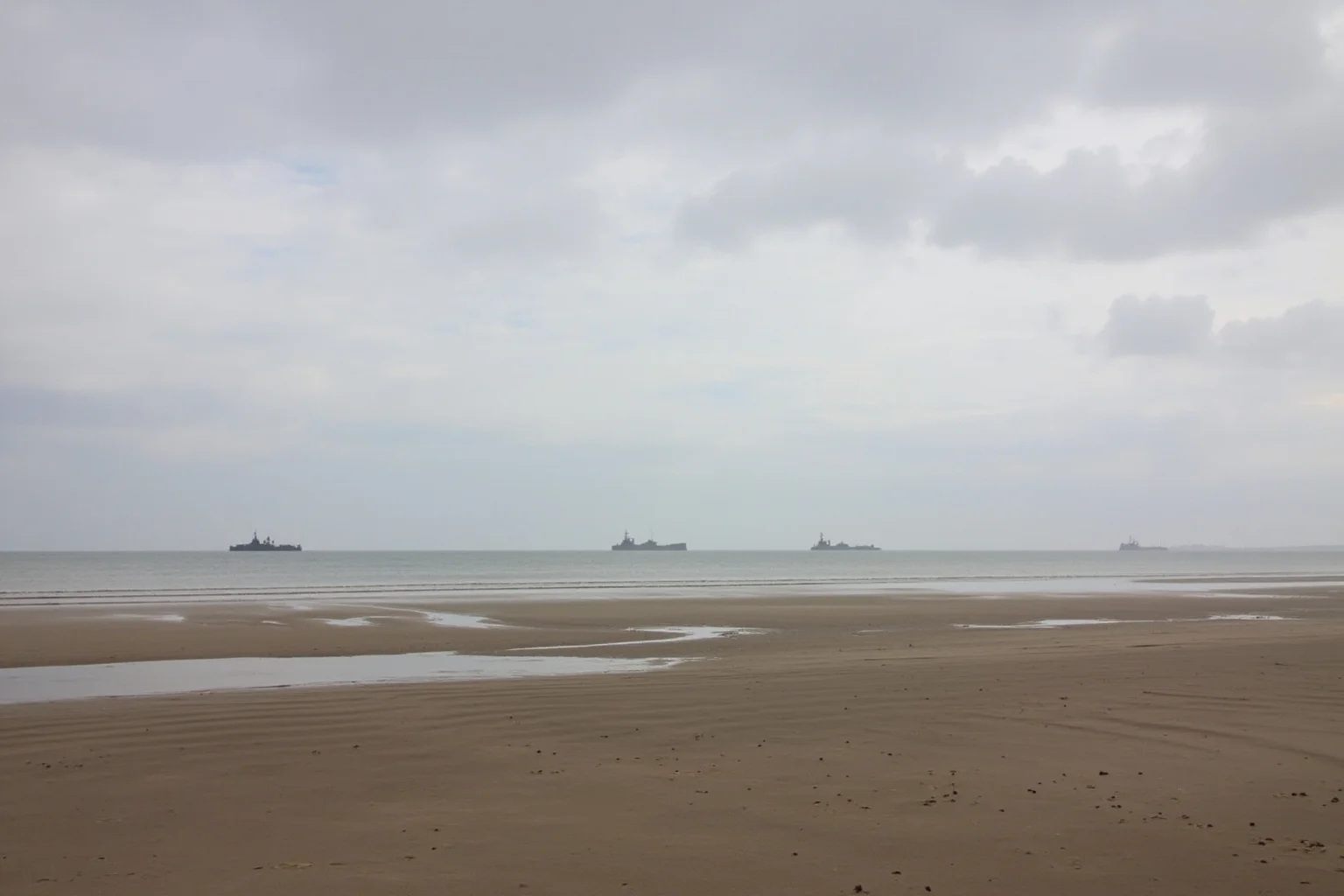
Another Beevor entry, this one narrows in on the Normandy invasion and the grinding campaign that followed it. It combines high-level strategy with soldier-level detail, including accounts from French civilians caught in the fighting.
Beevor is careful to note that the campaign was far messier and more costly than the clean narrative sometimes presented in popular culture. It’s a great corrective for anyone whose knowledge of D-Day comes mostly from films.
22. Hiroshima by John Hersey
Originally published as a single article that took over an entire issue of The New Yorker in 1946, Hersey’s account follows six survivors of the atomic bombing of Hiroshima. It remains one of the most important pieces of war journalism ever written.
Its spare, restrained style makes the horror it describes even more powerful. This is a short read, but it’s one of the most essential non fiction books about ww2 for understanding the human cost of nuclear weapons.
23. Unbroken by Laura Hillenbrand
Hillenbrand tells the story of Louis Zamperini, an Olympic runner turned Army Air Forces bombardier who survived a plane crash, weeks adrift at sea, and brutal treatment in Japanese POW camps. It’s an extraordinary survival story grounded in extensive research and interviews.
The book became a bestseller and was later adapted into a film, introducing Zamperini’s story to millions of new readers. It’s a strong pick for readers who want a single gripping narrative rather than a broad historical overview.
24. The Diary of a Young Girl by Anne Frank
Anne Frank’s diary, kept while her family hid from Nazi persecution in Amsterdam, is one of the most widely read firsthand accounts of the Holocaust in the world. It offers an intimate, unfiltered view of daily life under the constant threat of discovery.
Its enduring power comes from Anne’s voice: candid, funny, frustrated, and hopeful, often within the same entry. It remains a cornerstone of Holocaust education across the globe.
25. Night by Elie Wiesel
Wiesel’s memoir recounts his experience as a teenager in the Auschwitz and Buchenwald concentration camps. It’s a short book, but its unflinching account of the Holocaust’s horrors has made it one of the most important works of Holocaust literature ever published.
Wiesel later became a Nobel Peace Prize laureate and a leading voice on genocide prevention, largely shaped by the experiences described in this memoir. It’s frequently paired with Anne Frank’s diary in classrooms for a fuller picture of the Holocaust from different perspectives.
Final Thoughts on Building Your World War Reading List
Whether you’re drawn to the strategic sweep of Beevor and Keegan or the raw immediacy of Sledge and Wiesel, there’s no single “right” way to read about these wars. The best approach is usually to mix formats: a comprehensive overview, a couple of focused battle histories, and at least one or two firsthand memoirs.
That combination gives you both the big picture and the human detail that makes history feel real rather than abstract. However you build your list, these 25 titles represent some of the most respected and rewarding war non fiction books available today, and they’re an excellent foundation for a lifetime of reading about the wars that shaped the modern world. And if you want to pair your reading with something shorter, our collection of powerful quotes about war is a great place to start.
Frequently Asked Questions
What are the best world war 2 books non fiction readers recommend for beginners?
Antony Beevor's The Second World War is one of the best world war 2 books non fiction readers turn to for a comprehensive single-volume overview. William Shirer's The Rise and Fall of the Third Reich and Max Hastings's Inferno are also excellent starting points, offering broad context before you move into more specialized titles.
What are the best WW1 books non fiction for someone new to the topic?
G.J. Meyer's A World Undone and John Keegan's The First World War are both accessible single-volume histories that cover the entire conflict. Barbara Tuchman's The Guns of August is another classic, though it focuses specifically on the war's opening month rather than its full course.
Are memoirs like Storm of Steel and Testament of Youth considered nonfiction?
Yes, memoirs are nonfiction, though they reflect one person's perspective and memory rather than a comprehensive historical record. Some, like Robert Graves's Goodbye to All That, are known to include embellished or reordered details, so historians recommend reading them alongside broader histories for full context.
What’s a good next step after reading the most popular WWII nonfiction books?
Once you've covered broad overviews like Beevor's or Hastings's work, try narrowing in on specific campaigns or theaters, such as Beevor's Stalingrad or Rick Atkinson's Liberation Trilogy. Pairing strategic histories with firsthand memoirs like With the Old Breed or Unbroken gives a fuller picture of the war.
Is William Shirer’s book on Nazi Germany still considered accurate?
The Rise and Fall of the Third Reich remains a hugely influential and widely read history, but some of its interpretations have been revised by later historians with access to additional archives. It's best read as a landmark starting point rather than the final word on the subject.
What are some good non fiction war books beyond WWI and WWII?
While this list focuses on the World Wars, readers interested in broader war non fiction books often explore works on the Korean War, Vietnam War, or ancient conflicts. The same principles apply: look for a mix of strategic overviews and firsthand memoirs for the fullest picture.

Alex Warren
Related Articles