
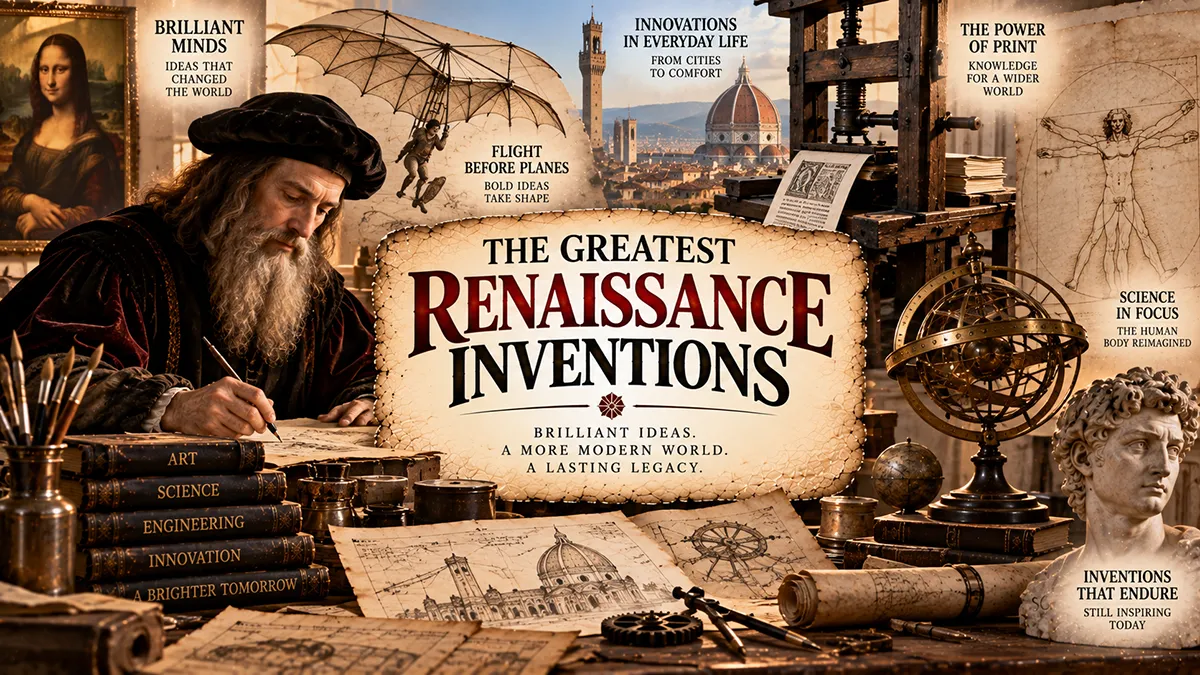
When people picture the Renaissance, they usually think of painted ceilings and marble statues. That’s only half the story. This was also one of the most inventive stretches in human history, a period when curious minds took apart old assumptions about the natural world and rebuilt them piece by piece, often with a hammer and a lens in hand.
From the printing press that spread ideas across an entire continent to the telescope that turned tiny dots in the sky into moons and planets, Renaissance inventions didn’t just decorate the era. They set the stage for modern science, medicine, and engineering. Along the way, plenty of myths got attached to names like Leonardo da Vinci, so we’ll separate the sketches from the actual, working machines.
TL;DR: Renaissance inventors turned centuries of ancient theory into working tools like the printing press, telescope, and microscope, laying the technical and scientific groundwork for the modern world.
What Exactly Was the Renaissance (and When Did It Happen)?
The Renaissance generally runs from around 1400 to 1600, beginning in the wealthy city-states of Italy before spreading north through France, the Low Countries, Germany, and England. It followed the Middle Ages and was driven by renewed interest in classical Greek and Roman texts, along with new wealth from trade and banking that could fund artists, scholars, and workshops.
England’s version of this period overlaps with the Elizabethan era, roughly 1558 to 1603, under Queen Elizabeth I. That’s why you’ll often see “Elizabethan inventions” and “Renaissance inventions” discussed side by side; they’re the same broad movement, just viewed through an English lens.
It’s worth noting that the Renaissance blurs into the early Scientific Revolution by the 1600s, and then into the Enlightenment by the late 1600s and 1700s. Some of the inventions people associate with the Renaissance, like the barometer, actually land right at that boundary. We’ll flag those overlaps as we go so the timeline stays honest.
Science During the Renaissance: A New Way of Seeing the World
Science during the Renaissance wasn’t yet the structured discipline we know today, but it was moving fast in that direction. Scholars started insisting on direct observation and measurement instead of simply trusting ancient authorities like Aristotle or Galen. That shift alone is arguably one of the biggest achievements of the Renaissance, even though it doesn’t come in a box you can put on a shelf.
Anatomy, astronomy, and physics all saw major upheavals. Nicolaus Copernicus proposed that the Earth orbits the sun rather than the other way around, and Andreas Vesalius corrected centuries of anatomical errors by actually dissecting human bodies instead of relying on old texts. These weren’t single inventions, but they created the intellectual climate that made the era’s tools and machines possible.
The Greatest Renaissance Inventions
Below is a rundown of the most significant Renaissance inventions and near-inventions, meaning some entries are working devices while a few are influential designs that were never fully built at the time. Each one had a real, traceable impact on science, exploration, or daily life, so nothing here is filler just to pad out a list.
1. The Printing Press
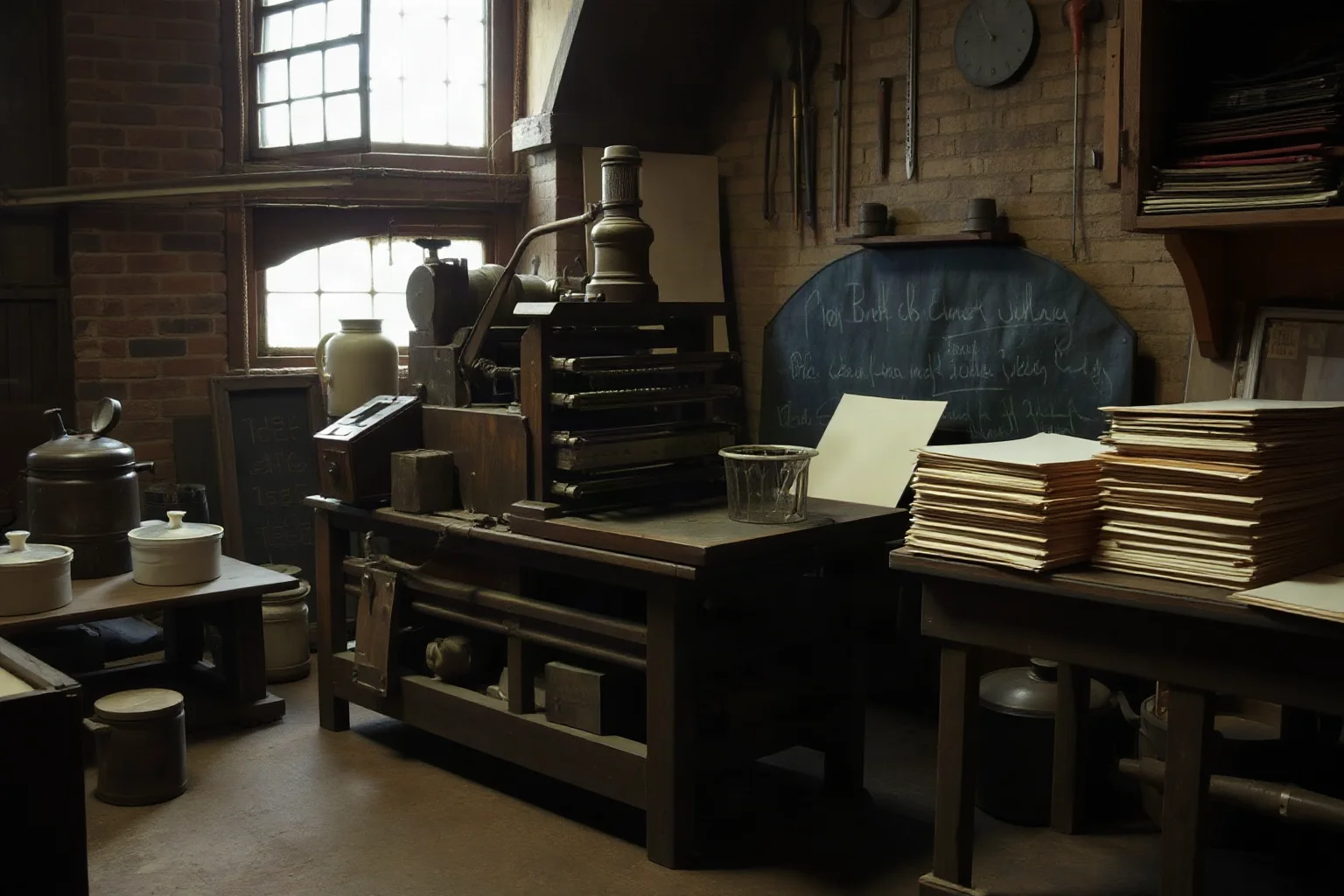
Johannes Gutenberg’s mechanical printing press, developed in Mainz, Germany around 1440, is very likely the single invention that helped spread the Italian Renaissance across Europe. Before Gutenberg, books were copied by hand, which was slow and expensive, limiting how far new ideas could travel.
With movable metal type, a single workshop could produce hundreds of identical copies of a text in the time it once took to copy one by hand. This is the invention most historians point to when asked which single technology carried Renaissance thinking out of Italy and into the rest of the continent.
2. Italic Type and the Pocket-Sized Book
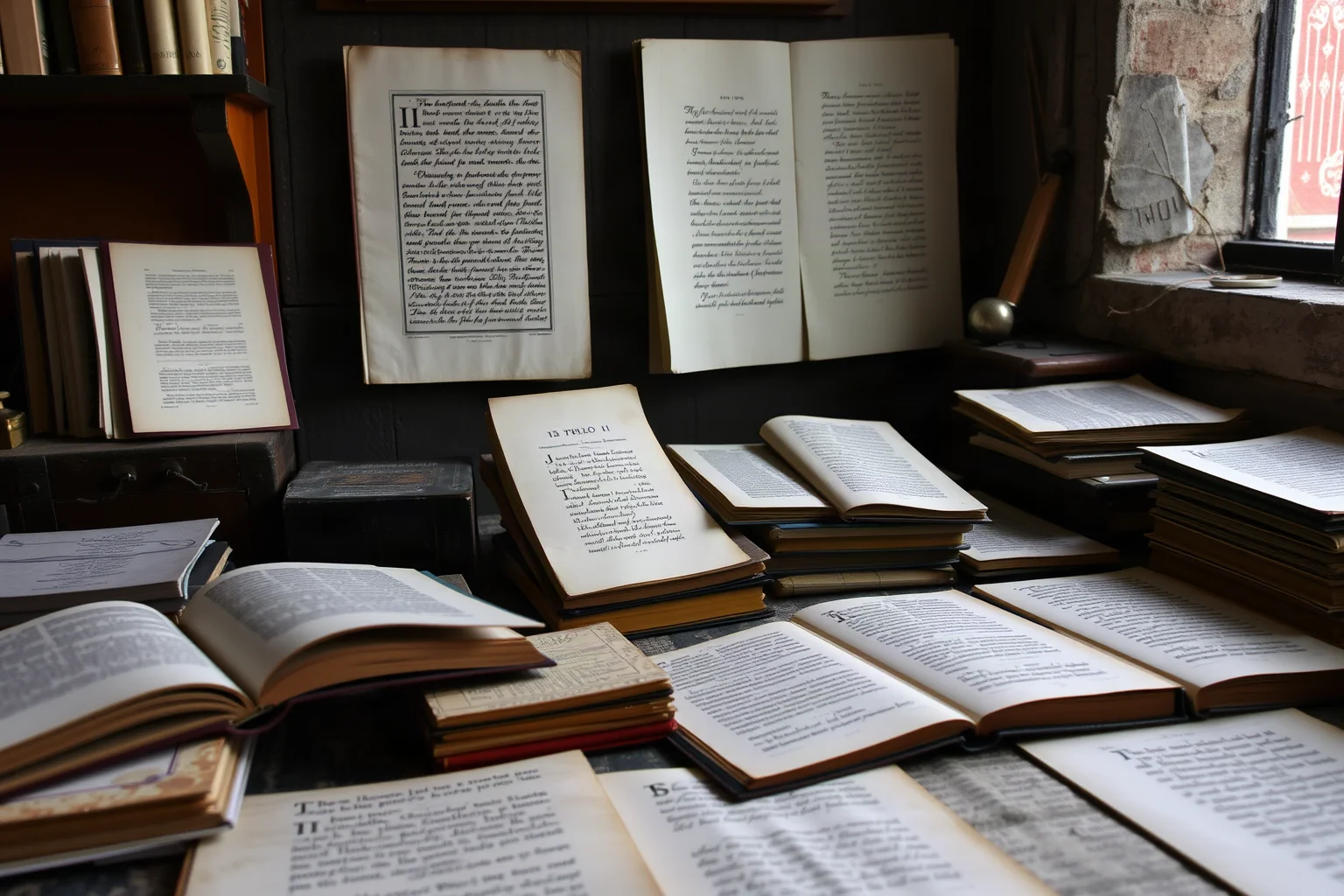
Venetian printer Aldus Manutius took Gutenberg’s technology and refined it, introducing italic typefaces and, crucially, smaller, more portable book formats in the late 1490s. This meant classical texts and new scholarship could travel in someone’s bag rather than sit chained to a library desk.
His Aldine Press became a model for publishers across Europe. It’s a smaller-scale invention than the printing press itself, but it’s a big reason books became genuinely personal objects rather than rare institutional treasures.
3. The Telescope
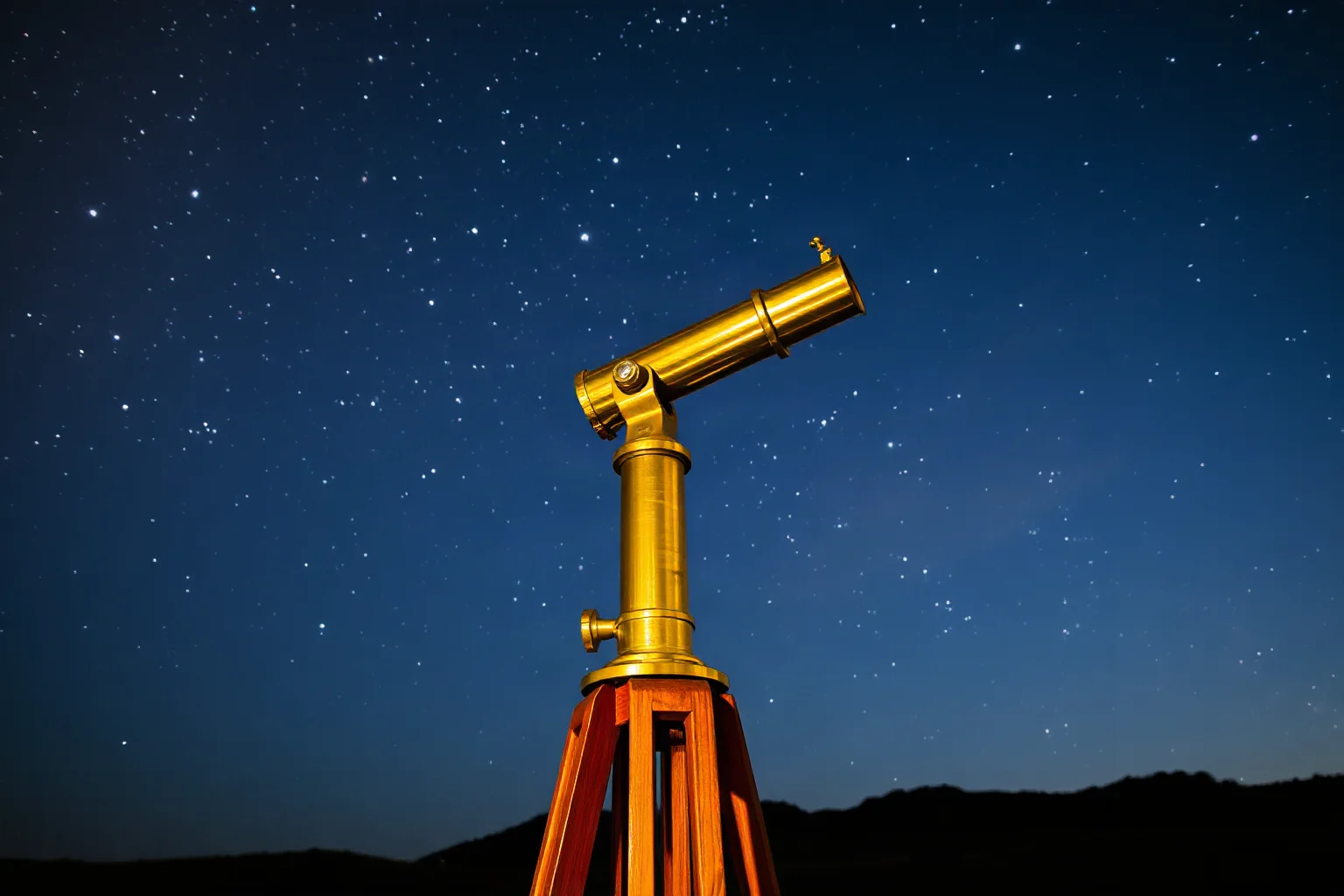
The telescope’s basic design is usually credited to Dutch spectacle maker Hans Lippershey around 1608, but it was Galileo Galilei who turned it into a scientific instrument. Galileo built his own improved version in 1609 and pointed it at the sky, discovering craters on the moon and four moons orbiting Jupiter.
Those observations gave strong support to the Copernican model of the solar system. It’s one of the clearest examples of a Renaissance-era invention directly reshaping human understanding of our place in the universe.
4. The Compound Microscope
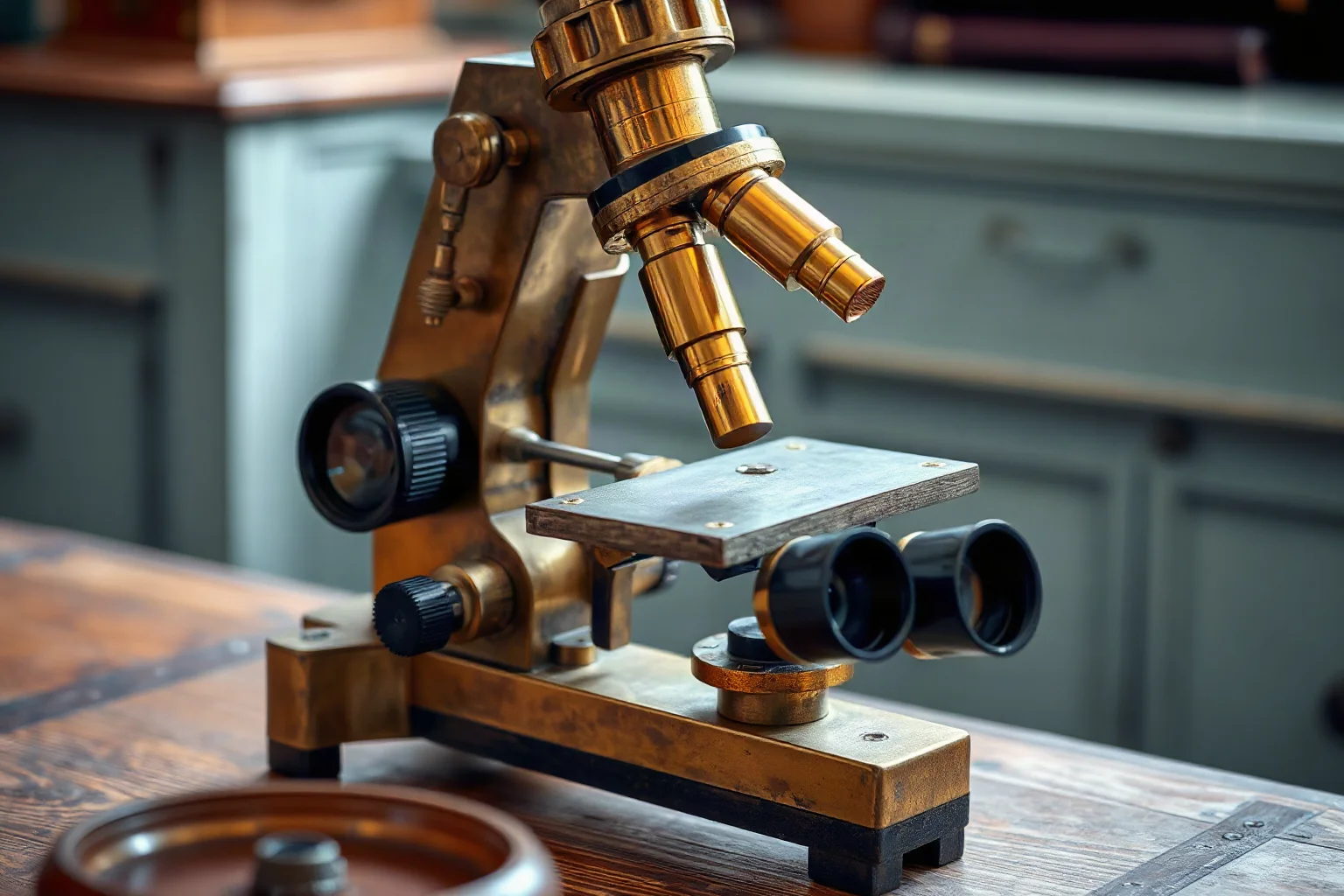
Around the same time telescopes were appearing, Dutch lens makers, including Zacharias Janssen and his father, were experimenting with combining lenses to magnify tiny objects. Early compound microscopes from the late 1500s and early 1600s were fairly crude, but they opened a door that scientists would walk through for centuries.
It would take until the later 1600s, with figures like Antonie van Leeuwenhoek, before microscopy revealed cells and microorganisms. Still, the Renaissance-era groundwork made that later leap possible.
5. The Flush Toilet
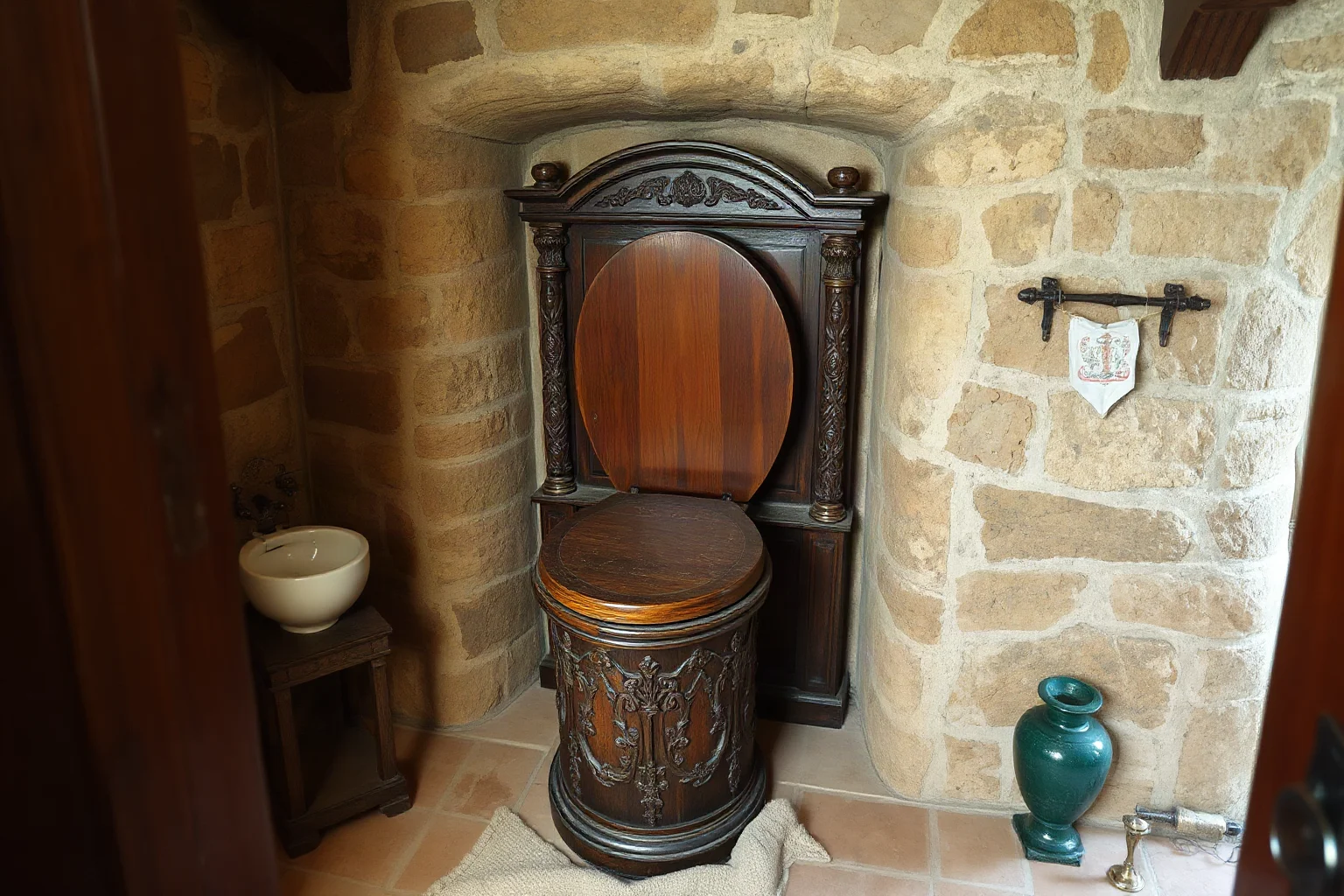
Yes, the flush toilet genuinely traces back to this period, which surprises a lot of people searching for Renaissance inventions with a flush toilet connection. Sir John Harington, godson of Queen Elizabeth I, designed a working flush toilet called the “Ajax” in 1596 and installed one at his own house and reportedly one for the Queen.
The design used a valve and a cistern of water to clear waste, which is remarkably close to the basic concept still used today. It didn’t catch on widely at the time, mostly because indoor plumbing systems weren’t developed enough to support it, but the core idea was there more than 200 years before it became common.
6. Advances in Mechanical Clocks
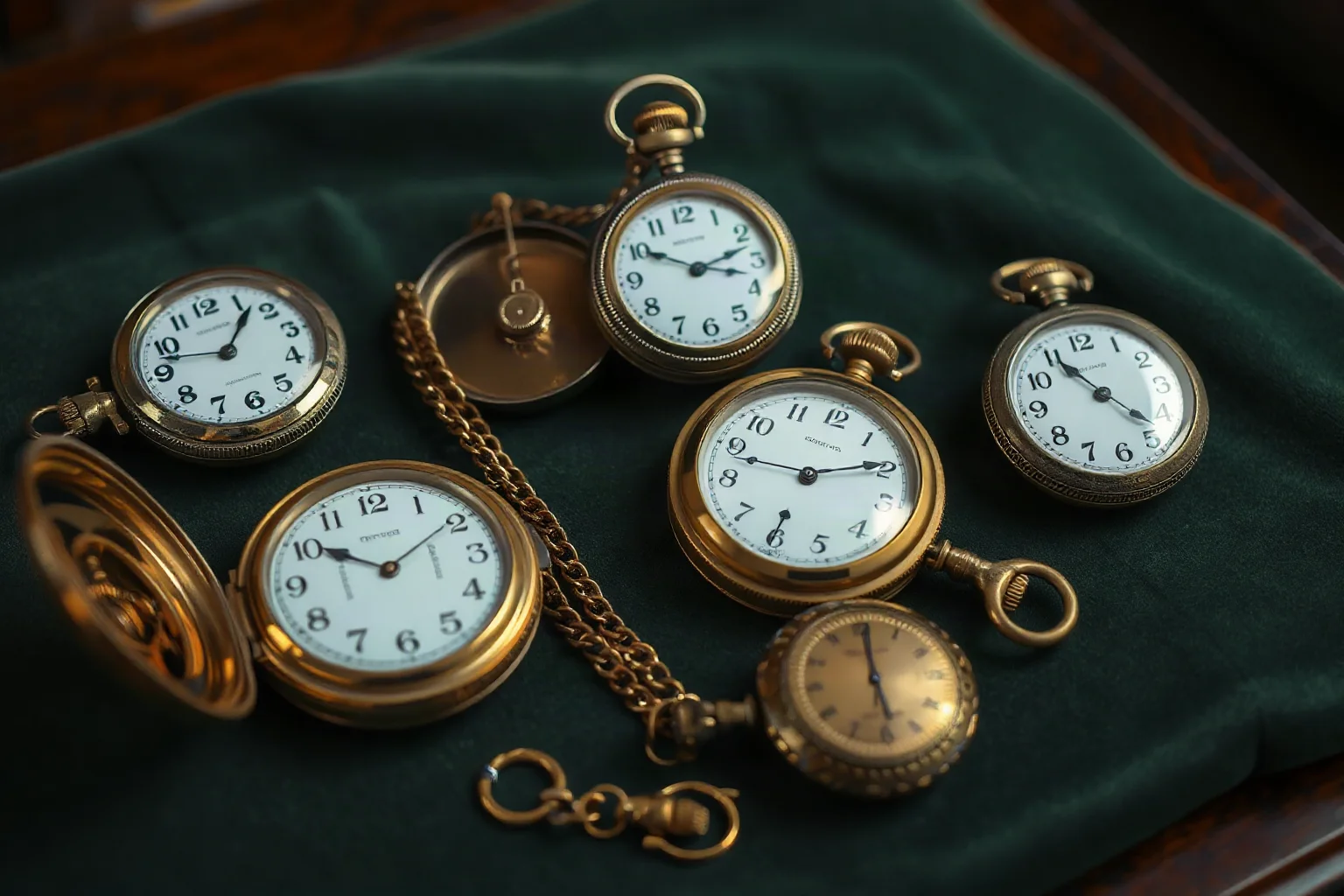
Spring-driven clocks and watches became dramatically more accurate and portable during the 1400s and 1500s, thanks largely to the mainspring, which stored energy in a coiled piece of metal instead of relying on hanging weights. This made table clocks and even early pocket watches possible for the first time.
German clockmakers in Nuremberg and elsewhere led much of this innovation. Precise timekeeping wasn’t just a convenience; it mattered enormously for astronomy, navigation, and coordinating trade across growing merchant networks.
7. The Thermoscope, an Early Thermometer
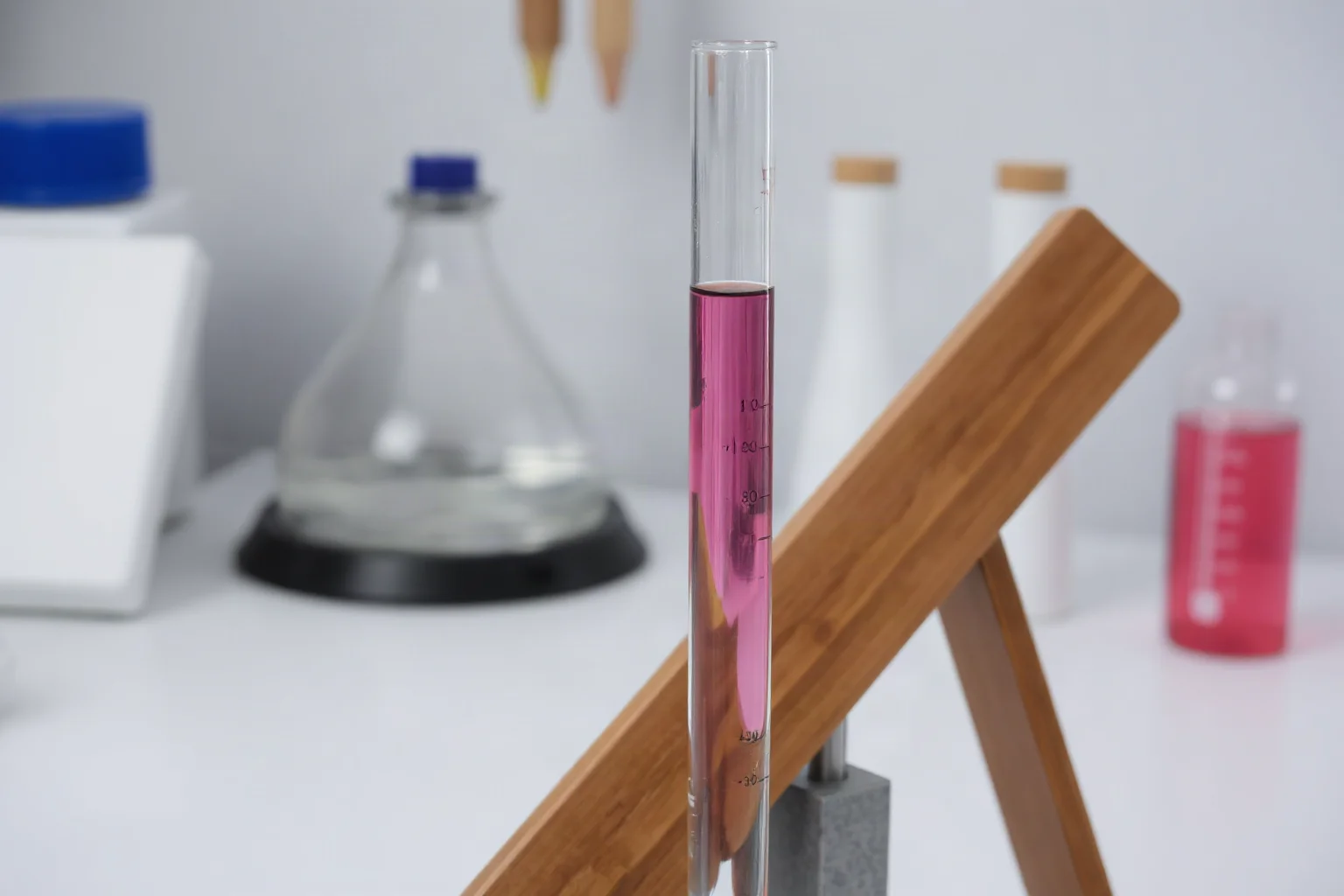
Galileo is often linked to an early device called the thermoscope, developed around 1593, which used the expansion and contraction of air in a sealed tube to show temperature changes. It didn’t have a numbered scale yet, so it couldn’t give an exact reading, but it proved temperature could be observed instrumentally rather than just guessed by touch.
True thermometers with numerical scales came later, largely in the following century. The thermoscope still counts as an important stepping stone in the story of Renaissance scientific discoveries.
8. Improved Eyeglass Lenses
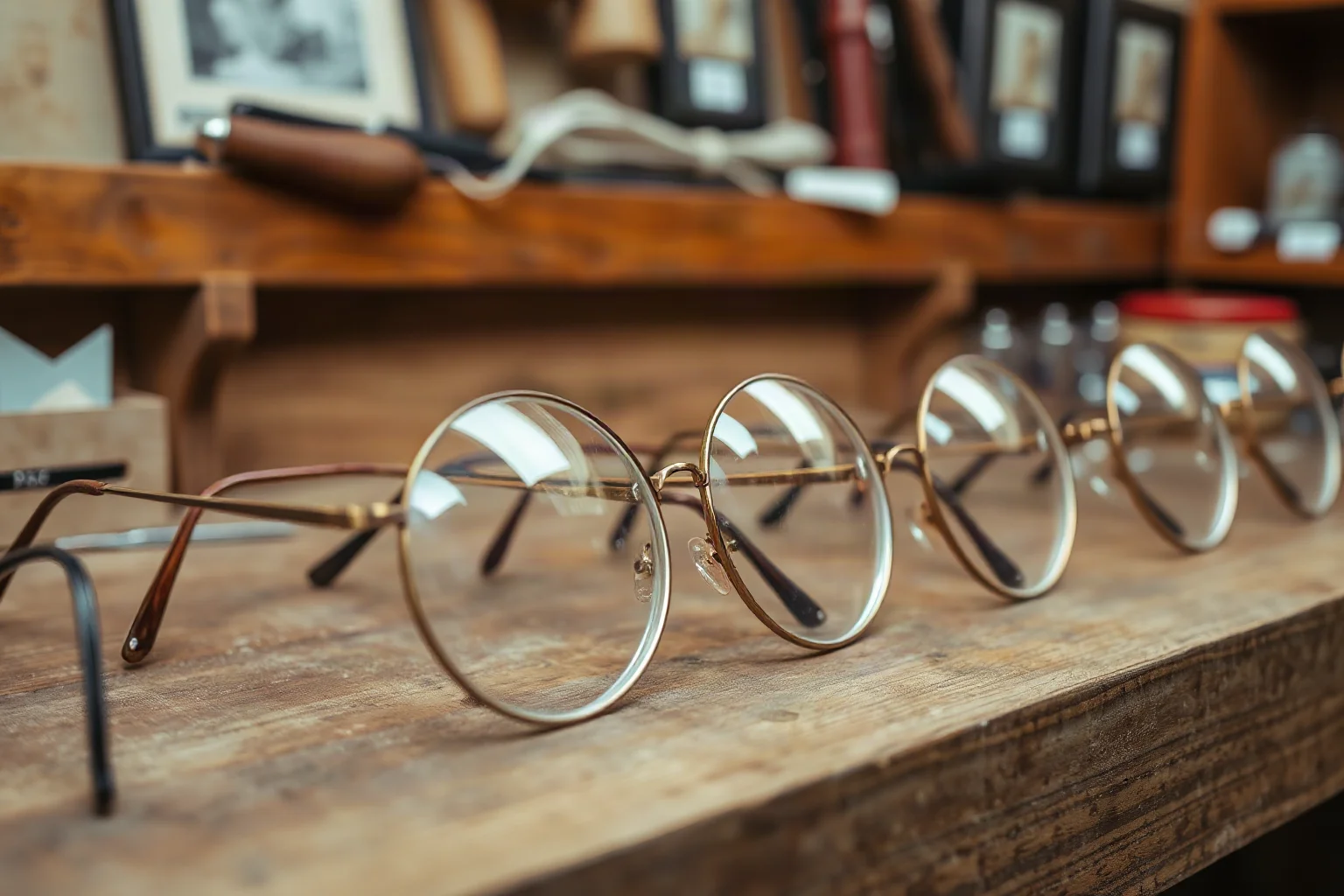
Eyeglasses themselves were actually invented earlier, in 13th-century Italy, but the Renaissance saw major improvements in grinding and polishing lenses for clearer, more reliable vision correction. This lens-crafting expertise is also exactly what made telescopes and microscopes possible a bit later.
Spectacle-making workshops multiplied across Italy, Germany, and the Netherlands during the 1400s and 1500s. That growing skill base in precision optics quietly underpins several other entries on this list.
9. The Wheellock Firearm
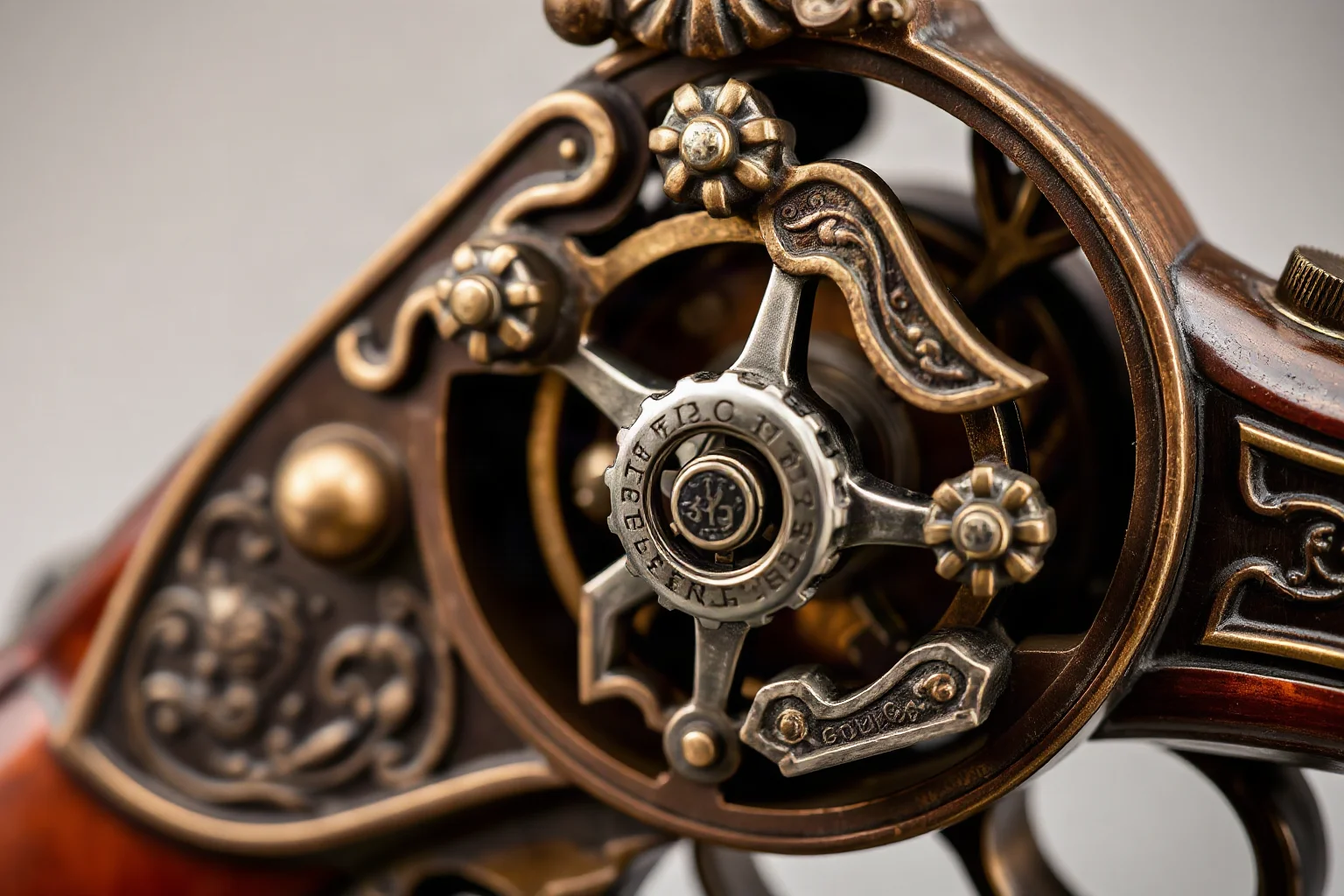
Early firearms needed a burning match to fire, which was slow, unreliable, and dangerous in damp weather. The wheellock mechanism, developed in the early 1500s, used a spinning steel wheel and pyrite to create sparks, similar to a modern cigarette lighter, allowing for faster and more weatherproof ignition.
This technology made pistols genuinely practical for the first time. It’s a reminder that Renaissance period technology wasn’t only about art and science; it also reshaped warfare.
10. Leonardo da Vinci’s Flying Machine Sketches
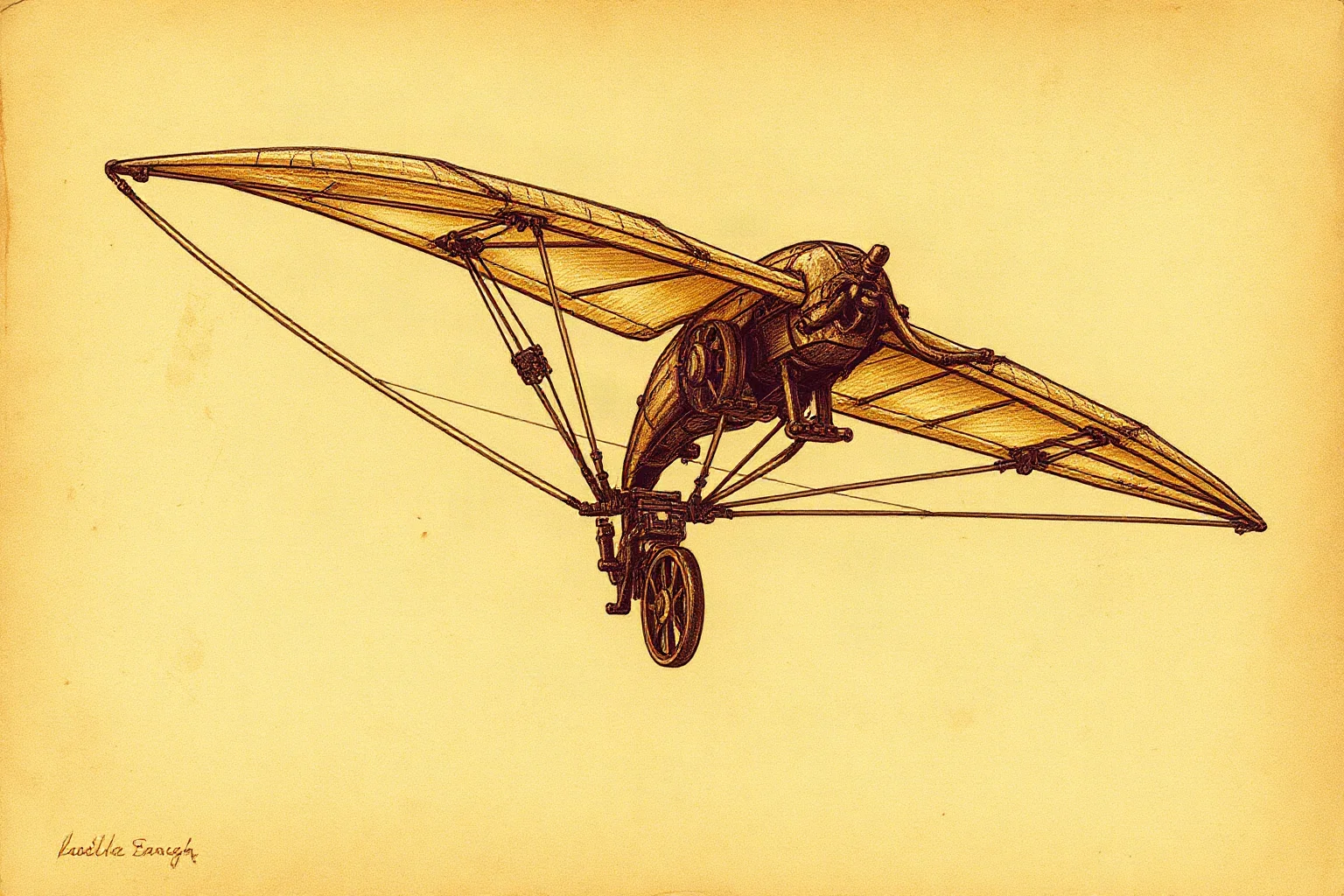
Leonardo da Vinci filled notebooks with designs for human-powered flying machines, including an ornithopter meant to flap artificial wings. It’s important to be clear that these were design studies, not working aircraft; there’s no solid historical evidence Leonardo ever built or flew one successfully.
His sketches still show remarkable engineering intuition about wing shape and human muscle limitations. They’re a great example of Renaissance imagination running ahead of the materials and physics knowledge needed to make it real.
11. Leonardo da Vinci’s Parachute Design
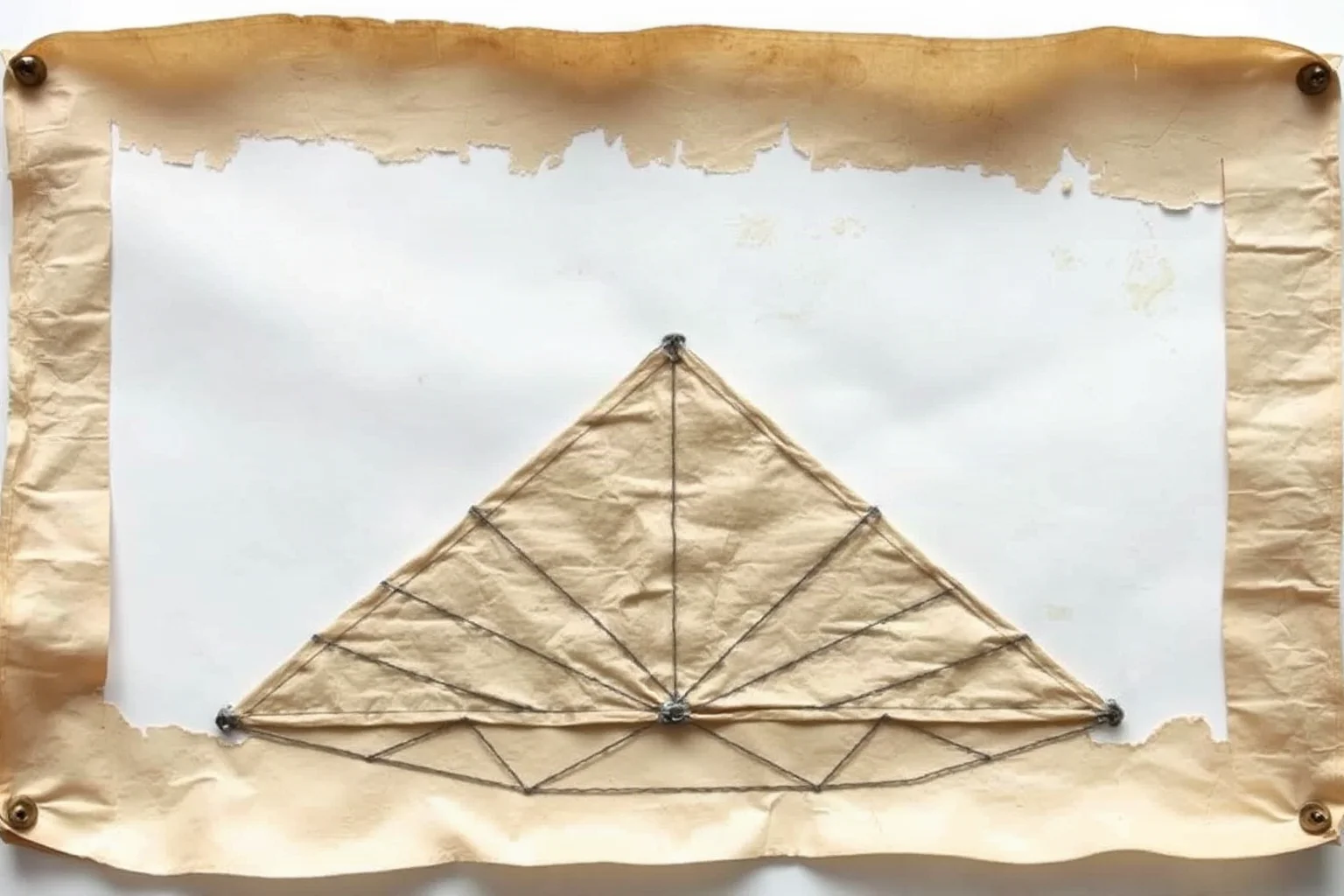
Around 1485, Leonardo sketched a pyramid-shaped canopy design meant to let a person descend safely from a height. Like his flying machine, there’s no historical record that he tested it himself.
Centuries later, in 2000, a skydiver named Adrian Nicholas actually built a version based on Leonardo’s design and tested it, finding it worked reasonably well. That modern experiment doesn’t prove Leonardo built one in his own lifetime, but it does show his engineering logic held up.
12. Diving Suits and Diving Bells
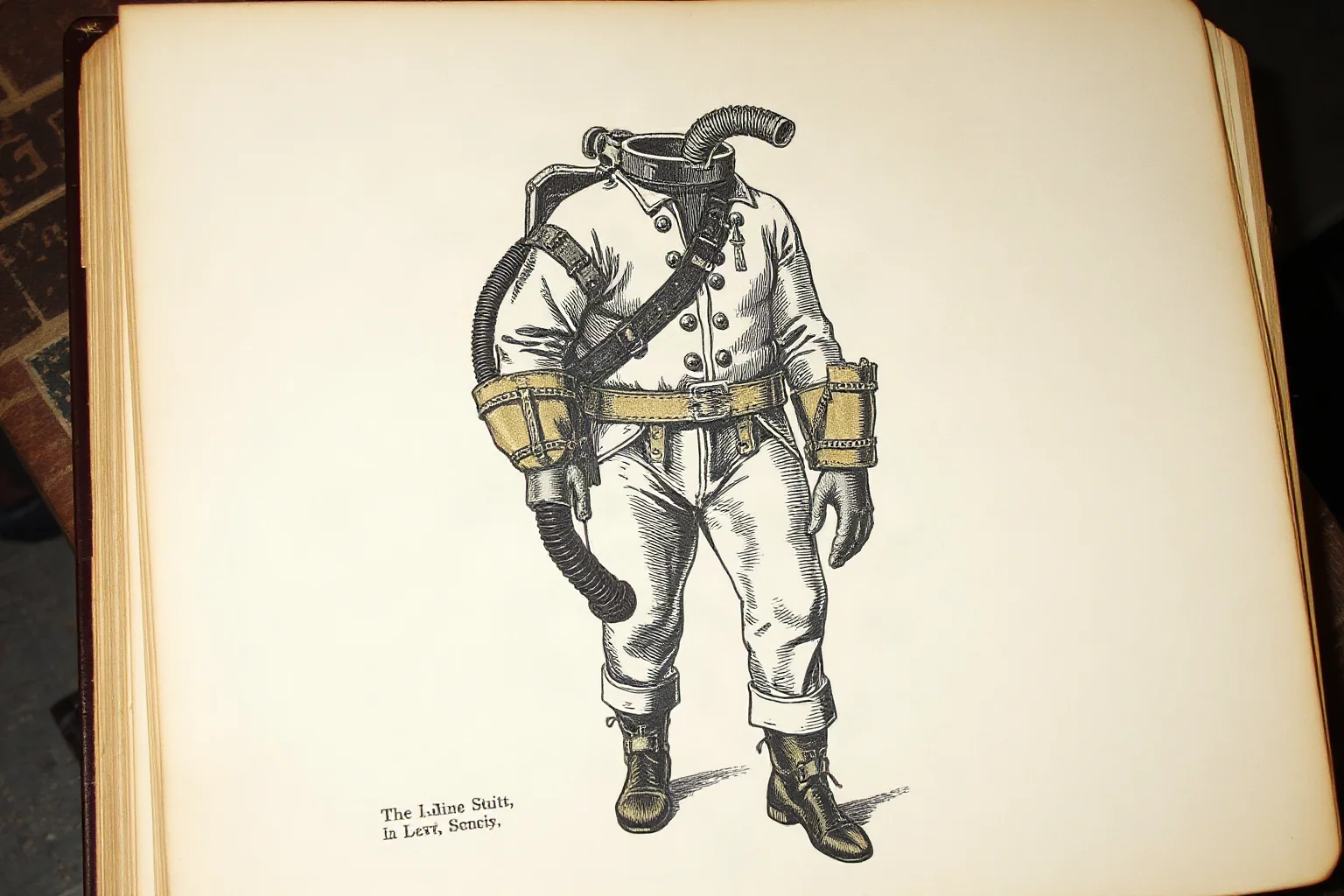
Leonardo also sketched designs for underwater breathing apparatus, including leather diving suits with tubes to the surface. Around the same broader era, simple diving bells, basically air-trapping chambers lowered into water, were being tested in Europe for tasks like salvage work.
These early concepts were rough compared to later engineering, but they show Renaissance inventors were already thinking seriously about extending human bodies into hostile environments. That ambition would eventually lead to real, functional diving technology centuries later.
13. The Submarine Concept
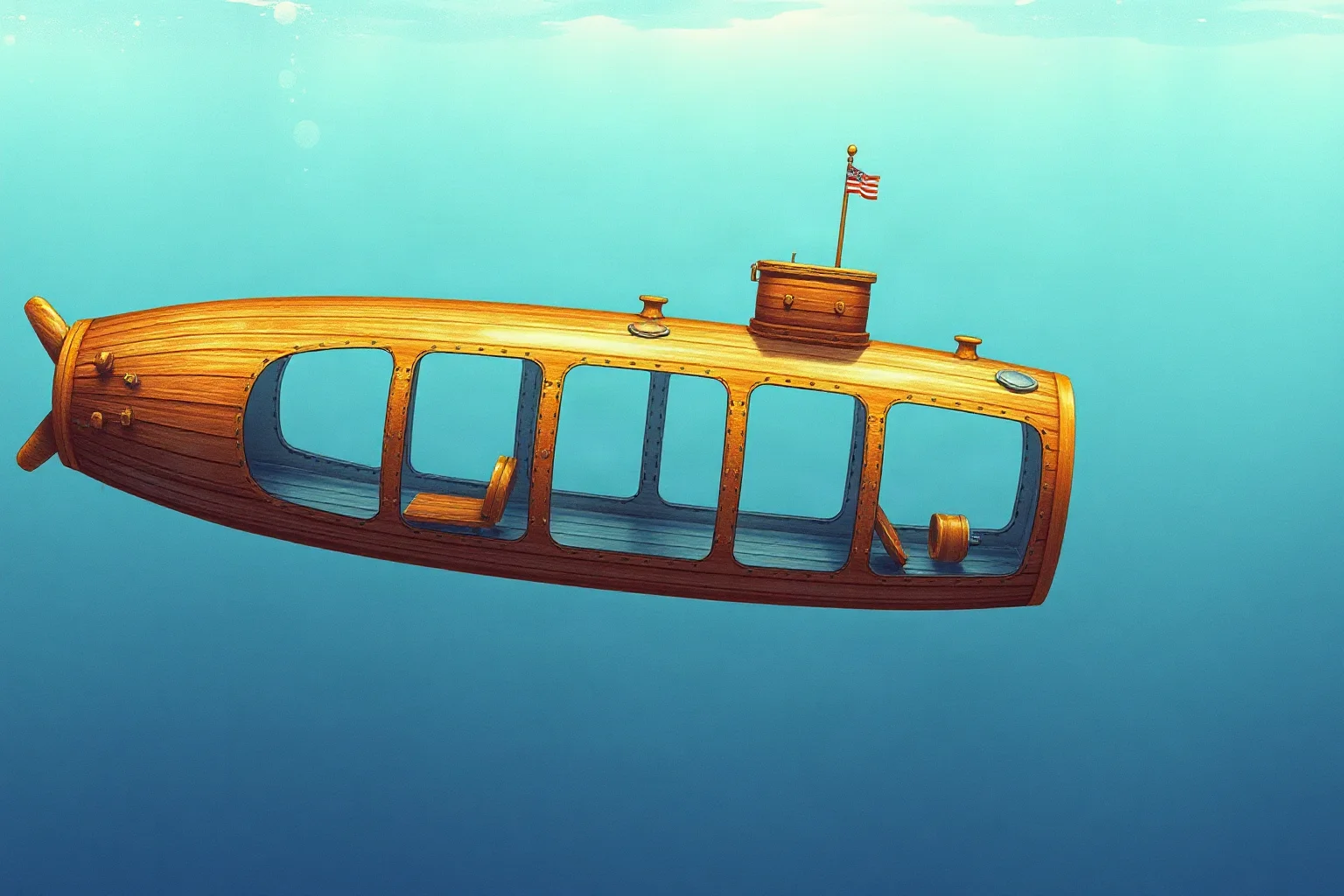
English mathematician William Bourne described a design for an underwater boat in his 1578 book on naval matters, decades before any submarine was actually built. His concept involved a wooden frame covered in waterproofed leather that could be made to sink and rise using ballast.
Bourne never built it himself, and the first submarine to actually be constructed and tested came in the following century. Still, his written concept is a genuine, documented piece of Renaissance-era engineering thought.
14. The Graphite Pencil
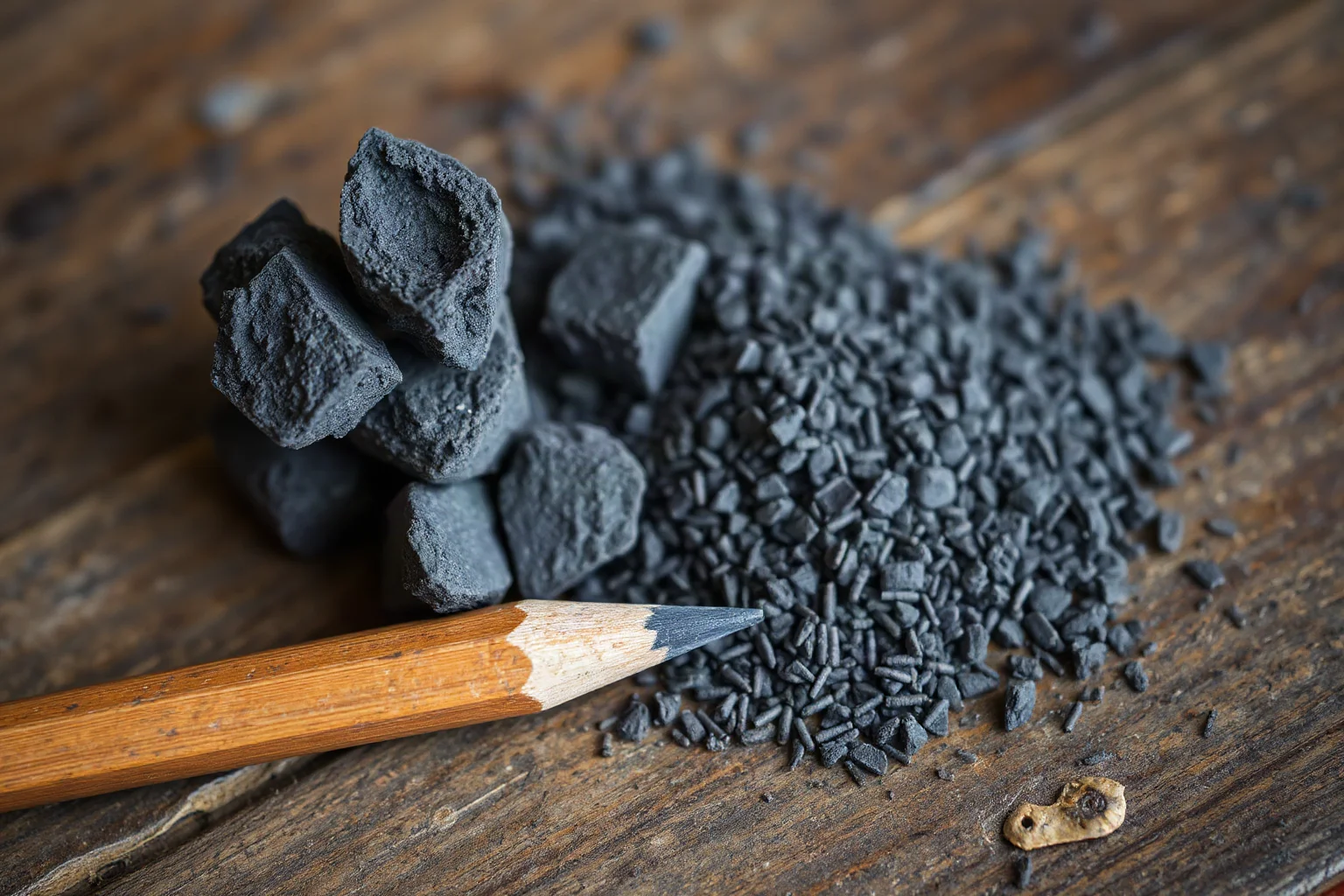
A large deposit of graphite discovered in Borrowdale, England, around 1564 led directly to the modern pencil. Local shepherds first used chunks of the soft, dark material to mark sheep, and it wasn’t long before people realized it made an excellent writing tool once wrapped in wood.
This Elizabethan-era discovery quietly changed everyday life far more than most people realize. Writing and sketching suddenly became cheaper and more accessible than ink and quill in many everyday situations.
15. Movable-Type Music Printing
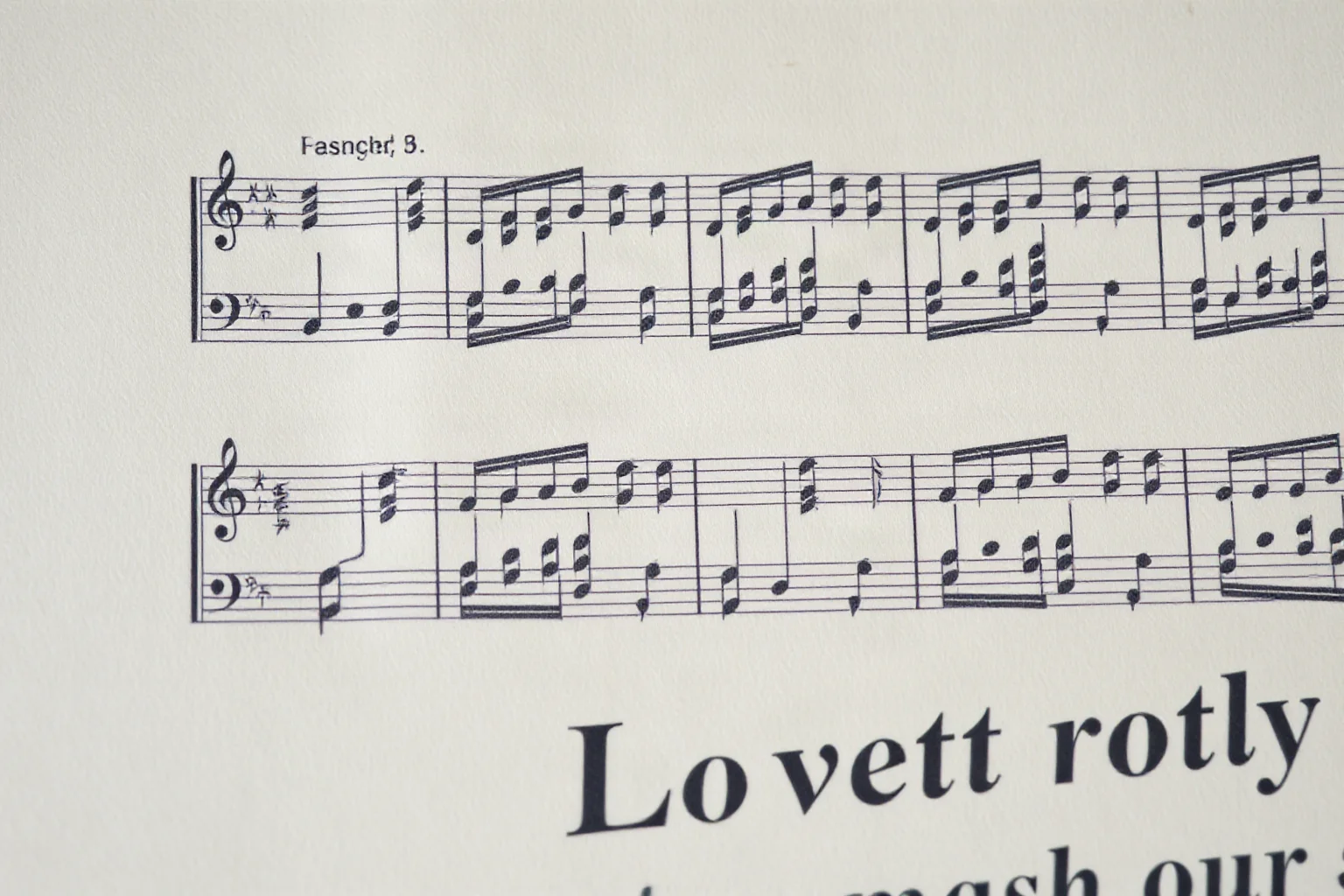
Italian printer Ottaviano Petrucci published the first substantial collection of printed music using movable type in 1501. Before this, sheet music had to be copied by hand, note by note, which severely limited how far compositions could travel.
Petrucci’s method made it possible to distribute music across cities and countries at a scale never seen before. It’s a lesser-known Renaissance invention, but it had a lasting effect on how European music developed and spread.
16. The Camera Obscura
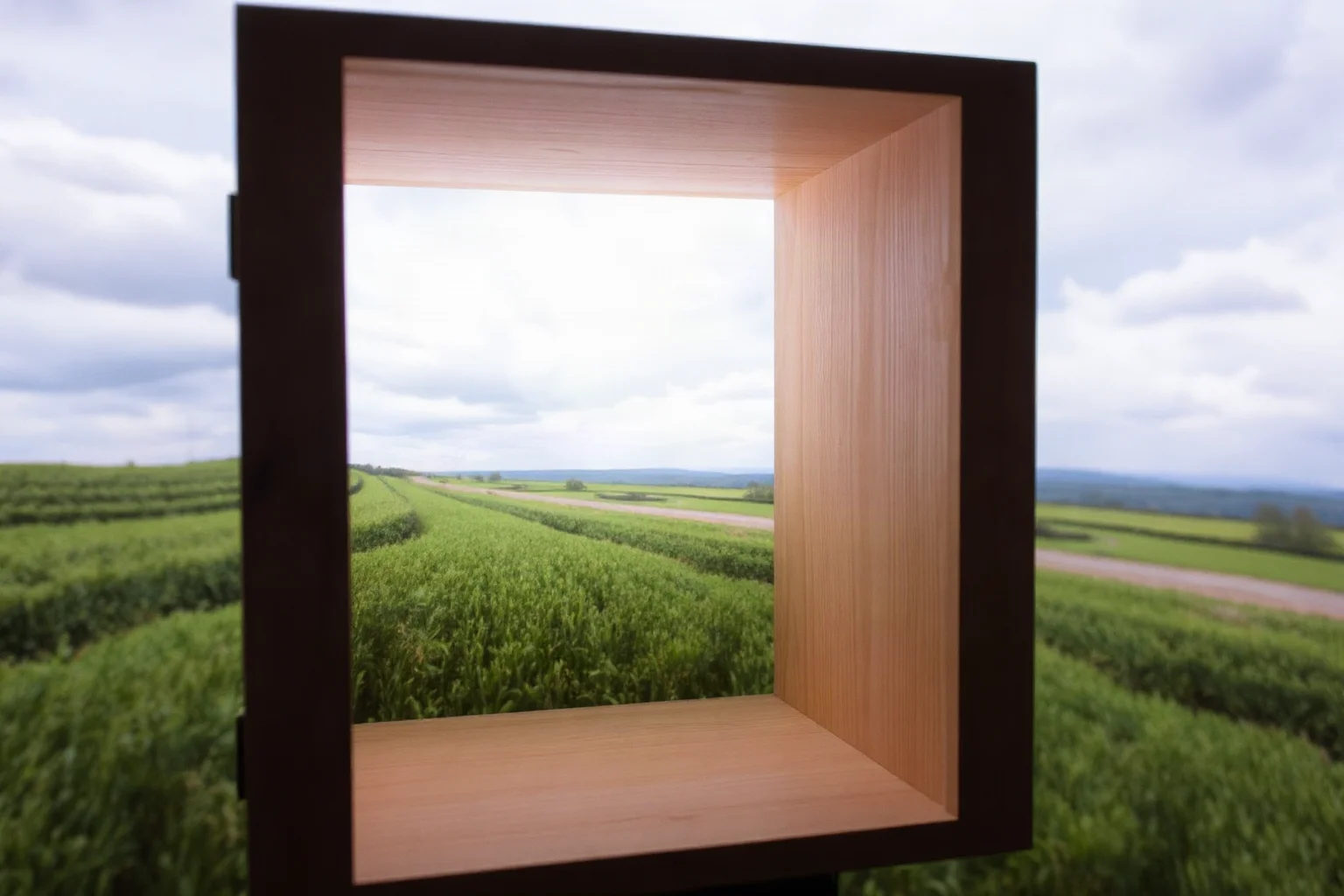
The basic principle of the camera obscura, a darkened box or room with a small hole that projects an image of the outside world onto a surface, was known since antiquity. During the Renaissance, artists and scientists refined it considerably, adding lenses to sharpen the projected image for use as a drawing aid.
Painters used it to study perspective and proportion with much greater accuracy. This device is also a direct conceptual ancestor of the modern photographic camera, even though photography itself wouldn’t arrive for centuries.
17. Improved Navigational Instruments
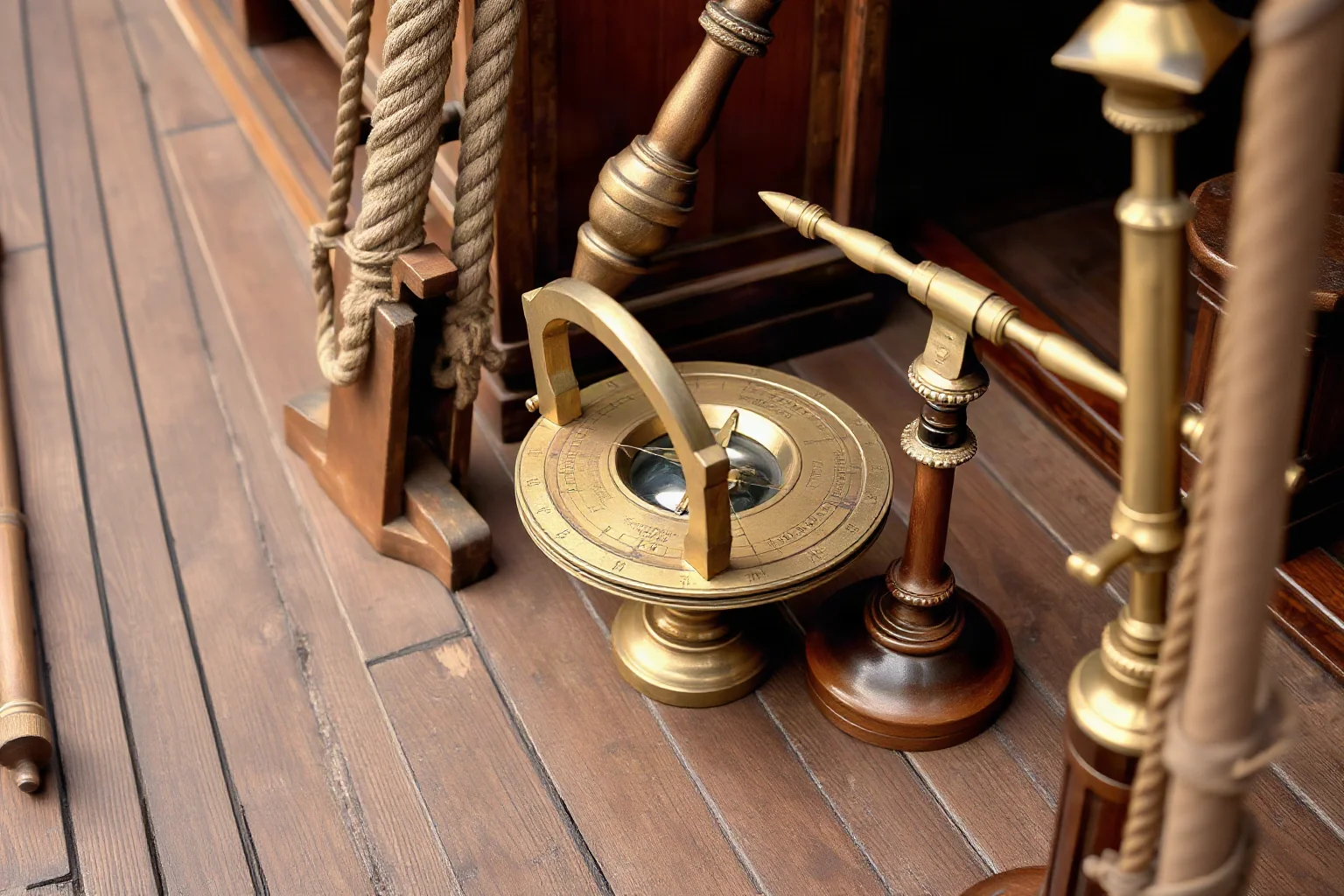
Age of Exploration voyages demanded better tools than sailors had ever needed before, and the Renaissance delivered refined astrolabes, cross-staffs, and eventually the backstaff for measuring a ship’s latitude using the sun or stars. These instruments let sailors venture farther from familiar coastlines with far more confidence.
Without this kind of precision, the long ocean crossings of explorers like Columbus and Magellan would have been vastly riskier. Navigation instruments are some of the most underrated machines of the Renaissance, even though they rarely get top billing next to telescopes and printing presses.
18. The Mercator Projection
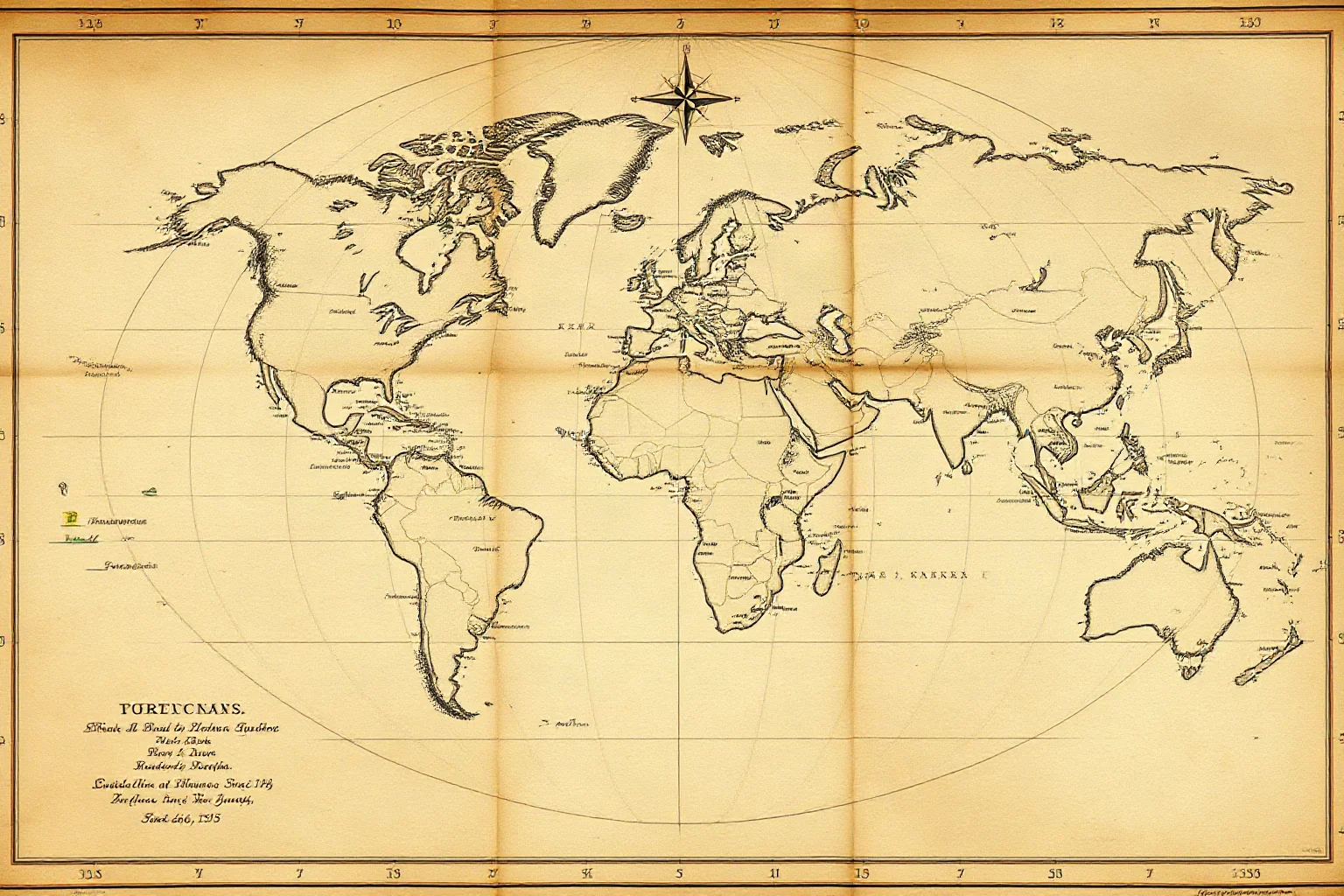
Flemish cartographer Gerardus Mercator introduced his famous map projection in 1569, designed specifically to help sailors plot straight-line compass courses across curved ocean routes. It distorted the true size of landmasses, especially near the poles, but it solved a genuinely practical navigation problem.
The Mercator projection became the standard for nautical charts for centuries. Even today, despite its known distortions, it’s still one of the most recognizable map styles in the world.
19. De Humani Corporis Fabrica and Modern Anatomical Illustration

Andreas Vesalius published this landmark anatomy text in 1543, based on his own careful human dissections rather than centuries-old assumptions. It wasn’t a machine or gadget, but the detailed, accurate illustrations inside effectively invented the modern medical textbook.
Doctors and students finally had reliable visual references for how the human body actually worked. This single publication corrected numerous long-standing anatomical errors almost overnight.
20. Advances in Distillation
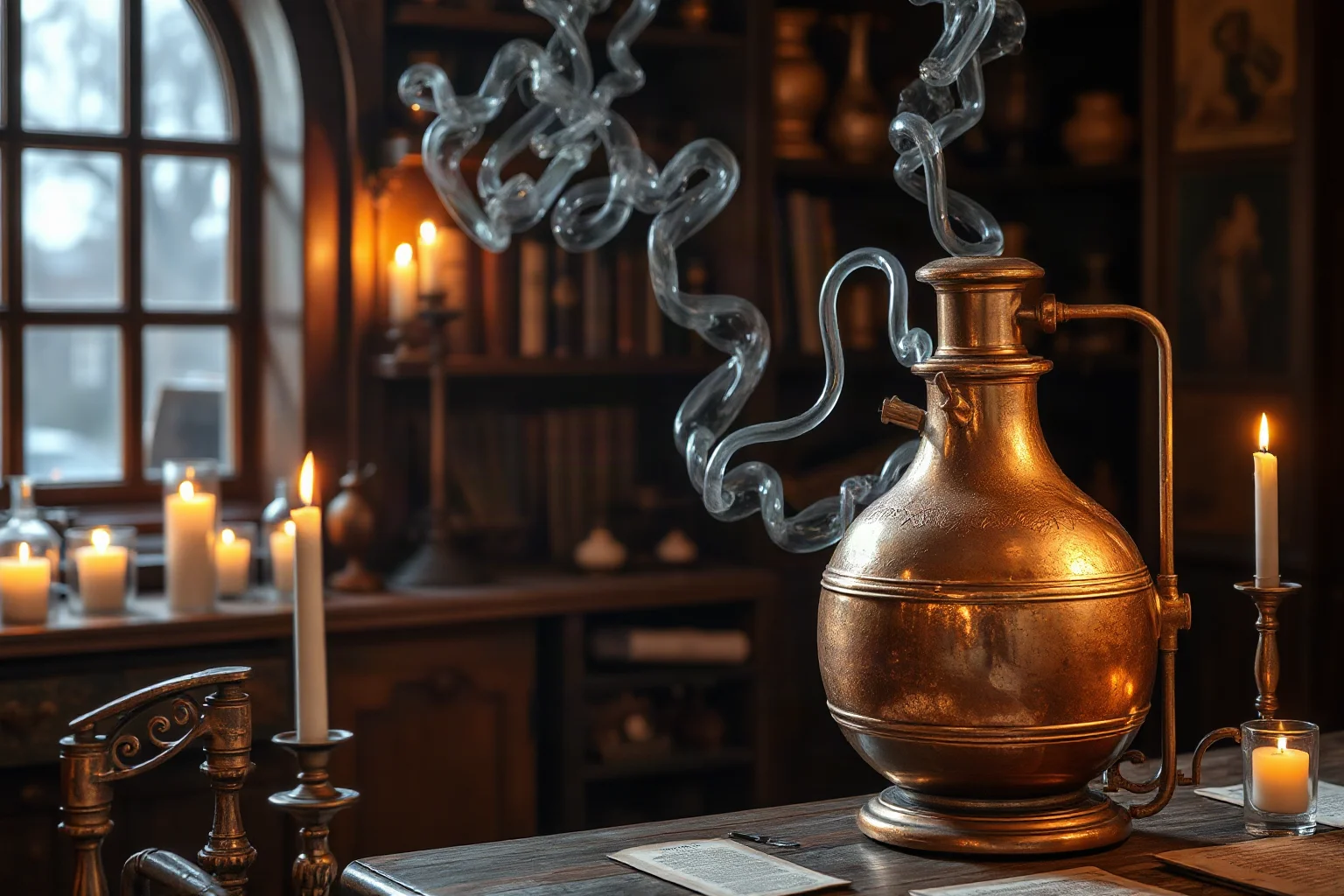
Distillation itself is much older than the Renaissance, but European alchemists and early chemists refined stills considerably during this period, improving the production of concentrated alcohol, medicines, and essential oils. Better copper and glass equipment allowed for more controlled, repeatable results.
This matters more than it might seem, because distillation techniques fed directly into early chemistry and pharmacology. It’s another case where the real achievement was refinement and precision rather than a single dramatic “eureka” moment.
21. The Barometer
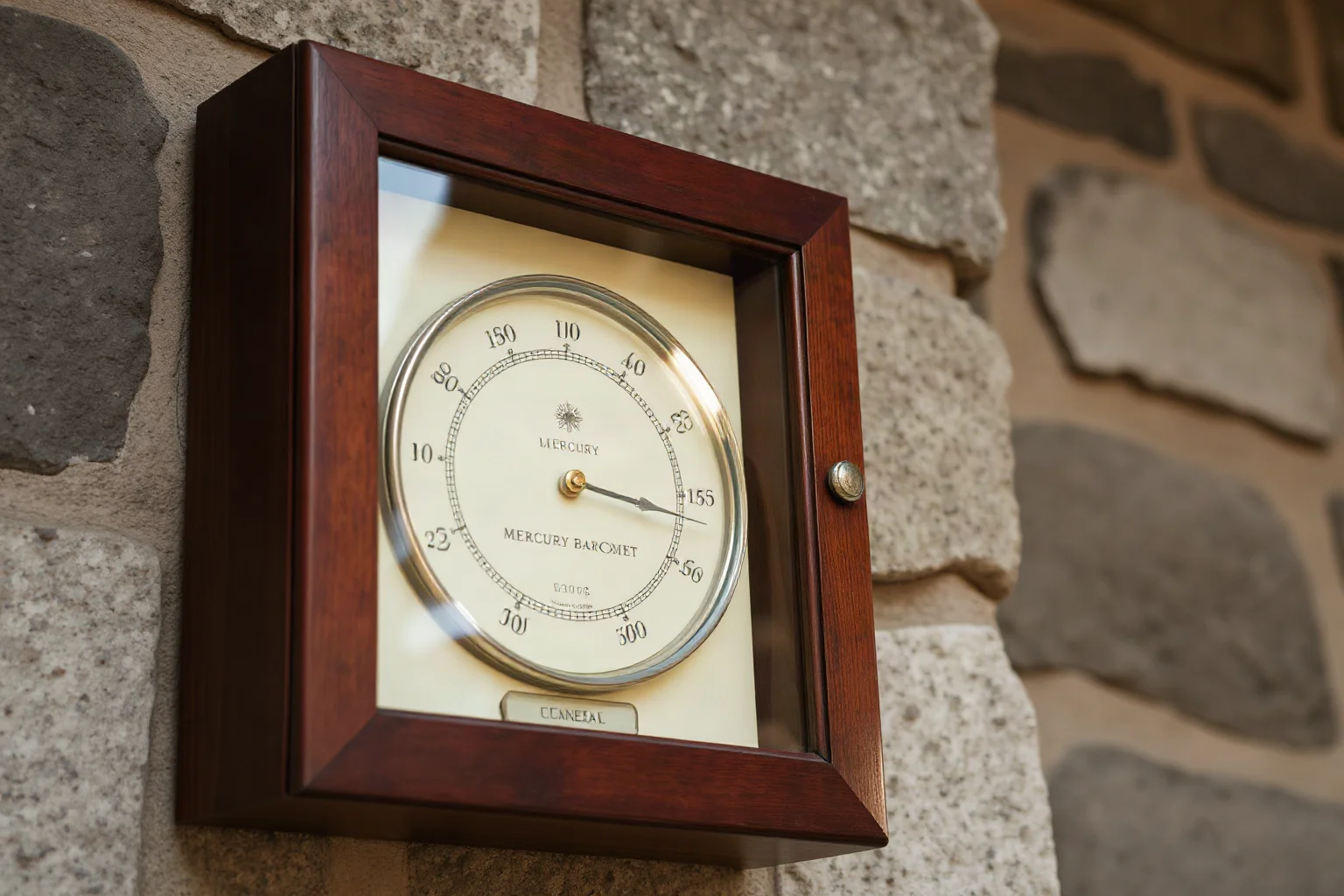
Italian scientist Evangelista Torricelli built the first mercury barometer in 1643, proving that air pressure could be measured and that a vacuum could genuinely exist, a hugely controversial idea at the time. This sits right at the tail end of the Renaissance, bleeding into what historians usually call the early Scientific Revolution.
The barometer became essential for both scientific experiments and, eventually, weather forecasting. It’s a good example of how messy the line between “Renaissance” and “1600s science” really is.
22. Mechanical Automata and Clockwork Toys
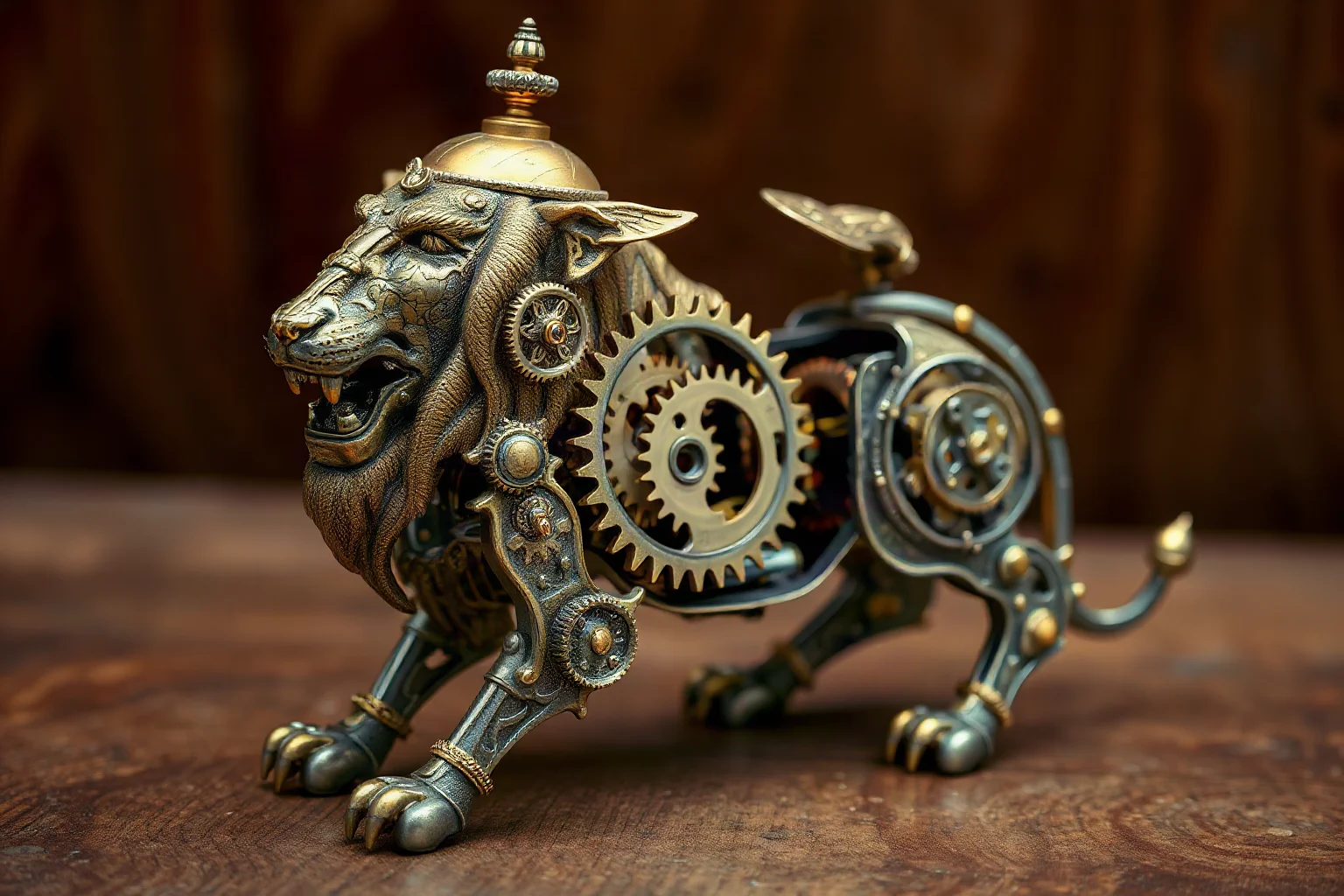
Wealthy patrons across Renaissance Europe commissioned elaborate mechanical automata, self-moving figures powered by hidden clockwork gears, sometimes shaped like animals, monks, or entire miniature scenes. Leonardo da Vinci himself is credited with designing a mechanical lion for a French king around 1515, reportedly able to walk and open its chest.
These weren’t purely decorative novelties. The gear systems and engineering tricks used in automata directly advanced the broader clockmaking and precision-mechanics skills that powered other inventions on this list.
Renaissance Inventors and Scientists You Should Know
A handful of names come up again and again when people research inventors of the Renaissance, and it’s worth knowing what each one actually contributed. Leonardo da Vinci, better known to most people today as the man behind the Mona Lisa, was less a builder of finished machines than a brilliant, restless designer whose notebooks anticipated ideas centuries ahead of available technology.
Galileo Galilei improved the telescope and made observations that supported heliocentrism, while also contributing early work in physics and motion. Nicolaus Copernicus, working slightly earlier, proposed the sun-centered model of the solar system that Galileo’s evidence would later support.
Andreas Vesalius rewrote the rules of human anatomy through direct dissection, and Johannes Gutenberg’s printing press arguably did more to spread Renaissance ideas than any single scientific discovery. Sir John Harington gave the world a working flush toilet design, and Gerardus Mercator reshaped how humans navigate the planet on paper.
Elizabethan Era Inventions: England’s Contribution
England’s Elizabethan era, running roughly from 1558 to 1603, sits within the wider Renaissance timeline and produced its own notable contributions. The graphite pencil and Harington’s flush toilet both emerged from this specific English period, alongside major advances in shipbuilding and navigation that supported England’s growing naval ambitions.
Elizabethan theater and literature tend to dominate popular memory of the period, understandably, given Shakespeare’s presence. But the era’s inventions and technology deserve just as much attention, especially since some of them, like the pencil, are still in daily use today almost unchanged.
From Renaissance to Enlightenment: What Came Next
It’s easy to blur the Renaissance, the Scientific Revolution, and the Enlightenment into one long stretch of “old-timey progress,” but they’re distinct historical time periods and eras with different priorities. The Enlightenment, spanning roughly the late 1600s through the late 1700s, focused more on reason, political philosophy, and systematic experimentation, building directly on Renaissance foundations.
Inventions from the Enlightenment include the practical steam engine improvements from Thomas Newcomen and later James Watt, Benjamin Franklin’s lightning rod, and Edward Jenner’s smallpox vaccination near the very end of the era. The hot air balloon, first flown by the Montgolfier brothers in 1783, also belongs firmly to this later period rather than the Renaissance.
This is also where a common mix-up happens with Napoleon Bonaparte, who lived from 1769 to 1821, well after both the Renaissance and the core Enlightenment had ended, and whose real biography still gets tangled with pop-culture myths in the same way as some of the more famous Mandela Effect examples.
Napoleon himself wasn’t an inventor, but his government sponsored a famous cash prize for a reliable way to preserve food for troops, which led Nicolas Appert to develop early food canning around 1809 to 1810.
He also pushed for the standardization of the metric system across French territory, which counts as a major administrative achievement rather than a personal invention.
The Lasting Legacy of Renaissance Innovation
Looking back across this list, a pattern becomes obvious: Renaissance inventions weren’t isolated flashes of genius so much as the product of better tools feeding better ideas, which then produced even better tools. Improved lens grinding led to telescopes and microscopes, which led to entirely new fields of study.
The printing press meant those discoveries could spread faster than ever before, reaching scholars and craftsmen across national borders within a generation. That feedback loop between technology and knowledge is arguably the single biggest achievement of the entire Renaissance, bigger than any one gadget on this list.
Modern science, medicine, publishing, and navigation all carry fingerprints from this era, whether it’s a printing press ancestor sitting in a newsroom or a lens-grinding technique buried somewhere in a smartphone camera’s design history. The Renaissance didn’t just produce beautiful art; it fundamentally changed how humans go about learning things, and that legacy hasn’t faded one bit.
Frequently Asked Questions
What inventions were made in the Renaissance?
Key inventions in the Renaissance include Gutenberg's printing press, the telescope, the compound microscope, the flush toilet, the wheellock firearm, and major improvements in mechanical clocks, navigational instruments, and cartography. Some ideas, like Leonardo da Vinci's flying machine and parachute sketches, were influential designs rather than fully working devices at the time.
Who were the most famous Renaissance inventors?
Johannes Gutenberg, Leonardo da Vinci, Galileo Galilei, Sir John Harington, and Gerardus Mercator are among the most commonly cited Renaissance inventors and innovators. Scientists like Andreas Vesalius and Nicolaus Copernicus are also frequently grouped with inventors because their discoveries reshaped entire fields.
What was the greatest invention of the Renaissance?
Most historians point to the printing press as the single most transformative Renaissance invention, since it allowed ideas, texts, and scientific discoveries to spread across Europe far faster than hand-copied manuscripts ever could. This is also the invention most commonly credited with helping spread the Italian Renaissance across the rest of the continent.
Did Leonardo da Vinci actually build his inventions?
Rarely. Most of Leonardo's famous designs, including his flying machine, parachute, and diving suit, existed only as detailed notebook sketches, and there's no solid historical evidence he built or tested most of them himself. He is documented as having designed a working mechanical lion automaton, which suggests he could build functioning devices when the project called for it.
What is the difference between Renaissance and Enlightenment inventions?
Renaissance inventions, roughly 1400 to 1600, focused on optics, printing, navigation, and early anatomical science, often building on rediscovered classical knowledge. Enlightenment inventions, from the late 1600s through the late 1700s, leaned more toward practical engineering and systematic experimentation, producing things like the improved steam engine, the lightning rod, and early vaccination.
What did Napoleon invent?
Napoleon Bonaparte himself wasn't an inventor, and he lived well after the Renaissance and Enlightenment had ended. His government did sponsor a prize that led Nicolas Appert to develop early food canning, and Napoleon's administration also pushed to standardize the metric system across France.
Was the flush toilet really invented during the Renaissance?
Yes. Sir John Harington designed a working flush toilet called the Ajax in 1596, during the Elizabethan portion of the English Renaissance, complete with a valve and cistern system. It didn't become widely used at the time due to limited plumbing infrastructure, but the core design was genuinely functional.
What technology existed in the 1600s?
The 1600s saw the telescope, the compound microscope, the thermoscope, improved mechanical clocks, and eventually the mercury barometer, developed by Evangelista Torricelli in 1643. This period straddles the late Renaissance and the early Scientific Revolution, so many of these tools reflect ideas built up over the previous two centuries.

Alex Warren
Related Articles