
Long before any of today’s major faiths existed, humans were already praying, sacrificing, and building temples to gods whose names most people have never heard of. Empires rose and fell across countless historical time periods and eras, and their gods usually went down with them. Some of these belief systems lasted for thousands of years before quietly disappearing, leaving behind nothing but broken statues, clay tablets, and half-translated hymns.
This guide takes a friendly, myth-busting tour through the ancient religions that no longer exist, and it also tackles some of the internet’s favorite questions about old religions along the way. Which faith is really the oldest? What counts as a ‘dead’ religion versus a ‘closed’ one? And did Christianity really have predecessors? Let’s dig in.
TL;DR: Dozens of ancient religions—from Egyptian and Mesopotamian polytheism to Norse and Aztec belief systems—have gone extinct over the millennia, while a handful of genuinely ancient traditions like Hinduism and Zoroastrianism have survived into the present day.
What Counts as an “Ancient” or “Dead” Religion?
Historians generally use a few different labels for old belief systems, and mixing them up causes a lot of confusion online. A dead or extinct religion is one with no living practitioners and no unbroken line of worship connecting it to today. Ancient Egyptian religion fits this description perfectly, since nobody has worshipped Ra or Osiris as part of a continuous tradition for well over a thousand years.
A living ancient religion, by contrast, is one that started in antiquity but is still practiced today, such as Hinduism, Judaism, or Zoroastrianism. Then there are reconstructed or revived religions, like modern Heathenry or Druidry, which draw inspiration from extinct traditions but aren’t the same unbroken thing. Keeping these categories straight matters, because a lot of “old religions” lists online blur dead faiths with living ones.
What Was Religion Like Before Organized Religion?
Before anything resembling an organized religion existed, early humans practiced forms of animism and ancestor veneration. Archaeological evidence, including burial goods and cave art dating back tens of thousands of years, suggests that belief in spirits, an afterlife, or unseen forces predates written history by a huge margin. This is really the closest thing we have to an “original religion,” though it wasn’t a single unified system.
These prehistoric belief systems weren’t texts or institutions; they were scattered, local, and passed down orally. So when people search for the original religion or what existed before religion as we define it today, the honest answer is that we simply don’t have detailed records. What we do have are fragments, symbols, and guesses pieced together by archaeologists.
What Is the Oldest Known Religion Still Practiced Today?
This is one of the most searched questions about ancient religion, and the honest answer is a little more complicated than a single name. Hinduism is widely cited as the oldest living major religion, with roots in the Vedic traditions of the Indian subcontinent that historians trace back roughly 3,500-4,000 years, and some elements likely older still. Because Hinduism has no single founder and evolved gradually from earlier Vedic practices, many scholars are cautious about assigning it one precise birth date.
Zoroastrianism is another strong contender, founded by the prophet Zoroaster in ancient Persia possibly sometime between 1500 and 1000 BCE, though exact dating is debated among historians. Judaism also traces its origins back roughly 3,000-4,000 years and remains a living faith today. So when people ask what is the oldest known religion or the oldest religion in the world, the fairest answer is that it depends on whether you’re counting continuously practiced organized religions or looking at prehistoric spiritual practices that never got formalized into a named tradition.
Which Religions Are Older Than Christianity?
Christianity emerged in the 1st century CE, which means a long list of religions predate it by centuries or millennia. Judaism, Zoroastrianism, Hinduism, and Jainism were all established well before Christianity and remain living faiths today. Ancient Egyptian religion, Mesopotamian polytheism, Greek and Roman religion, and countless other polytheistic systems also existed for thousands of years before Christianity appeared, though most of those are now extinct.
Buddhism, founded in the 5th or 6th century BCE in the Indian subcontinent, also predates Christianity by roughly 500 years. So when someone asks what religions existed before Christianity, the real answer isn’t one faith, but an enormous and diverse religious landscape spanning multiple continents. Christianity didn’t emerge into a spiritual vacuum; it emerged into a world already crowded with old religions, some of which it would eventually help replace.
22 Ancient Religions That No Longer Exist
Here’s the heart of it: a tour through 22 genuinely extinct religious systems, each one once central to the lives of entire civilizations, and each one now studied only through archaeology, ancient texts, and inscriptions.
1. Ancient Egyptian Religion
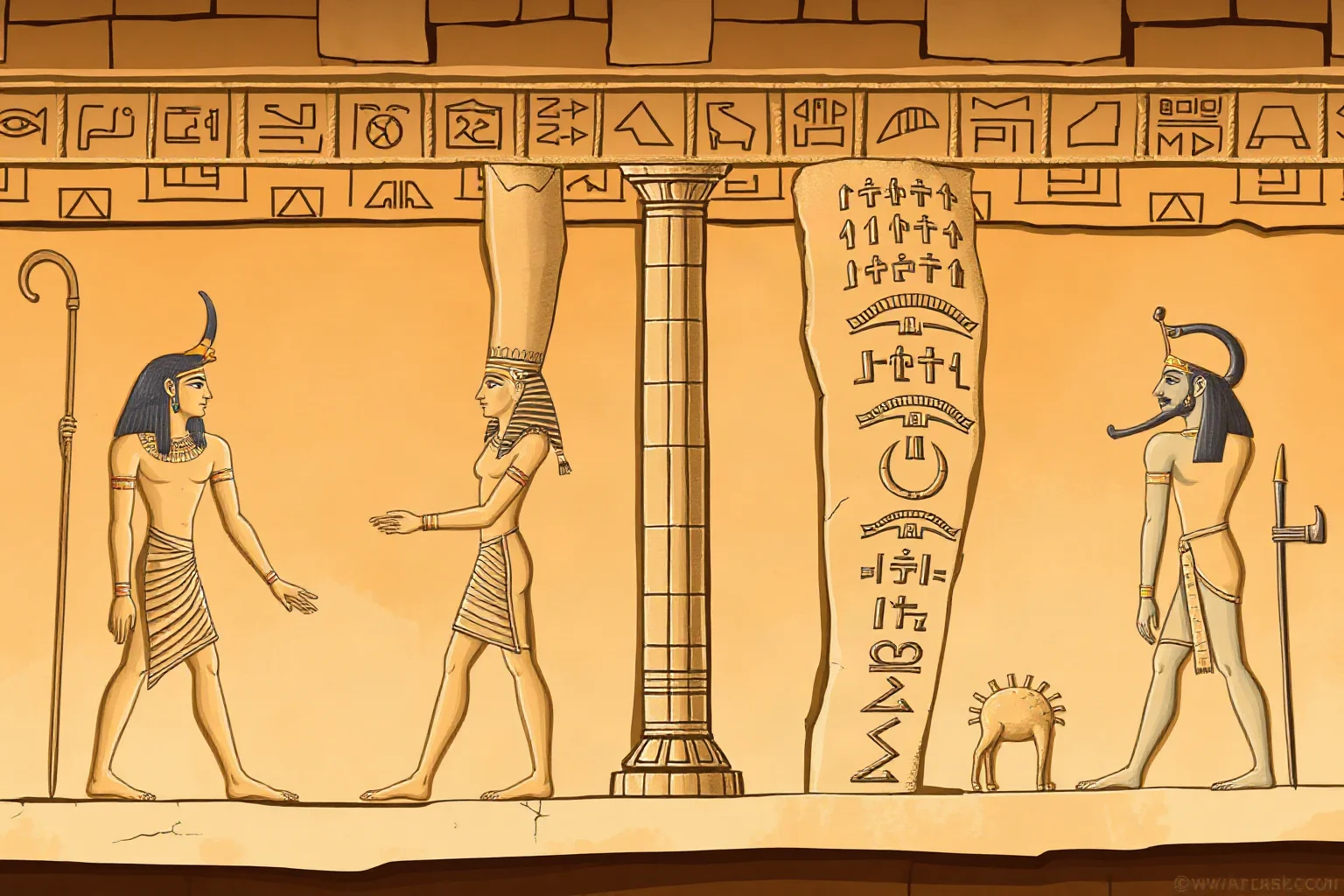
For roughly 3,000 years, ancient Egyptians worshipped a vast pantheon including Ra, Osiris, Isis, and Horus, built temples along the Nile, and developed elaborate beliefs about the afterlife. This religion gradually declined after Egypt came under Roman rule and then Christian influence, with the last known hieroglyphic religious inscription — the kind of discovery historians rank among the most incredible artifacts ever uncovered — dated to the late 4th century CE at the Philae temple complex.
By the 6th century CE, under the Byzantine emperor Justinian, the last functioning Egyptian temple was closed permanently. Today, no one practices the original religion of the pharaohs, though its imagery still fascinates museum visitors worldwide.
2. Ancient Mesopotamian Religion
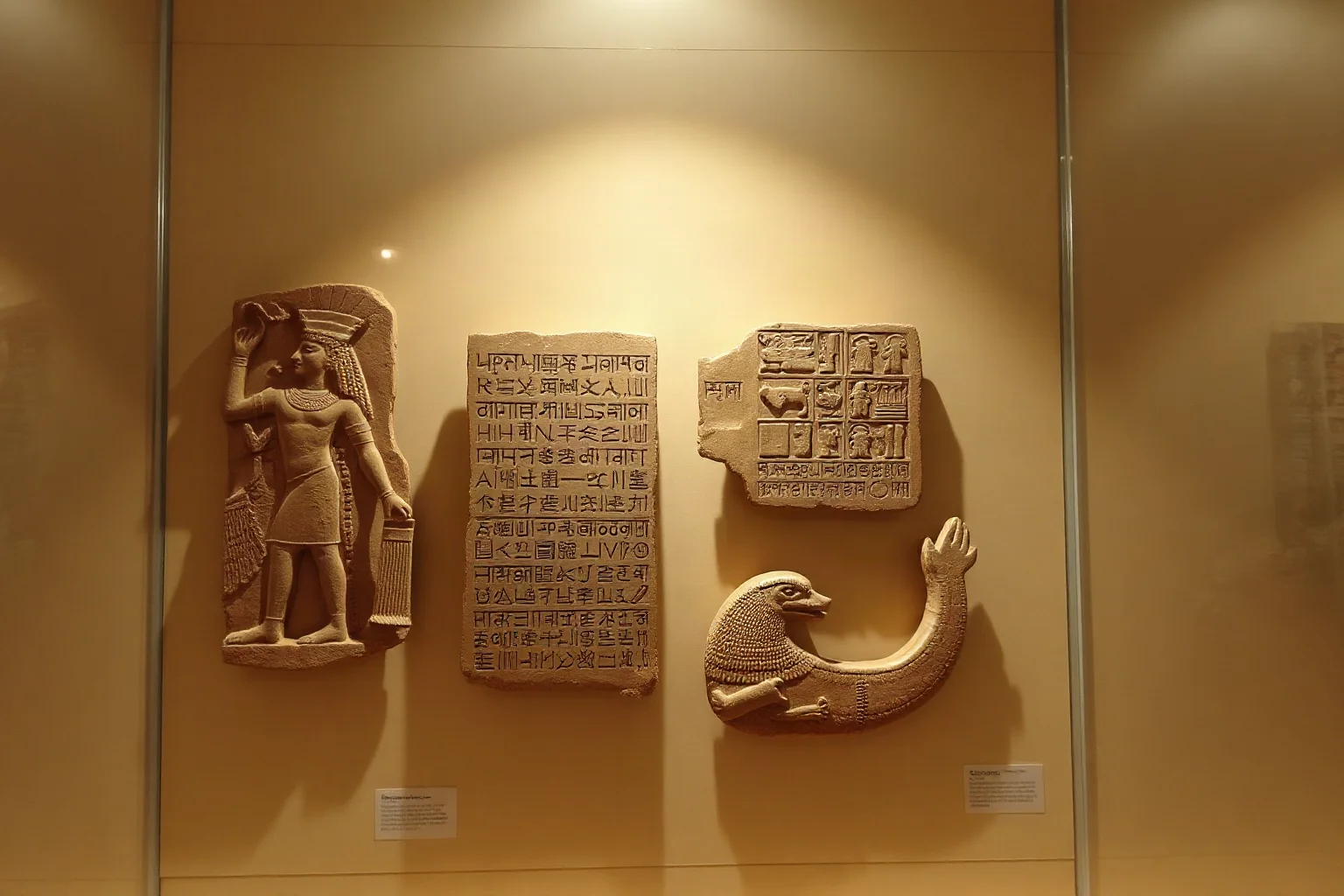
Sumerians, Akkadians, Babylonians, and Assyrians all worshipped overlapping pantheons that included Anu, Enlil, Ishtar, and Marduk. This religious tradition is one of the oldest organized belief systems we have detailed written records for, stretching back over 4,000 years through cuneiform tablets.
Mesopotamian religion faded gradually as empires fell and as Christianity and later Islam spread through the region. Its myths, including flood narratives and creation stories, quietly influenced later religious traditions even after direct worship stopped.
3. Ancient Greek Religion
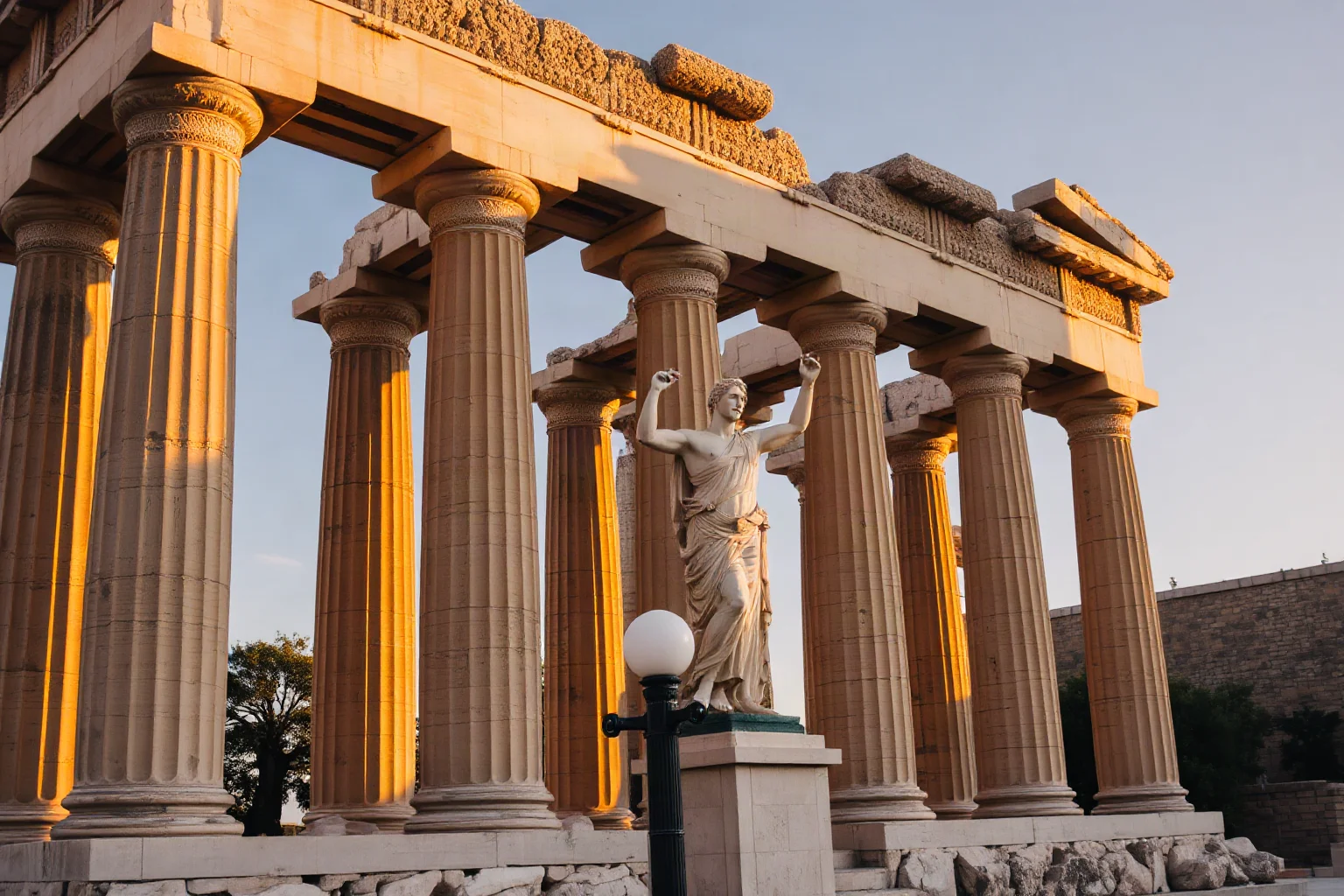
Zeus, Athena, Apollo, and the rest of the Olympian pantheon anchored Greek religious life for well over a thousand years, shaping everything from civic festivals to the Olympic Games. Greek religion had no central holy book or clergy in the modern sense, relying instead on local cults, oracles, and mythology passed down through poetry and drama.
The religion declined sharply after Christianity became the Roman Empire’s official faith in the late 4th century CE. The Byzantine emperor Theodosius I banned pagan worship in 391 CE, effectively ending state-sponsored Greek religious practice.
4. Ancient Roman State Religion
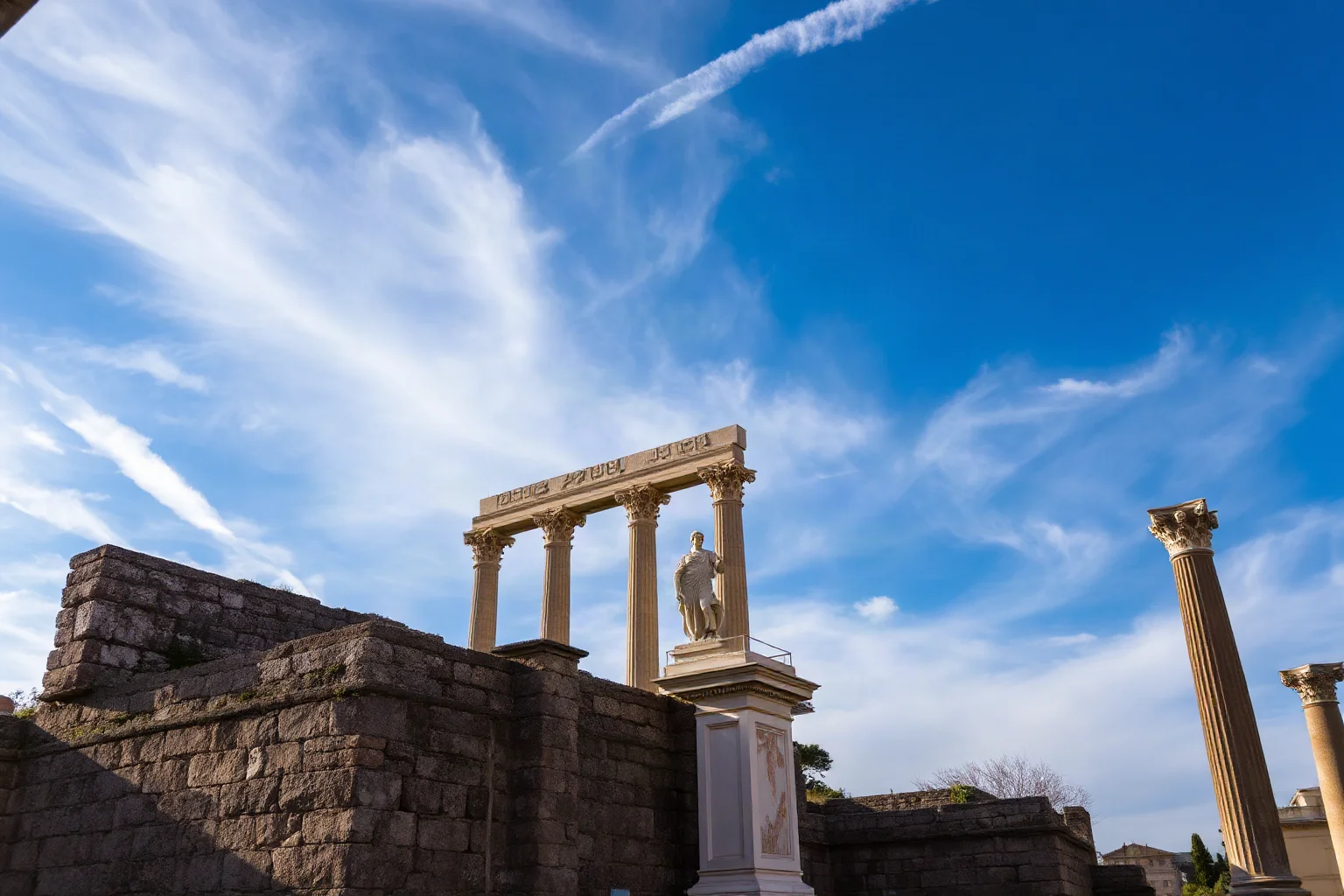
Rome’s official religion blended its own gods, like Jupiter and Mars, with borrowed Greek deities and an official priesthood tied closely to the state. Religious observance wasn’t just personal in ancient Rome; it was a civic duty tied to the health of the empire itself.
Like Greek religion, Roman paganism was outlawed under Theodosius I in 391 CE and gradually disappeared from public life over the following century. Some rural and folk practices likely lingered informally for generations afterward, blending quietly into early medieval Christian culture.
5. Etruscan Religion
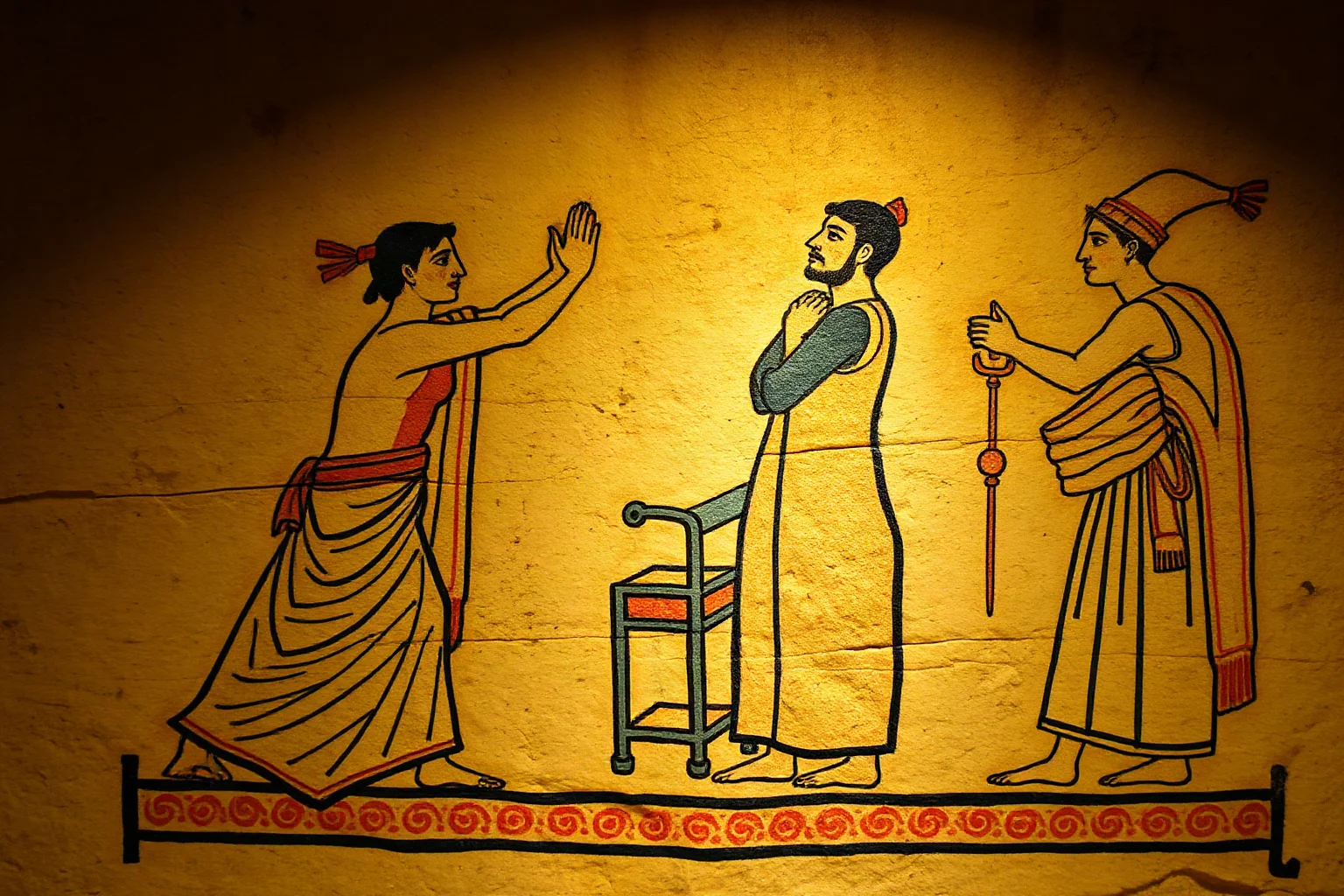
The Etruscans, who dominated central Italy before Rome’s rise, practiced an elaborate religion built around divination, including the reading of animal livers and interpreting lightning strikes. Much of what we know comes from Roman writers, since surviving Etruscan religious texts are extremely rare.
As Rome absorbed Etruscan territory between the 6th and 1st centuries BCE, Etruscan religious identity gradually dissolved into Roman culture. Some Etruscan divination practices were actually adopted by Roman priests, giving this dead religion a strange afterlife inside someone else’s faith.
6. Minoan Religion
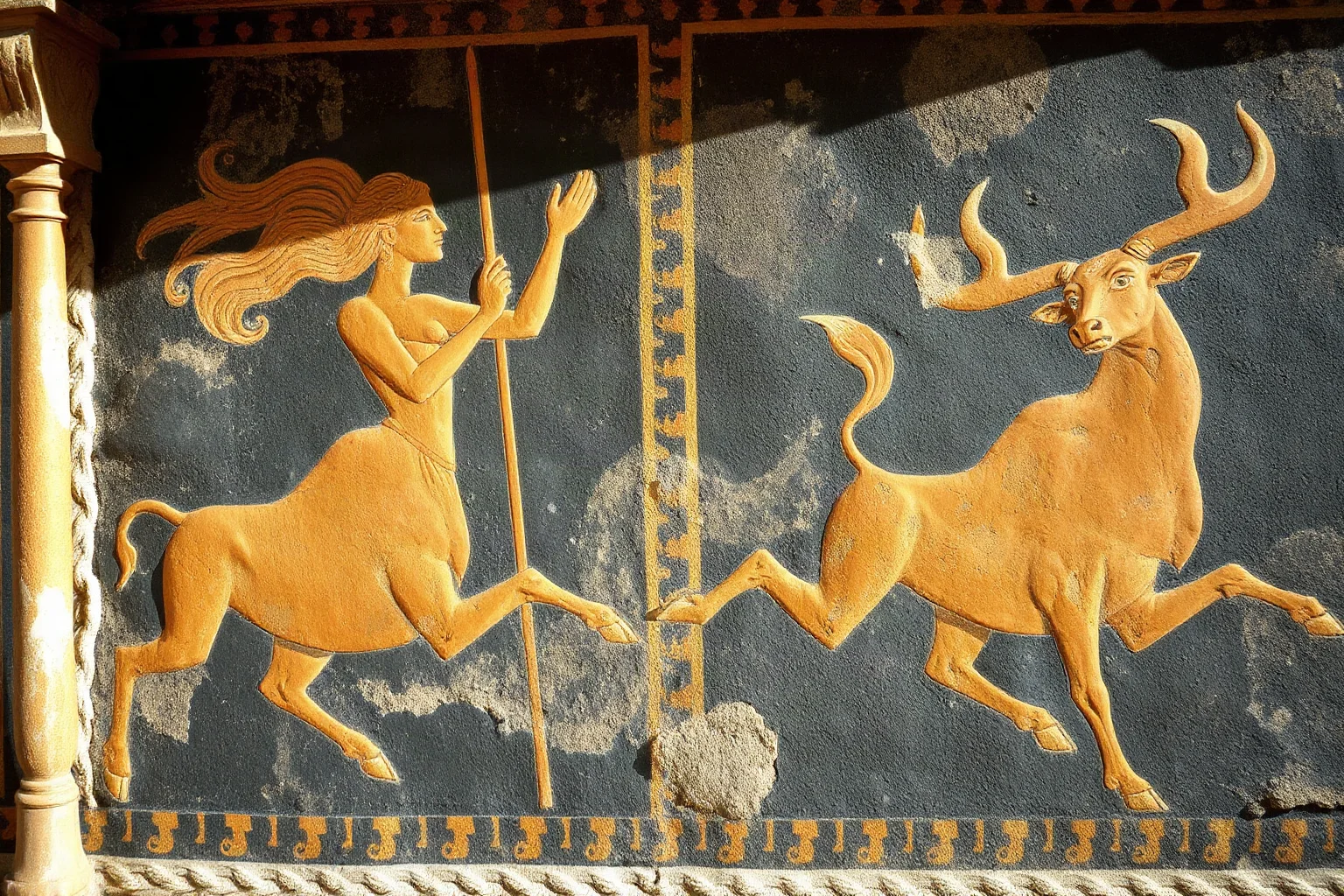
On Bronze Age Crete, the Minoan civilization practiced a religion centered on goddess worship, sacred bulls, and elaborate palace shrines, flourishing from roughly 3000 to 1100 BCE. Because Minoan writing (Linear A) still isn’t fully deciphered, much of this religion remains genuinely mysterious to historians.
The Minoan civilization declined after natural disasters and the rise of Mycenaean Greek dominance, and its distinctive religious practices faded along with it. This makes Minoan religion one of the more literally “unknown religions” on this list, since so much of it is still educated guesswork.
7. Hittite Religion
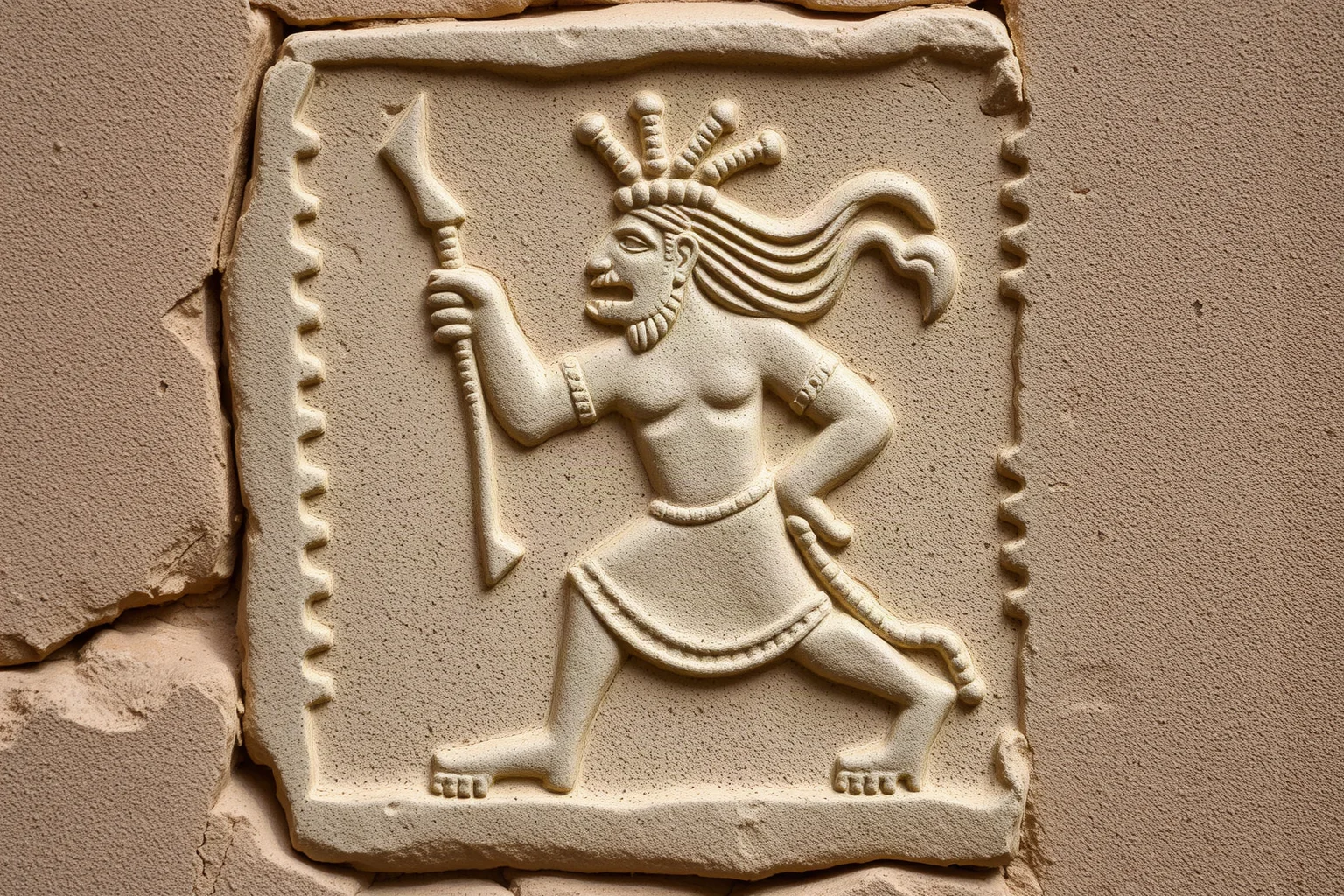
The Hittite Empire, centered in ancient Anatolia (modern Turkey), worshipped a storm god named Teshub alongside a huge assortment of local deities absorbed from neighboring cultures. Hittite religious texts, preserved on clay tablets, reveal one of the most detailed bureaucratic religious systems of the ancient Near East.
When the Hittite Empire collapsed around 1200 BCE during the wider Bronze Age collapse, its religious system fragmented along with its political structure. Successor cultures in the region absorbed some elements, but Hittite religion as a distinct system disappeared.
8. Canaanite Religion
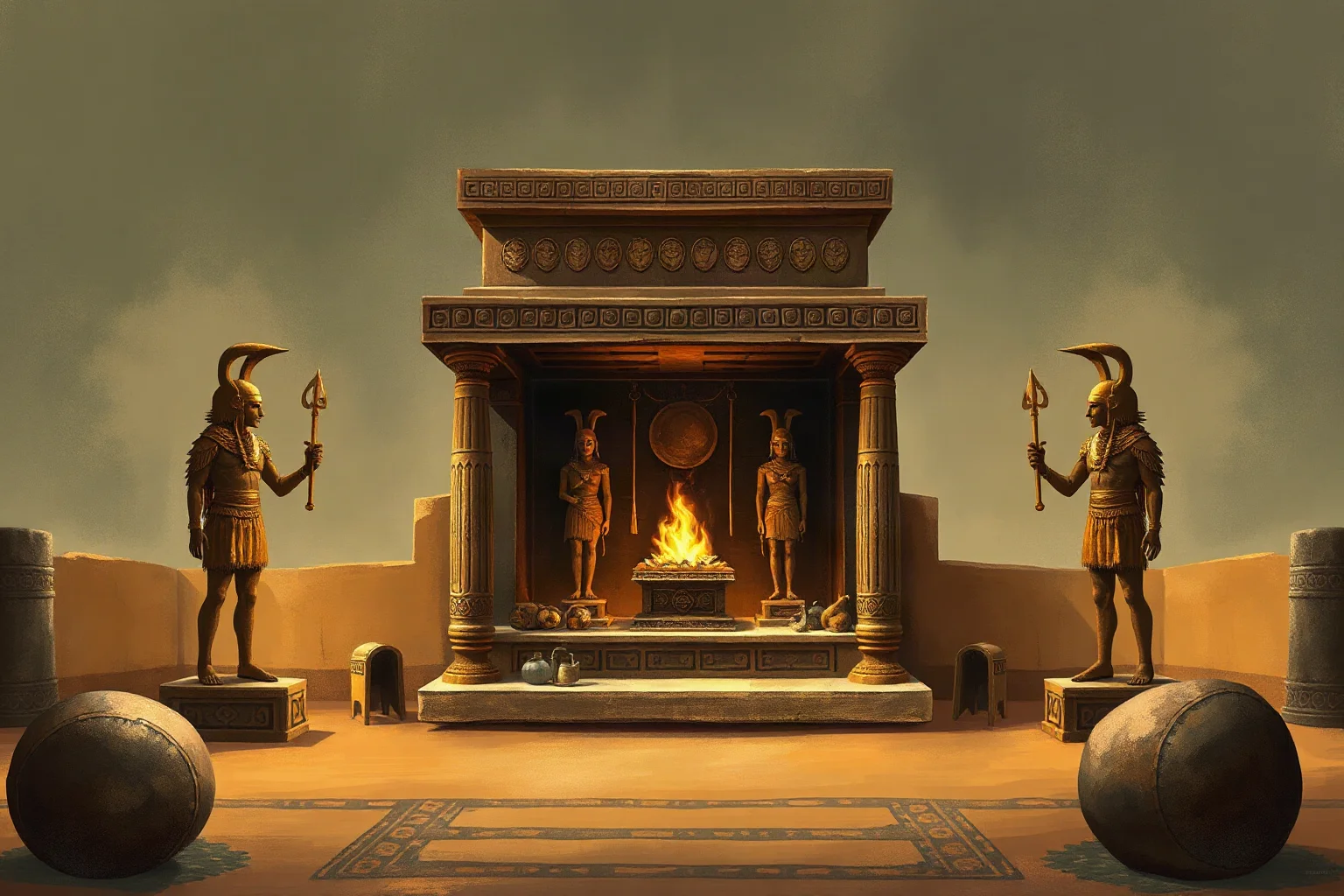
Canaanite religion, practiced across the ancient Levant, centered on gods like El, Baal, and Asherah, and it’s frequently mentioned in the Hebrew Bible as a rival belief system to early Israelite monotheism. Archaeological finds at sites like Ugarit have given historians a genuinely detailed picture of this religion’s mythology.
Canaanite religious practice declined as Israelite monotheism grew more dominant and as later empires reshaped the region’s culture. By the classical era, it existed only in fragments absorbed into other traditions.
9. Phoenician and Carthaginian Religion

The seafaring Phoenicians, and their famous colony Carthage, worshipped deities such as Baal Hammon and Tanit, with religious practices that spread across Mediterranean trade routes. Carthaginian religion is still debated by historians, particularly regarding controversial claims about child sacrifice, which remain a subject of active academic disagreement rather than settled fact.
When Rome destroyed Carthage in 146 BCE at the end of the Third Punic War, Carthaginian religious institutions were dismantled along with the city itself. Phoenician religious practice elsewhere gradually faded as the region came under Hellenistic and later Roman control.
10. Norse and Germanic Paganism
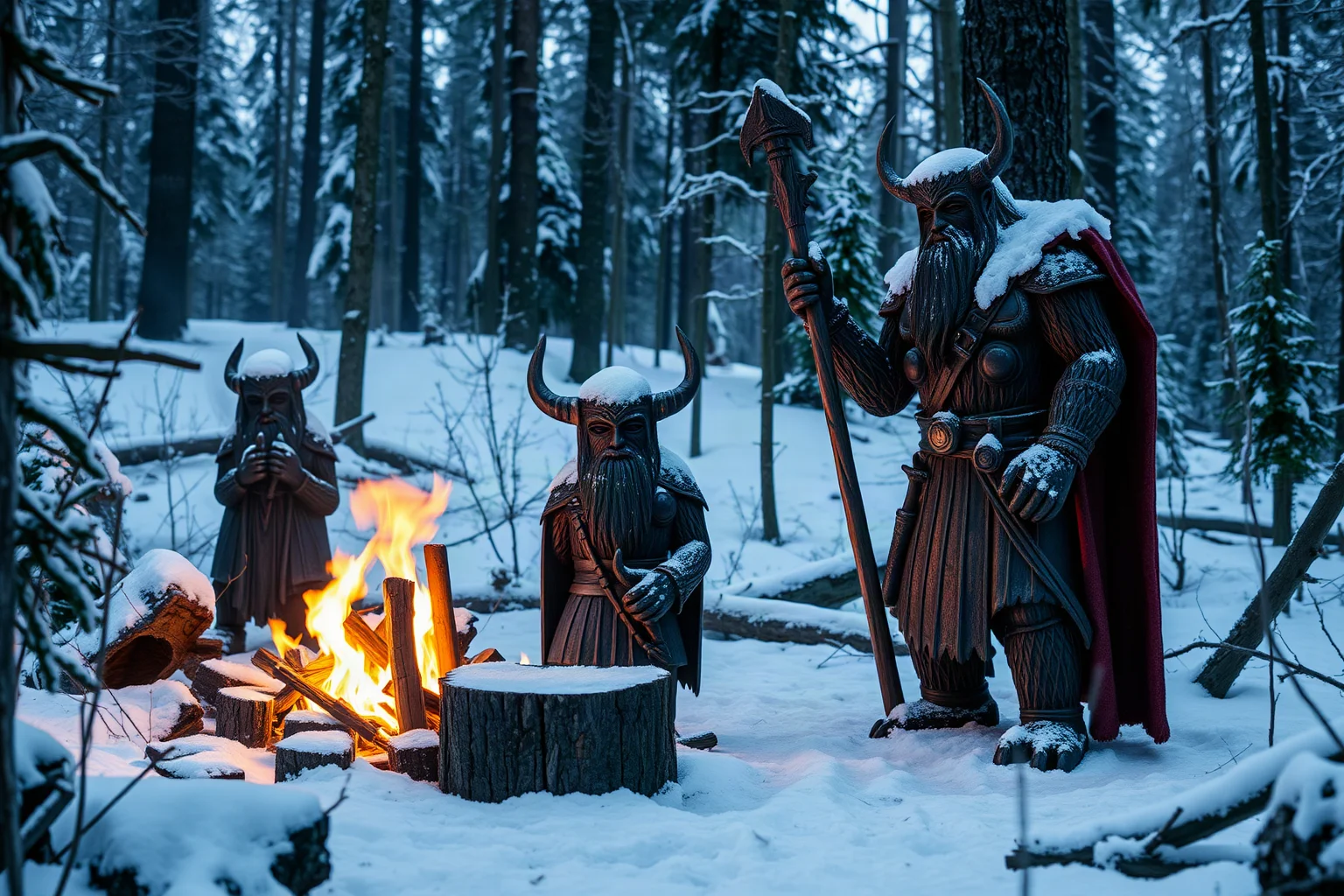
Odin, Thor, and Freyja anchored the belief systems of pre-Christian Scandinavia and Germanic Europe, complete with rich mythology about Valhalla, Ragnarök, the World Tree, and a host of lesser-known mythical creatures that populated Norse folklore. Most of what we know comes from later medieval Icelandic texts, written down after Christianity had already taken hold.
Scandinavia converted to Christianity gradually between roughly 900 and 1200 CE, ending Norse paganism as a continuous living tradition. Modern Heathenry and Asatru are sincere revival movements, but they’re reconstructions rather than an unbroken continuation of the original faith.
11. Celtic Polytheism
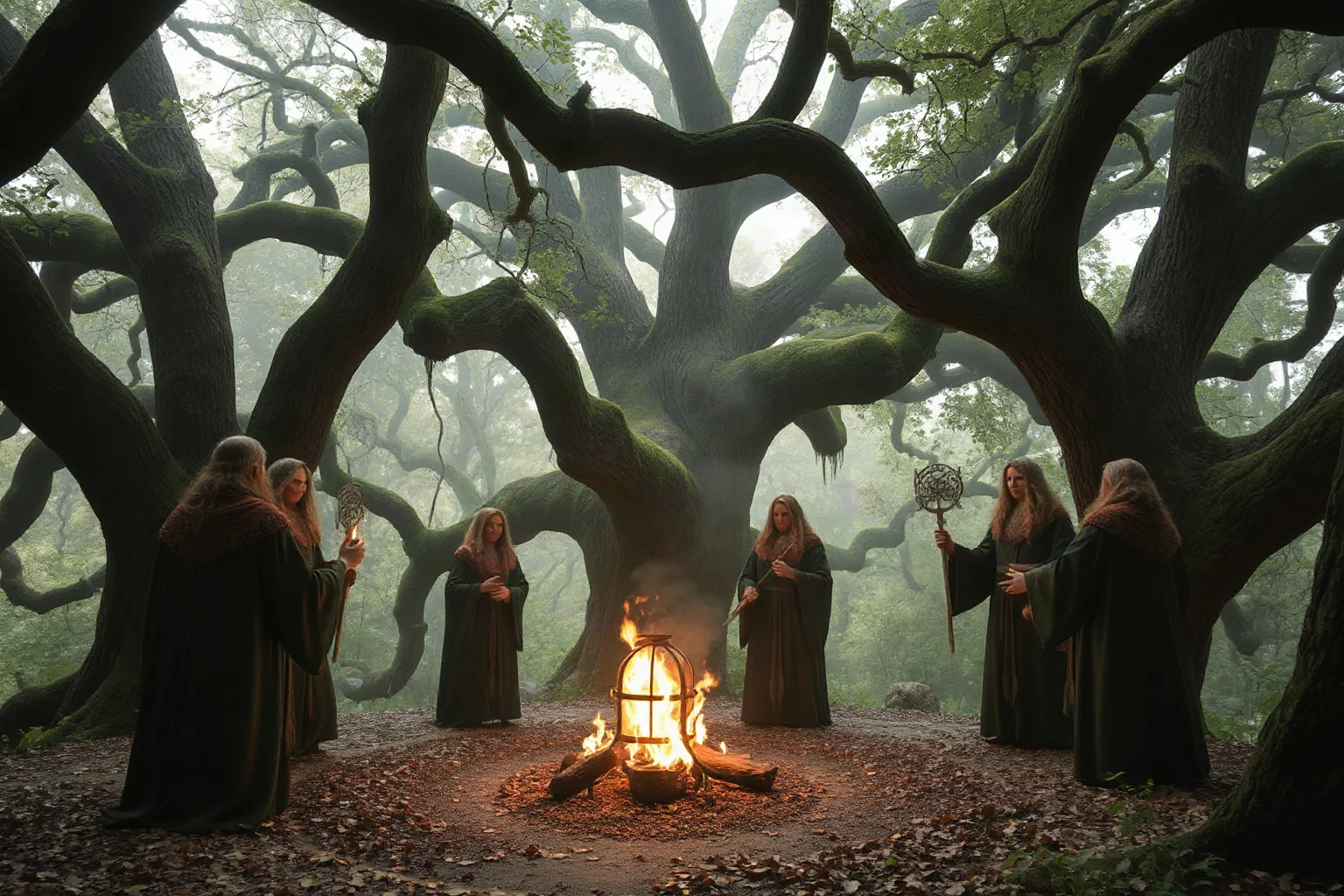
Across ancient Gaul, Britain, and Ireland, Celtic peoples worshipped a wide range of gods and practiced religious rites led by druids, though very little was ever written down by the Celts themselves. Roman writers like Julius Caesar are a major (and admittedly biased) source of what little we know.
Roman conquest and later Christianization gradually eroded Celtic religious practice between roughly the 1st and 6th centuries CE. Modern Druidry, much like Norse revivalism, is a respectful modern reconstruction rather than a direct continuation of the ancient religion.
12. Slavic Paganism
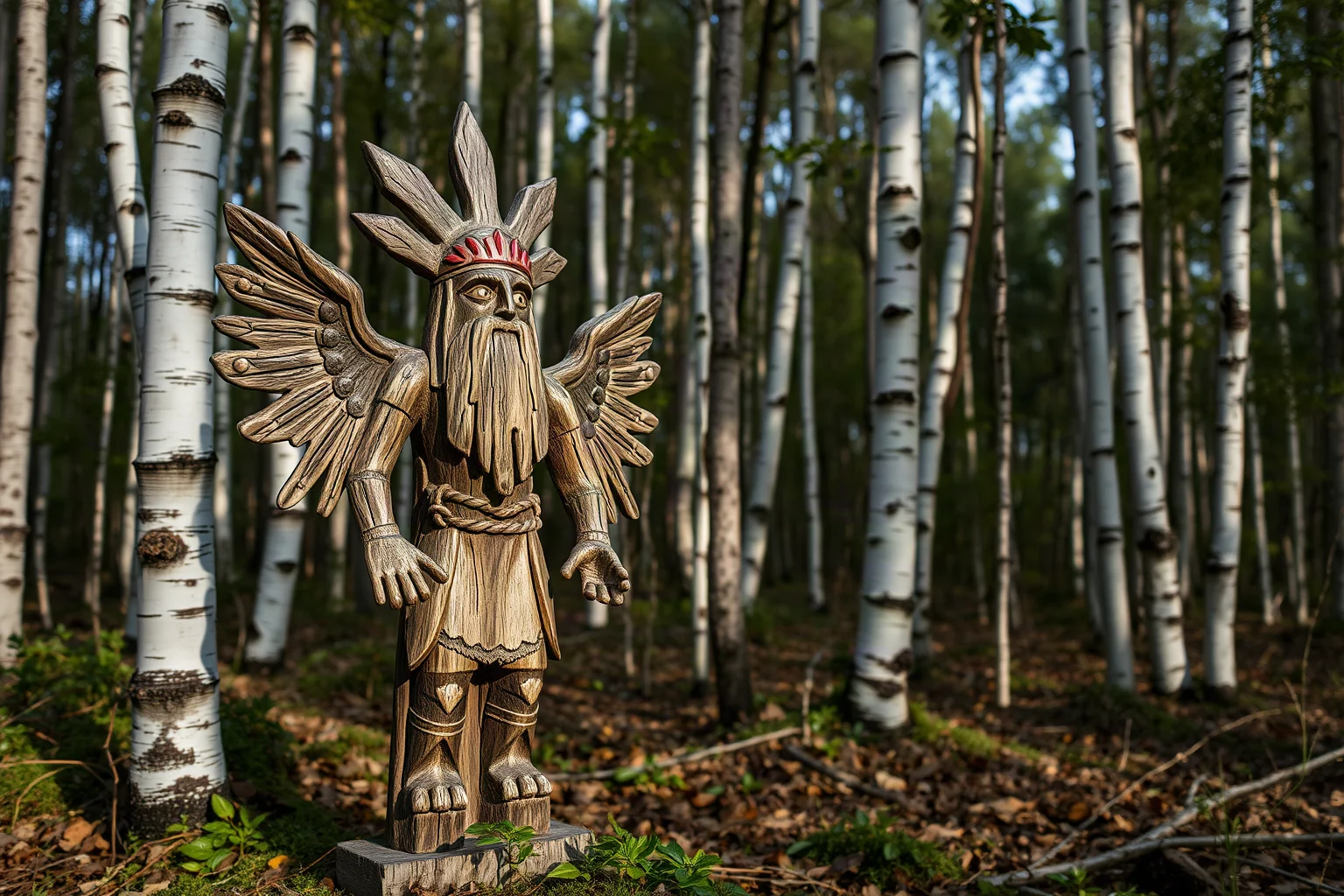
Before Christianization, Slavic peoples across Eastern Europe worshipped gods like Perun, the thunder god, and Veles, associated with the underworld and cattle. Sources on Slavic paganism are notoriously thin compared to Greek or Norse mythology, making it one of the more obscure ancient religions historians study.
The official conversion of Kievan Rus to Christianity in 988 CE marked a major turning point that pushed Slavic paganism into decline. Some folk customs persisted informally for centuries afterward, blending quietly into local Christian practice.
13. Aztec Religion
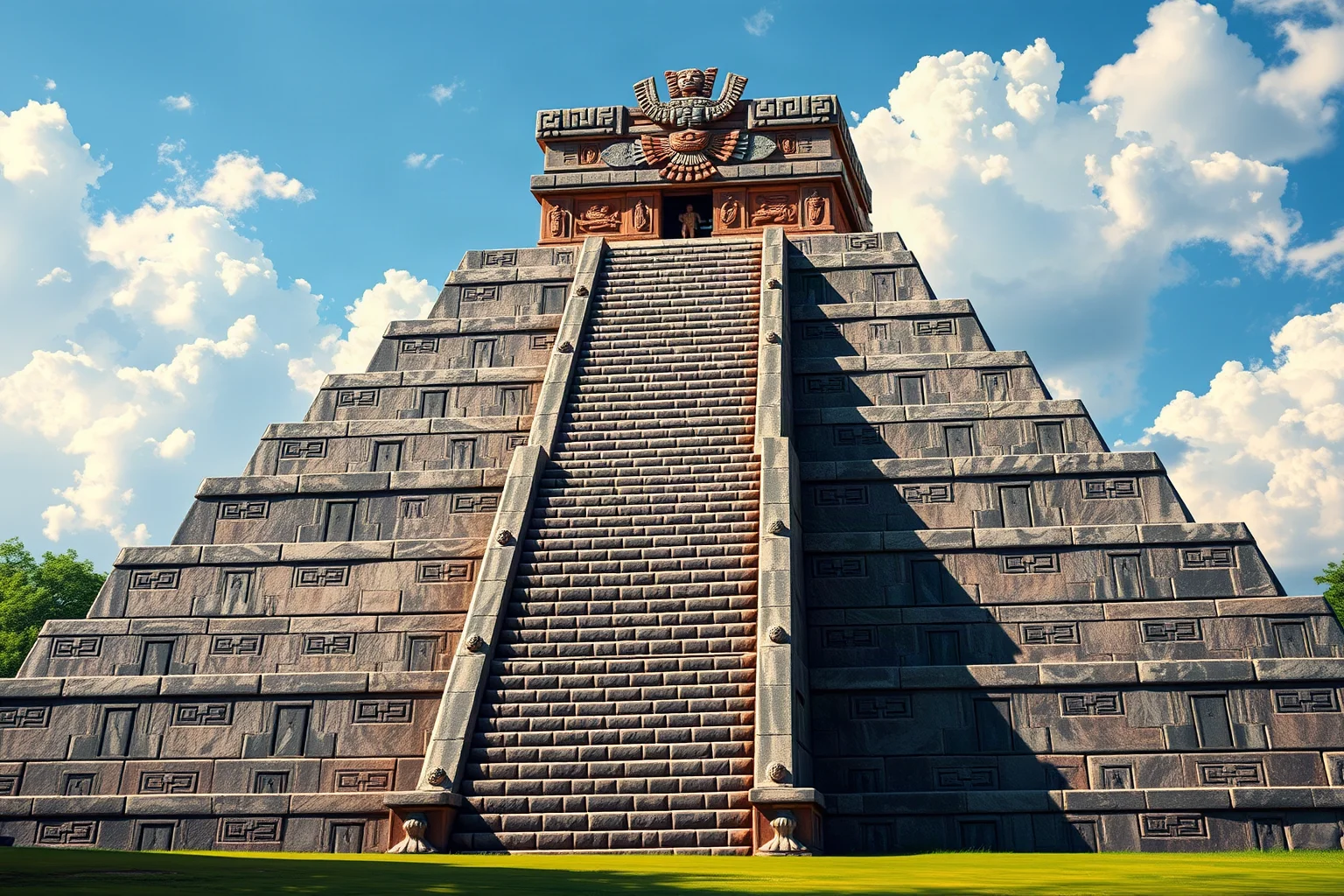
The Aztec Empire practiced a complex religion built around gods like Huitzilopochtli and Tlaloc, elaborate calendar systems, and ritual practices including human sacrifice, which served both religious and political functions in Aztec society. Spanish conquistadors documented much of this religion, though often through a hostile colonial lens that historians treat carefully today.
After the fall of the Aztec Empire in 1521, Spanish colonizers actively suppressed Aztec religious practice and forced conversion to Catholicism. Some Aztec-influenced folk customs, like elements of Day of the Dead celebrations, survived in blended form, but the original state religion itself did not.
14. Inca Religion
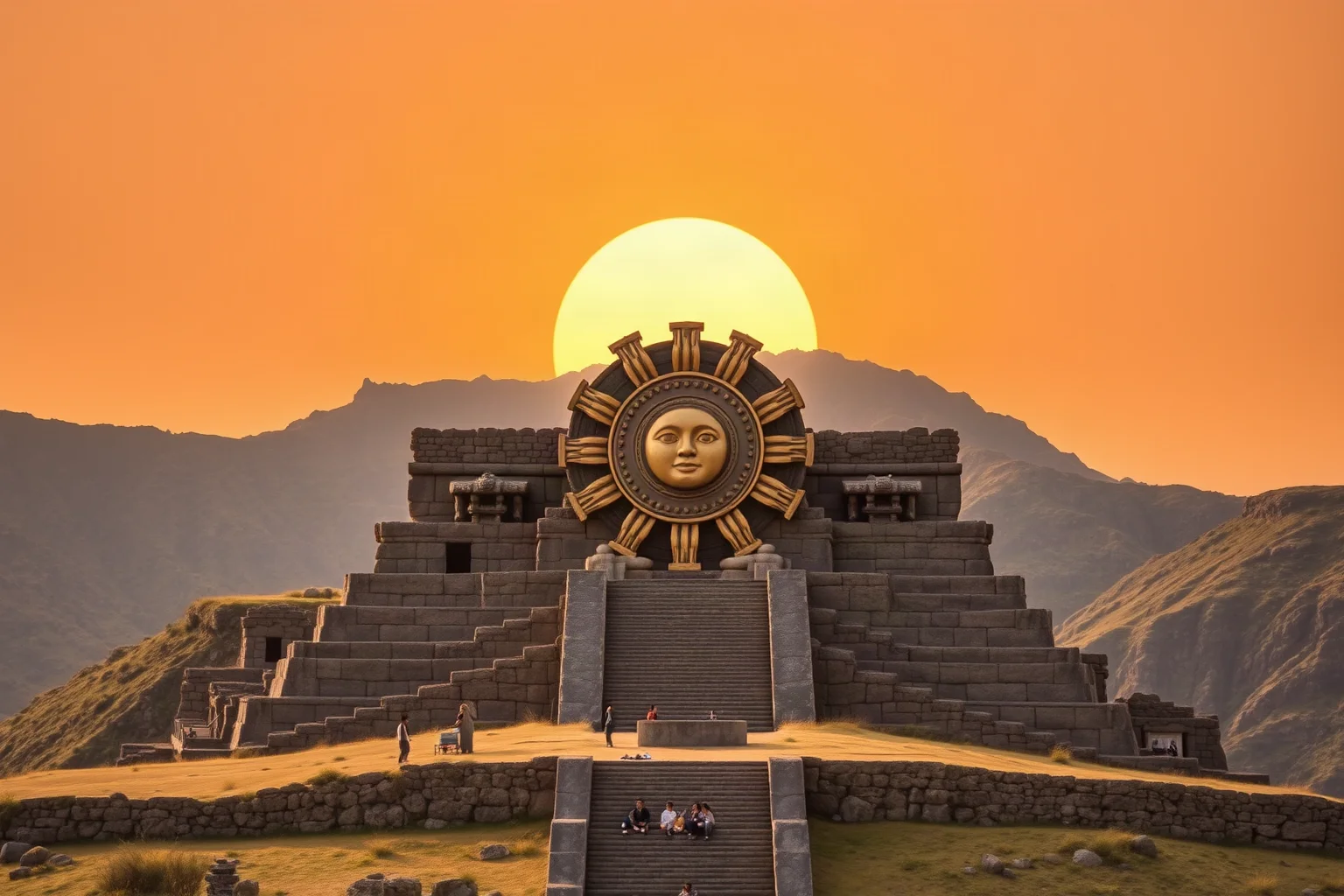
The Inca Empire centered its religion on Inti, the sun god, along with reverence for Pachamama, the earth mother, across the Andes. Inca religious life was tightly interwoven with the empire’s political structure, since the emperor himself was considered descended from the sun.
Spanish conquest in the 1530s brought forced Catholic conversion and the dismantling of Inca state religious institutions. Interestingly, devotion to Pachamama still survives today in parts of the Andes, blended into local Catholic practice, showing how old beliefs can echo on even after their original religion technically ends.
15. Classic Maya Religion
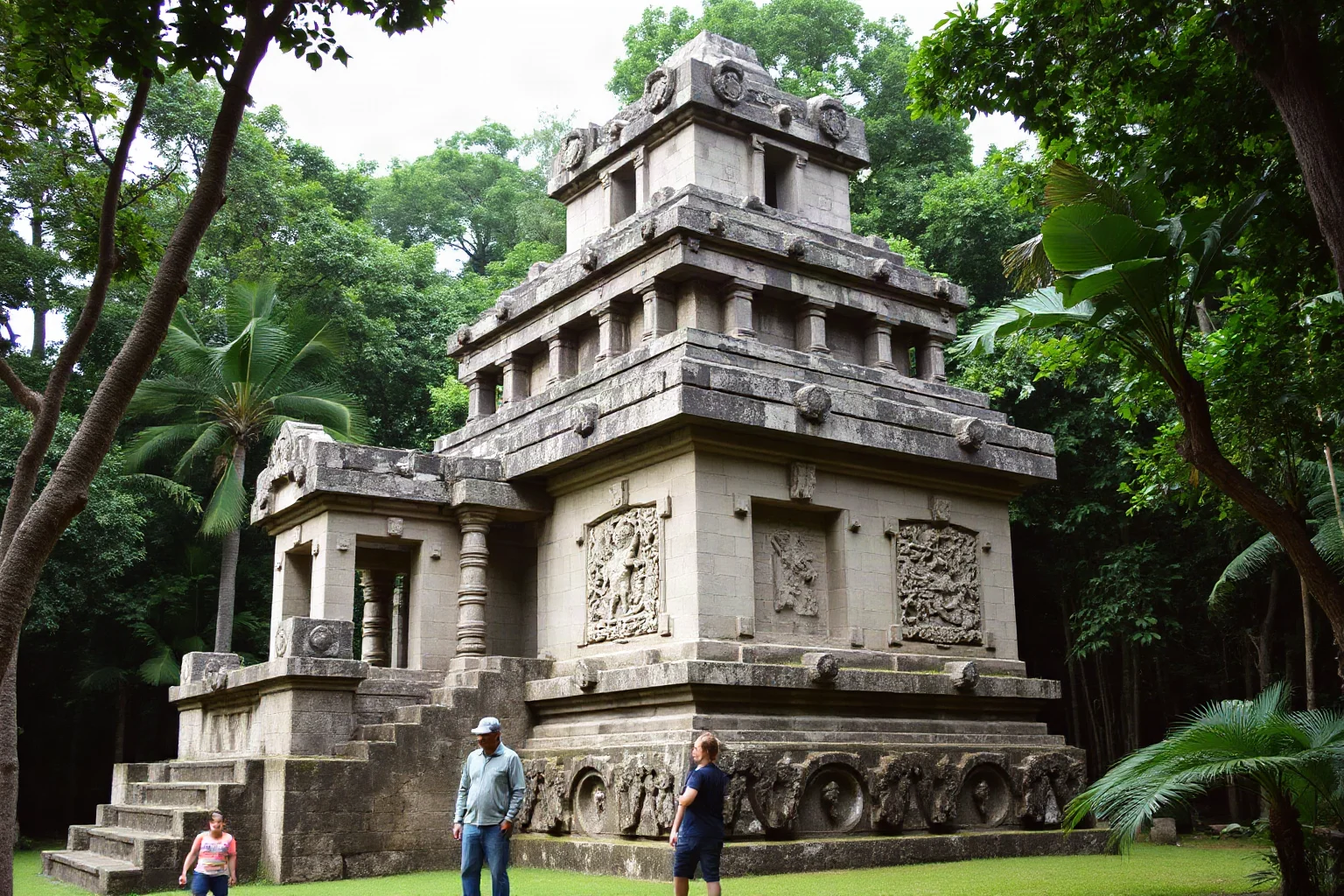
The Classic Maya civilization worshipped an extensive pantheon and developed one of the most sophisticated calendar and writing systems in the ancient Americas. Maya city-states largely collapsed between the 8th and 10th centuries CE for reasons still debated by historians, including drought and political stress.
While the specific pantheon and rituals of the Classic period faded, it’s worth noting that Maya spiritual traditions didn’t vanish entirely; they evolved and blended with Catholicism after Spanish colonization, and elements survive among Maya communities today. This makes it a good reminder that “extinct” and “transformed” aren’t always the same thing.
16. Ancient Chinese State Religion (Shang and Zhou Dynasties)
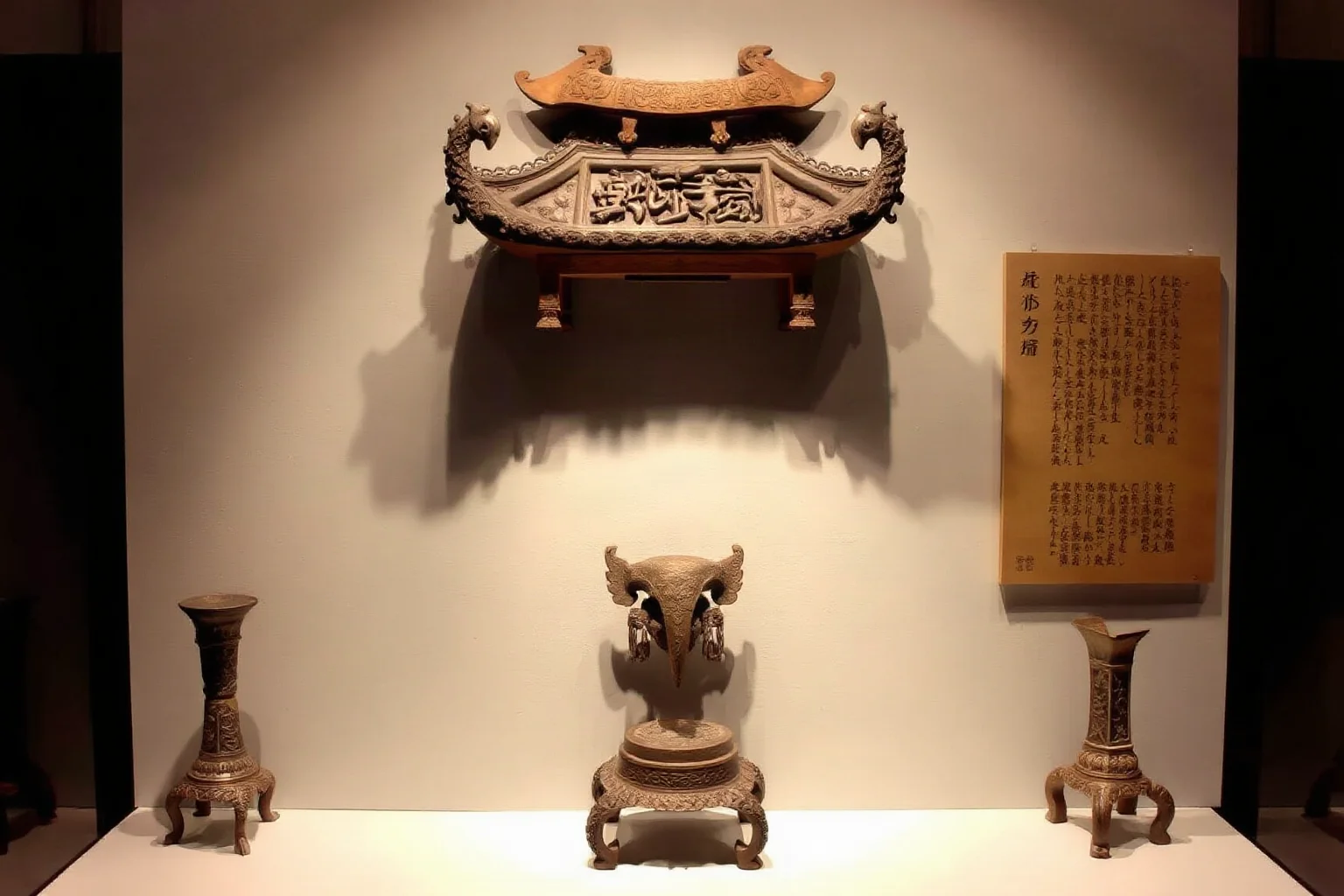
During the Shang and early Zhou dynasties, Chinese state religion centered on ancestor worship and a supreme deity known as Shangdi, with priests using oracle bones to divine the future. This system was distinct from the later philosophical-religious traditions of Confucianism and Taoism that developed afterward.
Over the following centuries, this early state religion was gradually absorbed and transformed by evolving Chinese philosophy and folk religion. The specific rituals and deity concepts of the Shang era are no longer practiced today in their original form.
17. Mithraism
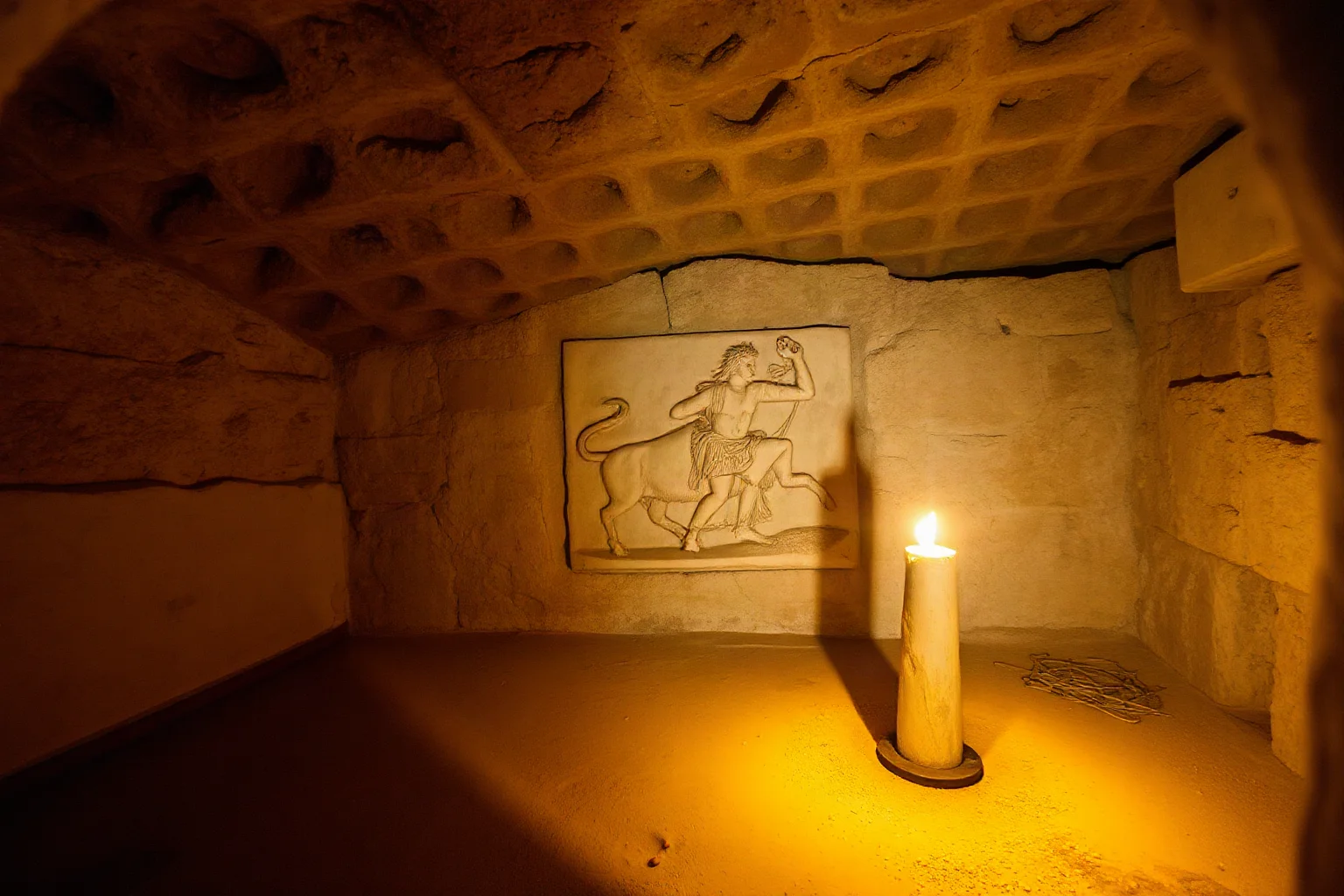
Mithraism was a mystery religion popular among Roman soldiers and officials from roughly the 1st to the 4th centuries CE, centered on the god Mithras and practiced in secretive underground temples. Because initiates were sworn to secrecy, much of what we know comes from archaeological remains rather than detailed texts.
Mithraism faded rapidly after Christianity became Rome’s dominant religion in the late 4th century, and it left no continuous modern followers. It remains one of the more genuinely mysterious dead religions, precisely because its own members kept it so quiet.
18. The Cult of Cybele (Magna Mater)
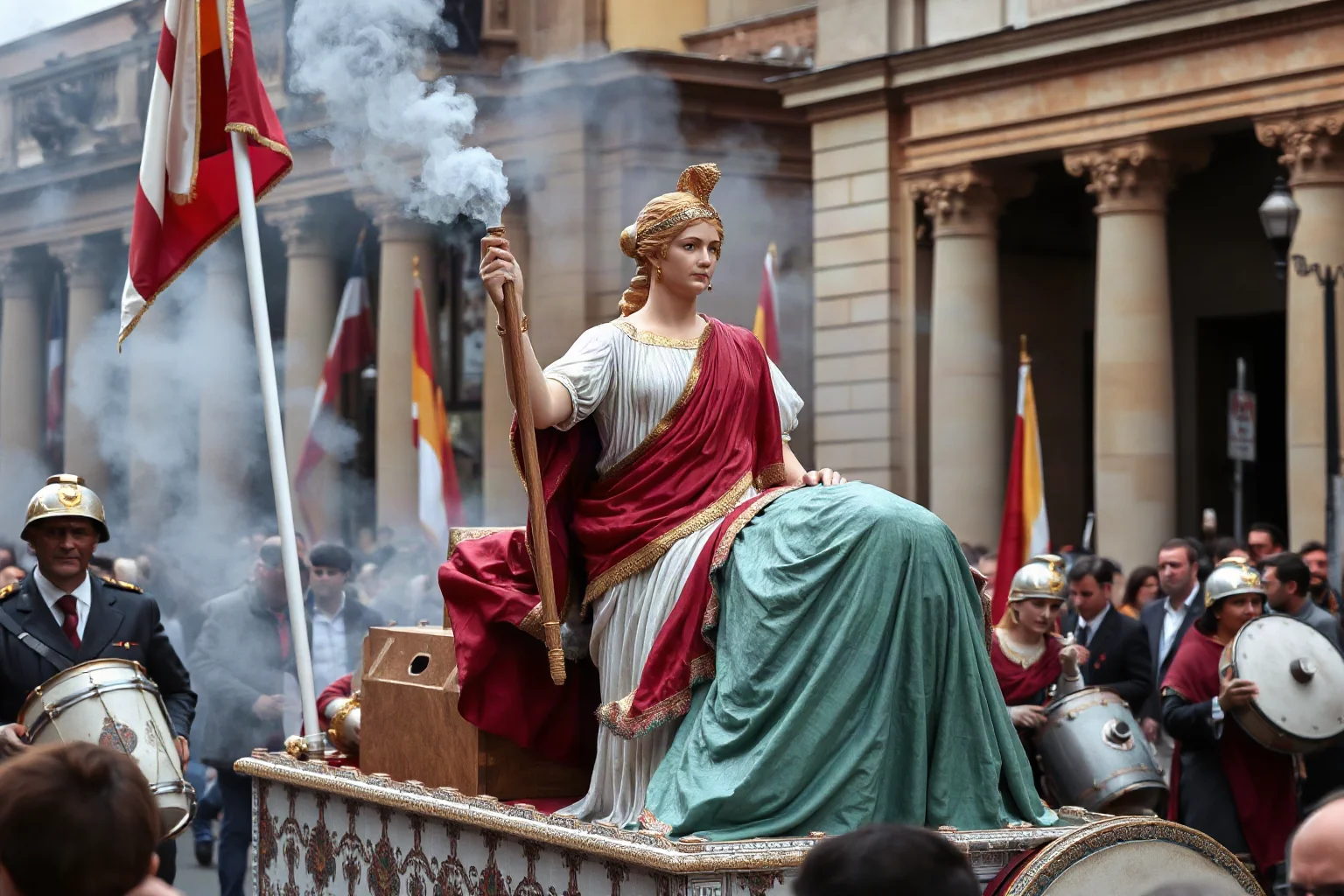
Originating in ancient Phrygia (modern Turkey), worship of Cybele, the “Great Mother” goddess, spread throughout the Greek and Roman world, complete with dramatic public processions and controversial priesthoods. Rome officially adopted her worship as early as 204 BCE, folding a foreign religion directly into state-sanctioned practice.
Like other Roman-era cults, worship of Cybele declined sharply after Christianity’s rise in the 4th and 5th centuries CE. No continuous religious community carries on this specific tradition today.
19. The Cult of Isis (Greco-Roman Era)
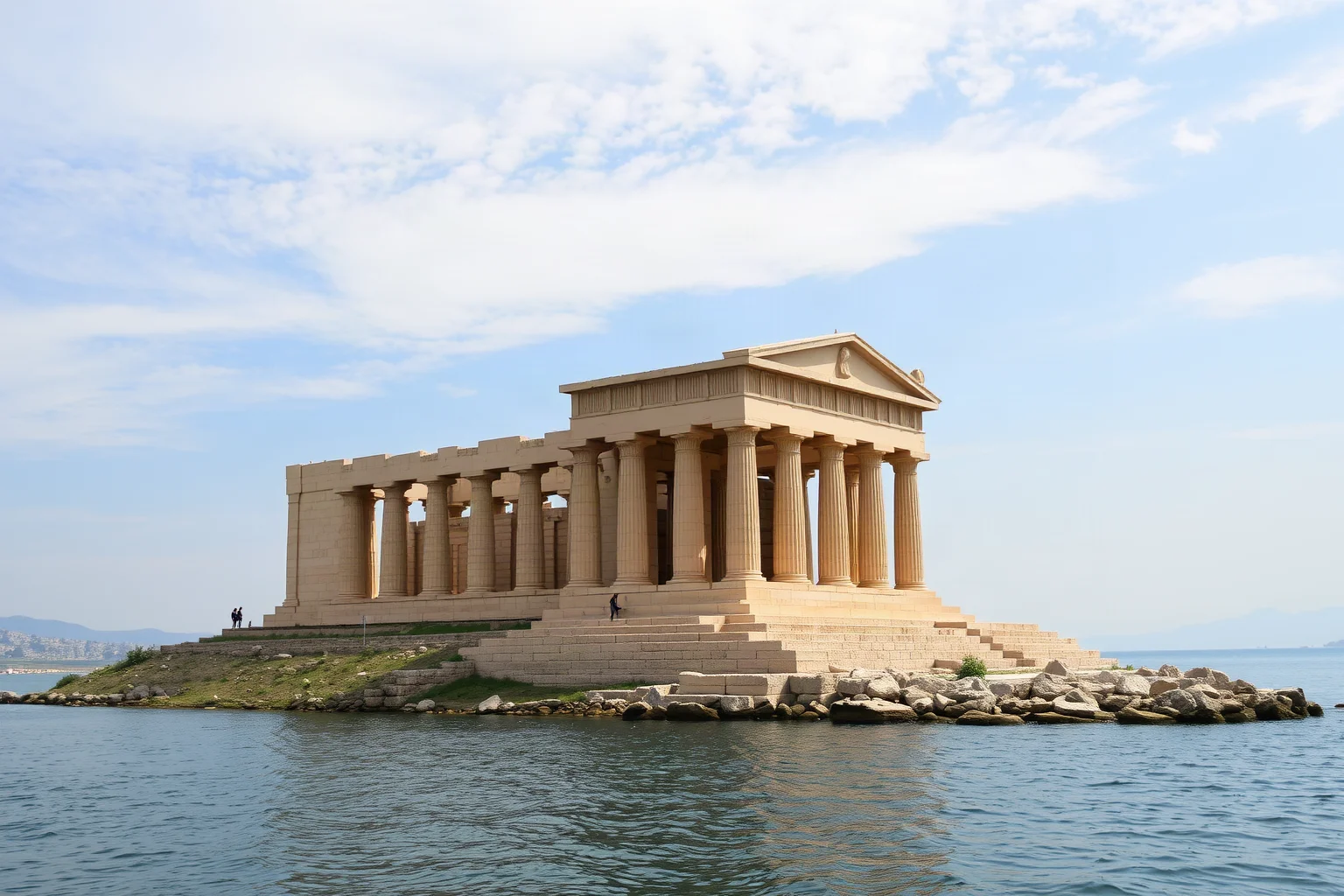
By the Hellenistic and Roman periods, worship of the Egyptian goddess Isis had spread far beyond Egypt, becoming one of the most popular mystery religions across the Mediterranean world. Temples to Isis appeared as far away as Britain, showing just how far this ancient religion traveled from its original homeland.
The cult of Isis persisted longer than many other pagan traditions, with the temple at Philae remaining active until the 6th century CE. Its eventual closure under Christian imperial pressure marked one of the final public holdouts of old Mediterranean polytheism.
20. Manichaeism
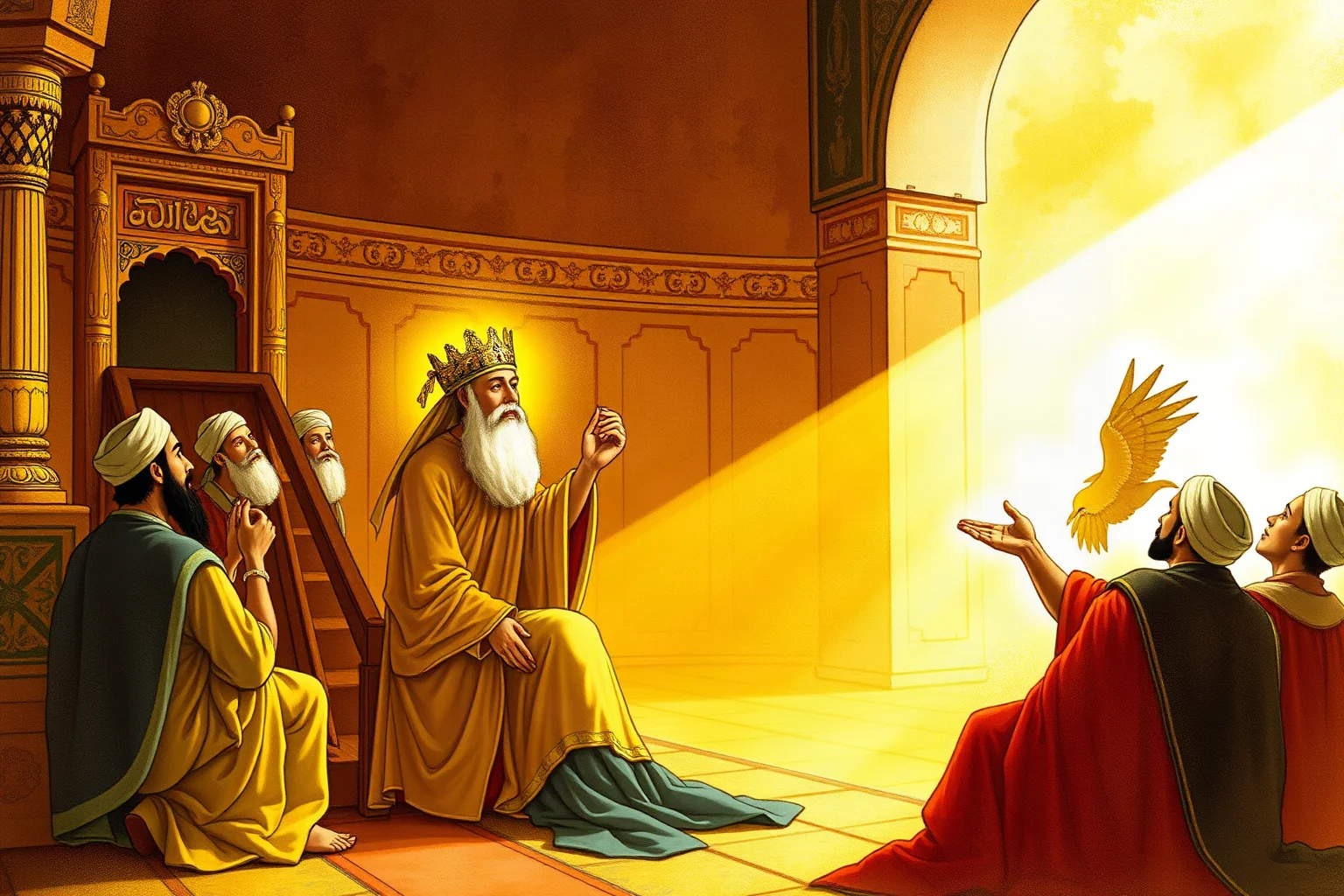
Founded by the prophet Mani in 3rd-century Persia, Manichaeism taught a dualistic struggle between light and darkness and spread remarkably widely, from North Africa to China. For a time, it was a serious rival to both Christianity and Zoroastrianism across large parts of Asia and the Mediterranean world.
Manichaeism faced persecution from Zoroastrian, Christian, and later Islamic authorities across different regions, and it eventually died out. Historical evidence suggests small Manichaean communities may have survived in parts of China until sometime around the 14th to 17th centuries before disappearing entirely.
21. Zurvanism
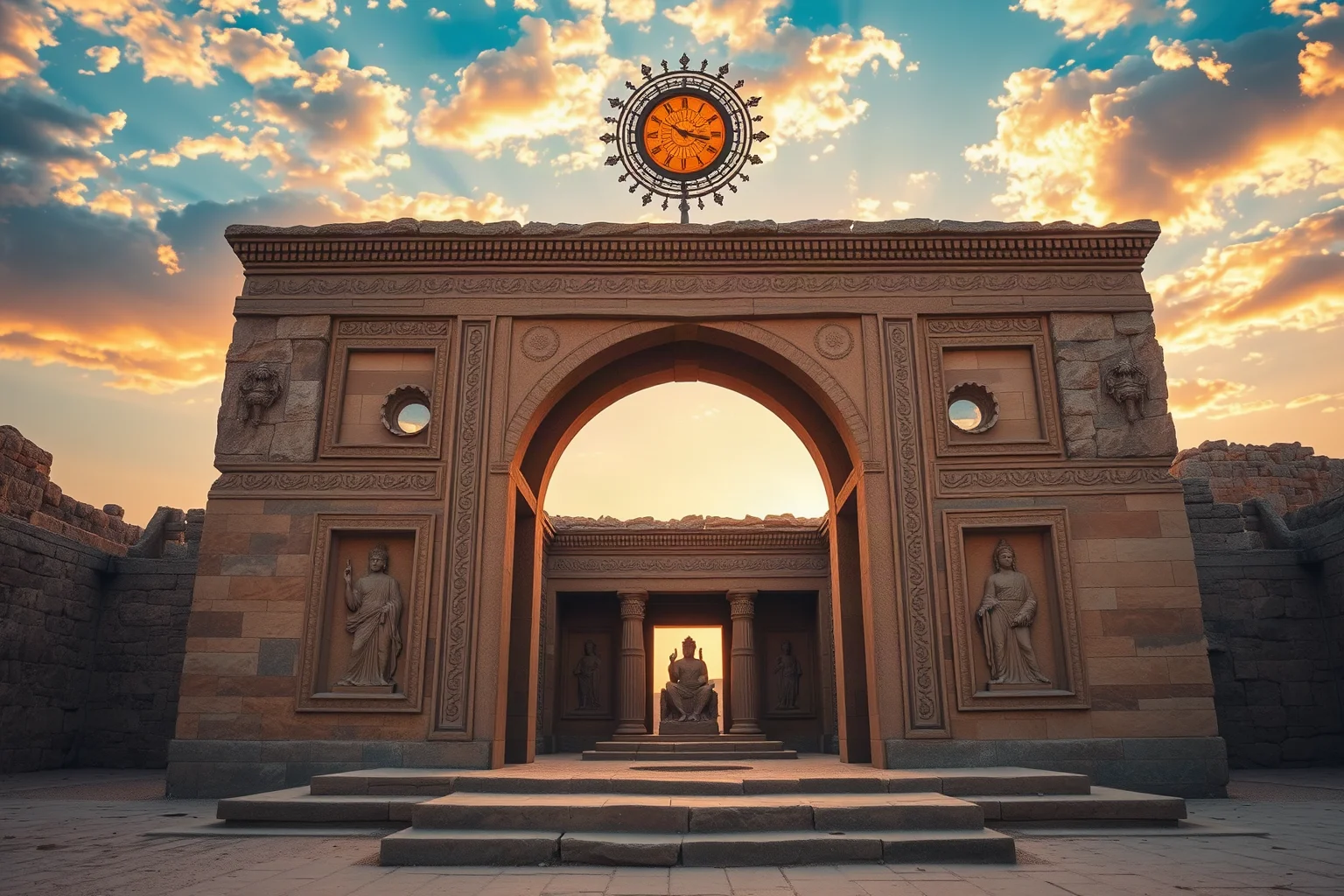
Zurvanism was a theological movement within ancient Persian religion that elevated Zurvan, a god personifying infinite time, to a position of supreme importance above the more familiar Zoroastrian deities. It flourished for a time during the Sasanian Empire (roughly 3rd to 7th centuries CE) as one interpretation among competing Zoroastrian schools of thought.
After the Islamic conquest of Persia in the 7th century CE, Zurvanism faded along with much of the broader Zoroastrian religious establishment. Mainstream Zoroastrianism survived in smaller communities, particularly among the Parsis of India, but the specific Zurvanite emphasis on Zurvan did not continue as a distinct tradition.
22. Early Gnostic Sects

In the early centuries after Christianity emerged, various Gnostic groups, including Valentinians and Sethians, developed alternative theologies emphasizing secret spiritual knowledge and a complex cosmology of divine emanations. These groups were often condemned as heretical by mainstream church authorities and were gradually suppressed between the 4th and 6th centuries CE.
Most specific Gnostic sects from this era have no continuous modern followers, making them genuinely extinct religious movements. Interestingly, Mandaeism, a related but distinct Gnostic religion, has survived into the present day as a small, closed religious community, primarily among Mandaean communities originally from Iraq and Iran.
“Closed” Religions vs. Extinct Religions: What’s the Difference?
A closed religion isn’t the same thing as a dead one, and this distinction trips a lot of people up. A closed religion is a living faith, often tied closely to a specific ethnic or cultural group, that doesn’t seek converts and generally restricts its practices and knowledge to people born or formally initiated into the community. Mandaeism, Yazidism, and many Indigenous spiritual traditions across the Americas and elsewhere fall into this category today.
Extinct religions, on the other hand, simply have no living practitioners at all, closed or otherwise. Ancient Egyptian religion isn’t “closed”; it’s gone. Understanding this difference matters both for basic accuracy and for respecting the living communities who practice closed traditions today, since lumping them in with dead religions can feel dismissive of a real, ongoing faith.
Why Do Religions Disappear?
Religions rarely vanish overnight; they usually fade gradually as political power, conquest, or cultural pressure shifts. Christianization of the Roman Empire, Islamic expansion across Persia and North Africa, and European colonization of the Americas were each major turning points that ended entire religious systems within a few generations.
Sometimes a religion doesn’t die so much as get absorbed, with its festivals, symbols, or myths quietly folded into whatever replaces it. That’s part of why so many old religions leave subtle fingerprints on the faiths that came after them, even after their formal worship stops entirely.
A Quick Note on “That Old Time Religion”
If you searched for “give me that old time religion” hoping to learn about a specific ancient faith, here’s a quick myth-bust: that phrase actually comes from a well-known American gospel hymn, first published around 1873 and popularized in Christian revival meetings. It’s not a reference to ancient Egyptian, Greek, or Mesopotamian religion at all.
The song is really about a longing for a simpler, imagined version of traditional Christian faith, not literal antiquity. It’s a fun bit of trivia showing how modern phrases about “old religion” can mean something completely different from the historical religions this list actually covers.
Final Thoughts on Ancient and Extinct Religions
The history of religion is really a history of change, with old gods constantly giving way to new ones as empires rise, fall, and blend into each other. Studying these extinct religions isn’t just an academic exercise; it’s a reminder that today’s dominant faiths were once the new kids on the block, competing against belief systems that felt just as permanent at the time.
Whether you’re fascinated by Egyptian mythology, curious about Norse gods, or just trying to sort out which religion is actually the oldest, one thing is clear: humanity’s spiritual history is far richer and stranger than most of us learned in school. And somewhere out there, future historians may one day be writing about today’s religions the same way we write about ancient Rome’s.
Frequently Asked Questions
What is considered the old religion in the world?
There's no single agreed-upon answer, since it depends on whether you mean the oldest living organized religion or the oldest belief system overall. Hinduism is often cited as the oldest major living religion, with roots going back roughly 3,500-4,000 years, while prehistoric animistic beliefs predate any named religion by tens of thousands of years.
What is the oldest known religion?
Among organized religions still practiced today, Hinduism and Zoroastrianism are the two most commonly cited as the oldest, both with roots stretching back three to four thousand years. If you count prehistoric animism and ancestor worship, spiritual belief itself likely goes back tens of thousands of years, though it wasn't a formal, named religion.
Which is the older religion, Hinduism or Judaism?
Hinduism is generally considered older, since its roots trace back to Vedic traditions in the Indian subcontinent that predate the emergence of Judaism, though both religions developed gradually rather than starting on a single fixed date. Exact comparisons are difficult because neither religion has one clear founding moment.
What religions existed before Christianity?
Many religions predate Christianity, including Judaism, Zoroastrianism, Hinduism, Jainism, and Buddhism, all of which are still practiced today. Numerous polytheistic religions also existed before Christianity, including Ancient Egyptian, Greek, Roman, and Mesopotamian religion, though most of those are now extinct.
What is the original religion?
There's no single verified 'original religion,' since the earliest human spiritual practices were likely informal, localized forms of animism and ancestor veneration rather than a unified system. Archaeological evidence suggests these beliefs go back tens of thousands of years, long before any of today's named religions existed.
What is a closed religion?
A closed religion is a living faith, usually tied to a specific ethnic or cultural community, that doesn't seek converts and restricts its teachings or practices to people born into or formally initiated into that community. Examples include Mandaeism, Yazidism, and many Indigenous spiritual traditions, which are distinct from extinct religions since they still have living practitioners today.
What are some examples of extinct or dead religions?
Well-known examples include Ancient Egyptian religion, Ancient Greek and Roman religion, Norse and Celtic paganism, Aztec and Inca state religion, and Mithraism. These religions have no continuous living practitioners, distinguishing them from ancient religions like Hinduism or Zoroastrianism that are still practiced today.
Is ‘Give Me That Old Time Religion’ about an actual ancient religion?
No, it's actually the title of a well-known American gospel hymn first published around 1873 and sung widely at Christian revival meetings. The phrase refers to a longing for traditional Christian faith rather than any literal ancient religion like those practiced in Egypt, Greece, or Mesopotamia.
What religious figure existed in Europe but not in Japan?
This is a bit of a trivia-style question without one definitive answer, but a commonly cited example is Satan, or a singular embodiment of ultimate evil, which was central to Christian European tradition but had no direct native equivalent in pre-contact Japanese Shinto or Buddhist belief systems. Japan's traditional cosmology worked quite differently, without a single opposing 'devil' figure in the same sense.
Are any ancient religions still practiced today?
Yes, several ancient religions are still practiced today, including Hinduism, Judaism, Zoroastrianism, Jainism, and Buddhism, all of which have roots going back over 2,000 years. These differ from fully extinct ancient religions like Egyptian or Norse paganism, which have no unbroken line of living practitioners.

Alex Warren
Related Articles