
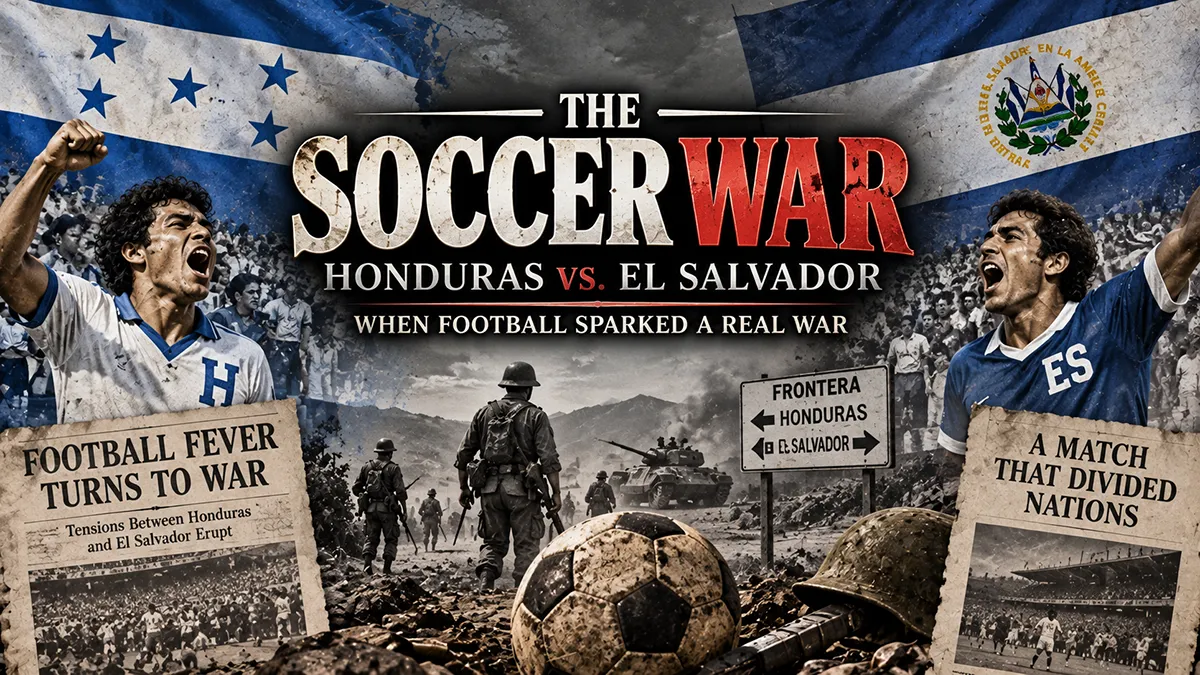
In July 1969, El Salvador and Honduras fought a brief, brutal war that history books nicknamed "The Soccer War" or "The Football War." The name makes for an irresistible headline, and it's easy to picture two nations going to war because of a bad referee call. But the truth, as usual, is messier and far more interesting than the legend.
This post walks through what actually happened, what the soccer matches had to do with it, and why the real causes had a lot more to do with land, migration, and economics than with a ball and a goal. Along the way, we'll bust a few myths that have been repeated so often they've practically become fact.
TL;DR: The 1969 Football War between El Salvador and Honduras was named for the soccer matches that preceded it, but the real fighting was rooted in decades of land disputes, mass migration, and economic tension — the game was the spark, not the fuel.
1. What People Mean by "The Soccer War"
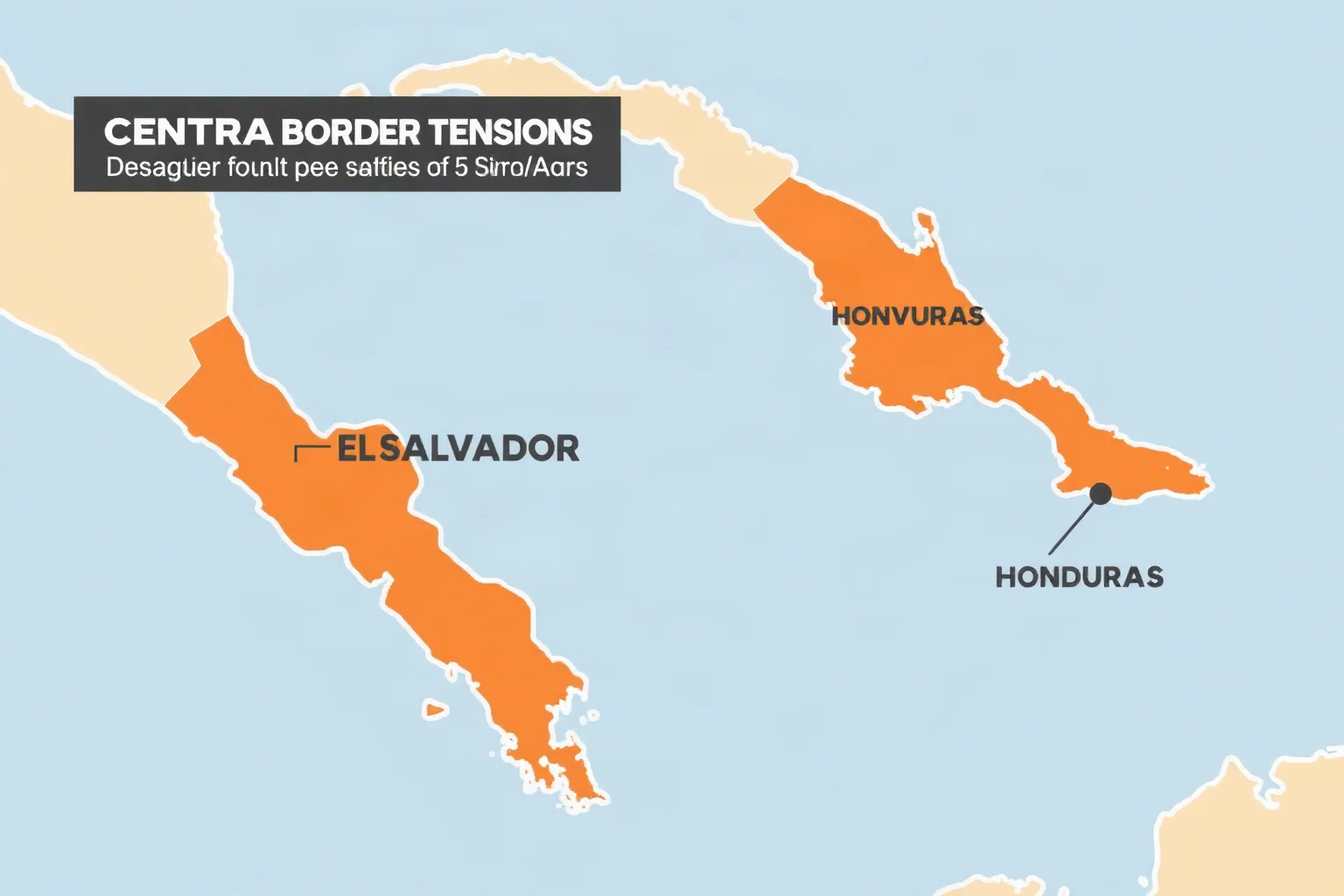
The Soccer War, also called the Football War or the 100 Hour War, was a short but deadly conflict between El Salvador and Honduras that broke out on July 14, 1969. It lasted roughly four days before a ceasefire took hold, which is where the "100 hours" nickname comes from. The name refers to a trio of World Cup qualifying matches played between the two countries just weeks before the fighting started.
Those matches did not cause the war on their own. They were the final trigger on a conflict that had been building for years, fueled by border disputes and a wave of forced migration. Understanding that distinction is the whole key to understanding this war.
2. It Wasn't Really a War Over Soccer
This is the single most important myth to bust right away. Calling it the "soccer war" makes for a punchy story, but historians generally agree the game itself didn't cause the war — it exposed and inflamed tensions that already existed. Think of the matches as a lit match dropped near a pile of dry kindling that had been stacking up for a decade.
The deeper story involves land reform, immigration policy, and a lopsided regional economy. Soccer just happened to be the moment when years of resentment boiled over in public, in front of stadiums full of people and international media.
3. The Real Root Cause: Land and Migration
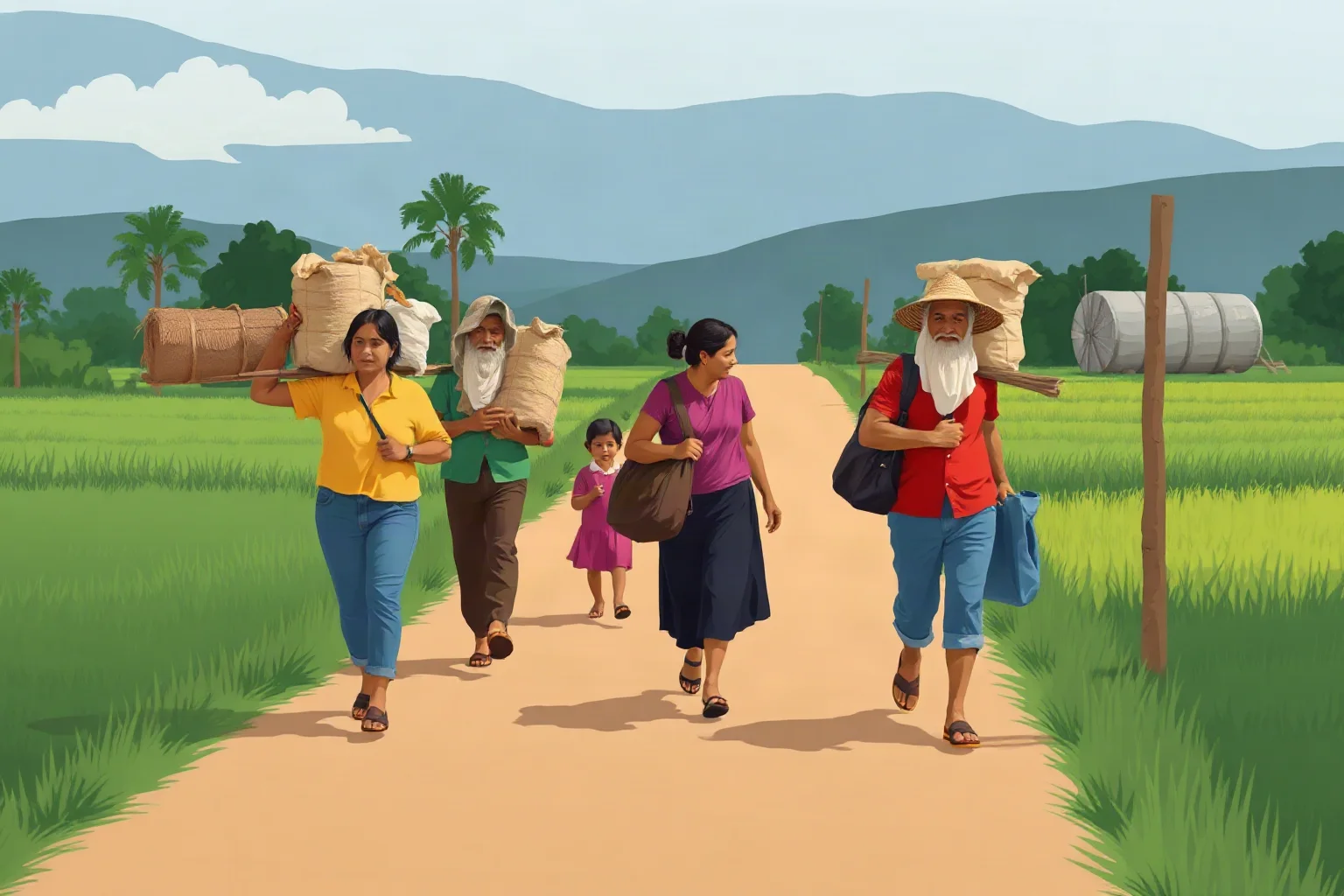
El Salvador is one of the smallest and most densely populated countries in the Americas, and by the late 1960s it was running out of farmland. Honduras, by contrast, was much larger and less densely populated, so hundreds of thousands of Salvadorans had crossed the border over previous decades looking for work and land to farm.
By 1969, estimates suggest as many as 300,000 Salvadorans were living in Honduras, many without formal legal status. That's a huge number for a small Central American nation, and it created real strain on land access and local politics.
4. Honduras's Land Reform Law Lit the Fuse
In 1962, and more aggressively by 1969, Honduras pushed forward agrarian reform laws intended to redistribute land to landless Honduran citizens. In practice, this meant Salvadoran squatters and settlers were among the first groups pushed off the land they had been farming, often forcibly and sometimes violently.
Thousands of Salvadoran families were expelled from Honduras in the months leading up to the war, flooding back into an already overcrowded El Salvador. This mass expulsion, more than any goal scored on a soccer pitch, is what historians point to as the real spark for the conflict.
5. Two Very Different Economies
El Salvador and Honduras were both members of the Central American Common Market, a regional trade bloc meant to boost the economies of Central American nations together. But the benefits weren't shared evenly — El Salvador's more industrialized economy pulled ahead, while Honduras felt increasingly like it was losing out.
That economic imbalance bred resentment in Honduras toward Salvadoran migrants and Salvadoran businesses operating on Honduran soil. It's a classic recipe for cross-border tension: one country feels crowded, the other feels shortchanged.
6. A Border Dispute That Predated Both Governments
On top of the migration and economic friction, El Salvador and Honduras had never fully agreed on their shared border. Sections of the boundary had been disputed since the 19th century, with both governments claiming overlapping territory.
This unresolved border question meant there was no neutral, agreed-upon line where tensions could be managed diplomatically. It remained a live issue for years even after the shooting stopped, and it wouldn't be fully settled until decades later.
7. The World Cup Qualifier That Set the Stage
Against this tense backdrop, El Salvador and Honduras were drawn against each other in qualifying for the 1970 FIFA World Cup, which was to be held in Mexico. The format called for a two-legged, home-and-away series, with a third playoff match if needed. Nobody could have guessed how much attention these games would draw.
Given the already-strained relationship between the two countries, the matches became a lightning rod for nationalist emotion on both sides almost immediately.
8. Game One in Tegucigalpa
The first leg was played on June 8, 1969, in the Honduran capital of Tegucigalpa, where Honduras won 1-0. Accounts from the time describe a hostile atmosphere for the visiting Salvadoran team and its fans, with reports of harassment before and after the match.
While some retellings claim extreme violence around this match, historians caution that many details from contemporary reporting are difficult to independently verify. What's clear is that the result and the surrounding tension left El Salvador's side of the border angry and humiliated.
9. Game Two in San Salvador
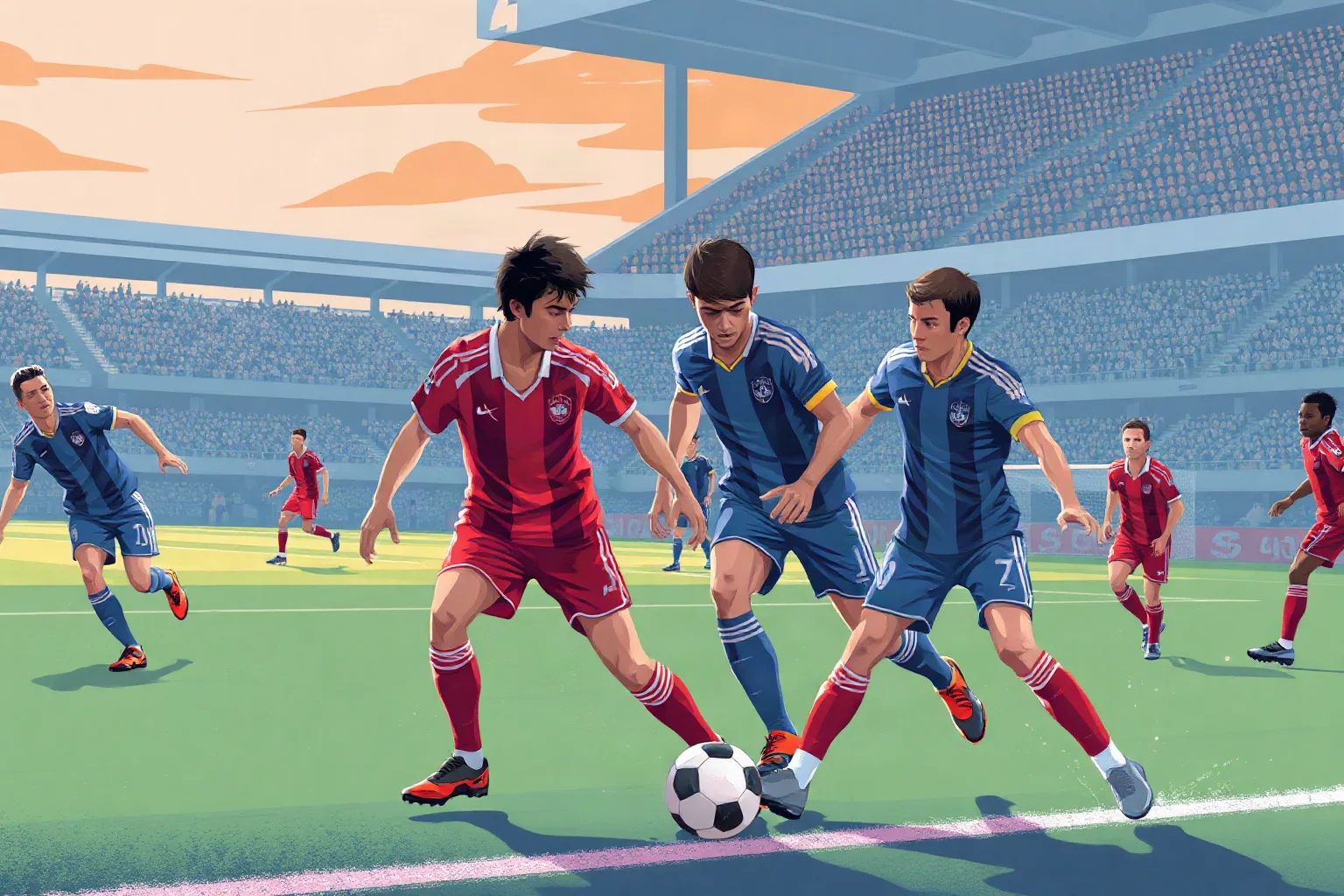
The return leg took place a week later, on June 15, 1969, in San Salvador, and this time El Salvador won decisively, 3-0. Just as with the first match, reports describe a tense and sometimes violent atmosphere aimed at the visiting Honduran fans and players.
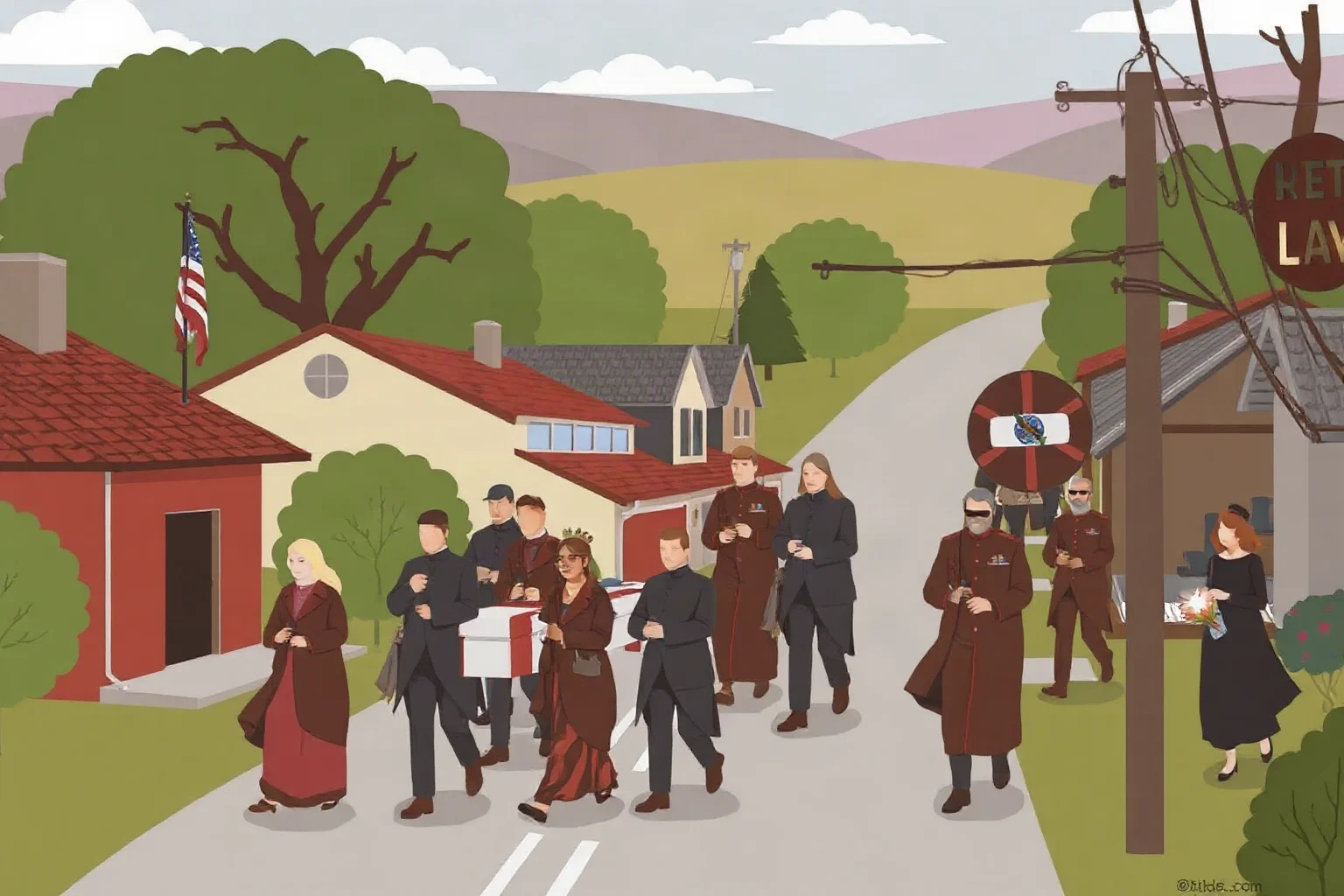
This is also where one of the war's most famous and most disputed stories comes from. Polish journalist Ryszard Kapuściński, in his book "The Soccer War," wrote about a young Salvadoran woman who allegedly died by suicide after her country's earlier loss, and whose funeral was attended by government officials. The story is widely repeated, but many historians treat it as unverified journalistic color rather than confirmed fact.
10. The Deciding Playoff in Mexico City
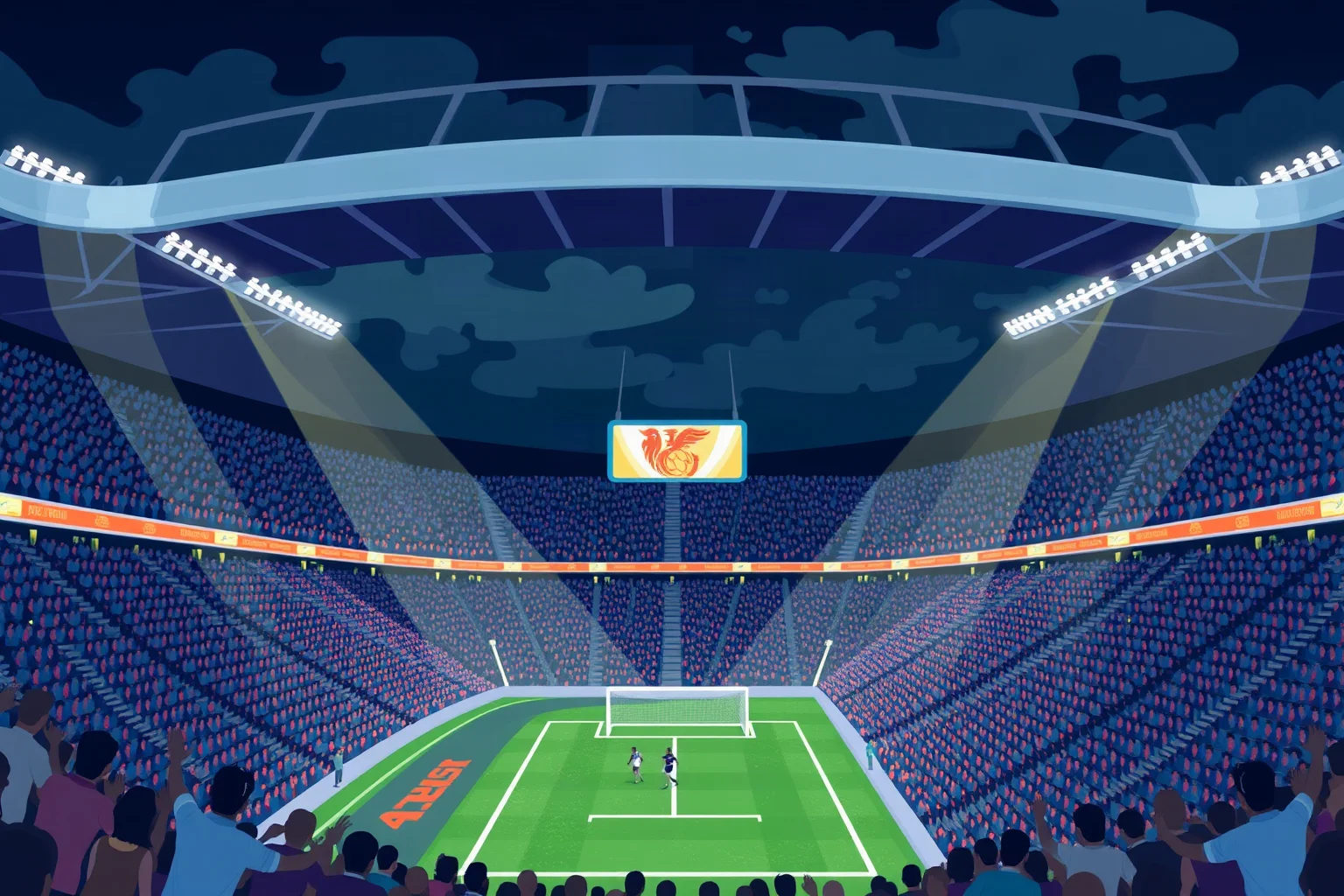
Because each team had won one match, a third and deciding playoff was scheduled on neutral ground in Mexico City on June 27, 1969. El Salvador won the match 3-2 after extra time, securing their spot in the 1970 World Cup.
Riots reportedly broke out among fans following the result, and the diplomatic relationship between the two nations, already fraying for months, snapped almost immediately afterward.
11. Diplomatic Relations Collapse
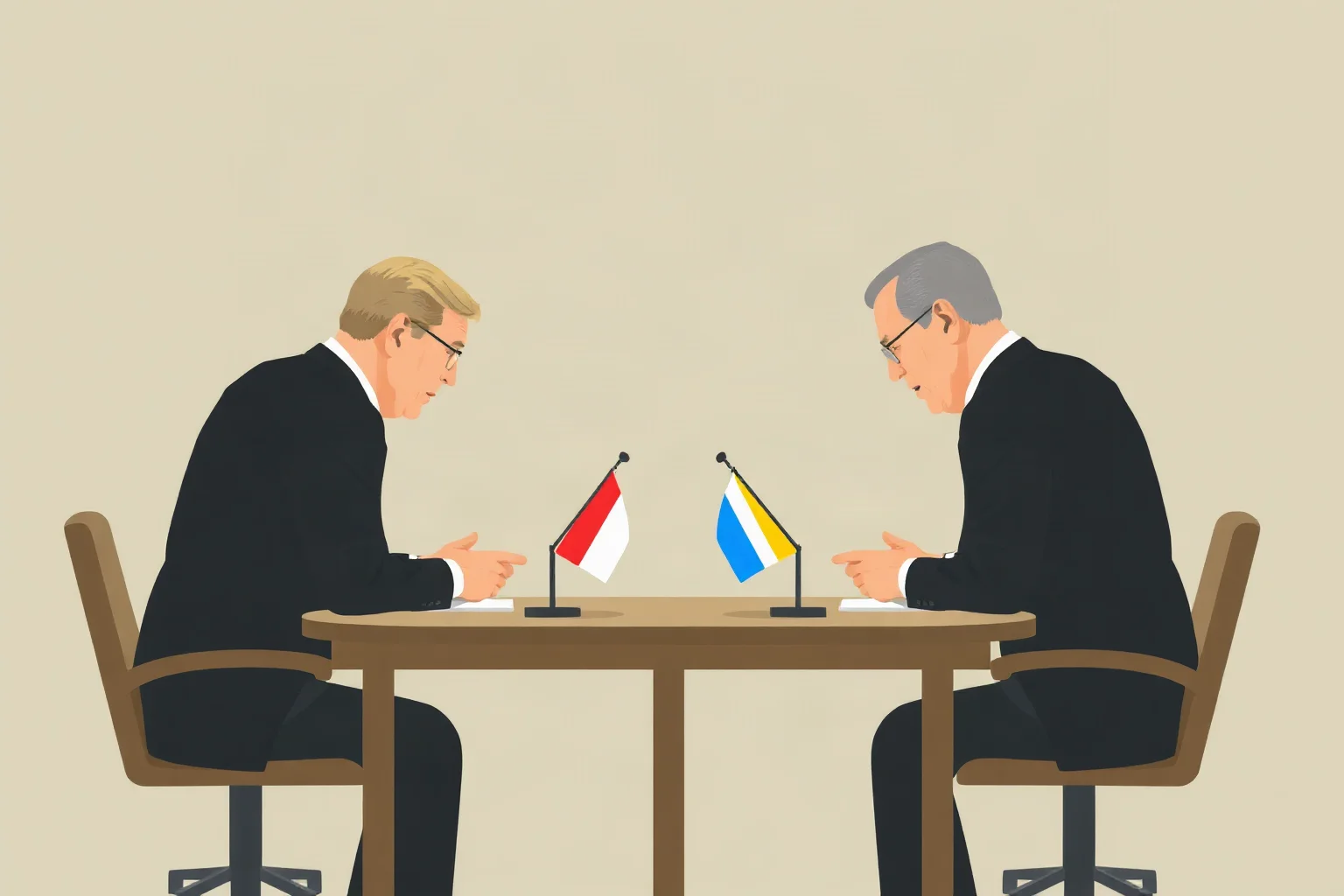
Just one day after the playoff match, on June 27, 1969, El Salvador formally severed diplomatic relations with Honduras. El Salvador's government cited mistreatment of Salvadoran citizens living in Honduras as the official justification.
This is the moment where the soccer matches and the underlying land crisis fully merged into one political crisis. From here, the path toward armed conflict moved quickly.
12. The Countdown to War
Throughout late June and early July 1969, tensions escalated along the border as both governments mobilized troops and issued increasingly hostile statements. Reports of border skirmishes and continued expulsions of Salvadoran migrants from Honduras kept adding fuel to the fire.
By mid-July, diplomatic efforts through the Organization of American States had failed to defuse the situation. War was no longer a distant possibility — it was days away.
13. El Salvador Launches Its Invasion
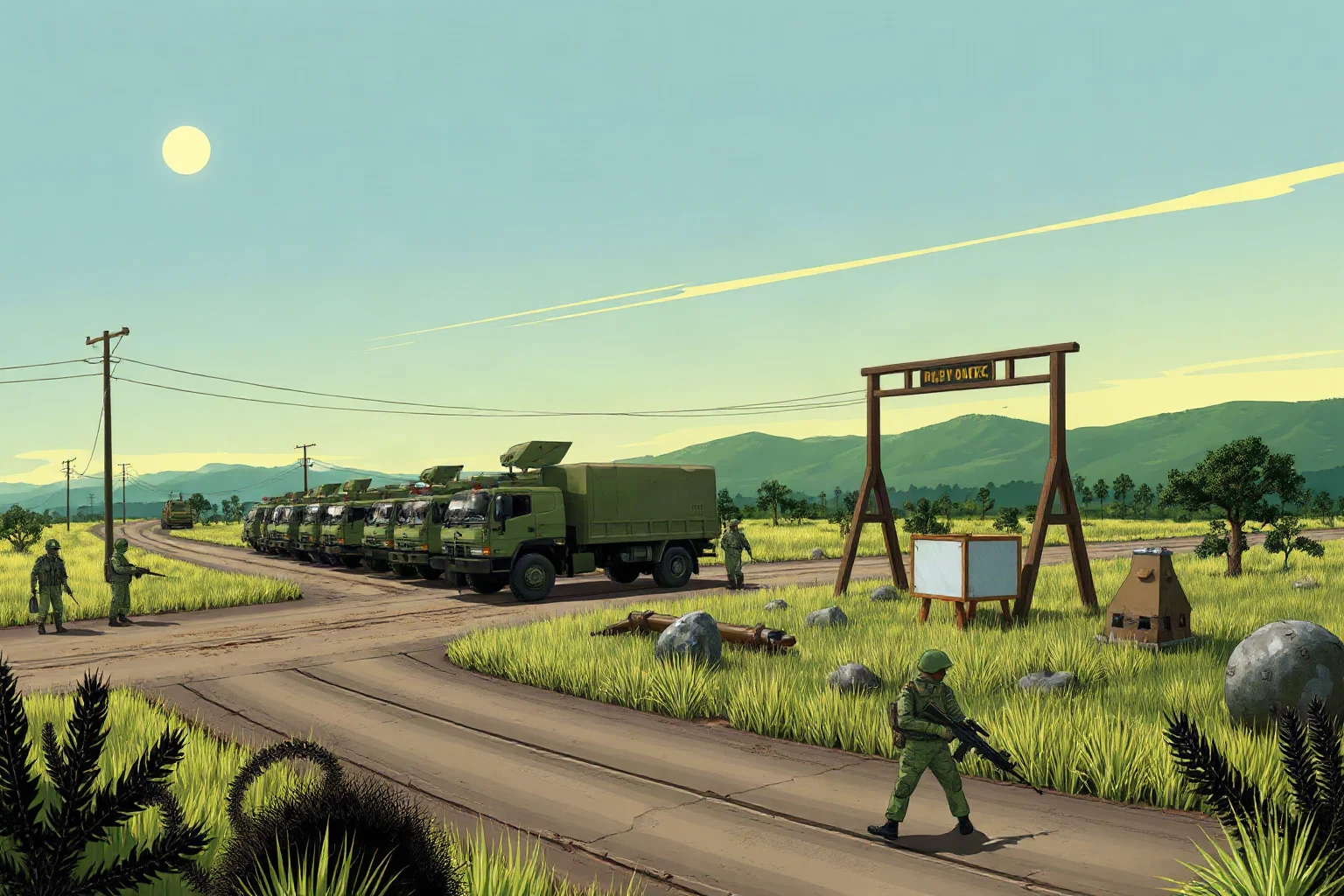
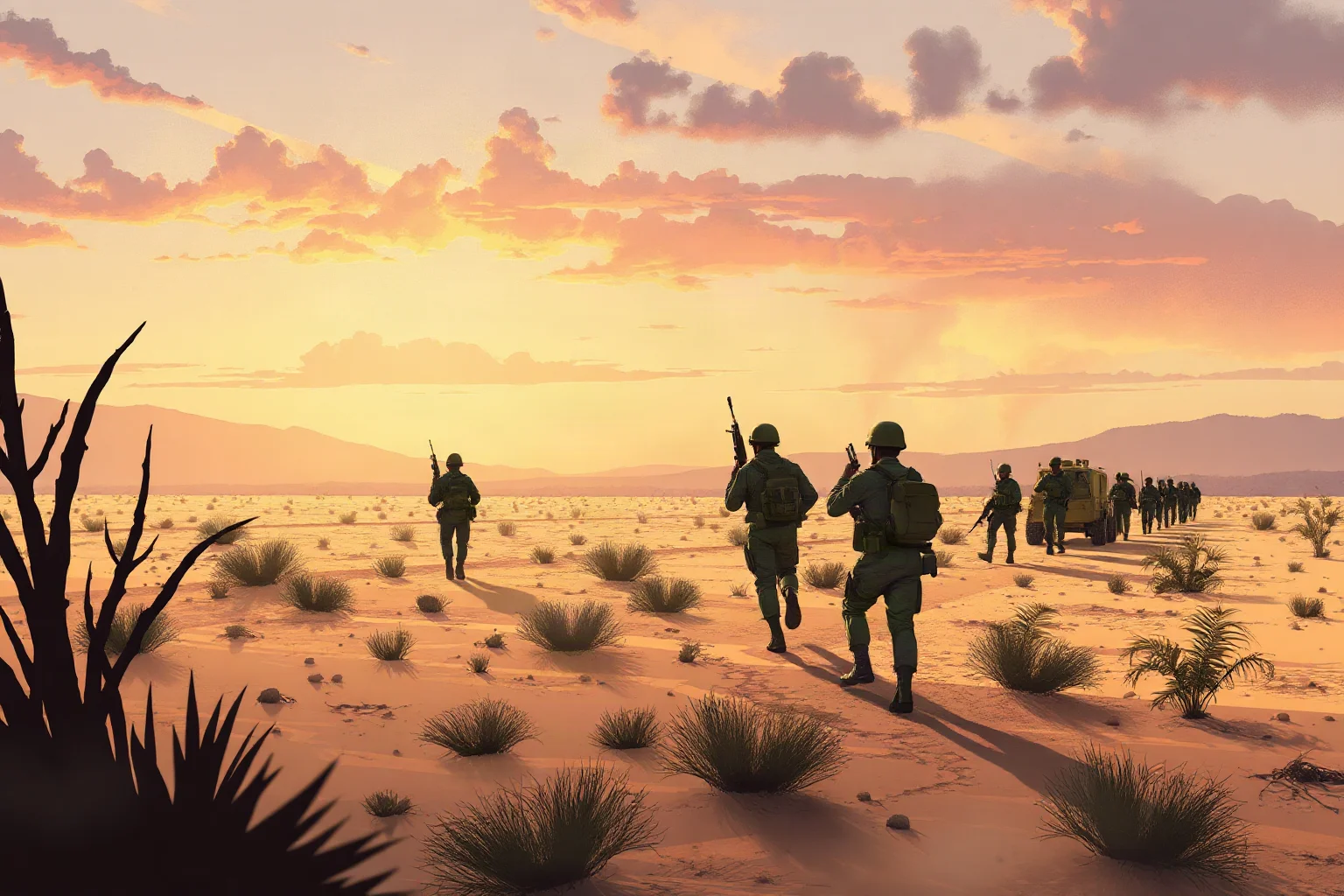
On the evening of July 14, 1969, El Salvador's military launched an invasion of Honduras, opening with air strikes and a ground offensive across the border. Salvadoran forces made rapid early gains, pushing into Honduran territory along multiple fronts.
El Salvador's smaller but more mobilized army had a brief tactical advantage, catching Honduran forces somewhat off guard in the opening hours.
14. A Air War Fought With World War II Planes
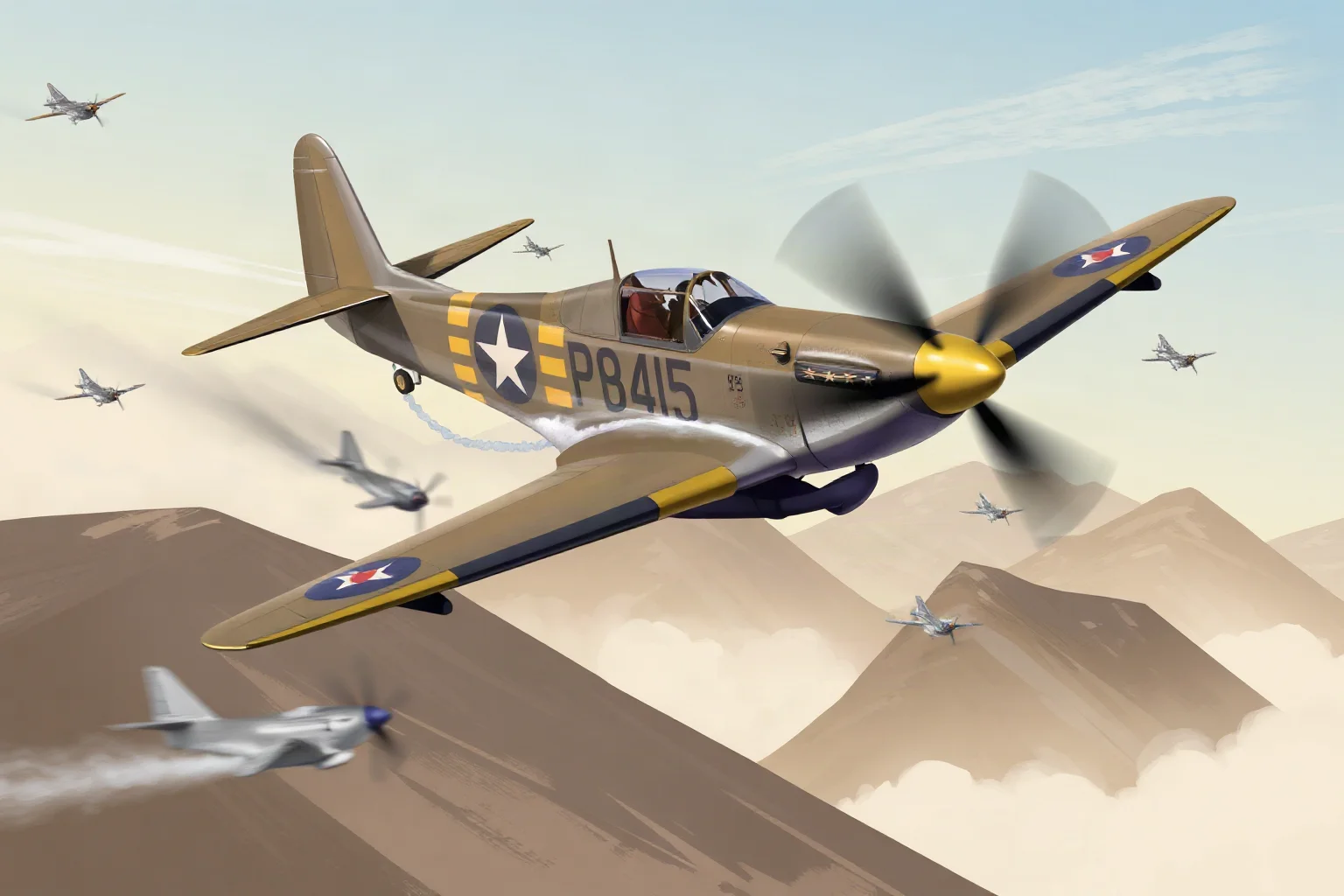
Because neither country had access to modern jet fighters at the time, the air war was fought almost entirely with propeller-driven aircraft left over from World War II. El Salvador flew Cavalier Mustangs and F4U Corsairs, while Honduras also fielded Corsairs of its own.
This matchup has earned a specific place in aviation history: several historians and aviation researchers consider the dogfights of this war among the last combat engagements between piston-engine fighters anywhere in the world.
15. Honduras Strikes Back in the Air
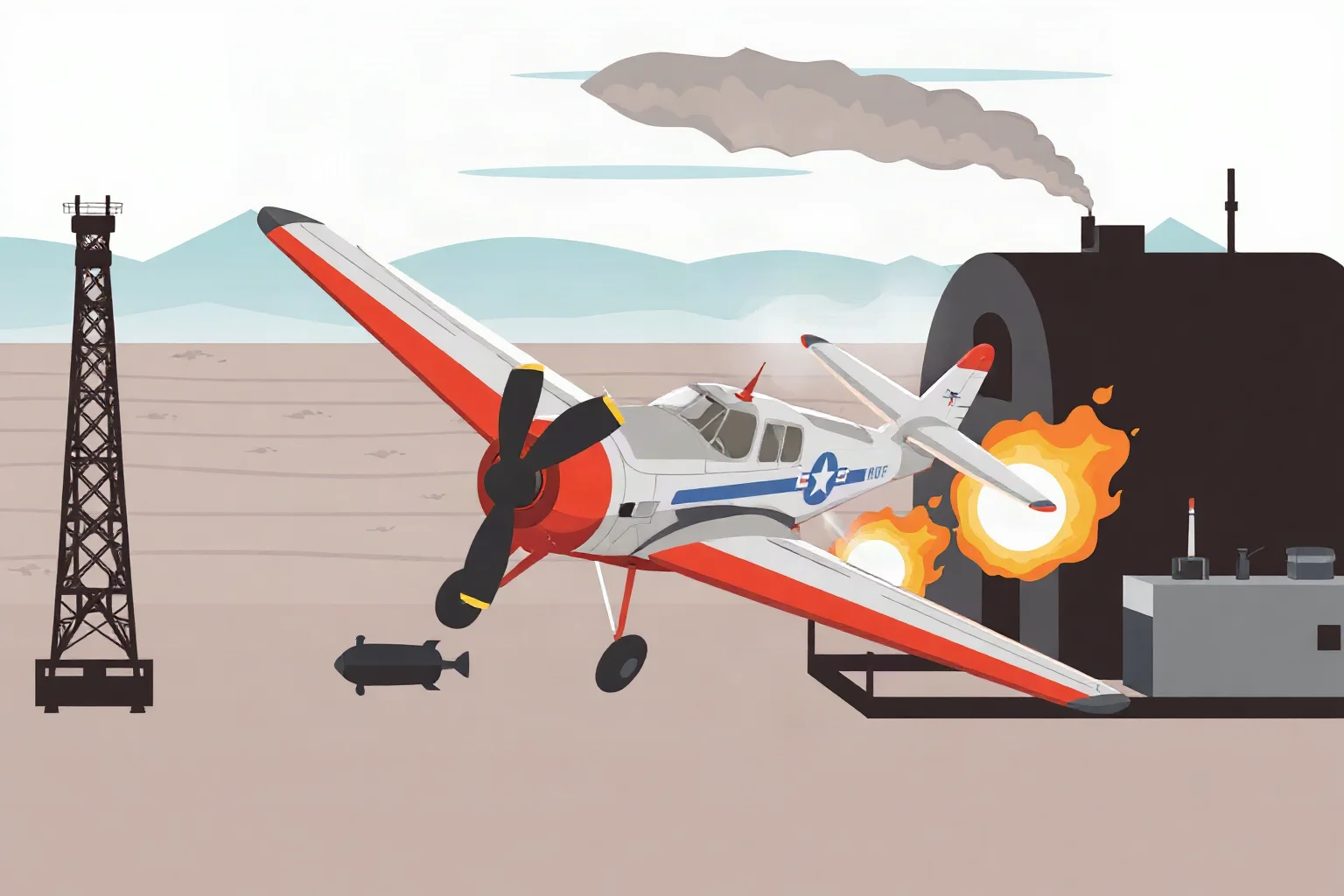
Honduran pilots targeted Salvadoran oil facilities and fuel depots, which proved to be a smart strategic move. El Salvador's advancing ground troops depended heavily on fuel supply lines, and disrupting them slowed the invasion considerably.
This air campaign helped even out what had initially looked like a lopsided advantage for El Salvador on the ground.
16. The Ground War Grinds to a Halt
Within a couple of days, El Salvador's ground advance began stalling out due to fuel shortages, logistics problems, and stiffening Honduran resistance. Neither side had the military capacity for a long, sustained war, and both economies were already strained before the fighting even began.
By this point, international pressure was mounting fast, with the Organization of American States pushing hard for both sides to agree to a ceasefire.
17. The OAS Steps In
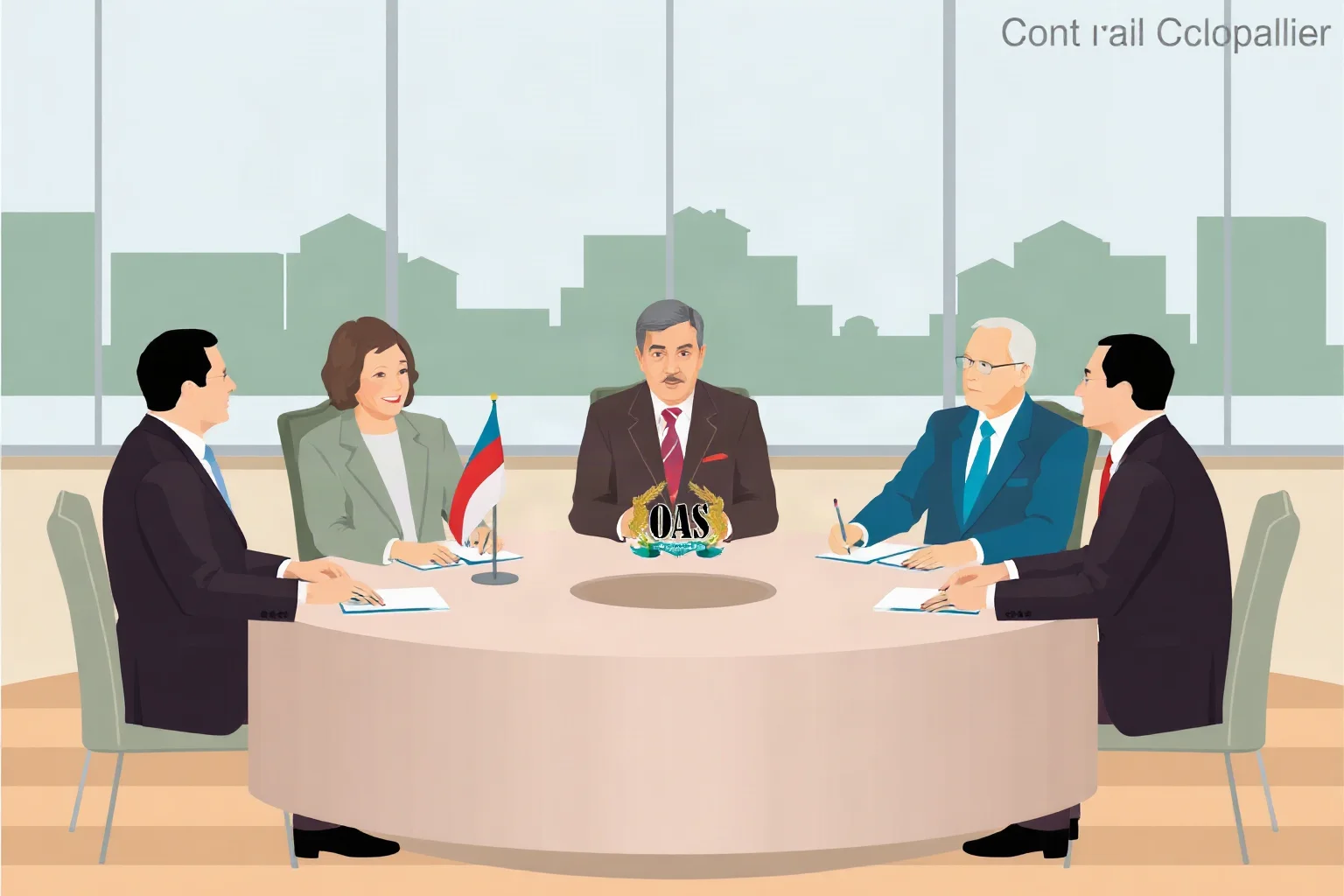
The Organization of American States condemned El Salvador's invasion and threatened sanctions if the fighting didn't stop. Under this pressure, El Salvador agreed to withdraw its troops, though it took additional diplomatic wrangling to make the ceasefire stick on the ground.
This kind of rapid multilateral intervention was fairly typical of Cold War-era Latin America, where regional bodies moved quickly to prevent smaller conflicts from spiraling further.
18. Why It's Called the 100 Hour War
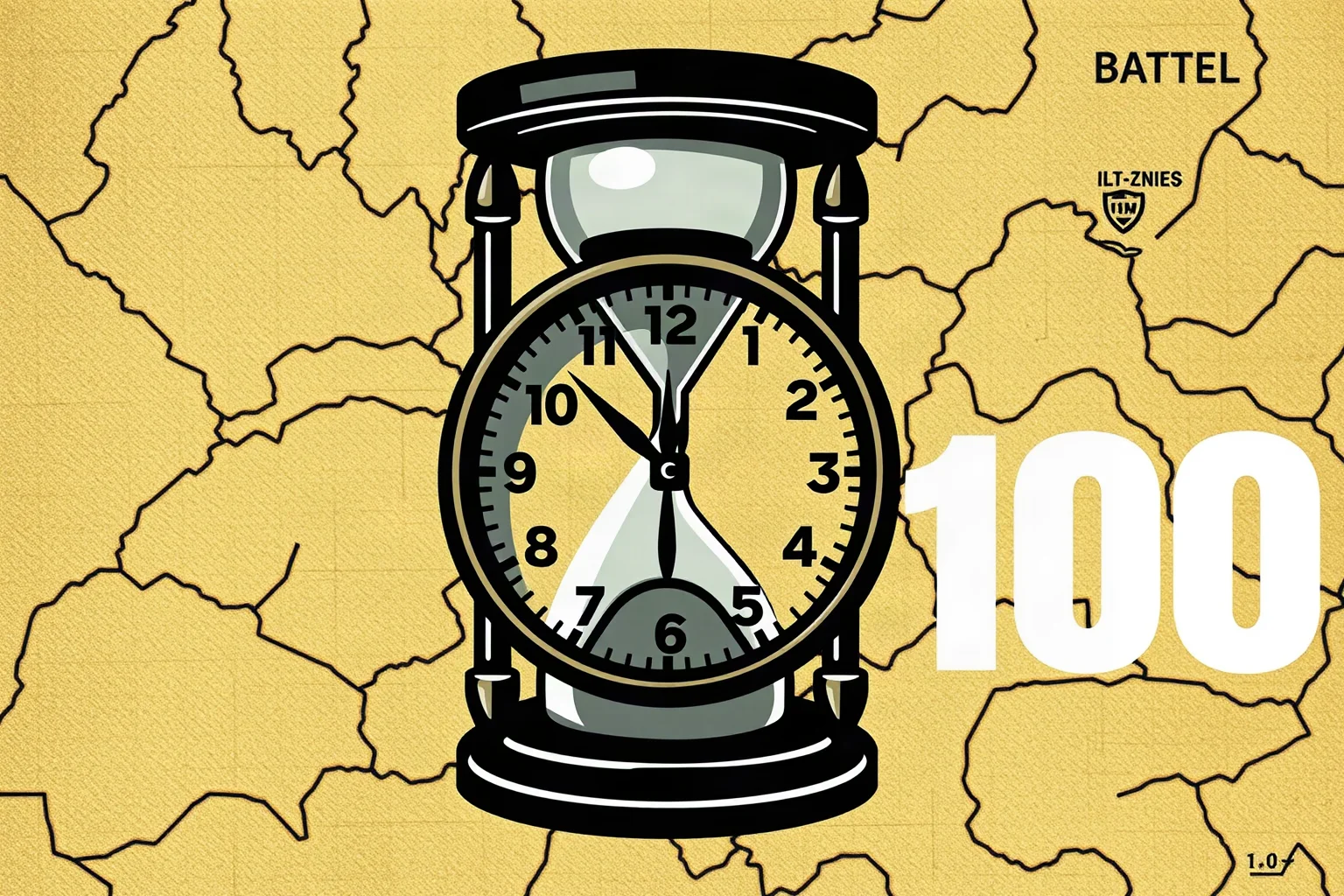
Fighting formally began on the night of July 14, 1969, and a ceasefire took effect on July 18, 1969 — a span of roughly 100 hours. That's why, alongside "Soccer War" and "Football War," this conflict is also widely known as the 100 Hour War, or in some Spanish-language sources, "la guerra de las 100 horas."
The El Salvador Honduras 100 hour war nickname has stuck in history books precisely because it captures just how fast and intense the fighting was, even though its underlying causes had been building for years.
19. The Human Cost
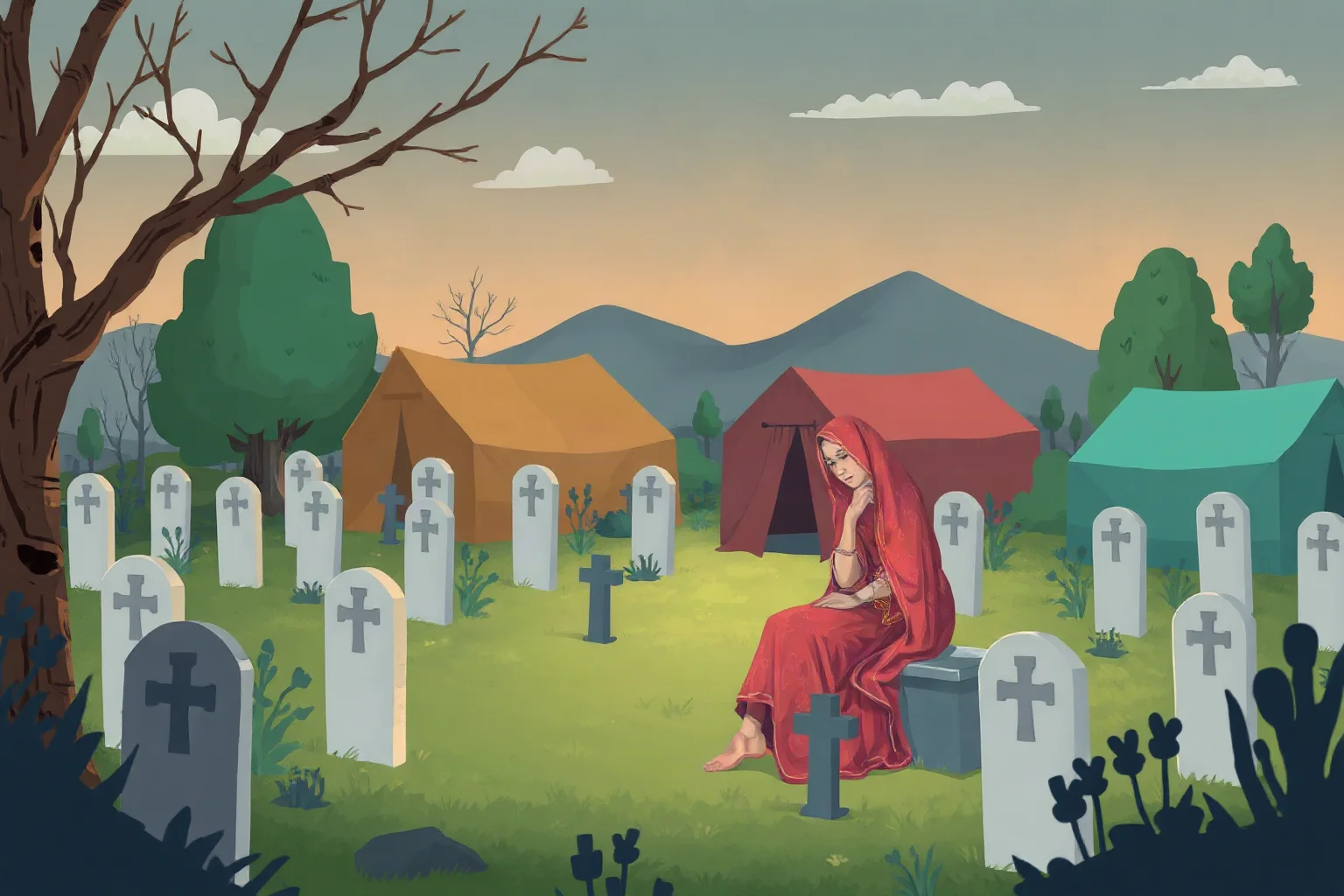
Estimates of casualties vary by source, but most historians cite a death toll somewhere between roughly 2,000 and 3,000 people, with the majority believed to be civilians rather than soldiers. Because record-keeping in the region at the time was inconsistent, exact figures remain difficult to pin down with full confidence.
Beyond the direct casualties, the war displaced tens of thousands of people, many of them Salvadoran families who had already been forced out of Honduras once before the fighting even started.
20. So Who Actually Won the Football War?
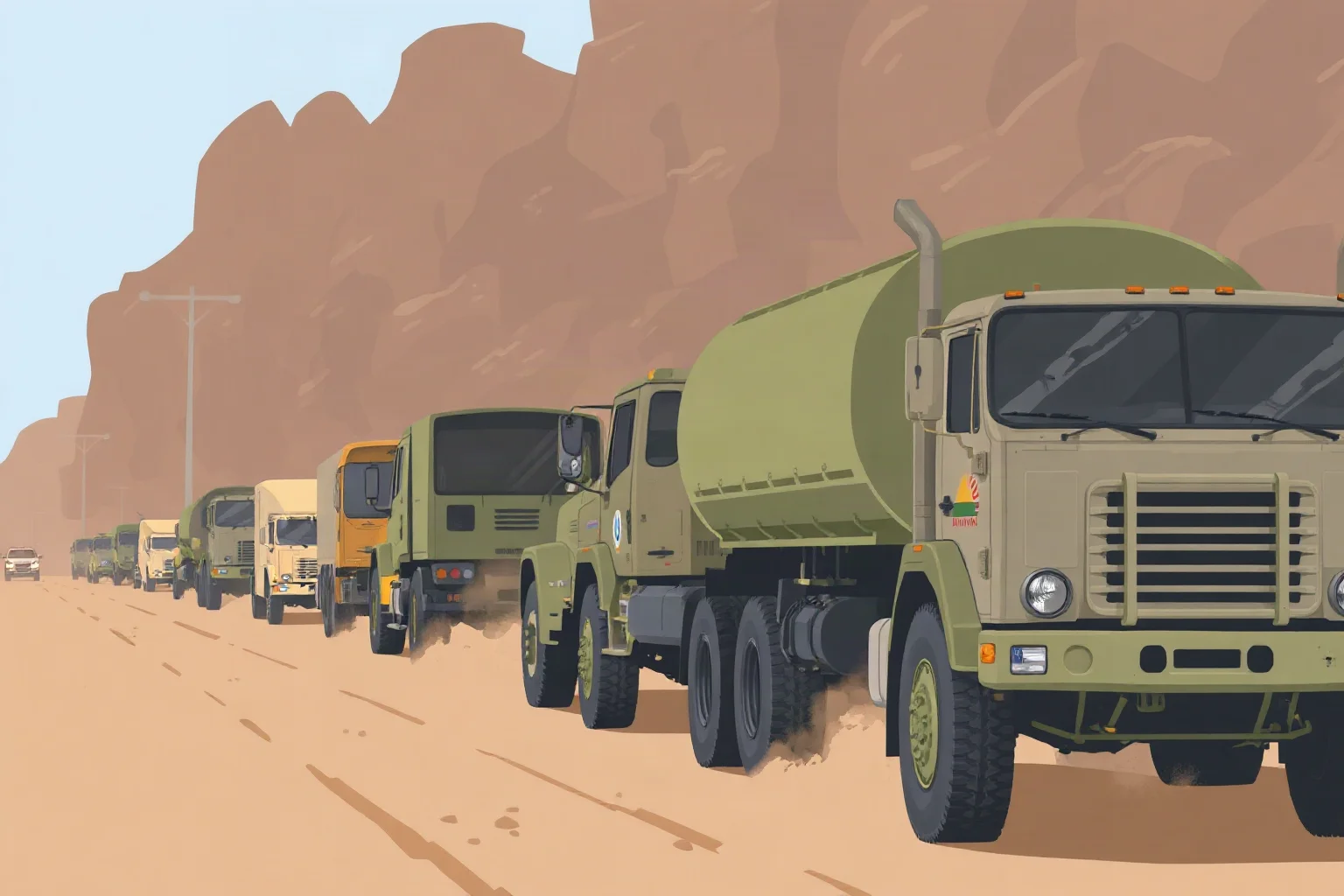
Militarily, El Salvador held the stronger position at the moment the ceasefire took hold, having advanced further into Honduran territory. But no formal military victory was declared, and El Salvador ultimately withdrew its forces under OAS pressure without gaining any lasting territorial change.
In that sense, most historians consider the war a strategic loss for both countries rather than a clear win for either side. The human and economic costs vastly outweighed anything either government actually gained.
21. Peace Took Over a Decade to Finalize
Despite the ceasefire in July 1969, El Salvador and Honduras did not formally end their state of war until a peace treaty was signed in Lima, Peru, in October 1980. Even then, the exact border between the two countries remained disputed for years afterward.
The lingering border question was eventually referred to the International Court of Justice, which issued a ruling on the demarcation in 1992, more than two decades after the fighting stopped.
22. The Collapse of the Central American Common Market
One of the most significant long-term consequences of the Football War was the effective breakdown of trade between El Salvador and Honduras, which crippled the Central American Common Market. The regional trade bloc, once seen as a promising economic experiment, never fully recovered its earlier momentum.
This had ripple effects across the wider region, slowing regional economic integration efforts for years afterward.
23. A Link to El Salvador's Civil War
Some historians argue that the mass expulsion of Salvadoran migrants from Honduras, and the resulting land pressure back home, contributed to the social and economic strain that helped set the stage for the Salvadoran Civil War beginning in 1979, one of the most memorable events of the 1970s to unfold in Latin America. This is a debated point rather than a settled consensus, and it shouldn't be overstated as a single direct cause.
Still, it's a useful reminder that the Football War didn't happen in isolation — it was one chapter in a much longer regional story of land, poverty, and displacement.
24. How the Legend Outgrew the History
The phrase "Soccer War" spread widely thanks in large part to Ryszard Kapuściński's vivid, journalistic account, which leaned into the drama of the soccer rivalry as a narrative device. It made for a gripping story, but it also flattened a complicated geopolitical crisis into a simple, almost cartoonish premise — not unlike some of the more famous Mandela Effect examples, where a vivid, widely shared narrative ends up overtaking the messier, more mundane truth.
Today, serious historians treat the matches as a symbolic flashpoint rather than a root cause. The soccer war el salvador and honduras story endures not because it's the full truth, but because it's a genuinely memorable way to introduce people to a much deeper and sadder history.
The Bigger Lesson Behind the Nickname
The Football War is a great example of how catchy nicknames can outlive nuanced history. It's easy to remember "a war started over a soccer game," and much harder to hold onto details about 1960s land reform law and regional trade imbalances.
But understanding the real causes matters, especially because similar pressures — land scarcity, migration, uneven development — still shape conflicts around the world today. The 1969 war between El Salvador and Honduras is less a quirky footnote and more a case study in how quickly underlying tension can turn into open conflict when the right spark appears.
Next time someone brings up the war that supposedly started over a soccer match, you'll be able to set the record straight — and tell the much richer story underneath.
Frequently Asked Questions
What was the 100 Hour War between El Salvador and Honduras?
The 100 Hour War, also called the Soccer War or Football War, was a brief conflict between El Salvador and Honduras that began on July 14, 1969, and ended with a ceasefire around July 18, 1969. It followed months of rising tension over migration, land reform, and border disputes, and it came right after a tense World Cup qualifying series between the two nations' soccer teams.
Did a soccer game really start the war between El Salvador and Honduras?
Not on its own. The three 1969 World Cup qualifying matches between El Salvador and Honduras were tense and did coincide with the diplomatic break between the two countries, but historians agree the deeper causes were land disputes, the mass expulsion of Salvadoran migrants from Honduras, and regional economic tension. The soccer matches were the visible trigger, not the underlying cause.
Who won the Football War?
Neither side won a clear military victory. El Salvador had advanced further into Honduran territory when the ceasefire took hold, but it withdrew under pressure from the Organization of American States without any lasting territorial gain. Most historians consider it a costly loss for both countries rather than a win for either.
How many people died in the Soccer War?
Estimates vary, but most historians cite a death toll of roughly 2,000 to 3,000 people, with civilians making up the majority of casualties. Record-keeping at the time was inconsistent, so exact figures are difficult to confirm precisely.
Why is it called the Football War if soccer didn’t cause it?
The nickname comes from the fact that a tense series of soccer matches between El Salvador and Honduras directly preceded the diplomatic break and the outbreak of fighting in 1969. The name stuck in popular history and journalism, especially after writer Ryszard Kapuściński's book "The Soccer War," even though scholars point to land and migration issues as the real underlying causes.
When did El Salvador and Honduras formally make peace?
Fighting stopped in July 1969, but the two countries didn't sign a formal peace treaty until October 1980, in Lima, Peru. Even after that, the exact border between them wasn't fully settled until the International Court of Justice issued a ruling in 1992.

Alex Warren
Related Articles