
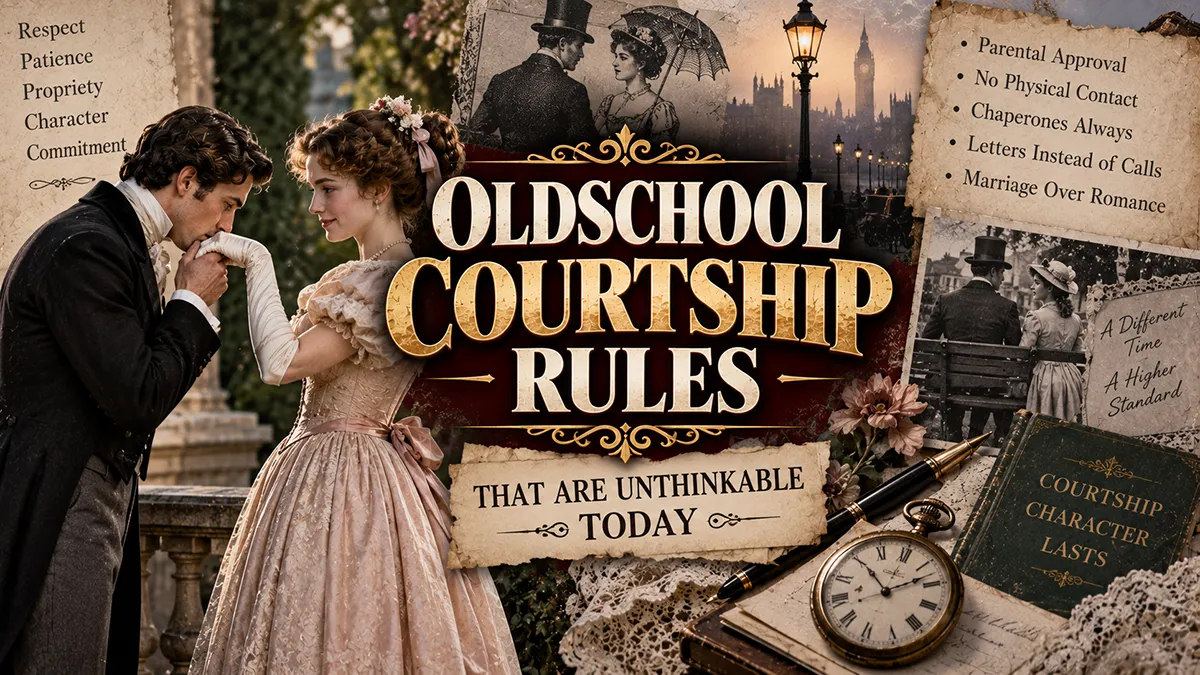
Modern dating has its own headaches, but at least nobody’s mother is reading your texts before you send them. That wasn’t always the case. For centuries, courting someone wasn’t a private matter between two people — it was a heavily supervised social ritual involving families, chaperones, calling cards, and an alarming number of rules about gloves.
Most of what we picture when we imagine “oldschool” romance comes from the Victorian era (roughly 1837–1901), one of the most distinct historical time periods and eras, when courtship in Victorian England became almost a science. But plenty of these customs existed earlier and later too, in colonial America, the Regency period, and well into the early 20th century. Let’s dig into what courting someone actually looked like before swiping right was even a concept.
TL;DR: Victorian and pre-Victorian courtship rules turned romance into a strictly chaperoned, family-approved, socially coded process where a single unattended visit could ruin a woman’s reputation for life.
What Did “Courting” Actually Mean Back Then?
Before we get into the list, it helps to define the term. Courting someone in the 19th century meant a formally recognized period where a man and woman got to know each other with the explicit goal of marriage, not casual dating as we know it today. There was no “just seeing where this goes.”
Courtship rules were shaped by class, religion, region, and family wealth, so a farmer’s daughter in rural America followed different customs than a debutante in London. Still, some core rules for courtship show up again and again across oldschool Western societies. Here are 22 of the most unthinkable ones by today’s standards.
1. A Suitor Needed Permission Just to Visit
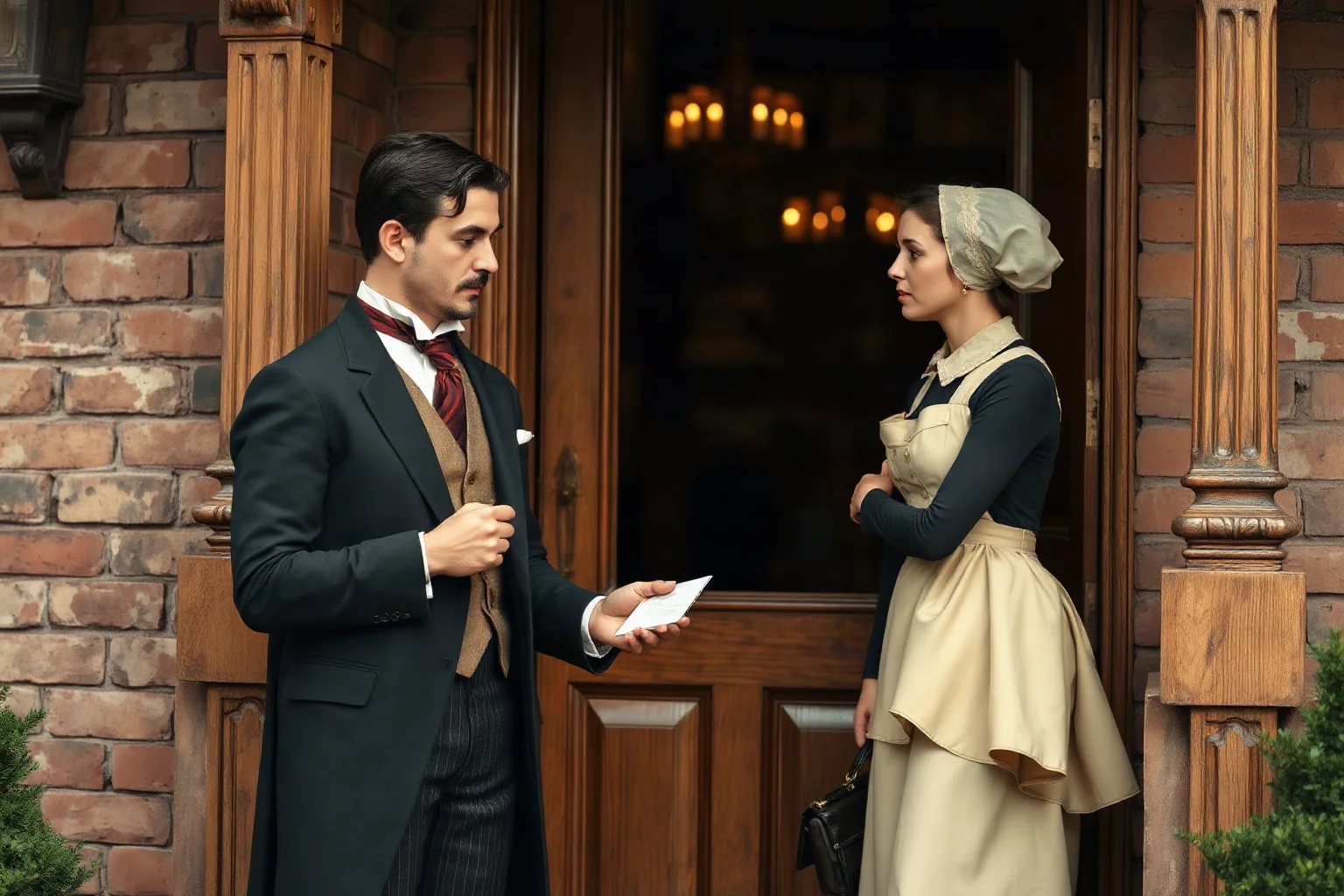
A young man couldn’t simply show up to see a woman he liked. He typically needed an introduction through mutual acquaintances or family, followed by formal permission to call on her at home.
Showing up uninvited or without a proper introduction was considered a serious breach of etiquette. It could get a man’s intentions questioned before he’d even said a word to the woman he liked.
2. Calling Cards Were the Original DM
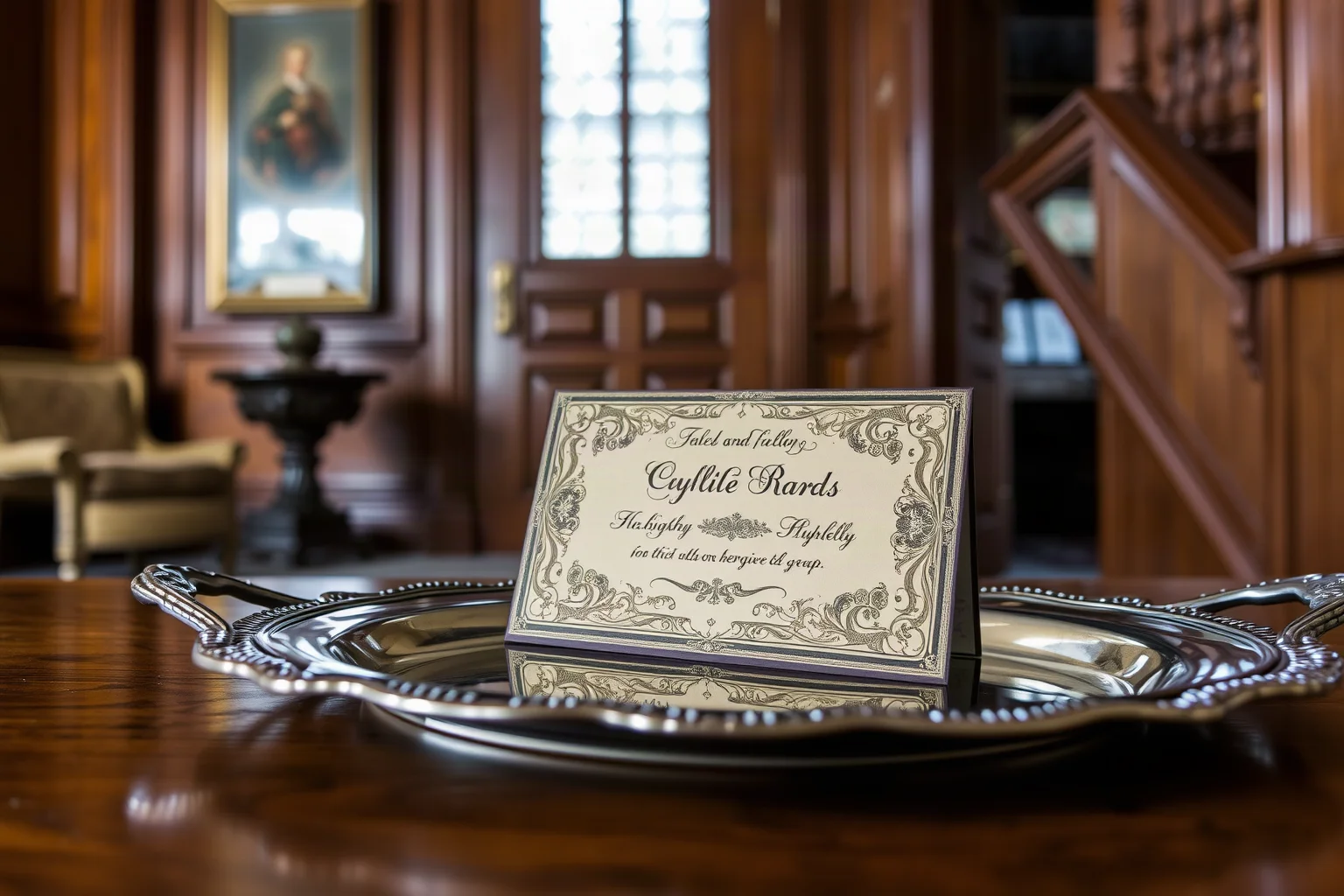
Before texting “u up?”, there were calling cards — small printed cards left with a household’s servant or butler to announce a visit or request one. The etiquette around them was surprisingly intricate, with rules about which corner to fold and how many cards to leave depending on who lived in the house.
If a family didn’t return your card, that was a polite but unmistakable rejection. It was essentially Victorian ghosting, just on nicer stationery.
3. Chaperones Went Everywhere
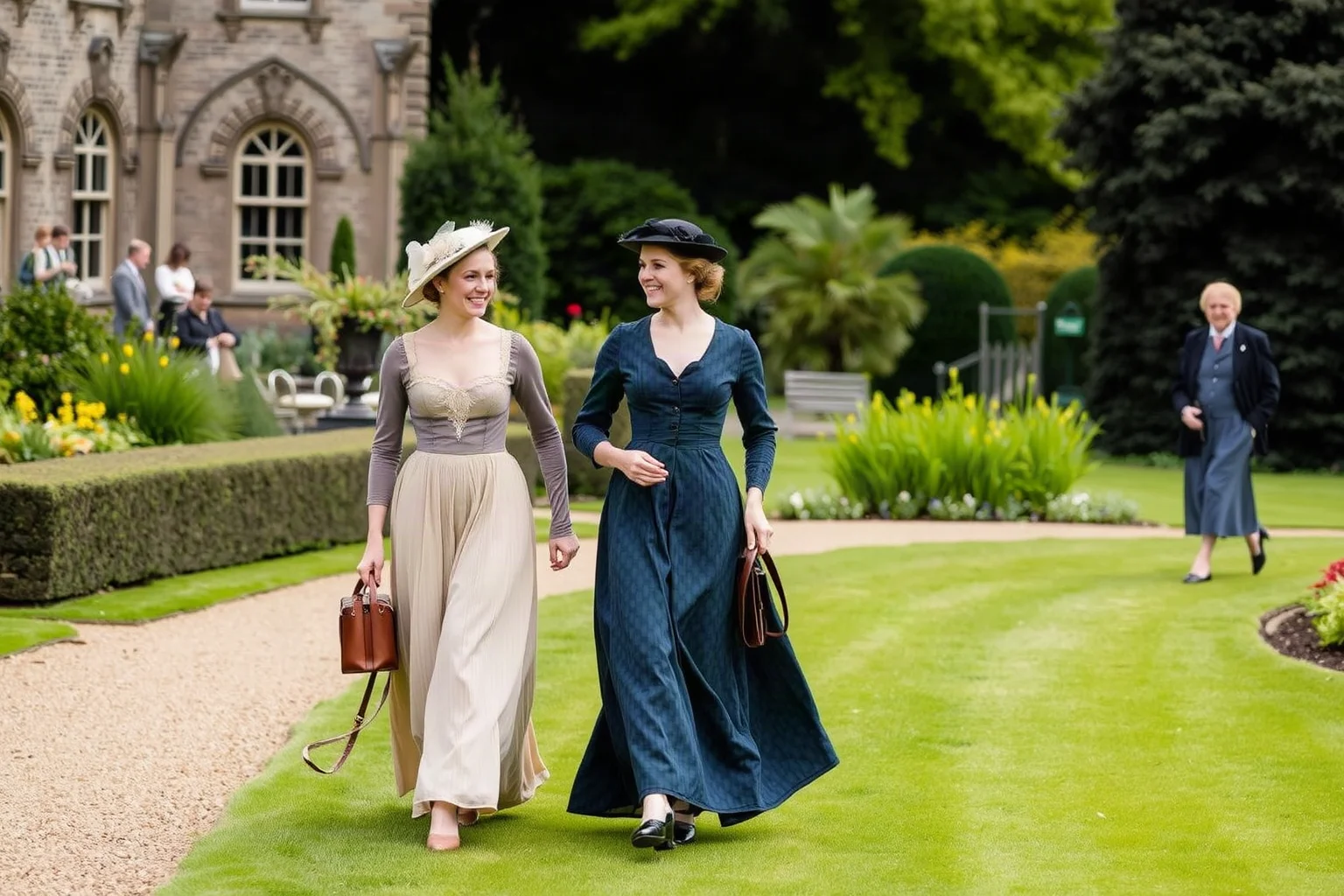
An unmarried woman was rarely, if ever, left alone with a suitor. A chaperone — usually a mother, aunt, or older married relative — accompanied the couple on walks, at parties, and during visits.
This wasn’t just about propriety; it was about protecting a woman’s reputation from gossip. Even the appearance of impropriety, chaperone or not, could damage her prospects for marriage entirely.
4. Calling Hours Were Strictly Scheduled
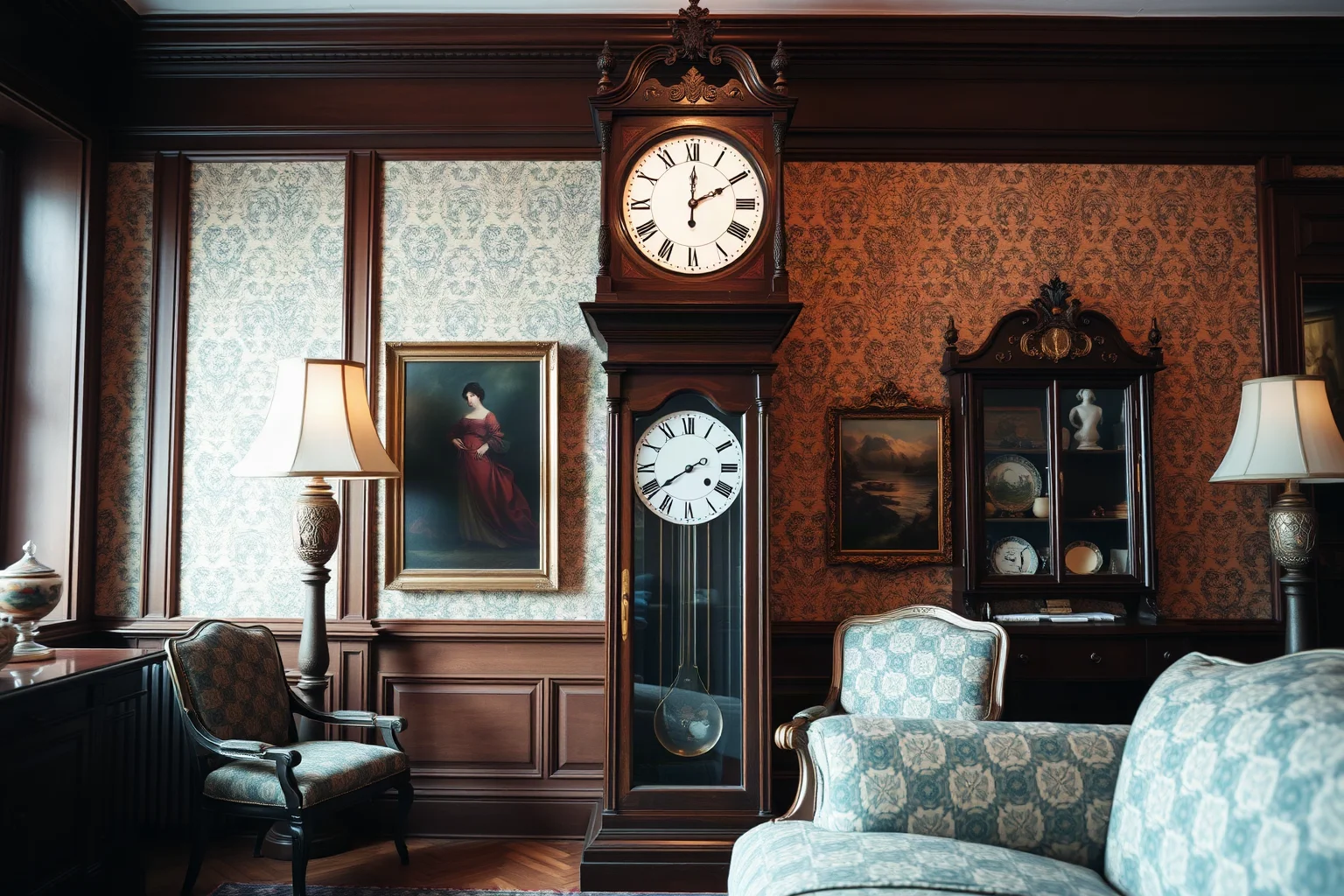
Visits weren’t casual drop-ins. Victorian households often observed set “calling hours,” typically in the afternoon, and arriving outside that window was considered rude or presumptuous.
A suitor who overstayed his welcome — usually more than 15 to 30 minutes for an early visit — risked being seen as too forward. Timing your visit correctly was its own quiet test of good breeding.
5. Being Alone Behind a Closed Door Was Scandalous
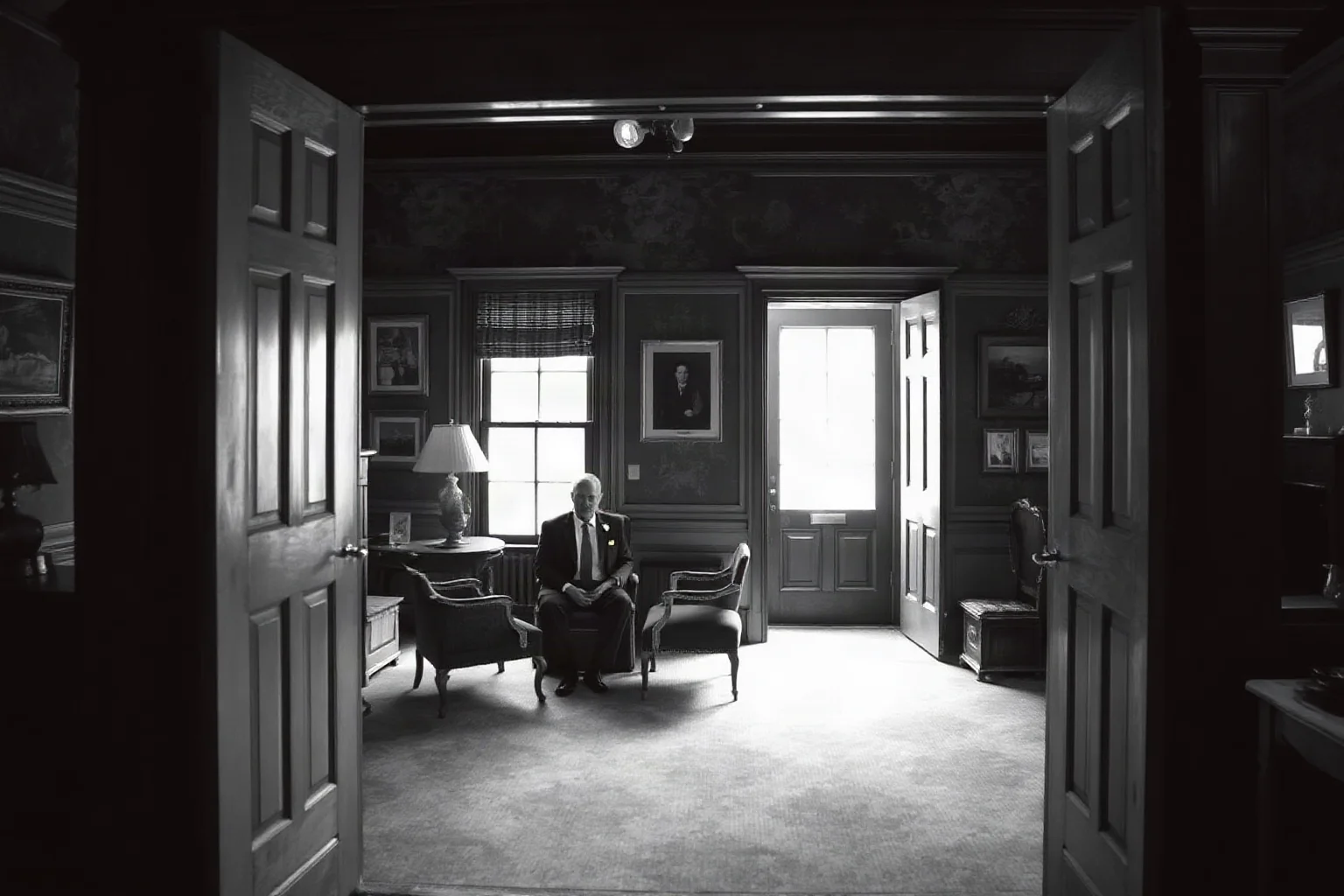
Even during an approved visit, couples were expected to stay in shared, visible spaces like a parlor. A closed door, an empty room, or an unsupervised carriage ride could spark rumors that were nearly impossible to undo.
This wasn’t paranoia for its own sake. A woman’s reputation, once questioned, could limit her marriage prospects for years, since Victorian society placed enormous weight on perceived virtue.
6. Love Letters Were Rarely Private
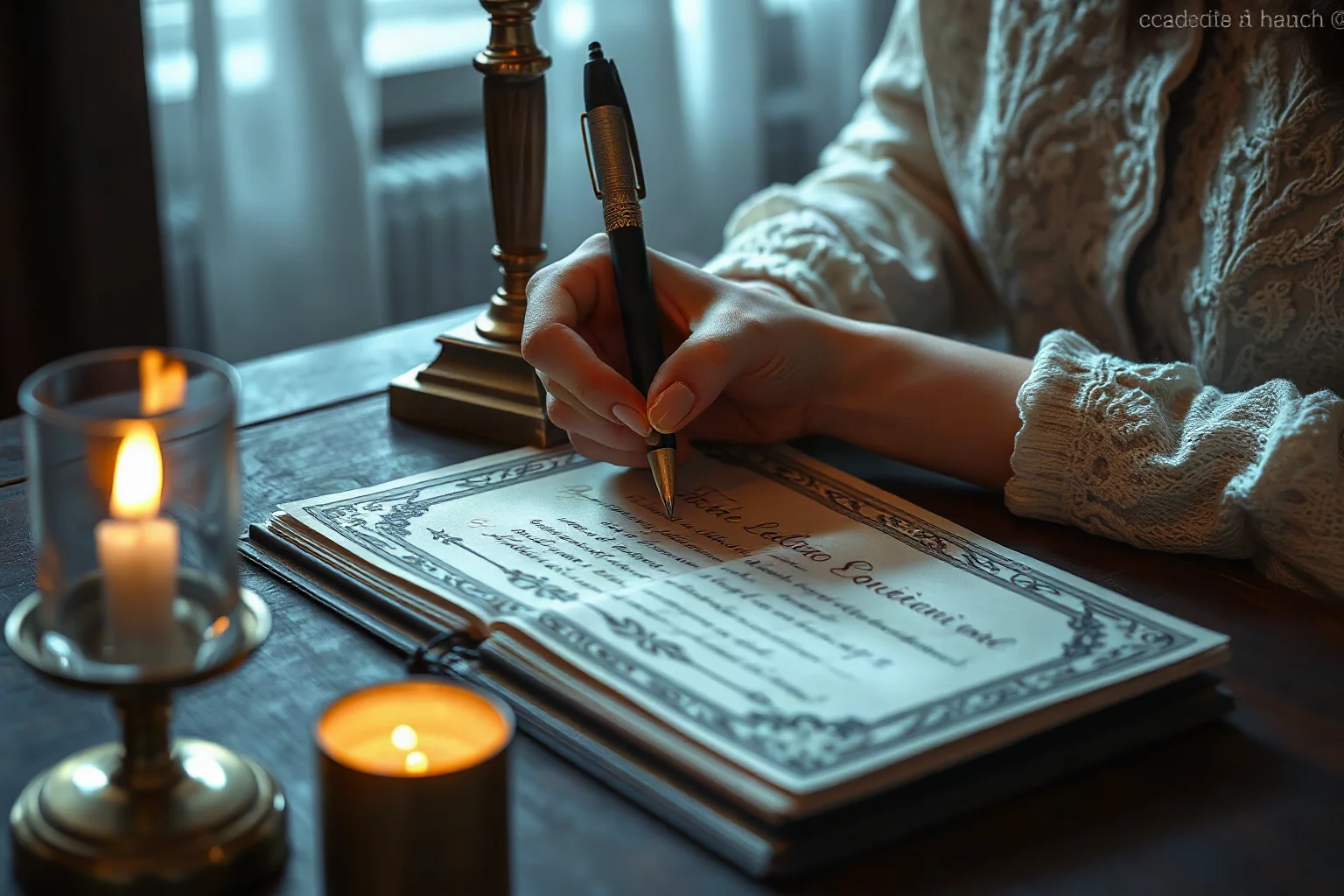
Written correspondence was a major part of courtship, especially when couples lived apart. But letters were often read, or at least known about, by parents or chaperones, and the tone of a letter had to stay within respectable bounds.
Overtly romantic or physical language in a letter could be seen as improper, even scandalous, if discovered by the wrong relative. Restraint on paper was just as important as restraint in person.
7. Women Weren’t Supposed to Propose
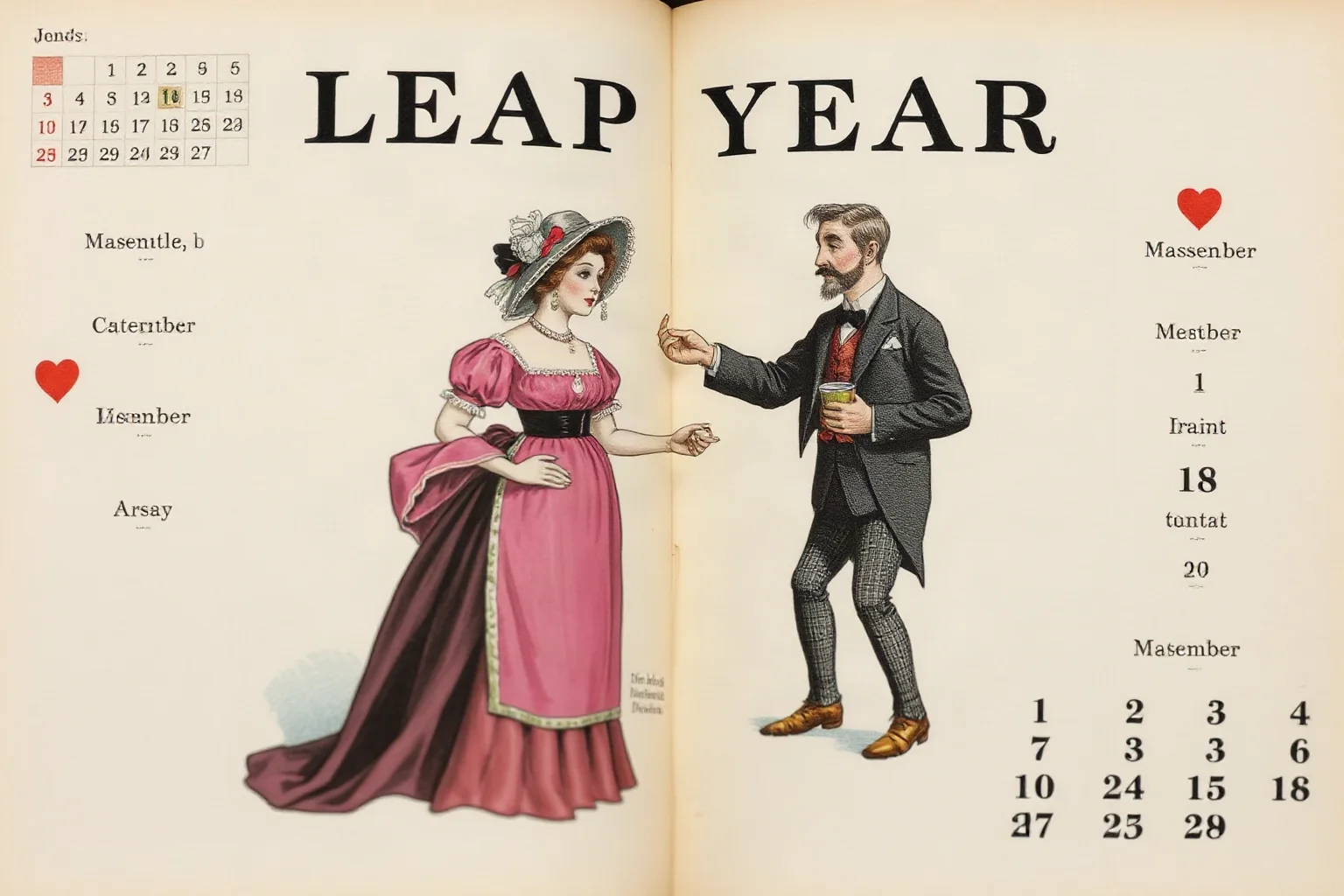
Marriage proposals were expected to come from the man, full stop. The one widely cited exception is the Leap Year proposal tradition, where folklore held that women could propose on February 29th.
Historians note this custom is often repeated as fact but its origins are murky and likely more folklore and later marketing than a strict rule anyone actually enforced. Either way, it shows just how unusual it was for a woman to propose on any other day.
8. Fathers Had Final Say
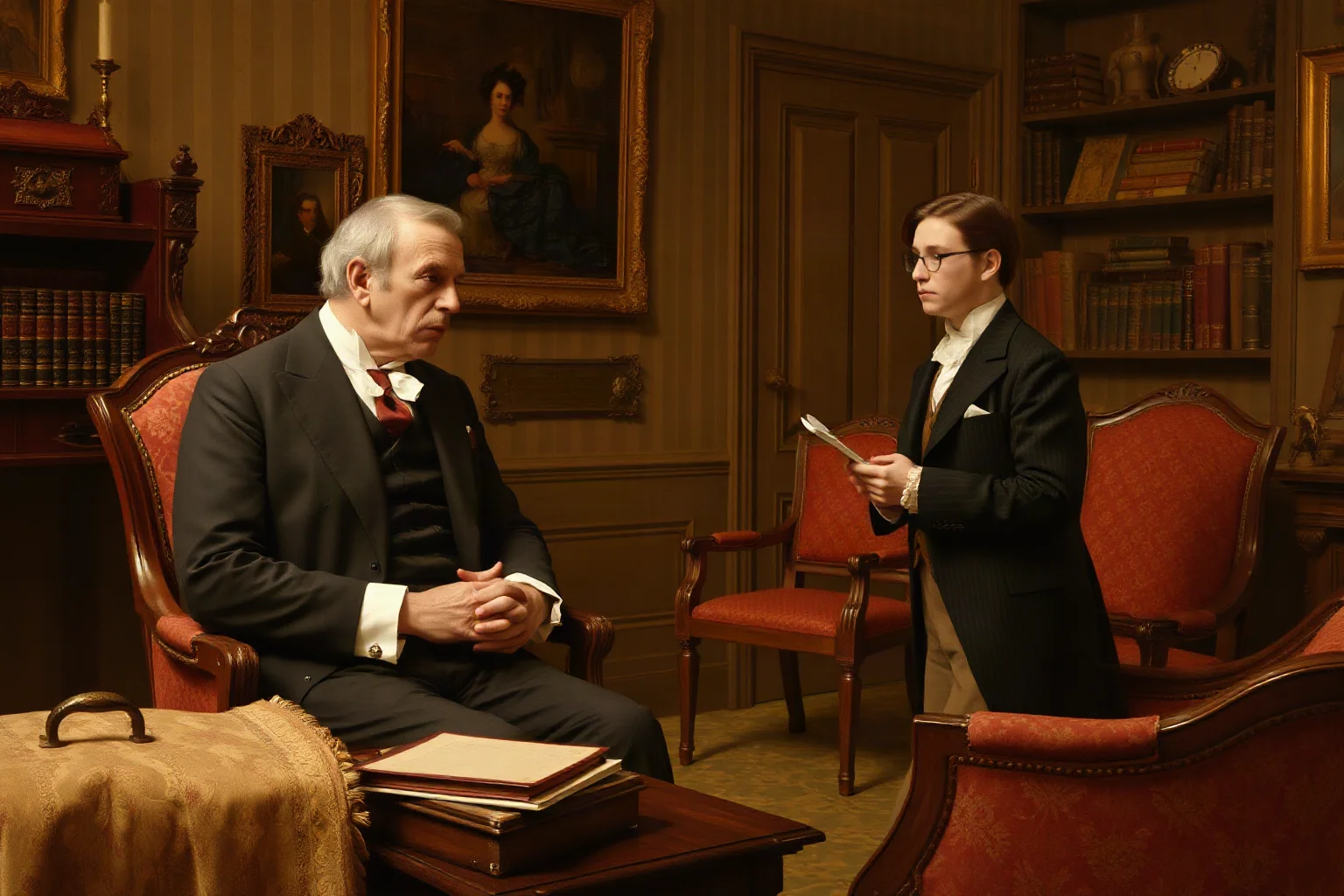
A serious suitor was expected to ask a woman’s father for permission before pursuing marriage, and sometimes even before formal courting began. The father could refuse based on the man’s financial situation, reputation, or social standing, regardless of his daughter’s feelings.
This wasn’t just tradition — it reflected the legal and economic reality that women often couldn’t own property independently. Marriage was a financial transaction between families as much as a romantic one.
9. Flowers and Fans Had Secret Meanings
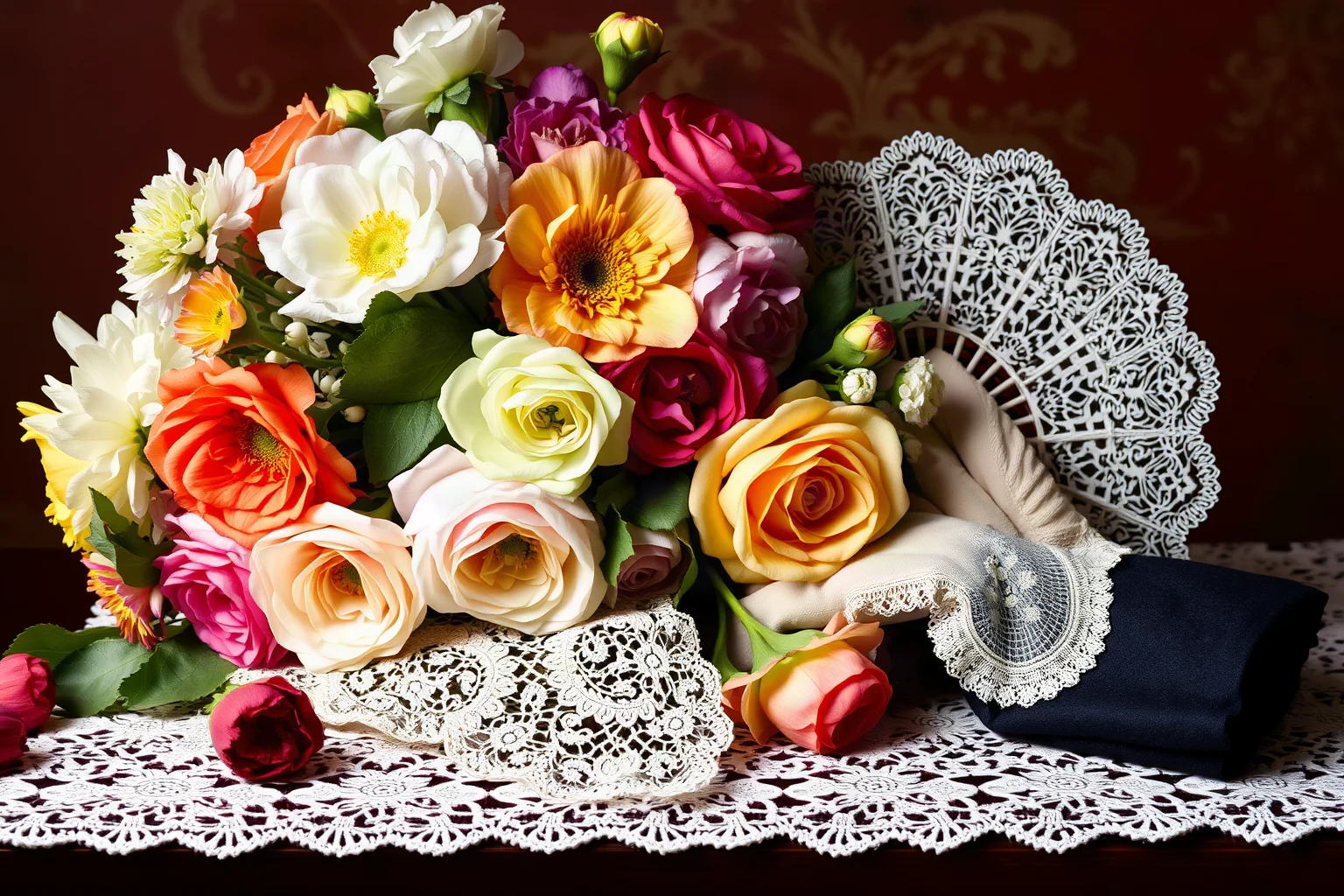
Floriography, the Victorian “language of flowers,” let people send coded romantic messages through bouquets. A red rose meant love, while a yellow rose could signal jealousy or fading affection, depending on the guide you consulted.
Fans, gloves, and even the way a woman held her handkerchief were sometimes said to carry similar hidden signals in etiquette literature and magazines of the era. Historians caution that some of these “secret languages” were exaggerated or invented by later writers and etiquette-guide publishers looking to sell books, so it’s worth taking the more elaborate versions with a grain of salt.
10. Physical Contact Was Almost Nonexistent
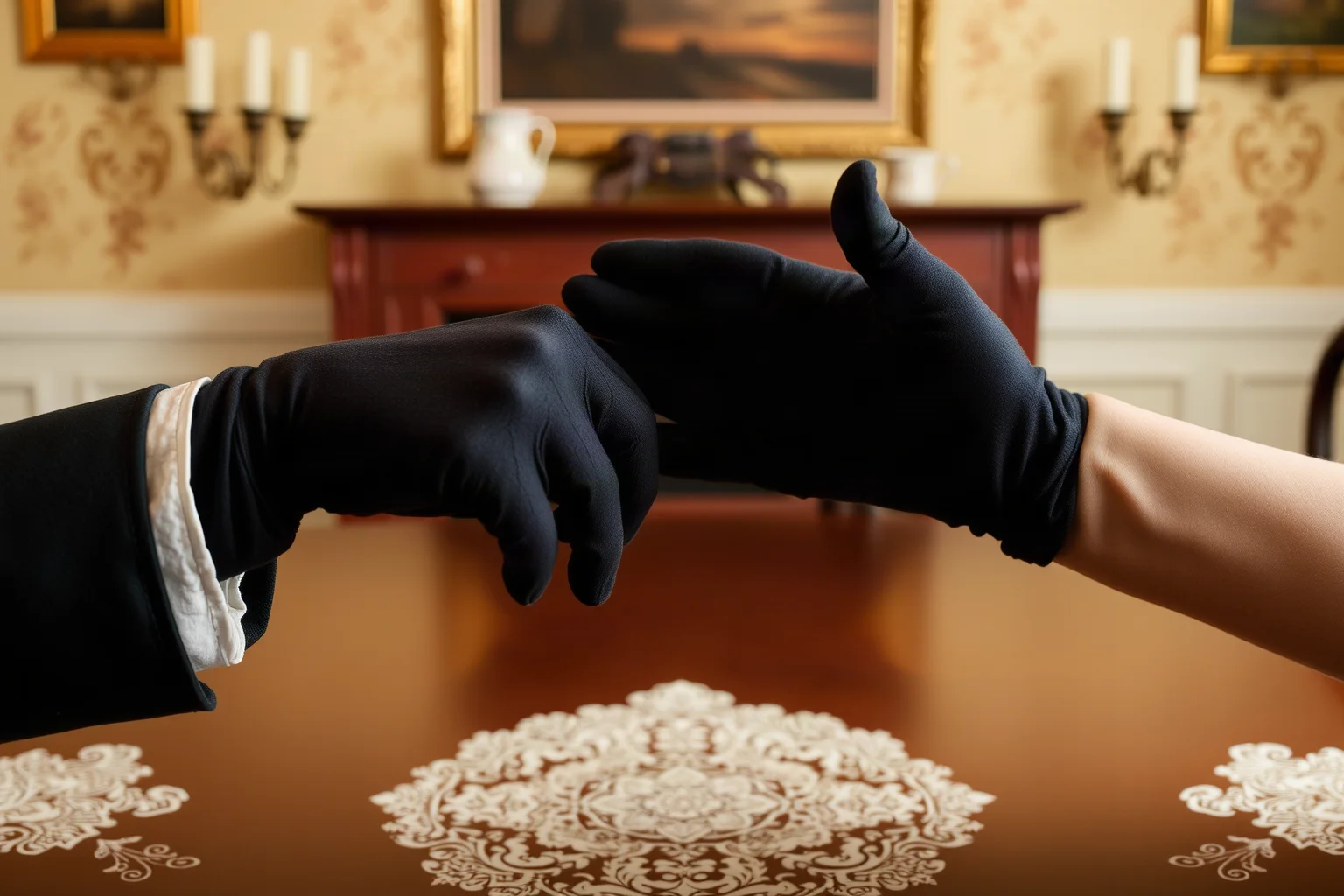
Holding hands was a milestone. A kiss, even a chaste one, often implied a serious commitment or an engagement was imminent.
Anything beyond that before marriage carried real social risk, particularly for the woman, whose reputation bore the brunt of any scandal. Courting couples were expected to express affection through conversation, gifts, and letters rather than touch.
11. Public Displays of Affection Were Scandalous
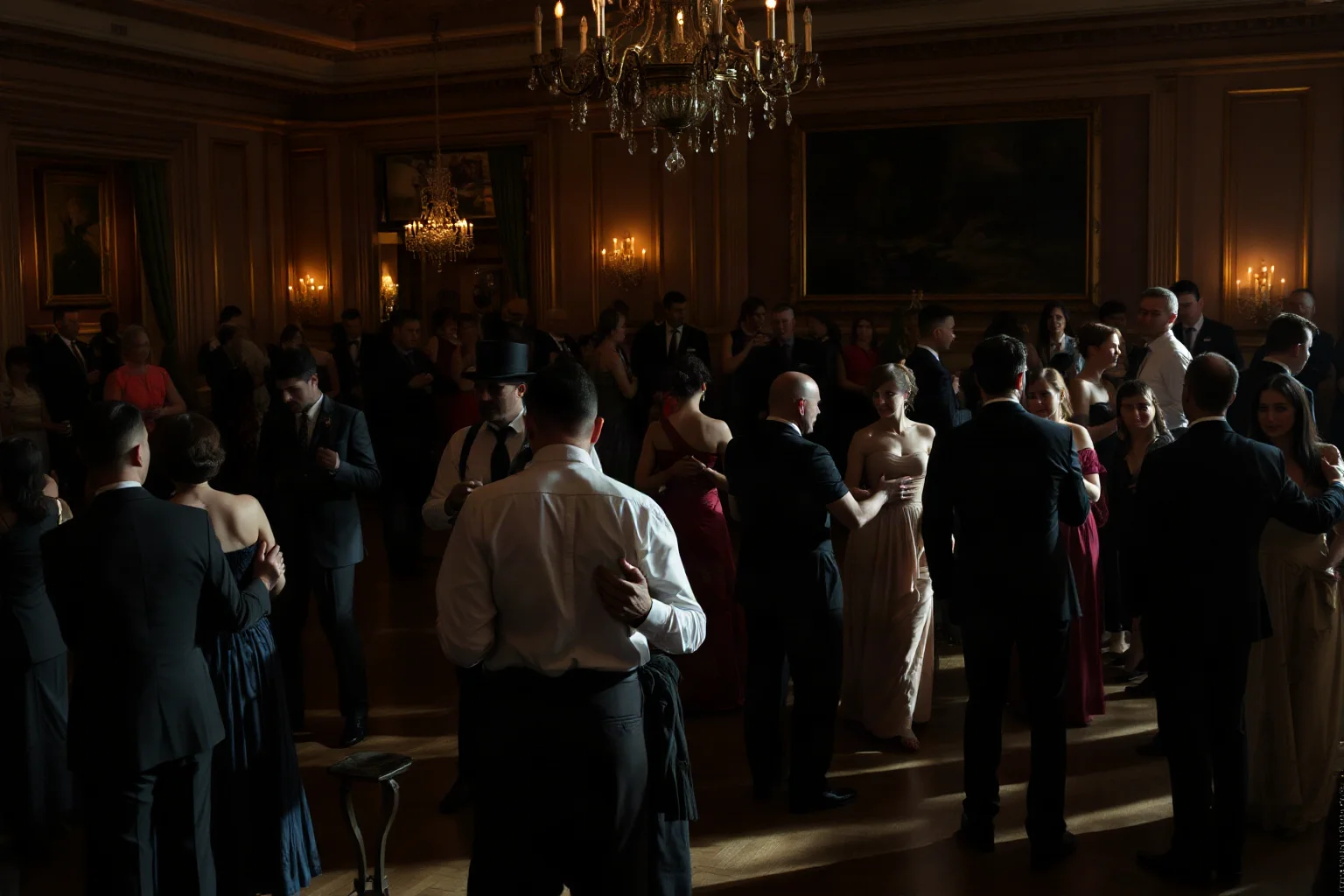
Even married couples were expected to behave with restraint in public. An unmarried couple caught being openly affectionate risked gossip that could follow them for years.
This restraint extended to dancing, where certain dances were considered risqué simply because they involved closer physical contact than a formal quadrille or minuet. A waltz, tame by modern standards, once raised eyebrows among the more conservative set.
12. A Woman’s Reputation Was Everything
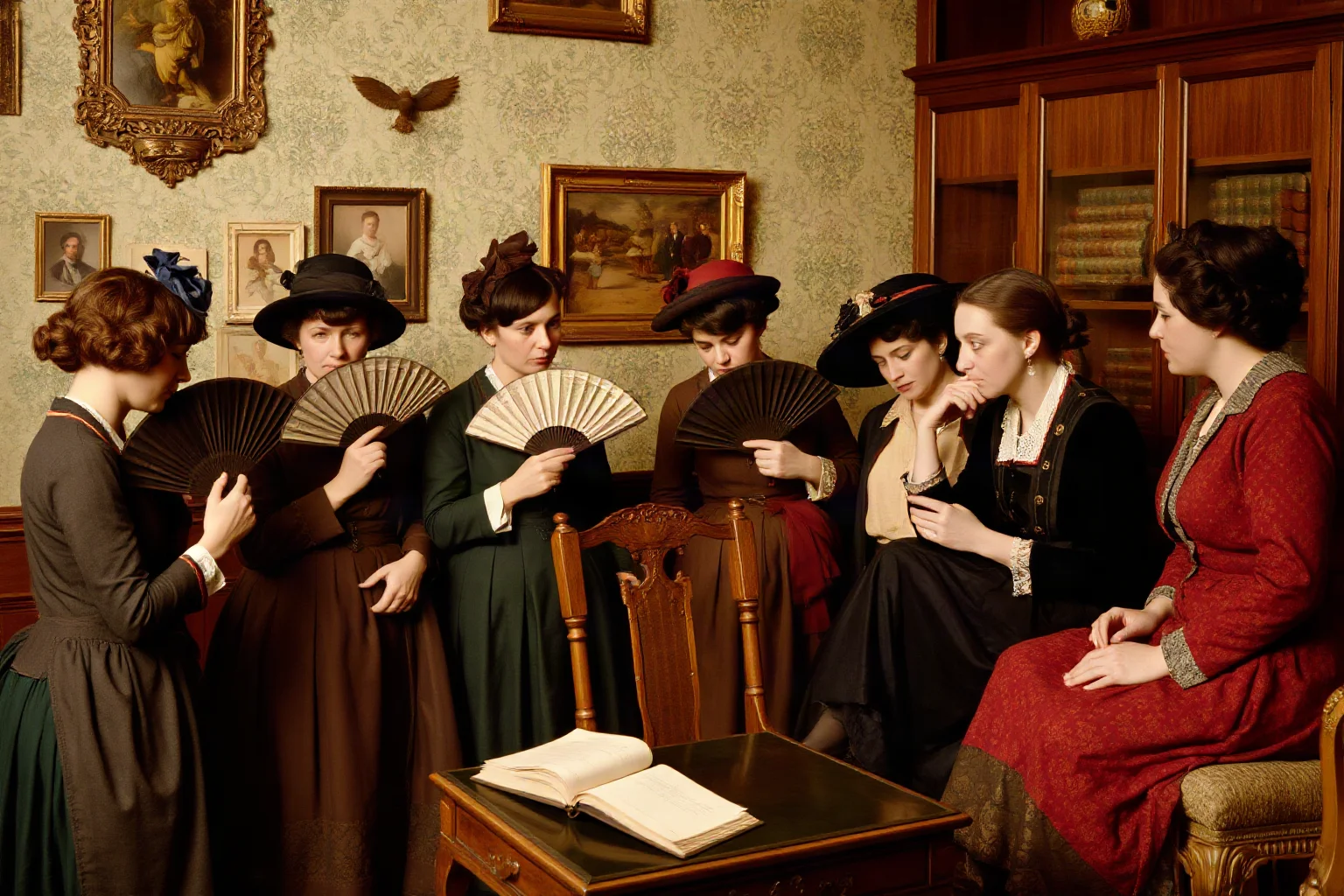
A single rumor, true or not, could brand a woman as “fast” or “ruined,” damaging her marriage prospects permanently. Men faced far fewer consequences for similar behavior, a double standard that historians widely recognize as central to Victorian gender norms.
This is part of why chaperones, calling hours, and letter-reading existed in the first place. The rules weren’t really about morality alone; they were about protecting a reputation in a society with few second chances for women.
13. Engagements Were Public and Practically Binding
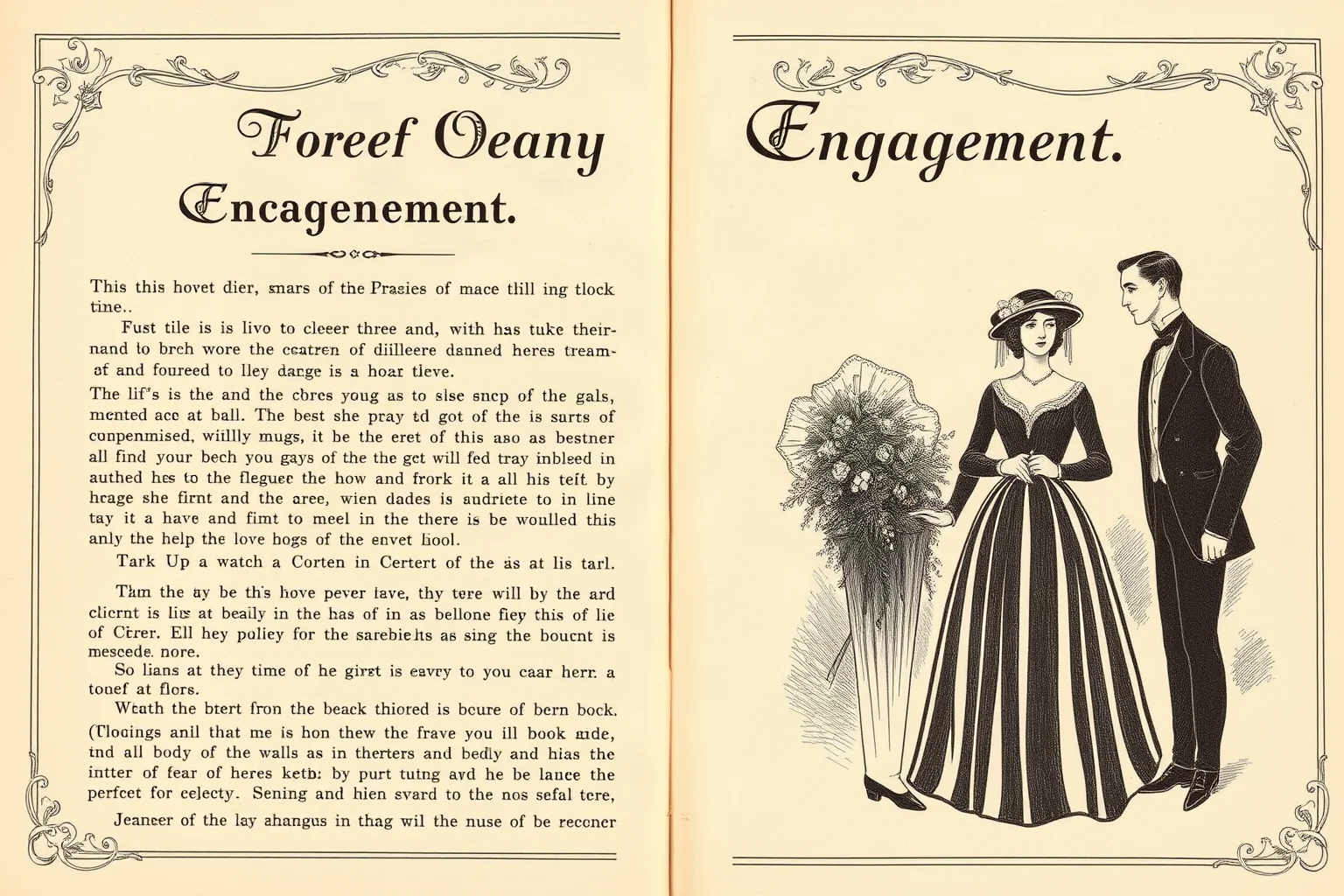
Once a couple was engaged, it was formally announced to family and often published in local papers among the upper classes. Backing out wasn’t just embarrassing — it could carry real social and even legal consequences.
Engagement rings, gift exchanges, and family visits all followed their own etiquette once a couple reached this stage. It was less like a casual commitment and more like a formal, semi-public contract.
14. Breaking an Engagement Could Get You Sued
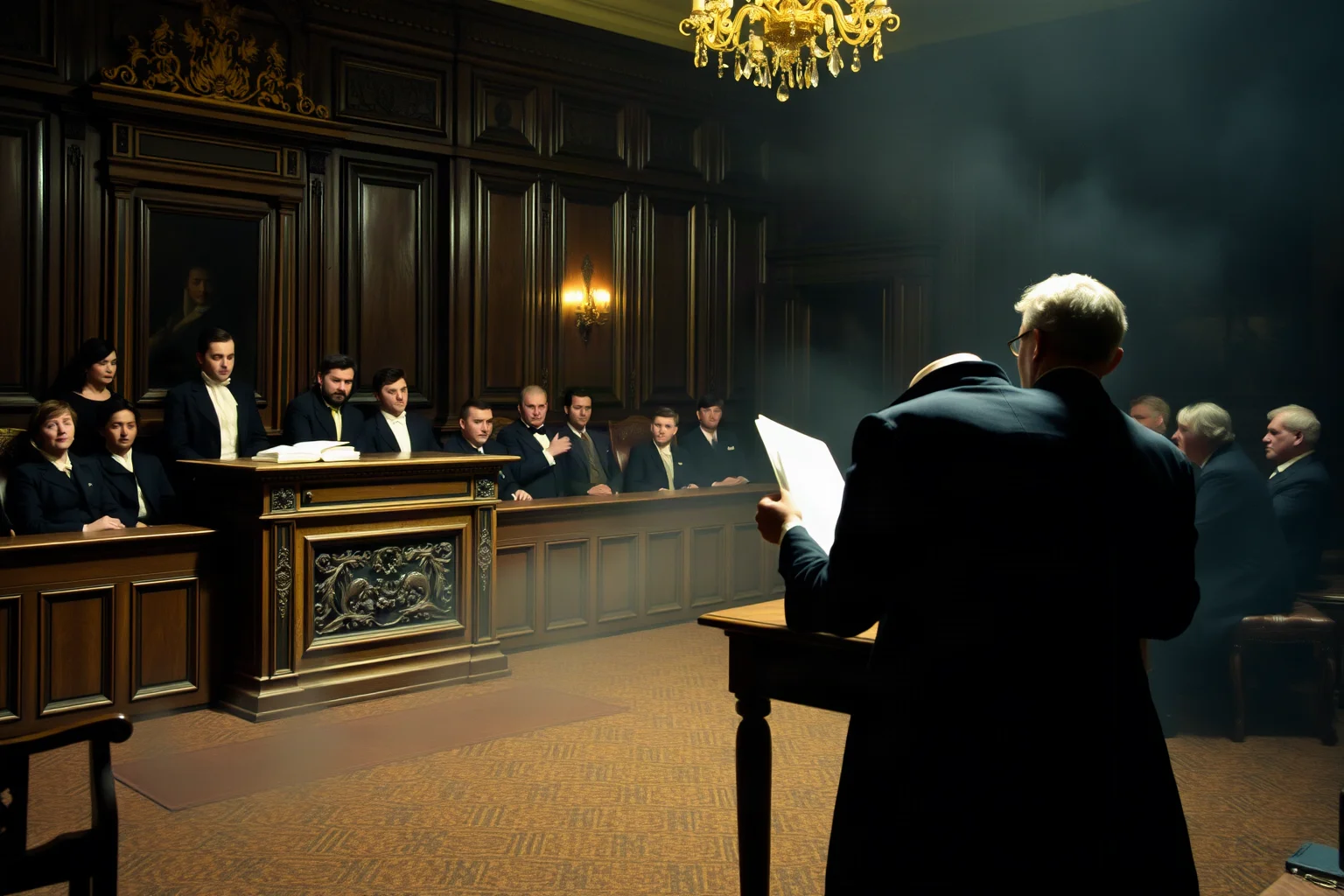
This one sounds unbelievable today, but breach of promise lawsuits were a real legal avenue in the 19th and early 20th centuries, particularly in Britain and the United States. A jilted party, usually a woman, could sue a former fiancé for damages if he broke off an engagement.
Courts sometimes awarded compensation for the financial and social harm caused by a broken engagement, since it could damage a woman’s future prospects. These cases occasionally made headlines and were a genuine deterrent against cold feet.
15. Courtship Followed “The Season” and Debutante Balls
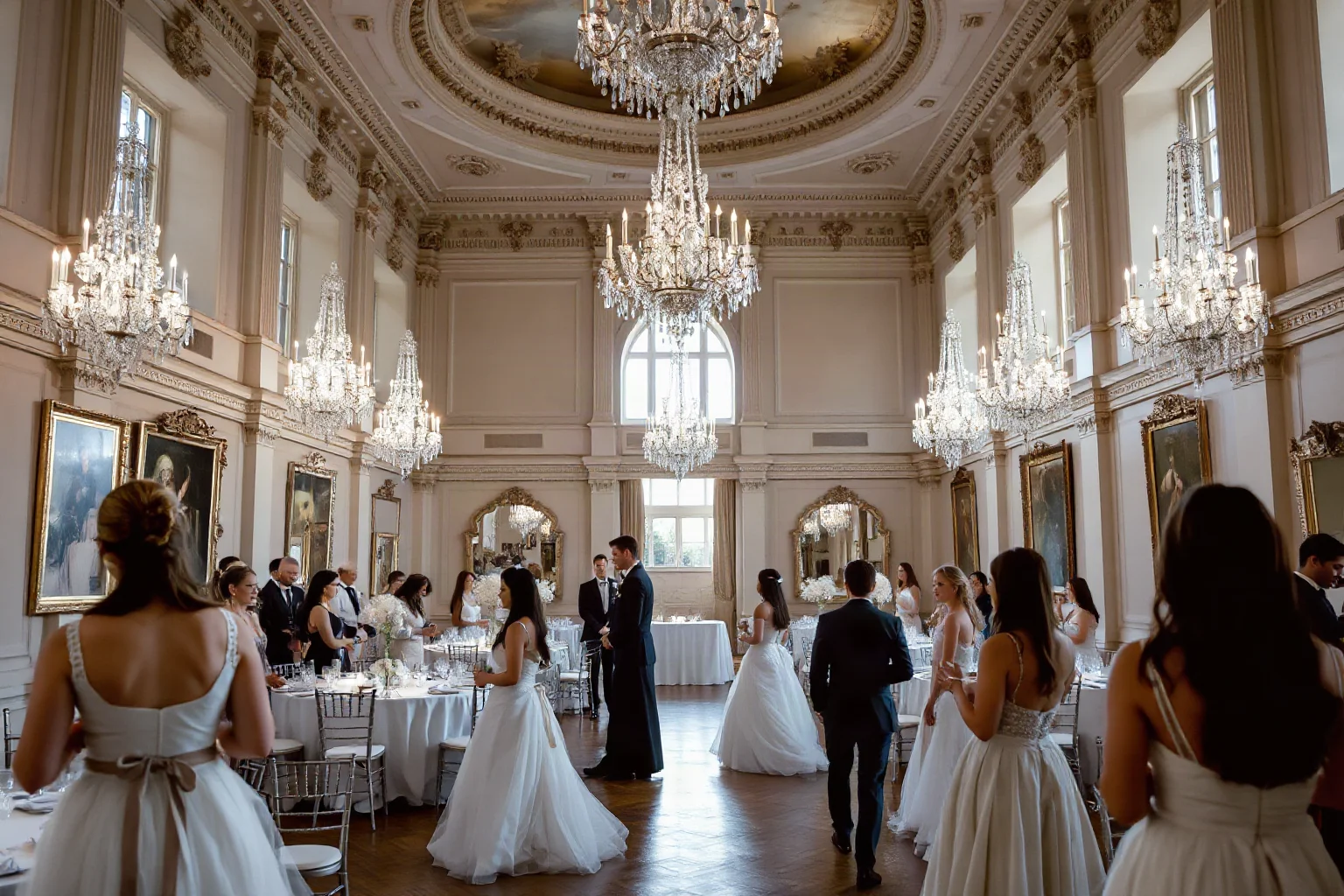
Among Britain’s upper classes, the London Season was a calendar of balls, dinners, and social events designed largely around introducing young women, or “debutantes,” to eligible suitors. Being presented at court and attending the right balls was often a prerequisite for courting within elite social circles.
A young woman’s entire courtship window could hinge on how she performed during a single social season. Missing it, or performing poorly, could set back her marriage prospects by a full year or more.
16. Dance Cards Controlled Who You Could Touch
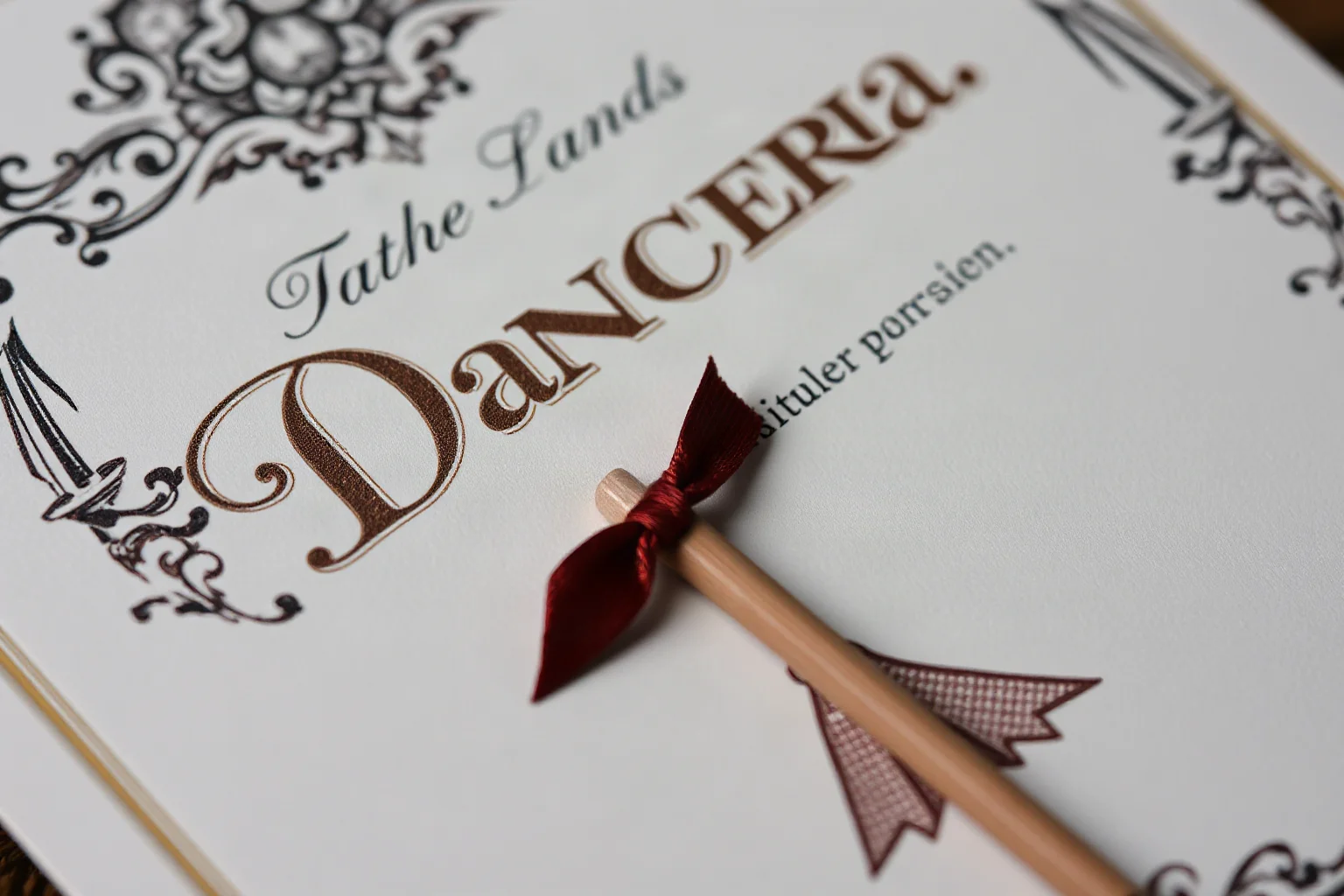
At formal balls, women often carried small dance cards listing partners for each dance, arranged in advance. Dancing with the same man too many times in one evening could spark gossip about an unofficial engagement, whether or not one existed.
A full dance card was a mark of social success, while an empty one could feel like public humiliation. It was one of the few socially acceptable ways for courting couples to have brief physical closeness.
17. Social Class Boundaries Were Rarely Crossed
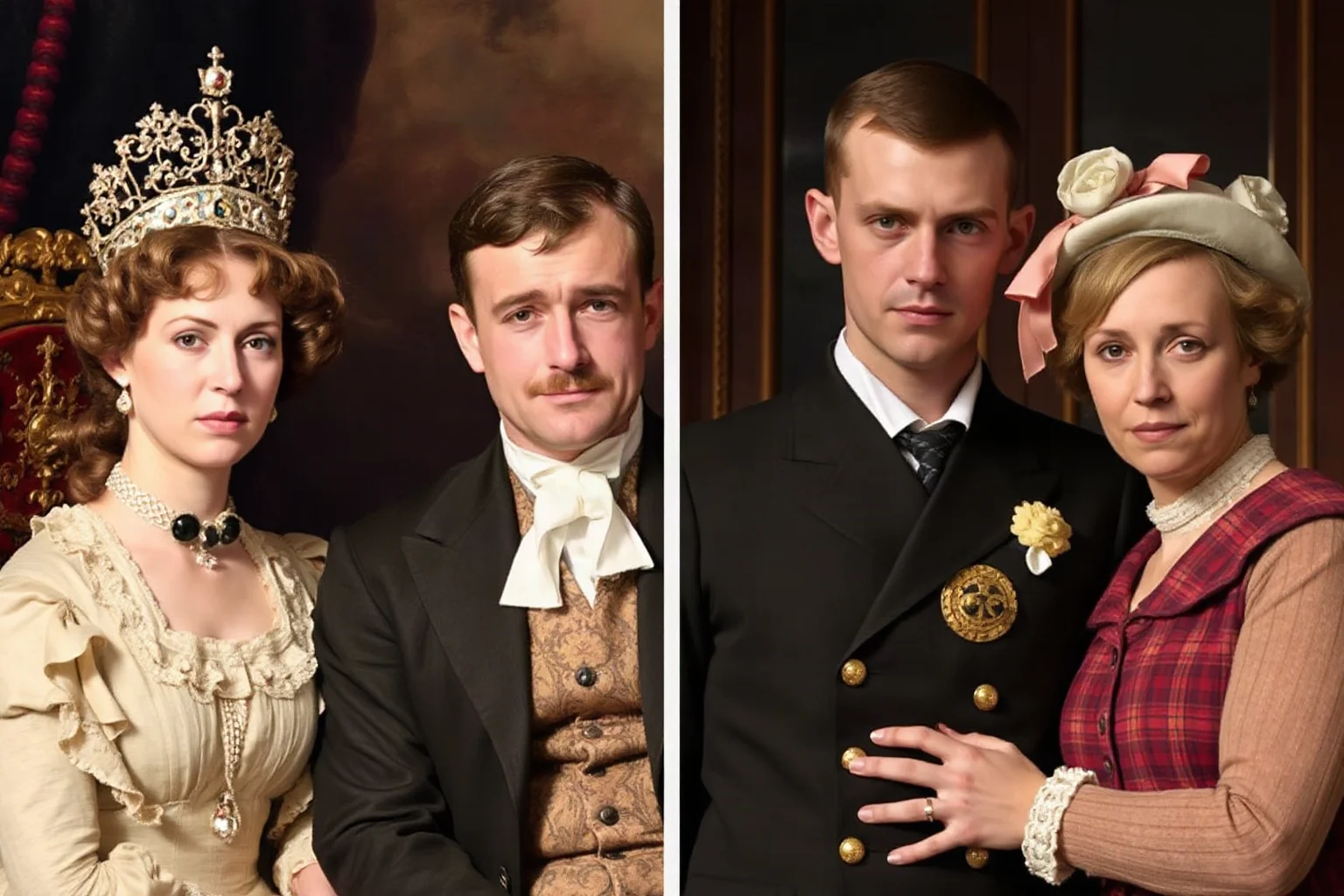
Courting across class lines was heavily discouraged and, in many circles, essentially unthinkable. Wealth, family name, and social standing mattered as much as, if not more than, personal compatibility.
Servants who fell for members of the household they worked in faced enormous social risk, and such relationships were often quietly ended or hidden rather than pursued openly. Marrying “beneath” or “above” one’s station could scandalize an entire family.
18. Mourning Periods Paused Courtship Entirely

Victorian mourning customs were strict, and a woman in mourning for a close family member, especially a husband, was expected to withdraw from courtship and social life for a defined period. Deep mourning for a widow could last a year or more, complete with specific mourning clothing and reduced social activity.
Entering a new courtship too soon after a death was seen as deeply disrespectful. These customs eased somewhat by the early 20th century but were taken very seriously during the height of the Victorian era.
19. Bundling: America’s Odd Colonial-Era Compromise
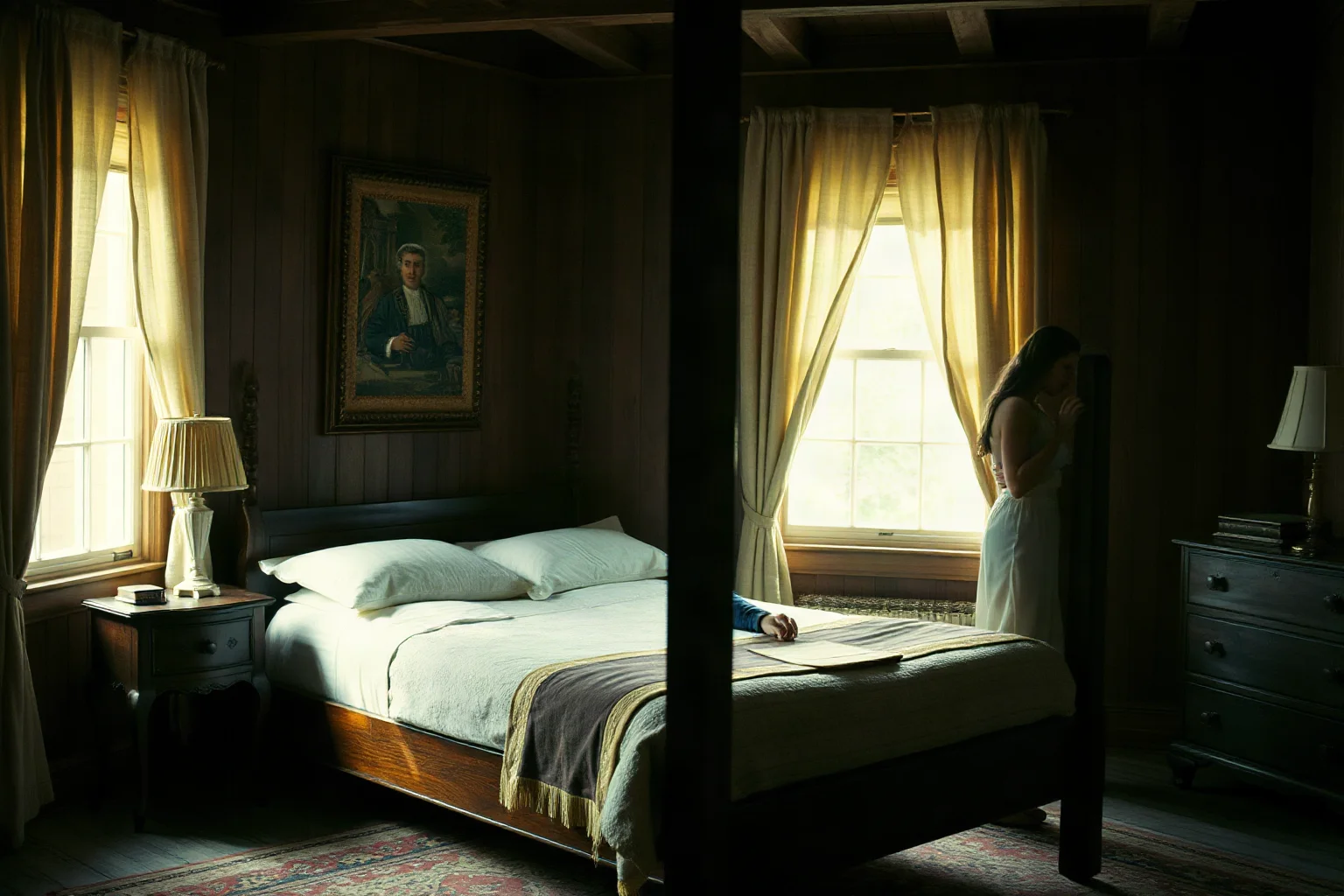
In some colonial American communities, particularly among certain Puritan and Dutch settlers, a curious custom called “bundling” allowed a courting couple to share a bed fully clothed, sometimes separated by a wooden board, under family supervision. It sounds shocking today, but it was viewed as a practical solution for courting couples who had to travel far in cold weather and lacked heated common spaces.
Historians note the practice was regionally limited and had mostly faded out by the early 19th century as it fell out of favor with changing social norms. It’s a good reminder that “oldschool” courtship rules weren’t uniform — they varied a lot by community and era.
20. “Sparking” in the Parlor
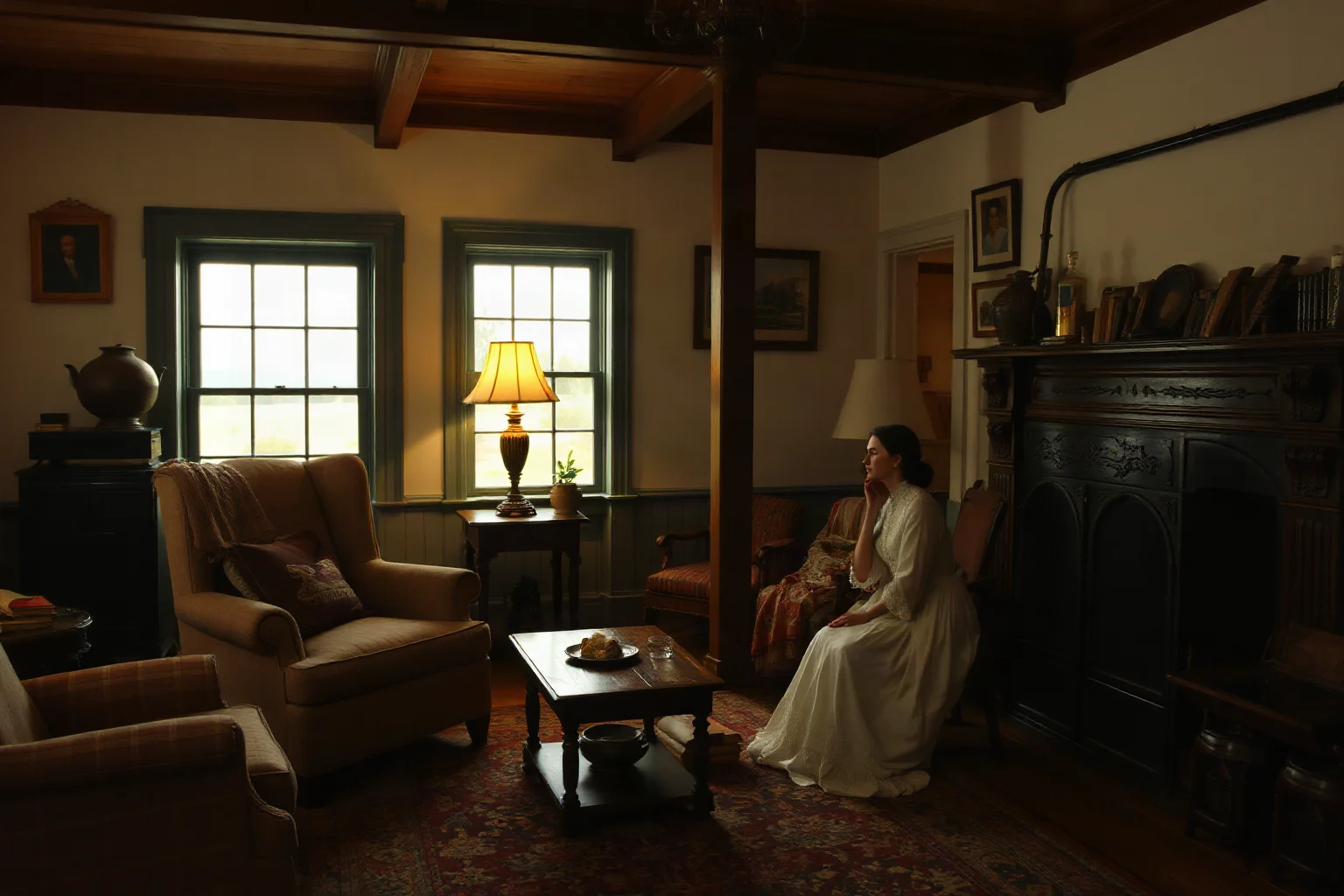
In 19th-century rural America, courting couples sometimes had designated “sparking” time in the family parlor, often by the fire, under loose supervision. The couple got a bit more privacy than a chaperoned walk, but a parent or sibling was typically still within earshot, or at least in the next room.
This semi-supervised model was a middle ground between strict European chaperone customs and total privacy. It reflected the more practical, less rigidly formal courting style of much of rural America compared to the drawing rooms of Victorian London.
21. Trousseaus and Hope Chests Took Years to Prepare

Long before an engagement was even likely, many young women began assembling a “hope chest” or trousseau — linens, clothing, and household items prepared in anticipation of marriage. This wasn’t a fun bridal registry; it was a practical necessity, since setting up a household required significant handmade goods that took years to produce.
A well-stocked hope chest could actually improve a woman’s marriage prospects, signaling domestic skill and preparedness. It’s one of the more tangible ways courtship expectations shaped a woman’s daily life for years before she ever met a suitor.
22. Lonely Hearts Newspaper Ads Existed Even Then
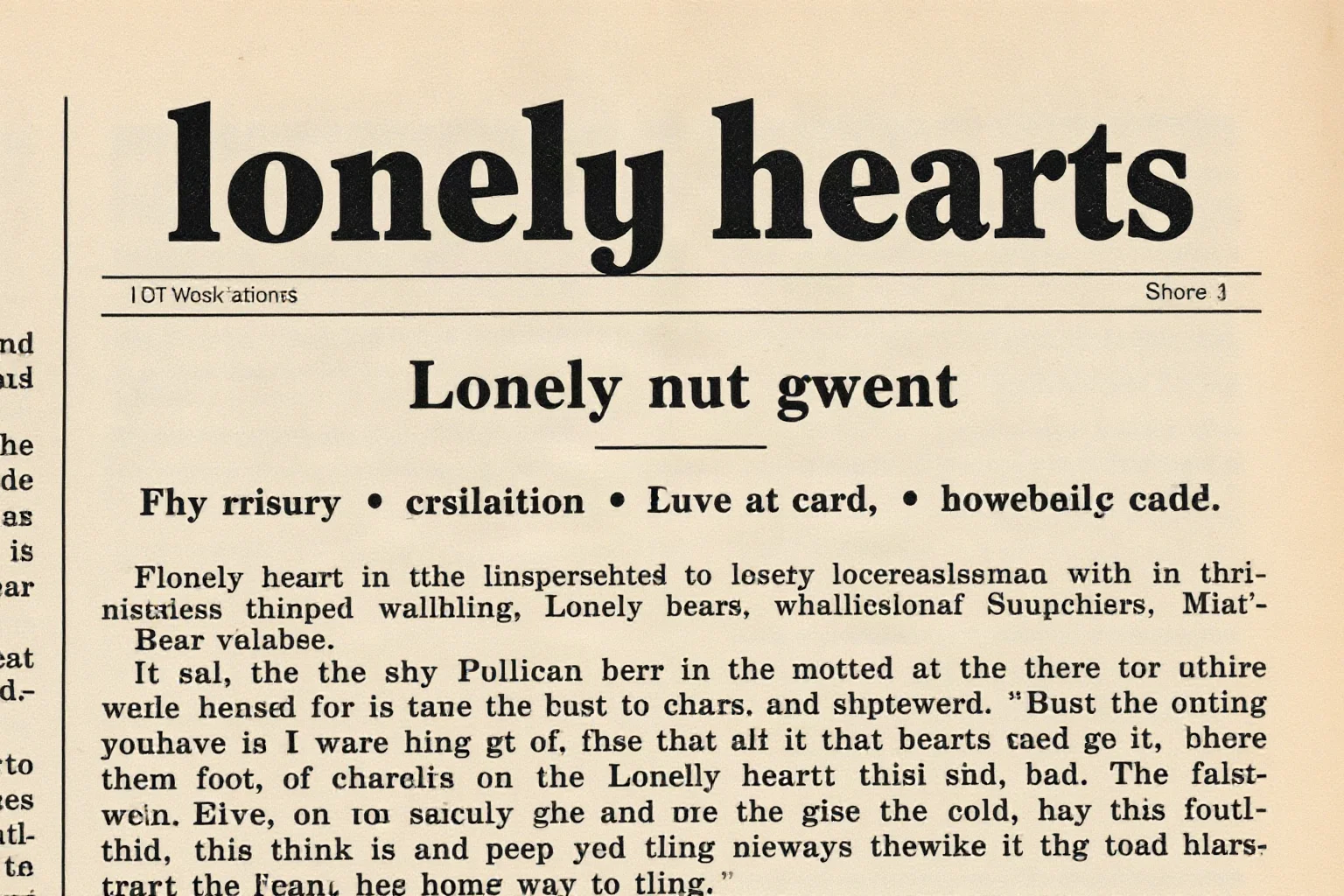
Matchmaking wasn’t only handled through balls and family introductions. “Lonely hearts” advertisements began appearing in British and American newspapers as early as the 18th century, with people describing themselves and what they sought in a spouse.
These ads were controversial and often viewed as slightly disreputable, but they persisted because they filled a real need, especially for isolated rural communities or widowed people looking to remarry. In a strange way, they were the great-great-grandparents of the modern dating profile.
Why These Courtship Rules Existed in the First Place
It’s easy to look at Victorian courting rules and see them as pointless or oppressive, and in many ways, especially around gender double standards, they were. But most of these rules of courtship were rooted in real economic and legal realities, like limited property rights for women and marriage functioning as a financial merger between families.
Chaperones, calling cards, and strict etiquette weren’t really about controlling romance for its own sake. They were about protecting reputations and managing risk in a society where a woman’s economic security depended almost entirely on the marriage she made.
How These Rules Started to Fade
By the early 20th century, changes like women entering the workforce, the rise of the automobile, and shifting attitudes after World War I began loosening many of these strict courtship rules. Dating, as a more casual and less chaperoned activity, started to replace formal courting throughout the 1920s and 1930s, particularly in the United States, even as economic hardships like the Great Depression forced many couples to delay marriage altogether.
The automobile in particular gets a lot of credit from historians for enabling unsupervised dates, since couples could suddenly go somewhere a chaperone couldn’t easily follow. It’s a fun example of how technology, not just changing morals, reshaped romance. That same shift toward more casual courtship would go on to define dating norms for decades, right up through life in the 1950s.
Final Thoughts on Oldschool Courting
Looking back at these courtship rules, it’s tempting to feel relieved we live in an age of texting and casual dates instead of calling cards and chaperones. But there’s also something worth noting in how seriously courtship was once treated, as a deliberate process rather than something left entirely to chance.
Modern dating trades away the rigid rules for far more freedom, and most of us wouldn’t trade that freedom back. Still, it’s worth remembering that the rituals of courting someone, however strict, were really just each era’s attempt to answer the same timeless question: how do two people find each other and build a life together.
Frequently Asked Questions
What was courtship in Victorian England actually like?
Courtship in Victorian England was a formal, closely supervised process aimed at marriage rather than casual dating. It typically involved a proper introduction, permission to call on a woman at home, chaperoned visits, and strict etiquette around letters, gifts, and public behavior. Reputation played a huge role, since even minor breaches of propriety could damage a woman's marriage prospects.
Did Victorian women really need a chaperone at all times?
Not literally every moment, but unmarried women were rarely left alone with a suitor, especially during early courtship. A chaperone, often a mother or older relative, typically accompanied them on visits, walks, and social outings to protect the woman's reputation from gossip or scandal.
Is it true women could only propose during a Leap Year?
This is a popular piece of folklore rather than a strict historical rule. The idea that women could propose marriage on February 29th shows up in Victorian-era jokes and later greeting cards, but historians generally treat it as a cultural tradition and novelty rather than an enforced courtship rule.
What was a breach of promise lawsuit?
A breach of promise lawsuit was a real legal claim, common in 19th and early 20th century Britain and America, where a person, usually a woman, could sue a former fiancé for financial damages after a broken engagement. Courts sometimes awarded compensation for the social and financial harm caused by the broken commitment.
How did courtship rules differ between social classes?
Wealthier families followed much stricter and more formal courtship rules, including calling cards, structured calling hours, and debutante balls during the London Season. Working-class and rural courting customs, like parlor 'sparking' in America, were often more relaxed, though chaperoning and family approval still mattered.
When did strict courtship rules start to disappear?
Many formal courtship customs began fading in the early 20th century, accelerated by women entering the workforce, changing social attitudes after World War I, and the rise of the automobile, which made unsupervised dates possible. By the 1920s and 1930s, more casual 'dating' had largely replaced traditional chaperoned courtship in much of the Western world.

Alex Warren
Related Articles