
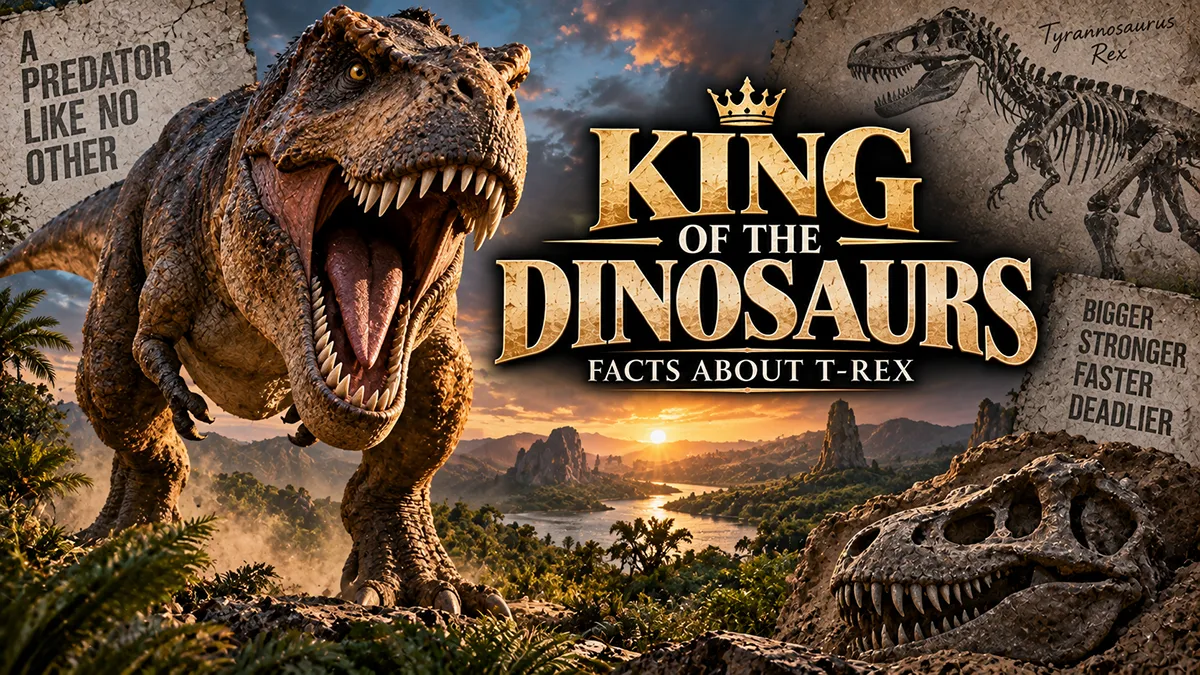
Few creatures capture the imagination quite like Tyrannosaurus rex. It has starred in blockbuster films, haunted museum halls, and become the default mental image whenever someone says the word "dinosaur." But behind the pop-culture icon is a real animal, studied through decades of fossil evidence, that was even stranger and more fascinating than the movies suggest.
This T. rex fact file digs into what paleontologists actually know, what's still debated, and what's simply myth. Whether you're a curious adult, a teacher, or hunting for fun facts about T. rex for a classroom project, this guide covers the essentials and then some.
TL;DR: Tyrannosaurus rex was a genuinely record-breaking predator — in bite force, size, and fame — but many popular ideas about it, from its speed to its arms to its feathers, are more complicated than the movies let on.
1. Its Name Means "Tyrant Lizard King"
Tyrannosaurus rex comes from Greek and Latin roots. "Tyrannosaurus" translates roughly to "tyrant lizard," while "rex" is Latin for "king." Put together, the name literally means "tyrant lizard king," which is a fitting title for the animal that would come to symbolize dinosaurs themselves.
The name was coined in 1905 by American paleontologist Henry Fairfield Osborn, president of the American Museum of Natural History. He wanted a name that reflected the animal's imposing size and presumed dominance over its Cretaceous world.
2. It Lived Right at the End of the Age of Dinosaurs
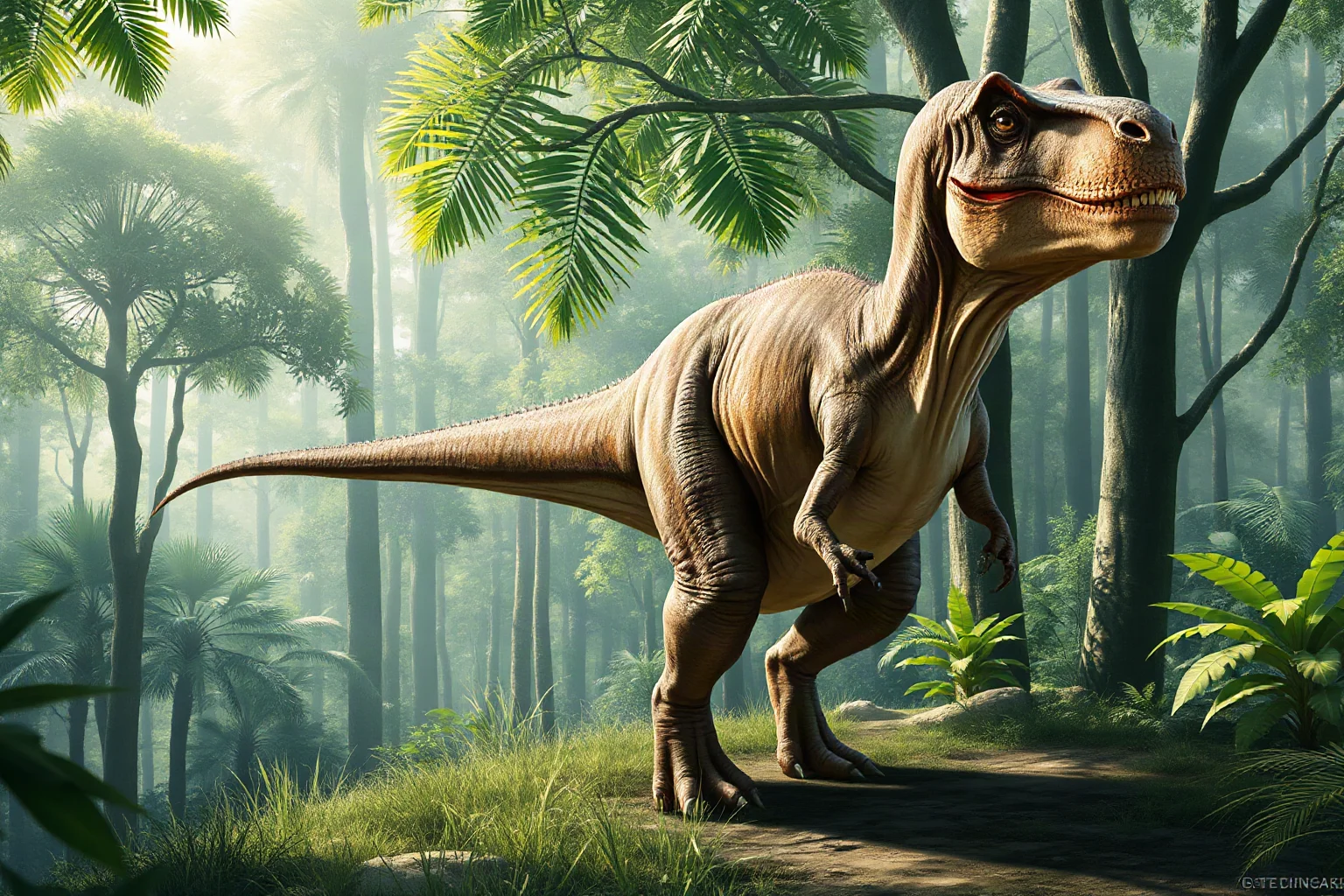
A common mix-up is picturing T. rex alongside Stegosaurus or Brachiosaurus, but those animals lived tens of millions of years earlier in the Jurassic period. T. rex belongs to the very end of the Cretaceous period, roughly 68 to 66 million years ago.
That means T. rex is actually closer in time to humans today than it was to Stegosaurus — in fact, T. rex had already been extinct for tens of millions of years before the pyramids of ancient Egypt were ever built. This is one of the most important pieces of information about the T. rex dinosaur timeline, and it consistently surprises people.
3. It Only Lived in Part of North America
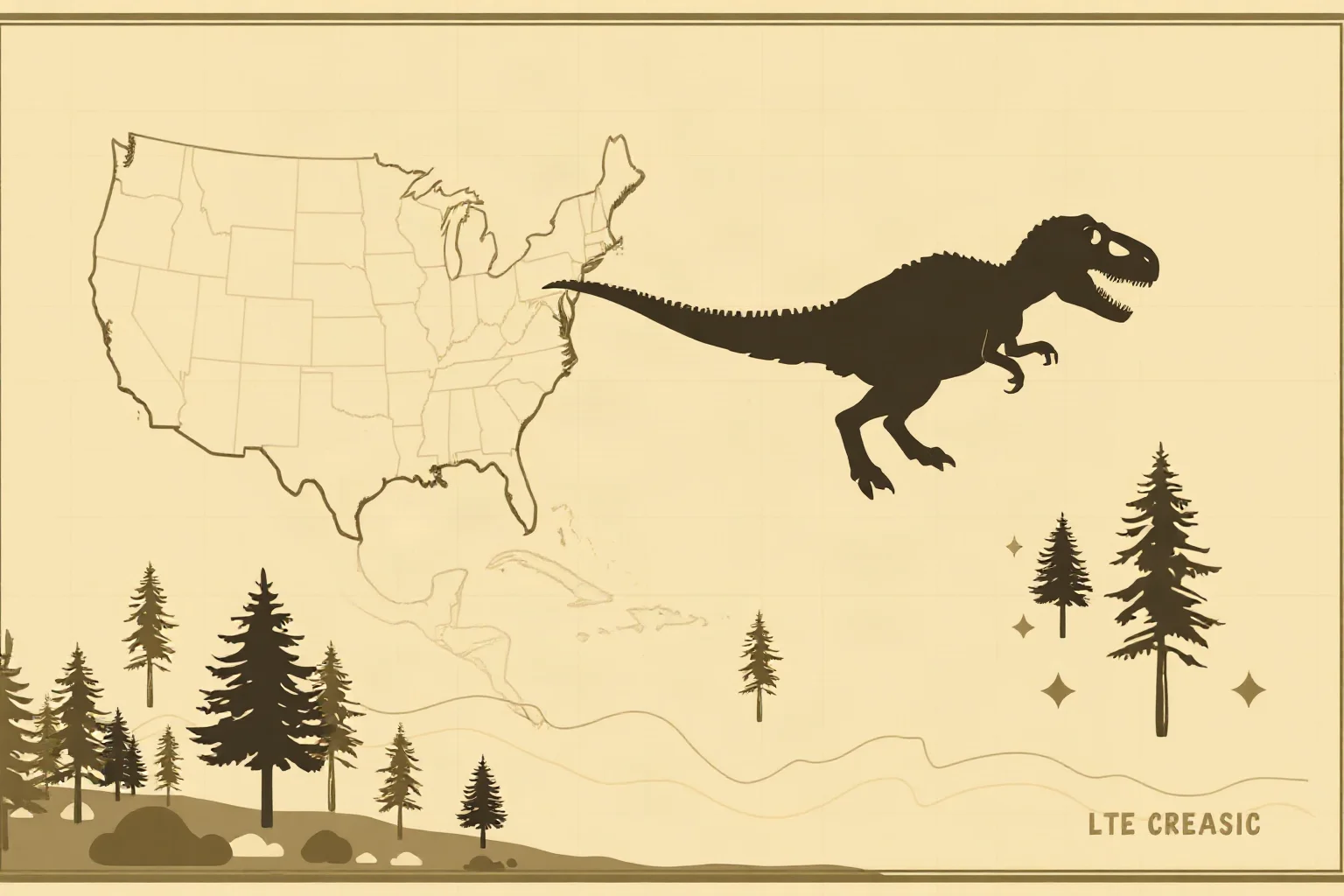
Despite its global fame, T. rex fossils have only ever been confirmed in western North America. Specimens have been found in Montana, Wyoming, South Dakota, North Dakota, New Mexico, and the Canadian provinces of Alberta and Saskatchewan.
During the Late Cretaceous, this region was part of a landmass called Laramidia, separated from eastern North America by a shallow sea. So while T. rex is a global celebrity, it was actually a fairly local resident.
4. It Was Enormous, But Not Quite the Biggest
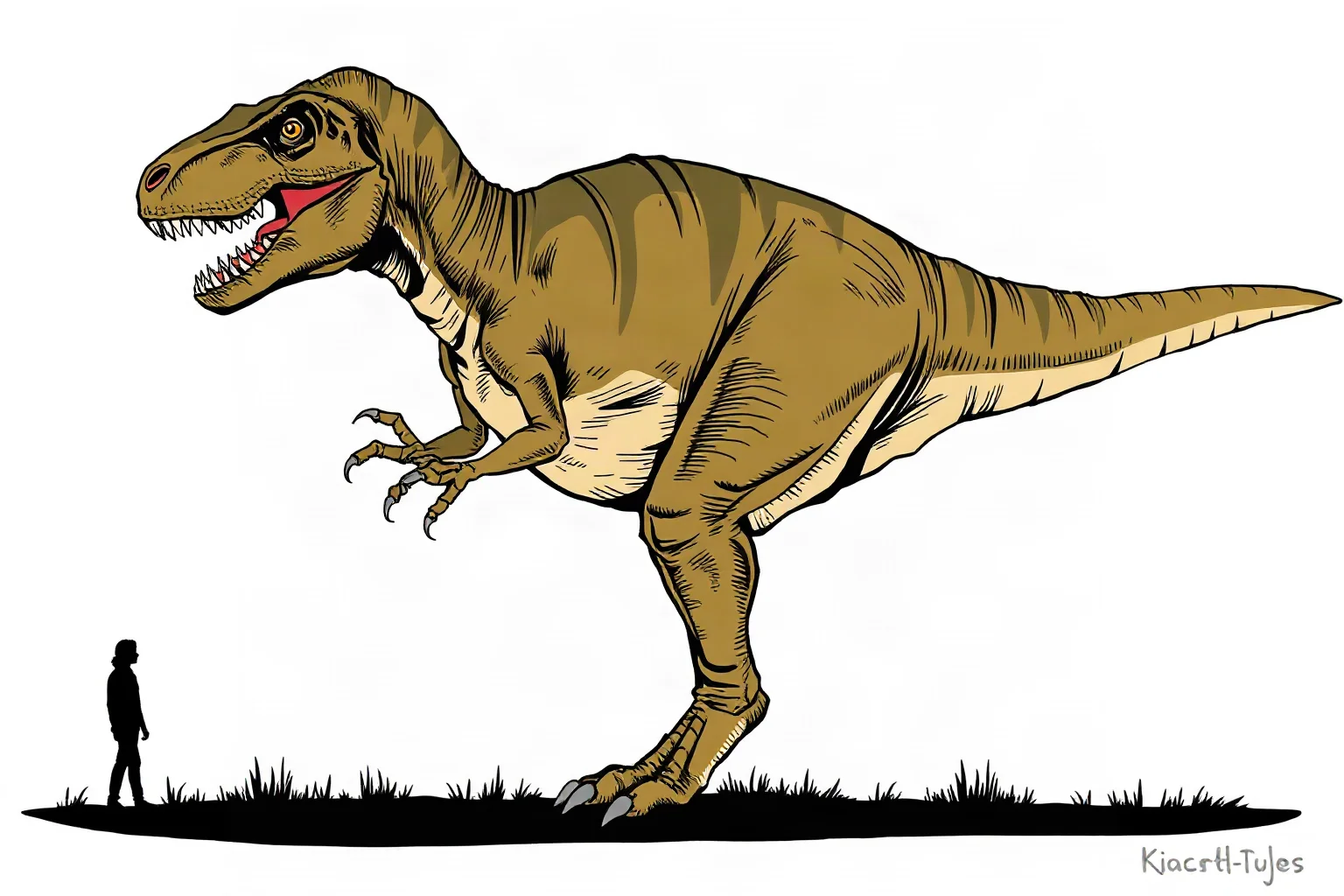
Adult T. rex individuals could reach around 40 feet in length and stand roughly 12 to 13 feet tall at the hip. Weight estimates vary, but many researchers put large adults somewhere between 8 and 9 tons.
These are staggering dimensions for a land predator. Still, among the characteristics of Tyrannosaurus rex, total body length isn't actually record-setting — a detail we'll come back to later in this list.
5. Its Bite Was One of the Strongest Ever Measured
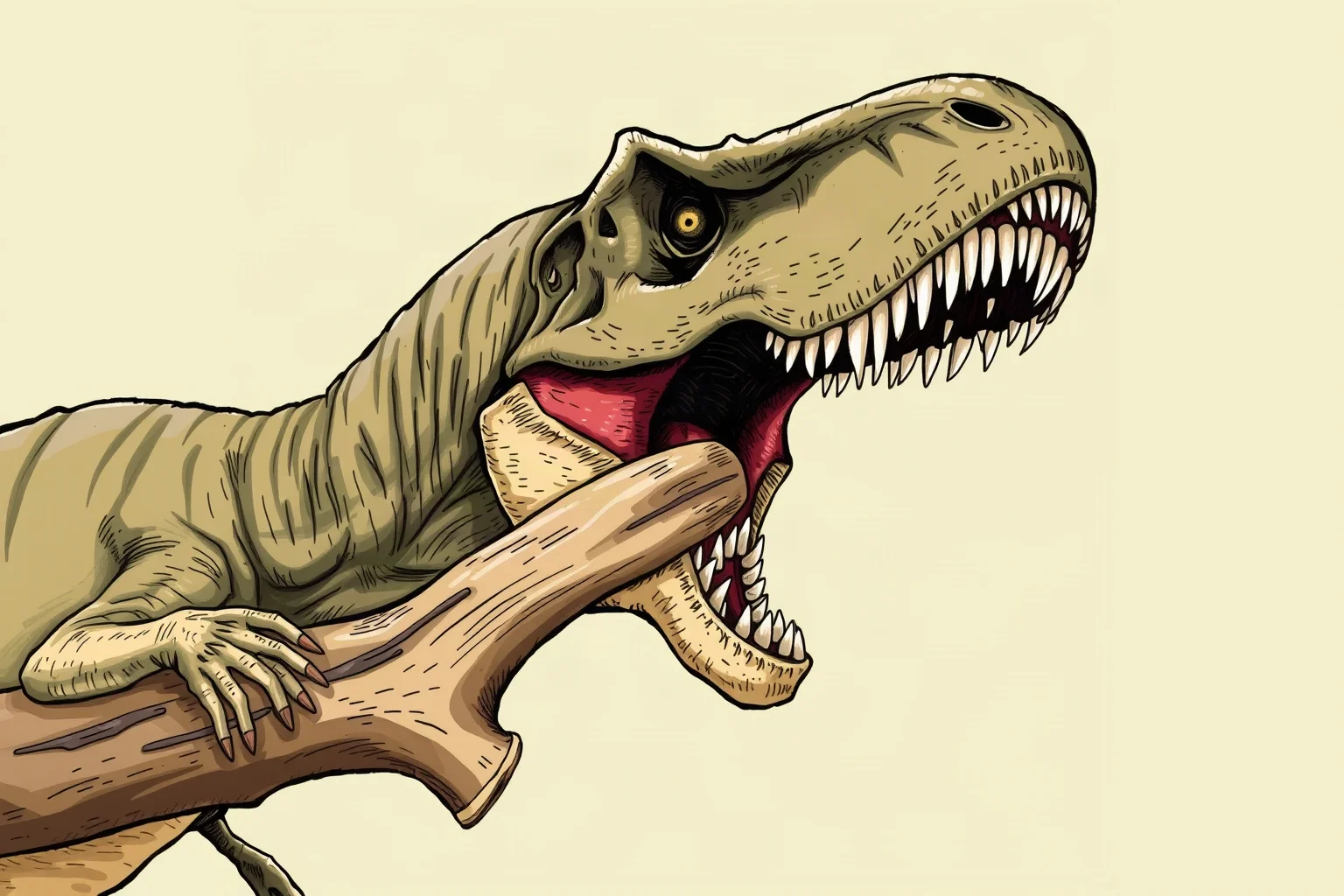
One of the most jaw-dropping facts about T. rex fossils involves bite force. Studies led by paleontologist Gregory Erickson analyzed bite marks on bones and estimated that T. rex could exert thousands of pounds of force with a single chomp, with some estimates reaching into the range of 8,000 to over 12,000 pounds in the rear teeth.
That kind of force isn't just about killing prey. It's strong enough to crush and splinter solid bone, which brings us to the next point.
6. It Could Crush and Eat Bone
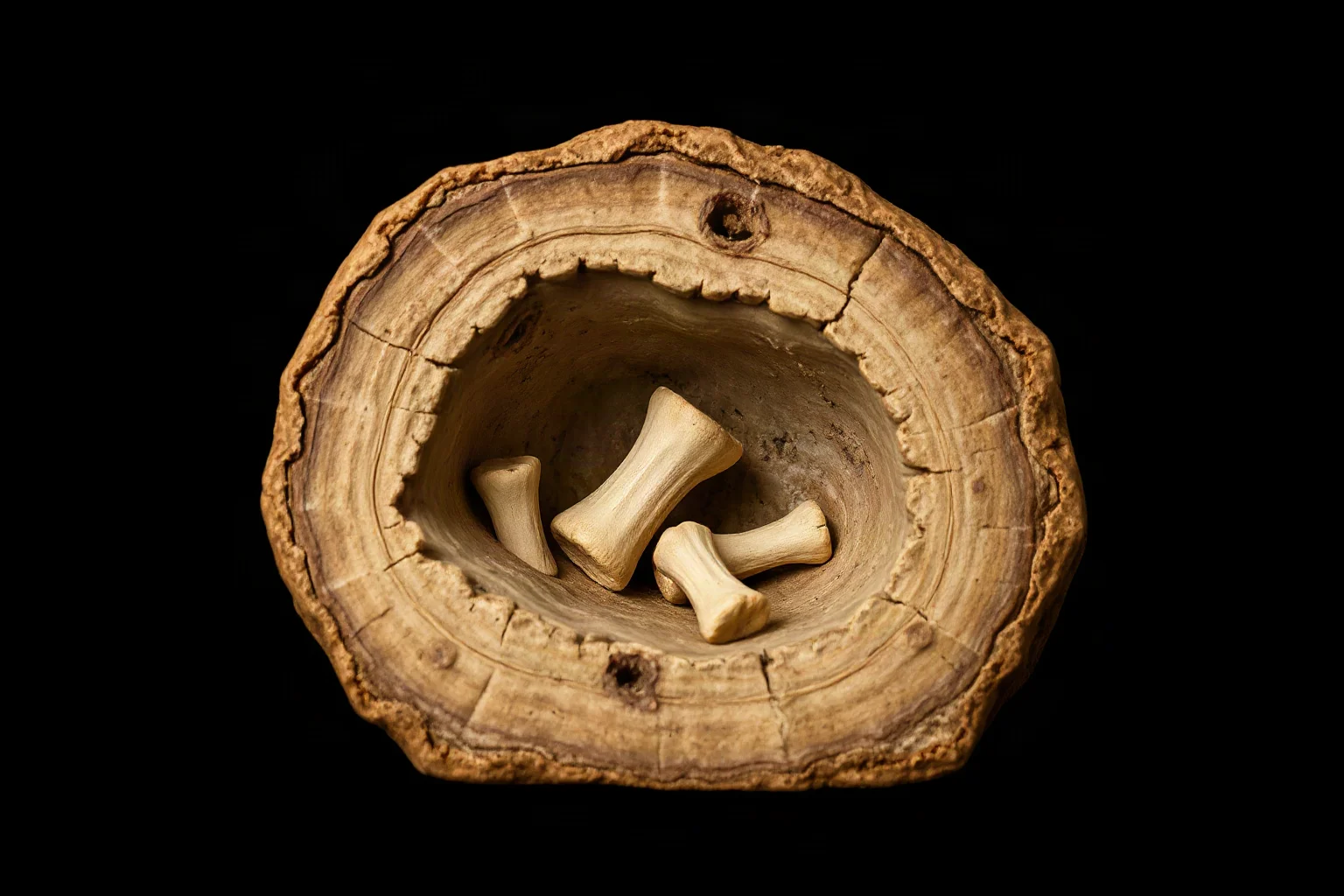
Unlike many predators that avoid bone, T. rex appears to have eaten it on purpose. Fossilized dung, known as coprolite, attributed to T. rex has been found packed with crushed bone fragments.
This suggests T. rex digested bone as a regular part of its diet, likely to extract extra nutrients like calcium and marrow. Its teeth were built for exactly this kind of punishment.
7. Its Teeth Were Built Like Railroad Spikes
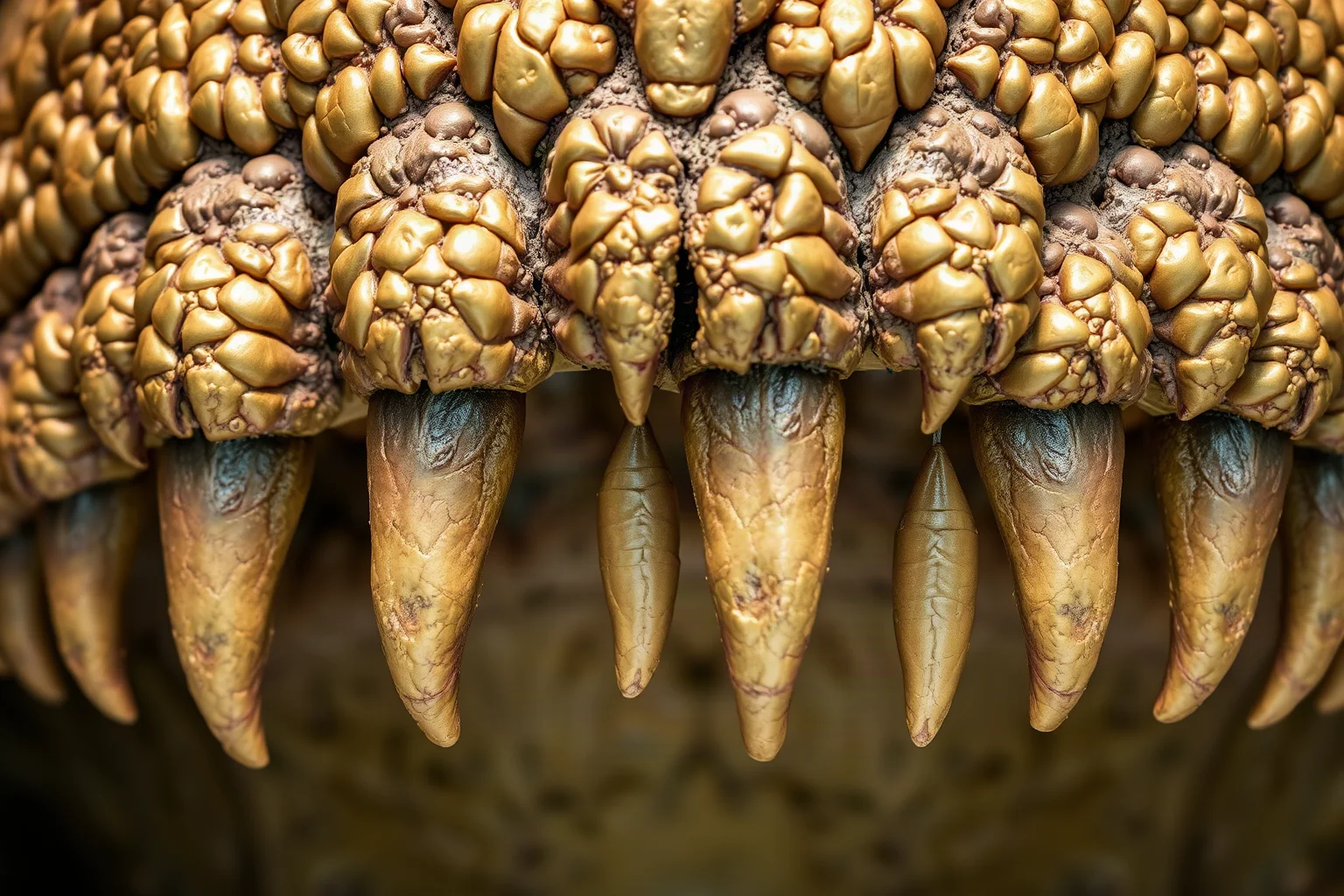
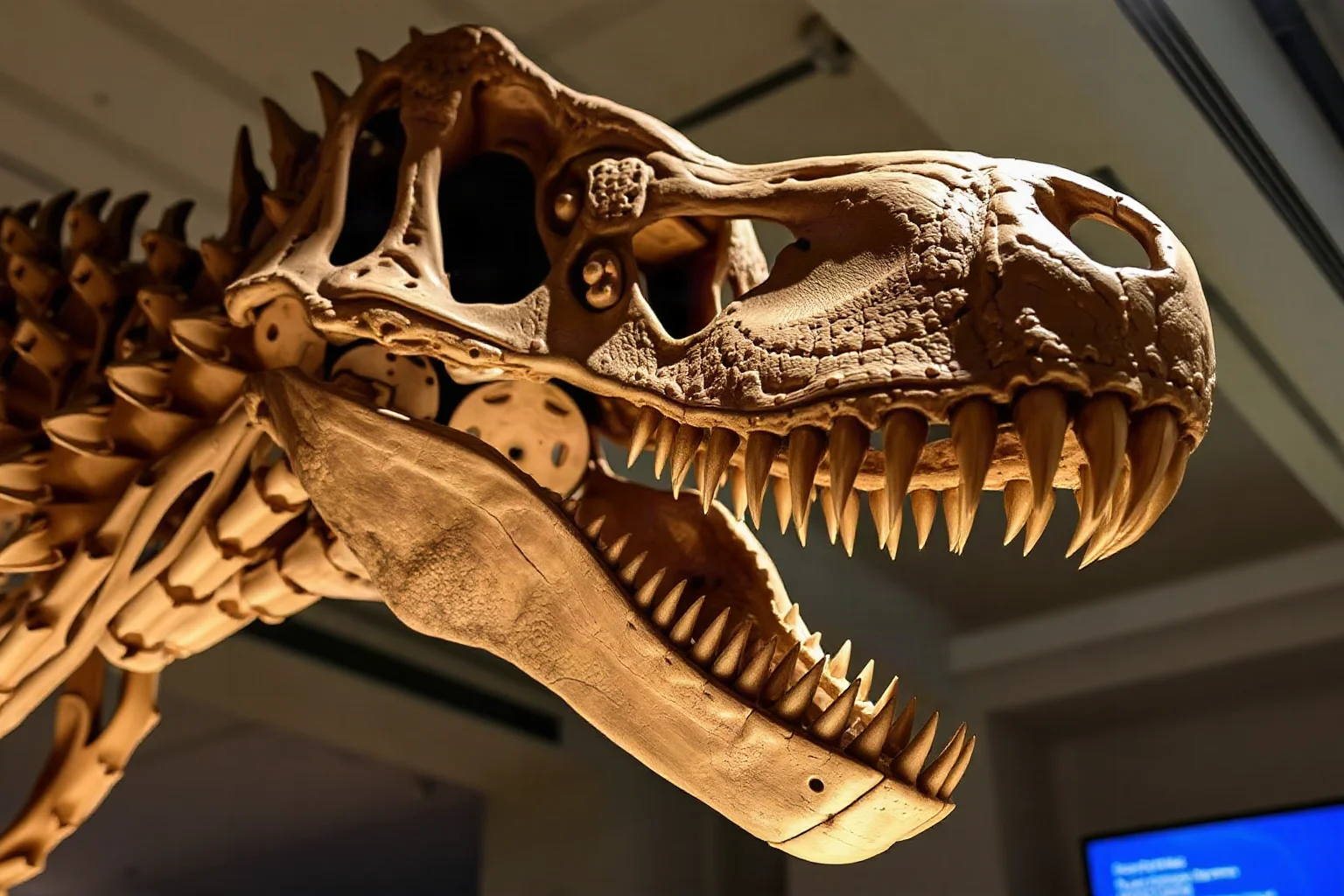
T. rex teeth could grow up to about 12 inches long, including the root, and were thick, curved, and serrated. Unlike the thin, blade-like teeth of many other predatory dinosaurs, T. rex teeth were rounded and robust.
This shape made them resistant to snapping under the stress of crushing bone. It's one of the clearest physical clues pointing to its bone-crunching feeding style.
8. Its Arms Were Surprisingly Short
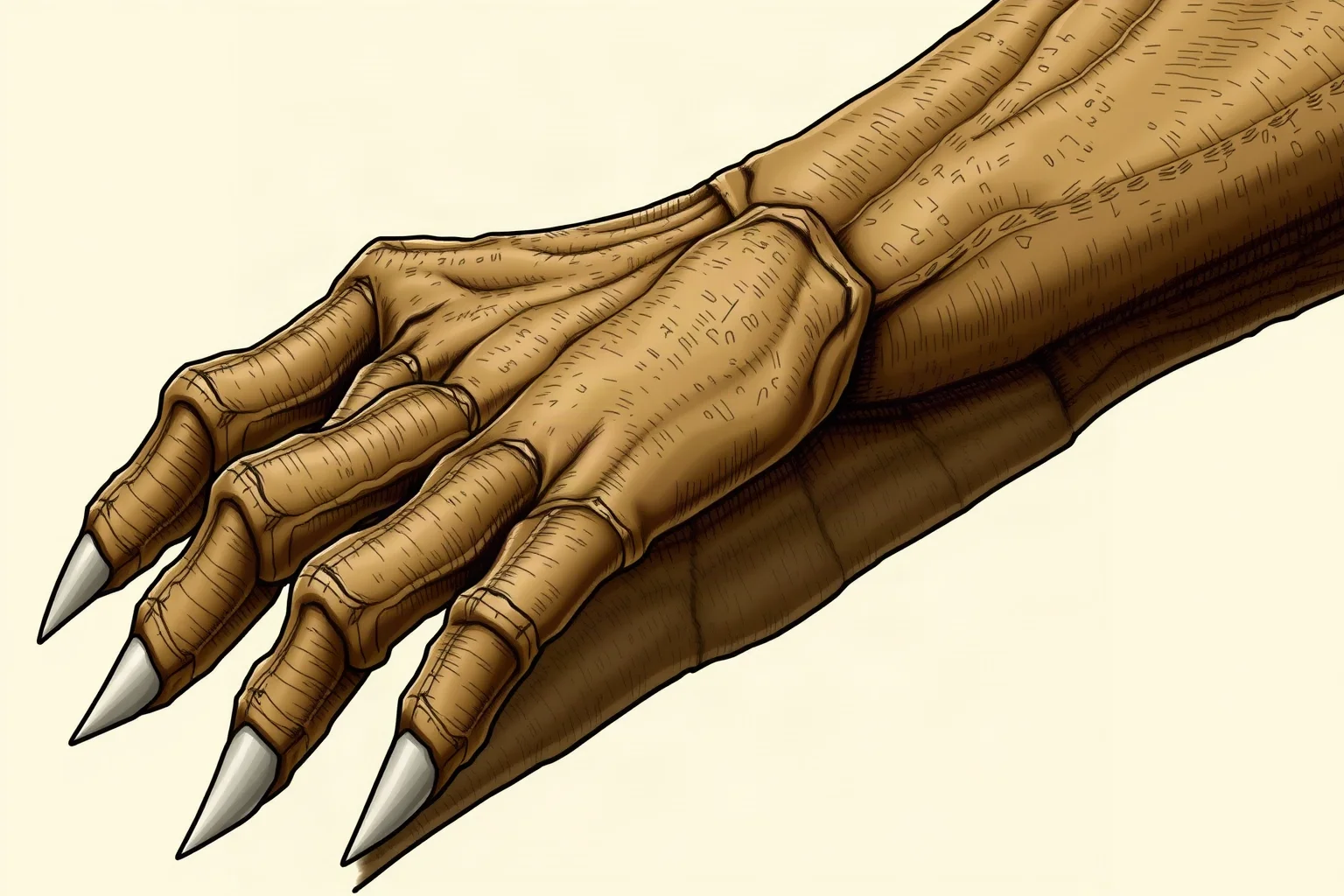
For an animal so large, T. rex had oddly small forelimbs, each ending in just two clawed fingers. Relative to its body size, the arms look almost comically undersized, and this has puzzled scientists for decades.
Some researchers argue the arms were strong enough to grip struggling prey at close range, based on robust arm bones in related tyrannosaurs. Others suggest they were evolutionary leftovers with limited practical use, since the skull and jaws did most of the predatory work.
9. "Sue" Is the Most Famous T. Rex Skeleton
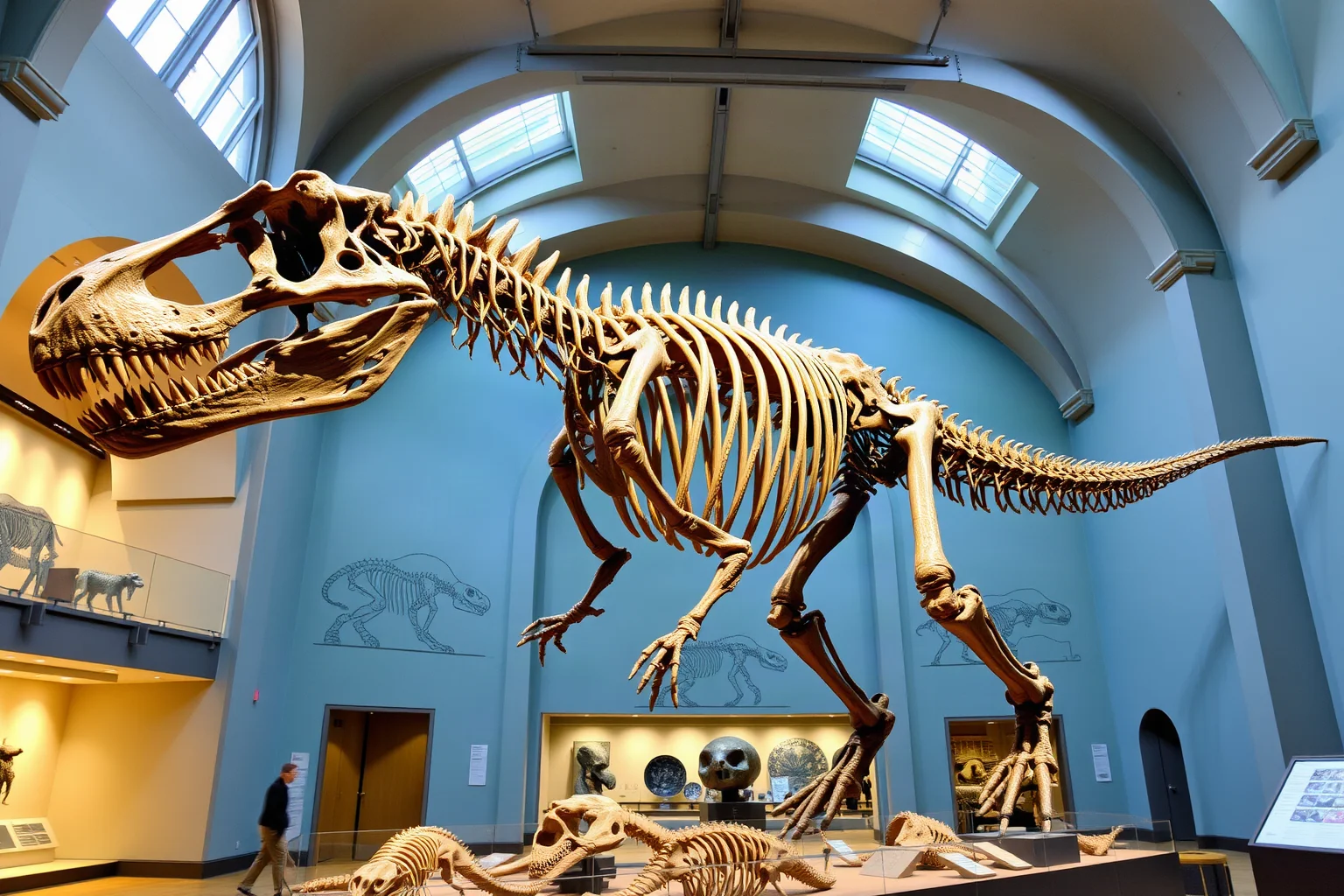
Discovered in South Dakota in 1990, the specimen nicknamed "Sue" is one of the largest and most complete T. rex skeletons ever found. It's housed at the Field Museum in Chicago, where it remains a major draw for visitors interested in real information about the T. rex dinosaur.
Sue was named after Sue Hendrickson, the fossil hunter who discovered it. Despite the name, the actual sex of this individual dinosaur has never been confirmed.
10. It Grew Incredibly Fast as a Teenager
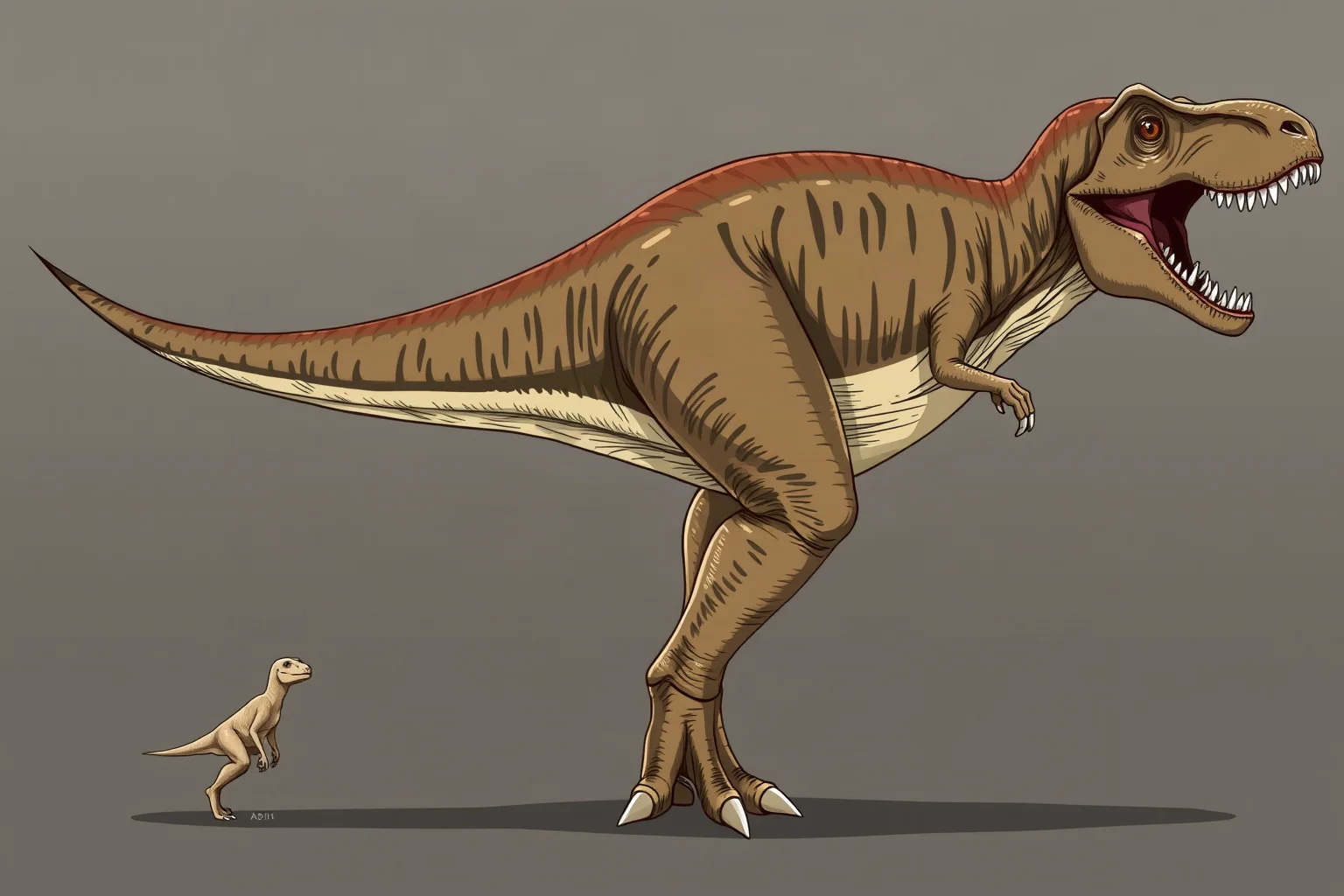
By studying growth rings in fossilized bones, similar to tree rings, scientists have pieced together a rough growth curve for T. rex. The evidence suggests it spent much of its early life relatively small, then went through a dramatic growth spurt during adolescence.
During this teenage growth phase, a T. rex may have gained several pounds per day for years at a stretch. This rapid scaling up helped it reach adult size in a relatively short window of time.
11. Young T. Rex Sparked a Naming Controversy
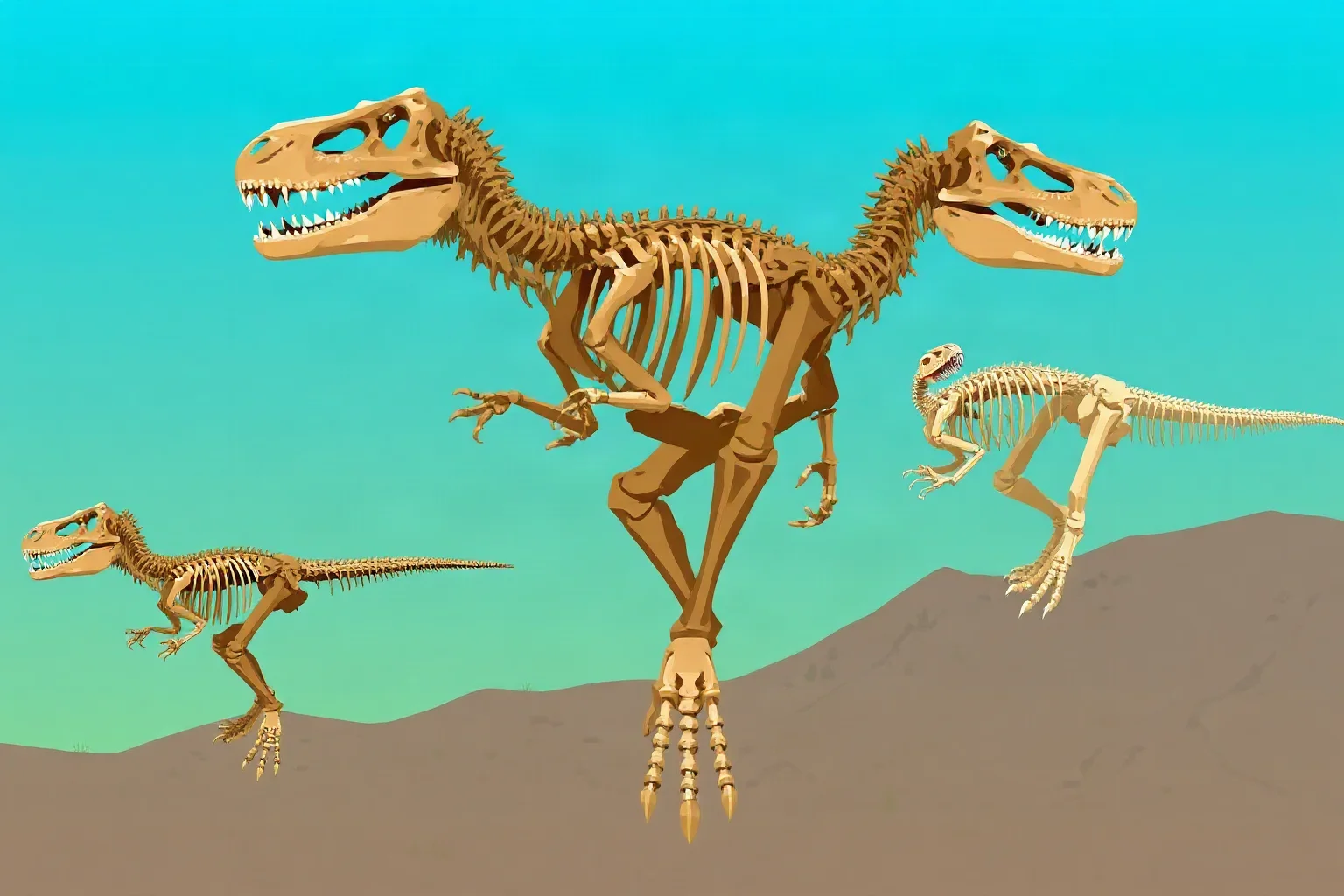
For years, some smaller tyrannosaur fossils were classified as a separate genus called Nanotyrannus. Many paleontologists now argue these smaller skeletons are simply juvenile T. rex individuals, not a distinct species.
This debate is still actively discussed in paleontology circles. It's a good reminder that even iconic, well-studied dinosaurs like T. rex still hold open scientific questions.
12. It Had an Excellent Sense of Smell
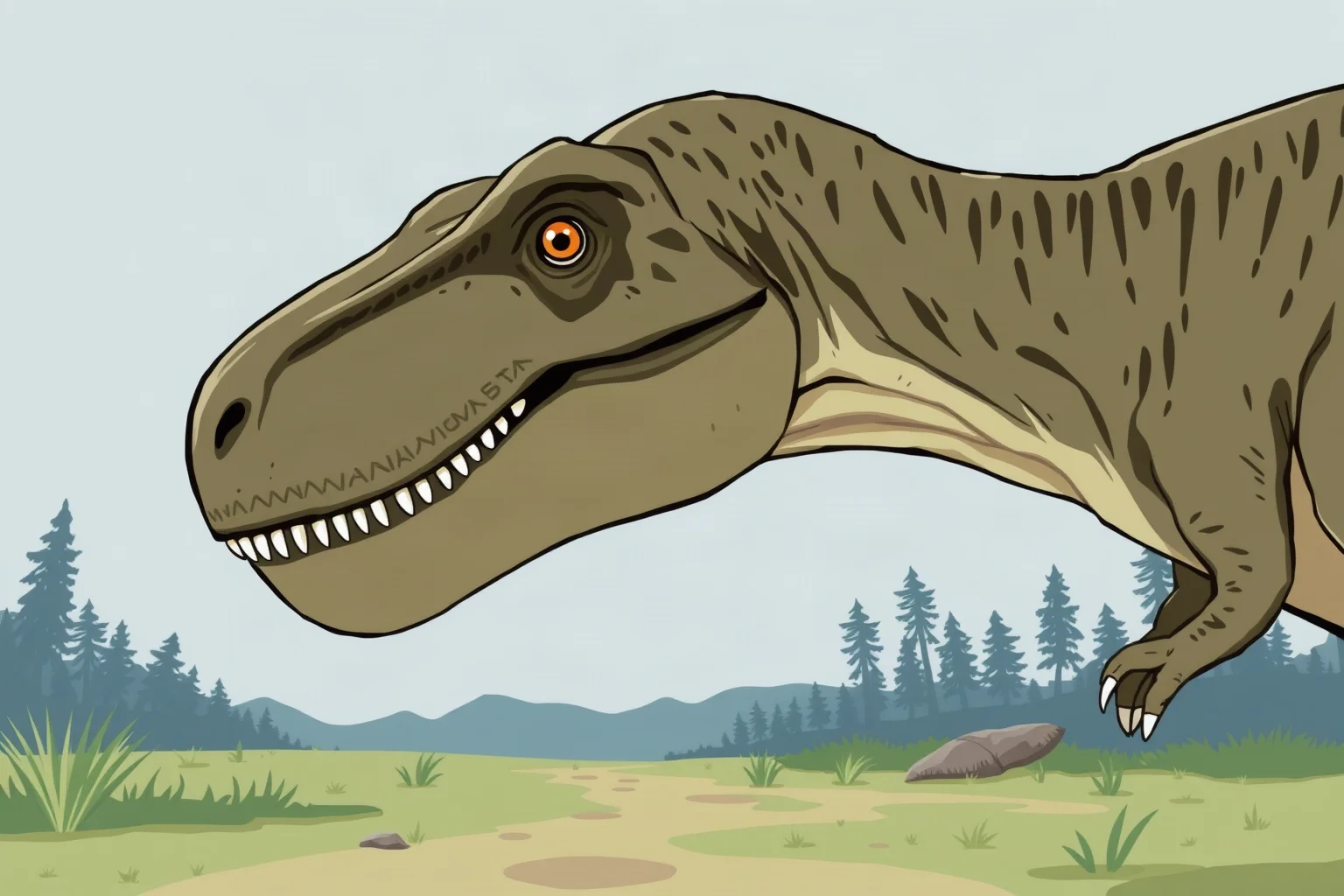
CT scans of T. rex skulls reveal unusually large olfactory bulbs, the brain structures responsible for processing smell. This suggests T. rex had a keen sense of smell, likely useful for tracking prey, carcasses, or rivals over long distances.
Its eyesight was also impressive. Studies of eye socket positioning suggest strong binocular vision, giving it good depth perception for judging distance to prey.
13. The Feather Question Is Still Debated
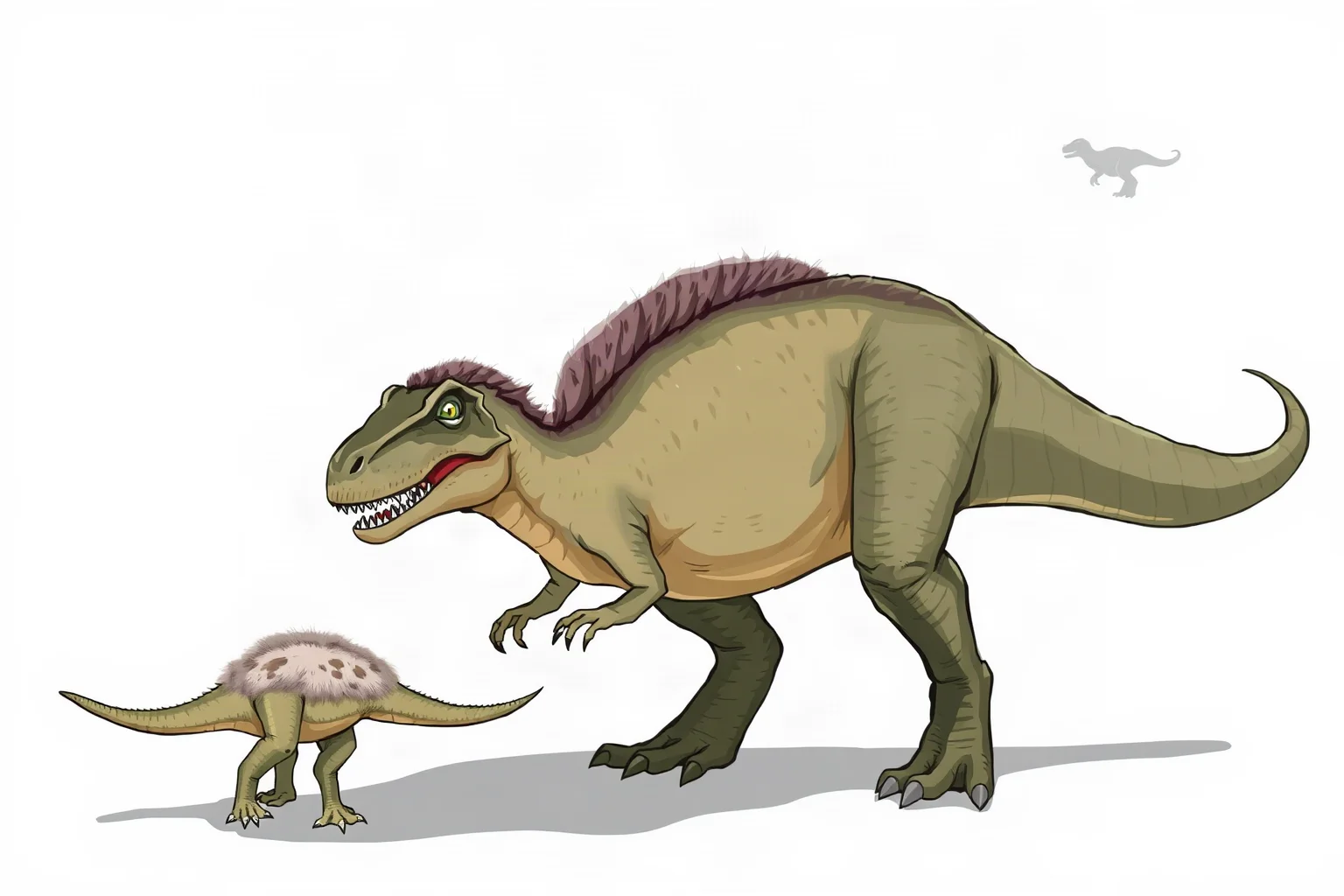
Some closely related tyrannosauroids, such as the much smaller Yutyrannus huali, are known to have had feathers based on direct fossil evidence. This led to popular depictions of a fluffy T. rex, but that leap isn't fully supported by direct fossil evidence for T. rex itself.
Skin impressions that have been found for T. rex show scaly texture rather than feathers, at least on the parts of the body sampled so far. The honest answer, in any solid facts about the tyrannosaurus resource, is that the feather question remains genuinely unresolved for the adult animal.
14. It Probably Wasn't a Fast Runner
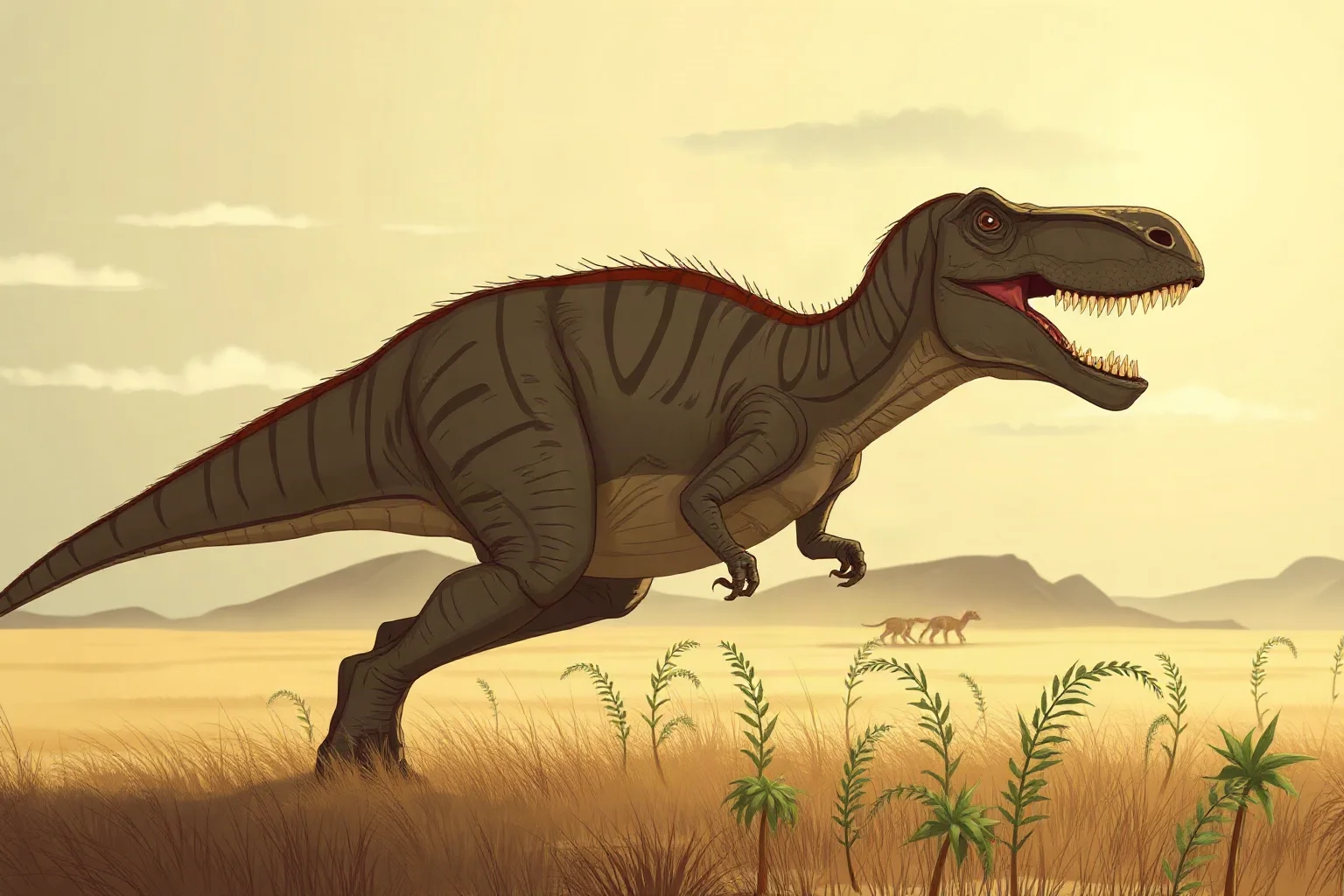
Movies love to show T. rex sprinting after jeeps, but biomechanical studies suggest otherwise. Researchers who modeled its leg bones, muscle mass, and bone strength have proposed that a full sprint could have risked catastrophic injury for such a heavy animal.
Most estimates put T. rex's top speed in the range of roughly 12 to 25 miles per hour, more of a fast jog than a true sprint. Still fast enough to be dangerous, just not the movie-monster chase scene many people imagine.
15. It Likely Lived Around Three Decades
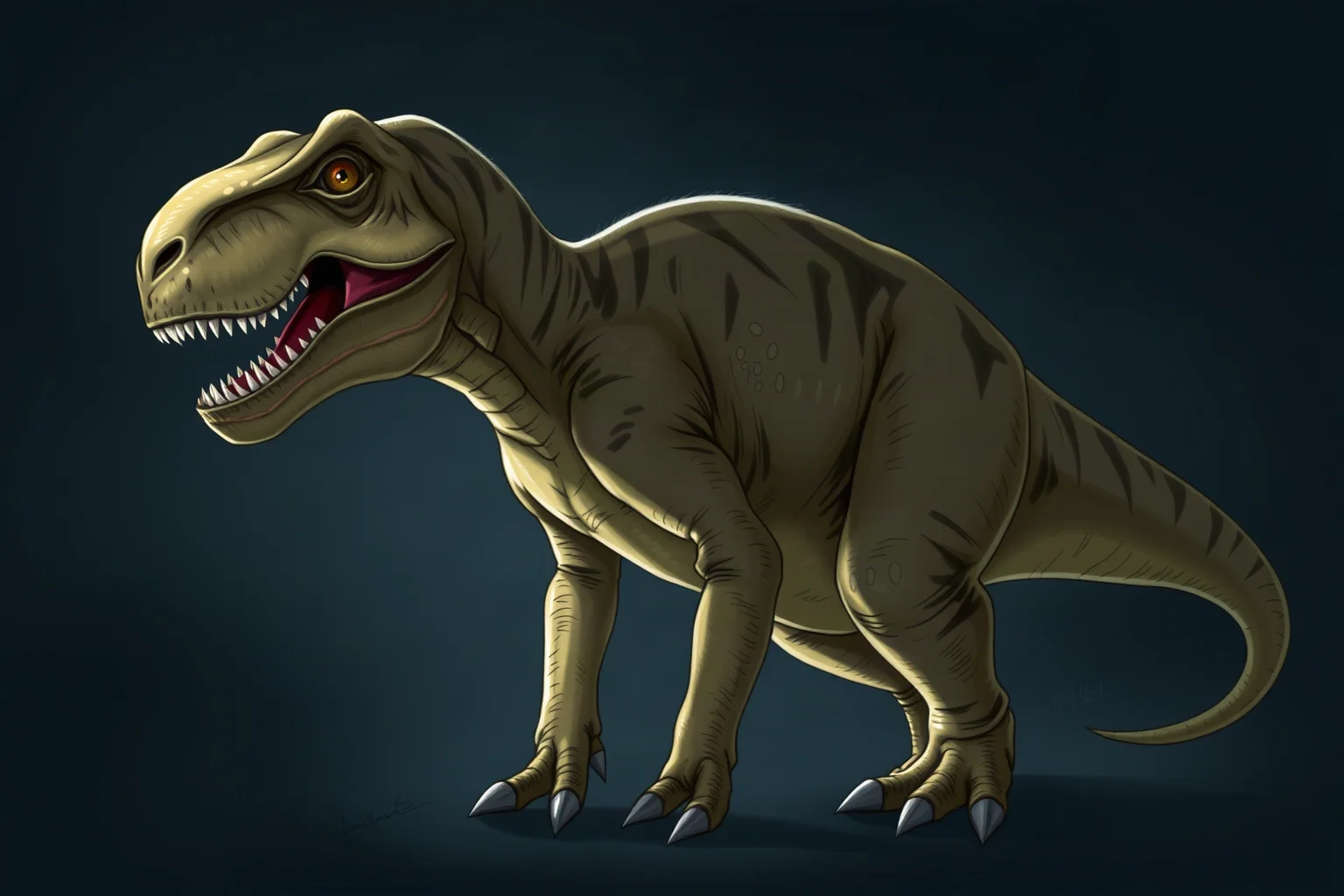
By examining bone growth patterns, scientists estimate T. rex individuals lived for around 28 to 30 years at most, based on the specimens studied so far. The Sue specimen, for example, is believed to have died at roughly 28 years old.
That's a respectable lifespan for a large predator, though shorter than many people might assume for such a legendary animal. Growth marks in the bones function similarly to counting rings in a tree trunk.
16. It Was Discovered Over a Century Ago
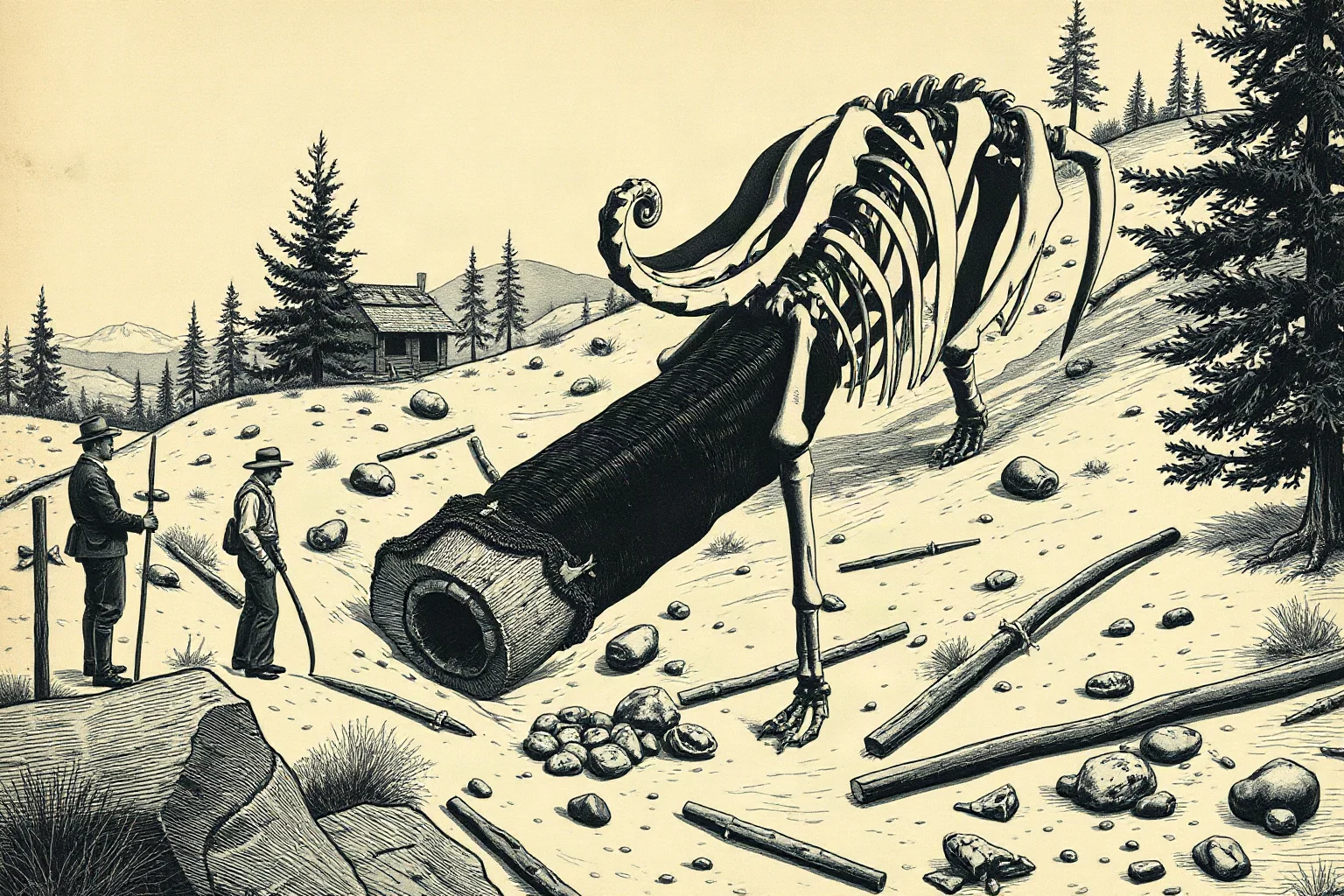
The first substantially complete T. rex skeleton was unearthed in Montana in 1902 by fossil hunter Barnum Brown, working for the American Museum of Natural History. This discovery formed the basis for Osborn's formal naming of the species in 1905.
Since then, dozens of T. rex specimens of varying completeness have been recovered across western North America. Each new find continues to refine our information about the T. rex dinosaur, joining the ranks of some of the most incredible artifacts ever uncovered and helping fill in gaps in earlier reconstructions.
17. Pop Culture Made It a Household Name
Ask almost anyone to name a dinosaur, and "T. rex" is often the first answer, largely thanks to films like Jurassic Park and decades of museum exhibits, toys, and documentaries. This cultural spotlight explains why so many people search for facts about T. rex dinosaurs long after finishing school.
It has become such a shorthand for prehistoric power that novelty phrases like "ask me about my T. rex" show up on t-shirts and mugs aimed at dinosaur enthusiasts. Few extinct animals have achieved this level of lasting mainstream recognition.
18. It Wasn't Actually the Largest Carnivorous Dinosaur
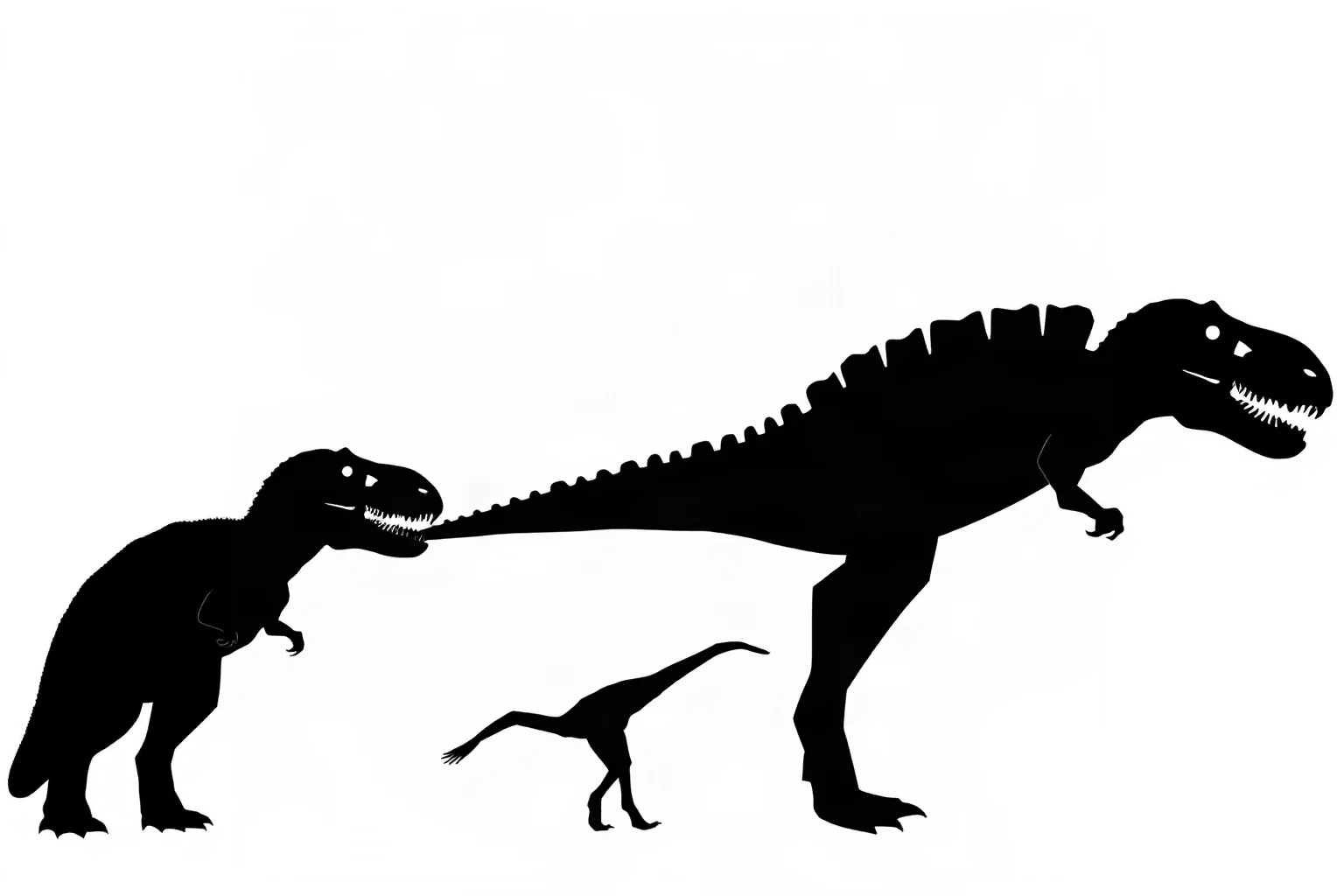
Here's a fact that surprises a lot of people: T. rex, despite its reputation, was not the largest meat-eating dinosaur to ever exist. Spinosaurus, known from North Africa, and Giganotosaurus, from South America, both likely exceeded T. rex in overall body length.
What set T. rex apart wasn't sheer size but a rare combination of size, bite force, and bone-crushing bite strength. That combination is a major reason people keep asking why T. rex is so famous compared to these lesser-known rivals.
19. Recent Studies Suggest It May Have Had Lips
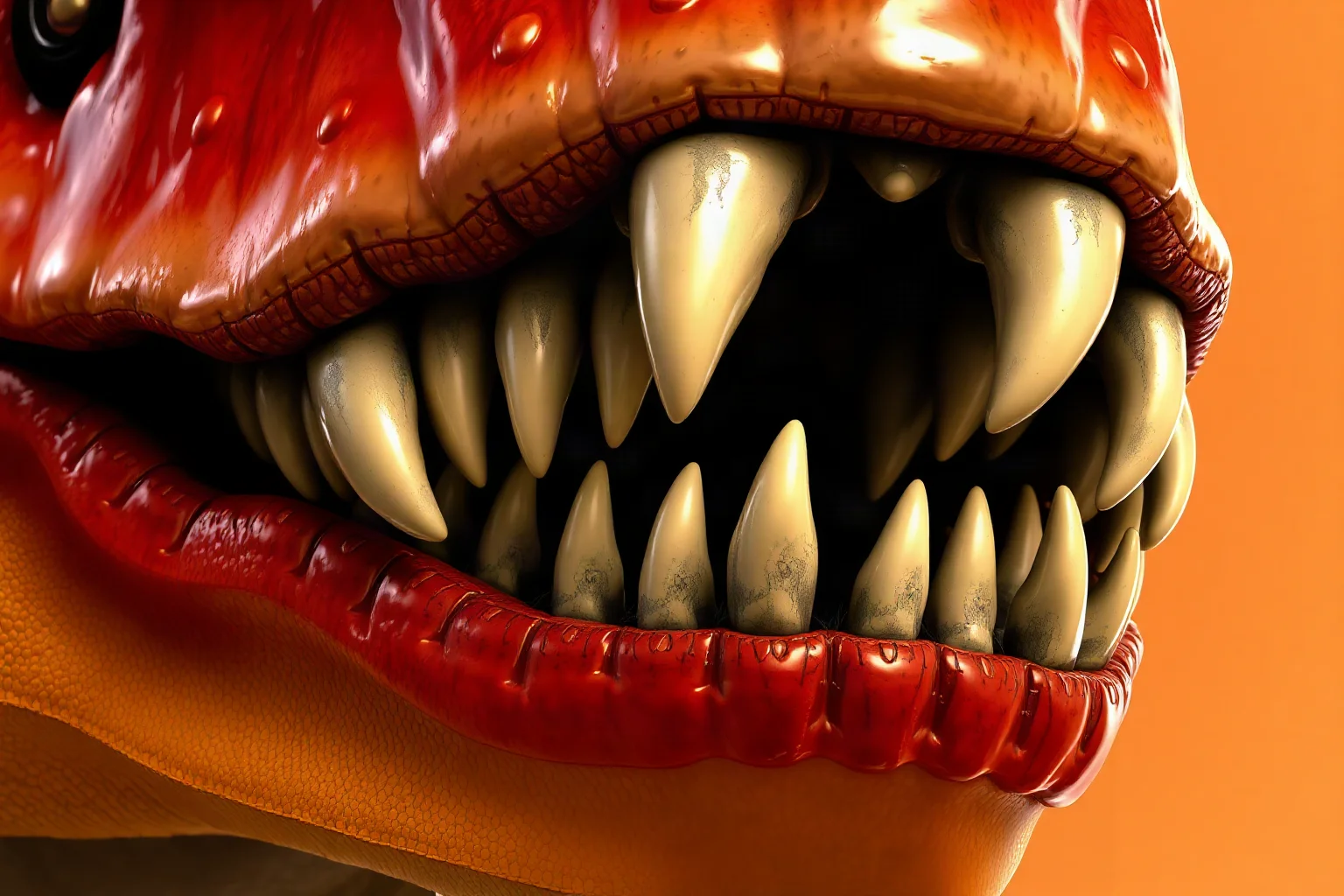
A widely discussed 2023 study proposed that T. rex and other large theropods likely had thin lip-like tissue covering their teeth when the mouth was closed, similar to modern reptiles like lizards. This challenges the classic movie image of permanently bared teeth.
The evidence comes from comparing tooth wear and jaw anatomy across various reptile groups. It's a good example of how new research keeps updating even basic facts about the tyrannosaurus that seemed settled for decades.
20. There's Fossil Evidence of Cannibalism
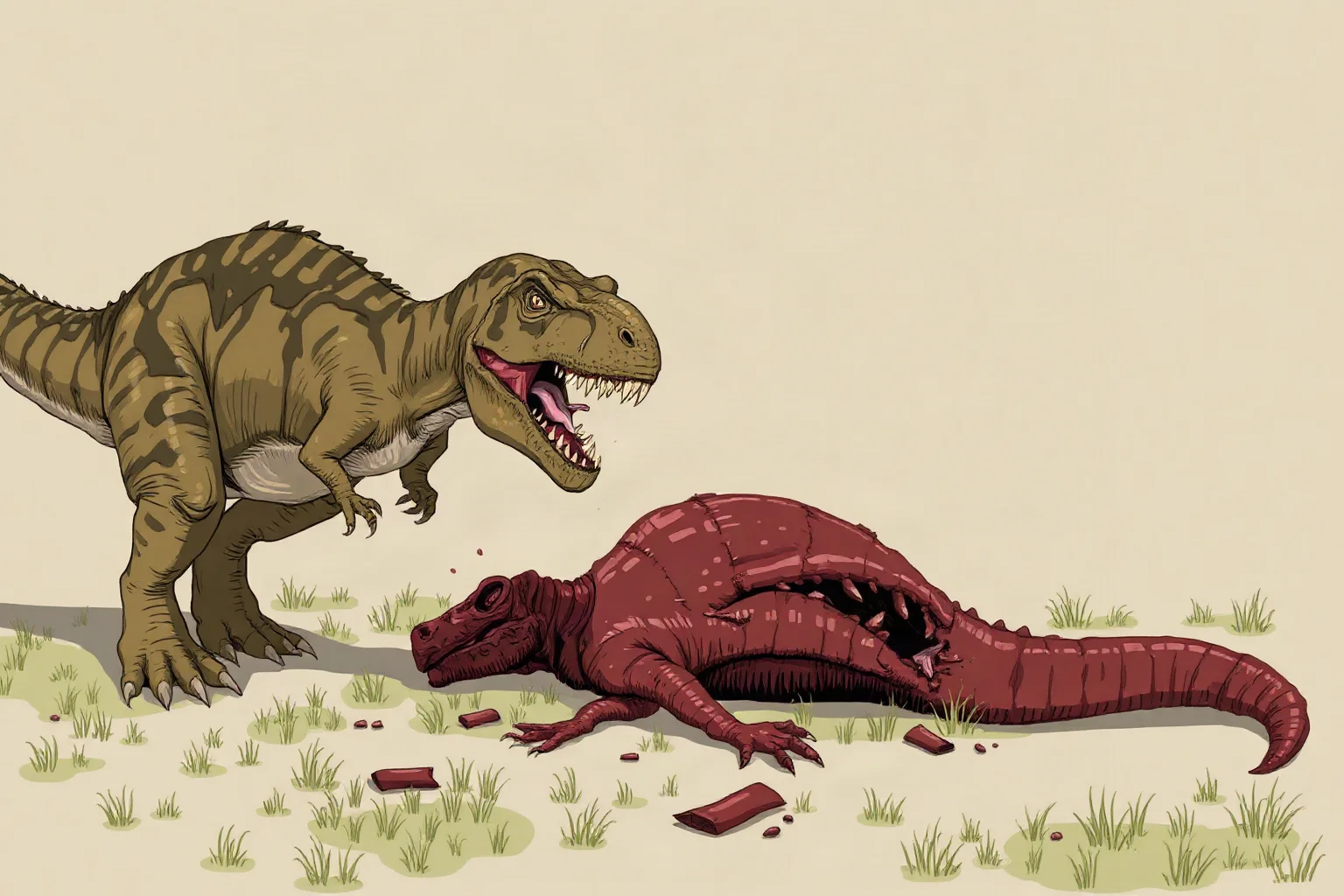
Some T. rex bones show bite marks that match the teeth of other T. rex individuals. This has led researchers to propose that T. rex sometimes fed on the carcasses of its own species, whether through active cannibalism or opportunistic scavenging.
This behavior isn't considered unusual among large predators, living or extinct. It does add another layer to the picture of T. rex as an opportunistic, resourceful feeder rather than a picky hunter.
21. Scientists Are Debating Whether It Was Really One Species
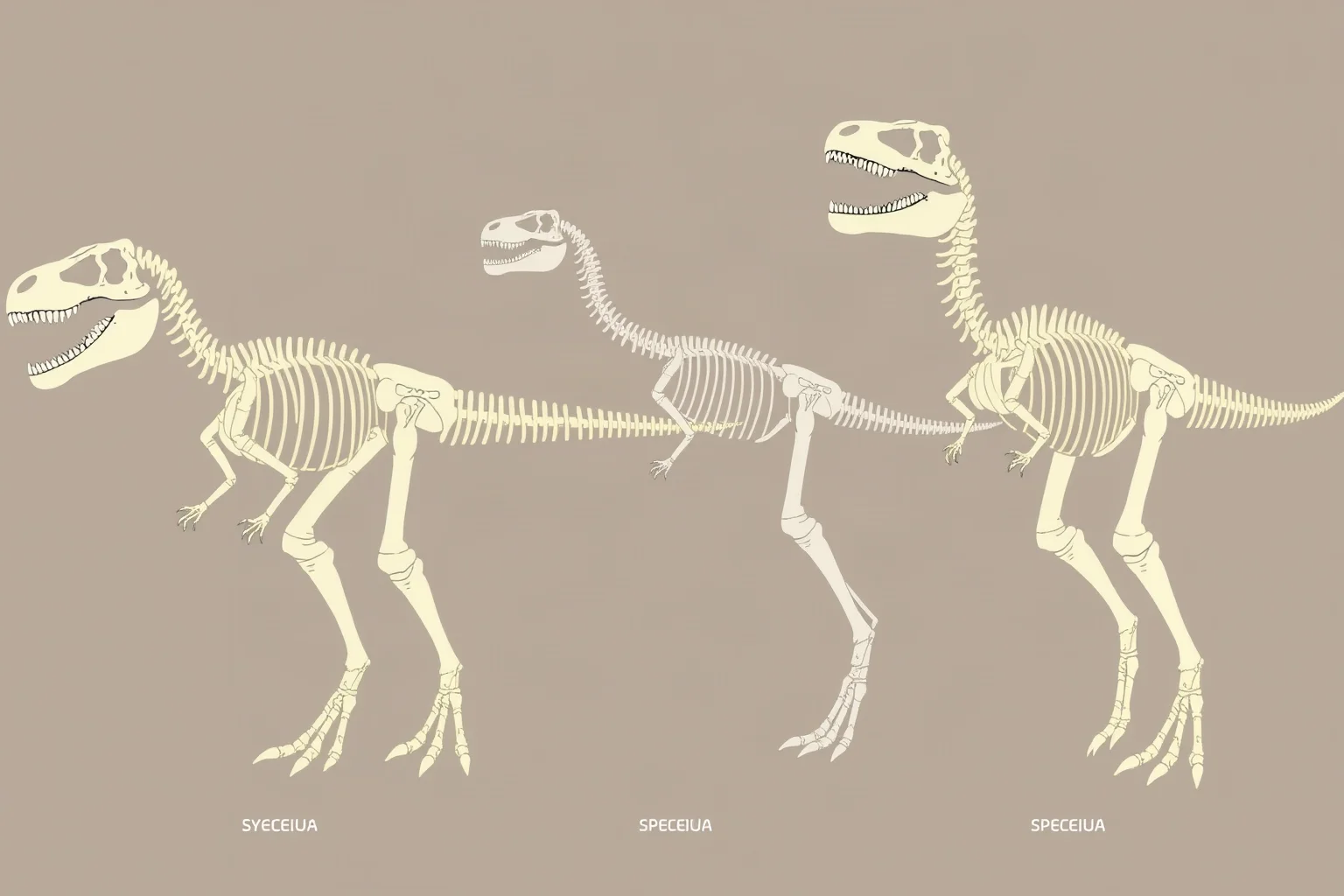
A 2022 research paper proposed splitting Tyrannosaurus rex into three separate species: T. rex, T. imperator, and T. regina, based on subtle variations in bone proportions across specimens. This idea generated significant media attention and plenty of skepticism.
Many paleontologists have pushed back, arguing the variations fall within normal individual differences for one species. As of now, Tyrannosaurus rex remains the accepted single species in most scientific literature, though the debate highlights how dynamic this field still is.
22. It Vanished in the Mass Extinction That Ended the Dinosaur Age
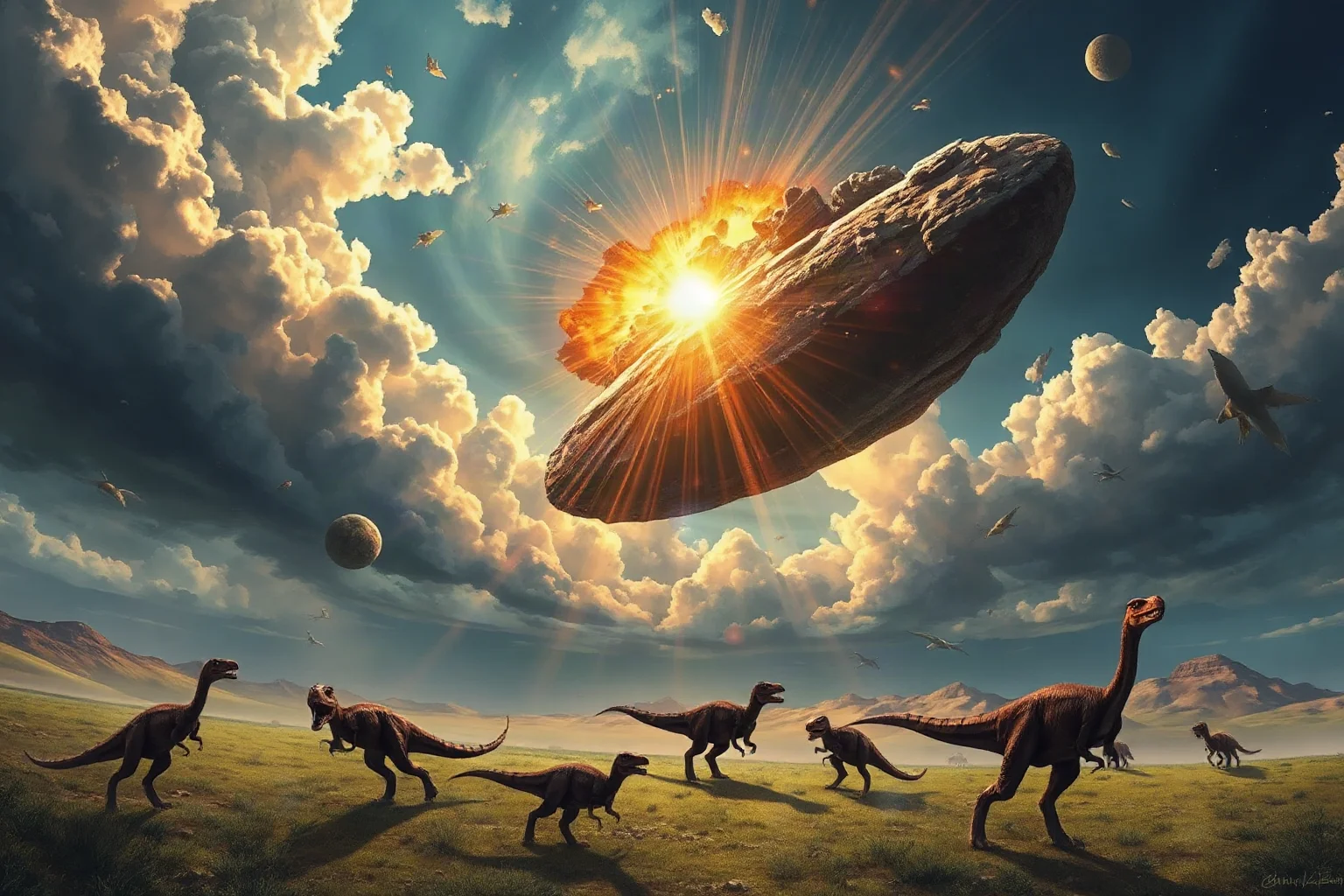
T. rex went extinct roughly 66 million years ago, along with the vast majority of dinosaur species, in the mass extinction event most commonly linked to a massive asteroid impact near what is now Mexico's Yucatán Peninsula. This event is often called the K-Pg extinction.
T. rex was, in effect, one of the very last dinosaur dynasties to reign before this catastrophe reset life on Earth. Millions of years later, Earth would go through its own dramatic climate upheavals during the Ice Ages, but by then T. rex and the rest of the dinosaurs had long since vanished. That timing is part of what makes it feel like such a dramatic final chapter in the age of dinosaurs.
Why T. Rex Still Fascinates Us
Part of the enduring appeal lies in the mix of hard science and mystery. We have genuinely rigorous information about the T. rex dinosaur's bite force, growth rate, and anatomy, built on over a century of fossil study.
At the same time, real open questions remain, from the feather debate to the species-splitting controversy. That blend of solid evidence and lingering mystery is part of why new T. rex fun facts keep surfacing in the news.
Final Thoughts
Tyrannosaurus rex earns its nickname as king of the dinosaurs, not because it was the single largest predator ever, but because of its unmatched combination of size, bite force, and cultural staying power. The science behind it is more nuanced and more interesting than most movie portrayals suggest.
Hopefully this rundown gave you plenty of genuine, well-sourced material, whether you needed t rex facts for preschoolers, a school project, or just wanted better trivia for your next quiz night. The tyrant lizard king still has plenty of secrets left for paleontologists to uncover.
Frequently Asked Questions
What is a good starting point for a T. rex fact file?
A solid T. rex fact file should cover when and where it lived (Late Cretaceous, western North America), its size (up to roughly 40 feet long and 8-9 tons), its record-setting bite force, and its diet, which included crushing and eating bone. From there, details like growth rate, sensory abilities, and ongoing scientific debates round out the picture.
Why is T. rex so famous compared to other dinosaurs?
T. rex became famous through a mix of genuine scientific significance and pop culture exposure. It combines an unusually strong bite, large size, and a complete enough fossil record to reconstruct in detail, and it has been heavily featured in museums, documentaries, and films like Jurassic Park since the early 20th century.
What are 3 interesting facts about T. rex?
First, T. rex had one of the strongest bite forces ever estimated for a land animal, strong enough to crush bone. Second, it lived at the very end of the dinosaur age, closer in time to humans than to Stegosaurus. Third, despite its fame, it wasn't the longest carnivorous dinosaur; Spinosaurus and Giganotosaurus were likely longer.
How big was a T. rex?
Adult T. rex specimens are estimated to have reached about 40 feet in length and stood roughly 12 to 13 feet tall at the hip, with weight estimates commonly ranging between 8 and 9 tons. Size varied between individuals, and some proposed species splits suggest slightly different average sizes.
Did T. rex really have feathers?
This is genuinely unresolved. Some smaller relatives of T. rex are known to have had feathers, but direct skin impression fossils attributed to T. rex show scaly skin rather than feathers, so most paleontologists remain cautious about claiming adult T. rex was feathered.
How fast could a T. rex run?
Most biomechanical studies estimate T. rex's top speed at roughly 12 to 25 miles per hour, more of a brisk jog than a true sprint. Full-speed running may have risked serious injury given its size and weight, which contradicts the fast-chase scenes often shown in films.
What did T. rex eat?
T. rex was a carnivore that hunted and scavenged large dinosaurs, including plant-eaters like Triceratops and Edmontosaurus. Fossilized dung and bite-marked bones show it also crushed and consumed bone as part of its diet, and there's evidence it occasionally fed on other T. rex individuals.
Are T. rex facts appropriate for preschoolers?
Yes, with simplified language. Preschool-friendly facts include that T. rex was a huge meat-eating dinosaur with sharp teeth, lived a very long time ago, and had surprisingly small arms compared to its giant body and head.

Alex Warren
Related Articles