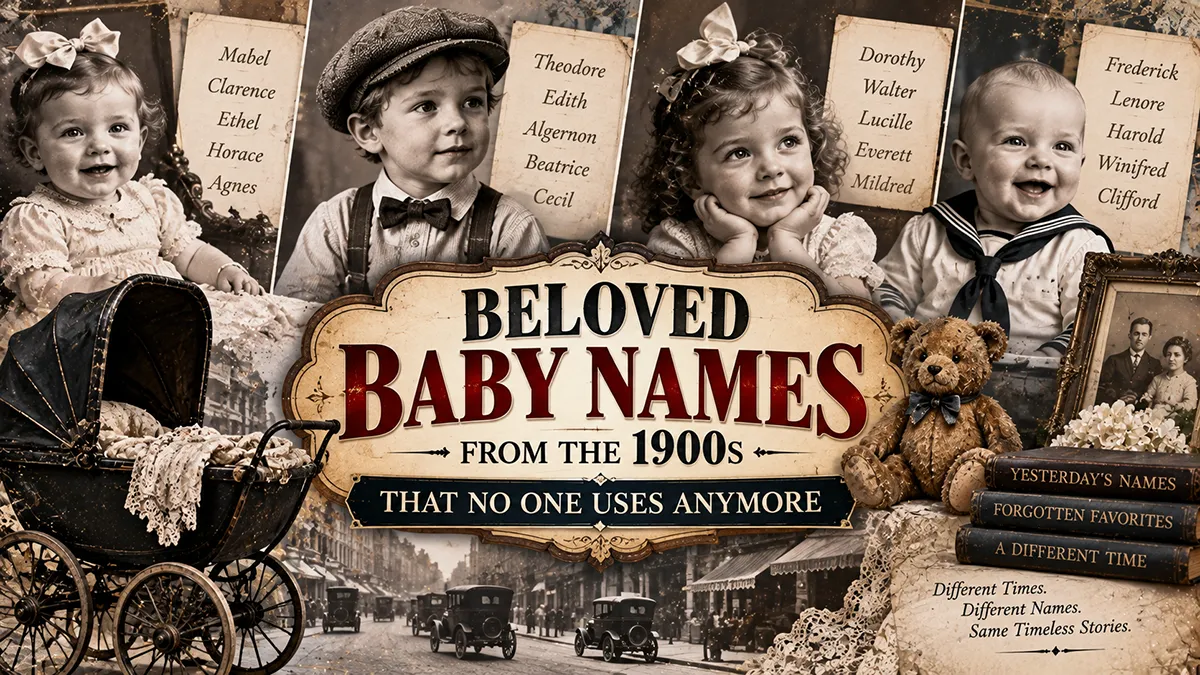
Open an old family Bible, a church register, or a census roll from the turn of the twentieth century and you’ll meet a cast of characters who sound like they wandered out of a period drama. Mildred, Elmer, Beulah, and Clarence weren’t quaint or old-fashioned back then — they were simply what people named their kids.
Understanding which names from the 1900s topped the charts, and why so many of them vanished almost entirely, tells us a lot about how fashion, culture, and even superstition shape the names we choose for our children.
This list digs into 25 once-beloved names from the early 1900s that have all but disappeared from modern birth certificates, plus the historical context behind their rise and fall. We’ll also look at the handful of names from that era that never went away at all.
TL;DR: Names like Mildred, Elmer, and Beulah dominated birth records in the early 1900s but have almost completely vanished today, while a small handful of 1900s names, such as John, Mary, and William, have stayed popular for over a century.
Where This List Comes From
Most of what we know about popular names in 1900 comes from official record-keeping rather than guesswork. The U.S. Social Security Administration began collecting name data on card applications starting in 1880, and that dataset is the backbone of nearly every historical baby-name ranking used today.
Other countries kept similar records through civil registration offices, church baptismal logs, and census bureaus. These sources let historians and genealogists reconstruct fairly reliable pictures of which names were popular in the 1900s decade, even without modern digital birth certificates.
It’s worth noting that early 1900s record-keeping wasn’t perfect. Spelling variations, regional dialects, and inconsistent transcription mean the rankings are close approximations rather than exact science, but the broad trends are well documented and consistent across multiple sources.
What Made a Name Popular in the 1900s
Before diving into the list, it helps to understand why certain names dominated. Naming trends in the early 1900s were shaped far more by family tradition, religion, and royalty than by celebrity culture or media, which barely existed in the modern sense yet.
Many children were named after grandparents, biblical figures, or reigning monarchs. Others carried names passed down through generations specifically to honor family lineage, which is part of why the same names popular in 1900 also feel unmistakably tied to that era.
Immigration also played a huge role. As waves of European families settled in the United States, Britain, and other English-speaking countries, they often anglicized traditional names or blended old-world naming customs with local trends, creating a rich and sometimes surprising mix of names from the 1900s.
The Beloved Names Time Left Behind
Each of the names below was genuinely common in birth and church records from roughly 1900 to 1909. None of these are obscure or invented — they were everyday names, the equivalent of an Emma or a Liam today. Yet virtually all of them dropped out of common use by the mid-to-late twentieth century.
1. Mildred
Mildred comes from the Old English “milde” and “thryth,” meaning gentle strength, and it was one of the most popular girls’ names of the entire decade. It ranked consistently among the top ten names for baby girls in the United States during the 1900s.
By the 1980s, Mildred had all but disappeared from new birth records. It’s now considered a textbook example of an outdated name that skipped an entire generation.
2. Gertrude
Gertrude, a Germanic name meaning “spear of strength,” was extremely common among girls born in the early 1900s. It carried an air of formality and was often shortened to nicknames like Gertie or Trudy in daily life.
The name faded sharply after World War II and rarely appears in modern name data. Today it’s remembered more as a punchline in comedy sketches than a name parents consider.
3. Bertha
Bertha means “bright” or “famous” in Old German and was a staple girls’ name throughout the late 1800s and early 1900s. It was especially common among German-American and Scandinavian-American families.
The name’s steep decline is sometimes linked to its use as slang during World War I, when “Big Bertha” became the nickname for a massive German artillery gun. Whether or not that association drove the drop, Bertha had essentially vanished from the charts by the 1950s.
4. Myrtle
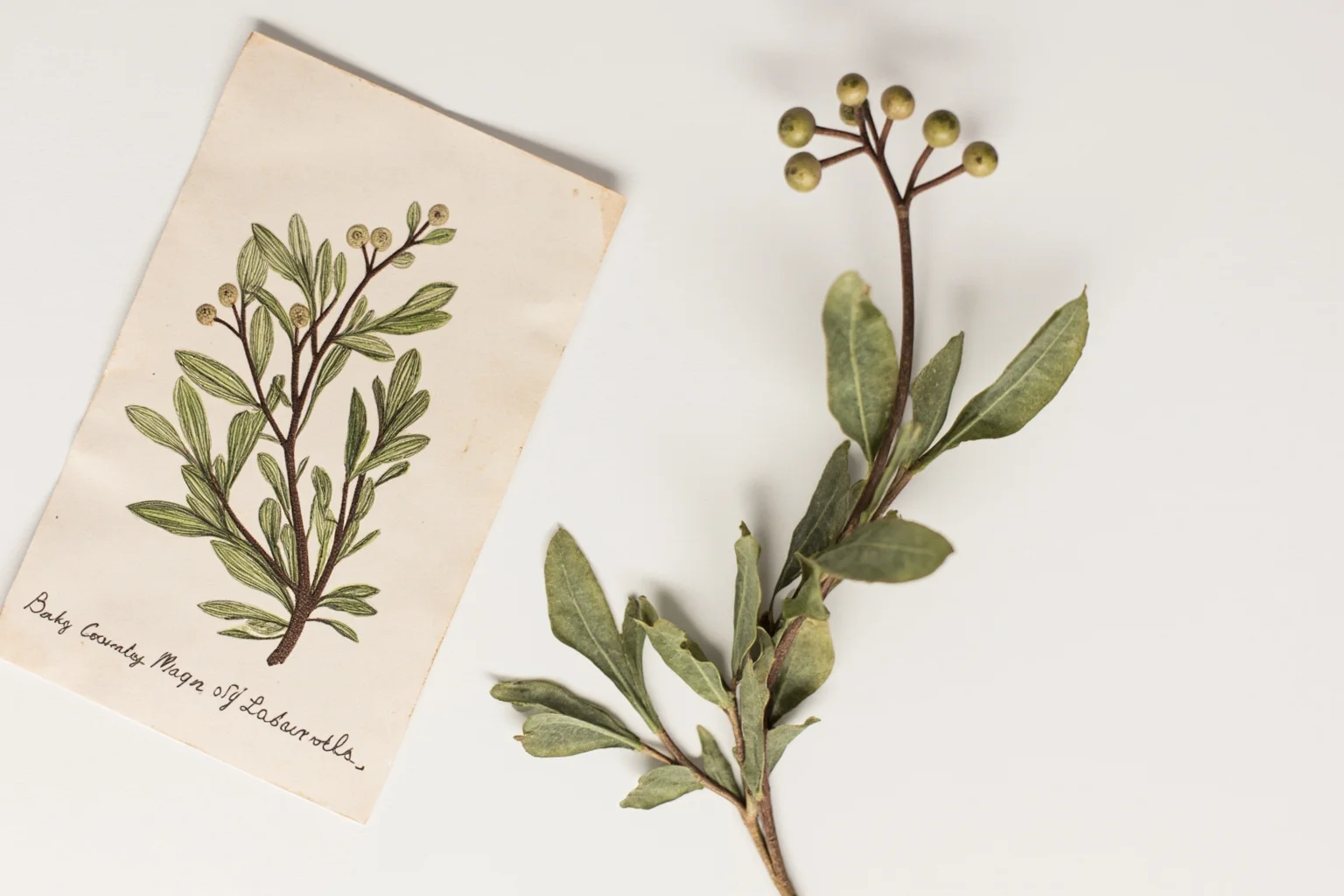
Myrtle, taken from the evergreen shrub associated with Venus in Greek mythology, was a popular nature-inspired name in the early 1900s. It fit neatly alongside other botanical names like Hazel, Iris, and Ivy that were fashionable at the time.
Unlike Hazel and Ivy, which have since made major comebacks, Myrtle never recovered its popularity. It remains one of the more distinctly “1900s” sounding names left behind.
5. Beulah
Beulah is a Hebrew word meaning “married” and appears in the Book of Isaiah as a symbolic name for the land of Israel. It became a genuinely popular girls’ name in the American South and Midwest during the early 1900s.
The name’s decline accelerated after it became associated with a stereotyped radio and television character in the 1940s and 50s. It’s now a name almost no modern parent considers, despite its meaningful biblical roots.
6. Ethel
Ethel, derived from the Old English “æðel” meaning “noble,” was one of the most fashionable girls’ names in the entire English-speaking world at the turn of the century. It ranked among the more common names for baby girls in the United States and Britain alike.
Ethel held on longer than some of its peers, remaining recognizable through the mid-1900s thanks to public figures who carried it. Still, it hasn’t cracked modern top-name lists in decades.
7. Edna
Edna is believed to derive from a Hebrew root meaning “pleasure” or “delight,” and it enjoyed genuine popularity among girls born in the early 1900s. It had a soft, old-fashioned charm even then, evoking gentility and quiet respectability.
The name essentially dropped off the charts by the 1970s. Like many names from early 1900s records, it now reads as unmistakably vintage.
8. Agnes
Agnes comes from the Greek “hagnos,” meaning “pure” or “chaste,” and was tied to a beloved early Christian saint. It was a common name across Europe and North America well before 1900 and remained popular through the decade.
Agnes has seen tiny flickers of revival in parts of Scandinavia and among vintage-name enthusiasts. In most English-speaking countries, though, it’s still considered firmly outdated.
9. Minnie
Minnie began as a nickname for names like Wilhelmina or Mary but became a standalone name in its own right by the early 1900s. It was common enough to rank among frequently used girls’ names of the era, independent of its Disney association, which came decades later.
Once Minnie Mouse became a global icon starting in 1928, the human name slowly retreated from everyday use. Few parents today separate the name from the cartoon character.
10. Lena
Lena started as a short form of longer names like Helena or Magdalena and evolved into an independent name popular across German, Scandinavian, and American communities in the early 1900s. It had a simple, soft sound that fit period naming trends well.
Lena’s popularity dipped through the mid-twentieth century, though it has seen modest niche revival in parts of Europe. In most English-speaking countries it remains a largely forgotten name from that generation.
11. Gladys
Gladys is a Welsh name possibly derived from “gwladus,” related to the word for “ruler” or possibly linked to the Latin “Claudia.” It was widely used in Britain and the United States during the early 1900s.
The name declined steadily through the twentieth century and is now rarely given to babies. It survives mostly as a name associated with grandmothers rather than newborns.
12. Ida
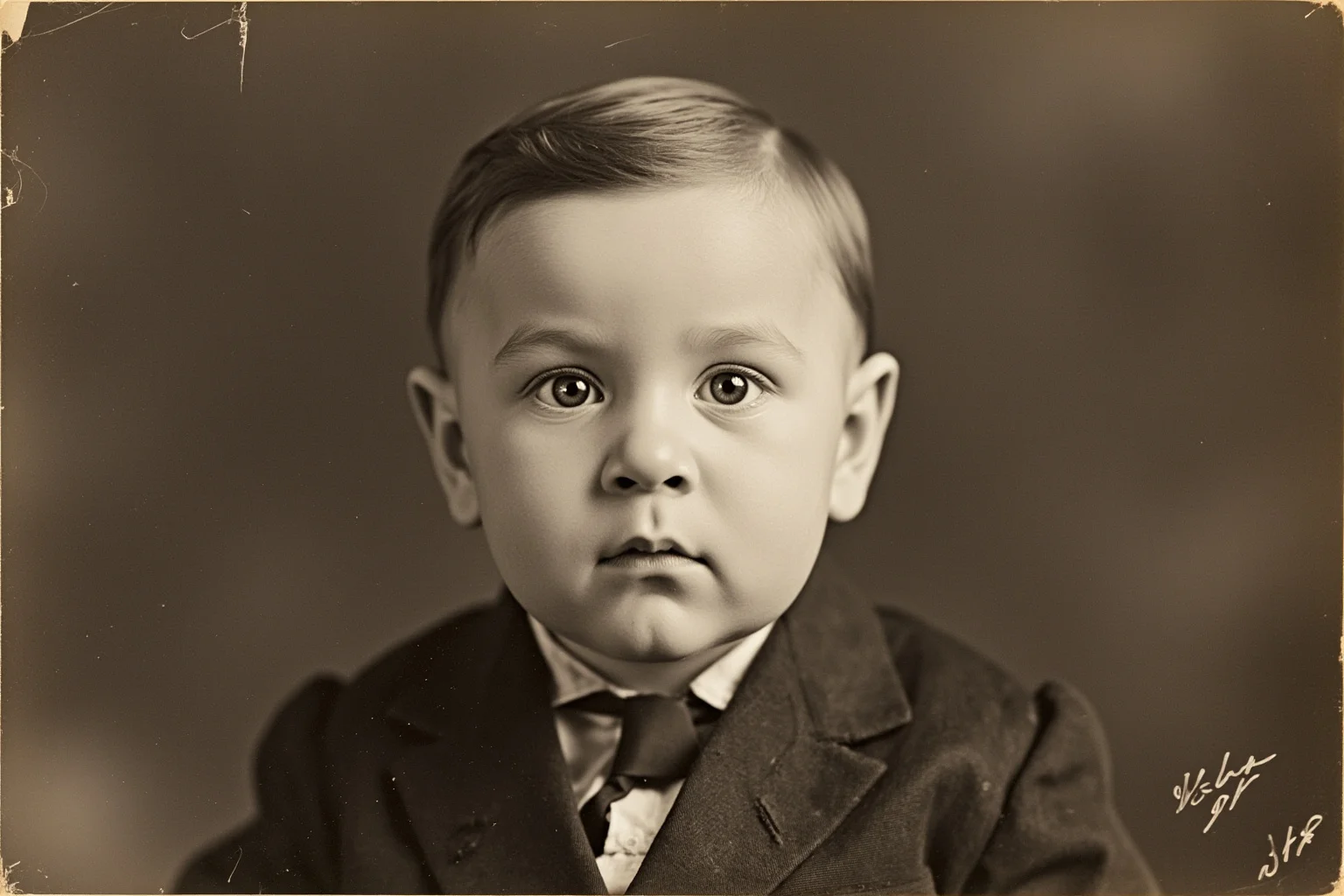
Ida has Germanic roots meaning “industrious” or possibly “happy,” and was a well-used name for girls born in the early 1900s. It was simple, short, and easy to pair with longer middle names, which likely contributed to its popularity.
Ida’s use dropped off substantially by the 1960s. It remains a good example of a once-common name that essentially disappeared without a specific scandal or cultural shift to explain it.
13. Walter
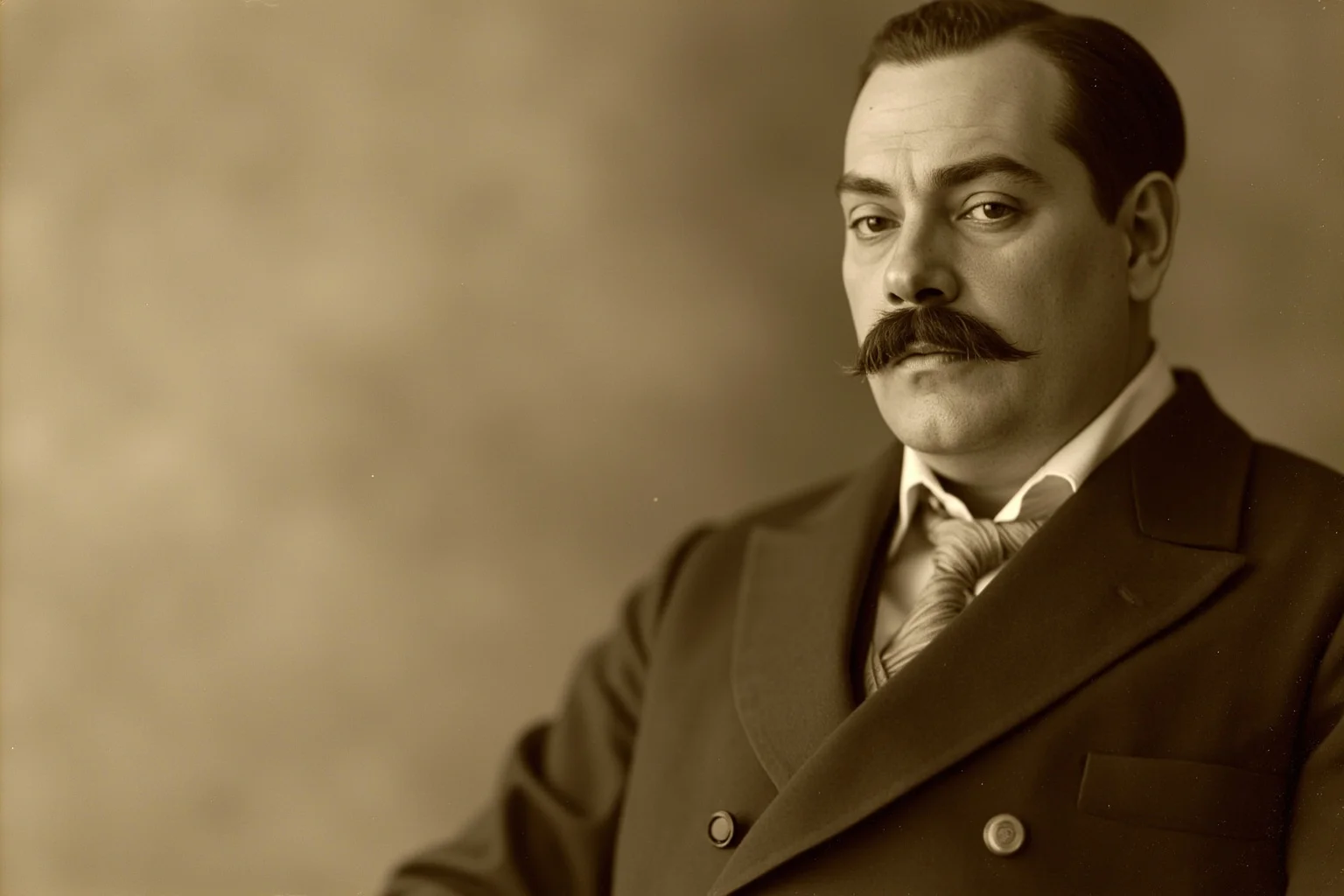
Walter, from the Germanic elements for “army” and “ruler,” was one of the more consistently popular boys’ names of the 1900s. It projected a sense of dignity and was common across social classes.
Walter held on reasonably well into the mid-1900s before falling out of fashion. It has recently shown very small signs of a slow comeback among parents drawn to vintage names, though it remains rare.
14. Herbert
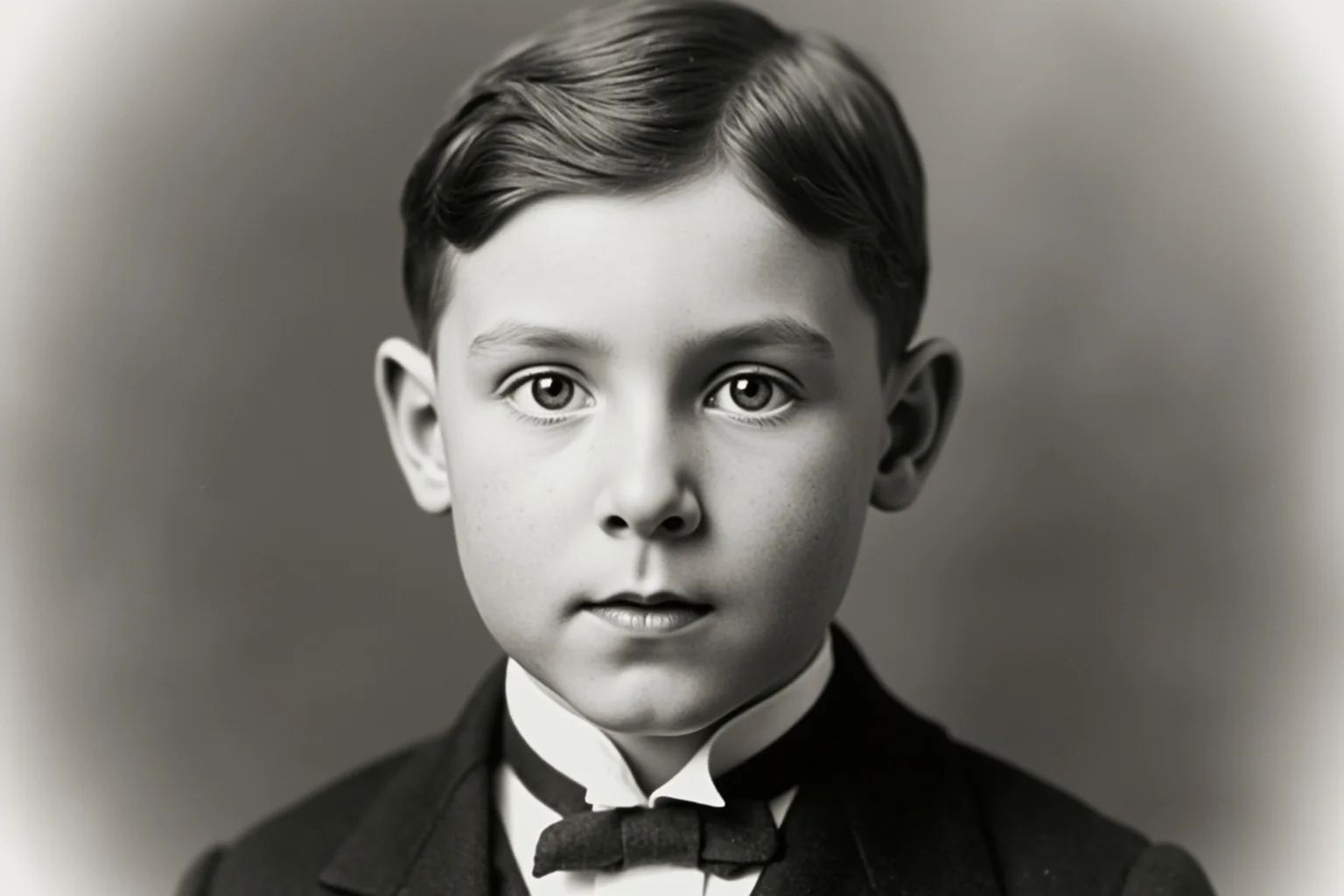
Herbert comes from Germanic roots meaning “bright army” and was a genuinely fashionable boys’ name in the early 1900s, often shortened to Herb or Bert. It appeared frequently across both American and British birth records of the decade.
The name fell out of favor sharply after the mid-twentieth century. Today it barely registers on modern name charts in any English-speaking country.
15. Elmer
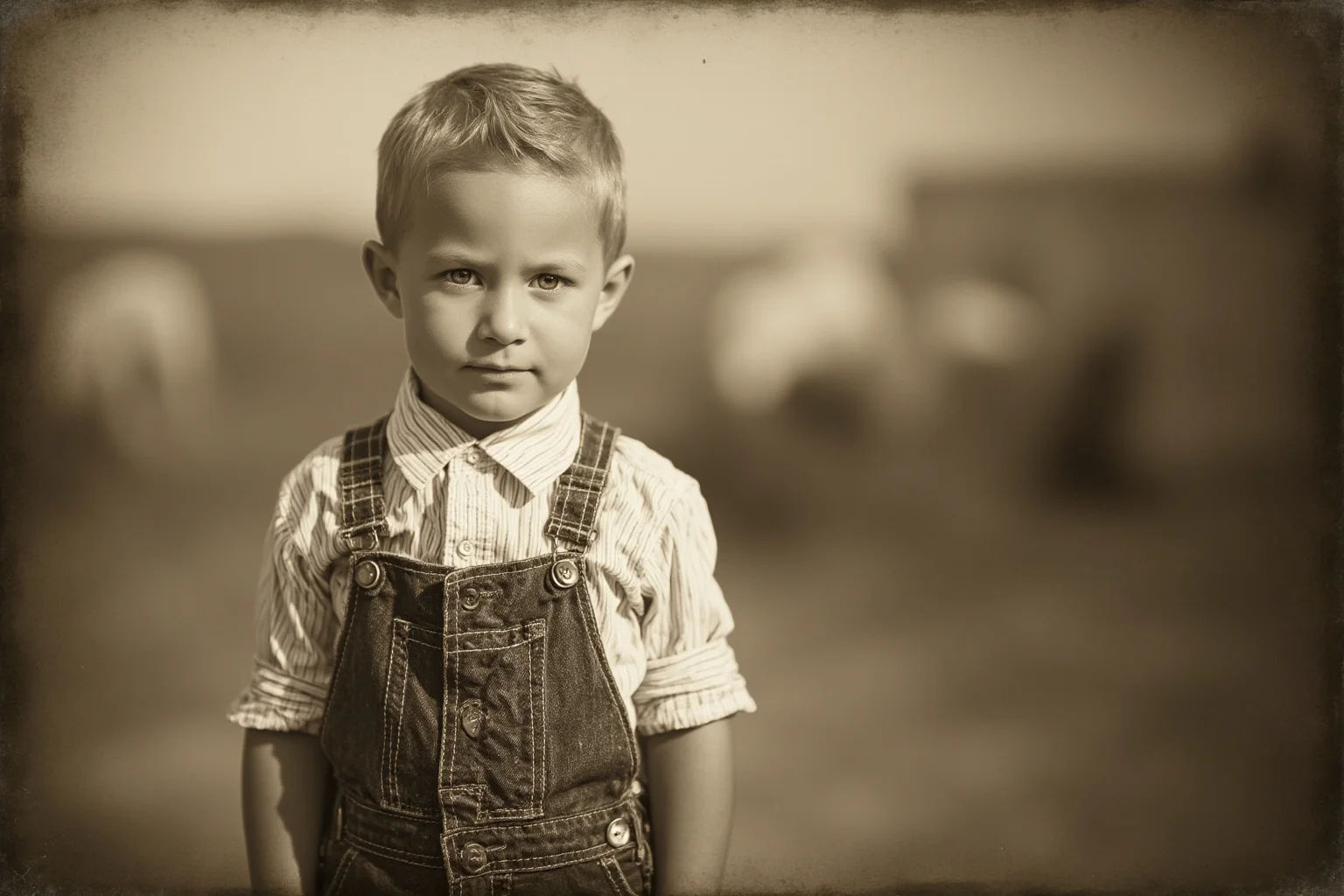
Elmer is an English surname turned first name, related to an Old English word meaning “noble” and “famous.” It was a common choice for boys born in the early 1900s, particularly in rural American communities.
Elmer’s cultural fate was sealed partly by its association with the bumbling cartoon hunter Elmer Fudd, introduced in the late 1930s. The name never really recovered its earlier respectability afterward.
16. Clarence

Clarence derives from the Latin “Clarentius,” related to “clear” or “famous,” and was tied historically to the English Duke of Clarence title. It was a solidly popular boys’ name in the early 1900s across both the US and UK.
The name slipped out of common use by the mid-1900s and rarely appears today. It’s now most often recognized as a period-piece name in historical fiction.
17. Cecil

Cecil comes from the Roman family name Caecilius, possibly related to the Latin word for “blind.” It was a fashionable name among boys in Britain and, to a lesser extent, the United States during the early 1900s.
Cecil’s popularity faded through the twentieth century, and it’s now considered a distinctly outdated name in most English-speaking countries. It occasionally appears as a middle name honoring an ancestor.
18. Alfred
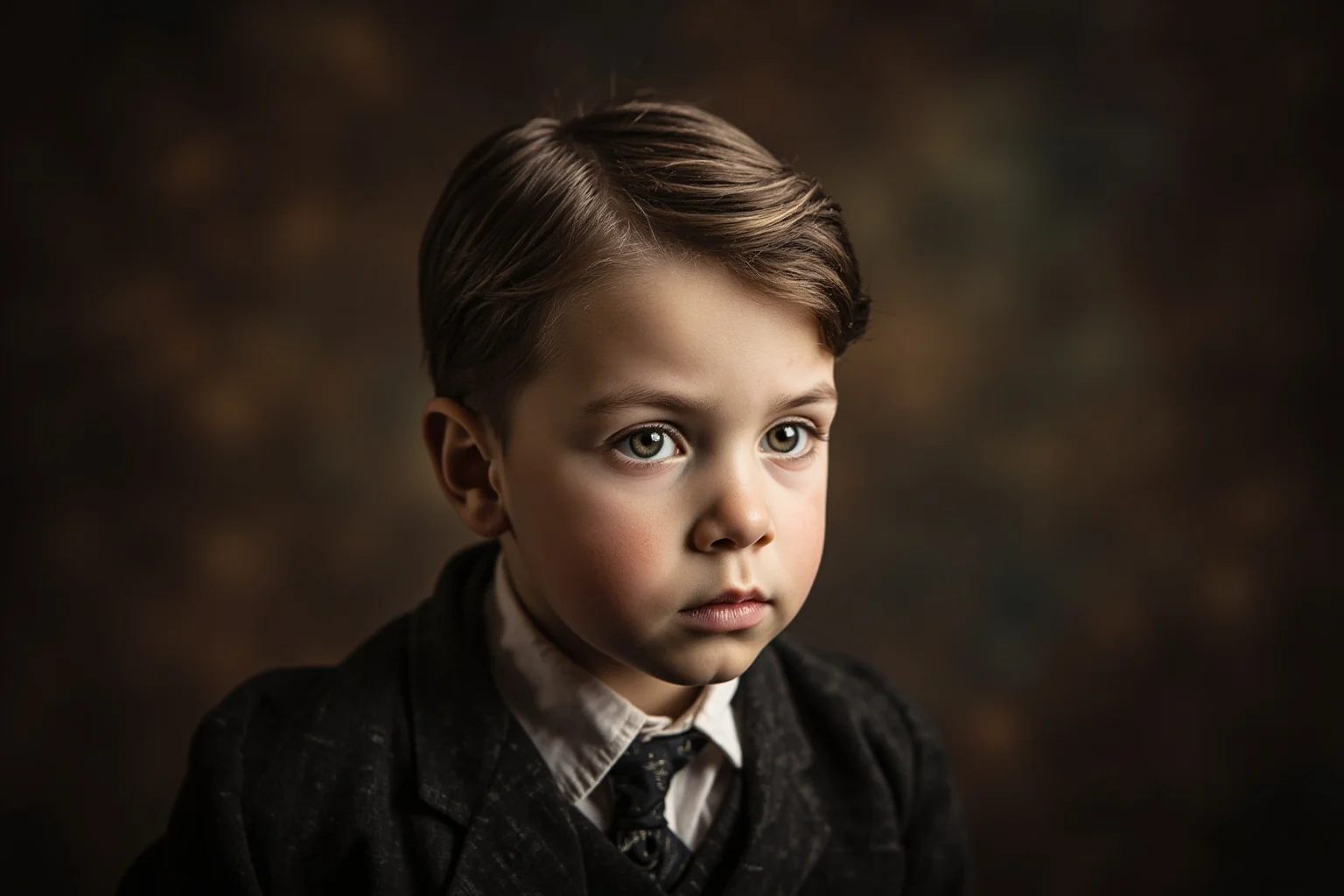
Alfred, meaning “elf counsel” in Old English, had royal associations going back to Alfred the Great and remained a widely used boys’ name in the early 1900s. It was common enough to be shortened casually to Alf or Fred.
While Alfred has enjoyed a genuine revival in the UK in recent years, it remains rare in the US and Canada. It sits in an interesting middle ground between forgotten and quietly returning.
19. Homer
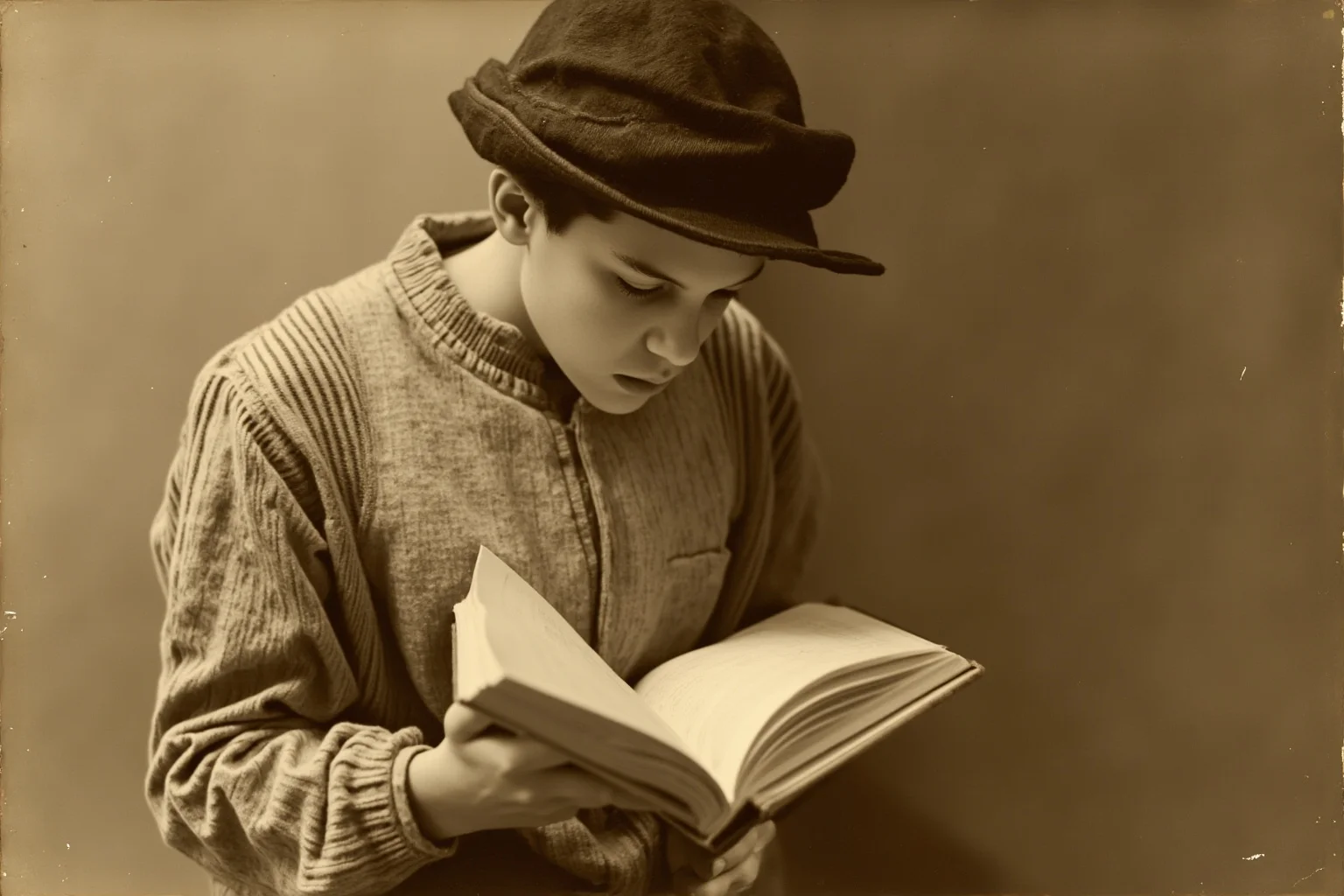
Homer, tied to the ancient Greek poet, was a respected and reasonably common name for American boys in the early 1900s. It reflected a broader trend of classical and literary names during that period.
The name’s modern association with a certain cartoon father figure has made it nearly impossible for parents to consider seriously today. It stands as one of the more amusing examples of pop culture reshaping a name’s reputation.
20. Willard
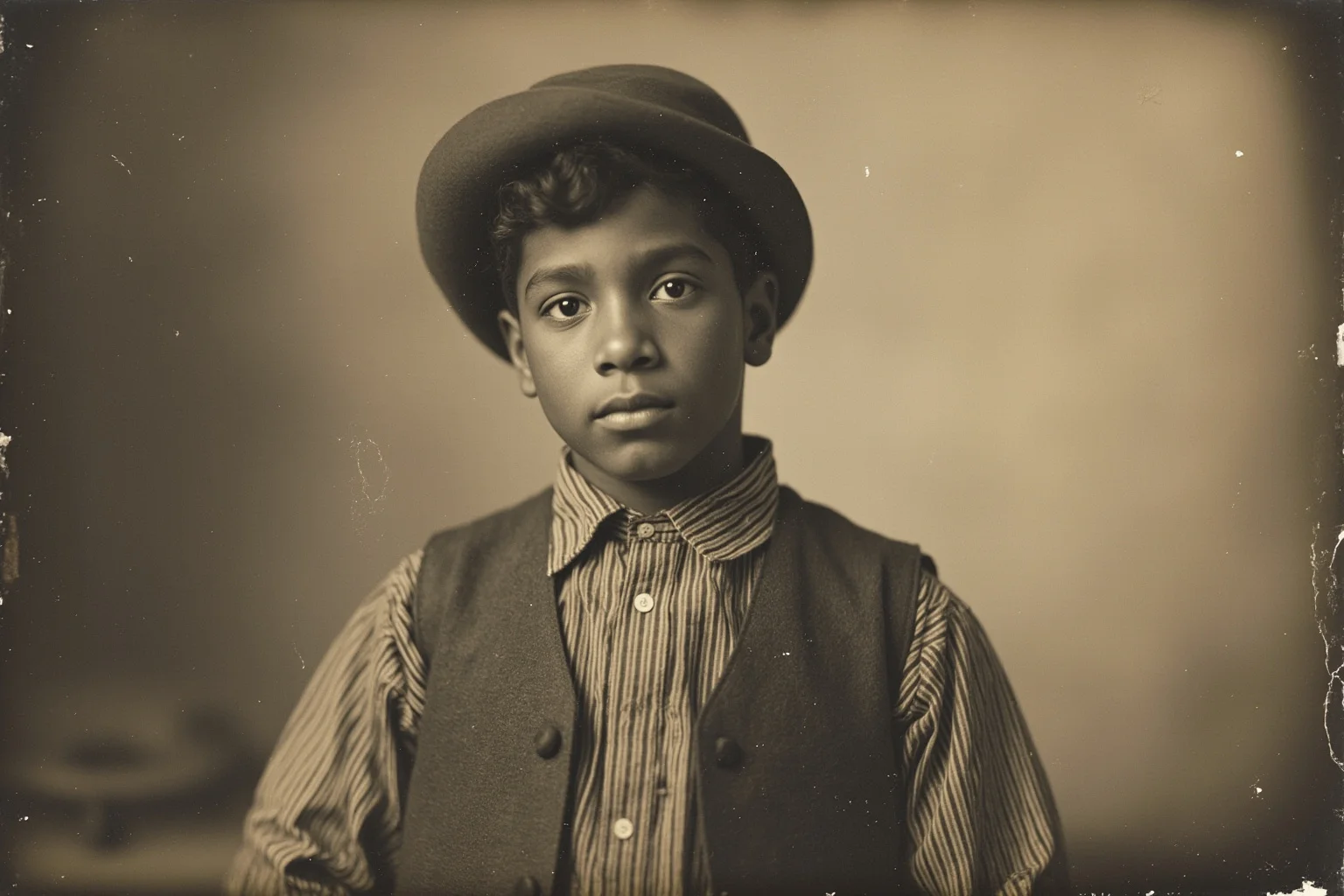
Willard is an Old German name meaning “resolute” or “brave,” and it saw solid use among boys born in the early 1900s. It had a sturdy, dependable sound that matched the era’s naming preferences.
Willard dropped out of common use by the mid-twentieth century and hasn’t returned. It now reads as a classic example of an early 1900s name frozen in time.
21. Otto
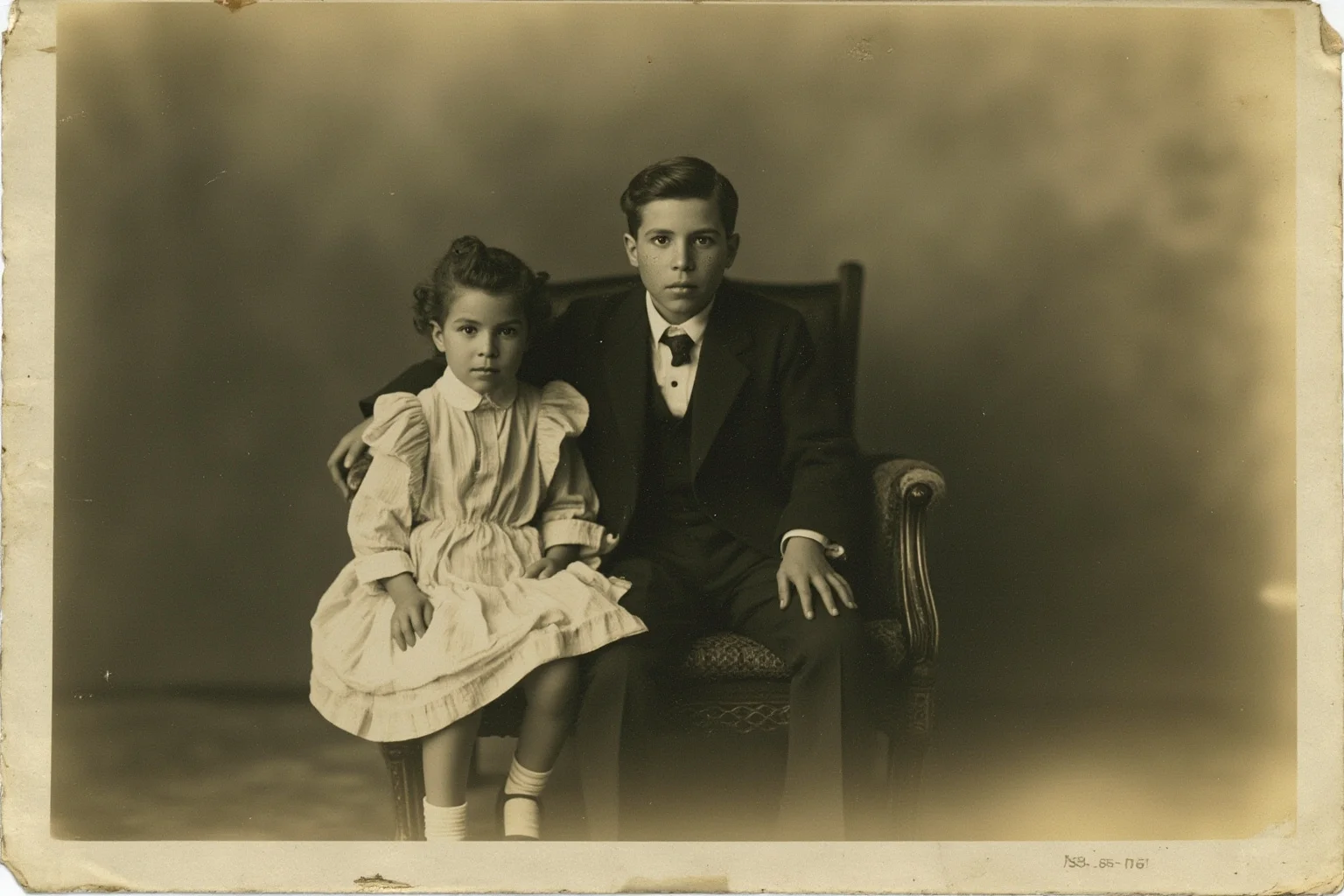
Otto, a Germanic name meaning “wealth” or “fortune,” was popular among boys born to German immigrant families in the early 1900s United States, as well as across Germany and Scandinavia. It had a strong, short, memorable quality.
Otto’s use declined through much of the twentieth century in English-speaking countries, though it has recently gained modest traction again in parts of Europe and among trend-conscious parents. It remains uncommon but no longer entirely forgotten.
22. Vernon
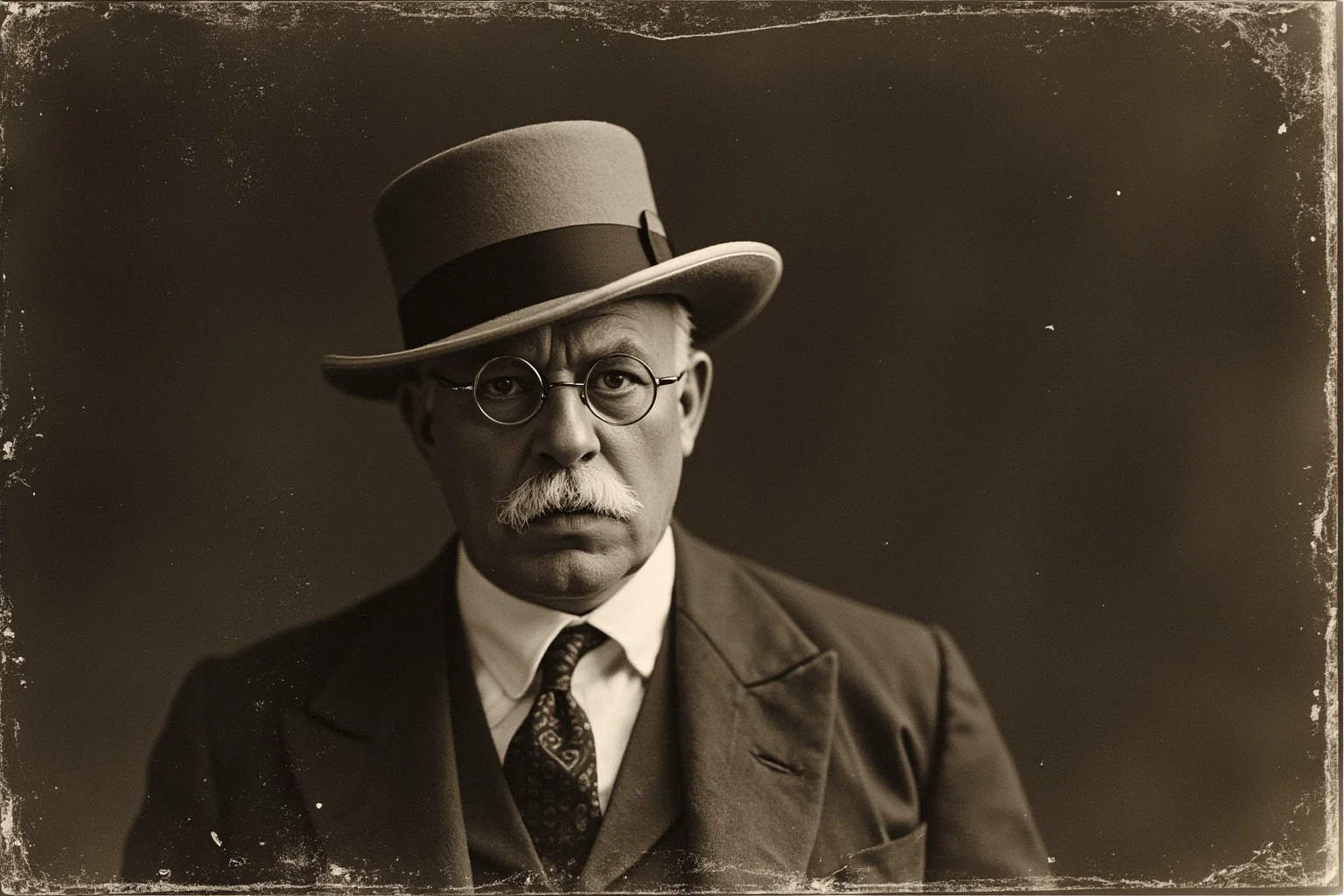
Vernon, derived from a French place name meaning “alder grove,” became a fashionable boys’ name in the early 1900s, partly due to its aristocratic English associations. It had a smooth, sophisticated sound for the era.
The name faded gradually and is now rarely used for newborns. It survives mostly as a surname or place name rather than a first name choice.
23. Rufus
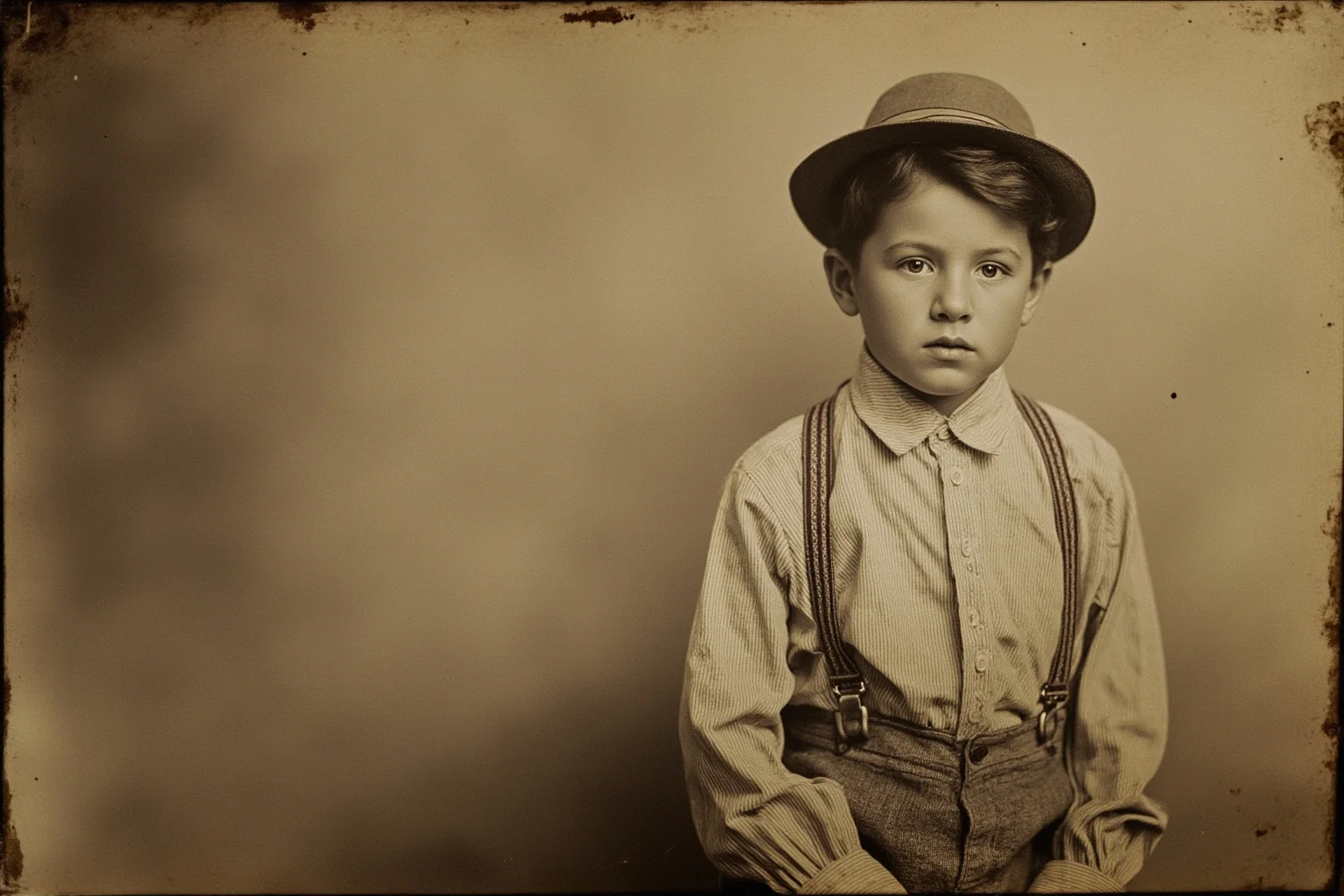
Rufus comes from the Latin word for “red-haired” and was used with some regularity for boys in the early 1900s, often connected to family nicknames describing hair color. It carried a slightly old-fashioned charm even in its own time.
Rufus never disappeared entirely, occasionally surfacing as a quirky or literary choice. It remains, however, solidly outside the mainstream of modern baby names.
24. Hortense
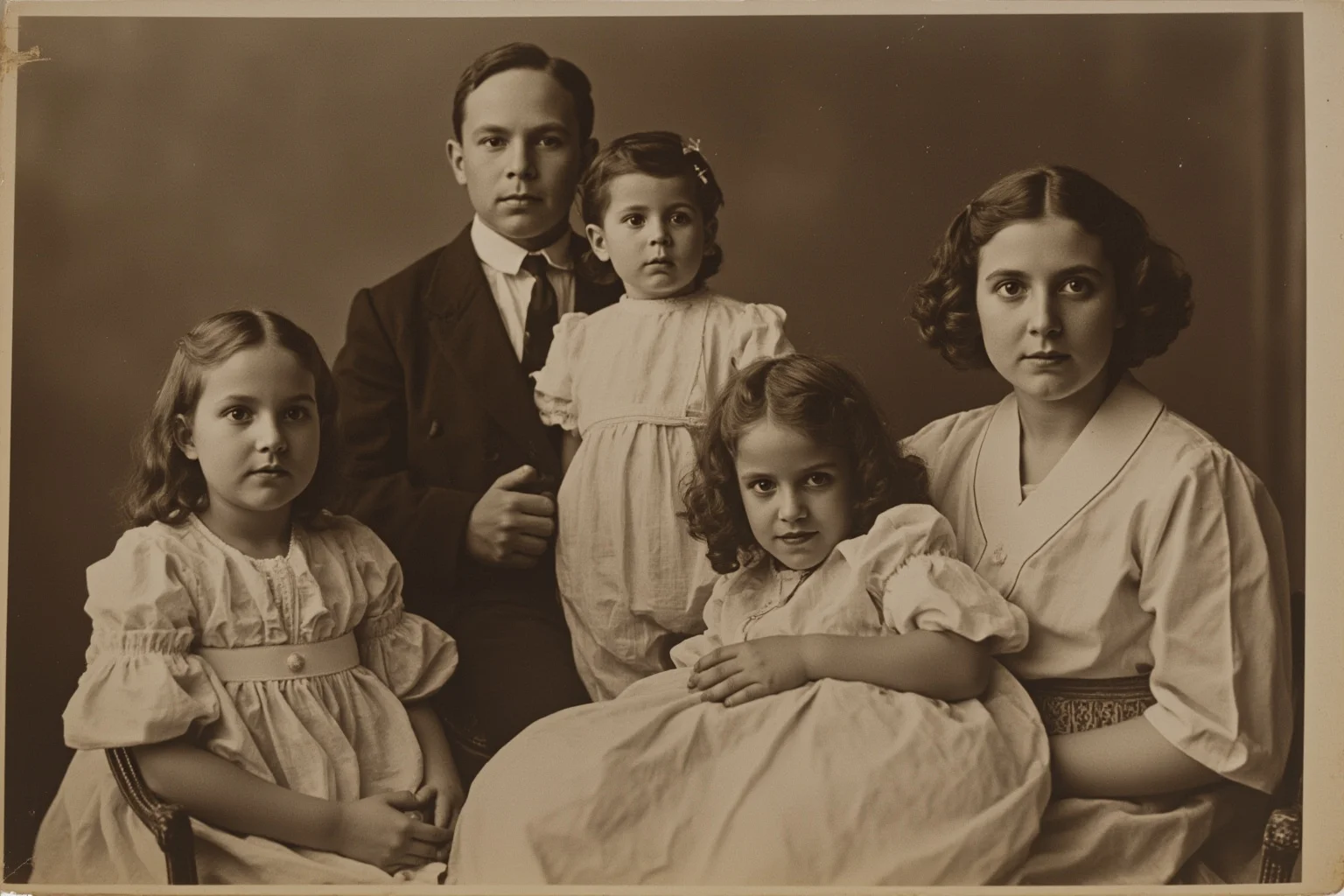
Hortense, a French name derived from the Roman family name Hortensius, was used for girls in the early 1900s, particularly among French-American and French-Canadian families. It had an elegant, formal quality typical of the period.
The name essentially disappeared from English-speaking countries by the mid-twentieth century. It’s now considered one of the more obscure forgotten names of the era, rarely recognized by younger generations at all.
25. Percy
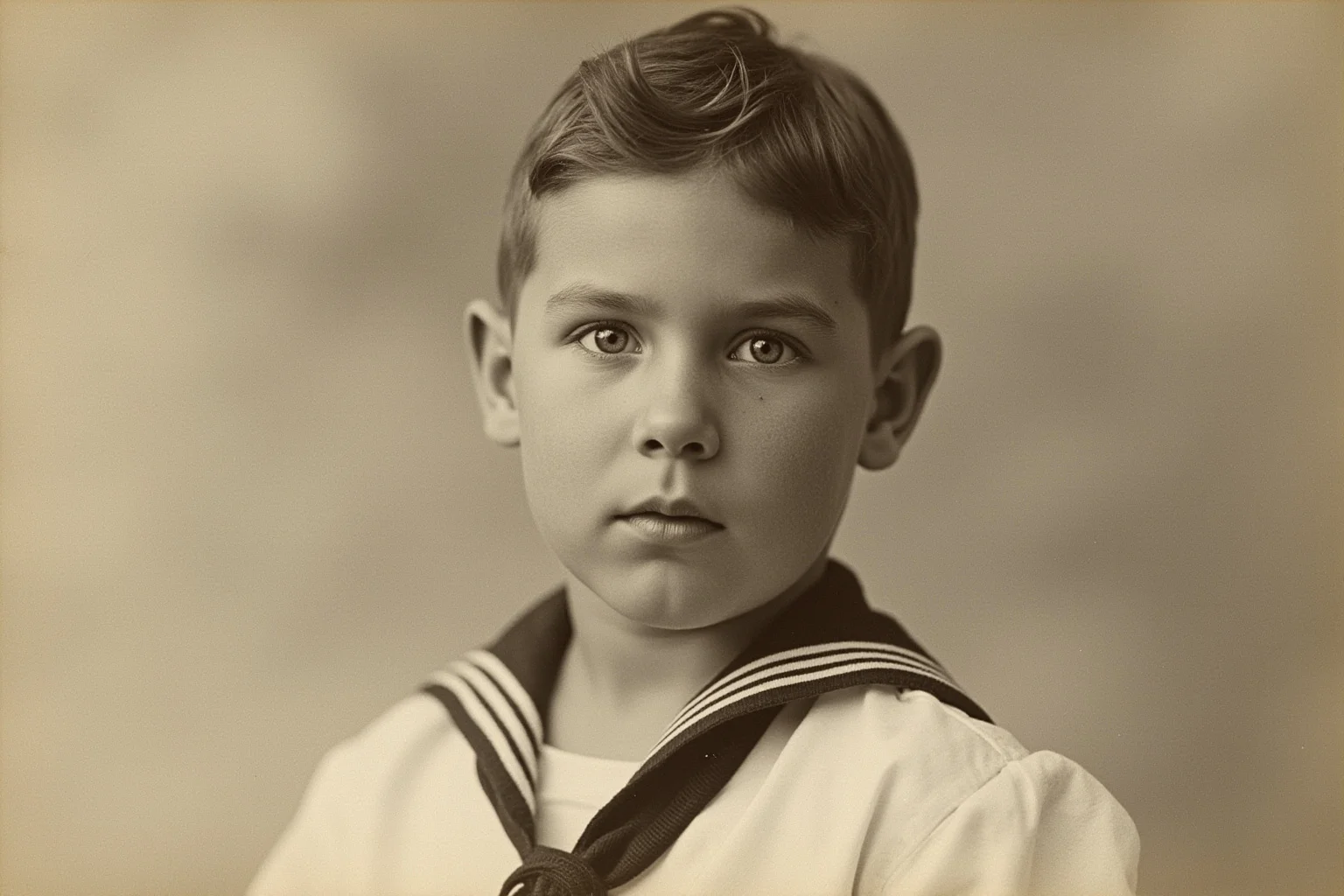
Percy started as an aristocratic English surname before becoming a first name, and it saw genuine use among boys in the early 1900s on both sides of the Atlantic. It carried a refined, slightly delicate reputation even then.
Percy fell out of fashion for decades before children’s book and film franchises brought it back into light usage in the 2000s and 2010s. It’s a rare case among this list of a name that’s tentatively climbing back rather than staying buried.
The Names That Never Left: Oldest Names Still in Use
Not every name from the 1900s faded into obscurity. A handful of names that topped the charts back then are, remarkably, still among the oldest names still in use today, appearing consistently in top-100 lists for well over a century.
John, William, James, and George remained steady choices for boys through most of the twentieth century and are still used regularly today. Their staying power likely comes from deep biblical and royal roots that never really went out of style, unlike more trend-driven names of any single decade.
For girls, Mary, Elizabeth, and Anna have shown similar staying power. These names benefit from strong religious associations and simple, adaptable sounds that translate well across cultures and languages.
Interestingly, some names from the early 1900s that faded for decades, like Emma, Charlotte, and Henry, have roared back into the top rankings in recent years. This shows that “forgotten” doesn’t always mean “gone forever” — it can just mean waiting for the right generational moment.
Why So Many 1900s Names Disappeared
It’s tempting to assume there’s always a dramatic reason a name falls out of favor, but the truth is usually more mundane. Most names that were popular in 1900 simply followed the natural rhythm of generational cycles, where names cycle in and out roughly every 25 to 30 years as each generation seeks names that feel fresh rather than tied to their parents’ or grandparents’ era.
Some declines do have identifiable causes, though, and it’s worth separating documented history from popular myth. Names like Bertha and Elmer saw their reputations genuinely affected by real historical and cultural events, such as wartime associations or cartoon characters, rather than pure coincidence.
Other names, like Mildred or Ida, don’t have any single clear cause for their disappearance. They simply drifted out of fashion the way most trends eventually do, without a scandal or pop culture villain to blame.
It’s also worth noting that not every claim about “why” a name died out holds up to scrutiny. Many folk explanations circulating online for specific name declines are unverified or exaggerated, so it’s worth treating dramatic backstories with a healthy dose of skepticism unless they’re backed by documented sources.
What This Tells Us About Naming Trends Today
Looking back at names from the 1900s offers a useful mirror for understanding today’s naming trends. The names that felt freshest and most fashionable to parents in 1905 are, in many cases, the ones that feel most dated to us now, which is a pattern likely to repeat with today’s popular choices in another century.
It also highlights how names that don’t exist anymore in everyday use were once completely unremarkable. Somewhere down the line, names like Olivia, Liam, or Sophia may seem just as tied to their moment as Mildred or Elmer feel today.
Genealogists and historians find real value in this cyclical pattern, since it helps date old photographs, letters, and documents even without other context clues. A name alone can often place a person within a fairly narrow historical window.
Final Thoughts on 1900s Names
The names people chose in the early 1900s reflect the values, religious traditions, and cultural influences of a very different world, one without mass media, celebrity culture, or globalized trends shaping every choice. That’s exactly what makes revisiting these names so interesting from a historical standpoint.
While you’re unlikely to meet a newborn Gertrude or Elmer anytime soon, these names remain a genuine part of family history for millions of people. They’re tucked into family trees, gravestones, and old photo albums, quietly waiting to be rediscovered by anyone curious enough to look.
Whether any of these 25 names make a comeback the way Hazel, Emma, or Charlotte did remains to be seen. History suggests that fashion, even in names, has a way of eventually circling back around.
Frequently Asked Questions
What are some popular names from the 1900s that aren’t used anymore?
Names like Mildred, Gertrude, Bertha, Elmer, Herbert, and Beulah were extremely common in birth records from 1900 to 1909 but have almost entirely disappeared from modern use. They were replaced over the following decades by new naming trends as each generation sought fresher-sounding options.
How do we know which names were popular in 1900?
Most historical name rankings come from official records, such as the U.S. Social Security Administration's data, which began tracking name usage on applications starting in 1880. Census records, church registries, and other civil records from various countries also help confirm these historical naming trends.
What were the most popular names of 1900?
In the United States during the early 1900s, John, William, James, George, and Charles were among the most common names for boys, while Mary, Helen, Margaret, Anna, and Ruth were among the most common for girls. These rankings are based on aggregated decade-level Social Security Administration data.
Are there any names from the 1900 decade still popular today?
Yes, a handful of names from the 1900s decade, including John, William, James, Mary, and Elizabeth, have remained consistently popular for over a century. Their long religious and royal histories likely helped them avoid the trend cycles that caused many other early-1900s names to fade.
Why did so many early 1900s names fall out of fashion?
Most names follow generational cycles, falling out of favor roughly every 25 to 30 years as new parents look for names that feel distinct from their own parents' generation. A few names also faded due to specific cultural associations, such as cartoon characters or wartime nicknames, though not every popular explanation for a name's decline is well documented.
Could any forgotten 1900s names make a comeback?
It's entirely possible. Names like Hazel, Emma, Charlotte, and Henry were unfashionable for decades before returning to popularity in recent years, showing that forgotten names can cycle back once enough time has passed.

Alex Warren
Related Articles