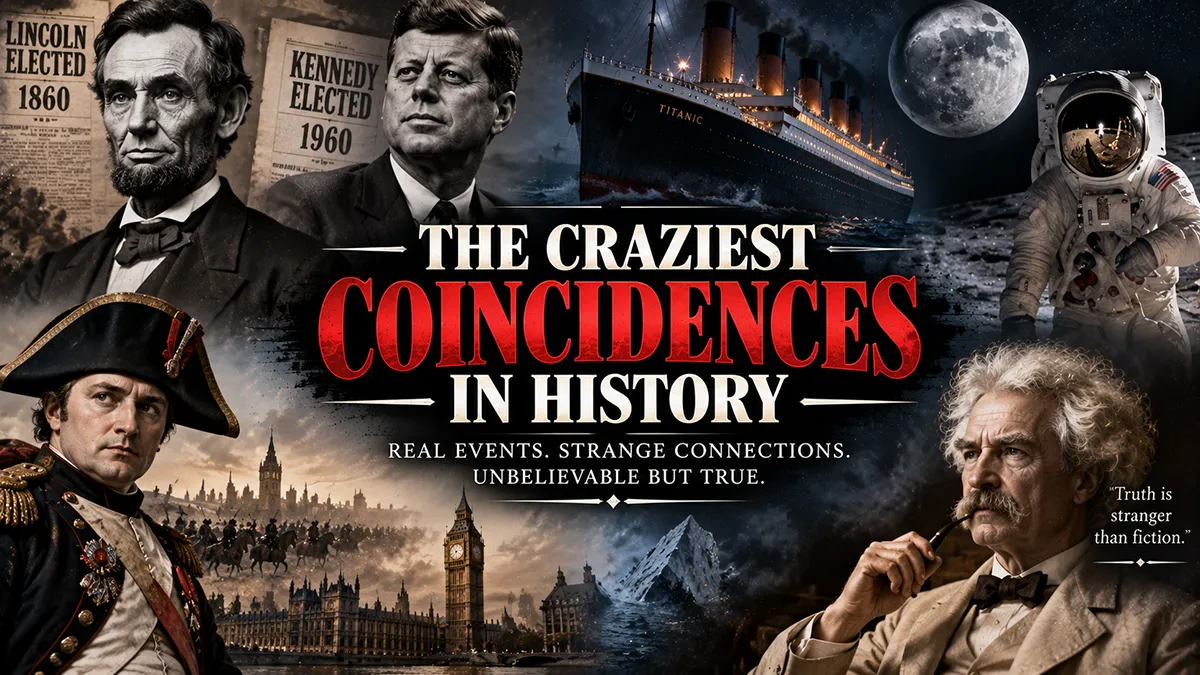
Some stories are so strange that they feel scripted, even though nobody wrote them. A president and a poet die on the same date decades apart. A ship’s stewardess survives three separate maritime disasters.
A crossword puzzle accidentally spells out a top-secret military invasion. History is full of historical events that sound too crazy to be true, and they tend to stick in our memory precisely because they feel impossible.
But here’s the catch: not every viral list of historical coincidences holds up once you check the sources. Some are meticulously documented facts. Others are exaggerated legends that have been repeated so often they’ve calcified into “truth.”
This roundup separates the two, walking through the craziest coincidences in history while being honest about which ones are rock-solid and which ones deserve a raised eyebrow.
TL;DR: History is packed with genuinely documented strange coincidences—like Lincoln and Kennedy’s eerie parallels or a man surviving both atomic bombings—but plenty of popular “coincidence” lists mix real events with exaggerated or unverifiable folklore.
Why Do We Notice So Many Weird Coincidences?
Humans are pattern-seeking creatures. Our brains are wired to find connections, even in random noise, a tendency psychologists call apophenia. When two unrelated events line up, our minds light up far more than when a thousand other non-events pass by unnoticed.
Statisticians have a blunter explanation, sometimes called the law of truly large numbers. With billions of people living over thousands of years of recorded history, some improbable overlaps are statistically guaranteed to happen eventually, somewhere, to someone.
That doesn’t make them less fun to read about, but it does explain why coincidence examples are so easy to find if you look hard enough.
This is also why coincidence pictures and coincidental pictures spread so easily online. A striking side-by-side image of two eerily similar events is shareable and emotionally satisfying, even when the underlying story has been polished or exaggerated in the retelling. Keep that in mind as you read through the list below.
The Craziest Coincidences in History
Here are 20 of the strangest, funniest, and most talked-about coincidences from the historical record, with context on which parts are verified and which parts are closer to legend.
1. Lincoln and Kennedy: The Coincidences That Started It All
No discussion of historical coincidences gets far without the Lincoln Kennedy coincidences, probably the most famous strange coincidence in American history.
Abraham Lincoln was elected to Congress in 1846 and to the presidency in 1860; John F. Kennedy was elected to Congress in 1946 and to the presidency in 1960, a tidy hundred-year gap.
Both men were assassinated on a Friday, both were shot in the head, and both were succeeded by vice presidents named Johnson—Andrew Johnson, born in 1808, and Lyndon Johnson, born in 1908, exactly a century apart.
Those parts are verifiable and well documented. Where the list gets shaky is the internet-famous claims about secretaries and assassins. The oft-repeated line that Lincoln had a secretary named Kennedy who warned him not to go out, mirrored by a Kennedy secretary named Lincoln, doesn’t hold up under scrutiny; Kennedy’s secretary really was named Evelyn Lincoln, but the reverse claim about Lincoln’s staff is unsubstantiated.
The claim that assassins John Wilkes Booth and Lee Harvey Oswald were born exactly 100 years apart is also off, since Booth was born in 1838 and Oswald in 1939. It’s a great story, but treat the neater numerological details as folklore layered on top of a genuinely eerie set of real facts.
2. Mark Twain’s Life Bookended by Halley’s Comet
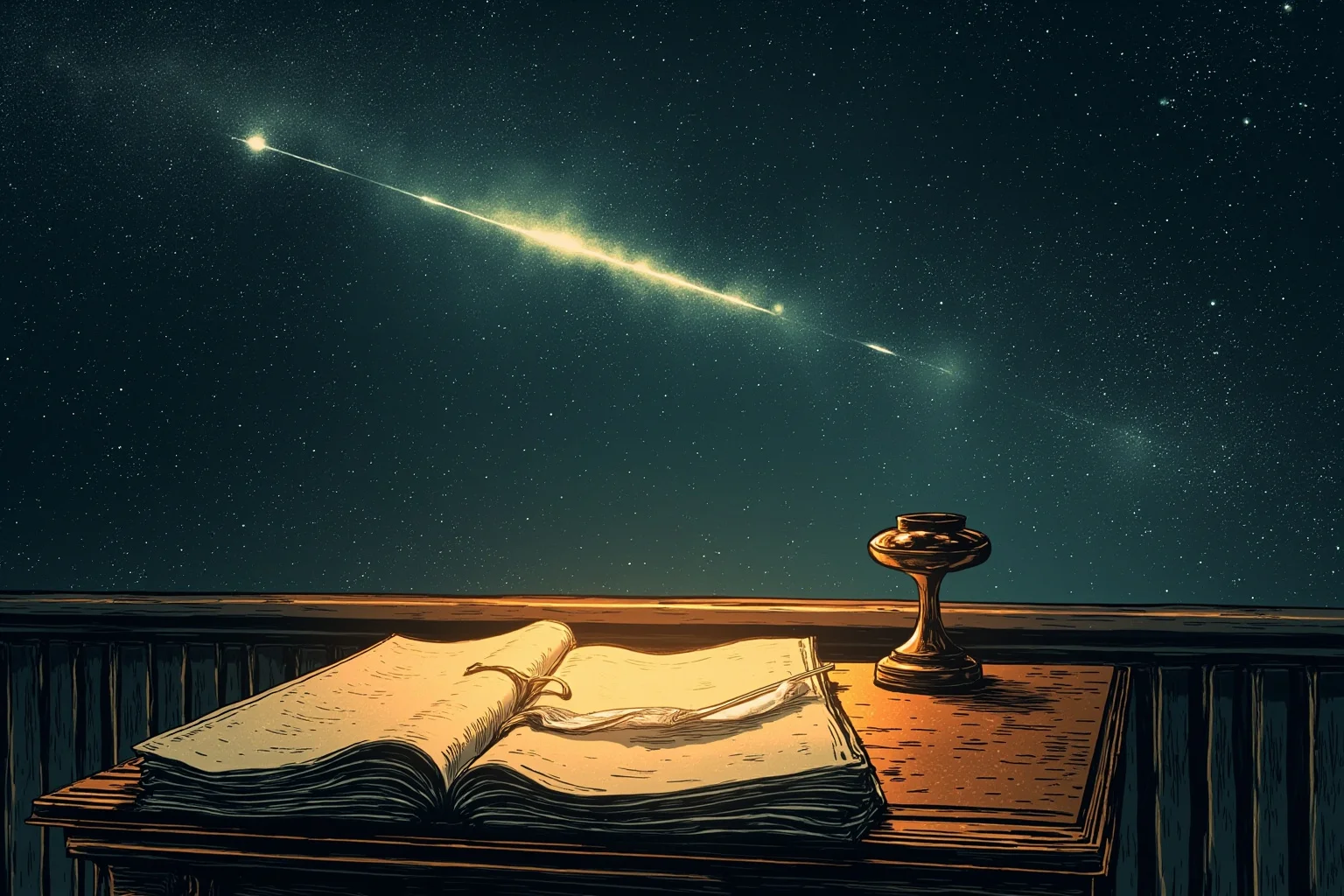
Mark Twain was born in November 1835, just weeks after Halley’s Comet made one of its 76-year passes near Earth. In his later years, Twain reportedly said he expected to “go out” with the comet, since he had “come in” with it.
He died in April 1910, the very day after Halley’s Comet made its next return. This one is well documented through Twain’s own writings and remains one of the more delightfully self-aware weird coincidences in history, since the man practically predicted his own timing.
3. The Novel That Seemed to Predict the Titanic
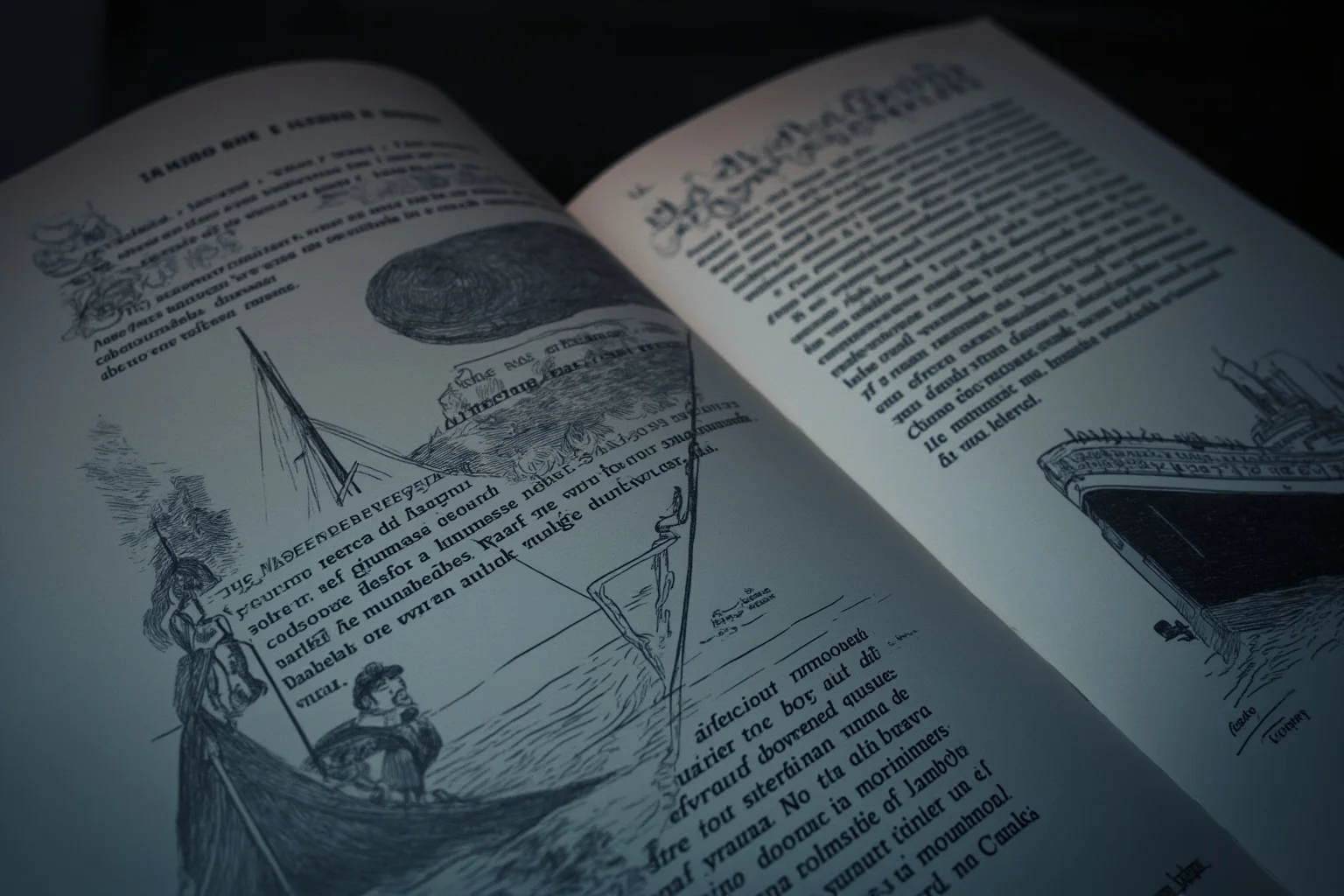
In 1898, author Morgan Robertson published a novella called “The Wreck of the Titan,” about a massive, supposedly unsinkable British ocean liner that strikes an iceberg in the North Atlantic and sinks with heavy loss of life due to insufficient lifeboats. Fourteen years later, in 1912, the RMS Titanic sank in strikingly similar circumstances.
The similarities in ship size, speed, and the lifeboat shortage are real and documented, which is why this remains one of the most cited examples of coincidence in popular writing. It wasn’t a supernatural prophecy so much as a novelist making an educated, if uncannily accurate, guess about the risks of the era’s shipbuilding trends.
4. Violet Jessop, the Stewardess the Sea Couldn’t Sink
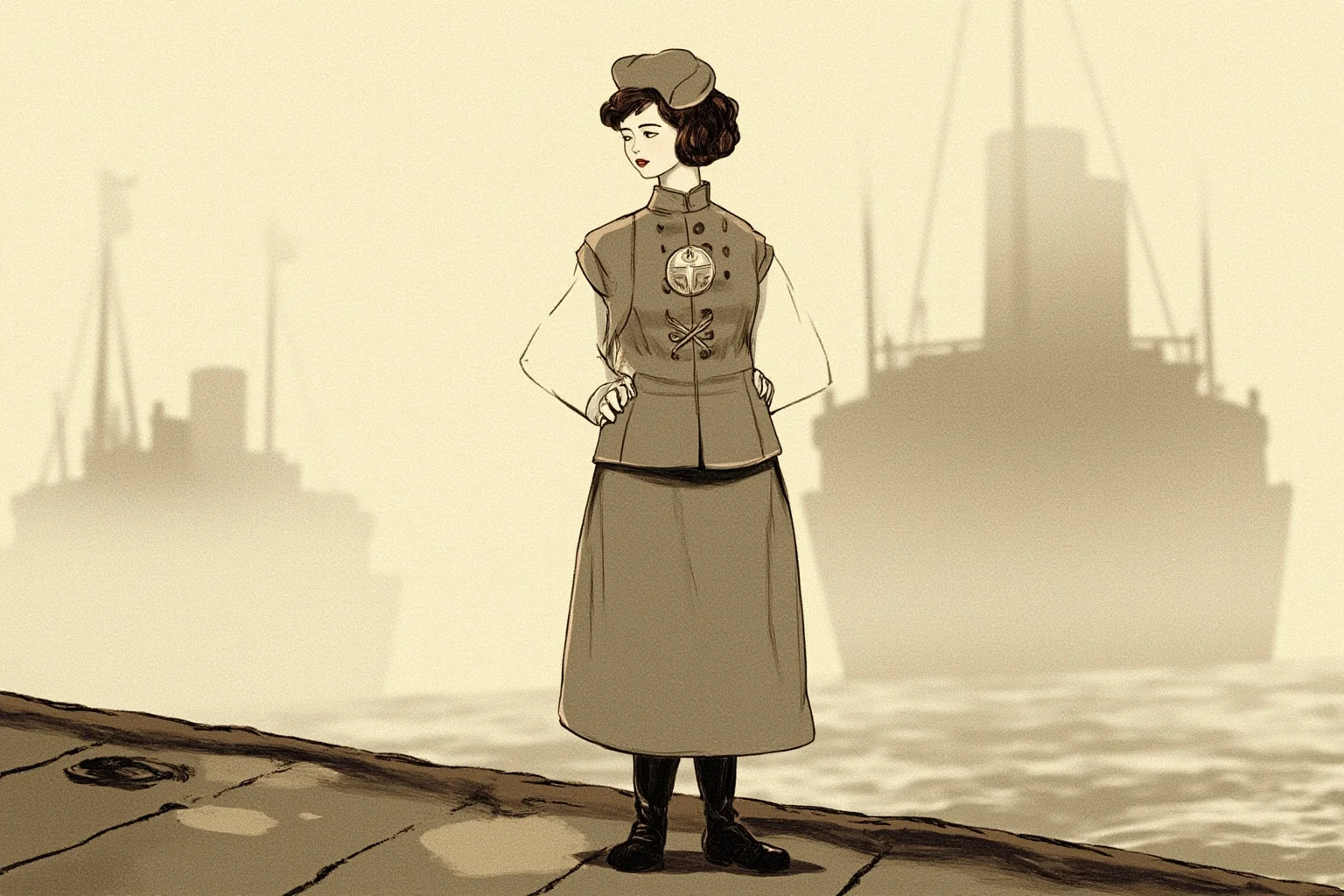
Violet Jessop worked as a stewardess and nurse aboard three sister ships of the White Star Line. She was aboard the RMS Olympic in 1911 when it collided with a Royal Navy cruiser, aboard the Titanic in 1912 when it sank, and aboard the HMHS Britannic in 1916 when it struck a mine and sank as a hospital ship during World War I.
Jessop survived all three incidents, reportedly jumping from the sinking Britannic and narrowly avoiding being pulled into its propellers. Her story is one of the best-documented strange coincidences in maritime history, and it’s a genuine account, not an urban legend.
5. Wilmer McLean’s House Bookended the Civil War
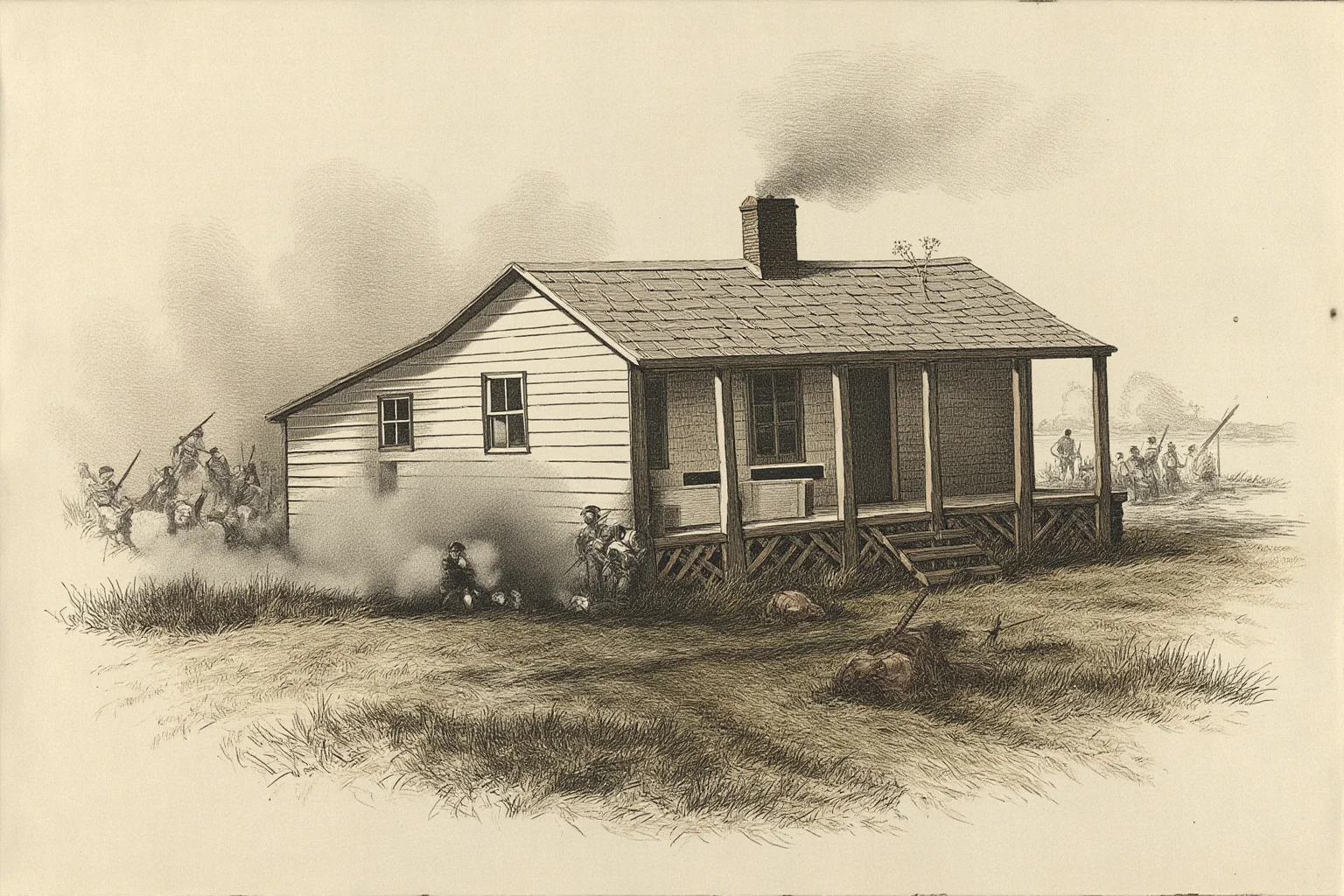
Wilmer McLean was a Virginia farmer whose property near Manassas hosted the First Battle of Bull Run in July 1861, the first major land battle of the American Civil War; a shell reportedly struck his kitchen during the fighting. Hoping to escape the war, McLean later moved his family to the quiet village of Appomattox Court House.
In April 1865, Confederate General Robert E. Lee surrendered to Union General Ulysses S. Grant in the parlor of McLean’s new home, effectively ending the war. It’s often summarized as the war beginning in his backyard and ending in his front parlor, and it’s a documented, if darkly poetic, historical coincidence.
6. Robert Todd Lincoln’s Brush With Three Assassinations
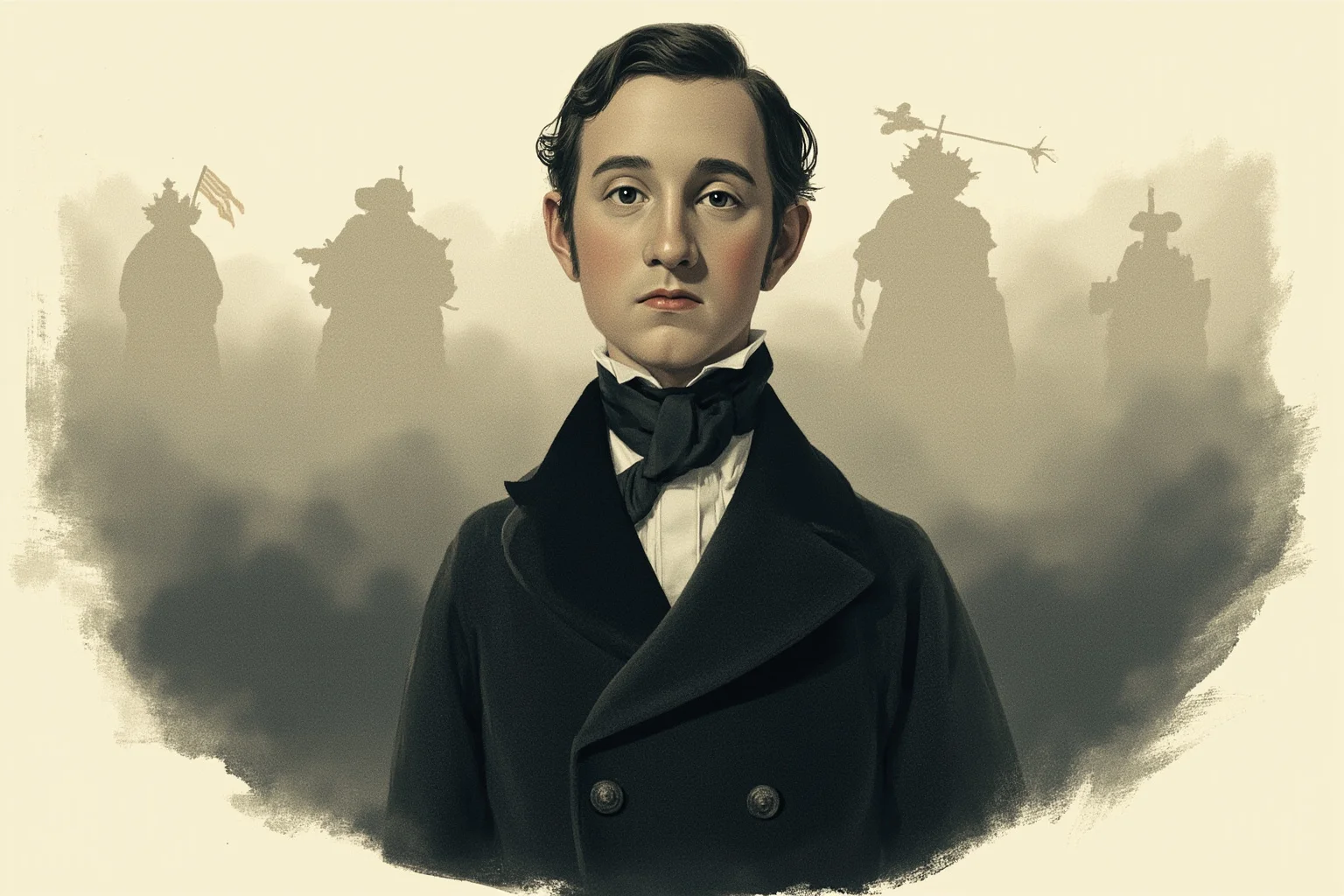
Abraham Lincoln’s son, Robert Todd Lincoln, had an unenviable habit of being near presidential assassinations. He was summoned to his father’s deathbed after the 1865 shooting, was present at the Washington train station when President James Garfield was shot in 1881, and was in Buffalo, New York, in 1901 when President William McKinley was shot at the Pan-American Exposition.
Robert reportedly grew so uneasy about the pattern that he later declined invitations to public events involving sitting presidents. This is a well-documented case, drawn from contemporary accounts, rather than an exaggerated internet legend.
7. The Booth Who Saved a Lincoln
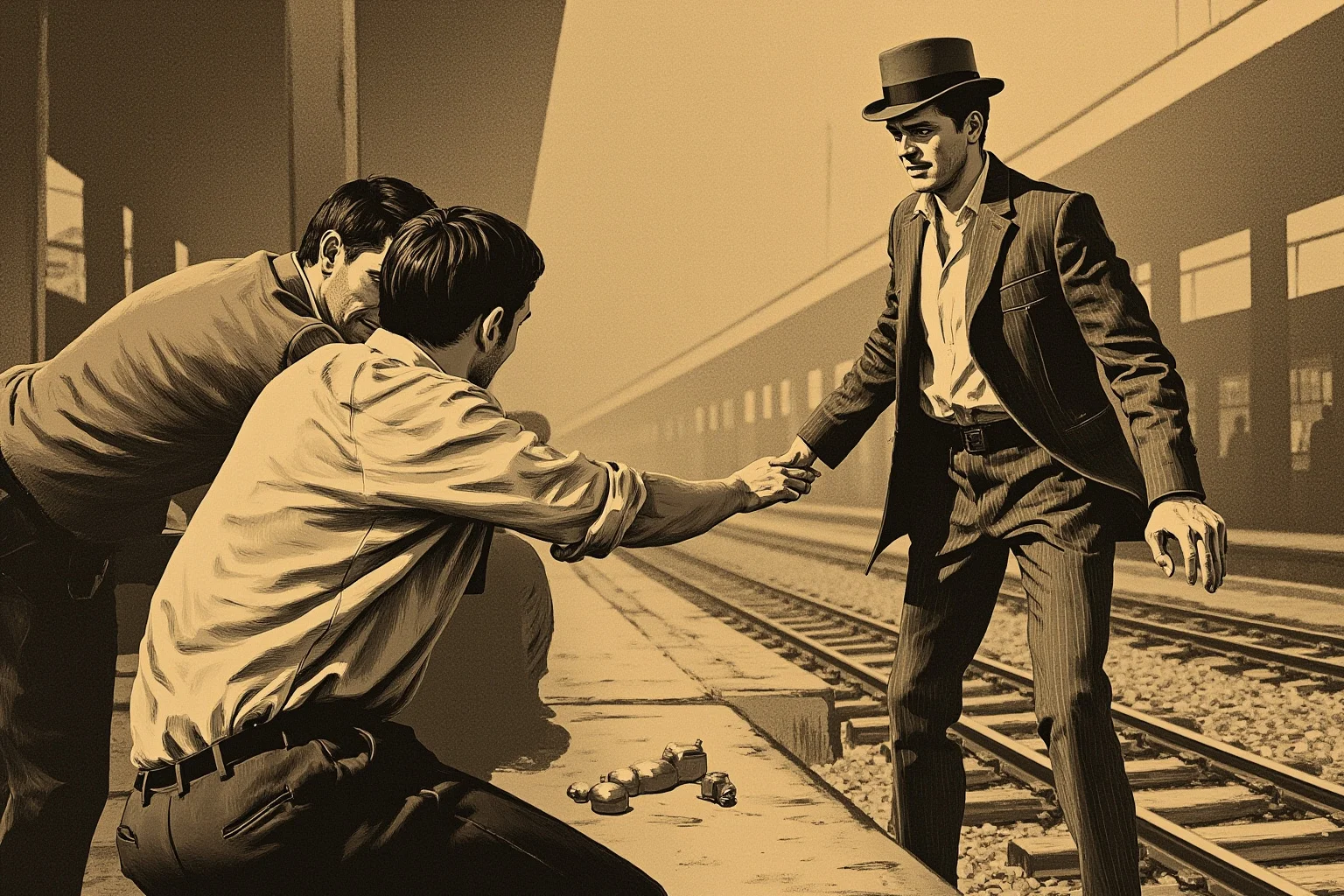
In a detail almost too strange to invent, Robert Todd Lincoln was once pulled back from the edge of a train platform in Jersey City after nearly falling between a moving train and the platform. The man who grabbed him by the collar was the famous actor Edwin Booth—brother of John Wilkes Booth, the man who would assassinate Robert’s father months later.
Robert recounted this story himself in later years, and Edwin Booth reportedly didn’t even know whose life he’d saved until receiving a note of thanks afterward. It stands as one of the odder coincidences in history precisely because it involves the Booth and Lincoln families crossing paths twice, in opposite ways.
8. Jefferson and Adams: Two Founders, One Fourth of July
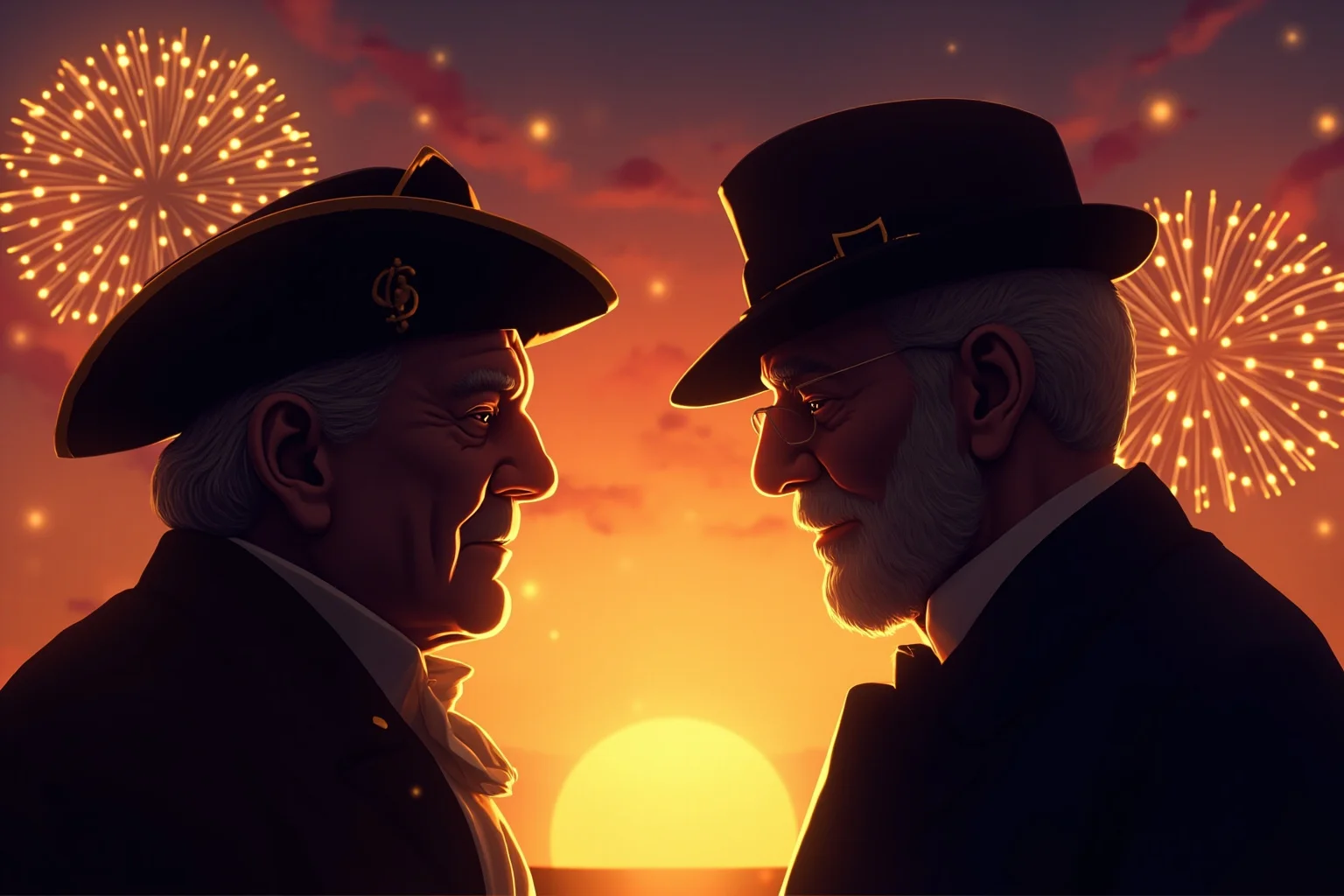
Thomas Jefferson and John Adams, both signers of the Declaration of Independence and both former presidents, died on the same day: July 4, 1826, exactly fifty years after the Declaration was adopted. Adams reportedly spoke of Jefferson in his final hours, unaware that his old friend and rival had already passed earlier that day.
Adding to the pattern, James Monroe, the fifth U.S. president, also died on July 4, in 1831. Three founding-era presidents dying on the nation’s birthday is a documented historical fact, not folklore, and it remains one of the most cited examples of coincidence in American history.
9. The “Curse” of Zero-Year Presidents
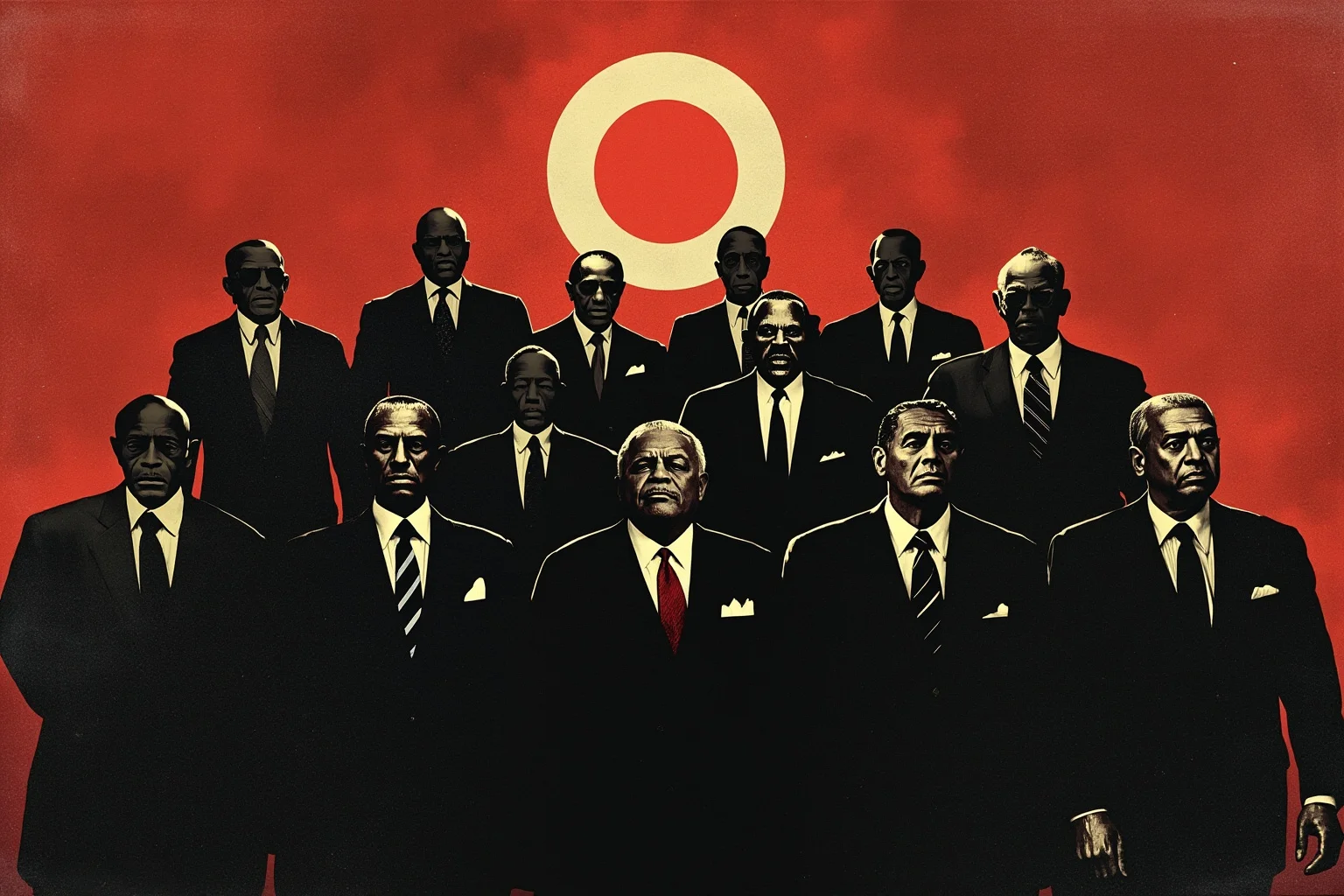
For over a century, a grim pattern held for U.S. presidents elected in years ending in zero. William Henry Harrison (1840), Abraham Lincoln (1860), James Garfield (1880), William McKinley (1900), Warren Harding (1920), Franklin D. Roosevelt (1940), and John F. Kennedy (1960) were all elected in zero-years and all died in office.
This pattern, sometimes called the Curse of Tippecanoe, was broken when Ronald Reagan, elected in 1980, survived an assassination attempt in 1981. It’s a striking statistical run rather than an actual curse, and it’s often cited as one of the biggest coincidences in history simply because of how long the pattern held.
10. Tsutomu Yamaguchi and the Double Atomic Bomb Survival
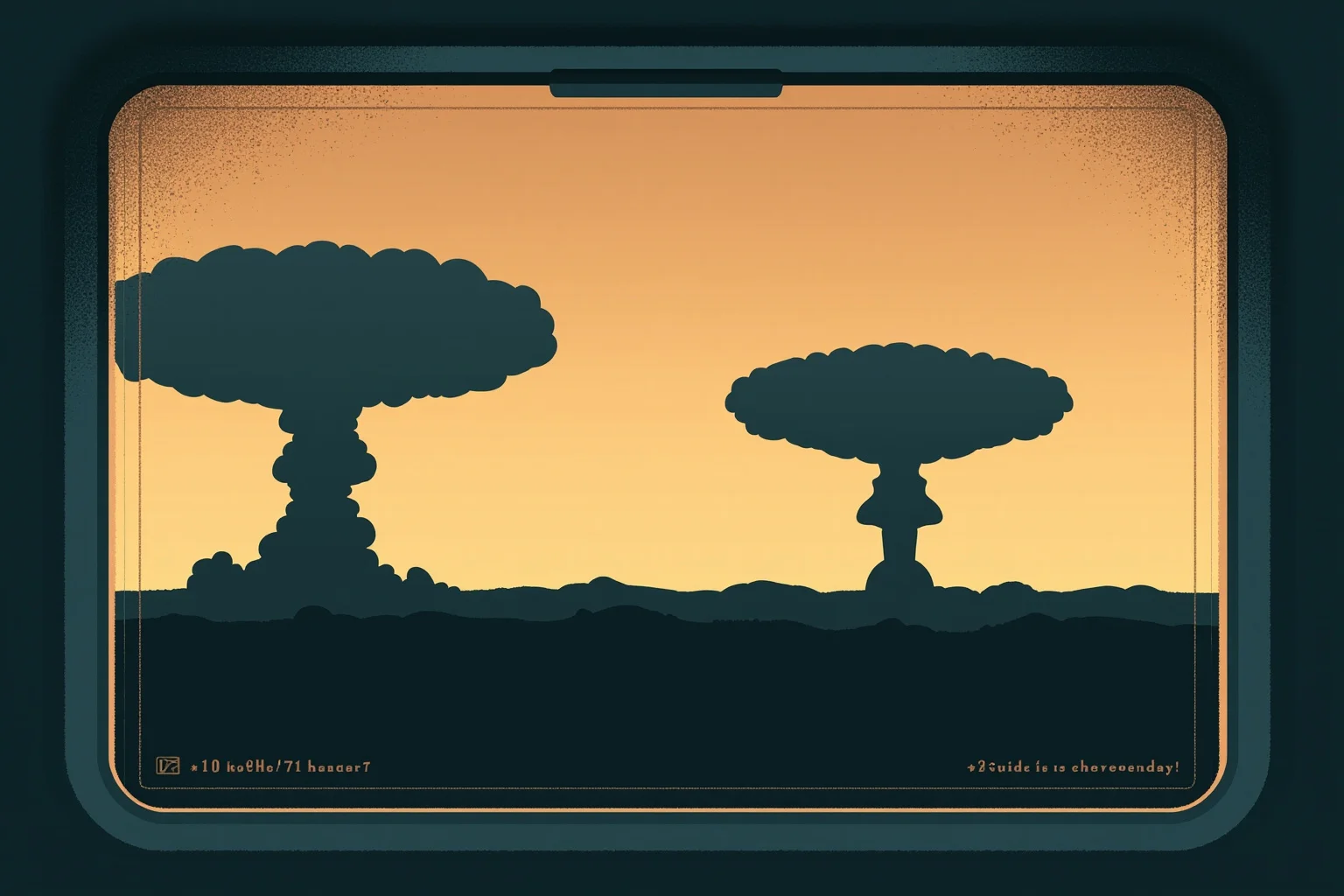
Tsutomu Yamaguchi was a Mitsubishi engineer on a business trip to Hiroshima on August 6, 1945, when the United States dropped the first atomic bomb used in war. Injured but alive, he made his way back home—to Nagasaki, where he was present for the second atomic bombing just three days later.
He survived both attacks and was officially recognized by the Japanese government in 2009 as a “nijyu hibakusha,” or double-bombing survivor. He lived until 2010, and his story remains one of the most sobering and thoroughly documented strange coincidences of the 20th century.
11. The Wrong Turn That Helped Start World War I
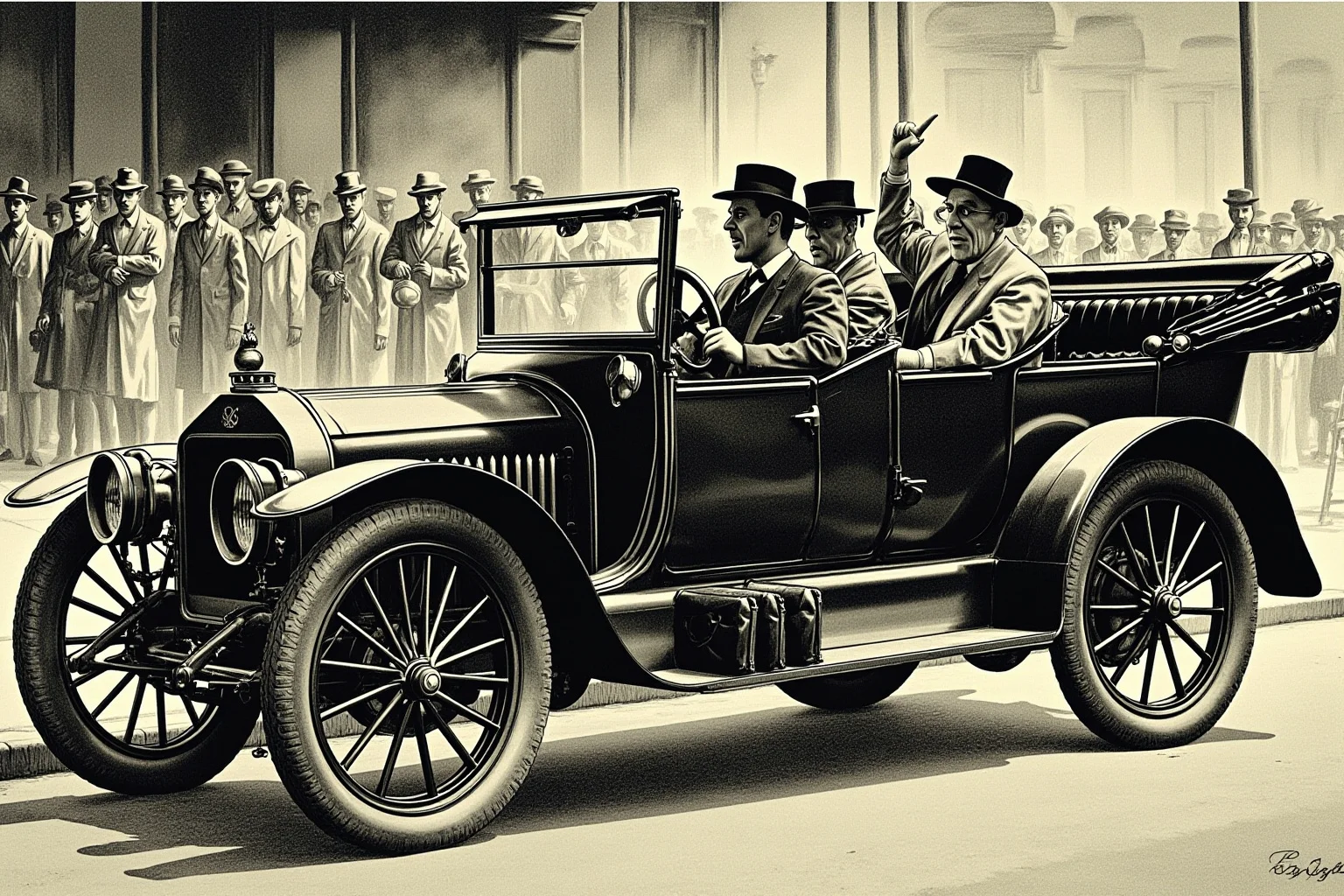
On June 28, 1914, Archduke Franz Ferdinand of Austria-Hungary survived an earlier bomb attack during his motorcade through Sarajevo. Later that day, his driver, attempting to change the route, took a wrong turn and had to stop the car to reverse—directly in front of Gavrilo Princip, one of the original conspirators, who then shot both the Archduke and his wife, Sophie.
This assassination is credited with triggering the alliance system that plunged Europe into World War I. It’s a documented sequence of events, and the sheer randomness of the car stalling in exactly the wrong spot makes it one of the more consequential odd coincidences in history.
12. The D-Day Crossword Puzzle Scare
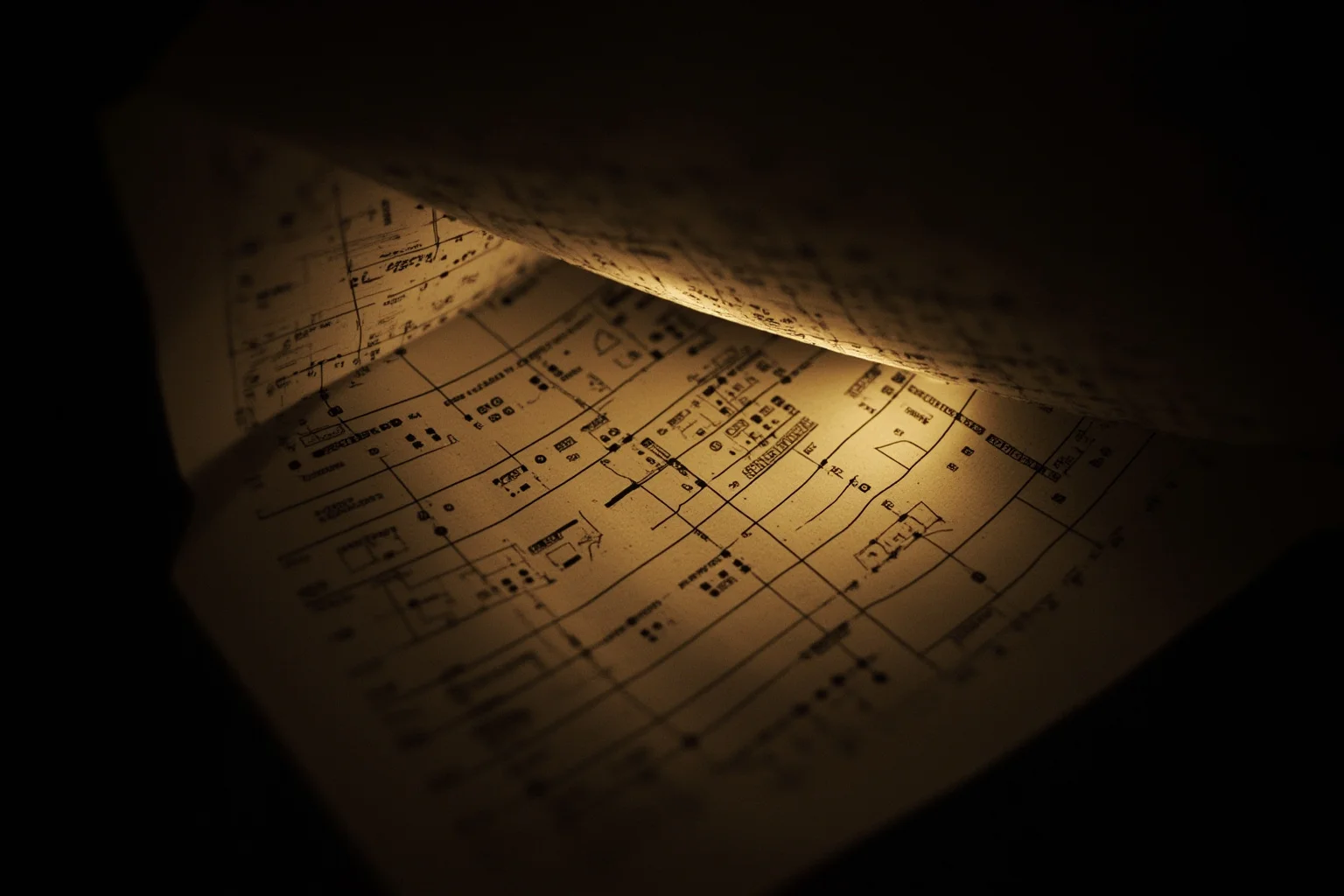
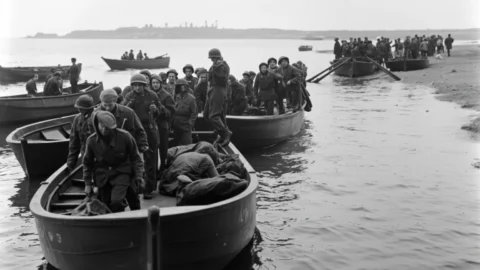
In the weeks before the June 6, 1944 D-Day invasion, the Daily Telegraph’s crossword puzzles contained answers including “Utah,” “Omaha,” “Overlord,” “Mulberry,” and “Neptune”—all classified codenames tied to the Normandy invasion. British intelligence launched an investigation, worried about a security leak.
MI5 questioned the puzzle’s compiler, a schoolteacher named Leonard Dawe, and concluded it was a genuine coincidence: students near military camps had likely overheard the codenames and unknowingly suggested them as crossword answers. It’s a well-documented case that shows even wartime secrecy can be undone by pure chance, and it’s just one of many little-known facts about World War II that still surprise people today.
13. King Umberto I’s Uncanny Double
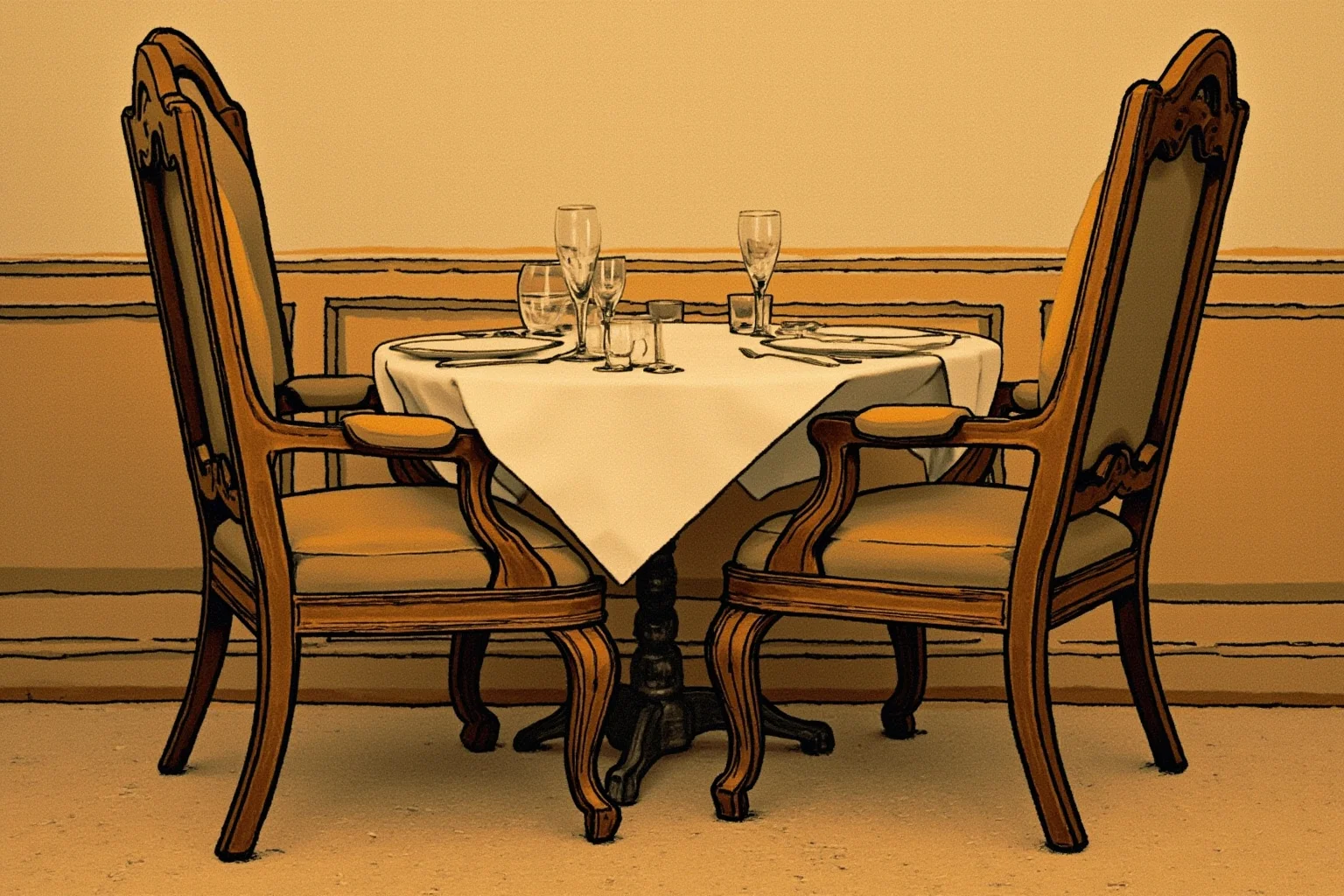
This one is worth including precisely because it’s so widely repeated, and so hard to verify. The popular story claims that Italy’s King Umberto I once dined at a small restaurant with an owner who looked identical to him, shared his birthday, and even had a wife with the same name.
According to the legend, the restaurant owner later died in a shooting accident on the same day the King was informed—shortly before Umberto himself was assassinated at a festival. It’s a staple of popular psychology books on coincidence, but historians have had trouble tracing it to a solid primary source, so it’s best treated as a legend rather than a confirmed historical coincidence.
14. Anthony Hopkins and the Book That Found Him

Actor Anthony Hopkins has told the story of preparing for a 1974 film based on George Feifer’s novel “The Girl from Petrovka.” Unable to find a copy in London bookshops, he reportedly discovered one abandoned on a bench, and it turned out to be annotated in the margins.
When Hopkins later met Feifer, the author mentioned he had lost his own personal copy years earlier, complete with his handwritten notes, after lending it to a friend. The book Hopkins found matched it exactly. This is one of the funniest historical events as told by those involved, though like many personal anecdotes it rests on their own retelling rather than independent documentation.
15. Napoleon, Hitler, and the Numbers That Don’t Quite Add Up
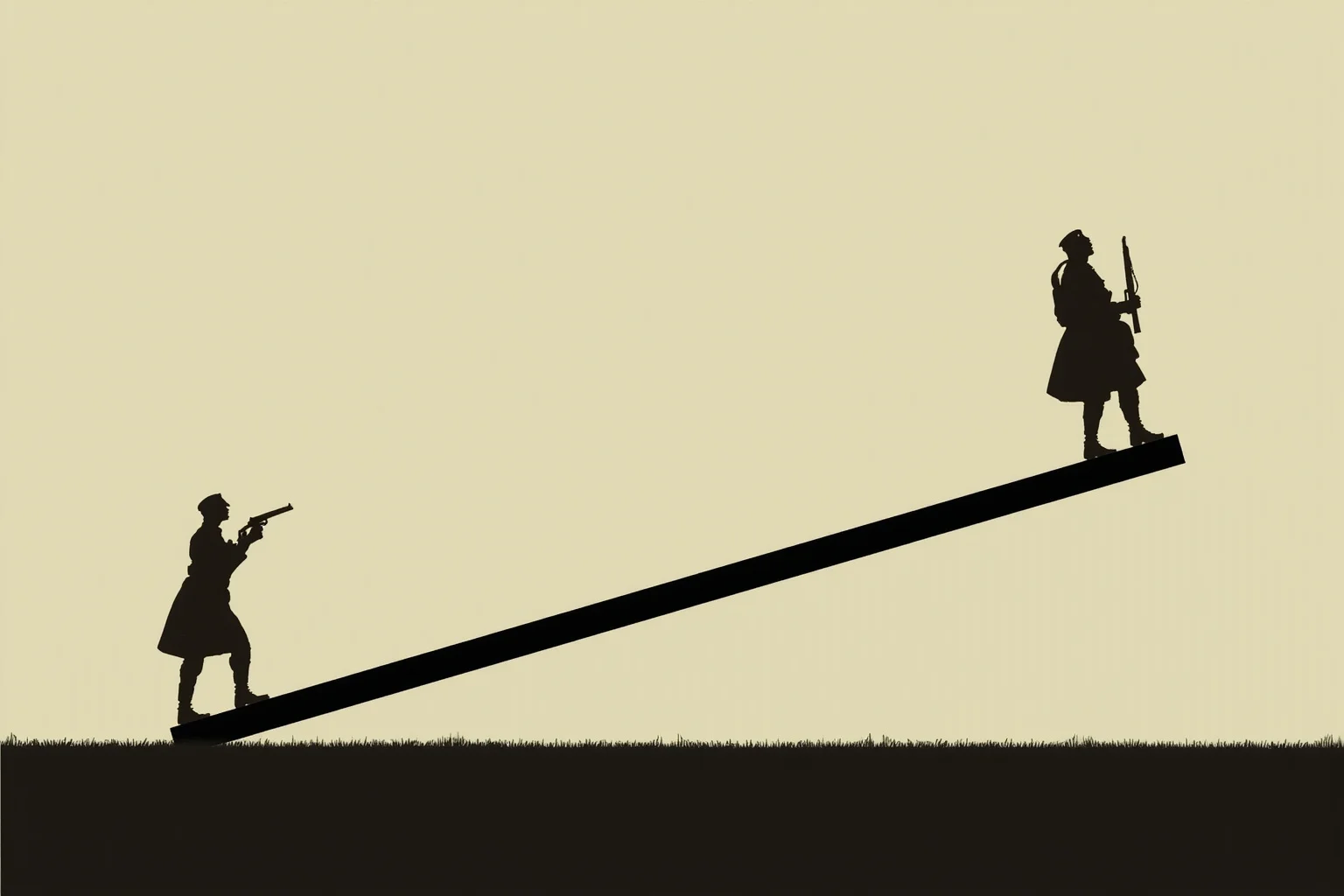
Online lists love to point out that Napoleon Bonaparte and Adolf Hitler were born 129 years apart, both rose to power roughly the same number of years after birth, and both launched invasions of Russia. It’s a tempting pattern for anyone hunting for historical coincidences.
But the neat version doesn’t survive close reading. Napoleon’s army crossed into Russia on June 24, 1812, while Hitler’s Operation Barbarossa began on June 22, 1941, not the identical date some lists claim. Like the exaggerated parts of the Lincoln-Kennedy list, this is a case where a few real parallels get padded with invented or imprecise details to make the pattern feel tighter than it actually is.
16. The Bulgarian Lottery’s Repeating Numbers
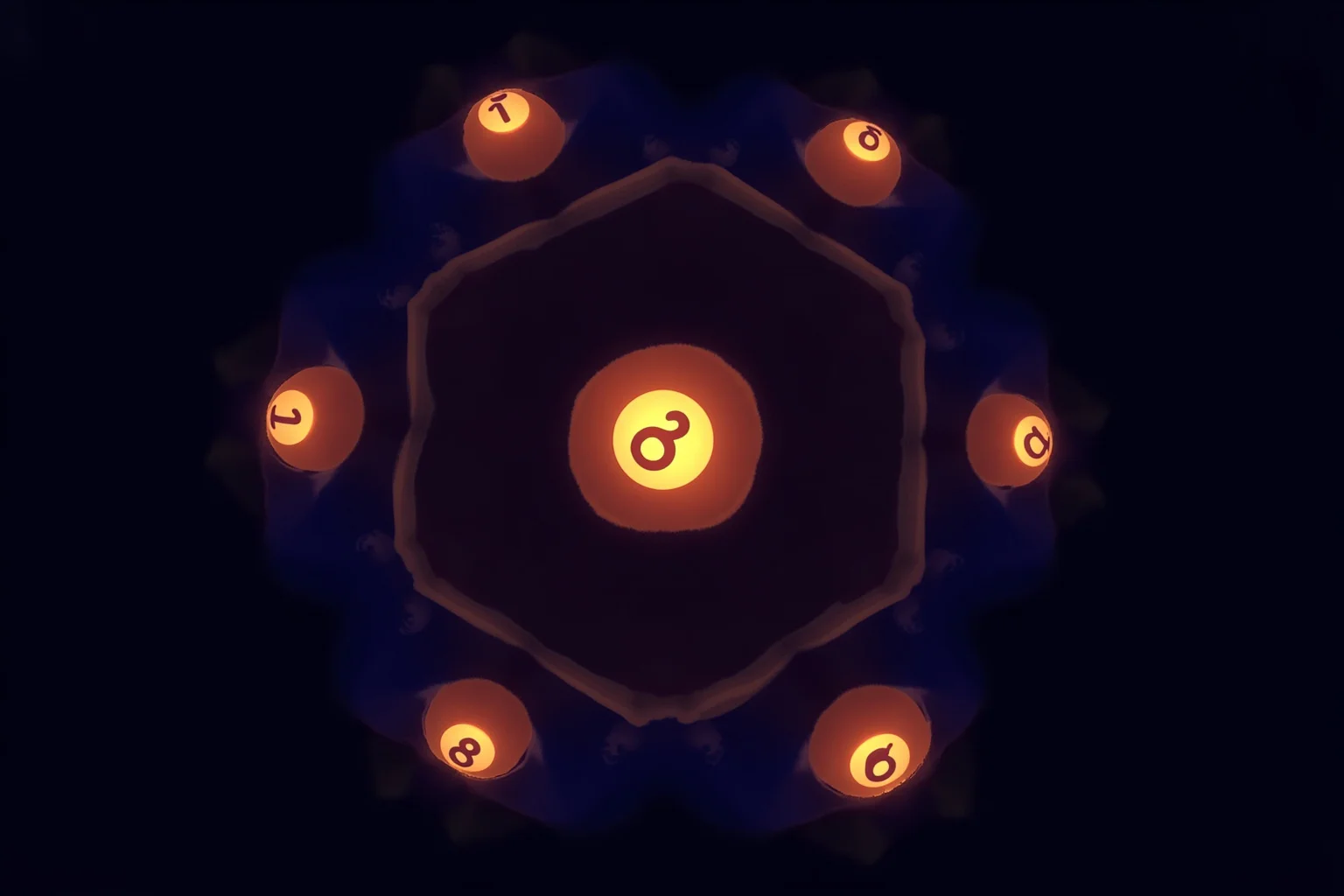
In September 2009, Bulgaria’s national lottery drew the exact same six winning numbers—4, 15, 23, 24, 35, and 42—in two consecutive draws held just days apart. The event made international news and triggered a government investigation into possible fraud.
Authorities ultimately concluded it was a genuine, if extraordinarily unlikely, coincidence rather than manipulation. Statisticians pointed out that with enough lottery draws happening worldwide over enough years, an exact repeat like this becomes far less improbable than it feels, a real-world example of the law of truly large numbers in action.
17. The “Jim Twins” Separated at Birth
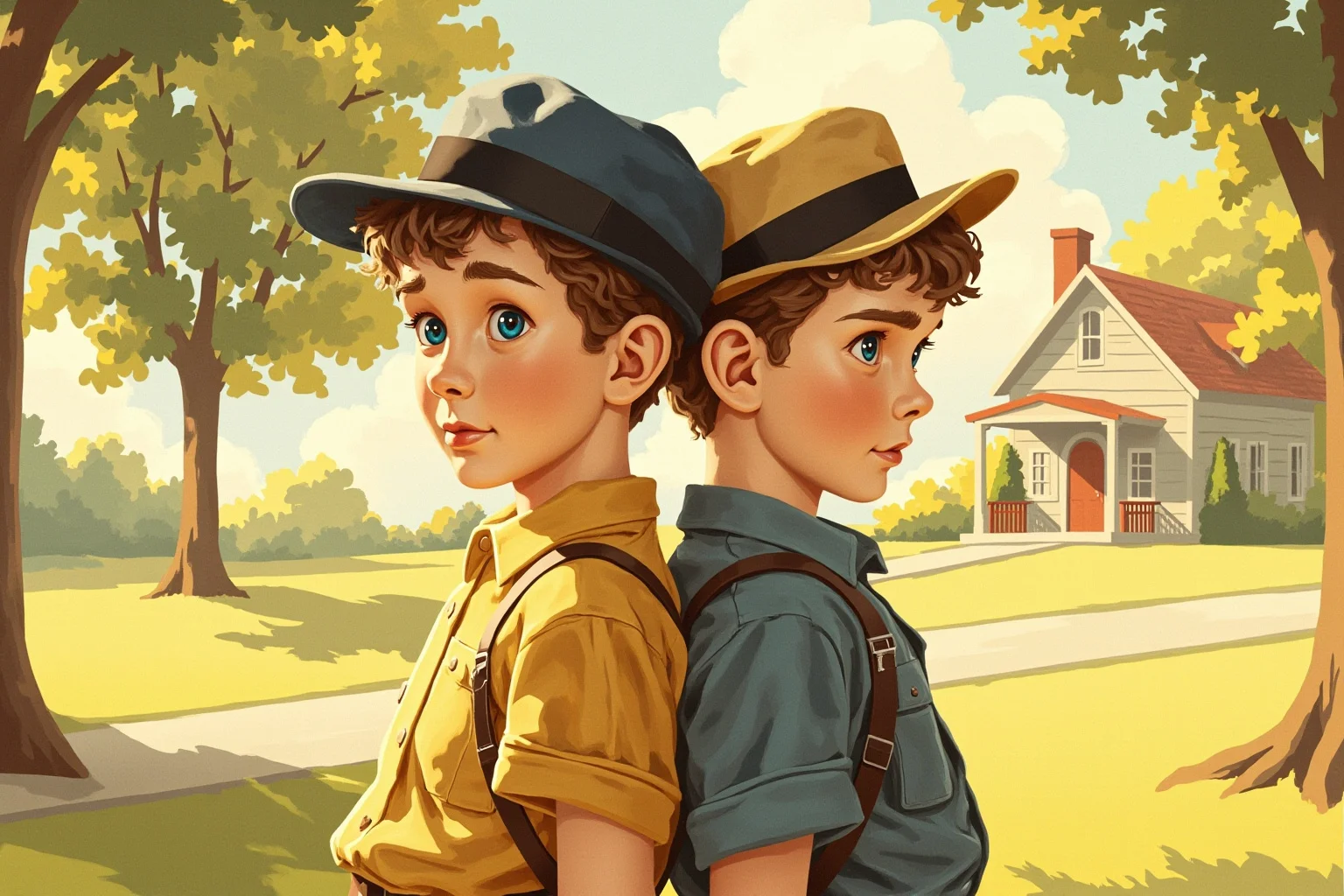
James Springer and James Lewis were identical twins separated shortly after birth and adopted by different families, both of whom—unaware of the other family’s choice—named their son James. Reunited at age 39, the pair became famous case subjects in the University of Minnesota Twin Study led by psychologist Thomas Bouchard.
Researchers found the twins had both married women, divorced, and remarried women with similar names, had sons with nearly identical names, and shared several habits and preferences. It’s a genuinely documented case, though psychologists caution that some parallels were emphasized more than others in media coverage, and the study’s larger point was about genetics, not fate.
18. The Birthday Paradox: Why Coincidences Are More Common Than You Think
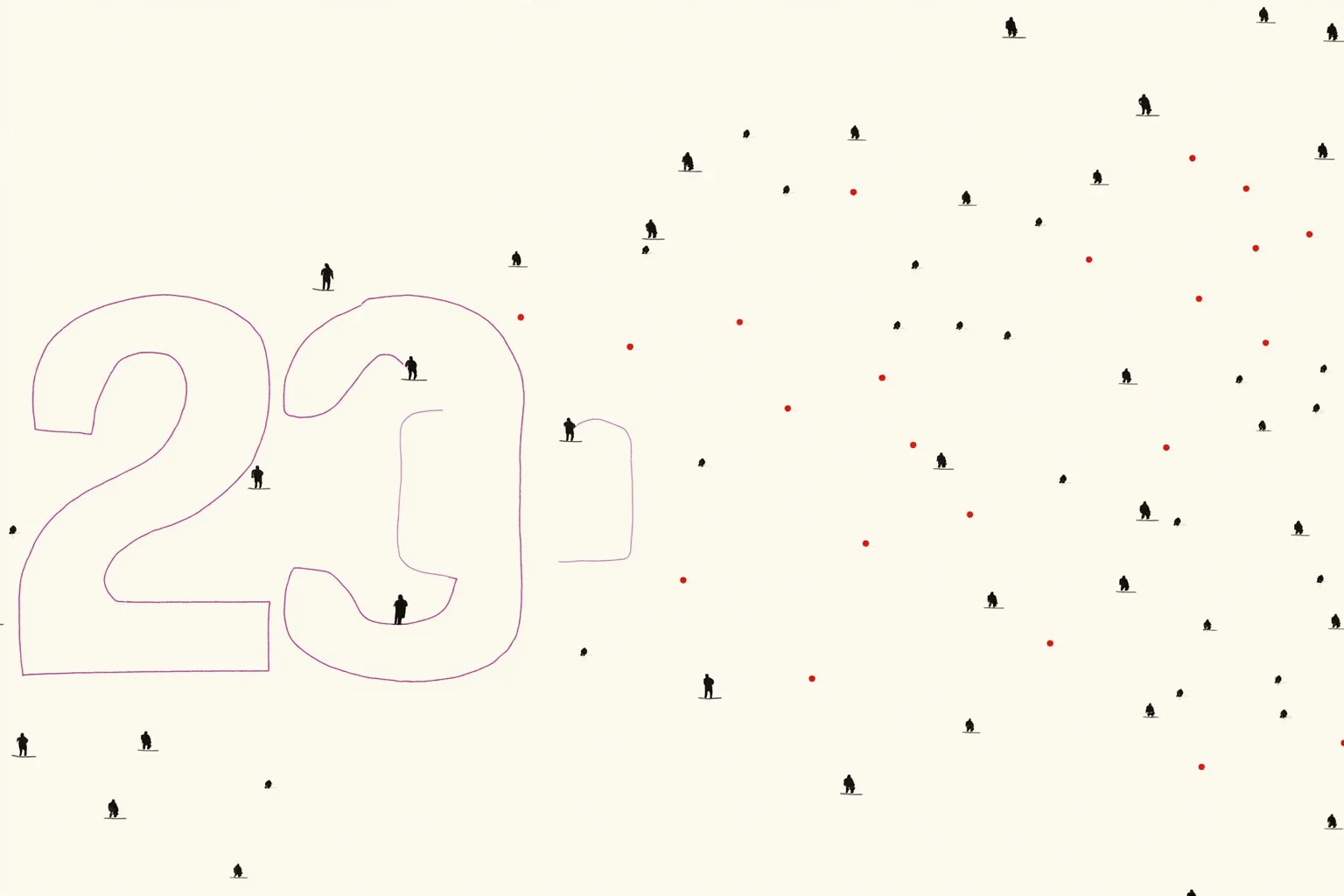
Here’s a mathematical curiosity that explains a lot of the coincidences on this list. In a room of just 23 people, there’s better than a 50% chance that two of them share a birthday, a result known as the birthday paradox.
It feels impossible because we intuitively compare our own birthday to everyone else’s, when the actual math compares every possible pair of people at once. This same logic scales up across history: with billions of people and thousands of years of events, some very strange overlaps are essentially guaranteed to occur eventually.
19. The Sultana Disaster Lost in Lincoln’s Shadow
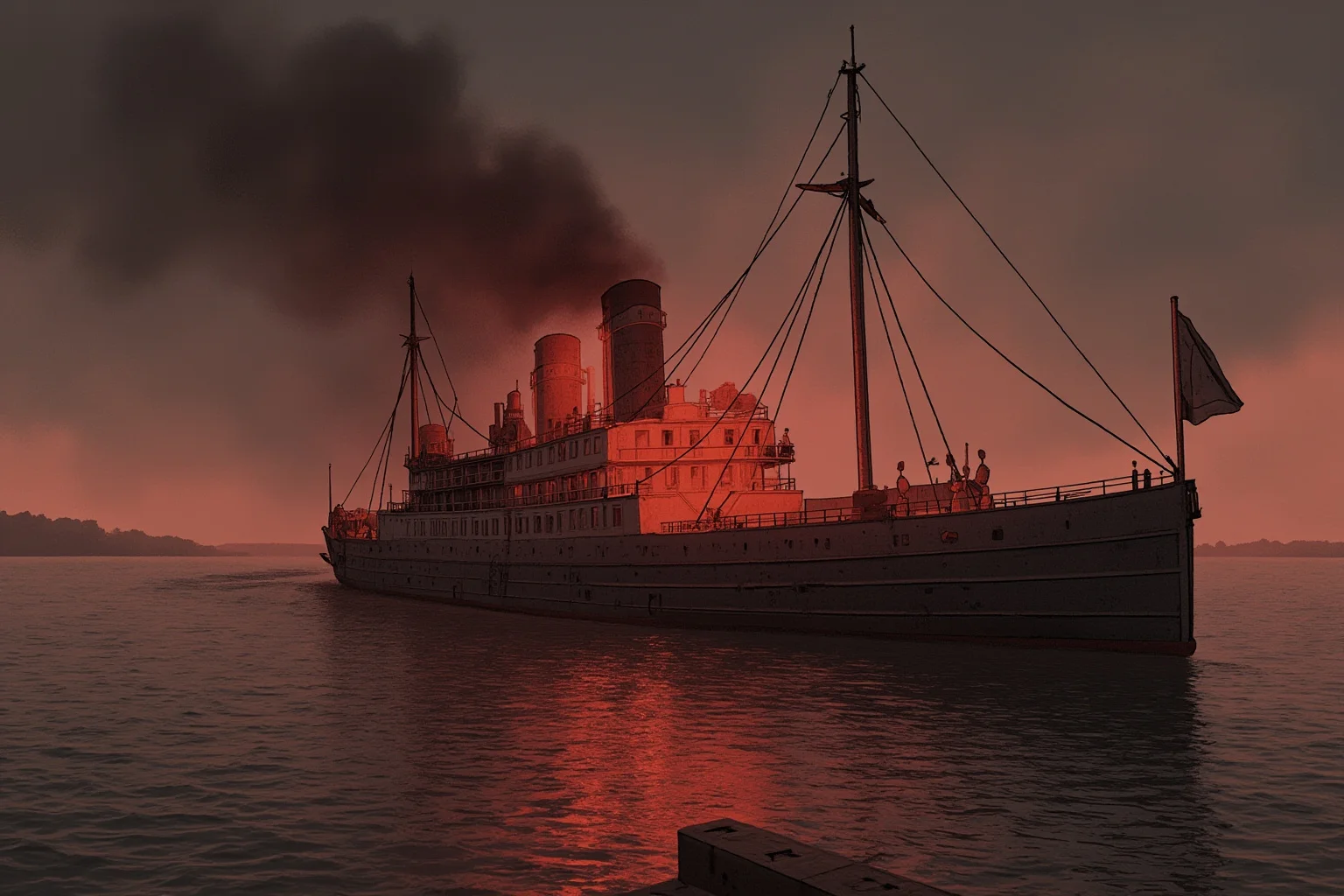
On April 27, 1865, the steamboat Sultana, dangerously overcrowded with recently released Union prisoners of war, exploded on the Mississippi River near Memphis. An estimated 1,168 people died, making it the deadliest maritime disaster in U.S. history, worse than the Titanic in lives lost.
It happened just twelve days after Lincoln’s assassination and the day after John Wilkes Booth was killed by Union soldiers, while the nation’s attention remained fixed on the president’s funeral and the manhunt. As a result, one of the worst man-made disasters in history received comparatively little coverage at the time, an eerie and tragic case of historical timing.
20. Apollo 13’s Unlucky Number 13
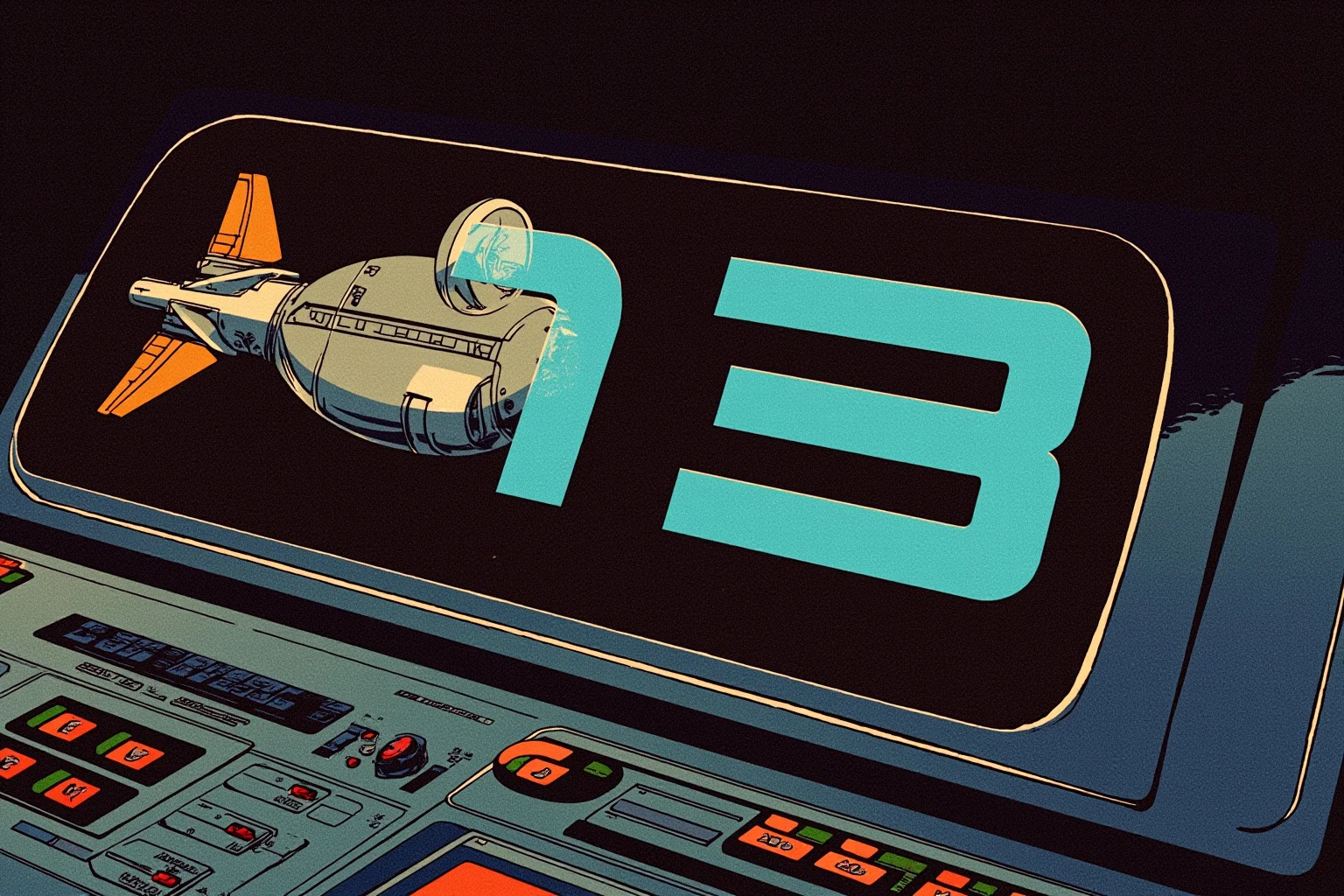
NASA’s Apollo 13 mission launched on April 11, 1970, and lifted off at 13:13 local time in Houston. Two days later, on April 13, an oxygen tank ruptured, forcing the crew to abort their moon landing and fight for survival on the return trip to Earth.
The mission’s numeral thirteen showing up in the launch time, the date of the explosion, and the mission number itself has been noted by NASA historians and crew members alike as a striking, if scientifically meaningless, coincidence. The crew survived, and the mission is remembered as one of NASA’s most dramatic “successful failures.”
What These Coincidences Teach Us
Taken together, these stories show two things at once. Some historical coincidences are meticulously documented and genuinely strange, holding up under scrutiny no matter how many times historians double-check the dates. Others are compelling stories that have picked up extra, unverifiable detail over decades of retelling, the way a good campfire tale grows in the dark.
The healthiest way to enjoy this kind of history is to stay curious but also a little skeptical. Ask where a claim actually comes from before sharing it, especially the kind that shows up as a slickly designed coincidence picture with no source attached.
Final Thoughts
Whether it’s Lincoln and Kennedy’s uncanny parallels, a stewardess who outlived three shipwrecks, or a crossword puzzle that spooked British intelligence, history keeps handing us reminders that reality is often stranger than fiction. Some of these are ironclad facts; others are legends worth enjoying with a raised eyebrow.
Either way, they’re a reminder that the past is full of surprises, and that a little healthy skepticism only makes the genuinely well-documented cases more impressive. The next time someone shares a viral list of crazy coincidences, it’s worth taking a closer look before deciding just how crazy it really is.
Frequently Asked Questions
What are the craziest coincidences in history?
Some of the most well-documented craziest coincidences in history include the parallels between Lincoln and Kennedy's assassinations, Violet Jessop surviving three separate ocean liner disasters, Tsutomu Yamaguchi surviving both atomic bombings in Japan, and Thomas Jefferson and John Adams both dying on July 4, 1826. Other popular examples, like some of the Lincoln-Kennedy numerology and the King Umberto I legend, are exaggerated or unverifiable and should be treated with caution.
Are the Lincoln and Kennedy coincidences real?
Several are genuine and verifiable, including both men being elected to Congress and the presidency exactly a century apart, both being assassinated on a Friday, and both being succeeded by a Vice President named Johnson born exactly 100 years apart. However, some widely shared details, such as matching secretary names and the assassins being born exactly 100 years apart, don't hold up to fact-checking and appear to be later embellishments.
Why do strange coincidences happen so often?
Part of the answer is psychological: humans are wired to notice patterns, a tendency called apophenia, so we remember the odd matches and forget the countless non-matches. The other part is statistical, sometimes called the law of truly large numbers, which means that across billions of people and thousands of years, some improbable overlaps are essentially guaranteed to occur.
What’s a good simple example of coincidence that isn’t about history?
The birthday paradox is a classic, easy-to-verify example of coincidence: in a room of just 23 people, there's better than a 50% chance two of them share a birthday. It feels surprising, but the math checks out because it compares every possible pair of people, not just your own birthday against everyone else's.
Are historical coincidences proof of fate or destiny?
Most historians and statisticians would say no. While the documented cases are genuinely fascinating, they're generally better explained by chance, human pattern-seeking, and the sheer scale of recorded history than by any kind of predetermined fate.

Alex Warren
Related Articles