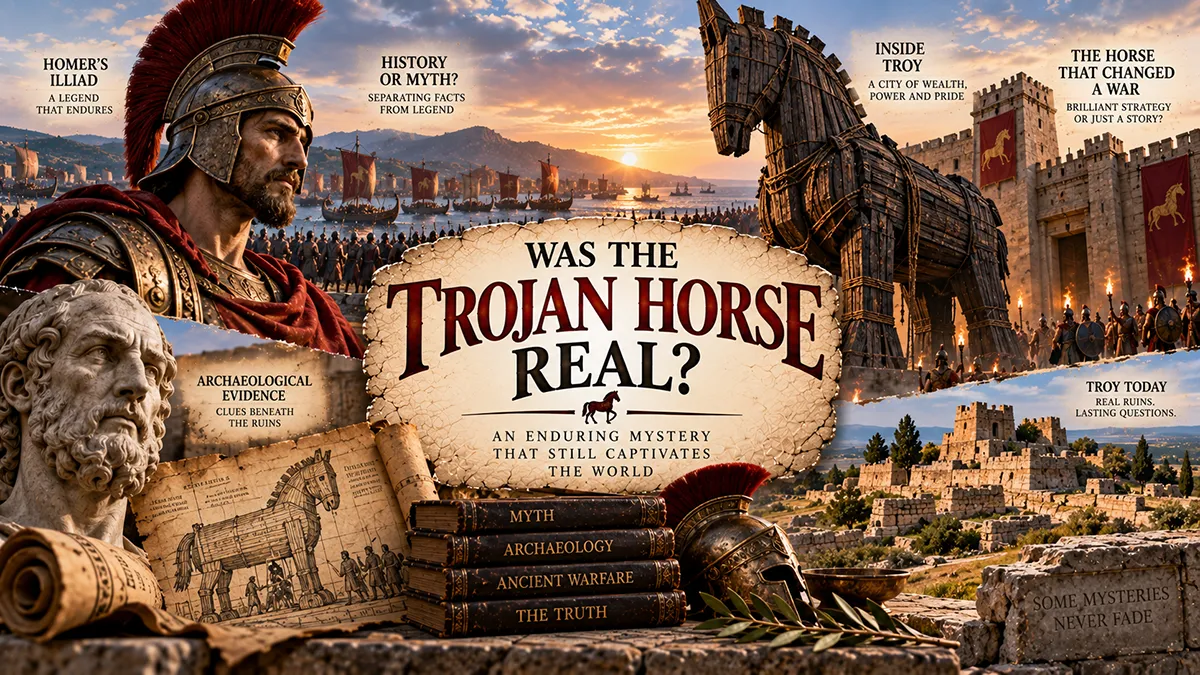
Picture the scene: a decade-long siege, a city on the brink, and then a gift horse rolled through the gates that turns out to be the ultimate ambush. It’s one of the most quoted stories in Western culture, referenced in everything from cybersecurity terms to blockbuster movies. But did the Trojan horse actually happen, or is it one of history’s greatest legends dressed up as fact?
The honest answer is more interesting than a simple yes or no. Historians and archaeologists have spent more than a century digging into this question, literally, and what they’ve found reshapes how we should think about the whole story.
TL;DR: There’s no solid archaeological or historical proof that a giant wooden horse was ever used to sneak soldiers into Troy, but a real city called Troy did exist and was destroyed by violence around the time the legend claims, so the story likely blends a real conflict with centuries of myth-making.
Where the Trojan Horse Story Actually Comes From
Most people assume the Trojan horse is straight out of Homer’s Iliad, but that’s not quite right. The Iliad, composed sometime around the 8th century BC, covers only a few weeks near the end of the ten-year Trojan War and ends before the city falls.
The wooden horse itself is only briefly mentioned in Homer’s other epic, the Odyssey, as something that already happened. The full, dramatic version we all picture, the hollow horse, the hidden soldiers, the fake retreat, comes primarily from Virgil’s Aeneid, a Roman epic poem written roughly 700 years after Homer, sometime around 19 BC.
Earlier Greek sources also told the tale, including a now-lost epic called the Little Iliad and a summary of another poem called the Sack of Troy. These texts survive mostly in fragments and later descriptions, which means our entire modern picture of the horse comes from poetry written centuries, or in Virgil’s case nearly a millennium, after the events it describes supposedly occurred.
So, Did the Trojan Horse Actually Happen?
This is the core question, and archaeologists don’t have a neat answer. There is no physical trace of a wooden horse, and frankly, there wouldn’t be, since wood rarely survives 3,000 years of weather, fire, and decay even under ideal conditions.
What historians can say is that the story sits inside a larger narrative, the Trojan War, that appears to be loosely rooted in a real place and a real period of conflict. That doesn’t mean every detail is true, but it does mean the tale probably isn’t pure fantasy invented from nothing.
Most classical scholars today treat the horse itself as a literary device or a symbolic detail added to a war story that had a kernel of historical memory behind it. In other words, the war may be real, or real-ish, while the horse looks like the flourish a storyteller added generations later.
Is Troy Even a Real Place?
Yes, and this part surprised even 19th-century scholars who assumed Troy was as fictional as Mount Olympus. In the 1870s, a wealthy amateur archaeologist named Heinrich Schliemann excavated a mound called Hisarlik in northwestern Turkey, guided in part by earlier work from British archaeologist Frank Calvert.
What they found was a genuine ancient city, in fact many cities, stacked on top of one another across thousands of years of rebuilding. Later excavations led by Carl Blegen in the 1930s and Manfred Korfmann starting in the 1980s refined the picture even further using modern archaeological methods.
Today, Hisarlik is widely accepted by scholars as the site of ancient Troy, sometimes called Ilios or Ilium in ancient texts. That confirms the setting of the story was a real place, which is a meaningful piece of the puzzle even if it doesn’t prove the horse existed.
What the Layers of Troy Actually Reveal
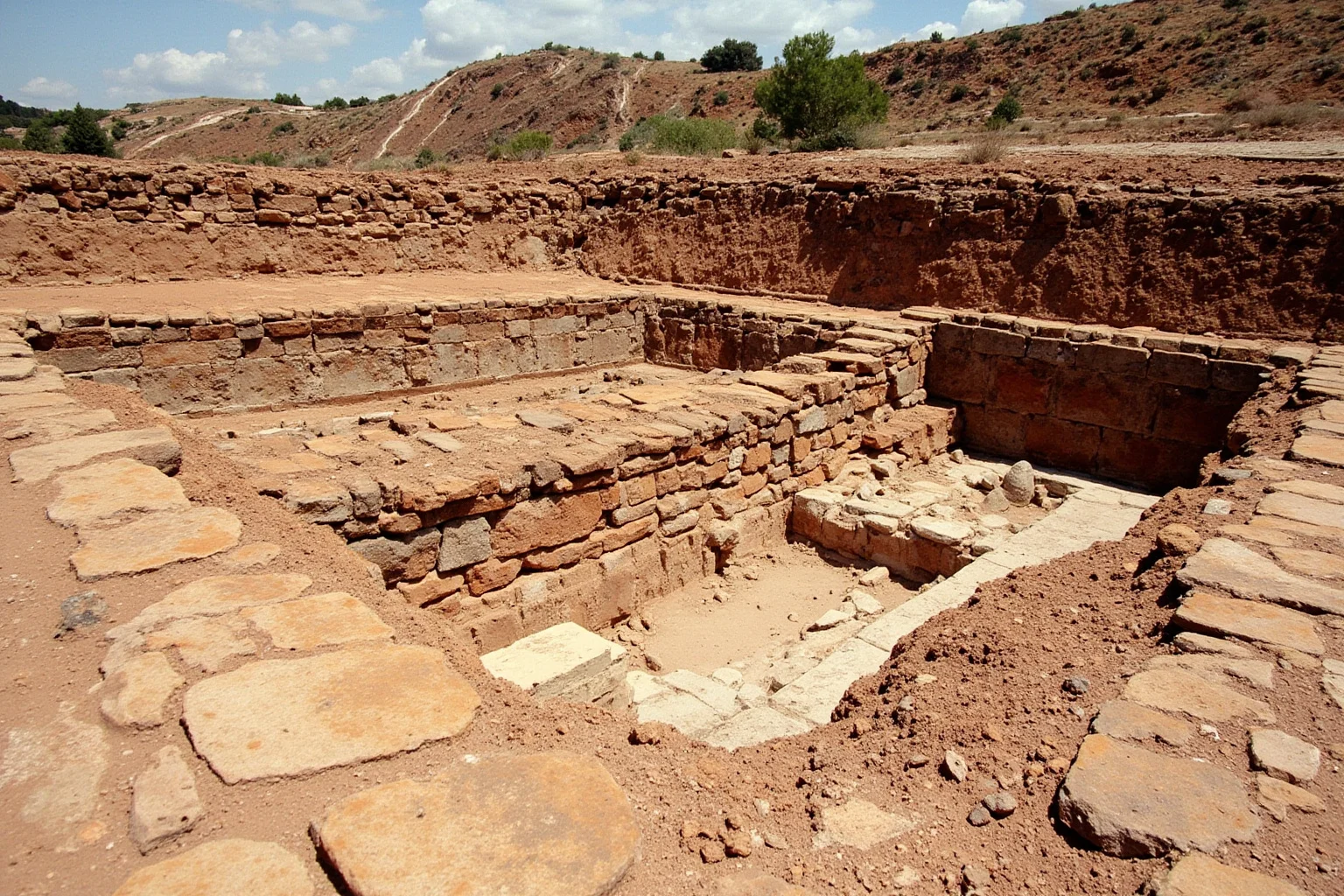
Hisarlik contains at least nine major layers of settlement, labeled Troy I through Troy IX, spanning roughly 3000 BC to Roman times. Archaeologists pay special attention to two layers, called Troy VI and Troy VIIa, because their timing roughly lines up with when the legendary war was supposed to occur.
Troy VI shows signs of a destructive event around 1300 BC, but many researchers now believe an earthquake, not a war, caused that damage. Troy VIIa is the more compelling candidate, showing a violent destruction layer dated to around 1180 BC, complete with burned buildings, scattered weapons, and even human remains that suggest a sudden, violent end.
That timing lines up strikingly well with ancient Greek traditions about when the Trojan War supposedly took place. It’s genuinely tantalizing evidence, but it shows a city was destroyed by conflict, not that a wooden horse was the method used to do it.
Hittite Records and a Possible Historical War
One of the more compelling pieces of Trojan horse evidence doesn’t come from Greek sources at all, but from the Hittite Empire, a major Bronze Age power based in what is now central Turkey. Hittite clay tablets mention a city called Wilusa, which many linguists and historians believe is the same word as Ilios, an alternate Greek name for Troy.
These same records reference a group called the Ahhiyawa, a name strikingly close to “Achaeans,” which is what Homer calls the Greeks. Some tablets even describe military tension and conflict involving Wilusa during the Late Bronze Age, which is roughly the era tradition assigns to the Trojan War.
This doesn’t prove Homer’s version of events happened as described, and it certainly says nothing about a horse. It does suggest that a real geopolitical conflict involving a city that closely matches Troy’s description and location may have actually occurred.
The Leading Theories About What the Horse Really Was
If a wooden horse didn’t literally roll through the gates, what might have inspired that specific image? Historians have floated a few genuinely interesting theories over the years, and none of them require you to throw out the whole story.
A Poetic Description of a Siege Engine
One popular theory suggests the “horse” was actually a battering ram or a siege engine, a large wooden device used to break down walls or gates. Ancient Assyrian reliefs show real siege machines with animal-like features, so it’s plausible that a war machine got mythologized into a hollow animal over generations of retelling.
A Symbol of Poseidon’s Wrath
Another theory ties the horse to Poseidon, the Greek god associated with both the sea and, notably, horses and earthquakes. Some historians, including the archaeologist and researcher Fritz Schachermeyr, proposed that Troy VI’s destruction may have actually been caused by an earthquake, which Bronze Age Greeks might have poetically attributed to an angry, horse-loving god.
Under this theory, “the horse that destroyed Troy” could be a metaphor for seismic destruction rather than a literal wooden structure at all. It’s a compelling idea precisely because it explains why a horse, of all animals, became central to the legend.
A Simple Storytelling Device
It’s also entirely possible the horse was simply a dramatic invention, the ancient equivalent of a great twist ending. Oral storytelling traditions loved clever tricks and reversals, and a hidden army inside a gift is a memorable, teachable image about the dangers of misplaced trust.
Did Ancient Writers Themselves Doubt the Story?
Here’s something that rarely makes it into pop culture retellings: even ancient historians weren’t fully convinced the horse was literal. The Greek historian Herodotus, writing in the 5th century BC, treated the Trojan War as a real historical event but approached parts of the traditional story with a more analytical, questioning eye.
Thucydides, another major Greek historian, likewise accepted that a war probably happened but assumed the poets, especially Homer, exaggerated the details for dramatic effect. This kind of ancient skepticism matters because it shows that even people living much closer to the source material, and steeped in the same mythology, didn’t necessarily take every detail as literal fact, not unlike modern debates over whether the moon landing was faked.
That’s a useful reminder for modern readers too. A society can treat a story as historically important and culturally sacred while still recognizing that parts of it are embellished.
Was There Ever a Real City Tricked With a Wooden Horse?
This is where it helps to separate two different questions people often merge together. First, was there a real war involving a real city called Troy? The archaeological and Hittite evidence suggests that’s plausible, even likely, in some form.
Second, was an actual Bronze Age city tricked with a wooden horse full of hidden soldiers? For that specific, literal detail, there is no direct archaeological or contemporary documentary evidence at all. No Bronze Age text, inscription, or artifact describes a wooden horse being used in a siege.
That gap between “a war probably happened” and “the horse trick probably happened” is exactly why historians answer this question so carefully. It’s less a flat denial and more an honest acknowledgment of what the evidence can and can’t support.
Weighing the Trojan Horse Evidence We Actually Have
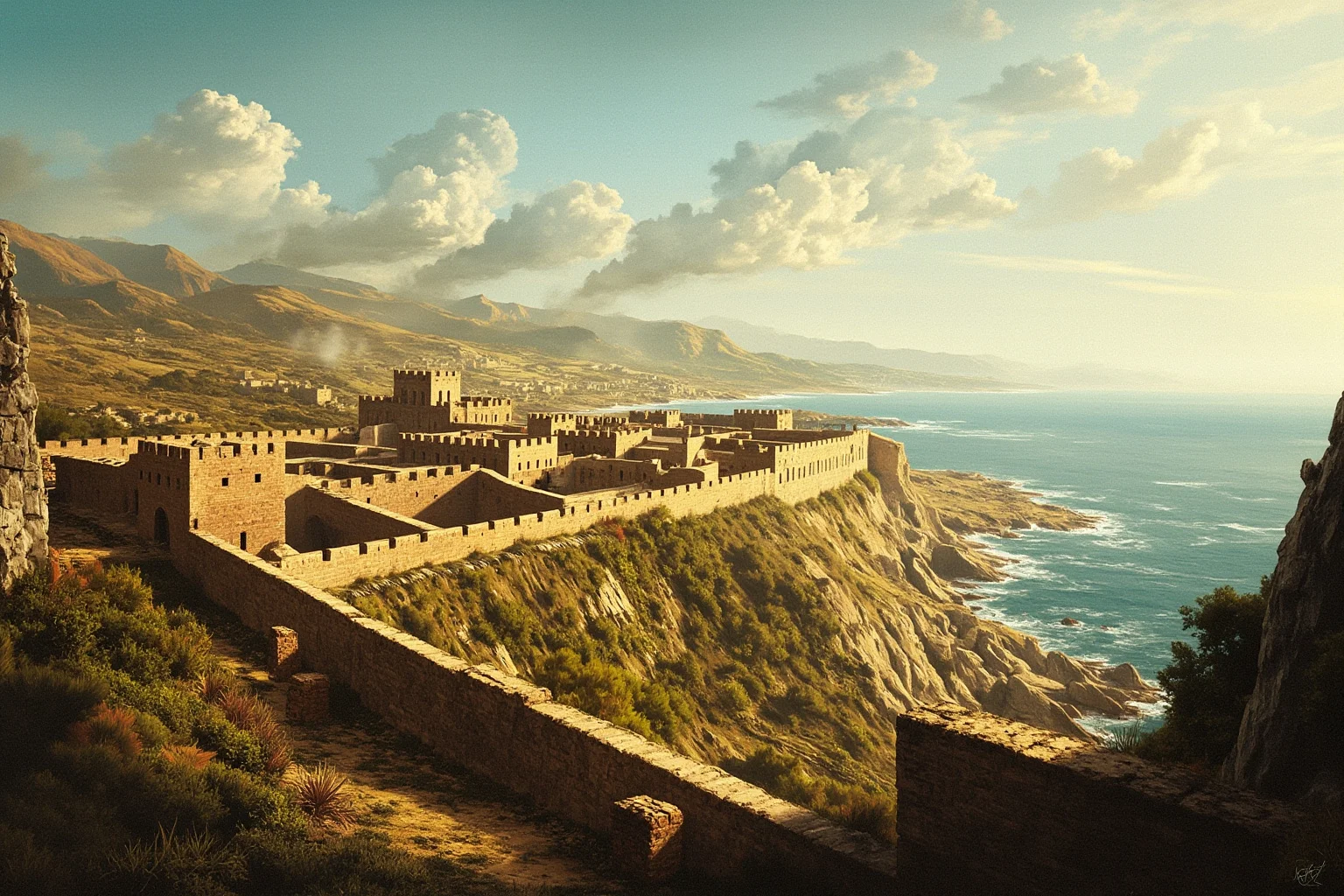
It helps to lay out what genuinely exists versus what’s often assumed. We have a real archaeological site at Hisarlik with multiple destruction layers, including one from around 1180 BC that shows violence consistent with warfare.
We have Hittite records referencing a city and a people whose names closely resemble Troy and the Achaeans, hinting at real regional conflict during the right era. We have epic poetry, composed centuries after the events it claims to describe, that includes the horse as a central plot device.
What we don’t have is any physical trace of the horse itself, any independent Bronze Age account describing it, or archaeological evidence of the specific tactic being used anywhere in the ancient world. That combination is why most historians land on a cautious middle ground rather than a firm yes or a dismissive no.
Why the Legend Has Lasted for Nearly 3,000 Years
Even without solid proof, the Trojan horse endures because it works so well as a story. It’s got betrayal, cleverness, hubris, and a twist ending, all wrapped into one unforgettable image that’s easy to visualize and easy to retell.
It also helps that the phrase became endlessly useful as a metaphor, describing everything from malicious computer software to political strategy. That cultural staying power has kept the story alive far beyond its original context, reinforcing the idea that it “must” be historical simply because everyone already knows it.
Humans are also drawn to stories that explain a mystery, and the sudden, violent end of a real Bronze Age city is exactly the kind of gap a great story loves to fill, much like the enduring pull of the disappearance of the Roanoke colony or other scary stories that turn out to be rooted in real history. Whether or not the horse itself is real, it gave a dramatic, memorable answer to the question of how a powerful city could fall.
The Verdict: Real Event, Real Legend, or a Bit of Both?
Based on everything historians and archaeologists have gathered, the most responsible answer is that the Trojan War likely has some historical basis, while the wooden horse specifically looks like a legendary or symbolic addition. A real city existed at the right location, was destroyed violently around the right time, and appears in outside historical records under a very similar name.
That’s genuinely remarkable, and it means the legend isn’t “fake” in the dismissive sense some people assume. It’s closer to how many ancient epics work, a real historical memory, preserved through oral tradition, gradually shaped and dramatized until fact and myth become difficult to fully separate.
So if someone asks whether the Trojan horse story is real, the fairest answer is that the setting and the broader conflict probably have real roots, while the horse itself remains one of history’s great unproven, but endlessly fascinating, legends.
Final Thoughts
The Trojan horse remains a perfect example of how history and mythology can become tangled together over centuries of retelling. A real city, a real destruction, and a real regional conflict may sit at the foundation of a story that was later polished by poets into one of the most famous tricks ever told.
That blend of fact and fiction doesn’t make the story less valuable, it just means we should appreciate it for what it likely is: part memory, part metaphor, and part masterful storytelling. The next time someone brings up the Trojan horse as settled historical fact, you’ll know the real story is a lot more nuanced, and honestly, even more interesting.
Frequently Asked Questions
Was the Trojan horse real?
There's no archaeological or historical evidence that a literal wooden horse was used to infiltrate Troy. Most historians believe the war itself may have a real historical basis, but the horse was likely a later literary or symbolic addition rather than a documented historical event.
Did the Trojan horse actually happen?
It's unlikely to have happened exactly as described in ancient poetry. Archaeologists have found evidence that the city of Troy was destroyed by violence around 1180 BC, but there's no physical or documentary proof of a wooden horse being used as a war tactic.
Is the Trojan horse story based on a true event?
It may be loosely based on a real Bronze Age conflict. Excavations at Hisarlik in Turkey and Hittite records mentioning a city called Wilusa suggest a real war involving Troy could have occurred, even if the horse detail was added or exaggerated later.
What evidence exists for the Trojan horse?
The main evidence relates to the war, not the horse specifically: a destruction layer at ancient Troy dated to around 1180 BC, and Hittite tablets referencing a city and people with names resembling Troy and the Achaeans. No artifact or ancient record directly confirms the horse itself existed.
Did the Trojan horse really exist as an actual object?
There's no evidence a physical wooden horse was ever built or used in the way Homer, and later Virgil, described. Some historians think the story may have originated from a siege engine, a poetic metaphor for an earthquake, or simply a dramatic invention by ancient storytellers.
Is there a real historical example of a city being tricked with a wooden horse?
Troy is the only city traditionally associated with this specific trick, and even that account comes from epic poetry written centuries after the events it describes. No independent Bronze Age source documents a wooden horse being used in any siege.
Why do historians doubt the Trojan horse story?
Historians doubt it mainly because the earliest and most detailed version comes from Virgil's Aeneid, written around a thousand years after the supposed events, and no contemporary Bronze Age text or artifact mentions the horse at all.

Alex Warren
Related Articles