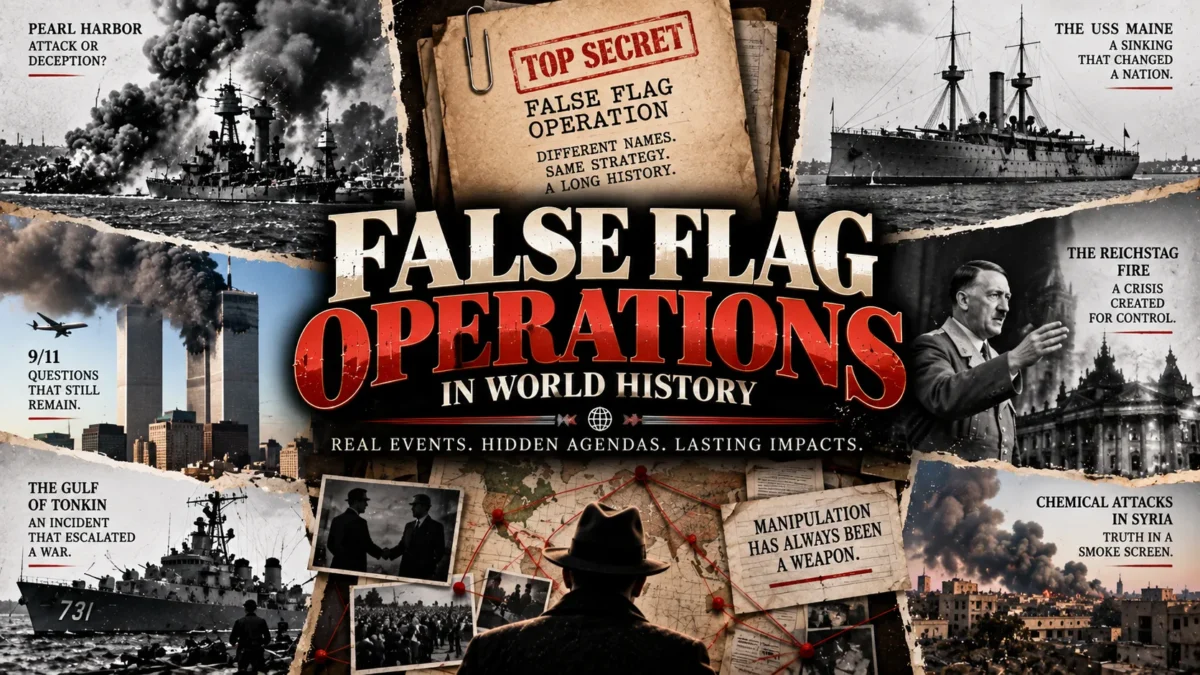
“False flag” sounds like something out of a spy thriller, but the tactic is centuries old and has quietly reshaped borders, governments, and wars.
From naval captains flying the wrong colors to intelligence agencies staging attacks on their own soil, the goal is always the same: make an act look like someone else’s doing.
The tricky part is separating the documented cases — the ones with declassified files, courtroom verdicts, or official confessions — from the internet rumors that slap the “false flag” label on any event that seems convenient for someone. This guide walks through both, clearly labeling what’s proven, what’s disputed, and what’s simply myth.
TL;DR: Real false flag operations — from the Gleiwitz Incident to the Lavon Affair — are well-documented historical events, but most modern “false flag” claims about major tragedies lack the evidence that defines the real thing.
What Is a False Flag Operation?
The simplest definition of a false flag operation is an act carried out by one party but designed to look like the work of another. Governments, militaries, or intelligence services stage or disguise an attack, then use the false blame to justify a war, a crackdown, or a political move.
That’s the core false flag operation meaning that historians and security analysts actually use, as opposed to the looser way the phrase gets thrown around online.
The term itself comes from naval warfare. Ships, especially pirates and privateers, would sail under a flag other than their own — a “false flag” — to get close to a target before revealing their true colors and attacking. Naval convention actually required raising your real flag before opening fire, which is exactly why deceptive ships were called out for flying a false one.
Over time, the phrase expanded from ships to statecraft. A modern false flag event might involve staging a border skirmish, faking sabotage, or planting evidence to frame a rival group, all engineered to trigger a specific reaction from the public or another government.
Is a “Black Flag Operation” the Same Thing?
People sometimes search for “black flag operation” expecting a different concept, but in most historical and military usage it describes essentially the same idea: a covert action disguised to hide its true origin.
The term “false flag” is by far the more standard and widely documented phrase in academic and journalistic writing, so that’s the terminology used throughout this piece.
False Flag vs. Simple Propaganda
It’s worth drawing a line here, because a lot of confusion comes from lumping every deception together. A true false flag operation involves staging or disguising an actual act — an explosion, a border incident, a shooting.
Propaganda, forged documents, and exaggerated testimony are different tools; they mislead people without necessarily staging a physical event. Several entries below fall into that second category, and we’ll flag the distinction as we go.
20 False Flag Operations and Disputed Cases Through History
The following list mixes confirmed false flag operations, historically debated incidents, and a few famous claims that don’t hold up to scrutiny. Each entry notes how solid the evidence actually is, because that’s the whole point of separating history from speculation.
1. Naval False Flags — Where the Term Comes From
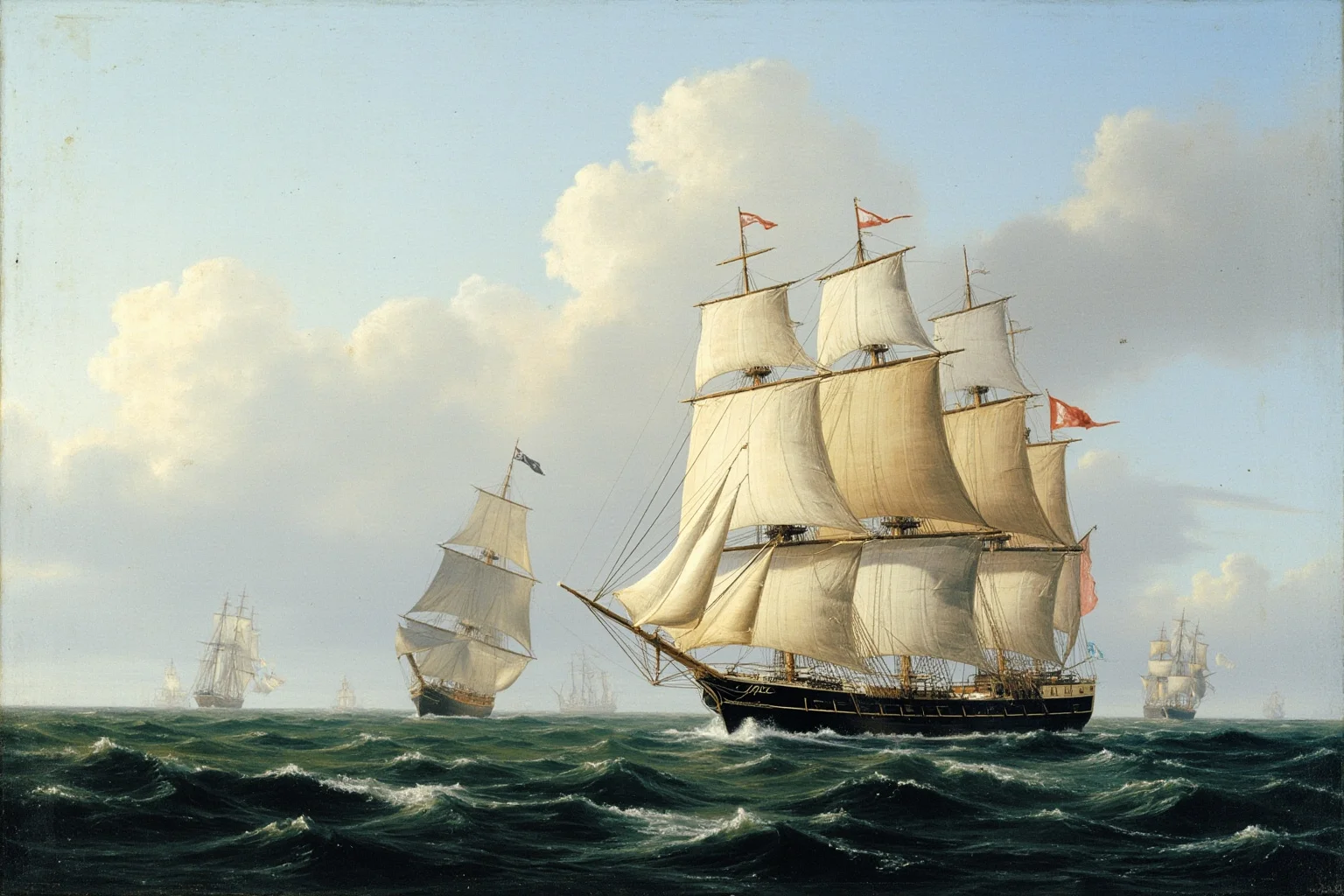
Long before spy agencies existed, sailors were the original practitioners of the false flag. Pirates and privateers in the 16th through 18th centuries routinely flew the flag of a friendly or neutral nation to lure merchant ships close enough to board them.
International maritime custom eventually required combat ships to fly their true colors before firing a shot, which is precisely why deceptive flag-flying became a named violation. This nautical origin is why the phrase survived into modern political language.
2. The Ems Telegram (1870) — Bismarck’s Edited Provocation
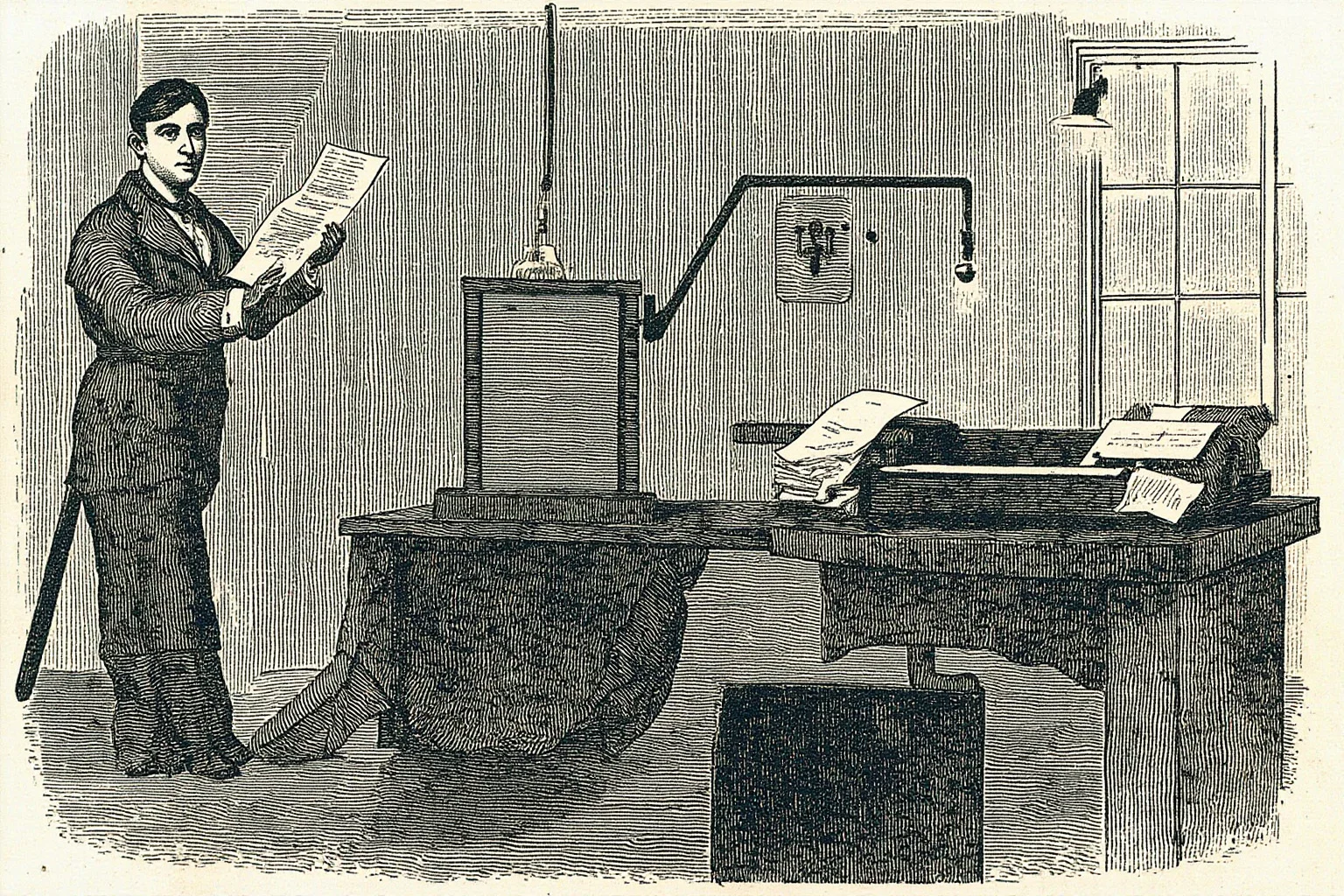
Prussian Chancellor Otto von Bismarck didn’t stage an attack, but he manipulated a real diplomatic exchange to provoke one. After King Wilhelm I sent a routine telegram describing a meeting with the French ambassador, Bismarck edited the wording before releasing it to the press, making the exchange sound like a deliberate insult to France.
The doctored telegram outraged the French public and government, helping trigger the Franco-Prussian War of 1870. The war’s outcome directly led to German unification, making this one of history’s most consequential pieces of diplomatic sleight of hand.
3. The Mukden Incident (1931) — Japan’s Pretext to Invade Manchuria

In September 1931, Japanese army officers detonated a small charge on their own railway line near Mukden in northeastern China. They immediately blamed Chinese saboteurs for the explosion, even though the railway barely suffered any real damage.
Japan used the incident as justification to launch a full military occupation of Manchuria, eventually installing the puppet state of Manchukuo. Postwar historical investigation, including testimony from the officers involved, confirmed the plot was staged by the Japanese military itself.
4. The Marco Polo Bridge Incident (1937) — A Disputed Spark
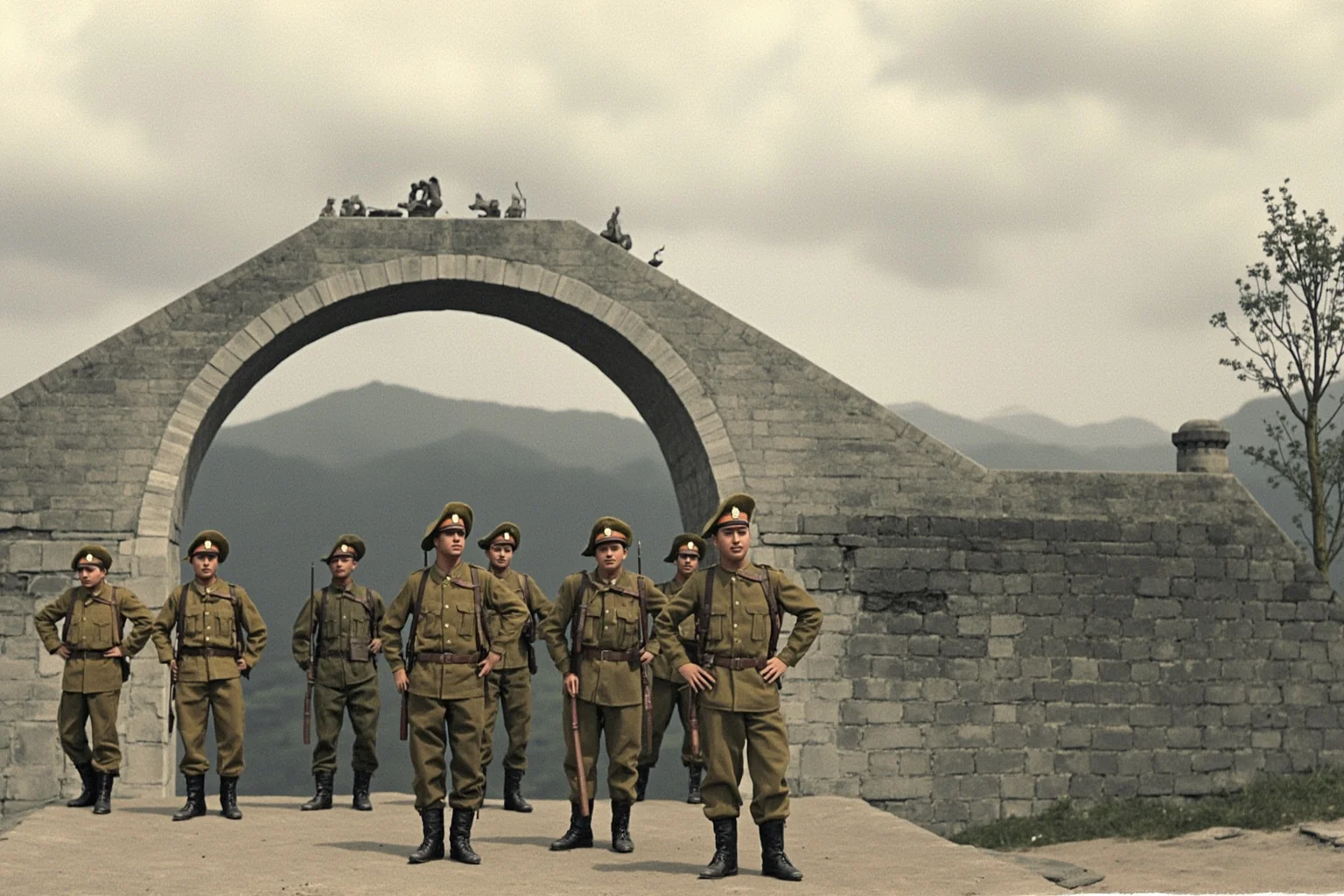
Gunfire broke out near a bridge outside Beijing in July 1937, and both Japanese and Chinese forces blamed each other. Unlike the Mukden Incident, historians still debate whether this exchange was accidental, provoked by local Chinese troops, or engineered by Japanese officers looking for an excuse to escalate.
Whatever its true origin, the incident spiraled into the full-scale Second Sino-Japanese War. It’s a useful reminder that not every suspicious “spark” event has a clean, documented answer.
5. The Mainila Incident (1939) — The Shelling That Started the Winter War
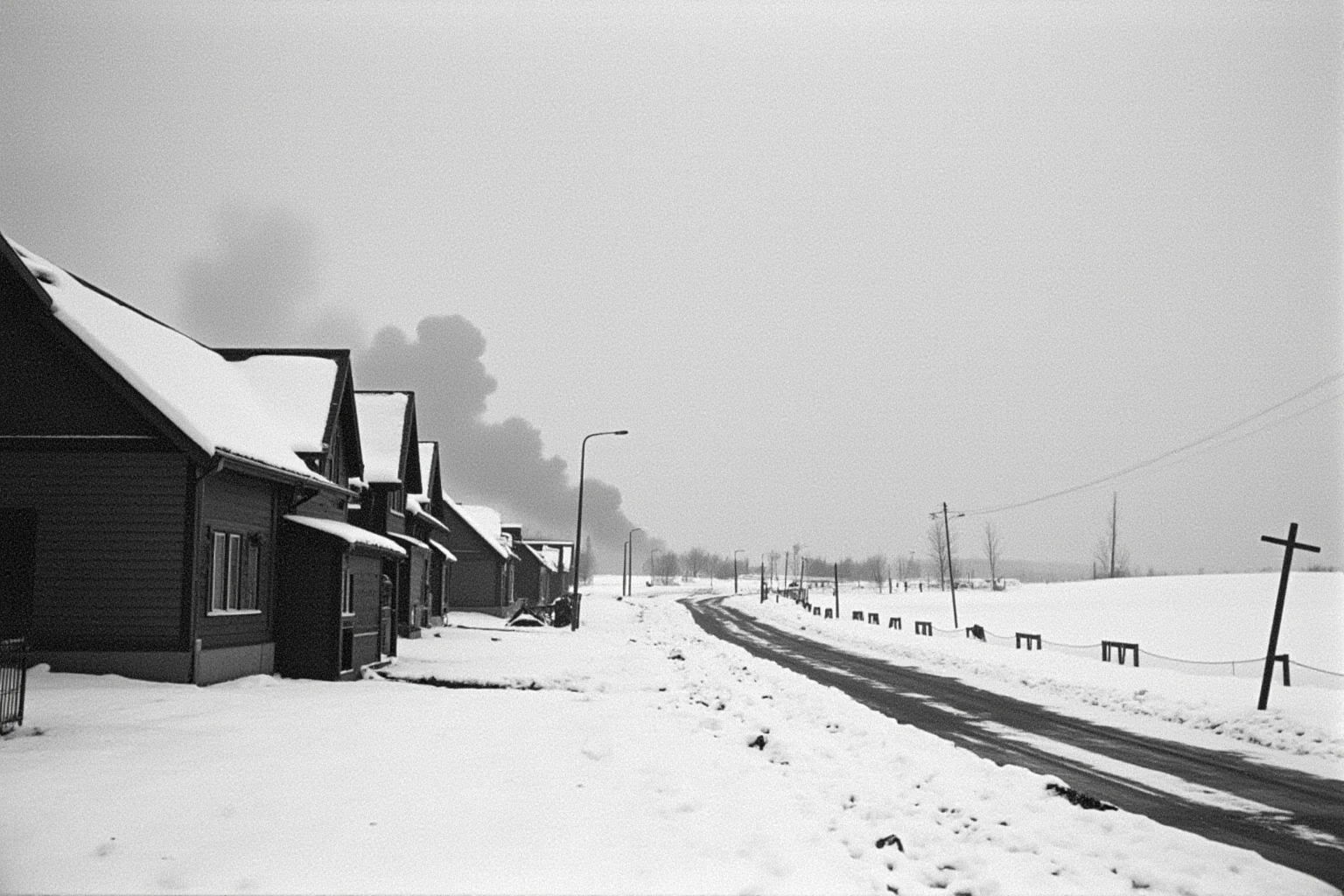
Days before the Soviet Union invaded Finland in November 1939, Soviet artillery shelled the border village of Mainila, which sat on the Soviet side of the frontier — a lesser-known historical event that quietly set the stage for the Winter War. Moscow publicly blamed Finnish artillery for the attack and used it as grounds to abrogate their non-aggression pact.
Finland denied responsibility and offered a joint investigation, which the Soviets refused. Later historical research, including access to Soviet-era records, supports the conclusion that Soviet forces staged the shelling themselves.
6. The Gleiwitz Incident (1939) — Nazi Germany’s Staged Radio Attack
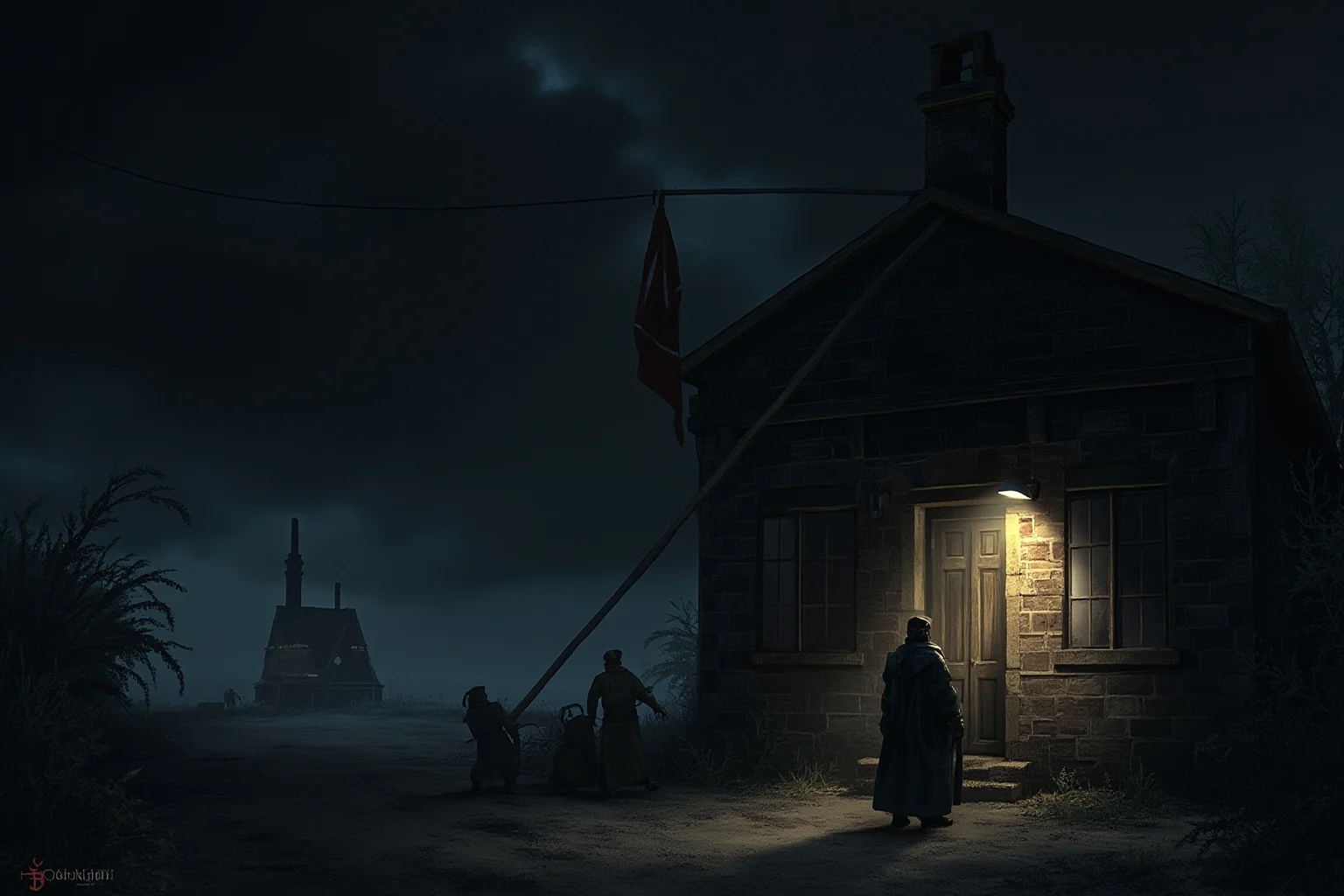
This is often cited as the textbook false flag operation. On the night of August 31, 1939, German SS operatives dressed as Polish soldiers stormed a German radio station at Gleiwitz, broadcast a brief anti-German message in Polish, and left behind the body of a concentration camp prisoner dressed in a Polish uniform as “evidence.”
Hitler cited this and similar staged border incidents the very next day while announcing the invasion of Poland, the act that started World War II in Europe — one of the deadliest man-made catastrophes the world has seen. SS officer Alfred Naujocks later confirmed the operation’s details in postwar testimony, making Gleiwitz one of the best-documented false flag attacks in modern history.
7. Operation Himmler — The Wider Nazi Border Provocations
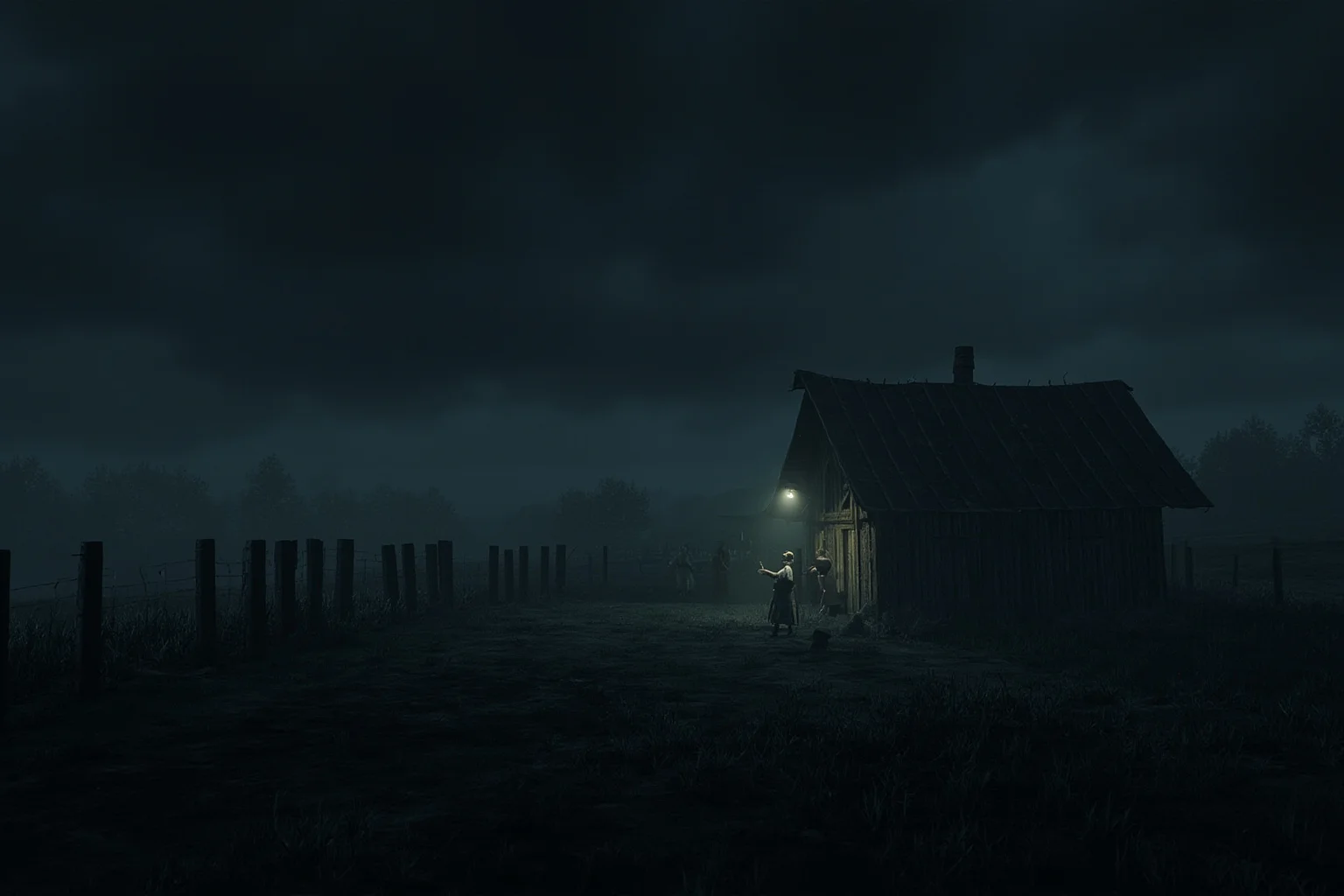
Gleiwitz wasn’t an isolated stunt; it was one piece of a broader scheme codenamed Operation Himmler. German operatives staged several similar incidents along the Polish border the same night, including faked attacks on customs posts and forestry stations.
The goal across all of them was the same: manufacture the appearance of Polish aggression to justify an invasion that had already been planned for months. It’s a clear example of how a single false flag event is often just the most visible piece of a larger coordinated deception.
8. The Reichstag Fire (1933) — A Blaze Historians Still Debate
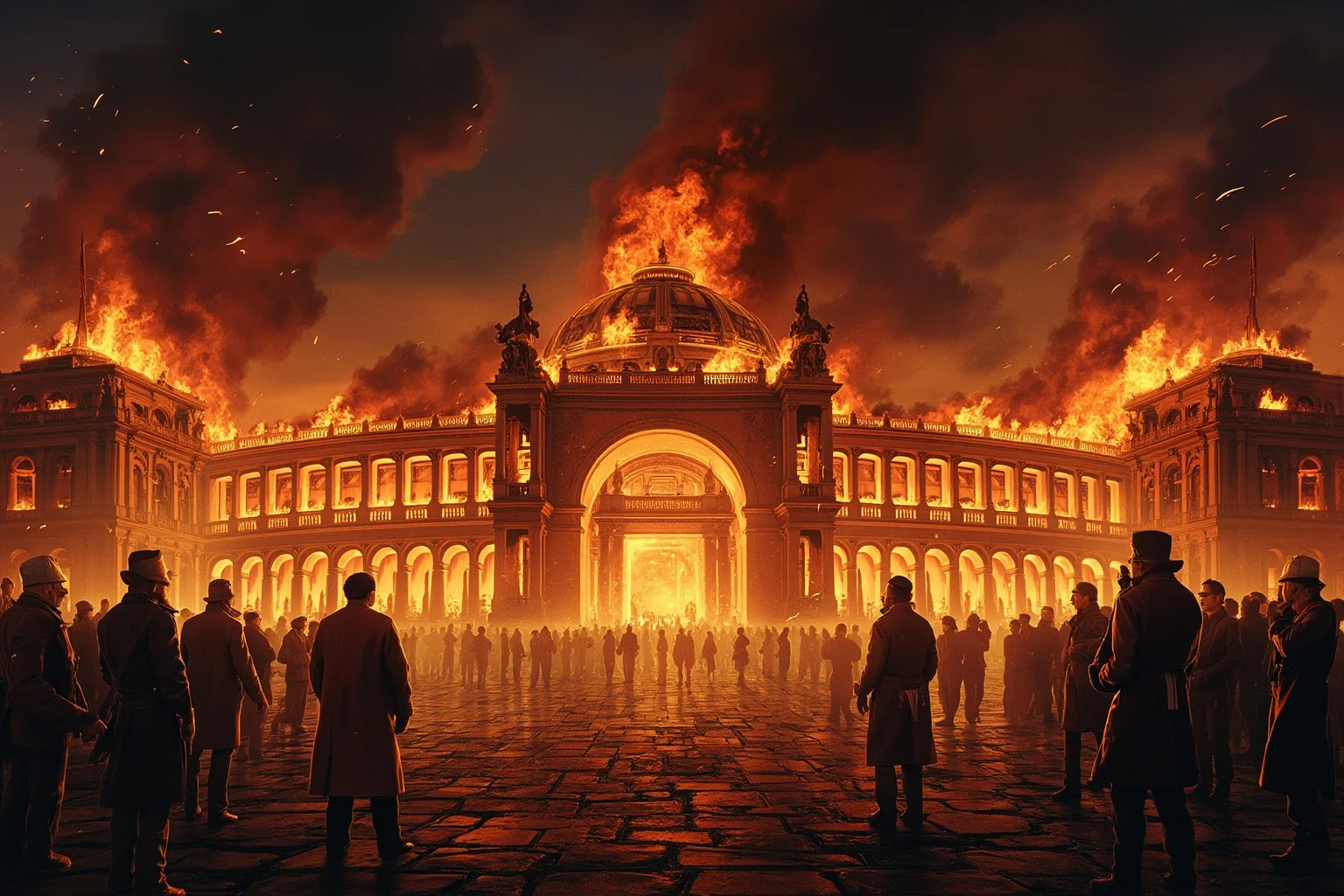
Germany’s parliament building burned on the night of February 27, 1933, and a young Dutch council communist named Marinus van der Lubbe was caught, convicted, and executed for the arson. The Nazi Party immediately blamed a broader communist conspiracy and used the fire to push through the Reichstag Fire Decree, suspending civil liberties across Germany.
Historians remain genuinely divided on this one. Some argue van der Lubbe acted alone and the Nazis simply exploited a lucky break, while others believe Nazi operatives helped set or expand the fire; because the evidence is incomplete, it’s fair to call this a disputed case rather than a confirmed false flag.
9. The Zinoviev Letter (1924) — A Forgery That Rocked British Politics

Days before Britain’s 1924 general election, a letter surfaced that appeared to be from Soviet Comintern official Grigory Zinoviev, instructing British communists to stir up unrest. British newspapers published it, badly damaging the Labour government and contributing to its election defeat.
The letter was later confirmed to be a forgery, though historians still debate exactly who produced it. This one falls more into the propaganda and forged-document category than a staged attack, but it’s frequently grouped alongside false flag operations because of its deceptive intent and real political impact.
10. The Sinking of the USS Maine (1898) — Rumor, Not Proven False Flag
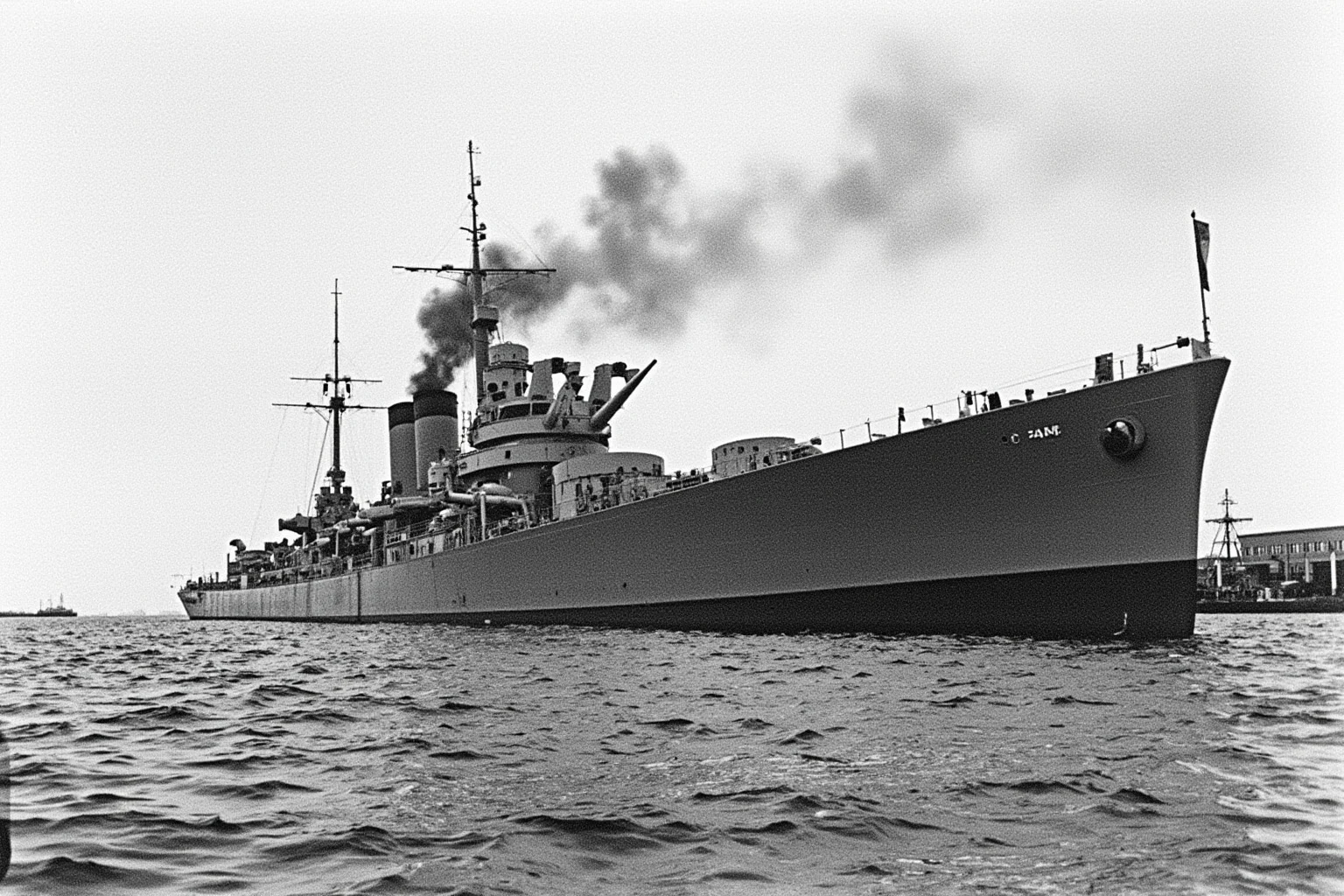
When the American battleship USS Maine exploded in Havana harbor in February 1898, sensationalist “yellow journalism” newspapers immediately blamed a Spanish mine, coining the rallying cry “Remember the Maine.” Public outrage helped push the United States into the Spanish-American War.
Modern investigations, including a 1976 study led by Admiral Hyman Rickover, suggest the explosion likely came from an internal coal bunker fire rather than external sabotage. This makes the Maine a great myth-busting example: it wasn’t a proven false flag by anyone, just an unexplained tragedy that opportunistic reporting turned into a war trigger.
11. The Lavon Affair (1954) — Israel’s Operation Susannah in Egypt
In 1954, Israeli military intelligence recruited a network of Egyptian Jews to plant bombs at American, British, and Egyptian civilian targets in Cairo and Alexandria. The plan was to make the attacks look like the work of the Muslim Brotherhood or communist agitators, pressuring Britain to maintain its military presence in the Suez Canal Zone.
Egyptian authorities uncovered the plot, arrested the operatives, and executed two of them after a trial. Israel denied involvement for decades until officially acknowledging the operation in 2005, which is why the Lavon Affair remains the most-cited, best-documented entry in any list of Israeli false flag operations.
12. Operation Northwoods (1962) — The Plan Washington Rejected
Operation Northwoods was a real proposal drafted by the U.S. Joint Chiefs of Staff, declassified decades later through Freedom of Information Act requests. It outlined staged terrorist attacks on American soil and ships, potentially blamed on Cuba, to build public and international support for military action against Fidel Castro’s government.
Secretary of Defense Robert McNamara and the Kennedy administration rejected the plan, and none of it was ever carried out. It’s an important case precisely because it shows that even unexecuted plans can be thoroughly documented, unlike many claims about events that supposedly did happen.
13. The Gulf of Tonkin Incident (1964) — Distortion More Than Staging
In August 1964, the USS Maddox reported attacks by North Vietnamese torpedo boats on two separate days. Congress used the incident to pass the Gulf of Tonkin Resolution, dramatically escalating American involvement in Vietnam.
Declassified National Security Agency documents and the Pentagon Papers later revealed that the second reported attack likely never happened, the product of misread radar and sonar signals, and that officials exaggerated the intelligence to secure war powers. This wasn’t a staged attack so much as a manufactured and misrepresented pretext, an important nuance when people file it under “false flag.”
14. Operation Gladio — Cold War Europe’s “Strategy of Tension”
Operation Gladio refers to NATO-linked “stay-behind” networks set up across Western Europe during the Cold War, originally meant to organize resistance in case of a Soviet invasion. Their existence became public in 1990 when Italian Prime Minister Giulio Andreotti confirmed the program to parliament.
Italian judicial and parliamentary investigations later linked some Gladio-connected far-right groups to domestic bombing campaigns intended to be blamed on leftist groups, part of what’s known as the “strategy of tension.” How much direct false flag involvement occurred versus looser ideological sympathy remains debated among historians, though several court cases did establish criminal responsibility for specific attacks.
15. The Piazza Fontana Bombing (1969) — Italy’s Years of Lead
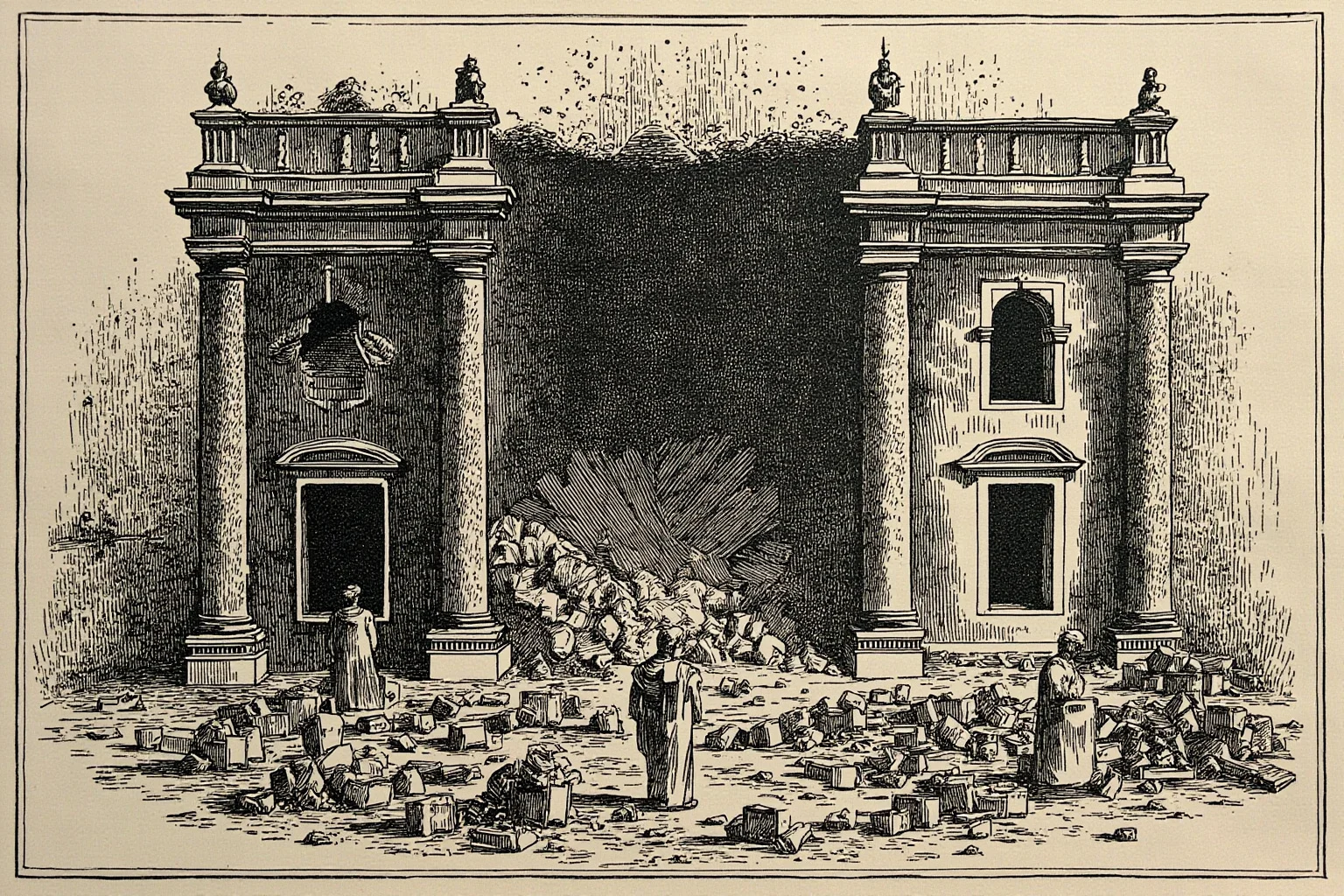
A bomb ripped through a bank in Milan’s Piazza Fontana in December 1969, killing 17 people. Police initially blamed anarchists, and one suspect, Giuseppe Pinelli, died in police custody under circumstances still disputed today.
Decades of retrials eventually pointed toward neofascist militants, with some verdicts describing links to intelligence-connected networks tied to the broader strategy of tension. The case remains one of Italy’s most infamous unresolved chapters, illustrating how false flag-style deception and genuine judicial uncertainty can tangle together for decades.
16. The 1999 Russian Apartment Bombings — Disputed Allegations
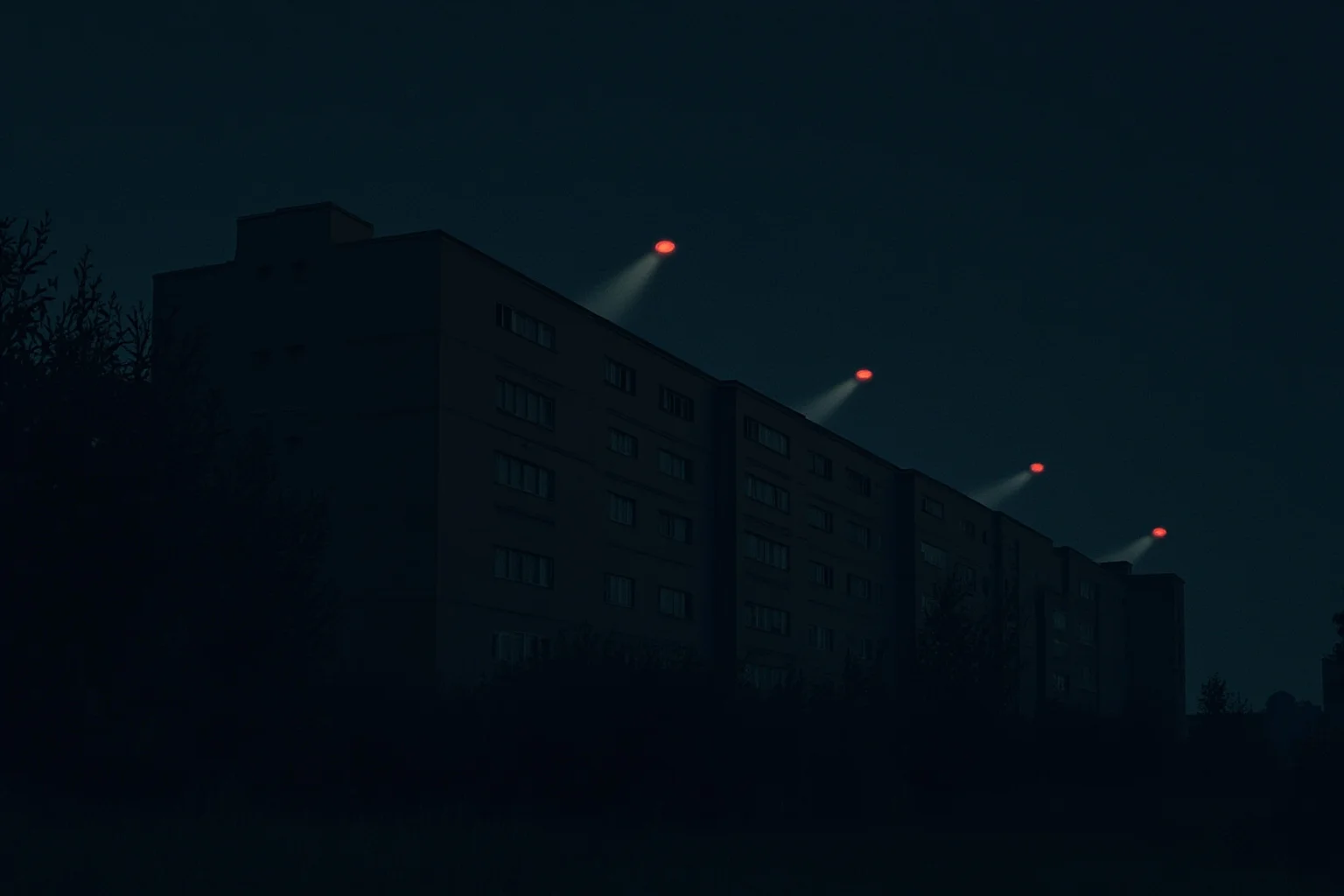
A series of apartment building bombings in Moscow, Buynaksk, and Volgodonsk in 1999 killed roughly 300 people. The Russian government blamed Chechen militants, and the bombings helped justify the Second Chechen War while boosting the political rise of Vladimir Putin.
Suspicion grew after police in Ryazan caught FSB agents planting what looked like an identical explosive device in an apartment basement; officials explained it away as a training exercise. Journalists and researchers, including the late Alexander Litvinenko, have alleged government involvement, but this remains a disputed allegation rather than a proven case, and Russian authorities have consistently denied any wrongdoing.
17. The Kuwaiti Incubator Testimony (1990) — Propaganda, Not a Staged Attack

Before the Gulf War, a teenage girl known only as “Nayirah” testified to Congress that Iraqi soldiers tore babies from incubators in Kuwaiti hospitals. The story helped galvanize American public support for military intervention.
It later emerged that Nayirah was the daughter of Kuwait’s ambassador to the U.S., and her testimony had been coordinated by the PR firm Hill & Knowlton on behalf of a Kuwaiti-funded advocacy group; the specific claims were never independently verified. This case is genuinely important to the topic, but it belongs in the propaganda and disinformation category rather than true false flag operations, since no physical attack was staged.
18. Pearl Harbor Conspiracy Claims — Why Historians Reject Them
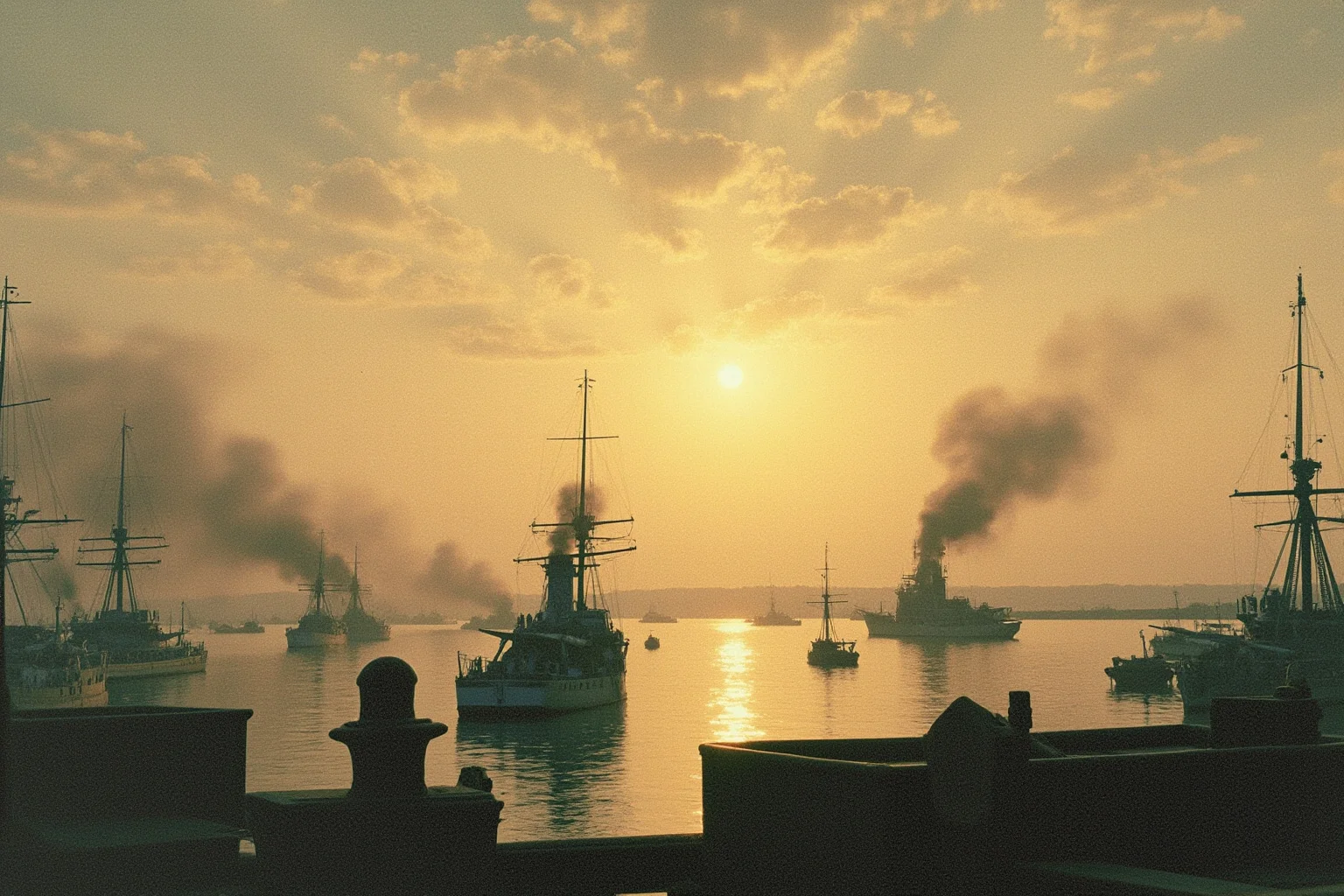
Some popular theories claim President Franklin D. Roosevelt knew about, or even deliberately allowed, the 1941 attack on Pearl Harbor to justify entering World War II. Mainstream historians who have examined the declassified intelligence record broadly reject the idea of deliberate provocation-by-design.
The evidence instead points to serious intelligence failures and poor interagency communication rather than an orchestrated false flag. Legitimate historiographical debate continues over exactly how much warning existed, but that’s a different question from claiming the attack was secretly engineered by Washington.
19. The 9/11 “Inside Job” Theories — Evidence vs. Speculation
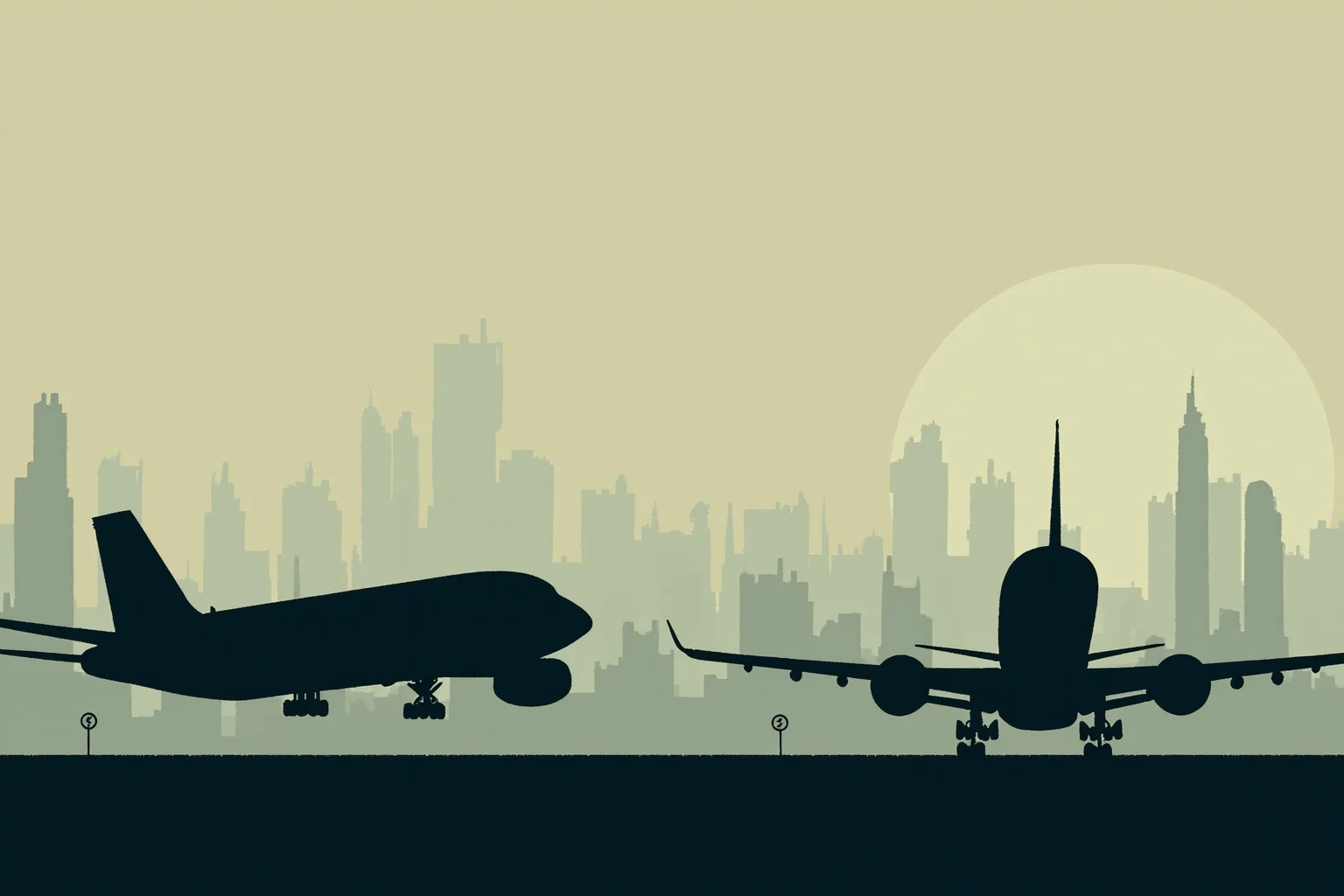
Various claims allege that the September 11, 2001 attacks were a false flag operation carried out or allowed by the U.S. government. These claims have been investigated extensively, including by the bipartisan 9/11 Commission and independent engineering studies from the National Institute of Standards and Technology.
No credible physical, documentary, or testimonial evidence has ever supported controlled demolition or government orchestration, and the overwhelming consensus among historians, engineers, and journalists attributes the attacks to al-Qaeda. It’s included here specifically because it’s one of the most searched “false flag” claims online, and the myth-busting answer matters.
20. False Flags in the Digital Age — Why the Term Gets Overused
In recent years, “false flag” has drifted from a precise historical term into an all-purpose accusation thrown at almost any tragedy, protest, or scandal. Social media amplification and the rise of deepfakes have made it easier than ever to manufacture doubt about real events without any actual evidence, echoing the same viral dynamics behind modern mass hysteria.
This doesn’t mean modern false flag operations can’t happen; history shows governments have genuinely done this before. It does mean the label should be reserved for cases backed by documents, confessions, or court findings, not just convenient timing or a viral headline.
The Real Lesson From History’s False Flags
The confirmed cases on this list — Gleiwitz, Mukden, Mainila, the Lavon Affair — share something in common: they eventually surfaced through declassified files, courtroom testimony, or official government admissions. That’s a meaningfully different standard of proof than a viral post pointing out that an event seems “suspiciously convenient.”
The disputed cases, like the Reichstag Fire or the Russian apartment bombings, are worth taking seriously precisely because credible historians and journalists have raised real questions, even without full resolution. That’s different again from claims like the 9/11 or Pearl Harbor conspiracy theories, where exhaustive investigation has turned up no supporting evidence at all.
Understanding what a false flag operation actually is, and how rarely the evidence bar gets cleared, is the best defense against both government spin and internet misinformation. History doesn’t need exaggeration to be unsettling; the real, documented false flag operations were dramatic enough on their own.
Frequently Asked Questions
What is the false flag operation meaning in simple terms?
The false flag operation meaning, in its most accurate historical sense, is an act carried out by one party but deliberately disguised to look like the work of another party. Governments or militaries have used this tactic to justify wars, crackdowns, or political actions by shifting blame onto an enemy or rival group.
What is a false flag event?
A false flag event is a specific incident, such as an attack, explosion, or border skirmish, that was staged or manipulated so that its true origin is concealed and another group is blamed instead. The Gleiwitz Incident of 1939, staged by Nazi Germany and blamed on Poland, is one of history's clearest documented examples.
What is a false flag incident, and how is it proven?
A false flag incident is proven through hard evidence: declassified government documents, courtroom verdicts, official confessions, or credible investigative journalism backed by documentation. Cases like Mukden and Gleiwitz are considered settled because participants later confirmed the details, unlike many popular but unproven modern claims.
What’s the difference between a false flag operation and a black flag operation?
These terms are largely used interchangeably to describe covert actions disguised to hide their true origin. "False flag" is by far the more common and historically documented term, while "black flag operation" appears less often in academic or journalistic sources.
Are there known Israeli false flag operations?
The most documented case referenced in any list of Israeli false flag operations is the 1954 Lavon Affair, also called Operation Susannah, in which Israeli intelligence operatives planted bombs in Egypt intending to blame the Muslim Brotherhood. Israel officially acknowledged the operation in 2005, making it one of the few false flag cases with a direct government admission.
Are false flag operations illegal under international law?
Staging attacks to deceive an enemy or trigger a war generally violates the laws of armed conflict and international norms around the use of force, and can constitute war crimes depending on the specific acts involved. Historical tribunals, including postwar trials related to events like the Gleiwitz Incident, have treated such staged provocations as serious violations.
How can you tell if a claimed false flag event is real or just speculation?
Look for concrete evidence: declassified files, sworn testimony, court rulings, or admissions from the parties involved, rather than just a suspicious timeline or an event that seems politically convenient. Genuine false flag operations, like Operation Northwoods or the Lavon Affair, are backed by documentation; many popular online claims about modern tragedies are not.

Alex Warren
Related Articles