

When people picture ancient superpowers, Rome and Egypt tend to steal the spotlight. But long before Rome ruled the Mediterranean, the Persian Empire had already built the largest, most administratively sophisticated state the world had ever seen, stretching from the Indus Valley to the shores of the Aegean Sea.
This post rounds up the most captivating and well-documented facts about the Persian Empire, separating genuine historical achievements from popular myths.
Along the way, you’ll see why so many searches for persian civilization facts, persian empire facts, and fun facts about ancient Persia keep circling back to the same handful of extraordinary stories.
TL;DR: The Persian Empire pioneered large-scale religious tolerance, road-building, postal networks, and administrative systems that quietly shaped how later empires — and modern nations — govern diverse peoples.
1. It Was the Largest Empire the Ancient World Had Ever Seen
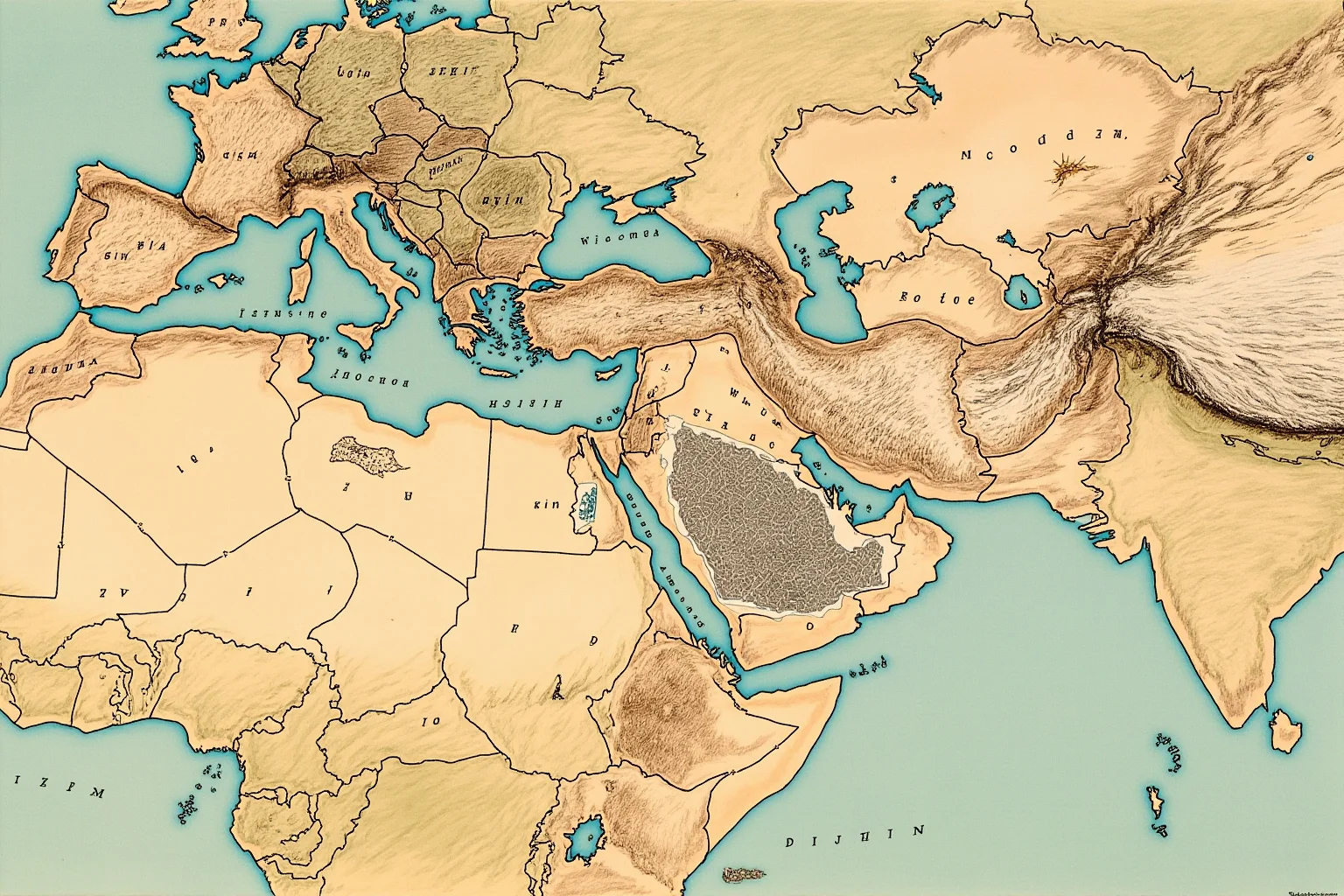
At its height under Darius I around 500 BCE, the Achaemenid Persian Empire covered roughly 5.5 million square kilometers. It stretched from the Indus River in modern Pakistan to Thrace in southeastern Europe and down into Egypt and Libya.
Some historians estimate the empire held close to 40-45% of the world’s population at the time, though exact ancient population figures are always rough estimates. Either way, nothing on this scale had existed before it, which is why so many lists of persian empire facts start right here.
2. Cyrus the Great Founded the Empire Around 550 BCE
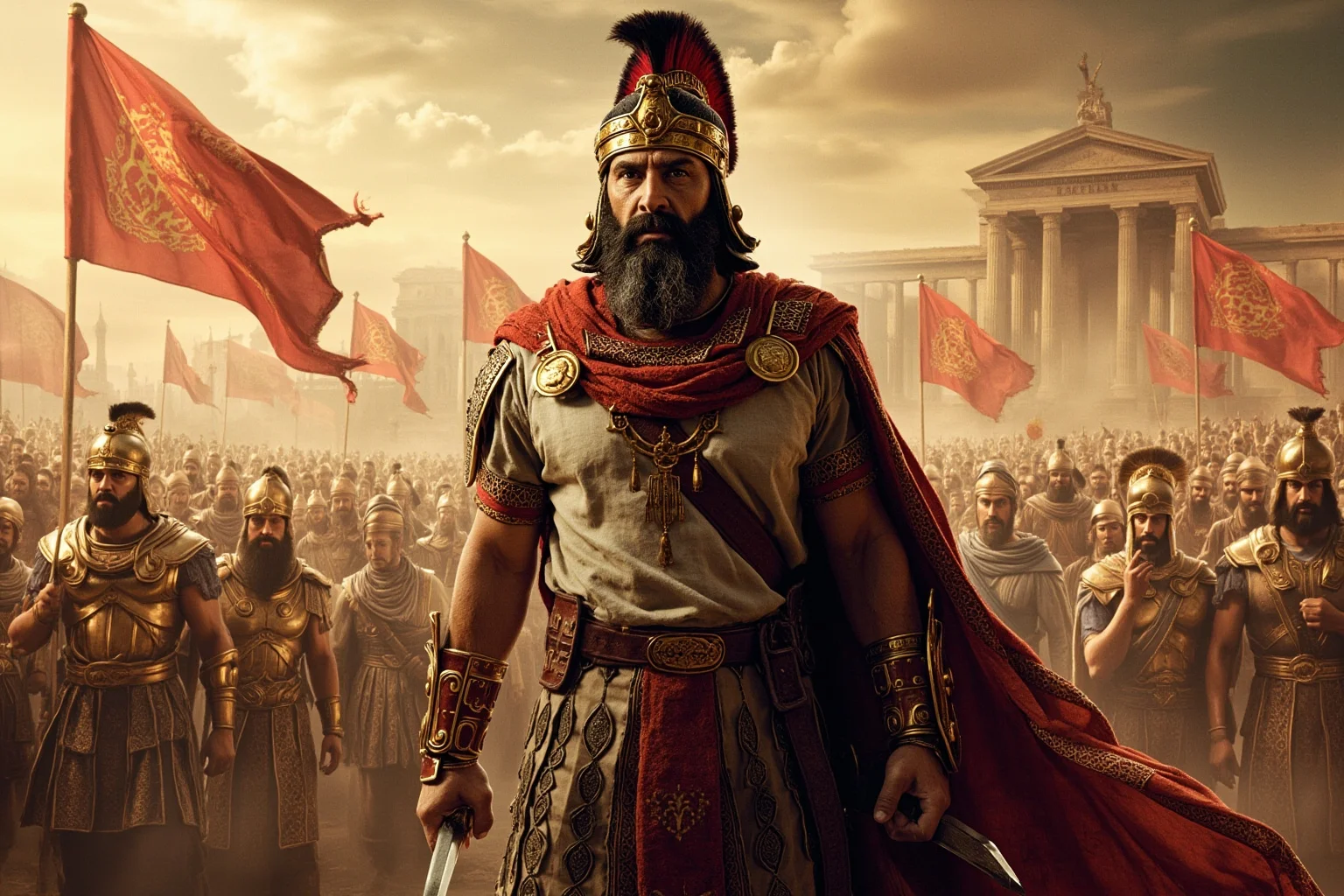
The Achaemenid Persian Empire traces its founding to Cyrus the Great, who unified the Persian and Median peoples and then rapidly conquered Lydia and Babylon. His conquests laid the groundwork for a state that would outlast him by centuries.
Cyrus is still remembered as one of antiquity’s most effective and, by the standards of his era, relatively pragmatic rulers. He preferred incorporating conquered elites into his administration rather than simply crushing them.
3. The Cyrus Cylinder Is Often Called an Early Human Rights Document
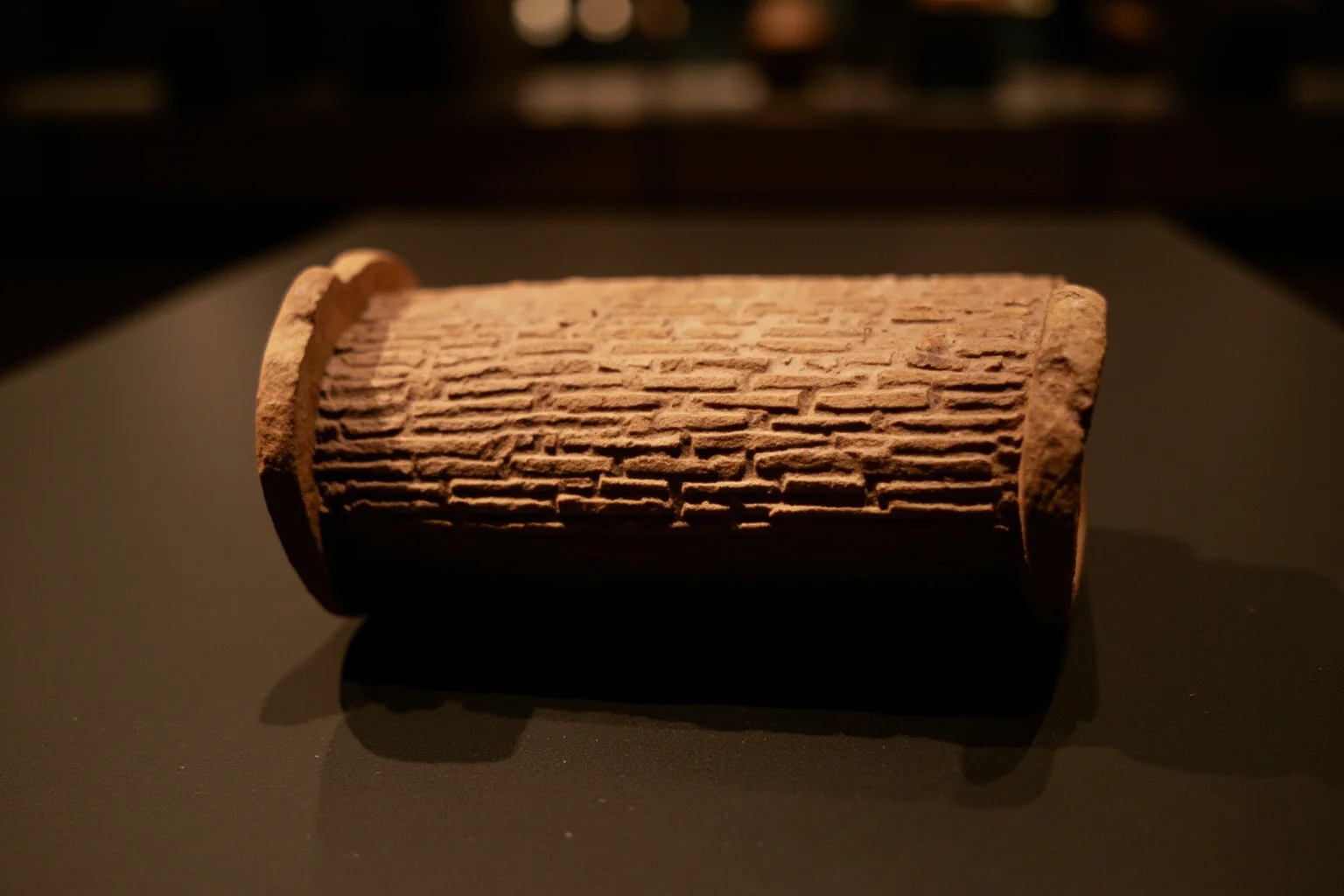
After capturing Babylon in 539 BCE, Cyrus issued a clay cylinder inscription describing the restoration of temples and the return of displaced peoples. It’s genuinely one of the oldest surviving royal proclamations of its kind.
However, it’s worth a gentle myth-bust here: the cylinder wasn’t a human rights charter in the modern legal sense. It was a traditional Mesopotamian royal decree in the style used by earlier Babylonian kings, even if its content was notably conciliatory for its time.
4. The Persians Allowed Exiled Peoples to Return Home
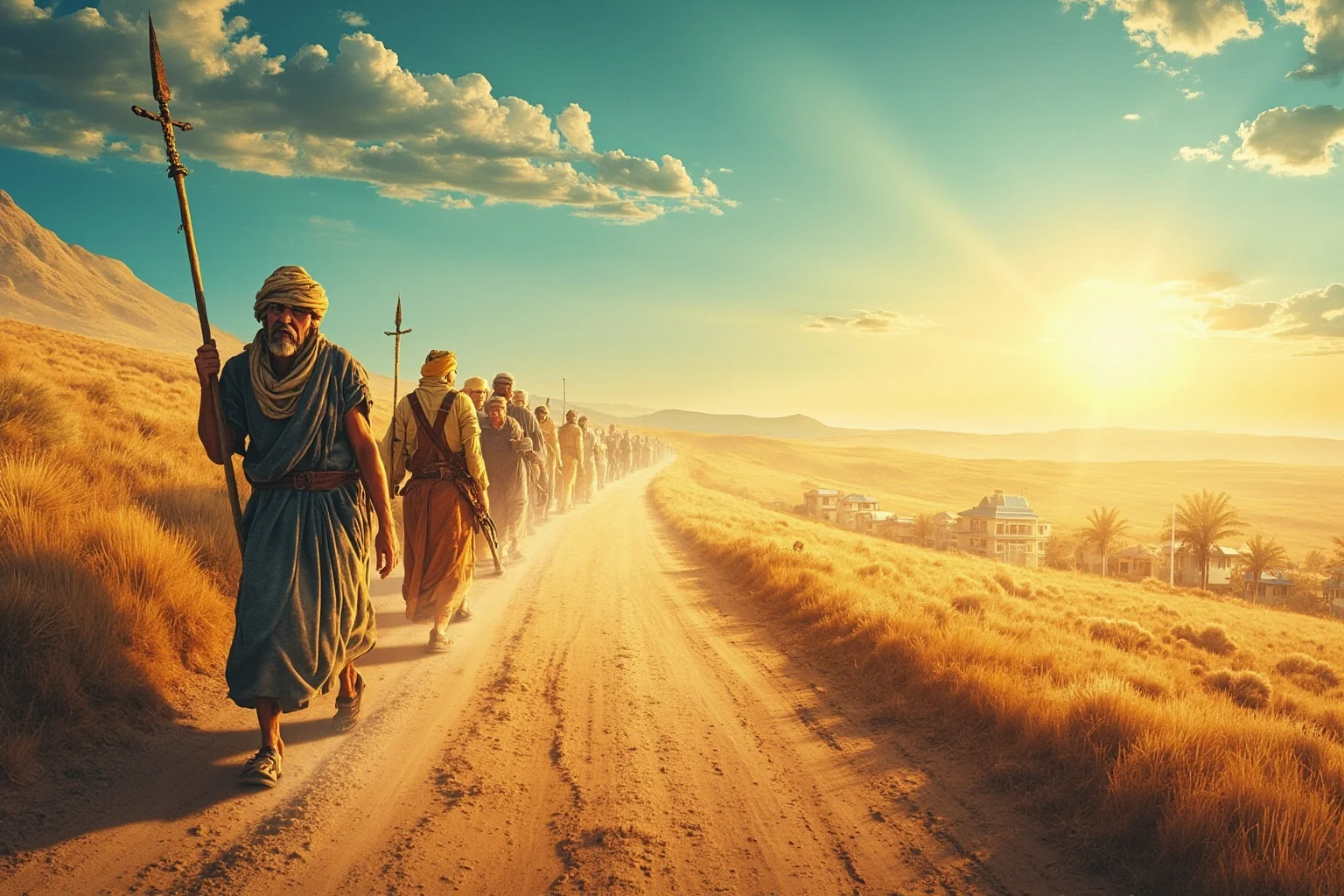
One of the most historically significant Persian achievements was Cyrus’s policy of letting displaced populations, including the Judean exiles held in Babylon, return to their homelands. This event is recorded in the Hebrew Bible’s Book of Ezra.
This policy wasn’t unique to one group. It reflected a broader Achaemenid approach of managing a multiethnic empire through accommodation rather than forced assimilation.
5. Persepolis Was a Ceremonial Marvel
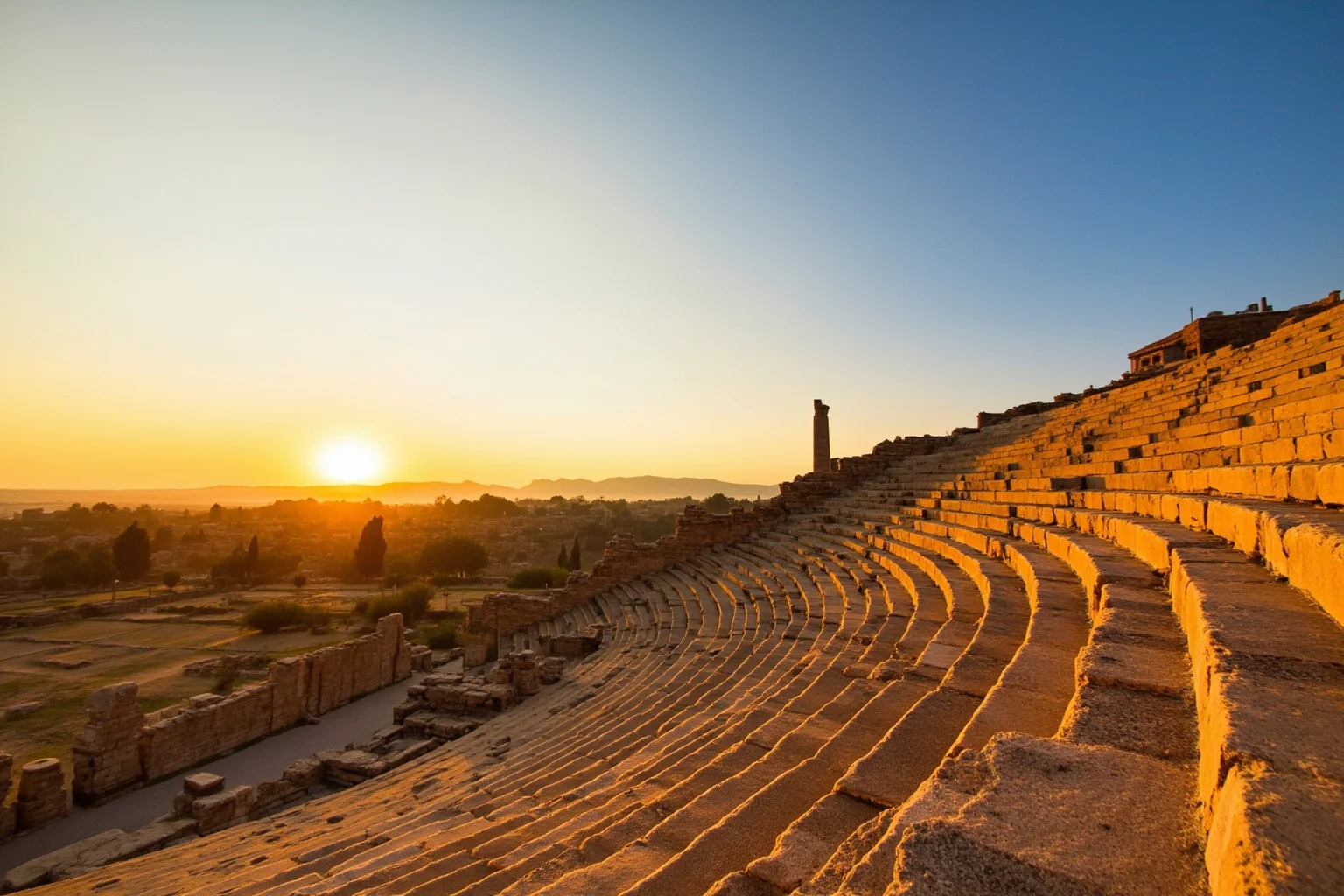
Darius I began construction of Persepolis around 518 BCE as a grand ceremonial capital, and later kings expanded it further. Its terraces, monumental staircases, and relief carvings depicted delegations from across the empire bringing tribute to the king.
Persepolis wasn’t primarily an administrative capital; Susa and Babylon handled much of that work. It functioned more as a stage for royal festivals, especially the Persian New Year celebrations.
6. The Royal Road Connected the Empire Over 2,000 Kilometers

The Royal Road ran roughly 2,700 kilometers from Sardis in western Anatolia to Susa in Persia’s heartland. Way stations placed at regular intervals offered fresh horses and supplies for royal messengers.
This infrastructure project is a favorite among Persian empire cultural achievements because it directly enabled fast communication, trade, and troop movement across an enormous territory.
7. Persian Couriers Inspired a Famous Postal Motto
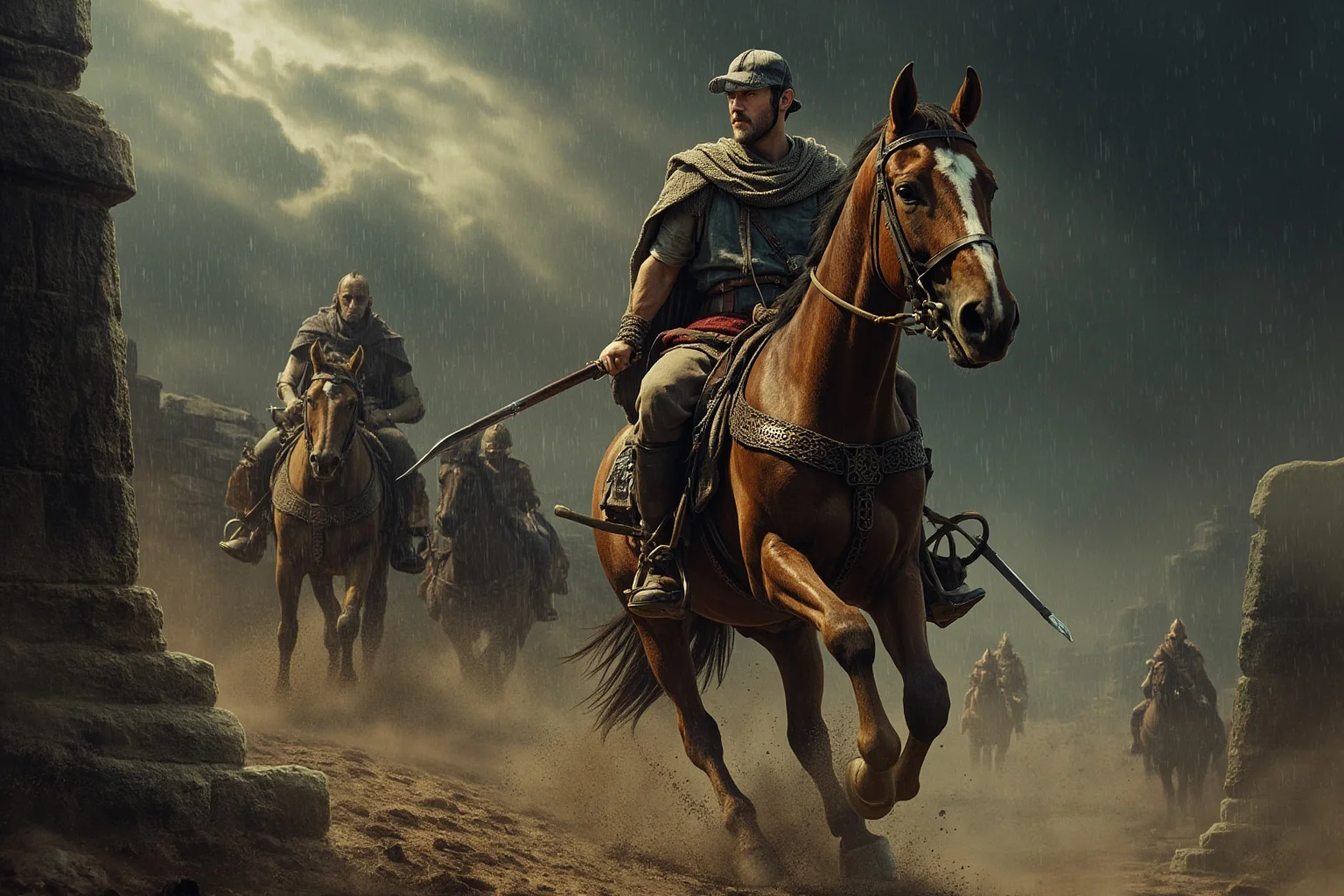
The Greek historian Herodotus described the Persian relay messenger system, known as the angarium, in admiring terms, noting that neither snow, rain, heat, nor darkness stopped these riders from completing their routes. That description centuries later inspired the unofficial motto associated with the United States Postal Service.
It’s a great example of how ancient Persian innovations quietly echo in everyday modern life. Few people reciting that phrase realize its roots trace back to Achaemenid Persia.
8. Qanats Brought Water Across the Desert
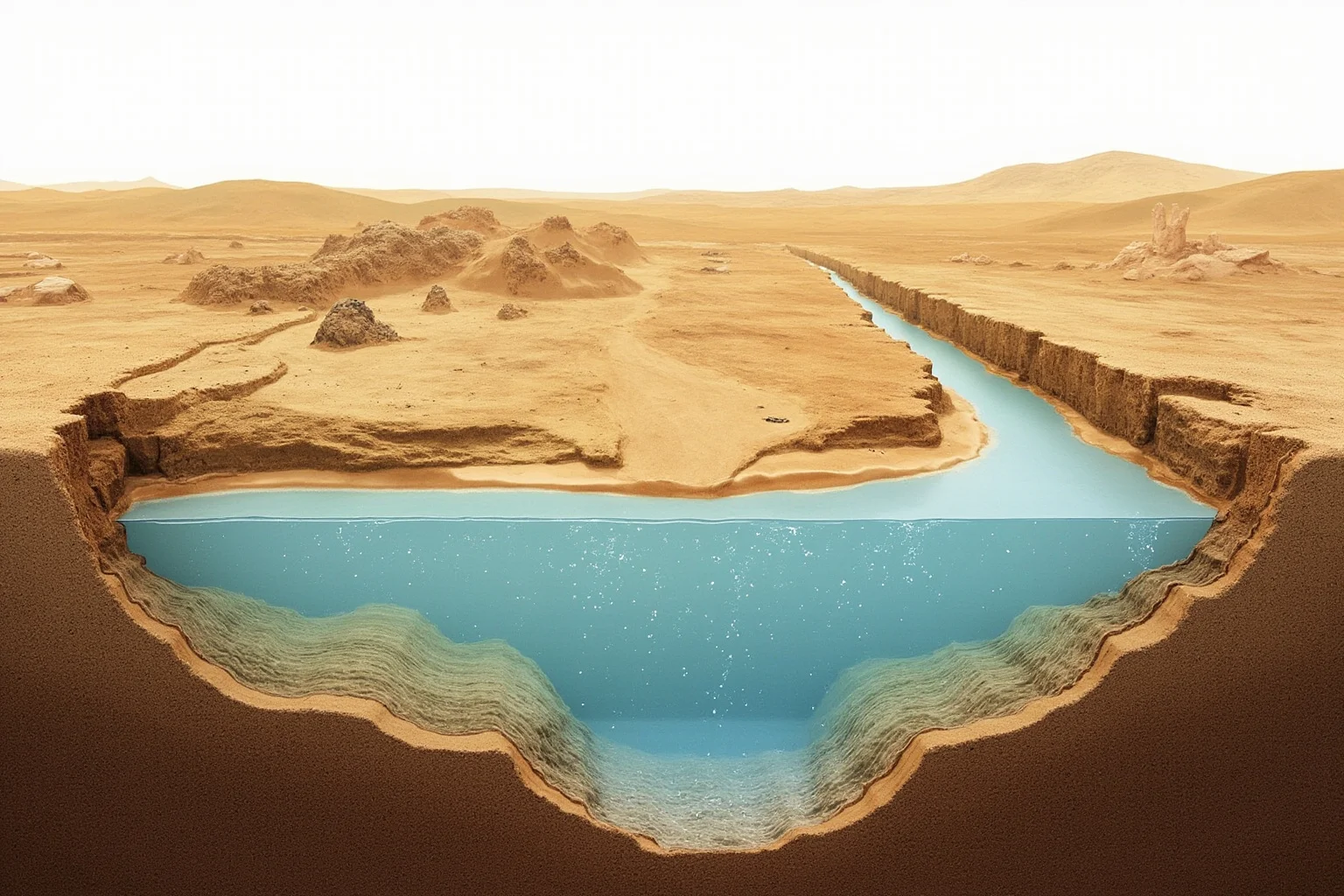
Among the most practical answers to “what did the Persians invent” is the qanat, an underground channel system that transports water from aquifers in the hills down to arid lowland settlements. Qanats reduced evaporation and allowed agriculture and permanent settlements to thrive in otherwise inhospitable regions.
Remarkably, many qanats built well over 2,000 years ago are still functioning in Iran today. UNESCO recognized the Persian Qanat system as a World Heritage achievement in 2016.
9. Yakhchals Worked as Ancient Refrigerators
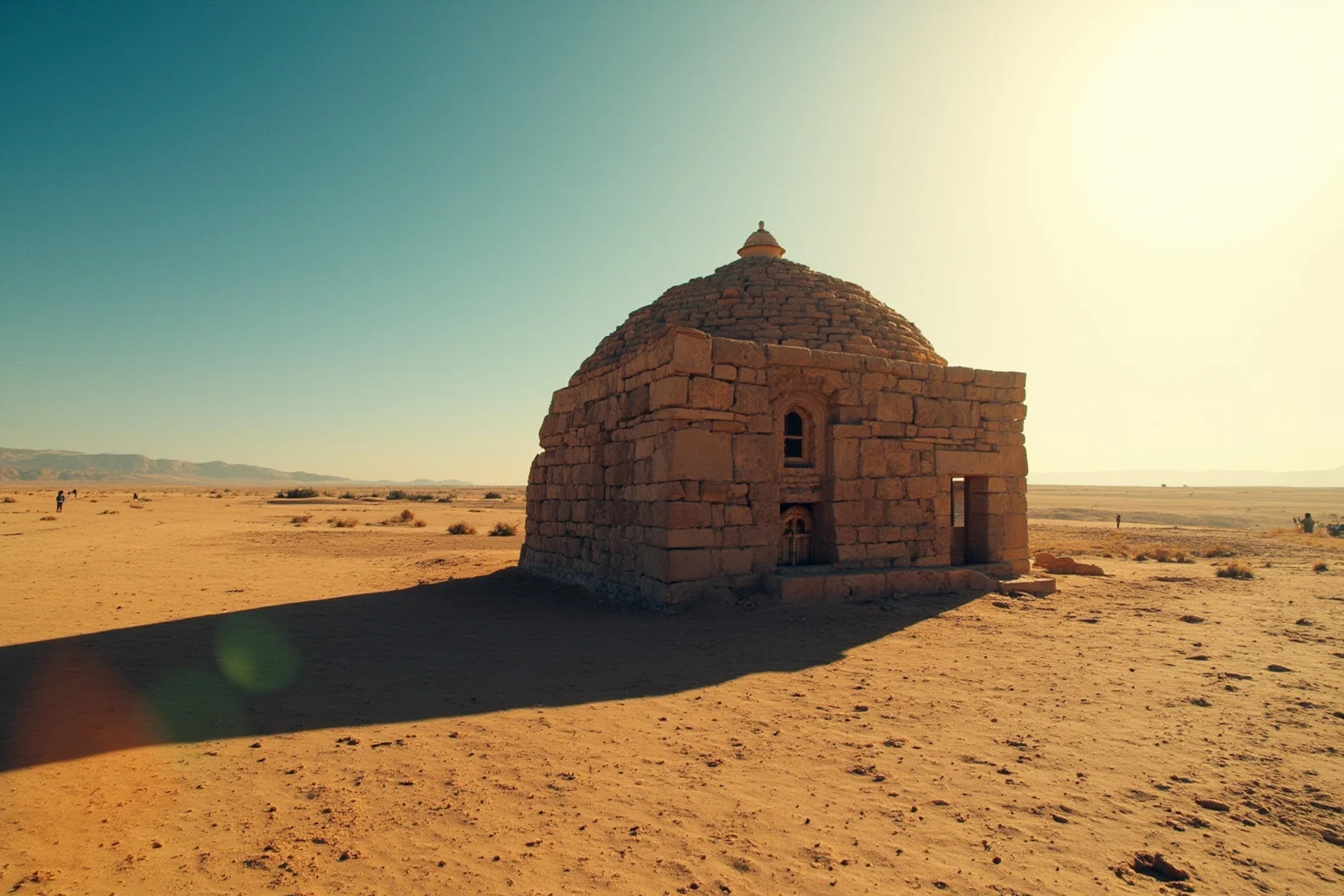
Persian engineers built yakhchals, large dome-shaped structures made of a special heat-resistant mortar, to store ice and food even in scorching desert summers. Some yakhchals could keep ice frozen for months using passive cooling techniques alone.
This is a favorite among fun facts about the Persian Empire because it shows real environmental science happening thousands of years before electricity. The basic principles behind yakhchals still interest engineers studying sustainable, low-energy cooling today.
10. Windcatchers Cooled Buildings Without Electricity
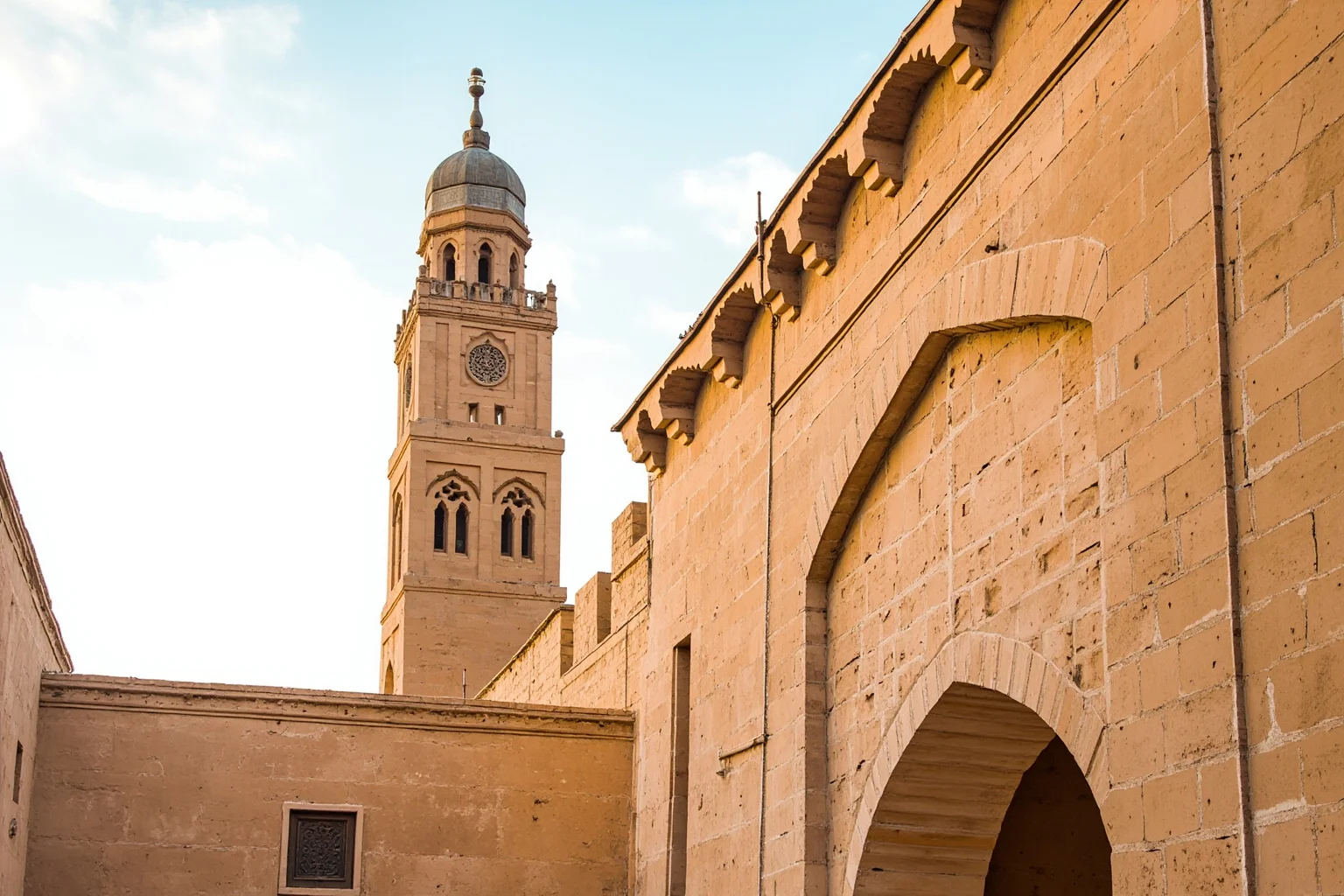
Alongside yakhchals, Persian architects developed badgirs, or windcatchers: tall chimney-like towers that captured breezes and funneled cool air down into buildings below. Some designs also worked with underground water channels to enhance the cooling effect.
Variations of this technology still appear in traditional Iranian and Gulf architecture. It’s a striking example of Persian ingenuity solving a problem that modern engineers still take seriously.
11. Zoroastrianism Shaped Persian Spiritual Life
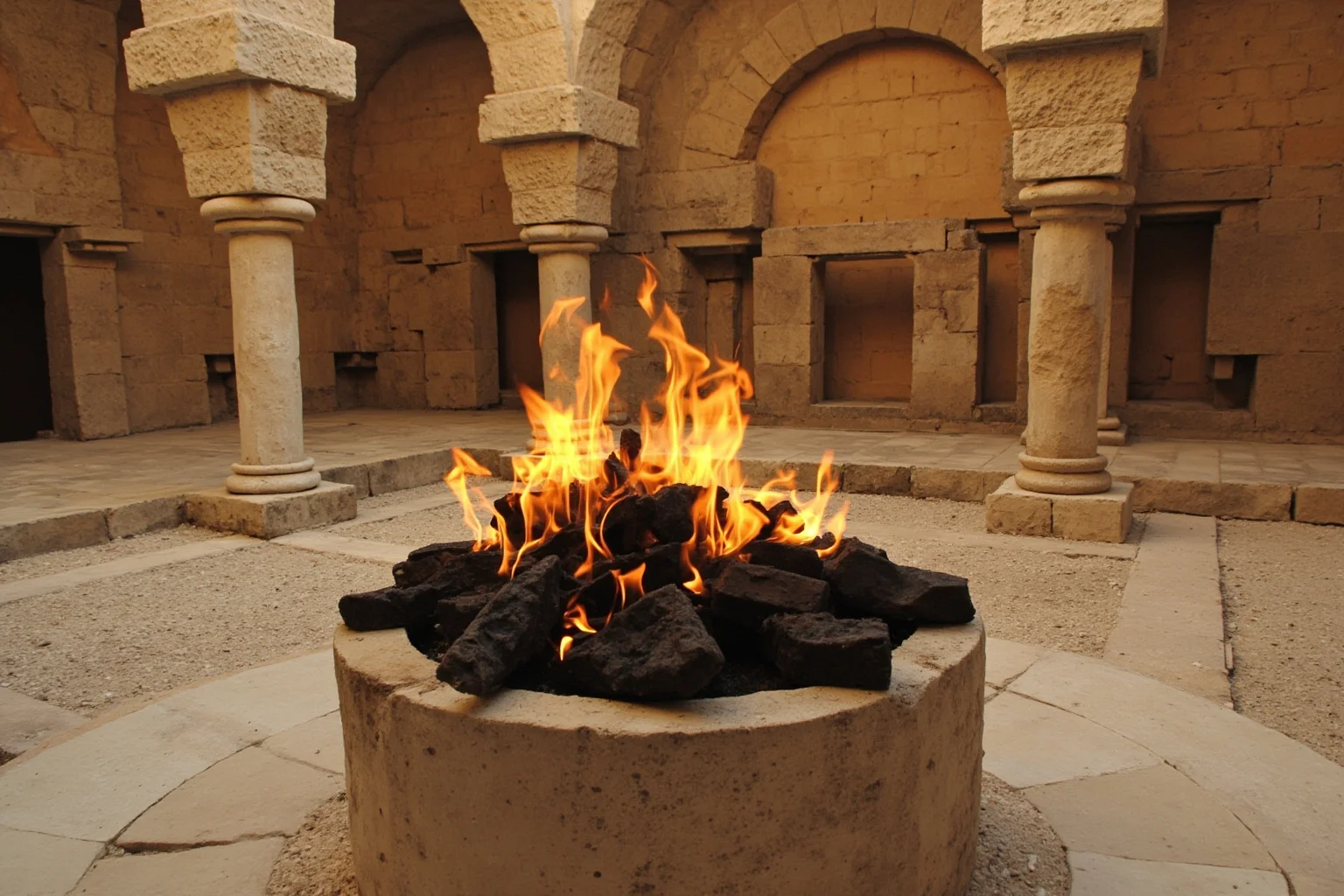
Zoroastrianism, associated with the prophet Zoroaster (Zarathustra), became closely linked with the Persian state, particularly under the later Achaemenid and Sasanian periods. It emphasized a cosmic struggle between truth and falsehood, along with concepts of judgment and an afterlife.
Some scholars have proposed that Zoroastrian ideas may have influenced concepts found in later Jewish, Christian, and Islamic thought, such as afterlife judgment and cosmic dualism. This remains a genuinely debated area of religious history, so it’s best treated as an intriguing possibility rather than a settled fact.
12. The Satrapy System Made Governing an Empire Possible
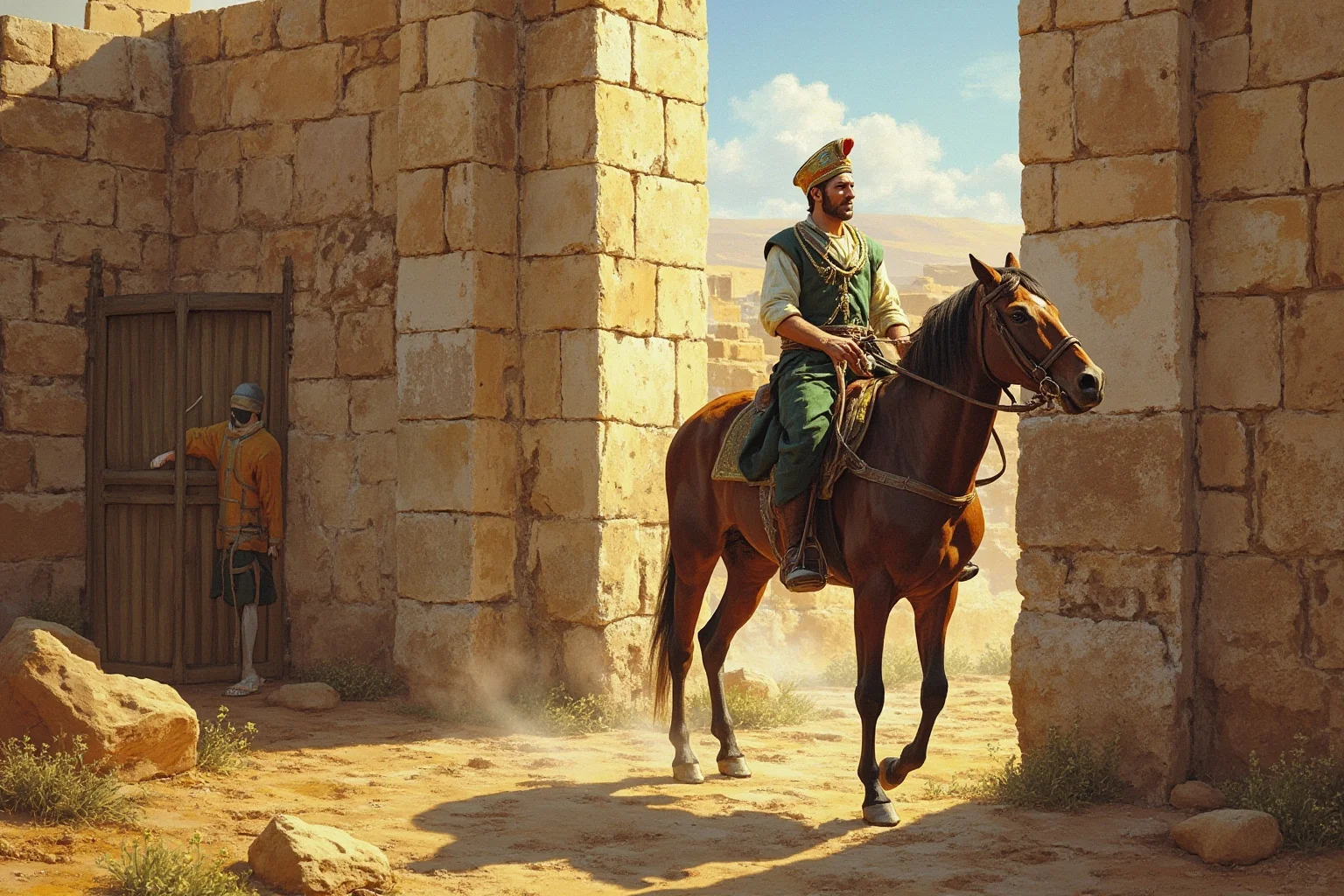
Darius I organized the empire into provinces called satrapies, each run by a governor known as a satrap. This decentralized approach let local administrators handle day-to-day governance while still answering to the central crown.
To keep satraps honest, the king employed inspectors sometimes referred to by Greek sources as the “eyes and ears of the king.” This system of checks is widely cited among the important achievements of the Persians in political administration.
13. Religious and Cultural Tolerance Was a Core Policy
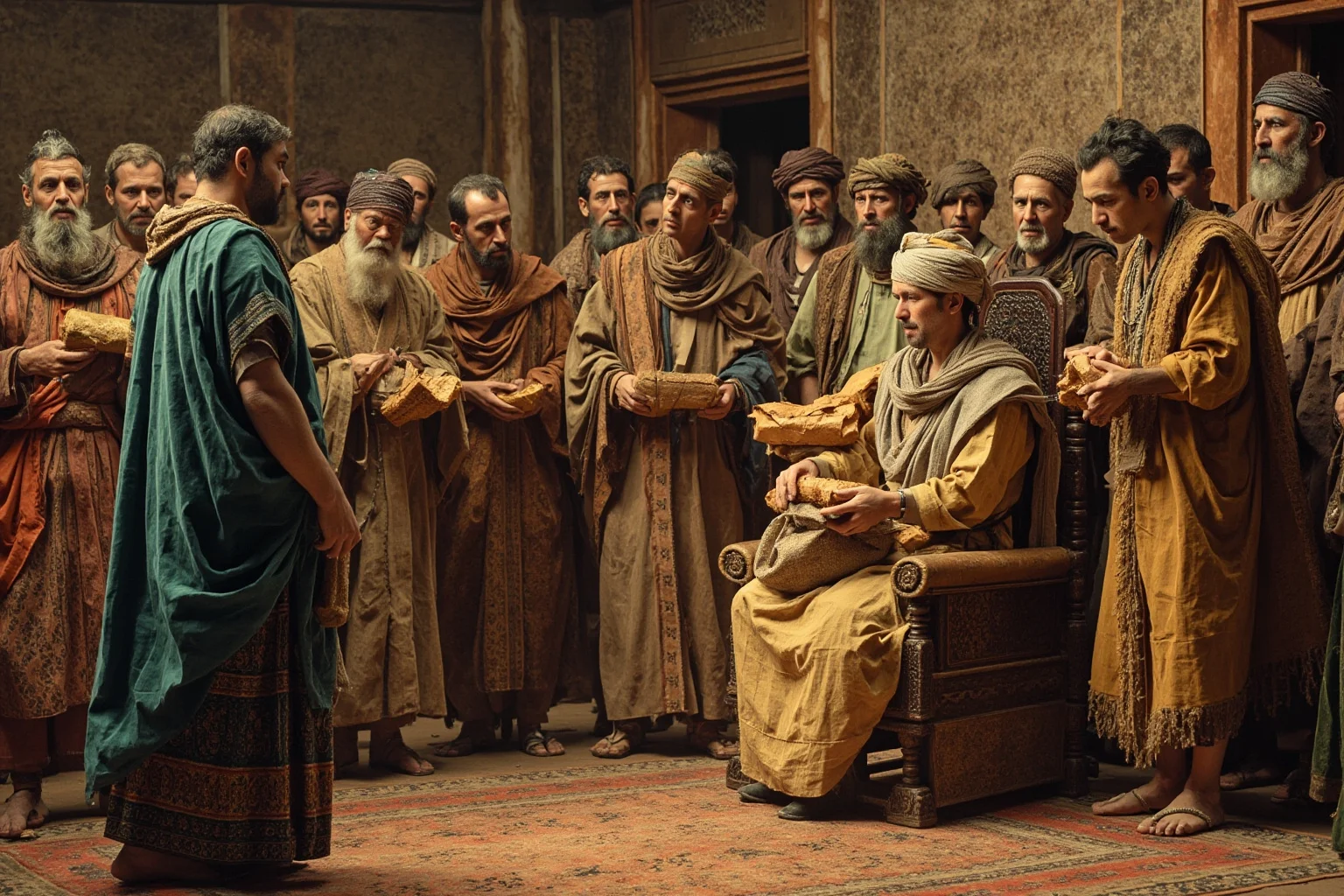
Unlike many conquerors of the era, Achaemenid rulers generally allowed subject peoples to keep their own religions, languages, and local customs. Temples were rebuilt, local elites were often retained, and legal traditions were frequently respected rather than erased.
This pragmatic tolerance wasn’t pure altruism; it made a sprawling, diverse empire far easier to govern. Still, it stands out as one of the more distinctive characteristics of Persia compared to many contemporary empires.
14. Persia Standardized Currency With the Daric
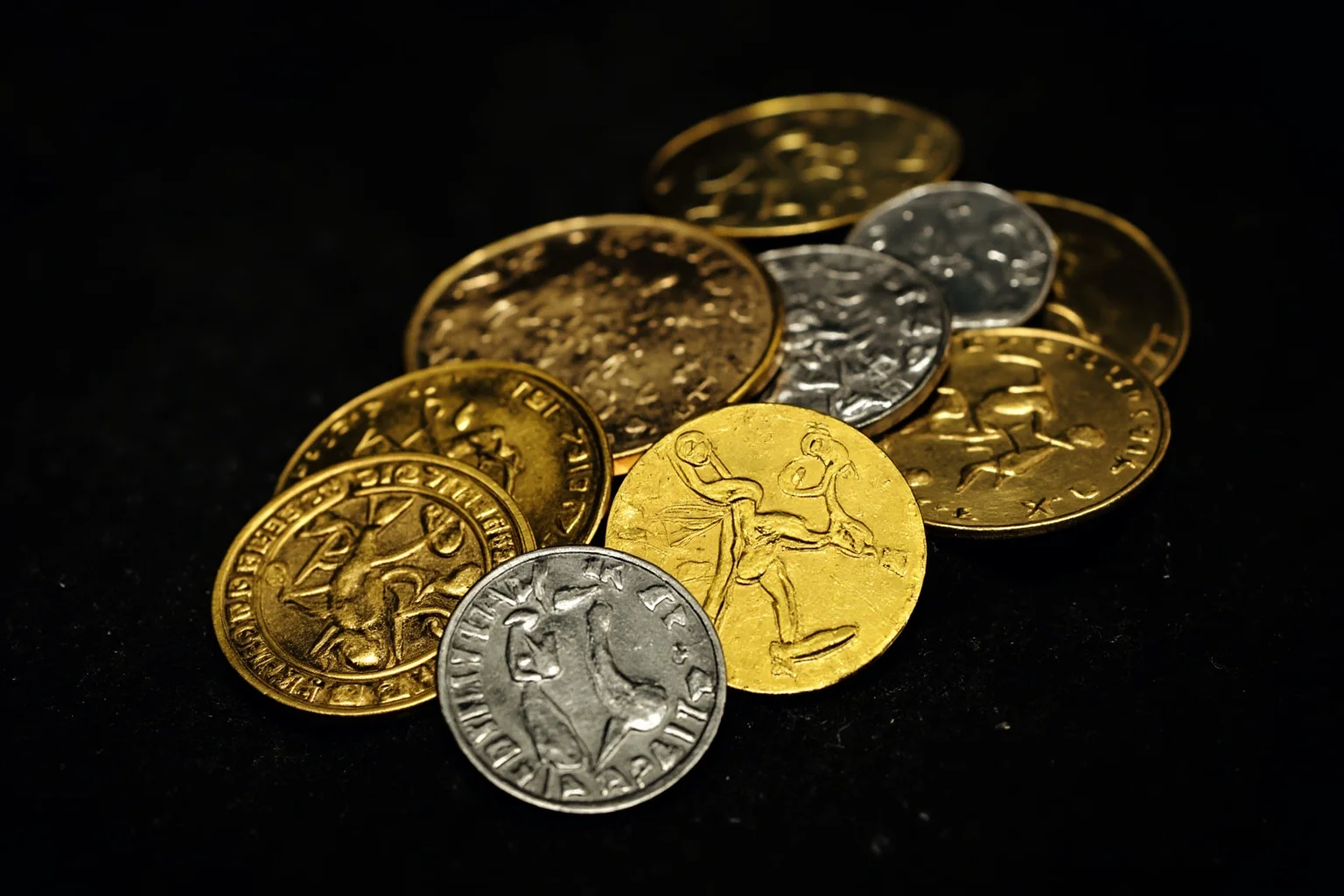
Darius I introduced a gold coin known as the daric, along with a silver counterpart called the siglos. Standardized coinage helped facilitate trade and taxation across the empire’s many regions.
Coinage might seem like a small detail, but consistent currency was a major economic achievement. It reduced friction in commerce across a territory spanning multiple cultures and previous currency systems.
15. The Immortals Were an Elite Fighting Force
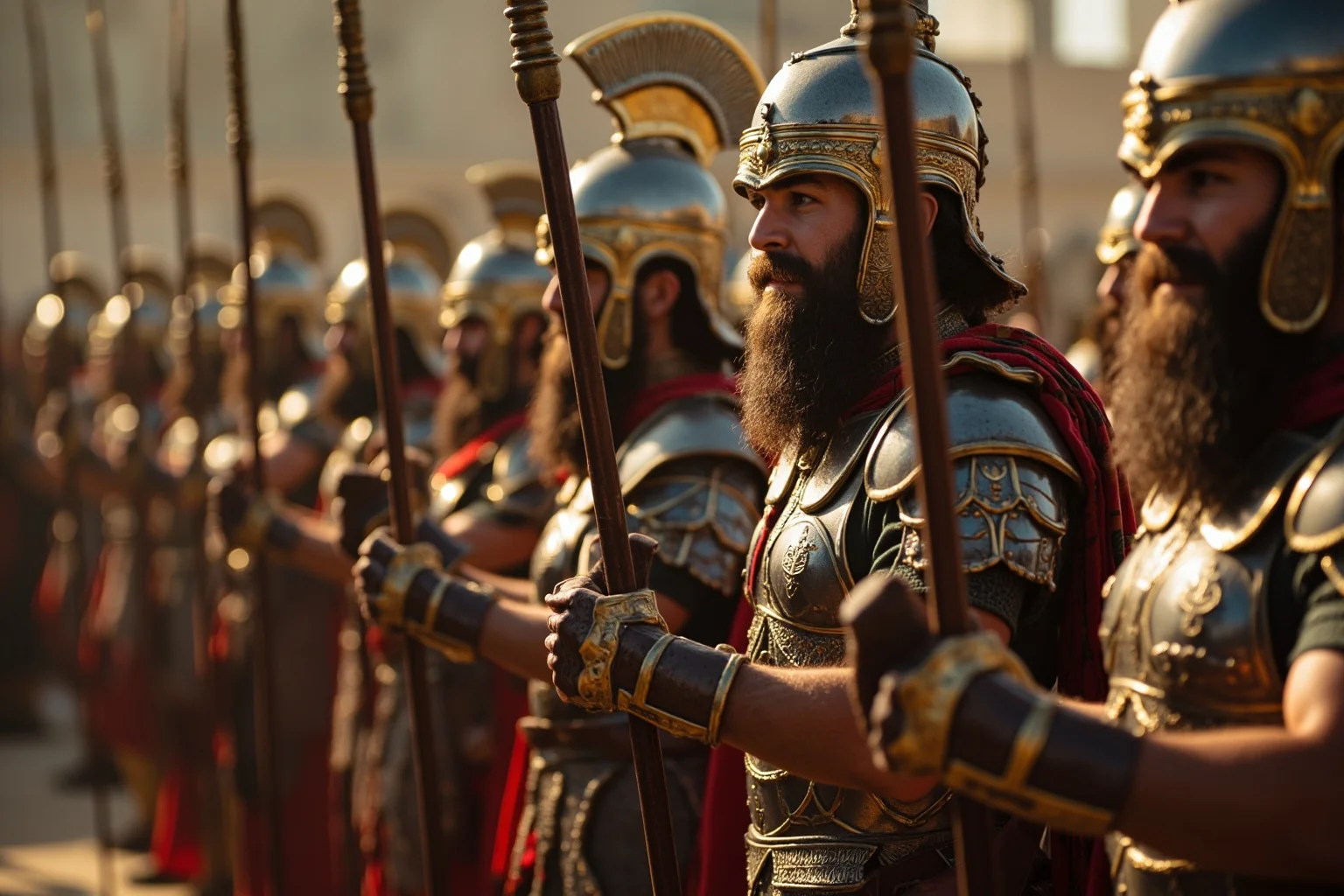
Herodotus described a Persian infantry unit of about 10,000 soldiers that always stayed at exactly that number, with replacements ready whenever a soldier fell, fell ill, or retired. Greek writers dubbed them the “Immortals” because of this constant strength.
While Herodotus is a valuable ancient source, modern historians treat some of his details with caution since he wrote from a Greek, sometimes rival, perspective. Even so, the Immortals remain one of the most enduring images from the Greco-Persian Wars.
16. The Word “Paradise” Comes From Persian Gardens
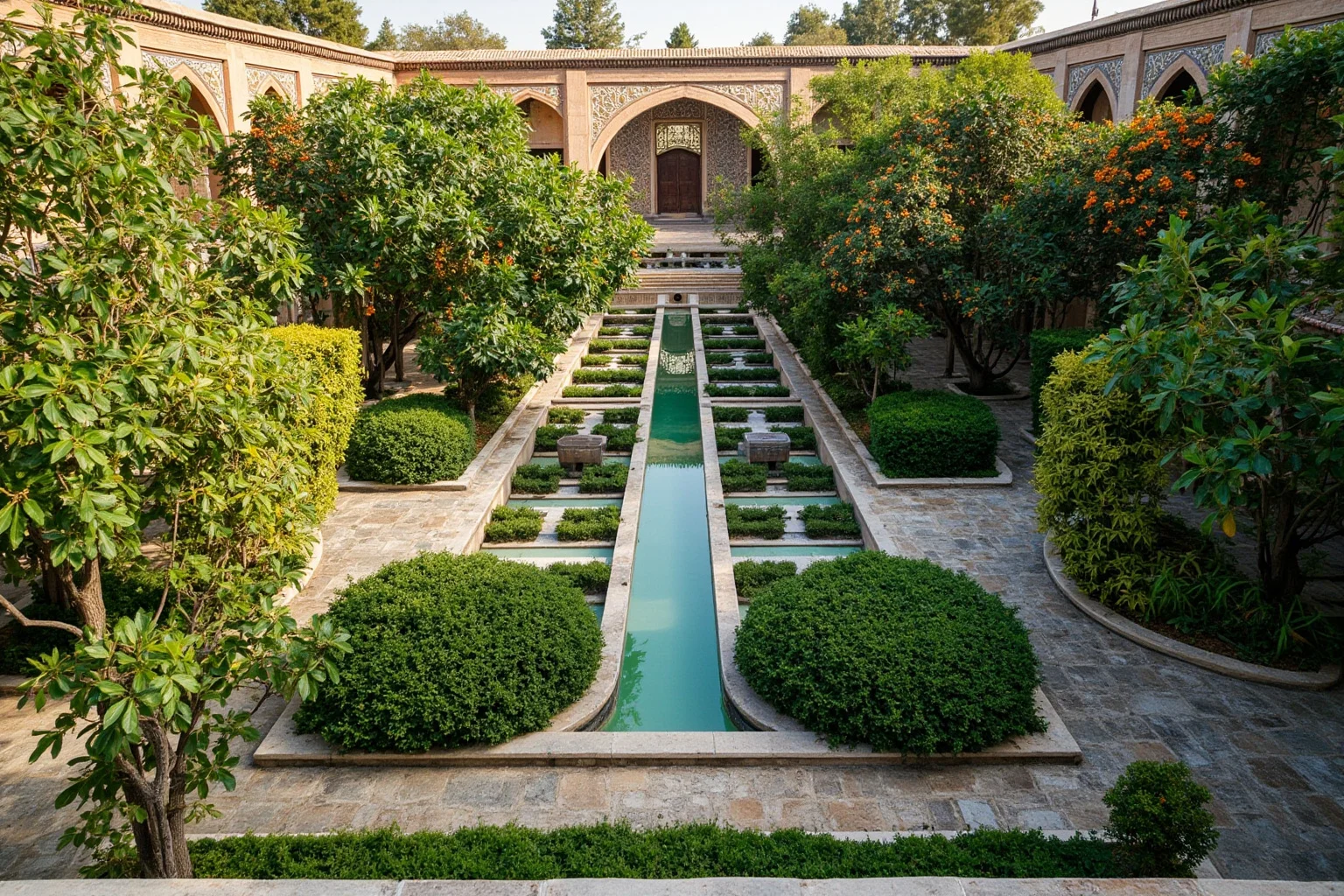
The Old Persian word pairidaeza described a walled royal garden or park, often lush with trees, water channels, and wildlife. This word eventually passed through Greek and Latin to become the English word “paradise.”
Persian gardens weren’t just decorative; they represented order, abundance, and royal power. The formal, symmetrical garden style associated with later Persian and Islamic architecture traces its roots directly back to these Achaemenid designs.
17. The Behistun Inscription Helped Decode Ancient Cuneiform
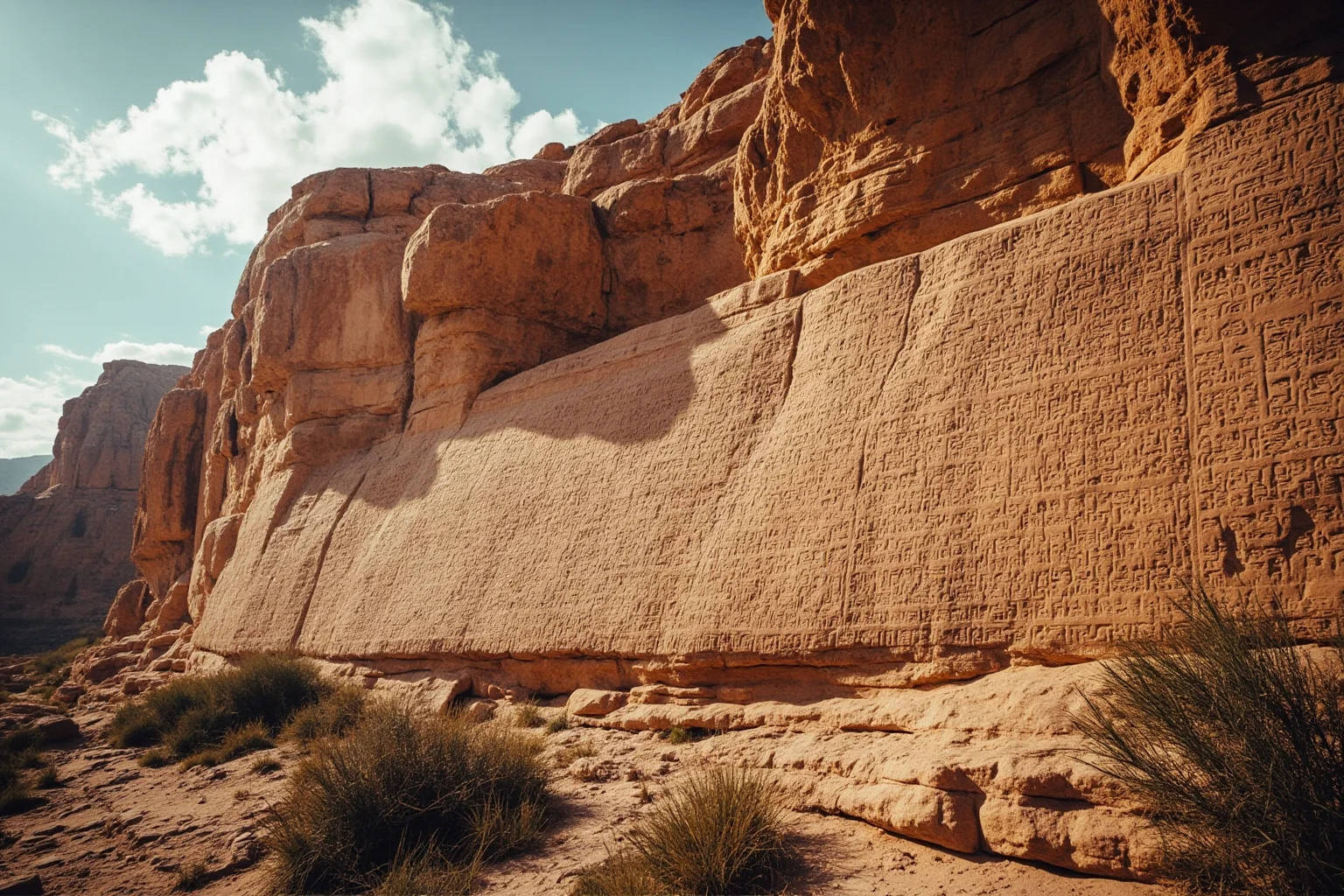
Darius I commissioned a massive trilingual inscription carved into a cliff at Behistun in modern Iran, written in Old Persian, Elamite, and Babylonian cuneiform. In the 19th century, scholars used this inscription much like the Rosetta Stone, unlocking the ability to read cuneiform scripts more broadly.
This makes Behistun one of the most important sources for understanding ancient Persian civilization facts today. Without it, huge portions of Mesopotamian and Persian history would remain far harder to interpret.
18. The Greco-Persian Wars Left a Lasting Legacy
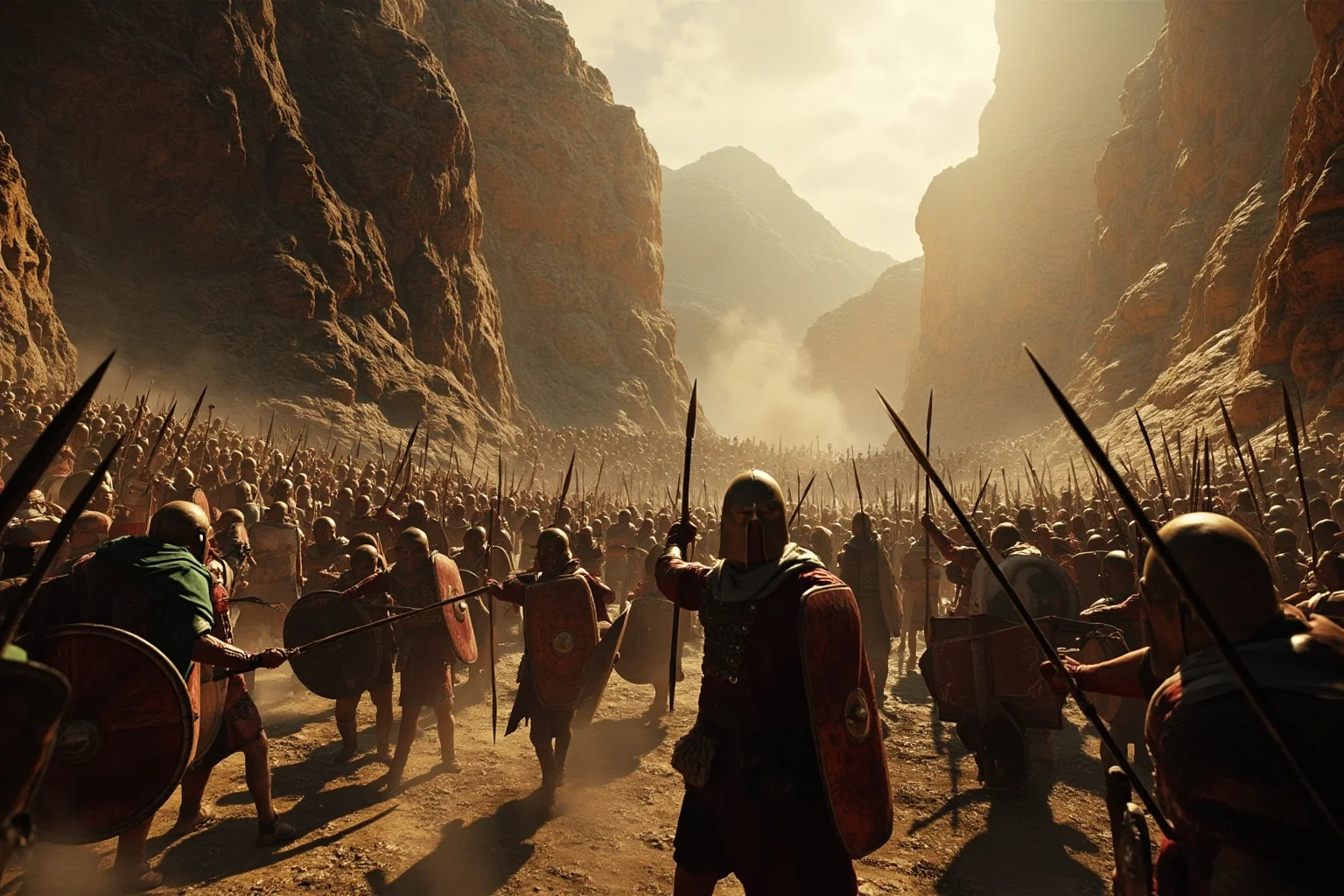
Tensions between Persia and the Greek city-states erupted into major conflicts in the early 5th century BCE, including the Battle of Marathon in 490 BCE and the battles of Thermopylae and Salamis in 480 BCE. These wars are heavily documented in Greek sources, particularly Herodotus.
It’s worth noting these accounts come primarily from the Greek side, so troop numbers and some dramatic details were likely exaggerated over time. Still, the wars had real consequences, shaping Greek identity and setting up centuries of cultural rivalry and exchange between Greece and Persia.
19. Alexander the Great Ended Achaemenid Rule
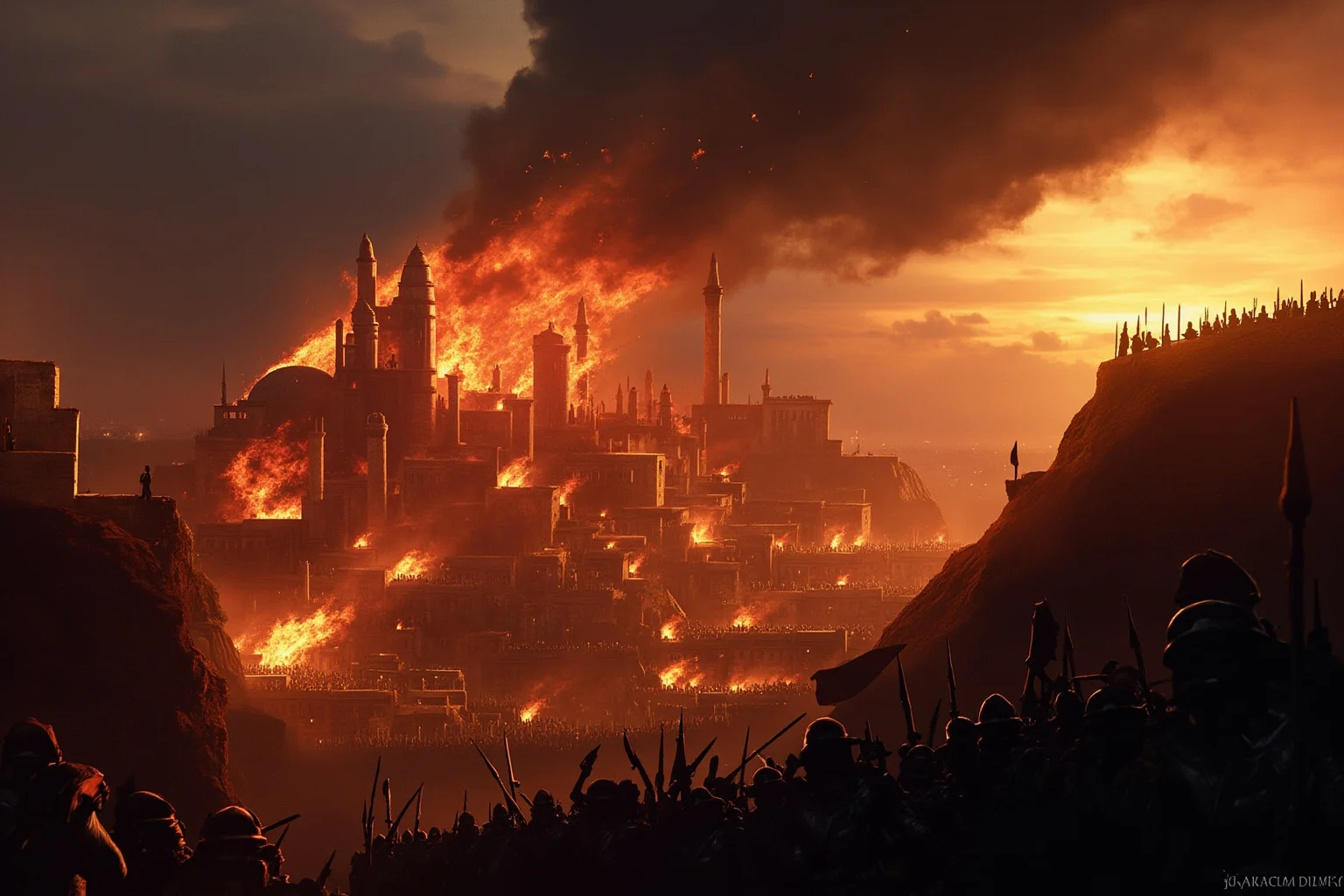
The Achaemenid Empire fell to Alexander the Great’s forces between 334 and 330 BCE, following major victories at Issus and Gaugamela. Persepolis was famously burned during this conquest, an event ancient sources describe with some differing details about exactly how deliberate it was.
Alexander’s conquest didn’t erase Persian influence, though. Many Persian administrative practices and cultural elements persisted under the Hellenistic kingdoms that followed.
20. Persian Culture Revived Under the Parthians and Sasanians
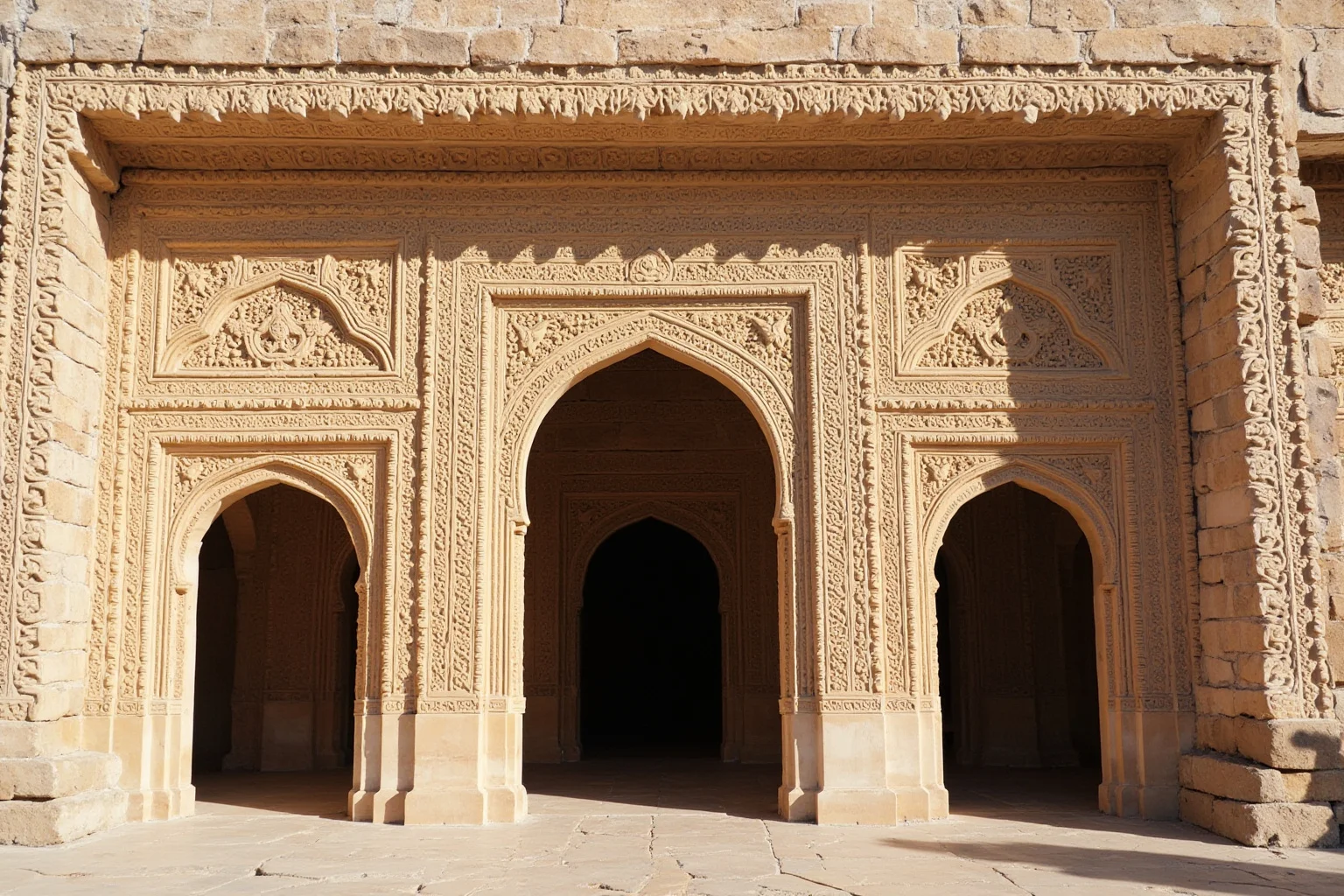
After a period of Greek-influenced Seleucid rule, Persian power resurged under the Parthian Empire and later the Sasanian Empire, which lasted until the 7th century CE. The Sasanians in particular oversaw a flourishing of Persian art, architecture, and Zoroastrian religious institutions.
This long continuity is a big reason historians talk about ancient Persian empire facts across multiple dynasties rather than just one. Persian civilization didn’t end with Alexander; it kept evolving for another thousand years.
21. Persian Trade Routes Predated the Silk Road’s Fame
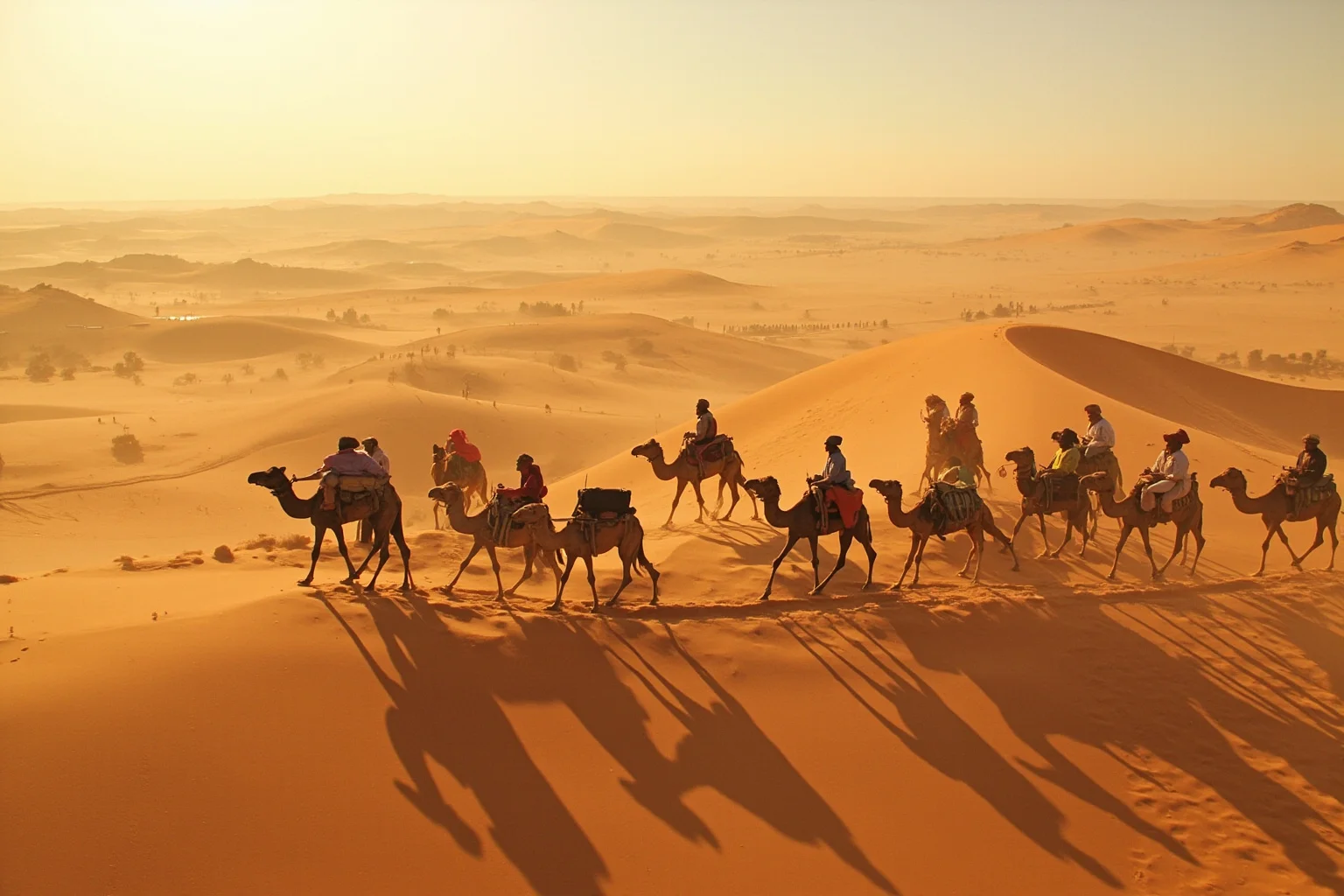
Long before the term “Silk Road” was coined by 19th-century geographers, Persian territory sat at the crossroads of trade between the Mediterranean world, Central Asia, India, and China. Goods, technologies, and ideas moved along these corridors for centuries.
This central geographic position is a major reason Persia absorbed and transmitted so much cultural influence in both directions. It’s one of the clearer answers to the question of what Persia is known for economically.
22. Women Held Documented Economic Roles
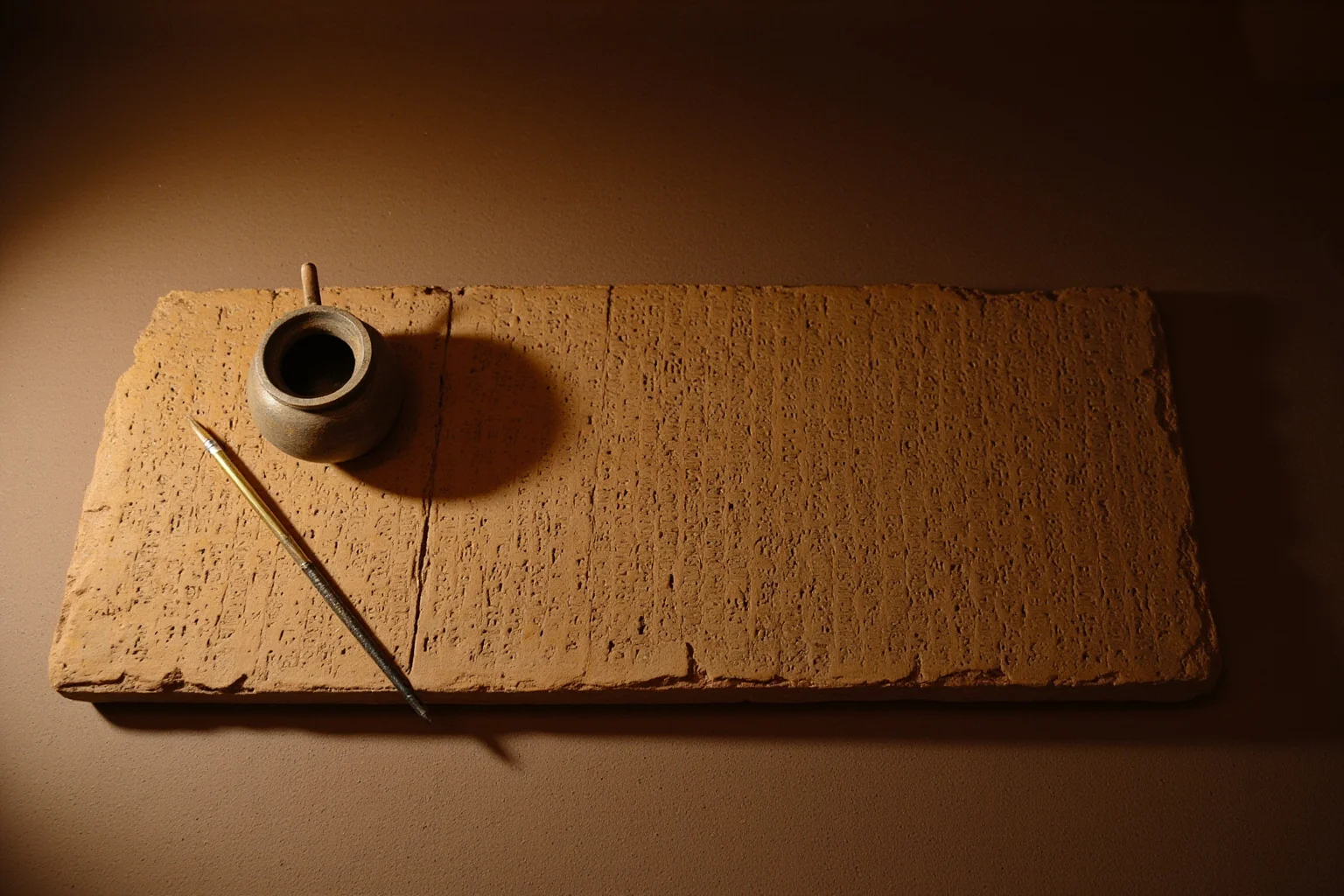
The Persepolis Fortification Tablets, an enormous archive of administrative records from the late 6th and 5th centuries BCE, show women receiving rations and even higher pay for supervisory work in some cases. This doesn’t mean Achaemenid Persia had equal rights by modern standards, but it does show women participating in the formal economy in ways not always recorded elsewhere in the ancient world.
Royal women, including queens and queen mothers, also appear in historical and archaeological records as holders of significant estates and influence. These details add welcome nuance to broader facts about Persian culture.
23. Persian Art Blended Influences From Across the Empire
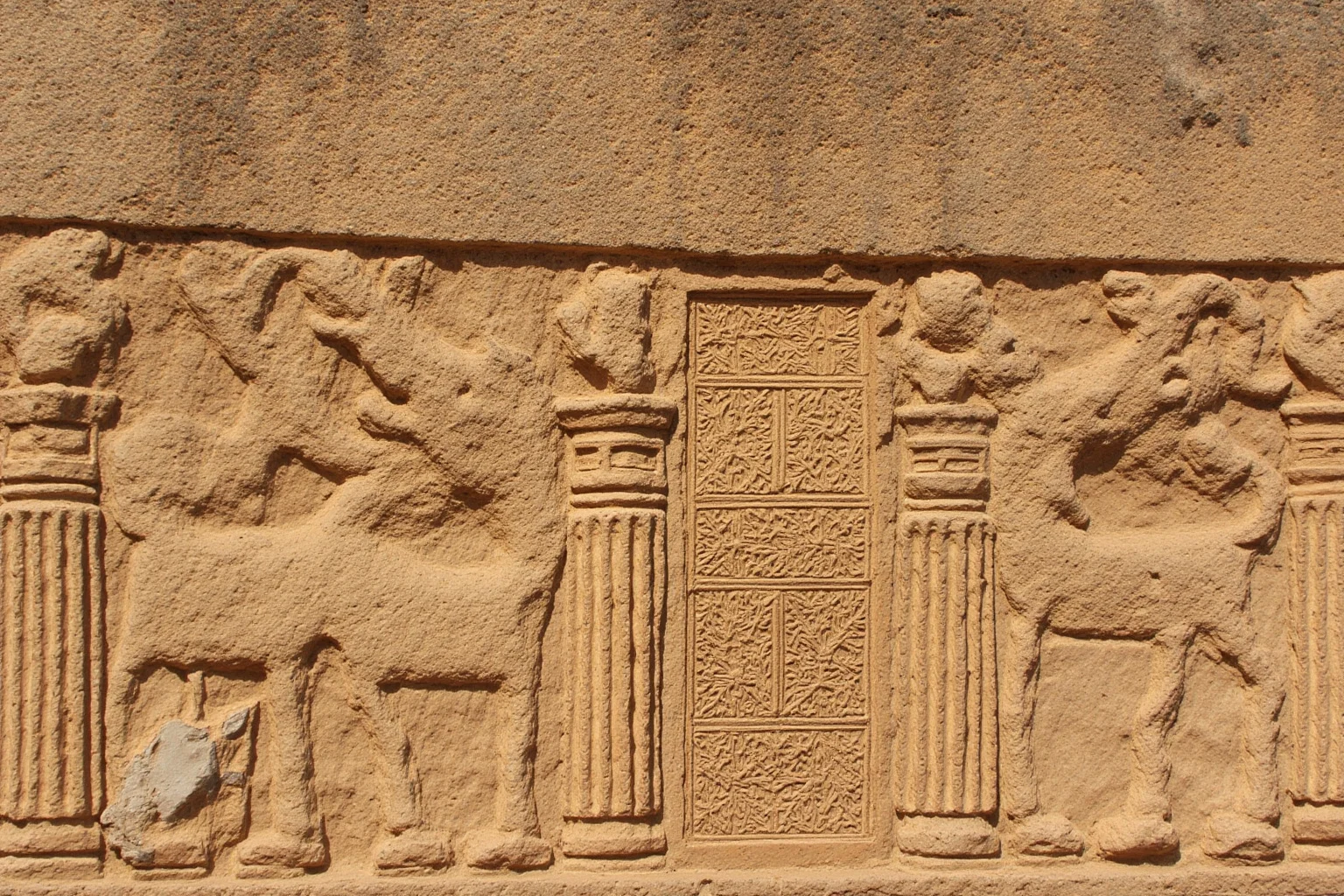
Persepolis’s relief carvings, glazed brick friezes, and column capitals shaped like paired bulls or griffins reflect artistic techniques borrowed from Egypt, Mesopotamia, and Ionia, then reworked into a distinct Persian style. This artistic fusion mirrored the empire’s political approach of incorporating rather than replacing local traditions.
Craftsmen from many conquered regions reportedly contributed to Persepolis’s construction, according to inscriptions and archaeological evidence. That collaborative, multicultural approach to monumental art remains one of the standout Persian empire cultural achievements.
24. Modern Farsi and Nowruz Trace Back to Ancient Persia
The Persian language spoken today, Farsi, descends from Old Persian through Middle Persian, showing a linguistic continuity spanning well over two thousand years. Nowruz, the Persian New Year celebrated at the spring equinox, also has roots reaching back to the Achaemenid era and possibly earlier Zoroastrian traditions.
Millions of people in Iran, Afghanistan, Tajikistan, and beyond still celebrate Nowruz today. It’s a living link connecting modern culture directly to ancient Persian civilization.
25. “Persia” and “Iran” Refer to the Same Place
Western sources called the region “Persia” for centuries, based on the Greek term for the Persis region where the Achaemenids originated. In 1935, the Iranian government formally asked the international community to use “Iran,” the name Iranians had long used themselves, derived from an ancient word related to “Aryan” peoples.
Both names describe the same land and civilization, just from different linguistic traditions. Understanding this naming history helps clear up a common point of confusion whenever people search for facts about Persia versus facts about modern Iran.
The Enduring Legacy of a Remarkable Civilization
From the Royal Road to religious tolerance policies to the very word “paradise,” the Persian Empire’s fingerprints show up in unexpected corners of the modern world. Its blend of practical engineering, administrative innovation, and cultural openness made it a genuinely unique force in ancient history.
Whatever angle first brought you here, whether it was curiosity about Cyrus the Great, ancient inventions, or the difference between Persia and Iran, the bigger picture is clear. This was a civilization whose achievements were built to last, and many of them, quite literally, still stand today.
Frequently Asked Questions
What were the Persian Empire’s cultural achievements?
The Persian Empire's cultural achievements include the Royal Road and relay postal system, qanat irrigation engineering, standardized coinage, monumental architecture at Persepolis, formal Persian gardens (the origin of the word 'paradise'), the Behistun Inscription that helped decode cuneiform, and a governing philosophy of religious and cultural tolerance across a highly diverse empire.
What did the Persians invent?
The Persians developed or refined qanats for underground water transport, yakhchals for ice storage in the desert, windcatcher cooling towers, an early standardized coinage system, and one of history's first large-scale relay postal networks. They also pioneered administrative innovations like the satrapy system for governing a vast, multiethnic empire.
What is Persia known for?
Persia is known for building the largest empire the ancient world had seen under the Achaemenid dynasty, for relatively tolerant governance of conquered peoples, for engineering feats like the Royal Road and qanats, and for a rich artistic and religious tradition that includes Zoroastrianism and the origins of the Persian garden concept.
What are the main characteristics of ancient Persian civilization?
Ancient Persian civilization was characterized by centralized but flexible governance through satrapies, respect for local customs and religions among conquered peoples, advanced infrastructure like roads and irrigation systems, a standardized economy, and a strong artistic tradition that blended influences from across its territories, from Egypt to Central Asia.
Is Persia the same place as modern Iran?
Yes. 'Persia' was the name used historically in the West, based on the Greek term for the Persis region. In 1935, Iran's government asked the international community to use the name 'Iran' instead, which is what Iranians had traditionally called their country.
How large was the Persian Empire at its height?
At its peak under Darius I around 500 BCE, the Achaemenid Persian Empire covered roughly 5.5 million square kilometers, stretching from the Indus Valley to parts of southeastern Europe and North Africa, making it the largest empire the ancient world had seen up to that point.

Alex Warren
Related Articles





