

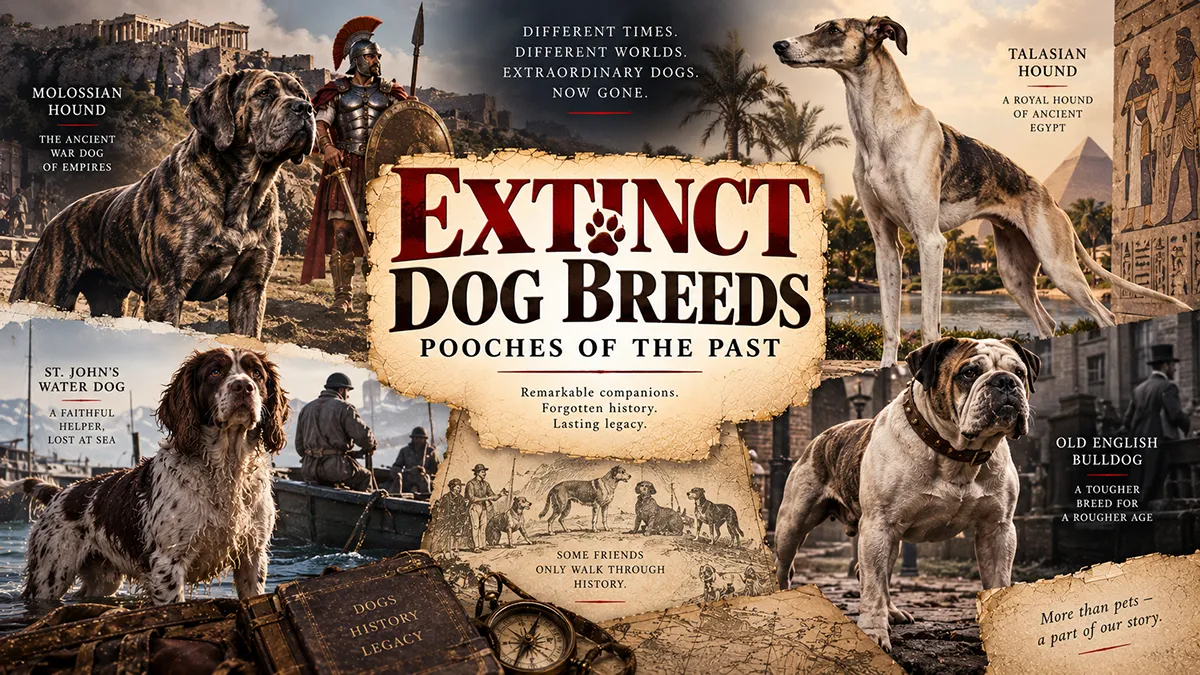
Dogs have walked beside humans for at least 15,000 years, shaping cultures, economies, and survival strategies across every inhabited continent. But not every breed that helped build that partnership survived to see the modern age.
Some extinct dog breeds vanished through deliberate crossbreeding, others through colonization, changing fashions, or simple obsolescence when their original job disappeared.
This list digs into 23 of history’s lost dogs, separating documented fact from the folklore that tends to grow around animals nobody living has ever actually seen.
Some of these breeds are extremely well recorded, with photographs, breed standards, and taxidermied specimens. Others, like the elusive Gootagan, survive mostly as fragments in old colonial writing, and we’ll be upfront about that uncertainty rather than dressing it up as settled history.
TL;DR: Dozens of dog breeds — from the Tweed Water Spaniel to the Fuegian dog — have gone extinct over the centuries through crossbreeding, colonization, and shifting human needs, and their stories reveal as much about human history as canine history.
What Actually Counts as an Extinct Dog Breed?
Before diving into the list, it helps to define terms. An extinct dog breed isn’t necessarily a dog that vanished without a trace the way a species might. Most extinct dog breeds died out because they were absorbed into other breeds through crossbreeding, not because every individual dog died.
That distinction matters a lot for a myth-busting list like this one. When people search for “extinct dog breeds” or ask about specific ones like the Tweed Water Spaniel, they’re often picturing a Jurassic Park-style disappearance. In reality, most of these breeds live on genetically, just diffused into descendant breeds that carry a different name today.
A smaller number of breeds, mostly tied to specific Indigenous cultures that were devastated by colonization, are genuinely gone in a more complete sense. We’ll flag those distinctions as we go through each entry.
1. Tweed Water Spaniel
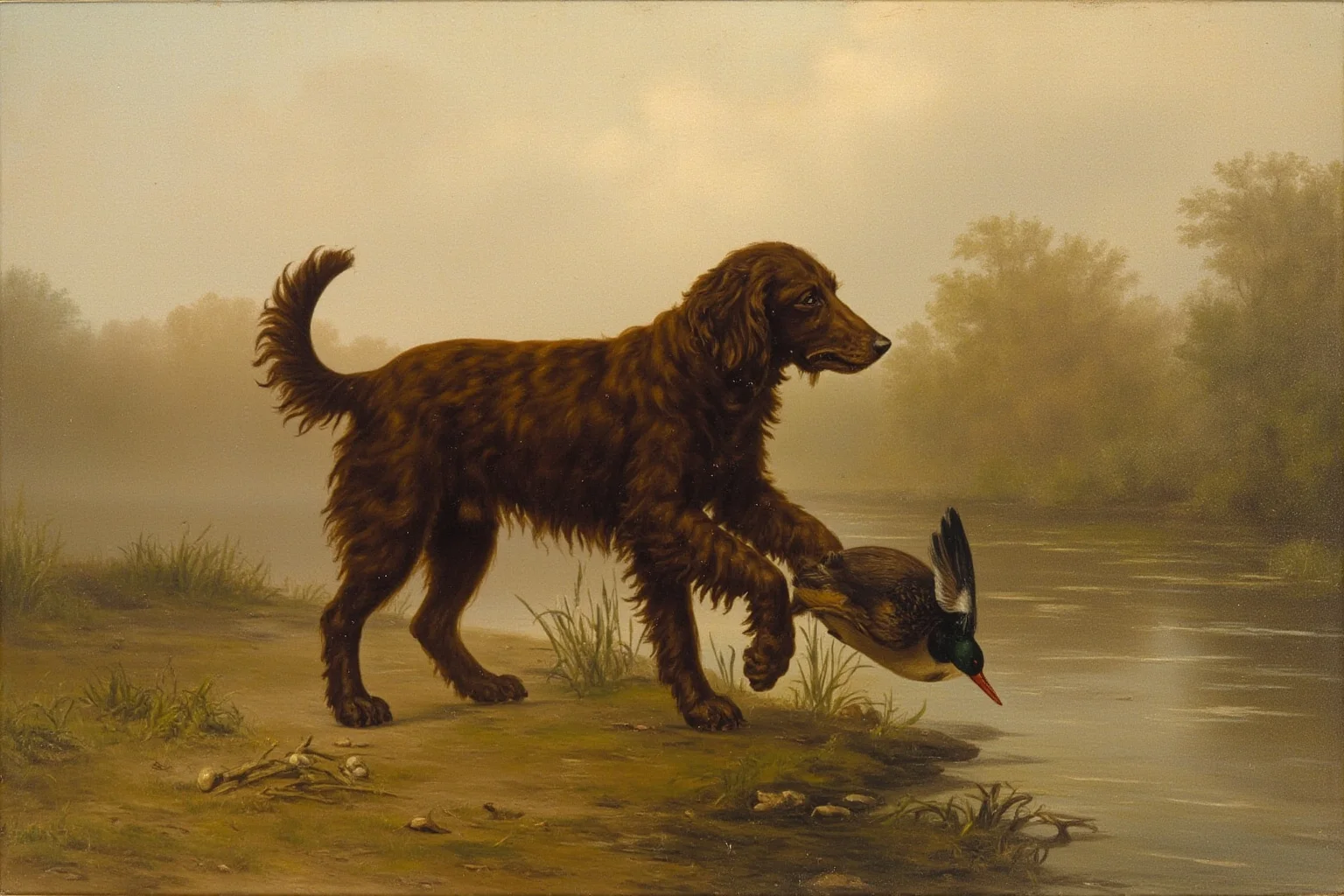
The Tweed Water Spaniel was a liver-brown, curly-coated retriever from the area around Berwick-upon-Tweed on the Scotland-England border. Nineteenth-century sporting writers described it as an excellent water retriever, and it’s widely believed to be one of the foundational breeds behind the modern Golden Retriever.
So why did the Tweed Water Spaniel go extinct? There’s no single dramatic event behind its disappearance. The breed’s population was always small and localized to one river valley, and as retriever breeds like the Golden Retriever and Labrador became standardized and popular in the late 1800s and early 1900s, Tweed Water Spaniels were increasingly crossbred into those lines rather than bred pure.
By the early 20th century, breeders and kennel clubs simply stopped recording pure Tweed Water Spaniels. It’s a quiet extinction story, but a very typical one: a niche regional breed absorbed by more fashionable, better-documented cousins.
2. Fuegian Dog
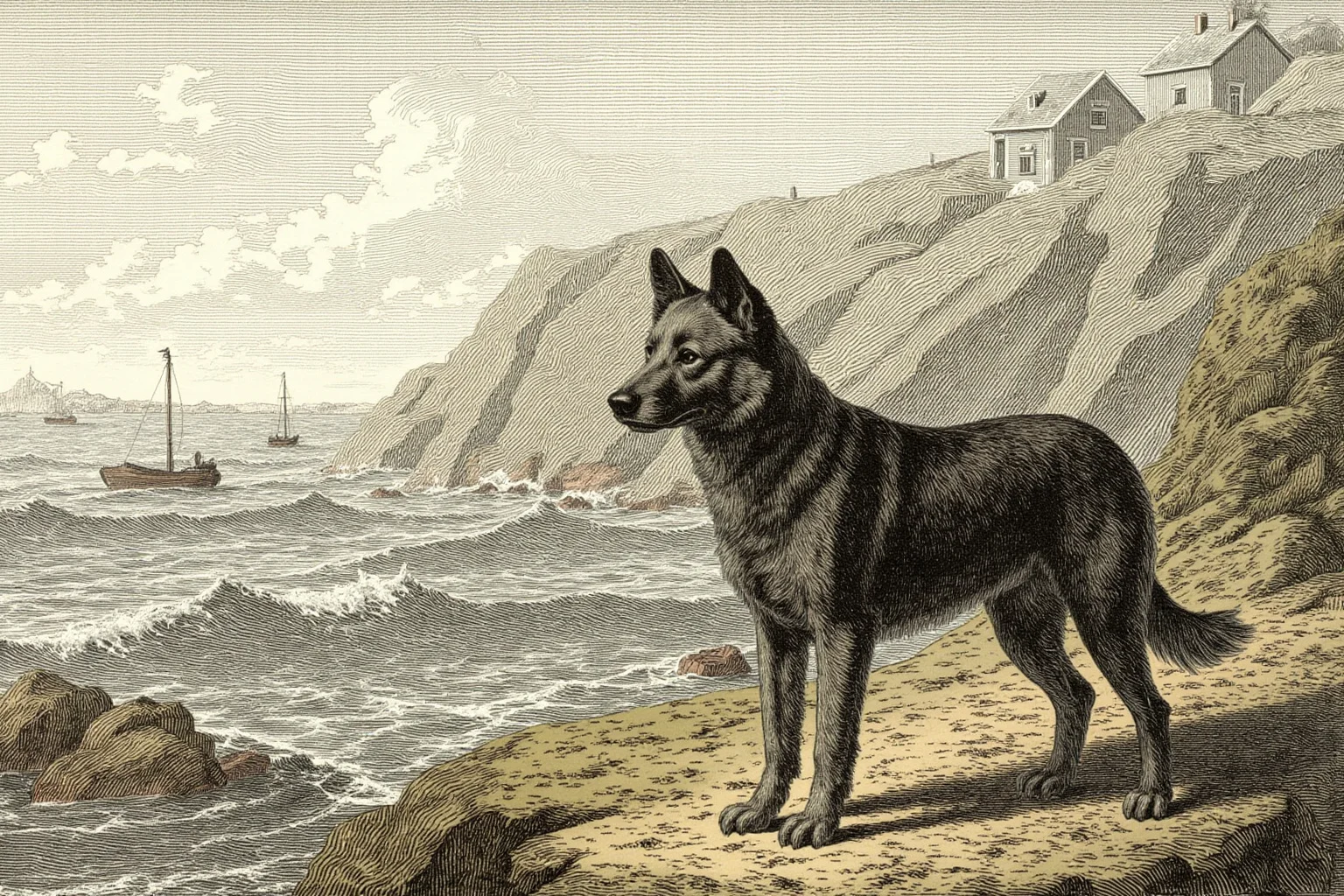
The Fuegian dog, also called the Yaghan dog or perro yagán, was kept by the Yaghan (Yámana) people of Tierra del Fuego at the southern tip of South America. It was used primarily to help hunt otters and other small game along the region’s cold, rugged coastline.
What makes the Fuegian dog especially interesting to researchers is a long-running debate over its ancestry. Some historical accounts and oral traditions suggested the breed may have descended partly from the culpeo, a South American fox-like canid, rather than purely from domesticated wolves — though this claim has never been conclusively settled by genetic study, so it’s worth treating as an open question rather than fact.
The breed declined alongside the Yaghan people themselves, whose population was decimated by European diseases and cultural disruption following colonization in the 19th and early 20th centuries. The Fuegian dog is generally considered extinct as a distinct breed by the mid-20th century.
3. Gootagan
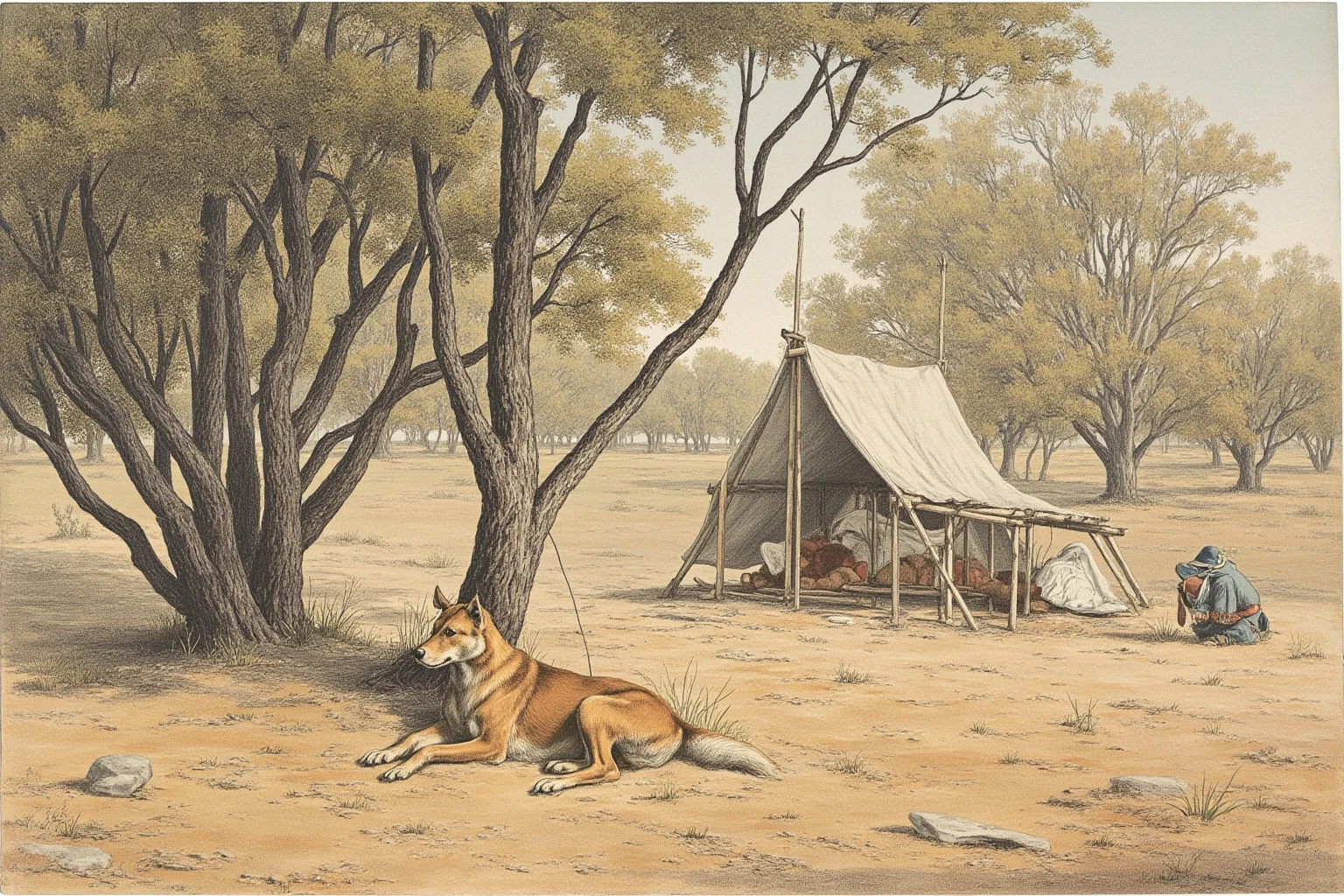
The Gootagan is one of the more obscure entries on any list of extinct dog breeds, and honestly, that obscurity is part of the story. References to a dog called the Gootagan appear in scattered 19th-century colonial-era writing about Aboriginal Australian communities, describing a hunting dog closely related to the dingo.
Reliable, detailed historical documentation of the Gootagan is thin on the ground, and much of what circulates online repeats the same brief, unverified descriptions without pointing to solid primary sources. What does seem plausible, based on the broader history of dingo-descended camp dogs in Australia, is that such dogs gradually disappeared through interbreeding with European dog breeds introduced during colonization.
Given the limited and questionable sourcing, the most honest thing we can say about the Gootagan is that it likely existed in some form, but precise details about its appearance, use, and true extinction date remain genuinely uncertain.
4. Salish Wool Dog
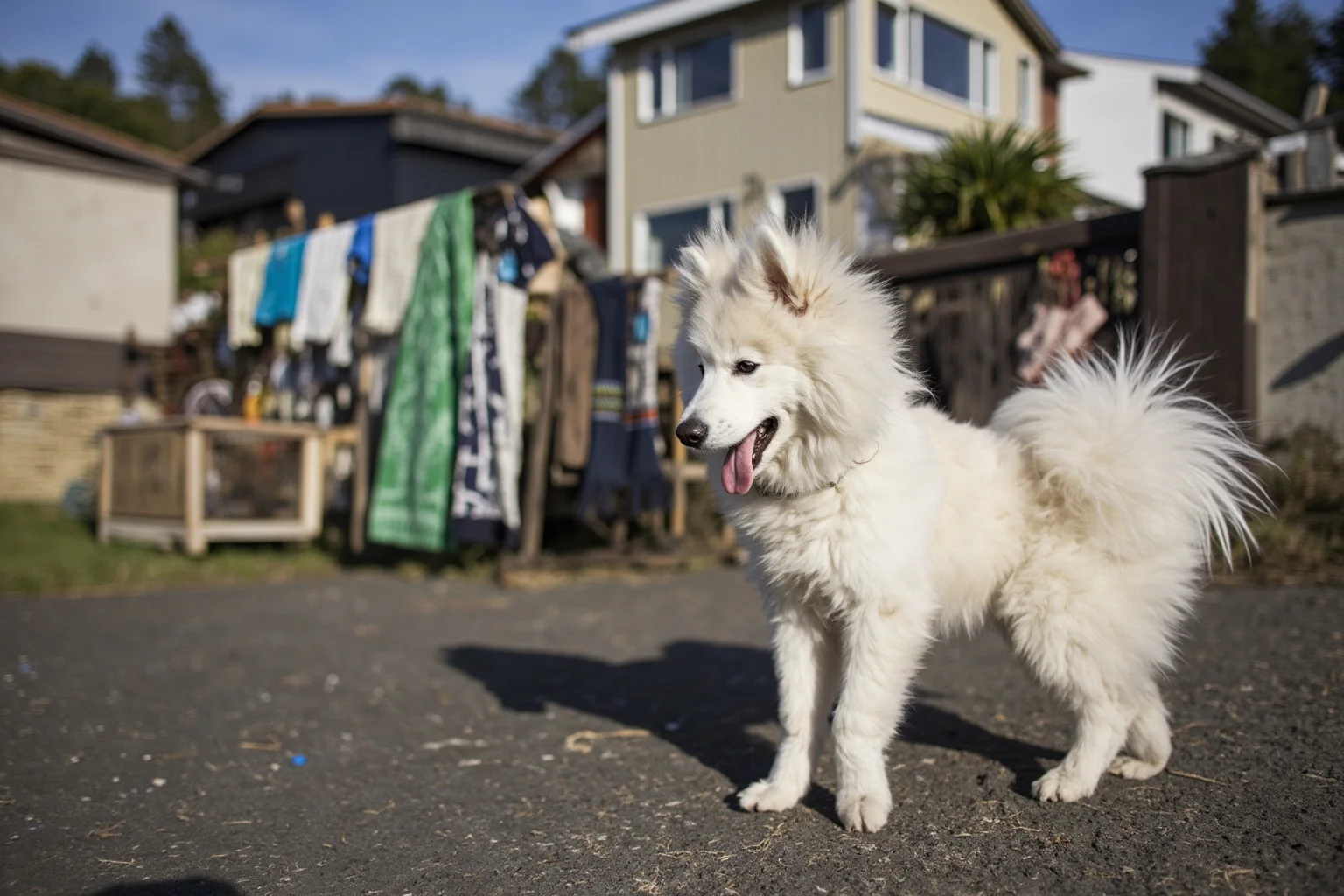
The Salish Wool Dog, sometimes just called the woolly dog, was bred for thousands of years by Coast Salish peoples of the Pacific Northwest, in what’s now coastal British Columbia and Washington State. Unlike most working dogs, it wasn’t bred to hunt or guard — it was bred for its thick, fluffy undercoat, which was sheared and spun into wool for weaving ceremonial blankets.
Keepers reportedly kept wool dogs isolated on islands or in enclosures to prevent crossbreeding with other dogs, which helped preserve the distinct woolly coat for generations. The breed declined rapidly in the 19th century after the Hudson’s Bay Company began trading machine-made wool blankets, reducing the economic need for the dogs, while unrestricted breeding with settler dogs diluted the line.
A 2023 genetic study of a preserved 19th-century wool dog pelt, held by the Smithsonian and known as “Mutton,” confirmed the breed’s genetic distinctiveness before it disappeared. It stands as one of the clearer examples of an extinct dog breed once prevalent among a specific North American Indigenous culture.
5. The Pre-Columbian American Village Dog
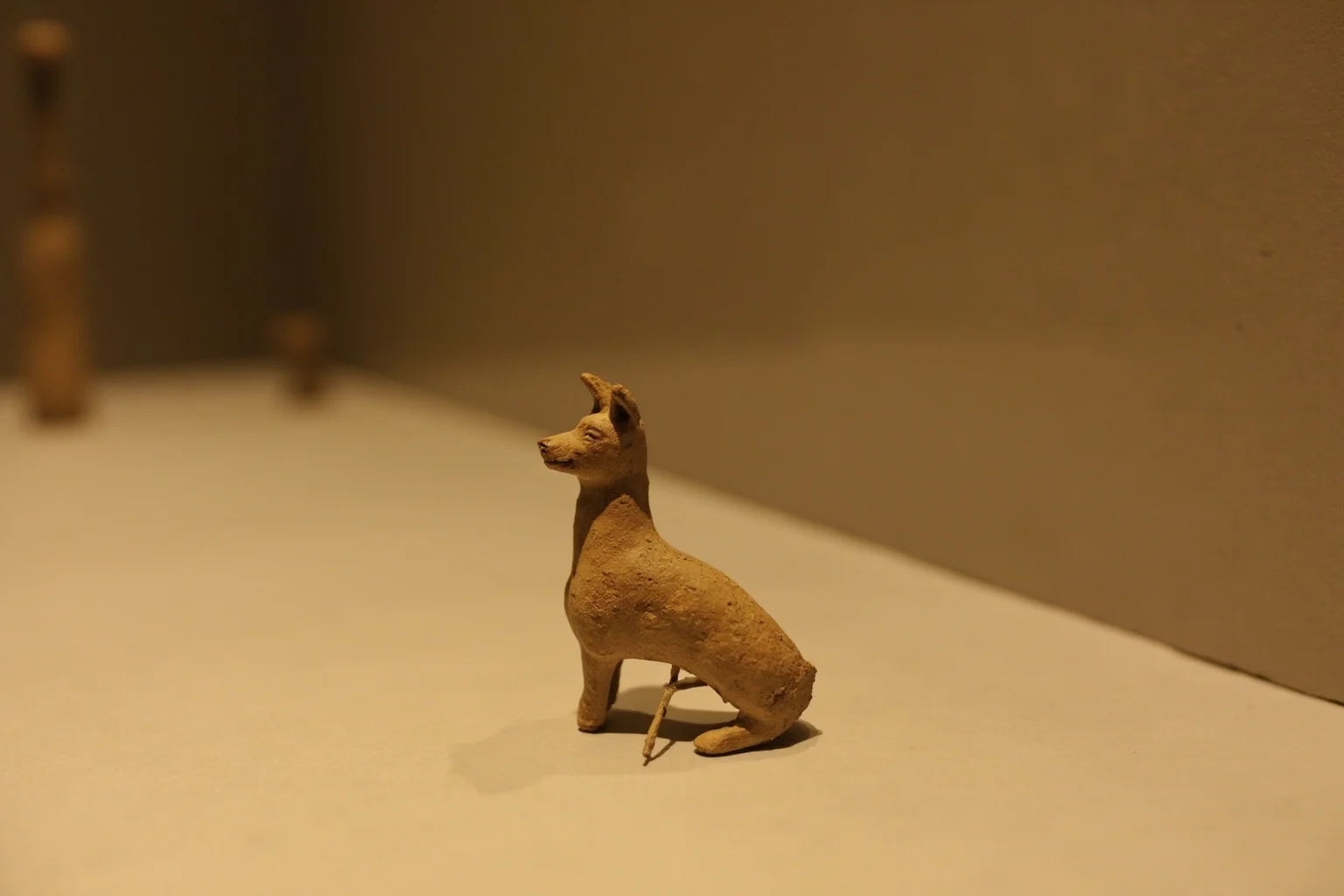
Long before European contact — long before anyone was even debating who actually discovered America first — dogs had already spread across the Americas for thousands of years, developing into regionally distinct populations sometimes referred to collectively as pre-Columbian or “common” American dogs. This lineage represents an extinct canine once prevalent across North America, South America, and Mesoamerica alike.
A landmark 2018 genetic study published in the journal Science analyzed ancient dog remains and found that this pre-contact American dog lineage was almost entirely replaced by European breeds within a few centuries of colonization. Remarkably, traces of that ancient lineage survive today mainly in an unusual place: a transmissible cancer called canine transmissible venereal tumor, whose genome preserves DNA fragments from a dog that lived thousands of years ago.
It’s a strange, almost eerie legacy, but it’s also a genuinely well-documented case of large-scale canine extinction tied directly to colonization, rather than to changing fashions in dog shows.
6. Alpine Mastiff
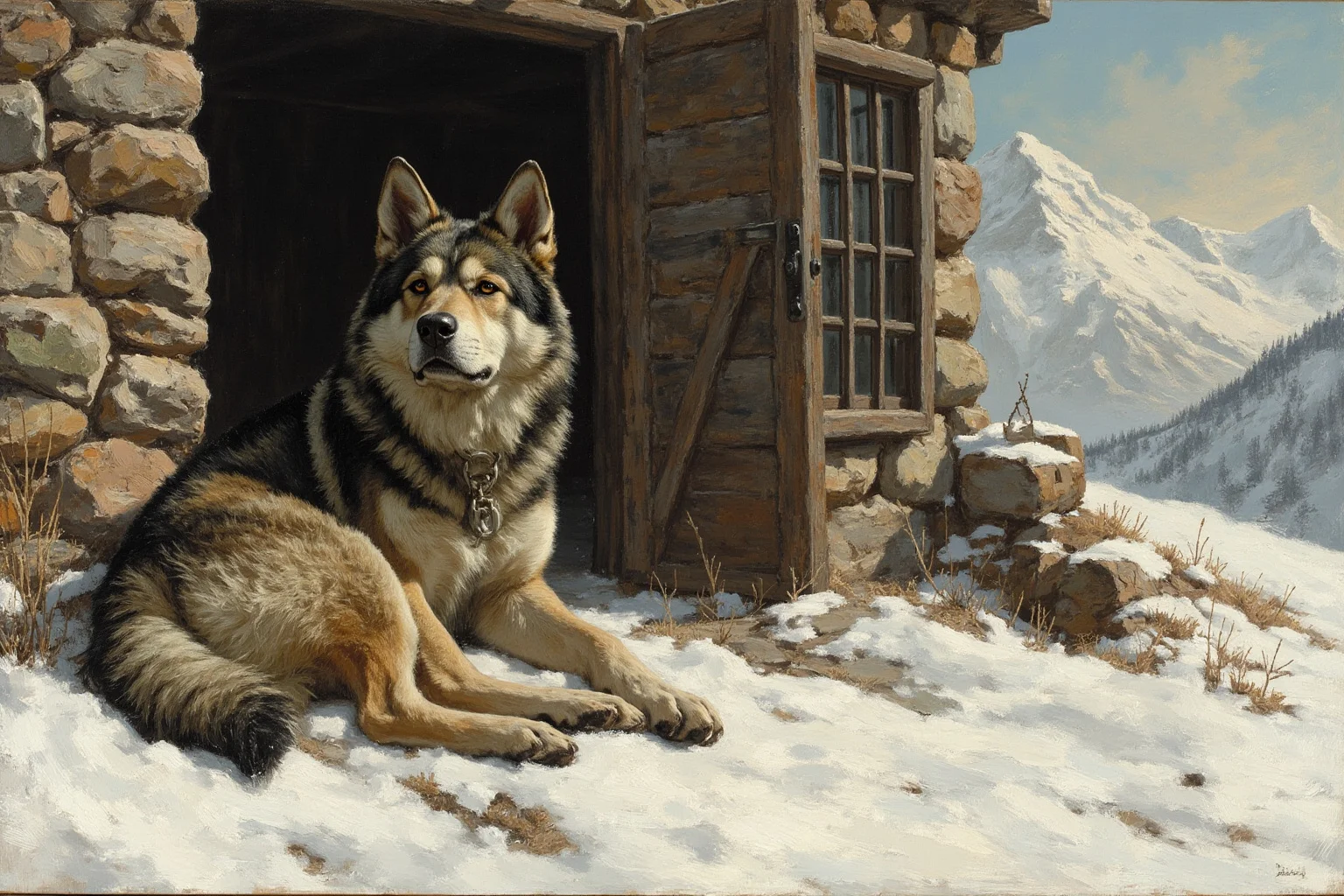
The Alpine Mastiff was a large, heavy-set working dog associated with the Great St. Bernard Hospice in the Swiss Alps, where monks used dogs for guarding and, according to popular tradition, for mountain rescue work. It was notably bigger and more heavily built than the modern St. Bernard descended from it.
Through the 18th and 19th centuries, breeders crossed the Alpine Mastiff with Newfoundlands and other large breeds to address health and temperament issues, gradually reshaping the dog into what we now recognize as the St. Bernard. The original Alpine Mastiff type is generally considered extinct in its historical form.
7. Talbot Hound
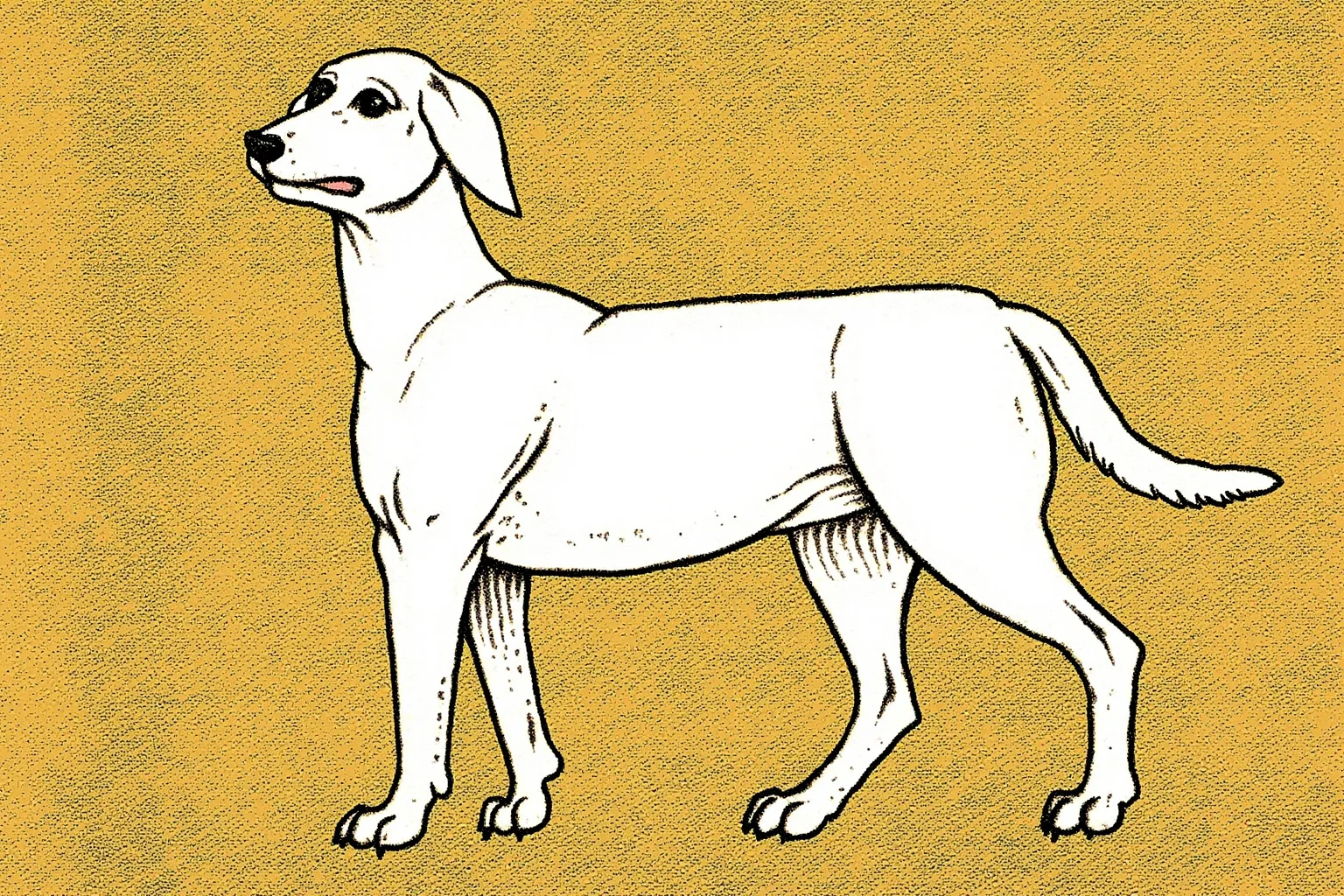
The Talbot Hound was a white, heavy-boned scent hound used across medieval Europe, particularly in England and France, for tracking game by smell. It appears frequently in heraldry, lending its name and image to coats of arms for centuries.
Breeding records from this era are sparse and often unreliable, but the Talbot is widely credited by dog historians as an ancestor of both the Bloodhound and the Beagle. As a distinct breed, it’s believed to have died out by the 18th or 19th century, folded into the hound lines that descended from it.
8. Turnspit Dog
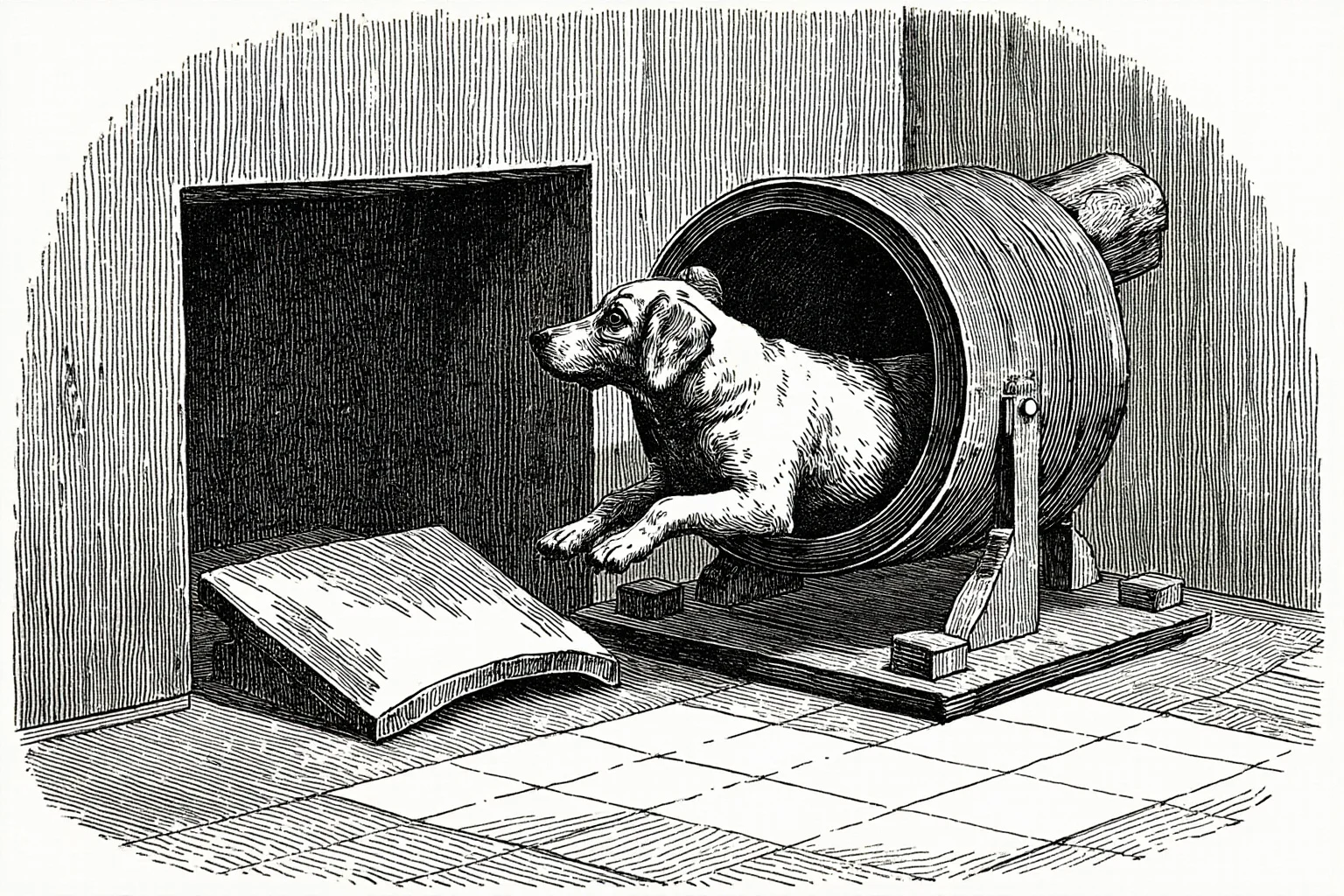
The Turnspit Dog was a short-legged, long-bodied breed purpose-bred to run on a wheel that turned meat over an open kitchen fire, sparing human cooks the tedious job. It was common in British and some American kitchens from at least the 16th century onward.
The breed’s extinction wasn’t caused by crossbreeding or disease, but by mechanization. Once mechanical spit-turning devices became widespread in the 19th century, the Turnspit Dog simply had no job left to do, and the population dwindled as it stopped being bred.
A taxidermied Turnspit Dog specimen, believed to be one of the last of its kind, is preserved at Abergavenny Museum in Wales, offering a rare physical link to a breed otherwise known mainly through illustrations and written accounts.
9. Molossus
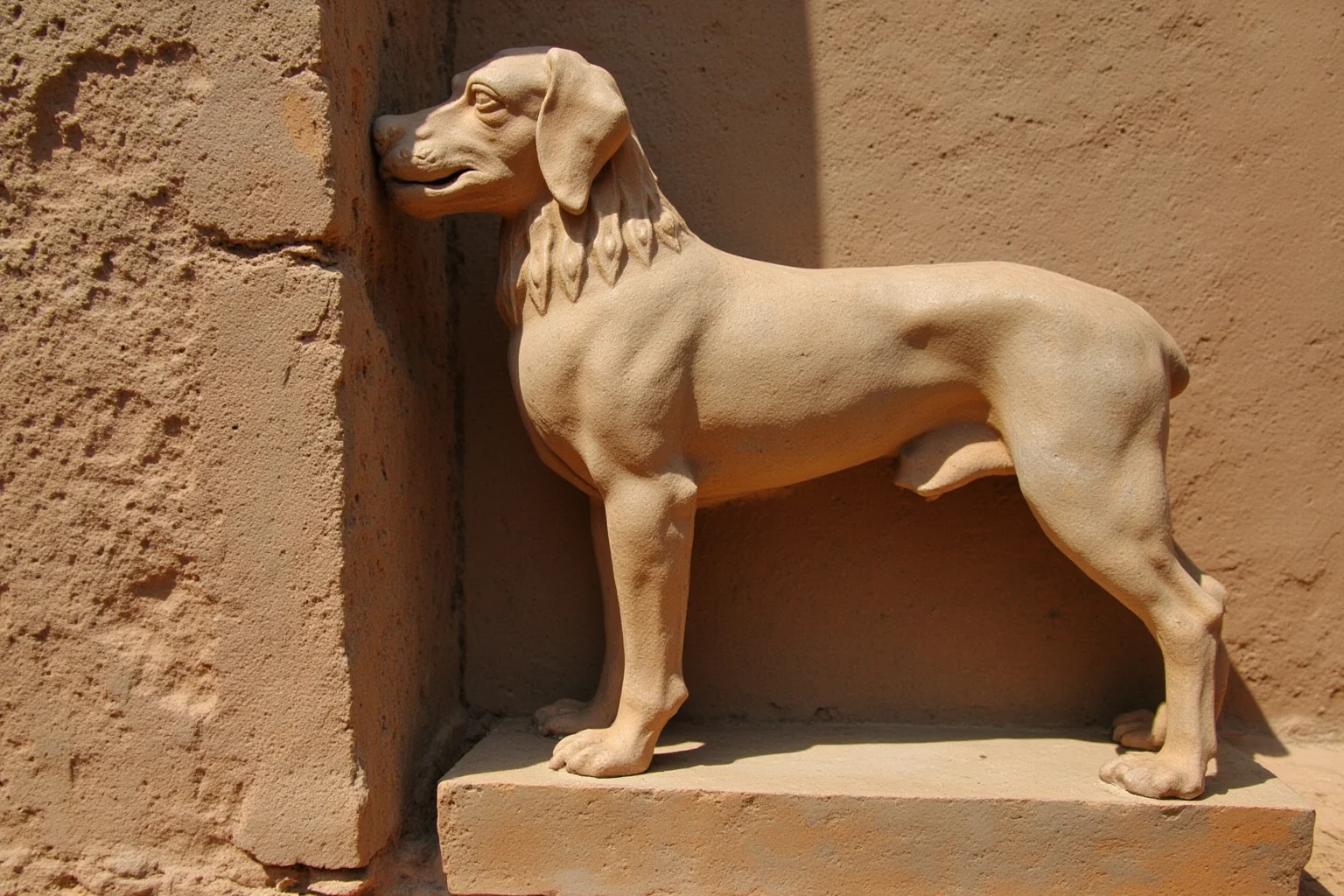
The Molossus, or Molossian Hound, was a large guarding and war dog associated with ancient Greece, named after the Molossis region of Epirus. Ancient writers described it as powerful and fiercely loyal, used to guard flocks and sometimes accompany soldiers.
As one of the better-known extinct ancient dog breeds, the Molossus is considered a key ancestor of the broad group of mastiff-type dogs found across Europe today, including breeds like the Neapolitan Mastiff and Rottweiler. The original Molossus type itself is extinct, but its genetic and cultural influence is still very much visible.
10. Cordoba Fighting Dog
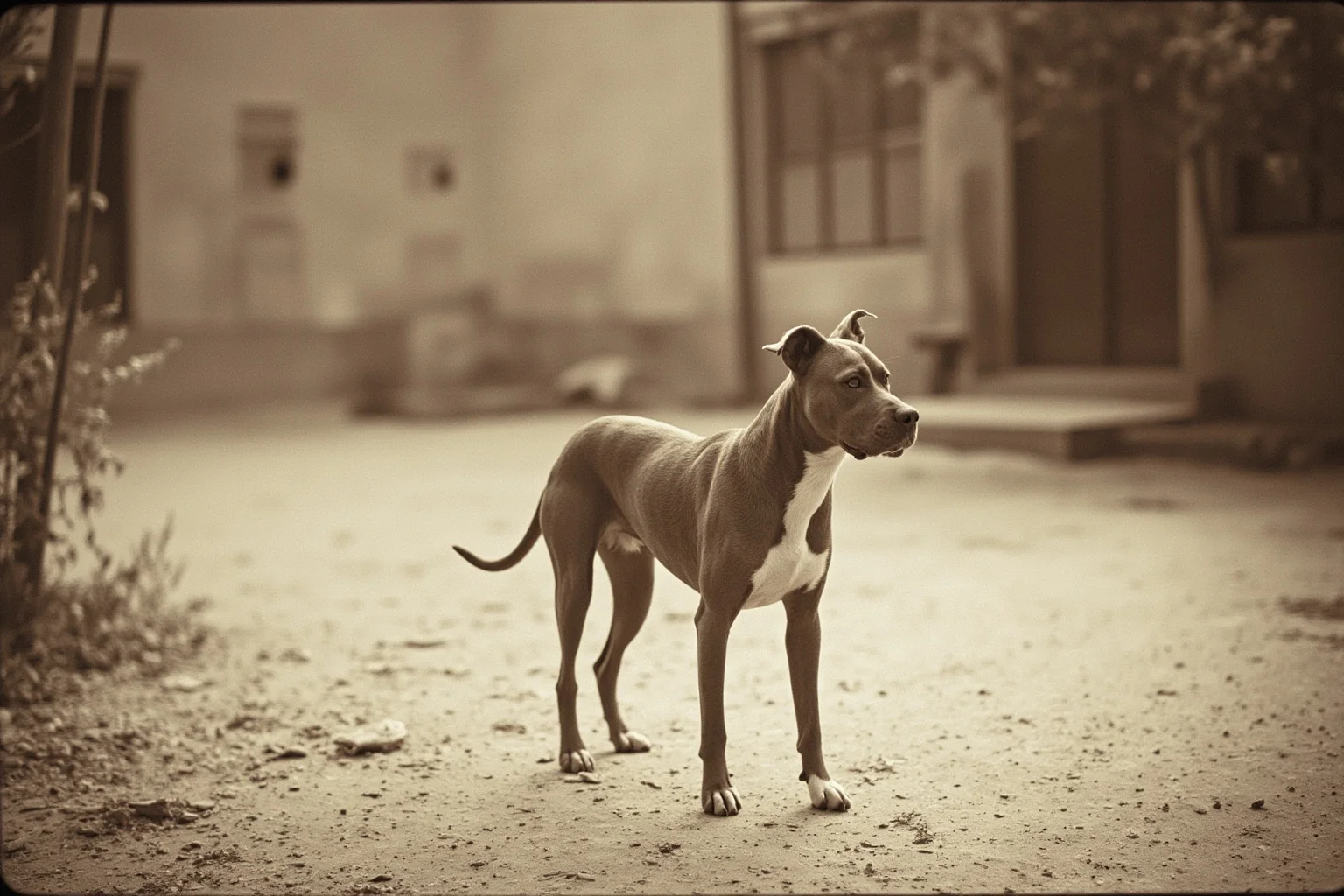
The Cordoba Fighting Dog was developed in Argentina in the 19th century, bred specifically for extreme gameness in organized dog fighting. Contemporary accounts describe it as courageous but dangerously aggressive, even toward its own handlers.
In the 1920s, Argentine breeder Antonio Nores Martínez set out to create a more versatile big-game hunting dog with a manageable temperament, using the Cordoba Fighting Dog as one of several foundation breeds. The resulting breed, the Dogo Argentino, effectively replaced its more volatile ancestor, and the original Cordoba Fighting Dog was not perpetuated as a separate line.
11. Old English Bulldog
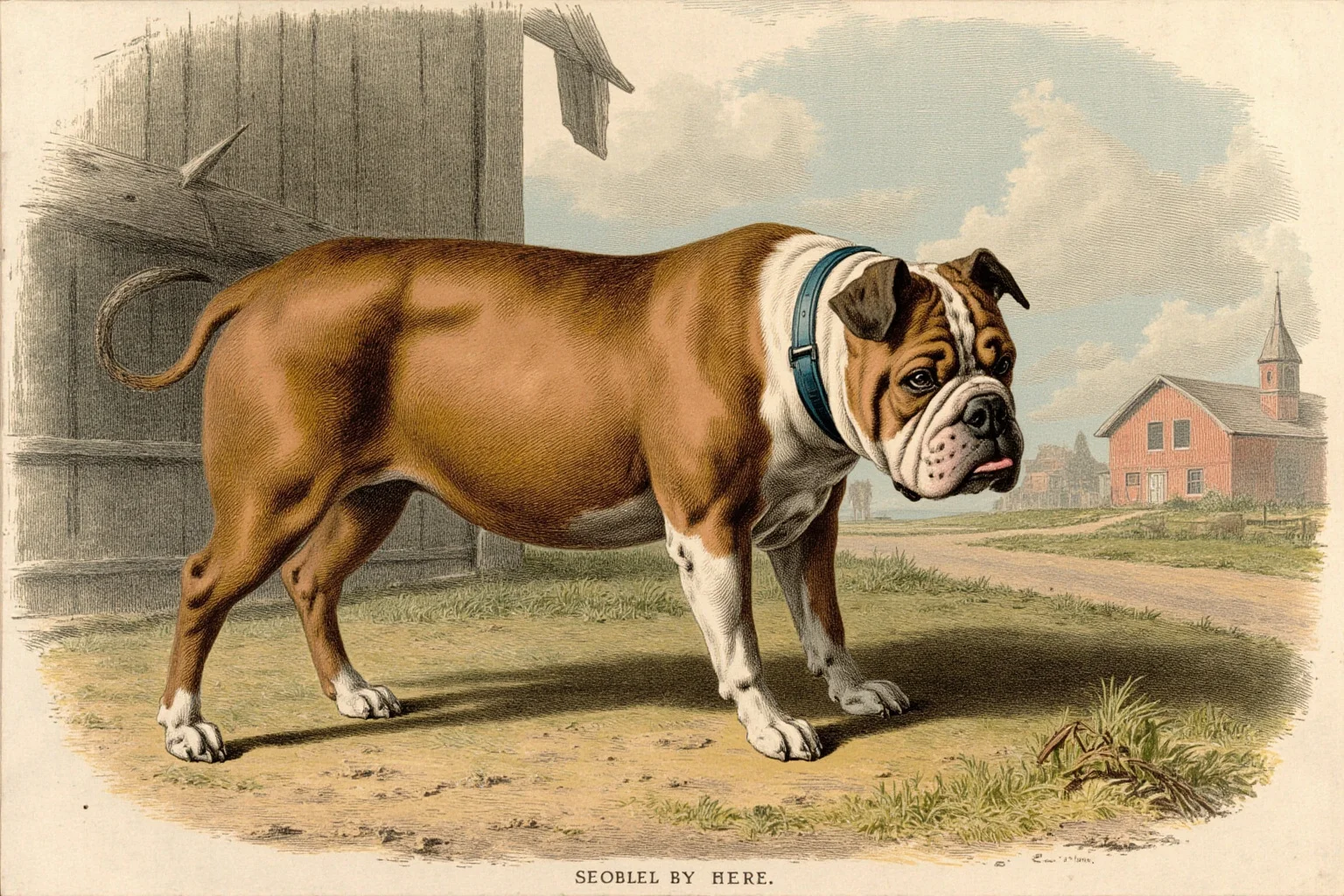
The Old English Bulldog was a taller, more athletic, and considerably more aggressive dog than today’s Bulldog, bred specifically for bull-baiting, a blood sport in which dogs were set upon tethered bulls. When Britain banned bull-baiting in 1835, the breed’s original purpose disappeared almost overnight.
Breeders subsequently reshaped surviving bulldog stock toward calmer temperaments and a more compact build suited to companionship and showing, eventually producing the modern Bulldog. The original Old English Bulldog, as a distinct working type, is considered extinct.
12. Blue Paul Terrier
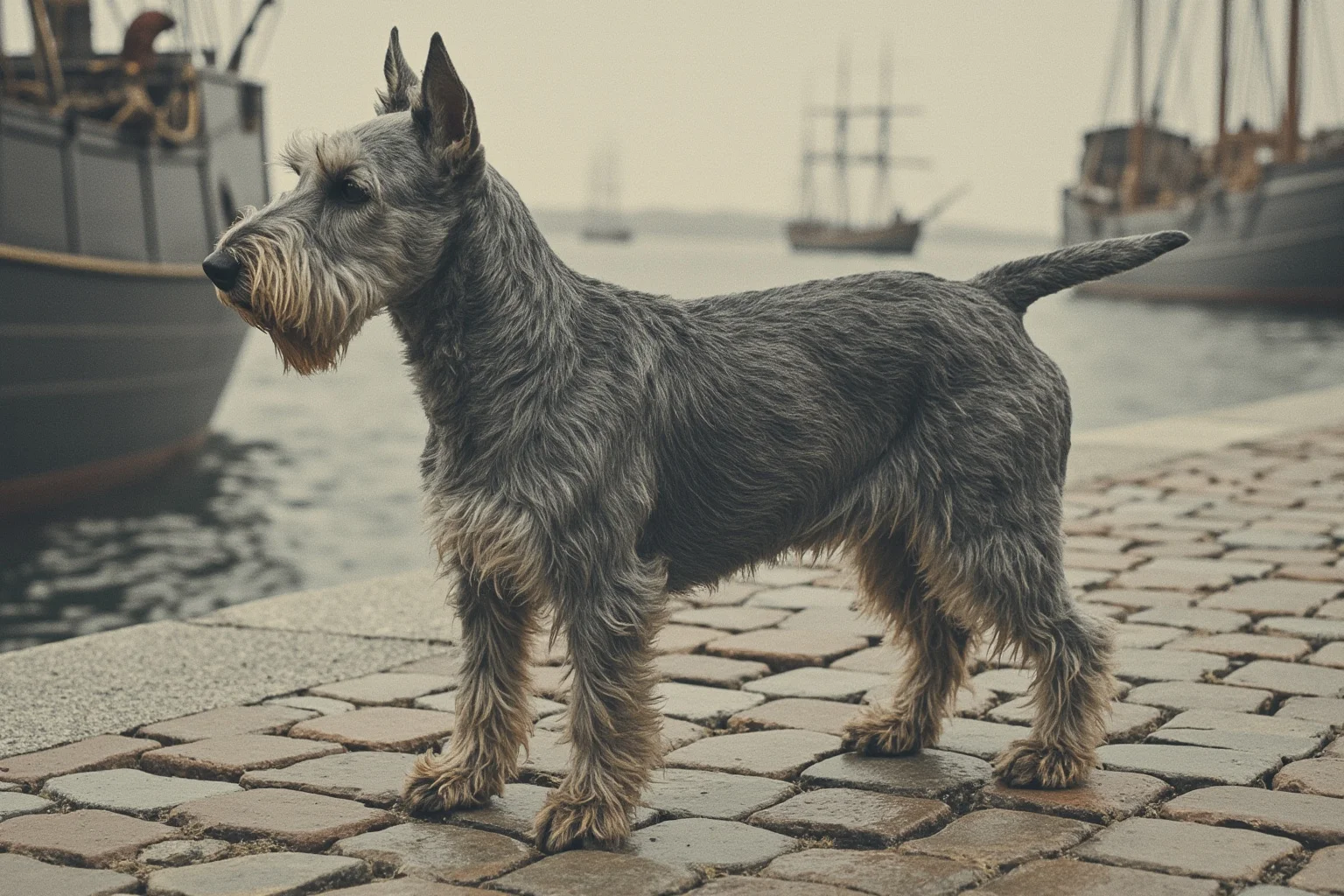
The Blue Paul Terrier was a Scottish fighting dog with a distinctive blue-grey coat, historically associated with dockside pit fighting in Scotland. Folklore has linked the breed’s name to the 18th-century privateer John Paul Jones, supposedly a source of imported fighting dogs, though this connection is unverified and should be treated as legend rather than confirmed history.
As dog fighting declined in legality and popularity through the 19th century, the Blue Paul Terrier’s numbers dwindled, and it’s believed to have contributed genetically to the Staffordshire Bull Terrier before disappearing as a distinct breed in the early 20th century.
13. English White Terrier
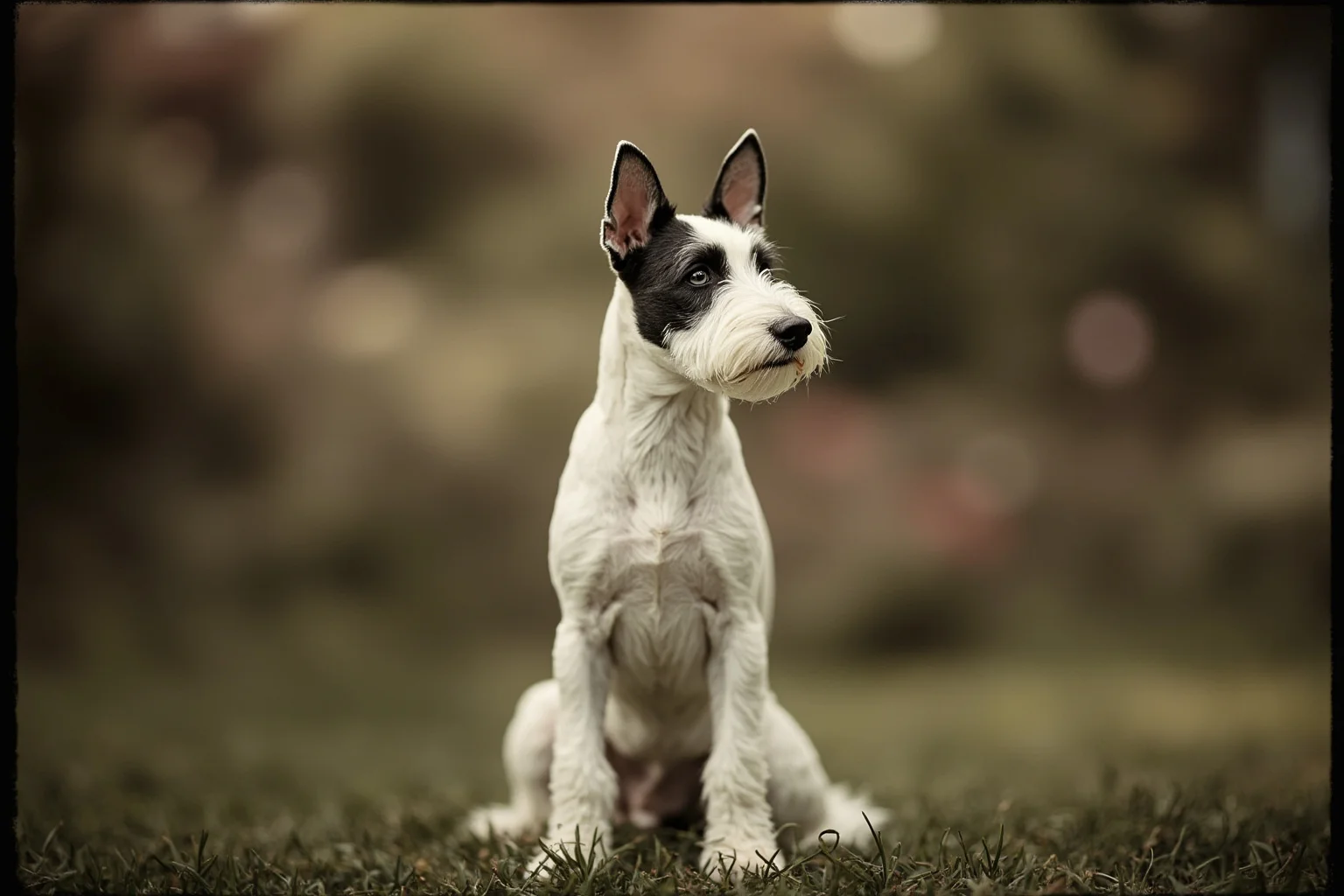
The English White Terrier was a sleek, all-white terrier bred in the 19th century, valued partly for how visible it was to hunters in low light. It played a documented role in the development of both the Boston Terrier and the Fox Terrier.
The breed suffered from a recurring health issue: a genetic link between its solid white coat and congenital deafness in some lines. Combined with a shrinking dedicated breeding population, the breed’s dedicated club dissolved in the early 1900s, and the English White Terrier ceased to exist as a distinct breed.
14. Norfolk Spaniel
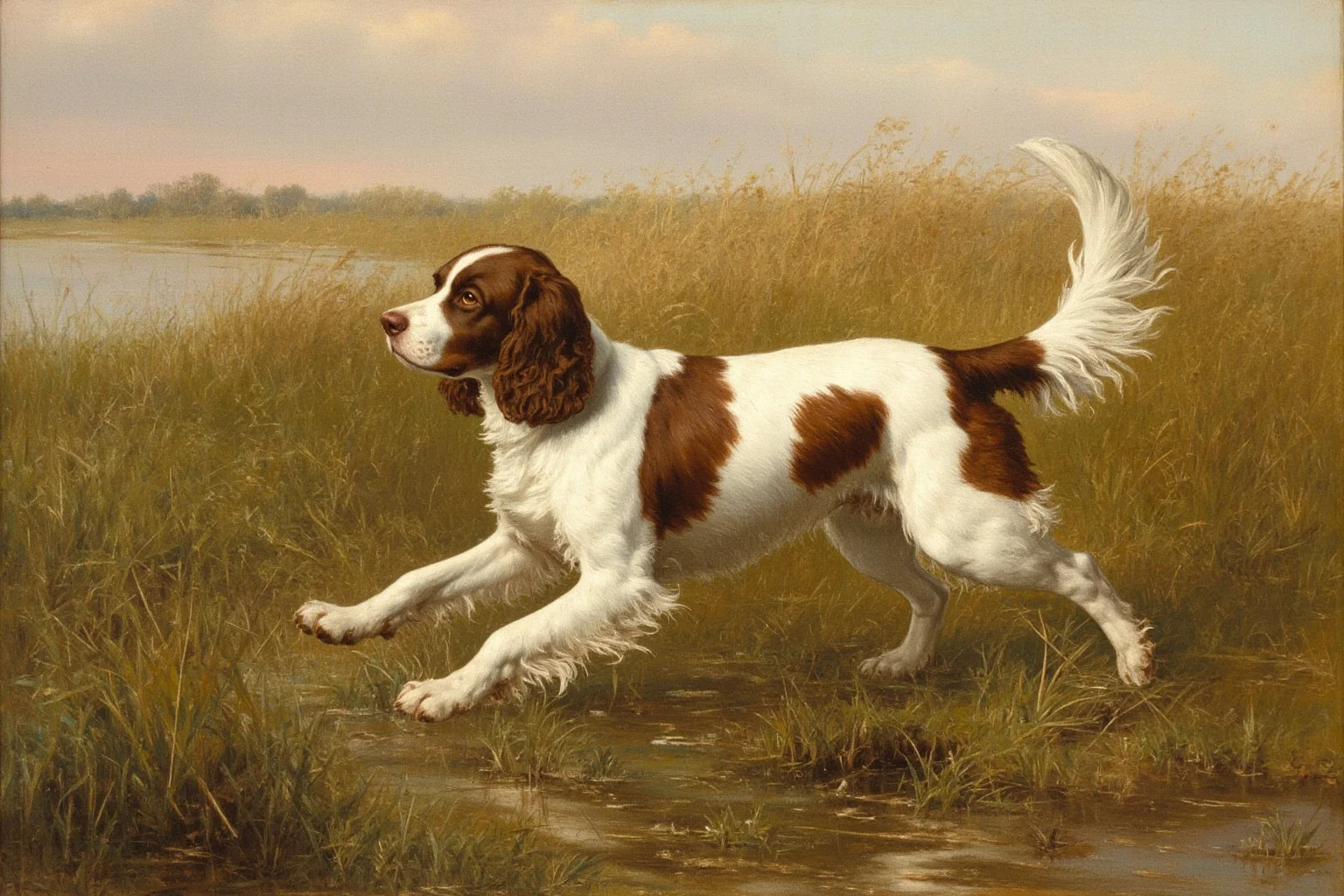
The Norfolk Spaniel, also sometimes called the Shropshire Spaniel, was a liver-and-white gundog popular in England through the 19th century. A persistent but unverified legend claims its name came from a connection to the Dukes of Norfolk, though solid documentation for this origin story is lacking.
By the early 20th century, English kennel authorities folded the Norfolk Spaniel into the newly standardized English Springer Spaniel breed, treating it essentially as the same working type under a different regional name. It’s a good example of a breed that didn’t so much go extinct as get formally reclassified out of existence.
15. St. John’s Water Dog
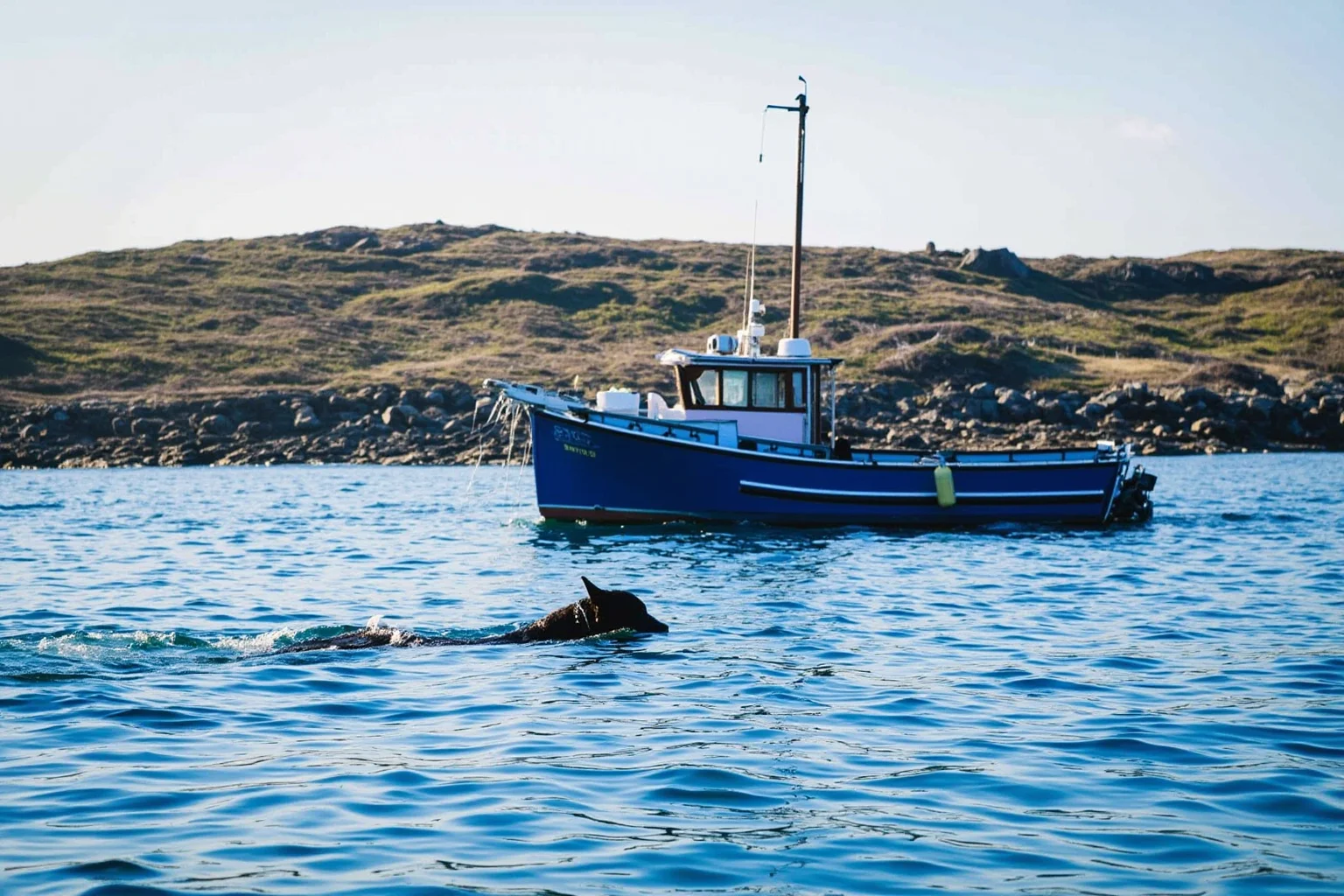
The St. John’s Water Dog originated in Newfoundland, Canada, likely from a mix of local dogs and dogs brought over by European fishermen. It’s the direct ancestor of both the Labrador Retriever and the Newfoundland dog, making it one of the most influential extinct breeds on this entire list.
Ironically, the breed died out largely because of policy in its own homeland. Newfoundland imposed heavy dog taxes and strict import quarantine rules in the early-to-mid 20th century, partly aimed at rabies control, which severely restricted local breeding populations and accelerated the St. John’s Water Dog’s decline into extinction.
16. Techichi
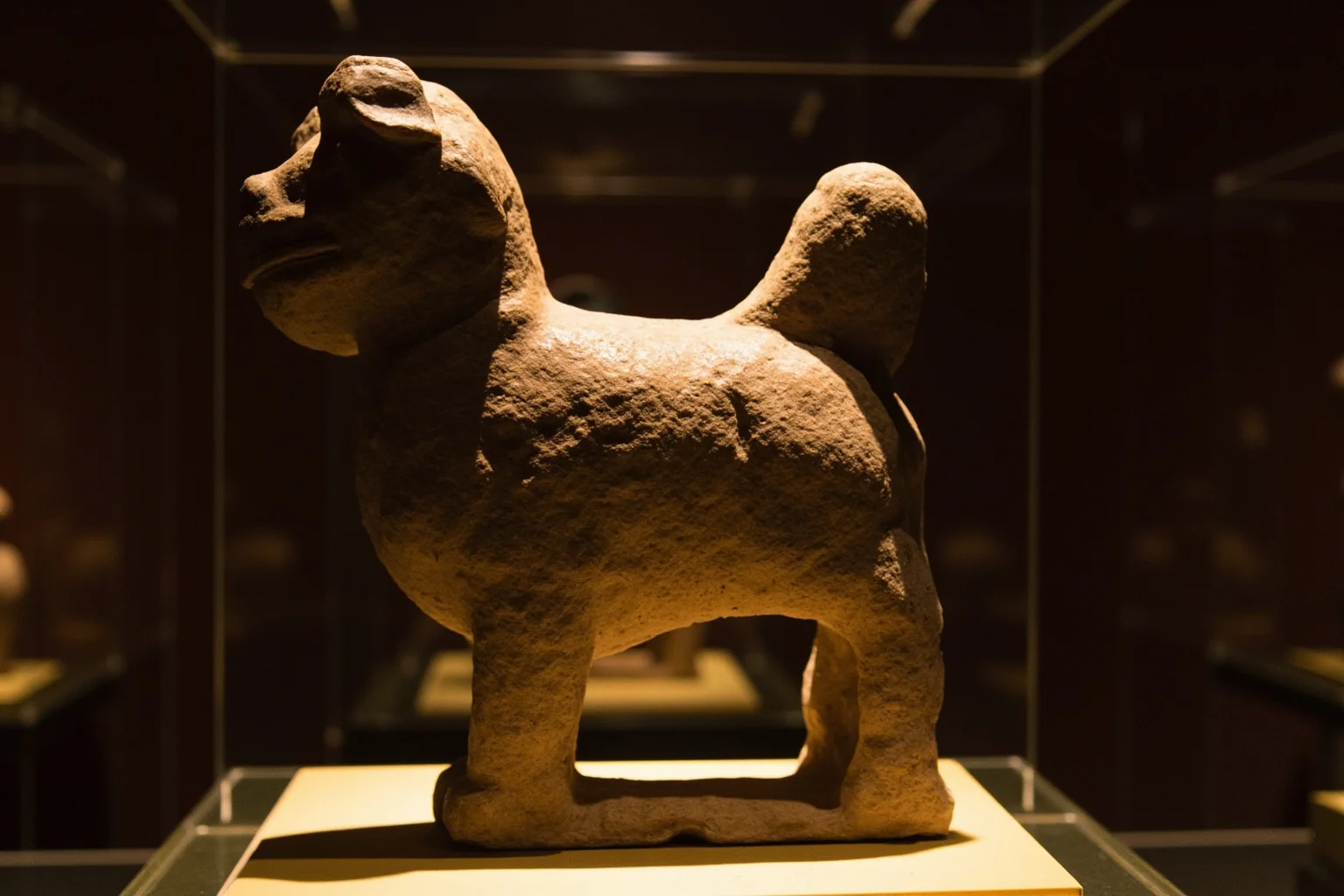
The Techichi was a small companion dog kept by pre-Aztec and Aztec-era cultures in central Mexico, appearing in art and artifacts dating back over a thousand years. It’s widely regarded by dog historians as an ancestor of the modern Chihuahua.
As with several ancient breeds on this list, the Techichi isn’t extinct in the sense of leaving no trace; its genetic legacy persists strongly in a modern breed. But the Techichi as its own distinct type, kept under its original cultural context, is considered extinct.
17. Hare Indian Dog
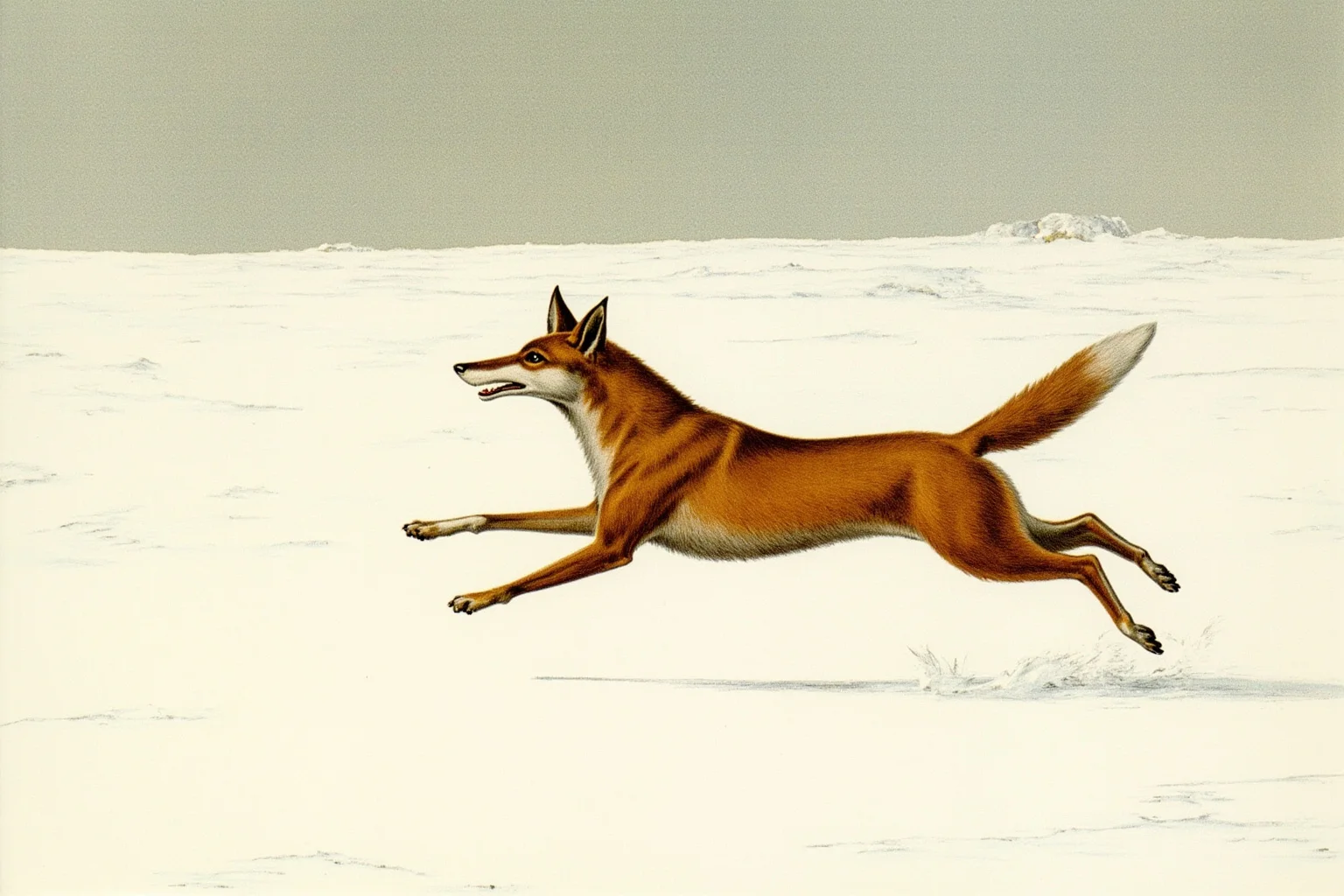
The Hare Indian Dog was a slender, fox-like breed kept by Dene peoples, including the Hare (K’ashot’ine) people, in what’s now the Northwest Territories of Canada. Nineteenth-century naturalists documented it as fast and useful for hunting, though not particularly suited to sled work compared to huskier northern breeds.
As European trade goods and dog breeds became more available across northern Canada through the 1800s, the Hare Indian Dog’s population shrank through crossbreeding, and it’s generally considered extinct by the late 19th century.
18. Kuri
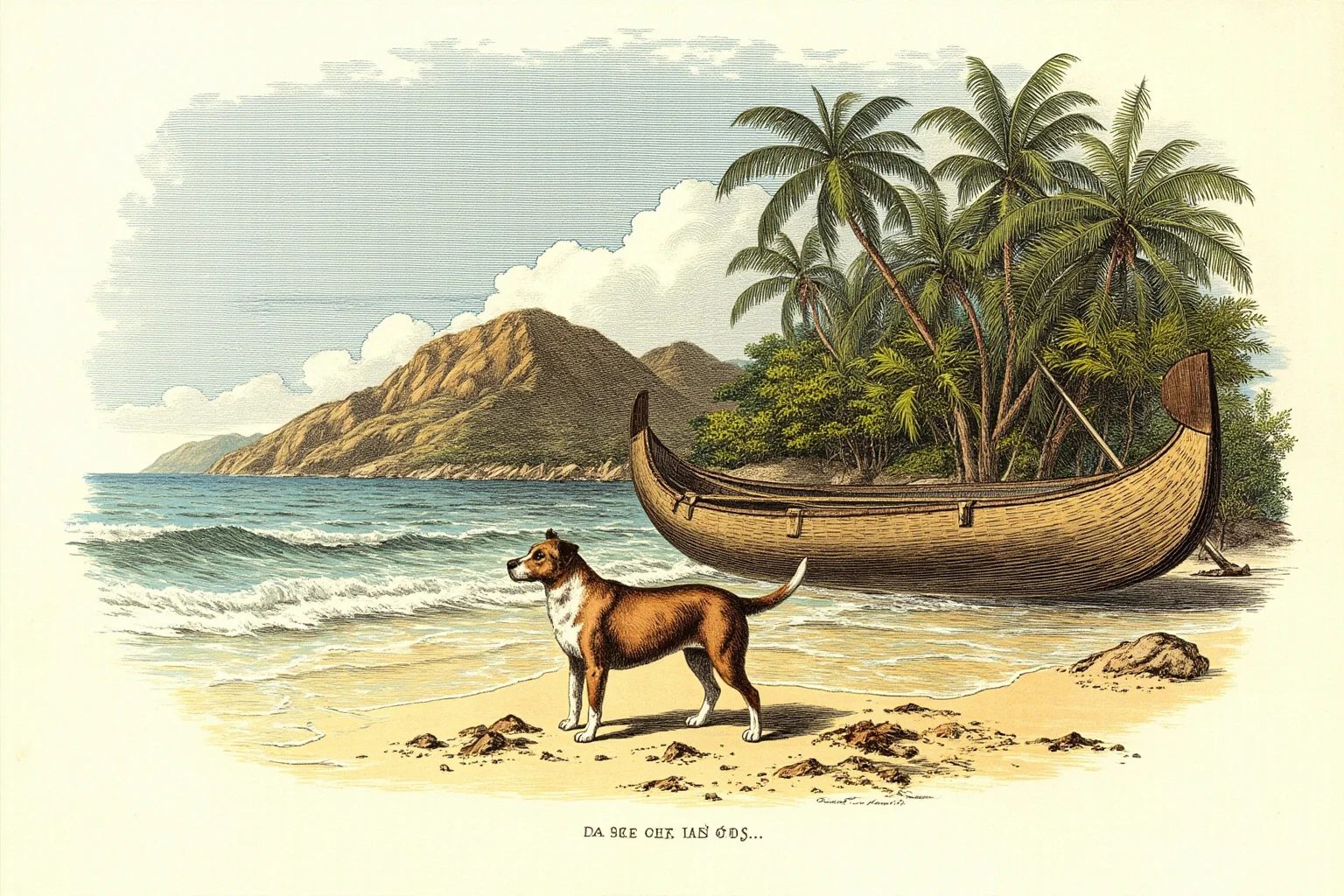
The Kuri was brought to New Zealand by the Polynesian ancestors of the Māori, likely arriving with the earliest waves of migration centuries before European contact. It served multiple roles, including companionship, hunting assistance, and, in some contexts, as a food source, reflecting its importance across Polynesian cultures more broadly.
Following European colonization of New Zealand in the 19th century, the Kuri interbred extensively with European dog breeds, and the distinct lineage is considered extinct by the latter half of that century. Some genetic traces are believed to persist in modern New Zealand dog populations, though a pure Kuri no longer exists.
19. Moscow Water Dog
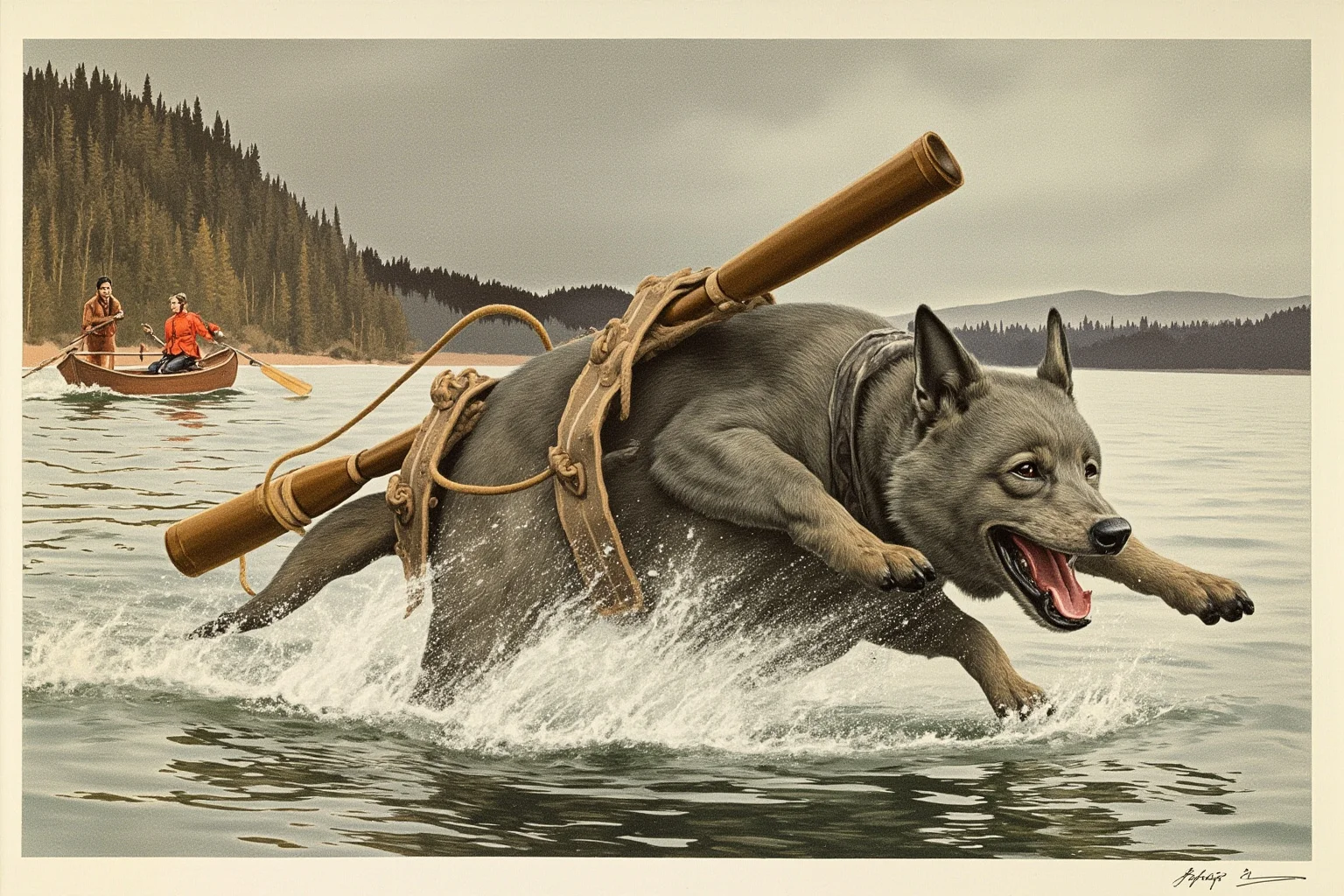
The Moscow Water Dog was a mid-20th-century Soviet creation, developed after World War II by crossing Newfoundlands, Caucasian Shepherds, and other large breeds with the goal of producing a capable water-rescue dog. The program was run through state-sponsored breeding kennels aimed at rebuilding useful working-dog stock — around the same era that the Soviet Union was also making headlines for an entirely different use of dogs, sending them into orbit, a story covered in our roundup of facts about the animals we sent to space.
Unfortunately, many Moscow Water Dogs proved unpredictably aggressive, sometimes turning on the very swimmers they were meant to rescue. The breeding program was discontinued, and the breed’s lineage was folded into the development of the Moscow Retriever instead, leaving the original Moscow Water Dog extinct as a standalone breed.
20. Paisley Terrier
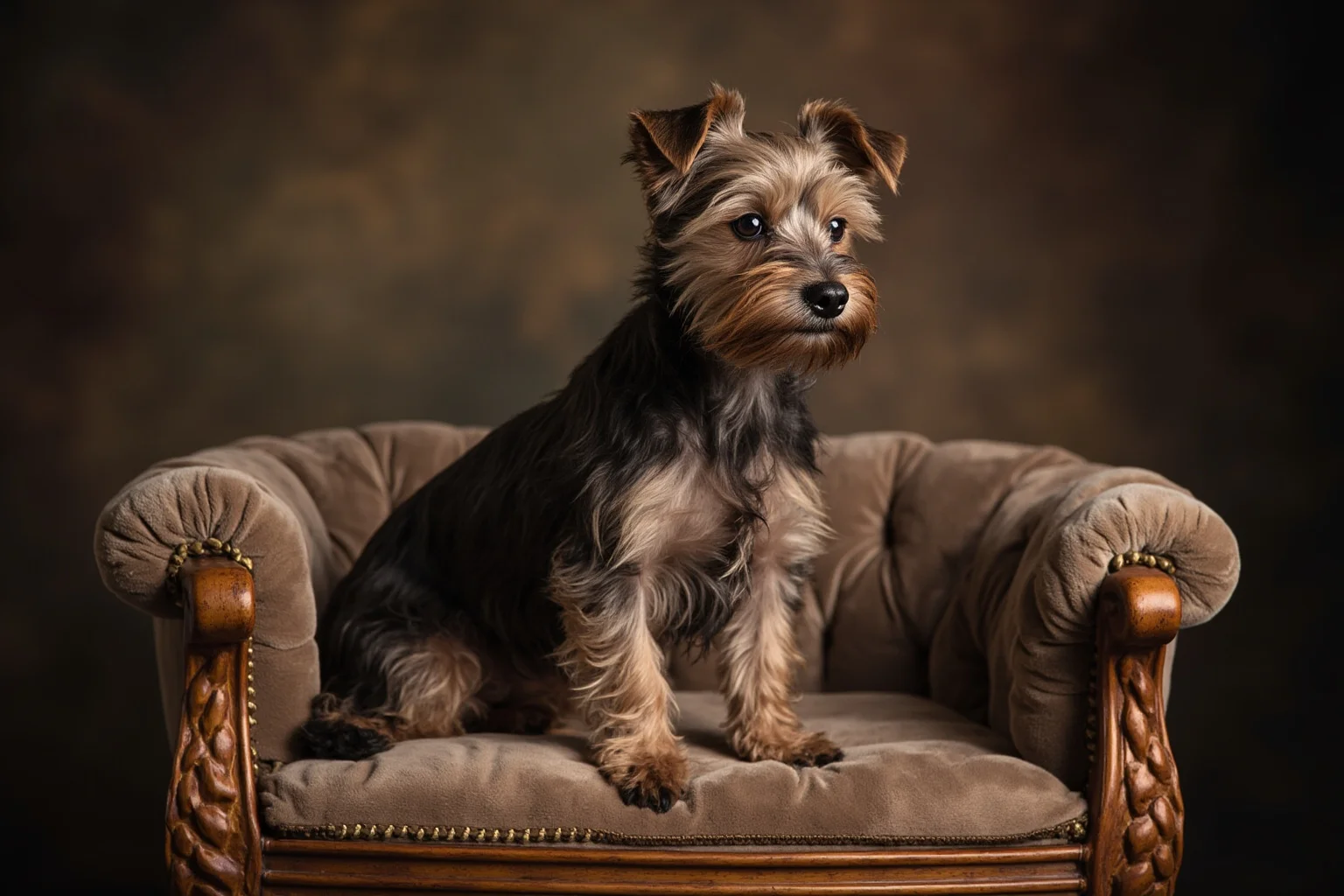
The Paisley Terrier was a small, long-coated decorative breed developed in Scotland as an elegant show variant of the Skye Terrier. It became fashionable in the late 19th century among owners looking for a glamorous companion dog rather than a working terrier.
Breeders eventually used Paisley Terrier stock as foundation material in developing the Yorkshire Terrier, a breed that quickly overtook it in popularity. By the early 20th century, the Paisley Terrier had ceased to be bred or recognized as its own distinct breed.
21. Toy Trawler Spaniel
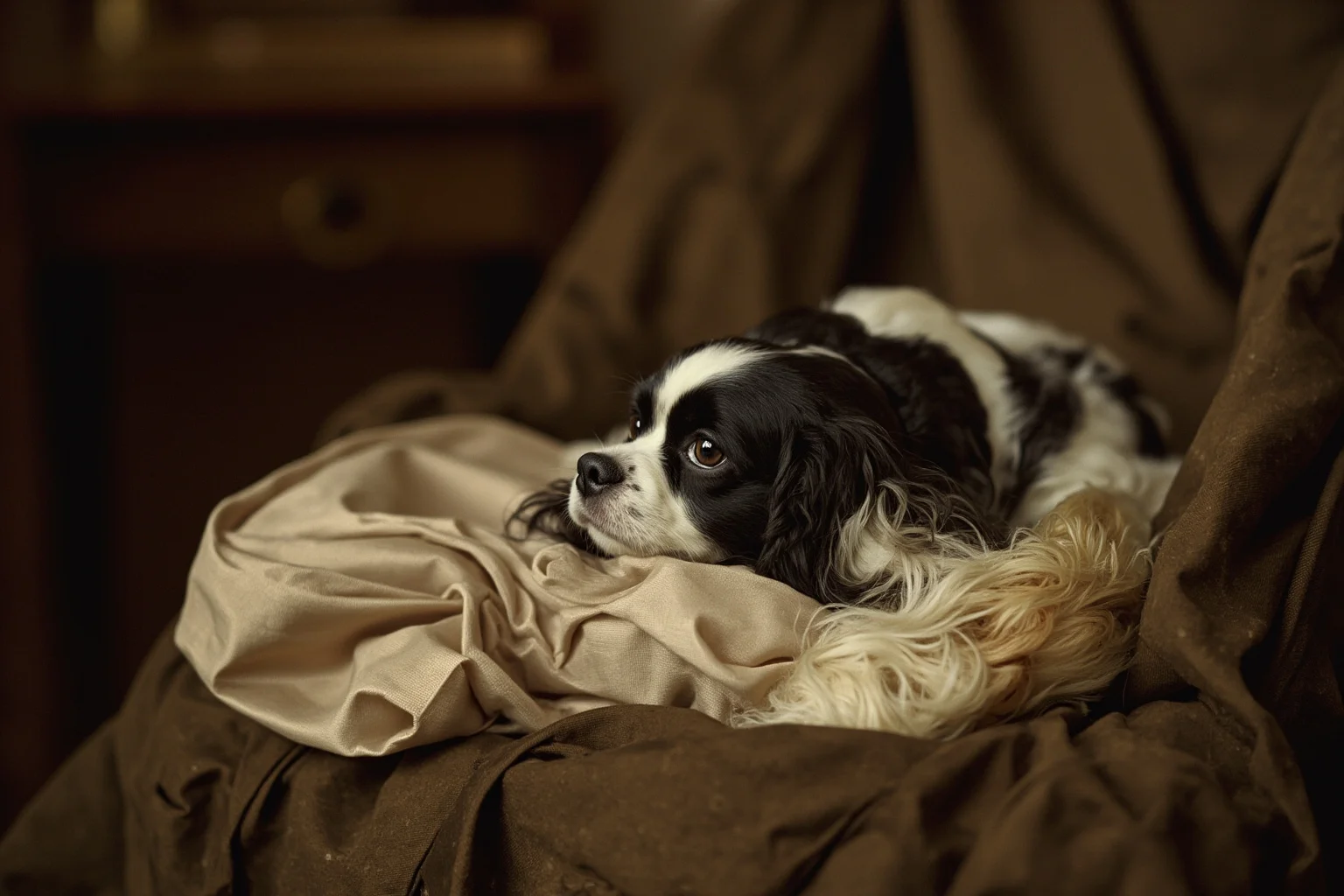
The Toy Trawler Spaniel was a small English companion breed, related to the broader King Charles Spaniel family, kept mainly as a fashionable lapdog among the English upper classes. Historical records on its exact appearance and lineage are somewhat inconsistent between sources, which is common for many toy breeds of this era.
It’s believed to have contributed to the development of later toy spaniel breeds, including ancestors of the modern King Charles Spaniel and Cavalier King Charles Spaniel, before disappearing as a distinct breed sometime in the 19th century.
22. Tahltan Bear Dog
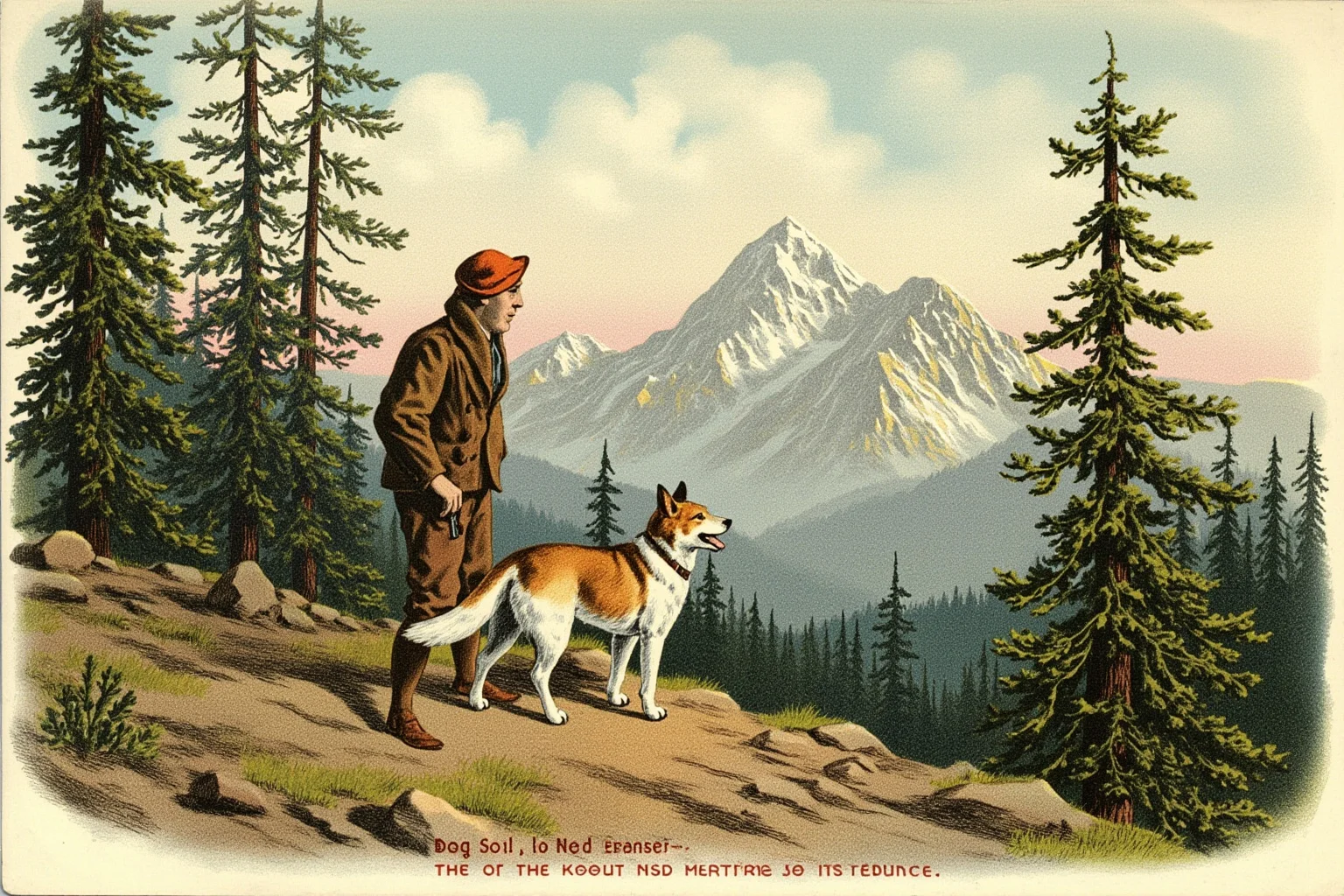
The Tahltan Bear Dog was a small but famously fearless hunting breed kept by the Tahltan First Nation in what’s now northern British Columbia, Canada. Despite its diminutive size, it was reportedly used to help track and corner bears and other large game, working in tandem with human hunters.
As traditional Tahltan hunting practices changed through the 20th century, and as disease and crossbreeding took their toll on isolated dog populations, the breed’s numbers collapsed. The last confirmed purebred Tahltan Bear Dogs are generally believed to have died out by the 1970s or 1980s, making it one of the more recent additions to the list of dogs that have gone extinct.
23. Cumberland Sheepdog
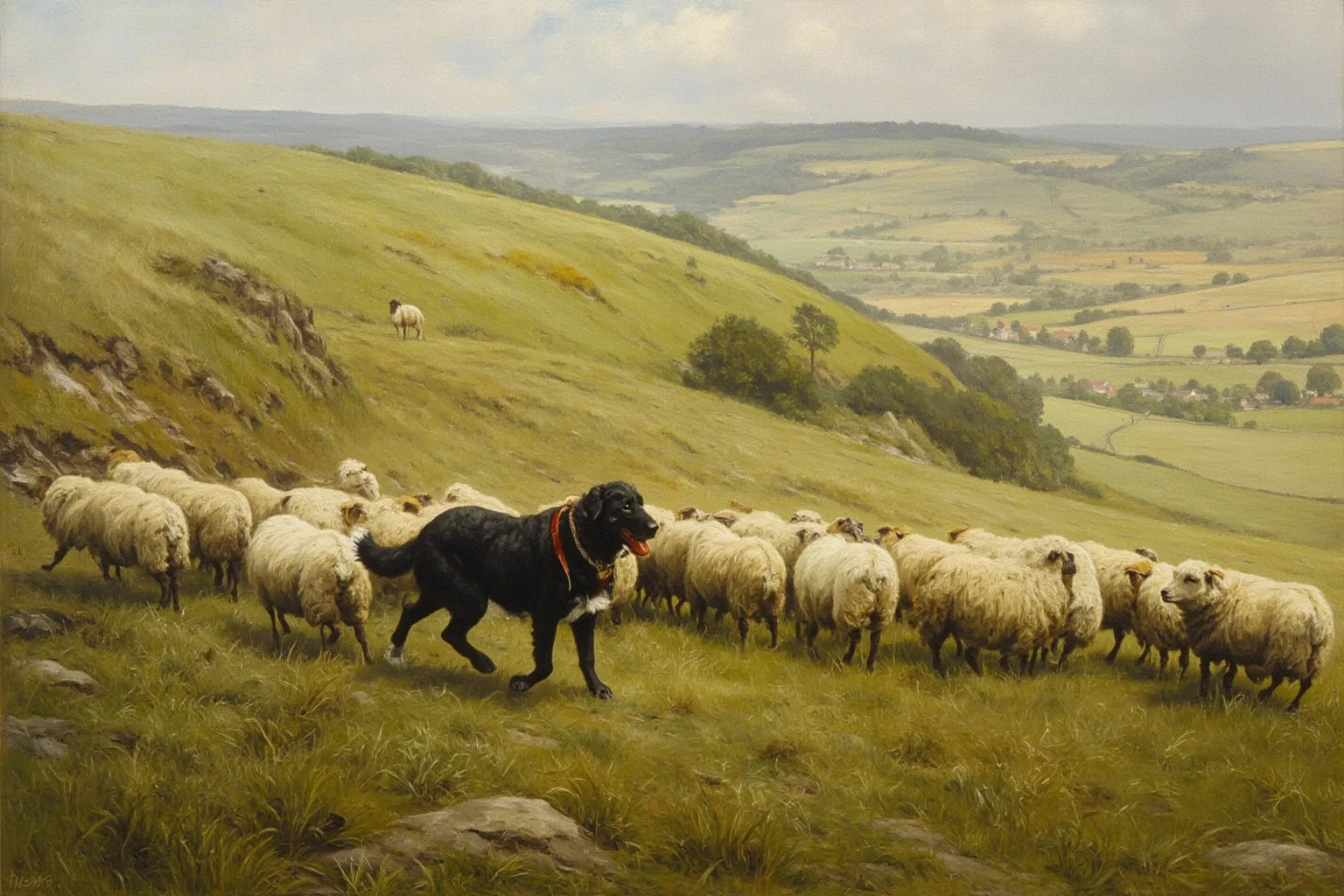
The Cumberland Sheepdog was a herding breed from the Cumberland region of northern England, used for centuries to manage sheep across the area’s hill country. It shared much of its working role with several other regional collie-type dogs developed across Britain.
As the Border Collie became standardized and dominant as the go-to herding breed across Britain through the 20th century, regional variants like the Cumberland Sheepdog lost separate recognition and breeding support. It’s now considered absorbed into the broader collie lineage rather than surviving as its own distinct breed.
Why Do Dog Breeds Go Extinct in the First Place?
Looking across all 23 entries, a few clear patterns emerge. The most common cause by far is crossbreeding: a breed gets absorbed into a more popular or more standardized relative, often quite deliberately, as breeders try to fix problems or chase changing fashions.
The second major cause is obsolescence, seen clearly in the Turnspit Dog’s story, much like the wave of household and industrial breakthroughs covered in our list of the greatest American inventors in history, where new technology quietly ended old trades. When the job a breed was created for disappears, whether that’s turning a roasting spit or serving a specific hunting technique, the population supporting that breed tends to shrink along with the demand for it.
The third and arguably saddest cause is tied directly to colonization and cultural disruption, visible in the stories of the Fuegian dog, the Kuri, the Salish Wool Dog, and the broader pre-Columbian American dog lineage. In these cases, a breed’s extinction is inseparable from the destruction or forced transformation of the human community that created and depended on it.
Can Any of These Breeds Be Brought Back?
Genetic research has occasionally raised hopes of “reviving” extinct breeds, but the reality is more complicated than cloning a dinosaur from a mosquito. Most extinct dog breeds live on partially through their genetic contribution to descendant breeds, which means a full, faithful recreation isn’t really possible in most cases.
Selective breeding projects have attempted to recreate the general look and function of some lost breeds, and DNA studies like the 2018 American dog research and the 2023 Salish Wool Dog pelt analysis continue to reveal new details about these vanished populations. But a true, unbroken revival of an extinct breed, as opposed to a modern approximation, remains firmly in the realm of speculation rather than established science.
Final Thoughts on History’s Lost Dogs
The stories behind these 23 extinct dog breeds are really stories about us: the sports we used to find entertaining, the trades and technologies we outgrew, and the cultures we sometimes helped erase. Dogs have always been shaped intensely by human hands, for better and occasionally for worse.
What’s striking is how few of these breeds vanished completely without a trace. Most left genetic fingerprints scattered across the dogs we live with today, from Golden Retrievers carrying Tweed Water Spaniel ancestry to Chihuahuas descended from the ancient Techichi. Extinct doesn’t always mean gone; sometimes it just means renamed, remixed, and quietly carried forward.
Frequently Asked Questions
What are some examples of dogs that have gone extinct?
Well-documented examples include the Tweed Water Spaniel, the Fuegian dog, the St. John's Water Dog, the Salish Wool Dog, the Alpine Mastiff, and the Turnspit Dog. Most disappeared through crossbreeding into descendant breeds rather than leaving no genetic trace at all.
Why did the Tweed Water Spaniel go extinct?
The Tweed Water Spaniel was always a small, regionally limited breed centered on the Scotland-England border. As retriever breeds like the Golden Retriever and Labrador gained popularity in the late 1800s, Tweed Water Spaniels were increasingly crossbred into those lines rather than bred pure, and formal records of the pure breed stopped in the early 20th century.
What was the Fuegian dog?
The Fuegian dog, or Yaghan dog, was kept by the Yaghan people of Tierra del Fuego in South America and used mainly for hunting otters. Its exact ancestry is debated, with some accounts suggesting partial descent from the culpeo fox, though this has not been conclusively proven, and the breed declined alongside Yaghan culture following colonization.
What is the Gootagan dog breed?
The Gootagan is a poorly documented dog associated with 19th-century colonial-era descriptions of Aboriginal Australian hunting dogs, likely related to the dingo. Reliable primary sources on its appearance and precise history are limited, so much of what's known should be treated as uncertain rather than firmly established.
Is there an extinct dog breed that was once common across North America?
Yes. Genetic research published in 2018 identified a pre-Columbian American dog lineage that was widespread across North and South America before European contact, and that was almost entirely replaced by European breeds within a few centuries of colonization. Traces of this lineage remarkably survive today in the DNA of a transmissible canine cancer.
Can extinct dog breeds ever be brought back?
Not in a true, unbroken sense. Because most extinct breeds live on partially through their genetic contribution to descendant breeds, scientists can study and sometimes approximate their traits through selective breeding, but a full genetic revival of an extinct breed remains outside current scientific capability.

Alex Warren
Related Articles





