
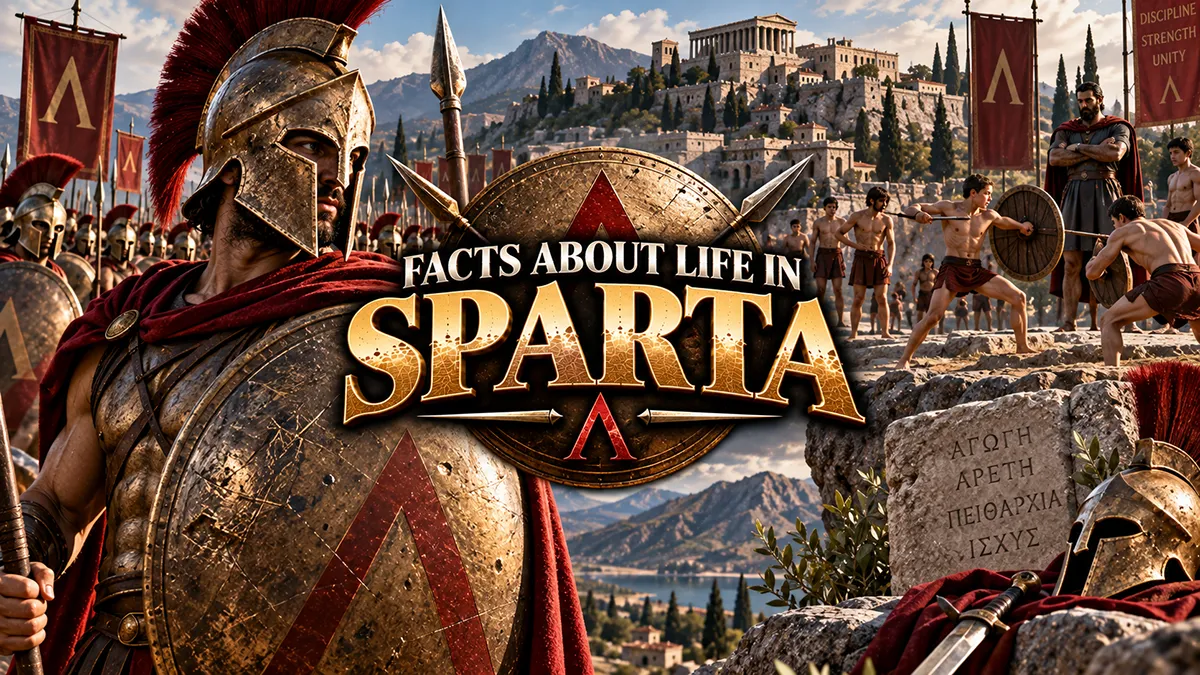
When most people picture ancient Sparta, they imagine oiled warriors screaming into the night before a doomed last stand. That image isn’t entirely wrong, but it’s only a sliver of a much stranger, more complicated story. Spartan society — known to its own citizens as Lacedaemon — built an entire civilization around discipline, austerity, and military readiness, and the results were unlike anything else in the ancient Greek world.
In this guide, we’re separating the well-documented history from the Hollywood myth, covering everything from the location of Sparta and its unusual government to the daily grind of the agoge and the lives of Spartan women. Whether you’re researching Spartan facts for school or just love a good ancient Greece deep-dive, this is your complete primer on the Spartans.
TL;DR: Ancient Sparta was a militarized Greek city-state built on strict discipline, a rigid class system, and a culture that prized the community over the individual — and its real history is stranger than the legend.
TL;DR: Sparta at a Glance
Sparta, or Lacedaemon, was a powerful city-state in the Peloponnese region of southern Greece. It became famous for its warrior culture, its unique dual-king government, and its rigorous state education system called the agoge.
Spartan society depended heavily on an enslaved population known as helots, who vastly outnumbered the ruling Spartiate citizens. That imbalance shaped nearly every Spartan law, custom, and institution, from communal dining halls to the secretive Krypteia.
1. Sparta Was Located in the Peloponnese, in Laconia
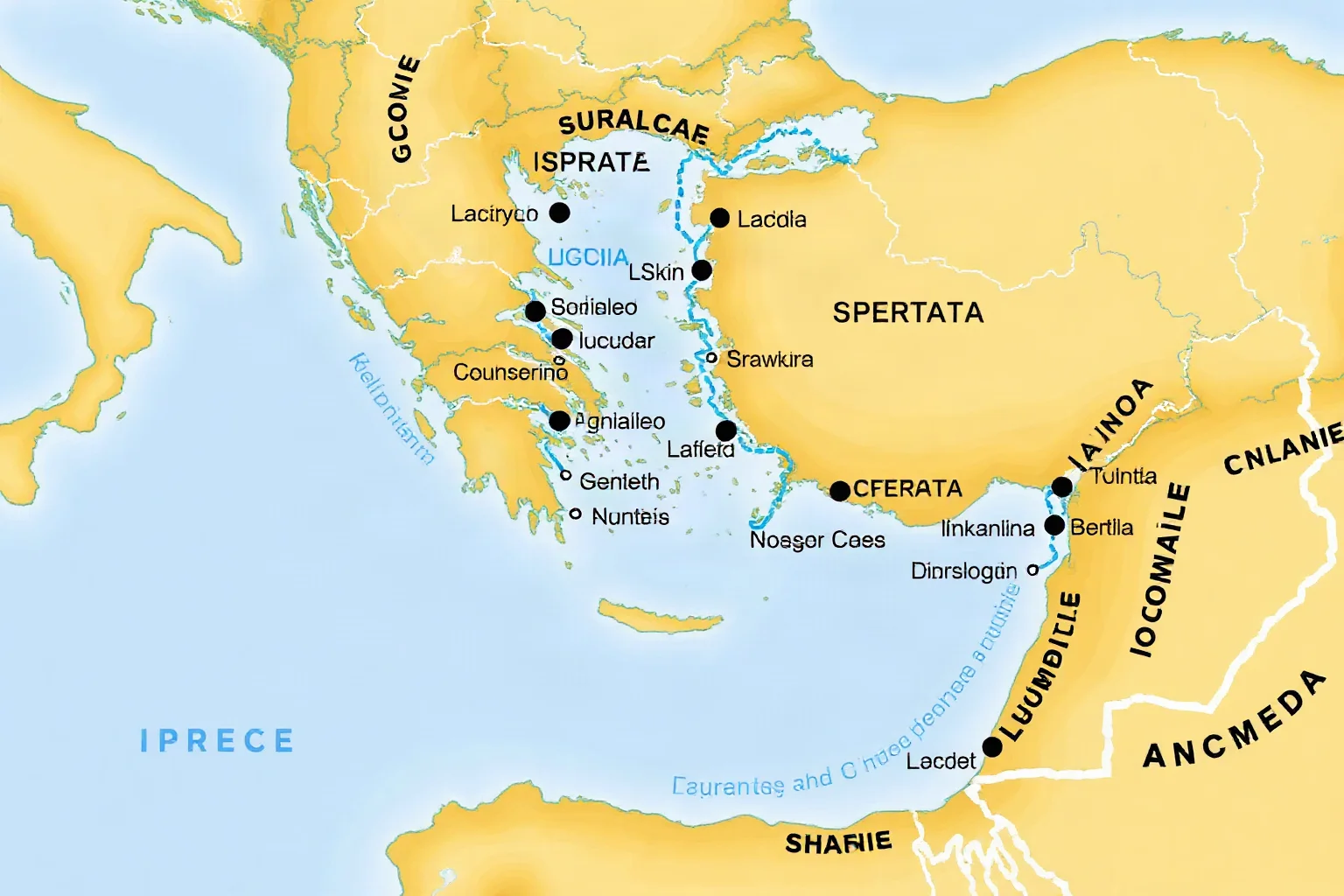
The location of Sparta placed it in the southern Greek region of Laconia, on the banks of the Eurotas River in the Peloponnese peninsula. This is why ancient writers often called Spartans “Lacedaemonians,” a term tied directly to the region’s name.
Unlike coastal powers such as Athens or Corinth, Sparta sat inland, protected by mountain ranges on nearly every side. This natural fortress-like geography meant Sparta rarely needed defensive city walls, since its terrain and army did the job instead.
2. Spartans Called Themselves Lacedaemonians
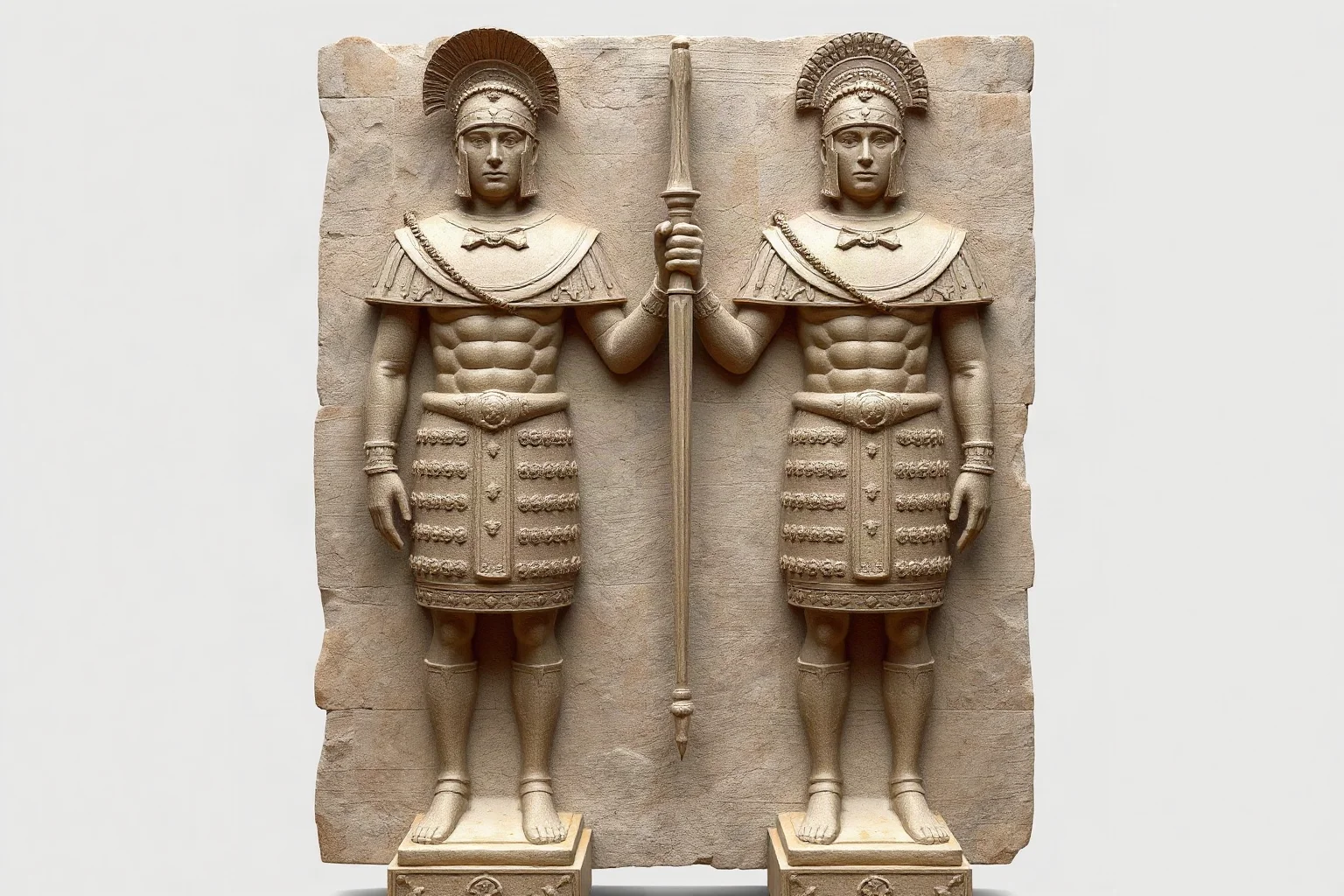
The word “Sparta” technically referred to the city itself, while “Lacedaemon” described the broader city-state and its territory. Ancient inscriptions, treaties, and historians frequently used “Lacedaemonian” as the formal term for a citizen of this state.
This is why you’ll still see “Lacedaemonian” pop up in historical texts and museum plaques today. It’s essentially an older, more formal synonym for what we casually call a Spartan.
3. Sparta Had Two Kings at Once
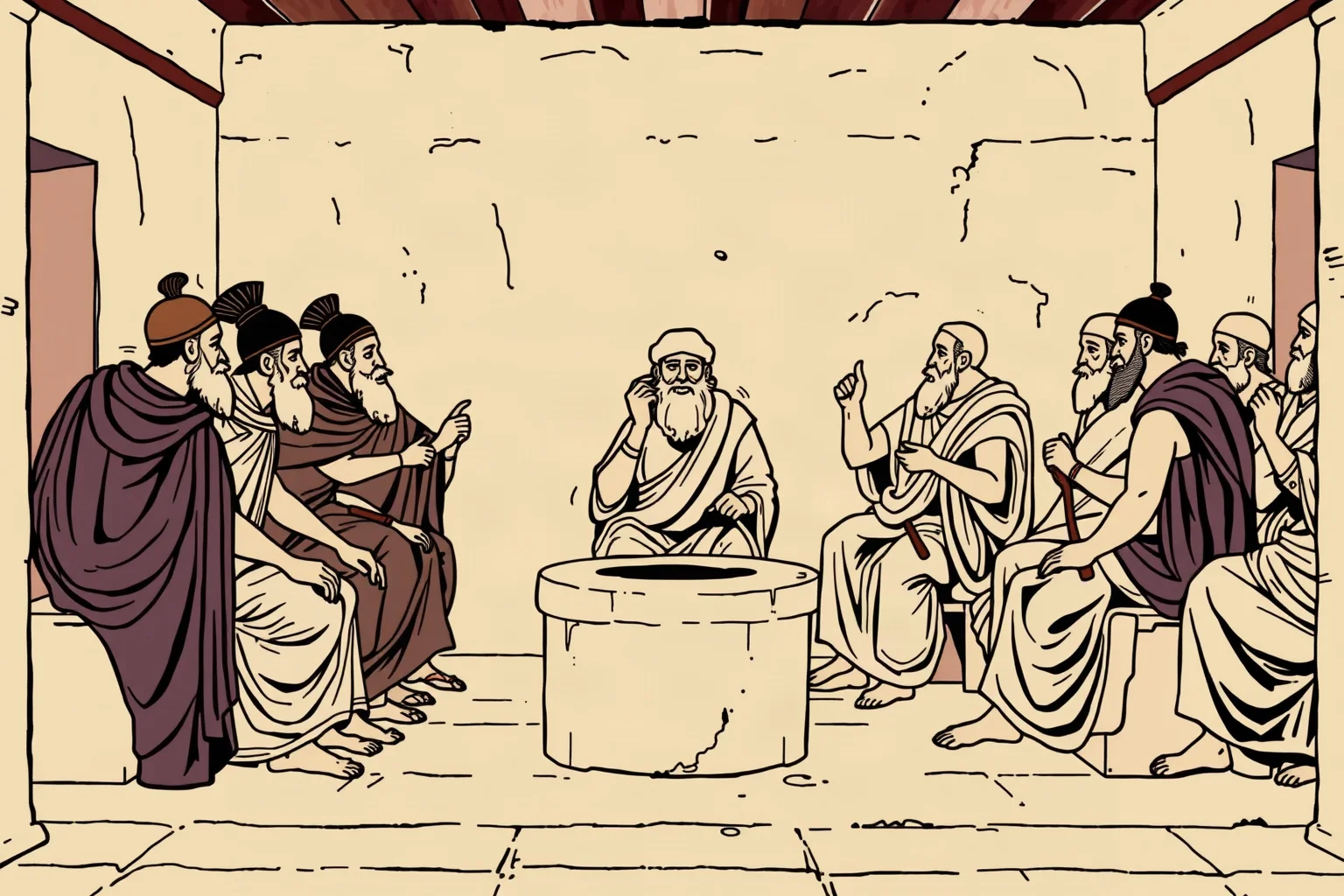
Sparta’s government was genuinely unusual for the ancient world because it operated under a dual monarchy. Two kings ruled simultaneously, each from a different royal family line, the Agiads and the Eurypontids.
This dual kingship likely developed as a check against any single ruler seizing too much power. In practice, the kings mostly led the army in wartime, while everyday governance fell to other institutions entirely.
4. Its Government Blended Monarchy, Oligarchy, and Democracy
Beyond the two kings, Sparta was run by the Gerousia, a council of elders who advised on law and policy, and the Ephors, five annually elected officials with real executive power. There was also an assembly of citizens called the Apella, giving ordinary Spartiate men a voice in major decisions.
This mix of institutions means Sparta doesn’t fit neatly into “monarchy” or “democracy.” Ancient writers like Aristotle actually praised this balanced system, or “mixed constitution,” as one of Sparta’s most notable political achievements.
5. Spartan Boys Entered the Agoge at Age Seven
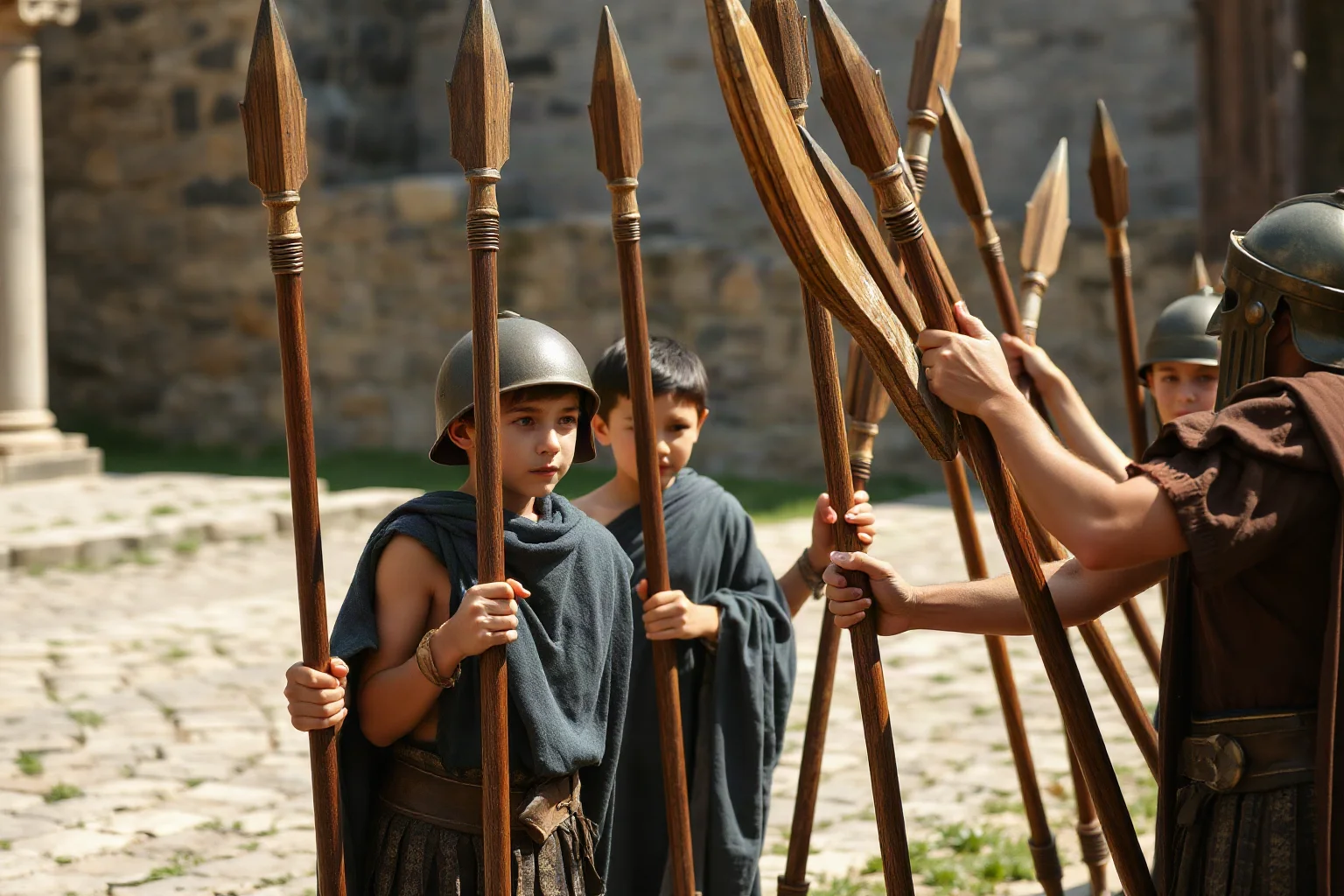
One of the most famous facts about Spartan life is the agoge, the state-run education and training system for Spartiate boys. Around age seven, boys left their families to live communally, where they were trained in combat, endurance, obedience, and survival skills.
The agoge wasn’t just physical training — it also included music, dance, and rhetoric, since Spartan citizens needed to speak persuasively in the assembly. The goal was producing loyal, disciplined citizens who valued the community above personal comfort.
6. Training Deliberately Involved Hardship

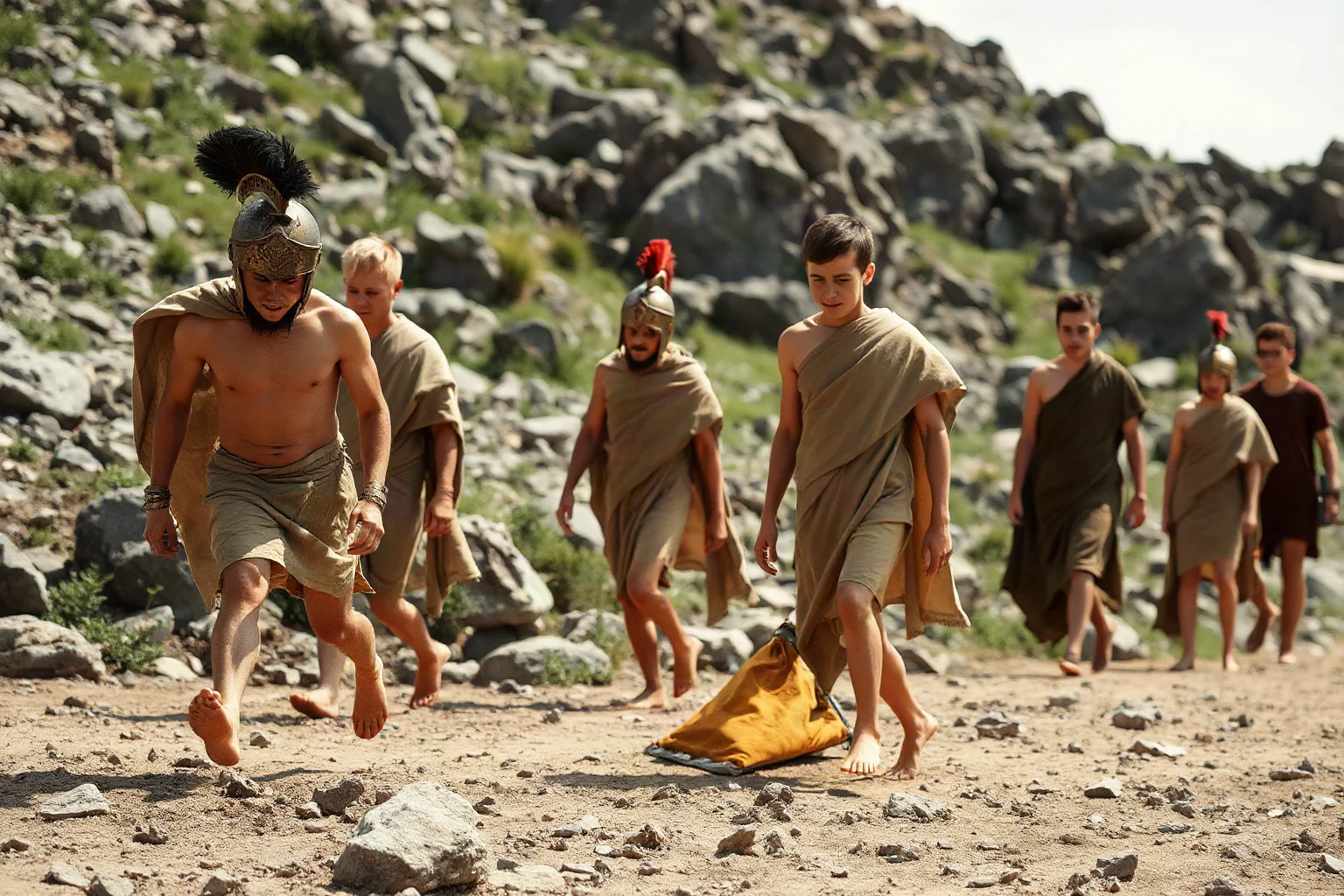
Agoge trainees were kept intentionally underfed and were sometimes encouraged to steal food, on the condition they not get caught. Being caught stealing brought punishment, not for the theft itself, but for the failure of stealth and cunning.
Boys often went barefoot and wore the same thin cloak through every season. This wasn’t cruelty for its own sake, at least in Spartan eyes — it was meant to build resilience and resourcefulness for a lifetime of soldiering.
7. Spartan Girls Also Received Physical Training
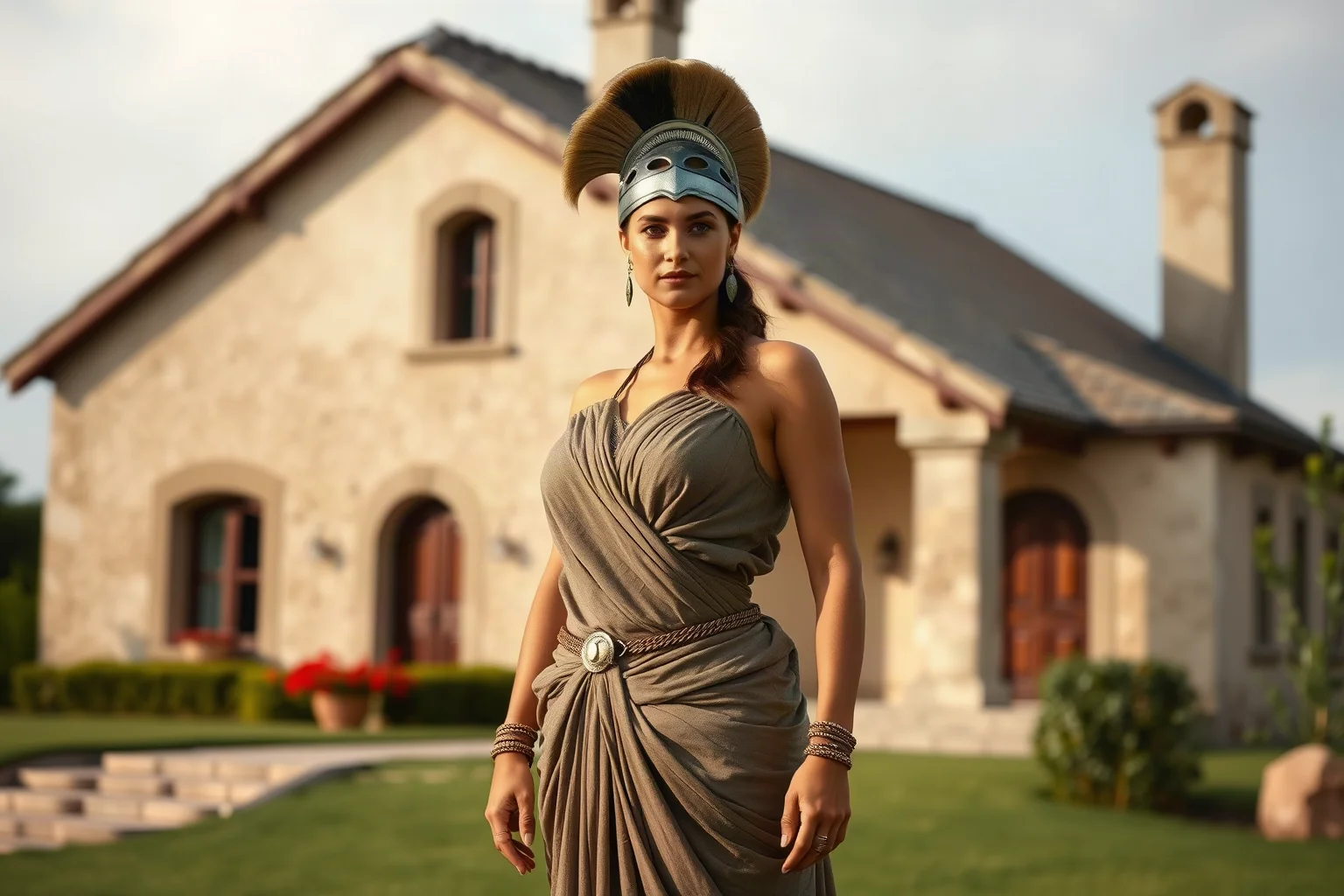
Unlike most of the Greek world, Sparta gave girls a structured education that included running, wrestling, and javelin-throwing. The reasoning, according to ancient sources like Plutarch, was that physically strong women would produce physically strong children.
This athletic training was highly unusual by Greek standards, where women in cities like Athens were largely confined to the household. It’s one of the clearest examples of how the culture of Sparta diverged from its neighbors.
8. Spartan Women Had Unusual Legal and Property Rights

Spartan women could own and control property, and because men were so often away at war or living in military barracks, women effectively managed many households and estates. This gave them a level of economic independence that was rare anywhere else in the ancient Mediterranean.
Foreign visitors were sometimes shocked by how openly Spartan women spoke their minds. This relative freedom is a big part of what is Sparta best known for when historians compare it to the rest of ancient Greece.
9. Helots Formed the Backbone of the Spartan Economy
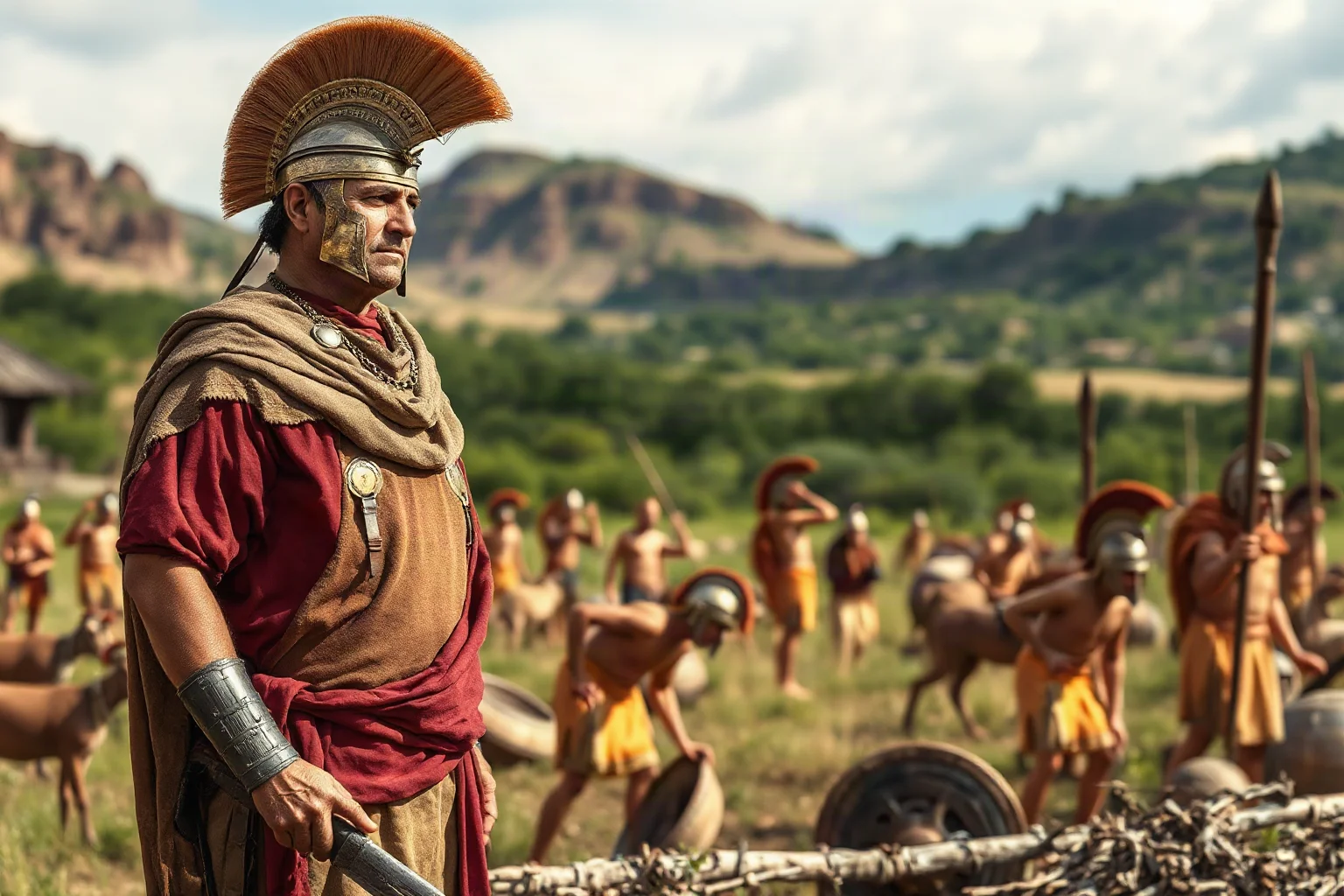
The helots were an enslaved population, largely descended from conquered peoples such as the Messenians, who worked the land and produced the food that supported Spartan society. Helots vastly outnumbered full Spartan citizens, which created constant underlying anxiety about revolt.
Because helots handled farming and labor, Spartiate men were freed up to train and fight full-time. This arrangement is essential to understanding daily life in Sparta, since almost nothing about Spartan society functioned without it.
10. Spartiates Were Legally Barred From Trade and Manual Labor
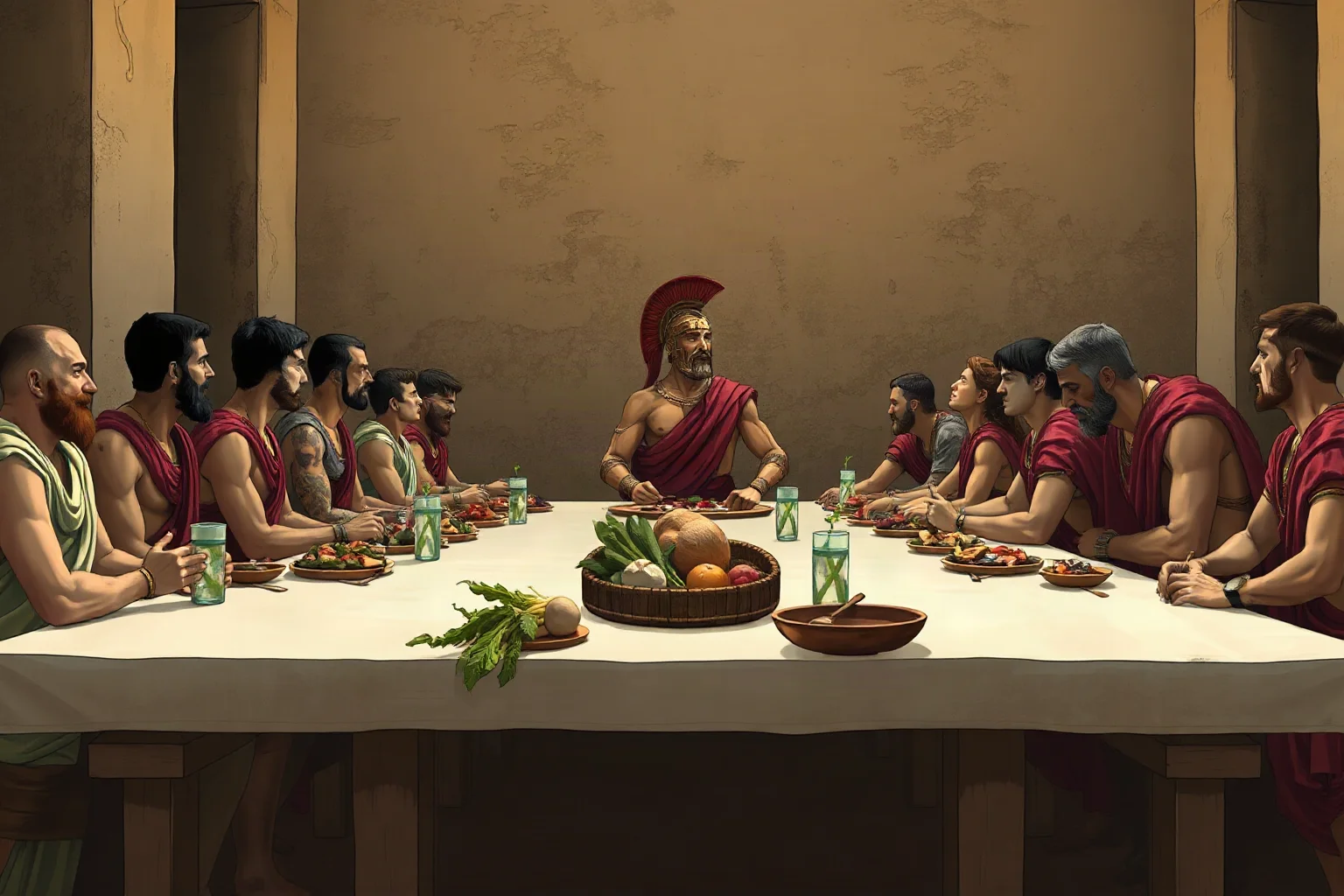
Full Spartan citizens, called Spartiates, were prohibited from engaging in commerce, craftsmanship, or farming their own land directly. That work was left to helots and a middle class of free non-citizens called perioikoi.
This meant a Spartiate’s entire adult life was meant to revolve around military service, governance, and civic duty. It’s a major reason Spartan society looked so different from trade-driven, seafaring city-states like Athens or Corinth.
11. Spartans Ate Together in Communal Messes
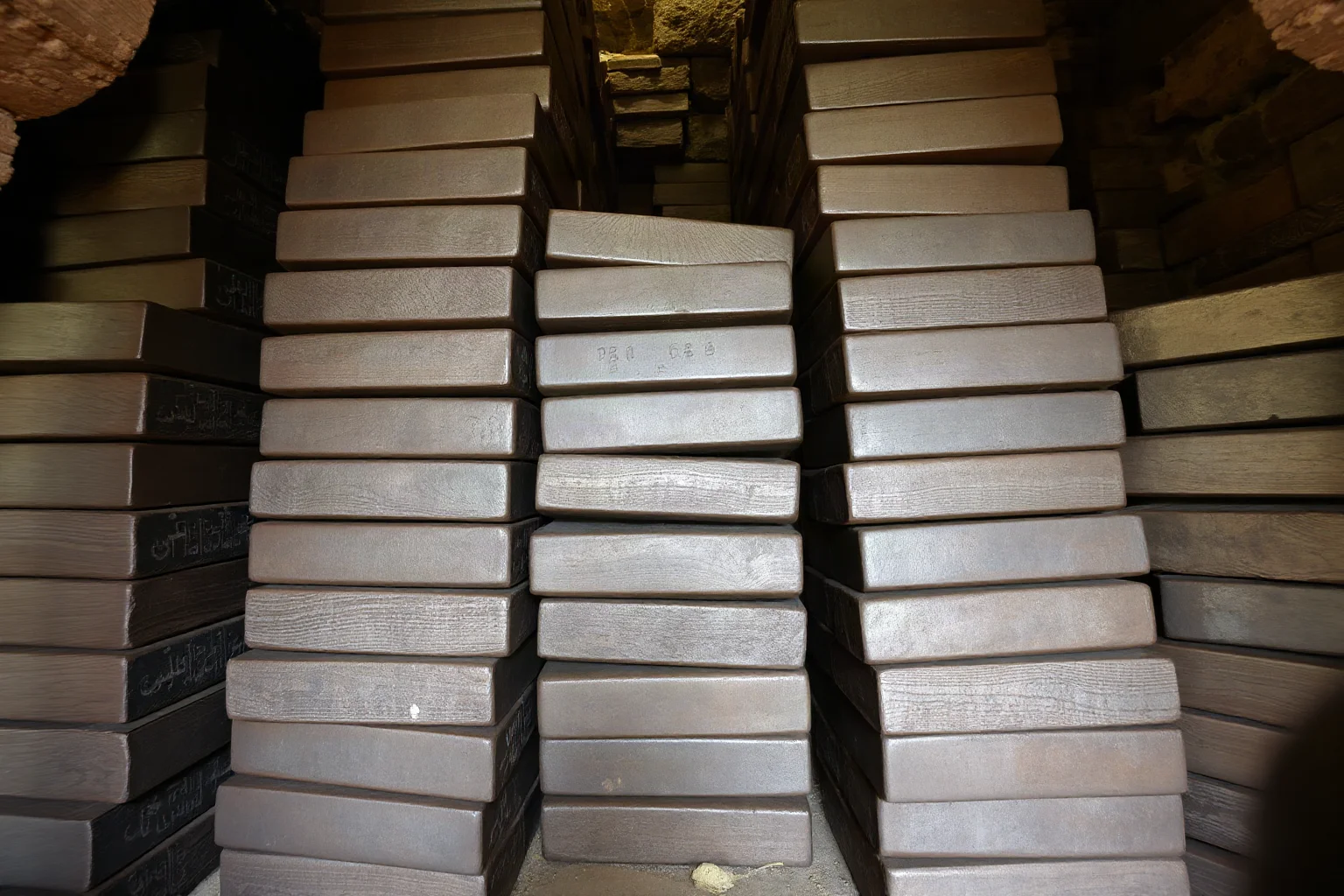
Spartan men were required to eat daily in communal dining groups called syssitia, rather than at home with their families. Meals were simple and famously unappetizing, including a notorious blood-and-pork dish often translated as “black broth.”
One popular anecdote claims a visiting foreigner tasted the broth and remarked that it explained why Spartans weren’t afraid of death. That story is almost certainly a colorful exaggeration passed down by later Greek writers, but it captures how the syssitia symbolized Spartan austerity.
12. Sparta Used Heavy Iron Currency
According to tradition, the lawgiver Lycurgus discouraged the accumulation of personal wealth by having Sparta mint its money in large, heavy iron bars rather than gold or silver coins. The idea was that this currency would be too bulky and low-value to hoard or use for luxury trade.
Historians debate how strictly, or how long, this policy was actually enforced. Still, it reflects a genuine Spartan value: distrust of personal wealth and a preference for equality among citizens, at least in theory.
13. The Spartan Army Was Built Around the Phalanx
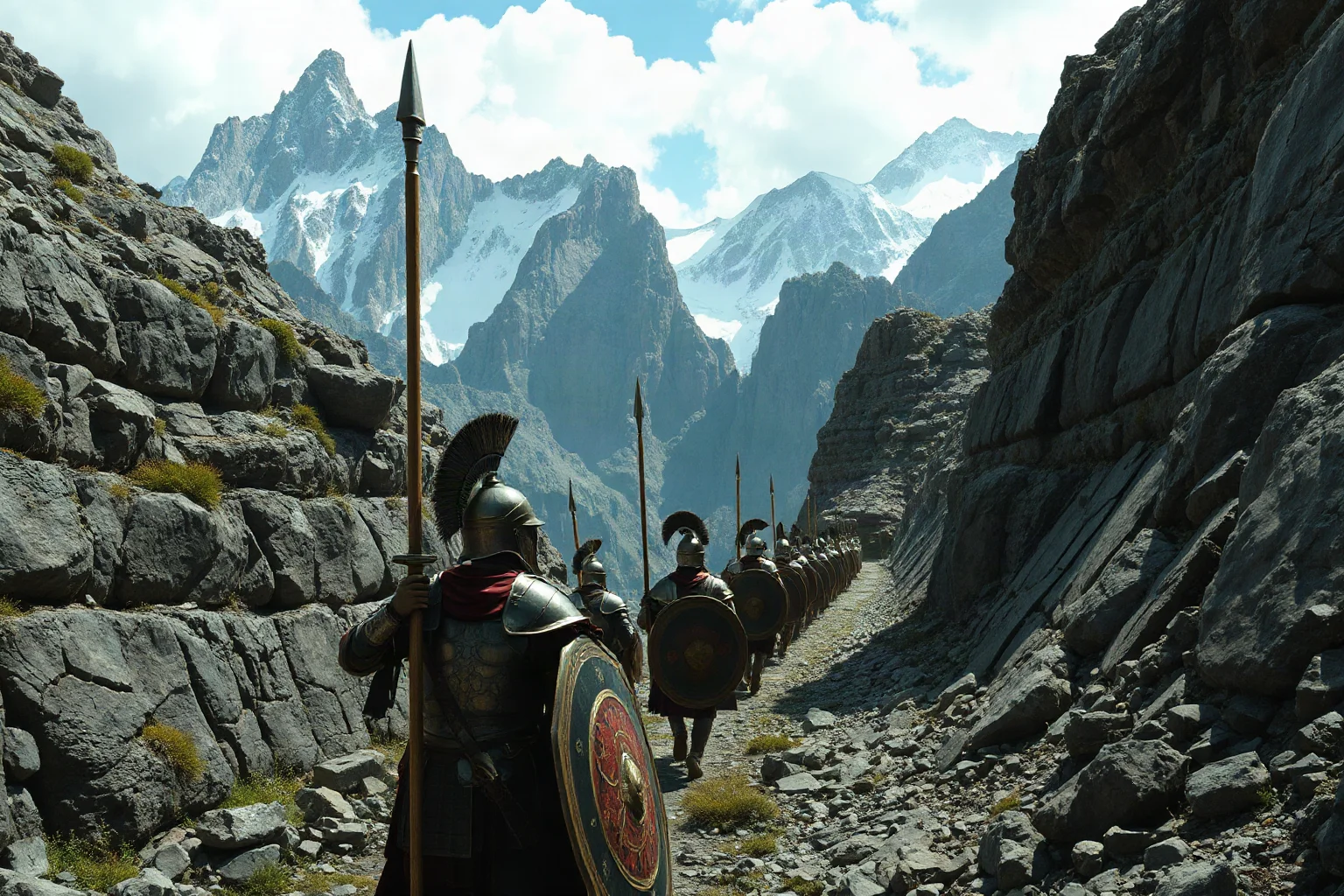
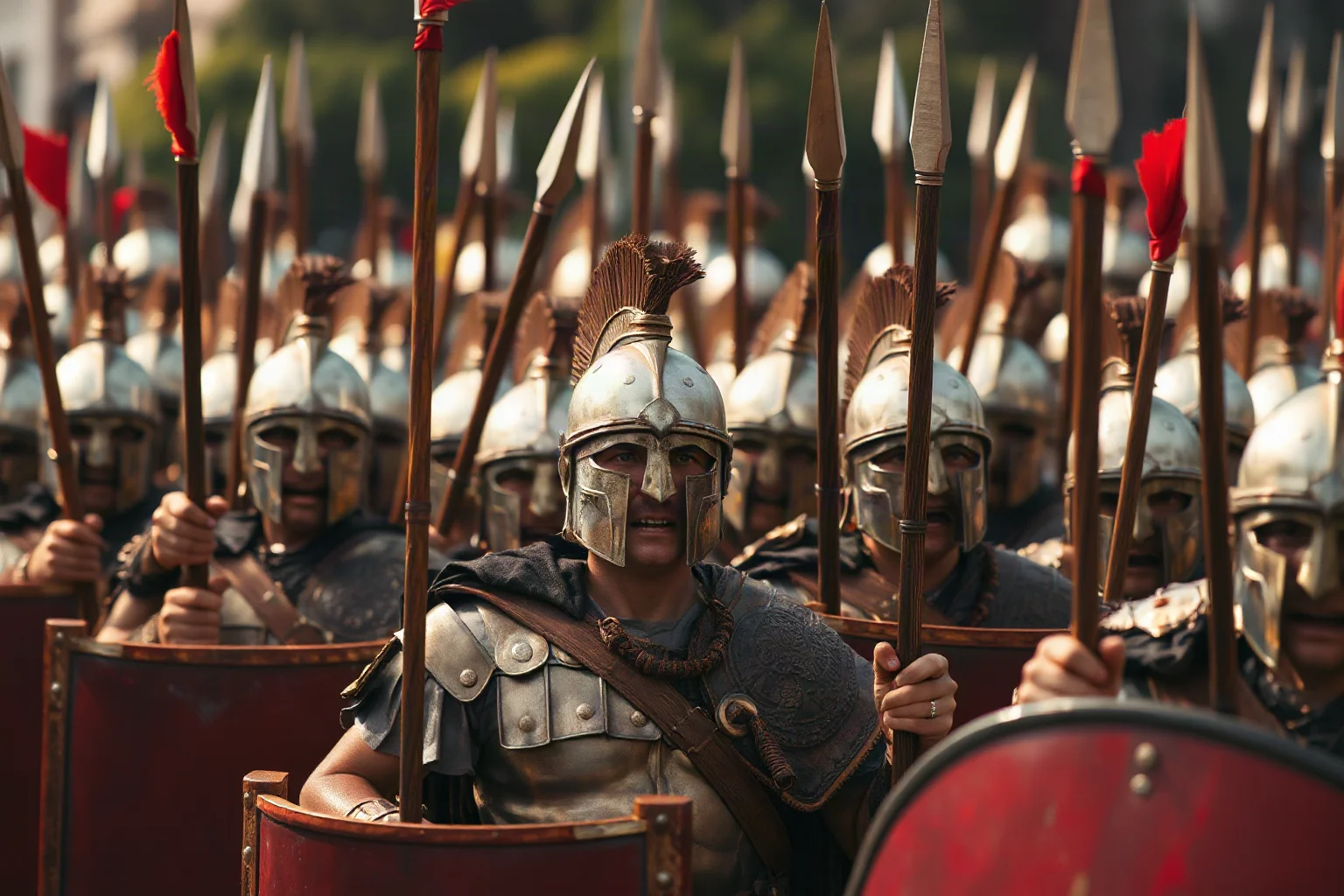
Spartan military fame rests heavily on the hoplite phalanx, a tight formation of heavily armored soldiers fighting shield-to-shield with long spears. Discipline and cohesion mattered more than individual heroics, since a phalanx only worked if every soldier held the line.
Spartan hoplites trained for this formation from childhood, which gave them a real battlefield edge over less-drilled citizen-soldiers from other city-states. This is arguably the single biggest answer to what were Spartans known for militarily.
14. The Battle of Thermopylae Made Sparta Legendary
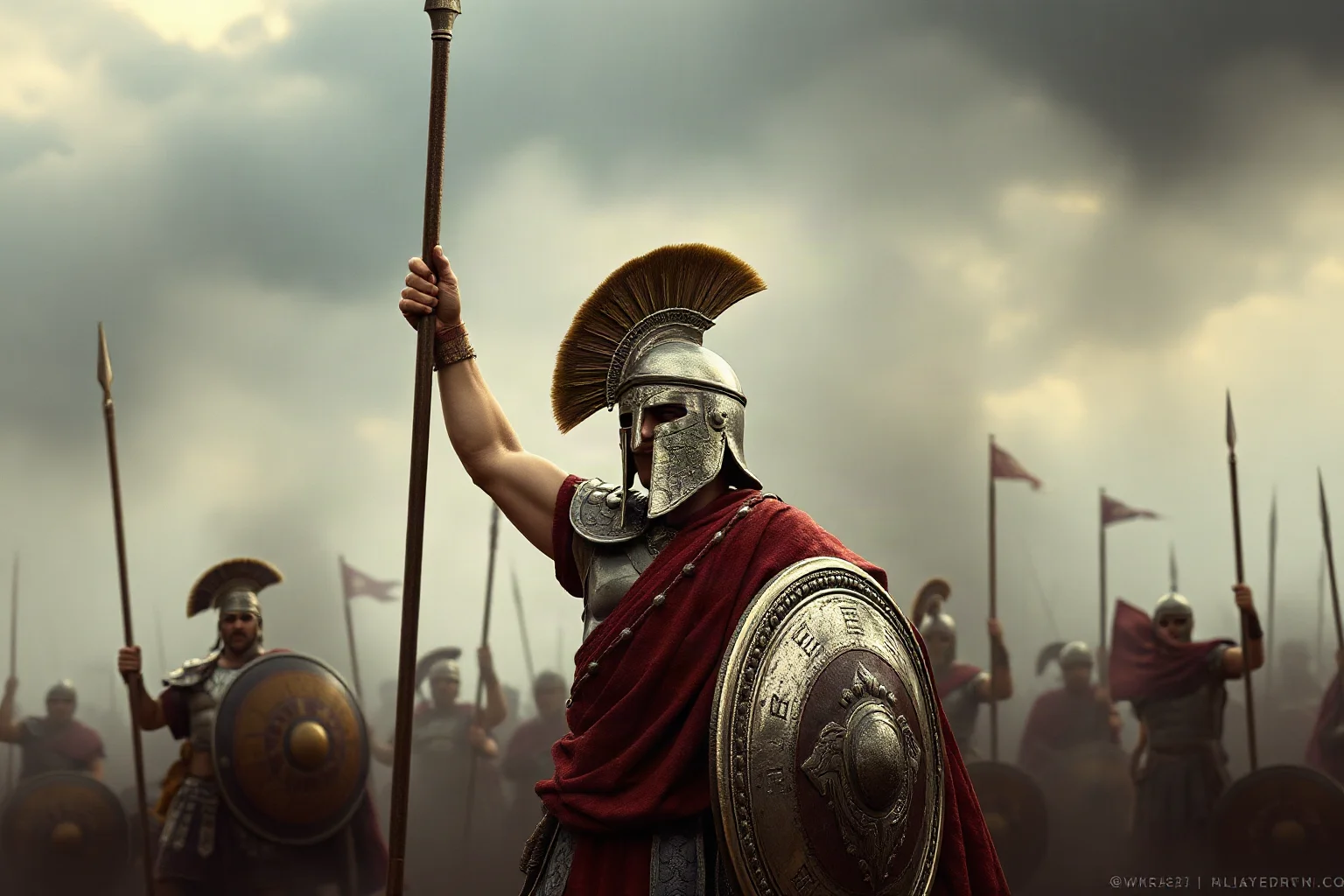
In 480 BCE, a small Greek force that included around 300 Spartan warriors, led by King Leonidas, held off a vastly larger Persian army at the narrow pass of Thermopylae. The defenders were eventually overwhelmed and killed, but their delaying stand became a symbol of Spartan courage and sacrifice.
It’s worth noting the full defending force was larger than just 300 Spartans, including thousands of allied Greek troops from other city-states. The popular retelling tends to erase those allies, which is a good example of myth outrunning the historical record.
15. “Come and Take Them” May Be Legend, Not Verified Fact

The famous phrase attributed to Leonidas — “Molon labe,” or “come and take them” — appears in later ancient writing, well after the battle itself. Historians treat it as a striking but unverifiable quote rather than a confirmed historical record.
This is a great reminder that a lot of what circulates as Sparta facts blends real history with dramatic storytelling added centuries later. Ancient biographers loved a punchy quote, verified or not.
16. Spartan Marriage Customs Were Genuinely Unusual

According to ancient sources, Spartan marriage sometimes involved a ritual where the groom would symbolically “capture” his bride, who had her head shaved and was dressed in men’s clothing for the occasion. After this ceremony, the couple might continue living apart for a time, since the husband typically still resided in shared military housing.
Scholars have long debated the exact meaning behind this custom, with some suggesting it eased young men’s transition from all-male military life to marriage. Whatever its purpose, it’s one of the more distinctive facts about the Spartans compared to marriage traditions elsewhere in Greece.
17. The Krypteia Was a Secret Force Used to Control Helots
The Krypteia was a covert group, often described as made up of promising young Spartan men, tasked with monitoring and intimidating the helot population. Ancient sources suggest its activities could include surveillance and, at times, deadly violence against helots seen as potential troublemakers.
Historians still debate exactly how organized or widespread the Krypteia truly was, since our sources are limited and sometimes contradictory. Even so, its existence highlights just how much Spartan stability depended on controlling a much larger enslaved population through fear.
18. Religion Centered on Apollo and Communal Festivals
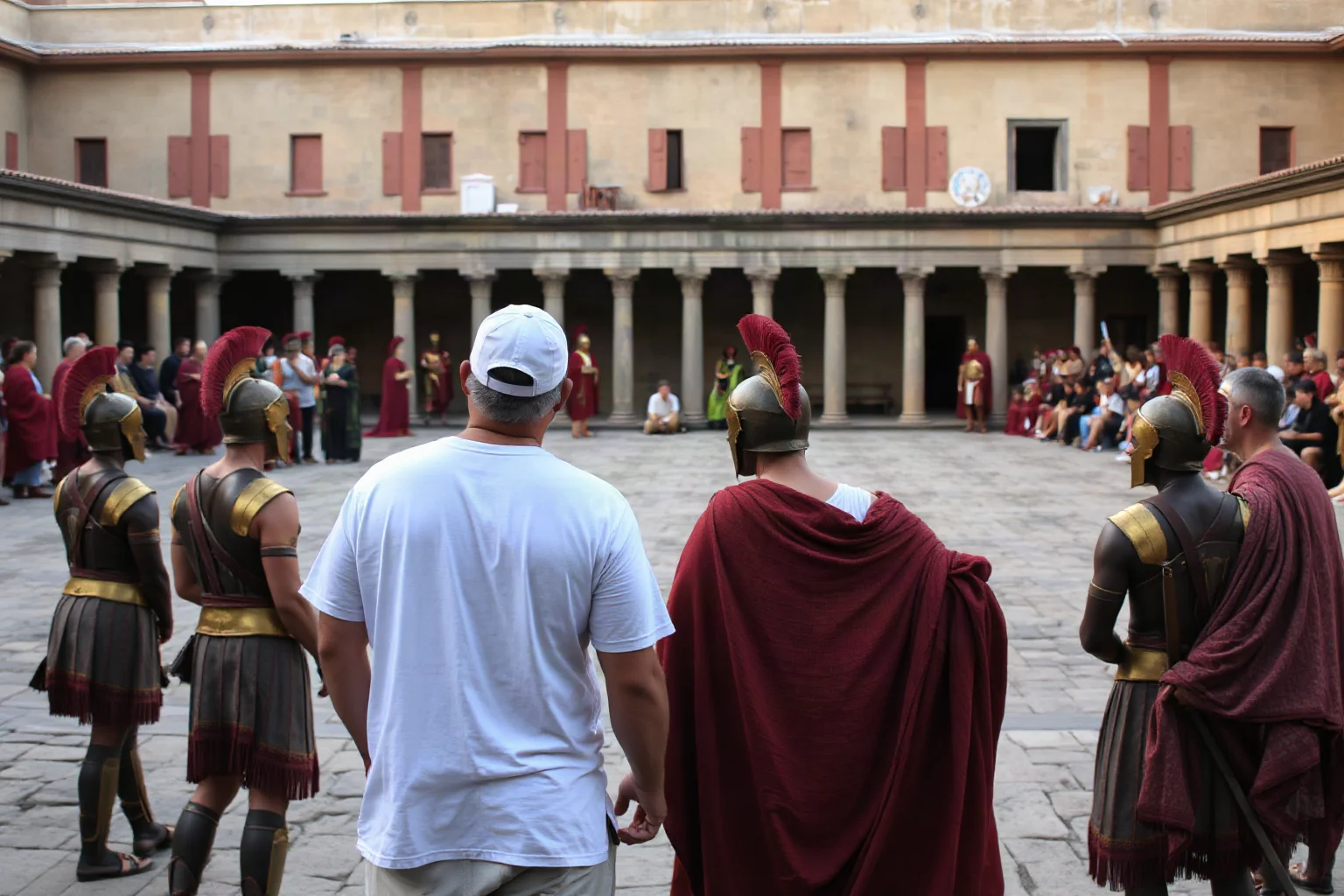
Spartans were devout by ancient Greek standards, with Apollo as a especially important deity alongside Artemis and other Olympian gods. Major festivals like the Karneia and the Gymnopaediae combined religious ritual with athletic and musical competitions performed by citizens.
These festivals weren’t just spiritual occasions — they doubled as public displays of Spartan discipline and physical training. Religion and civic identity were deeply intertwined in the culture of Sparta.
19. Equality Among Citizens Was a Core Spartan Value
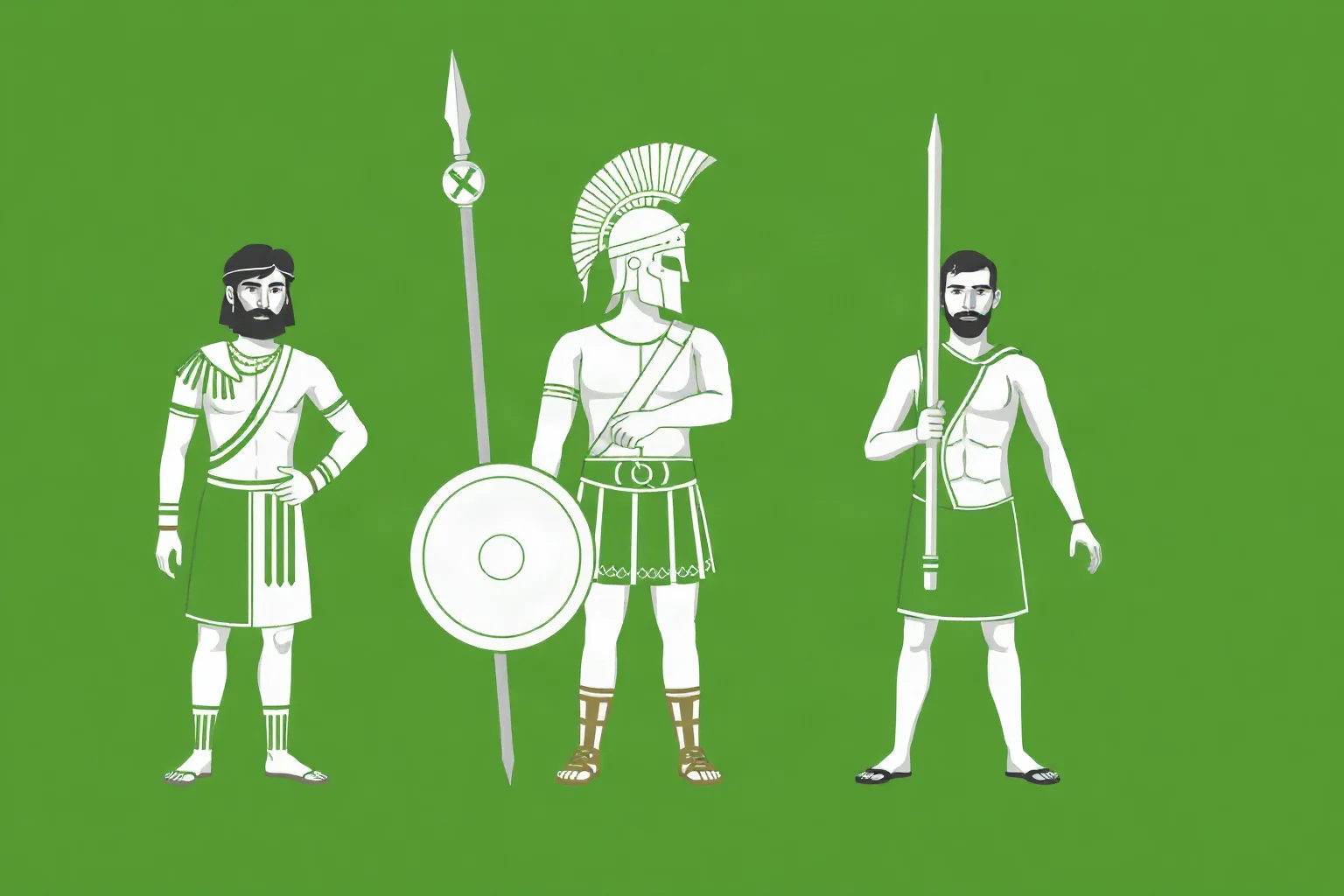
Spartiates were sometimes called “homoioi,” meaning “the equals,” reflecting an ideal that full citizens shared similar rights, duties, and modest lifestyles regardless of birth wealth. This is central to understanding what did Spartans value: not individual glory or riches, but discipline, loyalty, and the good of the collective state.
Of course, this equality only applied within the narrow circle of Spartiate citizens. Helots and perioikoi were excluded entirely, so “equality” in Sparta was always a relative, citizen-only ideal rather than a universal one.
20. Not Everyone in Sparta Was Actually a “Spartan”
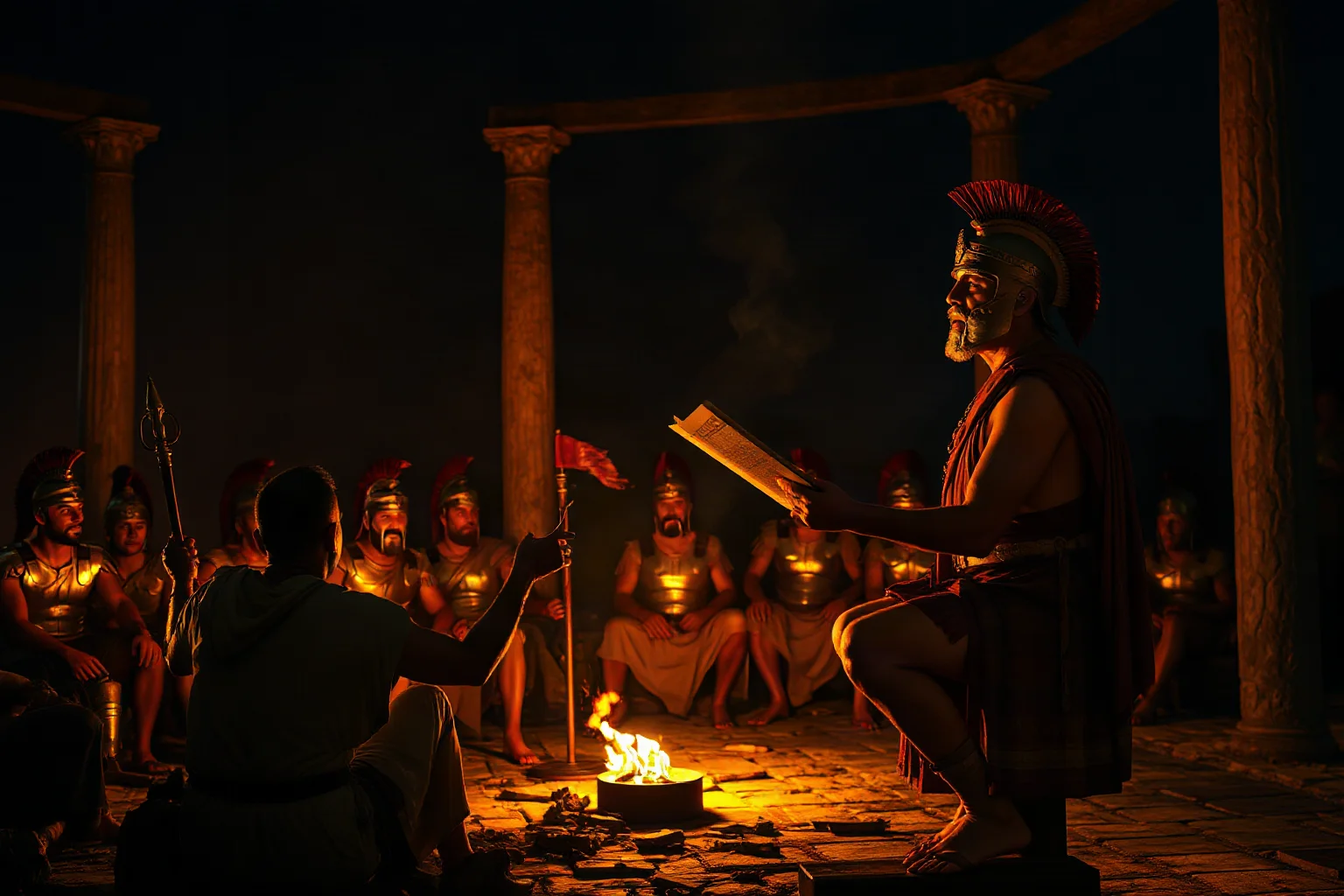
Spartan society was split into strict classes: Spartiates, the full citizens with political rights; perioikoi, free non-citizens who handled trade and crafts; and helots, the enslaved laborers. Only Spartiates could vote, hold office, or take part in the agoge and syssitia.
This matters because when people ask about the “people of Sparta,” they’re really asking about several very different groups living under one state. The rigid hierarchy was fundamental to how Spartan life actually functioned day to day.
21. Sparta Produced Poets, Not Just Soldiers

Despite its reputation for shunning the arts, early Sparta actually had a respected literary tradition, most notably the poet Tyrtaeus, whose surviving verses urged Spartan soldiers toward courage and civic duty. Music and choral performance were also part of religious festivals and the agoge itself.
Over time, Sparta’s cultural output narrowed compared to Athens, partly because its educational system prioritized military and civic training over rhetoric, philosophy, or theater. Still, it’s a myth that Spartans had no cultural life at all.
22. The “Weak Infants Thrown From a Cliff” Story Is Disputed
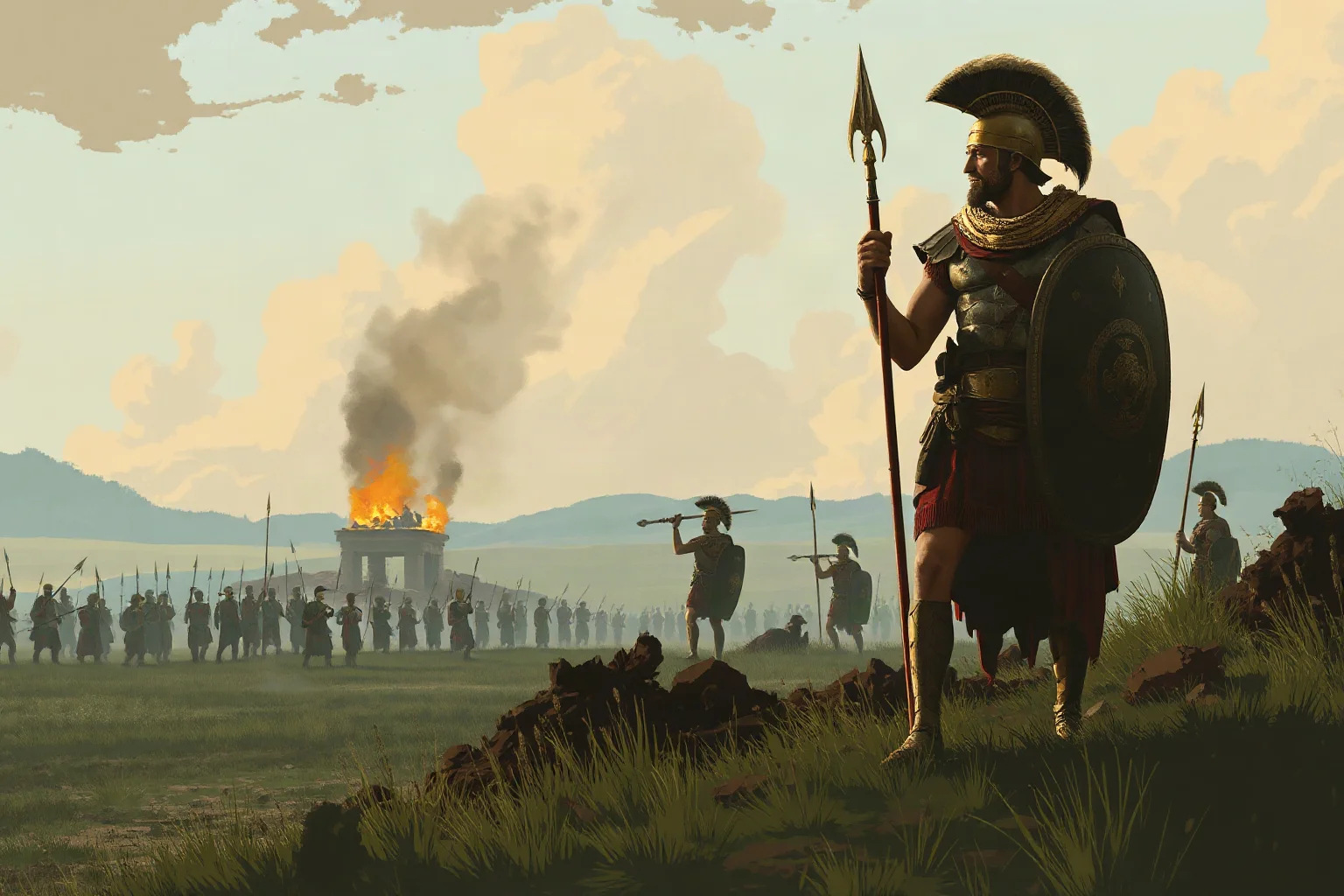
A persistent claim states that Spartans routinely killed infants judged too weak or disabled by throwing them from a cliff called Mount Taygetus. This story comes mainly from Plutarch, writing centuries after the events he describes, and modern historians and archaeologists have raised serious doubts about how common, or even real, this practice actually was.
Some ancient evidence does suggest Spartans practiced a form of infant inspection tied to eventual military fitness. But treating the cliff story as settled historical fact goes beyond what the evidence can really support, and it’s a good example of why myth-busting matters when discussing ancient Sparta.
23. Sparta Dominated Greece, Then Lost It Quickly
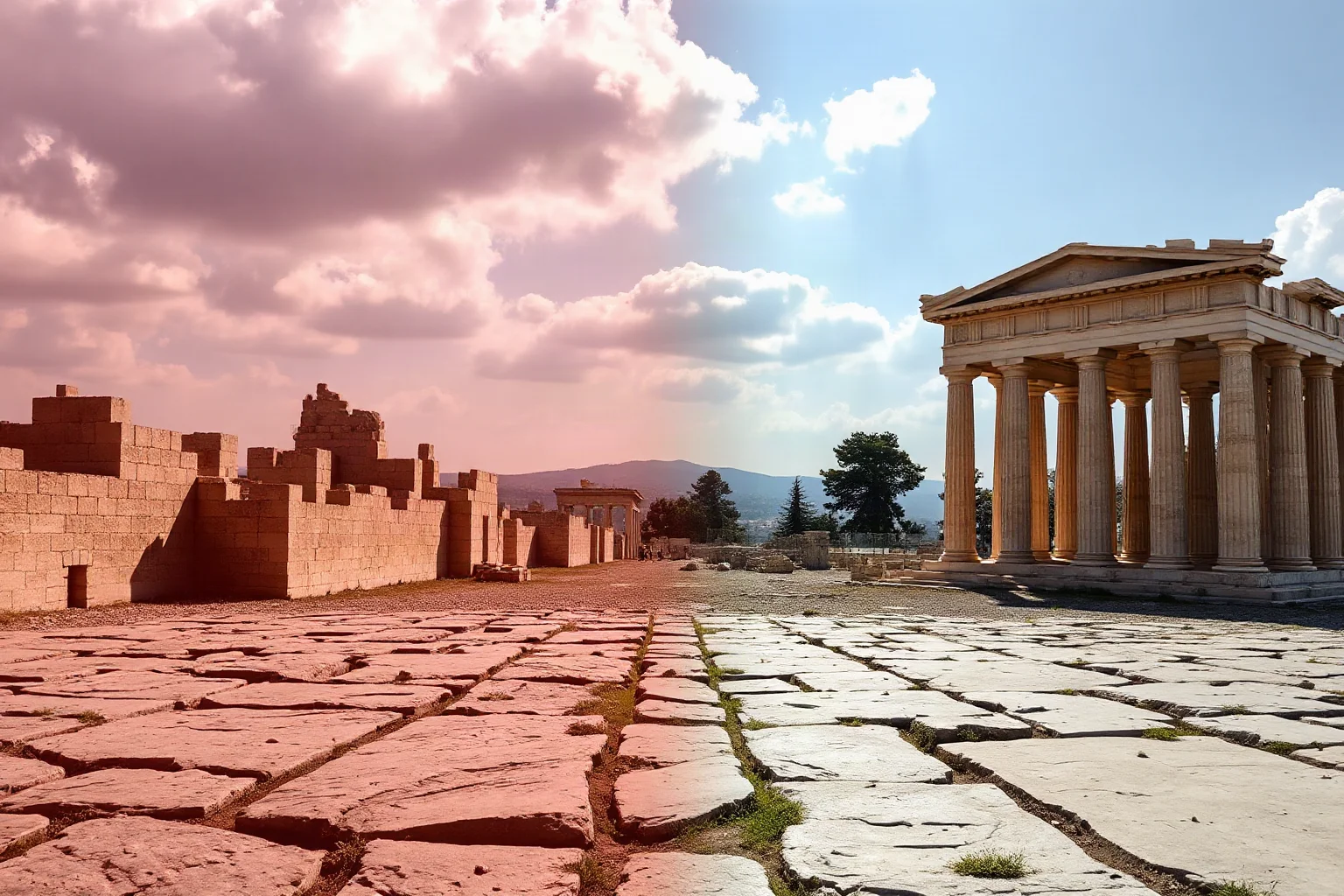
Sparta emerged from the Peloponnesian War against Athens in 404 BCE as the leading power in Greece. That dominance didn’t last long, and Sparta suffered a decisive defeat at the Battle of Leuctra in 371 BCE against Thebes, a loss that badly damaged its military reputation and manpower.
A major long-term weakness was Sparta’s shrinking pool of full citizens, since the strict requirements to remain a Spartiate meant the citizen body slowly contracted over generations. This decline shows that Sparta’s achievements, while real, weren’t permanent or unshakeable.
24. Sparta and Athens Were Fierce Rivals
Much of what we know about Sparta actually comes filtered through Athenian writers, since Sparta itself left relatively few written records compared to its rival. The two states fought each other directly in the Peloponnesian War, a decades-long conflict that reshaped the ancient Greek world and drained both sides.
This rivalry is part of why so many popular narratives frame Sparta and Athens as opposites: one focused on military discipline, the other on democracy, philosophy, and the arts. It’s a useful contrast, but it also oversimplifies both societies.
25. The Word “Spartan” Still Shapes Our Language Today
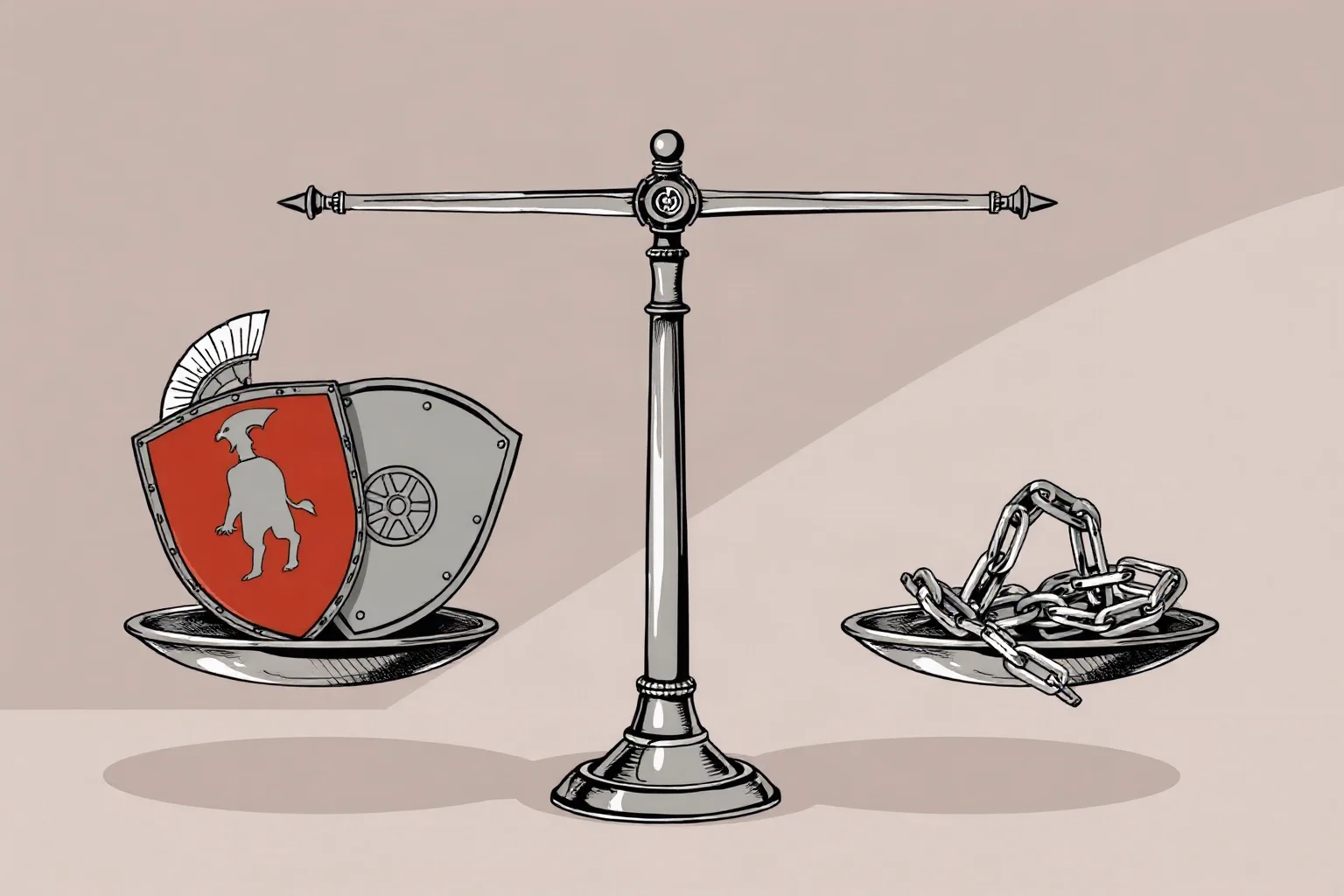
Centuries later, “Spartan” survives in everyday English as an adjective for anything austere, disciplined, or stripped of comfort, from a “Spartan diet” to a “Spartan apartment.” This linguistic legacy shows just how deeply Spartan facts and reputation embedded themselves into Western culture.
Modern movies, video games, and novels continue to romanticize Spartan warriors, often blending real history with heavy dramatization. Understanding the actual historical record helps separate genuine Spartan achievements from the exaggerated legend built up around them.
What Made Spartan Society Work — and What It Cost
Looking back at Spartan life, there are clear pros and cons worth weighing honestly. On the positive side, Sparta achieved genuine equality among its citizen class, strong civic loyalty, disciplined governance, and a level of independence for women that was rare in the ancient world.
On the other hand, that stability rested on the forced labor and constant oppression of the helot population, along with a narrow definition of who even counted as a full citizen. Spartan life also left little room for individual ambition, artistic expression, or personal wealth outside the state’s rigid expectations.
Sparta’s story isn’t a simple tale of heroic warriors or a simple tale of a brutal police state — it’s genuinely both, depending on which resident’s experience you’re looking at. That complexity is exactly what makes ancient Sparta such an enduringly fascinating subject for historians and casual readers alike.
Frequently Asked Questions
What are Spartans famous for?
Spartans are best known for their disciplined military culture, the hoplite phalanx, the harsh state education system called the agoge, and the legendary last stand of King Leonidas and his warriors at the Battle of Thermopylae in 480 BCE. They're also notable for a rigid class system built on the labor of an enslaved population known as helots.
Where was Sparta located?
Sparta was located in the region of Laconia, in the southern Peloponnese peninsula of Greece, along the Eurotas River. Its inland, mountain-ringed geography helped protect it and meant the city rarely needed formal defensive walls.
What did Spartans value most?
Spartans placed the highest value on discipline, military readiness, loyalty to the state, and equality among full citizens, known as Spartiates. Personal wealth, luxury, and individual glory were actively discouraged in favor of the collective good of the community.
What is Sparta best known for today?
Today, Sparta is best known for its warrior reputation, the Battle of Thermopylae, and its strict, no-frills approach to education and daily life — so much so that "Spartan" is now a common English word for anything austere or disciplined.
What was daily life like for an average Spartan?
Daily life for a Spartiate man centered on military training, communal meals called syssitia, and civic duty, with boys entering state-run training as early as age seven. Spartan women managed households and property, often with more independence than women elsewhere in ancient Greece.
Did Sparta have slaves?
Yes. Sparta relied heavily on an enslaved population called helots, who farmed the land and supported the economy, freeing Spartiate citizens to focus on military training and governance. Helots vastly outnumbered Spartan citizens, which shaped much of Spartan law and internal security policy.
What is the difference between Sparta and Lacedaemon?
"Sparta" technically referred to the city itself, while "Lacedaemon" was the formal name for the wider city-state and its territory. Ancient sources often used "Lacedaemonian" as the official term for what we casually call a Spartan citizen.
What were the pros and cons of Spartan society?
On the positive side, Sparta offered relative equality among citizens, strong civic discipline, and notable independence for women. On the negative side, it depended entirely on the forced labor and oppression of helots, and it left little room for individual wealth, trade, or artistic ambition.

Alex Warren
Related Articles