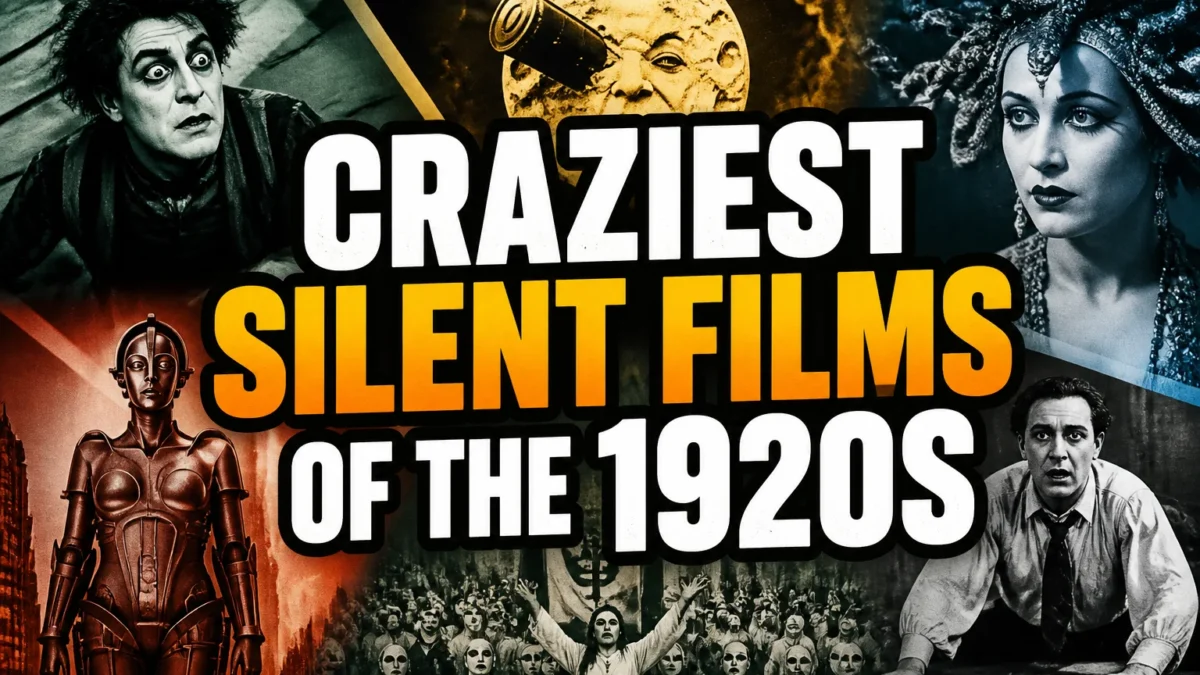
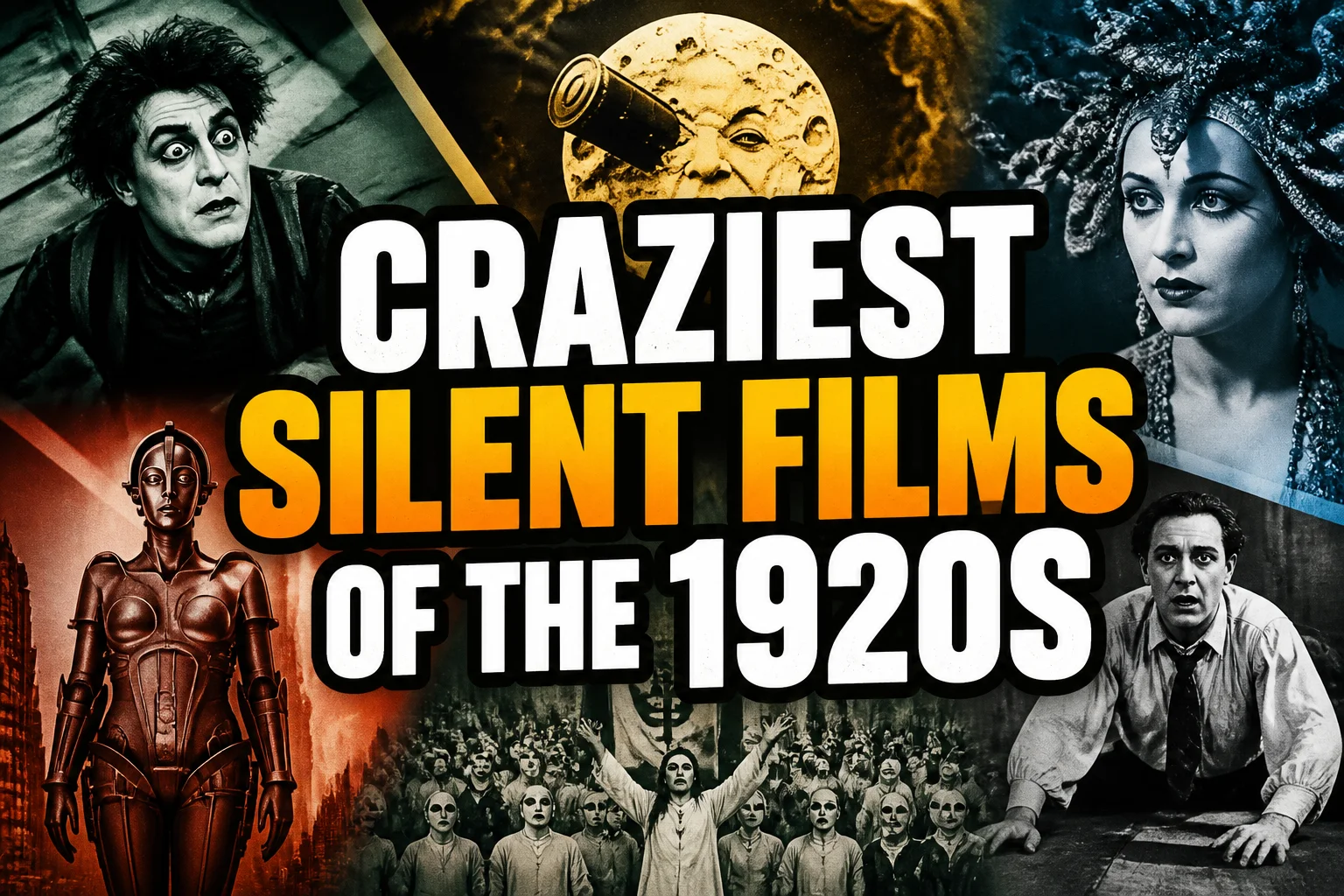
Most viewers assume silent films in the 1920s were polite little reels of pratfalls and piano music. The truth is far stranger. That decade produced mutant hands, robotic doubles, stop-motion dinosaurs, and a surrealist short that appears to slice a woman's eye.
Because moving-picture language was still being invented, directors had permission to experiment wildly. These movies were not just crazy for their time. Many still feel more daring than modern releases.
TL;DR: The craziest 1920s silent films used dream logic, radical editing, expressionist design, and life-threatening stunts to prove that silent cinema was never just polite pantomime.
Why the 1920s Became a Playground for Weird Silent Film
The silent era peaked just before synchronized sound re-drew the rules. That peak gave directors huge commercial pressure and almost no fixed conventions. They responded with expressionist sets, radical editing, and stories that crossed into dreams.
German Expressionism pushed silent movies in the 1920s toward psychological extremes. Soviet montage turned editing into a kind of kinetic shock. Meanwhile, Hollywood comedy and adventure films pushed physical stunts and special effects further than most viewers expected.
It helps to remember that silent films were never silent in presentation. Live music could range from a single piano to a full orchestra. The absence of recorded dialogue, though, meant that visual ideas had to carry every emotion.
That visual-first approach produced some of the most unhinged images in cinema. It also means these films still work as pure spectacle today.
The Visual Grammar Behind the Madness
Silent cinema forced directors to replace dialogue with composition, gesture, and editing. That constraint often made stories feel more intense than their scripts suggest. A simple close-up could read as a shocking revelation.
German Expressionism turned sets into psychological maps. Soviet montage created meaning through collision between shots. Hollywood comedy turned physical space into a weapon.
This shared visual grammar explains why a horror film, a propaganda picture, and a stunt comedy can all feel equally extreme. The 1920s did not have one mainstream style. It had several competing revolutions.
20 Craziest Silent Films of the 1920s
The following list is not ranked. These entries include some of the wildest silent films 1920s moviegoers could have seen, and each earns its place through visual audacity, narrative risk, or sheer strangeness.
1. The Cabinet of Dr. Caligari (1920)
This 1920 silent film is often called one of the first true horror films. Its painted sets use sharp angles, crooked windows, and stretched shadows to externalize mental states. The result feels like stepping into an asylum drawing.
The story follows a sleepwalker named Cesare and the doctor who controls him. A famous frame-story twist asks whether everything we just saw is a paranoid delusion. That kind of unreliable narration still influences psychological horror today.
Later critics saw the film as a prophecy of authoritarian control. Its visual style escaped into film noir, music videos, and gothic fantasy.
2. The Golem: How He Came into the World (1920)
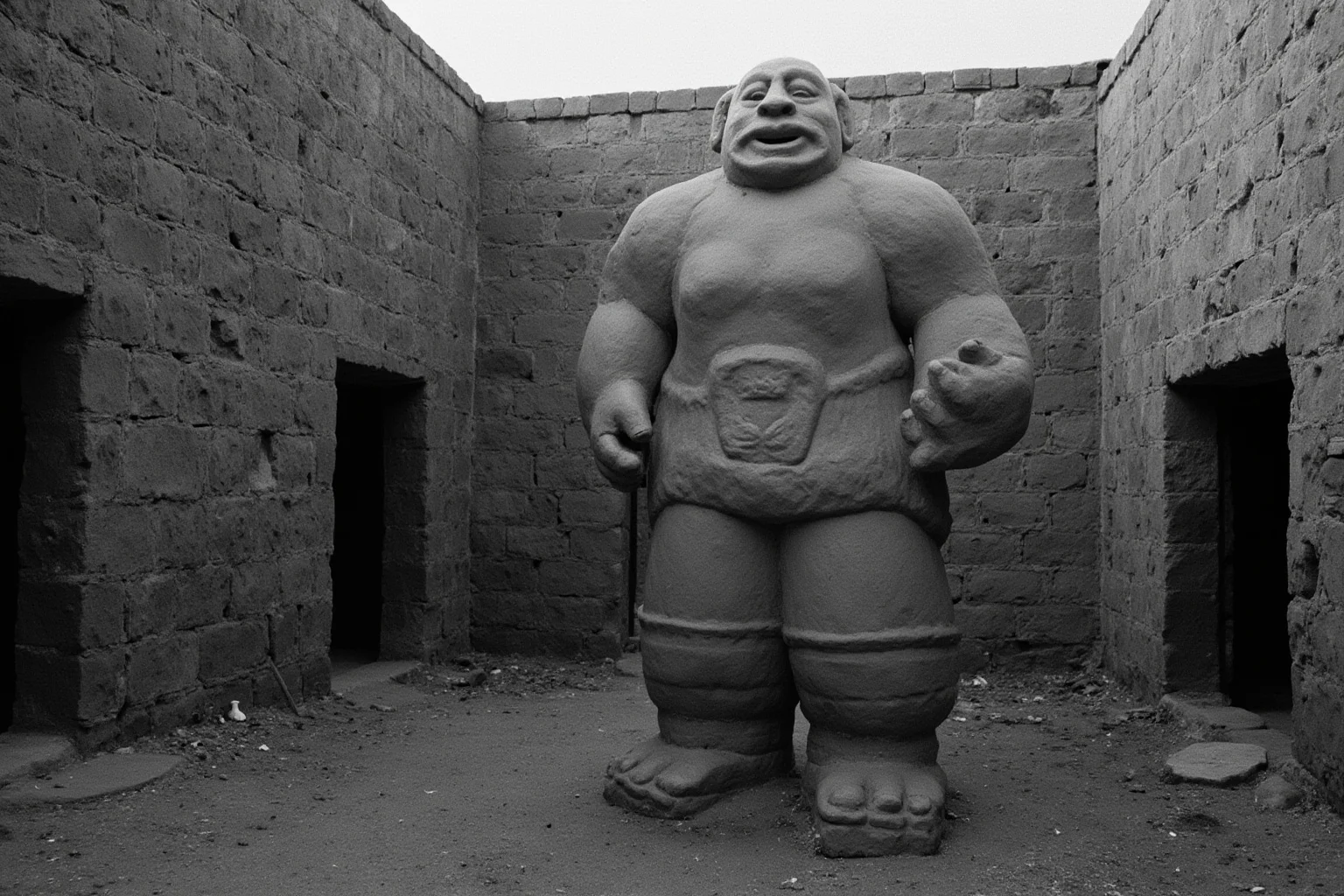
Paul Wegener's film retells a Jewish folktale set in the Prague ghetto. A rabbi creates a clay giant to defend his people, but the creature eventually becomes a danger. The imagery of the hulking Golem echoed through fantasy and horror for decades.
Wegener had played the Golem in earlier films, but this version became the definitive one. Its elaborate sets and creature performance still impress. It treats the Golem as both protector and tragic monster, which makes it stranger than a simple monster movie.
The Golem influenced later Frankenstein adaptations and creature features. Its blend of Jewish legend, gothic horror, and moral ambiguity still feels fresh.
3. Dr. Mabuse, the Gambler (1922)
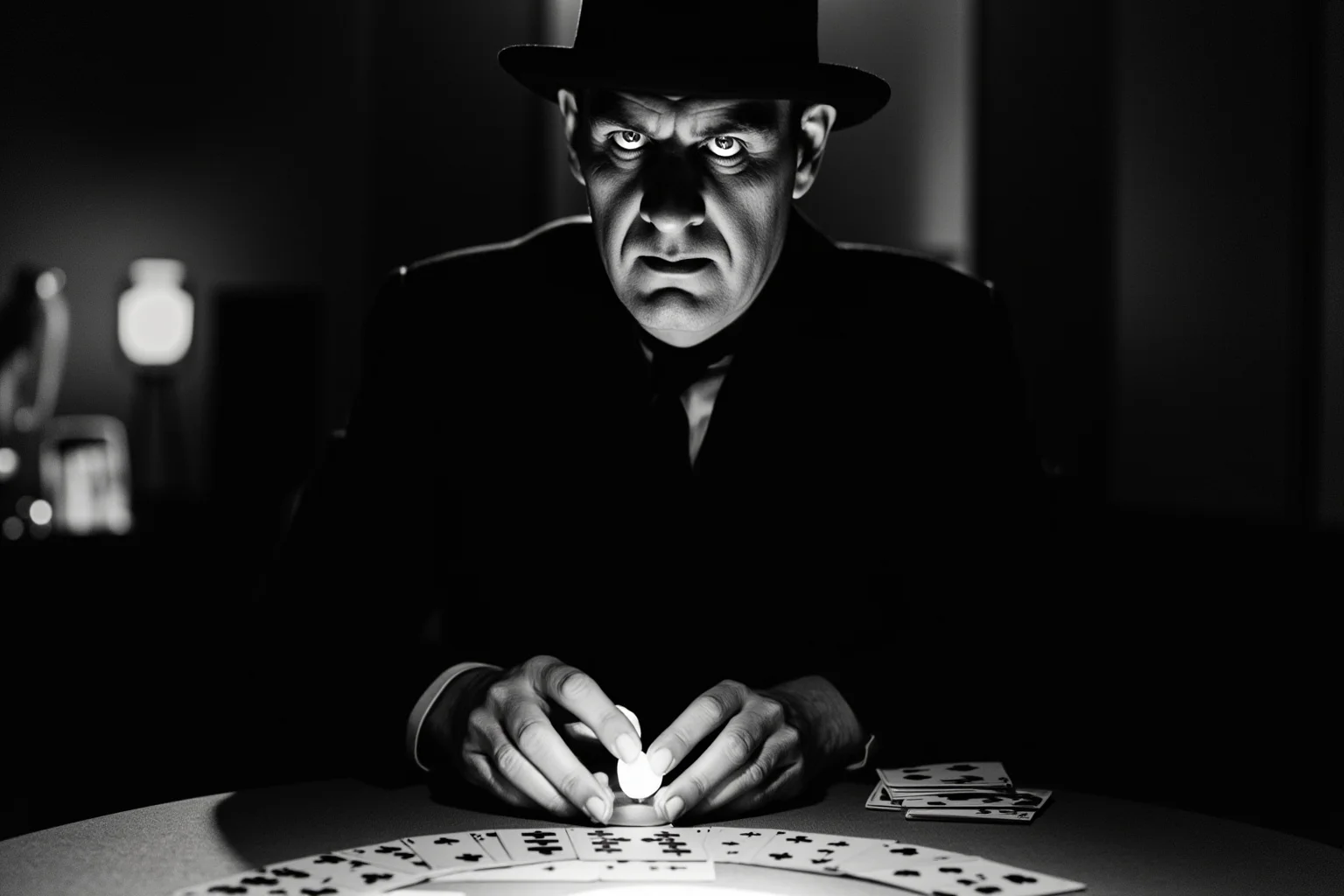
Fritz Lang's epic crime saga introduces a master criminal who uses hypnosis, disguise, and psychological manipulation. Dr. Mabuse preys on wealthy gamblers, but he is less interested in money than in control. The film's episodic structure feels like a modern binge-watch.
Lang originally released it in two parts, so audiences had to wait to see how the schemes collapsed. He shot it during a period of German inflation and political unease. The character became a recurring symbol of corruption and invisible power.
Mabuse returned in later Lang films and became shorthand for hidden control. The character works because he is less a person than a system of manipulation.
4. Nosferatu (1922)
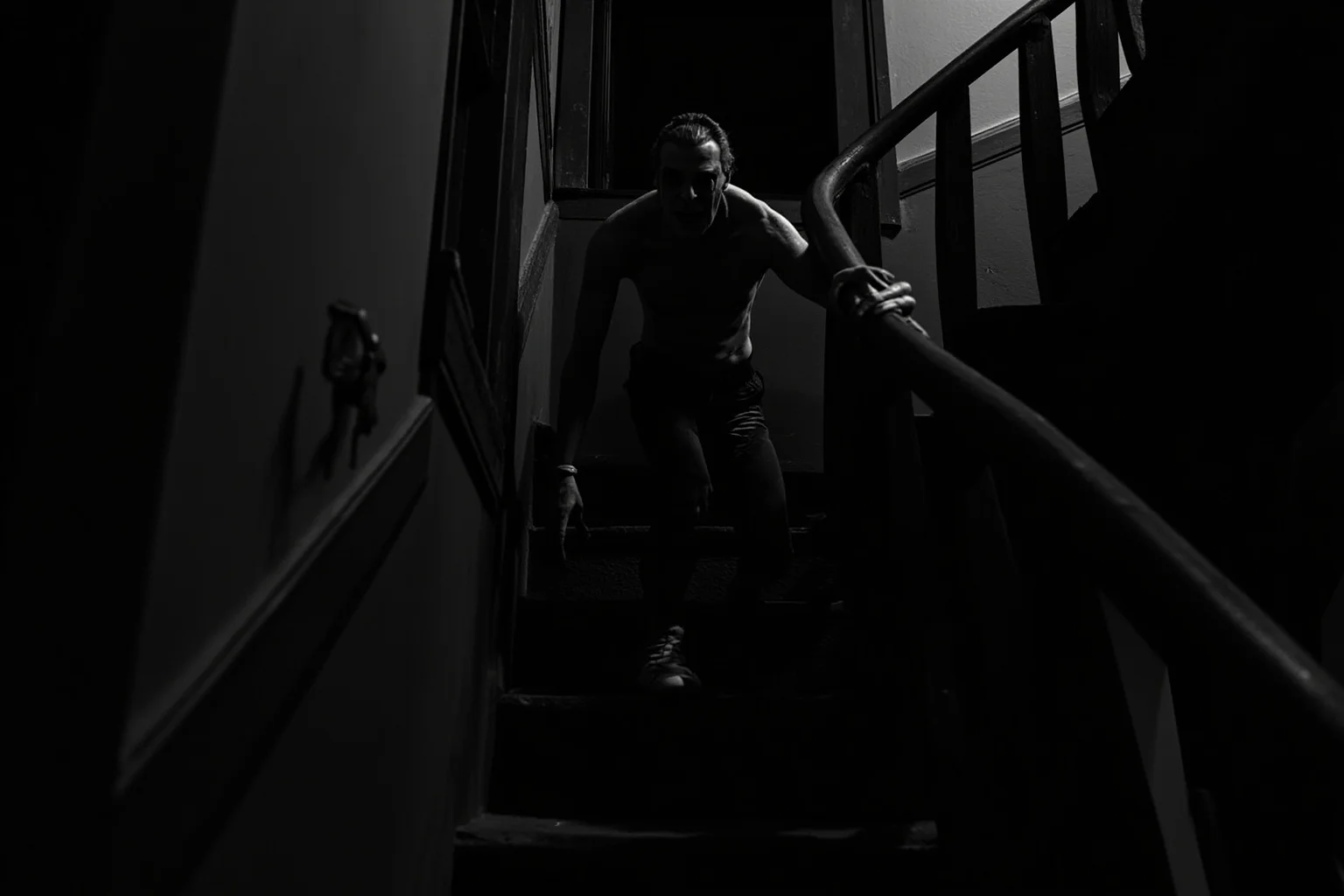
F. W. Murnau's unauthorized adaptation of Dracula changed names and details, but the vampire Count Orlok is unforgettable. Max Schreck's gaunt, rat-like presence made the film feel like a plague document rather than a gothic romance. A court ordered its destruction, but surviving prints saved it.
The film uses real locations, shadow work, and eerie stop-motion to create dread. Its vampire is not charming. He is a hollow-cheeked predator who brings rats and disease.
Nosferatu created the idea that vampires might be ugly, lonely, and infectious. Modern vampire films still borrow its creeping shadow imagery.
5. Häxan (1922)
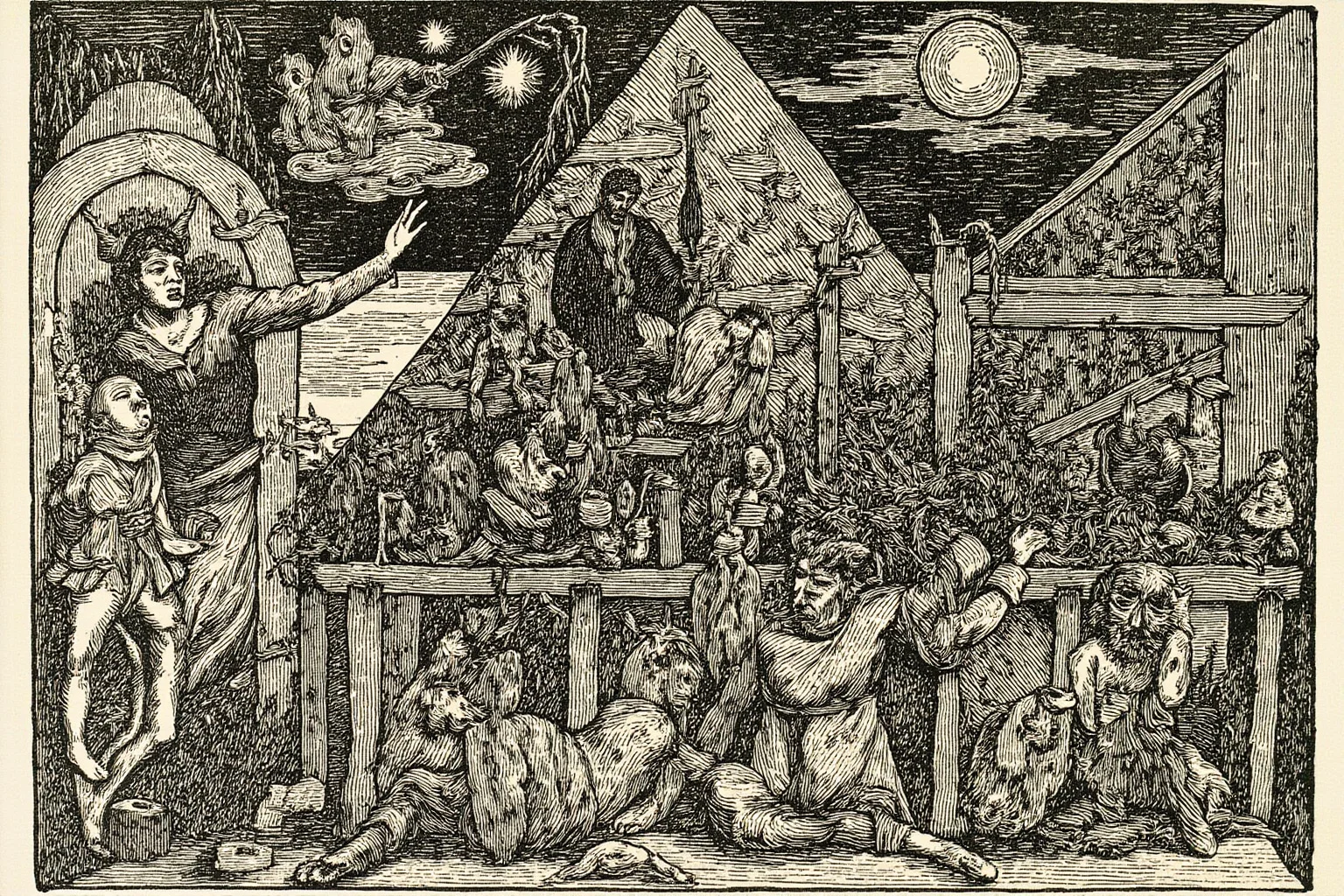
Benjamin Christensen's Danish film is part documentary, part horror pageant. It explores medieval witchcraft beliefs through dramatic reenactments that include a giant devil, sabbaths, and torture devices. The blend of lecture and nightmare has rarely been repeated.
Some of its imagery was considered so extreme that censors cut it. Christensen himself appears as the Devil in some sequences, and modern viewers still find its staged rituals disturbing. It is one of the most unusual silent films of the 1920s.
Häxan remains a strange hybrid that documentaries and horror films still cite. Its refusal to separate history from nightmare is its enduring power.
6. Safety Last! (1923)
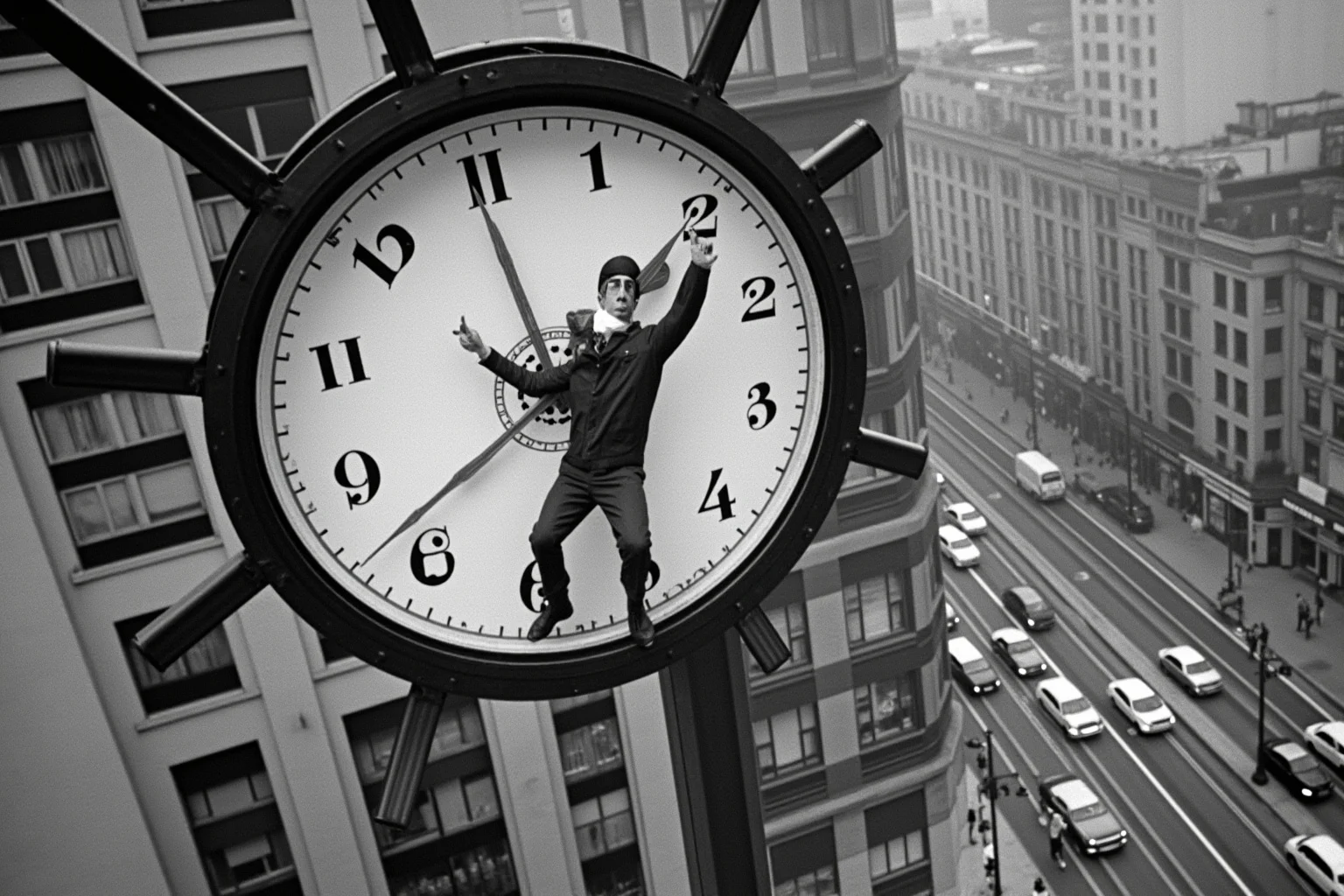
Harold Lloyd's comedy builds to one of the most famous stunts in silent cinema: a man dangling from a clock face high above a city street. The sequence is funny and genuinely vertiginous. It captures the era's obsession with the modern city as a place of danger and opportunity.
Lloyd used clever staging and hidden supports for some climbs, but the performance still required nerve. The image became a shorthand for silent comedy itself. It also proves that crazy silent films did not need horror to make audiences sweat.
Safety Last! became a visual shorthand for urban ambition. Its comic timing still influences action-comedy set pieces.
7. Aelita: Queen of Mars (1924)
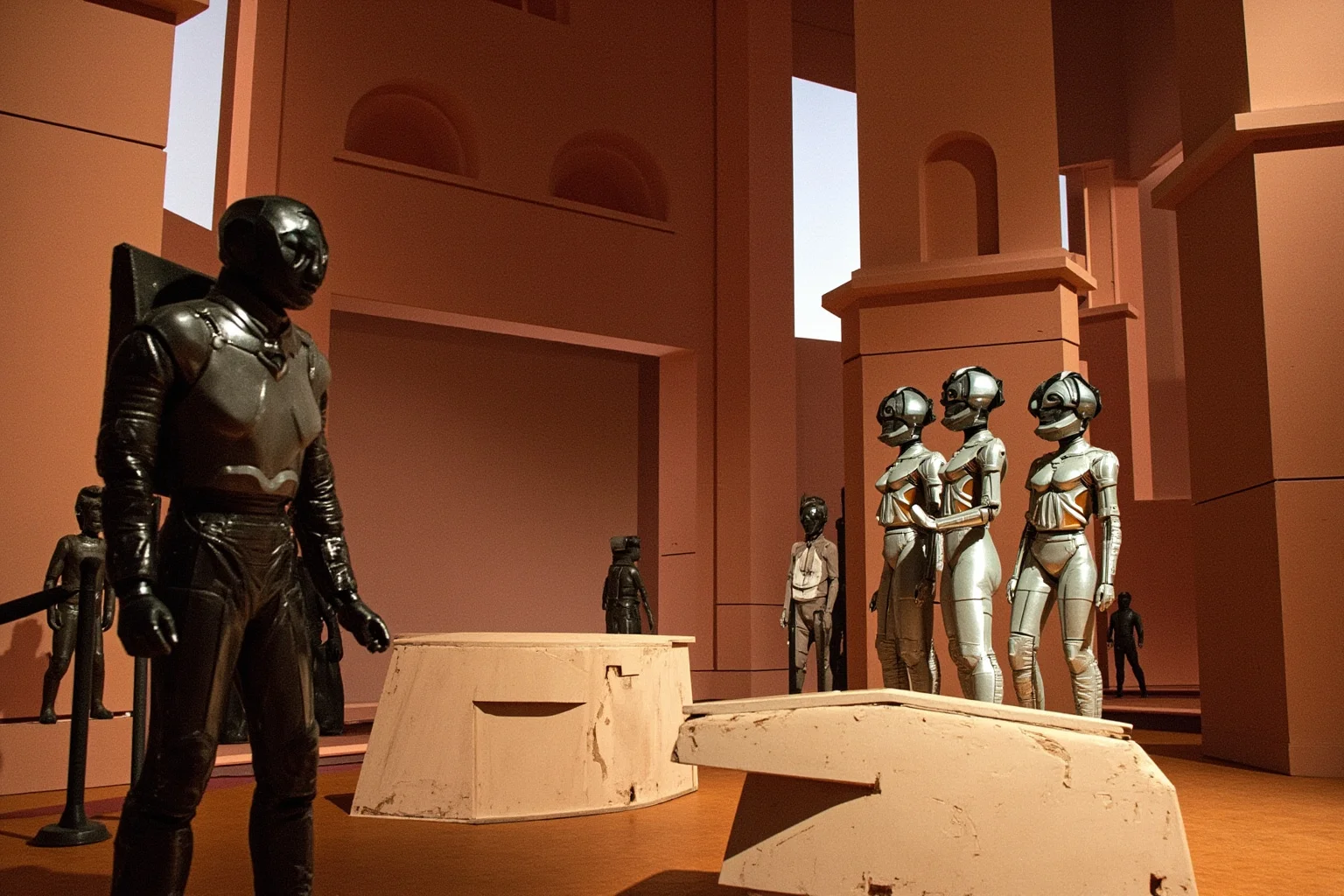
This Soviet science fiction film imagines a revolution on Mars led by an Earth engineer. Its Martian palace is a constructivist fantasy of sharp angles, geometric costumes, and strange rituals. The plot mixes cosmic adventure with Bolshevik politics.
The film is less remembered for its story than for its design. Its constructivist look helped establish science fiction cinema as a space for visual experimentation. That makes it a key 1920s silent film oddity.
Aelita proved that science fiction could be political and avant-garde. Its costumes and sets influenced theater, fashion, and later screen futurism.
8. The Hands of Orlac (1924)
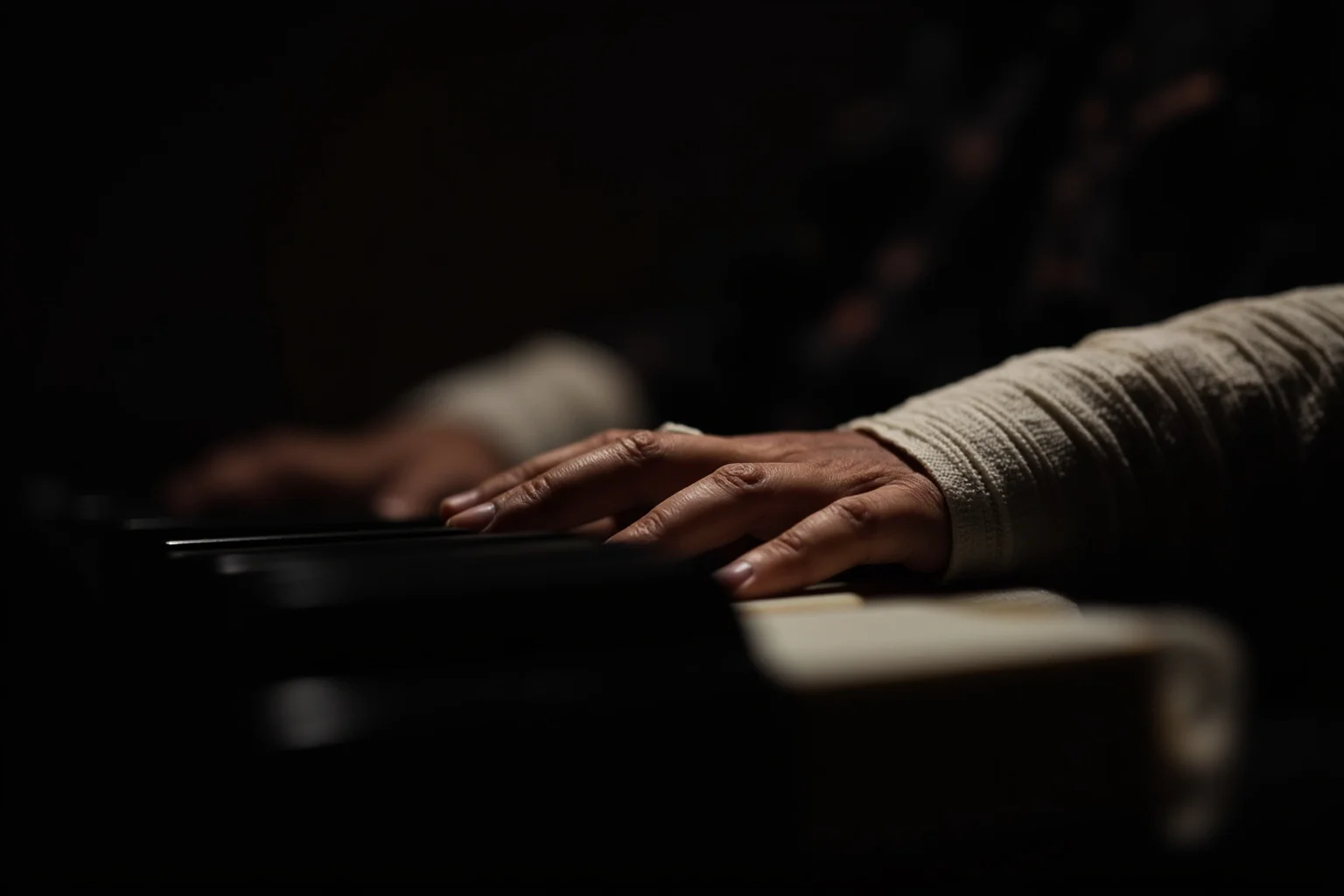
A pianist loses his hands in a train accident and receives transplanted hands from an executed murderer. Conrad Veidt plays the anguished Orlac, who becomes convinced the hands have a criminal will. The premise alone is pure pulp nightmare.
Director Robert Wiene uses expressionist shadows and distorted spaces to keep the question open. Is the hand possession real or psychological? That ambiguity makes the film more than a shocker, and it later inspired looser remakes like Mad Love.
The Hands of Orlac raises questions about identity and bodily autonomy. Those questions remain central to body horror.
9. The Last Laugh (1924)
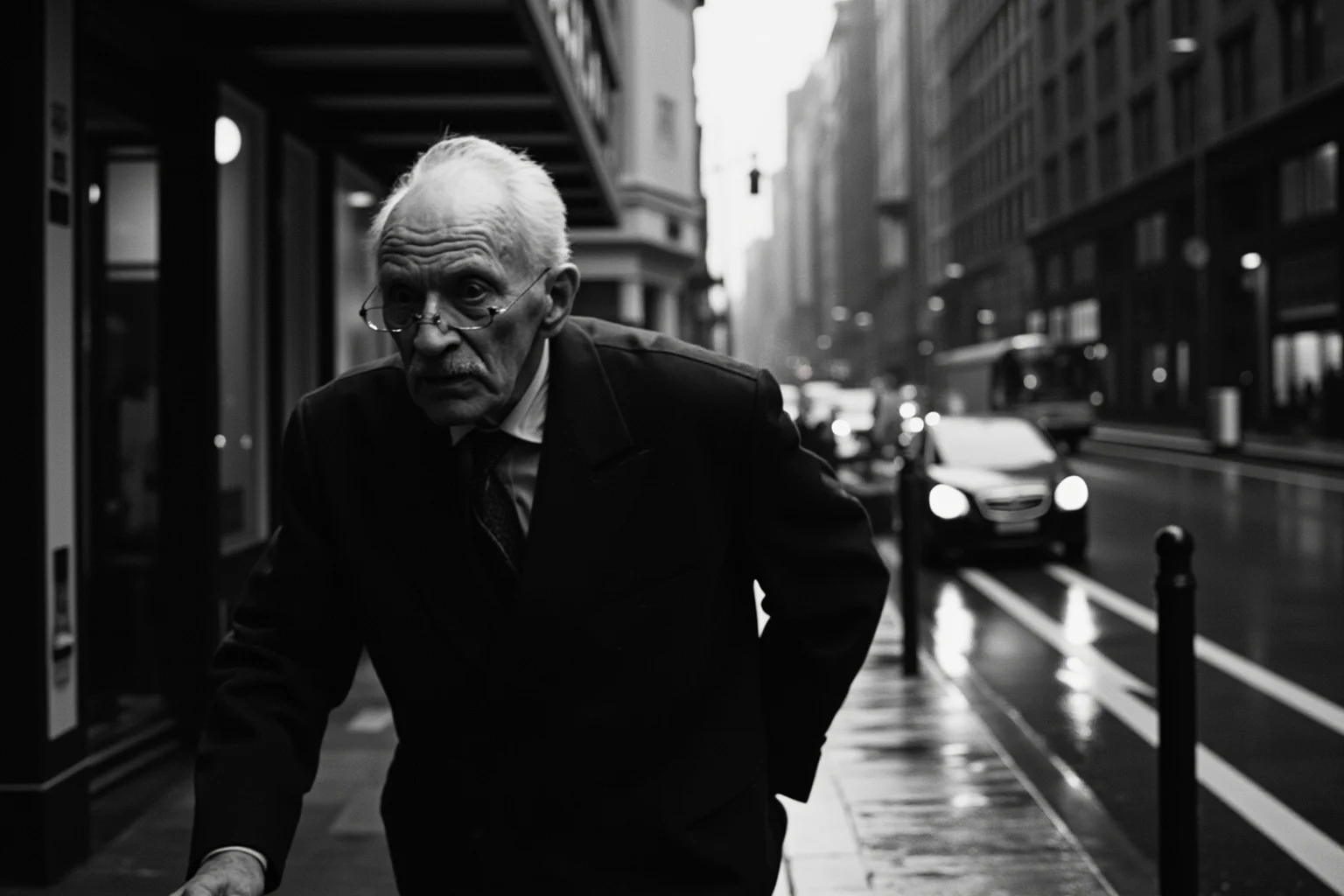
F. W. Murnau's film follows an elderly hotel doorman demoted to washroom attendant. The story is small, but the technique is revolutionary. Murnau and cinematographer Karl Freund pushed the camera through walls, down streets, and around the character's misery.
The film uses almost no intertitles, telling its story through moving images and Emil Jannings's performance. The demotion strips the character of his uniform and self-worth without preaching. That visual purity made it a landmark of expressionist filmmaking.
The Last Laugh showed that a film could tell a clear story without words. Its moving camera became a standard tool for later generations.
10. The Lost World (1925)
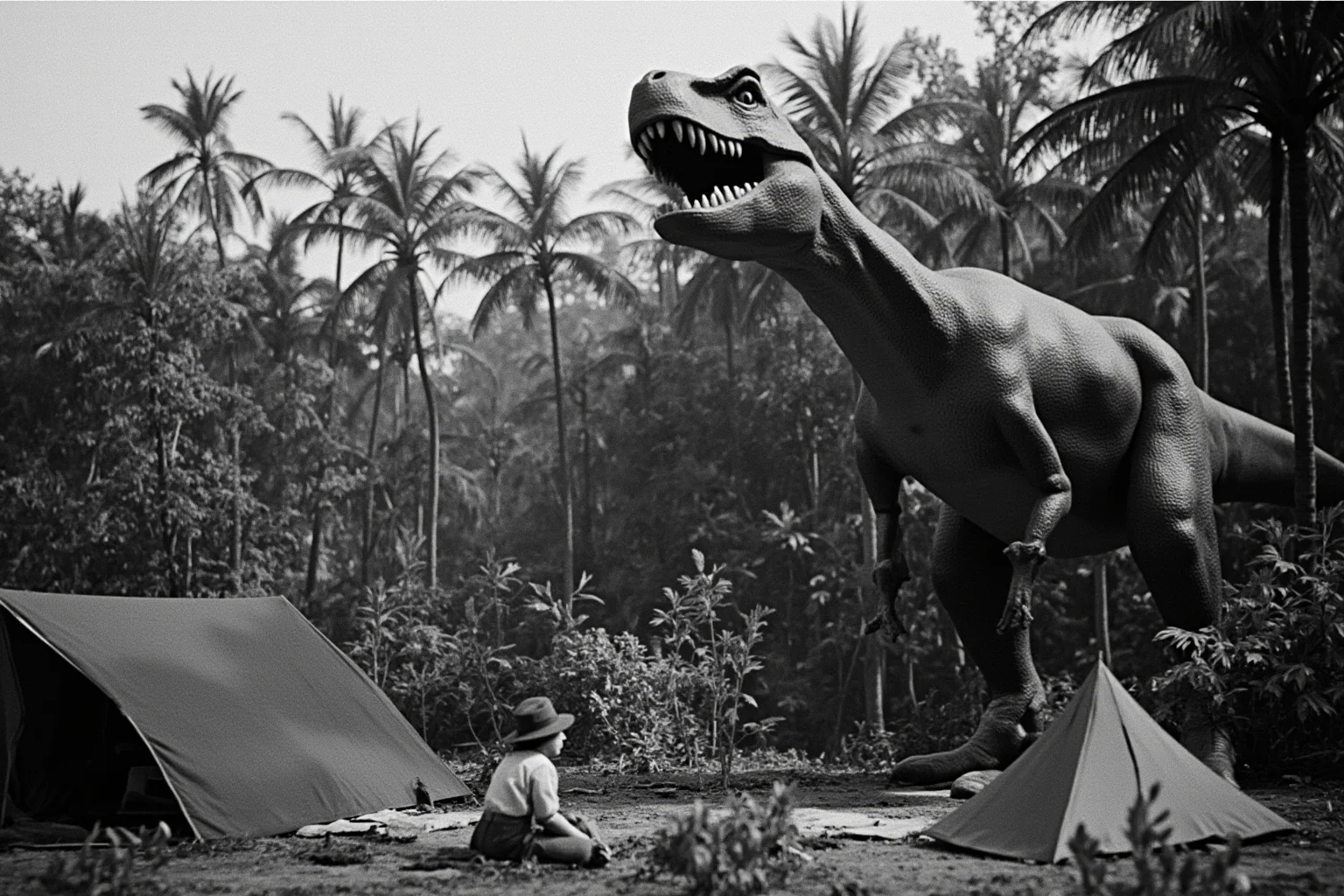
Arthur Conan Doyle's dinosaur adventure came to life through Willis O'Brien's stop-motion creatures. A group of explorers discovers a plateau where prehistoric creatures still exist. The special effects were so convincing that some audiences believed they were seeing real animals.
The film set a template for creature features like King Kong. O'Brien later helped bring Kong himself to the screen. For a 1920s silent film, the scale is astonishing.
The Lost World proved that special effects could be the main attraction. King Kong and later dinosaur blockbusters stand on its stop-motion shoulders.
11. The Phantom of the Opera (1925)
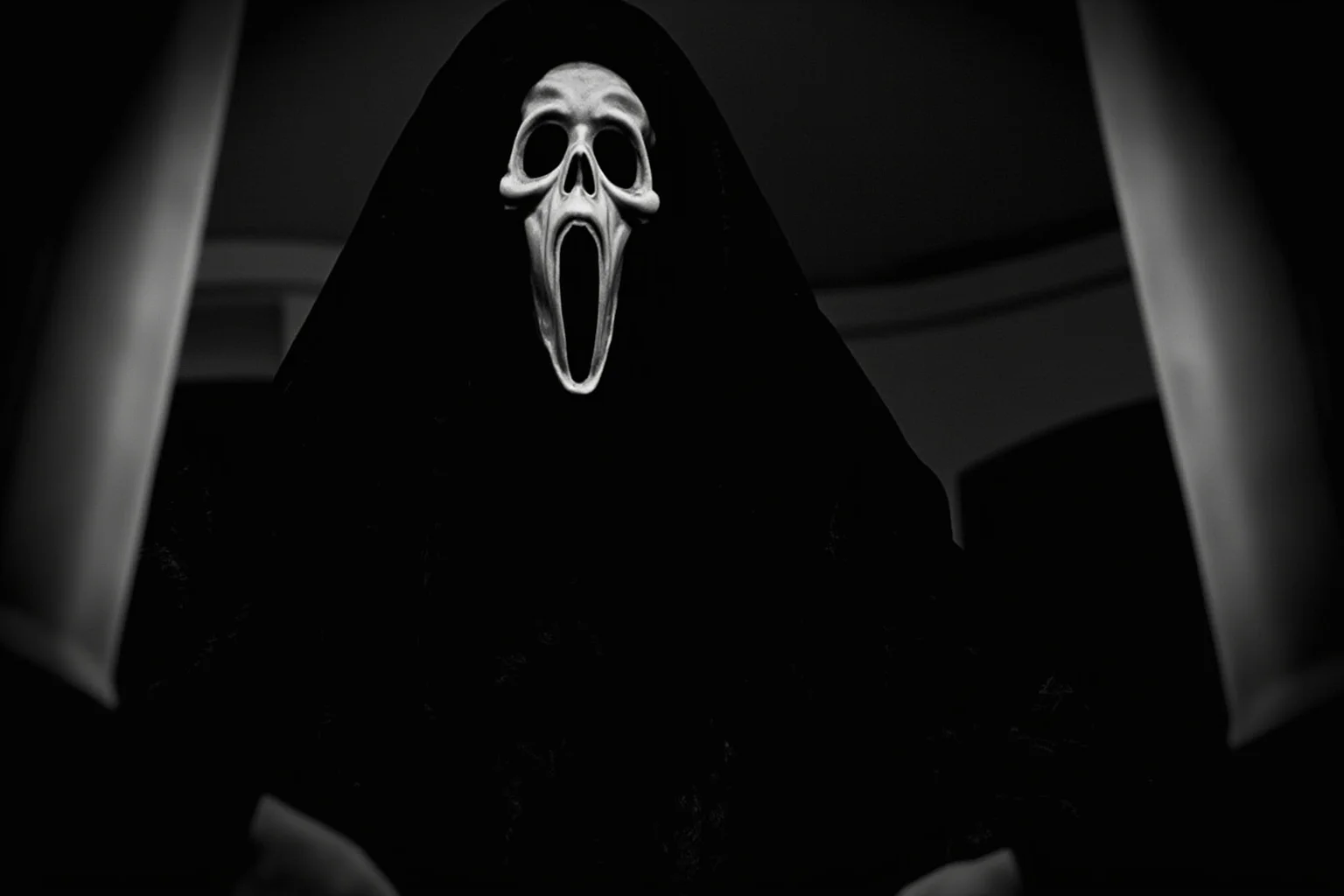
Lon Chaney transformed himself into the Phantom using a self-applied makeup that made his face skull-like. The unmasking scene reportedly made early audiences gasp. It remains one of the most iconic reveals in horror history.
The film mixes opera-house romance with body horror and underground chase sequences. Chaney's physical commitment made the Phantom sympathetic and monstrous. That contradiction is what keeps the film strange.
The Phantom's makeup was kept secret before release. Its reveal became a blueprint for marketing horror through mystery.
12. The Battleship Potemkin (1925)
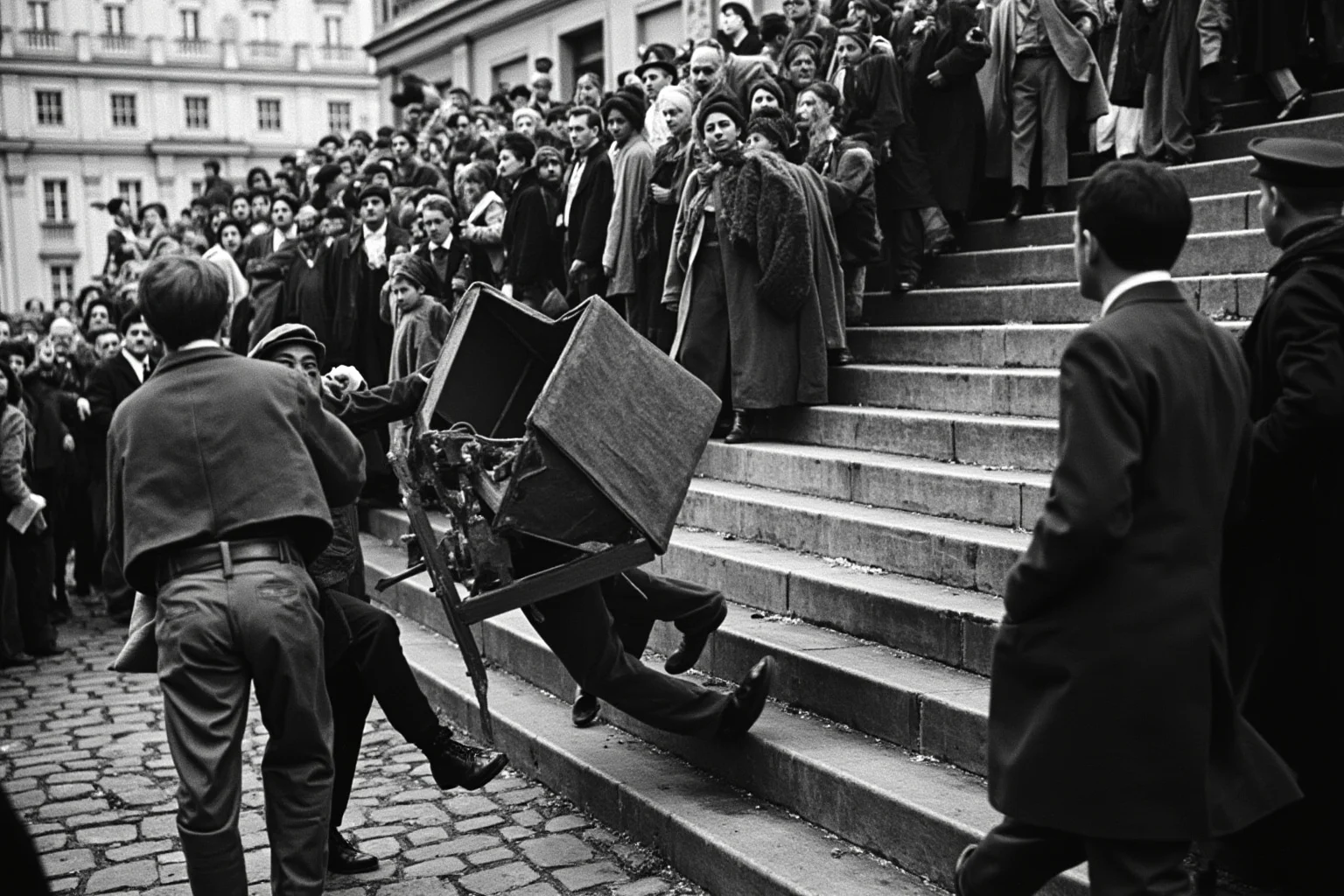
Sergei Eisenstein's Soviet propaganda film turns history into montage. Its Odessa Steps sequence dramatizes a massacre, though historians caution that the specific event on the steps is not clearly documented. The editing is so powerful that many viewers remember it as documentary fact.
The film was designed as political argument, not neutral record. Eisenstein's rapid cuts and close-ups gave cinema a new grammar of tension. Even with the sequence's mythic status, the film feels brutally real.
Potemkin remains a film school staple. Its editing is still used to teach how images create meaning through collision.
13. Faust (1926)
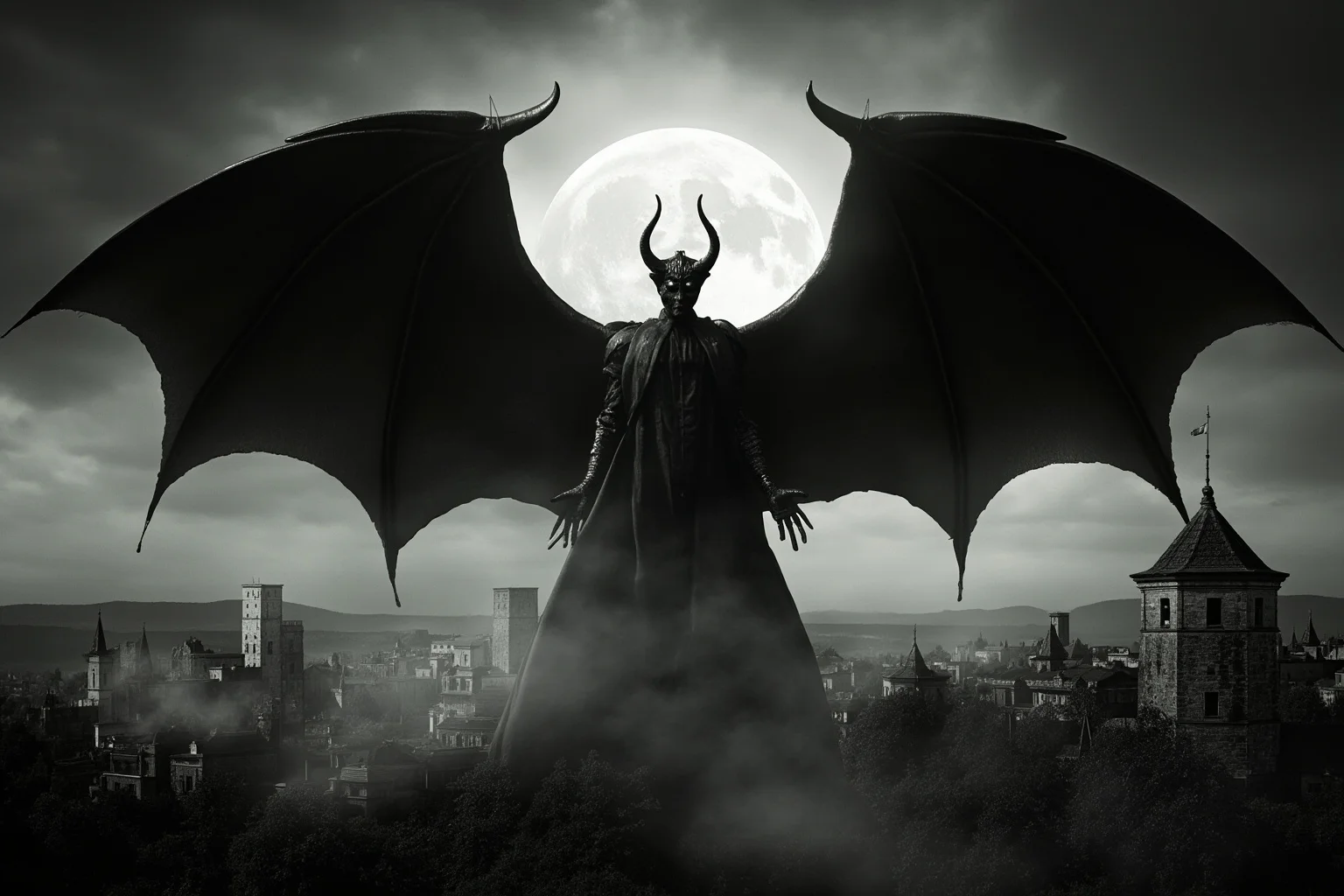
F. W. Murnau's adaptation of the German legend is a visual feast of divine and demonic imagery. The devil Mephisto spreads his shadow over a medieval town, while Faust bargains for youth and power. The special effects, miniatures, and layered exposures still impress.
The film's tone shifts from epic allegory to intimate tragedy. Its imagery feels less like a morality play and more like a supernatural disaster movie. That excess earns it a place among the wildest silent movies in the 1920s.
Faust pushed fantasy imagery without losing emotional weight. It showed that spectacle and spiritual dread could share a frame.
14. Metropolis (1927)
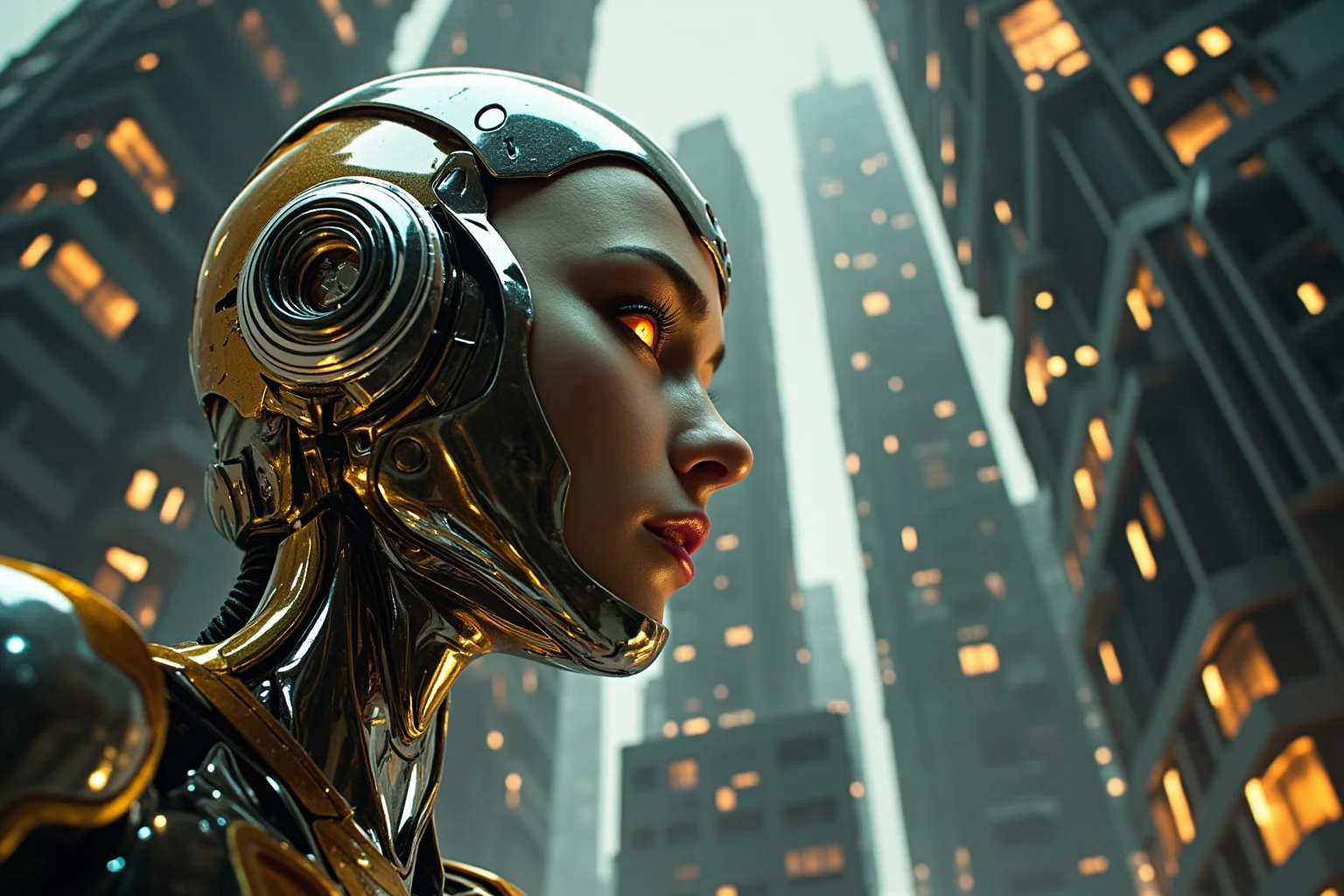
Fritz Lang's futuristic city is a masterpiece of art deco and anxiety. The story involves a privileged son who discovers the underground workers who keep the city running. A robot double of a revolutionary leader then fuels chaos.
The film's scale was enormous, with thousands of extras and towering sets. Many cuts and restorations exist because the original was heavily edited. Its Maschinenmensch robot became a lasting symbol of mechanical anxiety.
Metropolis became a visual shorthand for the future. Its robot and cityscape appear across pop culture in ways both direct and indirect.
15. The Unknown (1927)
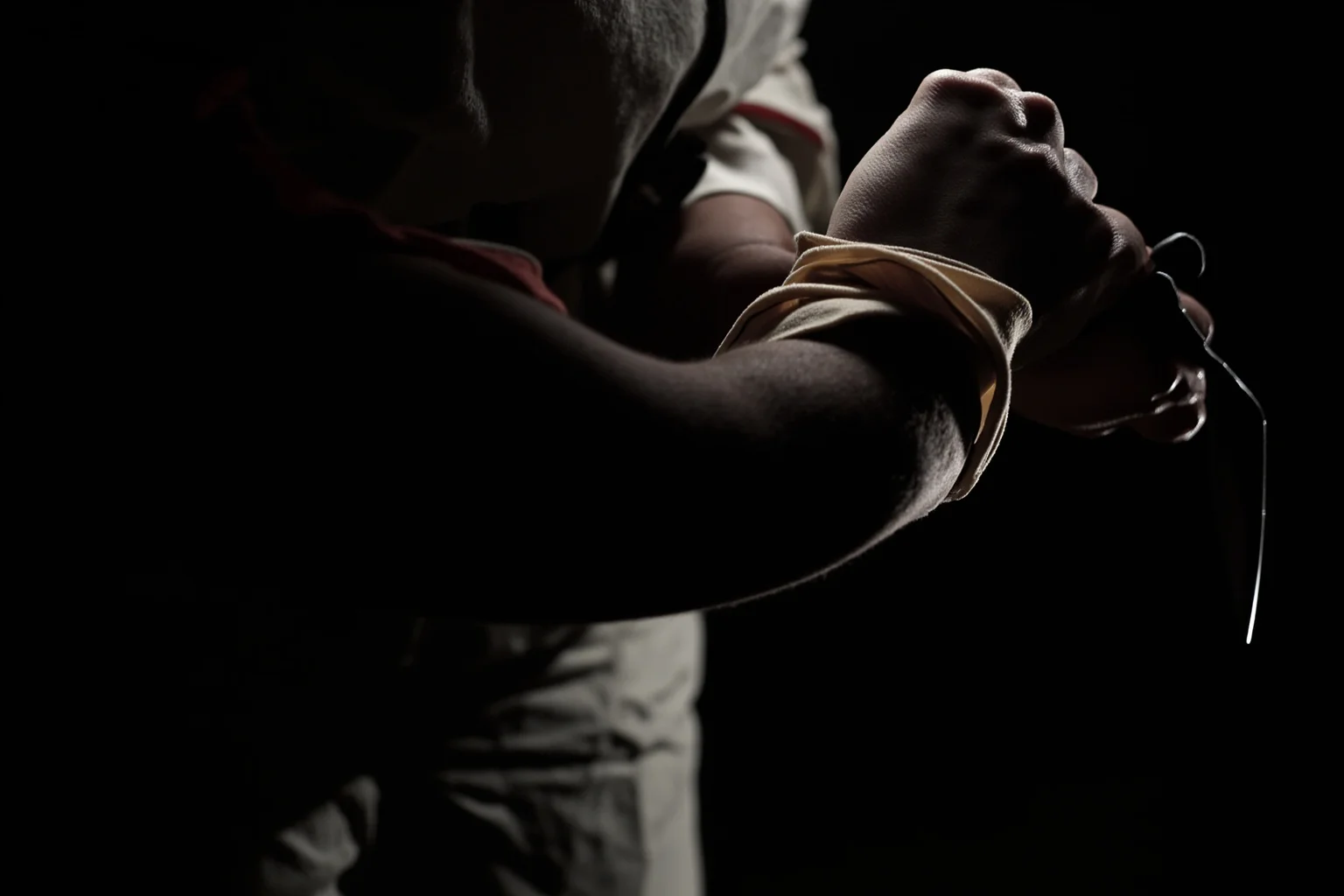
Lon Chaney plays Alonzo, an apparent armless knife thrower who hides his arms under a tight harness. He performs with his feet and falls for a woman who fears men's hands. The plot spirals into obsession, blackmail, and a desperate surgical plan.
Director Tod Browning pushes the story into genuinely taboo territory for its era. Chaney's dedication to physical suffering makes the film uncomfortable to watch. It remains one of the most twisted love stories of the silent era.
The Unknown is extreme even by Tod Browning standards. Its bleak view of desire and sacrifice still shocks.
16. The Man Who Laughs (1928)
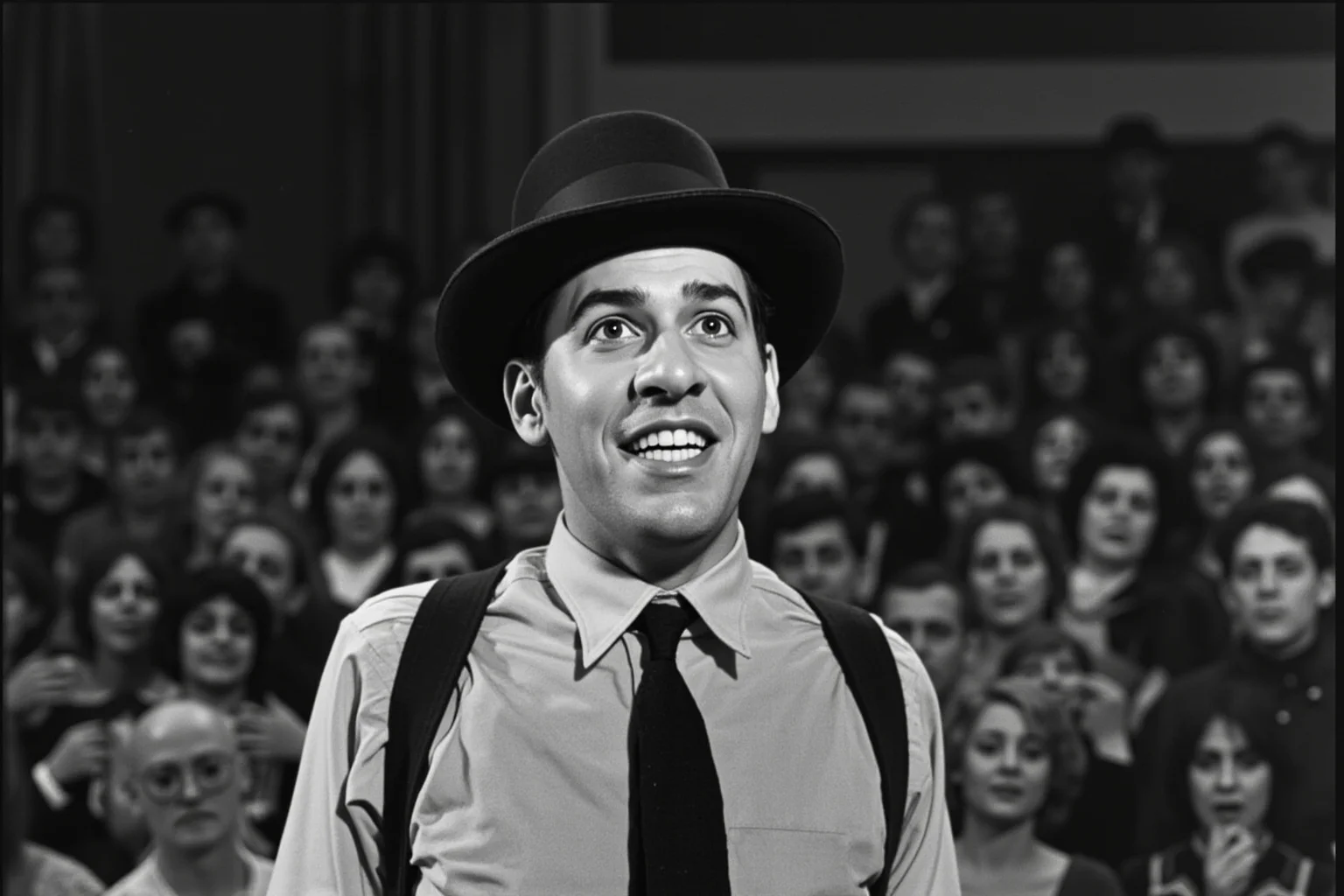
Conrad Veidt plays Gwynplaine, a man whose face was surgically carved into a permanent grin during childhood. The image of his wide, rictus smile is both tragic and terrifying. It later became a key reference for the Joker.
The film is based on Victor Hugo's novel, but its visual impact belongs to Veidt and director Paul Leni. It mixes romance, court intrigue, and grotesque imagery. That tonal clash keeps it unsettling.
The Man Who Laughs made a permanent grin tragic rather than silly. It helped prove that horror could live inside costume drama and melodrama.
17. Steamboat Bill, Jr. (1928)
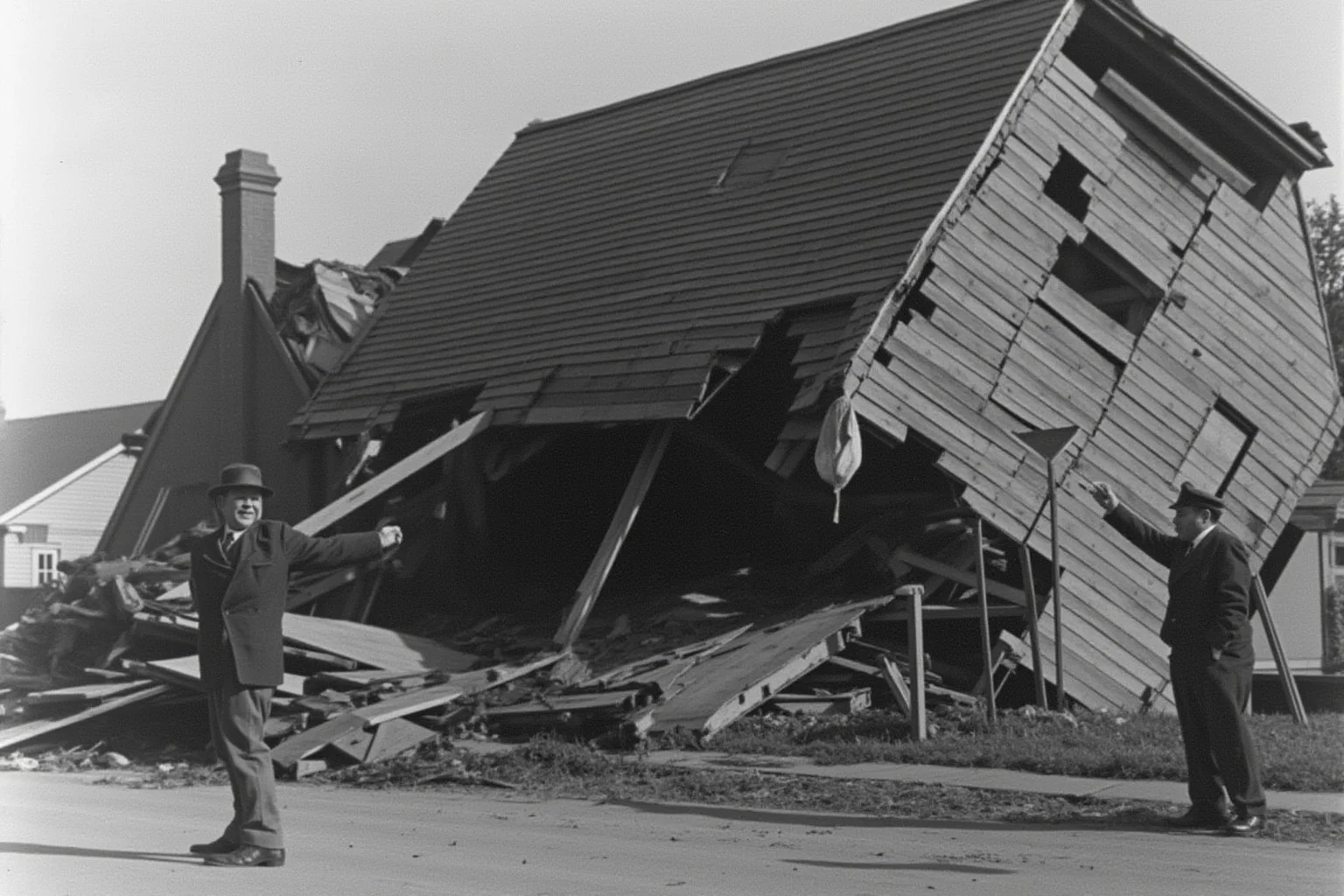
Buster Keaton's riverboat comedy ends with a hurricane sequence that destroyed much of the set. In the most famous shot, a building facade collapses around Keaton, who survives because he stands exactly where an open attic window lands. The stunt required precise calculation.
The falling facade was real and heavy, and Keaton's mark left only the attic window gap as a safe space. He performed the shot with real falling timber and no visible camera trick. The ending is pure controlled chaos.
Steamboat Bill, Jr. shows Keaton's physical genius. The hurricane set piece remains a high-water mark for practical stunts.
18. Un Chien Andalou (1929)
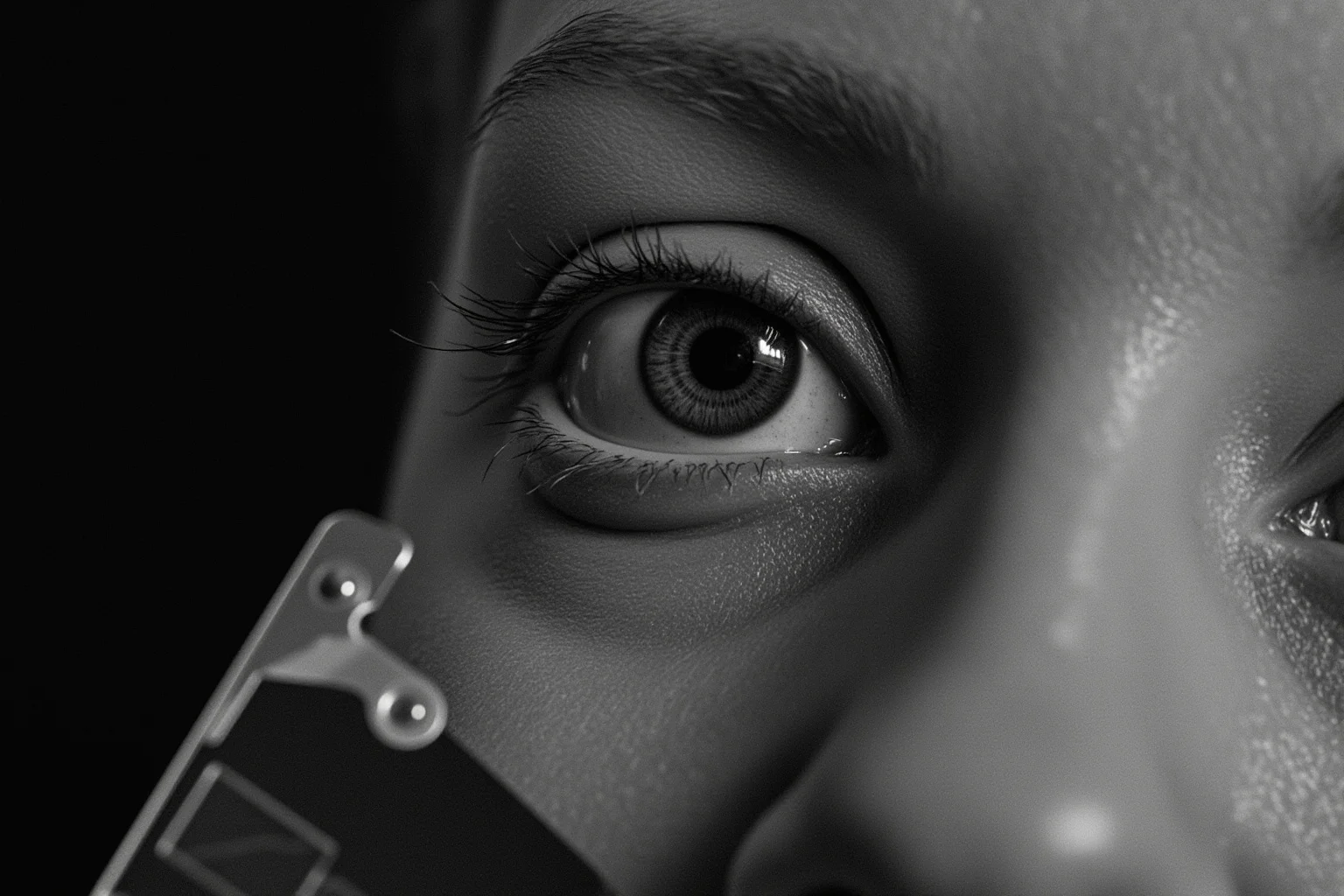
Luis Buñuel and Salvador Dalí made this short film from a collage of dream images. The opening scene shows a razor blade passing over a woman's eye, followed by a cut that still shocks viewers. There is deliberately no conventional plot.
The film rejects interpretation, which is exactly the point. Buñuel and Dalí chose images that felt non-rational rather than symbolic. No list of crazy silent films in the 1920s would be complete without it.
Un Chien Andalou remains a test of audience comfort. It proved that film could work like a dream, not a lecture.
19. Man with a Movie Camera (1929)
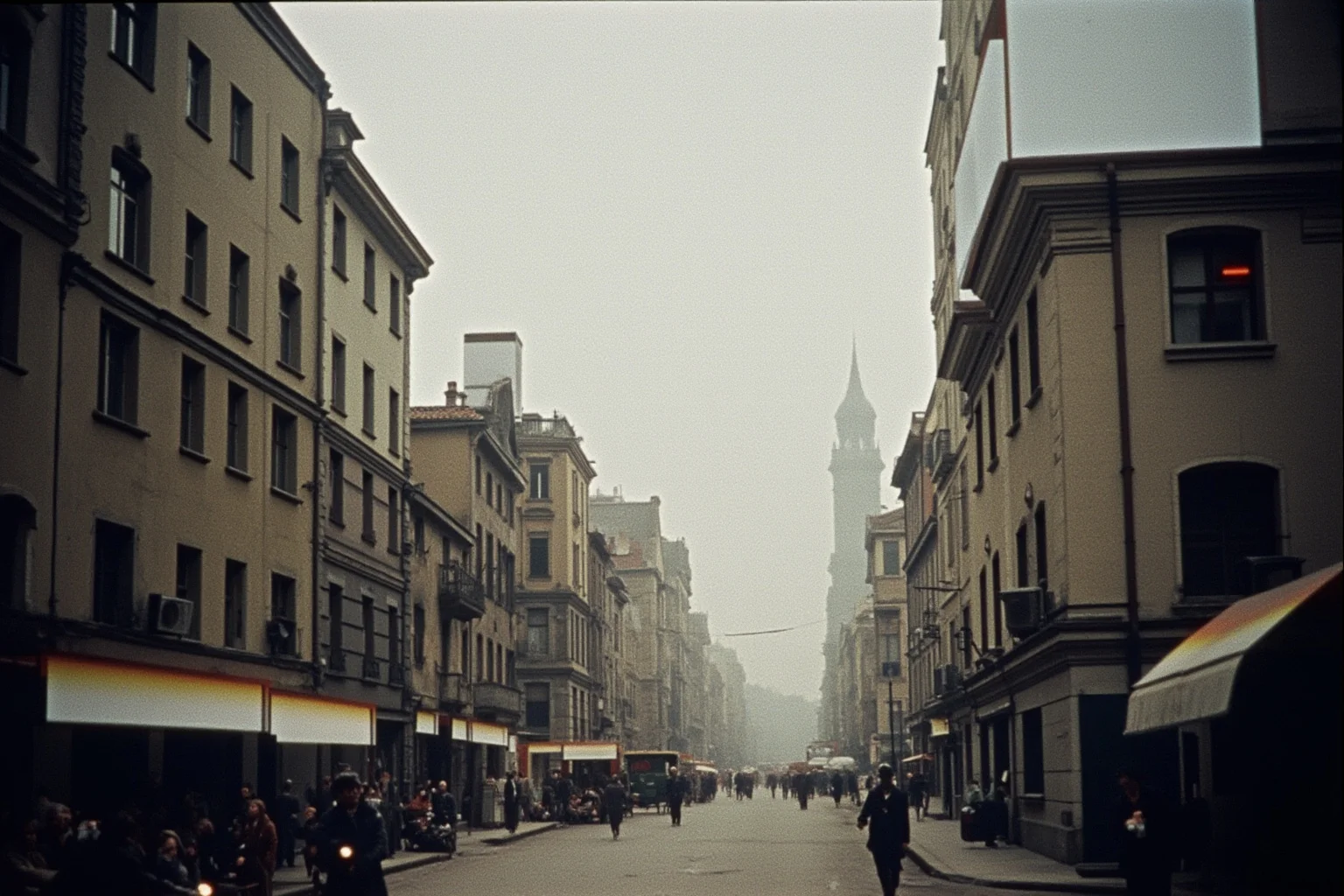
Dziga Vertov's Soviet experiment is a documentary with no story and no intertitles. It celebrates the camera's ability to make the modern city strange through split screens, freeze frames, jump cuts, and reflexive shots of the film being made. Many of its tricks still feel fresh.
Vertov called his mix of city footage and editing experiments a laboratory of visual possibilities. The film documents daily life while constantly reminding audiences they are watching a constructed object. It is one of the most intellectually crazy silent films of the decade.
Man with a Movie Camera prefigured modern video essays. It treats editing as thinking out loud.
20. Sunrise: A Song of Two Humans (1927)
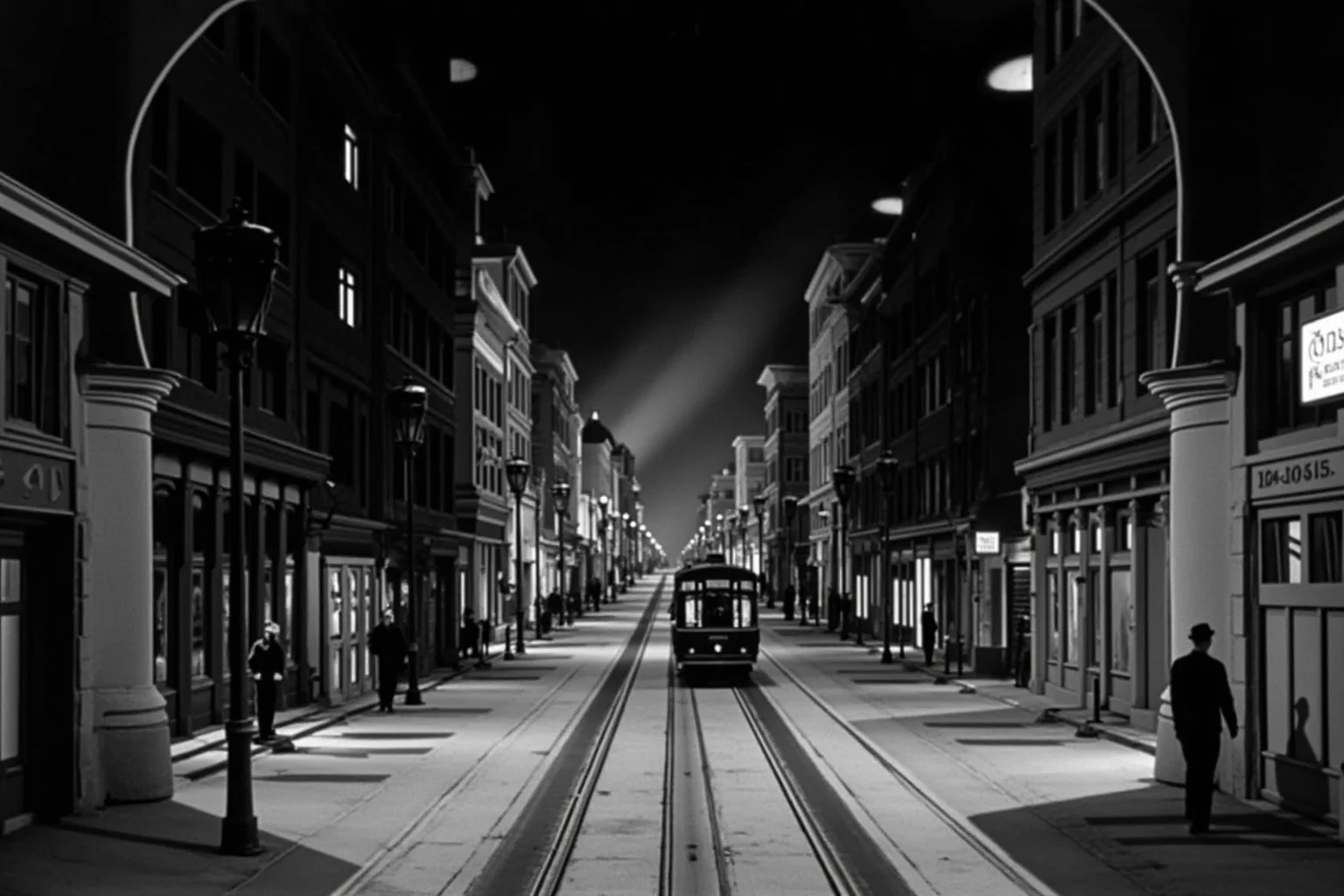
F. W. Murnau's first American film uses enormous sets, forced perspective, and layered imagery to tell a simple marriage story. The camera glides through a swamp, a city, and a storm with unnerving freedom. It covers murder, forgiveness, and urban chaos.
Murnau built a dense city set with miniature trams and forced-perspective streets. The film won a special Academy Award for artistic quality, and its visuals remain dazzling. It proves that even mainstream silent movies in the 1920s could feel avant-garde.
Sunrise showed that art cinema and Hollywood production could meet. Its mobile camera influenced generations of filmmakers.
How to Approach These Films Without Modern Expectations
Silent films move at a different rhythm, so give yourself a few minutes to adjust. The acting can look broad because it was designed to be read from a distance. The music matters too, so choose a restored score rather than dead silence.
Start with shorter films if the runtime feels intimidating. A 15-minute surreal short or a 75-minute comedy is easier than a four-hour epic. Many of these titles are available with restored picture quality and new orchestral scores.
Do not worry about catching every intertitle. The best silent movies in the 1920s communicate through images, not text. Focus on faces, shadows, and movement.
What These Bizarre 1920s Silent Films Still Prove
The craziest silent films of the 1920s refuse to treat cinema as a recorded stage play. They use shadows, cuts, camera movement, and physical performance to create worlds that dialogue cannot easily explain. Their influence shows up in horror, science fiction, comedy, and experimental film.
Watching them today requires some adjustment, but the images often need no translation. They are proof that silent cinema was never a primitive art form. It was a laboratory for visual risk.
If you are new to 1920s silent film, start with a mix of genres. Try a German Expressionist horror, a Soviet montage film, and a Hollywood stunt comedy. That variety will quickly show why this era remains one of the most inventive in movie history.
Frequently Asked Questions
Were silent movies in the 1920s really this strange?
Most silent movies in the 1920s were conventional romances, comedies, and melodramas. But the decade also allowed wild experimental work because film language was still open. The strange films were influential enough to survive and shape what followed.
What makes a 1920s silent film feel unhinged?
It may use surreal imagery, extreme makeup, risky practical stunts, expressionist sets, or radical editing. Because there was no recorded dialogue, those visual choices carried the emotion and shock value. That is why the wildest 1920s silent film moments still feel fresh.
Which 1920s silent film should I start with?
Safety Last! is a friendly entry for comedy. The Cabinet of Dr. Caligari is a compact introduction to expressionist horror. Battleship Potemkin shows the power of Soviet montage.

Alex Warren
Related Articles