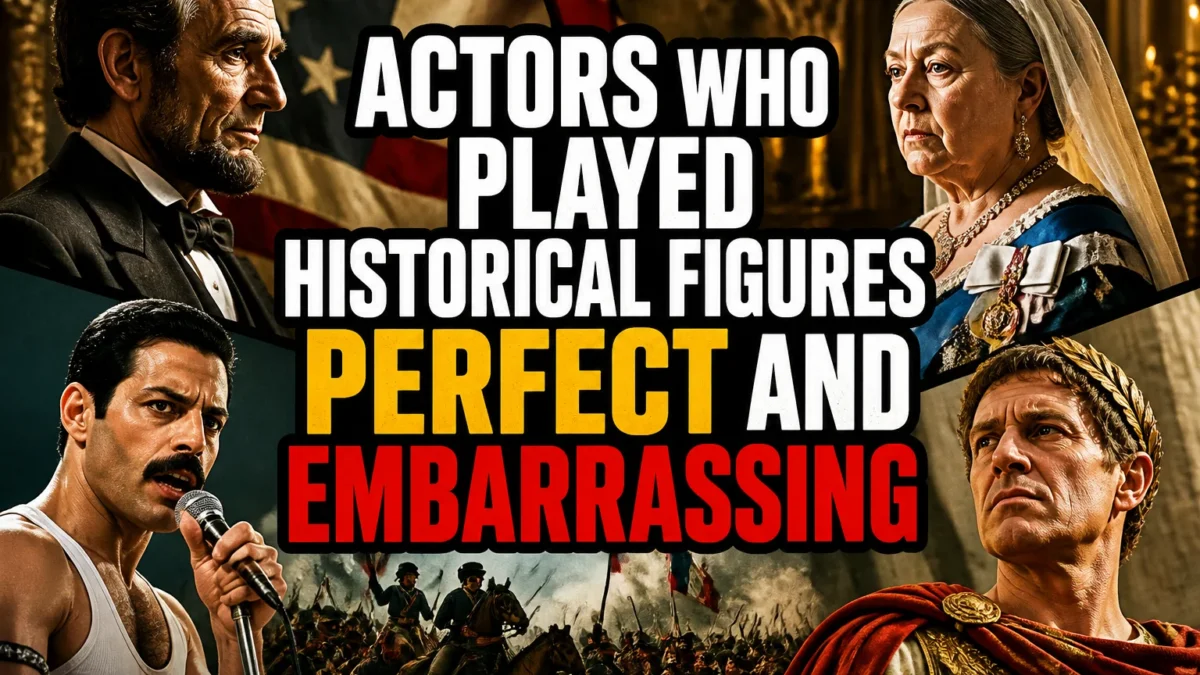
Movies are one of the main ways modern audiences meet the past, and casting decides whether a historical figure feels like a living person or a costume wearing a name tag. When the match is right, the actor seems to vanish into the public memory of the real figure. When it is wrong, the film can become a case study in how not to bring history to the screen.
Some casting debates are about appearance, while others are about voice, movement, or the ability to hold contradictions in the same face. This list looks at ten performances that became the standard and ten that became warnings, focusing on actors who played historical figures across different countries and eras. It also confronts a familiar phrase: white actors who played historical figures sometimes carry a heavier burden of scrutiny when the real person was not white.
TL;DR: Great historical casting creates the illusion of memory, while bad casting can bend the public's idea of the past until the real person is hard to see.
Why Casting Is a Historical Act
Historical figures in movies never arrive as neutral facts, because every choice about accent, makeup, body language, and even height quietly argues a version of the past. A performer who resists easy imitation often makes history feel more specific than a waxwork ever could. That is why the best performances are not simply accurate copies but interpretive acts with a point of view.
Casting also shapes public memory more than textbooks, especially for younger viewers who may meet a famous name through film first. A powerful performance can fix a figure in the popular imagination for decades. A lazy or distorted performance can do the same damage in reverse, replacing a complicated human being with a set of clichés.
The Casting Hall of Fame: 10 Performances That Earned Their Place
1. Daniel Day-Lewis as Abraham Lincoln in Lincoln (2012)
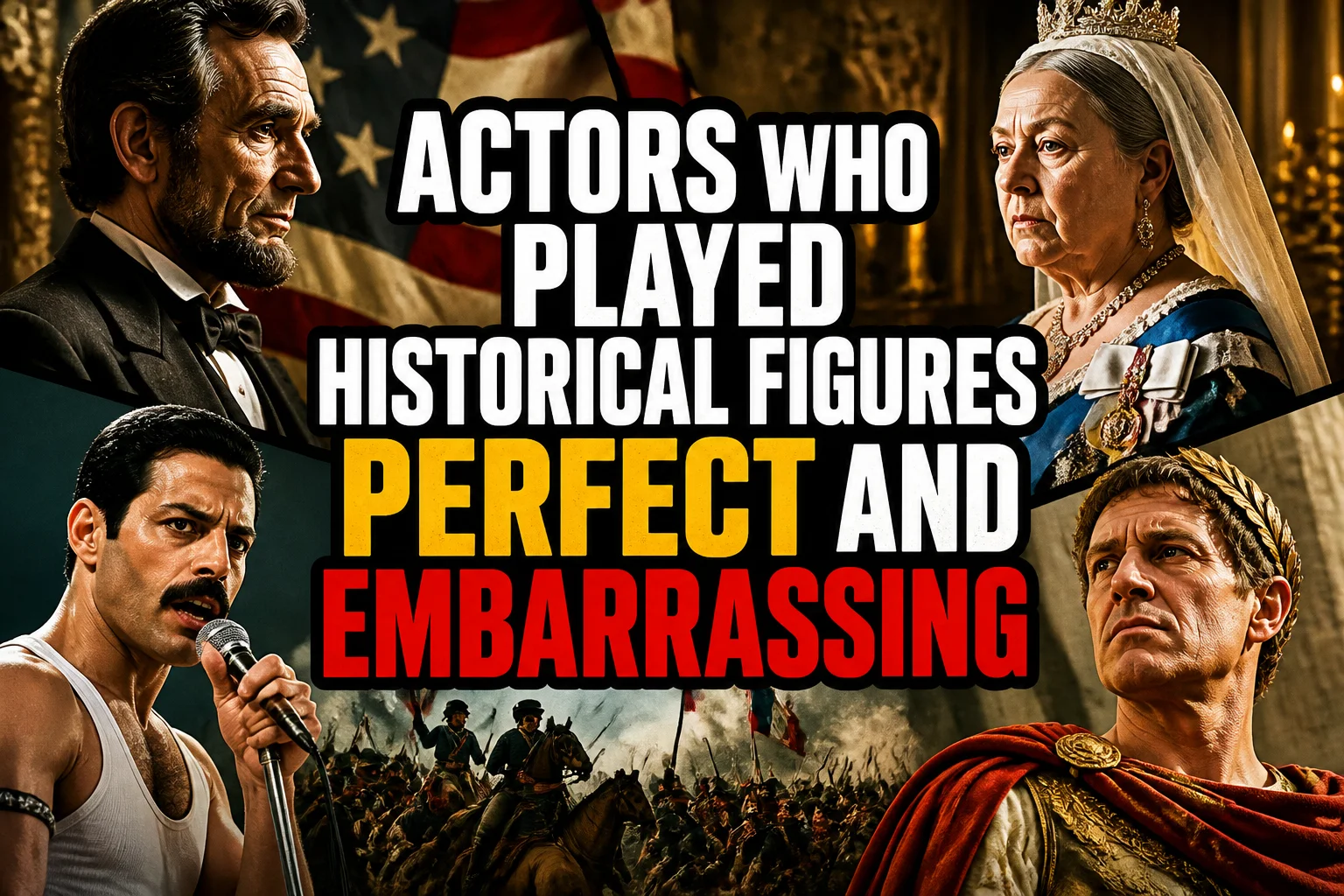
Daniel Day-Lewis was already known for disappearing into roles, but his Lincoln felt less like an imitation than a resurrection. He worked from historical descriptions that suggest Lincoln's voice was thin and high rather than the booming baritone later generations invented.
The performance anchored Steven Spielberg's film about the final months of the Civil War and the fight for the Thirteenth Amendment. Critics and historians often point to the way Day-Lewis used small gestures, silences, and unexpected humor to make the president feel like a tired, calculating, and deeply human politician.
2. Denzel Washington as Malcolm X in Malcolm X (1992)
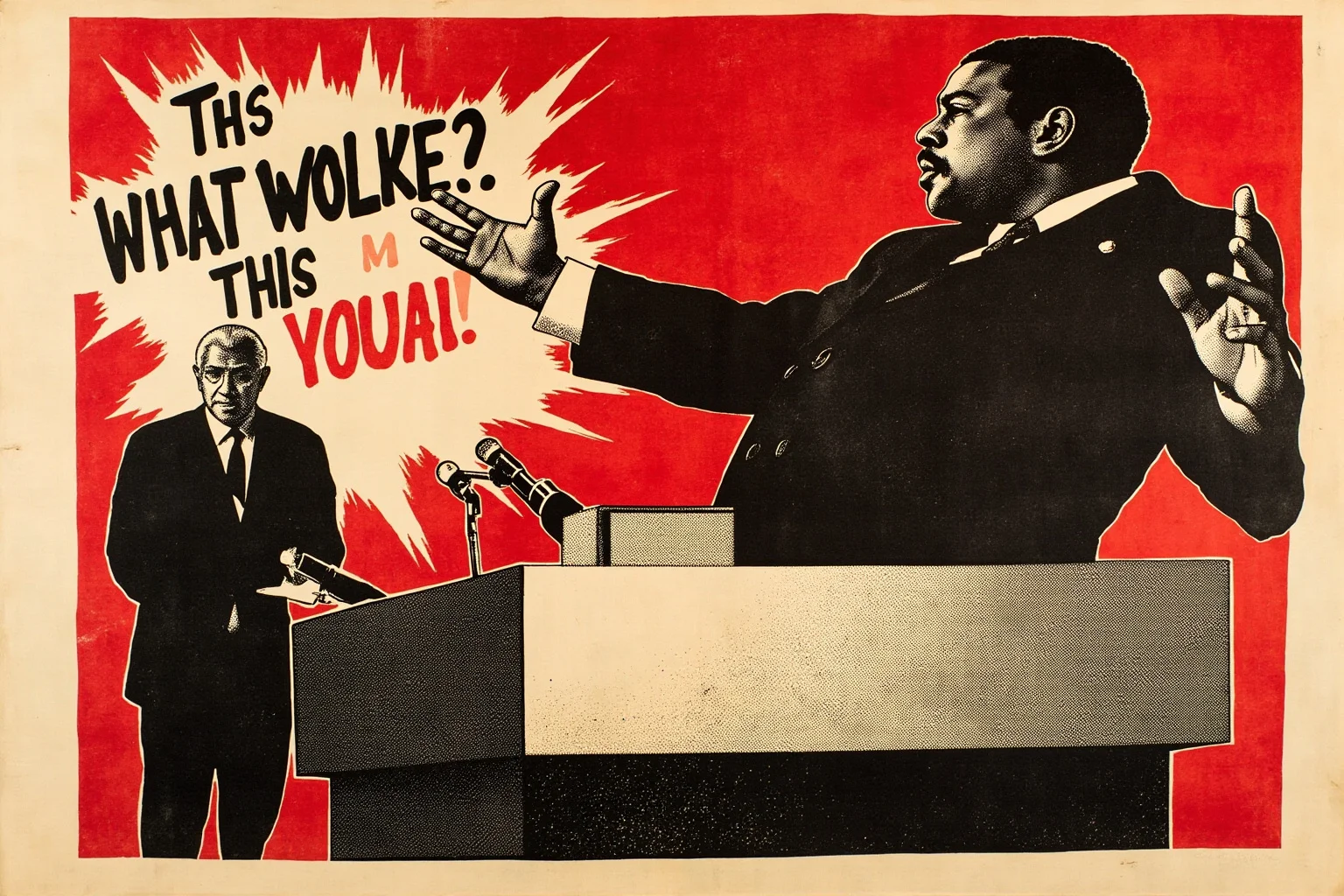
Denzel Washington captured Malcolm X not as a fixed icon but as a man who changed dramatically over time. The street-corner sharpness of the early scenes gives way to the disciplined speech of the Nation of Islam years and then to the broader spiritual and political search of his final period.
The film, directed by Spike Lee, remains a landmark in historical cinema because it allows Malcolm's transformations to breathe. Washington received an Academy Award nomination for the role, and for many viewers his performance is still the first image that comes to mind when Malcolm X is mentioned.
3. Ben Kingsley as Mohandas Gandhi in Gandhi (1982)
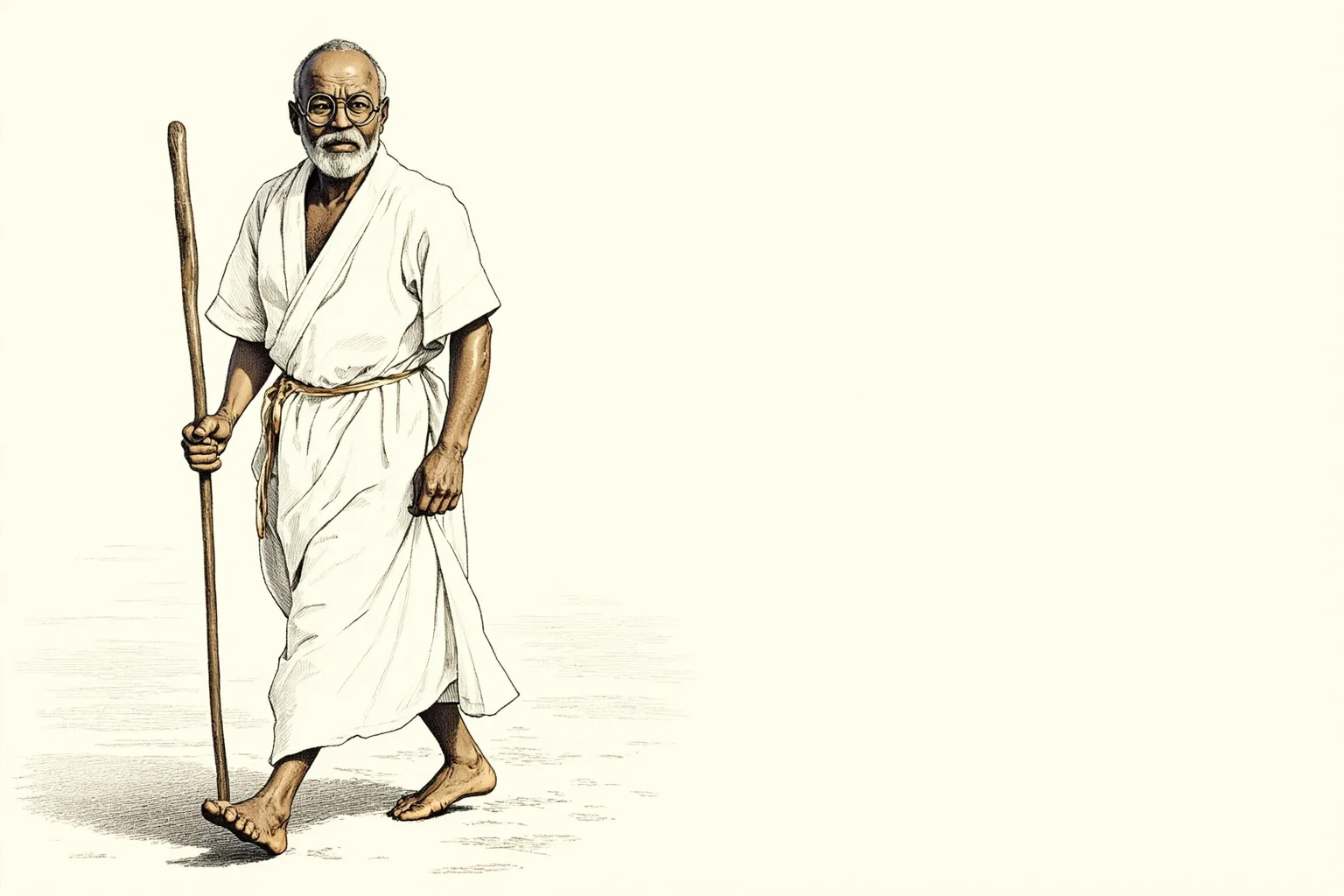
Ben Kingsley brought a rare stillness to Gandhi that made the leader's moral pressure feel physical. His father had Gujarati Indian ancestry, and Kingsley used that connection as one thread in a broader transformation of posture, voice, and restraint.
Richard Attenborough's film turned Gandhi's life into a global event film, but it depended almost entirely on Kingsley's ability to make nonviolence look active rather than passive. The performance won the Academy Award for Best Actor and still shapes many people's mental picture of the independence leader.
4. Cate Blanchett as Elizabeth I in Elizabeth (1998)
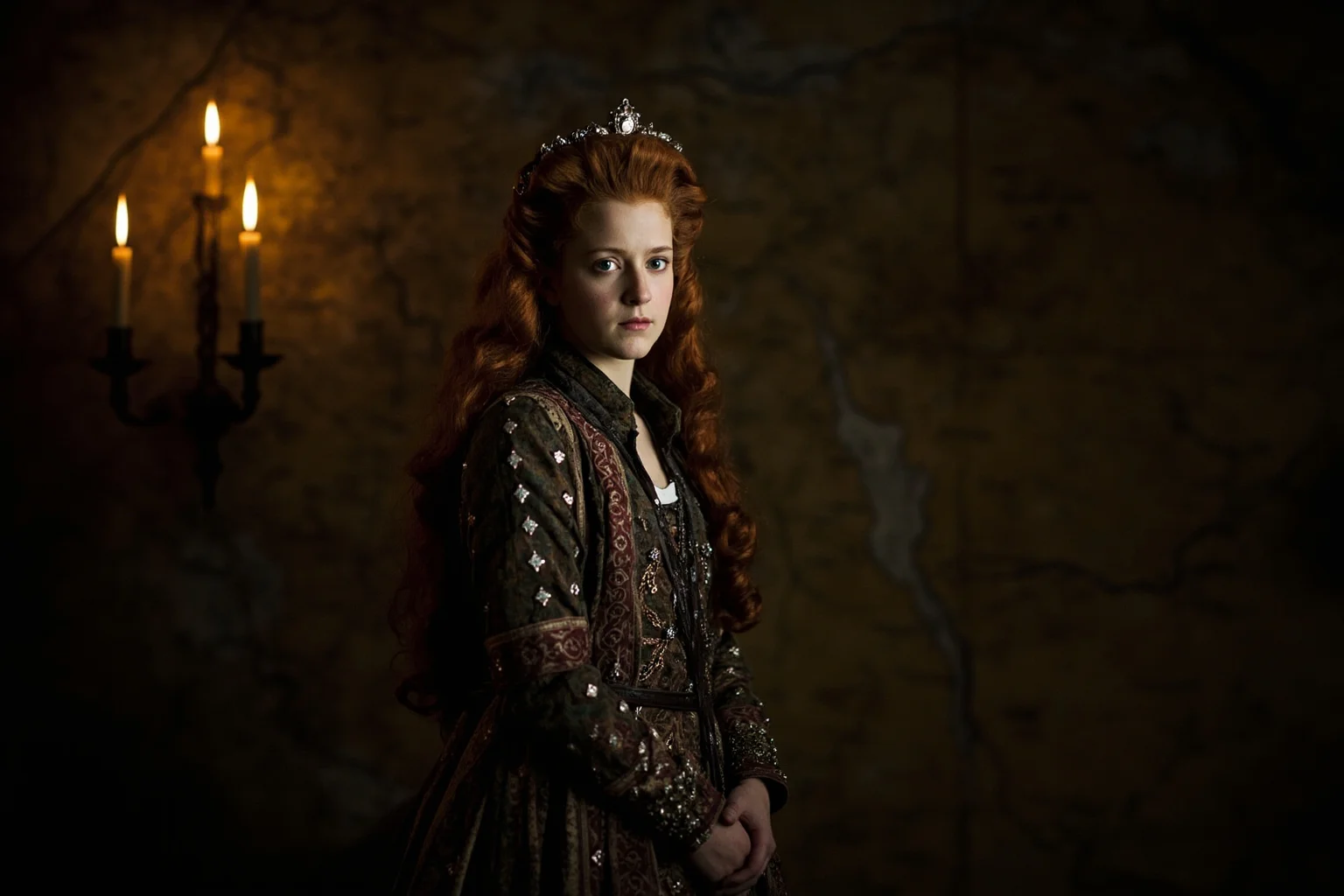
Cate Blanchett played Elizabeth I as a young woman learning to convert private fear into public authority. The film takes liberties with chronology and events, but Blanchett's emotional through-line feels grounded in the real queen's vulnerable early reign.
Her Elizabeth is alert, skeptical, and aware that marriage or miscalculation could destroy her. That political intelligence made the performance more than a costume drama turn and launched Blanchett into the upper rank of historical actors.
5. Gary Oldman as Winston Churchill in Darkest Hour (2017)
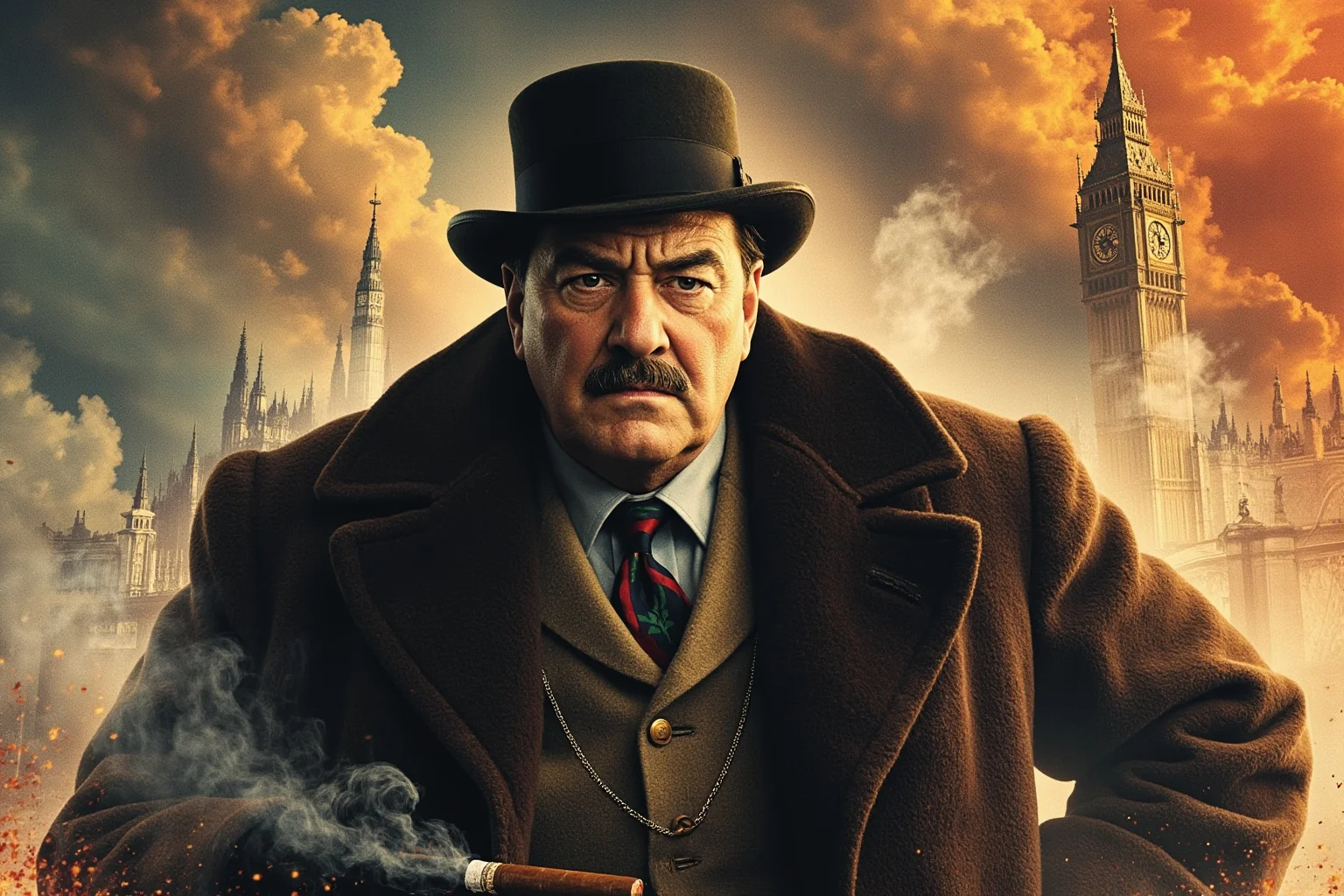
Gary Oldman did not simply hide behind prosthetics as Winston Churchill, though the physical transformation was extensive. He found the voice, the forward-leaning walk, and the strange mixture of grandiosity and insecurity that made Churchill effective in the crisis of May 1940.
The film compresses a few weeks of war cabinet struggle, but Oldman's performance keeps the story inside Churchill's perspective without turning him into a saint. The Oscar he won for the role recognized a long career, but the work itself was far more than a career prize.
6. Philip Seymour Hoffman as Truman Capote in Capote (2005)

Philip Seymour Hoffman did not look exactly like Truman Capote, which made his performance more impressive. He captured the writer's carefully controlled voice, his social ambition, and the coldness that could surface when he needed to protect his book.
The film focuses on the writing of In Cold Blood, a project that put Capote close to a murder case and damaged something in him. Hoffman's quiet restraint won him the Academy Award and showed that historical casting can prioritize psychological truth over superficial resemblance.
7. Meryl Streep as Margaret Thatcher in The Iron Lady (2011)
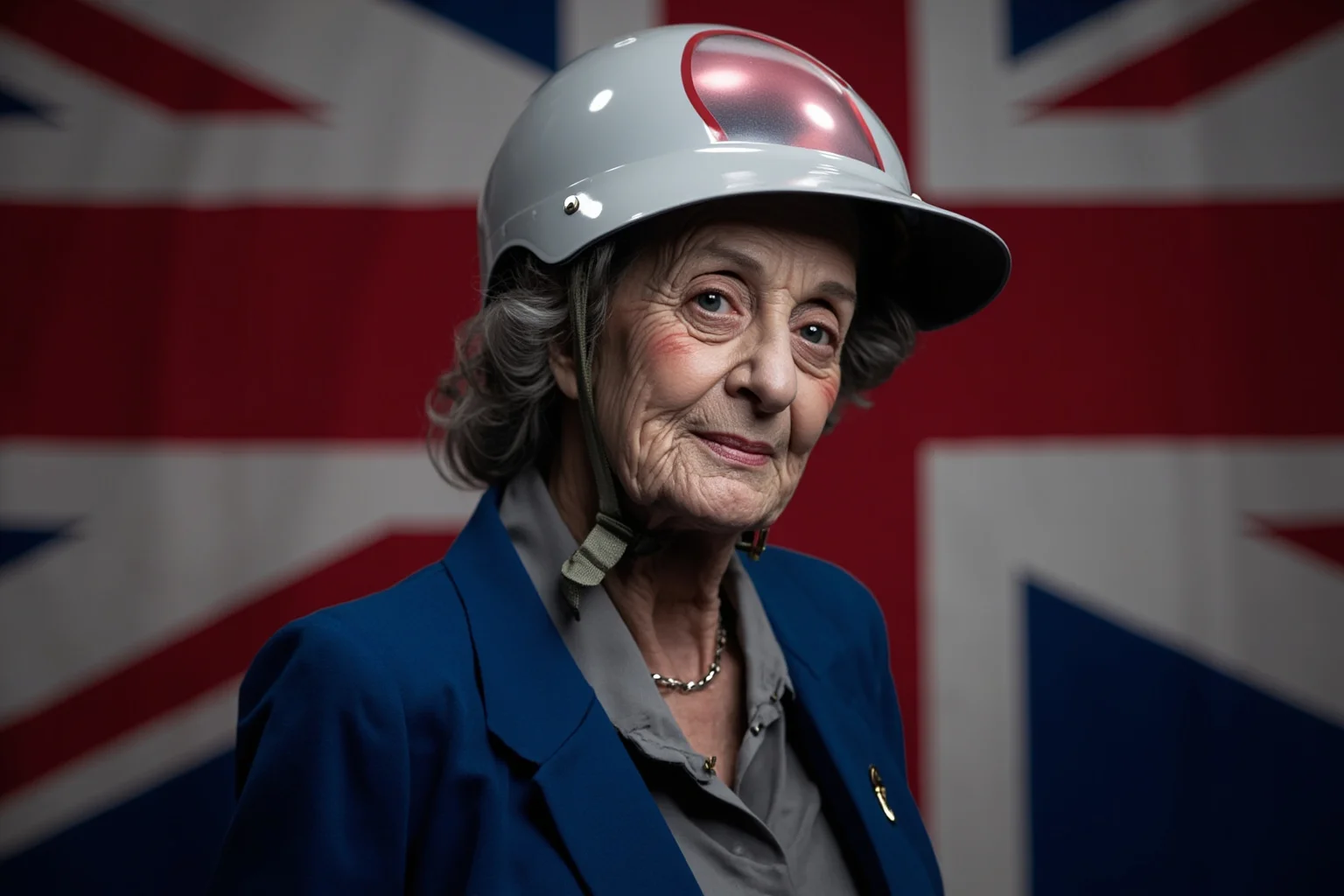
Meryl Streep faced a difficult task in playing Margaret Thatcher because the film frames the former prime minister through the fog of old age and memory loss. The framing was controversial, but Streep's performance gave the character a fierce, precise clarity even when the story fragmented around her.
She reproduced Thatcher's parliamentary diction and rigid energy well enough that audiences sometimes forgot they were watching an actor. The film divided critics, but the casting of Streep was never the weakness.
8. Sean Penn as Harvey Milk in Milk (2008)

Sean Penn played Harvey Milk, the first openly gay man elected to public office in California, with warmth and an almost relentless hopefulness. The performance avoided pious solemnity, letting Milk be funny, flirtatious, strategic, and sometimes defeated.
Gus Van Sant's film covers Milk's rise in San Francisco politics and his assassination in 1978. Penn won the Academy Award for Best Actor, but the larger effect was to give a human face to a movement figure many viewers had only seen in news clips or textbooks.
9. Forest Whitaker as Idi Amin in The Last King of Scotland (2006)
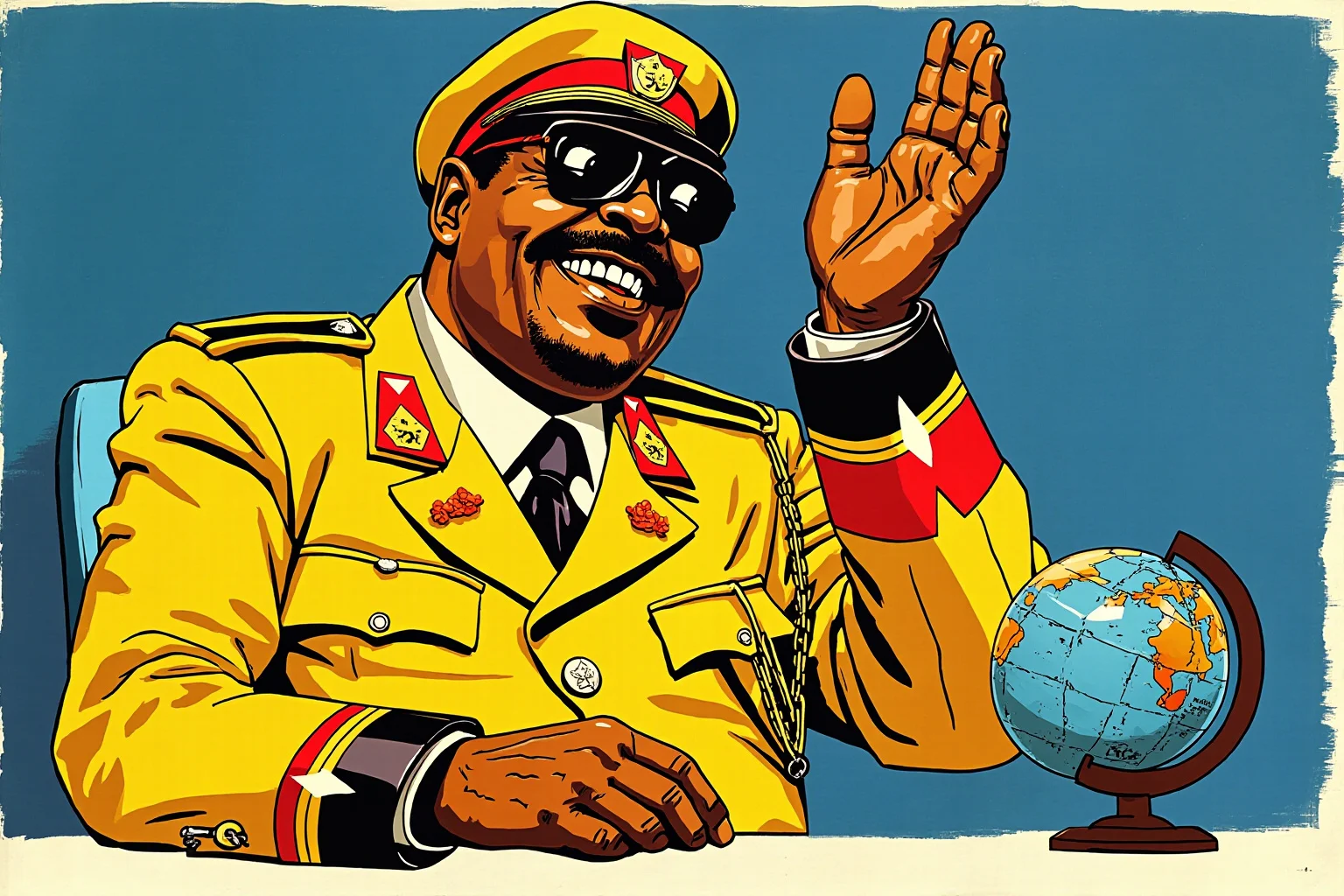
Forest Whitaker played Ugandan dictator Idi Amin as both courteous host and terrifying predator. The film is told through the eyes of a fictional Scottish doctor, but Whitaker's performance gives Amin a volatile life that dominates every scene.
Whitaker researched the leader's gestures, charm, and sudden swings of mood, then pushed them until they felt unpredictable without tipping into cartoon. The Academy Award he received remains one of the clearest examples of an actor using charm to make a monster believable.
10. Jamie Foxx as Ray Charles in Ray (2004)
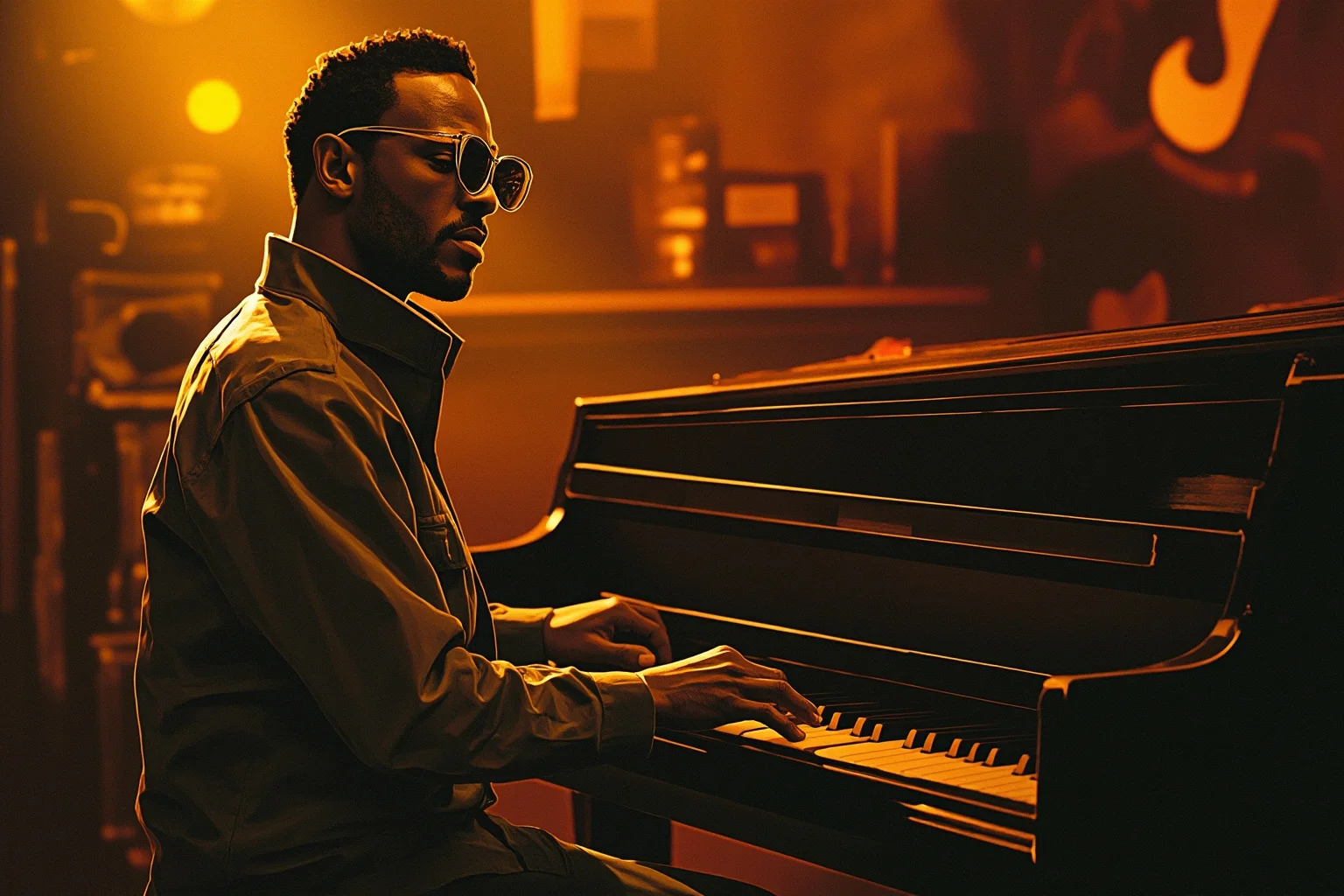
Jamie Foxx took on Ray Charles, a musician so recognizable that a lazy impersonation would have collapsed immediately. Foxx learned enough piano, posture, and blind movement to make the performance feel lived-in, not merely studied.
The film follows Charles from his childhood blindness to his rise and struggles with addiction. Foxx won the Academy Award for Best Actor, and the film's lasting power comes from his ability to show the musician's genius without hiding his cruelty or contradictions.
The Cautionary Tales: 10 Casting Misfires That Still Get Discussed
11. John Wayne as Genghis Khan in The Conqueror (1956)
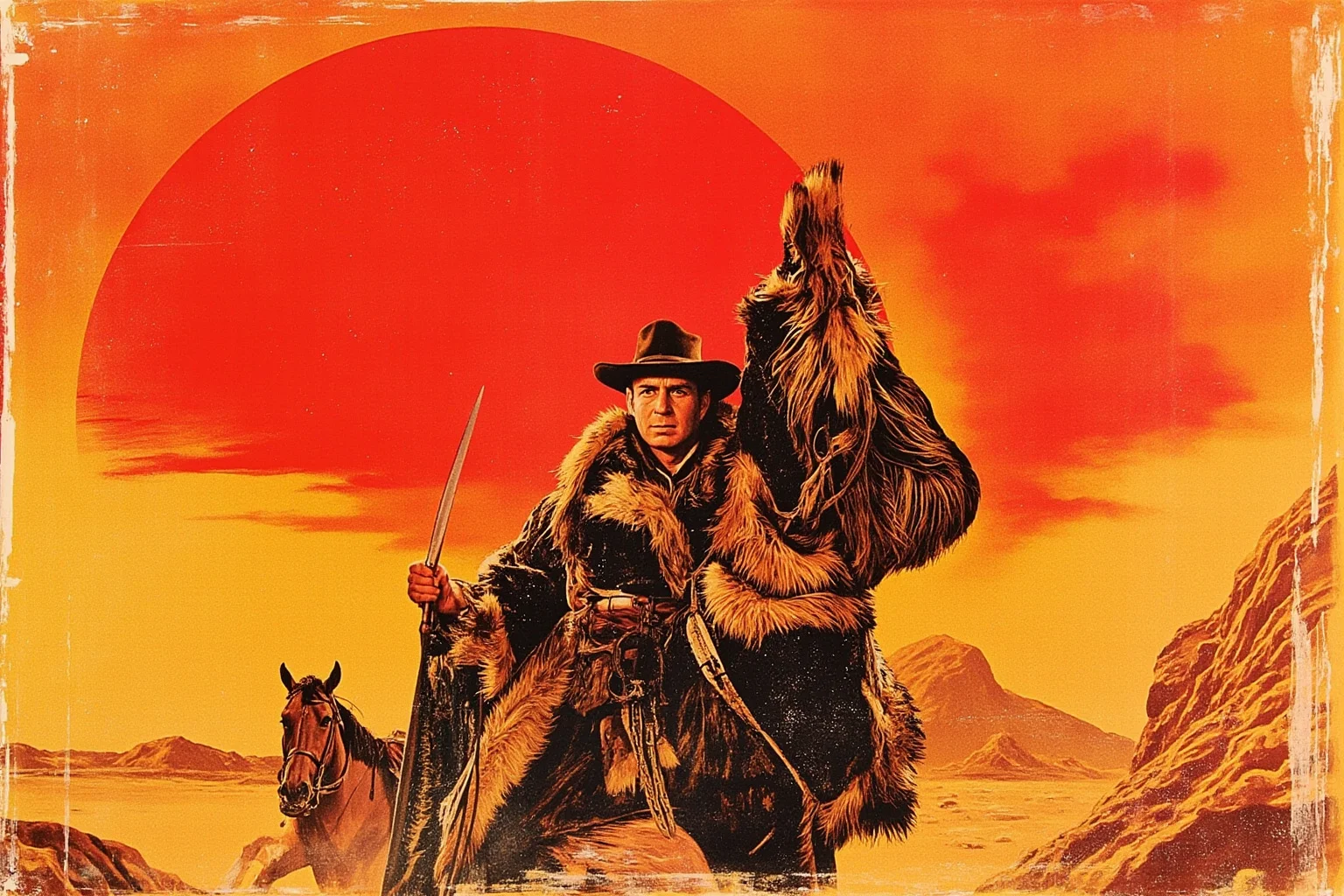
John Wayne remains one of the most famous examples of an actor utterly wrong for a historical figure. The western star played the Mongol empire builder with his familiar drawl, an unconvincing wig, and none of the required sense of Central Asian leadership.
The film was widely mocked at the time and has only grown worse with age. It also became a real-life cautionary tale, because parts of the production were connected to long-running health fears from nearby nuclear test fallout, though that issue is separate from the onscreen disaster.
12. Marlon Brando as Emiliano Zapata in Viva Zapata! (1952)
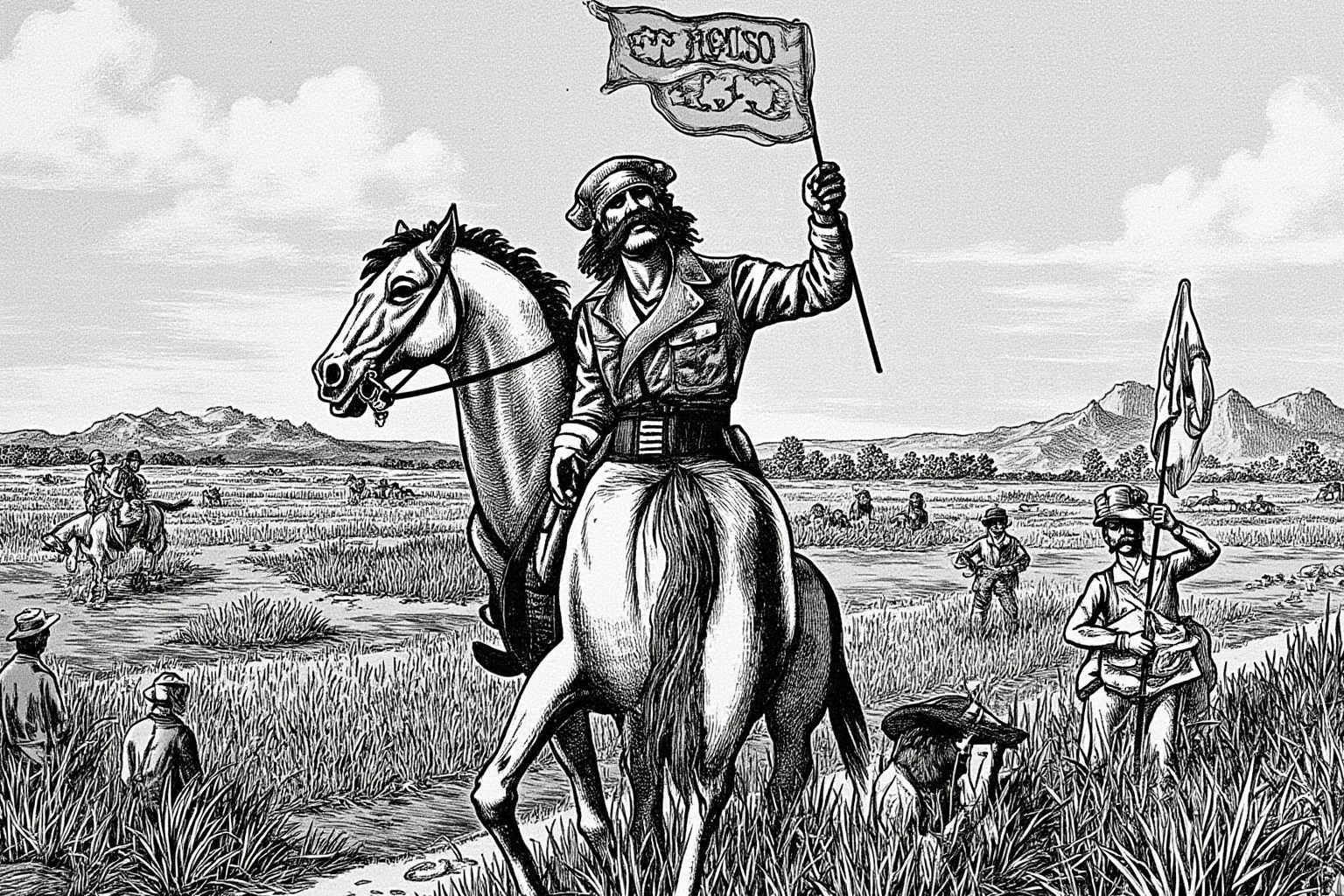
Marlon Brando was a brilliant actor, but his casting as Mexican revolutionary Emiliano Zapata now reads as a textbook example of mid-century brownface. He performed in darkened makeup, a fake nose, and a heavy accent while playing a real leader of the Mexican Revolution.
The film was taken seriously in its own era, but modern viewers tend to see the casting first and the performance second. It illustrates how the phrase white actors who played historical figures can point to deeper problems of representation rather than just an awkward performance.
13. Christian Bale as Moses in Exodus: Gods and Kings (2014)
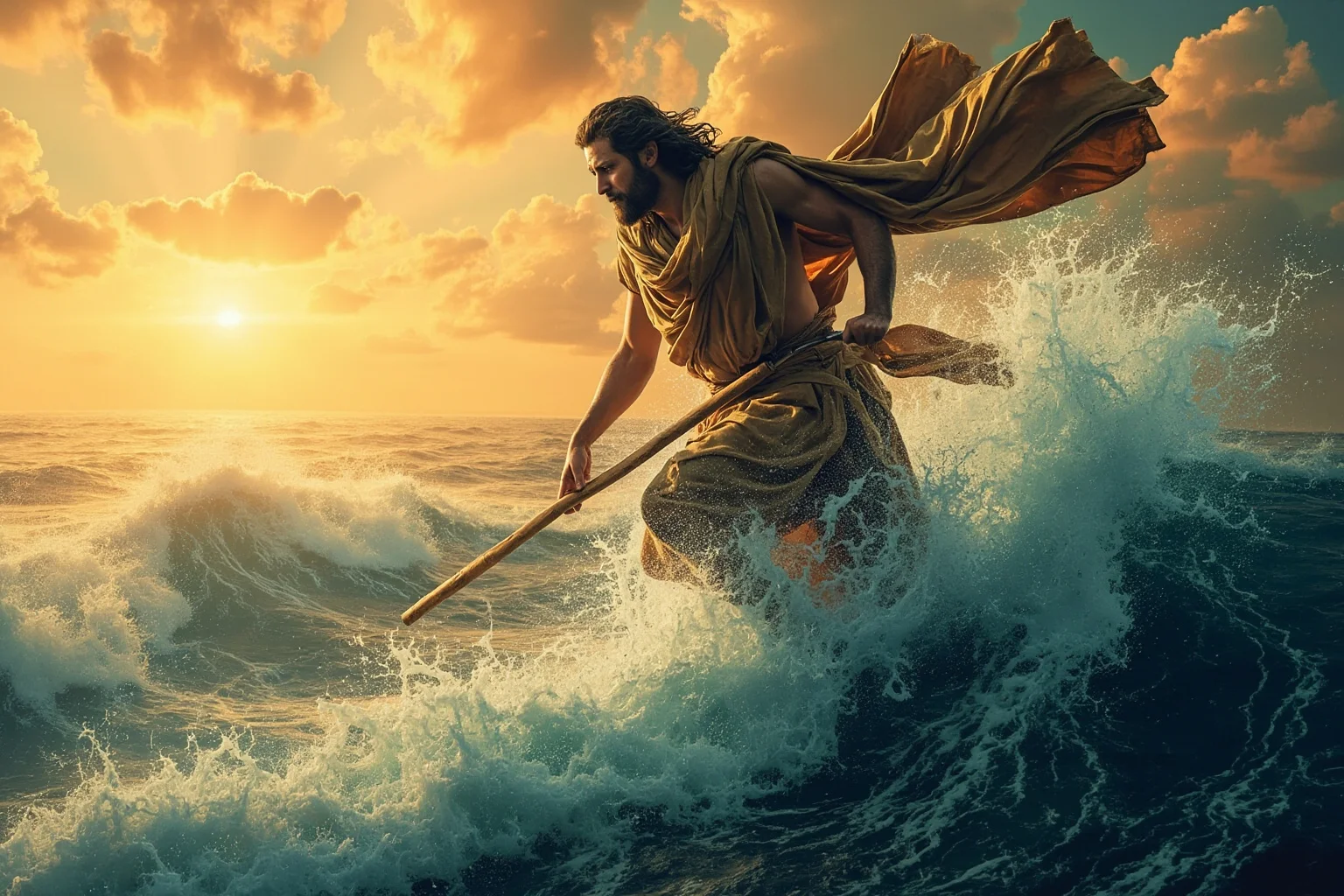
Christian Bale was cast as the Hebrew prophet Moses in Ridley Scott's biblical epic, and the choice became part of a much larger whitewashing debate. Ancient Hebrews and Egyptians would not have looked like white European actors, but the film assembled a mostly white principal cast anyway.
Bale's performance is serious, but the visual contradiction undermined the film's claim to historical texture. Casting a white actor as a central Levantine figure in a story set in North Africa felt less like art and more like a refusal of basic historical imagination.
14. Joel Edgerton as Ramesses II in Exodus: Gods and Kings (2014)
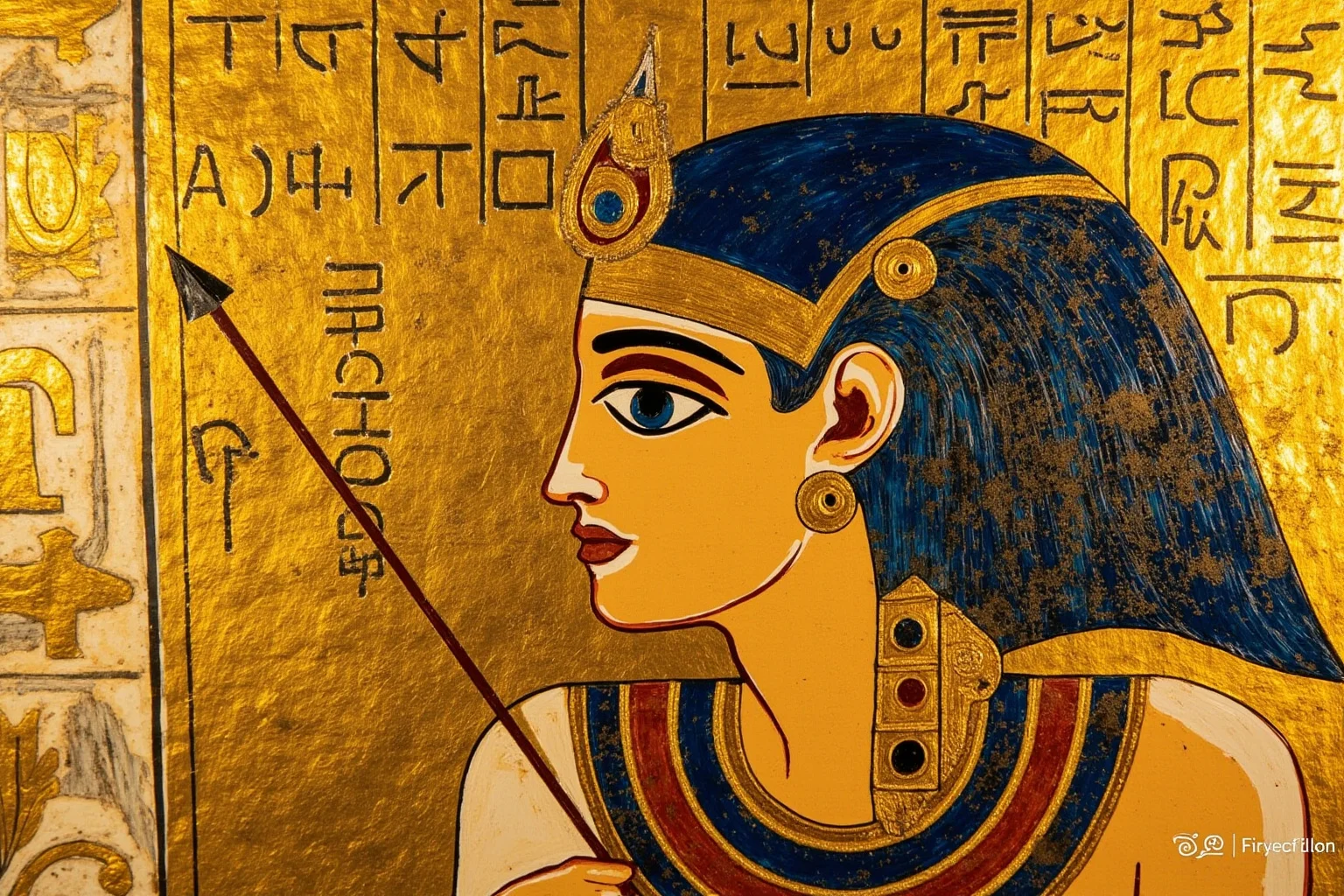
Joel Edgerton, an Australian actor, played Ramesses II in the same film, and the casting repeated the problem of centering white performers in an ancient Egyptian story. The real Ramesses II was an Egyptian pharaoh, but the film presented him through a thoroughly westernized frame.
Edgerton's performance leaned into a tight, clipped rage that never quite matched the grandeur or cultural specificity of a New Kingdom ruler. The film's grand visual scale made the casting shortcuts more visible, not less.
15. Joseph Fiennes as Michael Jackson in Urban Myths (2017)
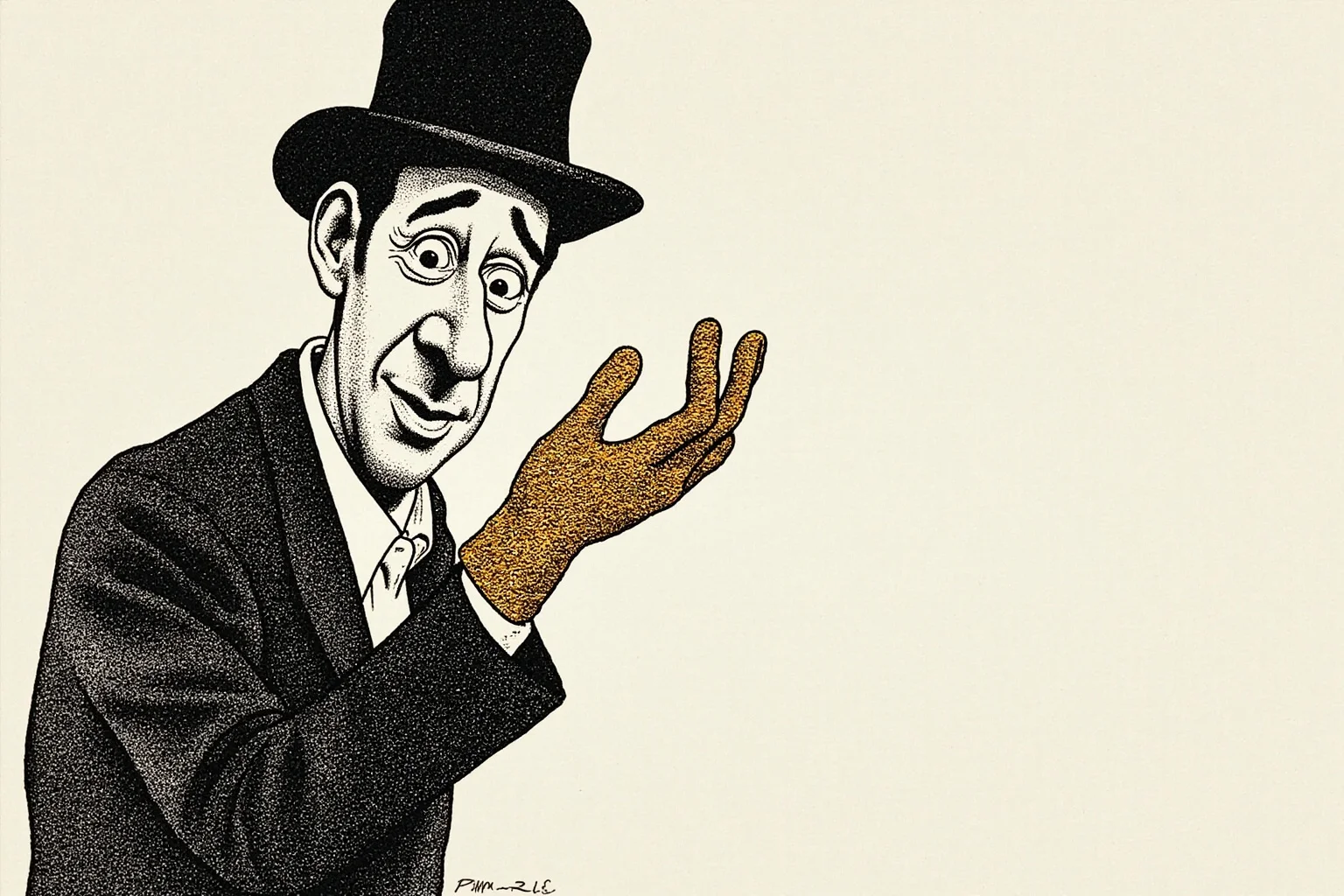
Joseph Fiennes, a white British actor, was cast as Michael Jackson in a short comedic episode about an alleged road trip. The announcement and promotional image drew immediate backlash about race and the erasure of a Black cultural icon.
The episode was pulled before it aired in the United Kingdom, which showed how fast public judgment could move in the social media era. Even without a completed broadcast, the casting became a defining example of a project that embarrassed everyone involved before the performance could defend itself.
16. Ashton Kutcher as Steve Jobs in Jobs (2013)

Ashton Kutcher physically resembled a young Steve Jobs, but the film reduced the Apple co-founder to a series of tics and clipped tantrums. The script leaned on familiar myths about genius and rudeness without building a coherent sense of how the real person thought or led.
The movie received poor reviews, and many people who knew Jobs said the film missed essential parts of his character. The casting was not a disaster because Kutcher was wrong for the role in every way, but because the performance never found a center beyond the costume.
17. Angelina Jolie as Mariane Pearl in A Mighty Heart (2007)

Angelina Jolie played Mariane Pearl, the real journalist whose Afro-Cuban and Dutch heritage made her a visibly mixed-race woman. Casting a white movie star as Pearl sparked a public debate about representation and whether shared grief justified erasing identity.
Jolie's performance received some praise, but the casting often overshadowed the film itself. The case remains a useful reminder that a white actor playing a real person of color does not need to be malicious to still repeat an old pattern.
18. Naomi Watts as Princess Diana in Diana (2013)
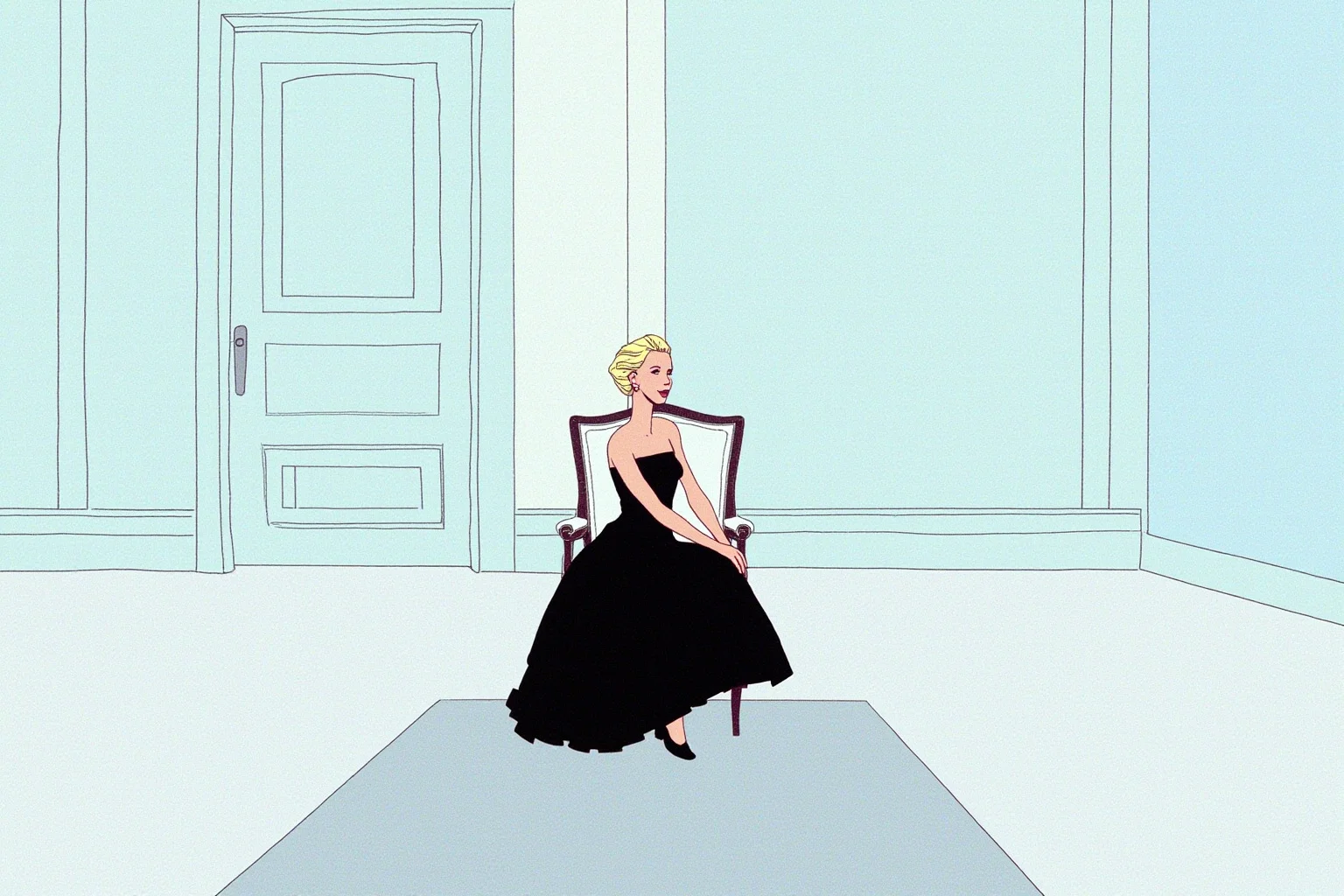
Naomi Watts had the unenviable task of playing one of the most photographed women of the modern age. Her performance was committed, but the film reduced Princess Diana to a lonely tabloid figure chasing a single romance, and the public never accepted the transformation.
The movie was criticized for its thin historical perspective and for making a complicated person feel small. Watts is a strong actor, but the project left her stranded in a script that could not support either history or drama.
19. Nicole Kidman as Grace Kelly in Grace of Monaco (2014)
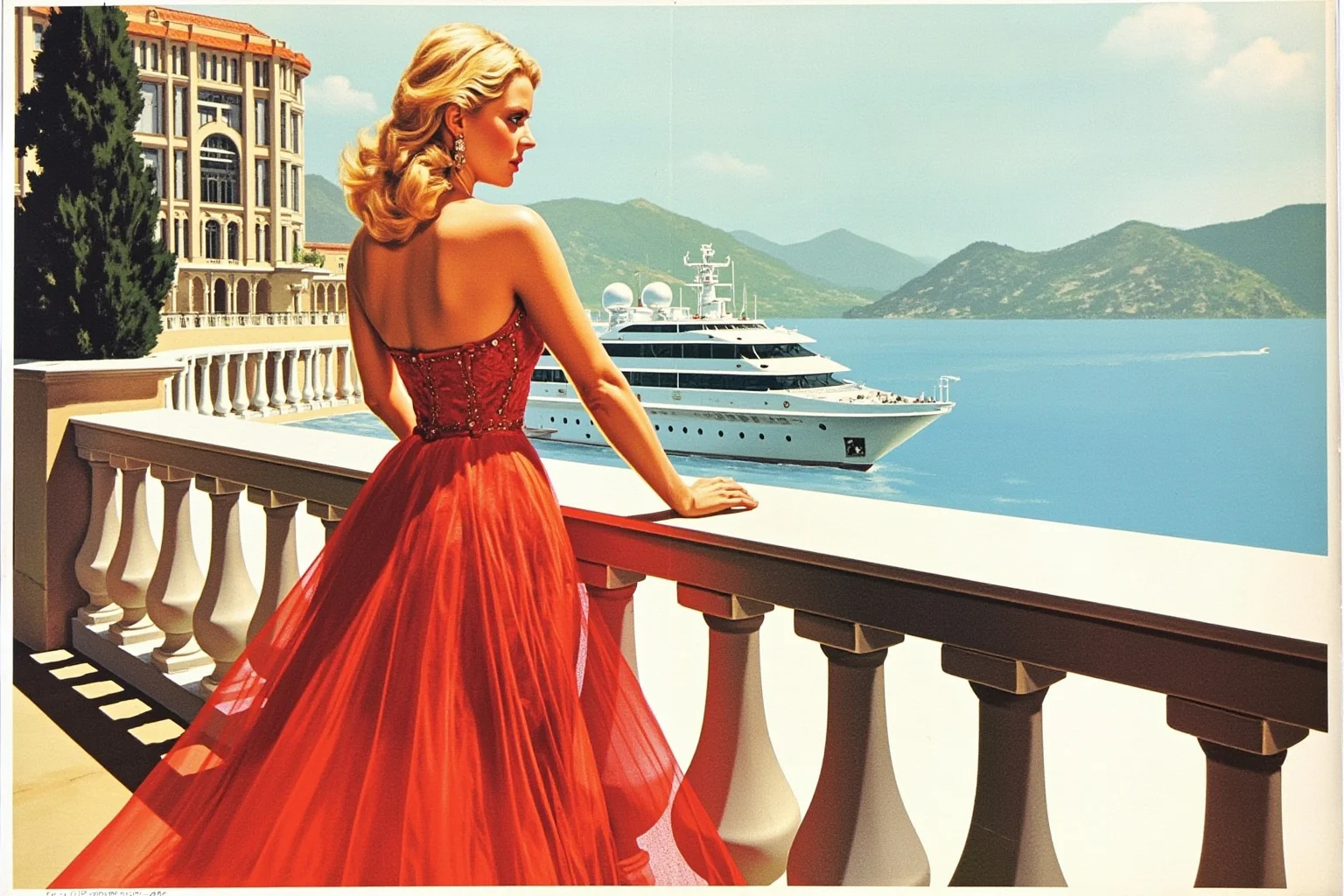
Nicole Kidman played Grace Kelly in a film that premiered to harsh reviews and generated public objections from Monaco's royal family. The movie invented or rearranged political crises around a woman whose real life already had enough dramatic weight without the embellishment.
Kidman's cool, controlled screen presence suited Kelly's public image, but the material around her felt false. The controversy showed that even the most polished historical casting cannot rescue a film that treats facts as optional.
20. Katie Holmes as Jacqueline Kennedy in The Kennedys (2011)
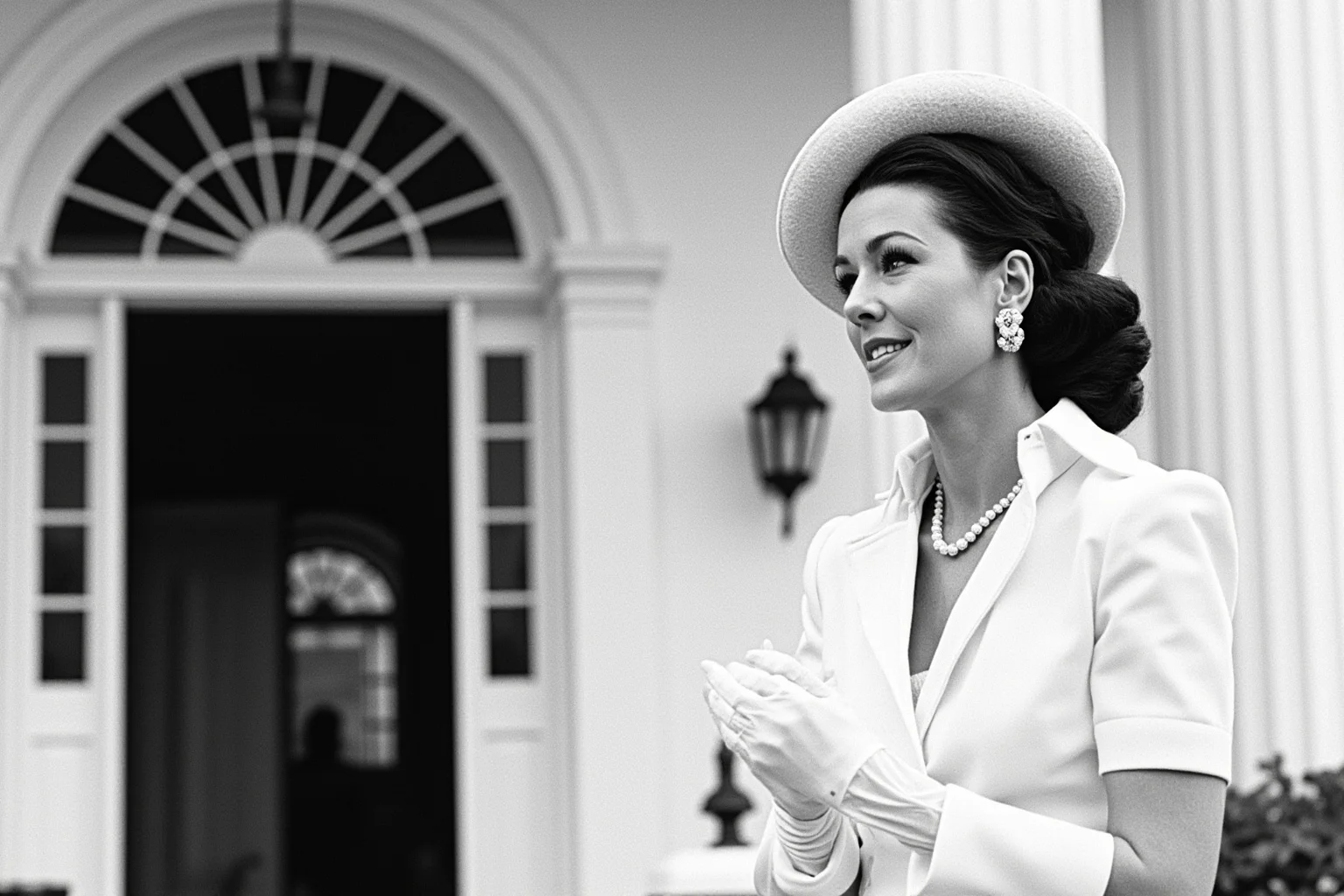
Katie Holmes played Jacqueline Kennedy in a miniseries that became controversial before it aired. The History channel dropped the project in the United States after accuracy concerns, and it eventually ran on another network under a cloud of criticism.
Holmes looked the part in some staged recreations, but the accent and the writing often felt more like pageant than person. The fallout around the series became a larger example of how quickly historical fiction can lose trust when names and images outpace research.
Why Casting Accuracy Is About More Than Appearance
Casting mistakes are not always about an actor being bad in isolation. A poor historical performance is usually a failure of direction, script, and production design all pulling in different directions at once.
Accuracy matters because movies become part of the historical record in popular memory. When a famous face replaces the real one, the distortion can last for generations, especially when the real person left few photographs or recordings.
The Bottom Line
A great performance can make a historical figure feel urgent, alive, and even unpredictable. That is exactly what Day-Lewis did with Lincoln or Whitaker did with Idi Amin, and why those roles still dominate discussions of historical figures in movies.
A bad casting choice, by contrast, does not simply fail; it can quietly rewrite who mattered and why. The goal is not perfect facial matching but a deeper form of respect for the past, and the best actors earn that respect one gesture at a time.
Frequently Asked Questions
Why do white actors who played historical figures spark so much controversy?
Many controversies come from a long pattern of casting white actors as real people of color, from Marlon Brando as Emiliano Zapata to Joseph Fiennes as Michael Jackson. The issue is not only an individual performance but the loss of representation and the distortion of public memory. Modern casting debates now ask whether an actor can honor a real person's full identity rather than just approximate their posture or voice.
What makes an actor right to play a historical figure?
Strong casting usually combines careful research, physical or vocal transformation, and an ability to capture contradictions in a real personality. Resemblance helps, but the best performances also find the person's private doubts and rhythms. A historical figure should feel specific and alive rather than like a moving statue.
Do actors need to look exactly like the real person?
No, exact resemblance is less important than emotional and behavioral truth. Philip Seymour Hoffman did not look exactly like Truman Capote, but he captured Capote's voice, wit, and isolation so well that audiences accepted him. Good casting can work with a strong resemblance or work against a weak one if the actor brings enough detail.
Why do historical figures in movies always seem to get facts wrong?
Films compress years of events into a few hours, so directors often merge characters, shift timelines, or invent dialogue to create a cleaner story. Some changes are harmless, but others can replace real motives with simplified hero-and-villain arcs. Historians generally accept some compression while objecting when the changes distort the central truth of a life.
Which historical figures are most often depicted in movies?
Royalty, presidents, wartime leaders, musicians, and spiritual figures tend to reappear most often. Figures like Abraham Lincoln, Elizabeth I, Winston Churchill, Cleopatra, and Jesus have each been depicted many times across different film eras. Repetition can make the casting choices matter even more because each new version competes with older screen memories.

Alex Warren
Related Articles