People often ask what is the oldest food in the world, expecting one neat answer.
In reality, archaeologists have uncovered dozens of ancient foods preserved in tombs, bogs, caves, and charred cooking pots. Each discovery offers a small, sturdy clue about what humans actually ate thousands of years ago.
Some items survive because their chemistry resists decay, like honey and salt. Others survive only as residue or charred crumbs, enough for scientists to read a meal's chemical fingerprint. Together they challenge the idea that prehistoric diets were simple or boring.
TL;DR: The oldest foods historians ever discovered include 14,000-year-old bread, 8,000-year-old wine, 3,000-year-old honey, and a 5,300-year-old final meal still recognizable inside a mummy.
How Historians and Archaeologists Find Food of the Past
Food of the past rarely survives in its original packaging. Archaeologists rely on microscopic residues, charred seeds, desiccated loaves, and isotope analysis of ancient teeth and pots. These methods turn invisible meals into hard data, but they cannot reveal one single first food ever eaten by humans.
What gets preserved depends on local conditions. Dry deserts, frozen glaciers, and oxygen-free bogs lock in organic matter that would otherwise rot away. That is why many of these discovered foods come from tombs, caves, and cold northern wetlands.
1. Honey — 3,000-Year-Old Jars That Still Stay Good
Honey is the closest thing history has to a food that refuses to spoil. Excavators have pulled sealed jars of honey from Egyptian tombs that are around 3,000 years old and still technically safe to eat. Its low moisture, high acidity, and antimicrobial compounds keep microbes from gaining a foothold.
The love of honey goes back even further. Rock art from Spain shows humans gathering honey from wild hives roughly 8,000 years ago. That makes honey one of the oldest foods people collected long before farming began.
Why honey lasts so long is not magic but chemistry. With very little water and a high sugar content, honey dehydrates bacteria that try to grow inside it. When properly sealed, it can remain edible for millennia.
2. Bread — 14,400-Year-Old Crumbs from Jordan
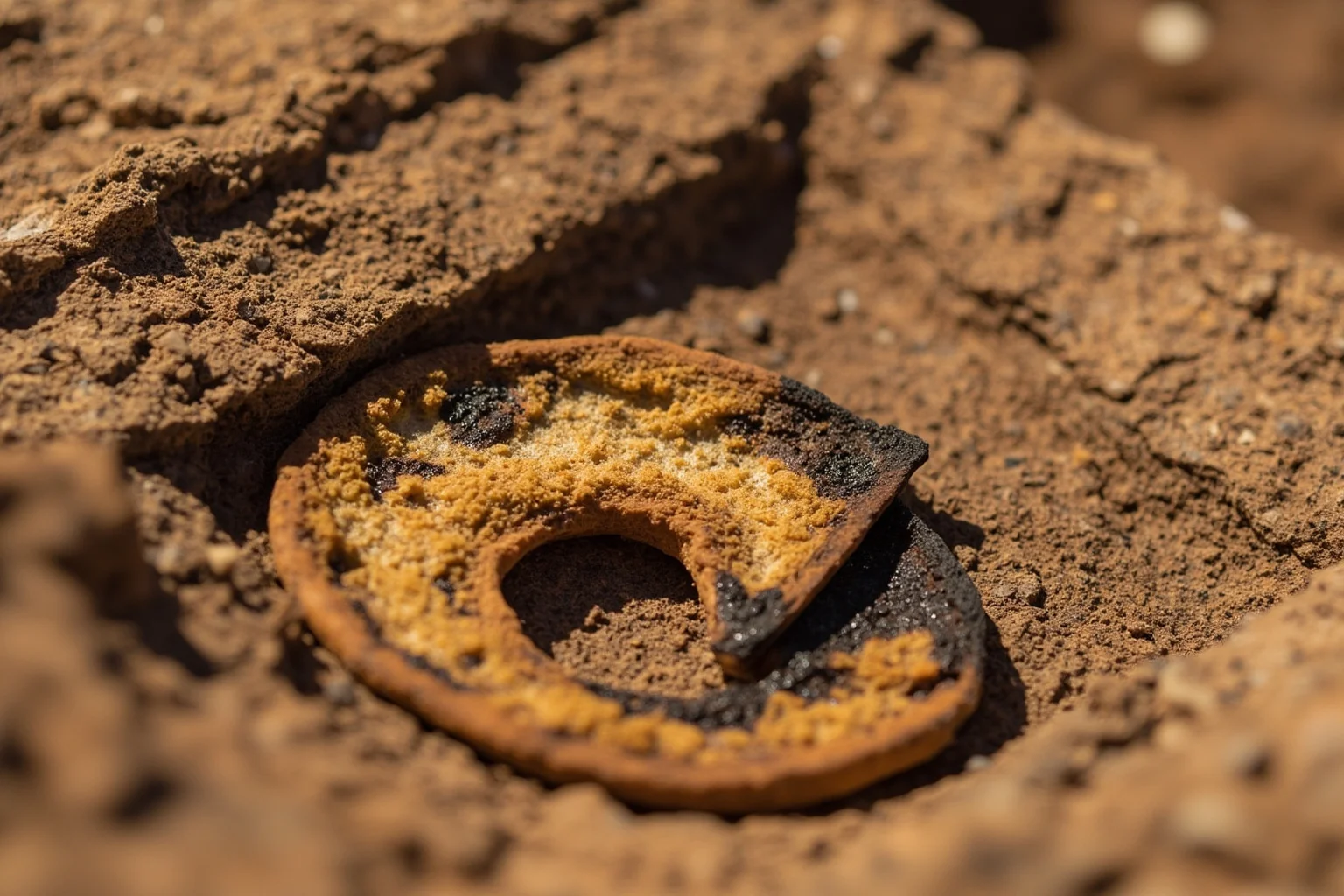
A charred flatbread from a Natufian hunter-gatherer camp at Shubayqa 1 in Jordan rewrites the history of baking. Radiocarbon dating places the bread-like remains around 14,400 years old, thousands of years before the rise of agriculture. The find suggests hunter-gatherers used wild wheat and barley to make a simple loaf.
This discovery challenged the old story that bread only appeared after farming began. Instead, humans may have been experimenting with flour and fire much earlier. The charred crumbs are now the oldest direct evidence of bread in the world.
3. Noodles — A 4,000-Year-Old Bowl in China
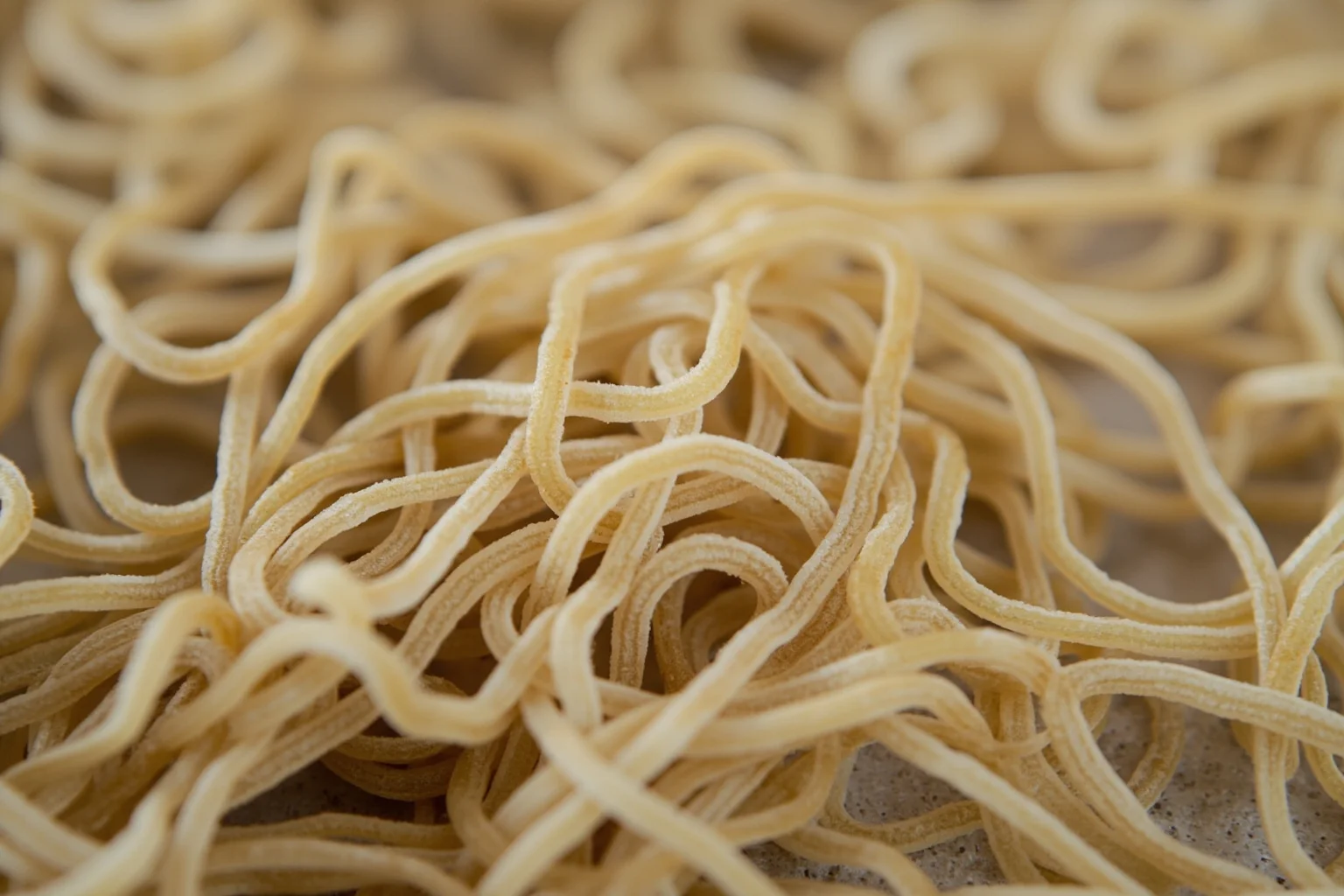
At the Lajia archaeological site in China, researchers uncovered a bowl of millet flour noodles buried by a sudden flood about 4,000 years ago. The noodles sat beneath sediment until excavation revealed their thin, string-like forms. While some scientists debate the precise composition, the find remains one of the most famous examples of food of the past.
The Lajia noodles suggest that early Chinese communities were processing millet into dough long before wheat noodles appeared. They push the invention of noodles back far beyond the written record. If the interpretation holds, this is the oldest noodle dish ever uncovered.
4. Wine — 8,000-Year-Old Grape Residue from Georgia
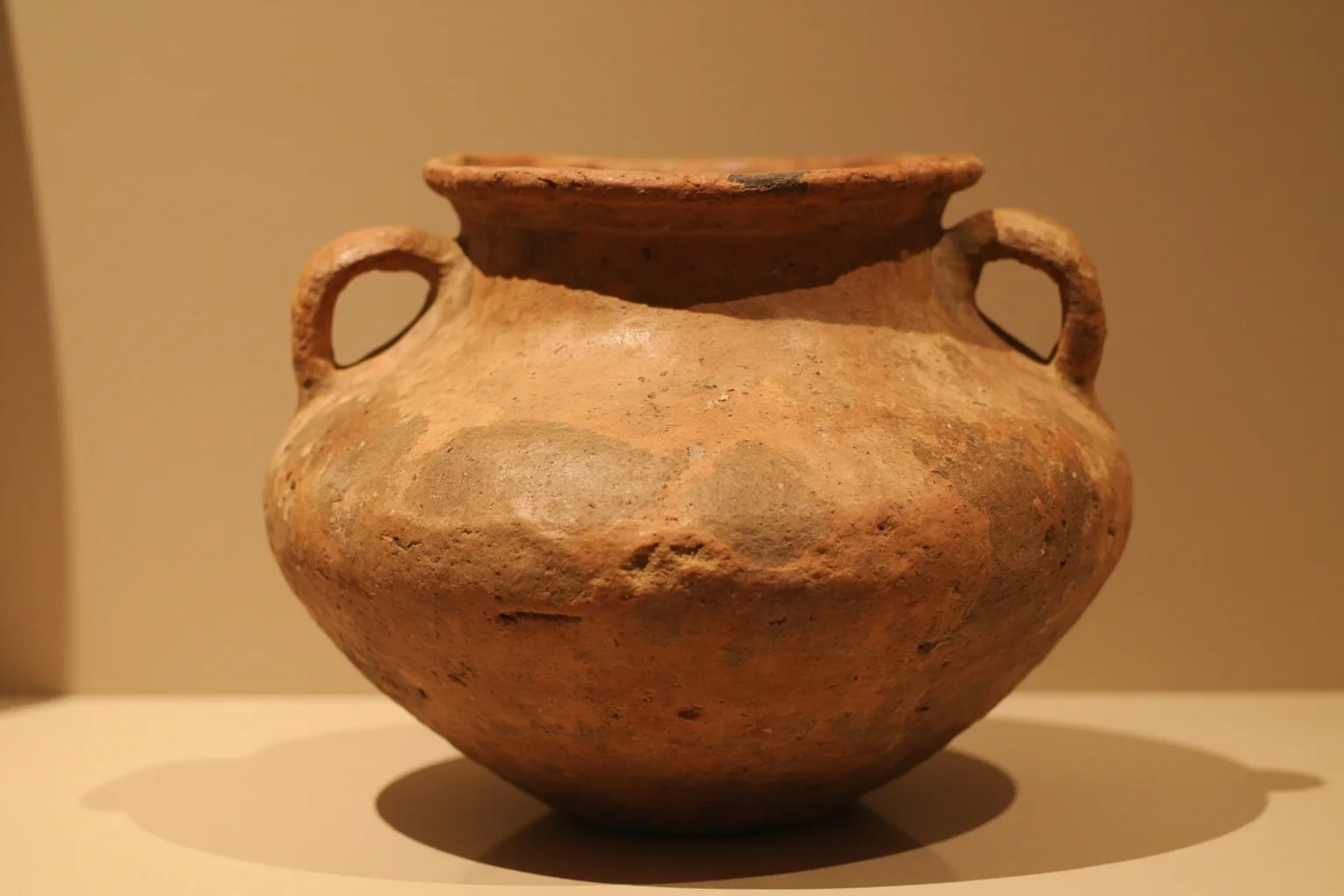
Chemical analysis of pottery jars from Neolithic sites in Georgia points to winemaking around 8,000 years ago. Researchers detected tartaric acid, the fingerprint chemical in grapes, along with other compounds linked to wine. This makes the South Caucasus the earliest known region for grape wine production.
The jars were probably used for fermentation and storage, not just grape juice. Their discovery pushes wine-making back earlier than Egypt and Greece by thousands of years. It helped rewrite the history of one of humanity's oldest drinks.
The Georgian jars suggest people there intentionally cultivated or managed wild grapes. They also stored their wine in vessels with grape seed and skin residue. That points to a real winemaking tradition, not an accidental ferment.
5. Beer — 13,000-Year-Old Brewing Evidence in Israel
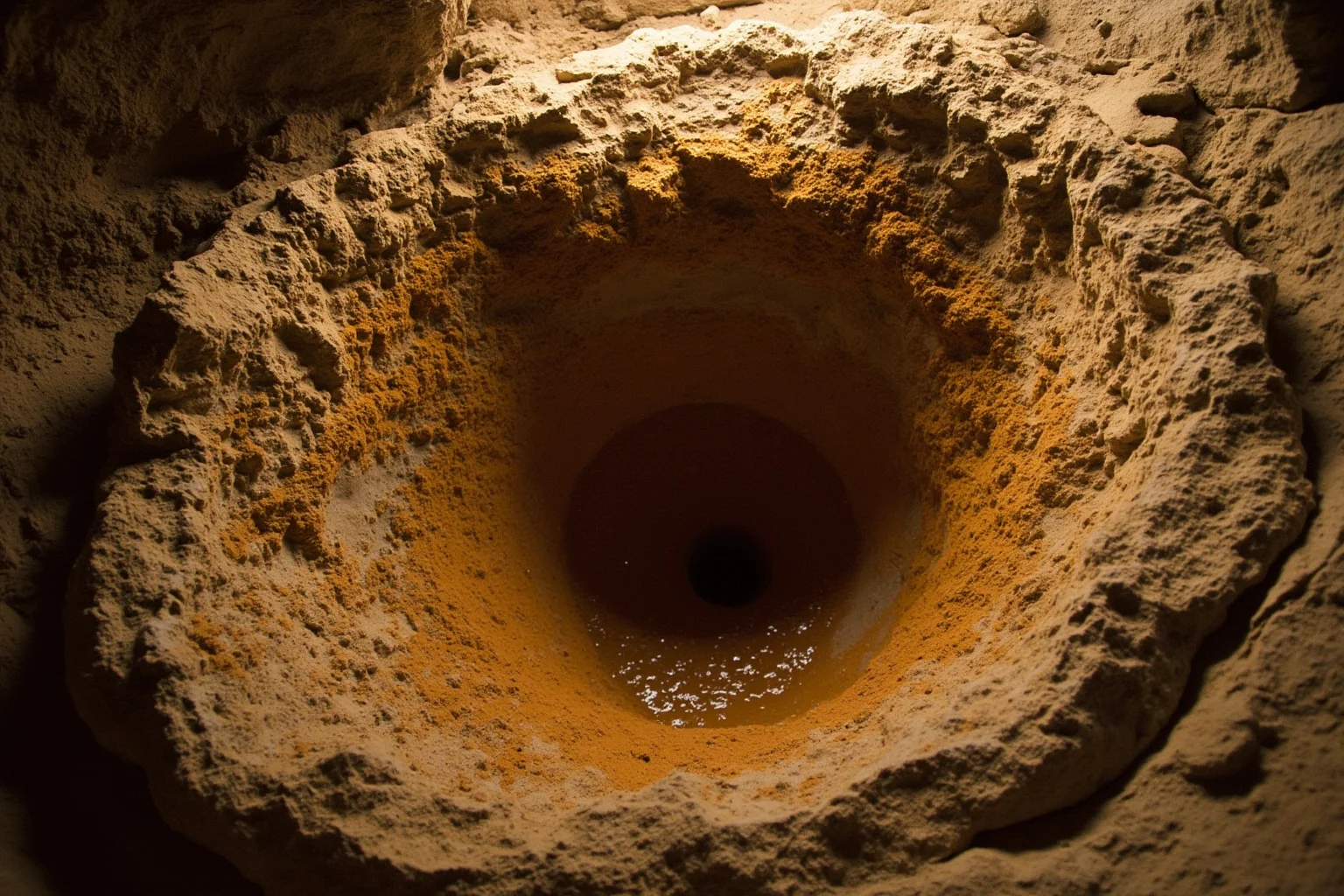
At Raqefet Cave in Israel, archaeologists found evidence of brewing in stone basins used by Natufian people around 13,000 years ago. Residue analysis showed starch and plant materials consistent with fermented cereal beverages. That would make beer-like drinks older than farming itself.
This ancient brew may have been used in ritual feasts before or during the transition to settled life. It was not a modern beer, but a thick, porridge-like alcohol. The find shows that fermented drinks were likely part of early social life.
6. Olive Oil — The Earliest Presses in the Levant
Olive oil appears early in the archaeological record of the Levant. At sites in Israel, charred olive pits and oil residues inside clay vessels date back roughly 8,000 years. This suggests communities were pressing olives for oil during the Neolithic period.
Ancient clay presses later became more common around the Mediterranean. Olive oil was a food, fuel, medicine, and ritual liquid in many regions. Its long shelf life and rich calories made it a backbone of the ancient diet.
7. Salt — 8,000-Year-Old Production in Romania
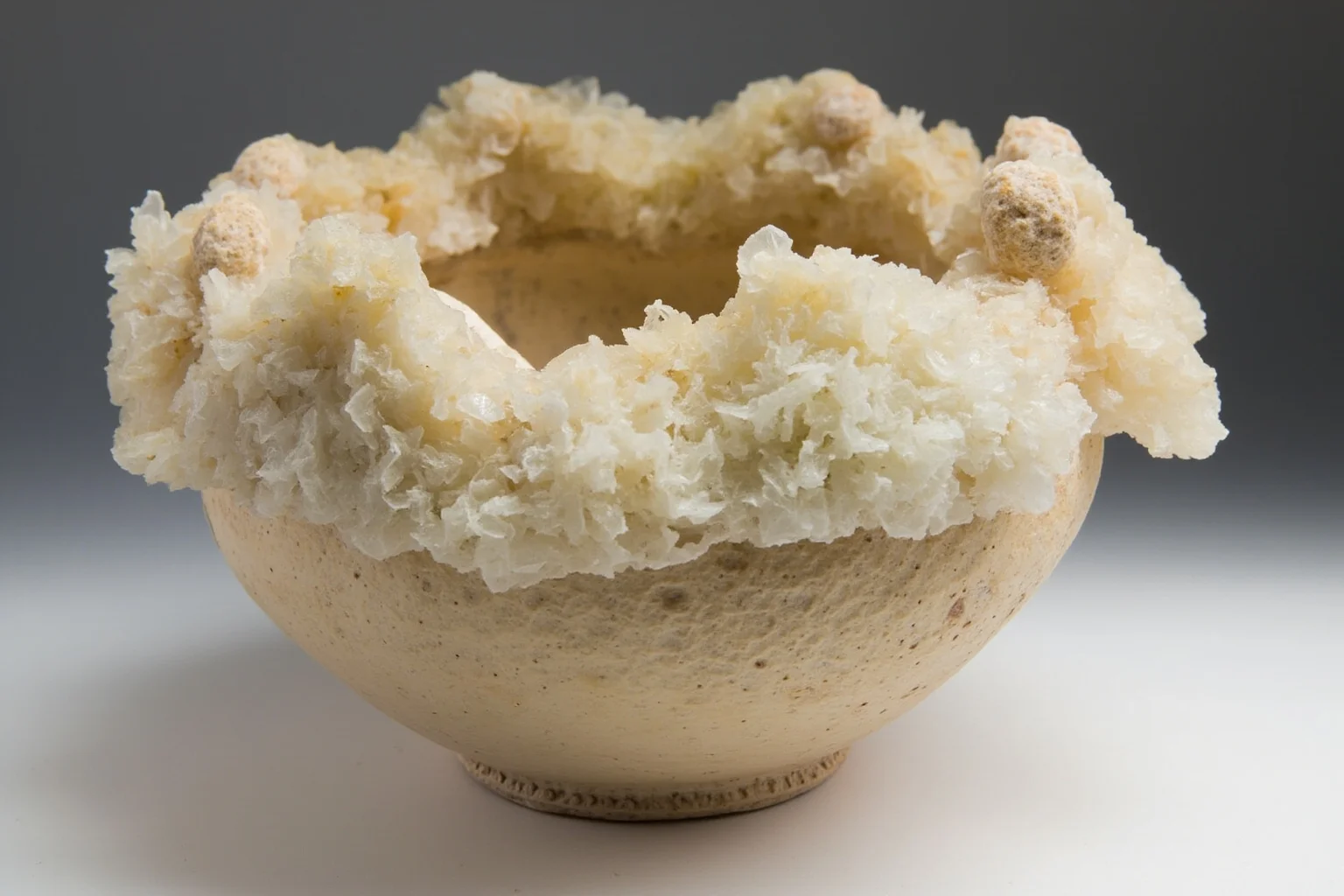
Salt is not a plant or animal food, but it has always been essential to human survival and preservation. The oldest known salt production site is at Lunca in Romania, where springs were boiled down around 8,000 years ago. Before refrigeration, salt preserved meat, fish, and vegetables through harsh winters.
Salt also shaped trade networks and even wars. Because every body needs sodium, communities without local sources had to import it. This mineral is one of the first foods humans intentionally processed at an industrial scale.
8. Cheese — 7,500-Year-Old Pottery Stains and a Tomb Find
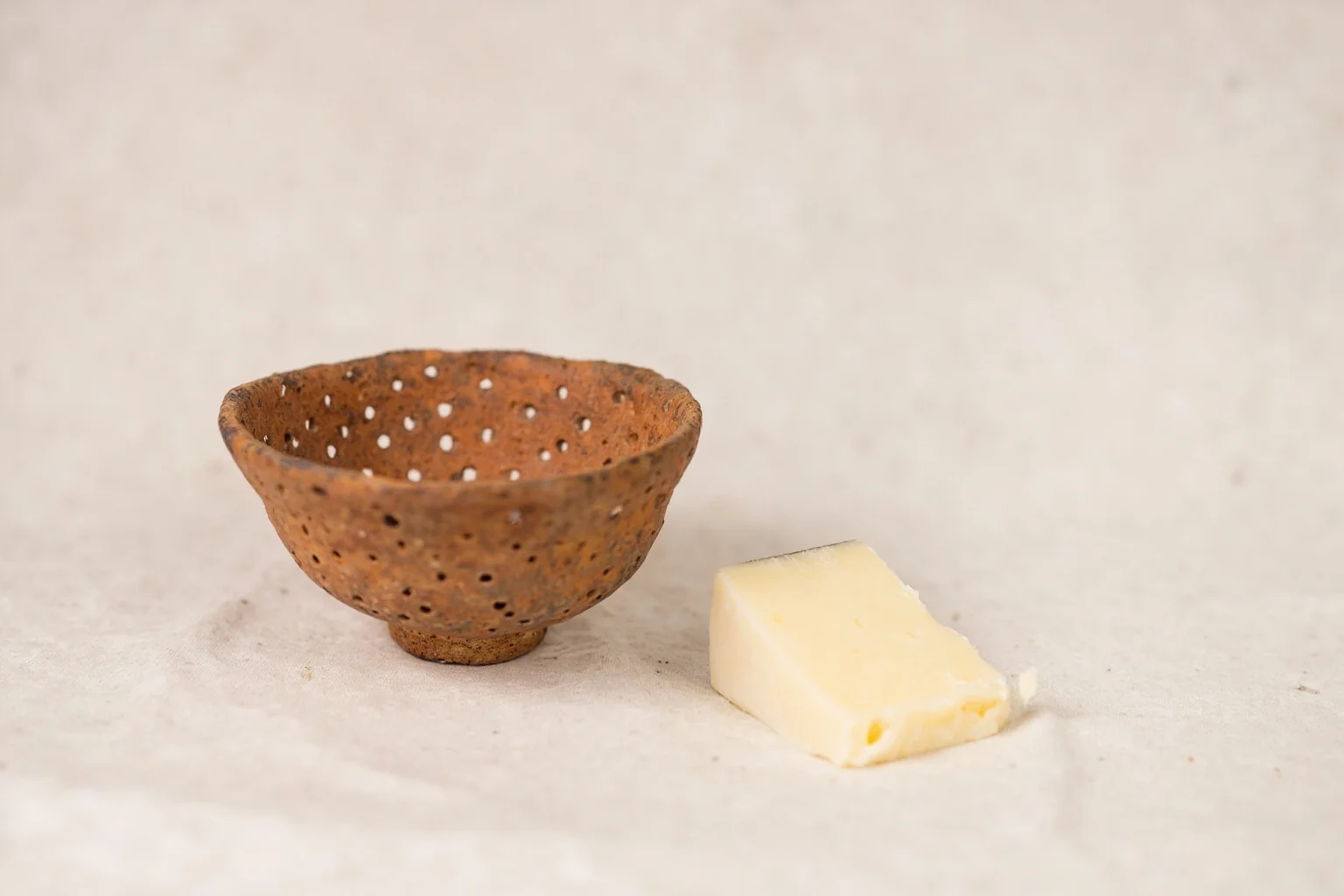
Cheese leaves telling evidence even when the cheese itself is gone. Scientists found milk fat residues on perforated pottery from Poland that dates to around 7,500 years ago. The holes in the pots match tools used for draining curds from whey.
A more intact discovery came from an Egyptian tomb at Saqqara, where a 3,200-year-old solid cheese was identified. The sample was so old it contained traces of ancient bacteria. Together these finds prove cheesemaking stretches far beyond written history.
Cheese making likely began as a way to store milk without refrigeration. Turning milk into curds removed water and added salt and acidity that slowed spoilage. This small technical leap gave early farmers a portable protein source.
9. Rice — 10,000-Year-Old Grains from the Yangtze
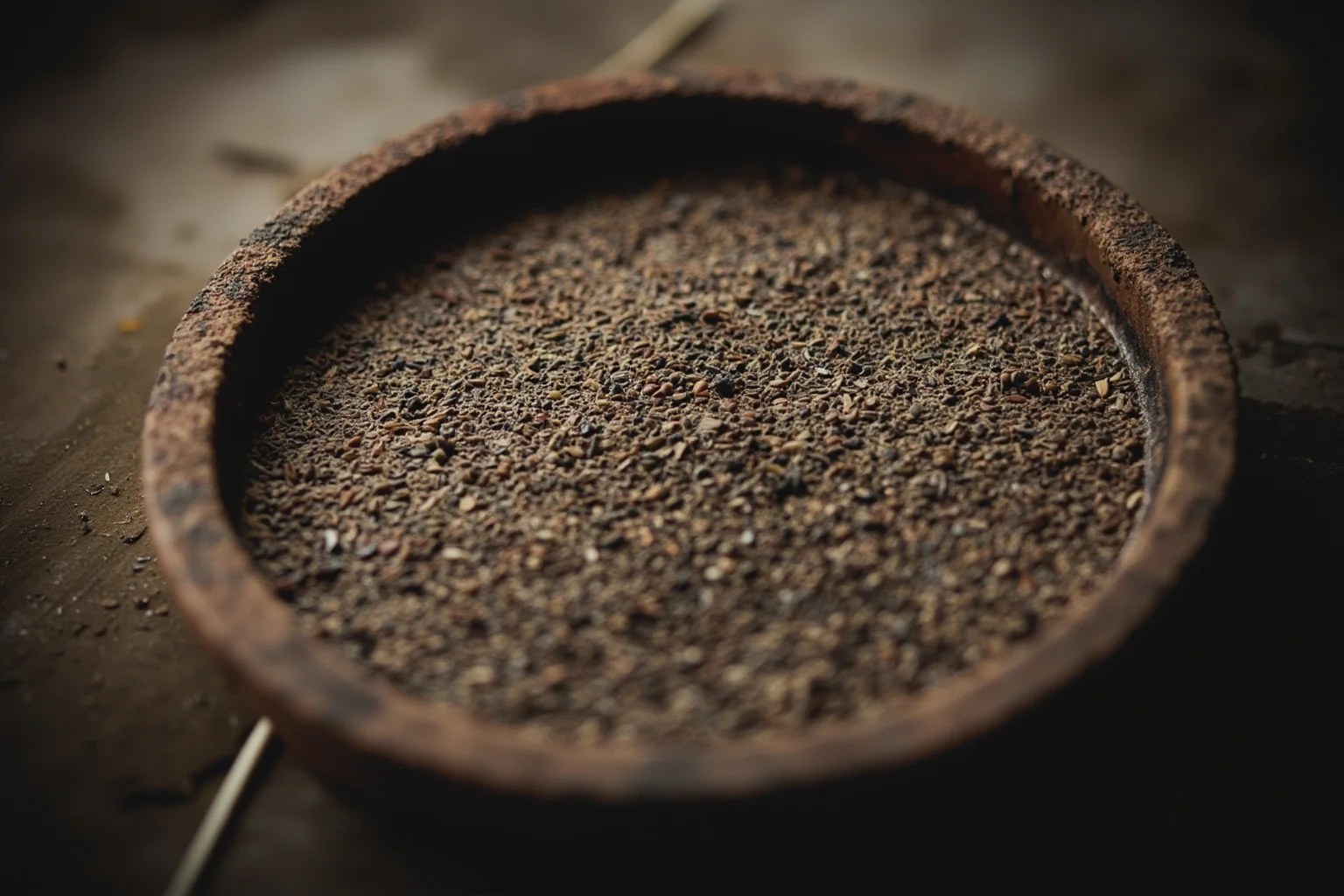
Rice is one of the most important oldest foods tied to early civilization. Charred grains from Shangshan in China indicate rice was being used and possibly cultivated around 10,000 years ago. The site sits in the lower Yangtze region, where wet rice farming would later dominate.
Over millennia, farmers selected grains that held on longer for easier harvest. The shift from wild rice to domesticated rice was slow and patchy. But the Shangshan remains are among the strongest early evidence of human rice use.
10. Figs — 11,400-Year-Old Cultivated Fruit in Jordan
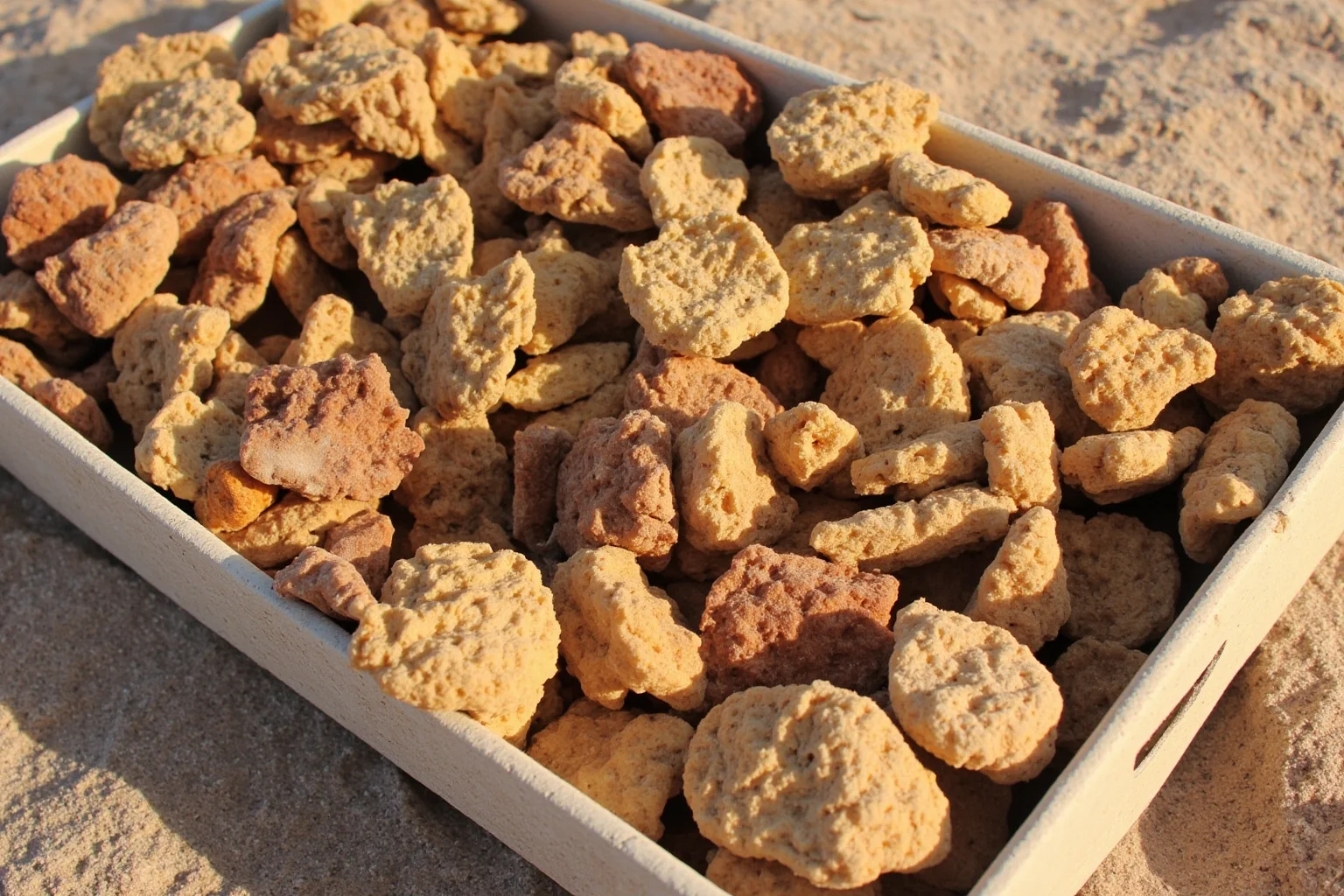
Figs may be the first fruit humans deliberately cultivated. Archaeologists found dried fig remains at Gilgal in the Jordan Valley dated to around 11,400 years ago. The figs show signs of parthenocarpy, meaning they could not have reproduced without human assistance.
That makes the Gilgal figs older than wheat, barley, or lentils as a cultivated food. They likely provided a reliable sugary energy source for early farmers. The discovery changed how historians define the start of agriculture.
11. Dates — The Ancient Sweet Staple of the Middle East
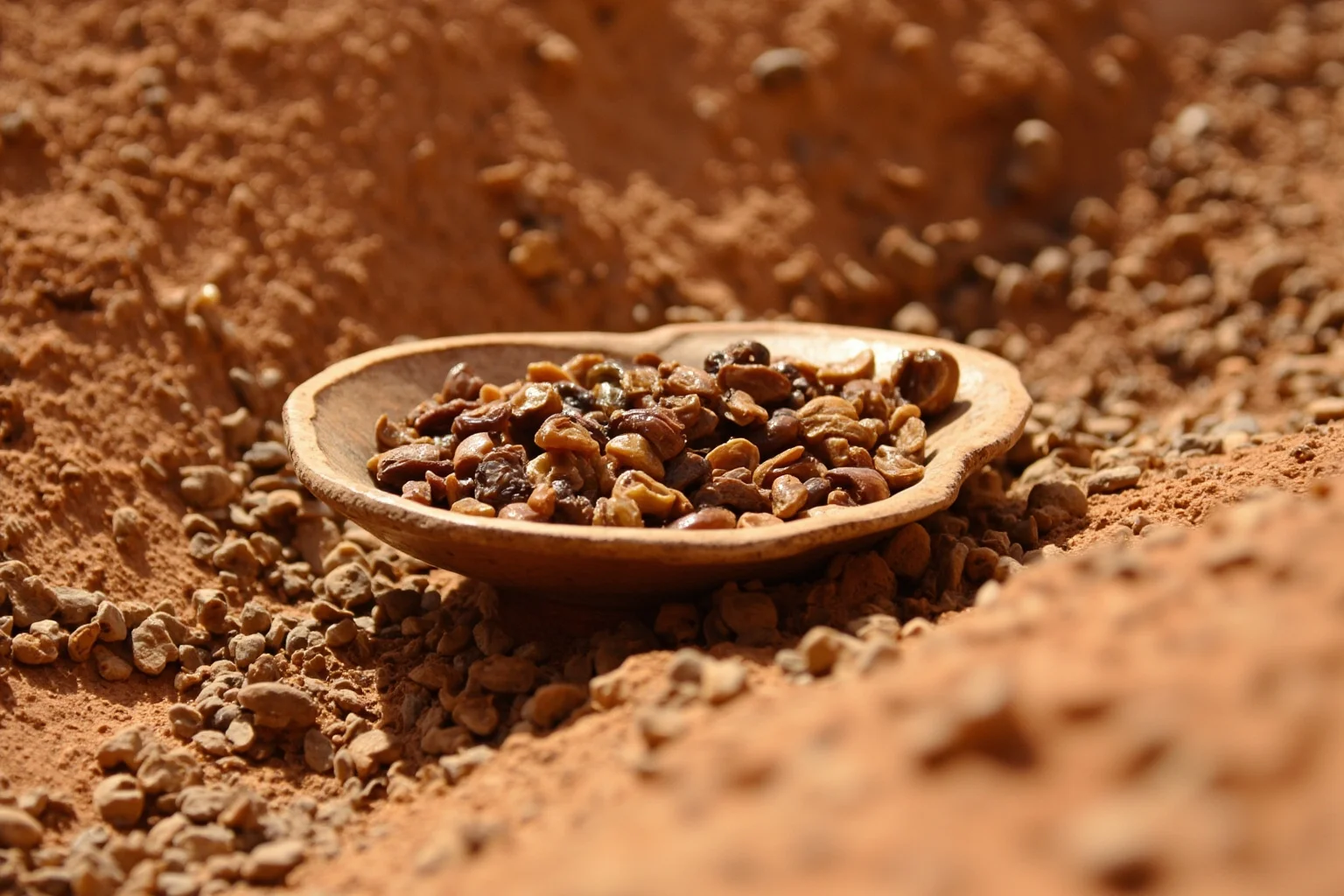
Dates were a cornerstone of Middle Eastern diets for at least 6,000 years. Date seeds and dried fruit remains appear in archaeological layers across Mesopotamia and Egypt. Their sugar content made them one of the most calorie-dense foods of the ancient world.
Ancient texts later praised date palms as life-giving trees in the region. Dates could be eaten fresh, pressed into cakes, or fermented into syrup and alcohol. Their long storage life made them ideal desert travel food.
12. Cacao — 5,300-Year-Old Chocolate Residue from Ecuador
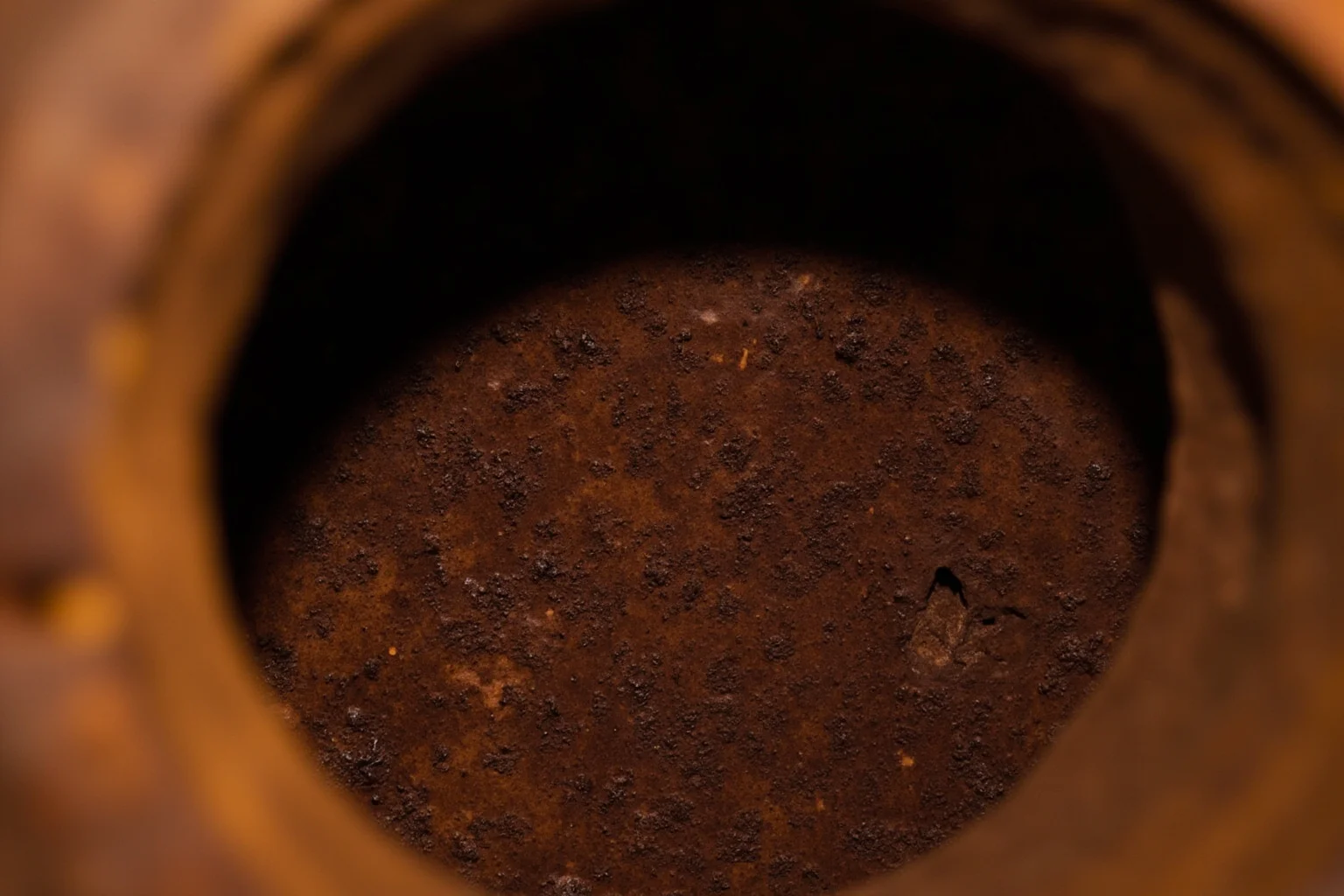
Cacao was drunk long before chocolate bars existed. Residue inside pottery vessels from Ecuador shows cacao use around 5,300 years ago, pushing the story far earlier than the Maya and Aztec traditions. The pots contained theobromine, the chemical signature of cacao seeds.
Ancient people consumed cacao as a bitter, spiced beverage, often without sugar. The find in South America expanded cacao's origin beyond Central America. It remains one of the most chemically secure discoveries of a luxury food in the ancient Americas.
By the time Maya and Aztec cultures made cacao central to ritual, the plant had already traveled widely. The Ecuadorian residue shows it was first used at the edge of the Amazon, not in a single Mesoamerican cradle. That discovery forced researchers to redraw chocolate's family tree.
13. Otzi's Last Meal — A 5,300-Year-Old Stomach Contents
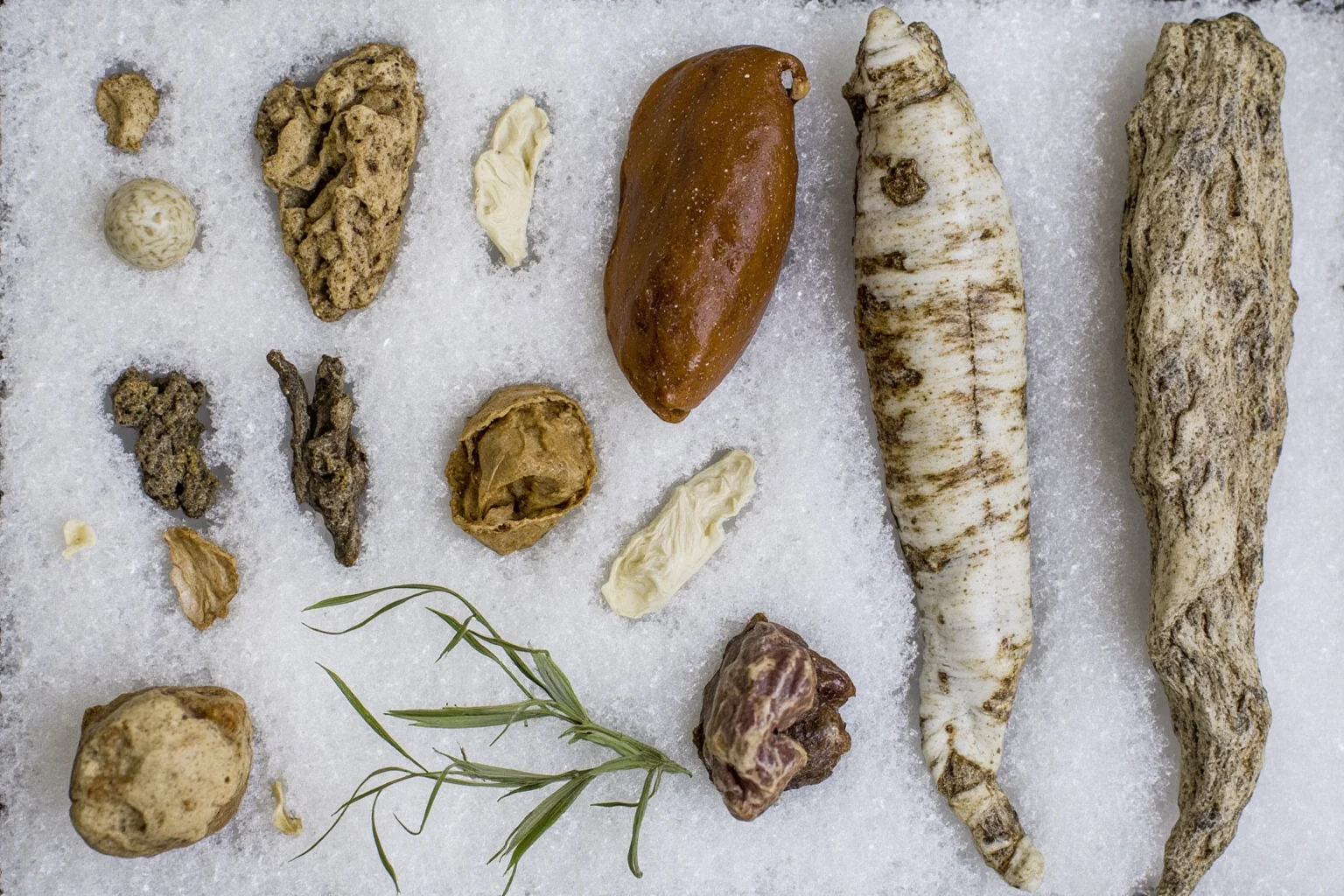
Sometimes the oldest food is not a single ingredient but a whole meal. Otzi the Iceman, a 5,300-year-old mummy found in the Alps, carried a stomach full of his final meal. Researchers found einkorn wheat, high-altitude ibex meat, and plant traces.
The well-preserved contents show he ate a dense, high-fat diet before his death. Because the body froze quickly, the meal survived in remarkable condition. It gives a rare, almost personal look at what one person actually ate thousands of years ago.
14. Jiahu Fermented Beverage — 9,000-Year-Old Mixed Drink in China
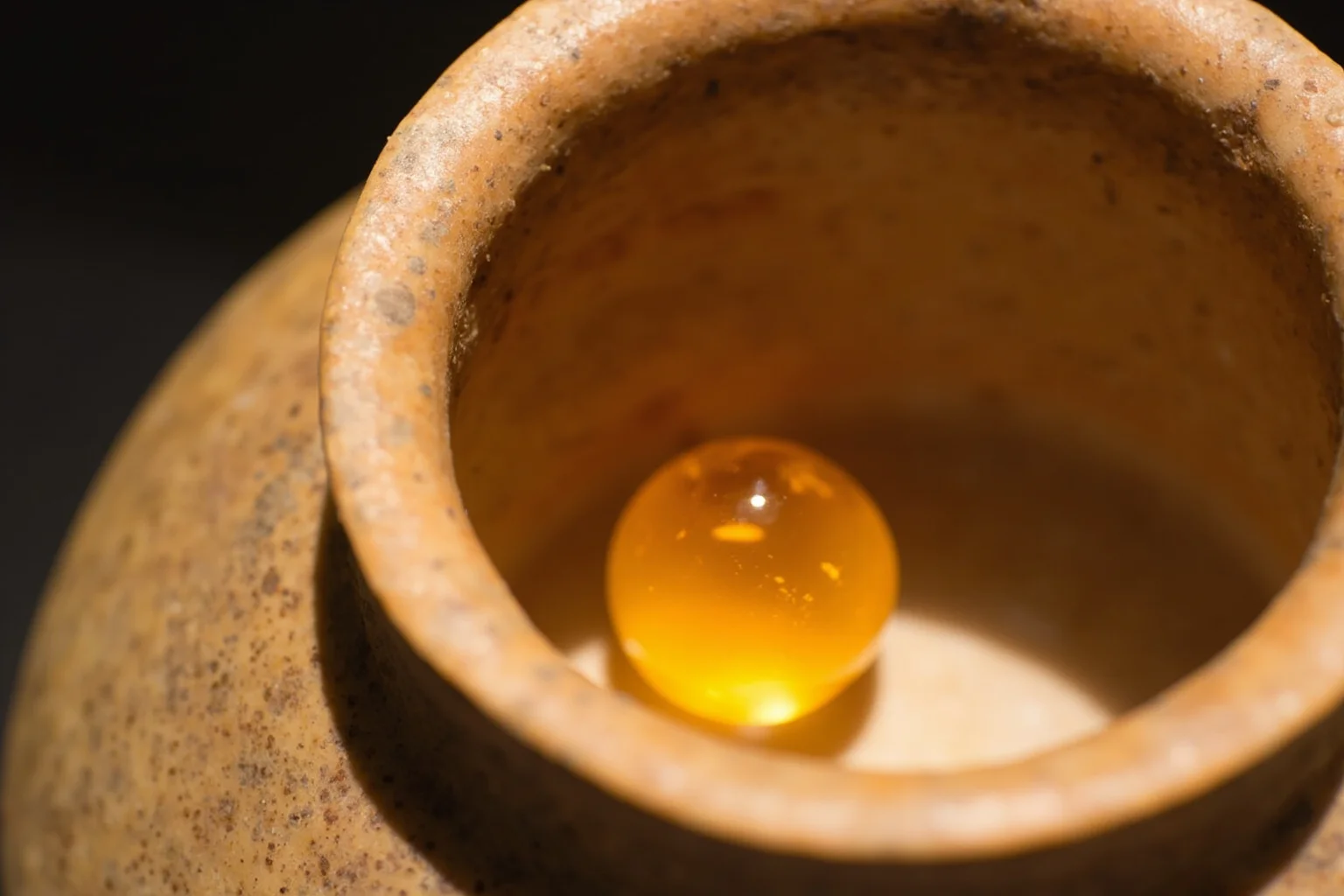
Neolithic people in China mixed more than water with their grains. Jars from the Jiahu site, dated to about 9,000 years ago, contained residues of rice, honey, and hawthorn or grape. The chemical profile suggests a mixed fermented beverage, not pure wine or beer.
This early drink predates grape wine from Georgia by centuries and shows multiple fermentation traditions existed. It was probably sweet, sour, and slightly herbal. The find complicates the simple idea that alcohol had one birthplace.
15. Bog Butter — 2,000 to 3,000-Year-Old Dairy from Peat Bogs
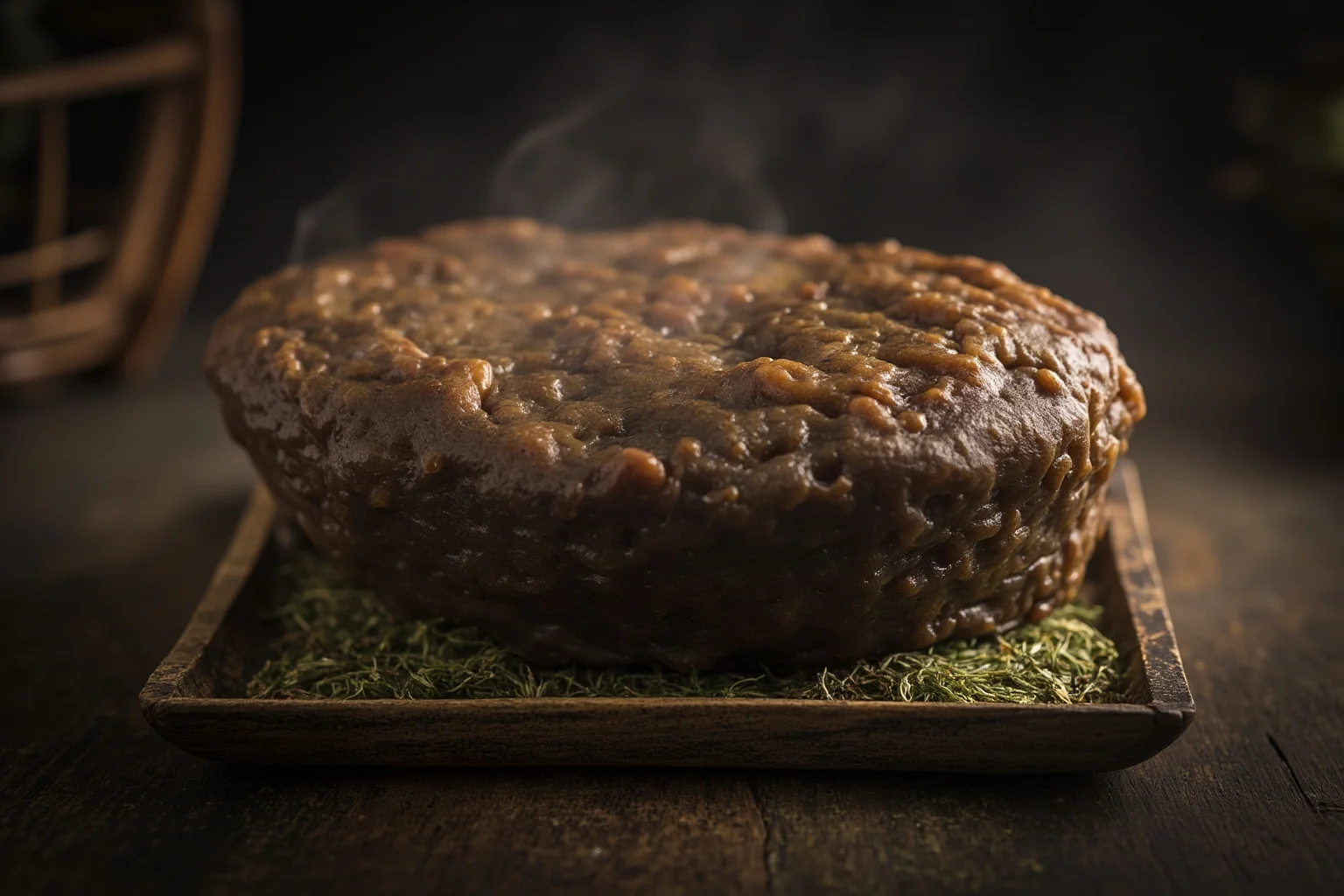
In Irish and Scottish peat bogs, farmers once buried casks of butter for preservation or ritual. Some of this bog butter has been pulled from wetlands after sitting for 2,000 to 3,000 years. The cool, acidic, oxygen-poor bog acts like a natural refrigerator.
Scientists have analyzed bog butter and found it was often made from cow's milk, though some samples contain plant fats. The oldest examples still carry strong, rancid-butter smells. They are among the oldest preserved dairy products found in Europe.
16. Popcorn — 6,700-Year-Old Popped Kernels in Peru
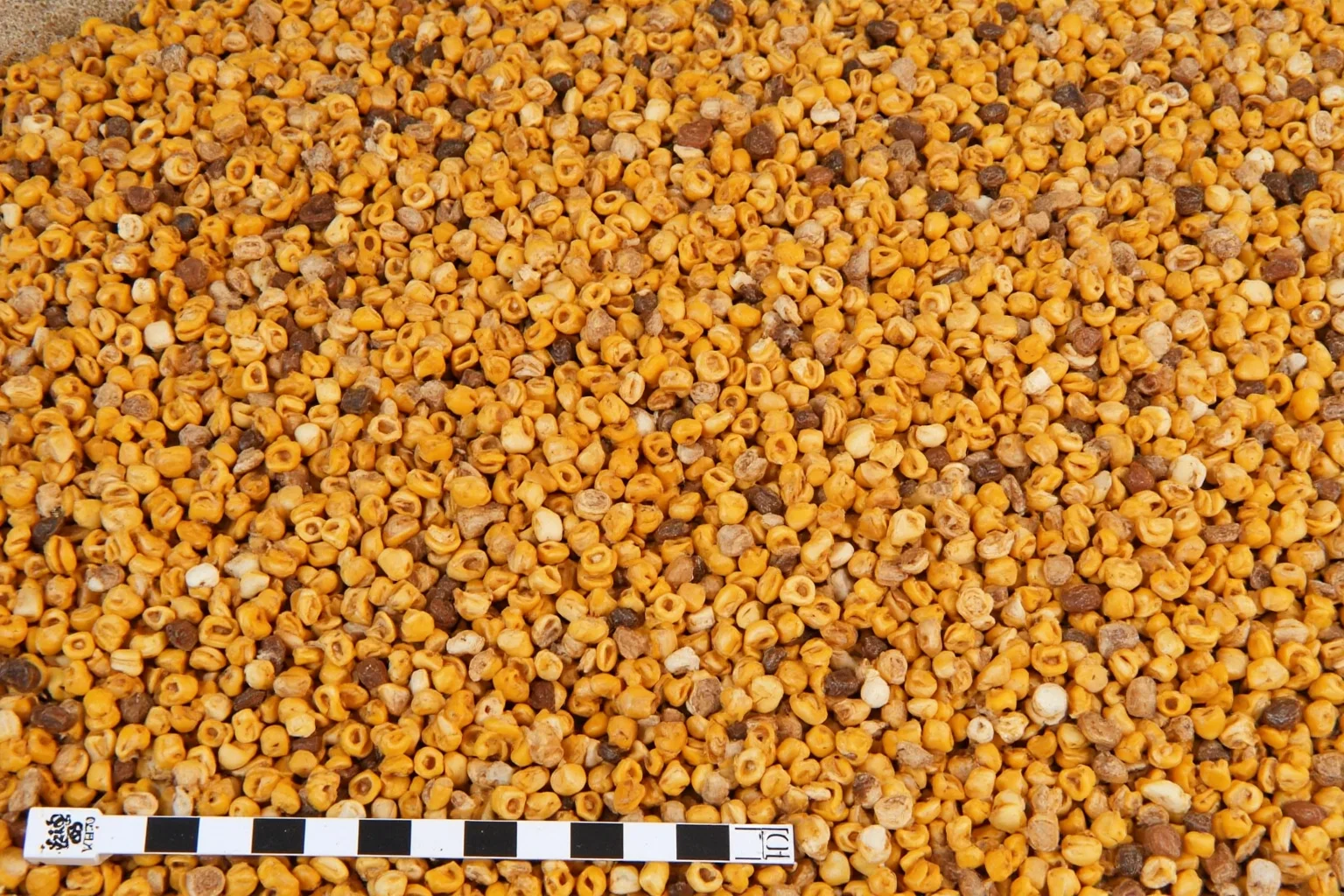
Popcorn is often treated as a modern snack, but ancient maize had the same popping ability. In Peru, archaeologists uncovered corn cobs and popped kernels at sites roughly 6,700 years old. The find suggests early Americans knew how to heat small, hard maize grains until they burst.
These early corns were smaller and harder than modern popcorn, but the physics was the same. Heat turned internal moisture into steam, causing the kernel to explode open. It is one of the more playful examples of discovered foods in the Americas.
17. Ancient Porridge and Stew — 9,000-Year-Old Pot Residues
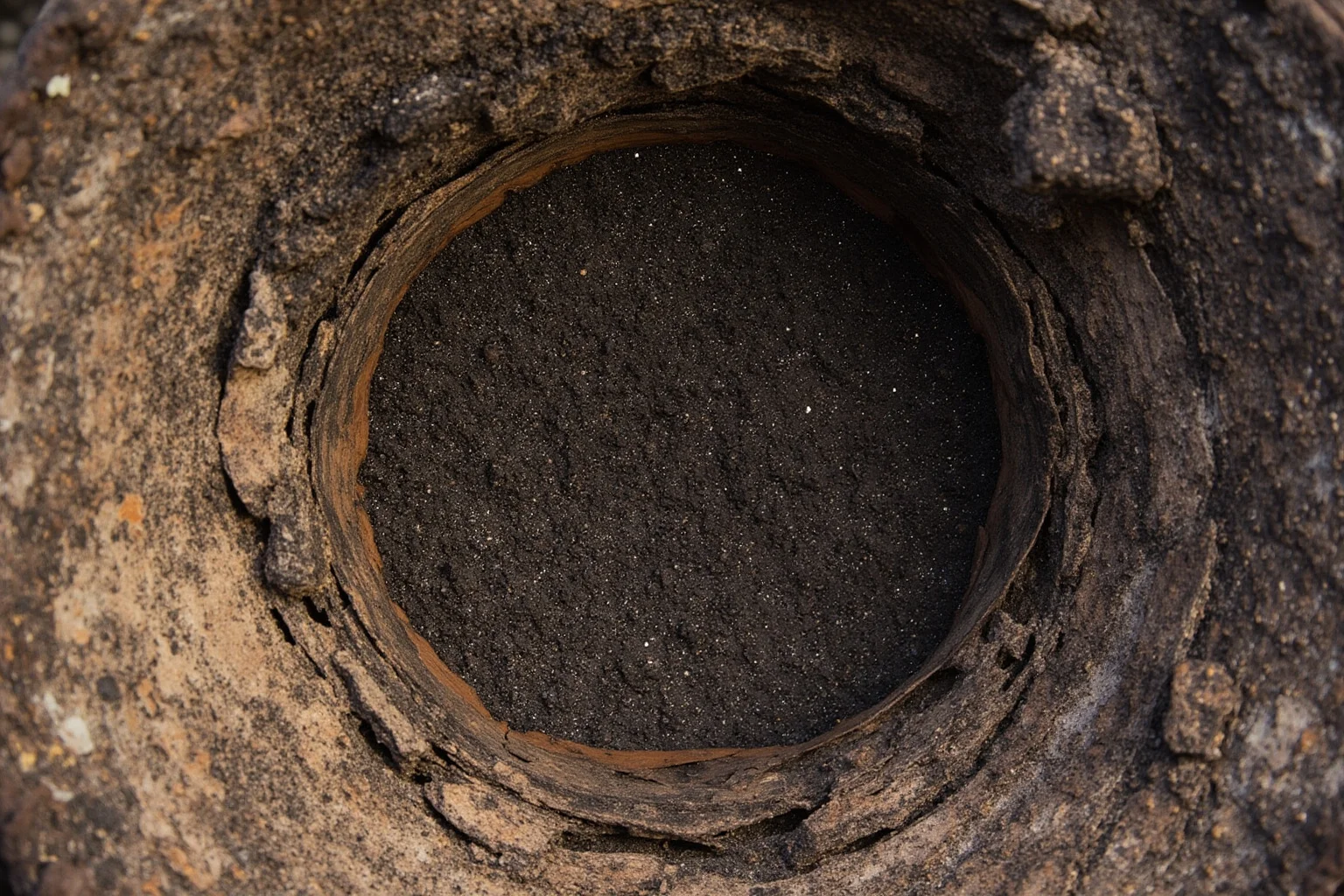
The humble porridge may have been humanity's daily staple before bread. At Neolithic sites like Çatalhöyük in Turkey, charred food residues in pots show cooked grains, pulses, and sometimes meat. Dating places these meals around 9,000 years ago.
These pot residues are not always beautiful, but they are direct evidence of food of the past. Repeated scraping of burnt layers lets archaeologists identify ingredients like wheat, barley, lentils, and bitter vetch. The result is a stewed meal that many ancient farmers would recognize.
Residue analysis can detect tiny layers left after repeated cooking episodes. Researchers sometimes find a charred crust on the inner wall of a pot that preserves starch granules and protein fragments. These microscopic leftovers work like a prehistoric recipe card.
18. Soybeans — 5,000-Year-Old Seeds from East Asia
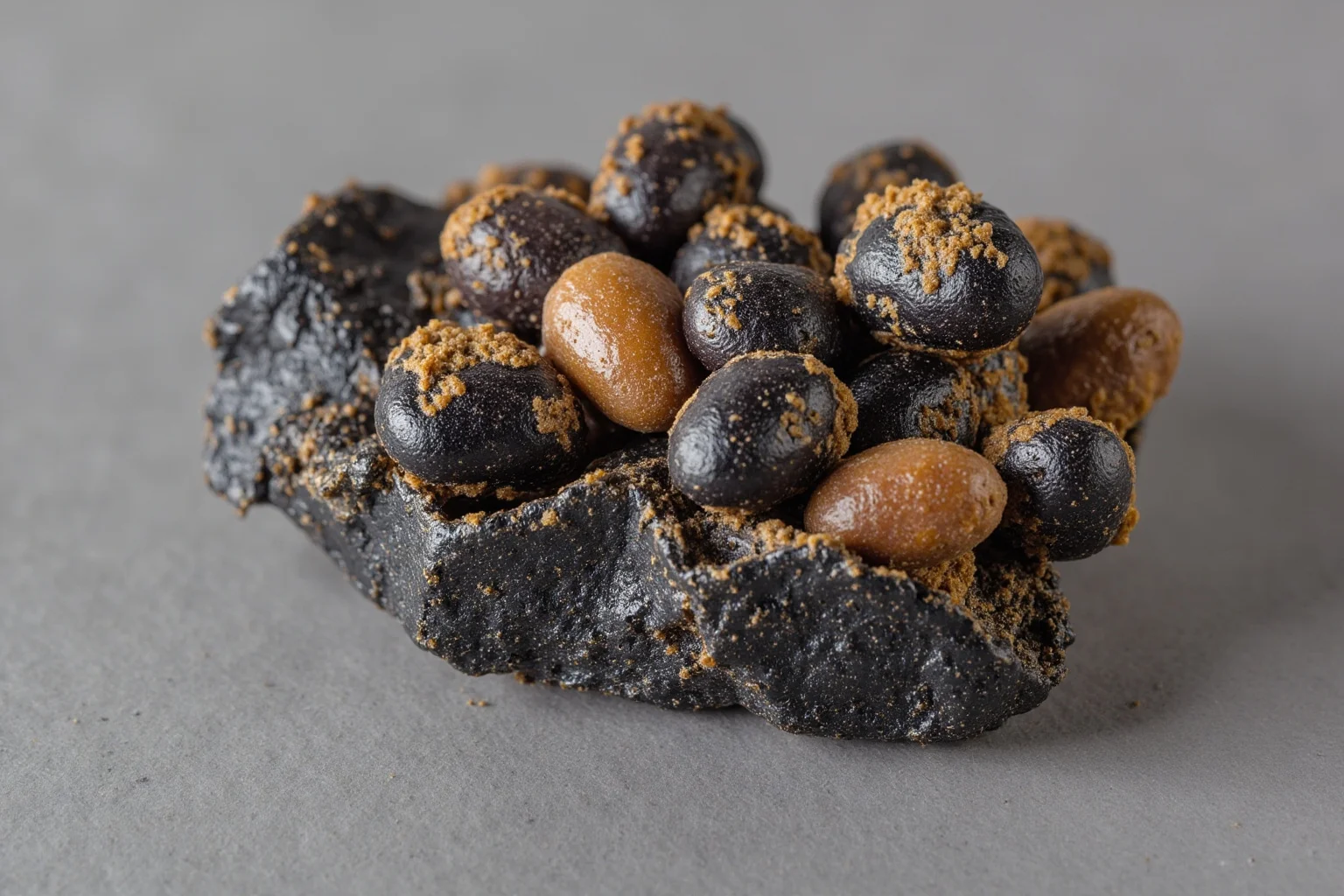
Soybeans are older than most people expect. Charred soybean seeds from China and Japan suggest the plant was being used by humans at least 5,000 years ago. Early farmers may have boiled or fermented them to reduce natural toxins.
Fermentation later turned soybeans into products like miso and soy sauce. But before that, the bean itself was a dense source of protein. Its early use marks the start of one of the world's most important legume crops.
19. Pistachios — 9,000-Year-Old Nut Shells from Anatolia
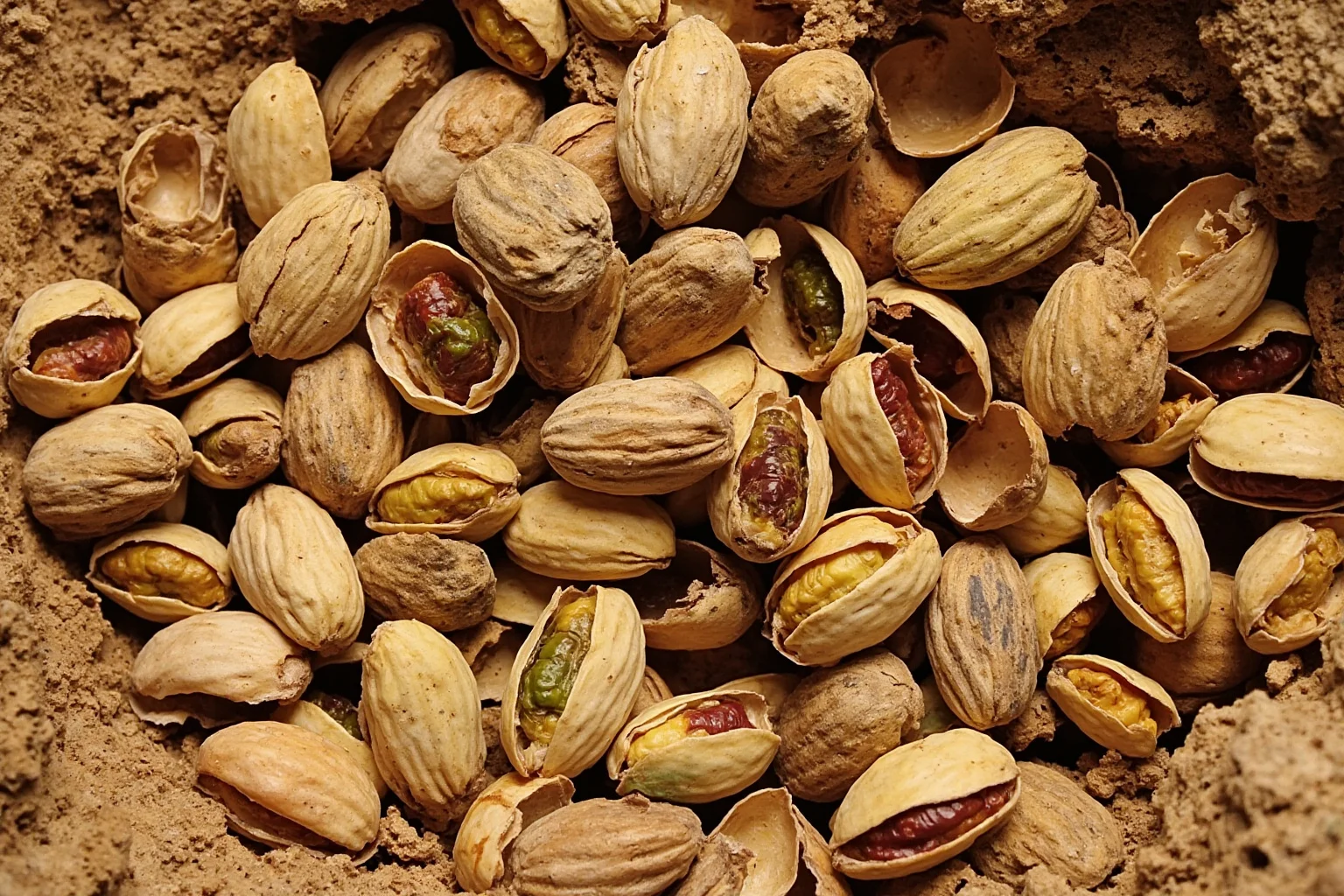
Nuts often survive in dry cave deposits better than fleshy fruits. Pistachio shells have been found at ancient sites in Anatolia and the Levant dating back around 9,000 years. They were gathered from wild trees long before orchards were planted.
Roasting improved both flavor and storage life for ancient travelers. Pistachios later became a prized trade food across Persia and the Mediterranean. These old shells are direct physical evidence of snacking and storing in the deep past.
Ancient people may have stored pistachios for winter or carried them on long journeys. The nuts contain protein, fat, and enough calories to sustain travelers between larger meals. Their shells also preserve well, which is why archaeologists keep finding them.
20. Fermented Fish Sauce — The Ancient Umami Industry
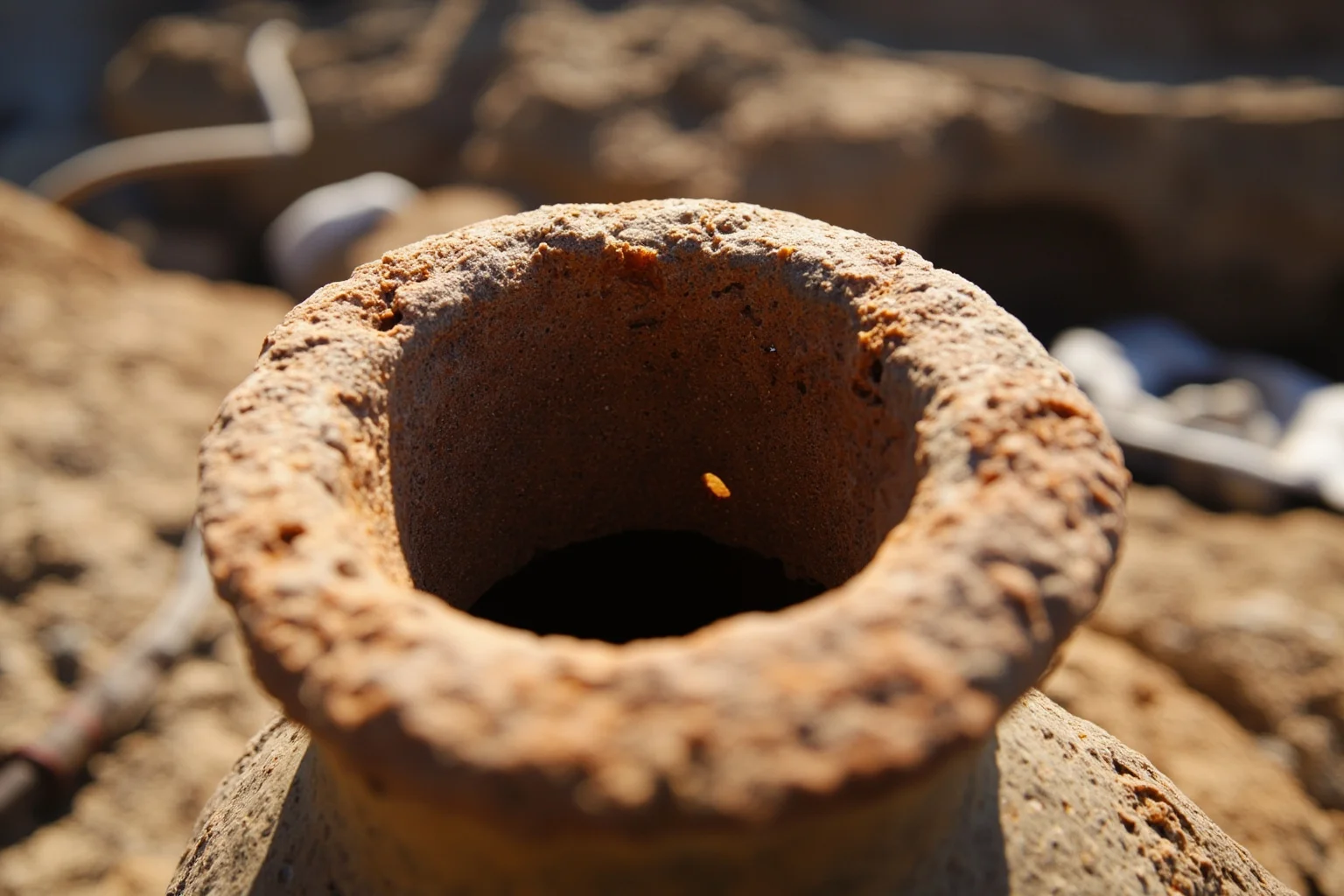
Fermented fish sauce is one of the oldest condiment traditions in the world. Though Roman garum is the most famous version, earlier fish fermentation likely existed in China and Southeast Asia long before the empire. Residues in amphorae show large-scale garum production by the Greco-Roman period.
Workers salted fish, packed it in vats, and let enzymes break it down into a salty liquid. The result added umami to nearly every Roman dish. Its spread across the Mediterranean shows how a simple seafood product could become an empire-wide industry.
The exact birthplace of fermented fish sauce is still debated. Some early Chinese and Vietnamese texts and vessels suggest fish was salted and fermented long before Rome expanded. What is certain is that umami-rich fish condiments spread along trade routes and shaped ancient cooking.
What the Oldest Foods Tell Us About Human History
These historical foods are not just curiosities. They show that cooking, storing, and improving food are ancient human skills, not recent inventions. From bread before farming to wine before writing, the timeline of food reveals a deep drive to make meals better.
The oldest food in the world may never have a single winner. Each discovery has its own context, preservation story, and date range. What unites them is that every one of these items shows people experimenting with taste, survival, and ritual.
Frequently Asked Questions
What is the oldest food in the world?
There is no single oldest food, because survival depends on preservation conditions. The oldest direct food remains include 14,400-year-old bread-like crumbs from a Jordanian camp and 11,400-year-old cultivated figs from the Jordan Valley. Honey and salt are among the oldest foods still edible today.
What was the first food ever eaten by humans?
No one can identify a single first food, because early hominin diets left only indirect evidence like tooth wear and butchery marks. Meat, tubers, seeds, insects, and fruits were likely all part of early diets depending on region and season. Charred plant remains are the oldest direct evidence of specific plant foods.
How do historians know what food people ate thousands of years ago?
They use charred plant remains, animal bones, food residues in pottery, pollen, and isotope analysis of human bones and teeth. Preservation in dry, frozen, or waterlogged sites can keep whole foods intact. Each line of evidence helps reconstruct ancient meals without written records.
Are any of these ancient foods still edible?
Honey from sealed Egyptian tombs is often cited as still safe to eat, though it has darkened and crystallized. Bog butter is technically rancid and not considered edible by modern standards. Most other discoveries are archaeological samples, not meals.
What is the oldest dish ever reconstructed?
Otzi the Iceman's final meal is one of the oldest meals preserved intact, with einkorn wheat, ibex meat, and herbs surviving in his stomach. The 14,400-year-old bread crumbs and 4,000-year-old Chinese noodles also offer direct snapshots of a specific prepared food.

Alex Warren
Related Articles