

When people search for "red indian facts" or "stuff about Native American" culture, they're often working from decades of movie stereotypes rather than actual history. The truth is far richer, more diverse, and more surprising than any Hollywood western ever suggested. There is no single "Native American culture" — there are hundreds of distinct nations, languages, and histories, each with its own story to tell.
This guide pulls together verified, historically grounded facts about Native American history, culture, and the diverse Indigenous nations of North America. We'll bust a few persistent myths along the way, because good history writing means separating what's documented from what's just been repeated in old textbooks and films.
TL;DR: Native American history spans over 15,000 years and hundreds of distinct, sovereign nations — far too diverse and complex to reduce to a single stereotype.
1. "Native American" Describes Hundreds of Distinct Nations, Not One Culture
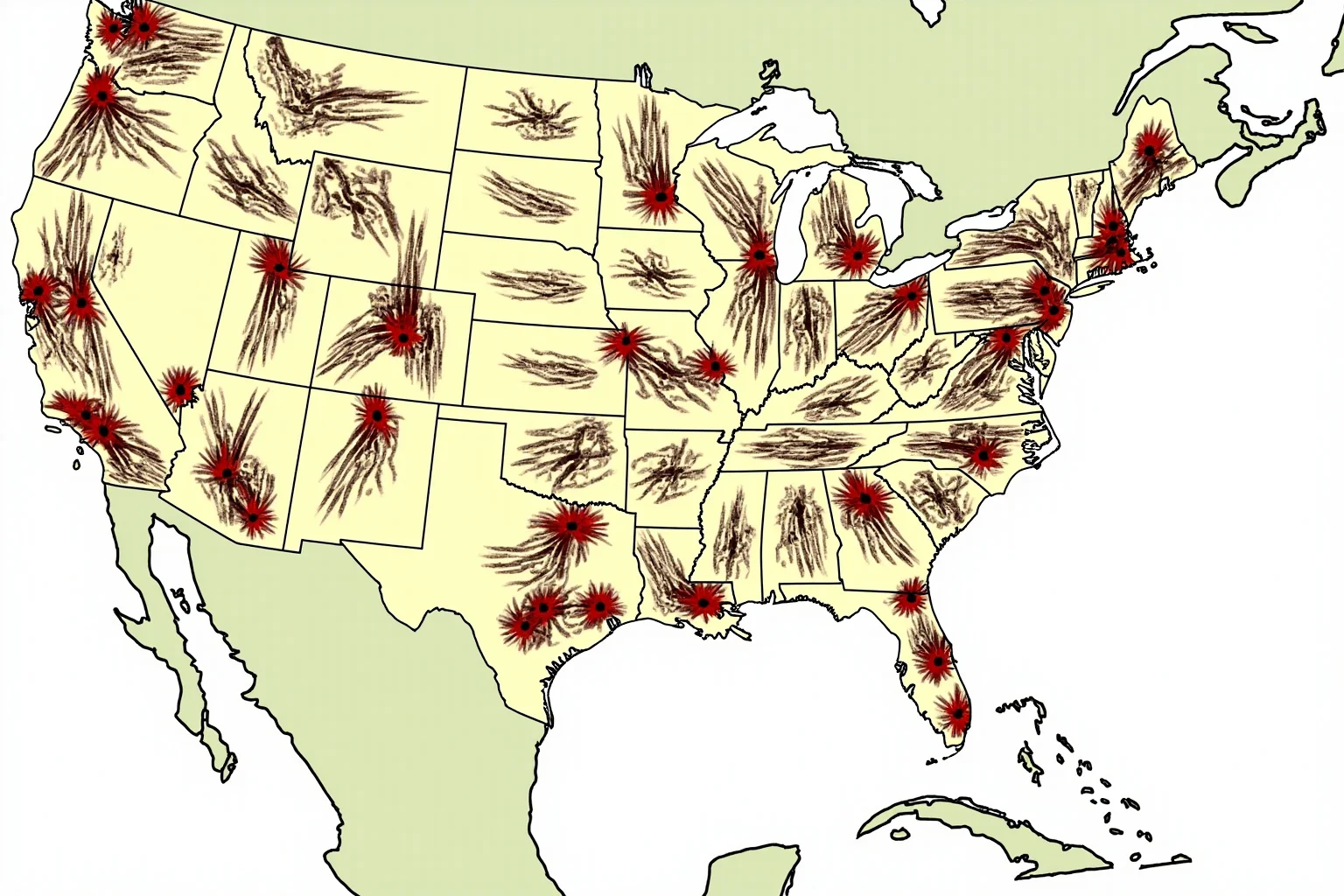
One of the most important facts about Native Americans is also the most overlooked: there is no single, unified "Native American culture." The United States alone recognizes 574 federally recognized tribal nations, each with its own government, language, traditions, and history.
Lumping the Navajo, the Wampanoag, the Lakota, and the Seminole together is a bit like lumping together every nation in Europe. Any honest list of American Indian culture facts has to start by acknowledging this diversity rather than flattening it.
2. The Term "Red Indian" Is an Outdated and Inaccurate Label
Searches for "red Indian facts" are common, but the term itself is a historical relic worth unpacking rather than repeating. "Red Indian" emerged from European settlers' assumptions about skin tone and was never a term Indigenous peoples used for themselves.
Today, most Indigenous people in the United States prefer "Native American," "American Indian," or, best of all, the name of their specific nation, such as Cherokee, Ojibwe, or Diné. In Canada, "First Nations," "Inuit," and "Métis" are the accurate umbrella terms. Using specific, accurate names is one of the simplest ways to respect Indigenous history.
3. Indigenous Peoples Have Lived in the Americas for Over 15,000 Years
Archaeological evidence, including sites like Monte Verde in Chile and the Paisley Caves in Oregon, shows that people were living in the Americas at least 15,000 years ago, and possibly earlier. This predates the Egyptian pyramids by thousands of years.
The old "Clovis First" theory, which claimed all Native Americans descended from a single wave of migrants who crossed into North America during the last Ice Age around 13,000 years ago, has been largely replaced by evidence of multiple, earlier migrations. This is one of those native American historical facts that keeps evolving as archaeology advances.
4. Hundreds of Distinct Languages Were Spoken Across North America
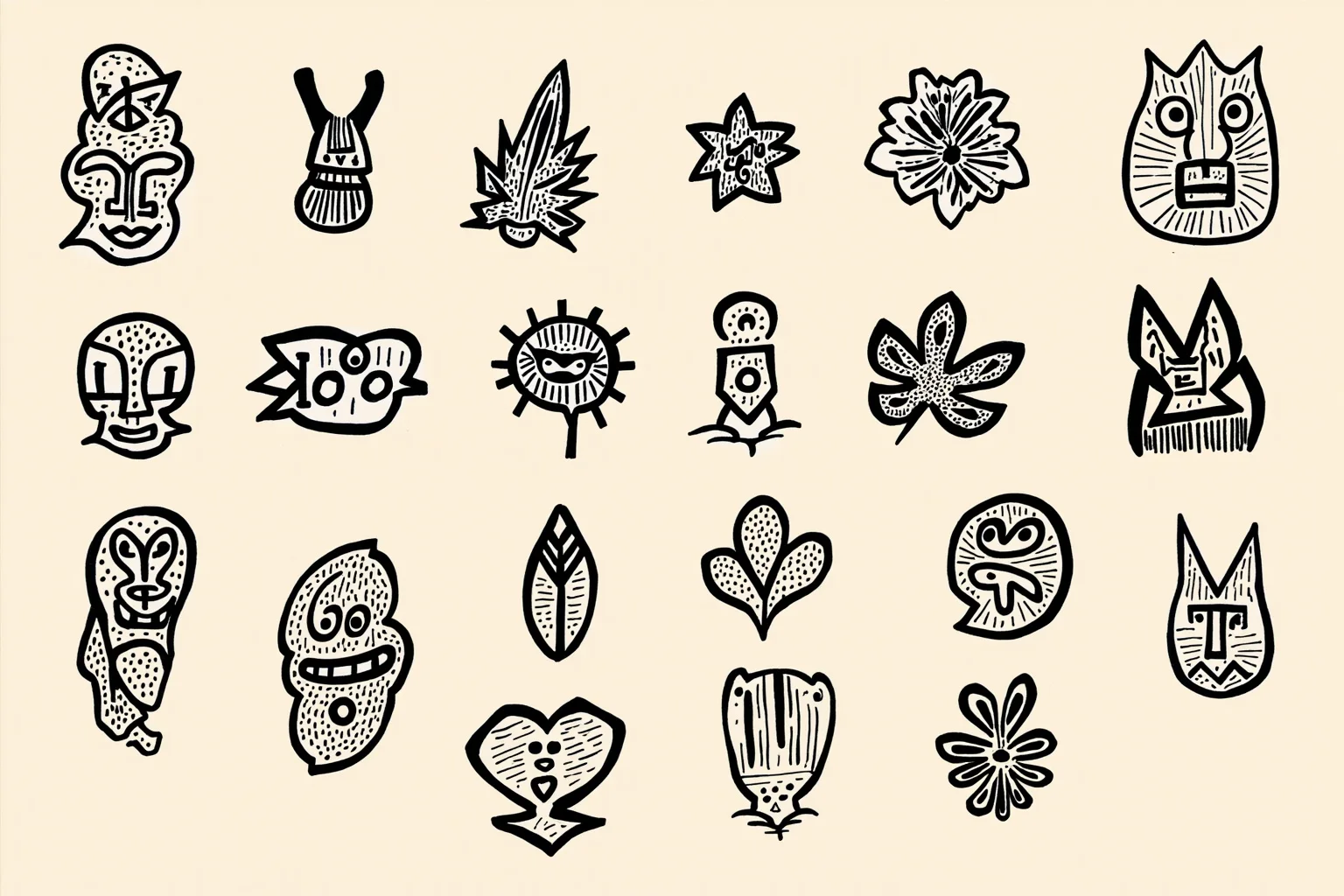
Before European contact, an estimated 300 to 500 distinct languages were spoken across North America, organized into dozens of unrelated language families. Navajo, Cherokee, and Lakota are as different from one another as English is from Mandarin.
Sadly, colonization, forced assimilation, and boarding schools caused many of these languages to nearly disappear. Today, tribal nations run active language revitalization programs, teaching Indigenous languages in schools to keep them alive for new generations.
5. The Iroquois Confederacy Shaped Ideas About Democracy
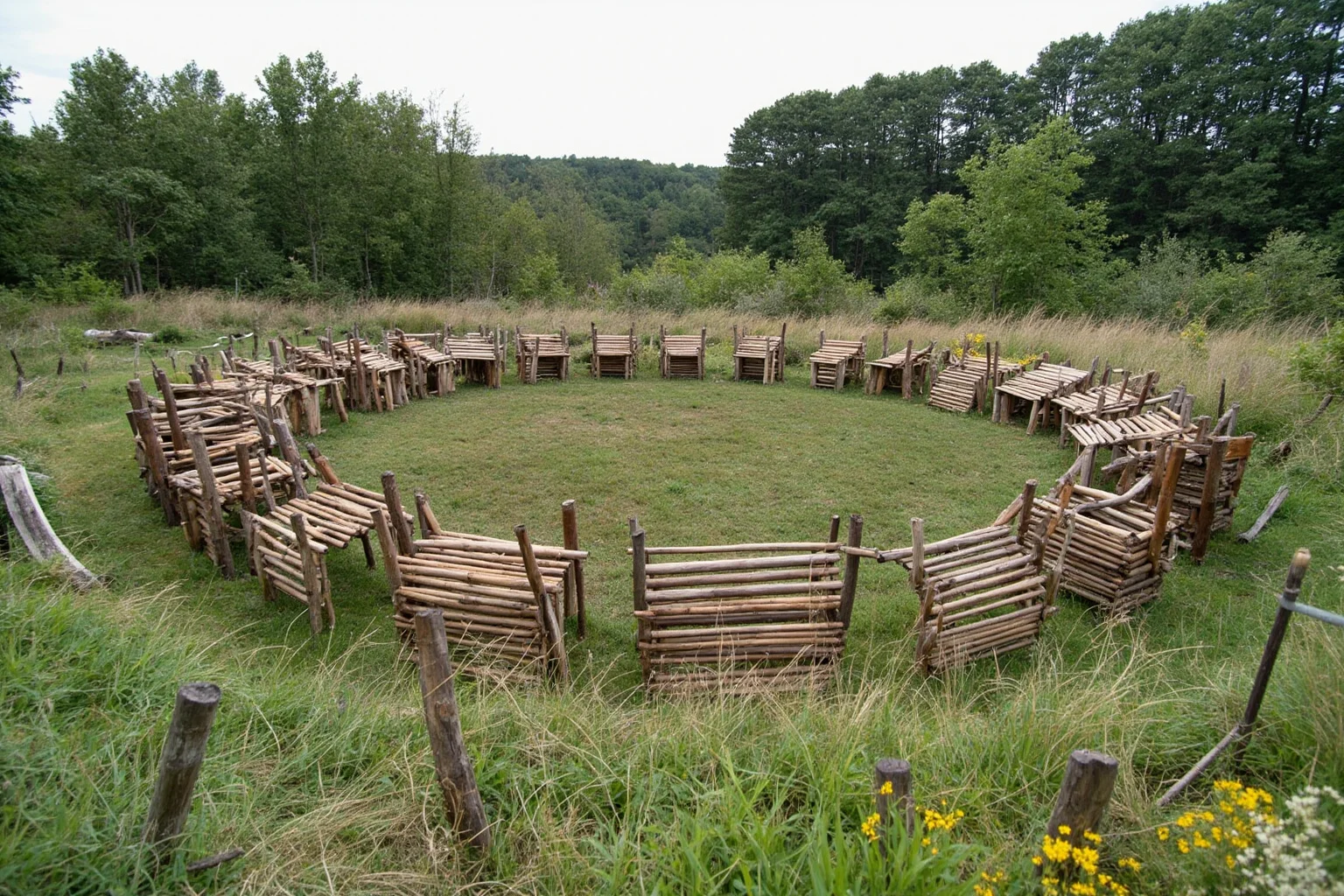
The Haudenosaunee, also known as the Iroquois Confederacy, united six nations under a sophisticated governing framework called the Great Law of Peace, established well before European contact. It featured checks on power, representative councils, and mechanisms for consensus-building.
Several historians argue that Founding Fathers, including Benjamin Franklin, were aware of and influenced by this system when discussing colonial unity. This influence is debated among scholars, but it remains one of the more fascinating American Indian history facts worth exploring further.
6. Not All Native Americans Lived in Tepees
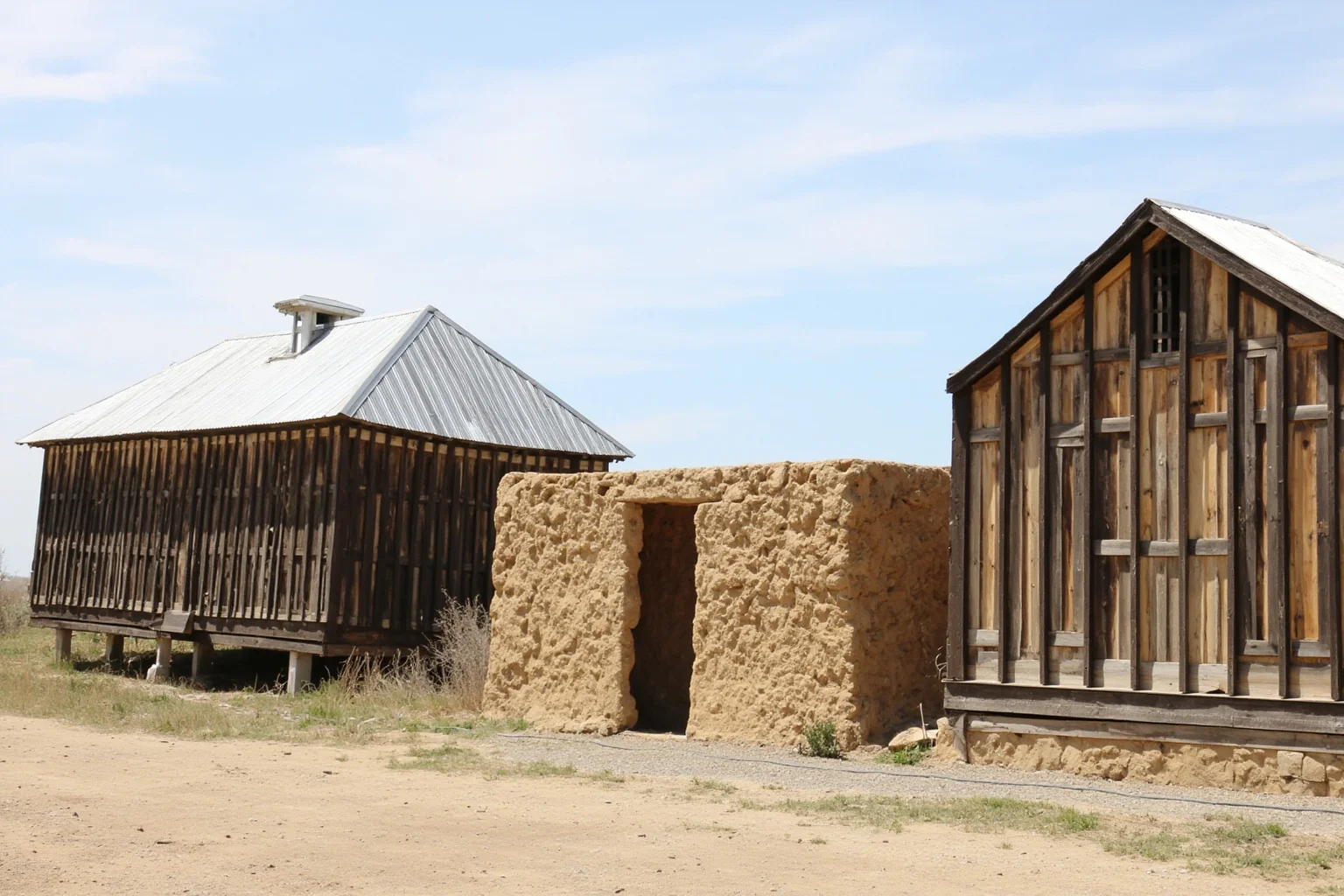
A classic Hollywood image shows every Native American living in a tepee, but this was actually specific to Plains nations like the Lakota and Cheyenne, who needed portable housing to follow bison herds. Housing styles varied enormously by region and climate.
Northeastern nations like the Haudenosaunee built longhouses. Southwestern peoples like the Ancestral Pueblo built multi-story adobe structures. Pacific Northwest nations built large wooden plank houses. Housing reflected environment and lifestyle, not a single "Native American" template.
7. The "Three Sisters" Farming Method Was an Agricultural Innovation
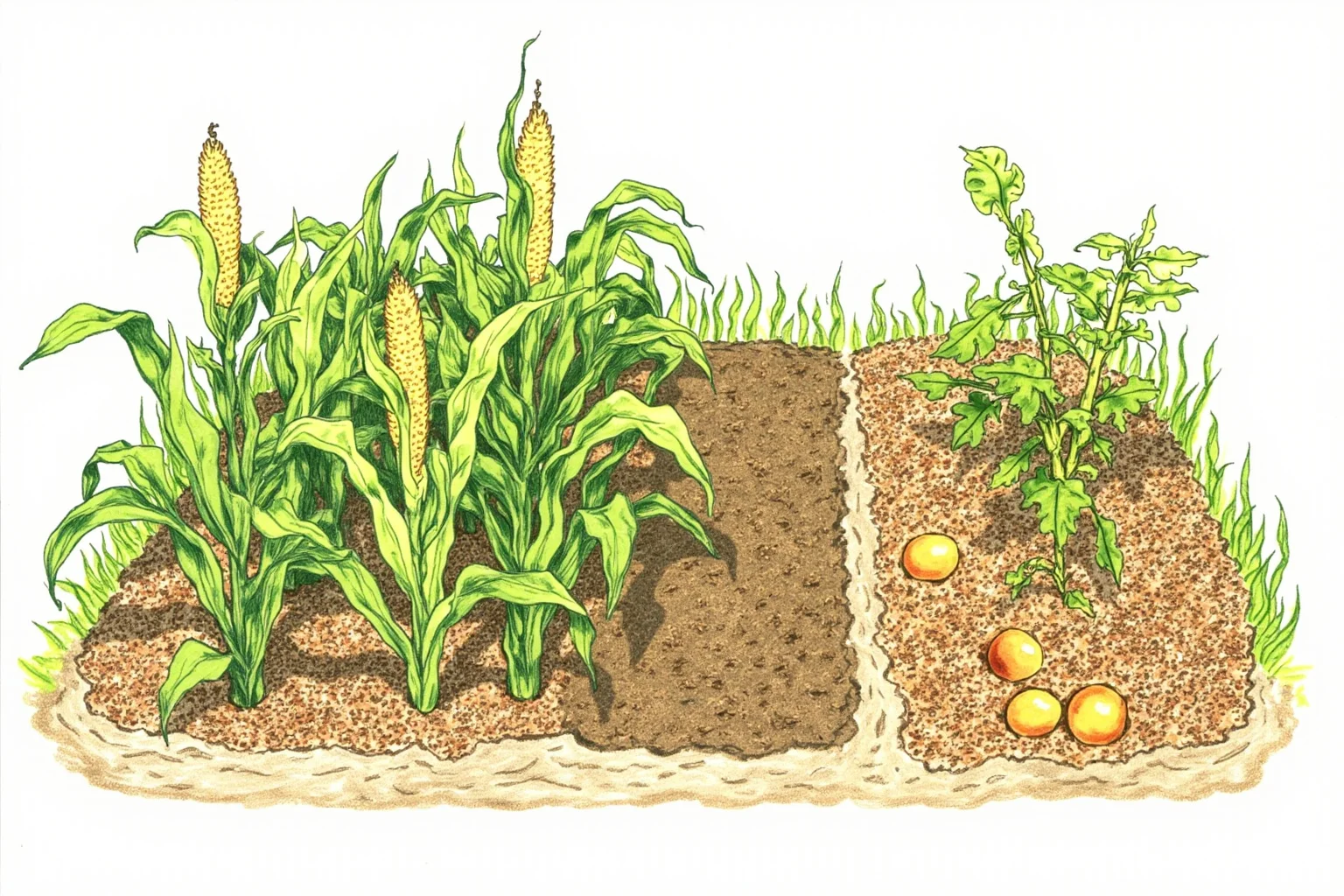
Many Native American nations, particularly in the Eastern Woodlands and Southwest, practiced companion planting known as the "Three Sisters": corn, beans, and squash grown together. Corn provided a stalk for beans to climb, beans fixed nitrogen in the soil, and squash leaves shaded out weeds.
This method sustained large populations for centuries and reflected deep ecological knowledge. It's a great example among facts about the Native American culture that highlights innovation rather than just survival.
8. Tribal Nations Had Sophisticated Systems of Government
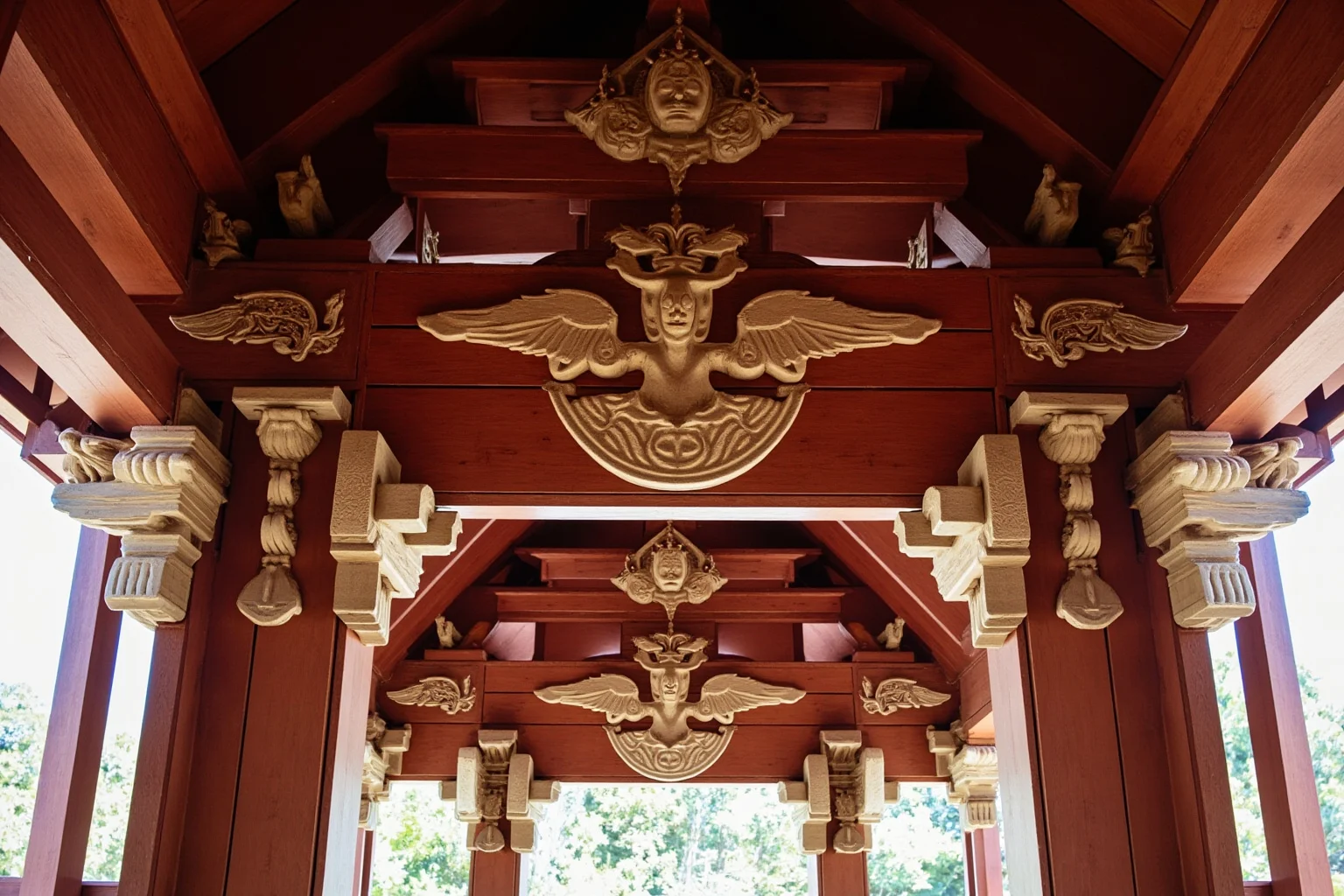
Contrary to old stereotypes of "simple" societies, Indigenous nations developed varied and often intricate political systems. Some, like the Haudenosaunee, used confederacies with representative councils. Others, like many Pueblo communities, used theocratic councils tied closely to religious leadership.
The Cherokee Nation adopted a written constitution in the 1820s, modeled partly on the U.S. Constitution but rooted in their own governance traditions. These systems governed trade, diplomacy, warfare, and law long before European colonization began.
9. Lacrosse Began as a Native American Sport With Spiritual Meaning
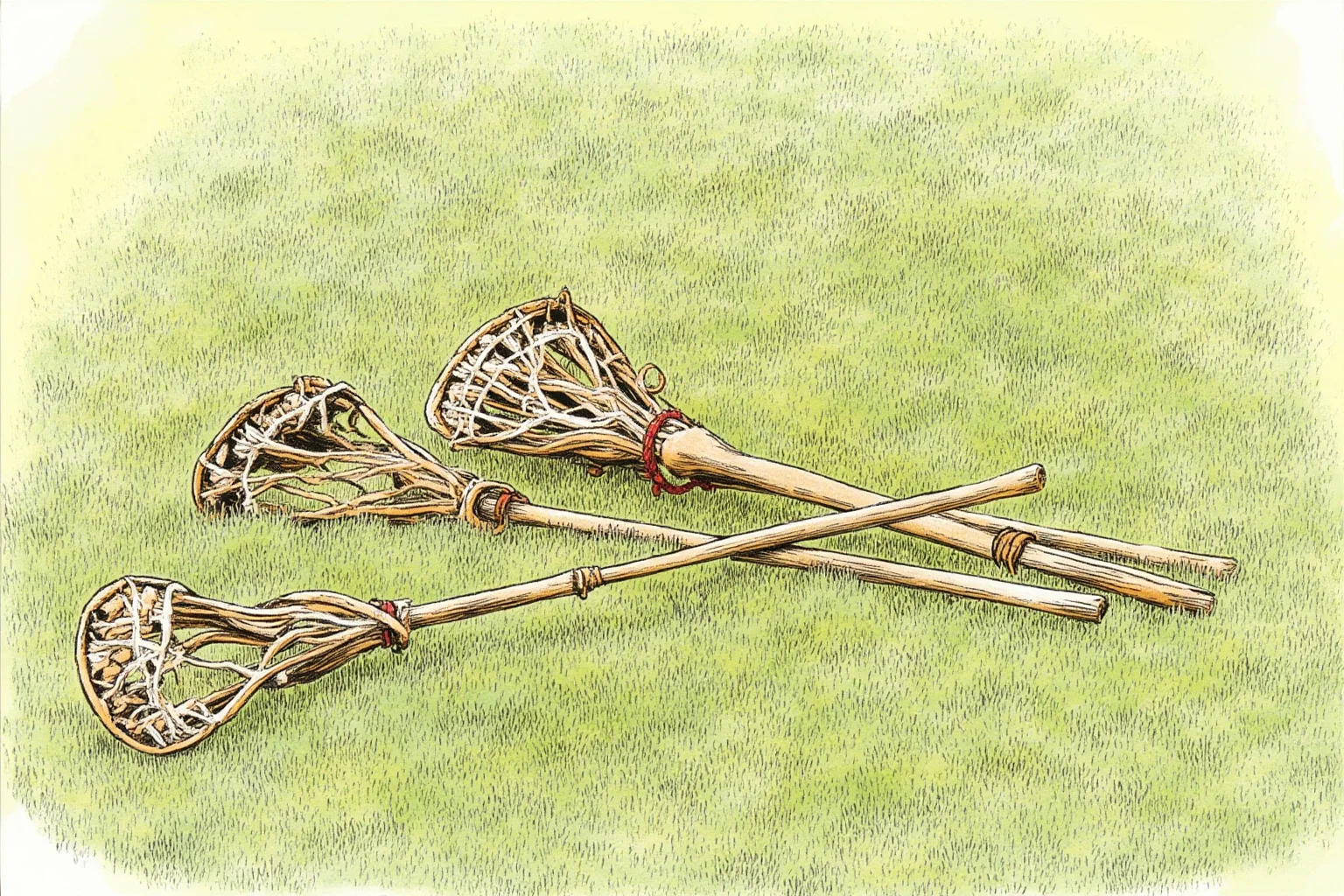
Lacrosse originated among Native American nations, particularly the Haudenosaunee and other Eastern Woodlands peoples, who called it by names often translating to "the little brother of war." It wasn't just recreation; it carried spiritual significance and was sometimes used to settle disputes between communities.
Games could involve hundreds of players across huge distances and last for days. Today's modern lacrosse, played worldwide, is a direct descendant of this Indigenous tradition, making it one of the more surprising native American fun facts.
10. Powwows Are Living Traditions, Not Historical Reenactments
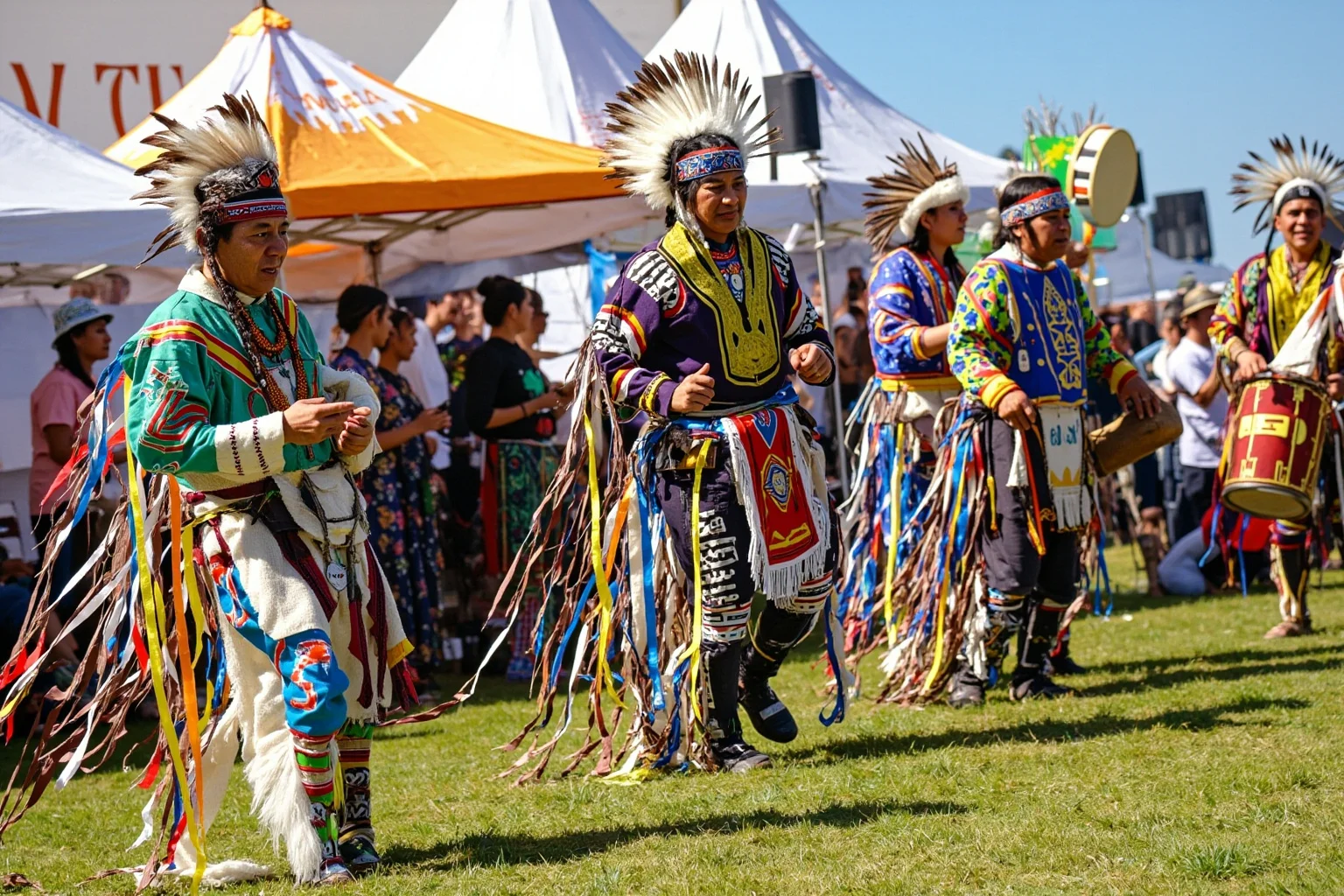
A powwow is a modern social and cultural gathering featuring dance, music, food, and community, and it's very much alive today, not a museum piece. Powwows happen throughout the year across the U.S. and Canada, often open to the public.
They blend traditional regalia, drumming, and dance styles with contemporary community life. Attending a powwow respectfully is one of the best ways to experience genuine Native American culture rather than a stereotyped version of it.
11. Native American Languages Gave English Hundreds of Everyday Words
Words like "canoe," "moccasin," "tomahawk," "squash," "raccoon," "moose," and "hickory" all came into English from Indigenous languages. Many U.S. state names, including Massachusetts, Dakota, Michigan, and Ohio, also derive from Native American words.
Even "Chicago" and "Mississippi" trace back to Indigenous language roots. This linguistic legacy is baked into American English so deeply that most speakers never notice it.
12. The Trail of Tears Was a Forced, Deadly Relocation
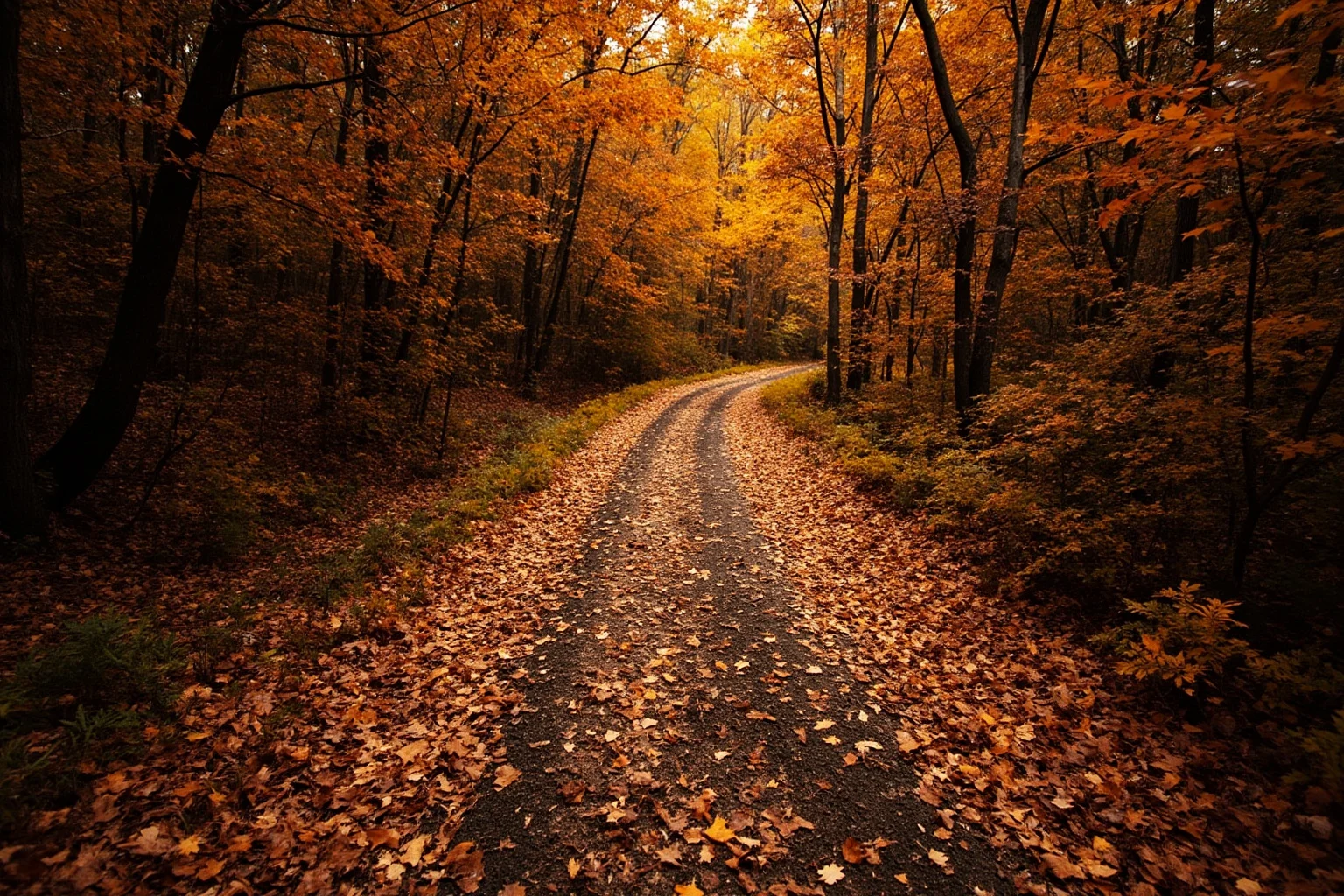
In 1830, the Indian Removal Act authorized the forced relocation of tens of thousands of Native Americans, including the Cherokee, Muscogee, Seminole, Chickasaw, and Choctaw nations, from their homelands in the Southeast to present-day Oklahoma. This journey became known as the Trail of Tears.
Thousands of people died from exposure, disease, and starvation along the way. It stands as one of the most devastating chapters in American Indian history and a critical fact for understanding U.S.–Native relations.
13. Navajo Code Talkers Helped the U.S. Win World War II

During World War II, the U.S. Marine Corps recruited Navajo servicemen to develop a code based on their language, which proved unbreakable by Japanese cryptographers. Similar code talker programs also used Choctaw, Comanche, and other Indigenous languages in both World War I and World War II.
The Navajo code talkers' contribution remained classified until 1968, delaying public recognition of their role for decades. Their story remains one of the most remarkable native American historical facts of the 20th century.
14. Tribal Nations Are Sovereign Governments Today
Federally recognized tribes in the United States are considered sovereign nations, meaning they have their own governments, courts, and, in many cases, their own police forces and taxation systems. This sovereignty is legally distinct from state or local government authority.
Tribal sovereignty exists alongside a complex, often strained relationship with federal law, shaped by treaties, court rulings, and ongoing negotiations. Understanding this legal status is essential to any serious look at American Indian culture facts today.
15. First Nations in Canada Have a Distinct Legal and Cultural Identity
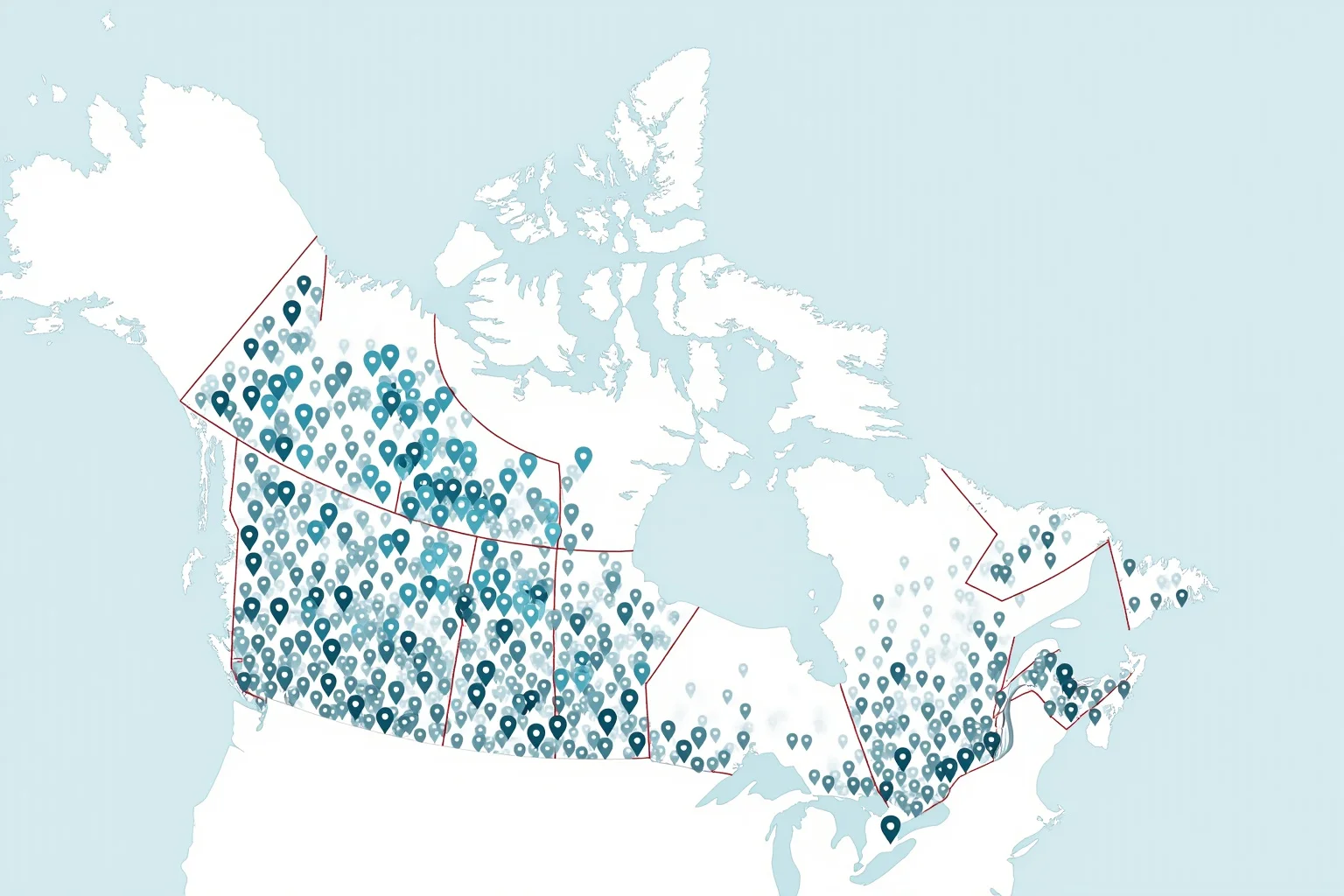
In Canada, "First Nations" refers specifically to Indigenous peoples who are not Inuit or Métis, and it is the preferred term north of the border. Facts about the First Nations include the existence of over 630 recognized First Nations communities across Canada, speaking more than 50 distinct languages.
The Indian Act of 1876 and subsequent policies shaped much of the legal relationship between First Nations and the Canadian government, including residential schools that caused deep, lasting harm. Reconciliation efforts continue in Canada today, including truth-telling commissions and land rights negotiations.
16. European Contact Caused a Catastrophic Population Collapse
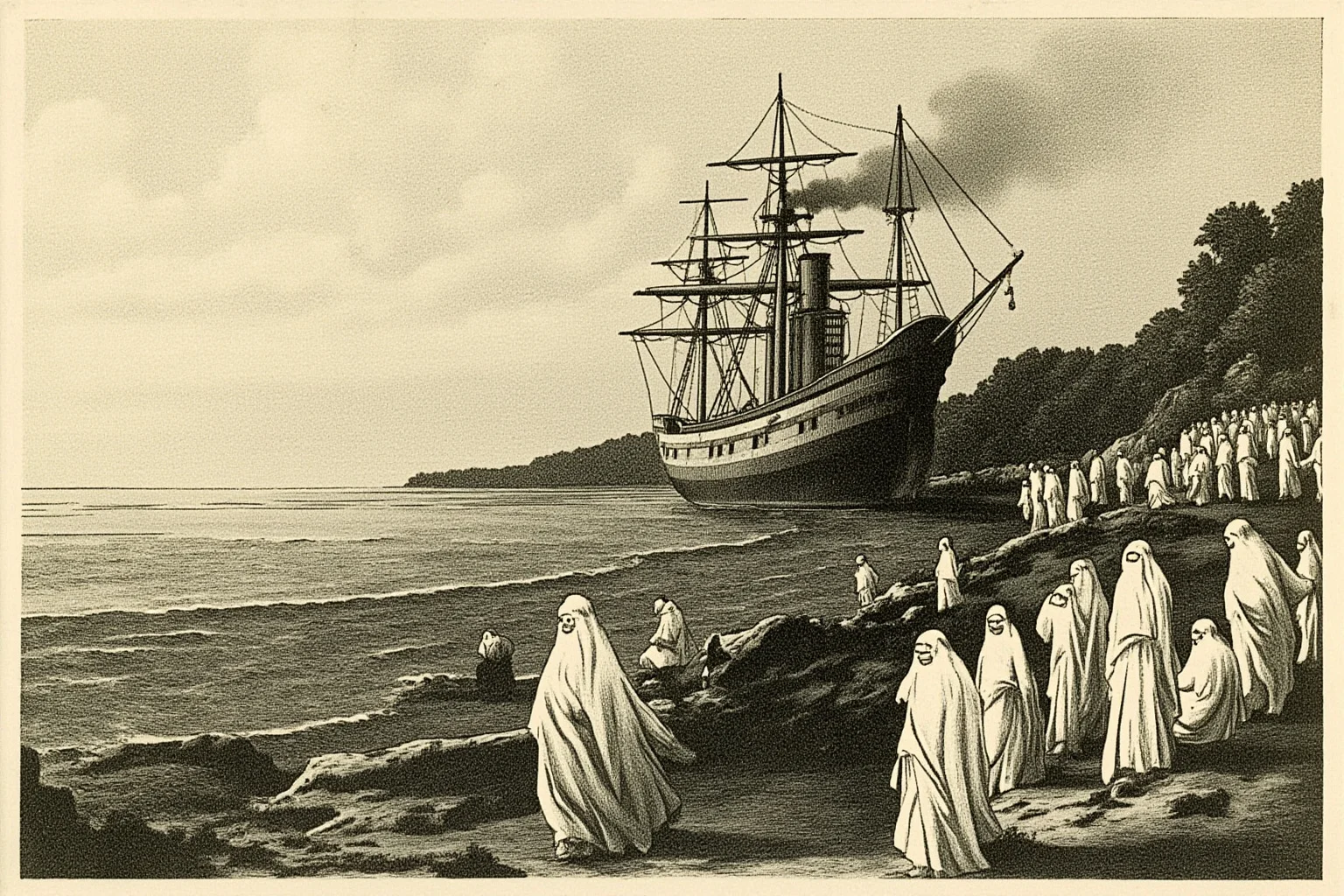
When Europeans arrived, they brought diseases like smallpox, measles, and influenza that Indigenous populations had no prior immunity to. Estimates vary, but many historians believe up to 90% of the Indigenous population of the Americas died within the first century or two after sustained contact.
This demographic collapse, sometimes called "the Great Dying," reshaped the entire hemisphere before large-scale European settlement even began. It's one of the more sobering facts about Native American history, and essential context for understanding everything that followed.
17. Native American Art Carries Deep Symbolic and Regional Meaning
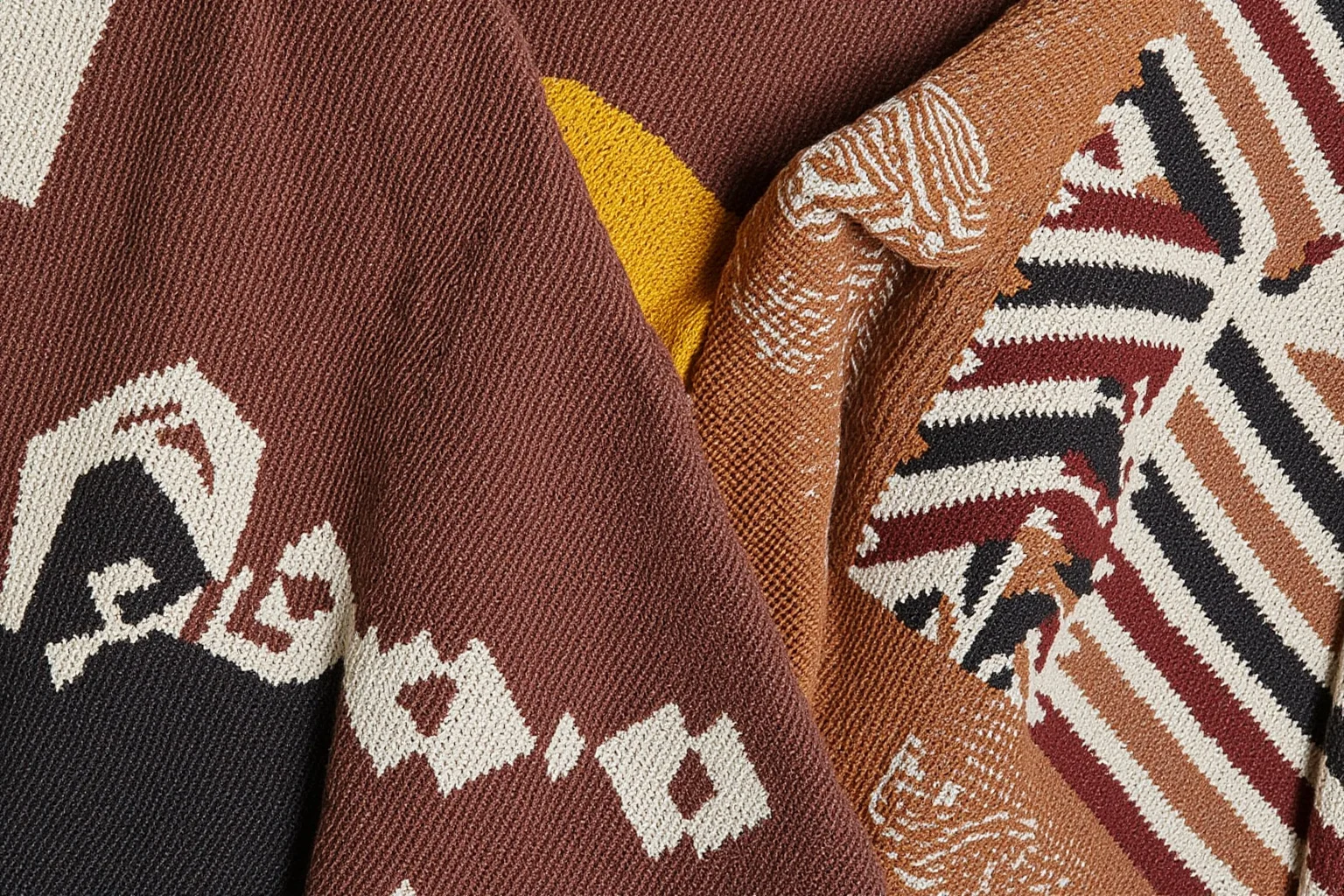
Indigenous art varies enormously by region and nation, from Navajo weaving and Pueblo pottery to Plains beadwork and Northwest Coast carving. Patterns and colors are often tied to specific stories, clans, or spiritual beliefs rather than being purely decorative.
Much of this art continues to evolve today, with contemporary Native artists blending traditional techniques with modern themes. Treating Native art as static or "ancient only" misses how alive these traditions remain.
18. Totem Poles Belong Specifically to Pacific Northwest Cultures
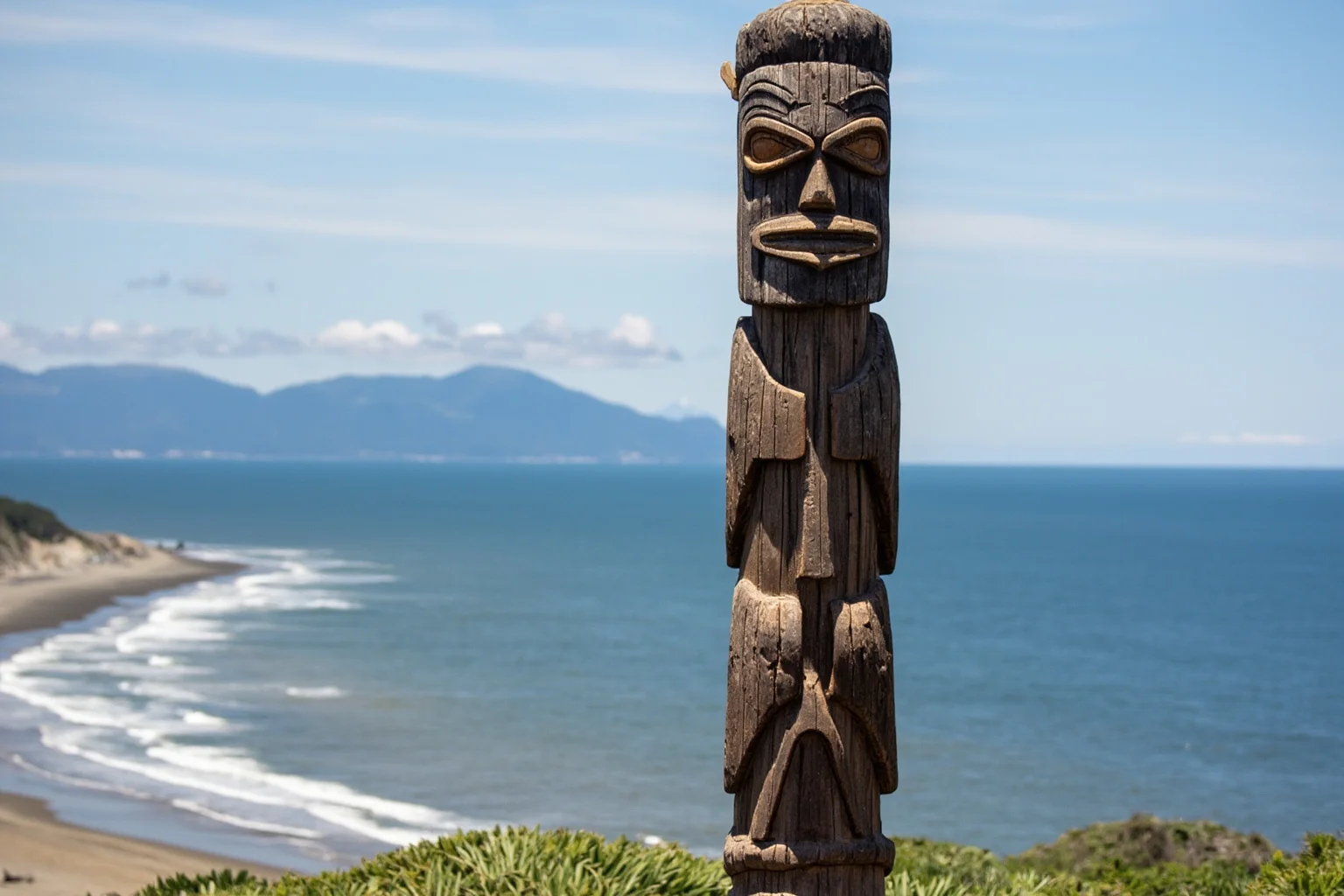
Totem poles are often used as a generic symbol of "Native America" in pop culture, but they're actually specific to nations of the Pacific Northwest Coast, such as the Haida, Tlingit, and Kwakwaka'wakw. They were never used by Plains, Southwest, or Eastern Woodlands nations.
Totem poles record family lineage, historical events, or spiritual crests rather than functioning as religious idols, a common misconception. Treating them as a universal Native American symbol erases the specific cultures that actually created them.
19. Women Held Significant Power in Many Native Nations
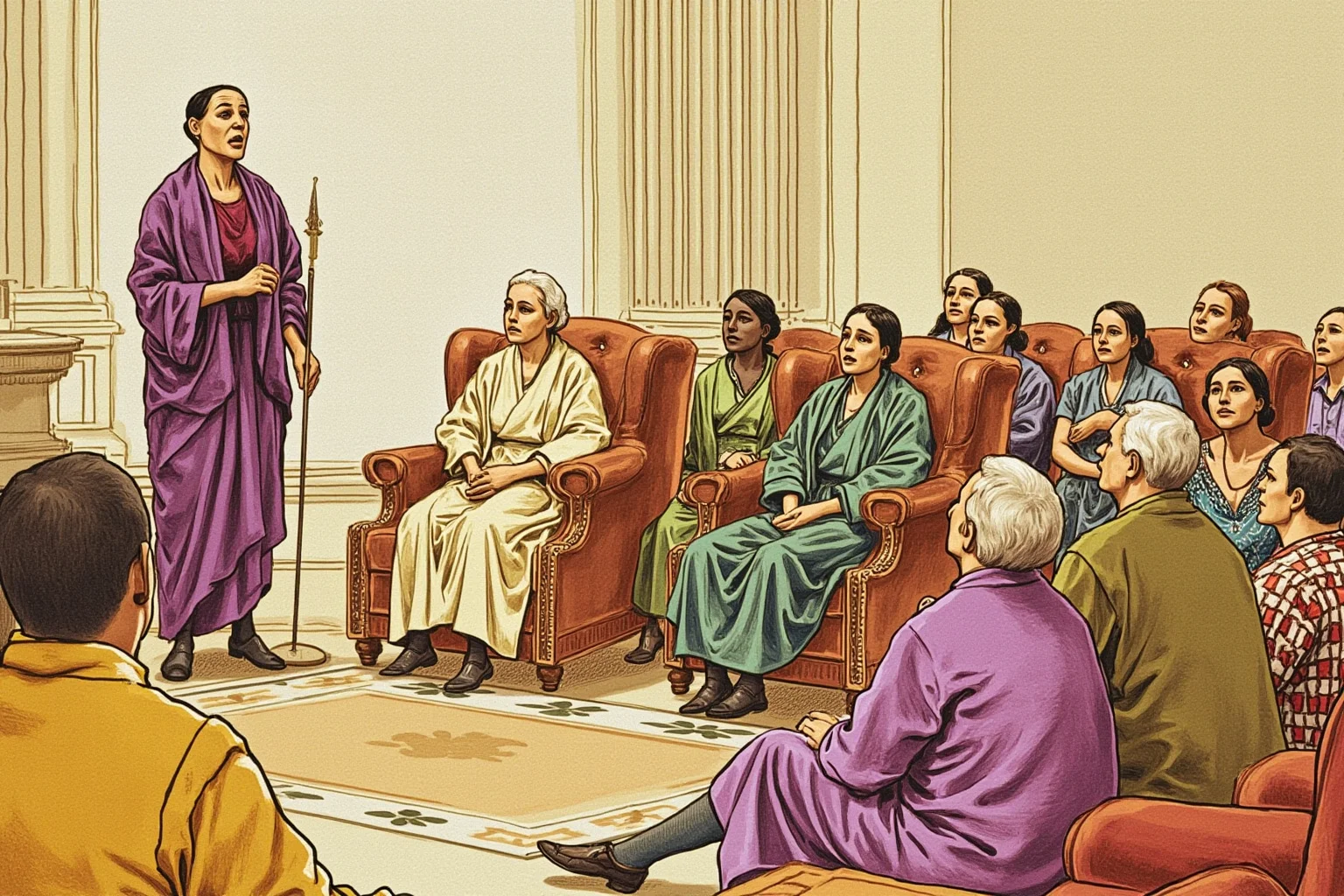
In Haudenosaunee society, clan mothers held real political authority, including the power to select and remove chiefs. Among the Cherokee, women historically had property rights and a voice in council decisions that many European women of the same era did not have.
Gender roles varied by nation, and it would be inaccurate to claim all Indigenous societies were matriarchal. Still, many nations offered women meaningful political and economic power well before such rights were common in European societies.
20. Boarding Schools Were Designed to Erase Native Identity
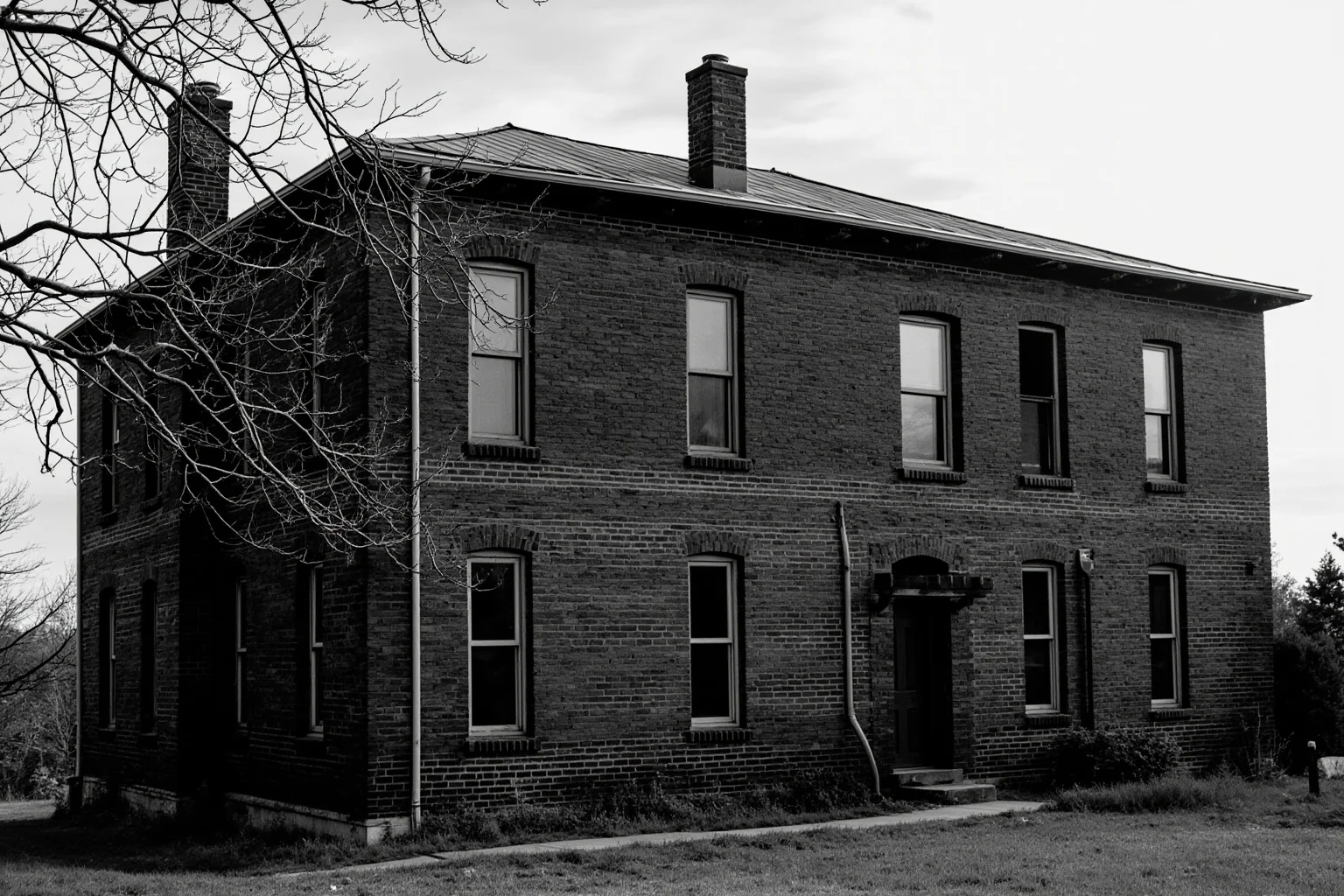
Starting in the late 1800s, the U.S. and Canadian governments ran boarding and residential schools designed to forcibly assimilate Native children, often under the explicit motto of "kill the Indian, save the man." Children were frequently taken from their families, forbidden from speaking their languages, and subjected to harsh discipline.
Many children suffered abuse, and some died at these institutions, a history that both countries have only recently begun formally investigating and acknowledging. This is a difficult but necessary fact for understanding the full scope of Native American history.
21. Native American Words Are Baked Into U.S. Geography
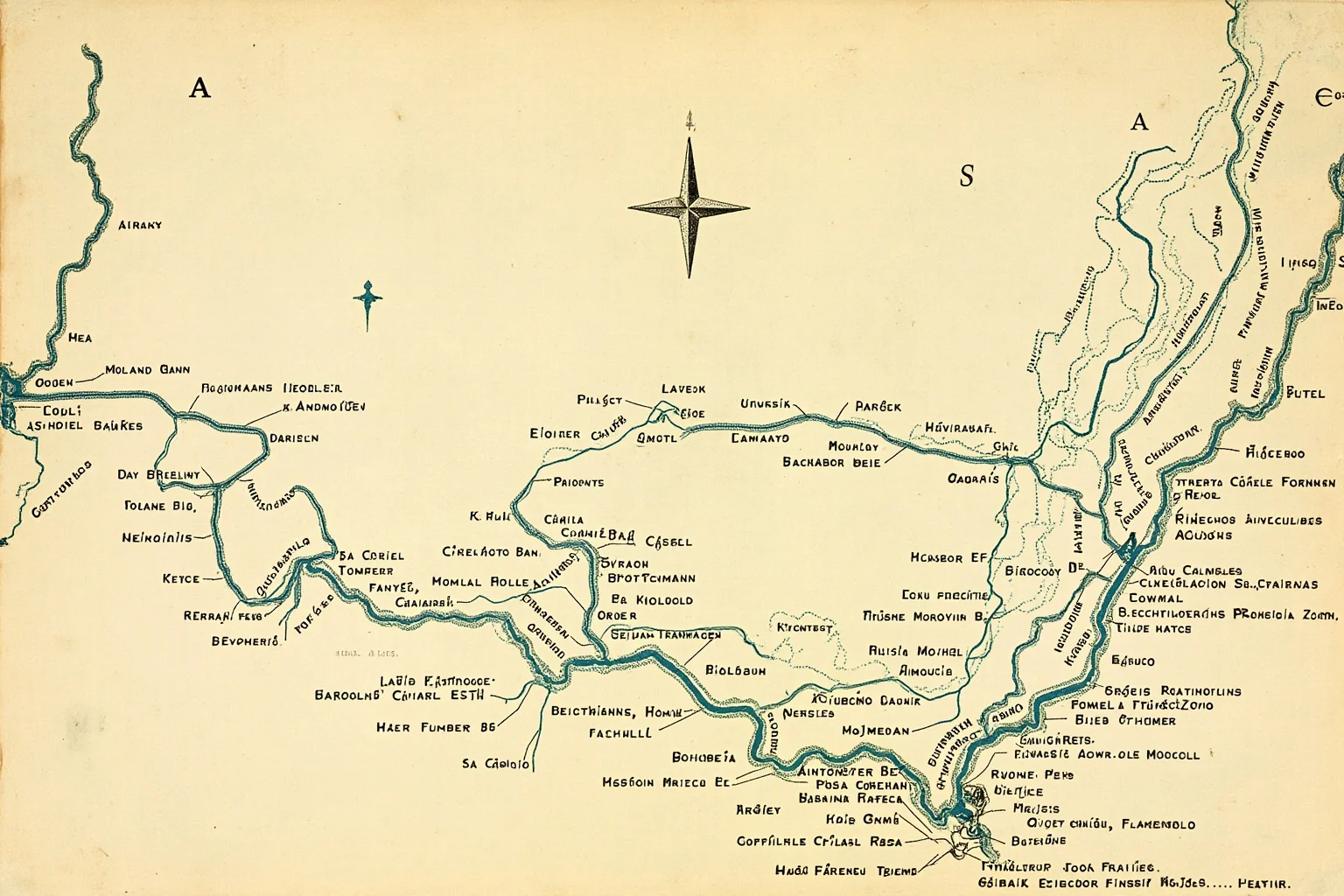
Beyond individual vocabulary words, entire place names across the United States come directly from Indigenous languages. Roughly half of U.S. states have names with Native American linguistic roots, including Alabama, Illinois, Kansas, and Wyoming.
Major cities and geographic features, from Niagara Falls to the Potomac River, also carry Indigenous names. This naming legacy is a quiet but constant reminder of the nations who lived on this land long before it had a country's name attached to it.
22. Millions of Native Americans Live in the U.S. Today
According to recent U.S. Census data, more than 9 million people identify as American Indian or Alaska Native, either alone or in combination with another race. This population is not confined to reservations; the majority of Native Americans today live in urban areas.
This matters because pop culture often frames Native Americans as a historical people rather than a living, growing population. Modern Native American communities include doctors, lawyers, artists, teachers, and tribal leaders actively shaping contemporary life.
23. Indigenous Peoples' Day Is Gaining Wider Recognition

A growing number of U.S. states and cities now formally observe Indigenous Peoples' Day, often on the same date as the federal Columbus Day holiday in October. The shift reflects a broader reckoning with how colonization has traditionally been taught and celebrated.
This change didn't happen overnight; it followed decades of advocacy from Native communities and organizations. It represents an ongoing, evolving conversation about how history gets remembered and honored.
24. November Is National Native American Heritage Month
Since 1990, the United States has recognized November as National Native American Heritage Month, a time dedicated to celebrating Indigenous cultures, histories, and contributions. Museums, schools, and tribal nations host events, exhibits, and educational programs throughout the month.
It's a useful starting point for anyone wanting to learn more indigenous people facts directly from tribal nations and Native-led organizations, rather than secondhand sources. Supporting Native-owned businesses, artists, and authors is another meaningful way to engage beyond just the month of November.
Why These Facts Matter
Native American history isn't a single chapter that ended centuries ago; it's a living, ongoing story involving hundreds of distinct, sovereign nations. Understanding real American Indian history facts, rather than recycled stereotypes, helps build a more accurate picture of North America's past and present.
Whether you came looking for quick native American quick facts for a school project or want to dig into the legendary figures and stories behind Native American history, the throughline is the same: diversity, resilience, and continuity matter more than any single stereotype ever could. There's always more to learn directly from tribal nations, Native historians, and Indigenous-led cultural institutions.
Frequently Asked Questions
What are some quick facts of Native Americans?
Among the most important facts of Native Americans: there are 574 federally recognized tribes in the U.S. alone, Indigenous peoples have lived in the Americas for over 15,000 years, and more than 9 million people identify as American Indian or Alaska Native today. Native nations also hold sovereign legal status, meaning they govern themselves with their own laws and courts.
What are 10 facts about Native Americans?
Ten key facts include: there is no single unified Native American culture; hundreds of distinct languages were once spoken across North America; the Trail of Tears forcibly displaced tens of thousands of people in the 1830s; Navajo code talkers helped the U.S. military during World War II; lacrosse originated as an Indigenous sport; the Three Sisters farming method combined corn, beans, and squash; totem poles are specific to Pacific Northwest nations; women held significant political power in societies like the Haudenosaunee; over 9 million Americans identify as Native American today; and November is National Native American Heritage Month.
What are 5 interesting facts about Native American culture?
Five standout facts: powwows are living, modern cultural events, not historical reenactments; Native art styles vary hugely by region and carry specific symbolic meaning; many tribal nations run active language revitalization programs; clan mothers in Haudenosaunee society had real political authority; and hundreds of English words, including 'moccasin' and 'canoe,' came from Indigenous languages.
What are two interesting facts about Native Americans?
Two facts worth knowing: Native peoples have lived in the Americas for at least 15,000 years, far longer than most people realize, and today there are 574 federally recognized tribal nations in the U.S., each with its own distinct government, language, and traditions.
Why is the term ‘Red Indian’ considered outdated?
The term 'Red Indian' came from European settlers' assumptions about skin color and was never a name Indigenous peoples used for themselves. Today, 'Native American,' 'American Indian,' or the name of a person's specific nation (such as Navajo or Cherokee) are the accurate and respectful terms to use.
What is the difference between Native American and First Nations?
'Native American' and 'American Indian' are terms used in the United States, while 'First Nations' is the preferred term in Canada for Indigenous peoples who are not Inuit or Métis. Both describe Indigenous peoples of North America, but the terminology differs by country and legal context.
How many Native American tribes exist today?
The United States federally recognizes 574 distinct tribal nations, each with its own government and legal status. Canada separately recognizes over 630 First Nations communities, along with Inuit and Métis peoples, reflecting the enormous diversity across Indigenous North America.

Alex Warren
Related Articles





