
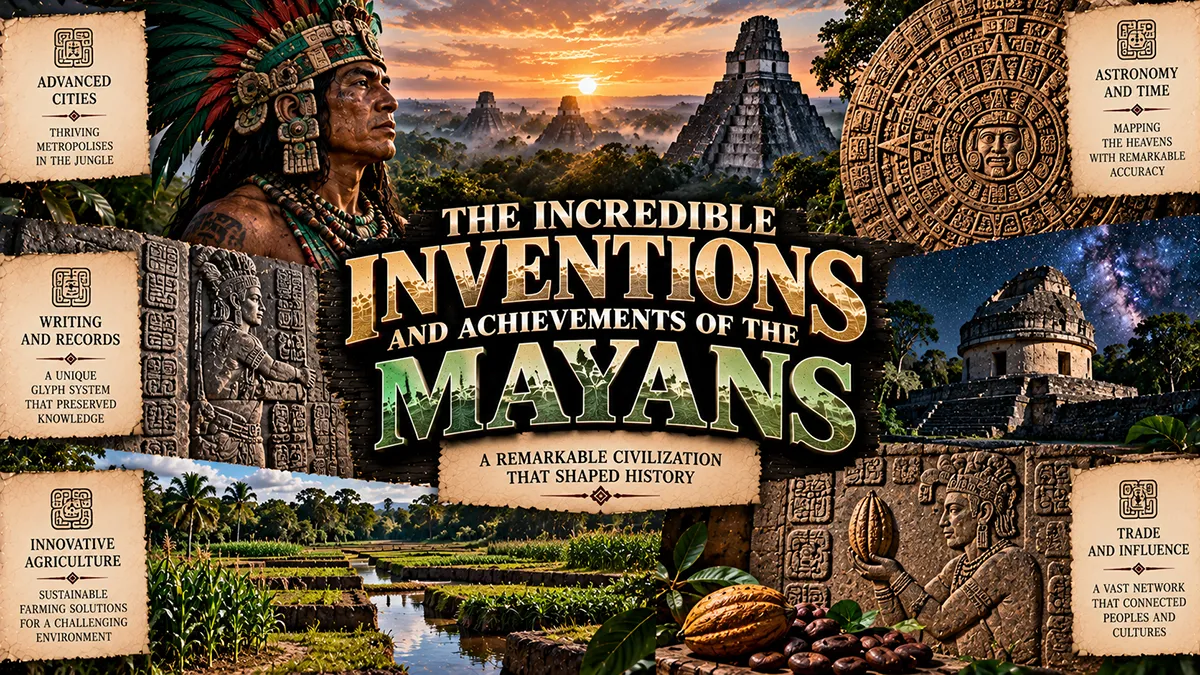
When people picture the ancient Maya, they often jump straight to doomsday prophecies and jungle ruins. That’s a shame, because the real story is far more impressive than any myth. The Maya civilization, which flourished across what is now Mexico, Guatemala, Belize, and Honduras for well over 2,000 years, produced some of the most sophisticated mathematics, astronomy, architecture, and agricultural engineering of the ancient world.
This list digs into the genuine accomplishments of the Mayans — the inventions, technologies, and ideas that historians and archaeologists have verified through inscriptions, excavations, and surviving texts. Along the way, we’ll clear up a few popular misconceptions, because the Maya deserve to be remembered for what they actually built, not just for a calendar myth that got out of hand.
TL;DR: The Maya independently developed the concept of zero, a remarkably accurate calendar system, advanced astronomy, monumental architecture, and practical technologies like rubber, reservoirs, and raised-field farming — achievements that still influence science and inspire admiration today.
Who Were the Maya, Briefly?
The Maya were never a single unified empire the way Rome or Egypt was. Instead, they were a network of city-states — places like Tikal, Palenque, Copán, and Chichén Itzá — that shared a language family, religious beliefs, and cultural practices while often competing or warring with one another, a political pattern echoed by other ancient city-states like ancient Sparta.
Their civilization is generally divided into the Preclassic, Classic, and Postclassic periods, spanning from roughly 2000 BCE to the Spanish conquest in the 1500s CE — a timeline that fits neatly among the broader historical time periods and eras that historians use to map the past. It’s worth noting upfront that the Maya never actually vanished; millions of Maya people live in Central America today, still speaking Mayan languages and carrying forward parts of this heritage.
1. The Maya Calendar System
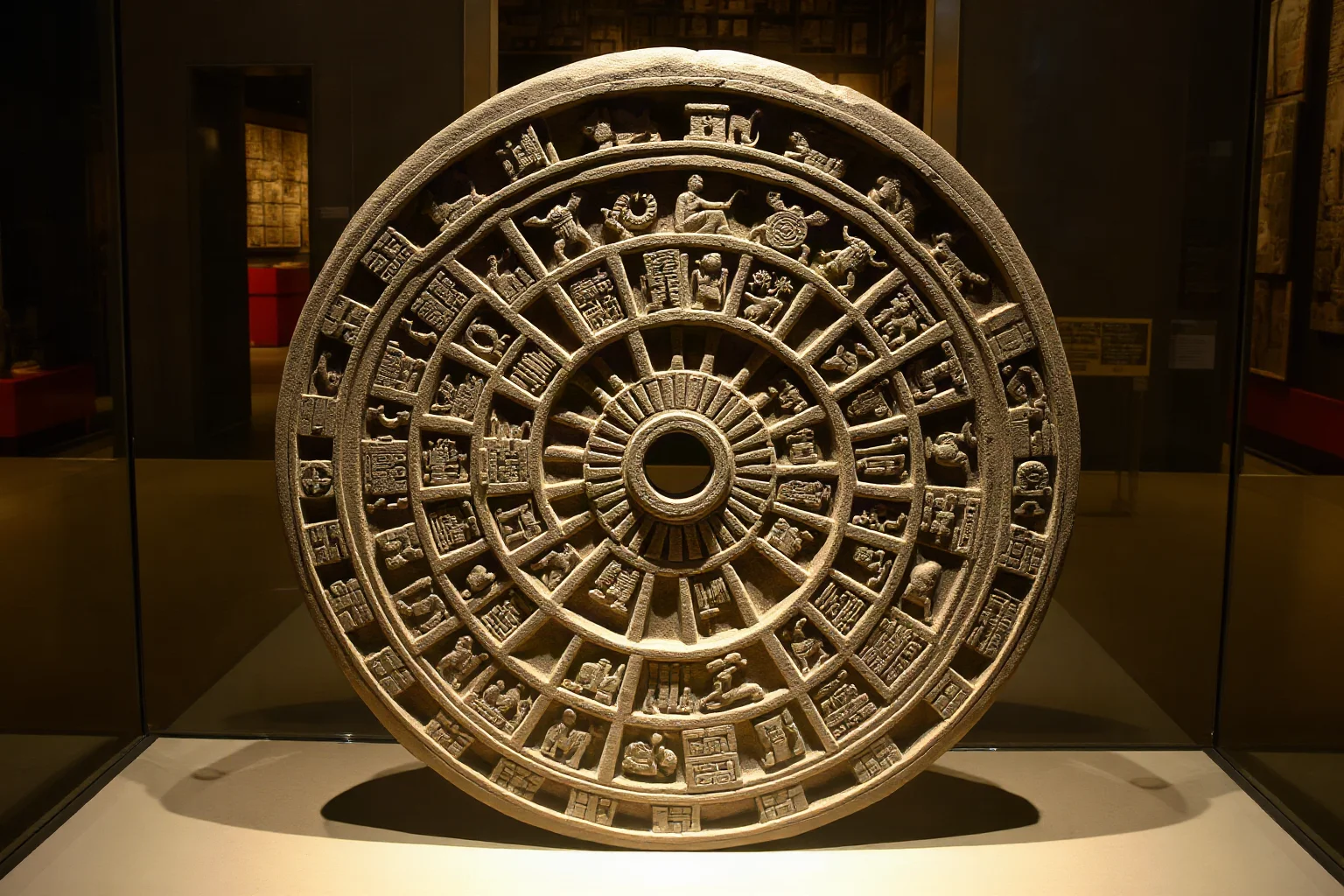
The Maya developed one of the most precise calendar systems in the ancient world, combining several cycles that tracked time for different purposes. The 260-day Tzolk’in guided religious and ceremonial life, while the 365-day Haab’ approximated the solar year for agricultural planning.
These two cycles interlocked to form the 52-year Calendar Round, and for longer spans the Maya used the Long Count, which tracked linear time from a fixed starting point. Contrary to the popular 2012 doomsday myth, the Long Count simply rolled over to a new cycle, much like an odometer, rather than predicting any apocalypse.
2. The Concept of Zero
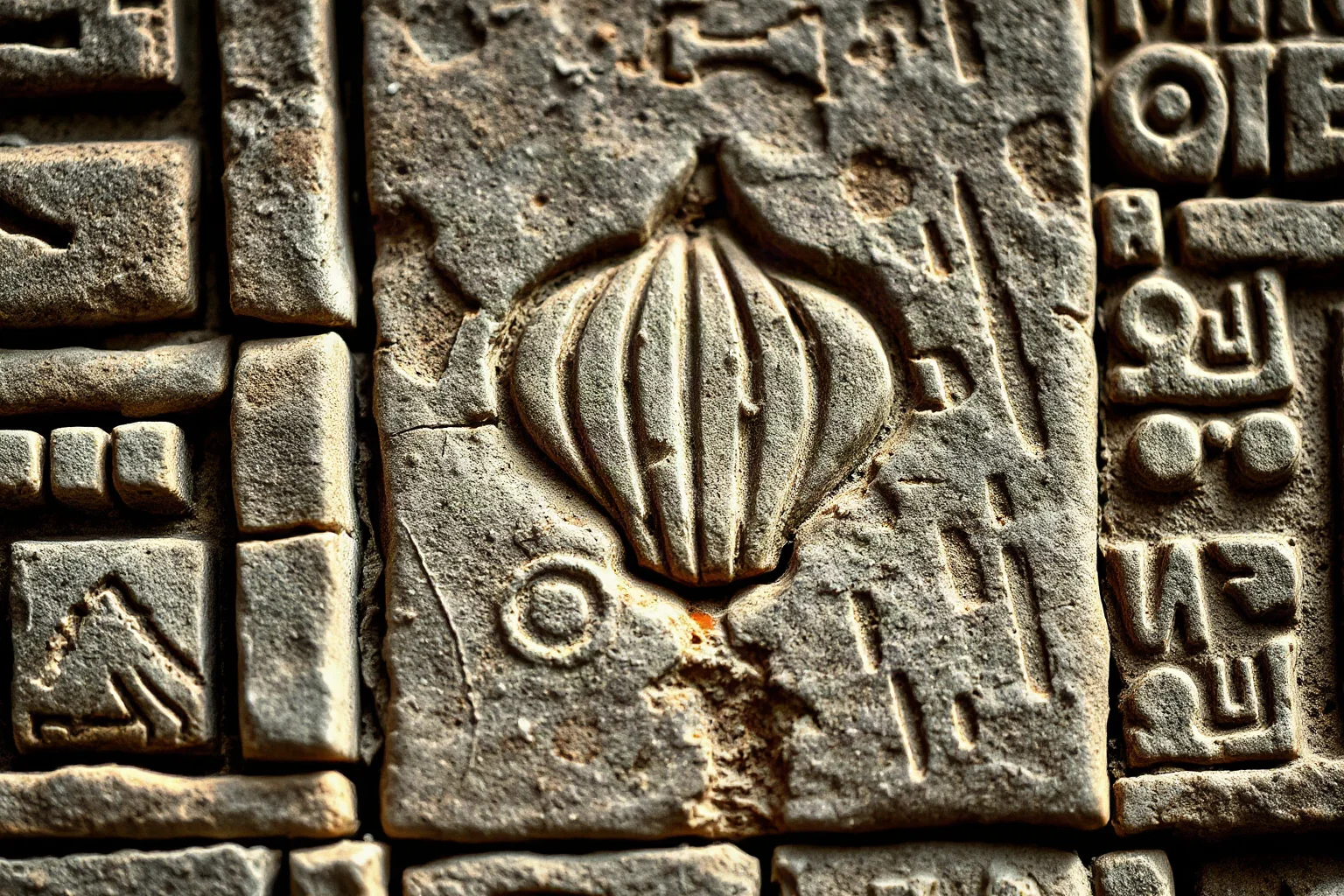
One of the most underrated Maya achievements is their independent invention of the number zero, represented by a shell-shaped glyph. Very few ancient cultures arrived at this idea on their own; the Babylonians and the Indian mathematicians who influenced Arabic numerals are the other well-known examples.
The Maya zero wasn’t just a placeholder for show. It was essential to their positional number system and made complex astronomical calculations across huge spans of time actually workable.
3. A Base-20 Mathematical System
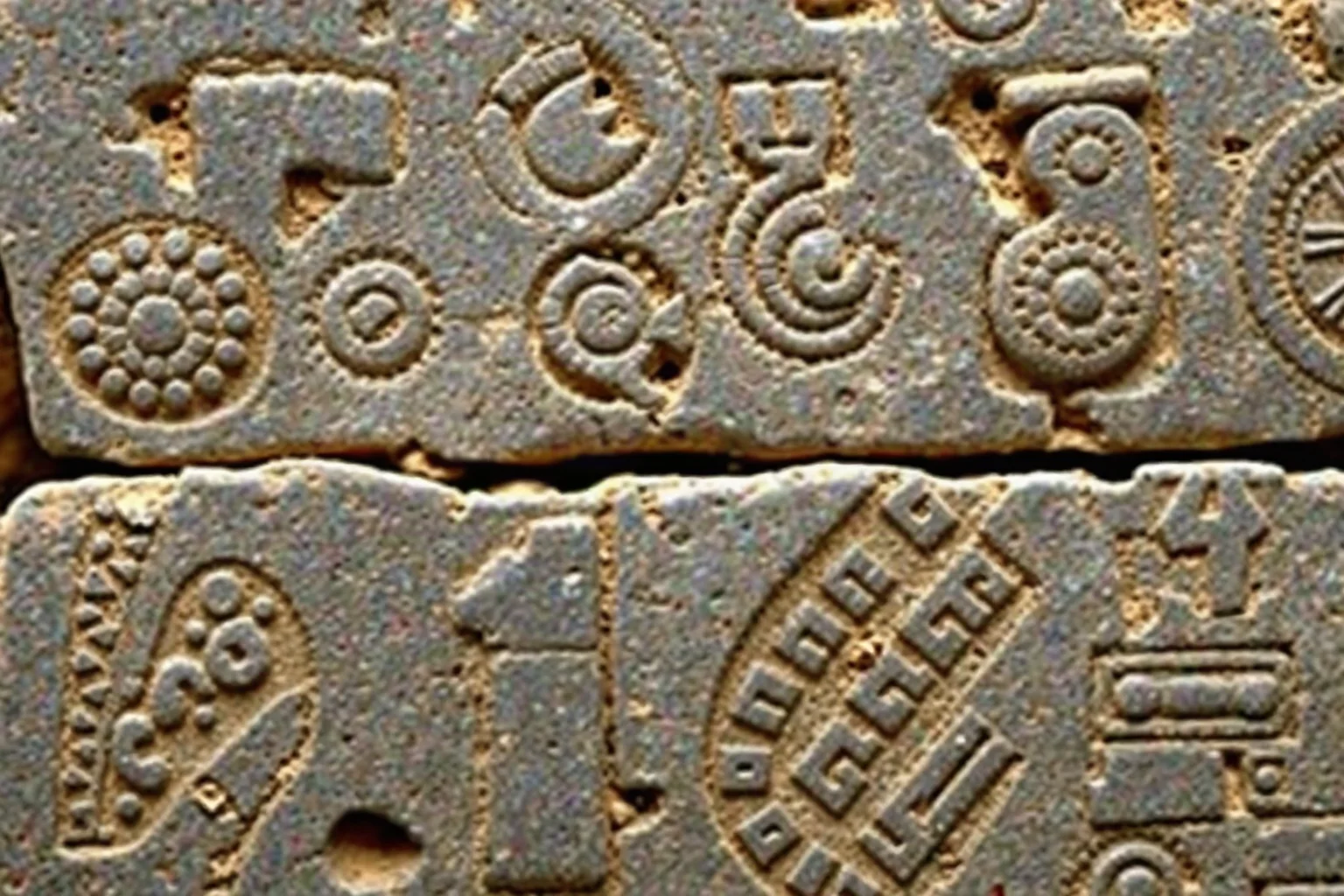
Maya mathematics of the Maya used a vigesimal, or base-20, counting system rather than the base-10 system most of us use today. Numbers were written using a simple combination of dots (representing units) and bars (representing groups of five).
This elegant system allowed scribes and astronomers to record enormous numbers with just a few symbols. It’s a strong answer whenever someone asks about Mayan technology and science, since this math underpinned nearly everything else on this list.
4. Hieroglyphic Writing
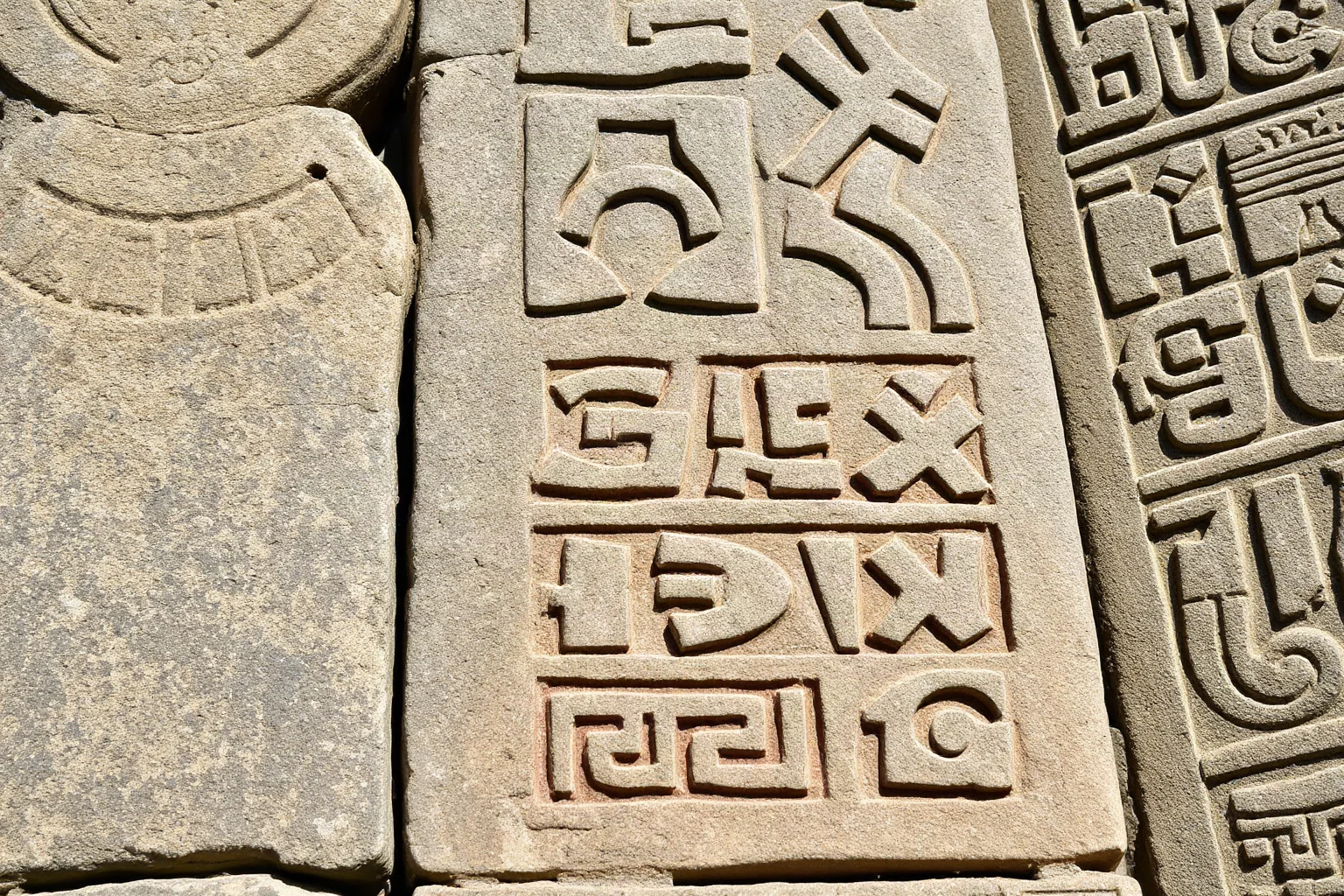
The Maya created one of the only fully developed writing systems in the pre-Columbian Americas, a logosyllabic script combining word-signs and sound-signs. Scribes carved and painted these hieroglyphs onto stone monuments, stairways, pottery, and books.
Decipherment took centuries, and it wasn’t until the late 20th century that scholars cracked enough of the script to read historical narratives, royal genealogies, and even boastful war records. It remains one of the clearest windows into daily and political life across the Maya world.
5. Astronomical Observatories
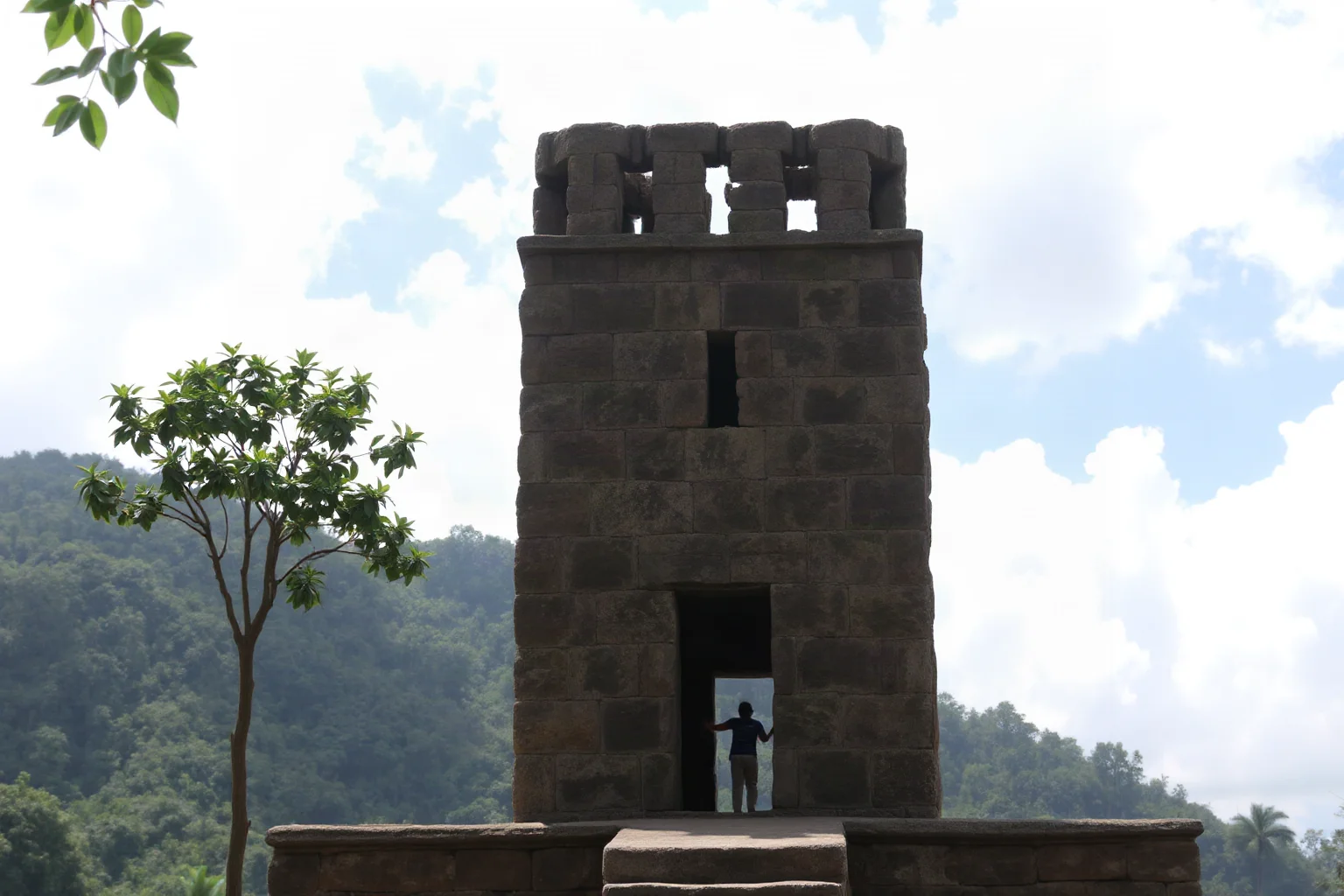
Maya astronomers tracked the movements of the sun, moon, and planets with startling precision, often without any tools beyond careful long-term observation. Structures like El Caracol at Chichén Itzá appear to have been purpose-built observatories, with windows aligned to key celestial events.
Many temples and pyramids across the Maya world were also oriented to mark solstices and equinoxes. This wasn’t idle curiosity; it directly informed the calendar, agricultural timing, and religious ritual.
6. Predicting Eclipses and the Venus Cycle
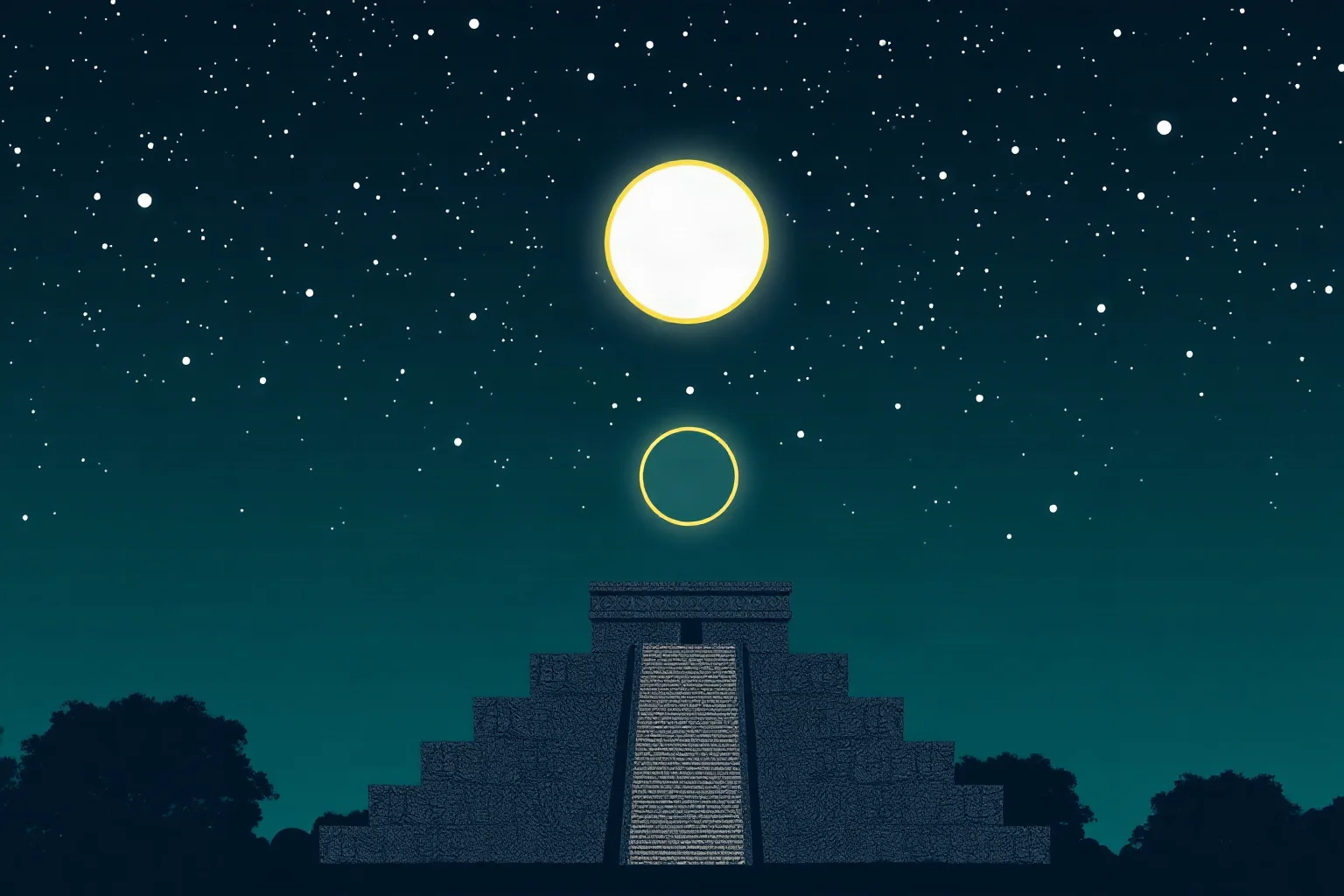
Among the most advanced achievements of Mayan civilization is the Dresden Codex’s detailed table for predicting solar eclipses and tracking the synodic cycle of Venus. Maya astronomers calculated the Venus cycle to within a small fraction of a day of its true length, an extraordinary feat without telescopes.
These tables mattered because Venus was closely tied to warfare and ritual timing for many Maya city-states. Getting the calculation right wasn’t academic; it shaped real political and military decisions.
7. Monumental Pyramid Architecture

The stepped pyramids of Tikal, Calakmul, and Chichén Itzá are probably the most famous example of ancient Maya technology in action, rivaling in ambition the monumental architecture of civilizations like ancient Egypt. These structures were built without metal tools, wheels for hauling, or draft animals, relying instead on immense organized labor and precise engineering knowledge.
Many pyramids also functioned as astronomical markers, tombs, or stages for public ritual. The engineering required to plan, quarry, transport, and stack this much stone accurately is genuinely impressive by any era’s standards.
8. The Corbeled Arch
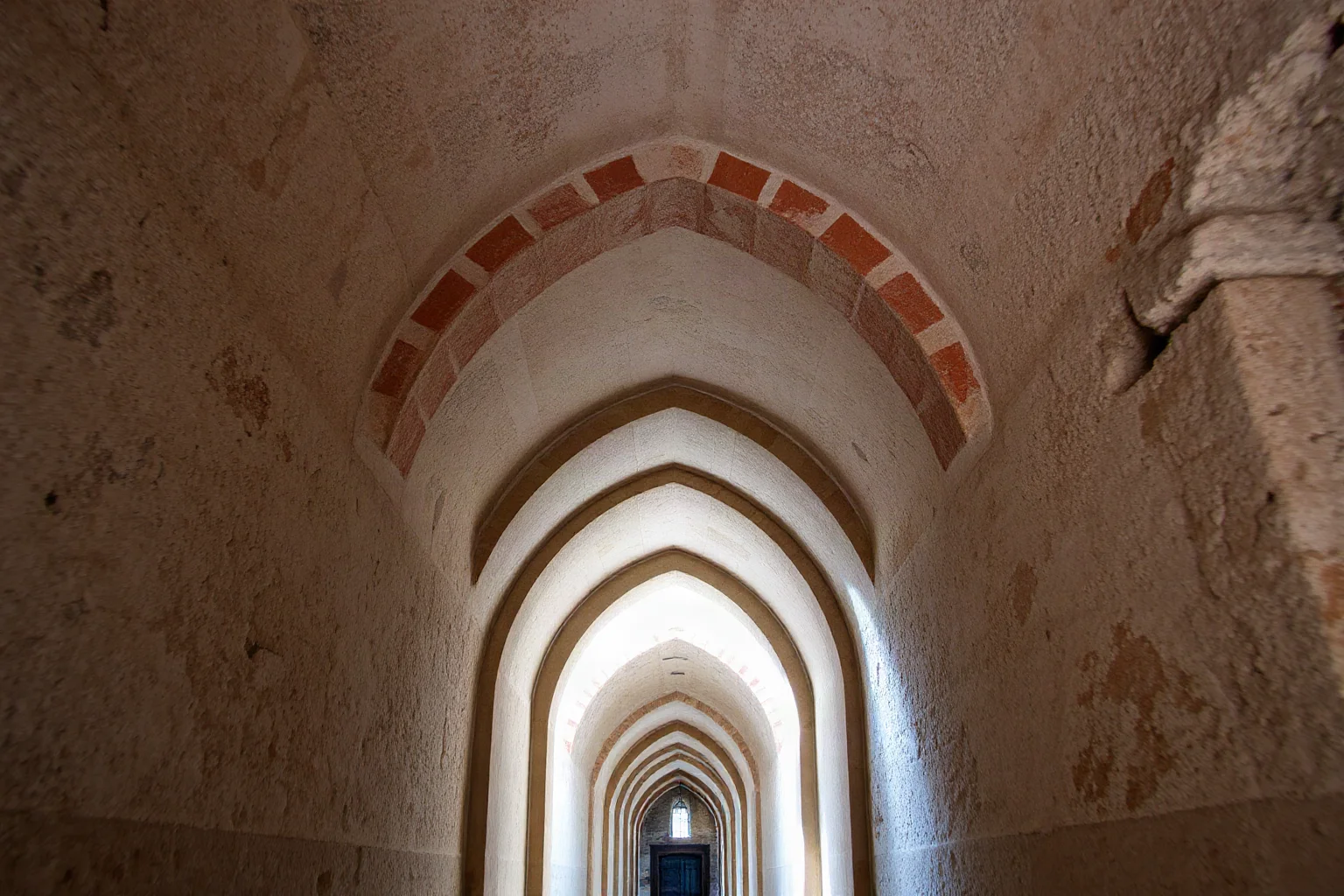
The Maya didn’t use the true, keystone-supported arch found in Roman architecture. Instead, they perfected the corbeled arch, sometimes called the Maya arch, where each side of stone steps inward until the two walls nearly meet at the top.
This technique allowed builders to roof interior rooms and create the tall, narrow chambers seen in palaces and temples across sites like Palenque. It’s a clever architectural workaround that shows real structural ingenuity.
9. Raised-Field and Wetland Agriculture
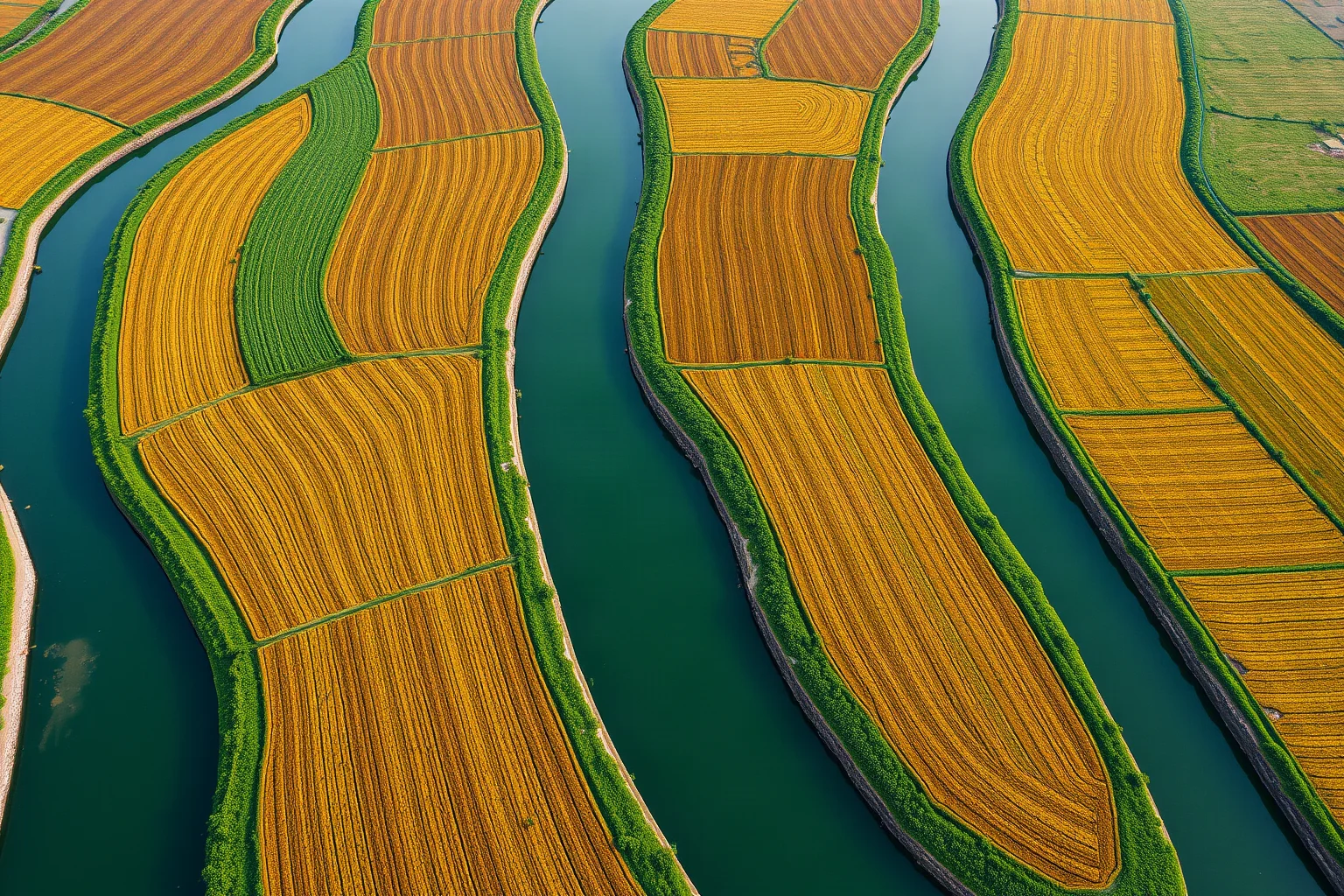
Feeding dense city populations in tropical lowlands and swampy regions required serious agricultural innovation. The Maya built raised fields separated by canals in wetland areas, which improved drainage, concentrated fertile soil, and allowed for near-continuous cultivation.
This system also doubled as a water-management network, moving excess moisture away from crops during heavy rains. It’s one of the clearest examples of ancient Maya technology solving a very practical survival problem.
10. Terrace Farming
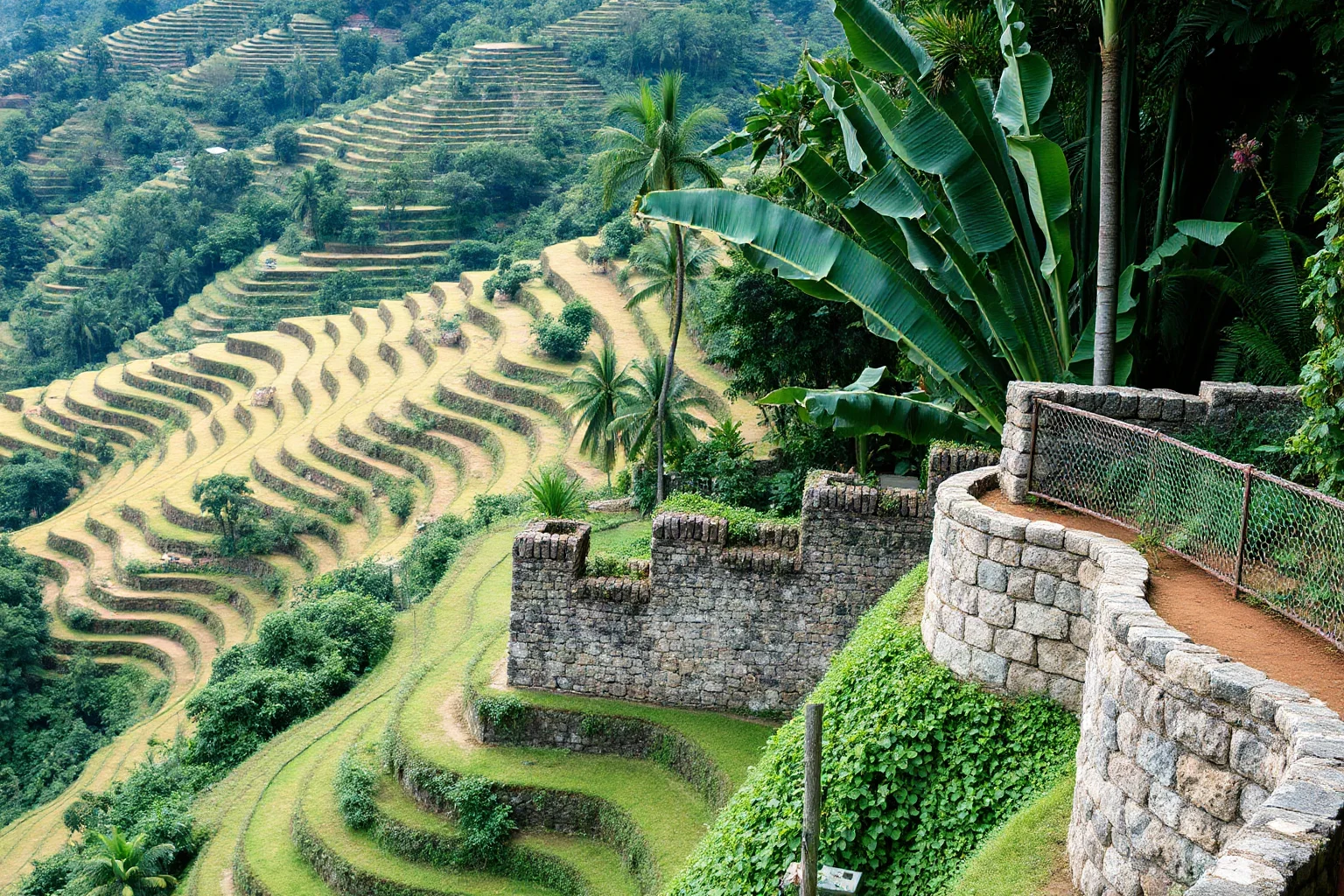
In hillier regions, Maya farmers cut terraces into slopes to create flat, arable surfaces and slow soil erosion. These terraces let communities farm land that would otherwise have been useless for large-scale agriculture.
Combined with careful crop rotation and intercropping of maize, beans, and squash, terracing helped support surprisingly large populations across varied and often challenging terrain.
11. Chultunes: Underground Cisterns
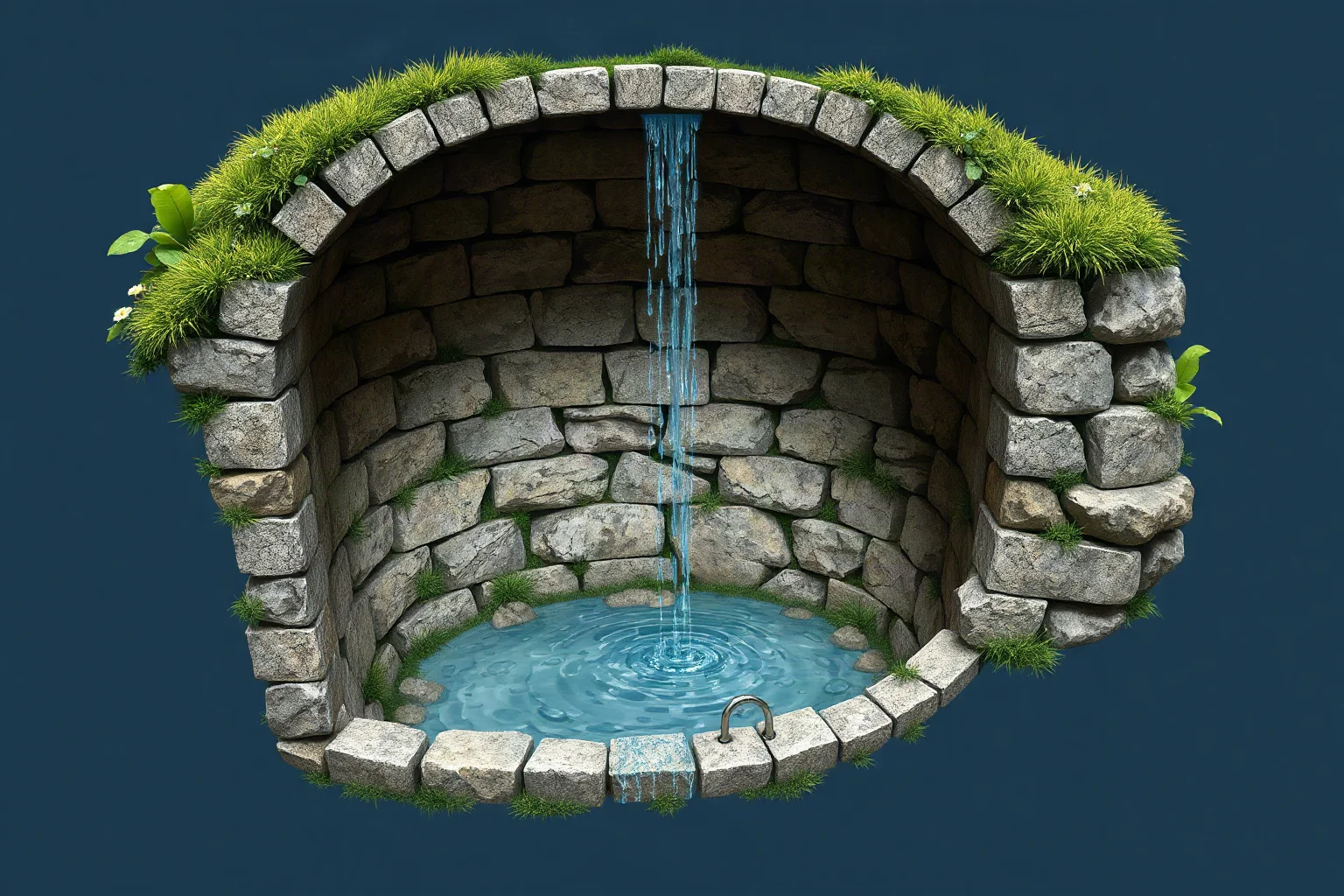
Much of the Yucatán Peninsula has no rivers or lakes because rainwater drains quickly through porous limestone. To solve this, the Maya carved bell-shaped underground chambers called chultunes directly into bedrock to capture and store rainwater.
These cisterns were often plastered to reduce seepage and could hold water through long dry seasons. It’s a genuinely elegant piece of ancient hydraulic engineering that’s easy to overlook.
12. Engineered Reservoirs
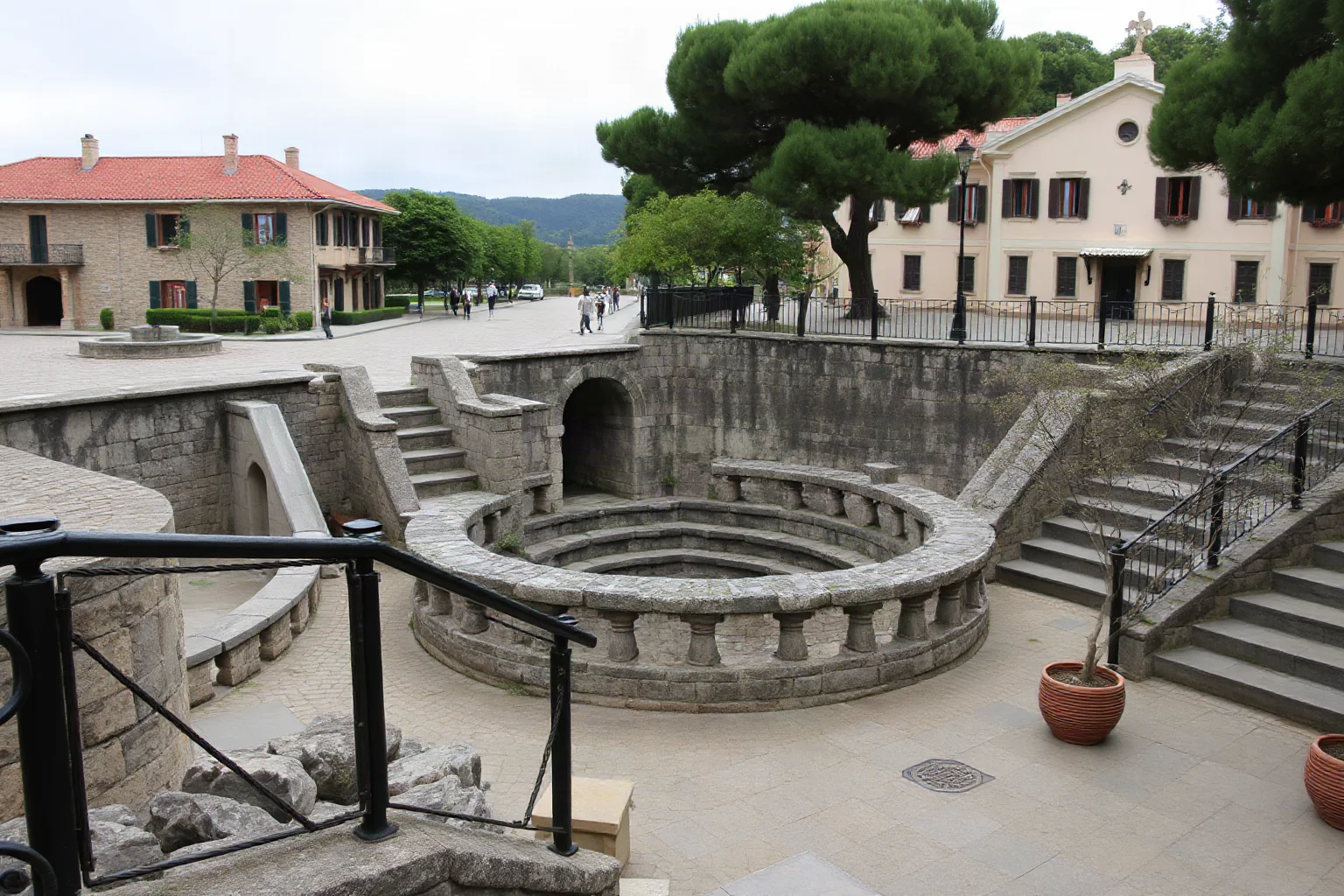
At large cities like Tikal, engineers went even further, building extensive reservoir systems fed by paved plazas that functioned as rainwater catchments. Causeways and canals directed runoff into these reservoirs, which then supplied the city during dry months.
Archaeologists have found evidence of filtration methods too, including sand and mineral layers that may have helped purify stored water. This kind of urban water management rivals systems built by far larger ancient civilizations.
13. Rubber Processing

Long before Charles Goodyear patented vulcanization in the 19th century, Mesoamerican peoples including the Maya were processing natural rubber. They combined latex sap from the Castilla tree with juice from morning glory vines, a mixture that made the rubber more durable and bouncy.
This processed rubber was shaped into solid balls for the famous Maya ballgame and used in other practical applications. It’s a striking example of applied chemistry knowledge developed entirely through experimentation.
14. Maya Blue Pigment
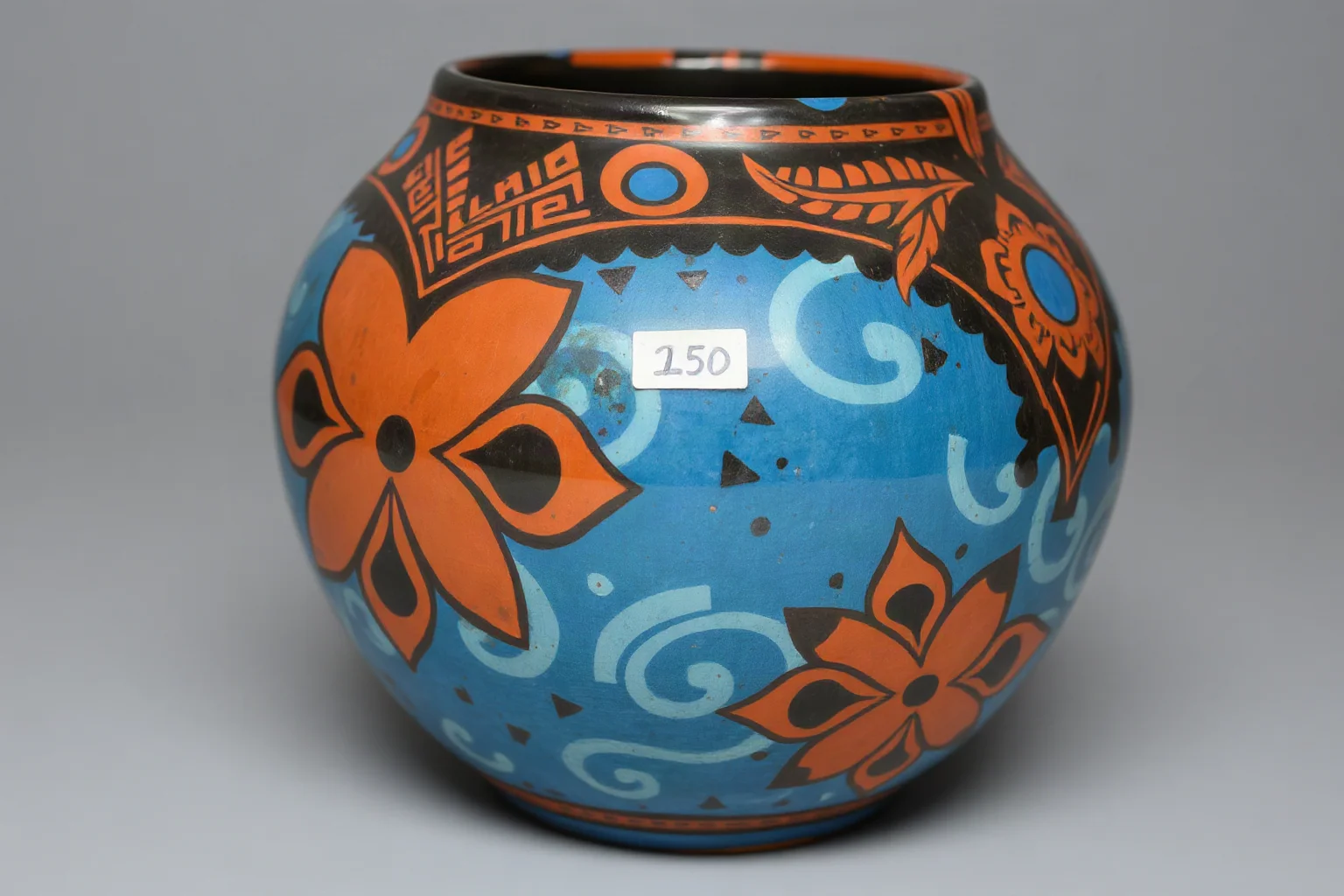
Maya artisans created a strikingly durable pigment now known as Maya Blue, made by combining indigo dye with a specific type of clay. The result resisted fading, weathering, and even chemical breakdown far better than most ancient pigments.
Maya Blue shows up in murals, pottery, and ritual offerings, and modern chemists have studied it as a model for stable, natural pigment technology. It’s one of the more surprising entries on any list of Maya innovations.
15. Sacbeob: Raised Stone Causeways

The Maya built extensive networks of raised, paved roads called sacbeob (singular sacbe), connecting temples, plazas, and even entire cities. Some causeways stretched for many miles across the jungle and wetlands.
These roads served practical trade and travel purposes but also carried ceremonial weight, often linking sacred sites for processions. Building and maintaining them across difficult terrain required serious logistical planning.
16. Lime Plaster and Stucco Artistry

The Maya produced lime-based plaster and stucco to coat buildings, create elaborate architectural facades, and mold detailed relief sculptures and masks. Producing lime required burning limestone at high, sustained temperatures, itself a notable technical skill.
This stucco work allowed for the vivid painted murals and dramatic decorative masks seen at sites like Palenque and Copán. Much of it has survived for well over a thousand years, a testament to the quality of the materials and technique.
17. Bark-Paper Codices
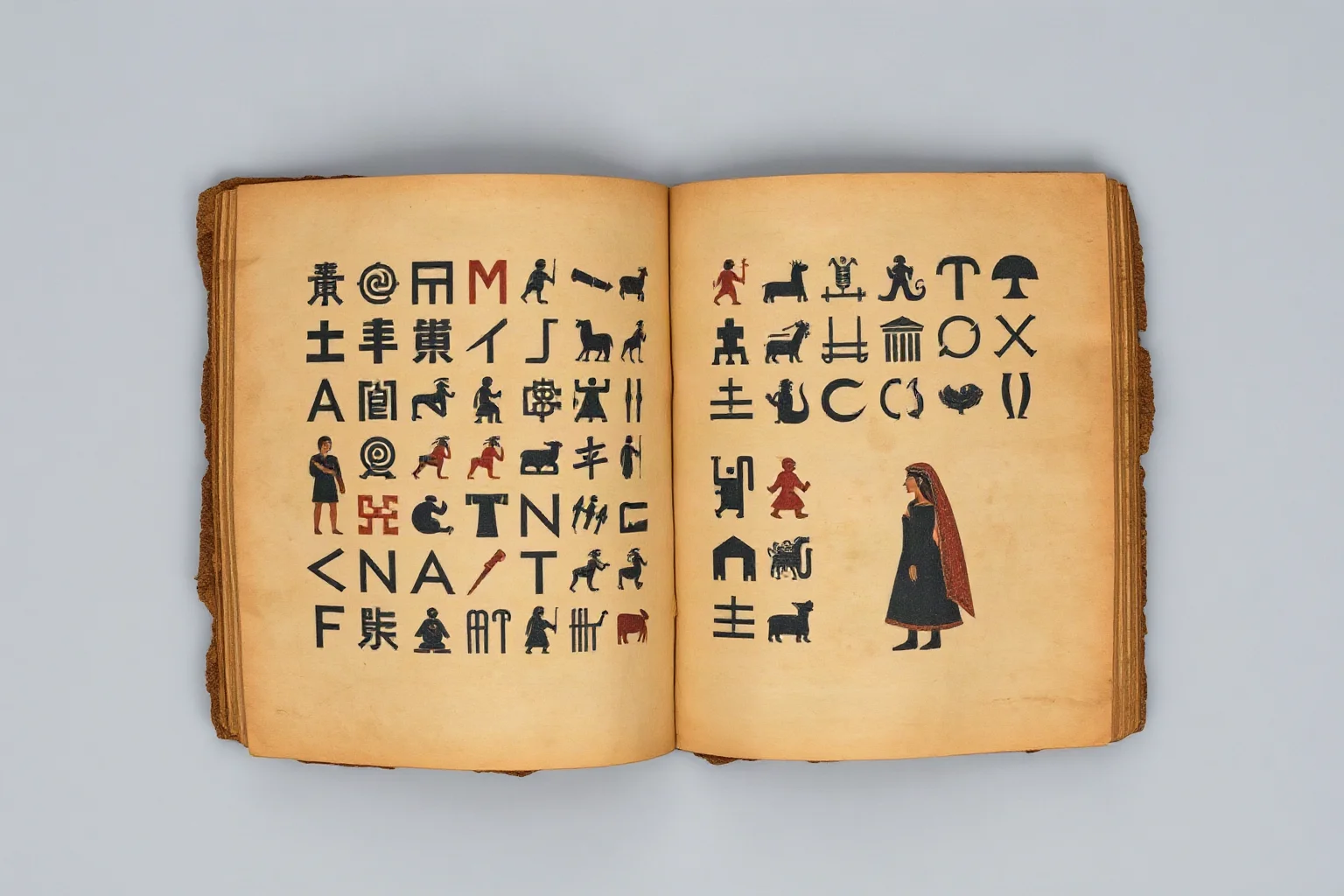
Maya scribes produced folding books called codices, made from processed bark paper (amatl) coated in lime plaster to create a smooth, paintable surface. These books recorded astronomical tables, ritual calendars, and historical records.
Tragically, most were destroyed during the Spanish conquest, and only four confirmed codices survive today: the Dresden, Madrid, Paris, and Grolier codices — each ranking among the most incredible artifacts ever uncovered. What remains still provides invaluable insight into Maya technology and science, especially astronomy.
18. The Mesoamerican Ballgame

The ritual ballgame, often called pok-ta-pok, was played across the Maya world on specially built masonry ball courts, some of which still stand today. Players used their hips, shoulders, or forearms to keep a solid rubber ball in play, sometimes as part of religious ceremony rather than pure recreation.
Ball courts have been found at nearly every major Maya site, showing how central this game was to public life. It combined engineering, sport, rubber technology, and religious symbolism all in one.
19. Cacao and Early Chocolate

The Maya cultivated cacao and prepared it as a frothy, spiced drink used in ceremonies, feasts, and trade. Cacao beans themselves also functioned as a form of currency in some contexts, showing how deeply the crop was woven into Maya economic life.
Residue analysis on ancient pottery has confirmed cacao use going back well over a thousand years. This is one of the more fun facts about Mayan achievements, since it directly connects to something billions of people still enjoy today.
20. Medicine and Dental Practices
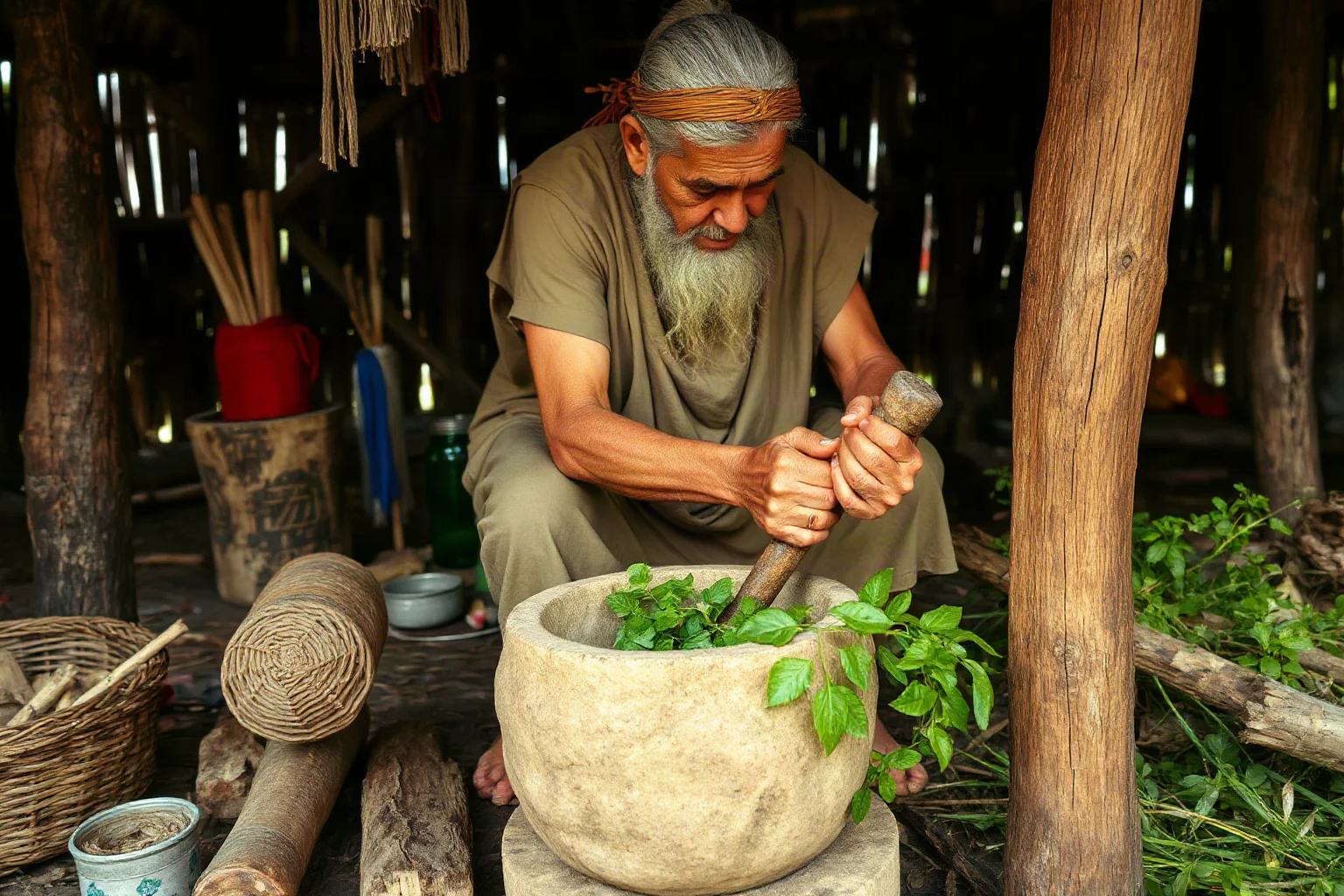
Maya healers used an extensive knowledge of local plants for medicinal purposes, treating wounds, infections, and various illnesses with herbal remedies. Archaeological evidence also shows the Maya practiced dental modification, including drilling teeth to insert decorative jade or pyrite inlays.
Skeletal remains suggest some individuals survived complex procedures, hinting at real anatomical knowledge and surgical skill. This is a lesser-known but genuinely notable piece of ancient Maya technology and science.
21. Salt Production
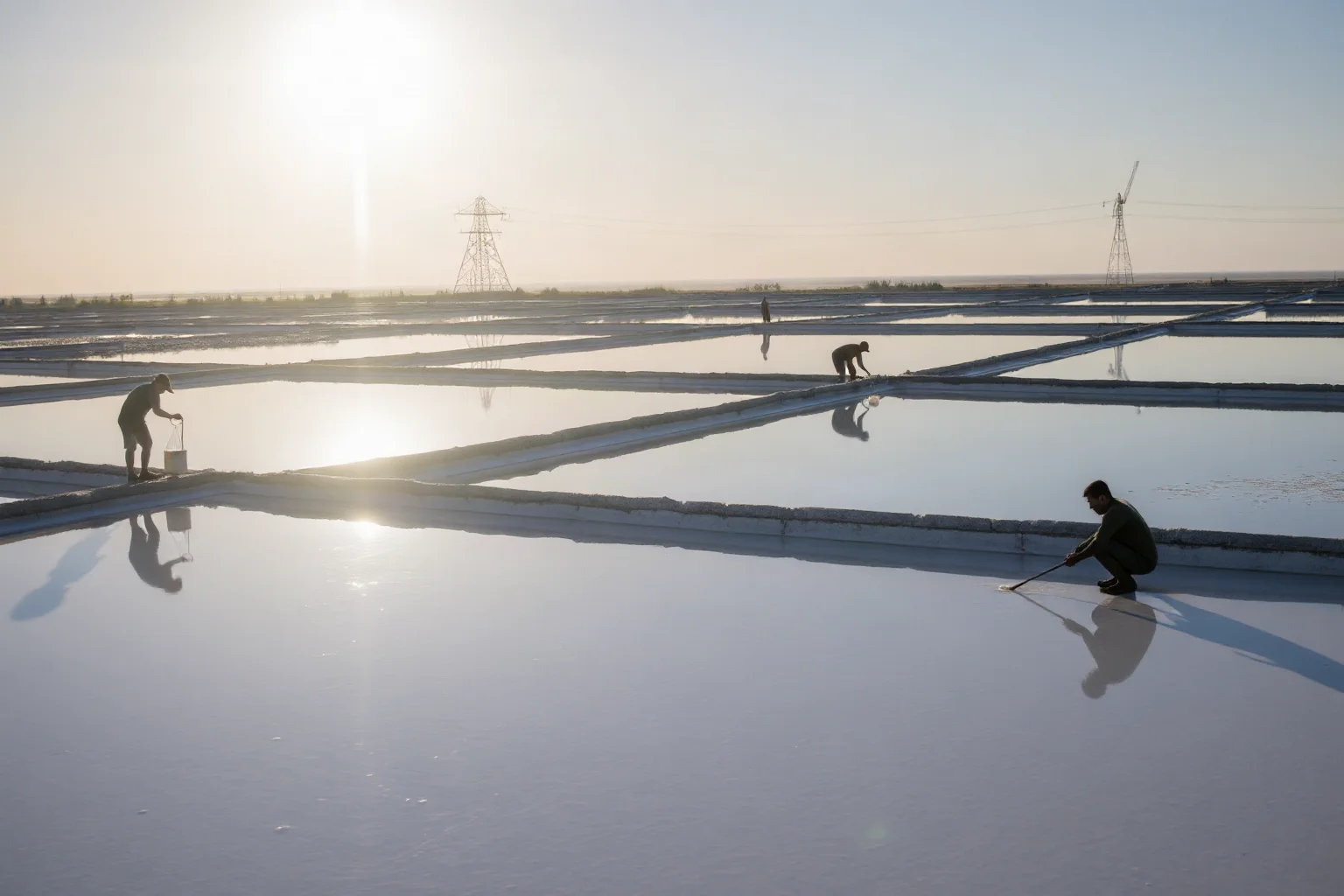
Salt was a vital trade commodity, and coastal Maya communities developed solar evaporation techniques to extract it from seawater on a large scale. Some inland groups also produced salt from brine springs using pots and controlled boiling.
Salt production sites, especially along the Belize coast, show organized, specialized labor dedicated to producing enough surplus for regional trade networks. It’s a practical, easily overlooked achievement that supported entire economies.
22. Textiles and Natural Dyes

Maya weavers used the backstrap loom to produce intricate cotton textiles, a technique still practiced by Maya communities today. They colored these textiles with natural dyes, including deep reds from cochineal insects and blues from indigo plants.
Carved stelae and painted murals frequently depict rulers and nobles in elaborately patterned garments, showing how important textile artistry was to status and identity. This tradition of weaving remains one of the most visible living links to ancient Maya culture.
Mayan Tools and Everyday Technology
It’s worth remembering that the Maya achieved all of this without iron or steel tools, without the wheel used for transport, and without large draft animals. Their toolkit relied heavily on chipped and polished stone, particularly obsidian and chert, shaped into blades, axes, and scrapers.
They also used bone and shell tools, wooden implements for farming, and ceramic vessels for cooking, storage, and trade. When people ask what tools the Maya used, the honest answer is that their tools were relatively simple by modern standards, which makes their architectural and scientific accomplishments even more remarkable.
Setting the Record Straight on a Few Myths
The Maya are frequently misrepresented in pop culture, so it’s worth a quick myth-busting note. The Maya never predicted the world would end in 2012; the Long Count calendar simply completed a cycle, similar to a calendar page turning over to a new century.
It’s also inaccurate to say the Maya “disappeared.” Many southern lowland cities did decline sharply around the 9th century CE due to a combination of drought, warfare, and political stress, but Maya communities persisted and adapted elsewhere. Millions of Maya descendants live across Mexico and Central America today, and many still speak Mayan languages.
Why These Achievements Still Matter
The accomplishments of the Maya weren’t isolated curiosities; they were interconnected systems built to solve real problems, like feeding cities, tracking time, and storing water in a demanding environment. Their mathematics, astronomy, and engineering reflect centuries of careful observation and refinement rather than lucky guesses.
Modern researchers still study Maya Blue’s chemistry, Maya water-management systems, and Maya astronomical records because the underlying knowledge holds up. That’s a pretty strong legacy for a civilization too often reduced to a doomsday meme.
Final Thoughts
From independently inventing zero to engineering underground cisterns and predicting Venus’s orbit with startling accuracy, the Maya built a body of knowledge that still earns respect from scientists and historians today. These weren’t scattered lucky discoveries; they were the product of sustained observation, mathematics, and engineering skill passed down across generations.
The next time someone asks what the Maya invented or achieved, you’ll have a lot more to offer than a debunked doomsday date. Their real story, one of genuine ancient Maya technology and ingenuity, is far more interesting anyway.
Frequently Asked Questions
Name 3 contributions, achievements, or inventions of the Maya.
Three well-documented Maya achievements are their independent invention of the concept of zero, their highly accurate Long Count and Haab' calendar systems, and their engineering of raised-field agriculture and underground cisterns (chultunes) to manage water and food supply. Other strong examples include their hieroglyphic writing system and their precise astronomical observations, including eclipse and Venus-cycle predictions.
What did the Mayans invent?
The Maya are credited with independently developing the mathematical concept of zero, a sophisticated calendar system, a full hieroglyphic writing system, and technologies like processed rubber, Maya Blue pigment, and raised-field farming. They also engineered reservoirs, underground cisterns, and raised causeways to manage water and transportation across their cities.
What were the Mayans known for?
The Maya are best known for their monumental pyramid architecture, advanced astronomy, complex calendar systems, and hieroglyphic writing. They're also increasingly recognized for practical innovations like water engineering, rubber processing, and intensive agricultural techniques that supported large city populations in challenging environments.
What tools did the Maya use to build their cities and monuments?
The Maya primarily used stone tools made from obsidian and chert, since they had no access to iron or steel and never developed wheeled transport for hauling materials. Construction relied on stone hand tools, wooden levers and scaffolding, ropes, and large-scale organized human labor rather than machinery or draft animals.
Did the Maya really predict the end of the world in 2012?
No, this is a popular myth without historical support. The Maya Long Count calendar completed a 13th b'ak'tun cycle in December 2012, which was more like a calendar rolling over to a new cycle than any prophecy of apocalypse, and no genuine Maya inscription describes 2012 as an end-times event.
Are the Maya still around today?
Yes, the Maya never disappeared. Millions of Maya people live today across Mexico, Guatemala, Belize, and Honduras, and many communities still speak Mayan languages and maintain traditions like backstrap-loom weaving and traditional agriculture.

Alex Warren
Related Articles