
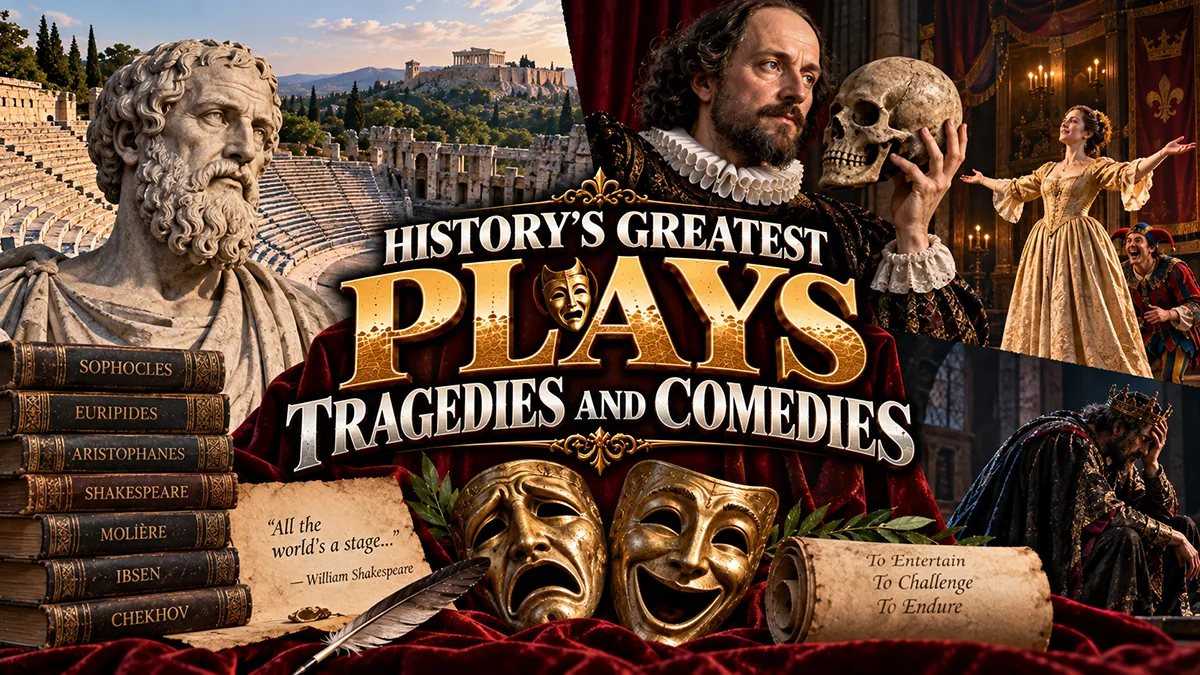
Ask ten people to name the greatest play ever written, and you’ll probably get ten different answers — Hamlet, Oedipus Rex, maybe something by Molière if they’re feeling fancy. That’s the wonderful thing about theatre history: it’s a 2,500-year argument that never really ends. From smoky Athenian amphitheaters to candlelit Elizabethan playhouses to austere 20th-century stages, playwrights have been wrestling with the same big questions using two very different tools — tragedy and comedy.
This list digs into both sides of that coin. We’re covering ten tragedy plays that shaped how we understand grief, ambition, and downfall, and ten comedies that used laughter to say things tragedy never could. Along the way, we’ll also clear up some genuinely common confusion about what these terms actually mean, because “tragedy” in the theatrical sense is a lot more specific than “a play with a sad ending.”
TL;DR: From Sophocles to Shakespeare to Beckett, history’s greatest plays fall into two ancient categories — tragedy and comedy — and understanding both reveals almost everything theatre has ever tried to say about being human.
What Even Is a Tragedy? (Busting the “Sad Ending” Myth)
Here’s a myth worth busting right away: a tragedy in a play isn’t simply defined by a sad ending. That’s a common shortcut, but it misses what Aristotle actually argued in his Poetics, one of the earliest surviving works of dramatic theory. He described tragedy as an imitation of a serious action, told through a noble character whose downfall comes from a flaw or an error in judgment — what’s often called hamartia.
So what is a tragedy in a play, really? It’s a story where a fundamentally significant person — a king, a general, a hero — is undone by their own choices, circumstances, or nature, producing catharsis, a kind of emotional release, in the audience. The ending matters less than the mechanism. A character’s greatness makes their fall feel enormous, and that’s the engine of tragic drama.
This definition has stretched over the centuries. Ancient Greek tragedy theater dealt in gods, fate, and royal bloodlines. Shakespearean tragedy plays kept the nobility but added psychological complexity. Modern tragic plays, like the ones from 20th-century American drama, shrank the scale to ordinary people — proving that tragedy examples don’t need a crown to carry weight.
It’s also worth a quick pop-culture note: if you’ve searched for “poetic tragedy,” you may have landed here from the 2007 song by the rock band The Used, which borrows the word for emotional effect rather than dramatic structure. That’s a fine use of language, but it’s a different animal from the poetic tragedy of the stage, which follows the formal rules laid out above.
What Is a Comedy, Then?
Comedy gets defined mostly by what it isn’t. Classical comedy doesn’t require every scene to be a joke; it requires a structure that bends toward reconciliation, marriage, mistaken identity sorted out, or social order restored. Aristophanes used comedy to skewer Athenian politicians. Shakespeare used it to tangle up lovers in forests and untangle them by the final act.
What makes a comedy “revolutionary” rather than just funny is usually its willingness to punch upward. The best classic comedy plays needled kings, clergy, and social convention at moments when doing so carried real risk. That’s a thread running through this whole second half of our list.
Shakespeare’s Own Sorting System: Tragedies, Comedies, and Histories
No conversation about famous plays gets far without Shakespeare, so it’s worth pausing on how his own era classified his work. The First Folio of 1623, assembled by his fellow actors after his death, split his plays into three categories: comedies, histories, and tragedies.
The Shakespeare tragedies list from that Folio and later scholarship generally includes Hamlet, Macbeth, Othello, King Lear, Romeo and Juliet, Julius Caesar, Antony and Cleopatra, Titus Andronicus, Timon of Athens, and Coriolanus — ten plays, fittingly enough, that scholars point to when discussing his tragic plays as a group. Meanwhile, his historical plays — the Henry IV and Henry VI cycles, Richard II, Richard III — dramatized English royal history with a blend of heroism, ambition, and, often, tragedy’s own machinery bolted underneath.
Some of Shakespeare’s comedies and tragedies blur together on purpose. Romeo and Juliet has comic banter and a bawdy nurse before it turns fatal. That overlap is part of why Shakespeare’s comedies and tragedies still get debated in classrooms — the labels are useful, but Shakespeare rarely stayed inside them neatly.
10 Iconic Tragedies That Defined the Genre
These are ten of the most influential tragedy plays in Western theatre, spanning roughly 2,400 years across some of history’s major eras. They’re not the only tragedy examples worth knowing, but together they trace how the genre evolved from divine punishment to very human self-destruction.
1. Oedipus Rex
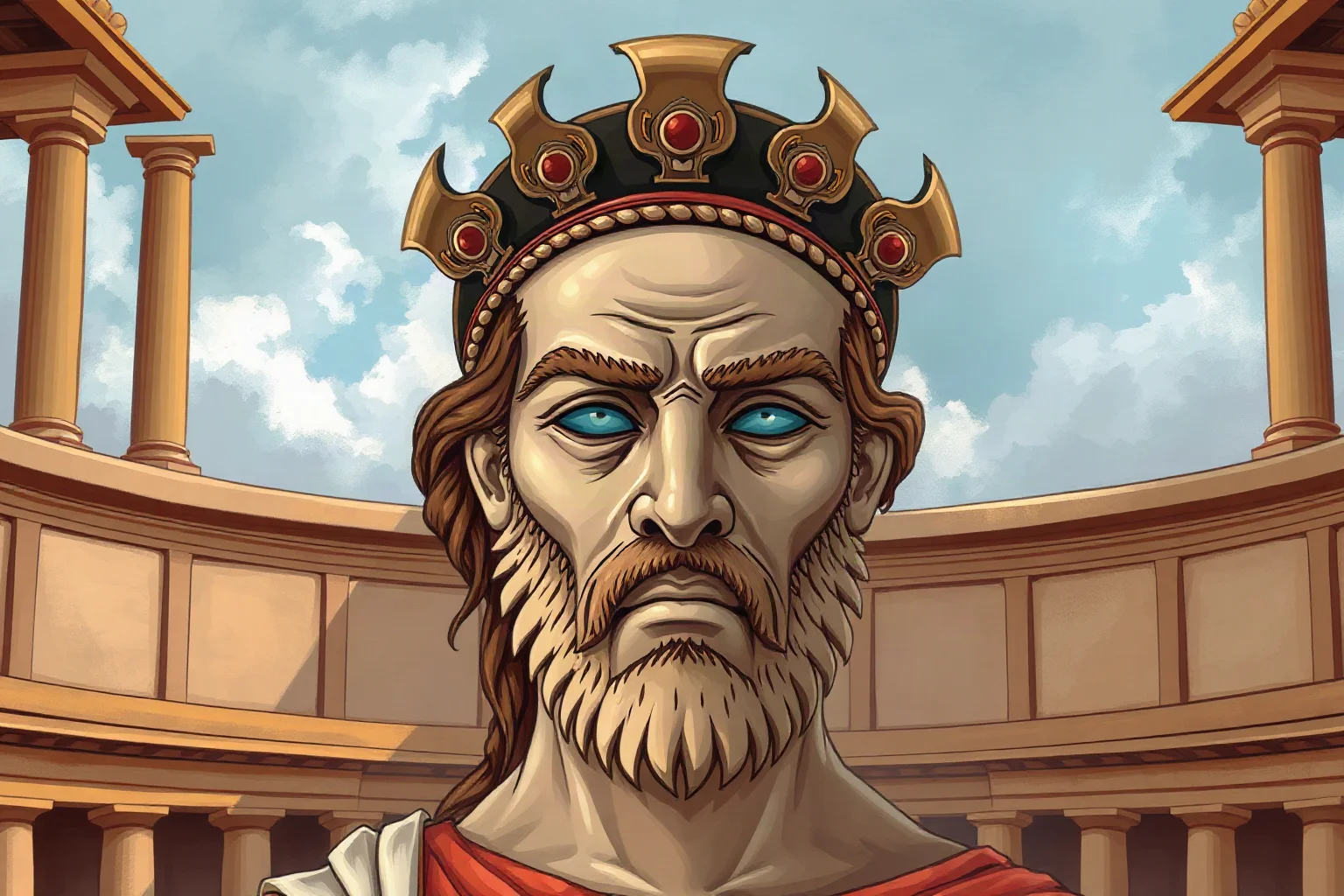
Written by Sophocles and first performed around 429 BCE, Oedipus Rex is often treated as the textbook example of Greek tragedy. A king unknowingly fulfills a prophecy of killing his father and marrying his mother, then spends the play uncovering a truth the audience already knows.
Aristotle himself referenced this play repeatedly in the Poetics, which is a big reason it became the model for what a “perfect” tragedy should look like. Its structure — steady revelation leading to catastrophic self-knowledge — still shapes how modern tragic drama builds suspense.
2. Agamemnon
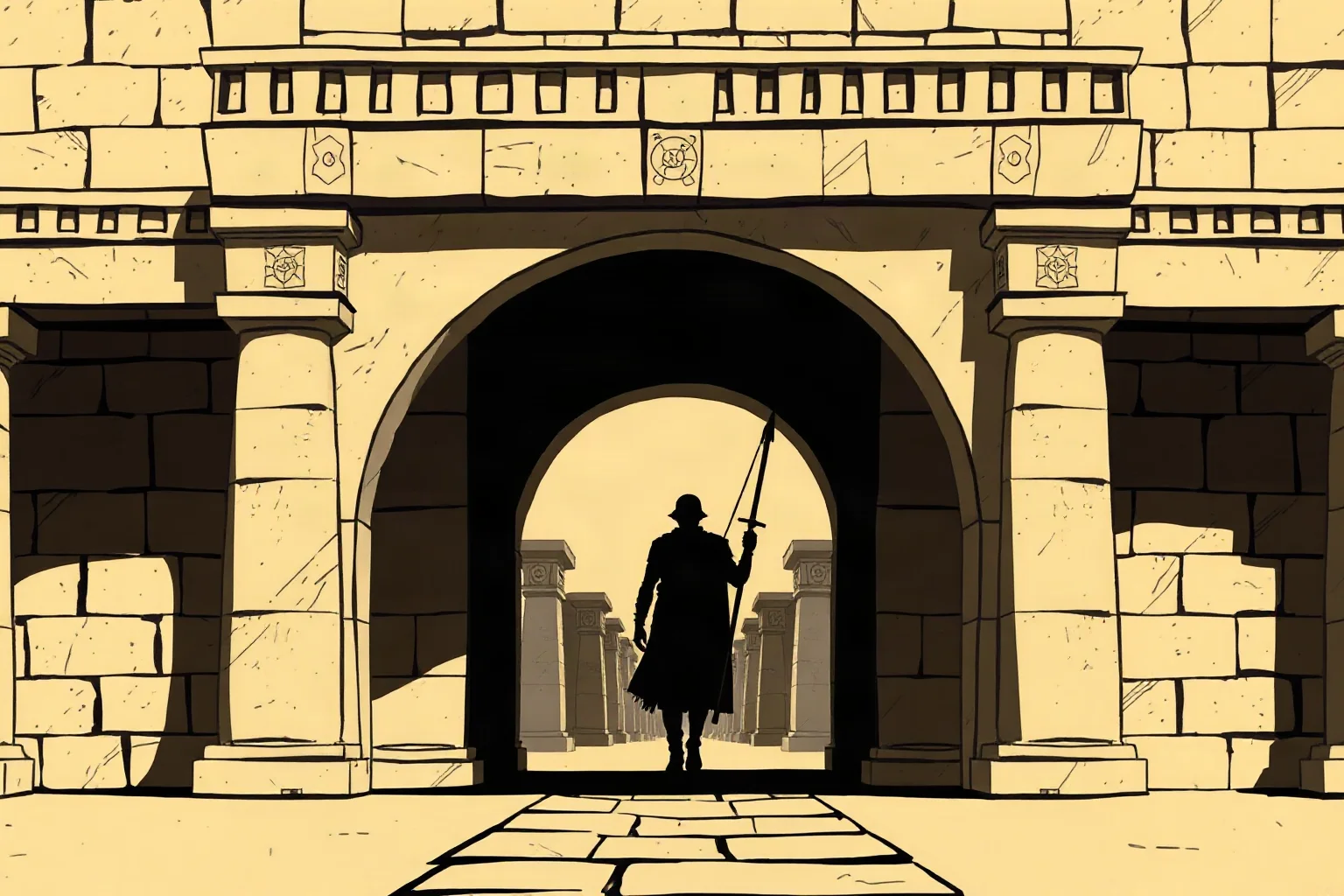
Agamemnon is the first play in Aeschylus’s Oresteia trilogy, staged in Athens around 458 BCE. It follows the king’s return from the Trojan War, only to be murdered by his wife Clytemnestra in revenge for the sacrifice of their daughter.
Aeschylus is often credited as the earliest of the three great Athenian tragedians, and this trilogy is one of the few complete tragic cycles to survive from antiquity. It shows tragedy theater grappling with cycles of vengeance long before Shakespeare ever picked up a quill.
3. Medea
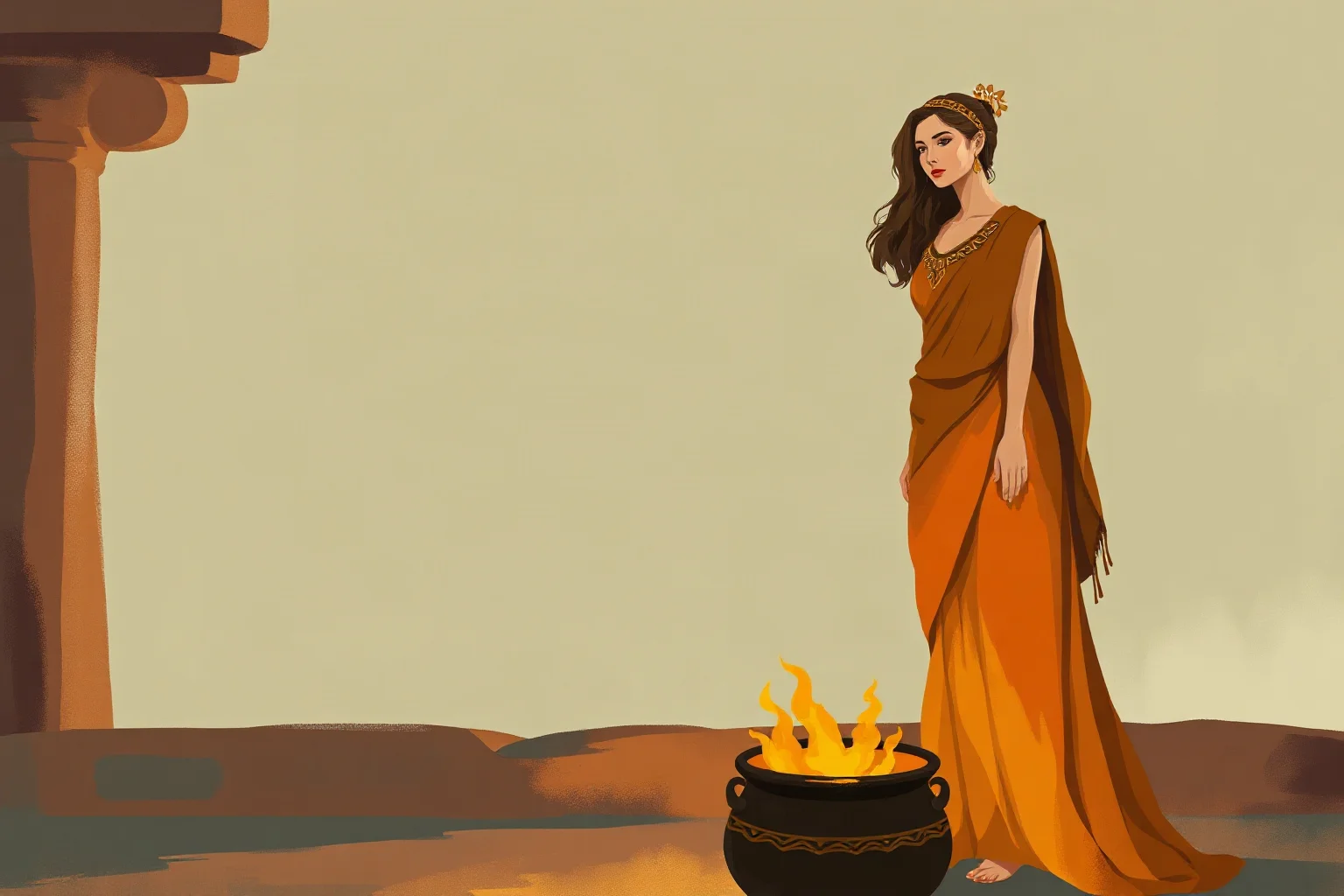
Euripides gave audiences one of the most unsettling tragic plays in history when Medea premiered in 431 BCE. Betrayed by her husband Jason, Medea takes revenge in a way that still shocks modern readers, forcing audiences to sit with a protagonist who is both victim and villain.
Euripides was known for pushing tragedy toward psychological realism rather than pure myth-and-fate storytelling. Medea remains a key example of tragedy in drama precisely because it refuses easy sympathy.
4. Hamlet
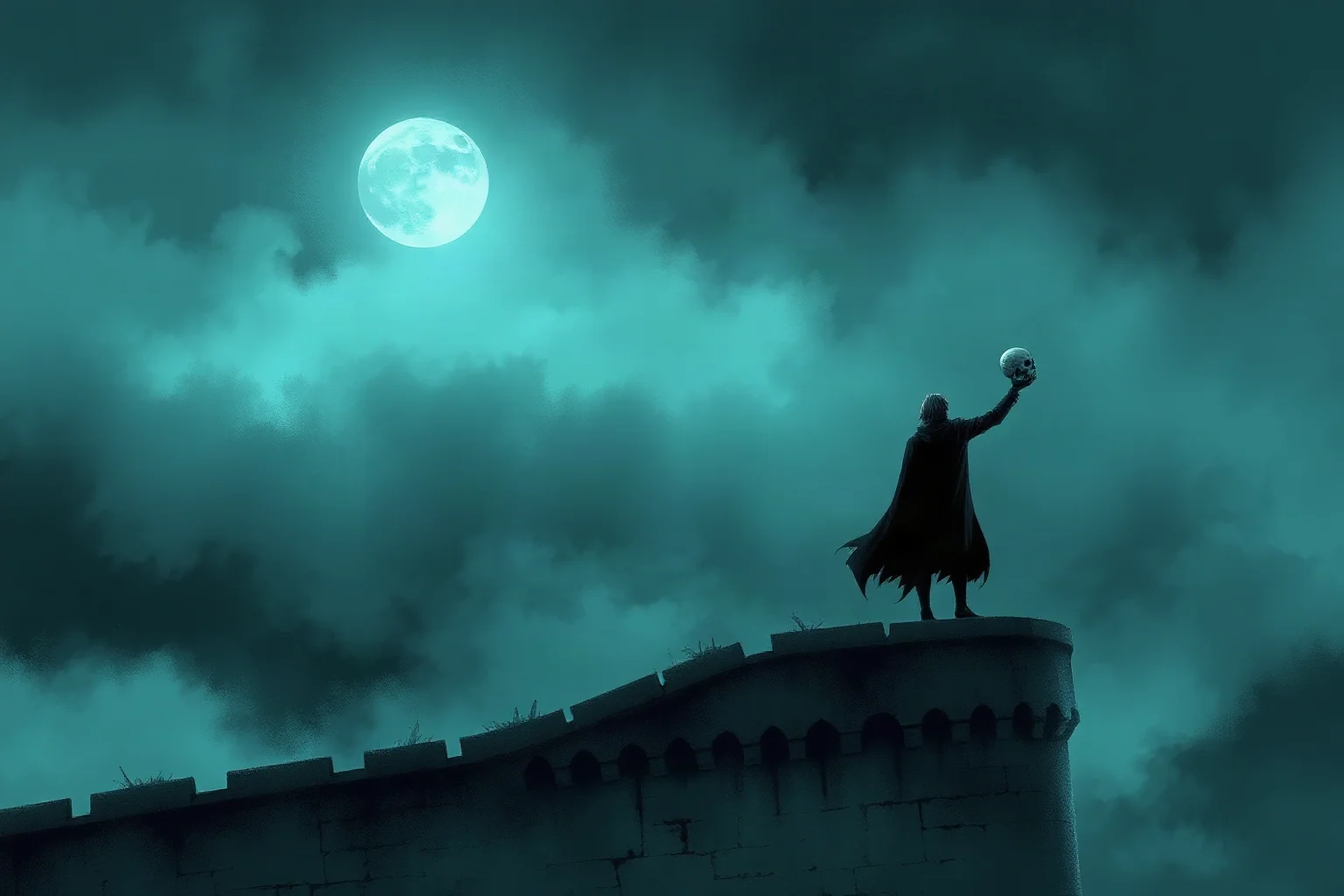
Written around 1600–1601, Hamlet is arguably the most analyzed play in the English language. A Danish prince delays avenging his father’s murder while spiraling through grief, feigned madness, and philosophical doubt.
It’s the play most people picture first when they think of Shakespeare tragedies, and for good reason — nearly every major theme of Shakespearean tragedy (indecision, mortality, corrupted power) appears here in concentrated form.
5. Macbeth
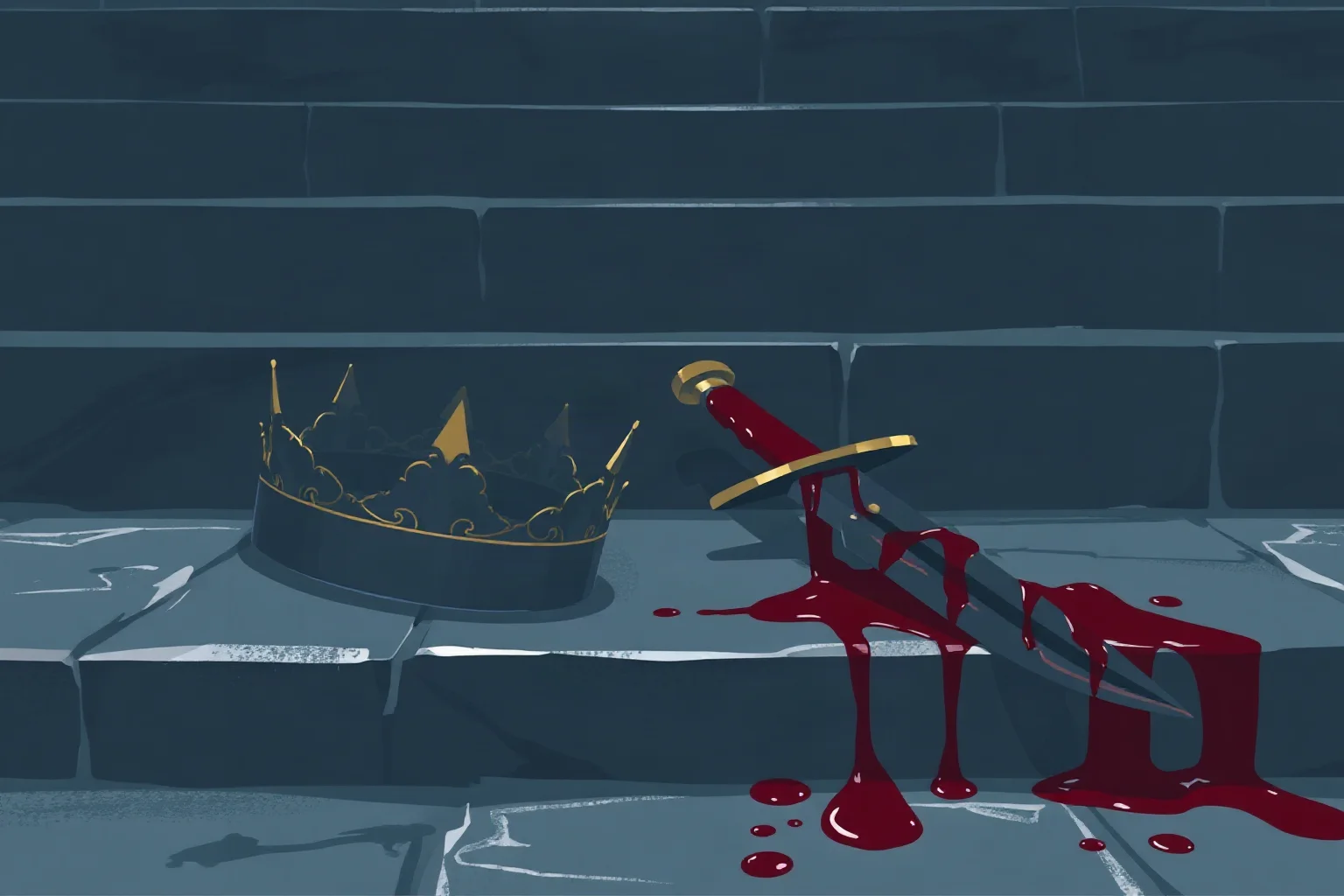
Macbeth, likely written around 1606, is Shakespeare’s tightest and bloodiest tragedy. A Scottish general murders his way to the throne after hearing a prophecy, and ambition curdles into paranoia almost immediately.
Among tragic plays by Shakespeare, Macbeth is unusual for its speed — there’s very little comic relief, and the descent from hero to tyrant happens with brutal efficiency.
6. Othello
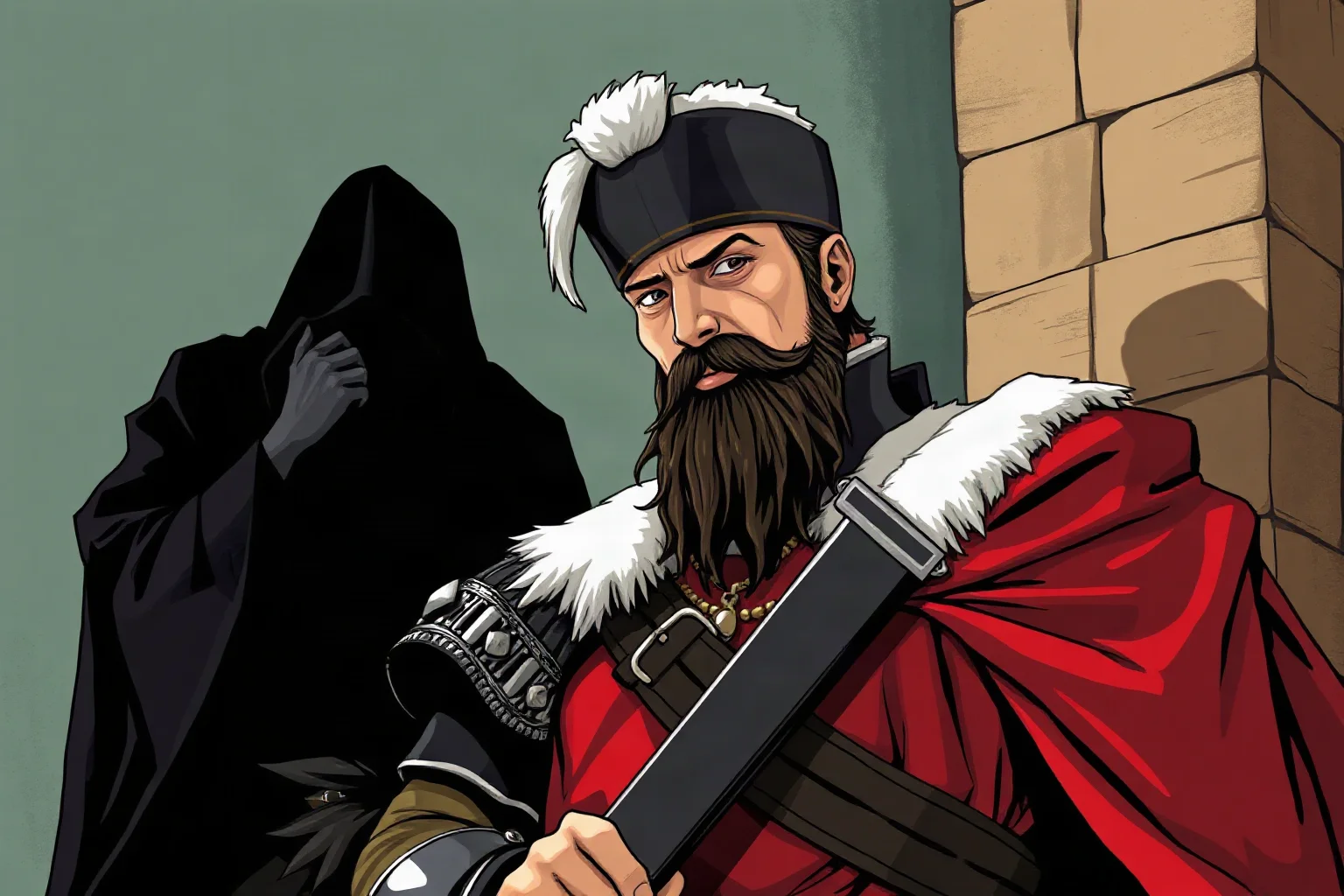
Written around 1603–1604, Othello centers on a respected general manipulated by his ensign Iago into believing his wife has been unfaithful. It’s a masterclass in dramatic irony, since the audience sees Iago’s deception long before Othello does.
As one of the defining Shakespeare tragedy plays, Othello is also notable for putting a Black protagonist at the center of a major Renaissance tragedy, a choice that continues to generate rich scholarly and theatrical debate.
7. King Lear
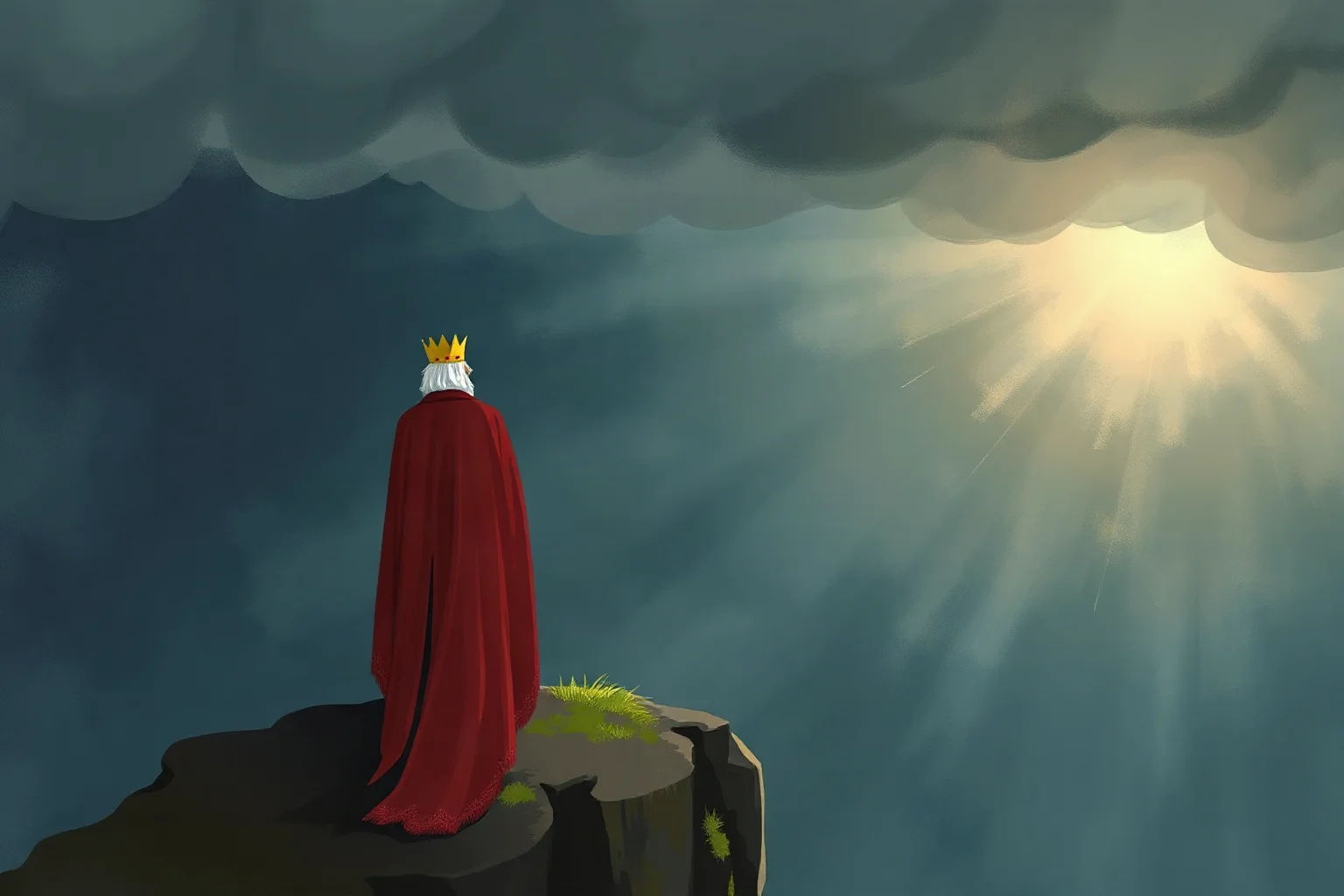
King Lear, from around 1606, follows an aging king who divides his kingdom based on flattery rather than wisdom, then loses everything — sanity included — as a result. It’s frequently cited among the bleakest of Shakespeare’s tragedies, with a body count that spares almost no one.
Many scholars consider it Shakespeare’s most philosophically ambitious tragedy, wrestling openly with questions about justice, aging, and whether the universe owes humans any fairness at all.
8. Romeo and Juliet
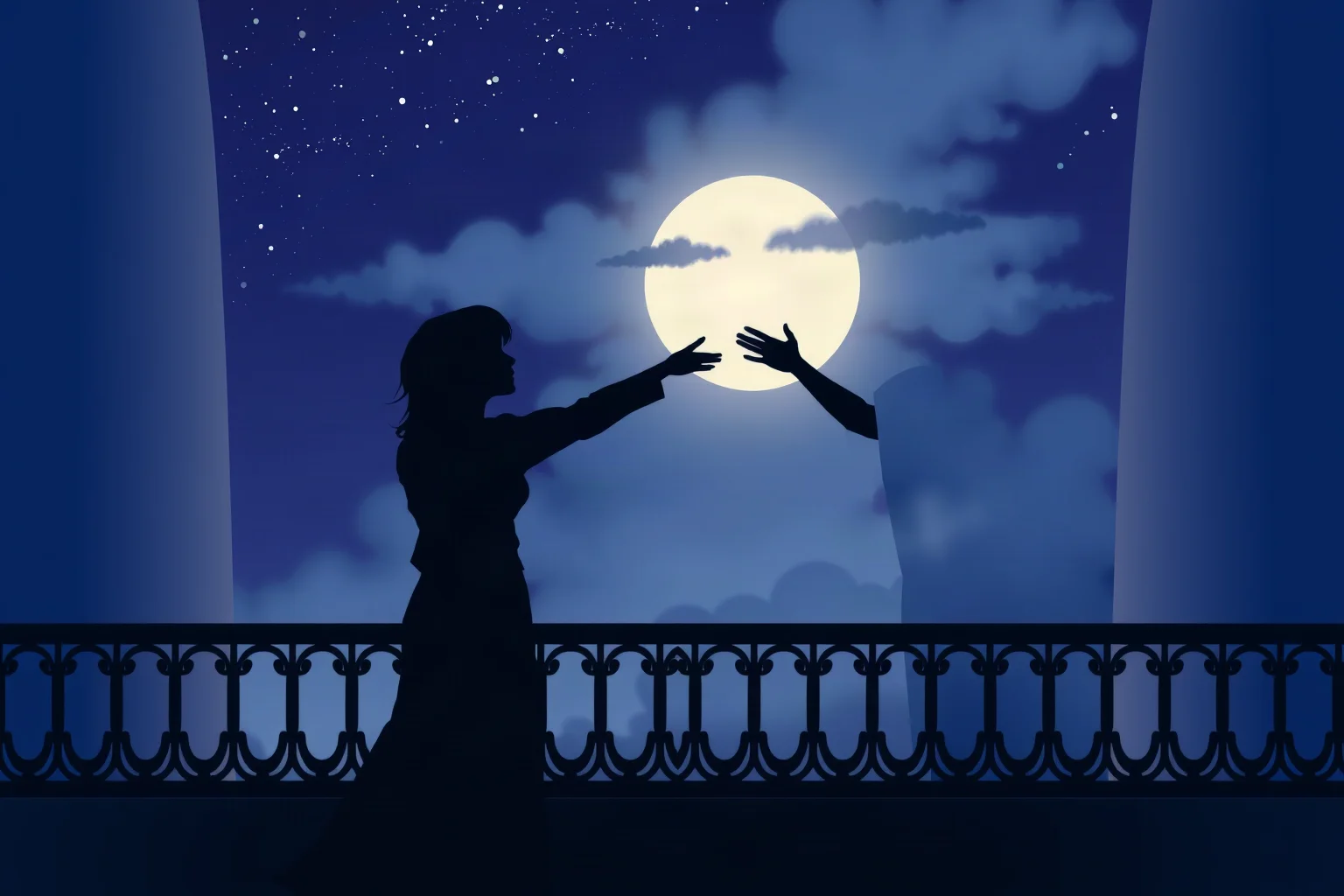
Written in the mid-1590s, Romeo and Juliet turns two teenagers’ impulsive love into one of the most famous tragedy examples in any language. Family feud, miscommunication, and terrible timing combine to produce theatre’s most quoted double suicide.
It sits at an interesting seam in Shakespeare’s comedies and tragedies, since its first half plays almost like a romantic comedy before the tone turns fatal in the second half.
9. Death of a Salesman
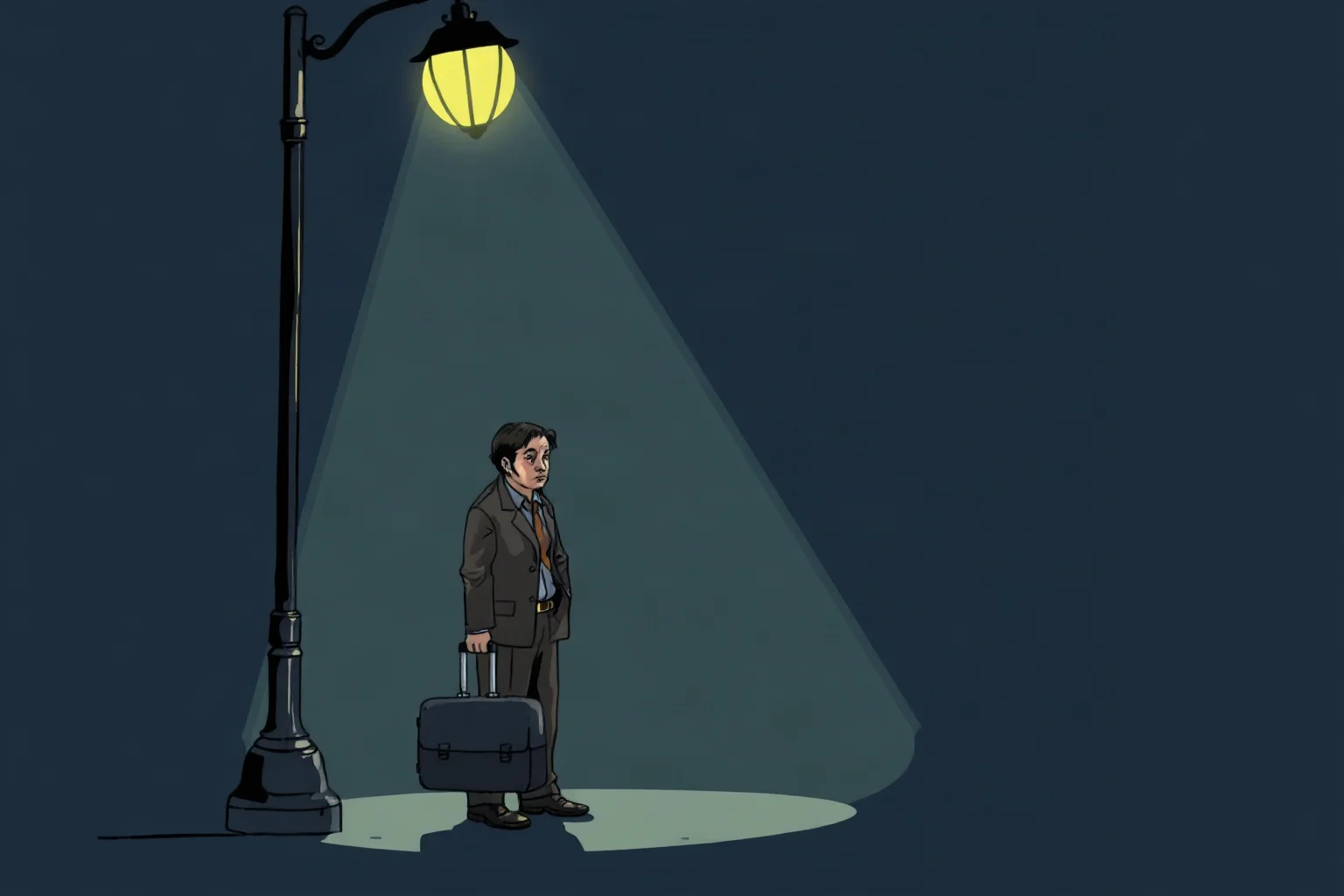
Arthur Miller’s Death of a Salesman premiered in 1949, just as the postwar American dream was starting to calcify into myth, and it reshaped what tragedy could look like in the 20th century. Willy Loman is not a king or general — he’s a struggling traveling salesman whose delusions about success collapse around him.
Miller argued explicitly, in his own essays, that ordinary people could be tragic heroes too, pushing back against the old assumption that tragedy required nobility of birth. It’s one of the most influential sad plays in modern American drama.
10. A Streetcar Named Desire
Tennessee Williams’s A Streetcar Named Desire debuted in 1947 and gave American theatre one of its most devastating tragic heroines in Blanche DuBois. Faded gentility collides with raw, working-class New Orleans reality, and Blanche’s grip on the truth slips away scene by scene.
As a tragic drama example, Streetcar helped cement psychological realism as a dominant force in 20th-century theatre, influencing generations of playwrights who followed.
10 Revolutionary Comedies That Changed Theatre
Comedy has always done dangerous work under a friendly disguise. These ten plays used laughter to challenge war, hypocrisy, class, and social convention, often getting away with things that a tragedy never could.
11. Lysistrata
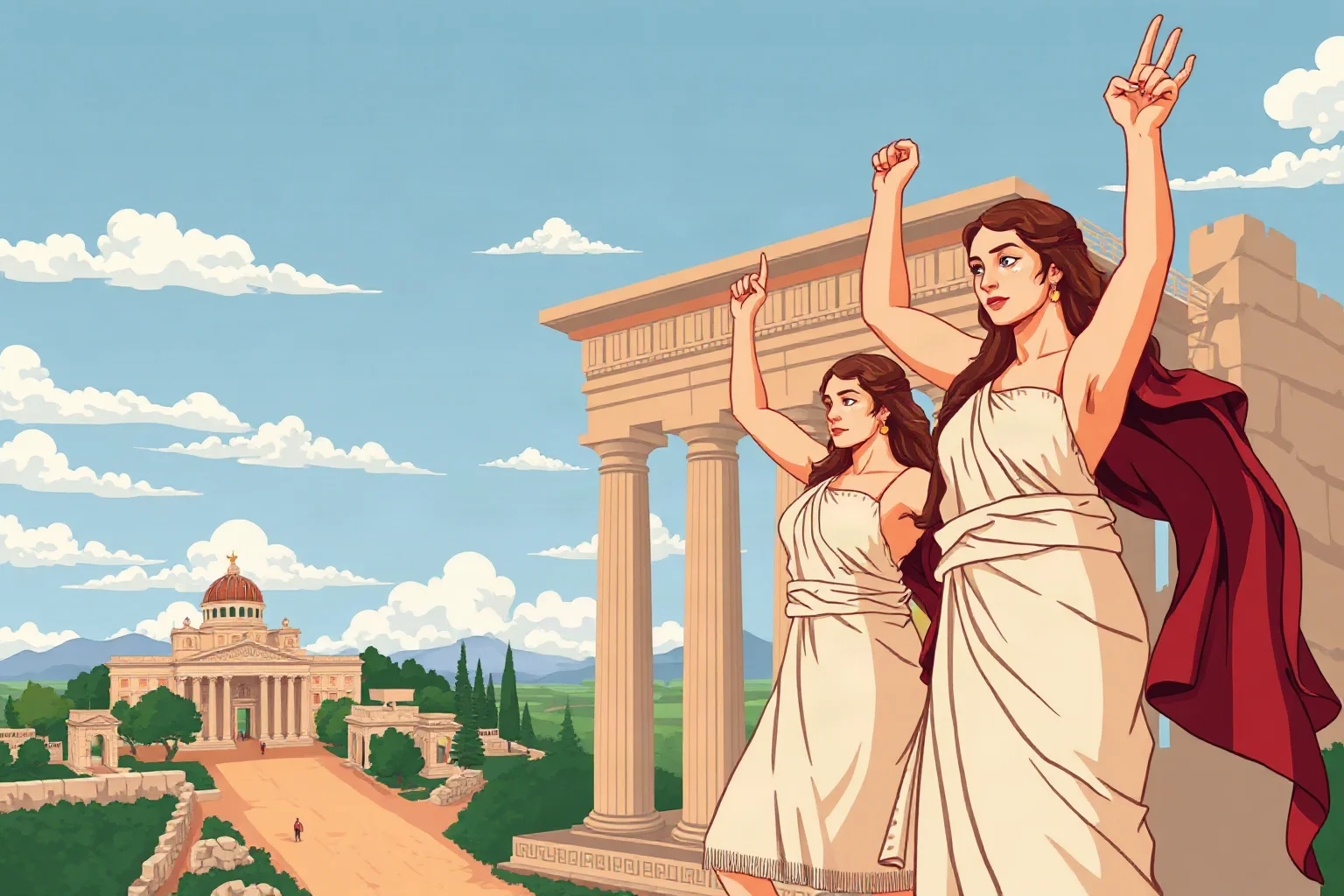
Aristophanes wrote Lysistrata in 411 BCE, during the long and exhausting Peloponnesian War against Sparta. Its premise is audacious even now: the women of Greece withhold sex from their husbands until the men agree to end the fighting.
It’s one of the earliest surviving examples of political satire in theatre, and it remains a go-to reference whenever people discuss classic comedy plays with real teeth.
12. A Midsummer Night’s Dream
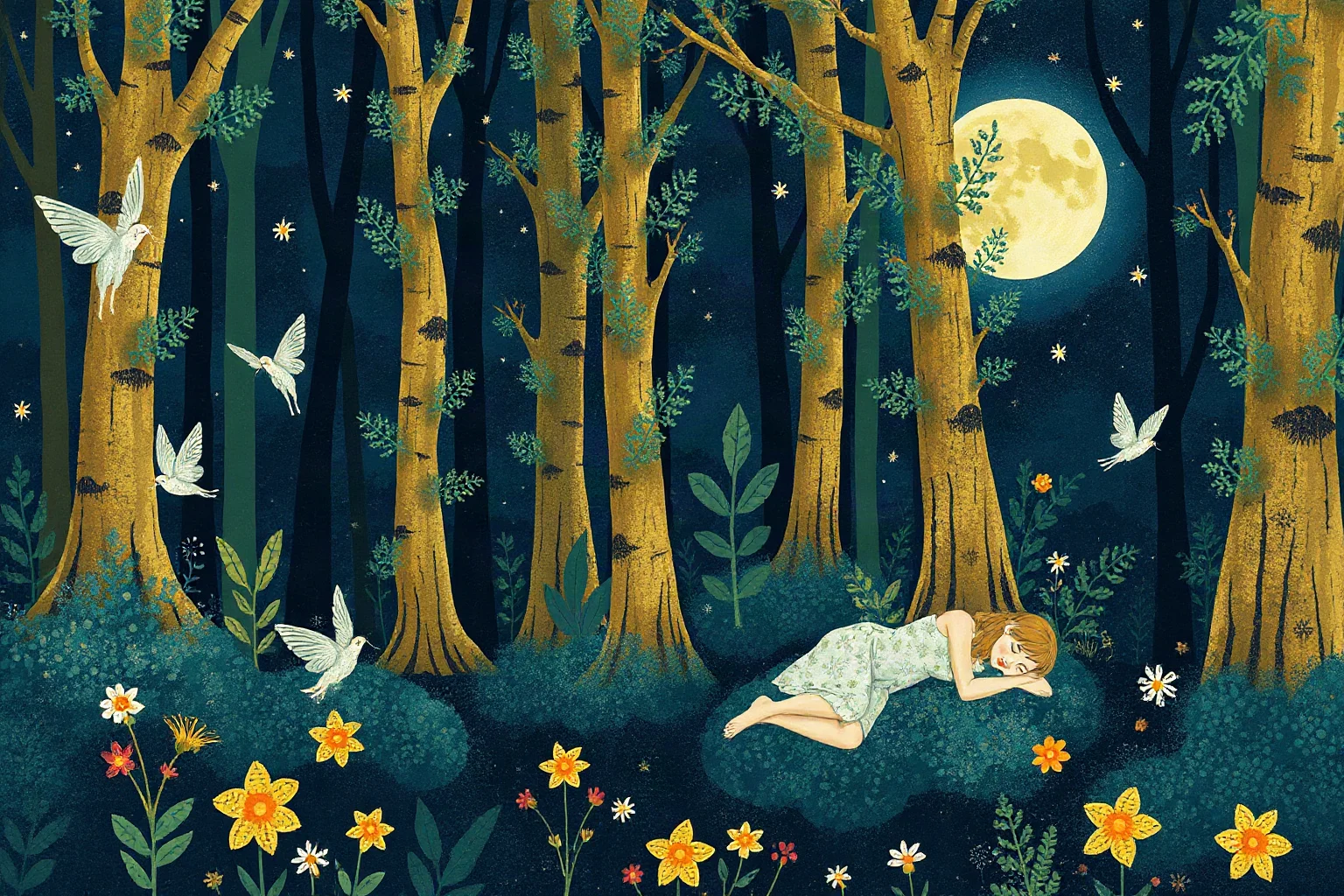
Written around 1595–1596, A Midsummer Night’s Dream sends four young Athenian lovers into an enchanted forest ruled by squabbling fairies. Mistaken identities, magic potions, and a group of hapless amateur actors collide into gleeful chaos.
It’s frequently ranked among the most performed of Shakespeare’s comedies, prized for balancing pure whimsy with sharp observations about love’s irrationality.
13. Much Ado About Nothing
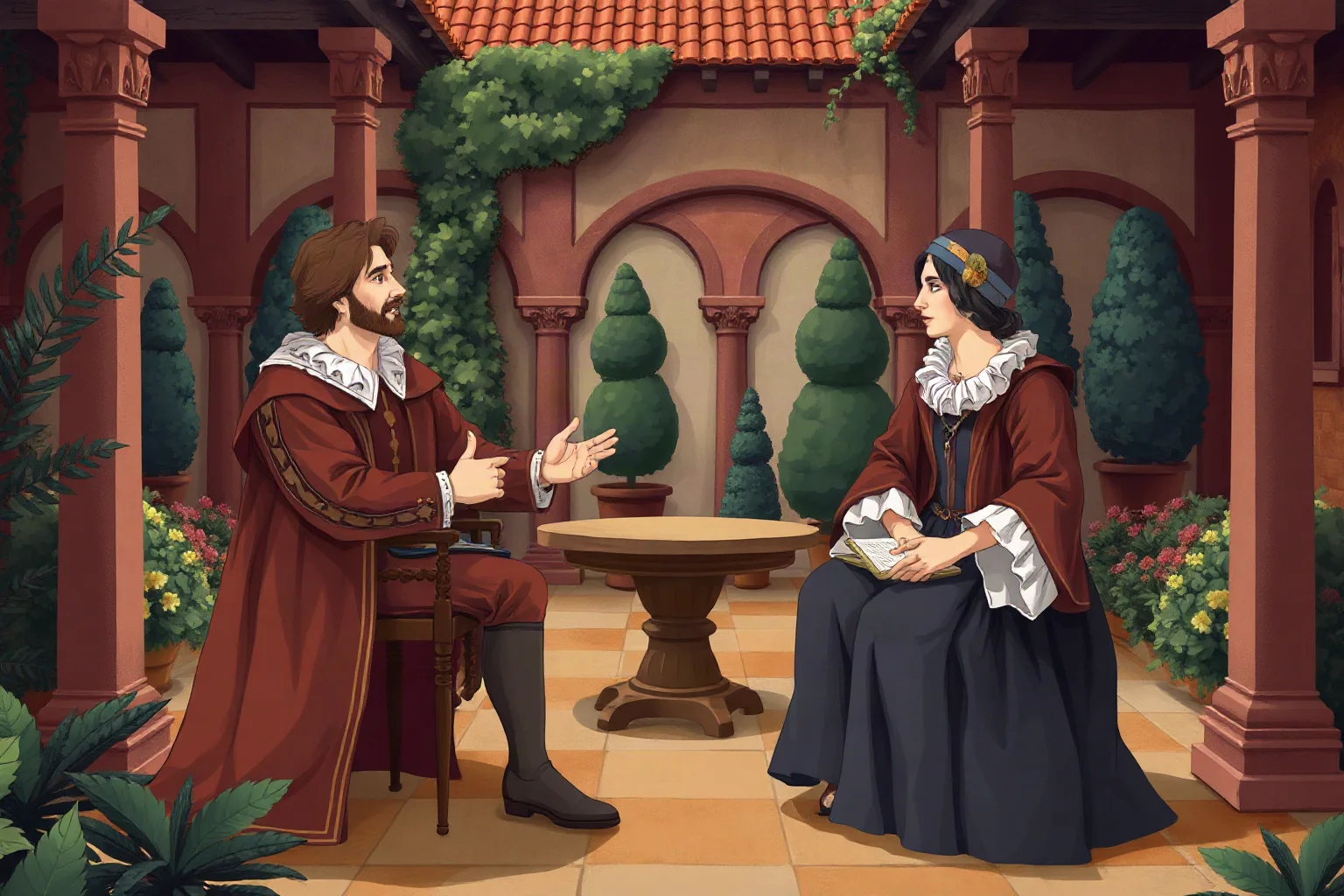
Much Ado About Nothing, from around 1598–1599, pairs a sparring, witty couple — Benedick and Beatrice — against a darker subplot involving slander and near-tragedy. It’s a reminder that Shakespeare’s comedies and tragedies weren’t always cleanly separated.
The play’s rapid-fire banter is often cited as some of Shakespeare’s sharpest comic dialogue, influencing romantic-comedy structure for centuries afterward.
14. Twelfth Night
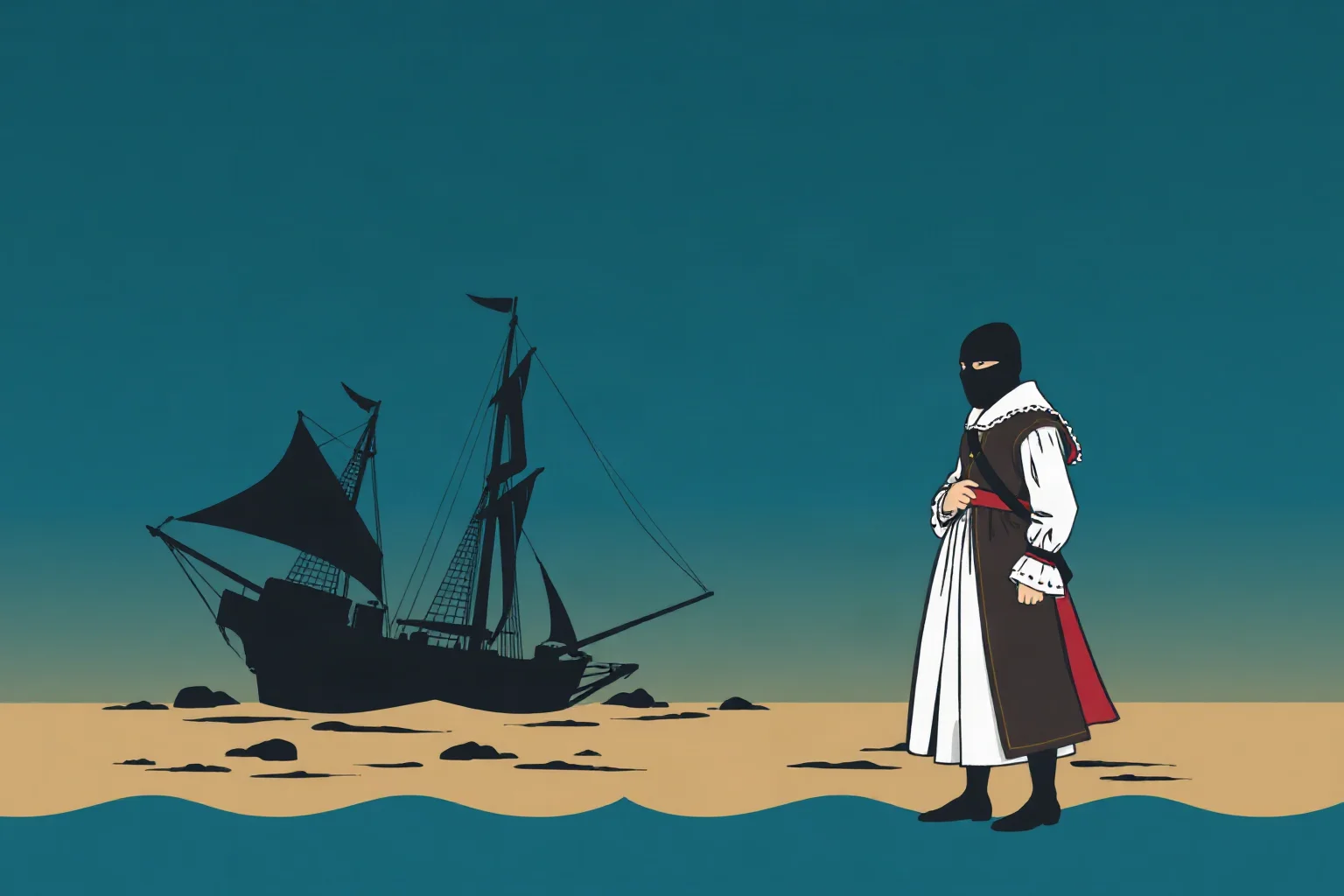
Twelfth Night, written around 1601–1602, follows Viola disguising herself as a man after a shipwreck, triggering a tangle of misdirected affections. Its themes of gender disguise and mistaken identity make it one of the more subversive famous plays of the Elizabethan stage.
The play’s subtitle, “What You Will,” hints at its playful attitude toward rigid social roles, an attitude that felt genuinely bold for its time.
15. Tartuffe
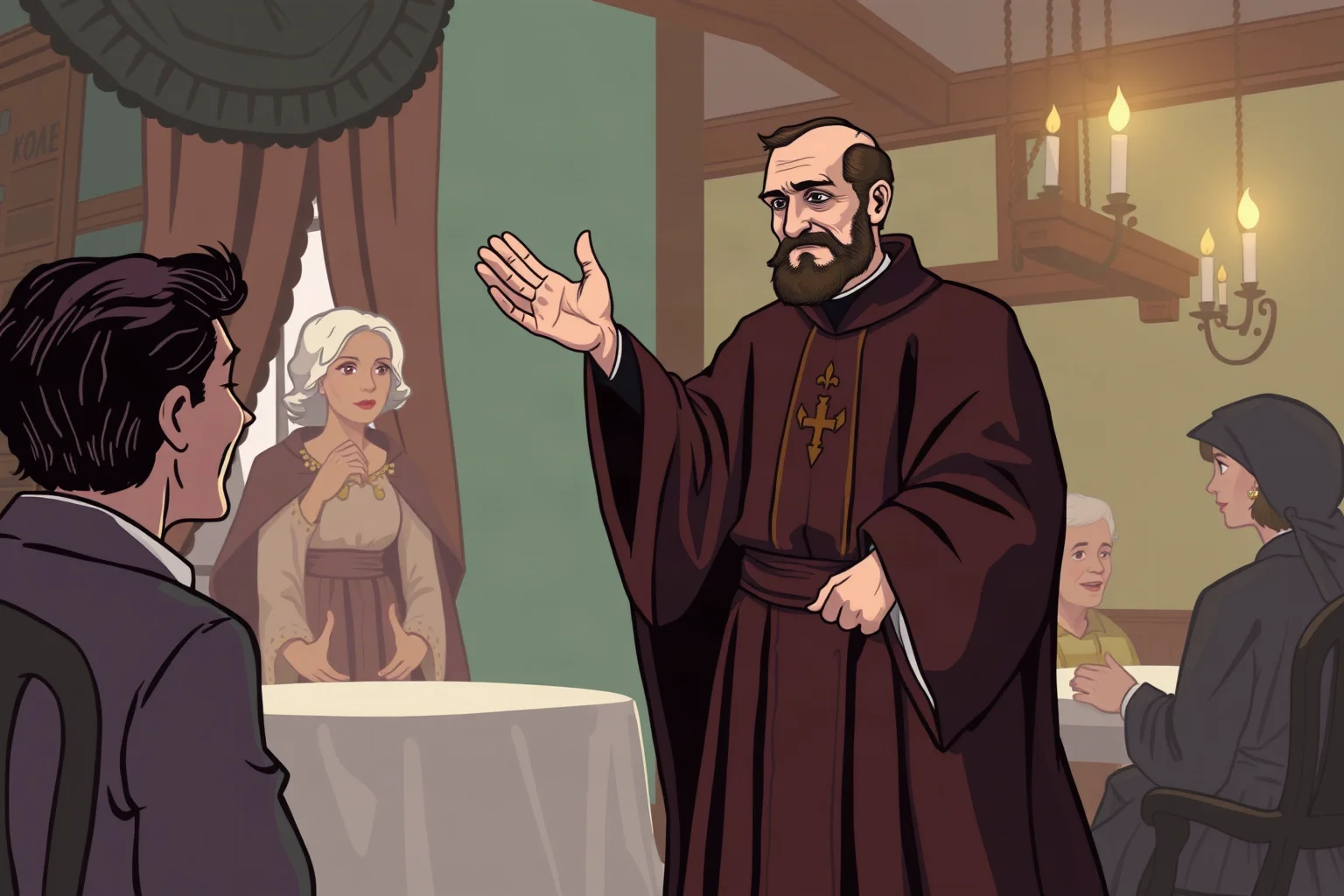
Molière’s Tartuffe, first performed in 1664, tells the story of a con man who fakes religious piety to worm his way into a wealthy household. It was controversial enough that French religious authorities pushed for it to be banned shortly after its debut.
Tartuffe endures as one of history’s sharpest satires of hypocrisy, and it’s a cornerstone whenever people list the most famous theatre plays from continental Europe.
16. The School for Scandal
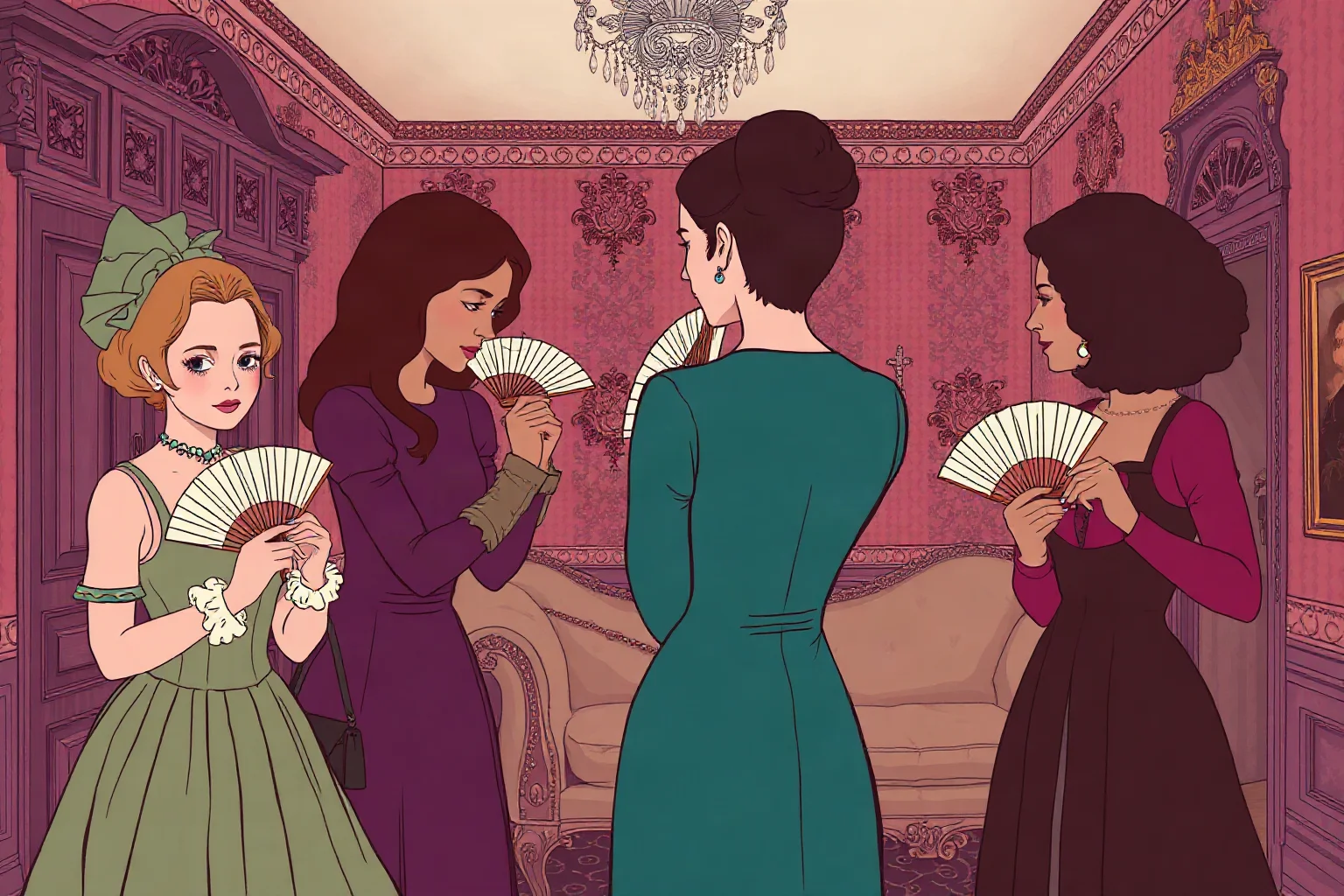
Richard Brinsley Sheridan’s The School for Scandal premiered in 1777 and skewered the gossip-obsessed high society of Georgian London. Its characters — many bearing names like Lady Sneerwell — practically announce their own satirical purpose.
As one of the most enduring popular drama plays of the 18th century, it helped define the genre of “comedy of manners” that later influenced writers like Oscar Wilde.
17. The Importance of Being Earnest
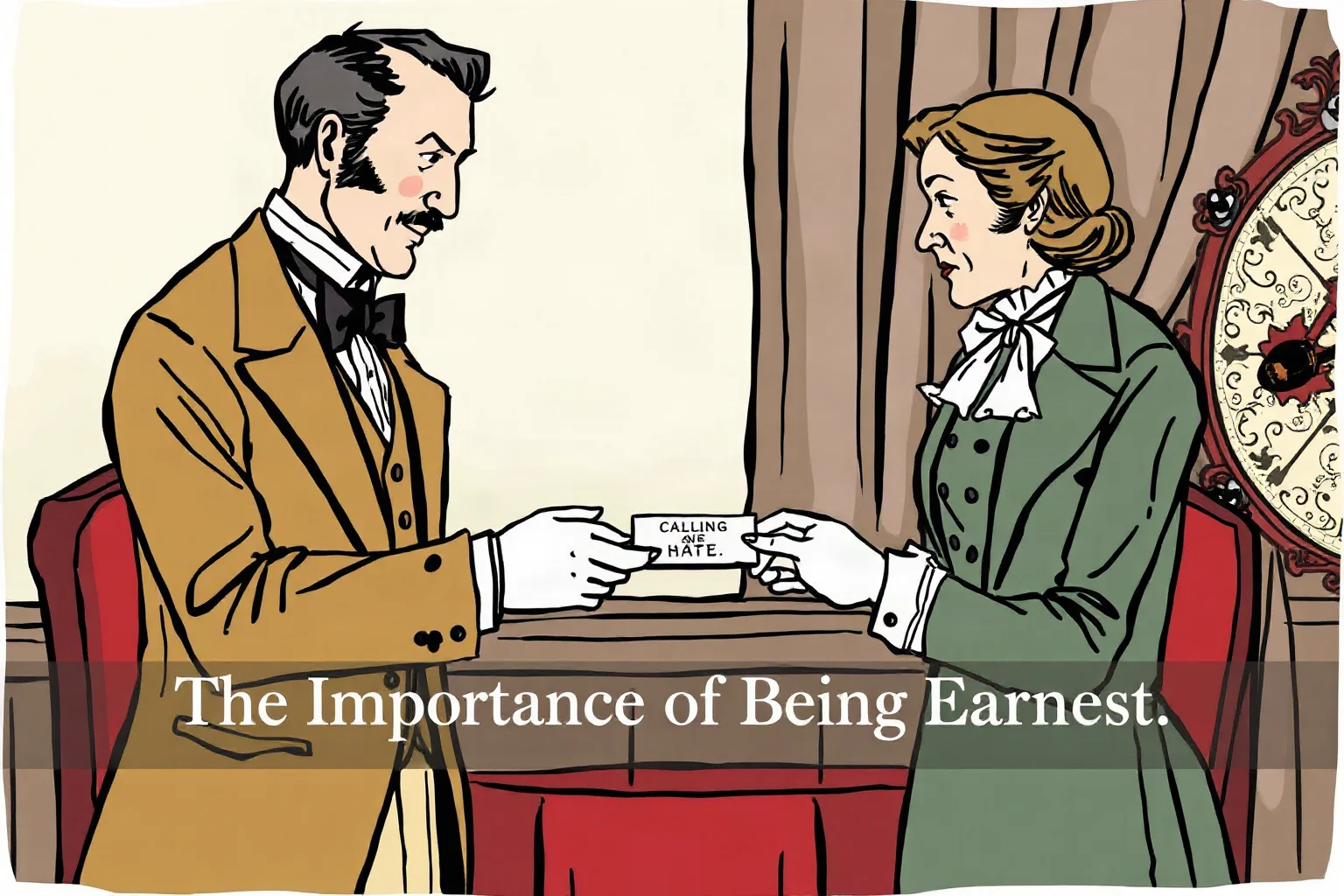
Oscar Wilde’s The Importance of Being Earnest debuted in 1895, just months before scandal derailed Wilde’s own life and career. Built on double identities, absurd misunderstandings, and some of the most quotable lines in English comedy, it’s often called the finest example of a comedy of manners.
It remains one of the most produced famous theatre plays worldwide, still leaning on Wilde’s razor-sharp critique of Victorian social pretense.
18. Pygmalion
George Bernard Shaw’s Pygmalion, first staged in 1913, follows a phonetics professor who transforms a working-class flower seller into someone who can pass as aristocracy purely through speech training. It’s a comedy with real bite, using humor to interrogate British class rigidity.
Shaw’s play later inspired the musical My Fair Lady, but the original stands on its own as one of the most quietly radical classic comedy plays of the early 20th century.
19. The Government Inspector
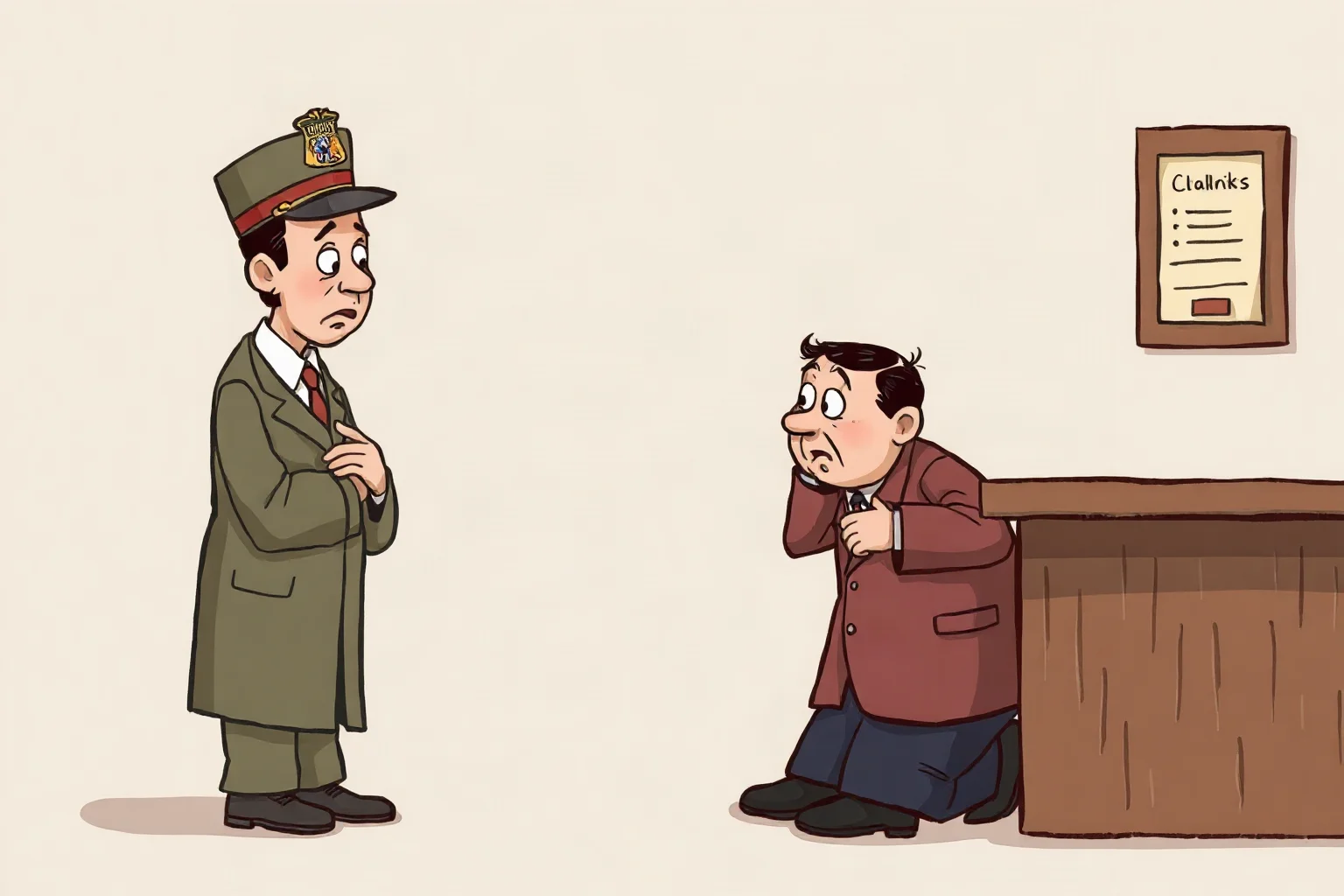
Nikolai Gogol’s The Government Inspector premiered in 1836 and mercilessly mocked corrupt provincial officials in Tsarist Russia. A minor bureaucrat is mistaken for a powerful government inspector, and the local officials fall over themselves trying to bribe and flatter him.
Reportedly, Tsar Nicholas I himself attended the premiere and found it funny despite its pointed criticism of state corruption — a detail often repeated in theatre history, though it’s worth treating as anecdote rather than verified fact. Either way, the play remains a landmark of political satire.
20. Waiting for Godot
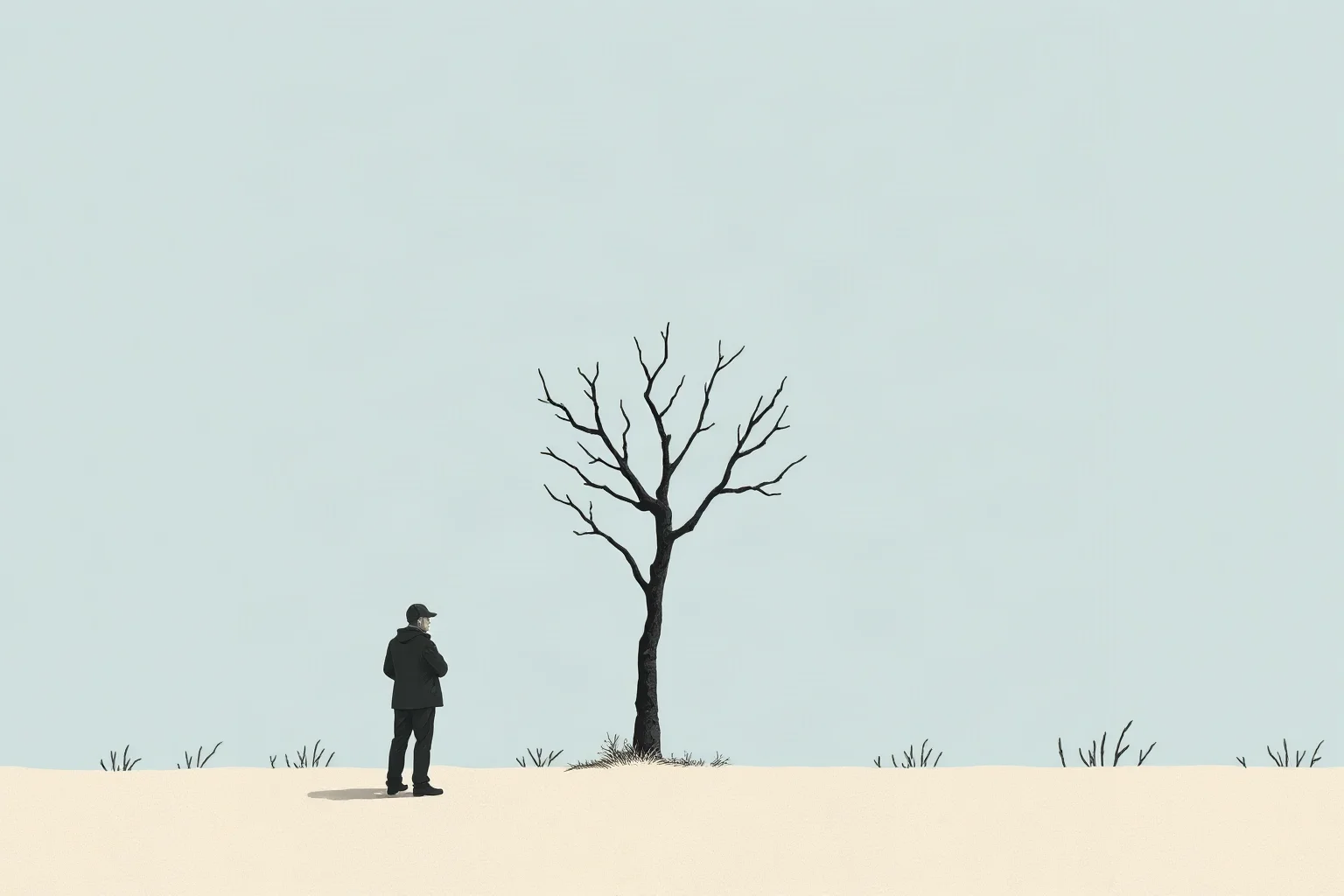
Samuel Beckett’s Waiting for Godot premiered in Paris in 1953 and refuses to fit neatly into either comedy or tragedy. Two men wait endlessly for someone who never arrives, filling the time with absurd, often funny exchanges that mask a deep existential dread underneath.
Beckett’s play is frequently labeled a “tragicomedy,” and it revolutionized what a comedy could even attempt, paving the way for absurdist and experimental theatre for decades afterward.
Why These Old Theatre Plays Still Matter Today
What’s striking about this list isn’t just the individual genius of any one playwright — it’s how consistently these old theatre plays return to the same handful of human problems. Pride undoes kings in Athens and salesmen in Brooklyn alike. Mistaken identity trips up Athenian lovers and Victorian dandies with equally chaotic results.
Calling something one of the greatest plays ever isn’t really about ranking who wrote the “best” dialogue. It’s about recognizing which stories kept getting restaged, translated, and argued over long after their original audiences were gone. That kind of staying power is rare, and it’s the real reason these particular tragedy and comedy plays earned a permanent place in the canon.
Whether you’re drawn to the moral weight of tragic plays or the sharp-elbowed wit of classic comedies, both traditions are doing the same fundamental job: holding a mirror up to whatever era is watching. That’s exactly why, thousands of years after Sophocles and hundreds after Shakespeare, we’re still buying tickets.
Frequently Asked Questions
What are the best plays of all time?
There's no single official ranking, but plays like Hamlet, Oedipus Rex, A Midsummer Night's Dream, and The Importance of Being Earnest are consistently cited among the best plays of all time due to their lasting influence, frequent revivals, and impact on later playwrights across centuries.
What is a tragedy in a play?
A tragedy in a play is a serious dramatic work in which a significant character experiences a downfall, often caused by a personal flaw, error in judgment, or fate, producing a strong emotional response in the audience. This definition, rooted in Aristotle's Poetics, focuses on the mechanism of the fall rather than simply requiring a sad ending.
How many tragedies did Shakespeare write?
Shakespeare is traditionally credited with around ten tragedies, including Hamlet, Macbeth, Othello, King Lear, Romeo and Juliet, Julius Caesar, Antony and Cleopatra, Titus Andronicus, Timon of Athens, and Coriolanus, based largely on how his plays were categorized in the 1623 First Folio.
Is Romeo and Juliet a comedy or a tragedy?
Romeo and Juliet is classified as a tragedy because it ends in the deaths of its central characters, but its early scenes contain comic banter and romantic-comedy conventions, making it one of the clearer examples of overlap between Shakespeare's comedies and tragedies.
What’s the difference between comedy and tragedy in theatre?
Tragedy generally follows a serious protagonist toward a downfall driven by a flaw, error, or fate, while comedy moves toward reconciliation, resolved misunderstandings, or restored social order, often using humor to explore the same underlying human problems from a lighter angle.
Why is Oedipus Rex considered the model for tragedy?
Aristotle repeatedly referenced Oedipus Rex in his Poetics as an example of ideal tragic structure, praising its gradual revelation of truth and the way its protagonist's downfall stems from his own actions rather than pure bad luck, which became a template for later tragic drama.

Alex Warren
Related Articles