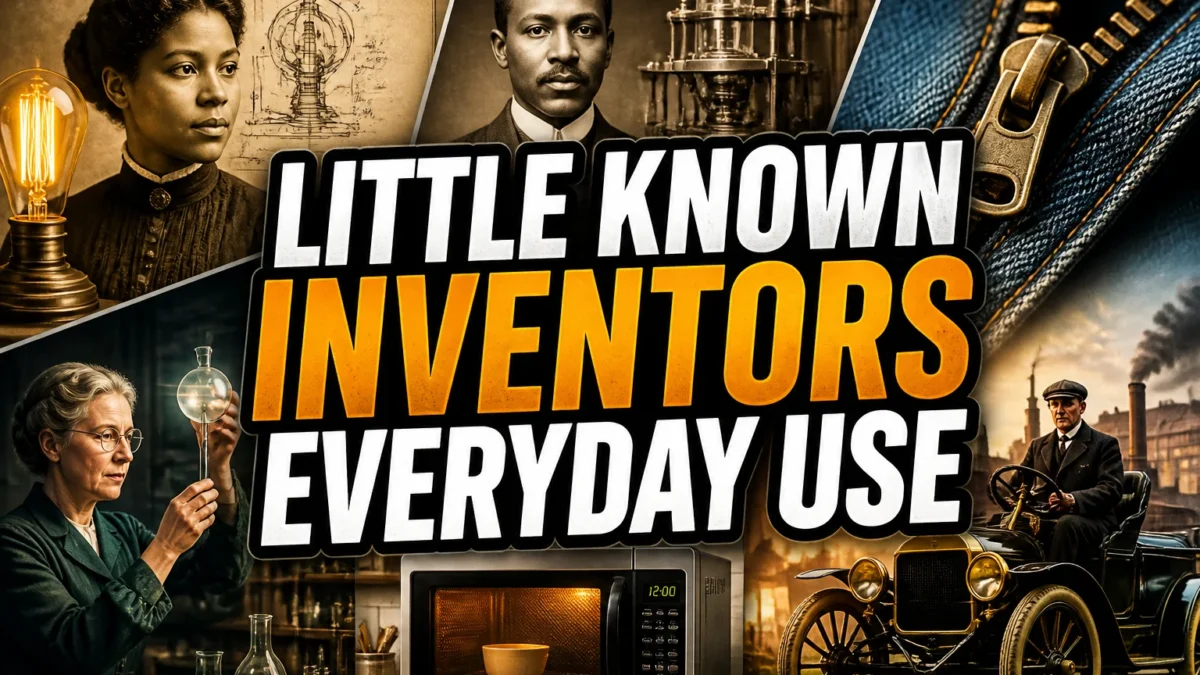
Most people can name famous inventors, but the real history of daily life is stranger. The little-known inventors behind ordinary things solved problems so completely that the objects became invisible. This list moves through the quiet breakthroughs embedded in the every day items you touch, wear, and use.
When people ask who invented things, they often expect a genius with a lightbulb moment. The true story usually involves a frustrated worker, a tired parent, or a repair person who noticed a bad design. Their stories matter because they show that practical problem-solving, not fame, built the modern world.
TL;DR: The everyday objects around you came from little-known tinkerers and under-credited inventors who chased practical fixes, not glory.
1. Mary Anderson — Windshield Wipers
On a snowy day in New York City in 1902, Mary Anderson watched a streetcar driver struggle to see through the windshield. The driver had to stop and wipe the glass by hand, which struck Anderson as dangerous and unnecessary. She sat down and designed a spring-loaded rubber blade that could be operated from inside the vehicle.
Her 1903 patent covered a 'window cleaning device' that pressed against the glass and swung back and forth. Automakers dismissed the idea at first, and some thought wipers would distract drivers. Within a few decades, windshield wipers became standard equipment, but Anderson's name never became a household word.
2. Garrett Morgan — Three-Position Traffic Signal
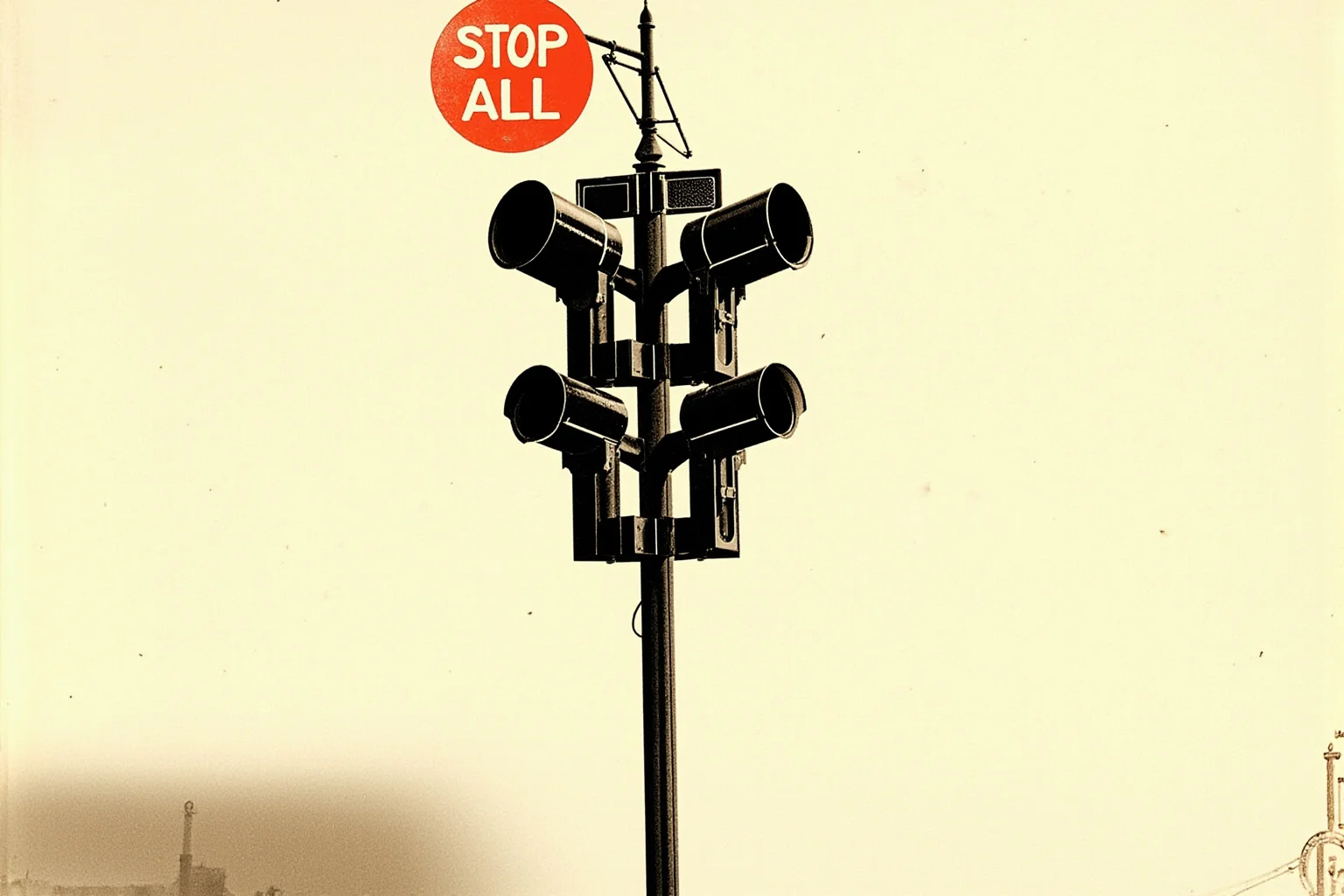
Garrett Morgan spent much of his life in Cleveland, Ohio, where he ran a sewing machine repair business and a newspaper. After witnessing a serious street accident, he focused on a problem that early automobile traffic had made worse: the simple two-light signal. His design added a third position that stopped all directions at once, creating a safer pause in the flow of traffic.
He received a U.S. patent for the three-position traffic signal in 1923 and later sold the rights to General Electric. Morgan was also an inventor of a safety hood used by firefighters and rescue workers. His traffic signal was not the first, but its warning interval helped shape the signals drivers obey today.
3. Josephine Cochrane — Mechanical Dishwasher
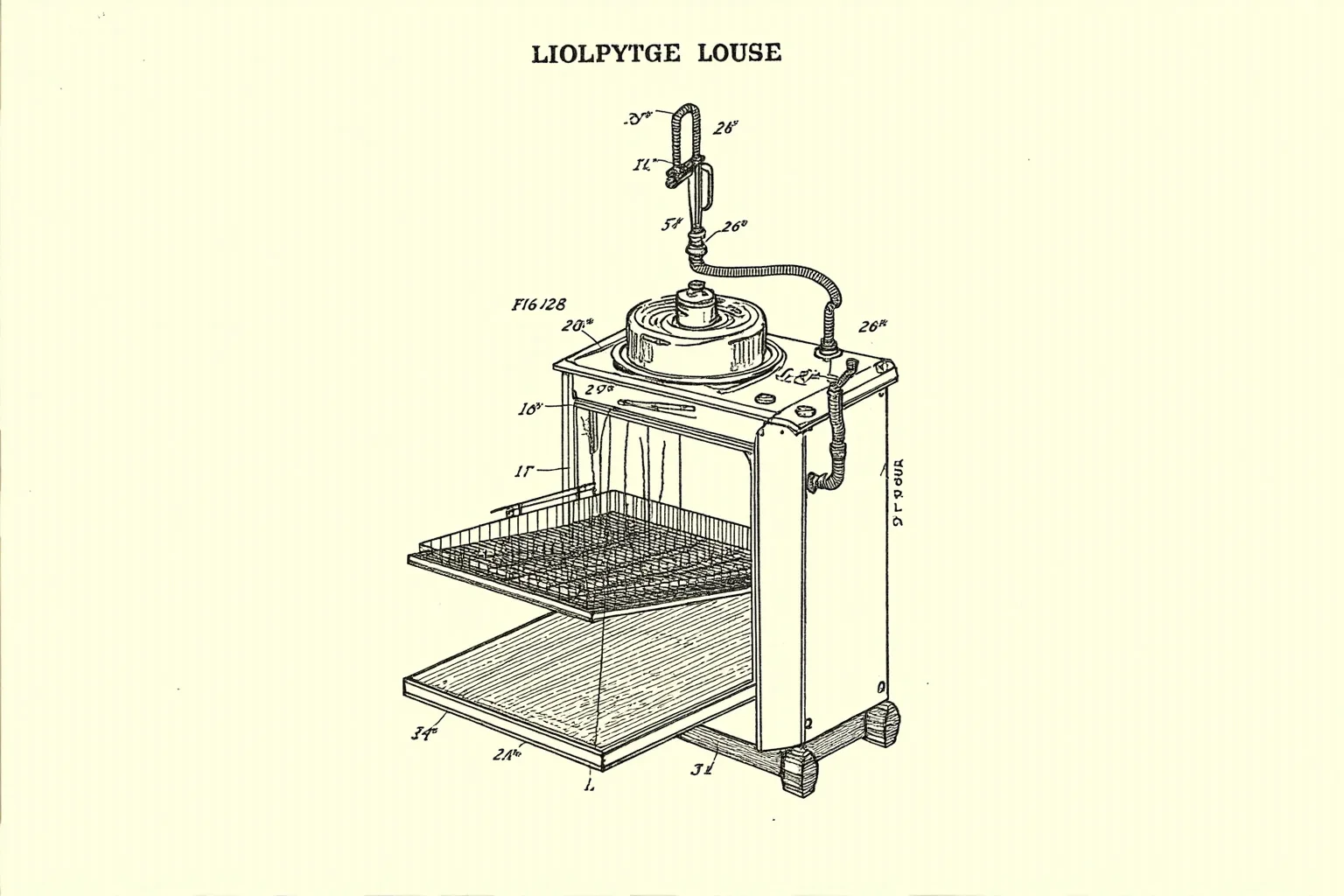
Josephine Cochrane wanted a machine that would stop her household staff from chipping fine china. Her solution was not a scrub brush attached to a motor. She designed a machine that used water pressure to clean dishes held in wire racks.
Cochrane received a patent in 1886 and began manufacturing machines for hotels and restaurants because most households lacked enough hot water. Her company later became part of Hobart, the parent of KitchenAid. The basic premise, water moving under pressure, remains the backbone of every modern dishwasher.
4. Sarah Boone — Improved Ironing Board
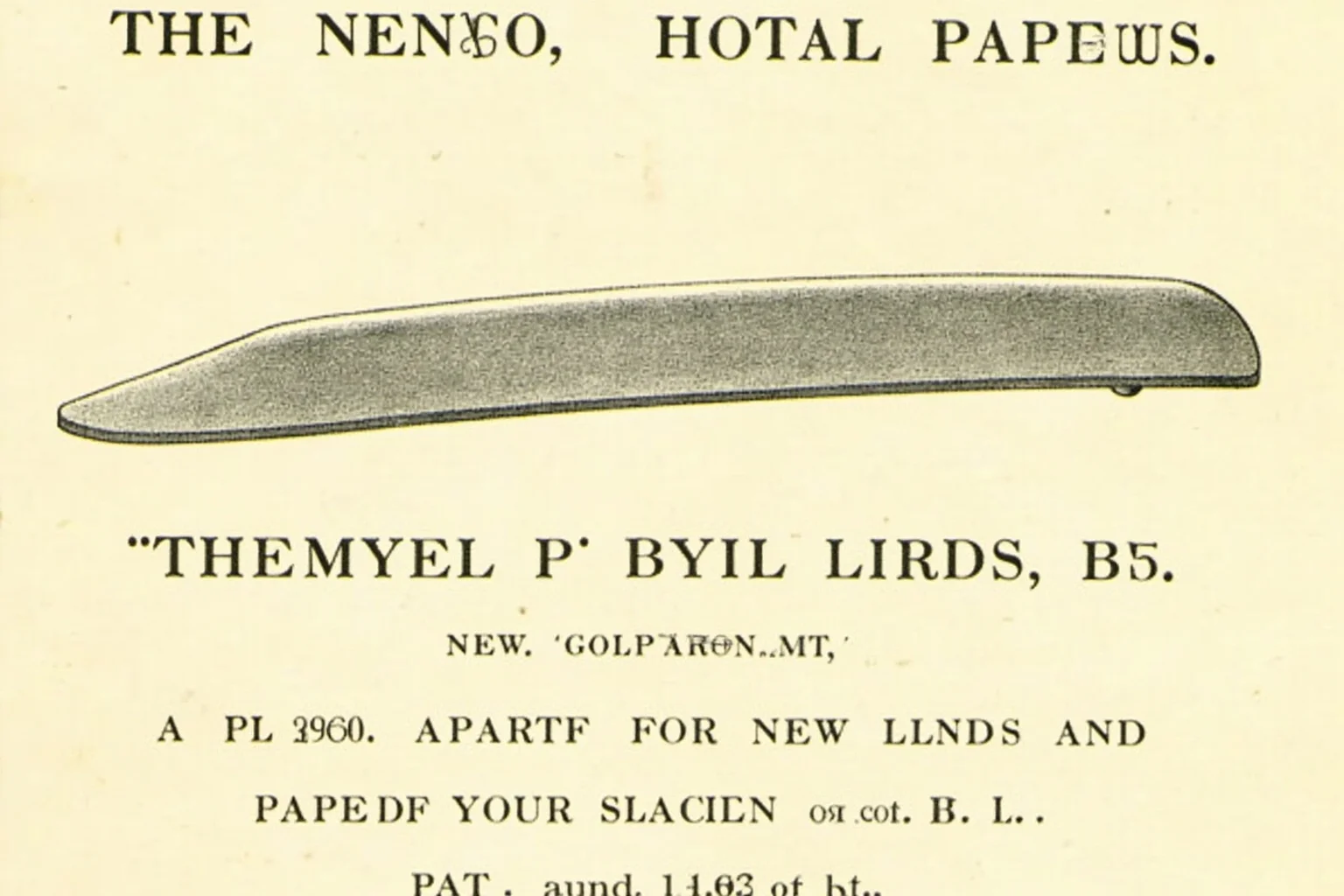
Sarah Boone was a dressmaker in New Haven, Connecticut, when she improved the ironing board. Existing boards were mostly flat wooden planks, which made ironing sleeves and curved seams difficult. Boone's 1892 patent described a narrow, padded board with a tapered shape that made pressing women's garments easier.
She was among the early Black women in the United States to receive a patent, though many details of her life remain sparse in the record. The improvements she described in the patent still resemble the ironing boards found in homes and laundry rooms. It is a quiet reminder that everyday tools carry histories that were rarely written down.
5. Margaret Knight — Flat-Bottom Paper Bag Machine
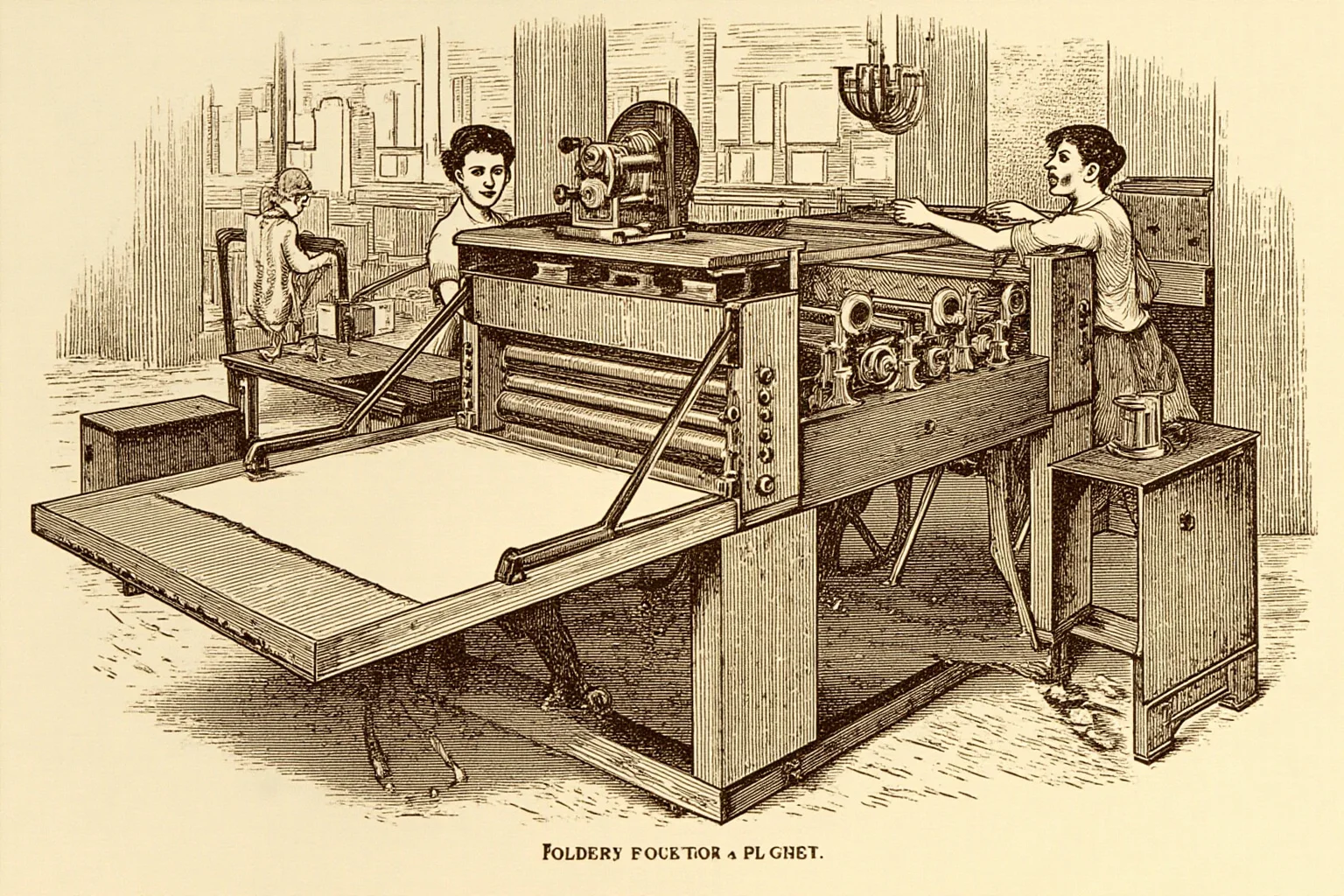
Margaret Knight worked in a Massachusetts textile mill as a child and kept seeing problems in the machinery around her. Her most famous creation was a machine that automatically folded and glued flat-bottom paper bags. Before that, many paper bags were more like envelopes and were not practical for groceries.
She filed for a patent and ended up fighting a man who had stolen her design from the workshop. Knight won the legal dispute and received her patent in 1871. By the time she died, she held dozens of patents and had become known, in some circles, as the queen of paper bags.
6. Whitcomb Judson — The First Zipper
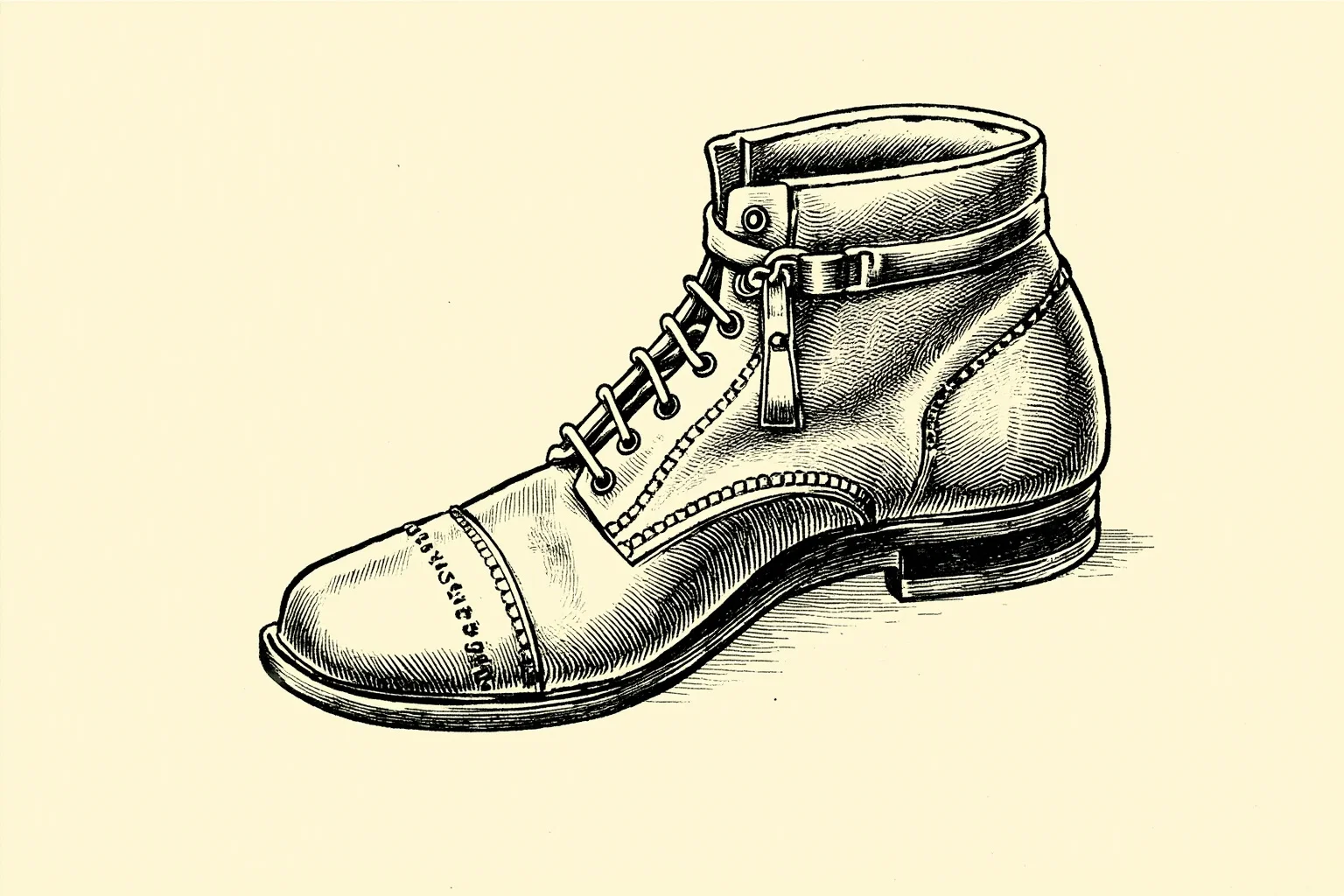
Whitcomb Judson called his 1893 invention a 'clasp locker,' but it is easier to describe as a very early zipper. It used a series of hooks and eyes that could be opened and closed with a metal guide. The device was slower and less reliable than the zipper we know, but it moved fasteners in a new direction.
Gideon Sundback, an engineer working at the same company, later refined Judson's idea into the separable fastener that appeared on boots and garments. Judson is not a famous name, yet every jacket, backpack, and pair of jeans with a zipper traces part of its history back to that first clunky clasp locker.
7. Walter Hunt — Safety Pin
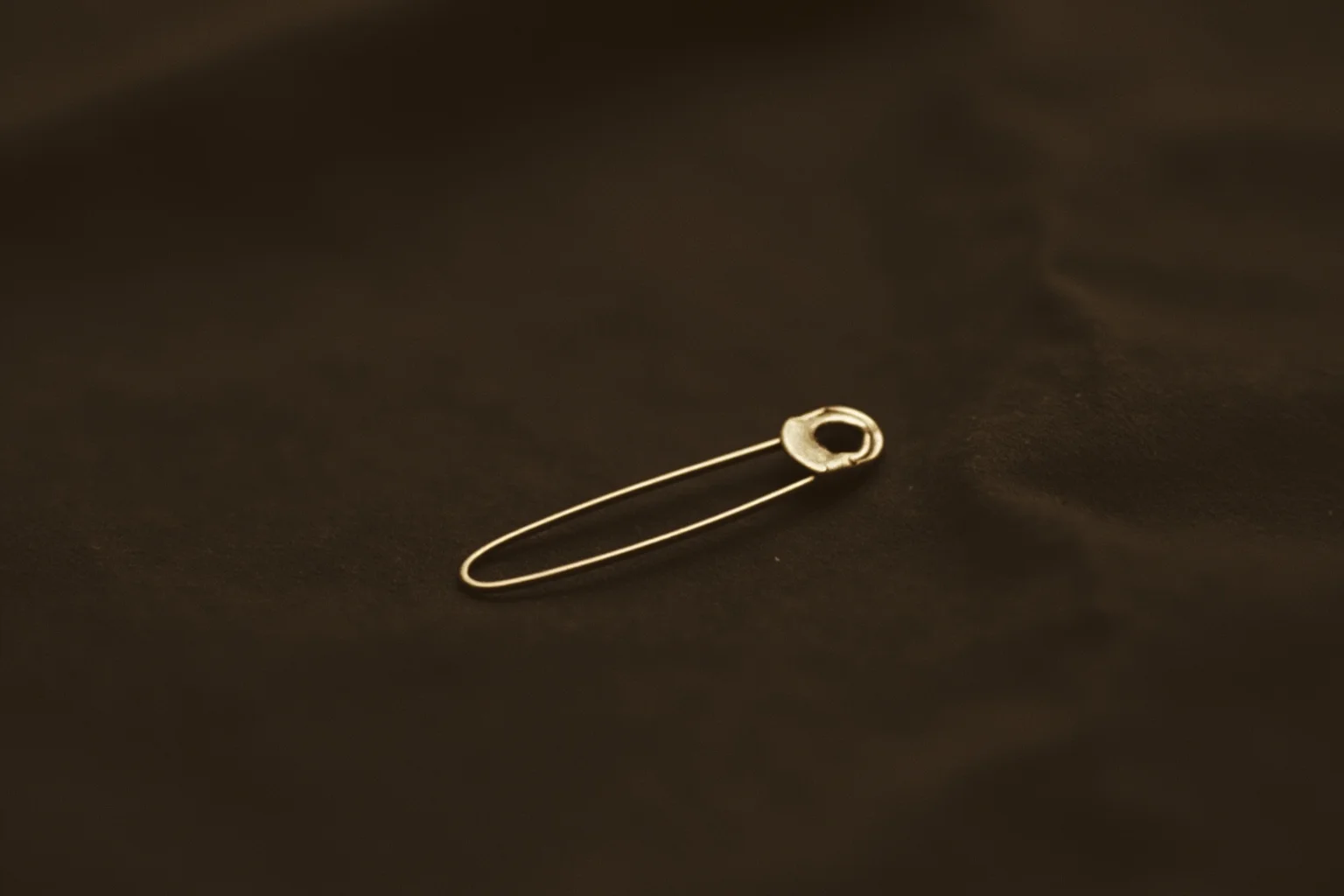
Walter Hunt was a prolific inventor who lived in New York during the first half of the nineteenth century. In 1849, he needed money to repay a small debt, so he twisted a piece of brass wire into a new shape. The result was the safety pin, a pin with a clasp that covered the sharp point.
Hunt sold his rights for a modest sum, a pattern that repeated throughout his life. Among his many other projects, he also designed an early sewing machine, though he did not pursue it aggressively. The safety pin remains one of the simplest and most widely used fasteners, and its name still describes exactly what it does.
8. Albert Parkhouse — Wire Coat Hanger
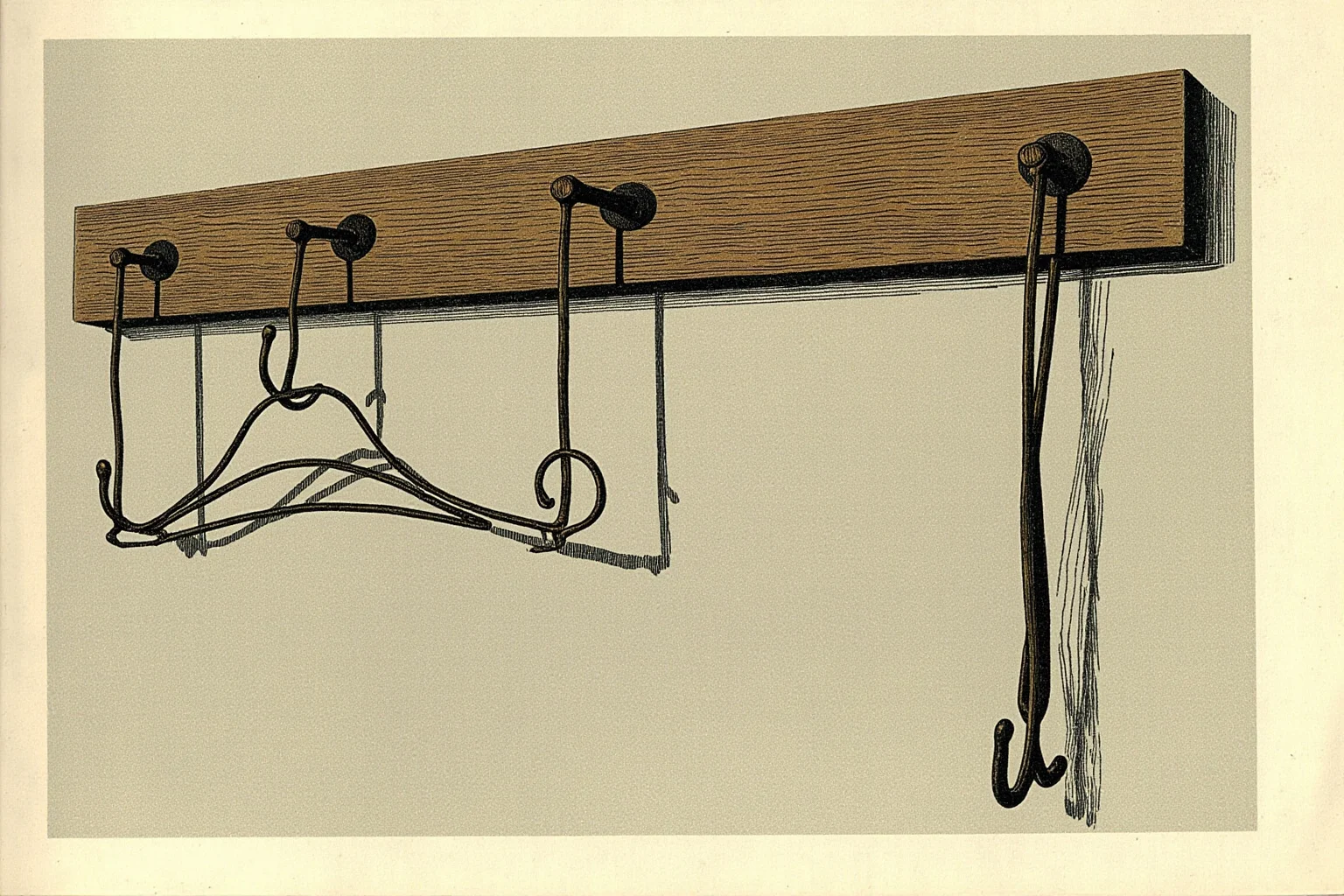
The wire coat hanger came from a moment of workplace frustration, according to company lore. Around 1903, Albert Parkhouse arrived at the Timberlake Wire and Novelty Company in Jackson, Michigan, and found the available hooks in the factory already occupied. He grabbed a piece of wire, bent it into the familiar shoulder shape, and hung up his coat.
Parkhouse did not necessarily profit from the design, and the company that employed him may have patented it instead. Over time that simple loop of wire multiplied across closets all over the world. It took a random invention born from an everyday annoyance and turned it into an invisible piece of household infrastructure.
9. Charles Strite — Pop-Up Toaster
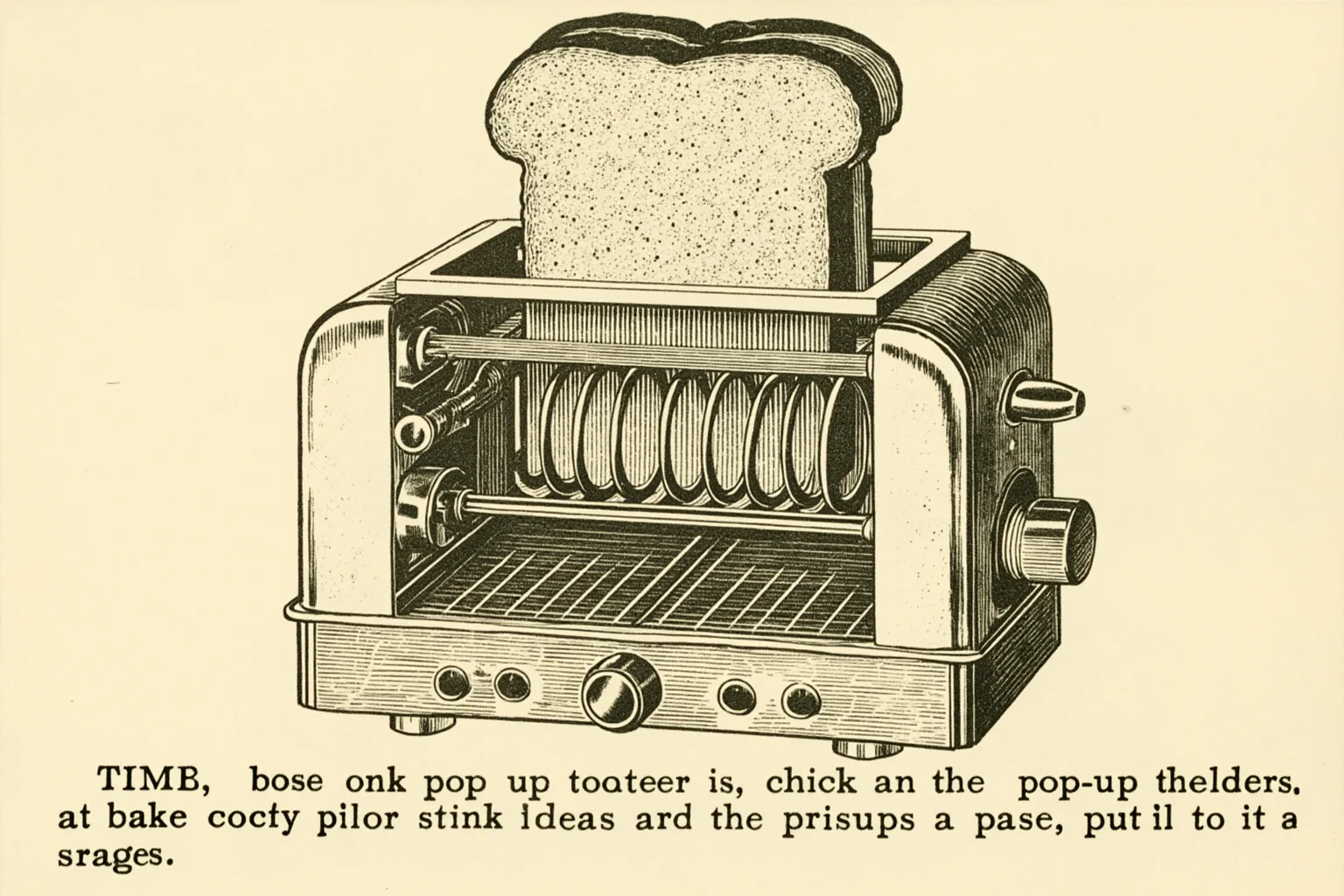
Charles Strite saw a problem in his workplace cafeteria: toast kept burning because someone had to watch the bread and pop it out by hand. His answer was a toaster with a timer and a spring mechanism that released the toast automatically. He filed for a patent in 1919 and received one in 1921.
Strite's design added the familiar pop-up feature that makes modern toasters satisfying and slightly less likely to catch fire. Before that point, electric toasters existed, but they required constant attention. His small mechanical adjustment turned a fragile convenience into a safe countertop staple.
10. Earle Dickson — Adhesive Bandage
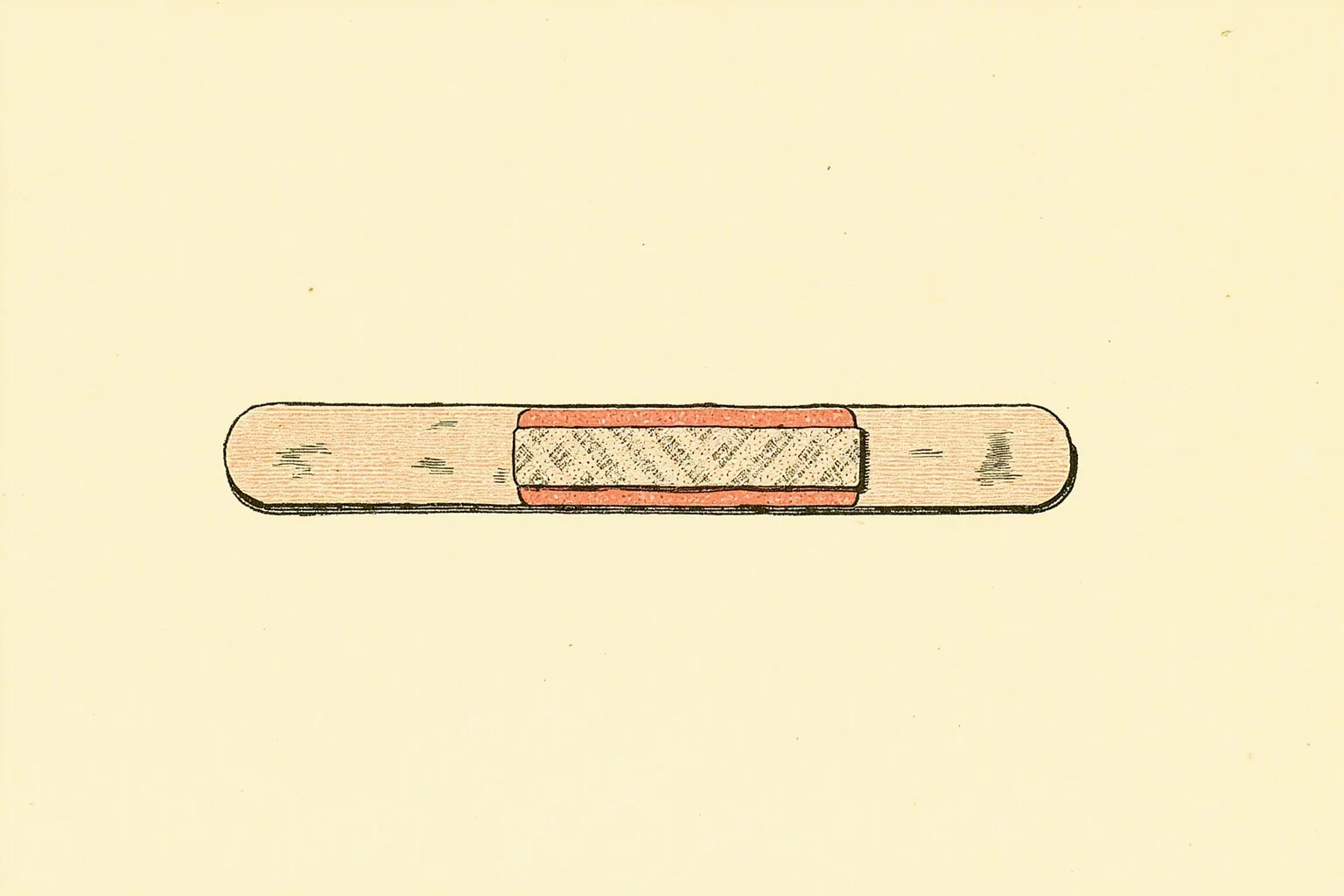
Earle Dickson worked as a cotton buyer for Johnson & Johnson, and he kept coming home to a wife with small kitchen cuts. He wanted a bandage she could apply herself without using separate gauze and tape. Dickson cut adhesive tape into strips, placed a small piece of gauze in the center, and covered it with a protective layer.
Johnson & Johnson noticed the idea and began selling the product as Band-Aid in the early 1920s. The early version was handmade and slow to catch on at first. Today the adhesive bandage is one of those every day items people barely think about until they cut a finger.
11. Marion Donovan — Disposable Diaper Cover
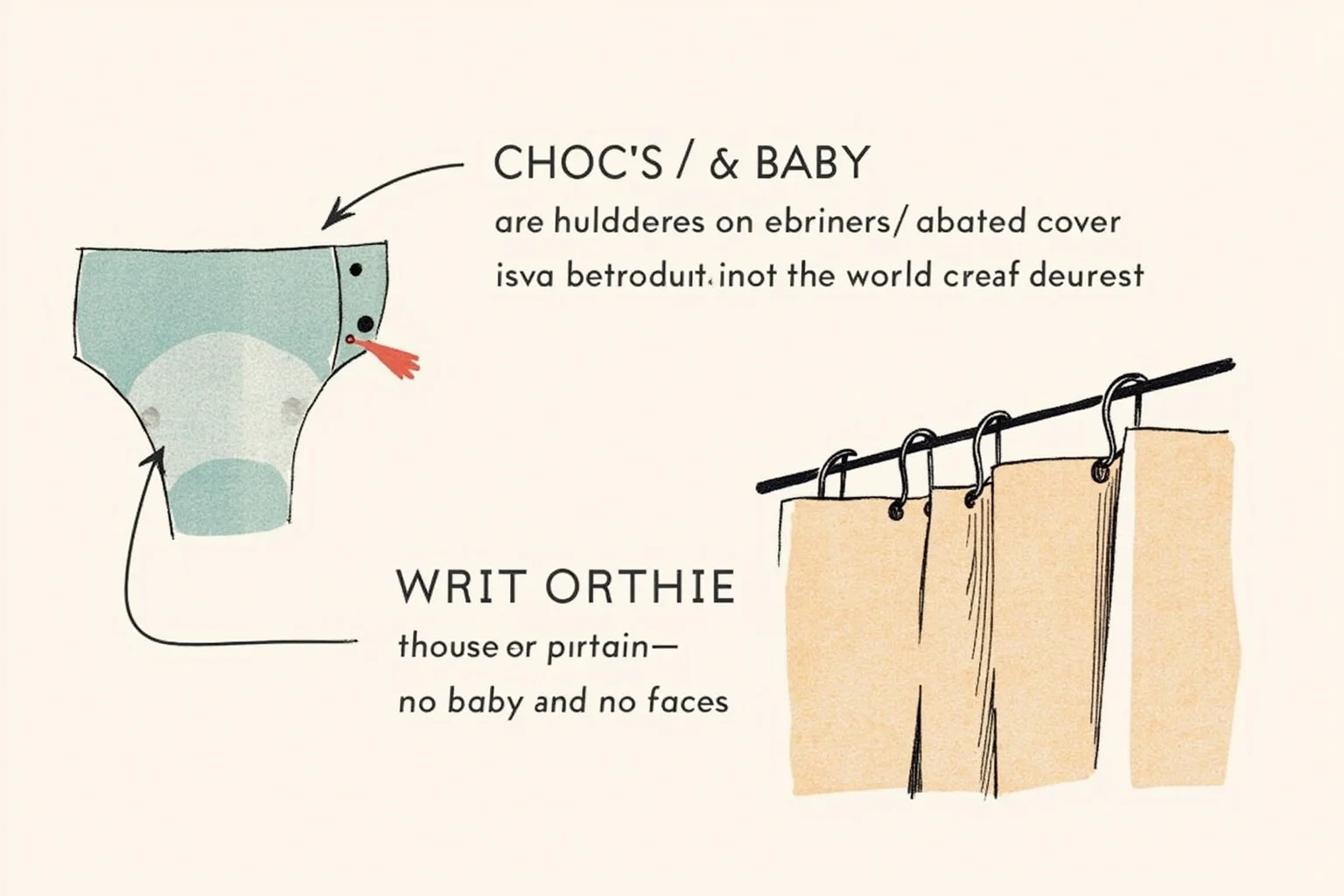
Marion Donovan was tired of leaky cloth diapers and the constant washing that came with them. In the late 1940s, she used a shower curtain to make a waterproof diaper cover and later added snaps to keep it in place. Her design did not replace the cloth diaper; it made the whole system less messy.
She patented a version of the disposable diaper in 1951 and sold the rights to a manufacturer. Donovan's work helped push infant care toward the convenience products that parents now take for granted. She remains an under-discussed figure in a market worth billions.
12. Lillian Gilbreth — Kitchen Efficiency Design
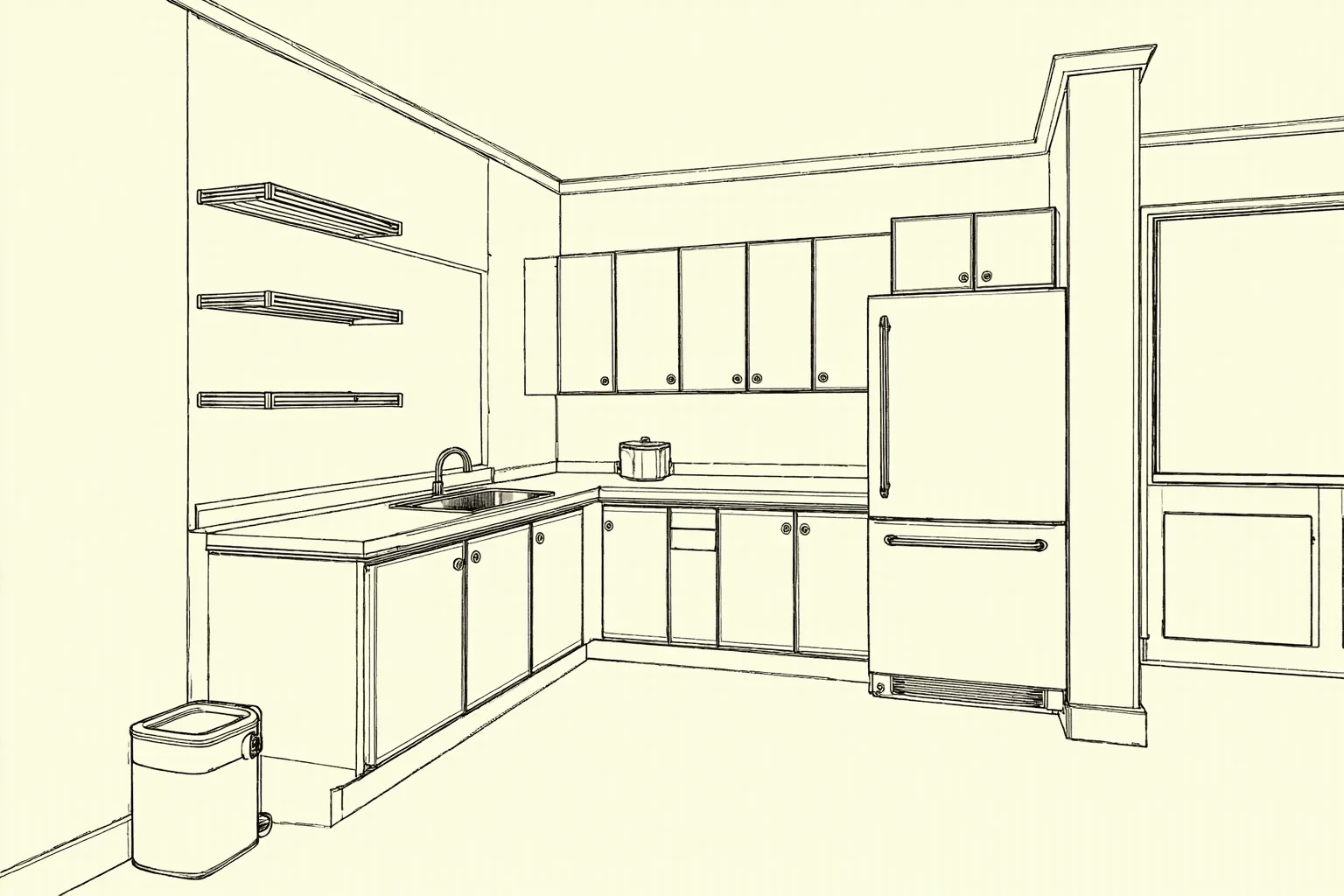
Lillian Gilbreth was an industrial psychologist and engineer who turned her efficiency work into practical kitchen design. After her husband died, she continued building a career that looked closely at how people moved through spaces. Her work led to details such as refrigerator door shelves, foot-pedal trash cans, and more logical workspace layouts.
She was not a single 'aha' inventor in the same way as some entries on this list. Instead, she studied the use of tools and other inventions for practical purposes and quietly restructured the American kitchen. Many of the conveniences in a modern kitchen, from shelving to workspaces, reflect her influence.
13. Marie Van Brittan Brown — Home Security System
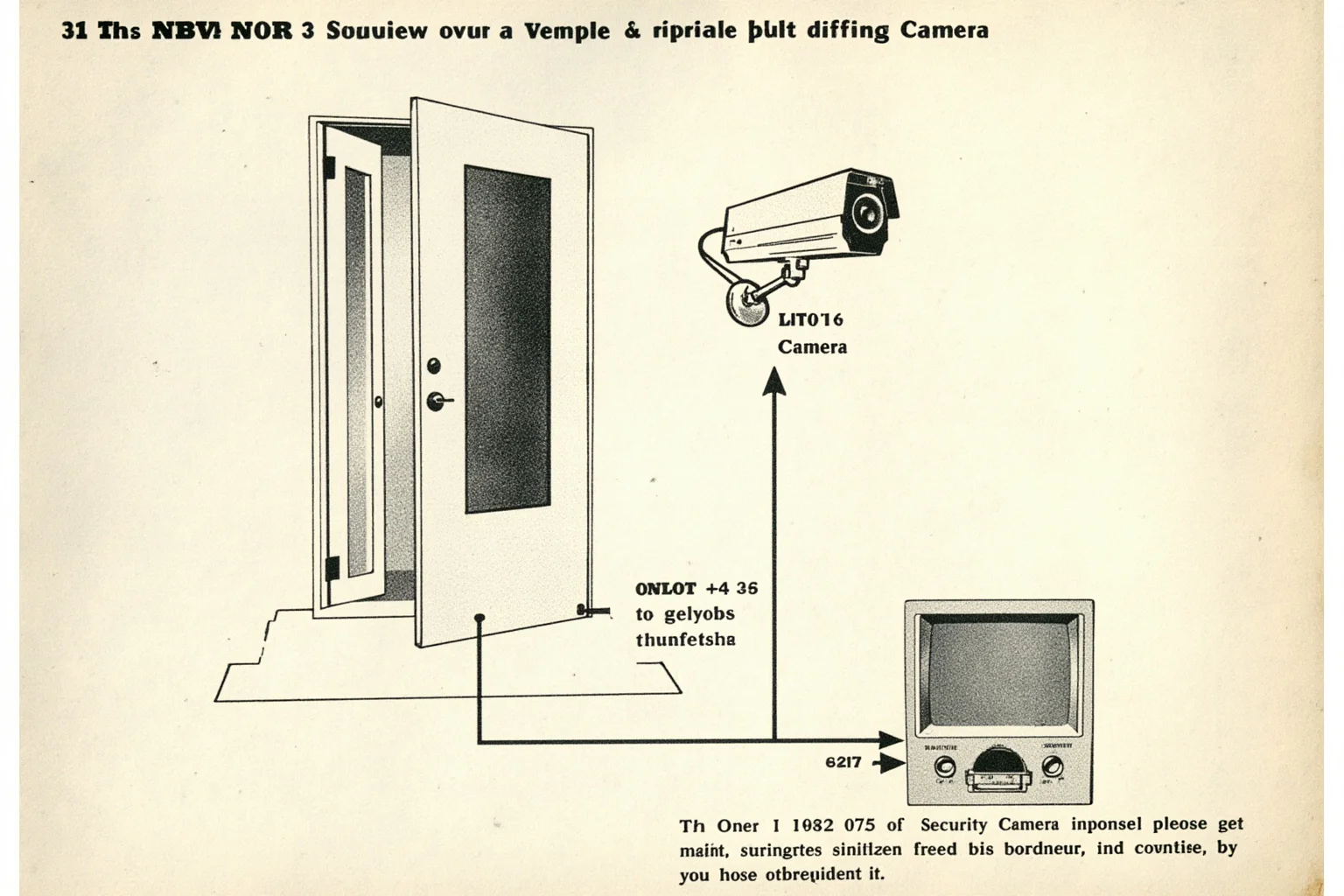
Marie Van Brittan Brown lived in Queens, New York, and often waited at home alone while her husband worked nights. She wanted to see who was outside without opening the door. Working with her husband Albert, she designed a system that used a camera, a monitor, and a two-way microphone to view visitors at the front door.
The couple filed a patent in 1966, and it was granted in 1969. Brown's closed-circuit television setup is widely cited as an early forerunner of the home security systems now standard in millions of homes. Her design addressed a real safety fear and put control back in the hands of the person inside.
14. Patsy Sherman — Scotchgard
Patsy Sherman was a chemist at 3M in the 1950s when an accidental spill created a substance that repelled water and oil. Instead of throwing the material away, she and her collaborator Samuel Smith studied it. The result became Scotchgard, a protective treatment used on upholstery, carpets, and clothing.
The discovery was not the result of a lone genius but of careful observation after an ordinary laboratory mistake. Sherman's work showed that a random invention can become a profitable and useful commercial product when someone pays attention. The stain-resistant coating became a fixture in homes and fabric stores.
15. Stephanie Kwolek — Kevlar
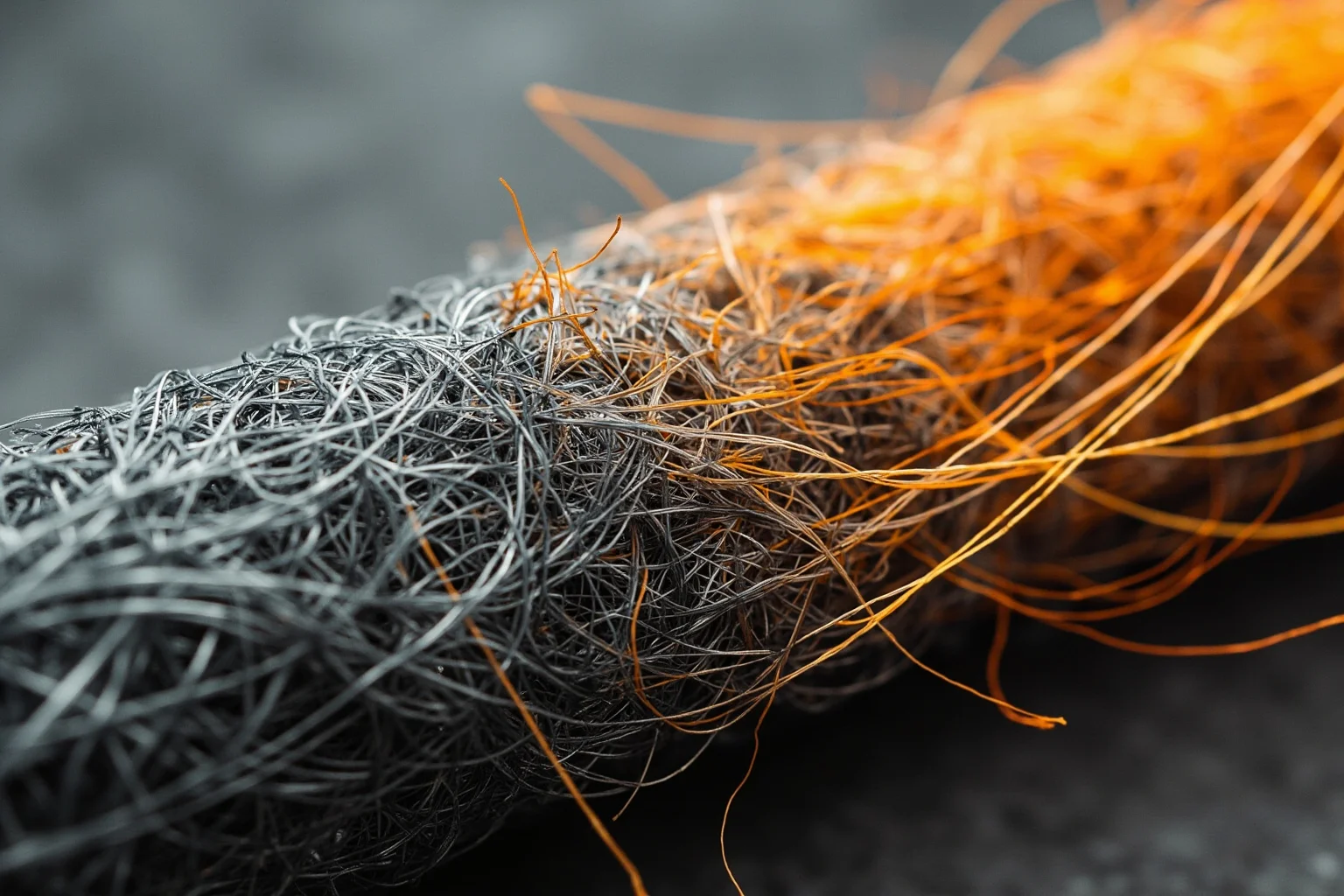
Stephanie Kwolek was a DuPont chemist working with polymers when she created an unusual cloudy liquid that other researchers thought would fail. The material could be spun into an exceptionally strong fiber. That fiber became Kevlar, a synthetic used today in body armor, bicycle tires, phone cases, and protective gloves.
Kwolek received a patent for the process in the 1970s and remained modest about the fact that her laboratory persistence created an entirely new class of fibers. Kevlar is not a single product but a family of materials that strengthens dozens of daily objects. Her achievement proves that inventors with their inventions can shape daily life without becoming widely recognized.
16. Frederick McKinley Jones — Mobile Refrigeration
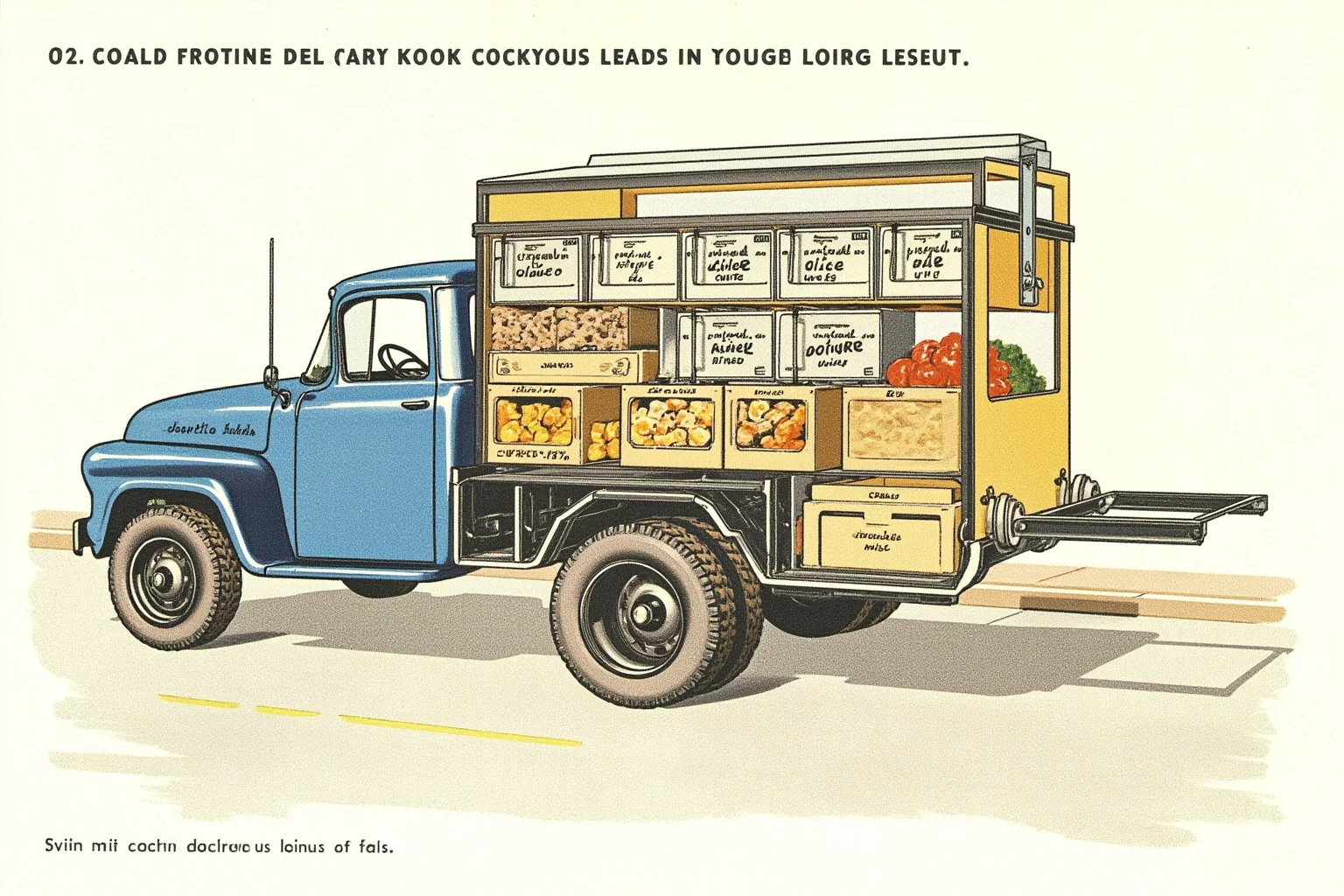
Frederick McKinley Jones taught himself mechanics and electronics as a young man and went on to hold more than sixty patents. His most consequential work was a portable refrigeration unit for trucks and railroad cars. Before this system, perishable food and medicine were hard to move over long distances without spoiling.
Jones co-founded Thermo King and his cooling designs helped change how groceries, frozen meals, and blood products travel. The produce section in a supermarket depends on exactly this kind of invisible cold chain. He solved a problem most consumers never notice because the system works so well.
17. Hedy Lamarr — Frequency Hopping
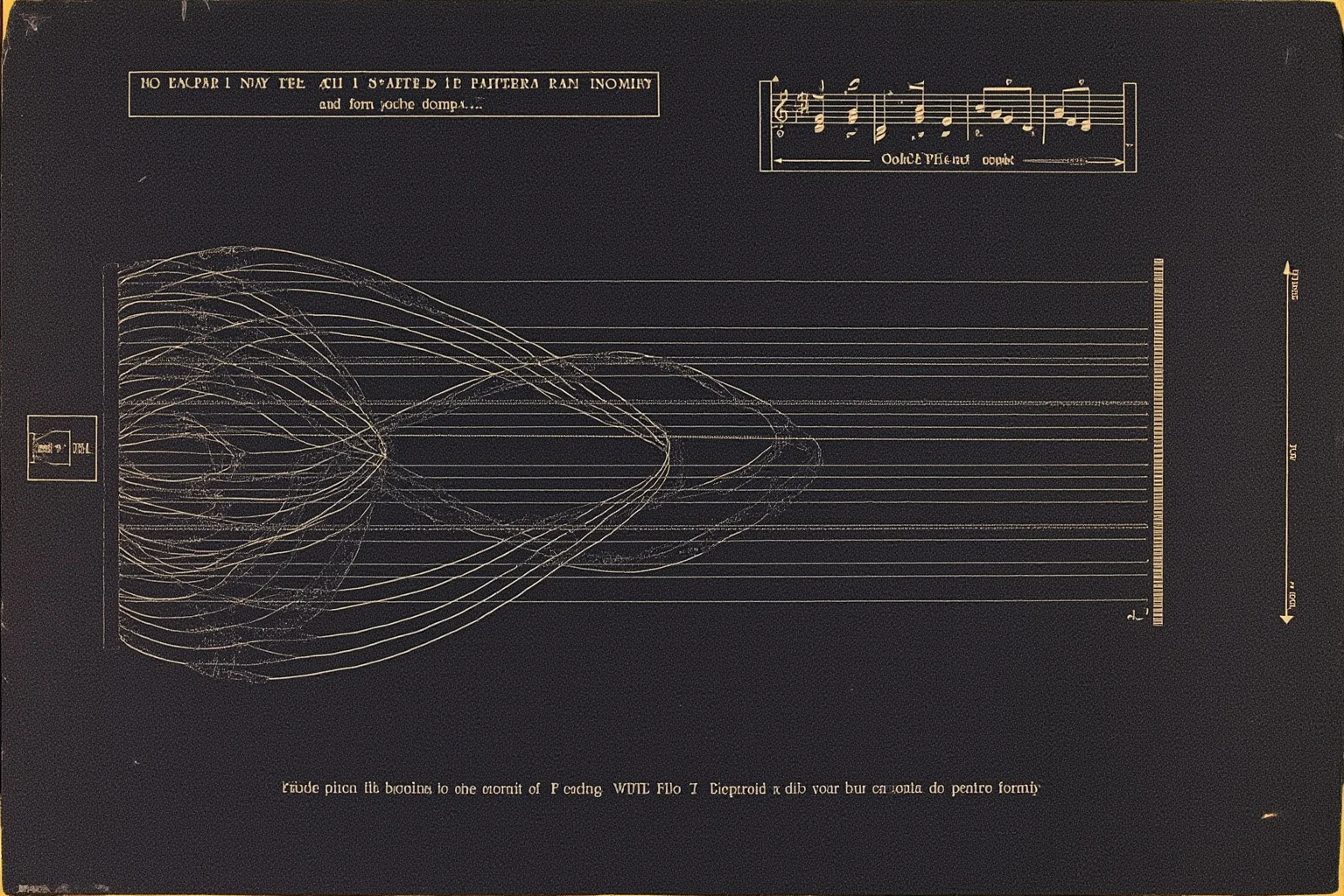
Hedy Lamarr was a Hollywood actor during the 1930s and 1940s, but she was also a serious inventor in her spare time. With composer George Antheil, she developed a frequency-hopping system intended to keep radio-controlled torpedoes from being jammed. The pair received a patent in 1942.
The military did not widely use the idea during World War II, but later generations of engineers recognized its relevance. Modern spread-spectrum communication, including some technologies behind Wi-Fi and Bluetooth, builds on concepts related to Lamarr and Antheil's work. Her story is a reminder that labels like actor, inventor, or scientist rarely tell the whole truth.
18. Mary Phelps Jacob — Modern Bra
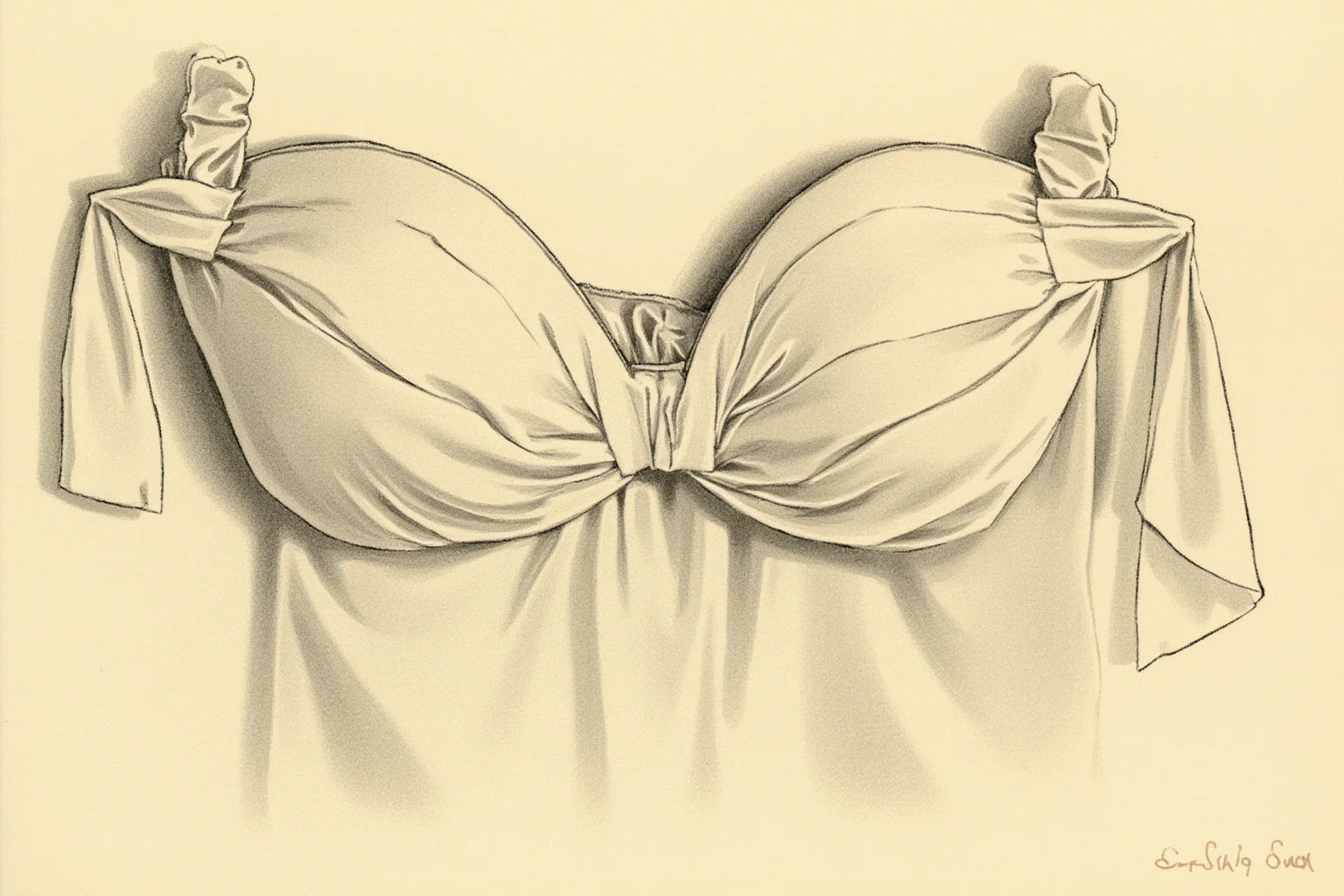
Mary Phelps Jacob wanted a more comfortable undergarment to wear with an evening gown, so she used two handkerchiefs and some ribbon to make an alternative to the rigid corset. She patented her 'backless brassiere' in 1914. The design was light and flexible, a sharp break from heavy boning.
Jacob eventually sold her patent and did not turn the idea into the massive industry that followed. Her invention marked an early step toward the modern bra, which changed both fashion and daily comfort for millions of people. It is another case where one person's practical need became a product far larger than she could have imagined.
19. Lewis Latimer — Improved Carbon Filament
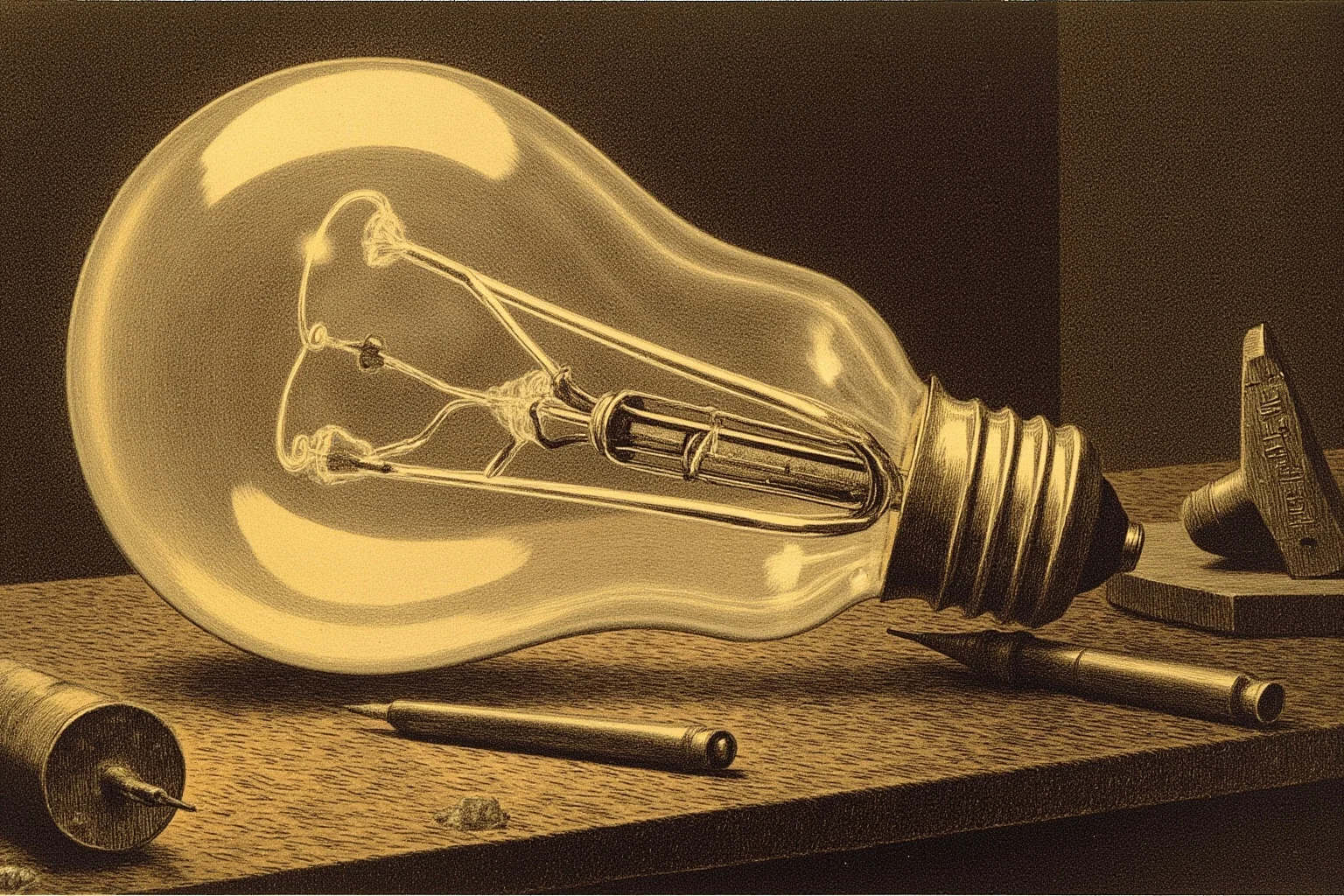
Lewis Latimer worked with some of the biggest names in early electric lighting, including Hiram Maxim and Thomas Edison. His key contribution was an improved carbon filament that made lightbulbs cheaper and longer lasting. He also helped install early electric lighting in cities and supervised public installations.
Latimer's work often appears in the shadow of Edison, but his own patents and expertise were vital to making electric light practical. He represents a broader pattern in technology: the people that invented stuff behind a successful product often disappear from the brand-name story. Reliable artificial light became part of daily life through many hands, not one.
20. Thomas Adams — Chewing Gum
Thomas Adams was a photographer and inventor who encountered chicle, a natural latex from the sapodilla tree, after meeting Mexican general Antonio López de Santa Anna. Adams first tried to turn chicle into rubber, but the project failed. Then he began boiling and shaping the material into small chewable pieces.
He started selling chicle-based chewing gum in the late nineteenth century and later added flavoring to make it more appealing. Modern chewing gum evolved from that pivot from failed rubber to daily candy. Adams did not invent chewing as a habit, but his commercial use of chicle helped create a product that now appears in checkout aisles everywhere.
What These Stories Have in Common
Look across these stories and a pattern appears. Most of the inventors were not career inventors in the way people imagine. They were dressmakers, chemists, mechanics, parents, and office workers who noticed a specific failure in the world around them.
The same principle applies to the next wave of products that need to be invented. The most useful future tools will probably emerge from people facing repetitive daily friction. In this sense, invention is less about the sudden lightning strike and more about the steady pressure of living with a problem.
It is also true that a random invention rarely succeeds because it is random. The winners survive because they fit the use of tools and other inventions for practical purposes. That quiet test of usefulness, not publicity, decides what becomes part of daily life.
Why Obscure Inventors Still Matter
These stories do more than fill in a trivia list. They change the way people answer the question of who invented something, because credit is rarely delivered in clean, famous packages. A patent is a piece of paper, but the surrounding story includes workplace accidents, household frustrations, and stolen ideas.
The next time you see a list of things that haven't been invented yet or a roundup of products that need to be invented, look at the problem behind the object. Most successful inventions begin with a specific inconvenience rather than a broad dream. The people's inventions that lasted were those that removed friction from ordinary life.
Perhaps the most honest takeaway is that the use of tools and other inventions for practical purposes matters more than the celebrity of the inventor. We remember the product, forget the person, and inherit the convenience. The names above deserve to be remembered not as exceptions, but as proof that the modern world was built by many quiet hands.
Frequently Asked Questions
What are some things that haven’t been invented yet?
Many lists of things that haven't been invented yet point to products like clothes that never wrinkle, true zero-maintenance homes, or widely workable artificial photosynthesis for fuel. The honest answer is that the next big invention usually looks like a small, boring fix before it changes daily life. Most useful tools start as solutions to repeated irritations rather than science-fiction dreams.
Who invented things like windshield wipers, dishwashers, and zippers?
Little-known figures such as Mary Anderson, Josephine Cochrane, and Whitcomb Judson were behind early versions of those everyday objects. Their stories show that many familiar tools came from people who solved a specific domestic or workplace problem. Some sold their patents or refined ideas that others later improved into the products we recognize today.
Why do some people’s inventions become famous while the inventors stay obscure?
Credit often goes to the company, the later improver, or the better marketer rather than the original patent holder. In other cases, the inventor sold the rights early or the product became so commonplace that its origin story fell away. Fame tends to follow the brand, not the first spark.
What are some products that need to be invented to solve common daily problems?
Consumers still wait for better battery materials, affordable home robots that truly fold laundry, and stronger biodegradable packaging that performs like plastic. The pattern from history suggests these products will come from people intensely focused on practical use rather than broad novelty. Many missing inventions already exist in rough form and need a practical designer to make them reliable.

Alex Warren
Related Articles