

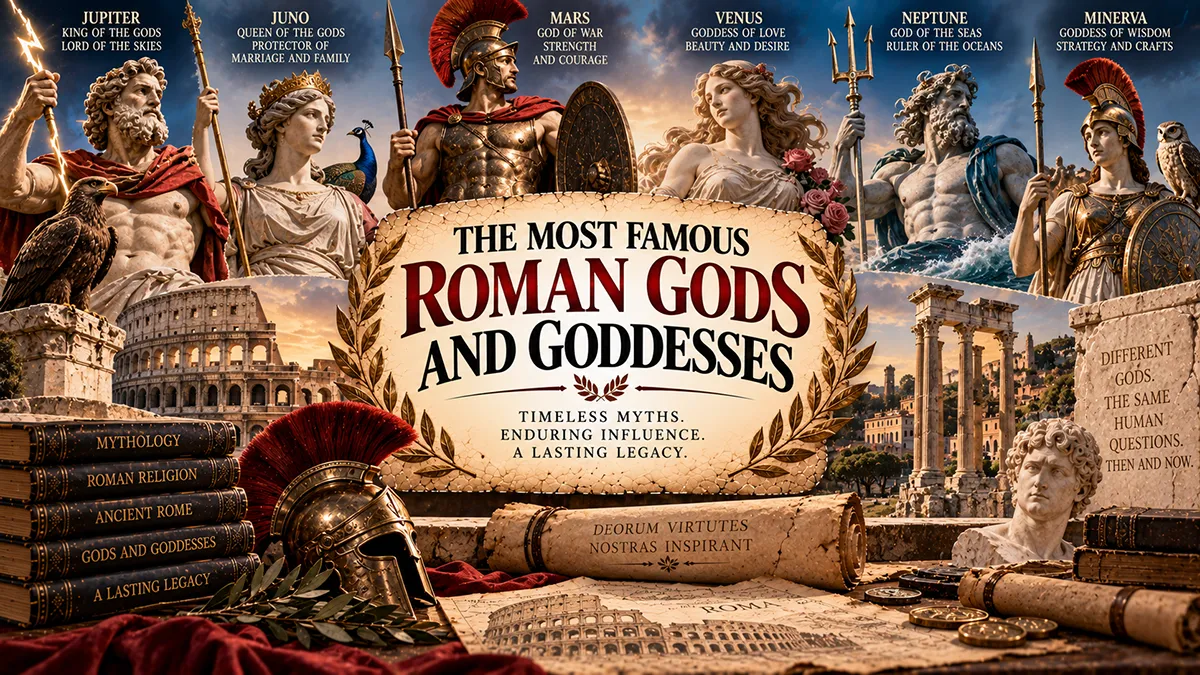
Ancient Rome didn’t just build roads and aqueducts — it built an entire universe of gods to explain everything from thunderstorms to childbirth. Walk into any Roman forum, home shrine, or battlefield camp, and you’d find someone praying to one of the many deities of Roman mythology for protection, luck, or victory.
Roman religion wasn’t a tidy set of stories; it was a living, evolving system that borrowed heavily from the Greeks, absorbed local Italian spirits, and adapted foreign cults from across the empire, much like other ancient civilizations that shaped their beliefs around the world they knew.
This guide breaks down the most famous Roman gods and goddesses you’re likely to encounter in art, literature, astrology, and pop culture. We’ll cover the major Olympian-style deities, several important goddesses of Roman mythology who often get overlooked, and a few personified concepts the Romans genuinely worshipped as divine forces.
TL;DR: The Romans worshipped a vast pantheon led by twelve major gods and goddesses — Jupiter, Juno, and Minerva chief among them — alongside dozens of other deities tied to nature, love, war, and daily Roman life.
Understanding the Roman Pantheon
Before diving into the list, it helps to understand how Roman deities were organized. At the center sat the Dii Consentes, a group of twelve major gods and goddesses that the historian Ennius listed in the 3rd century BCE, paired up in six male-female duos. These twelve are essentially the “main roman gods” people mean when they ask who ran the Roman pantheon.
Above even that group stood the Capitoline Triad — Jupiter, Juno, and Minerva — worshipped together in a massive temple on Rome’s Capitoline Hill. This trio represented the civic heart of Roman religion, and every Roman citizen would have recognized their names instantly.
It’s also worth noting that many Roman god names correspond directly to Greek gods through a process scholars call interpretatio romana. Jupiter mirrors Zeus, Venus mirrors Aphrodite, and so on. The Romans didn’t invent these figures from scratch — they reshaped older Greek and Italic traditions into distinctly Roman forms, with their own names, rituals, and cultural emphasis on duty, state, and family.
1. Jupiter
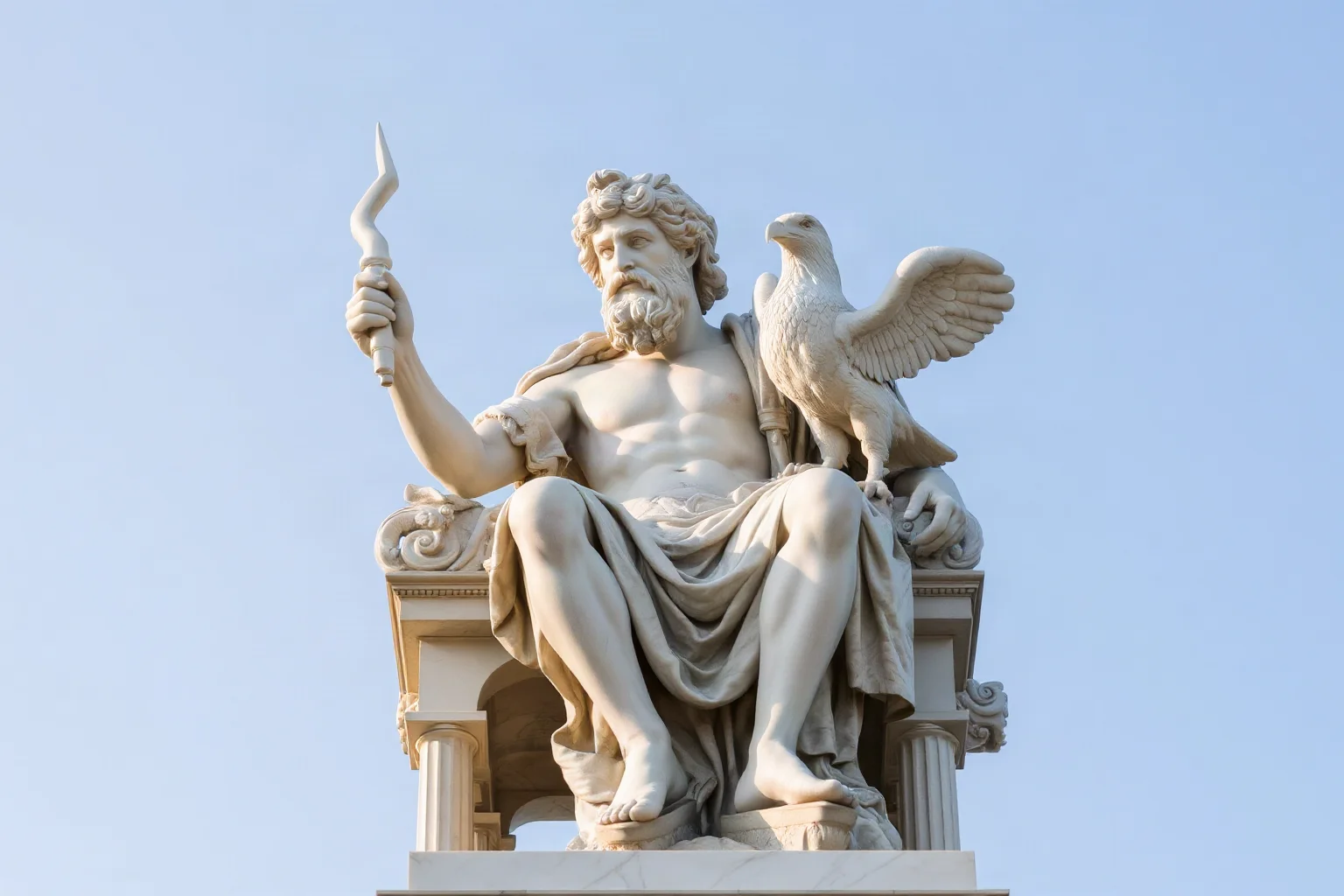
Jupiter was the king of the gods and goddesses of Rome, ruling the sky, thunder, and the fate of the Roman state itself. Every major treaty, triumph, and Senate session in some way invoked his authority, and his temple on the Capitoline Hill was the most important religious site in the city.
He corresponds to the Greek god Zeus, though Jupiter’s role was arguably even more tied to Roman politics than his Greek counterpart’s was to Greek city-states. Generals celebrating a triumph would ride to his temple to offer sacrifices in his honor.
2. Juno
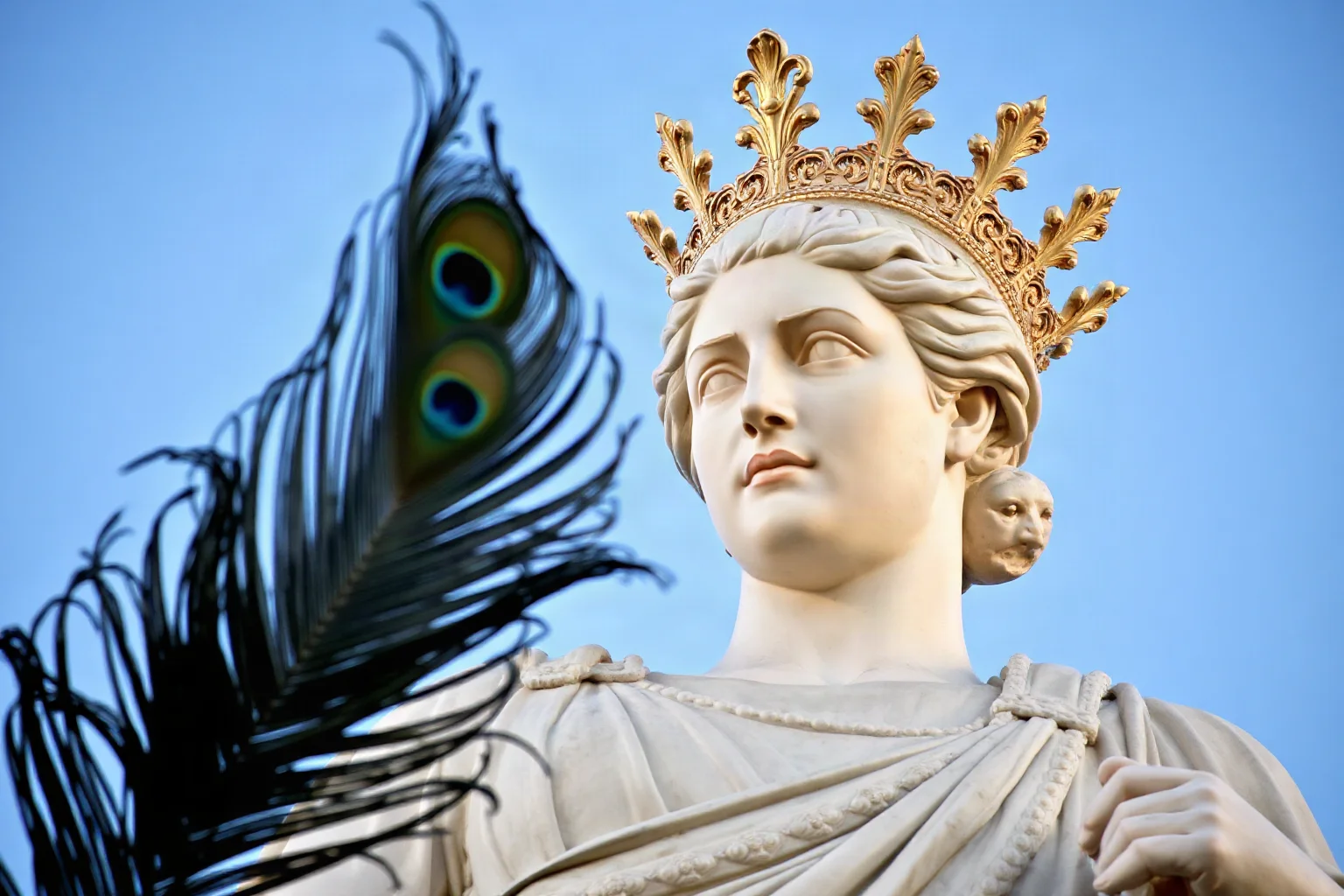
Juno was Jupiter’s wife and queen of the gods, associated with marriage, childbirth, and the wellbeing of the Roman state. As one of the most powerful goddesses of ancient Rome, she had multiple cult titles, including Juno Moneta, whose temple doubled as Rome’s mint.
She’s the Roman equivalent of Hera, sharing that fierce protectiveness over marriage and women’s lives. The month of June is widely believed to be named in her honor, tying her directly to weddings that still happen in that month today.
3. Minerva
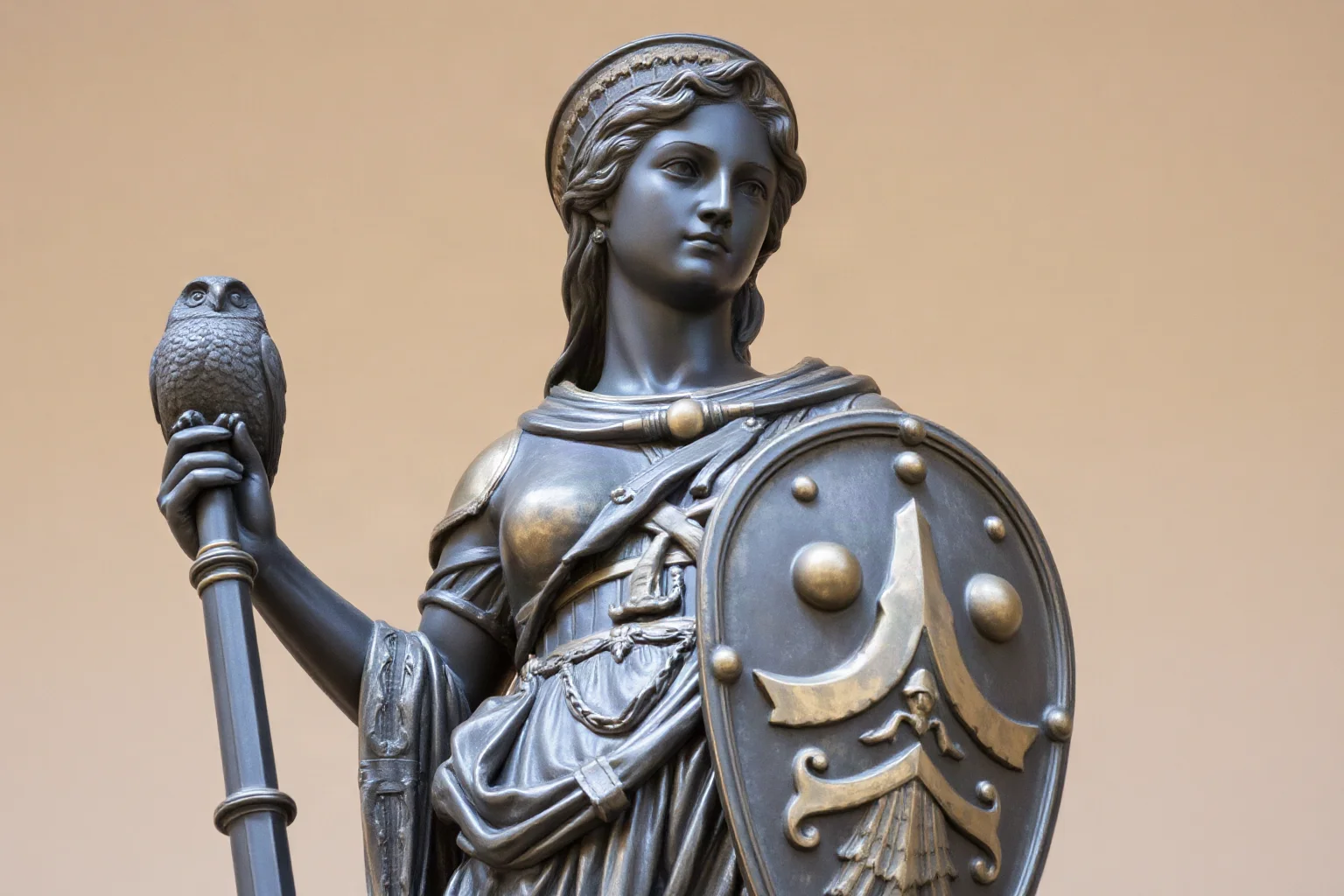
Minerva completed the Capitoline Triad as the goddess of wisdom, strategic warfare, and crafts. Unlike Mars, who represented brute battlefield force, Minerva embodied the tactical, thoughtful side of conflict along with intellectual pursuits like weaving, medicine, and the arts.
She parallels the Greek goddess Athena almost exactly, right down to her symbolic owl and shield. Roman students, craftsmen, and strategists all considered her a patron worth honoring.
4. Neptune
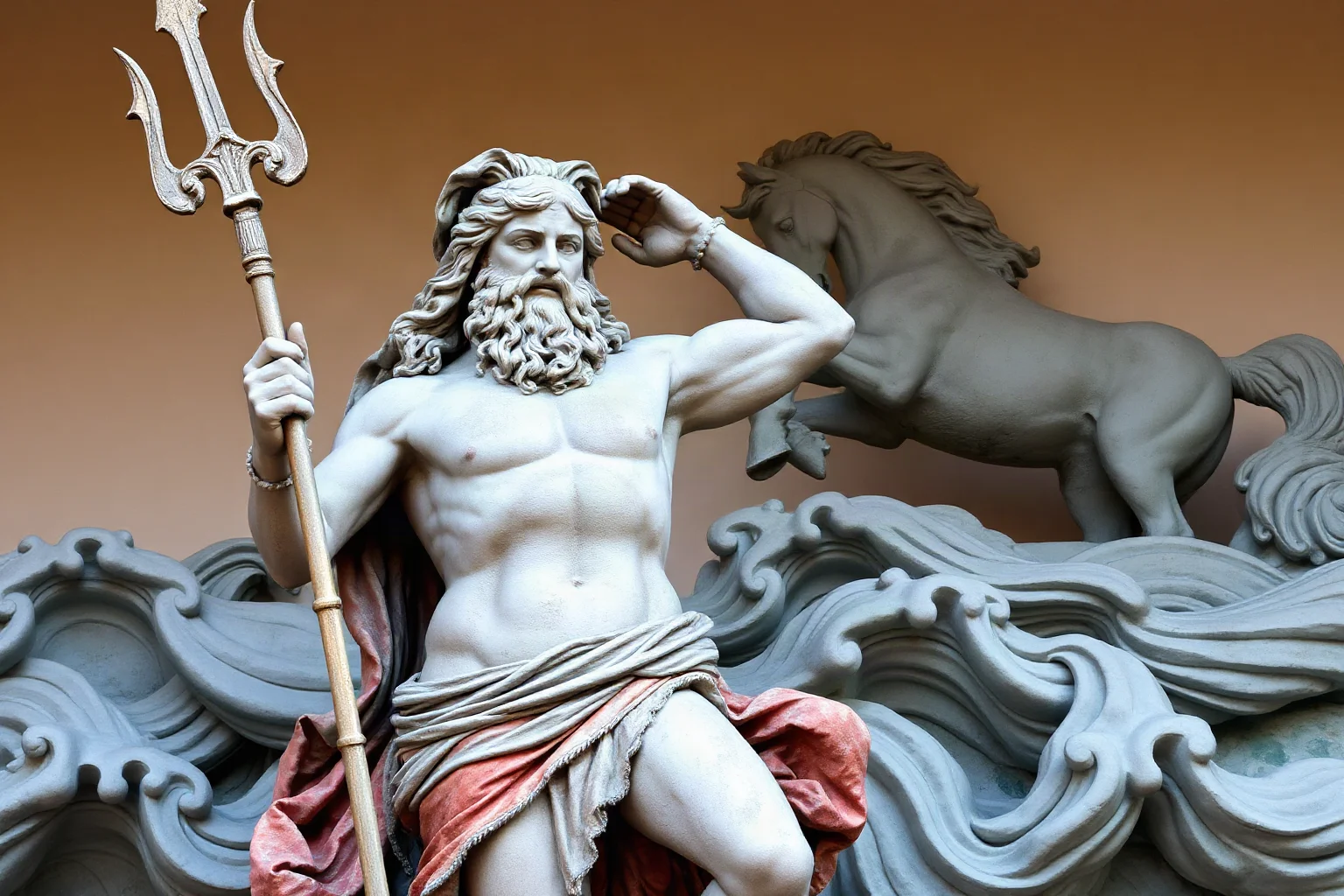
Neptune ruled the seas, earthquakes, and horses, making him essential to a civilization that depended on Mediterranean trade routes. Roman sailors prayed to him before voyages, and his festival, the Neptunalia, was celebrated in the heat of summer.
He’s the direct counterpart to the Greek Poseidon, sharing the trident as his signature weapon. His name survives today in astronomy as the eighth planet from the sun.
5. Mars
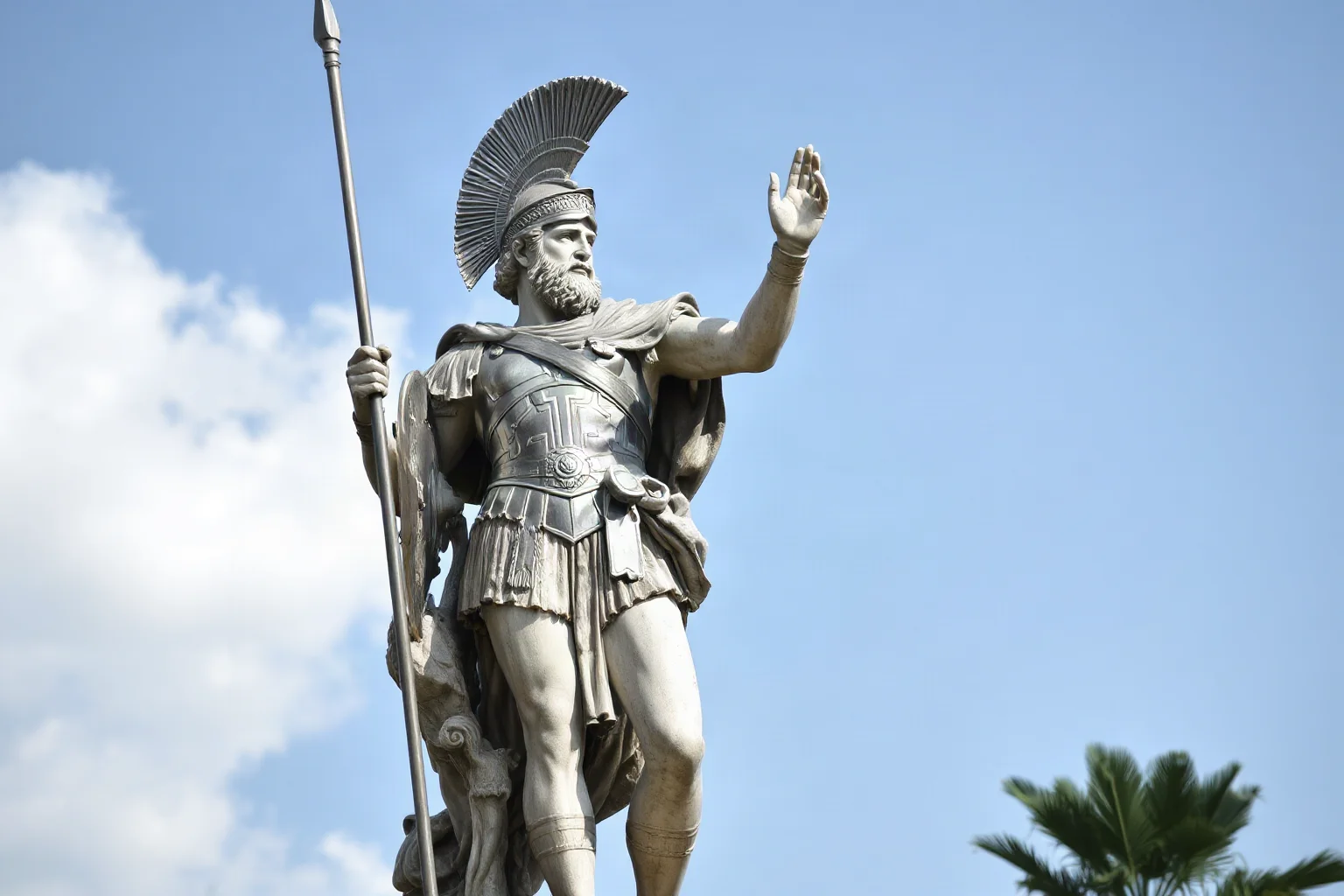
Mars held a uniquely elevated status among Roman deities because he was considered the divine father of Romulus, Rome’s legendary founder. As the god of war, he was second only to Jupiter in importance to the Roman state, and the month of March was named after him to mark the start of campaign season.
Unlike the Greek war god Ares, who was often portrayed unfavorably, Mars was genuinely respected and even loved by Romans as a guardian of their military success. Soldiers and farmers alike honored him, since he also had ties to agriculture and protecting the land.
6. Venus
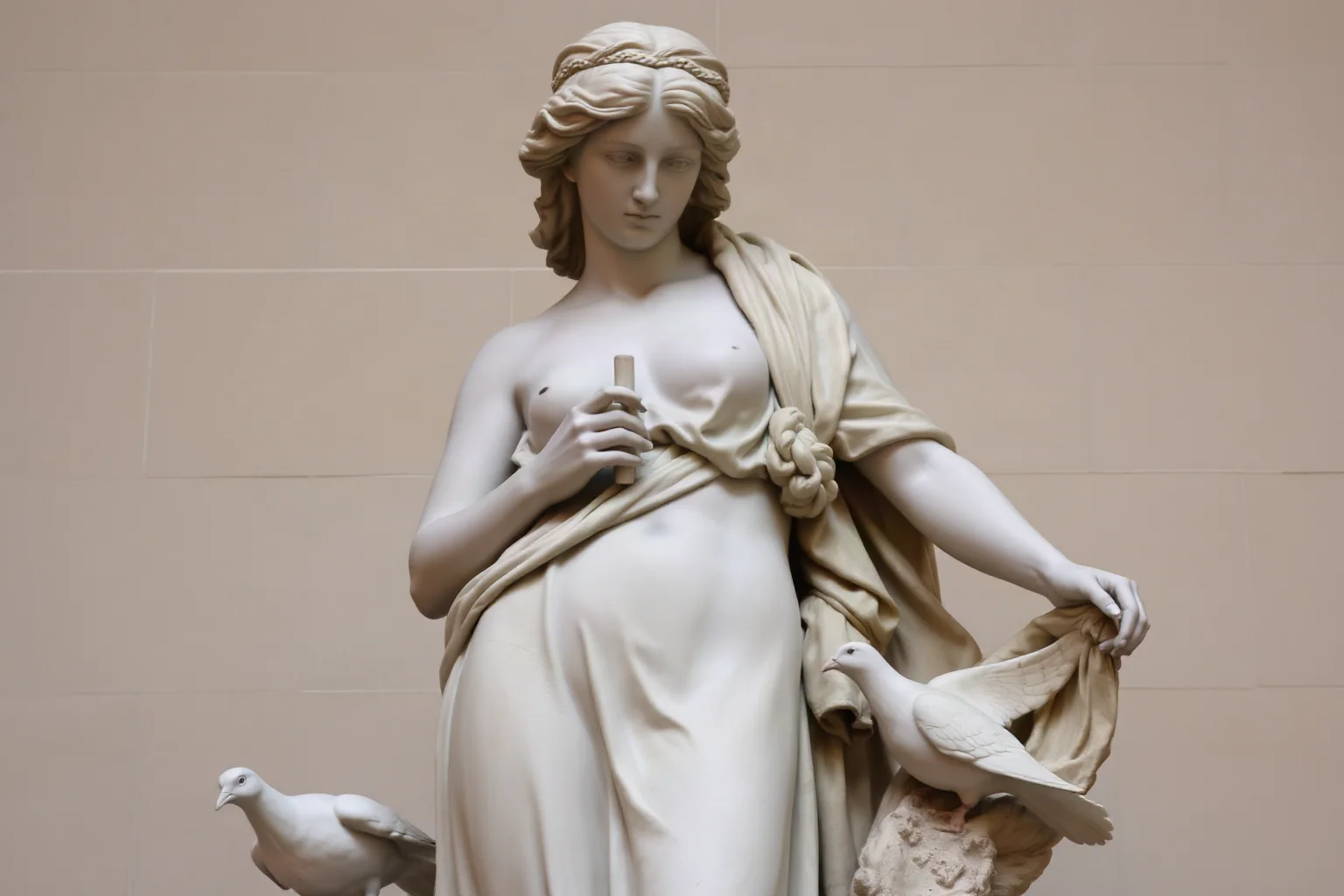
Venus, the goddess of love, beauty, and fertility, held special significance because Julius Caesar’s family, the Julii, claimed descent from her through her son Aeneas. This made her not just a goddess of romance but a politically important figure tied to imperial legitimacy.
She corresponds to the Greek Aphrodite, and her planet remains one of the brightest objects in the night sky. Temples to Venus appeared throughout the empire, often linked to both love and military victory under the title Venus Victrix.
7. Apollo
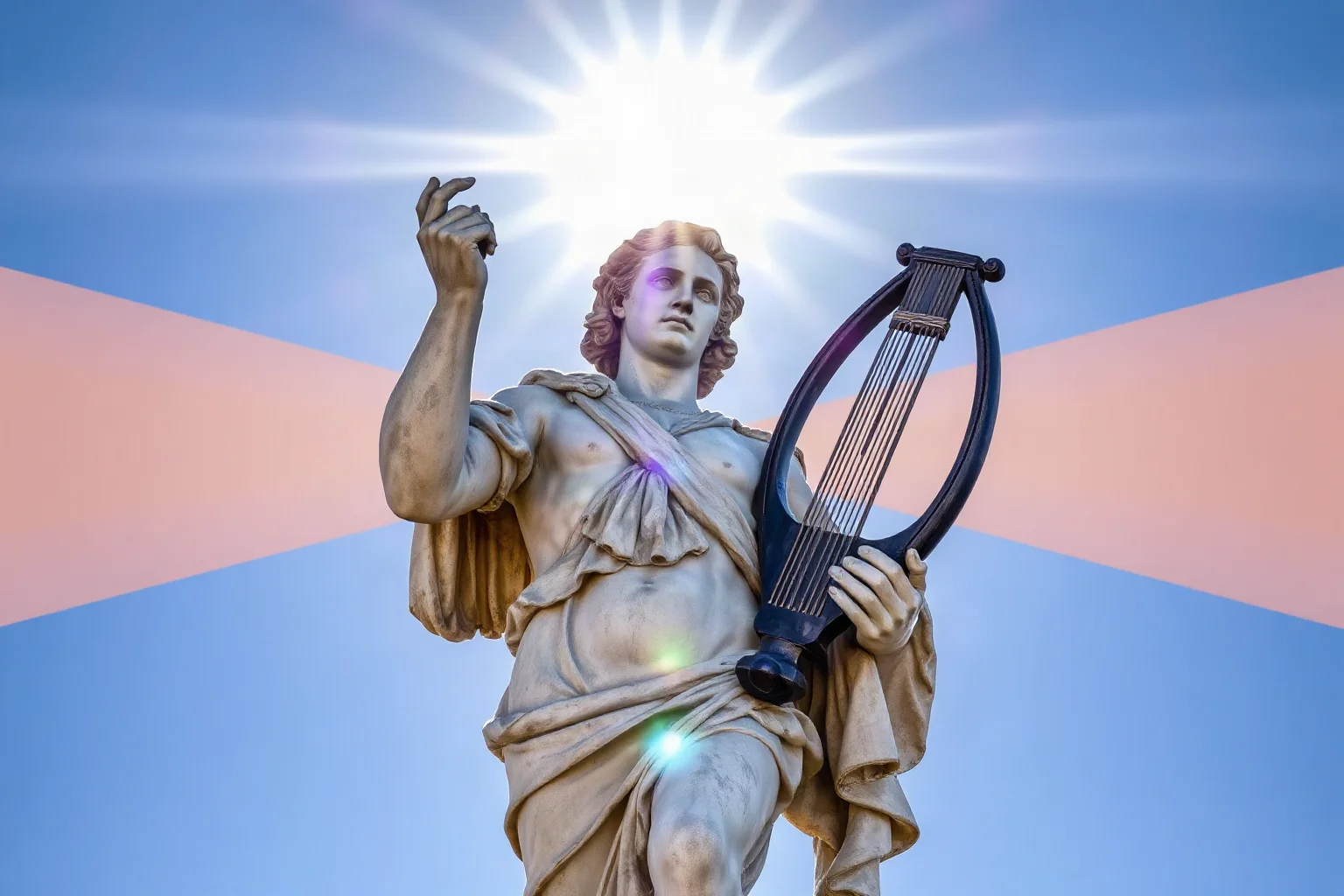
Apollo is one of the rare deities the Romans borrowed almost entirely intact from the Greeks, keeping both his name and his domains over music, healing, prophecy, and the sun. Emperor Augustus was particularly devoted to Apollo and built a major temple to him on the Palatine Hill.
His oracle connections carried over too, with Romans consulting Apollo-linked prophecy sites much as the Greeks had at Delphi. Few Roman god names map so directly onto their Greek origin as his does.
8. Diana
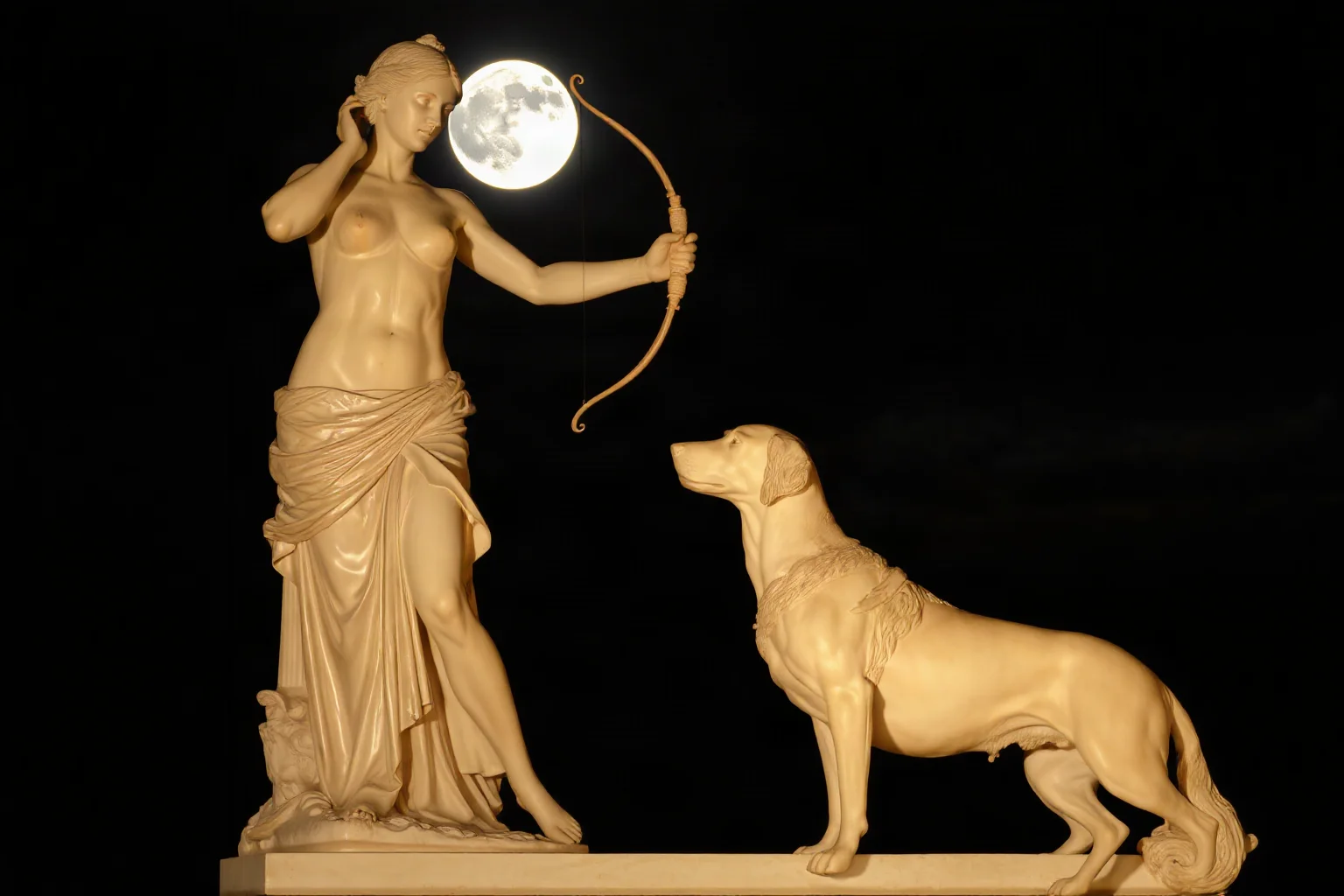
Diana was the goddess of the hunt, the moon, and wild nature, and she ranks among the most famous goddesses in Roman mythology for her independence and fierce protection of animals and women. Her sacred grove at Lake Nemi near Rome attracted worshippers seeking her favor for childbirth and protection.
She’s equivalent to the Greek Artemis, and like her counterpart, she was often portrayed with a bow, arrows, and a hunting dog. Diana also had strong associations with the countryside plebeians, making her popular outside the elite circles of Roman politics.
9. Vulcan
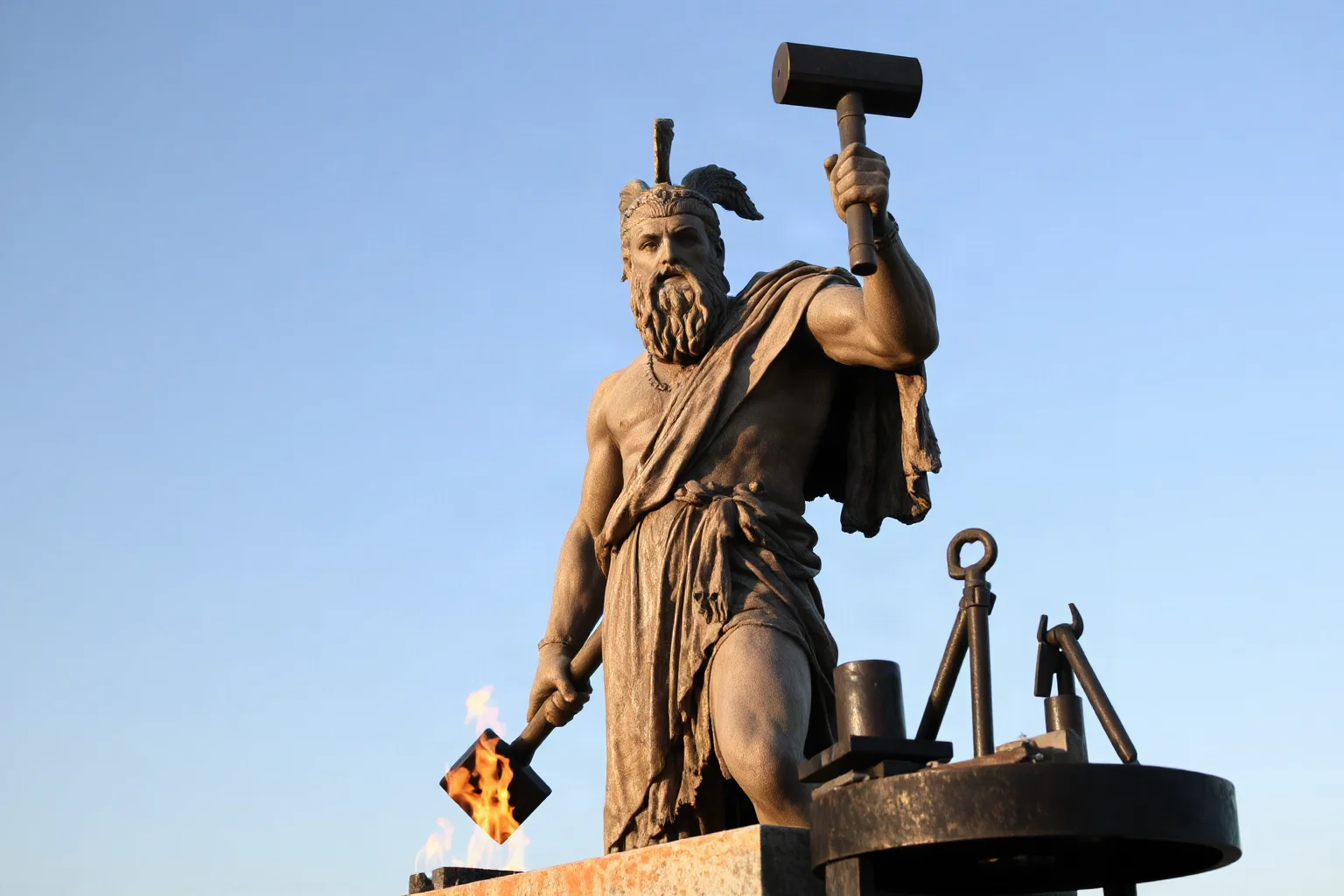
Vulcan governed fire, volcanoes, and metalworking, serving as the divine blacksmith who forged weapons and tools for other gods. Romans held his festival, the Volcanalia, in late summer, a time when fires were a genuine seasonal danger to crops and homes.
He matches up with the Greek Hephaestus, sharing that same identity as a craftsman god tied to forge and flame. His name gives us the modern word “volcano.”
10. Vesta
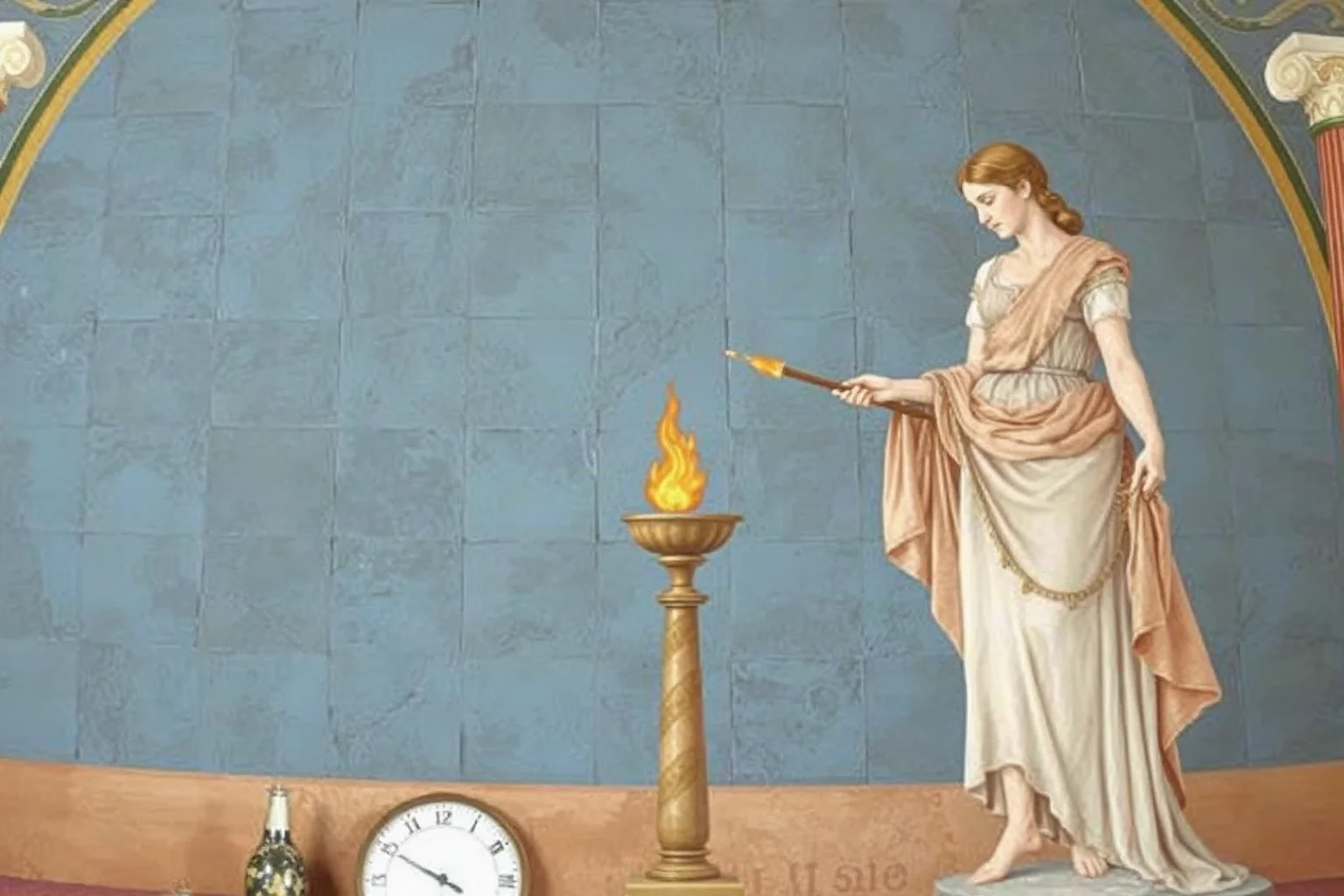
Vesta was the goddess of the hearth, home, and family, and her cult was unusual because it was maintained by the Vestal Virgins, a dedicated group of priestesses who tended her sacred, eternal flame in the Roman Forum. This flame symbolized the continuity and safety of Rome itself, and letting it go out was considered a serious omen.
As one of the most important goddesses of Roman mythology, Vesta didn’t have elaborate myths attached to her the way other gods did. Her power was expressed through ritual and civic duty rather than dramatic stories, which made her worship feel deeply personal to ordinary Roman households.
11. Ceres
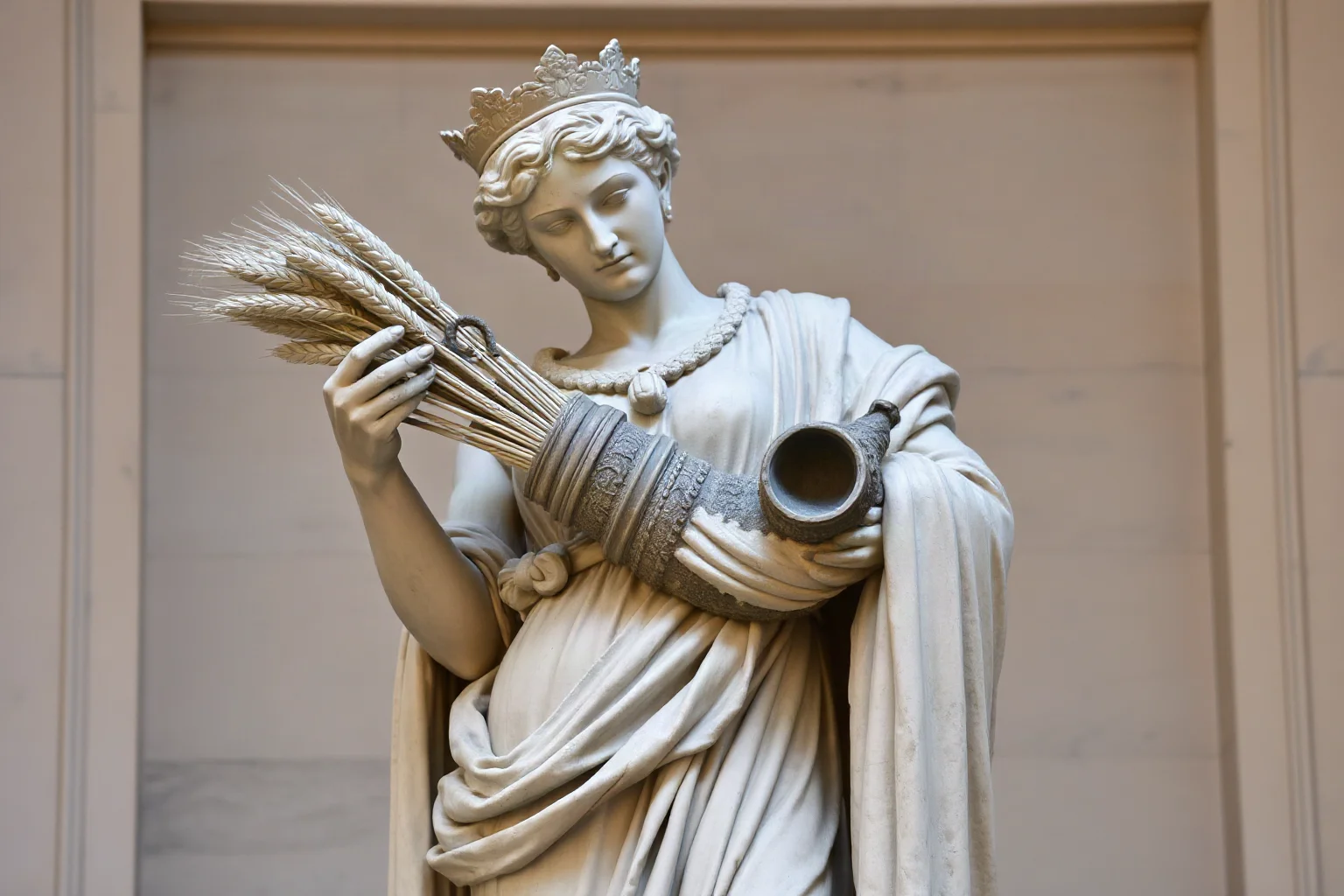
Ceres presided over agriculture, grain, and the harvest, making her critical to a civilization that depended on stable food supplies. Her festival, the Cerealia, gave us the modern English word “cereal.”
She corresponds to the Greek Demeter, and her mythology similarly involves the loss and return of a daughter, Proserpina, which the Romans connected to the changing seasons. Plebeians especially honored Ceres, since grain shortages could mean the difference between stability and unrest in the city.
12. Mercury
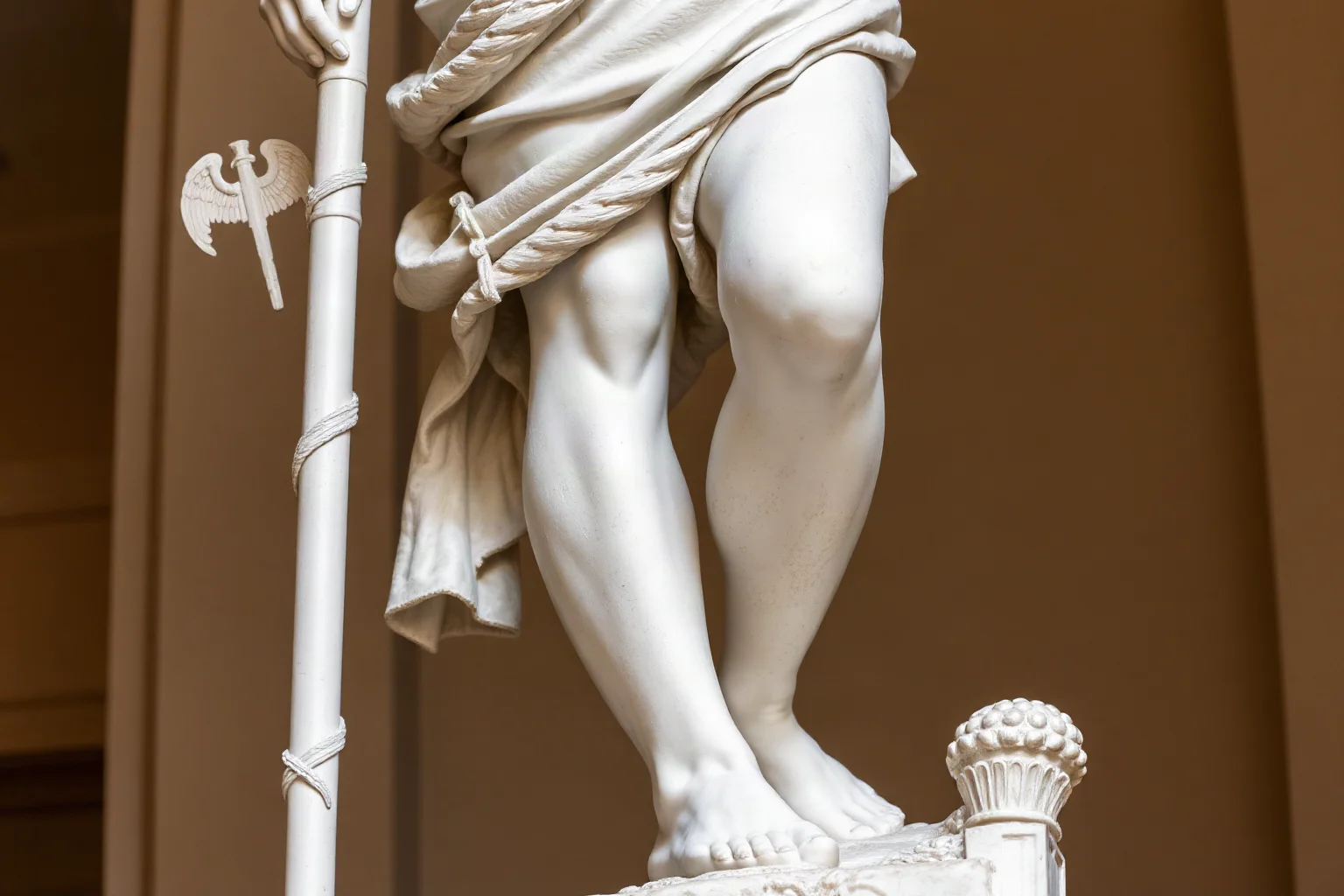
Mercury served as the messenger god, along with overseeing trade, travel, and communication, fitting for a deity whose name shares a root with the Latin word for merchandise. He’s typically shown wearing winged sandals and carrying a caduceus, a staff entwined with two snakes.
He lines up with the Greek Hermes almost exactly in both role and imagery. Merchants and travelers throughout the Roman world considered him a practical, everyday god to appeal to before a journey or a big trade deal.
13. Bacchus
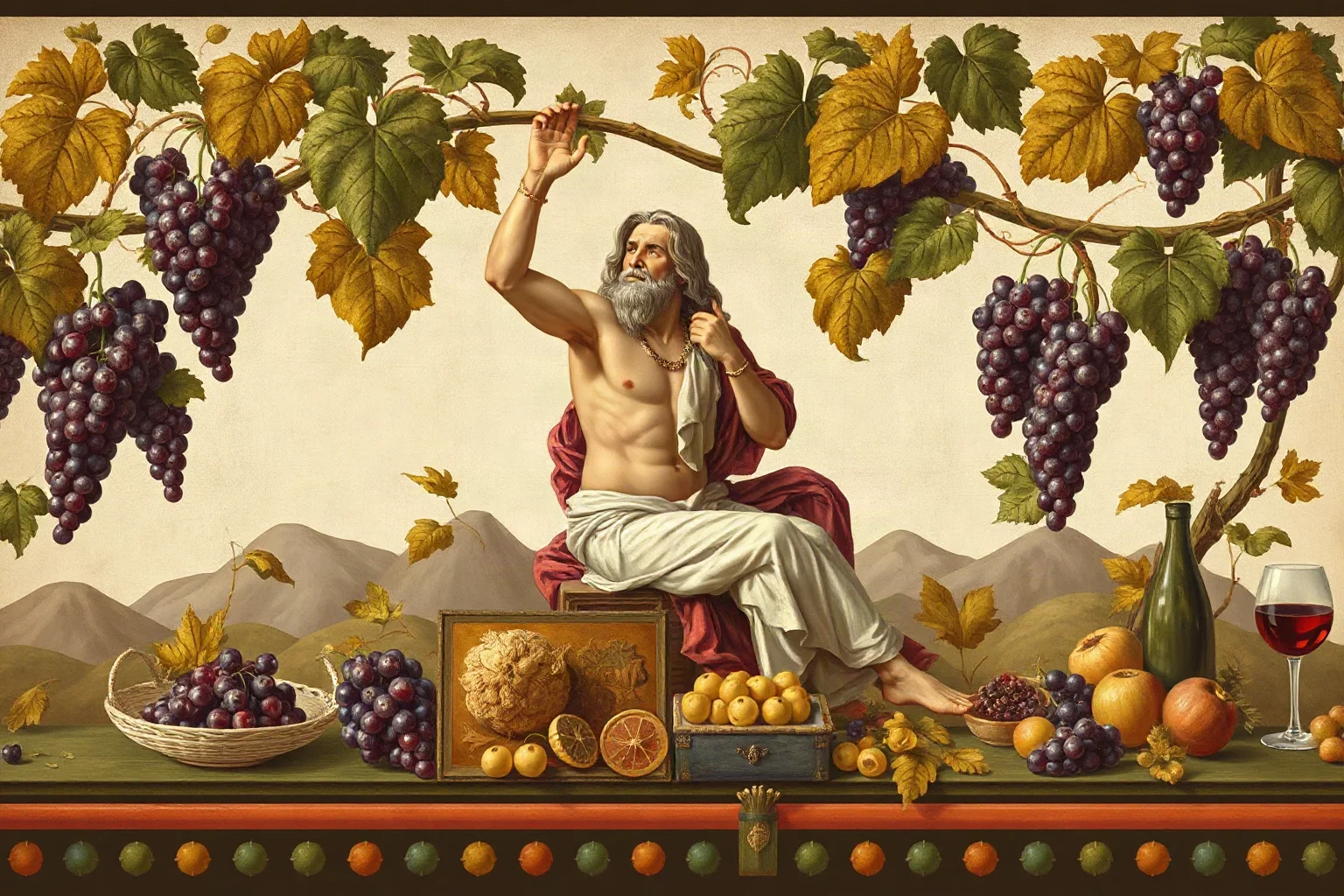
Bacchus was the god of wine, festivity, and uninhibited celebration, and his worship could get genuinely controversial. The Roman Senate actually restricted the Bacchanalia festivals in 186 BCE after concerns arose about secretive gatherings and disorderly conduct associated with his cult.
He’s the Roman version of the Greek Dionysus, sharing that same association with vineyards, theater, and altered states of consciousness. Despite the political pushback, his popularity among ordinary Romans never fully disappeared.
14. Pluto
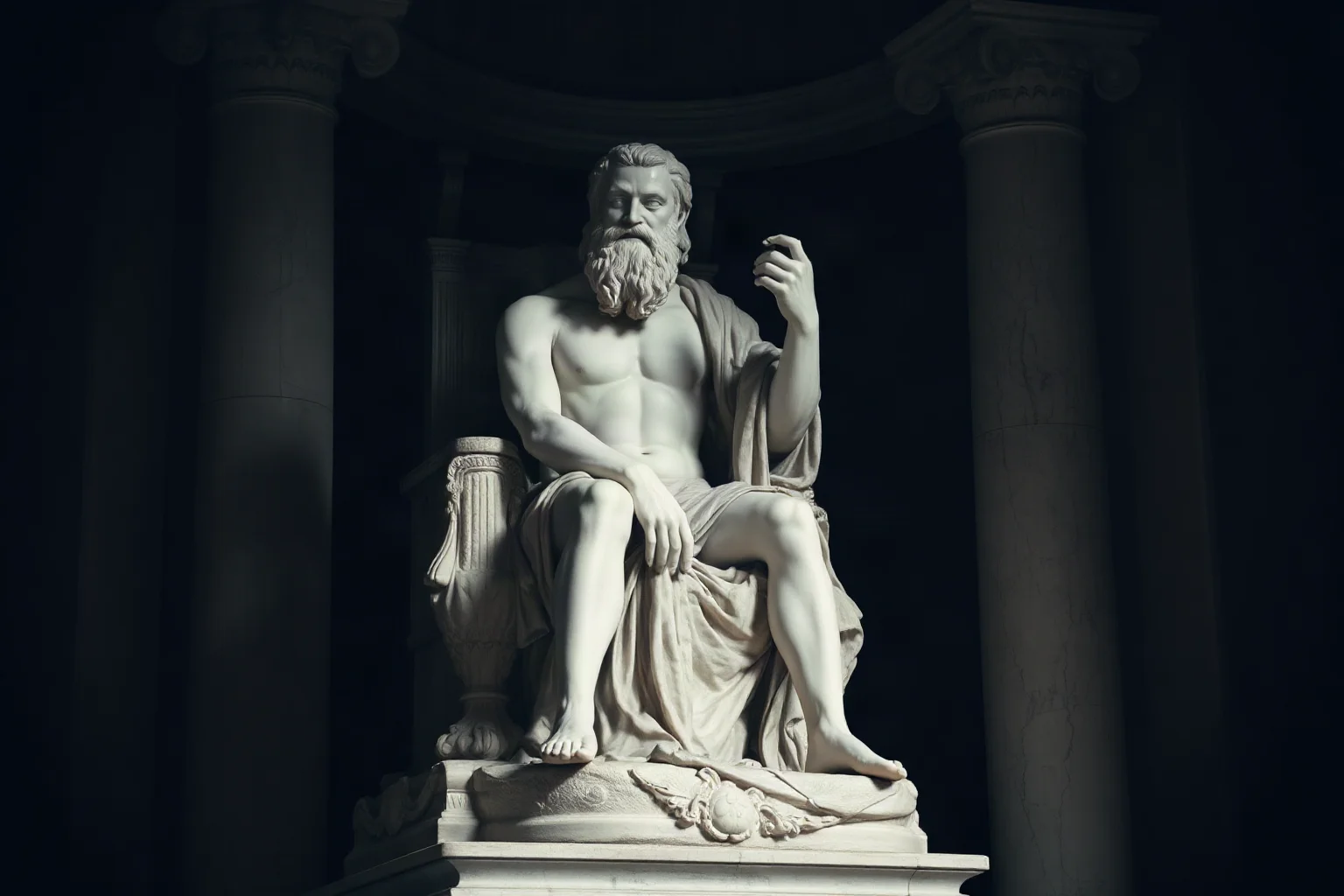
Pluto ruled the underworld and the dead, a role that made him feared but rarely mocked in Roman religious practice. Romans were often careful about how they addressed him, sometimes using euphemisms rather than his name directly out of respect or superstition.
He corresponds to the Greek Hades, and like his Greek counterpart, he’s frequently paired in myth with Proserpina, whom he abducted to be his queen. His domain also included the earth’s mineral wealth, since precious metals were mined from underground.
15. Janus
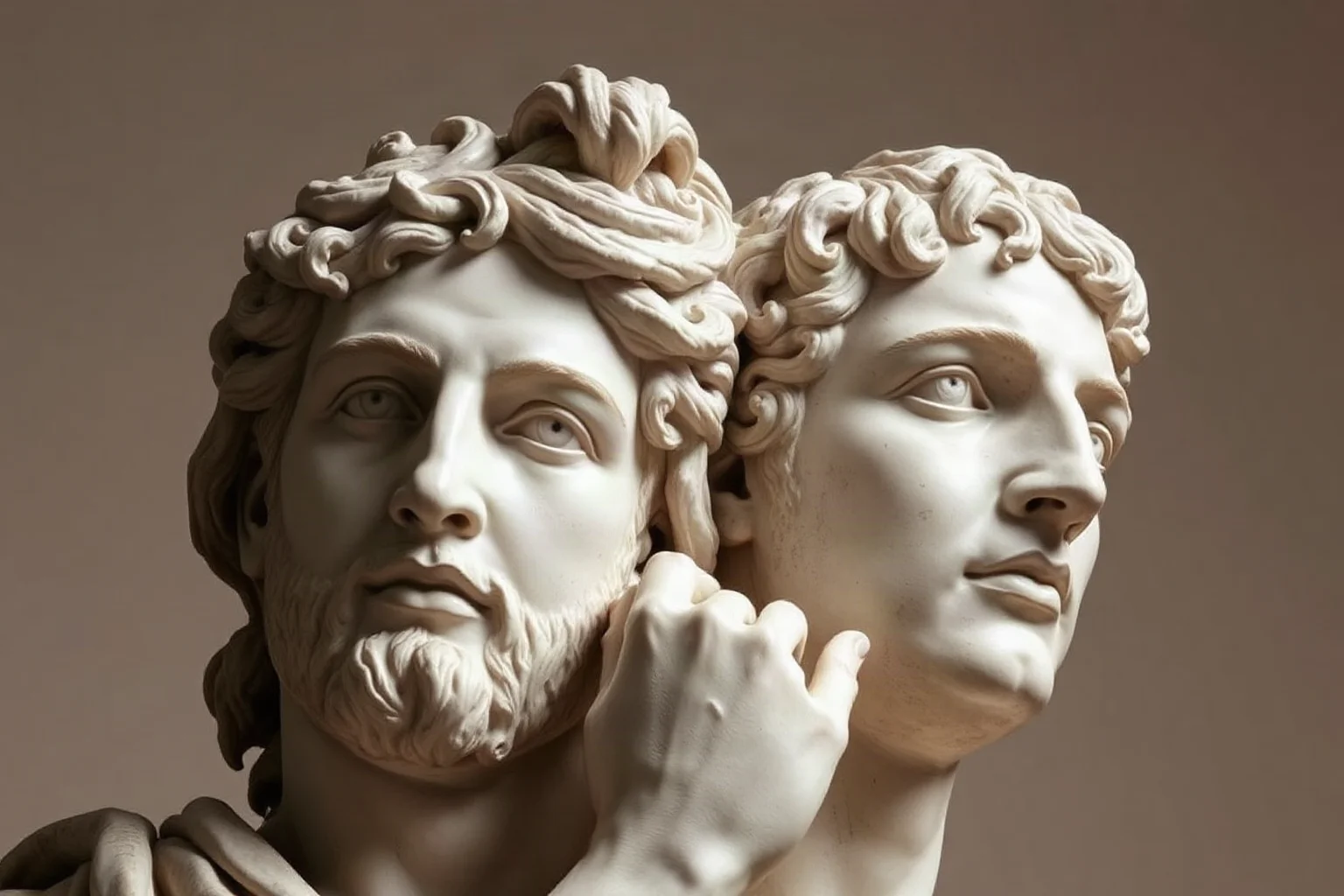
Janus was a distinctly Roman god with no direct Greek equivalent, ruling over beginnings, doorways, and transitions. He’s typically depicted with two faces looking in opposite directions, symbolizing his watch over both the past and the future.
His name gives us the word “January,” fittingly the doorway into a new year. Roman doorways themselves, called “januae,” were also named for him, showing how deeply embedded he was in everyday language and life.
16. Saturn
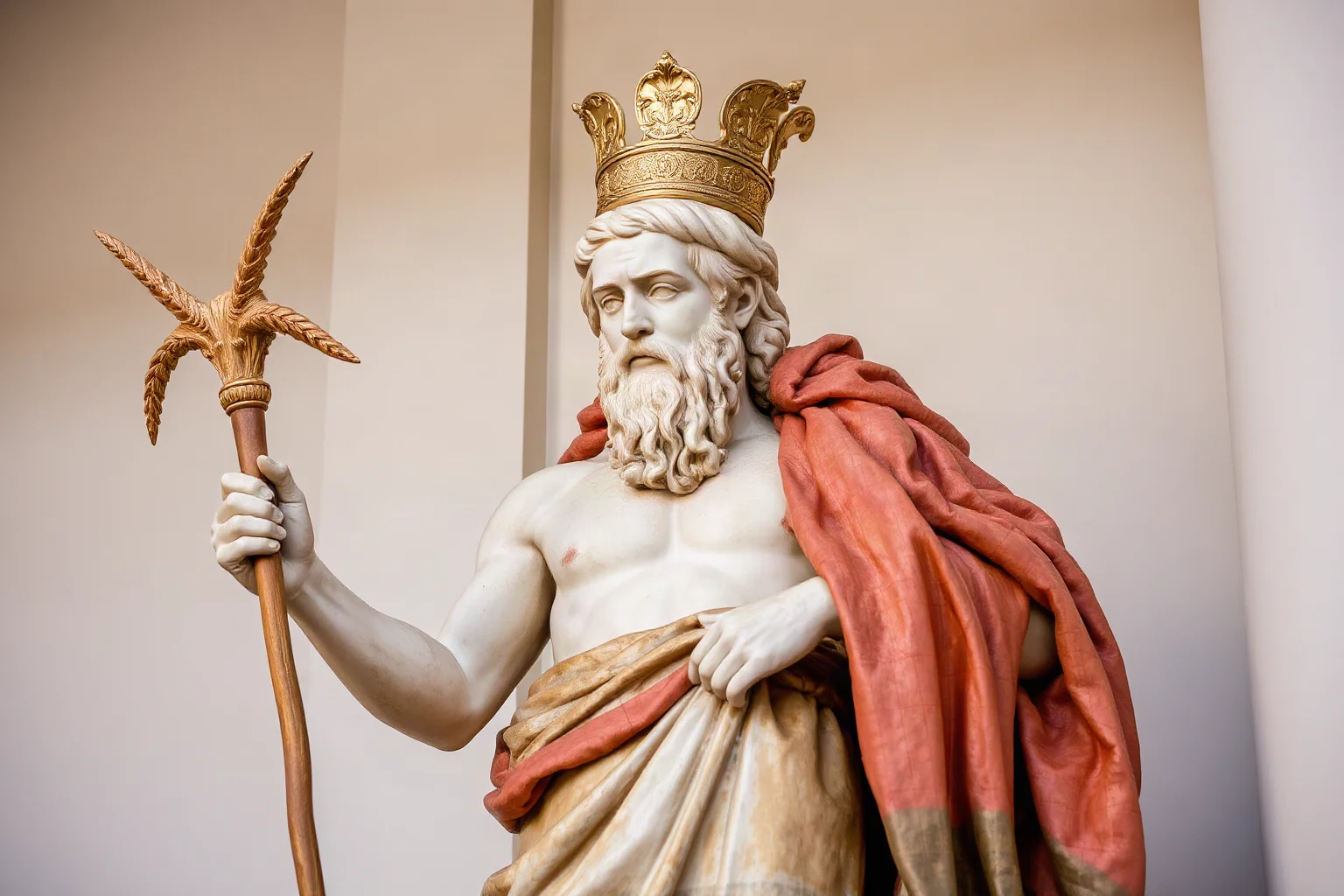
Saturn was an old agricultural god associated with time, wealth, and a mythical golden age of abundance. His festival, Saturnalia, held in December, became one of the most beloved celebrations in Rome, involving feasting, gift-giving, and a temporary reversal of social roles between masters and servants.
He’s often linked to the Greek Titan Cronus, though Roman Saturn carried a much more positive reputation tied to prosperity rather than violent overthrow. Many historians note Saturnalia’s traditions likely influenced later winter holiday customs in Europe.
17. Hercules
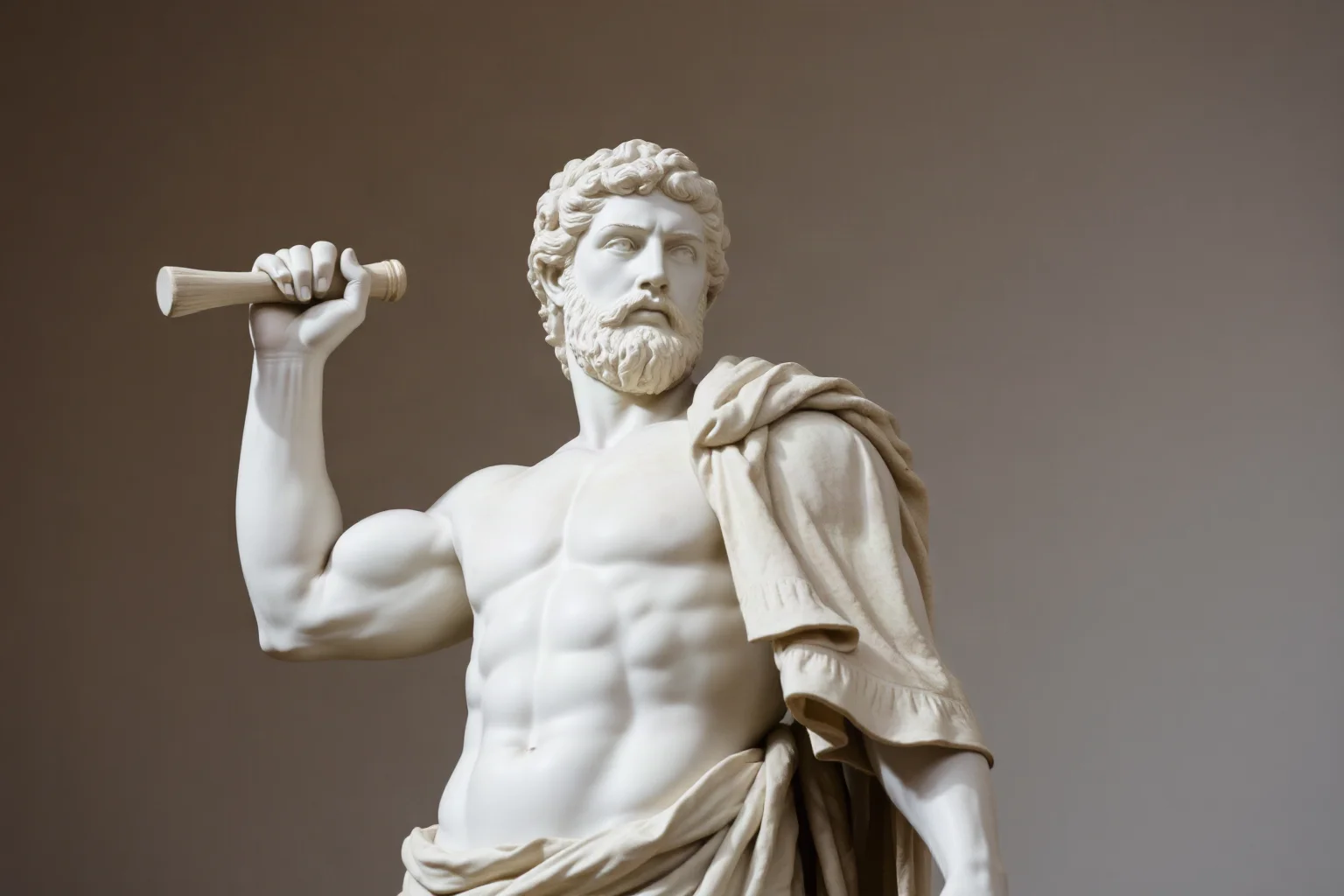
Hercules, adapted from the Greek hero Heracles, became the go-to figure Romans associated with raw physical strength and endurance. Technically a demigod who earned divine status through his legendary labors, he was widely worshipped as a protector of merchants, travelers, and anyone facing seemingly impossible odds.
If you’re searching for the Roman god of strength, Hercules is almost always the answer people land on. Temples and altars dedicated to him appeared throughout the empire, often near trade routes and marketplaces where his protection was considered good for business.
18. Cupid
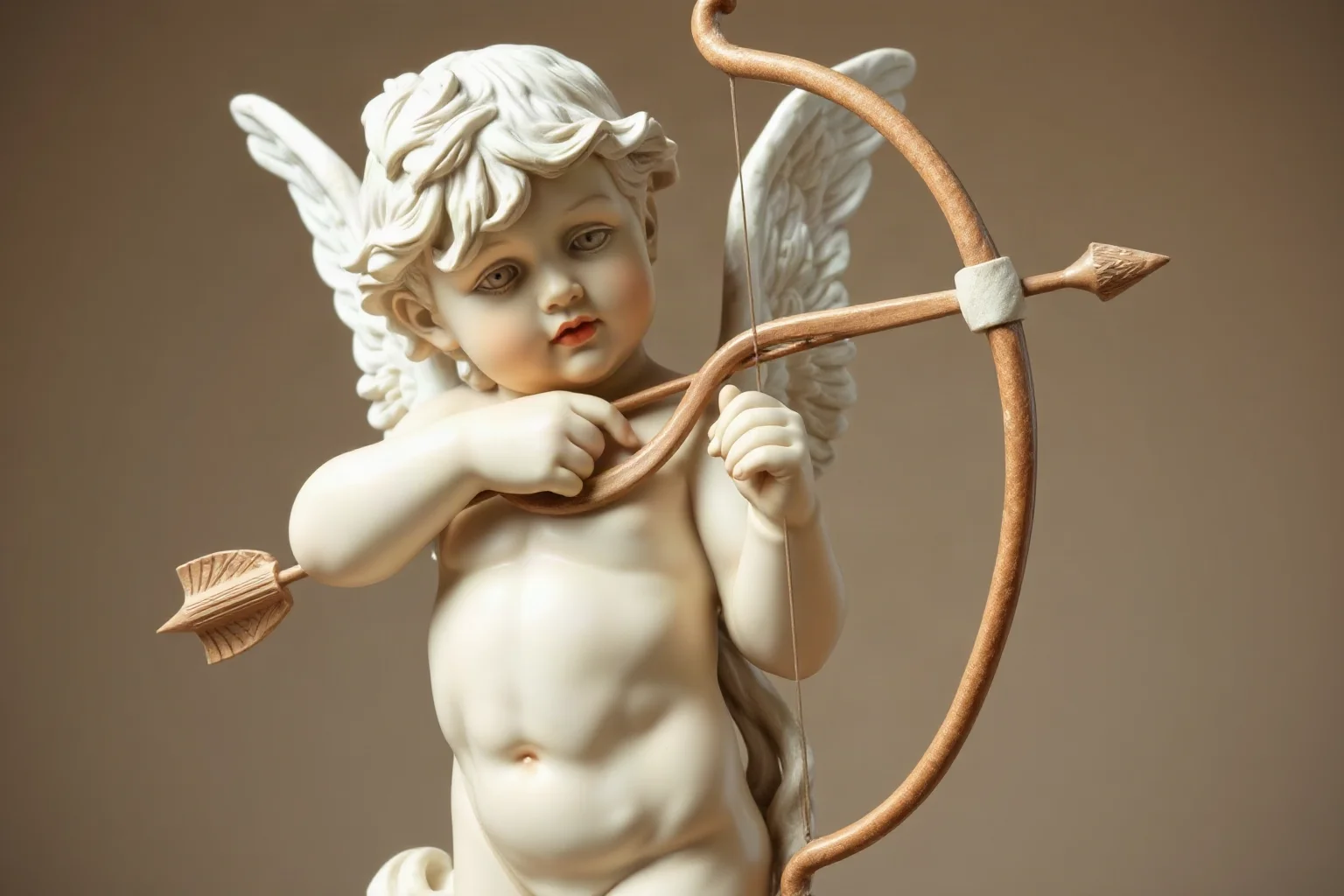
Cupid, the winged god of desire and romantic attraction, is the son of Venus and is instantly recognizable through his bow and arrows that spark love or aversion. He plays a central role in the story of Psyche, one of the more fully developed romantic myths to survive from Roman literature.
He corresponds to the Greek Eros, though Cupid’s cherubic, mischievous image is largely how later Western art chose to depict him. His imagery still shows up constantly around Valentine’s Day.
19. Proserpina
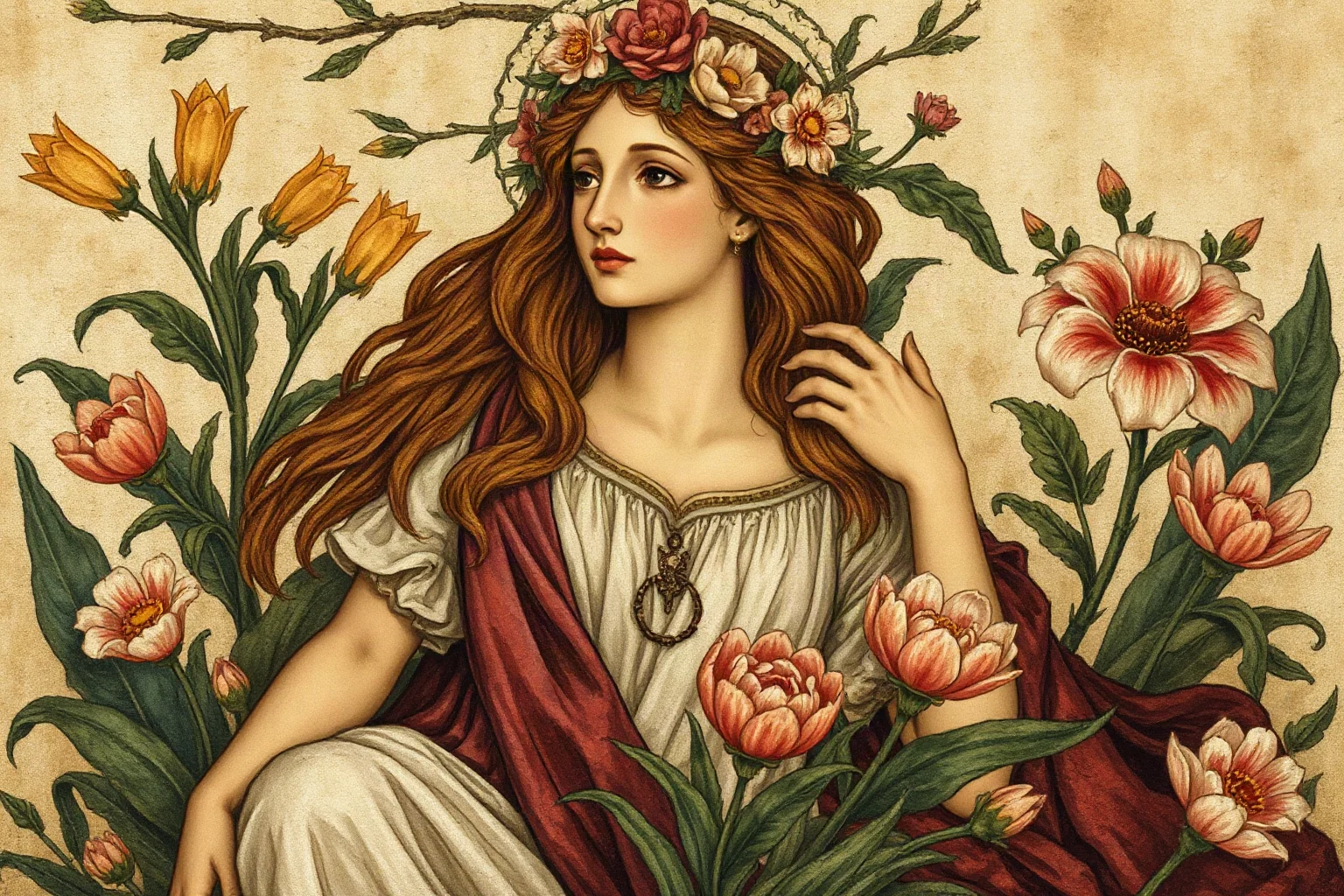
Proserpina is the daughter of Ceres and the reluctant queen of the underworld after being taken by Pluto, a myth the Romans used to explain the changing seasons. Her time above ground with her mother was associated with spring and summer growth, while her time below marked the barren winter months.
She mirrors the Greek Persephone almost exactly in both story and symbolism. Her myth remains one of the more emotionally resonant stories among Roman goddess names, dealing with loss, transformation, and the cycles of nature.
20. Fortuna
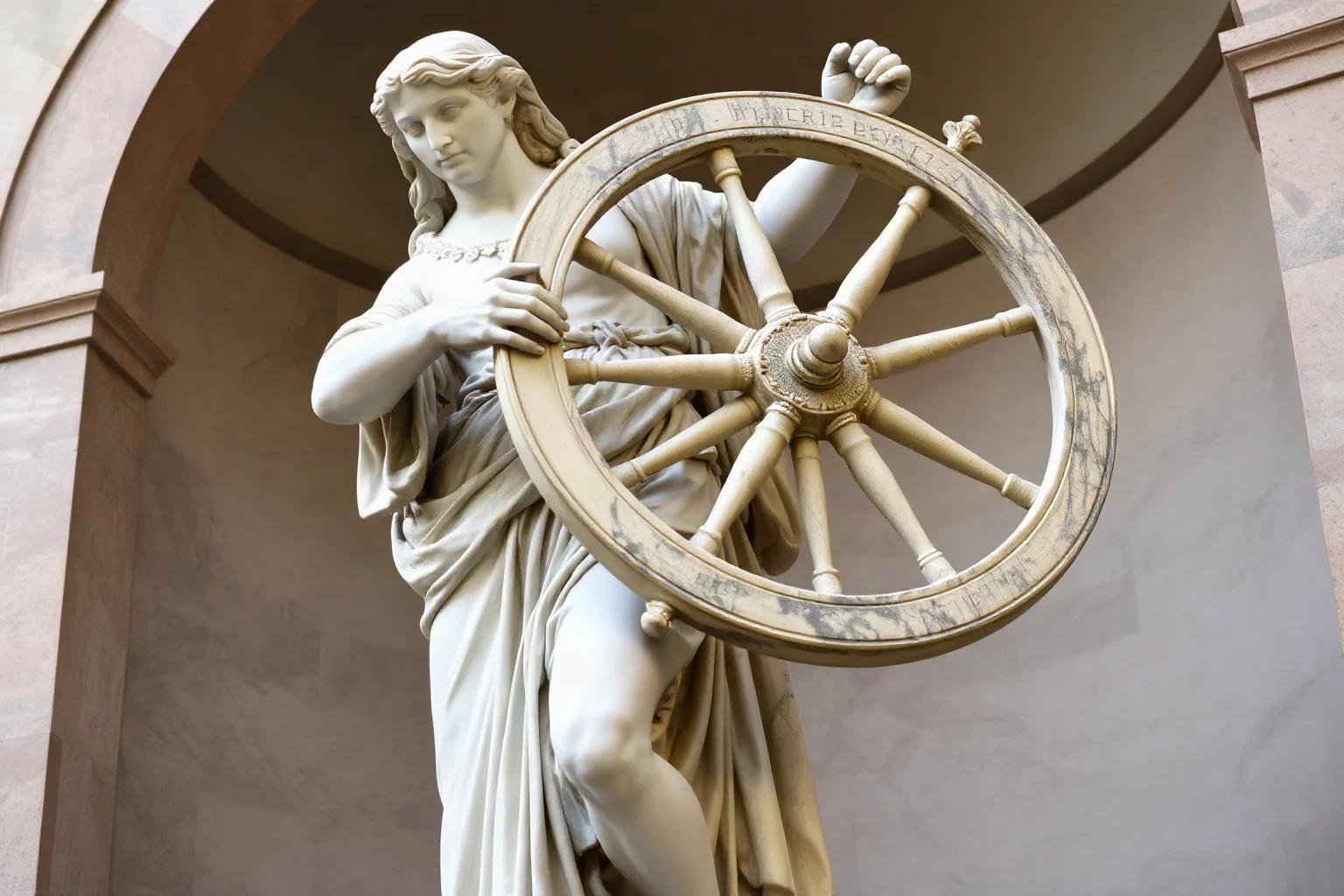
Fortuna personified luck, chance, and fate, and Romans of every social class appealed to her, from emperors to gladiators. She was often depicted holding a wheel, symbolizing how fortune could rise or fall unpredictably for anyone regardless of status.
Her worship reflected a very Roman anxiety about the unpredictability of life, war, and politics. Multiple temples across Rome and Italy were dedicated to different aspects of her, including Fortuna Redux, who protected safe returns from journeys.
21. Flora
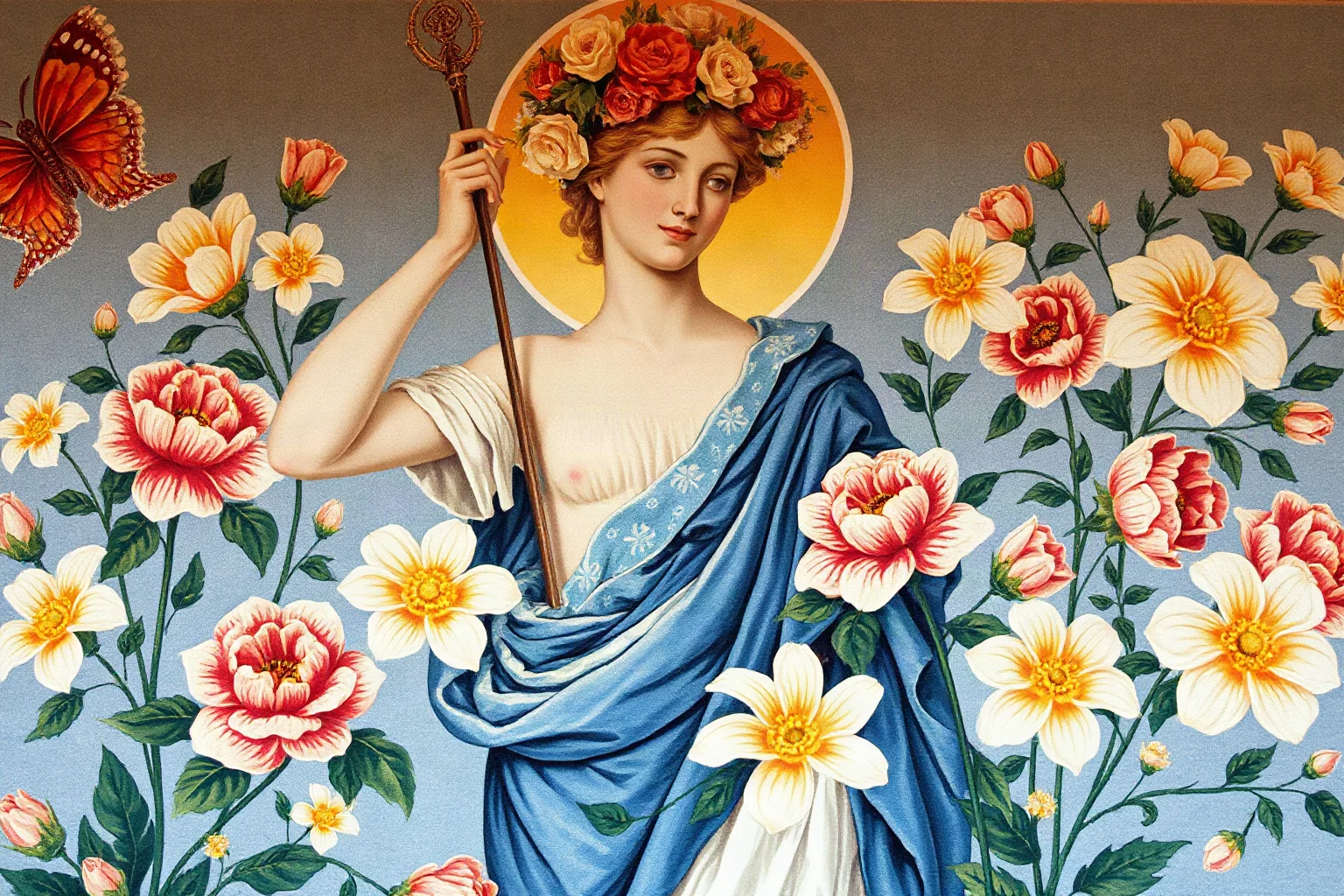
Flora was the goddess of flowers, spring, and blooming plants, celebrated during the lively springtime festival called the Floralia. This multi-day event featured theater, games, and a notably relaxed, pleasure-focused atmosphere compared to more solemn Roman religious ceremonies.
As one of the gentler female Roman goddess names in the pantheon, Flora represented renewal and the return of color and growth after winter. Her name lives on today in the word “flora,” still used to describe plant life.
22. Victoria
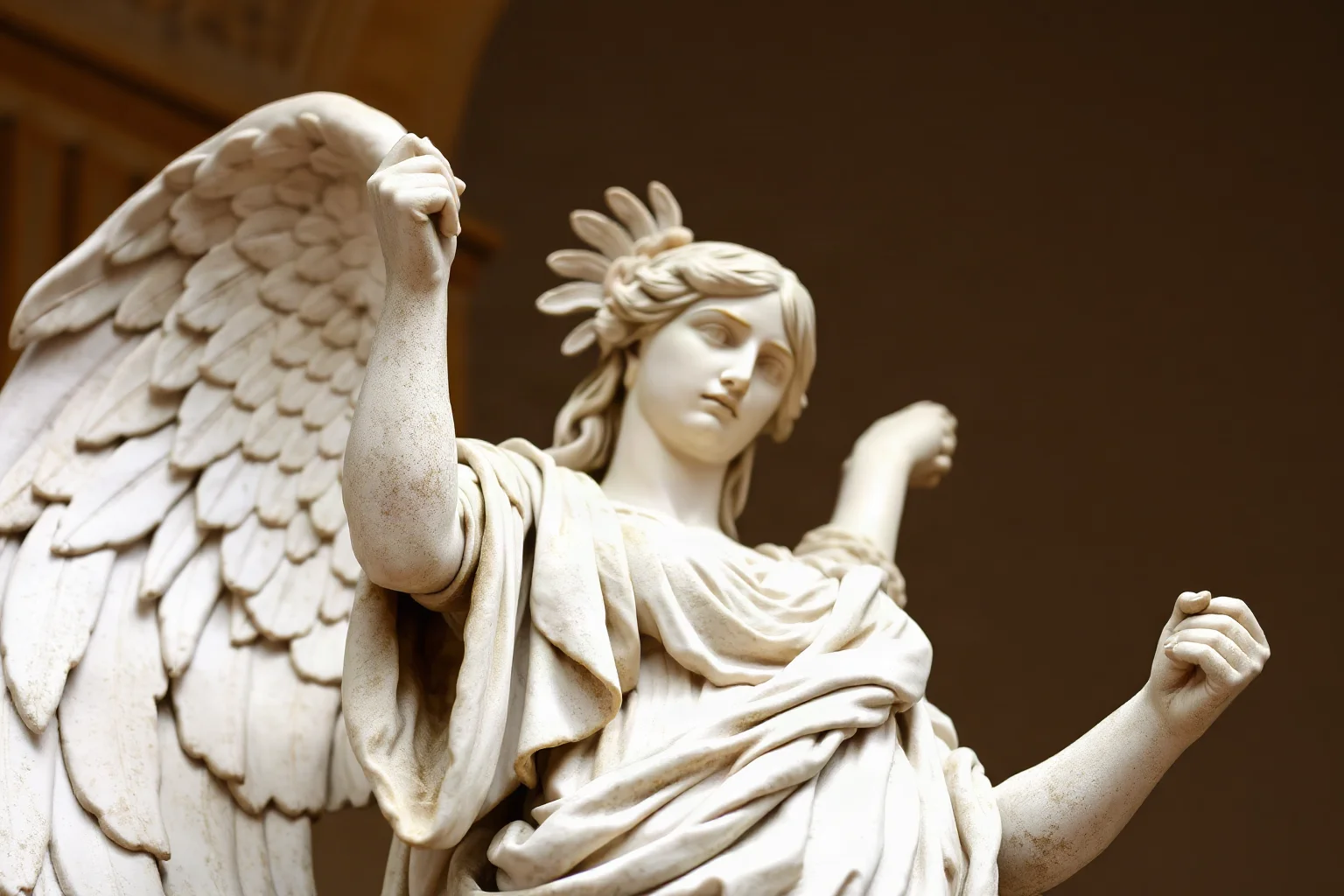
Victoria personified victory itself, and Roman generals and emperors invoked her constantly, especially after military triumphs. She was frequently depicted with wings, an image that later heavily influenced the design of angels in Western art.
Her statue in the Senate House became a flashpoint centuries later, when the Altar of Victory was removed and restored multiple times amid the empire’s slow religious shift toward Christianity. She remained one of the most politically visible goddesses of ancient Rome for centuries.
23. Somnus

Somnus was the god of sleep, a quieter figure compared to gods of war or the state but still meaningful in Roman poetry and mythology. He’s frequently mentioned in literature as the bringer of dreams and rest, sometimes alongside his many sons, who each represented different types of dreams.
He corresponds to the Greek Hypnos, sharing that same gentle, shadowy domain. His name survives in English through words like “insomnia.”
24. Tellus (Terra)
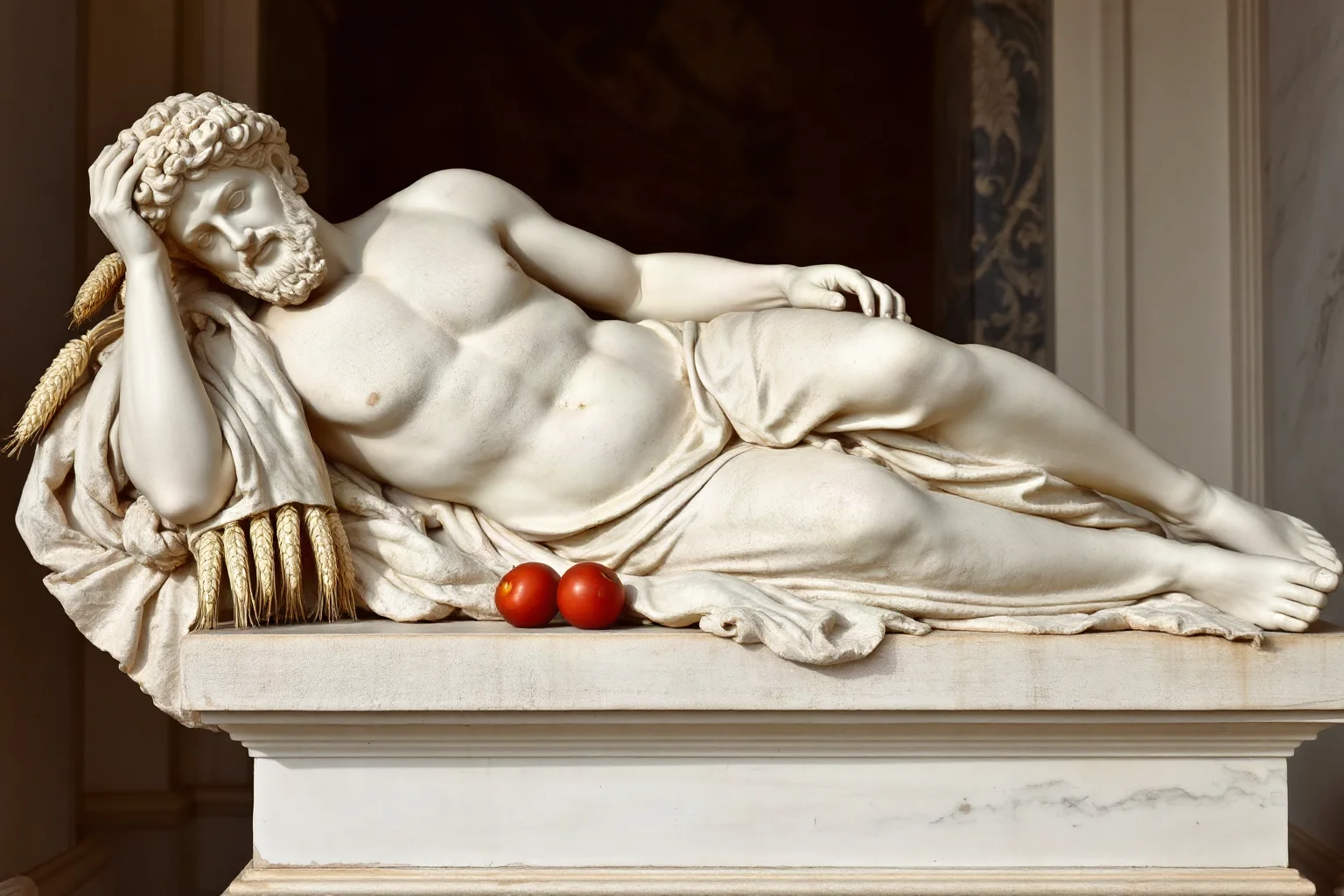
Tellus, sometimes called Terra, personified the earth itself as a nurturing, life-giving force distinct from Ceres’ more specific focus on agriculture. She appears in state rituals tied to fertility, land, and the wellbeing of Rome’s territory as a whole.
Her worship reflects how the Romans treated even the ground beneath their feet as something sacred and alive. Public sacrifices to Tellus were sometimes performed alongside those to Ceres during major agricultural festivals.
25. Roma
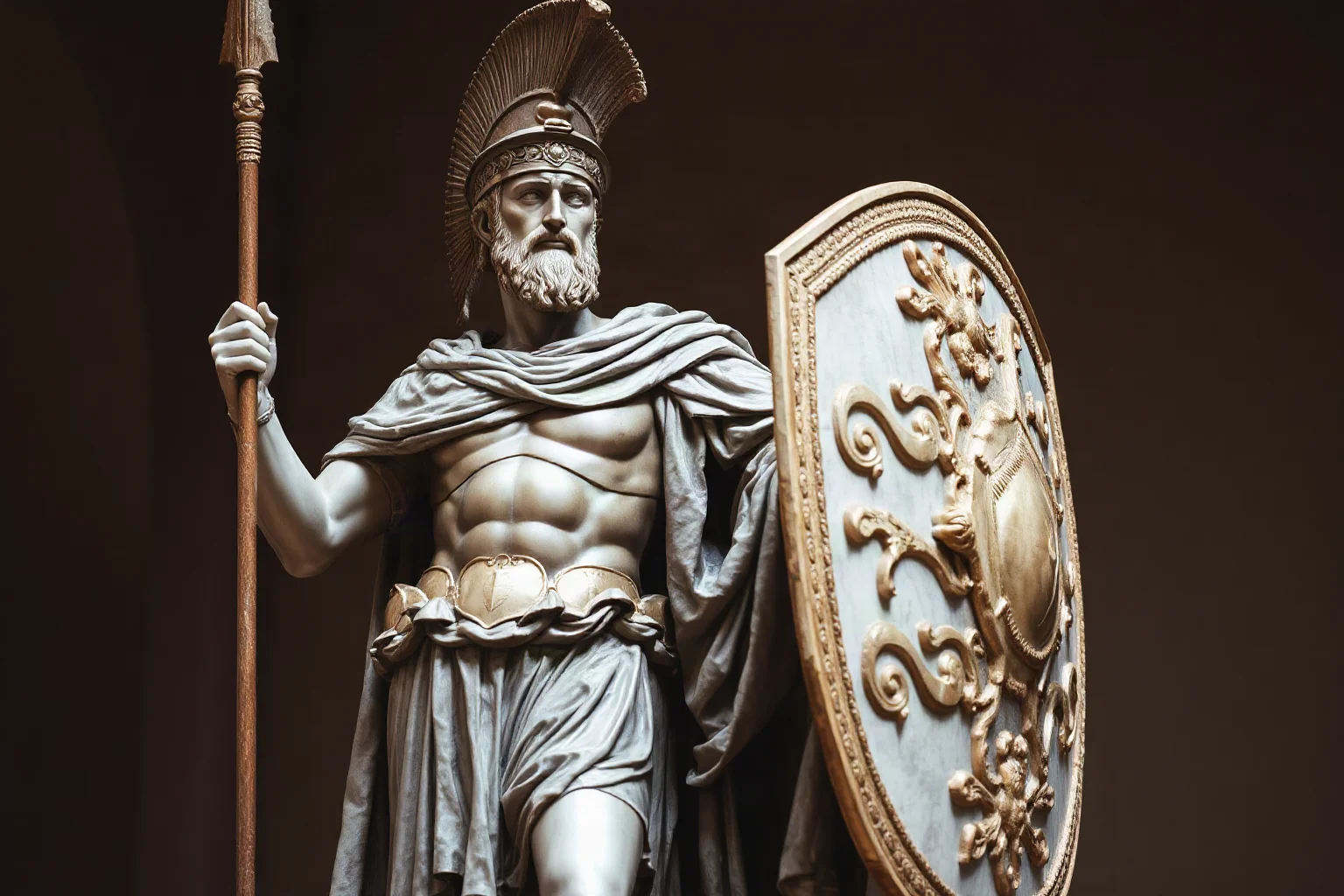
Roma was the divine personification of the city and empire itself, worshipped especially in the provinces as a way of expressing loyalty to Roman rule. Temples dedicated jointly to Roma and the reigning emperor became common as the imperial cult developed, blending political loyalty with religious devotion.
She’s a distinctly Roman invention with no earlier Greek equivalent, born specifically out of Rome’s own sense of identity and expansion. Her image, often shown in armor holding a spear, symbolized the strength and permanence Romans wanted their empire to project.
Roman Gods vs. Greek Gods: A Quick Note
It’s tempting to treat Roman deities as simple copy-paste versions of Greek gods, but that oversimplifies things. Roman religion developed its own priesthoods, festivals, legal structures, and civic functions that didn’t map onto Greek practice at all.
Gods like Janus, Roma, and Vesta’s Vestal Virgin system had no real Greek parallel. Even when names and imagery overlap, the cultural context and everyday role of these gods and goddesses in Roman society was genuinely distinct from their Greek inspirations.
Why This Pantheon Still Matters Today
Roman deities didn’t vanish when the empire fell. Their names live on in the planets of our solar system, the days tied to astrology, the months of our calendar, and countless words in the English language.
Artists from the Renaissance onward drew heavily on Roman gods and goddesses for sculpture, painting, and literature, cementing their imagery in Western culture for centuries. Even now, understanding this list of Roman deities gives helpful context for classical art, architecture, and the many phrases and symbols we’ve inherited from ancient Rome.
Final Thoughts
The Roman pantheon wasn’t static — it grew, adapted, and absorbed new gods as Rome’s territory and influence expanded across the Mediterranean and beyond. From the commanding presence of Jupiter to the quiet domesticity of Vesta, these deities reflected everything Romans valued: state power, family duty, agricultural stability, and personal fortune.
Whether you came here looking for a straightforward list of Roman gods and goddesses or a deeper dive into their myths, hopefully this guide gave you a clearer picture of how vast and varied Roman religion really was. It’s a pantheon built not just on myth, but on the everyday hopes and anxieties of the people who worshipped it.
Frequently Asked Questions
Who are the goddesses in Roman mythology?
The goddesses in Roman mythology include major figures like Juno, Minerva, Venus, Diana, Vesta, and Ceres, alongside dozens of lesser-known figures like Flora, Fortuna, and Victoria. Together they represented everything from marriage and wisdom to love, the hunt, the hearth, and the harvest.
Who are the main Roman gods?
The main Roman gods are typically considered the twelve Dii Consentes, led by Jupiter, Juno, and Minerva, who together formed the Capitoline Triad worshipped at Rome's most important temple. Other major figures in this core group include Neptune, Mars, Venus, Apollo, Diana, Vulcan, Vesta, Ceres, and Mercury.
What is the difference between Roman gods and Greek gods?
Roman gods often correspond closely to Greek gods through a process called interpretatio romana, where deities like Zeus and Jupiter or Aphrodite and Venus share similar roles under different names. However, Roman religion developed its own unique rituals, priesthoods, and civic functions, and some Roman gods, like Janus and Roma, have no direct Greek equivalent at all.
Who is the Roman god of strength?
Hercules is the figure most commonly associated with strength in Roman mythology, adapted from the Greek hero Heracles. While technically a deified hero rather than an original god, he was widely worshipped as a protector known for his legendary physical power and endurance.
How many gods and goddesses did the ancient Romans worship?
It's impossible to give an exact number, since Roman religion included major state gods, local household spirits, and imported foreign cults that grew over centuries. Historians generally agree there were dozens of significant deities, with the twelve Dii Consentes considered the most important core group.
What is the name of the Roman goddess of love?
Venus is the Roman goddess of love, beauty, and fertility, and she was particularly significant to Julius Caesar's family, who claimed descent from her. She corresponds to the Greek goddess Aphrodite and remains one of the most recognizable Roman goddess names today.
Are Roman gods still worshipped today?
Organized worship of the Roman pantheon largely ended after the empire adopted Christianity as its official religion in the late 4th century CE. That said, small modern reconstructionist religious movements do exist that attempt to revive elements of ancient Roman religious practice.

Alex Warren
Related Articles