
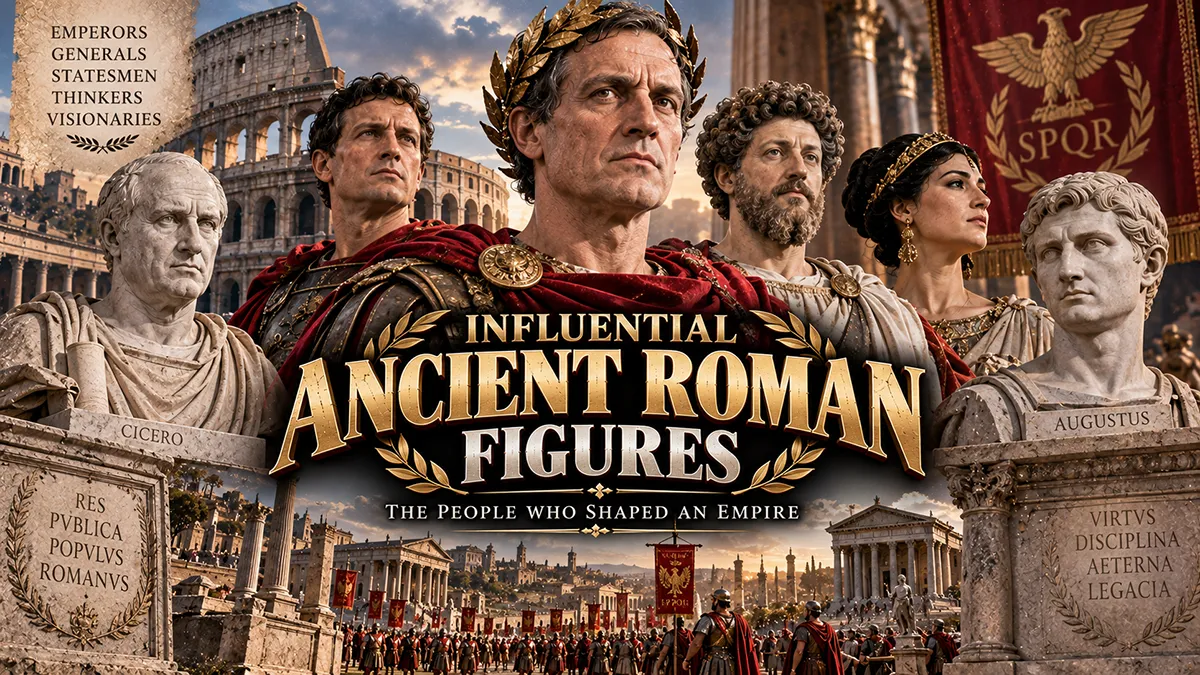
Ask ten people to name a famous Roman and you’ll probably hear the same three or four names — much like most rundowns of the most recognized historical figures of all time: Julius Caesar, maybe Nero, perhaps Cleopatra (who, for the record, was actually Ptolemaic Egyptian, not Roman — more on mix-ups like that below).
But the true roster of Roman characters who shaped the ancient world is far longer and far more interesting than the highlight reel suggests.
From legendary founders and battlefield generals to philosopher-emperors and poets, the people of ancient Rome built a civilization whose laws, language, and architecture still echo through modern life.
This guide walks through the Roman Empire’s most influential figures, explains how Roman names and titles actually worked, and clears up a few persistent myths along the way.
TL;DR: From Romulus to Constantine, these 24 ancient Roman figures — founders, generals, emperors, and thinkers — built the institutions and ideas that still shape law, language, and government today.
What Was the Roman Empire, Really?
Before diving into the people, it helps to know the stage they were performing on. Rome began as a small city-state on the Italian peninsula around 753 BC, according to Roman tradition, and grew first into a republic and then into a sprawling empire. By its height in the 2nd century AD, the Roman Empire stretched across three continents.
It covered most of Europe, North Africa, and the Middle East — territory that today includes Italy, Spain, France, Britain, Greece, Turkey, Egypt, and parts of the Middle East.
That’s the answer most people are looking for when they search for the location of the Roman Empire or the countries that once made up the Roman Empire. Spanish-language readers researching the “imperio romano” or French-language readers searching “empire romain” are asking about this exact same empire, just in a different tongue.
Rome wasn’t governed the same way the entire time. It moved from a monarchy of early kings, to a republic run by elected officials and the Senate, to an empire ruled by a single emperor starting with Augustus in 27 BC.
Historians often group Roman emperors into dynasties — a roman dynasty being a sequence of rulers from the same family line, not unlike some of the richest and most powerful families throughout history — such as the Julio-Claudian, Flavian, Nerva-Antonine, and Severan dynasties. The western half of the empire fell in 476 AD, while its eastern half, the Byzantine Empire, carried on for another thousand years.
Roman Names, Titles, and Common Terms
If you’ve ever wondered why so many famous Romans seem to have three names, there’s a system behind it. A well-born Roman man typically had a praenomen (personal name, like Marcus or Gaius), a nomen (family/clan name), and a cognomen (a nickname or branch name, like “Caesar”). This is why lists of famous Roman names so often repeat first names like Marcus, Lucius, Titus, and Gaius — there were only a handful of common praenomina in use at any given time.
Society itself was split largely between patricians (the aristocratic elite) and plebeians (everyone else, the common people of Rome). A free adult male citizen held the status of “civis Romanus,” Roman citizenship carrying real legal privileges. Non-citizens, freed slaves, and enslaved people made up much of the empire’s population and had very different rights.
One quick myth-bust worth flagging: the term “Roma” today usually refers to the Romani people, an ethnic group with roots in South Asia who migrated into Europe centuries after Rome fell. They are historically and culturally distinct from the ancient Romans discussed in this article, even though the similar-sounding names cause frequent confusion online.
The Most Influential Ancient Roman Figures
What follows is a chronological tour through the ancient Roman people whose decisions, writings, and ambitions left the deepest mark on history. Some were kings, some were rebels, and some never held office at all — but all of them helped define what “Roman” came to mean.
1. Romulus and Remus – The Legendary Founders of Rome

According to Roman legend, twin brothers Romulus and Remus were abandoned as infants and raised by a she-wolf before founding a city on the Tiber River. The story says Romulus killed Remus in a dispute over the city’s boundaries and became Rome’s first king in 753 BC. Most historians treat this as founding myth rather than verified history, but it remains the answer whenever someone asks who are the legendary founders of Rome.
The tale mattered enormously to the Romans themselves. It gave the city a dramatic origin story rooted in survival, ambition, and fratricide — themes that would recur throughout Roman politics for centuries.
2. Numa Pompilius – The Second King and Religious Architect
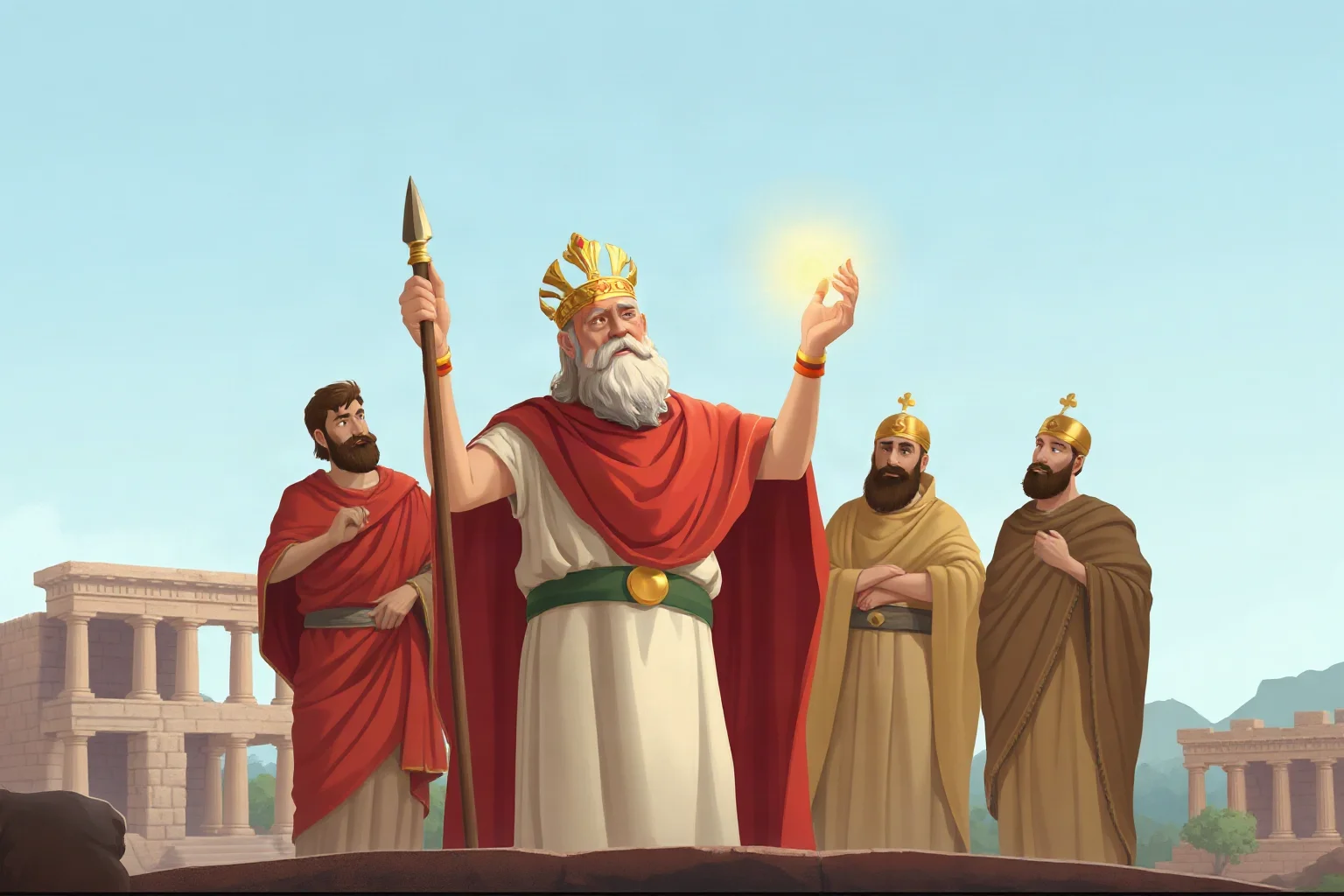
Tradition holds that Numa Pompilius succeeded Romulus as Rome’s second king and ruled with a very different style. Rather than expanding through war, Numa is credited with establishing many of Rome’s early religious institutions, including priesthoods and sacred calendars.
Whether every detail of his reign is historically verifiable is debated among scholars, but Numa’s legendary reputation as a peaceful, pious ruler shaped how later Romans imagined their own civic identity.
3. Lucius Junius Brutus – Founder of the Republic
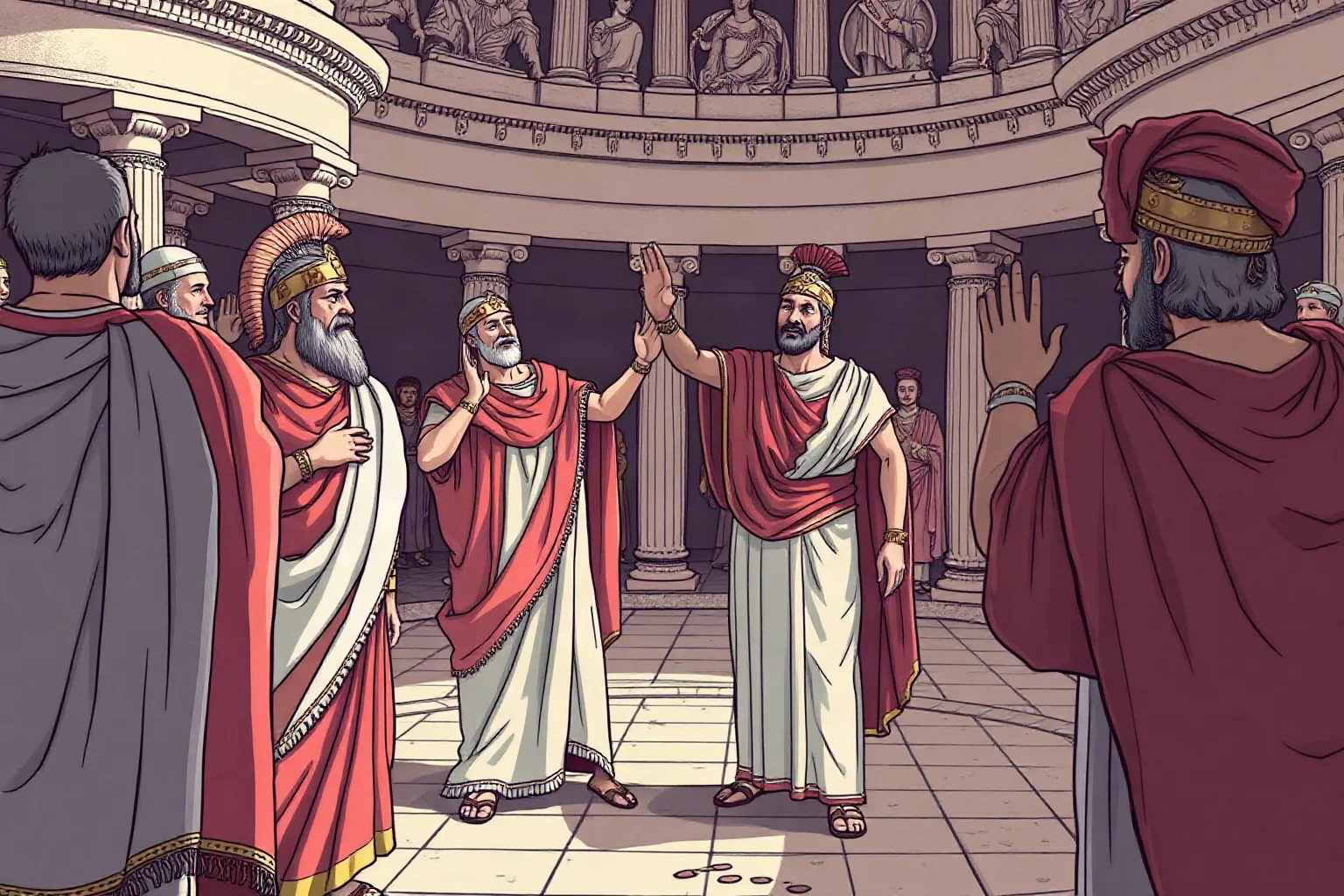
Around 509 BC, according to Roman tradition, Lucius Junius Brutus helped overthrow Rome’s last king and establish the Roman Republic. He became one of the Republic’s first two consuls, the annually elected officials who would run Rome’s government for the next several centuries.
His name would echo through Roman history — a distant descendant, Marcus Junius Brutus, later took part in the assassination of Julius Caesar, invoking this same legacy of resisting one-man rule.
4. Scipio Africanus – The General Who Defeated Hannibal
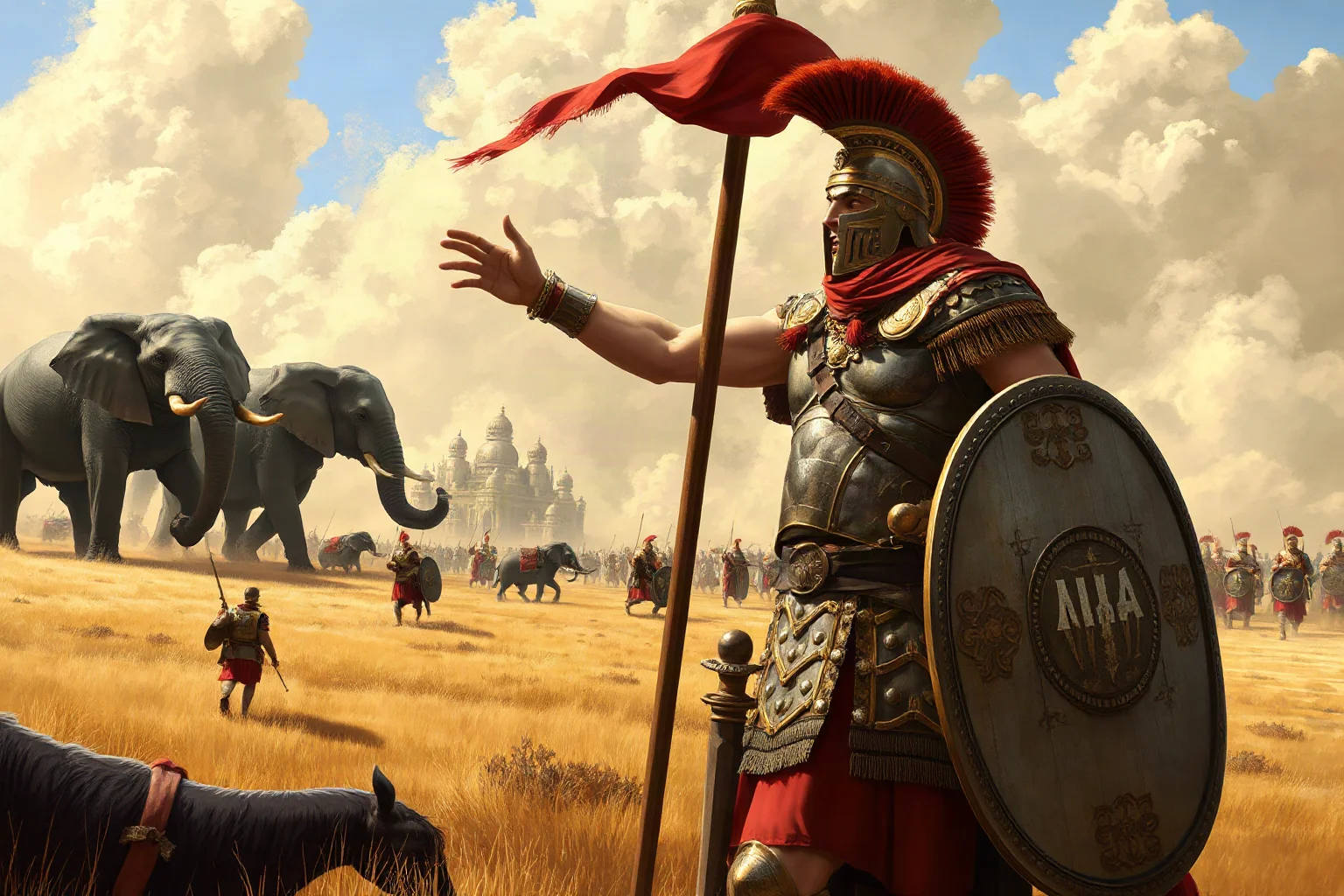
Publius Cornelius Scipio, later given the honorific “Africanus,” was the Roman general who finally ended the threat of Carthage’s Hannibal. At the Battle of Zama in 202 BC, Scipio’s forces defeated Hannibal, effectively ending the Second Punic War and cementing Rome’s dominance in the western Mediterranean.
Scipio’s victory didn’t just save Rome from a formidable rival. It set the Republic on a path toward becoming the dominant power in the region, laying groundwork for the vast empire that followed.
5. Julius Caesar – The Dictator Who Reshaped Rome
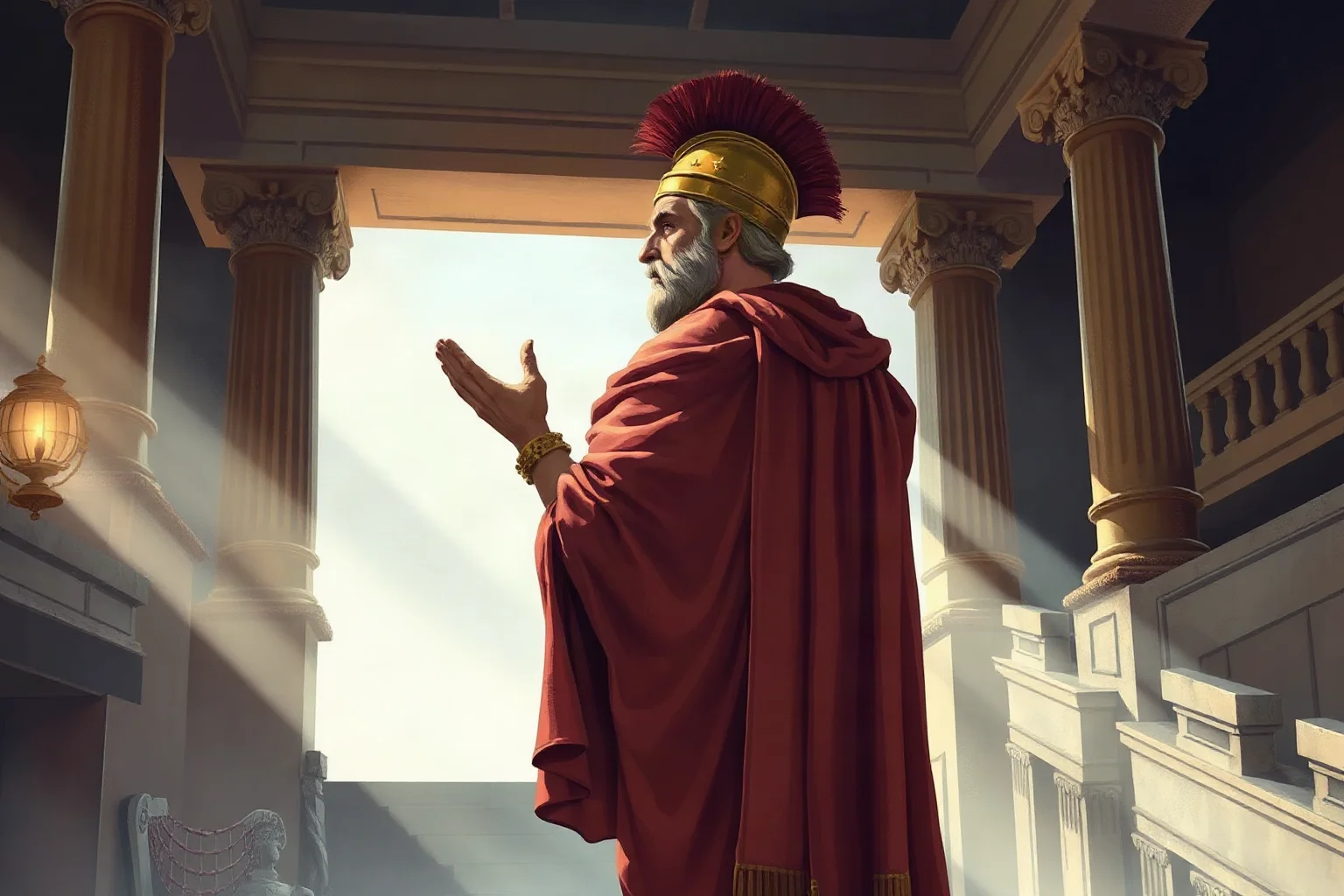
No list of Roman politicians or Roman historical figures gets far without Julius Caesar. A brilliant general, he conquered Gaul, wrote detailed accounts of his campaigns, and eventually marched on Rome itself, sparking a civil war against his rival Pompey.
Caesar emerged as dictator, reformed the calendar, and centralized power in ways that alarmed many senators. He was assassinated in 44 BC by a group of senators, including Brutus, who feared he intended to make himself king in all but name.
6. Pompey the Great – Caesar’s Rival
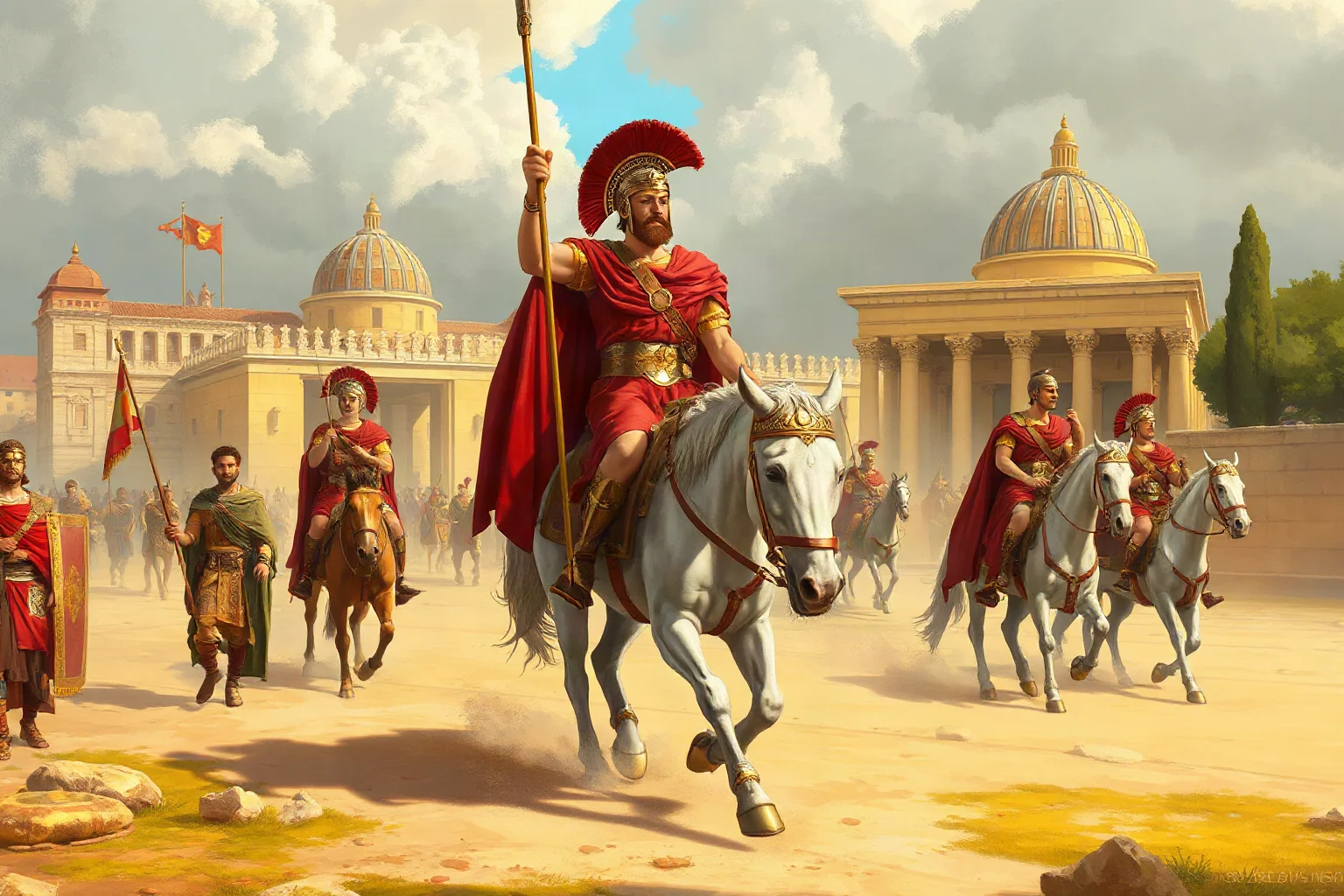
Gnaeus Pompeius Magnus, known as Pompey the Great, was one of the most successful Roman generals of his era, celebrated for campaigns across the Mediterranean and Middle East. For years he was allied with Caesar and Crassus in an informal power-sharing arrangement known as the First Triumvirate.
That alliance eventually broke down into civil war. Pompey was defeated by Caesar’s forces and later assassinated in Egypt, closing out one of the Republic’s most consequential rivalries.
7. Cicero – Rome’s Greatest Orator and Statesman
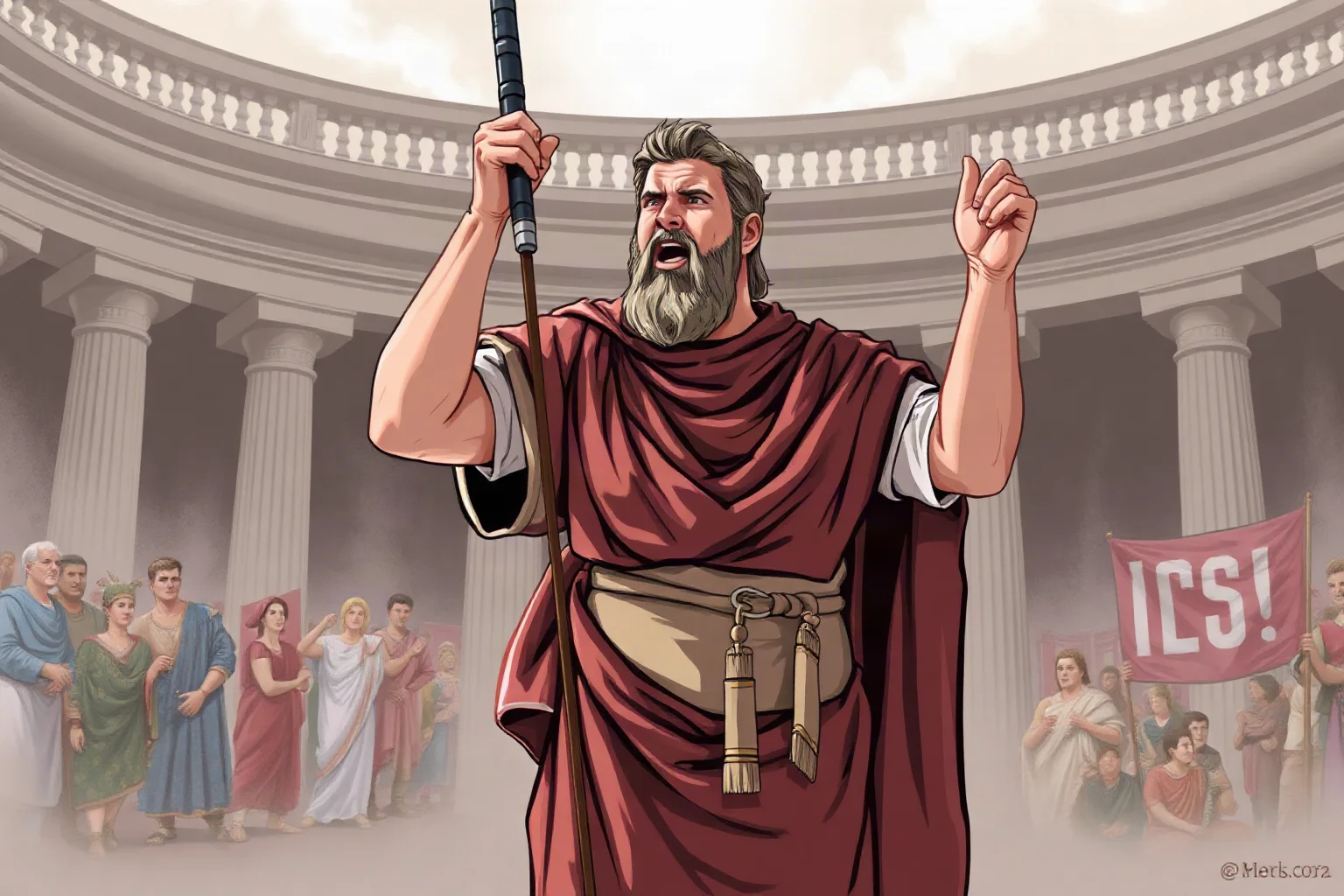
Marcus Tullius Cicero was a lawyer, philosopher, and politician whose speeches and letters remain some of the best windows we have into late Republican Rome. He served as consul and was a passionate defender of the Republic against what he saw as creeping authoritarianism.
Cicero’s writings on rhetoric, ethics, and government earned him a lasting place among history’s greatest thinkers and influenced Western political thought for centuries afterward. He was executed in 43 BC on the orders of the Second Triumvirate, having made powerful enemies with his outspoken opposition to Mark Antony.
8. Mark Antony – Soldier, Politician, and Caesar’s Ally
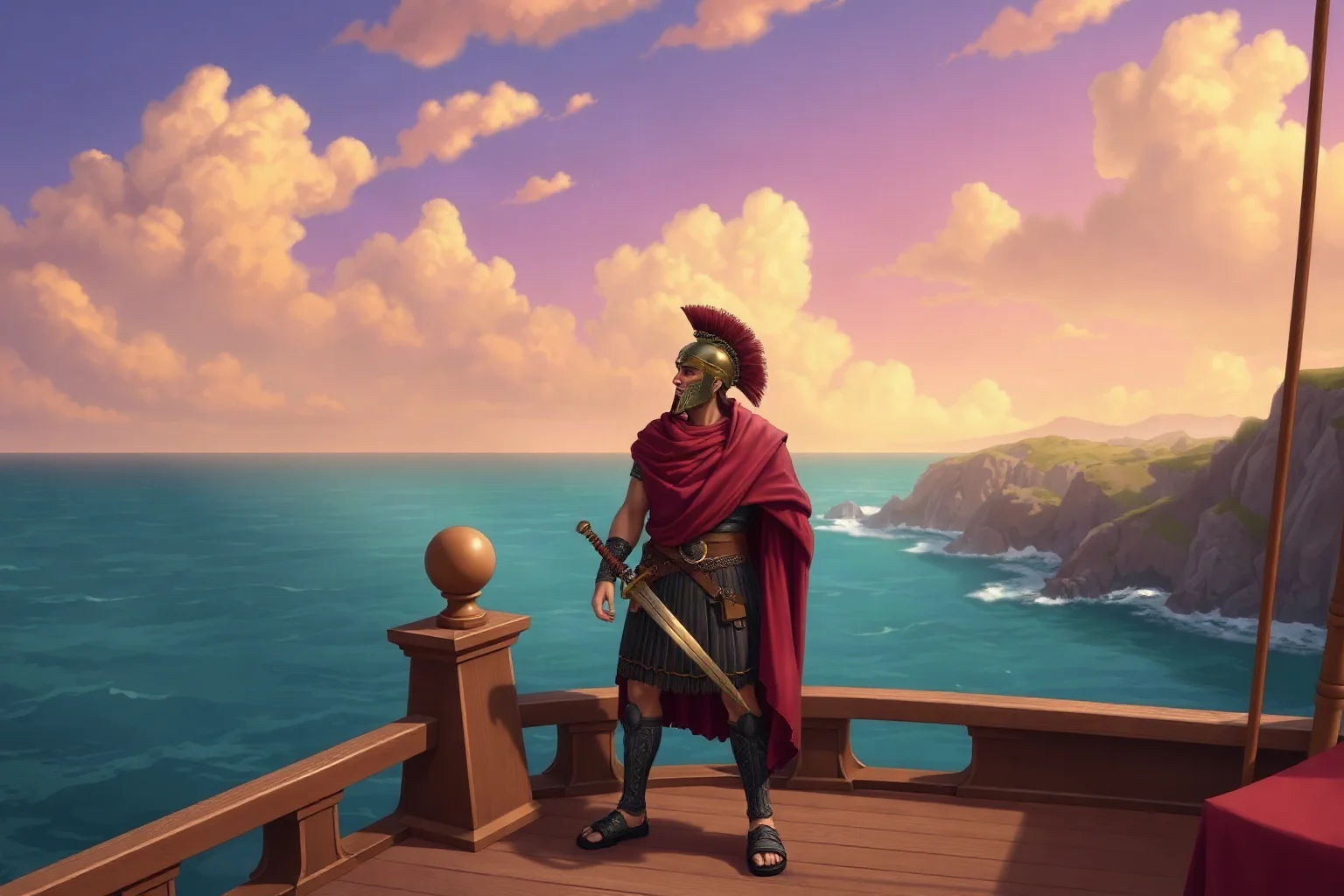
Marcus Antonius, better known as Mark Antony, was one of Julius Caesar’s most trusted generals and, after Caesar’s assassination, one of his chief avengers. He formed the Second Triumvirate with Octavian and Lepidus to hunt down Caesar’s killers.
Antony’s later alliance and relationship with Cleopatra VII of Egypt drew him into direct conflict with Octavian. Their combined forces were defeated at the Battle of Actium in 31 BC, and Antony died shortly after, clearing the way for Octavian’s rise.
9. Augustus (Octavian) – Rome’s First Emperor
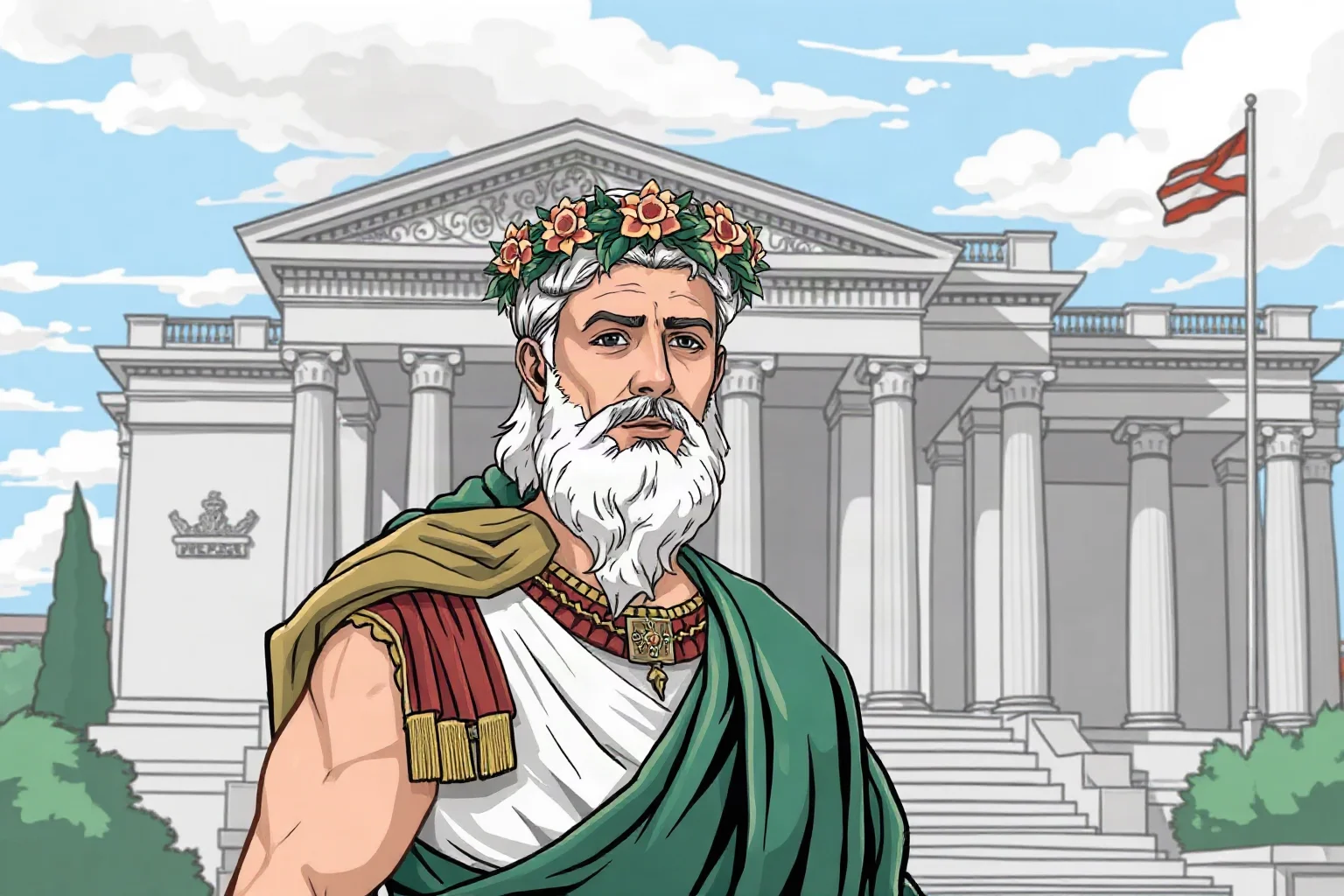
Gaius Octavius, later known as Augustus, was Julius Caesar’s adopted heir and the eventual victor of Rome’s brutal civil wars. In 27 BC, he became Rome’s first emperor, technically preserving the outward forms of the Republic while holding real power himself.
Augustus’s roughly four-decade reign ushered in the Pax Romana, a long period of relative stability across the empire. He’s frequently cited as one of the most important people of the Roman Empire, given how thoroughly he redesigned Roman government.
10. Livia Drusilla – The Empire’s First Influential Empress
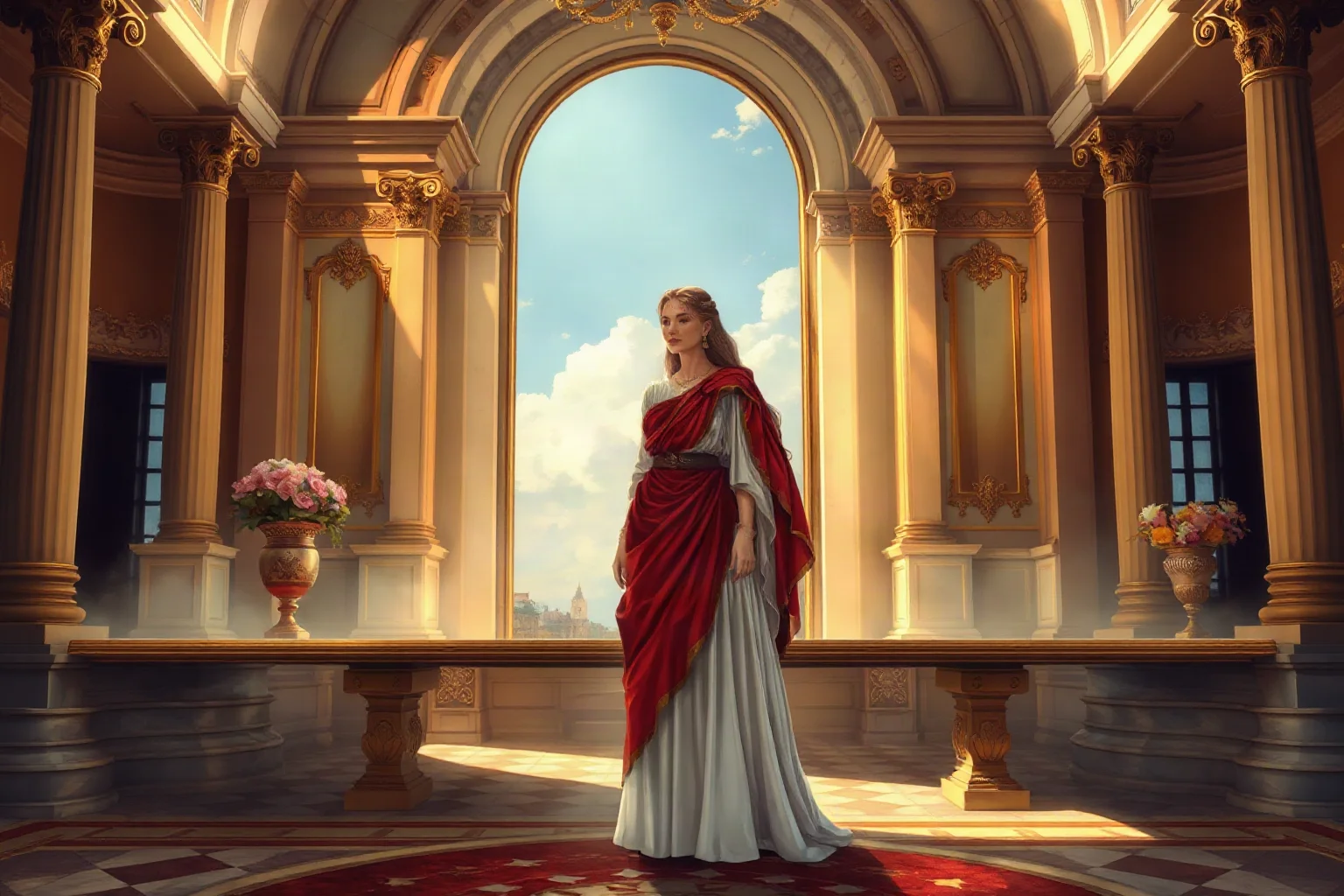
Livia Drusilla, Augustus’s wife, was one of the most politically significant Roman women of her time. She was deeply involved in the imperial household’s affairs and maintained influence across multiple reigns, including that of her son Tiberius.
Ancient sources, particularly hostile ones, sometimes accused Livia of poisoning rivals to secure her family’s power — claims modern historians treat with real skepticism rather than settled fact. What’s clear is that she set a template for imperial women’s influence for generations of Roman empresses to come.
11. Tiberius – The Reluctant Second Emperor
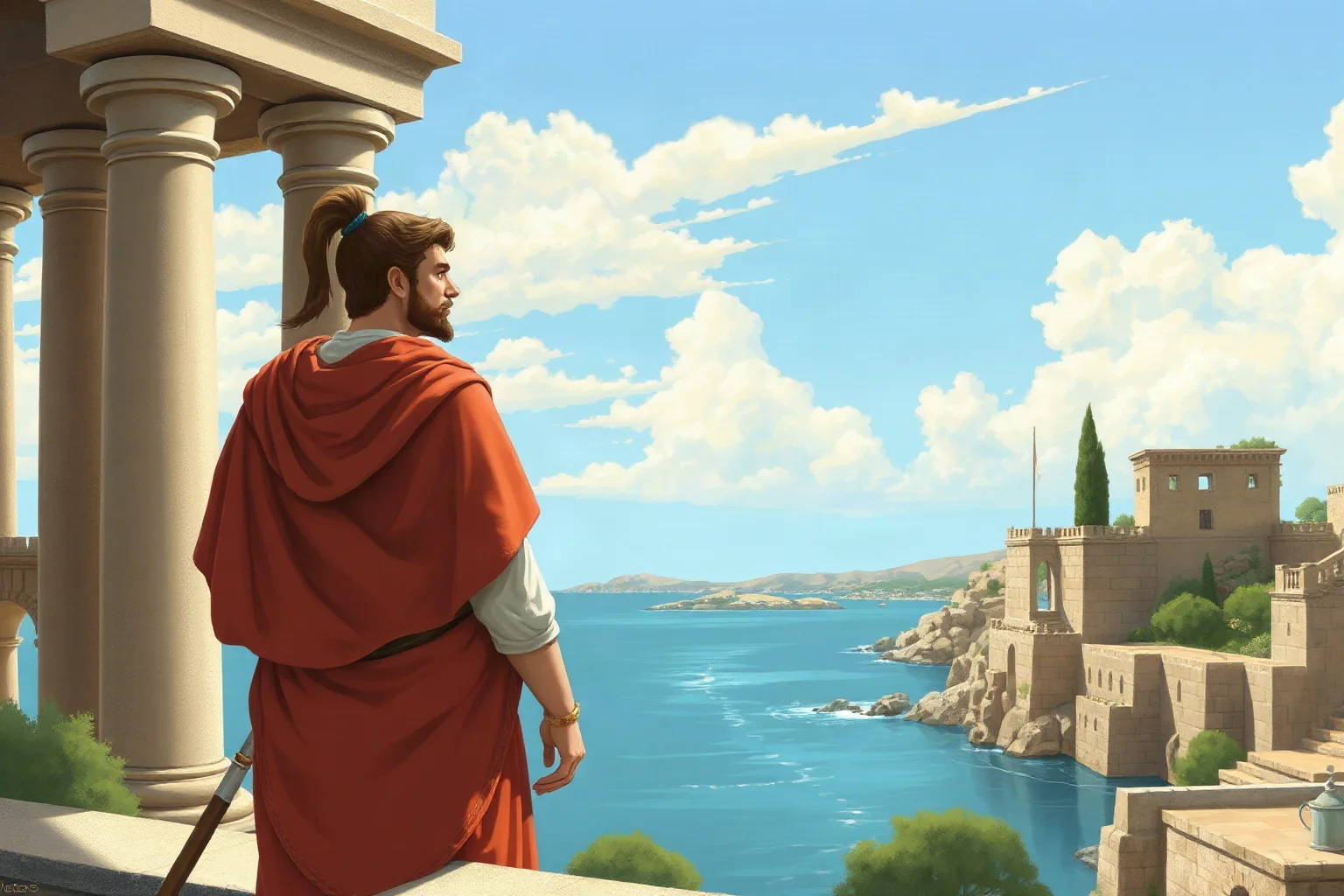
Tiberius succeeded his stepfather Augustus in 14 AD and ruled for over two decades. Ancient historians describe him as a capable administrator early on, but increasingly withdrawn and suspicious later in his reign, eventually retreating to the island of Capri.
His reign illustrates a recurring theme in Roman imperial history: succession was rarely simple, and the personality of a single emperor could shape the empire’s mood for years.
12. Caligula – Rome’s Most Notorious Young Emperor
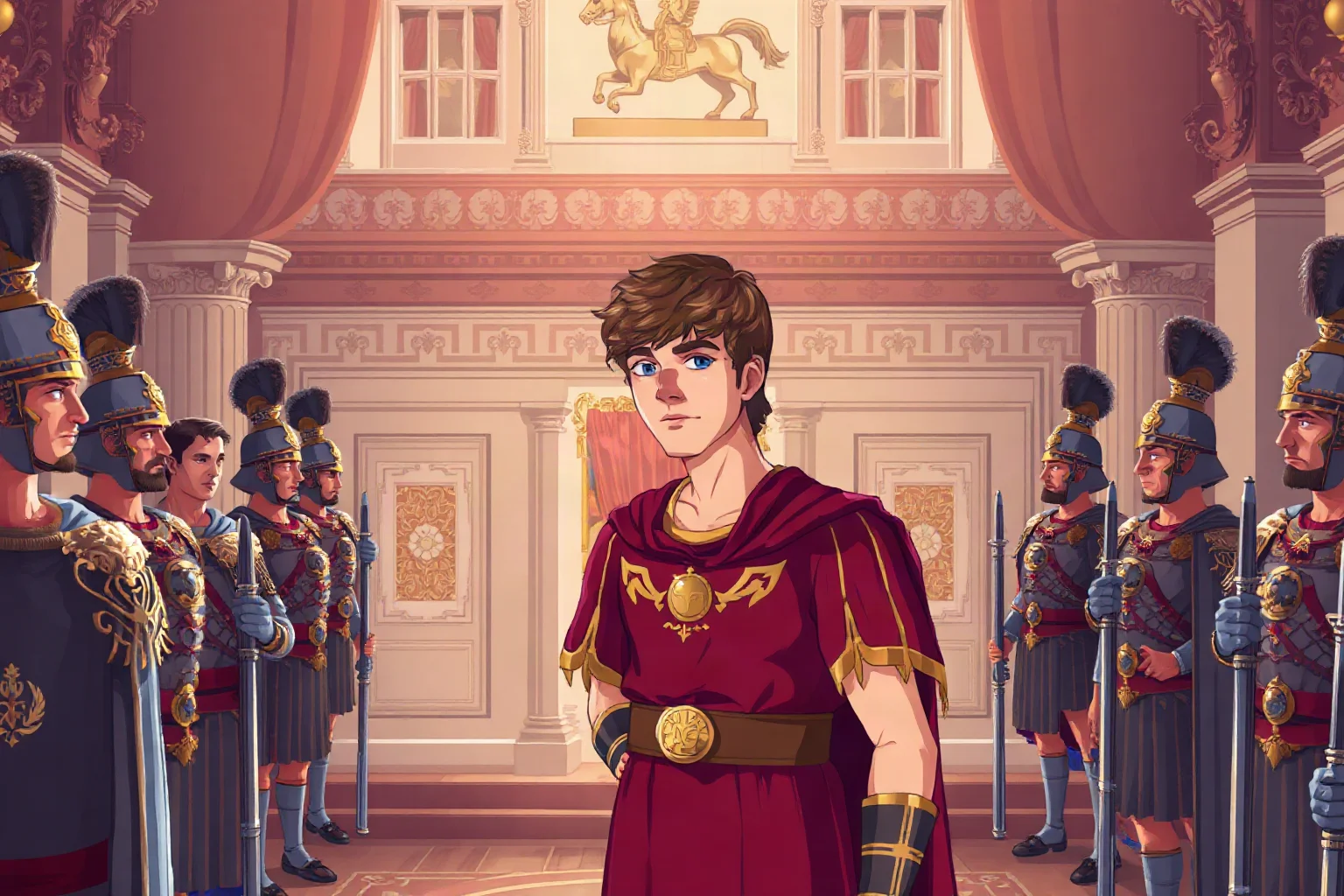
Gaius, nicknamed Caligula, became emperor in 37 AD and is remembered largely through the lens of later, often hostile, Roman historians. Ancient accounts describe erratic and cruel behavior, though modern historians caution that surviving sources may have exaggerated his excesses for dramatic or political effect.
Whatever the full truth, Caligula’s short reign ended in assassination by his own Praetorian Guard in 41 AD, a stark reminder of how precarious imperial power could be.
13. Claudius – The Underestimated Ruler
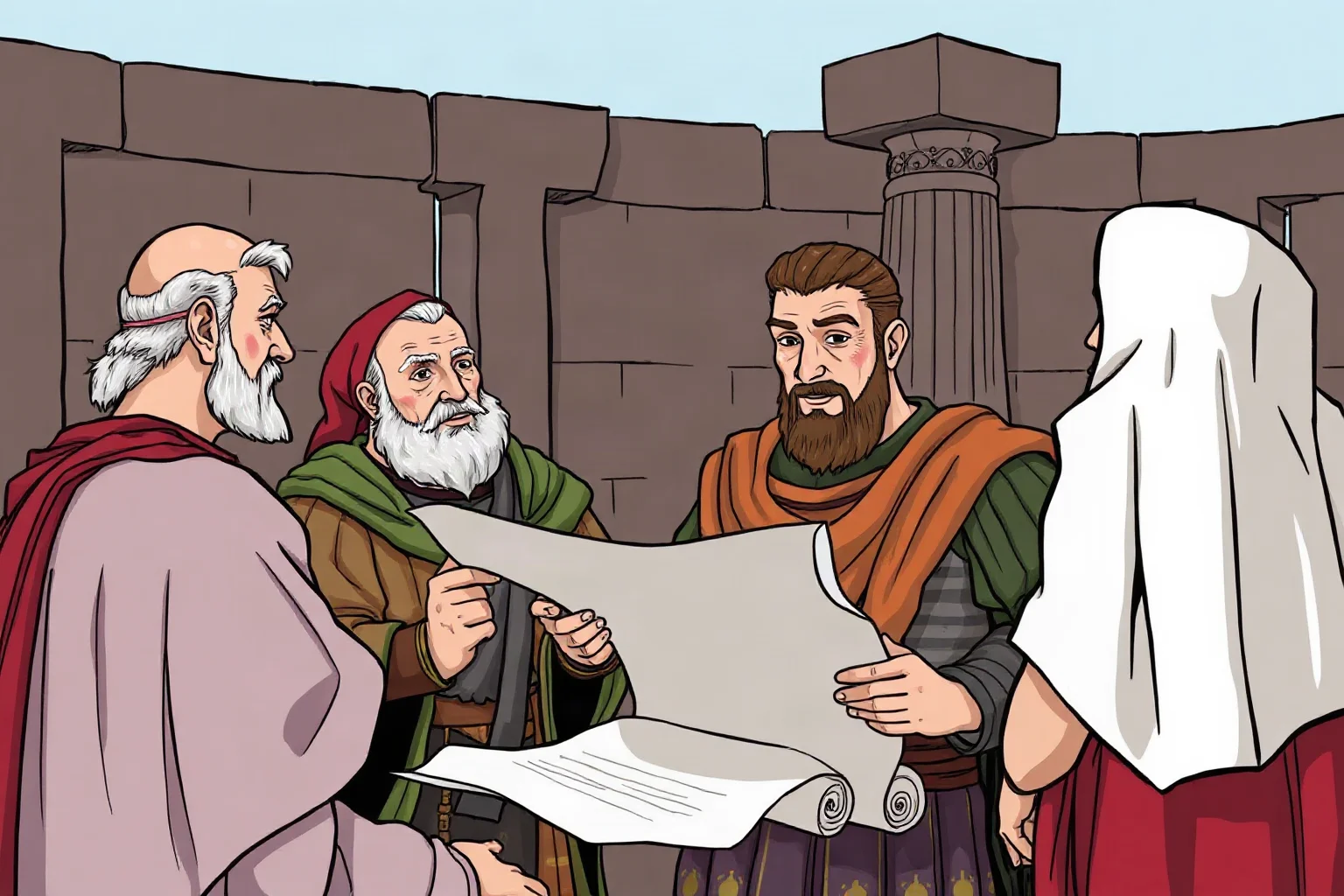
Claudius came to power somewhat unexpectedly after Caligula’s assassination, and ancient writers often portrayed him as a physically frail, easily overlooked figure. Despite that reputation, his reign saw real administrative achievements, including expanded infrastructure and the conquest of Britain beginning in 43 AD.
Claudius is a good reminder that Roman propaganda and later gossip don’t always match the historical record. Many modern historians view him as a more competent administrator than his contemporaries gave him credit for.
14. Nero – Rome’s Most Infamous Emperor
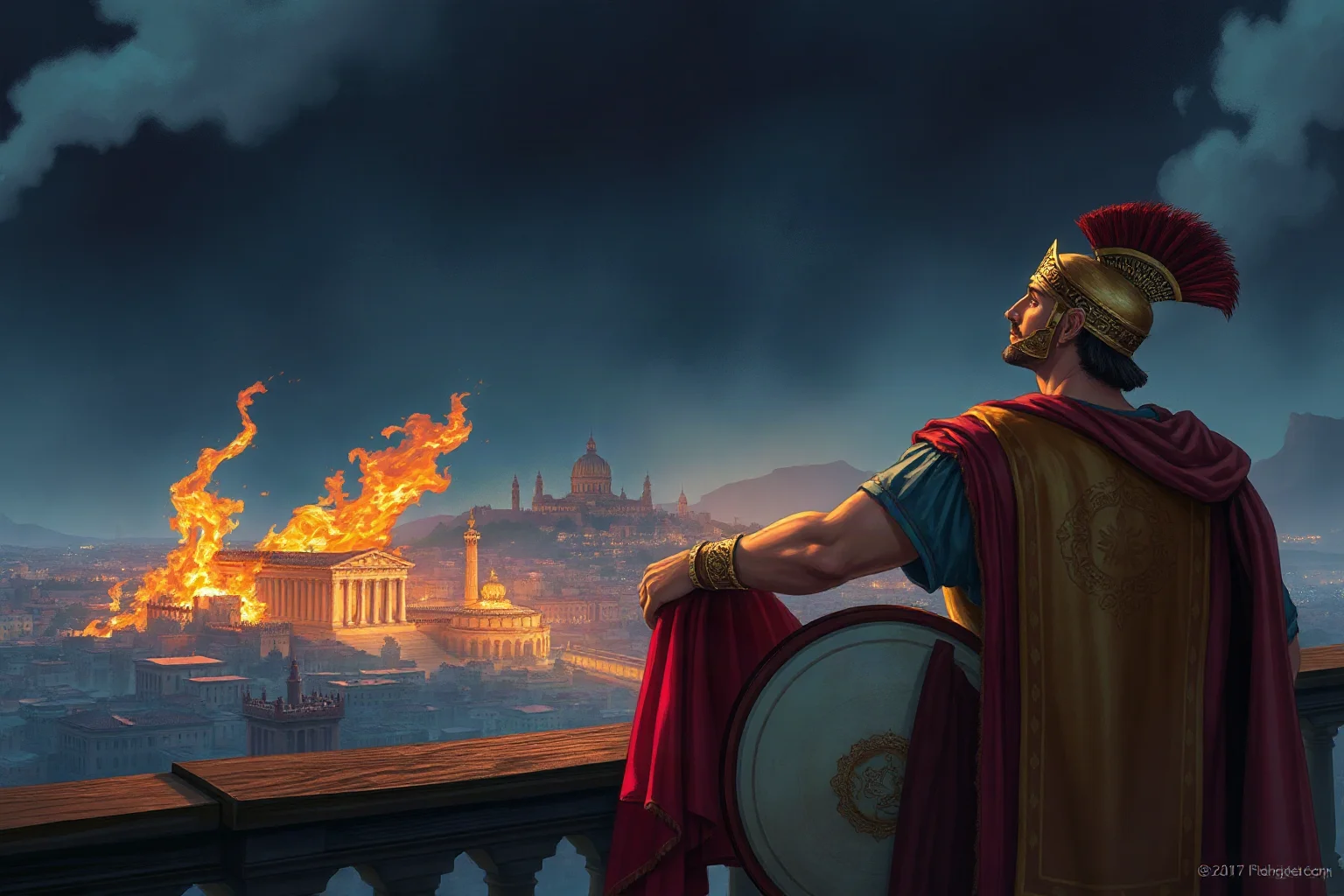
Nero’s reign, from 54 to 68 AD, is remembered for extravagance, artistic ambition, and brutal purges of political rivals. He’s popularly blamed for the Great Fire of Rome in 64 AD, though historians note the evidence doesn’t conclusively prove he started it, despite the enduring legend.
Nero’s suicide in 68 AD ended the Julio-Claudian dynasty and triggered a brief but violent civil war known as the Year of the Four Emperors.
15. Vespasian – Founder of the Flavian Dynasty
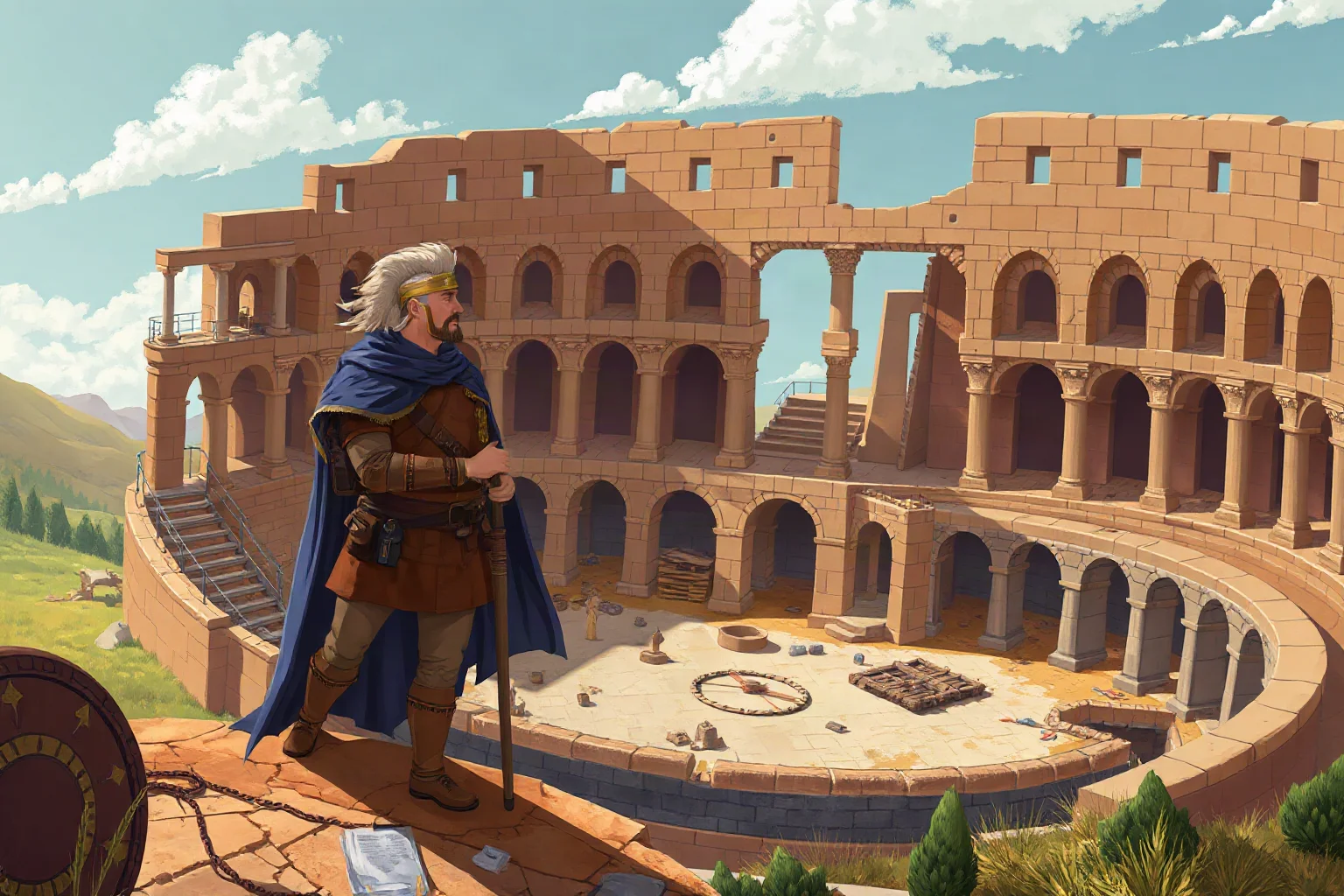
Vespasian emerged from that chaotic year as the stabilizing new emperor and founder of the Flavian dynasty. A career military officer rather than a noble-born aristocrat, he restored financial order to the treasury and began construction of the Colosseum.
His rise shows that Roman leadership wasn’t always inherited through bloodline alone — ability and military backing could carry a relative outsider all the way to the top.
16. Trajan – Rome at Its Territorial Peak
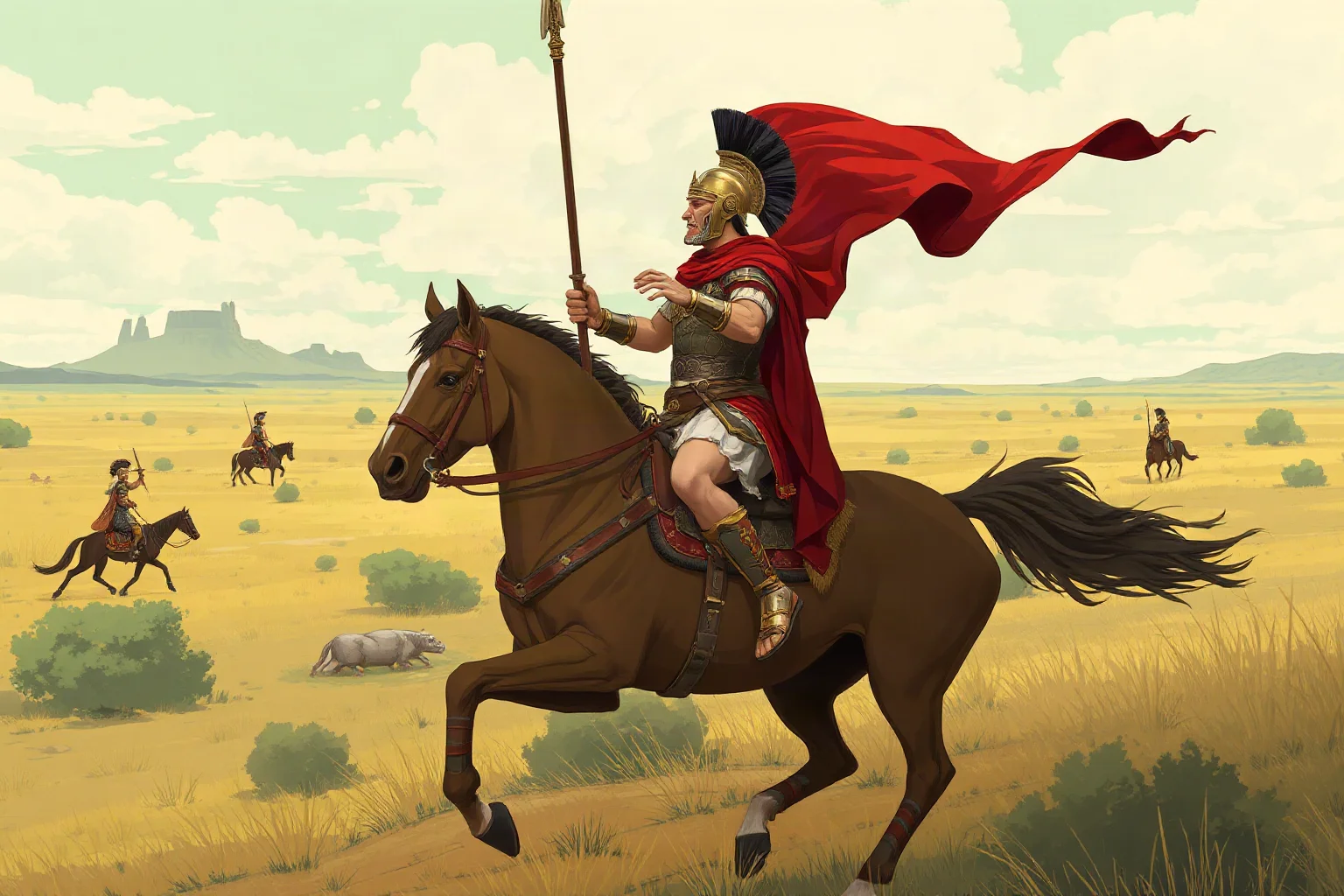
Under Trajan, who ruled from 98 to 117 AD, the Roman Empire reached its greatest territorial extent, stretching from Britain to Mesopotamia. He’s remembered as one of the “Five Good Emperors,” a term later historians used for a run of relatively stable, competent rulers.
Trajan’s extensive public building projects and successful military campaigns made him hugely popular in his own time, and later Roman emperors were sometimes wished to be “better than Trajan” as a form of praise.
17. Hadrian – The Wall-Builder Emperor
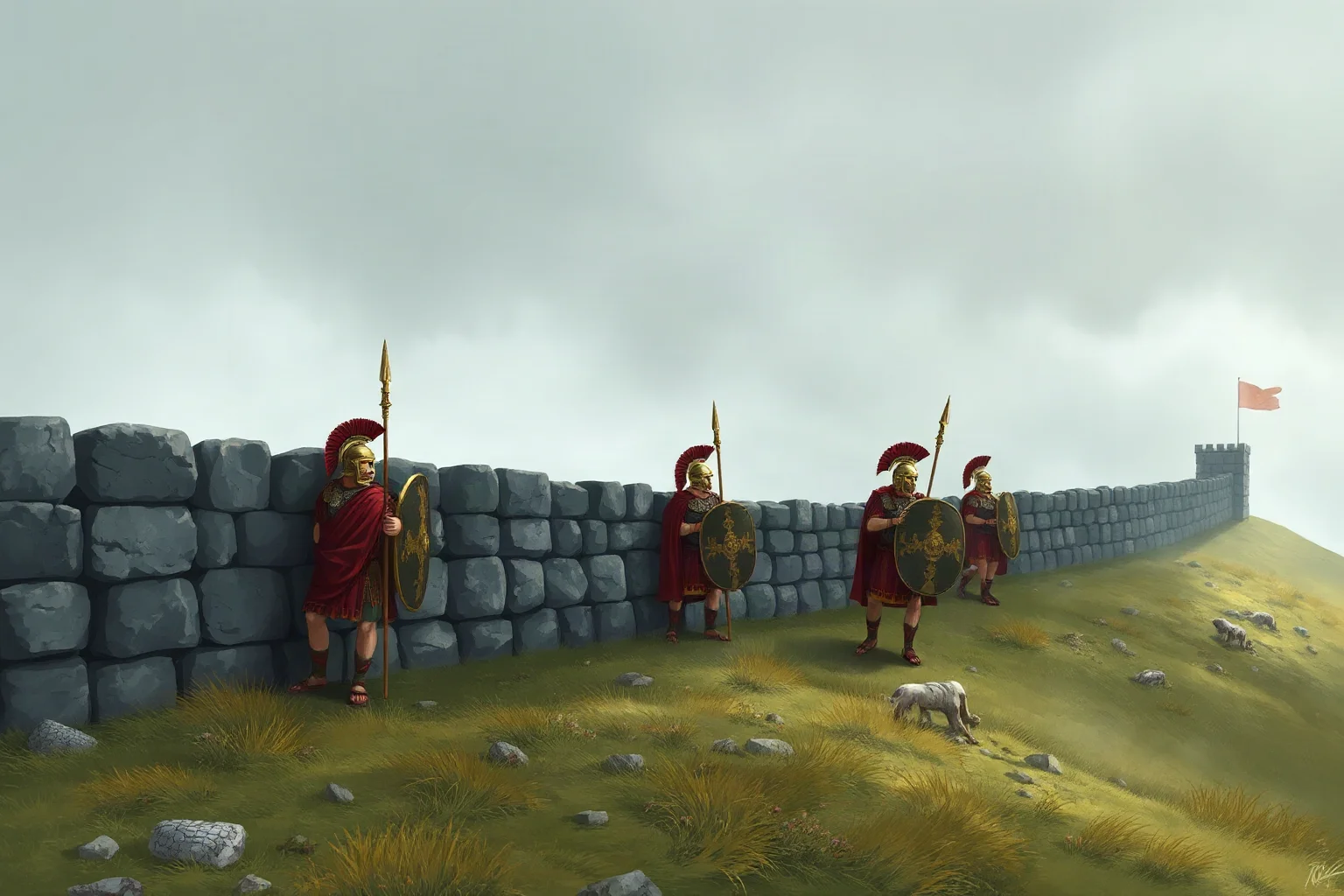
Hadrian, Trajan’s successor, took a notably different approach by consolidating and defending the empire’s existing borders rather than expanding further. He’s best known today for Hadrian’s Wall in northern Britain, a fortification marking the empire’s northern frontier.
Hadrian also traveled extensively throughout the empire’s provinces, a rare habit among emperors that helped him understand the realities of Roman rule far from the capital.
18. Marcus Aurelius – The Philosopher Emperor
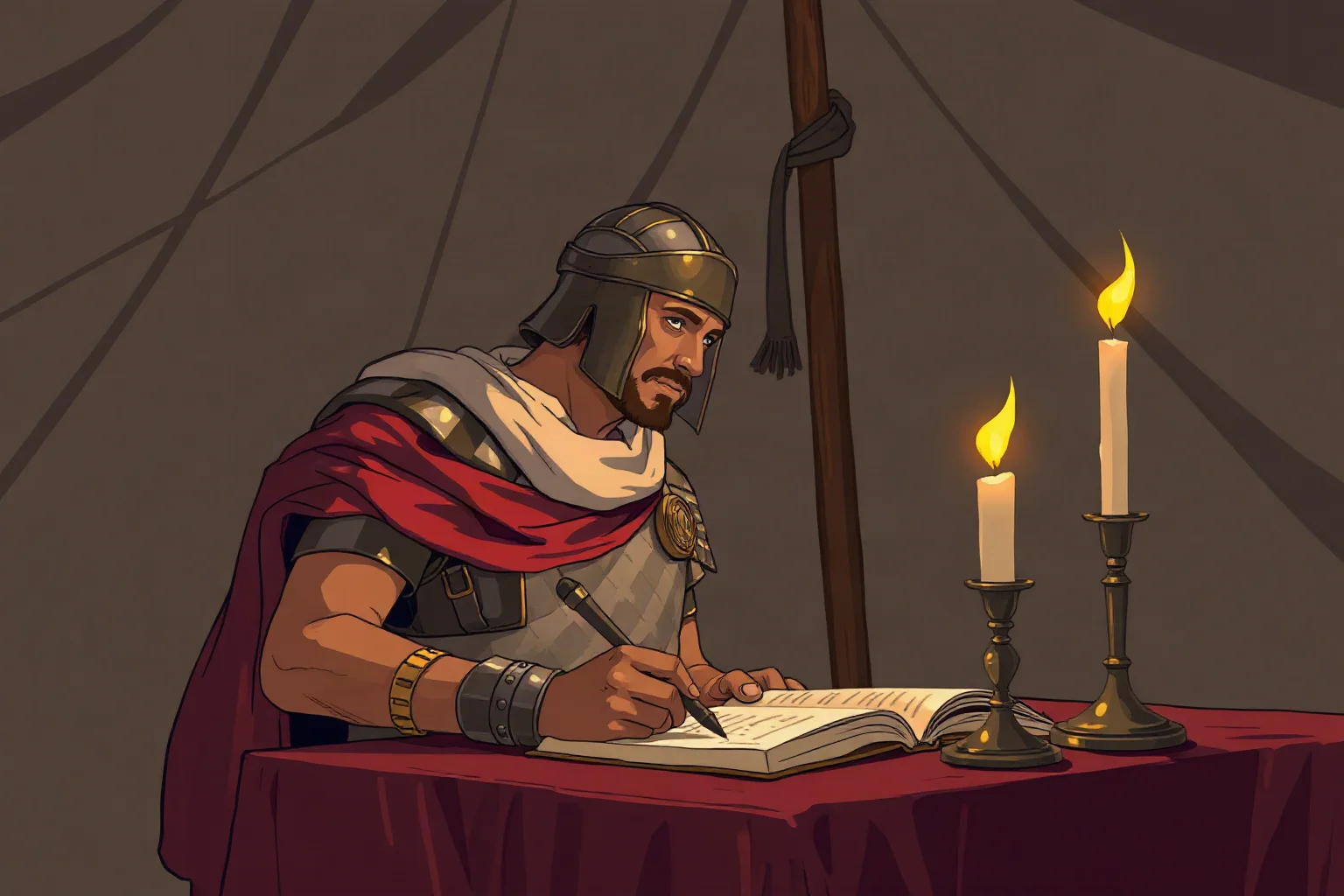
Marcus Aurelius ruled from 161 to 180 AD and is remembered almost as much for his private writings as for his governance. His “Meditations,” a personal journal of Stoic philosophy, remains widely read today, often placing him among discussions of history’s greatest philosophical minds, and offers a rare glimpse into an emperor’s inner life.
His reign also faced serious military pressure along the Danube frontier and a devastating plague, testing the empire’s resilience during what many still consider the twilight of Rome’s golden age.
19. Diocletian – The Reformer Who Split the Empire
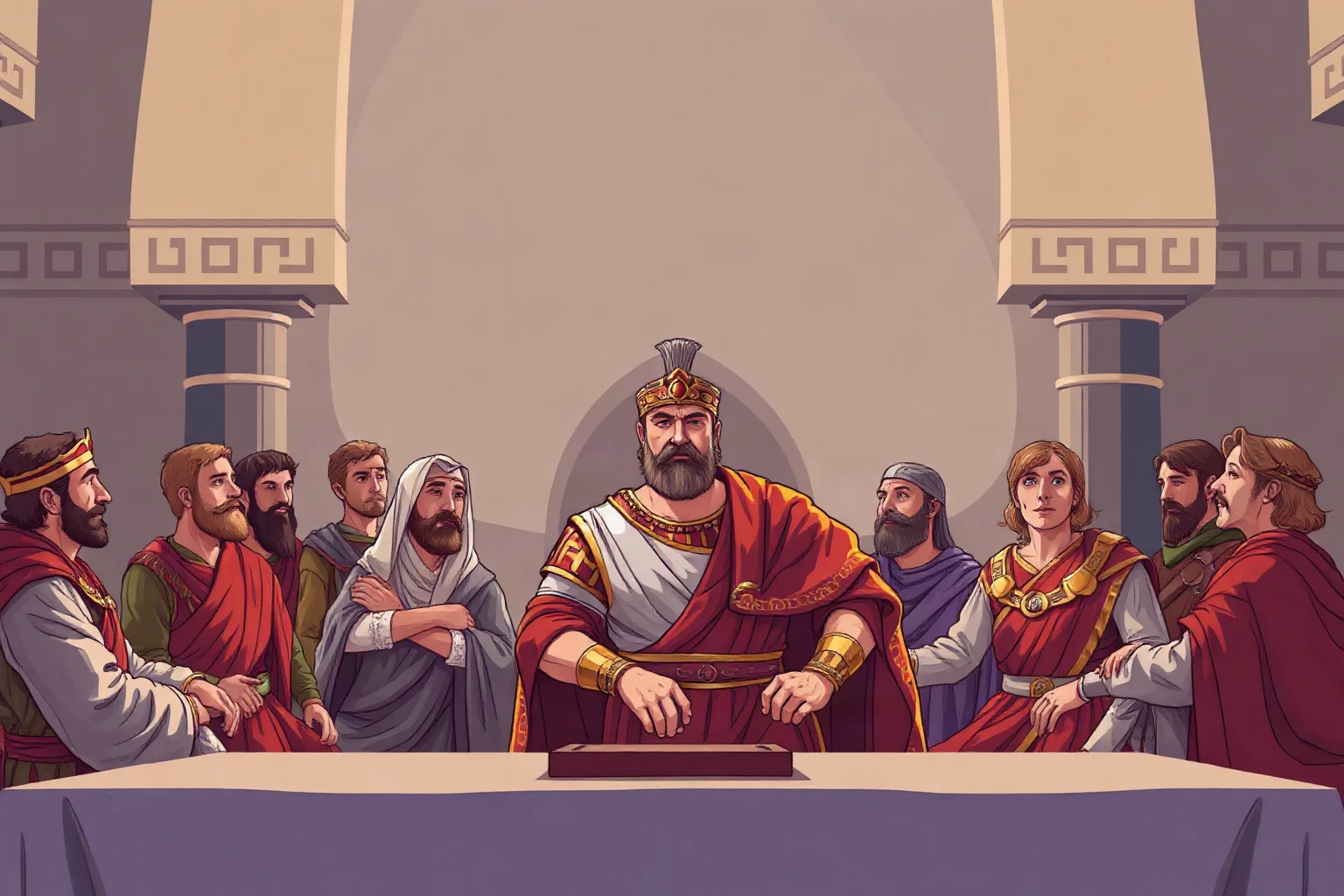
By the late 3rd century, the Roman Empire was struggling with political instability and economic strain. Diocletian, who became emperor in 284 AD, responded with sweeping reforms, including dividing imperial authority between multiple co-rulers in a system called the Tetrarchy.
His reforms temporarily stabilized the empire, though the underlying tensions between east and west would eventually contribute to the empire’s permanent split.
20. Constantine the Great – Christianity’s Imperial Champion
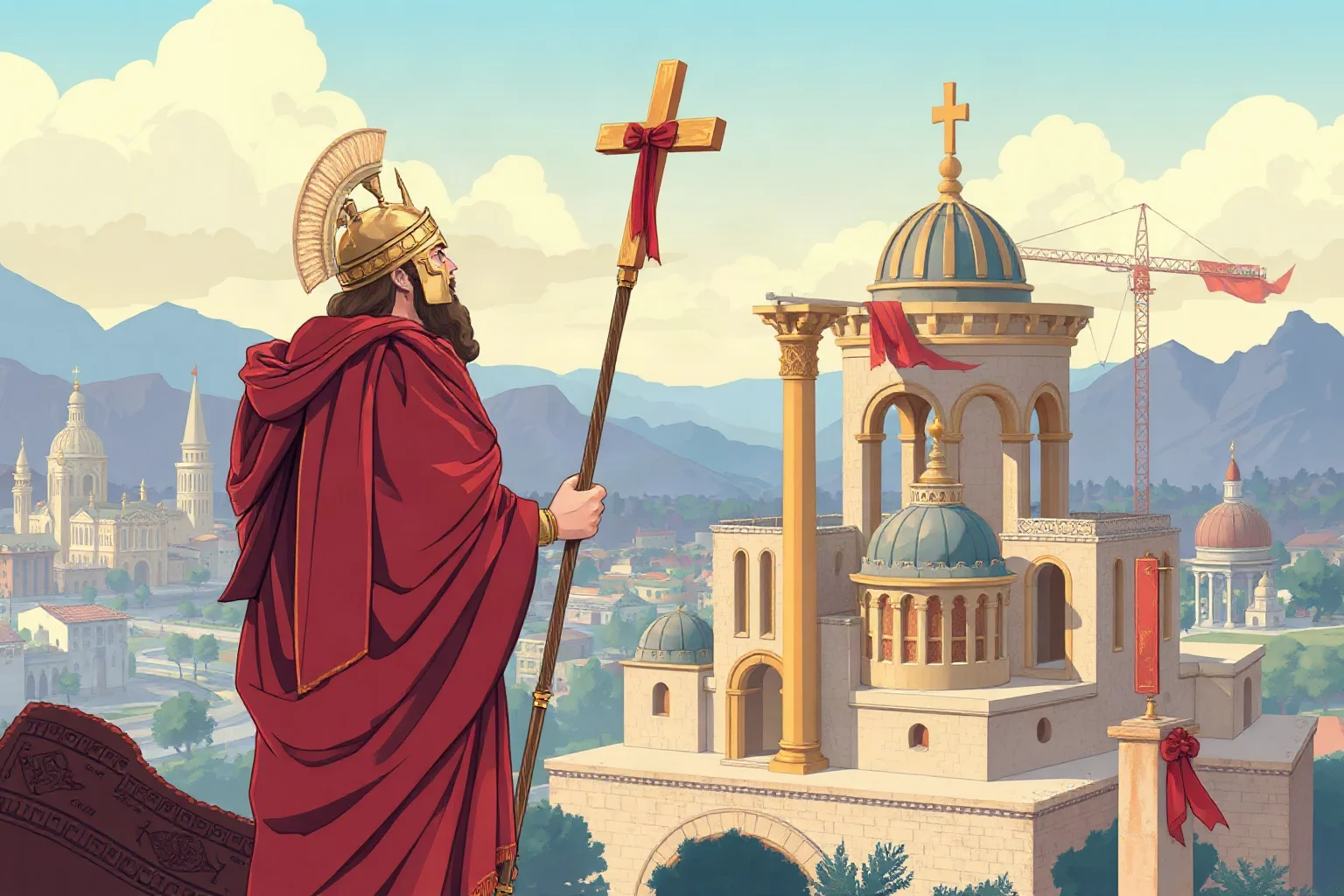
Constantine reunified the empire under a single ruler and is best known for his support of Christianity, a dramatic shift from centuries of Roman religious tradition. The Edict of Milan in 313 AD granted religious tolerance to Christians, setting the stage for the religion’s later dominance across Europe.
He also founded Constantinople, a new eastern capital that would outlast Rome itself as the seat of the Byzantine Empire for another thousand years.
21. Spartacus – The Gladiator Who Challenged Rome

Not every influential figure in Roman history was Roman by birth or loyal to Rome’s rule. Spartacus, a Thracian gladiator and former soldier, led a major slave uprising against the Republic beginning in 73 BC, gathering tens of thousands of followers.
The rebellion was eventually crushed, and Spartacus himself was killed in battle, but the revolt exposed real vulnerabilities in Rome’s reliance on slave labor. His story has made him one of the most enduring roman heroes in popular memory, even though he fought against Rome rather than for it.
22. Virgil – Poet of Rome’s National Epic
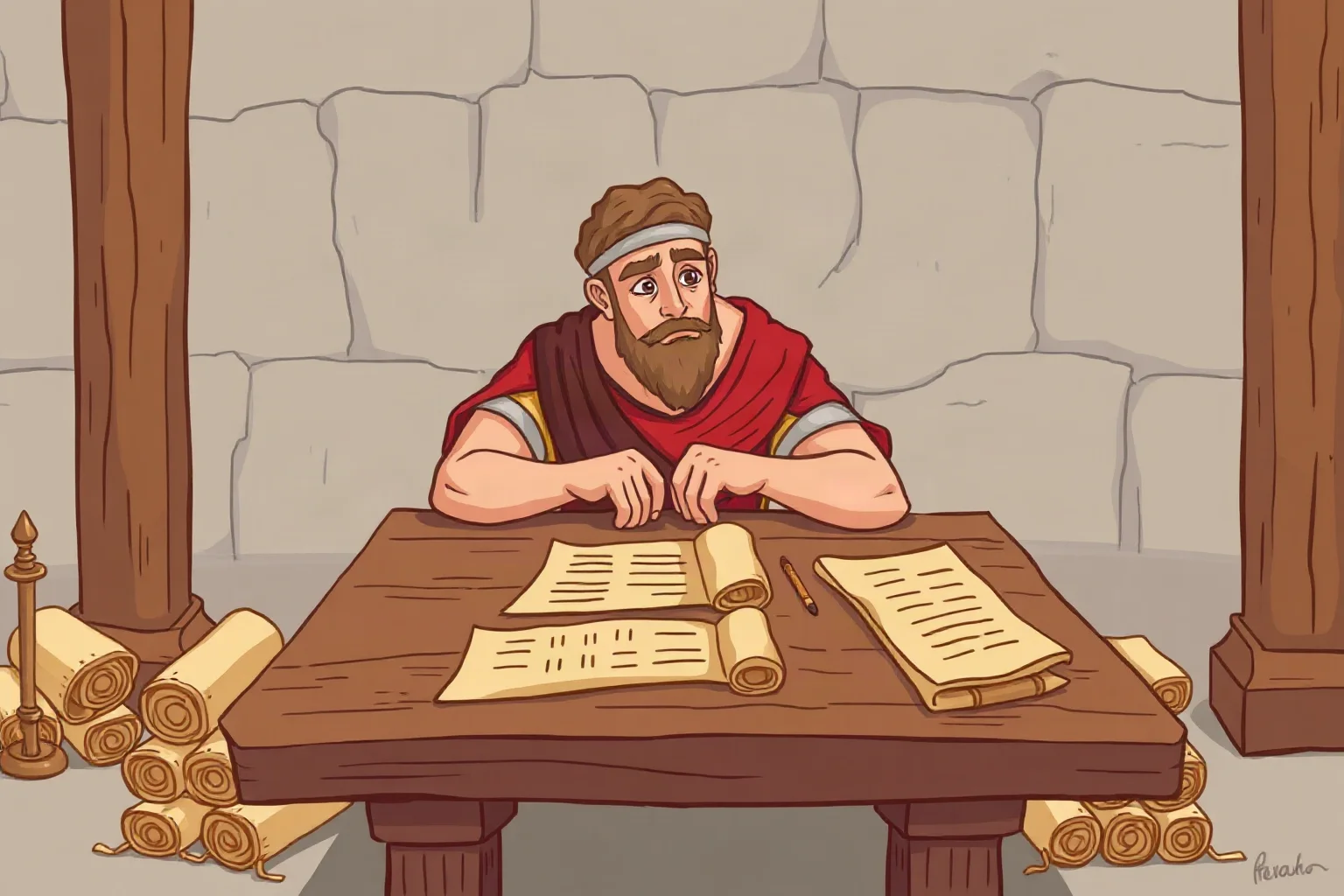
Publius Vergilius Maro, known as Virgil, wrote the “Aeneid,” an epic poem tracing a legendary Trojan ancestry for the Roman people. Commissioned in the spirit of the Augustan age, the poem helped give Rome a grand, mythic origin story to rival Greek epics like the Iliad and Odyssey.
Virgil’s influence on Latin literature was immense, and the “Aeneid” remained a core educational text for centuries after his death in 19 BC.
23. Seneca the Younger – Philosopher and Statesman
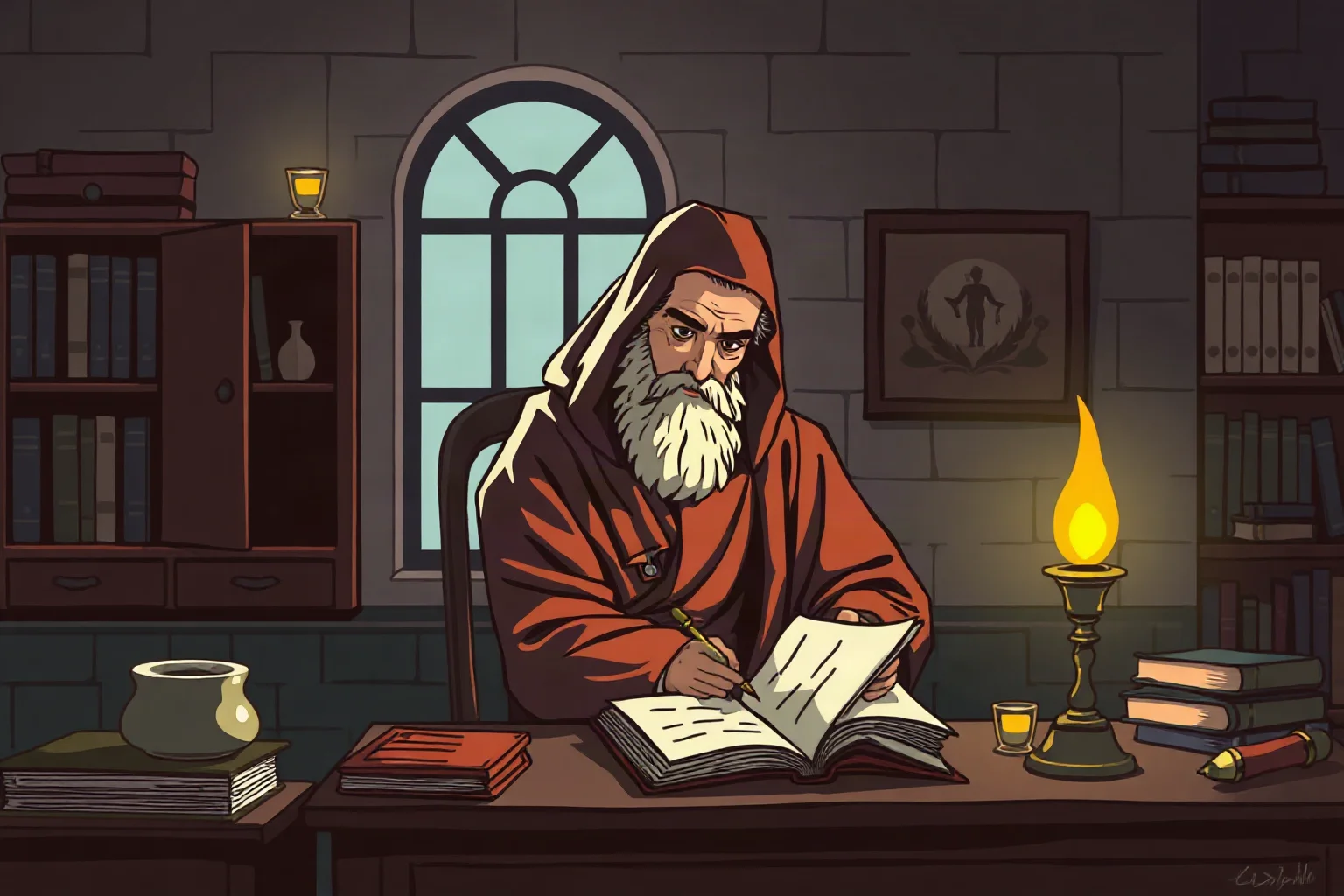
Lucius Annaeus Seneca was a Stoic philosopher, playwright, and advisor to the young emperor Nero. His essays and letters on ethics, mortality, and self-control remain widely studied as some of the clearest surviving expressions of Roman Stoicism.
Despite his philosophical emphasis on virtue, Seneca’s political career was complicated, and he was ultimately forced to take his own life in 65 AD after being implicated in a plot against Nero.
24. Pliny the Elder – Scholar and Natural Historian
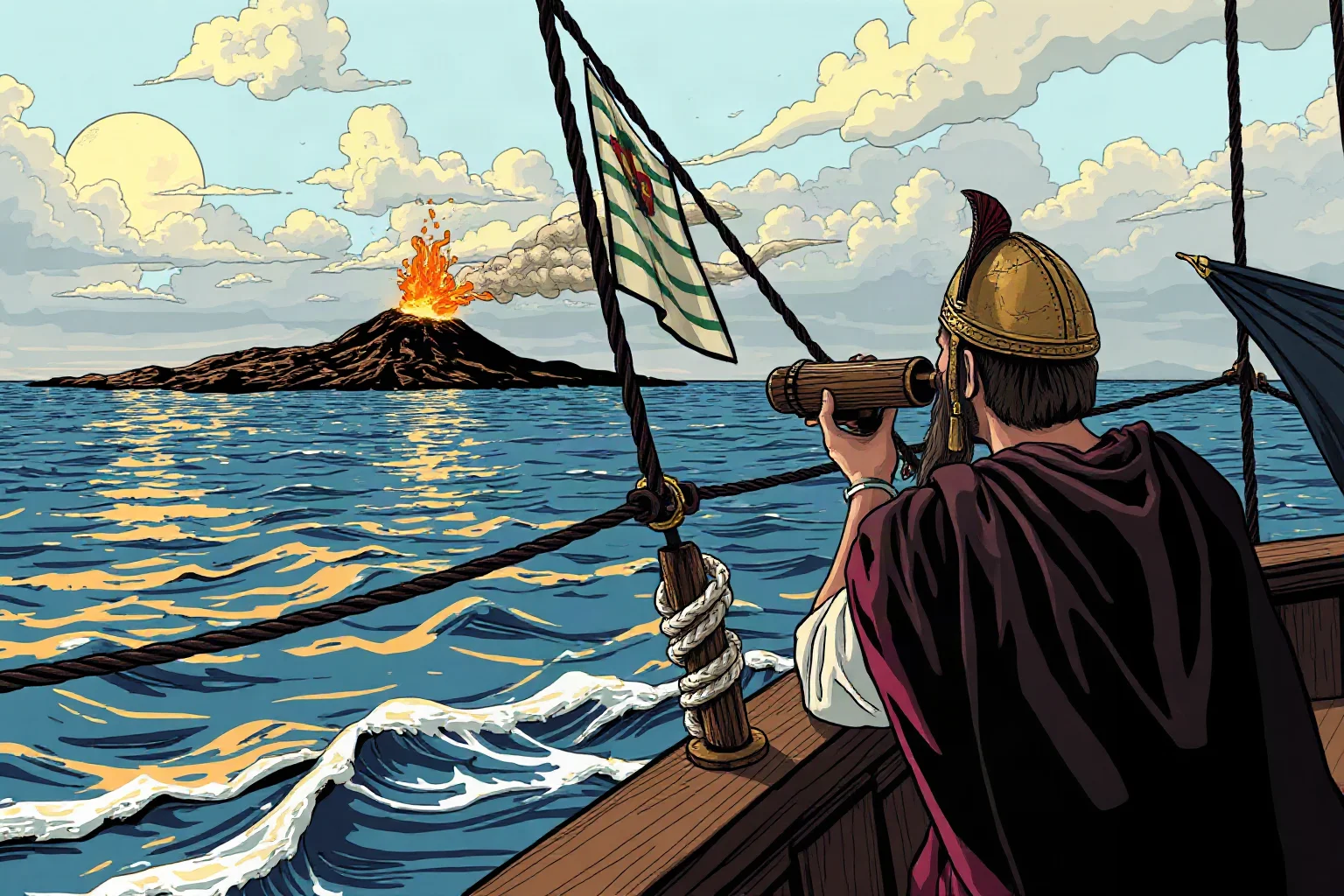
Gaius Plinius Secundus, known as Pliny the Elder, compiled the “Natural History,” an enormous encyclopedia covering everything from astronomy to zoology. It stands as one of the most ambitious scholarly projects to survive from the ancient world.
Pliny died in 79 AD while observing the eruption of Mount Vesuvius up close, reportedly attempting both scientific observation and a rescue effort near Pompeii. His death is one of the best-documented individual events from the ancient Roman world, thanks to an eyewitness account written by his nephew.
Modern Echoes: “Roman” in Pop Culture
The name and legacy of ancient Rome show up in unexpected corners of modern entertainment, which is part of why searches about “Roman” cover such different ground online. Roman Pearce, played by actor Tyrese Gibson, is a fan-favorite character in the “Fast & Furious” film franchise, sharing nothing with ancient Rome beyond the name. Similarly, the character Roman on the TV series “High Potential” is a modern police detective, not a historical figure at all.
Ancient Rome itself has also been endlessly reimagined on screen, with countless roman actors portraying emperors, gladiators, and senators in films and television series over the decades. It’s a testament to how much cultural weight the idea of “Rome” still carries, even when the connection to actual Roman history is more inspiration than accuracy.
What the Romans Are Actually Famous For
Beyond any single leader, Rome’s broader legacy lies in its systems. Roman law introduced concepts like due process and codified legal codes that still underpin many modern legal systems. Roman engineering gave the world aqueducts, road networks, and concrete construction techniques that some ancient structures still demonstrate today.
Latin, the language of the Romans, evolved into the Romance languages — Italian, Spanish, French, Portuguese, and Romanian — and shaped English vocabulary extensively. Roman governance also pioneered ideas like the republic, the senate, and codified citizenship that influenced later democratic and republican systems around the world.
Final Thoughts on Rome’s Most Influential People
The Roman Empire’s staying power in our collective imagination isn’t an accident. It was built by real people — ambitious generals, calculating politicians, thoughtful writers, and the ordinary plebeians whose labor and taxes funded it all.
Understanding the difference between the legends (like Romulus and Remus) and the well-documented historical record (like Augustus’s reforms or Trajan’s conquests) helps separate myth from measured history — the same exercise worth doing for other larger-than-life figures like Joan of Arc or Saint Patrick. That distinction is exactly what makes Rome’s story worth studying seriously, rather than just repeating the highlight reel.
Frequently Asked Questions
What is 100 in Roman figure?
In Roman numerals, 100 is written as the letter C, from the Latin word "centum," meaning one hundred. Common related figures include L for 50, D for 500, and M for 1,000.
Who are the legendary founders of Rome?
According to Roman tradition, twin brothers Romulus and Remus founded Rome in 753 BC after being raised by a she-wolf. Romulus is said to have become the city's first king after a dispute with his brother, though historians treat the story as founding legend rather than confirmed fact.
What are people from Rome called?
People from the city of Rome, or the wider Roman Empire, are simply called Romans. In Italian, residents of the modern city are called "Romani."
What is a Roma person, and is it the same as a Roman?
No — this is a common mix-up. "Roma" today usually refers to the Romani people, an ethnic group with roots in South Asia who migrated into Europe long after the fall of ancient Rome. They are historically and culturally distinct from the ancient Romans of the Roman Empire.
What were the Romans famous for?
The Romans are best known for their legal systems, engineering feats like roads and aqueducts, a powerful and disciplined military, and the Latin language, which evolved into modern Romance languages like Italian, Spanish, and French.
What countries were part of the Roman Empire?
At its height, the Roman Empire covered territory now belonging to modern Italy, Spain, France, Britain, Greece, Turkey, Egypt, and parts of North Africa and the Middle East. It spanned three continents: Europe, Africa, and Asia.
Who plays Roman in Fast and Furious?
The character Roman Pearce in the "Fast & Furious" film franchise is played by actor Tyrese Gibson. The character shares no historical connection to ancient Rome beyond his first name.
Who is Roman on High Potential?
Roman is a character on the television series "High Potential," a modern police procedural. He is a fictional contemporary character, unrelated to ancient Roman history.
What is the term for a common person in ancient Rome?
Ordinary Roman citizens without noble ancestry were called plebeians, as distinct from the aristocratic patricians. Non-citizens, freed slaves, and enslaved people made up additional, distinct social classes within Roman society.
What were common names in ancient Rome?
Roman men typically used three names: a praenomen (personal name like Marcus or Gaius), a nomen (family name), and a cognomen (a nickname or branch name, such as "Caesar"). Only a small pool of praenomina, including Marcus, Lucius, Titus, and Gaius, were commonly used across Roman history.

Alex Warren
Related Articles