
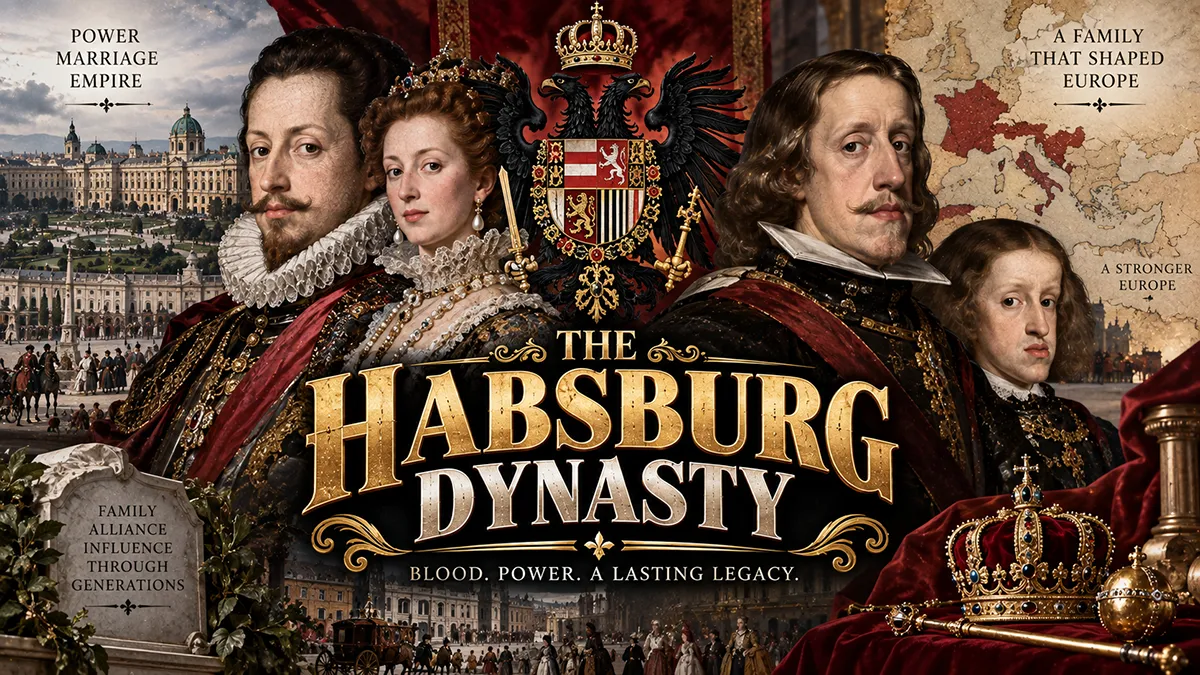
For over six centuries, one family managed to sit on more thrones than almost anyone else in European history, cementing their place among the richest and most powerful families in history.
The Habsburgs — sometimes spelled Hapsburgs, and occasionally misspelled as “Hasburg” or “Habsberg” in searches — didn’t just rule Austria. At various points they governed Spain, the Netherlands, Hungary, Bohemia, parts of Italy, and a Holy Roman Empire that stretched across the map of Europe.
Their motto might as well have been “marry, don’t fight,” and it worked spectacularly well until it didn’t. This list unpacks the real story of the Habsburg family: how they rose, how they held on, the myths surrounding their infamous jawline, and what actually happened to the House of Habsburg after the crowns disappeared.
TL;DR: The Habsburg dynasty built the largest royal empire in European history mostly through calculated marriages rather than conquest, and while the monarchy ended in 1918, descendants of the Habsburg family are alive and well today.
1. The Name Comes From a Castle, Not a Person
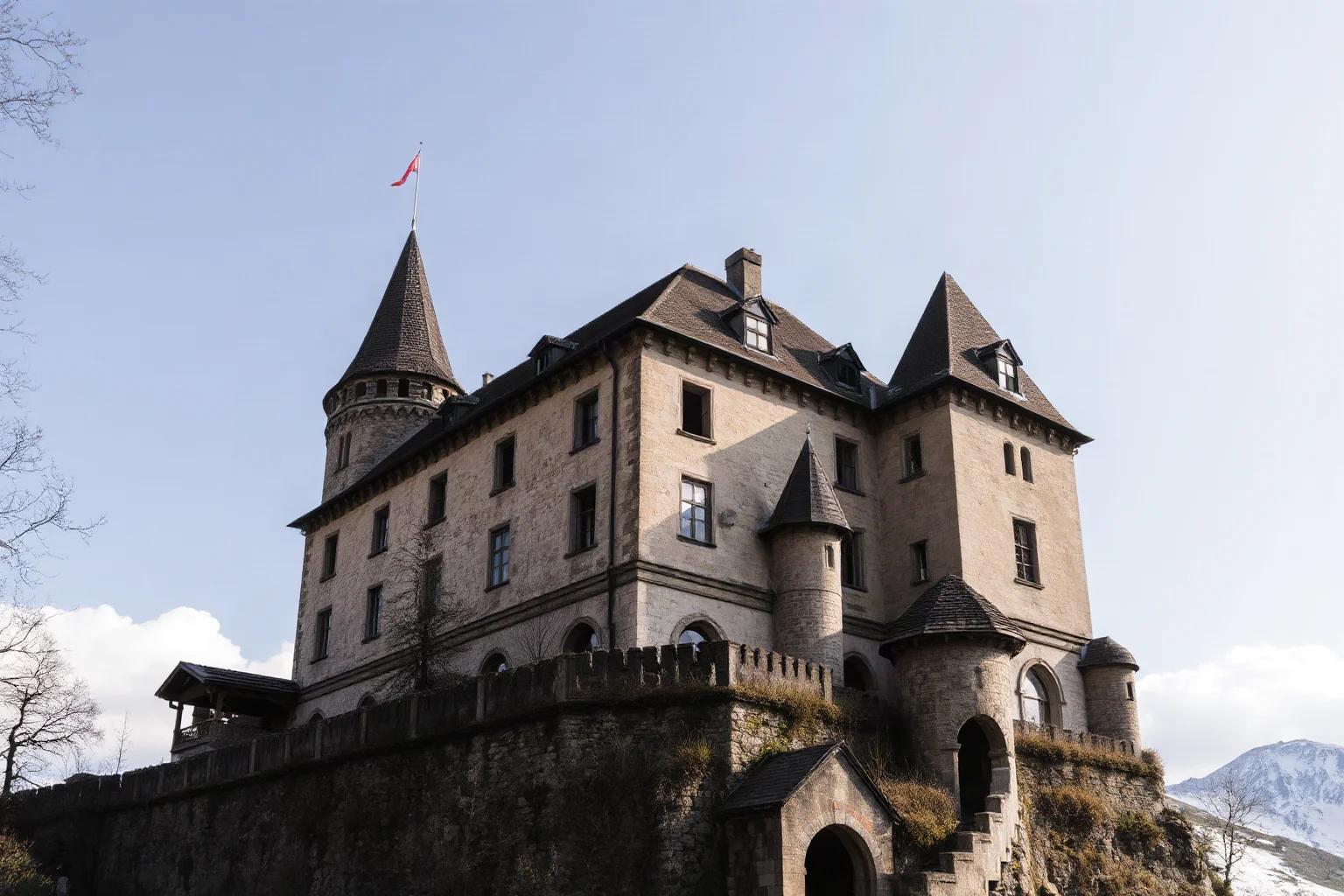
The Habsburg name has nothing to do with a founding king or a battle. It comes from Habichtsburg, meaning “Hawk’s Castle,” a fortress built around 1020 in what is now Switzerland.
That modest castle in the Aargau region gave its name to a family that would eventually rule a huge portion of the known world. So if you’ve ever wondered about the habsburg meaning behind the name, it’s really just medieval real estate branding.
2. Habsburg or Hapsburg? Same Family, Two Spellings
One of the most common points of confusion is whether it’s spelled Habsburg or Hapsburg. Both refer to the exact same royal house — the “p” spelling is simply an older, anglicized version that stuck around in English-language texts.
Modern historians and the family itself generally use “Habsburg,” but you’ll see “Hapsburg” used interchangeably, especially in older books. Either way, hapsburg or habsburg, you’re talking about the same dynasty.
3. They Rose to Power Through Marriage, Not Just War
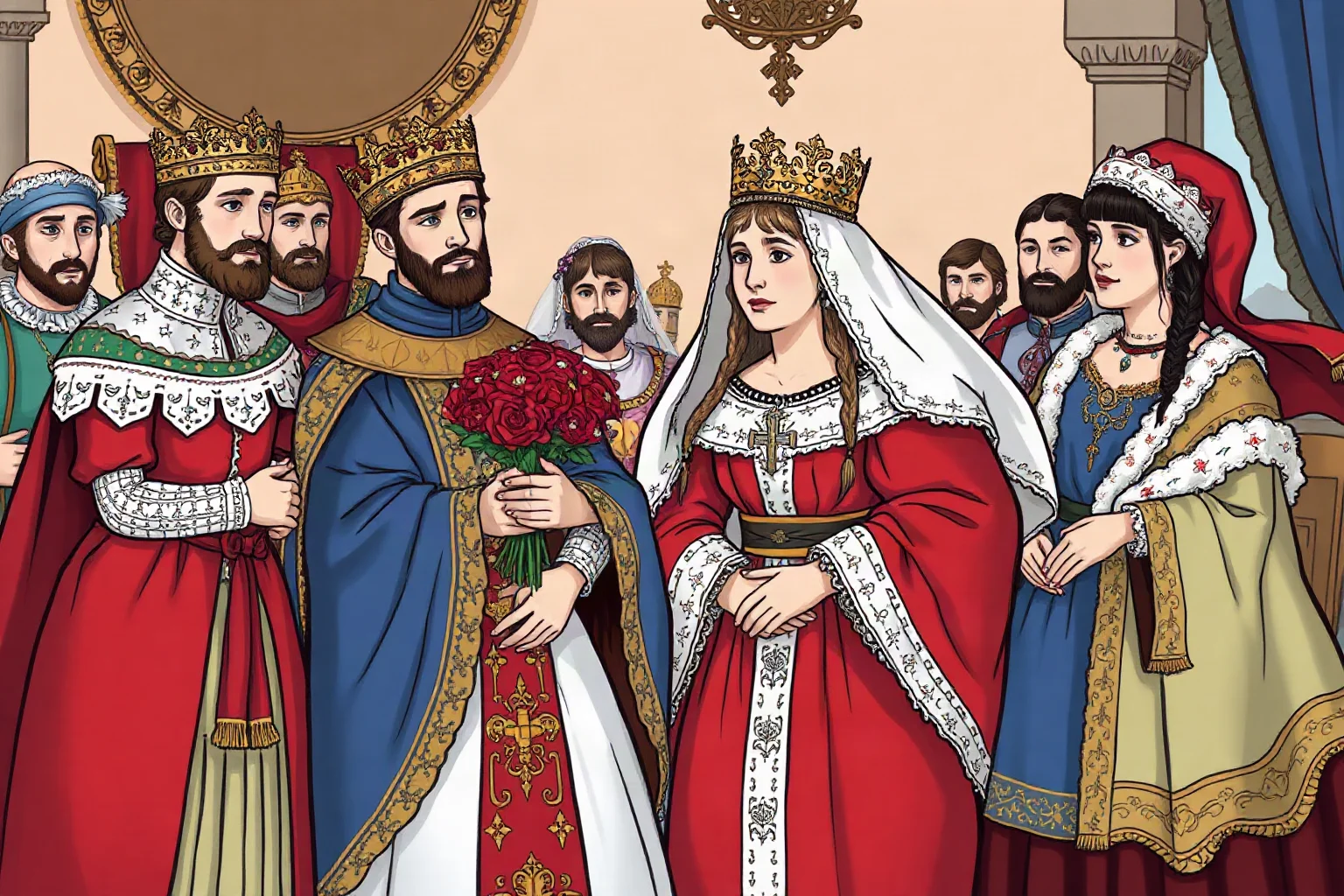
The Habsburgs became famous for a strategy summed up in a Latin phrase often attributed to their approach to statecraft: “Let others wage war; you, happy Austria, marry.” Instead of relying purely on military conquest, they secured thrones through calculated royal marriages.
This strategy let the Habsburg family absorb territories like Burgundy, Spain, and Bohemia into their holdings without a single battle. It’s one of the most effective political strategies in European history, and it’s a big reason the Habsburg dynasty lasted as long as it did.
4. The Habsburgs Practically Owned the Holy Roman Empire
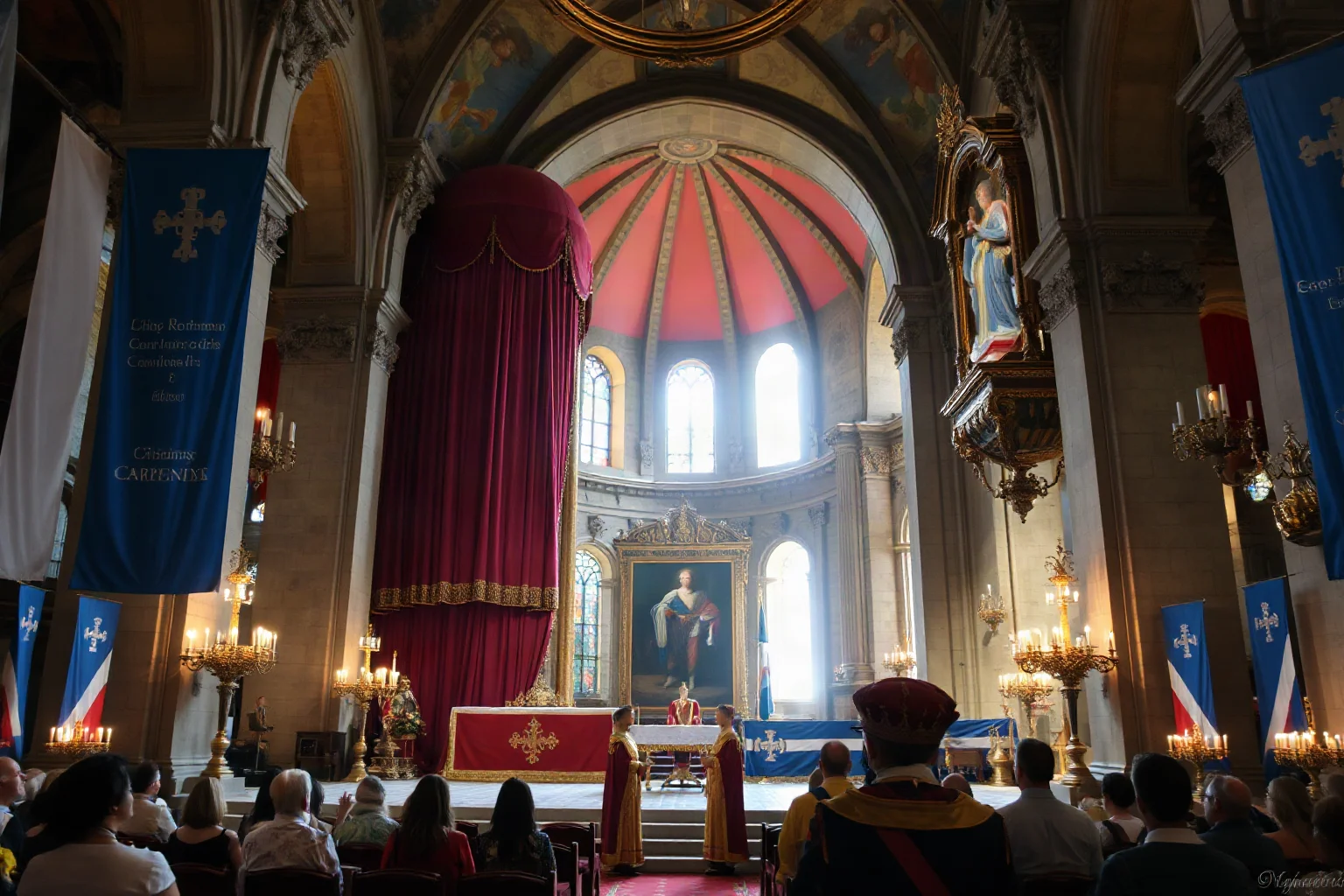
Starting with Frederick III in 1452, a Habsburg monarch held the title of Holy Roman Emperor almost continuously for more than three and a half centuries. The position was technically elective, not hereditary, but the family worked hard to make sure it stayed in the family anyway.
This near-monopoly on the empire’s top title gave the Habsburgs enormous prestige across German-speaking Europe. It also cemented their reputation as the closest thing medieval and early modern Europe had to a ruling super-family.
5. The Family Split Into Two Great Branches
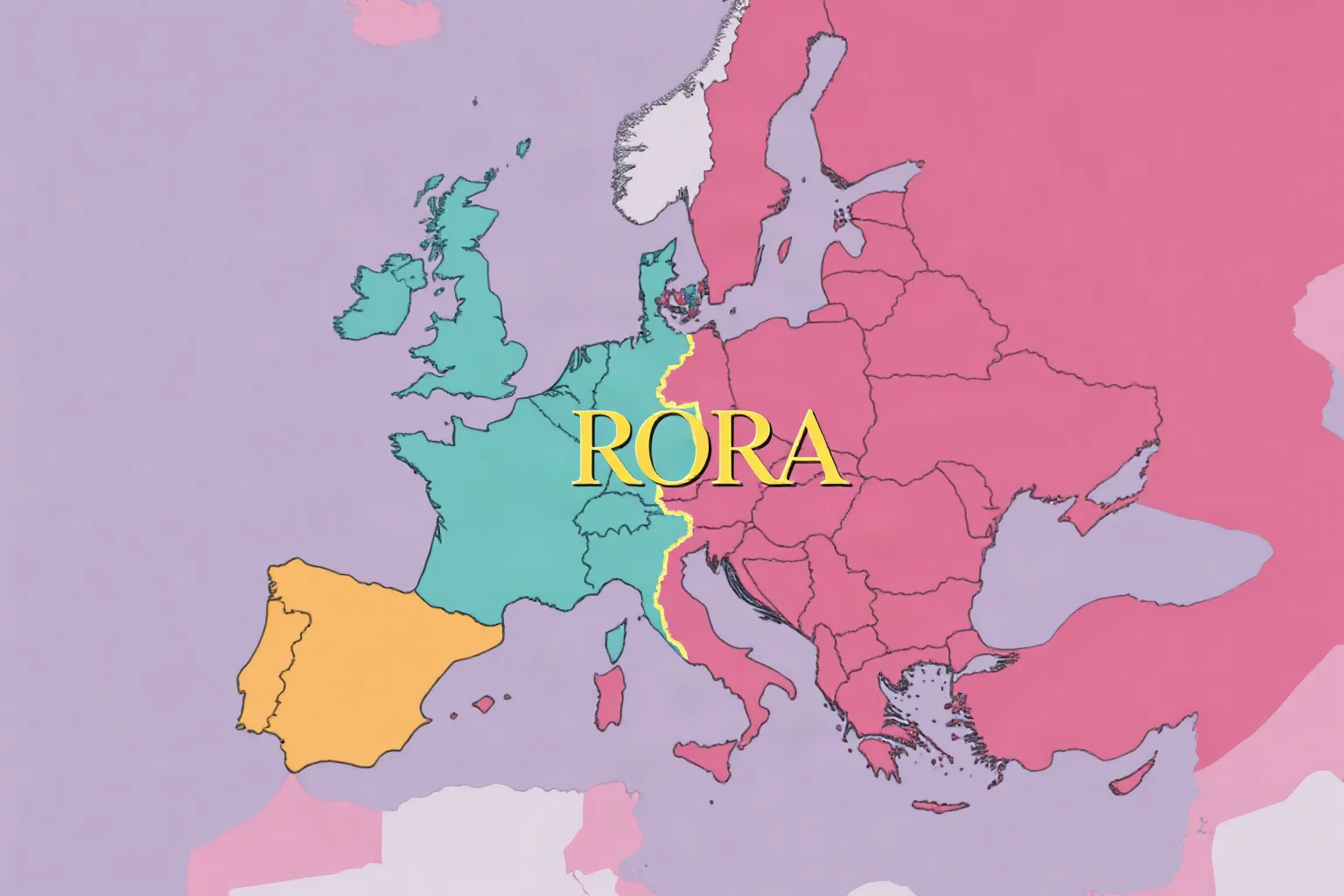
In 1556, Emperor Charles V divided his massive holdings between two branches of the family. The Spanish Habsburgs took Spain, its American colonies, and parts of Italy, while the Austrian Habsburgs kept the Holy Roman Empire and Central European territories.
Both branches stayed close through further intermarriage, which helped preserve their political alliance. It also, unfortunately, deepened one of the family’s most serious long-term problems.
6. Charles V Ruled an Empire the Sun Never Set On
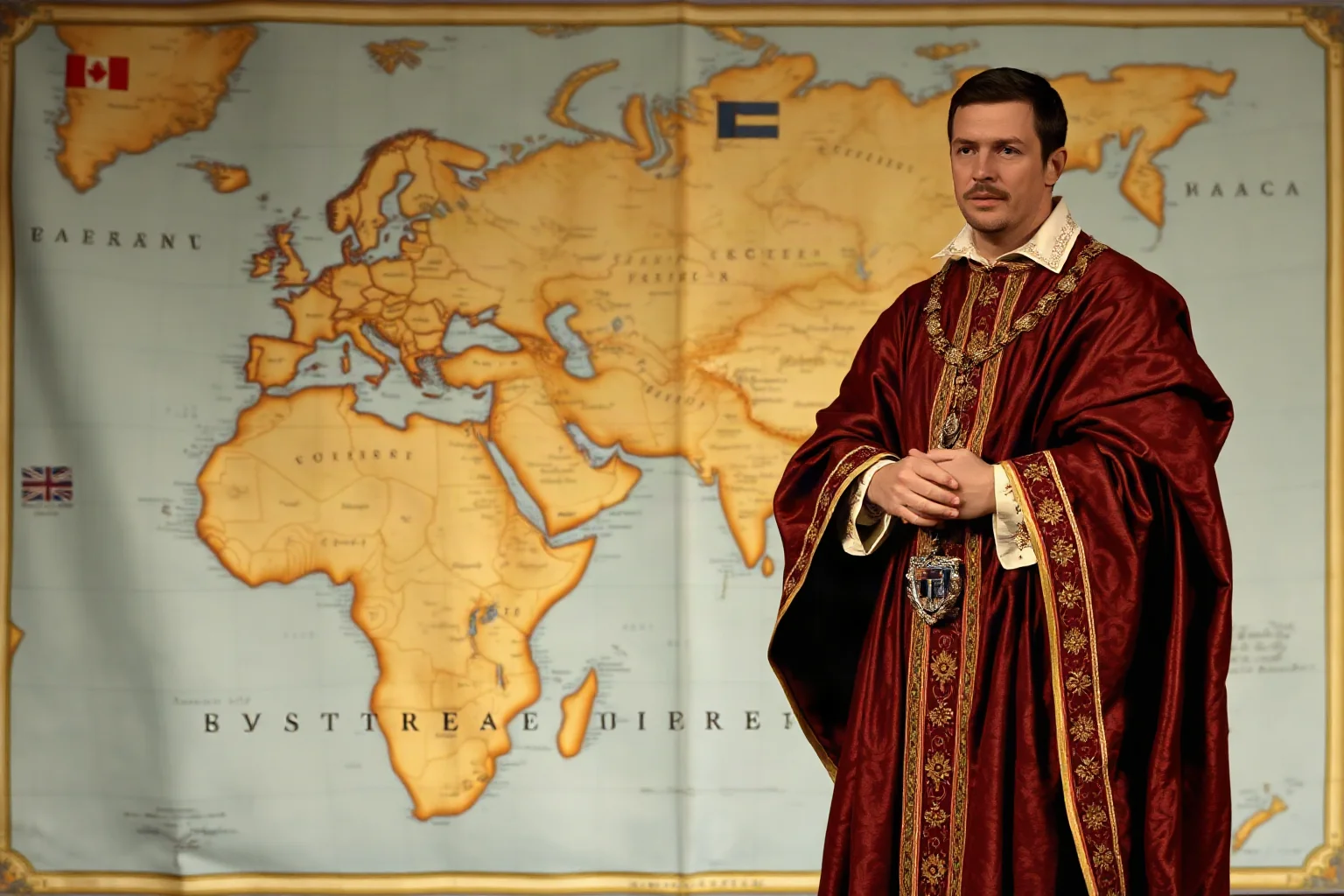
Charles V, who reigned in the early 16th century, controlled such a vast set of territories — Spain, the Netherlands, Austria, parts of Italy, and colonies across the Americas — that it was said the sun never set on his empire. He abdicated in 1556, splitting his realms between his son Philip II and his brother Ferdinand I.
Few rulers in history have controlled as much territory at once. Charles V remains one of the most powerful monarchs the Habsburg dynasty ever produced.
7. The Infamous Habsburg Jaw
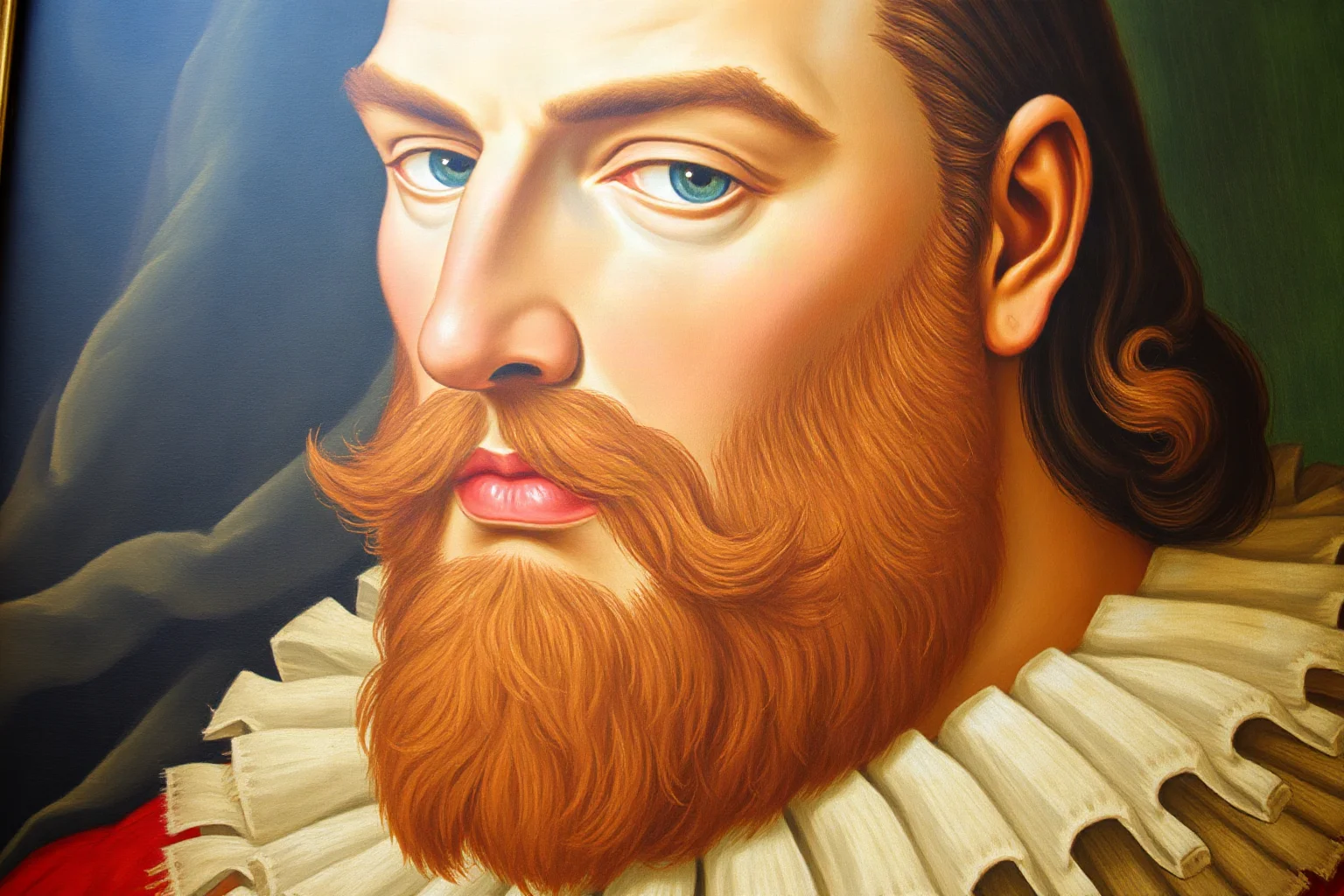
If you’ve seen portraits of Habsburg monarchs, you’ve probably noticed the pronounced lower jaw and protruding lip that shows up again and again. This trait, often called the “Habsburg jaw” or mandibular prognathism, became a visual signature of the family across generations.
It’s one of the most recognizable habsburg features in art history, appearing in portraits from Maximilian I all the way to Charles II of Spain. It wasn’t just a quirky family resemblance — it was a warning sign of something deeper.
8. Marriage Within the Family Had Devastating Consequences
To keep power concentrated, the Habsburgs frequently married close relatives, including uncles to nieces and first cousins to each other. Charles II of Spain, born in 1661, is the most extreme example, with a family tree so tangled that his inbreeding coefficient rivaled that of children of siblings.
Charles II suffered from severe physical and developmental disabilities and struggled to produce an heir. His case is often cited as one of history’s clearest examples of the dangers of prolonged royal intermarriage.
9. The Spanish Habsburgs Died Out in 1700
Charles II died in 1700 without children, ending the Spanish line of the Habsburg dynasty entirely. His death triggered the War of the Spanish Succession, a continent-wide conflict over who would inherit the Spanish throne.
The war eventually placed a Bourbon, not a Habsburg, on the Spanish throne. It marked the first time one of the two great Habsburg branches was completely extinguished.
10. Maria Theresa Broke the Rules
Habsburg lands traditionally passed only to male heirs, but Emperor Charles VI had no surviving sons. In 1713, he issued the Pragmatic Sanction, a legal document allowing his daughter Maria Theresa to inherit the Habsburg territories.
Maria Theresa went on to become one of the most capable rulers in the family’s history, reigning for 40 years and reforming the empire’s administration, economy, and military. She’s often remembered as the only woman to formally rule the Habsburg hereditary lands in her own right.
11. Marie Antoinette Was a Habsburg by Birth
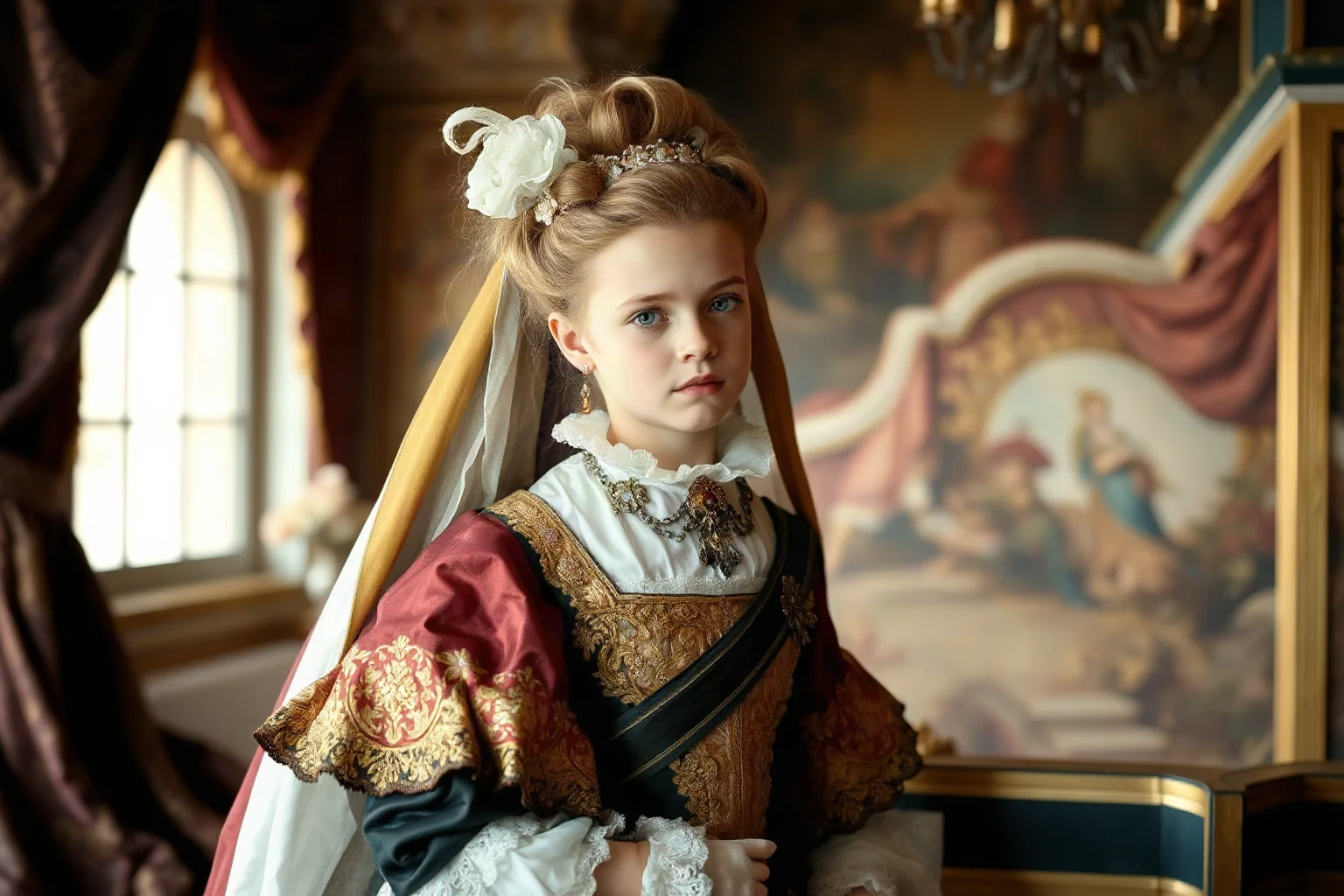
Before she became queen of France, Marie Antoinette was an archduchess of Austria and a daughter of Maria Theresa. Her marriage to the future Louis XVI in 1770 was a classic Habsburg move: cementing an alliance with France through marriage rather than war.
Her Habsburg royal family background made her a target of suspicion in revolutionary France, where she was seen as a foreign outsider. She was executed by guillotine in 1793 during the French Revolution.
12. Napoleon Married Into the Habsburgs
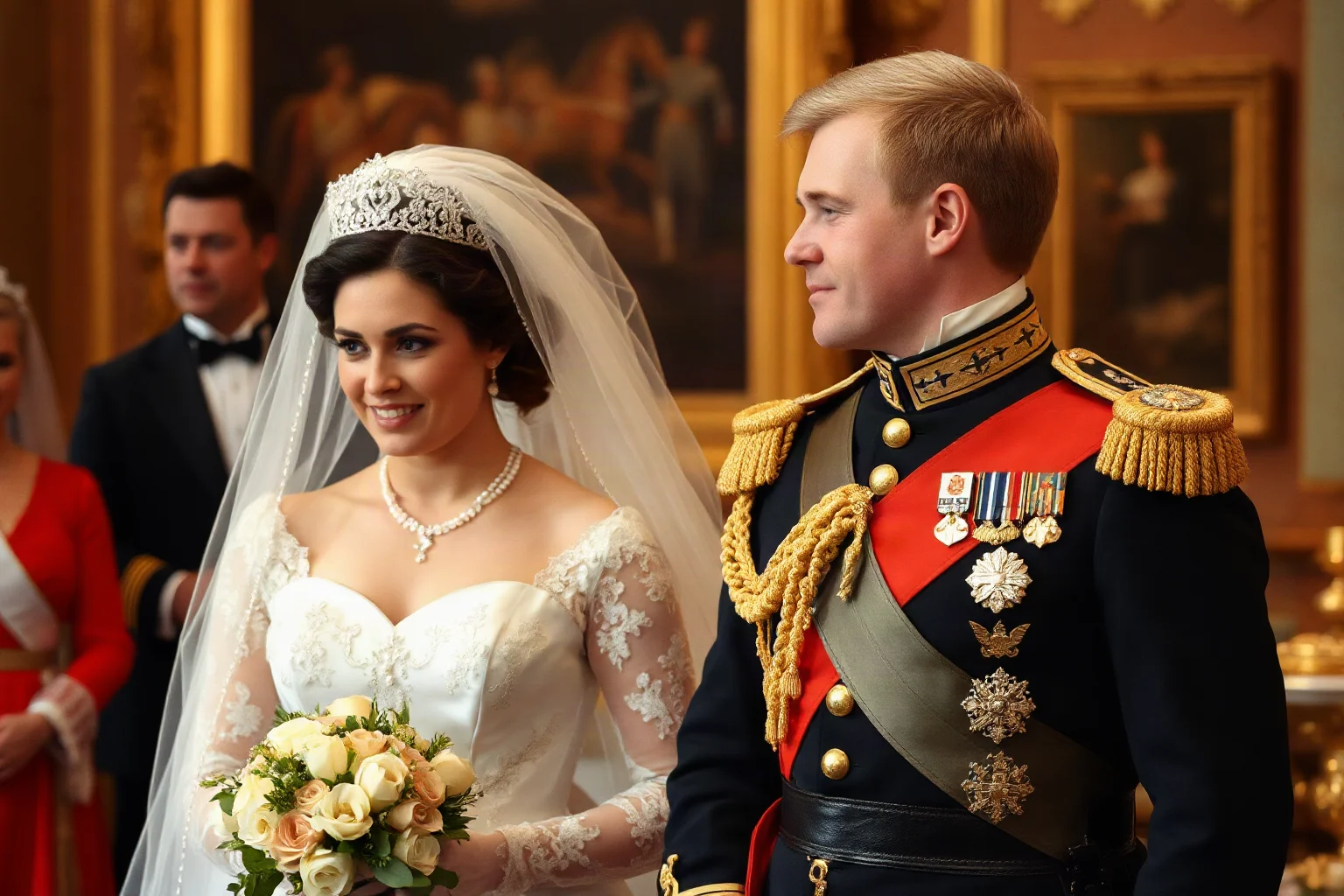
In a strange historical twist, Napoleon Bonaparte — still remembered today as one of the most recognized historical figures in the world, and the man who had repeatedly defeated Austrian armies — married Archduchess Marie Louise of Austria in 1810. The marriage was a political move meant to legitimize Napoleon’s rule by linking him to one of Europe’s oldest royal houses.
It shows just how much prestige the Habsburg name still carried, even among rulers who owed their power to revolution rather than bloodline. Marie Louise later became the mother of Napoleon’s only legitimate son.
13. A Habsburg Briefly Ruled Mexico
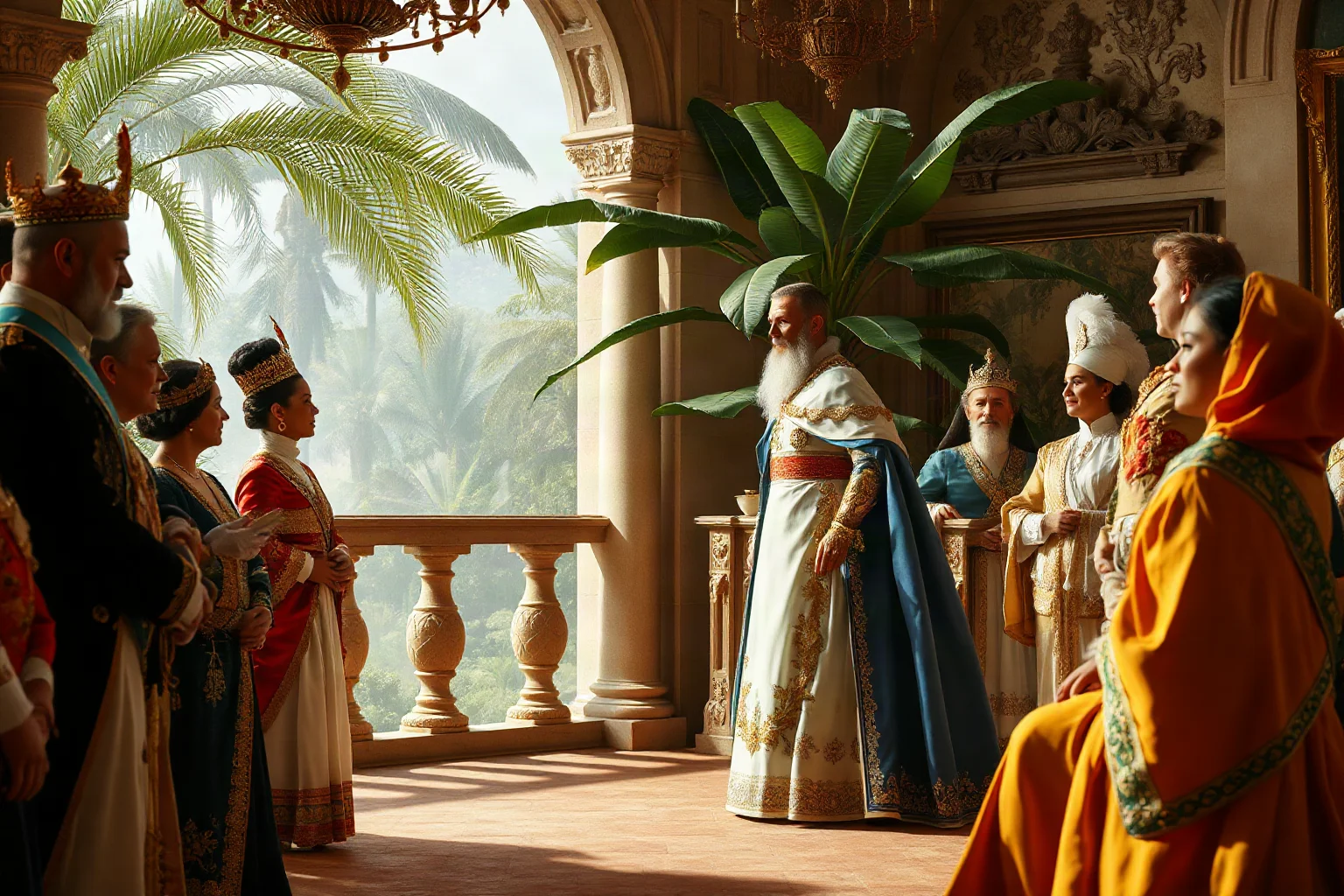
In 1864, Archduke Maximilian of Austria accepted an offer to become Emperor of Mexico, backed by French forces under Napoleon III. His reign was short and troubled, facing fierce resistance from Mexican republicans led by Benito Juárez.
When French support withdrew, Maximilian was captured and executed by firing squad in 1867. It remains one of the more dramatic and lesser-known chapters in Habsburg family history.
14. Franz Joseph I Reigned for Almost 70 Years
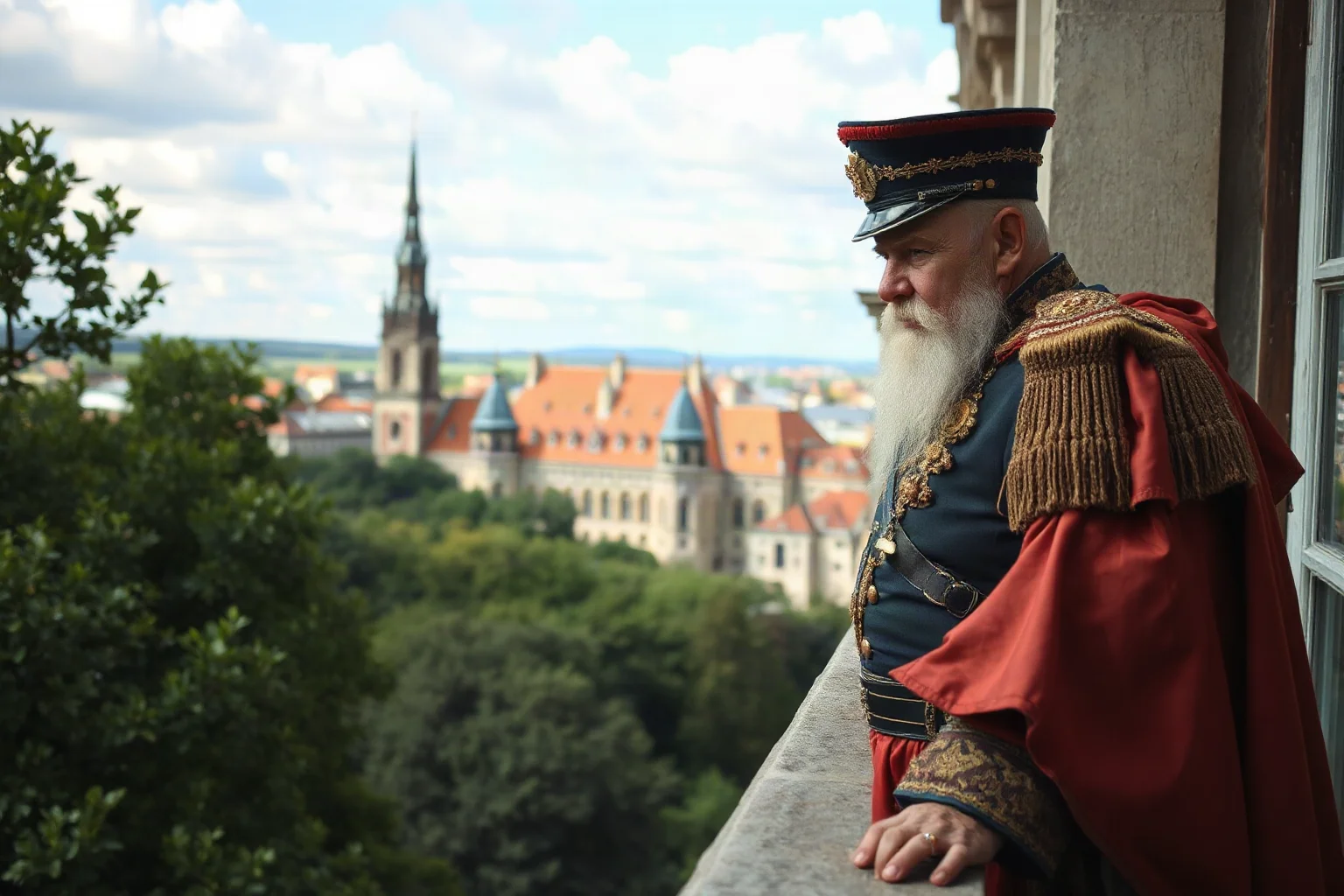
Franz Joseph I became Emperor of Austria in 1848 and ruled until his death in 1916, making him one of the longest-reigning monarchs in European history. His reign spanned massive changes, from the rise of nationalism to the transformation of Austria into Austria-Hungary in 1867.
He presided over the empire during its final, complicated decades as a modern Habsburg monarch trying to hold together a multiethnic state. His personal life was also marked by tragedy, including the assassination of his wife and the deaths of his son and brother.
15. Empress Elisabeth (“Sisi”) Became a Legend

Franz Joseph’s wife, Empress Elisabeth, known affectionately as “Sisi,” became one of the most romanticized figures in Habsburg history. She was famous for her beauty, her discomfort with royal formality, and her restless travels across Europe.
In 1898, she was assassinated in Geneva by an anarchist. Her life has since inspired countless films, musicals, and books, keeping her image alive long after the monarchy itself disappeared.
16. An Assassination That Ended an Empire
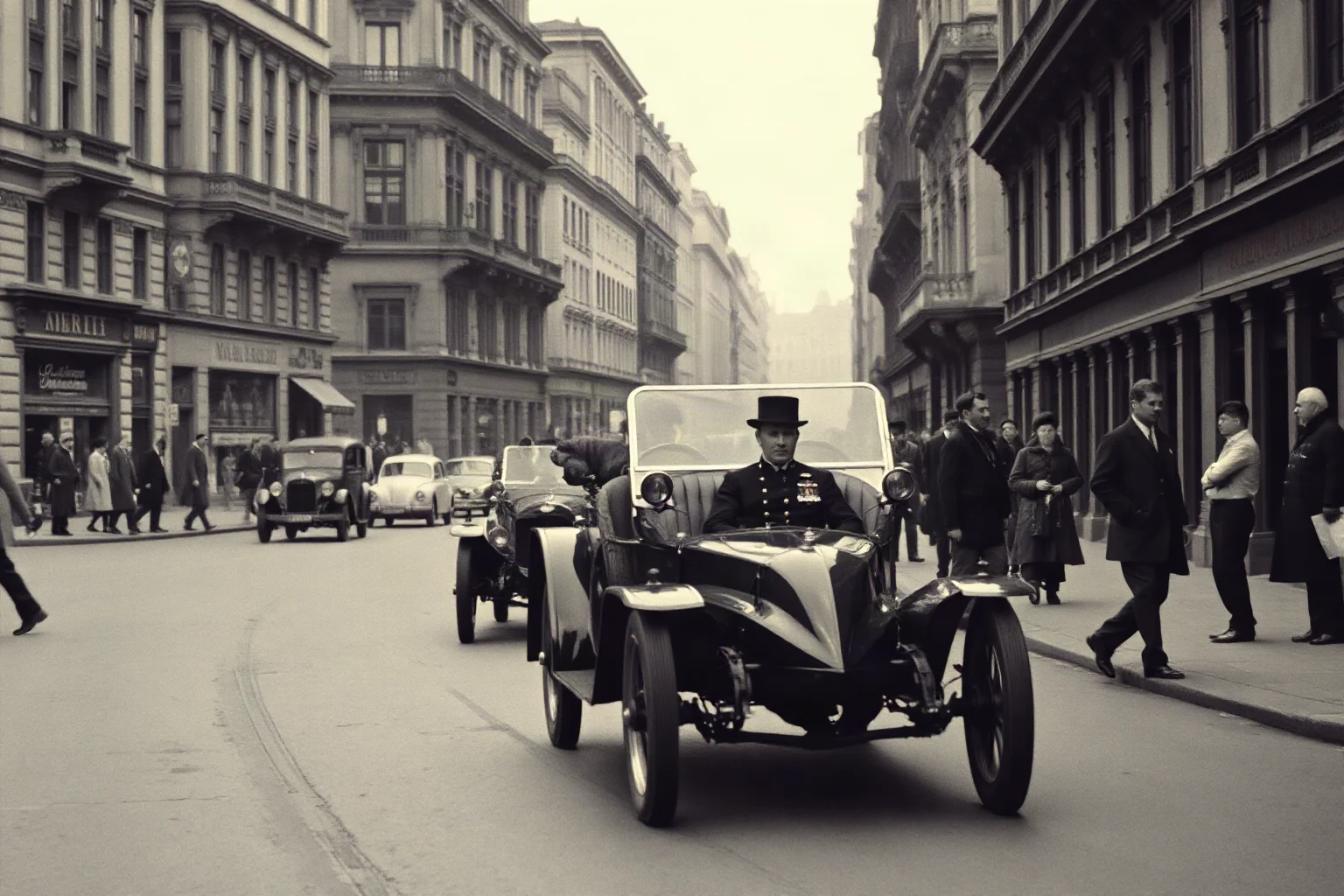
On June 28, 1914, Archduke Franz Ferdinand, heir to the Austro-Hungarian throne, was assassinated in Sarajevo by Gavrilo Princip, a Bosnian Serb nationalist. The killing set off a chain of diplomatic crises that escalated into World War I within weeks.
The war Franz Ferdinand’s death helped trigger would ultimately destroy the very empire he was meant to inherit. It’s one of the most consequential single events tied to any Habsburg monarch in history.
17. The Last Habsburg Emperor
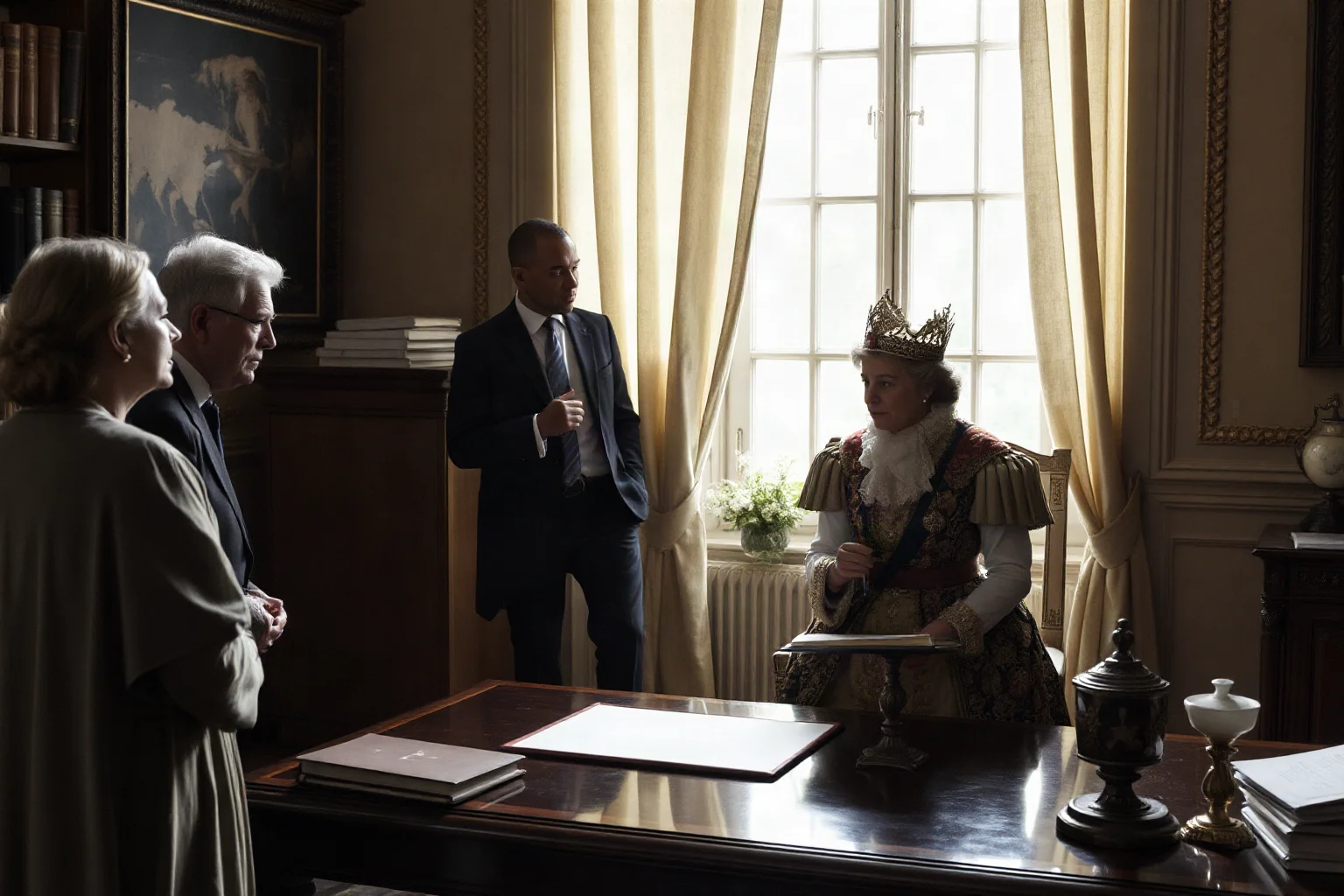
Charles I (Karl I) became Emperor of Austria and King of Hungary in 1916, inheriting a crumbling empire in the middle of World War I. He attempted peace negotiations and internal reforms, but it was too little, too late.
In November 1918, Charles I renounced his role in state affairs as the empire collapsed, making him the last Habsburg to sit on the Austrian throne. He is often referred to as the last Habsburg emperor, though the family itself continued on.
18. Austria Legally Banished the Habsburgs
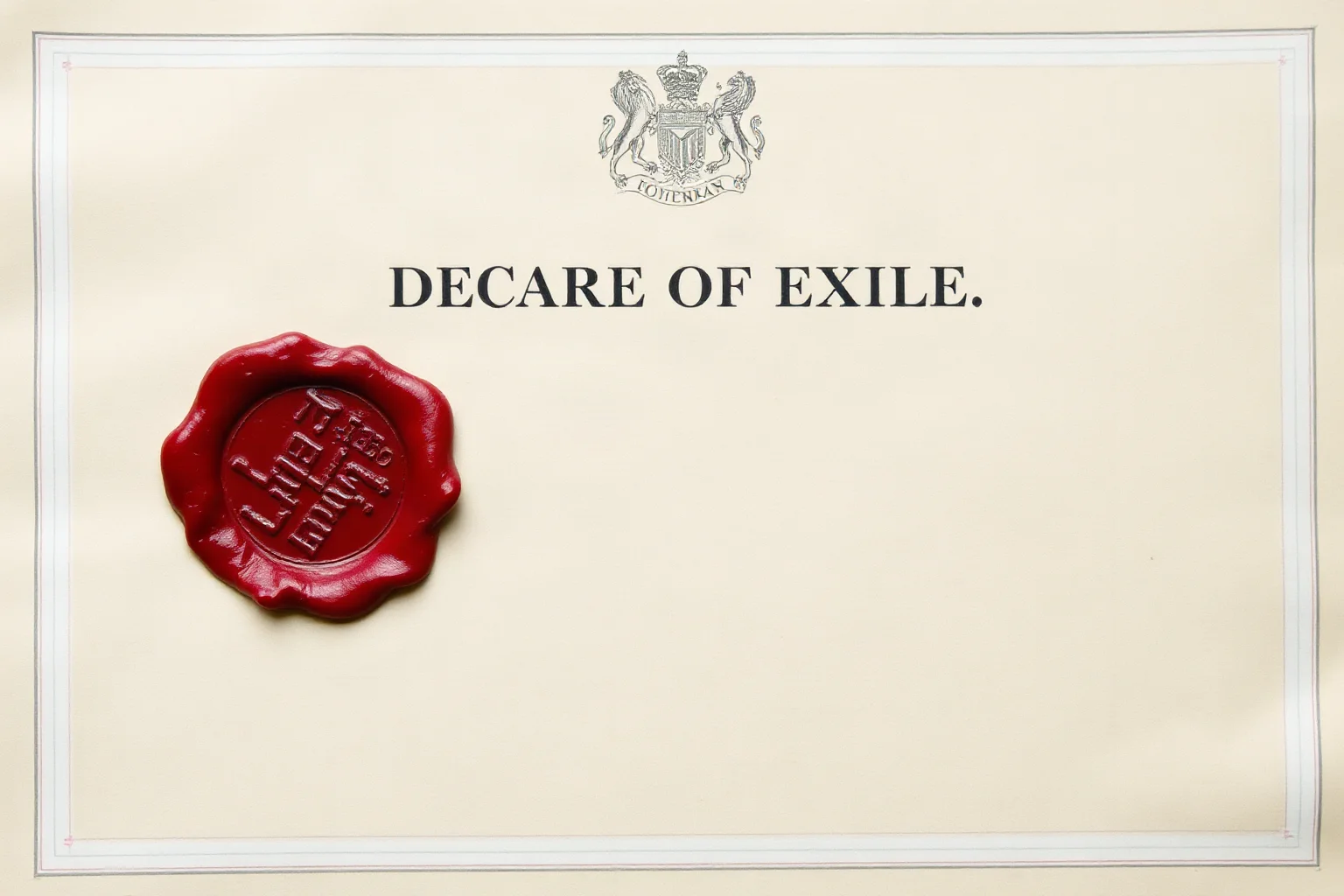
After the monarchy fell, the new Austrian republic passed the Habsburg Law in 1919. It stripped the family of noble titles, confiscated much of their property, and exiled members of the House of Habsburg who refused to renounce their claims to the throne.
Charles I died in exile on the Portuguese island of Madeira in 1922, still hoping to reclaim his throne. The law remained in force for decades and shaped how the family rebuilt its life in the 20th century.
19. Do the Habsburgs Still Exist Today?
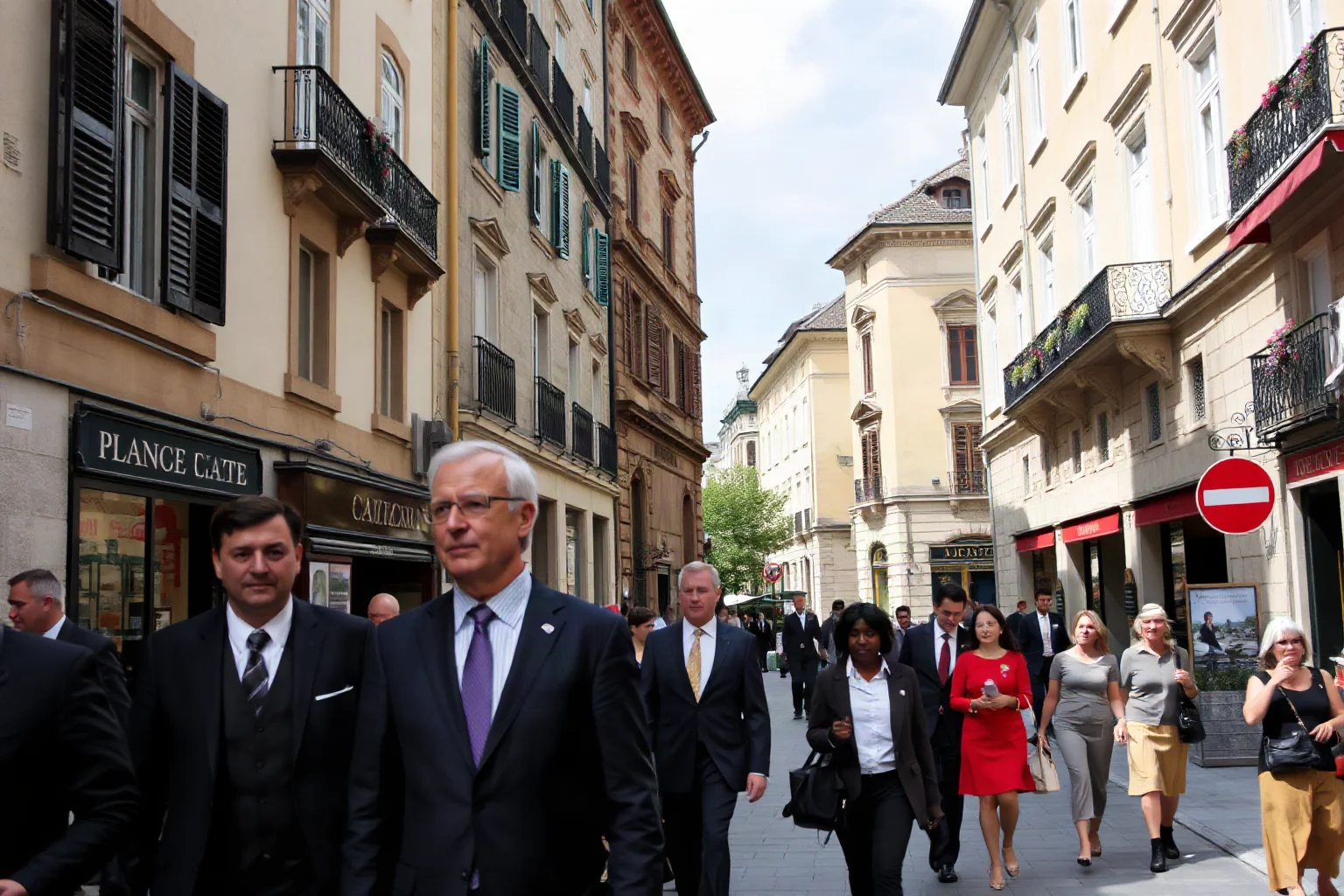
Yes — the Habsburgs today are very much a real, living family, even though they no longer rule anywhere. Descendants of the dynasty live across Austria, Germany, and elsewhere in Europe, generally leading private lives as businesspeople, diplomats, or public figures rather than monarchs.
So if you’ve been asking whether the Habsburg family still exists, or whether any Habsburgs are still alive today, the answer is a clear yes. What has changed is their role: they’re private citizens with a famous surname, not rulers with armies and thrones.
20. Modern Habsburgs Have Public and Private Lives

Among the more visible modern Habsburgs is Karl von Habsburg, great-grandson of the last emperor, who has worked in European Parliament politics and international heritage protection efforts. Other family members have pursued careers in business, academia, and the arts rather than politics.
While precise figures on Habsburg family net worth aren’t publicly documented in detail, the family is not thought to hold anything close to the fortunes of dynasties like the Rothschild banking family, let alone the wealth or land they once controlled as ruling monarchs. Most of their historical wealth was lost, confiscated, or redistributed across the upheavals of the 20th century.
21. Their Legacy Still Shapes Central Europe’s Skyline
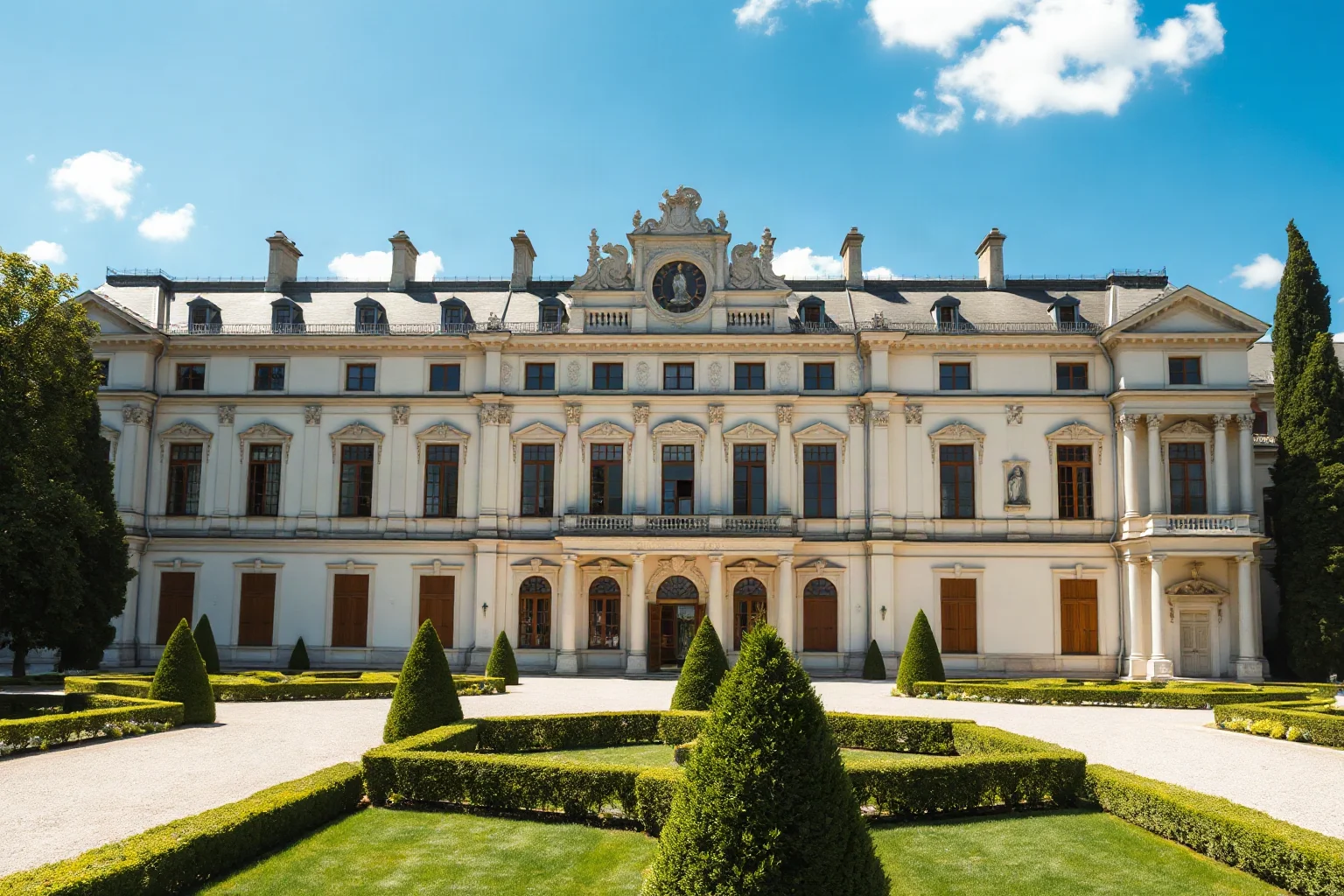
You don’t need a living monarch to see the Habsburg legacy. Palaces like Schönbrunn and the Hofburg in Vienna, along with countless churches, opera houses, and administrative buildings across Central Europe, were built under Habsburg rule.
These landmarks now serve as museums, government offices, and tourist attractions, drawing millions of visitors each year. In a real sense, the House of Habsburg’s most enduring monument isn’t a bloodline but the cities it helped build.
22. Science Eventually Confirmed the Jaw Theory
For centuries, the link between Habsburg intermarriage and the family’s distinctive jaw was mostly anecdotal. In 2019, a study published in the Annals of Human Biology analyzed portraits of 15 Habsburg family members alongside genealogical records and found a statistically significant link between inbreeding levels and the degree of facial deformity.
The research gave scientific backing to what portrait painters had been quietly documenting for generations. It stands as one of the more unusual instances of historical art helping confirm a genetic hypothesis centuries later.
The Bottom Line on the Habsburg Dynasty
The Habsburgs weren’t just another royal family — they were, for a long stretch of European history, the closest thing to a continental superpower a single bloodline ever achieved. Their story includes real triumphs, like Maria Theresa’s reforms, alongside real tragedies, like the genetic toll of the Spanish line and the violent ends met by figures like Marie Antoinette and Maximilian I.
Understanding who the Habsburgs were means holding two truths at once: they built an empire through remarkably savvy marriage politics, and that same strategy eventually became their undoing. Their name survives not just in history books but in living descendants, grand palaces, and a jawline that art historians still point to as one of genetics’ strangest case studies.
Frequently Asked Questions
Who were the Habsburgs?
The Habsburgs were one of Europe's most powerful royal families, ruling territories including Austria, Spain, the Holy Roman Empire, Hungary, and Bohemia between the 13th and early 20th centuries. They rose to power largely through strategic marriages rather than military conquest, eventually controlling one of the largest collections of territories any single European family ever held.
Are there any Habsburgs still alive today?
Yes, the Habsburg family still exists today. Descendants live mostly in Austria and Germany, and while they no longer hold any political power or royal titles recognized by law, some members remain publicly active in politics, heritage work, and business.
Who was the last Habsburg emperor?
Charles I (Karl I) was the last Habsburg to reign, serving as Emperor of Austria and King of Hungary from 1916 until the monarchy's collapse in 1918. He died in exile in 1922 without ever formally abdicating his claim to the throne.
Does the Habsburg family still have money and titles?
The family lost most of its wealth, land, and legal titles after Austria's 1919 Habsburg Law, which confiscated property and banned the use of royal titles. While exact figures on the modern Habsburg family's net worth aren't publicly documented, they no longer hold anything comparable to their historical wealth.
What caused the famous Habsburg jaw?
The Habsburg jaw, technically called mandibular prognathism, is believed to have resulted from generations of intermarriage within the family aimed at preserving power and territory. A 2019 study of Habsburg portraits found a statistically significant link between the degree of inbreeding and the severity of the facial trait.
Is Habsburg spelled with a ‘p’ or a ‘b’?
Both spellings refer to the same family. 'Habsburg' is the standard modern spelling used by historians, while 'Hapsburg' is an older anglicized variant still commonly seen in English texts and casual usage.

Alex Warren
Related Articles