
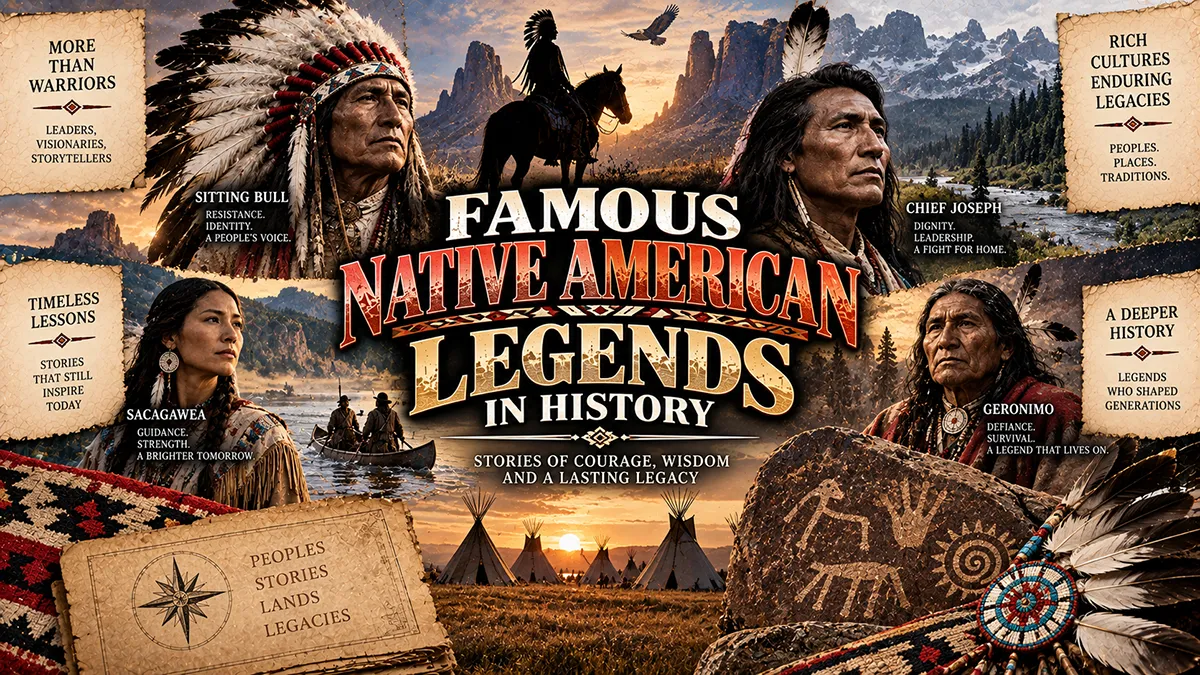
Long before textbooks and travel shows started using the phrase “legends of America,” Native American nations were already telling their own stories about heroes, tricksters, and spirits who shaped the world. Some of these figures were flesh-and-blood people whose courage and leadership changed the course of history. Others belong to a different kind of truth entirely: the oral traditions, myths, and teaching stories that have been passed down for countless generations.
This guide brings both threads together. You’ll meet some of the most famous North American Indian leaders, thinkers, and athletes who left a permanent mark on history, alongside the native American legends and mythological figures that continue to shape culture, art, and identity across Indian Country today. We’ll also be upfront about where popular retellings drift from documented history, because a myth-busting approach is the most respectful way to honor both.
TL;DR: Native American history is made up of real, documented historical figures like Sitting Bull and Sequoyah alongside a separate, equally rich body of native American legends and mythology, and understanding the difference between the two is key to appreciating both honestly.
Legends and History: Why the Line Often Gets Blurred
Popular culture has a habit of flattening Native American history into a single, simplified story. Real historical figures get mythologized, and mythological figures get treated as literal historical fact, which does a disservice to both. A famous American Indian leader like Tecumseh was a documented political and military strategist, while a figure like the Thunderbird belongs to the spiritual and symbolic traditions of specific nations.
It also helps to remember there is no single “Native American mythology.” There are hundreds of distinct tribal nations across North America, each with its own language, history, and oral traditions. When we talk about American Indian myths and legends, we’re really talking about a huge, diverse library of stories from the Lakota, Navajo (Diné), Ojibwe, Cherokee, Haida, Hopi, and many more nations, not one unified belief system, much like the Roman gods and goddesses represent just one specific mythological tradition among many across world history.
With that context in mind, the list below is split into two parts. First, real historical figures whose lives are documented in written records, treaties, photographs, and firsthand accounts. Second, legendary and mythological figures whose stories live in oral tradition, art, and ceremony rather than in courtroom transcripts or census rolls.
Famous Native American Historical Figures Who Shaped America
These are some of the most influential Native Americans in recorded history, spanning the colonial era to the twentieth century. Each name below represents a documented life, not a folk tale, though some have been mythologized by popular culture in ways that blur the facts.
1. Sacagawea
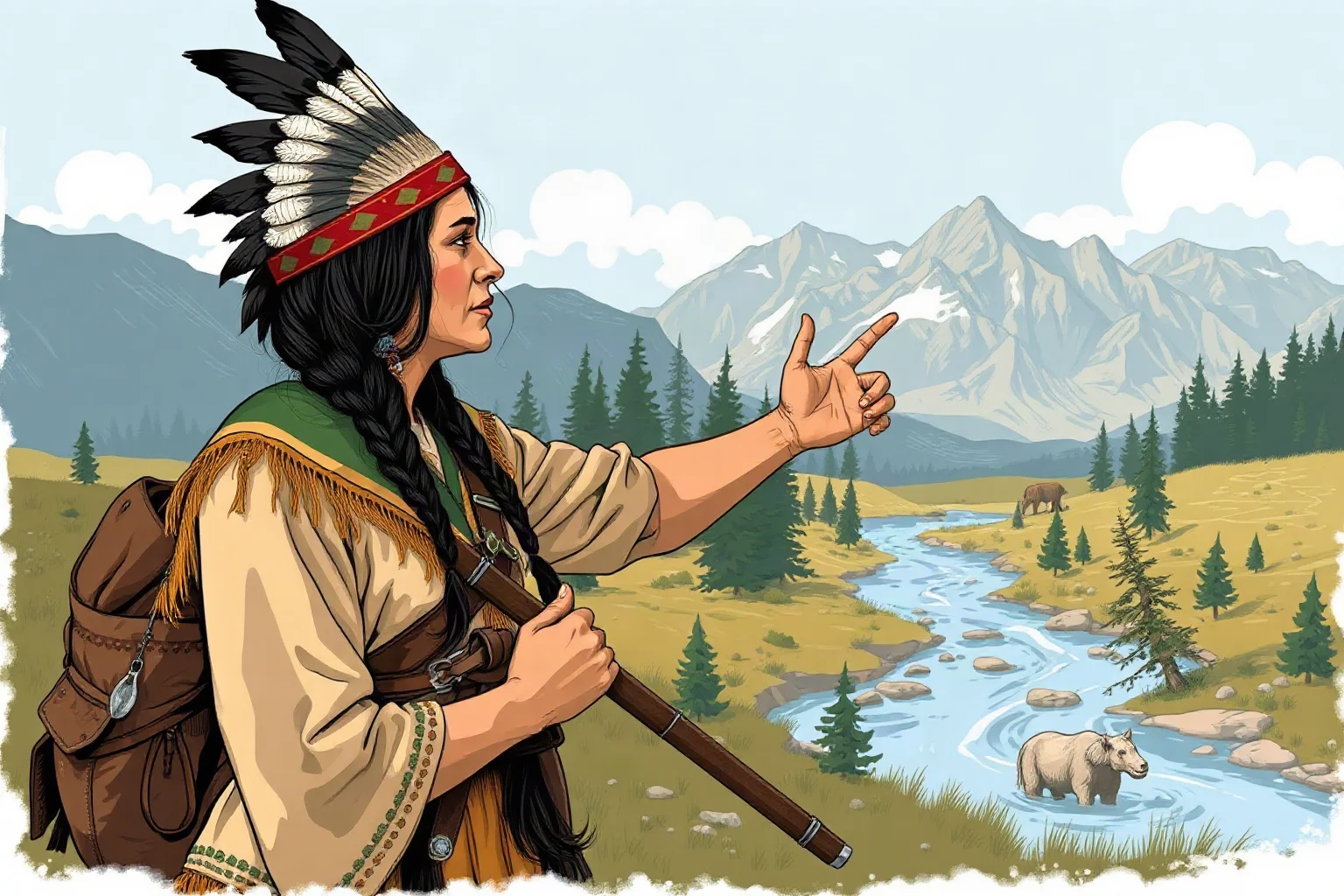
Sacagawea was a Lemhi Shoshone woman born around 1788 who served as an interpreter and guide for the Lewis and Clark Expedition between 1804 and 1806. Her knowledge of the landscape and her ability to communicate with tribes along the route were vital to the expedition’s survival. She remains one of the most recognized Native American historical figures, though many popular depictions exaggerate her role beyond what the expedition’s own journals describe.
2. Sitting Bull
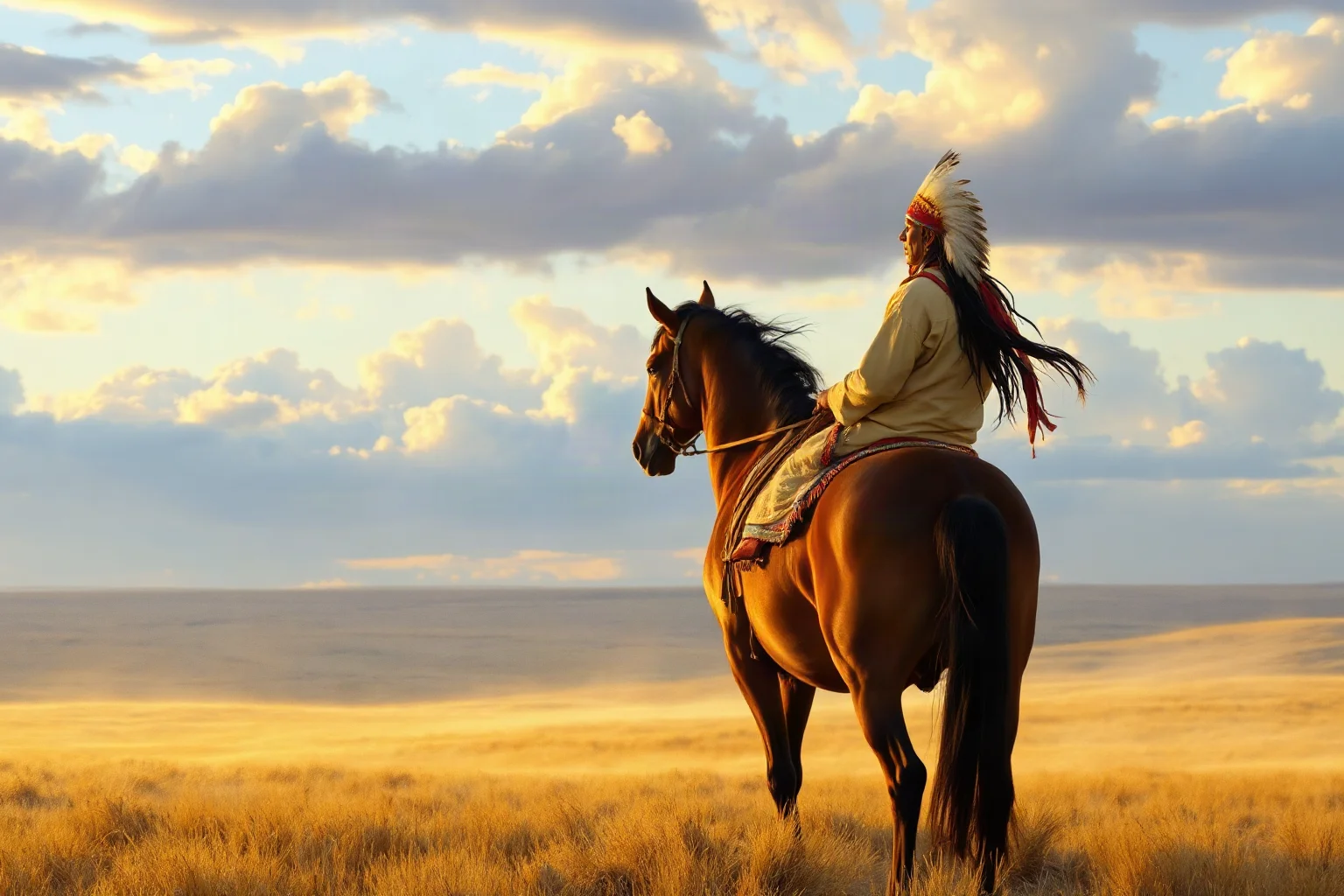
Sitting Bull was a Hunkpapa Lakota leader and holy man best known for his role in the 1876 Battle of the Little Bighorn, where combined Lakota, Northern Cheyenne, and Arapaho forces defeated U.S. Army troops led by George Custer. He later toured with Buffalo Bill’s Wild West show before returning to Standing Rock. He was killed in 1890 during an attempt by Indian agency police to arrest him.
3. Crazy Horse
Crazy Horse was an Oglala Lakota war leader who fought alongside Sitting Bull at the Little Bighorn and was known for refusing to be photographed or to sign treaties he didn’t trust. He was killed in 1877 at Fort Robinson, Nebraska, under disputed circumstances. He remains one of the most enduring symbols of Native American resistance in U.S. history.
4. Geronimo
Geronimo was a Chiricahua Apache leader who led resistance against both Mexican and U.S. forces for decades in the American Southwest. He surrendered in 1886 and spent the rest of his life as a prisoner of war, dying in 1909 at Fort Sill, Oklahoma. His name became so widely known that it was later used, controversially, in unrelated pop culture contexts far removed from his actual history.
5. Pocahontas
Pocahontas was the daughter of Powhatan, the leader of the Powhatan Confederacy in what is now Virginia, and she interacted with English colonists at Jamestown starting in 1607. She later married colonist John Rolfe and traveled to England, where she died in 1617. Much of the romanticized story familiar from later retellings, including any suggestion of a romance with John Smith, is not supported by the historical record.
6. Tecumseh
Tecumseh was a Shawnee leader who built a multi-tribal confederacy in the early 1800s to resist U.S. expansion into the Ohio Valley. He allied with the British during the War of 1812 and was killed in 1813 at the Battle of the Thames. His vision of pan-tribal unity made him one of the most strategically important Native American figures of his era.
7. Chief Joseph
Chief Joseph led the Nez Perce during their attempted 1877 flight toward Canada to escape forced relocation, covering over a thousand miles before being intercepted. He is often remembered for a surrender speech containing the line “I am tired of fighting,” though the exact wording was recorded and possibly edited by an army officer present, so the precise phrasing should be treated with some caution. He spent the rest of his life advocating for his people’s rights.
8. Squanto (Tisquantum)
Squanto, whose Patuxet name was Tisquantum, helped the Plymouth colonists survive after 1621 by teaching them agricultural techniques and helping negotiate with the Wampanoag. He had learned English years earlier after being kidnapped by an English explorer, a detail often left out of simplified Thanksgiving narratives. His story is a reminder that even well-known American Indian legends taught in schools deserve a closer, more accurate look.
9. Black Hawk
Black Hawk was a Sauk leader who led resistance against forced removal from tribal lands in Illinois, culminating in the 1832 Black Hawk War. Though the conflict ended in defeat, his later autobiography became one of the earliest published accounts by a Native American leader. It remains an important primary source for understanding this period from an Indigenous perspective.
10. Red Cloud
Red Cloud was an Oglala Lakota leader who successfully fought the U.S. Army to a standstill during Red Cloud’s War of 1866 to 1868, forcing the abandonment of forts along the Bozeman Trail. He later shifted to diplomacy, becoming a prominent voice at Pine Ridge Reservation. His military success remains one of the few clear tactical victories by Native forces during the Plains Indian Wars.
11. Sequoyah
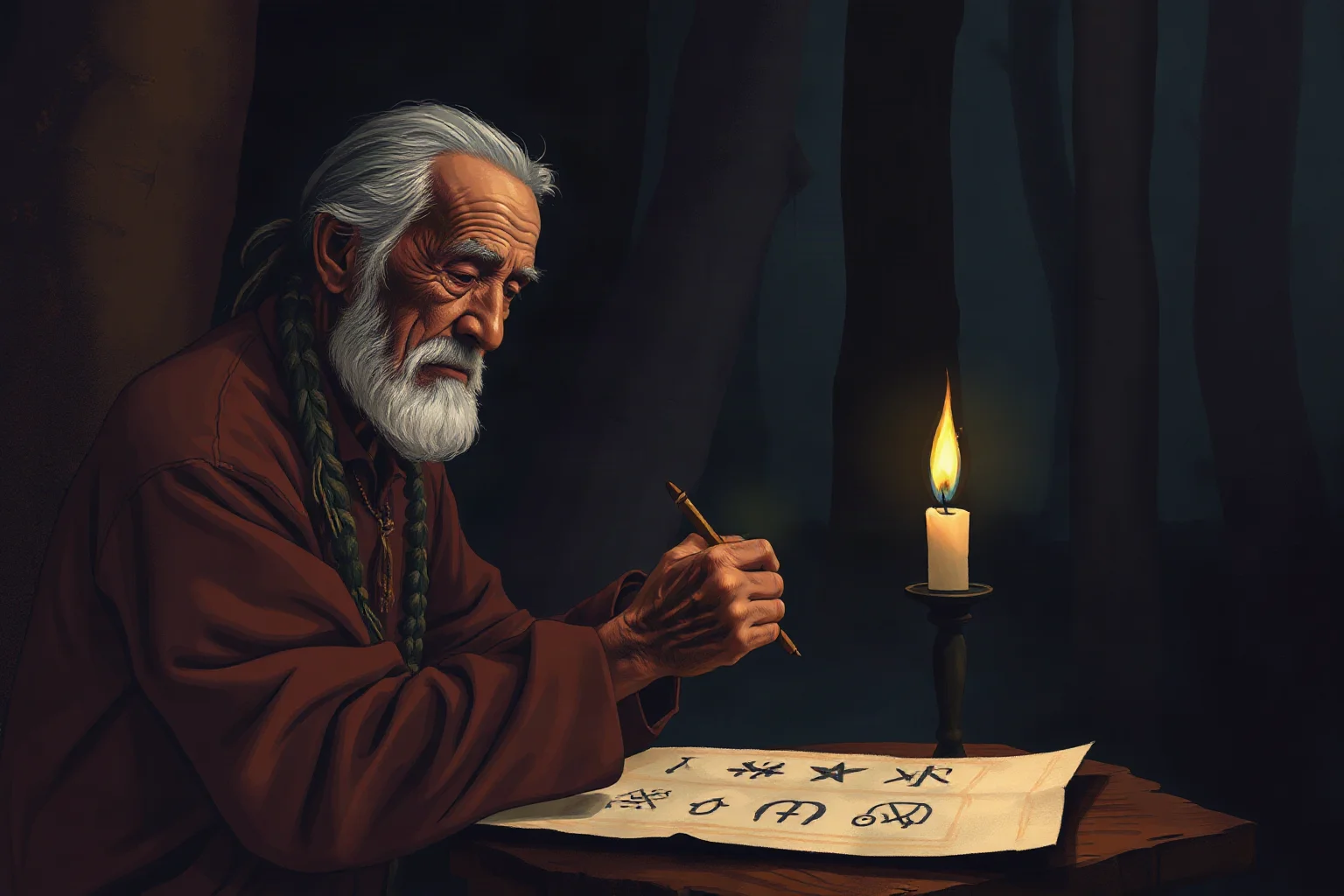
Sequoyah was a Cherokee silversmith who created the Cherokee syllabary in 1821, giving the Cherokee language a written form for the first time. Literacy among the Cherokee Nation spread rapidly as a result, and the syllabary is still used today. He is considered one of the most influential Native American historical figures in the history of written language in North America.
12. Wilma Mankiller
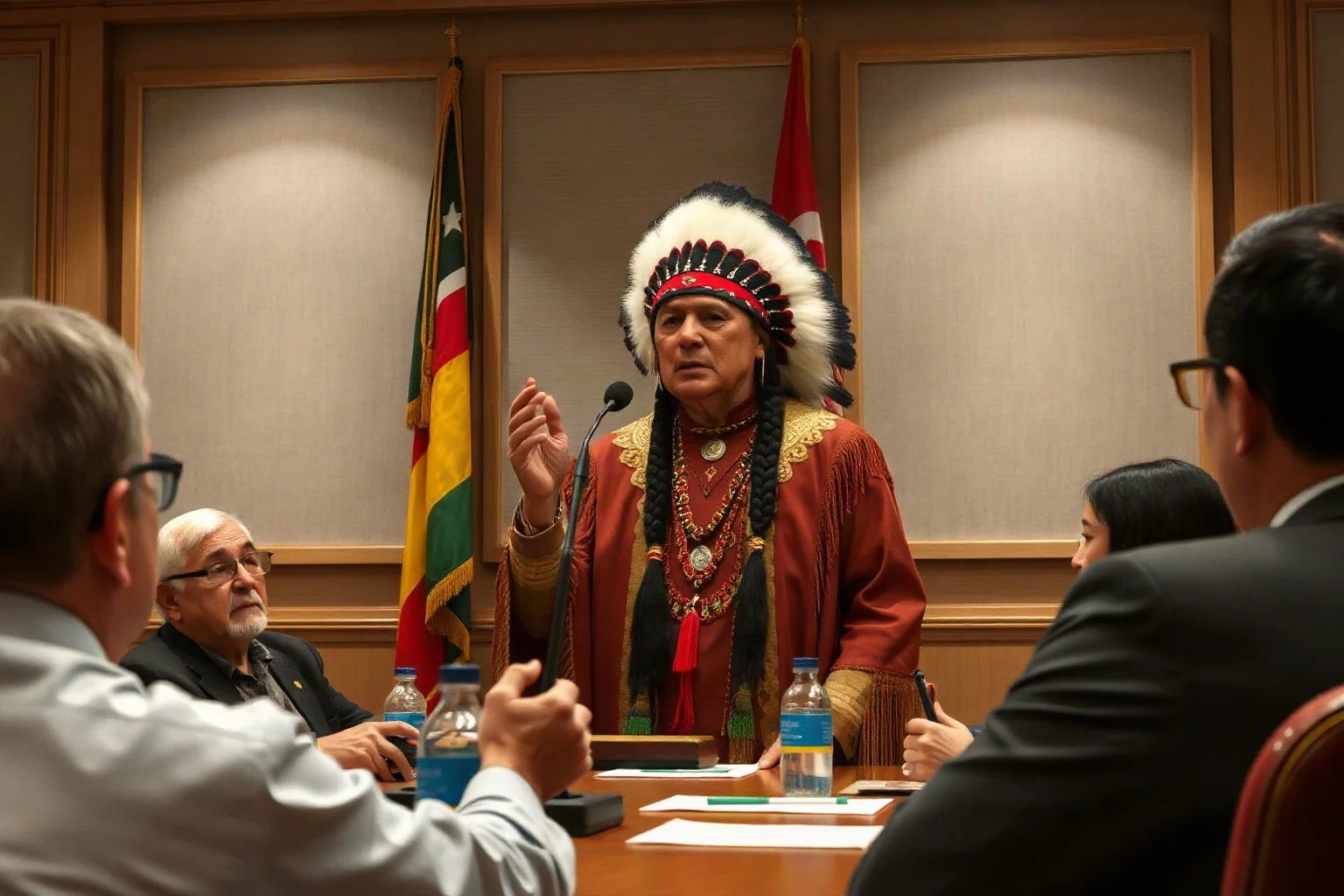
Wilma Mankiller became the first woman elected as Principal Chief of the Cherokee Nation, serving from 1985 to 1995. Under her leadership, the Cherokee Nation expanded healthcare, education, and infrastructure programs. She remains a major figure among influential Native Americans in modern political history.
13. Jim Thorpe

Jim Thorpe, a member of the Sac and Fox Nation, won Olympic gold medals in the decathlon and pentathlon at the 1912 Stockholm Games. He went on to play professional football and Major League Baseball, and he is widely regarded as one of the greatest all-around athletes of the twentieth century. He’s frequently cited among famous people who are Native American in sports history specifically.
14. Maria Tallchief
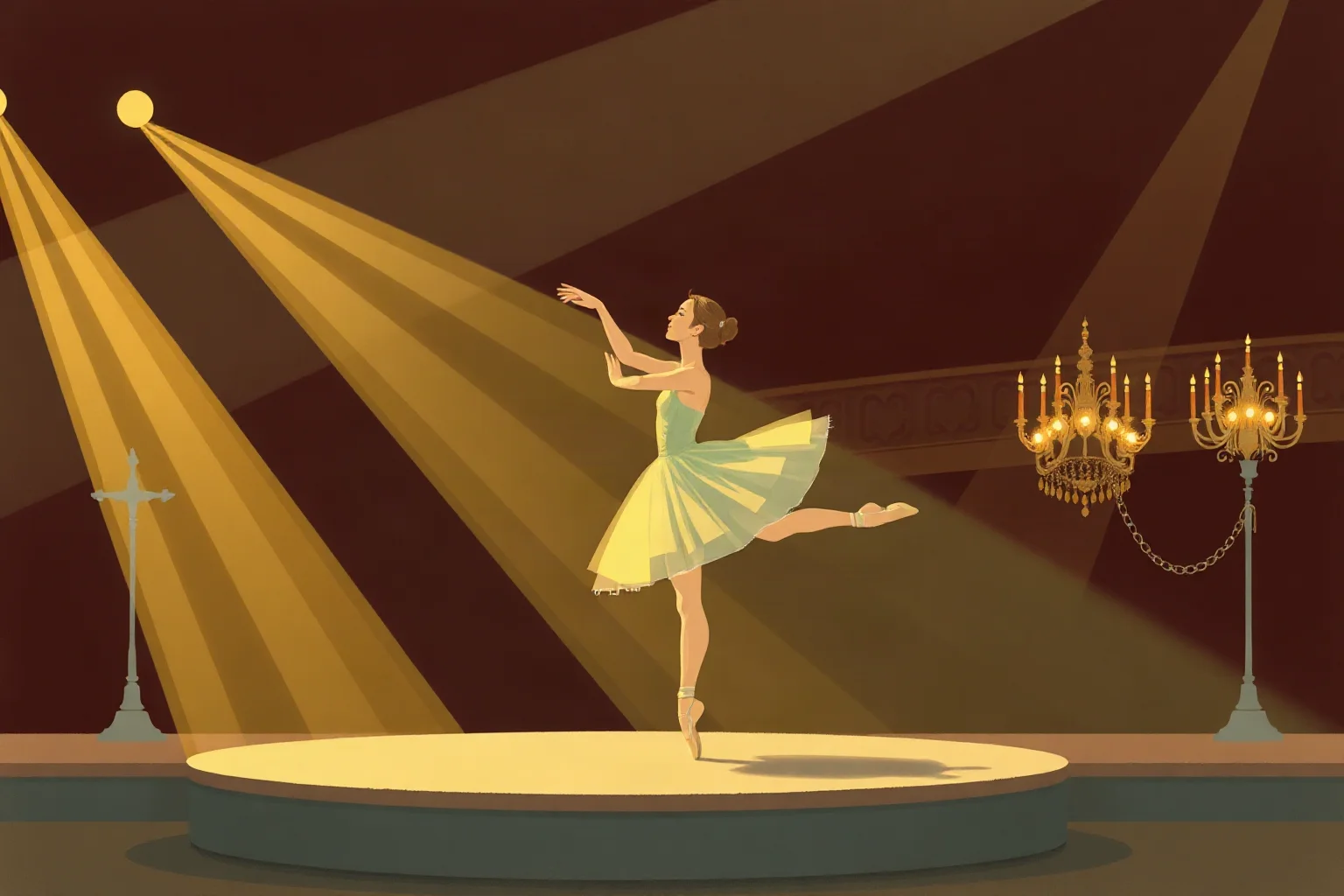
Maria Tallchief, an Osage dancer, became the first Native American to hold the rank of prima ballerina in the United States, performing with the New York City Ballet in the 1940s and 1950s. Her success opened doors for Native American representation in classical arts at a time when few Indigenous performers reached that level of national prominence. She remains a celebrated name among famous Native American Indians in the arts.
15. Osceola
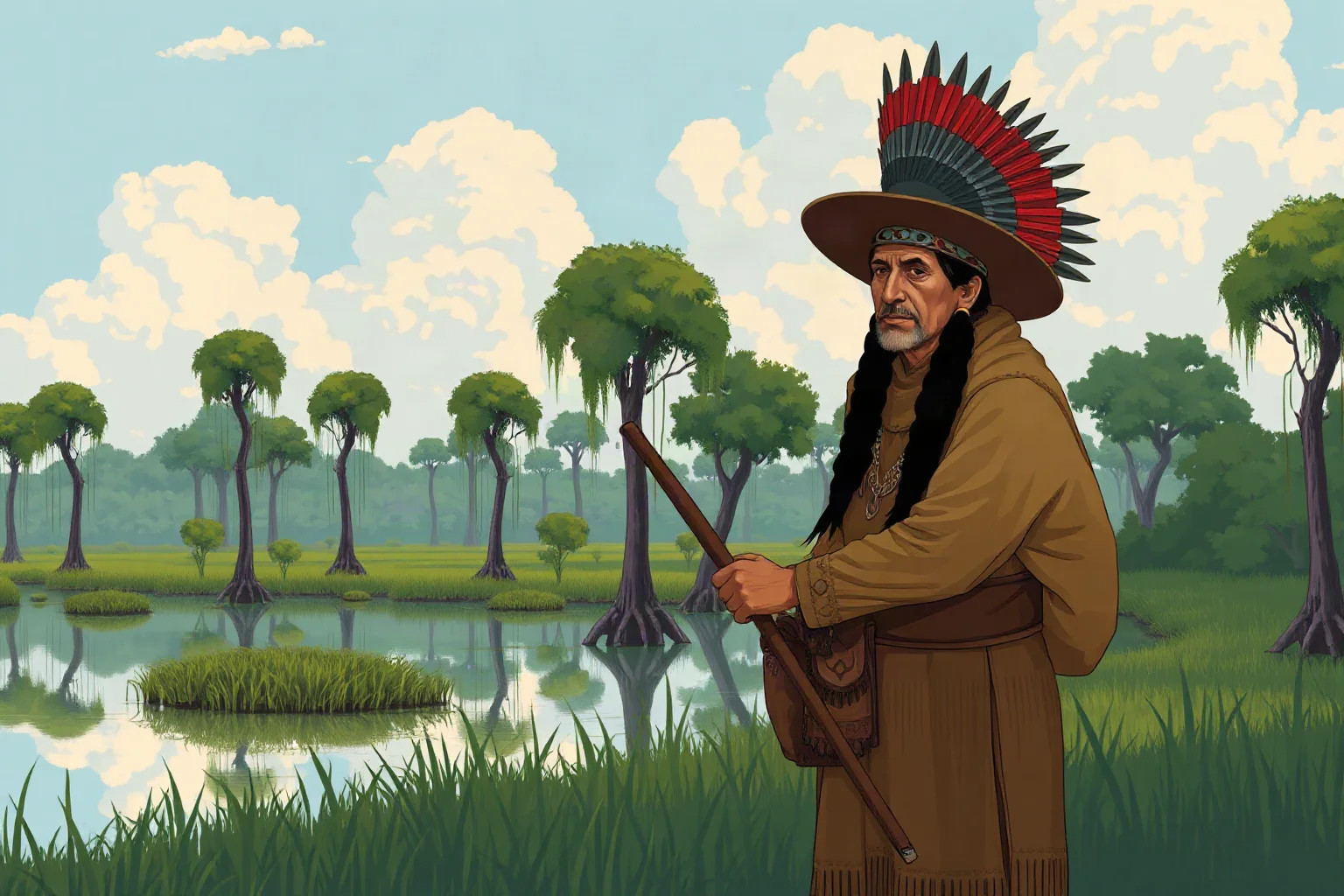
Osceola was a Seminole leader who resisted forced removal during the Second Seminole War from 1835 to 1842 in Florida. He was captured under a flag of truce, a controversial act at the time, and died in captivity in 1838. His resistance became a lasting symbol of Seminole sovereignty.
16. Cochise
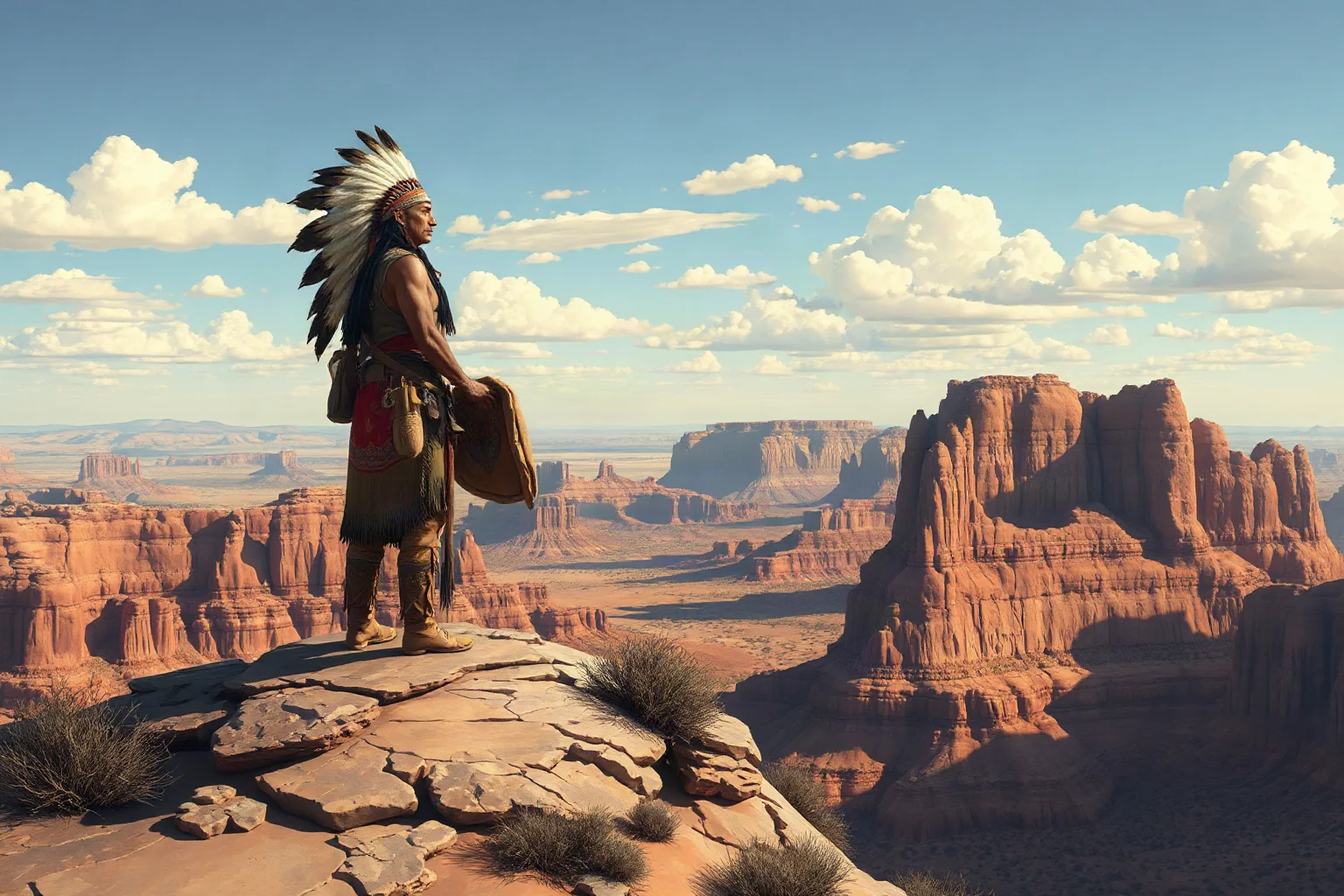
Cochise was a Chiricahua Apache leader who led resistance efforts in Arizona and New Mexico during the Apache Wars of the 1860s and 1870s. He eventually negotiated a peace agreement that allowed his people to remain on a reservation in their homeland. Cochise County, Arizona, is named in his honor today.
Legendary Figures and Native American Myths Passed Down Through Generations
Unlike the historical figures above, the following come from oral tradition, ceremony, and storytelling. These native American myths and legends vary widely between nations, and the versions below are general introductions rather than complete or singular accounts, since many tribes hold their own distinct tellings.
17. The Windigo
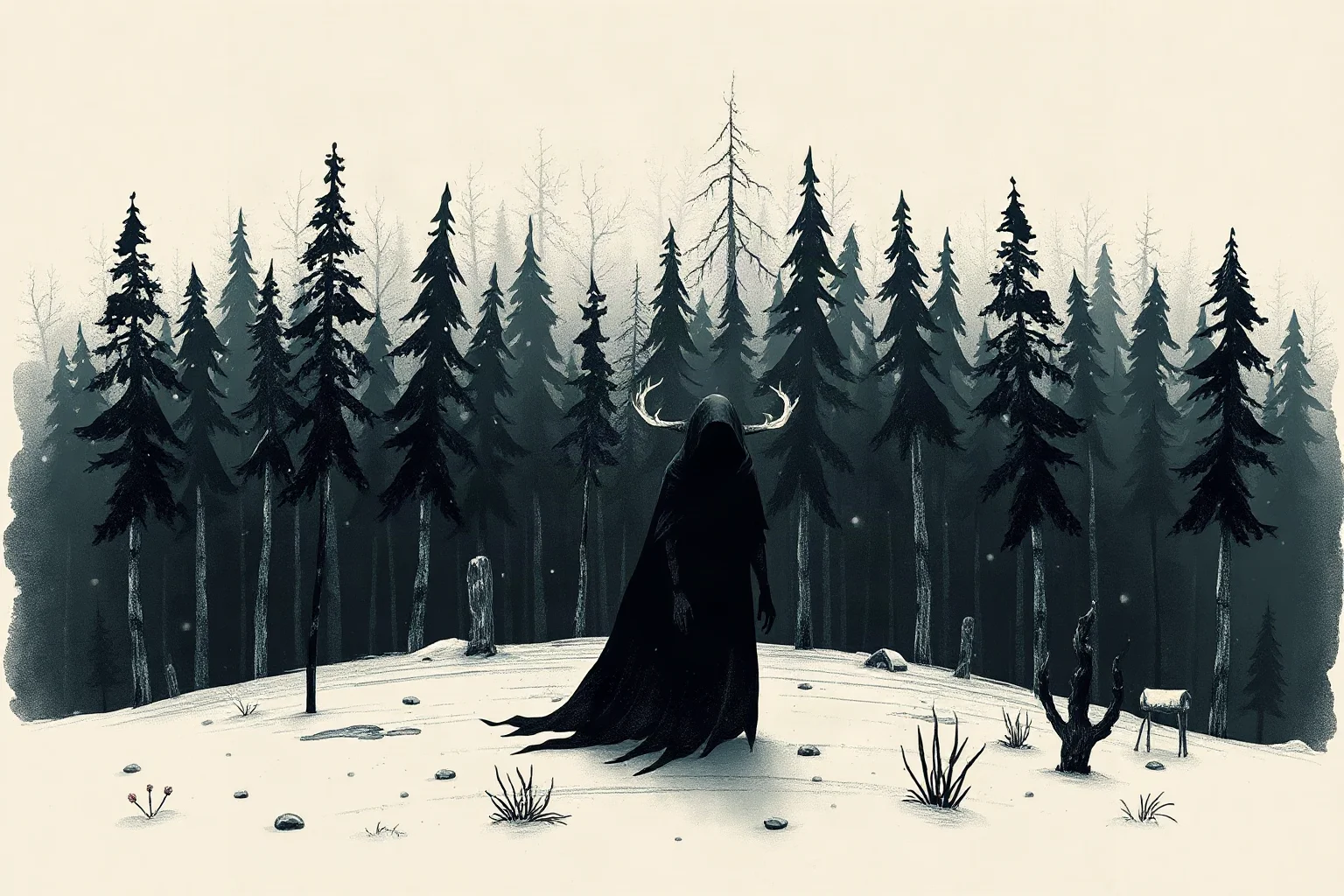
The Windigo is a cautionary figure found in the oral traditions of Algonquian-speaking peoples, including the Ojibwe and Cree, often described as a starving, monstrous spirit linked to greed, famine, and cannibalism. The legend traditionally served as a warning against selfishness during harsh winters when resources were scarce. It remains one of the most widely referenced native American legends in modern fiction and film, though pop culture versions often strip away its original moral teaching, much like many lesser-known mythical creatures from world folklore lose their original meaning once they become pop culture shorthand.
18. Coyote the Trickster
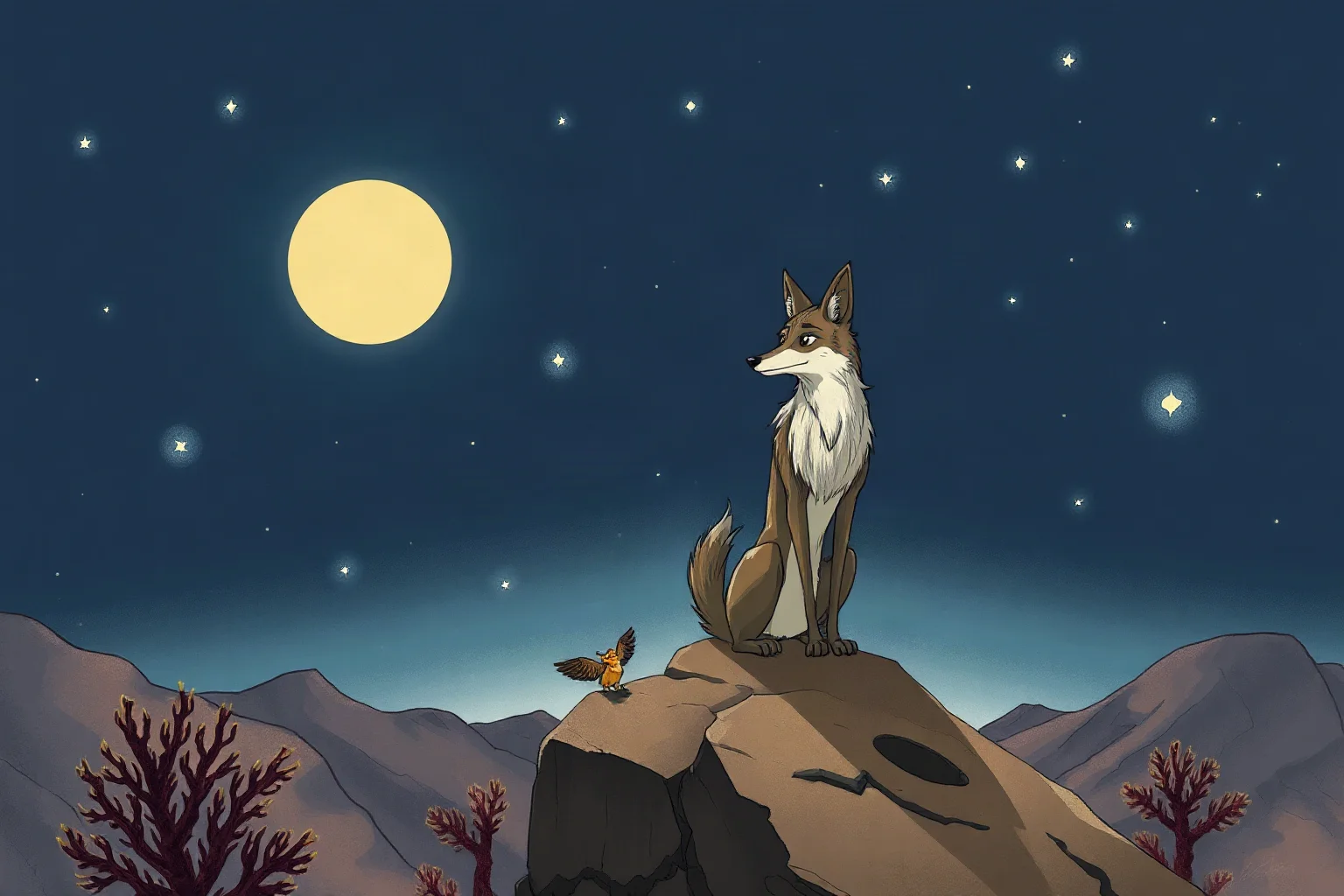
Coyote appears across many tribal storytelling traditions, particularly among Plains and Southwestern nations, as a clever, mischievous figure who shapes the world through mistakes as much as through cunning. Coyote stories often use humor to teach lessons about humility, consequence, and community values. As a recurring character, Coyote is one of the clearest examples of how American Indian mythology uses narrative to pass down practical wisdom.
19. The Thunderbird
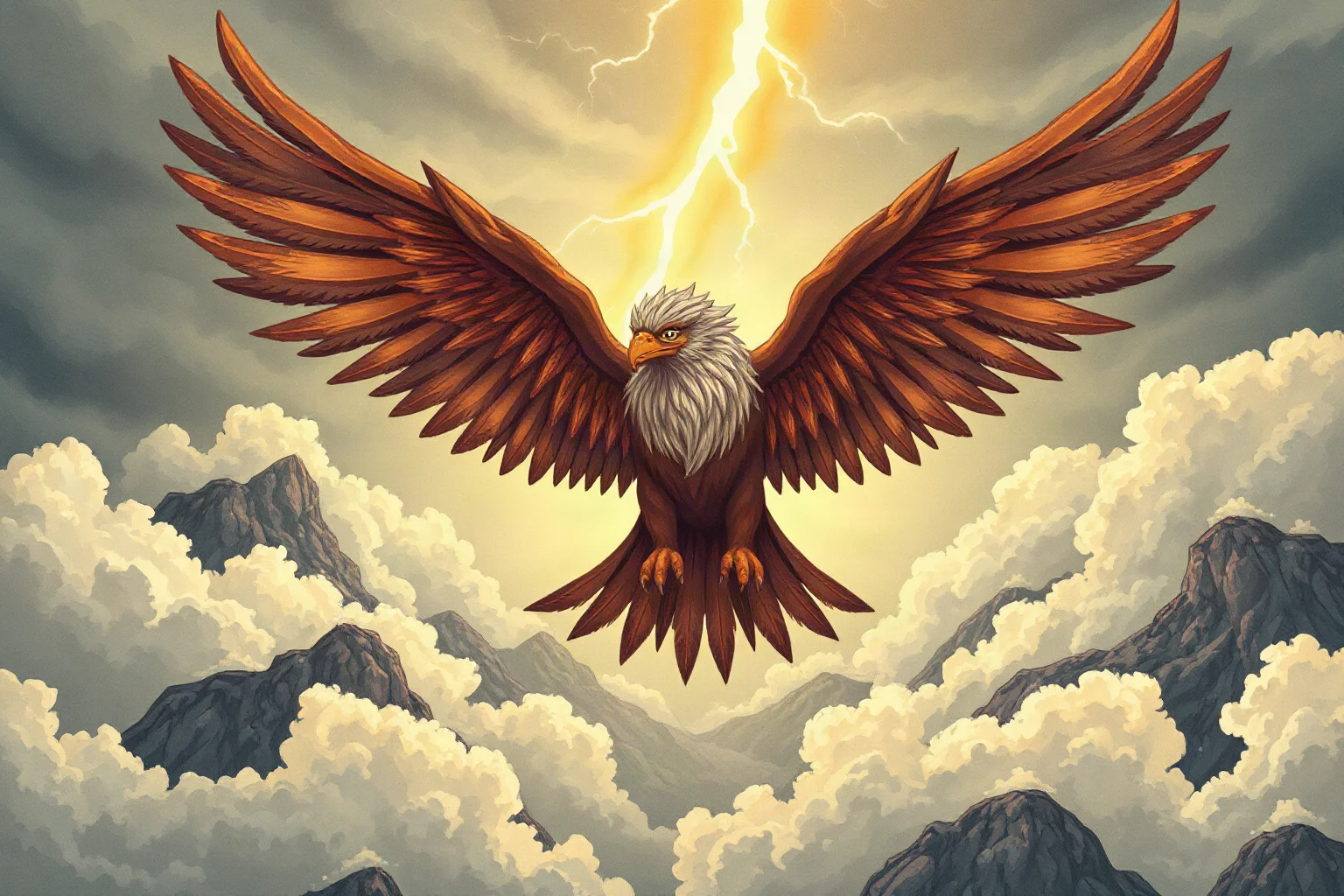
The Thunderbird is a powerful spirit figure recognized in the traditions of Plains nations and Pacific Northwest Coast peoples, associated with thunder, lightning, and protection. It’s a common motif in Pacific Northwest totem pole carvings, where it represents strength and guardianship. The Thunderbird remains one of the most recognizable symbols connected to native American legend traditions in North American art.
20. White Buffalo Calf Woman
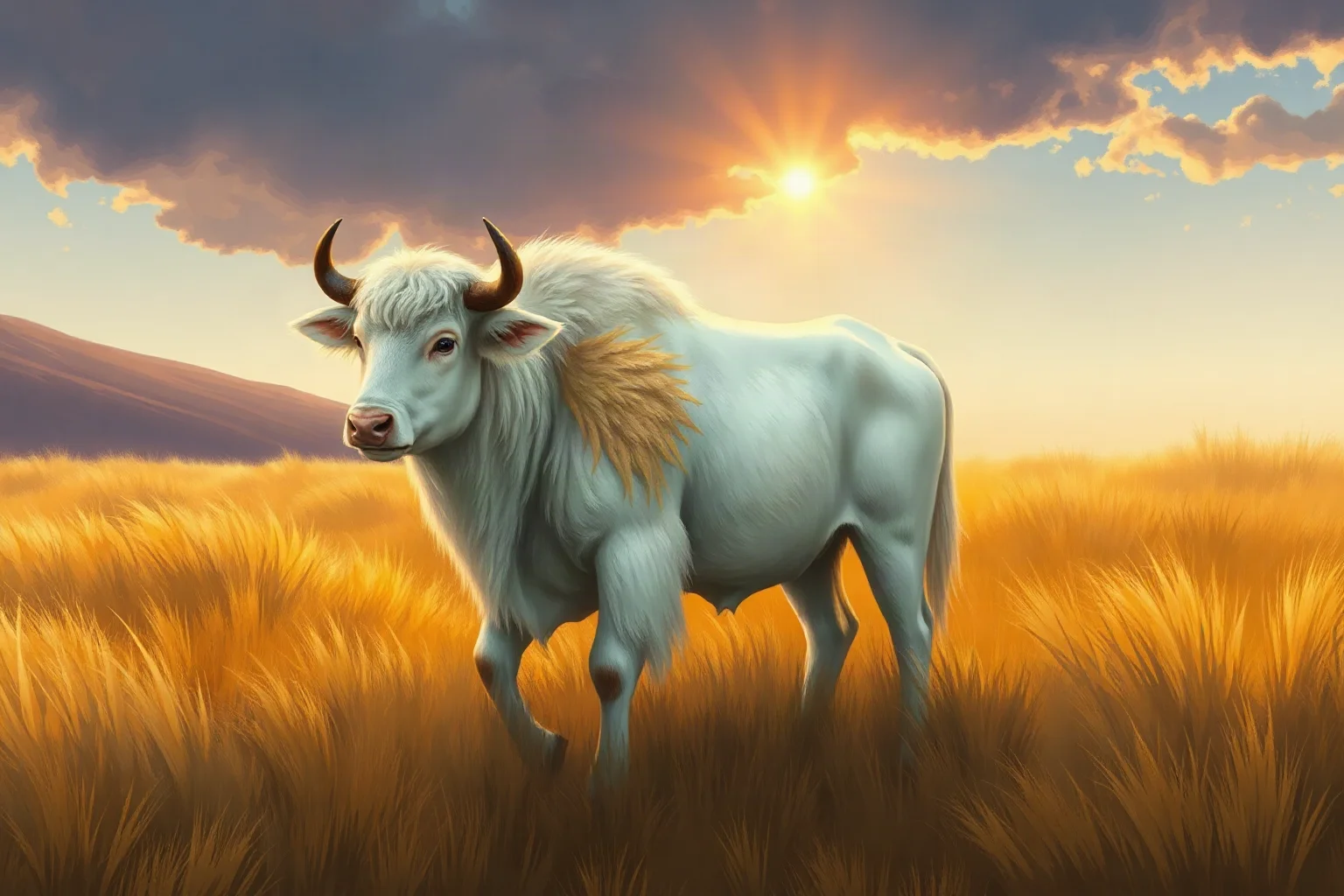
In Lakota tradition, White Buffalo Calf Woman is a sacred figure credited with bringing the Sacred Pipe and its ceremonies to the people. The story holds deep spiritual significance and is tied to core Lakota religious practice rather than being simply a folk tale. It remains one of the most important spiritual narratives among Plains nations.
21. Skinwalkers
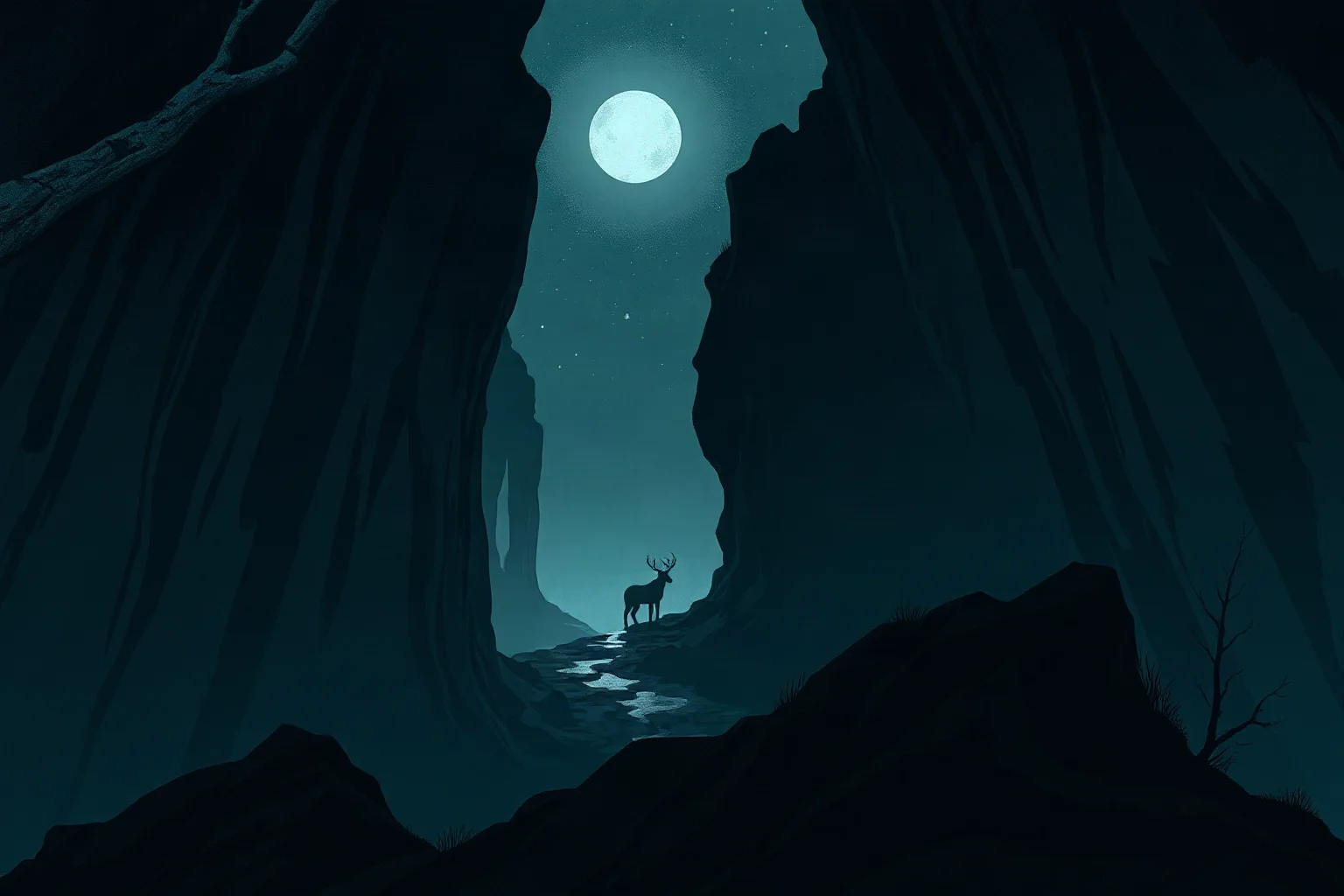
Within Navajo (Diné) tradition, skinwalkers are described as malevolent figures capable of taking animal form, often associated with witchcraft. Because this topic touches on sensitive religious and cultural beliefs, many Navajo people consider it inappropriate to discuss in detail outside of proper cultural context. It’s worth noting this here mainly because the concept has been widely, and often inaccurately, sensationalized in popular media unrelated to its original meaning.
22. The Dreamcatcher
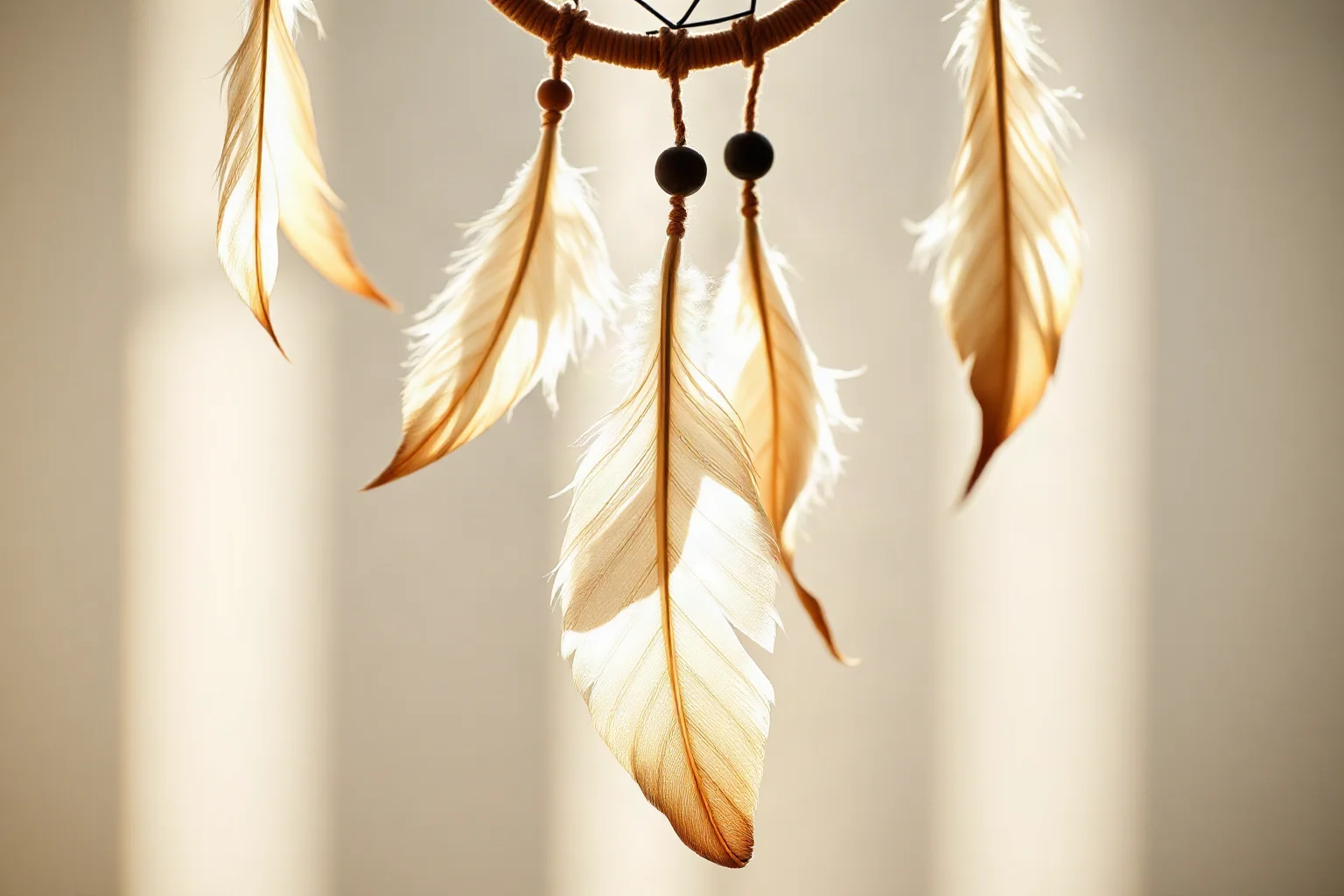
The dreamcatcher originates with the Ojibwe (Anishinaabe) people, tied to the legend of Asibikaashi, or Spider Woman, who wove protective webs to shield children from bad dreams. Over the twentieth century, dreamcatchers were widely commercialized and adopted far outside their original Ojibwe context, which has sparked ongoing conversations about cultural appropriation. The original story remains specific to Ojibwe tradition rather than a general Native American symbol.
23. Raven the Creator
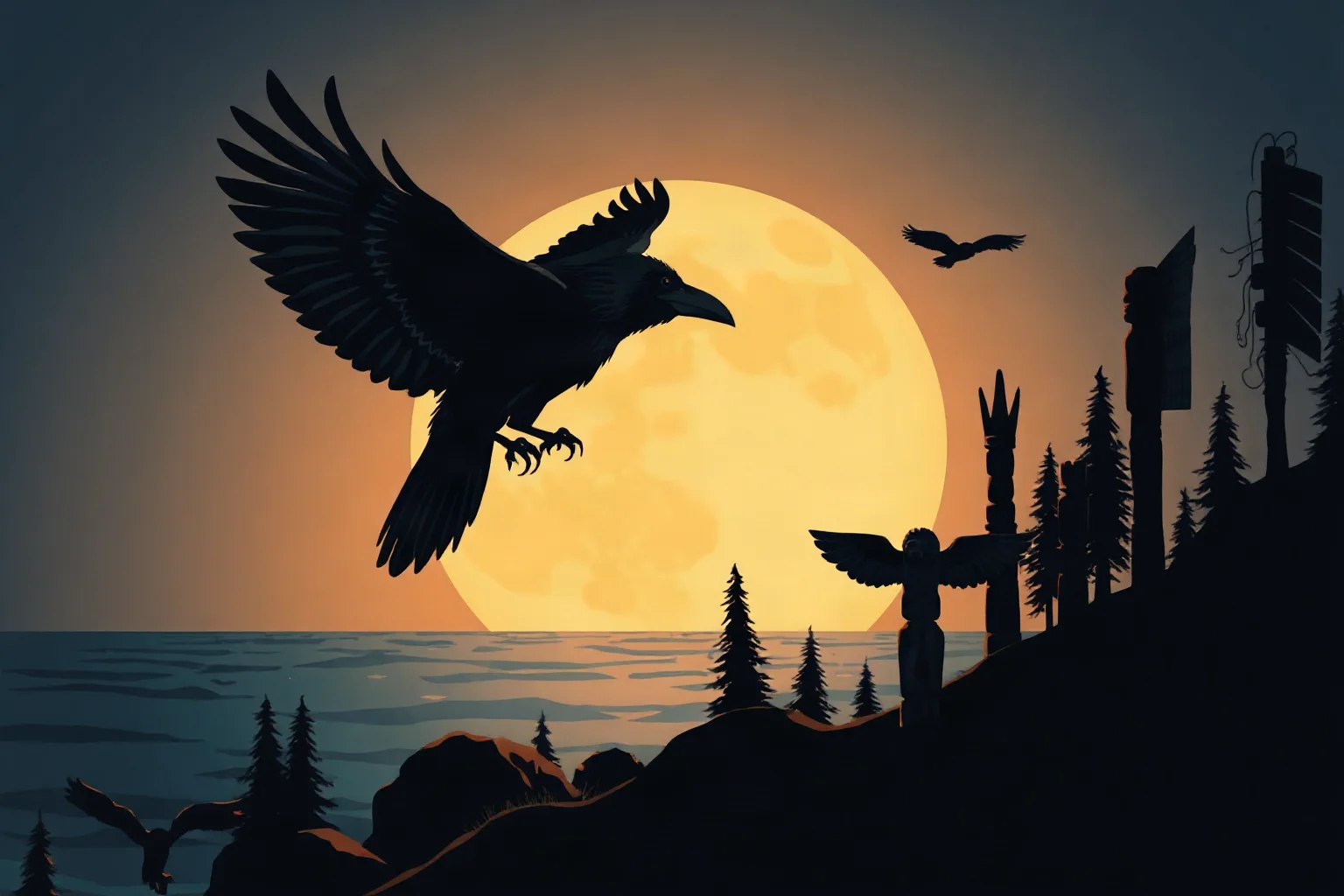
Among Pacific Northwest Coast peoples such as the Haida and Tlingit, Raven appears as both a trickster and a creator figure, credited in various tellings with releasing the sun, moon, and stars into the world. Raven stories combine humor with profound origin narratives, reflecting the region’s rich carving and storytelling traditions. Raven imagery remains prominent in totem poles and formline art from the region today.
24. Kokopelli
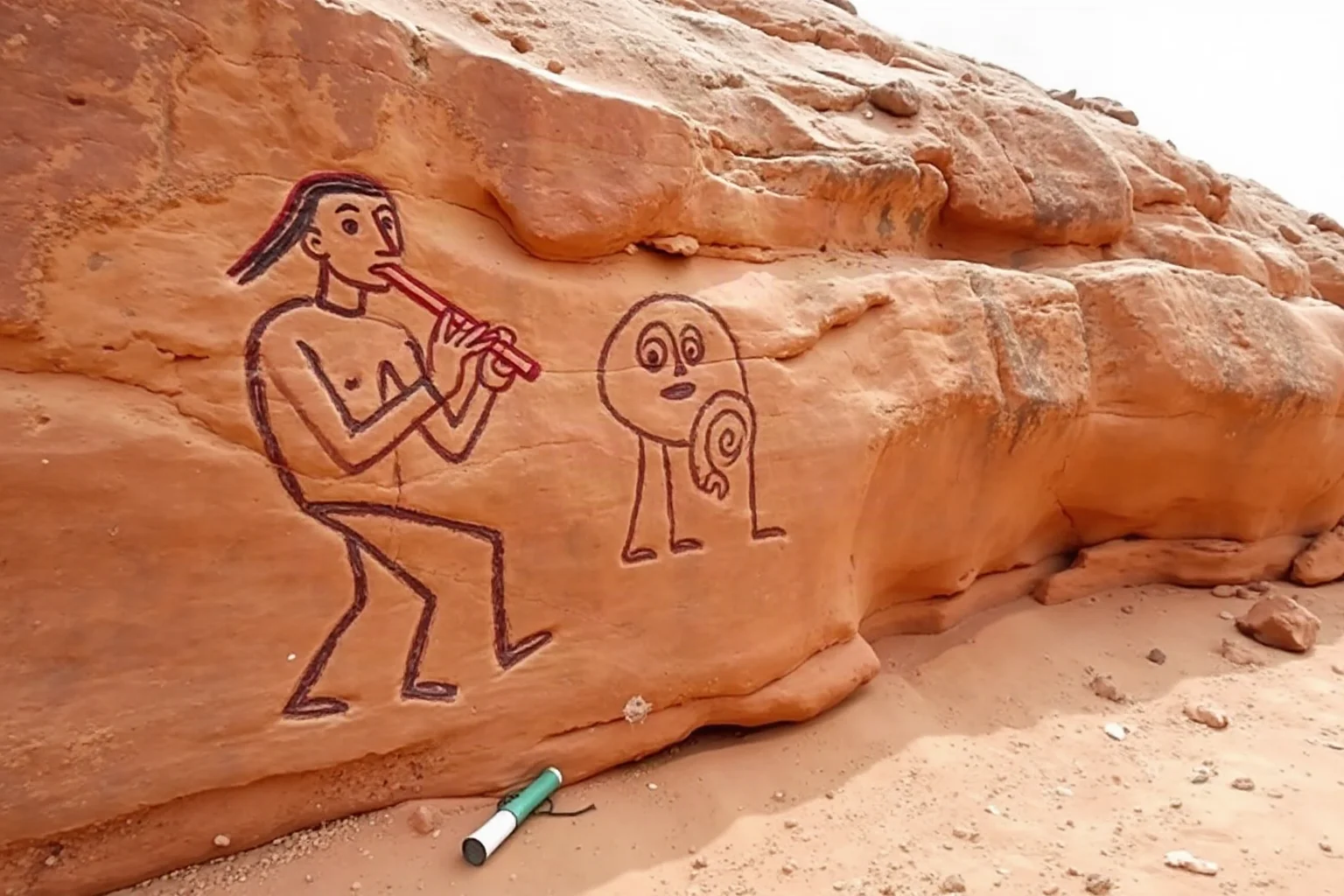
Kokopelli is a fertility deity and trickster figure recognized in Hopi, Zuni, and other Puebloan traditions of the Southwest, typically depicted as a hunchbacked flute player. Images of Kokopelli appear in petroglyphs dating back many centuries, echoing the kind of ancient rock art found among the most incredible artifacts ever uncovered, making him one of the oldest continuously recognized figures in American Indian legends. Today his image is widely used in Southwestern art and tourism, sometimes without full context of his original ceremonial meaning.
25. “How the Animals Got Their Traits” Stories
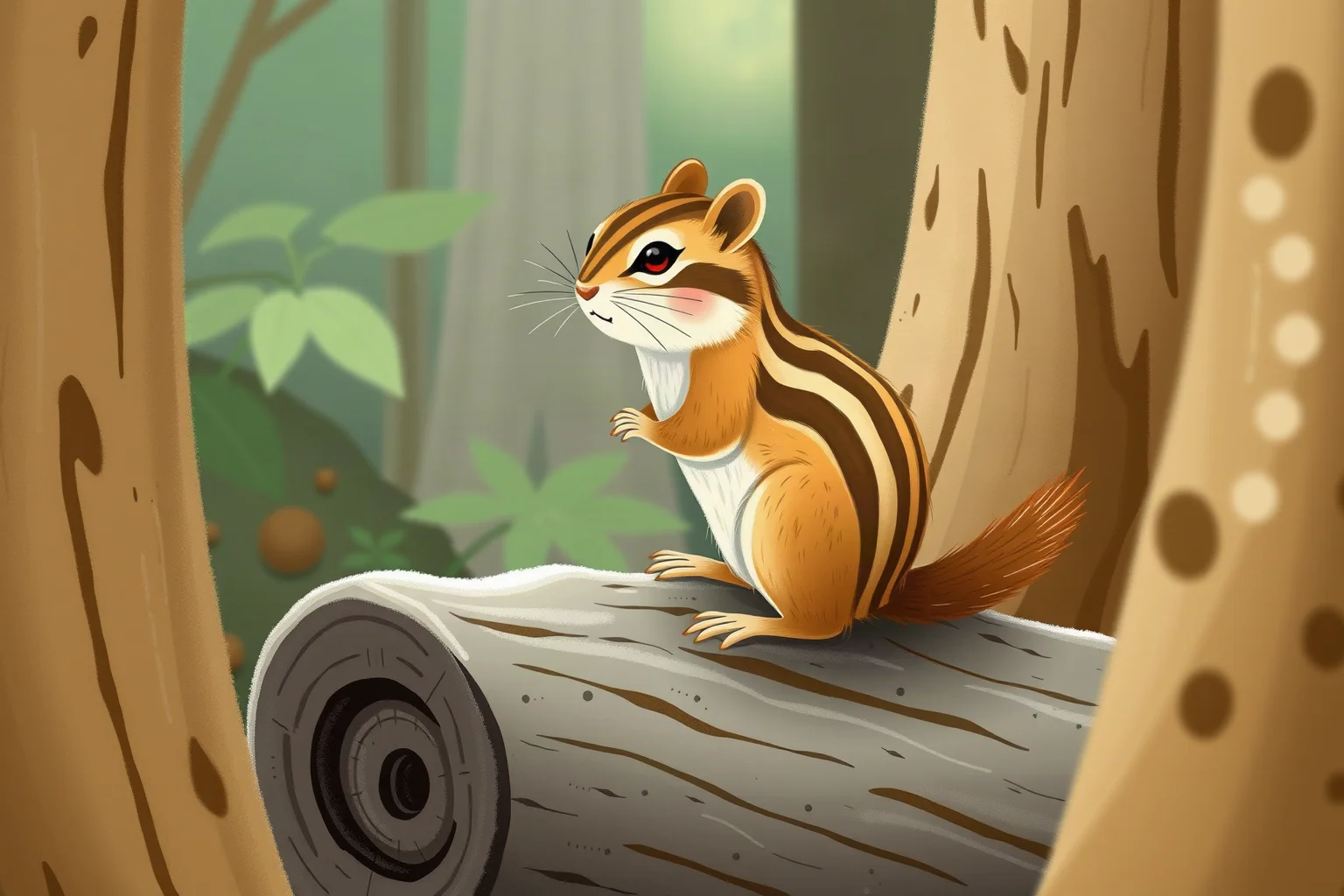
Many tribal traditions include origin stories explaining how specific animals got their physical features, such as how the chipmunk got its stripes or how the bear lost its long tail. Versions of these teaching tales exist among the Cherokee, Anishinaabe, and other nations, each with its own local details and moral lessons. These stories function similarly to fables, using animal characters to teach children about behavior and consequence.
26. The Water Panther (Mishipeshu)
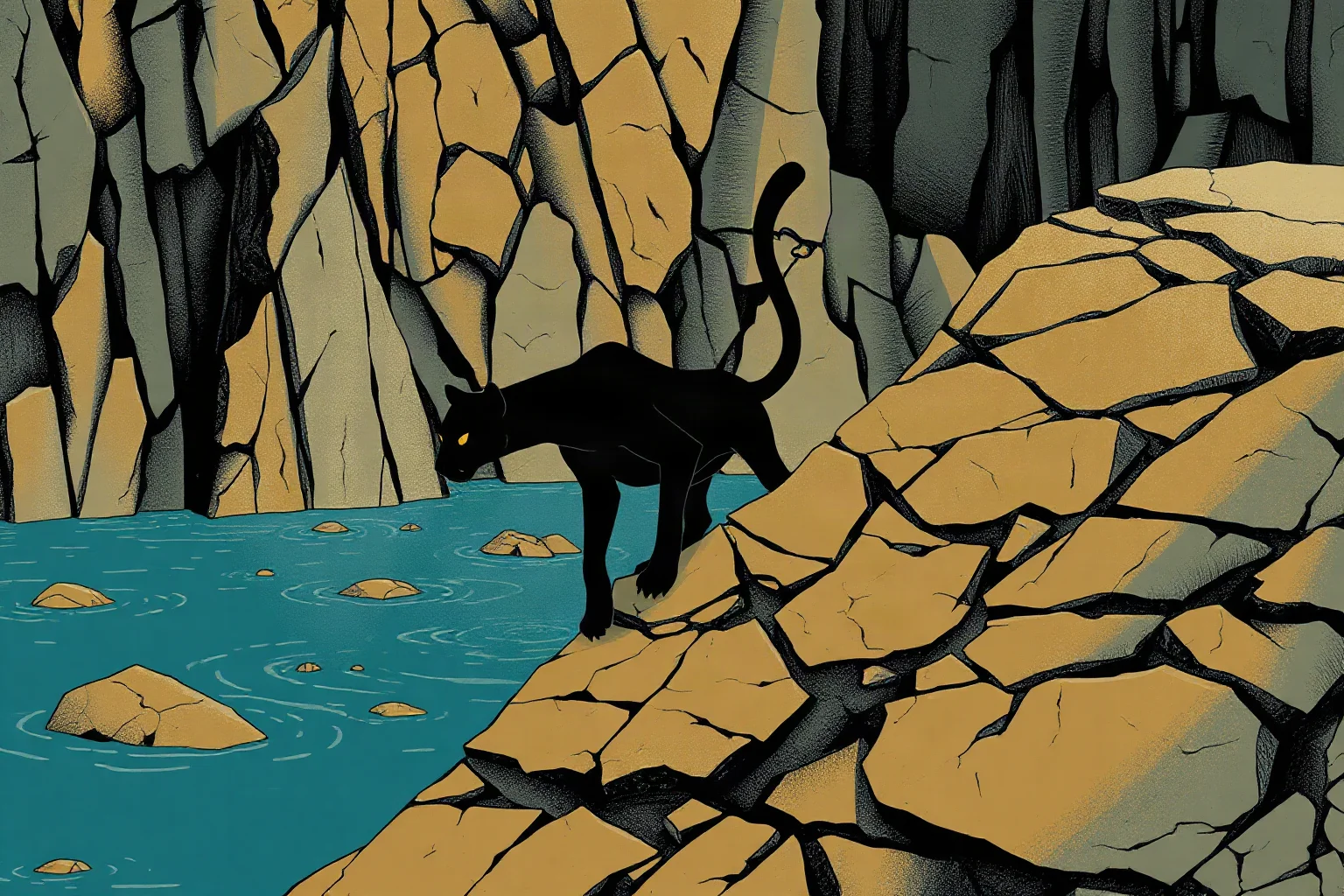
Mishipeshu, sometimes called the Water Panther, is an underwater guardian spirit recognized in Ojibwe tradition, associated with the copper deposits and deep waters of the Lake Superior region. It appears in ancient pictographs and petroglyphs along the lake’s rocky shorelines. The figure represents both danger and protection, reflecting the respect many Great Lakes nations held for the power of open water.
How Many Tribes, How Many Stories? Understanding the Diversity of Native Nations
It’s worth repeating that there is no single, unified set of native American myths list that applies to every tribe. The United States alone recognizes 574 federally recognized tribal nations as of recent counts, and Canada’s Indigenous peoples add hundreds more distinct nations and language groups. Each has its own history, language, and storytelling tradition.
That means a legend from the Ojibwe in the Great Lakes region may have no connection at all to a story told by the Hopi in the Southwest. Lumping them together as one generic “Native American mythology” erases the specific cultural context that gives each story its meaning. Whenever possible, it’s more accurate and more respectful to name the specific nation a story or historical figure comes from.
This diversity is also why some of the most famous native American names in history come from vastly different regions and centuries, from seventeenth-century Powhatan Virginia to twentieth-century Cherokee Nation politics, a span that touches several of the most significant historical time periods and eras in American history. Treating Native American history as one continuous, uniform narrative flattens a genuinely varied and complex record spanning thousands of distinct communities.
Why These Legends of America Still Matter Today
The historical figures on this list, from Sequoyah’s writing system to Wilma Mankiller’s leadership, represent documented achievements that continue to shape law, language, and public life. Their stories deserve to be told with the same rigor given to any other major figures in American history. Reducing them to simplified legends does their real accomplishments a disservice.
At the same time, the mythological and legendary figures on this list, like the Thunderbird, Raven, and Coyote, carry their own kind of truth. They preserve values, warnings, and worldviews that have been passed down orally for generations, often long before written language reached these communities. Treating them as literal history misses the point of what oral tradition is meant to do.
Understanding both categories, and being honest about where they differ, is the best way to appreciate the full scope of Native American history and lore. Whether you came here looking for famous Native American Indians who changed the course of U.S. history or the legendary stories still told around Indigenous communities today, both deserve to be remembered accurately and with respect.
Frequently Asked Questions
Who is considered the most famous North American Indian in history?
There's no single official answer, since "famous" depends on region and era, but figures like Sitting Bull, Sacagawea, Geronimo, and Tecumseh are among the most widely recognized famous North American Indian leaders in U.S. history due to their documented roles in major historical events.
What’s the difference between a Native American legend and a historical figure?
A historical figure, like Sequoyah or Chief Joseph, has a documented life supported by written records, treaties, or firsthand accounts. A legend, like Coyote the Trickster or the Thunderbird, comes from oral tradition and carries cultural or spiritual meaning rather than a verifiable biography.
What are some well-known Native American myths?
Widely referenced examples include the Windigo, Coyote the Trickster, the Thunderbird, White Buffalo Calf Woman, and the Ojibwe legend behind the dreamcatcher. Each comes from a specific tribal tradition rather than a single shared mythology.
Who are some influential Native American historical figures?
Influential figures include Sitting Bull and Crazy Horse for their military leadership, Sequoyah for creating the Cherokee syllabary, Wilma Mankiller as the first female Principal Chief of the Cherokee Nation, and Jim Thorpe and Maria Tallchief for their achievements in sports and the arts.
Is Pocahontas a legend or a historical figure?
Pocahontas was a real historical figure, the daughter of Powhatan leader Wahunsenacawh, who interacted with Jamestown colonists in the early 1600s. Much of the romanticized story told in later popular retellings, however, is not supported by the historical record and should be treated as fictionalized.
Why is Coyote such a common figure in Native American mythology stories?
Coyote appears across many tribal traditions, especially in the Plains and Southwest, as a trickster whose mistakes and cleverness teach lessons about humility and consequence. His recurring presence reflects how widely storytelling was used across different nations to pass down shared values through humor.
How many different Native American tribes have their own legend traditions?
The United States recognizes 574 federally recognized tribal nations, and Canada's Indigenous peoples include hundreds more distinct nations, each with its own language and oral storytelling traditions. This means there is no single unified set of Native American legends, but rather hundreds of distinct cultural traditions.

Alex Warren
Related Articles