

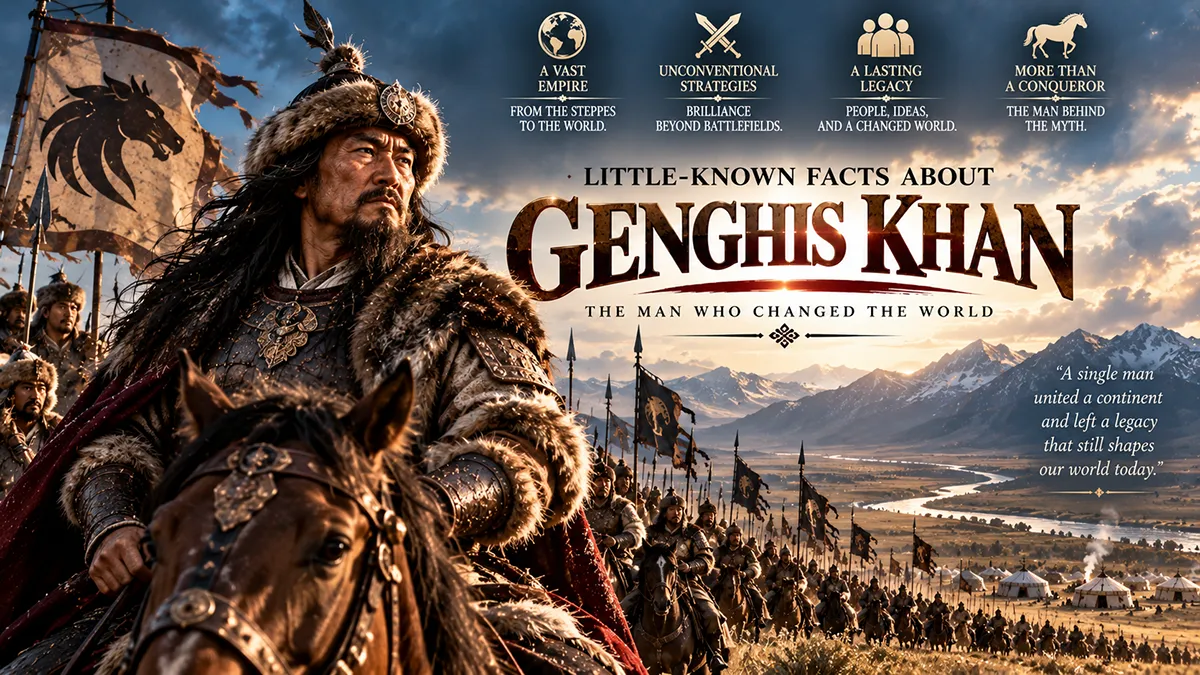
Few names in history carry as much weight as Genghis Khan, a figure who consistently ranks among the most recognized historical figures of all time. To some, he’s remembered as a merciless conqueror who left cities in ashes. To others, especially in Mongolia, he’s a founding father who united a fractured people and built one of history’s most sophisticated empires.
So what did Genghis Khan actually do, and why is he still such a source of fascination almost 800 years after his death? Below are 25 facts about Genghis Khan that go beyond the textbook summary — covering his real name, his brutal reputation, his surprising achievements, and a few mysteries historians still haven’t solved.
TL;DR: Genghis Khan united the Mongol tribes and built the foundations of the largest contiguous land empire in history through a mix of military genius, ruthless brutality, and surprisingly progressive administration.
1. Genghis Khan Was a Real Historical Figure — Not a Legend

It’s a fair question — one people also ask about legendary figures like Joan of Arc: was Genghis Khan real, or is he more myth than man? He was very much real, and his life is documented in multiple historical sources, including Mongol, Chinese, and Persian chronicles written within decades of his death.
The most famous of these is “The Secret History of the Mongols,” a semi-official Mongolian text believed to have been compiled shortly after his death. It mixes verifiable history with legend, so historians treat some of its stories with caution rather than as strict fact.
2. His Birth Name Was Temüjin, Not Genghis Khan
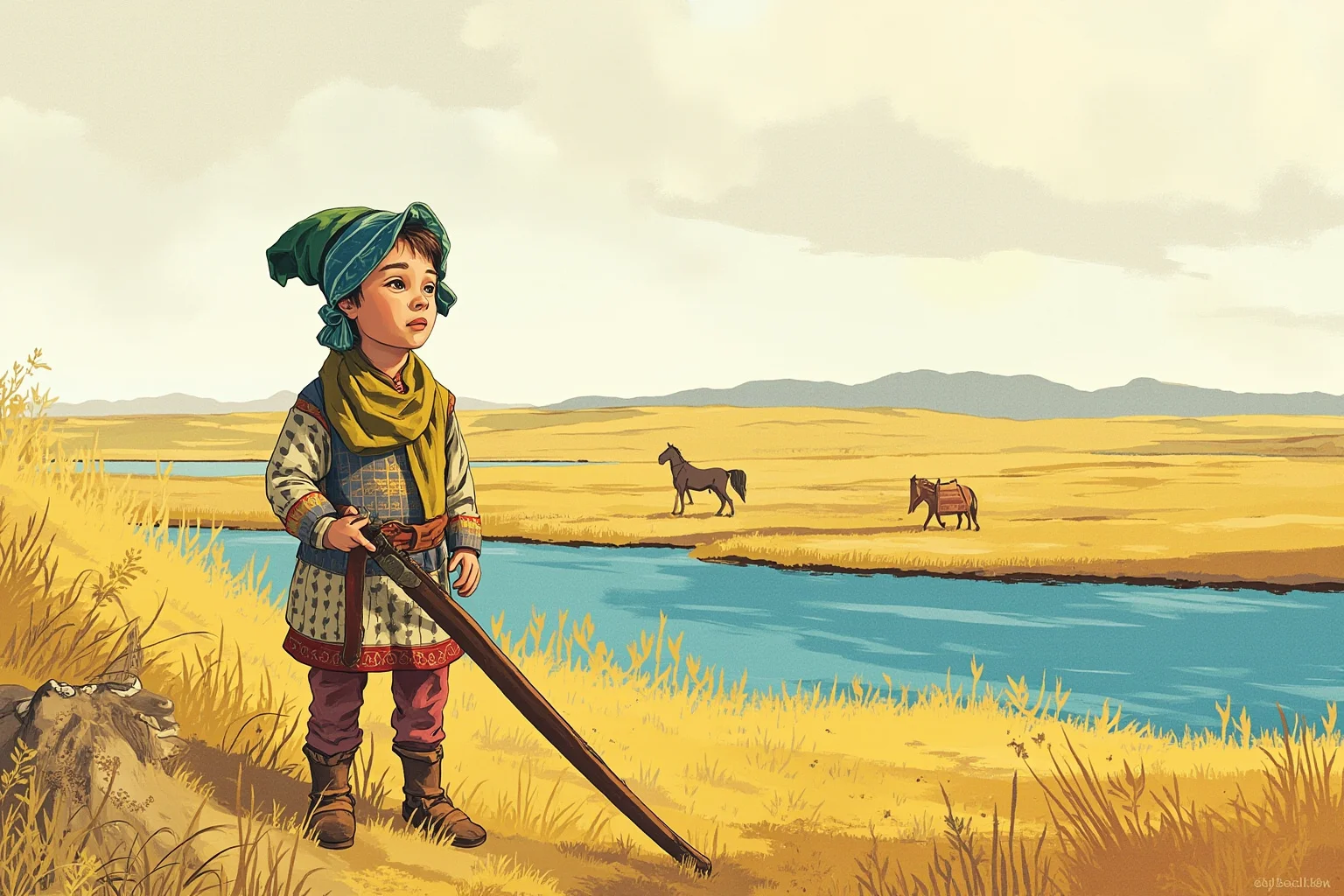
Genghis Khan was not born with that name. He was originally named Temüjin, likely born around 1162 near the Onon River in what is now northeastern Mongolia, though some sources suggest a slightly earlier date.
“Genghis Khan” was a title he adopted in 1206 after unifying the Mongol tribes, generally translated as something like “universal ruler” or “fierce ruler.” This is one of the most surprising unknown facts for people who assume it was simply his given name.
3. He Rose From Extreme Poverty and Abandonment
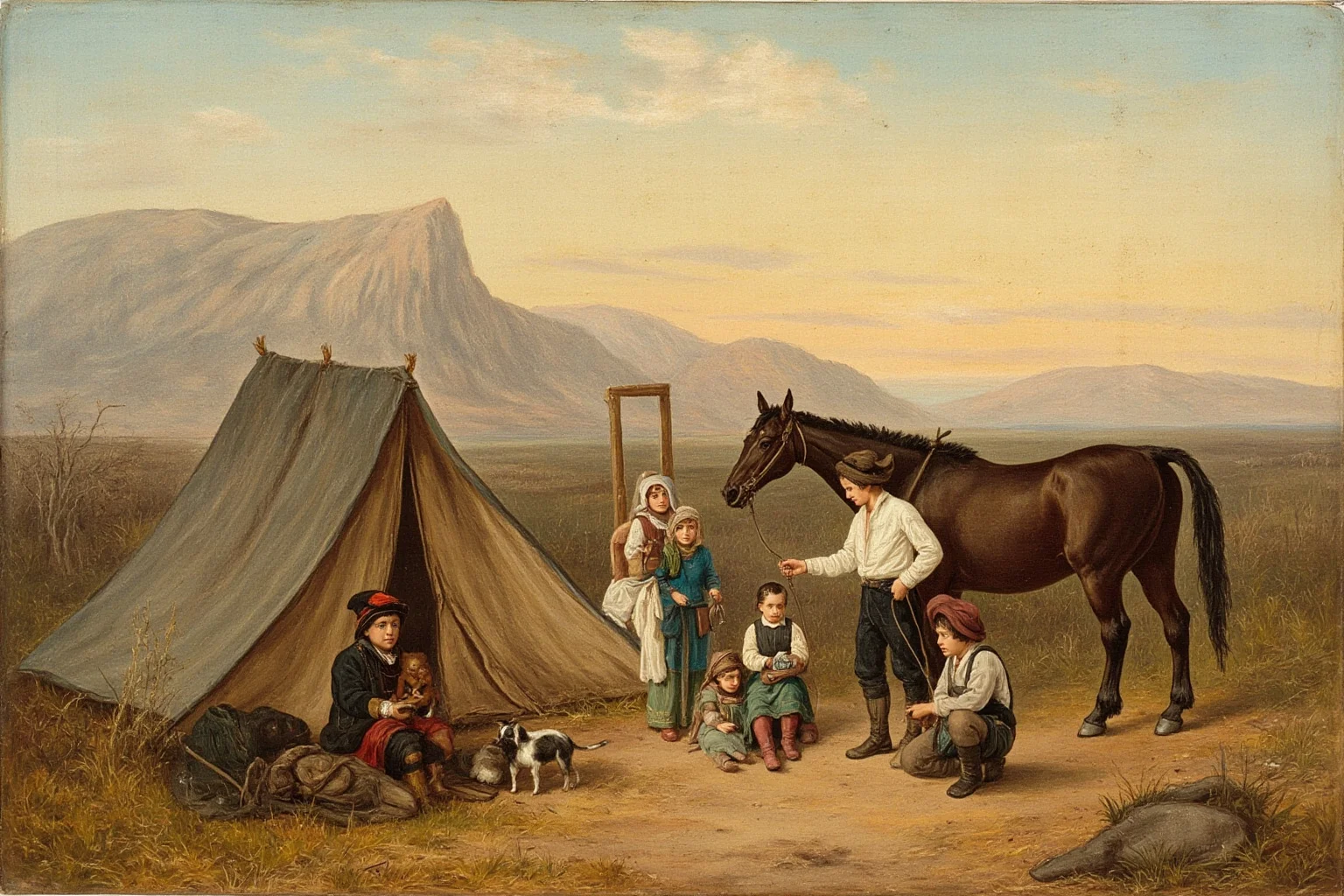
Temüjin’s early life was marked by hardship rather than privilege. His father, a minor tribal chief, died when Temüjin was still a boy, and their clan abandoned the widowed family, leaving them to survive on wild fruit, marmots, and fish.
This period of poverty and struggle is often cited as a key reason for his later ruthlessness and drive. Surviving betrayal at a young age seems to have shaped how he viewed loyalty and power for the rest of his life.
4. He Killed His Own Half-Brother
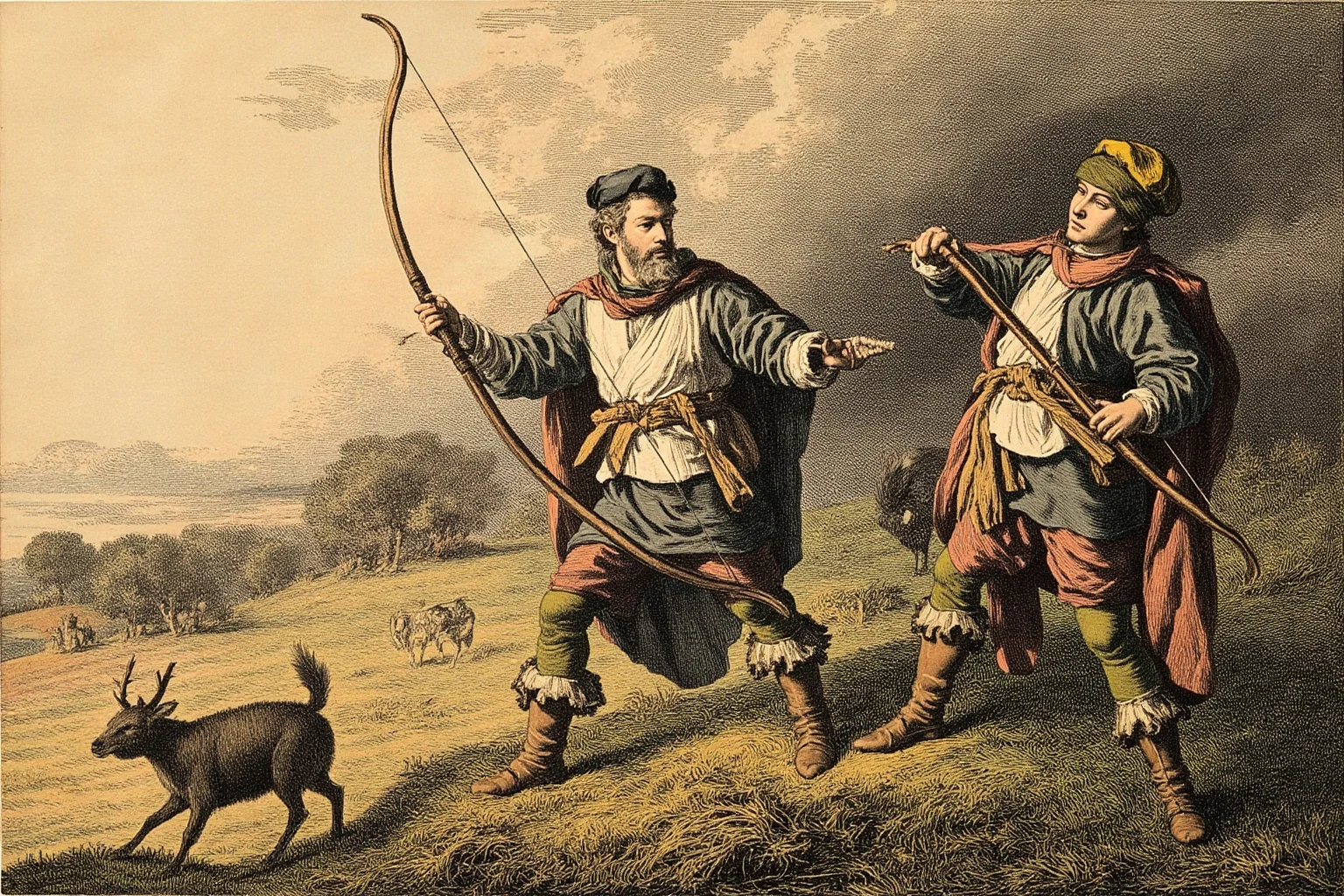
According to “The Secret History of the Mongols,” a teenage Temüjin killed his older half-brother, Begter, after a dispute over hunted food. This story illustrates how brutal the fight for survival was within his own family, long before he became a ruler of nations.
Historians note this account comes from a source that blends fact with dramatic storytelling, so it should be read as part of Mongol oral tradition rather than an ironclad historical record. Still, it’s consistently cited as an early sign of his willingness to use violence decisively.
5. He Unified the Warring Mongol Tribes
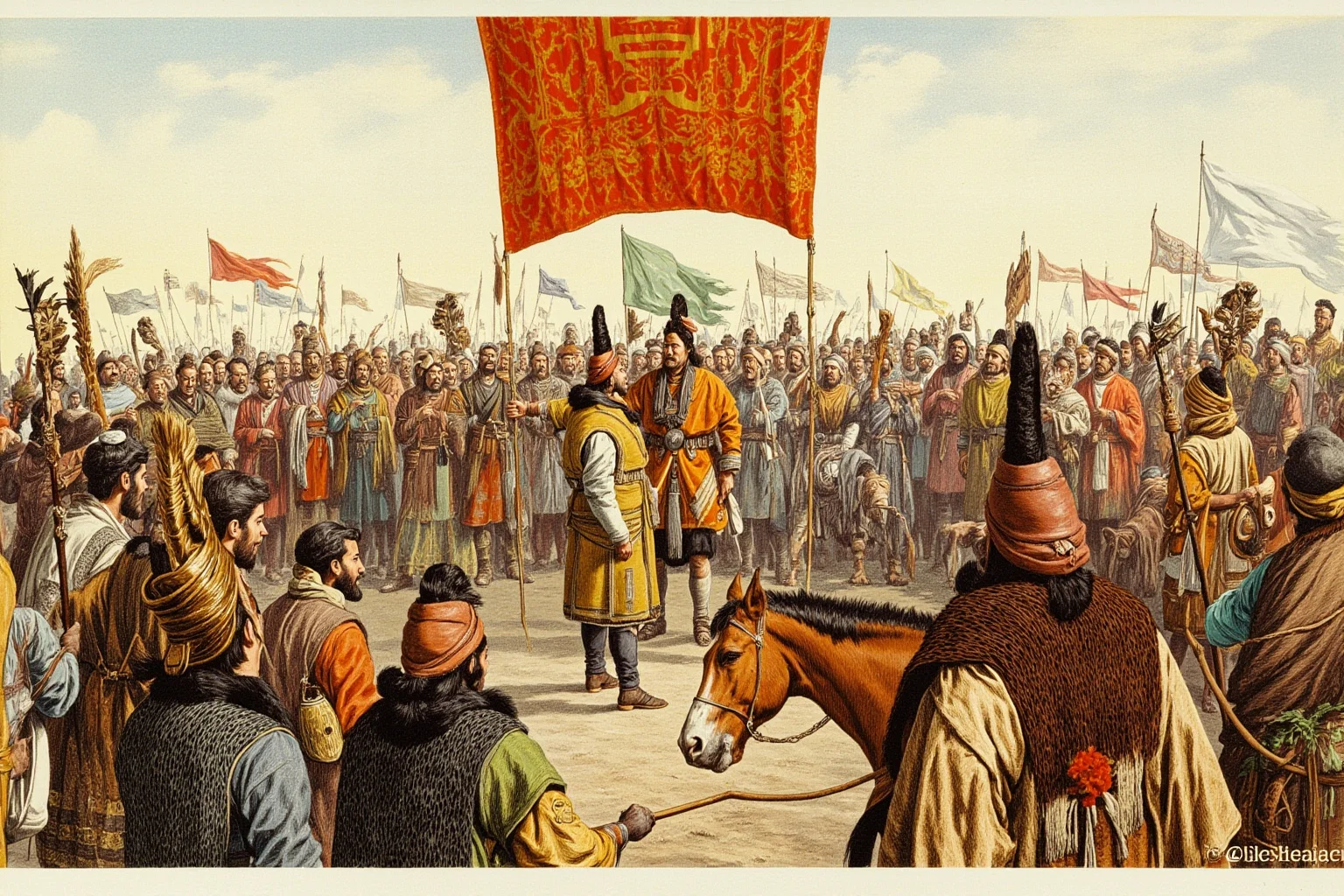
If you’re wondering what Genghis Khan is known for above all else, this is it. Before Temüjin, the Mongol steppe was a patchwork of feuding tribes locked in cycles of raiding and revenge.
Through a combination of alliances, betrayals, and military victories, he brought these tribes under a single banner by 1206. That unification is the foundation everything else on this list is built on.
6. He Built One of the Largest Land Empires in History
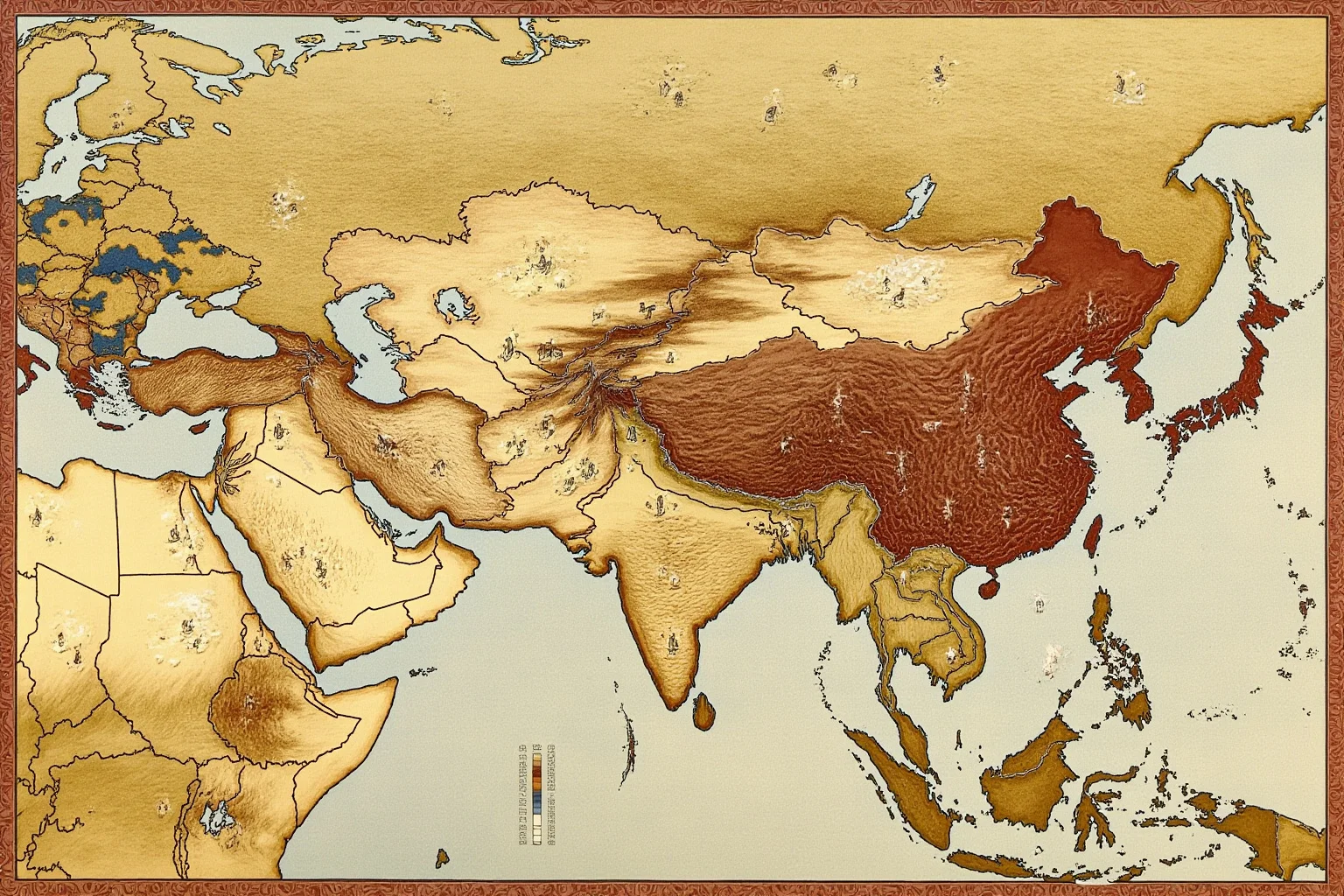
By the time of his death in 1227, the Mongol Empire stretched from the Caspian Sea to the Sea of Japan. Under his successors, it would grow even further, eventually becoming the largest contiguous land empire the world has ever seen.
This is central to why Genghis Khan is famous: he didn’t just conquer territory, he laid the administrative and military groundwork that let his sons and grandsons keep expanding it for decades after his death.
7. He Built a Meritocracy, Not Just a Monarchy
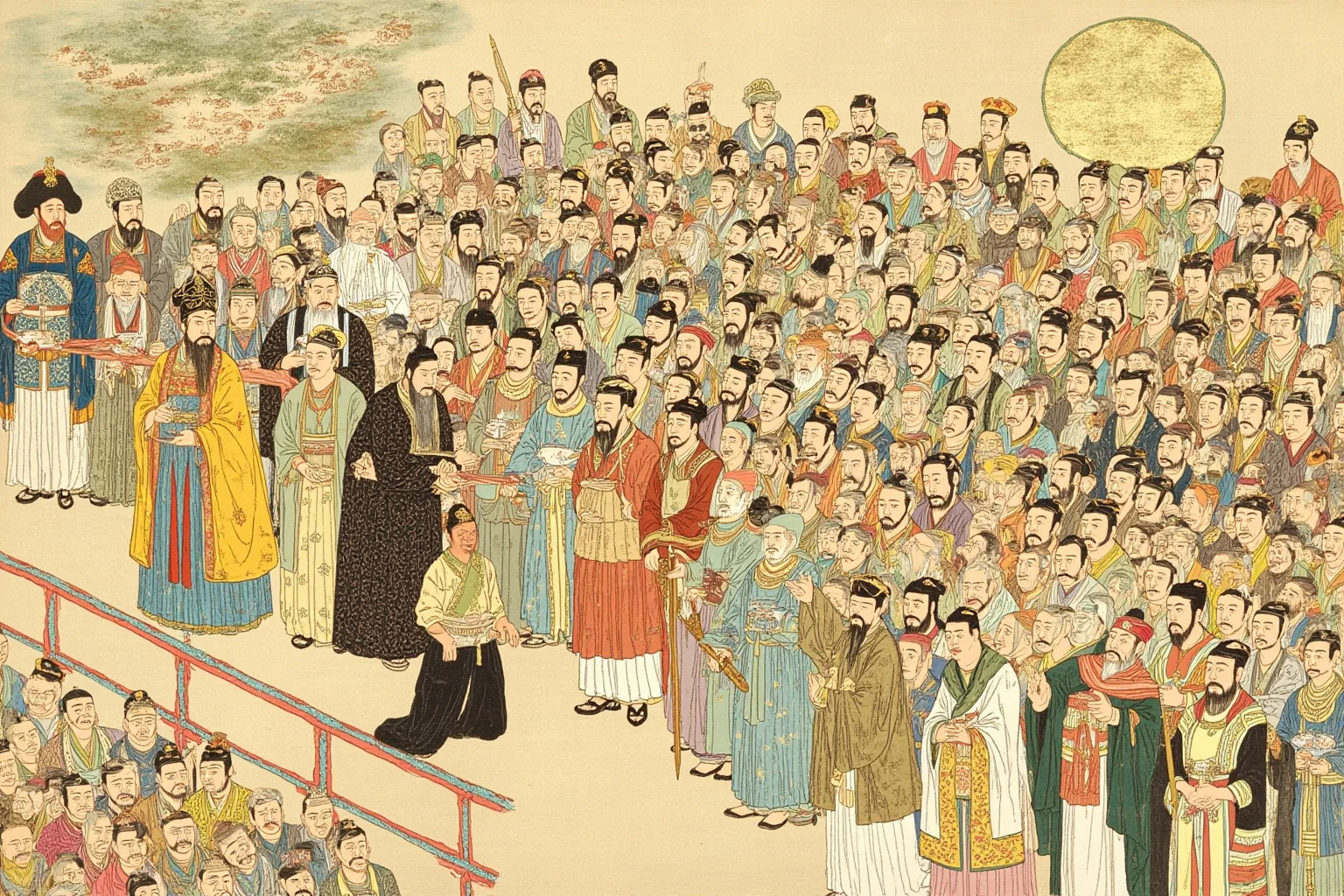
Unlike many rulers of his era, Genghis Khan promoted people based on loyalty, skill, and performance rather than noble birth. Commanders who proved themselves in battle could rise to high rank regardless of their family background.
This meritocratic streak helped him build intensely loyal armies and administrators. It’s one of the more overlooked facts about Genghis Khan that complicates his image as a purely destructive figure.
8. His Army Ran on a Strict Decimal System
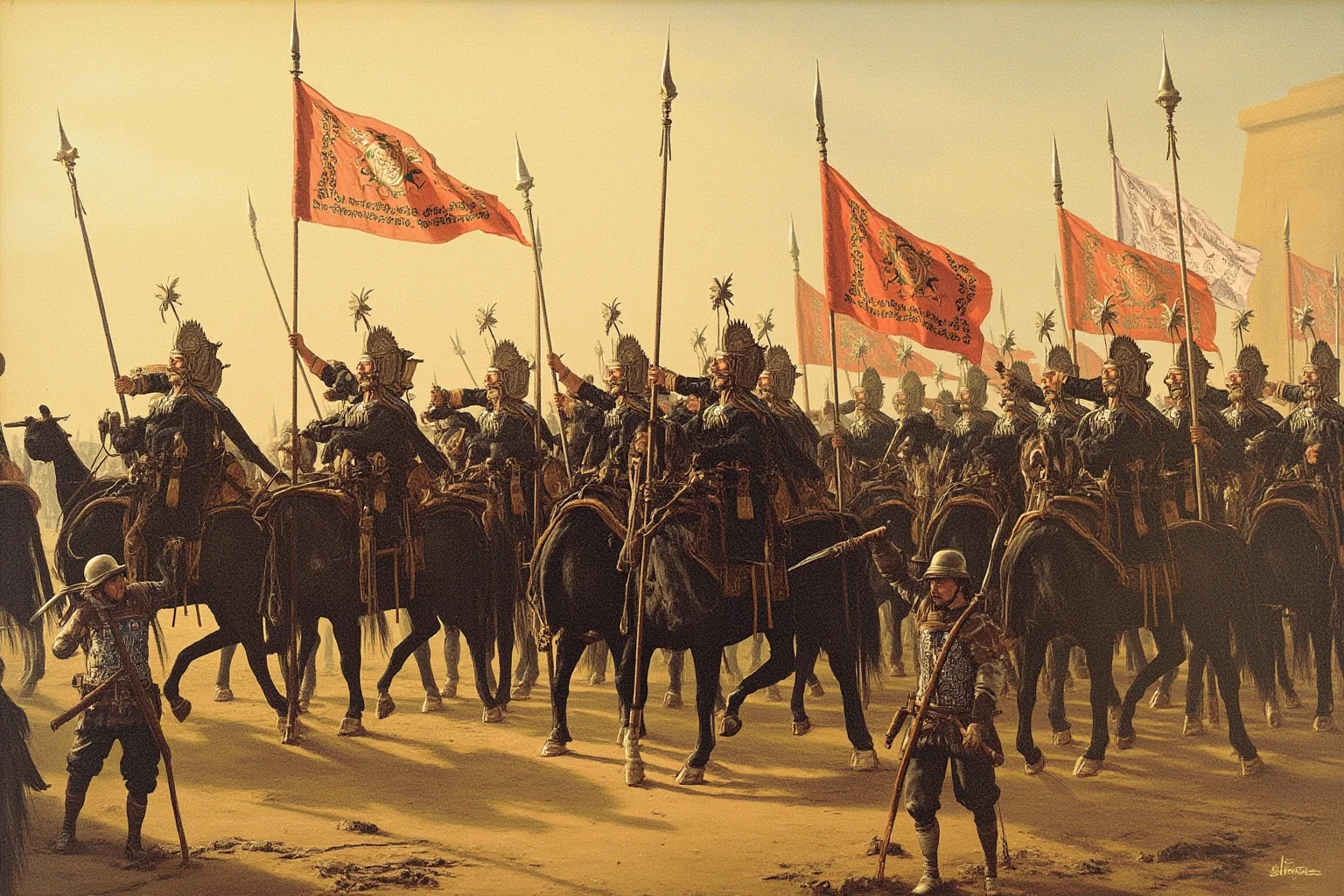
Genghis Khan organized his forces into units of ten: squads of 10 (arban), companies of 100 (jaghun), regiments of 1,000 (mingghan), and divisions of 10,000 (tumen). This structure made his army far easier to command, supply, and coordinate than the looser tribal forces it replaced.
This system also reinforced discipline, since soldiers were bound to their units and commanders were held responsible for their men’s conduct. It’s a big part of the military machinery behind his conquests.
9. He Created an Early Version of the Pony Express
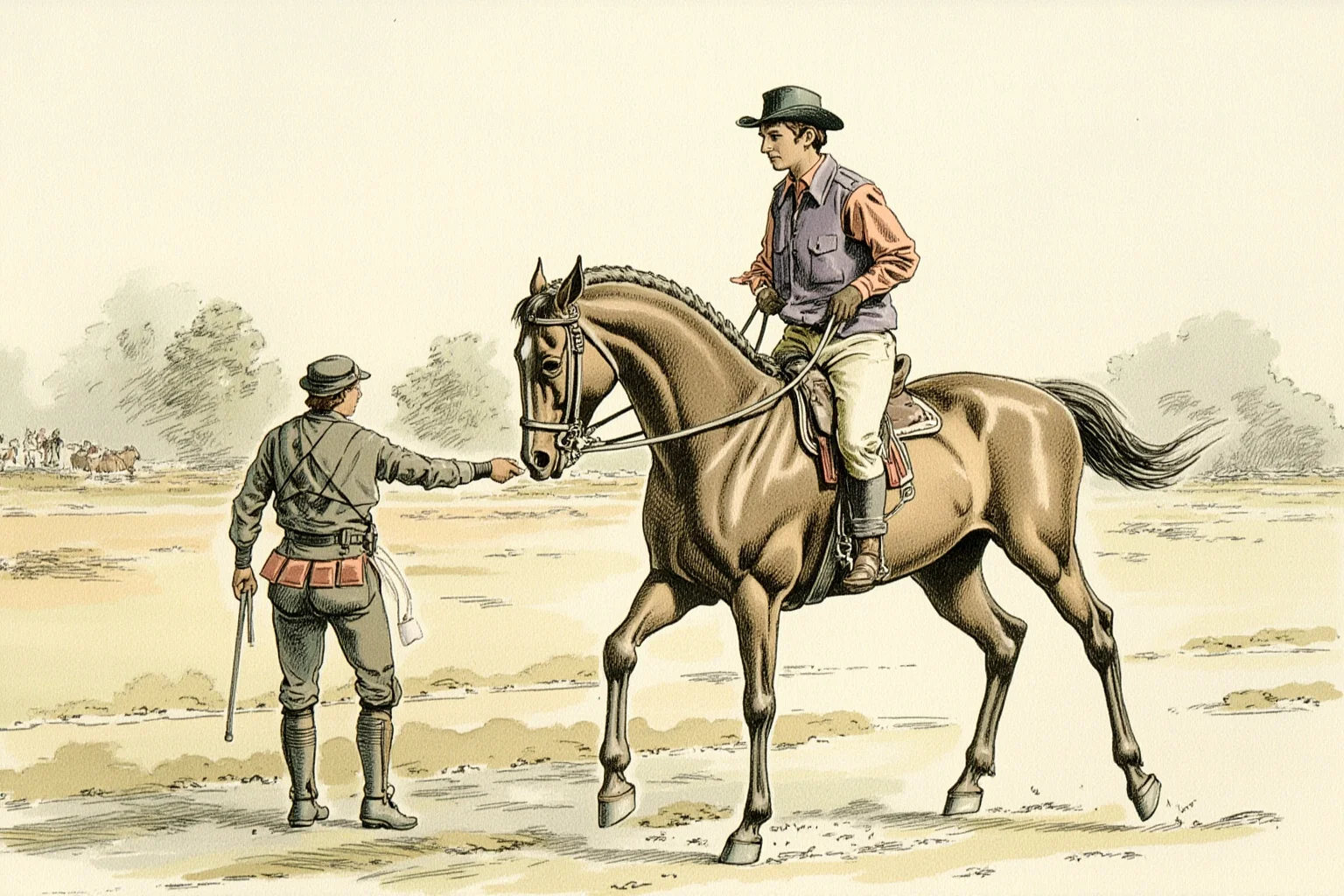
Genghis Khan established the “Yam,” a relay system of horse stations set up across the empire to move messengers, officials, and information quickly across vast distances. Riders could switch to fresh horses at each station, dramatically increasing how fast news and orders traveled.
This system is often compared to a much earlier version of the 19th-century Pony Express. It let the Mongol Empire govern territory that would otherwise have been far too large to control effectively.
10. He Enforced a Strict Legal Code Called the Yassa
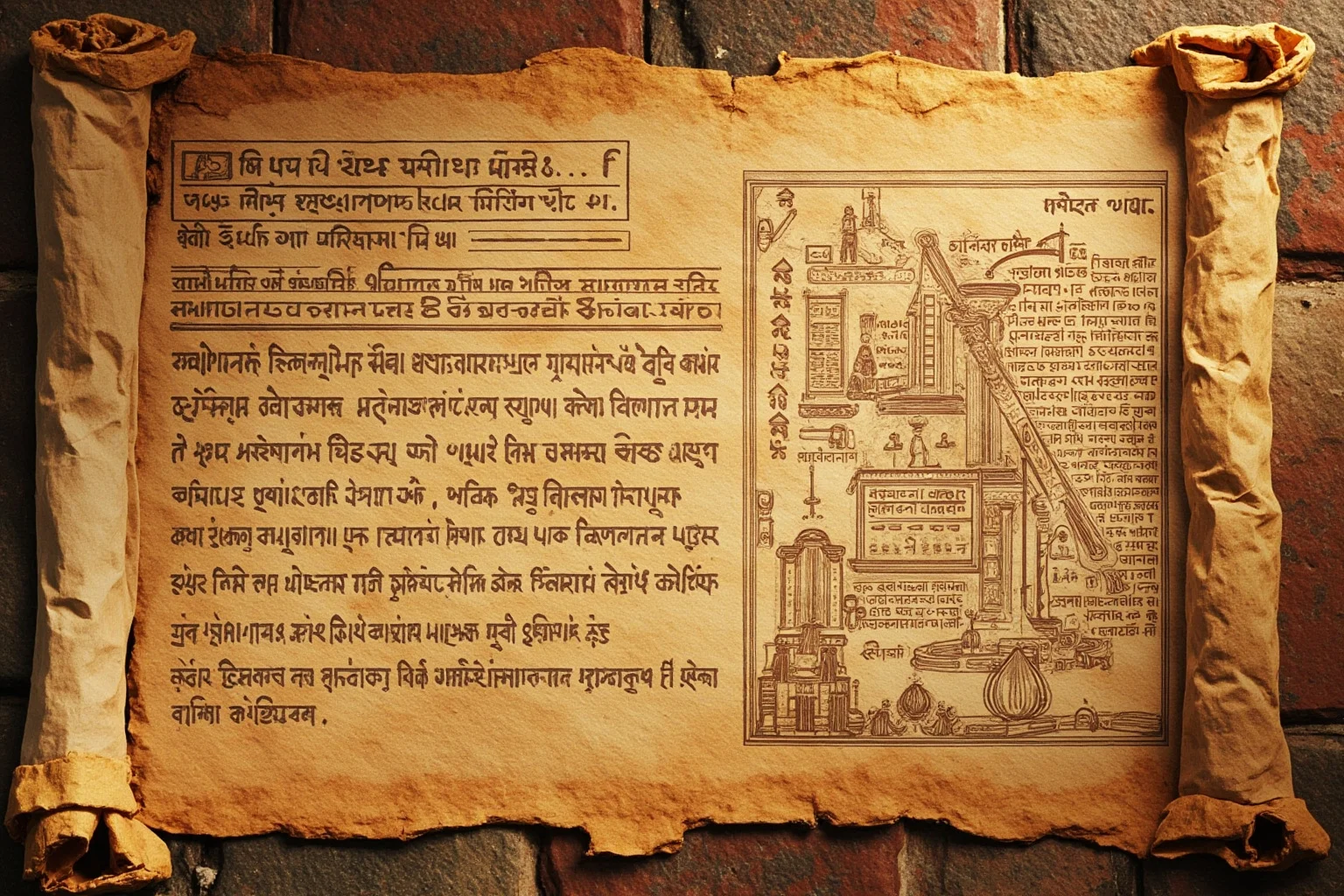
Genghis Khan introduced a code of law known as the Yassa, which covered everything from military discipline to theft, treason, and religious practice. While the exact original text hasn’t survived, references to it appear in multiple historical sources.
The code applied broadly across his empire, which was unusual for the time. It’s one of the important facts about Genghis Khan that shows he was as much an organizer as a warrior.
11. He Practiced Surprising Religious Tolerance
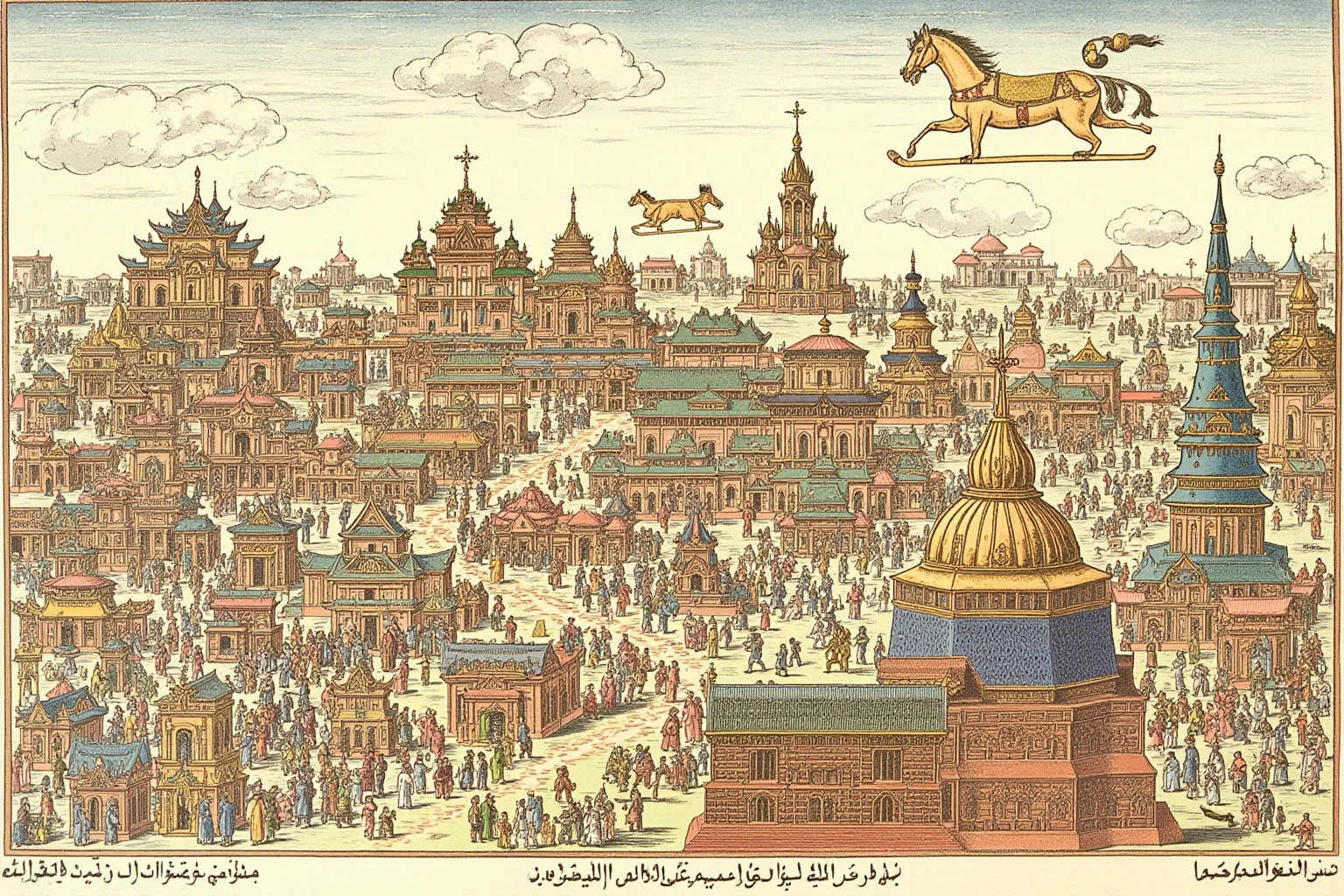
Despite his brutal military reputation, Genghis Khan generally allowed conquered peoples to practice their own religions, whether Buddhist, Muslim, Christian, or shamanist. Religious leaders and institutions were often exempted from taxation.
This tolerance was likely pragmatic as much as principled, since it helped keep newly conquered populations calmer and easier to govern. It’s frequently listed among the good things about Genghis Khan that get overshadowed by his violent reputation.
12. His Conquests Were Also Extraordinarily Brutal
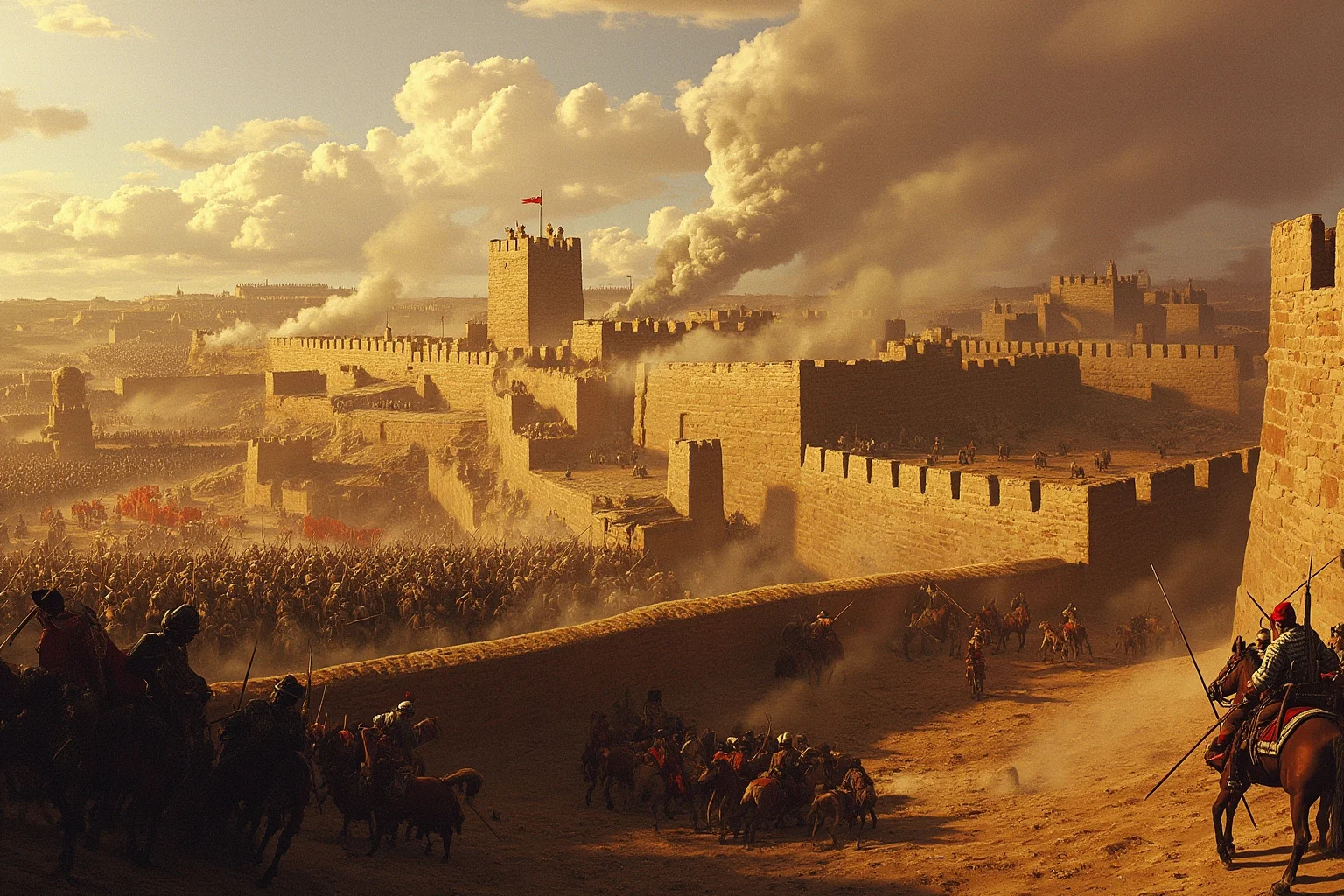
Any honest look at Genghis Khan has to address the bad things he did, and there’s no softening this part. Cities that resisted his armies, such as Merv and Nishapur in Central Asia, were sometimes destroyed with massacres of their populations as punishment and warning.
This brutality wasn’t random; it was often a calculated strategy to terrify other cities into surrendering without a fight. It’s a core reason he’s remembered as “the brutal ruler” in Western tradition — in much the same way Ivan the Terrible is remembered in Russian history — even as Mongolians honor him differently.
13. His Campaigns May Have Caused Tens of Millions of Deaths
Historians’ estimates vary widely, but some suggest Genghis Khan’s campaigns and their aftermath contributed to the deaths of tens of millions of people, possibly reshaping the world’s population in the 13th century. These figures are difficult to verify precisely given the limits of medieval record-keeping.
Still, even conservative estimates place the death toll from his conquests among the highest in recorded history. This scale of destruction is central to understanding why his legacy remains so controversial.
14. He Used Psychological Warfare to Terrify Enemies
Genghis Khan understood that fear could be as powerful as force. His armies spread exaggerated stories about the size and ferocity of Mongol forces, and the destruction of resistant cities was deliberately publicized to discourage others from fighting back.
This tactic often let cities and kingdoms surrender without a prolonged siege, saving Mongol resources. It’s a chilling but effective example of how he combined brutality with strategy.
15. He Forbade Portraits of Himself During His Lifetime
No contemporary portrait of Genghis Khan is known to exist. Mongol tradition at the time discouraged depicting rulers’ likenesses, and the most famous images of him were painted generations later, often by Chinese court artists under his descendants.
This means every image we associate with him today is an artist’s interpretation, not a historical record of his actual appearance. It’s one of the genuinely unknown facts that surprises most people.
16. He Believed He Had a Divine Mandate to Rule
Genghis Khan followed the traditional Mongol shamanistic belief system centered on Tengri, a sky god. He appears to have genuinely believed he was chosen by Tengri to rule over the peoples of the earth, which helped justify his conquests to himself and his followers.
This belief in divine sanction wasn’t unique to him, but it shaped how he framed his campaigns. To his army, resisting him wasn’t just resisting a man, it was defying a cosmic order.
17. He Was Illiterate but Championed Literacy
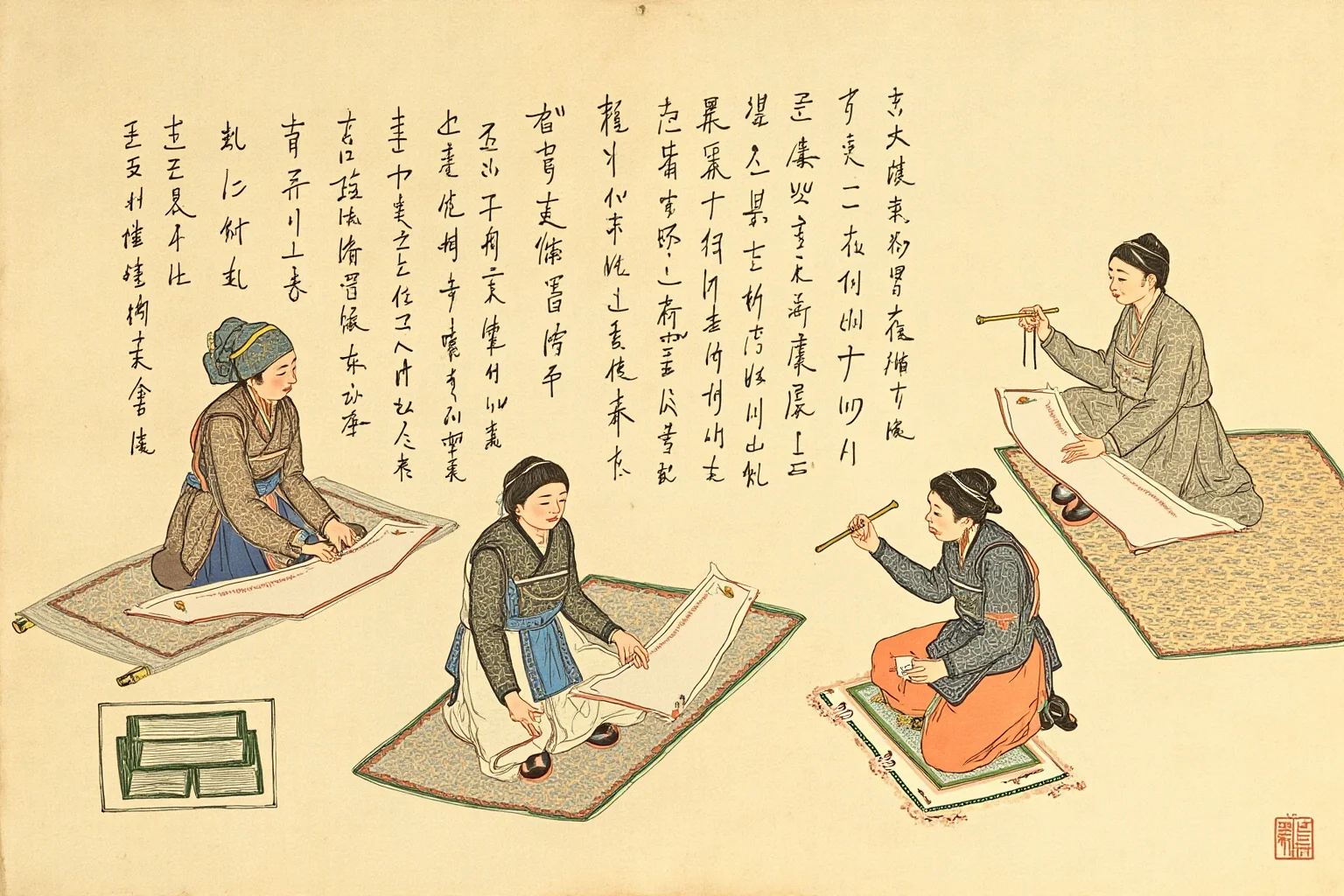
Genghis Khan himself never learned to read or write. Despite this, he recognized the value of a written language and had scholars adapt the Uyghur script to create a writing system for the Mongolian language.
He also insisted that his sons receive an education, understanding that administering a growing empire required more than battlefield skill. It’s a detail that adds nuance to his image as simply a warrior-king.
18. He Sparked a Golden Age of Trade and Exchange
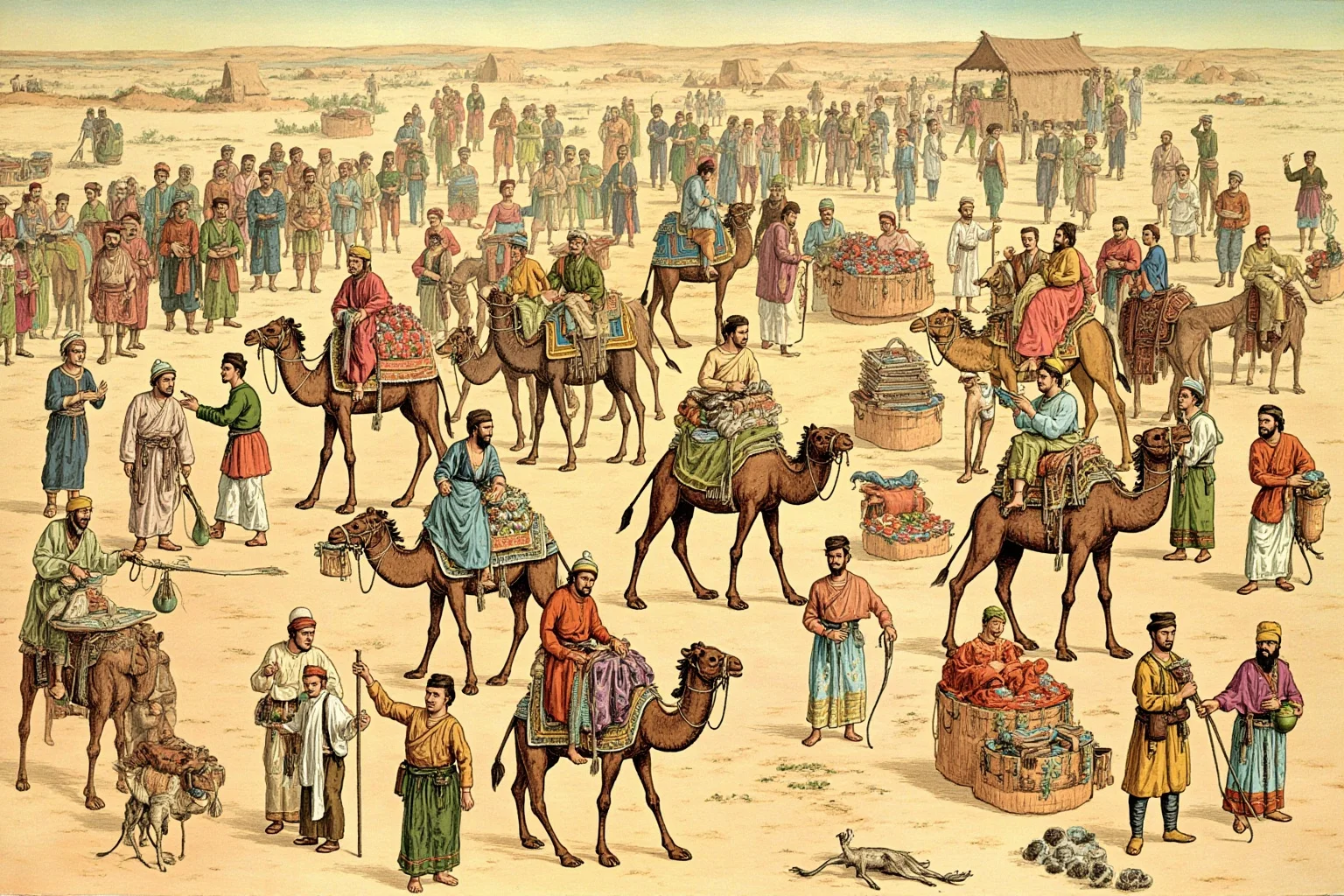
One of the most positive legacies of the Mongol Empire is the era historians call the “Pax Mongolica,” a period of relative stability that made Silk Road trade routes safer than they had been in centuries. Merchants, ideas, and technologies moved between East and West more freely as a result.
This exchange helped spread innovations like papermaking, printing techniques, and gunpowder further across Eurasia. It’s a major reason historians credit Genghis Khan’s empire with reshaping global trade, not just global borders.
19. His Empire May Have Indirectly Spread the Black Death
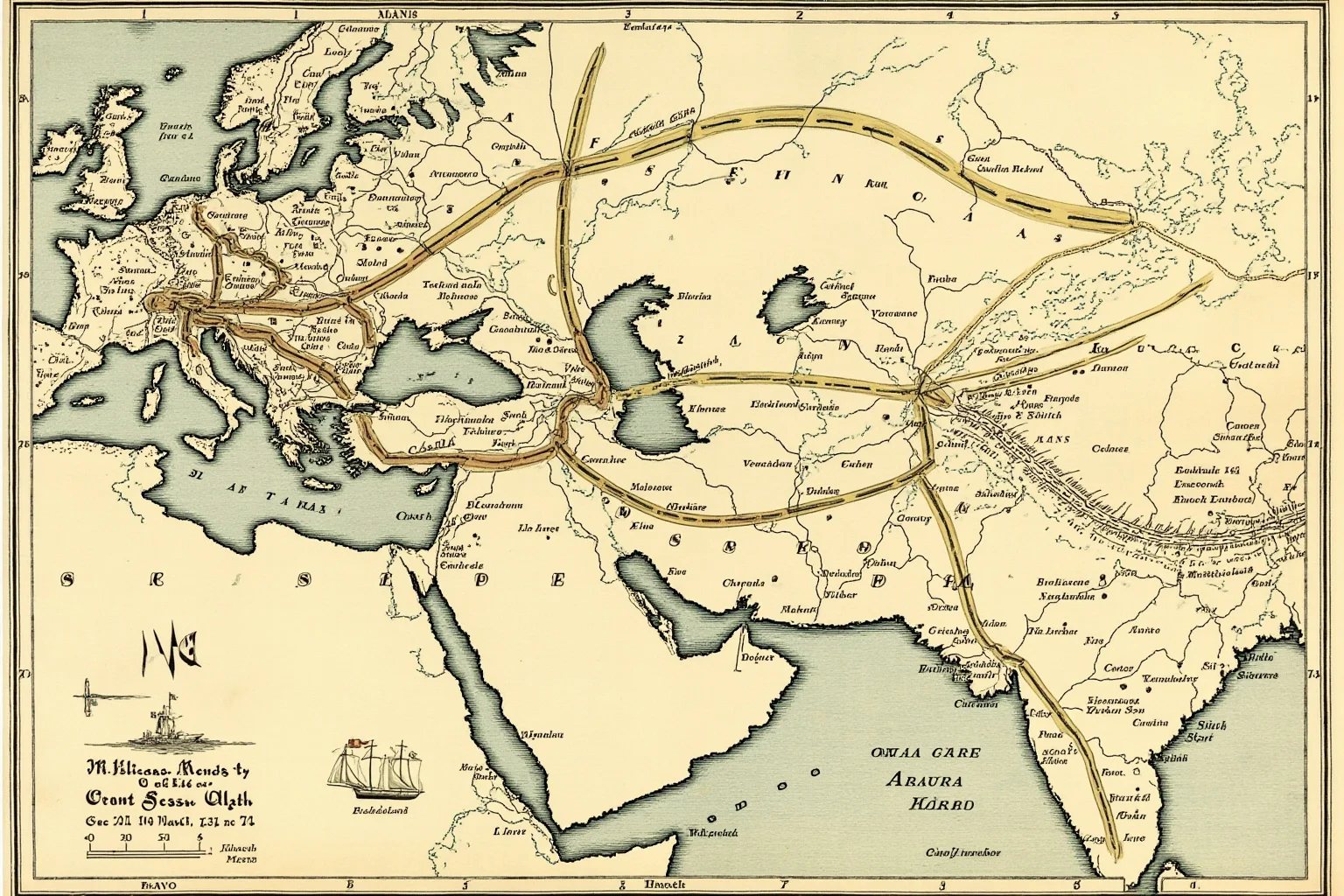
Some historians argue that the interconnected trade routes and troop movements of the Mongol Empire may have helped later outbreaks of plague travel faster between Asia and Europe. This connection is debated and not universally accepted, since the major plague outbreaks occurred generations after Genghis Khan’s death.
It’s an example of how the same trade networks that boosted prosperity could also carry unintended consequences. Historians continue to research exactly how much the Mongol road and postal systems contributed to later disease spread.
20. He Spared Skilled Artisans, Scholars, and Engineers
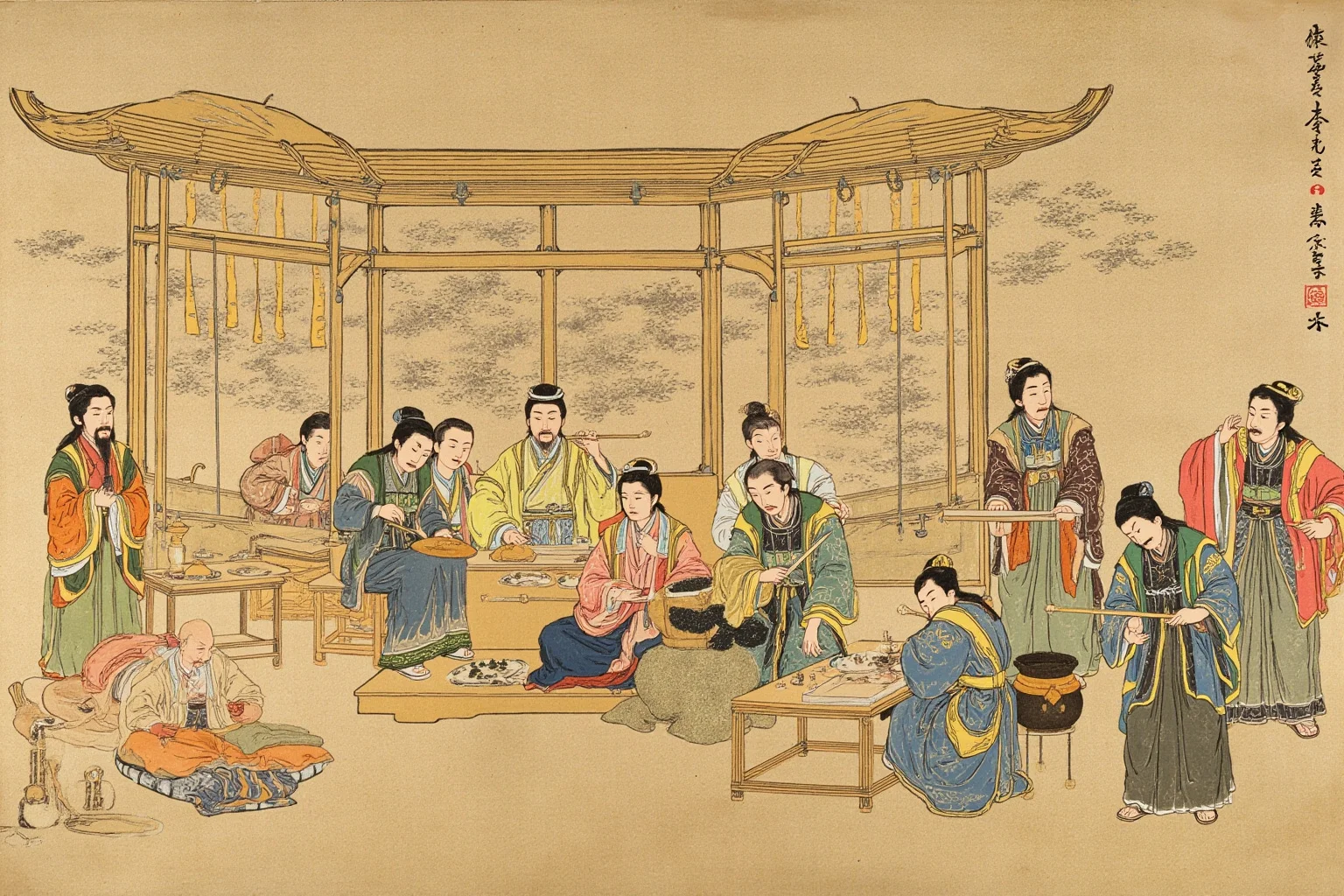
While Genghis Khan’s armies could be devastating toward resistant cities, they often deliberately spared craftsmen, engineers, doctors, and scholars. These skilled individuals were frequently relocated elsewhere in the empire to put their expertise to use.
This practice helped the Mongols acquire and spread technology and knowledge across their territories. It’s a pragmatic policy that reveals a more calculated side to his brutality.
21. He Had Many Wives, but One Held Special Status
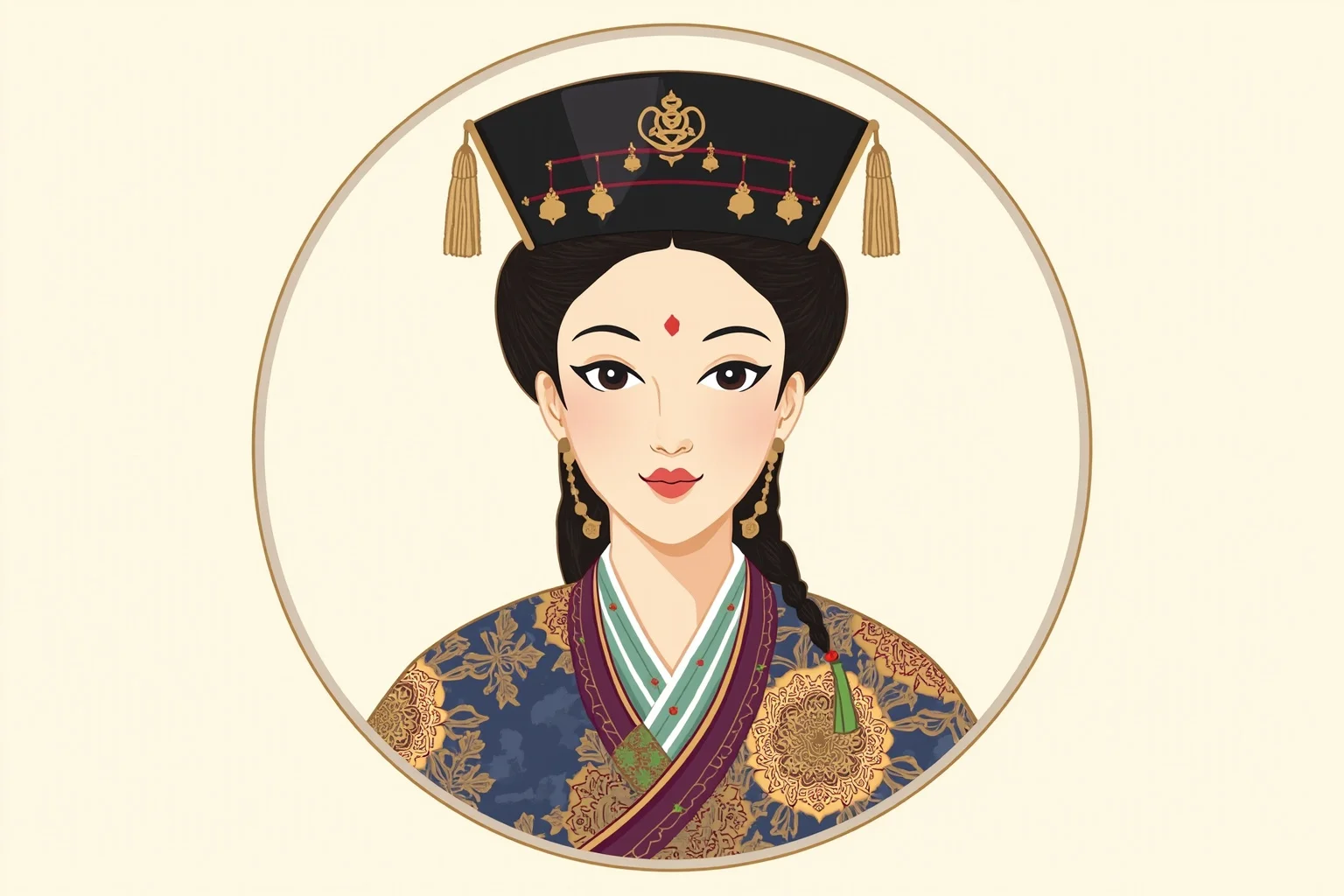
Genghis Khan had numerous wives and consorts throughout his life, which was common for powerful rulers of the era. His first and principal wife, Börte, held the highest status among them, and her sons became central figures in the empire’s future leadership.
Börte herself is a notable figure in Mongol history, having been kidnapped by a rival tribe early in their marriage and later rescued by Temüjin with the help of allies. Their relationship is often referenced in Genghis Khan stories passed down through Mongolian oral tradition.
22. His Y-Chromosome May Live On in Millions of Men Today
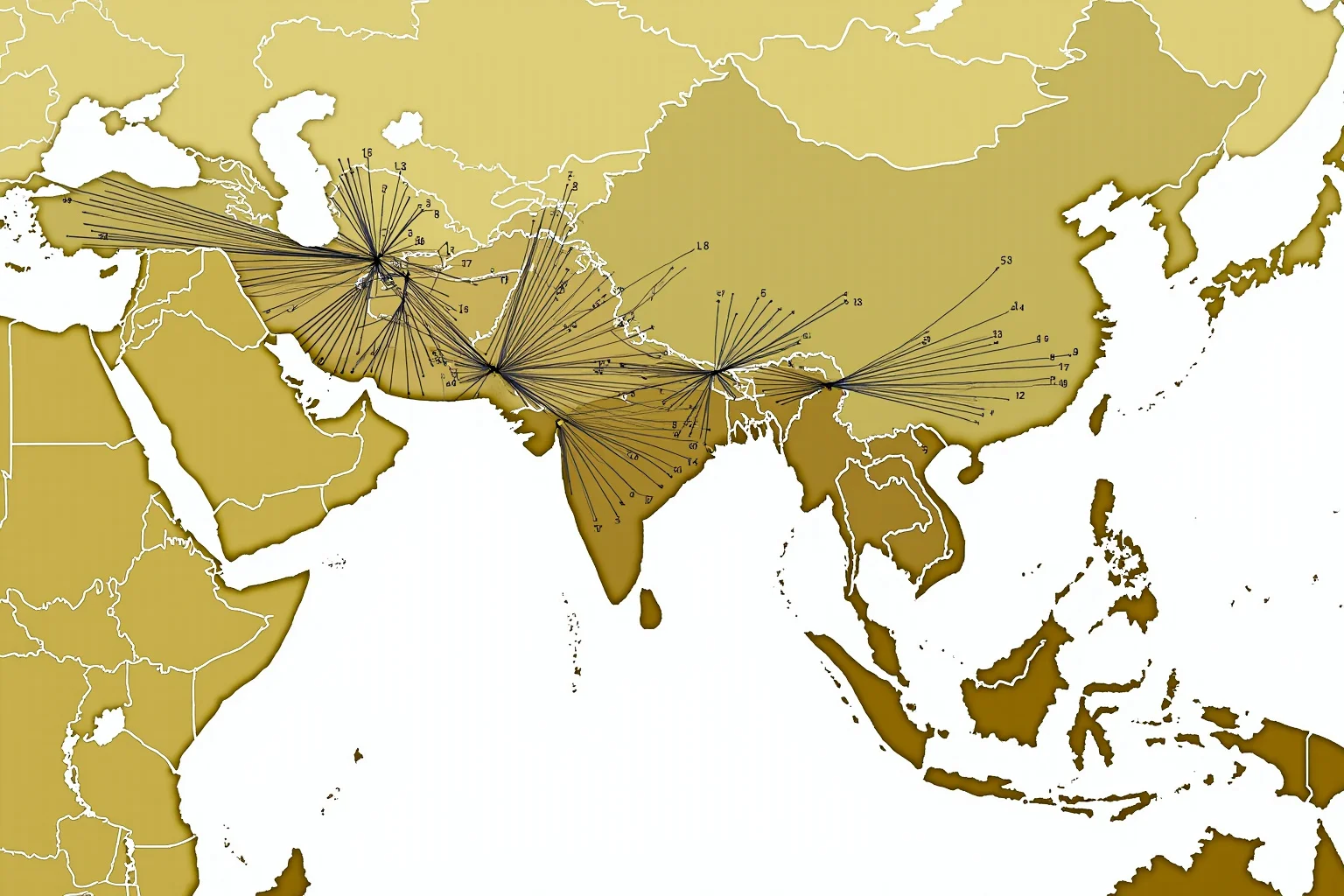
A widely cited 2003 genetic study found that roughly 8% of men in a large region of Asia, amounting to millions of people, share a nearly identical Y-chromosome lineage dating to around the Mongol era. Researchers hypothesized, though could not definitively prove, that this lineage traces back to Genghis Khan or a close male relative.
This claim has been popularized in trivia and record-style lists (sometimes referenced casually as “Guinness Khan” in pop culture discussions of record-breaking numbers of descendants), but it remains a scientific hypothesis rather than a confirmed fact. It’s a fascinating example of how his legacy may be written into human DNA, even if the specifics can’t be proven with certainty.
23. He Died Under Mysterious Circumstances in 1227
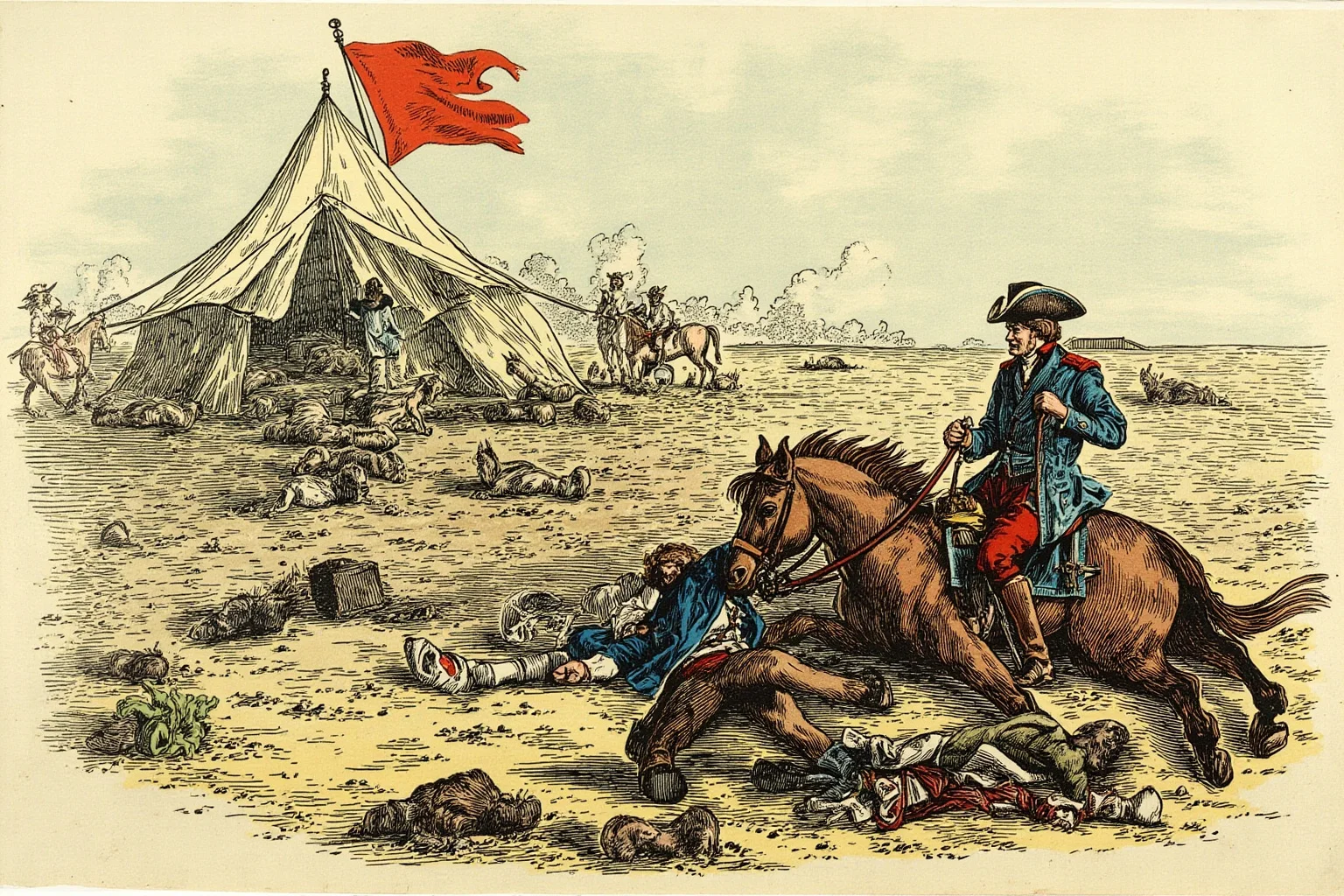
Genghis Khan died in August 1227 while leading a campaign against the Western Xia kingdom. The exact cause of his death is unknown, with historical accounts suggesting possibilities ranging from a fall from his horse to illness or an internal injury.
Because no single contemporary account gives a clear, consistent explanation, his actual cause of death remains one of history’s enduring open questions. This uncertainty has only added to his legendary status.
24. His Burial Site Has Never Been Found
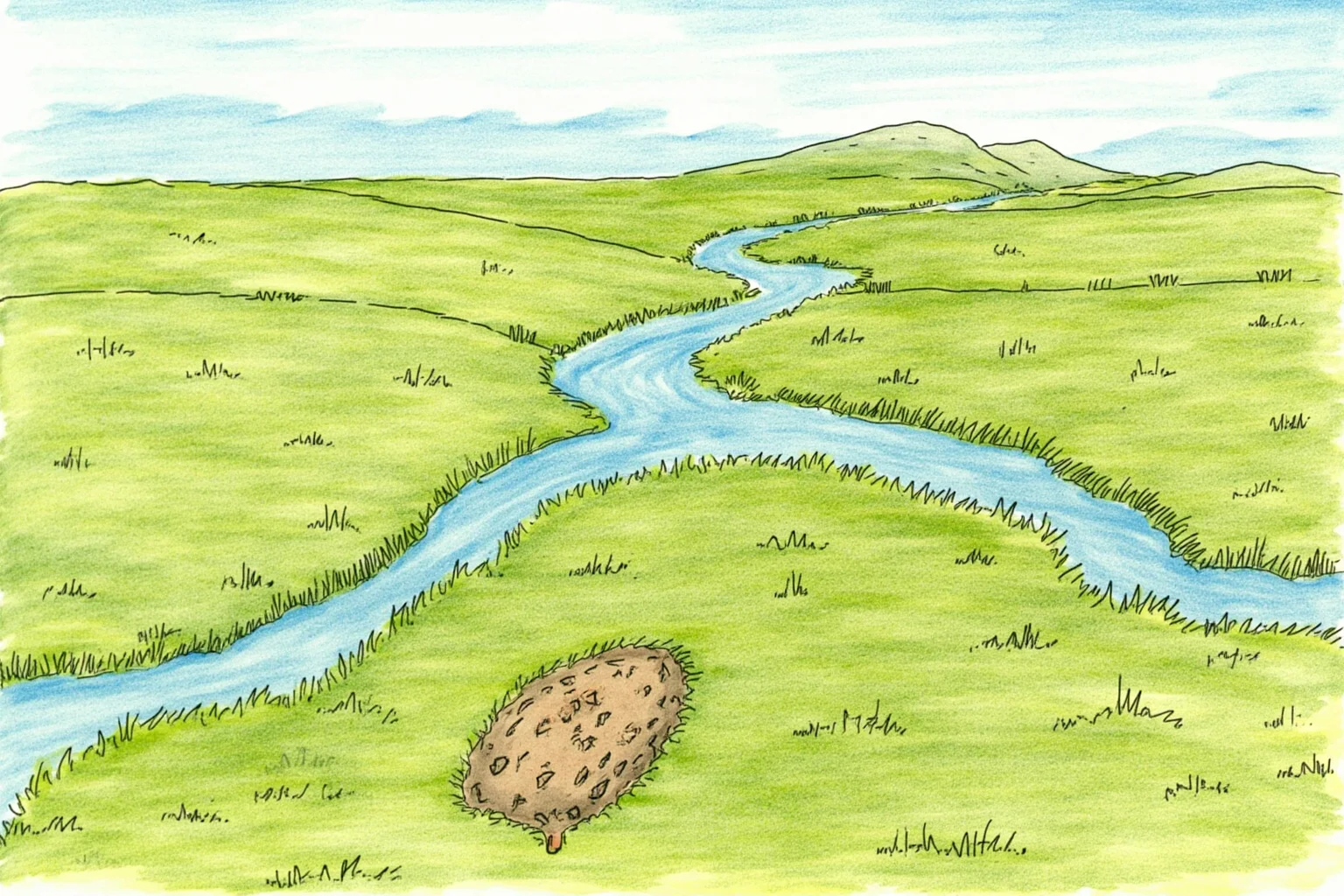
Per his wishes, Genghis Khan was buried without a marker, and Mongol tradition holds that his burial party took extreme measures to keep the location secret, including diverting a river over the grave site. Despite modern archaeological expeditions using satellite imagery and other technology, his tomb has never been definitively located.
This mystery continues to draw researchers and treasure hunters alike. Whether it’s ever found may depend as much on Mongolian cultural and legal protections around the search as on the difficulty of the terrain itself.
25. Genghis Khan by the Numbers
For a quick snapshot of his impact: he unified the Mongol tribes by 1206, ruled as Great Khan for roughly 21 years until 1227, and left behind an empire that would grow to cover an estimated 9 million square miles at its peak under his successors. His armies at various campaigns are estimated to have numbered anywhere from tens of thousands to over 100,000 mounted warriors, remarkably small forces for the scale of territory they conquered.
These genghis khan stats help explain why historians still study his campaigns as a masterclass in mobility, logistics, and psychological strategy, even while condemning their human cost.
The Complicated Legacy of a Brutal Ruler
So why did Genghis Khan do what he did? Historians generally point to a mix of personal survival instincts forged in a brutal childhood, genuine belief in a divine mandate to rule, and a practical understanding that unifying the Mongol tribes required both diplomacy and overwhelming force. None of these explanations excuse the devastation his campaigns caused, but they help explain the man behind them.
What makes Genghis Khan such an enduring subject isn’t just the scale of his conquests, but the contradictions in his story. He was a killer and a lawmaker, an illiterate man who championed literacy, a brutal conqueror who protected religious freedom and trade routes.
In Mongolia today, he’s celebrated as a national founder, his image on currency and monuments. Elsewhere, he’s remembered primarily through the lens of the destruction his armies left behind. Both views are historically grounded, which is exactly why his legacy remains so fiercely debated eight centuries later.
Frequently Asked Questions
What did Genghis Khan do?
Genghis Khan united the previously warring Mongol tribes into a single nation by 1206 and then led military campaigns that expanded Mongol control across much of Asia, from China to Central Asia and into parts of Eastern Europe. He also built lasting institutions, including a relay messenger system, a legal code known as the Yassa, and a merit-based army structure that his successors used to keep expanding the empire after his death.
What is Genghis Khan known for?
Genghis Khan is best known for uniting the Mongol tribes and founding the Mongol Empire, which became the largest contiguous land empire in history under his descendants. He's also known for his brutal military campaigns, his administrative reforms, and the trade and cultural exchange that flourished across Mongol-controlled territory during the Pax Mongolica.
Why was Genghis Khan famous?
Genghis Khan became famous for transforming a fragmented collection of nomadic Mongol tribes into a unified, highly disciplined military and political power. His campaigns reshaped the map of Asia and Europe, and his empire's reach made him one of the most consequential — and feared — rulers in world history.
Was Genghis Khan a real historical figure?
Yes, Genghis Khan was a real historical figure, documented in Mongol, Chinese, and Persian sources written close to his lifetime. While some details of his early life come from sources like "The Secret History of the Mongols," which blends history with legend, his existence and role as founder of the Mongol Empire are well established.
What bad things did Genghis Khan do?
Genghis Khan's armies destroyed numerous cities and killed large numbers of civilians, particularly when cities resisted or rebelled against Mongol rule, with notable examples in Central Asia such as Merv and Nishapur. Historians estimate his campaigns contributed to tens of millions of deaths, making him one of history's most destructive military leaders.
What good things did Genghis Khan do?
Genghis Khan established religious tolerance across his empire, created a written Mongolian language, built an efficient messenger relay system, and enforced a legal code that applied broadly to his subjects. His empire also enabled a period of safer trade and cultural exchange across the Silk Road known as the Pax Mongolica.
Why did Genghis Khan do what he did?
Historians generally attribute Genghis Khan's actions to a combination of a harsh, poverty-stricken childhood, a genuine belief that he had a divine mandate from the sky god Tengri to rule, and pragmatic strategy aimed at unifying the Mongol tribes and securing loyalty through both reward and fear. These factors combined to drive both his unification efforts and his military conquests.
What was Genghis Khan’s real name?
Genghis Khan was born with the name Temüjin. "Genghis Khan" was a title he took on in 1206 after unifying the Mongol tribes, generally translated as something like "universal ruler."

Alex Warren
Related Articles





