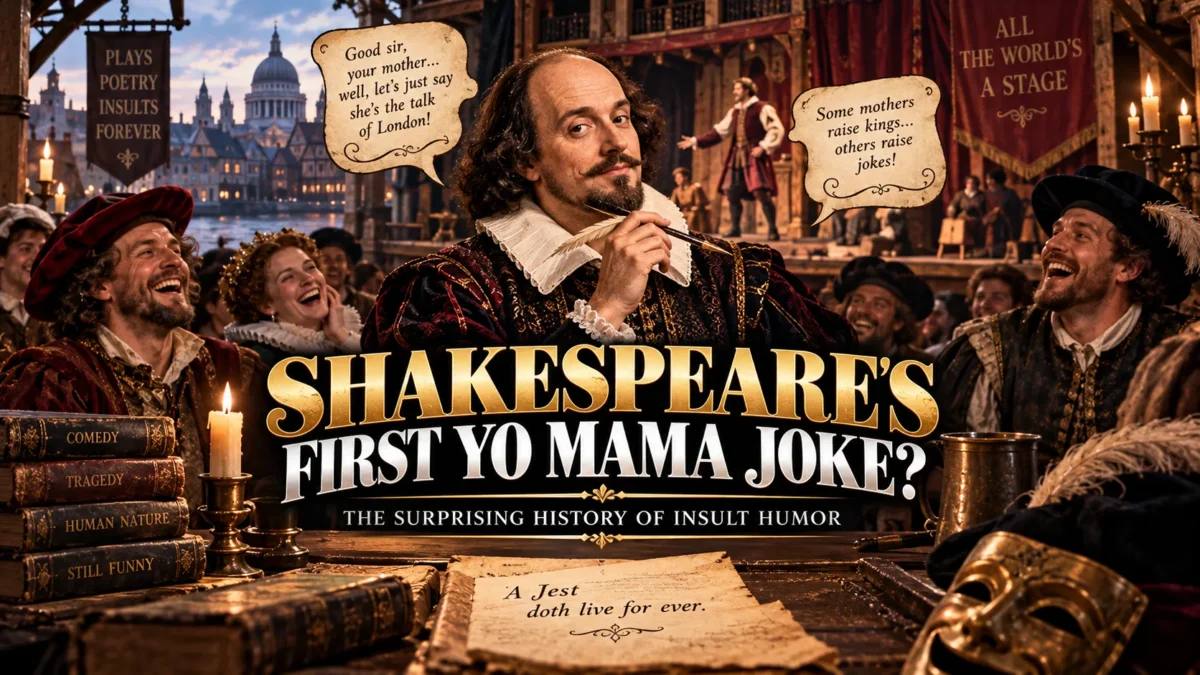
Somewhere between a middle school cafeteria and a Renaissance stage, a legend was born: the claim that William Shakespeare wrote the first-ever “yo mama” joke.
It shows up in tweets, trivia nights, and classroom lectures as a fun fact, usually paired with a single line from one of his bloodiest plays. But is it true, or is this one of those internet “facts” that got repeated so many times it started sounding like history?
TL;DR: Shakespeare’s Titus Andronicus contains a genuine 400-year-old mother-insult pun (“Villain, I have done thy mother”), but real mother jokes go back thousands of years before him, and the actual “yo mama” joke format we know today comes from 20th-century American oral tradition, not Elizabethan England.
We’re going to walk through this claim the way a good historian should: with curiosity, receipts, and a healthy amount of myth-busting. Below are 22 stops on the timeline of humanity’s oldest insult genre, starting with the line that made Shakespeare internet-famous centuries after his death.
1. The Line That (Maybe) Started It All: “Villain, I Have Done Thy Mother”
The phrase “villain i have done thy mother” is one of the most searched Shakespeare quotes online, and for good reason. It reads like something scrawled on a bathroom wall, not a line from the Bard of Avon. Yet it is a real, documented piece of Shakespearean dialogue, sitting right in the middle of one of his earliest and most violent tragedies.
This single sentence is the anchor for the entire “Shakespeare invented the yo mama joke” theory. Understanding where it comes from, and what it actually meant in context, is the first step to figuring out whether the legend holds up.
2. Where the Joke Comes From: Titus Andronicus, Act 4, Scene 2
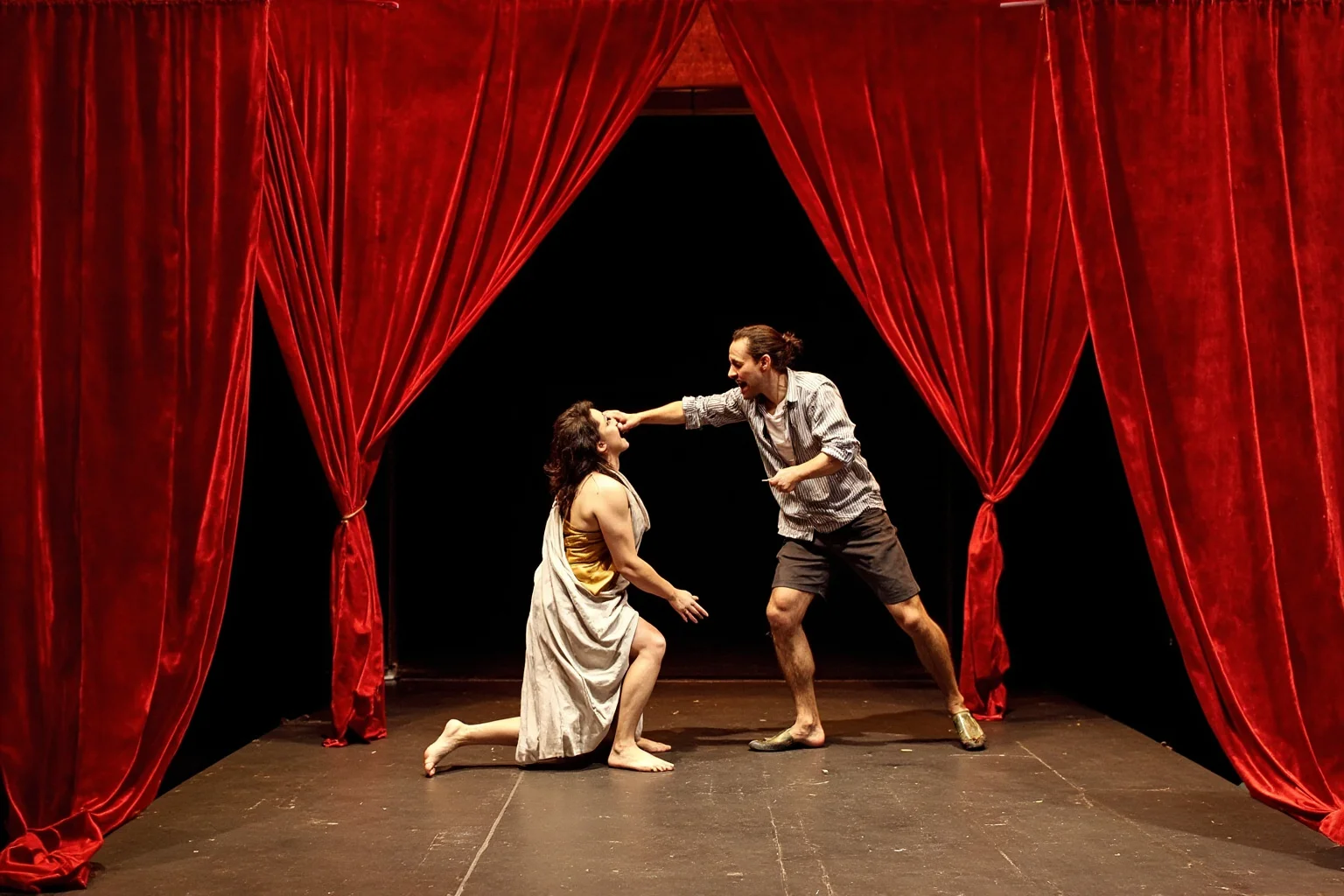
The line appears in Titus Andronicus, generally believed to have been written in the early 1590s, making it one of Shakespeare’s first tragedies. It’s a revenge play soaked in violence, drawing heavily on Roman tragedy and the myths of Ovid, and it has a reputation as Shakespeare’s most brutal work.
In Act 4, Scene 2, Tamora, Queen of the Goths, secretly gives birth to a mixed-race baby, revealing her affair with Aaron the Moor to her sons, Chiron and Demetrius. The brothers are horrified and threaten to kill the infant to hide the family’s shame, setting up the exchange that made this scene famous.
3. Who Says It, and Why: Aaron the Moor’s Boast
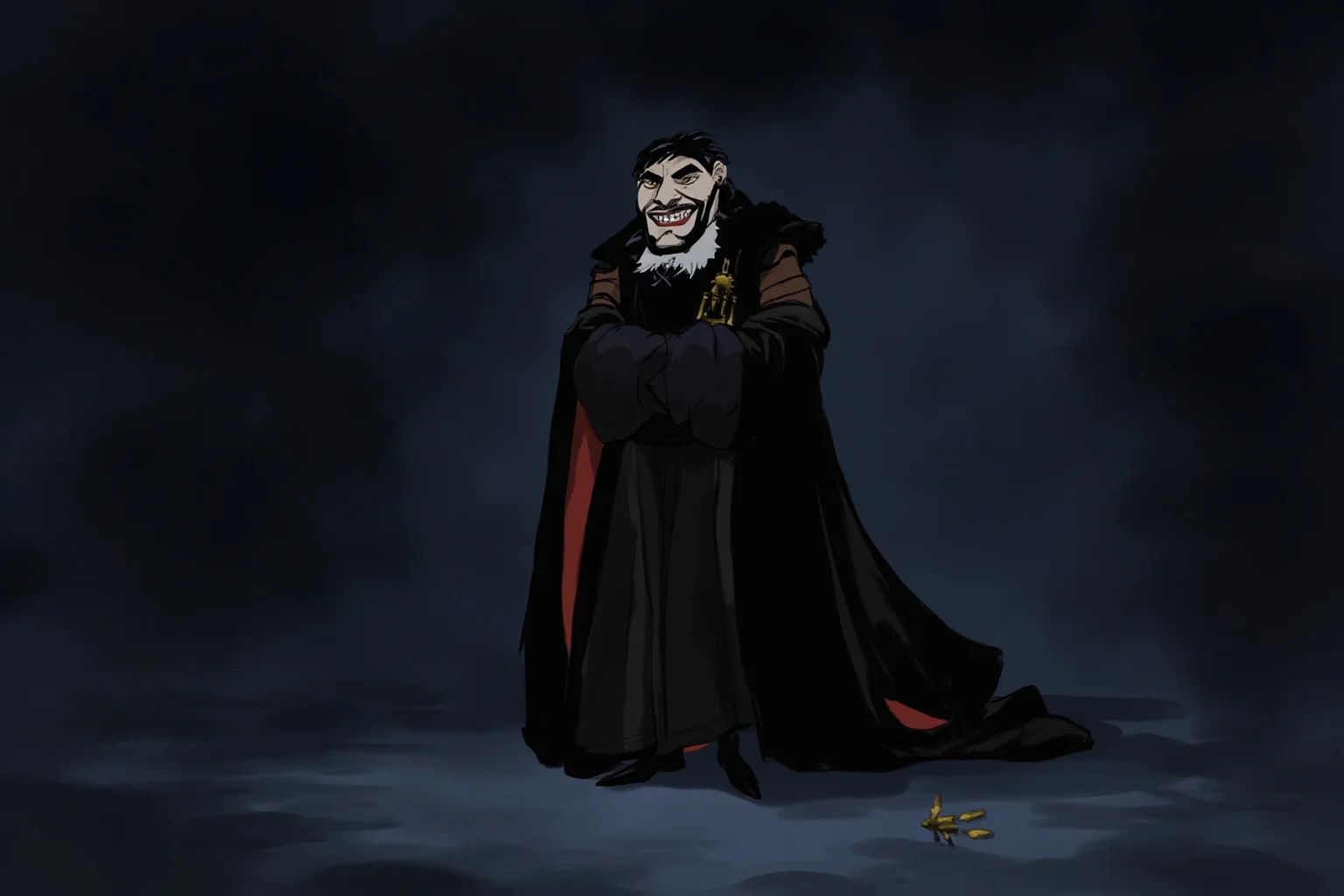
Aaron, the baby’s father, isn’t ashamed at all. When Chiron accuses him, saying “Thou hast undone our mother,” Aaron fires back with the now-famous retort: “Villain, I have done thy mother.” It’s less a joke told for laughs and more a boastful confession dressed up as an insult.
Aaron is one of Shakespeare’s most calculating villains, and this line is pure provocation. He’s not trying to be funny so much as devastating, confirming the affair in the crudest way possible while mocking the brothers’ shock.
4. The Pun That Makes It Work: “Undone” vs. “Done”
What makes this exchange clever, rather than just crude, is the wordplay. Chiron’s “undone” means ruined or disgraced, a word about reputation and shame. Aaron twists it into “done,” a blunt sexual meaning, turning the brothers’ own accusation back on them.
This kind of pun-based insult was a hallmark of Elizabethan wit, and Shakespeare used wordplay like this constantly across his plays. It’s the structural ancestor of the modern “yo mama” joke format, where a setup gets flipped into an unexpected, insulting punchline.
5. Was It Really the First “Yo Mama” Joke?
Here’s where the myth-busting starts. Calling this the shakespeare your mom joke or the first yo mama joke ignores thousands of years of recorded insult humor that came before Shakespeare was even born. It’s a great line, and it is genuinely about someone’s mother, but “first” is a very big claim.
What’s more accurate is that this is one of the earliest and most quotable examples in English literature of a mother-focused insult built on a pun. That’s a narrower, but still interesting, claim, and it’s the one worth actually defending.
6. What Was Shakespeare’s Mother’s Name? Mary Arden of Stratford
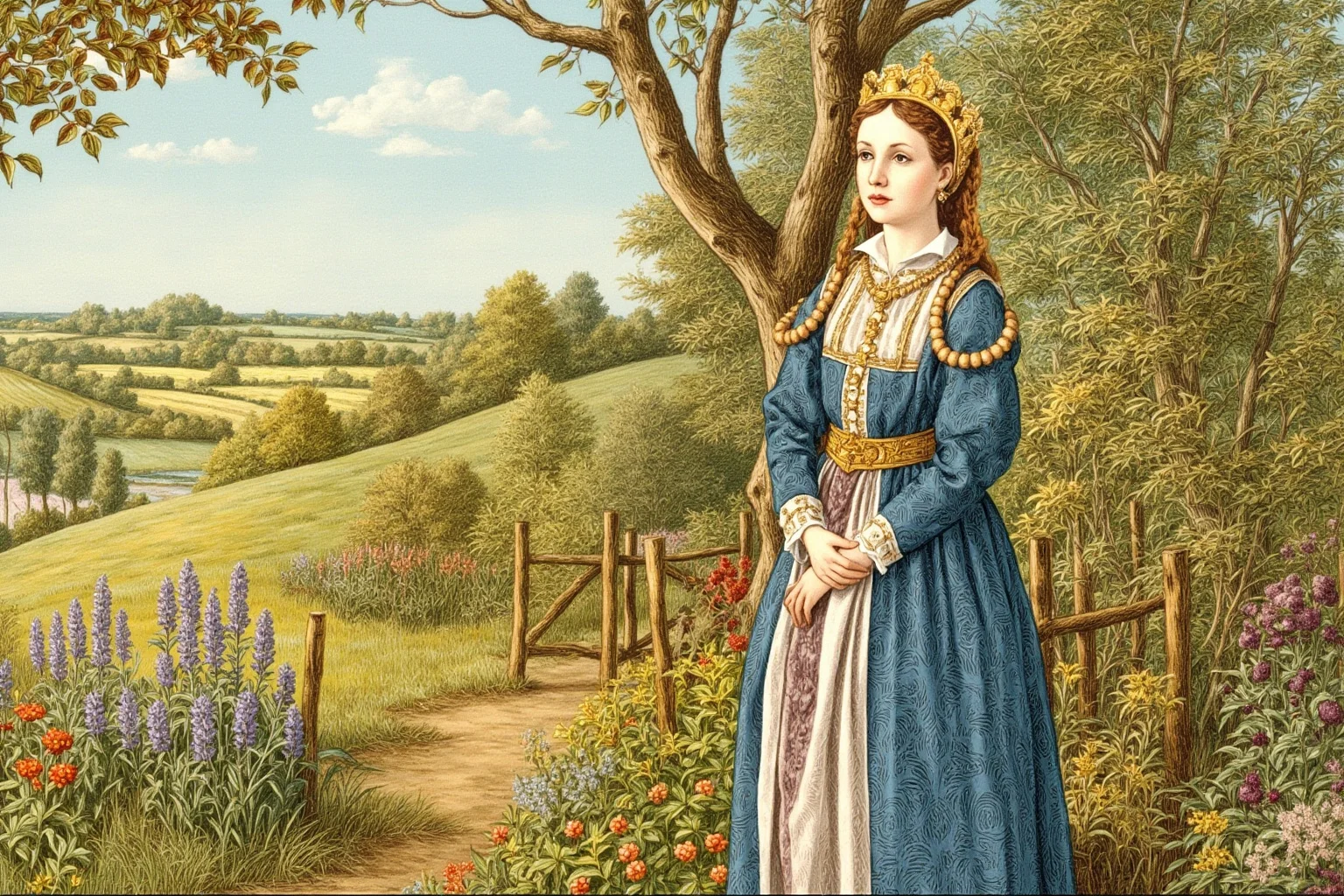
One popular related search is what was shakespeare’s mother’s name, and the answer has nothing to do with Titus Andronicus. Shakespeare’s own mother was Mary Arden, who came from a relatively prosperous farming family in Wilmcote, near Stratford-upon-Avon.
Mary Arden married John Shakespeare, a glove-maker who later became a local civic official in Stratford. William was one of their eight children, and Mary is generally believed to have outlived her husband, dying in 1608, well within her son’s lifetime as a working playwright.
7. Did Shakespeare Write Other Mother Insults?

Titus Andronicus isn’t the only place Shakespeare gets personal about parentage. His plays are full of insults about lineage, legitimacy, and family honor, since Elizabethan audiences took bloodlines and reputation extremely seriously.
While no other line is as blunt as “I have done thy mother,” characters across his works sling accusations of bastardy, low birth, and disreputable parents as everyday insults. It reflects just how central family honor was to Elizabethan social status, and how effective an insult about it could be on stage.
8. Ancient Mesopotamia: A Possible 3,500-Year-Old Insult Tablet
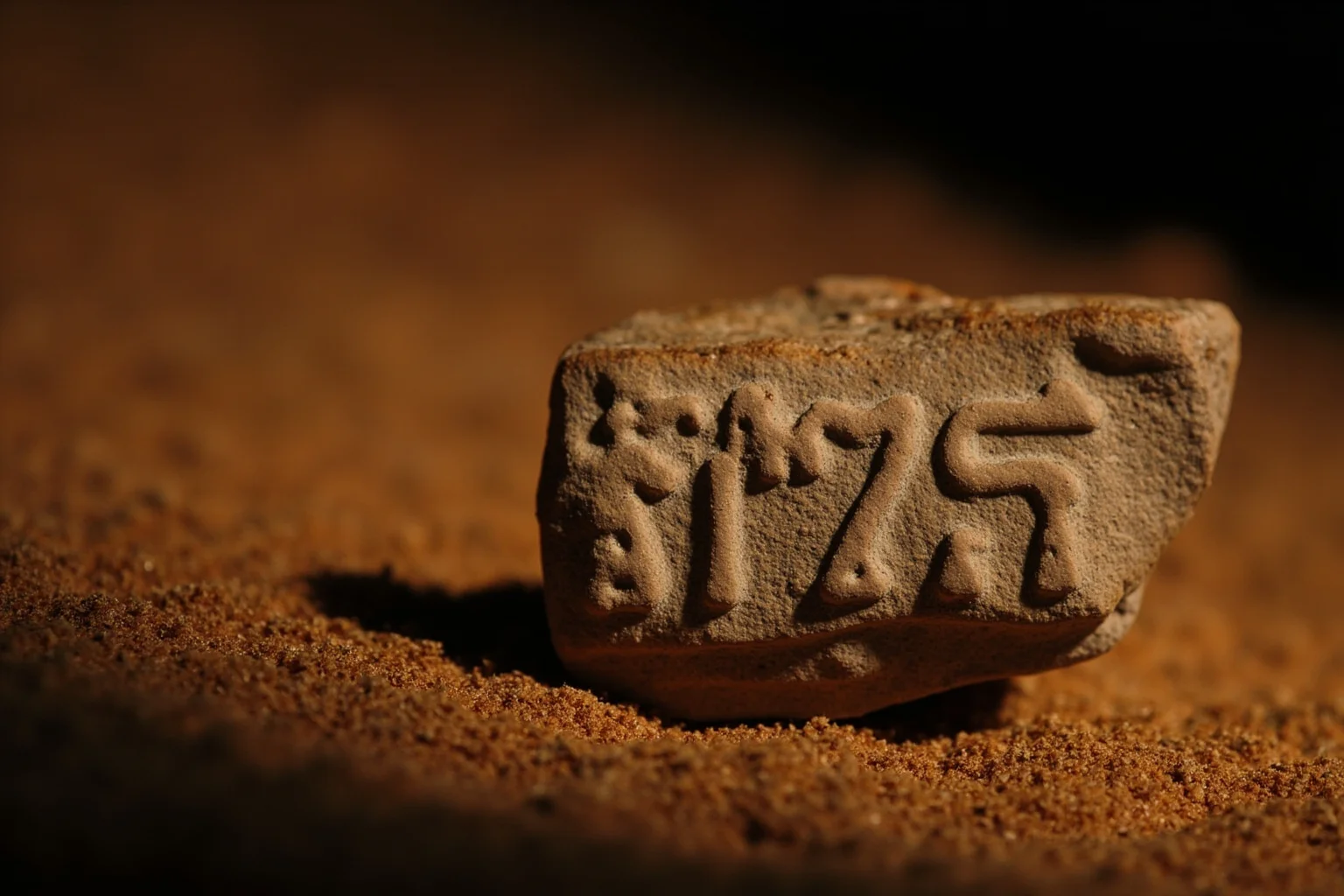
When was the first yo mama joke actually told? Some researchers studying ancient humor have pointed to Babylonian and Sumerian clay tablets, some over 3,500 years old, that contain crude jokes and insults preserved in cuneiform script. A few of these have been loosely described in popular science writing as early “your mother” style put-downs.
It’s important to be careful here, because translations of these ancient texts are debated among scholars, and “joke” is a modern category we’re applying retroactively. Still, the existence of insult humor on tablets predating Shakespeare by roughly 3,000 years makes the “Shakespeare invented it” claim very hard to support.
9. Ancient Greece: Old Comedy’s Love of Insulting Mothers
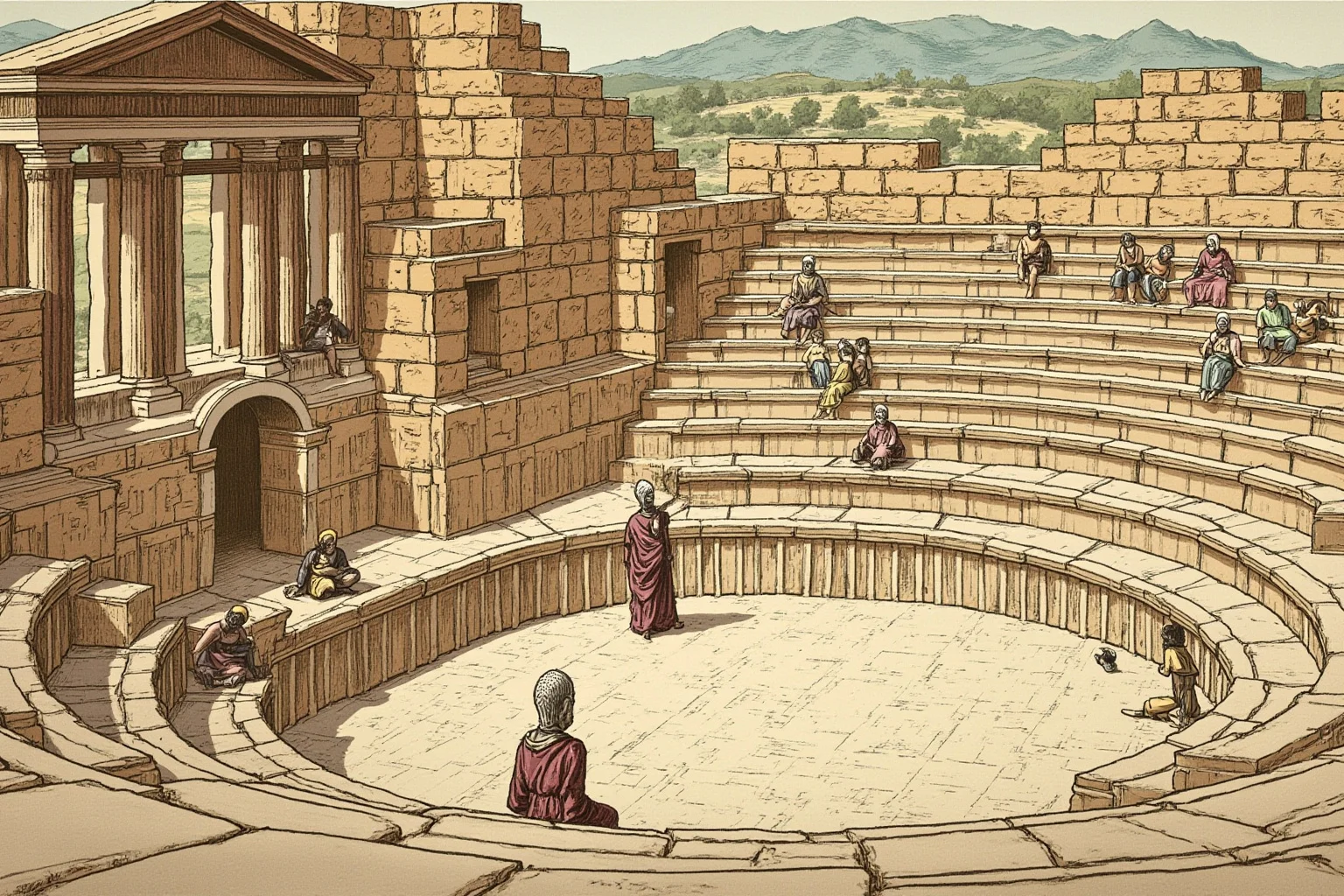
Long before Elizabethan England, Athenian playwrights were already mining mother-insults for laughs. Greek Old Comedy, especially the surviving plays of Aristophanes, regularly mocked real public figures by insulting their mothers’ reputations, often implying they were disreputable or promiscuous.
This wasn’t subtle satire either, it was broad, crowd-pleasing comedy performed at public festivals in front of thousands of people. The tradition shows that using a mother as the punchline of an insult is a genuinely ancient comedic instinct, not a Renaissance invention.
10. Ancient Rome: Cicero and the Art of the Personal Insult
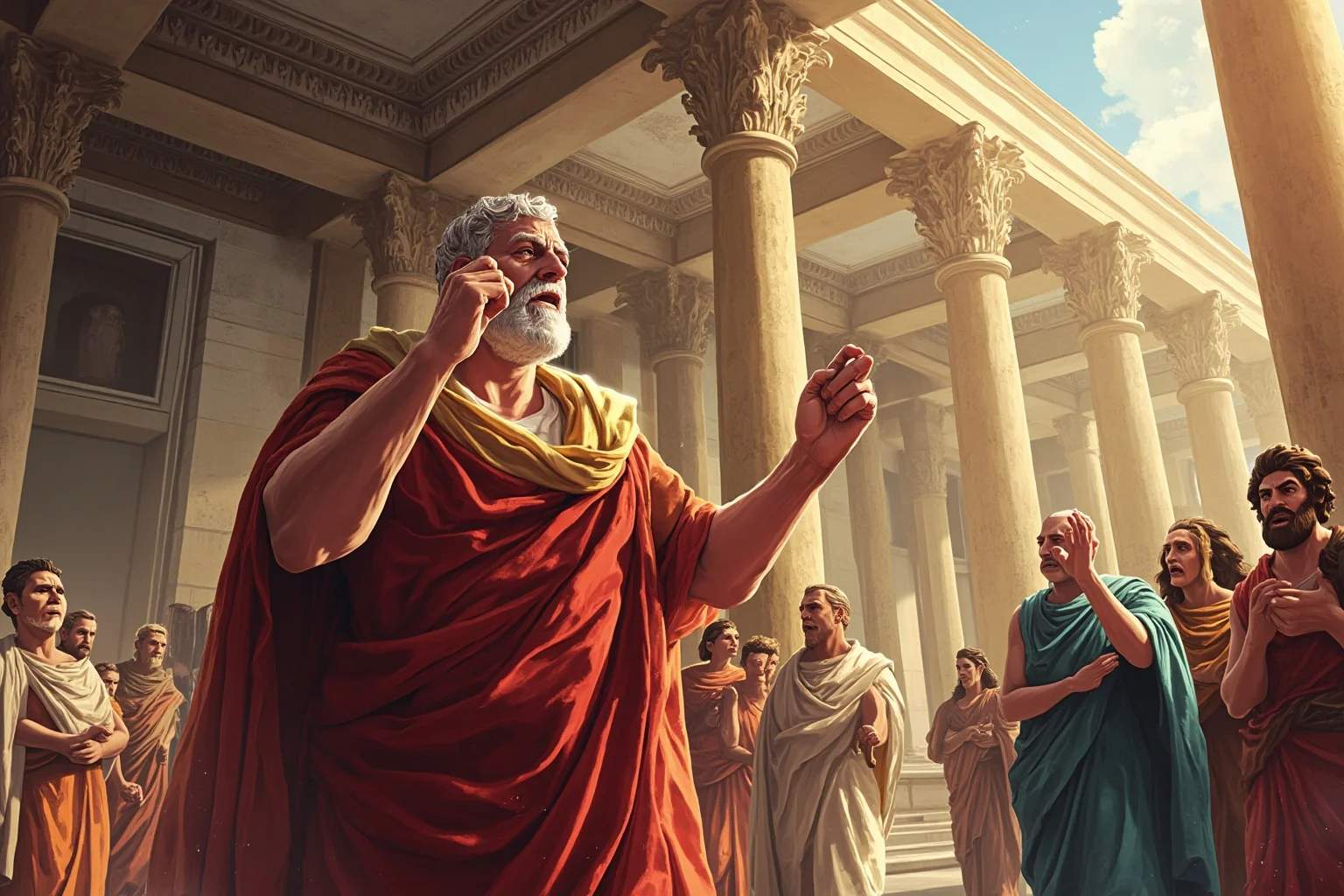
Roman oratory, deployed at the height of one of the most powerful ancient empires in history, took personal insults to a political art form. Cicero’s speeches against rivals, including his famous attacks on Catiline and Mark Antony, frequently questioned an opponent’s family background as a way of undermining their credibility.
Roman graffiti preserved at sites like Pompeii also shows ordinary people trading crude, personal insults on walls, some of them about family members. Insulting someone through their parentage was simply a normal part of Roman social combat, centuries before Shakespeare picked up a quill.
11. The Norse Sagas: “Flyting” and Verbal Combat
Old Norse and Anglo-Saxon literature preserved a formal insult contest called “flyting,” a ritualized exchange of boasts and put-downs between two speakers. The Old Norse poem Lokasenna features the trickster god Loki hurling insults at other gods, including jabs about their mothers’ behavior.
The Old English epic Beowulf contains its own flyting scene, where Beowulf and a warrior named Unferth trade insults about courage and honor before a hall full of witnesses. This tradition of structured verbal sparring is a much closer ancestor to the “yo mama joke” battle format than anything in Shakespeare.
12. Medieval Scotland: The Flyting of Dunbar and Kennedy
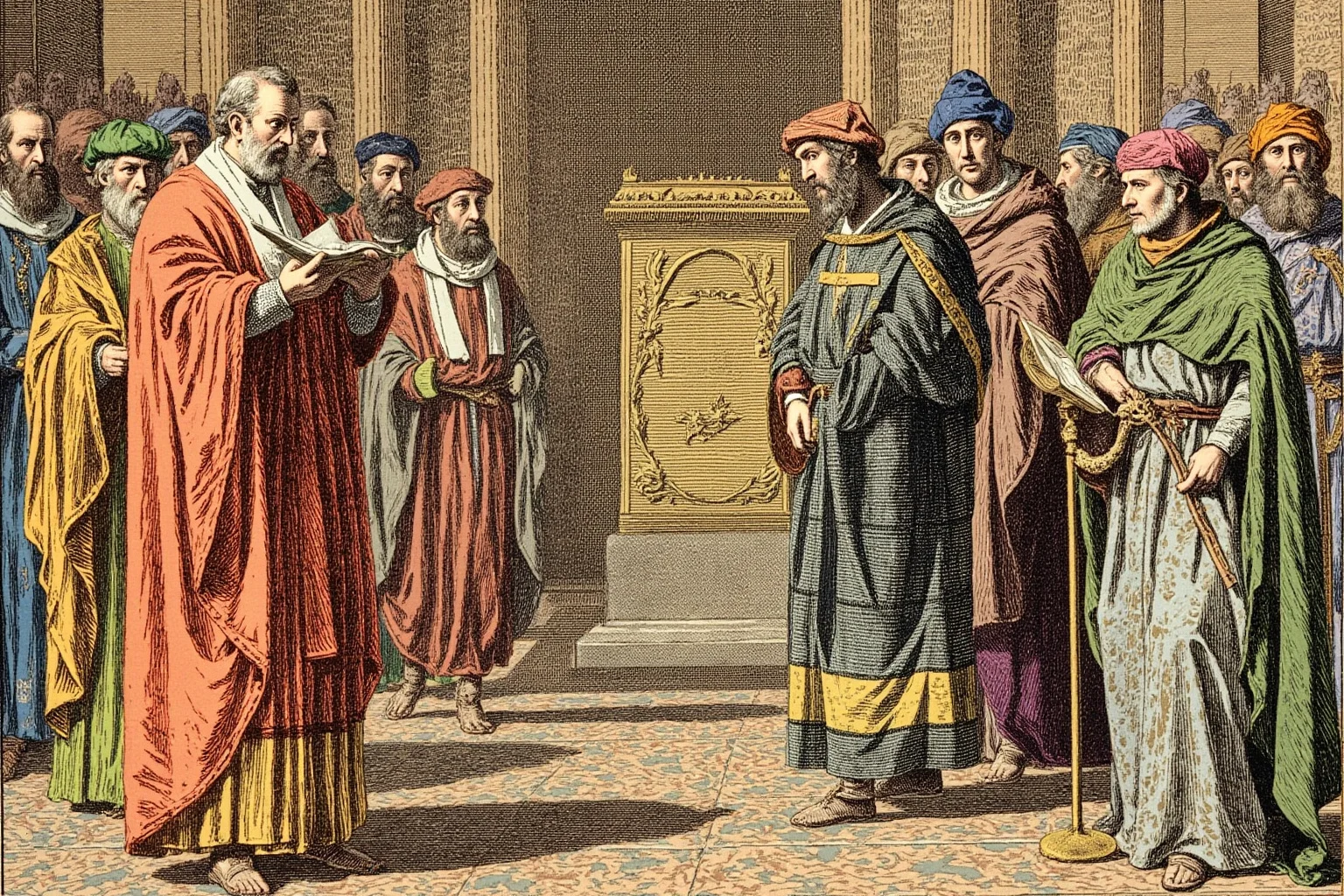
Around 1500, nearly a century before Titus Andronicus was written, Scottish poets William Dunbar and Walter Kennedy staged a public insult contest at the royal court known as The Flyting of Dunbar and Kennedy. The poem is packed with vicious, creative, and often crude personal insults exchanged in verse.
This real historical document is a much stronger candidate for an early “yo mama joke” ancestor than Shakespeare’s line, since it’s specifically a competitive insult exchange performed for entertainment. It predates Shakespeare’s birth by decades.
13. Elizabethan England’s Broader Insult Culture
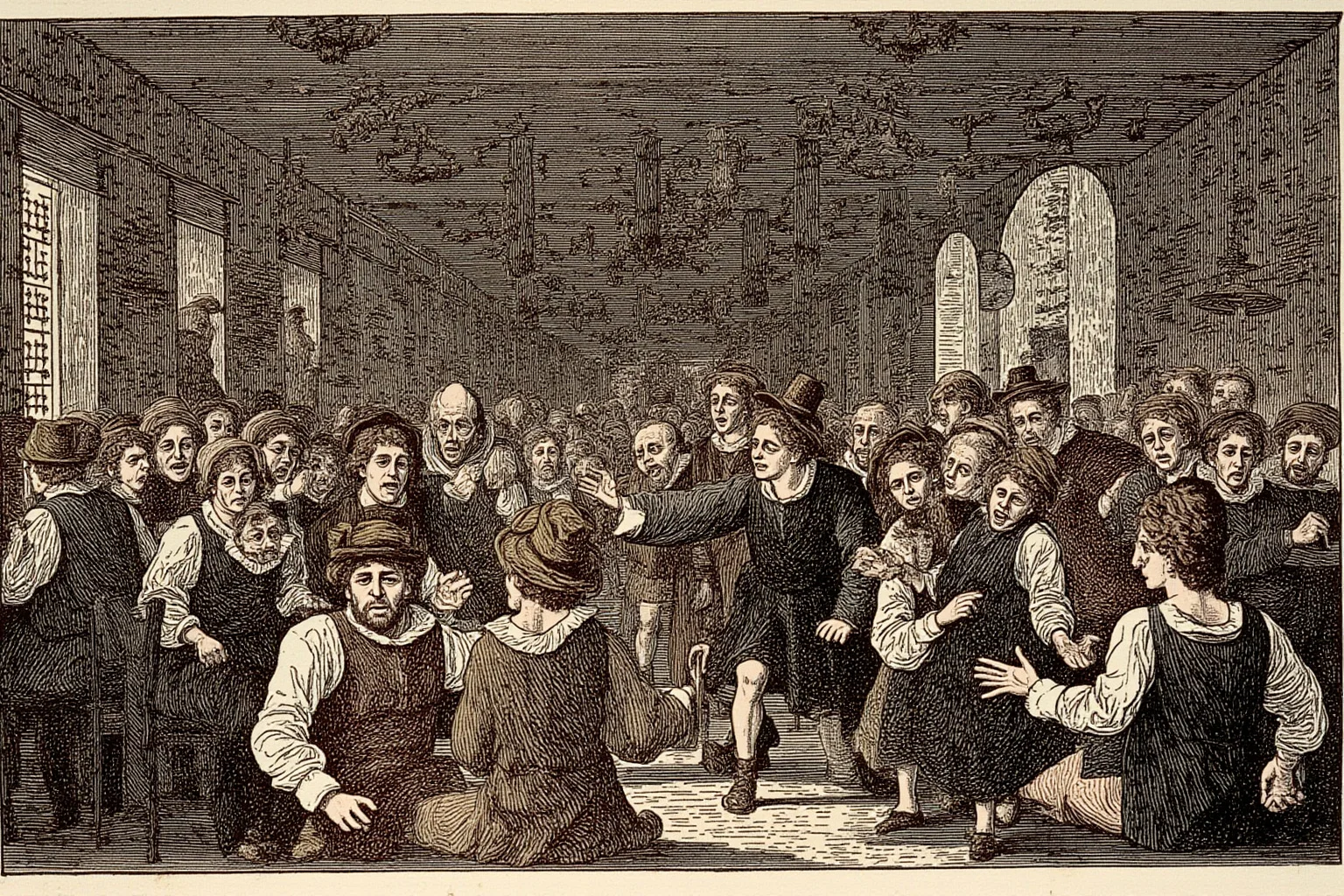
Shakespeare wasn’t writing in a vacuum. Elizabethan England had a rich culture of “railing,” tavern insult contests, and pamphlet wars where writers publicly humiliated each other in print, often over questions of birth, morality, or family.
Against that backdrop, a mother-focused pun in a stage play wasn’t shocking innovation, it was Shakespeare doing what popular entertainers of his era already did well. He simply did it more memorably than most, which is a big part of why the line survived.
14. The “Dozens”: How Yo Mama Jokes Became an American Art Form
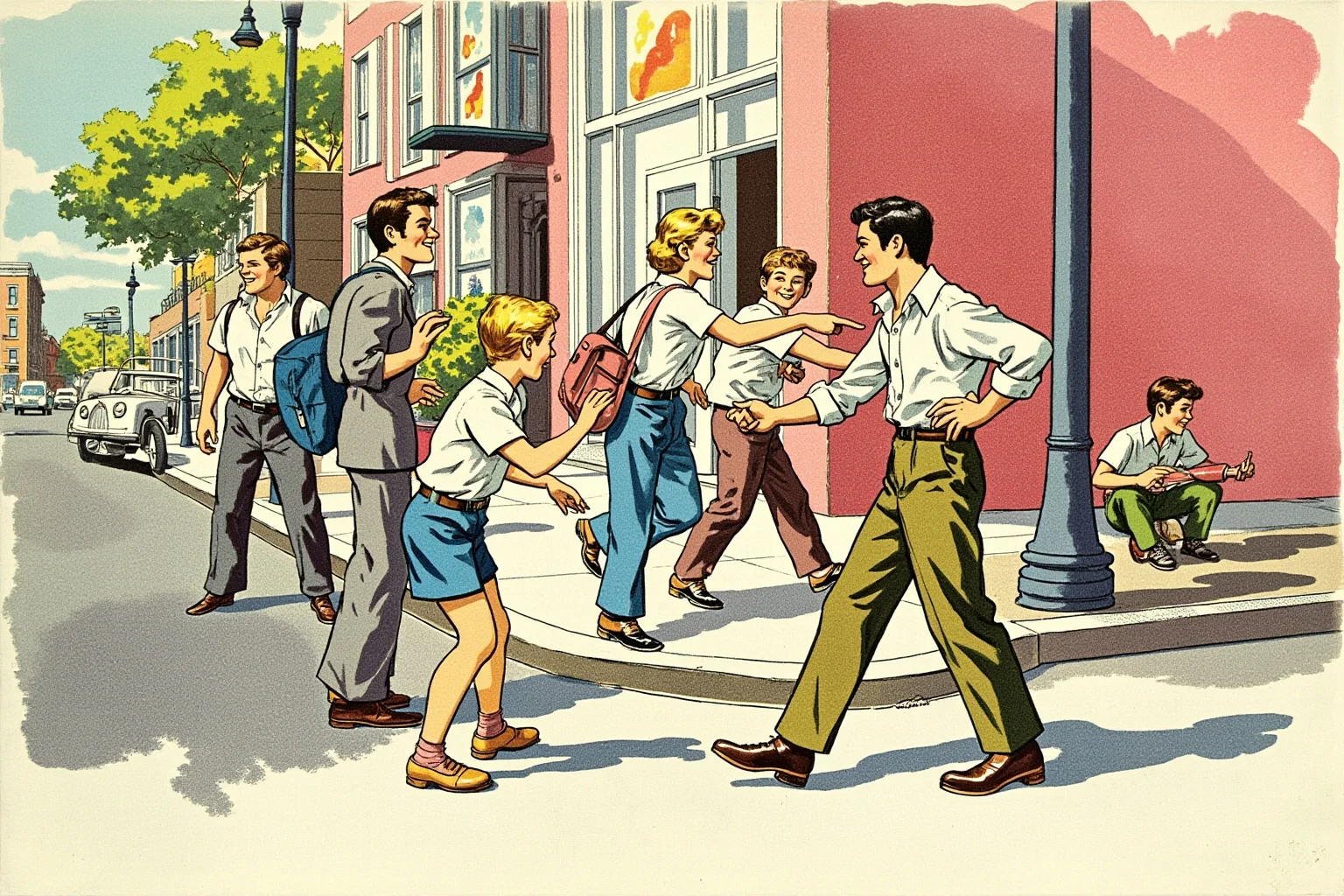
The actual “yo mama” joke format most people recognize today, short, punchy, rapid-fire insults about someone’s mother, comes from a very different tradition: “playing the dozens.” This is a verbal game rooted in African American oral culture, documented by folklorists studying urban communities in the early to mid-20th century.
Folklorist Roger D. Abrahams was among the researchers who studied and recorded this tradition in the 1960s, describing it as a ritualized game of escalating insults, often traded among young men as both entertainment and a test of wit. This is the true origin point of the modern shakespeare yo mama joke comparison, even though it has nothing directly to do with Shakespeare himself.
15. From Playground to Punchline: 20th Century Yo Mama Jokes
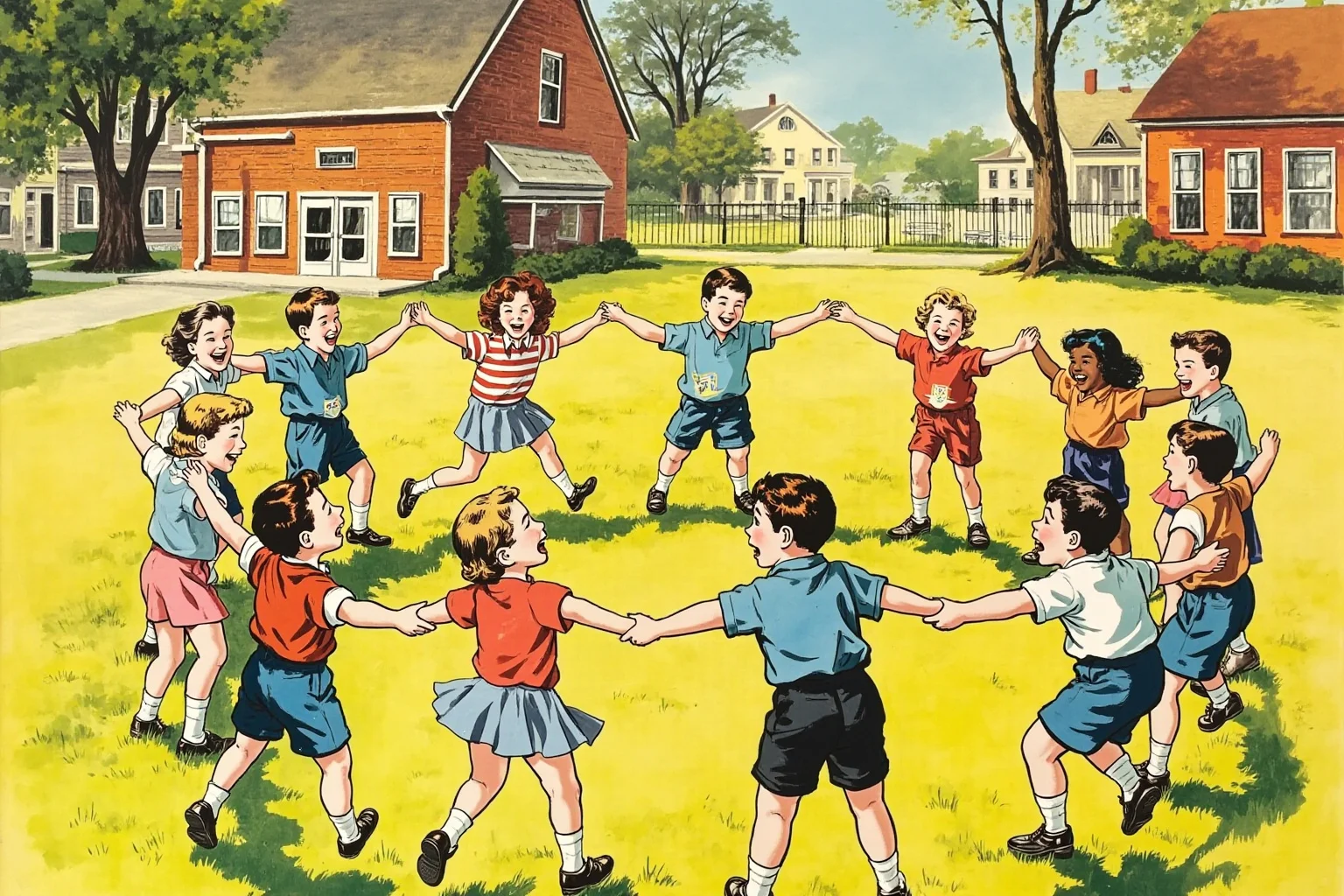
By the mid-20th century, “yo mama” jokes had spread far beyond their origins into mainstream American playground culture, comedy clubs, and eventually television. The structure became formulaic and endlessly remixable: “yo mama’s so [adjective], she [absurd consequence].”
This is the format most people mean when they ask about the first yo mama joke or the first your mom joke, and it’s a distinctly American 20th-century phenomenon. It’s a completely different animal from Aaron’s boast in a 1590s revenge tragedy.
16. Hip-Hop and the Modern Yo Mama Joke Boom
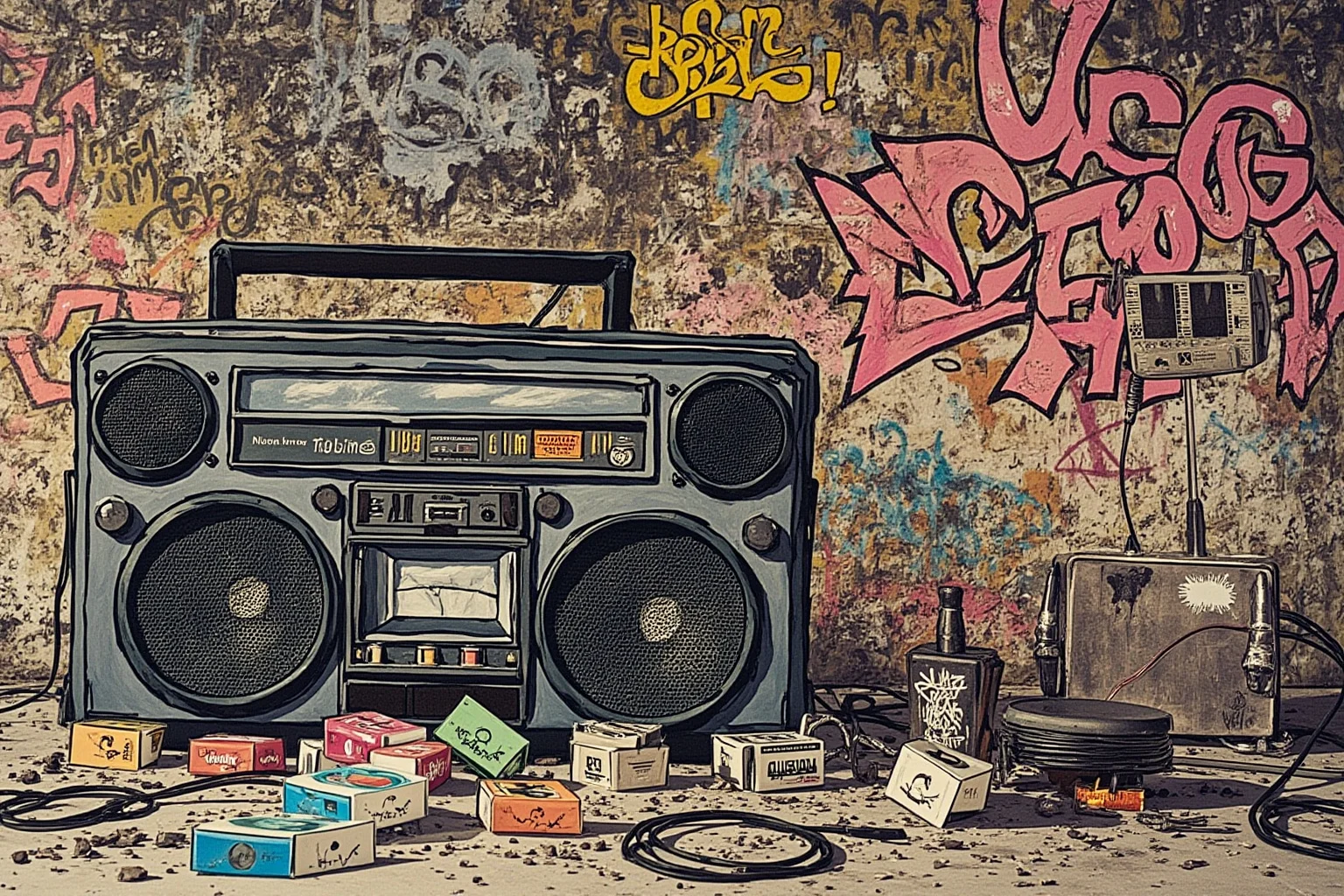
Hip-hop culture, particularly battle rap, embraced and amplified the yo mama joke tradition from the 1970s onward, treating insult wit as a genuine skill worth showcasing. Freestyle battles often included mother-insult rounds as a standard test of quick thinking.
Television cashed in too, with shows like MTV’s Yo Momma (2006) turning the tradition into a competitive game show format. By this point, the joke had traveled thousands of years and multiple continents from its earliest ancestors in Mesopotamia and Greece.
17. Why Mother Insults Are Universal Across Cultures

It’s worth asking why so many unrelated cultures, from ancient Babylon to Elizabethan London to 20th-century America, independently landed on “insult someone’s mother” as peak comedic aggression. Anthropologists studying insult humor point to the mother’s symbolic role as the core of a person’s identity and family honor in most societies.
Attacking that bond hits harder and faster than almost any other insult, which is exactly why it shows up again and again throughout history. Shakespeare didn’t need to invent this instinct, he was tapping into something that already ran deep in human culture.
18. Shakespeare’s Real Influence on Modern Comedy Writing
While Shakespeare didn’t invent the your mom joke, he was genuinely brilliant at the kind of pun-driven wordplay that makes insult comedy land. His comedies and tragedies alike are full of double meanings, sexual innuendo, and rapid-fire verbal sparring between characters.
That skill with language is part of why modern writers, comedians, and even internet meme-makers keep reaching for his plays when they want a” this has always existed” reference point. It’s less that Shakespeare started the tradition and more that he’s the most famous name attached to a very old comedic technique.
19. Other Shakespeare Insults Worth Knowing
If you enjoy the shakespeare yo momma joke, his other insults are worth exploring too. King Lear features the memorable line calling someone “a boil, a plague sore,” while Richard III includes the venomous “thou elvish-marked, abortive, rooting hog.”
These lines show Shakespeare’s range as an insult writer, moving well beyond family and into pure creative viciousness. None of them are about mothers specifically, which is part of why the Titus Andronicus line stands out as the one most associated with the “yo mama” comparison.
20. Titus Andronicus: Shakespeare’s Most Violent, Least Family-Friendly Play
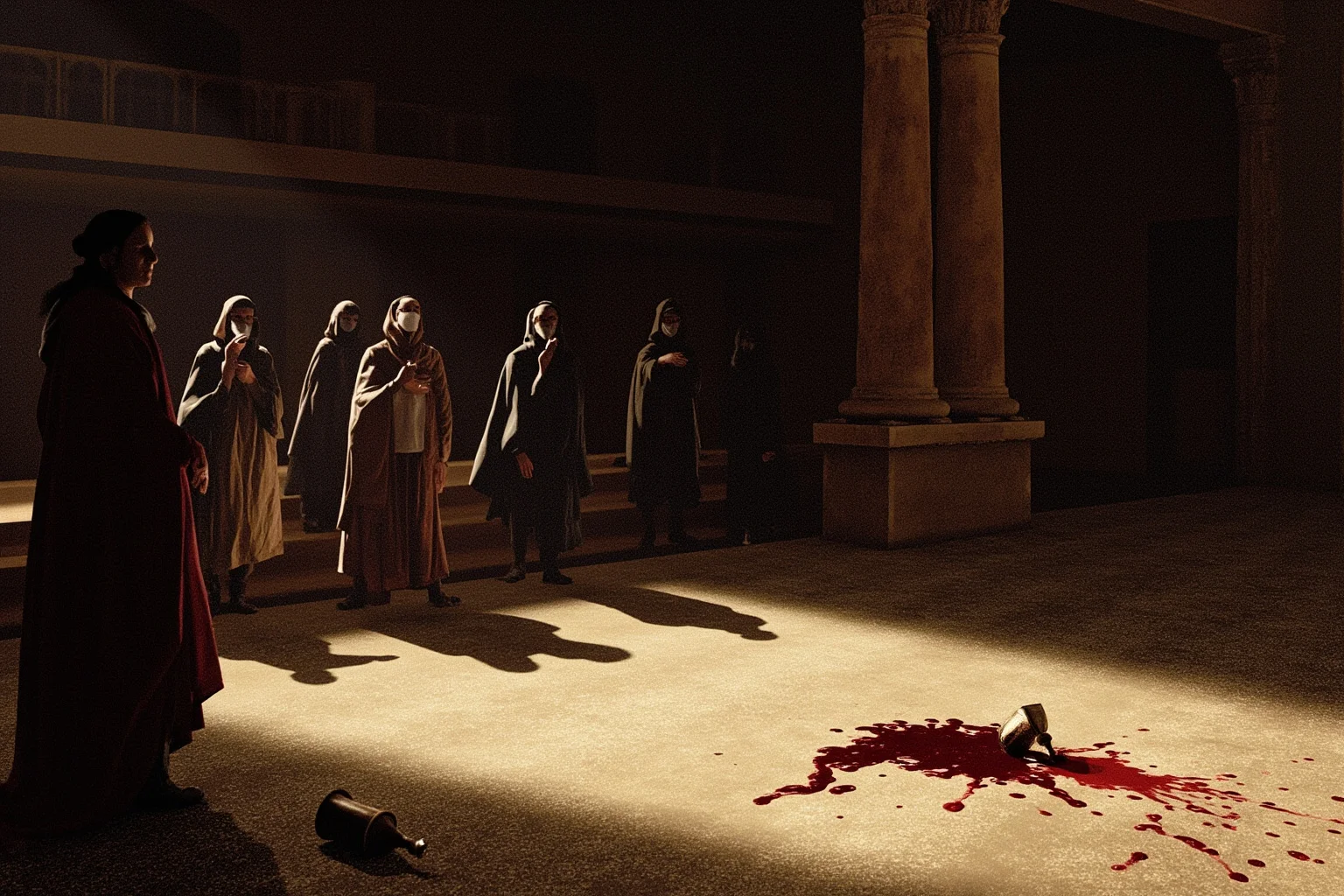
It’s worth remembering the tone of the play this line comes from. Titus Andronicus includes rape, mutilation, murder, and a notorious final scene involving cannibalism, making it one of the most disturbing works in Shakespeare’s catalog.
The “villain, I have done thy mother” exchange sits inside this brutal context, not a lighthearted comedy. That context matters, because it shows the line was never meant as a cheerful joke, it was a calculated act of cruelty inside a tragedy about revenge and shame.
21. So, Did Shakespeare Really Invent the Yo Mama Joke?
Putting it all together, the honest answer is no. Mother-focused insults existed in Mesopotamian tablets roughly 3,000 years before Shakespeare, in Greek comedy centuries before him, and in Scottish flyting poetry within living memory of his own birth.
The specific “yo mama” joke format familiar today emerged from 20th-century African American oral tradition, not from Elizabethan drama. What Shakespeare did contribute is one especially quotable, cleverly punned, mother-related insult that happened to survive in one of the most studied literary catalogs in history.
22. Why the Myth Persists
The “Shakespeare invented the yo mama joke” claim keeps circulating because it’s a genuinely satisfying story. It flatters our sense that even the most “highbrow” literature is secretly as crude as playground humor, and it’s a fun trivia nugget that’s easy to share.
The real history is messier and, honestly, more interesting: humans have been insulting each other’s mothers across nearly every civilization we have written records for. Shakespeare didn’t start that fire, he just wrote one particularly good line while it was already blazing.
The Bottom Line on Shakespeare’s Yo Mama Joke
Shakespeare’s “Villain, I have done thy mother” is real, it’s clever, and it absolutely deserves its status as a famous literary insult.
But treating it as the first yo mama joke erases a much longer, richer history of mother-insult humor stretching back through Scottish court poetry, Norse flyting, Roman oratory, Greek comedy, and possibly all the way to ancient Mesopotamia.
The modern “yo mama” joke format we trade with friends today owes its real debt to 20th-century American oral tradition, particularly the game known as playing the dozens.
Shakespeare’s contribution is smaller but still fun: a 400-year-old pun that proves even the greatest playwright in the English language wasn’t above a good mother joke.
Frequently Asked Questions
What does “Villain, I have done thy mother” mean?
The line is spoken by Aaron the Moor in Shakespeare's Titus Andronicus (Act 4, Scene 2). When Chiron accuses Aaron of having "undone" (disgraced) their mother Tamora, Aaron twists the word into "done," confirming their mother's affair with him in the crudest possible terms. It's a boastful, pun-based insult rather than a joke meant to get laughs.
Did Shakespeare really invent the first yo mama joke?
No, not really. While Titus Andronicus contains a genuine, clever mother-related insult, historians and folklorists point to mother-insult humor in ancient Greek comedy, Roman oratory, Norse and Anglo-Saxon flyting poems, and even possibly Mesopotamian clay tablets, all of which predate Shakespeare by centuries or millennia.
What was the first yo mama joke, and when was it told?
There's no single confirmed "first" yo mama joke, since insult humor about mothers appears independently across many ancient cultures. Some researchers point to Babylonian or Sumerian tablets over 3,000 years old as possible early examples, though translations and interpretations of these texts are debated among scholars.
What was Shakespeare’s mother’s name?
Shakespeare's mother was Mary Arden, who came from a farming family in Wilmcote near Stratford-upon-Avon. She married John Shakespeare, a local glove-maker and civic official, and the couple had William among their eight children.
Where does the modern “yo mama joke” format actually come from?
The short, punchy "yo mama's so…" joke format most people know today comes from a 20th-century American oral tradition called "playing the dozens," rooted in African American culture and documented by folklorists in the mid-1900s. It later spread through playgrounds, comedy clubs, hip-hop battle culture, and television.
Is Titus Andronicus a comedy?
No, Titus Andronicus is one of Shakespeare's earliest and most violent tragedies, featuring mutilation, murder, and cannibalism. The famous mother-insult line occurs within this brutal revenge plot, not as part of any comedic scene.

Alex Warren
Related Articles