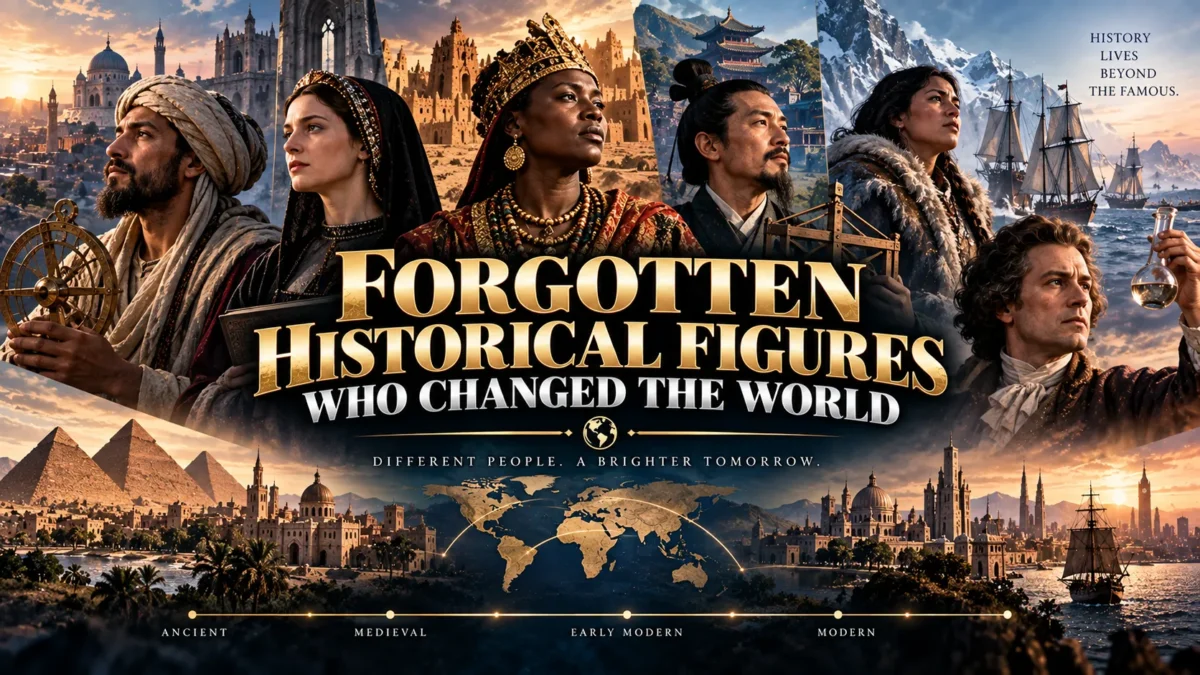
History has a strange filing system. Some people get statues, school lessons, and Hollywood biopics, while others who did equally remarkable things get quietly filed away and forgotten.
It’s not always about who mattered most — it’s often about who wrote the history books, who benefited from being remembered, and whose story simply got outshined by someone louder.
This list digs into some of the most fascinating forgotten historical figures from across the centuries and continents.
Some were inventors and scientists whose discoveries got credited to someone else. Others were warriors, spies, or founders whose names never made it into the popular narrative. All of them deserve a second look.
TL;DR: From a Mongol wrestling princess to the Soviet officer who quietly prevented nuclear war, these 22 obscure historical figures changed the world and got almost no credit for it.
Why History Forgets So Many Important People
Before diving into the list, it’s worth asking why entire lives of consequence just fade away. Part of it comes down to who controlled the record.
For most of human history, the people writing chronicles, textbooks, and encyclopedias were a narrow slice of society, and they tended to remember people who looked like them or served their interests.
Another factor is simple bad timing. Some forgotten people in history did groundbreaking work that was ridiculed or dismissed in their own lifetime, only to be proven right decades later — by which point someone else got the credit. Politics, colonization, war, and even plain sexism erased countless names that should be household ones.
The good news is that historians keep digging, and many of these obscure famous people are slowly being rediscovered. This list is a starting point for anyone curious about the lesser known historical figures who deserve far more recognition than they’ve gotten.
1. Hypatia of Alexandria (c. 350–415 CE)
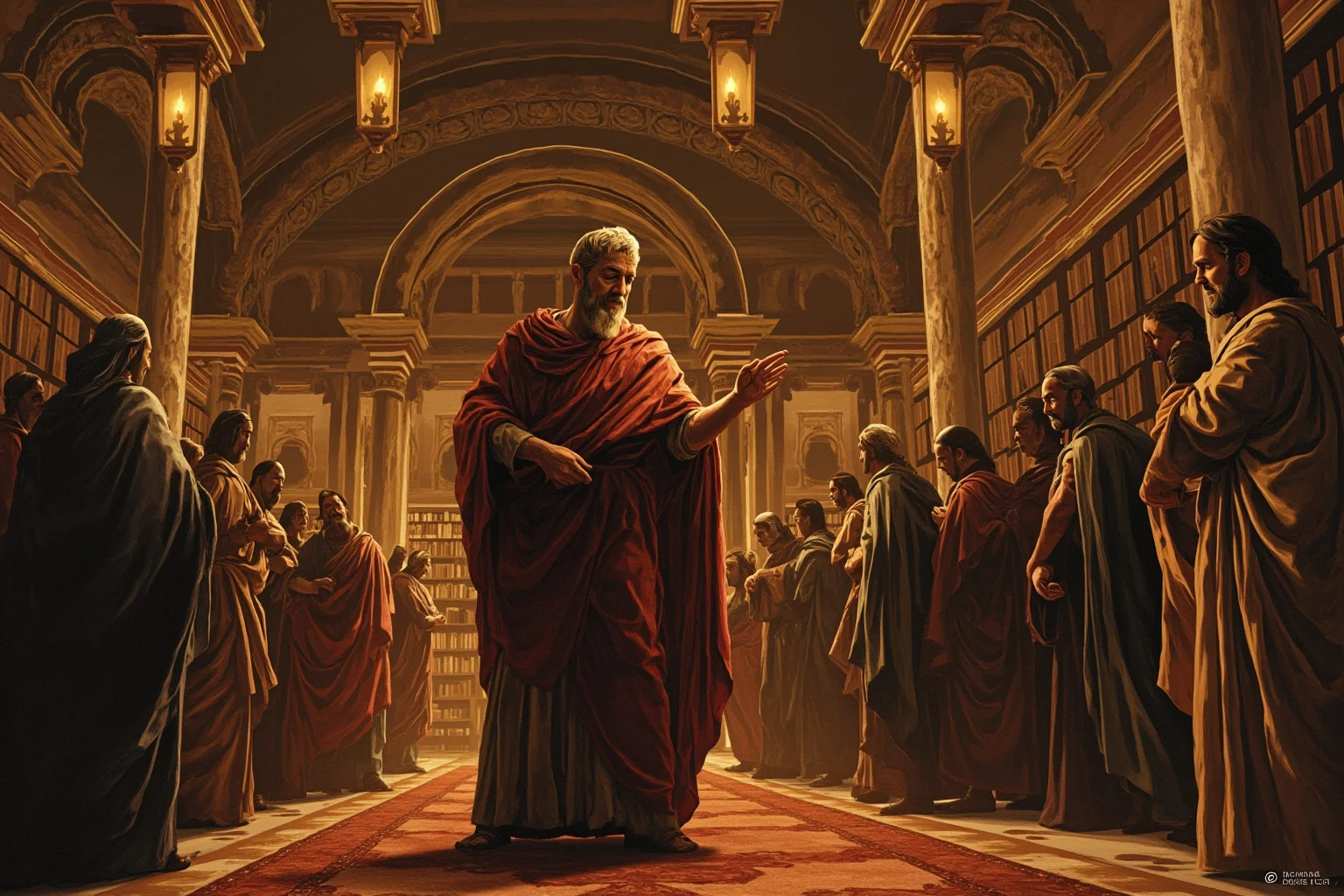
Hypatia was one of the last great scholars of the ancient Library of Alexandria’s intellectual world, teaching mathematics, astronomy, and philosophy to students from across the Mediterranean. She was widely respected in her lifetime, corresponding with prominent officials and philosophers.
Her life ended violently when she was killed by a mob amid the political and religious turmoil gripping late Roman Alexandria. Centuries later, she’s mostly remembered as a footnote rather than as one of antiquity’s sharpest minds, absent from most rundowns of influential ancient Roman figures despite living and working under Roman rule.
2. Zhang Heng (78–139 CE)
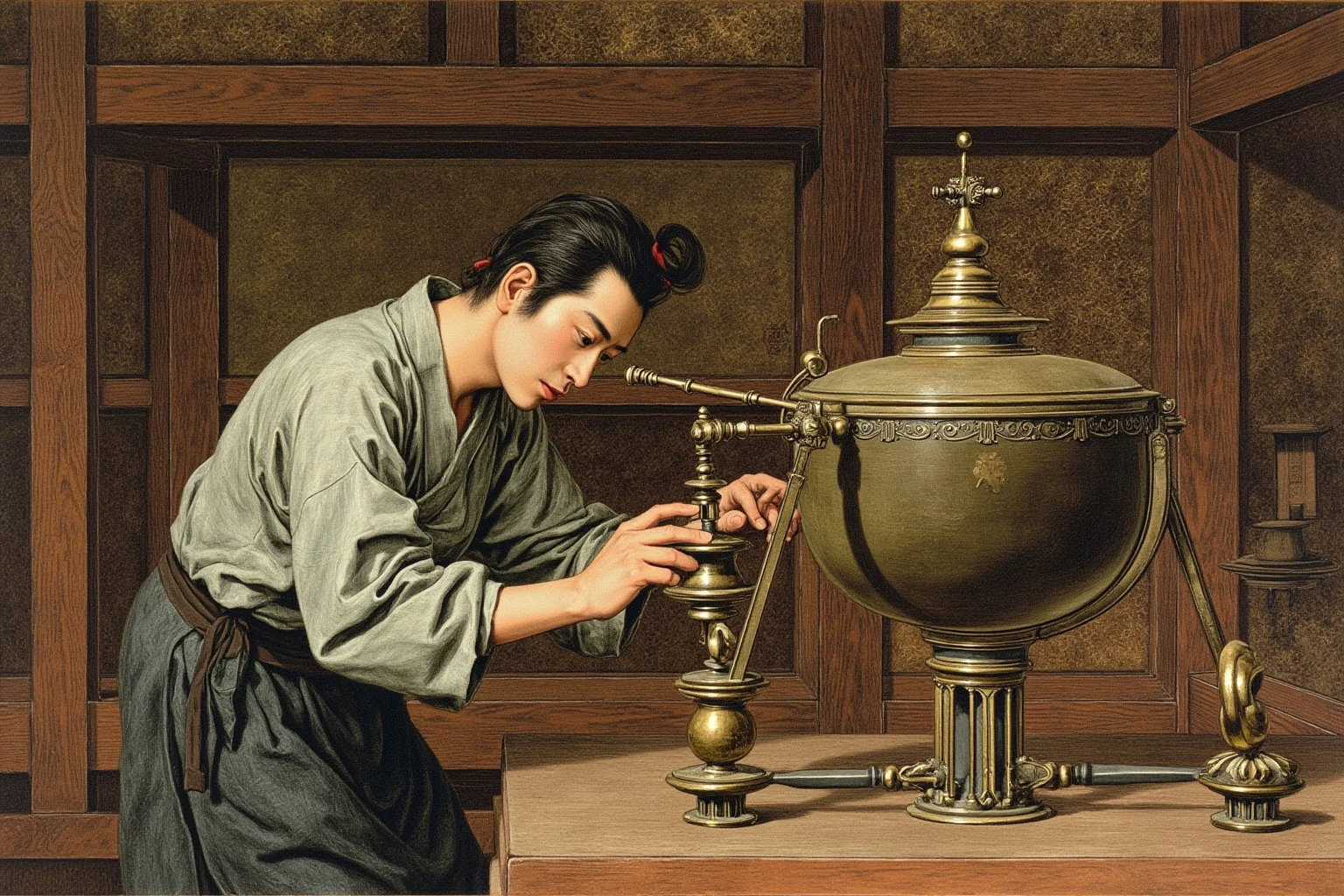
This Han dynasty polymath invented one of the world’s first seismoscopes, a bronze device sensitive enough to detect distant earthquakes long before instruments like it existed elsewhere. He also refined astronomical models and built a water-powered armillary sphere to track celestial motion.
Zhang Heng’s work influenced Chinese science for generations, yet outside of specialist circles, his name rarely comes up. He remains one of history’s most underrated engineers, deserving a spot among the smartest people in history.
3. Khutulun (c. 1260–1306)
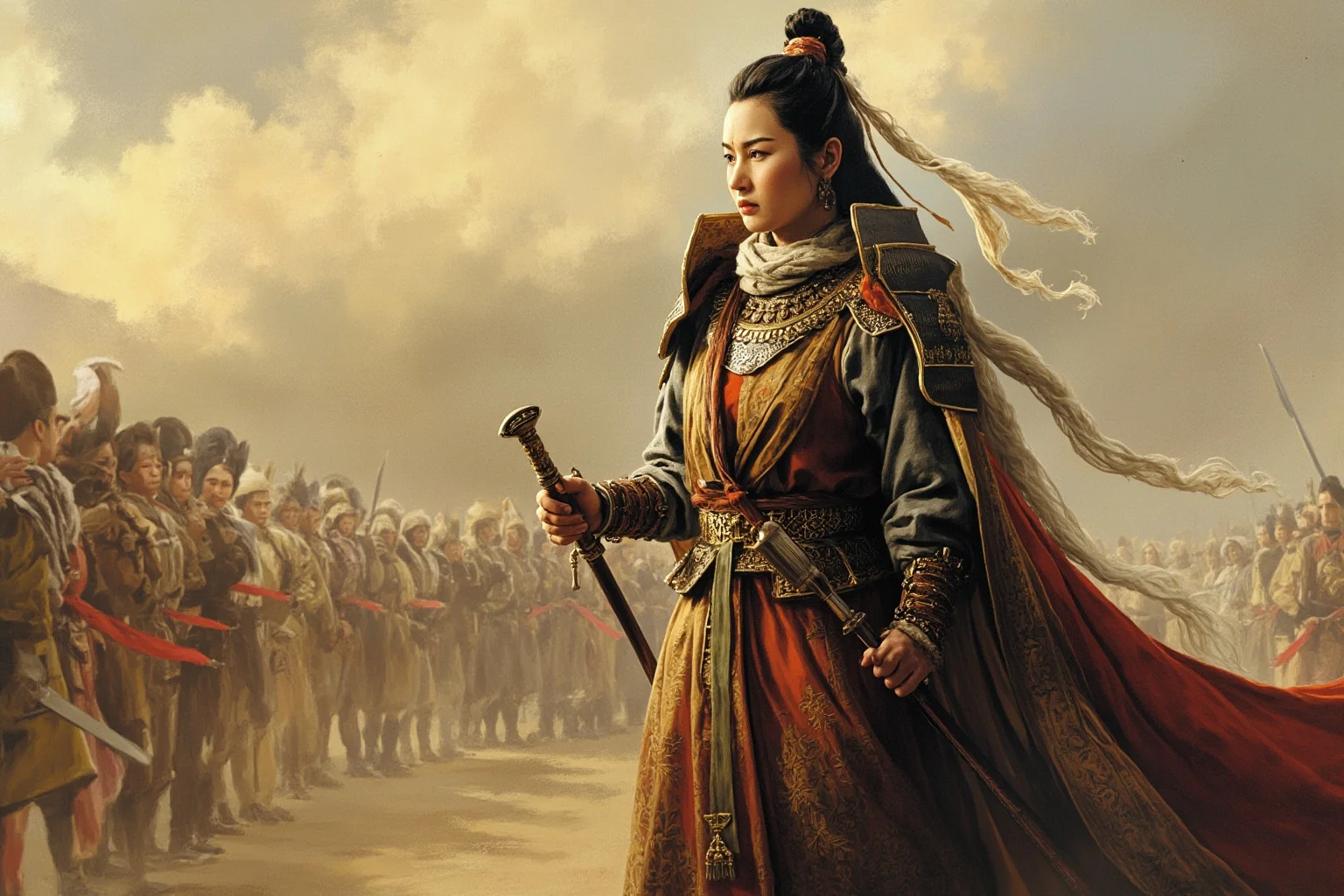
Khutulun was a Mongol princess and reportedly an undefeated wrestler, described by the traveler Marco Polo as a formidable warrior who fought alongside her father in battle. According to popular accounts, she refused to marry any suitor who couldn’t beat her in a wrestling match, and none ever did.
Some details of her story have been embellished over centuries of retelling, so historians treat the wilder claims with caution. Still, the core of her reputation as a skilled fighter and political figure in the Mongol court is well documented.
4. Al-Jazari (1136–1206)
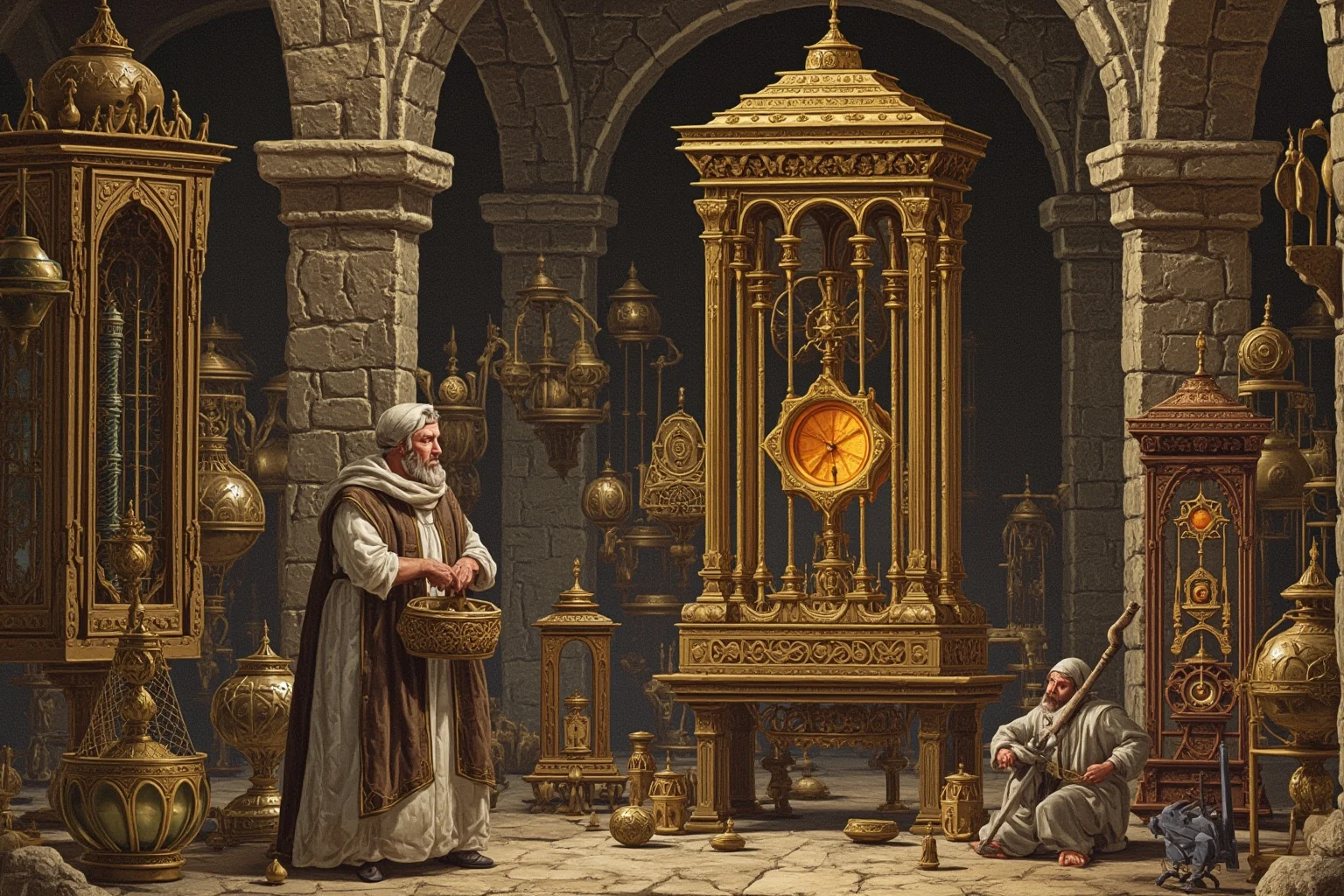
Working in the Artuqid court in what is now southeastern Turkey, Al-Jazari designed elaborate mechanical devices, including water clocks, crank mechanisms, and early automata. His book, often translated as “The Book of Knowledge of Ingenious Mechanical Devices,” laid groundwork that some historians argue influenced later European engineering.
Despite his outsized influence on mechanical engineering, Al-Jazari is virtually unknown outside academic history circles. He’s a textbook example of an unknown historical figure who changed the world quietly.
5. Njinga Mbandi (c. 1583–1663)
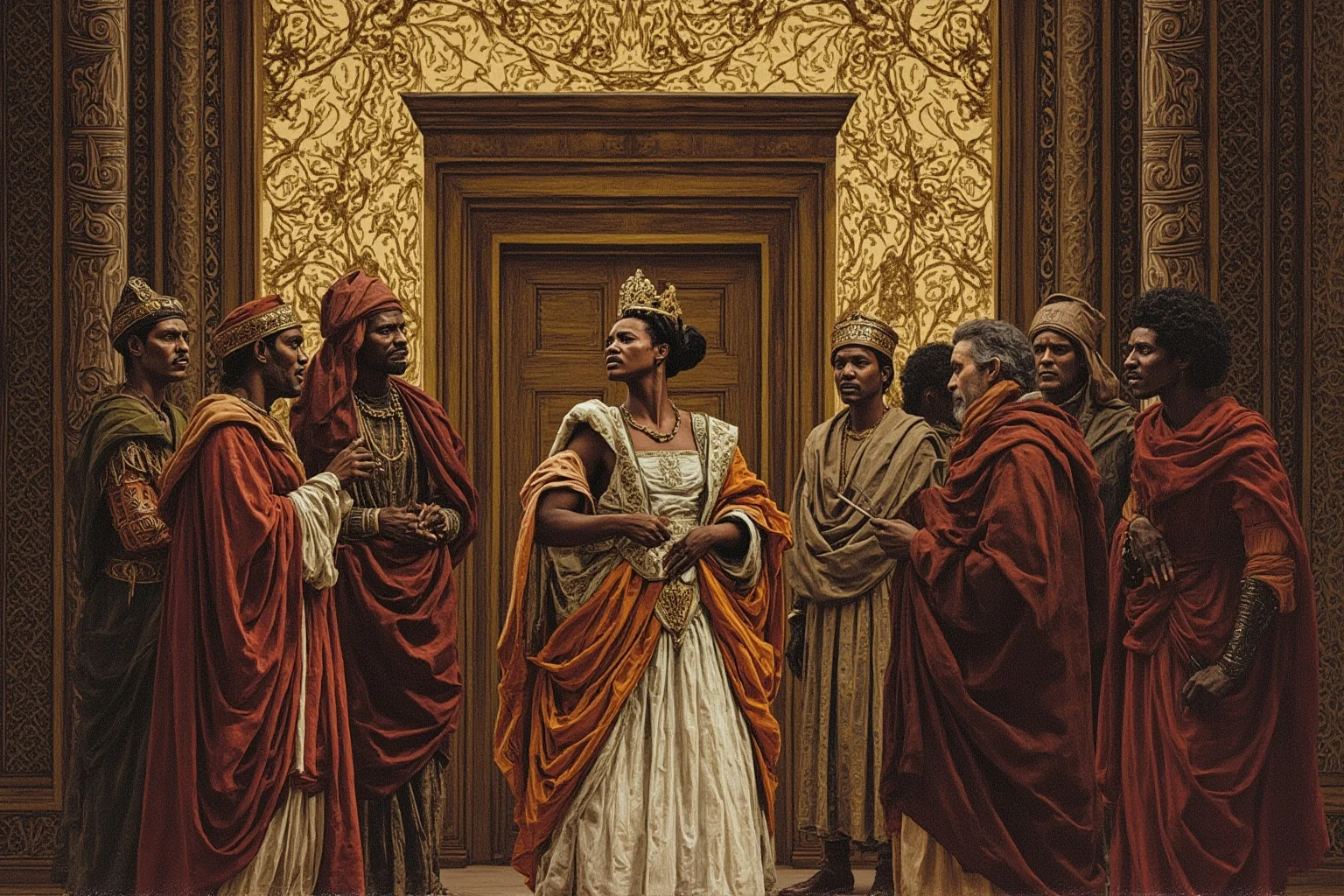
Queen Njinga ruled the kingdoms of Ndongo and Matamba in what is now Angola, and she spent decades resisting Portuguese colonization through a mix of shrewd diplomacy and military strategy. She formed alliances, reorganized her army, and negotiated directly with colonial powers on her own terms.
Her resistance held off full Portuguese control for much of her lifetime, an extraordinary feat given the era. Yet she remains far less known internationally than other rulers who faced European colonization, despite belonging on any list of history’s most powerful women.
6. Ching Shih (1775–1844)
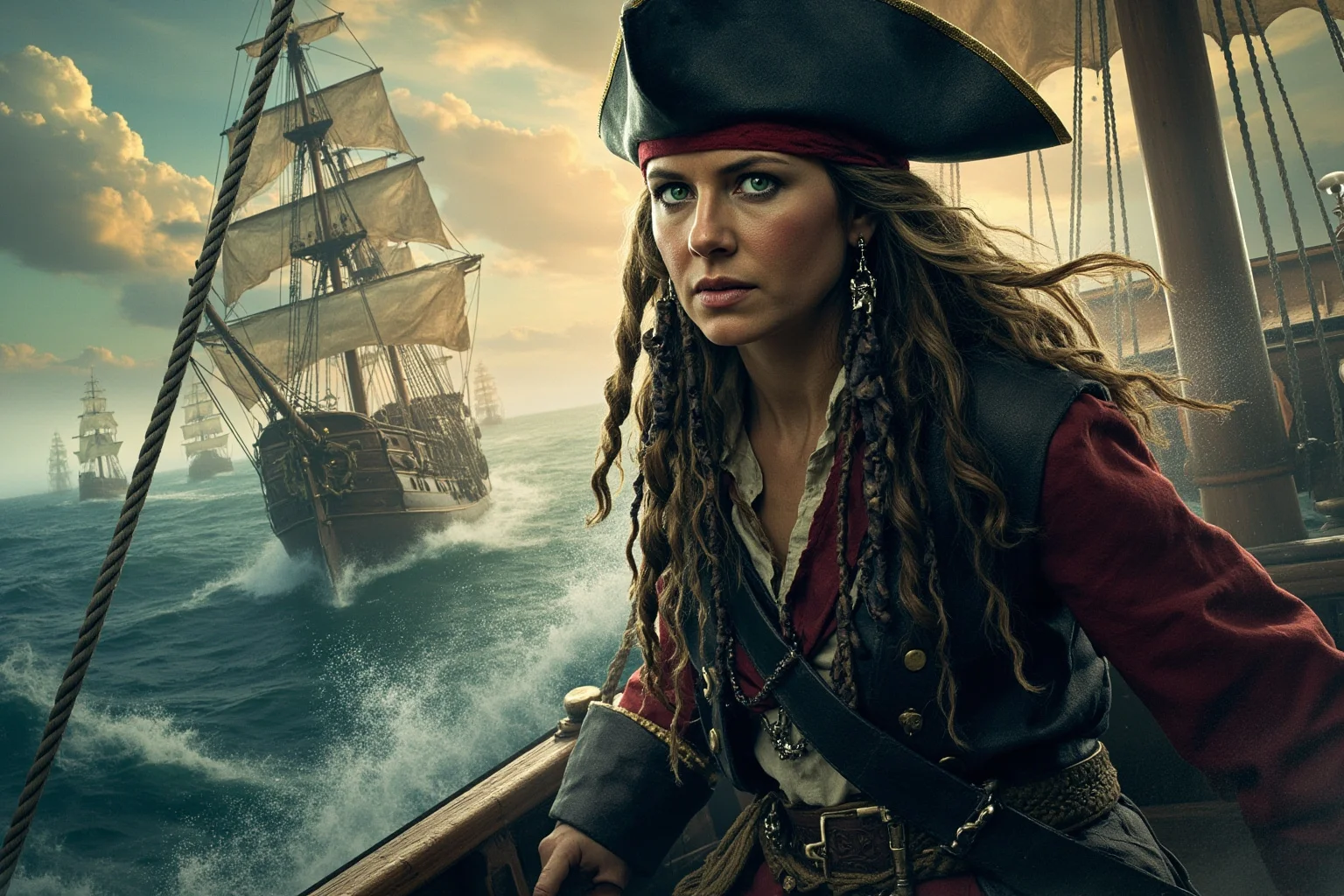
Few pirates in history commanded more ships than Ching Shih, who took control of the massive Red Flag Fleet in early 19th-century China after her husband’s death. At her peak, she reportedly commanded tens of thousands of sailors and hundreds of vessels along the South China coast.
Rather than going down in a blaze of cannon fire, she negotiated an amnesty with the Chinese government and retired comfortably. It’s a wild story that rarely makes it into pirate folklore dominated by Blackbeard and Captain Kidd.
7. Benjamin Banneker (1731–1806)
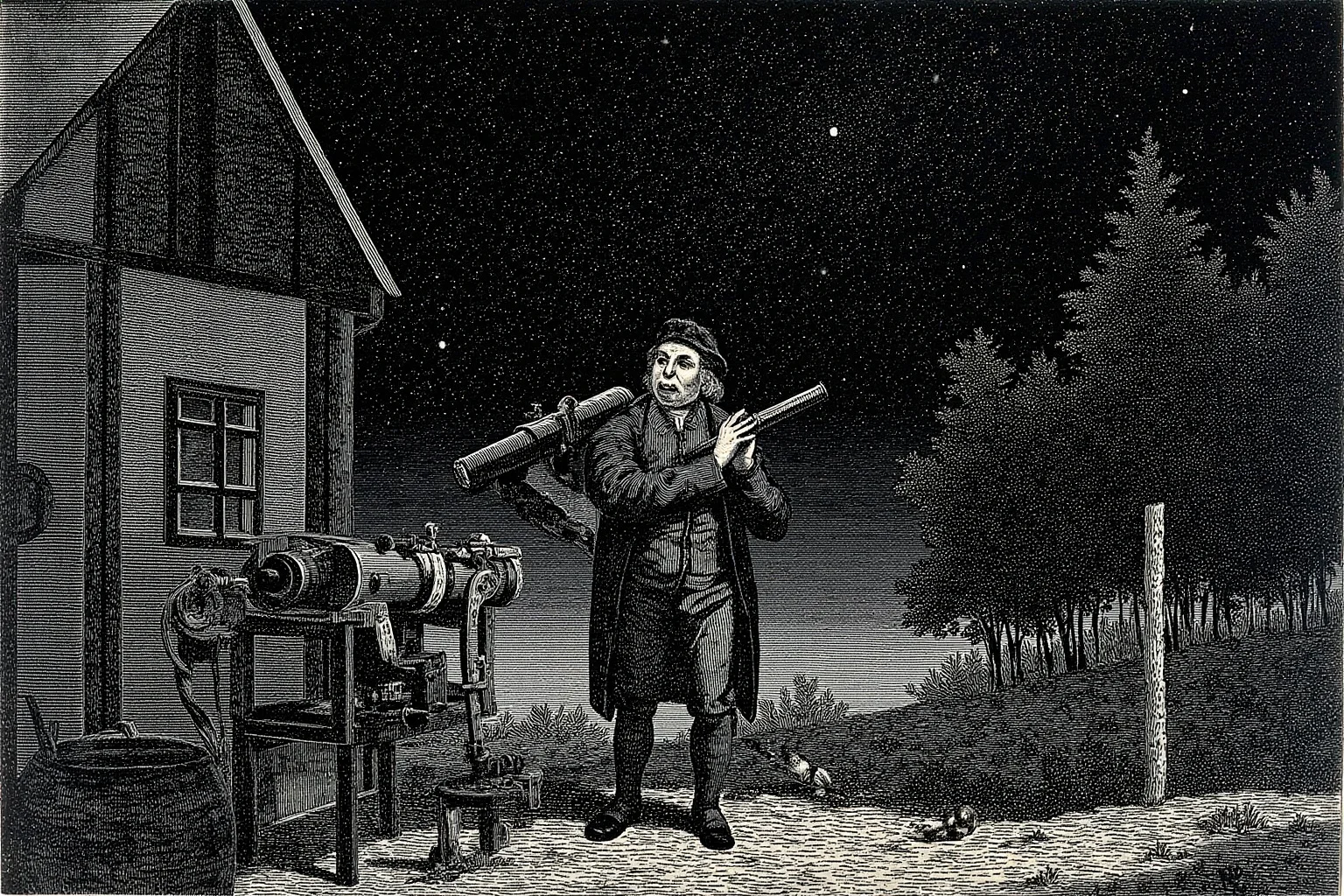
Born a free Black man in Maryland, Benjamin Banneker taught himself advanced mathematics and astronomy, later publishing a series of respected almanacs. He also assisted surveyor Andrew Ellicott with astronomical observations during the early survey work for the future District of Columbia.
His contributions to that survey are sometimes exaggerated in popular retellings, so it’s worth being precise: he supported the technical astronomical work rather than leading the boundary survey itself. Even with that correction, his self-taught scientific achievements were remarkable for his era, and his story deserves a place among the greatest American inventors in history.
8. Sybilla Masters (d. 1720)
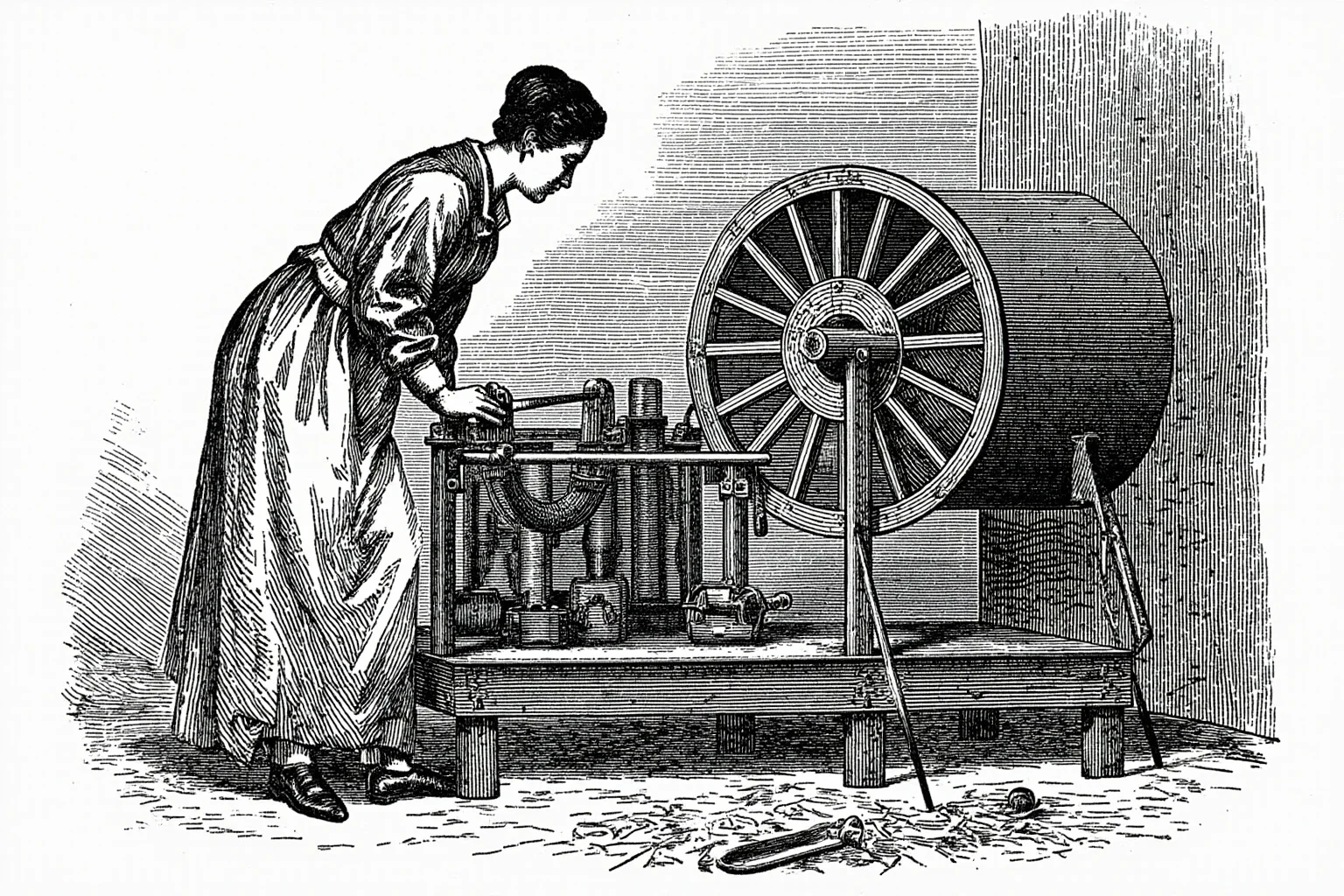
Sybilla Masters developed an improved method for processing corn into meal in colonial America, a genuine innovation for the period. Because women couldn’t hold patents at the time, the English patent for her invention was issued in 1715 under her husband Thomas Masters’ name instead.
She’s often cited as the first colonial American credited with an invention patented in England, even though her own name never appeared on the paperwork. It’s one of the clearer examples of forgotten founders whose ideas outlived their public credit.
9. Deborah Sampson (1760–1827)
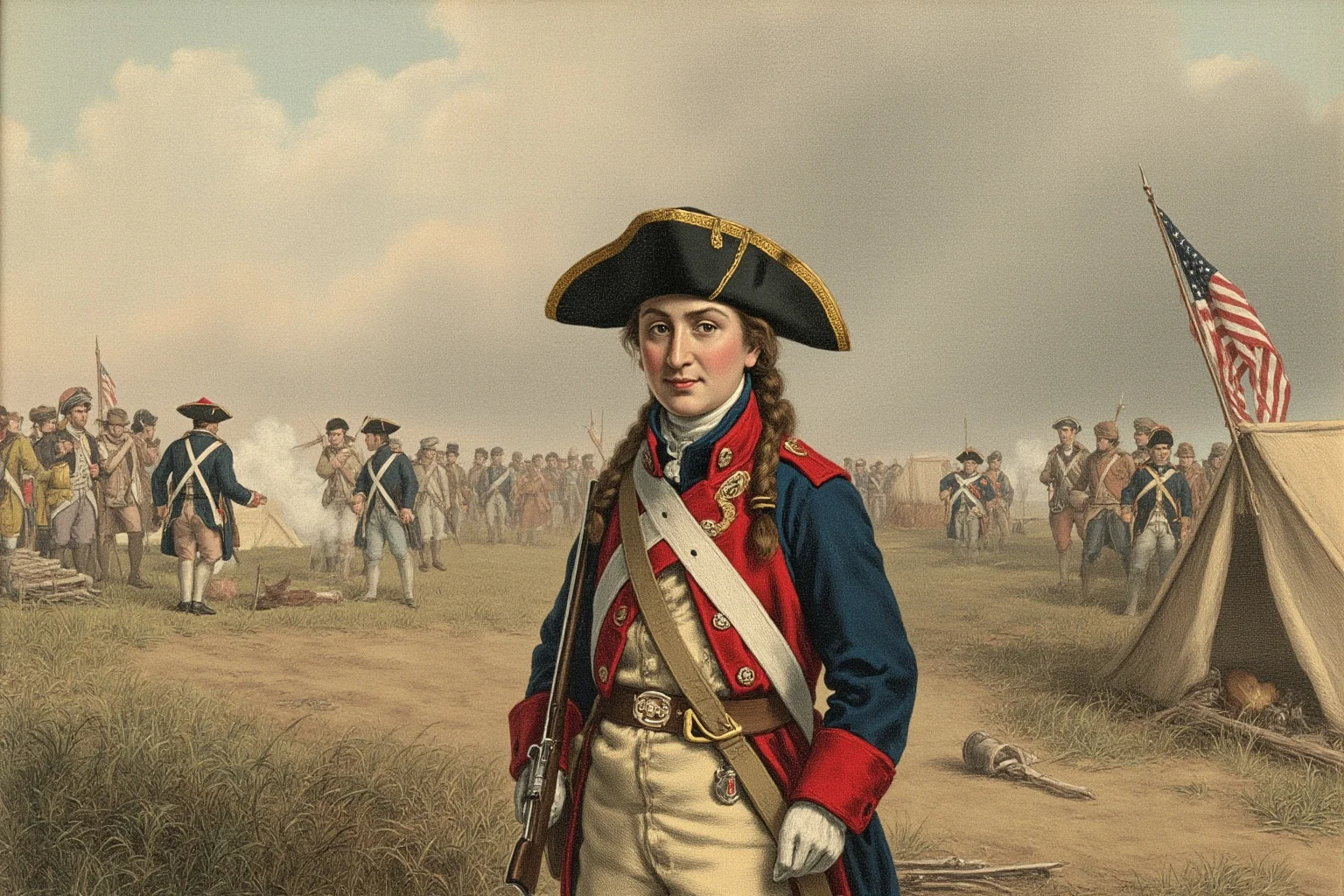
During the American Revolution, Deborah Sampson disguised herself as a man named Robert Shurtliff and served in the Continental Army for over a year. She was wounded in battle and reportedly removed a musket ball from her own leg to avoid discovery.
Her identity was eventually revealed, and she later received a military pension for her service, a rare acknowledgment for a woman soldier of that era. Her story remains far less known than many of her male counterparts from the same war.
10. Olaudah Equiano (c. 1745–1797)
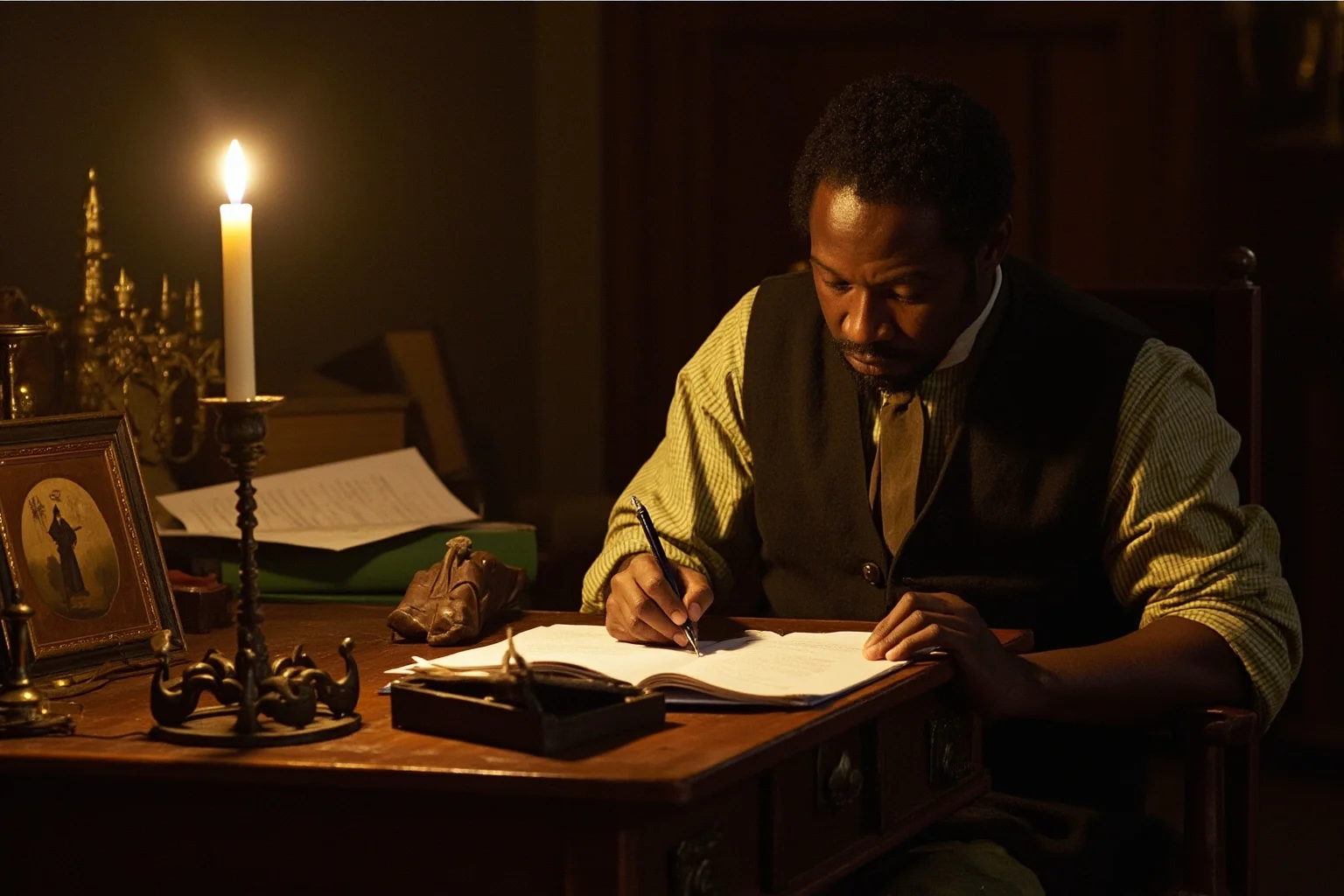
Born in West Africa and enslaved as a child, Olaudah Equiano eventually gained his freedom and became a powerful voice in the British abolitionist movement. His autobiography, describing the horrors of the transatlantic slave trade in vivid firsthand detail, helped shift public opinion in Britain.
His writing was widely read in his own time and cited by activists pushing for the end of the slave trade. Today, though, he’s largely absent from mainstream history curricula outside specialized courses.
11. Bass Reeves (1838–1910)
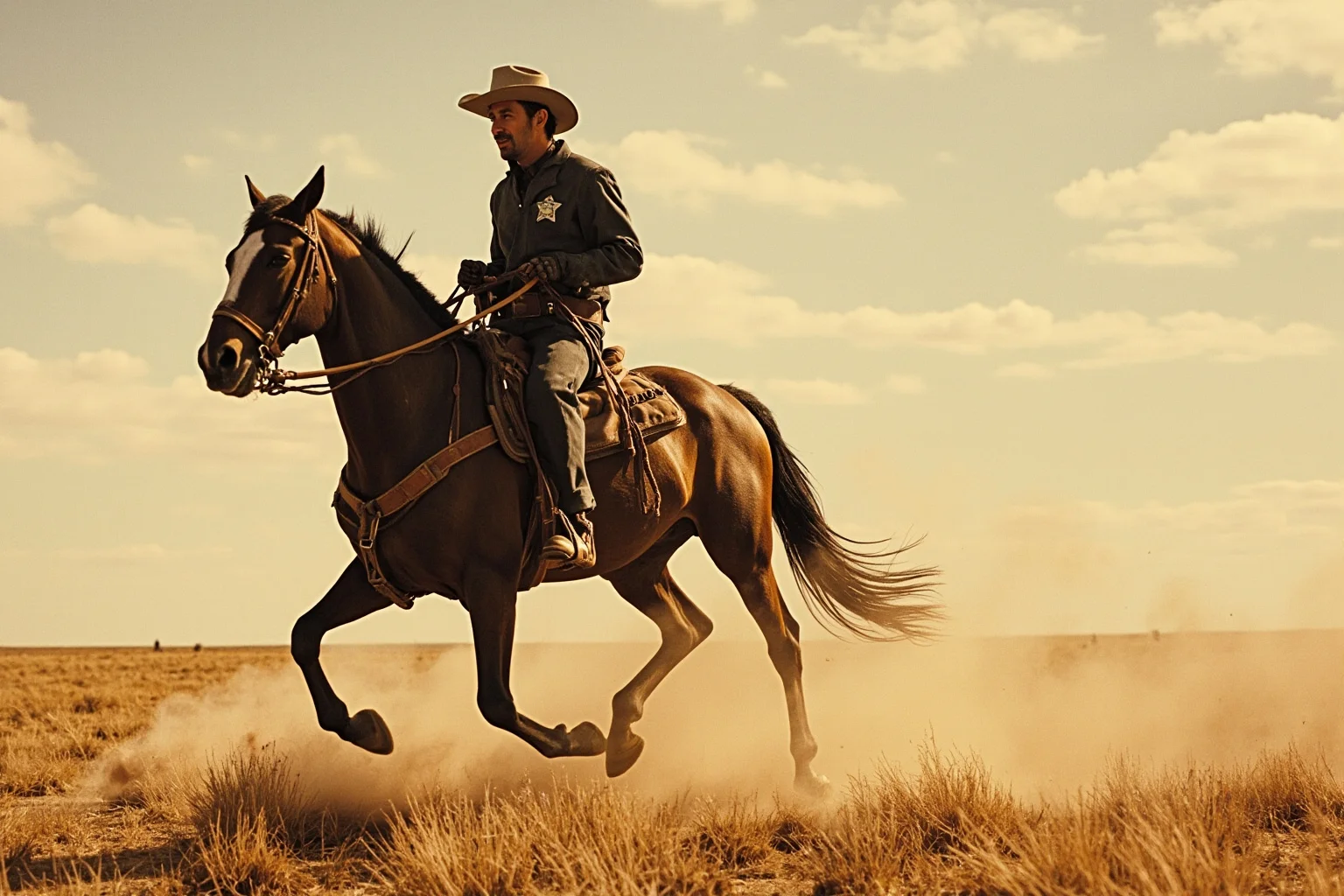
Born into slavery, Bass Reeves later became the first Black deputy U.S. marshal to serve west of the Mississippi River. Over his career, he was credited with arresting thousands of criminals across dangerous frontier territory, often relying on disguises and clever tactics rather than brute force.
Some historians have suggested his life partly inspired later fictional lawmen, though that connection is debated rather than confirmed. Either way, his real career reads like an action movie that almost nobody has heard of.
12. Robert Smalls (1839–1915)
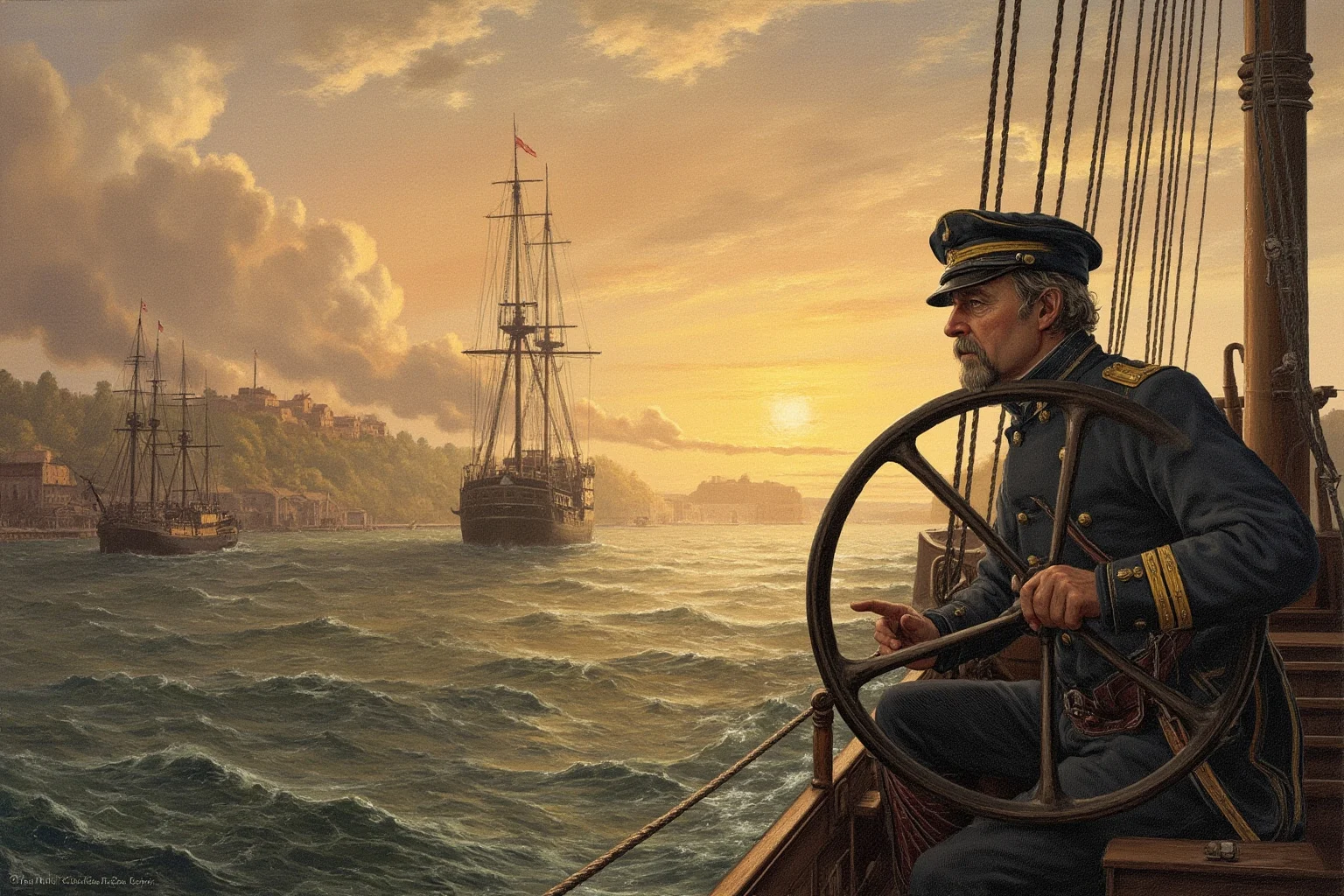
In 1862, an enslaved ship pilot named Robert Smalls commandeered the Confederate steamship CSS Planter and sailed it past Confederate defenses to deliver it to Union forces. The act instantly freed him, his family, and the rest of the crew aboard.
He went on to serve in the U.S. House of Representatives during Reconstruction, one of the first Black congressmen in American history. His daring escape and political career deserve a much bigger place in the popular imagination, alongside other historical figures who changed the world for the better.
13. Sequoyah (c. 1770–1843)
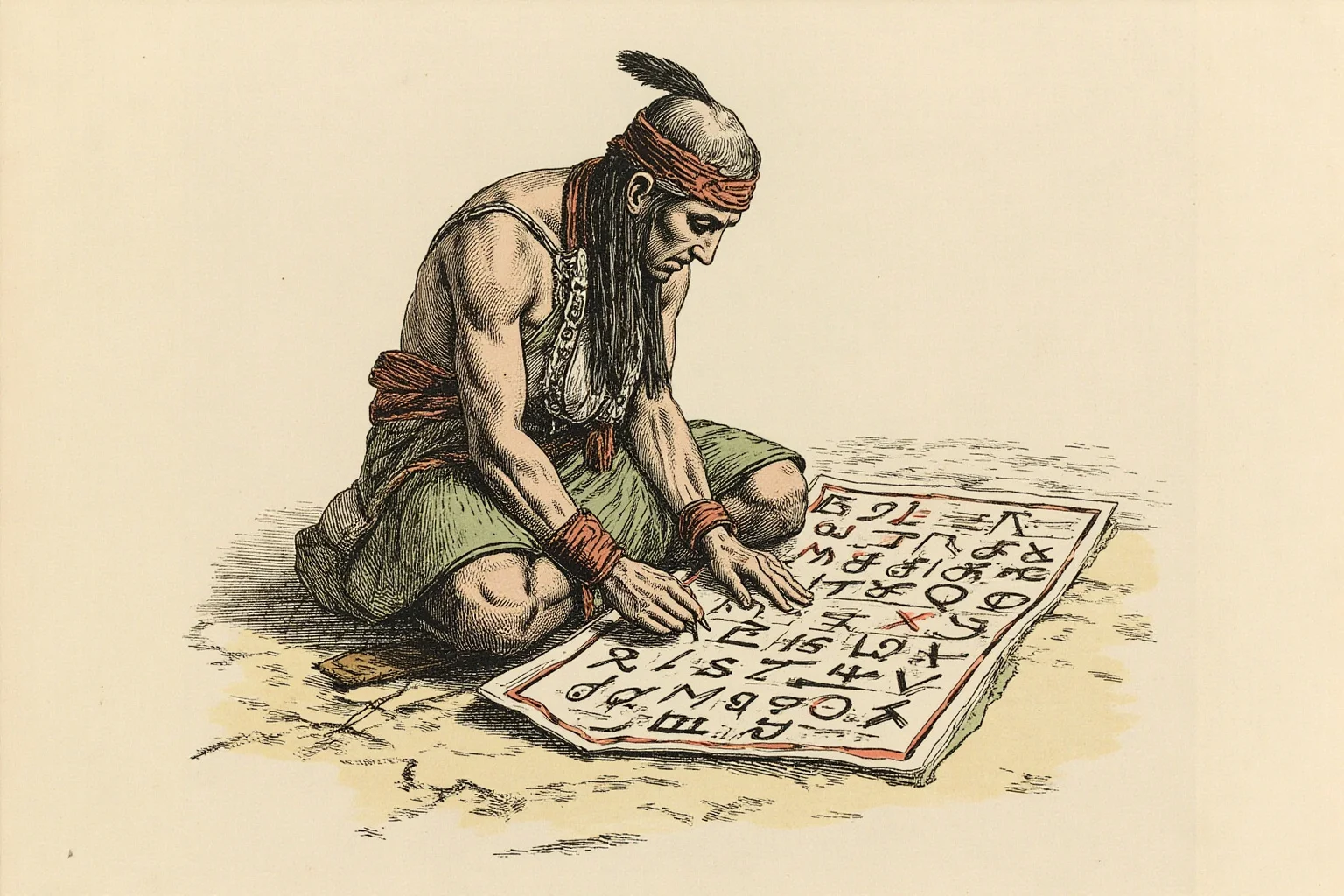
A Cherokee silversmith with no formal Western education, Sequoyah spent years developing a complete writing system for the Cherokee language, completed around 1821. The syllabary spread rapidly, and within years, Cherokee literacy rates reportedly outpaced those of surrounding settler communities.
Creating a functional writing system from scratch is an almost unheard-of individual achievement in linguistic history. Sequoyah belongs firmly on any list of forgotten founders of written language.
14. Yaa Asantewaa (c. 1840–1921)
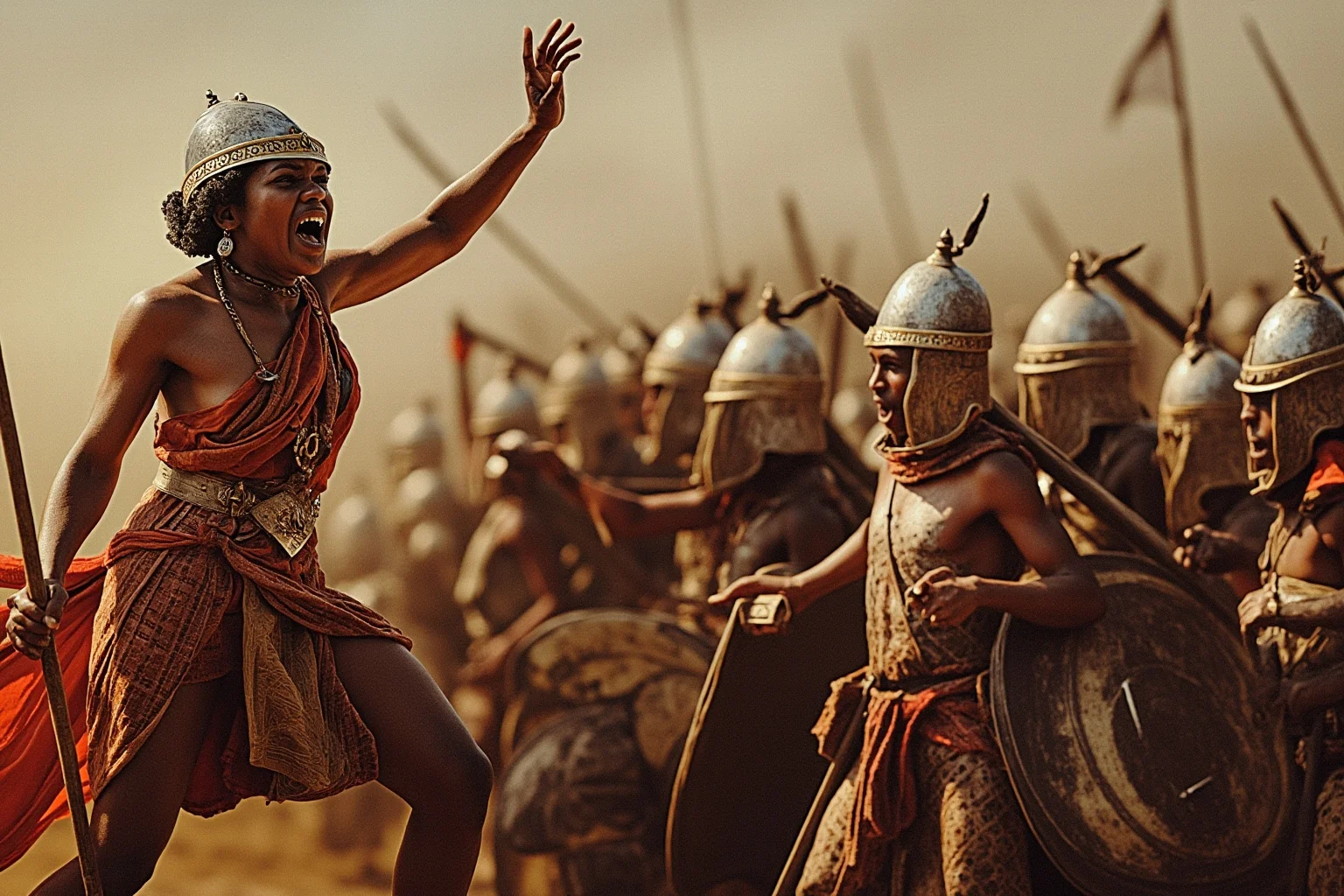
As queen mother of Ejisu in the Ashanti Empire, Yaa Asantewaa led the 1900 War of the Golden Stool, a major uprising against British colonial forces in what is now Ghana. She organized and directed troops herself after male leaders hesitated to confront British demands.
Though the rebellion was ultimately suppressed, her leadership became a symbol of resistance against colonial rule. She’s celebrated in Ghana but remains largely unknown in Western retellings of colonial history.
15. Ignaz Semmelweis (1818–1865)
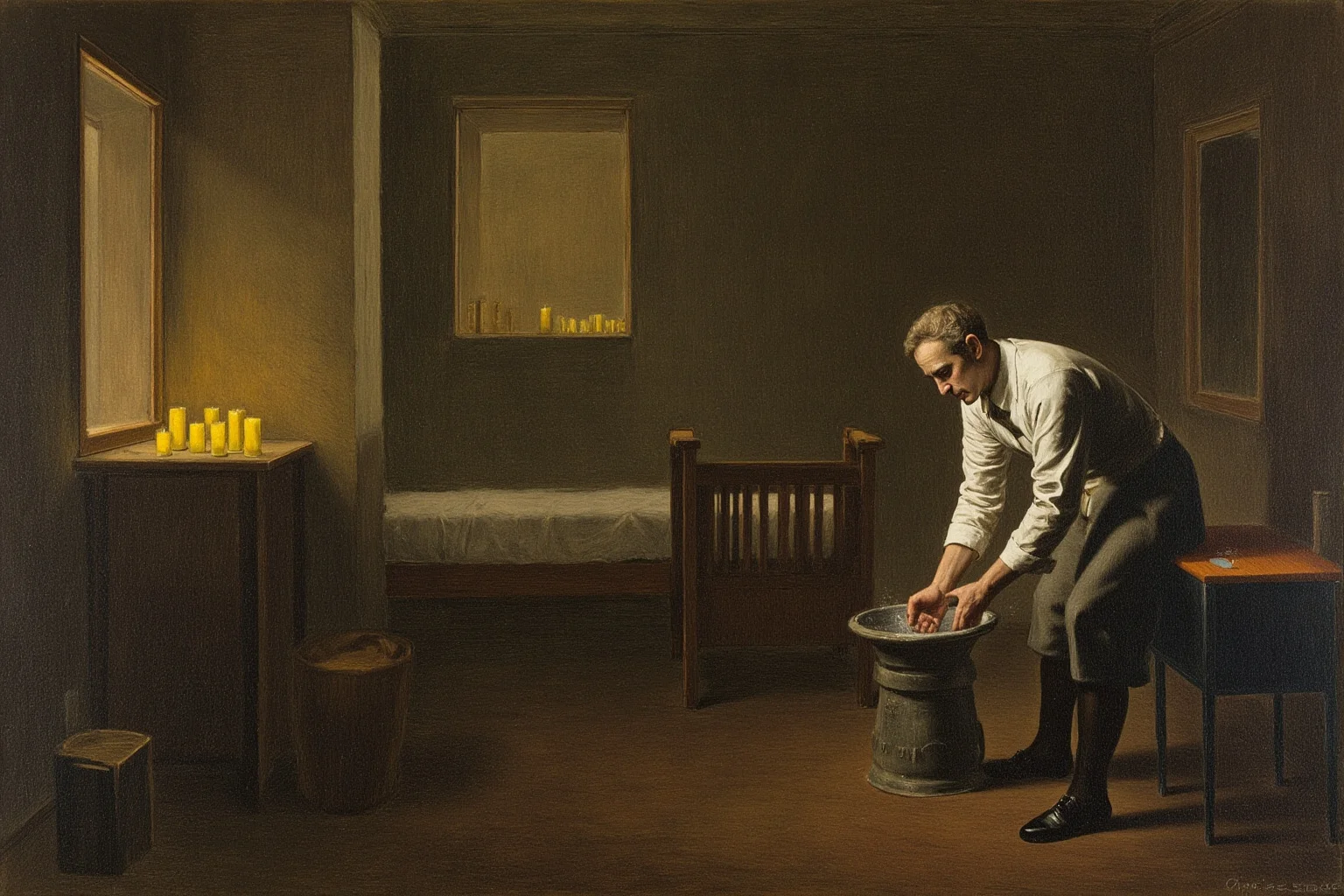
This Hungarian physician discovered in the 1840s that handwashing with chlorinated lime solutions dramatically reduced deaths from childbed fever in maternity wards. His findings threatened prevailing medical theories, and colleagues mocked and ostracized him rather than adopting his methods.
Semmelweis died in an asylum, his ideas largely rejected during his lifetime. Only after germ theory gained acceptance decades later was he recognized as a pioneer of antiseptic medicine.
16. Wang Zhenyi (1768–1797)
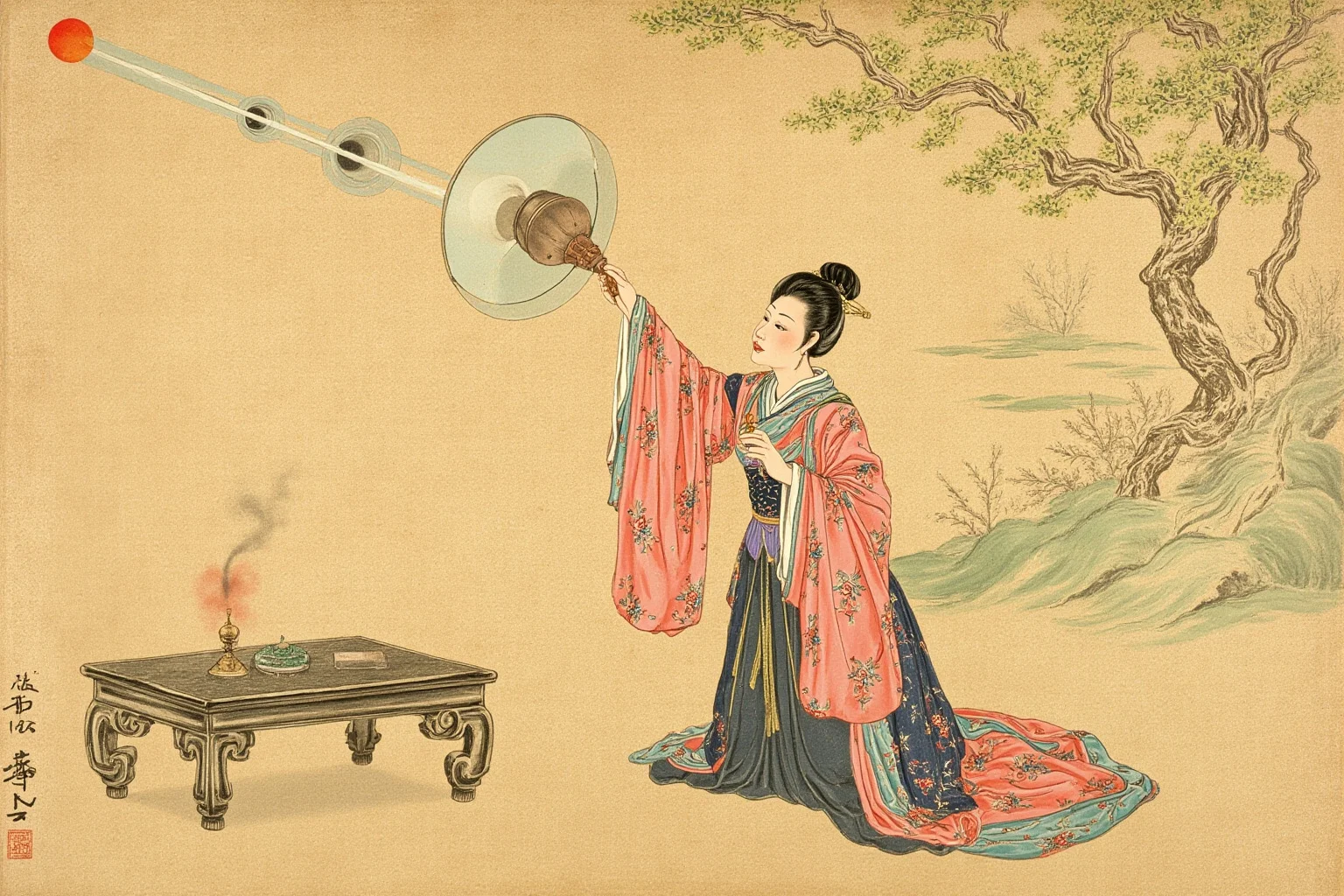
Working during the Qing dynasty, Wang Zhenyi was an astronomer, mathematician, and poet who wrote accessible explanations of lunar eclipses and equinoxes at a time when few women had access to scientific education. She used household experiments, like simulating eclipses with mirrors and lamps, to test and explain astronomical concepts.
She died young, before turning 30, but left behind writings that show a sharp, methodical scientific mind. Her work has only recently started receiving renewed attention from historians of science.
17. Cecilia Payne-Gaposchkin (1900–1979)
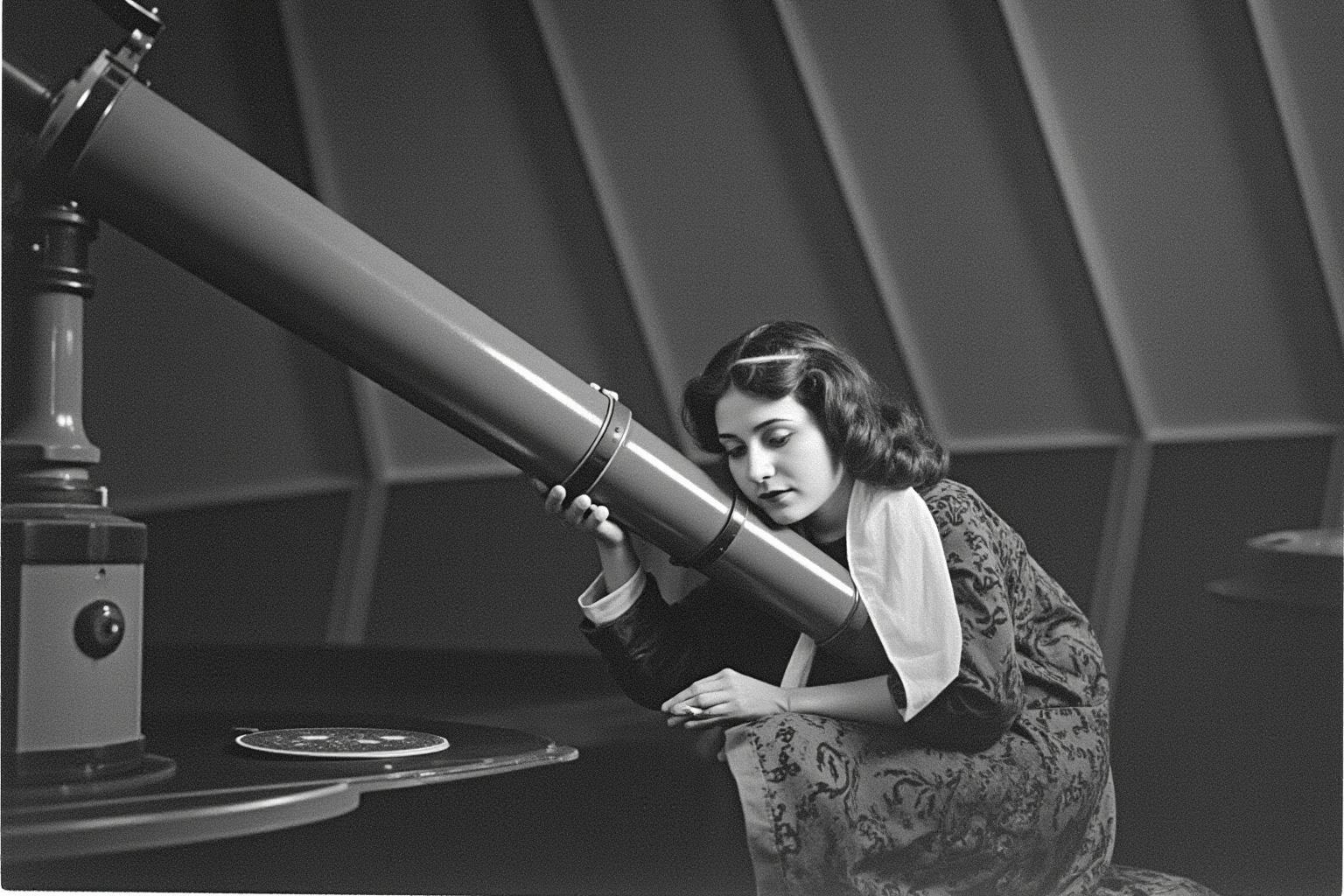
In her 1925 doctoral thesis, astronomer Cecilia Payne-Gaposchkin correctly proposed that stars are composed primarily of hydrogen and helium, a groundbreaking conclusion that contradicted the prevailing wisdom of the time. A senior astronomer initially convinced her to downplay the finding, and another scientist later received much of the credit when the theory was confirmed.
She eventually became the first woman to chair a department at Harvard, a hard-won recognition after decades of being overlooked. Her early discovery remains one of astronomy’s most underappreciated breakthroughs.
18. Alice Ball (1892–1916)
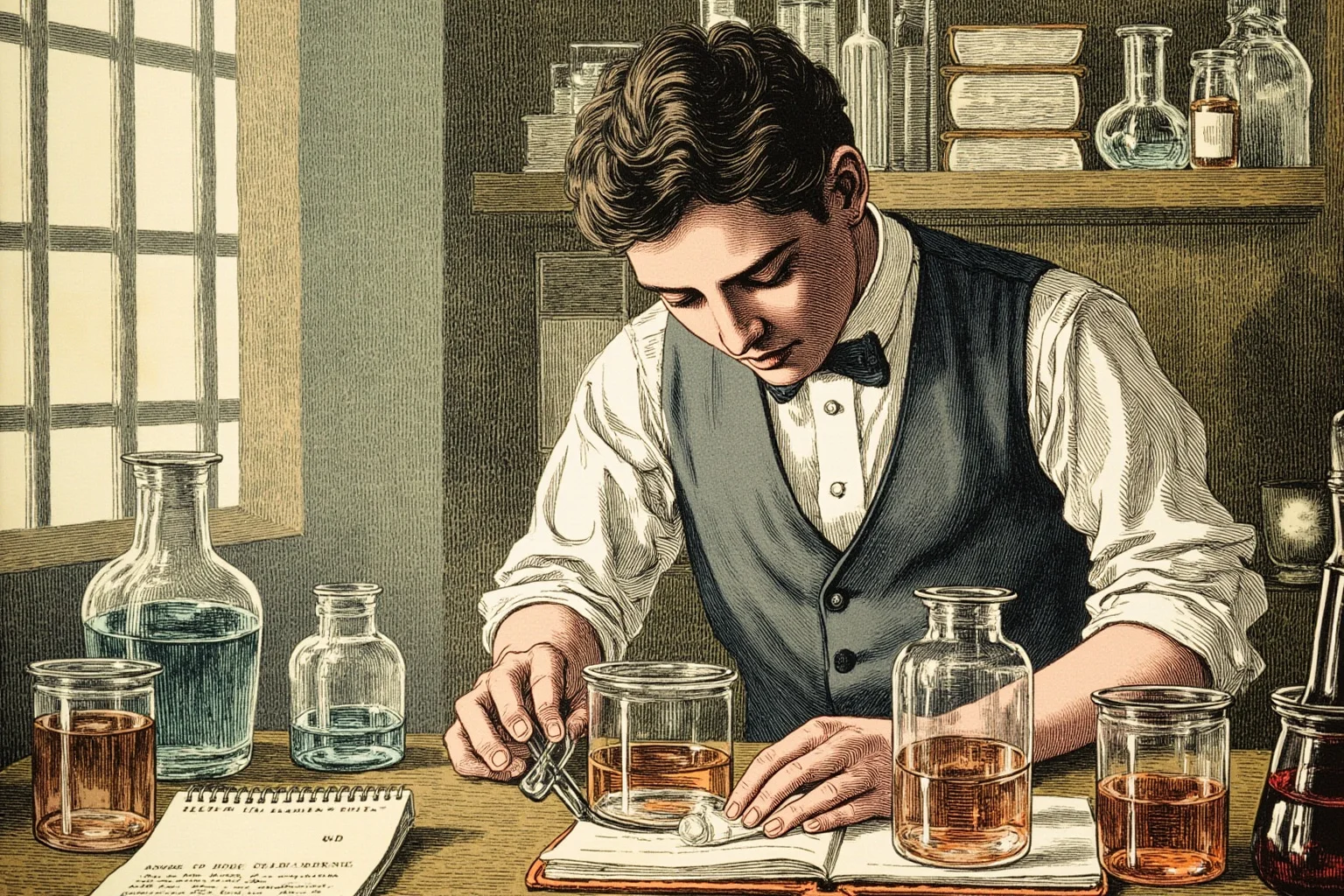
As a young chemist at the University of Hawaii, Alice Ball developed an injectable treatment derived from chaulmoogra oil that became the most effective treatment for leprosy, now known as Hansen’s disease, available at the time. She died at just 24, before she could fully publish her findings.
Another researcher took over her work afterward and initially published it without proper credit to her. It took years for the “Ball Method” to be correctly attributed back to her.
19. Nikolai Vavilov (1887–1943)
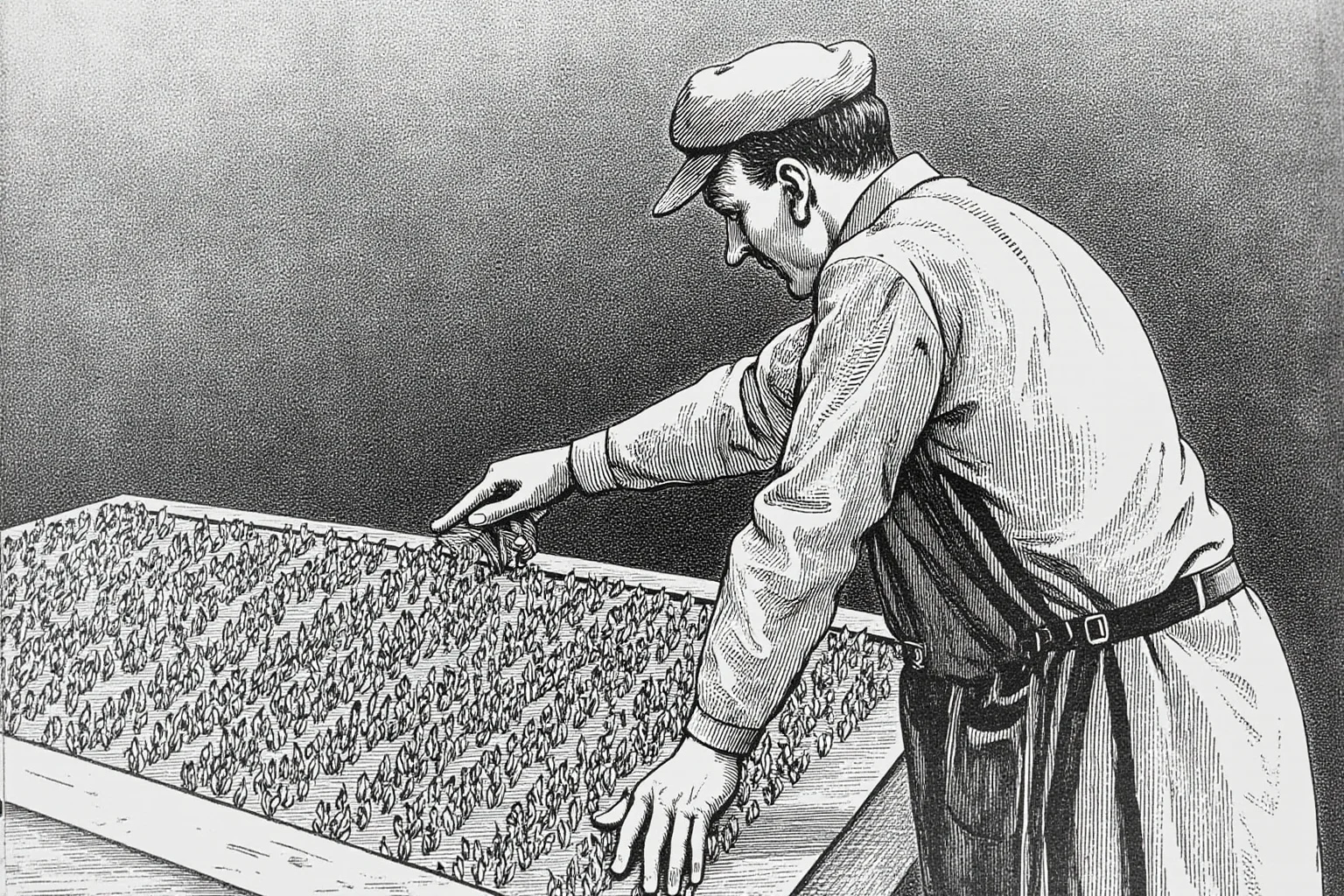
Soviet botanist Nikolai Vavilov built one of the world’s first large-scale seed banks, traveling extensively to collect genetic diversity in crops long before the importance of biodiversity was widely understood. His work aimed to protect global food security for future generations.
He fell out of favor under Stalin’s regime for opposing pseudo-scientific agricultural theories pushed by a rival researcher, and he was arrested and died in prison. His scientific vision, though, quietly laid groundwork for modern seed conservation efforts.
20. Vasily Arkhipov (1926–1998)
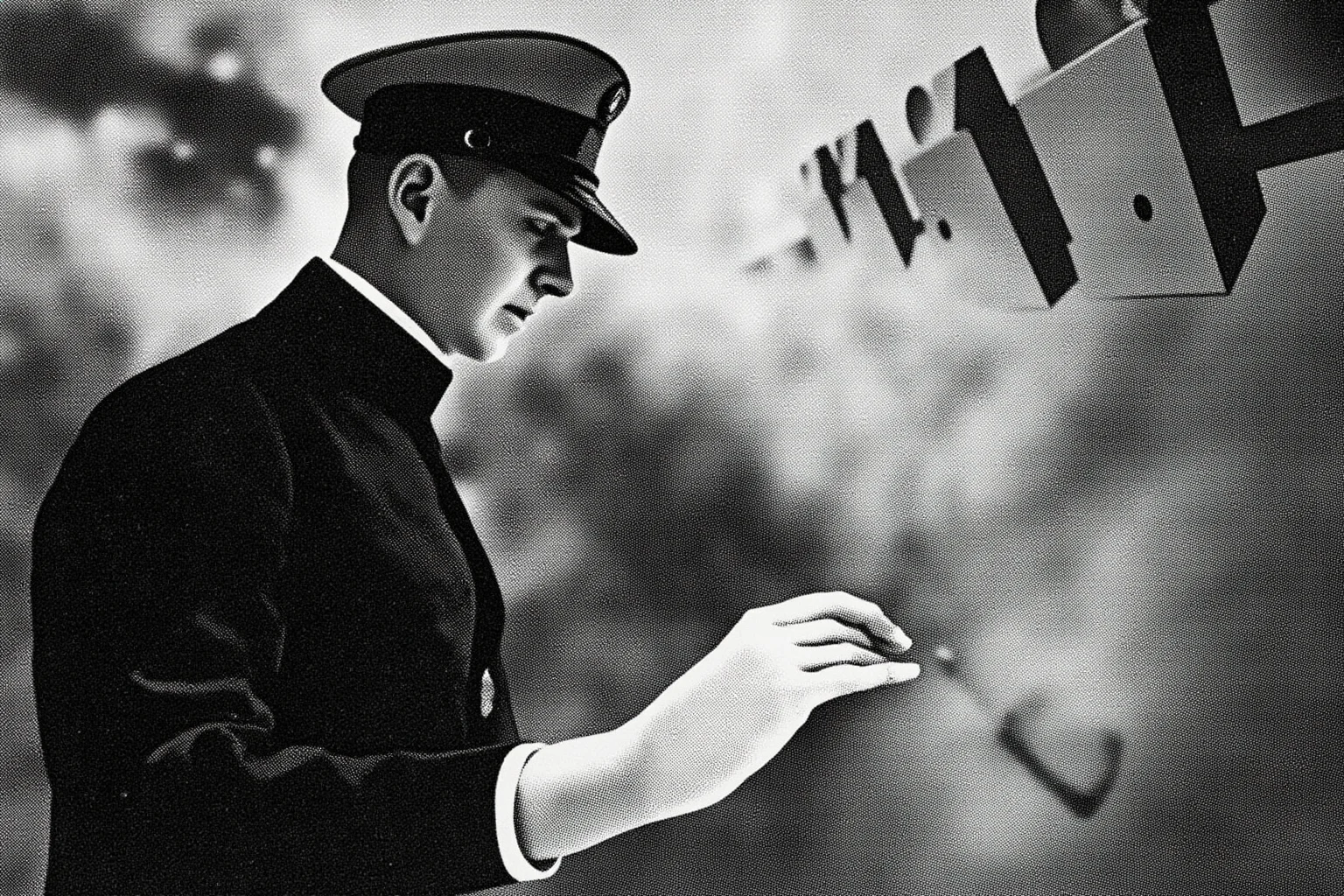
During the tense 1962 Cuban Missile Crisis, Soviet naval officer Vasily Arkhipov was serving aboard a submarine that came under pressure from U.S. forces and lost contact with Moscow. Two of the three officers required to authorize a nuclear torpedo launch agreed to fire, but Arkhipov refused, and his dissent was enough to stop it.
Historians and analysts have since credited that single refusal with potentially preventing a nuclear escalation between the U.S. and the Soviet Union. Arkhipov received no public recognition for it during his lifetime.
21. Noor Inayat Khan (1914–1944)
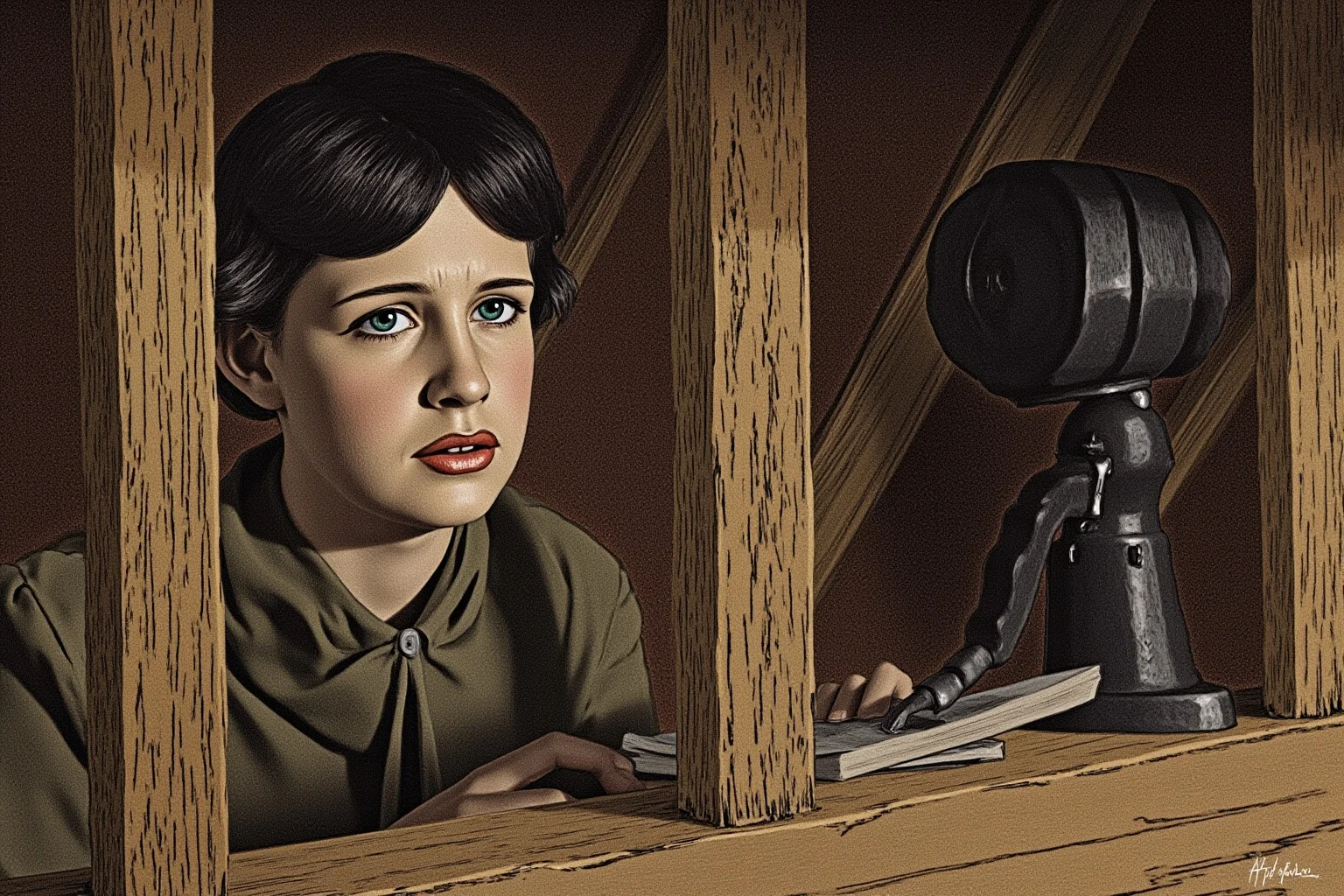
Born in Moscow to an Indian father and American mother, Noor Inayat Khan became a British Special Operations Executive radio operator working undercover in Nazi-occupied France during World War II. Radio operators had among the shortest life expectancies of any wartime role, yet she continued transmitting even after her network was compromised.
She was eventually captured, interrogated, and executed at Dachau concentration camp in 1944. She was posthumously awarded the George Cross, one of Britain’s highest civilian honors for bravery.
22. Thomas Peters (c. 1738–1792)
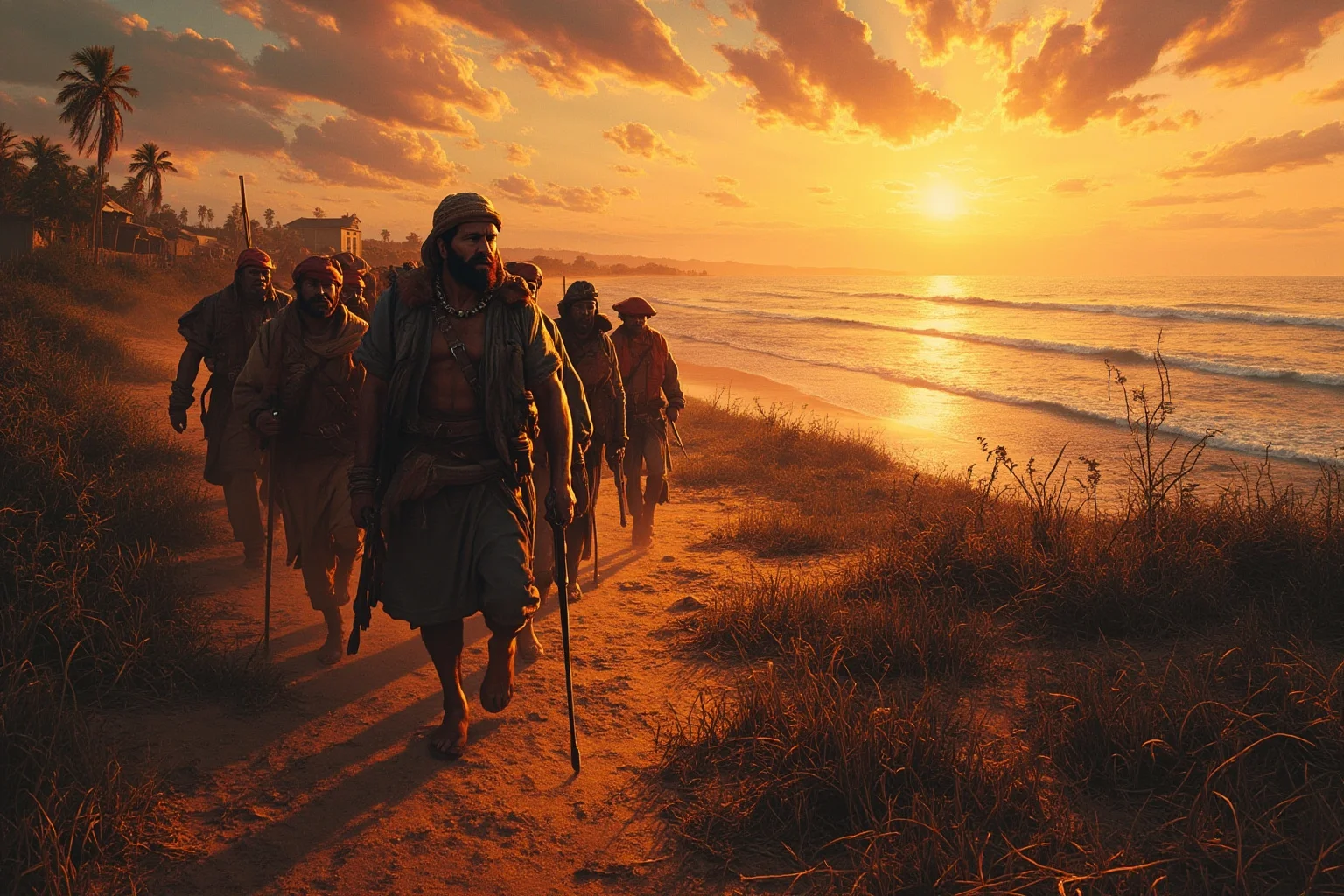
Thomas Peters was a Black Loyalist who served with British forces during the American Revolution after escaping slavery in North Carolina. After the war, he led a group of Black Loyalists first to Nova Scotia and later helped organize their resettlement in Freetown, Sierra Leone, one of the founding communities of that colony.
His leadership in establishing Freetown makes him one of the true forgotten founders of a nation, yet his name rarely appears alongside other founding figures of the era. His journey from enslavement to colonial leadership is a remarkable and underappreciated story.
Why Remembering These Forgotten Figures Still Matters
Every name on this list changed something real, whether it was medicine, astronomy, language, or the outcome of a nuclear standoff. The fact that so many of these stories nearly vanished says less about their importance and more about who historically got to decide what counted as important.
Digging into unknown historical figures that changed the world isn’t just a fun trivia exercise, either. It’s a reminder that history is still being written and rewritten as new research surfaces, old records get reexamined, and forgotten famous people finally get their due.
The next time someone mentions people from the olden days like it’s a joke, it’s worth remembering how many of them were doing groundbreaking, world-shaping work that we’re only now starting to properly credit. There are surely many more obscure historical figures still waiting to be rediscovered.
Frequently Asked Questions
What are some lesser known historical figures everyone should know about?
There are countless examples, but a few standouts include Cecilia Payne-Gaposchkin, who correctly determined what stars are made of decades before getting credit; Bass Reeves, one of the most successful frontier lawmen in American history; and Njinga Mbandi, who led decades of resistance against Portuguese colonization in Africa. Each shaped their field or era significantly despite being largely absent from mainstream history lessons.
Why do so many important people get forgotten by history?
History is often recorded by whoever holds power or controls the written record, which historically excluded many women, colonized peoples, and marginalized groups. Timing also plays a role, since some discoveries were dismissed or ridiculed when first made, only to be validated later under someone else's name.
Is there a difference between ‘obscure’ and ‘forgotten’ historical figures?
The terms overlap but aren't identical. 'Obscure' usually means a person was never widely known even in their own time, while 'forgotten' often refers to someone who was recognized or influential during their lifetime but later faded from public memory.
Were more women forgotten by history than men?
Women make up a disproportionate share of forgotten historical figures, largely because of legal and social barriers that prevented them from holding patents, publishing under their own names, or receiving formal academic credit. Figures like Sybilla Masters and Alice Ball are clear examples of women whose achievements were officially attributed to someone else.
How can I learn more about obscure historical figures?
University history departments, museum archives, and biography-focused podcasts are great starting points, since many of these stories only recently gained scholarly attention. Searching for specific fields, such as women in science history or colonial resistance leaders, can also surface names that mainstream textbooks often skip.

Alex Warren
Related Articles