Quick question: what comes to mind first when you think of Galileo Galilei? Probably a lone genius squinting through a telescope somewhere in a distant, dusty version of the past. Now think of Harvard University. Probably ivy, old brick, and the birth of American higher education.
Here’s the strange part: those two images aren’t from separate eras at all. Galileo was still alive — still writing, still thinking, still technically a convicted heretic under house arrest — when Harvard opened its doors in 1636. That kind of overlap is exactly what we’re digging into today.
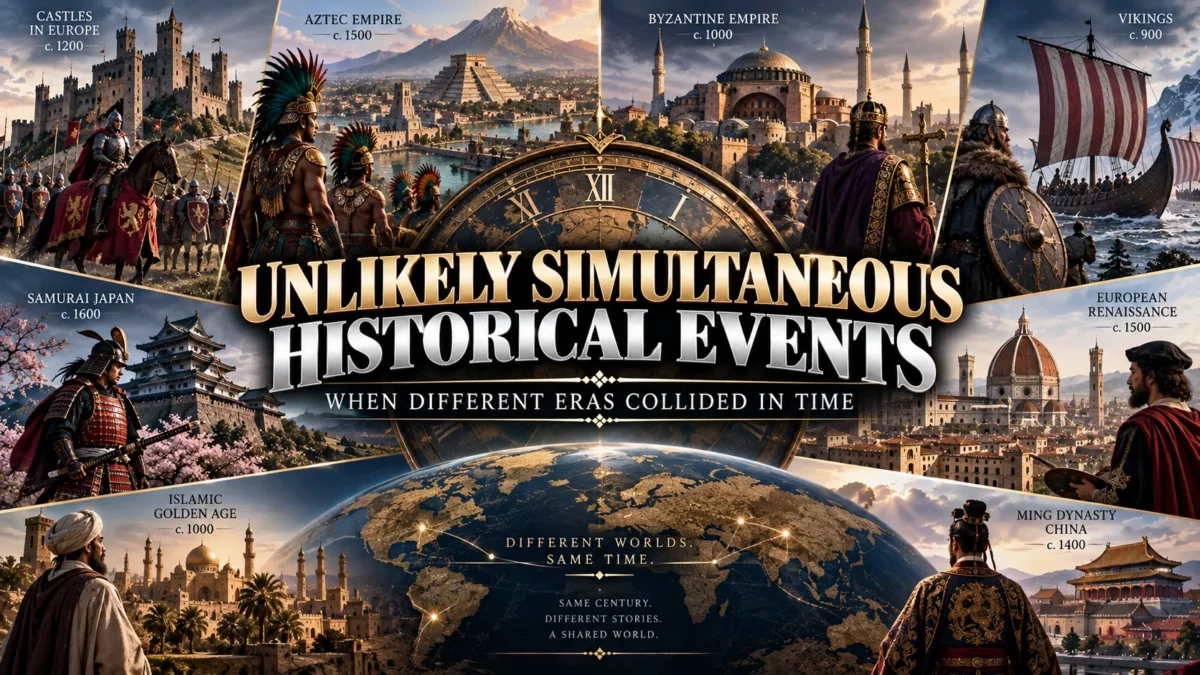
History doesn’t actually arrive in the tidy chapters our textbooks suggest. It’s full of unlikely simultaneous historical events, moments when wildly different worlds briefly shared the same calendar page.
Below are 20 of the best-documented, most genuinely verified examples of simultaneous historical events — the kind of great moments in history that make you want to double-check a timeline before you believe them.
TL;DR: History’s timelines overlap far more than school ever let on — Galileo was alive when Harvard was founded, woolly mammoths outlived the pyramids, and Darwin shares a birthday with Lincoln, proving the past is much more tangled than the neat eras we memorized.
Why These Timeline Overlaps Feel So Strange
Our brains sort history into boxes: “ancient,” “medieval,” “colonial,” “modern.” That sorting makes the past easier to teach, but it quietly distorts how long some things actually lasted and how short others really were.
A civilization that feels impossibly ancient might have overlapped with something we associate with modern life. A person we picture as a historical relic might have shared a decade with someone we consider a contemporary figure. That mismatch between “feels ancient” and “actually was concurrent” is the engine behind almost every item on this list.
None of the entries below are urban legends dressed up as fact. Each one is grounded in documented dates, and where the record is genuinely fuzzy or dependent on which calendar you use, we’ve flagged it rather than smoothing it over.
1. Galileo Was Still Alive When Harvard University Was Founded
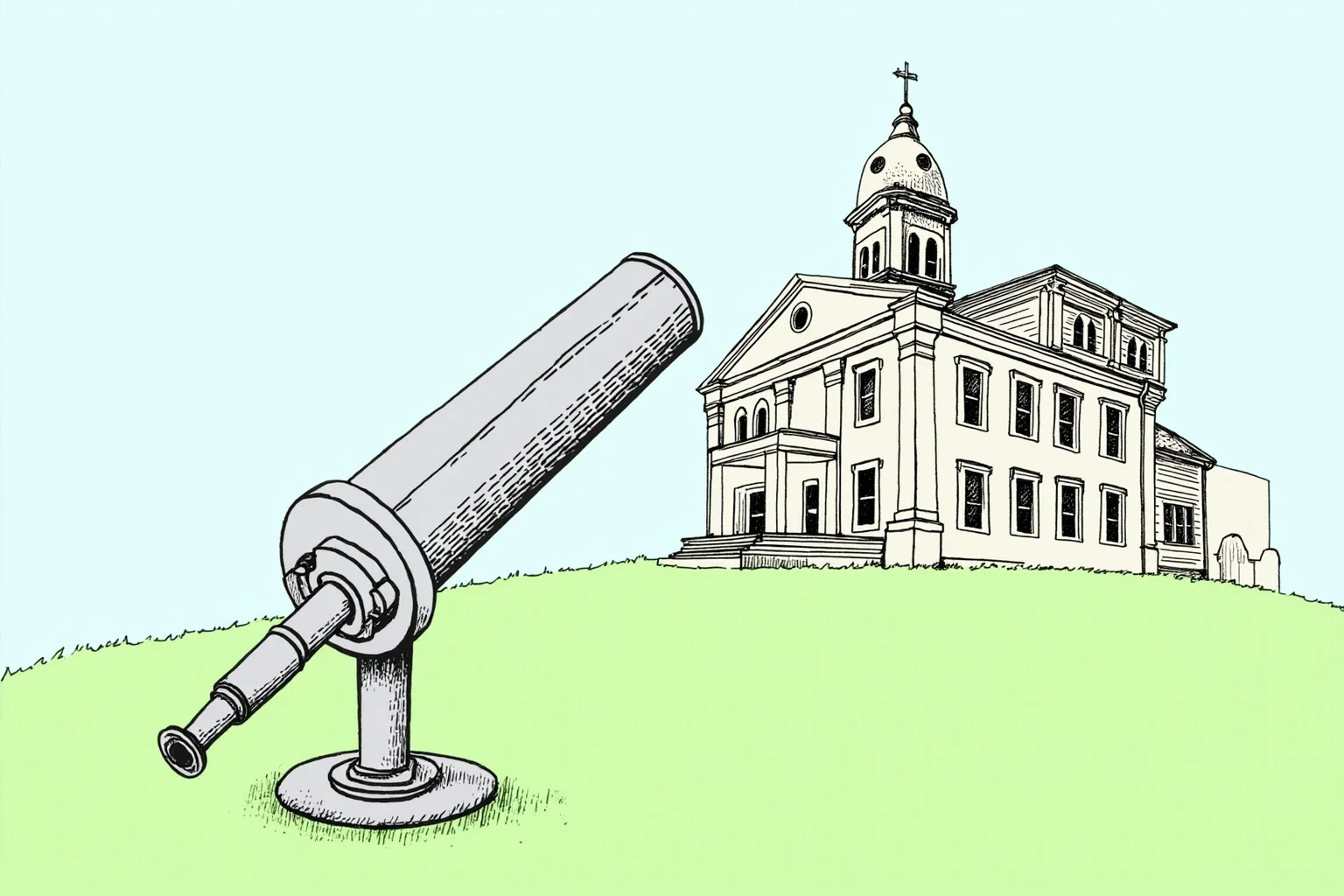
Galileo never set foot in Massachusetts, and he certainly never lectured at Harvard — that part is pure myth, so let’s bust it right away. But the chronological overlap is real and well documented.
Galileo was tried by the Roman Inquisition in 1633 and spent the rest of his life under house arrest. Harvard College was founded in 1636, while Galileo was still alive, still doing scientific work, and still dictating research to assistants after losing his sight.
He died in January 1642, meaning the oldest university in the future United States existed for roughly six years while one of the fathers of modern science was still breathing. It’s a small detail that quietly rewrites how far apart the “Age of Galileo” and “Colonial America” actually feel.
2. Charles Darwin and Abraham Lincoln Were Born on the Exact Same Day
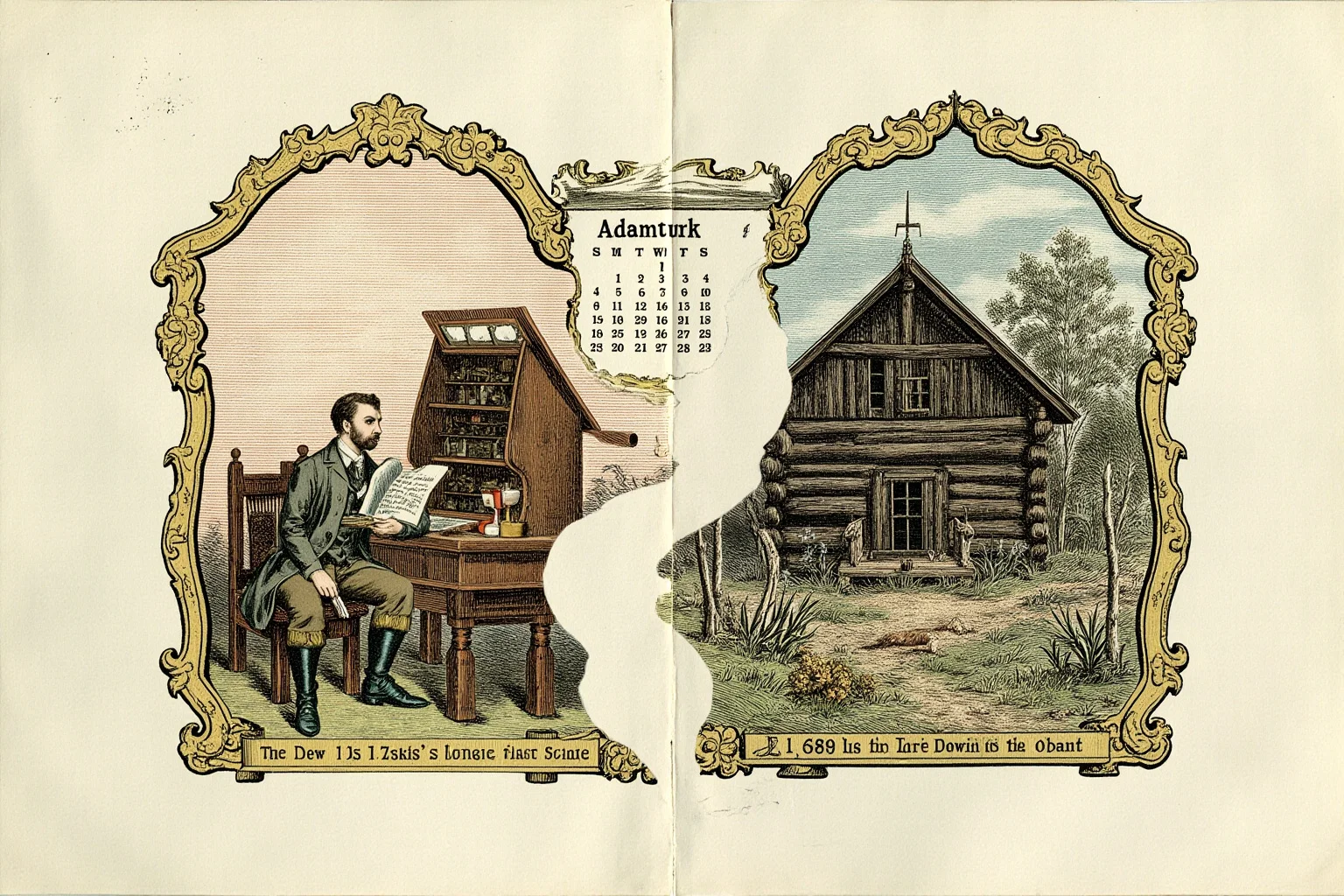
This one sounds like a trivia-night exaggeration, but it checks out. Charles Darwin and Abraham Lincoln were both born on February 12, 1809, thousands of miles apart in England and Kentucky.
One would go on to reshape biology with the theory of evolution by natural selection. The other would preserve the United States through civil war and help end slavery there.
Neither man knew the other existed for most of their lives, yet their birthdays line up perfectly on the calendar. It’s one of the most frequently cited examples of simultaneous historical events for good reason — it’s exact, not approximate.
3. Woolly Mammoths Were Still Roaming the Earth When the Great Pyramid Was Built
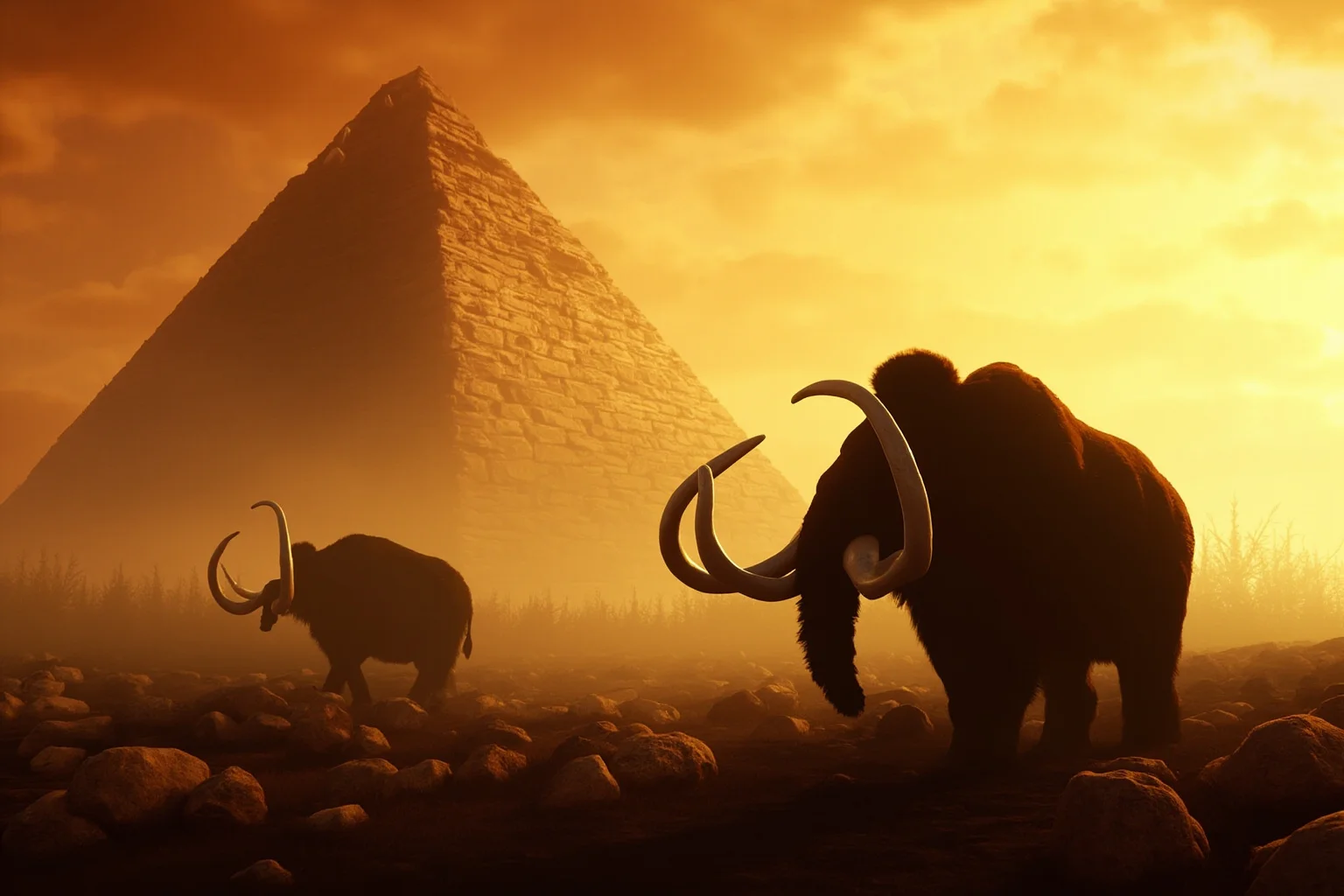
Most people picture mammoths and pyramids as belonging to completely different timescales — one prehistoric, one ancient-but-“recent.” In reality, a small population of woolly mammoths survived on Wrangel Island, off the coast of Siberia, until roughly 4,000 years ago.
The Great Pyramid of Giza was completed around 2560 BCE, which is also roughly 4,000 to 4,500 years ago. That means these isolated mammoths were very likely still alive while Egyptian workers were putting the finishing touches on one of the Seven Wonders of the Ancient World.
It’s a genuinely startling reminder that “prehistoric” animals didn’t all vanish before recorded history began.
4. Oxford University Predates the Aztec Empire by More Than 300 Years
The Aztec Empire is often taught as an ancient civilization, and in the sense that it was conquered centuries ago, that’s fair. But teaching at Oxford University is generally dated to around 1096, while the Aztec Empire, formed through the Triple Alliance, wasn’t established until 1428.
That means students were already attending classes in Oxford, England, more than three centuries before the Aztec Empire even existed as a political entity. Both are frequently discussed as though they belong to totally different historical eras.
In reality, one had already been operating for over 300 years by the time the other got started.
5. Cleopatra Lived Closer to the Moon Landing Than to the Building of the Great Pyramids
This is one of the most famous “unlikely simultaneous historical events” facts, and it holds up under scrutiny. The Great Pyramid of Giza was completed around 2560 BCE. Cleopatra VII lived from 69 to 30 BCE, meaning roughly 2,500 years separated her from the pyramid builders.
The Apollo 11 moon landing happened in 1969 CE, which is only about 2,000 years after Cleopatra’s lifetime. In other words, Cleopatra existed closer in time to astronauts walking on the moon than to the construction of the monuments we most associate with her homeland.
It’s a striking way to see how compressed our mental image of “ancient Egypt” really is.
6. Nintendo and the Eiffel Tower Were Both “Born” in 1889
Nintendo feels like a distinctly 20th-century, video-game-era company. But it was actually founded in 1889 in Kyoto, Japan, originally as a manufacturer of handmade playing cards called hanafuda.
That same year, 1889, the Eiffel Tower was completed in Paris as the centerpiece of the World’s Fair. Two things most people associate with completely different centuries — Mario’s parent company and a 19th-century engineering marvel — actually share a birth year.
It would be well over 90 years before Nintendo made its first video game console.
7. The Great Wall of China Was Still Under Construction When Columbus Sailed to America
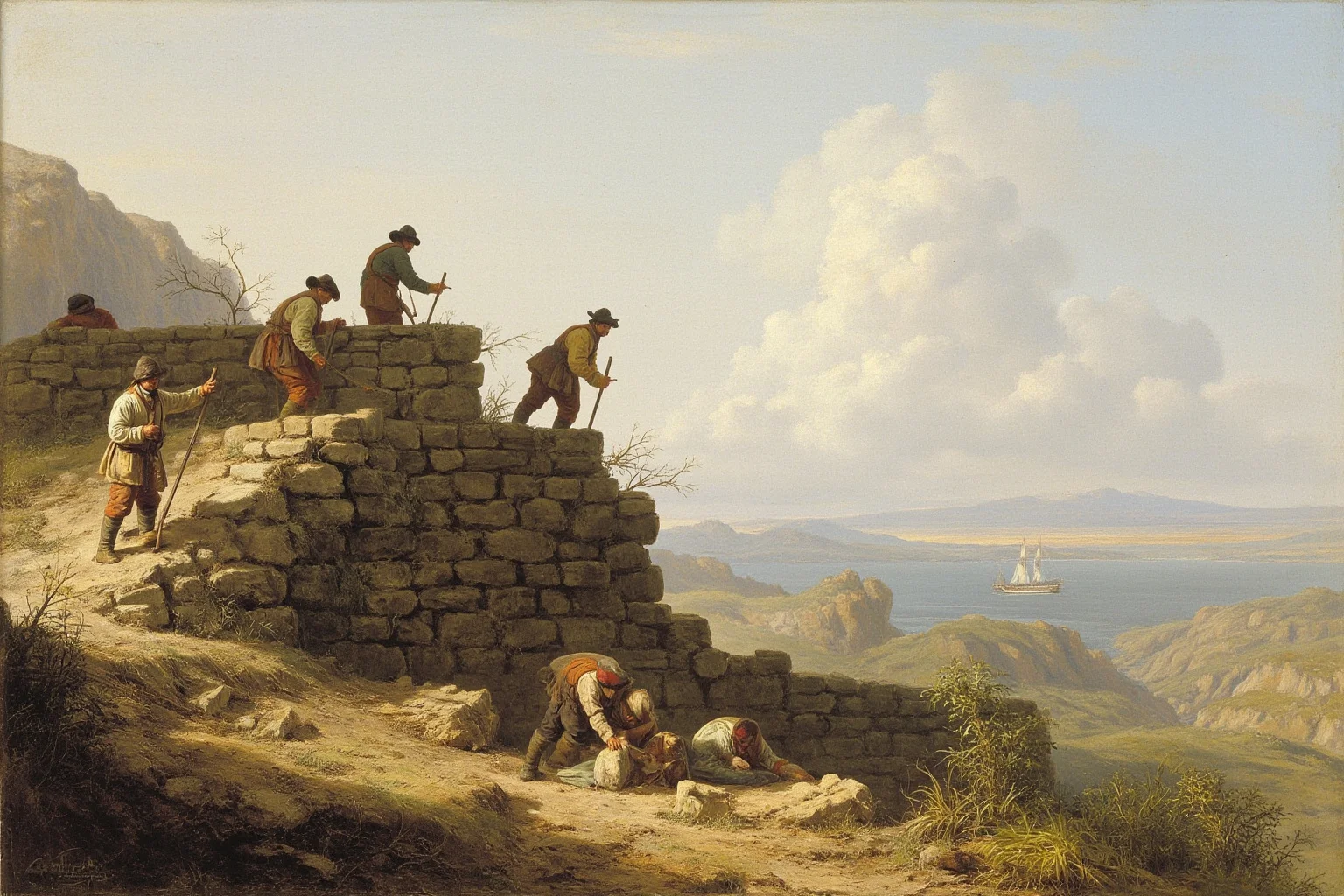
The Great Wall of China is often imagined as a single ancient structure completed in one continuous burst of building. In reality, major sections were built, rebuilt, and extended across multiple dynasties, with the most famous stone-and-brick portions constructed during the Ming Dynasty between the 14th and 17th centuries.
That construction period overlaps directly with the European Age of Exploration, including Christopher Columbus’s 1492 voyage across the Atlantic. Wall builders in China and sailors crossing the ocean toward the Americas were, broadly speaking, contemporaries.
It’s a useful corrective to the idea that the Great Wall is exclusively an “ancient world” artifact.
8. Shakespeare and Cervantes Are Both Said to Have Died in 1616
William Shakespeare and Miguel de Cervantes, author of Don Quixote, are traditionally both listed as having died in 1616 — Cervantes on April 22 or 23, and Shakespeare on April 23. It’s a detail literature teachers love to point out.
Here’s the myth-busting part: England was still using the Julian calendar at the time, while Spain had already adopted the Gregorian calendar. Once you adjust for that difference, Shakespeare actually died about ten days after Cervantes in real time, even though both dates are conventionally written as April 1616.
The overlap is still remarkable, even if “the same day” oversells it slightly.
9. Anne Frank and Martin Luther King Jr. Were Born the Same Year
Anne Frank, whose diary became one of the most widely read accounts of the Holocaust — one of the worst things that ever happened in history — was born on June 12, 1929, in Frankfurt, Germany. Martin Luther King Jr., who would go on to lead the American civil rights movement, was born on January 15, 1929, in Atlanta, Georgia.
They never met, lived on different continents, and faced very different historical circumstances. But they belong to the exact same generation, born within months of each other in a single calendar year.
It’s a quiet reminder of how close some of the 20th century’s defining moral struggles were to each other in time.
10. Mauritania Abolished Slavery the Same Year Indiana Jones Debuted
This is one of those facts that genuinely unsettles people. Mauritania became the last country in the world to formally abolish slavery through legislation in 1981, though enforcement and eradication of the practice remained an ongoing struggle for decades afterward.
That same year, 1981, Raiders of the Lost Ark premiered in theaters, and MTV launched in the United States. Pop culture milestones many of us consider firmly “modern” happened in the same twelve months as the legal, on-paper end of slavery in Mauritania.
It’s a sobering example of how recent some historical injustices really are.
11. The Ottoman Empire Was Still Standing After the Telephone, Car, and Airplane Were Invented
The Ottoman Empire is often filed away as a “classical” or early-modern power, evoking images of sultans, janissaries, and centuries-old palaces. But the empire didn’t formally dissolve until 1922.
By then, Alexander Graham Bell had patented the telephone (1876), Karl Benz had built the first practical automobile (1886), and the Wright brothers had already flown (1903). The Ottoman Empire’s final years overlapped with the early age of radio broadcasting and commercial aviation.
An empire we tend to picture in turbans and tapestries actually outlasted several inventions that feel unmistakably modern.
12. Newton’s Principia Was Published Just Five Years Before the Salem Witch Trials
Isaac Newton published his Philosophiæ Naturalis Principia Mathematica — the foundation of classical mechanics — in 1687. Just five years later, in 1692, the Salem witch trials began in colonial Massachusetts, resulting in the execution of 20 people.
We tend to imagine the Scientific Revolution and witch hunts as belonging to entirely different mindsets and eras. In reality, Newton’s laws of motion and the Salem trials were near-contemporaries, separated by less than a decade.
Rational science and superstition-driven panic were, quite literally, happening at the same time.
13. France’s Last Guillotine Execution Happened the Same Year as Star Wars
The guillotine is strongly associated with the French Revolution of the late 1700s, so it’s easy to assume it fell out of use centuries ago. In fact, France’s last execution by guillotine took place on September 10, 1977, when Hamida Djandoubi was executed for murder and torture.
That same year, on May 25, 1977, Star Wars premiered in American theaters. A method of execution born out of the Revolutionary era was still legally in use in France the same year audiences were watching lightsabers on the big screen.
France would go on to abolish the death penalty entirely in 1981.
14. The Wright Brothers Flew While China Still Had a Reigning Emperor
The Wright brothers achieved the first powered, controlled airplane flight at Kitty Hawk, North Carolina, in December 1903. At that exact moment, the Qing Dynasty was still ruling China, with the Guangxu Emperor formally on the throne (even as real power rested with Empress Dowager Cixi).
The Qing Dynasty, China’s last imperial dynasty, wouldn’t collapse until 1912. So for nearly a decade after humans first achieved powered flight, China was still governed by an emperor in a system dating back centuries.
Modern aviation and imperial China briefly shared the same news cycle.
15. Microsoft Was Founded the Same Month Saigon Fell
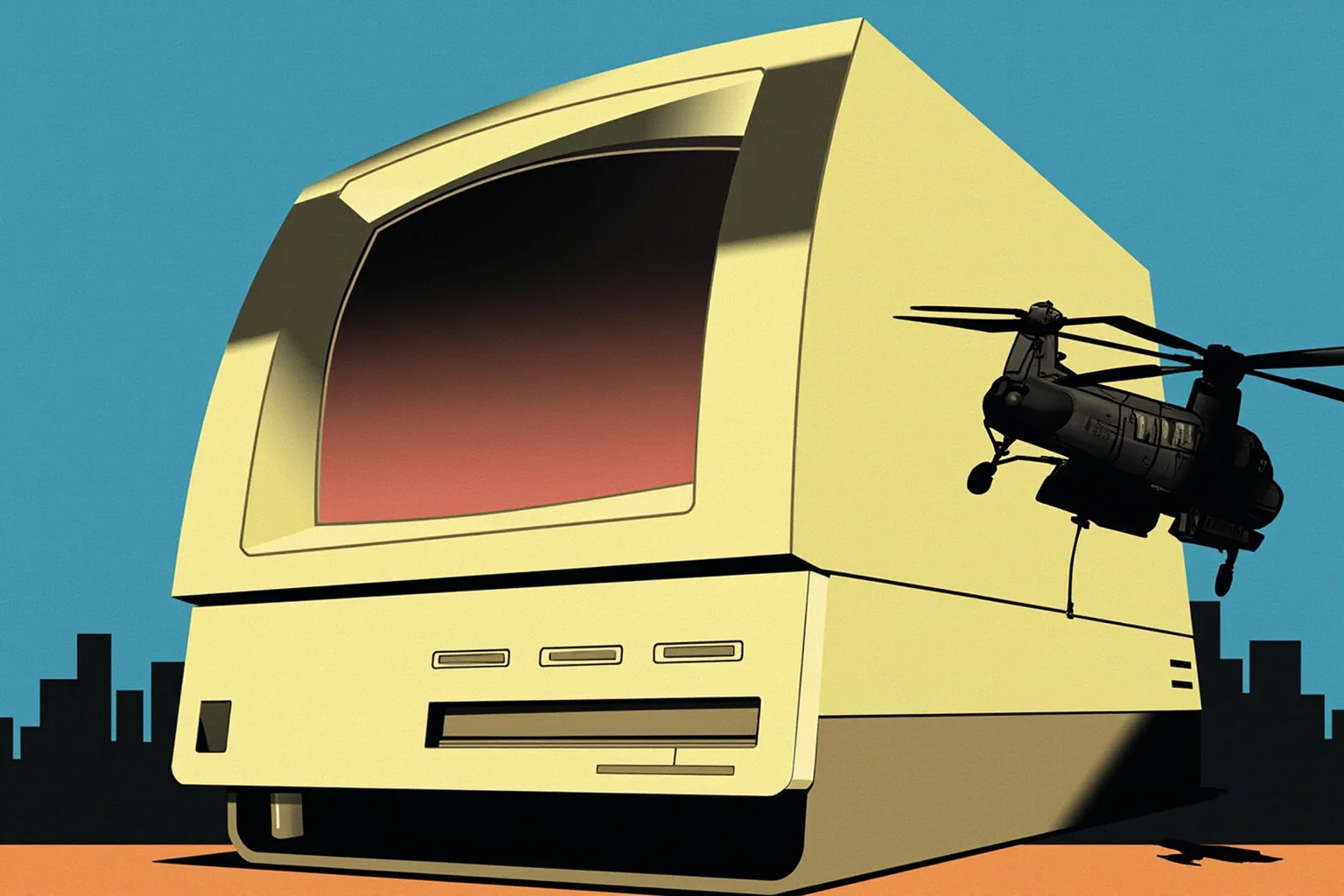
Microsoft was founded by Bill Gates and Paul Allen on April 4, 1975, in Albuquerque, New Mexico. Later that same month, on April 30, 1975, Saigon fell to North Vietnamese forces, marking the effective end of the Vietnam War — one of the defining chapters among the biggest events in American history.
One event is remembered as the start of the personal computing revolution. The other closed out one of the defining conflicts of the Cold War.
Both happened within about four weeks of each other, in the very same month of 1975.
16. Europe’s Last Witchcraft Execution Happened After U.S. Independence
Witch trials feel like a distinctly medieval or early-colonial phenomenon, largely thanks to events like Salem. But the last legally sanctioned execution for witchcraft in Europe is generally identified as that of Anna Göldi, executed in Glarus, Switzerland, in 1782.
That’s six years after the United States declared independence in 1776, and five years before the U.S. Constitution was drafted in 1787. A European legal execution for witchcraft occurred while the American constitutional framework was being actively built.
It’s a sharp reminder that the “witch trial era” didn’t end as early as most people assume.
17. Henry VIII Sat on the English Throne When the Aztec Empire Fell
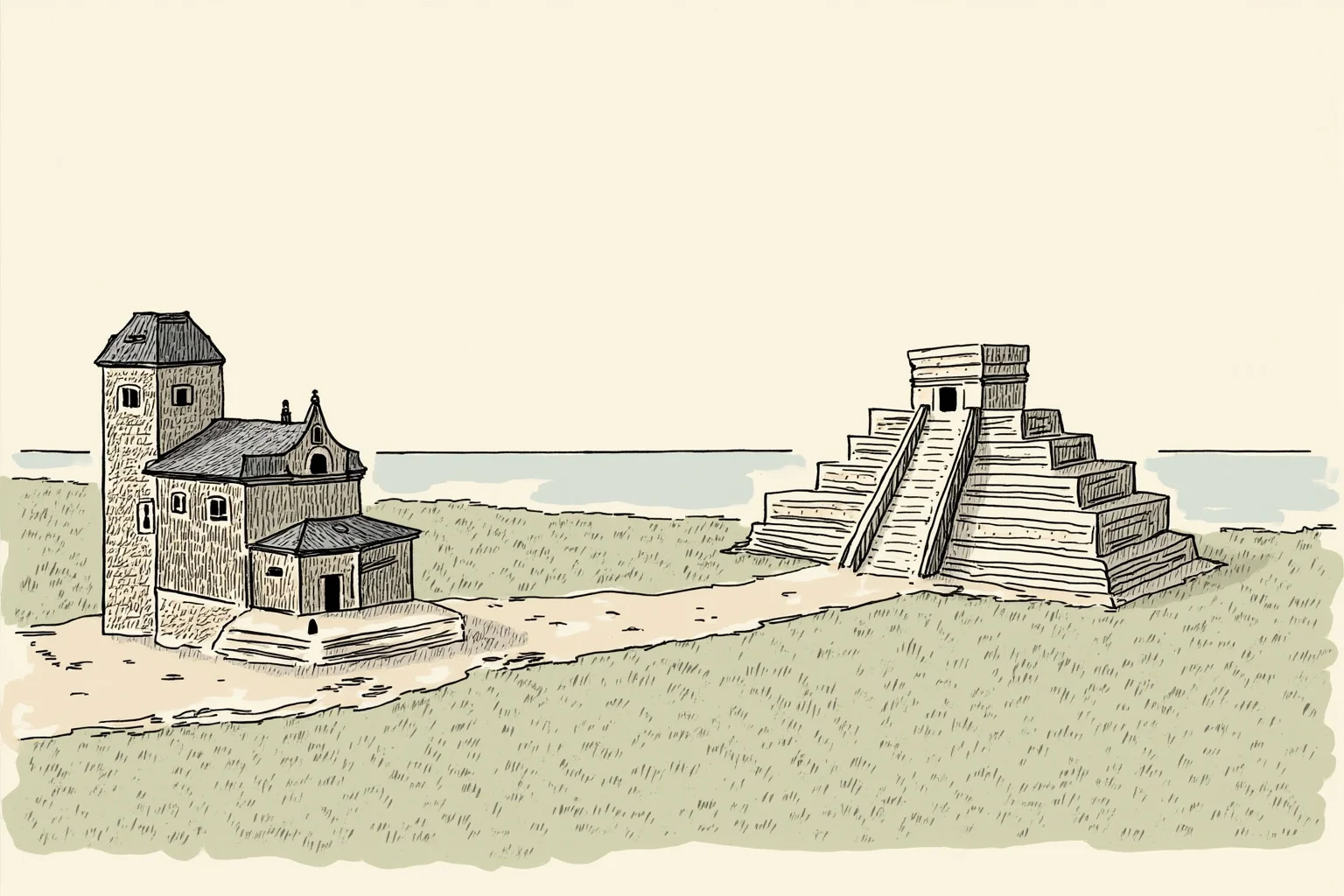
Henry VIII ruled England from 1509 to 1547, an era we associate with Tudor court drama, six wives, and the English Reformation. During that same reign, in 1521, Spanish conquistador Hernán Cortés and his allies conquered Tenochtitlan, bringing down the Aztec Empire.
Two historical narratives that get taught in almost completely separate units — Tudor England and the Spanish conquest of Mesoamerica — were unfolding on opposite sides of the Atlantic during the very same royal reign.
Henry VIII was reportedly still married to his first wife, Catherine of Aragon, when the Aztec capital fell.
18. King John Signed the Magna Carta While Genghis Khan Built the Mongol Empire
King John of England sealed the Magna Carta in 1215, a foundational document in the history of constitutional law. At almost the same time, Genghis Khan, who had unified the Mongol tribes in 1206, was actively expanding the Mongol Empire across Central Asia.
By the early 1220s, Mongol forces had swept through Central Asia and into parts of Persia, building what would become the largest contiguous land empire in history. English barons negotiating limits on royal power and Mongol horsemen conquering vast stretches of Asia were operating on the same historical stage, just a continent apart.
It’s a useful reminder that “medieval Europe” and “the Mongol conquests” are the same period, not sequential ones.
19. The Tasmanian Tiger Went Extinct the Same Year as the Berlin Olympics
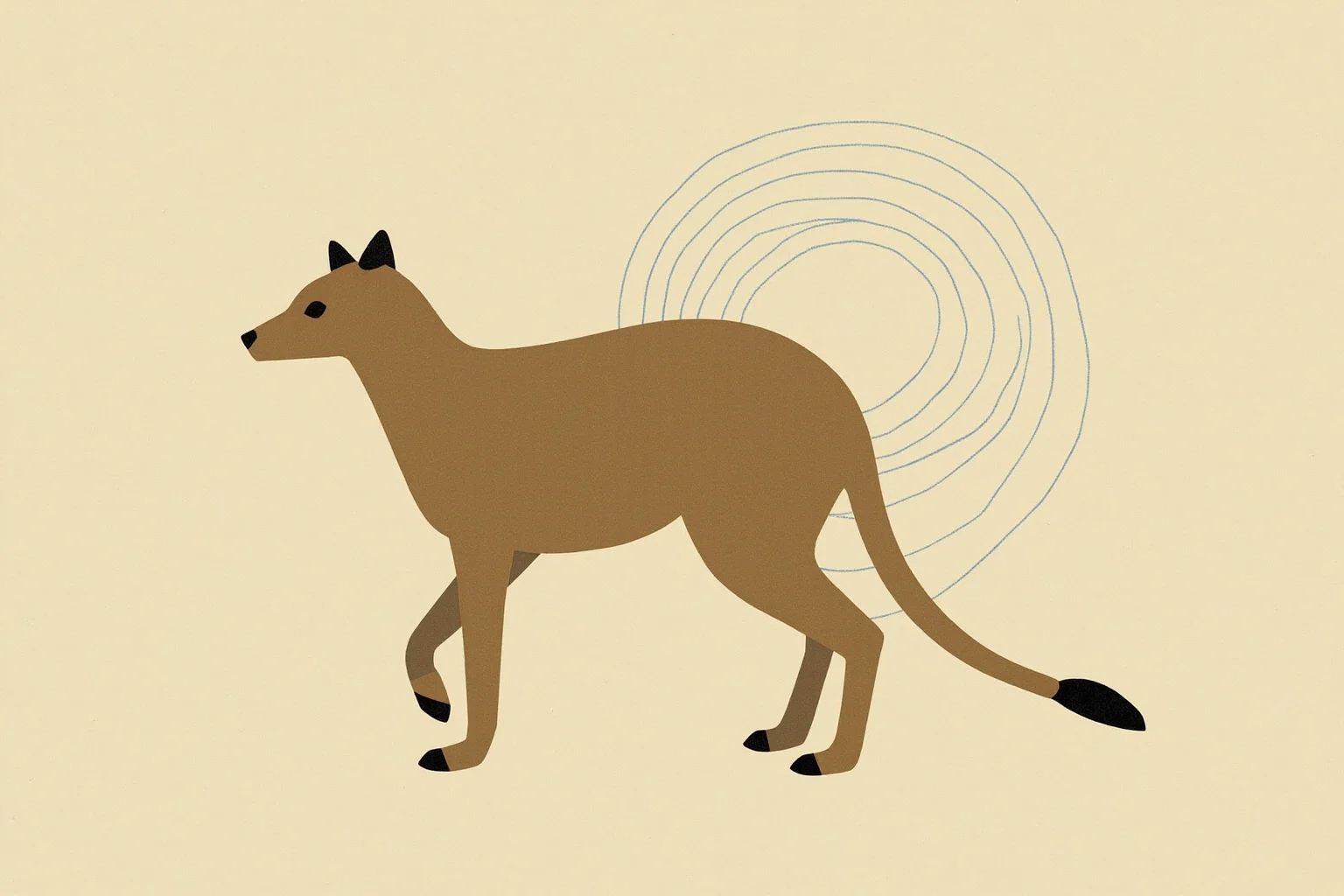
The Tasmanian tiger, or thylacine, is often pictured as a creature from some distant, pre-modern past. The last confirmed wild thylacine was killed in 1930, and the last known captive individual, named Benjamin, died in a Hobart zoo in 1936.
That same year, 1936, the Berlin Olympics took place, with Jesse Owens winning four gold medals in front of Adolf Hitler. A uniquely Australian species vanished from the Earth during the same year that one of the most politically charged Olympic Games in history was being broadcast around the world.
It’s a small but telling example of how recent some extinctions actually are.
20. A Civil War Pension Was Still Being Paid in 2020
The American Civil War ended in 1865, so it’s natural to assume its direct financial legacy wrapped up decades ago. But Irene Triplett, whose father served in the Civil War before remarrying and having her late in life, continued to receive a Civil War pension from the U.S. government until her death in 2020.
That means a government benefit tied directly to the Civil War overlapped with the early months of the COVID-19 pandemic. A war fought with muskets and cannons was still generating monthly checks in the era of smartphones and global lockdowns.
Few simultaneous historical events illustrate just how “recent” the 1800s really are quite like this one.
Final Thoughts: The Past Is More Tangled Than We Think
What ties all twenty of these examples together isn’t coincidence for its own sake. It’s a pattern: the mental boxes we use to sort history — ancient, medieval, colonial, modern — are useful shortcuts, but they’re not accurate borders.
Galileo really was alive when Harvard was founded. Mammoths really did outlive the pyramid builders. Cleopatra really was closer in time to the moon landing than to the monuments of her own homeland. These aren’t clever misdirections; they’re documented, checkable facts that simply don’t match the tidy timeline most of us were handed in school.
The next time a historical claim feels too strange to be true, it’s worth checking the actual dates before dismissing it. As this list shows, some of the most unlikely simultaneous historical events turn out to be the most solidly verified ones in the entire historical record — proof that even historical events that sound too crazy to be true often hold up under scrutiny.
Frequently Asked Questions
What are some unlikely simultaneous historical events?
Some of the best-documented unlikely simultaneous historical events include Galileo being alive when Harvard University was founded in 1636, woolly mammoths surviving until roughly the same era as the construction of the Great Pyramid of Giza, and Charles Darwin and Abraham Lincoln both being born on February 12, 1809. Each of these is grounded in verified dates rather than internet legend.
Did Galileo actually teach at Harvard University?
No, that specific claim is a myth. Galileo never traveled to the American colonies and had no connection to Harvard as an institution. What is true is that he was still alive, under house arrest in Italy, when Harvard College was founded in Massachusetts in 1636, roughly six years before his death in 1642.
Why do historical events that happened at the same time feel so surprising?
Historical events that happened at the same time feel surprising because we tend to sort history into broad mental categories like "ancient," "medieval," or "modern." Those categories are useful for teaching but blur exactly how long some periods lasted and how much they actually overlapped with events we associate with completely different eras.
What is the most famous example of simultaneous historical events?
One of the most widely cited examples of simultaneous historical events is that Cleopatra lived closer in time to the 1969 moon landing than to the construction of the Great Pyramid of Giza around 2560 BCE. It's a striking illustration of how compressed our sense of "ancient history" often is compared to the actual dates involved.
How can I learn more great moments in history like these?
Reliable timelines from museums, university history departments, and encyclopedic references like Britannica are good starting points for exploring more great moments in history. Cross-referencing specific dates rather than relying on viral trivia claims is the best way to confirm whether a surprising historical overlap is actually accurate.

Alex Warren
Related Articles