
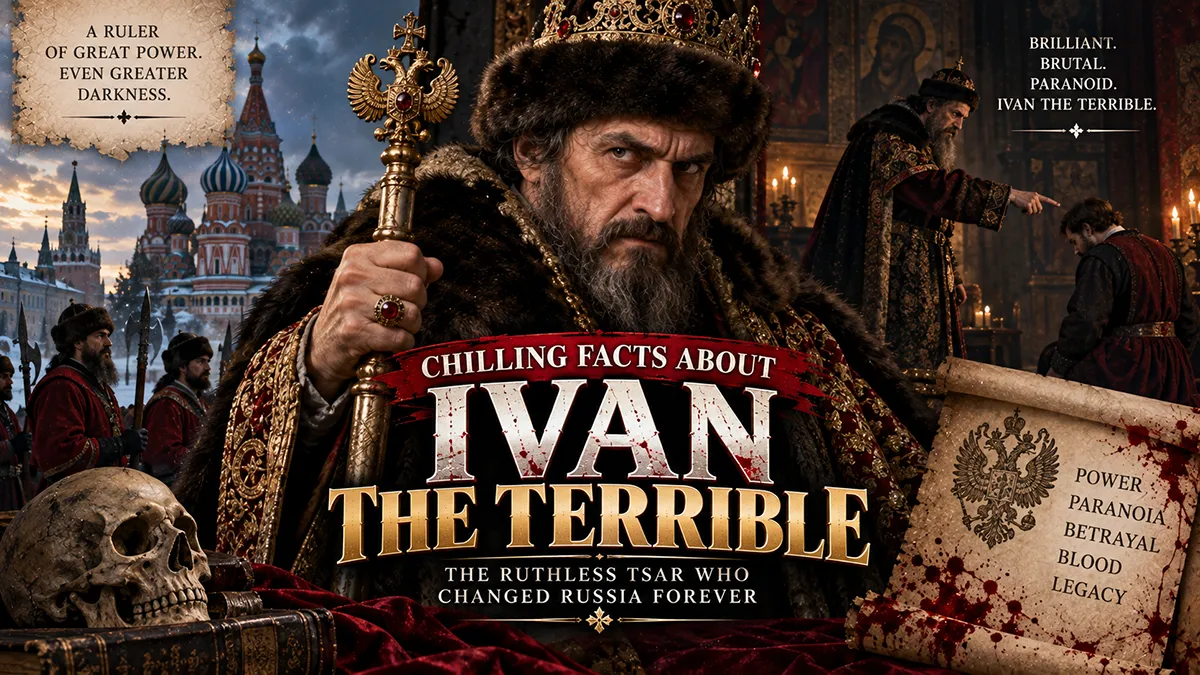
Few rulers in history carry a nickname as ominous as Ivan the Terrible. He was Russia’s first official tsar, a man who expanded his empire across an entire continent while also unleashing terror on his own people.
But how much of what we “know” about him is fact, and how much is myth, propaganda, or Hollywood dramatization, the kind of question that also surrounds legendary figures like Joan of Arc?
In this deep dive, we separate the documented history from the legend. We’ll cover who Ivan the Terrible really was, what he actually accomplished, the infamous story of his son’s death, his mysterious end, and the chilling details that make his reign one of the most talked-about in Russian history.
TL;DR: Ivan the Terrible was Russia’s first tsar, a brilliant but brutal ruler whose paranoia, secret police, and possible killing of his own son turned a talented reformer into one of history’s most feared monarchs.
1. He Was Russia’s First Official Tsar
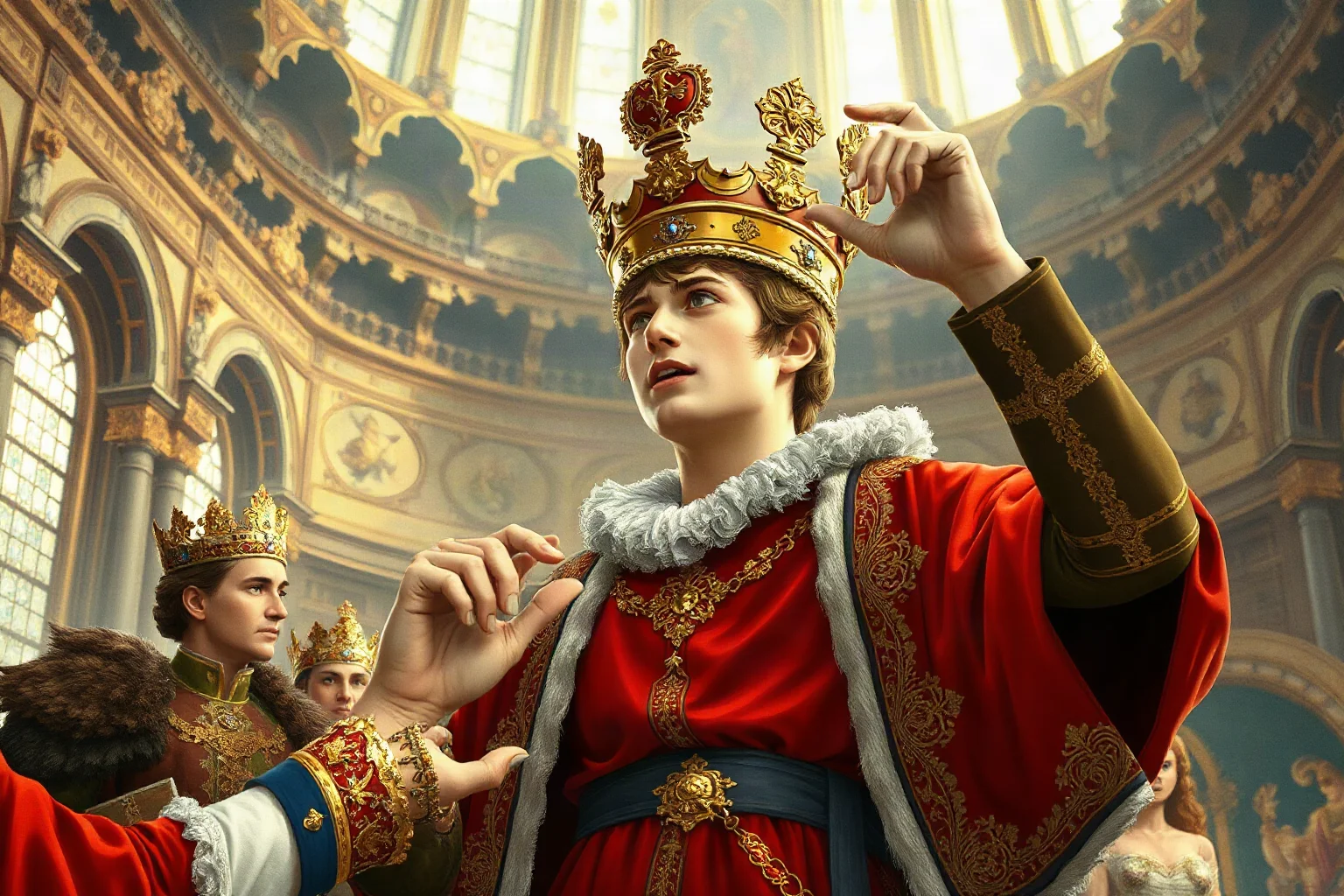
Ivan IV Vasilyevich, born in 1530, became the first ruler to be formally crowned “Tsar of All Russia” in 1547. Before him, Moscow’s rulers used the title Grand Prince, a step below the imperial weight of “tsar,” a word derived from “Caesar.”
This coronation was a deliberate statement. Ivan wanted Moscow recognized as the successor to Byzantium and a power equal to any European kingdom, and the new title helped cement that claim on the world stage.
2. He Was Orphaned and Neglected as a Child
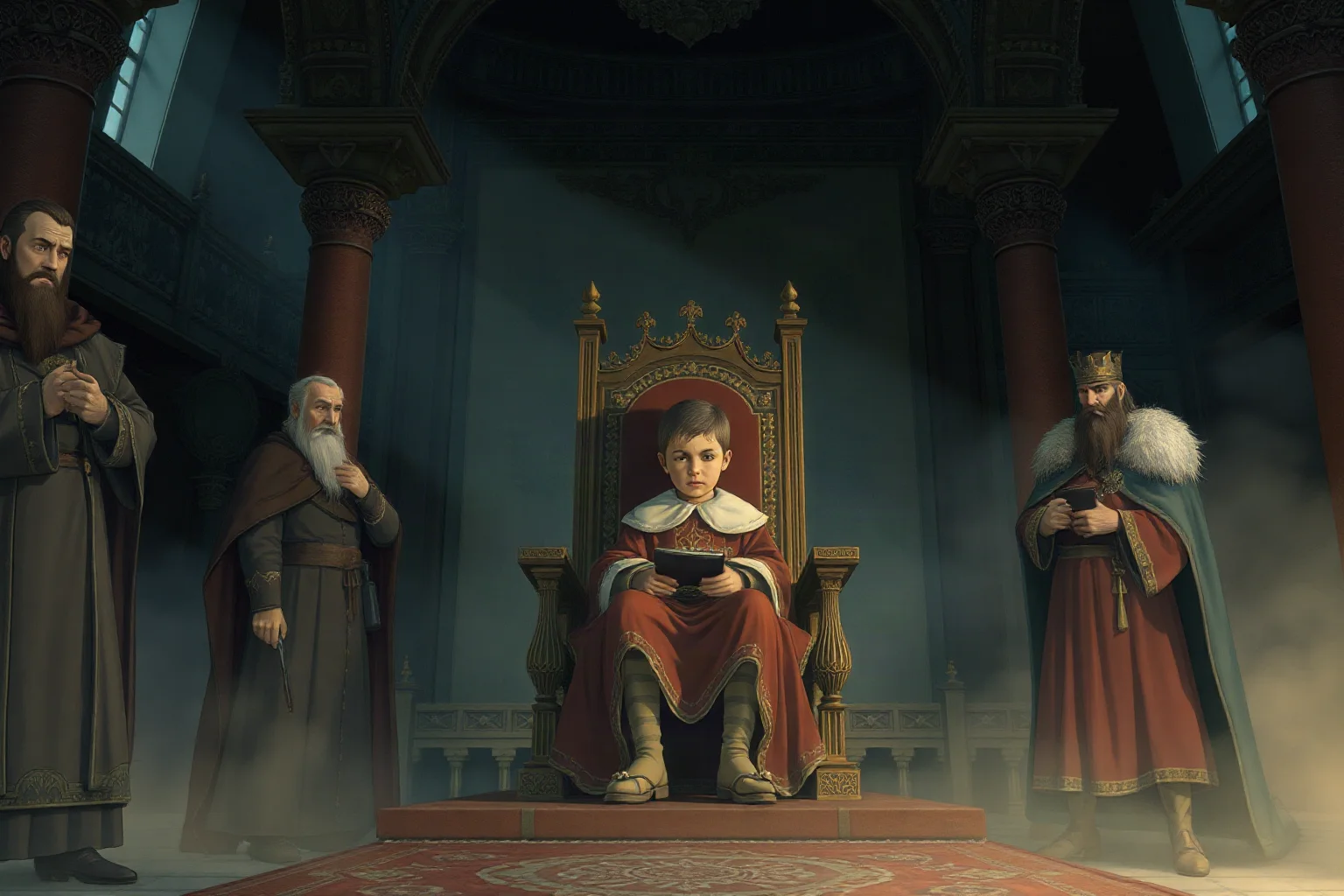
Ivan’s father, Grand Prince Vasili III, died when Ivan was just three years old, and his mother died when he was eight, possibly poisoned according to some historians, though this is not definitively proven. Left as a child ruler, Ivan was surrounded by scheming noble families, known as boyars, who fought viciously for control of the throne.
By his own later accounts, Ivan felt neglected, humiliated, and even physically endangered during these years. Many historians believe this turbulent, fearful childhood shaped the deep suspicion and cruelty he would show as an adult ruler.
3. He Was Crowned at Just 16 Years Old
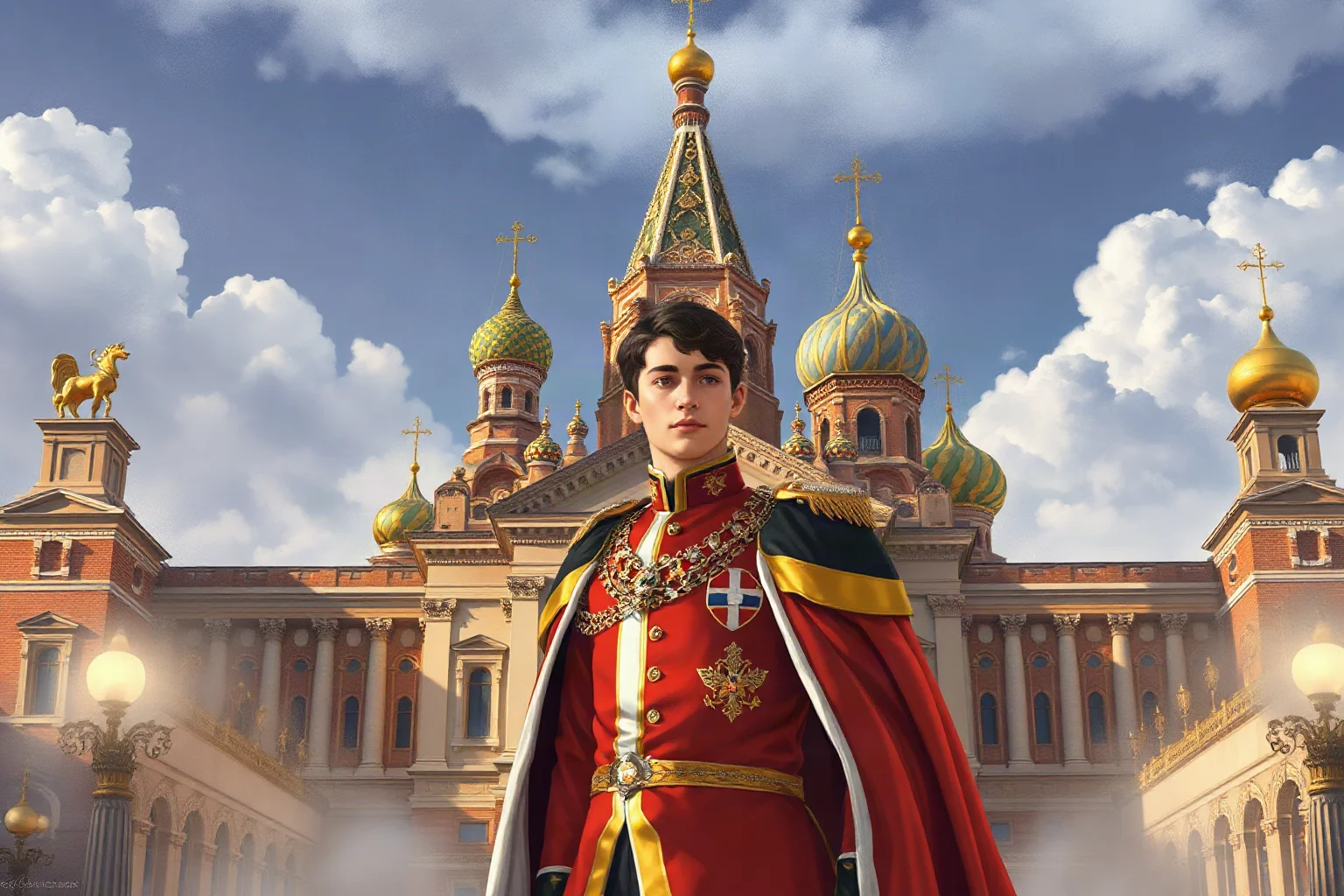
When Ivan took the throne in 1547, he was only sixteen. He married Anastasia Romanovna the same month, a union that many historians describe as genuinely happy and stabilizing, at least for a time.
His early reign, guided by trusted advisers, was marked by ambition and reform rather than the paranoia that would define his later years. This makes the transformation that followed all the more dramatic.
4. Why Was Ivan the Terrible Called “Terrible”?
This is one of the most misunderstood facts about him. The Russian nickname, “Grozny,” doesn’t translate cleanly to the English word “terrible” as in evil or awful.
It actually means something closer to “formidable,” “fearsome,” or “awe-inspiring,” similar to how English speakers might describe a terrifying storm. So while Ivan certainly earned darker reputations later in life, the nickname originally reflected respect mixed with fear, not simple condemnation.
5. He Was a Genuine Reformer Before He Was a Tyrant
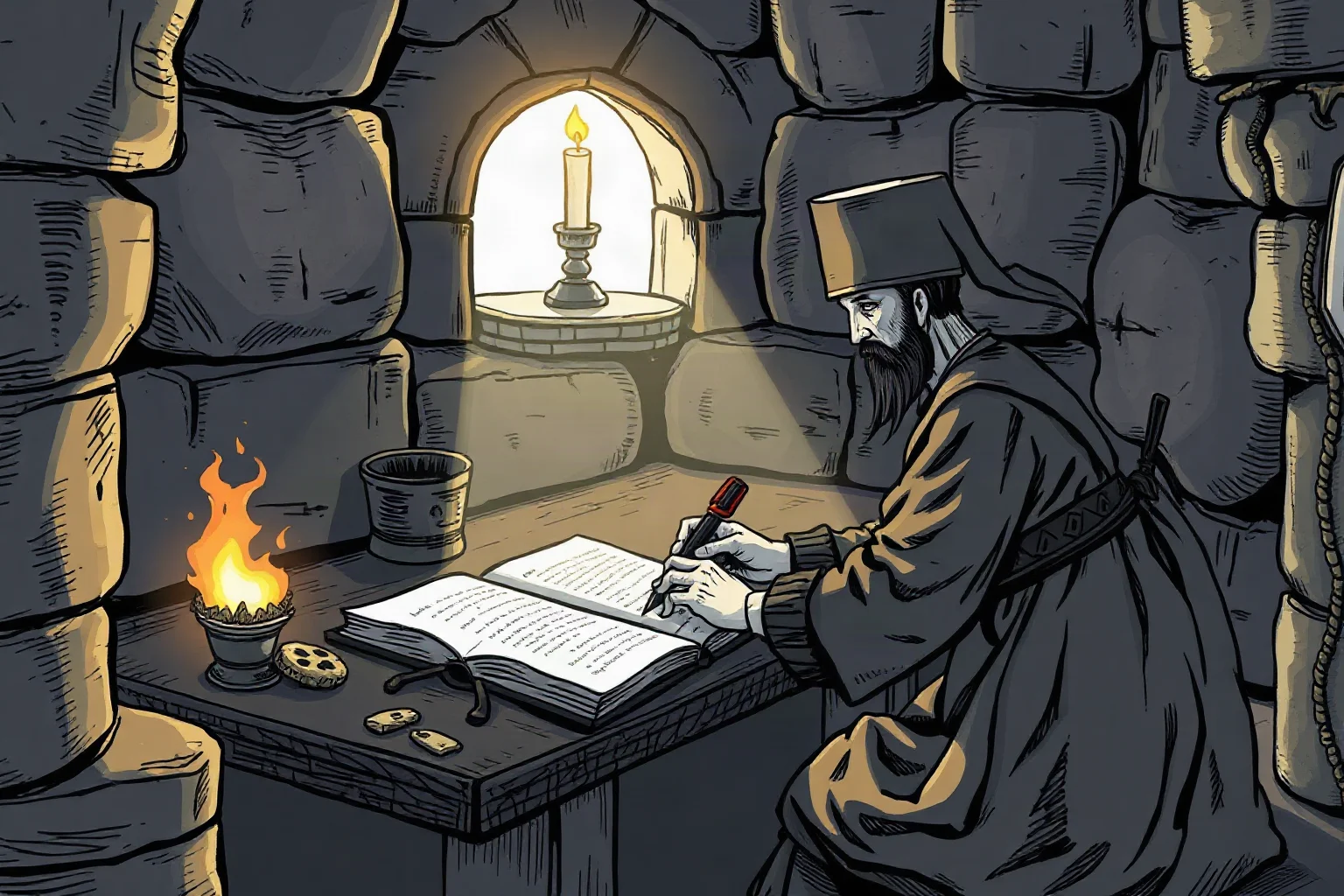
One of Ivan the Terrible’s most overlooked accomplishments is just how effective a reformer he was early on. He introduced a new legal code, the Sudebnik of 1550, standardized taxation, and reorganized local governance to reduce the power of corrupt regional officials.
He also convened church councils to regulate religious practice across his growing territory. These achievements are often eclipsed by his later brutality, but they represent real, lasting contributions to Russian state-building.
6. He Massively Expanded Russia’s Territory
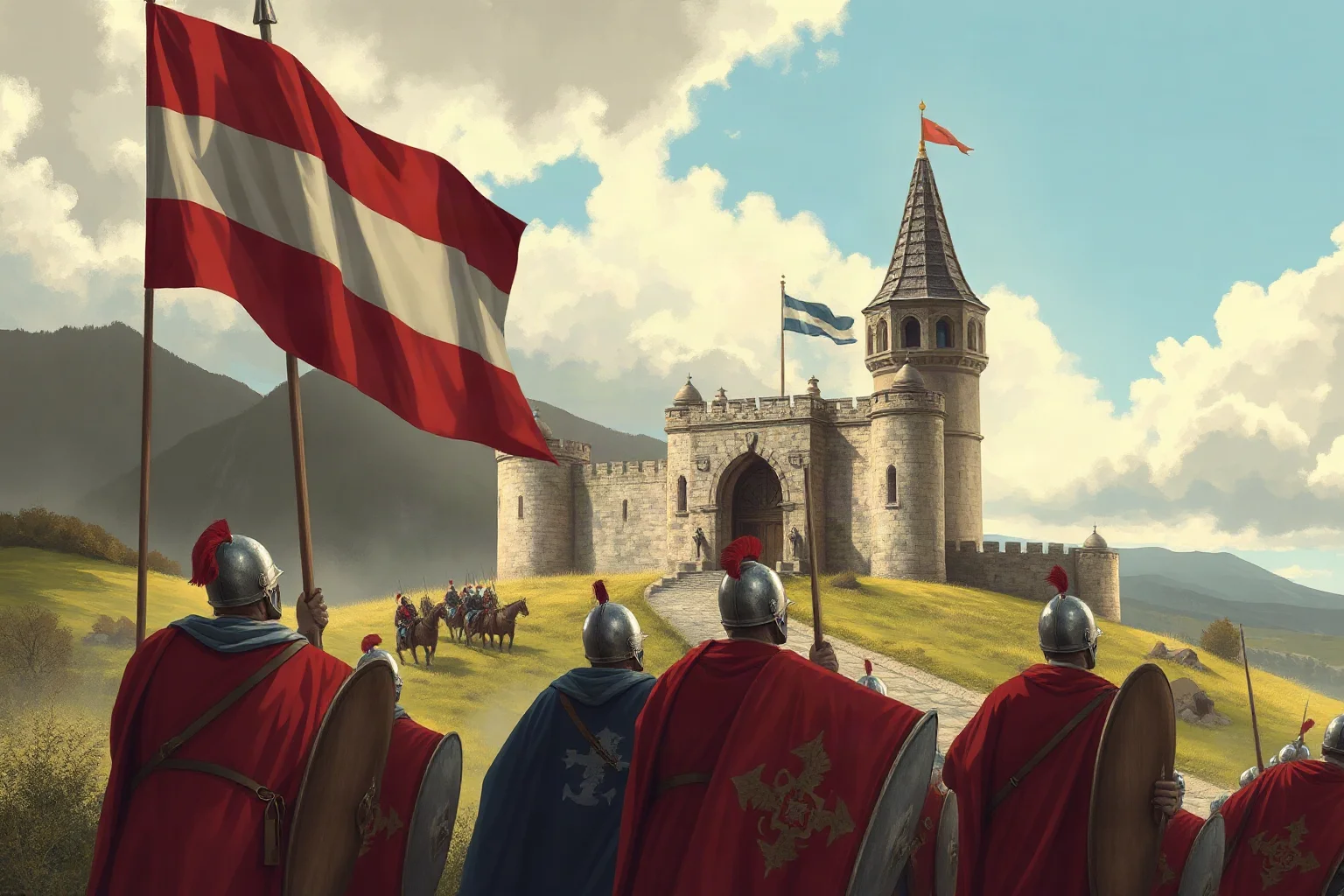
Among Ivan the Terrible’s biggest accomplishments was the conquest of the Khanate of Kazan in 1552 and the Khanate of Astrakhan in 1556. These victories opened the Volga River trade route and removed long-standing threats from Russia’s southeastern borders.
His reign also saw the beginning of Russian expansion into Siberia. By the time he died, the territory under Moscow’s control had grown enormously, laying groundwork for the vast Russian Empire that followed.
7. He Created Russia’s First Secret Police
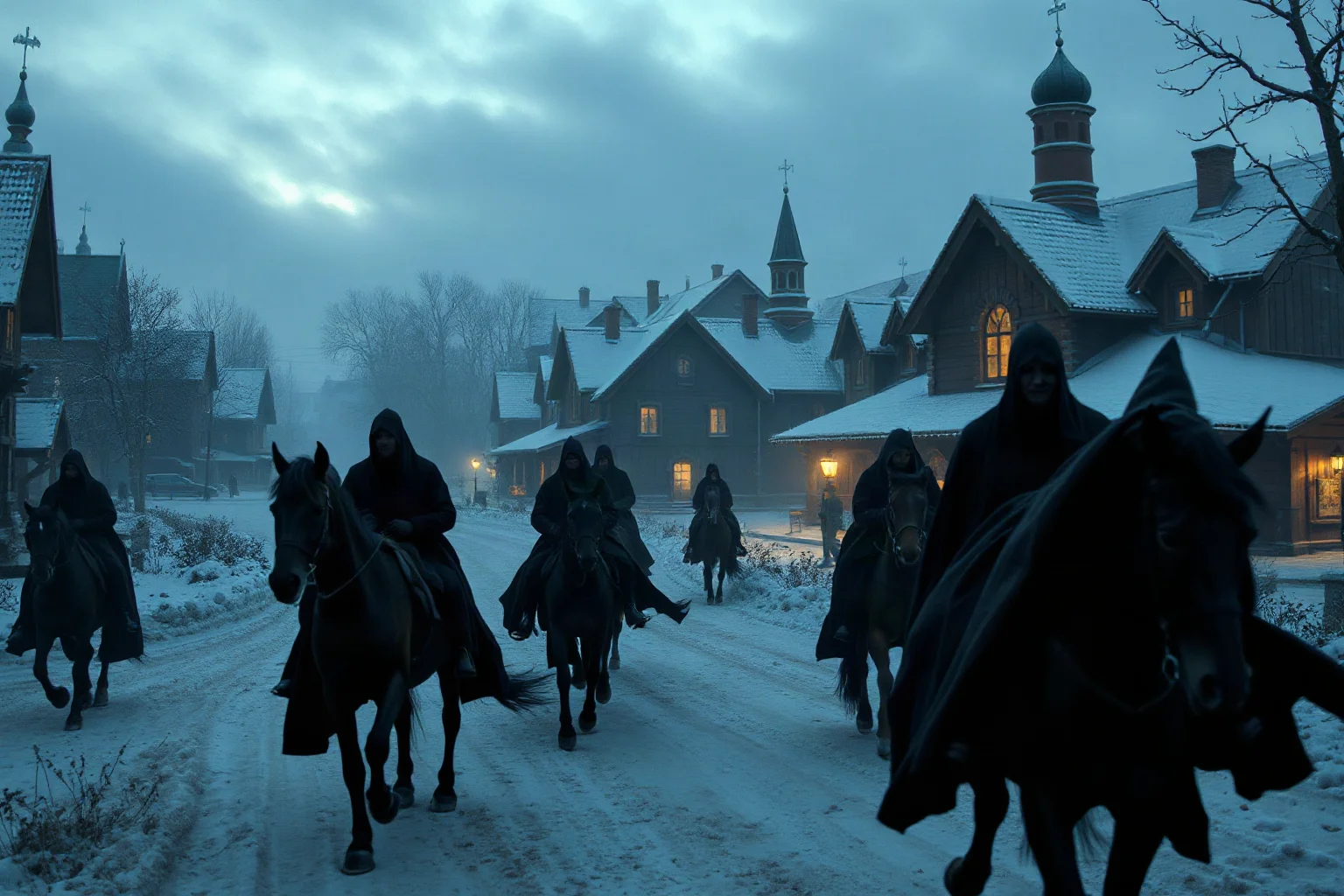
In 1565, Ivan established the Oprichnina, a separate state-within-a-state under his direct personal control. Its enforcers, known as the Oprichniki, functioned as Russia’s first secret police, answering only to the tsar himself.
They dressed in black, rode black horses, and were granted sweeping powers to arrest, torture, and execute anyone Ivan deemed disloyal. This institution is central to why his reign is remembered as an era of state terror.
8. The Oprichniki Terrorized His Own People
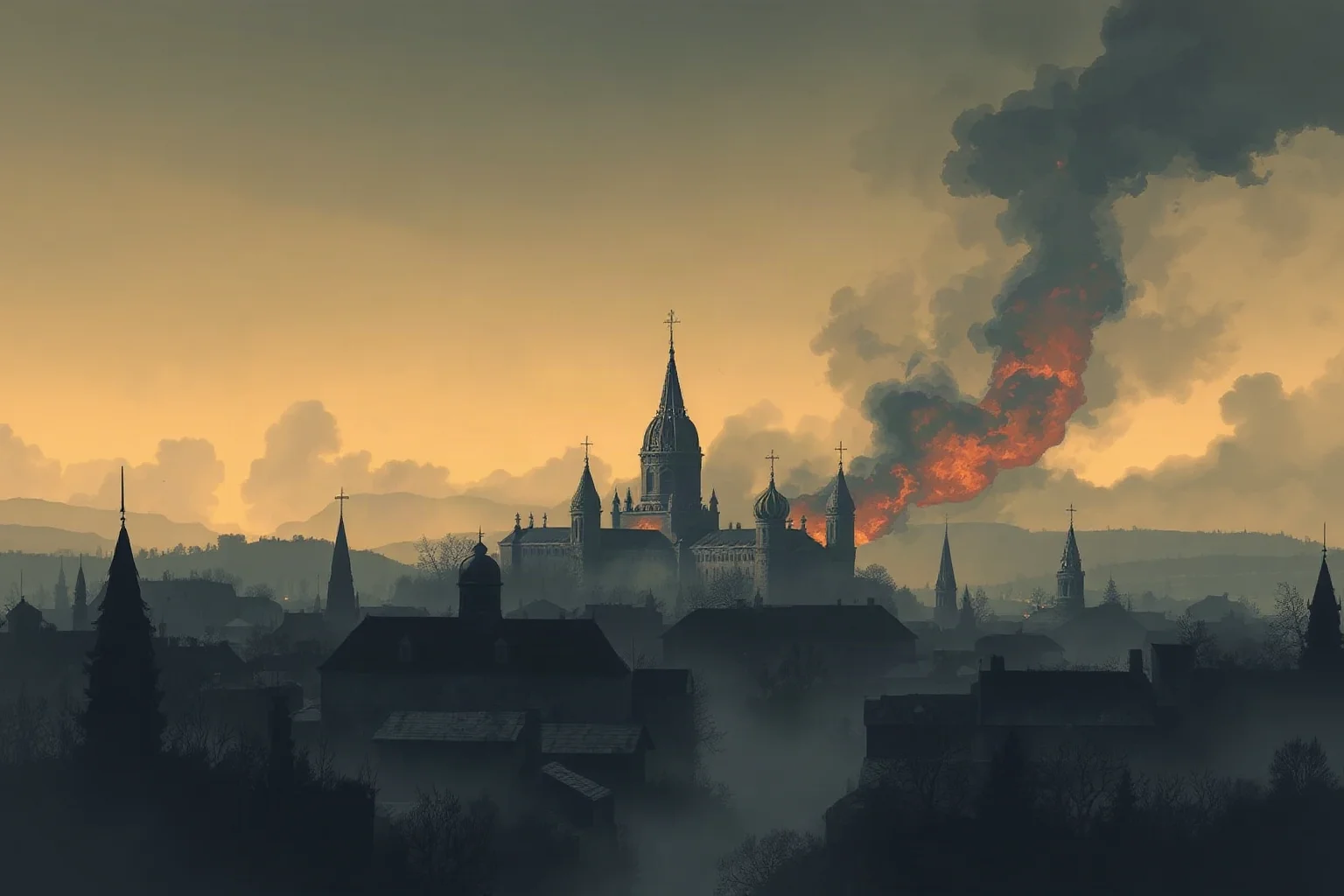
The Oprichniki weren’t just a police force; they were an instrument of mass punishment. The most horrifying example came in 1570, when Ivan suspected the city of Novgorod of plotting treason with Poland.
He sent his Oprichniki to sack the city, resulting in a massacre with estimated deaths ranging into the thousands, according to various chronicles. Homes were burned, property seized, and entire communities devastated, an event historians still cite as one of the darkest of his reign.
9. He Married at Least Seven Times
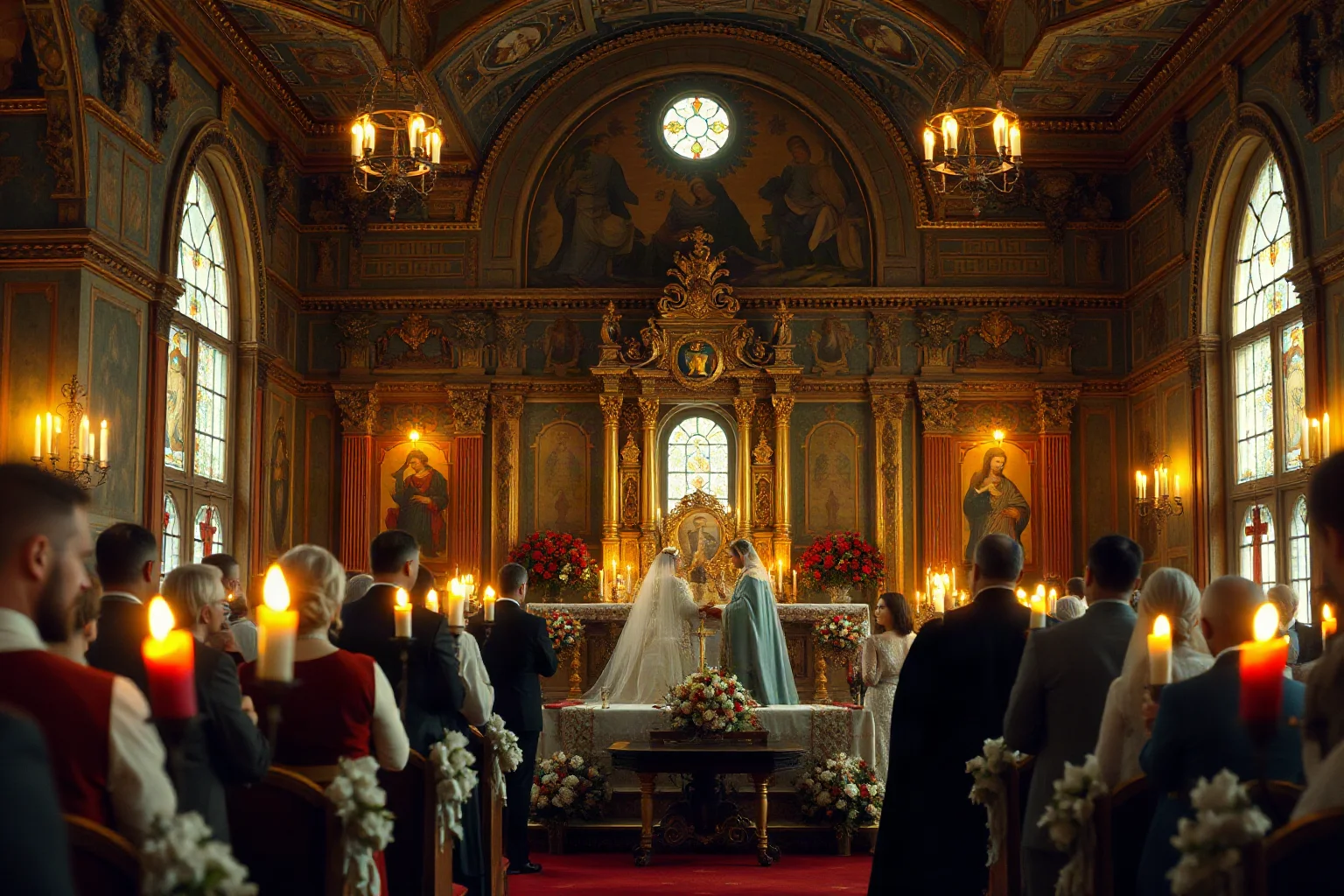
Ivan the Terrible’s marital history is almost as chaotic as his politics. He was married seven or possibly eight times, though the Russian Orthodox Church only formally sanctioned a handful of these unions.
Several of his wives died under suspicious circumstances, were exiled to convents, or simply disappear from clear historical record. This pattern reflects both the instability of his court and his increasingly erratic personal life.
10. Ivan the Terrible’s Children Faced Tragic Fates
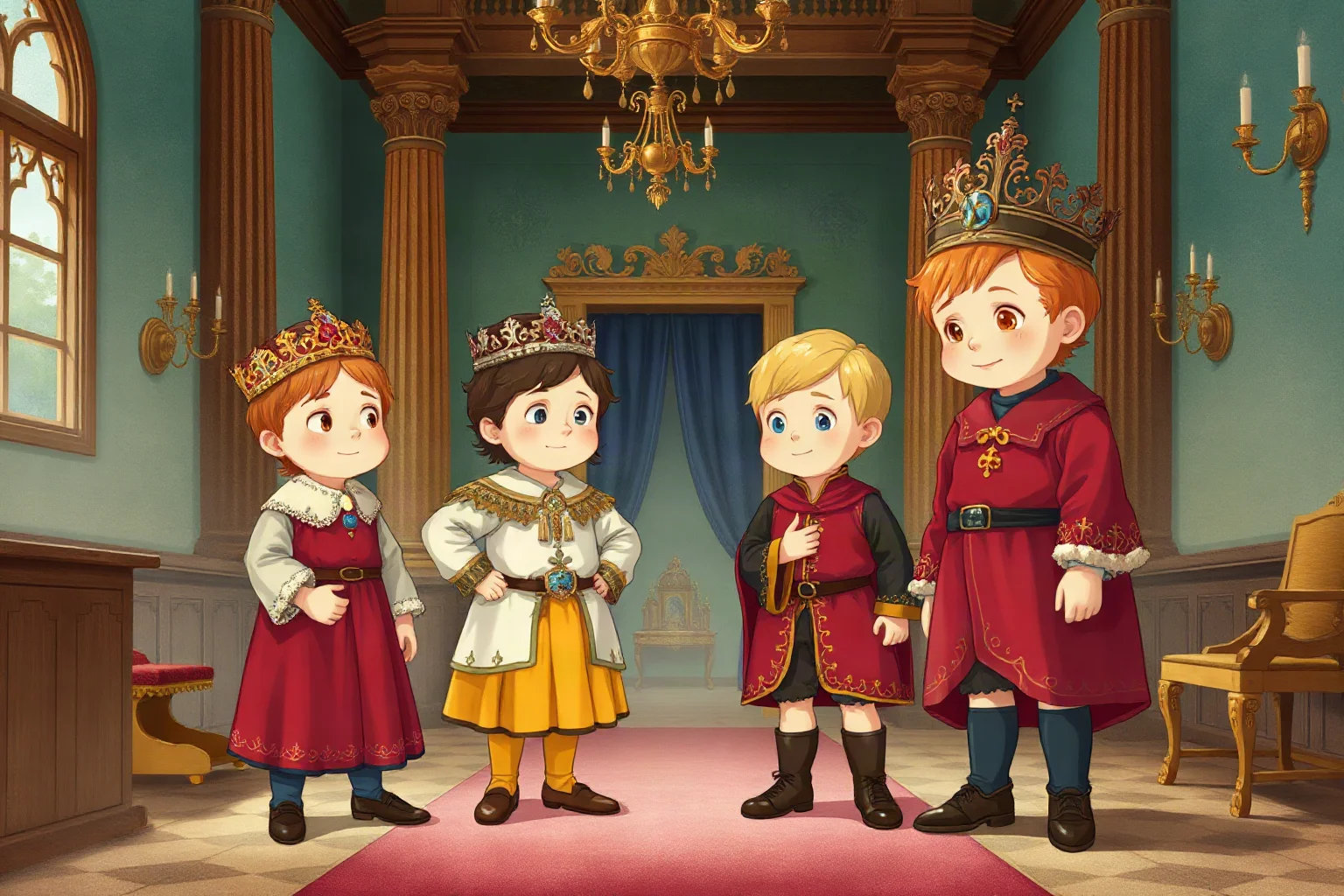
Across his marriages, Ivan fathered several children, though many died young. His sons Dmitri and Vasili died in infancy, while his daughters also died before adulthood.
His two most historically significant sons were Ivan Ivanovich, his heir, and Feodor, who would eventually succeed him as tsar despite reportedly being unfit to rule effectively. Understanding Ivan the Terrible’s children helps explain the succession crisis that followed his death.
11. Did Ivan the Terrible Kill His Son?
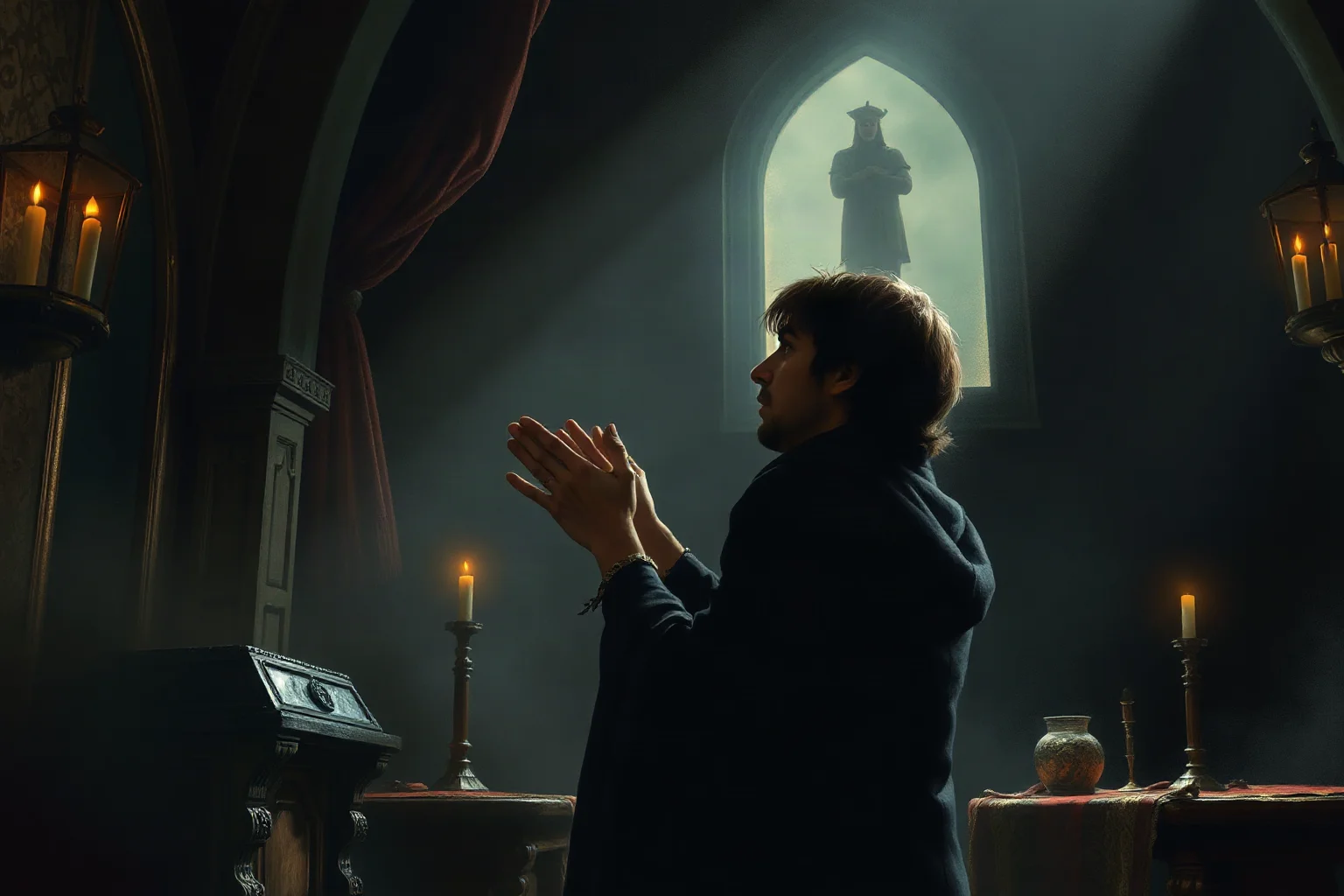
This is perhaps the most searched and most misunderstood event of his life. In November 1581, Ivan and his eldest son and heir, Ivan Ivanovich, had a violent confrontation, reportedly sparked by a family dispute involving the younger Ivan’s pregnant wife.
According to the most widely cited historical accounts, Ivan the Terrible struck his son during a rage, and the prince died days later from his injuries. It’s important to note that some modern historians and forensic researchers have questioned parts of this traditional narrative, and the full truth remains debated, but the core event, a fatal blow from father to son, is supported by contemporary chronicles.
12. Why Did Ivan Kill His Son? The Likely Triggers
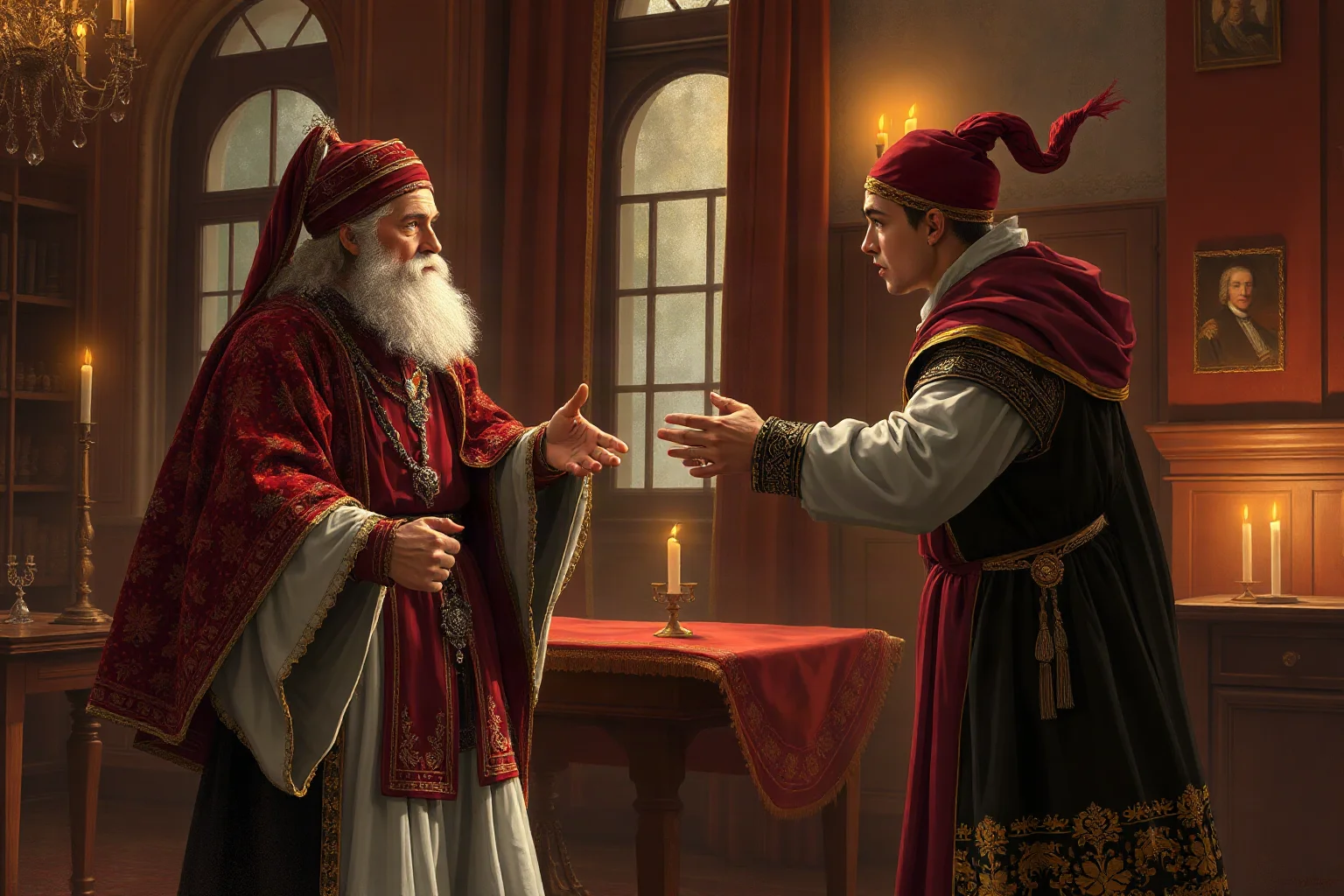
Historical sources suggest the confrontation stemmed from more than one grievance. Some accounts describe Ivan berating his son’s wife over her clothing, while others point to political tension, since the younger Ivan reportedly wanted to lead troops in the ongoing Livonian War, a role his father refused to grant him.
Whatever the immediate spark, the underlying cause appears to be a toxic mix of paranoia, temper, and a court where even the tsar’s own family wasn’t safe from his rage. It remains one of history’s most chilling examples of a ruler’s personal violence altering a nation’s future.
13. The Famous Painting That Shaped Public Memory
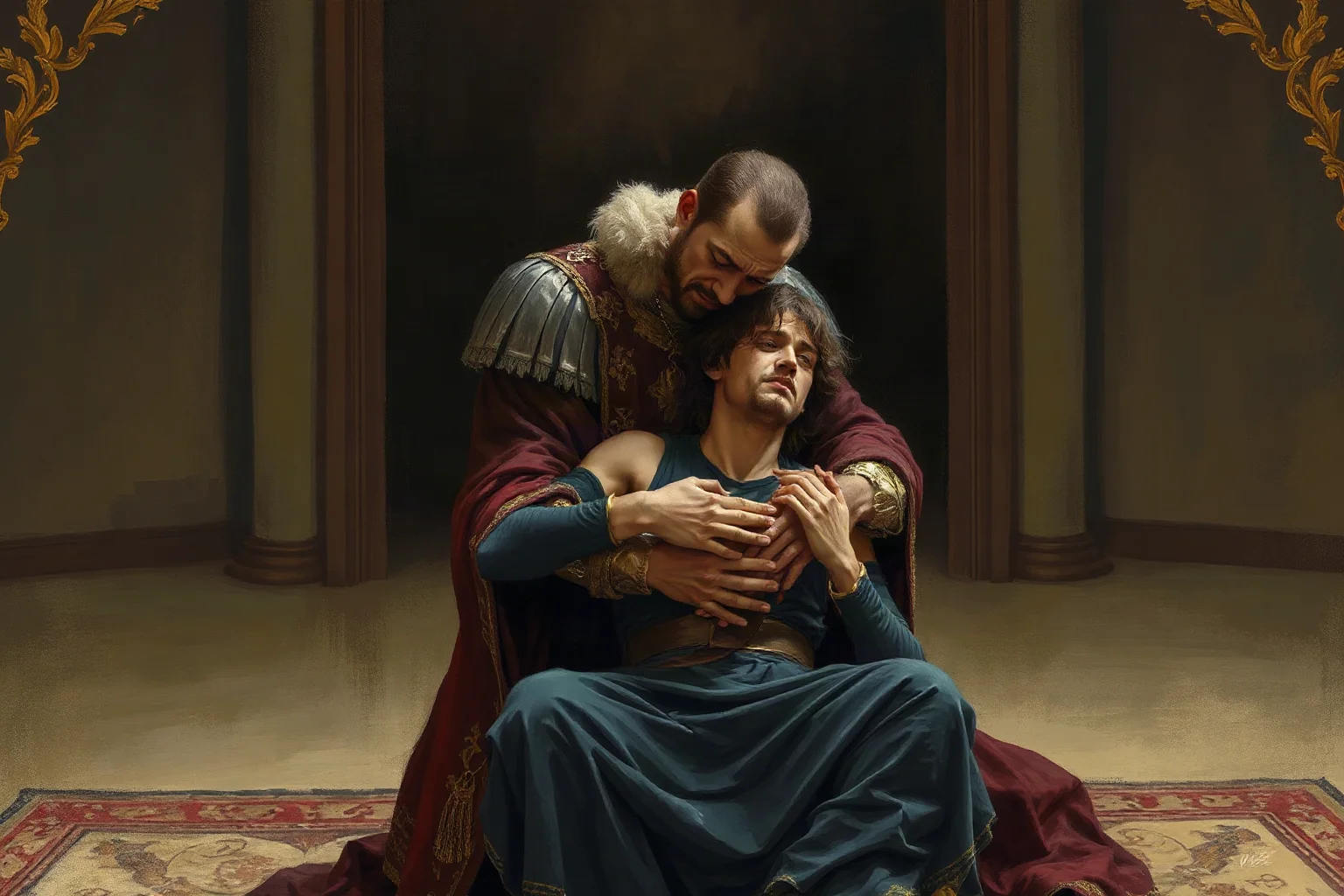
Much of the modern imagination around this tragedy comes from Ilya Repin’s 1885 painting, “Ivan the Terrible and His Son Ivan on 16 November 1581.” The haunting artwork depicts a horrified tsar cradling his dying son.
The painting was controversial in its time and remains one of the most recognizable images tied to Ivan’s legacy. It’s worth remembering that while the underlying event is historically documented, the painting itself is an artistic interpretation, not a photograph of the moment.
14. Was Ivan the Terrible Actually “Crazy”?
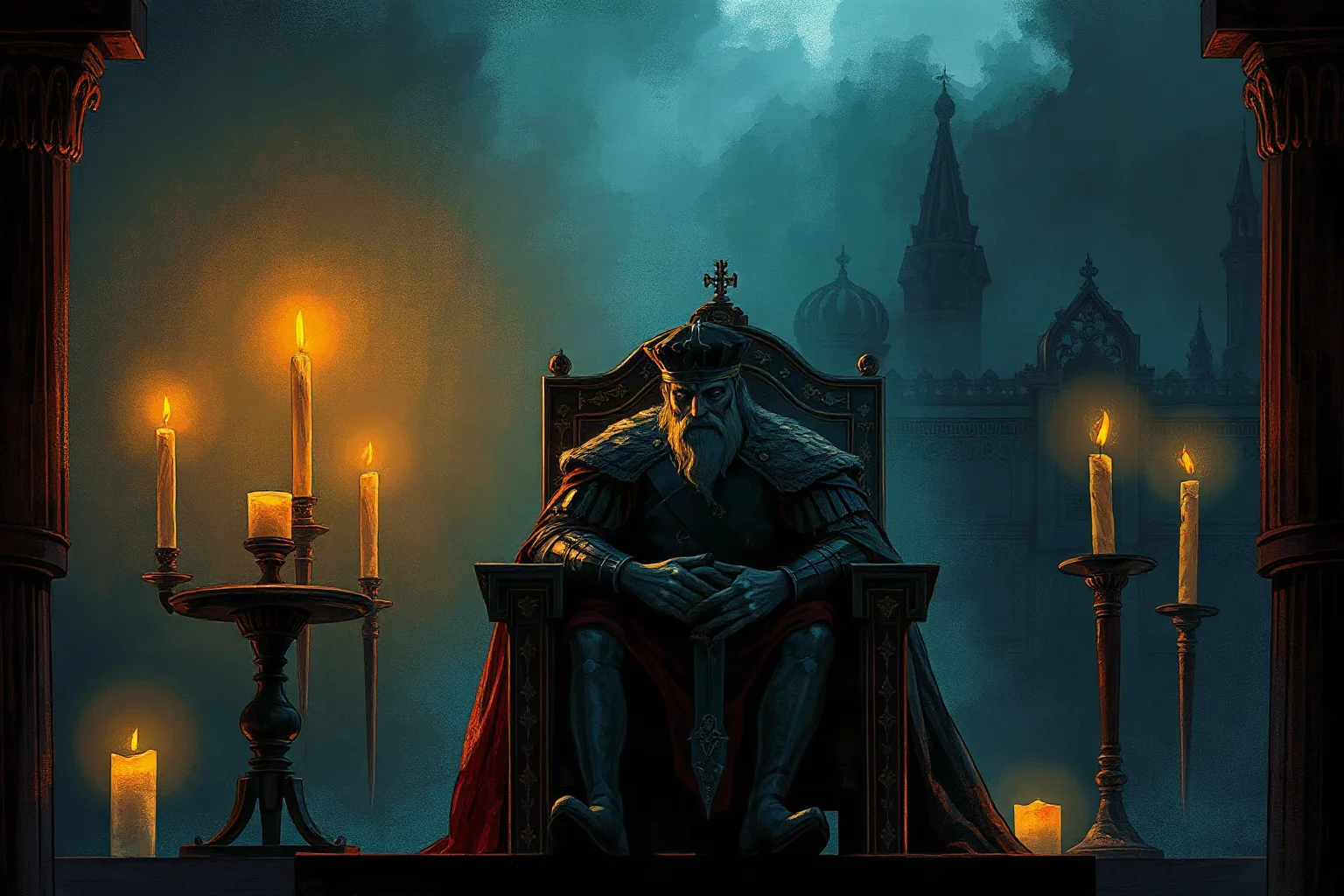
People often search for whether Ivan was simply mad, much like the enduring fascination with Britain’s own Mad King George III, and the honest answer is more nuanced. Historians generally avoid diagnosing historical figures with modern psychiatric labels, since we lack reliable medical evidence from the 16th century.
What we do know is that his behavior grew increasingly erratic, violent, and paranoid over time, especially after the death of his beloved first wife, Anastasia. Whether this stemmed from grief, illness, stress, or genuine mental instability is something historians still debate rather than something settled fact.
15. Chronic Illness May Have Fueled His Paranoia
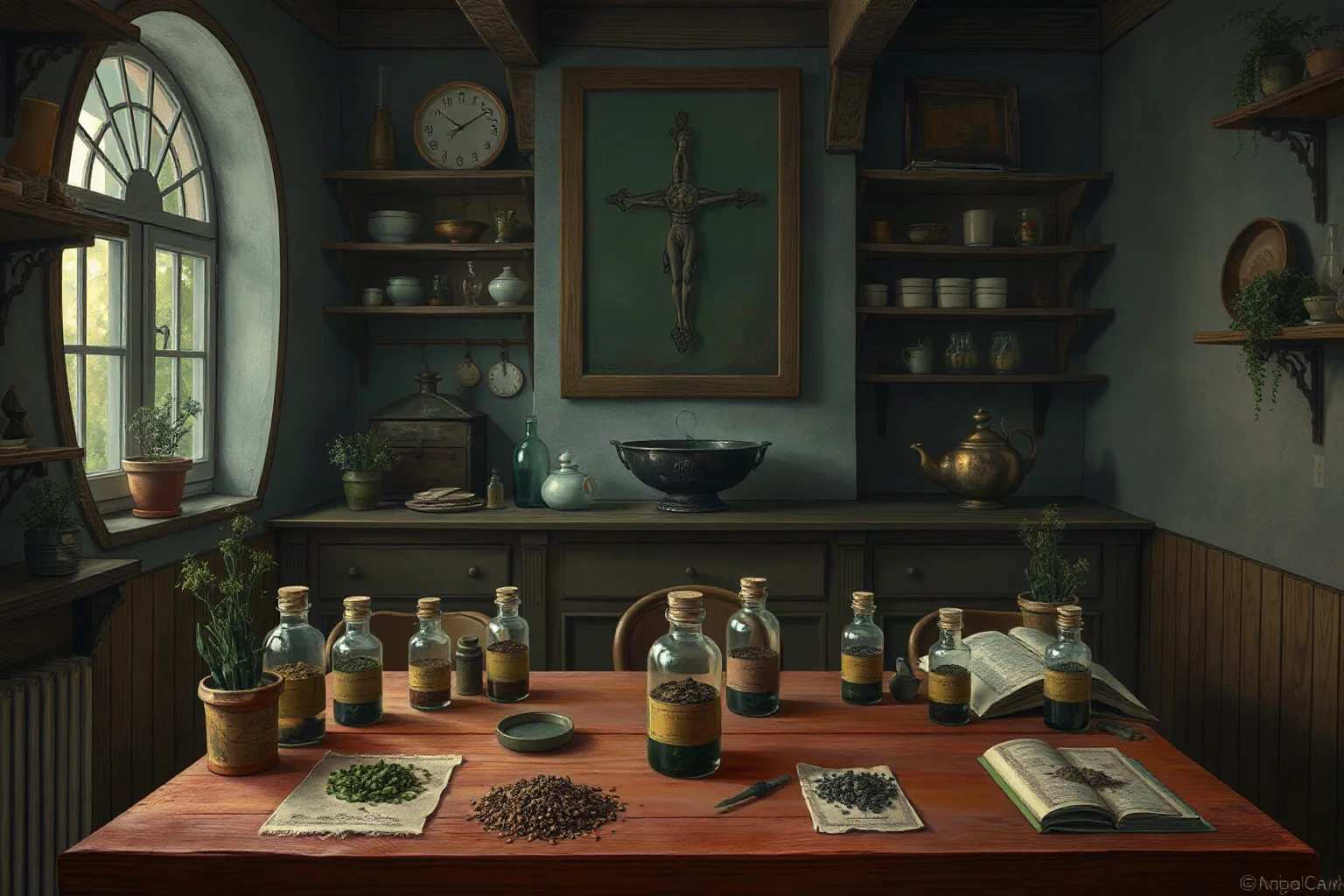
Modern examinations of Ivan’s remains, conducted during the Soviet era, found elevated levels of mercury and other substances in his body. Some researchers have suggested this could have resulted from medicinal treatments common at the time or possibly from poisoning, though this remains speculative rather than proven.
Contemporary accounts also describe him suffering from severe physical pain later in life, including possible spinal or joint problems. Chronic illness, combined with the immense stress of constant court intrigue, likely worsened his temper and mistrust of those around him.
16. He Reportedly Killed in Fits of Rage
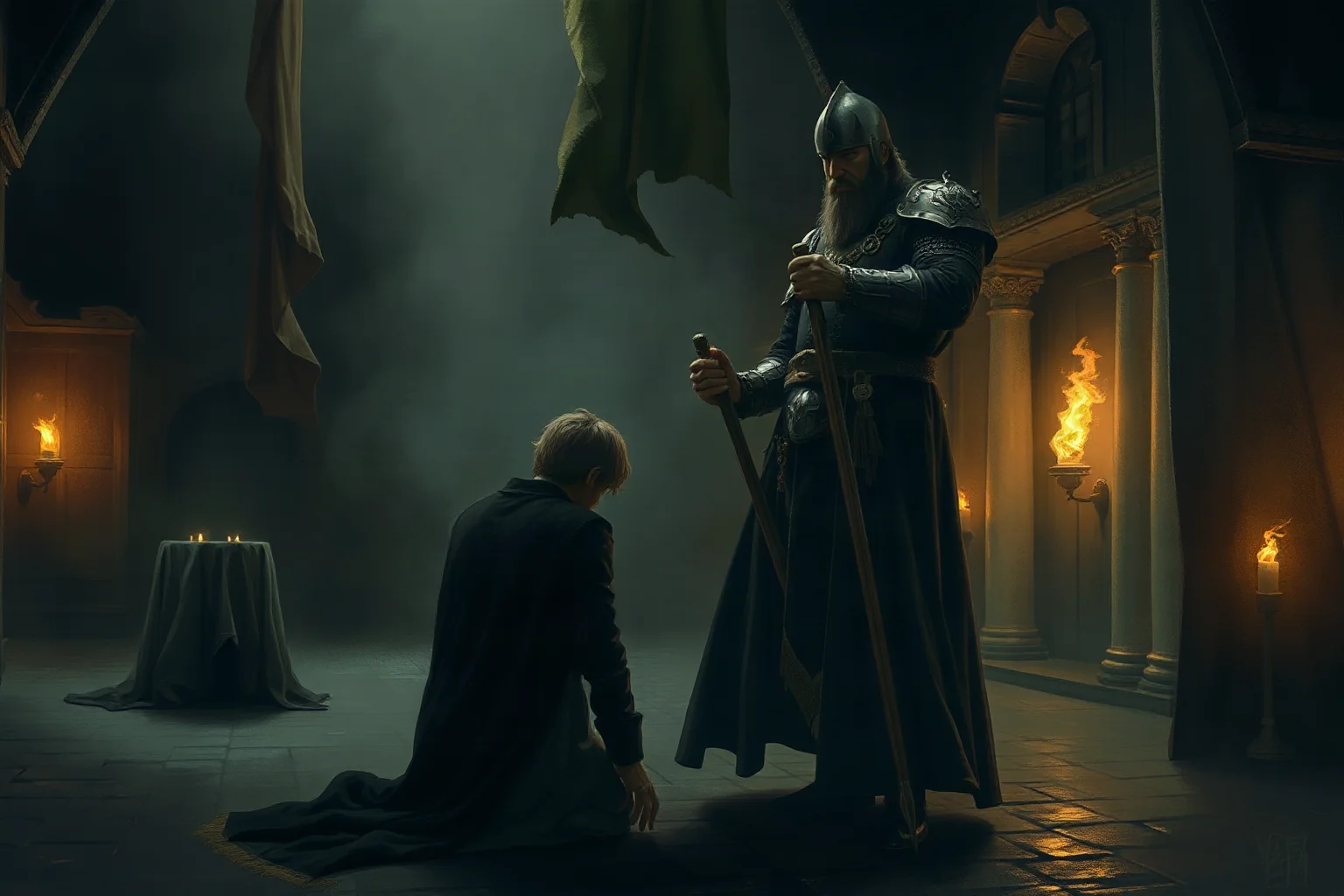
Beyond the death of his son, chronicles describe Ivan as prone to violent outbursts throughout his reign. Courtiers, advisers, and even clergy who displeased him faced imprisonment, exile, or execution, often with little formal process.
These accounts, recorded by contemporaries and foreign visitors alike, are part of why his reputation for cruelty solidified so strongly, even accounting for the exaggeration common in period sources. It’s this pattern of unpredictable violence that most defines the “terrible” side of his legacy.
17. He Fought a Long, Costly War for the Baltic Coast
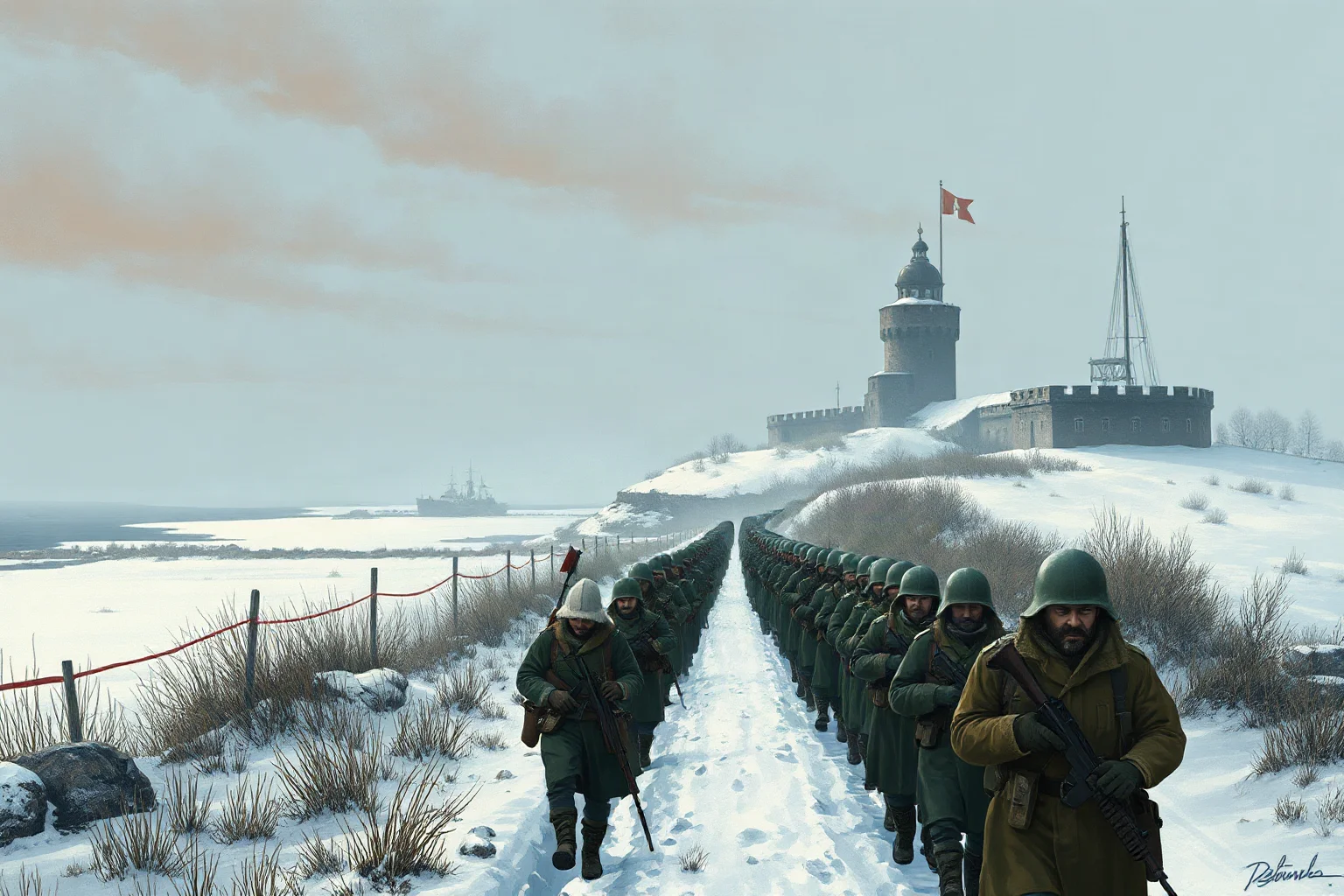
The Livonian War, which Ivan waged from 1558 to 1583, aimed to secure Russian access to Baltic Sea trade routes. It dragged on for 25 years and ultimately ended in failure, draining the treasury and costing countless lives, a costly campaign in the same vein as the crusades once led by Richard the Lionheart.
This prolonged conflict is a key reason Ivan the Terrible’s later reign looked so different from his promising early years. Military setbacks abroad seemed to feed his suspicion and cruelty at home.
18. He Reshaped the Russian Orthodox Church’s Role in the State
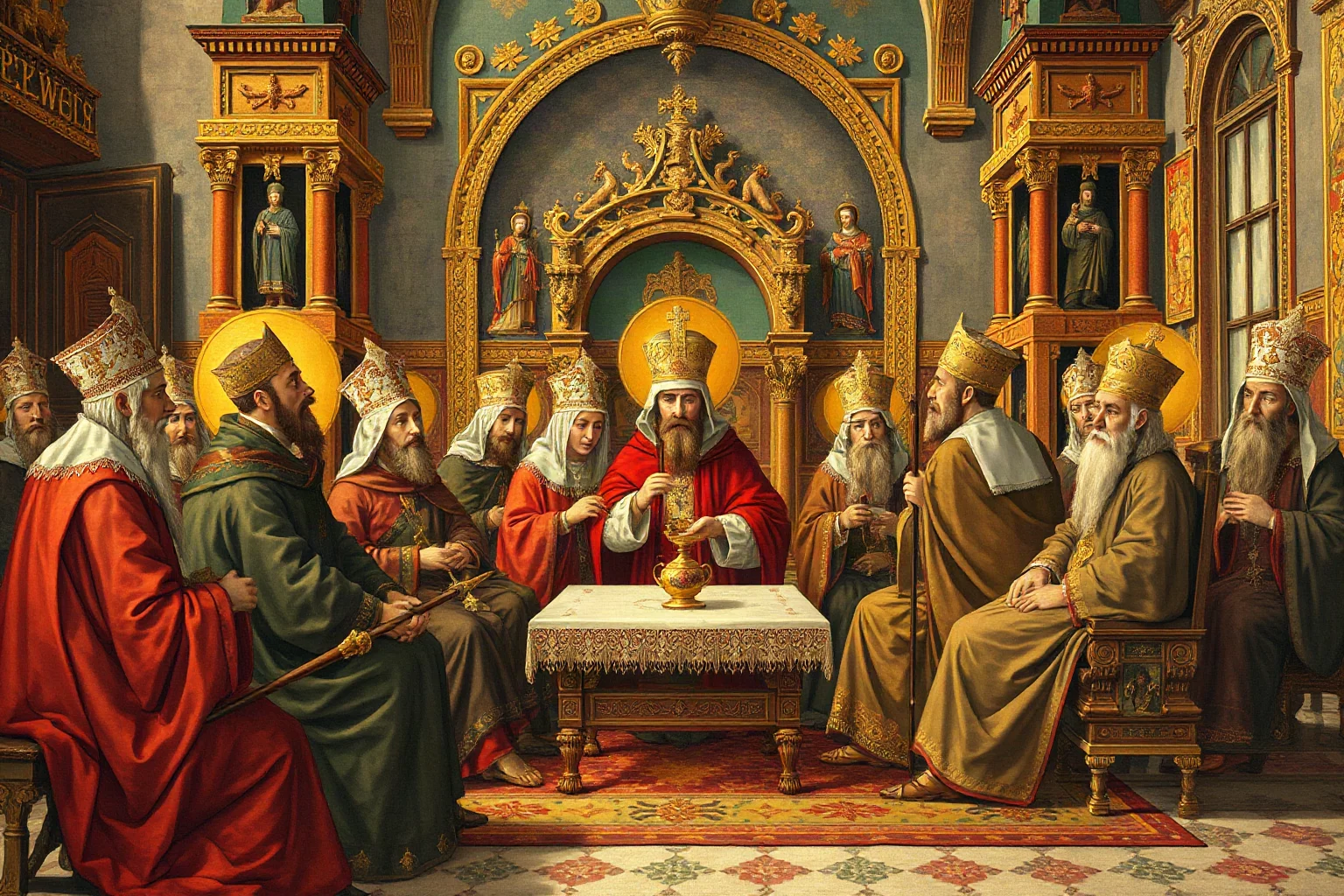
Ivan saw the Church as a tool of state unity as much as a spiritual institution. Through councils like the Stoglav Synod of 1551, he standardized religious rituals, art, and clergy conduct across his territories.
At the same time, he clashed repeatedly with Church leaders who criticized his methods, including Metropolitan Philip, who was removed from his position after opposing the Oprichnina’s brutality. This tension shows how even religious authority wasn’t safe from Ivan’s control.
19. He Left Behind Surprisingly Personal Writings
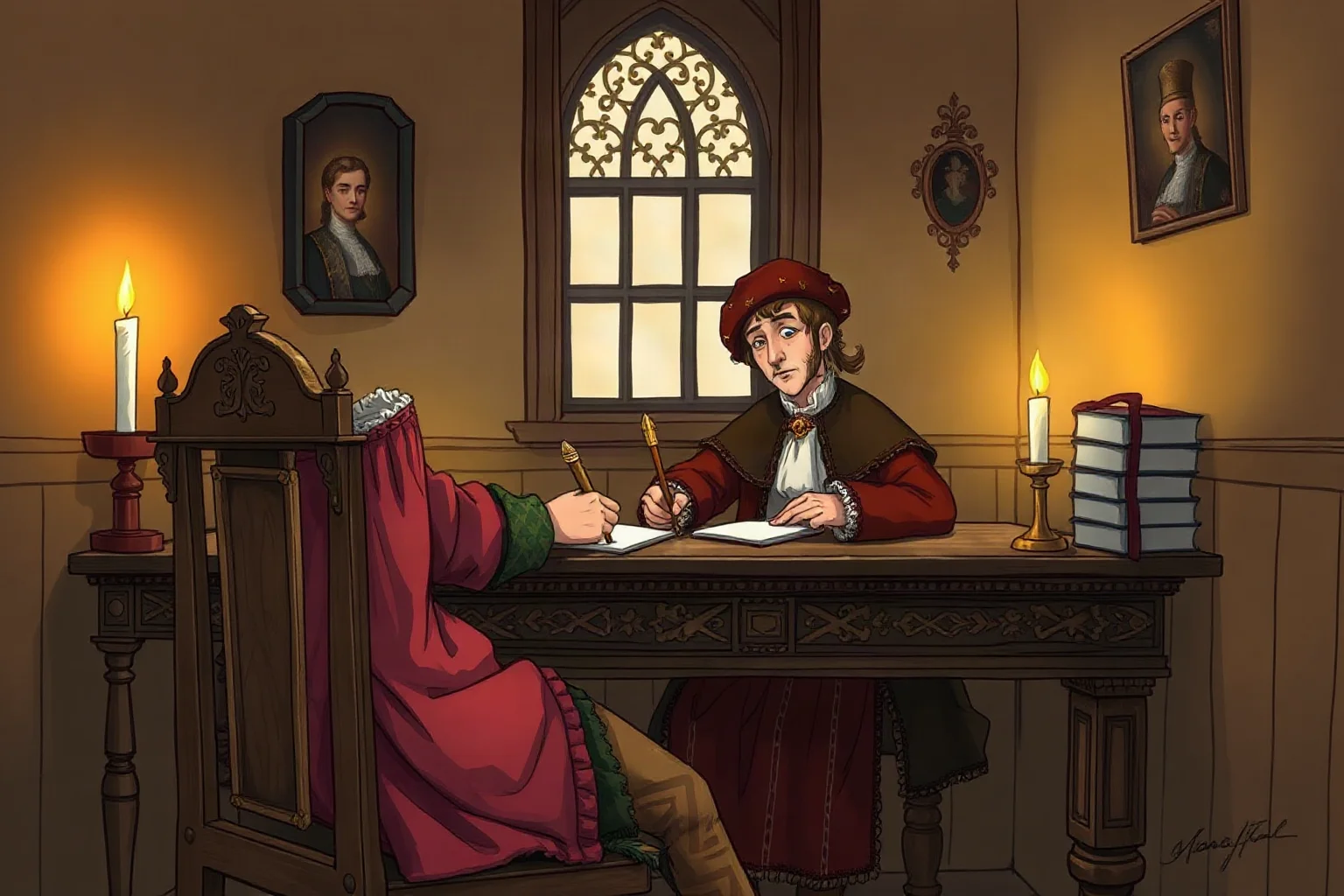
Despite his violent reputation, Ivan the Terrible was notably literate and left behind letters that reveal a sharp, sometimes sarcastic mind. His correspondence with a former adviser who fled Russia, Prince Andrei Kurbsky, is filled with justifications, accusations, and biting remarks.
Many quotes attributed to Ivan the Terrible circulate online, but readers should treat unsourced quotes with caution, since translation and later embellishment have blurred some of his actual words. His genuine letters, however, do confirm a ruler who saw himself as divinely appointed and answerable to no one but God.
20. His Appearance Is More Mysterious Than You’d Think
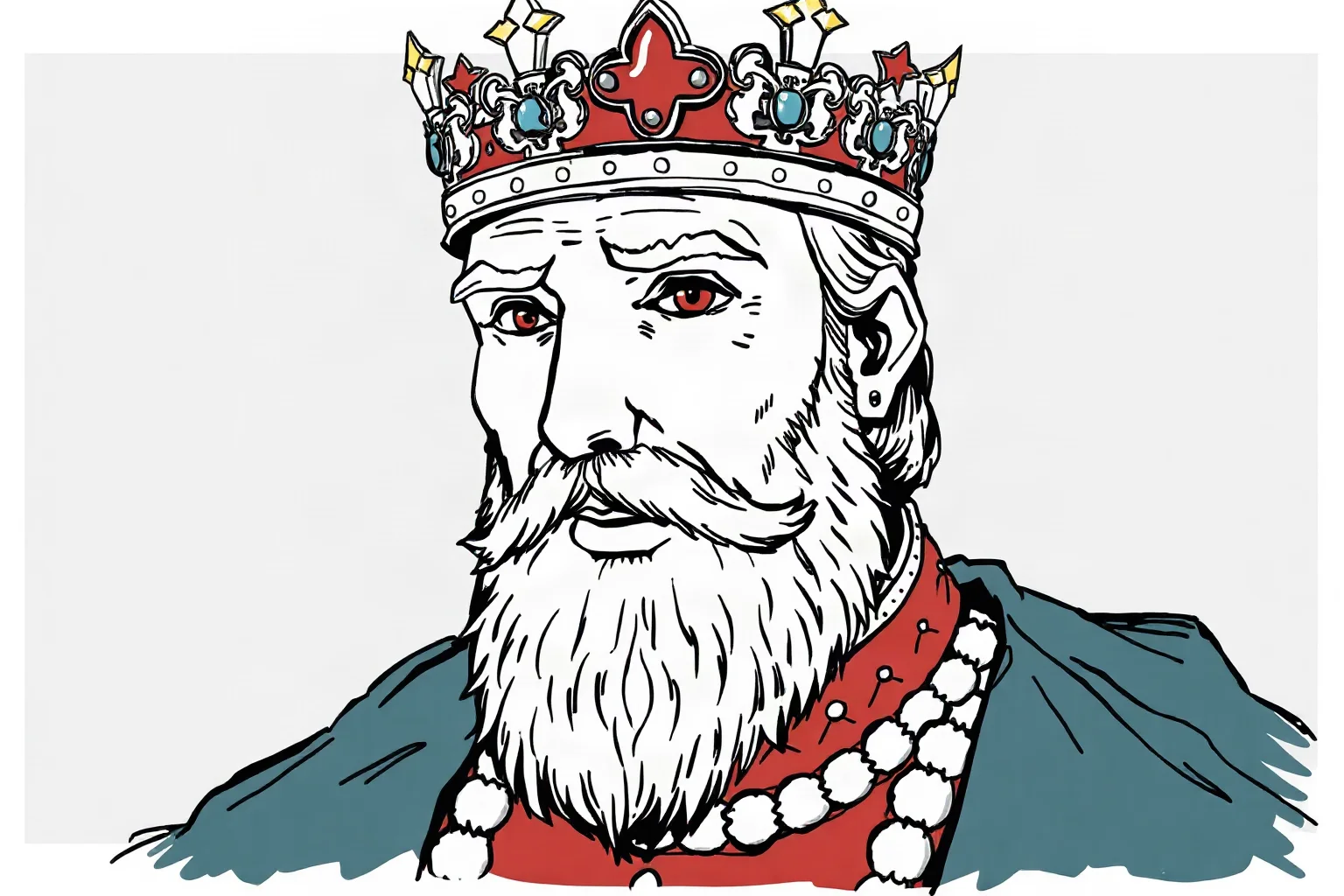
Questions about Ivan the Terrible’s height and appearance are common, but reliable physical descriptions from his lifetime are limited. Forensic analysis of his skeletal remains in the 20th century suggested he was of average height for his era, though exact figures vary between sources, a stark contrast to the record-breaking figures profiled among the tallest people in history.
Most surviving portraits and the well-known “picture of Ivan the Terrible” people search for today were actually created after his death, based on descriptions and artistic imagination rather than life sittings. This means our visual idea of him is more legend than documented fact.
21. He Ruled for Over Three Decades
Ivan the Terrible ruled from 1547, when he was crowned tsar, until his death in 1584, a reign of roughly 37 years, one of the longest in Russian history at that time. If you count from when he first became Grand Prince as an infant in 1533, his time in power stretches even longer.
That length of rule allowed enormous territorial gains, but it also gave his paranoia and cruelty decades to intensify. Few rulers of his era held power continuously for so long.
22. How Did Ivan the Terrible Die?
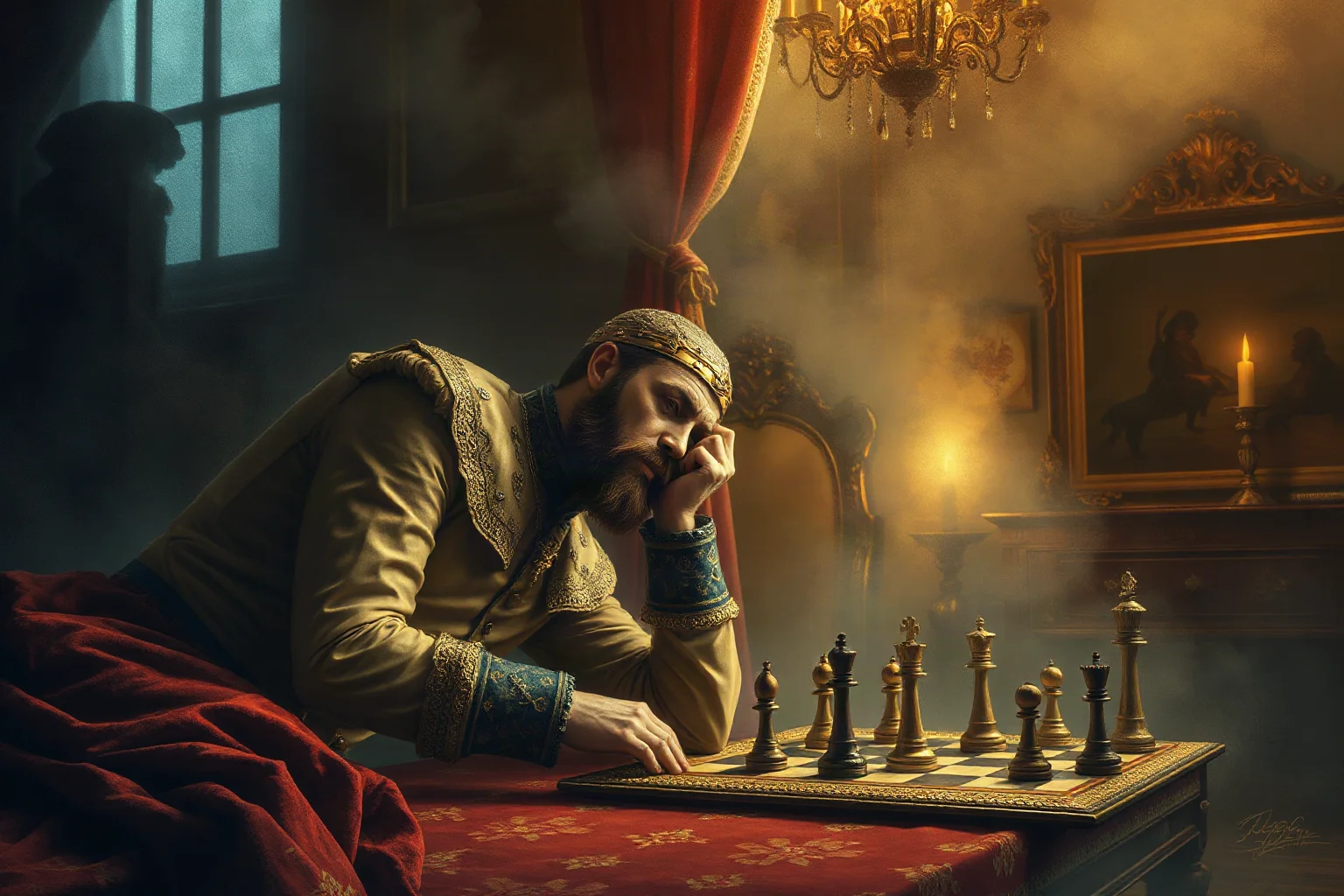
Ivan the Terrible died on March 18, 1584, at around age 53. According to accounts from the period, he reportedly collapsed while playing a game of chess, though some sources describe him simply being in poor health for an extended period beforehand.
The official cause has generally been attributed to a combination of chronic illness and physical deterioration, consistent with the mercury and other substances found in later remains analysis. As with much of his life, exact details of his final hours come from period sources that weren’t always neutral, so some elements remain historically uncertain rather than fully confirmed.
23. His Death Plunged Russia into Chaos
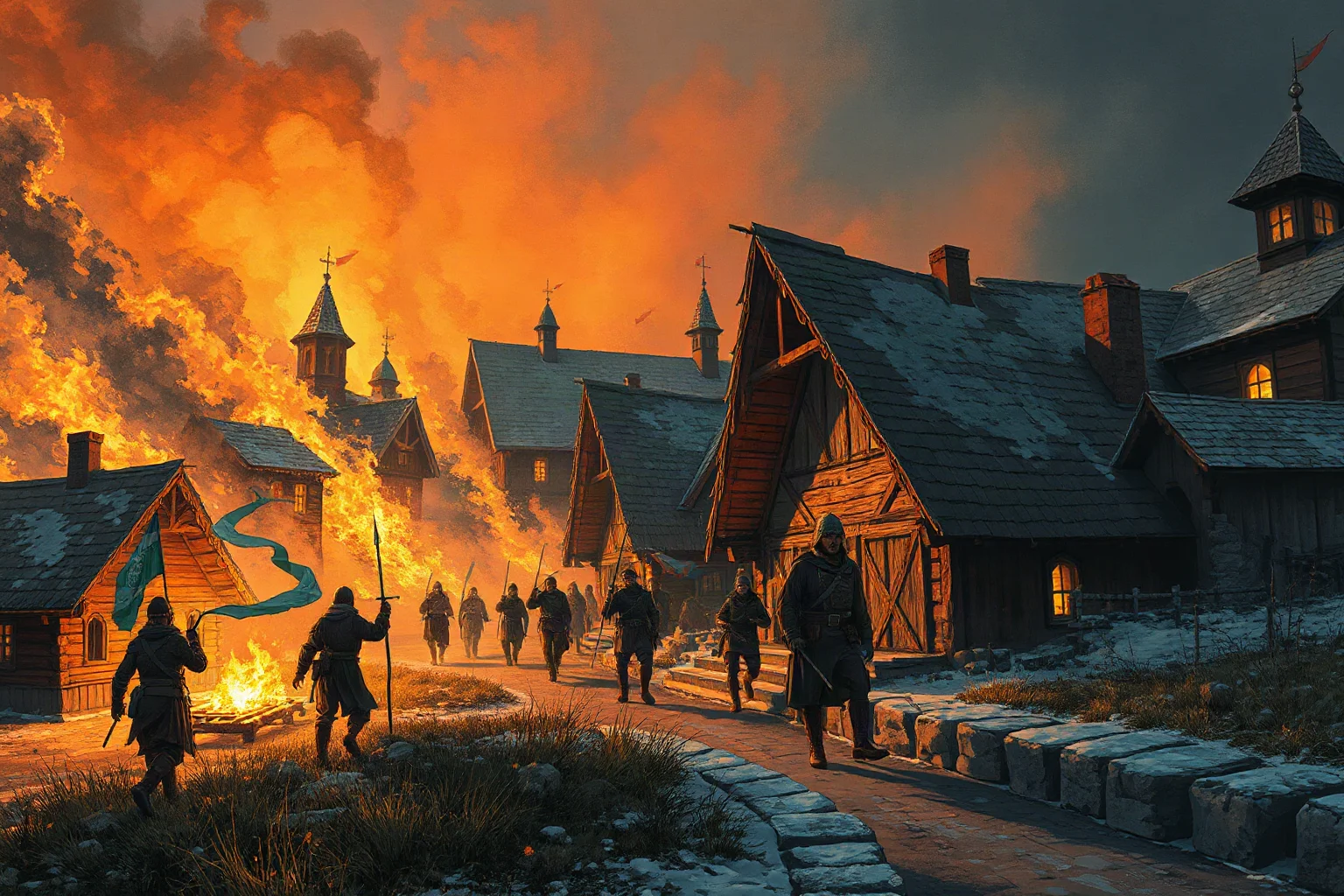
Ivan’s surviving son, Feodor, was widely considered ill-suited to govern, and his younger son from a later marriage, Dmitri, was still a child. This weak succession helped trigger the period historians call the Time of Troubles, a stretch of civil war, famine, and foreign invasion lasting until 1613.
It’s a striking irony that a ruler who spent decades consolidating and expanding Russian power left behind a succession crisis that nearly destroyed the state he built. The chaos only ended when the Romanov dynasty took the throne.
24. His Name Lives on in the Term “Crazy Ivan”
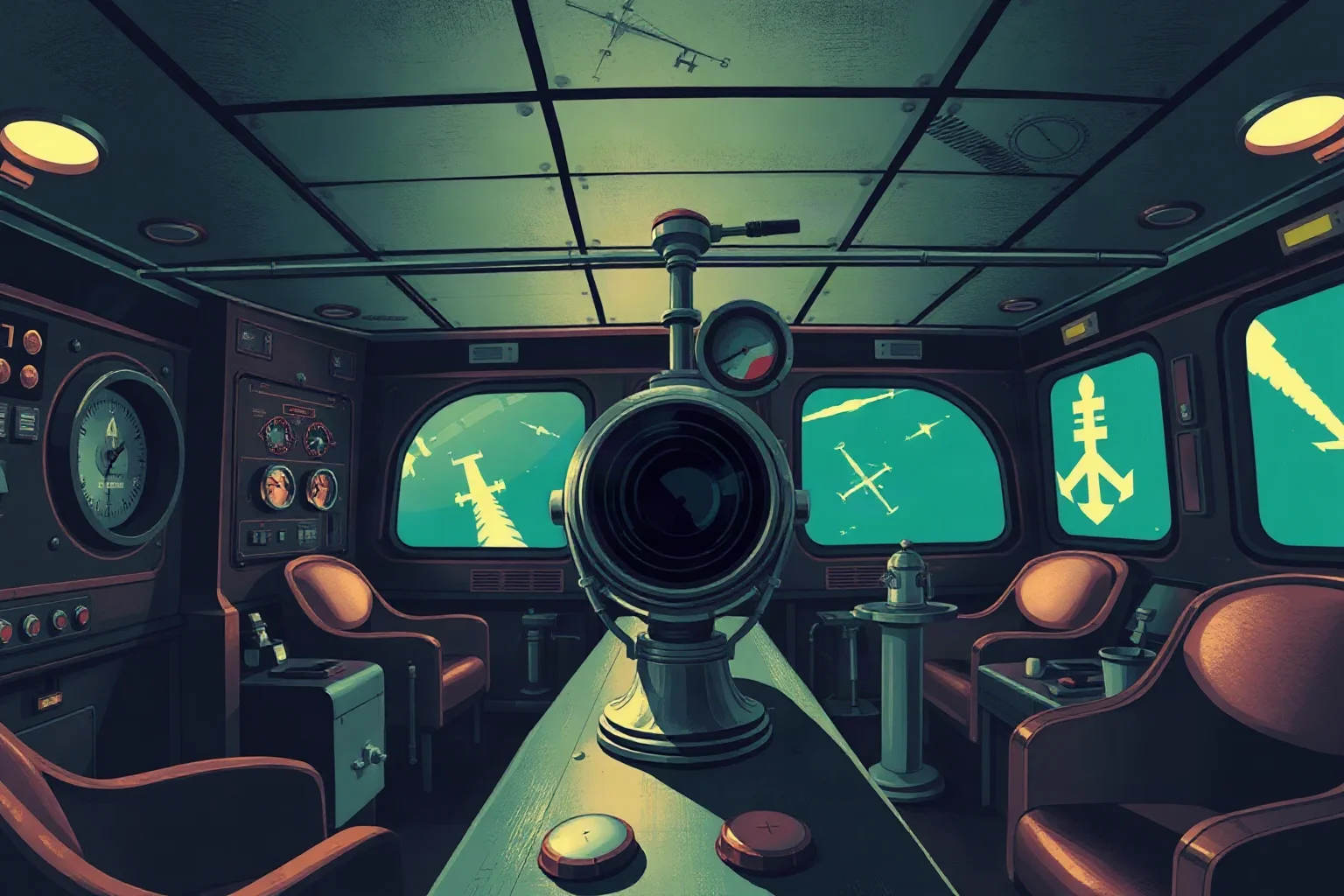
Outside of Russian history, many people encounter Ivan the Terrible indirectly through the term “Crazy Ivan,” popularized by Cold War-era submarine fiction and the film “The Hunt for Red October.” In that context, a “Crazy Ivan” refers to a sudden, unpredictable maneuver used to check for pursuers.
While the phrase isn’t a direct historical reference to the tsar, the association of “Ivan” with unpredictable, alarming behavior in Western pop culture echoes the same reputation for volatility that shaped his historical nickname. It’s a fun example of how history’s echoes show up in unexpected places.
25. He Remains a Deeply Divisive Figure in Russia Today
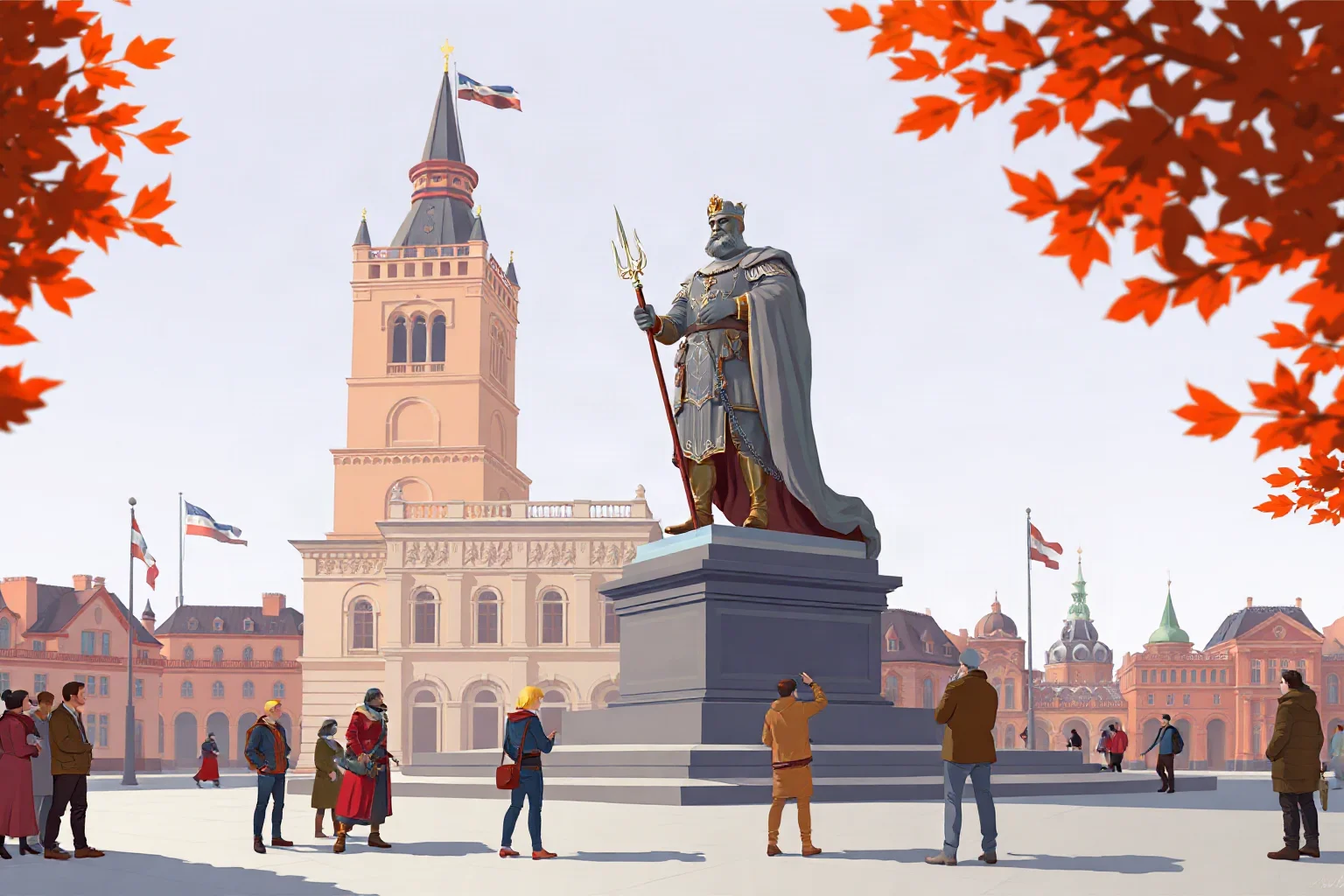
Ivan the Terrible’s legacy is far from settled, even centuries later, and he remains among the most recognized historical figures to emerge from Russian history. Some modern nationalist narratives in Russia emphasize his role as a state-builder and unifier, sometimes downplaying the atrocities of the Oprichnina.
Others, including many historians, insist his brutality and paranoia can’t be separated from his achievements. This ongoing debate is part of why films, books, and documentaries, including Sergei Eisenstein’s classic two-part film often referenced by its French title “Ivan le Terrible,” continue to reexamine his story generation after generation.
The Real Ivan the Terrible: Separating Myth from History
So, was Ivan the Terrible really as terrible as his reputation suggests? The honest answer is complicated. He was undeniably a skilled administrator and military strategist who transformed a regional principality into an empire.
He was also, by well-documented historical accounts, capable of shocking cruelty, paranoia, and violence, including against his own family. Rather than a cartoonish villain or a misunderstood hero, the historical Ivan IV was a deeply human, deeply flawed ruler shaped by trauma, power, illness, and the brutal political culture of his time.
Understanding him means holding both truths at once: the reformer and the tyrant, the empire-builder and the terror he inflicted on his own people. That complexity is exactly why, more than four centuries after his death, people are still searching for answers about who Ivan the Terrible really was.
Frequently Asked Questions
Who was Ivan the Terrible?
Ivan the Terrible, born Ivan IV Vasilyevich in 1530, was the first ruler formally crowned Tsar of All Russia in 1547. He's remembered both for expanding Russian territory and reforming governance, and for the brutal secret police force and violent paranoia that marked his later reign.
Is Ivan the Terrible and his son Ivan real?
Yes, both were real historical figures. Ivan IV (Ivan the Terrible) was Russia's first tsar, and his eldest son and heir, Ivan Ivanovich, was a real prince who died in 1581 after a violent confrontation with his father, an event recorded in contemporary Russian chronicles.
Why was Ivan the Terrible called ‘terrible’?
The nickname comes from the Russian word 'Grozny,' which translates more accurately to 'formidable' or 'awe-inspiring' rather than 'evil.' Over time, English speakers adopted 'terrible' in its older sense of inspiring fear, which also came to reflect his later reputation for cruelty.
Did Ivan the Terrible kill his son?
Most historical accounts state that Ivan the Terrible struck his son, Ivan Ivanovich, during a violent argument in November 1581, and the prince died days later from his injuries. Some modern historians have raised questions about parts of this traditional narrative, but it remains the most widely accepted account based on period sources.
How did Ivan the Terrible die?
Ivan the Terrible died on March 18, 1584, at around 53 years old, reportedly after collapsing during a game of chess. His death is generally linked to prolonged poor health, and later forensic analysis found elevated mercury levels in his remains, though the exact cause remains somewhat uncertain.
What was Ivan the Terrible’s secret police called?
Ivan's secret police force was called the Oprichnina, and its enforcers were known as the Oprichniki. Established in 1565, they operated under Ivan's direct control and were responsible for widespread arrests, executions, and terror campaigns, including the notorious sack of Novgorod in 1570.
How long did Ivan the Terrible rule Russia?
Ivan the Terrible ruled as tsar from 1547 until his death in 1584, roughly 37 years. If his earlier years as Grand Prince from 1533 are included, his total time in power spans over 50 years.
What country did Ivan the Terrible rule?
Ivan the Terrible ruled Russia, specifically the Grand Duchy of Moscow, which he transformed into the Tsardom of Russia after his 1547 coronation. Under his rule, Russian territory expanded significantly into the Volga region and toward Siberia.
Was Ivan the Terrible actually terrible, or is that a myth?
It's a mix of both fact and exaggeration. Ivan genuinely committed well-documented acts of violence and cruelty, particularly through the Oprichnina, but he was also a capable reformer and state-builder, so reducing him to purely 'terrible' oversimplifies a complicated historical record.

Alex Warren
Related Articles