
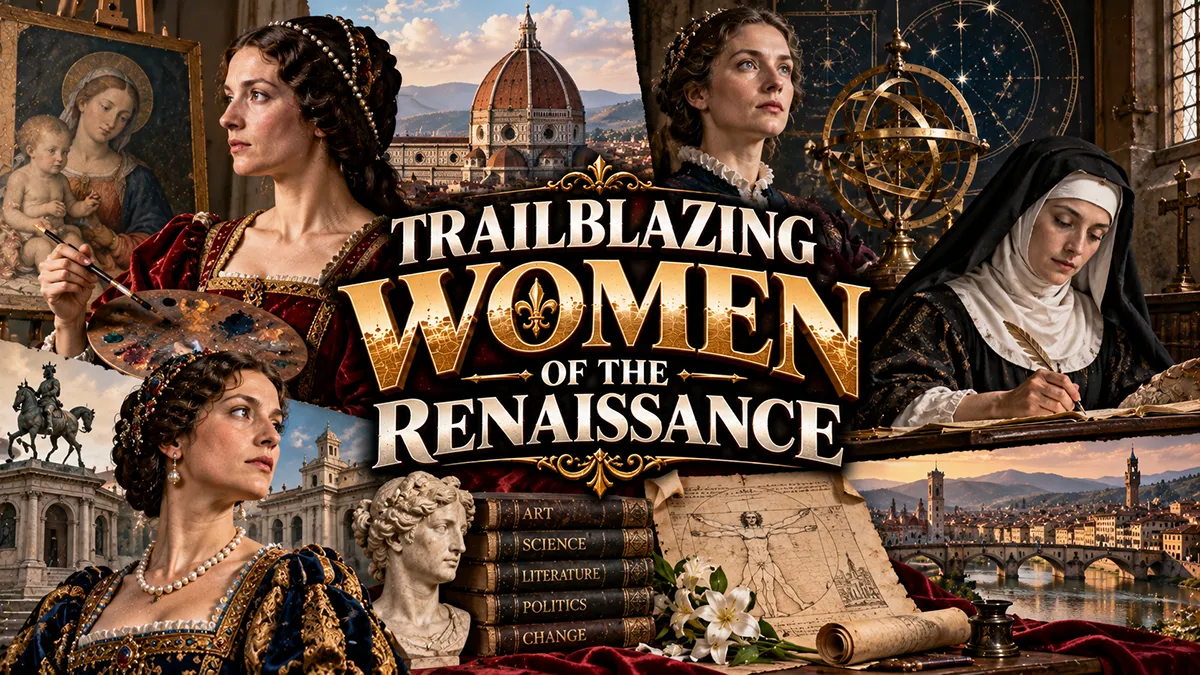
When we picture the Renaissance, we tend to picture men: Leonardo sketching flying machines, Michelangelo on his scaffolding, Machiavelli scribbling political theory by candlelight. The phrase “Renaissance man” gets tossed around constantly, but where’s the Renaissance woman?
As it turns out, she was there all along — painting altarpieces, ruling duchies, publishing philosophy, and negotiating a world that rarely wanted her in the room. Her story has just been harder to find, buried under guild rules, marriage contracts, and centuries of art history written mostly by and about men. This guide pulls that story back into the light.
TL;DR: Despite legal and social barriers, Renaissance-era women broke into painting, scholarship, politics, and literature — and their real achievements are far more interesting than the modern buzzword “Renaissance woman” suggests.
What Is a “Renaissance Woman,” Really?
The term “Renaissance man” comes from the humanist ideal of the uomo universale — a “universal man” skilled in art, science, philosophy, and athletics all at once. Leonardo da Vinci, the mind behind the world’s most famous painting, is the poster child, but the ideal applied broadly to educated elite men of 14th- to 17th-century Europe. Somewhere along the way, English usage adapted the phrase into “Renaissance woman” as a compliment for anyone, of any gender, who juggles many talents.
So if you’re asking what is a Renaissance woman in today’s everyday sense, the answer is simple: someone who is impressively multi-skilled, curious, and adaptable across very different fields. A modern renaissance woman might be a scientist who also paints, or a lawyer who plays in a jazz band. It’s a compliment about versatility, not a historical job title.
Historically speaking, though, a real woman from the Renaissance rarely had the freedom to pursue that ideal openly. Universities, guilds, and most professions were closed to her by law or custom. The women who still managed to become painters, scholars, or rulers did so by working around — or through — the men who controlled access to education and power.
Characteristics and Qualities of a Renaissance Woman
When people search for the characteristics of a Renaissance woman, they’re usually asking about this modern, aspirational meaning rather than a strict 15th-century definition. Even so, the qualities line up nicely with what the real trailblazers below actually demonstrated.
- Intellectual curiosity — a hunger to learn across disciplines rather than specialize narrowly.
- Versatility — genuine skill in more than one field, whether that’s art and languages, or politics and poetry.
- Resilience — the ability to keep working despite exclusion from formal institutions like universities and guilds.
- Diplomacy and wit — especially important for women navigating courts, patrons, and male-dominated professional circles.
- Self-education — many learned through fathers, husbands, or brothers who taught them privately, since formal schooling was rarely an option.
These qualities of a Renaissance woman are less about titles and more about persistence. Nearly every woman on this list had to fight simply for permission to practice her craft in public.
Women’s Role in the Renaissance: Myth vs. Reality
It’s tempting to imagine the Renaissance as a golden age that lifted everyone equally, but historians have pushed back on that idea for decades. The historian Joan Kelly-Gadol famously posed the question “Did women have a Renaissance?” in a 1977 essay, arguing that the era’s cultural gains often came alongside a narrowing of women’s public and legal power compared to the medieval period before it.
For most renaissance era women, life centered on the household. Marriages were arranged for family alliance and property, and a woman’s legal identity was usually absorbed into her father’s or husband’s. Formal education, guild membership, and political office were closed to women almost everywhere in Europe.
That said, women’s role in the Renaissance wasn’t monolithic. Noblewomen and daughters of wealthy merchants sometimes received a humanist education alongside their brothers, especially in Italy. Widows occasionally ran businesses or estates with real independence, and a small number of women found loopholes — the convent, the printing press, the royal court — that let them work, write, or rule on their own terms.
The women of the Italian Renaissance in particular benefited from that region’s obsession with humanist learning. Wealthy families in Florence, Venice, Ferrara, and Milan sometimes tutored daughters in Latin, philosophy, and rhetoric, even if they had no intention of letting those daughters use the skills professionally. A handful of those daughters had other plans.
Women in Renaissance Art: Subjects, Patrons, and Painters
Most women in Renaissance art appear as subjects rather than creators — idealized Madonnas, mythological Venuses, and anonymous noble brides captured in profile portraits. These renaissance paintings of women tell us a lot about contemporary beauty standards and religious devotion, but very little about the real lives of the women depicted. So-called “Renaissance beauties” were often painted to specific formulas: pale skin, high foreheads, golden hair, downcast eyes — an ideal, not a portrait of an individual personality.
Behind the canvas, though, women shaped Renaissance art in ways easy to overlook. Wealthy and noble women were major patrons, commissioning chapels, portraits, and entire art collections that shaped what got painted and by whom. Without patrons like these, many of the era’s most celebrated male painters would never have found the funding to work at all.
And then there were the women who picked up the brush themselves. Female painters of the Renaissance faced enormous structural barriers — they were generally barred from the apprenticeship system and the studios where life drawing was taught, since respectable women weren’t permitted to study nude models alongside men. Most of the women who succeeded as painters had a rare advantage: a father, or occasionally a husband, who was already an artist and willing to train them at home.
22 Trailblazing Women of the Renaissance
What follows is a tour through some of the most remarkable women of the Renaissance period — painters who broke into a closed profession, queens and princesses who wielded real political power, and writers and scholars who argued their way into intellectual life. A note on scope: a couple of these women worked in the years just after the Renaissance is traditionally said to end, but they’re included because their careers were shaped directly by Renaissance-era training and ideas.
Female Painters of the Renaissance
1. Sofonisba Anguissola
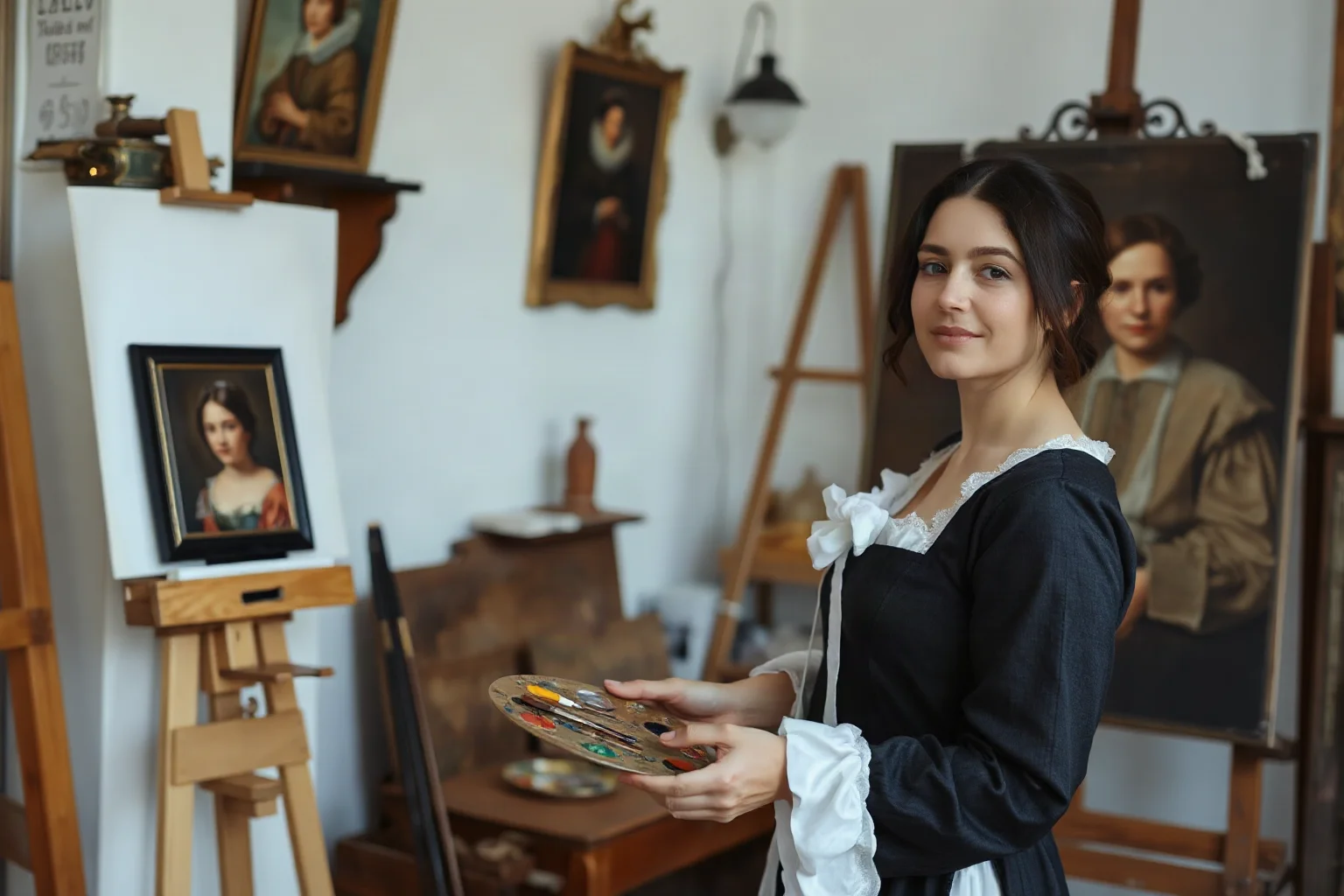
Sofonisba Anguissola, born in Cremona around 1532, is often considered the most successful female painter of the Italian Renaissance. Trained by local artists and eventually invited to the Spanish royal court, she built a reputation for perceptive portraits that captured personality rather than just status.
Her success opened doors — and eyes. Later artists, including Anthony van Dyck, are recorded as admiring her work, and she’s frequently cited as proof that women could master oil painting at the highest level when given the chance to train.
2. Lavinia Fontana
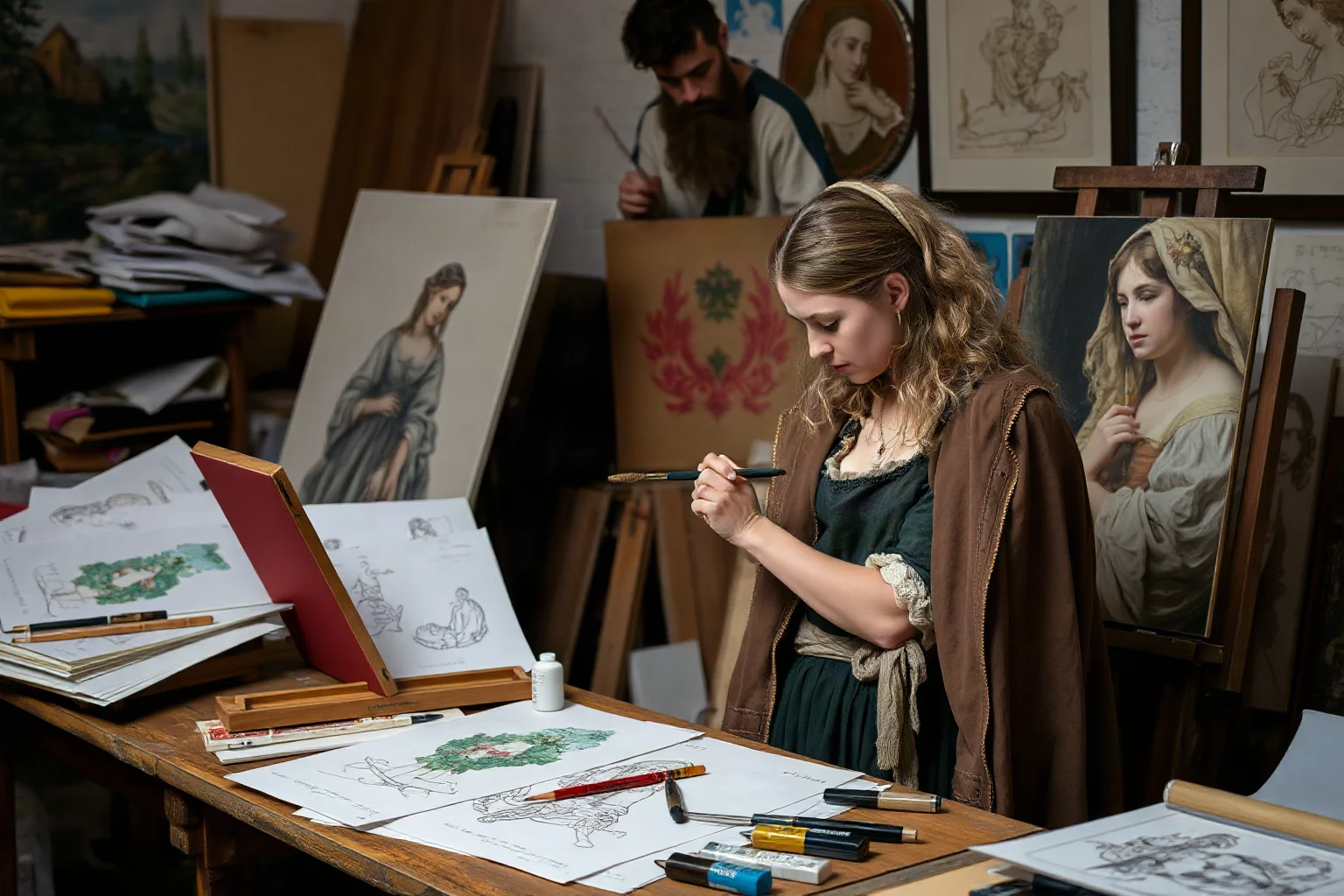
Lavinia Fontana worked in Bologna in the second half of the 16th century and is widely regarded as one of the first women to build a professional painting career largely independent of court patronage. She ran a busy workshop, took on major religious commissions, and supported her family financially through her art — unusual for a married woman of her era.
Fontana is also notable for painting female nudes, a subject almost entirely off-limits to women painters because of the restrictions around studying live models. How she managed this remains a point of interest for art historians.
3. Properzia de’ Rossi
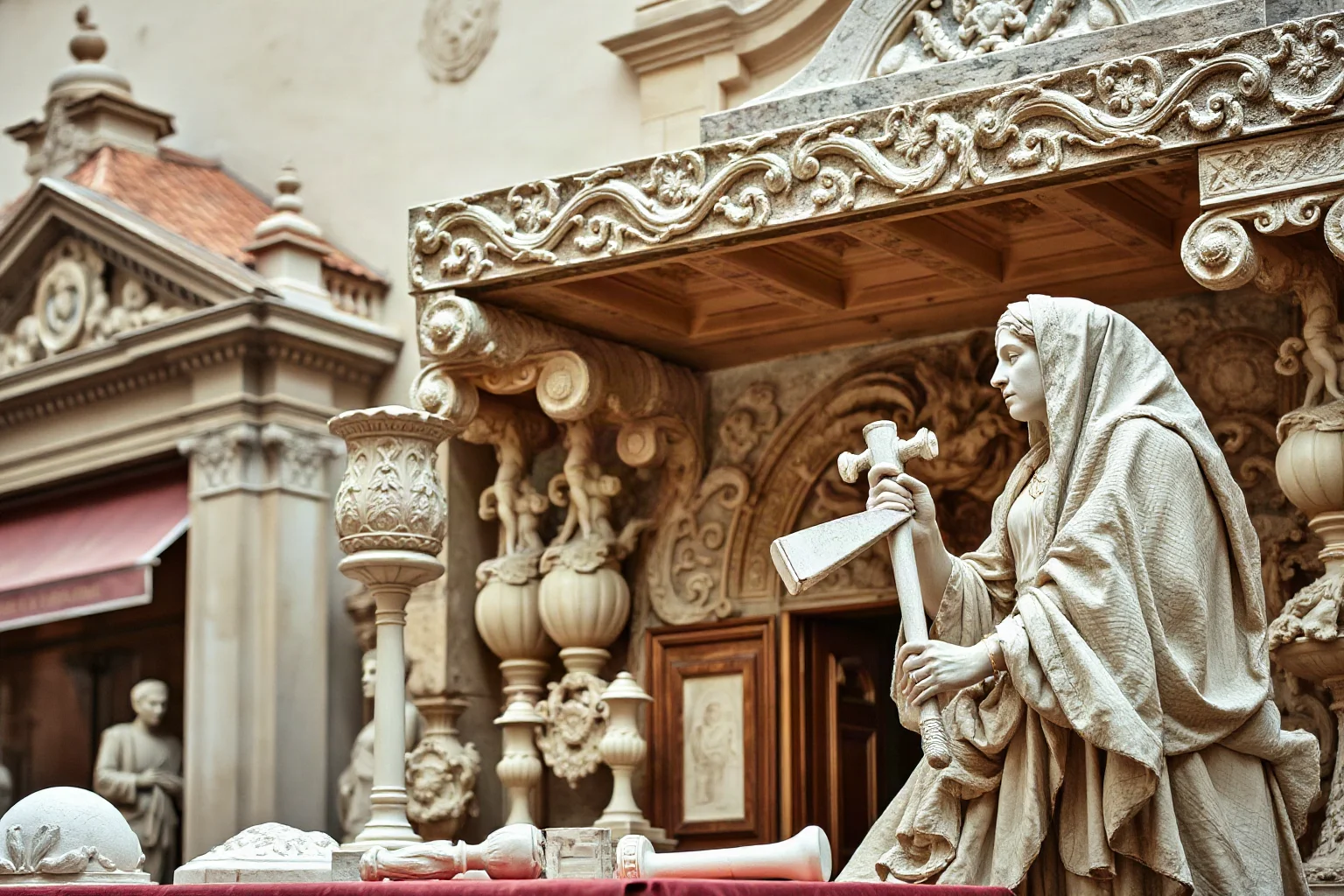
Properzia de’ Rossi was a rare female sculptor working in Bologna in the early 16th century, a field even more male-dominated than painting. She carved intricate reliefs, including work for the façade of the Basilica of San Petronio, at a time when sculpture guilds gave women almost no formal standing.
The painter and historian Giorgio Vasari included her in his influential Lives of the Artists, making her one of the very few women to receive that recognition in the 16th century.
4. Levina Teerlinc
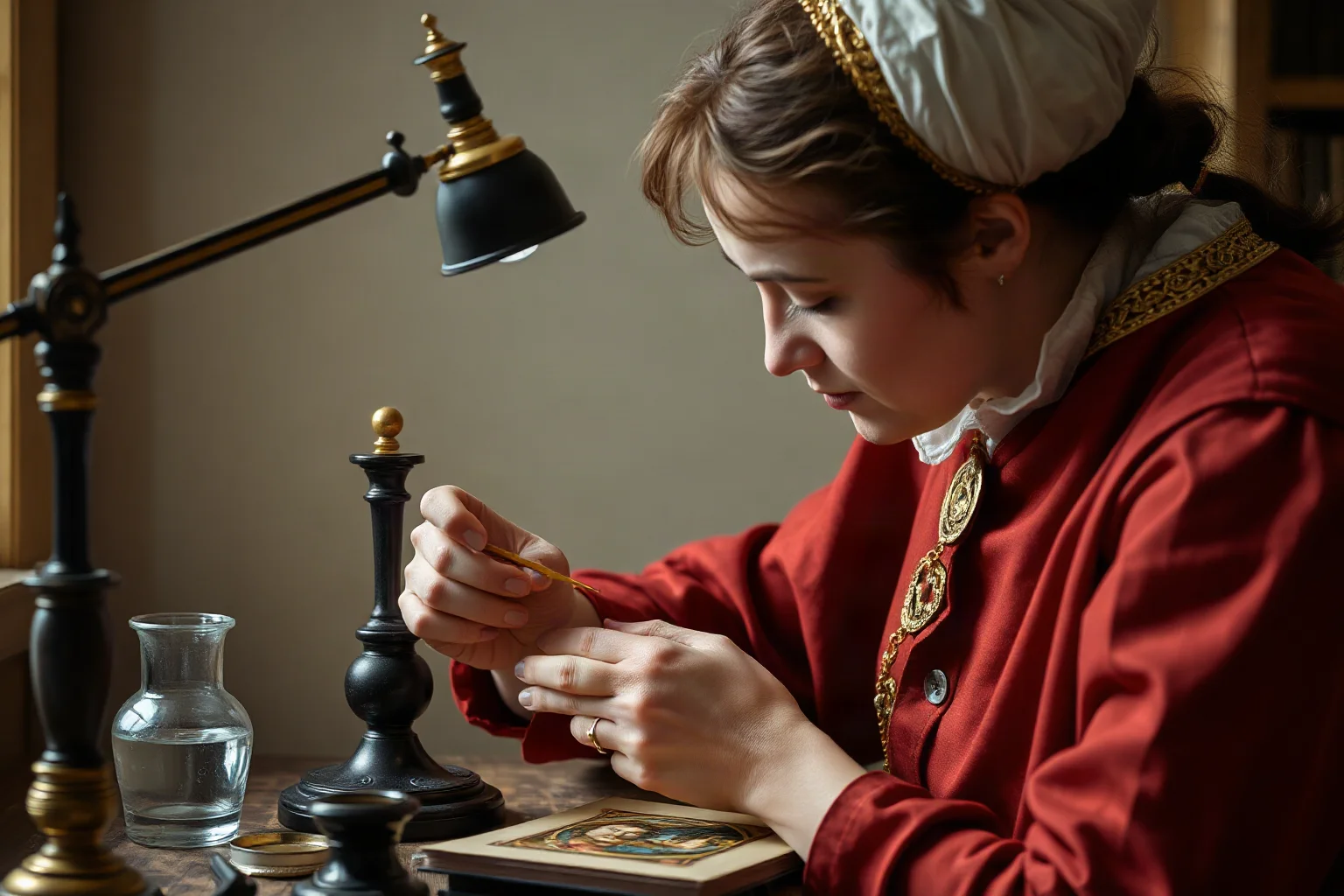
Levina Teerlinc came from a family of Flemish manuscript illuminators and brought that precise, miniature-painting tradition to the English court. She served as a court painter to Henry VIII, Edward VI, Mary I, and Elizabeth I, producing small, jewel-like portraits favored by Tudor royalty.
Her consistent royal employment across four reigns is itself remarkable, suggesting real skill and reliability in a court full of political turnover.
5. Diana Mantovana (Diana Scultori)
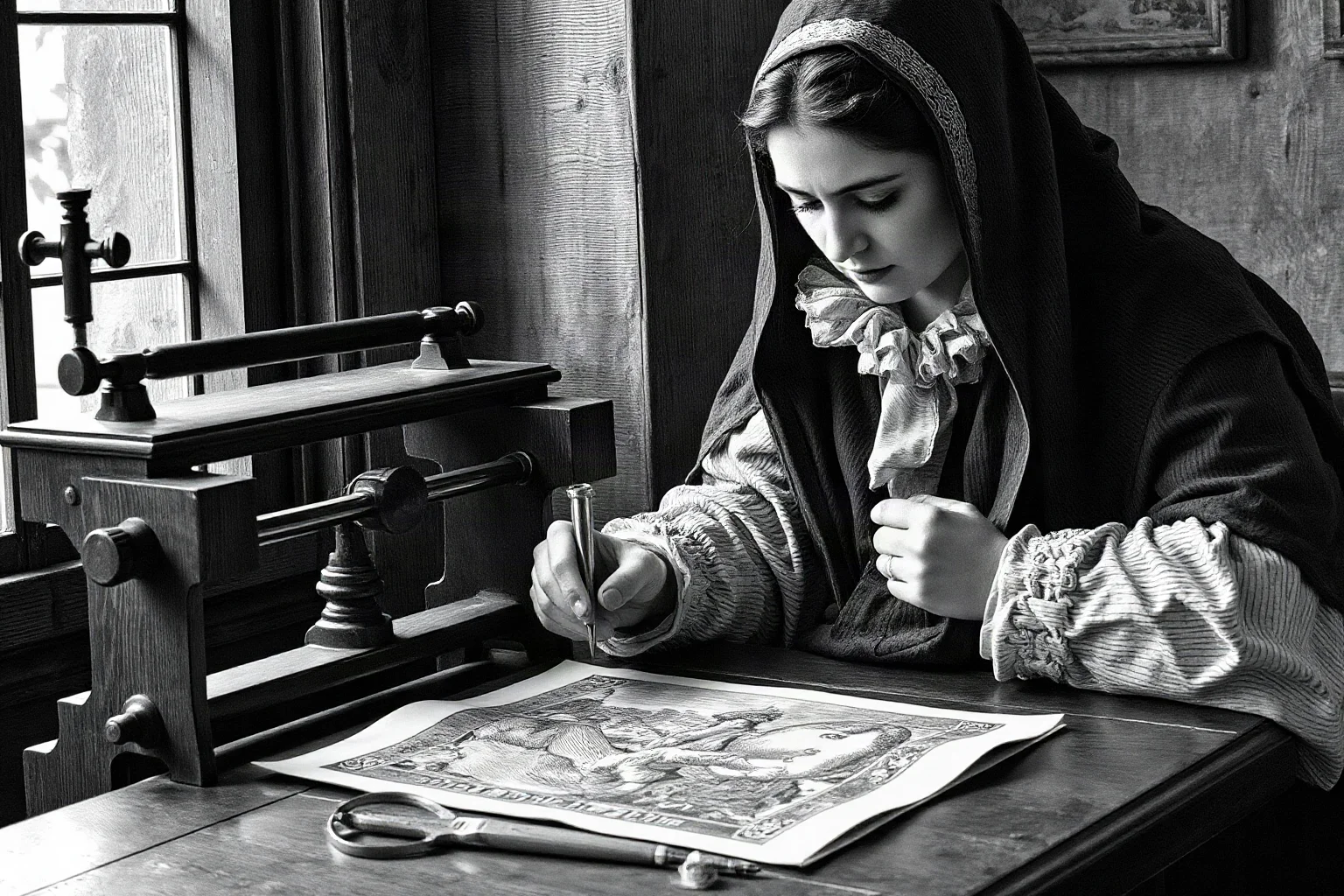
Diana Mantovana, also known as Diana Scultori, was an engraver from Mantua who became one of the first women known to sign her prints with her own name rather than working anonymously. Engraving required technical training usually reserved for men, but her family background in metalwork gave her an entry point.
She later worked in Rome, producing prints after designs by major Renaissance artists, and her signed work helped ensure she wasn’t erased from the historical record the way many women artists were.
6. Marietta Robusti
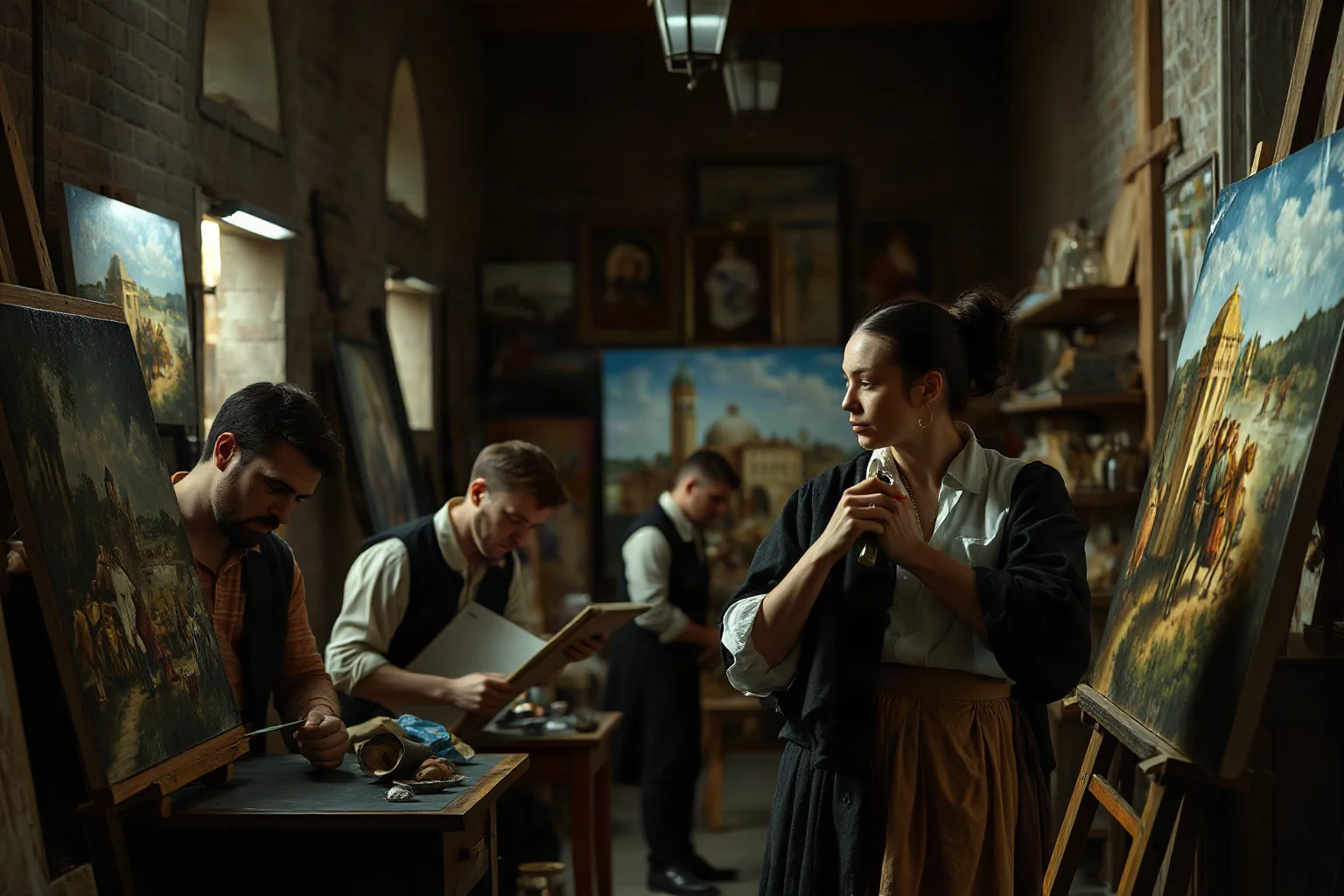
Known as “La Tintoretta,” Marietta Robusti trained in the Venice studio of her father, the painter Tintoretto. Contemporary accounts describe her as a talented portraitist who was reportedly invited to paint for foreign courts, though she is said to have stayed in Venice at her father’s request.
Much of her work has been lost or misattributed to her father over the centuries, a common fate for women artists whose output was absorbed into a male relative’s larger workshop.
7. Catharina van Hemessen
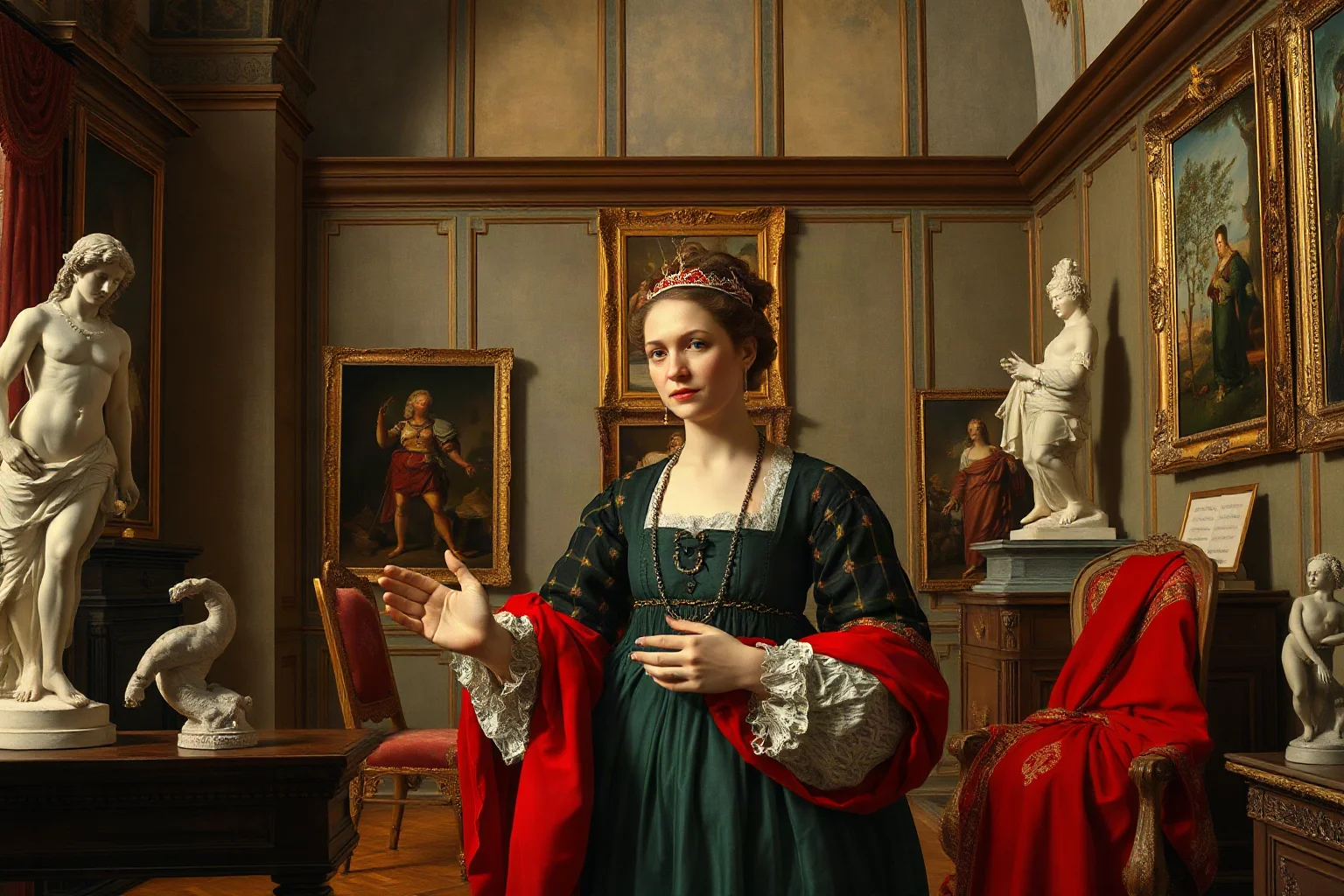
Catharina van Hemessen, working in Flanders in the mid-16th century, is credited with one of the earliest known self-portraits by a woman showing the artist actively at work, easel and brush in hand. She trained under her painter father, Jan van Hemessen, and later worked for the Habsburg court.
Her small but confident body of surviving portraits offers a rare, direct glimpse of a woman claiming her professional identity on canvas.
Queens, Princesses, and Political Powerhouses
8. Isabella d’Este
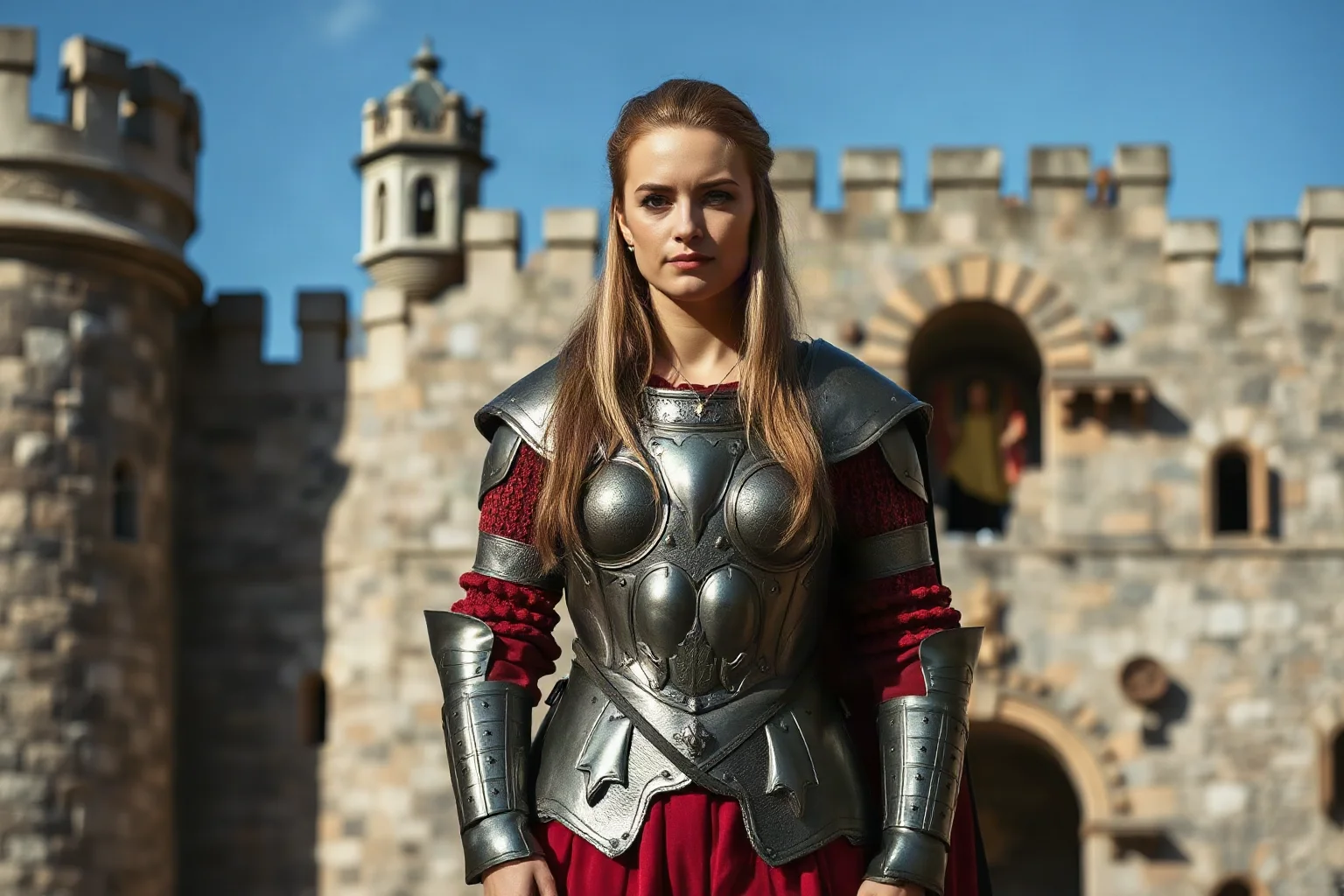
Often nicknamed the “First Lady of the Renaissance,” Isabella d’Este was Marchesa of Mantua and one of the era’s most influential patrons of art and culture. She commissioned works from major artists, corresponded with humanist scholars, and built a personal collection so admired that visitors made pilgrimages just to see it.
Her political instincts mattered too — she governed Mantua directly during her husband’s frequent absences and captivity, proving that patronage and political competence often went hand in hand for Renaissance noblewomen.
9. Caterina Sforza
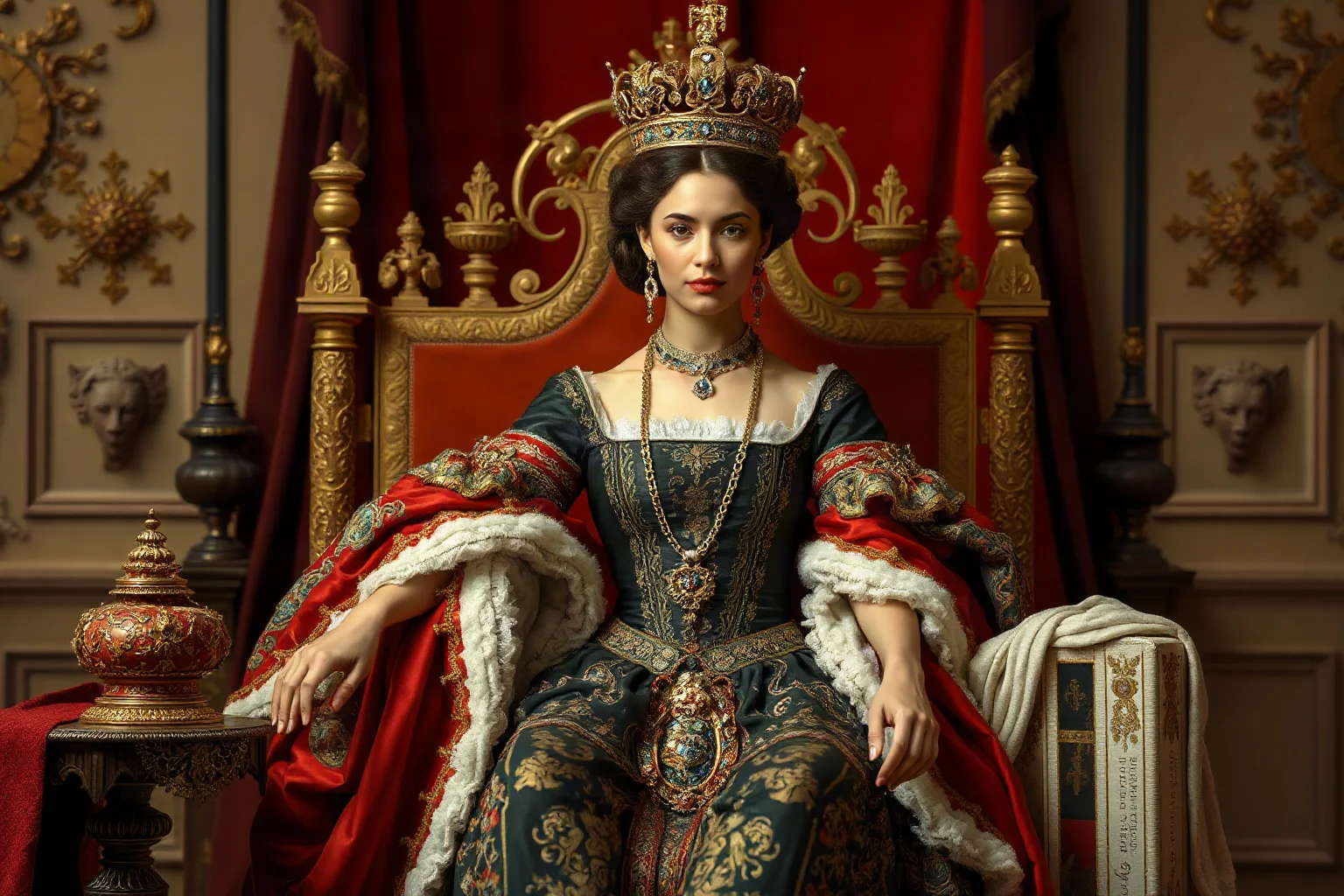
Caterina Sforza ruled the territories of Forlì and Imola in central Italy through a turbulent period of shifting alliances and warfare. She is remembered for personally defending her fortress and her children’s inheritance during sieges, at a time when military leadership was almost exclusively a male role.
Her reputation for toughness made her something of a legend in later retellings, though modern historians caution against separating the real political strategist from the more dramatic myths that grew up around her.
10. Isabella I of Castile
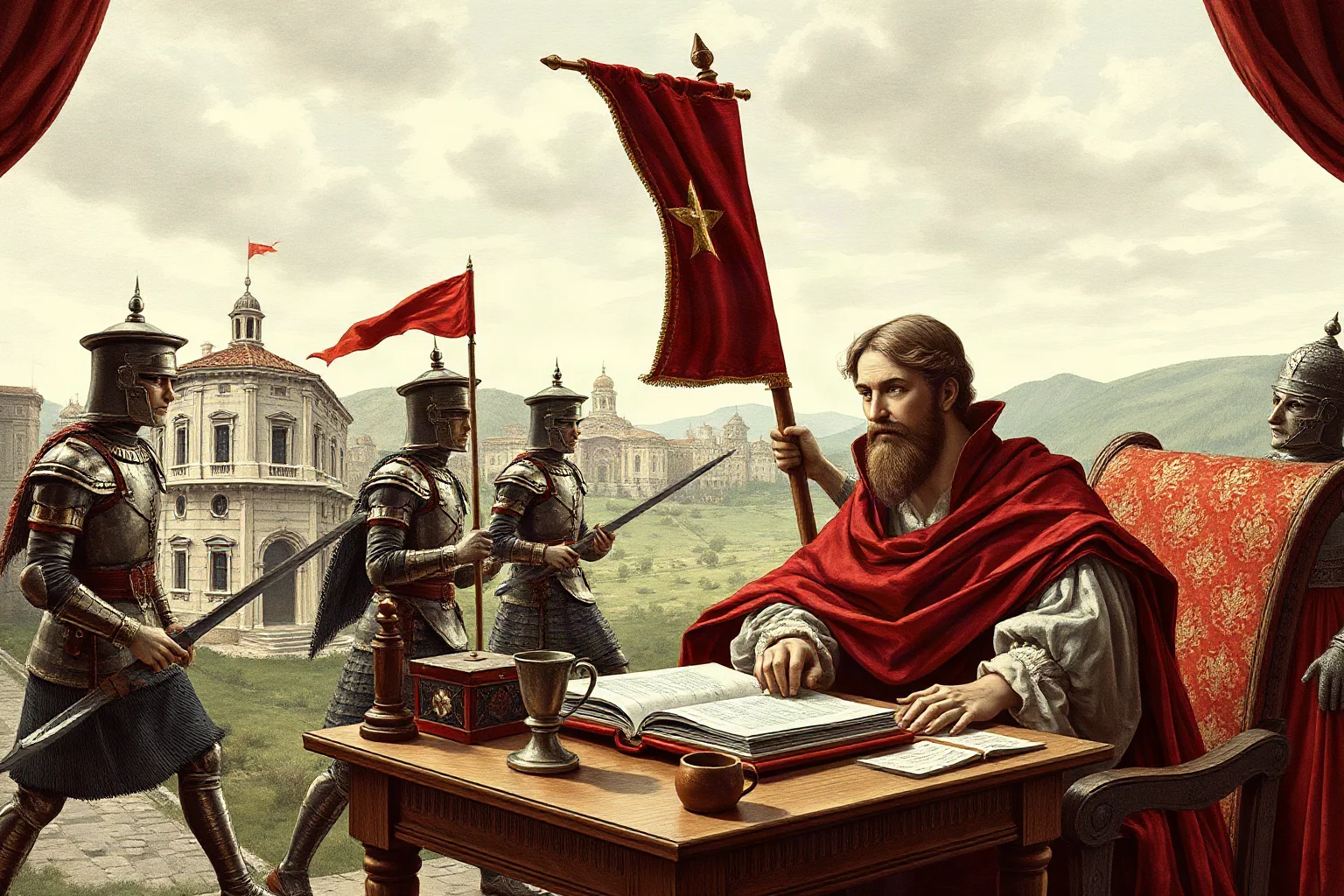
Isabella I of Castile co-ruled Spain alongside her husband Ferdinand II of Aragon, and her reign reshaped European and world history through the unification of Spain and the funding of Columbus’s transatlantic voyages. She also oversaw sweeping religious and legal reforms across her kingdom.
Her legacy is genuinely complex: celebrated for consolidating a powerful early-modern state, but also responsible for policies, including the Spanish Inquisition and the expulsion of Jews and Muslims from Spain, that caused immense suffering.
11. Catherine de’ Medici
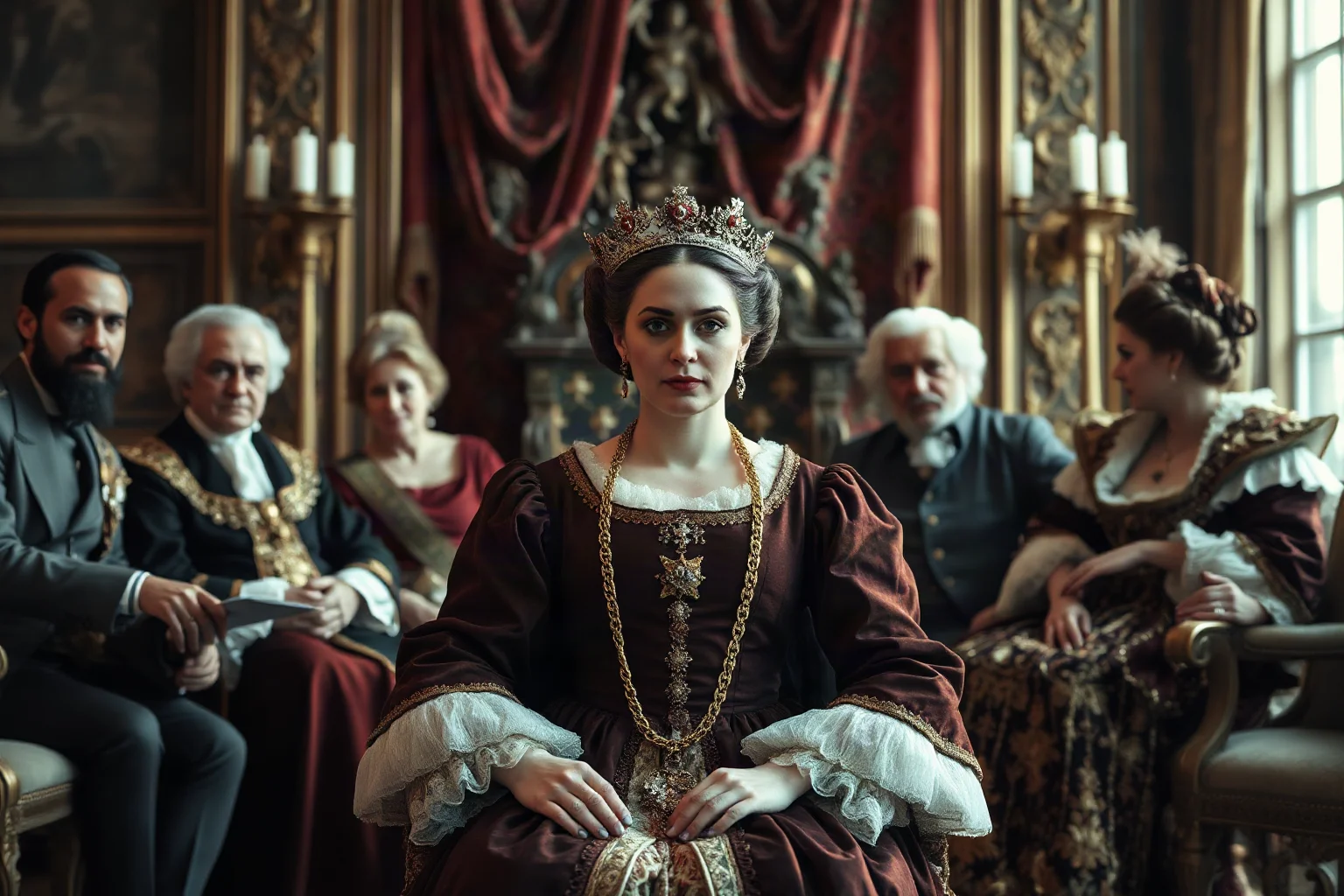
Born into the powerful Medici family of Florence, Catherine de’ Medici became Queen of France and later ruled as regent for her young sons during decades of religious civil war. She was a major patron of the arts and architecture, and her political maneuvering kept the fragile French monarchy intact through extraordinarily difficult decades.
She’s also one of history’s most maligned queens, blamed by later writers for court intrigues and violence that modern historians view as far more complicated than the simple villain narrative suggests.
12. Elizabeth I of England
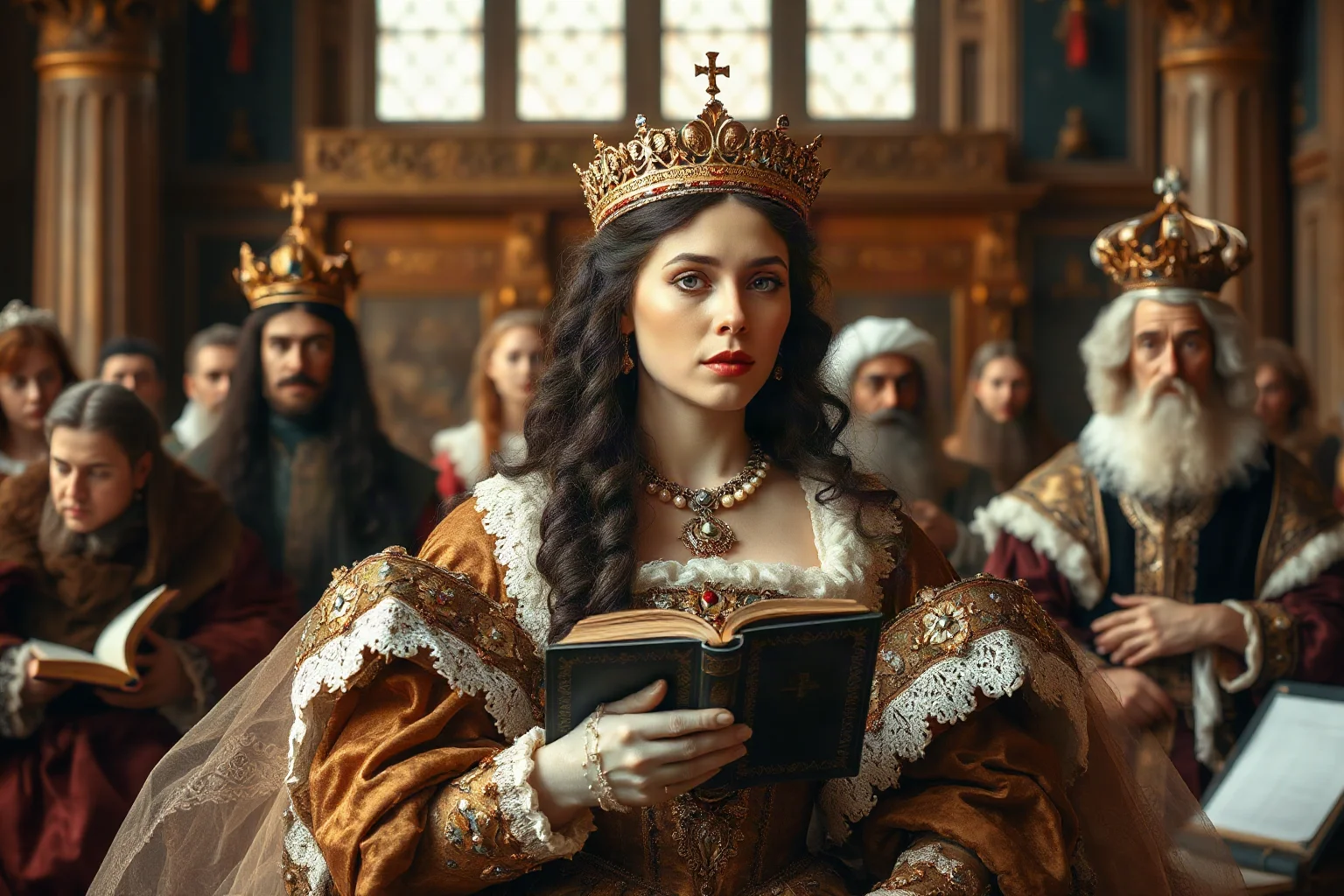
Elizabeth I reigned over England during a cultural flowering now called the Elizabethan era, closely tied to the broader European Renaissance. Highly educated in languages, rhetoric, and classical literature, she used her intellect and political skill to navigate a court full of men who doubted a woman could rule effectively.
Her 45-year reign brought relative stability, a flourishing of English drama and poetry, and a carefully managed public image that remains one of the most studied in royal history.
13. Margaret of Austria (Governor of the Netherlands)
Margaret of Austria served as regent and governor of the Habsburg Netherlands, skillfully managing diplomacy and territory on behalf of her family for years. She negotiated the Treaty of Cambrai in 1529 alongside Louise of Savoy, an agreement historians sometimes call the “Ladies’ Peace” because it was brokered by two women.
Beyond politics, she was a serious patron of music and art, building one of the richest courts in northern Europe.
14. Lucrezia Borgia
Lucrezia Borgia, daughter of Pope Alexander VI, was married off multiple times as a tool of her family’s political strategy — a fate common to noblewomen of the era. Later in life, as Duchess of Ferrara, she proved to be a capable and well-regarded administrator and patron in her own right.
Her reputation was badly damaged by rumor and political rivalry during her lifetime, and many of the most scandalous stories about her are considered exaggerated or unproven by modern historians.
Writers, Scholars, and Poets
15. Christine de Pizan
Writing slightly before the Italian Renaissance took hold but hugely influential on later humanist thought, Christine de Pizan is often considered one of Europe’s first professional female writers. Her book The Book of the City of Ladies, written around 1405, directly challenged misogynistic literature of her day by celebrating women’s historical achievements.
She supported herself and her family through writing after her husband’s death, an almost unheard-of path for a woman of her time.
16. Vittoria Colonna
Vittoria Colonna was an Italian noblewoman and poet whose sonnets earned genuine respect among the leading literary figures of her day, including a documented friendship with Michelangelo. Her poetry blended personal grief, religious devotion, and Petrarchan literary style into work that circulated widely in manuscript and print.
She used her position and connections to support other writers and artists, making her both a creator and a patron.
17. Laura Cereta
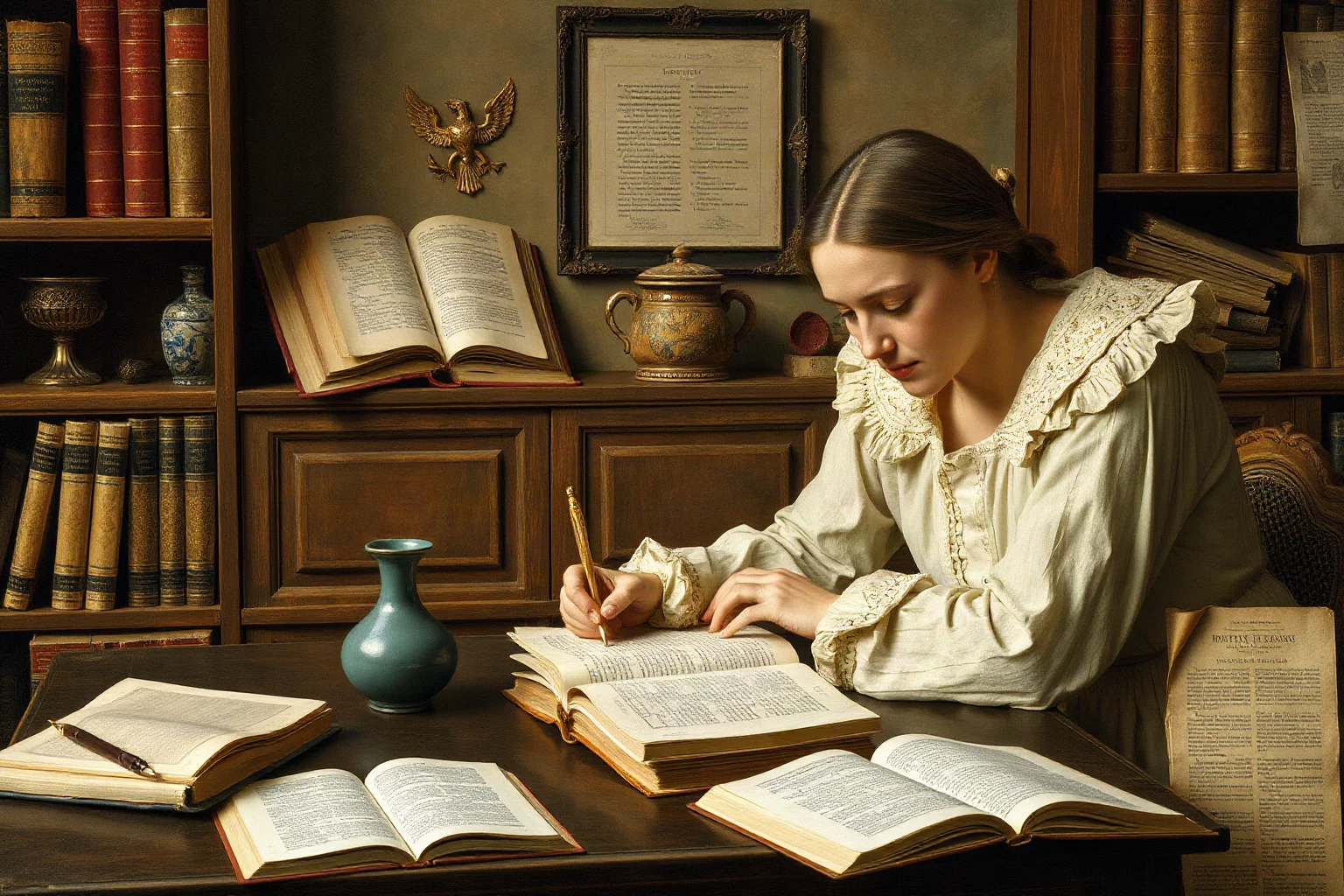
Laura Cereta was a humanist scholar from Brescia who began writing learned letters and essays in Latin as a teenager in the late 15th century. Her writing defended women’s right to education and pushed back forcefully against critics who mocked learned women.
Her surviving letters remain an important primary source for understanding how educated Renaissance women argued for their own intellectual legitimacy.
18. Marguerite de Navarre
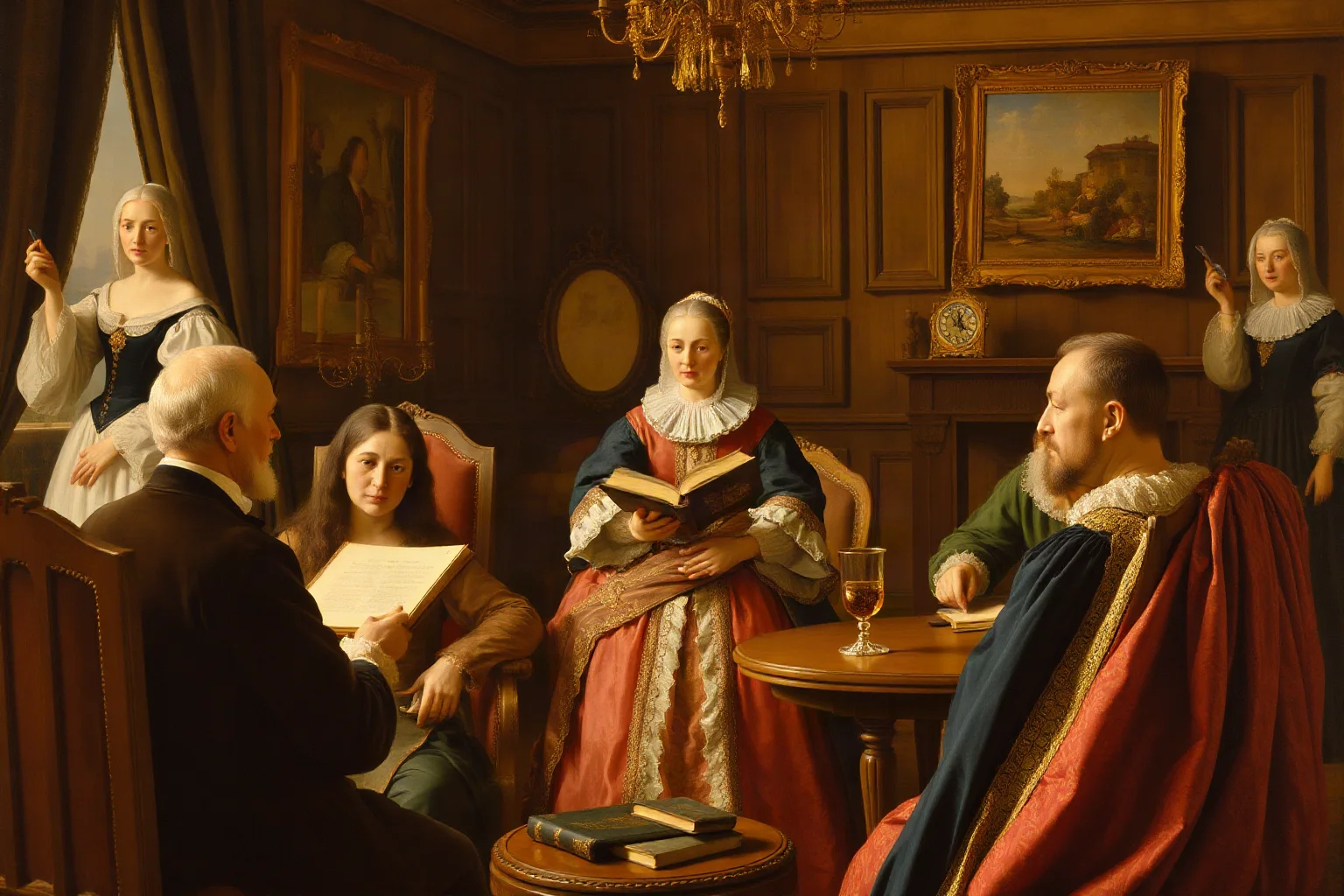
Marguerite de Navarre, sister of King Francis I of France, was a writer, patron, and political figure whose court became a refuge for humanist scholars and reform-minded thinkers. Her prose collection, the Heptameron, used linked short stories to explore love, morality, and gender with unusual frankness for the period.
Her influence stretched well beyond literature, as she used her position to protect scholars and writers facing religious persecution.
19. Veronica Franco
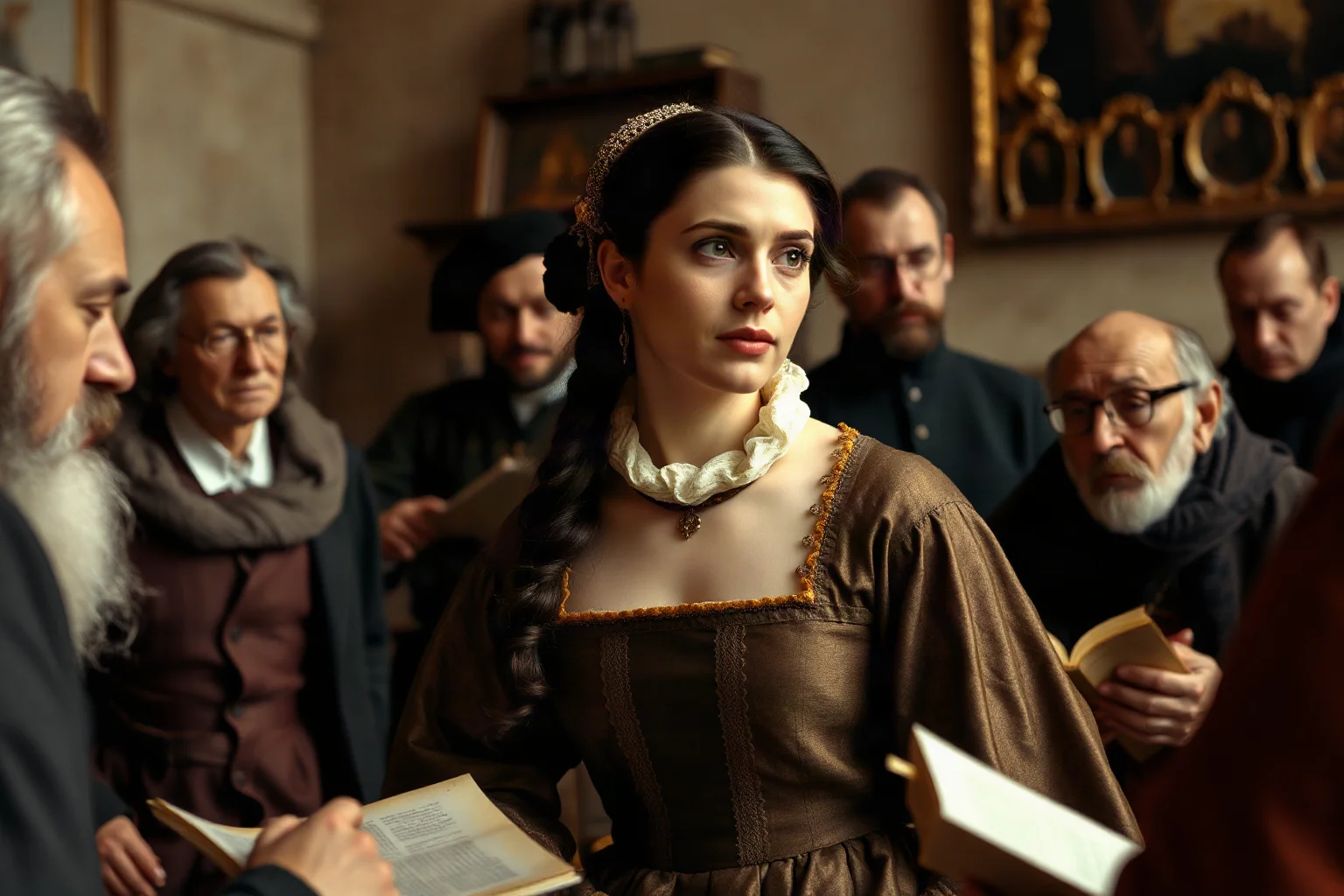
Veronica Franco was a Venetian poet and one of the city’s cortigiane oneste, or “honest courtesans” — educated women who mixed intellectual and social life with more independence than most married women could access. She published poetry defending women’s intelligence and dignity, engaging directly with critics who dismissed her.
Her published letters and verse give modern readers a rare first-person window into the complicated, often precarious position of intellectual women in Renaissance Venice.
20. Tullia d’Aragona
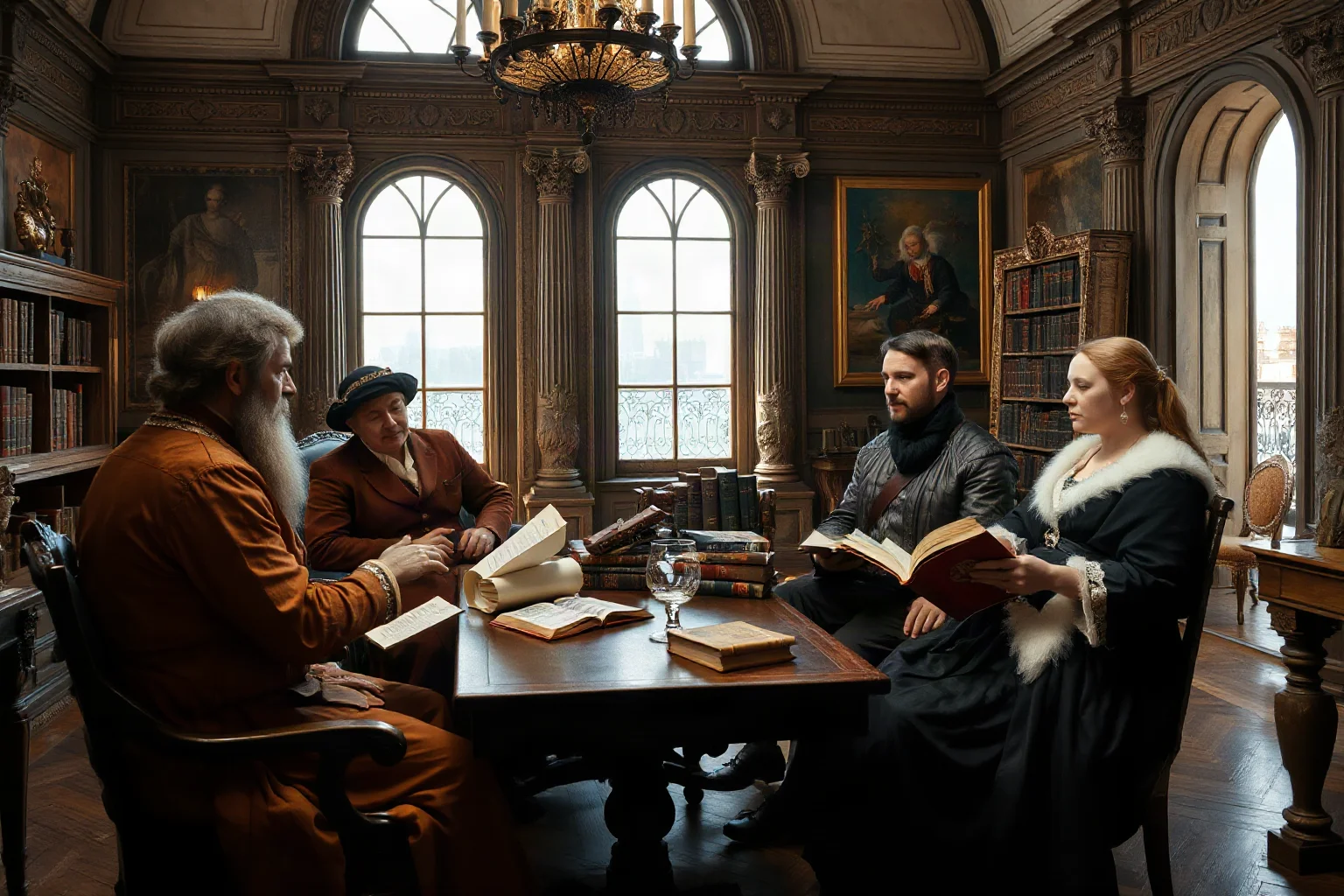
Tullia d’Aragona was another Italian poet and intellectual associated with courtesan circles, known for hosting and participating in serious philosophical discussions among scholars and writers. She published a dialogue on the nature of love that engaged directly with contemporary philosophical debates.
Her work challenged assumptions about who was allowed to contribute to intellectual life, regardless of her unconventional social position.
21. Moderata Fonte
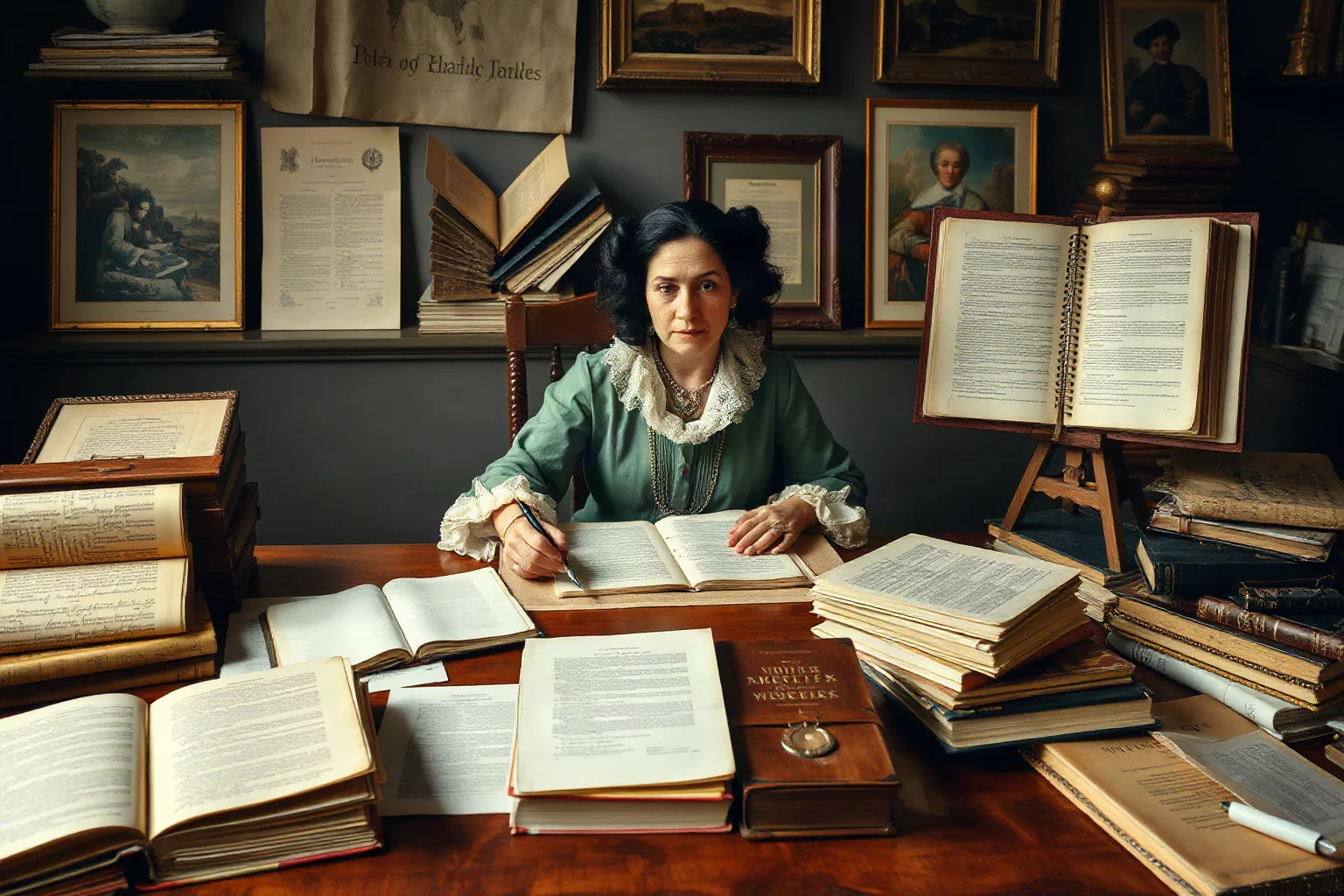
Moderata Fonte was a Venetian writer best known for The Worth of Women, a dialogue-style work arguing for women’s equality that was published shortly after her death in the late 16th century. Her writing directly rebutted common arguments used to justify women’s exclusion from education and public life.
Her work is now considered one of the clearer early examples of proto-feminist argument to come out of the Italian Renaissance.
22. Cassandra Fedele
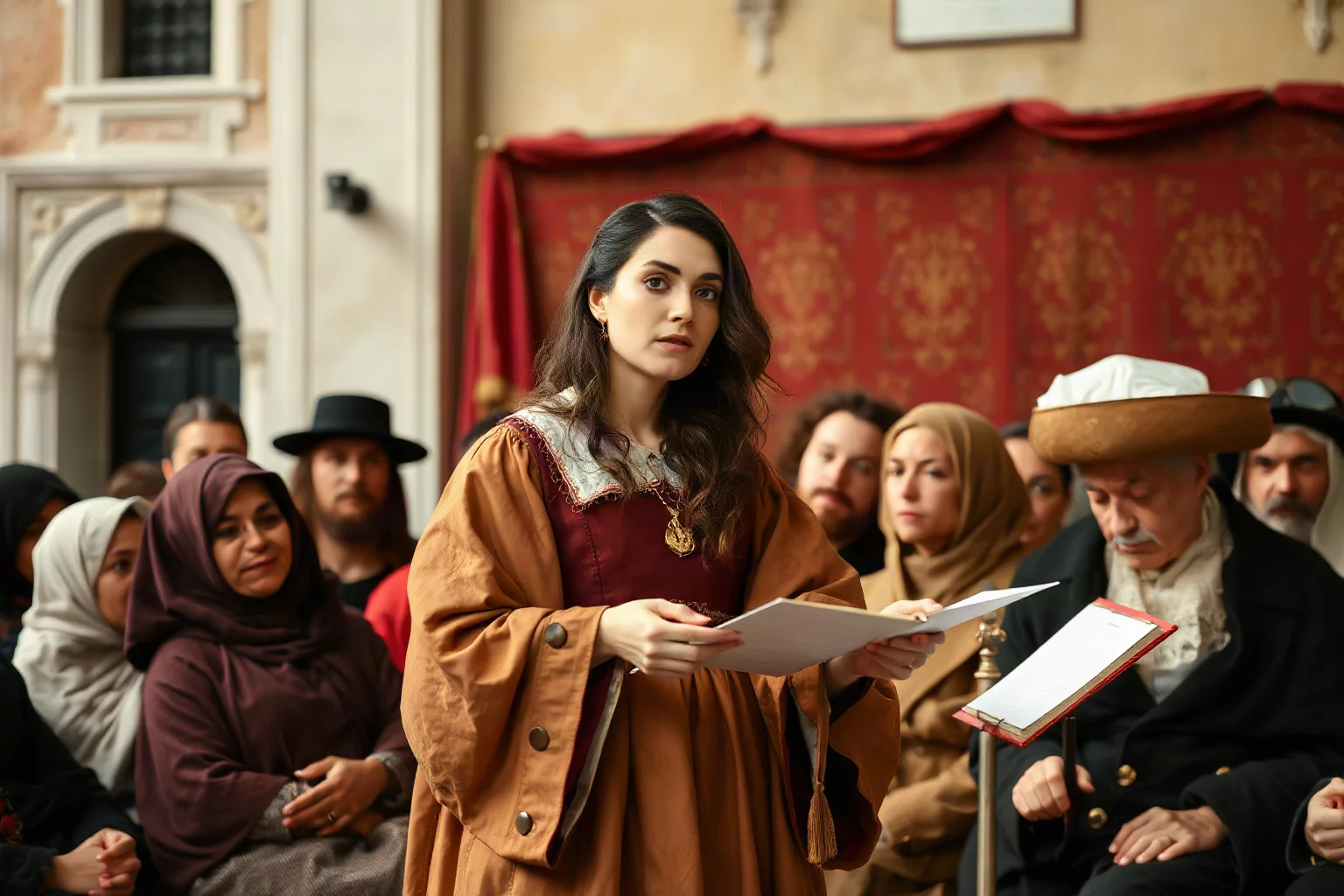
Cassandra Fedele was a Venetian humanist scholar celebrated in her own lifetime for her skill in Latin oratory and philosophy. She delivered public orations, corresponded with scholars across Europe, and was even invited — though she reportedly declined for personal reasons — to serve at the court of Isabella I of Castile.
Her career shows just how far a woman could rise in Renaissance intellectual circles when family support and personal talent aligned.
Why These Women Still Matter
Taken together, these women don’t fit neatly into one box, which is exactly the point. Some ruled duchies and kingdoms outright, some ran painting workshops, and others wrote their way into rooms they were never invited to enter. Each one found a different crack in a system built to keep her out.
The modern phrase “the Renaissance woman” gets used pretty casually now, often just meaning someone impressively good at several things at once. But the real women of the Renaissance earned that versatility the hard way, often without formal schooling, guild membership, or legal independence to back them up.
Looking back at their actual careers is a useful myth-buster. It replaces a vague compliment with real, specific, documented achievement — brushstrokes, treaties, sonnets, and sieges that changed the world they lived in, even when history was slow to give them credit for it.
Frequently Asked Questions
What is a Renaissance woman, in the modern sense?
In everyday modern usage, a "Renaissance woman" is someone with impressive skill across multiple, often unrelated fields — for example, a scientist who is also a talented musician. The phrase is a spin-off of "Renaissance man," the humanist ideal of the well-rounded polymath, and it's used as a compliment about versatility rather than a strict historical title.
What are the main characteristics of a Renaissance woman?
The qualities commonly associated with a Renaissance woman include intellectual curiosity, versatility across different disciplines, resilience in the face of obstacles, diplomatic skill, and a strong drive toward self-education. Historically, real Renaissance-era women needed all of these traits simply to gain access to art, scholarship, or political influence.
Who were some of the most famous female painters of the Renaissance?
Notable female painters of the Renaissance include Sofonisba Anguissola, who worked at the Spanish royal court; Lavinia Fontana, who ran an independent workshop in Bologna; Properzia de' Rossi, a rare female sculptor; and Catharina van Hemessen, known for one of the earliest self-portraits of an artist at work. Most trained under artist fathers, since formal guild apprenticeships were largely closed to women.
What was women’s role in Renaissance society generally?
Most Renaissance-era women were legally and socially dependent on fathers or husbands, with marriage, household management, and childbearing dominating daily life. Education, guild membership, and political office were largely closed to women, though wealthy families sometimes gave daughters a humanist education, and a small number of women became painters, writers, scholars, or rulers.
Did women of the Italian Renaissance receive formal education?
Some daughters of wealthy Italian families, particularly in cities like Florence, Venice, and Ferrara, received a humanist education in Latin, rhetoric, and philosophy alongside their brothers. This education was rarely meant to lead to a public career, but a handful of women, including scholars like Cassandra Fedele and Laura Cereta, used it to build genuine intellectual reputations.
Were there real Renaissance queens and princesses with political power?
Yes — women such as Isabella I of Castile, Catherine de' Medici, and Elizabeth I of England held substantial direct political power as monarchs or regents. Others, like Isabella d'Este and Margaret of Austria, wielded major influence as patrons, negotiators, and rulers-in-all-but-name during their husbands' or sons' absences.
How are women typically depicted in Renaissance art?
Women in Renaissance art frequently appear as idealized religious figures, like the Virgin Mary, or as mythological beauties such as Venus, often following strict period beauty standards rather than depicting real individuals. Portraits of actual noblewomen also survive in large numbers, commissioned to mark marriages, status, or family alliances.
Is ‘Renaissance woman’ an accurate way to describe someone today?
It's a widely accepted, informal compliment describing someone with talent across several fields, and it's fine to use casually. Just keep in mind it's a modern adaptation of the older 'Renaissance man' ideal rather than a term used during the actual historical Renaissance itself.

Alex Warren
Related Articles