

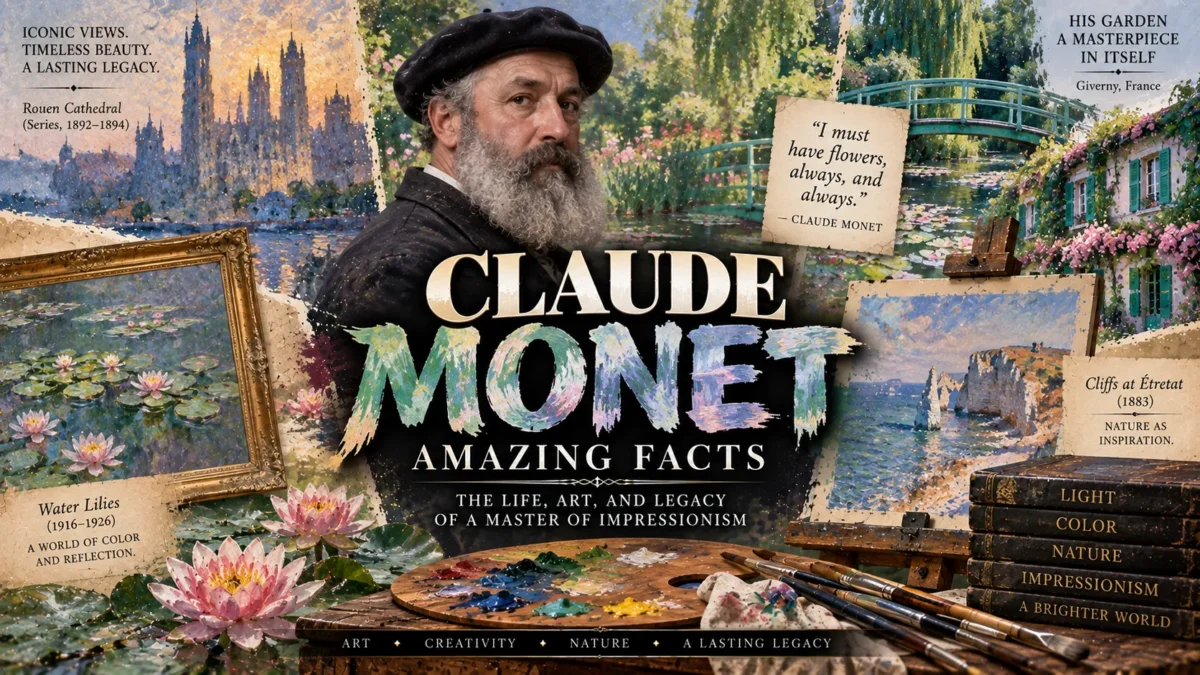
Claude Monet is the name most people picture when they think of Impressionism, but there’s far more to his story than blurry gardens and pretty water lilies. He was rejected, broke, heartbroken, and nearly gave up painting altogether more than once. He also happened to change the entire course of Western art almost by accident.
This guide pulls together the most interesting facts about Claude Monet the artist, explains what he’s actually known for, and walks through ten of his greatest paintings, in the same spirit as our deep dive into Mozart’s life and most influential works. It also digs up a handful of Monet paintings almost nobody talks about, the kind that never make it onto a coffee mug or tote bag.
TL;DR: Claude Monet founded Impressionism almost by accident, spent decades broke and rejected before finding fame, and left behind masterpieces and hidden gems that still shape how we see light and color today.
Quick Facts Snapshot: Who Was Claude Monet?
Before diving into the full list, here’s the short version for anyone who wants the highlights fast. Claude Monet (1840–1926) was a French painter widely considered the founder of Impressionism.
He’s known for painting outdoors, chasing changing light, and returning to the same subjects again and again, from haystacks to cathedrals to his own garden at Giverny.
He struggled for recognition for most of his early career, facing repeated rejection from the official Paris Salon. It wasn’t until his later decades that he achieved real financial security and worldwide fame. Below is a deeper fact file covering his life, his most celebrated paintings, and a few overlooked works worth knowing.
Life, Legacy, and Fun Facts About Claude Monet
1. He Was a Le Havre Kid, Not a Born Parisian
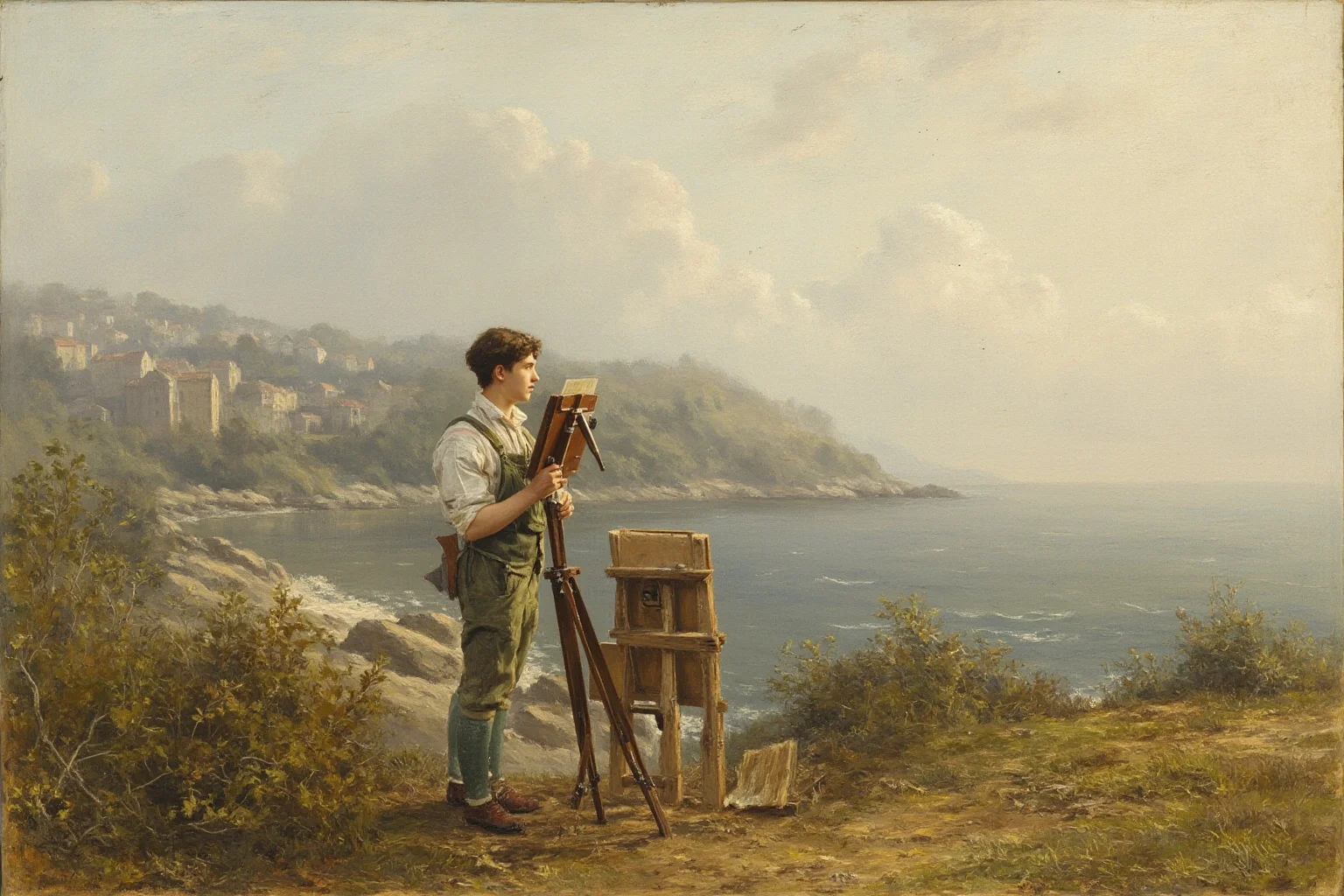
Monet was born in Paris on November 14, 1840, but his family moved to the port city of Le Havre in Normandy when he was about five years old. Growing up near the coast gave him a lifelong fascination with water, light, and changing weather. That childhood landscape would echo through his work for the next eight decades.
2. A Local Painter, Eugène Boudin, Set Him on His Path

As a teenager, Monet was mentored informally by Eugène Boudin, a Le Havre landscape painter known for working outdoors rather than in a studio. Boudin encouraged Monet to paint directly from nature, a practice called en plein air. This one piece of advice ended up shaping the entire Impressionist movement.
3. Impressionism Got Its Name From a Joke at Monet’s Expense
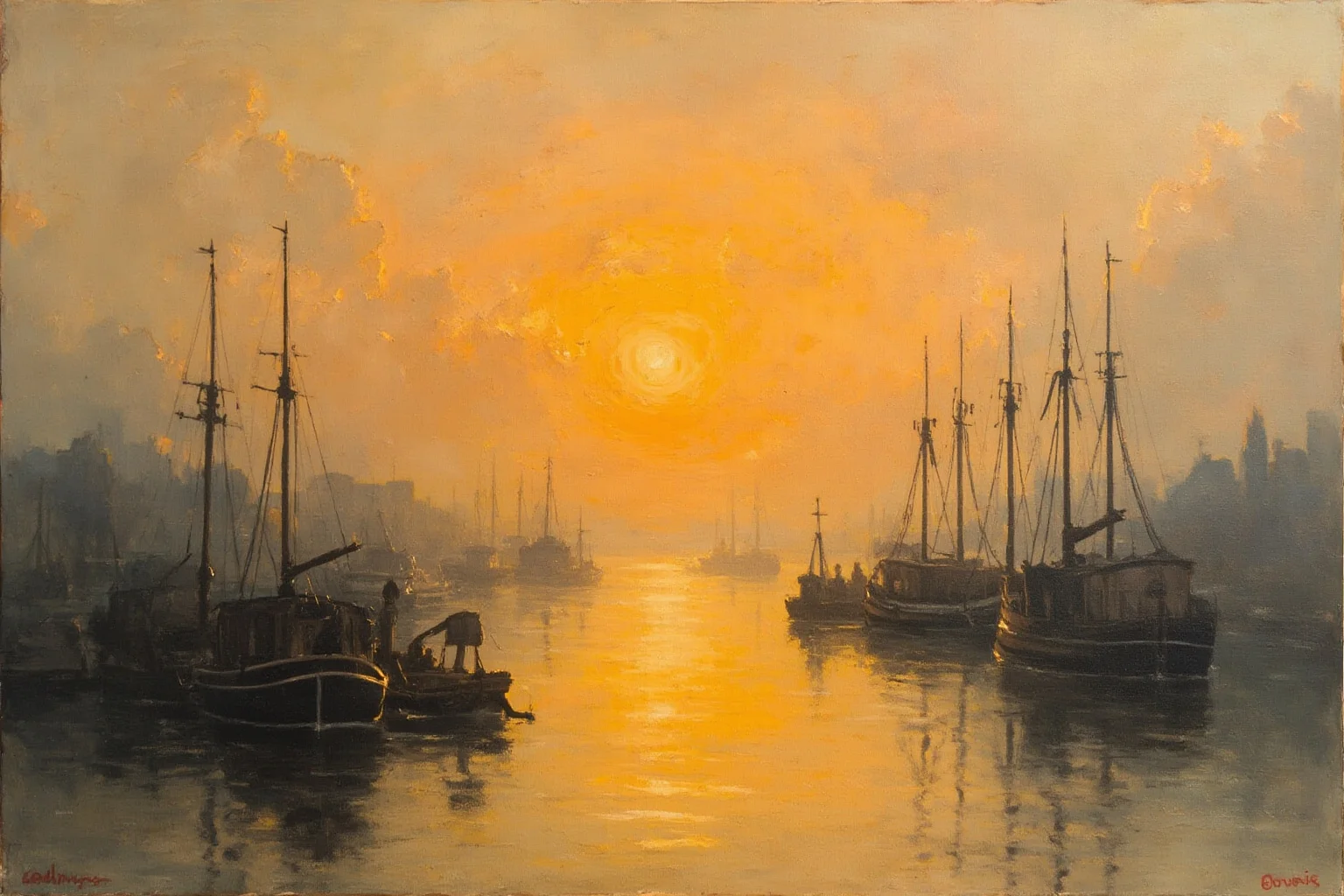
One of the most repeated facts about Monet the artist is also one of the most fun: the word “Impressionism” started as an insult. When Monet exhibited a hazy harbor scene titled Impression, Sunrise in 1874, critic Louis Leroy mocked it in print, sarcastically calling the whole exhibiting group “Impressionists.” The name stuck, and the artists eventually embraced it themselves.
4. The Paris Salon Rejected Him Again and Again
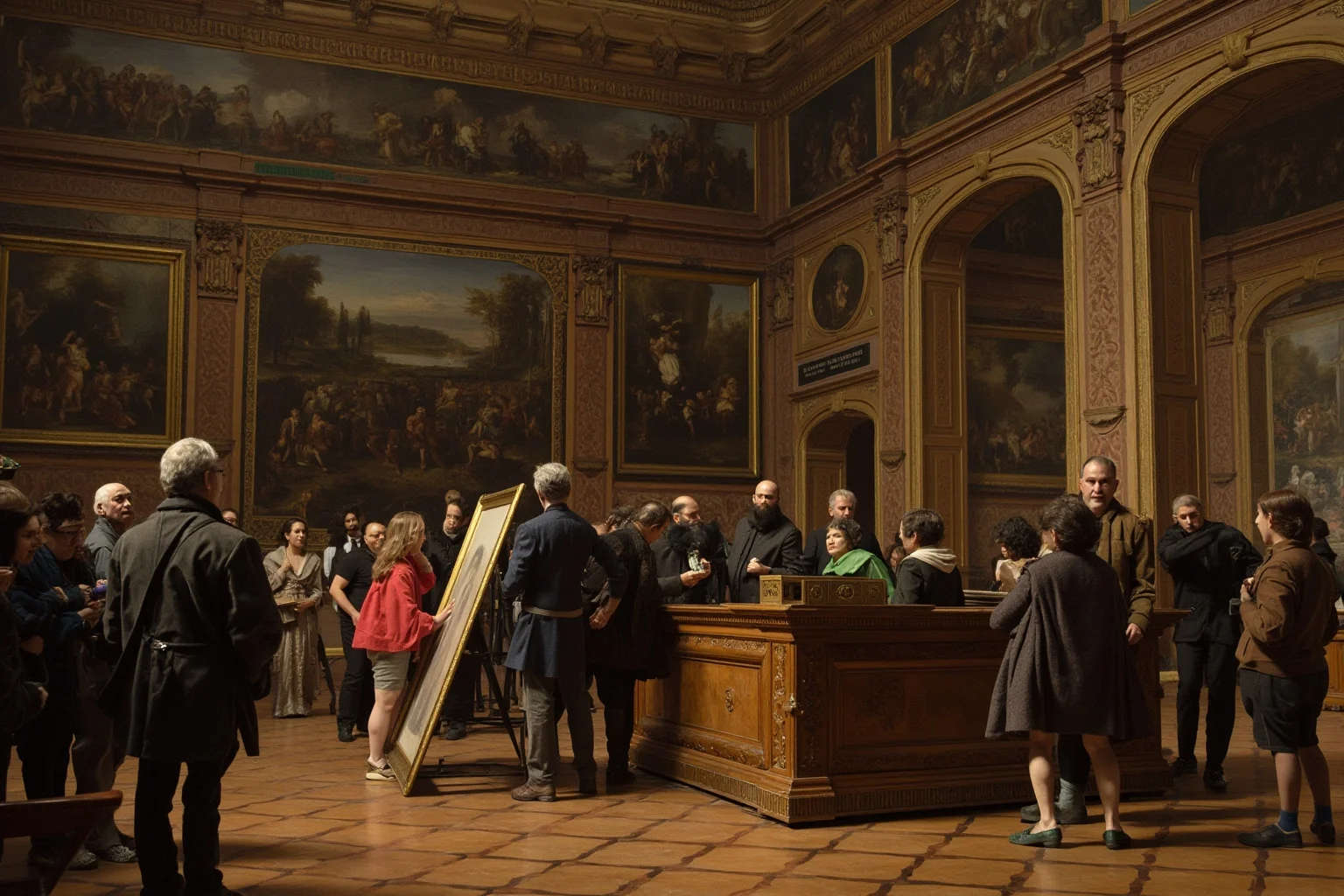
In the 19th century, the Paris Salon was the gatekeeper of artistic success in France, and its jury favored polished, classical work. Monet’s looser brushwork and everyday subject matter were repeatedly turned away. This is a big part of why was Claude Monet famous later for breaking rules rather than following them.
5. He Was Genuinely, Seriously Broke for Years
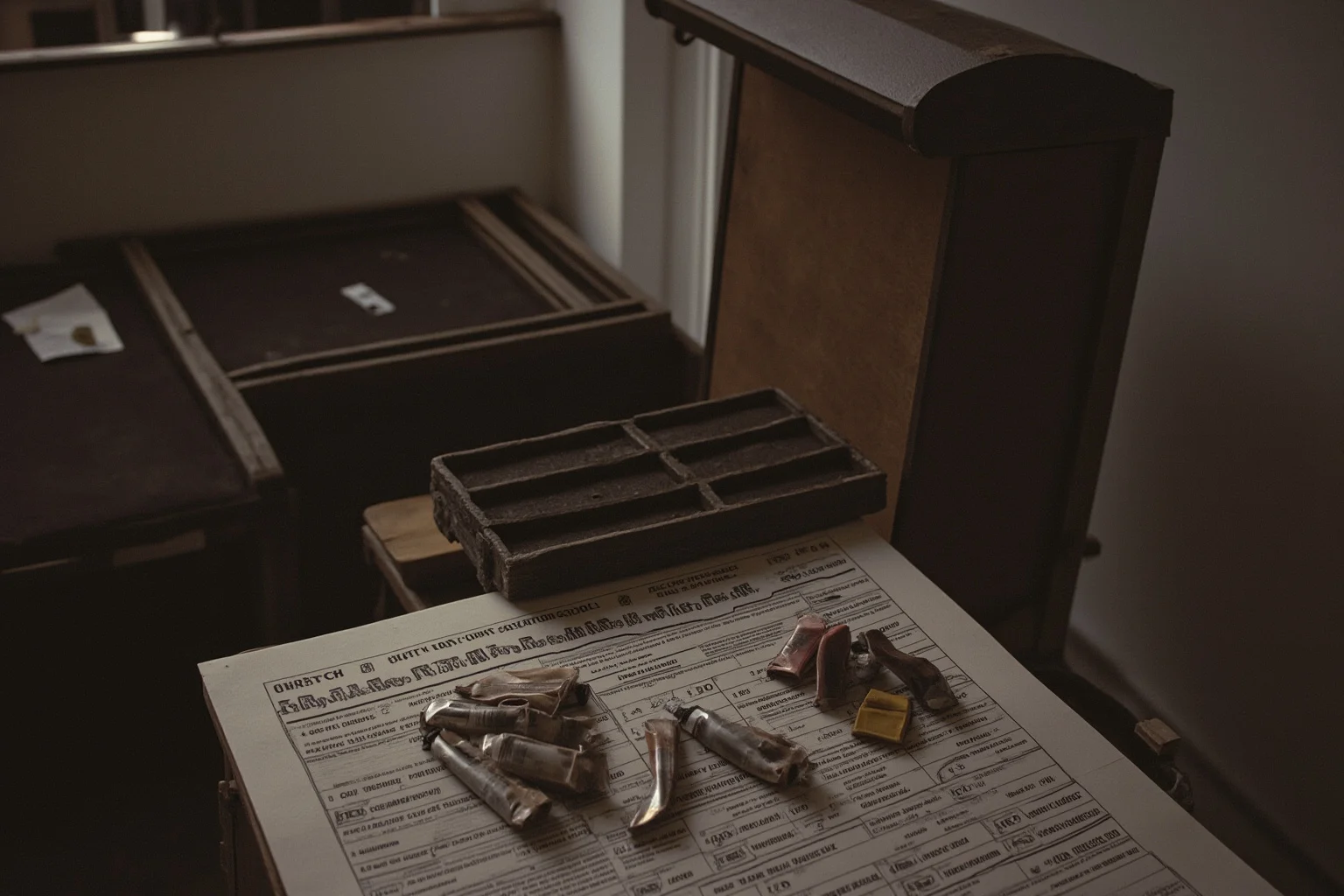
It’s easy to forget, looking at his paintings in museums today, that Monet spent much of his early career desperately poor. He relied on loans from friends, including fellow painter Frédéric Bazille, and sometimes couldn’t afford paint or canvas. Creditors reportedly seized some of his early works when he couldn’t pay his debts.
6. He Went Through a Period of Deep Despair in 1868
According to Monet’s own letters from this period, financial ruin and personal stress pushed him to a genuinely dark place, and he reportedly attempted to drown himself in the Seine. Biographers rely mainly on his own correspondence for this account, so exact details are hard to verify fully. Still, it’s a sobering reminder that his eventual success was far from guaranteed.
7. Camille Doncieux Was His First Wife and Favorite Model

Camille appears in many of Monet’s early paintings, including Women in the Garden and Camille (The Woman in the Green Dress). The couple married in 1870 after having a son together, Jean, a few years earlier. Camille died in 1879, and Monet reportedly painted her on her deathbed, a haunting piece he later admitted he found difficult to discuss.
8. He Loved Painting the Same Scene Over and Over
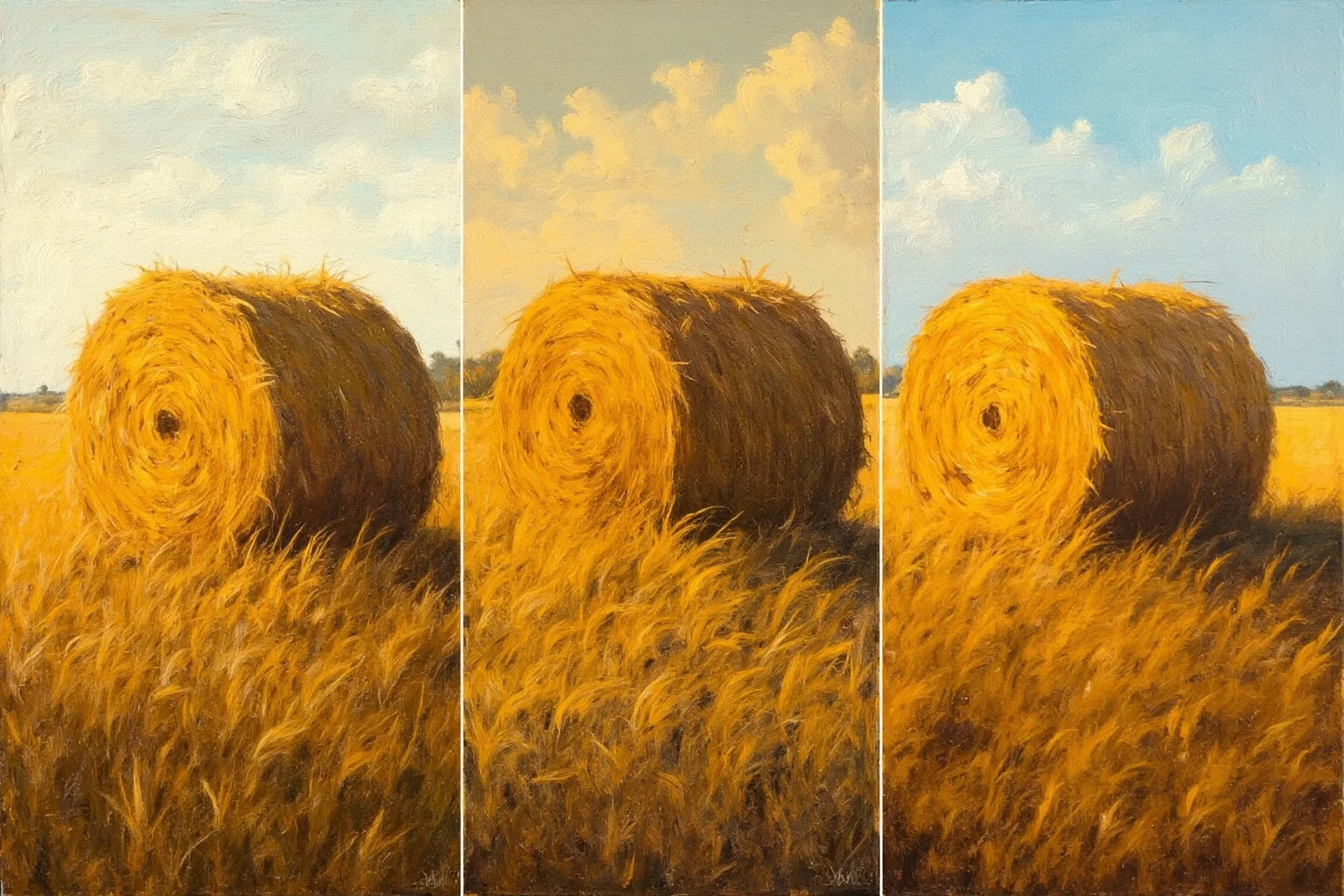
One of Monet’s signature habits was working in series, painting the same subject at different times of day, in different seasons, or under different weather. Haystacks, Rouen Cathedral, poplar trees, and his own water garden all got this treatment. It wasn’t repetition for its own sake; it was an obsessive study of how light transforms what we see.
9. He Built His Own Masterpiece: The Garden at Giverny
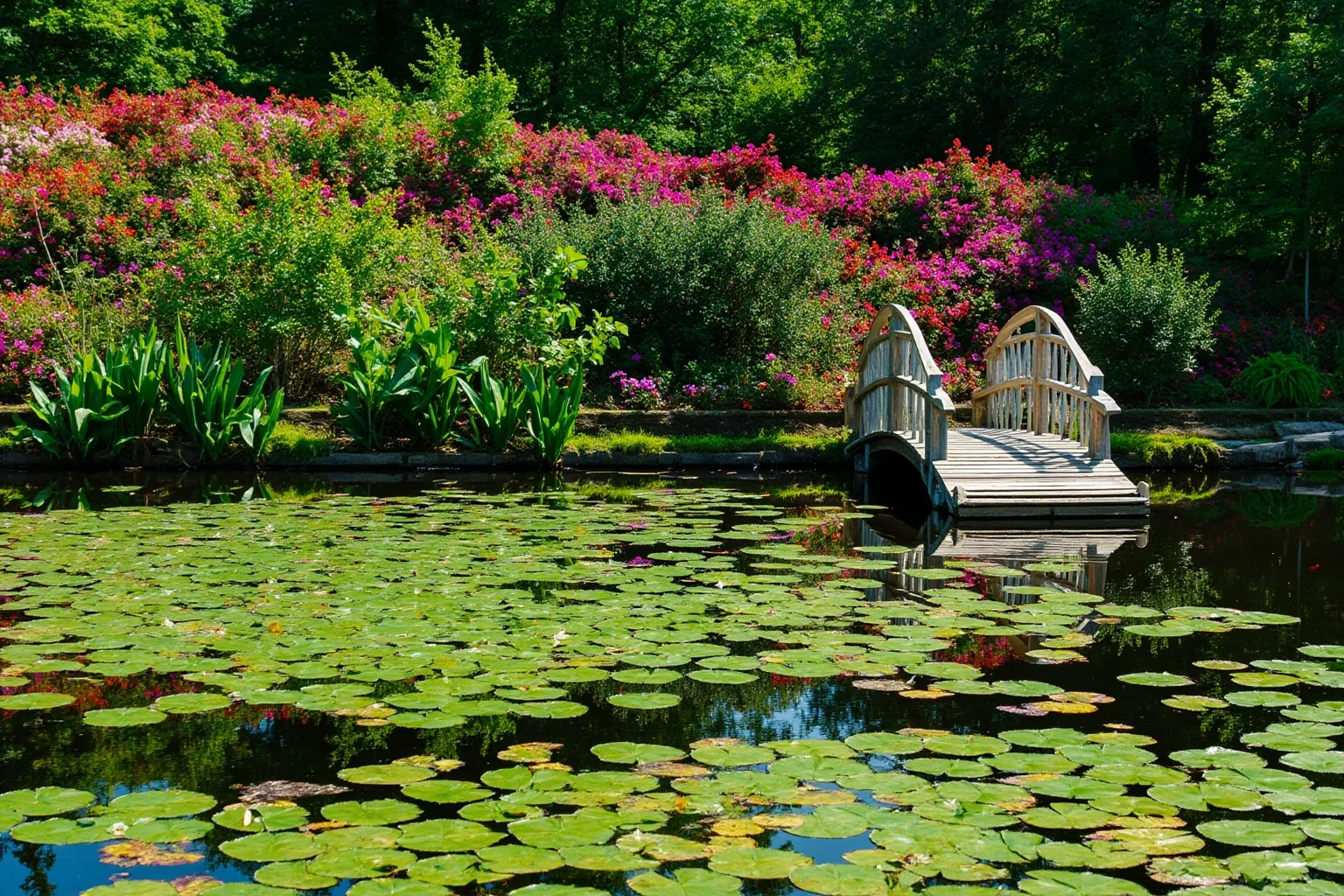
In 1883, Monet moved to Giverny in Normandy and eventually bought the property outright once his finances improved. He personally designed the gardens, including the Japanese-inspired footbridge and the water lily pond that became his obsession for the rest of his life. In many ways, the garden itself was one of his greatest creative works, not just the backdrop for his paintings.
10. Failing Eyesight Changed His Late Work

In his final years, Monet developed cataracts that distorted his color perception, and for a time his paintings took on unusually reddish, murky tones. He underwent cataract surgery in 1923, which partially restored his sight. Some art historians believe this visual struggle actually pushed his late work toward even bolder, near-abstract color choices, influencing 20th-century abstract art decades later.
10 of Claude Monet’s Greatest Paintings
Monet was extraordinarily prolific, producing an estimated 2,000-plus paintings across his lifetime. Narrowing his best work down to ten is genuinely difficult, but these are the paintings most art historians and museums point to when explaining what Claude Monet is known for.
11. Impression, Sunrise (1872)

This quiet view of Le Havre’s harbor at dawn is the painting that accidentally named an entire art movement. The hazy sun and loose brushwork were exactly what critic Louis Leroy mocked in 1874. Today it hangs in the Musée Marmottan Monet in Paris and is considered one of the most historically important paintings of the 19th century.
12. Woman with a Parasol – Madame Monet and Her Son (1875)

This breezy, sunlit portrait shows Camille and their son Jean on a hillside, her parasol billowing against a bright sky. It’s often cited as one of Monet’s finest achievements in capturing outdoor light and movement in a single frame. The painting now lives at the National Gallery of Art in Washington, D.C.
13. The Water Lilies Series (1897–1926)

Monet painted roughly 250 water lily works over nearly three decades, inspired entirely by his own pond at Giverny. The largest and most immersive versions were donated to the French state and now wrap around curved walls at the Musée de l’Orangerie in Paris. They’re widely regarded as a bridge between Impressionism and 20th-century abstract art.
14. Rouen Cathedral Series (1892–1894)
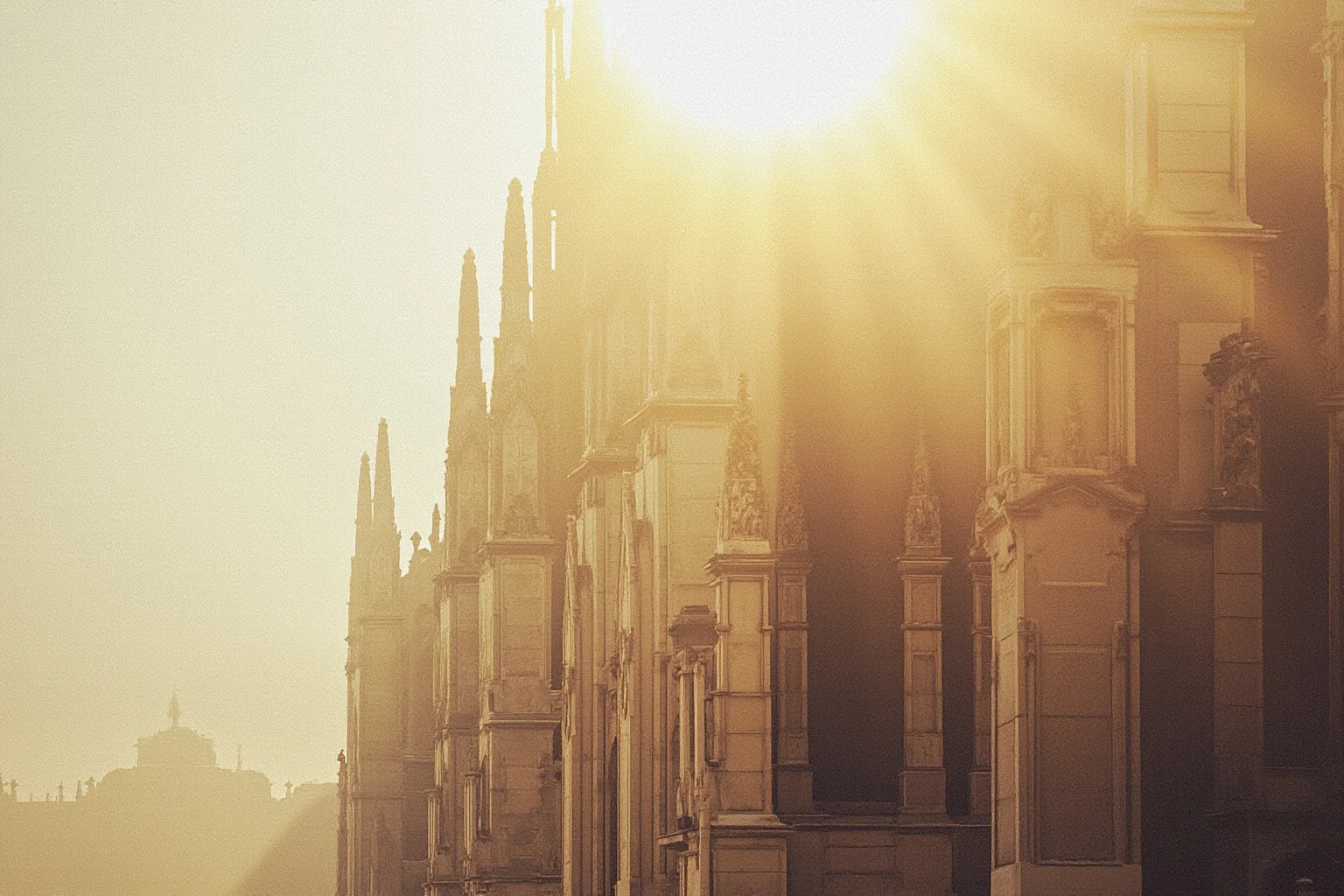
Monet rented rooms across from Rouen Cathedral to paint its facade more than 30 times, capturing it in fog, sunlight, and different times of day. The series demonstrates his series-painting method at its most disciplined and ambitious. Several versions are now scattered across major museums, including the Musée d’Orsay and the Getty Museum.
15. Haystacks / Grainstacks Series (1890–91)

These roughly 25 paintings of simple grain stacks in a field near Giverny became a sensation when exhibited together in 1891, selling quickly and boosting Monet’s finances significantly. The series proved that subject matter mattered less to Monet than the shifting quality of light itself. It’s often cited as the turning point where his financial struggles finally began to ease.
16. Poplars Series (1891)
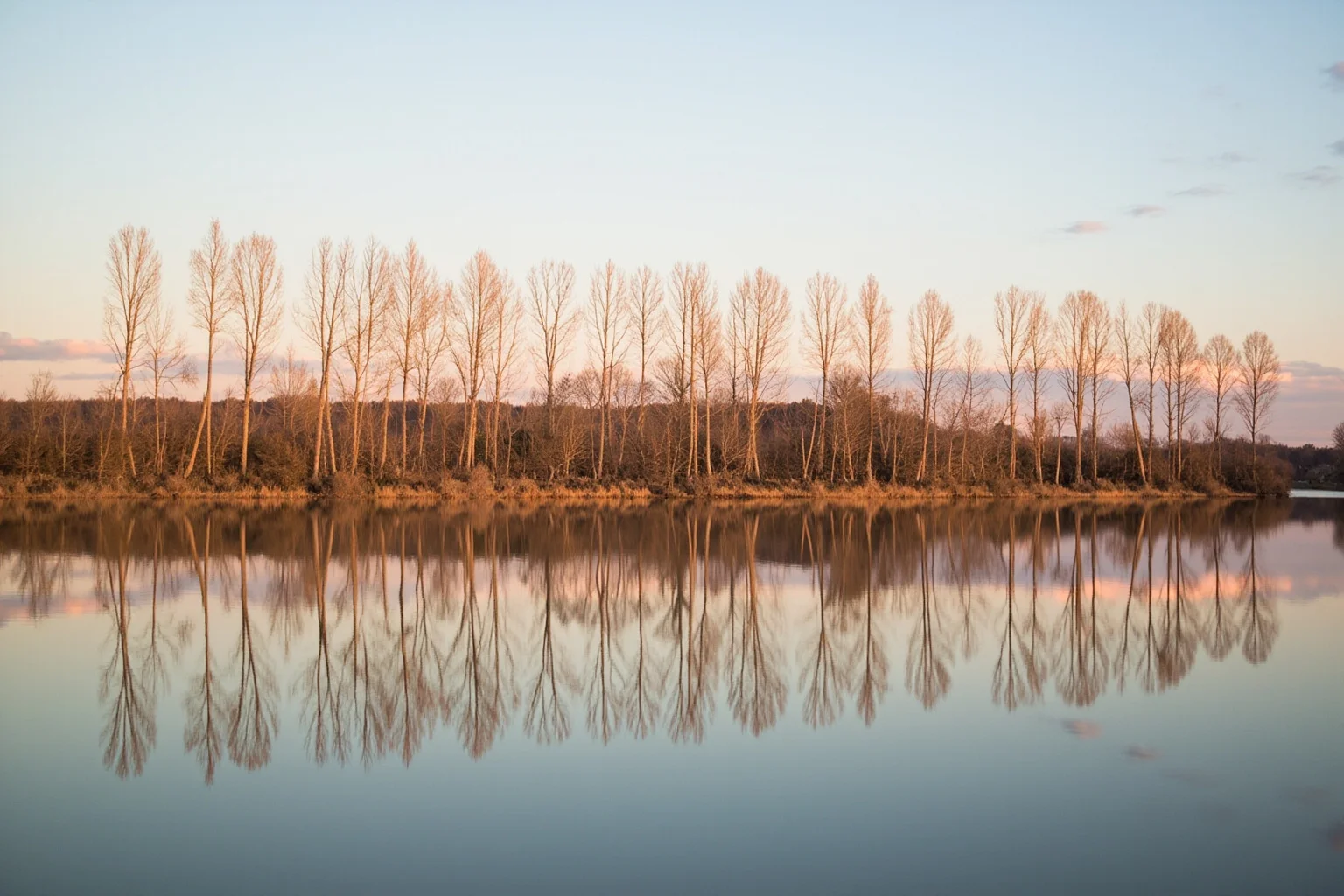
Painted along the Epte River near Giverny, this series captures a row of tall poplar trees under changing atmospheric conditions. Monet reportedly paid local farmers to delay cutting down the trees so he could finish the series in time. It’s a lesser-discussed but technically impressive companion to the Haystacks and Rouen Cathedral series.
17. The Japanese Footbridge (multiple versions, from 1899)

Monet painted his own wisteria-covered bridge at Giverny many times, and the later versions, painted after his eyesight began failing, become almost abstract with thick, urgent brushstrokes. These later takes are sometimes credited as an early precursor to 20th-century Abstract Expressionism. Versions hang in the Museum of Modern Art and the Musée Marmottan Monet.
18. Gare Saint-Lazare Series (1877)
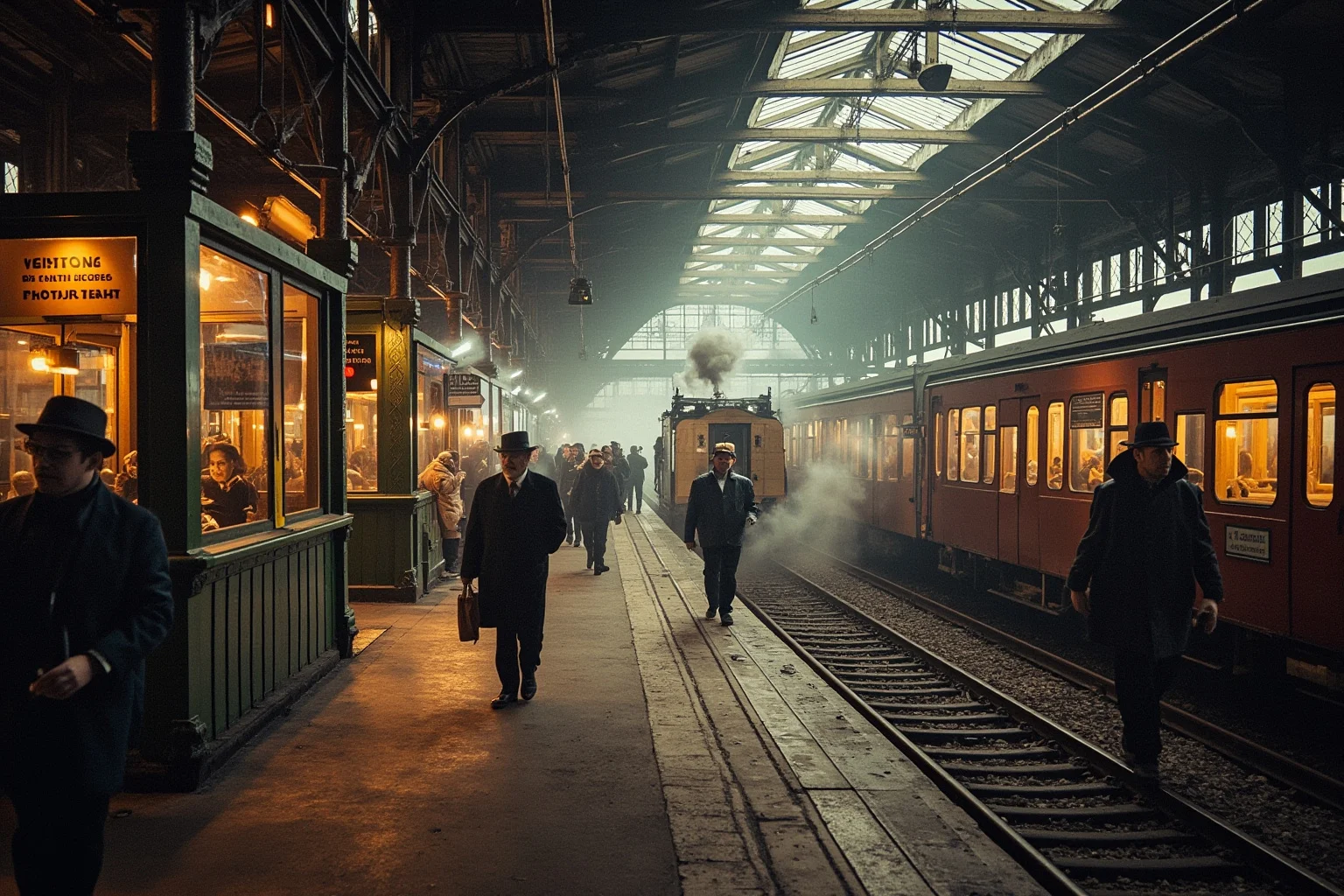
Monet was given special permission to set up his easel inside this busy Paris train station, producing around twelve paintings of steam, iron, and modern urban life. It’s a striking departure from his usual gardens and rivers, showing his fascination with the industrial modern world. The series proved Impressionism could tackle machinery and city life just as well as nature.
19. Camille (The Woman in the Green Dress) (1866)

This early full-length portrait of Camille Doncieux was one of Monet’s first real Salon successes, praised for its lifelike rendering of fabric and light. It’s notable because it predates his mature Impressionist style, showing a more traditional, polished technique. The painting now resides in the Kunsthalle Bremen in Germany.
20. Terrace at Sainte-Adresse (1867)
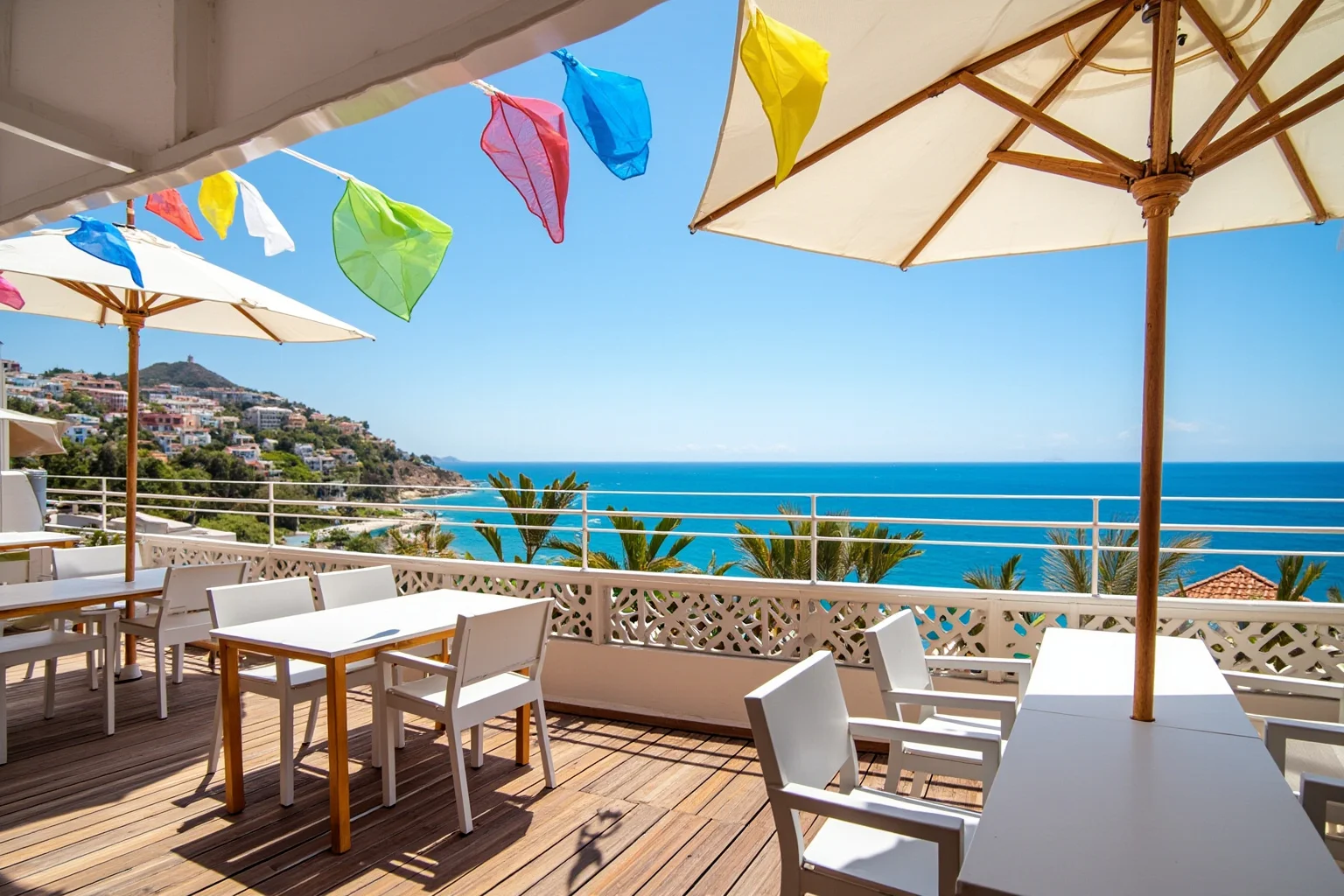
This sunny seaside scene, painted at a resort near Le Havre, shows Monet’s family enjoying a summer day overlooking the water, flags snapping in the breeze. Art historians often point to its bold color blocking and flattened perspective as an early sign of Impressionist ideas forming. It now hangs in the Metropolitan Museum of Art in New York.
Paintings No One Has Heard of by Claude Monet
Monet’s fame rests heavily on a handful of iconic works, but he painted thousands of canvases, and plenty of genuinely fascinating ones rarely get mentioned outside specialist art history circles. Here are a few of the more overlooked Claude Monet paintings worth discovering.
21. Le Déjeuner sur l’herbe (The Luncheon on the Grass) (1865–66)
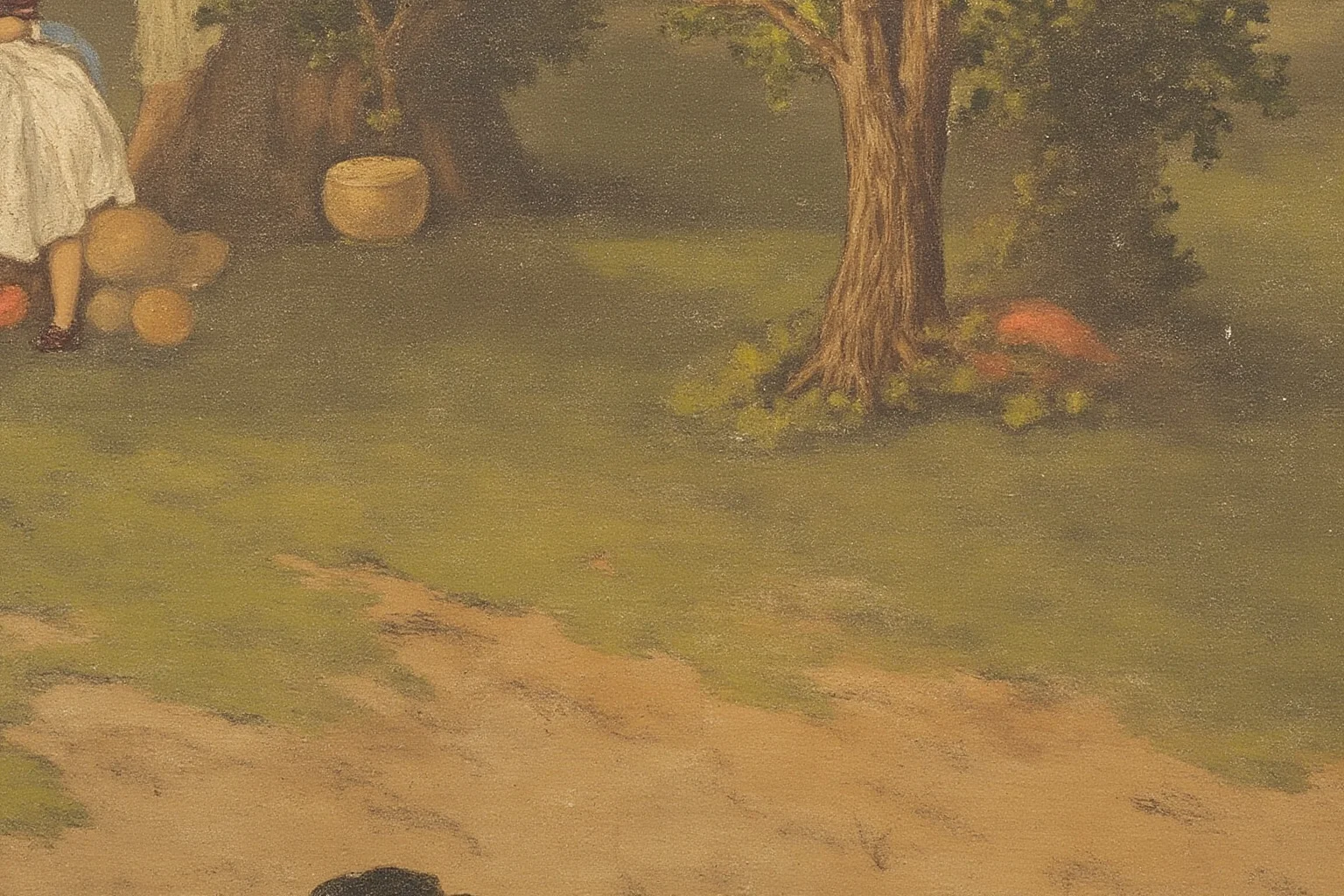
Before Édouard Manet’s more famous painting of the same name, Monet attempted his own enormous outdoor luncheon scene, intending it as a major Salon statement. The finished canvas was so large that Monet reportedly couldn’t pay storage fees, and part of it was damaged and later cut down. Only fragments survive today, held at the Musée d’Orsay, making it one of his most fascinating unfinished ambitions.
22. Turkeys (Dindons) (1877)
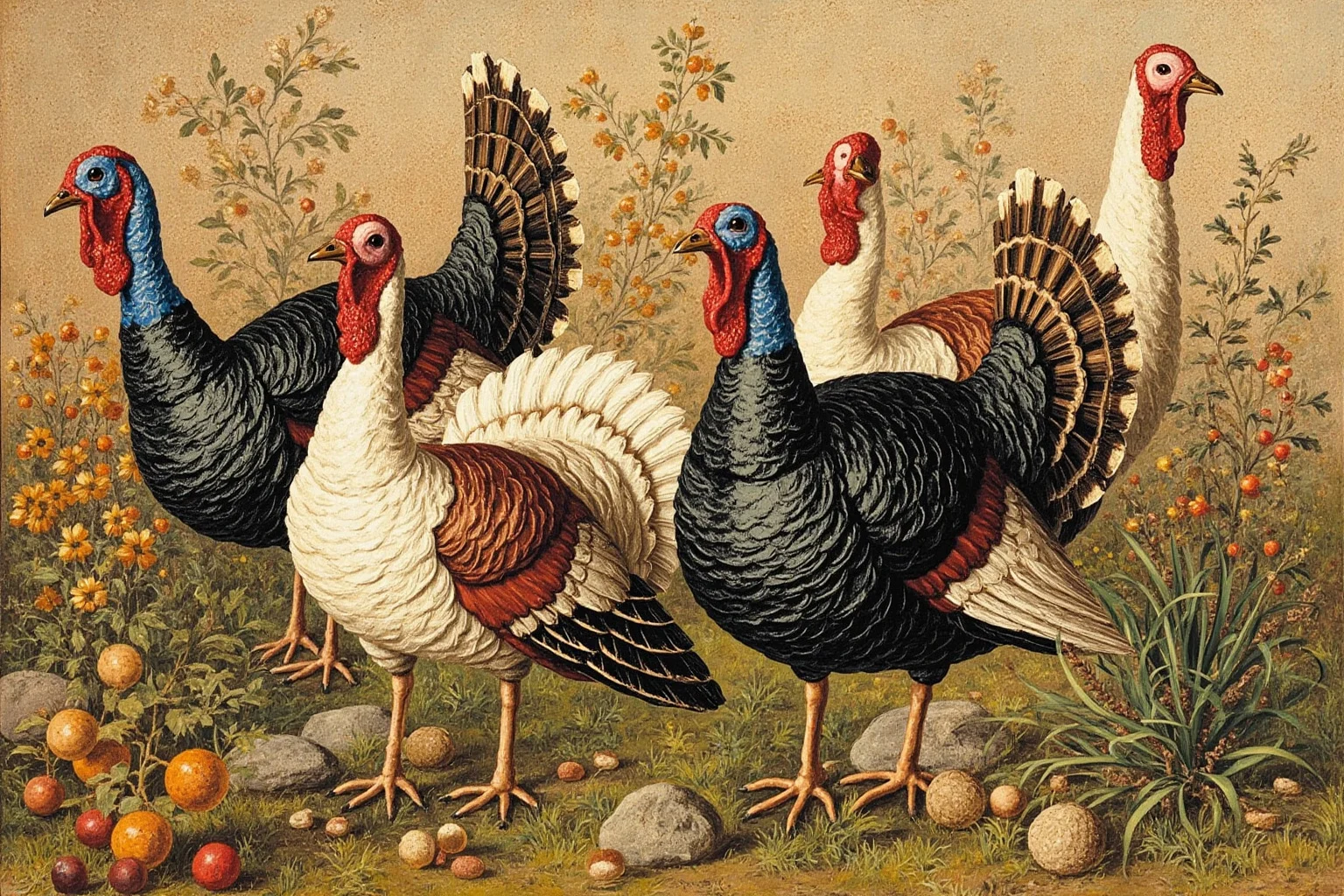
Commissioned as a decorative panel for the château of his patron Ernest Hoschedé, this unusual painting shows a flock of turkeys in a garden setting rather than Monet’s typical landscapes or water scenes. It was rejected when submitted to the Salon in 1877. Today it’s housed at the Musée d’Orsay, largely overlooked despite its striking, almost mural-like composition.
23. Men Unloading Coal (Les Déchargeurs de Charbon) (1875)

This gritty industrial scene depicts laborers unloading coal barges along the Seine near Argenteuil, a stark contrast to Monet’s usual sunny riverside leisure scenes. It reflects the environmental and economic changes reshaping France during the Industrial Revolution. The painting is a reminder that Monet’s world included smoke and labor, not just gardens and picnics.
24. Camille Monet in a Red Cape (also called The Red Cape) (c. 1868–1873)

Viewed through a frosted window from inside a warm room, this moody winter portrait shows Camille as a blurred, ghostly figure outside in the snow. Its unusual framing device, looking outward through glass, makes it stylistically distinct from Monet’s typical outdoor work. It now hangs at the Cleveland Museum of Art, rarely reproduced compared to his brighter, more famous pieces.
25. The Studio Boat (Le Bateau-atelier) (1874–76)
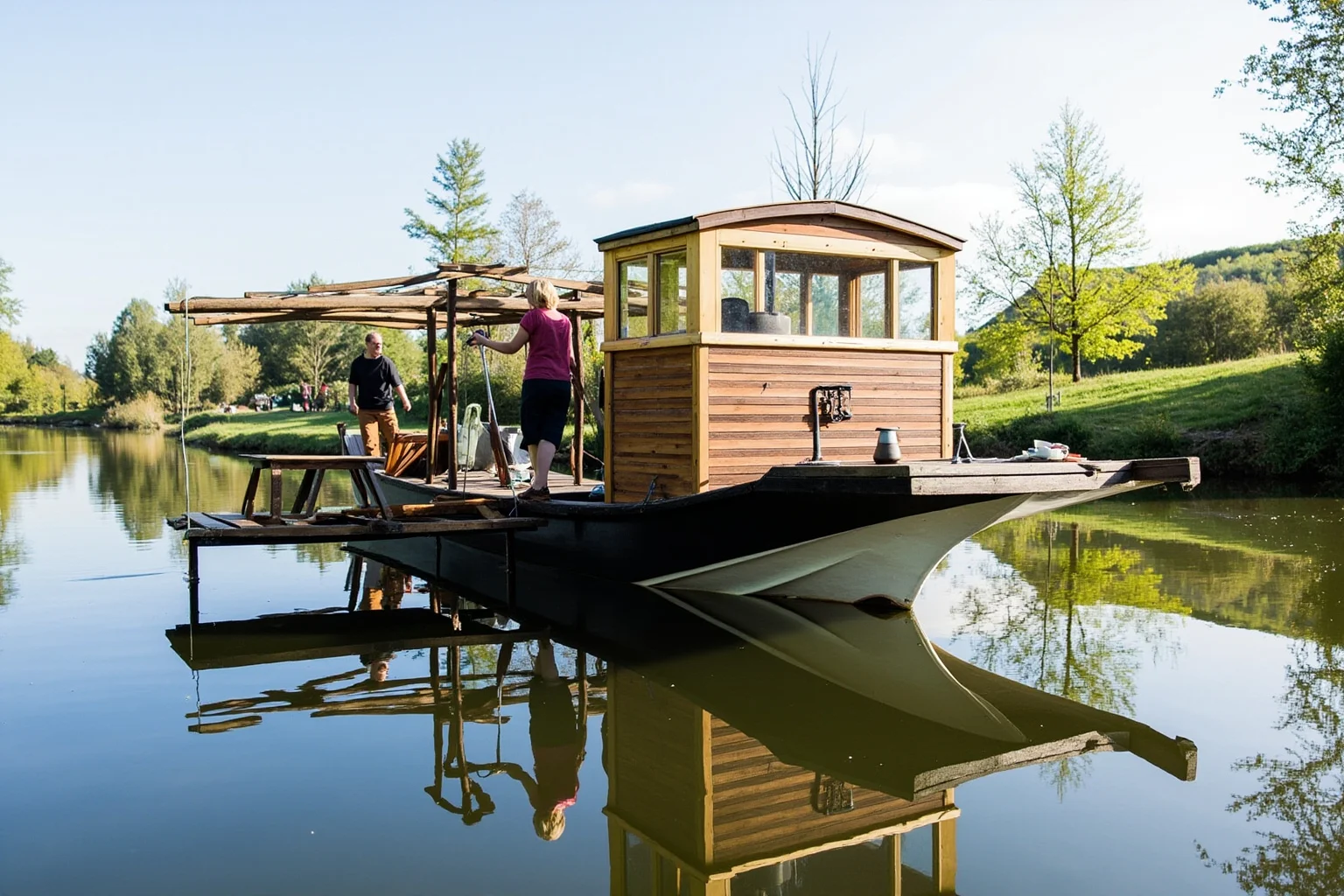
Monet had a small boat converted into a floating studio so he could paint directly on the Seine and its tributaries, and this painting shows the boat itself from the outside, painted by fellow artist and friend at the time. Monet used the boat for years to reach otherwise inaccessible river views. It’s a charming, little-known glimpse into the physical lengths Monet went to in pursuit of the right light and vantage point.
Why Claude Monet Still Matters Today
Today, Monet stands among the most recognized historical figures of all time, his paintings selling for tens of millions of dollars at auction, but that success came only after decades of rejection, poverty, and self-doubt. What is Claude Monet known for, ultimately, is persistence: he kept painting the same haystack, the same cathedral, and the same pond long after most artists would have moved on. That stubborn curiosity about light is exactly what made Impressionism possible in the first place.
His influence reaches far beyond his own century, placing him alongside other history’s greatest geniuses who reshaped how we see the world, touching everything from early 20th-century abstraction to how modern photographers think about natural light. Whether you know him from a single postcard of his water lilies or you’ve just learned about his forgotten turkey painting, Monet’s body of work rewards a closer look. There’s always another lesser-known canvas waiting to surprise you.
Final Thoughts
Claude Monet’s story is really two stories in one: a decades-long struggle against rejection and poverty, followed by a late-life triumph that reshaped art history. The facts about Monet the artist show a man who was far more experimental, restless, and human than the peaceful garden scenes might suggest. His greatest paintings changed how the world sees light, while his obscure ones remind us just how much even famous artists leave unexplored.
Next time you look at a Monet, whether it’s a world-famous water lily canvas or an obscure painting of turkeys, it’s worth remembering the decades of struggle behind it. That context makes the art hit differently. Monet didn’t just paint pretty pictures; he fundamentally changed what painting could be.
Frequently Asked Questions
What are some interesting facts of Claude Monet?
Among the most interesting facts of Claude Monet: he inspired the name "Impressionism" through a critic's insult, was rejected repeatedly by the Paris Salon, lived in serious poverty for years, and later developed cataracts that changed the colors in his late paintings. He also designed his own garden at Giverny, which became the subject of hundreds of his water lily paintings.
What is Claude Monet known for?
Claude Monet is best known as the founder of Impressionism, a painting movement focused on capturing fleeting light and atmosphere rather than precise detail. He's especially famous for his series paintings, including Water Lilies, Rouen Cathedral, and Haystacks, all painted repeatedly under changing light conditions.
Why was Claude Monet famous?
Monet became famous for pioneering a loose, light-focused painting style that broke from the polished realism favored by the official Paris Salon. His 1872 painting Impression, Sunrise gave the entire Impressionist movement its name, and his later Water Lilies series cemented his reputation as one of the most important artists in modern art history.
What are 5 facts about Claude Monet?
Five quick facts: he was born in Paris in 1840 but grew up in Le Havre; he was mentored early on by painter Eugène Boudin; he was rejected multiple times by the Paris Salon; he battled poverty for much of his early career; and he built and painted his own garden at Giverny for the last several decades of his life.
Are there paintings by Monet that most people have never heard of?
Yes. Lesser-known works include Turkeys (Dindons), a decorative panel rejected by the Salon in 1877, Men Unloading Coal, an industrial river scene, and surviving fragments of his ambitious early painting Le Déjeuner sur l'herbe. These pieces show a grittier, more experimental side of Monet that rarely appears in popular reproductions.
Did Claude Monet struggle financially during his career?
Yes, quite seriously for many years. Monet relied on loans from friends like Frédéric Bazille, sometimes couldn't afford basic art supplies, and reportedly had creditors seize paintings over unpaid debts. His financial situation only meaningfully improved after the success of his Haystacks series in the early 1890s.

Alex Warren
Related Articles





