

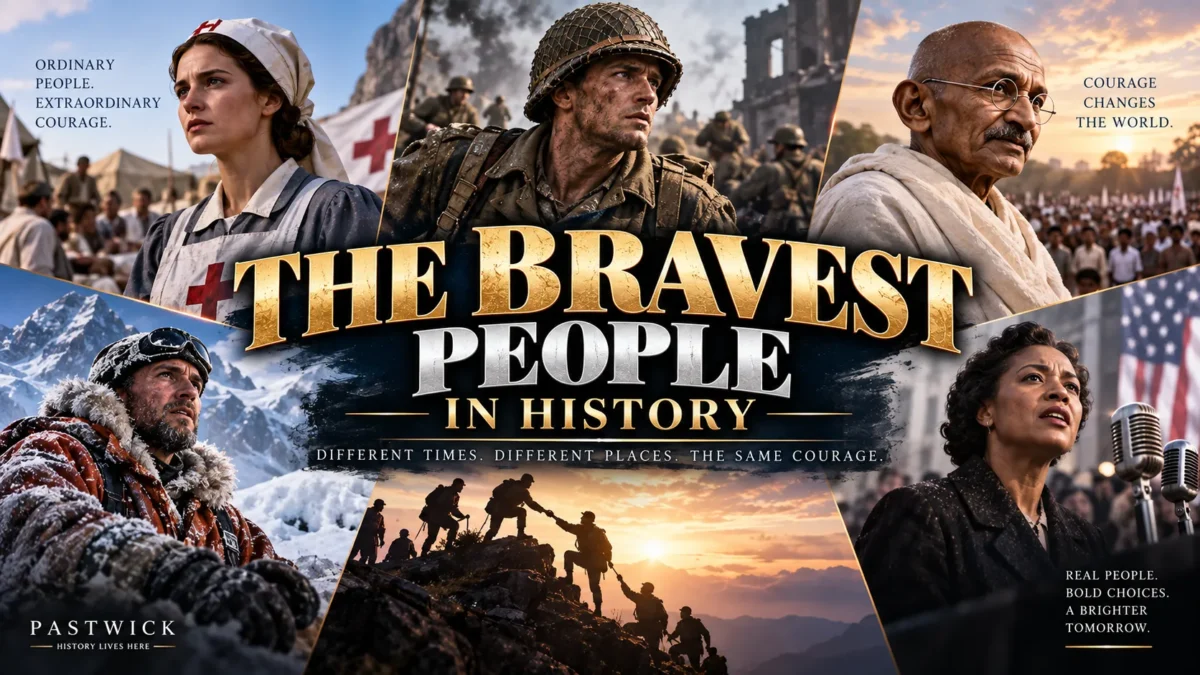
Ask ten people to name the bravest person in history, and you’ll get ten different answers. Some will point to soldiers who charged into impossible odds. Others will name quiet dissidents who never fired a shot but risked everything by simply refusing to stay silent.
That’s the tricky thing about courage — it doesn’t come with a scoreboard. There’s no verified record book crowning one single “bravest man in the world,” the way there’s a tallest person or a fastest sprinter. What we can do is look at real, documented lives and see how ordinary people chose extraordinary action when it mattered most.
TL;DR: History’s bravest people weren’t fearless — they were ordinary people who acted on conscience despite fear, and their courage took forms ranging from battlefield sacrifice to quiet, dangerous acts of defiance.
What Actually Makes Someone a Brave Person?
Courage researchers generally split bravery into two categories: physical courage and moral courage. Physical courage is what most people picture first — running toward danger, enduring pain, facing death.
Moral courage is quieter but arguably harder. It’s the courage to tell the truth when lying is safer, to help a stranger when helping is illegal, or to stand alone when everyone else sits down. Many of the courageous figures in history below showed both kinds at once, which is part of why their stories have lasted so long.
It’s also worth busting a myth up front: being brave doesn’t mean being fearless. Almost every person on this list described real fear in their own words or through witnesses. What set them apart was acting anyway.
Ancient and Medieval Warriors of Courage
1. Leonidas I and the 300 Spartans (480 BCE)
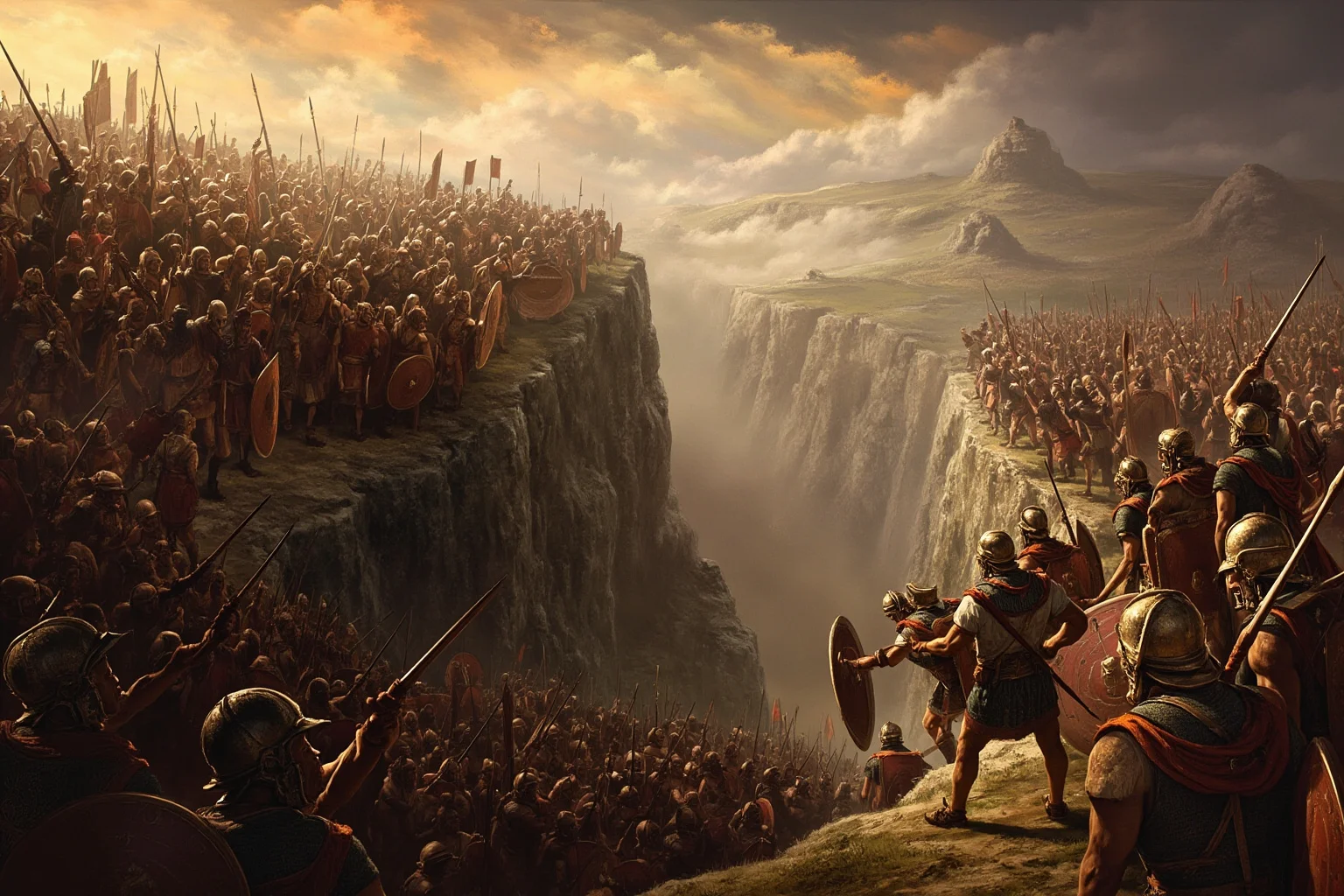
At the Battle of Thermopylae, the Spartan king Leonidas I led a small force — traditionally remembered as 300 Spartans, though historians note thousands of allied Greek soldiers fought alongside them — against the vastly larger invading army of the Persian king Xerxes. Their mission was to hold a narrow mountain pass long enough for the rest of Greece to prepare its defense.
Leonidas and his men were ultimately killed, but their delay bought crucial time for the Greek city-states. The battle became one of the ancient world’s most enduring symbols of courage against overwhelming odds, even as pop culture has exaggerated some of its details over the centuries.
2. Joan of Arc (c. 1412–1431)
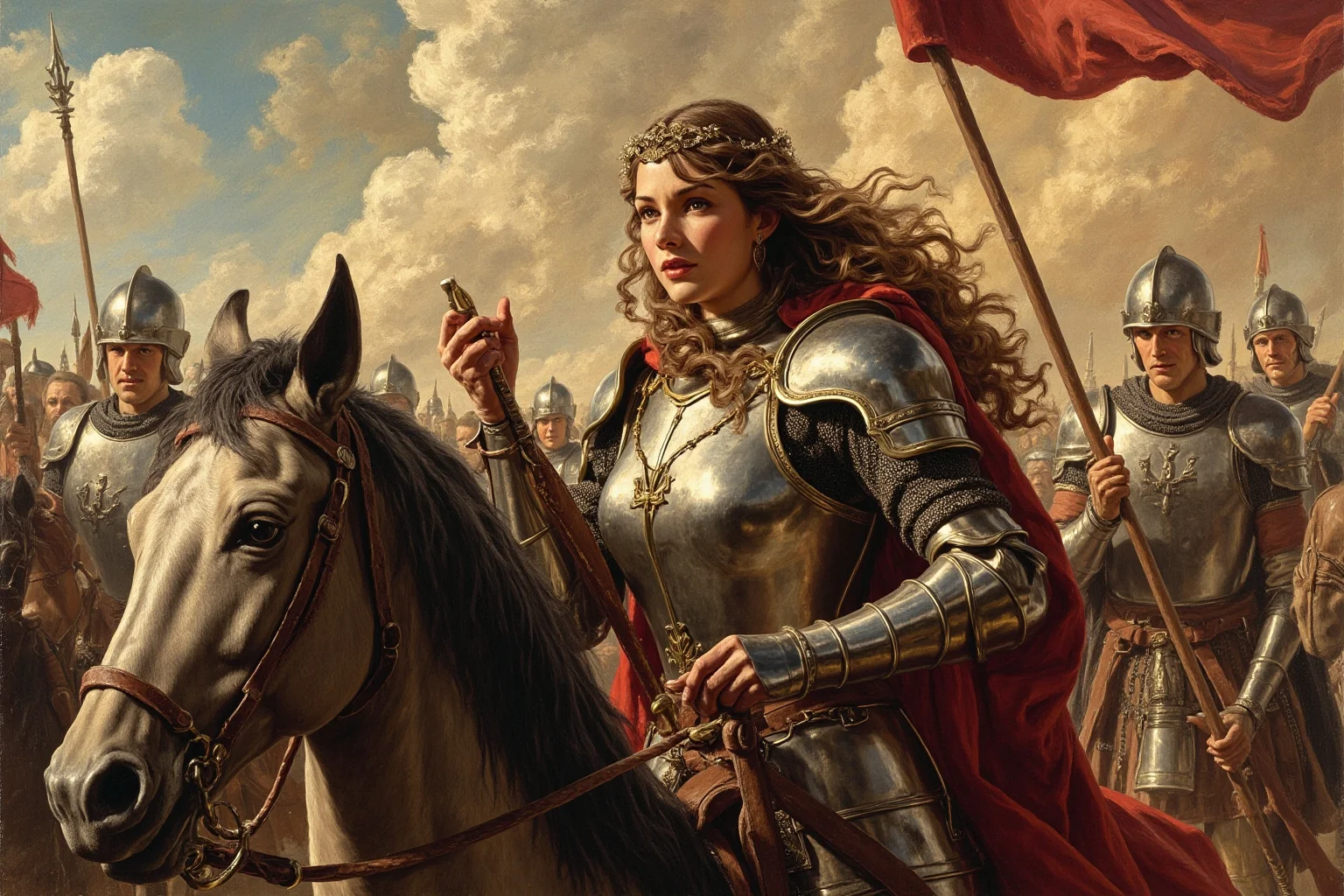
At just 17, Joan of Arc convinced French military leaders to let her help lead troops during the Hundred Years’ War, claiming religious visions had called her to save France. She played a key role in lifting the siege of Orléans and turning momentum toward the French crown.
She was later captured, tried by a pro-English church court, and burned at the stake in 1431 at around age 19. Roughly 25 years later, a posthumous retrial cleared her name, and she was canonized as a saint in 1920.
3. Spartacus (c. 111–71 BCE)
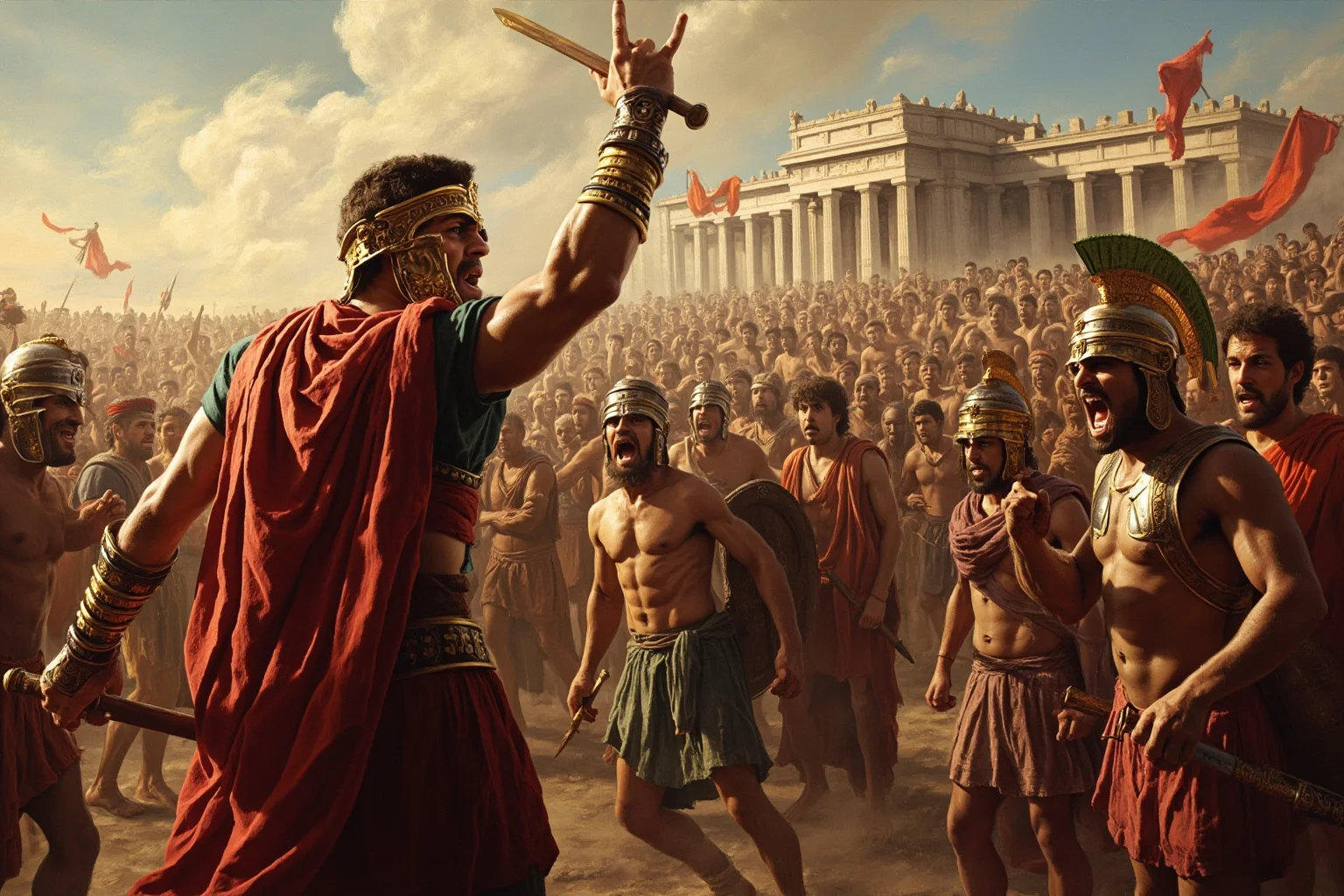
Spartacus was a Thracian gladiator who led one of the largest slave uprisings in Roman history, known as the Third Servile War. Alongside thousands of escaped slaves, he defeated several Roman armies before ultimately being defeated himself.
Much of what’s “known” about Spartacus today comes filtered through Roman historians writing after the fact, and later through Hollywood. Still, the core historical event — an enslaved man organizing a serious military resistance against Rome — is well documented.
Abolitionists Who Risked Everything for Freedom
4. Harriet Tubman (c. 1822–1913)
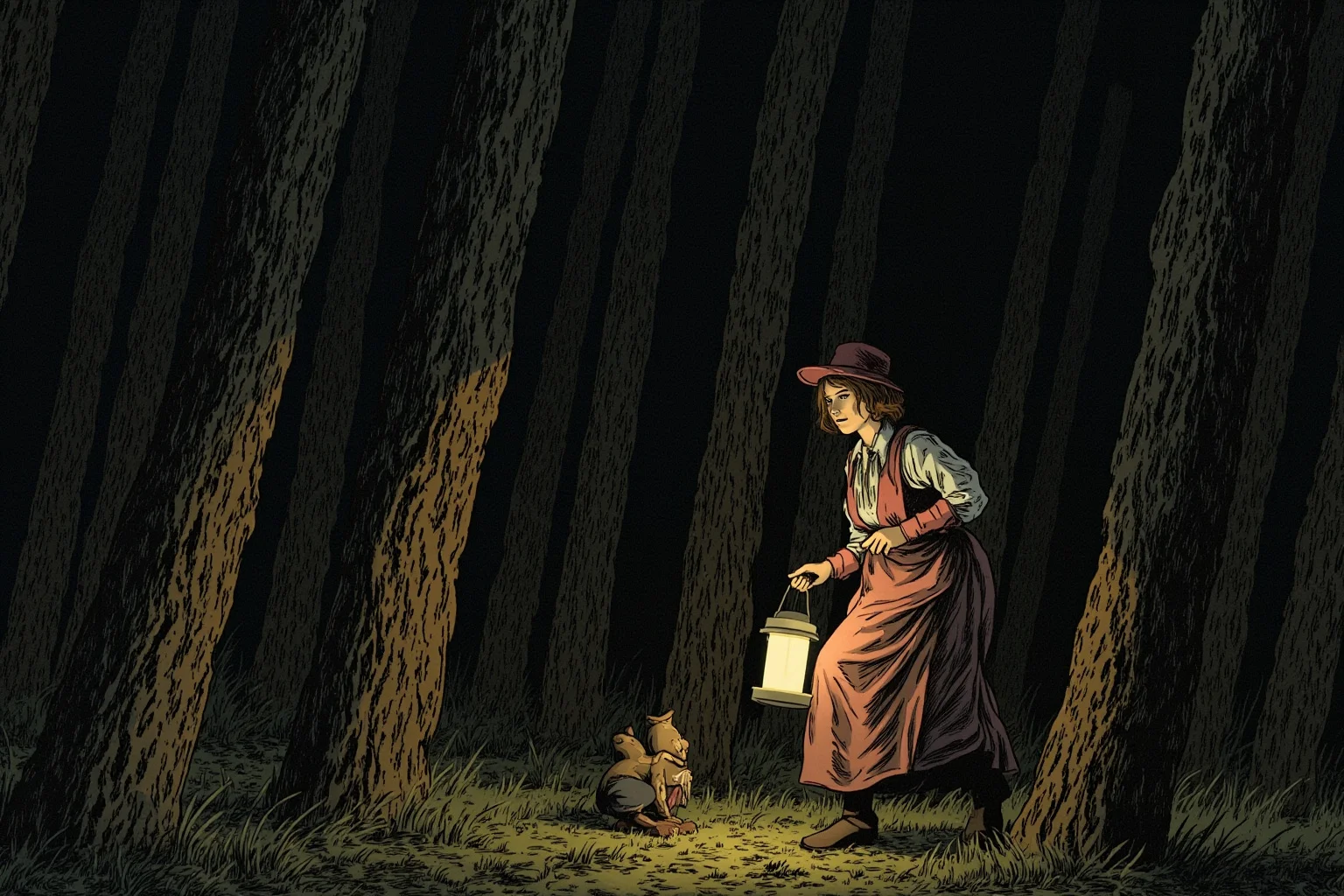
Harriet Tubman escaped slavery in Maryland and then returned to the South repeatedly to guide other enslaved people to freedom via the Underground Railroad. Each trip back carried the very real risk of capture, torture, or death.
During the Civil War, she also served as a scout and spy for Union forces and helped lead the Combahee River Raid, which freed more than 700 enslaved people. Few brave people in history combined this level of sustained, repeated personal risk with organizational skill.
5. Frederick Douglass (c. 1818–1895)
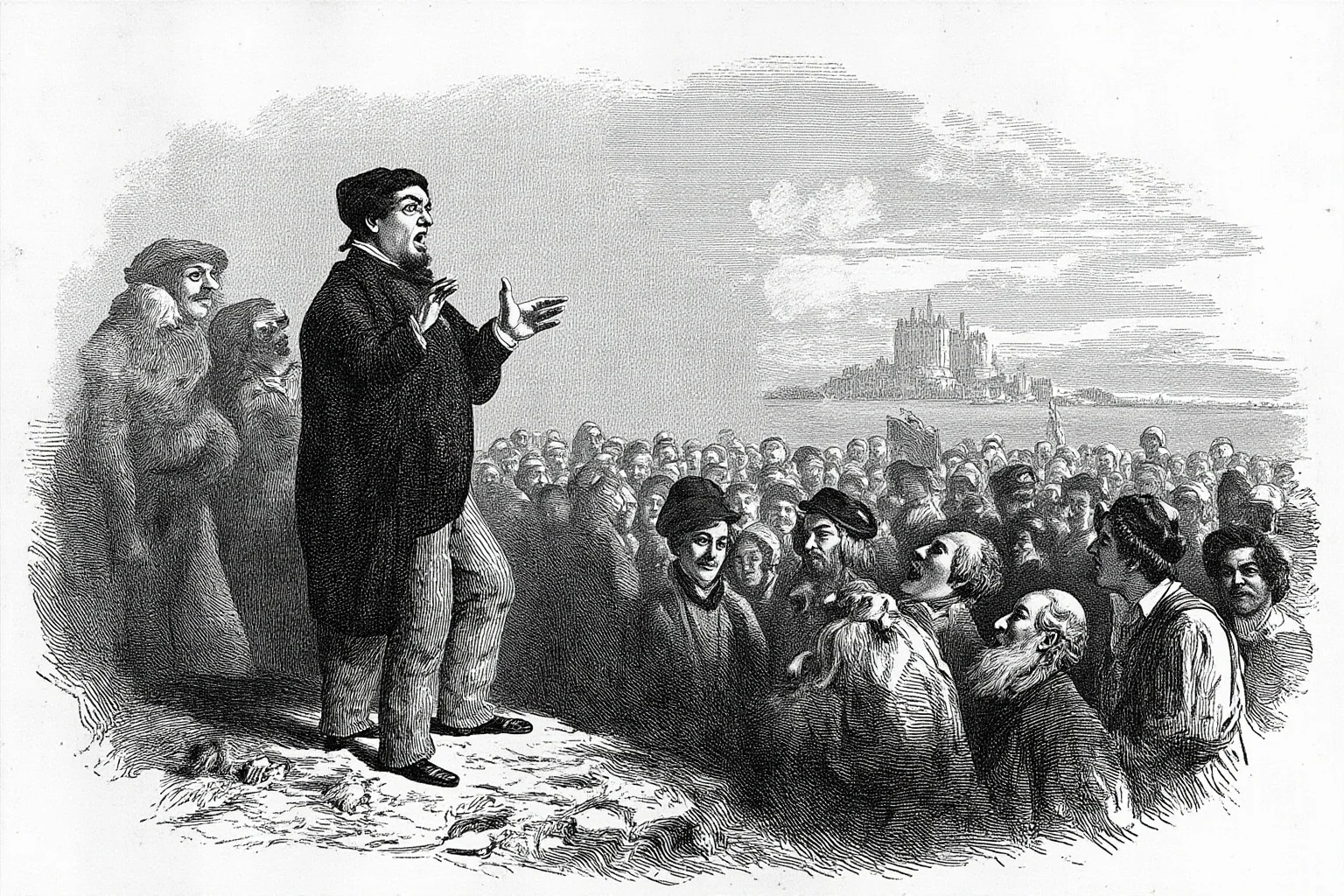
Frederick Douglass escaped slavery and became one of the most prominent abolitionist speakers and writers in American history. Under the Fugitive Slave Act, publicly identifying himself as an escaped enslaved person put him at genuine legal risk of recapture.
He published detailed, damning autobiographical accounts of slavery and toured widely to argue for abolition, knowing this visibility made him a target. His courage was less about a single dramatic act and more about years of relentless, public defiance.
Resisters Who Defied the Nazi Regime
6. Sophie Scholl (1921–1943)

Sophie Scholl was a member of the White Rose, a small German student resistance group that distributed anti-Nazi leaflets calling for passive resistance to Hitler’s regime. She was arrested by the Gestapo in 1943 alongside her brother Hans.
After a brief trial, she was executed by guillotine at age 21. Witness accounts describe her composure in her final hours, and she remains one of Germany’s most memorialized courageous figures in history.
7. Witold Pilecki (1901–1948)
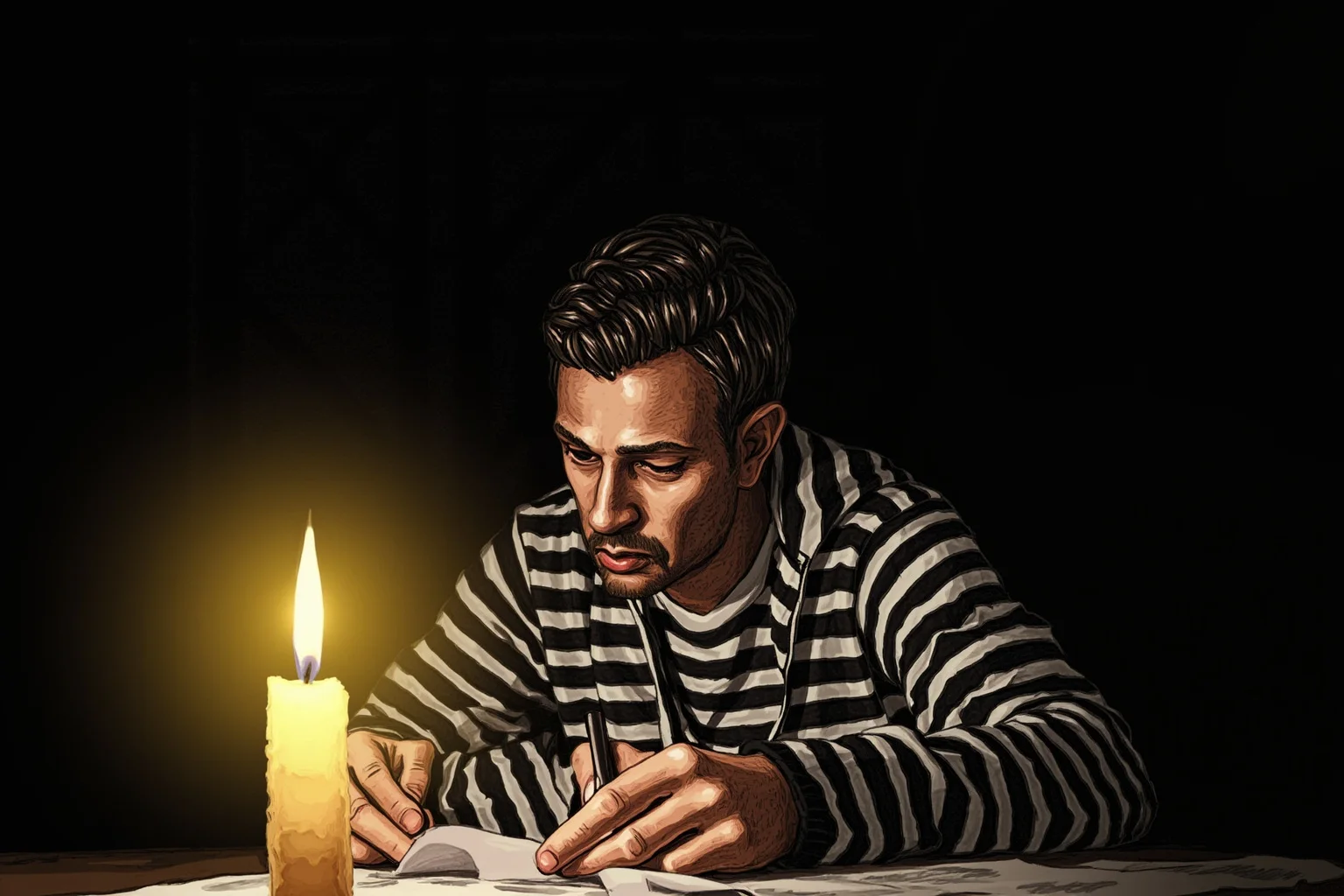
Witold Pilecki was a Polish resistance officer who did something almost unthinkable: he deliberately arranged to be captured and sent into Auschwitz to gather intelligence on the camp from the inside. He spent nearly three years there, organizing a resistance network and smuggling out reports on the atrocities being committed.
He eventually escaped in 1943 and continued his intelligence work. Tragically, he was executed in 1948 by Poland’s postwar communist government on fabricated charges, and his story was suppressed for decades.
8. Irena Sendler (1910–2008)
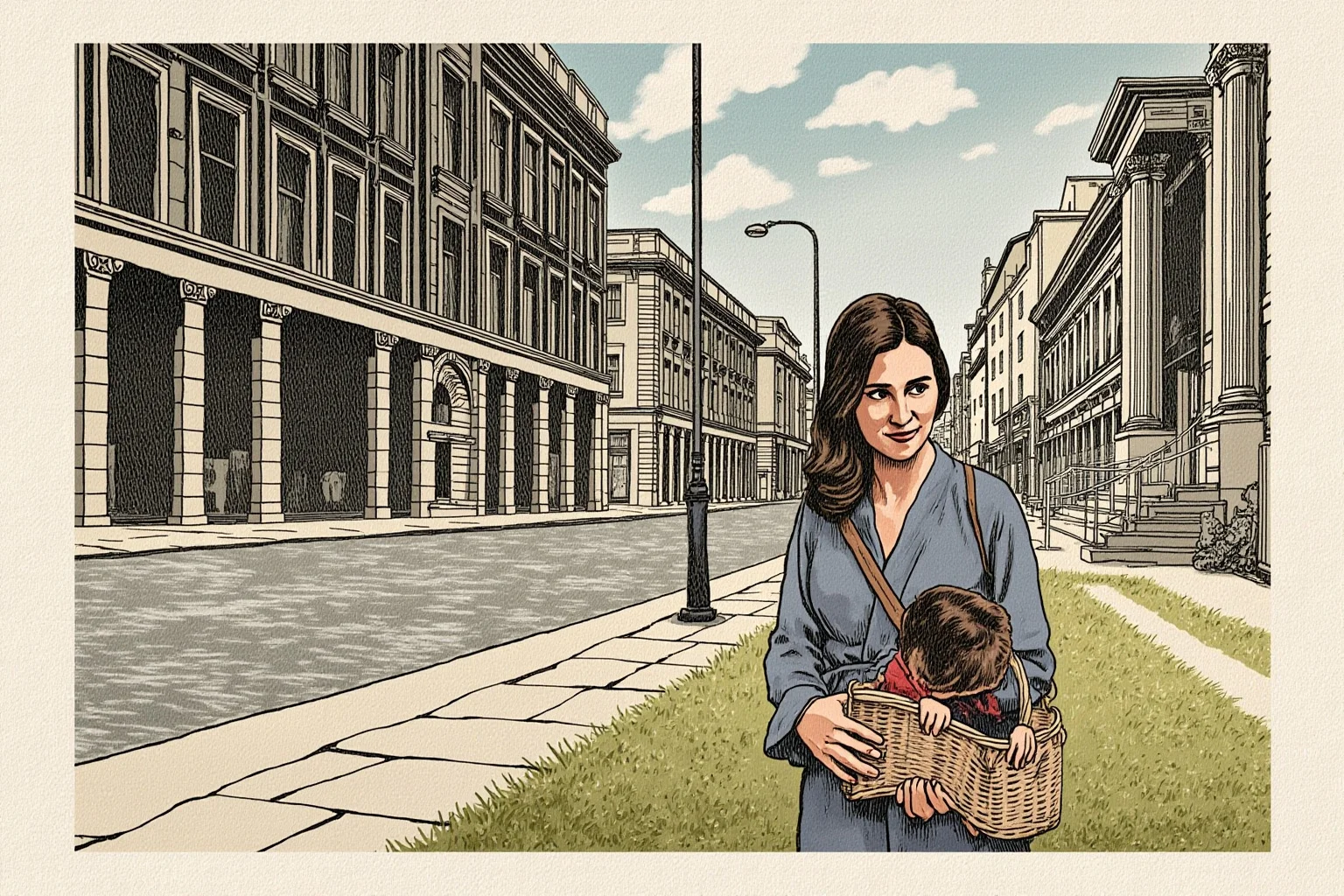
Irena Sendler was a Polish social worker who helped smuggle an estimated 2,500 Jewish children out of the Warsaw Ghetto, often hiding them in ambulances, coffins, or sacks. She kept lists of the children’s real names buried in jars, hoping to reunite families after the war.
She was eventually caught and tortured by the Gestapo but never revealed her network. She survived the war and continued social work for decades afterward.
9. Chiune Sugihara (1900–1986)
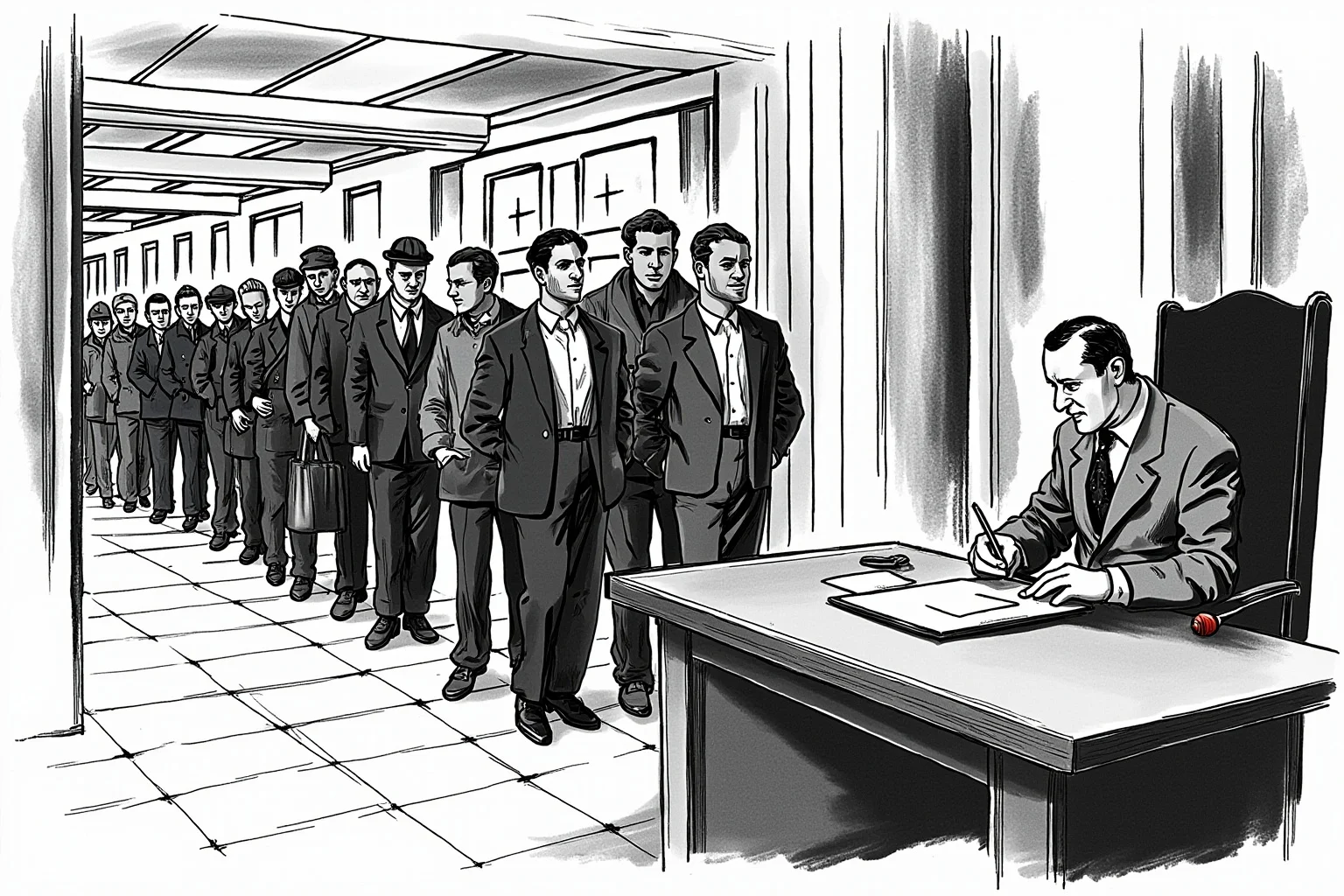
Chiune Sugihara was a Japanese diplomat stationed in Lithuania who, against direct orders from Tokyo, issued thousands of transit visas that allowed Jewish refugees to flee Nazi-occupied Europe. He reportedly kept writing visas by hand up until the moment his consulate closed.
His defiance cost him his diplomatic career after the war. He was later honored by Israel as one of the “Righteous Among the Nations.”
10. Raoul Wallenberg (1912–disappeared 1945)
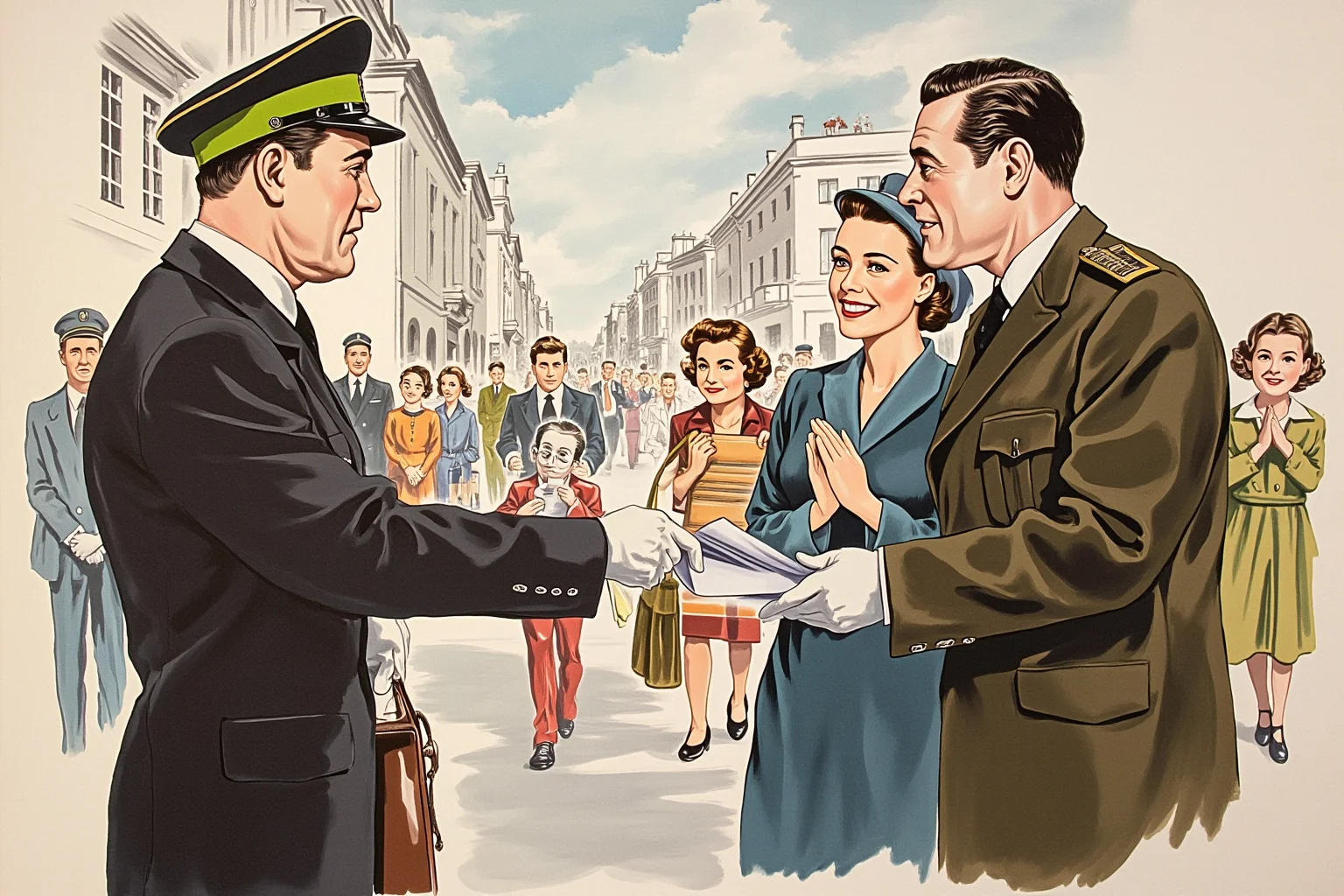
Raoul Wallenberg was a Swedish diplomat sent to Budapest in 1944, where he issued protective passports and set up safe houses that are credited with saving tens of thousands of Hungarian Jews from deportation. He did this in an increasingly chaotic and dangerous city as Nazi and Soviet forces converged.
In January 1945, he was detained by Soviet forces and disappeared into their custody. His ultimate fate was never fully confirmed, and he’s remembered as one of the era’s most consequential rescuers.
11. Oskar Schindler (1908–1974)
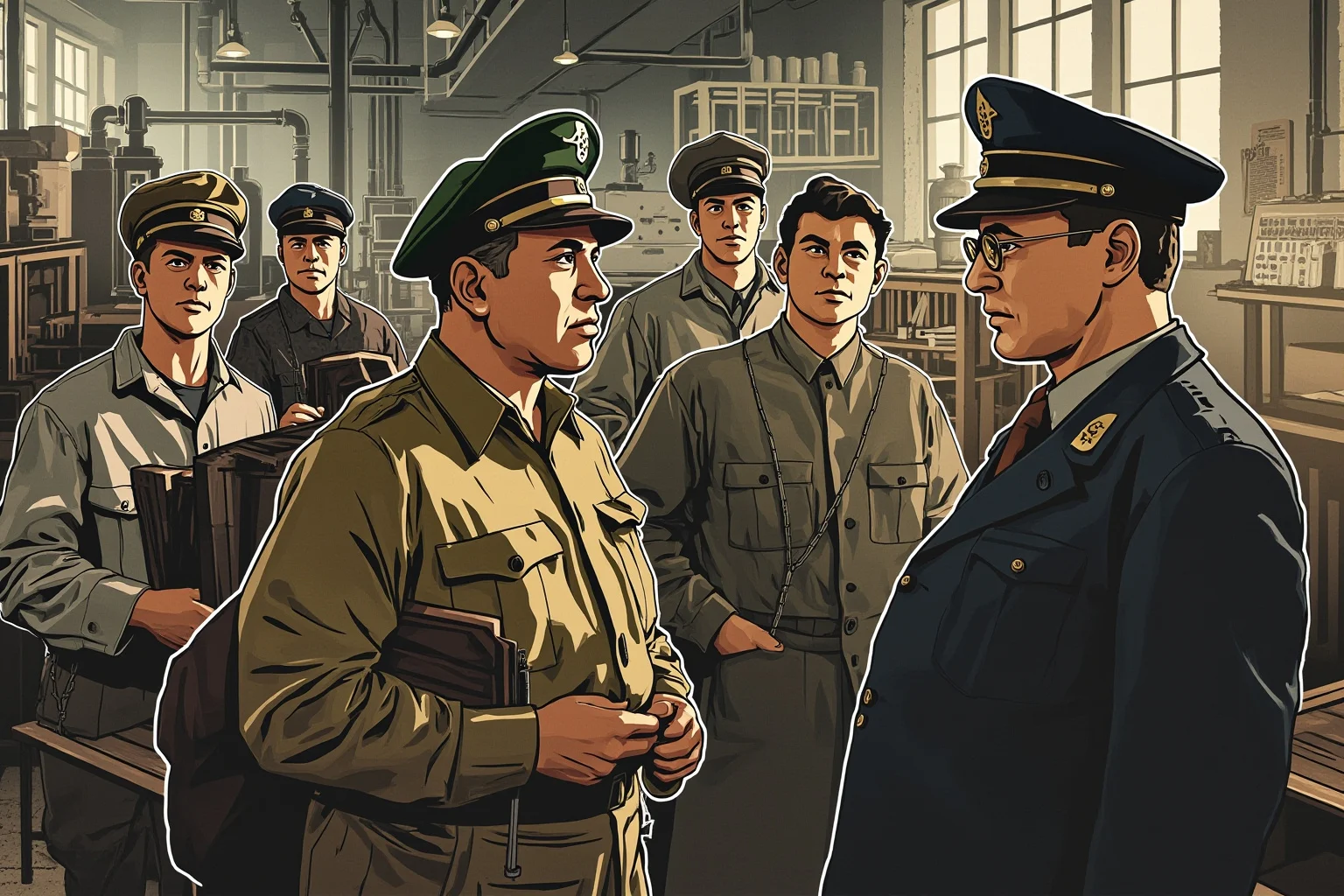
Oskar Schindler was a German industrialist who employed Jewish workers in his factories and gradually shifted from profiting off cheap forced labor to actively protecting his workers from deportation to death camps. He spent much of his personal fortune on bribes and supplies to keep his employees safe.
By the war’s end, he’s credited with saving more than a thousand lives. His story became widely known through Thomas Keneally’s book and Steven Spielberg’s film “Schindler’s List.”
12. Dietrich Bonhoeffer (1906–1945)
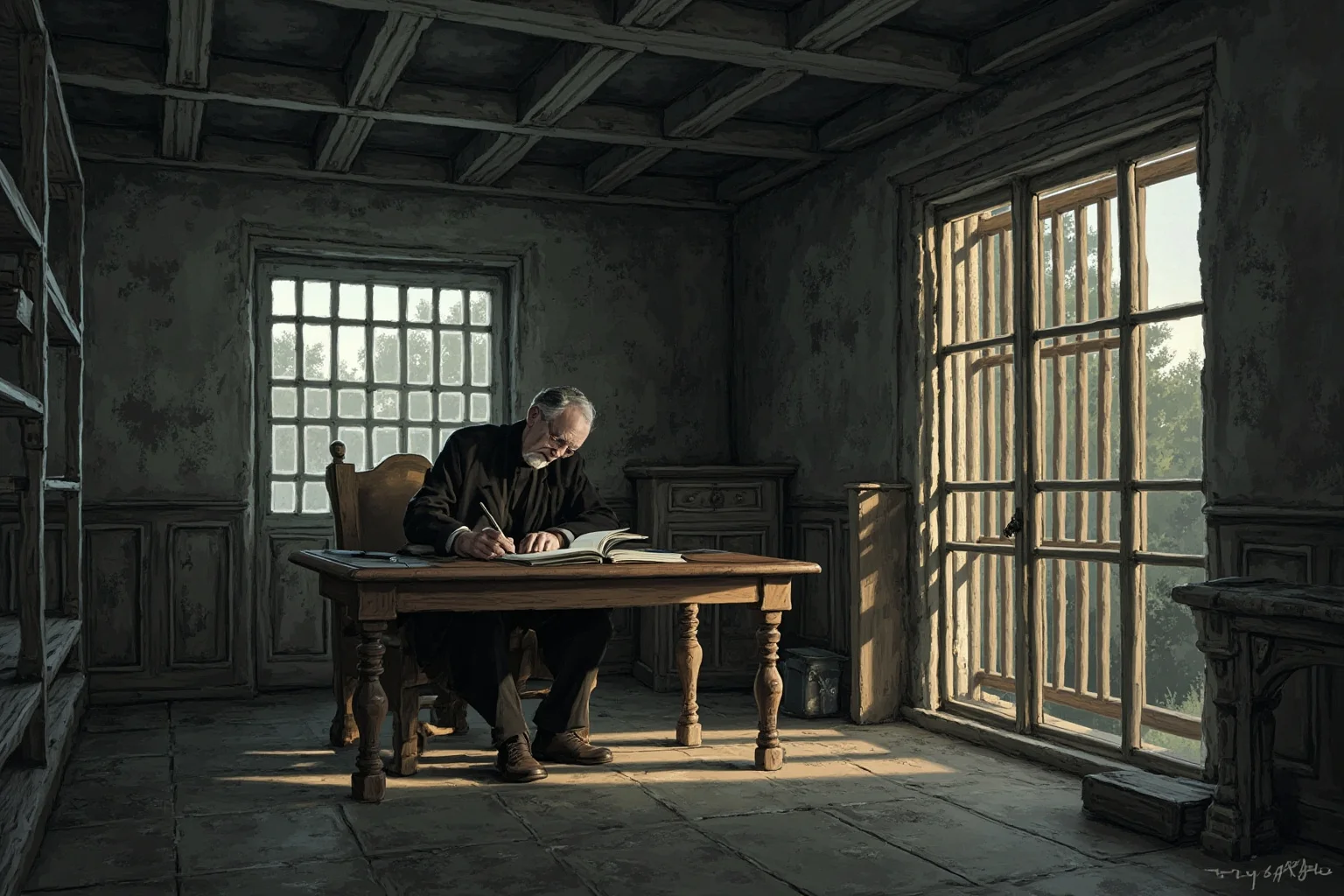
Dietrich Bonhoeffer was a German Lutheran theologian who publicly opposed the Nazi regime’s persecution of Jews and its co-opting of the German church. He became involved with resistance circles connected to plots against Hitler.
He was arrested in 1943 and executed in April 1945, just weeks before the war in Europe ended. His writings on faith and moral responsibility under tyranny are still widely read today.
Revolutionaries, Spies, and Reformers
13. Nathan Hale (1755–1776)
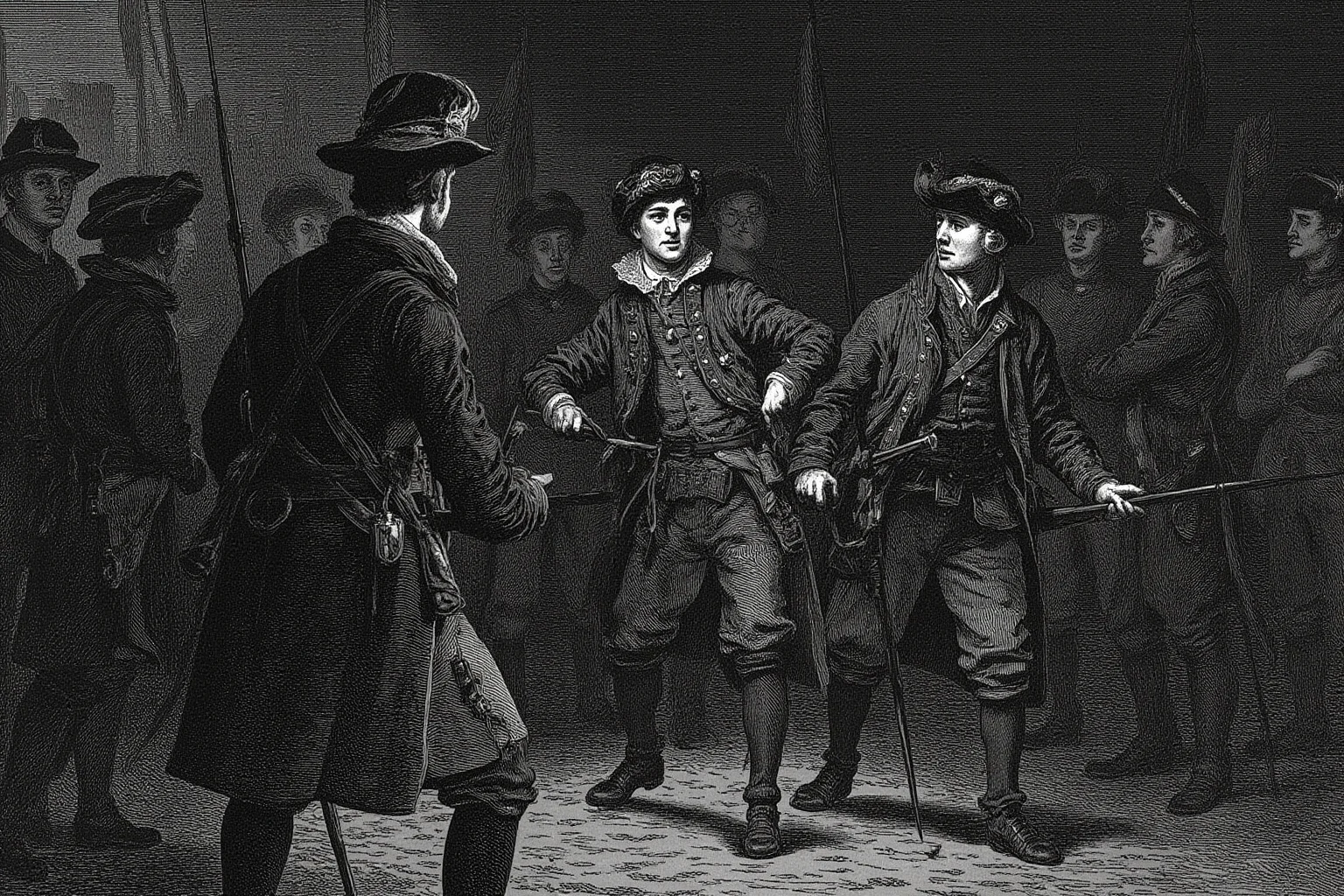
Nathan Hale was a young American officer who volunteered for a dangerous spying mission behind British lines during the Revolutionary War. He was captured and executed by the British in 1776 at just 21 years old.
He’s often quoted as saying he regretted having “but one life to lose” for his country, though historians note the exact wording of his final statement isn’t verified with certainty. Regardless of the precise quote, his willingness to volunteer for near-certain danger is well documented.
14. Rosa Parks (1913–2005)
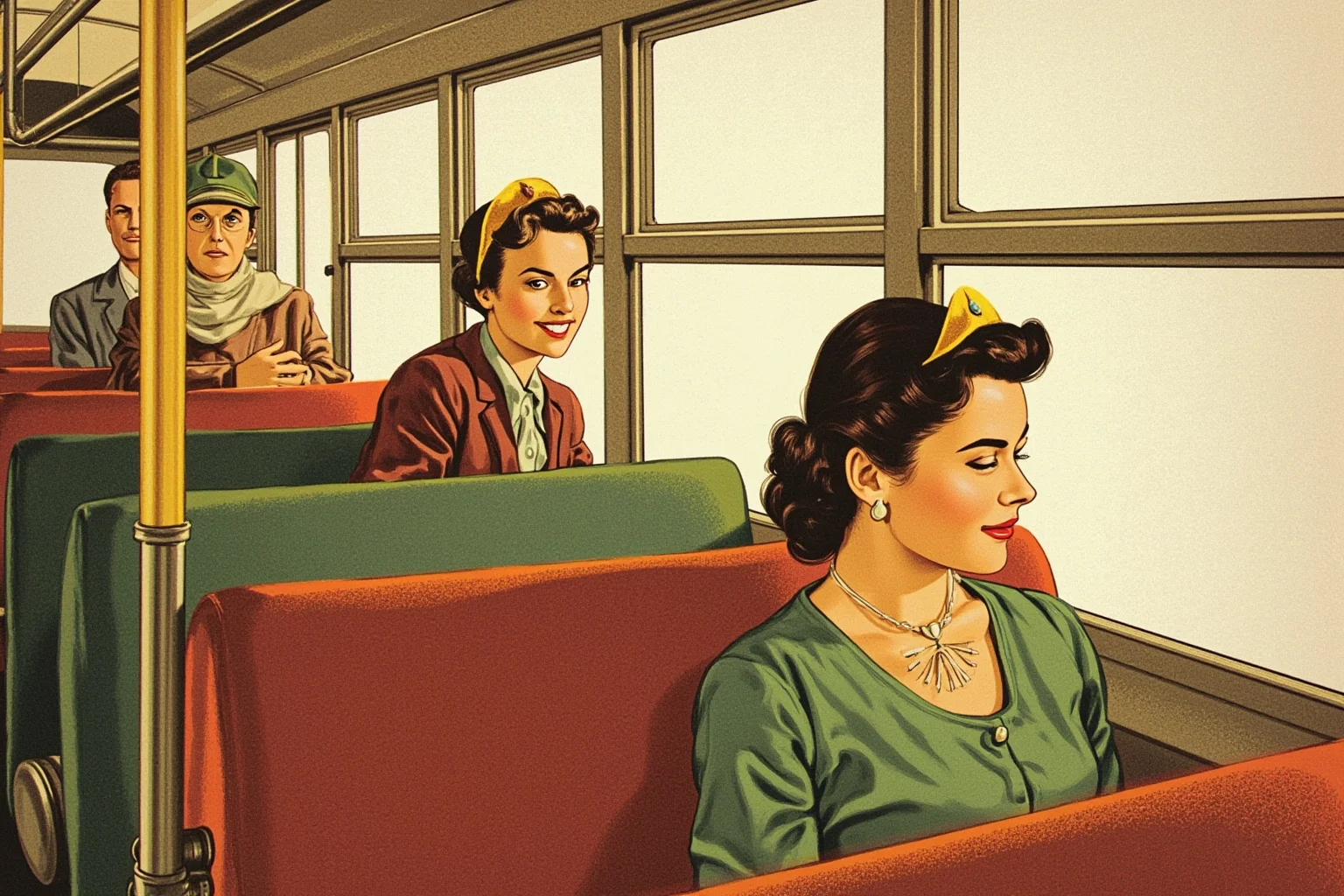
In 1955, Rosa Parks refused to give up her seat to a white passenger on a segregated Montgomery, Alabama bus, in direct violation of local law. Her arrest helped spark the Montgomery Bus Boycott, a pivotal moment in the American civil rights movement.
Parks had already been active in civil rights organizing before that day, and her calm, deliberate refusal took real personal risk in a state where such defiance could carry violent consequences.
15. Viola Desmond (1914–1965)

Viola Desmond was a Black Canadian businesswoman who, in 1946, refused to leave the whites-only section of a movie theater in Nova Scotia. She was forcibly removed, jailed overnight, and fined — years before more widely known civil rights milestones in the United States.
Her case became a landmark in Canadian civil rights history. She was posthumously pardoned decades later and now appears on Canada’s ten-dollar bill.
16. Mahatma Gandhi (1869–1948)
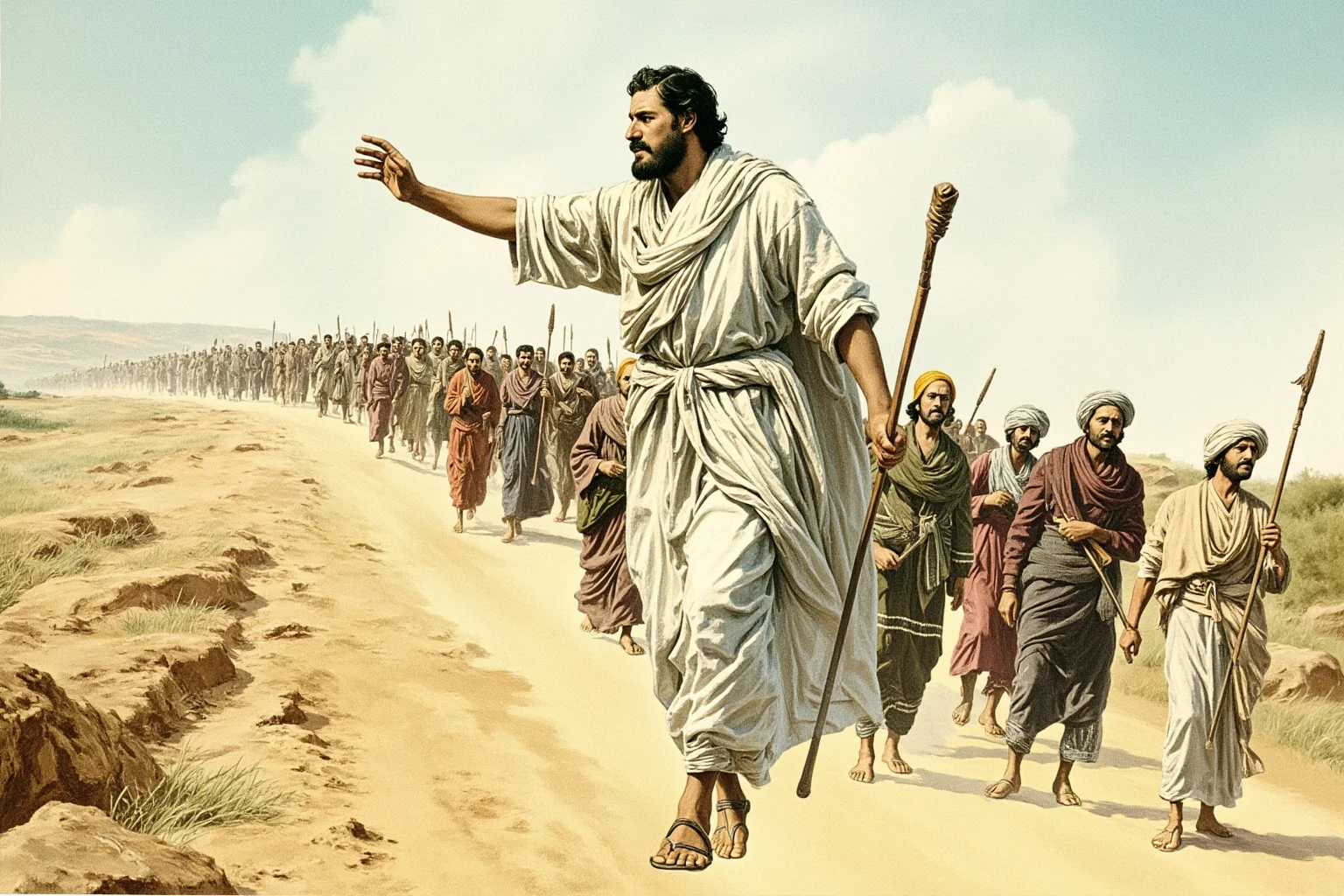
Mahatma Gandhi led decades of nonviolent resistance against British colonial rule in India, including the famous 1930 Salt March in defiance of British salt taxes. He was imprisoned multiple times for his activism.
His approach required a specific kind of courage: enduring violence and imprisonment without retaliating, trusting that discipline and moral pressure could outlast military force. He was assassinated in 1948, shortly after India achieved independence.
17. Nelson Mandela (1918–2013)
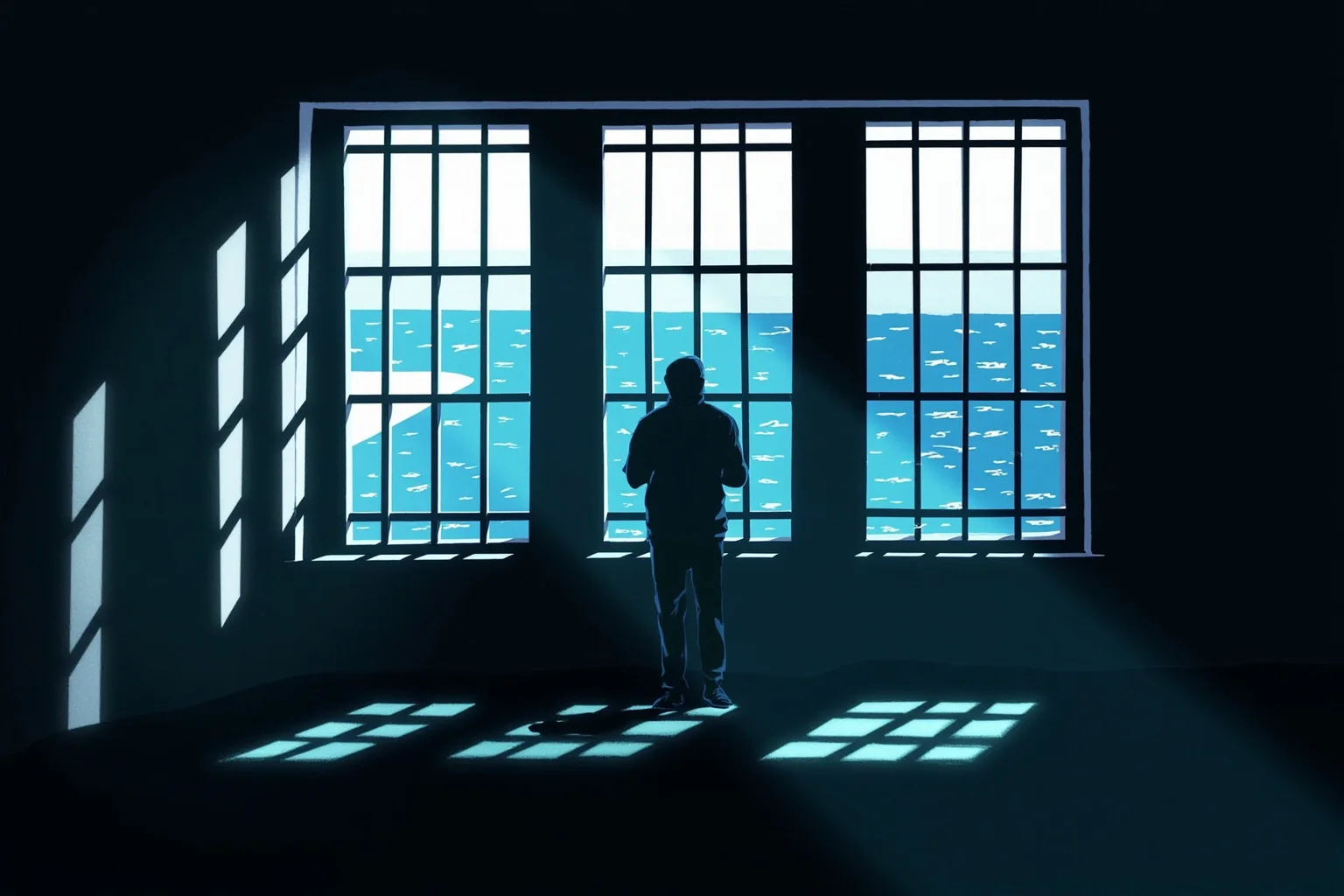
Nelson Mandela spent 27 years in prison for his fight against South Africa’s apartheid regime, much of it in brutal conditions on Robben Island. After his release in 1990, he chose reconciliation over revenge, working with his former oppressors to help transition South Africa toward democracy.
This is often cited alongside the popular saying that “the one who forgives first is the bravest.” Whether or not that exact phrase has one traceable origin, Mandela’s documented choice to prioritize national healing over retribution is widely regarded as one of history’s clearest examples of moral courage in action, and it’s part of why he remains one of the most recognized historical figures of the 20th century.
18. Emmeline Pankhurst (1858–1928)
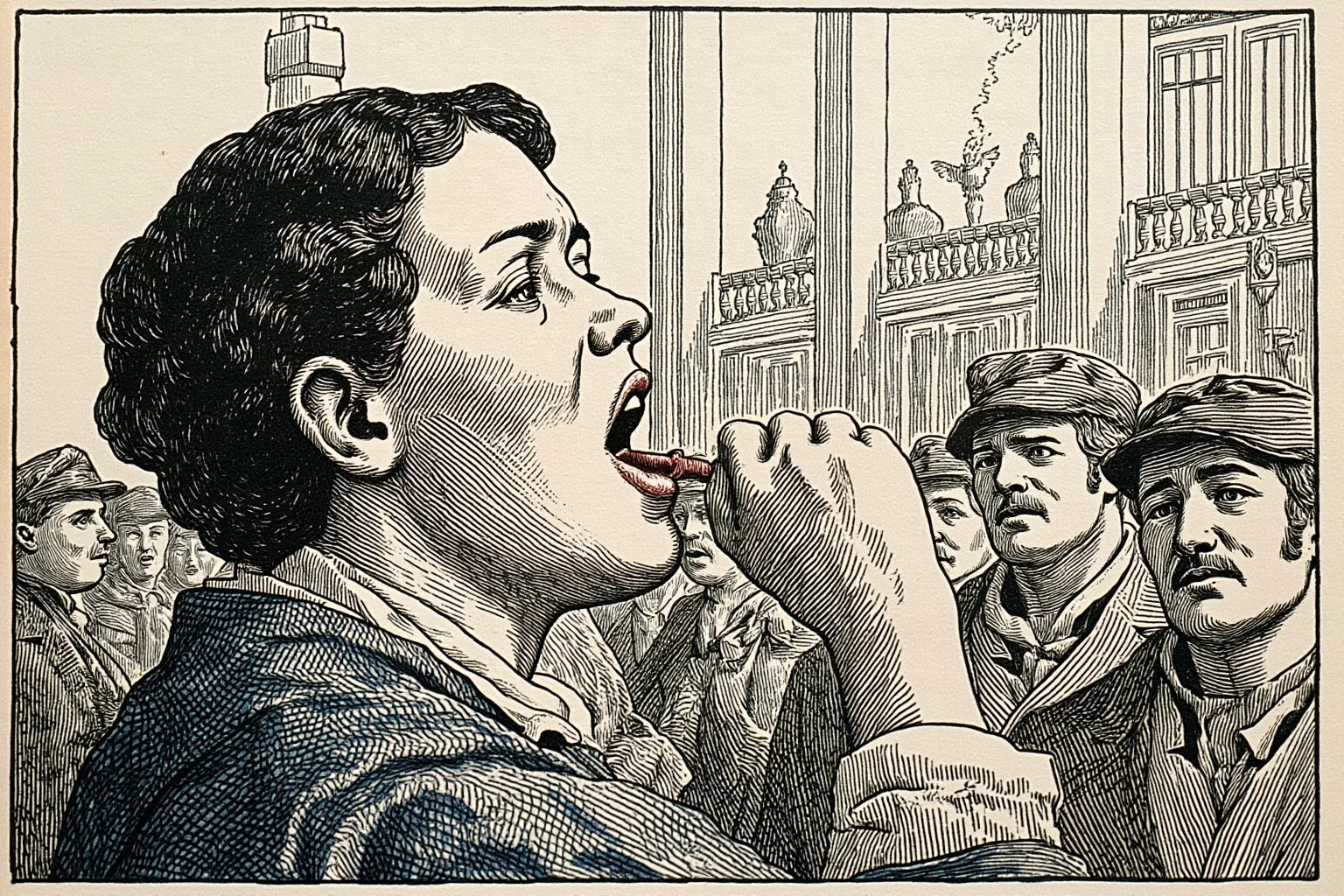
Emmeline Pankhurst founded the Women’s Social and Political Union in Britain and led an increasingly confrontational suffragette movement to win women the right to vote. She was arrested repeatedly and went on hunger strikes while imprisoned.
Her tactics were controversial even among fellow suffragists, but her persistence through arrests, forced feedings, and public backlash helped push women’s suffrage into the national conversation. British women over 30 gained the vote in 1918, with full equal voting rights following in 1928.
Modern-Day Courage
19. Wangari Maathai (1940–2011)
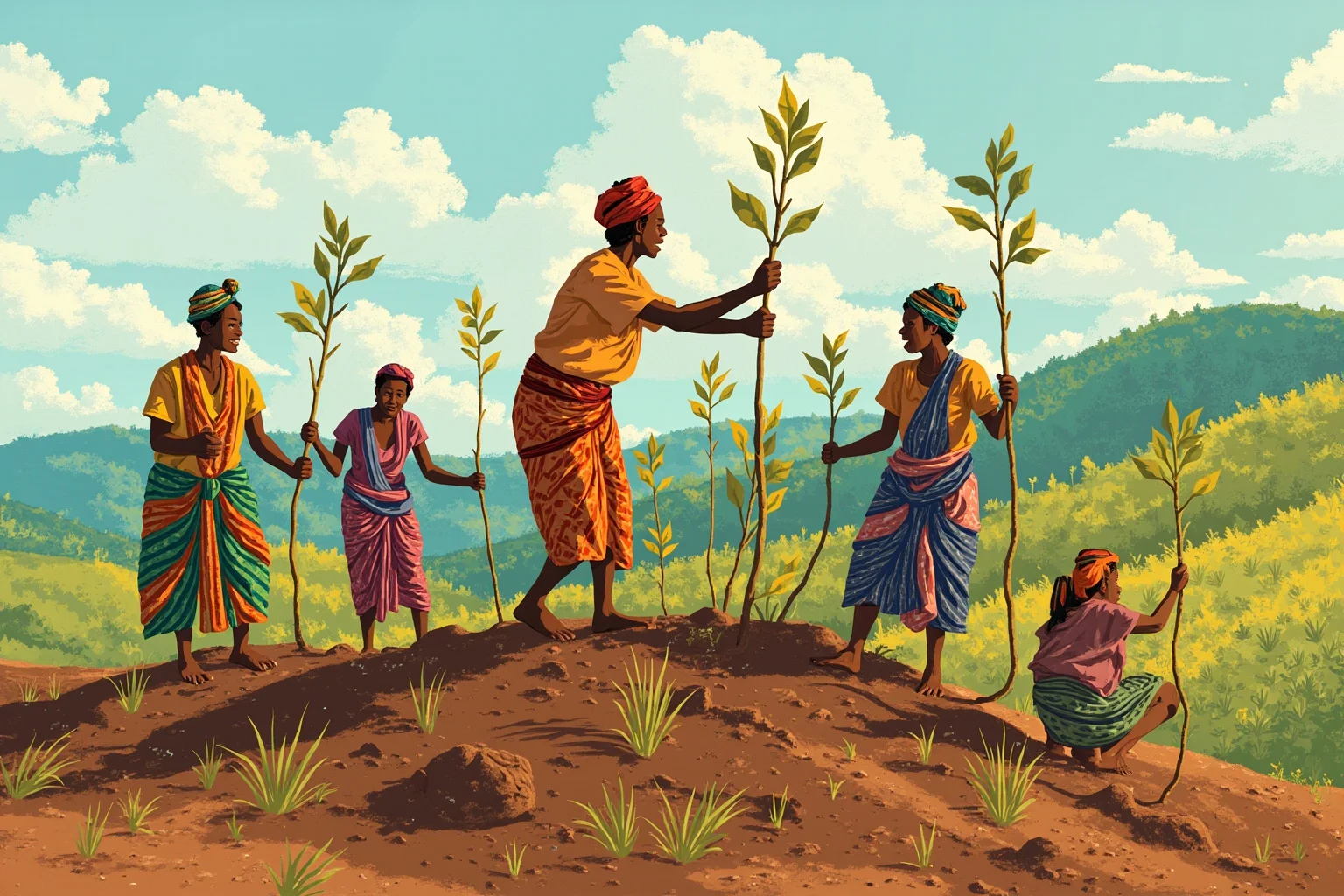
Wangari Maathai founded Kenya’s Green Belt Movement, which organized communities — largely women — to plant trees and resist environmental destruction and government land grabs. Her activism repeatedly put her at odds with an authoritarian government, and she was beaten and jailed for her work.
In 2004, she became the first African woman to win the Nobel Peace Prize, recognized for linking environmental protection with democracy and human rights. She remained an outspoken activist until her death in 2011.
20. Malala Yousafzai (born 1997)

Malala Yousafzai began publicly advocating for girls’ education in Pakistan as a young teenager, despite Taliban threats against anyone challenging their rule. In 2012, at age 15, she survived being shot by a Taliban gunman while riding a school bus.
She continued her advocacy after recovering, and in 2014 became the youngest person ever to win the Nobel Peace Prize, earning her a place among history’s most powerful women. She’s frequently cited as an answer to the question of what modern-day person has won awards for bravery, alongside Carnegie Medal recipients honored annually for civilian rescue acts.
21. Desmond Doss (1919–2006)
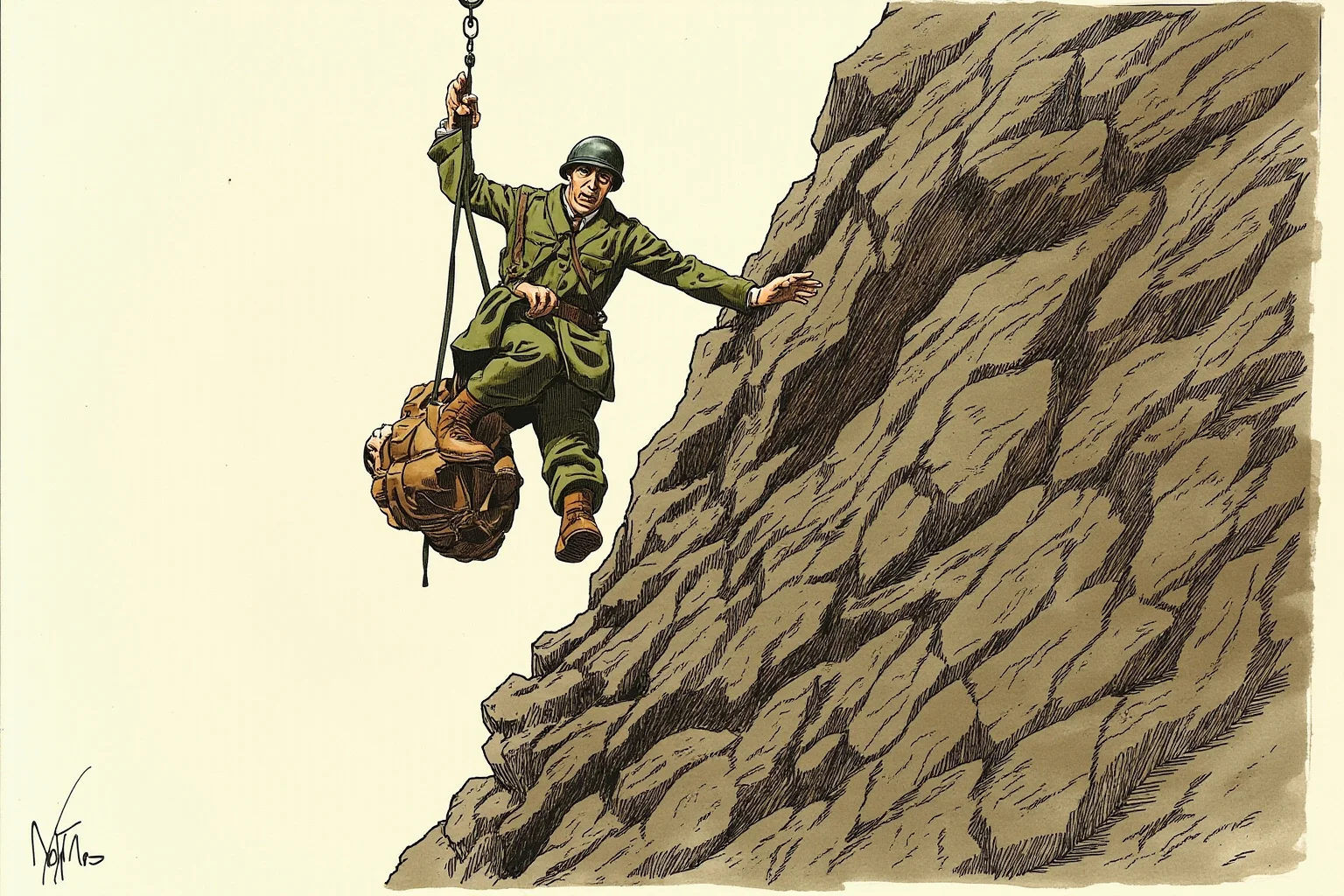
Desmond Doss was a U.S. Army medic and a conscientious objector who refused to carry a weapon into combat on religious grounds. During the brutal Battle of Okinawa in 1945, he single-handedly rescued around 75 wounded soldiers, lowering many of them down a steep escarpment under enemy fire, without ever firing a shot himself.
He was awarded the Medal of Honor, becoming the first conscientious objector in American history to receive it. His story later inspired the film “Hacksaw Ridge.”
22. Yuri Gagarin (1934–1968)
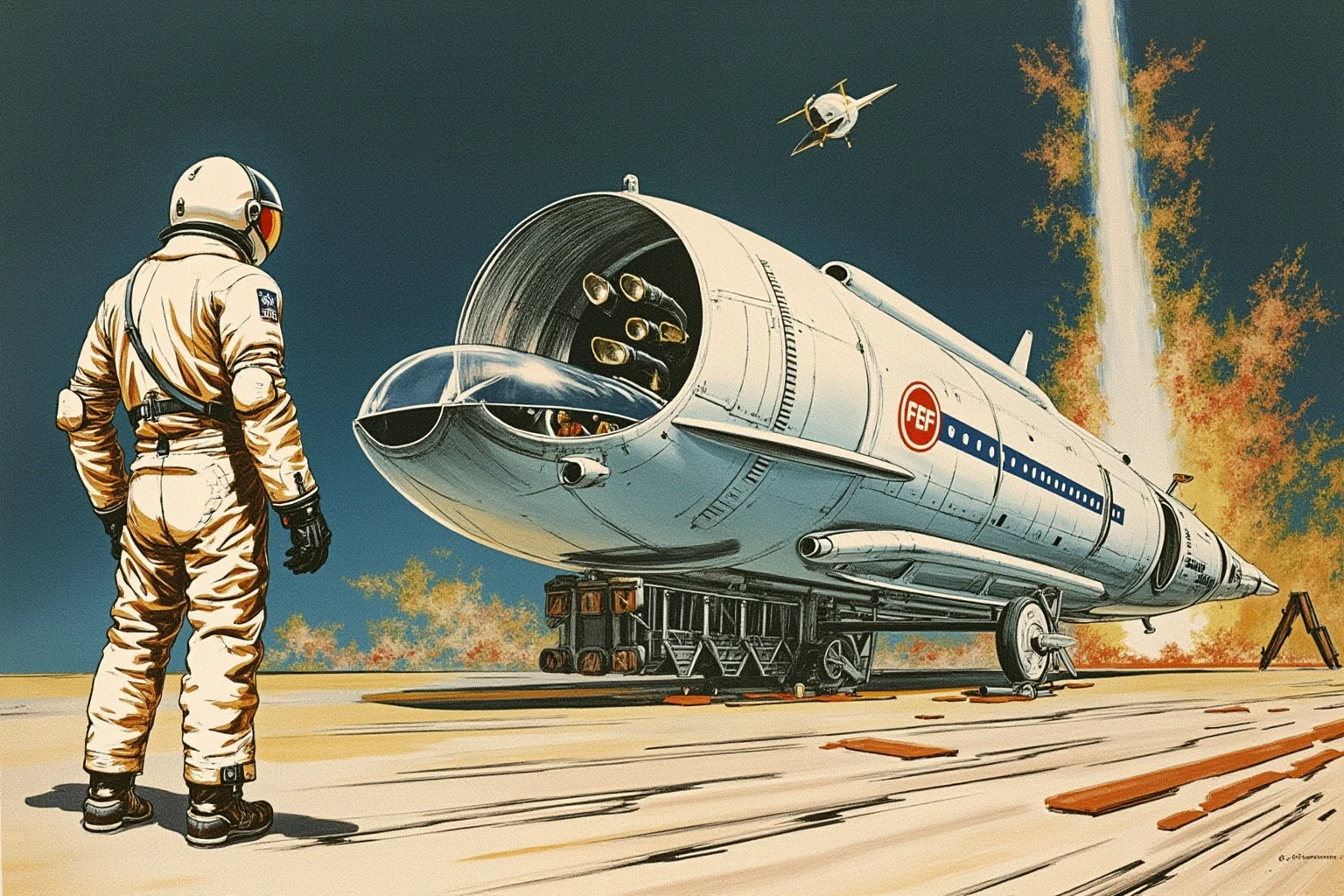
Yuri Gagarin became the first human to travel into space in April 1961, aboard the Vostok 1 spacecraft. The technology was still experimental, reentry procedures were largely untested on humans, and the mission carried genuine, unknown risks.
Gagarin’s flight required a different kind of bravery than a battlefield — a calculated willingness to be humanity’s test subject for an entirely new frontier. His 108-minute flight changed the course of the Cold War space race and human history.
Courage Doesn’t Look the Same Twice
Looking across these 22 stories, one thing stands out: there’s no single template for a brave person. Some faced armies, some faced firing squads, and some simply faced a room full of people who wanted them to sit down and stay quiet.
What they share is a willingness to act despite fear, risk, or near-certain personal cost. That’s really the throughline connecting courageous figures in history across every century and culture — not fearlessness, but follow-through, and in many ways it’s the moral opposite of the cruelty chronicled among history’s worst people who ever lived.
So the next time someone asks who are the bravest people in the world, it’s worth resisting the urge to name just one. History suggests courage is less a single crown and more a pattern that keeps repeating, in wildly different times and places, whenever someone decides that doing the right thing matters more than staying safe.
Frequently Asked Questions
Who are the bravest people in the world?
There's no single official ranking of the bravest people in the world, since courage isn't measured the way height or speed can be. Historically, the label gets applied to people like Harriet Tubman, Sophie Scholl, Mahatma Gandhi, and Malala Yousafzai — individuals who took serious, documented personal risks for a cause bigger than themselves.
Who is considered the bravest man in the world in history?
There isn't a verified record for a single "bravest man in the world." The title gets informally applied to many historical figures depending on context, from Leonidas I at Thermopylae to Nelson Mandela's decades of imprisonment for anti-apartheid activism. Most historians would say courage is too context-dependent to crown one definitive winner.
What modern-day person has won awards for bravery?
Malala Yousafzai won the 2014 Nobel Peace Prize after surviving a Taliban assassination attempt and continuing her advocacy for girls' education. Beyond her, the Carnegie Medal is awarded annually in the U.S. and Canada to civilians who risk their own lives to save others, and military honors like the Medal of Honor continue to be awarded for documented acts of extraordinary bravery in combat.
Is it true that “the one who forgives first is the bravest”?
It's a popular saying rather than a scientifically provable fact, and its exact original source isn't clearly documented. That said, psychologists generally agree that choosing forgiveness over retaliation takes real emotional strength, and historical examples like Nelson Mandela's reconciliation efforts after apartheid are often cited as real-world support for the idea.
Who is the weakest person in the world?
There's no verified record for the "weakest person in the world" — unlike strength records tracked by organizations like Guinness World Records, weakness isn't an official, measurable category anyone tracks or certifies. The phrase is mostly a curious internet search term rather than a documented title, and it's worth noting that physical strength has nothing to do with a person's courage or bravery.
What’s the difference between physical courage and moral courage?
Physical courage involves facing bodily danger, like a soldier charging into battle or a rescuer running into a burning building. Moral courage involves facing social, legal, or personal risk to do what's right, like speaking out against injustice or refusing to follow an unethical order, even without physical danger involved.

Alex Warren
Related Articles





