

Ask ten music lovers to name the greatest voices of all time and you’ll get ten different answers, along with a passionate argument for each one.
Some will swear by the raw power of a soul singer, others by the technical perfection of an opera star, and plenty will insist the best vocalist ever hasn’t even been born yet. That disagreement is part of what makes the topic so endlessly fun to explore.
This list takes a wide historical view, spanning more than a century of recorded sound, from the earliest gramophone stars of the 1900s to the stadium-filling voices of today.
Rather than crowning one single greatest singing voice of all time, we’re looking at the singers who are most consistently named among the best vocals of all time by critics, historians, and fellow musicians, while also being honest about which claims are verifiable and which are exaggerated legend.
TL;DR: There’s no scientific formula for crowning the single greatest voice ever, but from Enrico Caruso’s pioneering recordings to Beyoncé’s genre-spanning power, a select group of singers across two centuries permanently changed what the human voice could do.
What Actually Makes a Voice “The Greatest”?
Before ranking anyone, it helps to define the criteria, because “great vocal singers” get praised for very different reasons. Range matters, meaning how many notes a singer can hit cleanly from lowest to highest, but range alone doesn’t make someone the best vocalist ever.
Tone quality, breath control, pitch accuracy, and the ability to sustain difficult passages night after night all factor into technical mastery.
Just as important is emotional expression, the almost indefinable quality that makes a listener feel something rather than simply hear notes performed correctly.
Historians and critics also weigh influence, meaning how much a singer changed the artists who came after them. A voice can reshape an entire genre even if it isn’t the most technically flawless one on paper.
It’s worth flagging some myth-busting here too. Media outlets love throwing around claims like a “five-octave range,” but vocal scientists who’ve actually analyzed recordings often find those numbers inflated or based on notes that were spoken, shouted, or barely audible rather than sung with control.
Treat any specific octave count in this piece, or anywhere else, as a talking point rather than a settled scientific fact.
The Golden Age of Opera
1. Enrico Caruso
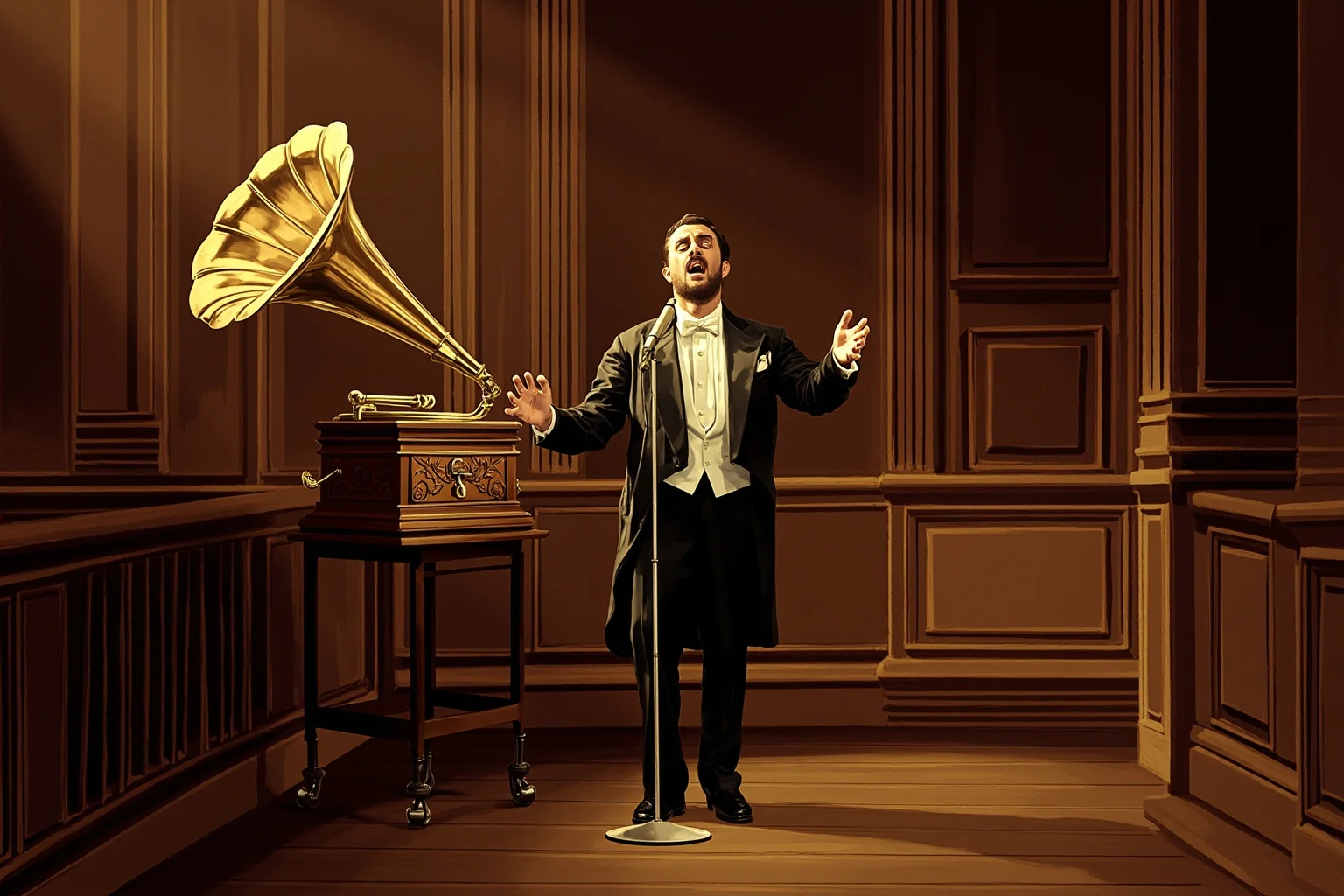
Enrico Caruso (1873–1921) is often cited as the first true recording superstar, an Italian tenor whose warm, powerful voice helped convince the public that gramophone records were worth buying. His partnership with the Victor Talking Machine Company in the early 1900s proved that classical singing could sell in massive numbers outside the opera house.
Critics praised his phrasing and the sheer richness of his tone, qualities that still come through despite the primitive recording technology of the era. He remains a benchmark whenever historians discuss the great voices of all time in classical music.
2. Maria Callas
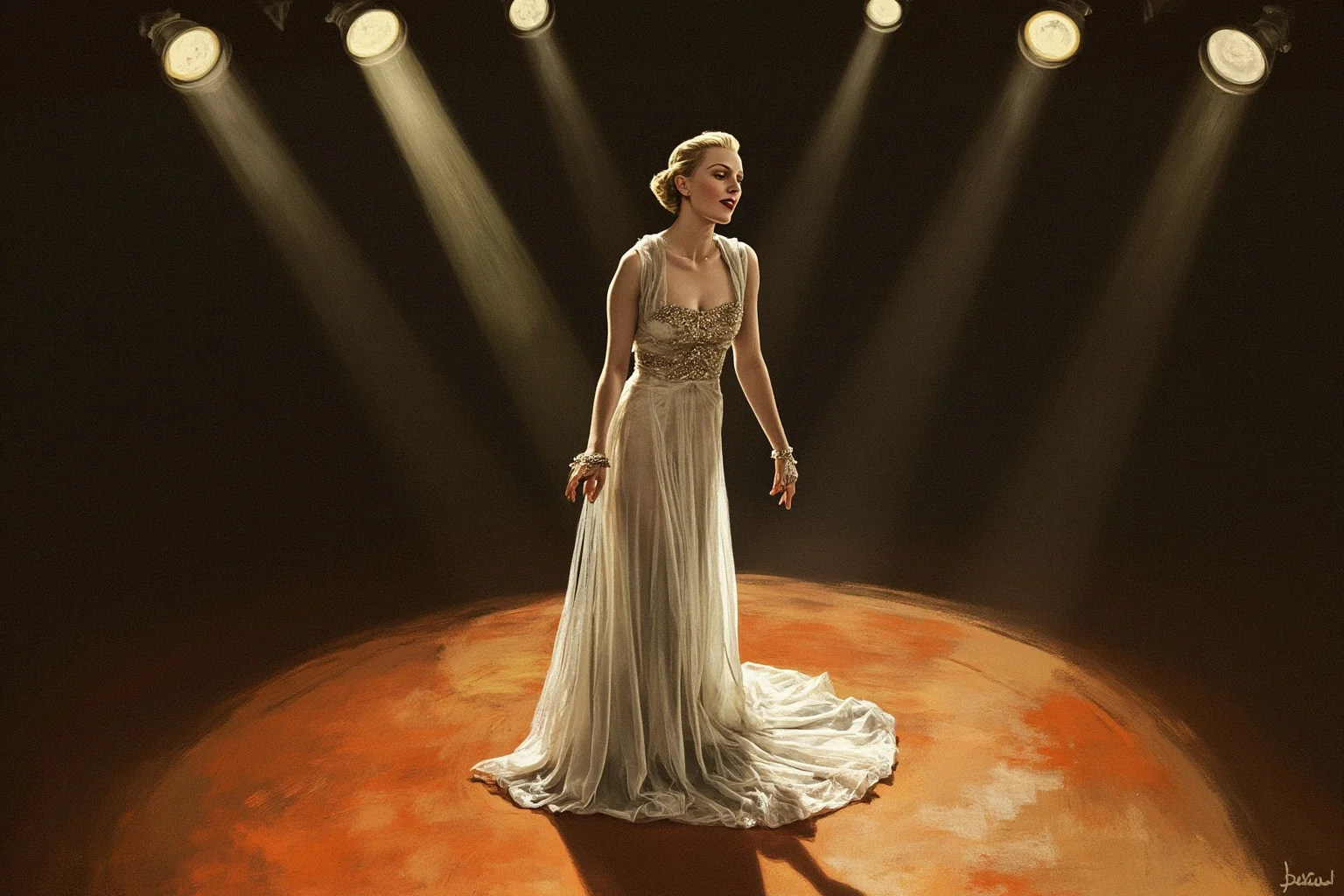
Greek-American soprano Maria Callas (1923–1977), nicknamed “La Divina,” is frequently named among the greatest voices of all time for her dramatic intensity rather than pure vocal perfection alone. Her performances at La Scala and other major houses revived interest in bel canto opera roles that had fallen out of fashion.
Callas’s career also illustrates an honest complication in these rankings: her upper register showed strain in later years, and critics still debate how much of her legend rests on technique versus sheer theatrical commitment. Both things can be true, and that tension is part of why she remains so studied.
3. Luciano Pavarotti
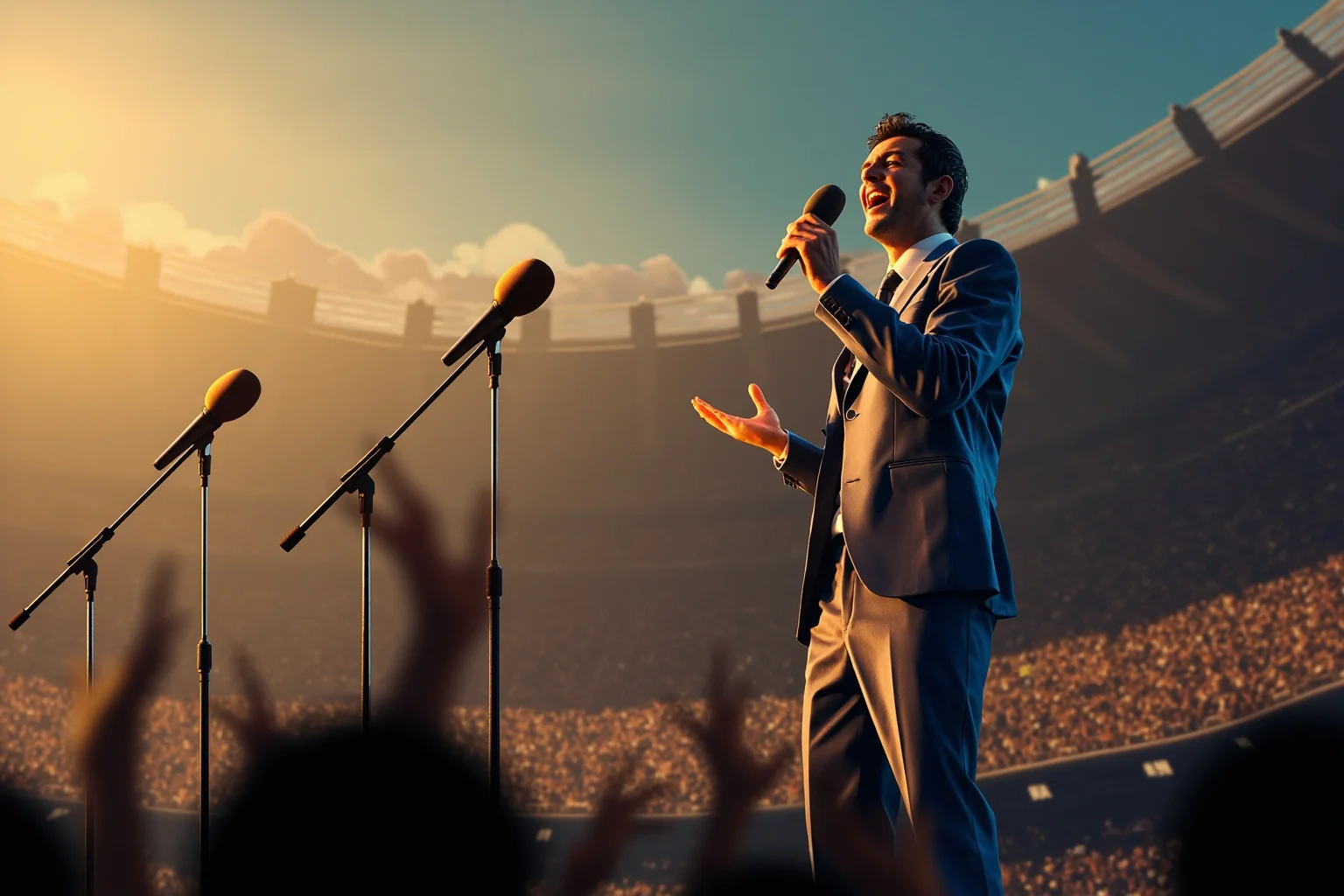
Luciano Pavarotti brought opera to a mass audience that had never set foot in an opera house, especially through the Three Tenors concerts that began ahead of the 1990 World Cup. His bright, ringing tenor and the aria “Nessun Dorma” became inseparable from that tournament in the public imagination.
Stories about his top notes have grown into legend over the decades, and some specific claims about record-breaking held notes are difficult to verify independently. What’s not in dispute is his role in making operatic singing feel accessible to millions of new listeners.
Jazz Legends and Classic Crooners
4. Ella Fitzgerald
Ella Fitzgerald, often called the First Lady of Song, is a fixture on almost any list of the best singing voices of all time thanks to her pure tone and pioneering scat singing. She rose from a difficult childhood, including time in a reform school, to become one of the most recorded jazz vocalists in history.
Her Songbook albums, covering composers like George Gershwin and Cole Porter, are still considered definitive interpretations decades later. Her technical control combined with warmth is a big reason musicians still study her phrasing today.
5. Billie Holiday
Billie Holiday didn’t have the widest range or the loudest voice, but her phrasing and emotional rawness made her one of jazz’s most influential vocalists. Her 1939 recording of “Strange Fruit,” a haunting protest song about lynching in the American South, showed how a voice could carry serious social weight.
Her life was marked by hardship, including struggles with addiction and the racism of the era’s music industry. Even so, her influence on how later singers approached timing and emotion in a lyric is hard to overstate.
6. Frank Sinatra
Frank Sinatra mastered the art of the microphone at a time when singers were still learning how to use amplification intimately rather than just projecting to the back of a room. His Capitol Records years in the 1950s are frequently pointed to as the peak of his phrasing and breath control.
He built on the crooning style pioneered by Bing Crosby but added his own rhythmic sense and emotional directness. Sinatra’s continued popularity decades after his death shows why he’s still discussed among the great voices of all time.
7. Nat King Cole
Nat King Cole started as a celebrated jazz pianist before his smooth baritone made him one of the best-selling vocalists of the mid-20th century. Songs like “Unforgettable” showcased a warmth and clarity that made him accessible across genres.
He also became one of the first Black entertainers to host his own network television show, in 1956, despite facing significant racism from sponsors and some affiliates. His voice opened doors, even when the industry around him tried to keep them shut.
8. Édith Piaf
Édith Piaf’s powerful, emotive voice seemed to come from a much larger performer than her small frame suggested. “La Vie en Rose” became a symbol of French resilience and romance in the years following World War II.
Her difficult early life, often mythologized in retellings, adds emotional context to her performances, though some biographical details have been dramatized over the years for film and stage. What remains verifiable is her lasting stature as one of France’s defining vocal artists.
Soul, Gospel, and R&B Powerhouses
9. Sam Cooke
Sam Cooke’s roots in gospel music, particularly with the group the Soul Stirrers, gave him a smooth yet powerful tenor that helped define soul music as it crossed into the pop mainstream. His 1964 song “A Change Is Gonna Come” became a lasting civil rights anthem.
His death later that same year, under circumstances that remain disputed and debated by historians, cut short a career that was still evolving. Even so, his influence on soul phrasing runs through nearly every singer on this list who followed him.
10. Aretha Franklin
Aretha Franklin, widely known as the Queen of Soul and celebrated among history’s most powerful women, brought gospel-trained power into secular music with force. Her 1967 hit “Respect” became both a commercial triumph and a cultural statement.
In 1987 she became the first woman inducted into the Rock and Roll Hall of Fame, a recognition of just how central her voice was to shaping modern R&B and soul. She remains one of the names most often cited when people debate the best vocalist ever in American popular music.
11. Nina Simone
Nina Simone trained classically as a pianist before pivoting toward the deep, commanding contralto voice that made her a singular presence in jazz and soul. She believed her rejection from the Curtis Institute of Music was racially motivated, a claim the institute gestured toward addressing decades later with an honorary degree in 2003.
Her music became deeply intertwined with the civil rights movement, blending classical training with raw political urgency. That combination of technical skill and conviction is a large part of her enduring legacy.
12. Marvin Gaye
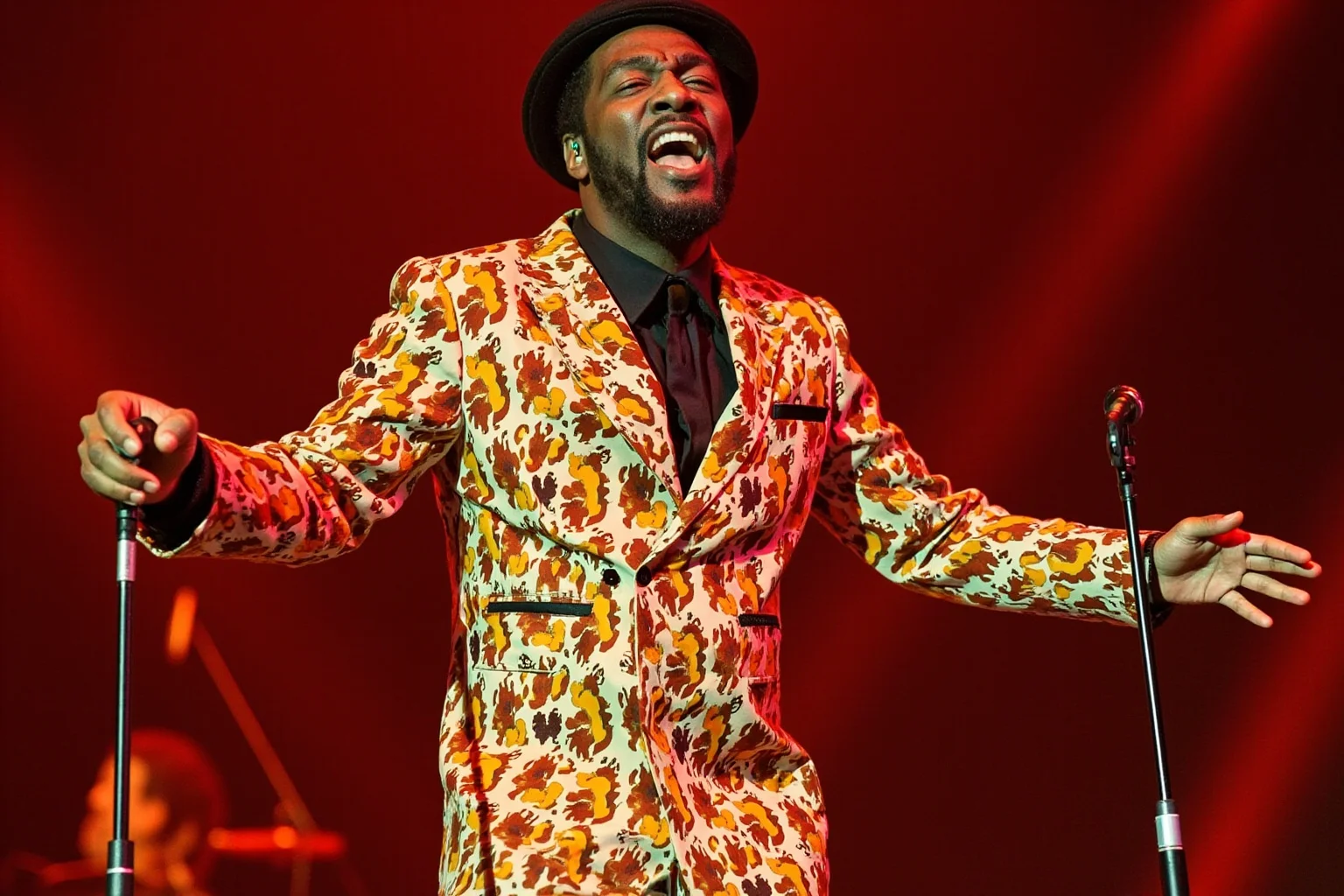
Marvin Gaye’s Motown-honed tenor could shift between smooth restraint and soaring falsetto within a single song. His 1971 album “What’s Going On” showed remarkable innovation, layering multiple vocal tracks of his own voice to create lush, conversational harmonies.
That production technique, combined with socially conscious songwriting, expanded what a soul record could sound like and say. His influence stretches across R&B, funk, and neo-soul artists who came decades after him.
13. Stevie Wonder
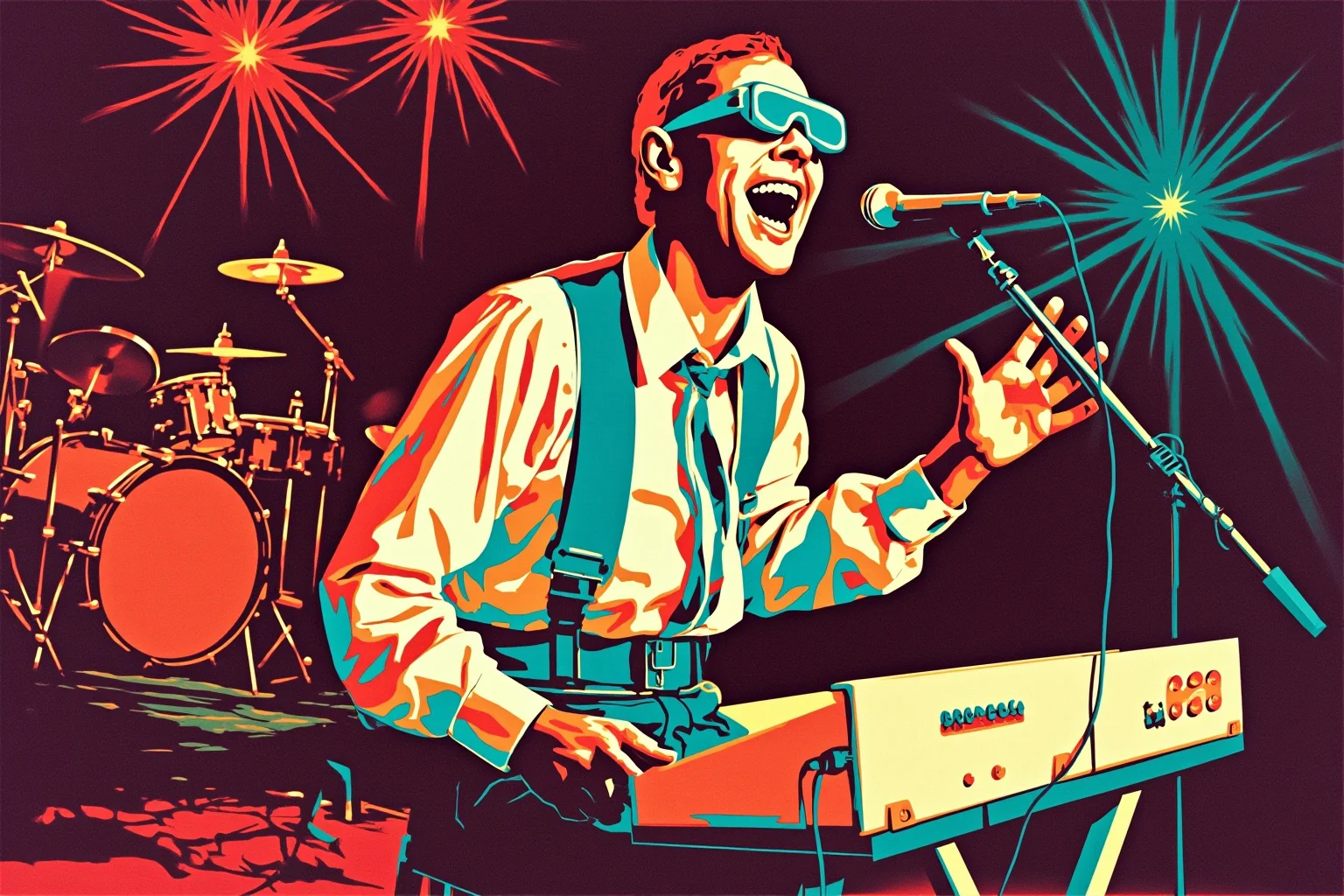
Stevie Wonder, blind since shortly after birth, became a Motown prodigy whose vocal and instrumental talents matured into some of the most celebrated albums of the 1970s. His voice moved fluidly between gospel-rooted power and gentle, jazzy phrasing depending on the song.
Albums like “Innervisions” and “Songs in the Key of Life” combined social commentary with musical ambition rarely matched before or since. His versatility is a major reason he’s still named among great vocal singers across genres.
Rock and Roll Rebels
14. Elvis Presley
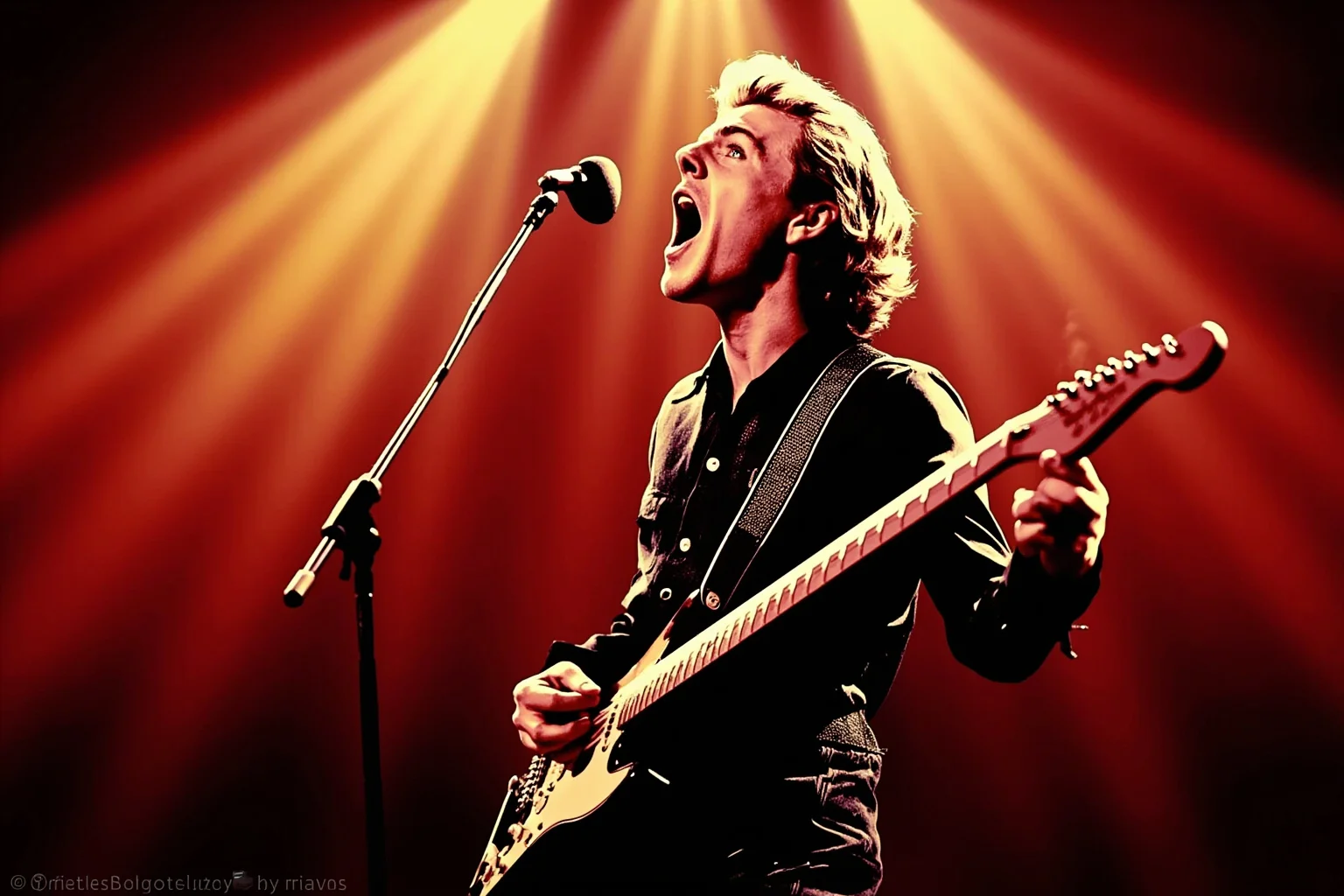
Elvis Presley earned the nickname “King of Rock and Roll,” and today his image ranks among the most recognized historical figures on the planet, thanks to a baritone voice that could move convincingly between gospel, country, and rhythm and blues. His crossover success in the mid-1950s introduced a huge white American audience to sounds rooted deeply in Black musical traditions.
It’s worth being clear-eyed here: Presley didn’t invent rock and roll, and artists like Big Mama Thornton and Arthur Crudup were performing similar material years earlier without receiving comparable commercial rewards, largely due to the racial barriers of the segregation-era music industry. Presley’s vocal talent was real, but so was the unequal system that shaped who got credited as the genre’s face.
15. Freddie Mercury
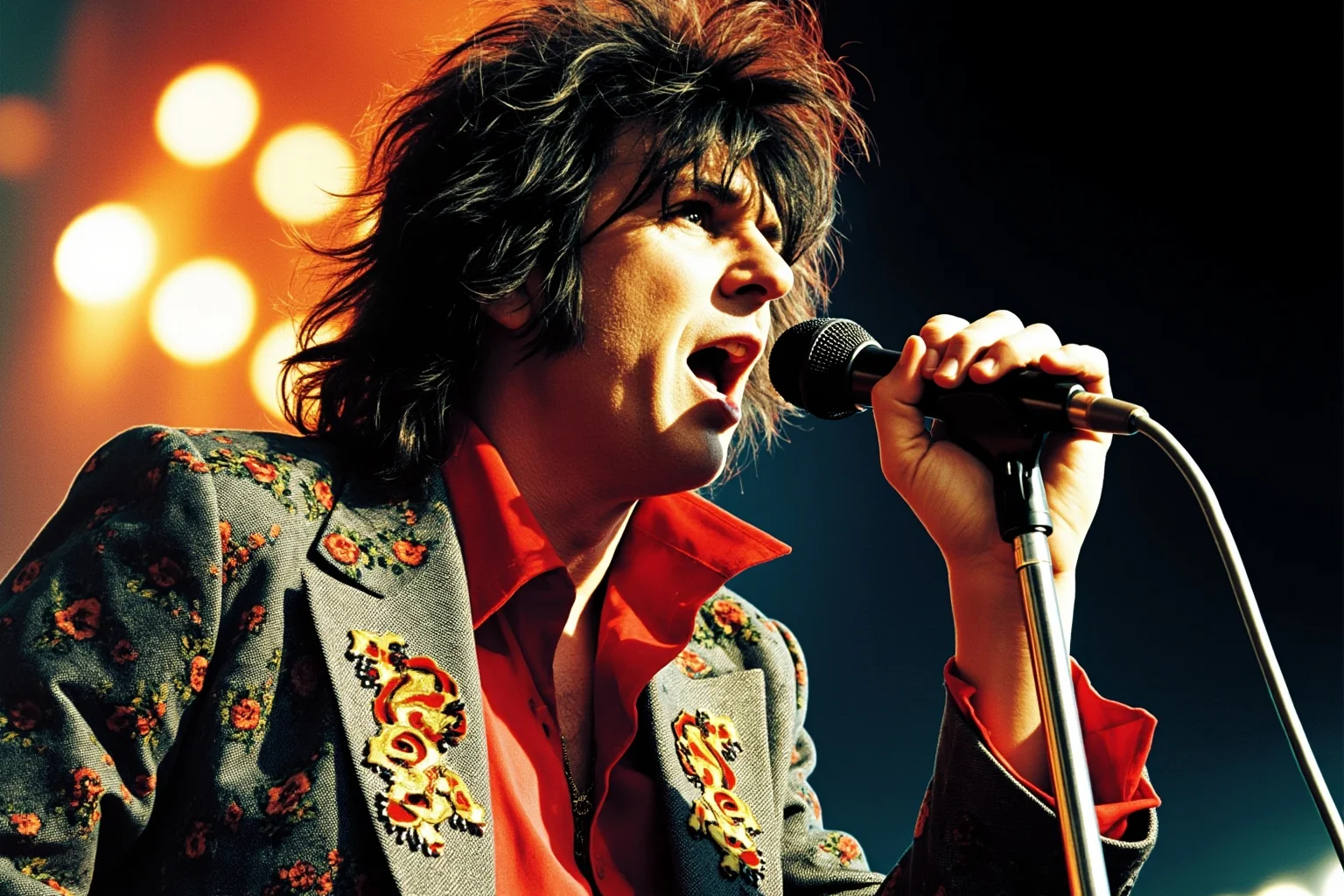
Freddie Mercury, frontman of Queen, combined operatic ambition with rock theatrics in a way few singers have matched. A 2016 scientific study of his recorded vocals analyzed his rapid vibrato technique, offering a rare case where claims about a singer’s ability were actually tested rather than just asserted.
Songs like “Bohemian Rhapsody” showed his willingness to blend genres that most rock acts kept separate. His stage presence and vocal range are consistently cited whenever fans argue over the greatest voice in the world in rock music specifically.
Musical Theatre and Broadway Royalty
16. Julie Andrews
Julie Andrews built a career on a crystalline, classically trained soprano showcased in “My Fair Lady,” “Mary Poppins,” and “The Sound of Music.” Her voice defined a certain golden-era sound for musical theatre and family films alike.
In 1997, throat surgery complications caused her to lose much of her upper singing range permanently, a sobering reminder that even the most trained professional voices are physically fragile. She later became an advocate for vocal health awareness because of that experience.
17. Barbra Streisand
Barbra Streisand’s powerful mezzo-soprano and precise control made her one of the defining vocalists to move between Broadway, film, and pop recording. Her role in “Funny Girl” cemented her as a major vocal talent of the 1960s.
A well-documented 1967 incident, where she forgot lyrics during a free concert in New York’s Central Park, contributed to years of stage fright that she has spoken about openly. That honesty about vocal and performance anxiety adds a human dimension often missing from more myth-heavy entries on lists like this one.
Modern Pop’s Greatest Voices
18. Michael Jackson
Michael Jackson’s vocal signature included an agile falsetto and percussive ad-libs, like hiccups and sharp intakes of breath, that became as recognizable as any lyric he sang. His work on “Thriller” and other albums fused soul, R&B, funk, and rock into a genuinely global pop sound.
His vocal choices influenced how a generation of pop and R&B singers approached rhythm and phrasing. Even critics who focus on his personal controversies generally acknowledge the technical and stylistic impact of his voice on popular music.
19. Whitney Houston
Whitney Houston’s version of “I Will Always Love You” is frequently pointed to as one of the best vocal performances ever recorded, built on powerful belting and elaborate melisma. She trained in gospel church settings before becoming one of the best-selling music artists of all time.
Her range is sometimes described in the media as spanning five octaves, but most vocal analysts place her practical singing range closer to three octaves, which is still exceptional by any standard. That gap between legend and measured reality is a useful example of why specific numeric claims deserve some skepticism.
20. Mariah Carey
Mariah Carey helped popularize the whistle register in mainstream pop music, most notably on her 1990 debut single “Vision of Love.” That technique, hitting extremely high notes above the typical singing range, became something of a signature move copied by many pop vocalists afterward.
Her catalog also showcases R&B-influenced belting and layered harmonies that reflect strong gospel and soul influences. She’s consistently named in modern discussions of the best singer voices of all time in pop music.
21. Celine Dion
Celine Dion’s powerful belt carried her from Quebec talent competitions to global fame, with “My Heart Will Go On” becoming one of the best-selling singles in history. Her long-running Las Vegas residency demonstrated remarkable vocal stamina, performing similarly demanding material night after night for years.
In 2022, she disclosed a diagnosis of stiff person syndrome, a rare neurological condition affecting muscle control that has impacted her ability to perform. Her openness about that struggle has added an important, honest chapter to her story as a vocalist.
22. Adele
Adele’s rich contralto voice, rooted in soul and pop songwriting, made albums like “21” into global phenomena. Her sound draws comparisons to earlier soul greats while still feeling distinctly modern.
In 2011, she underwent surgery for a vocal cord hemorrhage, a serious and sometimes career-threatening condition for singers. Her successful return afterward has made her an often-cited example of vocal resilience in contemporary pop.
23. Beyoncé
Beyoncé’s gospel- and soul-influenced power, first showcased with Destiny’s Child and later across a wide-ranging solo catalog, places her firmly among today’s most respected vocalists. Live performances, including her widely praised 2018 Coachella set, have highlighted both her vocal stamina and control under demanding physical choreography.
Her willingness to move across R&B, pop, country, and dance genres while maintaining vocal identity is part of why she’s frequently included in modern conversations about the best voices working today. Whether she belongs alongside historical figures like Callas or Franklin is exactly the kind of debate this whole topic invites.
Why Ranking the Best Voices of All Time Is Impossible to Settle
One honest complication rarely gets mentioned in these lists: recorded sound itself is a relatively recent invention. Thomas Edison, one of the greatest American inventors in history, patented his phonograph only in 1877, and reliable, widely distributed recordings didn’t really take off until the early 20th century. That means legendary pre-recording vocalists, like Swedish soprano Jenny Lind, celebrated across Europe and America in the 1800s, exist for us only through written reviews and secondhand accounts, not audio evidence.
That gap makes it genuinely impossible to compare a singer from the 1800s against a modern pop star using anything but historical reputation. Even within the recorded era, early gramophone technology distorted tone and dynamics in ways that make direct comparisons to modern studio recordings tricky. Any ranking claiming scientific certainty about the greatest singing voice of all time is oversimplifying a much messier historical picture.
Cultural bias also plays a real role in who gets remembered. Industry racism, gender expectations, and shifting popular tastes have historically determined which singers got major label support, radio play, and critical attention, regardless of raw talent. Recognizing that helps explain why some extraordinary voices, like several gospel and blues singers from the early 20th century, are far less famous today than their vocal ability arguably deserved.
Closing Thoughts on History’s Greatest Voices
There’s no single verified formula that produces one universally agreed-upon greatest voice ever, and that’s honestly part of the appeal. Different eras, genres, and listeners value different things, whether that’s operatic precision, gospel-rooted power, or the emotional risk-taking of a jazz phrase.
What these 23 singers share is lasting influence, the kind that gets studied, imitated, and argued about long after their most famous recordings were made. The debate over the best voices in history isn’t going away anytime soon, and honestly, that ongoing argument is a pretty good tribute to how much these voices still matter.
Frequently Asked Questions
Who is generally considered among the greatest voices of all time?
There's no official, universally agreed list, but names like Maria Callas, Aretha Franklin, Luciano Pavarotti, Whitney Houston, and Freddie Mercury appear again and again in critic polls, music history books, and fan surveys discussing the greatest voices of all time across classical, soul, and rock music.
Is there one true greatest voice ever, scientifically speaking?
No. Vocal quality involves range, tone, control, and emotional expression, and there's no single instrument or test that ranks all of those factors objectively. Claims of a definitive 'best voice in world' are always shaped by personal taste, genre, and cultural context rather than hard science.
Who is the most famous winner of The Voice?
No winner of the televised competition The Voice has reached the sustained superstardom of some American Idol alumni. Early winners like Javier Colon and later ones like Cassadee Pope and Danielle Bradbery found modest chart success, particularly in country music, but none became a defining global pop star purely from the show.
Can singers from completely different eras really be compared fairly?
It's genuinely difficult. Recording technology has changed dramatically since Enrico Caruso's early 1900s recordings, and singers from before the recording era, like 19th-century soprano Jenny Lind, exist only through written reviews. Comparing them directly to modern digitally-recorded pop stars mixes very different kinds of evidence.
What vocal qualities usually separate a great singer from an average one?
Musicians and critics typically point to pitch accuracy, breath control, tone quality, range, and emotional expressiveness. Influence on later artists also matters heavily in historical rankings, since a singer can reshape a whole genre even without having the widest technical range.
Are claims about singers having a ‘five-octave range’ usually accurate?
Often not in a strict technical sense. Vocal analysts who've studied recordings closely, including Whitney Houston's catalog, generally find that widely repeated octave claims are exaggerated for effect, with actual controlled singing ranges usually closer to three octaves, which is still remarkable.

Alex Warren
Related Articles





