

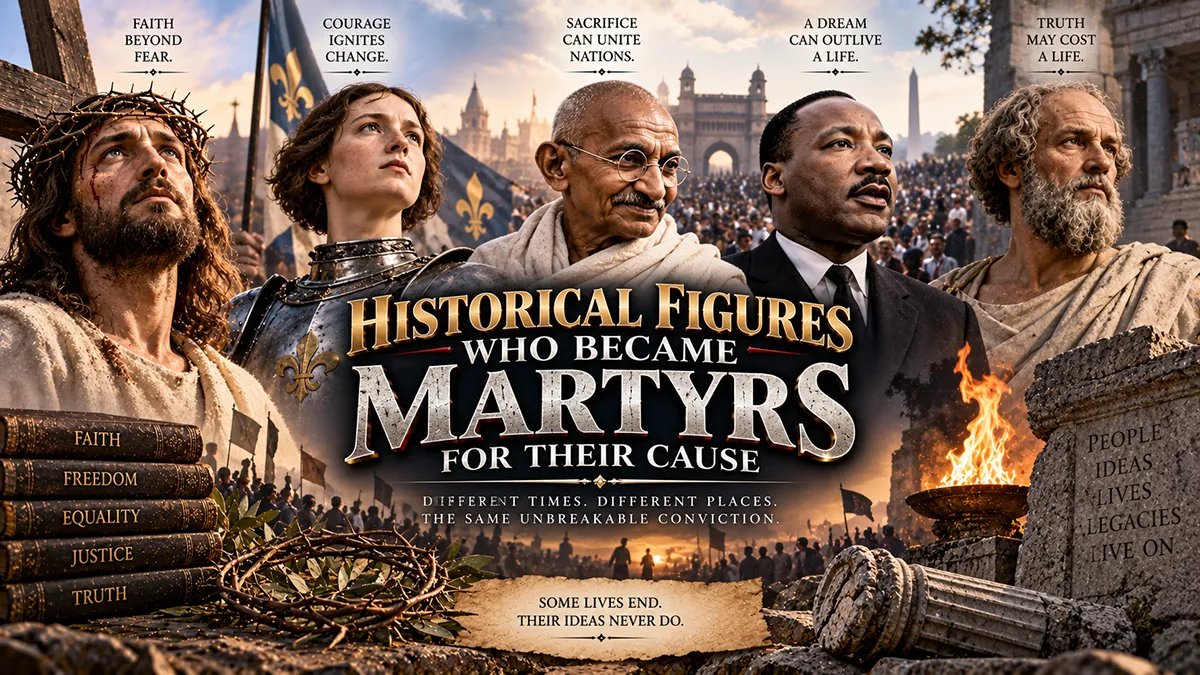
History is full of people who refused to back down, even when silence would have saved their lives. We call these people martyrs, and their stories tend to outlast empires, regimes, and the very institutions that tried to silence them.
But what actually makes someone a martyr, rather than just a casualty of history? This post digs into real, well-documented examples of martyrs from ancient philosophy to 21st-century protest movements, separating verified history from myth along the way.
TL;DR: A martyr is a person who dies for a cause or belief rather than renounce it, and history’s most famous martyrs — from Socrates to modern human rights activists — show that this kind of sacrifice has shaped religion, politics, and civil rights movements for over two thousand years.
What Is a Martyr’s Death, Really?
The word “martyr” comes from the Greek martys, meaning “witness.” Originally it described early Christians who testified to their faith even under threat of execution, but the concept has grown far beyond religion.
Today, a martyr figure is generally understood as a person who dies for a cause — political, religious, ideological, or moral — when they had the option to recant, flee, or stay silent and chose not to.
What is a martyr’s death, in the strictest sense? It’s a death that the person could have avoided, but accepted anyway because compromising their beliefs felt like a worse fate.
It’s worth being careful here, because the label “martyr” is sometimes applied loosely or after the fact for propaganda purposes.
Not everyone who dies during a conflict or protest is automatically a martyr in the historical sense, and some figures have been mythologized well beyond what the historical record supports. This list sticks to cases where the historical evidence for genuine sacrifice is solid.
Ancient and Religious Martyrs
Some of the earliest and most enduring examples of martyrs in history come from the ancient world, where philosophical conviction and religious persecution first collided with state power.
1. Socrates
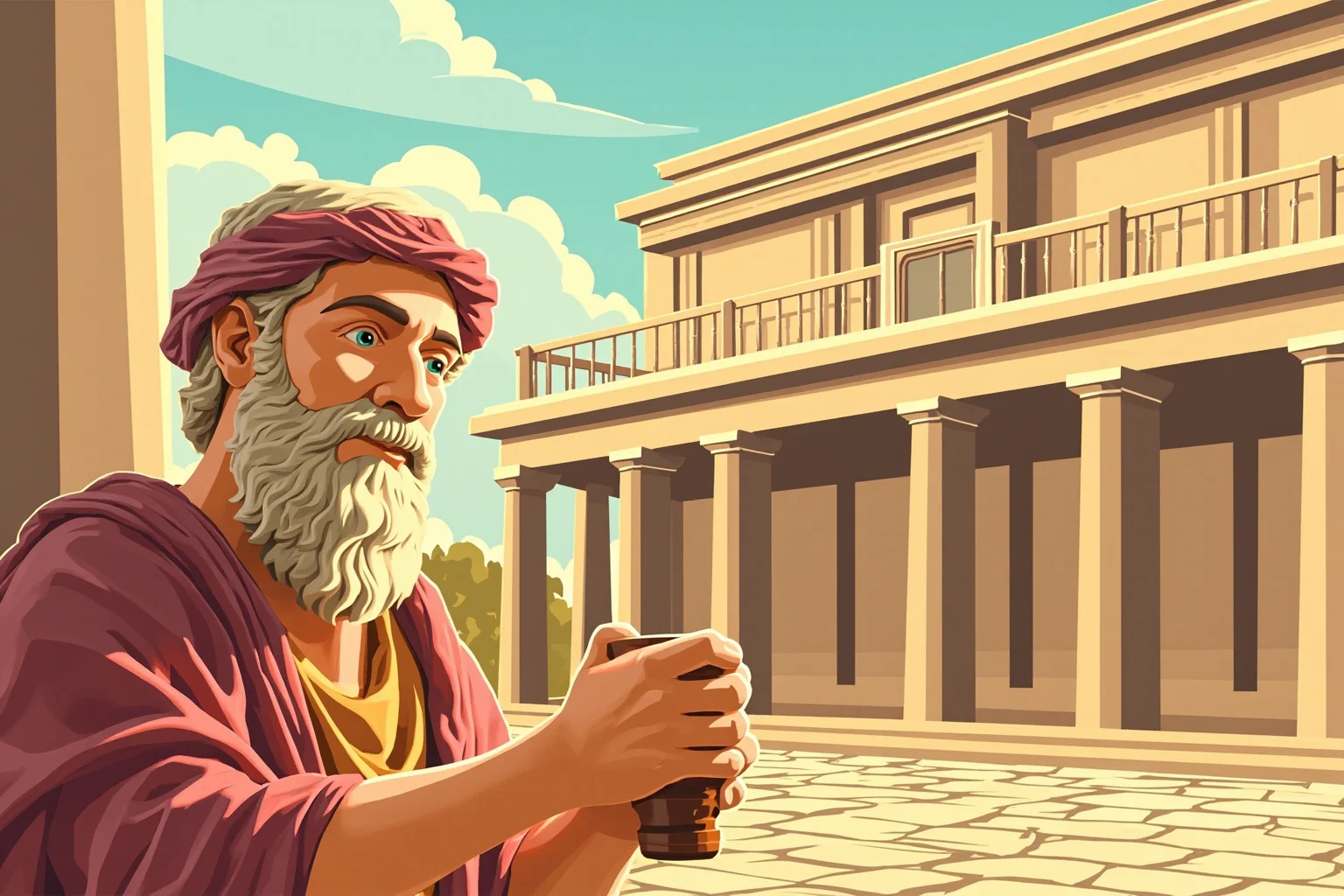
The Athenian philosopher Socrates was sentenced to death in 399 BCE for “corrupting the youth” and impiety toward the city’s gods. According to Plato’s account, Socrates had the chance to escape prison and flee into exile, but he chose to accept the sentence rather than abandon his philosophical principles.
He drank the poison hemlock surrounded by his students, reportedly continuing to discuss philosophy until the end. Whether or not every detail in Plato’s dialogues is verbatim history, Socrates is widely regarded as one of the first well-known martyrs for intellectual freedom, and his enduring philosophical influence often earns him a place among the smartest people in history.
2. Jesus of Nazareth
Jesus of Nazareth is likely the most famous martyr in Western history, venerated by billions as the central figure of Christianity. Most historians agree that a Jewish preacher named Jesus existed and was crucified by Roman authorities in Judea around 30–33 CE, a punishment reserved for perceived threats to Roman order.
Christian tradition holds that he could have avoided execution by renouncing his teachings, but chose death instead. His crucifixion became the foundational martyrdom narrative for Christianity, though theological claims about his resurrection are matters of faith rather than historical record.
3. Saint Stephen
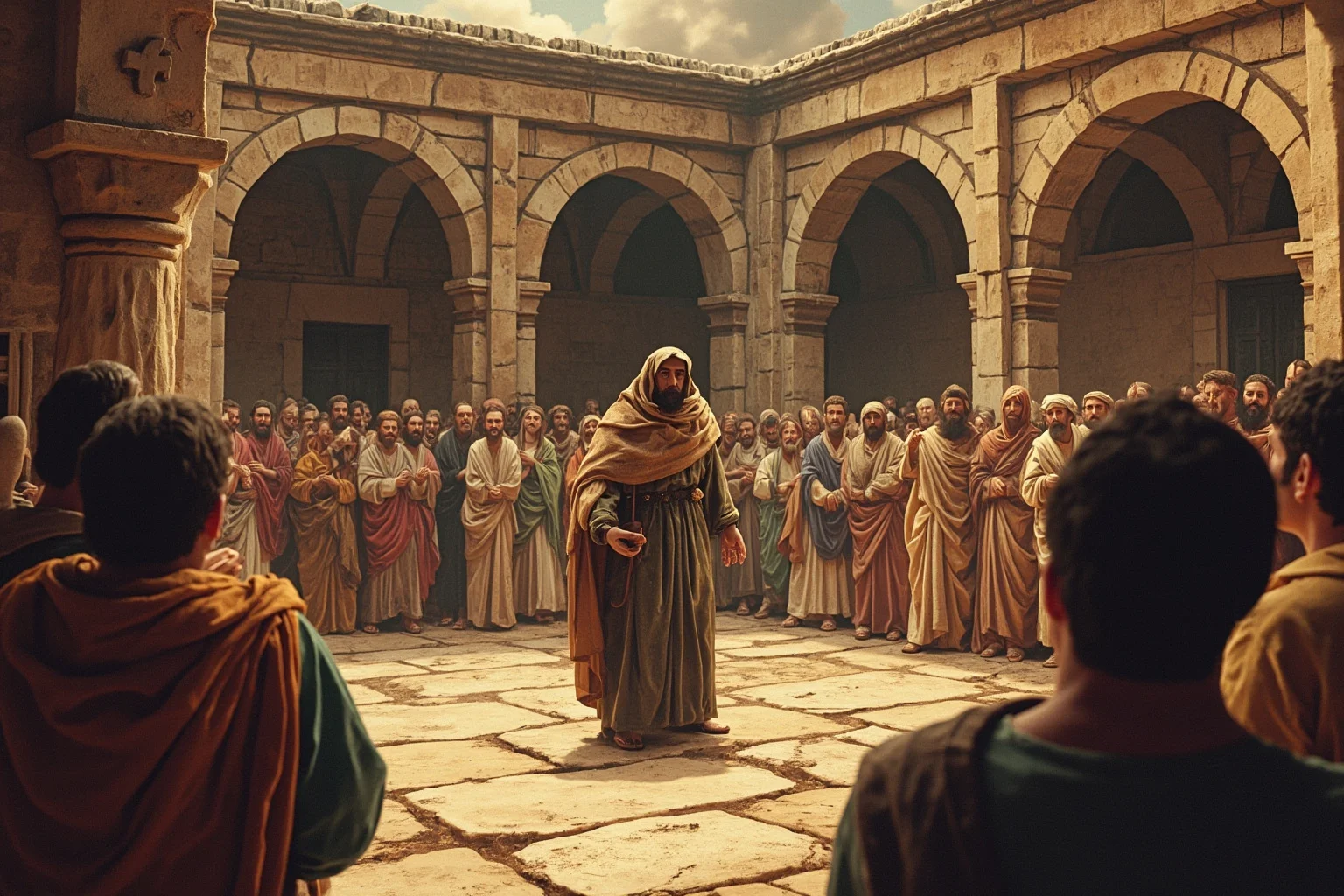
Stephen is traditionally recognized as Christianity’s first martyr, stoned to death around 34–36 CE according to the Book of Acts, after being accused of blasphemy before a Jewish council. His death set a precedent for how the early Christian church would remember those killed for refusing to abandon their faith.
His story became a template for centuries of Christian martyrology, influencing how later saints and religious dissenters were remembered.
4. Polycarp of Smyrna
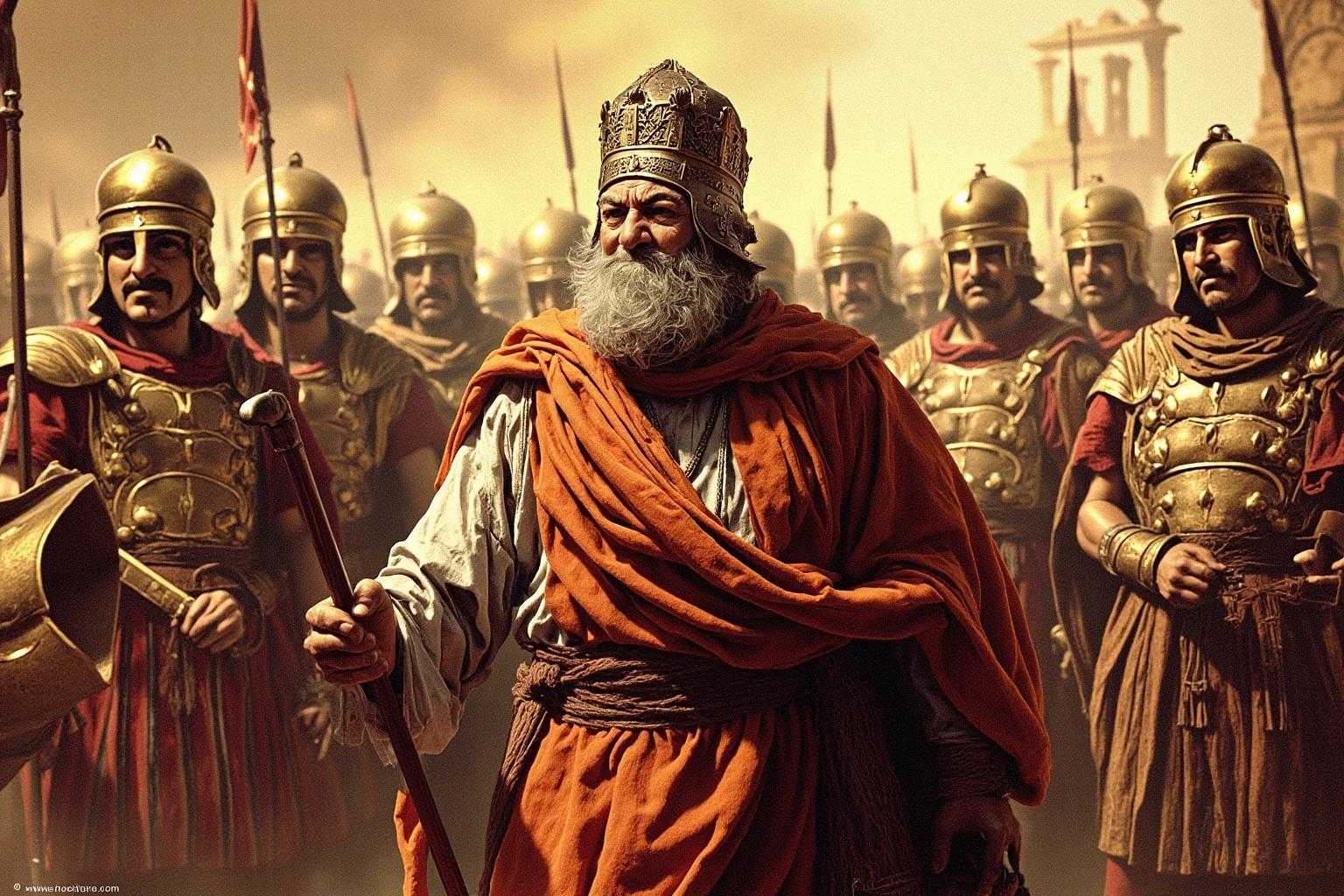
Polycarp was a second-century bishop and one of the earliest Christian martyrs whose death is documented outside of scripture, in a text known as the Martyrdom of Polycarp. Roman authorities reportedly offered him the chance to renounce Christianity and save his life, and tradition holds he refused.
He was executed around 155–167 CE. His account is considered one of the more historically grounded early Christian martyrdom narratives, since it was written relatively close to the events it describes.
5. Joan of Arc
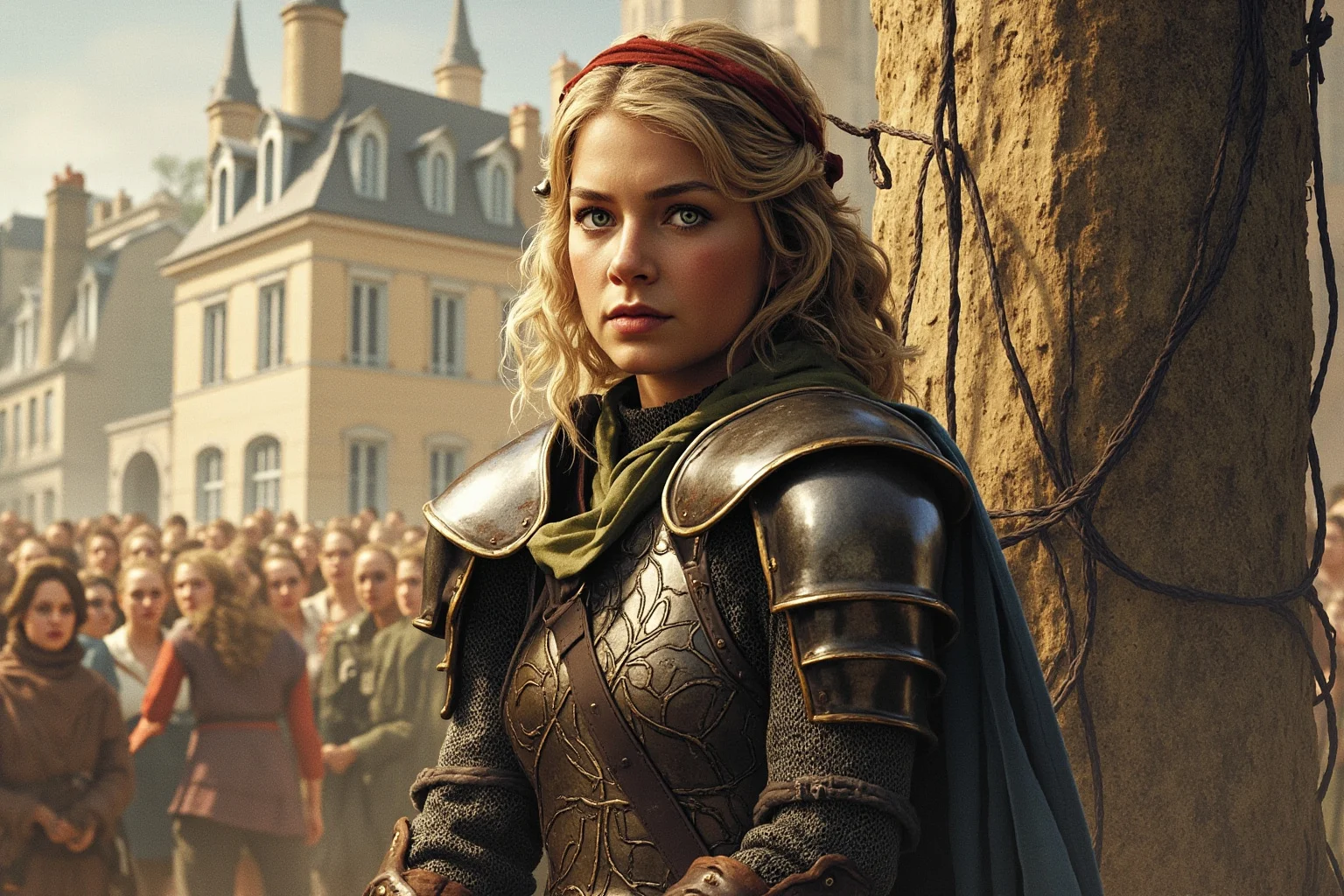
Joan of Arc led French forces during the Hundred Years’ War, claiming divine visions instructed her to support Charles VII’s claim to the throne. Captured by Burgundian forces and handed to the English, she was tried for heresy in 1431 and burned at the stake in Rouen at around age 19.
Decades later, a posthumous retrial cleared her name, and she was canonized as a saint in 1920. She remains one of history’s most famous martyrs, claimed by both religious and nationalist causes, and is often counted among history’s most powerful women.
6. Jan Hus
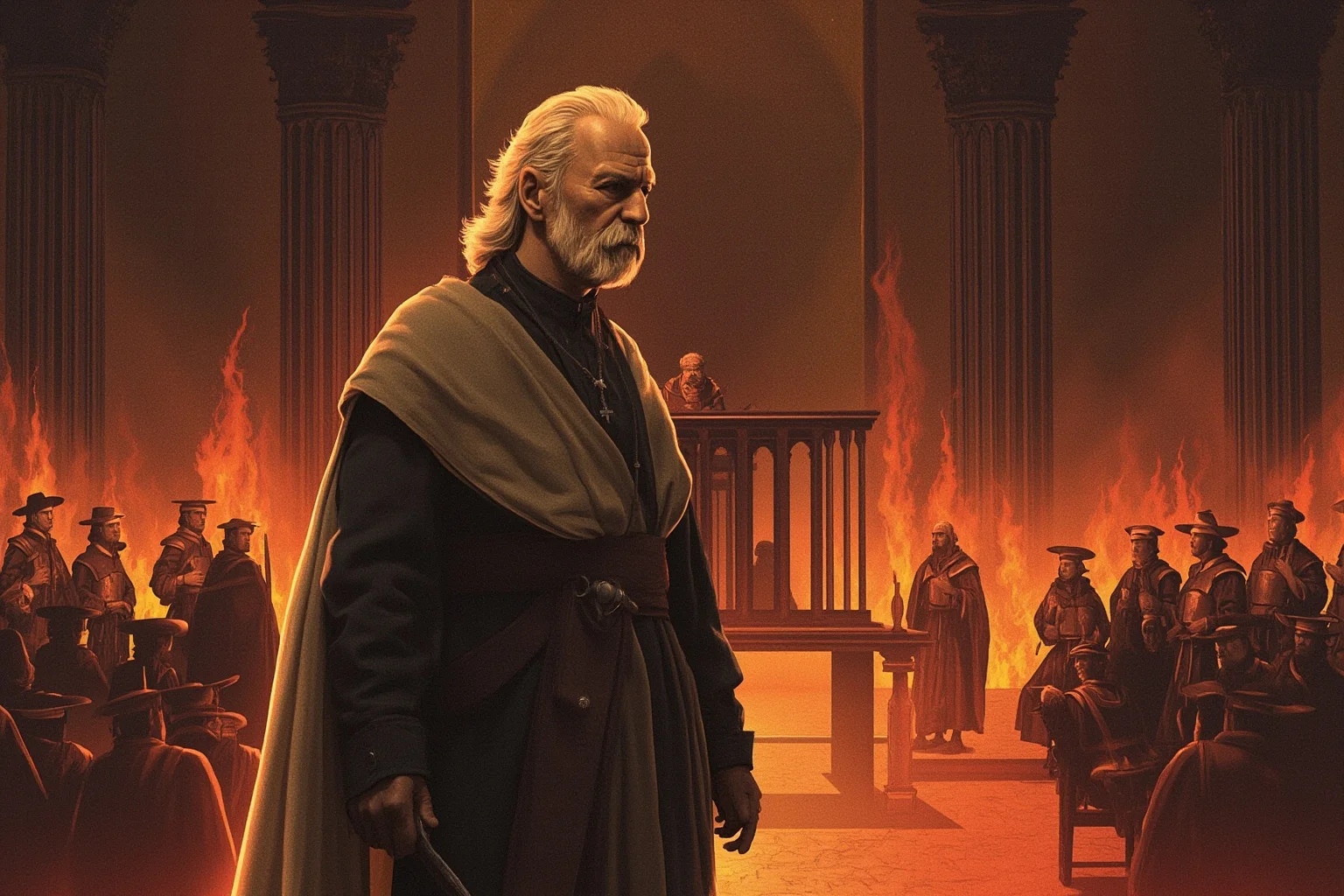
Jan Hus was a Czech theologian and reformer who criticized corruption in the Catholic Church roughly a century before Martin Luther. Summoned to the Council of Constance under a promise of safe conduct, he was tried for heresy anyway and burned at the stake in 1415.
His execution outraged his followers in Bohemia and helped spark the Hussite Wars. Hus is often cited as a direct precursor to the Protestant Reformation.
7. Thomas More
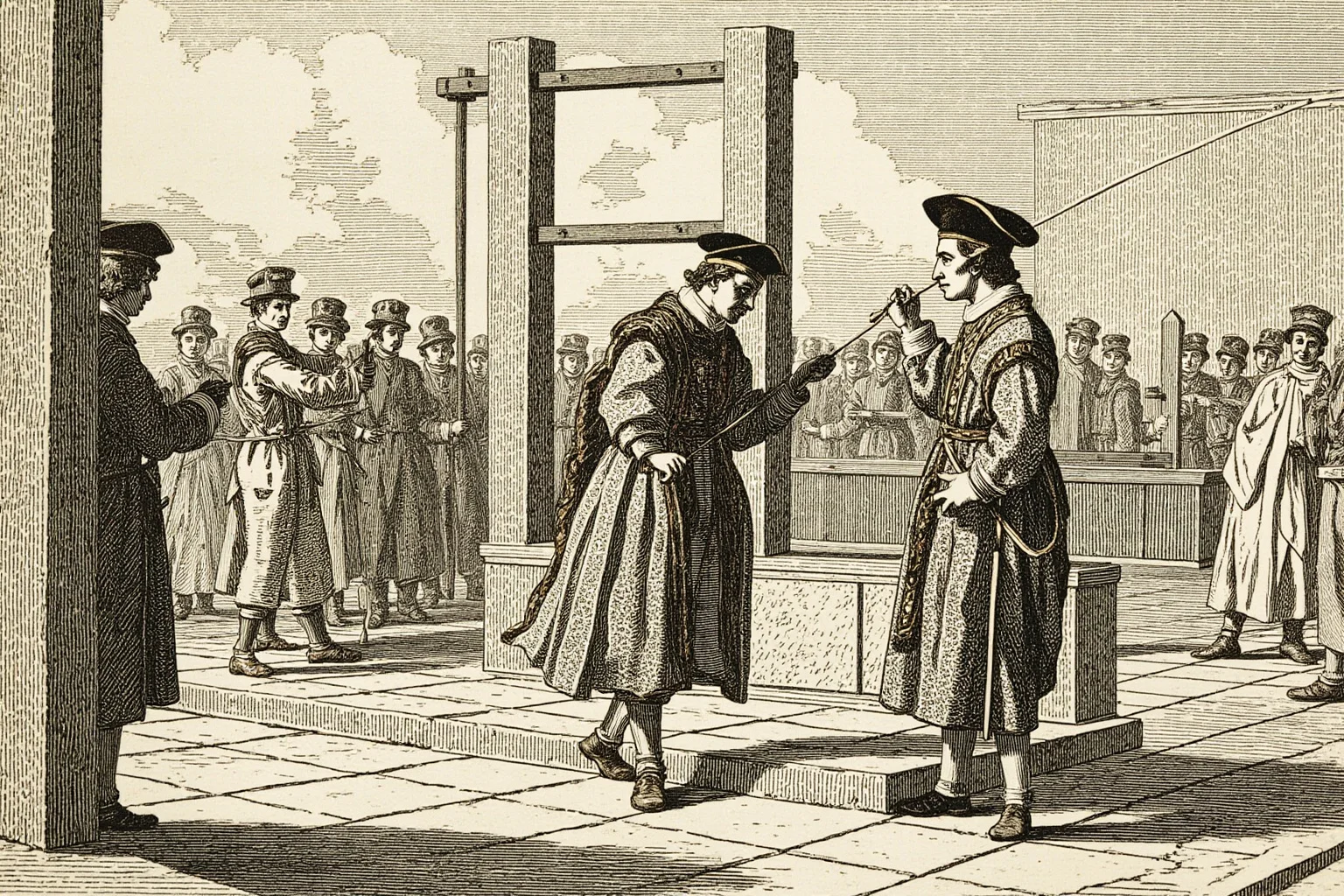
Thomas More served as Lord Chancellor of England under Henry VIII but refused to acknowledge the king as head of the Church of England or endorse his divorce from Catherine of Aragon. He was convicted of treason and beheaded in 1535 for refusing to compromise his Catholic faith.
More’s steadfast refusal, even at the cost of his life and his relationship with the king he once served, made him a lasting example of martyrs who died for religious conscience over political survival.
8. Giordano Bruno
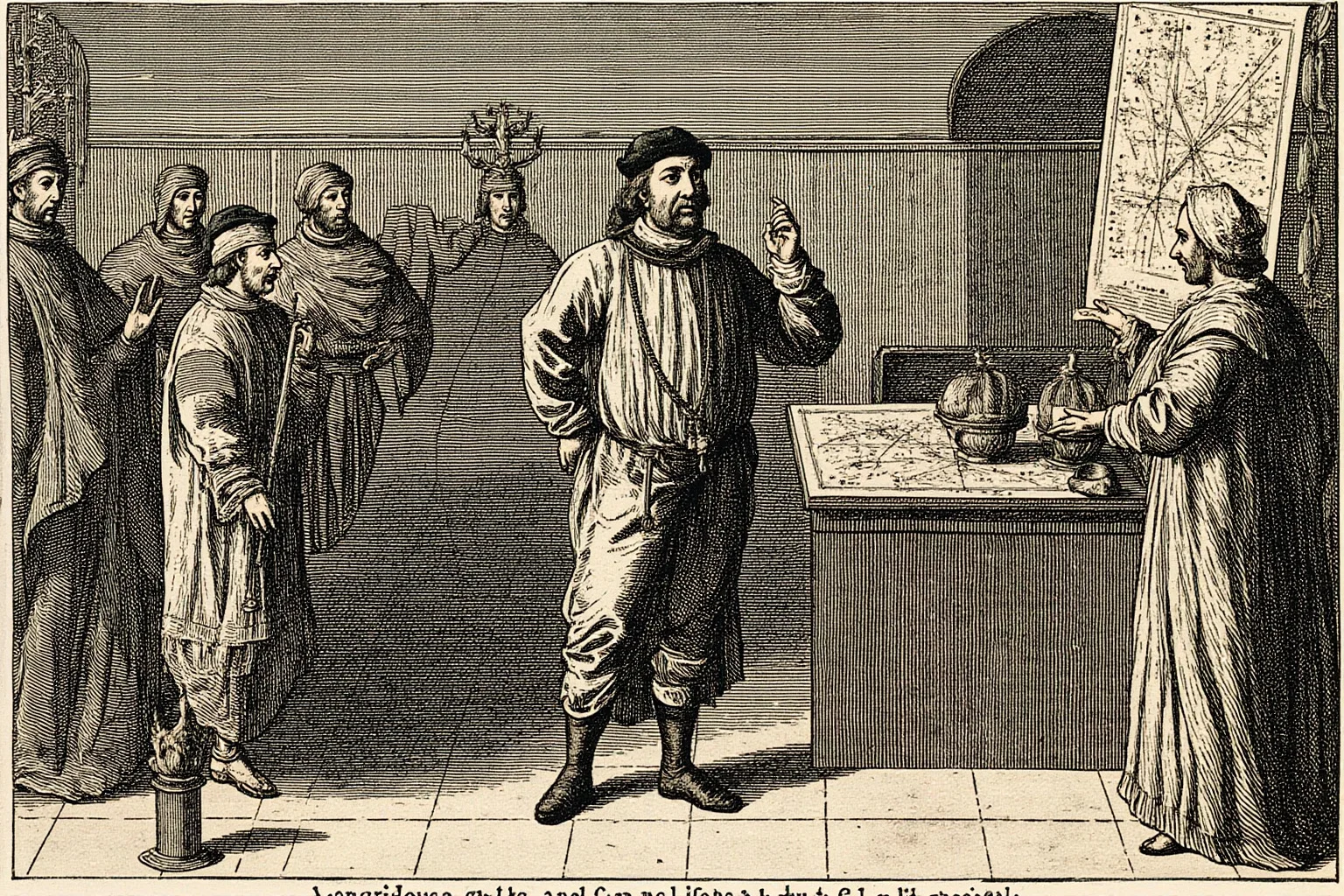
Giordano Bruno was an Italian philosopher and former Dominican friar whose cosmological ideas, including the theory that the universe contained countless worlds, put him at odds with the Roman Inquisition. After years of imprisonment and refusing to recant his views, he was burned at the stake in Rome in 1600.
While some modern retellings overstate his role as a purely scientific martyr, historians note his condemnation involved theological heresy charges as much as astronomical ones. Even so, he’s remembered as a symbol of intellectual defiance against institutional power, and his bold cosmological theories still place him among history’s greatest geniuses.
Political and Revolutionary Martyrs
Not every martyr died for religious conviction. Many of history’s most famous martyrs gave their lives for political independence, resistance movements, or ideological revolutions.
9. Nathan Hale
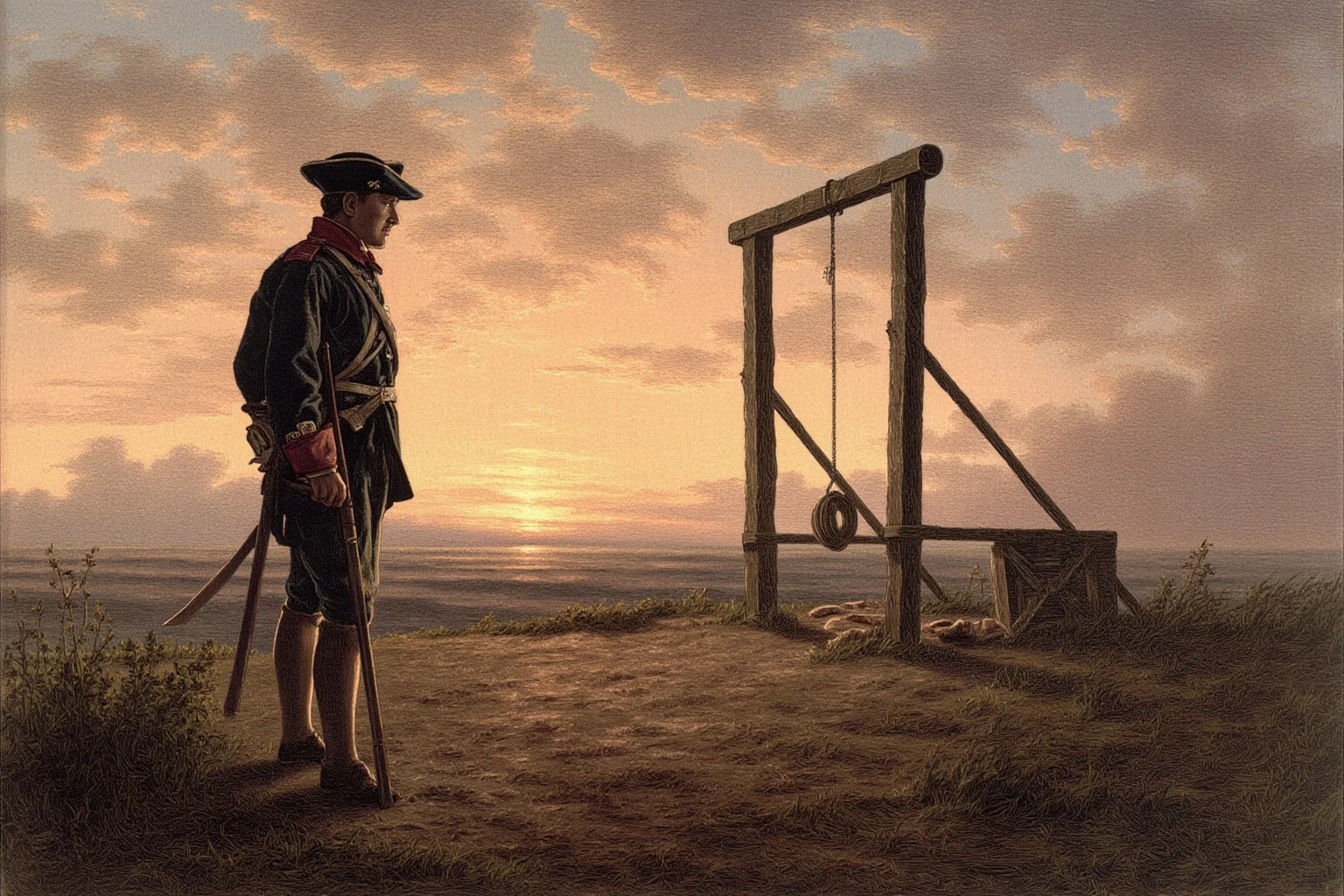
Nathan Hale was a young American soldier and spy during the Revolutionary War, captured by British forces in New York in 1776. He was executed without trial, and while the famous line attributed to him — regretting having “but one life to lose” for his country — cannot be verified word-for-word, contemporary accounts confirm he died calmly for the American cause.
Hale became an early American martyr figure, later used to inspire patriotism and military service.
10. Sophie Scholl

Sophie Scholl was a German student and member of the White Rose, a nonviolent resistance group that distributed anti-Nazi leaflets during World War II. She was arrested in 1943 alongside her brother Hans after being caught distributing pamphlets at the University of Munich, and both were executed by guillotine just days later.
Scholl’s calm defiance during her trial has made her one of the most well-known martyrs of anti-fascist resistance in modern German memory.
11. Dietrich Bonhoeffer
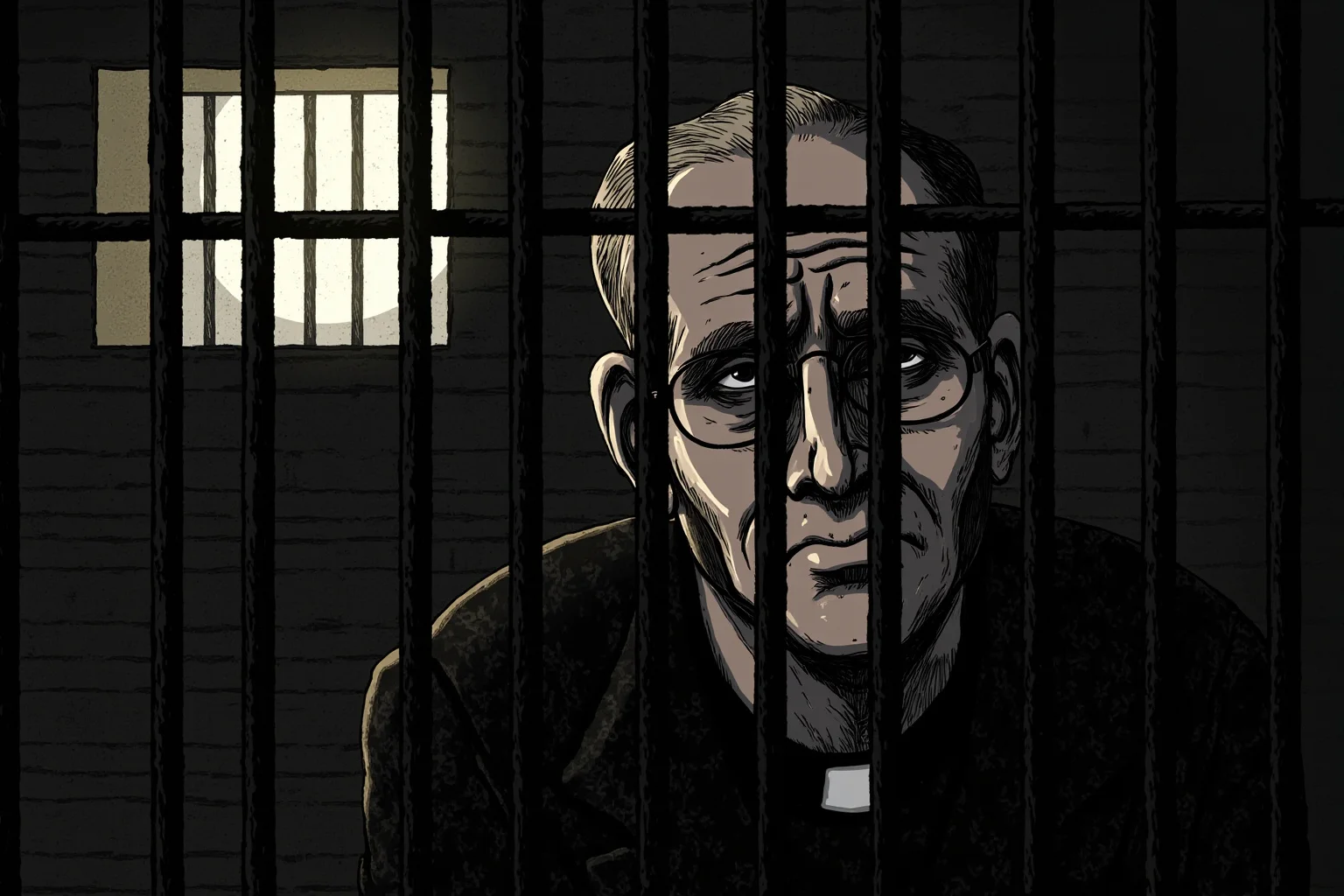
Dietrich Bonhoeffer was a German Lutheran pastor and theologian who openly opposed Nazi ideology and was later implicated in a plot to assassinate Adolf Hitler. He was imprisoned in 1943 and executed by hanging in April 1945, just weeks before Germany’s surrender.
Bonhoeffer’s writings on Christian ethics under totalitarianism remain influential, and he’s frequently cited among history’s examples of martyrs who combined religious conviction with political resistance.
12. Che Guevara
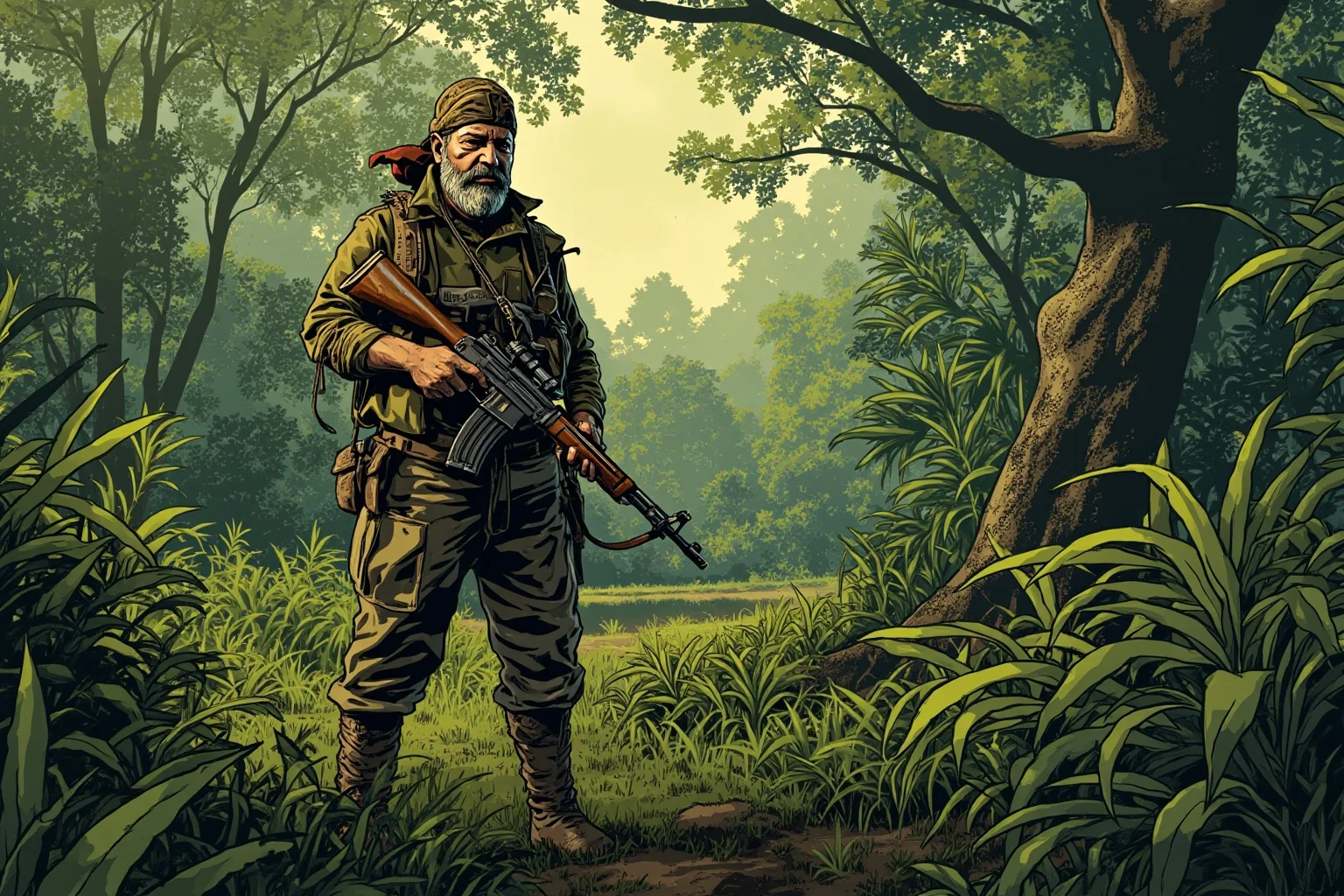
Ernesto “Che” Guevara was an Argentine revolutionary who played a key role in the Cuban Revolution before attempting to spread similar uprisings across Latin America and Africa. He was captured by Bolivian forces in 1967, with U.S. intelligence support, and executed shortly afterward.
Guevara is a genuinely divisive figure historically — celebrated by many as a martyr for anti-imperialist causes, while others point to his role in executions during the Cuban Revolution. His image nonetheless became one of the most reproduced martyr symbols of the 20th century.
13. Emiliano Zapata
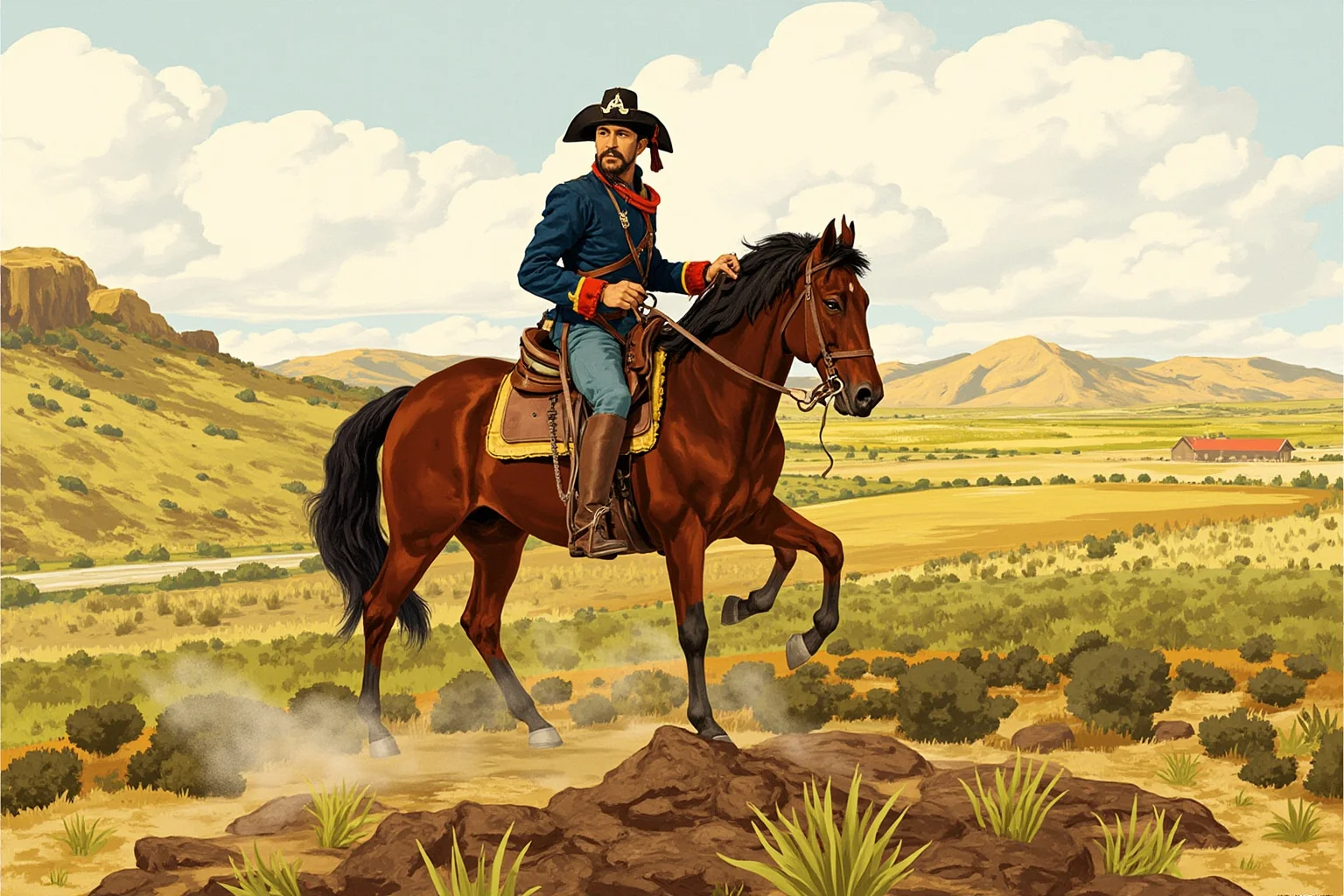
Emiliano Zapata was a leading figure in the Mexican Revolution, fighting for land reform and the rights of peasant farmers under the slogan “Tierra y Libertad” (Land and Liberty). He was ambushed and assassinated in 1919 by forces loyal to a rival government official who had lured him into a trap.
Zapata’s death for agrarian reform cemented his status as a folk hero and martyr for Mexico’s rural poor.
14. Mahatma Gandhi
Mohandas Gandhi led India’s independence movement through nonviolent civil disobedience, becoming one of the most recognized historical figures of the 20th century. He was assassinated in January 1948 by a Hindu nationalist who opposed Gandhi’s support for religious pluralism between Hindus and Muslims.
While Gandhi wasn’t killed by the colonial power he resisted, his death for the principle of communal tolerance has led many historians to count him among the most famous martyrs of the modern era.
Civil Rights and Social Justice Martyrs
The 20th century’s civil rights movements produced some of the most well-known martyrs in modern history, people killed specifically because of their advocacy for equality.
15. Martin Luther King Jr.

Martin Luther King Jr. led the American civil rights movement through nonviolent protest, pushing for the end of racial segregation and voting discrimination. He was assassinated in Memphis in April 1968 while supporting a sanitation workers’ strike.
King had received numerous threats throughout his activism and continued regardless, which is why he’s widely regarded as one of history’s most famous martyrs for racial justice.
16. Medgar Evers

Medgar Evers was a field secretary for the NAACP in Mississippi, working to end segregation and expand voting rights for Black Americans. He was assassinated outside his home in June 1963 by a white supremacist, in an act that shocked the nation and galvanized support for civil rights legislation.
Evers had known his activism put his life at risk long before his death, making him one of the earliest martyrs of the modern civil rights era.
17. Malcolm X
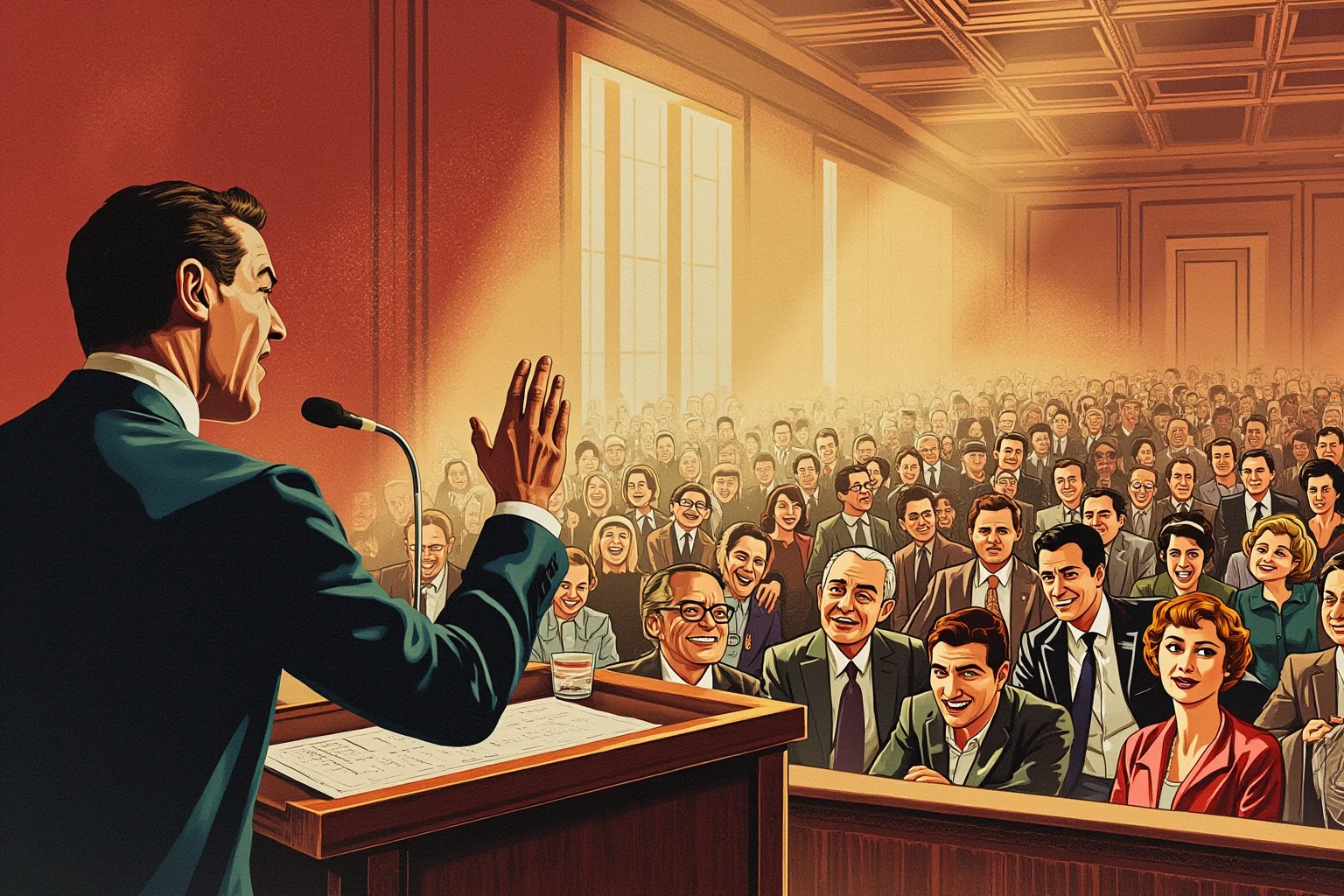
Malcolm X was a prominent voice for Black empowerment and self-defense, first through the Nation of Islam and later through his own evolving philosophy after a pilgrimage to Mecca. He was assassinated in February 1965 while giving a speech in New York.
His assassination, following years of death threats, cemented his place among the most significant martyrs of the civil rights and Black liberation movements.
18. Steve Biko
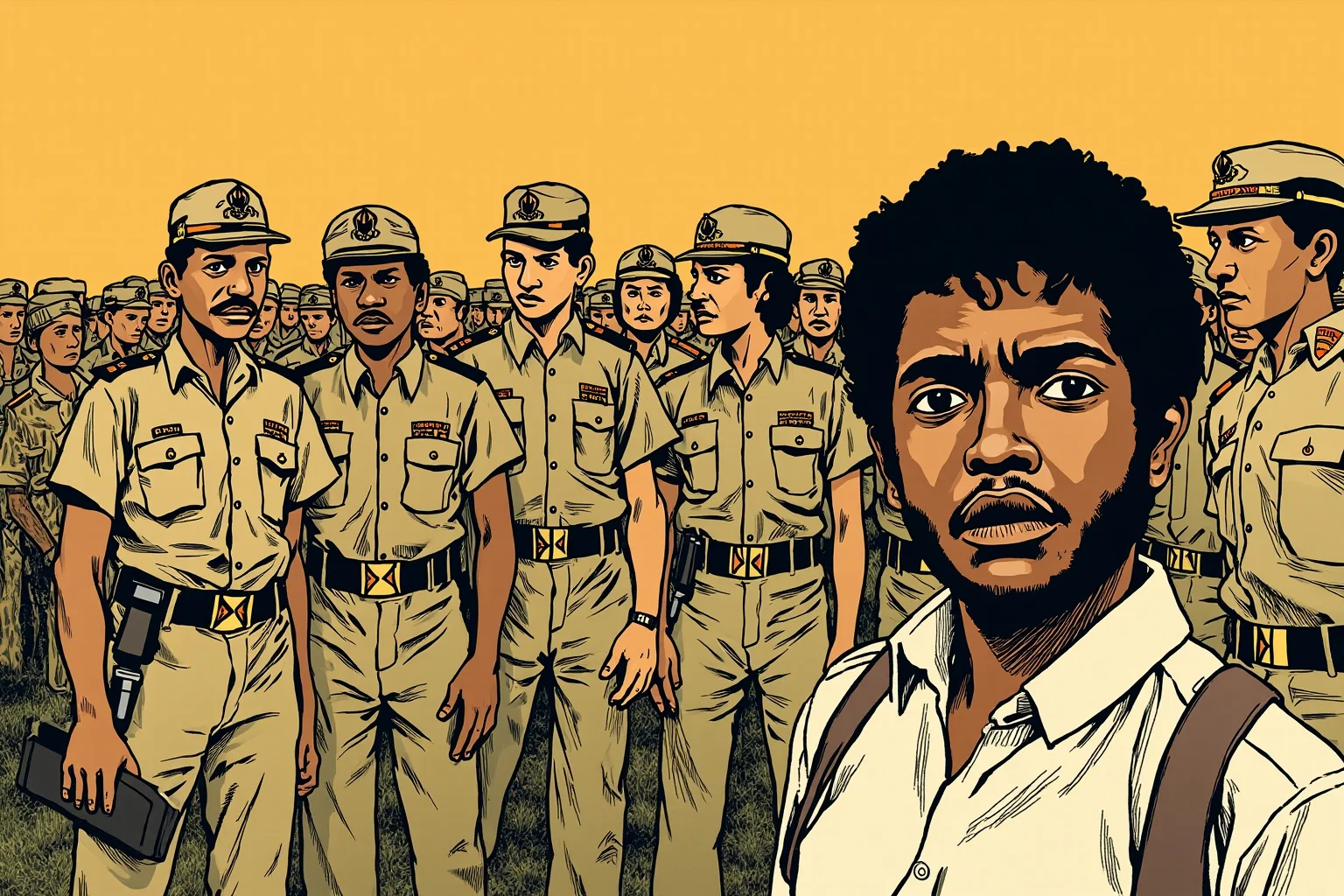
Steve Biko was a South African anti-apartheid activist and founder of the Black Consciousness Movement. He was arrested by South African security police in 1977 and died in custody after suffering severe injuries, a death that international investigations later confirmed resulted from police brutality.
Biko’s death drew global attention to the brutality of apartheid and made him a lasting martyr figure for the anti-apartheid struggle.
19. Harvey Milk
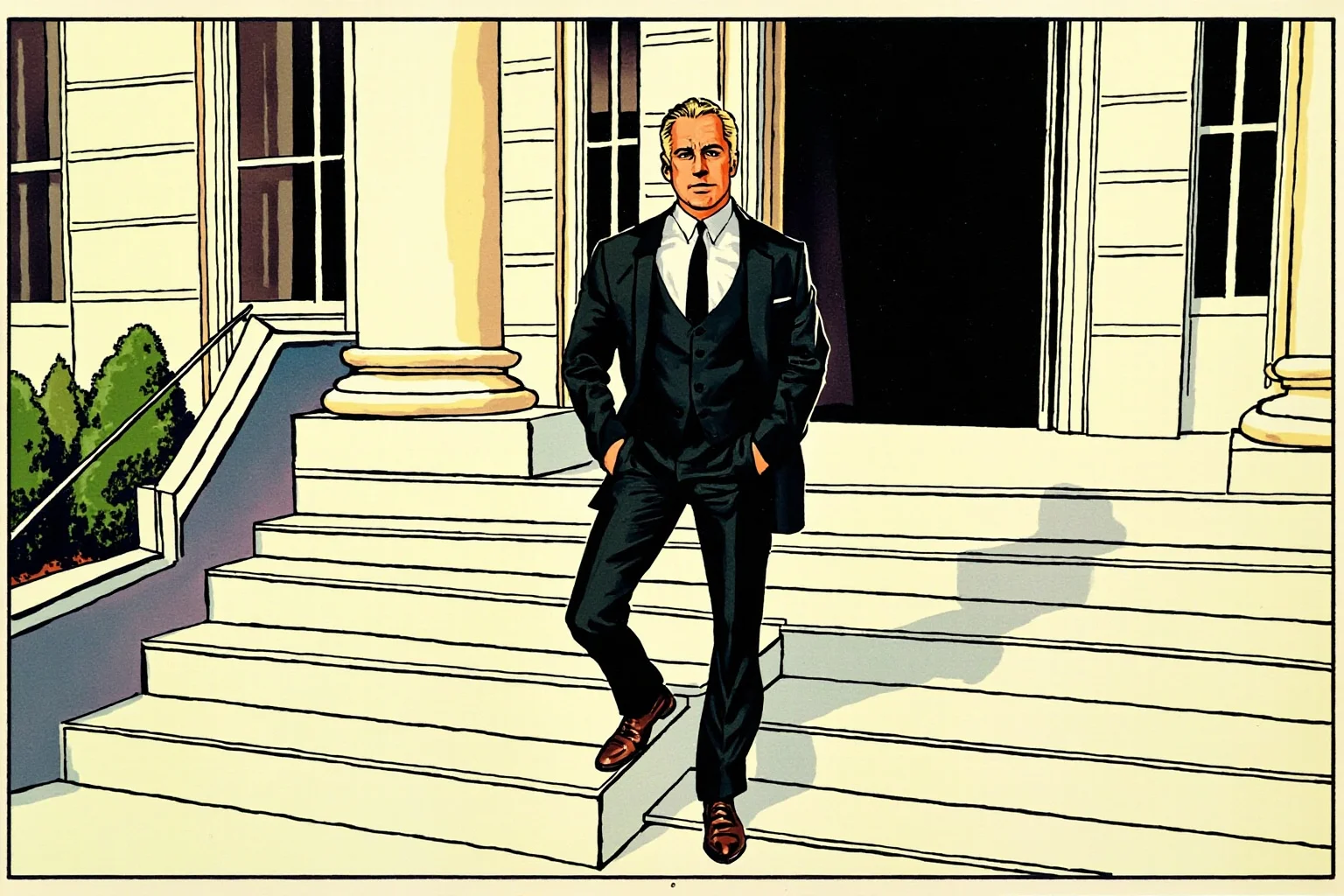
Harvey Milk was one of the first openly gay elected officials in the United States, serving on the San Francisco Board of Supervisors. He was assassinated in 1978 by a former city supervisor, alongside Mayor George Moscone.
Milk had spoken publicly about the possibility of being killed for his advocacy, and his death made him an enduring martyr for LGBTQ+ rights.
20. Oscar Romero
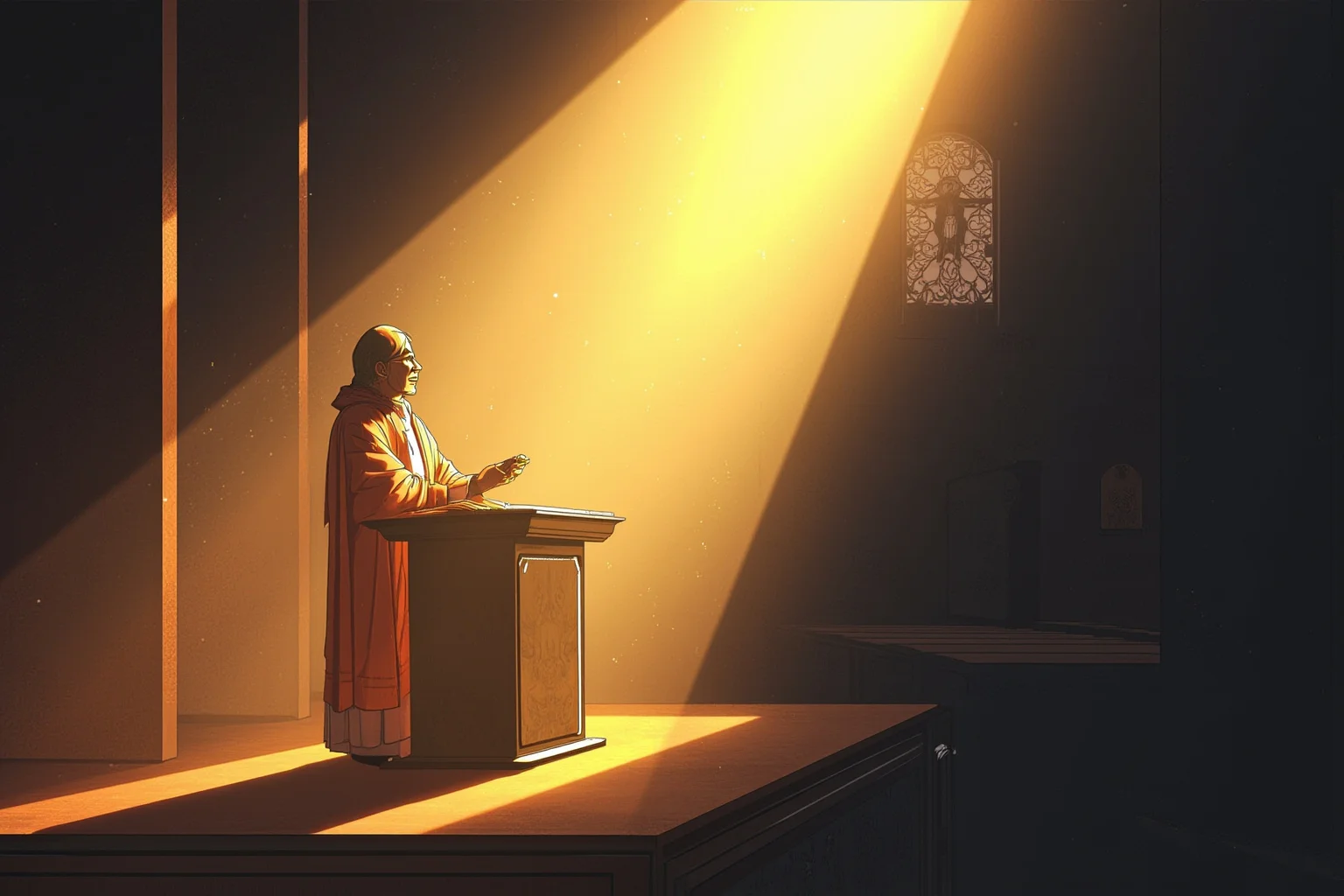
Archbishop Oscar Romero was a Catholic clergyman in El Salvador who spoke out against poverty, injustice, and violence carried out by the country’s military government. He was assassinated in 1980 while celebrating Mass, shot by a gunman linked to right-wing death squads.
Romero was canonized as a saint by the Catholic Church in 2018, recognized as a martyr for both his faith and his defense of the poor.
Famous Martyrs of the 21st Century
Martyrdom didn’t end with the 20th century. Some of the most galvanizing modern protest movements have their own famous martyrs, people whose deaths were captured, shared, and amplified through social media in ways earlier martyrs never could have imagined.
21. Mohamed Bouazizi
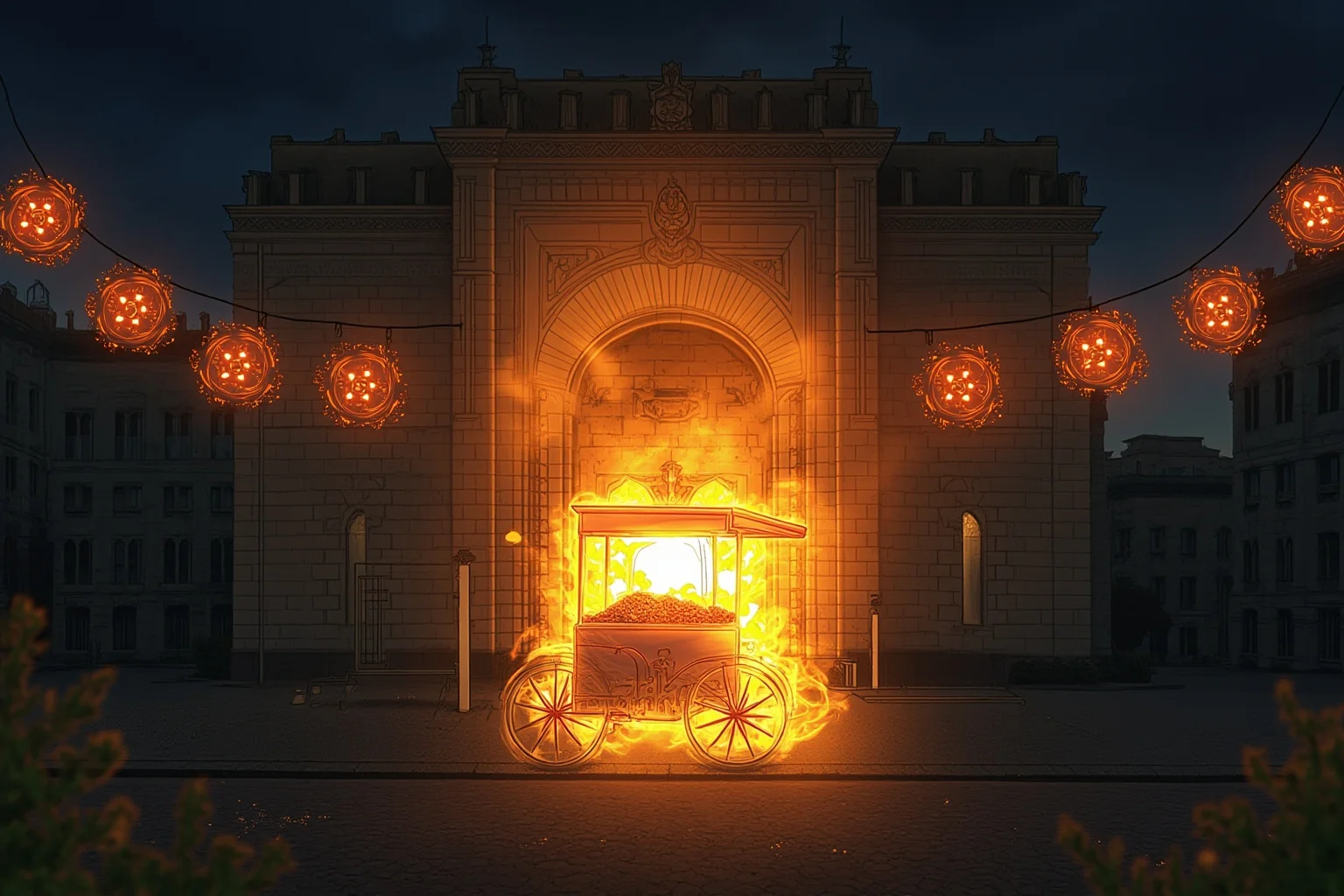
Mohamed Bouazizi was a Tunisian street vendor whose self-immolation in December 2010, in protest of police harassment and government corruption, is widely credited with sparking the Arab Spring. His death set off a wave of uprisings across Tunisia, Egypt, Libya, and beyond.
Bouazizi’s act wasn’t originally intended as a grand political statement, but it became one of the defining martyrdom stories of the 21st century almost overnight.
22. Neda Agha-Soltan
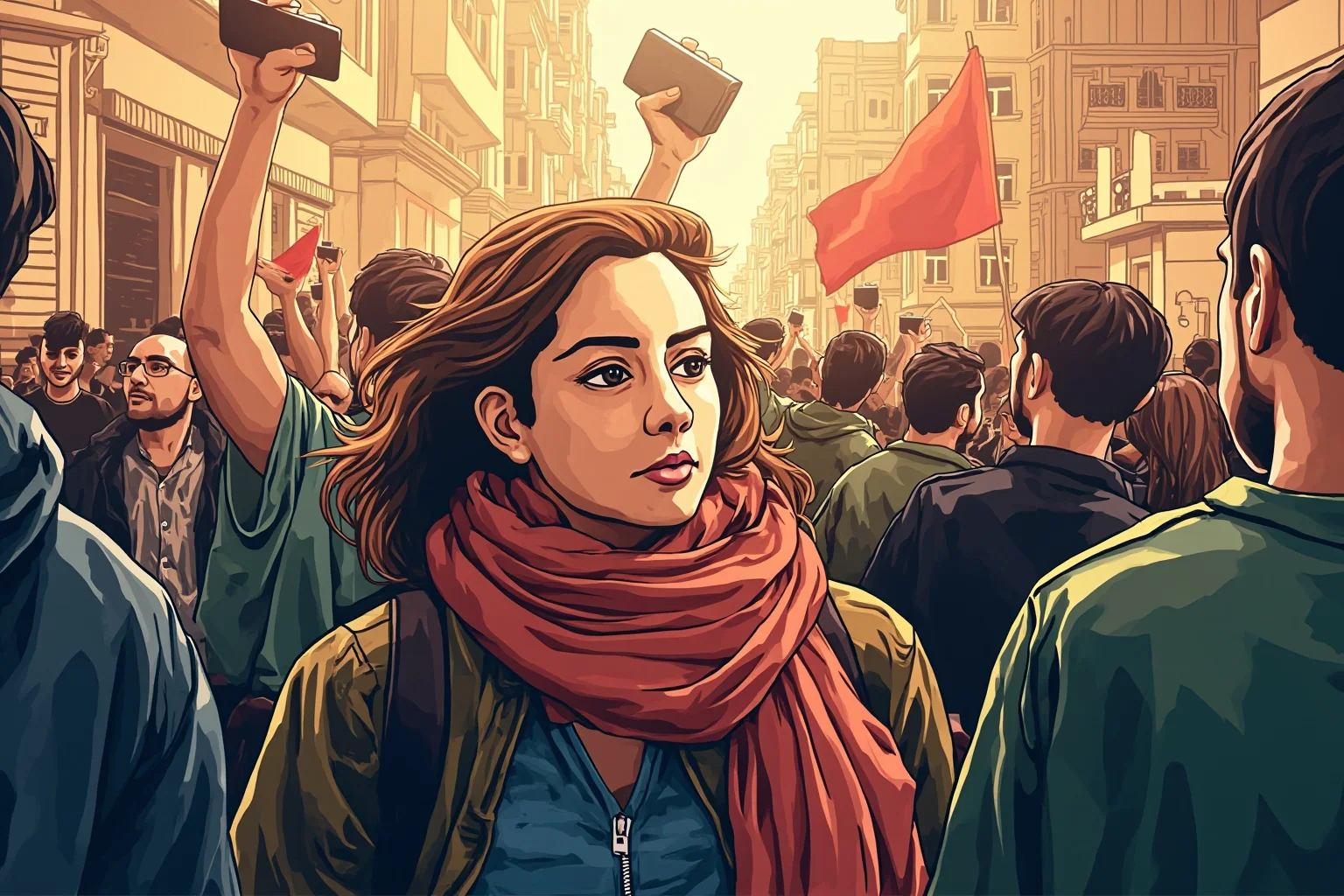
Neda Agha-Soltan was a young Iranian woman shot and killed during protests following Iran’s disputed 2009 presidential election. Video of her death, filmed by bystanders, spread rapidly online and turned her into an international symbol of the protest movement.
Her name became shorthand for the human cost of political repression in Iran, and she remains one of the most cited examples of martyrs from that era.
23. Mahsa Amini

Mahsa Amini died in September 2022 after being detained by Iran’s morality police for allegedly violating hijab requirements. Her death sparked nationwide protests across Iran under the slogan “Woman, Life, Freedom,” one of the most significant uprisings in the country’s recent history.
Amini’s case remains a defining example when people search for famous martyrs of the 21st century, illustrating how a single death can ignite a sustained movement.
24. Berta Cáceres

Berta Cáceres was a Honduran environmental and Indigenous rights activist who campaigned against a hydroelectric dam project on land sacred to the Lenca people. She was assassinated in her home in 2016, and subsequent investigations linked the killing to executives connected to the dam project.
Cáceres had received death threats for years before her murder and continued her activism anyway, making her one of the clearest modern examples of martyrs in the environmental justice movement.
What These Martyrs Have in Common
Looking across ancient philosophers, religious reformers, revolutionaries, and modern activists, a few patterns emerge. Nearly all of history’s most famous martyrs had a clear off-ramp they refused to take, whether that meant recanting a belief, staying silent, or fleeing to safety.
Many also became far more influential in death than they might have been if they’d lived. Movements often gain momentum, sympathy, and moral clarity after a martyr’s death in a way that’s hard to generate through any other means.
It’s worth noting, though, that martyrdom isn’t inherently a mark of being right. History has plenty of examples of people dying for causes that later generations viewed very differently, which is part of why it’s important to evaluate each case on its historical merits rather than assuming martyr status equals moral high ground.
Final Thoughts on Martyrs Throughout History
Martyrs throughout history remind us that conviction sometimes comes at the highest possible price, and that some people have judged their beliefs worth more than their own survival. From Socrates calmly accepting hemlock to Mahsa Amini’s death sparking a modern uprising, the throughline is remarkably consistent across more than two thousand years.
What changes is the medium: word of mouth and philosophy in ancient Athens, printed pamphlets in Reformation Europe, and now smartphone footage shared across borders in minutes. The underlying human choice, though, to die for a cause rather than abandon it, remains exactly as powerful as it was in Socrates’ Athens.
Frequently Asked Questions
What is a martyr’s death, exactly?
A martyr's death is when a person dies for a cause, belief, or principle rather than renounce it, even though they had a realistic option to save their own life by staying silent, recanting, or fleeing. The term originally referred to early Christians who died for their faith, but it now applies broadly to political, religious, and social causes.
Who are some of the most famous martyrs in history?
Some of the most famous martyrs in history include Socrates, Joan of Arc, Thomas More, Martin Luther King Jr., Mahatma Gandhi, and Oscar Romero. Each died for a distinct cause, ranging from philosophical and religious conviction to civil rights and anti-poverty activism.
Who are famous martyrs of the 21st century?
Famous martyrs of the 21st century include Mohamed Bouazizi, whose self-immolation helped spark the Arab Spring, along with Neda Agha-Soltan, Mahsa Amini, and Berta Cáceres. These deaths were widely documented and shared through social media, which amplified their impact on protest movements around the world.
What’s the difference between a martyr and a hero?
A hero is generally admired for brave or selfless actions, while a martyr specifically dies for a cause or belief they refused to abandon. Not all heroes die for their cause, and not all martyrs are universally viewed as heroic, since martyrdom is about the act of dying for conviction rather than the moral judgment placed on that cause.
Can someone be a martyr for a political cause rather than a religious one?
Yes, martyrdom isn't limited to religion. Historical figures like Nathan Hale, Sophie Scholl, and Steve Biko are widely recognized as martyrs for political and social causes, including independence movements, anti-fascist resistance, and anti-apartheid activism.
Is everyone who dies during a protest or war considered a martyr?
Not necessarily. Historians generally reserve the term for people who had a clear opportunity to avoid death by compromising their beliefs but chose not to. The label is sometimes applied loosely for political or propaganda purposes, so it's worth evaluating each case against the historical evidence rather than accepting the term at face value.

Alex Warren
Related Articles





