

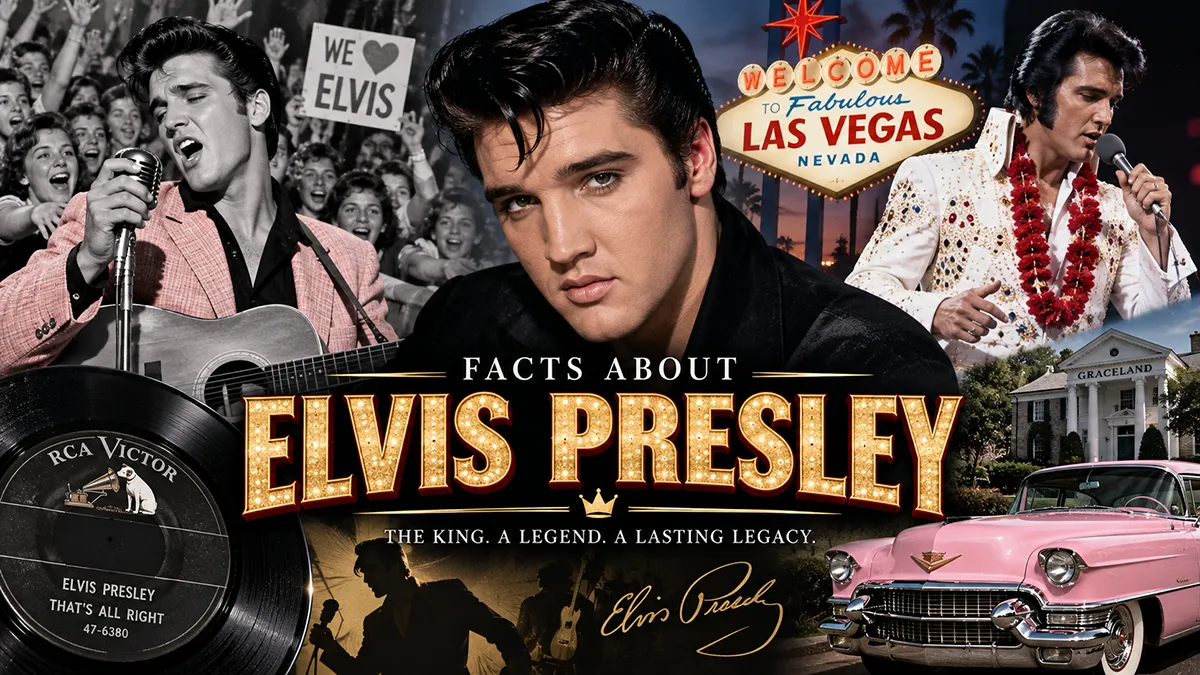
Few names in music history carry the instant recognition of Elvis Presley — perhaps rivaled only by classical giants like Mozart.
Decades after his death, he’s still called the King of Rock and Roll, still parodied in movies, and still impersonated on street corners from Memphis to Tokyo. But behind the rhinestone jumpsuits and swiveling hips is a genuinely fascinating, sometimes messy, human story.
This post rounds up the most interesting, fun, and historically important facts about Elvis Presley — separating the well-documented history from the myths that have grown up around him over the years, much like the myth-busting often needed for figures such as Cleopatra. Whether you’re a lifelong fan or just curious about what made him such a phenomenon, there’s a lot more to Elvis than the sequins suggest.
TL;DR: Elvis Presley fused country, blues, and gospel into a sound that redefined popular music, and his life — from a two-room Tupelo house to Graceland — remains one of the most studied stories in American pop culture.
Elvis Presley Quick Facts at a Glance
Before diving into the full list, here’s a quick snapshot for anyone who just wants the essentials.
- Full name: Elvis Aaron Presley
- Born: January 8, 1935, in Tupelo, Mississippi
- Died: August 16, 1977, at Graceland, Memphis, Tennessee (age 42)
- Nickname: The King of Rock and Roll
- Spouse: Priscilla Beaulieu Presley (married 1967, divorced 1973)
- Child: Lisa Marie Presley (1968–2023)
- Breakthrough single: “That’s All Right” (1954, Sun Records)
- First RCA hit: “Heartbreak Hotel” (1956)
- Grammy Awards: 3 competitive wins, all for gospel recordings
- Feature films: 31
What Is Elvis Presley Known For?
Elvis is best known for helping popularize rock and roll in the mid-1950s by blending country music, gospel, and rhythm and blues into something radio audiences hadn’t quite heard before. His energetic stage presence, including his famously controversial hip movements, made him a lightning rod for both teenage devotion and adult outrage.
He’s also remembered for his enormous commercial success, his string of Hollywood films, his legendary Las Vegas residencies, and his opulent Memphis estate, Graceland. Decades after his death, he remains one of the best-selling solo music artists in history and among the most recognized historical figures of all time, and his cultural footprint touches everything from fashion to film to the way we think about American celebrity itself.
25 Fascinating Facts About Elvis Presley
From his humble beginnings to his lasting legacy, here are 25 facts about Elvis Presley worth knowing — including a few that clear up common misconceptions.
1. He Was Born a Twin
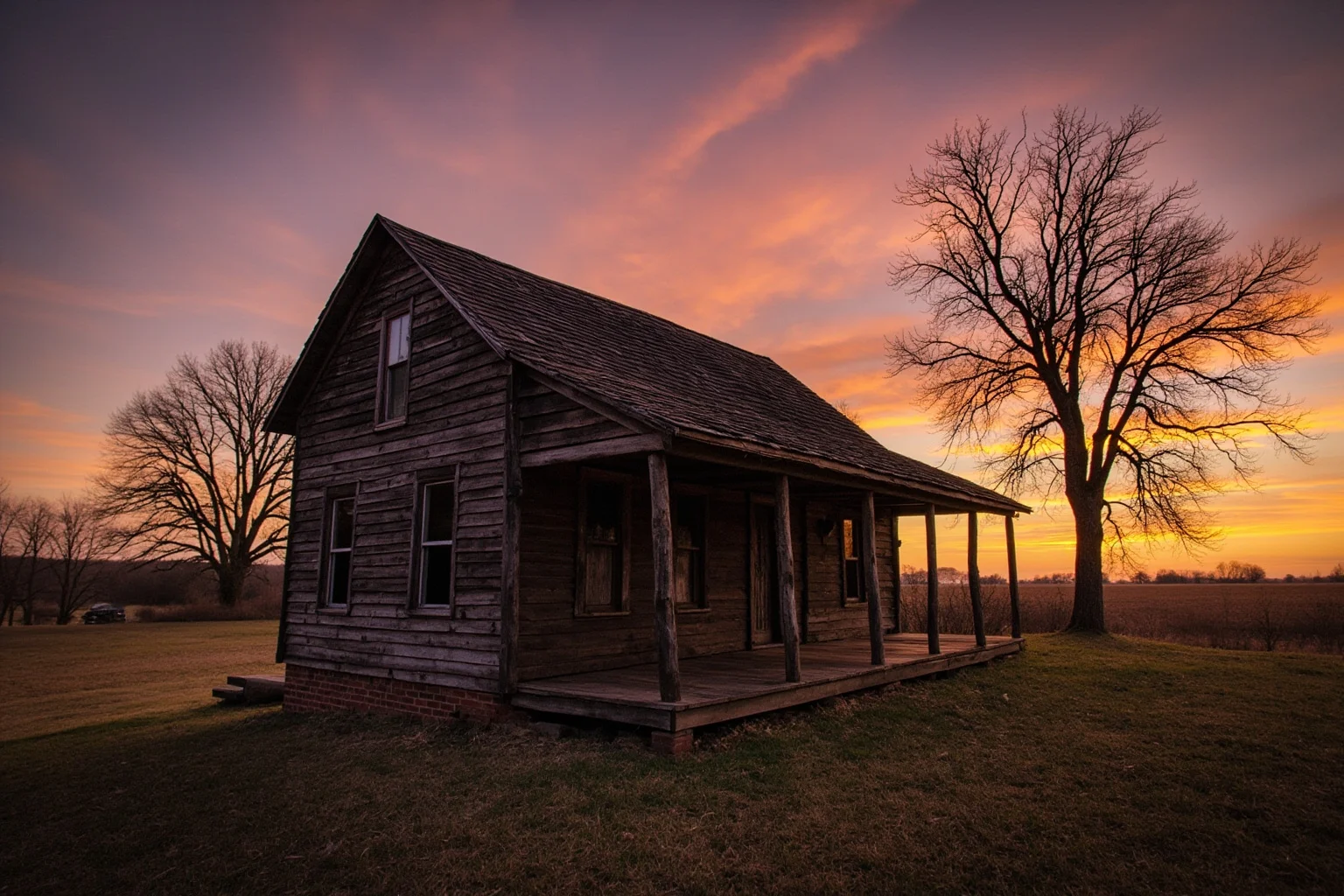
Elvis Aaron Presley was born on January 8, 1935, in a small two-room house in Tupelo, Mississippi. His twin brother, Jesse Garon Presley, was stillborn just minutes before Elvis arrived.
Elvis grew up as an only child, but his parents reportedly spoke about his lost twin throughout his life. Some biographers have suggested this loss shaped his lifelong interest in spirituality, though that connection is more speculative than documented fact.
2. His Family Moved to Memphis Seeking a Better Life
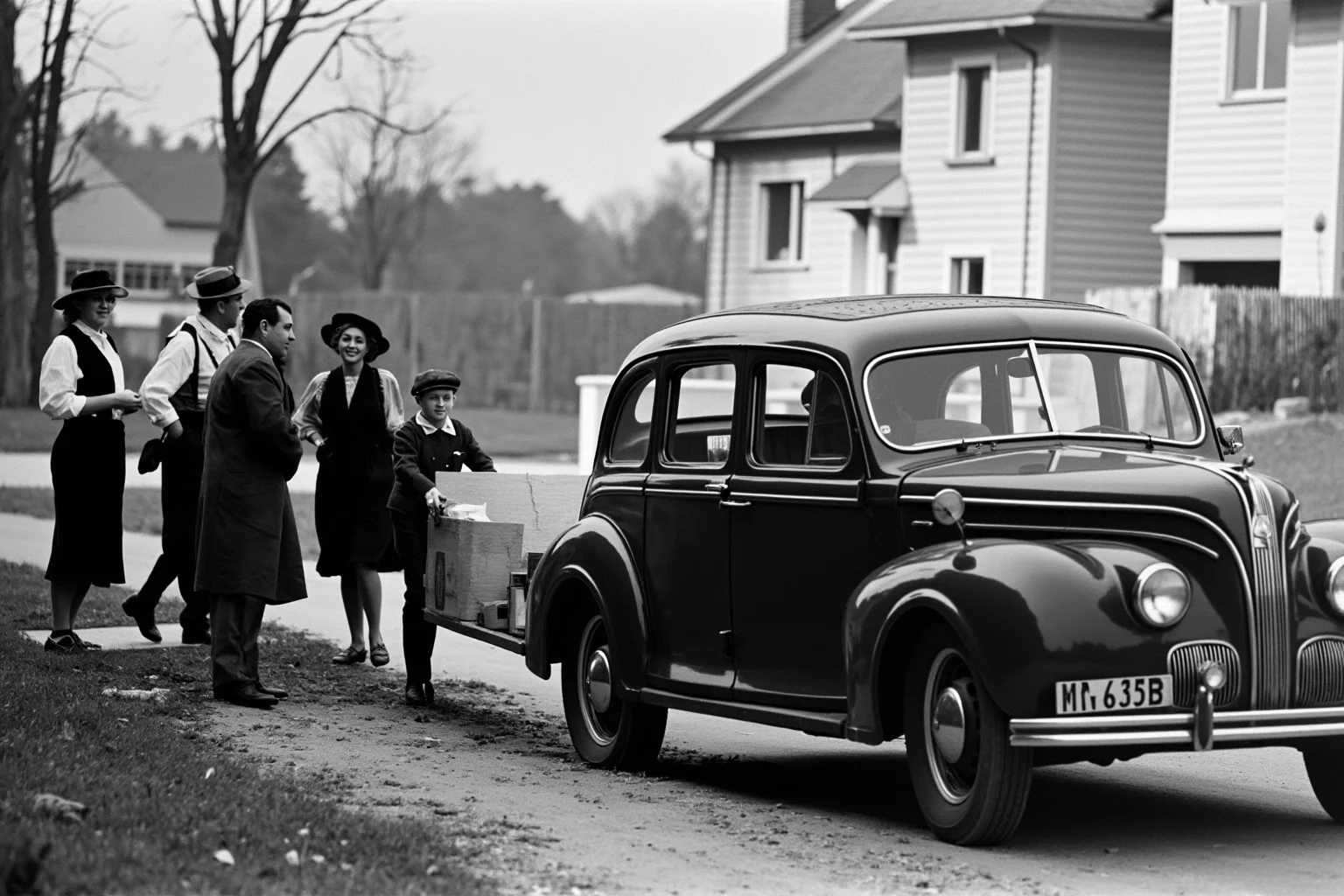
In 1948, when Elvis was 13, the Presley family relocated from Tupelo to Memphis, Tennessee. Like many working-class Southern families at the time, they were looking for steadier work and better housing.
Memphis turned out to be the perfect place for a young Elvis. The city’s rich musical scene, including Beale Street blues clubs and gospel churches, exposed him to sounds that would later define his career.
3. His First Recording Was a Gift, Not a Bid for Stardom

In the summer of 1953, an 18-year-old Elvis walked into Sun Studio and paid to record a couple of songs, including “My Happiness.” For years, the popular story held that it was purely a birthday gift for his mother, Gladys.
Historians note the timeline is a little fuzzy, and some believe he may have also hoped to catch the ear of Sun Records owner Sam Phillips. Either way, that low-key session set the stage for everything that followed.
4. Sam Phillips and Sun Records Gave Him His Big Break

Sam Phillips, the founder of Sun Records, had reportedly been searching for a white performer who could sing with the raw feeling of Black blues and R&B artists. In July 1954, Elvis recorded “That’s All Right,” a cover of a blues song by Arthur Crudup.
The song became his debut single and a regional hit, and it’s often cited as one of the first true rock and roll records. It’s a good example of how Elvis didn’t invent a new genre out of thin air — he synthesized existing Black and white musical traditions into something new for a mass audience.
5. He Didn’t Invent Rock and Roll — He Popularized It

This is one of the biggest myths worth busting — not unlike the myths that have grown up around figures such as George Washington: Elvis is often called the “inventor” of rock and roll, but the genre’s roots run through Black blues, gospel, and R&B artists who came before him, like Chuck Berry, Little Richard, and Big Mama Thornton. What Elvis did was bring that sound to an enormous mainstream white audience, largely thanks to his charisma and access to national television and radio.
Historians generally credit him as a crucial popularizer and stylistic bridge rather than a sole originator. That distinction matters, and Elvis himself acknowledged his musical debts to Black artists throughout his career.
6. RCA Victor Bought Out His Contract in 1955
By late 1955, Elvis’s local success had caught the attention of major labels. RCA Victor purchased his recording contract from Sun Records for $35,000, an enormous sum at the time for an unproven regional artist.
That gamble paid off almost immediately. His first RCA single, “Heartbreak Hotel,” released in January 1956, shot to number one and made him a national star practically overnight.
7. His TV Appearances Sparked Genuine Controversy
Elvis’s hip-swiveling stage moves scandalized plenty of adults in the mid-1950s, who saw them as overtly sexual and dangerous for young audiences. During his third appearance on “The Ed Sullivan Show” in January 1957, producers famously chose to film him only from the waist up.
It’s worth noting this wasn’t the case for every one of his TV appearances, just that particular broadcast. Still, the moment became a symbol of the culture clash between rock and roll and mainstream 1950s values.
8. He Bought Graceland in 1957

At just 22 years old, Elvis purchased a colonial-style mansion outside Memphis called Graceland for around $102,500. He moved in with his parents, and it remained his primary home for the rest of his life.
Graceland eventually became famous for its distinctive decor, including the now-iconic Jungle Room. Today it stands as one of the most visited private residences in the United States.
9. He Served in the US Army
At the height of his fame in 1958, Elvis was drafted into the United States Army. Rather than take a cushy entertainment posting, he served as a regular soldier, first training in the US and then stationed in Friedberg, West Germany, until 1960.
His two-year hitch cost him prime career momentum, but it also boosted his image as a patriotic, all-American figure. It was during this posting in Germany that he first met a 14-year-old Priscilla Beaulieu, whom he would marry years later.
10. He Starred in 31 Feature Films

Between 1956 and 1969, Elvis appeared in 31 movies, ranging from serious dramas like “King Creole” to lighter musical comedies like “Blue Hawaii” and “Viva Las Vegas.” Many of these films were built around soundtrack albums designed to sell records alongside movie tickets.
While critics often dismissed the formulaic later films, they were commercially successful and introduced Elvis to audiences who might never have bought a rock and roll record. His film career remains a huge, if sometimes overlooked, part of his overall legacy.
11. He Won Only Three Grammys — All for Gospel Music

Despite being one of the most commercially successful recording artists ever, Elvis won just three competitive Grammy Awards during his lifetime, and all three were for gospel recordings. He also received a Grammy Lifetime Achievement Award in 1971.
This surprises a lot of people who assume his rock hits swept the awards. It’s a reminder that Elvis considered gospel music deeply personal, tracing back to his childhood singing in Pentecostal church services.
12. The 1968 Comeback Special Revived His Career
By the mid-1960s, Elvis’s career had cooled, buried under increasingly formulaic films. A televised special in December 1968, often nicknamed the “’68 Comeback Special,” reintroduced him as a raw, leather-clad performer backed by a small band.
The show was a critical and ratings success, and it’s widely credited with relaunching him as a serious live performer. It directly paved the way for his return to touring and Las Vegas residencies.
13. He Married Priscilla Beaulieu in Las Vegas

Elvis married Priscilla Beaulieu on May 1, 1967, in a brief ceremony at the Aladdin Hotel in Las Vegas. The couple had reconnected years after first meeting in Germany during his Army service.
Their daughter, Lisa Marie Presley, was born exactly nine months later, on February 1, 1968. Elvis and Priscilla divorced in 1973, though they remained connected through their daughter for the rest of his life.
14. His Vegas Residency Redefined Live Music Spectacle

In 1969, Elvis began a legendary residency at Las Vegas’s International Hotel, marking his return to live performing after nearly a decade focused on film. He would go on to perform hundreds of shows in Las Vegas throughout the 1970s.
His flashy jumpsuits, backed by full orchestras and karate-inspired stage moves, became the template for the modern Vegas residency format that countless artists still use today. It’s one of the clearest examples of Elvis shaping entertainment well beyond music.
15. “Aloha from Hawaii” Was a Global Broadcast Milestone
In January 1973, Elvis performed a concert in Honolulu called “Aloha from Hawaii,” broadcast live via satellite to audiences around the world. It was one of the first entertainment specials to use satellite technology on that scale.
Estimates of the total worldwide audience vary widely across sources, so exact viewership numbers are hard to pin down precisely. What’s certain is that it was a genuinely groundbreaking technical and cultural event for its era.
16. He Reportedly Never Performed Outside North America

Despite his global fame, Elvis’s live performances were essentially limited to the United States and a handful of Canadian shows in 1957. He never toured Europe, Asia, or anywhere else, even though he was famous nearly everywhere.
Many historians point to his manager, Colonel Tom Parker, as a key reason. Parker was a Dutch immigrant who reportedly lacked a US passport and may have avoided situations requiring international travel, though this explanation remains partly speculative rather than officially confirmed.
17. He Met President Nixon at the White House
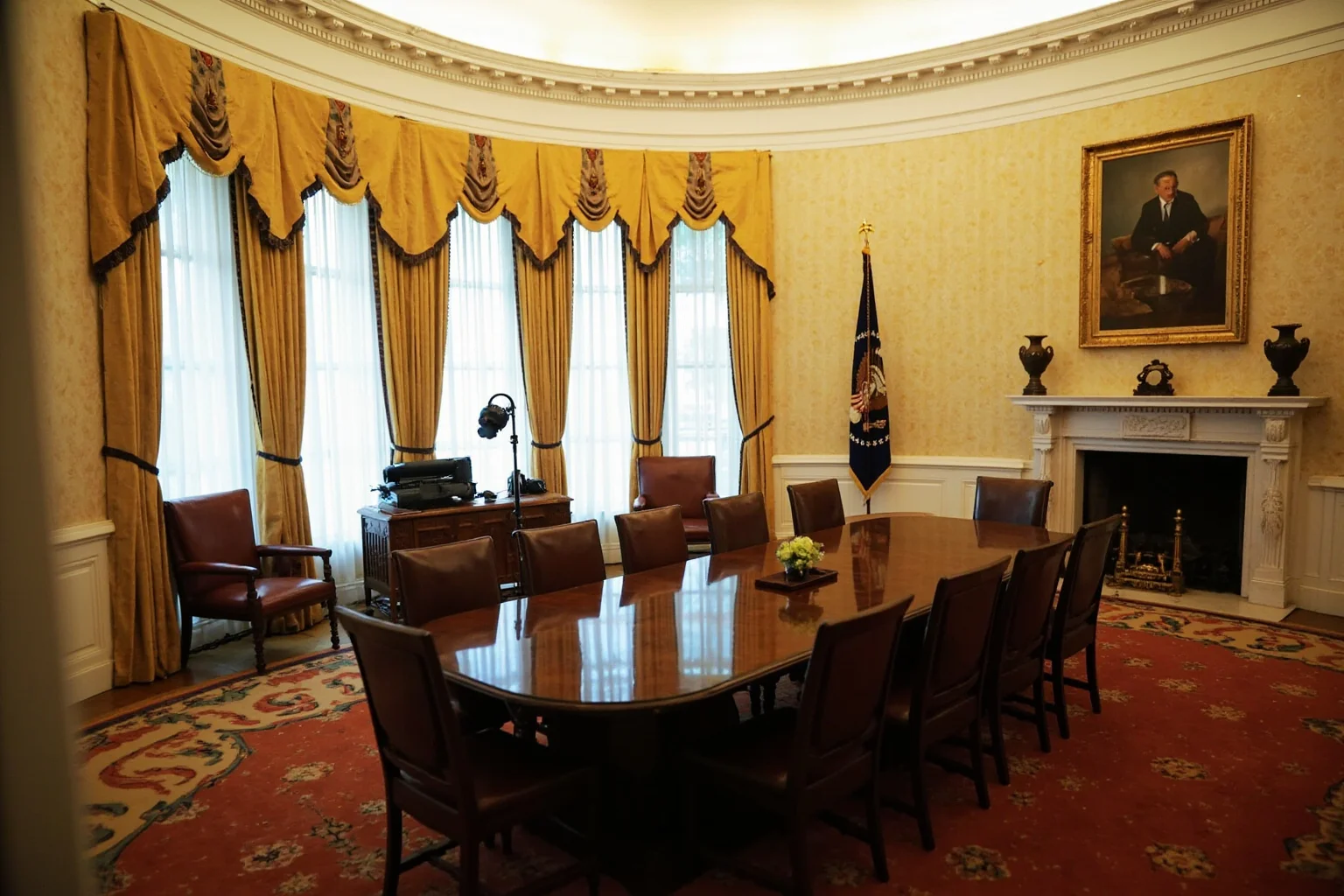
On December 21, 1970, Elvis visited the White House and met with President Richard Nixon, reportedly requesting to be made a federal agent in the fight against drug abuse. Nixon gave him an honorary Bureau of Narcotics and Dangerous Drugs badge.
A photo from that meeting later became the most requested image in the entire National Archives, ahead of far more historically significant documents. It’s a strange but well-documented footnote to his life.
18. He Held a Karate Black Belt

Elvis trained seriously in karate for years, eventually earning black belt rankings and studying under several notable instructors. He wasn’t just a hobbyist; he genuinely incorporated karate stances and chops into his stage choreography during his Vegas years.
His interest in martial arts also reflected his broader fascination with discipline, spirituality, and physical performance. It’s one of the more overlooked but well-verified things about Elvis Presley’s personal life.
19. Gospel Music Shaped Him From Childhood

Elvis grew up attending Pentecostal church services in Tupelo and Memphis, where gospel singing was central to worship. He credited this early exposure as one of his deepest musical influences throughout his life.
Even at the height of his rock stardom, he continued recording gospel albums and, as noted earlier, his only competitive Grammy wins were for gospel work. It’s a strong reminder that his sound was always rooted in faith-based music as much as blues and country.
20. He Rarely Wrote His Own Songs

Unlike many rock stars who followed him, Elvis was primarily an interpreter rather than a songwriter. He relied on professional songwriters like Otis Blackwell, Jerry Leiber, and Mike Stoller for many of his biggest hits.
His talent lay in phrasing, delivery, and sheer vocal charisma rather than composition. This is worth clearing up, since some fans assume he wrote most of his own material when, in fact, he wrote or co-wrote relatively few songs.
21. He Sold Over a Billion Records Worldwide
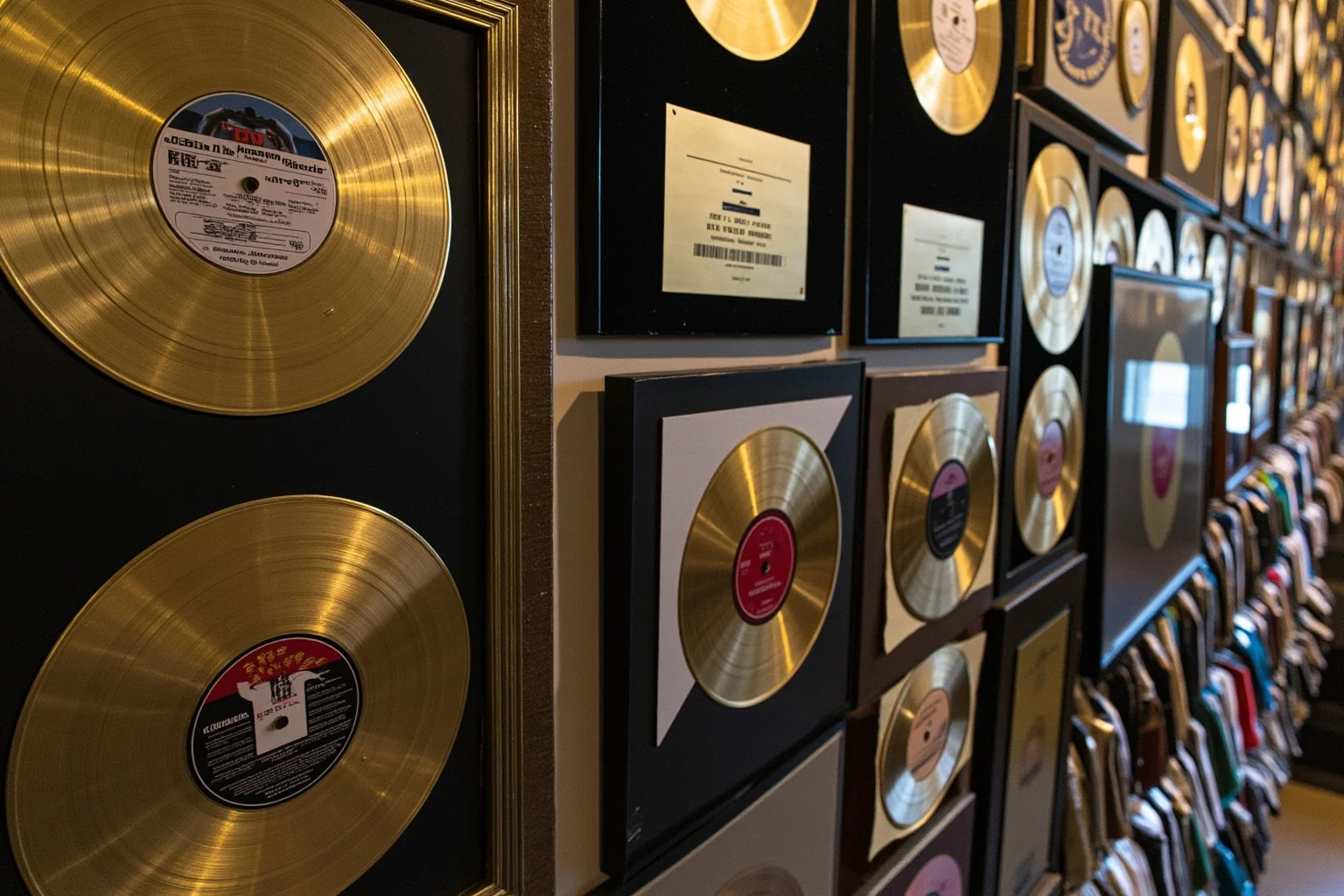
Elvis Presley is frequently cited as one of the best-selling solo music artists in history, with sales figures often estimated at over a billion records worldwide across his career. Exact global sales figures for any artist from this era are notoriously difficult to verify precisely, given inconsistent international reporting standards.
Still, by any measure, his commercial impact was massive. He charted dozens of top-ten hits and multiple number-one singles across several decades.
22. He Earned the Nickname “King of Rock and Roll”

The nickname didn’t come from a single official crowning but grew organically through media coverage and fan adoration during the 1950s and 1960s. It stuck because it captured how dominant his commercial and cultural presence had become.
Some critics have pushed back on the title over the years, arguing it overlooks Black pioneers of the genre. The nickname remains widely used today, but it’s part of an ongoing historical conversation about credit and influence in early rock and roll.
23. He Died at Graceland in 1977
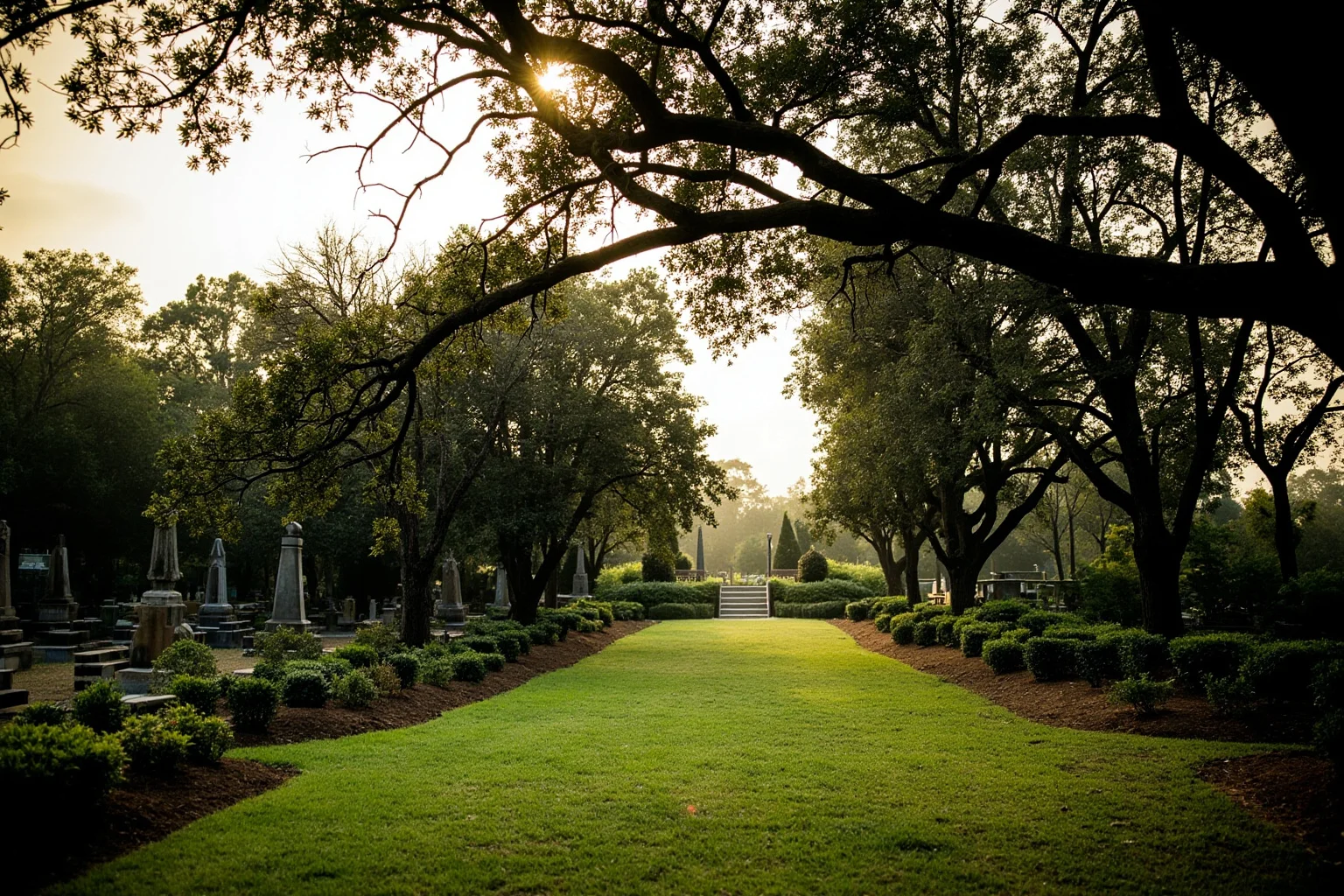
Elvis died on August 16, 1977, at his Graceland home in Memphis, at the age of 42. His official cause of death was listed as cardiac arrhythmia, occurring against a backdrop of years of prescription drug use and declining health.
His death triggered a wave of national mourning and drew massive crowds to Graceland almost immediately. It remains one of the most discussed celebrity deaths of the 20th century.
24. Graceland Opened to the Public in 1982

Five years after his death, Priscilla Presley led the effort to open Graceland to visitors in 1982, partly as a way to manage the estate’s mounting expenses. It quickly became one of the most visited private homes in the United States, drawing hundreds of thousands of visitors annually.
Today it functions as both a museum and a shrine to Elvis’s life and career. Fans travel from around the world to walk through the Jungle Room and pay respects at his grave on the property.
25. His Cultural Influence Still Runs Deep
Elvis’s fingerprints are all over modern pop culture, from the template for the solo rock idol to the visual language of the sequined performer. Musicians across country, rock, and pop have cited him as a foundational influence for decades.
His music, films, and image continue to circulate through documentaries, biopics, and streaming reissues. Even people who’ve never heard a full Elvis album usually recognize his silhouette, his voice, or at least that famous curled lip.
The Legacy of the King Lives On
Elvis Presley’s story is a mix of genuine musical innovation, savvy show business, and a fair amount of myth-making that’s grown up around him since 1977. Separating the two isn’t about diminishing his importance; it’s about understanding more clearly why he mattered so much in the first place.
From a two-room house in Tupelo to a mansion in Memphis, his rise reflects a very specific moment in American cultural history, one where blues, gospel, and country collided into something the whole world wanted to hear. Nearly five decades after his death, that collision still echoes through popular music today.
Frequently Asked Questions
What are some interesting facts about Elvis Presley?
Among the most interesting facts about Elvis Presley are that he was born a twin, served as a regular soldier in the US Army in Germany, held a karate black belt, and won all three of his competitive Grammy Awards for gospel recordings rather than rock and roll.
What is Elvis Presley known for?
Elvis Presley is best known for helping popularize rock and roll in the 1950s by blending country, blues, and gospel music, along with his energetic stage presence, Hollywood film career, and legendary Las Vegas performances.
What are the most important facts about Elvis Presley?
Key facts about Elvis Presley include his birth in Tupelo, Mississippi in 1935, his breakthrough at Sun Records in 1954, his rise to national fame with RCA Victor, his purchase of Graceland in 1957, and his death at Graceland in 1977 at age 42.
Did Elvis Presley write his own songs?
No, Elvis rarely wrote his own material. He was primarily known as a performer and interpreter, relying on professional songwriters like Otis Blackwell and the team of Jerry Leiber and Mike Stoller for many of his biggest hits.
Did Elvis Presley ever perform outside the United States?
Elvis performed only in the United States and a small number of shows in Canada in 1957. He never toured Europe or other continents, a decision many historians link to his manager Colonel Tom Parker's immigration situation, though the full reasoning isn't officially confirmed.
How did Elvis Presley die?
Elvis Presley died on August 16, 1977, at his Graceland home in Memphis, Tennessee, at age 42. His official cause of death was cardiac arrhythmia, occurring amid years of declining health linked to prescription drug use.

Alex Warren
Related Articles





