

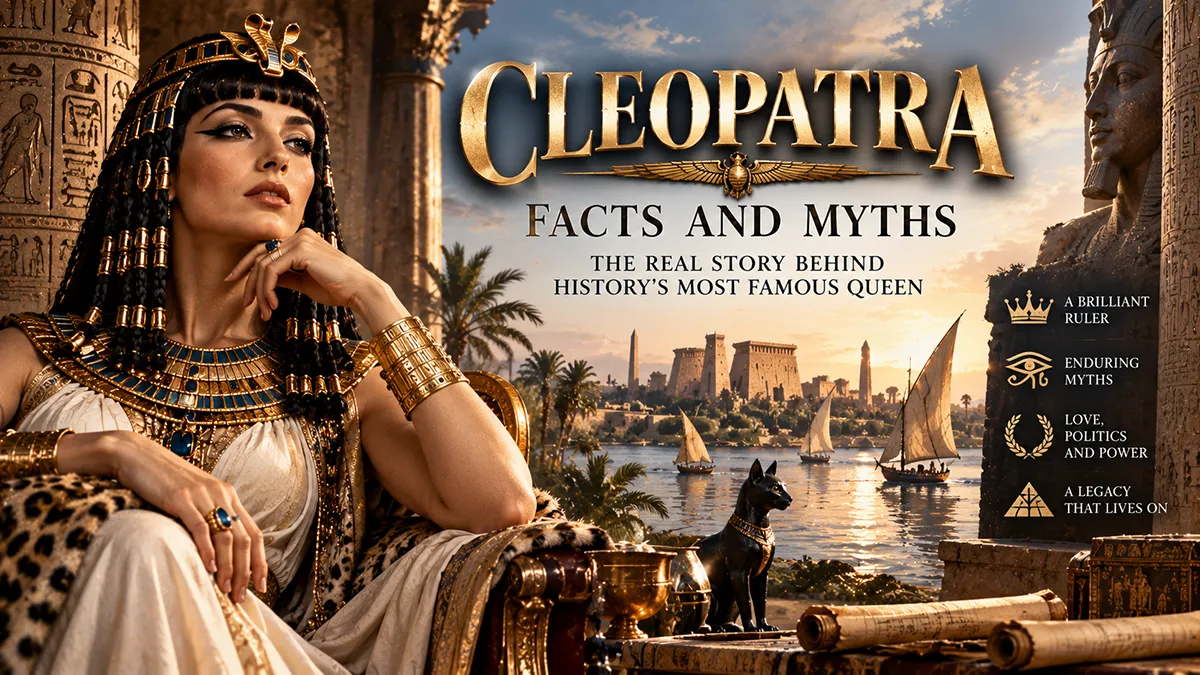
Few names from the ancient world carry as much mystique as Cleopatra’s — she remains one of the most recognized historical figures of all time. She’s been painted as a seductress, a schemer, a tragic lover, and a brilliant stateswoman — sometimes all at once, and rarely with much regard for what actually happened. The legend of Cleopatra has grown so large over the past 2,000 years that separating the real Cleopatra VII from the myth takes some real digging.
That’s exactly what this guide sets out to do. Below you’ll find a rundown of genuinely interesting Cleopatra facts, fast facts on her reign, and the personality traits that made her one of history’s most formidable rulers — followed by ten popular myths about her that just don’t hold up to scrutiny.
TL;DR: Cleopatra was a Greek-descended pharaoh, master strategist, and multilingual diplomat whose real story is far more fascinating — and far less scandalous — than the myths surrounding her.
Cleopatra Quick Facts Snapshot
Before diving into the full list, here are the cleopatra fast facts most people search for first. This is the condensed version — the numbered sections below go much deeper into each point.
- Full name: Cleopatra VII Philopator
- Born: c. 69 BC, likely in Alexandria, Egypt
- Died: August 30 BC, Alexandria
- Dynasty: Ptolemaic (Macedonian Greek), Egypt’s last pharaonic dynasty
- Reign: 51–30 BC, roughly 21 years
- Known for: Ruling Egypt as its last active pharaoh, forming political and personal alliances with Julius Caesar and Mark Antony, and resisting Roman annexation until her death
- Languages: Reportedly fluent in several, including Egyptian
- Children: Caesarion (with Julius Caesar), and three children with Mark Antony
20 Interesting Facts About Cleopatra
This is the heart of it — a deep list of interesting facts about Queen Cleopatra covering her heritage, her reign, her beliefs, and her legacy. Some of these are well documented; others are debated among historians, and we’ll flag that where it matters.
1. She Was Greek, Not Egyptian
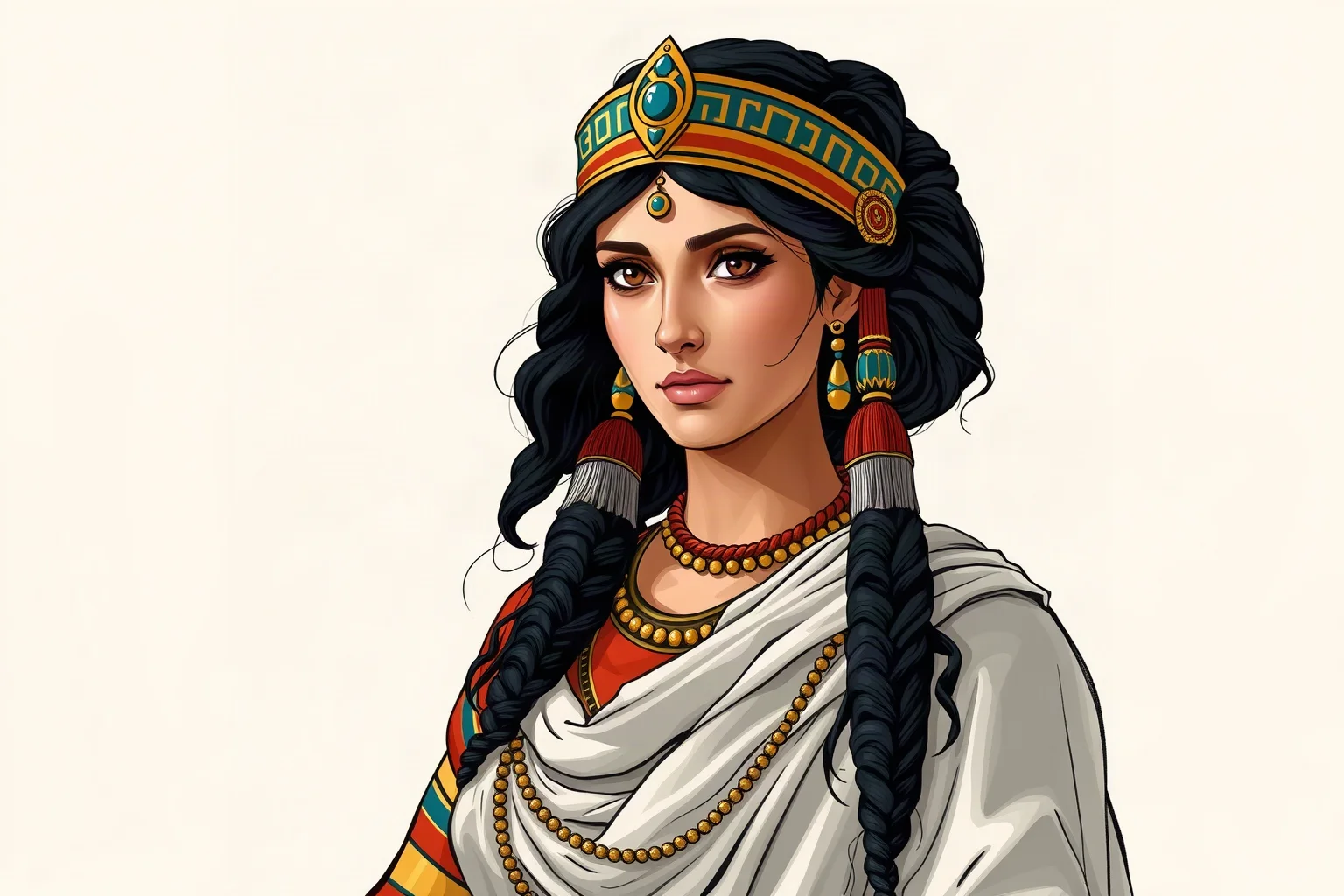
One of the most important facts about Cleopatra is also the most surprising to many people: she wasn’t ethnically Egyptian. She descended from the Ptolemaic dynasty, a Greek-Macedonian family founded by Ptolemy I Soter, a general under Alexander the Great.
The Ptolemies ruled Egypt for nearly 300 years while largely keeping to Greek customs, language, and intermarriage within their own family. Cleopatra was the product of that same Macedonian Greek lineage, even though she ruled from the Nile.
2. Her Full Title Was Cleopatra VII Philopator
She wasn’t the only Cleopatra in her family — she was actually the seventh queen to carry that name in the Ptolemaic dynasty. Her full title, Cleopatra VII Philopator, roughly translates to “father-loving,” a common honorific used by Ptolemaic rulers.
This naming convention is part of why so many Ptolemaic figures blur together historically. When people ask about “Cleopatra VII facts” specifically, it’s to distinguish her from the six queens before her who shared the name.
3. She Ruled Egypt for About Two Decades
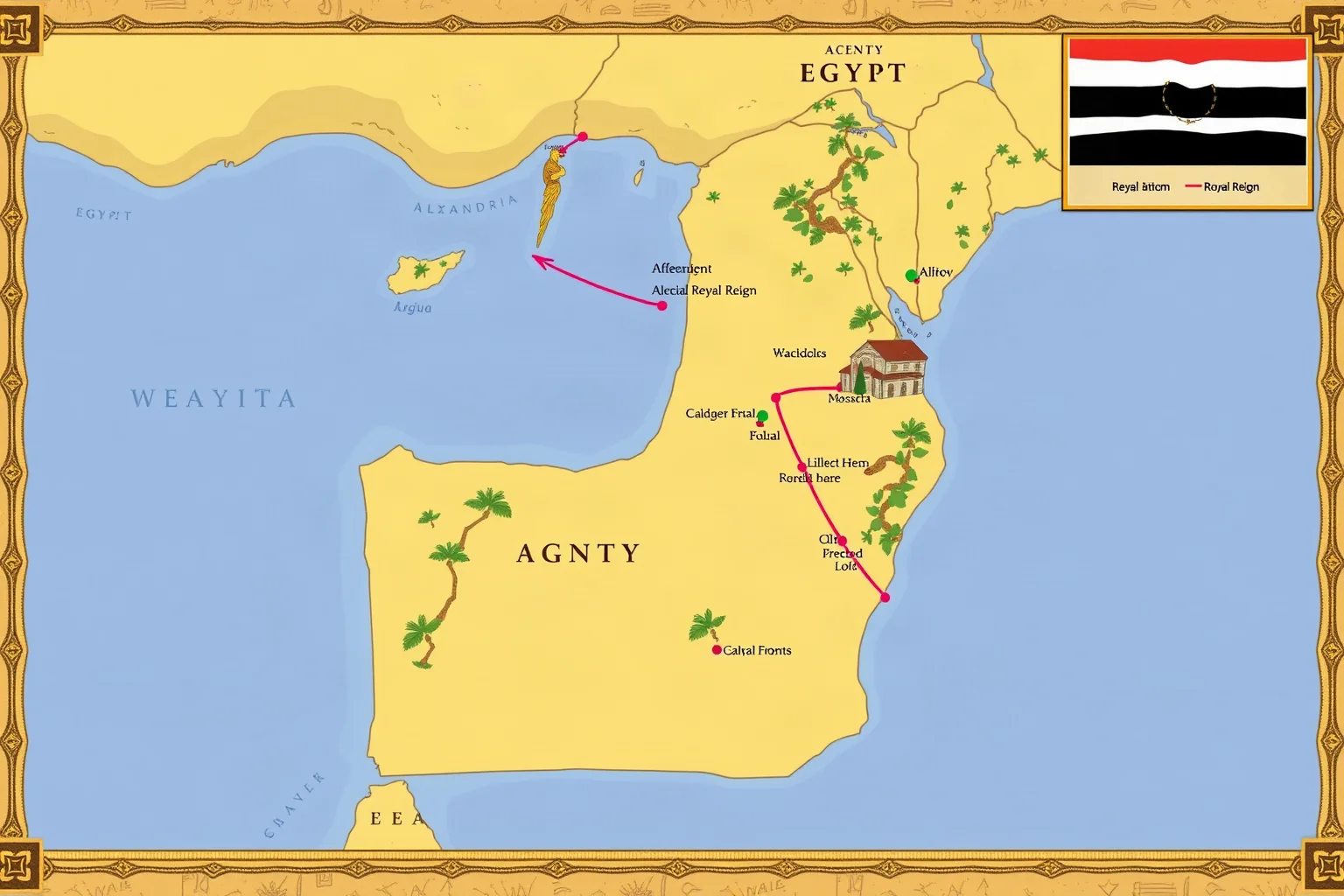
Cleopatra took the throne around 51 BC, at roughly age 18, after the death of her father, Ptolemy XII. She ruled, with various co-regents and rivals along the way, until her death in 30 BC — around 21 years on and off the throne.
That’s a remarkably long reign for the turbulent, conspiracy-riddled world of Ptolemaic Egypt. Several of her predecessors were murdered, deposed, or exiled within a few years of taking power.
4. She Reportedly Spoke Multiple Languages

According to ancient sources, including the Greek biographer Plutarch, Cleopatra was fluent in several languages and could converse with foreign envoys without a translator. This apparently included Egyptian — notable because most Ptolemaic rulers before her never bothered to learn the language of the people they governed.
This multilingual skill wasn’t just impressive trivia; it was a genuine political tool. It let her connect directly with Egyptian priests, officials, and everyday subjects in a way her predecessors couldn’t.
5. She Was a Skilled Political Strategist
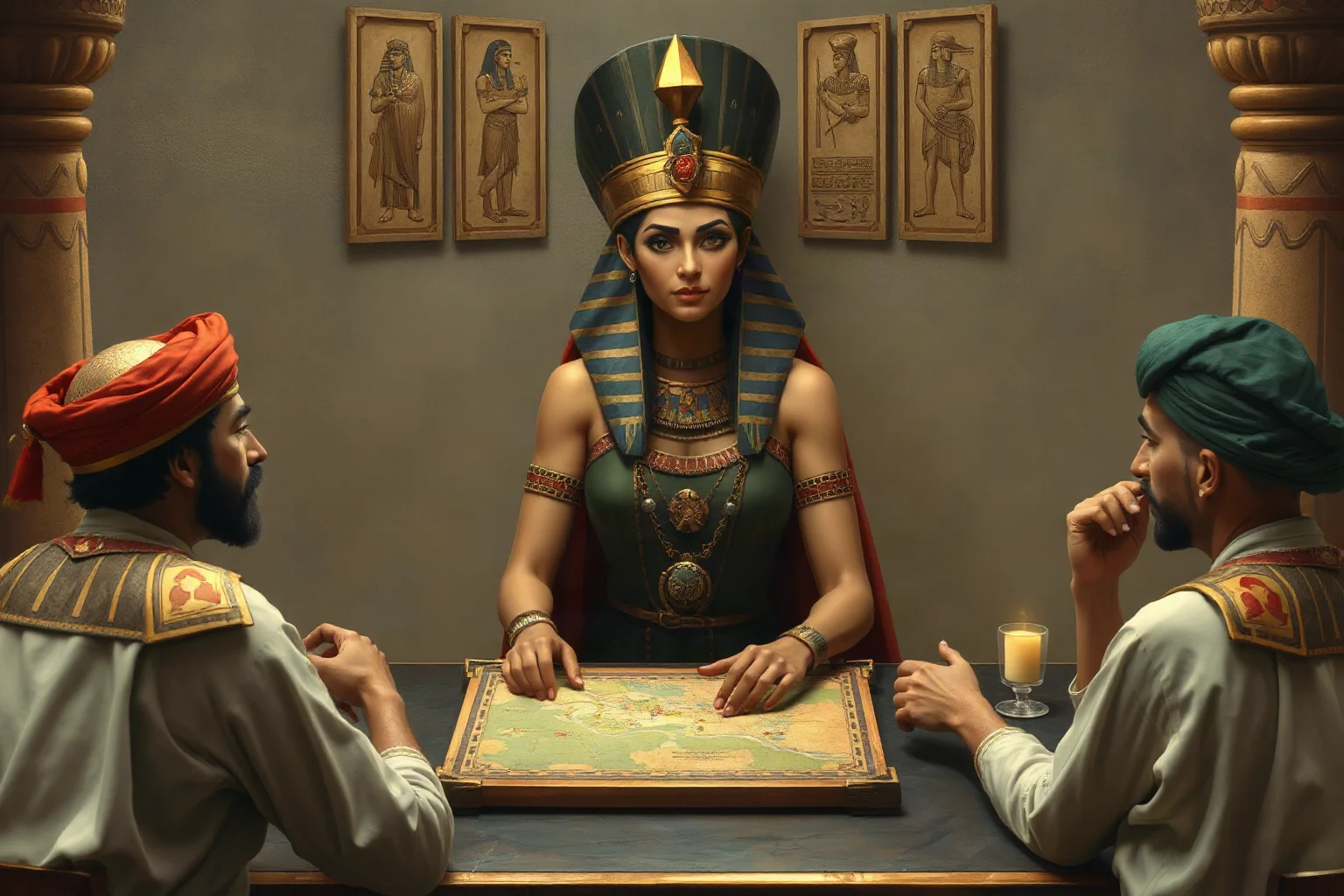
What was Cleopatra known for above all else? Political survival in an era when female rulers were rare and constantly undermined. She navigated sibling rivalries, Roman power plays, and a collapsing regional economy while keeping Egypt independent for two decades longer than it might otherwise have lasted.
Her alliances with Julius Caesar and later Mark Antony weren’t just romantic entanglements — they were calculated moves to keep Rome from swallowing Egypt outright. That strategic instinct is a big part of why was Cleopatra so important to both Egyptian and Roman history.
6. She Had a Son With Julius Caesar
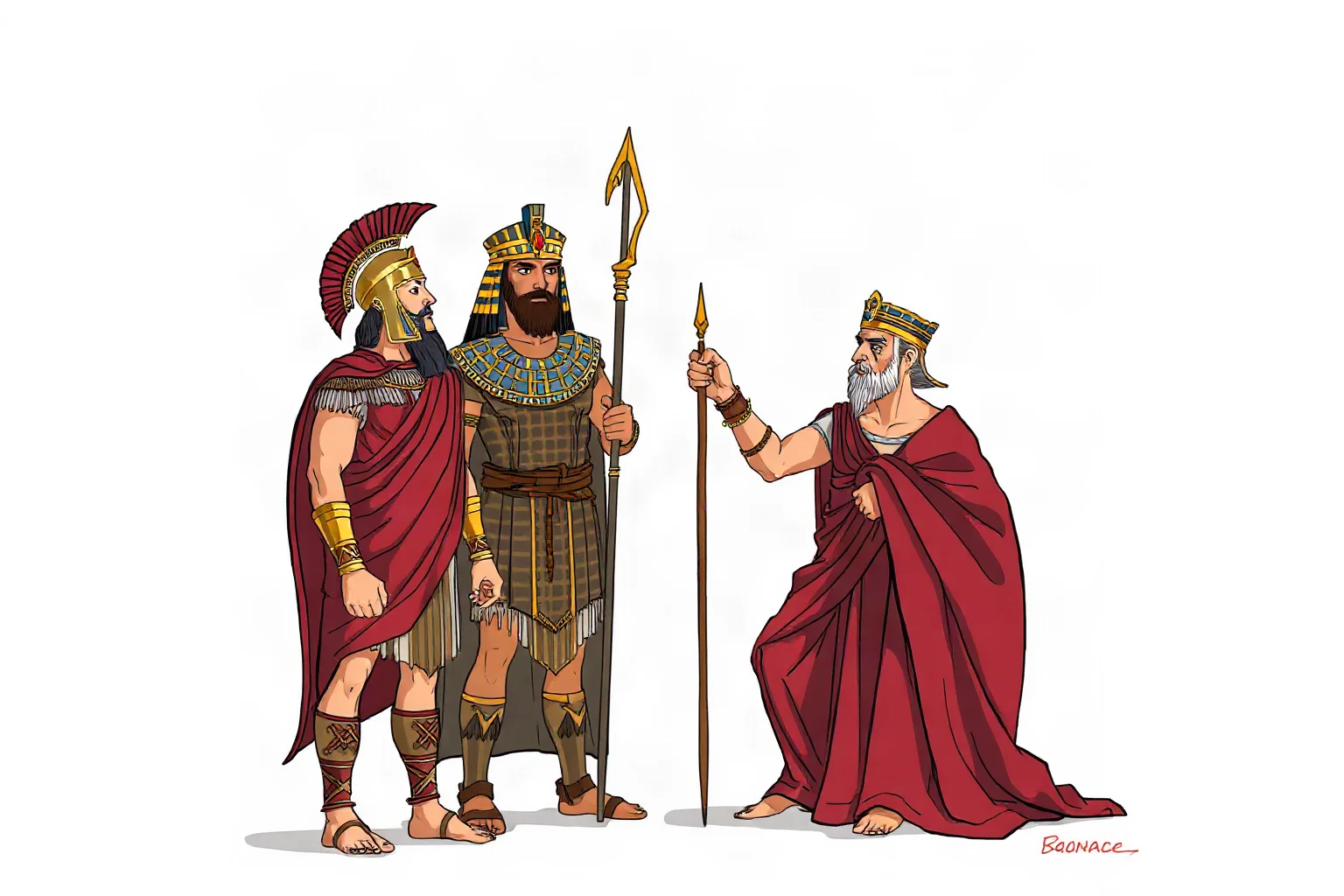
Cleopatra and Julius Caesar had a son together, known as Caesarion (officially Ptolemy XV Caesar). Caesar never formally acknowledged him as his heir under Roman law, which became a significant political problem after Caesar’s assassination in 44 BC.
Caesarion briefly co-ruled Egypt with his mother and was killed shortly after Cleopatra’s death in 30 BC, on the order of Octavian. His death effectively ended the Ptolemaic bloodline entirely.
7. She Had Three Children With Mark Antony
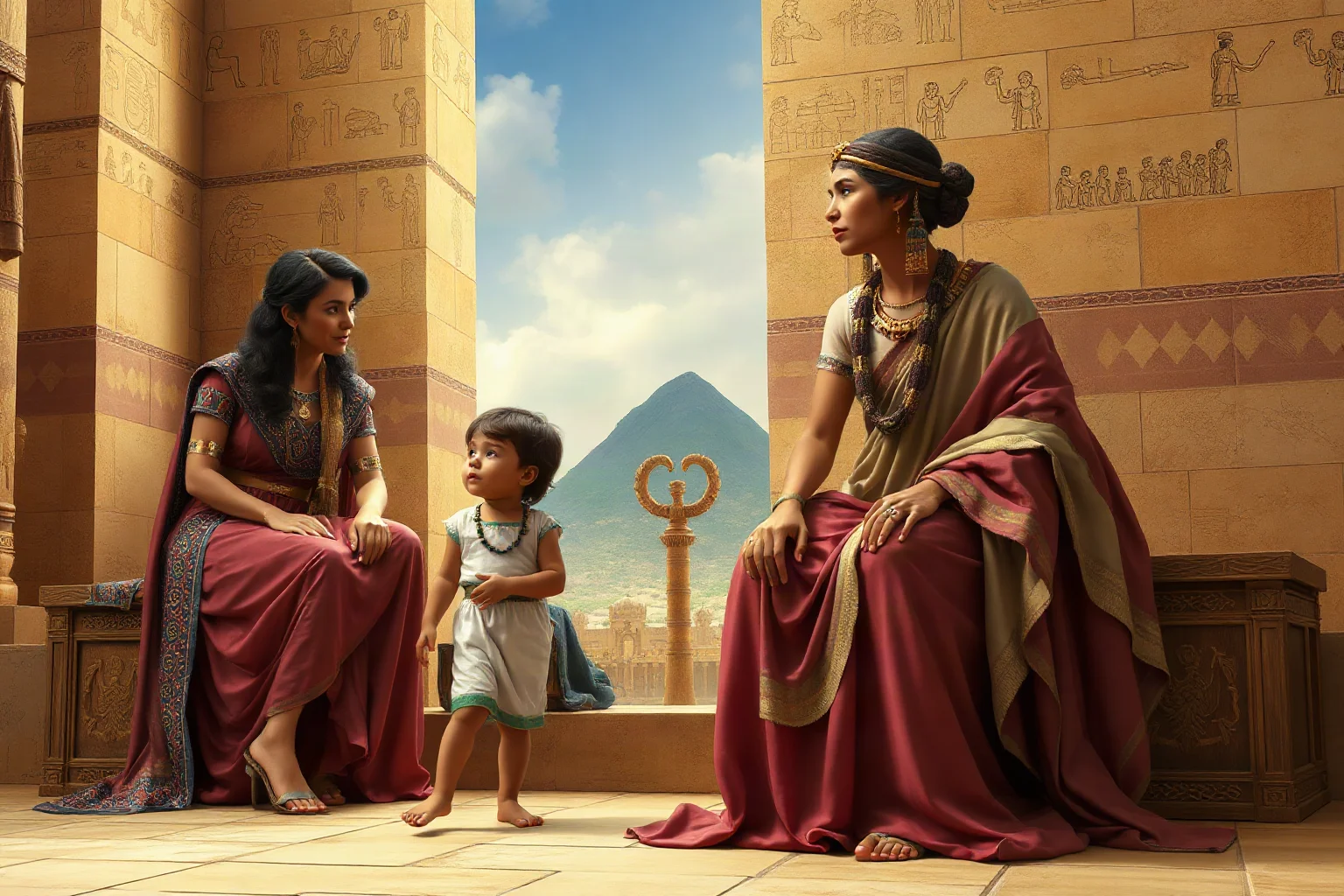
After Caesar’s death, Cleopatra formed a political and personal partnership with the Roman general Mark Antony. Together they had three children: twins named Alexander Helios and Cleopatra Selene II, and a younger son, Ptolemy Philadelphus.
This relationship was deeply entangled with Roman politics, since Antony was one of the three men vying for control of Rome after Caesar’s assassination. Their alliance eventually put Cleopatra at direct odds with Antony’s rival, Octavian.
8. She Identified Herself With the Goddess Isis
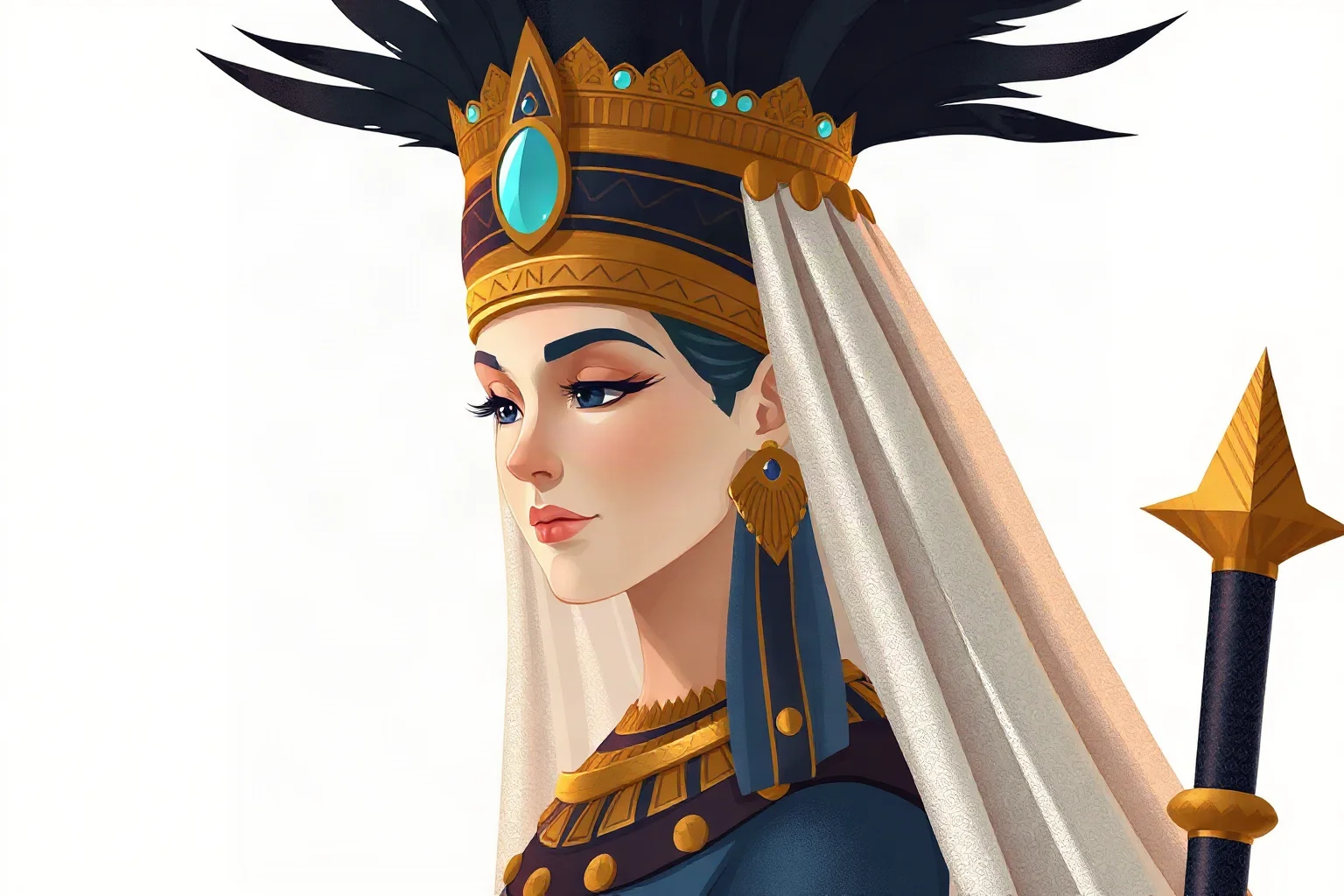
Cleopatra actively cultivated a religious image, presenting herself to the Egyptian people as the living embodiment of the goddess Isis. She reportedly dressed in Isis’s traditional attire during public ceremonies and religious festivals.
This wasn’t unusual for Ptolemaic rulers, who often blended Greek and Egyptian religious identities to legitimize their rule. It does answer a common search question — did Cleopatra have any interesting religious beliefs — with a clear yes, and it was strategic as much as spiritual.
9. Her Ties to Greek Mythology Ran Through Aphrodite

Beyond her Isis imagery, Cleopatra also leaned on Greek mythology to shape her public persona, particularly by associating herself with Aphrodite, the Greek goddess of love. When she met Mark Antony at Tarsus, ancient accounts describe her arriving dressed to evoke Aphrodite herself.
So while Cleopatra wasn’t a figure from Greek mythology, the mythology was very much a tool she used deliberately. Blending Greek divine imagery with Egyptian religious tradition helped her appeal to both halves of her diverse kingdom.
10. Alexandria Was a Global Center of Learning

Cleopatra ruled from Alexandria, a city founded by Alexander the Great that had become one of the ancient world’s great intellectual hubs. It was home to the Great Library of Alexandria and the Musaeum, a research institution that drew scholars from across the Mediterranean.
Cleopatra herself was reportedly well educated, with interests said to include philosophy, medicine, and rhetoric. Her upbringing in this environment likely shaped the sharp, adaptable political mind she became known for.
11. She May Have Written on Medicine and Cosmetics

Some ancient and medieval sources attribute treatises on cosmetics, pharmacology, or medicine to Cleopatra, though modern historians treat these claims cautiously. No verified original text survives, and later writers frequently attached her name to works for credibility.
Still, the persistent association says something about her reputation: she was remembered as intellectually engaged, not just politically shrewd. That reputation is part of what makes her personality so compelling to historians today.
12. She Managed a Complex, Struggling Economy

Egypt under Cleopatra faced real economic pressure, including famine and currency devaluation earlier in her reign. Records suggest she took an active hand in economic policy, including adjustments to coinage and grain distribution during crises.
This is one of the more overlooked but important facts about Cleopatra — she wasn’t just a diplomat and symbol, she was involved in the unglamorous work of actually governing a kingdom under strain.
13. She Was the Last Active Pharaoh of Egypt
When Cleopatra died in 30 BC, it marked the end of the Ptolemaic dynasty and, with it, the end of independent pharaonic rule in Egypt. Afterward, Egypt became a province of the Roman Empire, governed directly by Rome for centuries.
This is a huge part of what was Cleopatra known for historically: she was the final link in a pharaonic tradition stretching back roughly 3,000 years. Her death didn’t just end a life — it ended an era.
14. The Cause of Her Death Isn’t Fully Certain

The traditional story holds that Cleopatra died from the bite of an asp (likely an Egyptian cobra) after Antony’s defeat and death made her position hopeless. Ancient sources like Plutarch report this account, written decades after her death.
Modern historians and toxicologists have pointed out inconsistencies in the snakebite story, suggesting poison might be a more plausible explanation. The truth is that no one alive today can say for certain — it remains one of the genuinely weird facts about Cleopatra that we may never fully resolve.
15. She Commanded a Navy at the Battle of Actium

In 31 BC, Cleopatra personally brought Egyptian ships to support Mark Antony’s forces against Octavian at the Battle of Actium. This wasn’t a symbolic gesture — Egypt’s fleet was a critical part of Antony’s military strategy.
The battle ended in a decisive defeat, and Cleopatra’s ships famously withdrew during the fighting, a moment ancient historians debated endlessly. Whether it was a retreat, a tactical repositioning, or a rescue attempt is still argued among historians.
16. Her Appearance Is More Debated Than You’d Think
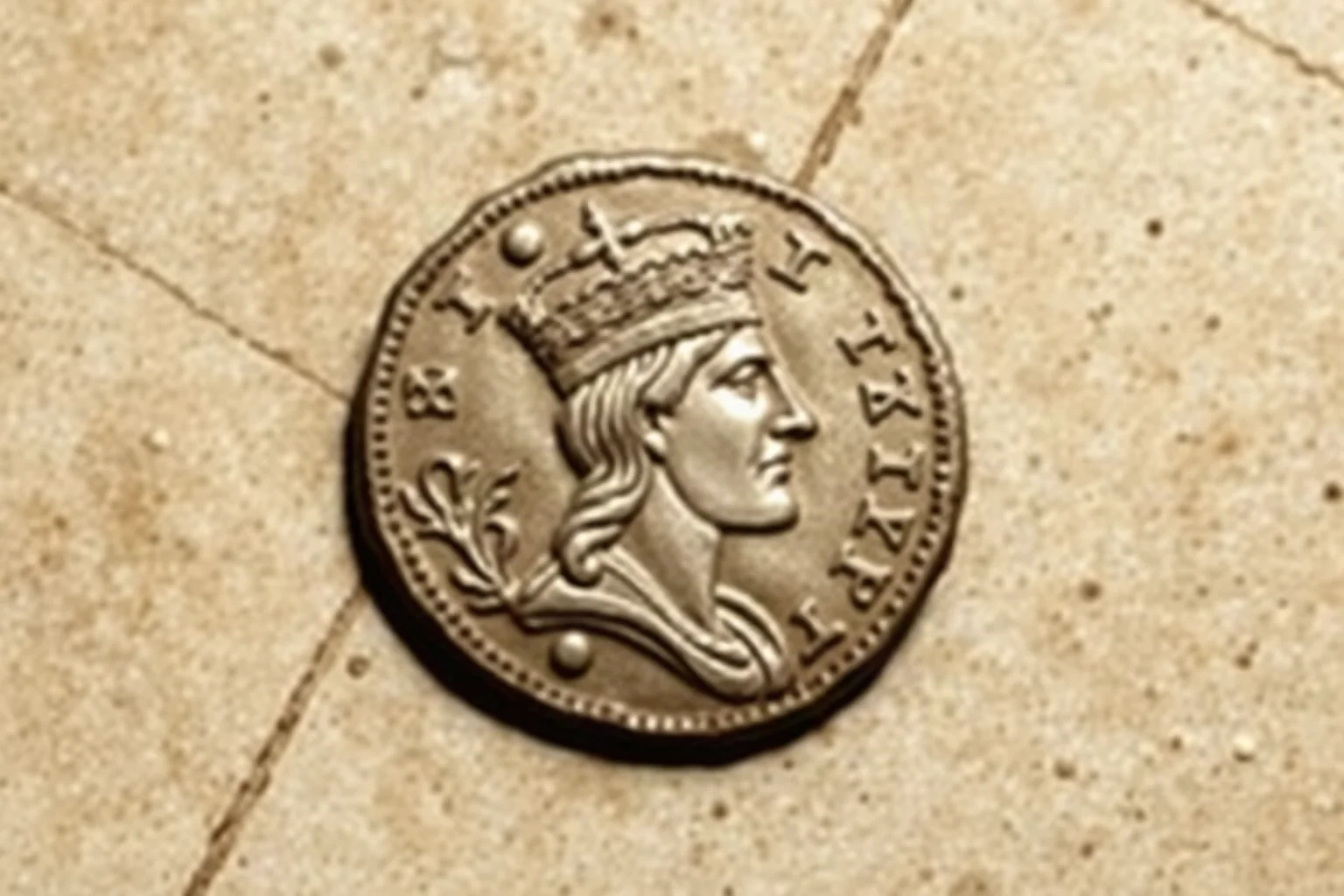
Despite her reputation, no confirmed lifelike portrait of Cleopatra survives, and surviving coins show a strong-jawed, hook-nosed profile rather than classical softness. Ancient writers, including Plutarch, actually emphasized her charisma, voice, and intelligence over conventional beauty.
This is genuinely one of the more surprising cleopatra fun facts: the seductive beauty icon of later art and film may not reflect what she actually looked like at all. Her influence came from presence and intellect as much as appearance.
17. She Fought Her Own Siblings for the Throne
Ptolemaic succession customs required co-rule with siblings, and Cleopatra’s family relationships were anything but peaceful. She was pushed into conflict with her younger brothers, Ptolemy XIII and Ptolemy XIV, and her sister Arsinoe IV, all of whom challenged her rule at different points.
Ptolemy XIII died during the civil conflict that brought Julius Caesar into Egyptian politics. Arsinoe was later executed on Antony’s orders at Cleopatra’s request — a stark reminder of how brutal Ptolemaic family politics really were.
18. The Famous “Needles” Weren’t Actually Hers

Two ancient Egyptian obelisks known today as “Cleopatra’s Needles” stand in London and New York City. Despite the name, they weren’t built by or for Cleopatra — they were originally erected around 1450 BC under Pharaoh Thutmose III, roughly 1,400 years before she was born.
They were simply relocated to Alexandria at some point in antiquity and later shipped to Europe and America in the 19th century. The name stuck purely because of her fame, not because of any historical connection.
19. Her First Meeting With Caesar Became Legendary

According to ancient accounts, Cleopatra had herself smuggled into Julius Caesar’s presence rolled inside a carpet or bedroll to avoid detection by her rivals during Egypt’s civil war. The story comes from ancient sources, though the vivid, cinematic details often added in later retellings go well beyond what those sources actually describe.
Whatever the exact details, the meeting worked: Caesar backed her claim to the throne over her brother’s. It’s a great example of how the legend of Cleopatra often outpaces the historical record.
20. Her Legacy Shaped Centuries of Art and Storytelling
From Shakespeare’s “Antony and Cleopatra” to George Bernard Shaw’s plays to countless Hollywood films, Cleopatra has been reimagined again and again. Each era tended to project its own ideas about power, gender, and seduction onto her.
That’s exactly why sorting fact from fiction matters so much. The real Cleopatra was a working monarch managing famine, war, and diplomacy — not simply the romantic archetype later centuries turned her into.
10 Myths About Cleopatra — Busted
Now that we’ve covered the real facts, let’s tackle the myths about Cleopatra that refuse to die. Some come from ancient Roman propaganda, others from centuries of art and film taking creative liberties.
Myth 1: She Died From a Dramatic, Confirmed Snakebite
The image of Cleopatra pressing an asp to her chest is iconic, but it’s built on shakier ground than most people realize. Plutarch, writing about a century after her death, admitted even ancient sources disagreed on exactly how she died.
Some modern researchers argue a fast-acting poison is more medically consistent with the described symptoms than a cobra bite. The snake story may be partly true, partly Roman theater — we simply don’t have certainty either way.
Myth 2: Cleopatra Was Ethnically Egyptian
This myth persists in a lot of pop culture, but it doesn’t match the historical record. Cleopatra came from the Ptolemaic dynasty, a Macedonian Greek family that ruled Egypt without much ethnic intermixing with native Egyptians for nearly three centuries before her.
What made her different from most of her predecessors was her effort to embrace Egyptian culture and religion, including reportedly learning the Egyptian language. That cultural adoption, though, is separate from ethnic ancestry.
Myth 3: She Was Renowned Purely for Legendary Beauty
Hollywood casting and centuries of romantic art have cemented Cleopatra as a timeless beauty icon. But ancient sources, including Plutarch, actually credit her charm to her voice, wit, conversation, and confidence far more than her looks.
Surviving coin portraits show fairly strong, unidealized features rather than classical softness. Her real power was persuasion and intelligence, not simply appearance.
Myth 4: She Seduced Every Powerful Man She Met
Cleopatra is often caricatured as an insatiable seductress, but the historical record shows only two significant partners: Julius Caesar and Mark Antony. Both relationships were deeply entangled with real political stakes for Egypt’s survival, not simple romantic conquests.
Framing her as a serial seductress strips away what was actually happening — a monarch using strategic alliances to protect her kingdom from Roman annexation. It’s a myth rooted more in Roman propaganda against her than in fact.
Myth 5: She Was a Passive Victim of Rome’s Ambitions
Some retellings cast Cleopatra as a helpless figure swept along by more powerful Roman men. In reality, she was an active, calculating ruler who used every tool available — diplomacy, marriage alliances, military support, and religious symbolism — to try to keep Egypt independent.
She held onto her throne for two decades in an era when female rulers rarely lasted that long. Even in her final defeat, ancient sources describe her negotiating directly with Octavian, trying to secure her children’s futures.
Myth 6: Cleopatra’s Needles Prove Her Building Legacy
The famous obelisks in London and New York are popularly nicknamed “Cleopatra’s Needles,” leading many to assume she commissioned them. In fact, they were built roughly 1,400 years before her reign, under Pharaoh Thutmose III.
The name is simply a 19th-century marketing flourish tied to her fame rather than any real historical connection. It’s a small but very common myth about Cleopatra worth clearing up.
Myth 7: She Was Young and Naive When She Rose to Power
Cleopatra did take the throne around age 18, but by the time of her most consequential political moves — allying with Caesar, then Antony, managing famine and war — she was an experienced ruler in her twenties and thirties. Her reign spanned roughly 21 years of hard-won political survival.
Describing her as a naive teenager throughout her rule flattens two decades of genuine statecraft into a single moment. What was Cleopatra’s personality like in reality? By most accounts: sharp, disciplined, and highly adaptable — not naive.
Myth 8: The Rug Story Was Pure Romantic Fiction
Many assume the story of Cleopatra being smuggled to Caesar rolled in a carpet is a modern invention, but it actually traces back to ancient sources describing her hidden in bedding to avoid her rivals. The core event likely happened in some form during Egypt’s civil war.
What’s exaggerated is the added cinematic detail found in later retellings — the dramatic unrolling, the staged reveal — much of which isn’t in the earliest accounts at all. The kernel of the story is old; the theatrical polish is not.
Myth 9: Cleopatra Achieved Nothing Beyond Her Romances
Because so much popular storytelling focuses on her relationships with Caesar and Antony, it’s easy to overlook her actual governance. She managed currency crises, navigated famine, rebuilt temples, commanded naval forces, and held off Roman annexation for years longer than might otherwise have happened.
Her romantic alliances were part of a much larger strategic picture, not the whole story. Reducing her to romance erases most of what made her historically significant in the first place.
Myth 10: The “Legend” and the Historical Cleopatra Are the Same Thing
Over two millennia, the legend of Cleopatra has absorbed Roman propaganda, medieval retellings, Renaissance drama, and modern film until the layers are hard to separate — a pattern strikingly similar to the myth-and-fact tangle surrounding Joan of Arc, another historical woman whose real story got buried under centuries of legend. Much of what feels like “common knowledge” about her actually comes from Shakespeare or Hollywood, not ancient Egyptian or Roman records.
The real Cleopatra VII was a multilingual, politically savvy monarch operating in an extraordinarily difficult position between two collapsing power structures. The legend is compelling, but the verified history is arguably even more impressive.
Why Cleopatra Still Fascinates Us
Part of the reason Cleopatra facts remain so searched and so debated is that she sits right at the intersection of verified history and centuries of storytelling. Ancient writers like Plutarch, our main source for many events, wrote decades after her death and weren’t exactly neutral observers.
That gap between what happened and what got written down later is where most of the myths took root, a pattern echoed in the stories of other larger-than-life figures like Isaac Newton and Britain’s own “Mad King” George III, whose real biographies are also often obscured by popular legend. It’s also exactly why a myth-busting approach matters so much when discussing her life.
What we do know, from coins, inscriptions, and contemporary Roman accounts, paints a picture of an unusually capable ruler. She spoke multiple languages, managed a fragile economy, commanded military forces, and held her throne through two decades of relentless political threats.
That’s a far more interesting legacy than the one-dimensional seductress myth ever gave her credit for. If anything, the real Cleopatra deserves to be remembered as one of the ancient world’s sharpest political survivors.
Frequently Asked Questions
What was Cleopatra known for?
Cleopatra is best known for being the last active pharaoh of ancient Egypt and for her political alliances with Roman leaders Julius Caesar and Mark Antony. She used diplomacy, military support, and strategic marriage alliances to try to keep Egypt independent from Roman rule, and her death in 30 BC marked the end of the Ptolemaic dynasty.
Why was Cleopatra so important?
Cleopatra was important because she held Egypt's throne for roughly 21 years during a period of intense Roman expansion, successfully delaying full Roman annexation through shrewd political alliances. She was also unusually engaged in governance, language, and diplomacy compared to many of her Ptolemaic predecessors, making her one of the most historically consequential rulers of the ancient Mediterranean world.
Did Cleopatra have any interesting religious beliefs?
Yes — Cleopatra publicly presented herself as the living embodiment of the Egyptian goddess Isis and also drew on Greek mythology by associating herself with Aphrodite. This blending of Greek and Egyptian religious identity was a deliberate political strategy meant to strengthen her legitimacy with both Greek and native Egyptian subjects.
What was Cleopatra’s personality like?
Ancient sources, including the historian Plutarch, describe Cleopatra as highly intelligent, articulate, and persuasive, with a reputation for charm built more on wit and conversation than physical beauty. Her political record also suggests she was decisive, adaptable, and willing to make ruthless choices, including against her own siblings, to secure her rule.
Was Cleopatra Egyptian or Greek?
Cleopatra was ethnically Greek, descended from the Macedonian Greek Ptolemaic dynasty that ruled Egypt after Alexander the Great's conquest. She did make an unusual effort among her family to embrace Egyptian culture and reportedly learned the Egyptian language, but her ancestry was Greek, not native Egyptian.
How did Cleopatra die?
The traditional account, recorded by ancient historians like Plutarch decades after her death, says Cleopatra died from the bite of an asp after Mark Antony's defeat left her position hopeless. Modern historians have raised doubts about this story, with some suggesting poison is medically more plausible, meaning the exact cause of her death isn't fully certain.

Alex Warren
Related Articles