
Few names in modern history carry as much weight, myth, and misinformation as Pablo Escobar. Search for him online and you'll find him spelled a dozen different ways — Pavlo Escobar, Pablo Eacobar, Poablo Escobar, Escobat — a sign of just how much people are curious about this one man decades after his death.
But who was he really, and how much of what we "know" about him is fact versus Netflix dramatization? This guide breaks down the real, documented history of Pablo Escobar, from his childhood in rural Colombia to his violent death on a Medellín rooftop, busting a few persistent myths along the way.
TL;DR: Pablo Escobar was a Colombian drug trafficker who built the Medellín Cartel into a multibillion-dollar cocaine empire and waged a violent war against the Colombian state before being killed by security forces in 1993.
1. Who Is Pablo Escobar? A Quick Introduction
Pablo Emilio Escobar Gaviria was a Colombian drug trafficker who became the most powerful and notorious cocaine boss of the 20th century. Through the Medellín Cartel, he is believed to have controlled a huge share of the cocaine entering the United States during the 1980s.
He was also a mass murderer, a terrorist by most legal definitions, and briefly a sitting member of the Colombian Congress. Understanding who Pablo Escobar was means holding two things at once: a man who gave money to poor communities, and a man responsible for staggering levels of violence.
2. He Was Born in Rionegro, Colombia
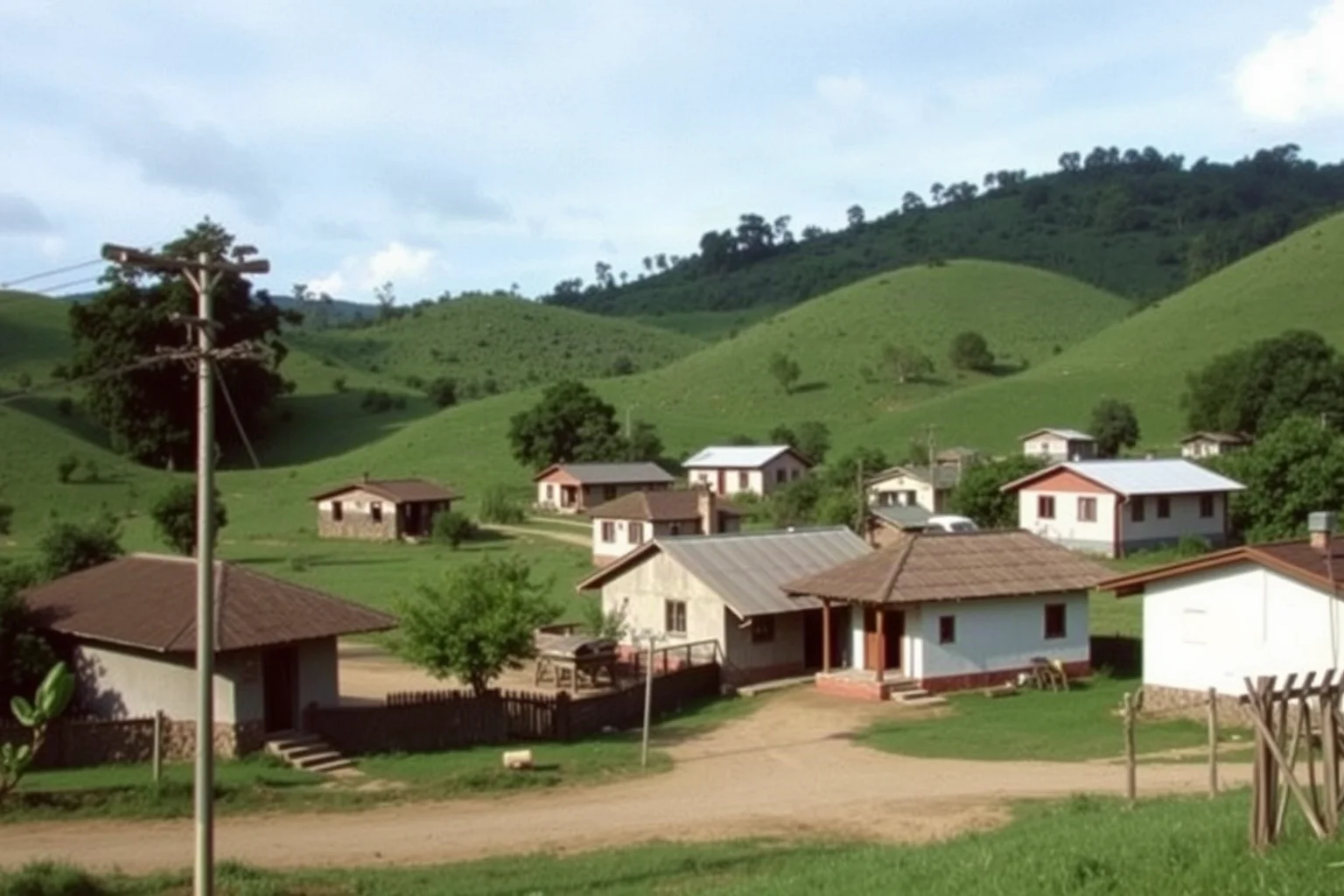
Pablo Escobar was born on December 1, 1949, in Rionegro, a town in Colombia's Antioquia department, and he grew up mostly in nearby Medellín and Envigado. His father worked as a farmer, and his mother was a schoolteacher, giving him a fairly modest, working-class upbringing.
This matters because part of the later "Robin Hood" mythology around Escobar leaned heavily on his poor origins. It's a real part of his life history, but it doesn't excuse what came after it.
3. He Started with Petty Crime Before Drugs
Long before cocaine made him a billionaire, Escobar reportedly worked small-time hustles as a teenager and young man in Medellín. Accounts describe him being involved in activities like selling contraband cigarettes, fake lottery tickets, and allegedly stealing cars or gravestones to resell.
These early stories come mostly from biographies and journalistic accounts rather than verified court records, so they should be treated as generally accepted background rather than airtight fact. What's clear is that he was building criminal networks and confidence well before cocaine entered the picture.
4. He Built the Medellín Cartel
By the late 1970s and early 1980s, Escobar had moved into cocaine trafficking and helped organize a loose alliance of smugglers known as the Medellín Cartel. Alongside figures like the Ochoa brothers and Gonzalo Rodríguez Gacha, he helped turn a regional smuggling trade into an industrial-scale global operation, cementing his place among the most notorious gangsters of the 20th century.
The cartel developed its own smuggling routes, labs, pilots, and even submarines and light aircraft to move product into the United States. At its peak, it's widely reported to have supplied a majority of the cocaine reaching American streets.
5. What Did Pablo Escobar Do? The Cocaine Empire Explained

So what did Pablo Escobar actually do, in practical terms? He organized the production, transport, and distribution of cocaine on a scale the world hadn't seen before, coordinating growers, chemists, pilots, and distributors across multiple countries.
He also built the infrastructure of a shadow state: private armies, bribed officials, and an intelligence network that rivaled the government's own. Understanding what Pablo Escobar did requires seeing him not just as a drug dealer, but as the architect of a criminal supply chain.
6. How Tall Was Pablo Escobar?
A surprisingly common question is simply how tall was Pablo Escobar, given how larger-than-life his reputation became. Most historical accounts and biographical records put him at around 5 feet 6 inches (roughly 168 centimeters), a modest height nowhere near the tallest people in history.
As for weight, reports from later in his life describe him as stockier, likely in the range of 180 pounds (around 80 kilograms), though exact figures vary by source and point in time. Pablo Escobar's height and weight were never officially documented in the way a public figure's might be, so these numbers come from journalists, biographers, and people who knew him rather than medical records.
7. He Was Briefly a Congressman
In 1982, Escobar was elected as an alternate member of Colombia's Chamber of Representatives, representing a political movement linked to the Liberal Party. This gave him diplomatic-style privileges and a veneer of legitimacy for a short time.
His political career collapsed after Colombia's Justice Minister, Rodrigo Lara Bonilla, publicly exposed his criminal ties in Congress. Escobar was pushed out of politics, and Lara Bonilla was assassinated in 1984, an act widely attributed to Escobar's organization.
8. He Waged War on the Colombian State
Starting in the mid-1980s, Escobar and other traffickers declared themselves "Los Extraditables," fighting fiercely against a Colombia-U.S. extradition treaty that could send them to American prisons. Their slogan, reported in multiple historical accounts, was that they'd rather have "a grave in Colombia than a jail cell in the United States."
This wasn't just rhetoric. It kicked off a period Colombians call narco-terrorism, where bombings and assassinations became tools of political negotiation.
9. Pablo Escobar's Crimes: Bombings, Assassinations, and Kidnappings
Pablo Escobar's crimes extended far beyond drug trafficking into what most legal systems would classify as terrorism. His organization is linked to the 1989 bombing of Avianca Flight 203, which killed 107 people, and the bombing of the DAS security building in Bogotá the same year, which killed dozens more.
He's also tied to the assassination of presidential candidate Luis Carlos Galán in 1989, along with numerous judges, police officers, journalists, and politicians. His cartel reportedly placed bounties on the heads of Colombian police, particularly in Medellín, fueling years of targeted killings.
10. How Many People Did Pablo Escobar Kill?
One of the most searched questions about him is how many people Pablo Escobar killed, and the honest answer is that no exact, verified number exists. Estimates from journalists and historians range widely, from several thousand to figures as high as 10,000 or more when counting the broader drug war violence he fueled.
This uncertainty exists because many killings were carried out by hired sicarios (hitmen) rather than Escobar personally, and Colombia's justice system during this period struggled to document cartel-related deaths comprehensively. What's certain is that he bears direct or indirect responsibility for a scale of violence rarely matched by a single individual in peacetime.
11. Did Pablo Escobar Do Drugs Himself?

It's a fair question: did Pablo Escobar do drugs, or was he strictly a businessman? Multiple biographical accounts, including recollections from family members and associates, suggest he did use cocaine and marijuana at various points, though he reportedly avoided the heavy personal drug use that plagued some rivals.
He's generally described as more disciplined and controlled than the stereotype of a drug lord consumed by his own product. Still, since these details come from personal accounts rather than medical or legal documentation, they should be treated as reasonably credible rather than absolute fact.
12. The Rubber Bands Myth: Did Escobar Really Wrap Cash in Rubber Bands?
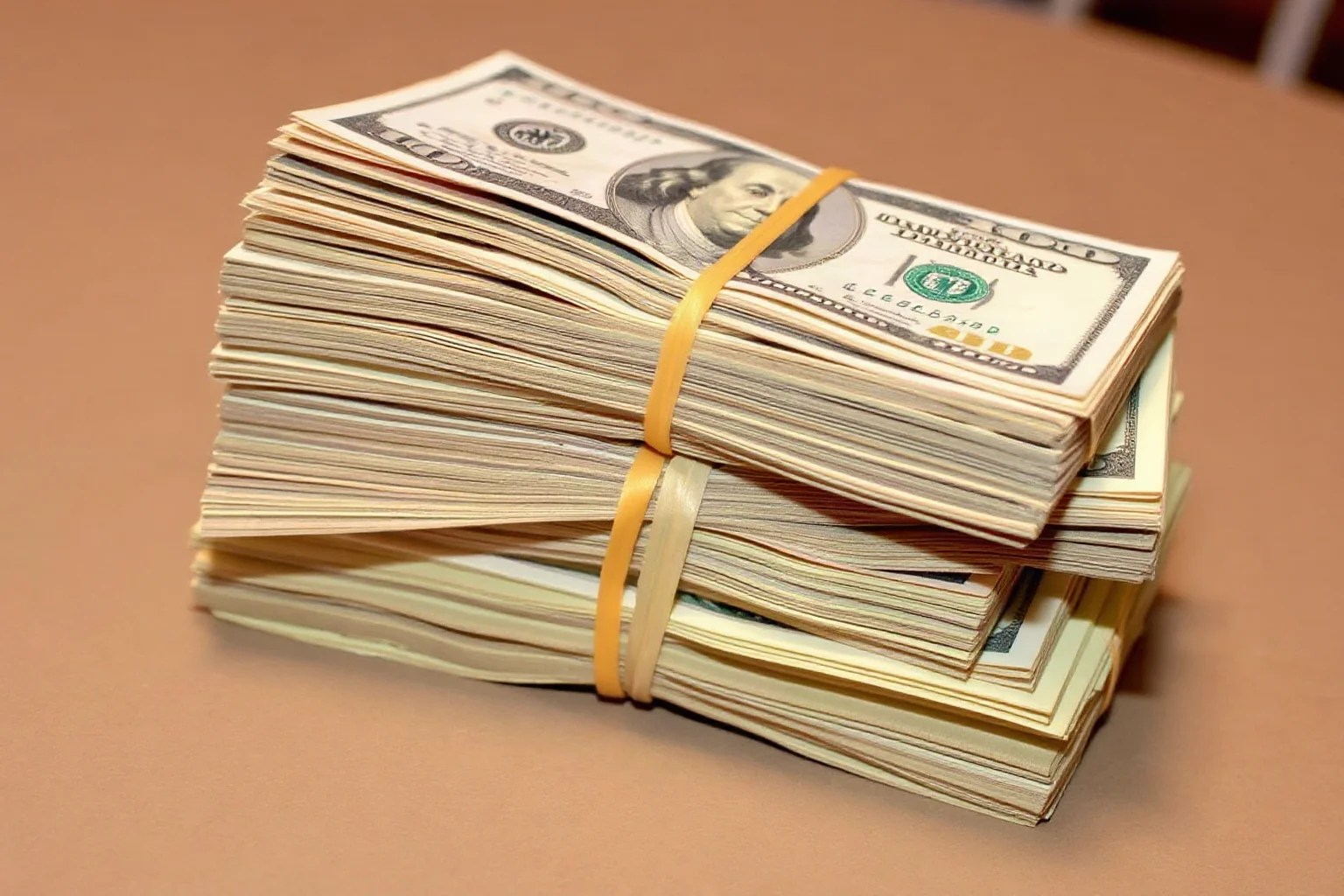
One of the most repeated Pablo Escobar facts online involves rubber bands: the claim that his cartel spent around $2.5 billion a year on rubber bands just to bundle their cash. This claim traces back largely to his brother, Roberto Escobar, in interviews and his memoir.
It's a vivid image, and it's plausible given the sheer volume of cash the cartel handled, but it comes from a single family source rather than independent financial records. Treat the Pablo Escobar rubber bands story as a colorful, likely exaggerated anecdote rather than an audited fact.
13. He Built His Own Private Zoo at Hacienda Nápoles
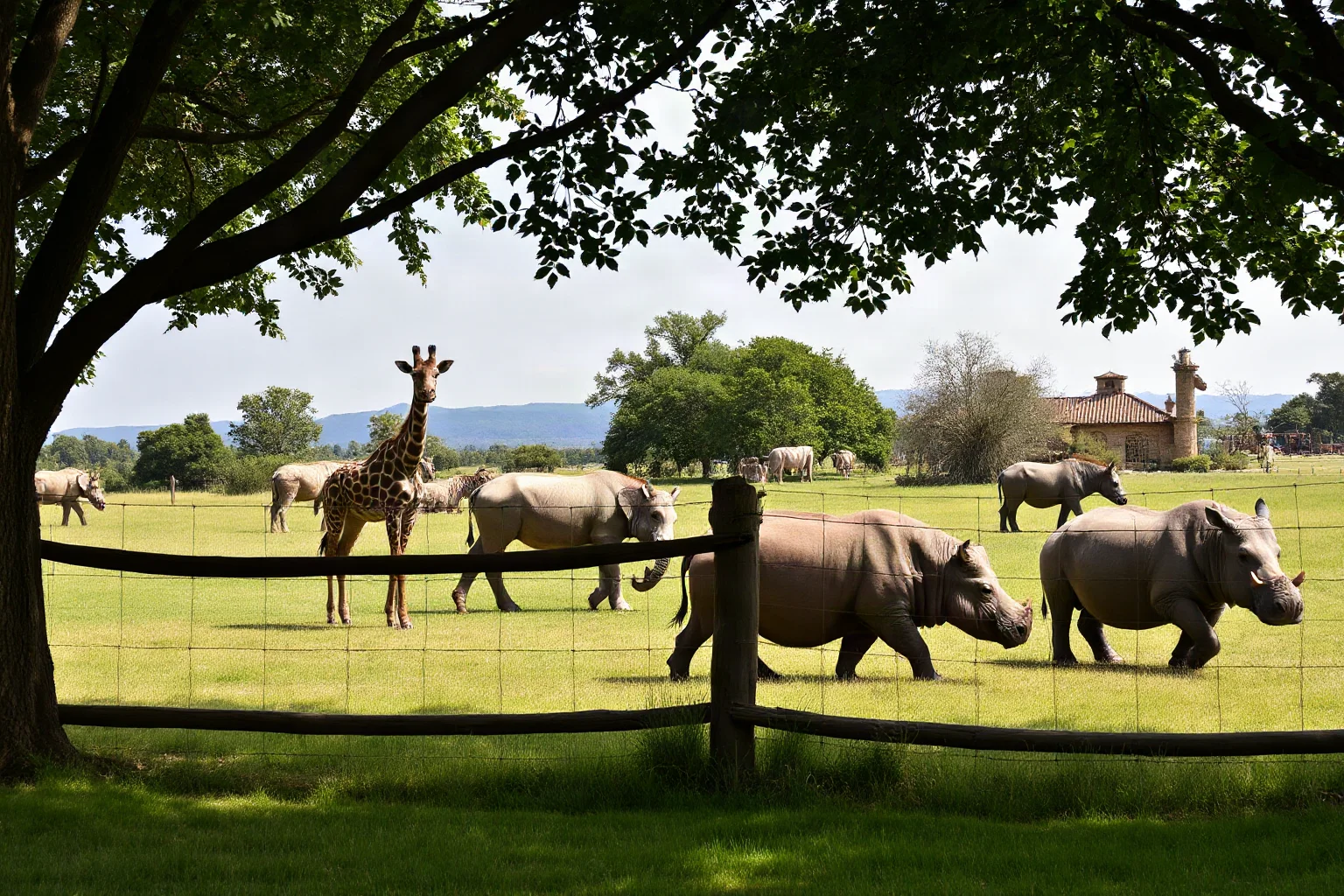
Escobar built a massive estate called Hacienda Nápoles, complete with a private zoo stocked with exotic animals imported from Africa, including elephants, giraffes, and notably hippopotamuses. After his death, most animals were relocated, but the hippos were left behind.
Those hippos escaped into Colombia's rivers and have since multiplied into an invasive population that ecologists are still managing today. It's a strange, very real legacy: decades later, Colombia's "cocaine hippos" are a genuine environmental issue traced directly back to Escobar.
14. He Was One of the Richest Men in the World
At his peak, Escobar's wealth was staggering enough that Forbes magazine reportedly included him on its list of the world's billionaires multiple times between 1987 and 1993, at one point ranking him among the seven richest people on the planet. Estimates of his net worth have ranged as high as around $30 billion in the wealth of that era.
This money came almost entirely from cocaine trafficking, and much of it was reportedly buried, hidden, or simply lost to decay since it couldn't all be laundered through legitimate channels. It's one of the clearest illustrations of just how enormous the global cocaine trade had become by the late 1980s.
15. He Tried to Buy Peace: The La Catedral Prison Deal
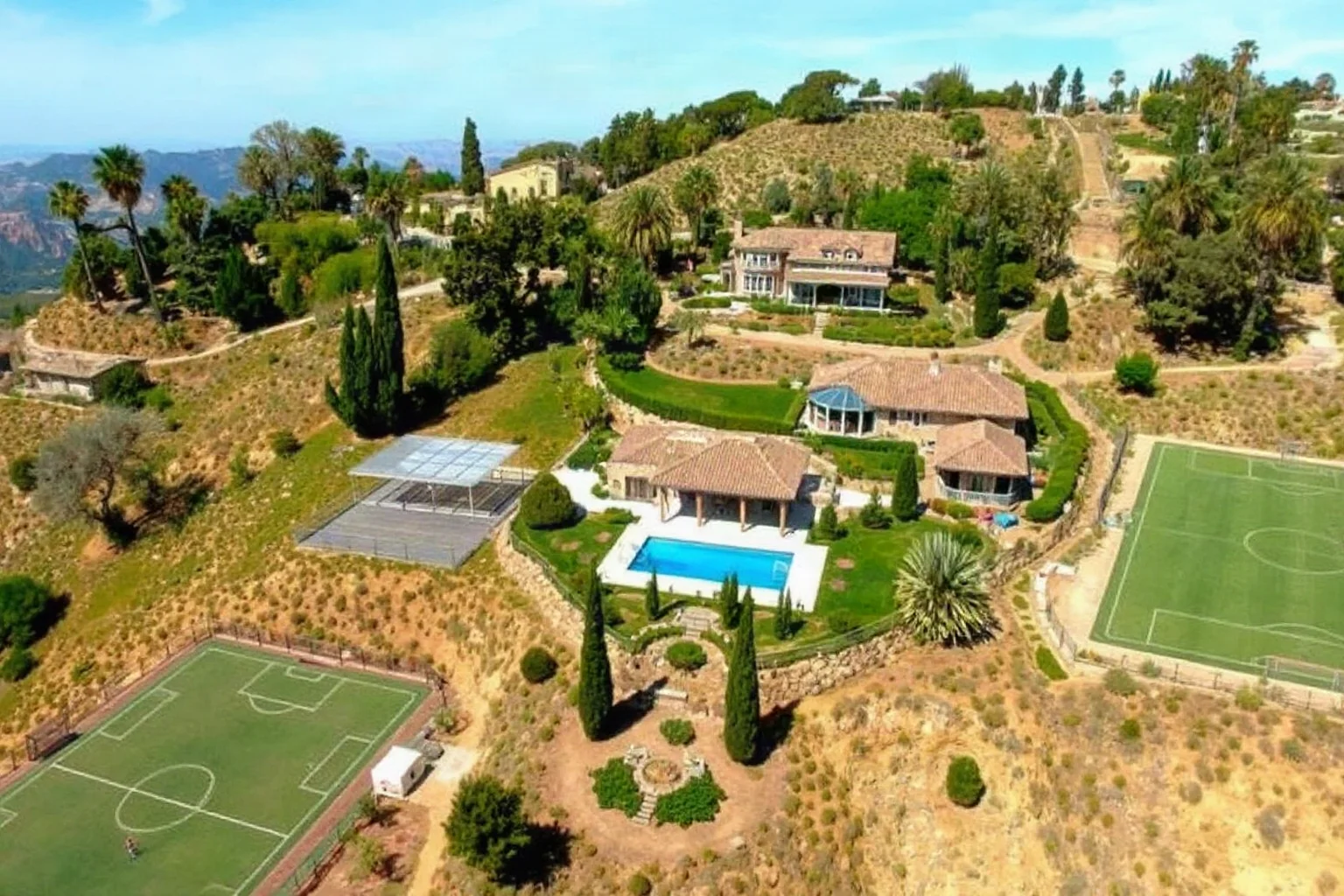
By 1991, facing relentless pressure and violence, Escobar negotiated a surrender with the Colombian government. The deal let him serve his sentence at a prison he essentially designed and built himself, known as La Catedral.
La Catedral had a soccer field, a bar, a jacuzzi, and reportedly minimal restrictions on visitors, turning "prison" into something closer to a luxury compound. It was a striking demonstration of how much power and negotiating leverage Escobar still held even while technically incarcerated.
16. Escaping La Catedral
The arrangement collapsed in July 1992 when the Colombian government attempted to transfer Escobar to a more conventional facility after reports surfaced that he was still running his empire and even ordering killings from inside La Catedral. Escobar simply walked out before the transfer could happen.
His escape triggered an intense, nationwide manhunt that would last for roughly a year and a half. It also marked the beginning of the final, most dangerous chapter of his life.
17. How Did Pablo Escobar Get Caught?
The question of how Pablo Escobar got caught involves one of the largest manhunts in law enforcement history. Colombia's Search Bloc, a specialized police unit, worked alongside U.S. agencies including the DEA and American military advisors, using electronic surveillance and intelligence gathering to track him.
A rival group calling itself Los Pepes, made up partly of former associates and enemies of Escobar, also applied brutal pressure by targeting his networks and family. In the end, it was a radio-based phone triangulation of a call between Escobar and his son that pinpointed his location in Medellín.
18. His Death in Medellín, 1993
On December 2, 1993, just one day after his 44th birthday, Colombian security forces cornered Escobar on a rooftop in the Los Olivos neighborhood of Medellín. He was shot and killed during the confrontation, though the exact details of who fired the fatal shot have been debated for years.
Some accounts suggest he may have been killed by security forces during the operation, while other theories, including claims from family members, suggest he shot himself to avoid capture. Without definitive forensic consensus made fully public, this remains one of the few genuinely unresolved details of his story.
19. Was Pablo Escobar a Good Person? Myth vs. Reality
This is one of the most searched questions about him, and it deserves a clear answer: no, by any standard measure of ethics or law, Pablo Escobar was not a good person. He ordered and profited from assassinations, bombings that killed civilians, and a drug trade that devastated communities across multiple continents.
At the same time, he did fund housing projects, sports facilities, and infrastructure in poor Medellín neighborhoods, which is why some residents genuinely admired him and still leave flowers at his grave. Historians generally view this generosity as a calculated strategy to build local loyalty and shield himself from arrest, rather than pure altruism, which is why the "Robin Hood" label is more myth than accurate history.
20. His Family After His Death
Escobar's wife, Victoria Eugenia Henao, and his two children survived him, though they fled Colombia and lived under assumed identities for years due to safety concerns. His son, Juan Pablo Escobar, later changed his name to Sebastián Marroquín and has written books and spoken publicly against the drug trade and the violence his father caused.
His daughter, Manuela, has largely stayed out of the public eye. The family's post-Escobar life is often cited as evidence of just how far-reaching the consequences of his choices were, extending well beyond his own death.
21. The Legacy of Narco-Terrorism in Colombia
Escobar's war against the Colombian state left deep scars that outlasted him by decades. The bombings, assassinations, and corruption of that era reshaped Colombian politics, policing, and its relationship with the United States on drug enforcement.
After his death, power in the cocaine trade shifted to other groups, including the rival Cali Cartel and later Mexican trafficking organizations. Colombia itself spent years recovering its institutional credibility after the level of infiltration his money had achieved.
22. Pop Culture: Narcos, Movies, and the "Real" Pablo Escobar

Much of what people believe about Escobar today comes from shows like Netflix's "Narcos" and various films, which dramatize his life for entertainment. These portrayals are often loosely based on real events but take creative liberties with dialogue, timelines, and characters for storytelling purposes.
If you're looking for the real Pablo Escobar rather than a dramatized version, biographies from journalists who covered him directly, along with his son's memoirs, tend to offer a more grounded picture. It's worth remembering that entertainment and documented history are not the same thing, even when a show claims to be "based on true events."
23. When Was Pablo Escobar Active? A Timeline Recap

To put it all together: Escobar was born in 1949, began his rise in organized crime through the 1970s, and built the Medellín Cartel into a dominant force through the early-to-mid 1980s. His most violent, most "active" period as a narco-terrorist ran roughly from 1984 through his death in 1993.
That's essentially a two-decade arc from small-time hustler to global criminal figure, though his most infamous and destructive years were concentrated in that final decade. Understanding this timeline helps separate the mythologized "Escobar era" from the much longer, messier reality of his life.
24. Common Misconceptions and Search Confusion
Because his name is so widely searched, you'll see all kinds of spelling variations floating around, from Pavlo Escobar to Pablo Eskabar to Escobat. These are simply common misspellings of one name: Pablo Escobar, the Colombian cocaine trafficker described throughout this article.
Beyond spelling, misconceptions persist too, like the idea that he was purely a folk hero, or that every dramatic detail from TV shows is documented fact. Sorting fact from legend is really the whole point of looking at real historical sources rather than pop culture alone.
25. Why Pablo Escobar Still Fascinates the World
Decades after his death, Escobar remains one of the most recognized historical figures in modern history, and it's not hard to see why. His story combines extreme wealth, extreme violence, political corruption, and a strange, complicated relationship with the poor communities he came from.
He's become a symbol used in documentaries, dramas, true-crime content, and even tourism in Medellín, where opinions about him remain genuinely divided among locals. That ongoing fascination is exactly why separating verified history from myth matters so much when discussing his legacy.
The Bottom Line on Pablo Escobar
Pablo Escobar's life is a case study in how power, violence, and mythology can become tangled together over time. He built one of the most profitable criminal enterprises in history, but he did it through terrorism, corruption, and mass violence that devastated Colombia for years.
The honest, historically grounded picture of Escobar isn't the swaggering antihero of television dramas, nor is it a simple monster with no context. He was a real, complicated, deeply destructive figure, and understanding him accurately means resisting both the myth-making and the oversimplification that so often surround his name.
Frequently Asked Questions
Who is Pablo Escobar?
Pablo Escobar (1949–1993) was a Colombian drug trafficker who founded and led the Medellín Cartel, one of the most powerful cocaine trafficking organizations in history. He is remembered both for his immense wealth and for the violent campaign of bombings and assassinations he waged against the Colombian government.
Was Pablo Escobar a good person?
No, by any standard ethical or legal measure, Pablo Escobar was not a good person. While he did fund some community projects in poor Medellín neighborhoods, historians largely view this as a strategy to build loyalty and protection, and it doesn't offset his responsibility for mass killings, bombings, and the wider devastation caused by his drug empire.
What did Pablo Escobar actually do?
Escobar organized and led the Medellín Cartel, which trafficked massive quantities of cocaine into the United States during the 1980s. He also directed a campaign of bombings, kidnappings, and assassinations targeting judges, politicians, journalists, and police to resist extradition and government crackdowns.
How tall was Pablo Escobar?
Most historical and biographical sources describe Pablo Escobar as standing around 5 feet 6 inches (about 168 centimeters) tall. Exact height and weight were never officially recorded, so figures come from journalists and people who knew him rather than medical documentation.
How did Pablo Escobar get caught?
After escaping his self-built prison, La Catedral, in 1992, Escobar was tracked down through a lengthy joint manhunt involving Colombia's Search Bloc police unit and U.S. agencies like the DEA. He was ultimately located via radio signal triangulation of a phone call and killed in a confrontation on a Medellín rooftop on December 2, 1993.
How many people did Pablo Escobar kill?
There's no single verified figure, but estimates from journalists and historians range from several thousand to over 10,000 deaths linked directly or indirectly to his cartel's violence. The uncertainty exists because many killings were carried out by hired hitmen and were never fully documented by Colombian authorities at the time.
Did Pablo Escobar do drugs himself?
Accounts from family members and biographers suggest Escobar did use cocaine and marijuana occasionally, but he was generally more disciplined than the stereotype of a drug lord consumed by his own product. These details come from personal recollections rather than official medical records.
Is the rubber bands story about Pablo Escobar true?
The claim that Escobar's cartel spent roughly $2.5 billion a year on rubber bands to bundle cash comes primarily from his brother Roberto Escobar's interviews and memoir. It's a widely repeated anecdote rather than an independently verified financial fact, so it should be treated as likely exaggerated.
When was Pablo Escobar active as a drug trafficker?
Escobar began building his criminal networks in the 1970s, rose to dominance with the Medellín Cartel through the early-to-mid 1980s, and was at his most violent and active from around 1984 until his death in December 1993.

Alex Warren
Related Articles