

When most people picture famous wars in history, a handful of names come to mind almost automatically: World War II, the Civil War, maybe the Crusades. These are the wars everyone knows, the ones taught in classrooms and dramatized in movies. But the full list of wars throughout human history is far stranger and far longer than most of us realize.
This guide covers both sides of that story. First, we’ll run through the major wars of history that shaped borders, empires, and ideologies. Then we’ll dig into ten genuinely forgotten conflicts, including one that lasted less than an hour and another fought against a flock of birds. Consider this your complete tour of famous historical wars, from the ones you already know to the ones you definitely don’t.
TL;DR: Beyond the world wars and civil wars everyone learns about, history is full of strange, forgotten conflicts — from a 38-minute war to a battle against emus — that reveal just how varied “war” can look.
Why a List of Wars Still Matters Today
Studying wars in the history of civilization isn’t just about memorizing dates and battles. Wars reshape borders, topple governments, and redirect the course of technology, medicine, and culture in ways that still echo today. Understanding the most important wars in history helps explain why the modern world looks the way it does, right alongside other historical events that changed the world.
At the same time, the lesser-known entries on any list of wars in the world remind us that conflict comes in every size. Some wars killed tens of millions of people. Others ended without a single human casualty. Both extremes deserve a place in the historical record.
The Major Wars of History Everyone Knows
These are the famous wars most people can name off the top of their head. They’re famous for good reason: each one changed the political map of the world in lasting ways.
1. World War I (1914–1918)
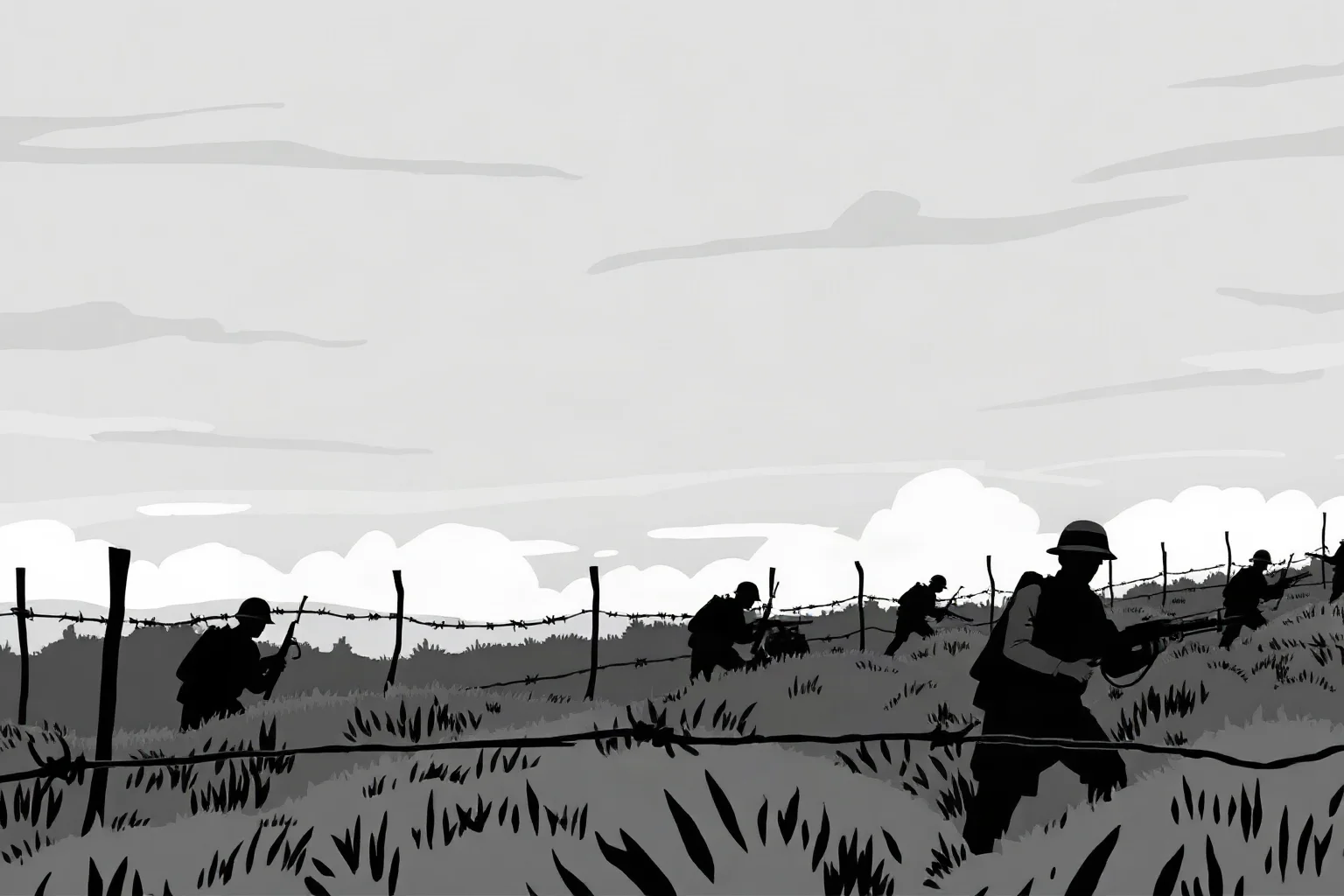
World War I is often called the “Great War,” and it’s one of the most significant wars in history for a simple reason: it redrew the map of Europe and the Middle East almost entirely. Triggered by the assassination of Archduke Franz Ferdinand of Austria-Hungary, the conflict pulled in empires across the globe through a web of alliances.
Trench warfare, poison gas, and industrial-scale artillery made it one of the deadliest wars up to that point, with roughly 8.5 to 10 million military deaths, across engagements chronicled in this guide to the most historic battles from WWI. Its aftermath, including the Treaty of Versailles, set the stage for World War II just two decades later.
2. World War II (1939–1945)
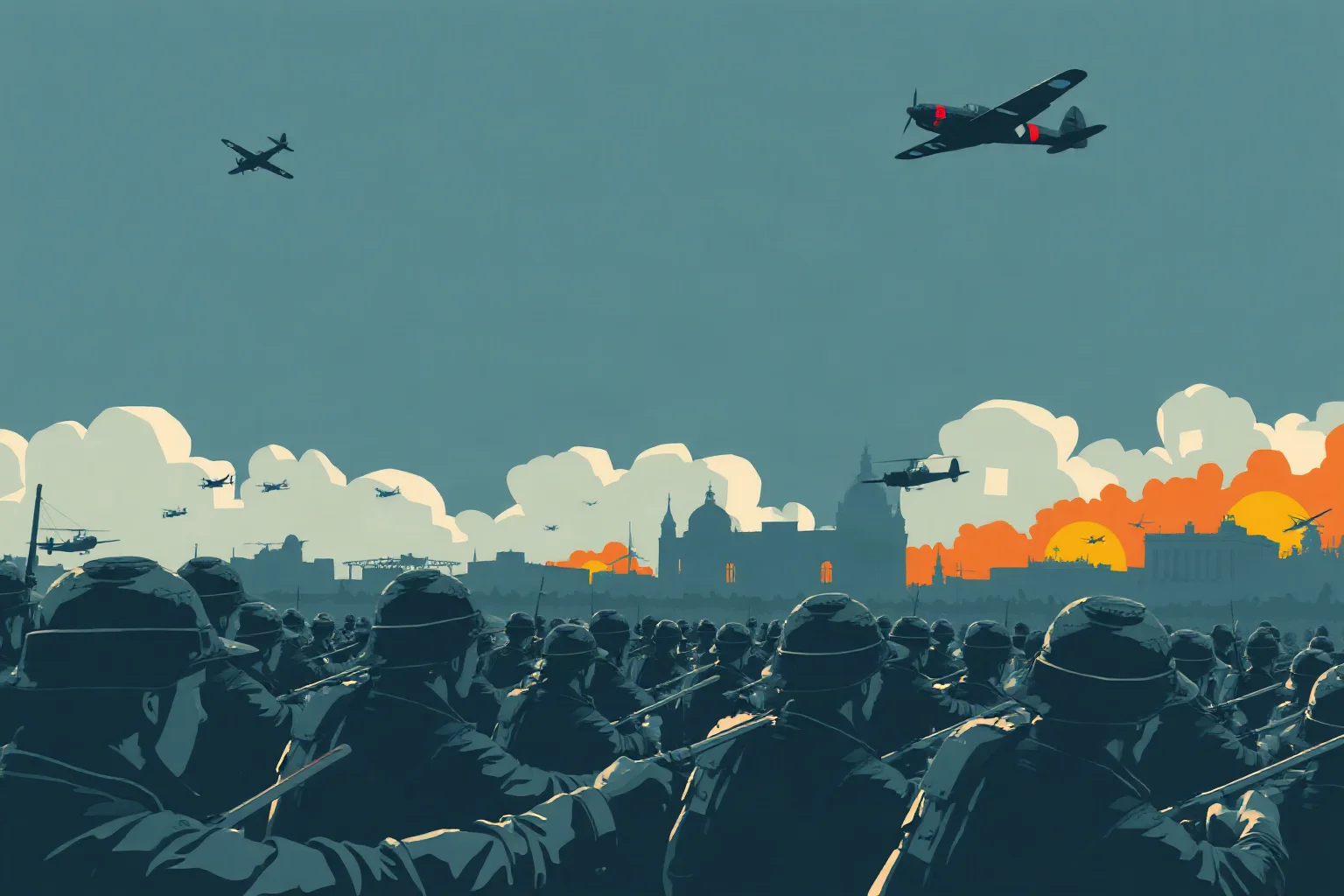
If there’s one answer to “what was the name of the major war” that most people give instantly, it’s this one. World War II remains the deadliest conflict in human history, with estimates of total deaths ranging from 70 to 85 million people when factoring in combat, genocide, and famine.
Fought primarily between the Axis powers (Germany, Japan, and Italy) and the Allied powers (including the US, UK, and Soviet Union), it introduced the world to nuclear weapons and the horrors of the Holocaust. Its outcome shaped nearly every major global institution that followed, from the United Nations to NATO.
3. The American Civil War (1861–1865)
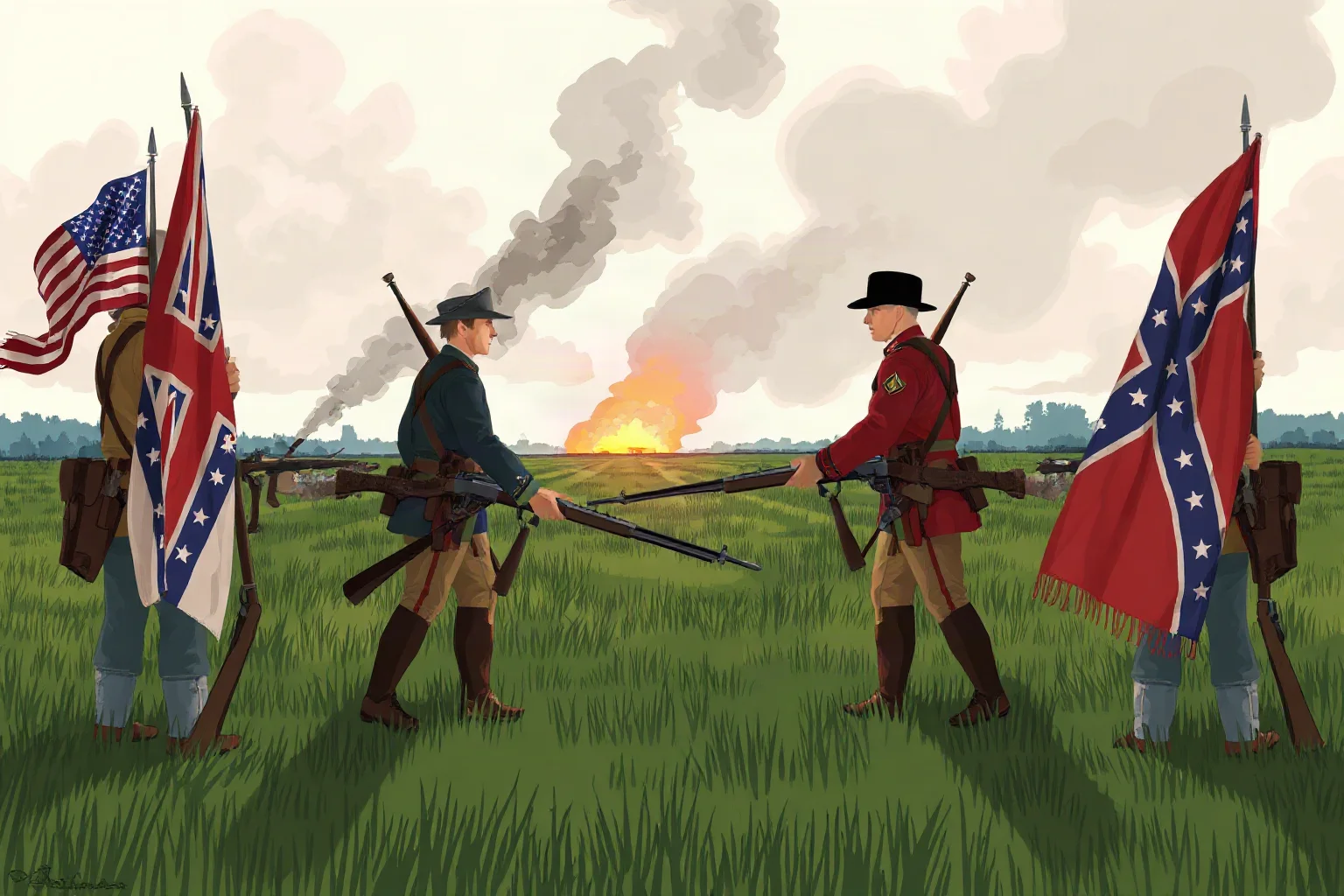
Fought between the Union and the Confederacy, the American Civil War remains the deadliest war in U.S. history, with estimates now commonly cited between 620,000 and 750,000 deaths. At its core was the future of slavery in the United States, alongside deep disputes over states’ rights and federal power.
The Union’s victory preserved the United States as a single nation and led to the abolition of slavery through the 13th Amendment. Its legacy still shapes American politics and culture today, much like other pivotal moments covered in this timeline of the biggest events in American history.
4. The Napoleonic Wars (1803–1815)
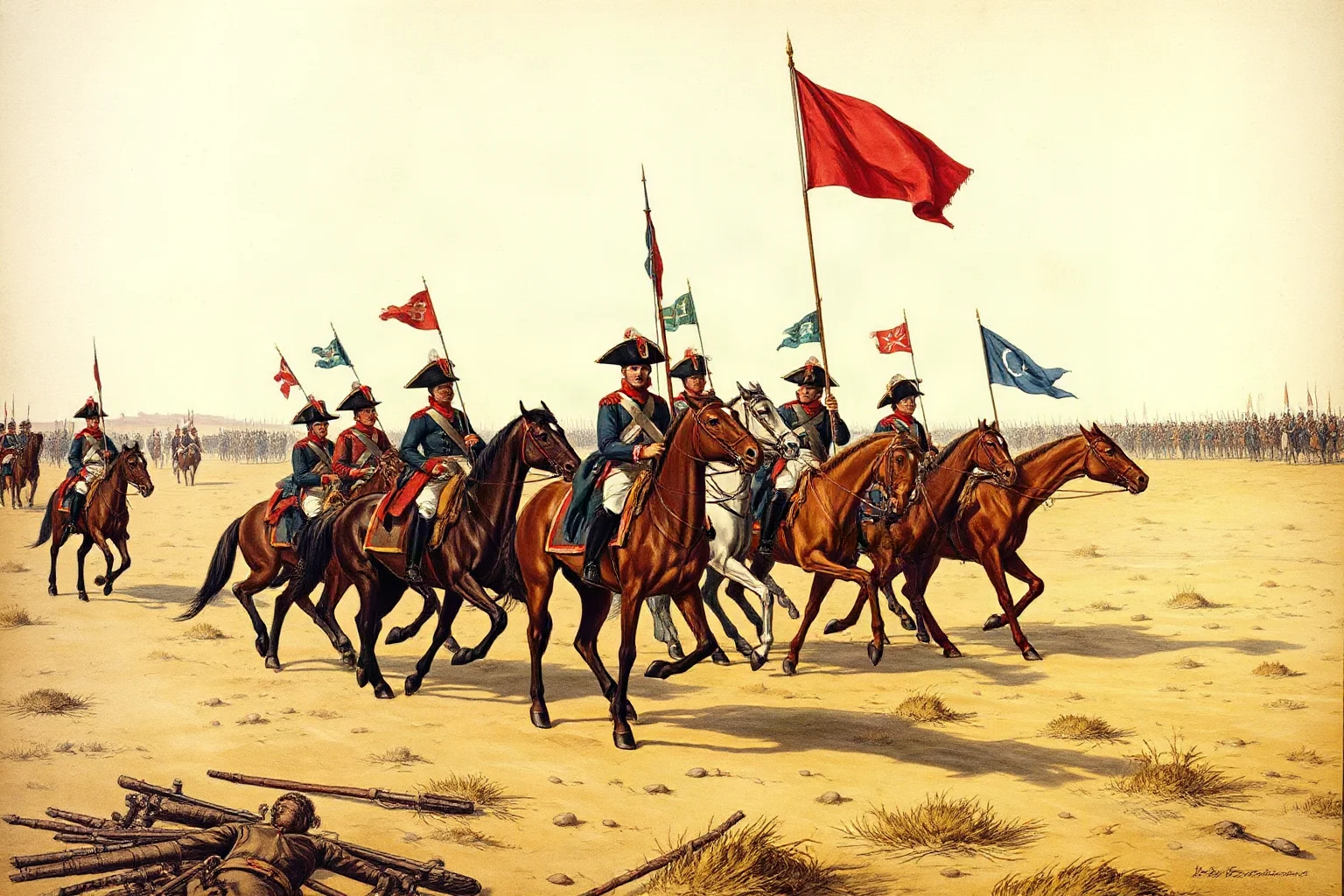
This series of conflicts pitted Napoleon Bonaparte’s French Empire against shifting coalitions of European powers, including Britain, Russia, Austria, and Prussia. It’s one of the great wars of history in terms of sheer geographic scale, with fighting stretching from Spain to Russia.
The wars finally ended with Napoleon’s defeat at the Battle of Waterloo in 1815, one of the most historic battles in American and world history. The resulting Congress of Vienna reshaped European borders and influenced diplomacy for the rest of the century.
5. The Cold War (1947–1991)
The Cold War is unusual among famous wars in history because the two main rivals, the United States and the Soviet Union, never directly fought each other. Instead, it played out through espionage, an arms race, the space race, and a series of proxy wars in Korea, Vietnam, and elsewhere.
The conflict shaped global politics for over four decades and ended with the dissolution of the Soviet Union in 1991. Many historians still debate exactly when it “started,” but the late 1940s are the most commonly cited beginning.
6. The Vietnam War (1955–1975)
The Vietnam War pitted communist North Vietnam and the Viet Cong against South Vietnam and its main ally, the United States. It became one of the most controversial wars of the 20th century, sparking massive anti-war protests across the U.S. and Europe.
The war ended with the fall of Saigon in 1975 and the reunification of Vietnam under communist control. It remains a major reference point in discussions of modern warfare and foreign policy.
7. The Korean War (1950–1953)
Often called “the forgotten war” in the U.S. despite its huge scale, the Korean War saw North Korea, backed by China and the Soviet Union, fight South Korea, backed by the United Nations and led largely by American forces. The war ended in an armistice, not a formal peace treaty.
That means North and South Korea remain technically at war to this day, more than 70 years later. The heavily fortified Korean Demilitarized Zone is a direct, lasting result of this conflict.
8. The American Revolutionary War (1775–1783)
This is the war that created the United States, fought between the thirteen American colonies and the British Empire, and shaped by leaders and everyday patriots profiled in this guide to the most important figures of the American Revolution. France’s military and financial support was crucial to the American victory, particularly at the decisive Siege of Yorktown in 1781.
The 1783 Treaty of Paris formally recognized American independence. It’s still one of the most-referenced famous wars in American classrooms and pop culture alike.
9. The Hundred Years’ War (1337–1453)
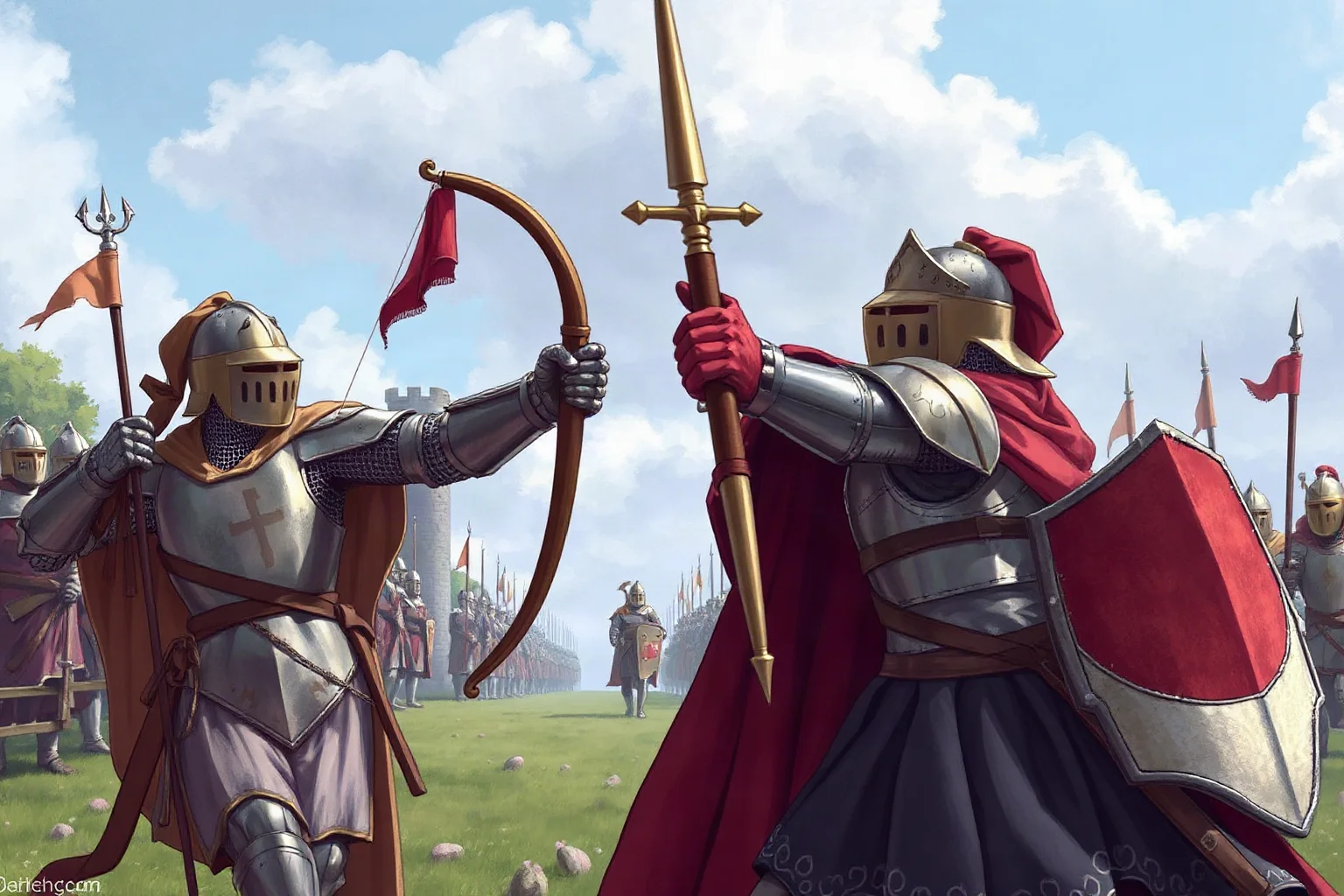
Despite the name, this wasn’t one continuous war but a series of conflicts between England and France spanning roughly 116 years. It was fought primarily over claims to the French throne and territorial control.
The war is famous for iconic figures like Joan of Arc and for battles such as Agincourt. It also accelerated the decline of feudal military structures in favor of more centralized national armies.
10. The Peloponnesian War (431–404 BC)
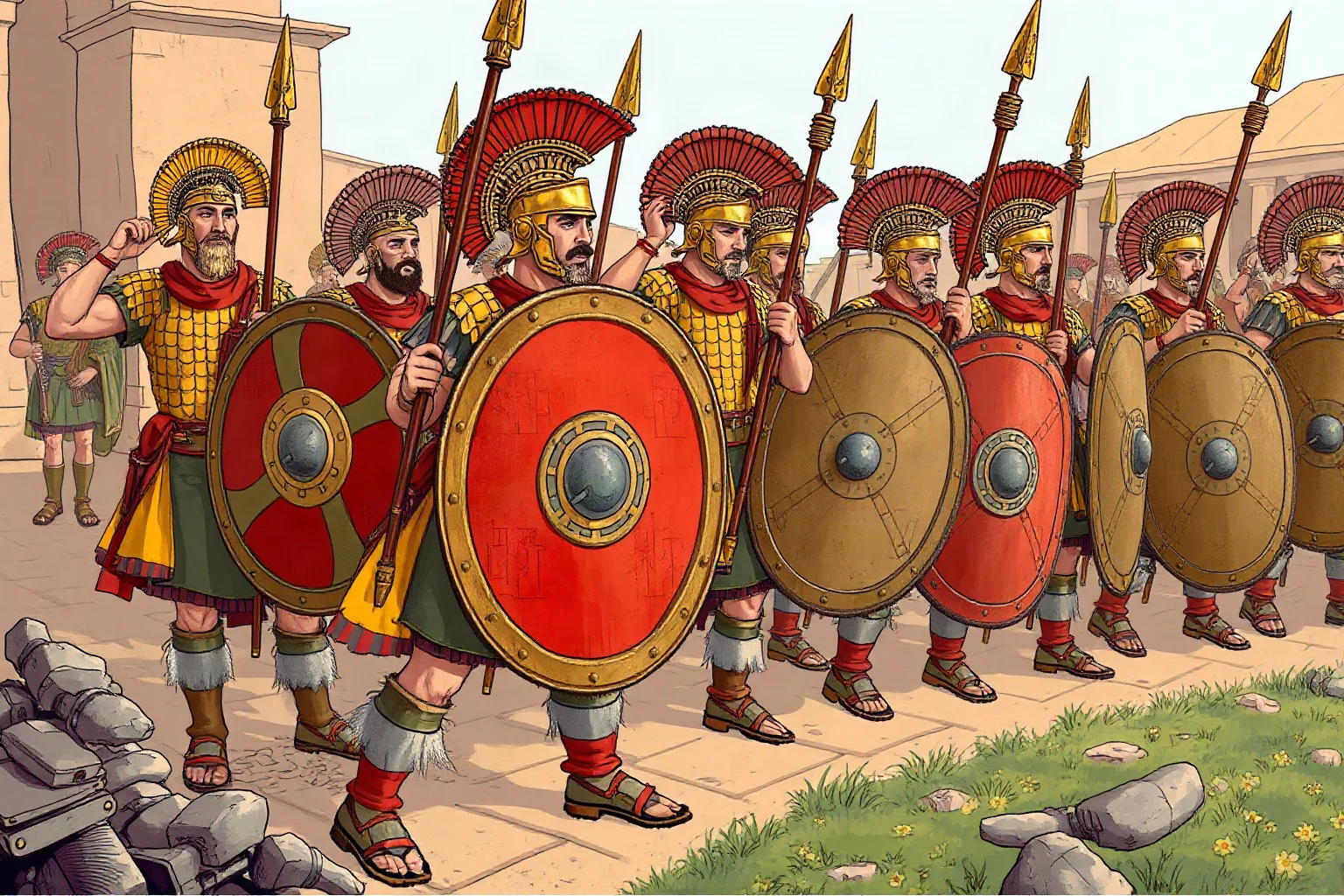
One of the oldest wars in history with detailed surviving accounts, this conflict pitted Athens against Sparta for dominance of the Greek world. Much of what we know comes from the ancient historian Thucydides, whose account remains a foundational text in the study of war and political power.
Sparta ultimately won, ending Athens’ golden age of dominance. The war’s political lessons are still studied in international relations classes today.
11. The Crusades (1096–1291)
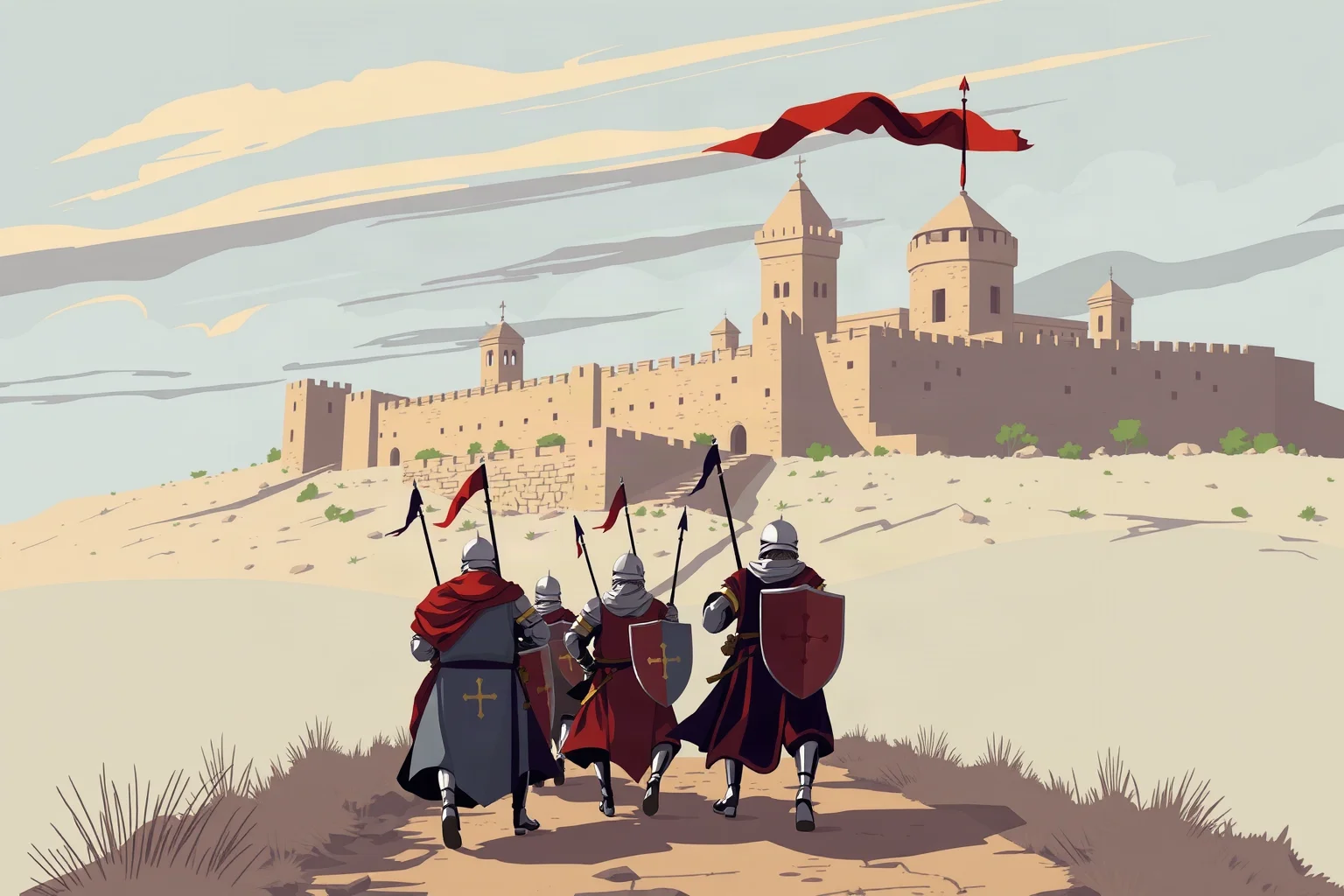
The Crusades were a series of religious wars launched by European Christians, largely aimed at capturing and controlling Jerusalem and other sites in the Holy Land. There were multiple distinct Crusades over roughly two centuries, with varying levels of success.
They reshaped relations between Europe and the Middle East for generations. The Crusades also had lasting effects on trade routes, religious institutions, and East-West cultural exchange.
12. The Gulf War (1990–1991)
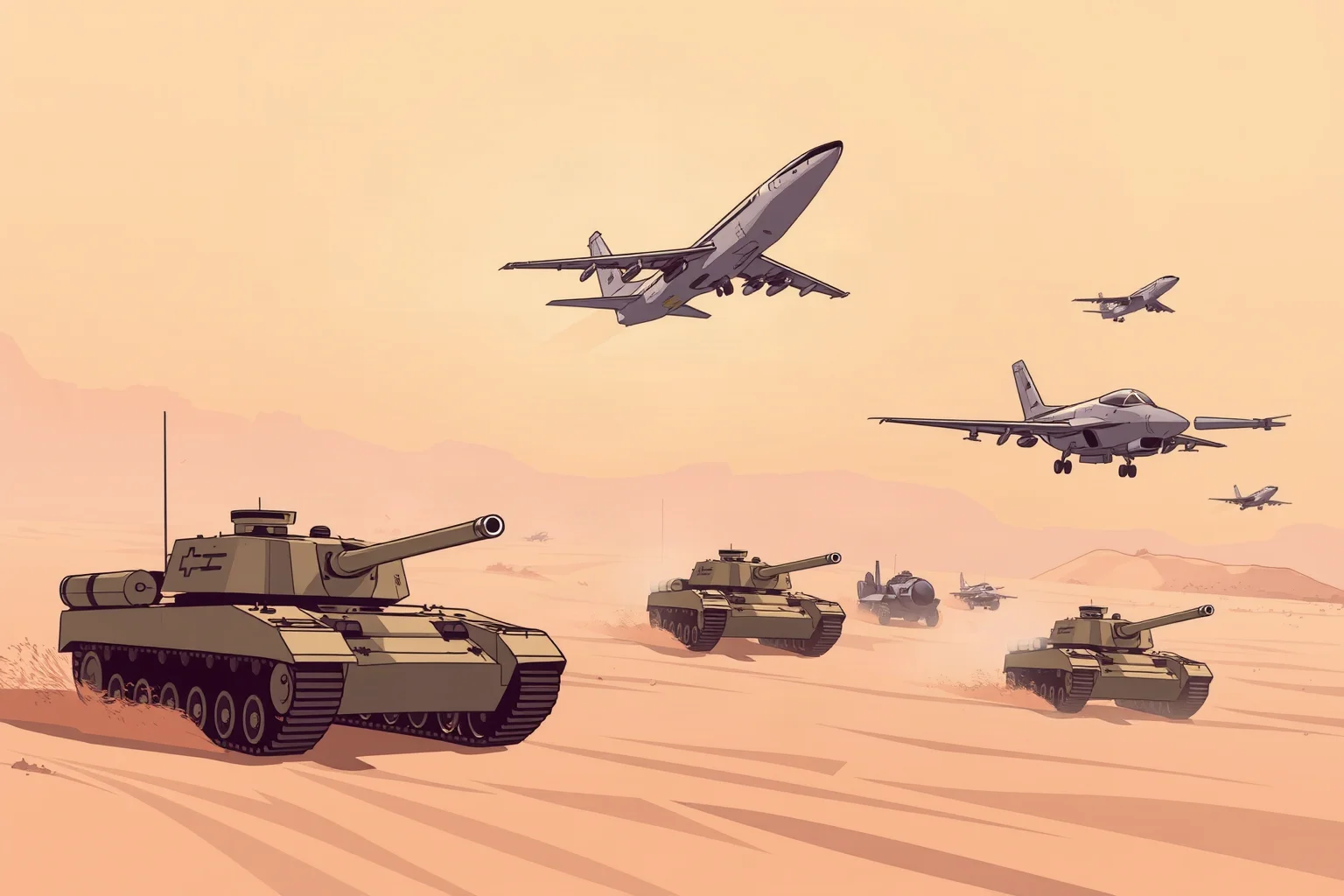
Sparked by Iraq’s invasion of Kuwait, the Gulf War saw a U.S.-led coalition of more than 30 nations push Iraqi forces out in a matter of weeks. It’s often cited as an early example of modern, technology-driven warfare, with extensive air campaigns and precision weapons.
The war ended with Kuwait’s liberation but left lingering regional tensions. Those tensions would resurface in the 2003 Iraq War over a decade later.
10 Lesser-Known Wars People Forgot About
Now for the fun part. These aren’t the wars you’ll find plastered across history documentaries, but they’re every bit as real, and often much stranger than the famous wars above.
1. The War of the Triple Alliance (1864–1870)
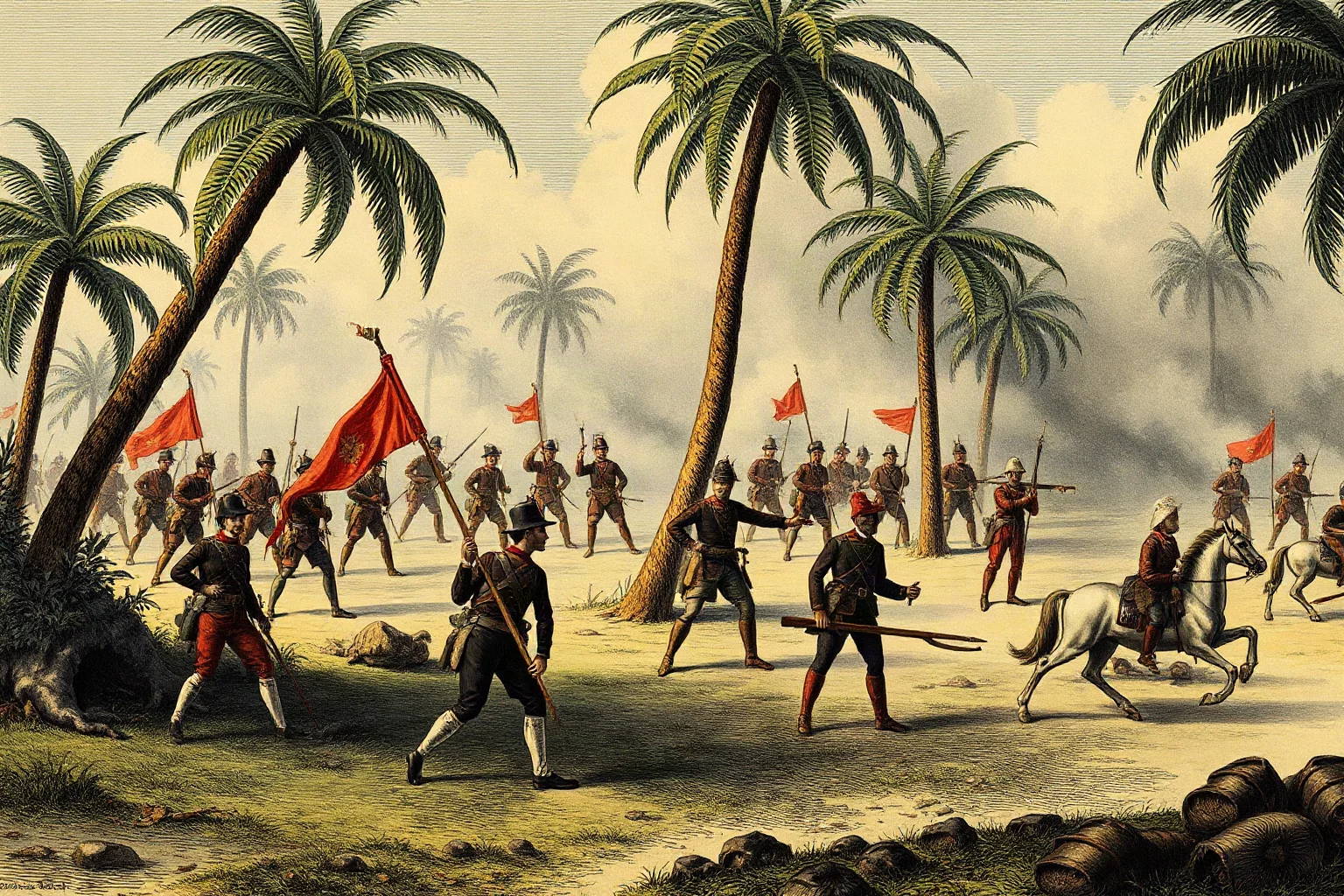
Fought in South America, this war pitted Paraguay against the combined forces of Brazil, Argentina, and Uruguay. It’s considered one of the deadliest wars relative to population size in modern history, with Paraguay suffering catastrophic losses among its male population.
Historians still debate the exact casualty figures, and some older estimates are now considered exaggerated. What’s clear is that the war devastated Paraguay’s economy and demographics for generations afterward.
2. The Anglo-Zanzibar War (1896)
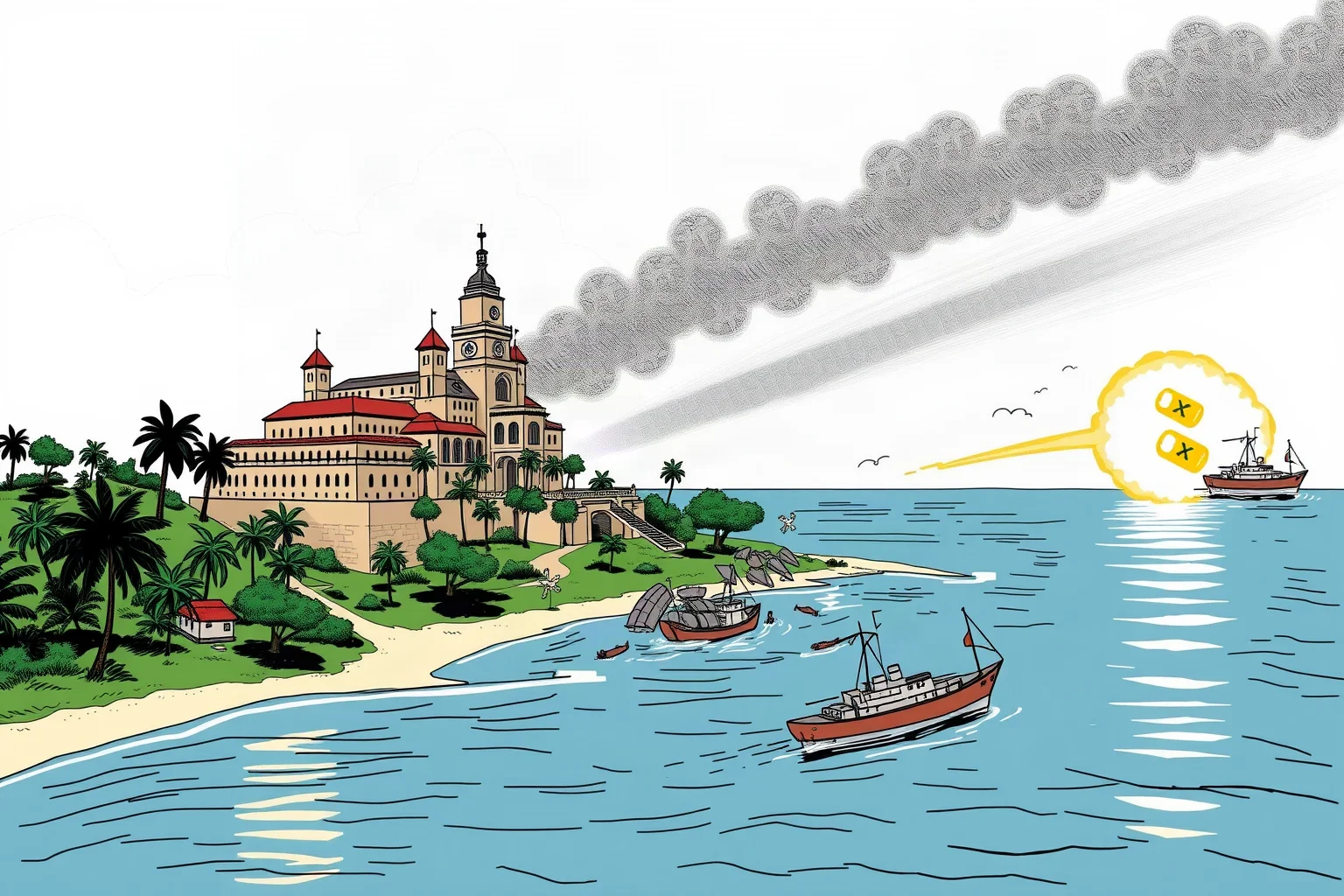
This is widely recognized as the shortest war in recorded history, lasting somewhere between 38 and 45 minutes. It broke out when the British Empire demanded the Sultanate of Zanzibar install a British-approved ruler, and the sitting Sultan refused to step down.
British naval forces bombarded the Sultan’s palace, and resistance collapsed almost immediately. It’s a favorite trivia answer for “name a famous war” precisely because of how unfamous and brief it actually was.
3. The Pig War (1859)
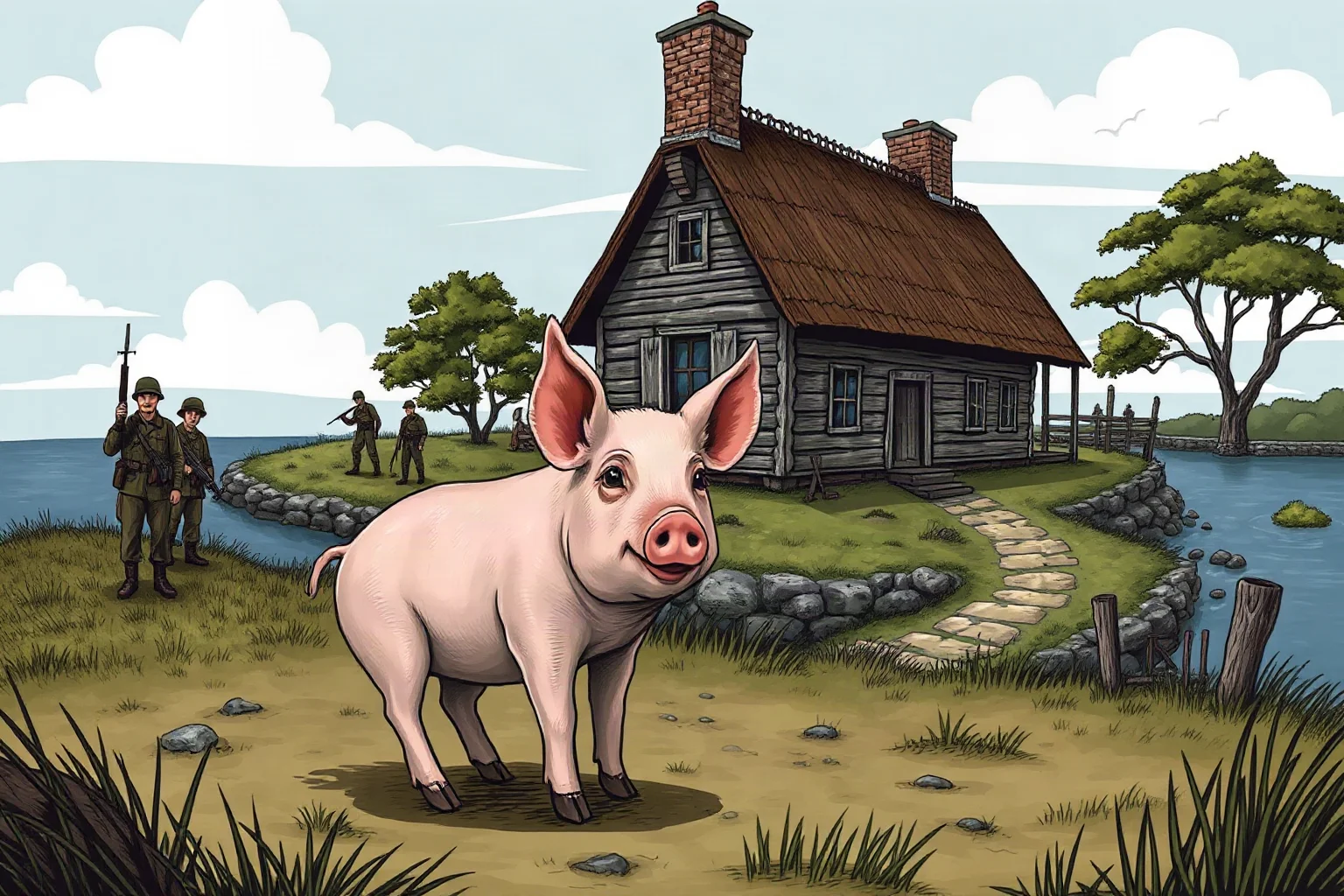
Despite the name, no humans died in the Pig War, fought over the disputed San Juan Islands between the United States and Britain. Tensions boiled over after an American farmer shot a pig belonging to a British settler that had wandered onto his property.
Both sides sent troops and warships to the islands in a tense standoff. Cooler heads eventually prevailed, and the dispute was resolved peacefully through international arbitration in 1872.
4. The Football War (1969)
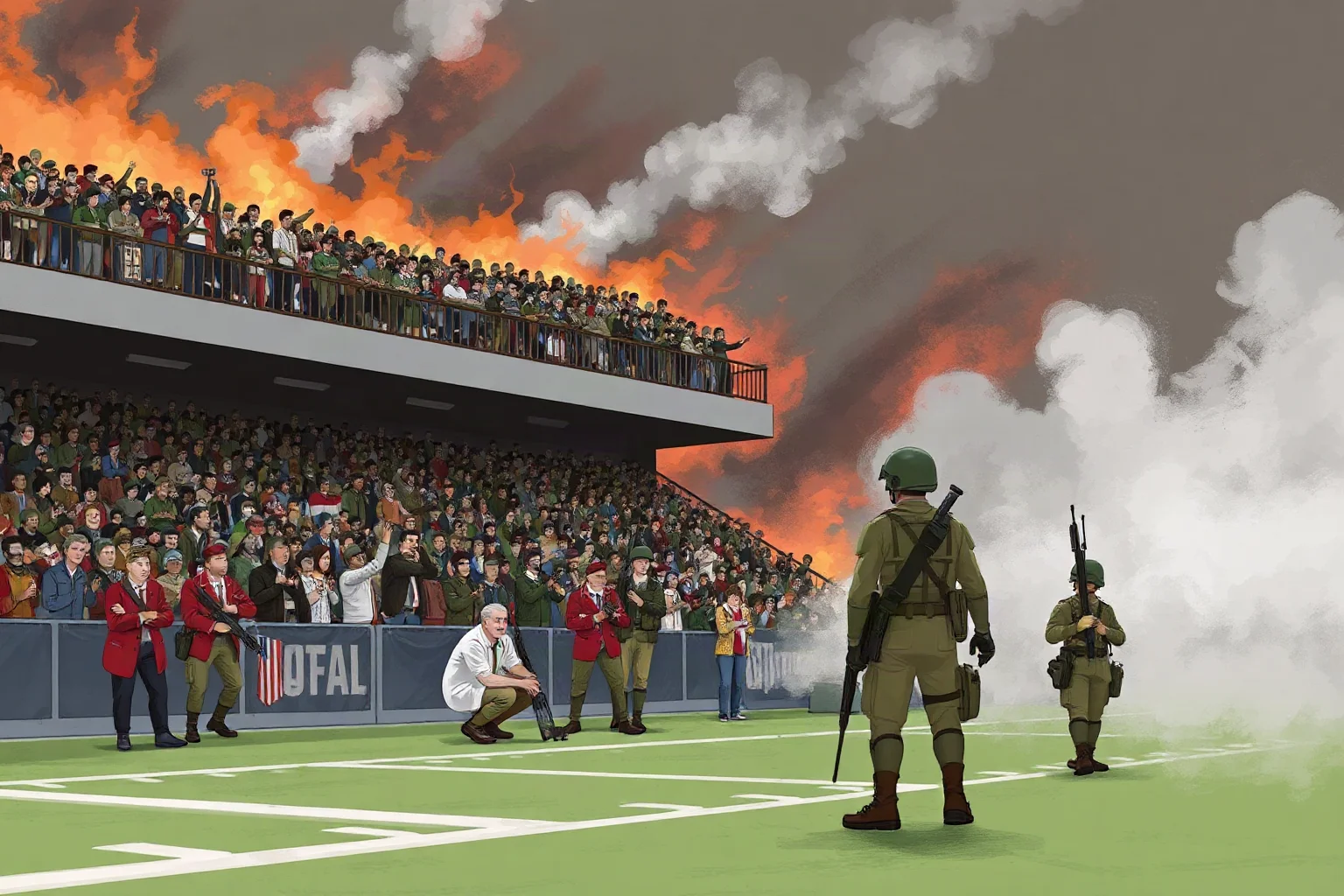
El Salvador and Honduras fought this brief but real war after tensions boiled over during a 1970 World Cup qualifying match between the two nations. The football rivalry wasn’t the true cause; deeper issues over land, migration, and economic inequality had been building for years.
The fighting lasted around 100 hours and caused thousands of casualties before a ceasefire was brokered. It remains one of the more unusual named wars in modern Latin American history.
5. The War of Jenkins’ Ear (1739–1748)
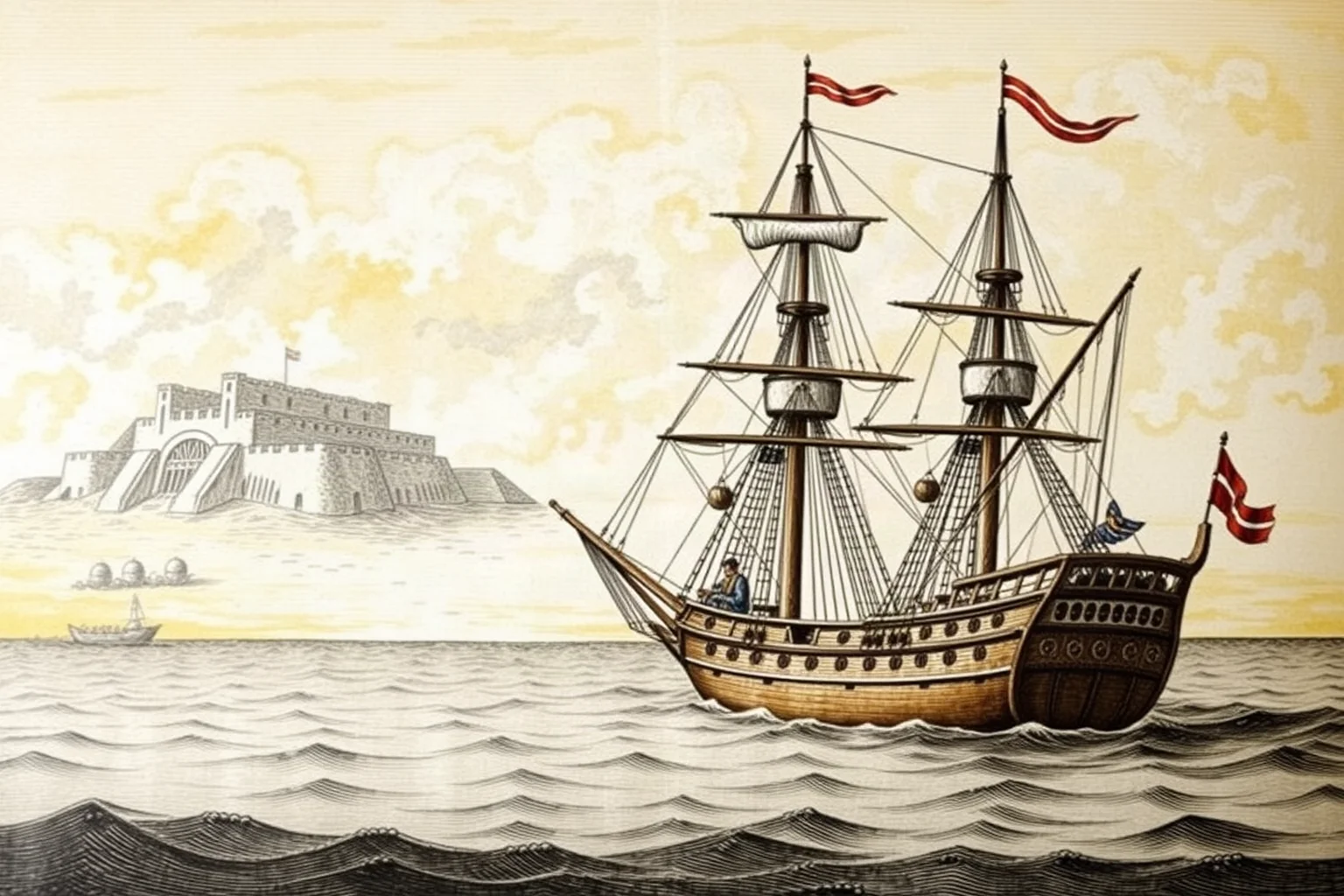
This war between Britain and Spain gets its memorable name from Robert Jenkins, a British ship captain who claimed Spanish coast guards cut off his ear during a boarding incident years earlier. The incident became a rallying cry for war, even though broader colonial and trade rivalries were the real driving forces.
The conflict eventually merged into the larger War of the Austrian Succession. It’s a great example of how a single dramatic story can become the public “name” for a much bigger geopolitical struggle.
6. The Toledo War (1835–1836)
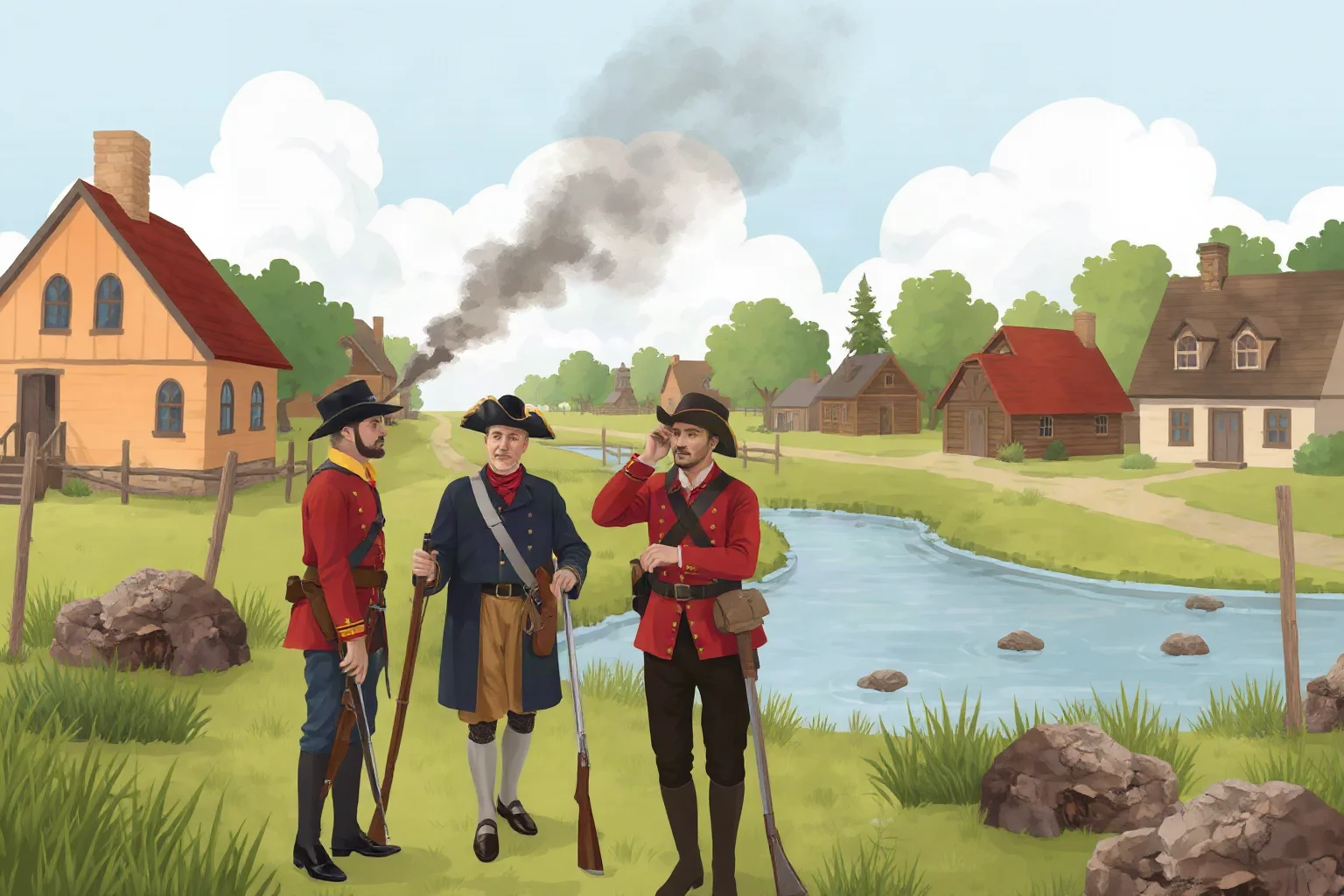
Before Michigan became a state, it fought Ohio over a narrow strip of land containing the city of Toledo. Both sides mobilized militias, and the standoff became known as the Toledo War.
Despite the dramatic name, almost no actual fighting took place beyond minor skirmishes and a few arrests. Congress eventually settled the dispute by giving Toledo to Ohio and compensating Michigan with the Upper Peninsula.
7. The Aroostook War (1838–1839)
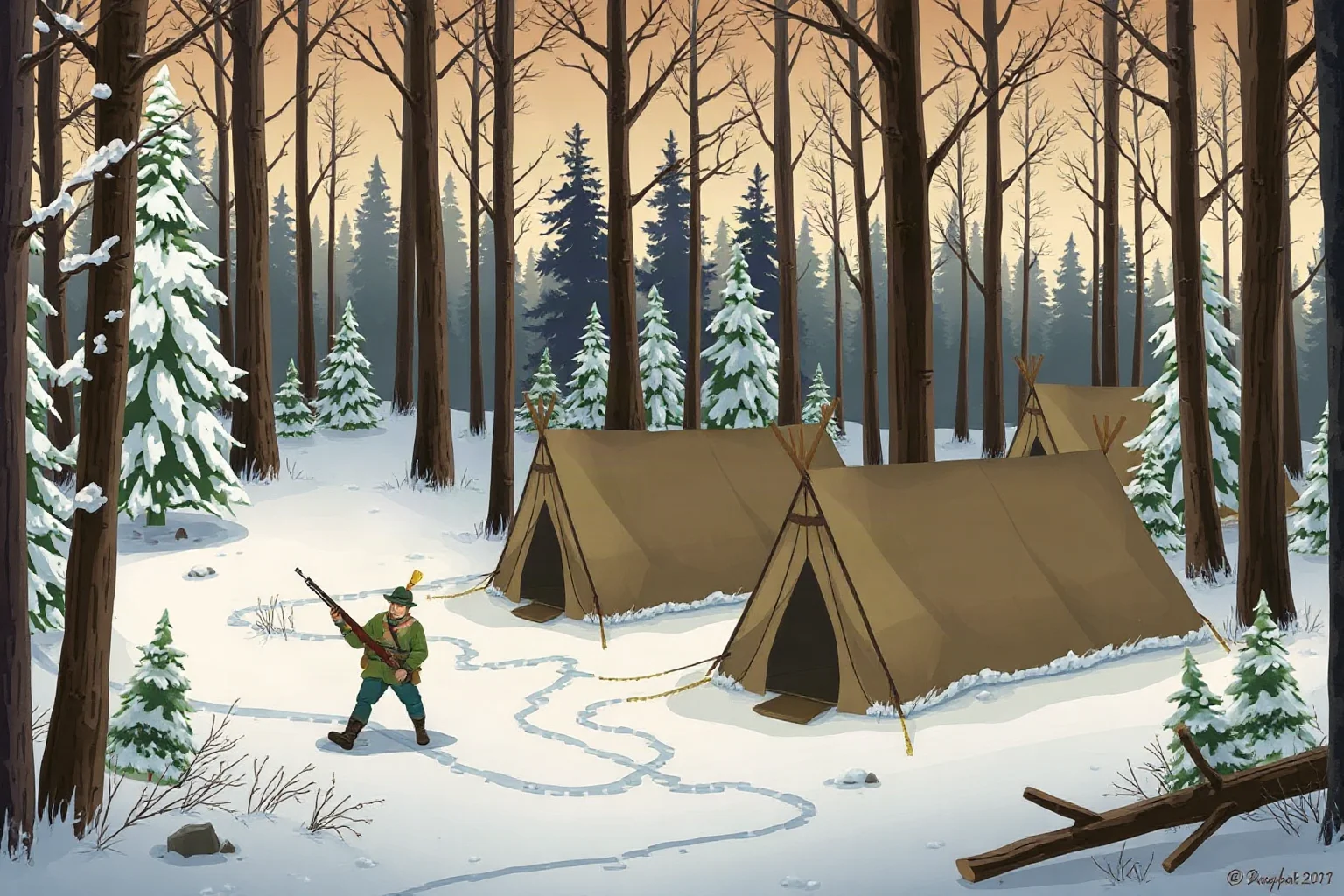
Another “war” fought almost entirely without bloodshed, this dispute erupted between the U.S. state of Maine and the British colony of New Brunswick over an unclear border. Both sides called up militia and built forts along the disputed territory.
No major battles ever occurred, and the crisis was resolved diplomatically through the 1842 Webster-Ashburton Treaty. It’s sometimes cited as one of the more peaceful entries on any serious list of wars.
8. The Emu War (1932)
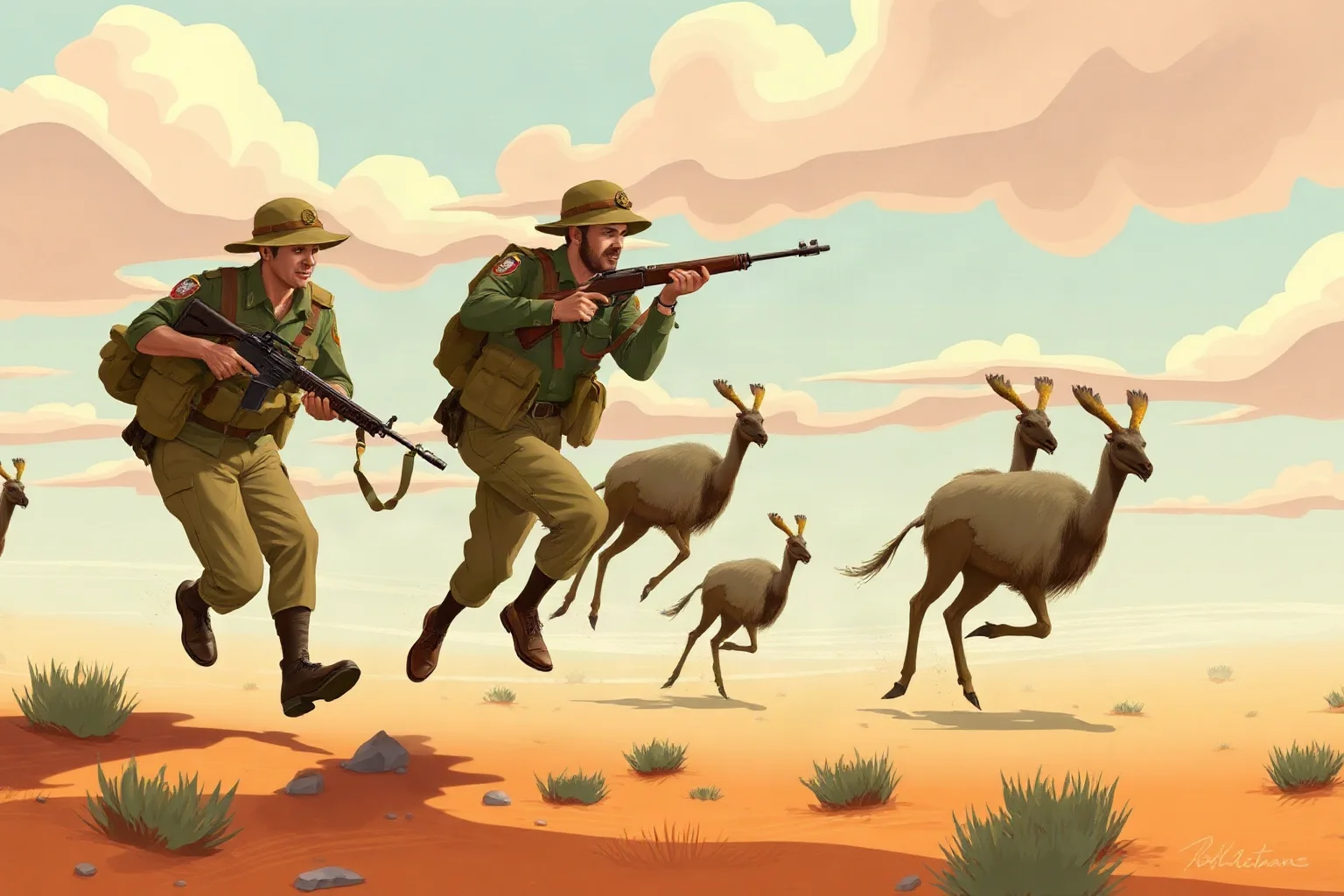
Yes, this is a real historical event, not an internet joke. Australian soldiers were deployed with machine guns in Western Australia to control a population of emus that were destroying farmland and crops.
The emus proved surprisingly difficult to target, scattering and evading gunfire in small groups. The operation was eventually called off, and it’s remembered today as a humbling, if minor, military failure.
9. The Winter War (1939–1940)
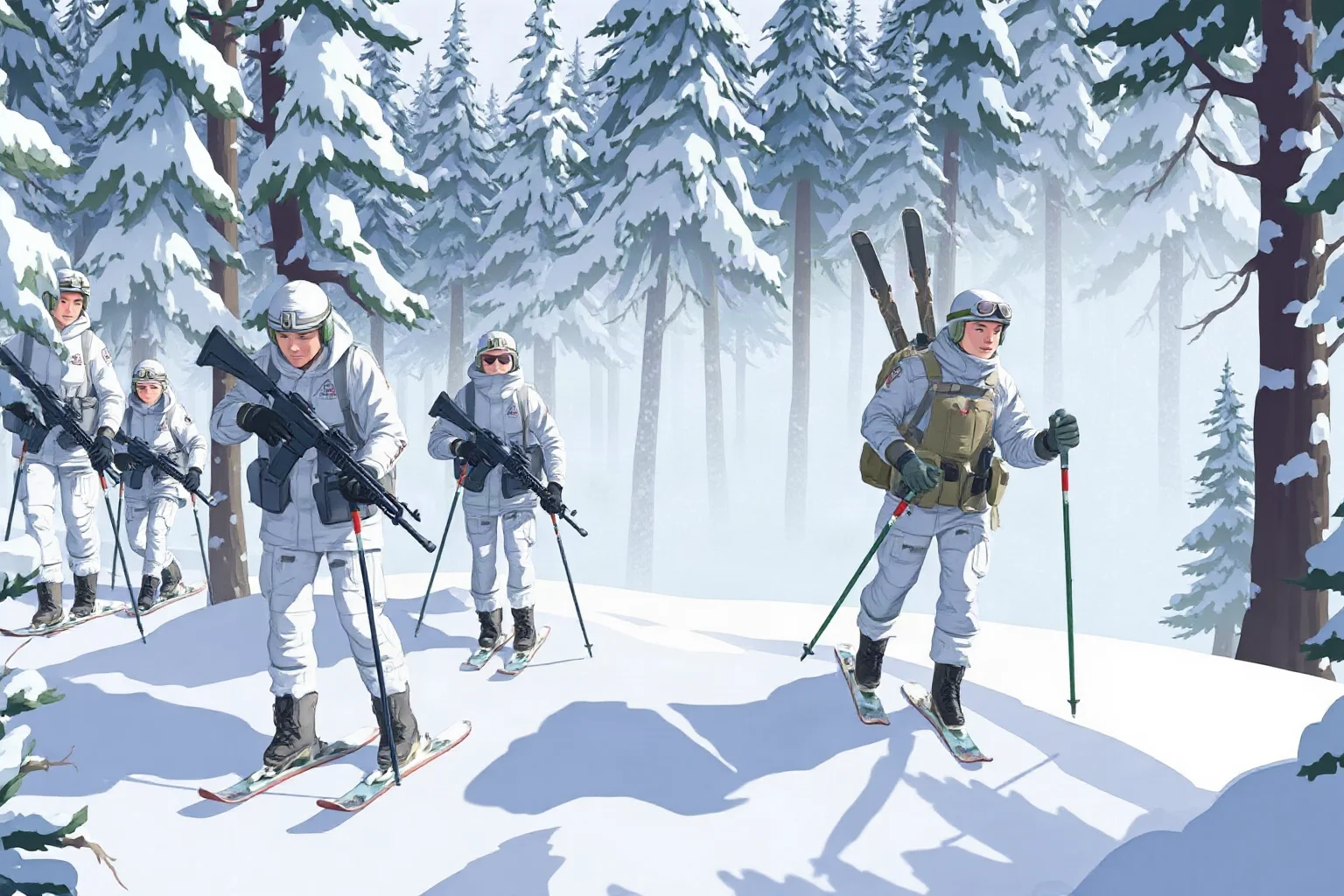
Often overshadowed by the outbreak of World War II happening at the same time, the Winter War saw the Soviet Union invade Finland in late 1939. Finland’s much smaller military put up fierce resistance, using knowledge of local terrain and harsh winter conditions to inflict heavy Soviet casualties.
Finland ultimately had to cede territory under the resulting Moscow Peace Treaty. Even so, its unexpectedly strong defense earned international respect and remains a point of national pride in Finland today.
10. The Cod Wars (1958–1976)
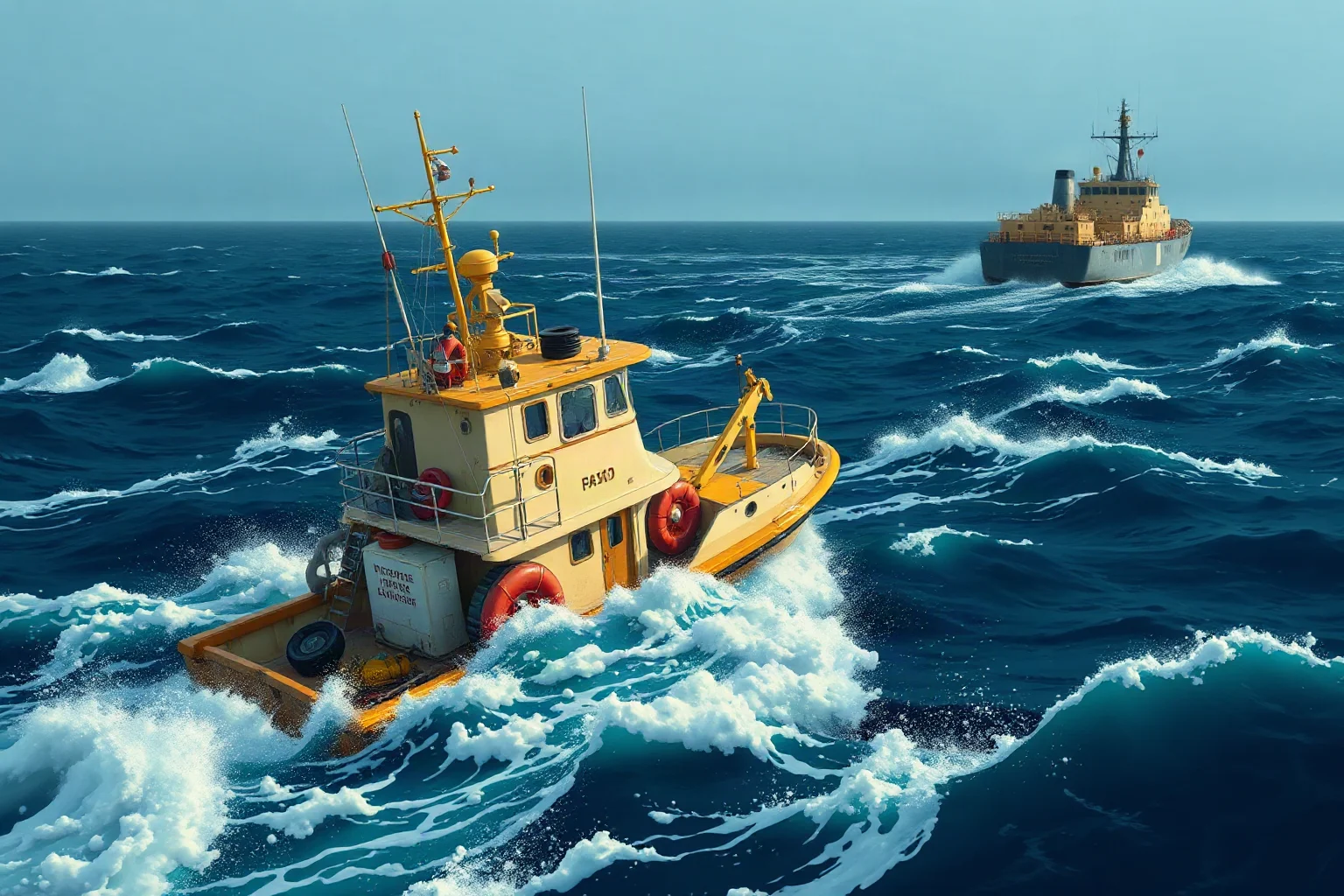
These were a series of tense confrontations between Iceland and the United Kingdom over fishing rights in the North Atlantic. Icelandic patrol vessels famously cut the fishing nets of British trawlers, while British warships were sent to protect their fleet.
Despite the dramatic name and real physical confrontations at sea, no one was killed in the disputes. They were eventually resolved through international agreements that expanded Iceland’s exclusive fishing zone.
What These Forgotten Wars Teach Us
Taken together, these ten conflicts show just how broad the definition of “war” really is. Some, like the War of the Triple Alliance, were devastating and deadly. Others, like the Toledo War or the Emu War, are remembered more for their strange names than their body counts.
This is part of why any complete list of wars in the world looks so different depending on who’s compiling it. Scale, casualties, and global impact all vary wildly, but each conflict still tells us something real about the political tensions of its time.
How Historians Define and Categorize Wars
Not every armed conflict gets officially labeled a “war,” which is part of why lists of wars can vary between sources. Historians and political scientists often distinguish between full-scale wars, border skirmishes, civil conflicts, and proxy wars based on factors like troop involvement, casualty counts, and formal declarations.
This is also why some conflicts, like the Cold War, spark debate. It involved no direct combat between its two main powers, yet its global consequences were massive enough that most historians still treat it as a defining war of the 20th century.
Final Thoughts on Famous and Forgotten Wars
The major wars of history, from the World Wars to the American Civil War, understandably dominate textbooks and documentaries because of their massive scale and lasting global impact. But the smaller, stranger conflicts on this list are just as much a part of the historical record.
Whether it’s a war that lasted less than an hour or one fought against emus, these stories are a reminder that history is often stranger, and more human, than the highlight reel suggests. The next time someone asks you to name a famous war, you’ll have plenty of surprising options beyond the obvious ones.
Frequently Asked Questions
What are considered the most significant wars in the history of the world?
Most historians point to World War I, World War II, the American Civil War, the Napoleonic Wars, and the Cold War as among the most significant wars in the history of the world, largely because of their massive death tolls and their lasting effects on global politics, borders, and technology.
What is the deadliest war in history?
World War II is widely regarded as the deadliest war in history, with estimates of total deaths (including combat, genocide, and related famine) ranging from roughly 70 to 85 million people worldwide.
What was the shortest war ever fought?
The Anglo-Zanzibar War of 1896 is generally recognized as the shortest war on record, lasting somewhere between 38 and 45 minutes between British forces and the Sultanate of Zanzibar.
Is the Cold War really considered a war?
Yes, most historians classify the Cold War (roughly 1947–1991) as a war despite the lack of direct combat between the United States and the Soviet Union, because it involved an arms race, espionage, and numerous proxy wars fought on their behalf around the world.
How many wars have there been throughout history?
There's no single agreed-upon number, since definitions of "war" vary and countless smaller conflicts throughout history were never formally documented. What's clear is that wars in the history of human civilization number in the thousands once you count everything from ancient empires' campaigns to modern civil conflicts.
What’s an example of a war most people have never heard of?
The Emu War of 1932 is a great example: Australian soldiers were deployed with machine guns to control a destructive emu population in Western Australia, and the birds largely won the encounter.

Alex Warren
Related Articles