
Every March, green rivers, shamrock cutouts, and parades take over cities far beyond Ireland’s shores. But behind the parties and plastic hats is a real man whose actual story has almost nothing to do with leprechauns or four-leaf clovers. So who is St. Patrick, and why is he important enough that the whole world still celebrates him more than 1,500 years after his death?
The true history of St. Patrick is stranger, sadder, and more compelling than the legend. He was kidnapped, enslaved, and forced into a country that wasn’t his own — and he chose to go back. Below are 22 facts about Saint Patrick that separate the documented history from the folklore, drawing on his own surviving writings and centuries of historical scholarship.
TL;DR: St. Patrick was a real, once-enslaved Roman Briton who became Ireland’s patron saint, and most of the famous legends about him — snakes, shamrocks, and even the color green — were added centuries after his death.
1. Yes, St. Patrick Was a Real Historical Person
A surprising number of people search “was st patrick real” or “is st patrick real,” and the answer is a clear yes. Unlike many early saints — including France’s teenage warrior saint, Joan of Arc, whose trial records help historians separate fact from legend — Patrick left behind his own writing, which is rare and valuable evidence for a 5th-century figure.
His two surviving works, the “Confessio” (Confession) and the “Letter to the Soldiers of Coroticus,” are considered authentic and are among the oldest surviving documents written in or about Ireland. They give historians a firsthand account of his life, in his own words, rather than a legend passed down secondhand.
2. He Wasn’t Irish — He Was Born in Roman Britain

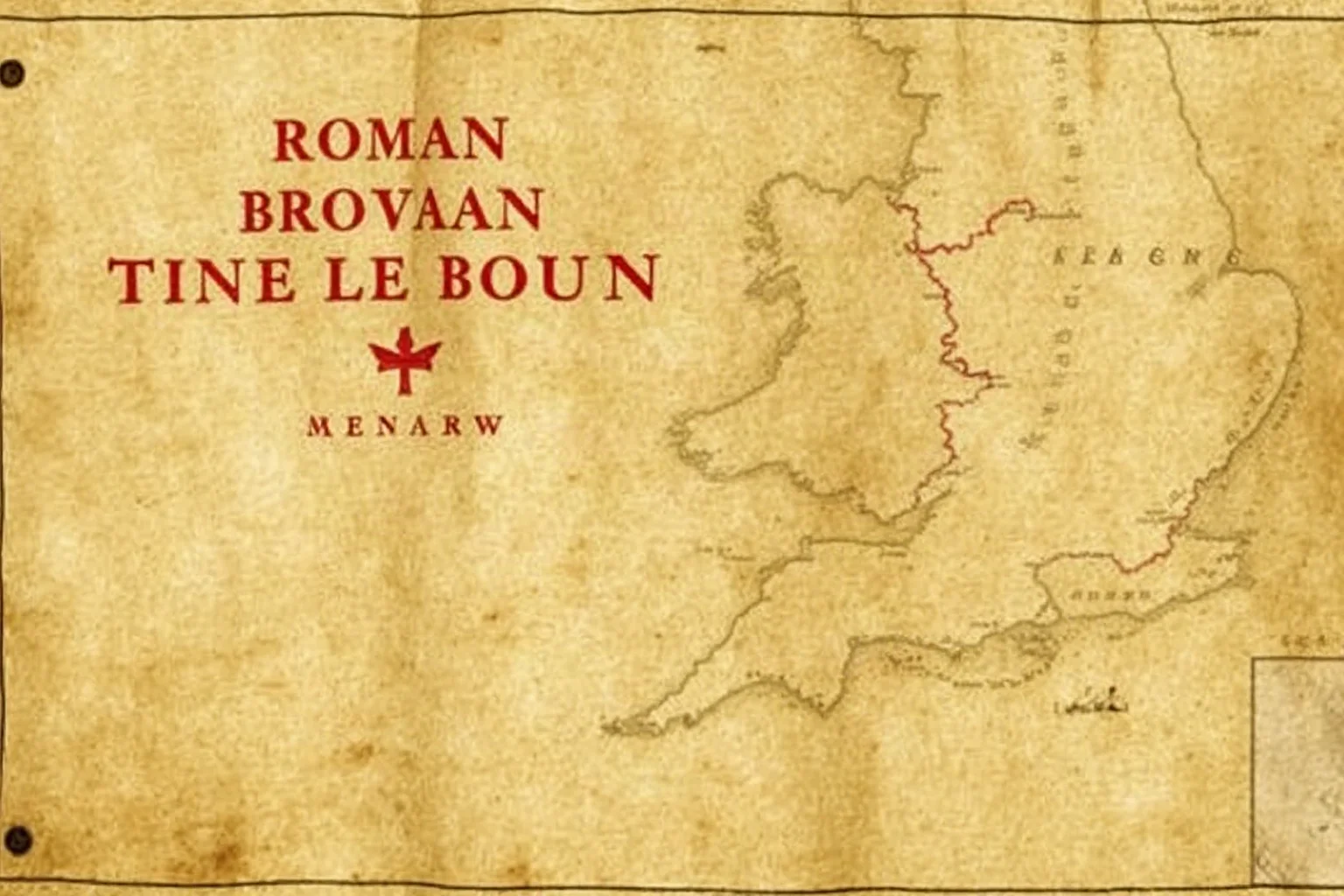
One of the most surprising facts about Saint Patrick is that he wasn’t Irish at all. He was born around the late 4th century in Roman Britain, likely somewhere in modern-day Wales or western England, to a Romano-British family.
His father, Calpurnius, was a minor Roman official, and the family was at least nominally Christian. Ireland, to young Patrick, was a foreign and frightening place — not a homeland, but the country that took him captive.
3. His Birth Date Is a Historical Mystery

People searching for “st patrick birthday” or asking “how old is saint patrick” won’t find a firm answer, because no exact birth date survives. Historians place his birth somewhere around 385–392 AD, based on the estimated timeline of events in his own writings.
There’s no birth certificate or contemporary record confirming an exact year, let alone a day. Even his lifespan is an estimate pieced together from context clues in the Confessio, not a documented fact.
4. He Was Kidnapped and Enslaved as a Teenager

At around age 16, Patrick was captured by Irish raiders who attacked his family’s estate. He was taken across the sea to Ireland and sold into slavery, a detail he describes plainly in the Confessio.
This wasn’t a metaphorical hardship — it was forced labor under a local chieftain, likely herding livestock in isolation. It’s one of the most important facts about St. Patrick, because it directly shapes everything that happens afterward.
5. He Spent Six Years in Captivity Before Escaping

Patrick was enslaved in Ireland for roughly six years. According to his own account, he eventually experienced what he believed was a divine message urging him to flee and find a ship waiting to take him home.
He walked roughly 200 miles to the coast, convinced a ship’s crew to take him aboard, and eventually made his way back to Britain and his family. It’s a dramatic escape story that rarely makes it into the shamrock-and-parade version of his legacy.
6. His Faith Was Forged in Captivity, Not Childhood
Although his family was Christian, Patrick admits in the Confessio that he wasn’t especially devout before his enslavement. He describes his captivity as the period when his faith deepened, describing prayer as a source of comfort during his isolation.
This matters because it reframes the entire story: Patrick’s later mission wasn’t the plan of a lifelong zealot, but the result of a personal transformation during trauma. It’s one of the more human, lesser-discussed facts about St. Patrick.
7. He Trained as a Cleric Before Returning to Ireland
After escaping slavery and reuniting with his family, Patrick didn’t stay home. He eventually trained within the Church, and years later felt called to return to the very land where he’d been enslaved — this time as a missionary, not a captive.
The exact details of his religious training are thin, since records from this period of Britain are sparse. What is documented, in his own words, is his conviction that he was meant to go back and spread Christianity there.
8. His Real Name May Not Have Been “Patrick”
“Patrick” comes from “Patricius,” a Latin term that essentially meant a person of noble or patrician rank. Some historians believe this may have been an adopted or honorific name rather than his given birth name.
A later tradition holds that his birth name might have been Maewyn Succat, though this claim comes from later biographical writing rather than Patrick’s own texts, and its accuracy isn’t settled. Either way, “Patrick” is the name history remembers him by.
9. Two Letters He Wrote Are Among the Oldest Surviving Irish Documents
The Confessio and the Letter to Coroticus aren’t just personal artifacts — they’re historically significant because so little writing survives from 5th-century Britain and Ireland at all. In the letter, Patrick angrily condemns a warlord named Coroticus for raiding and enslaving newly baptized Christians.
This letter shows Patrick as an outspoken critic of slavery, a striking detail given his own history as a captive. It also gives modern readers a rare, unfiltered voice from the twilight of Roman Britain.
10. The “Snakes” Legend Is Almost Certainly a Myth
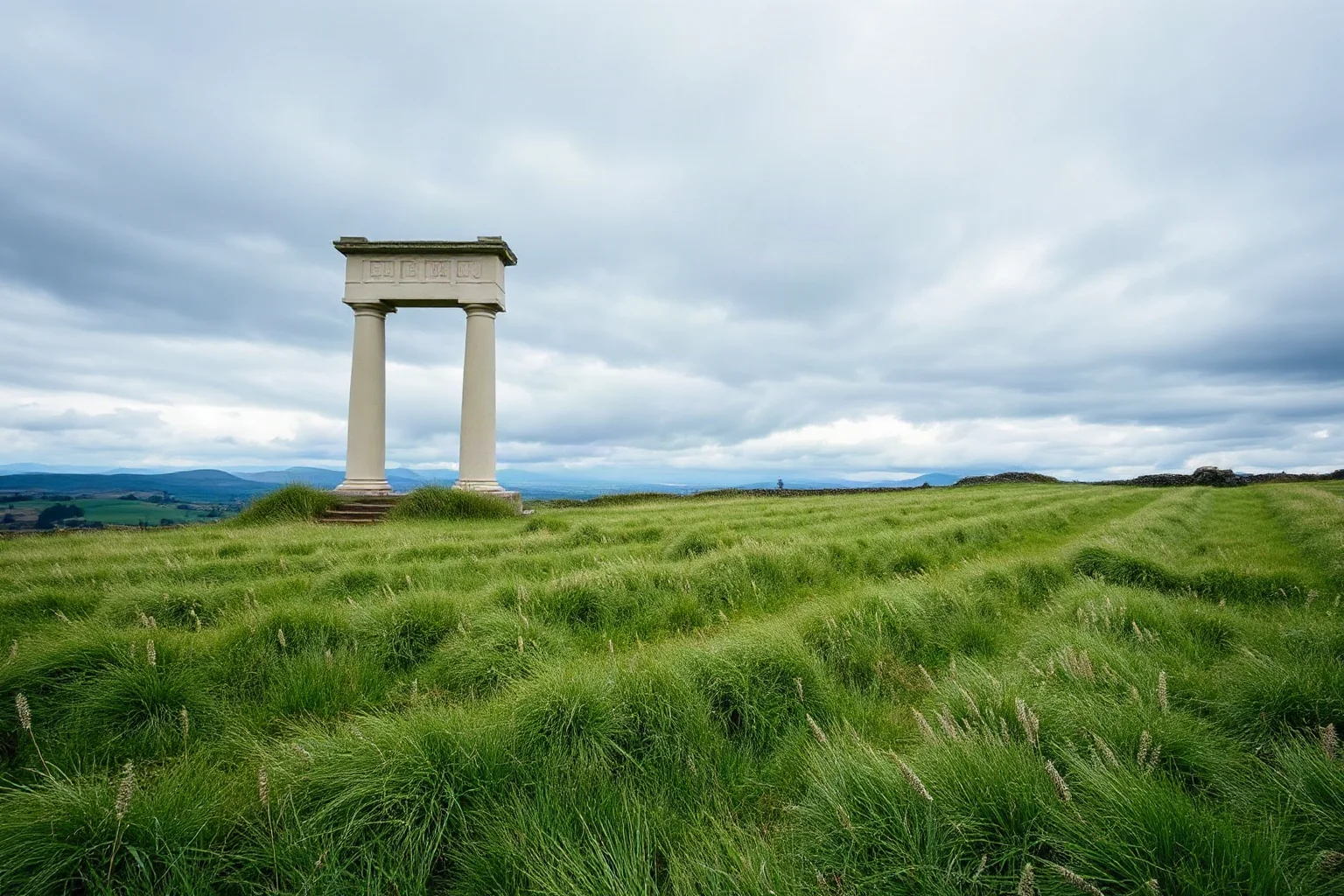
One of the most repeated facts about St. Patrick — that he drove all the snakes out of Ireland — isn’t found anywhere in his own writings. Modern zoologists and paleontologists note that Ireland likely never had native snakes at all, since it separated from the rest of Europe after the last Ice Age, before snakes could repopulate the island.
The snake story is widely viewed by historians as a later legend, quite possibly a symbolic tale representing the suppression of pagan practices rather than a literal event. It’s a great example of why myth-busting matters when talking about the real St. Patrick.
11. The Shamrock Story Wasn’t Written Down Until Centuries Later

The beloved image of Patrick using a shamrock to explain the Holy Trinity to pagan Irish converts is one of the most iconic Saint Patrick’s Day facts, but it doesn’t appear in any of his own writings. The earliest known references to this story date from many centuries after his death.
That doesn’t mean it’s impossible, but historians treat it as pious legend rather than verified biography. The shamrock did, however, become a lasting symbol of Ireland regardless of whether the original story is true.
12. His Color Was Originally Blue, Not Green
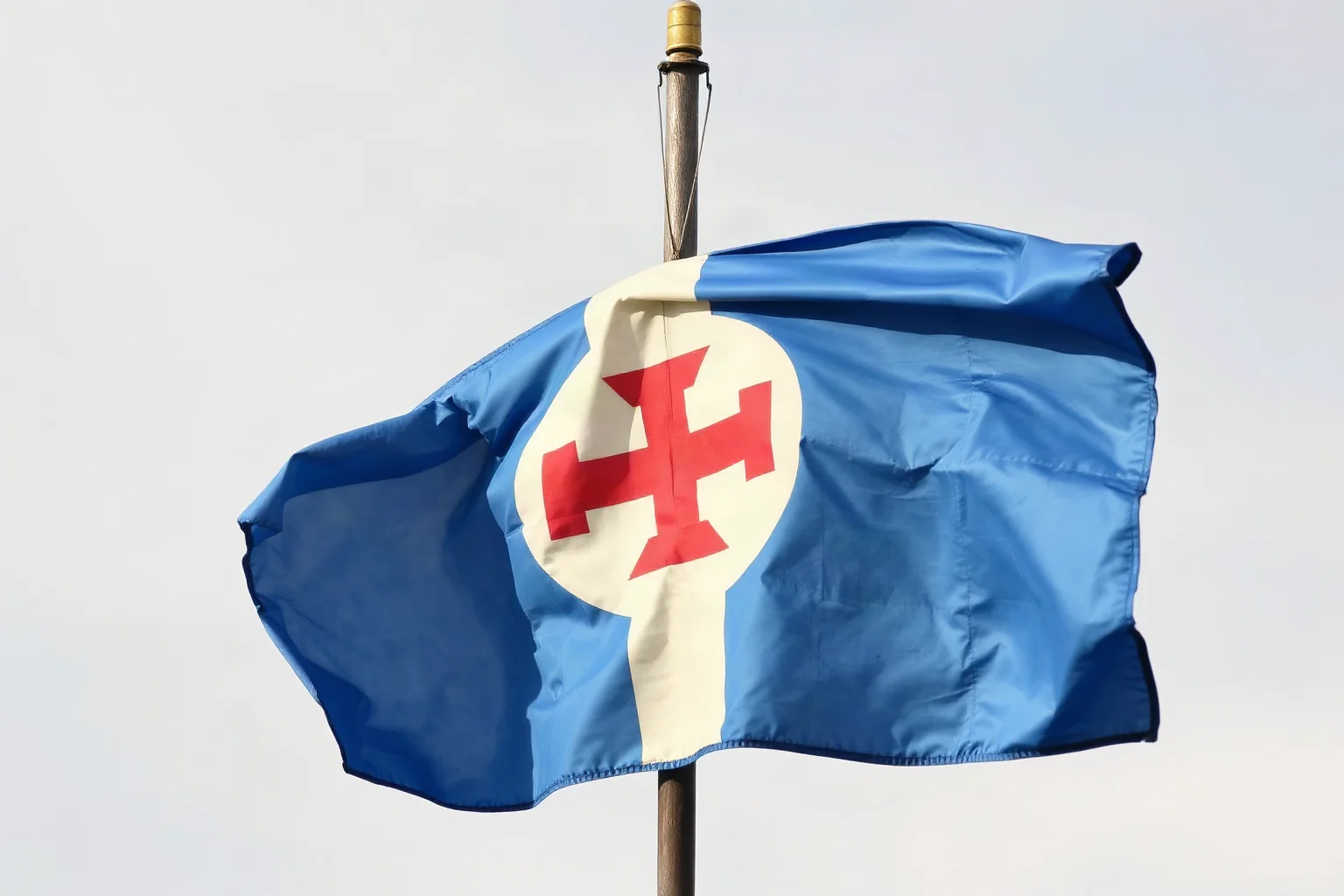
Here’s a fact about St. Patrick that surprises almost everyone: for centuries, his official associated color was a shade known as “St. Patrick’s Blue,” not green. Blue appeared on old Irish flags, coats of arms, and even early depictions of the saint himself.
Green only became dominant later, tied to the shamrock, Ireland’s nickname as the “Emerald Isle,” and 18th- and 19th-century Irish nationalist movements that adopted green as a symbol of identity. So the sea of green worn every March 17 is a relatively modern tradition, historically speaking.
13. He Died on March 17 — But We Don’t Know the Year for Sure
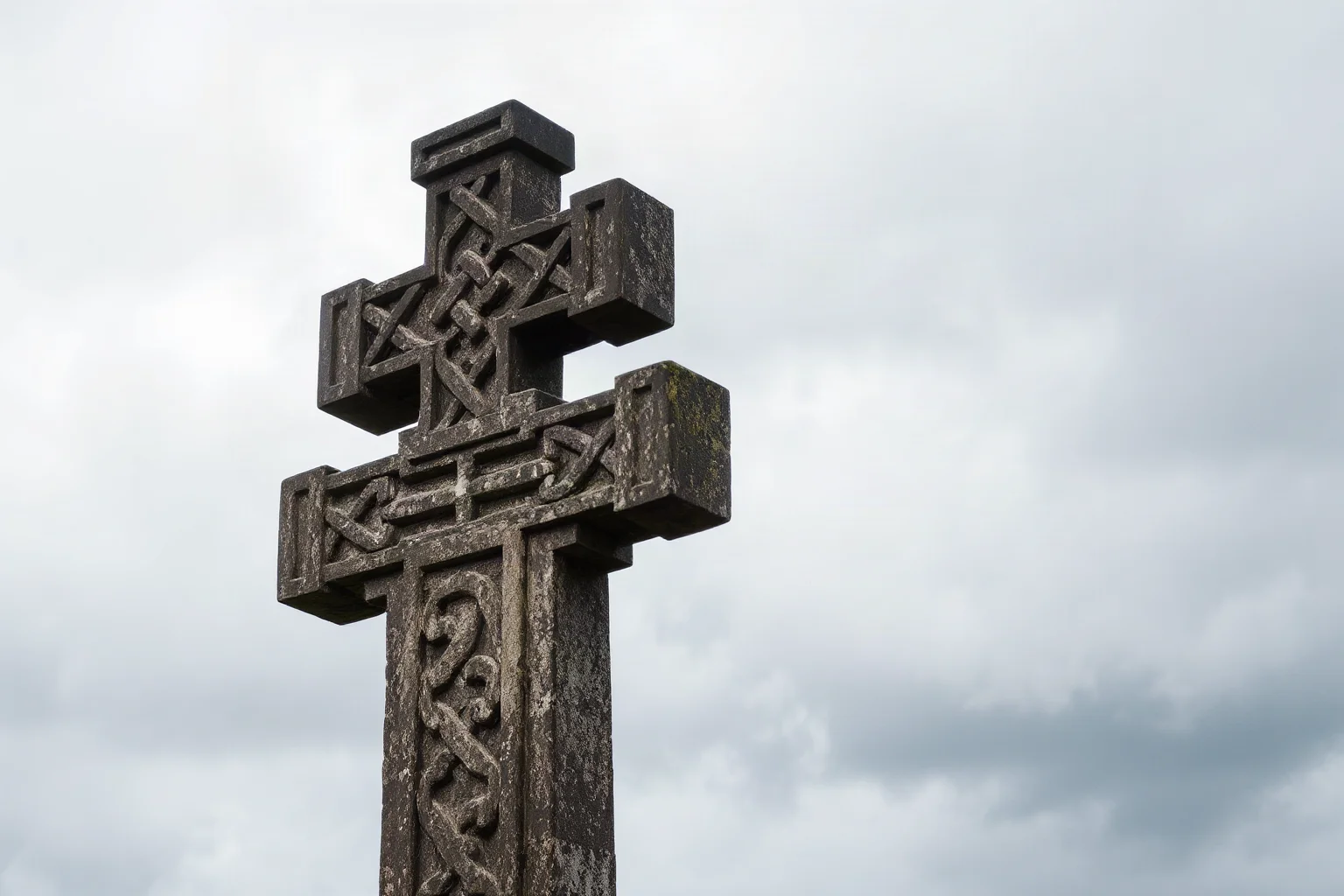
March 17 is widely accepted as St. Patrick’s date of death, which is why it’s celebrated as his feast day. However, the exact year is debated among historians, with proposed dates ranging from around 460 to 493 AD.
There’s no contemporary death record confirming it precisely. The date of the celebration is solid; the underlying year of his death remains an educated estimate.
14. He Was Never Formally Canonized by a Pope
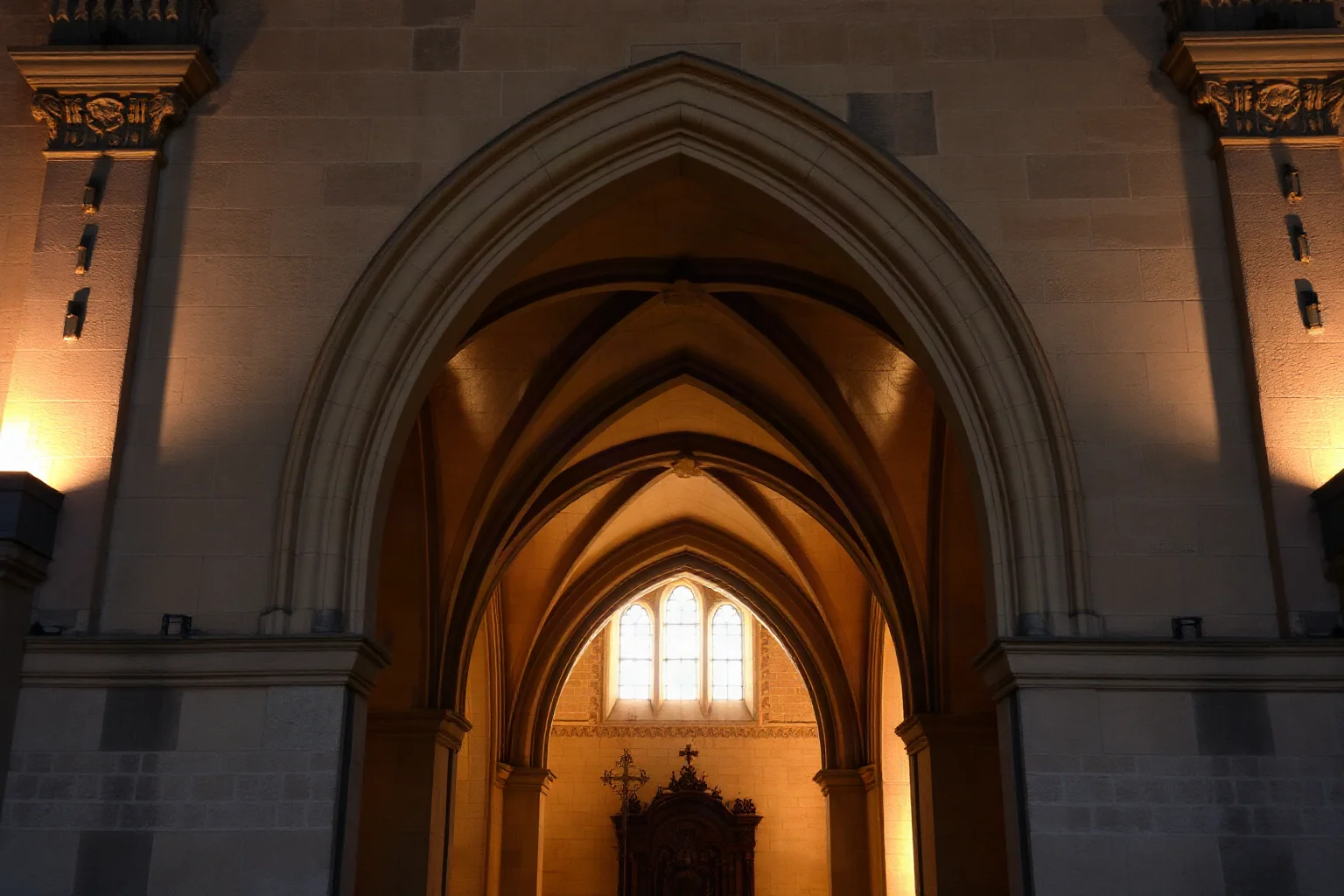
A question that surprises a lot of people: “was st patrick canonized” by the Catholic Church through an official process? The answer is no — Patrick lived and died centuries before the formal canonization process (with Vatican investigation and papal declaration) was established.
Like several early saints, he became recognized as a saint through longstanding popular and Church tradition rather than a formal modern canonization. This doesn’t diminish his status; it simply reflects how sainthood worked in the early medieval Church.
15. Was Saint Patrick Martyred? No — He Died of Natural Causes
Many people assume a saint this famous must have died a dramatic martyr’s death, but the honest answer to “was saint patrick martyred” is no. Historical accounts, thin as they are, point to Patrick dying of natural causes in old age, likely in Ireland, where he’d spent decades as a missionary bishop.
So if you’re wondering “did st patrick die of old age,” the evidence supports that over any theory of violent martyrdom. His legacy rests on his missionary work and writings, not a dramatic death.
16. He’s Not Just Ireland’s Patron Saint

Most people know Patrick as the patron saint of Ireland, but that’s not his only title. He’s also recognized as a patron saint of engineers (tied to legendary stories about him and architecture), of Nigeria, and of several dioceses around the world where Irish missionaries later spread his veneration.
His reach expanded largely through the Irish diaspora, as immigrants carried devotion to Patrick to North America, Australia, and beyond. That global spread is a big part of why St. Patrick’s Day is celebrated so widely outside Ireland today, cementing his place among the most recognized historical figures in the world.
17. There May Have Been Two “Patricks” (The Two-Patricks Theory)

Some historians propose what’s called the “Two Patricks” theory, suggesting that stories and achievements attributed to one St. Patrick may actually blend the lives of two different missionary bishops active in Ireland around the same general era. This theory tries to explain inconsistencies in dates and events found in later medieval biographies.
It’s not a universally accepted idea, but it’s a serious academic discussion, not fringe speculation. It’s a good reminder that centuries of retelling can blur even well-documented historical figures.
18. We Have No Real Idea What He Looked Like
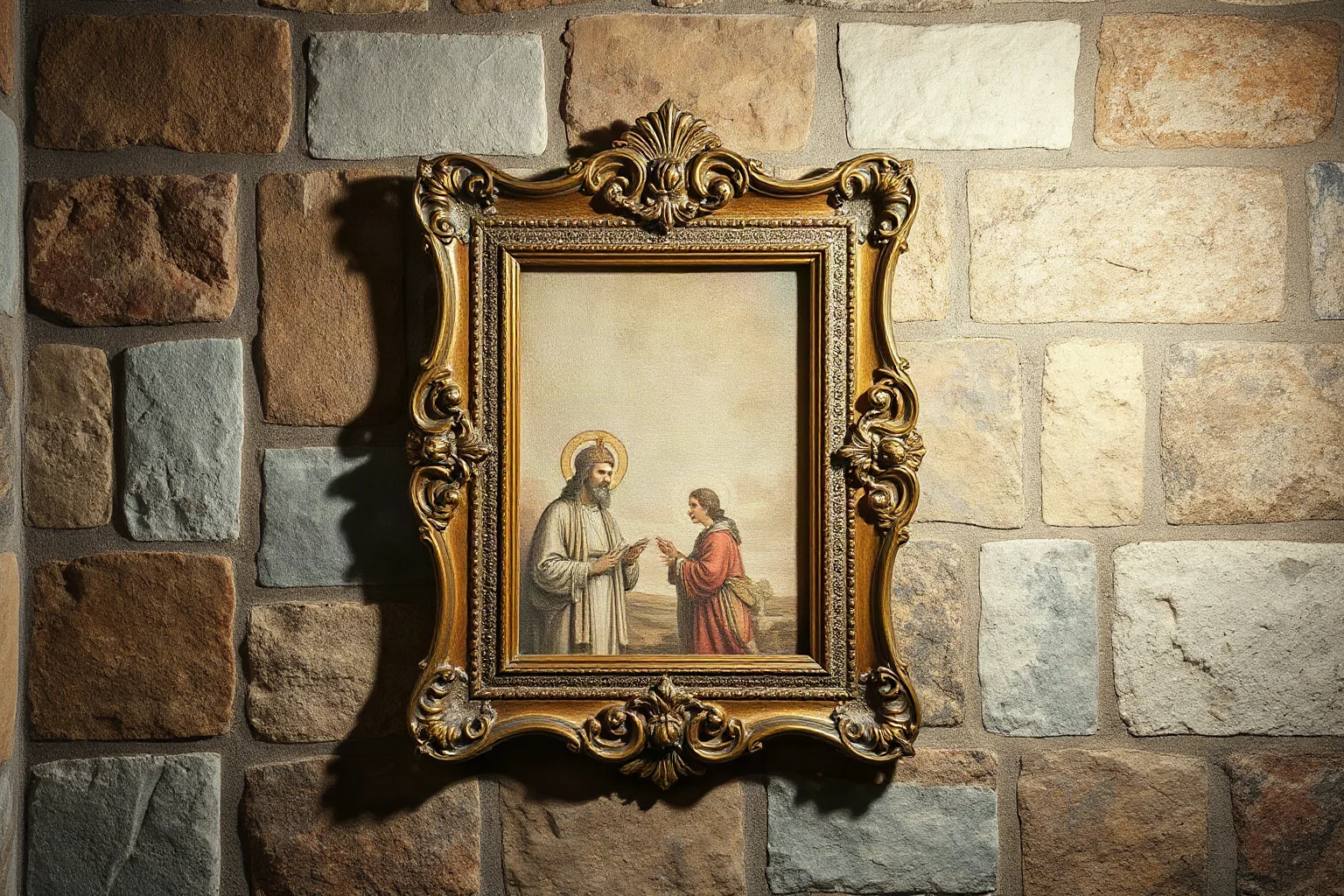
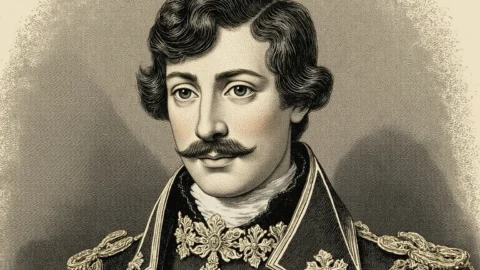
If you’ve ever wondered “what did saint patrick look like,” the honest answer is that no physical description survives from his own time. Every painting, statue, and stained-glass window showing an old man in bishop’s robes with a staff and a shamrock is an artistic invention, created centuries after he lived.
There are no contemporary portraits or physical descriptions in the Confessio or the Letter to Coroticus. His visual image today is entirely a product of later Christian art traditions, not historical record.
19. His Feast Day Was a Quiet Holy Day for Centuries
For most of its history, March 17 was a modest religious feast day in Ireland, marked by church attendance rather than parades or parties. It even fell during Lent, a season of fasting, so historically the rules around food and drink were often relaxed only for that single day.
The boisterous public holiday most people associate with St. Patrick’s Day today developed much later, and largely outside Ireland itself. That shift is one of the more surprising facts about St. Patrick’s Day for people who assume the big celebrations started in Ireland.
20. St. Patrick’s Day Parades Started in America, Not Ireland
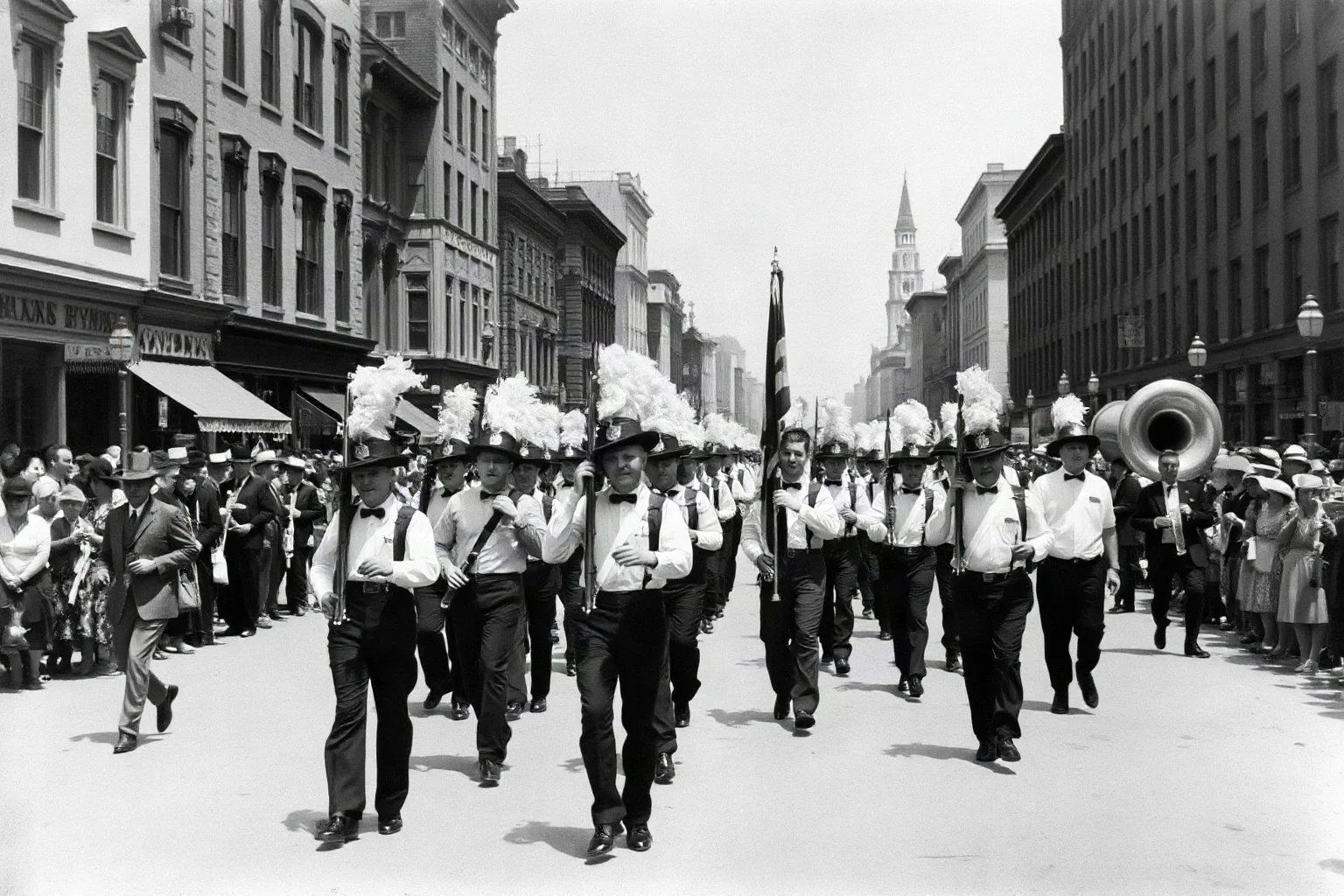
Here’s a fact that regularly surprises people: the first documented St. Patrick’s Day parades happened in colonial America, not Ireland, organized by Irish immigrants and Irish soldiers serving in the British colonial military during the 1700s. Cities like Boston and New York held early parades well before large public parades became common in Ireland.
Irish-American communities used the day to publicly celebrate their heritage and build political and social solidarity. Ireland’s own public celebrations, including its first official St. Patrick’s Day parade, developed later, influenced in part by the American tradition.
21. Irish Pubs Were Legally Closed on St. Patrick’s Day Until 1970

It sounds almost unbelievable today, but Ireland actually had a law requiring pubs to close on St. Patrick’s Day, since it was classified as a religious holy day. This law remained in effect until 1970, when it was finally repealed.
So for decades, the country most associated with the holiday had stricter drinking rules around it than many places celebrating it abroad. This is one of those St. Patrick’s Day facts that flips the usual assumptions about where the “party” version of the holiday actually came from.
22. Corned Beef and Cabbage Is an Irish-American Invention

The classic St. Patrick’s Day meal of corned beef and cabbage isn’t a traditional Irish dish from Ireland. In Ireland, the historical equivalent was more commonly bacon and cabbage, with pork being the traditional meat of choice.
Irish immigrants in America substituted corned beef, partly because it was cheaper and more available in 19th-century American cities, often bought from Jewish delis in immigrant neighborhoods. Over time, it became so associated with the holiday that many people assume it’s an old Irish tradition, when it’s really an Irish-American one.
The Real Legacy Behind the Legend
So, what is St. Patrick known for, once you strip away the myths? He’s remembered as a missionary who helped establish Christianity in Ireland during the 5th century, and as a writer whose own words survived to tell a remarkable personal story of captivity, faith, and return.
What is St. Patrick famous for beyond that is mostly the product of centuries of storytelling, national identity-building, and, eventually, global marketing. The snakes, the shamrock lesson, and even the green color are cultural additions layered onto a much smaller set of verified historical facts.
That doesn’t make the holiday any less fun, but it does make the real story more interesting. A once-enslaved teenager who chose to return to the place of his captivity, and whose memory now fuels parades on nearly every continent, is a far richer story than any leprechaun tale.
The next time March 17 rolls around, the green rivers and shamrock decorations might mean a little more, knowing the man behind them lived a life far removed from the legend.
Frequently Asked Questions
Was St. Patrick a real person?
Yes. Unlike many early saints, St. Patrick left behind his own writings, the Confessio and the Letter to Coroticus, which historians widely accept as authentic 5th-century documents. These texts confirm he was a real Romano-British missionary who lived and worked in Ireland.
Who is St. Patrick, and why is he important?
St. Patrick was a Romano-British man who was enslaved in Ireland as a teenager, later escaped, and eventually returned as a Christian missionary. He's considered important because he became a central figure in the spread of Christianity in Ireland and is now the country's most famous patron saint.
Did St. Patrick die of old age, or was he martyred?
Historical evidence suggests St. Patrick died of natural causes in old age, likely after decades of missionary work in Ireland. There's no credible historical evidence that he was martyred, despite that being a common assumption about famous early saints.
Was St. Patrick officially canonized by the Pope?
No. St. Patrick lived long before the Catholic Church established its formal canonization process. He became recognized as a saint through centuries of popular veneration and Church tradition rather than an official papal declaration.
How old was St. Patrick when he died?
His exact age at death isn't known for certain, since no precise birth or death record survives. Based on estimates from his own writings, historians generally believe he lived into old age, possibly his 70s, though the exact figure can't be confirmed.
What did St. Patrick actually look like?
No physical description or contemporary portrait of St. Patrick survives. The familiar image of an elderly bishop holding a staff and shamrock is an artistic tradition created centuries after his death, not a historical likeness.
What is St. Patrick famous for?
St. Patrick is best known for his role in establishing Christianity in Ireland during the 5th century and for the personal writings he left behind describing his enslavement, escape, and missionary return. Many of the legends associated with him, like driving out snakes, were added long after his lifetime.
Why do people search ‘Saint Patrick Saint Patrick’?
This repeated search phrase is usually just how people type when double-checking the name or spelling while researching him. The short answer for anyone landing on this search: Saint Patrick, sometimes written St. Patrick or St Patrick, was a 5th-century missionary and Ireland's patron saint, not a fictional or duplicated figure.
Is Ireland the only place St. Patrick is honored?
No. While he's most associated with Ireland, St. Patrick is also recognized in places like Nigeria and is considered a patron of certain professions, including engineers. His veneration spread globally through Irish immigrant communities.

Alex Warren
Related Articles